We all have an impression that Apple’s ecosystem is supported by the most secure operating system in the world. But, this statement may not be considered true anymore. The myth has been broken today by a team of hackers who have developed the world’s first virus for Mac and named it Thunderstrike 2.
This virus can be transferred via USB sticks or even email phishing. This then bypasses the Mac’s Operating System and directly attacks the BIOS – the software that appears before the main operating system after the system boots up. The worm then targets a machine’s option ROM or lives in the option ROM of peripherals.
Worse, because of living within the ROM of peripherals, the Thunderstrike 2 can spread from one Mac to another without even having to connect to a network. Anti-Virus programs are useless as the malware cannot be detected at the hardware’s BIOS level. Thus, checking for infection is very difficult.
The only way to remove this virus is to open up the hardware parts of the Mac and manually re-flash the chip. Xeno Kovah, co-founder of a security training firm called LegbaCore, who developed the worm says:
For most users, that is really a throw-your-machine-away kind of situation. Most people and organisations don’t have the wherewithal to physically open up their machine and electrically reprogram the chip.
Kovah and his partner Corey Kallenberg uncovered a series of firmware vulnerabilities that affected 80% of the systems they had, including HP, Dell, Lenovo and Samsung. These vulnerabilities, as found by the researchers, allowed them to bypass the firmware and reflash the BIOS to plant malicious code within the firmware. Kovah and Kallenberg tried to test the same vulnerabilities on MacBook boot flash firmware and found out that almost all the attacks on PCs and laptops could be replicated for Mac too.
The first version was fixed with OS X 10.10.2 and required the hacker to have physical access to the computer. The new version is incorrigible because the malware can be transferred via a link. The latest OS X security update (10.10.4) seems to try and resist the bug to a certain extent, instead of being engulfed by it completely.
So, what can you do to protect your Mac? All we can do right now is hope Apple rolls out a BIOS update soon.
The OnePlus has taken the mobile industry by storm. The Chinese smartphone manufacturer launched the highly successful OnePlus 1 last year, followed by the OnePlus 2 this year. Barely a month after OnePlus announced its latest phone, it has already declared that a new device is in the pipeline. Currently rumoured to be the OnePlus 3, It is speculated to be releasing in December.
.@Sosi88 OnePlus 3 will be released in 2016, probably H2. Don’t panic.
Pushing all the rumours aside, OnePlus has confirmed that the new device will not launch on Christmas. Yesterday, four employees of OnePlus conducted a Reddit AMA (Ask Me Anything) session where they answered quite a lot of questions about the current OnePlus 2, along with a few questions about the future device. Most of the questions were related to NFC, wireless charging and quick charging, to which OnePlus replied:
With the OnePlus 2, we made the set of choices that we think delivers the best user experience, but because users are not the same, they won’t all feel the same. That’s fine – we’ll work hard to make each iteration better than the last.
Lastly, they talked about the new phone. OnePlus said the new phone will be an entirely new segment of the company smartphone and should not be considered as a OnePlus 2 successor. This can be true as one employee from OnePlus confirmed saying, “we can only tell you that this is not going to be the OnePlus 3 nor a OnePlus 2s.” He also said, “We’ll be broadening our range this year.” The new device may address the problem of lack of NFC, wireless charging, quick charging or any other features the current OnePlus 2 lacks.
The OnePlus 2 has been launched and will be available in India from 11th August, for a price of Rs 22,999 for the 16GB variant and Rs 24,999 for the 64GB variant. The device has a 5.5-inch display with a Sandstone back cover.
The smartphone comes with a 1.8GHz octa-core 64-bit processor with 4GB of RAM. The phone has a 13MP rear camera with sensor pixel size of 1.3 microns, which is supposedly 35% larger than standard smartphone cameras. The added Laser Focus feature will help take clear shots in less that 0.3 seconds. The camera even includes OIS (Optical Image Stabilisation) – a feature previously seen on the iPhone 6 Plus. The company has added a 5MP camera in the front.
OnePlus 2 comes with a USB type-C port, a first for any flagship smartphone. Reversible in nature, the USB type-C allows for faster data transfers and is compatible with almost every device with standard USB ports.
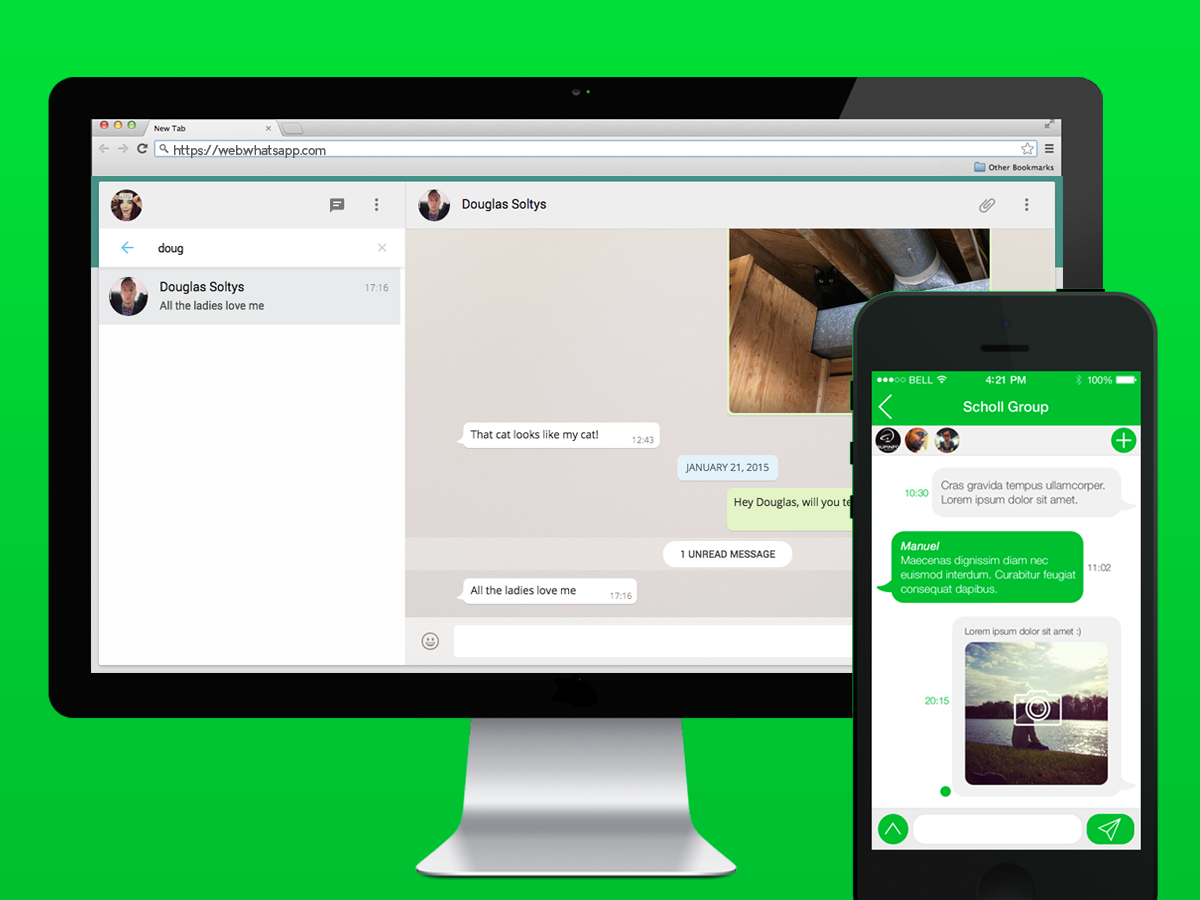
Microsoft released Windows 10 on 29th July but, if you are an avid WhatsApp Web user, it is likely that you may not be able to use this feature on your brand new Edge browser. At least, not yet.
If you have been using Internet Explorer, or Microsoft’s brand new browser called Edge in Windows 10, you’ve been out of luck – so far. Currently, WhatsApp Web is not cooperative with Microsoft’s Edge browser, though it can be accessed on Mozilla Firefox, Opera, Apple Safari and Google Chrome, which are all consistent on Windows.
According to a Windows Central report, a Microsoft program manager revealed that the company is, in fact, striving to get WhatsApp Web support to Edge.
Softpedia has quoted Microsoft’s Program Manager Greg Witworth (on Twitter), as stating that the Redmond-based company is working with the instant message service company to allow WhatsApp Web to support Edge users.
The report says that WhatsApp Web for Edge may be made accessible as an OS update; however, there is no particular timeline given for the launch of the service.
Moreover, Microsoft’s Internet Explorer (IE) does not support WhatsApp Web. Hence, those on Windows need to use other browsers to access WhatsApp on their desktops.
Meanwhile, WhatsApp Web has been updated to feature aspects at par with the smartphone version of the popular messaging service. You will notice a new “edit” icon adjacent to “current status”, which allows you to make changes to your status and share it with friends. You can also hover over their current profile image, and an option is displayed that can be used for editing the image.
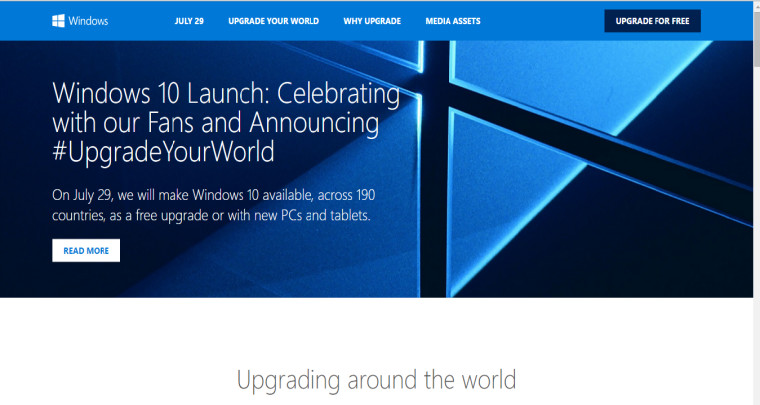
With the roll out of Windows 10 happening on a global scale, Microsoft has announced the price of the operating system in India. Microsoft’s official online store has listed the Home version under Rs 7,999 and the Pro version for Rs 14,999. For those users who are using Windows XP and earlier versions, or are assembling new PCs or laptops need to purchase the software. And, for those who are operating original Windows 7 and Windows 8, you are eligible for the free upgrade.
Windows 10 brings a new Edge browser, a new Windows Store, Office 2016 suite and completely redesigned Photos, Videos, Music, Maps, People, Mail and Calendar apps, among other upgrades.
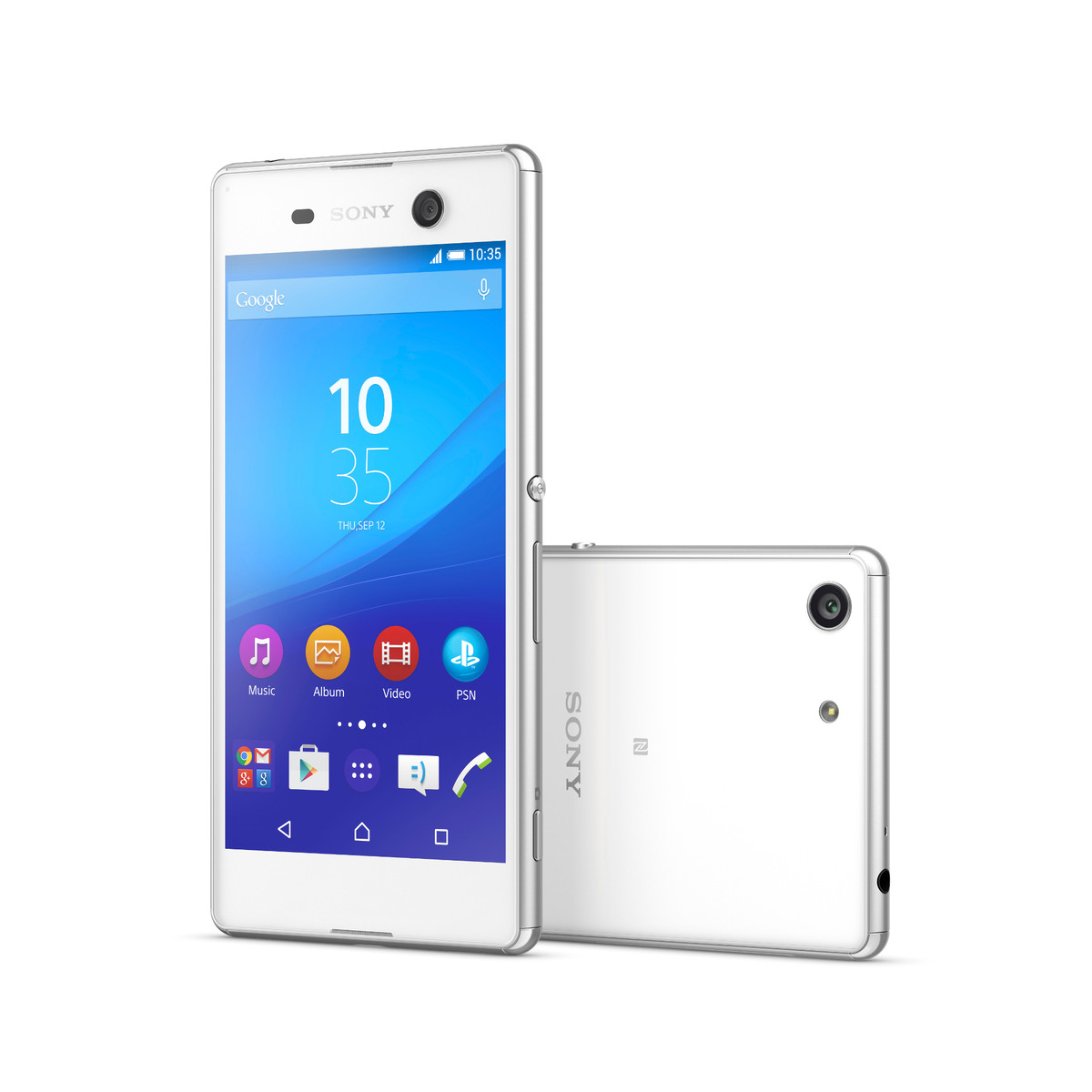
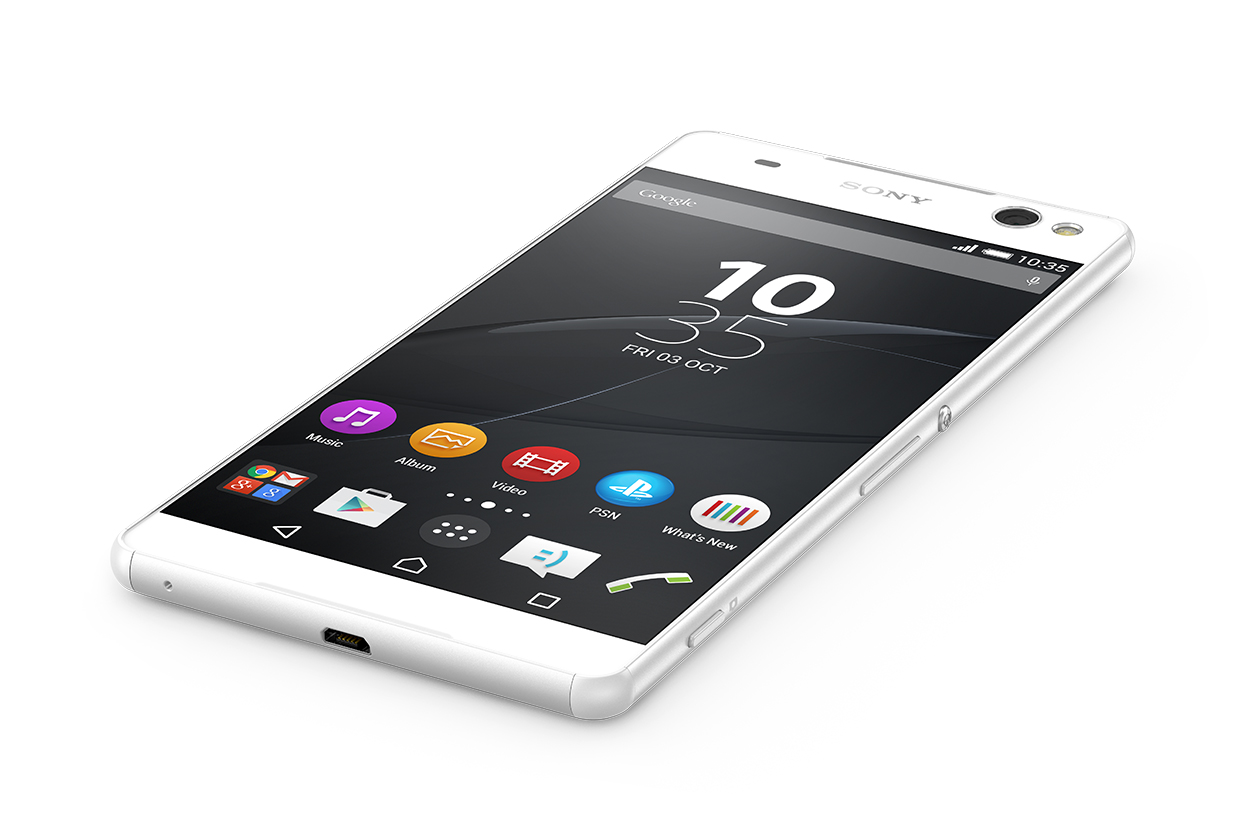
After weeks of speculation and rumours, Sony has finally released their two new ‘camera focused’ smartphones, the Xperia M5 and the Xperia C5 Ultra. Both the devices will be offering great photography experiences to its users, especially since mobile cameras have always been a USP for Android devices.
Tony McNulty, Vice-President of Value Category Business Management at Sony Mobile Communications, said
We are pleased to present two new products that highlight Sony’s advances in camera technology.
Sony Xperia C5 Ultra
Starting with the 6-inch Xperia C5 Ultra, like all the previous Xperia C series models, it is made for clicking selfies. It has a 13MP front camera with an LED flash. It also stars a 22 mm wide-angle lens with an 88-degree field of view, auto-focus, 4X digital zoom, full HD video recording, image stabiliser, Auto Scene Recognition, red-eye reduction and many more. The primary 13 MP camera also comes packed with the same specs. On the inside, it is packed with a 1.7GHz MediaTek Octa core processor, 2GB RAM,16GB storage, 2930 mAh battery and with LED flash on both the front and back side. But, unlike Sony’s other mid-range and premium smartphones, the Xperia C5 Ultra doesn’t sport water and dust protection.
Sony Xperia M5 is waterproof
The new Xperia M5 has a 21.5MP Exmore RS camera, wrapped in the company’s latest exclusive Sony IMX230 CMOS sensor. This enables you to get 5x zoom without losing the quality of the photo. It also features hybrid autofocus, f/2.2 aperture and fast autofocus (0.2 seconds), and 4K video recording capability. On the front, it comes packed with a 13MP snapper with auto-focus. Other specs of this device include a 5.0-inch full HD display and it is powered by a 2.0GHZ MediaTek Helio X10 processor, IMG Rogue G6200 graphics engine, 3GB RAM, 16GB storage, 2600 mAh battery. The M5 is also waterproof.
Both the devices will be available in two variants (single or dual SIM) and will be available in select countries by mid-August. Pricing may be revealed during the local launch events of the handset.
The Windows 10 update for desktops, laptops and tablets is on a roll. Yesterday, Microsoft began rolling out the update yesterday and it managed to be downloaded by over 14 million people, worldwide. But serious questions were asked by consumers about the availability of the new operating system on their smartphones. The company said the OS will start rolling out smartphones from November. Today, the company has confirmed which Lumia devices will receive the updates first.
Microsoft announced that the devices which will receive the OS update are: Microsoft Lumia 430, Lumia 435, Lumia 532, Lumia 535, Lumia 540, Lumia 640, Lumia 640 XL, Lumia 735, Lumia 830, or Lumia 93. The firm announced the list which it said “will receive a free upgrade when available”, but vague wording made it unclear if these devices would be the first to be upgraded, or if they might be the only ones to get updated.
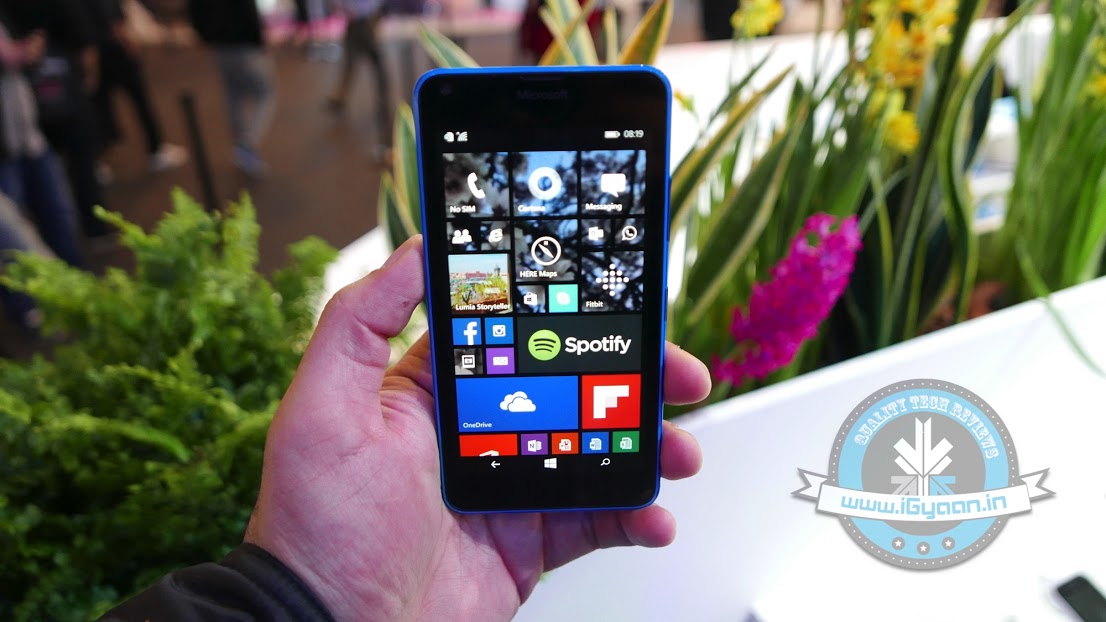
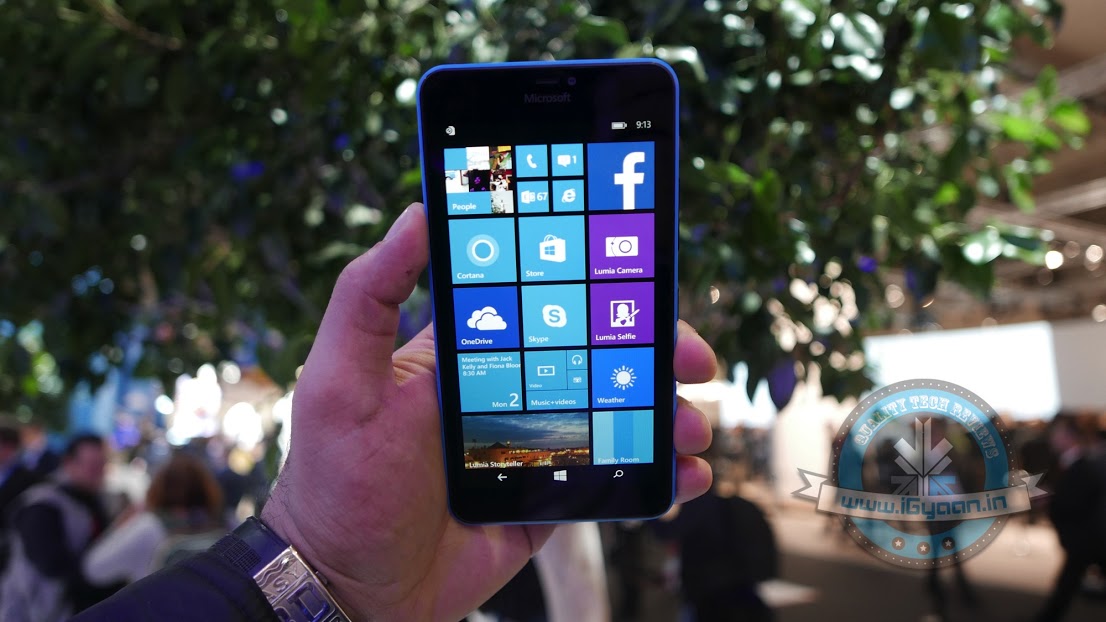
Nokia Lumia 640 XL will be receiving the Windows 10 upgrade.
Many notable devices like the Lumia 520 and the Lumia 630 and 635 are missing from the list. The company assured that the upgrade will eventually be brought to every device running on Windows Phone 8.1 Update 1 or Update 2, with the most recent Lumia Denim firmware. But, Microsoft also said that not every Windows 10 feature will be available in the mobile version. One of them is the Windows Hello biometric security feature.
Windows 10 Mobile will be bringing in a lot of positive changes to the whole Lumia interface, introducing an updated Action Centre, new Microsoft Edge browser, and universal apps like Maps, Calendar and Photos, among others. Cortana would also be starred in the OS, now with cross-platform and cross-device integration stretching to Android and iOS, apart from desktops. Also new, are features like the One-Handed mode.
The Windows 10 Operating System is taking place on a global scale. Microsoft’s official online store has listed the Home version under Rs 7,999 and the Pro version for Rs 14,999. For those users who are using Windows XP and earlier versions, or are assembling new PCs or laptops need to purchase the software. And, for those who are operating original Windows 7 and Windows 8, you are eligible for the free upgrade.
Yesterday, we unboxed and posted a video of the OnePlus 2 on our YouTube channel, and we received many questions regarding the device. We chose some of the most common queries and made a video of it, answering each one of them. You can check out the video below:
Questions and their respective answers are given below:
Q. Does the OnePlus 2 have a Gorilla Glass? If yes, what is the version of the glass?
A. The OnePlus 2 does have Gorilla Glass, and it is the latest Gorilla Glass 4. The same is found on Samsung Galaxy S6 and the S6 Edge.
Q. Where are the speakers located and are those stereo speakers?
A. People are easily confused about the speakers being stereo, as it is at the bottom of the device, next to the USB type-C connector.
Q. How is this device different from different devices?
A. Our full review of the OnePlus 2 will be out shortly, and will answer this questions.
Q. Does the OnePlus 2 has an LED notification light?
A. Yes, it does. Not only does it have an LED light, but the light can also be customized where we can change the colour of our notifications according to our wish.
Q. Will both the SIM cards run on 4G LTE?
A. Yes, both the SIM cards will run 4G LTE. But, we are not sure whether both the SIMs will run on 4G simultaneously, we will have to check it out.
Q. What is the SAR value of the device?
A. While the SAR value is available in the OnePlus website, for India, the SAR value is 0.729 W/kg for the head and 0.329 W/kg for the body which is well within the allowed numbers.
Q. What about the availability of the device as well as its covers?
A. The OnePlus 2 is going to be available in the US, the European Union as well as the Indian region starting from 11th August. In order to obtain the device, you will have to receive an invite first. The Indian sale will go live on Amazon.in, and India specific invites can be availed from Amazon’s website.
You will also be able to purchase changeable back covers at the time of sale. So, you can pick up a back cover of your choice.
Q. Does the OnePlus 2 support USB OTG?
A. The OnePlus 2 should support USB OTG, but since we do not have USB Type C OTG cable, we have ordered one and will be able to answer this question shortly.
Q. Is it worthy to upgrade from OnePlus One to OnePlus 2?
A. From a hardware perspective, the OnePlus Two seems like a worthy upgrade from the OnePlus One. The pricing is slightly higher than what we expected it to be. Also, you can skip the OnePlus 2 and wait for the next version or buy it later in the year, if they offer the device with some discount deals. If you bought the OnePlus One recently, you could stick to that as it will continue to receive updates.
Q. Is the fingerprint scanner better than GS6 and iPhone? Is it a deal breaker or maker?
A. We have been testing out the fingerprint scanner, and it works really well. It is fast and responsive to your fingerprint, and you can register five different fingerprints for unlocking the device and securing your OnePlus 2. It works as well as the S6 or the M9+. It is almost identical to those.
We feel the one on the iPhone 6 works slightly better because it reads the finger much faster than the one on the OnePlus 2. But we will be testing it out with a proper review of the OnePlus 2.
Q. Earphones in the box?
A. The box that we got is probably what the retail box will look like. And we did not receive any earphones. So, you will have to buy the earphones separately if you don’t have a pair of earphones already.
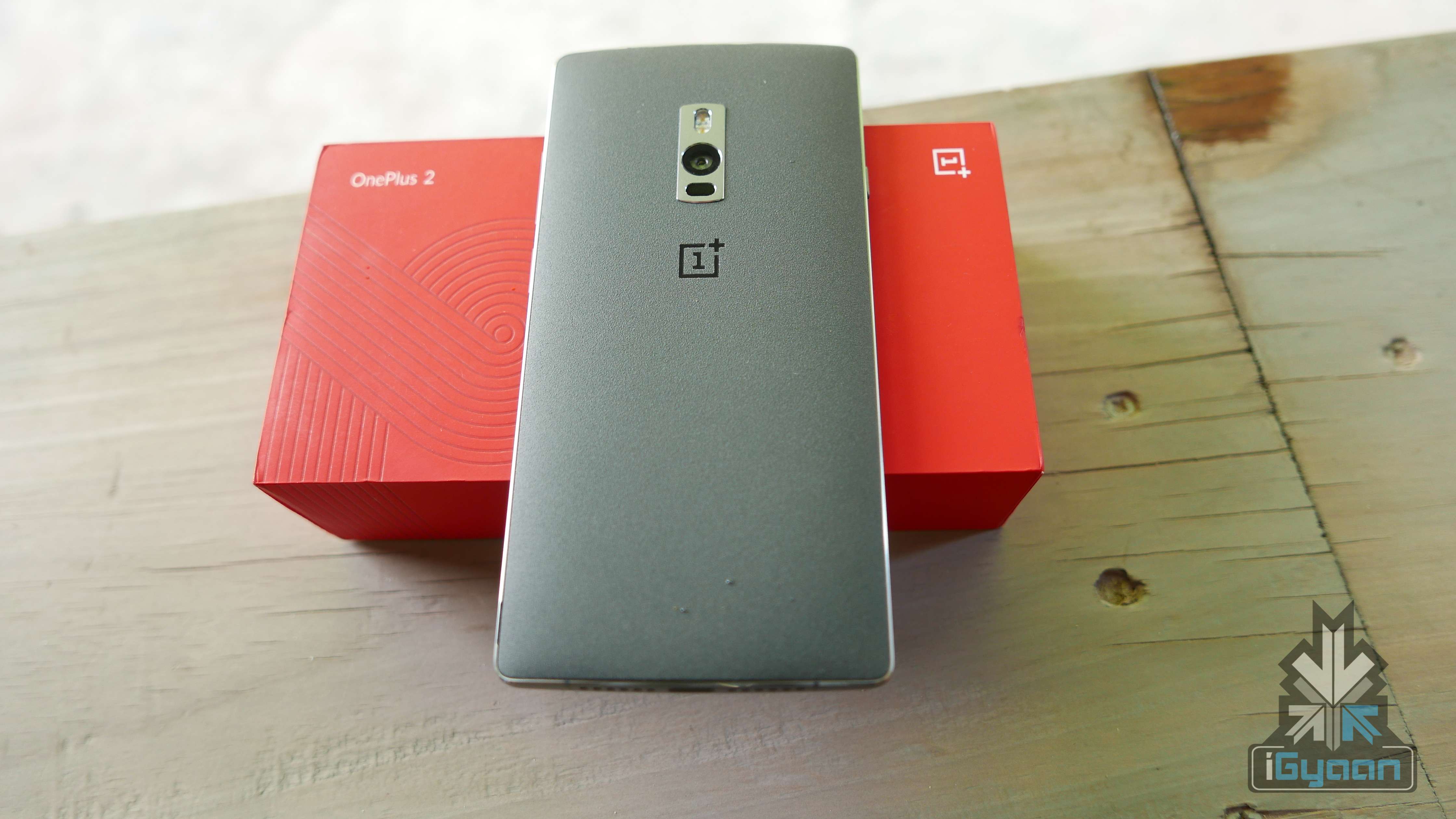
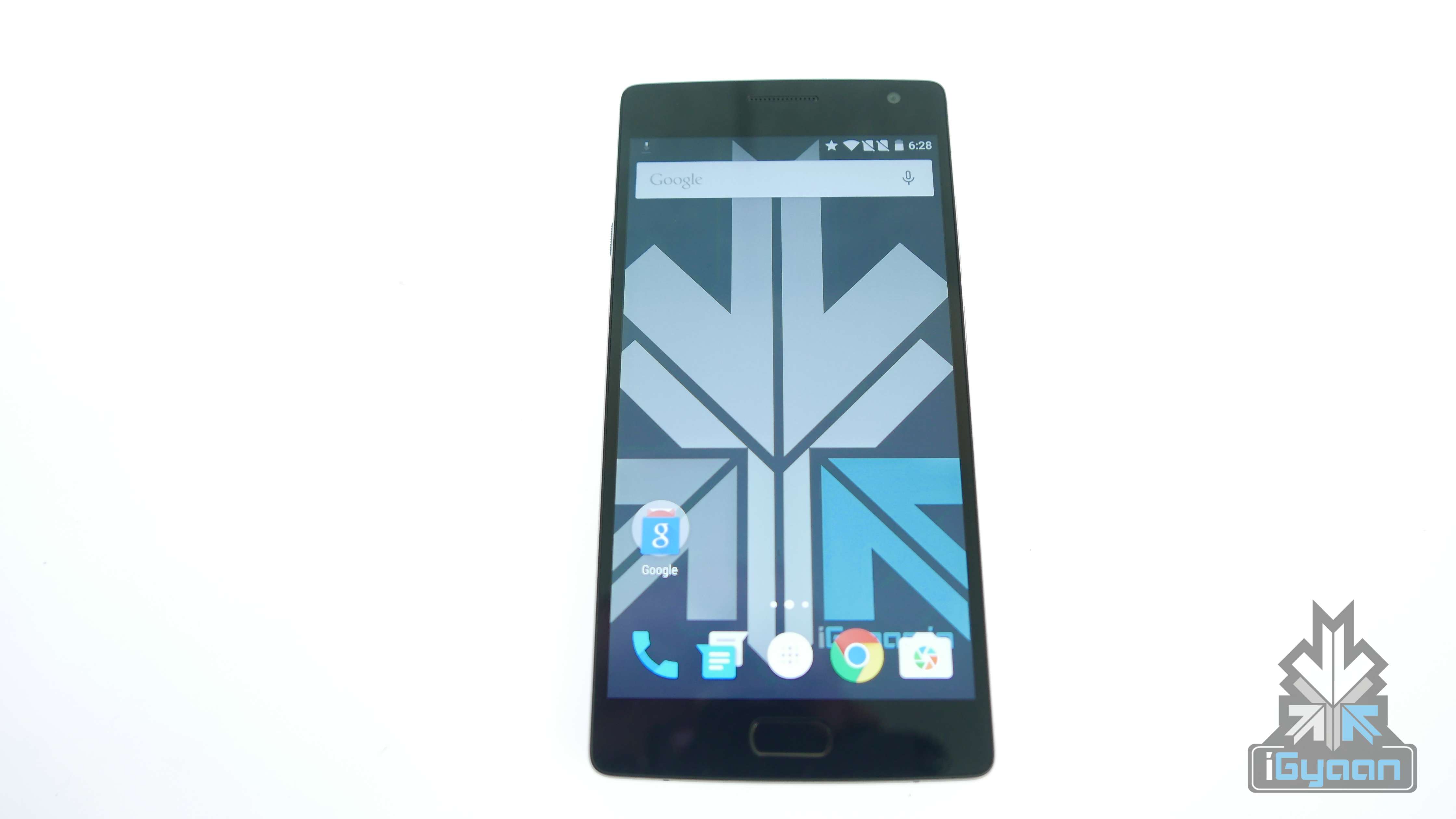
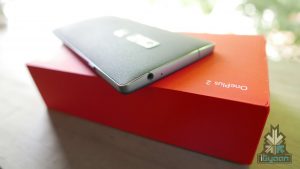
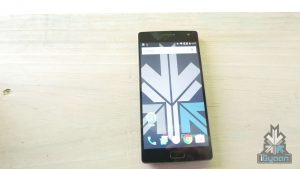
The OnePlus 2 has a 5.5-inch display and comes with the classic Sandstone Black back cover, which feels nice to hold. The back panel can be easily customised using OnePlus’ StyleSwap covers available in four variants – Bamboo, Black Apricot, Rosewood, and Kevlar. The covers can be swapped without any hassle, but it still takes some effort to remove the cover.
It is powered by a 1.8GHz octa-core 64-bit processor with 4GB of RAM. The processor is capable of 4K streaming. The device runs on Android 5.1 with OxygenOS. The device has a feature called the ‘shelf’, which is activated when you swipe to the left on the home screen; it opens your preferred contacts and recent apps.
OnePlus 2 comes with a USB type-C port, a first for any flagship smartphone. Reversible in nature, the USB type-C allows for faster data transfers and is compatible with almost every device with standard USB ports.
Overall, the phone seems to deliver what the company had promised. However, we’d advise you to wait for our review.
Check out the unboxing and hands-on video of OnePlus 2:
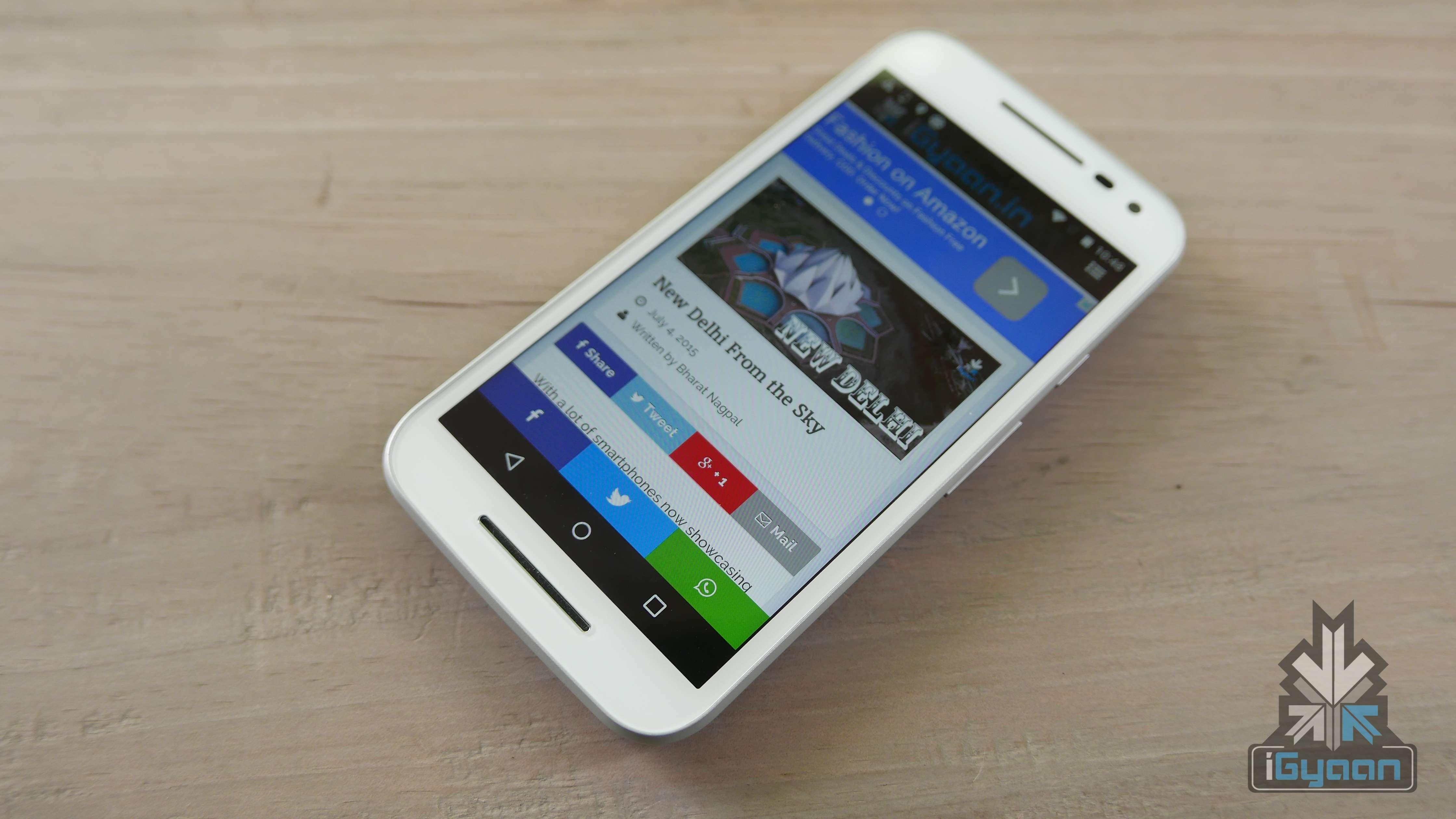
Motorola has just launched the long-awaited Moto G. And like many other competitive handsets around, Moto G, too, has seen its fair share of rumours and leaks.The device is available in two variants and will be available on Flipkart by midnight, today.
The device boasts of a 5-inch 720p display with 1280×720-pixel resolution and 294ppi. It is powered by a 1.4GHz Quad core CPU and the processor has been upgraded from Qualcomm Snapdragon 400 to Qualcomm Snapdragon 410, along with an Adreno306 GPU. It is juiced by a 2,470 mAh battery that can last roughly up to a day. The handset is available in two variants- 8GB storage with 1GB RAM and 16GB storage with 2GB RAM.
Camera specifications include a 13MP rear camera with f/2.0 aperture, Field of view (FOV) up to 76 degrees. The 5MP front camera consists of a f/2.2 aperture and Field v (FOV) 72 degrees Display flash with fixed focus.
We have pitted the Moto G against the smartphones in the similar price bracket. Let us see how it fared.
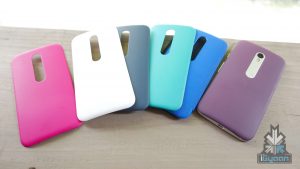
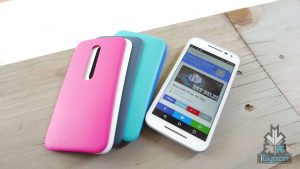
As we can see above, Yu Yureka Plus is apparently leading the way to be the first choice of the market due to the same, or better specs in each category at a much cheaper price. But, Moto G should not be undervalued in this race. We think that by adding features like being waterproof for up to 3 feet for 30 minutes, or just shaking the handset for the camera to start automatically, should take the Moto G (Gen 3) a step forward. And, how can we forget the choice between 10 different coloured shell covers and 5 flip covers that leave us spoiled for choice.
Read more about the Hands On of the Moto G 3rd Gen here
Watch the video of iGyaan’s founder Bharat Nagpal in conversation with Motorola India’s General Manager, Amit Boni below.
The day has finally arrived. OnePlus has released their highly-anticipated follow up to their 2014 OnePlus One, the OnePlus 2. The launch event was showcased exclusively through Virtual Reality technology via specially designed OnePlus VR headsets. All this while, the Chinese start-up had been releasing teasers and trailers to keep their fans occupied ahead of the launch today. These, served the purpose, and managed to create the desired hype.
First, let us see have a quick look at how the OnePlus 2 fares against its elder brother, the OnePlus One.
Specification
OnePlus One
OnePlus 2
Display
5.5-inch LTPS LCD, Corning Gorilla Glass 3
5.5-inch TPS LCD in cell, Corning Gorilla Glass
Resolution
1080×1920 pixels, 401 ppi
1080×1920 pixels, 401 ppi
Chipset
Qualcomm MSM8974AC Snapdragon 801
Qualcomm MSM8994 Snapdragon 810 v2.1
Processor
Quad-core 2.5 GHz Krait 400
Quad-core 1.5 GHz Cortex-A53 and Quad-core 2 GHz Cortex-A57
GPU
Adreno 330
Adreno 430
RAM
3 GB
3/4 GB LPDDR4 RAM
Storage
16/64 GB
16/64 GB
Expandability
N/A
N/A
Rear Camera
13 MP Sony Exmor IMX214 camera with f/2.0 aperture
13 MP with OIS, 1.35 sensor size and fast laser focus and f/ 2.0 aperture
Rear Camera Video
2160p at 30fps, 2160p(DCI) at 24fps, 1080p at 60fps, 720p at 120fps, HDR, stereo sound recording
2160p at 30fps, 2160p(DCI) at 24fps, 1080p at 60fps, 720p at 120fps, HDR, stereo sound recording
Front Camera
5 MP
5 MP
Front Camera Video
1080p at 30fps
1080p at 30fps
Battery
Non-removable Li-Po 3100 mAh battery
Non-removable Li-Po 3300 mAh battery
Operating System
CyanogenMod 12
Android 5.1 Lollipop-based Oxygen OS
Connectivity
SIM: MicroWi-Fi 802.11 a/b/g/n/ac, Wi-Fi Direct, DLNA, hotspotBluetooth v4.1, A2DP with A-GPS, GLONASSNFC, microUSB v2.0, USB Host
SIM: DualWi-Fi 802.11 a/b/g/n/ac, Wi-Fi Direct, DLNA, hotspot
Bluetooth v4.1, A2DPGPS with A-GPS, GLONASS, Radio FM,microUSB v2.0, Type-C reversible connector
Miscellaneous
Available in Silk White, Sandstone Black colours;
Fingerprint sensor, Reversible USB Type-C Charger
Price
Rs 21, 999
Rs 22,999/24,999
As we can see in the spec sheet above, there is not much difference between the One and 2. Most of the specs including the screen size, resolution, storage and camera. The OnePlus 2, although, stands out in the terms of its processor and RAM. OnePlus 2 is also the first OnePlus device to feature a Type-C USB port and a fingerprint sensor, that can store five unique fingerprints.
Camera-wise the megapixel number may not have budged, however the company has added an array of useful sensors. The OnePlus 2 comes with a sensor pixel size of 1.3 microns that makes it up to 35% larger than standard smartphone cameras. The new Laser Focus feature also helps to take clear shots in less that 0.3 seconds. It also features the coveted OIS (Optical Image Stabilisation), which has been previously seen in the iPhone 6 Plus.
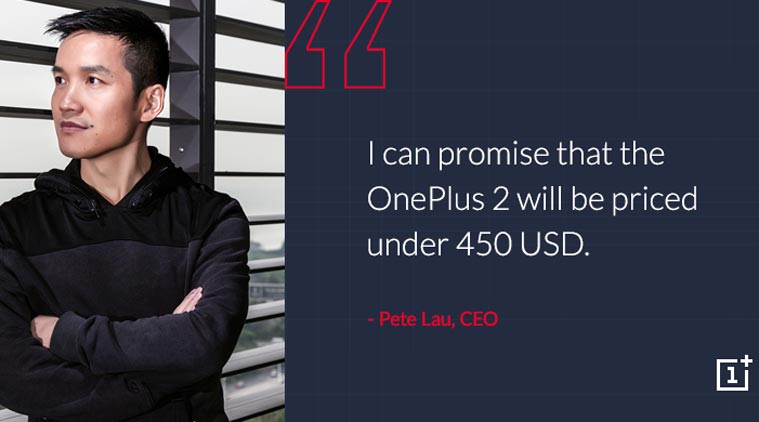
Just like the specs, the price also barely sees a change. The company had announced that the new handset will not cross more than the price of Rs. 28,500 ($450). Honoring that promise, OnePlus revealed the final launch price of the new OnePlus 2 as Rs. 22,999 for the 16GB variant and Rs. 24,999 for the 64GB variant.
We think the upgraded design and the new camera, RAM, reversible chargerm and fingerprint scanner may be worth the amount, but we’ll only give our final verdict after our full review. Watch this space for more on the new OnePlus 2.
Microsoft is busy gearing up for the launch of Windows 10. However, latest reports by Windows Central suggest that the company is working towards a total make-over of its range of smartphones with Windows 10.
The rumoured devices, codenamed as Cityman and Talkman, will possibly be launched at IFA Berlin in September this year. As far as the specs are concerned, the Talkman is touted to have a 5.2-inch display with 2560x1440p resolution. Under the hood, one can expect a hexa-core Snapdragon 808 processor coupled with 3GB RAM, 20-megapixel rear snapper, 5-megapixel front-facing camera, 32GB storage and a 3,000mAh battery.
The big brother, Cityman, will come with a 5.7-inch display, and almost a similar set of specs. Apart from the larger screen, some other differentiating specs may be an octa-core Snapdragon 810 processor and a 3,300mAh battery.
Although, there is no official word from Microsoft yet, Windows Central suggests that the devices will come with support for Qi wireless charging and an infrared scanner that will unlock the device in seconds. Iris scanner is a not-so-common feature and may turn the tides towards Microsoft’s favour, considering the fact that the Indian market is dominated widely by Samsung, OnePlus, Xiaomi and many other competitive companies. Microsoft is also reportedly bringing its Surface Pen technology to both of the expected Lumia handsets.
Both the devices are assumed to make their debut at IFA in September, followed by a release in October or November. Both will be offered in a choice of black and white polycarbonate, but there’s no word on their pricing yet.
Despite an initial dip in sales, Samsung emerged as the top smartphone seller in the second quarter, while Apple and other Chinese companies also saw an increase. A quarterly survey by IDC shows the rise in demand and usage of the smartphone from 11.6 percent a year back to to 337.2 million units, recently.
“The overall growth of the smartphone market was not only driven by the success of premium flagship devices from Samsung, Apple, and others, but more importantly by the abundance of affordable handsets that continue to drive shipments in many key markets,” said Anthony Scarsella, research manager with IDC.
Samsung ranks first, with a 21.7 percent market share, followed by Apple with 14.1 percent. In the third place we have China’s Huawei with an 8.9 percent market share, followed by Xiaomi (5.3 percent) and Lenovo + Motorola.(4.8 percent). The rest of the 42.5 percent market being captured by other vendors.
Vendor
2Q15 Shipment Volumes
2Q15 Market Share
2Q14 Shipment Volumes
2Q14 Market Share
Year-Over-Year Change
Samsung
73.2
21.7%
74.9
24.8%
-2.3%
Apple
47.5
14.1%
35.2
11.7%
34.9%
Huawei
29.9
8.9%
20.2
6.7%
48.1%
Xiaomi
17.9
5.3%
13.8
4.6%
29.4%
*Lenovo
16.2
4.8%
15.8
5.2%
2.4%
Others
152.5
45.2%
142.2
47.1%
7.3%
Total
337.2
100.0%
302.1
100.0%
11.6%
Lenovo + Motorola
16.2
4.8%
24.3
8.0%
-33.3%
With smartphone sales beating PC sales this year, the competition among smartphone brands are constantly rising. Will Samsung be able to keep up? Time will tell.
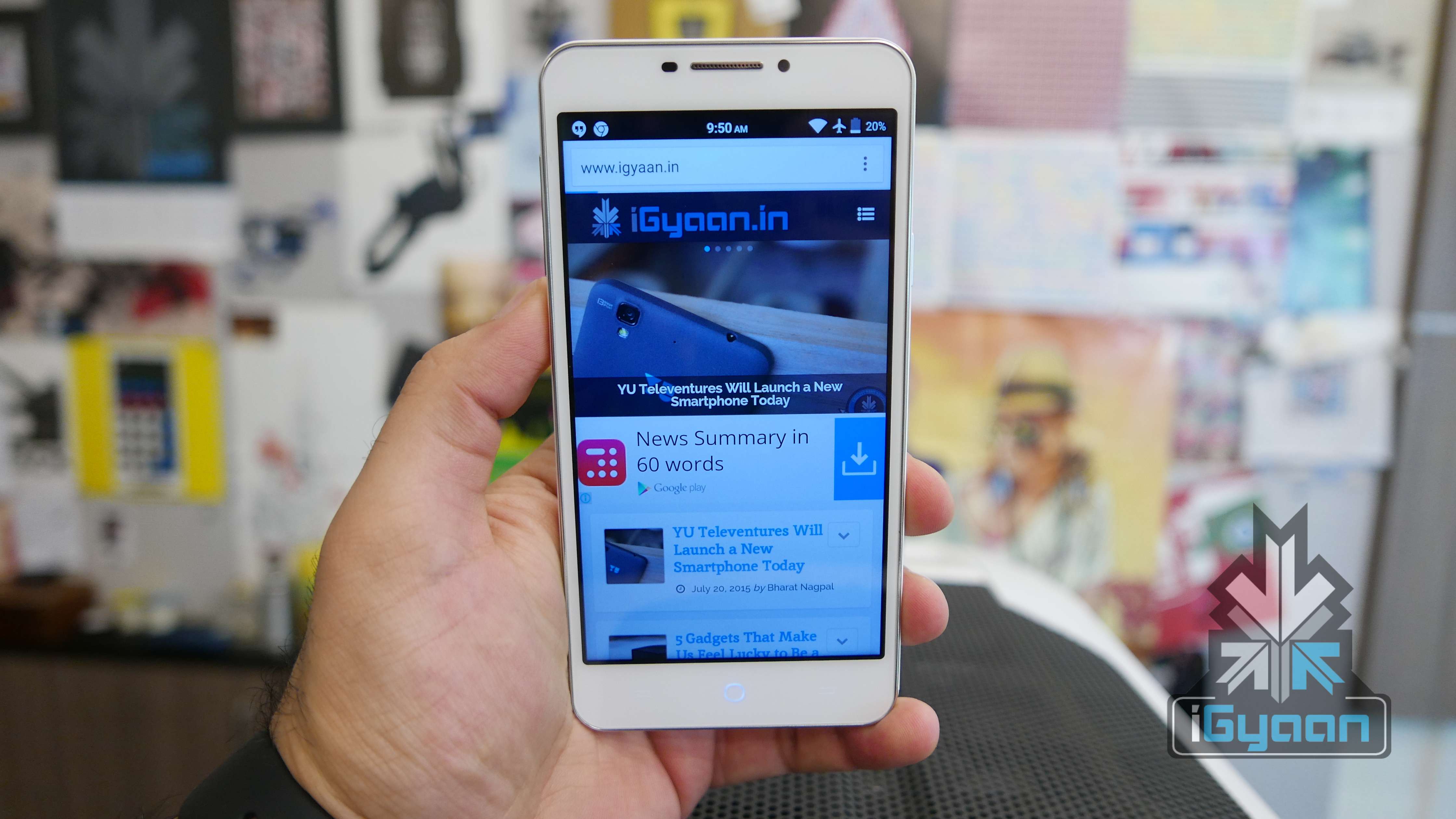
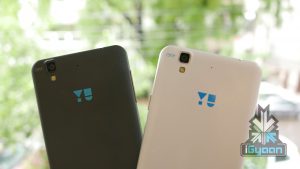
Yu Telecommunication’s first product, the Yu Yureka, was an instant hit when it was released in January this year. Later on, the Yu Yuphoria worked out really well for the Indian audience. Now, the company bought Yu Yureka’s brother, the Yu Yureka Plus, a few days ago and will go on the company’s trademark style of flash sale today.
The handset will be up for sale from 12 pm Indian time on Amazon India. But, this sale is valid only for registered users, which began on 21st July and expired yesterday.
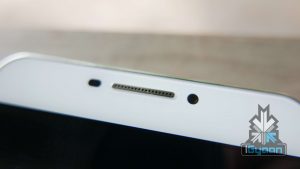
The Yu Yureka Plus consists of small and significant changes. The Yu Yureka Plus comes with a 1920x1080px display, as compared to Yu Yureka’s 720p display. Since the screen size remains the same with both the handsets, the pixel density of the Plus version is bumped up to 400 ppi. The screen is also protected by a Gorilla Glass 3.
Yu Yureka Plus
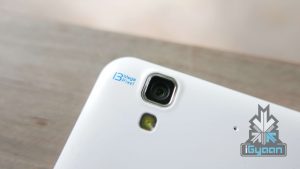
The Yu Yureka Plus also has a new camera sensor made by Sony. The Plus also boasts of improved chassis and better build qualities.Other than this, both the handsets are the same, overall.
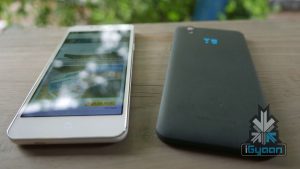
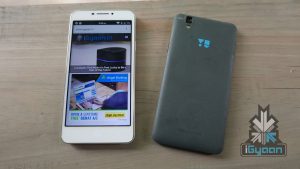
The Yu Yureka Plus comes in two colour options, the Moondust Grey and Alabaster White.
Hardware Specs
Yu Yureka Plus
Display
5.5-inch FHD Gorilla Glass 3
Resolution
1920 x 1080px 400ppi
Chipset
Qualcomm Snapdragon 615
Processor
1.5GHz Octacore | 64 Bit
GPU
Adreno 405
RAM
2GB
Primary Camera
13MP Sony Sensor
Front Camera
5MP
Video Recoding
1080p Full HD
Storage
16GB
Expandable Up to
32 GB
Battery
2,500 mAh
Operating System
Android 5.1 Lollipop with Cyanogen 12
Bluetooth
4.0
Price
Rs. 9,999
Check out the unboxing and hands on of the device below:
Yu Televentures, yesterday, had unveiled the Yu Yureka Plus. The device, is priced at Rs 9,999, and while the device is not larger than the original Yu Yureka or have bumped up specs, it does include small and significant changes. For instance, the Plus model comes with a 1920x1080px display, as compared to the 720px on the original Yureka. The Plus also gets the Corning Gorilla Glass 3 protection layer added to the top of the display. Some other improvements include a new camera sensor, made by Sony, and the new white colour finish back panel option, which gives the device a premium look.
With a whole lot of information about the specs, let us see whether the Yu Yureka lived up to its legacy against its contenders in the same budget category:
Hardware Specs
Yu Yureka Plus
Lenovo K3 Note
Xiaomi Mi 4i
ASUS Zenfone 2
Display
5.5-inch FHD Gorilla Glass 3
5.5 inch IPS capacitive
5-inches IPS LCD capacitive with Gorilla Glass 3
5.5-inch IPS capacitive Gorilla Glass 3
Resolution
1920 x 1080px 400ppi
1080 x 1920px 401 ppi
1080 x 1920px 441ppi
720 x 1280px 267ppi
Chipset
Qualcomm Snapdragon 615
MediaTek MT6752
Qualcomm Snapdragon 615
Intel Atom Z3560
Processor
1.5GHz Octacore | 64 Bit
1.7GHz Octa-core | 64 Bit
1.7 GHz Octa-core | 64 Bit
1.8 GHz Quad-core | 64 Bit
GPU
Adreno 405
Mali-T760MP2
Adreno 405
PowerVR G6430
RAM
2GB
2GB
2GB
2GB
Primary Camera
13MP Sony Sensor
13MP
13MP
16MP
Front Camera
5MP
5MP
5MP
13MP
Video Recoding
1080p Full HD
1080p Full HD
1080p Full HD
1080p Full HD
Storage
16GB
16GB
16GB
16GB
Expandable Up to
32 GB
32GB
N/A
64GB
Battery
2,500 mAh
3,000 mAh
3,120mAh
3,000 mAh
Operating System
Android 5.1 Lollipop with Cyanogen 12
Android Lollipop 5.0 with Lenovo Vibe 2.5 UI
Android 5.0 Lollipop with MIUI 6
Android 5.0 Lollipop OS with custom ZenUI
Bluetooth
4.0
4.1
4.1
4
Price
Rs. 9,999
Rs.9,999
Rs. 12,999
Rs 12,000
As we can see in the specs sheet above, the Yu Yureka Plus holds most of the same specs as the Xiaomi Mi 4i and the ASUS Zenfone 2, but only much cheaper. Except in terms of battery, of course. While the Xiaomi and the ASUS handsets rock it out with their 3,000mAh and above battery meter, the Yu Yureka Plus lags behind with only 2,500mAh of battery life. But, you can’t have everything in one package, right?
The phone will go on sale on the 24th of July at 12:00 Noon, at Amazon.in. The Yu Yureka Plus comes in two colour options, the Moondust Grey and the Alabaster White.
Success means a particular technology solves a problem, whether it’s installed on a billion smartphones or handled by a few scientists carrying out techno-scientific work. But many technologies do not achieve success, typically because they fail to reach the scale of approval that would make them relevant. The reasons for failure aren’t foreseen. Let us look at some of the worst technological failures of all time:
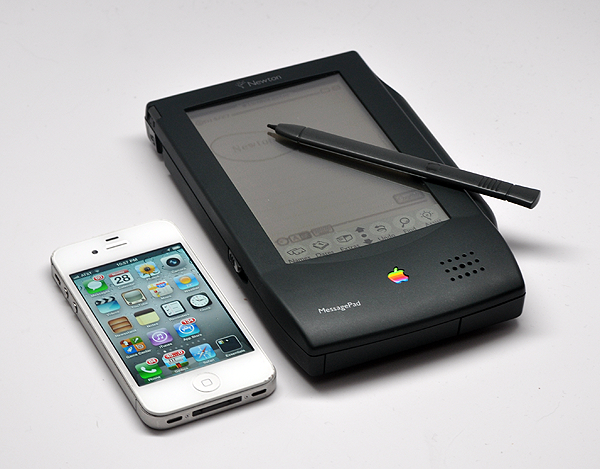
1. Apple Newton (1993)
This one goes way beyond the decade, but was worth first mention.The Newton MessagePad platform was an early personal digital assistant, an ancient ancestor of the iOS platform used in the iPhone and the iPad, and the first tablet platform developed by Apple. Some of the reasons why it did not work out were that it was too big and cumbersome to use. It was almost an inch thick and too heavy to be considered pocket size. The device was too costly, it was priced at $700 for the first model and $1000 for the next variant. The non-backlit LCD screen made it very difficult to read and had a flash memory of only 1/2/4MB. The Newton’s handwriting-recognition software, marketed as one of its most innovative features, was notoriously inaccurate, even earning a mocking cameo in an early Simpsons episode.
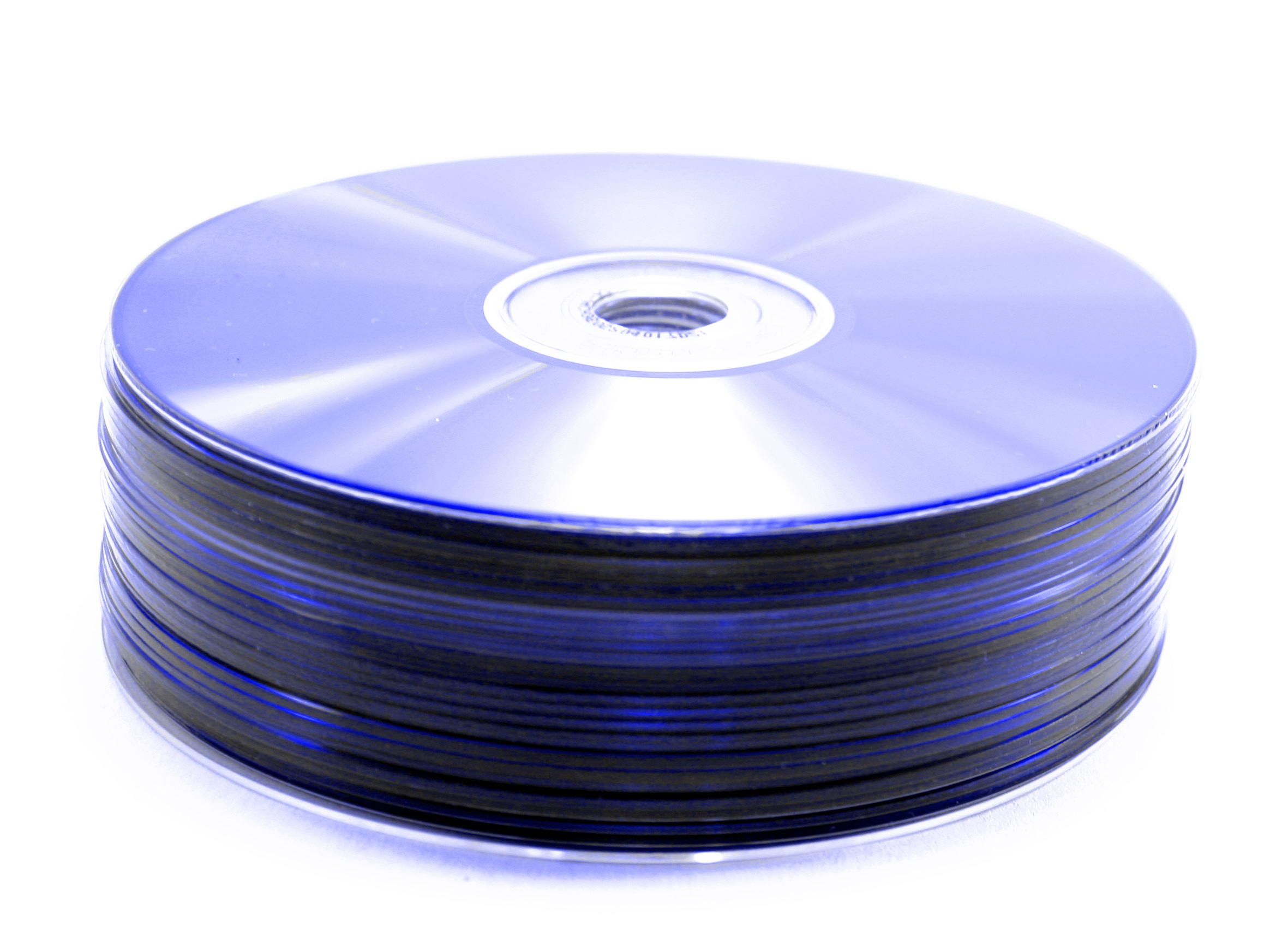
2.HD DVD (2006)
HD DVD was one of two formats for high-definition DVDs. The other format was Blu-ray. HD DVD was primarily funded and marketed by Toshiba and NEC and was first released as a consumer product in 2006. When HD DVD was first launched, it had a sales lead over Blu-ray. Industry analysts say that Toshiba lost almost $1 billion supporting the format before abandoning it in 2008. There are a number of reasons that the HD-DVD format lost out to Blu-ray, which was championed by Sony (SNE). The most commonly cited explanation is that Sony did a better job convincing major film studios to release high definition editions of movies for Blu-ray. Sony may have had an advantage because it owns one of the largest studios. Analysts believe that when Sony got Warner Brothers to adopt Blu-ray exclusively, it won the battle against HD DVD.
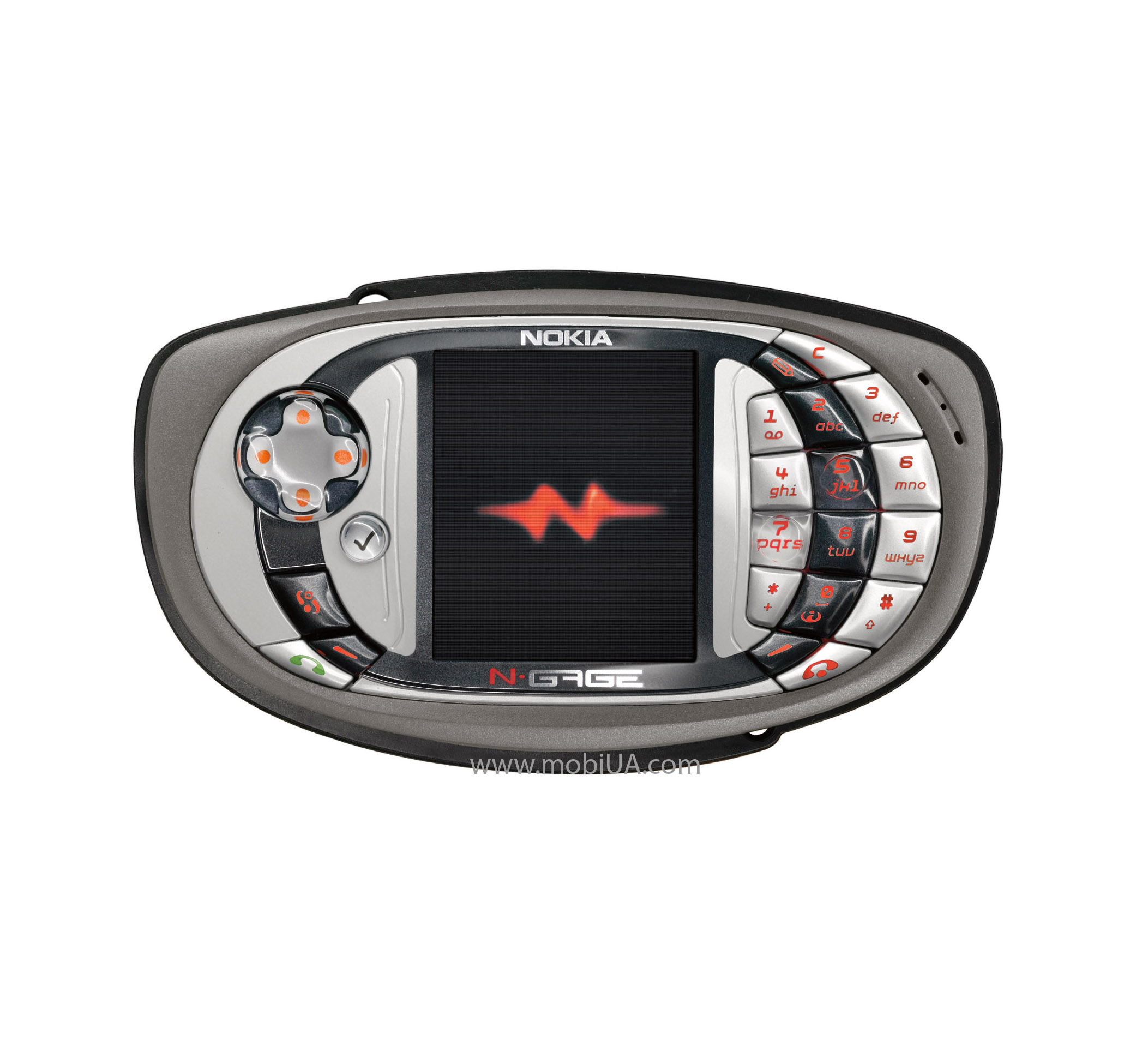
3. Nokia N-Gage (2003)
Once upon a time Nokia thought it could compete in the handheld gaming business, and that error revealed itself in the form of the N-Gage. This combination phone and mobile console were so cramped that it was funny—assuming you didn’t waste $299 to get one. For starters, the N-Gage required users to hold it up to their heads sideways to talk, which made it look seemingly uncomfortable. In addition to this, gamers also needed to separate the back cover and battery to swap games. Nokia would release a mobile mea culpa series in the N-Gage 2, but it was too little, too late.
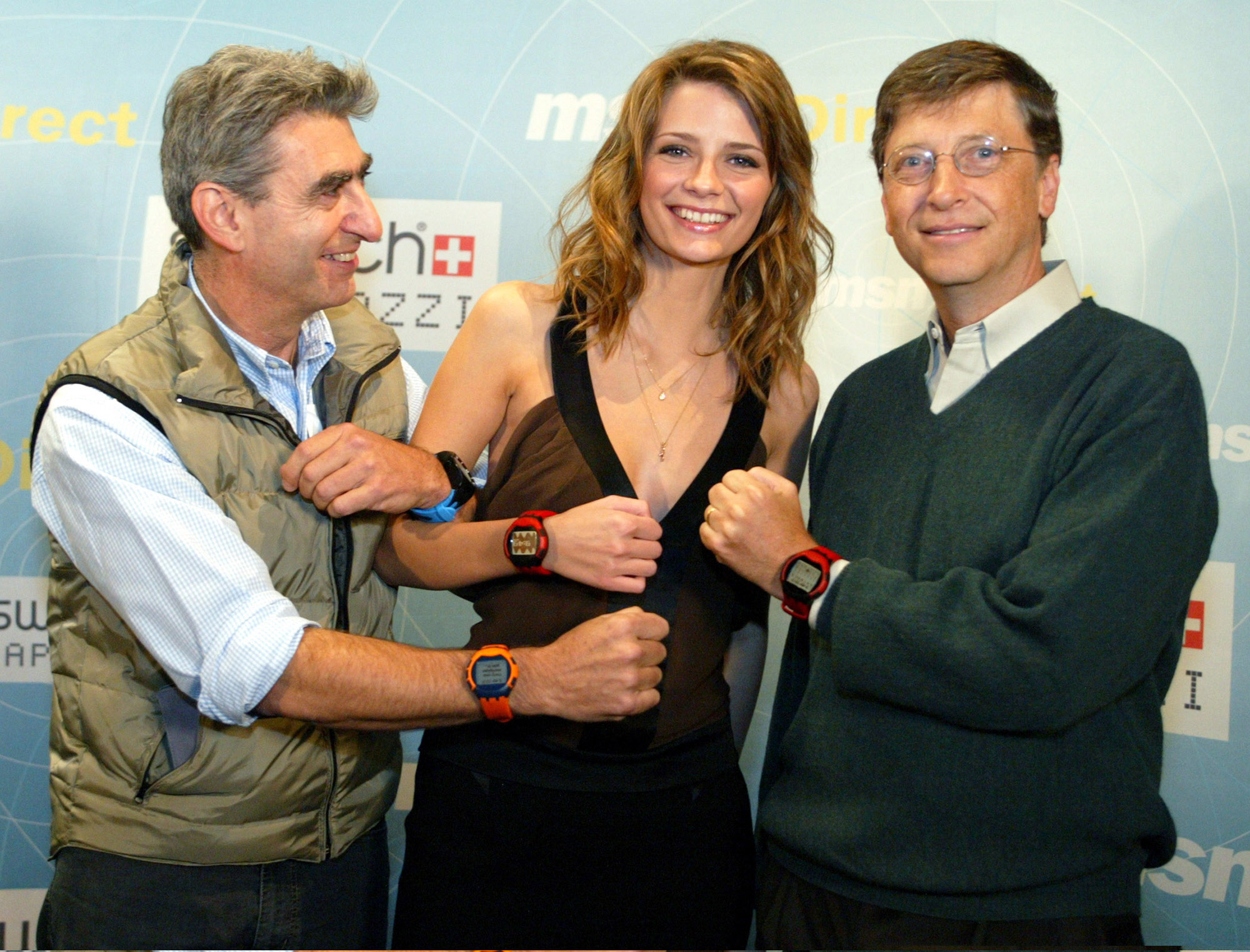
4. MSN Direct Smart Watches (2004)
Literally and figuratively, MSN Direct Smart Watches were way ahead of their time. Made by the likes of Fossil and Swatch, these massive wrist-worn monstrosities fetched stock quotes, news, sports, and weather via FM radio waves for $9.99 per month. Sadly for Microsoft and its partners, smartphones already did the above and much more. The hardware would evaporate from the market by 2008, but Microsoft only recently shut down the network.
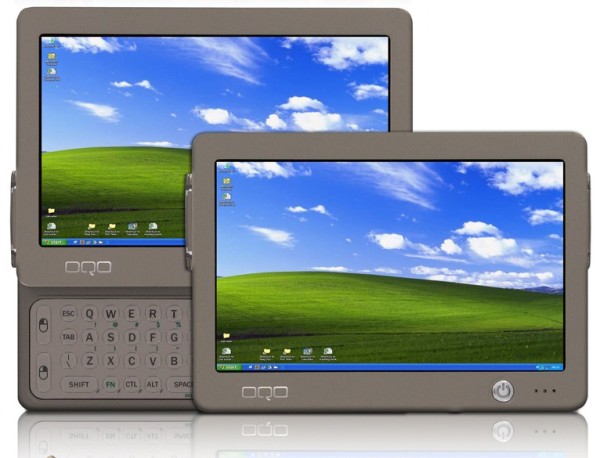
5. OQO Model 01 (2004)
The power of Windows in the palm of your hand. That was the promise of the OQO Model 01, which ran Windows XP on a 5-inch display. This mobile Internet device was indeed versatile, offering a slide-down thumb keyboard and a desktop dock. It had a very chunky design (.9 inches thick), got dangerously hot, had noise issues and a low battery life that made the $1,999 price tag way too much to digest, even for well-heeled mobile executives.
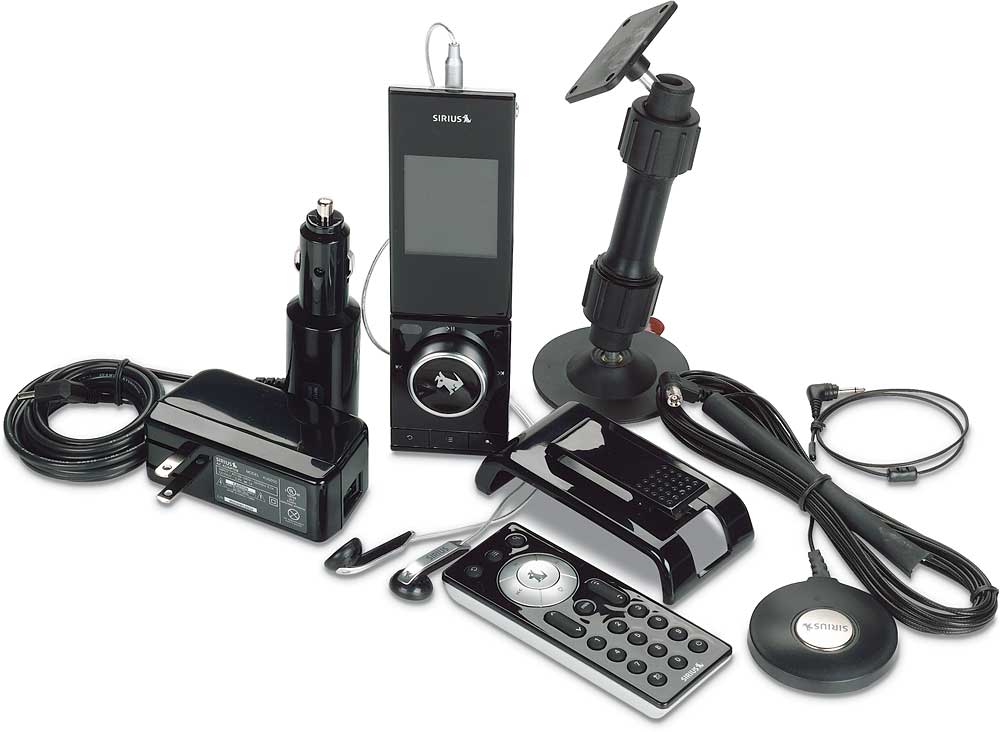
6. Sirius S50 (2005)
Somehow, the satellite network provider thought that consumers would want a portable radio that wasn’t portable at all. To get live stations, you had to attach the S50 to a car kit. You could listen to recordings on the go, but only for two hours. Maybe that was for the better, since the S50 didn’t even live up to its measly 6 hours of battery life. At the time, XM2Go devices were a much better deal; they were heavier but lived up to the promise of a live satellite radio.
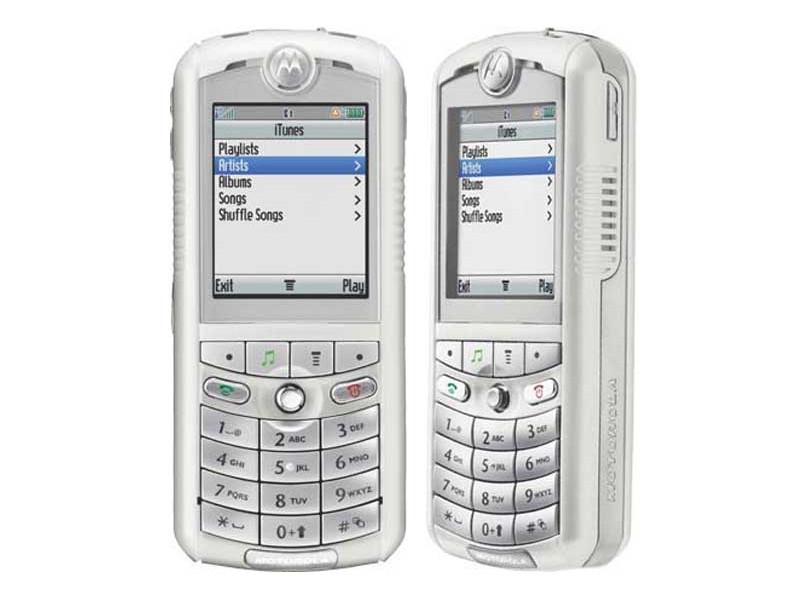
7. Motorola ROKR E1 (2005)
Before Apple dove into the smartphone market, it tested the waters by associating itself with the Motorola ROKR E1 ($249). Dubbed as the first “iTunes phone,” the ROKR wasn’t even a one-hit wonder. Thanks to its poor 100-song capacity and the incompetence to download tracks from the web, consumers immediately turned this handset out. No one needed an inadequate companion device for their iPod that could make calls; they required it all in one device and Apple would give it to them two years later.
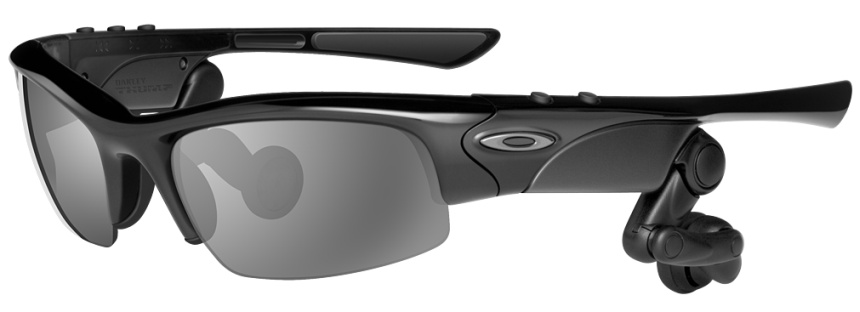
8. Oakley Thump Sunglasses (2007)
Before there was Google Glass, there were Oakley’s Thump sunglasses, which blended shades with an MP3 player. Too bad the glasses were ugly, and the audio controls were awkward to use. Plus, users were stuck with a measly 256MB of flash memory at a sky-high $495 price tag.
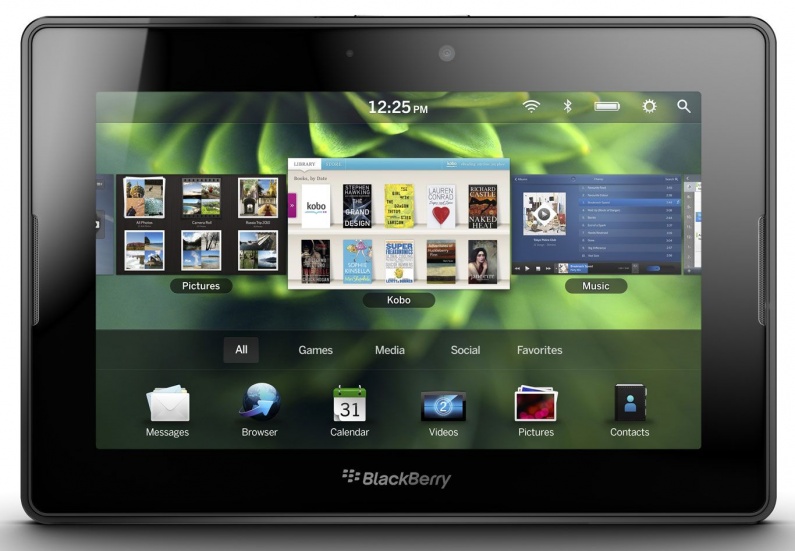
9. BlackBerry PlayBook (2011)
If BlackBerry’s recovery fails, the PlayBook will be recognized as one of the nails in the coffin. Research in Motion, or RIM, was so busy showing off the fact that it’s 7-inch tablet could perform and play HD videos via its HDMI port, that it forgot to add native email and calendar apps. That’s right, the PlayBook didn’t let you see your messages or appointments unless you had a BlackBerry phone connected to the slate via Bluetooth. Amazingly, RIM called this apparent weakness a security feature. Less than nine months later, co-CEOs Mike Lazaridis and Jim Balsillie stepped down from their posts.
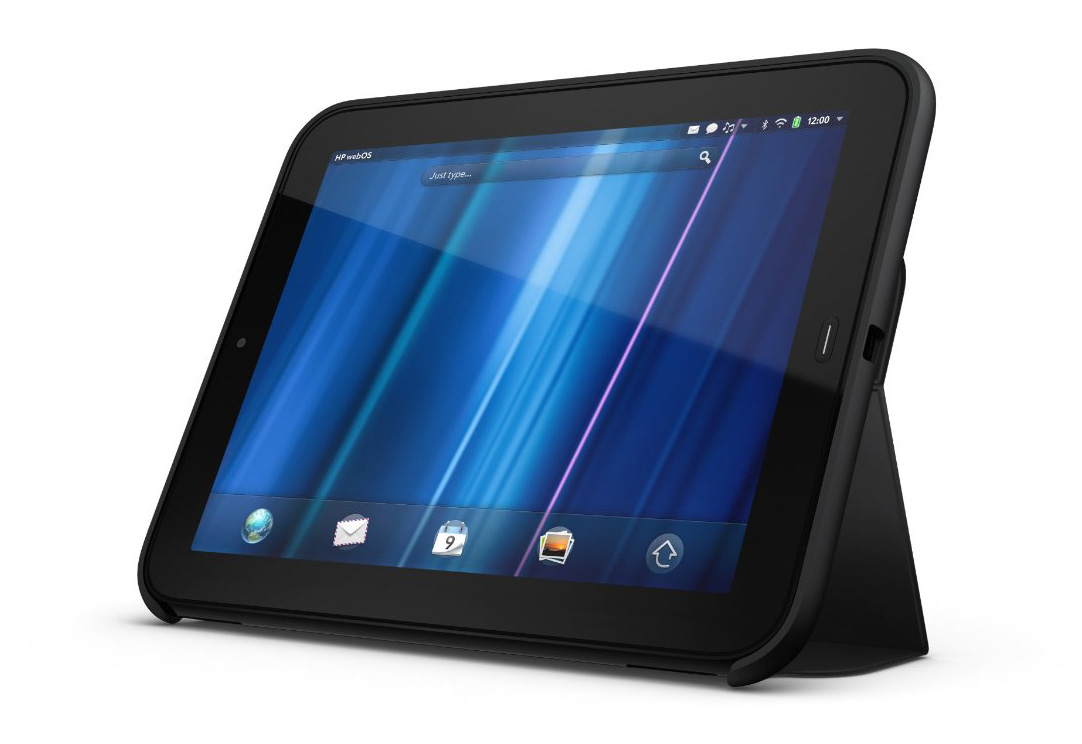
10. HP TouchPad (2011)
It’s hard to understand now, but the HP TouchPad was one of the most anxiously anticipated tablets back in July 2011, promising to breathe new life into webOS’ multitasking-friendly interface. Some of the software elements were indeed smooth, such as Stacks for organizing related tasks and a polished notification system. Ultimately, though, a slow and buggy performance and a dearth of apps doomed this slate. After less than three months on sale, HP pulled the plug on the TouchPad and all webOS hardware.
OnePlus 2 will be released later this month through a unique virtual reality launch event. In the meantime, OnePlus has been releasing regular teasers to keep its fans occupied ahead of its official launch on 28th July. The newest feature that Pete Lau, CEO of OnePlus, has confirmed is that the device will feature a dual SIM support with dual standby.
These features have created a high demand for the unreleased phone. And, why not? Some of the partnered companies to help the OnePlus were Samsung, Qualcomm, Toshiba, Japan Display, Texas Instruments, Everlight and many others.
Thank you to our partners who helped make the #OnePlus2 possible! Together, we’ve created the 2016 Flagship Killer. pic.twitter.com/0QuiCKzk6j
As a solution to meet the great demand, OnePlus has confirmed that the OnePlus 2 will get a new and improved invite system. The company said on the blog that, “some people thought it was too difficult and time-consuming to obtain an invite or thought it was all some big marketing stunt.” For this reason, a few key improvements to the purchase experience has been made.
So far we know that OnePlus 2 will run on Snapdragon 810 chipset along with 4GB ram. The phone will sport a 5.5-inch 2k display that will improve the viewing experience of the user. The OnePlus 2 will also have a USB C-Type, the first in a flagship device by a major manufacturer. Just a few days back, the company revealed that the phone will come with a built-in fingerprint scanner.
The company has confirmed its price will not cross more than Rs 28,500. Let’s wait and watch!
For the past quarterly earning reports, Google had been having a bad time. But this time, Google has beaten the expectations in the April-June quarter with a net income of $3.9, which was $3.35 billion last year, the search engine giant reported. The advertising revenues spurred by 11% yearly to make it to $17.7 billion.
The new Chief Financial Officer, Ruth Porat, said
Our strong Q2 results reflect continued growth across the breadth of our products, most notably core search, where mobile stood out, as well as YouTube and programmatic advertising. Shares soared almost 12 percent in after-hours trading.
Ruth Porat also said a part of the 60% surge of overall viewership spent on the website is all due to the time spent watching YouTube videos on smartphones or tablets.
Google acquired a total of $17.7 billion in revenue from the commencement of April to the end of June, which is an 11% increase. The net income has seen an increase to $3.93 billion, up from $3.35 billion, that the corporation earned last year, at this time. Sites owned by Google made $12.4 billion, up 13% year over year. Paid ad clicks have seen an 18% yearly increase, and paid clicks on Google’s websites saw a 30% yearly and 10% quarterly increase.
The company stated that if foreign exchange rates continued to be constant from Q2 2014 to Q2 2015, Google’s revenues would have been $1.1 billion higher.
Much like Facebook, Pinterest, and many other social networking sites, Google expects to boost its future earnings by attaching the ‘buy button’ on to mobile ads to make purchasing and shopping easier for smartphone users.
Google succeeded to accumulate a 31.42% share of funds spent on digital ads worldwide, last year. It is expected to slip marginally this year as leading social networking sited Facebook, gains ground, according to industry tracker eMarketer.
Google continues to dominate when it comes to online search-related advertising, with its share of the market this year expected to be 54.5 % according to the industry tracker.