Author: Vikhyaat Vivek

  • Unreleased Moto Z4 Accidentally Sold On Amazon, Buyer Posts Video On YouTube

    Unreleased Moto Z4 Accidentally Sold On Amazon, Buyer Posts Video On YouTube

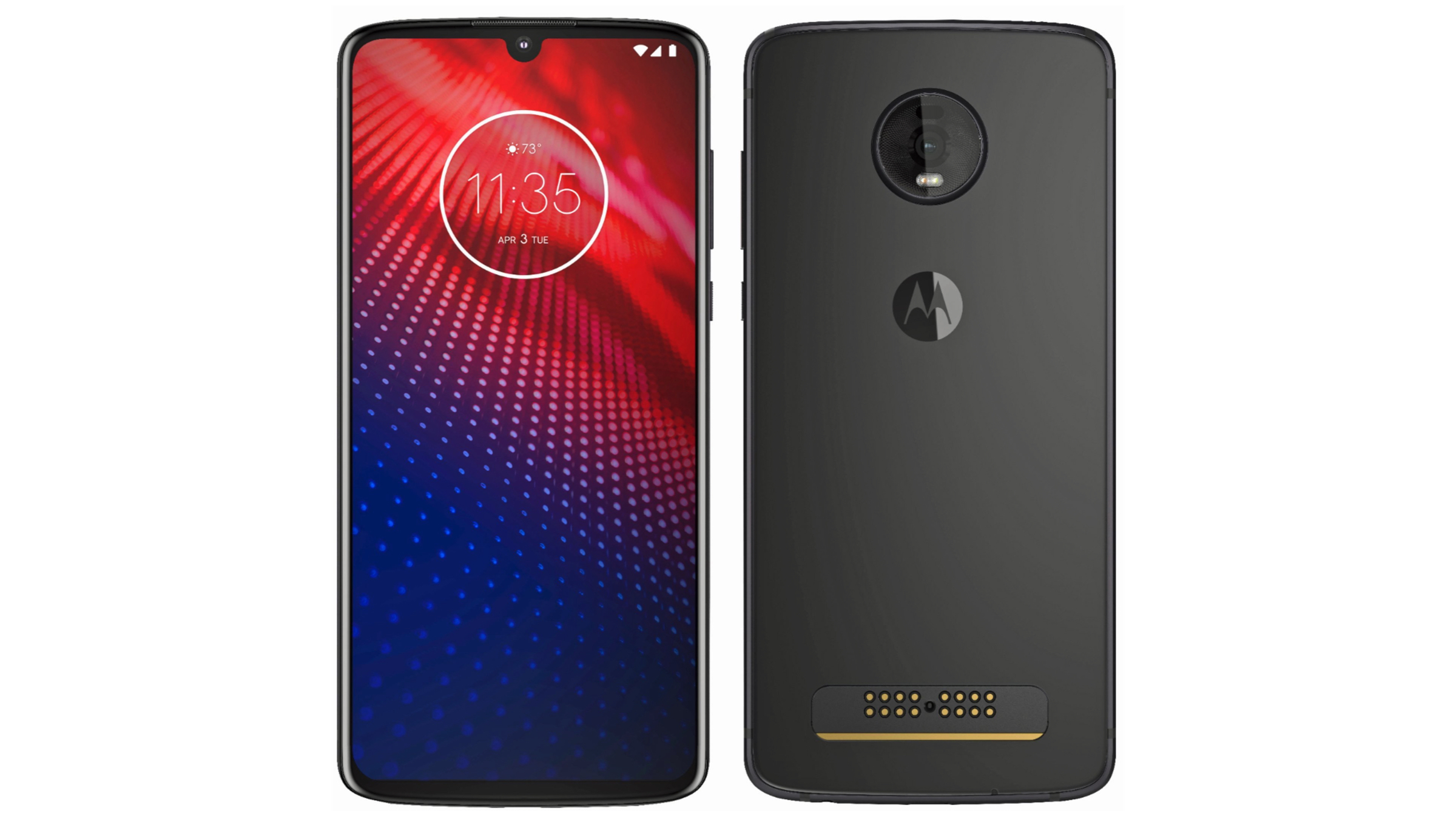
    Motorola’s long-awaited smartphone, the Moto Z4 that was set to replace its predecessor, namely the Moto Z3 of 2018, has had a lot of rumours and hype surrounding its release and pricing. There had been numerous leaks going around and a render that seemed promising. 

    Motorola

    Motorola had yet to provide a specific release date for its current-gen smartphone but in a bizarre turn of events, had the Moto Z4 listed in Amazon under a price tag of $499. Adding to the absurdity was the fact that a customer had actually bought the handset and making matters weirder, it actually got delivered.

    Amazon shortly afterwards took down the listing of Moto Z4 after a Reddit post, by the aforementioned customer, started gaining traction online. However, it is already confirmed through the Amazon listing, the specification that the phone will carry. Sporting a 6.39-inch FHD+ OLED FullVision display alongside a Snapdragon 675 and 4GB of RAM with 128GB of storage. Powered by a 3600 mAh battery with 15W charging and a headphone jack as well.

    Motorola

    The Moto Z4 receives an upgrade with its 48MP primary back camera that utilizes pixel binning (Quad Pixel technology) for a 12MP photo and the front-facing camera that has a 25MP sensor. The smartphone also offers an in-display fingerprint sensor and MicroSD card slot that is compatible with storage upto 2TB. A P2i splash-proof nano-coating, for protection against accidental spillage. The phone is built out of 6000 series aluminium, and a 2.5D curved glass layer finish on top. Moto Z4s display is protected by Corning’s Gorilla Glass 3.

    Also ReadOnePlus 7 Pro Nebula Blue Edition To Go On Sale For The First Time In India

    Leaks similar to the Z4 also point towards a Z4 Force variant of Motorola. A screen protector on Amazon that is said to ‘Only fit the Moto Z4’ has been found. No other finder details have been announced by the company on its exact specifications and features or release date. However, the Moto Z4 Force is speculated to have the Snapdragon 855 and 8GB of RAM, powered by a 3230mAh battery.

  • Lenovo’s Project Limitless Features a 5G Laptop Running On Snapdragon 8cx CPU Processor

    Lenovo’s Project Limitless Features a 5G Laptop Running On Snapdragon 8cx CPU Processor

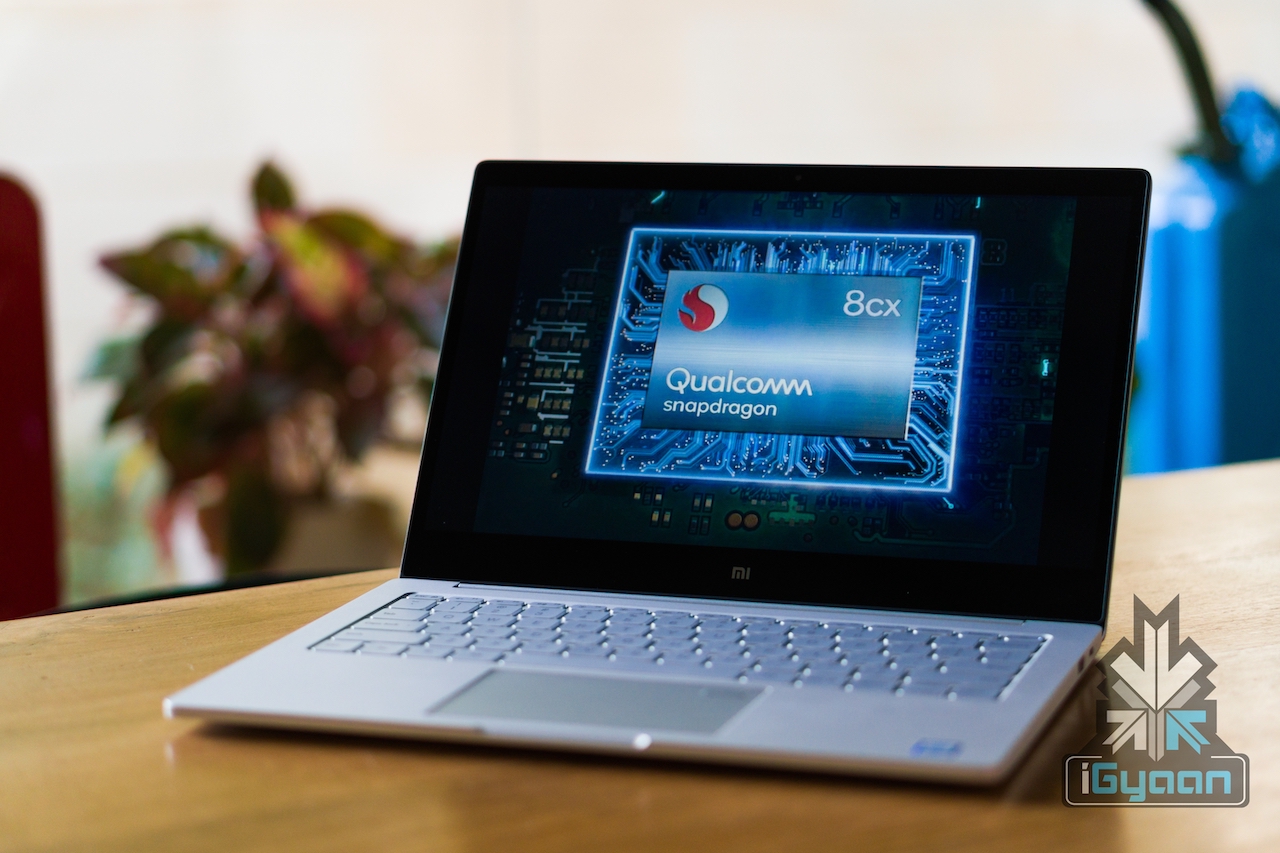
    Lenovo along with other tech giants has made great strides in technological development that has been showcased at Computex 2019. Lenovo and Qualcomm have yet to divulge finer details regarding their Project Limitless other than the fact that the driving technology leading to this innovation is Qualcomm’s very own Snapdragon 8cx chipset that supports 5G connectivity.

    Unveiled last December, the Snapdragon 8cx claims great performance with amazing battery life for Windows on ARM devices. Designed specifically to tackle issues and concerns surrounding Snapdragon’s previous iterations on PCs. The octa-core Kyro 495 CPU on the chipset features an increased 10MB cache, improving on Chromes performance than its previous versions. Built on a 7nm architecture the Snapdragon 8cx in the Lenovo laptop is reportedly a ‘lot more’ power efficient than the Snapdragon 855. A ‘lot more’ not in terms of hours but days.Lenovo 

    The Units that were made available to the attendees of Computex were, however, demos, so no real benchmark on network speeds are available. According to the demo devices system settings, the Snapdragon 8cx CPU was reported to have been running at 2.8GHz clock speed along with 16GB of RAM, all in all, specs comfortable enough for multitasking processes. 

    Qualcomm, for comparison purposes, showcased its products capabilities by pitting it against its targetted rival, i.e Intel’s Core i5-8250U. Using the new PCMark 10 Application benchmark on systems of similar specs had the Qualcomm’s 8cx beat the Intel’s i5 on apps like Microsoft Edge and Word. Intel’s processor won on other apps like Excel and PowerPoint. 

    Also ReadRazer Adds Quadro RTX 5000 GPU To Blade Ultrabook Laptops

    This may cement Qualcomm in the laptop grade CPU market and have their Snapdragon brand expand to laptops alongside Lenovo. The inclusion of 5G networking on sub-6GHz connection is a great plus point as well that goes along with the ‘Limitless’ nomenclature.


  • Razer Adds Quadro RTX 5000 GPU To Blade Ultrabook Laptops

    Razer Adds Quadro RTX 5000 GPU To Blade Ultrabook Laptops

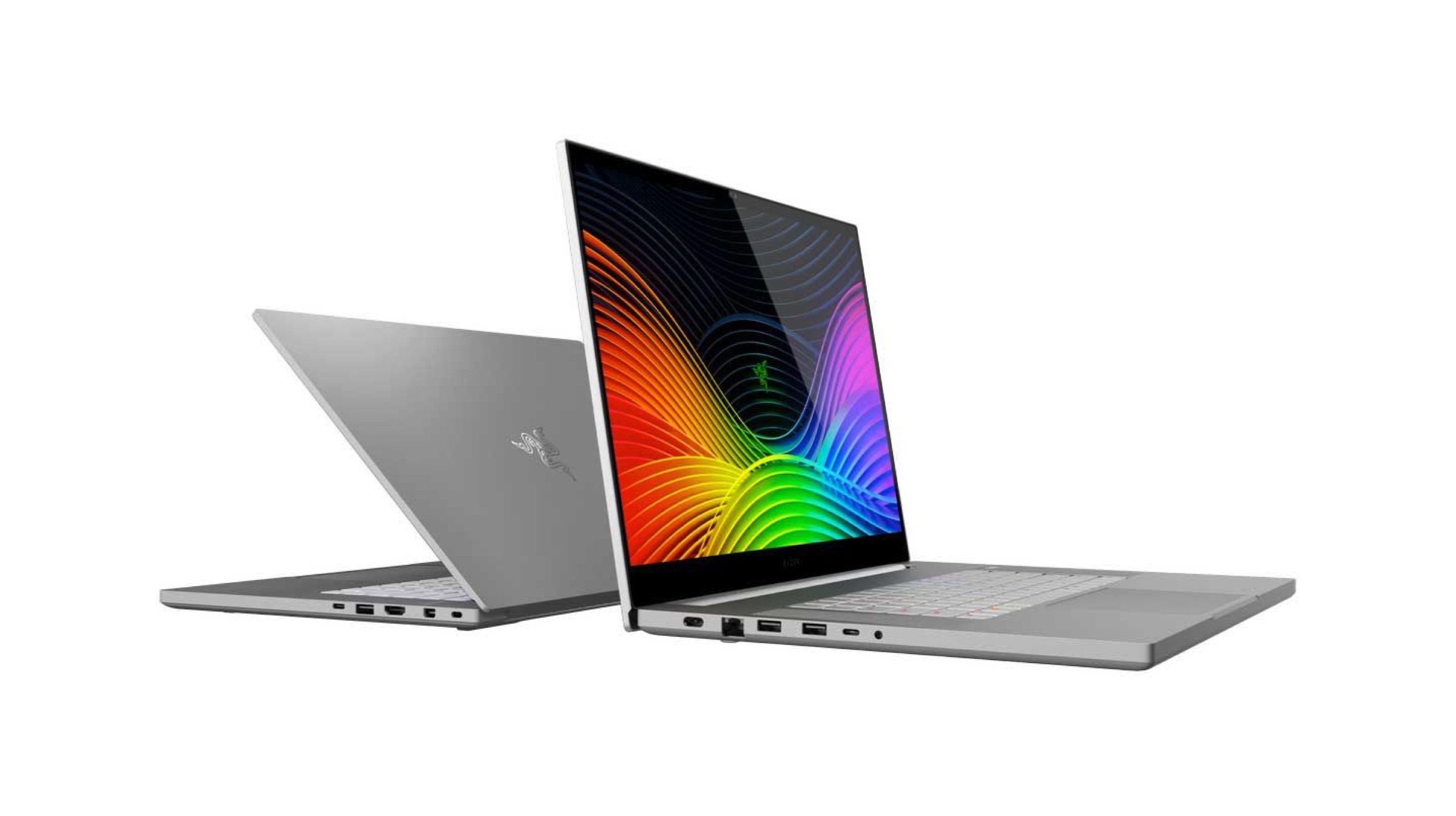
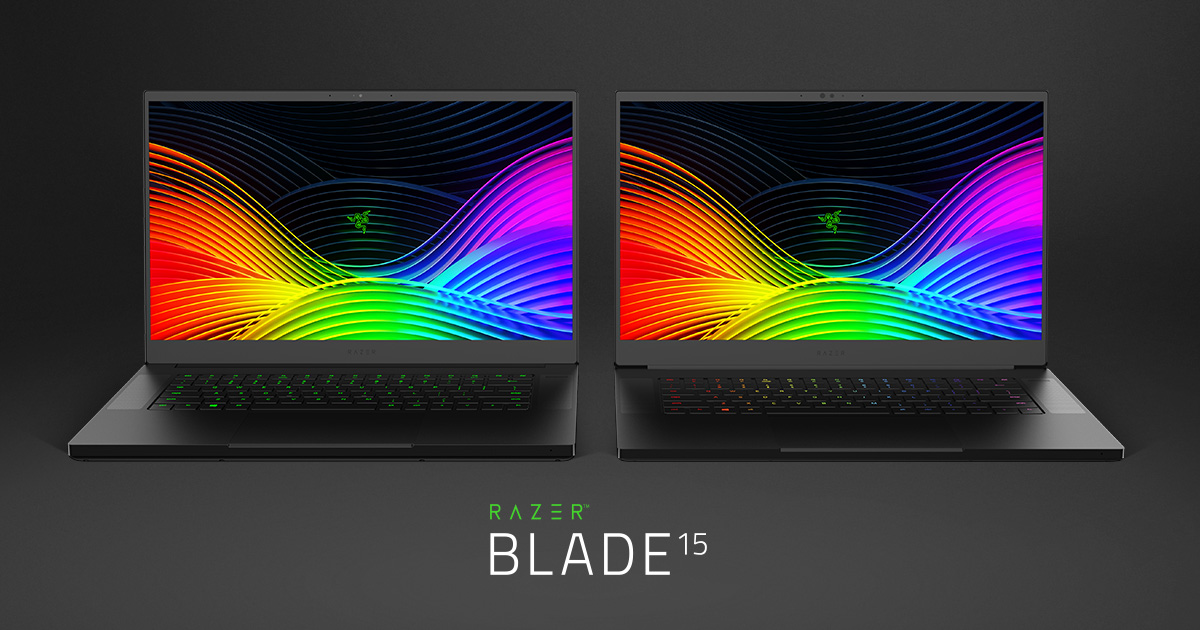
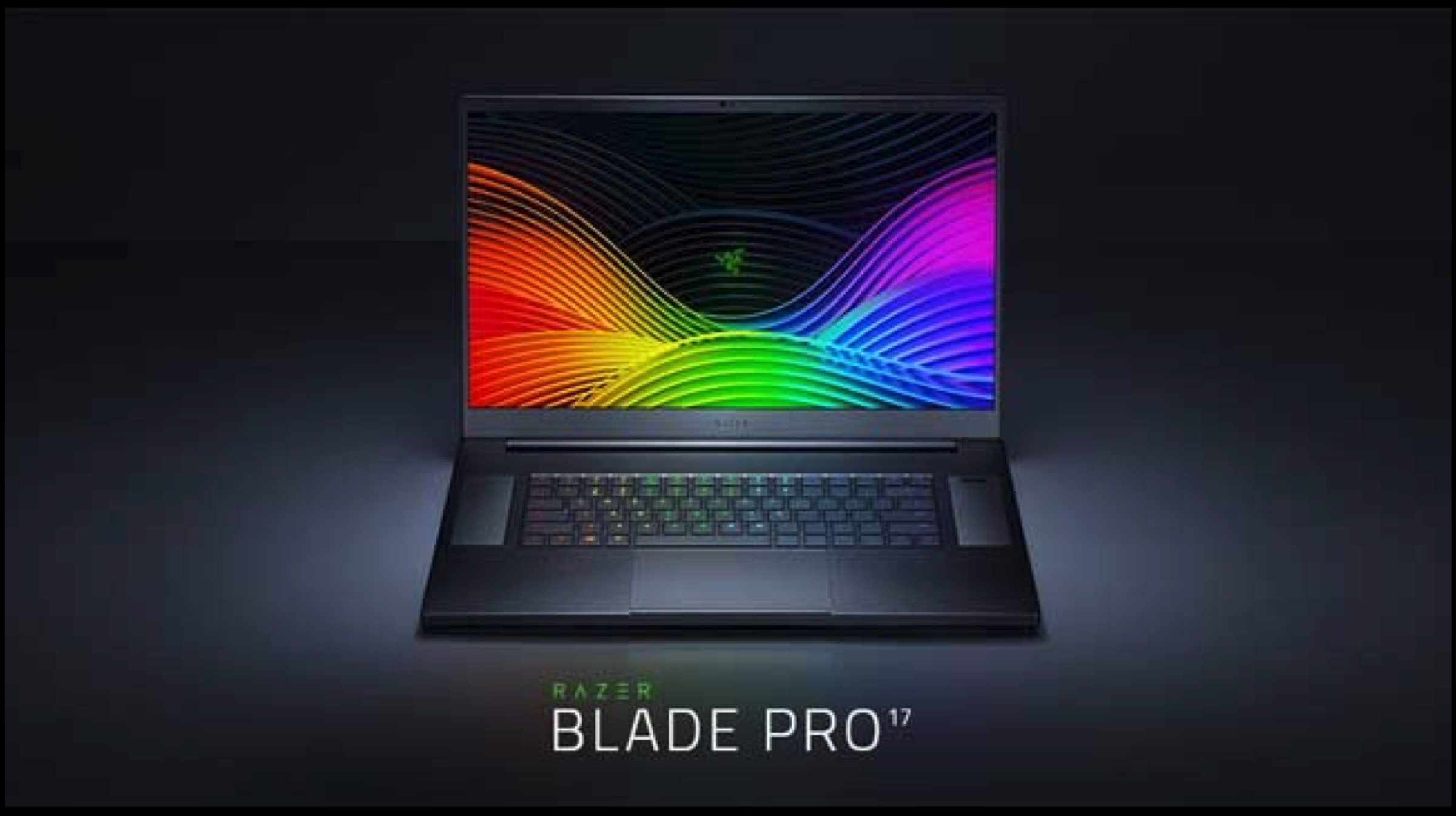
    With the arrival of the Quadro RTX 5000 GPU for laptops, Razer soon followed suit and announced its Blade series laptop. Razer has updated their line of Blade 15 and Blade Pro 17 to support the new gear. The RTX 5000 is available on both the laptops alongside 32GB of RAM and 1TB NVMe SSD Storage all encased in a Mercury White finish.

    Razer

    The 15-inch Razer model laptop sports 4K OLED touchscreen and it will be kitted with the Intel Core i7-9750H CPU. The larger version (17-inch) will instead receive a 120Hz 4k panel to go along with the Intel Core i9-9880H CPU. Both laptops are also compatible with Razer Core X, an external GPU for users that require more power. Both Razer machines provide beefy specs to help visualization for creators.

    Razer

    Even though the company has not provided many details about the build of the two laptops. Going by the teasers, the Razer ultrabooks have an elegant design with negligible bezels around the display. They also feature a webcam which is housed in the said bezel above the display. Both feature a large multi-touch trackpad that claims to boost productivity. 

    The company has not given any formal date of when the laptops are expected to hit the stores online or offline. Razer is also quiet about the fine details such as price and other information which are expected to be released at a later date. 

    Also Read: NVIDIA Works With Bethesda For Ray Tracing Support on Wolfenstein And Quake II

    Additionally, due to the fact that Razer’s targeted demographic is creators, both the laptops will support Nvidia’s new studio drivers optimized for creative applications. Assuring “uncompromising performance along with premium designs.” With these major upgrades, the laptops are more than capable of taking on desktop workstation PCs. Carrying the Company’s “#madewithblade” tag alongside artists and creators.


  • NVIDIA Works With Bethesda For Ray Tracing Support on Wolfenstein And Quake II

    NVIDIA Works With Bethesda For Ray Tracing Support on Wolfenstein And Quake II

    NVIDIA in collaboration with Bethesda has announced the induction of real-time ray-tracing support in Bethesda’s latest instalment of Wolfenstein. The return of the Wolfenstein franchise with NVIDIA’s Adaptive shading and other advanced technology will give gamers a new depth in experience and graphical fidelity.

    Nvidia

    The ‘Born To Hunt’ bundle with NVIDIA GeForce RTX graphics card will have buyers receiving Wolfenstein: Newblood with purchases for a limited period of time. Youngblood is reported to be launched on the 26th of July. The offer is available with the purchase of RTX 2080Ti, 2080, 2070, 2060 or any PC desktop or laptops that ship with these graphics cards. The cost has yet to be announced by the company.

    For those unfamiliar with the terminology, Ray tracing is an advanced graphics technique used to give movies their realistic visual effects. With the inclusion of specialized ‘RT’ cores in NVIDIA RTX GPUs, that are designed specifically to achieve ray tracing in real time in games. The announcement was dropped today in Computex 2019. 

    Wolfenstein: Youngblood is set in an alternate history 19 years in the future after the events of Wolfenstein: The New Colossus. Bethesda is advertising the Co-Op feature of the game that allows players to game with their friends or solo in a new first-person shooter with Wolfenstein experience. The game will have players as one of BJ Blazkowic’s twin daughters wielding a wide arsenal of destructive weaponry, gadgets and abilities to free Paris from the Regime.

    Also ReadARM Announces New Design For Upcoming CPU And GPU

    The game includes NVIDIA VKRay which allows any developer to add ray-traced effects to their games using the Vulkan API, becoming the first game till date to ship with this tool. NVIDIA Adaptive Shading is an advanced new technique showcased by NVIDIA today that helps developers improve performance during ray-tracing in games to achieve higher real-time visual fidelity while reducing the load on GPUs that bear the taxing load of ray-tracing without losing out on image quality. 

    NVIDIA had taken a team to put the 1997 title Quake II through their ray-tracing system earlier on in the year. The YouTube Video received about half a million views and a slurry of ‘hype’ comments. The three-level version of the game, as in the demo, will be open to the public for free on NVIDIA website and Steam from June 6th.


  • ARM Announces New Design For Upcoming CPU And GPU

    ARM Announces New Design For Upcoming CPU And GPU

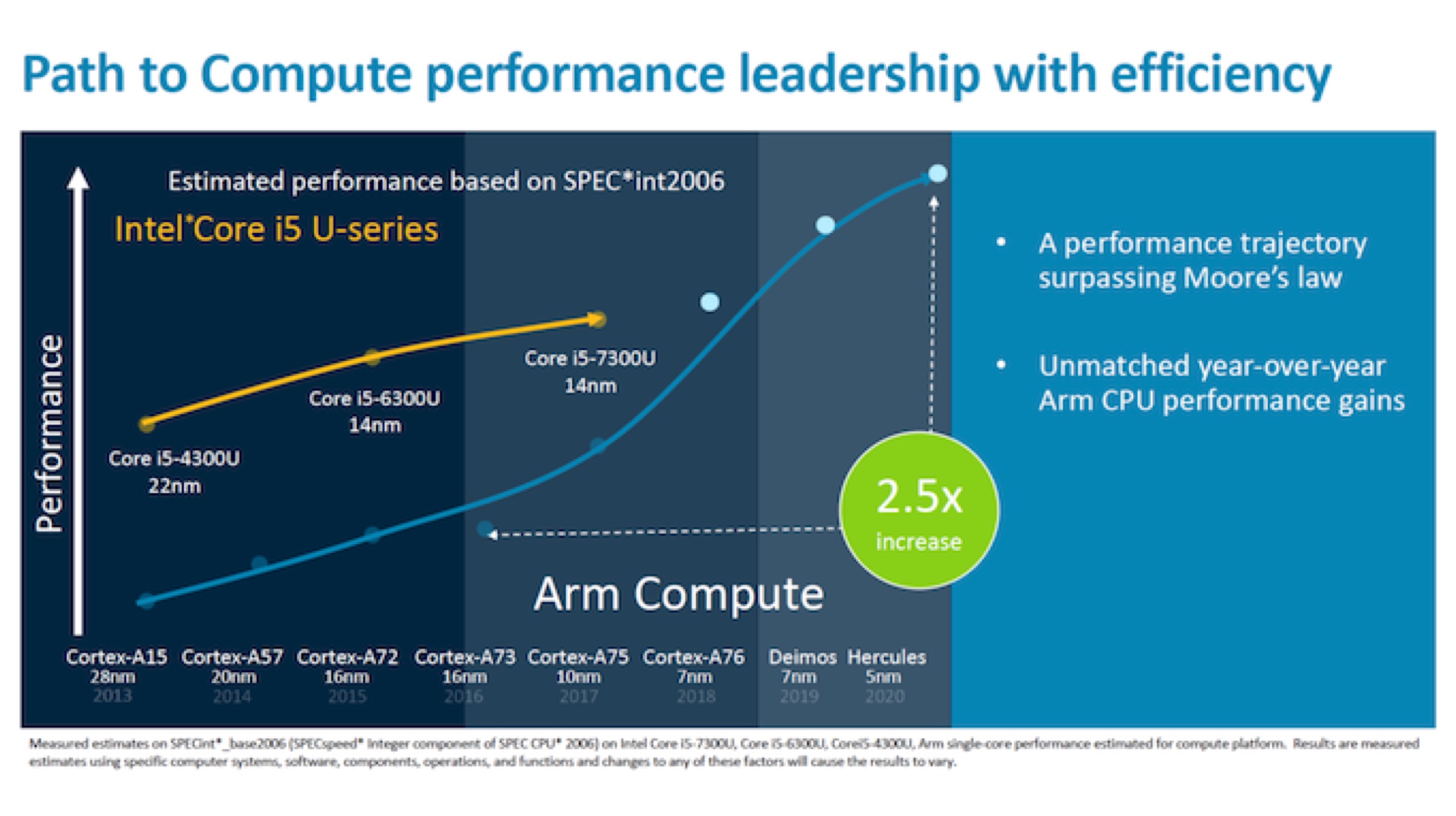
    ARM has announced new designs for its premium CPU and GPU chipsets. The company that has its basic architecture utilized by most smartphones in the world. The new chipset design architecture will not be seen in smartphones anytime soon. It can be noted that the first actual chips may be seen by the year end, going by past references. Cortex-A77 CPU with Mali-G77 as reported by the company is said to be a more energy efficient and powerful in machine learning processes.

    It is obvious with its newer iterations that the new Cortex-A77 will feature an overall bump in performance, but ARM has promised a notable 20% IPC performance improvements over its last generation. The new Cortex-A77 claims to have a significantly better machine learning performance made possible by the company’s hardware and software optimizations.

    ARM in their announcement pointed out the fact that most smartphones do not use a dedicated neural processing unit (NPU) for machine learning processes. However, the company also argues that 85%  of smartphones today run machine learning through either only a CPU or a CPU+GPU combination and that even the CPU hands over to the accelerator when it is available, even if there is a GPU or a dedicated machine learning chip.

    ARM promises with its new CPUs, promise more power efficiency along with better raw processing performance. Arm claims to have quadrupled performance since 2013. Another area ARM has chosen to focus on is mobile gaming and with it mobile VR and augmented reality experiences.

    The new Mali-G77 GPU architecture is the first chipset to be based on the company’s proprietary Valhall GPU design that supposedly bumps the performance by 1.4 times, an improvement over the older G76. It is also claimed to be about 30% per cent more energy efficient and 60% faster at running neural net workloads and machine learning.

    Also ReadAMD Reveals 3rd Gen Ryzen CPUs And 7nm Radeon RX5000 GPU

    ARM offers its very own Project Trillium for the machine learning processor, the machine learning computing platform that works in conjunction with the company’s CPUs. Since the announcement of the project in 2018, the company has doubled its energy efficiency and raised the performance up to 8 cores and 32 TOP/s.

    This announcement will set up other companies that utilize the ARM to promptly make optimizations and work around the new designs. 

  • AMD Reveals 3rd Gen  Ryzen CPUs And 7nm Radeon RX5000 GPU

    AMD Reveals 3rd Gen Ryzen CPUs And 7nm Radeon RX5000 GPU

    Rumours had been trickling by on the new lineup of 3rd generation Ryzen and Radeon NAVI GPUs of AMD. Computex 2019 launched with its very first keynote by AMD’s CEO, Dr. Lisa Su. AMD has various announcements to make on their lineups and their new data centre offerings, AMD Epyc.

    AMD NAVI

    A major announcement in AMD’s keynote was it’s much awaited new 7nm GPUs which will be a part of their Radeon NAVI, i.e AMD Radeon RX 5000 lineup of graphics cards. The nomenclature is influenced by the company’s 50th anniversary.

    The new microarchitecture, called RDNA, is set to replace the GCN architecture that has powered AMD’s Radeon GPU. The notable improvements thus far have been the new compute design engine, multi-level cache hierarchy and a streamlined graphics pipeline. Essentially providing higher clock speeds for the graphics card at a lower power. The new GPUs are also the first to adopt the PCIe Gen 4.

    A quick benchmark on the Strange Brigade has AMD’s Radeon RX 5700 take a marginal 10% lead on NVidia’s RTX 2070 graphics card. AMD is expected to start shipping by July 2019, although the details are reported to be revealed on June 10. 

    AMD RYZEN 3RD GEN

    The new and highly anticipated CPU lineups from AMD were finally unveiled. Being built on a 7nm process node, the AMD Ryzen 7 3700X is an 8 core/16 threads processor which is also compatible with the AM4 socket but will need the latest X570 platform to bring out its full potential. This does not mean using older motherboards such as the X370 or X470 is pointless. A significant lead in terms of performance was showcased by AMD’s new CPU over Intel’s Core i7-9700K in comparison. The 3700X scoring 4806 points in Cinebench while 9700K only managed 3276 points. This, however, was not the top SKU in the mainstream lineup. The 3800X followed after 3700X and had a base clock of 3.9 GHz and a boost clock of 4.5GHz. The 3800X has 105W TDP in comparison to 3700X with 65W TDP. 3800X had a mean lead of 11% that went upto 34% when in comparison to its older generation Ryzen 7 2700Z when performance was testes in gaming.

    AMD has also announced the Ryzen 9 top of the line SKUs, with the most powerful being Ryzen 9 3900X, a 12-core/ 24 threads processor with a 105W TDP draw. Its base clock sits at 3.8Ghz while the boost clock reaches 4.6GHz that utilizes two chiplets to achieve the high core count. Blender benchmark was used to pit the Ryzen 9 3900X against Intel’s Core i9-9920X processor that has a 165W TDP, in which the new Ryzen processor outclassed in both single and multi-core performance.

    AMD EPYC


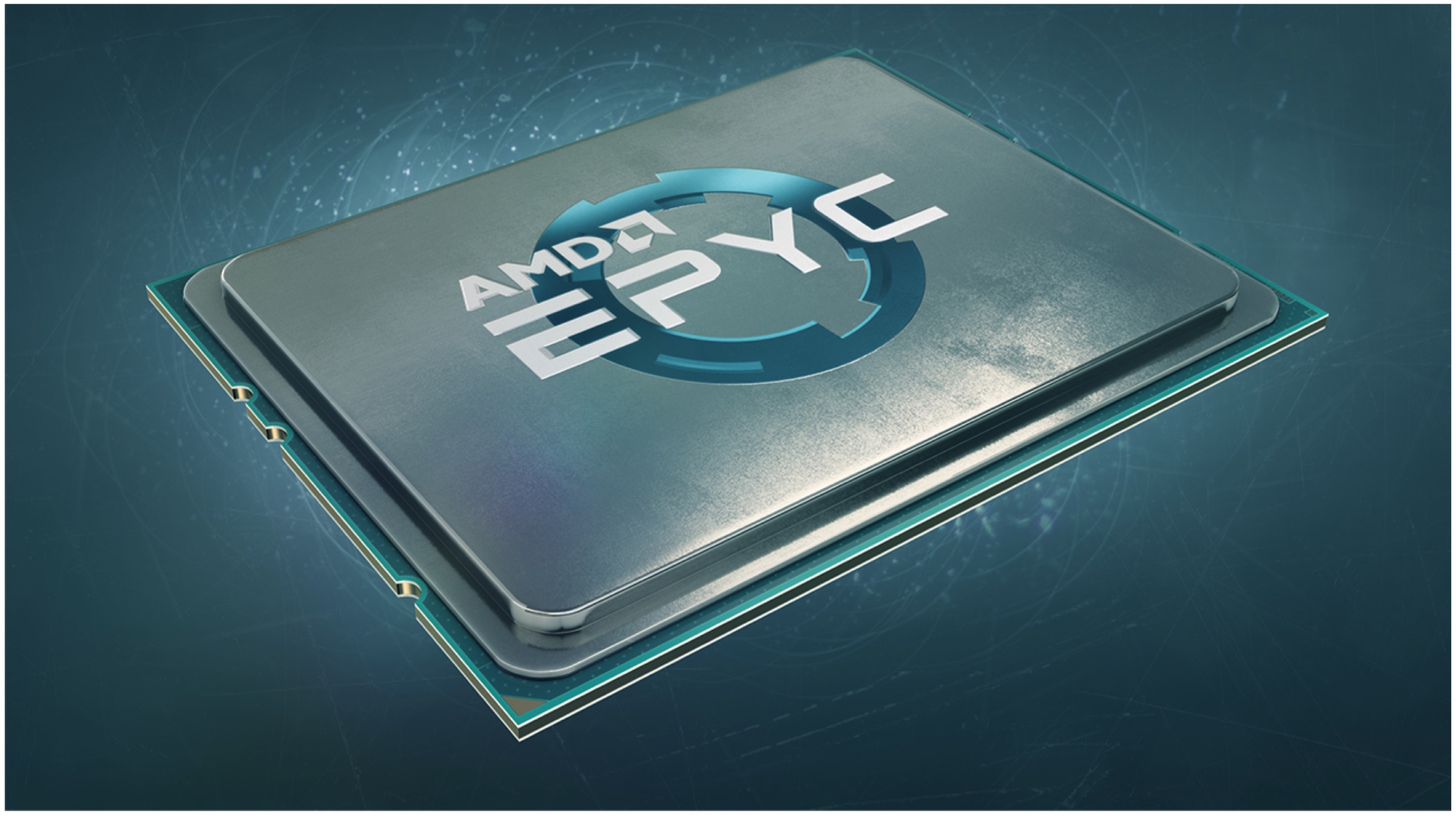
    Dr Lisa Su, the CEO of AMD, announced the new data centre offerings, AMD EPYC. EPYC has grown over the last 3 years to have more than 60 solutions on more than 50 cloud installations. This was followed by AMD’s crown jewel, the Frontier Supercomputer at Oak Ridge, National Laboratory that is capable of more than 1.5 exaFLOPS and is reportedly said to receive the world’s fastest supercomputer once it goes live.

    Similarly to Sony’s announcements of collaborating with Microsoft for their cloud computing solutions, AMD unveiled that it has also incorporated AMD EPYC with Microsoft’s Azure.

    Also ReadIntel Announces Octa Core i9-9900KS CPU With All Cores Clocked At 5.0 GHz

    Codenamed ‘Rome’ the 2nd Gen EPYC processors by AMD give upto 64 cores per socket and are claimed to be able to push out four times more floating point workload per socket when compared to its previous generation. A demonstration showcased the 2nd Gen AMD EPYC 2-socket solution going up against an Intel Cascade Lake 8280 28 core/ socket 2-socket solution. The EPYC solution crunched out 19.60 ns/Day compared to the Intel solution. The launch is set to be in Q3 2019.

  • Microsoft And Sony Join Hands For Cloud Gaming Service

    Microsoft And Sony Join Hands For Cloud Gaming Service

    Microsoft has yet to give out any set specifications or details regarding its new cloud gaming service, xCloud. The software developing company has been testing the service with its employees as of late, letting them stream Xbox games anywhere. Microsoft is currently in the process of setting up multiple servers required for xCloud across the world.

    The company revealed today that the service is capable of streaming more than 3500 game titles all without ever needing their respective developers to make any optimisations. Capcom and Paradox are one of the game developers that are testing their games on xCloud. Microsoft has confirmed that it has sent Project xCloud to data centres encompassing 13 Azure regions, focusing on a few key locations in the world, not just the US, for its launch. The public trials are set to start later this year.

    The service has prompted many game developers to tweak their games for smaller displays in compact devices (namely text sizes and fonts) and to add the ability to host multiplayer games. More information on xCloud is claimed to go public at E3 2019 in the following month. The service will face Google’s Stadia and Sony’s PlayStation Now head on. Interestingly enough, Sony is working in conjunction with Microsoft for future cloud game streaming services.

    Microsoft and Sony in a groundbreaking new move shook hands for collaboration, something that the gaming community thought was impossible. The companies would still operate separate services for their respective Xbox and PlayStation customers, but Sony has reached out to Microsoft for their Azure Services. Sony lacks an integral part of the service which is cloud computing.

    Azure by Microsoft is a cloud computing service that allows first and third-party developers to put out their proprietary services through Microsoft’s data centres around the globe. Sony and its PlayStation Now is severely underequipped in comparison to either Google or Microsoft. Sony has never taken stream service into account as its PS4 Remote Play only supports limited devices that are streamed through the consumer’s PlayStation console. PlayStation Now so far is only confirmed to be able to stream to PC and PlayStation.

    Also ReadGoogle Trained Its AI To Learn Depth Perception From YouTube’s Mannequin Challenge

    Cloud game-streaming is not intent on overthrowing the console or PC markets. Many would claim that it would ‘kill’ the hardware breed as cloud-based service does eliminate the need for a console or PC, but most forget it is not a zero-sum game. Sony assured that the PlayStation brand is here to stay and the company will take it forward for the foreseeable future.

    Sony with Microsoft Azure’s technology showcase a healthier trend of business rivalry, this benefits both in the long run. Cross-Play in consoles comes to mind when talking about healthy relations, that may arrive soon maybe with the launch of the new generation consoles.

  • Google Trained Its AI To Learn Depth Perception From YouTube’s Mannequin Challenge

    Google Trained Its AI To Learn Depth Perception From YouTube’s Mannequin Challenge

    Google’s latest blog post had focused on how depth perception works in videos where both the subject and the camera are in motion. A huge amount of data and footage was required for the study that aimed at training an AI. The foundation for the AI’s training was to detect scenes where the camera was in motion but the subject remained stationary.

    Remarkable resourcefulness was shown as Google used its own source that was perfect for the job. YouTube (Google’s video sharing platform) had a vast amount of footage that fit the study’s required parameters. The Mannequin Challenge had a person and more often a group of people which stays perfectly still, anywhere from sitting to the bizarre handstands, while one person pans the camera around the still subjects (Mannequin’s) position.

    To train the AI to detect human figures in various different scenes, Google used approximately 2000 videos from YouTube on the Mannequin Challenge. Interestingly, when depth perception comes into play multiple cameras are generally utilized from different angles to sense depth. Google, on the other hand, taught its AI to create depth maps from footage that only had one view, i.e perception from a single camera unit.

    Google

    With the Pixel line up of Google smartphones, the company has already achieved similar results with its still images on portrait mode effect that produce the bokeh effect. The benefit of the study extends towards the augmented reality that the company is known to dabble with, Playmojis from Google’s Playground is one such example.

    Also ReadHuawei’s Recess Could Provide Opportunities For Its Competitors In India

    If the feature arrives on videos, it’ll open up new and previously impossible effects in video capture such as live bokeh effect similar to the one found in most smartphones. This may also one day lead to 3D images and 2D scenes being shot on smartphone cameras. Google’s progress on the software spectrum proves that just hardware improvements are not always what lead to great strides in photography and videography.

  • Huawei’s Recess Could Provide Opportunities For Its  Competitors In India

    Huawei’s Recess Could Provide Opportunities For Its Competitors In India

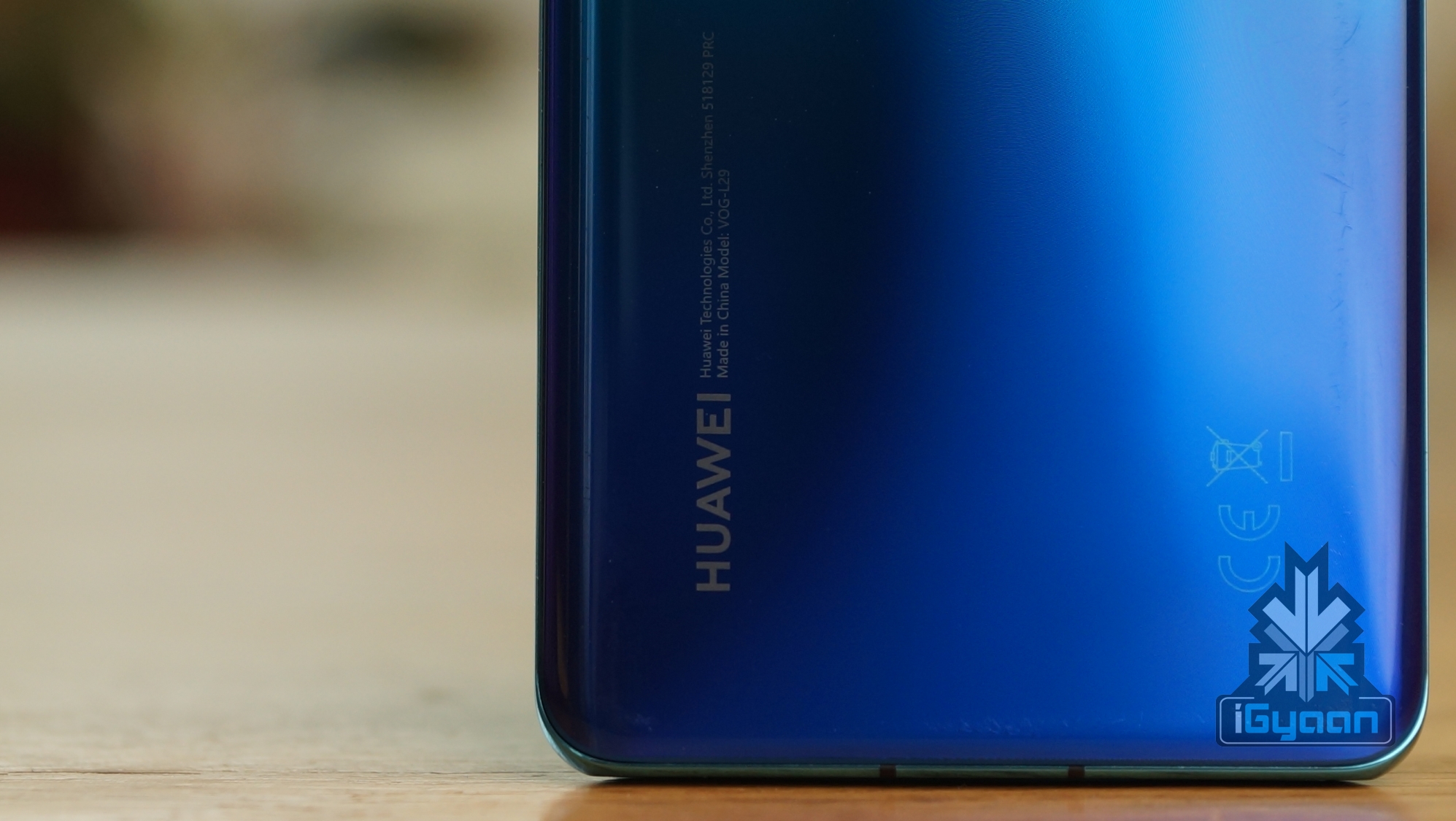
    Huawei under the US ban, sanctioned by The US President Donald Trump, has the Chinese company take a step back. The company had been gaining traction in various markets around the globe, becoming the second largest manufacturer for smartphones, surpassing Apple. The sudden blow that slowed Huawei’s progress now gives breathing room for other companies to exploit.

    Huawei

    Huawei’s recess will lead smaller companies, in its comparison, securing a foothold in the market. Realme the debutant for the premium segment market is expected to join the category on the latter half of the year while Oppo is crossing the Rs30,000 threshold for the second time. The Reno series by Oppo will be its star line up for the premium market.

    Huawei competitor Oppo Reno

    The premium segment of smartphones has been dominated by industry giants like Samsung, Apple and OnePlus in India. According to CounterPoint Research, the premium segment market will reportedly double by December end of this year reaching a 10% of overall market share.

    One of the fastest growing company in the premium segment, Huawei’s absence should give competitors relief as stated by CounterPoint Research’s associate director. The Chief Executive Officer (CEO) of Realme has confirmed the brand’s focus on entering the premium market segment also stating the huge scope in the region. Realme is set to have a presence amongst other giants in the same market.

    BBK Electronics is the parent company which owns Oppo and Realme, both of which are in the top 5 of the overall Indian smartphone market. OnePlus and Vivo also fall under BBK Electronics. OnePlus as of March was the second largest premium brand after being the first throughout last year, as per CounterPoint and IDC.

    Also Read: Standard Variant Of The Redmi K20 To Feature The Snapdragon 730 SoC

    The Oppo Reno with the distinctive 10x Zoom feature will be announced later this month, this follows suit after its release of the first premium smartphone in 2018 namely the Find X and R17. The aforementioned phones did not perform well in India in terms of sale. But they paved the way for the company’s future endeavours in the higher price margin.


  • NASA Plans On Sending “Gateway” Space Station To Orbit The Moon

    NASA Plans On Sending “Gateway” Space Station To Orbit The Moon

    The Vice President of the United States of America, Mike Pence has announced a program that once again wants to take humans to the surface of the moon by the year 2024. This prompts NASA to swing into action to make this Herculean task a reality. The space agency gave out a contract to a company to start off with the foundations of a small space station to put into the Moons orbit.

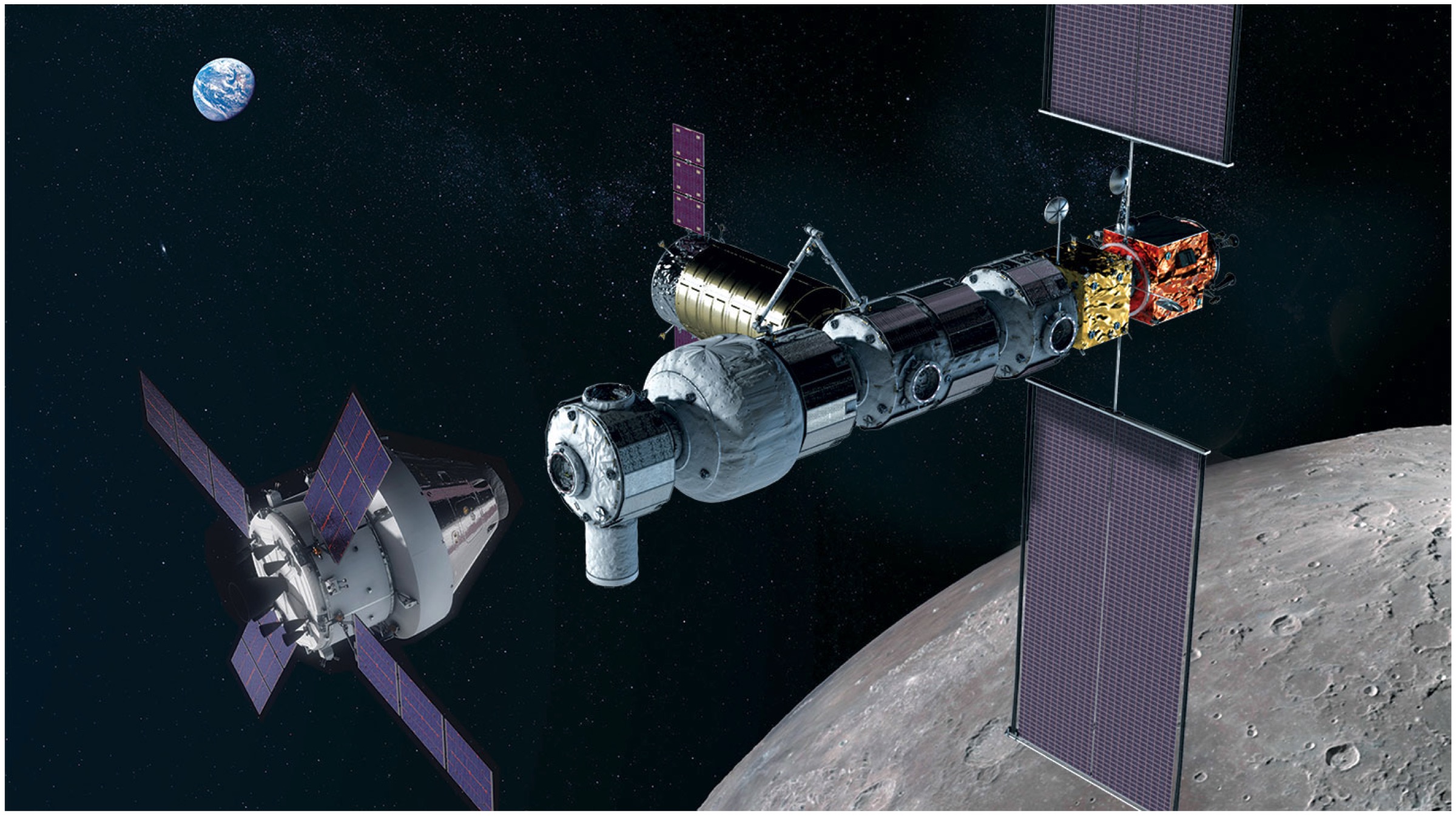
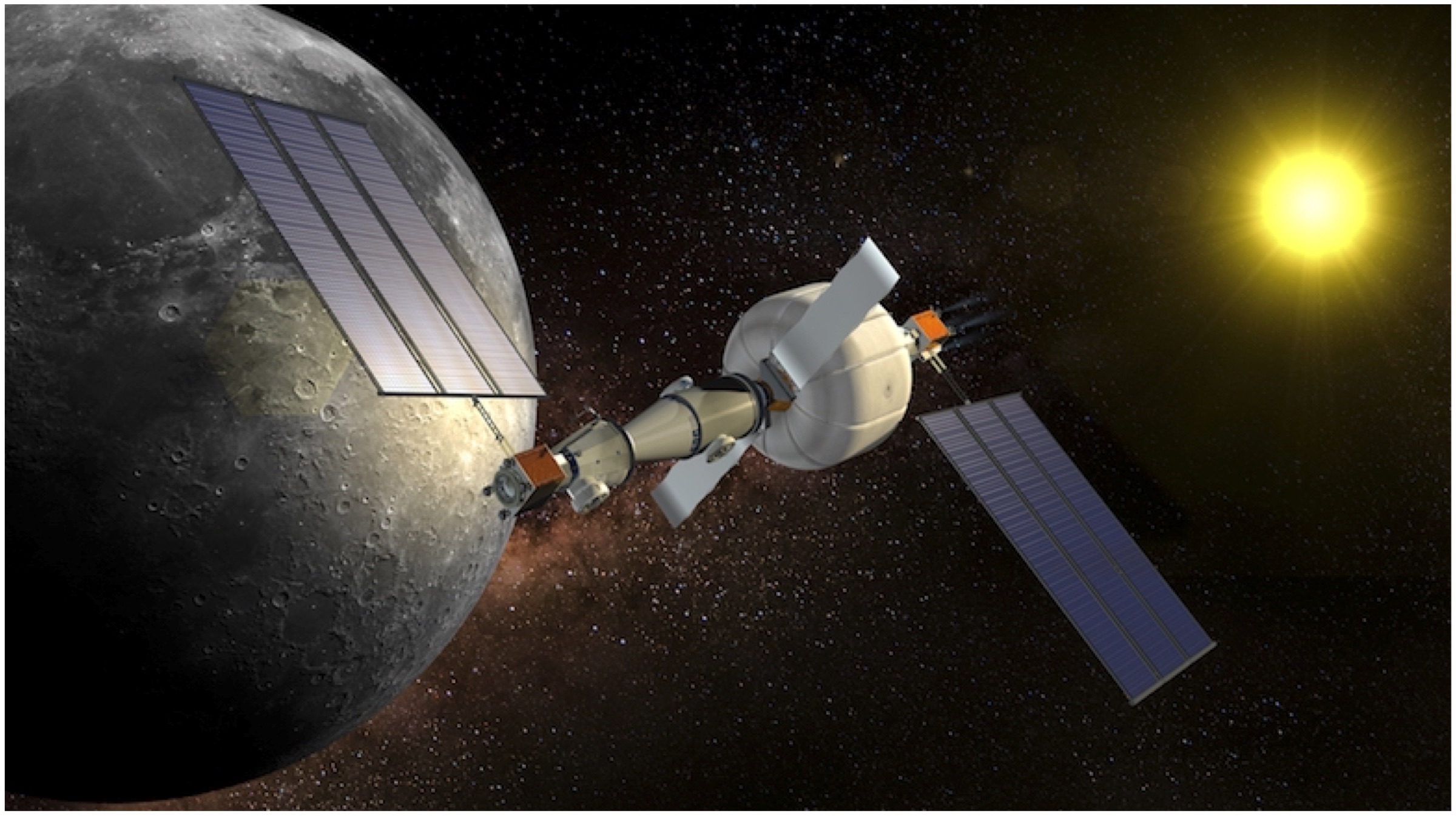
    NASA Gateway

    The power and propulsion systems of the space station will be built by a Colorado-based company called Maxar and the orbital outpost has been named Gateway. Unlike the Apollo missions that focused on directly landing on the moon surface, Nasa plans on building Gateway for its future lunar missions, named Artemis, from the moon’s orbit.

    The Gateway will reportedly house numerous astronauts alongside their respective tools and gears, including vehicles that would shift to and fro from the space station and the lunar surface. The space station will act as the central hub for any lunar based mission for the purpose of research or even scouting for a habitable zone.

    The White House has requested a budget increase to $1.6 billion to make for the 2024 deadline. It is yet to be stated what the overall cost of the entire program would encompass. The opposing party (Democrats) have been vocal on the many inconsistencies in the reports presented thus far and the vague nature of the mission that leaves many questions unanswered.

    Also ReadLEGO’s New Team-Battle RPG Announced By Gameloft For iOS And Android

    The last mission that had sent a human to the moon was the Apollo 17, almost 47 years ago (7th December 1972). The lunar space station in a positive light will almost certainly be a host for individuals of varying fields from different nationalities all which could, in theory, lead to habitable lunar colonies.

  • LEGO’s New Team-Battle RPG Announced By Gameloft For iOS And Android

    LEGO’s New Team-Battle RPG Announced By Gameloft For iOS And Android

    Gameloft announced a brand new LEGO game for Android and iOS, initially teased back in December, LEGO Legacy: Heroes unboxed releases this fall. Gameloft also announced of various teasers and trailers leading upto its eventual release, so keep on the lookout. 

    Set in the LEGO universe the game is said to be the first of its kind, the unique genre will breath new life to the 40-year-old LEGO figurines history and universe. LEGO Legacy: Heroes Unboxed is set in an epic new world where players go about collecting classic and modern LEGO figurines and sets after which they create new parties to engage in battles or go on quests and adventures together.

    The game is also likely to have special appearances from many of the fan favourite and adored universes like the cinematic universe set in the game world in great detail. LEGO Legacy: Heroes Unboxed seeks to capture the nostalgic feelings of fun from the LEGO toys that were a part of most childhoods. The game will also cater to the younger audiences with its shiny and fun looking aesthetics.

    Gameloft developers have reportedly spent their time studying vintage instruction manuals to recreate the details and make the LEGO experience more robust and authentic. A real faithful attempt at capturing the wonderful and family-friendly experience for everyone.

    Also ReadMSI Launches Three New Laptops With Core i9 CPU Ahead Of Computex 2019

    With the current popular trends adopted by publishing companies and developers for mobile games, LEGO is probably going to turn out as another Free-To-Play game with monetisation laid inside the whole experience. As long as the monetisation strategy sticks to the background with purchases based on strictly to cosmetics and appearances and not the game disrupting Pay-To-Win strategy, the game will be warmly welcomed by people of every age demographic.


  • MSI Launches Three New Laptops With Core i9 CPU Ahead Of Computex 2019

    MSI Launches Three New Laptops With Core i9 CPU Ahead Of Computex 2019

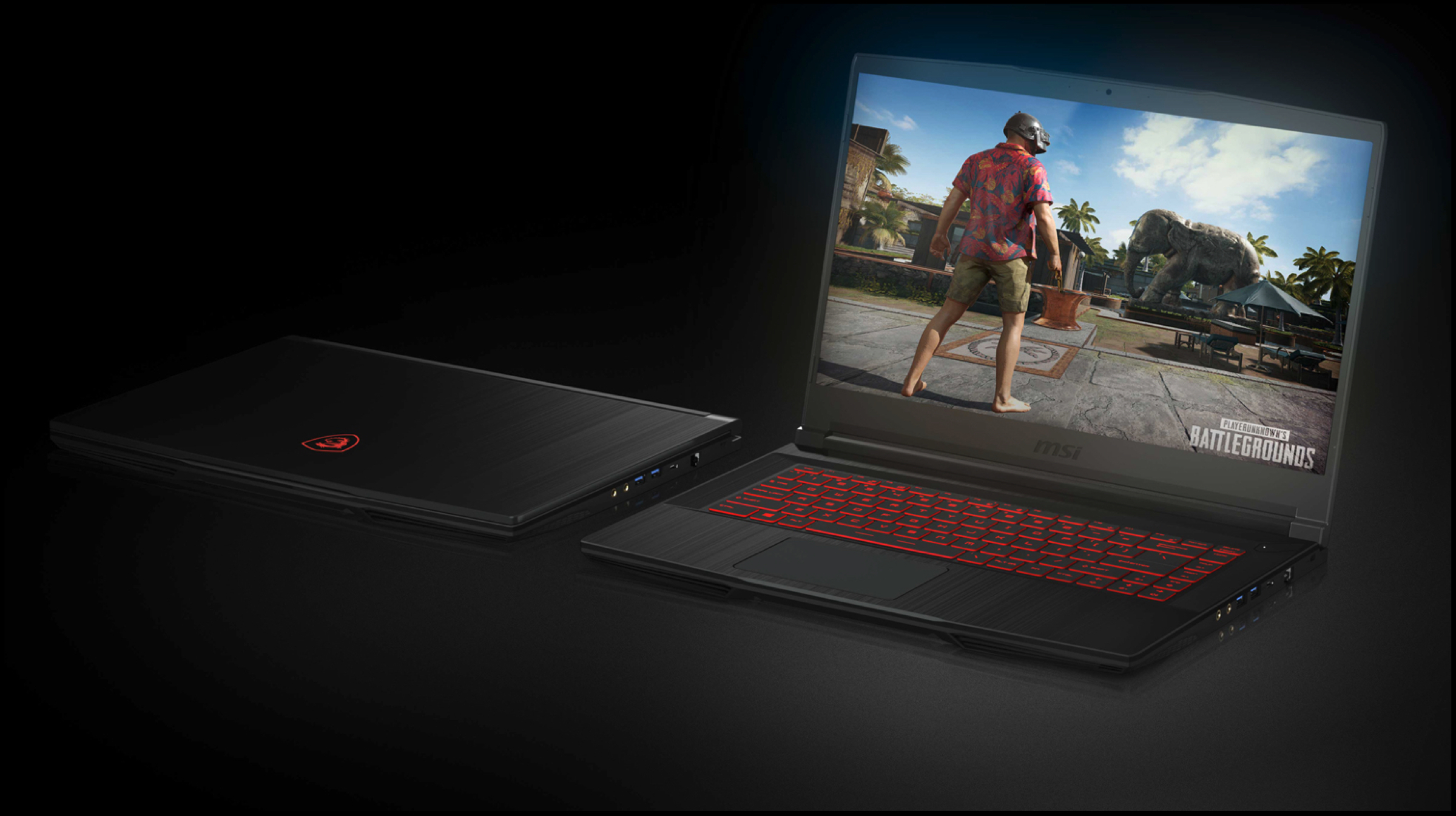
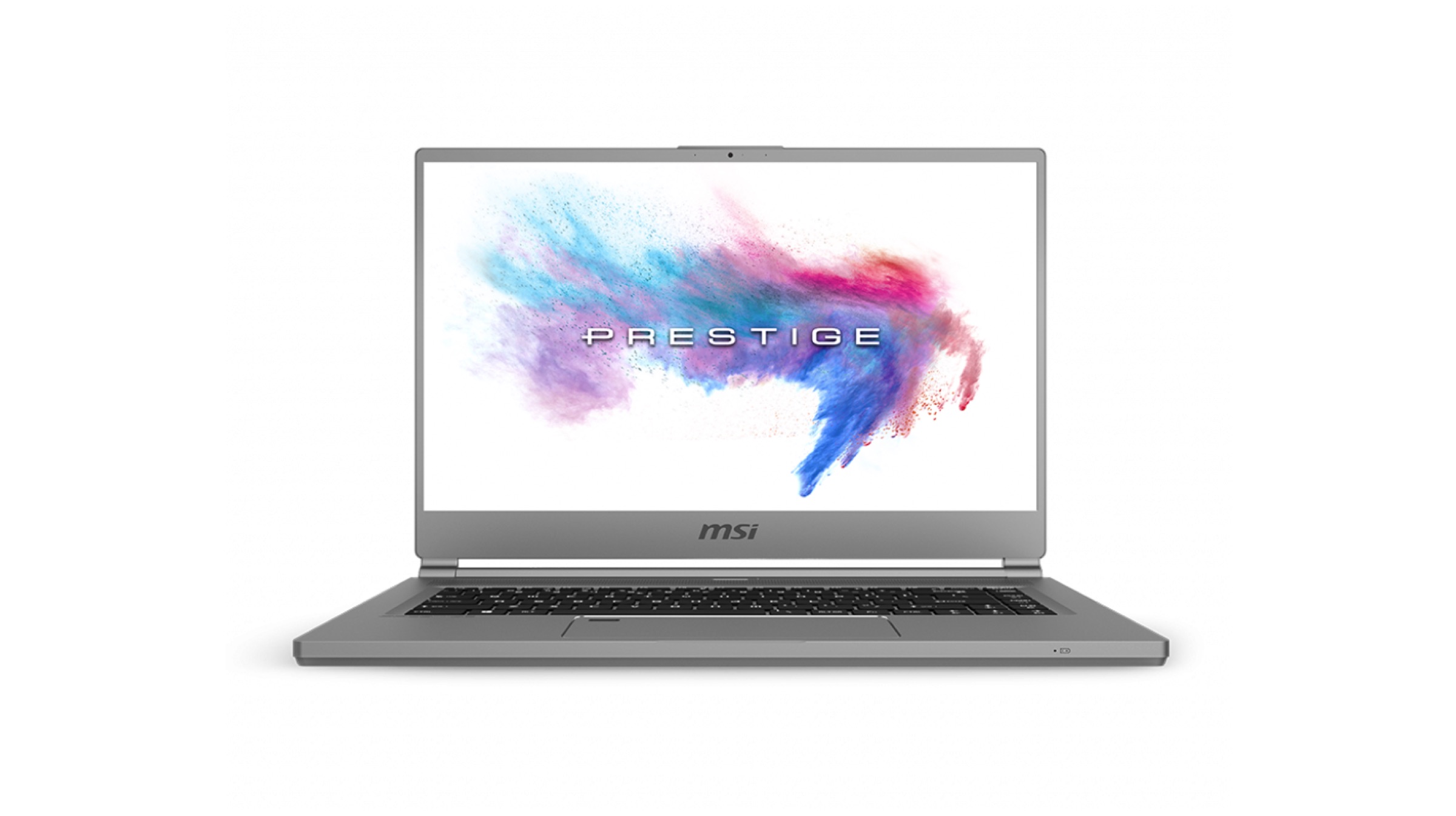
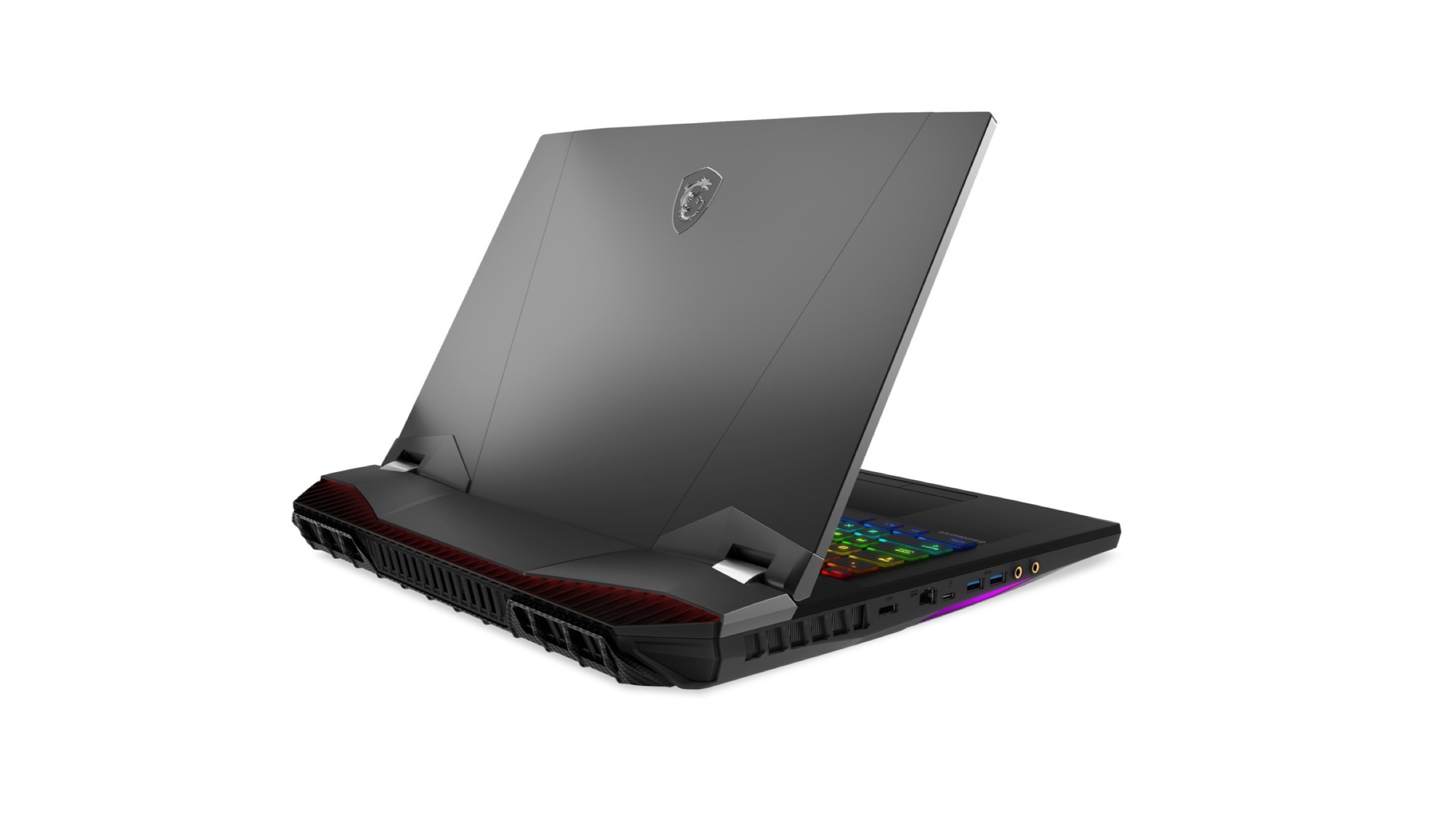
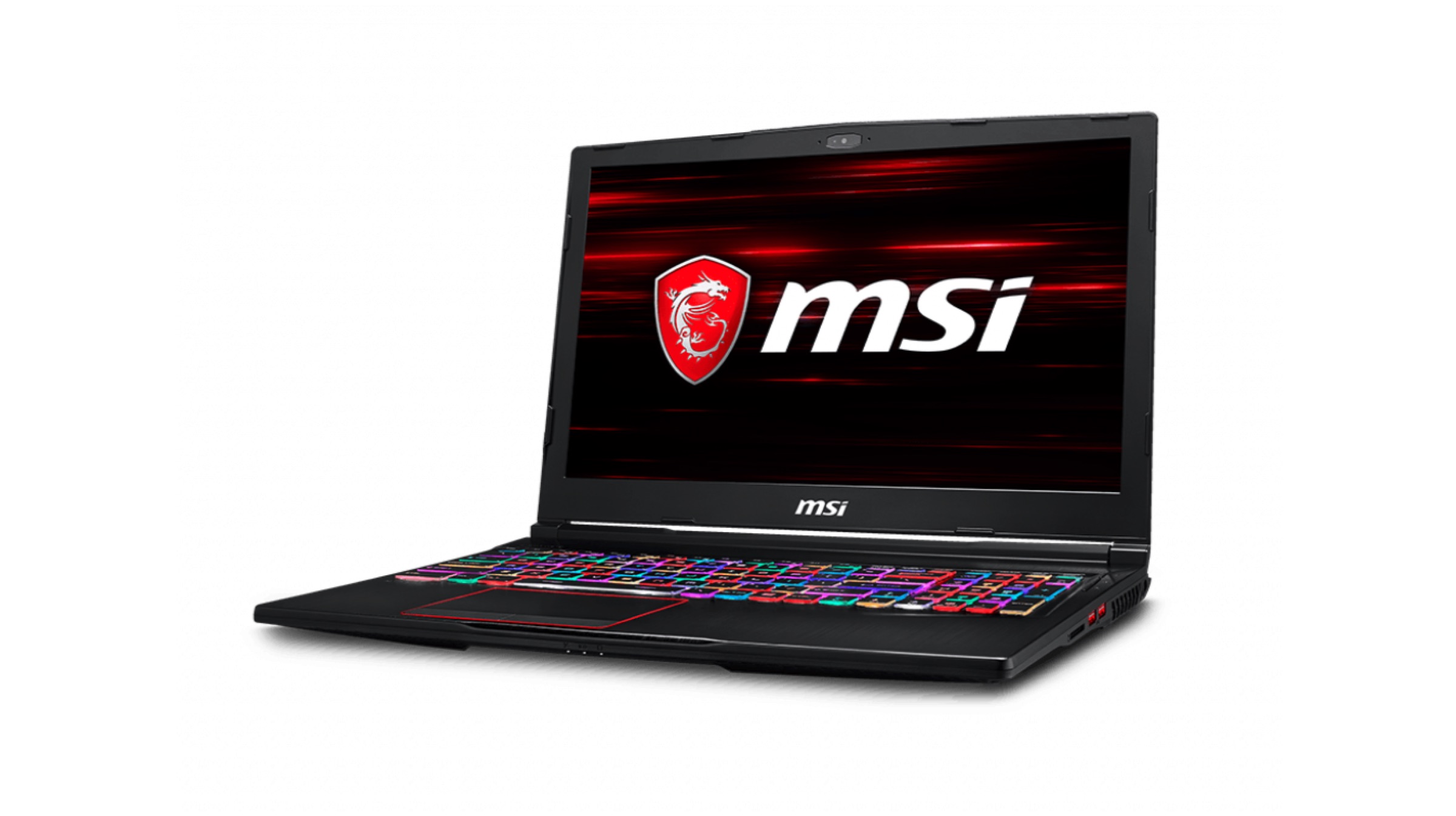
    MSI brings out three new laptops right before Computex 2019, adding in two gaming laptops for their GT Titan and Raider series along with a refresh of the Creator Laptop. MSI GT76 Titan and GE65 Raider being the top of the line gaming laptops and the P65 Creator laptop that improves on the CPU chipset for a minor refresh of the series.

    MSI

    With its robust features, the GT76 sits at the top of the gaming laptop lineup by MSI. Being one of the only few to pack such a powerful desktop grade i9 9th Gen Intel octa-core processor inside a laptop. Finer details such as Ram and Storage capacity option have not yet been revealed alongside the SKU, but the GT76 have been confirmed to run on the GeForce RTX 2080 GPU.

    The biggest improvements by far made by the new laptop is the Cooler Boost Titan thermal architecture with 4 fans and 11 heat pipes that MSI claims would be twice as efficient in the cooling than its predecessors. The keyboard features the per-key RGB lighting and a base under-glow, while the overall aesthetics of the laptop follow that of a sports car with an aluminium chassis and carbon fibre themed vents. Computex Best Golden Award has already been presented to the laptop which will be showcased at MSI’s booth in Computex 2019, to be held in Taiwan.MSI GE65

    MSI will announce the features for its GE65 Raider laptop at Computex 2019, although confirmed reports from the company show that the gaming laptop will be powered by an i9 9th Gen Intel Processor (similar to GT76) and RTX series Nvidia’s graphics card. The Key selling point of the laptop is its display with an impressive 240Hz refresh rate and Wifi-6 connectivity support.

    Lastly, MSI updated the Creator series lineup with P65 with the aforementioned, i9 9th Gen CPU processor with RTX series GPU. Additionally, the laptop sports a 15.6 inch 4K UHD display powered by a 4-cell 82Whr battery. MSI is all set to take on its competition Computex with the graphics card, monitors, gaming gear and much more.

  • OnePlus 7 Pro Camera May Not Have A True 3x Optical Zoom

    OnePlus 7 Pro Camera May Not Have A True 3x Optical Zoom

    OnePlus has found itself under the same scrutiny with their latest flagship smartphone the OnePlus 7 Pro in a similar fashion to its previous lineup of 2017, namely the OnePlus 5. A Reddit post by a user had discovered that the telephoto lens on the OnePlus 7 Pro captures pictures in a 2.2x optical zoom rather than the advertised 3x optical zoom that OnePlus had claimed.

    The triple camera setup which features the 8MP telephoto lens alongside the 16MP wide-angle lens and the primary 48MP camera was one of the key differences between the ‘Pro’ and standard version of the OnePlus 7. The Pro uses the telephoto lens along with the primary sensor to capture portrait shots but apparently the field of view while using the telephoto lens for portrait clicks and the 3x zoom differ. As it turns out the sensor is actually a 13MP Samsung S5K3M5 that is cropped down to 8MP to hit the 3x zoom.

    OnePlus advertising the telephoto lens with a 78mm focal length does make it capable for 3x optical zoom. Although as the sensor has been cropping the image down to 8MP, the effective focal length actually achieved is 57mm or in other words 2.2x zoom. This falls in line with OnePlus previously false advertising the OnePlus 5 to have a ‘lossless’ 2x zoom on its telephoto lens, that was only capable of 1.6x zoom but used digital processing to achieve the remaining 0.4x.

    https://twitter.com/getpeid/status/877582806020272128?ref_src=twsrc^tfw|twcamp^tweetembed|twterm^877582806020272128&ref_url=https%3A%2F%2Fwww.androidcentral.com%2Foneplus-7-pro-telephoto-lens-cant-deliver-3x-optical-zoom

    Also ReadSamsung Will Soon Launch The Galaxy A70s With 64 MP Camera

    No official statement has been received so far for OnePlus’s second advertising mishap. However, they haven’t used any digital enhancements in the current iteration of the smartphone. Hopefully, a prompt response is issued by their PR team that clears the dilemma caused by their marketing department.

  • Windows 10 Plagued With Zero-Day Vulnerability With May Update

    Windows 10 Plagued With Zero-Day Vulnerability With May Update

    Microsoft released its latest Windows 10 update that boasts of numerous improvements. However, the changes bring about a new form of security threat for the freshly updated Microsoft Windows 10 operating system. Since Microsoft had announced the aforementioned update on May 21st, it is safe to assume that the update would still need a couple of days to be more widespread.

    WindowsThe update brings new things to the table such as Windows Sandbox and refreshes the Start menu to be simpler on newer devices. Microsoft with this updated software brings a change in the manner Windows 10 handles reserved storage. Furthermore, Cortana has now been moved from the search tab as well.

    Microsoft has been known to have a passive approach to the release of their software updates, hence most users would not be receiving the said update immediately. To check if the update is available clicking on the Windows Update option under Update and Security can be found in the System’s Settings. 
    Zero-Day vulnerability or 0-Day vulnerability, for those not aware of technical jargons, is a computer vulnerability that has not been discovered by the vendor or main party in concern (here Microsoft). The classification remains until the main party acknowledges the issue that can be abused by exploiters/hackers.

    A researcher named SandboxEscaper published the exploit code on GitHub and released a video of how the exploit can be abused. SandboxEscaper has been known to have discovered other such zero-day exploits. The vulnerability in question targets the local privilege escalation (LPE) that allows third-party complete access to the machine by granting them administrator status over the actual user. In other words, a users computer may be remotely accessed by those who seek to gain access.

    Also Read: Xiaomi Black Shark 2 To Be Retailed Via Flipkart In India, Launching On 27 May

    The zero-day cannot be exploited in and of itself but paves the way for other methods to have more of an effect when used simultaneously. SandboxEscaper reports that the Windows Task Scheduler is the vulnerability that makes the exploit possible. If the hacker used a particular .job file in the Windows Task Scheduler after gaining access to the computer, it grants administrator access to the system giving the hacker unwarranted power to change fundamental settings on the PC.

  • US Researchers Produce Fuel By The Process Of Artificial Photosynthesis

    US Researchers Produce Fuel By The Process Of Artificial Photosynthesis

    Chemists at The University of Illinois have successfully produced fuels using using water, carbon dioxide and visible light through artificial photosynthesis. Natural photosynthesis occurs when plants use sunlight as a drive to start a chemical reaction between water and carbon dioxide to form energy-dense glucose.

    The new study as published by the researchers at Illinois showcased the development of the aforementioned method used by plants, using green light region from the visible light spectrum during natural photosynthesis, to convert carbon dioxide and water into fuel. The process has electron-rich gold nanoparticles acting as the catalyst. The team published their findings in the Nature Communications journal. The ‘Goal’ that the co-author of the study and professor, Prashant Jain, said was to produce complex, liquefiable hydrocarbons from excess carbon dioxide and other sustainable resources such as sunlight.

    The main advantages of liquid fuel over others such as gas is their economy in the mode of transport and their capacity to hold more densely packed energy due to their long chain bonds. Work regarding the efficiency and practical use of said fuel is still under question as a combustion to produce energy ends up releasing more carbon dioxide which would be counter-productive to the work towards renewable and clean energy.

    Photosynthesis

    The study is still under scrutiny as of now and work is still going forward towards a more efficient method of reproducing artificial photosynthesis as researchers acknowledged that the simulated process is nowhere as efficient as it is in plants. Jain furthermore spoke of working on the catalyst for a far better result before stepping up the scale of production.

    Also Read: Apple Sends Out Invites For WWDC 2019, iOS 13 To Be Unveiled On June 3

    Artificial Photosynthesis takes great strides towards a greener Earth. This showcases various teams and individuals all around the globe that have dedicated themselves towards the betterment of the state of affairs in regards to our planet.

iGyaan Network
Privacy Overview

This website uses cookies so that we can provide you with the best user experience possible. Cookie information is stored in your browser and performs functions such as recognising you when you return to our website and helping our team to understand which sections of the website you find most interesting and useful.