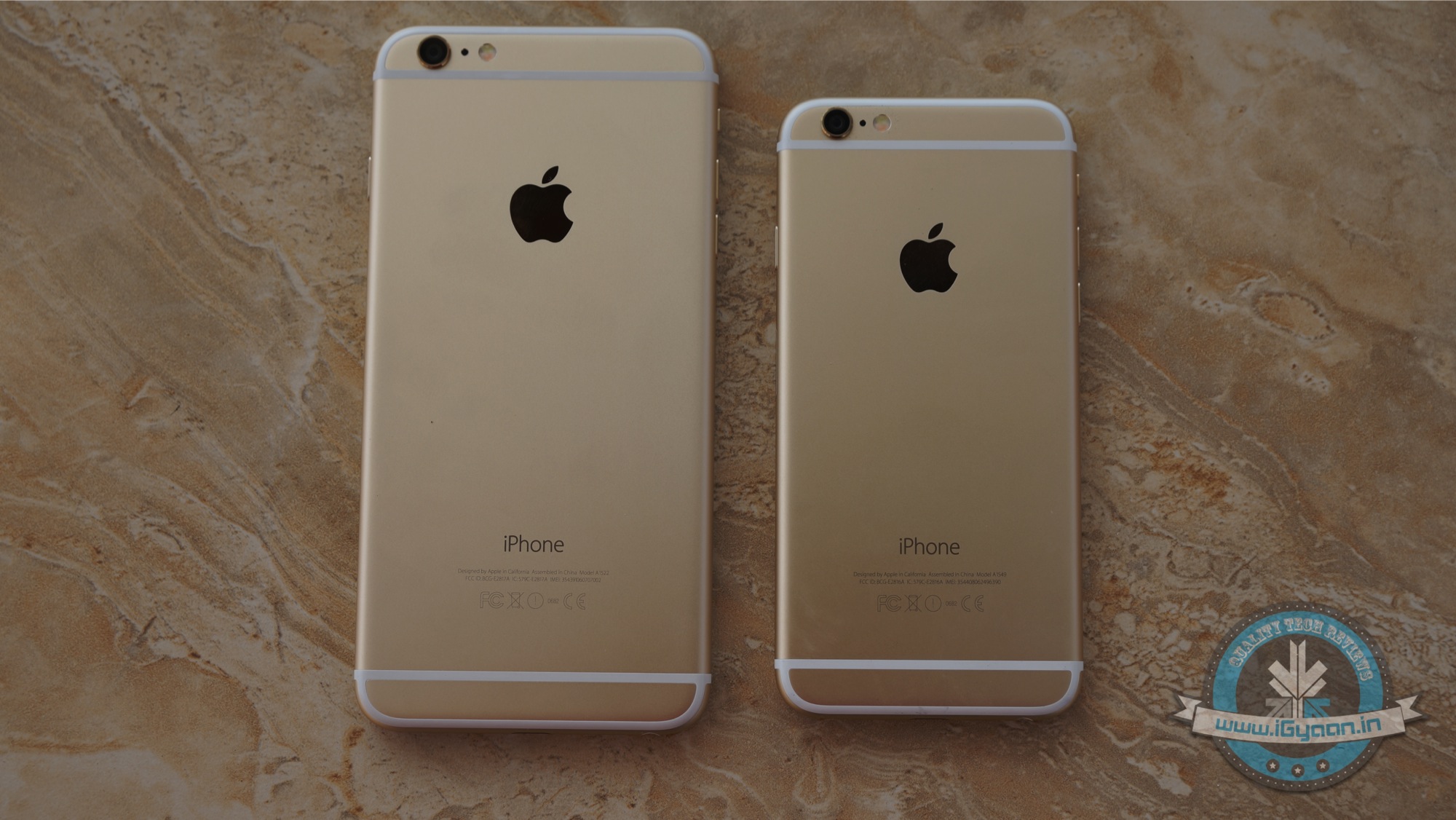
The iPhone has been considered one of the most game-changing products in recent history. It truly began the age of smartphones by giving a clear direction for other companies to follow.It is the most prominent smartphone in the market and has brought a great deal of revenue for the Cupertino-based giant; making its name synonymous with Apple’s. Now, in a surprising turn of events, an Indian company is challenging Apple for the trademark of the “iPhone”.
iVoice Ventures, claims that it owns the trademark for ‘iFon’ and hence is going to challenge the patent application of the iPhone in India. The company has filed four cases against granted and pending rights of the iPhone brand name in India.
iVoice said that the company is planning to bring budget smartphones under the name of iFon. They added that Apple’s original challenge to the company’s brand name had caused it “insurmountable challenges and irrevocable losses in ramping business during 2008/2009.” iVoice stated that it wants to revamp their business and for that it is necessary to secure their intellectual property rights for the iFon brand name.
It seems like Apple’s legal trouble refuse to die down. The tech giant was recently ordered to shell out $532.9 Million in a case involving their iTunes app. Apple has been planning a major expansion drive in India and is planning to open 500 retail stores here. It might be an easy battle for Apple as the company has a barrage of lawyers and resources to win such cases or at least, come to an amicable settlement.
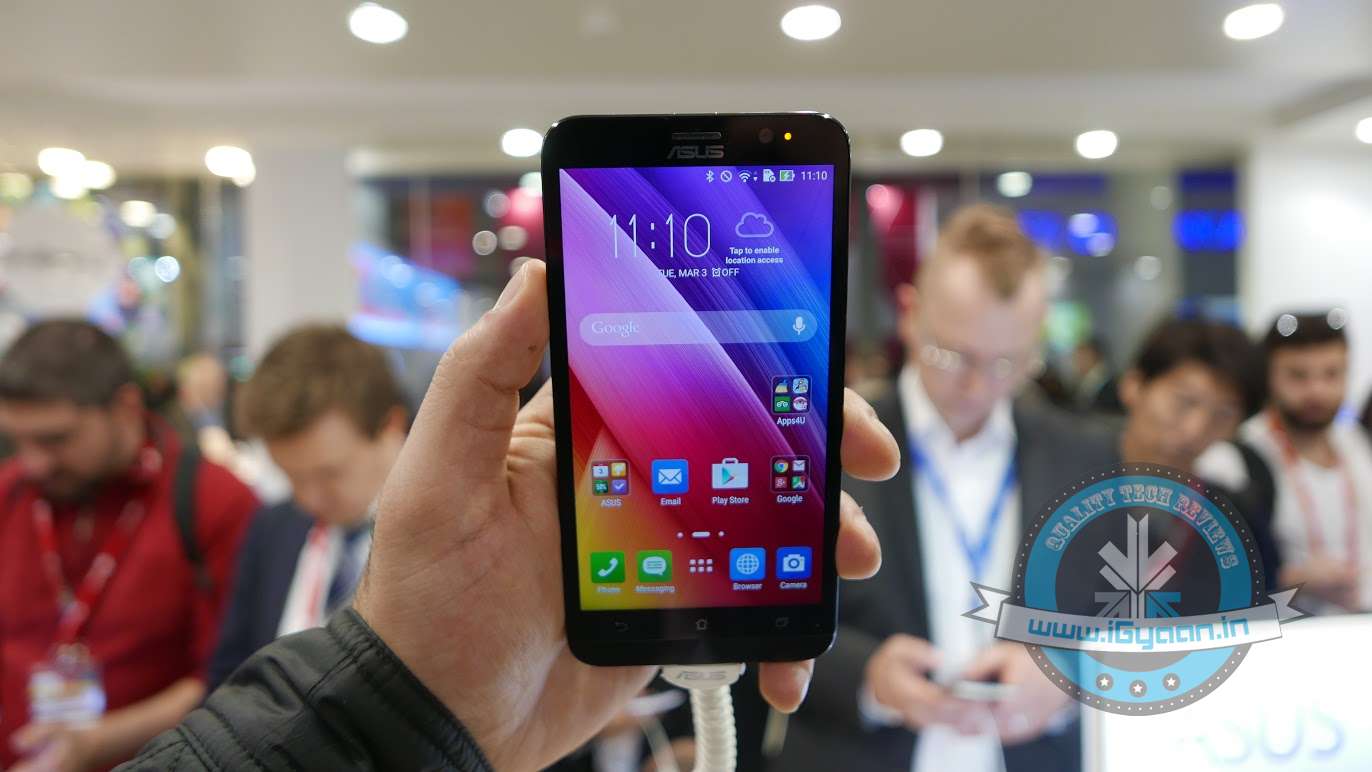
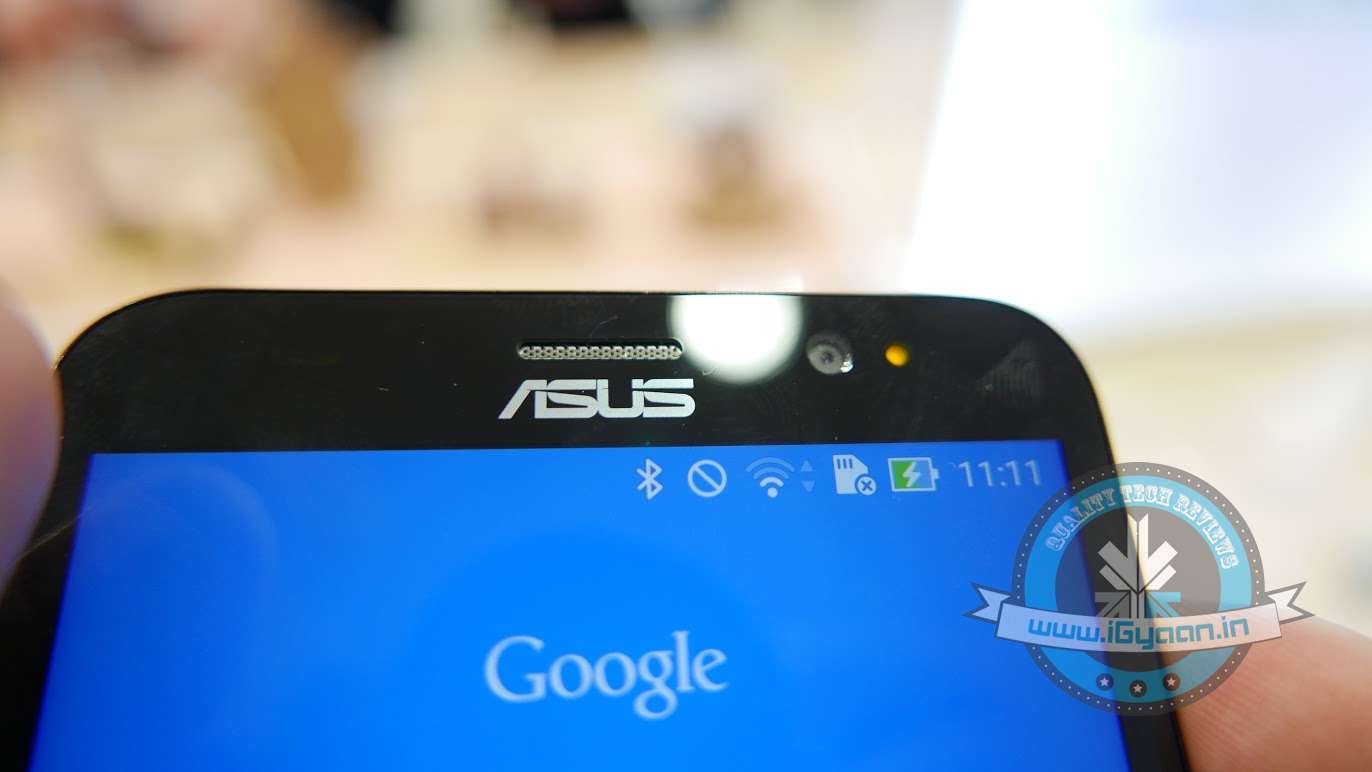
Asus Zenfone line of smartphones has done well in the market. These devices offer high-quality specs with unique features at affordable prices. The company has already launched the Zenfone 4, 5 and 6 in the Indian market. This year the company unveiled a new addition to the portfolio with the Zenfone 2. We got to take a look at this device at MWC 2015, and here we bring you our hands-on experience with the device.
Zenfone 2 flaunts a Full HD, 5.5 inch display that is protected with Gorilla Glass 3. It comes in two processor variants; a Quad-core 2.3 GHz, Intel Atom Z3580 processor and a Quad-core 1.8 GHz Intel Atom Z3560 processor along with 2 and 4 GB RAM options. It is available in 6/32/64 GB storage variants that can be further expanded up to 64 GB. It gets its juice from a 3000 mAh battery.
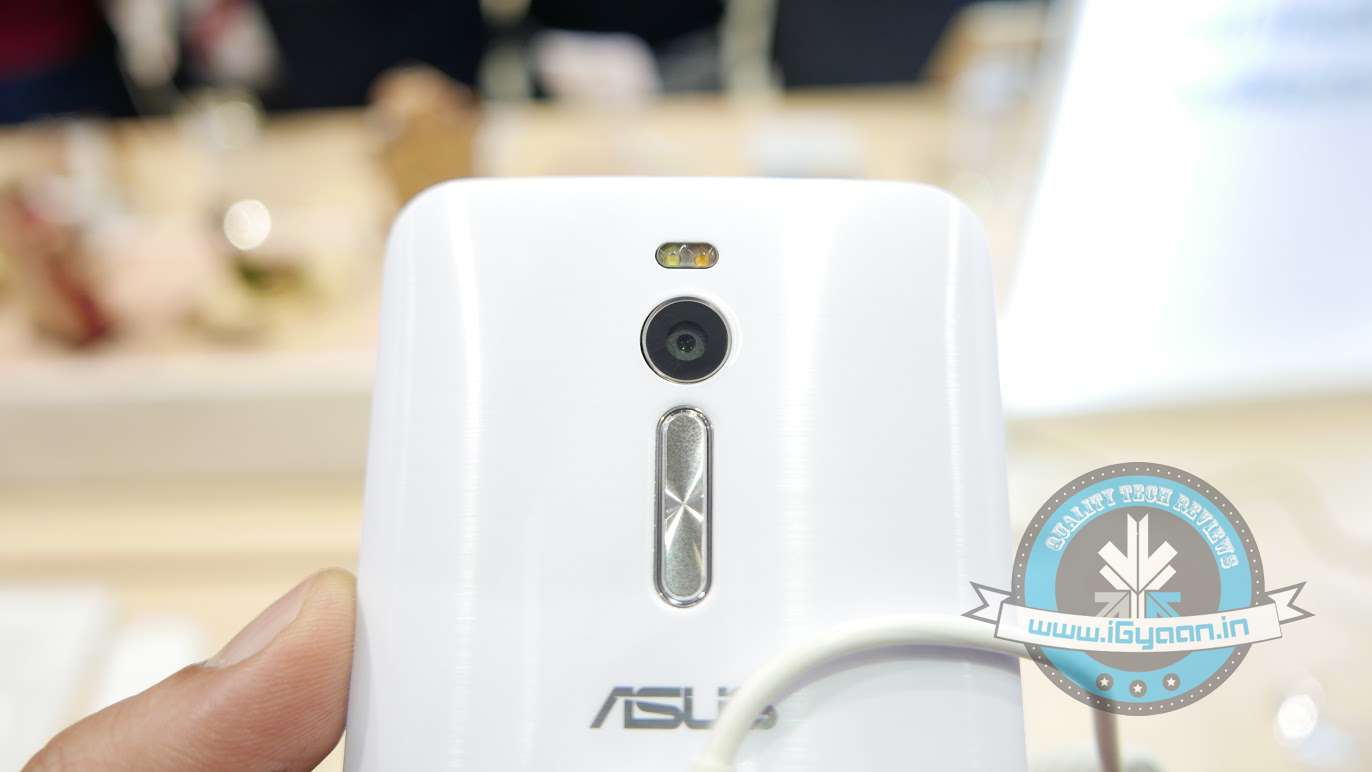
On the camera front, the device has a 13 MP shooter on the back along with the dual-LED flash. On the front sits a 5 MP selfie shooter. The front camera has an 85-degree field of view which will let the users click wider selfies.
Like its other Zenfone siblings, Zenfone 2 has also received some visually appealing design features. The front is dominated by the massive 5.5 inch display. It has a premium look and feel, especially with the brushed metal finish on the back.
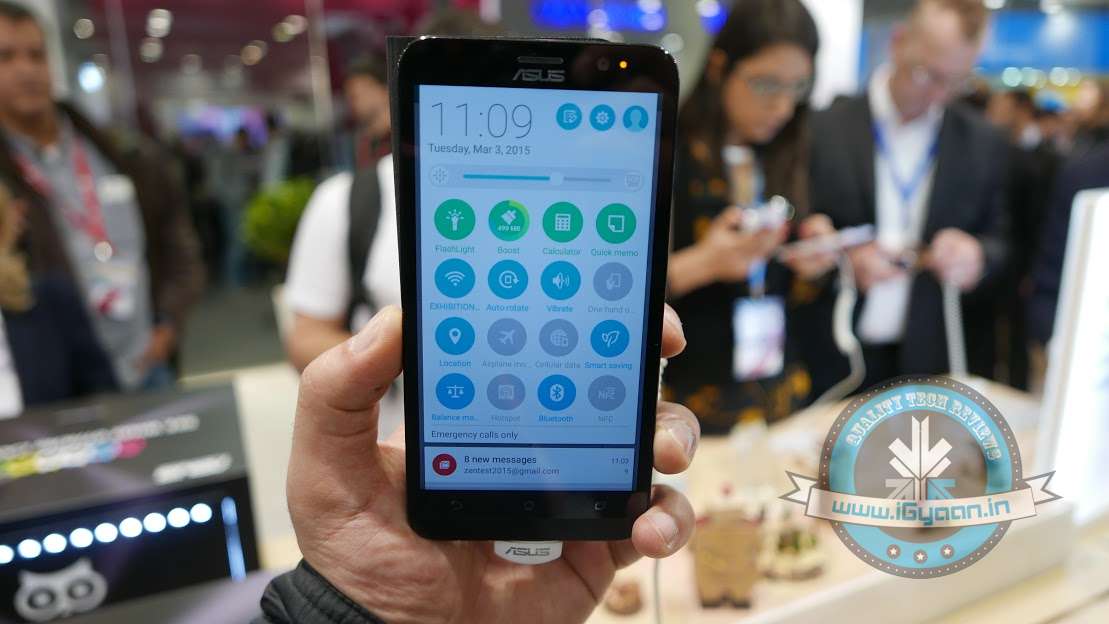
The device runs Asus ZenUI based on Android 5.0 out of the box. ZenUI offers multiple customization and scheduling options that can make life easy for the users. It also has a unique option called Share link through which you can share content such as photos, videos, music, apps and APKs without the internet. The UI also has an easy mode that allows users with low technical skills to easily operate the device.
The device looks promising and has a great design. The vast number of options in the specs listing might confuse the consumers. The device is expected to be launched in $199 (approx Rs. 12,400) price bracket that would make it a steal. Keep checking iGyaan for an in-depth review of the new Asus Zenfone 2 and all the latest happenings at MWC 2015.
Specs
Asus Zenfone 2
Display
5.5-inch
Full HD
403 PPI
CPU
2.3 GHz,Quad-core Intel Atom Z3580 and 1.8 GHz,Quad-core Intel Atom Z3560
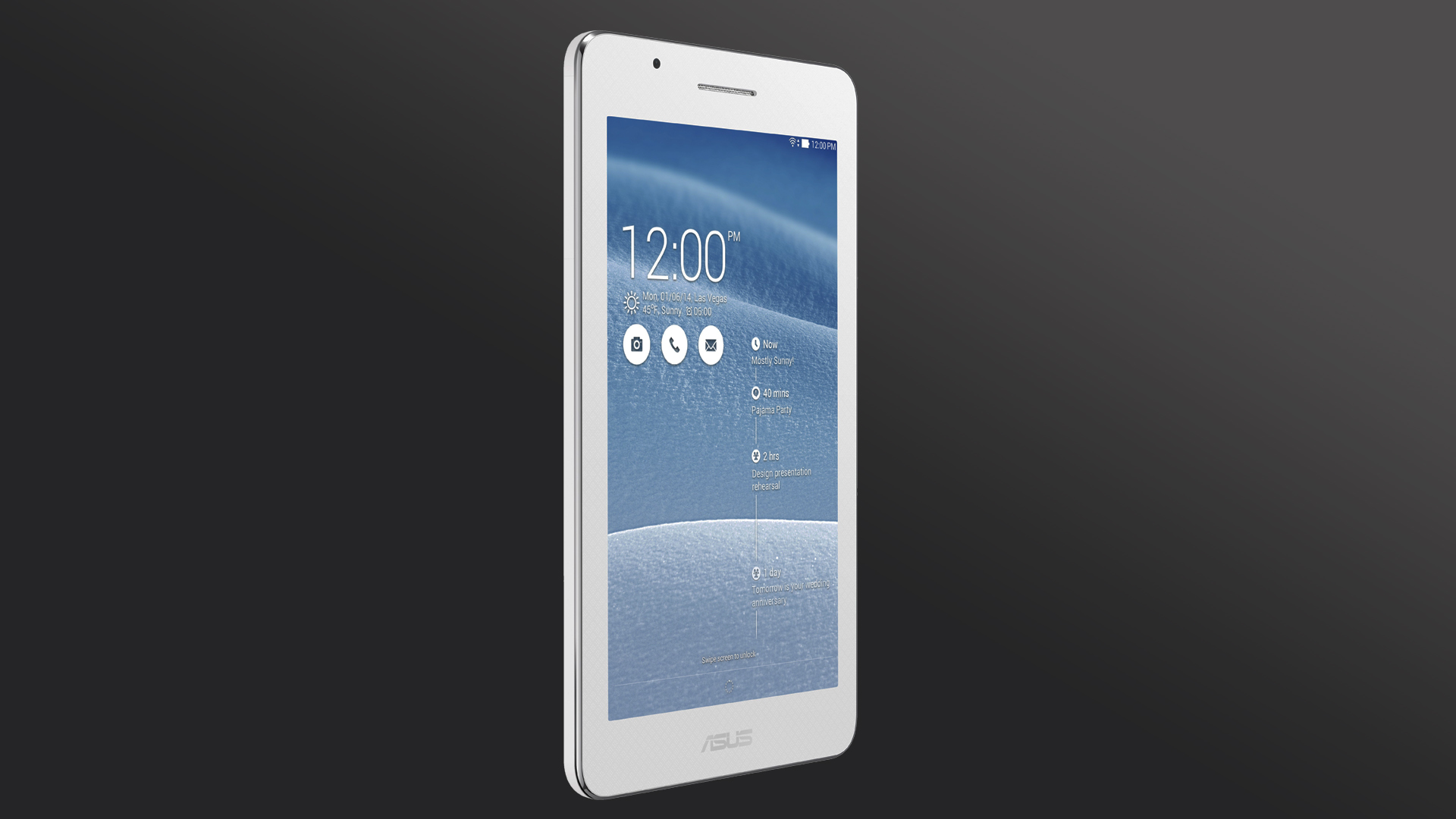
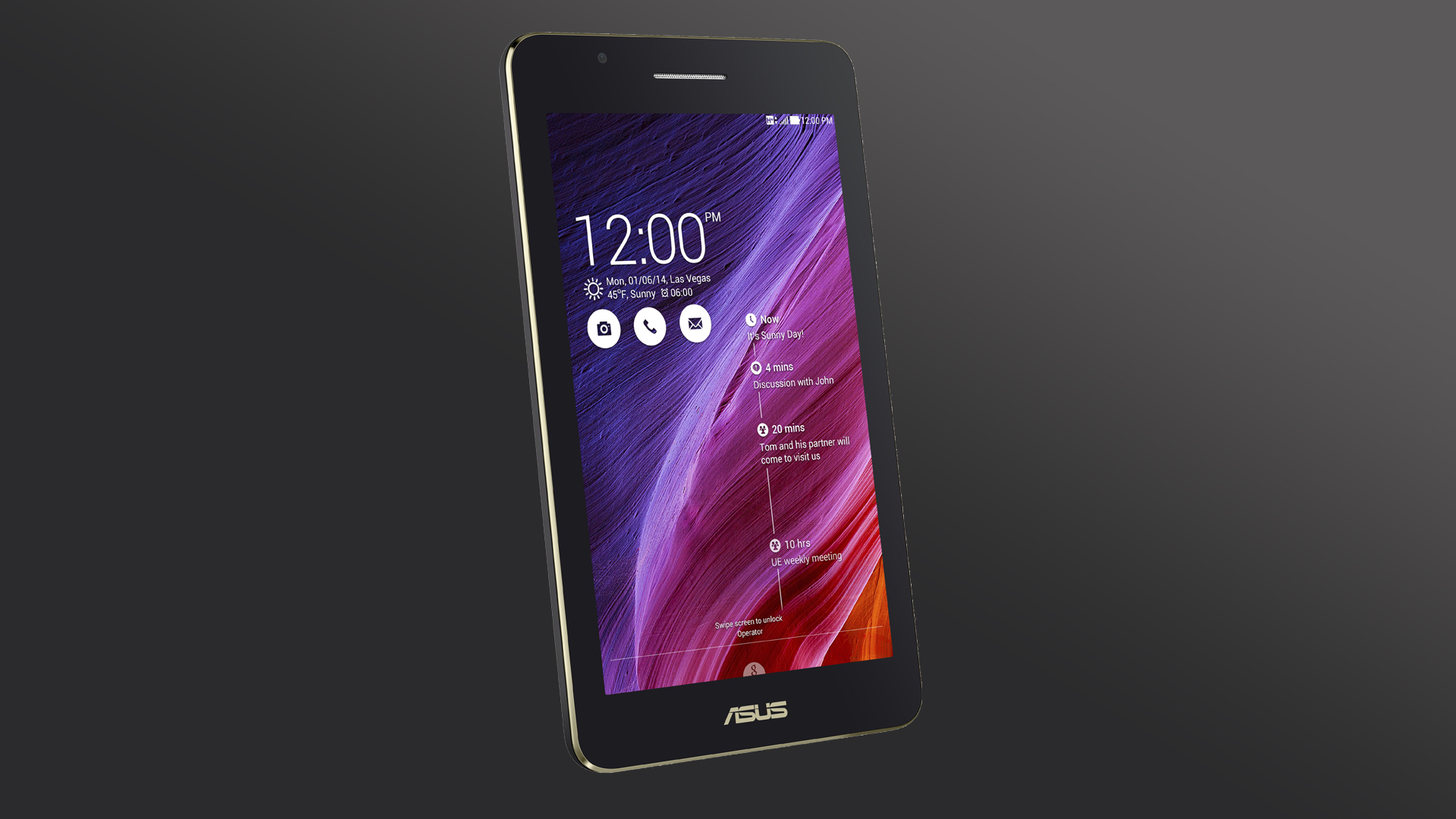
Taiwanese device maker, Asus has unveiled two new tablets in the Indian market. The Fonepad 7 and MeMOPad 8 are the new addition to the company’s tablet portfolio in India. The device made by Asus are appreciated in India, and the company is also known for unique products like the Padfone Mini.
The Asus Fonepad 7 is powered by a Dual Core 1.2 GHz, Intel Clover Trail Plus processor, along with 2 GB RAM. It comes with 16 GB storage that is expandable up to 64 GB. On the camera front, the tablet has an 8 MP shooter on the back and a 2 MP selfie camera in the front. The display on the device is a 7 inch WSVGA (1024×600) IPS display.
On the other hand, the MeMOPad8 sports a 8 inch WUXGA (1920×1200) IPS display protected with Gorilla Glass. It gets its processing power from a quad-core, 1.83 GHz, Intel Atom processor. It comes with 2GB RAM along with 16 GB internal storage. Asus also offers 5 GB lifetime ASUS Web storage space with an additional 11GB for the first year. This tablet has a 5 MP camera on the back and a 1.2 MP camera on the front.
The Fonepad 7 comes in black and white color option whereas the MeMOPad 8 comes white, pink and blue color variants. MeMOPad also has support for a 1.5 mm tipped stylus pens. Fonepad 7 will be priced at Rs. 10,999, and the MeMOPad 8 will be available for purchase at Rs. 19,999.
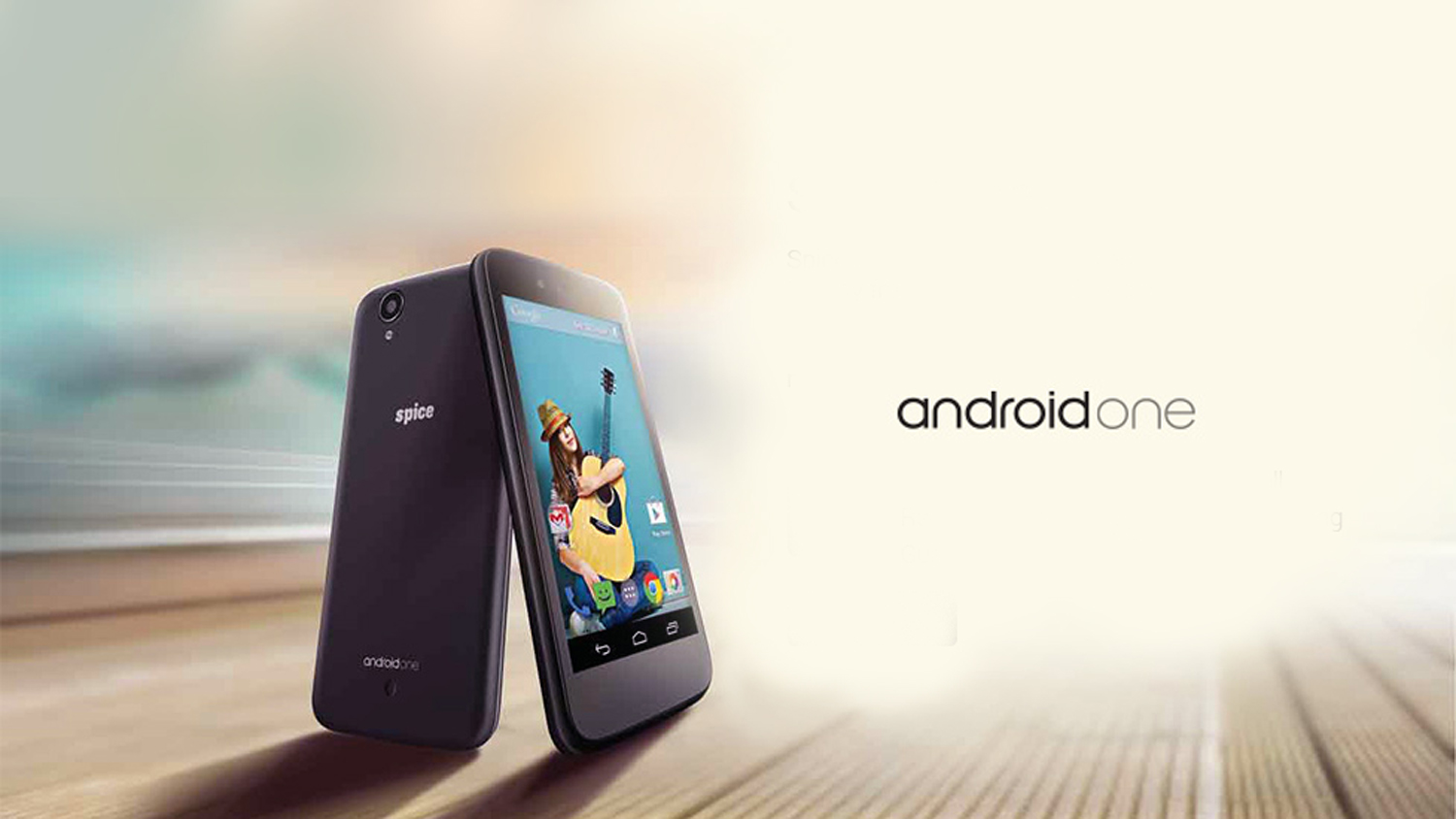
It took a long while, but it is finally here. When the customers of the Android One devices bought their devices, they were promised immediate updates. Those updates have taken a long while now, but they’re finally here. Spice has announced that it will start rolling out Android 5.0 updates for its Android One devices.
Spice has said that it will start rolling out the updates in batches over the next few days. Spice has two Android One devices in its portfolio: Spice Dream Uno and Spice Dream Uno H. Both of them run Android 4.4.4 Kitkat out of the box.
Android 5.1 update takes care of all the bugs that were found in Android 5.0 and adds new features too. The 5.1 update offers a new silent mode; improvements in system stability; improved RAM management; fixes for sudden app closures; improved battery management; excessive consumption of network devices when used Wi-Fi fixed; fixes for issues with wireless connections; fixes for Ok Google function; fixes for notifications problems; some sound problems experienced by certain devices fixed, and changes in the Material Design colour palette.
There is no news yet on the date of arrival of the Lollipop update on other Android One devices. Google has already launched the Android One devices in Indonesia that run Android 5.1 out of the box. So it wouldn’t be long before the other Indian devices get their updates too.
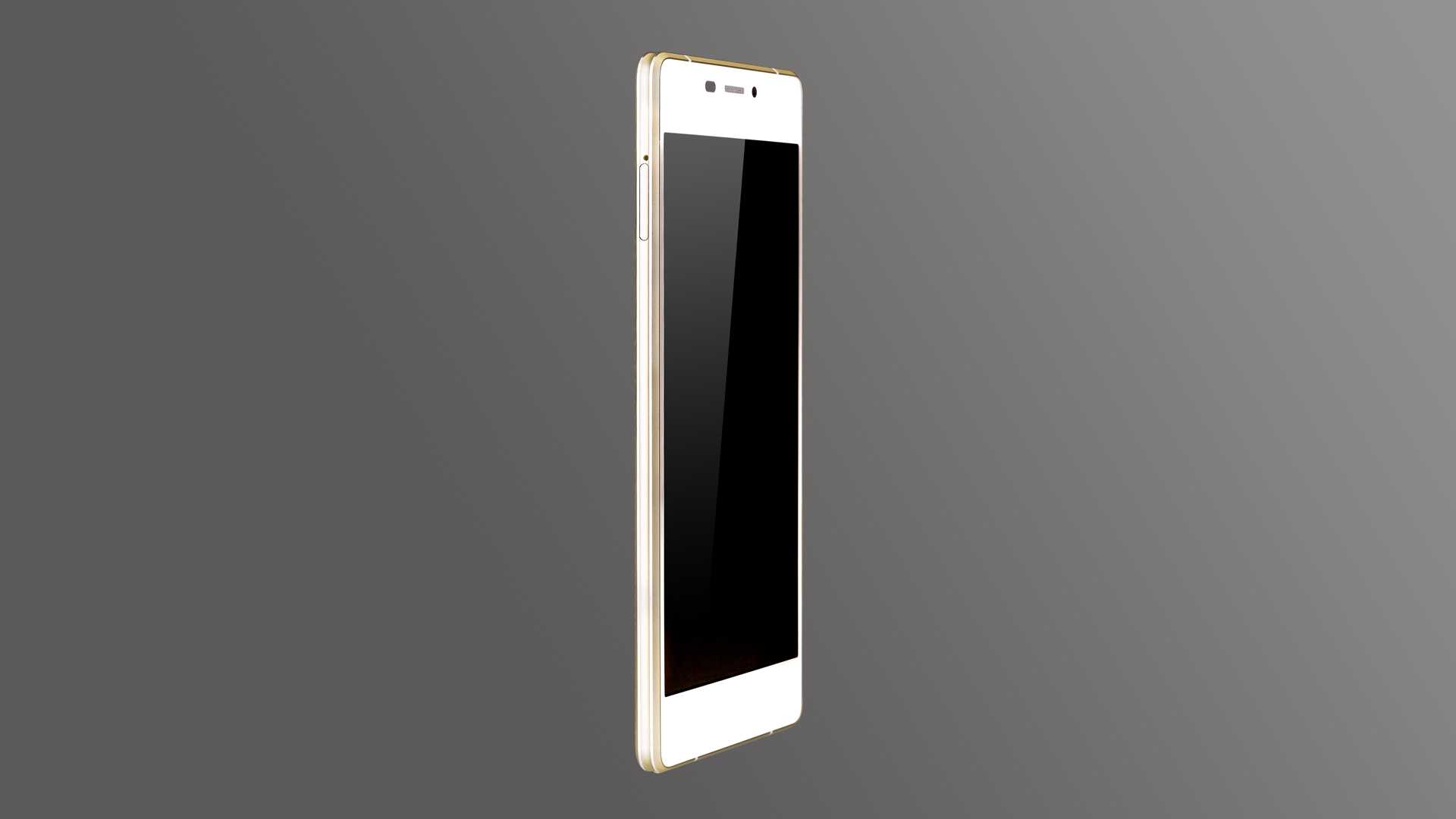
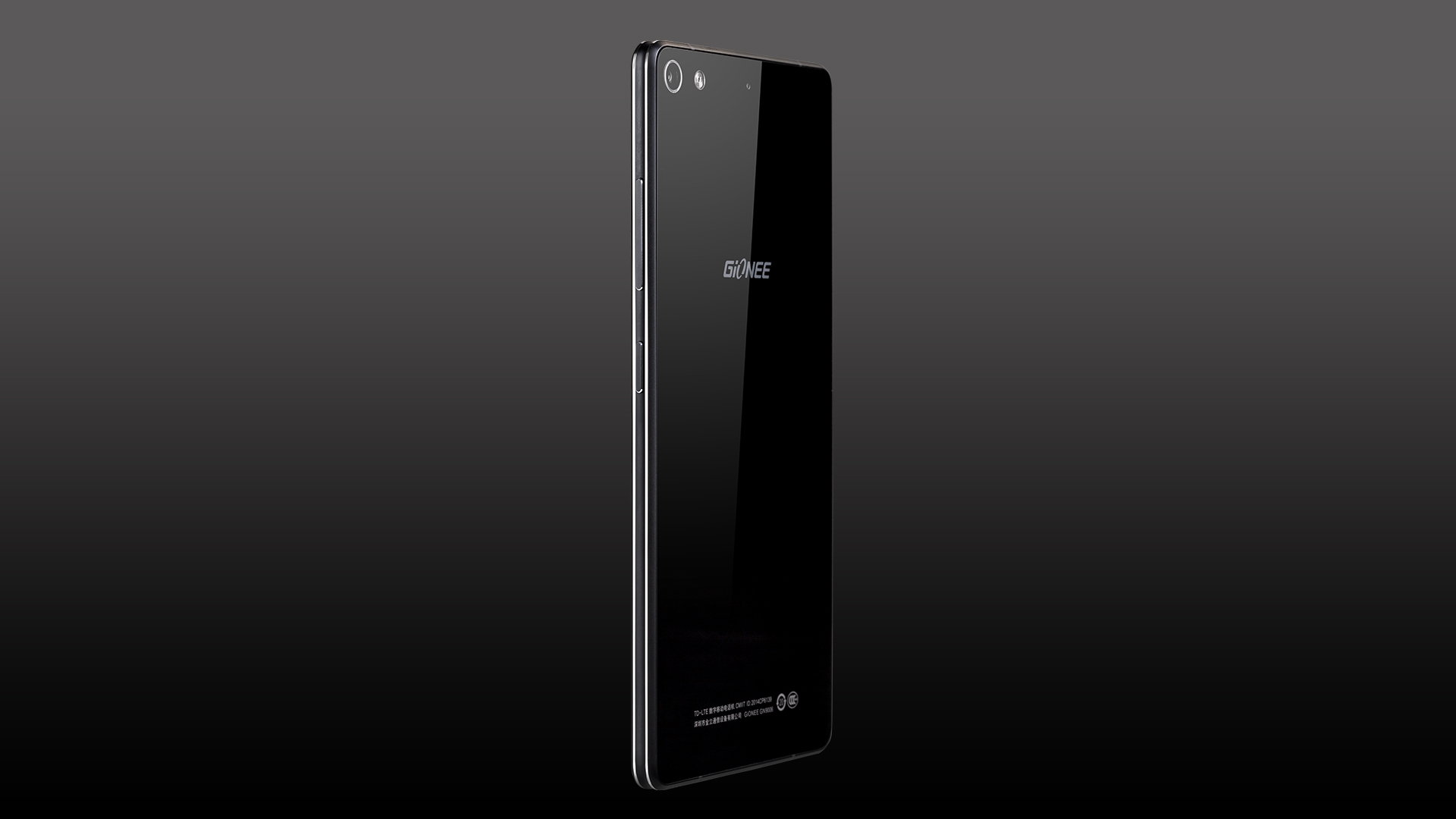
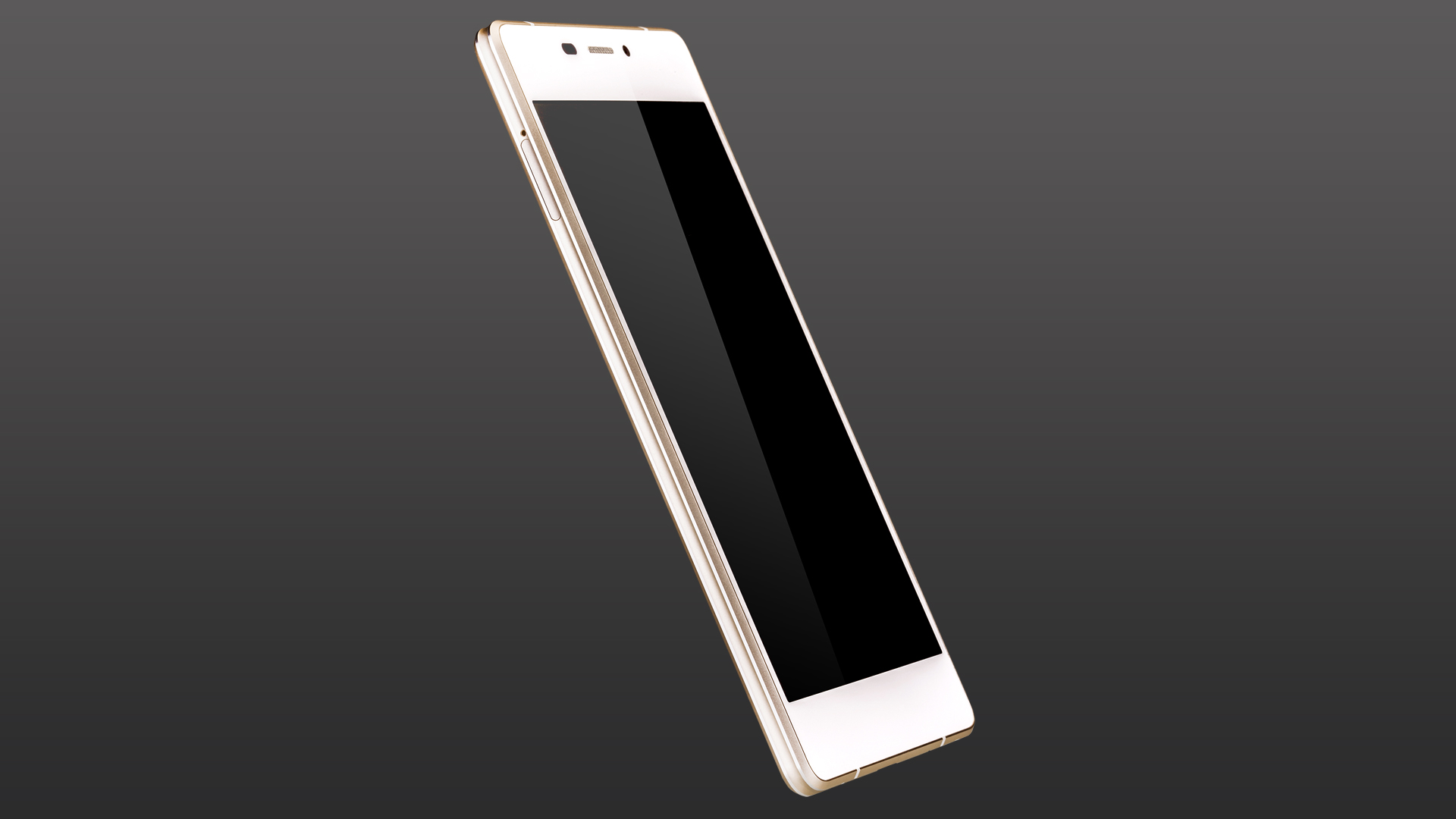
The Mobile World Congress 2015(MWC) is attracting attention from world over as it is the spot for big ticket launches. The prominent names in the smartphone industry have all shown off their products at the conference. Chinese smartphone maker, Gionee which is known for some fantastic devices, such as the Elife E7 and the slim and sexy S5, has launched the Elife S7 at MWC.
The Elife S7 flaunts a thin, 5.5 inch body that makes it the thinnest dual SIM device in the world. Gionee knows how to design its products right and the S7 is quite a looker too. The handset has a U-shaped bezel. It has a 5.2 inch, Full HD display with Super AMOLED panel from Samsung and is protected by Gorilla Glass 3.
On the specs front, the Elife S7 is powered by 64 Bit, 1.7 GHz Mediatek 6752 processor and 2 GB RAM. The device also has a sensor chip from Freescale, which will reduce CPU usage by 20%. The S7 gets its juice from a 2750 mAh battery. The battery is non-removable and has a thickness of 3.2 mm which helps to keep the device slim and light.
On the camera front, the handset flaunts a 13 MP camera on the back. The camera sits flat in the back of the device and doesn’t protrude out.The image sensor and the software on the device are both provided by Sony. It features an intelligent night mode. On the front, the device flaunts an 8 MP selfie shooter.
The phone runs Amigo 3.0 UI, which is based on Android 5.0 Lollipop. Gionee says that the dark theme of the UI reduces power consumption by 30%. The phone offers amazing customization feature such as the “Chameleon” which lets you create a theme by clicking an image. There is a new theme store on the device called “Theme Park” where you can choose from a variety of themes. There is also an “extreme mode” that essentially transforms your smartphone into a feature phone. The extreme mode turns on when your smartphone is entirely drained at 10% battery level and gives 30 more hours of battery life.
The Gionee Elife S7 will be available in Los Angeles Black, North Pole White and Maldives Blue color variants. It will be launched for €399 (approx Rs. 27,700) in Europe. The S7 will be launched in the Indian market on the 3rd of April.
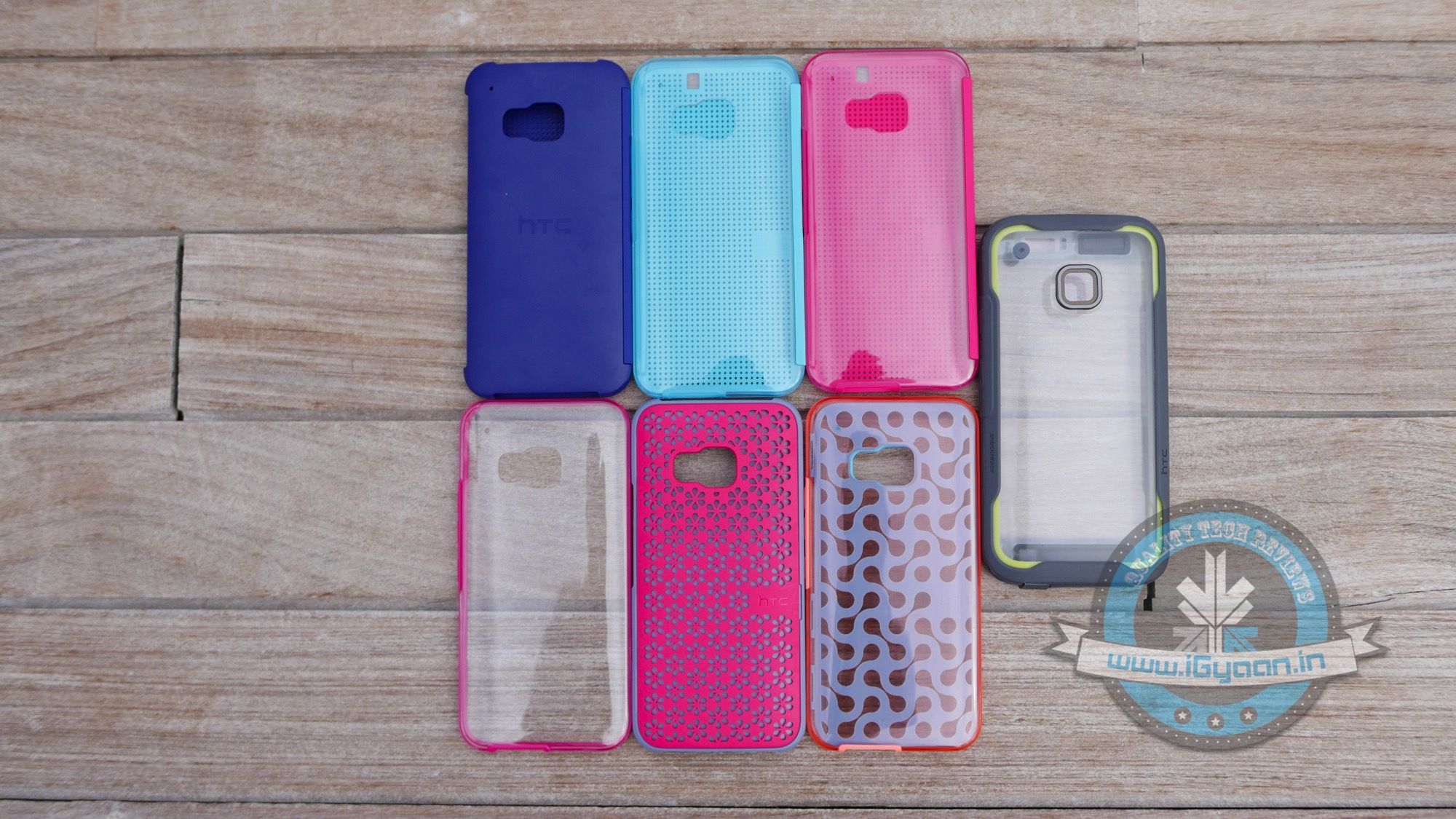
HTC yesterday unveiled its brand new flagship, the One M9 at MWC 2015. The device is a bit of an upgrade over the predecessor, the One M8 but comes with its own set of unique features. Much has been said and discussed the M9’s features but not a lot has been said about the amazing cases brought out by HTC with the new flagship launch.
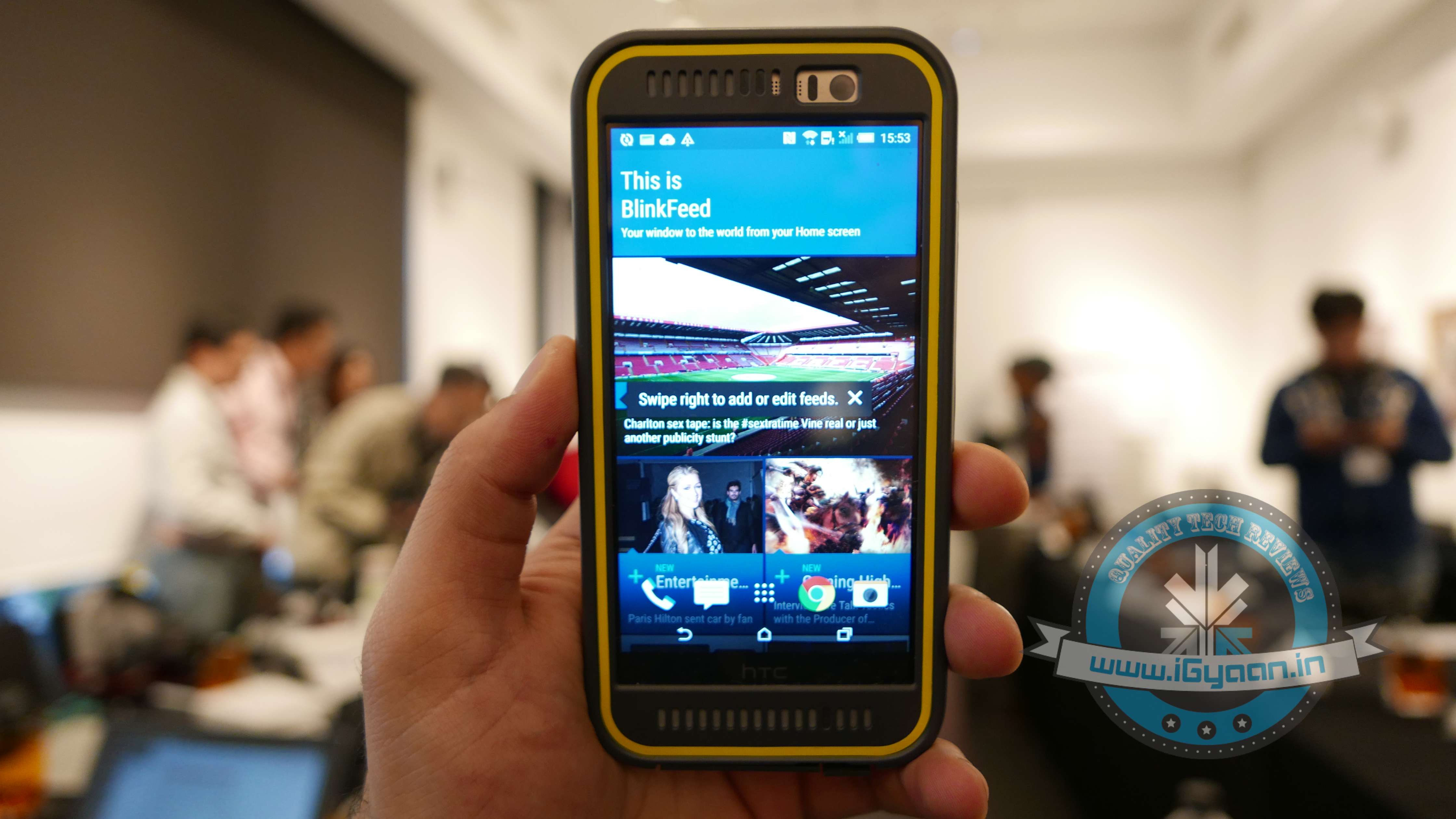
We take a look at the HTC Active Case, the true protective case that every smartphone needs to have. It is rated IP68, which means that it will be waterproof and can also take the jolts of the floor when it is accidentally dropped. The case can withstand a drop of 2 meters, which is great for the butterfingers out there.
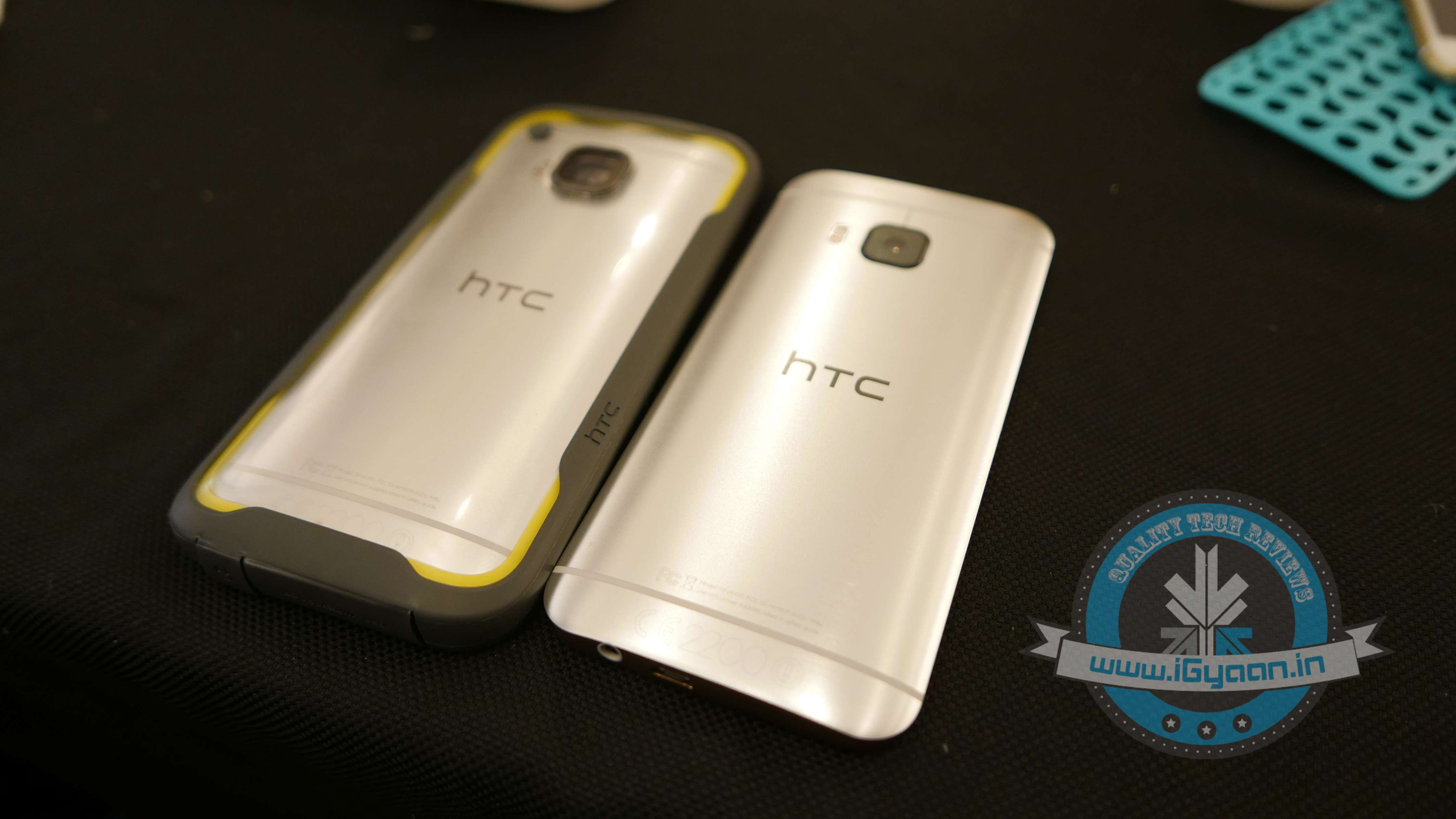
The clear case lets your appreciate the metallic back panel while keeping the device safe.
The case looks sturdy and complements the phone to some extent. Also, as it’s a clear case, you will also get to look at the shiny aluminum back cover that sets the One M9 apart from its competition.
Active Headset from HTC is a waterproof pair of earphones for the outdoorsy folks.
Waterproof Earphones
Waterproof Earphones
The Active case by HTC is for those outdoorsy folks whose phones are always at the risk of contact with the natural elements. To give even more peace of mind, HTC has unveiled the Active Headset. This is a pair of waterproof earphones that are rated at IP67. With these in your pocket, you can take that March mountain trek without being concerned for your smart gears.
HTC also unveiled new Dot View II cases for the M9 along with the Active case.
HTC also launched a bouquet of new Dot View II cases with textured backs that will let you add a unique character to your One M9. Just like their previous version.
Rugged Case
Rugged Case back
Rugged Case
These are some great accessory from HTC, and hopefully the company will bring the strengthened cases for its other products. This will make you feel safe about your device in comparison to regular flip cases. The major smartphone maker should work towards introducing strong cases for the smartphones as it would be an accessory that people will see as an investment instead of a mere add-on.
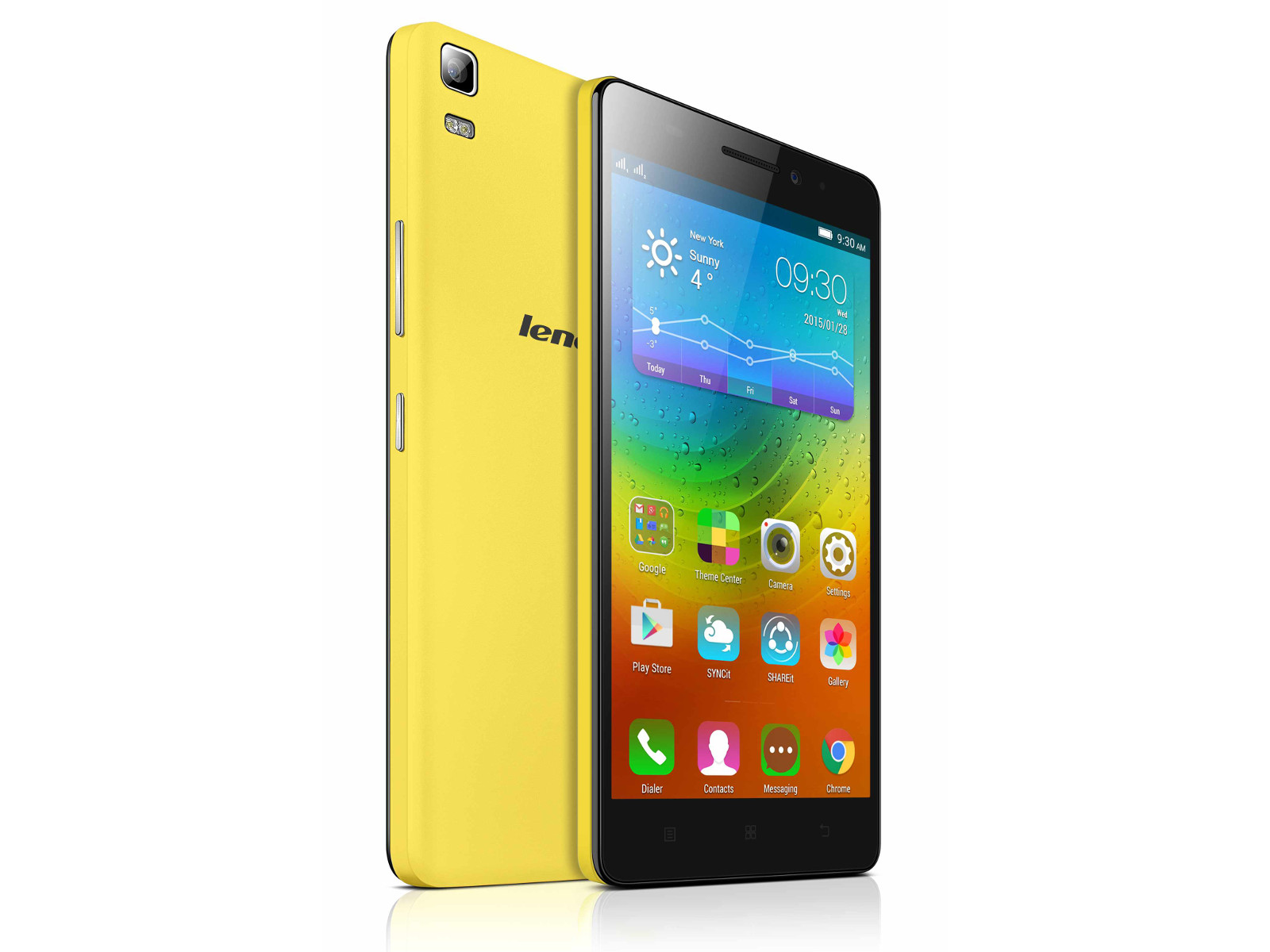
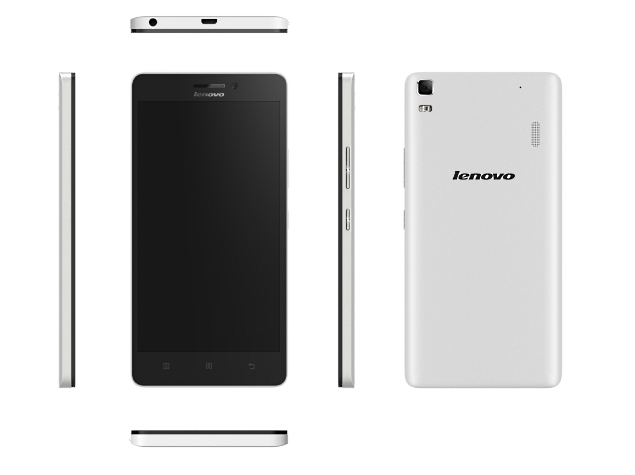
Lenovo brought out A6000 at CES this year to take on the likes of Redmi Note, and Yu Yureka. The company is already ready with the A7000. The device has a pocket-friendly price tag and offers some amazing features at the same time.
The Lenovo A7000 sports a 5.5 inch HD display. It is powered by a 1.5 GHz MediaTek True8Core processor with 4G LTE. It flaunts 2 GB RAM and 8 GB internal storage which is expandable through MicroSD. The device is 7.9 mm thick and weighs just 140g. The smartphone runs on Android 5.0 Lollipop.
On the camera front, this budget device offers an 8 MP shooter on the back and a 5 MP selfie camera on the front. It gets its juice from a 2900 mAh battery that might just cut it for its massive display.
The USP of the device, apart from its price, is the Dolby Atmos sound. This technology will tweak the audio of the content to make it sound like it is coming from all directions. You will, of course, require a pair of headphones to get the true Atmos experience.
Lenovo A7000 will be priced at $169 (about Rs.10,500). The device will come to the market this month itself. It seems like Redmi and Yureka now have some real competition in the market and luckily for the consumers, it will be available very soon.
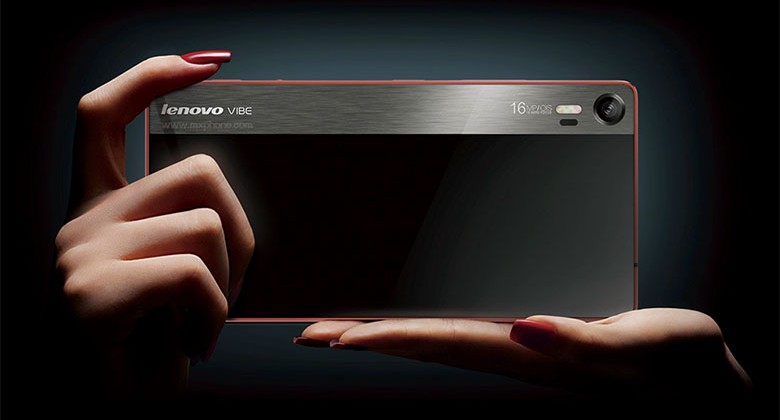
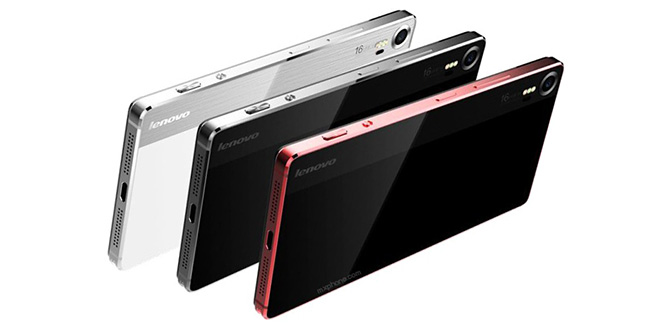
With the saturation of the smartphone market, companies are looking for a unique proposition for their devices. Lenovo, the Chinese device maker, has put its bet on a better camera for its new device, the Lenovo Vibe Shot.
The Vibe Shot looks fantastic in the first glance. The back of the device is designed to look like a camera, and the top end has a brushed metal type surface that is partnered with a black surface that makes the device look classy. It has a thin light aluminum frame that give it a fantastic metal appeal. The device has physical control that allow the user to have a camera like experience. It features a physical camera button as it just doesn’t feel like taking an image unless you press a button. This feature has been absent from smartphones for quite a while.
Vibe Shot has a light Aluminium body and comes in multiple colors.
Apart from the physical camera button, the device also has a physical slider to switch between smart and pro-mode. The camera on the device is a 16 MP Shooter with OIS and tricolor flash. At the front, the device sports an 8 MP front shooter. It sports a 5 inch display Full HD display for the user to get the best glimpse of the action.
Lenovo has also packed the Vibe Shot with some great innards. The handset is powered by a 64 bit, 1.7 GHz, Snapdragon 615 processor along with 3 GB RAM. It has 32 GB internal storage that can be expanded up to 128 GB through MicroSD, so space is not an issue on this one. It will run the latest Android 5.0 Lollipop.
Lenovo Vibe shot will be available from June this year for a price of $349 (Approx Rs. 21,000) which is simply fantastic for a device that offers so much. We can’t wait to get our hands on this one. It will be available in red, white or grey color options.
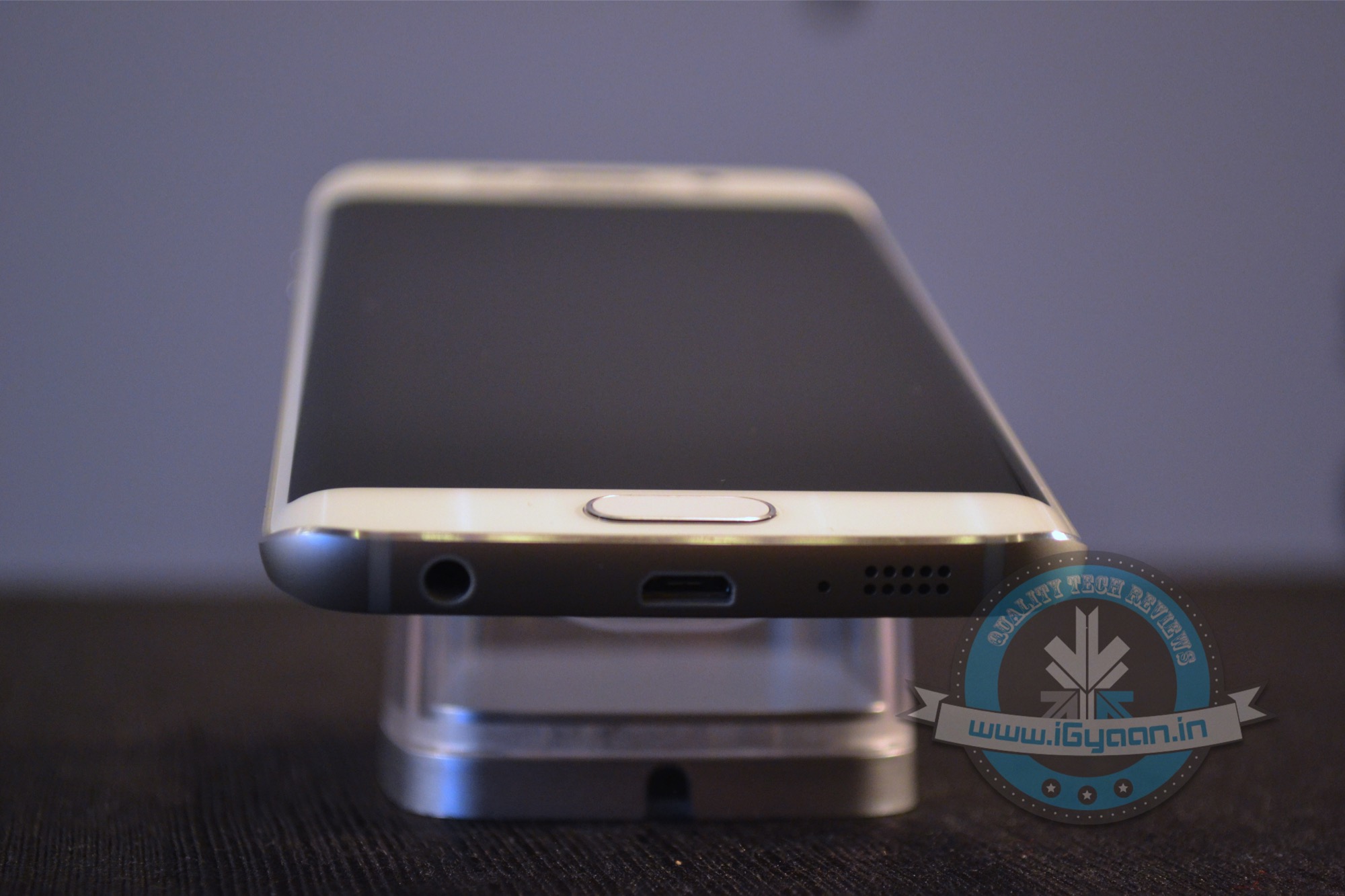
Samsung has finally launched its big boy, the Samsung Galaxy S6 at the MWC. Along with the S6, Samsung also launched its curved screen sibling the Galaxy S6 Edge. With this launch, Samsung is now the only smartphone maker who has two devices in its portfolio with curved displays; the Note Edge and Galaxy S6 Edge. Let’s take a look at how these two “edge” screen devices fare against each other on the spec table.
With the Galaxy S6 Edge, Samsung has brought in a two sided edge display whose utility might be questionable. It will be interesting to see though how Samsung makes use of it.
Taiwanese smartphone maker, HTC is known as one of the premier smartphone companies. It was one of the first companies to bring out Windows and Android based devices. It’s known for its unique design elements that make its devices recognizable in the crowded smartphone market. HTC is now taking an aim at a new device segment; virtual reality(VR) headset with the new HTC Vive.
HTC has unveiled the Vive at a special event held in Barcelona, Spain. The device is made in collaboration with an entertainment software technology company called Valve. Valve will offer its Steam VR tracking and input technologies whereas HTC is responsible for the design as well as the build of the product.
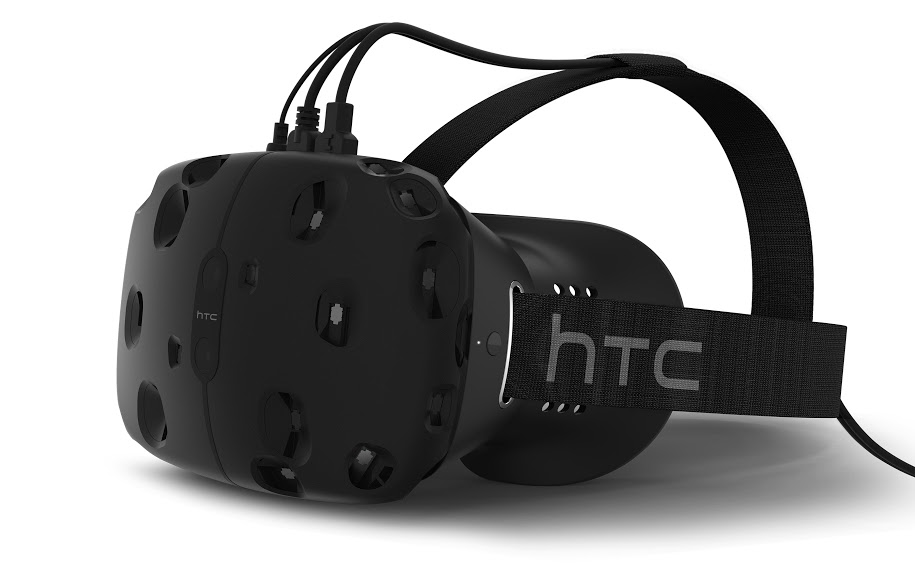
HTC Vive will take on the likes of Oculus Rift, Gear VR and Project Morpheus.
HTC Vive is claimed to offer immersive VR experience that includes moving around and interacting with the virtual space. The device comes with wireless controllers that make it rather easy to operate and get on with the virtual gaming. It offers high-quality graphics, 90 frames per second video and impressive audio fidelity.
HTC has collaborated with many game developers such as Vertigo Games, Wemo Labs, Google, Owlchemy and others to generate content for the HTC Vive. Beta versions of the games for the Vive Developer Edition have already been produced. HTC is also working with companies like Google, HBO, Lionsgate and the National Palace Museum in Taiwan to create unique content for the new VR device.
In its present iteration, the HTC Vive looks like the first generation Oculus device. It looks massive and messy with the cables hanging on top of it. Being the Developer edition, it still has a look of a prototype device. HTC might tweak the design to make it wireless by the time it arrives in the consumer market.
The Developer Edition of the HTC Vive will be launched this spring. The consumer edition is expected to come out by the end of 2015. Virtual Reality headsets are one of the most promising consumer devices and have tremendous potential. HTC’s entry into the VR foray definitely makes things interesting for the market.
The Finance Minister of India, Arun Jaitley, today unveiled the Union Budget for the year 2015-16. This budget was even called the make or break budget for India. There were a slew of initiatives offered to boost the growth of the tech sector in India and to promote job creation amongst the youth. The present government is known to be tech savvy, and so we look at how the budget affects the tech sector.
For the Consumer market
Mobile tariff’s may increase following increase in service taxes.
The budget decreased custom duties on a variety of consumer goods including refrigerator parts, telecommunication grade optical fiber cables and LCD/LED TV panels. Duties on components of solar water heaters, tablets, and LED lights have also been slashed.
On the other hand, the mobile phone rates will see an upwards trajectory as the government has raised the service tax from 12.36% to 14%.
Fuel For Startups
The Indian IT sector employees a massive number of people. In his speech, the finance minister stated that the sector employs 40 lakh people and has garnered revenues worth US$119 Billion. The sector has seen a proactive growth in new startup companies that are formed by young entrepreneurs. The government has recognized the potential of this market to transform young people from job seekers to job creators, and so it has allotted Rs.1000 crores to boost startups. According to the Economic survey of India, has become the fourth largest force in the startup market and is home to 3100 of such budding companies.
The 1000 crore will go towards establishing a mechanism called Self Employment and Talent Utilisation(SETU). It will be a techno-financial, Incubation and Facilitation Program to support all aspects of start-up businesses and encourage cutting-edge innovation.
To get India’s massive youth population ready for 21st century economy, the government will be launching National Skill Mission.
Boost for Hardware Manufacturers
Indian hardware makers appreciated the removal of Special Additional Duty (SAD)
The Finance Minister’s announcement of the removal of Special Additional Duty (SAD) on IT products was well appreciated by the industry. This move will benefit the Indian hardware makers. There has also been a decrease in the tax for technical services that will also help the manufacturing industry in the country.
Renewable Energy
There is a proactive approach in the budget towards renewable energy.
The government also stressed on green renewable energy and has set a target of 1,75,000 MW from green sources by 2022. Out of this, a massive share of 1,00,000 MW will be derived from solar power from the current 3,000 MW. At present renewable energy sources contribute 5.6 percent of all the electricity, which will be raised to 12 percent in the coming three years. The boost in investment in renewable sector will also lead to a lot of jobs in the green energy space in India.
Digital India Governance
The Digital India program that was unveiled last year got a mention this time around. It is 1.13 lakh crore project to make India a connected nation. This project will make it easier for the citizens and their government to connect and get access to various services. The project is expected to attract massive investments and create a massive amount of jobs in the country. The Finance Minister said in clear words that
Overall the budget is said to be a progressive one that is expected to give a push to manufacturing and growth in India. It will be making many consumer goods a bit expensive, but the growth in the tech and other major sectors can create the revenues that can bring the costs down, in the long run. Let’s hope it’s the year of growth for India, Jai Ho!
Google has been known to be a revolutionary company. It can be credited with establishing the information age by giving people access to the power of the internet. The Silicon Valley giant invests a massive amount of its resources in research that can change the way we live. Google is in the process of re-imagining the office space for its new office in Mountain View, California. It wants to create a building that meets the needs of tomorrow and is also close to nature.
Google has enlisted the help of two architecture firms Heatherwick Studio and Denmark-based Bjarke Ingels Group. This is no small time project as it covers an area of 3.4 million square feet across the four sites. Google’s arch rival Apple has already showcased a spaceship-like design that is already in the construction phase.
The major focus on the building is to give an experience of living as close to nature as possible. The building design makes use of natural light to light up the office spaces and cut down on the use of energy. It has green spaces inside the building who get natural light from the vast open, transparent fabric that engulfs the sites. The building uses flexible manipulable elements that give the ability to shape the offices as per the requirement.
In its feature video, Google is vague about the specifics but the buildings are expected to be constructed by 2020. When completed, they will be an urban space in themselves. There is a definite need for rethinking construction in terms of residential, official and urban spaces. With an increase in population, there is an absolute need to make the buildings energy efficient and eco-friendly. We hope Google succeeds in its efforts to re-create building spaces and brings a revolutionary change in terms of construction with this massive project.
The internet can be a place full of filth if you know how to find the content you are looking for. But what if all the “dirty” content can actually come in handy (pun intended) to charge up your devices. Pornhub, which is one of the biggest storehouse of adult friendly content has come up with a new wearable that can charge any device after generating energy from the user’s rapid hand motion.
Meet Wankband, this wearable has weight inside a small band that generates electricity when a user jerks his/her hands rapidly. The unisex band can then charge other devices through a USB port.
The Wankband is on developmental stages at the moment and users can sign up to become Beta tester for the project. This, of course, is a gimmicky device and wouldn’t actually be capable of generating enough energy to power up any of your devices completely. It still is a great device to generate some power out of efforts that usually get wasted.
Feel free to check out the video before, it’s definitely safe for work:
Apple’s latest flagship costs some serious money to own. You can buy a Bajaj Pulsar at the price of a 128 GB iPhone 6 Plus. The devices are of course well made and have added some amazing features like seamless transfer of files and the best camera in the business. Now these great devices will be accessible to more new consumers as Flipkart and Amazon have gone on a price slashing spree on all the iPhone 6 variants.
Flipkart and Amazon and a few other third party sellers have unveiled the new pricing. The price cuts range from anywhere between Rs.1,500 to Rs. 6500. Below are the rates as available on the various sites.
iPhone Variant
Launch Price
New Prices
16 GB iPhone 6
Rs 53,500
Rs 48,595 (Flipkart)
64GB iPhone 6
Rs 62,500
Rs 57,448 (Flipkart)
128GB iPhone 6
Rs 71,500
Rs 70,045 (Flipkart
16GB iPhone 6 Plus
Rs 62,500
Rs 55,999 (Flipkart)
64GB iPhone 6 Plus
Rs 71,500
Rs 65,999 (Amazon)
128GB iPhone 6 Plus
Rs 80,500
Rs 73,999 (Amazon)
Apart from the cuts in prices the company are also offering schemes to make it easier to buy the device. Amazon is offering cash back of Rs 8,400 on iPhone 6 and 6 Plus to HDFC credit card users. On the other hand, Flipkart is offering 10% cash back to Citibank credit card users.
If you were one of those folks who were saving up to get the new gen iPhone, your target just got closer.
Uber, the ride sharing service has had its share of misfortunes in India. The company that was briefly banned following a much-publicized rape incident has got back in business for over a month. It is trying to attract customers back to its service and has slashed the rates by 40% across all its services.
Uber provides three kinds of services; UberGO, uberX and UberBLACK. With UberGO, the company claims to provide rates cheaper than autorickshaws. Uber X lets users choose from mainstream sedans whereas Uber Black lets users access more premium cars. The company has slashed prices of all these cars.
Here are the new revised rates:
Delhi
Fares
UberGO
UberX
UberBLACK
Tariff
Rs. 7 /KM
Rs. 9/Km
Rs. 12/Km.
Base Fare
Rs. 25
Rs. 40
Rs. 0
Minimum Fare
Rs. 50
Rs. 80
Rs. 100
Per Minute Charge
Rs. 1
Rs. 1
Rs. 1.50
Mumbai
Fares
UberGO
UberX
UberBLACK
Tariff
Rs. 8 /KM
Rs. 10/Km
Rs. 13/Km.
Minimum Fare
Rs. 60
Rs. 100
Rs. 150
Bangalore
Fares
UberGO
UberX
UberBLACK
Tariff
Rs. 7 /KM
Rs. 8/Km
Rs. 13/Km.
Minimum Fare
Rs. 50
Rs. 75
Rs. 120
Uber had also introduced a slew of safety measures to clear the perception of its brand name in the market. These measures include a panic button in the mobile app, sharing location data with up to five contacts. The company also established a local Incident Response Team to handle emergency situations. Uber seems to be proactively trying every weapon in its arsenal to attract the customers back to its service. Hopefully, the company after learning its lessons the hard way, is ready to be a responsible business at least here in India.