Author: Vipul Vij

  • Xiaomi Mi Max 3 Might Have A 7-Inch Screen And A 5500 mAh Battery

    Xiaomi Mi Max 3 Might Have A 7-Inch Screen And A 5500 mAh Battery

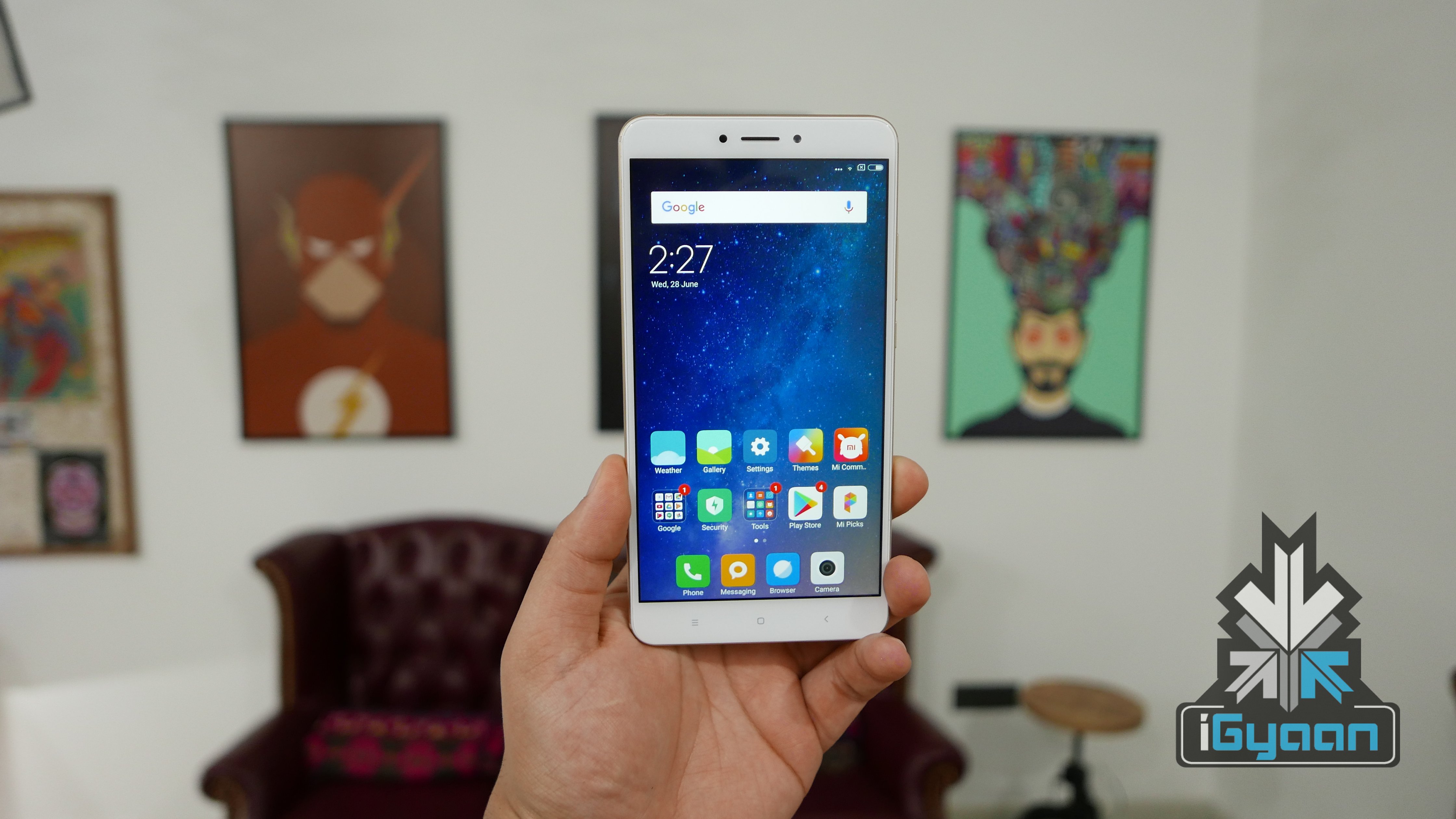
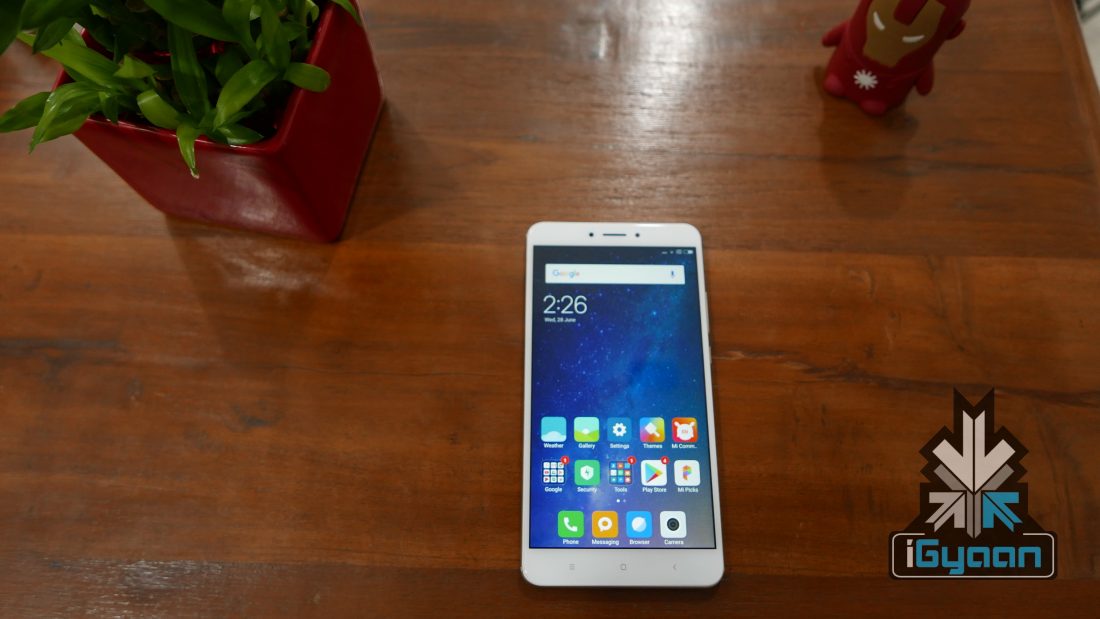
    Xiaomi has continued to consistently deliver a ‘Mi Max’ phone in the dwindling phablet segment. Xiaomi launched the Mi Max 2 back in June in India and it appears that the Mi Max 3 will take its ‘phablet’ tag up a notch.

    According to a report, the Mi Max 3 will feature a 7-inch display, considerably larger than the 6.44-inch screen we’ve seen on the Mi Max 2. Accompanying the large display will be an 18:9 panel with minimal bezels around the display to bring down the overall size of the phablet.

    The Mi Max 3 is also rumoured to have a dual-camera setup at the back. Powering the device would be a 5500mAh battery which is larger than the 5300 mAh battery found on the Mi Max 2. Similar to its predecessor, the Mi Max 3 will also feature QuickCharge 3.0.

    There are no details about the RAM and storage combination as of now. But, looking at the previous generations of the Max series, the Mi Max 3 could have the 3GB or 5GB of RAM along with 32GB or 64GB of onboard storage. The phablet might be offered in two variants, a base variant powered by the Snapdragon 630, and a high-end variant with the Snapdragon 660 chipset under the hood.

    Xiaomi is expected to price the Mi Max 3 similar;y to the Mi Max 2. So, expect a price tag of under Rs. 15000.

  • OnePlus 6 With An In Display Fingerprint Sensor To Launch In March 2018

    OnePlus 6 With An In Display Fingerprint Sensor To Launch In March 2018

    It all started like this. One leak, one report at a time and a month later, we had a confirmation from the company that the OnePlus 5T is indeed real. While many speculated that the company won’t launch a ‘T’ version of the OnePlus 5 so soon, the Chinese smartphone maker did exactly the opposite. And it appears that the OnePlus 5T users will soon feel what OnePlus 5 users felt at the time of the OnePlus 5T launch.

    A report claims that the OnePlus 6 will be launched as early as in March of 2018. Ever since the OnePlus 2 launch, the company has traditionally stuck to a mid-year launch of its flagship device but, it appears that the company will mix it up this time and launch the OnePlus 6 in March, only 5 months after the launch of the OnePlus 5T.

    Moreover, the OnePlus 6 will have one of the most exciting features which a lot of smartphones in 2018 are expected to have, an in-display fingerprint sensor. We already know that Vivo will launch the first ever smartphone with a screen embedded fingerprint sensor, it appears that OnePlus isn’t far behind in incorporating the technology in its own lineup.

    We also reported that the OnePlus 6 will have an iPhone X-like Face ID technology with a front-facing 3D camera. So far, the OnePlus 6 looks like the most interesting OnePlus device since the original OnePlus One was launched back in 2014.

  • More Issues With The Pixel 2 XL Speakers Reported

    More Issues With The Pixel 2 XL Speakers Reported

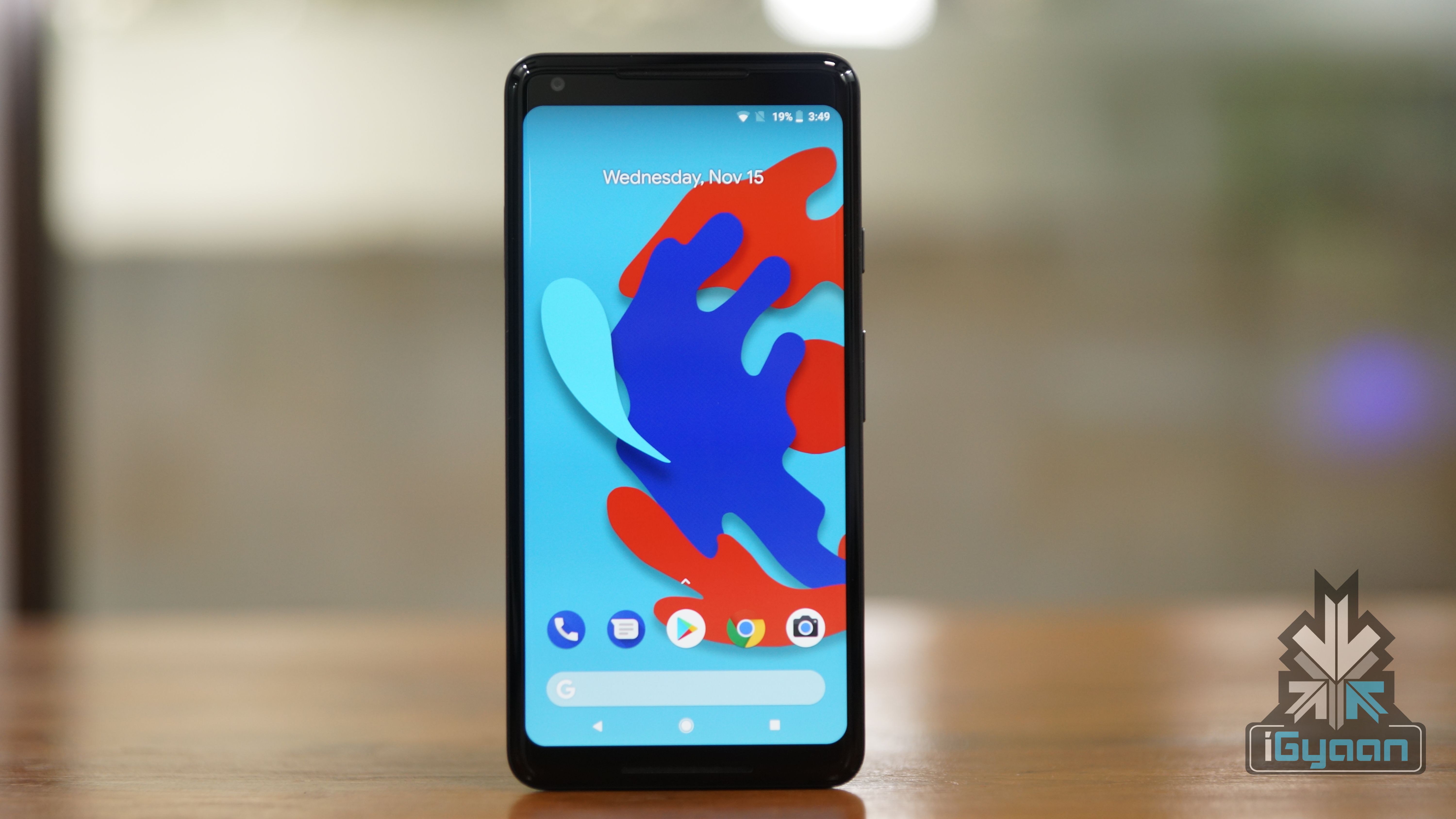
    Google cannot seem to catch a break. Ever since the Pixel 2 and Pixel 2 XL were launched, the two devices have been surrounded by nothing but controversies. Constant updates from Google fix one thing and mess up two other things. The latest to go down the firing line is the bigger of the siblings, the Google Pixel 2 XL.

    A growing number of users on Reddit and Google’s forums are reporting a problem with one, and in a few cases both of the Pixel 2 XL’s front-facing speakers. The issue centres around a buzzing/rattling sound, as well as minor micro-vibrations that impacts call quality. Some users report that the problem only arises when the volume is set at maximum, while others are noticing the noises at lower volumes when using the regular speaker during a phone call, or playing media content like YouTube videos via the stereo speakers.

    This is not the first time that people have had speaker-related issues with their Pixel 2 devices. A few weeks after the launch, people complained about a buzzing noise in their Pixel 2 phones. Google addressed the issue and released a software update that apparently fixed the buzzing noise issue.

    We reported that the new software update had even broken the basic functionality of the Google Pixel 2 XL. Some users reported that they had to manually switch on the display during an incoming call as the display won’t actually wake up to reveal the incoming call.

    Let’s hope that Google fixes these issues soon as people have paid big money for the premium Pixel 2 smartphones.

  • Honor 7X To Go On Open Sale From December 23rd

    Honor 7X To Go On Open Sale From December 23rd

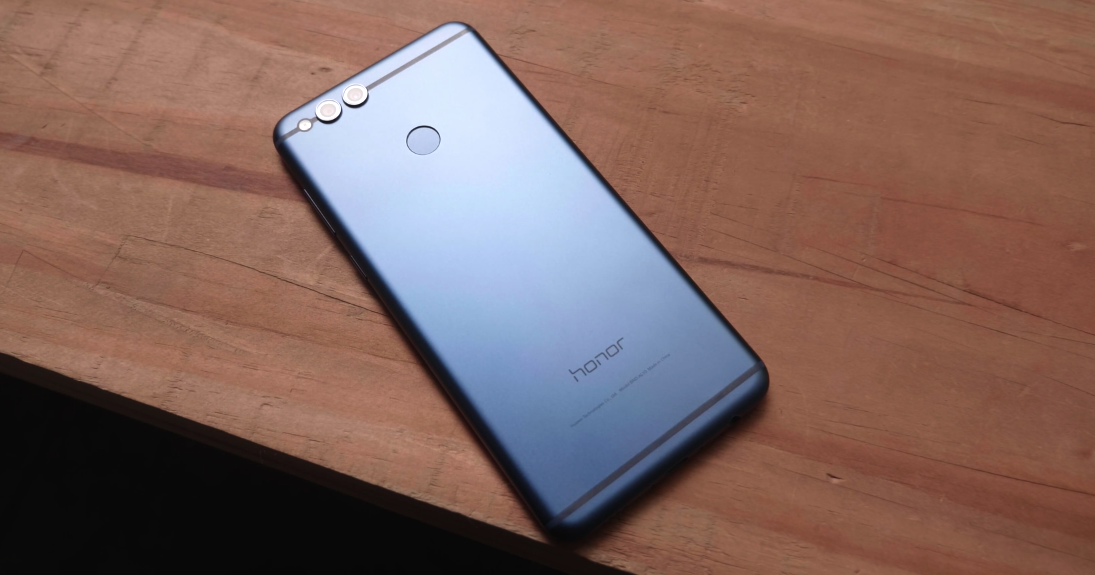
    Christmas might be coming early for Honor 7X aspirants as the new budget smartphone from Honor will go on open sale from the 23rd of December. The sale will last until the 29th of December and will be sold exclusively via Amazon at a starting price of Rs. 12999. So far, the device was sold via flash sales and this gives everyone looking for a budget smartphone the opportunity to buy it without rushing for the flash sale.

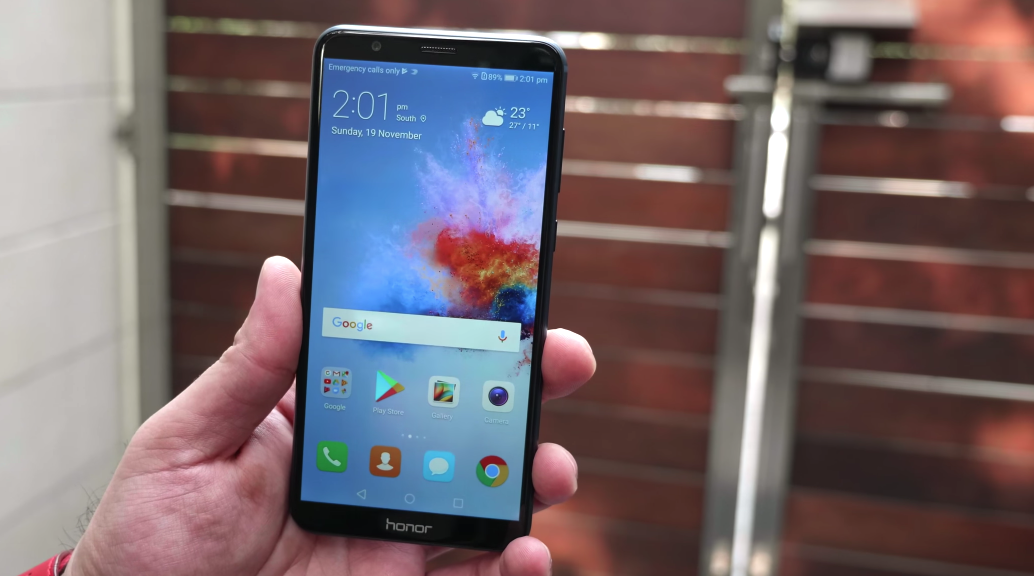
    The Honor 7X has a 5.9 inch LTPS IPS LCD display with a 2160 x 1080 px display which translates into an 18:9 aspect ratio.

    Under the hood, the Honor 7X has the HiSilicon Kirin 659 chipset, Mali-T830 MP2 GPU, 4GB of RAM and 32GB or 64GB onboard storage. The onboard storage is expandable up to 256GB via microSD card. The device is powered by a 3340 mAh battery which charges via a micro USB slot. Since the device has thin bezels, the fingerprint sensor is placed at the back of the below the dual-camera setup.

    The Honor 7X runs Android 7.0 Nougat with EMUI 6.0 on top which gives a user more options for customising their phones.

    The smartphone has a dual camera setup at the back. One of the cameras is equipped with a 16MP sensor while the other one is a 2MP depth sensor. The camera setup at the back has PDAF and records 1080P videos at 30fps. On the front is an 8MP camera which also records 1080P videos.

    Will you be buying the Honor 7X? Let us know in the comments!

    Buy it here

    Watch our full review of the Honor 7X:


  • Facebook And Universal Music Group Deal Will Allow Users To Upload Songs In Videos

    Facebook And Universal Music Group Deal Will Allow Users To Upload Songs In Videos

    Facebook has announced a new multi-year deal with Universal Music Group. The agreement, which also covers Instagram and Oculus, will allow content creators to upload songs by UMG artists in their videos without worrying copyright violations.

    The deal will help address the major copyright infringement issues around music on the social media platform. Facebook says this is the first step in addressing the issue but, noted that it would work with the label to introduce “music-based products” on its platforms as well. UMG is not the last label to sign a licensing deal as multiple reports have claimed that social media platform is in talks with Warner Music Group and Sony Music Group as well.

    Facebook is also creating its own version of Content ID, YouTube’s service to identify rights holders’ content across its network, which would allow music labels and other major rights holders to manage their content on the platform.

    The efforts to integrate music into its services began back in 2015 for Facebook. Facebook did not want to go the traditional route and create an on-demand streaming service. In turn, it has kept pushing for it and with UMG on board, it has addressed the copyright infringement issue on its platform which seems ideal for both creators and the music industry.

  • Price Of Samsung Galaxy A8 And Galaxy A8+ Revealed

    Price Of Samsung Galaxy A8 And Galaxy A8+ Revealed

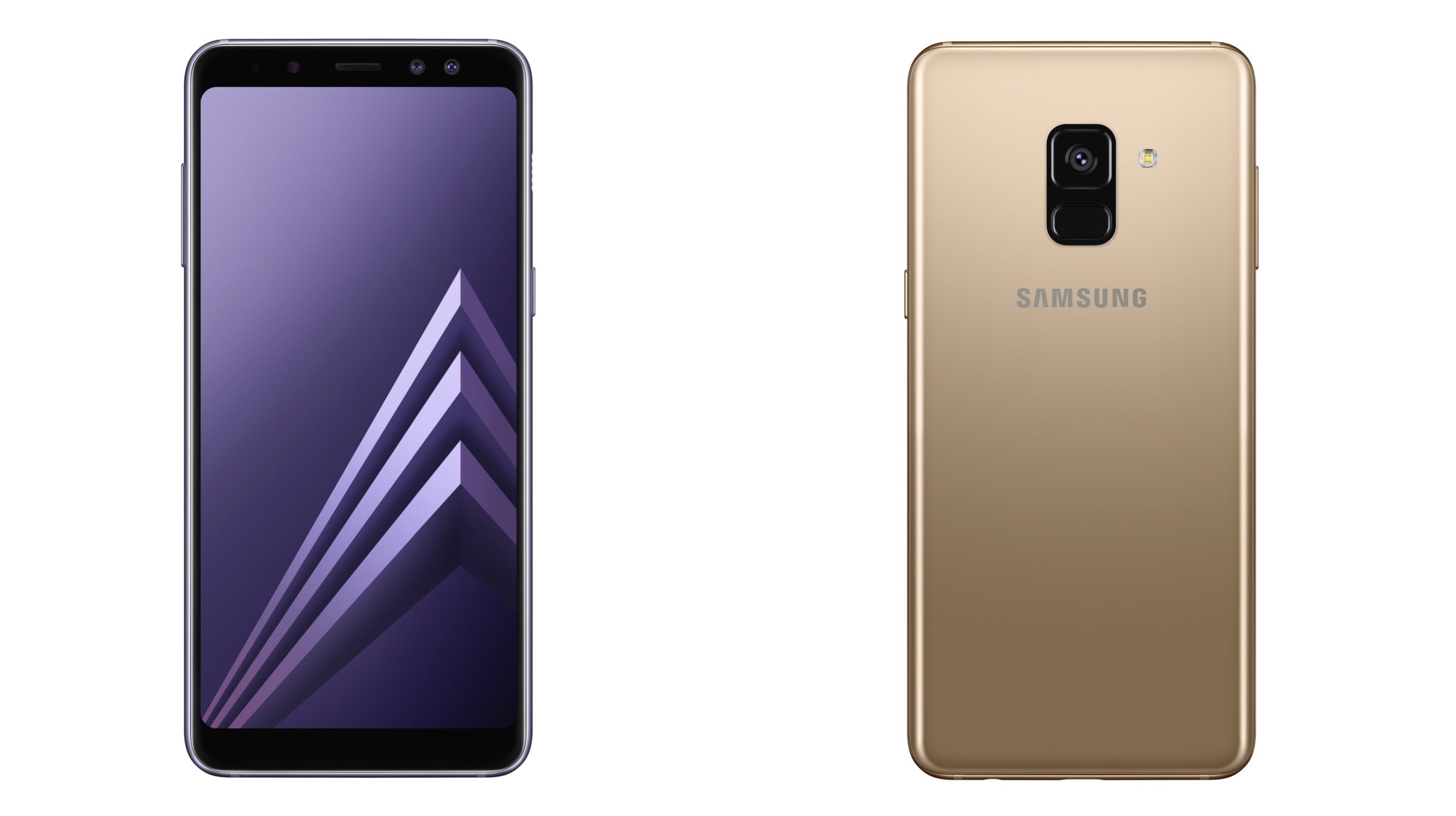
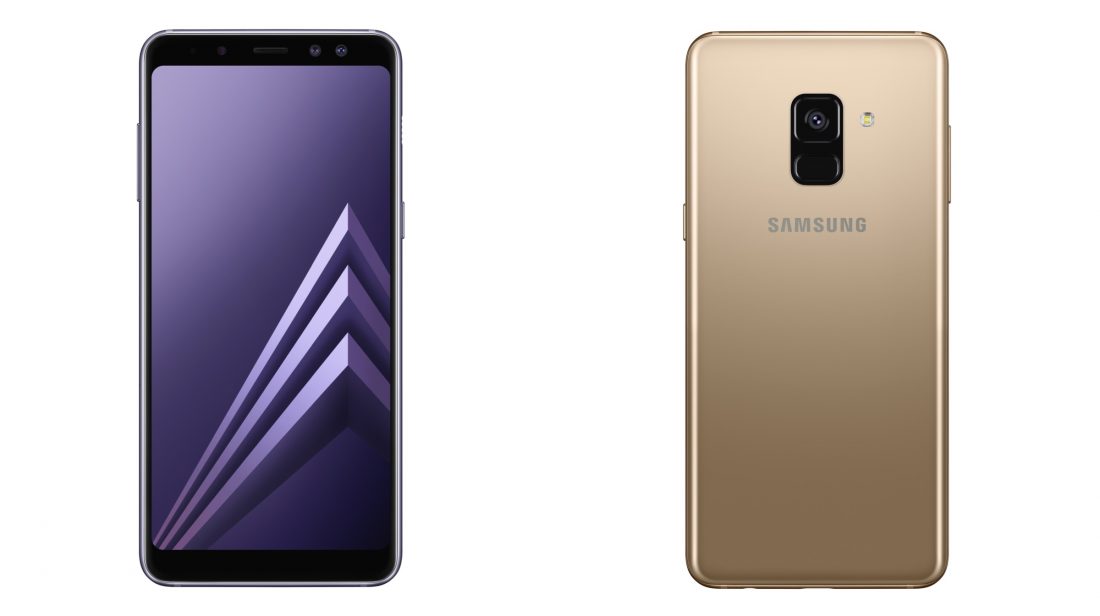
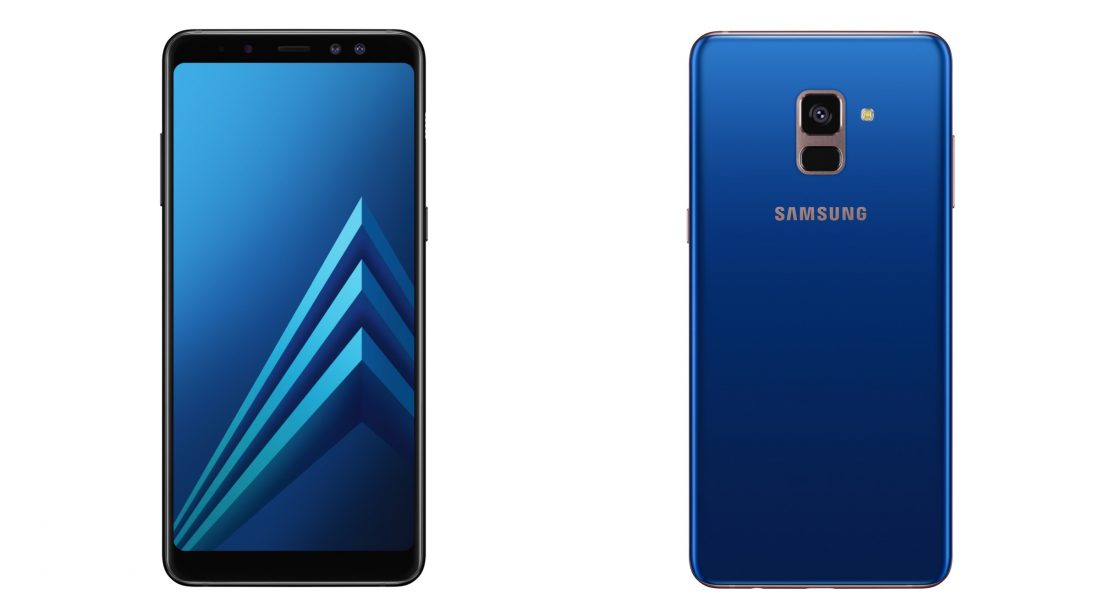
    Samsung recently unveiled the Galaxy A8 and Galaxy A8+ at an event in South Korea. Now, Samsung has announced that the device will be available in Vietnam from the 6th of January. The Galaxy A8 is priced at VND 10,990,000 (Rs. 30980 approx.) and the Samsung Galaxy A8+ is priced at VND 13,490,000 (Rs. 38040 approx.). This is a sign that the mid-range devices will soon make their way to other Asian markets as well.

    The Galaxy A8 and A8+ are the first budget-oriented Samsung phones to feature the infinity display. The Galaxy A8 has a 5.6-inch display while the bigger sibling, the Galaxy A8+ has a 6-inch display. Both the phones have a Super AMOLED display panel with a 2220 x 1080 px resolution which translates to an 18.5:9 aspect ratio.

    Galaxy A8

    Under the hood, both the devices have an octa-core (2.2GHz Dual + 1.6GHz Hexa) processor while the chipset is still unspecified, it could be the Exynos 7885 SoC as found in the leaked video. The Galaxy A8 has 4GB of RAM with two storage options of either 32GB or 64GB while the Galaxy A8+ has two variants, one with 4GB RAM and 32GB storage and the other with 6GB RAM and 64GB storage. Just like every other smartphone from Samsung, the onboard storage can be expanded up to 256GB via microSD card. Both the smartphones are IP68 rated for water and dust resistance and support Samsung Pay for contactless mobile payment.

    Powering the Galaxy A8 is a 3000 mAh battery while the Galaxy A8+ has a 3500 mAh battery. Both the devices are charged via USB Type-C port.

    One thing that might come as a surprise, especially for phones launching in 2018 is the OS. Both the phones will run Android 7.1.1 Nougat out of the box with Samsung’s own custom skin on top.

    Galaxy A8+

    The Galaxy A8 and Galaxy A8+ are also the first of Samsung phones to have a dual-camera setup on the front. Both the phones have a 16MP + 8MP camera setup with an f/1.9 aperture. The Live Focus feature lets users chose whether the background should be in focus or blurred to a soft bokeh. The phone will switch between the two front cameras to get the effect the user needs. To the back of the phone is a 16MP camera with an f/1.7 aperture and digital stabilisation.

    The literal currency translation puts the Galaxy A8 and Galaxy A8+ in the same price bracket as the OnePlus 5T and the Mi Mix 2. It will be interesting to see if the prices in India will be the same or Samsung will price them competitively in the Indian market.

  • Apple Sued For Deliberately Slowing Down Older iPhones

    Apple Sued For Deliberately Slowing Down Older iPhones

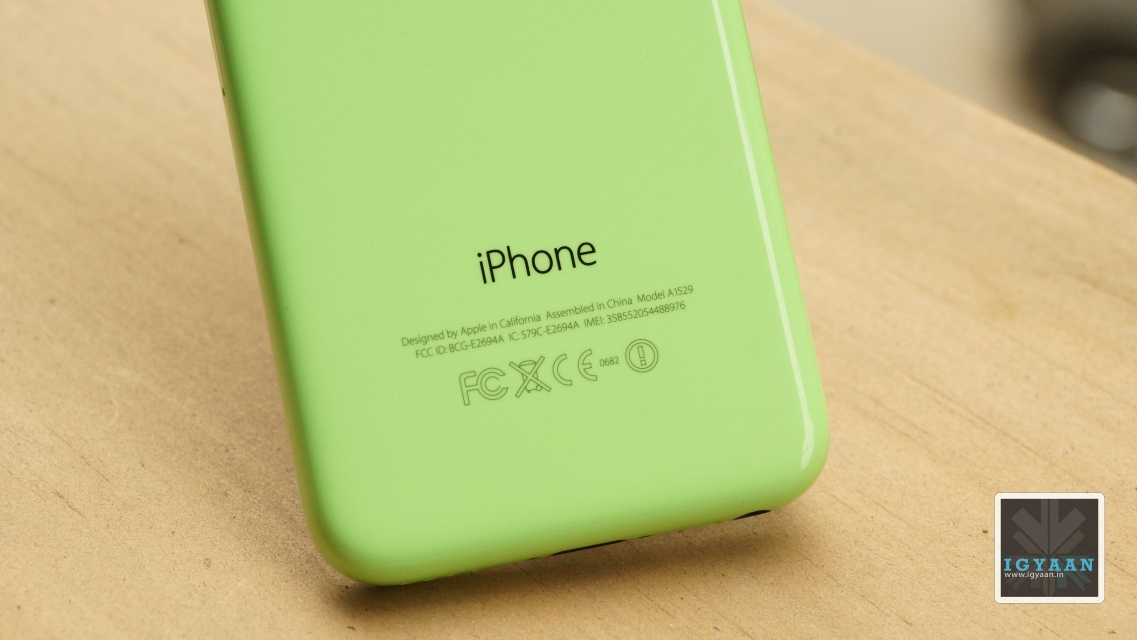
    Days after addressing the millions of conspiracy theories on the internet about the mysterious slowing down of older iPhones, Apple has been sued for it. Filed by Stefan Bogdanovich and Dakota Speas, the suit claims that Apple’s deliberate effort to throttle CPU performance on the iPhone amounts to “breach of contract.” It also notes that Apple’s behaviour lowers the resale value of existing iPhones and underhandedly coerces iPhone owners to upgrade to newer models.

    For years, iPhone users claimed to notice a discernible system slowdown with some iOS updates. However, the issue came in the spotlight thanks to a widely circulated Reddit thread backed. Following that, Geekbench founder John Poole did some performance testing on various iPhones running different versions of iOS. Poole found that Apple does, in fact, limit performance on older iPhone models with lower-capacity batteries in the interest of battery life and preventing unexpected shutdowns.

    After the hue and cry on social media, Apple decided to address the issue and put out a statement:

    Our goal is to deliver the best experience for customers, which includes overall performance and prolonging the life of their devices. Lithium-ion batteries become less capable of supplying peak current demands when in cold conditions, have a low battery charge or as they age over time, which can result in the device unexpectedly shutting down to protect its electronic components.

    Last year we released a feature for iPhone 6, iPhone 6s and iPhone SE to smooth out the instantaneous peaks only when needed to prevent the device from unexpectedly shutting down during these conditions. We’ve now extended that feature to iPhone 7 with iOS 11.2, and plan to add support for other products in the future.

    It is fair to say that while Apple has a noble reason behind the decision, the company should’ve been up-front about it from the beginning. Waiting for an outcry to come clean makes it look like a PR decision more than anything else. No other details about the lawsuit have been revealed yet.

  • The OnePlus 6 Will Have One Thing In Common With The iPhone X

    The OnePlus 6 Will Have One Thing In Common With The iPhone X

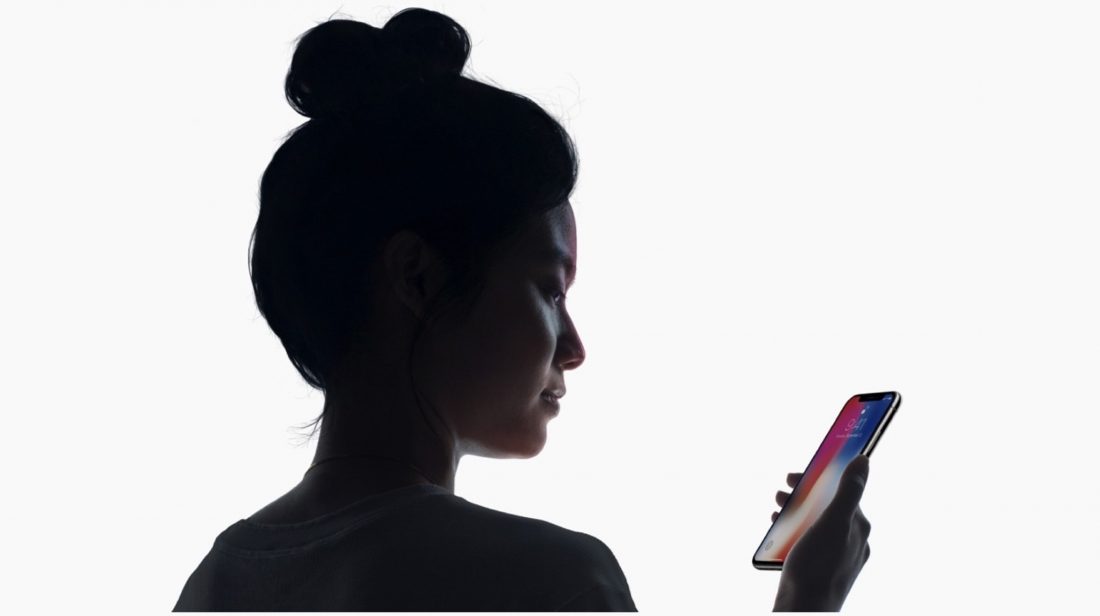
    When Apple decided to drop the iconic Touch ID on its new iPhone X, a lot of people had apprehensions about its facial recognition technology. Facial recognition has been present in Android devices ever since the advent of Android Jellybean. Samsung devices have iris scanning, although its a secondary way of securing the device since they also have fingerprint sensors.

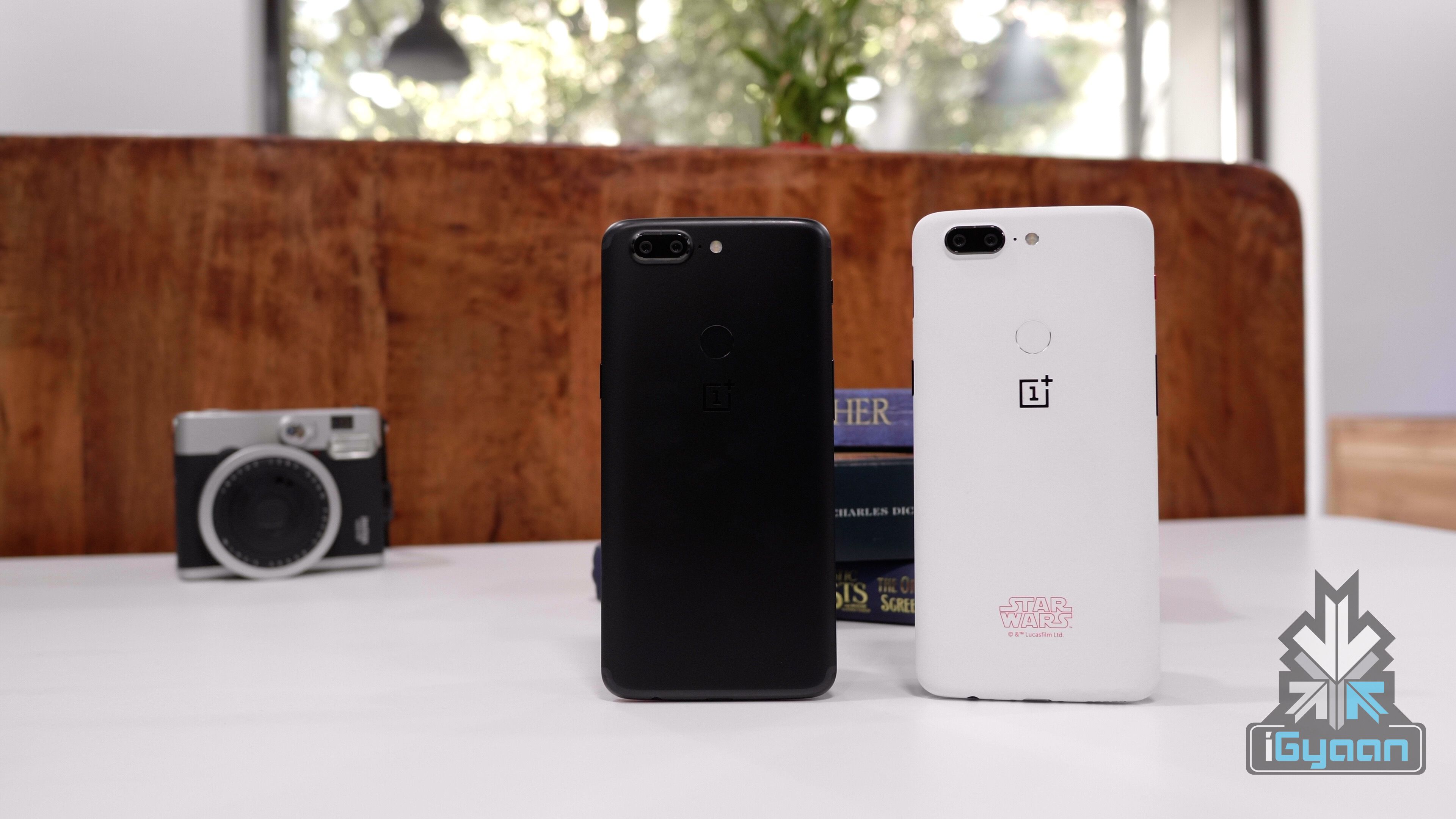
    But, ever since Apple unveiled Face ID, facial recognition has received a lot of mainstream attention and it is no denying that Face ID is the most secure rendition of the facial recognition technology. It now appears that the OnePlus 6, expected to be launched in mid-2018 will have its own version of Face ID. It may be too early for detailed OnePlus 6 rumours, but a report claims that the OnePlus 6 will have the same advanced facial recognition system as the iPhone X.

    The OnePlus 6 will have a camera hardware setup similar to the iPhone X, complete with a 3D camera module that will use infrared light to measure depth. However, the OnePlus 6 will not have an iPhone X-like notch. Instead, the handset is expected to have a full top bezel where the extra sensors should be found.

    The OnePlus 5T was launched with facial recognition system as well. However, OnePlus conceded that it is not for security purposes but, for convenience.

  • Specifications Of Samsung Galaxy J2 (2018) Leaked

    Specifications Of Samsung Galaxy J2 (2018) Leaked

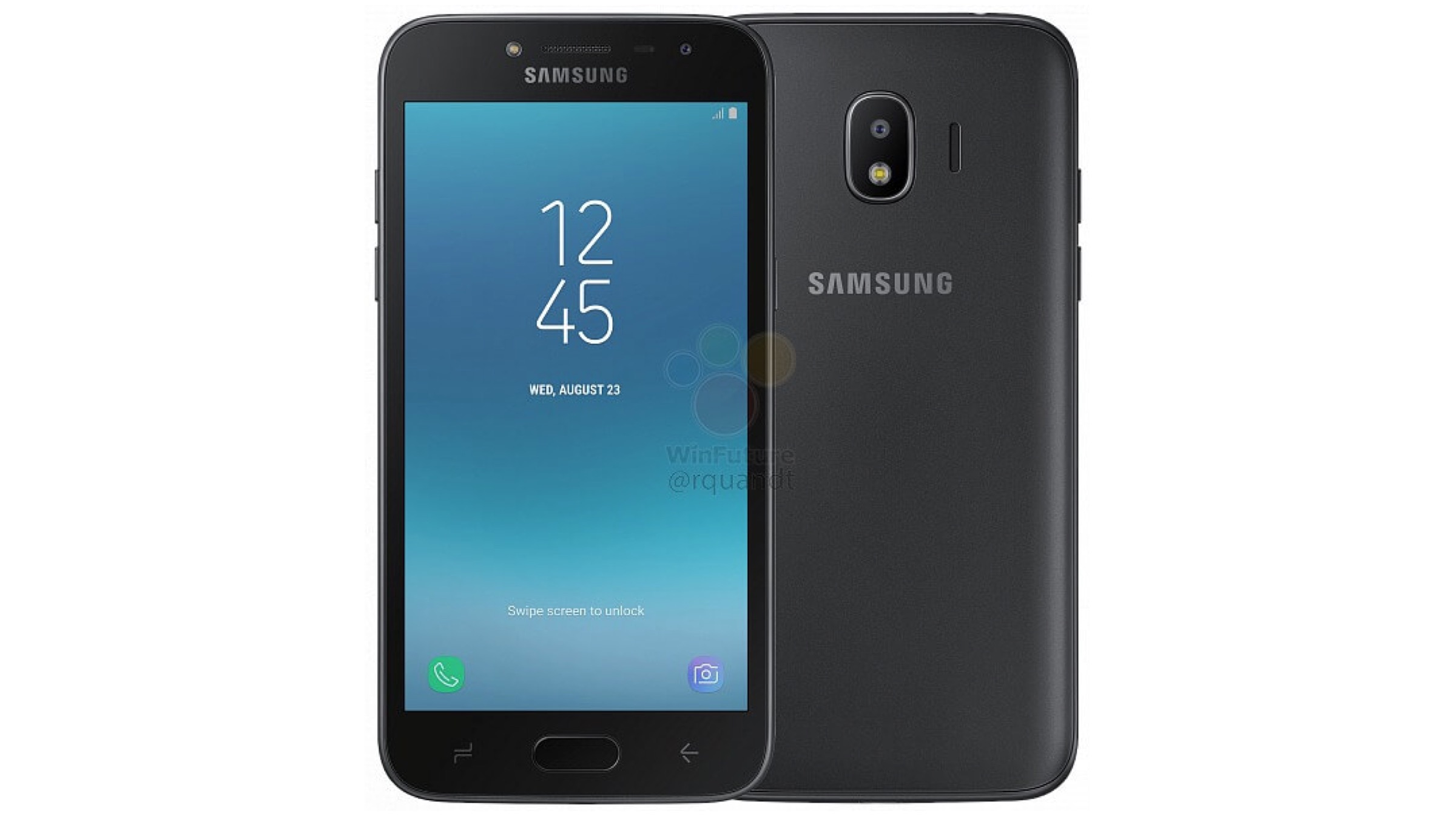
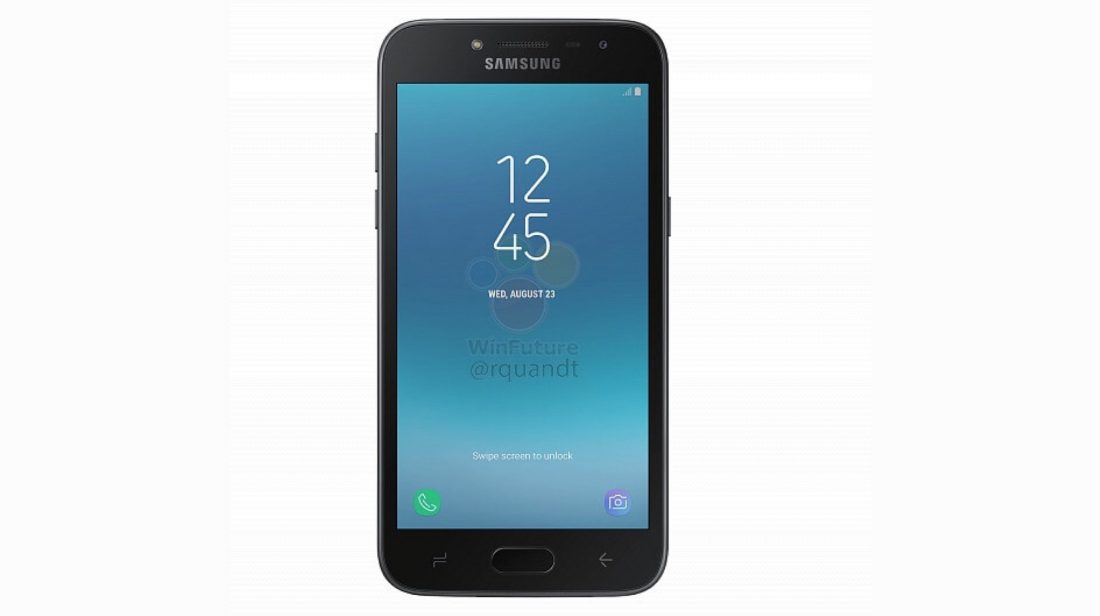
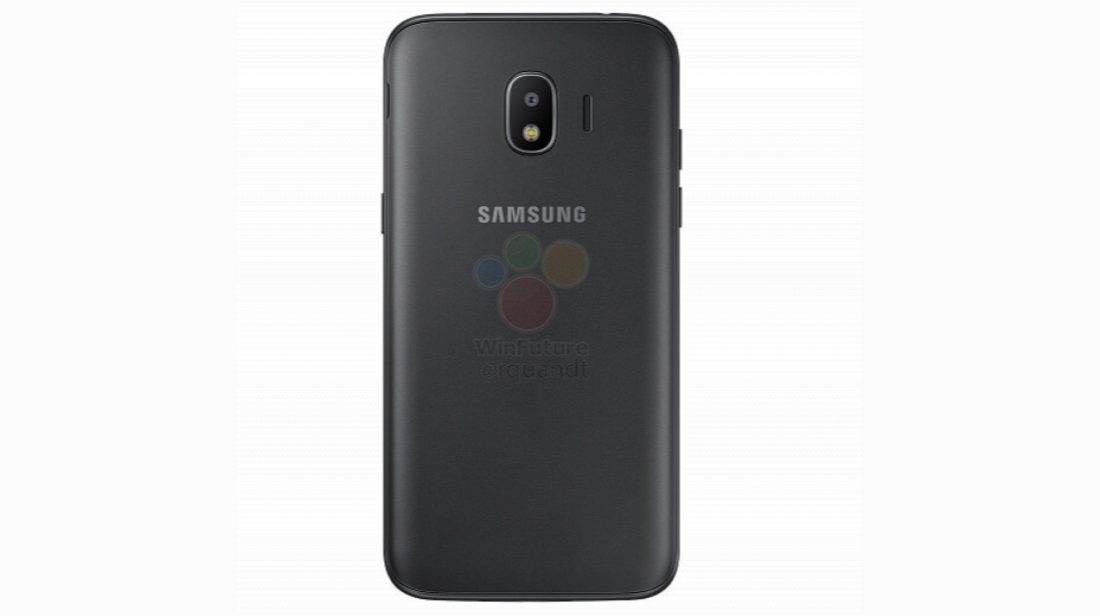
    Samsung has decided that 2018 will be the year when its flagship-exclusive features will trickle down to its mid-range devices. In comes the Galaxy A8 and Galaxy A8+ but, it appears that the company’s lower-end offerings will continue to be on the same path of design and features albeit a few upgrades. The Galaxy J2 (2018) will be Samsung’s mid-range offering for the early-2018 period and a new leak has revealed all the important specifications of the device.

    The device will have a 5-inch Super AMOLED display with 960 x 540 px resolution.

    Under the hood, the device is expected to have the Qualcomm Snapdragon 425 chipset, 1.4GHz quad-core processor, Adreno 308 GPU, 2GB of RAM, and 16GB of onboard storage which will expandable via microSD card.

    Powering the device is a user-replaceable 2600 mAh battery. The J2 (2018) has dual-SIM support, Bluetooth 4.2, LTE Cat.4 (up to 150Mbps down), and 802.11n Wi-Fi.

    Both the primary and secondary cameras have an LED flash, according to the renders. On the back is an 8 MP camera and the front houses a 5MP camera.

    There is no word from the company regarding the official launch of the device.

  • Facebook To Launch Standalone Video Streaming App Called ‘Watch’

    Facebook To Launch Standalone Video Streaming App Called ‘Watch’

    Most people’s answer to ‘Where do you watch videos on the internet?’ would ‘YouTube, of course!’. Over the years, it has dominated the video consumption space on the internet because it has artists who create content that is only accessible on YouTube and nowhere else. The visual format of content consumption has become so huge that even Apple is planning to launch a subscription-based video streaming service in the coming years. Thanks to the increased accessibility and relatively cheaper fare of the internet over the world, services like Netflix and Amazon Prime Video have become successful as well.

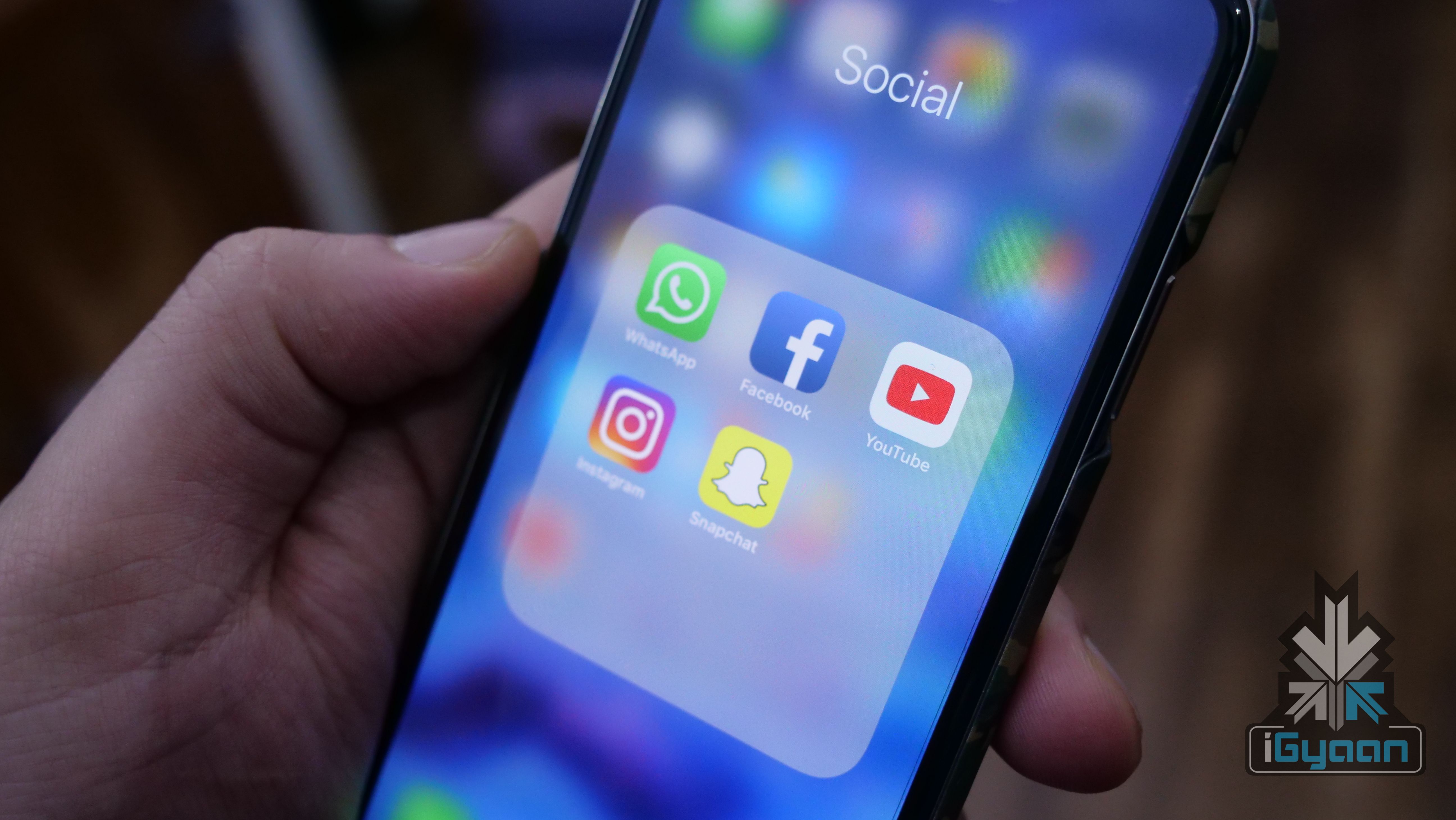
    If you are an avid Facebook user, you come across all kinds of videos on your timeline every few seconds. It can be a funny 15-second 9GAG video or a VICE clip about cooking Christmas dinner in a dumpster. For several years, videos have been a focus for Facebook and the company might be taking an important step towards making videos its one of the most important business aspects.

    Facebook will be launching Watch, a standalone video streaming app which will compete with the likes of YouTube and Netflix.

    What is Watch?

    Facebook Watch is already available as a beta version within the Facebook app in the US and will soon make its global debut. It is a video streaming app which will blend in Facebook’s other services like Messenger and WhatsApp.

    According to our sources, Facebook is working on making Watch a standalone app to launch in Q1-Q2 2018

    Watch includes features like a “discovery” page that recommends new content, a dedicated feed for comments and reactions to videos, show-specific Facebook groups, and new Watch pages. For creators and publishers, Watch is presented as a platform to help them build an audience of passionate fans and make money from their work.
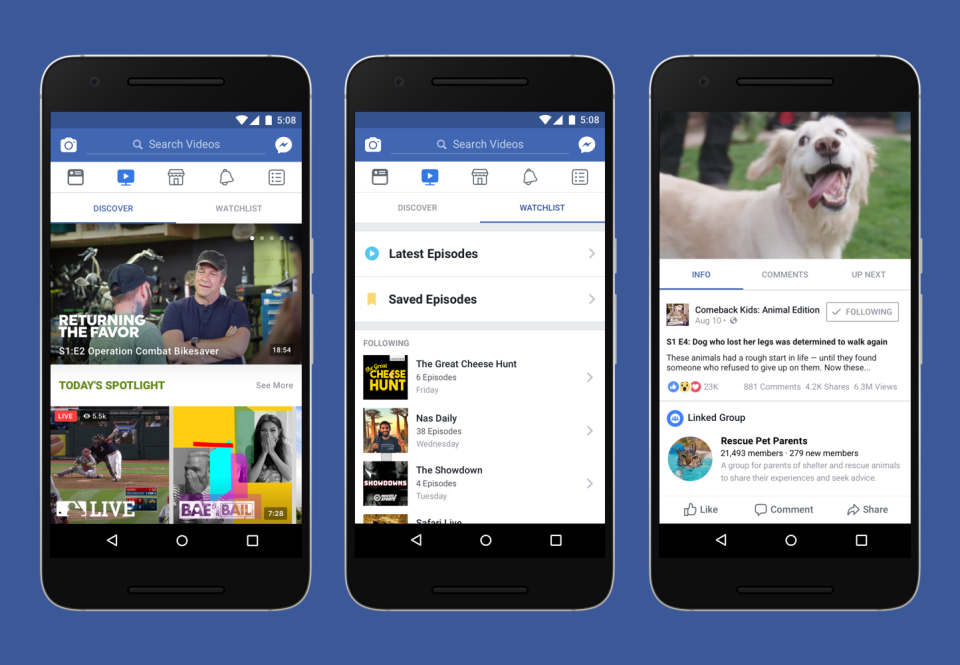
    Any creator that is a part of Facebook Mentions, will be automatically eligible to use the app. Facebook Mentions is a platform that lets all sorts of public personalities to engage with their fans.

    The Facebook Watch app will have a new set of tools which is called Live Creative Kit. These tools will essentially help creators produce more professional streams. To create more fun and engaging content, the Watch app will let users add custom video intros and outros to broadcasts. Even the viewers can feel like a part of fandom by using custom stickers.

    One-fifth of videos on Facebook are live videos, which is one of the important statistics and around which, a lot of the features of Facebook Watch are created. For example, users can add frames to their broadcasts in order to create a thematic experience that’s consistent with their brand perception.

    Why Watch Has The Potential To Surpass YouTube

    As of now, YouTube is the largest video streaming platform in the world and has been for a long time. Many services came and couldn’t survive the magnitude of competition that is required the ruffle the feathers of YouTube. Facebook Watch, however, will be different. It is a common term to hear that ‘Facebook is crushing Snapchat by copying features that Snapchat brought to the fore’. It is true, Snapchat has not been able to deal with Facebook’s constant adaption of Snapchat’s own features because at any given point, Facebook has much more active users than Snapchat. Also, Facebook adapts and responds quickly.

    Making speed a priority has allowed Facebook to build products and features that allow it to outpace competitors and perfect user experiences. This is part of the reason why Facebook-owned properties like Facebook, Messenger, Instagram, and WhatsApp account for 21.8% of the total time that the average consumer spends on their mobile phones.

    To become the biggest video content consumption platform, Facebook needs video content, and reports claim that it has taken a drastic step to ensure that creators jump on board as soon as possible and has started paying for original content. According to The Wall Street Journal, Facebook “is taking the risk out of the content-creation endeavour for many publishers, either by paying to offset their production costs or offering to license or buy their content outright.”

    This means that Facebook will be able to generate exclusive content quicker by allowing creators to work freely without thinking of the monetary repercussions of content creation. Already, many creators on YouTube have had a fall-out with YouTube due to the monetization guidelines and with the lucrative offer from Facebook, famous content creators might be persuaded into changing their allegiance. Evidently, all the famous creators on YouTube have a strong presence on other social media platforms hence, the transition might not be as hard as people might imagine.

    Furthermore, with the creators on board, Facebook will need advertisers to generate the revenue. While Facebook is becoming increasingly profitable, speculators believe YouTube is now barely breaking even on ad revenue. Facebook has even started monetizing videos that are directly uploaded to its platform.

    This focus on video has already resulted in native Facebook video uploads getting 10 times more shares than YouTube uploads. Following Facebook’s initial emphasis on video, there has been a 50 percent increase in uploads to Facebook by brands over the past three years.

    Lastly, there is no denying that Facebook has the audience for pulling off the unthinkable and surpass YouTube as the biggest video streaming platform. In 2016, Zuckerberg disclosed that the average person spent 50 minutes a day on Facebook’s platforms (not counting WhatsApp). Users in the U.S. spent an average of 35 minutes per day on Facebook, compared to YouTube with 17 minutes. In addition to higher time on site, Facebook has more users than YouTube, with more than two billion users vs YouTube’s 1.5 billion.

    Conclusion

    Facebook owns entities like Instagram, WhatsApp and Messenger. Integrating a video streaming platform with other popular social media outlets would mean that a consumer would never leave the ecosystem created by Facebook. After dominating the social media sphere for so many years, Facebook, an internet organisation, has the resources to replicate the same success in the world of video streaming as well. To believe that YouTube will disappear is incredibly naive. Instead, it will likely become marginalised, much in the same way Snapchat and Twitter now have to deal with the popularity of Facebook and survive in its shadow.

    With increasing disdain among creators on YouTube and a lucrative offer from Facebook to all the popular content creators, Facebook has the perfect product to be the biggest video consumption platform in the world.
  • Huawei Honor Launches The Honor 9 Lite

    Huawei Honor Launches The Honor 9 Lite

    Huawei’s sub-brand Honor has launched a mid-range variant of the Honor 9, the Honor 9 Lite at an event in China. It is priced at CNY 1199 (Rs. 11600 approx.) for the 3GB/32GB variant, CNY 1499 (Rs. 14500 approx.) for the 4GB/32GB variant and CNY 1799 (Rs. 17400 approx.) for the 4GB/64GB variant. In China, it will go on sale from the 26th of December and India, along with Russia and Europe will also get the smartphone soon.

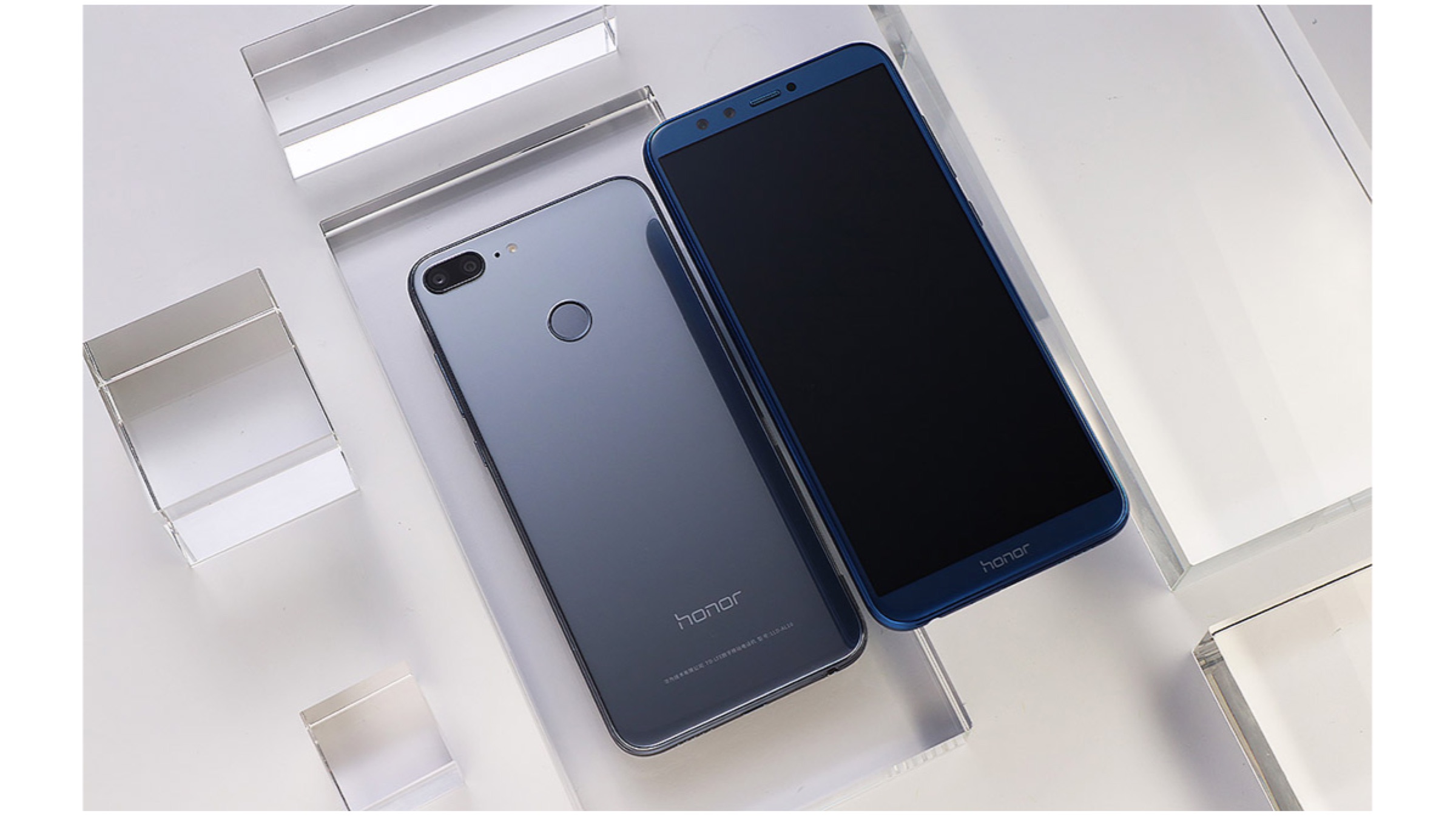
    The Honor 9 Lite follows the same design language as the Honor 7X and the Honor View10. It has a 5.65-inch IPS LCD display with a 2160 x 1080 px resolution which translates into an 18:9 aspect ratio.

    Under the hood, similar to the Honor 7X, the Honor 9 Lite has the HiSilicon Kirin 659 chipset, an octa-core processor, the Mali-T830 MP2 GPU, 3GB or 4GB of RAM and storage options of 32GB and 64GB. It is worth noting that the onboard storage will be expandable up to 256GB via a microSD card. The fingerprint sensor is placed at the back and the bottom bezel on the front houses the Honor branding.

    Powering the device is a 3000 mAh battery which also supports the Super Charge technology.

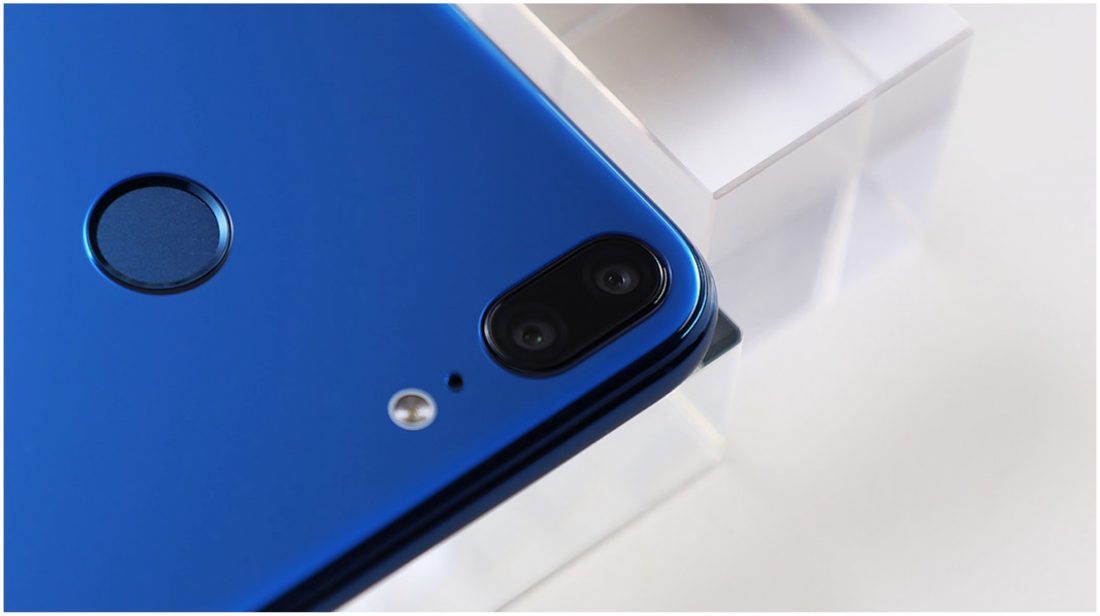
    The Honor 9 Lite has four cameras. To the front and back, it has a 13MP + 2MP setup and both the setups record 1080P videos at 30fps.

    The Honor 9 Lite shares a lot of its features with the Honor 7X and falls short a bit short of what the Honor View10 will offer when it is launched in India in January, at least of paper. As is with every smartphone in India, the pricing will be crucial for the Honor 9 Lite.

  • World’s First 5G Wireless Hardware Specifications Officially Approved

    World’s First 5G Wireless Hardware Specifications Officially Approved

    Everyone wants faster and better internet connection. While 4G has slowly but surely entered the Indian market on a mass level, the world has already moved on to 5G internet. The first true move towards launching 5G wireless networks and smartphones received a huge impetus. The members of the 3rd Generation Partnership Project (3GPP) have officially approved the hardware specifications for the Non-Standalone (NSA) 5G New Radio (NR) standards. The specifications were confirmed during a meeting of the 3GPP group in Lisbon, Portugal. The actual specifications will be posted sometime later this week on the group’s official website.

    This development means that smartphone hardware companies such as Qualcomm, Intel, Huawei and others can begin making 5G wireless products and components based on these official standards. The industry has already moved towards 5G and only recently in November, Qualcomm, ZTE, and China Mobile announced a successful test of the world’s first end-to-end 5G NR interoperable system based on the standards that were developed by the 3GPP group.

    As reported earlier, the Indian government has recognised the importance of the fast-speed internet and has already taken steps to ensure that India is not left behind in the 5G race. India is planning to roll out 5G internet services by the year 2020. In order to complete this task successfully, the government has set up a high-level forum which will evaluate all possible roadmaps to make sure that 5G internet becomes prominent in the country. For the said objective, the ministries of telecom, information and technology, and science and technology have been included in the forum. A budget of Rs 500 crore is set aside for research and development of 5G technology by the government.

    Apart from the government, Indian telcos such as Airtel are also actively taking initiatives toward the 5G technology. Airtel on 26th September launched a mimo, a pre-5G technology, producing internet browsing speeds three times higher than the current levels. State-run Bharat Sanchar Nigam Ltd. along with Airtel have also signed initial pacts with smartphone makers such as Nokia for the development of 5G and its applications which are relevant to India.

  • Amazon Is Working On Its Own Version Of YouTube

    Amazon Is Working On Its Own Version Of YouTube

    It is no secret that Google and Amazon are embroiled in a battle of power. It might seem silly to consumers but, it might end up costing the two companies millions of dollars. Amazon has been refusing to sell Google hardware on its platform, and Google has responded by blocking YouTube access on Amazon’s line of Echo and Fire TV products.

    Now, it is fair to assume that Google can’t replicate Amazon’s online presence and Amazon, in turn, can’t make a platform as huge as YouTube right now. But, it appears that Amazon is not willing to give up the ambition of having its own YouTube-like platform. Amazon filed trademarks requests with the US Patent and Trademark Office for products called AmazonTube and OpenTube.

    Interestingly, this happened the same day Google announced that Amazon devices will lose YouTube access from the 1st of January.

    Amazon says Amazon Tube and/or Open Tube would provide “non-downloadable pre-recorded audio, visual and audiovisual works via wireless networks on a variety of topics.”

    In the description, Amazon says the new service would also provide “on-line network services that enable users to share content, photos videos, text, data, images and other electronic works relating to entertainment, including, movies, television, audiovisual works, music, audio works, books, theatre, literary works, sporting events, recreational activities, leisure activities, tournaments, art, dance, musicals, exhibitions, sports instruction, clubs, radio, comedy, contests, visual works, games, gaming, festivals, museums, parks, cultural events, concerts, publishing, animation, current events, fashion, multimedia presentations, history, language, liberal arts, math, business, science, technology, hobbies, culture, sports, arts, psychology, and philosophy.”

    Apart from that, a report claims that Amazon has been registering new domain names including AlexaOpenTube.com, AmazonAlexaTube.com, and AmazonOpenTube.com.

    If these are more than just routine patent filing activities and Amazon goes ahead with its plan of launching a YouTube competitor, it will be interesting to see how the consumers respond and whether it will be available to match up to the vast content that YouTube offers,

    [poll id=”58″]

  • New Self-Healing Glass Could Be The Future Of Smartphones

    New Self-Healing Glass Could Be The Future Of Smartphones

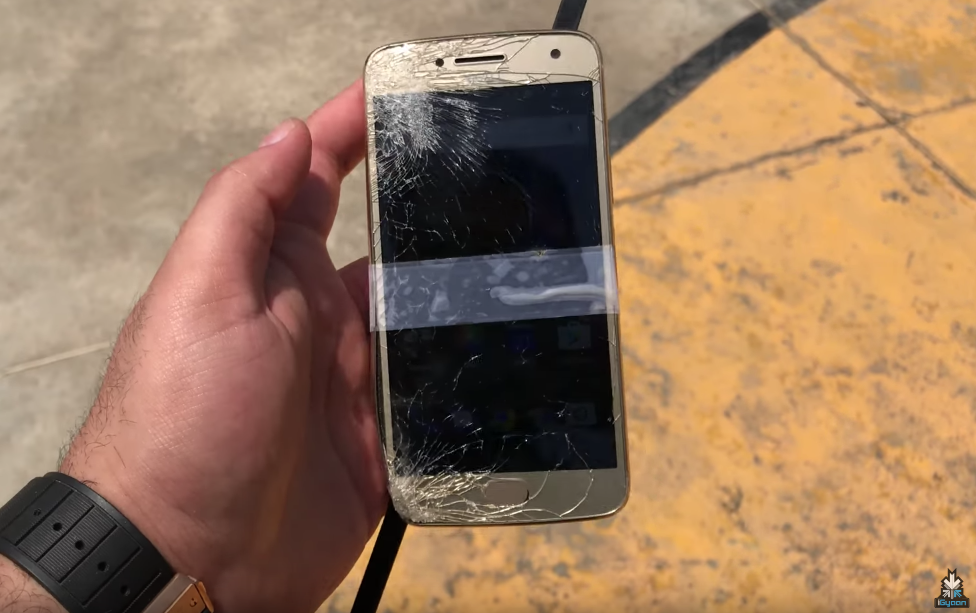
    As smartphones move to an all-display and no bezels design, the onus will be on smartphone makers to produce rigid and robust phones. Even in today’s day and age, the smartphones are broken after a bad fall and if it’s a flagship phone, then the cost of repairing is huge. All of that might change if this self-healing glass becomes commercially available to smartphone makers.

    Researchers from the University of Tokyo claim that they have discovered a type of glass that can heal itself, which could be used in phone displays and other devices. This can be done thanks to a new polymer called “polyether-thioureas” that lets the screen repair cracks when pressed upon. Just like a lot of famous discoveries, this self-healing glass was discovered by accident as well. A student named Yu Yanagisawa was attempting to use the material as glue when he discovered its healing properties.

    This is not the first time that a similar technology has come to the fore. Similar self-healing methods have been tried on plastic and rubber but, the researchers say this is the first of its kind as it can be repaired at room temperature. Motorola filed a patent a few months back which chronicled the use of self-healing display technology that would fix cracks when heat is applied. The LG G Flex 2 had a back panel that could self-heal minor scratches and dings.

    It is certain that implementing this technology especially at its nascent stage will be costly and might not be an average consumer’s cup of tea. But, there is a market for rugged smartphones and enthusiasts will be more than happy to spend the extra bucks if it meant that their devices could self-heal.

  • Amazon Has Launched The Redmi 5A Competitor

    Amazon Has Launched The Redmi 5A Competitor

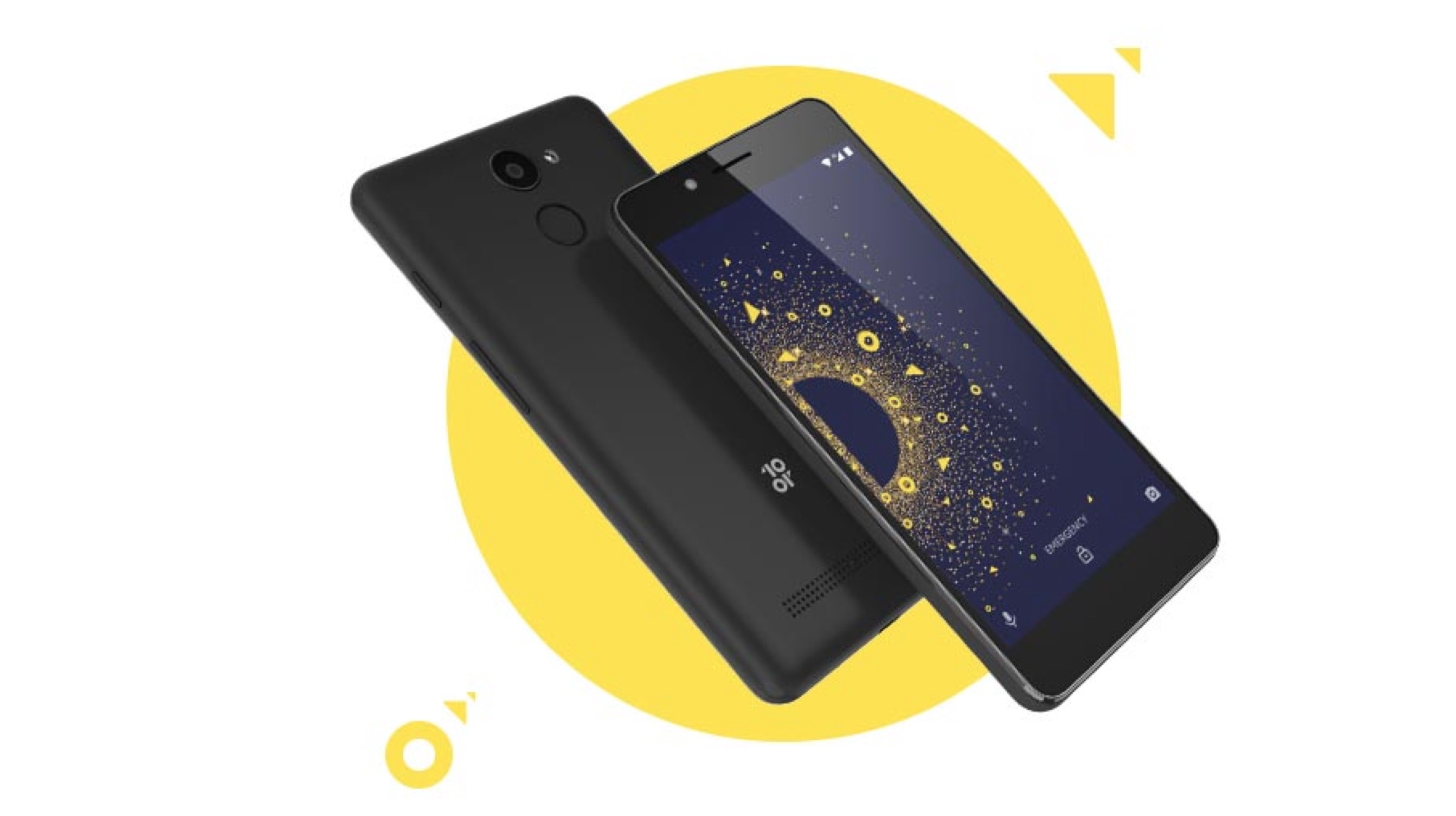
    2017 has been a fascinating year for mobile phone enthusiasts from all walks of life. There have been flagship phones that have cost over a lakh such as the iPhone X and practically free 4G phones like the JioPhone. Toward the end of the year, Xiaomi launched a sub-5K phone, the Xiaomi Redmi 5A which could be the ideal phone for someone making a shift from a feature phone to a smartphone. Now, Amazon has launched the third phone in its ‘Tenor or 10.or” brand, the 10.or D.

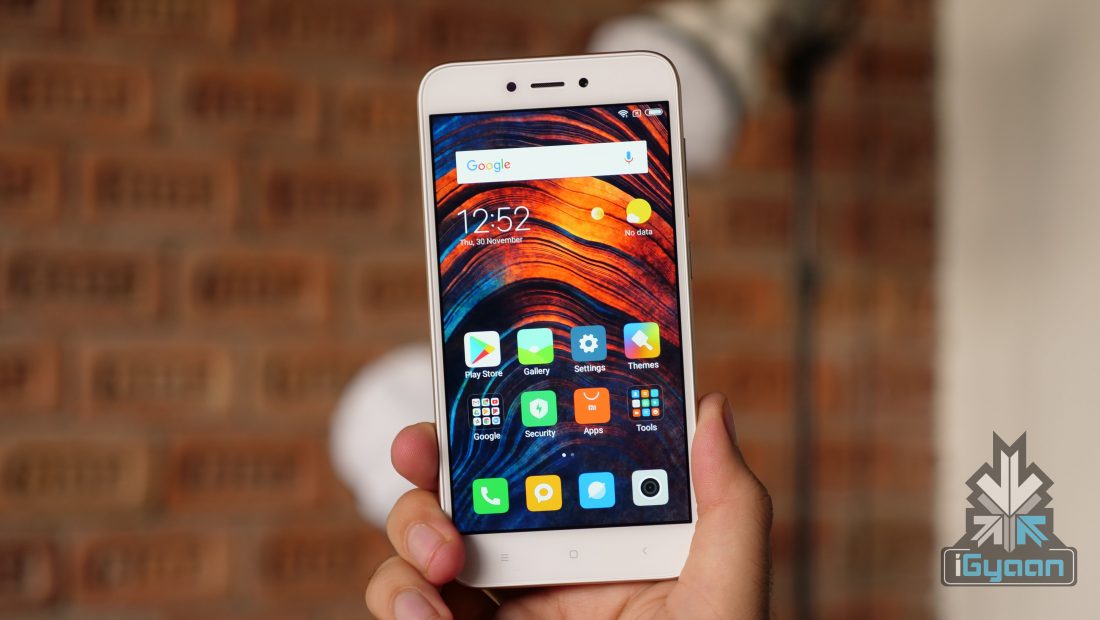
    Xiaomi Redmi 5A

    Priced at Rs. 4999 for the 16GB storage variant and Rs. 5999 for the 32GB storage variant, the pricing is almost identical with the Redmi 5A. The smartphone will go on sale at 12:00 PM on the 5th of January, and registrations for the first sale have already begun on Amazon India. The e-commerce giant is also giving away a 1-year subscription to Amazon Prime.

    The 10.or D will have a 5.2-inch  display with a screen resolution of 1280 x 720 px.

    Under the hood, the device will have the Qualcomm Snapdragon 425 chipset, a quad-core processor, the Adreno 308 GPU to handle the graphics, and two RAM/storage variants. One of the variants will have 2GB of RAM and 16GB of storage while the other one will have 3GB of RAM and 32GB of storage, the storage will be expandable via microSD card. The fingerprint sensor is placed at the back of the phone.

    Powering the device will be a 3500 mAh battery which in theory, should be sufficient enough to handle the 5.2-inch HD display. The listing page claims to deliver up to 70 hours of MP3 playback time, up to 25 hours of talk time and up to 10 hours on the internet.

    Similar to the Redmi 5A, the 10.or D has a 13MP primary camera with auto-focus and an LED flash. On the front of the phone is a 5MP camera.

    The specifications of the 10.or D are identical with the Redmi 5A. However, specifications are not the only factor and it will be interesting to see if Amazon can compete with the popularity of Xiaomi in the budget smartphone category.

iGyaan Network
Privacy Overview

This website uses cookies so that we can provide you with the best user experience possible. Cookie information is stored in your browser and performs functions such as recognising you when you return to our website and helping our team to understand which sections of the website you find most interesting and useful.