Author: Vipul Vij

  • Reliance Jio, Airtel, Idea And Vodafone Working On Making Networks 5G Ready

    Reliance Jio, Airtel, Idea And Vodafone Working On Making Networks 5G Ready

    Major telcos in India are future proofing their networks by working on the next big thing in the telecom industry, 5G. We had earlier reported that the government of India wants to be a big player in the 5G industry and take adequate steps earlier on in order to not fall behind in the 5G race. Now, major telcos like Airtel, Relieance Jio and more are preparing to introduce massive MIMO technology into their respective networks. The 5G technology is expected to be rolled out by 2020 and the massive MIMO technology is considered to be a key component in enabling 5G.

    Massive MIMO, or massive multiple input multiple output, increases capacity of a base station by five to seven times and reduces interference substantially, in turn boosting the transmission signal to the devices. This means that a consumer using voice and data, will get data speed which can be between 30 MBPS and 35 MBPS on average. These speeds can go up to 50MBPS during peak time. Comparatively, depending on one’s 4G data provider and plan, the mobile internet speed varies from 4 MBPS to 16 MBPS on paper.

    It is fair to say that 5G data is still a few years away as India has barely adopted 4G in its full capacity. Director of Technology at Vodafone India says:

    While 5G is still may be a few years away, we are bringing some of 5G technologies like massive MIMO into 4G and applying them. We are conducting trials of this technology. It is very futuristic in 5G, but we are using it in 4G.

    Airtel has already begun the first round of deployment of the technology in Bangalore and Kolkata and will expand to other cities like Pune, Hyderabad and Chandigarh. Reliance Jio on the other hand, is currently running trials of massive MIMO technology with Chinese gear maker ZTE. Idea as well, which now has a pan India 4G network is working on bring massive MIMO technology on 4G in India.

    The Indian government has also acknowledged that bringing 5G to India is a priority. For this objective, the ministries of telecom, information and technology, and science and technology have been included in the forum. A budget of Rs 500 crore is set aside for research and development of 5G technology by the government.


  • Top Smartphones And Tech Deals On The Last Day Of The Amazon Great Indian Festival Sale

    Top Smartphones And Tech Deals On The Last Day Of The Amazon Great Indian Festival Sale

    As we approach the festive season and the end of the Amazon Great Indian Festival sale, we bring you the top smartphones and tech accessories deals  you can avail right now.

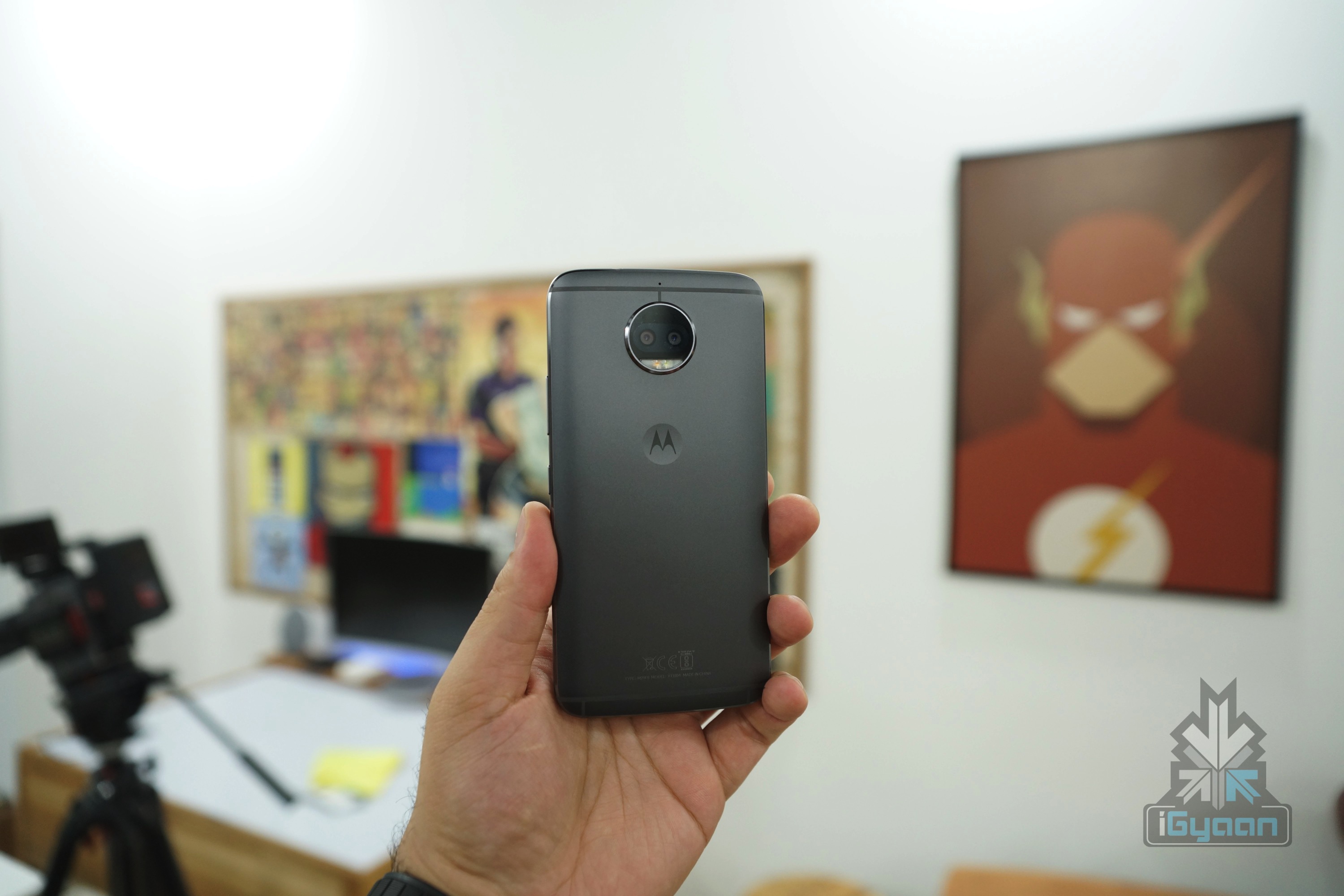
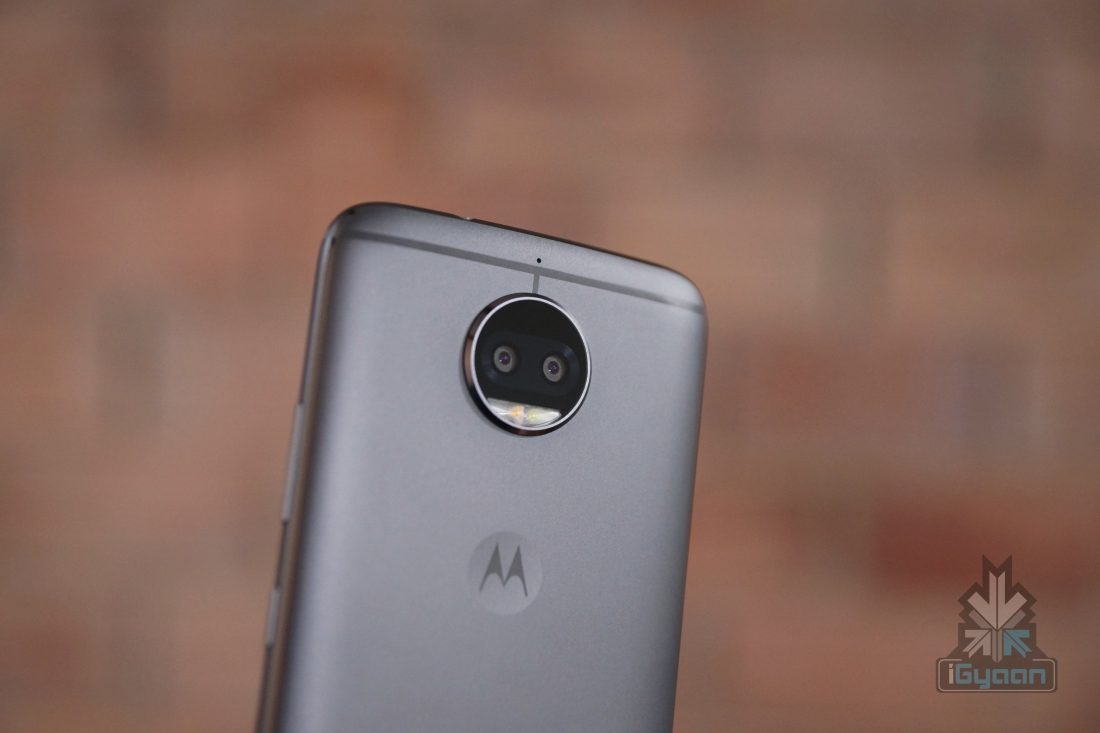
    Moto G5S Plus

    The G5S Plus has a 5.5 inch 1920 x 1080 px display. The fingerprint sensor sits below the display and can double up as a single-navigation button as well and the screen is protected by Corning Gorilla Glass 3. The highlight of the device is the 13MP dual-camera setup with an f/2.0 aperture. The dual camera captures Bokeh, and selective focus shots, along with other capabilities of background replacement and exposure management. Under the hood, the device has the Qualcomm Snapdragon 625 processor with 2.0 GHz octa-core CPU and 650 MHz Adreno 506 GPU, 3GB RAM and 32GB onboard storage which is expandable via microSD card.

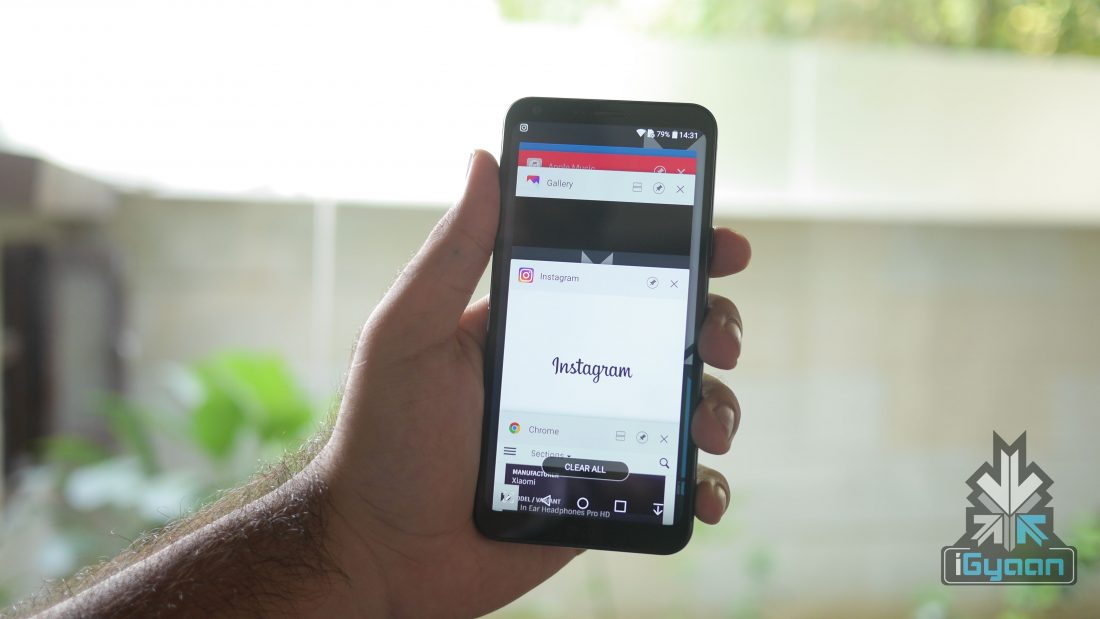
    LG Q6

    The LG Q6 was recently launched in India for a price of Rs 14,990. It sports a 5.5 inch 2160 x 1080 px IPS LCD display. The device is powered by a 3,000mAh non-removable battery and runs Android 7.1.1 Nougat with LG’s custom skin on top of it. The LG Q6 packs the Qualcomm Snapdragon 435 chipset with a 1.4GHz octa-core processor and Adreno 505 GPU along with 3GB RAM and 32GB onboard storage which is expandable via microSD card up to 2TB. It features a single 13MP rear-facing camera with a single LED flash and on the front is a wide-angle 5MP sensor.

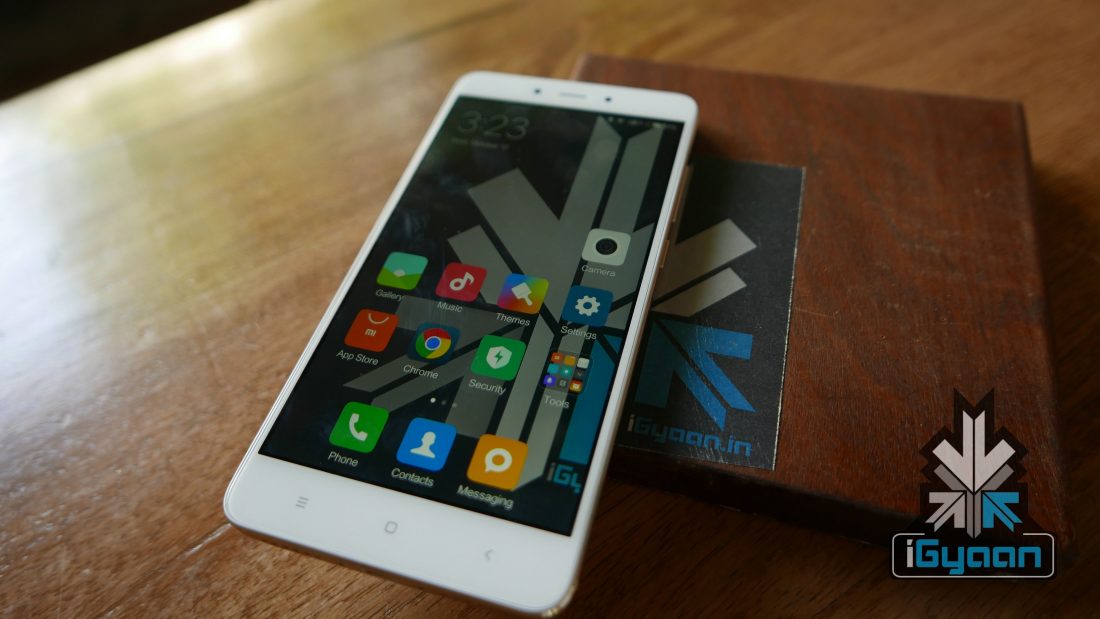
    Xiaomi Redmi 4

    The Xiaomi Redmi 4 has a 5-inch 1280 x 720 px LCD display and a 4100 mAh battery. Under the hood, the device has the Qualcomm Snapdragon 425 chipset, and 2GB RAM/16GB storage or 3GB RAM/32GB storage variants. On the optics front, the device has a rear facing 13-megapixel sensor with an f/2.0 aperture, PDAF, and LED flash. On the front is a 5MP camera with an f/2.2 aperture.

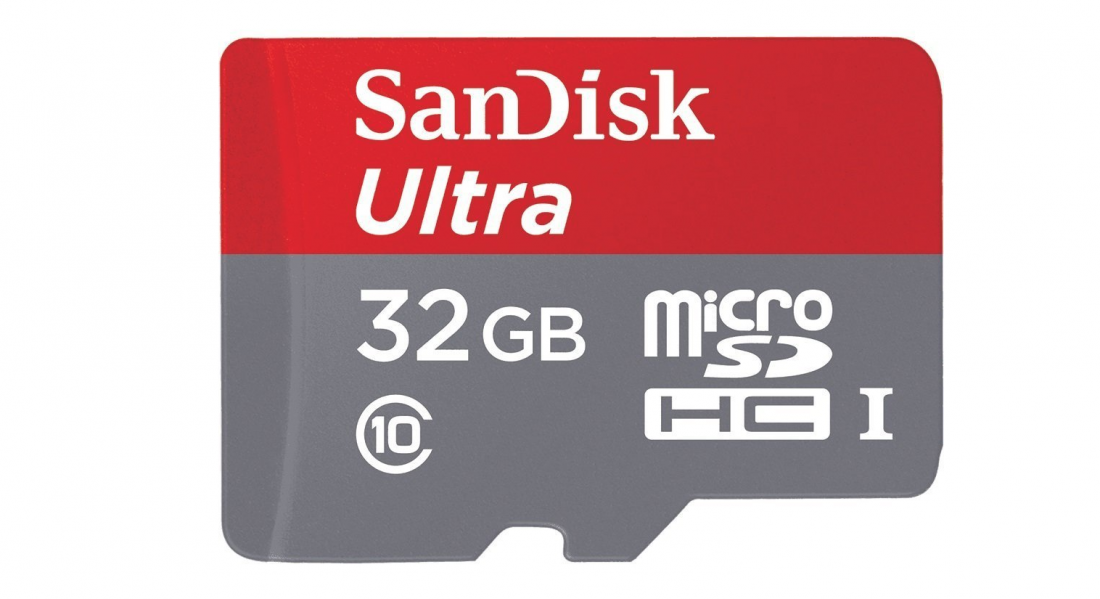
    SanDisk 32GB MicroSD Card

    The SanDisk 32GB microSD card is fast, durable and now affordable. It has ultra-fast transfer speeds of up to 80mbps. The memory cars is also waterproof, X-ray proof, temperature proof and shockproof.

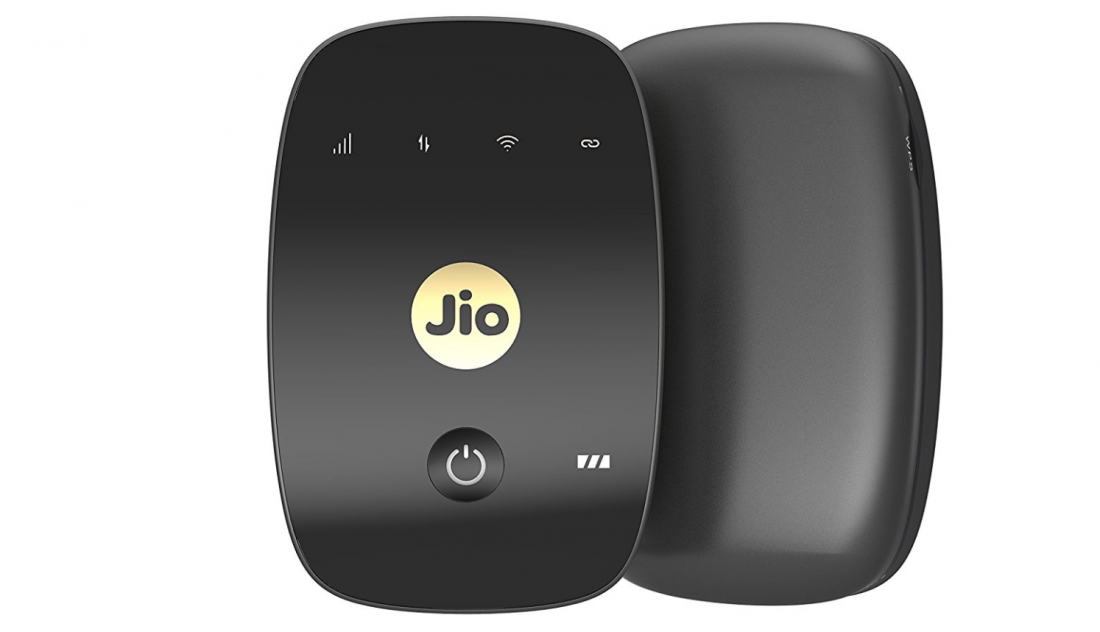
    JioFi 4G Portable Device

    The JioFi 4G portable device has 6 hours of surf time and is perfect for people who like working on the go.

  • Google Explains The Reason Behind Ditching The Headphone Jack On The Pixel 2

    Google Explains The Reason Behind Ditching The Headphone Jack On The Pixel 2

    Back in 2016, Apple turned quite a few heads when it launched the iPhone 7 and iPhone 7 Plus without a headphone jack, something which was standard in smartphones till that point. Apple, however, did not replace it with a UB Type C port and instead continued with the lightning USB port. This move was considered to be Apple’s first major step towards a port-less iPhone of the future. Google, on the other hand launched the Pixel and Pixel XL with a headphone jack in 2016 and took a subtle dig at Apple during the event. On October 4th, Google announced the Pixel 2 and Pixel 2 XL and didn’t get into the reason behind removing the headphone jack at that point.

    Now, in a post on company’s Pixel forum, Orrin explained why the headphone jack was replaced with the USB Type C port.

    The Pixel 2 still comes with a headphone jack but we have moved to USB-C, a standard that is becoming commonplace in the best phones and laptops of today. Moving to the USB-C audio port with Pixel 2 allows us to provide a better audio and digital experience, as we move towards a bezel-less future.

    Notably, Orrin also listed out a list earphones that are ‘Made By Google’ or ‘Made For Google’ headphones that have been verified to be compatible with the Pixel 2. Google will include a USB Type C to 3.5mm headphone jack dongle in the retail box.

    With another smartphone maker getting rid of the beloved headphone jack, it seems more than likely the headphone jack is heading towards redundancy. Is it time to replace your trusty wired headphones with bluetooth or USB Type C headphones?

  • AIM To Shut Down On December 15th

    AIM To Shut Down On December 15th

    One of the pioneers of the instant messaging apps, AOL Instant Messenger is shutting down on December 15th 2017. The news comes 20 years after the launch of AIM, which became a wildly popular feature of AOL, the largest internet provider at the time.

    Verizon acquired AOL in 2015 and merged it into a unit called Oath in 2017. VP of Oath said:

    AIM tapped into new digital technologies and ignited a cultural shift, but the way in which we communicate with each other has profoundly changed. As a result we’ve made the decision that we will be discontinuing AIM effective 15 December, 2017. We are more excited than ever to continue building the next generation of iconic brands and life-changing products for users around the world.

    AOL cut off access to AIM from third-party chat clients in March 2017, hinting that a shutdown is inevitable.With the likes of Facebook, WhatsApp and Snapchat taking over social media, it’s hard to imagine that many people are still using AIM. Keeping that in mind, it seems unlikely that this shutdown will affect anyone or anything.

    This is not the first time that a classic IM app has shut down. MSN Messenger shut down in 2014, and Yahoo Messenger shut down in 2016 however, Yahoo launched a new messaging service under the same name.

    One of the most widely used instant messenger back in ’90s and early 2000’s, AIM bridged the gap between friends who had moved to different places. With time, AIM fell down the pecking order as the era of smartphones reached the fore. Text messaging has taken over precedence over desktop instant messaging apps, and increasingly, social media apps like Snapchat and Instagram, are taking over text messaging in certain ways. Nowadays, everyone is connected to their long lost friends and relatives on Facebook which provides instant messaging solutions on the go.


  • Google Pixel 2 Will Not Disturb You With Notifications While You’re Driving

    Google Pixel 2 Will Not Disturb You With Notifications While You’re Driving

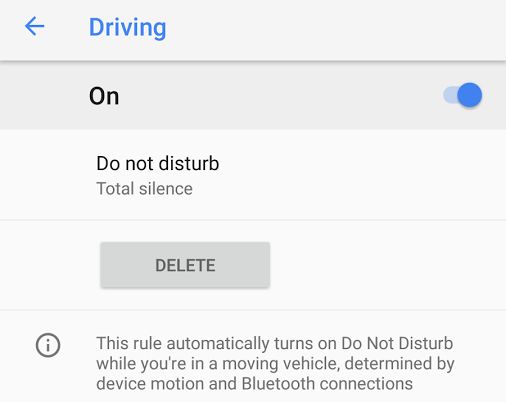
    The new Google Pixel 2 and Pixel 2 XL were unveiled on October 4th during the Google Launch Event. Sundar Pichai kicked off the event with Google’s growing focus on AI. When the Pixel 2 devices were unveiled, Google said that the device incorporates three key components – AI, software and hardware. The Pixel 2 devices have a lot of smart features and make use of the Google Assistant’s tight integration with the Pixel ecosystem. One more very useful feature is the Do not Disturb mode. It is not a new feature by any means but, what Google has done is that it eliminates your role of activating the feature. When the Pixel 2 phone senses that its in a moving vehicle, the feature gets automatically enabled.

    You may also like – Pixel 2 Vs The Competition 

    The new feature was found in the screenshots posted with the Pixel Ambient Services app, which is now available in the Google Play Store. The screenshot of the menu option says that this feature, when enabled, is automatically turned on when the phone senses it is in a moving vehicle. It uses the phone’s motion sensors, along with Bluetooth connections, to make that determination.

    One thing to factor in before enabling this feature is that the phone won’t distinguish if you’re the one driving the vehicle or if you’re just a passenger. The feature will be triggered as soon as the phone senses it is in motion. So, if you are someone who commutes via bus or a cab and doesn’t drive, it is best to disable this feature.

    You may also like – Pixel 2 Duo Will Have A Stronger Offline Presence In India

    The Pixel Ambient Services app will also be used to enable the active listening feature and as of now, the app is a Pixel 2 and Pixel 2 XL exclusive only. But, more devices might receive a compatible app update in the coming months.

  • Apple Is Looking Into The Swollen iPhone 8 Battery Issues

    Apple Is Looking Into The Swollen iPhone 8 Battery Issues

    It seems like Apple has its hands full at the moment as more reports emerge of the iPhone 8 battery swelling. What isn’t clear at the point is whether this is happening in handful of devices or a larger batch.

    Since late September, there have been reports of the iPhone 8 batteries swelling and causing the phone to split up. What appears to be happening is that the battery inside the phone is swelling, bending the front of the phone and separating it from the body of the device. A silver lining here is that there are no reports of a fire yet.

    Apple has released a concise statement acknowledging the issue:

    We are aware and looking into it.

    Considering the larger picture, there appears to be only six or so cases so far. This is a very small number compared to the millions of iPhone 8’s Apple must have presumably sold so far. The first report came out of Taiwan, where a woman is said to have found her iPhone swollen after plugging it in for charging. Then, someone in Japan posted photos of a split-apart iPhone 8 on Twitter. And in the days since, there have been cases in China, Canada, and Greece.

    A couple of years ago, this would not have mattered too much but, since the Samsung Galaxy Note7 battery issues, there is a cause of concern here. Reports in the coming days and Apple’s investigation will make it clear as to what the real issue is here but, as of now, the number of issues compared to the phones sold is too less for you as a consumer to be worried.

  • The Foldable Samsung Galaxy X Device Could See A Limited Release

    The Foldable Samsung Galaxy X Device Could See A Limited Release

    There is an increasing interest and intrigue in the soon-to-be-launched Samsung Galaxy X. In early September, after IFA 2017 in Berlin, Dongjin Koh, President of mobile business at Samsung told some reporters at a news conference in South Korea that a foldable smartphone is in the works and the company is aiming for a 2018 release. Ever since that, there have been reports of the Galaxy X receiving certification from South Korea, Samsung’s native country.

    A report from the South Korea Herald suggested that the production of the Galaxy X would be on 100,000 orders, making it an extremely limited edition device. If this happens, the Galaxy X would be the most difficult Galaxy phone to get your hands on. The foldable smartphone is being touted as the “next big innovation” in the smartphone industry, which has been stagnant for a while in terms of exciting innovations. Apart from tinkering with the display and shrinking the bezels, there hasn’t been much innovation to write home about. The Galaxy X could shake the tech industry out of complacency and usher in an era of foldable smartphones becoming more accessible than the Galaxy X.

    The Samsung Galaxy X is expected to be unveiled during CES in early 2018. This makes sense because the Galaxy S9 and S9+ are expected to be unveiled in mid 2018 and a new phone like the Galaxy X would require some breathing space to really have an impact on the smartphone market. Even though it will soon be known as “that phone which folds” and will have its own fair share fans, the market still needs time to register a phone, no matter how unique or path-breaking the device is. Just because the phone is close to its grand unveiling doesn’t mean that there aren’t hurdles to cross during the making of a foldable smartphone, Mr. Dongjin Koh has said:

    When we can overcome some problems for sure, we will launch the product. We are digging thoroughly into several issues we must overcome, as we don’t want to just make a few, sell a few and be done. We want to hear that Samsung made a very good product. We have a plan to adopt a foldable display in our roadmap.

    A number of patents as well as Samsung’s own concept video from CES 2013 tell us what to expect from the Galaxy X. Samsung is most likely to start small, with a smartphone that folds halfway like a wallet. Another design, in line with Samsung’s prototype unveiling, could see the phone unfold into a full-size tablet.

    Limited edition or not, the Samsung Galaxy X is anticipated to be a real head turner come its launch.

  • The Pixel 2 Duo Will Have A Stronger Offline Presence In India : Google

    The Pixel 2 Duo Will Have A Stronger Offline Presence In India : Google

    Google has launched the Pixel 2 and Pixel 2 XL. India is one of the first few countries to receive Google’s 2017 flagship smartphones, and Google has promised that the this time around, the two phones will ave a stronger presence in the Indian market. The launch of the Pixel 2 and Pixel 2 XL was preceded with a lot of fan fare and the claims about the camera and software integration made Google during the launch has certainly hyped the phones even more.

    Last year’s Pixel and Pixel XL, even though they received great reviews for their camera and software performance, didn’t perform all that well in India. At a starting price of Rs 61000, the Pixel 2 duo is already costlier than the Samsung Galaxy S8. Compared to the US$649 starting price of the Pixel 2, the price in India is inflated by almost US$300. But, the VP of Product Management at Google has said that the team has learned a lot since the 2016 Pixel phones were launched in India:

    We learnt quite a bit with the first Pixel in India and one of the things we’re doing is increasing our marketing investment, really to explain the product. We’ve expanded the channel and from a go-to-market perspective, we’ll be much more present this year compared to last year.

    You may also like : Google Pixel 2 Vs The Competition

    The company concedes that one of the main drawbacks of the Pixel  and Pixel XL of 2016 was its failure to capture the offline market. According to Google, consumers in India generally prefer to purchase premium, high-end smartphones after having experienced them in-person. The company’s investment in marketing might not necessarily persuade a majority of the Indian consumer market to splash such cash on a second-generation Android flagship. Although it will be interesting to see the strategy that Google adopts for the Indian market.

    You may also like : Google Pixel 2 XL Vs The Competition

    The Pixel 2 in India starts at a price of Rs 61000 for the 64GB variant and goes up to Rs 70000 for the 128GB variant. The bigger sibling, Pixel 2 XL costs Rs 73000 for the 64GB variant and Rs 81000 for the 128GB storage variant. The iPhone X, when released in India will cost Rs 84000 for the 64GB variant while the Galaxy Note8 retails for Rs 67900 in India right now. What’s your choice of flagship for the next year or so? Let us know in the comments below!

  • Google Pixel 2 XL Vs The Competition

    Google Pixel 2 XL Vs The Competition

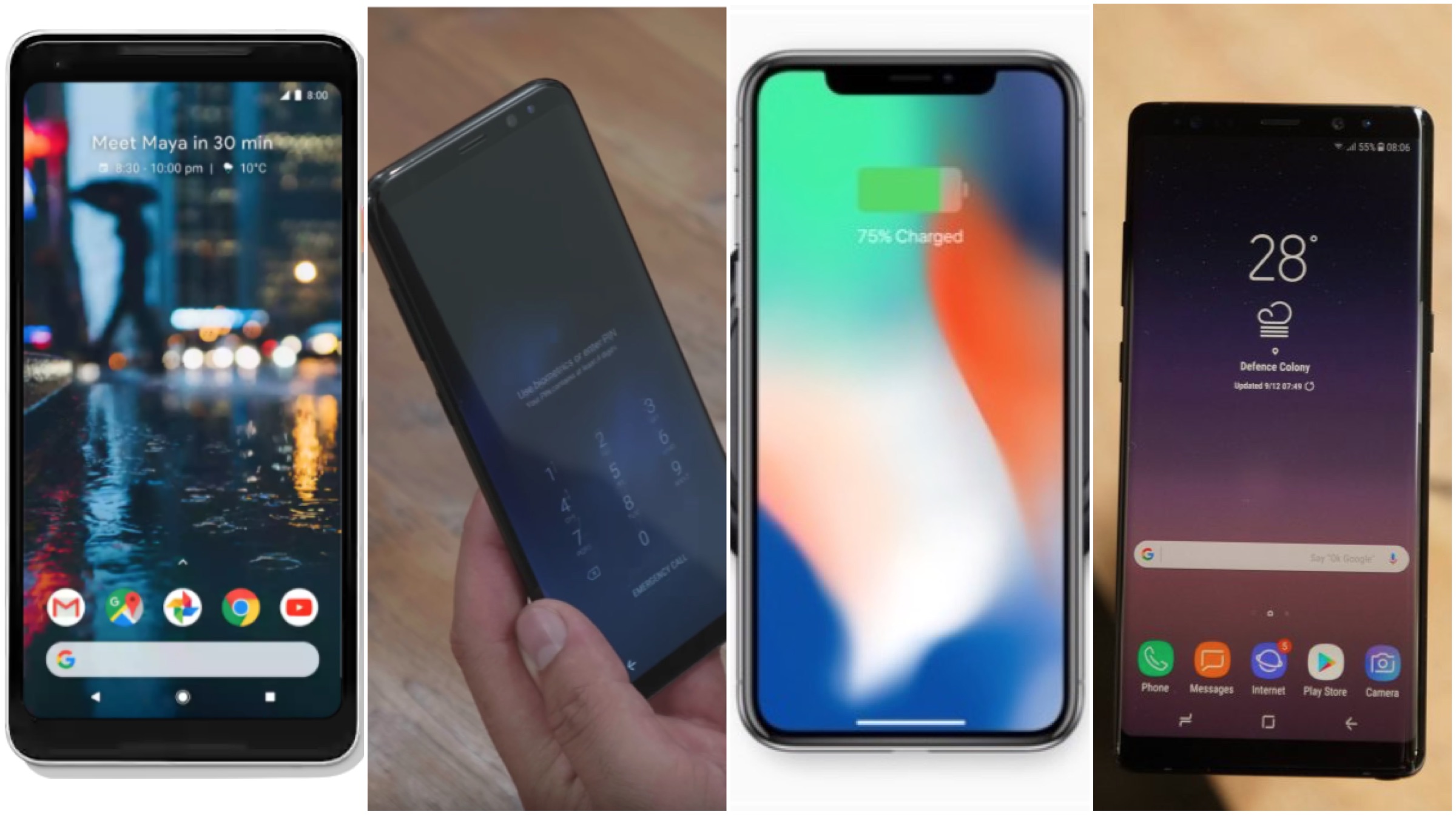
    The Google Pixel 2 was launched on October 4th as the marquee Pixel device for 2017. It strays away a little from the thick bezels that the Pixel 2 has but, still incorporates the front-firing speakers in relatively thinner bezels. Just like the Pixel 2, there is a tight integration with Google Assistant in Google’s attempt to harmonise AI, software and hardware. So, how does the bigger Google flagship stack up against the competition? let’s find out:

    Google Pixel 2 XL
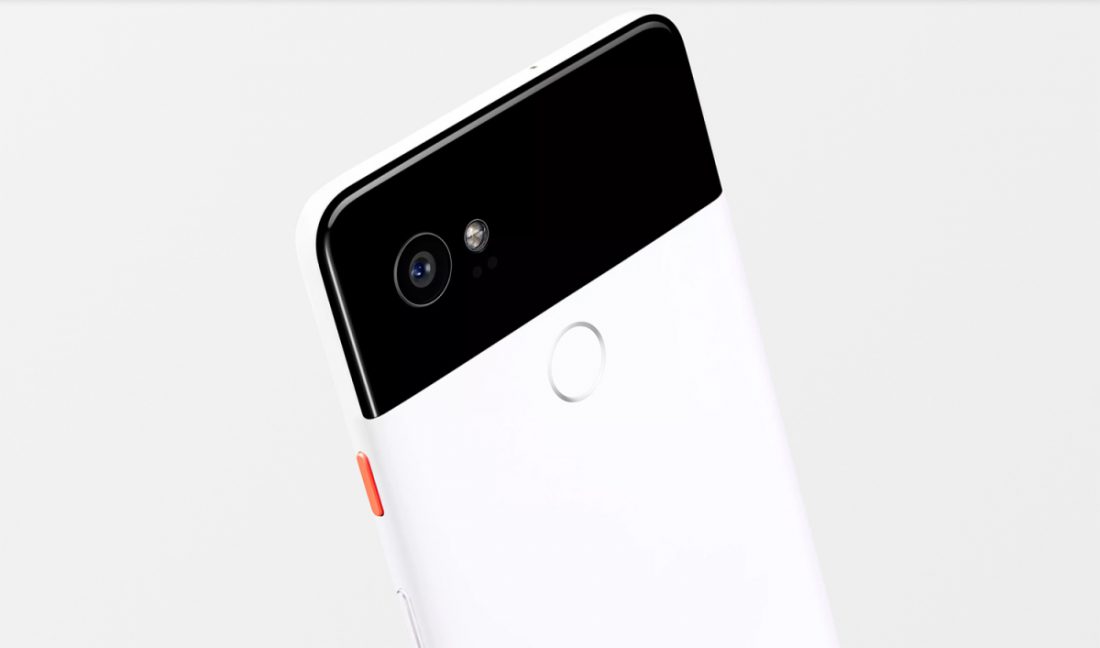
    The smartphone has a 6 inch 2880 x 1440 px POLED display which translates into an 18:9 aspect ratio. Protecting the display is Corning Gorilla Glass 5. Just like the Pixel 2, the device runs Android 8.0 Oreo out of the box and will receive the Android P update in 2018. Powering the device is a 3520 mAh battery which is larger than the one found in the Pixel 2. Under the hood, the Pixel 2 XL has the Qualcomm Snapdragon 835 chipset, 2.4GHz octa core processor, Adreno 540, 4GB RAM and 64GB/128GB onboard storage. The fingerprint sensor sits at the back of the device but, this time around the “glass window” is smaller.

    On the camera front, Google has decided to go for a single camera setup similar to last year’s Pixel phones. The rear-facing camera is a 12.2 MP sensor with an f/1.8 aperture and 1.4 micron pixel size. On the front is an 8MP camera with an f/2.4 aperture. Google has introduced new features in the camera department like the addition of AR. Google says Pixel 2 XL has greater high dynamic range, optical image stabilisation, and a portrait mode that doesn’t use a second camera but dual-sensor image technology. The Pixel 2 XL uses both OIS and EIS simultaneously for better clarity and stable images and videos.

    Samsung Galaxy S8+
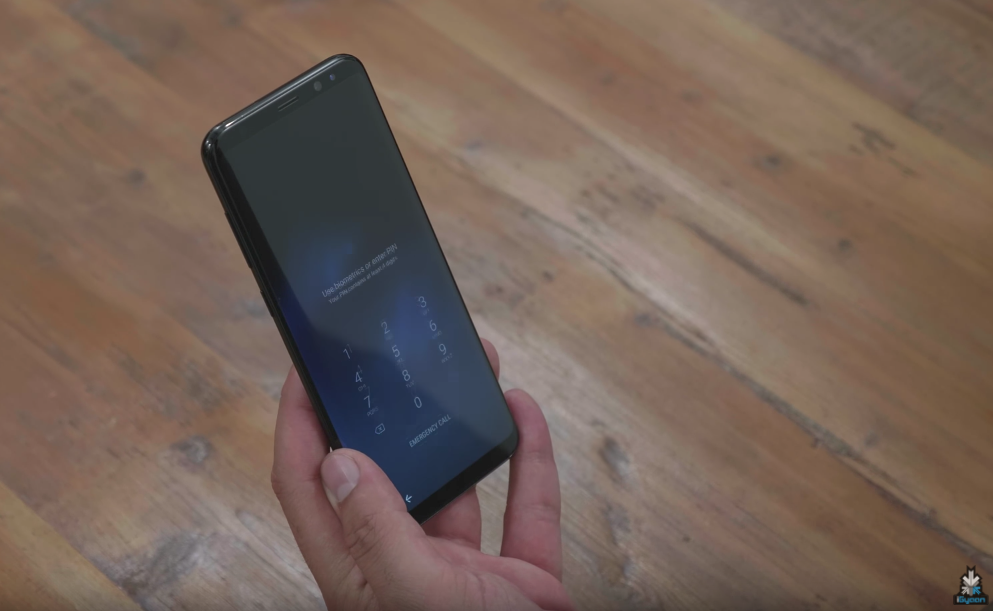
    The Samsung Galaxy S8+ has a 6.2 inch 2960×1440 px Super AMOLED display with a 570ppi. Powering the device is a 3000 mAh battery and it runs Android 7.1 Nougat out of the box. Under the hood, the smartphone has Exynos 8895 chipset, 64GB or 128GB onboard storage options which is expandable up to 256GB via microSD card and 4GB RAM or 6GB RAM variants. The Galaxy S8+ is also water and dust resistant. The Galaxy S8 has a glass  black which means it is wireless charging compatible. The smartphone has an awkwardly placed fingerprint sensor right next to the camera.

    For cameras, both phones get a main Dual Pixel 12MP OIS (F1.7), Front: 8MP AF (F1.7). While the battery on the Galaxy S8 is 3000 man, the S8plus has a 3500 mAh battery. Both support fast charging and wireless charging as well.

    Apple iPhone X
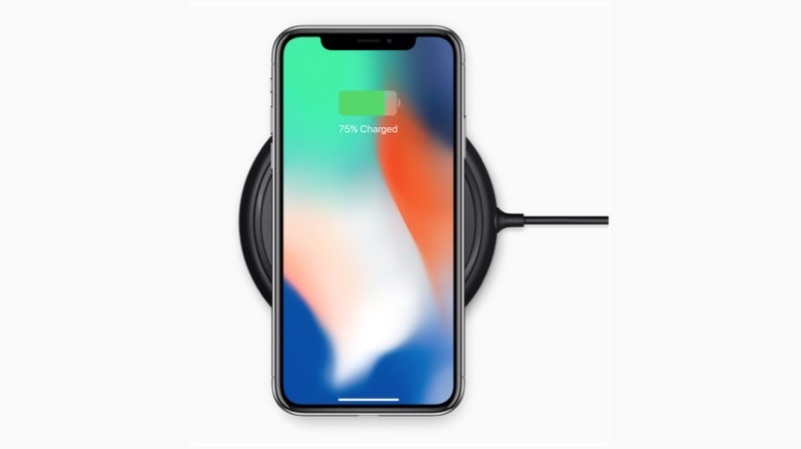
    The iPhone X has a 5.8-inch 2436 x 1125 px OLED True Tone Super Retina display with minimal bezels around it. The phone runs iOS 11 and is powered by a 3,000 mAh battery which charges through the Apple signature lightning port placed at the bottom of the phone. Because of the all-glass design, the iPhone 8 also has wireless charging. Under the hood, the smartphone has the Apple A11 Bionic chipset with a neural engine, a hexacore processor, 3GB of RAM and storage options of 64GB, and 256GB. Apple has also gotten rid of TouchID and replaced it with facial recognition called FaceID which Apple claims has a security breach chances of 1 in a million.

    On the optics front, the iPhone X has dual 12-megapixel rear cameras, and it’s equipped with dual optical image stabilization. The main camera is equipped with a wide angle lens and has an f/1.8 aperture while the secondary telephoto lens has an f/2.4 aperture.

    Samsung Galaxy Note8
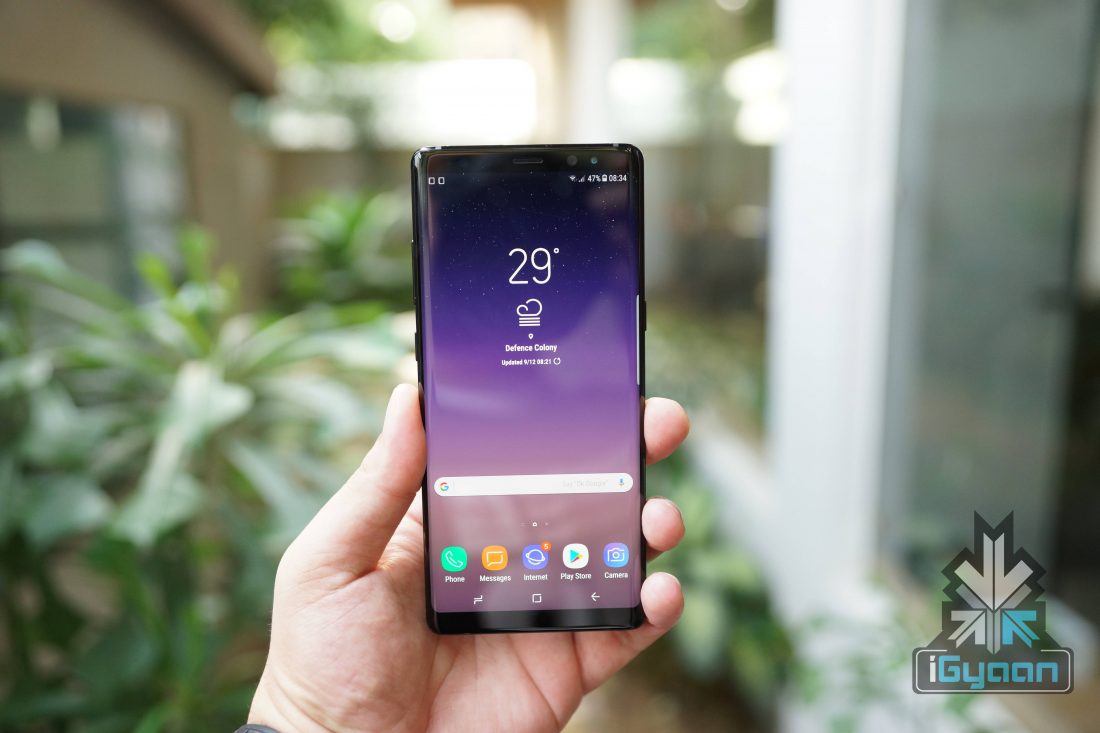
    The Galaxy Note8 has a 6.3 inch 2960 x 1440 px Super AMOLED display with an 18.5:9 aspect ratio, which is the same aspect ratio found on the Galaxy S8 and S8+. Powering the device is a 3300 mAh battery which is smaller than the 3500 mAh battery found on the Galaxy Note7 with wireless charging capabilities, and runs Android Nougat 7.1.1 with Samsung’s custom skin on top. The device has the Exynos 8895 chipset, 2.3GHz Quad-Core (Custom CPU) + 1.7GHz Quad-Core (Cortex-A53) processor, 6GB of RAM and 128GB onboard storage, which is expandable up to 256GB via microSD card. The graphics are handled by the Mali-G71 MP20 GPU.

    The new Note8 has a 12MP dual-camera setup, one of which has a wide lens and the other a telephoto. The telephoto lens allows a user to zoom in losslessly for an up to 2x magnification. The use of dual camera allows for the ability to blur out the background for professional looking bokeh effect shots, something that seems to be common in smartphones in 2017. The Galaxy Note8, Samsung claims, is the first smartphone to feature OIS in both the cameras at the back.

    Specifications Google Pixel 2 XL Samsung Galaxy S8+ Apple iPhone X Samsung Galaxy Note8
    Price Rs 73000 for the 64GB variant Rs 64900 for the 64GB variant

    Rs 89000 for the 64GB variant Rs 67900

    Display Size and Type 6 inch POLED display 6.2 inch Super AMOLED 5.8 inch Super Retina Display 6.3 inch Super AMOLED
    Display Resolution 2880 x 1440 px 2960 x 1440 px 2436 x 1125 px OLED True Tone 2960 x 1440 px
    Dimension 157.9 x 76.7 x 7.9 mm 159.5 x 73.4 x 8.1 mm 143.6 x 70.9 x 7.7 mm 162.5 x 74.8 x 8.6 mm
    Weight 175 grams 173 grams 174 grams 195 grams
    Chipset Qualcomm Snapdragon 835 Exynos 8895 A11 Bionic Chipset Exynos 8895
    Processor 2.4GHz
    8x Qualcomm Kryo 280
    Octa core (2.3GHz Quad + 1.7GHz Quad), 64 bit, 10 nm process Hexacore processor with 2 high performing and 4 low cores Octa core (2.3GHz Quad + 1.7GHz Quad), 64 bit, 10 nm process
    RAM 4GB 4GB or 6GB 3GB 6GB
    Storage 64GB

    128GB

    64GB

    128GB

    64GB

    256GB

    64GB
    Storage Expandability No Yes up to 256GB No Yes up to 256GB
    Primary Camera 12.2MP with an f/1.8 aperture

    Dual pixel technology

    Dual Pixel 12MP with an f/1.7 aperture 12MP wide-angle and telephoto cameras
    Wide-angle: ƒ/1.8 aperture
    Telephoto: ƒ/2.4 aperture
    Dual 12MP camera
    Wide-angle: ƒ/1.7 aperture
    Telephoto: ƒ/2.4 aperture
    Primary Camera Features Simultaneous OIS and EISPortrait mode OIS

    PDAF

    Portrait mode
    Portrait Lighting (beta)
    Dual optical image stabilization
    Six?element lens
    Quad-LED True Tone flash with Slow Sync
    PDAF
    2X lossless optical zoom
    Bokeh Effect
    Dual OIS
    Secondary Camera 8MP with an f/2.4 aperture 8MP AF (F1.7) 7MP camera
    f/2.2 aperture
    8MP with an f/1.7 aperture
    Colours  Black and White, All Black Midnight Black, Maple Gold, Orchid Grey  Space Gray, Silver Midnight Black, Maple Gold


  • Google Pixel 2 Vs The Competition

    Google Pixel 2 Vs The Competition

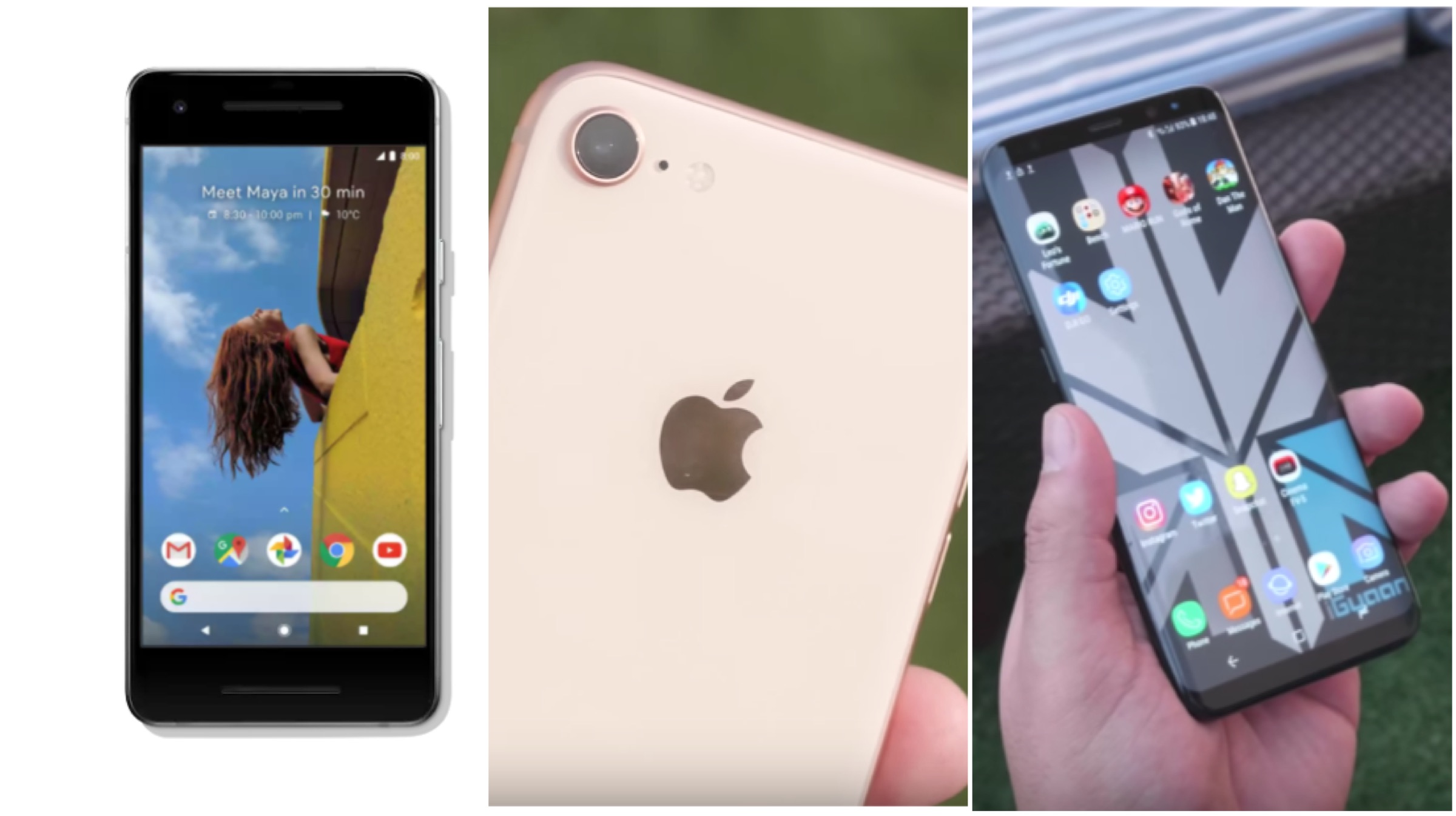
    On October 4th, Google announced the next iteration of its Android smartphones, the Pixel 2 and Pixel 2 XL. Smaller of the two siblings, the Pixel 2 has a tight integration with Google Assistant. With the Google Pixel 2 arriving in India on November 1st, let’s take a look at how it stacks up against the competition.

    Google Pixel 2

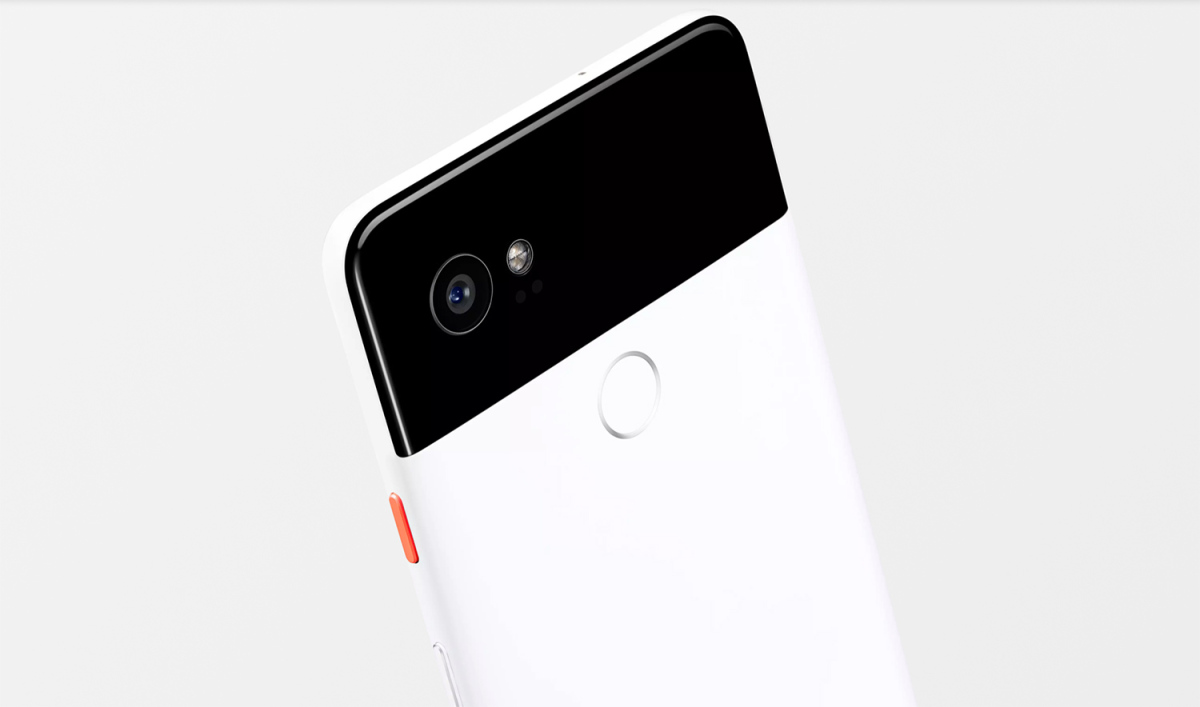
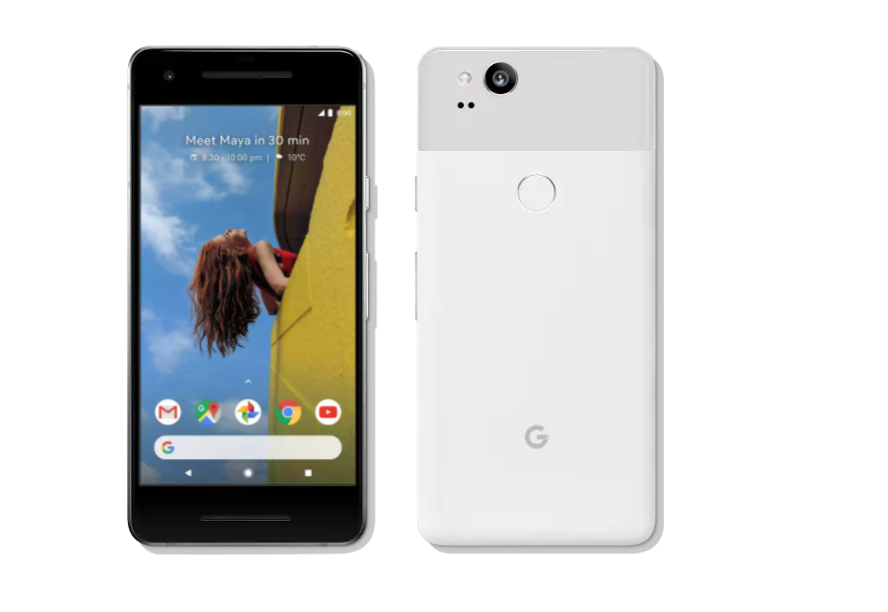
    The Google Pixel 2 has a 5 inch 1920 x 1080 px OLED display with Corning Gorilla Glass 5 on top for protection. Powering the device is a 2700 mAh battery and it runs Android 8.0 Oreo out of the box. As is with with every Google phone, the new Pixel 2 will be first in line to receive Android P update in 2018. Under the hood, the device has typical 2017 flagship specifications. It has the Qualcomm Snapdragon 835 chipset, 2.4GHz octa core processor, Adreno 540, 4GB RAM and 64GB/128GB onboard storage. The fingerprint sensor sits at the back of the device but, this time around the “glass window” is smaller. The two-tone colour of the phone is also reminiscent of the original Pixel from 2016. Google claims that the fingerprint sensor is the fastest on a smartphone. The Pixel 2 is water resistant as well.

    On the camera front, Google has decided to go for a single camera setup similar to last year’s Pixel phones. The rear-facing camera is a 12.2 MP sensor with an f/1.8 aperture and 1.4 micron pixel size. On the front is an 8MP camera with an f/2.4 aperture. Google has introduced new features in the camera department like the addition of AR. The Pixel 2 XL uses both OIS and EIS simultaneously for better clarity and stable images and videos. The portrait mode works on both rear and font facing cameras, just like the new iPhones.

    Samsung Galaxy S8

    The Samsung Galaxy S8 has a 5.8” 2960×1440 px Super AMOLED display with a 570ppi. Powering the device is a 3000 mAh battery and it runs Android 7.1 Nougat out of the box. Under the hood, both the smartphone has Exynos 8895 chipset, 64GB onboard storage options which is expandable up to 256GB via microSD card and 4GB RAM. The Galaxy S8 is also water and dust resistant. The Galaxy S8 has a glass  black which means it is wireless charging compatible. The smartphone has an awkwardly placed fingerprint sensor right next to the camera.

    For cameras, both phones get a main Dual Pixel 12MP OIS (F1.7), Front: 8MP AF (F1.7). While the battery on the Galaxy S8 is 3000 man, the S8plus has a 3500 mAh battery. Both support fast charging and wireless charging as well.

    Apple iPhone 8

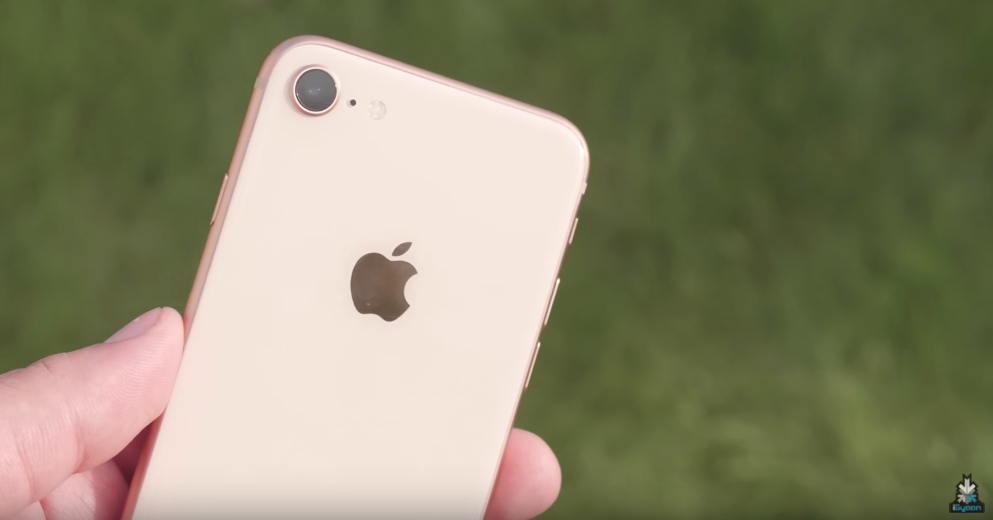
    The Apple iPhone 8 has a 4.7 inch 1334 x 750 px IPS LCD True Tone display. Under the hood, the iPhone 8 has the A11 Bionic chipset with a hexacore processor and the new Apple GPU. Because of the glass back, the iPhone 8 is now wireless charging capable. The iPhone 8 runs iOS 11 and the battery of the iPhone 8 is identical to the iPhone 7. The iPhone 8 is available in two storage variants, 64GB and 256GB.

    On the camera front, there’s a 12-megapixel sensor on the iPhone 8 that is larger, faster and has optical image stabilisation. The iPhone 8 Plus also has new 12 MP sensors. The main camera is equipped with a wide angle lens and has an f/1.8 aperture while the secondary telephoto lens has an f/2.8 aperture. The dual cameras on the iPhone 8 Plus also have a new “Portrait Lighting” feature to adjust the lighting for portrait shots.


    Specifications Google Pixel 2 Samsung Galaxy S8 Apple iPhone 8
    Price Rs 61000 for 64GB variant Rs 55900

    Rs 59,999 for 64GB variant

    Display size and type 5 inch OLED 5.8 inch Super AMOLED 4.7 inch IPS LCD True Tone Display
    Display resolution 1920 x 1080 px 2960 x 1440 px 1334 x 750 px
    Dimensions 145.7 x 69.7 x 7.8 mm 148.9 x 68.1 x 8.0 mm 138.4 x 67.3 x 7.3 mm
    Weight 143 grams 155 grams 148 grams
    Chipset Qualcomm Snapdragon 835 Exynos 8895 A11 Bionic Chipset
    Processor 2.4GHz
    8x Qualcomm Kryo 280
    Octa core (2.3GHz Quad + 1.7GHz Quad), 64 bit, 10 nm process Hexacore processor
    RAM 4GB 4GB 3GB
    Storage 64GB

    128GB

    64GB 64GB

    256GB

    Storage Expandability No Yes

    Up to 256GB

    No
    Primary Camera 12.2MP with an f/1.8 aperture

    Dual pixel technology

    Dual Pixel 12MP with an f/1.7 aperture 12MP with an f/1.8 aperture
    Primary Camera Features Simultaneous OIS and EIS

    Portrait mode

    OIS and EIS

    PDAF

    OIS

    Six element lens

    Secondary Camera 8MP with an f/2.4 aperture

    Portrait mode

    8MP AF (F1.7) 7MP camera
    f/2.2 aperture
    Colours White, Blue, Black Midnight Black, Maple Gold, Orchid Grey Gold, Silver, Space Gray
  • Is This The New BlackBerry Motion?

    Is This The New BlackBerry Motion?

    BlackBerry was one of the main competitors in the ‘smartphone’ market a few years ago, until iOS and Android devices took over. In the past couple of years, BlackBerry has released a few Android OS running devices with a few BlackBerry exclusive features pertaining to cyber security. A prolific leaker on Twitter has revealed what could be the new BlackBerry Motion.

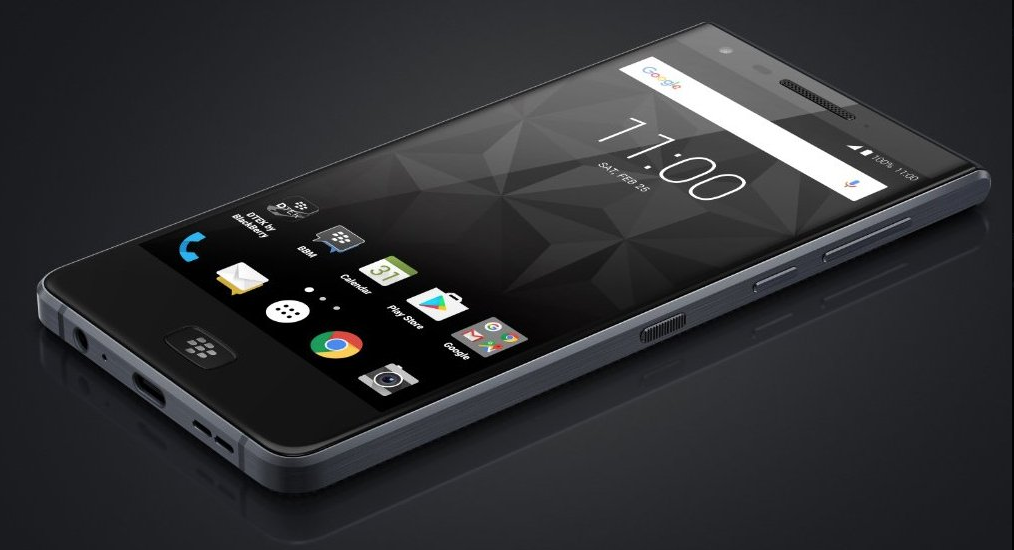
    Ever since the IFA 2017 in Berlin, there have been reports of BlackBerry working on a touchscreen-only Android device called the BlackBerry Krypton. According to Evan Blass, Krypton was the internal code name for the phone and that it will be launched as the BlackBerry Motion. In late September, there was in image leaked of the Motion which showed the back of the device, showing a brushed metal bar on top with a relatively small camera module on it. The BlackBerry KEYone was launched with a single camera at the back and it looks like the Canadian company is not yet ready to jump aboard the dual-camera setup train.

    The BlackBerry Motion will be designed and manufactured by the Chinese company TCL as per their agreement from 2016. The smartphone will have IP67 rating which has become a norm in flagship devices nowadays along with 26 hours of battery life. Expect the standard features for cyber security that BlackBerry boasts about along with enterprise-friendly software found in BlackBerry devices.

    Unlike the BlackBerry KEYone, the Motion won’t have a keyboard and instead feature a full touchscreen with a home button at the bottom. The home button is also in the shape of BlackBerry’s logo and the 3.5mm headphone jack retains its place at the bottom of the device along with a USB Type C port.

    There are no details about the launch date or the pricing strategy for the BlackBerry Motion as of yet.

  • Huawei Mate 10 Pro Leaked In Live Images Before October 16th Launch

    Huawei Mate 10 Pro Leaked In Live Images Before October 16th Launch

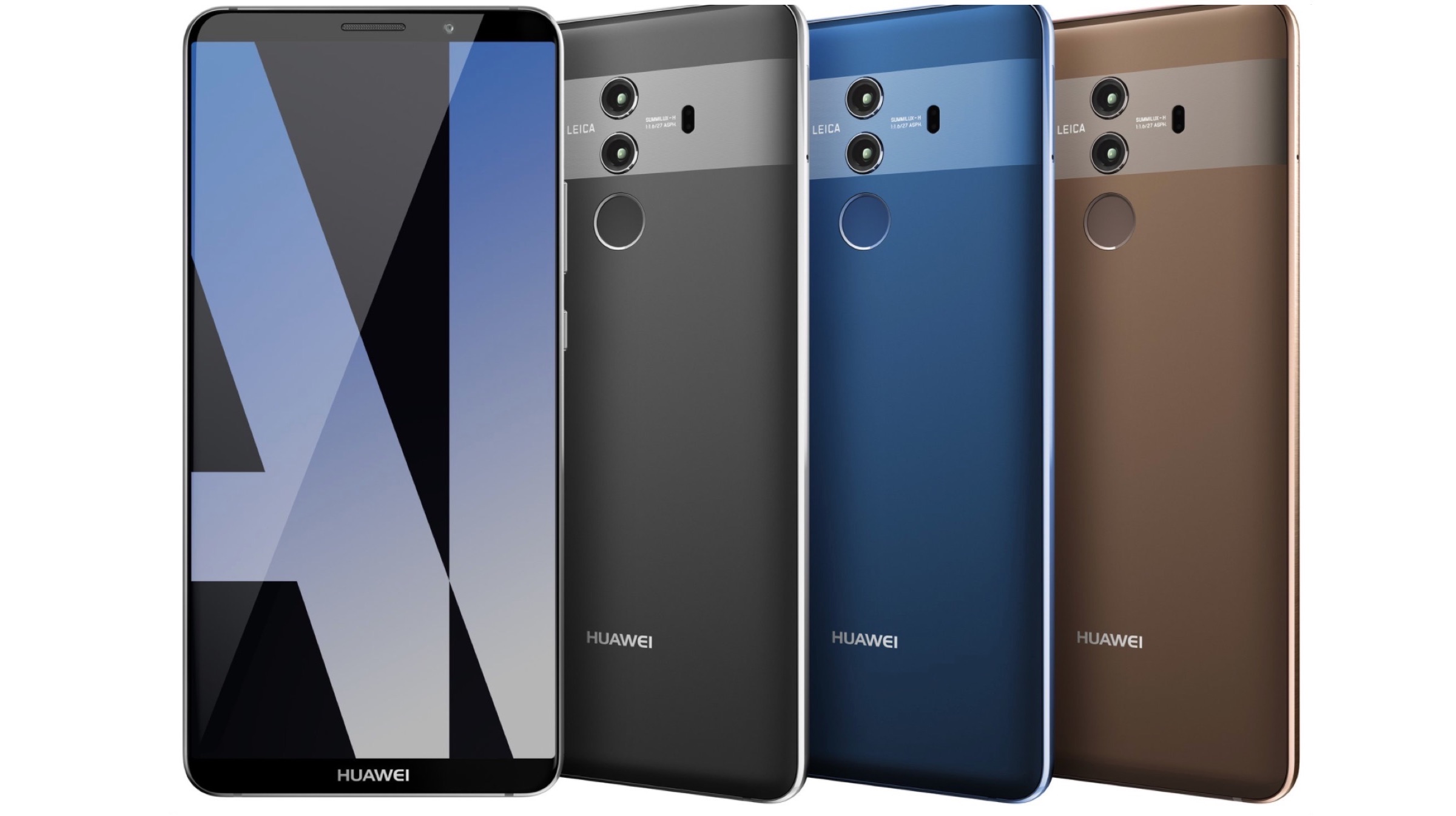
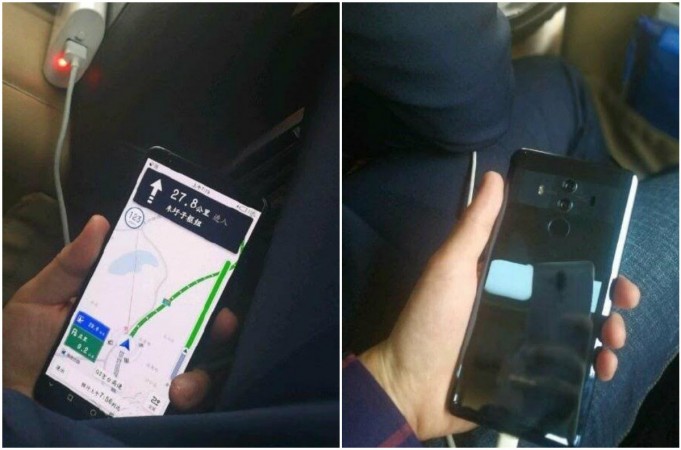
    Huawei is gearing up to launch its highly anticipated lineup of Mate 10 smartphones in Munich on October 16th. There have been a lot of leaks of the Mate 10 Pro, the flagship smartphone and new leaked images show the phone in all its glory with dual cameras and extremely thin bezels.

    Recently, images and colour variants of the Huawei Mate 10 Pro were leaked by a prolific leaker on Twitter. The new live images leaked differ a little from the images with a more reflective back panel. The tipster also claims the phone will be launched in a limited Porsche Design edition with a burnished finish.

    The Huawei Mate 10 Pro will be powered by Kirin 970 chipset, which was unveiled at the IFA 2017 in Berlin by Huawei. The smartphone is expected to be powered by a 4000 mAh battery and run Android 8.0 Oreo out of the box. The smartphone will have 6GB of RAM, and 64GB and 128GB onboard storage variants. The phone is also expected to be IP68 certified water and dust resistant.

    The Leica branded dual camera setup at the back is said to consist of 12MP and 20MP sensors with an f/1.6 aperture and OIS. On the front, the smartphone is expected to have an 8MP camera.

    Huawei boasted about the Kirin 970 chipset at the time of its unveiling and interestingly said that it has a neural transmitter, same as the A11 Bionic chipset found in the iPhone 8 and Phone X. Huawei went ahead and teased the launch of the “real AI smartphone” right after Apple’s September 12th event. It is believed that Huawei was referring to the Mate 10 Pro in that teaser.

    At the IFA 2017, Mr. Richard Yu, CEO of Huawei Consumer Group said, “The NPU present inside the Kirin 970 chipset can think and actively work to provide you the best user experience, whereas other A.I. assistance like Google Assistant only works reactively.” The new chipset will also mean better battery life as Huawei suggests that it is “50 times more efficient than an average CPU.” Huawei being telecommunications giant has introduced new features in the Kirin 970 such as the Cat 18 compatibility, which means it can reach download speeds up to 1.2GB per second.

    The Huawei Mate 10 Pro is expected to be launched at a premium price and will compete with the likes of the Galaxy Note8, Google Pixel 2 and the iPhone 8 in the flagship market right now.

  • Google Pixel 2 Has The Best Camera In A Smartphone : DXOmark

    Google Pixel 2 Has The Best Camera In A Smartphone : DXOmark

    On October 4th, Google presented its strategy for the future. Google wants the perfect harmony of AI, software and hardware for its upcoming devices. All eyes were on the announcement of the much awaited Pixel 2 and Pixel 2 XL. The announcement of the two phones was succeeded with their DXOmar scores. DXOmark is a portal that rates the camera of a smartphone on different parameters. The Pixel 2 and Pixel 2 XL have a score of 98 on DXOmark which makes the Pixel 2 camera as the best smartphone camera in the world right now. In September, it was announced that the iPhone 8 has the best smartphone camera in the world.

    Photos are an extremely subjective, just like sound. Hence, scores by DXOmark can mean everything or absolutely nothing to a consumer but, having the best smartphone camera in the market doesn’t hurt.

    The Google Pixel 2 not only takes the DxOMark Mobile scoring crown with a stunning Overall score of 98, but its video performance improves by 5 points over the original Pixel, putting it at 96 and at the top of our video ranking. The Pixel 2’s photo performance is really impressive at 99, and just one point short of the Samsung Galaxy Note 8, which scored an amazing 100 in our photo category.

    In terms of optics, Google decided to go with a tried and testing route of a single camera of the back instead of the now-trending dual-cameras. Both the Pixel 2 and Pixel 2 XL have a 12.2MP camera with an f/1.8 aperture and feature a “dual-pixel” technology. What this basically does is that it literally divides every pixel into two. Even though the phones have a single camera, you can still take portrait style photos from both the front and the back camera thanks to Google’s software processing. On the front is an 8MP camera with an f/2.4 aperture. On the video front, the rear-facing camera uses both OIS and EIS for stable videos and records 4K videos at 30FPS.

    Would you consider buying a phone just because of its superior DXOmark scores? Let us know in the comments below.

  • Honor 9i With Four Cameras Launched In India At Rs 17999

    Honor 9i With Four Cameras Launched In India At Rs 17999

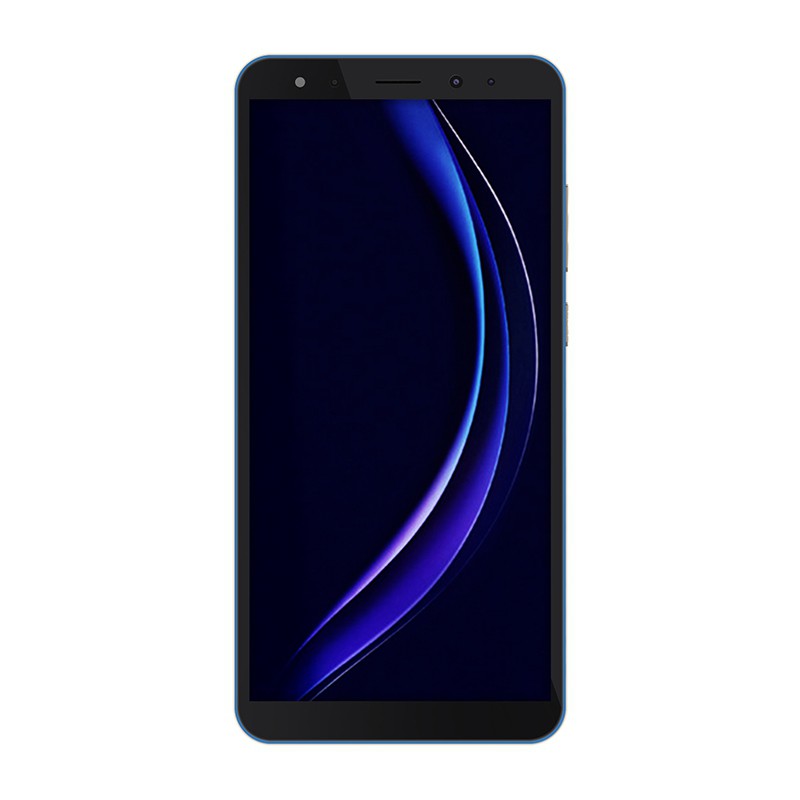
    Huawei’s sub-brand, Honor has launched the Honor 9i in India at a price of Rs 17999. The smartphone is the Indian variant of the Maimang 6 launched in China in September. It is expected that a global variant of the phone, the Mate 10 Lite will be unveiled on 16th October along with the Mate 10 Pro.

    The Honor 9i has a 5.9-inch 2160 x 1080px display with an 18:9 aspect ratio. The device runs Android 7.0 Nougat out of the box with Huawei’s EMUI 5.1 skin on top and is powered by a 3340 mAh battery. It also has Huawei’s in-house octa-core Kirin 659 chipset, octa-core 2.36 GHz processor, along with 4 GB of RAM and 64 GB onboard storage.

    On the camera front is where this smartphone will attract a lot of eyeballs. The rear of the phone contains a 16 MP main sensor and a 2 MP secondary sensor, while the front has a 13 MP camera and another 2 MP secondary sensor.  A fingerprint sensor is placed at the back of the phone since the phone has thin bezels and no physical button at the front of the phone.

    The Honor 9i will be a Flipkart-exclusive device and go on sale on 14th October. The company has said that the launch offers will be detailed at the time of its sale. The Honor 9i will be available in three colours, Platinum Gold, Navy Blue, and Midnight Black. The company has also launched a 10000mAh Quick Charge Power Bank, priced at Rs 2399. It will be available via the Honor India online store, with a Diwali offer till October 28 that brings the price down to Rs 1999.

  • Google Launches The AI Powered Pixel Buds For US$159

    Google Launches The AI Powered Pixel Buds For US$159

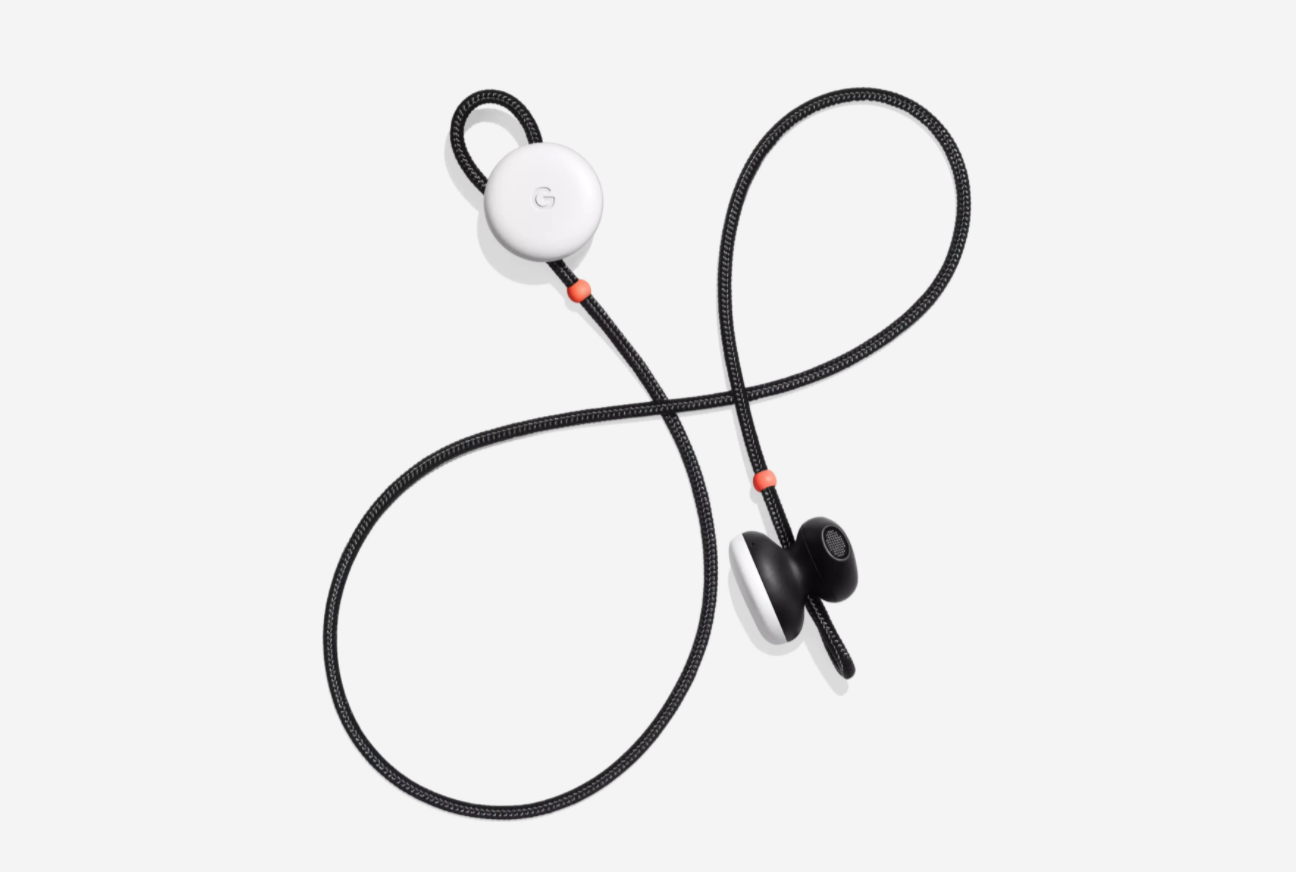
    Google has launched the Pixel Buds, a Google Assistant powered pair of neckbands. The Pixel Buds are priced at US$159 and features tight integration with the Pixel devices such as the new Pixel 2, Pixel 2 Xl and the Pixelbook launched alongside on 4th October.

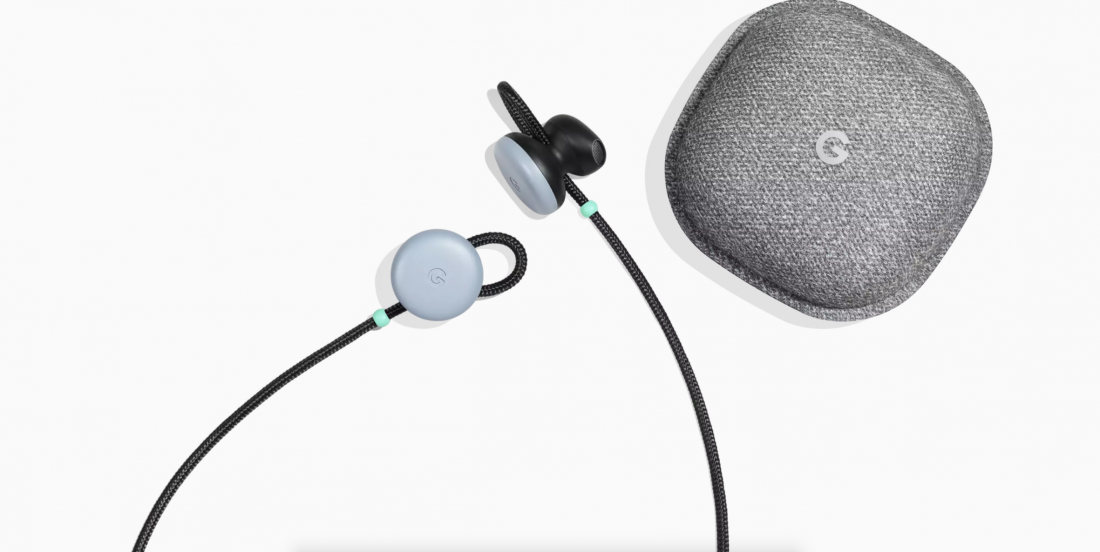
    The Pixel Buds are a direct rival of the Apple AirPods in terms of what it can do. The Google Pixel Buds feature touch controls and you can interact with the earphones via voice using Google Assistant. You can skip songs, ask for directions and call someone without using your phone at all. They are meant to work primarily with the Pixel devices. The cord connecting the two ear plugs is made of cloth. The Pixel Buds come in a little cloth-covered case that can also recharge them when they’re low. Google says they should last about five hours on a charge; the case can charge them four times. The earbuds have a 120mAh battery while the case has a 620mAh battery capacity.

    Just like the Pixel 2, the Pixel Buds will retail in three colour variant, White, Blue and Black. The Pixel Buds are up for pre-orders in the US and will start shipping in 6-7 weeks.

iGyaan Network
Privacy Overview

This website uses cookies so that we can provide you with the best user experience possible. Cookie information is stored in your browser and performs functions such as recognising you when you return to our website and helping our team to understand which sections of the website you find most interesting and useful.