American search engine giant Google hasn’t had the best reputation when it comes to users privacy. The company failed to maintain user data when a serious security bug in its social media offering, Google+ was found. The company has once again found itself amidst controversy when it was discovered that one of is products, the Nest Secure has a built-in microphone which went unnoticed for more than a year.
Google Nest Secure Controversy
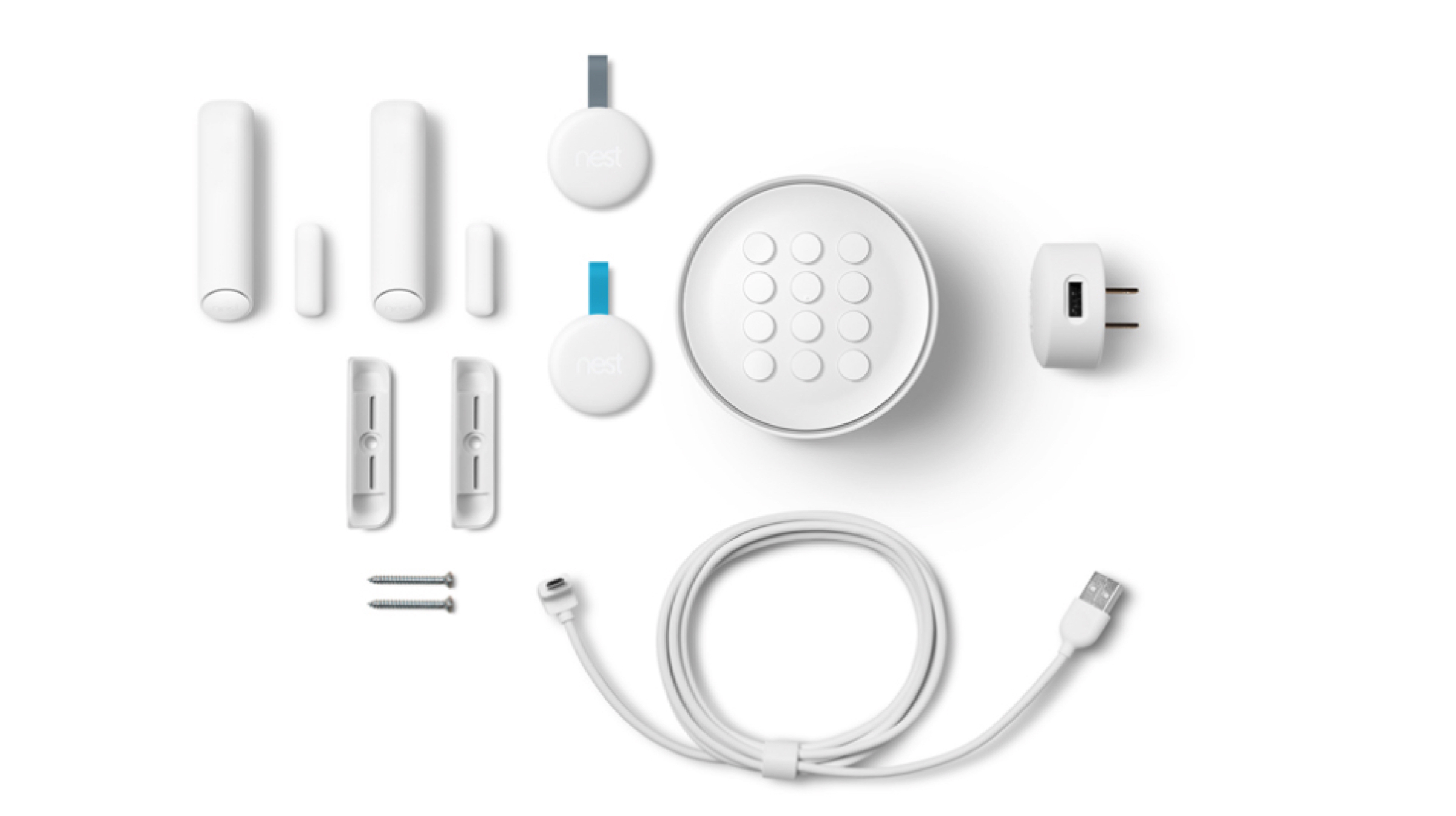
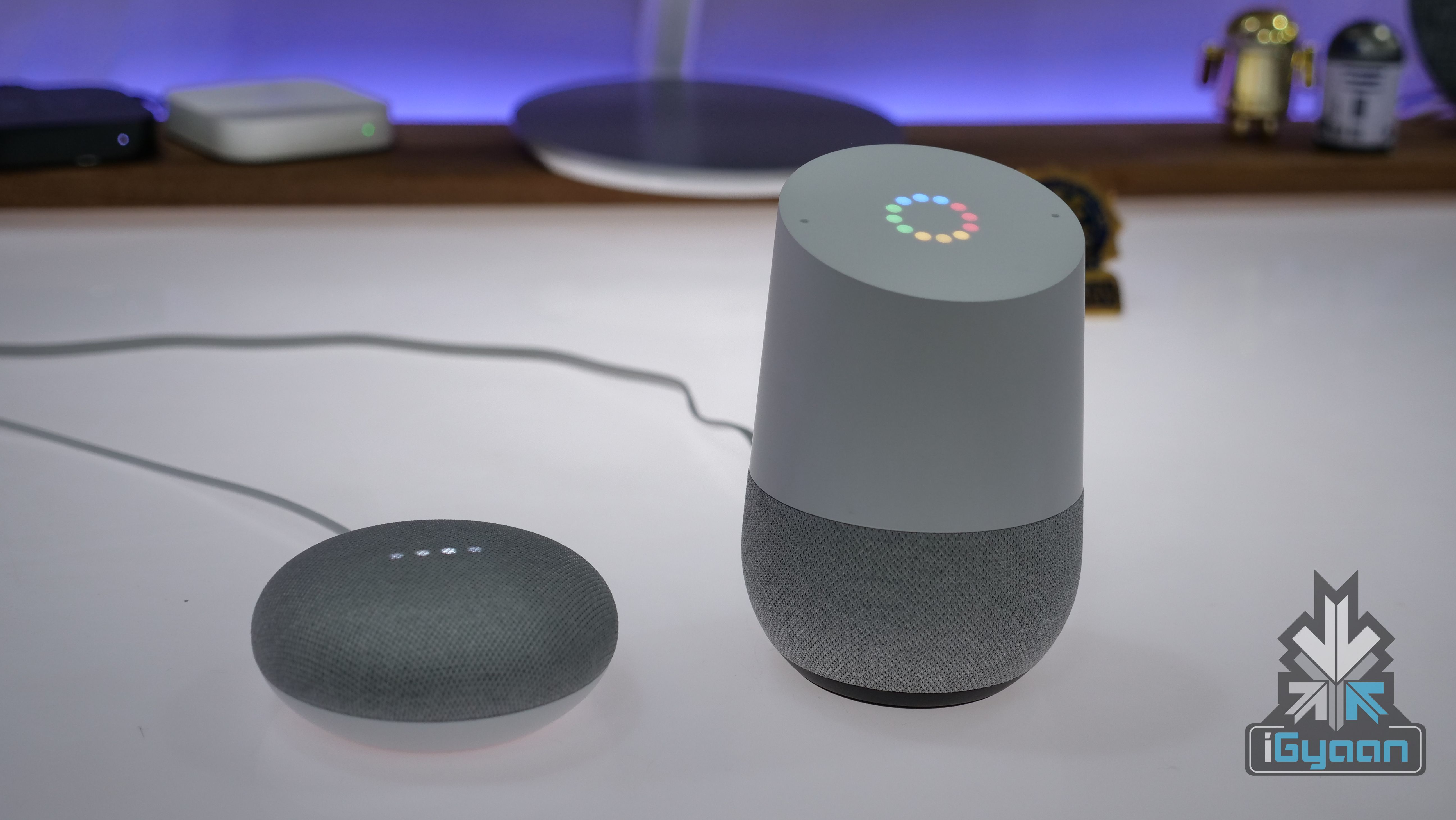
Google acquired the home security company Nest in 2014 and then merged it under the Google brand last year. The Nest Secure bundle of devices were introduced in 2017. Google announced in early February this year that the Nest Guard, one of the devices in the Secure bundle, would double up as a voice assistant; as it will gain Google Assistant functionality. Using Google Assistant to work hands-free requires a microphone, and this microphone was never disclosed to have been present in the device. After the update, the users then would receive an email with instructions on how to turn on the microphone and set Google Assistant up on the device.
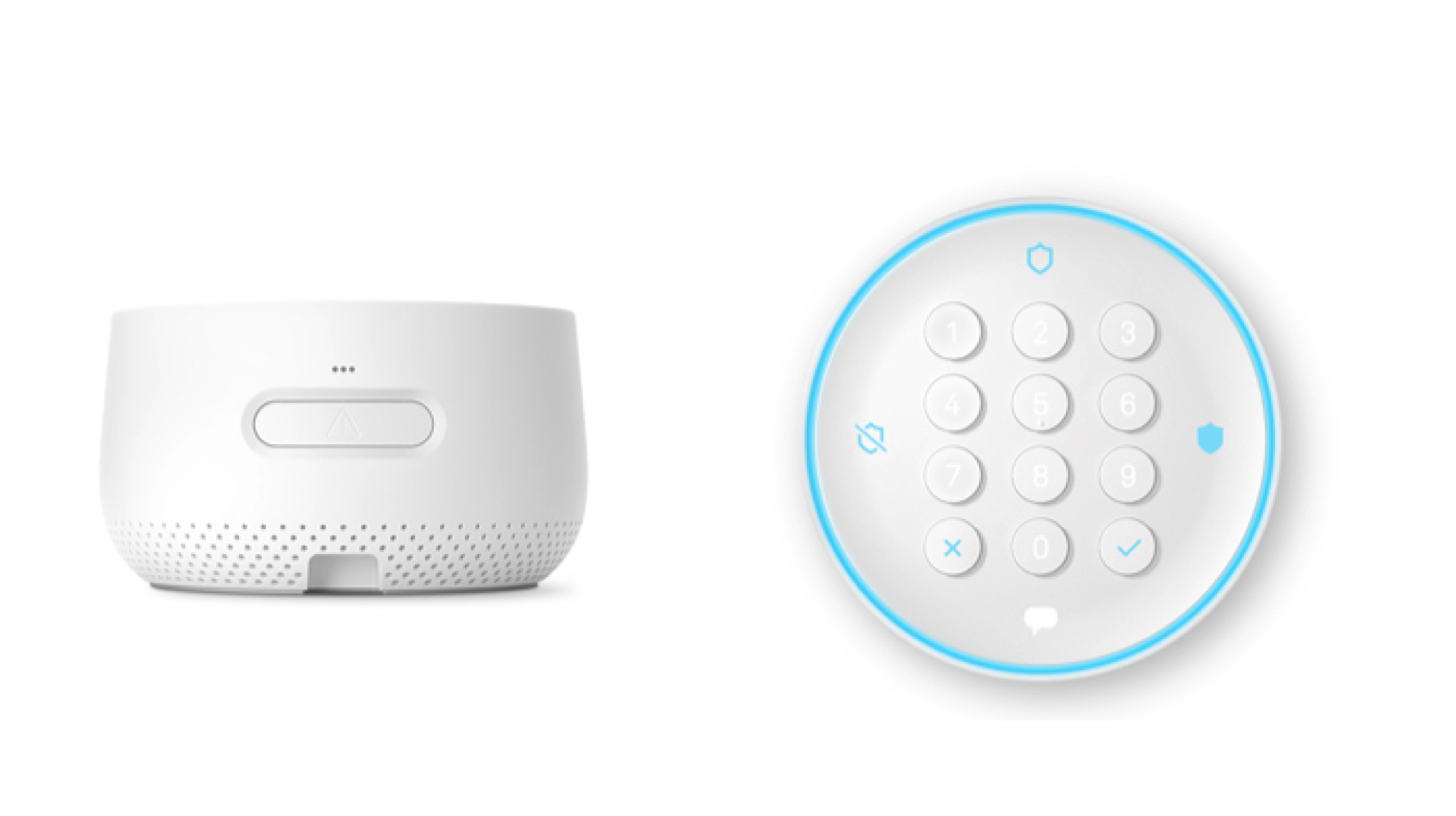
The controversy also arises from the fact that the product page of the device didn’t mention the presence of the hardware for more than a year. The page has since been updated with a microphone mentioned in the ‘Audio and Lights’ section of the product description. This oversight on Google’s part is being taken down as a serious offence in breaching a users privacy. There have been many negative sentiments about the company’s actions, most of them coming from US politicians who are concerned about the user’s privacy.
Also read: Samsung Galaxy S10e, Galaxy S10, Galaxy S10+ India Price Revealed
Google has since clarified in a statement, that it never meant to keep the information about the presence of a microphone a ‘secret’. It also mentioned that the hardware was disabled until the update, and will continue to do so if the user desires.
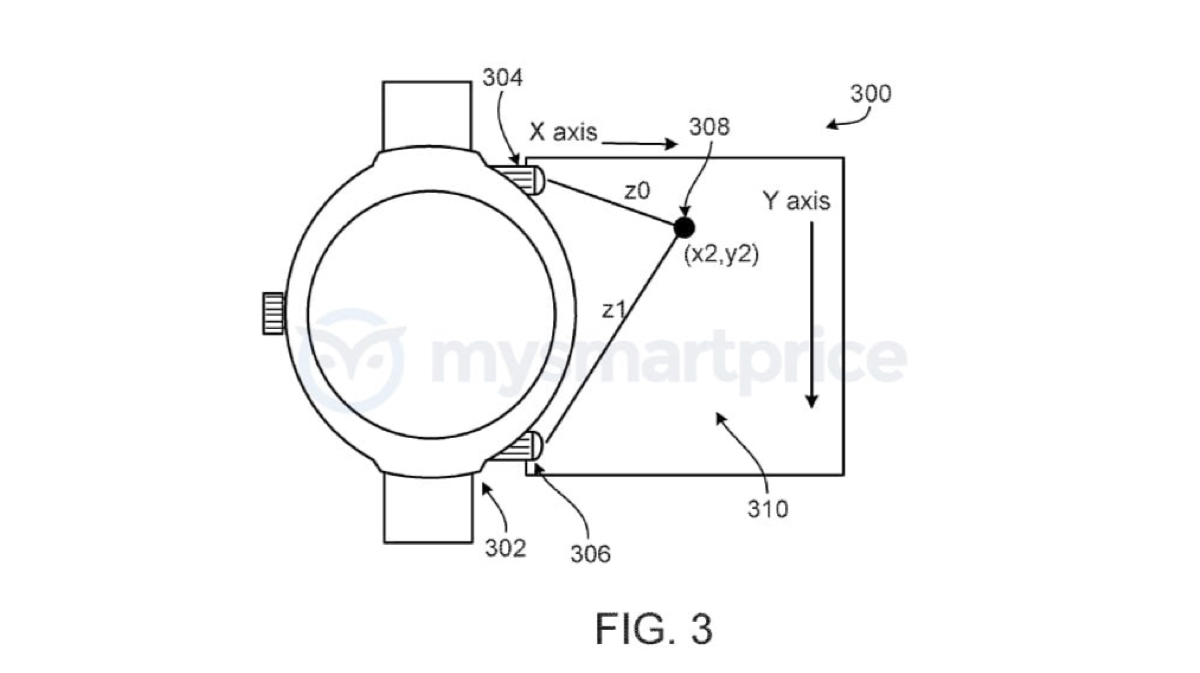
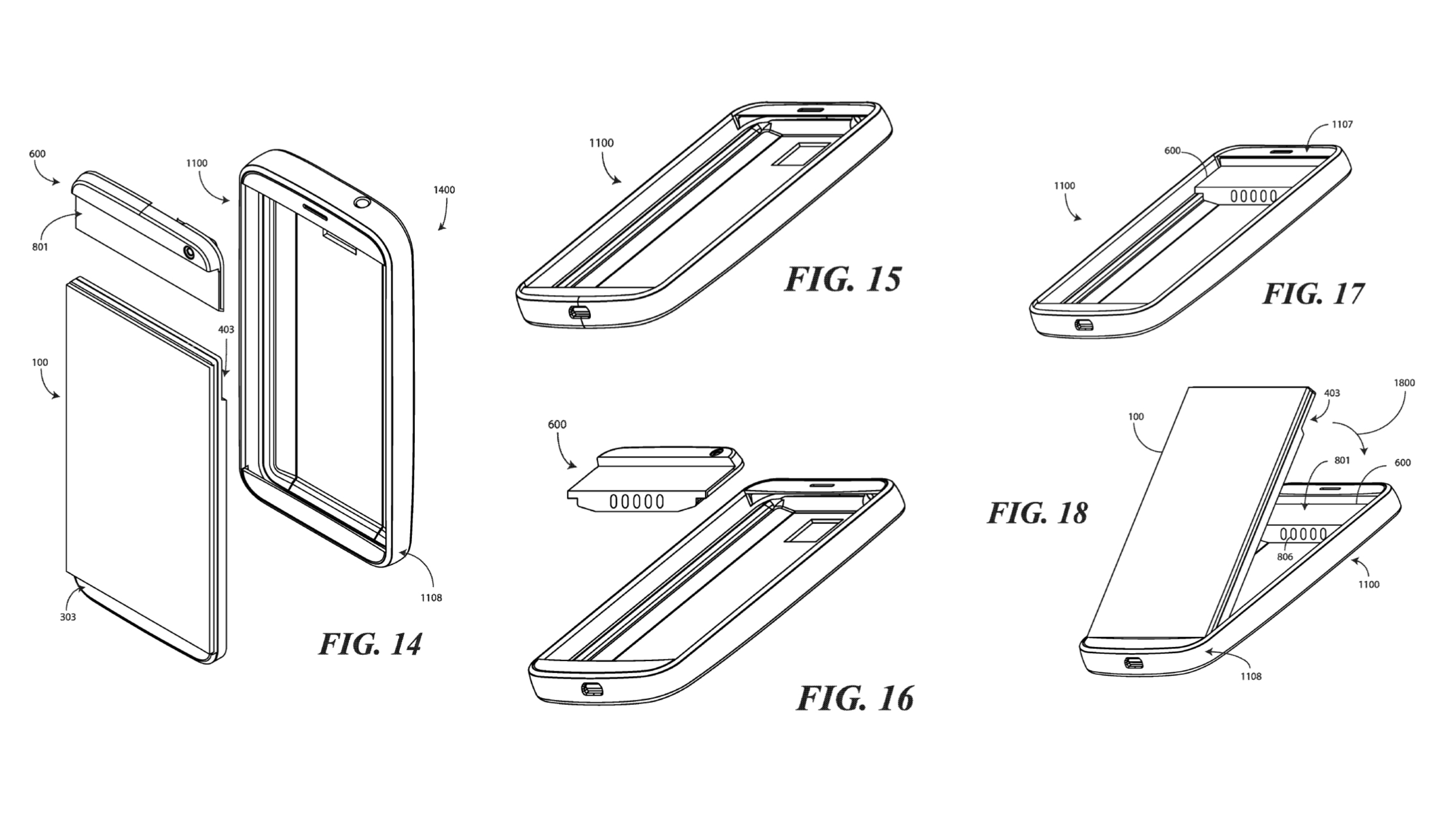
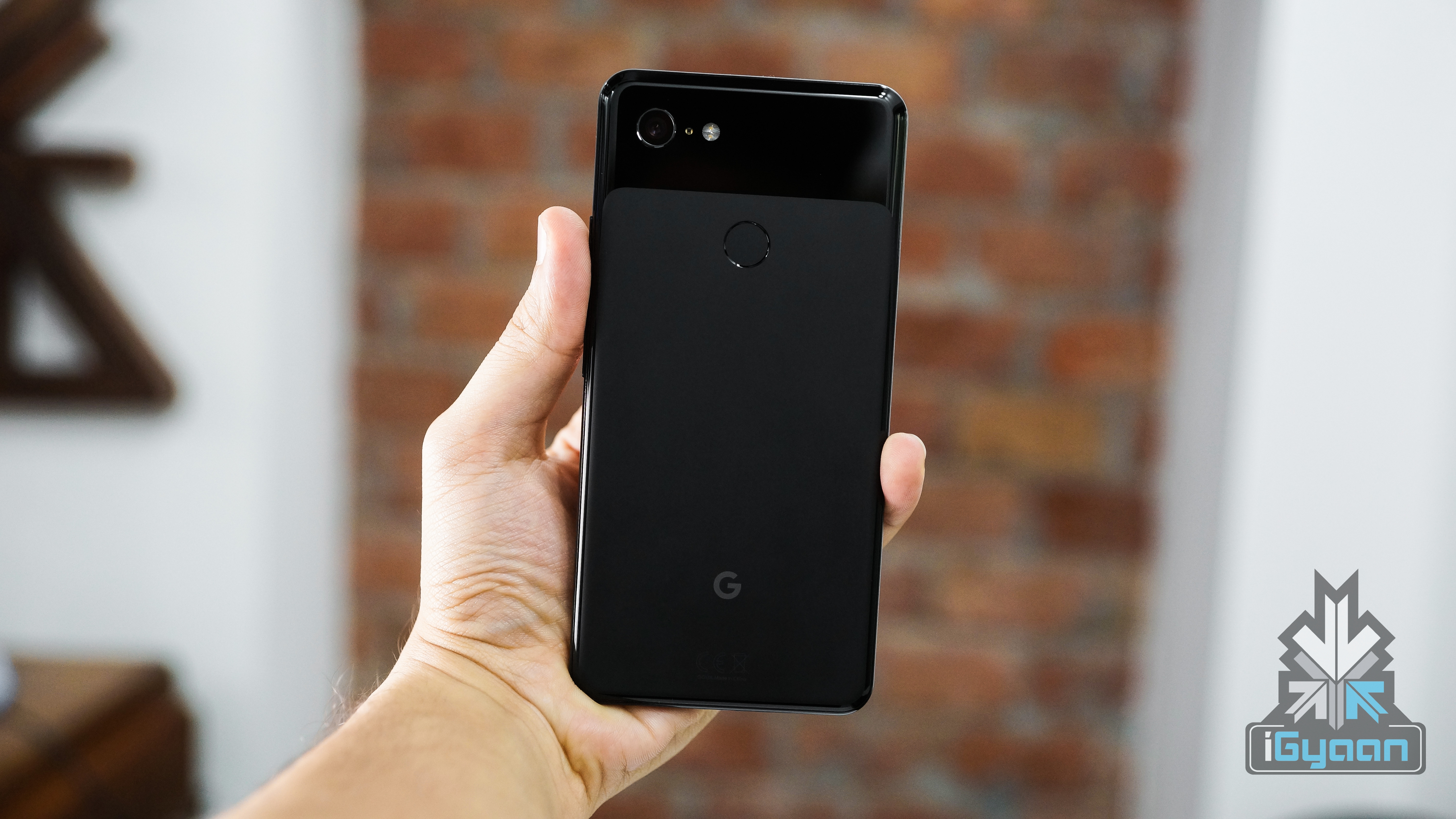
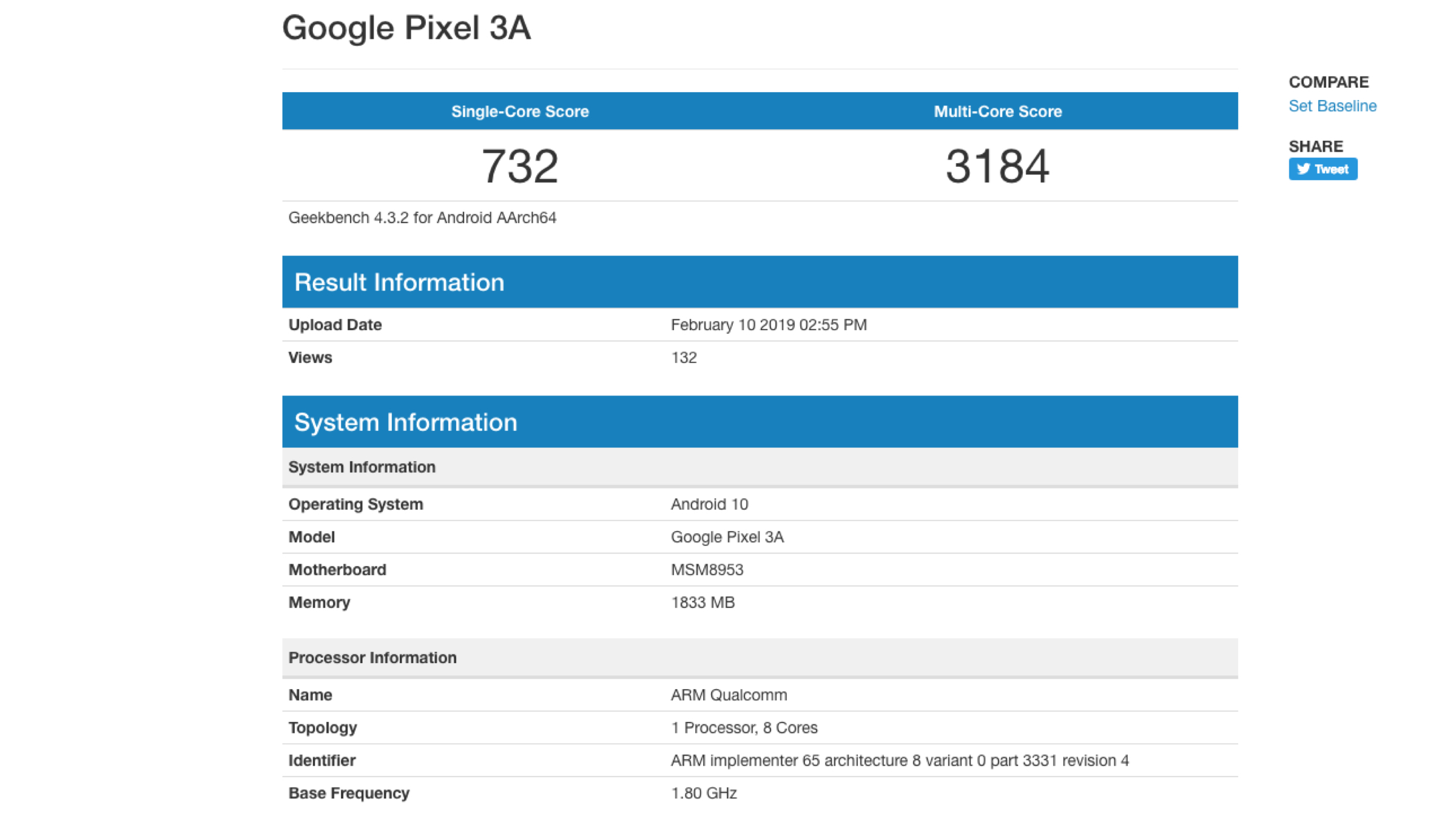
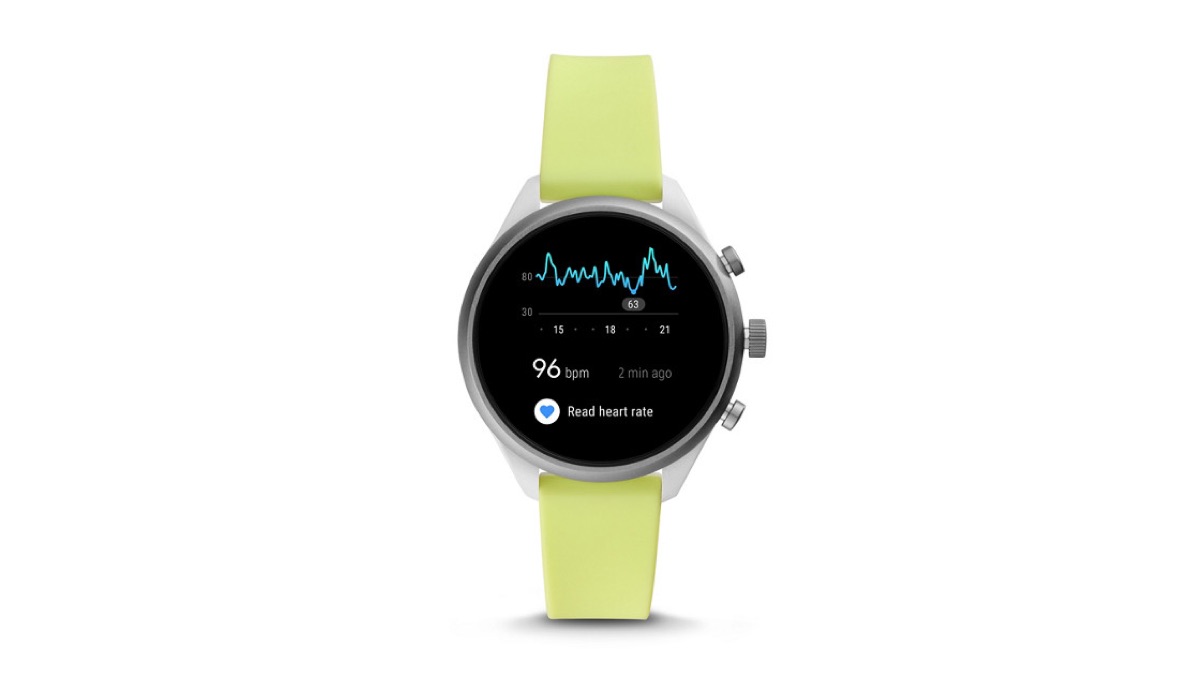
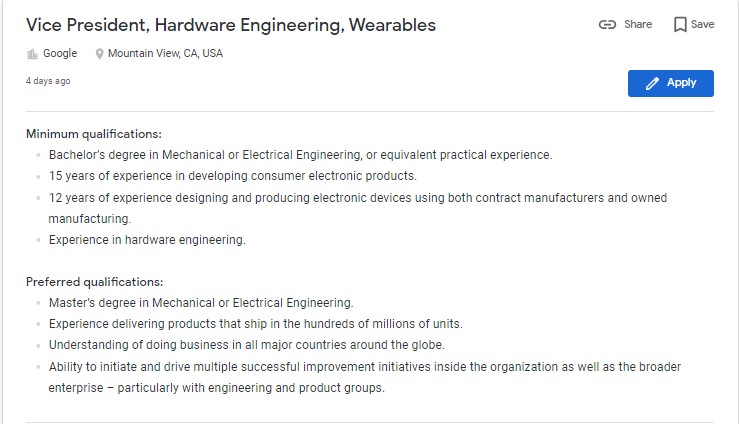 This is is a clear indication that Google is already working in the smartwatch domain, and therefore looking for employees to work under its wearable department. As per the job description, “As the VP of Hardware Engineering for Wearables, you’ll work collaboratively with the Senior Leadership team for Google Hardware and will be responsible for the design, development, and shipment of all Google’s Wearable products. You will lead and enable the effectiveness of a large engineering organization primarily based in Mountain View to develop multiple next-generation wearable products simultaneously.”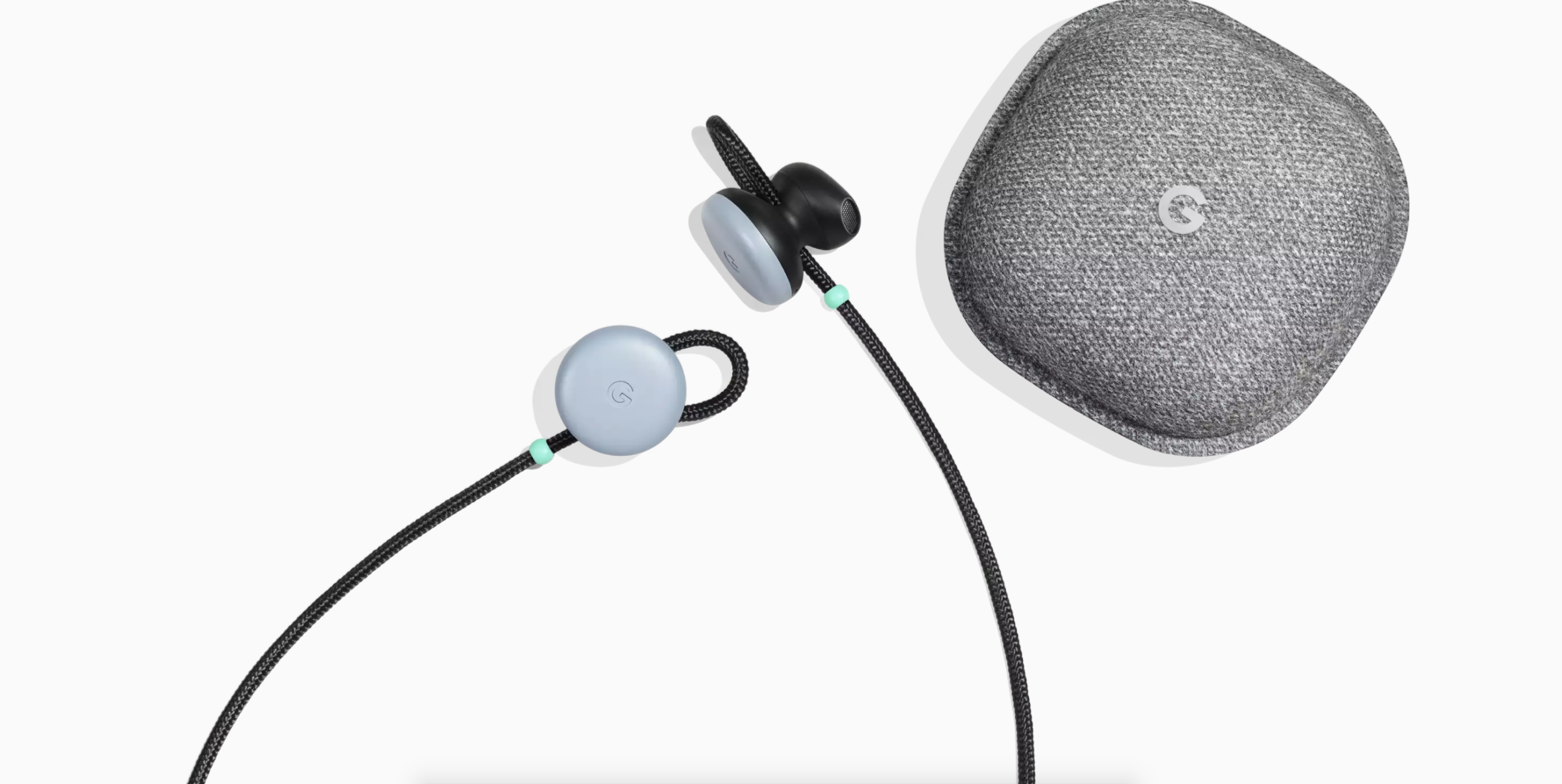
 The new Chrome 72 update brings extra storage access for Android apps, which includes options for microSD cards and USB drives. The update also introduces Picture in Picture (PiP) for Chrome supported websites. As per Google’s blog post, they optimized Chrome 72 for tablet mode and touchscreen devices. Apart from this,
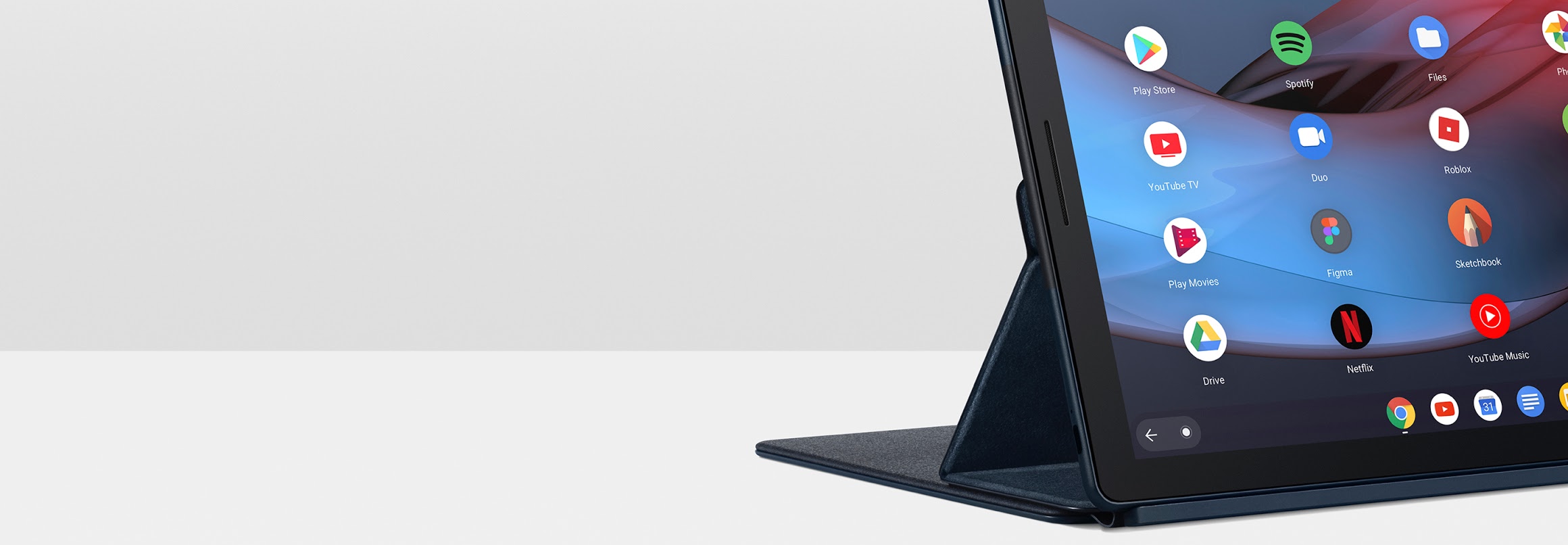
 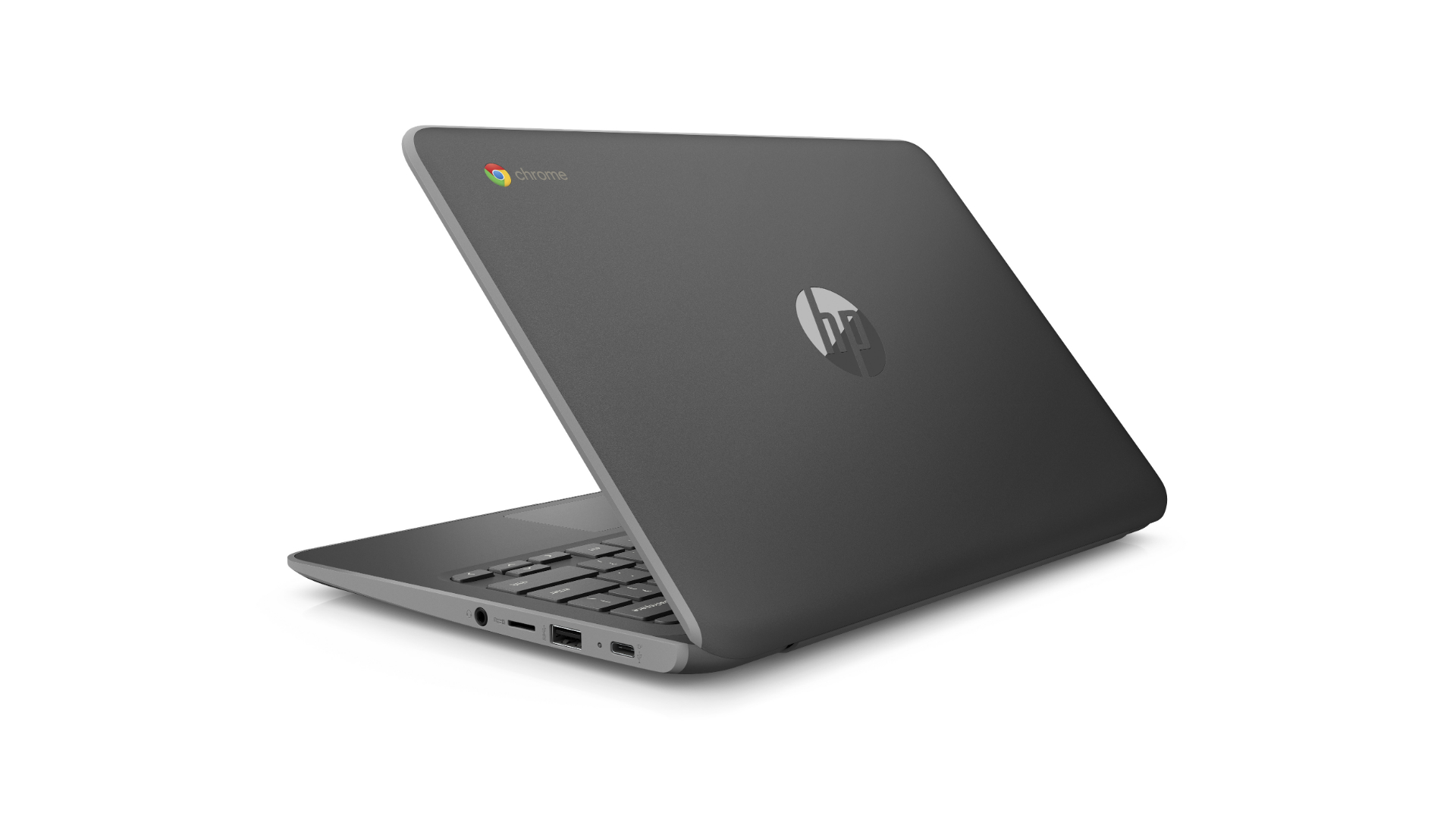 It seems that Google has finished testing the latest features of the Pixel Slate because they have brought Google Assistant and Android 9 Pie to even more Chromebooks. The new update also has a page dedicated to touch-screen gestures. It also explains how to use these gestures in Chrome’s built-in screen reader, ChromeVox. Google has added a setting in the ChromeVox options page that would read anything that’s placed under the mouse cursor.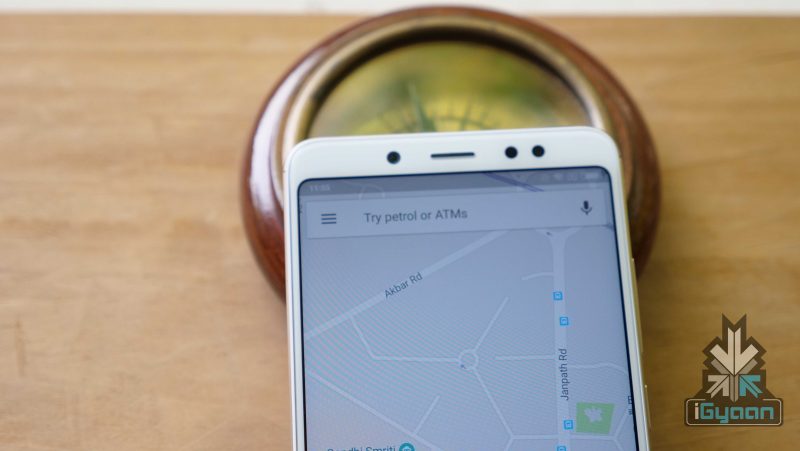
 As per reports, the AR version of the Maps is still in the making. Google previously previewed another version for developers in May 2018. The interesting part of that was that Google showed maps on the lower part of the screen. The rest of the screen helped the user navigate the real-world surroundings. Google also used a blinking arrow system, which was almost alike to the arrow in Google’s previous presentation.
 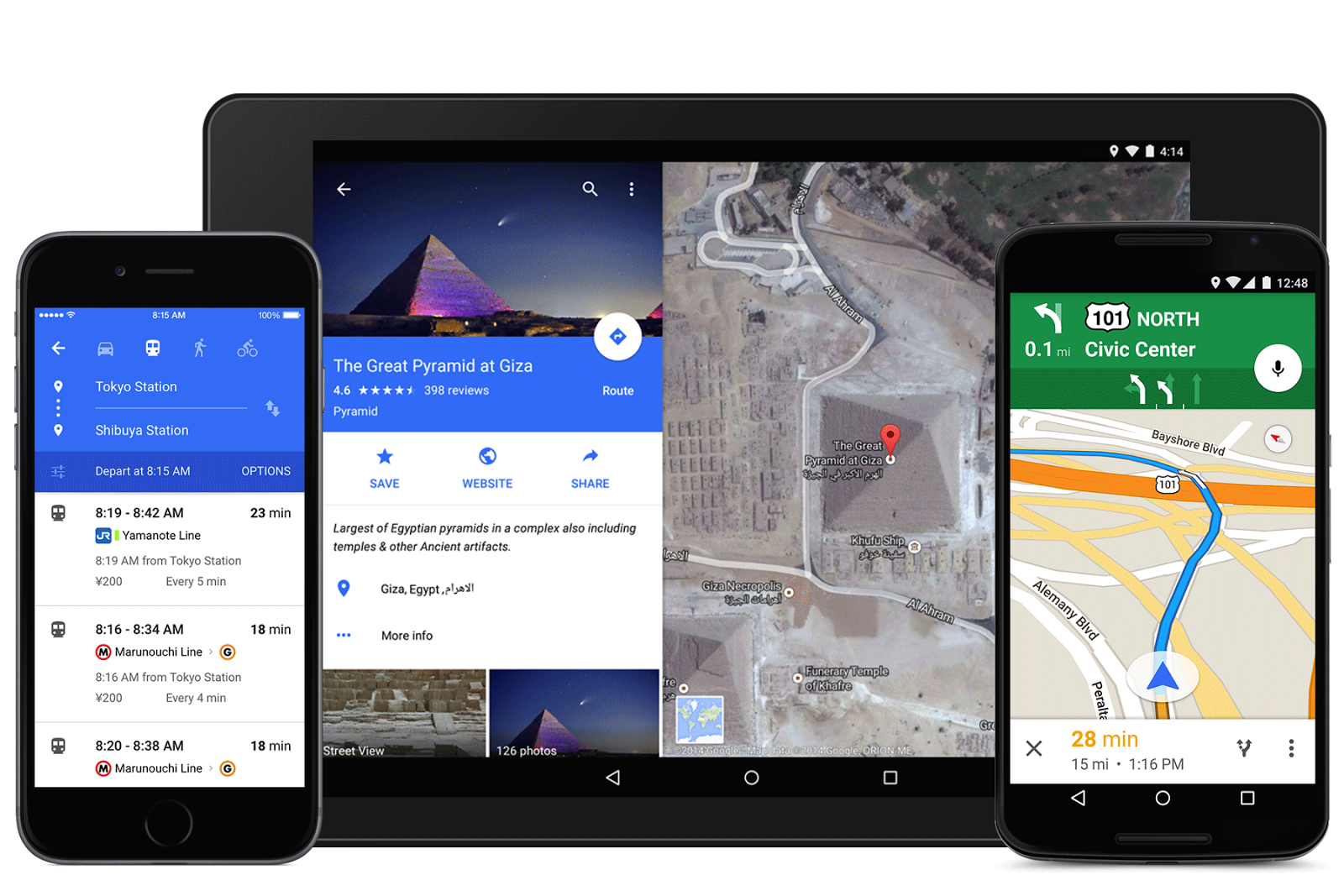 Wall Street Journal’s David Pierce noticed some more intriguing details about this demo feature. After orienting itself to the surroundings, the Google AR version of Maps kept prompting David to put his phone down, so that he doesn’t hit an obstruction. Similarly, WSJ said that the app should be used by more users to test out its features. But the guide for the same wasn’t available anywhere on the app.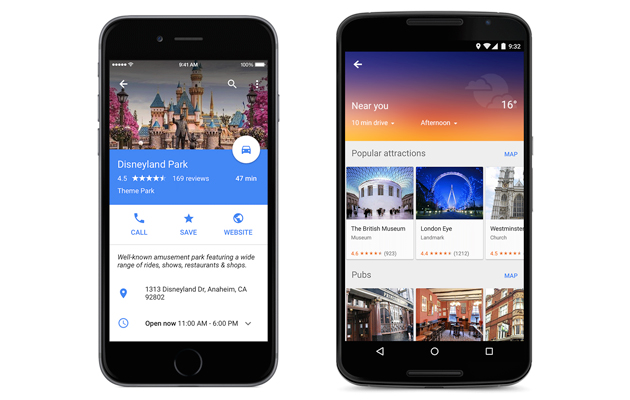

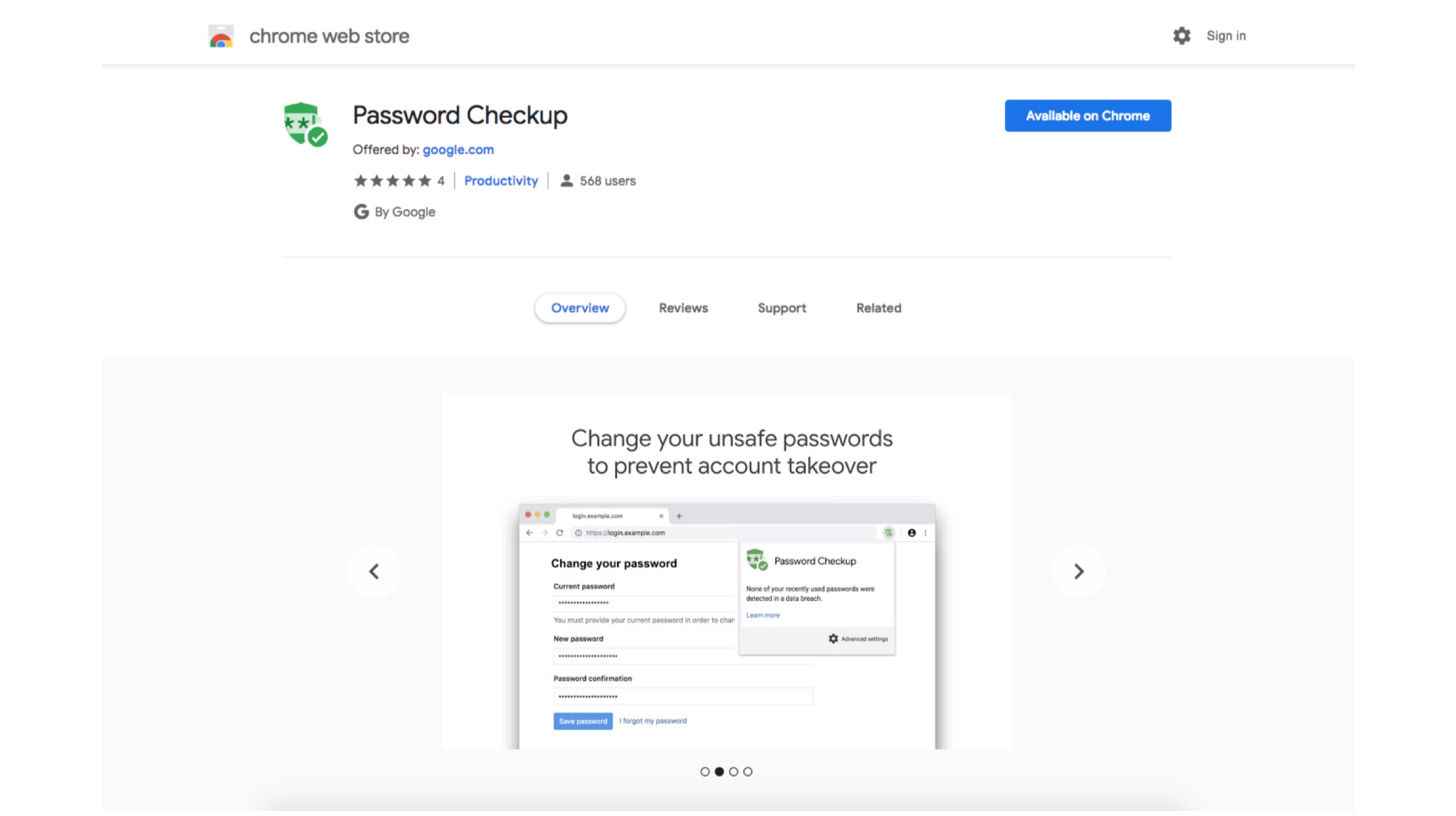
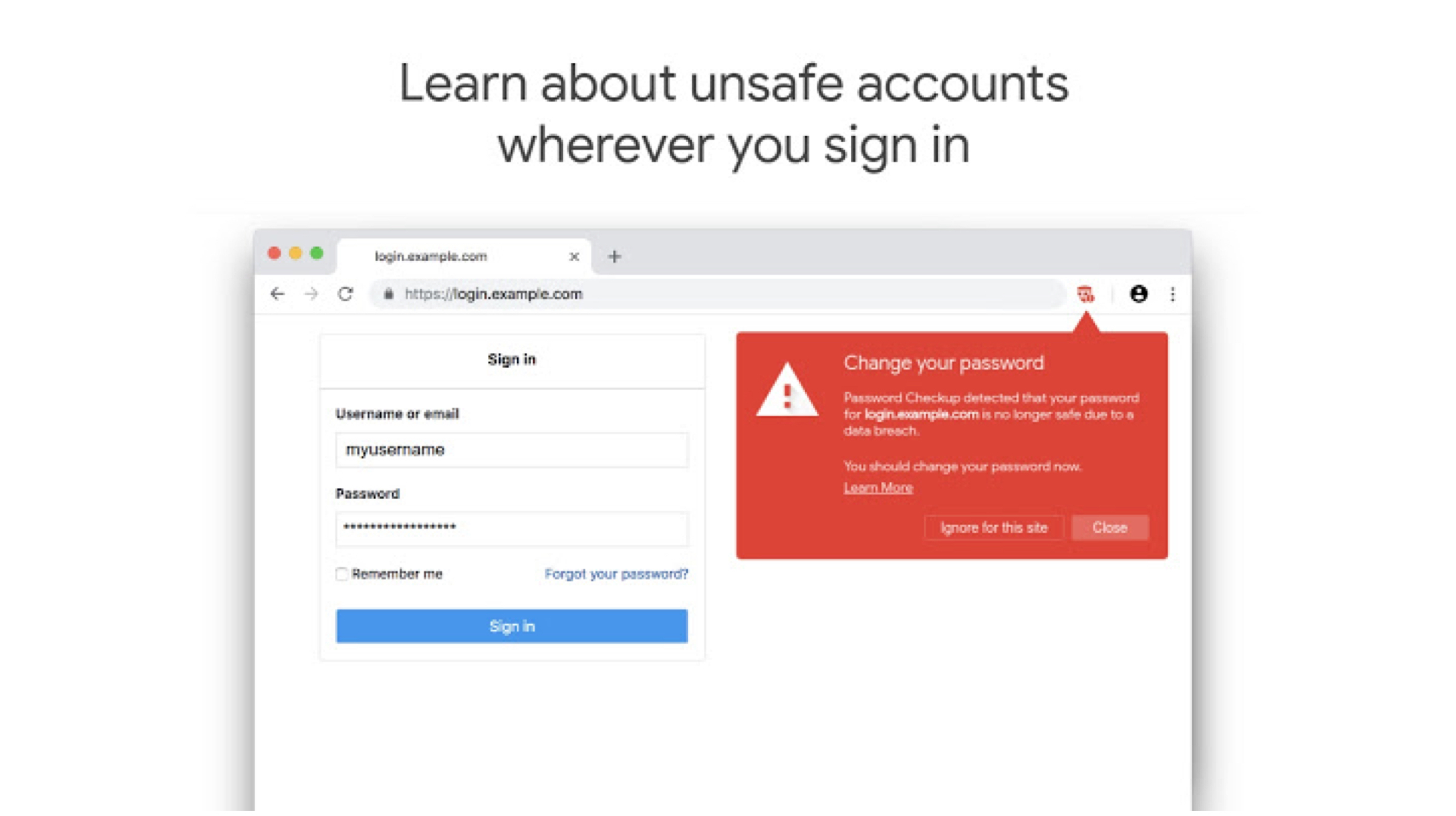
 As reported, several apps which are downloaded from the Play Store tend to display objectionable links and content on their screens. The links and clickable content then redirects the users to ‘scam’ websites, where information is misused. Supposedly, these ‘fake’ apps can access remote ad configuration servers for performing their phishing attacks. Previously, Google banned some Crypto-mining apps from their Play Store, due to policy changes by Google in July 2018. It also banned Chrome crypto-mining apps from the Chrome store. Crypto-jacking was a pretty common activity at that time. Hackers used to take over user’s devices for crypto-mining, even on mobile devices.
 Also Read :
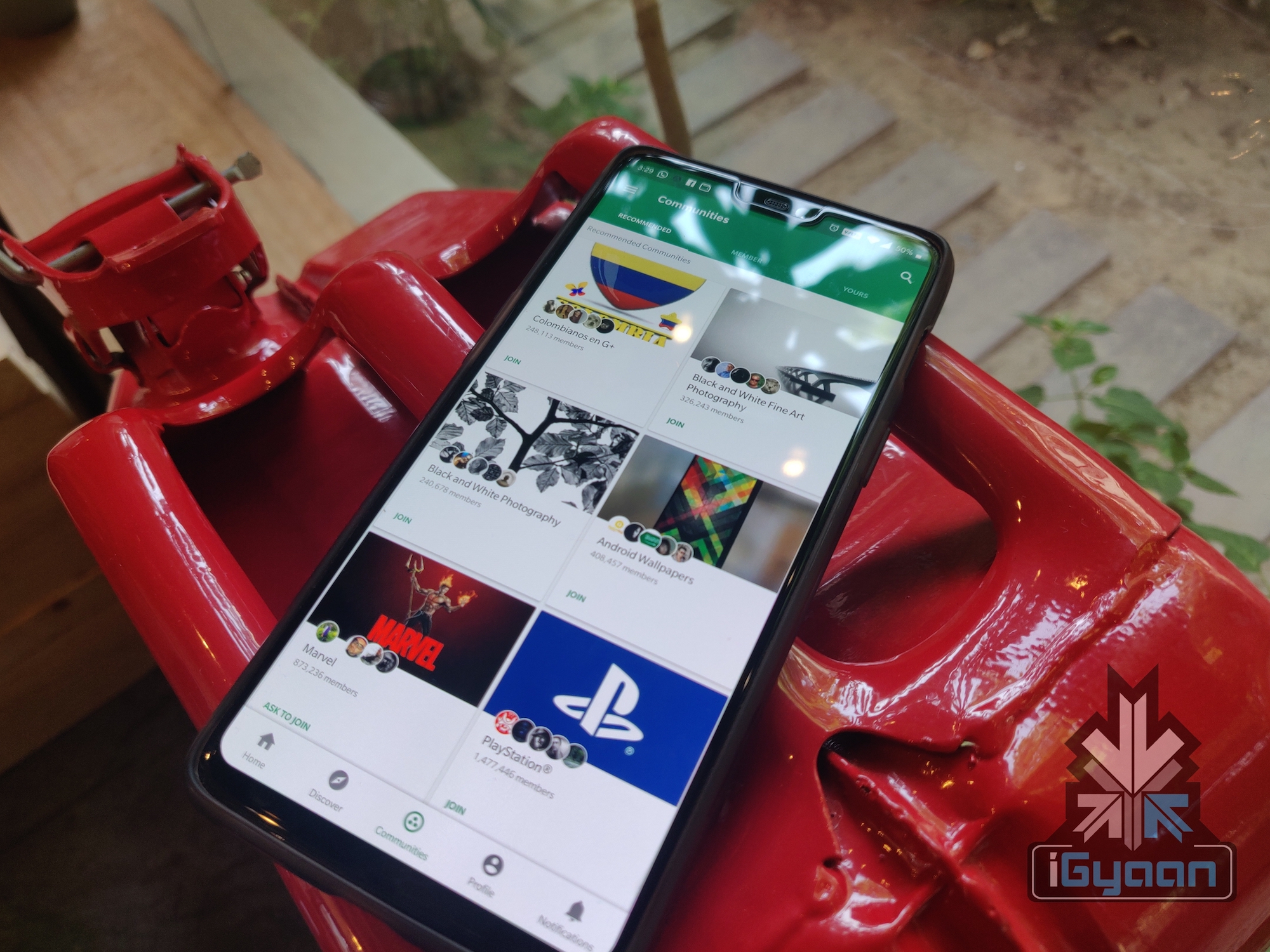
 This shut-down was initiated because they were unable to tackle challenges involved in maintaining a successful product, according to Google. As per
 Also Read :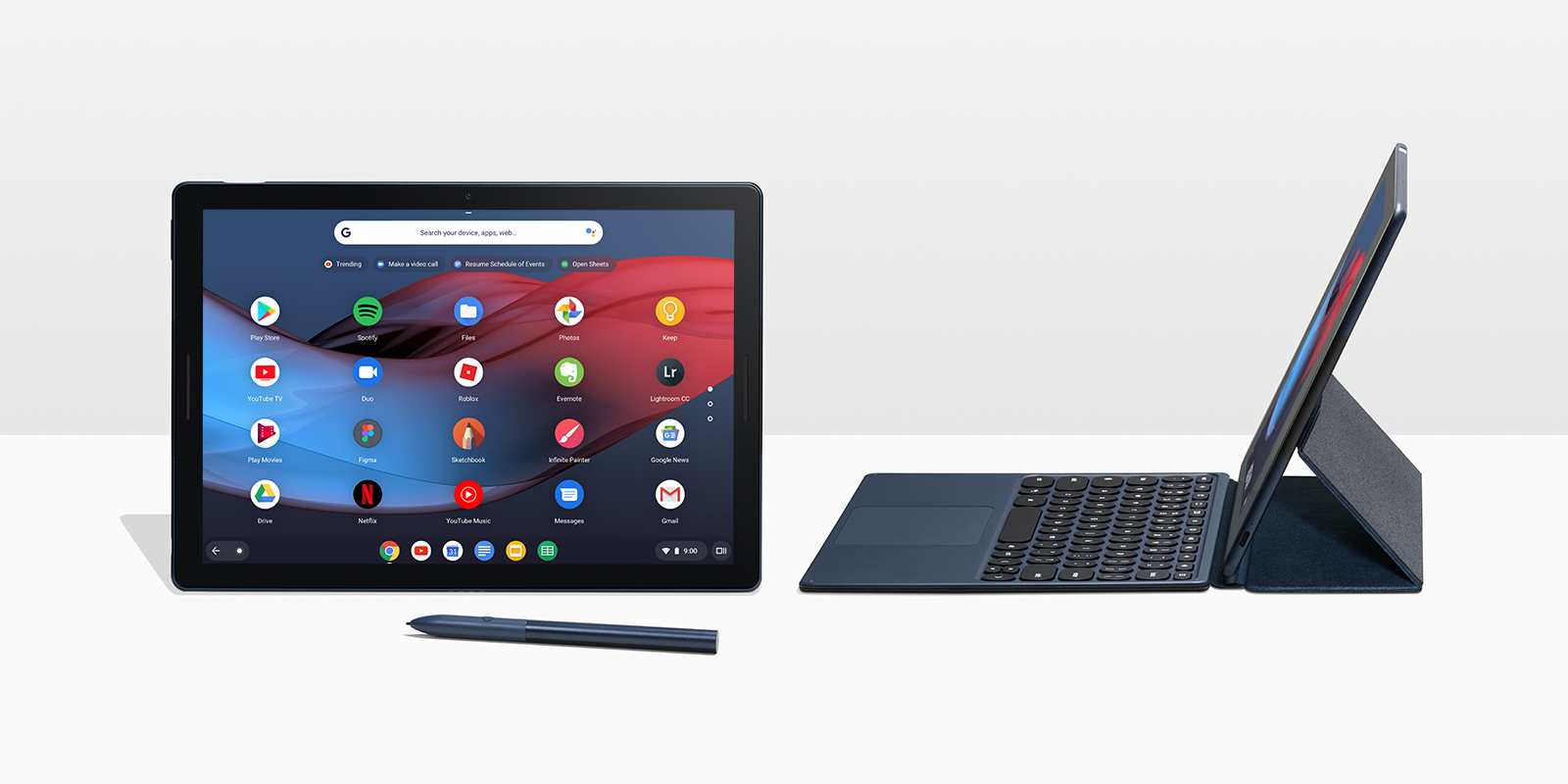
 The latest Google “rammus” reveal on Geekbench indicates that the device is packing a 4.20 Ghz i7-8500Y dual-core processor. As we mentioned beforehand, the earlier version had an Intel Core m3-8100Y processor. This is an okay-ish improvement, considering the fact that there is not a lot of performance difference between the two chipsets. Both the Intel chips are based on the Amber Lake microarchitecture. They are built on a 14nm+ FinFET process.
 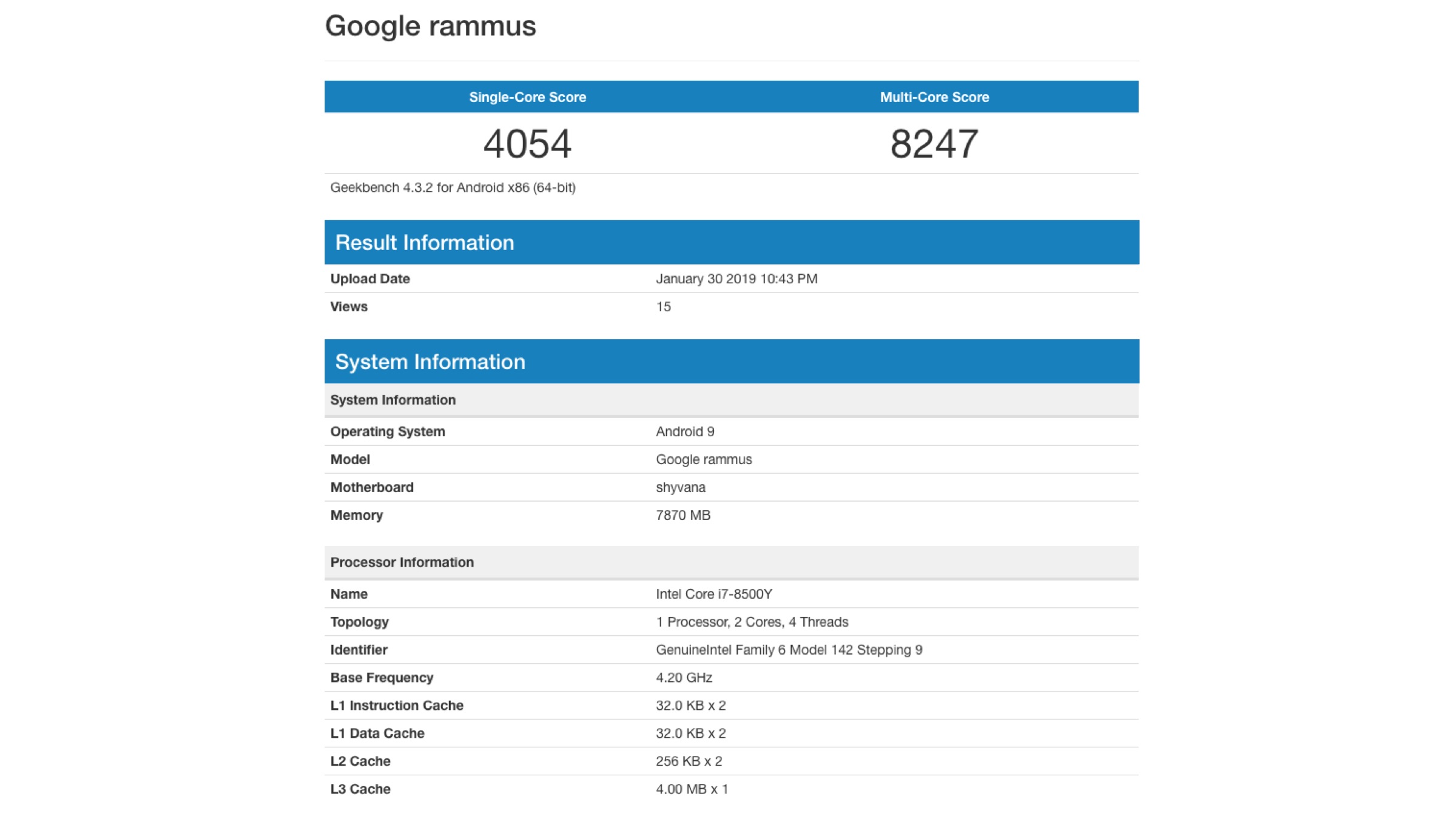 An 8GB RAM over 4GB RAM is a decent upgrade any day, which Google seems to have done with the new “rammus”. If we compare the benchmarking scores of the old and the new “rammus” models, we see a clear improvement. The newer variant with the core i7 processor scored 4054 in the single-core test, whereas it achieved a score of 8247 in the multi-score test. On the other hand, the older variant, which packed the Core m3 scored 3479 points in the single-core test and 6312 points in the multi-core test. A difference of almost 2000 points clearly indicates that Google is planning to bring this strange “rammus” to the market soon.