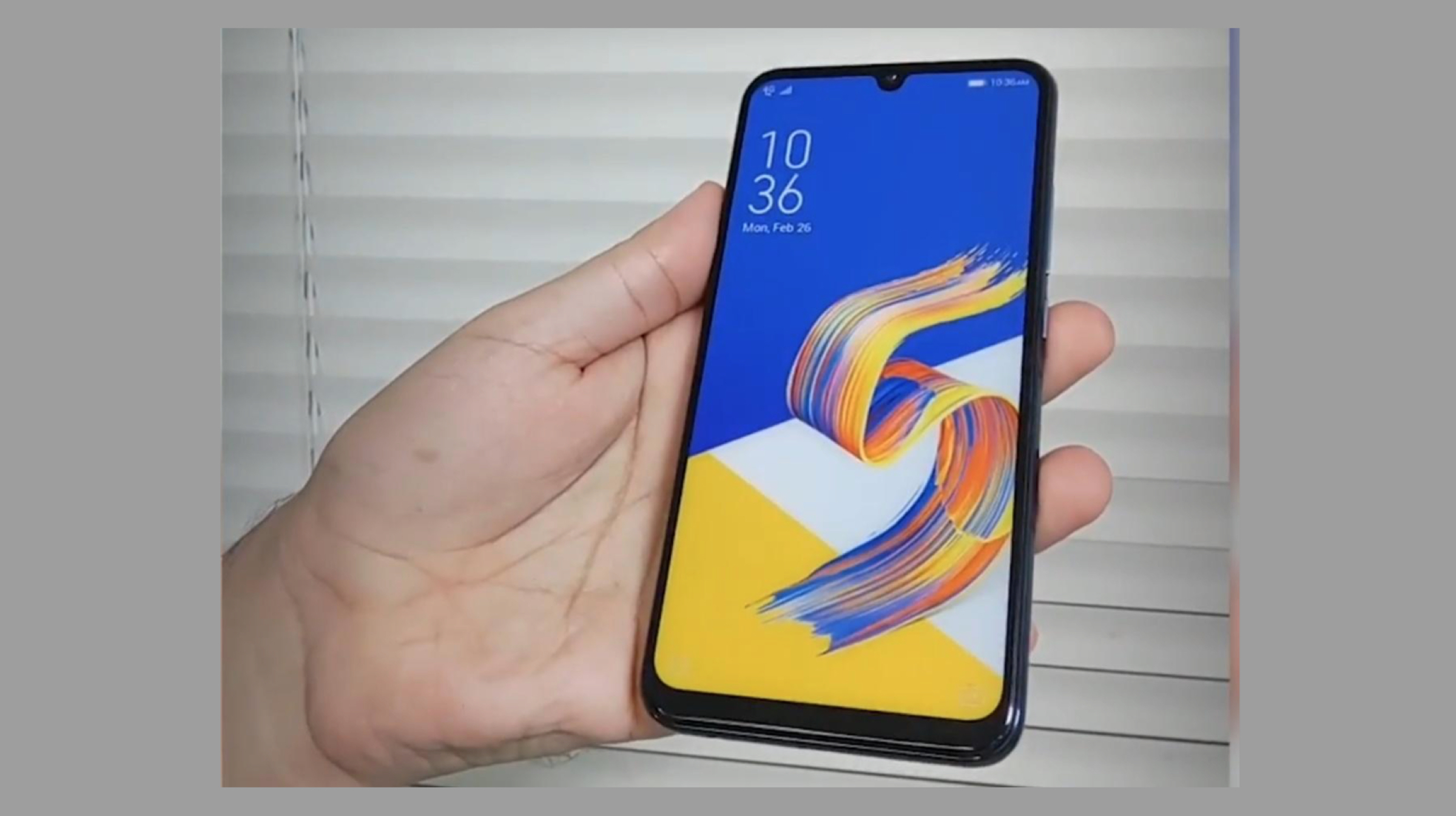
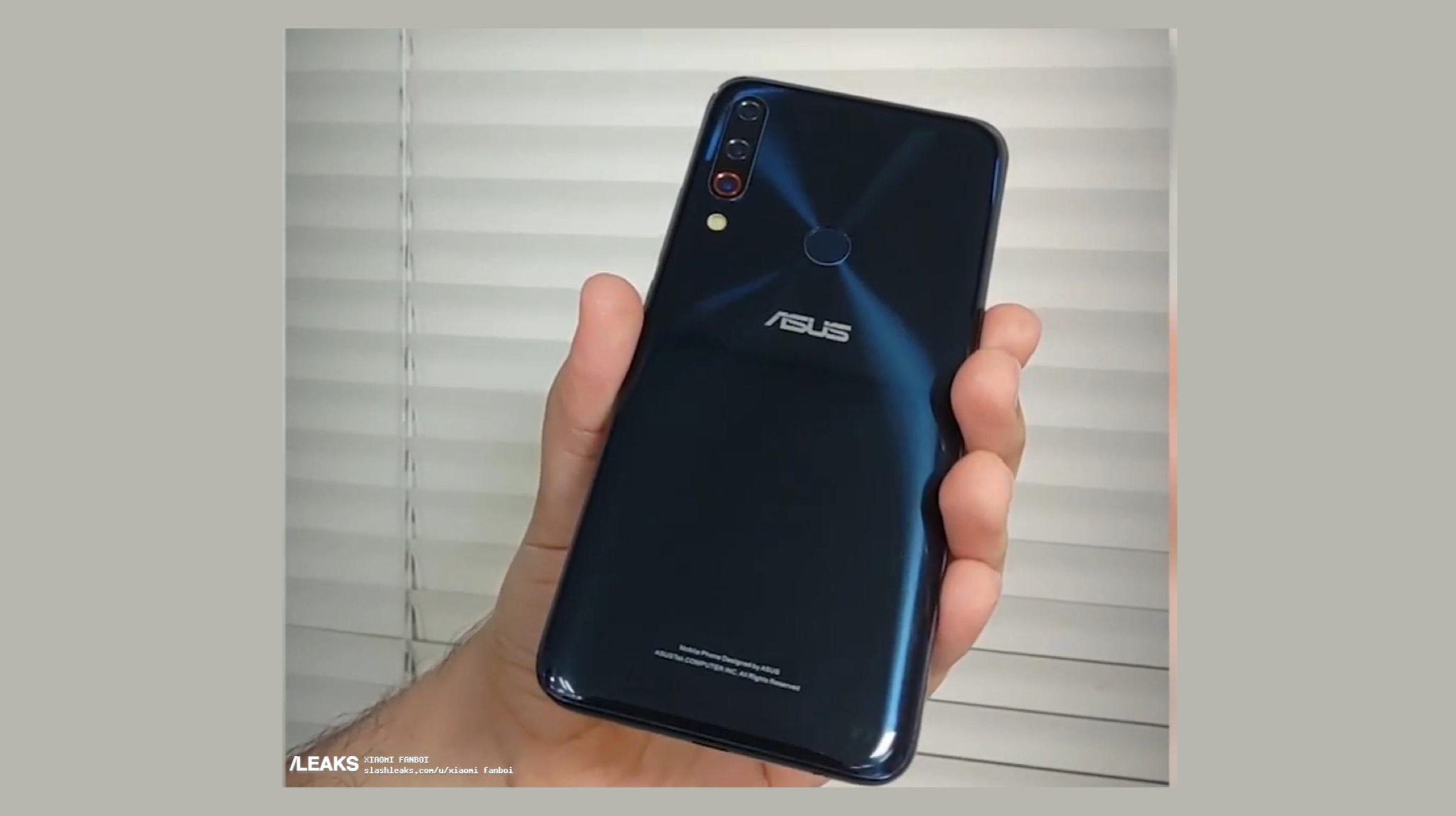
Category: Asus

  • ZenBook 13, 14 And 15 Announced By ASUS In India

    ZenBook 13, 14 And 15 Announced By ASUS In India

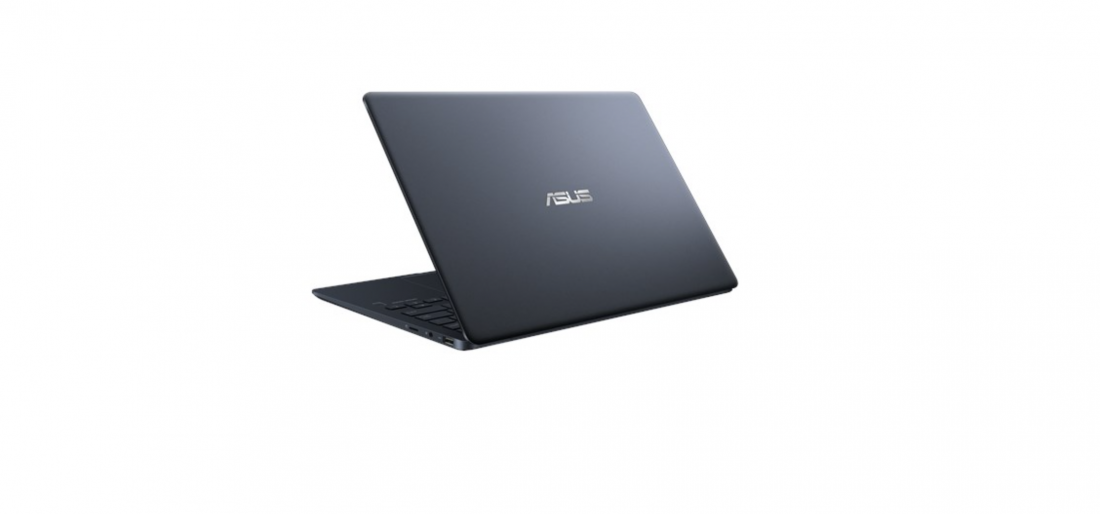
    Since lightweight laptops are the ones ruling the markets these days, ASUS decided to show up with its own answer to all this. It just introduced the latest members of the ZenBook family, which are the ZenBook 13, ZenBook 14 and ZenBook 15. On the user-base side, the three laptops are targeting those users who prefer portability over everything. ASUS has previously released some pretty nice notebooks, so now it’s time to see what the new ZenBooks have to offer.

    ASUS ZenBook 13

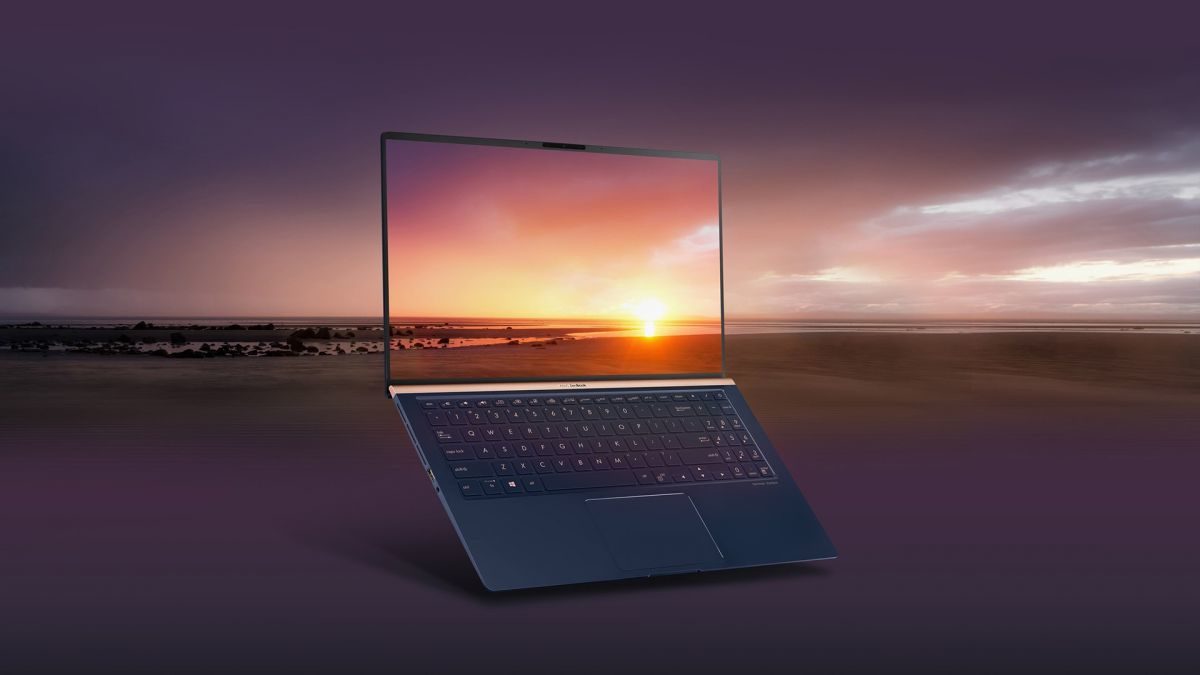
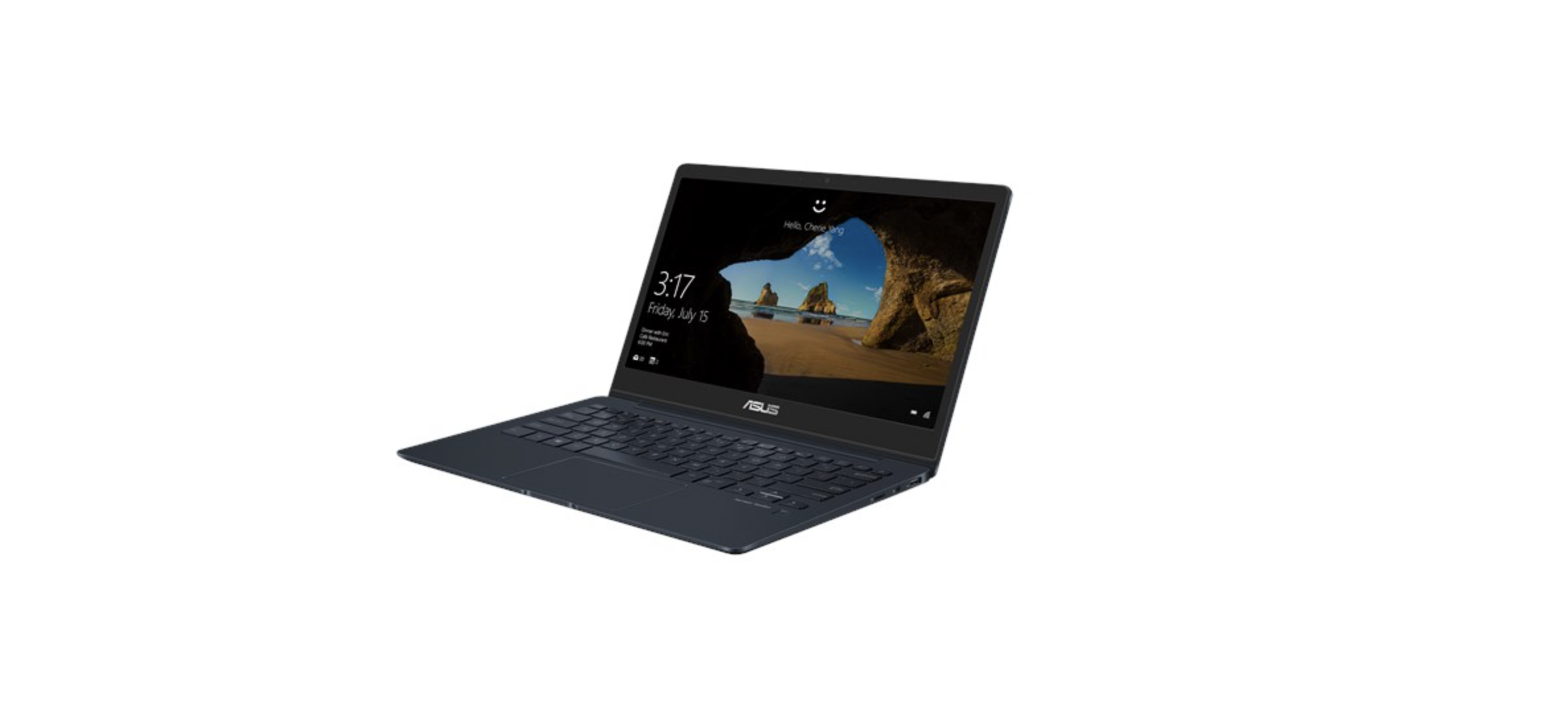
    The ASUS ZenBook 13 in just 16.9 mm thin. Featuring a 13.3 inch Full-HD display with a NanoEdge design, the ZenBook 13 achieves a 95% screen-to-body ratio. With ultra-thin side and bottom bezels (2.8mm-3.3mm), it claims to be the world’s smallest 13 inch laptop. If you think the small screen at 13 inches is an issue, the display is optimized for 178-degree viewing angles. We think that this makes it a great device overall.

    The ASUS ZenBook 13 will be marketed in two variants. The first one will pack a 8th gen Intel Core i7-8565U CPU, which will be clocked at 1.8 GHz. The second variant will pack an Intel Core i5-8265U clocked at the same speed. Both variants will have the 2GB NVIDIA GeForce MX150, and the users can pick either the 8GB RAM or 16GB RAM model. There’s a lot of variety in storage options too, with 256GB, 512GB and 1TB of SSD across these devices. 

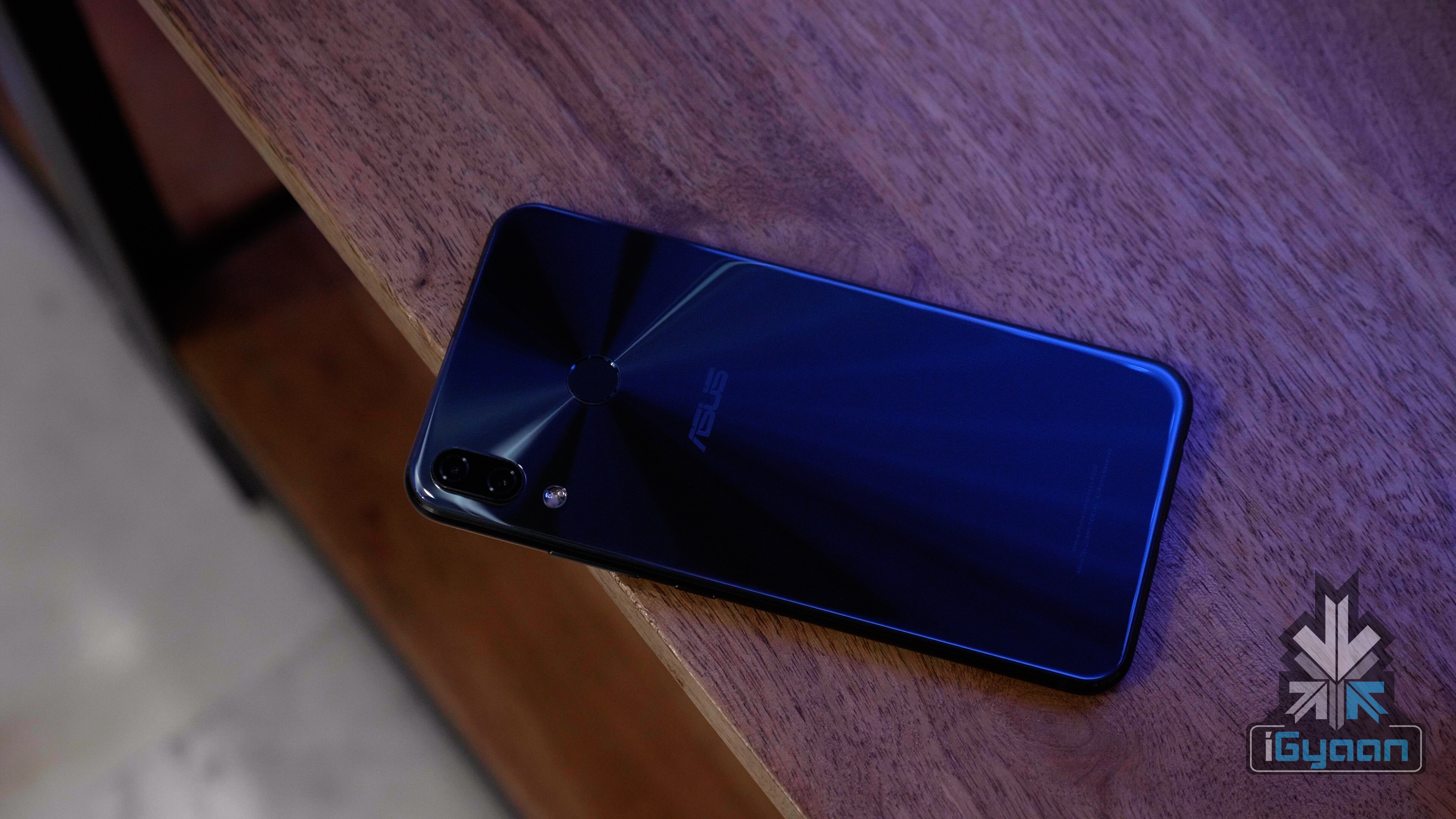
    The ASUS ZenBook will start at Rs. 71,990. The device is expected to last 14 hours on a single charge. Also, it will be available in 2 colour options : Royal Blue and Icicle Silver.

    ASUS ZenBook 14

    The next iteration in the ZenBook series is the ASUS ZenBook 14, which will be 0.63 inches thin. The 1.09kg notebook will sport a 14-inch Full HD display, with a 92% screen-to-body ratio. Again, this is possible because of very thin bottom and side bezels. Again, it will be available in the same processor options as the ZenBook 13, with similar graphic options. 

    The ASUS ZenBook 14 will last up to 13 hours on a single charge, and it will be available at a price starting Rs. 72,990.

    ASUS ZenBook 15

    Also Read : ASUS May Launch Zenfone With Pop Up Camera And Punch Hole Camera

    The best variant in the new ZenBook Series, the ASUS ZenBook 15 has a much bigger 15.6 inch screen. Not surprisingly, with a 92 percent screen-to-body ratio. It has two CPU options : An Intel Core i7-8565U (8th gen) processor and Intel Core i5-8265U (8th gen) processor. Backed by the same graphics as the other two notebooks, we think that it will deliver pretty well. Similar storage options as the ZenBook 13 and 14 are available.

    The ASUS ZenBook 15 will be priced Rs. 1,39,990 onwards and will be available in the same two colours:  Royal Blue and Icicle Silver Colour Options.


  • Samsung Galaxy M20 Vs Xiaomi Redmi Note 6 Pro Vs ASUS Zenfone Max Pro M2, Spec Comparison

    Samsung Galaxy M20 Vs Xiaomi Redmi Note 6 Pro Vs ASUS Zenfone Max Pro M2, Spec Comparison

    With the majority of millenials showing interest towards the sub-12k to 15k segment, the competition in the same is heated up right now. Top brands are releasing smartphones with better specs and lower prices each week, and to be fair, we can’t help but put them up against each other to see how they fall out as rivals. Samsung recently revealed their playmaker in the same segment, and it’s none other than the Samsung Galaxy M20. With specs that’ll give other phones a run for their money, let’s have a look at where the new Samsung Galaxy M20 stands with other popular phones in the sub-15k segment. For this spec comparison, we’re putting the Galaxy M20 against the hugely popular Xiaomi Redmi Note 6 Pro and the ASUS Zenfone Max Pro M2. This is up to you to decide that which is the best budget smartphone under 15k in this segment.

    Design
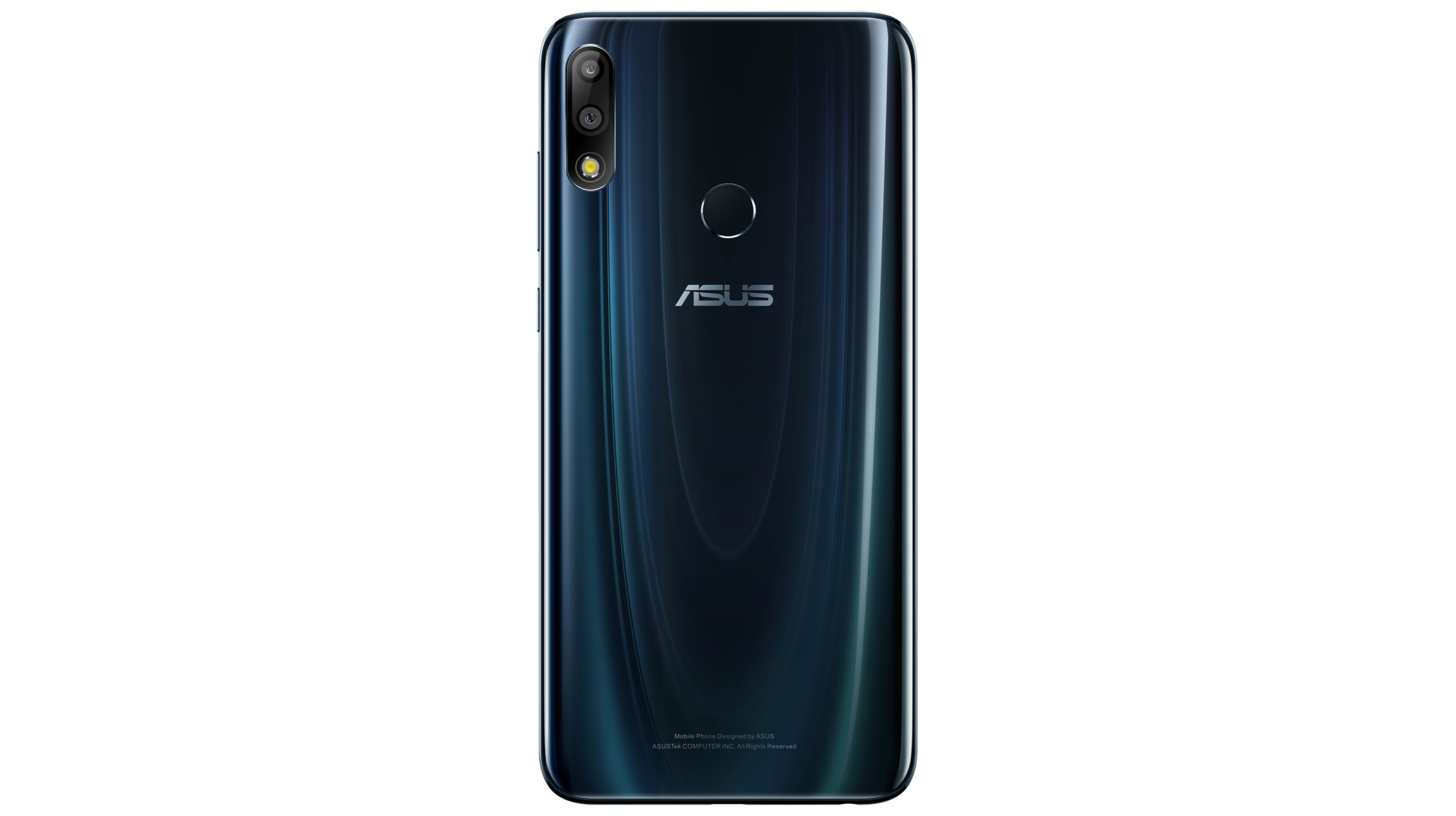
    When it comes to design, it’s the most astute reason why a smartphone sells these days. Making a style statement is not just an option these days, its a necessity. That’s why all three of these phones have an extremely eye-catching design that stands out.
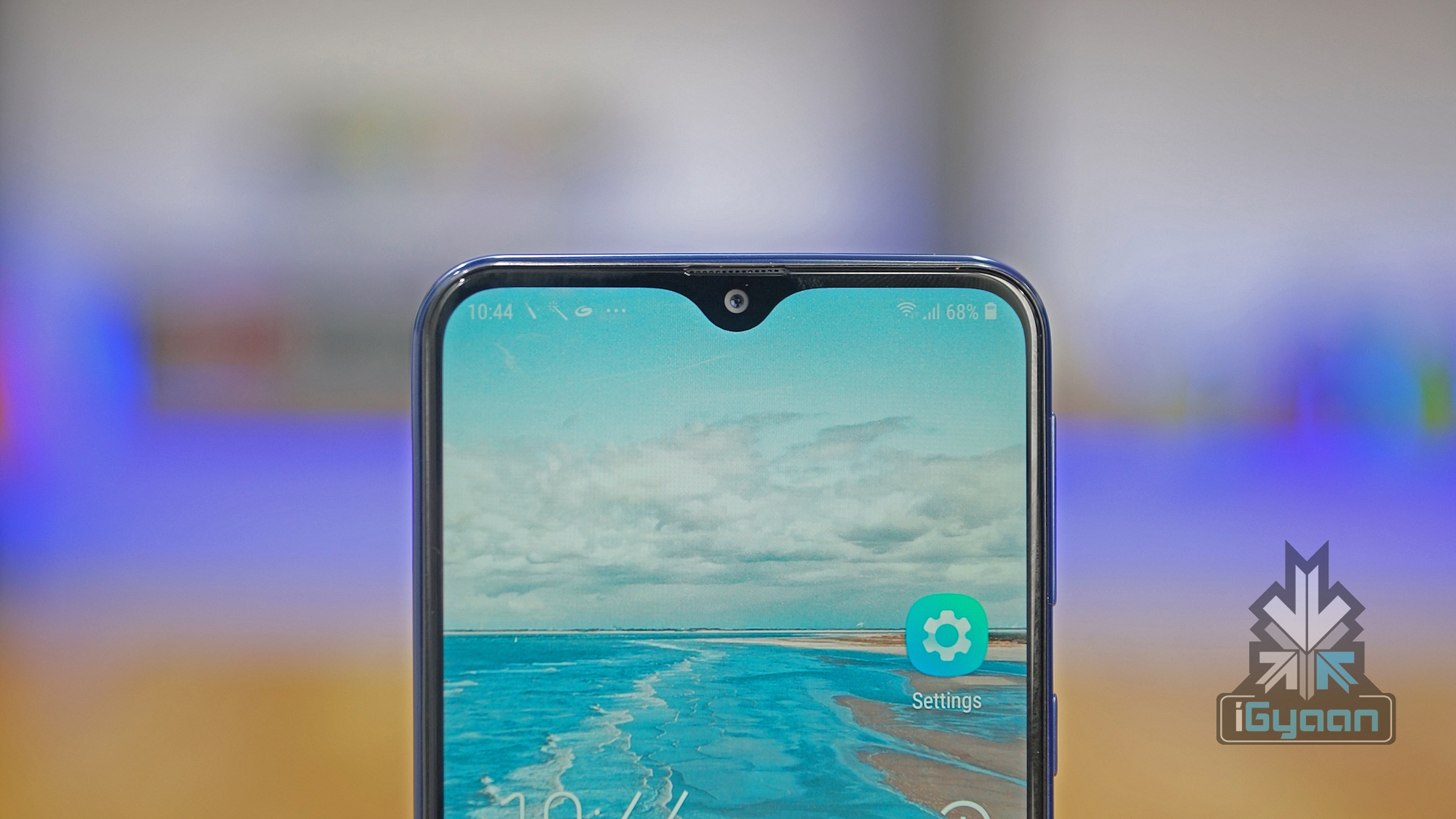
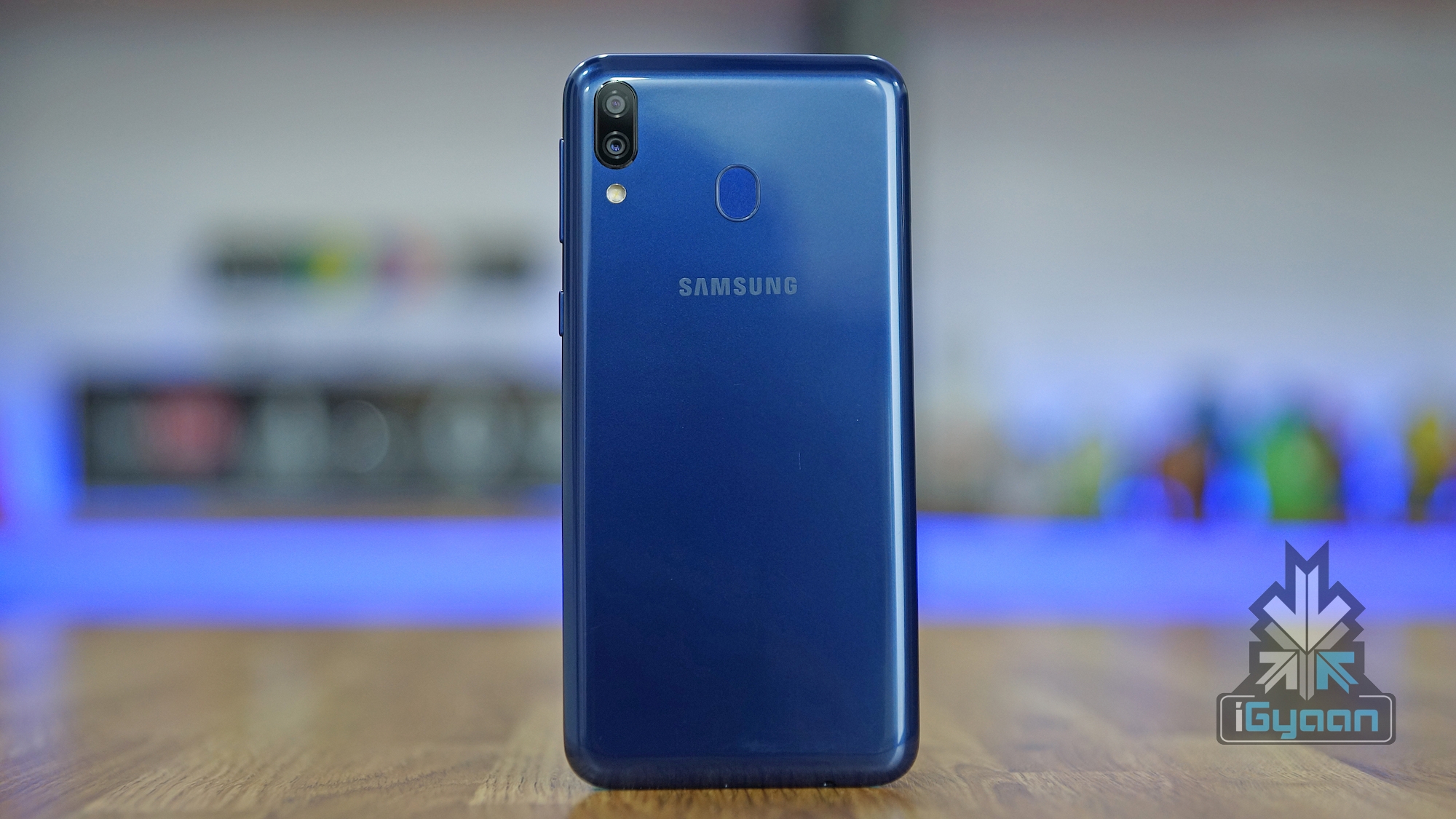
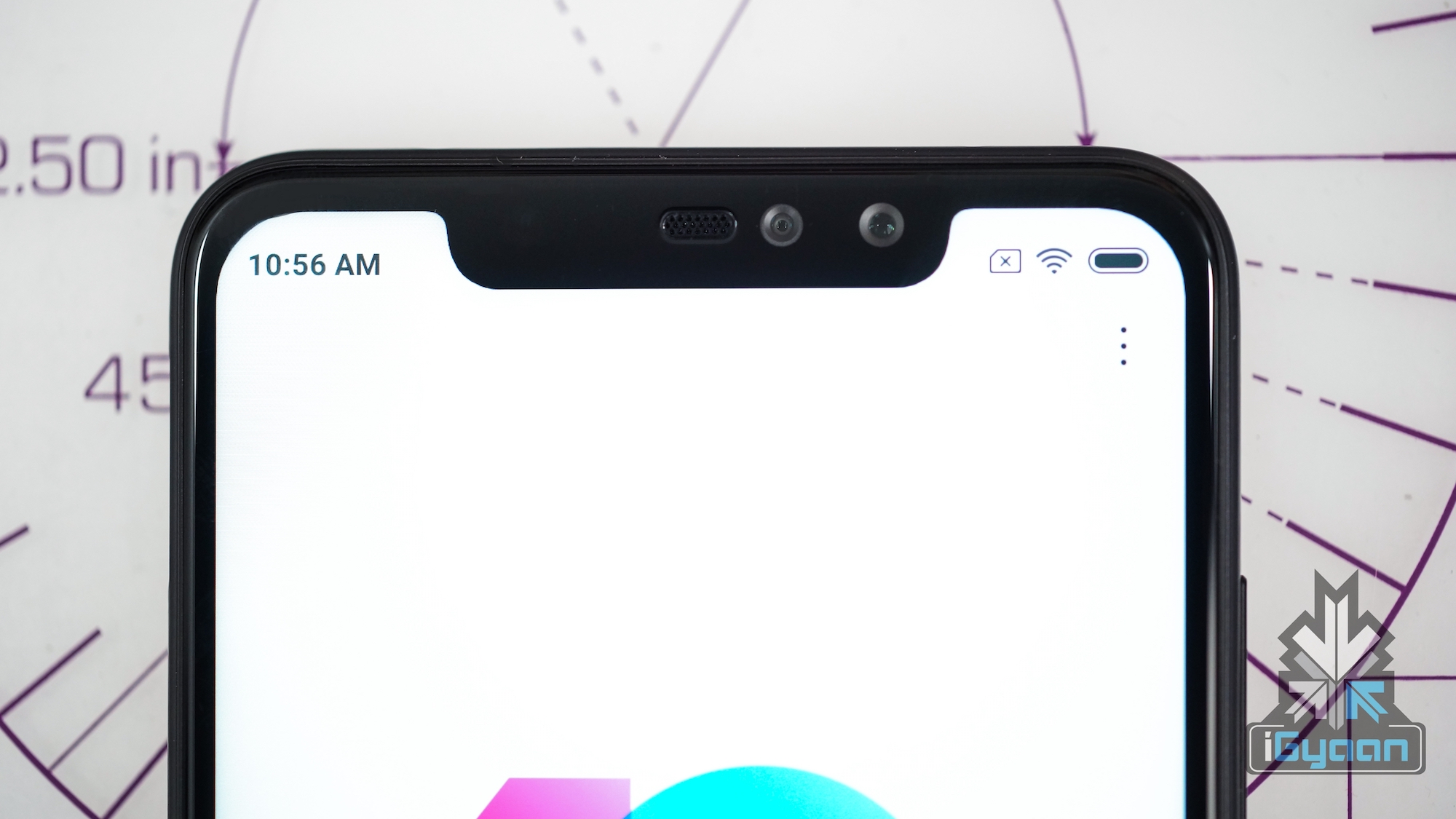
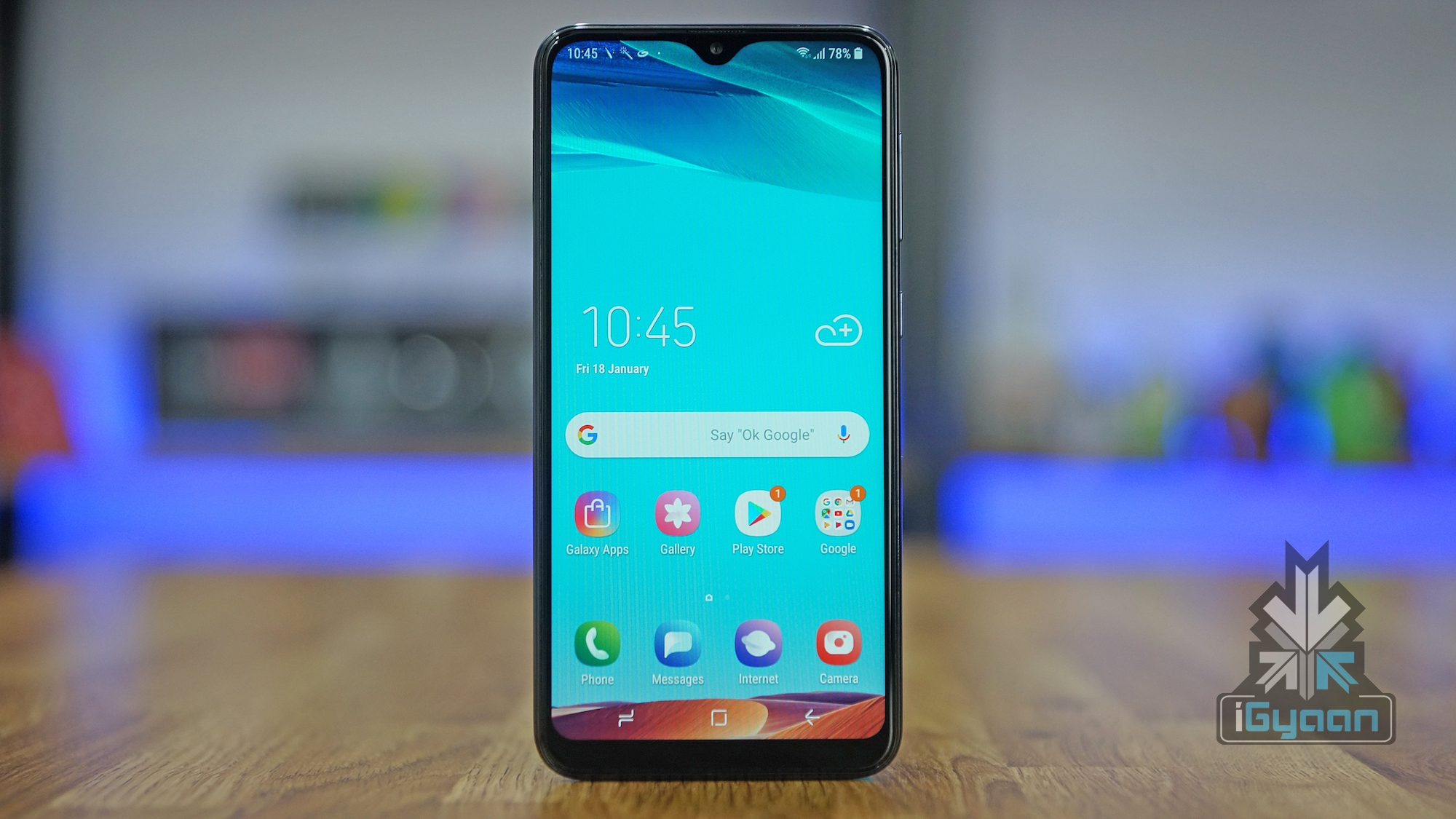
    The Samsung Galaxy M20 sports a waterdrop notch, which also houses the front camera. The ASUS Zenfone Max Pro M2 has a trapezium-like notch, which doesn’t take up much space in the display. The Redmi Note 6 Pro, on the other hand, sports a wider notch that is larger than the other 2 phones. 
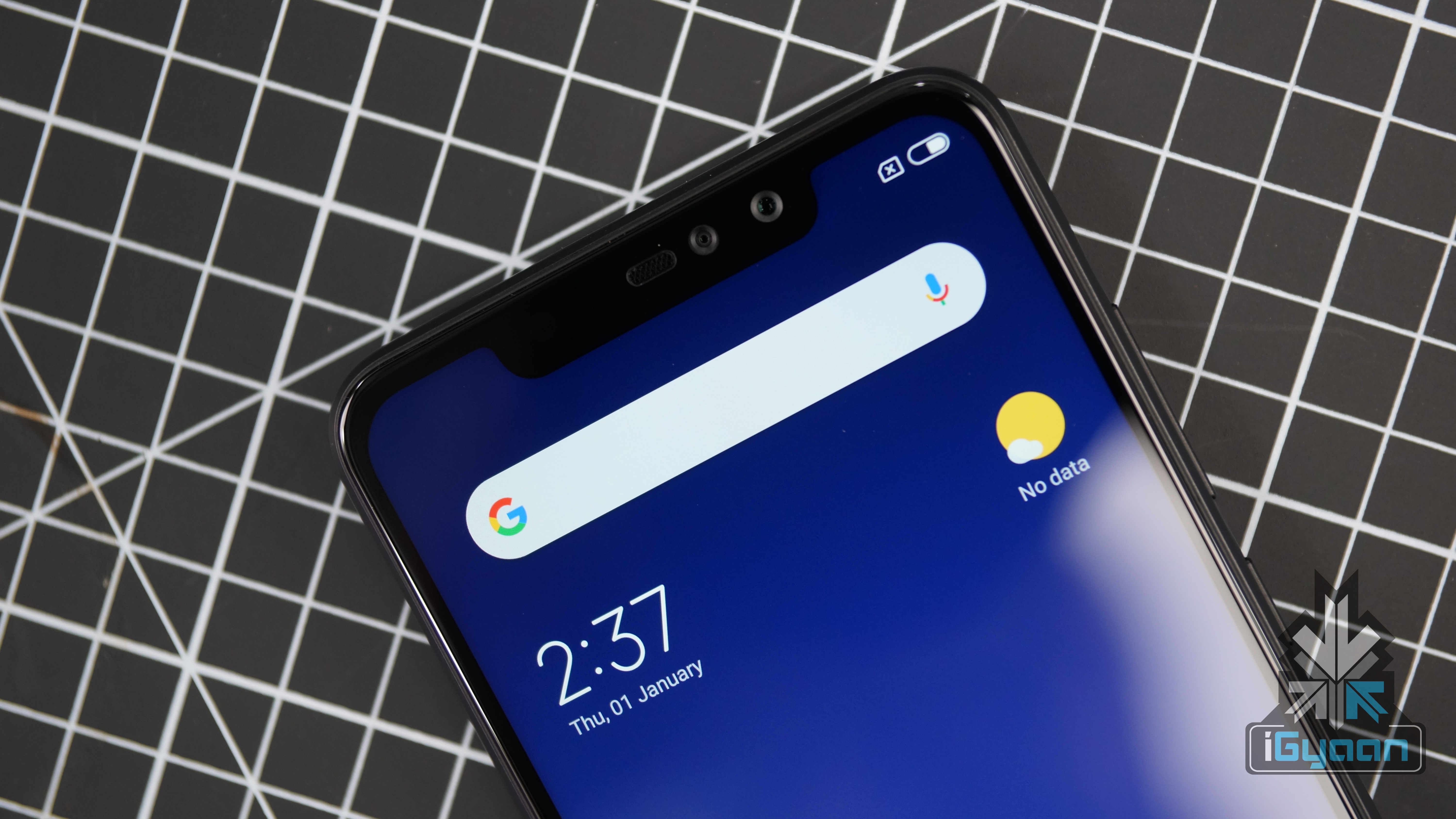
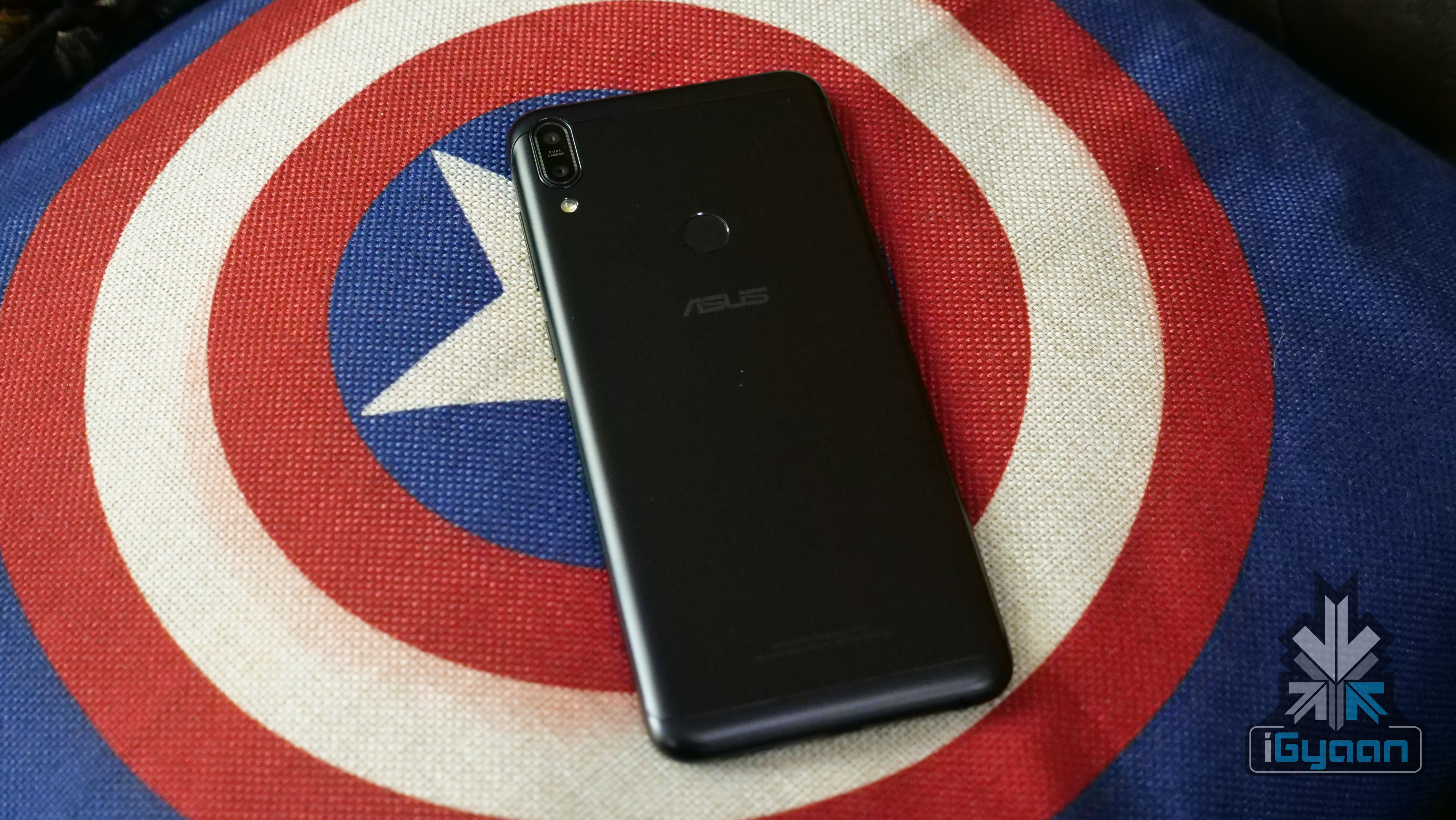
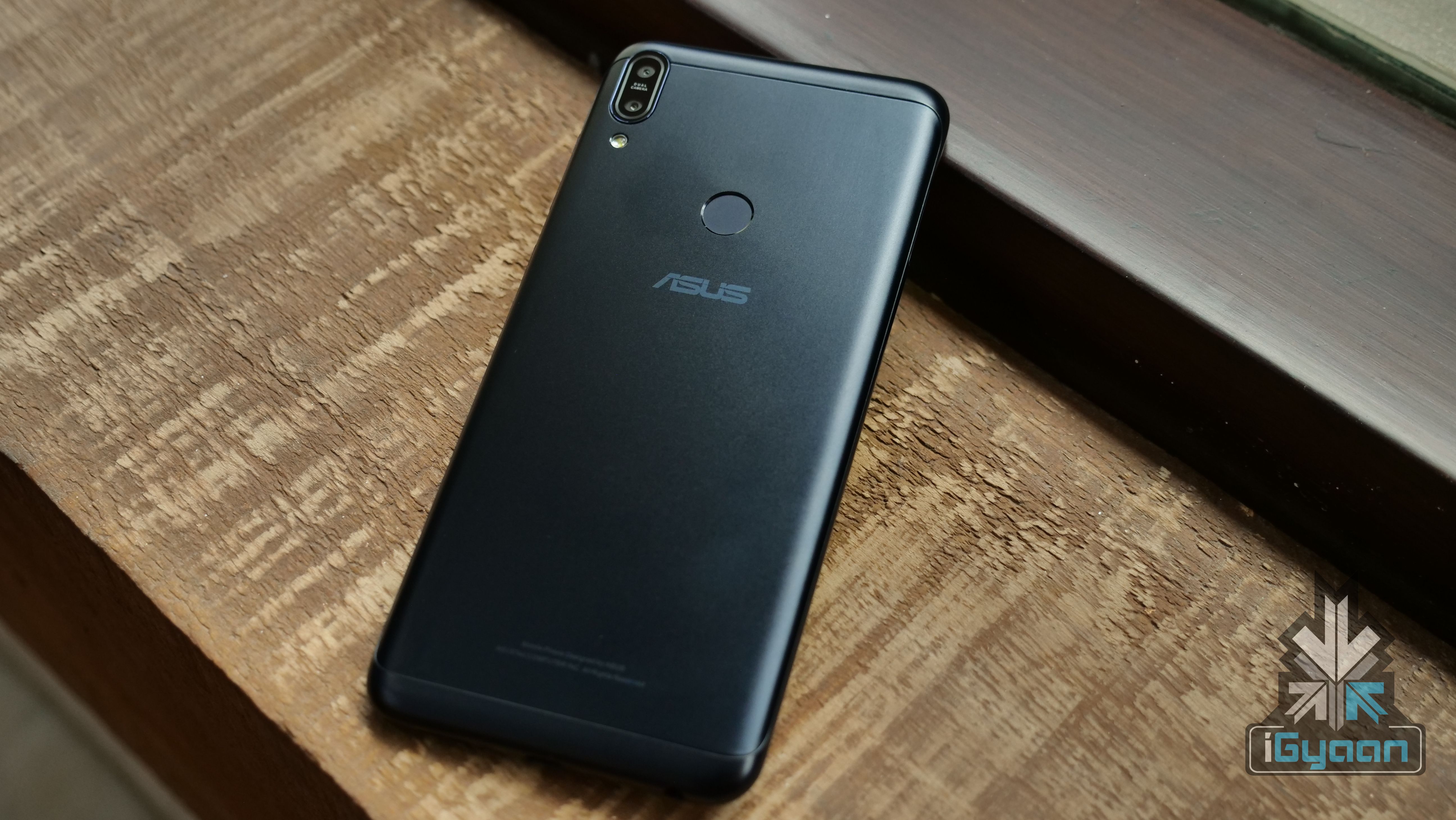
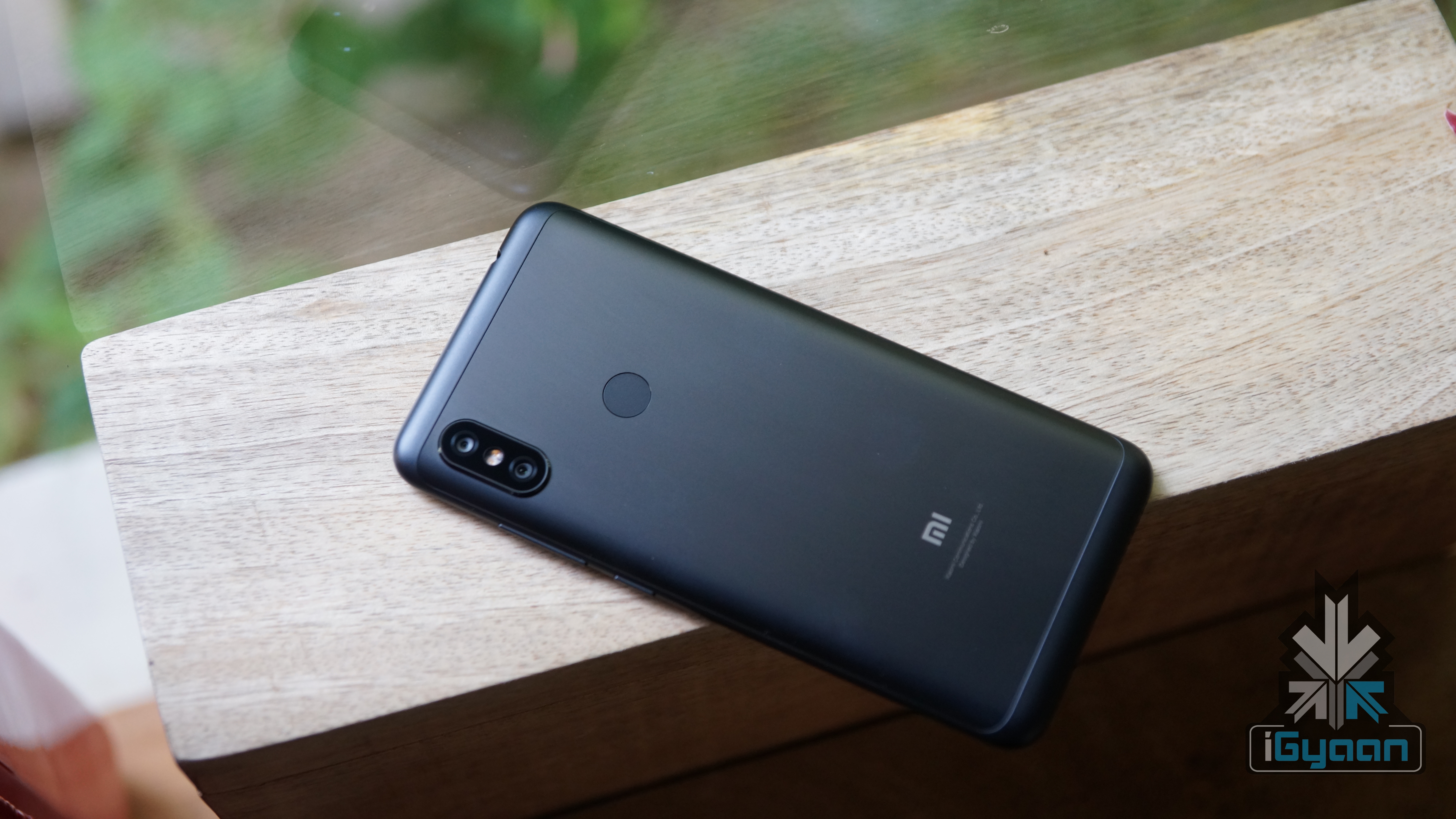
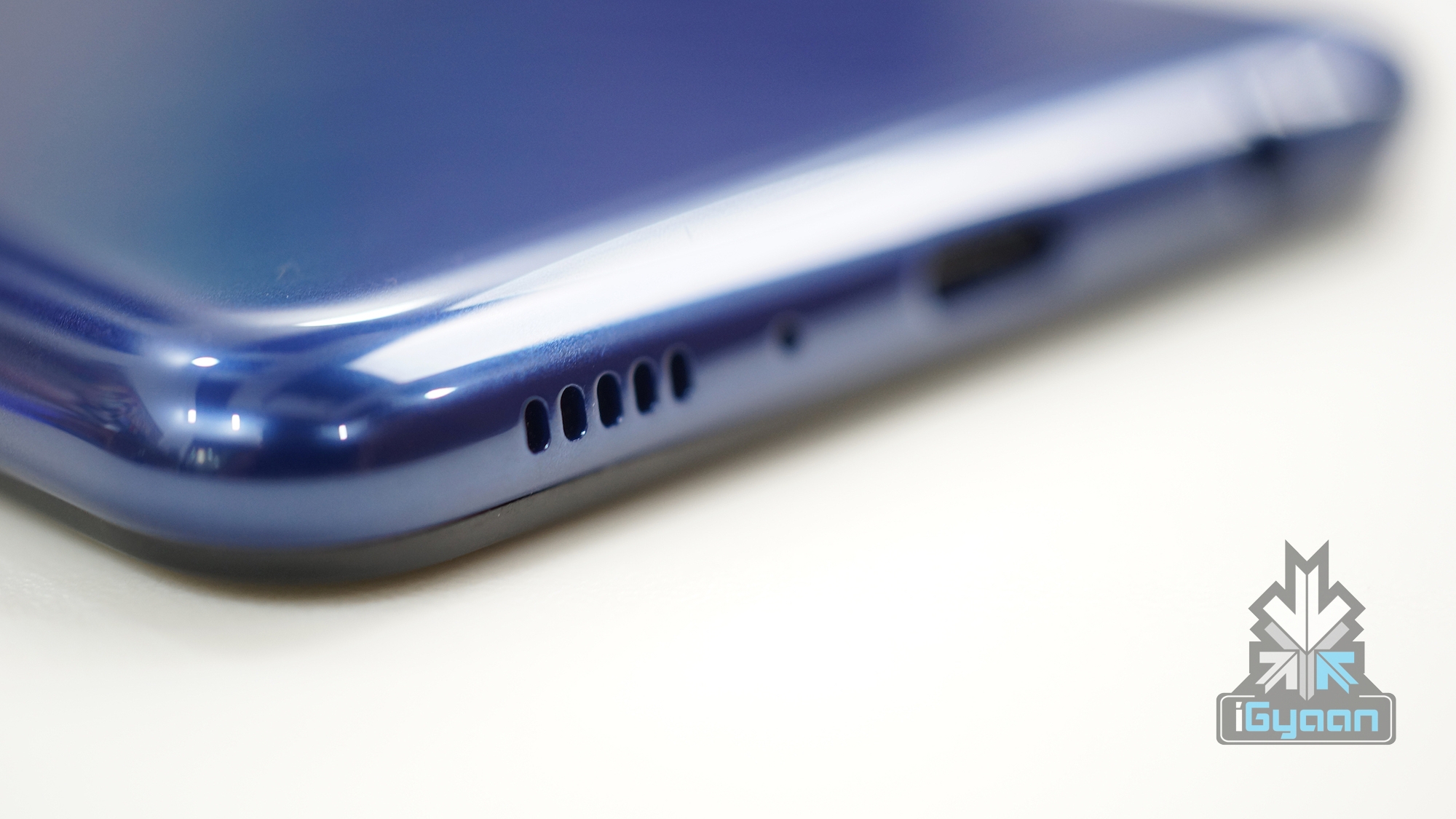
    Talking about the back panels, the Samsung Galaxy M20 has a plastic back, which actually gives a premium look. Similarly, the ASUS device has a laminated glossy plastic back. It looks good, but picks up smudges pretty easily. The Redmi Note 6 Pro is the only smartphone here which brings a metal back panel to the game. It has a smooth matte finish, making it a bit slippery, but good to hold and look at the same time.

    Display
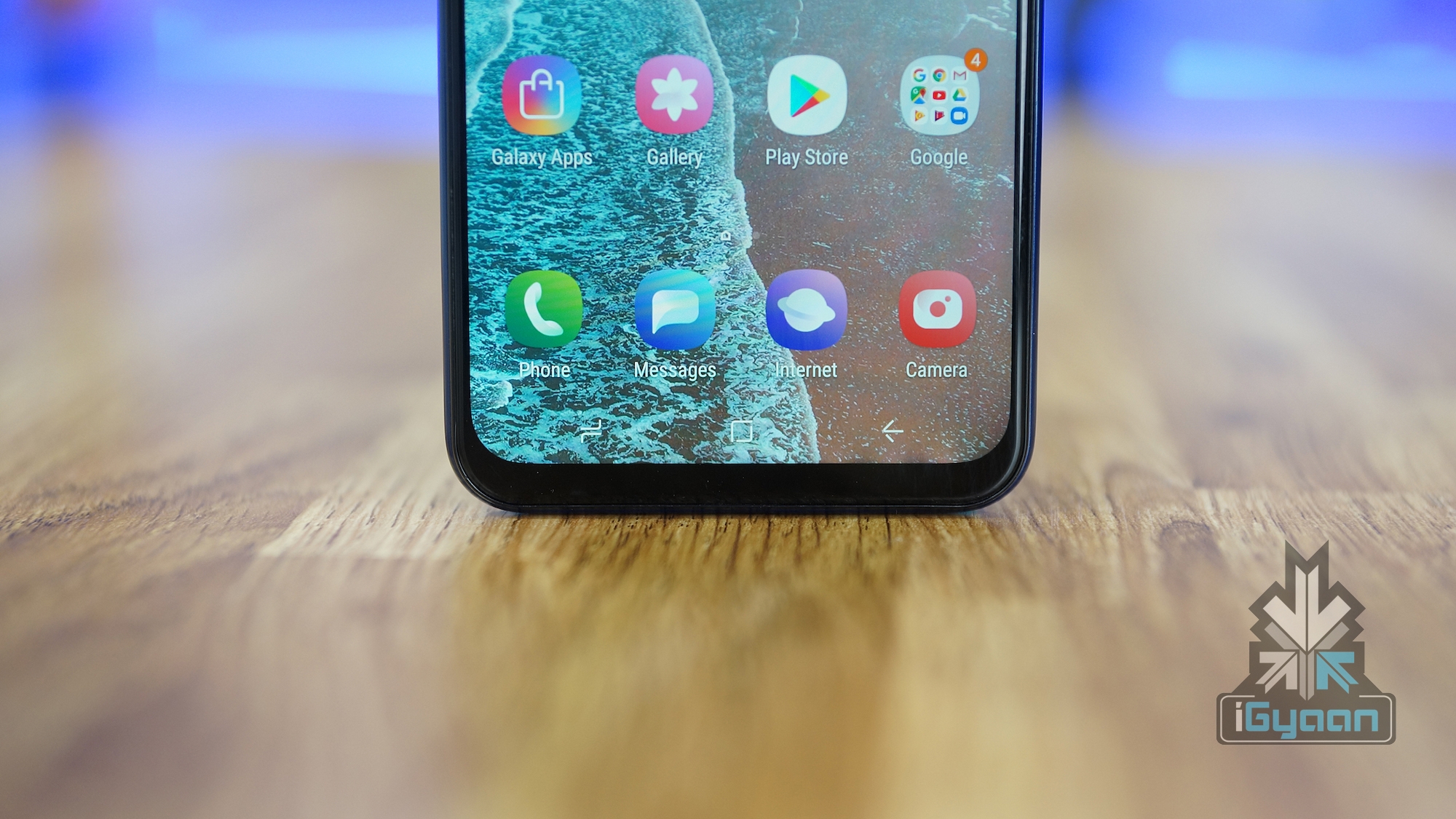
    The Galaxy M20 brings the Samsung-developed PLS TFT capacitative screen to the table, with a size of 6.3 inches. The phone has a 83.6 percent screen-to-body ratio, which is higher as compared to the other two devices. With a resolution of 2340 x 1080 px, a 19.5:9 aspect ratio and a Pixel density of 409ppi, it clearly has an edge over the ASUS and Redmi devices.
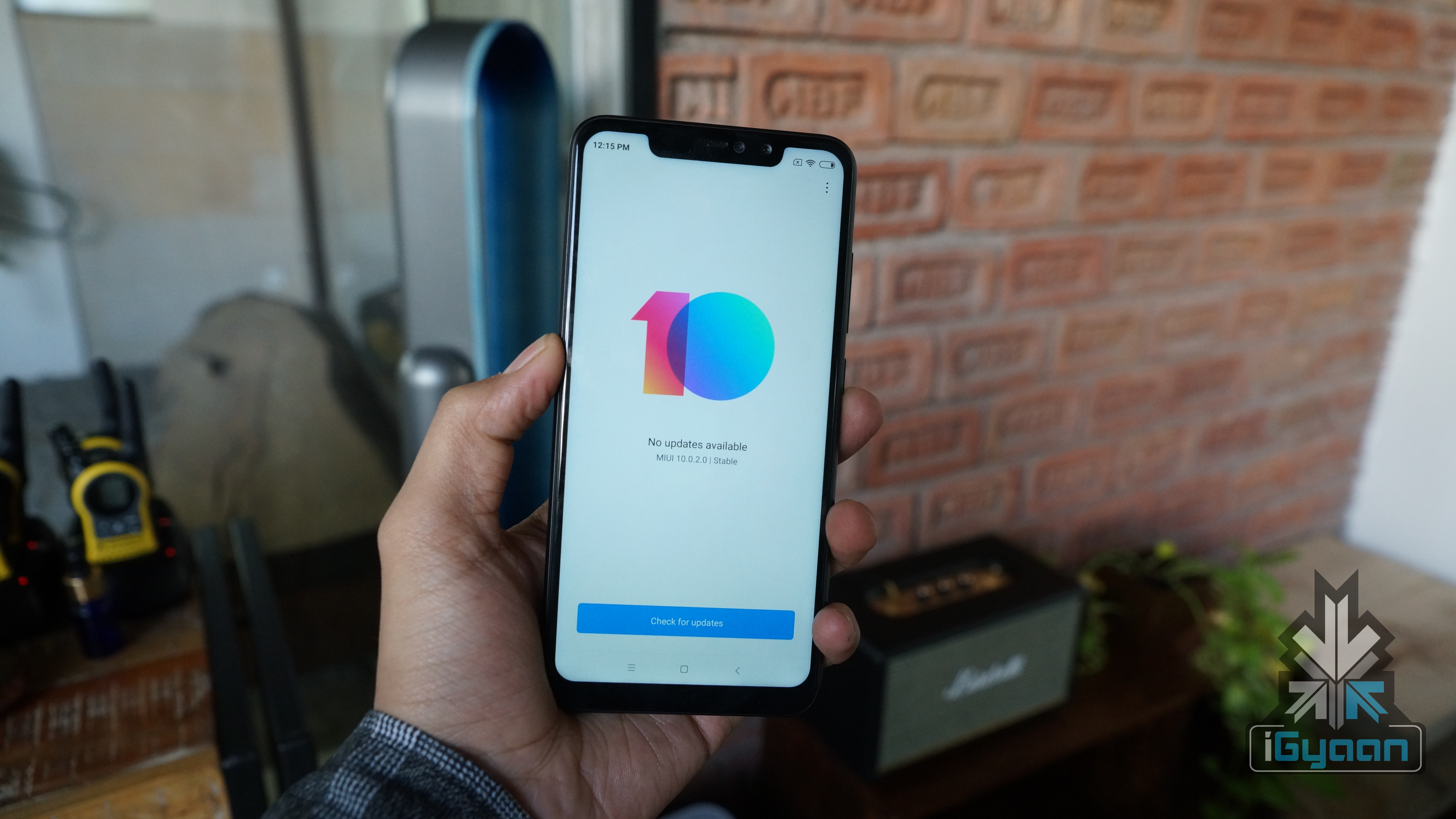
    The Zenfone Max Pro M2 has an 6. 2 inch IPS LCD, and a 82 percent screen-to-body ratio. With a slightly lower resolution at 2280 x 1080 px and 19:9 ratio, it matches the specs of the Redmi Note 6 Pro. The Galaxy M20, being the latest phone in the category, shows worthwhile improvements when it comes to display.

    Under The Hood
    Starting with the Samsung Galaxy M20, it packs an Exynos 7904 Octa chipset (14nm). Both the Zenfone and the Redmi devices, on the other hand, run on the Snapdragon SoC. The Zenfone Max Pro M2 has a Snapdragon 660 chipset, which houses an Octa-core CPU (4×2.2 GHz Kryo 260 & 4×1.8 GHz Kryo 260).
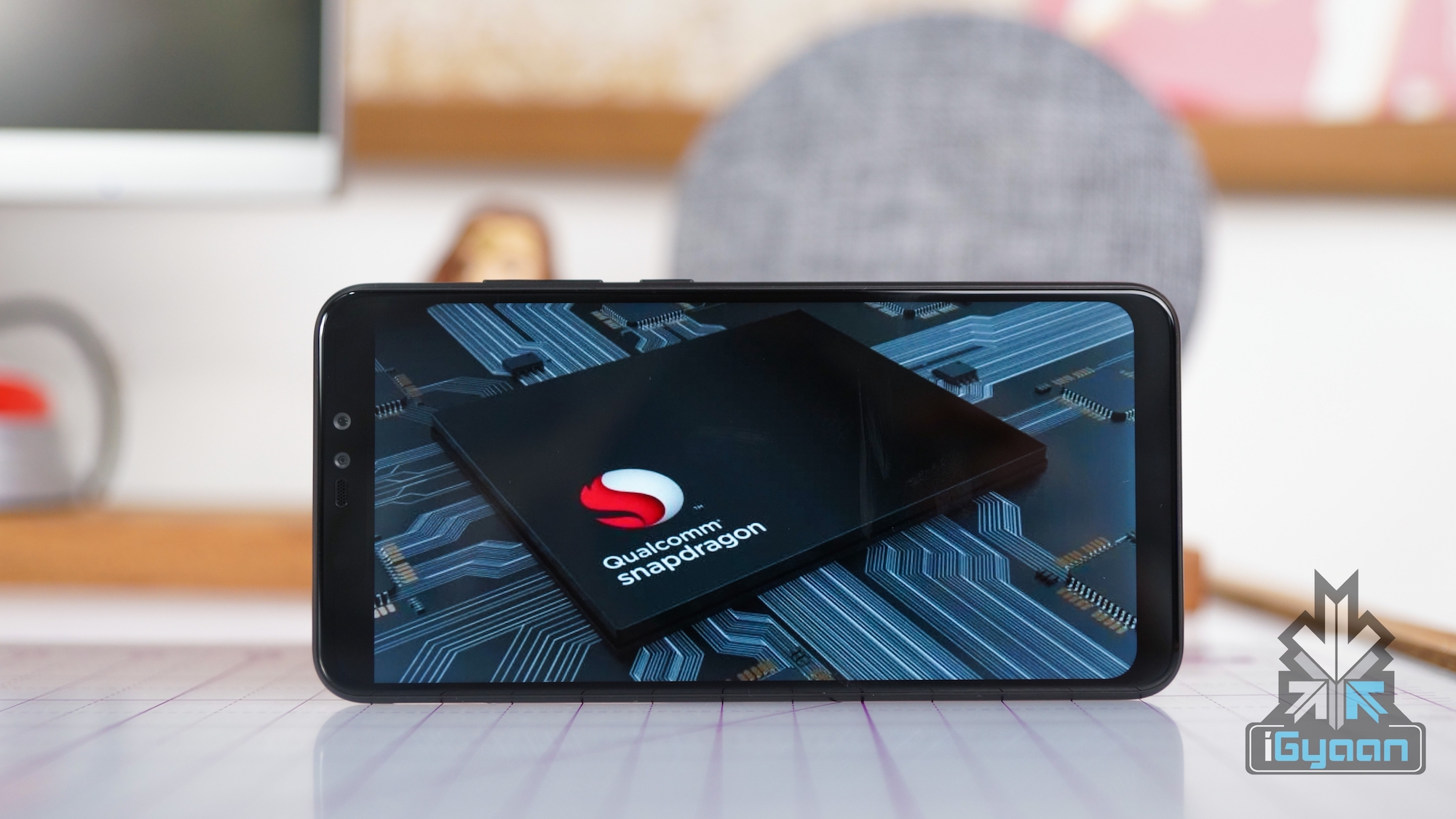
    The Redmi Note 6 Pro runs on a slightly older Snapdragon 636 SoC, with an Octa-core 1.8 GHz Kryo 260. While the Zenfone and the Redmi have Adreno GPUs, the Galaxy M20 has a Mali-G71 MP2 GPU.  

    Memory And Storage 
    All three smartphones are available in both 3 GB and 4 GB RAM variants, providing 32 GB and 64 GB internal storage variants respectively. The Zenfone Max Pro M2 is also available in a 3rd variant with 6GB RAM and 64 GB storage, which is saying something.
    While the Redmi Note 6 Pro supports expandable storage up to 256 GB, both the M20 and Zenfone support microSD cards upto 512 GB. It’s interesting to note that the Zenfone and the Galaxy M20 both use dedicated memory card slots. The Redmi Note 6 Pro uses the slot for the SIM 2, so that’s something to point out here.

    Camera
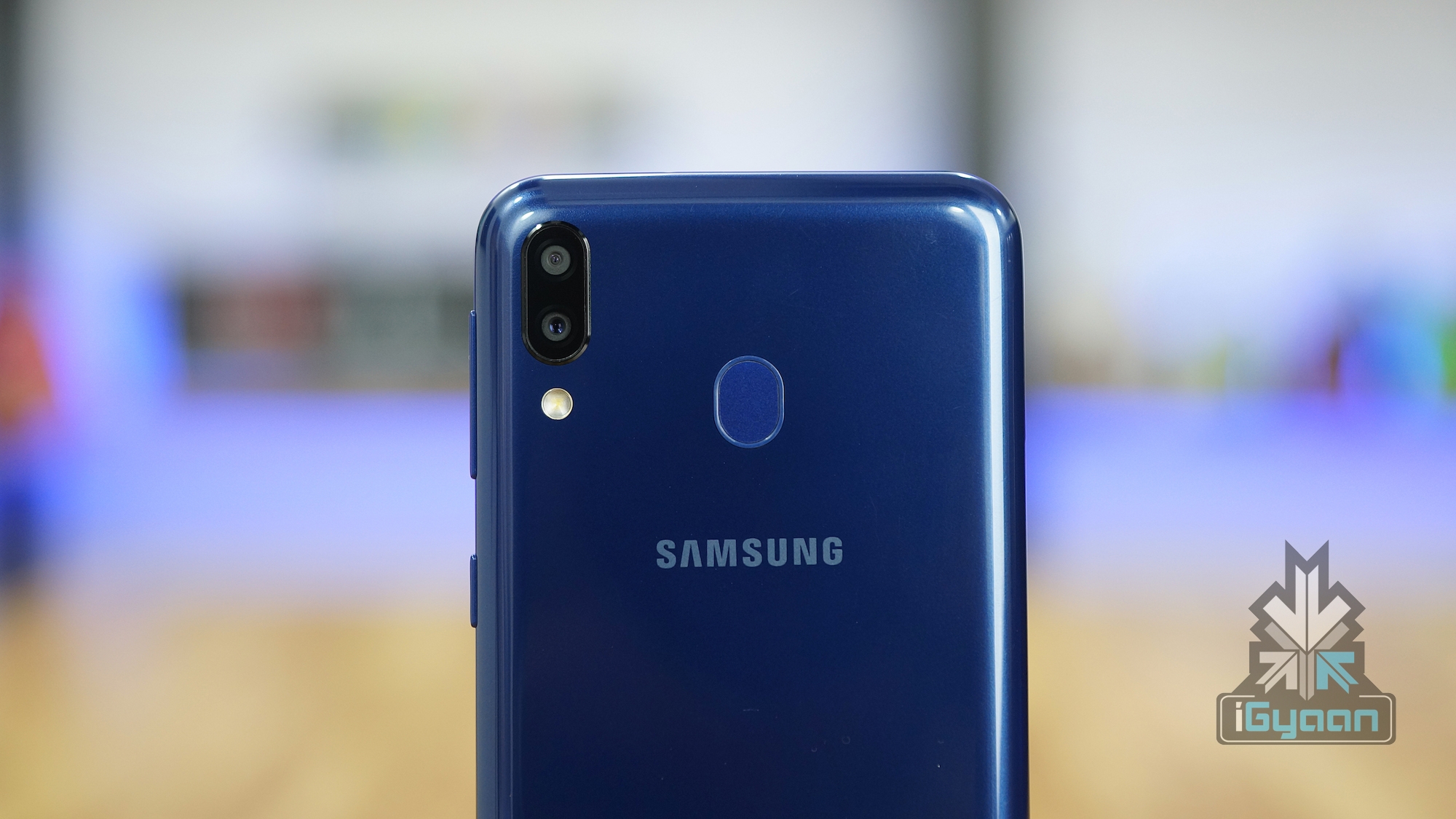
    In an era of dual-camera setups, none of these smartphones disappoint. The Samsung Galaxy M20 has a 13 MP (f/1.9) primary camera, with a secondary ultra-wide 5 MP (f/2.2) camera with a depth sensor. It’s equipped with a 8 MP (f/2.0) front selfie camera. Both these cameras support HDR and can record videos at 1080p (30fps). 
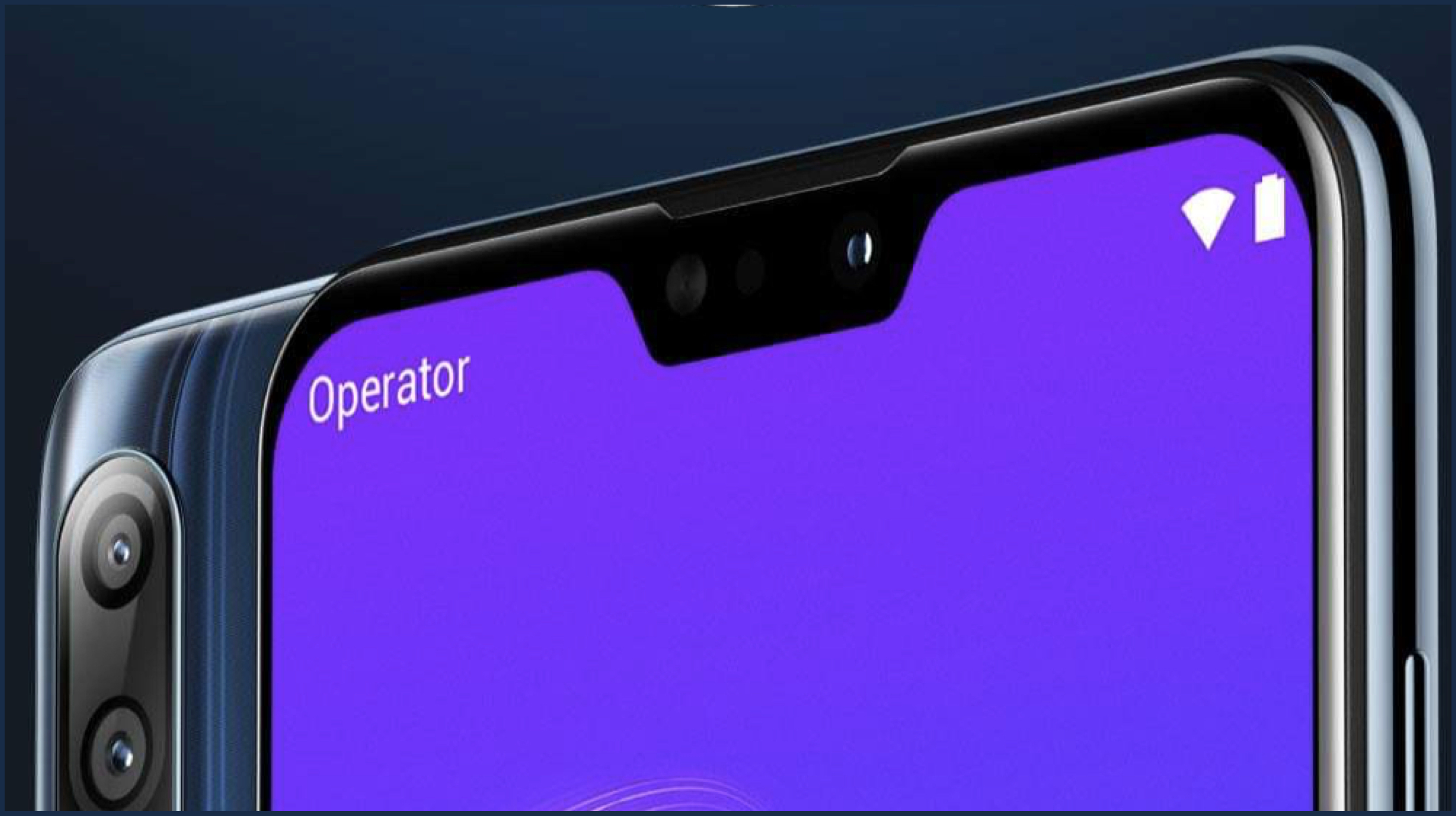
    The Zenfone Max Pro M2 has a 12 MP (f/1.8) primary camera, along with a  secondary 5 MP (f/2.2) camera, again with a depth sensor. In terms of the front camera, it has a 13 MP (f/2.0) front camera, which supports HDR and even has a LED flash. The best part about the Zenfone’s camera is the fact that it supports 2K recording, and 1080p recording at 60fps. 
    The Redmi Note 6 Pro sports a 12 MP (f/1.9) dual pixel primary camera, with a secondary 5 MP (f/.2.2) camera with a depth sensor. It has an amazing 20 MP (f/2.0) front camera with a secondary 2 MP front camera (with a depth sensor). It also supports recording at 1080p (30fps). 

    Battery, Connectivity and Features 
    Both the Samsung Galaxy M20 and the Zenfone Max Pro M2 pack a 5000 mAh battery, which is a bliss for those who use their phone on the heavy side.  The Redmi Note 6 Pro has a 4000 mAh battery. A bit lower than its counterparts, but still enough to handle over a day’s worth of usage. The Samsung Galaxy M20 supports fast charging too. 
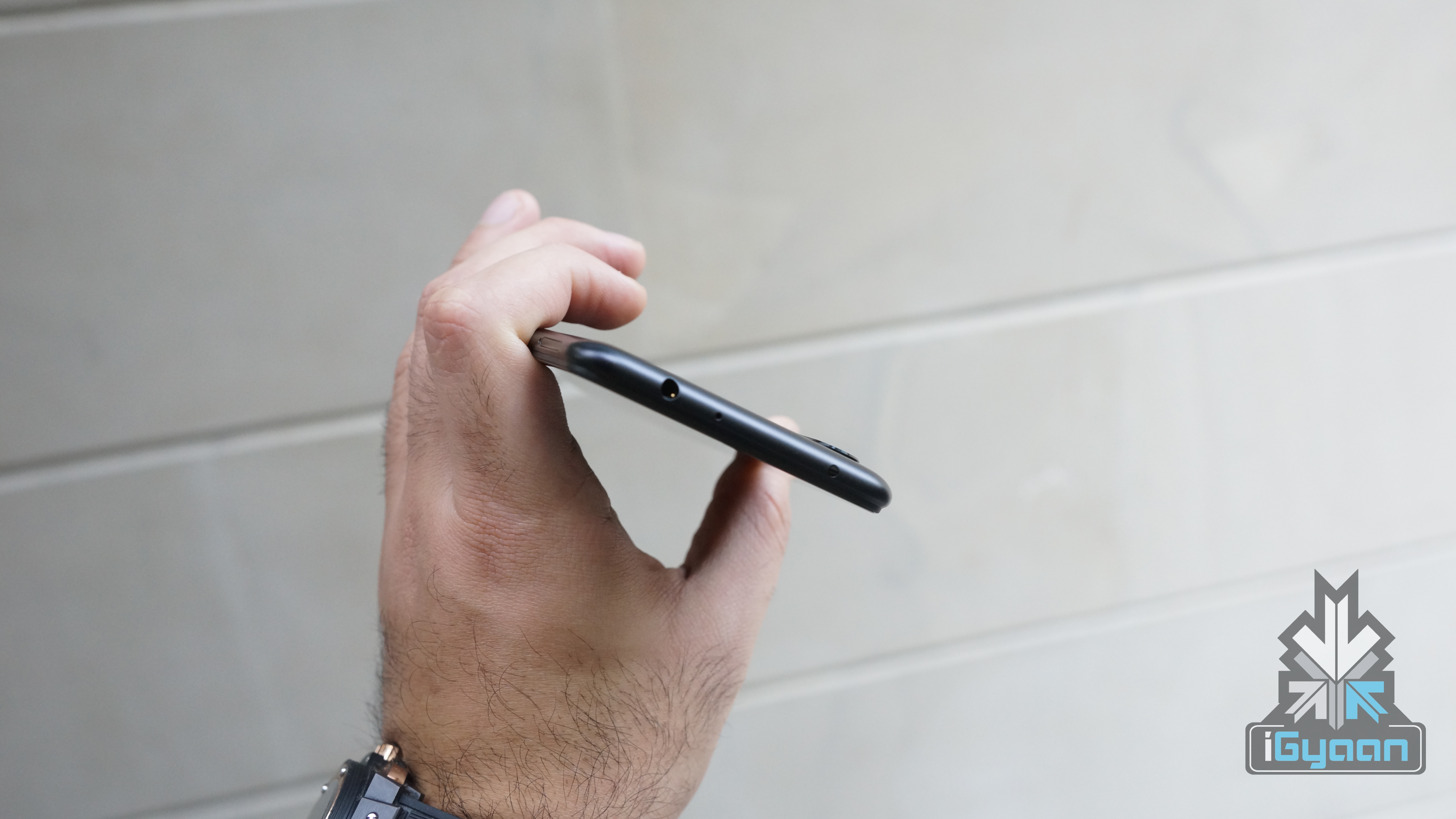
    All the devices have standard connectivity options, with the exception of an infrared port on the Redmi Note 6 Pro, which makes the device MI Remote compatible. The only device among these three which supports Type-C connectivity is the Galaxy M20, so that’s an added bonus. All three smartphones have rear-mounted fingerprint sensors.
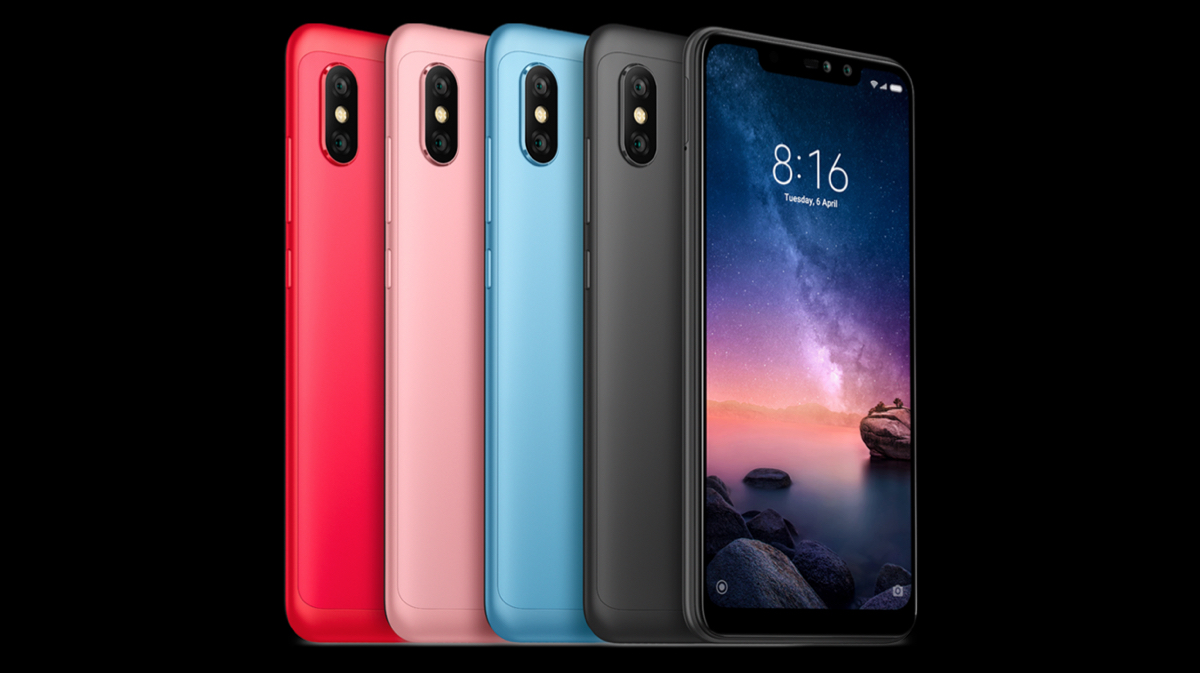
    The Samsung Galaxy M20 is available in two colours, Ocean Blue and Charcoal Black. Similarly, the Zenfone is also available in two colours, namely Blue and Titanium. The Redmi 6 Pro offers 4 different colour options. It’s available in Black, Blue, Rose Gold and Red. 

    Pricing

    Also Read : Antutu Releases AI (Artificial Intelligence) Benchmarking Tool

    The Samsung Galaxy M20 is priced at Rs. 10,990 for the 3GB+32GB version and Rs. 12,990 for the 4GB+64GB version. The ASUS Zenfone Max Pro M2 starts with Rs. 12,999 for the 3GB+32GB version, Rs. 14,999 for the 4GB+64GB version and finally Rs. 16,999 for the 6GB+64GB version. The Redmi Pro 6 is priced at 12,999 for the 3GB+32GB version and Rs. 14,999 for the 4GB+64GB version. All these devices are focused towards the high-selling sectors of the market, and people are constantly looking out for the best budget smartphone under 15k. What seems to be the best bet for you guys based on the specs? Let us know in the comments below. 


  • Are Gaming Phones Worth Buying?

    Are Gaming Phones Worth Buying?

    Gaming smartphones were fringe products till about two or three years back and have recently come into the limelight. A few years ago, smartphone research and development was going mostly into making the screens larger and better, increasing speeds for day-to-day work and increasing battery life. But since then a lot has changed, and phones have become even more powerful. Now, phones can support games that have high-end graphics and can run them without harming the CPU or the battery of the phones. However, there are certain drawbacks to buying and using gaming phones as well. In this article we will discuss the positives as well as the negatives of buying a gaming phone.

    What Are Gaming Smartphones

    Gaming smartphones are phones that are primarily built with a focus on gaming and are modified to suit gamers’ needs. They are usually higher-end phones with great batteries, more than decent RAM and memory and a number of other specifications like liquid cooling and overclocked CPUs. We will talk about these differences later in the article.

    How Did The Trend Start

    To understand how the trend started, we have to go a long way back to the time feature phones were a thing, maybe even before that. The history of Gaming as we know it can be traced back to the first interactive electronic game with an electronic display in 1947, the first true video games in the early 1950s, and the rise of early arcade video games in the 1970s. The first portable video game was introduced in the form of the Handy Game created by Epyx in 1987.  This device later turned into the Atari Lynx in 1989. Portable gaming consoles these days include Sony’s PSP, Playstation Vita and Nintendo Switch. Portable video game consoles were all the rage when they first came to the market a few years back. Every college or school kid had one and buying or trading games were considered a common phenomenon.

    However, when gaming consoles were selling like hotcakes, smartphone manufacturers were brewing up a storm. Video games however, weren’t new and had existed on phones for a long time. The first mobile phone game was introduced in 1994, with a pre-installed Tetris on a mobile phone called Hagenuk MT-2000. In 1997 however, things changed a lot for the mobile phone gaming industry when Nokia decided to redesign a game called Snake and put it in some of their phones. The game became widely popular and thus started a long and arduous journey towards the marriage of a telephonic device and a gaming device. The smartphones of today with their high-end games would not have been possible without these companies and their gamble into gaming.

    How Is It Different From Other High-End Phones

    We often get asked why one should consider buying a gaming phone and not buy a high or similarly specced top-end smartphone. There are both positives as well as negatives to buying a gaming phone. Let’s discuss the positives first.

    Positives

    Overclocked

    Overclocking is the process of increasing a computer’s clock rate to make it run at a higher speed than it is supposed to. The term overclocking is usually used with regard to CPU and GPU but can be applied for other components as well. Most smartphones are under-clocked because, even though their CPU may support higher speeds, the phone might overheat and die. Most phones do not have a decent cooling system in place because our day-to-day functions on a smartphone do not generate so much heat. Overclocking generates a lot of heat as the CPU performs more tasks per second thus requiring better cooling. This brings us to our next point.

    Cooling system

    Most computers use two types of cooling to keep the system at an optimum temperature. These are heat sinks and liquid cooling. But phones cannot really use a heat sink as phones need to be thin and light and everything from a battery to a motherboard and cameras need to be cramped in there. So gaming phones use heat pipes and liquid cooling instead. But most other phones have no cooling systems and use the metallic or aluminium back to dissipate heat. How this works is when the CPU heats up, the back of the phone heats up.

    The air outside is generally cooler than the phone, which absorbs the heat from the back of the phone. So, in short, gaming phones have a better and faster cooling system in place. These cooling systems are much more efficient in dissipating heat and will keep your phone cool while the phone performs at a much higher speed.

    Better Battery

    Gaming phones, since they are generally built for performance draw a lot of battery. Thus, these phones need a lot of juice to keep running. Generally speaking, gaming phones have better batteries compared to other top end smartphones. While many lower end phones may match the same battery capacity, the gaming phones do indeed work for longer as they have optimised performance in terms of the screen and CPU drawing from the battery.

    RAM Optimisation

    Gaming phones have certain RAM optimisations through software that help the phone perform at it’s optimal best. This is done by better memory management. RAM optimisation enables a phone to clear up the RAM by killing unwanted Apps so that the gaming experience is unhindered.

    Gaming Mods

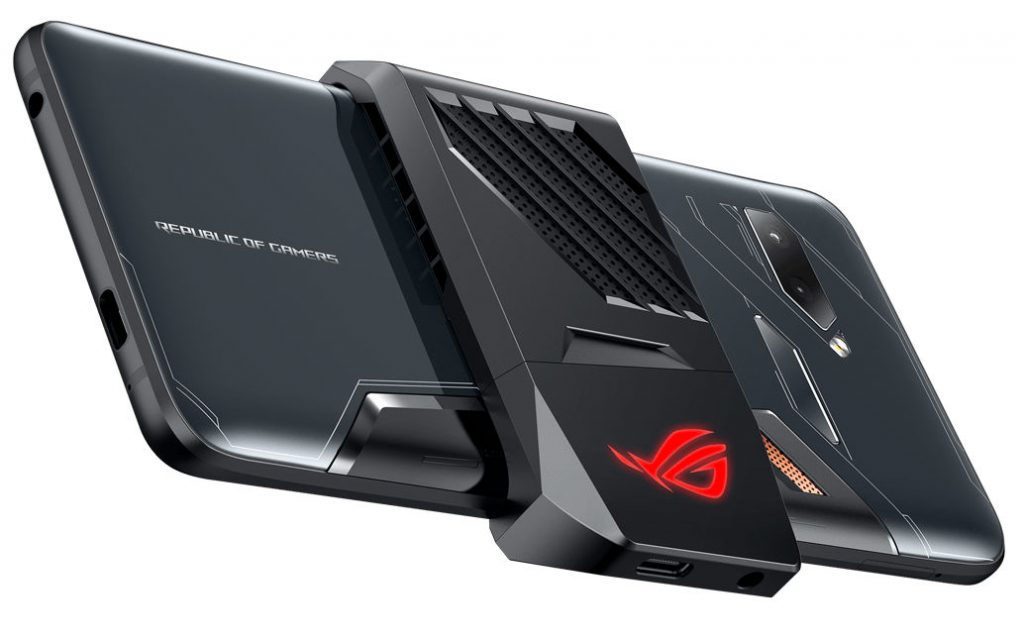
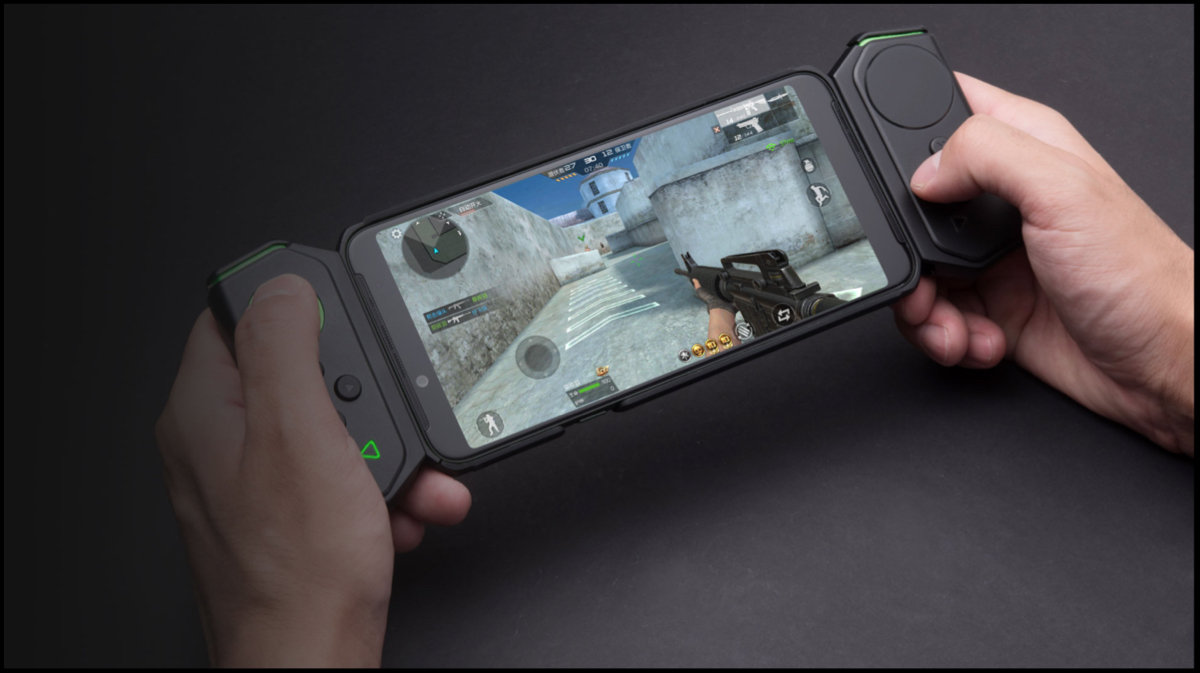
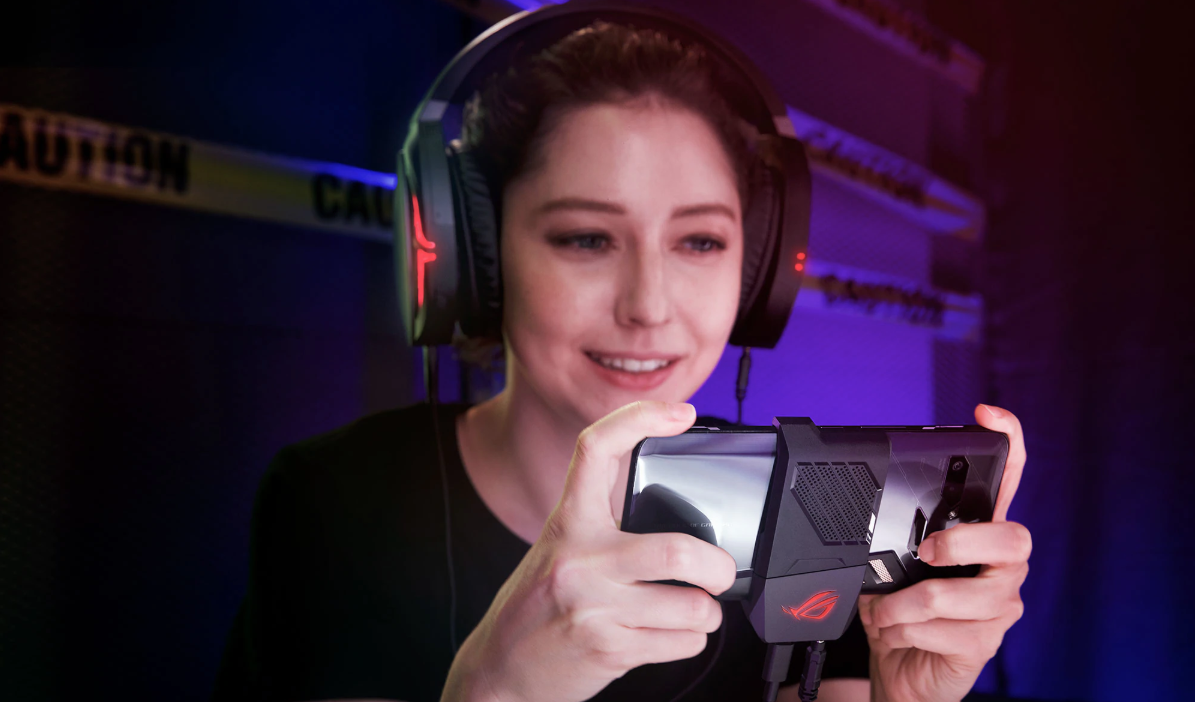
    Since these phones are made specifically for gaming, these are built from ground up. keeping the quirks of gaming in mind. For example, the Asus ROG Phone has a headphone jack both at the bottom of the phone as well as on the side of the phone. This allows a gamer to play games in the horizontal mode using two hands while charging the phone. There are several such modifications on gaming phones that make a gamer’s life much easier.

    High Quality Displays

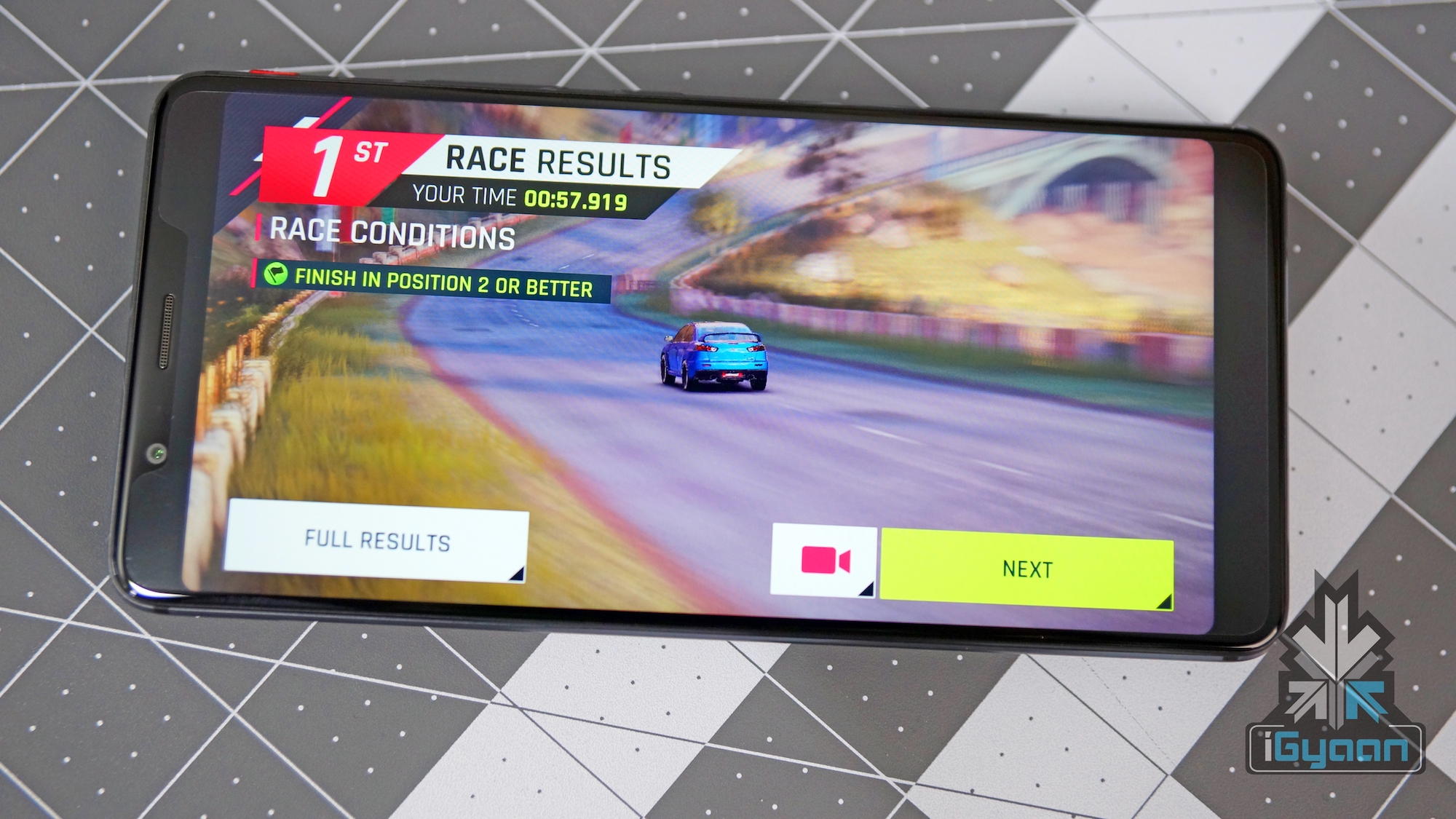
    Many high end phones these days have really good screens. Many have AMOLED displays or retina displays. But the gaming phones have an extra feature that in terms of the refresh rate. A refresh rate is the rate an LCD or LED panel changes a frame. It is calculated in frames per second (fps) and a higher refresh rate is extremely helpful for gamers since the images change faster compared to other screens giving gamers the extra edge to kill and spot enemies faster than others. Many gaming phones have a refresh rate of 120 Hz while normal smartphones usually have a refresh rate of 60 Hz.

    High Quality Speakers

    Gaming requires really great quality speakers. A good speaker can give you an immersive experience in gaming. Gaming smartphones usually feature great speakers with HD sound, dolby digital sound or Dolby Atmos stereo speakers. Some of these phones have great amplifiers as well.

    More Inbuilt Memory

    Most high-end phones have a decent amount of RAM. For example, the latest iPhone XS has 4GB of RAM while the flagship Samsung Galaxy S9 has 4GB RAM. However, most gaming phones these days offer upto 10 GB of RAM. This makes day-to-day functions faster as well, apart from gaming of course!

    Added Accessories

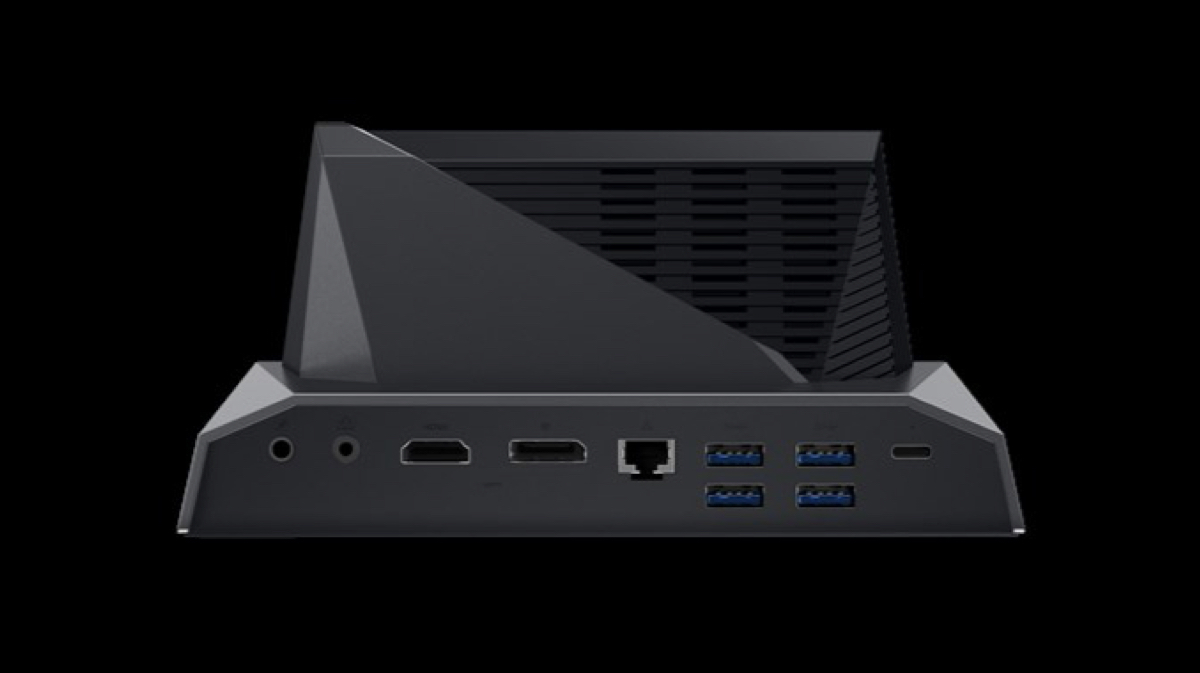
    Gaming phones come with accessories that can be used to make the gaming experience better. These include extra battery packs, phone coolers, additional headphone jacks and more. These accessories might be expensive but they are quite helpful and can elevate your gaming experience overall.

    Negatives

    So what gives? If gaming phones are so good then why isn’t everyone buying it instead of a top end smartphone? Well, in making these high end hardware and software changes, the phone companies sacrifice other features. Let’s find out what the negatives are.

    Camera

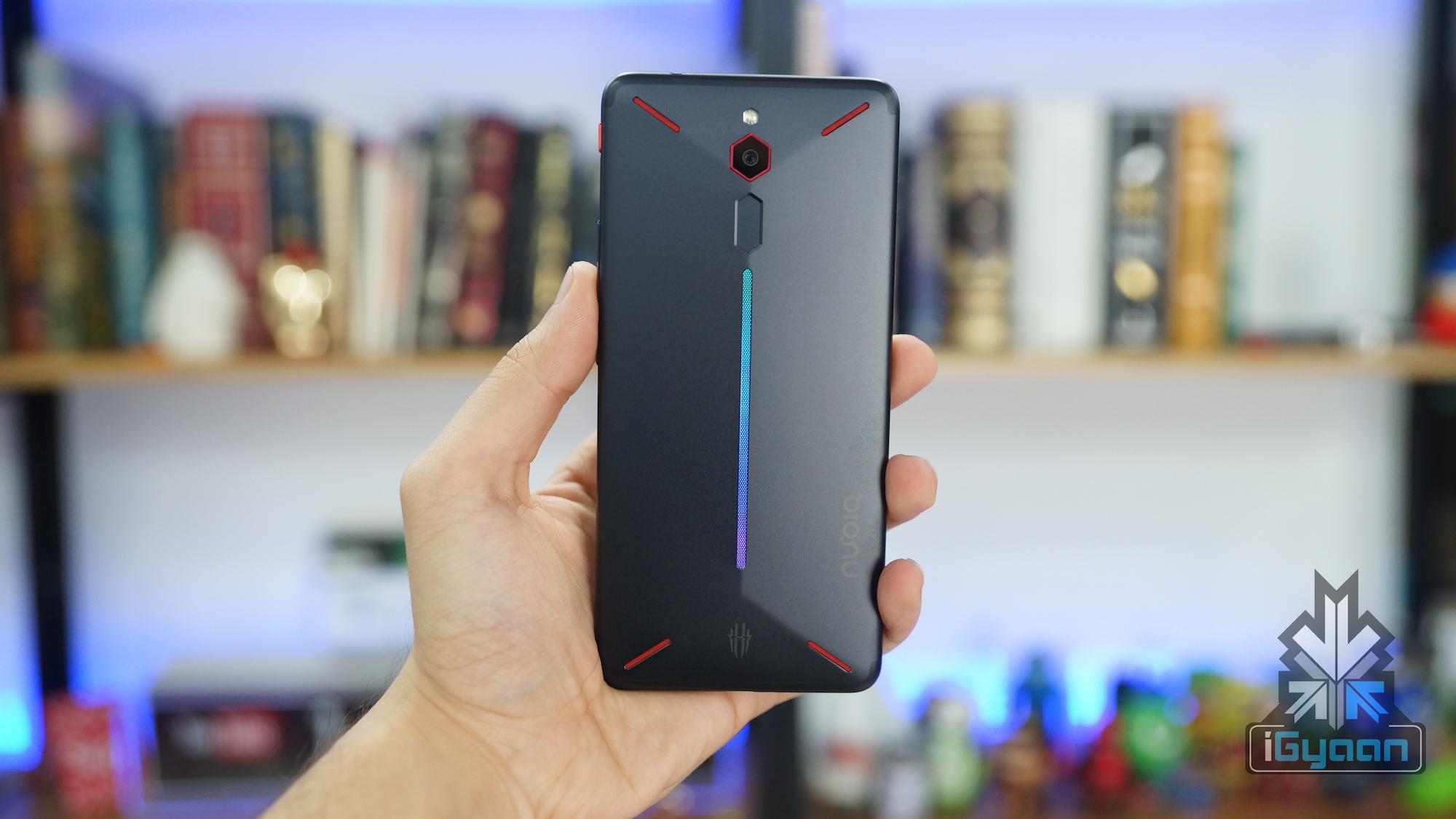
    Most gaming phones are not meant for taking photos or selfies, so their cameras are usually not that great. Many of the budget gaming phones usually sacrifice image quality by reducing the camera specifications. For example the Xiaomi Black Shark has a 20 Megapixel front camera but has a 12 megapixel and 20 megapixel back camera but the ZTE Nubia Red Magic has a single 24 megapixel sensor at the back. Even though the cameras are not bad, but compared to top of the line smartphones in the same price range, the image quality falls flat.

    Bulky

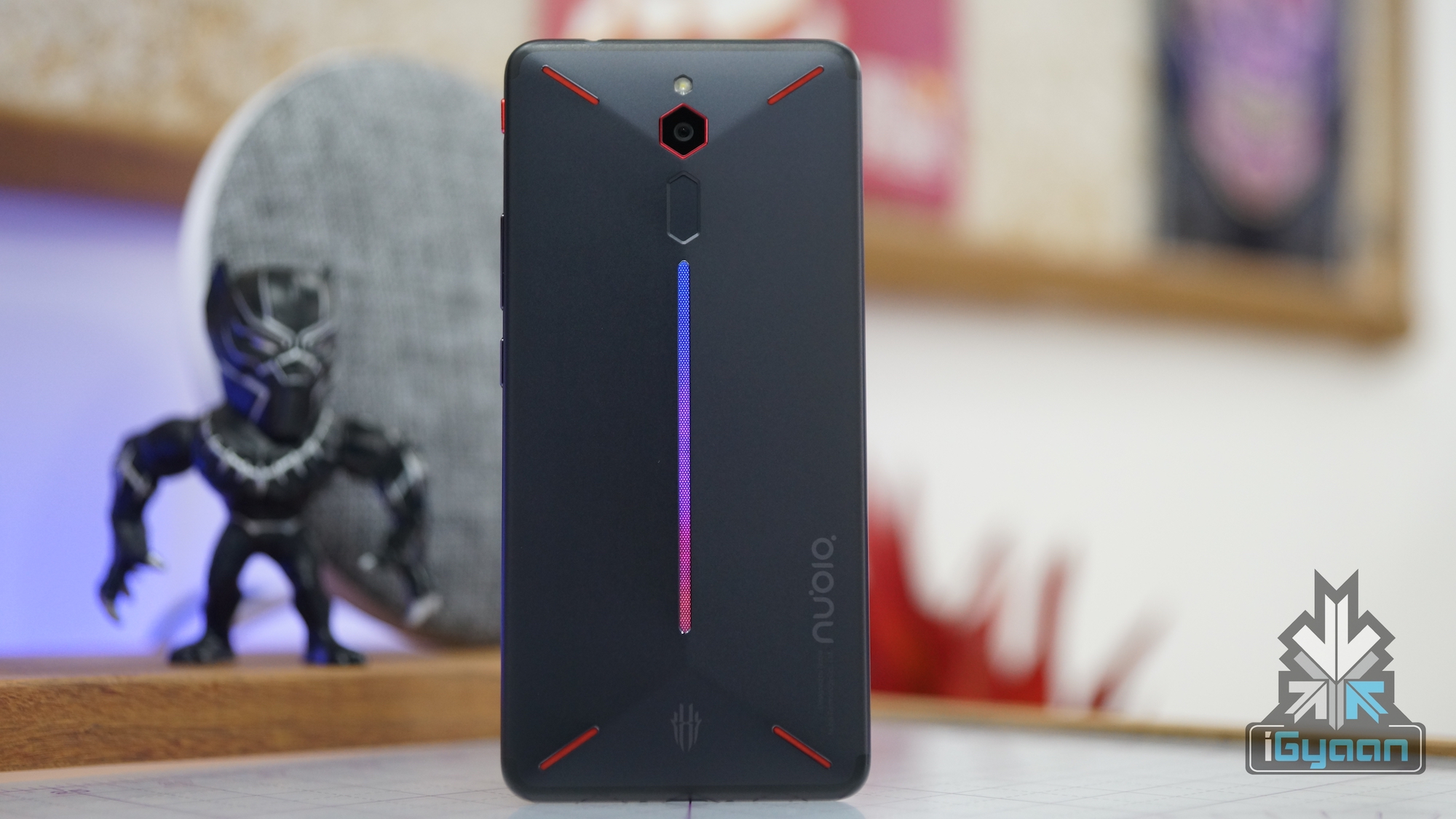
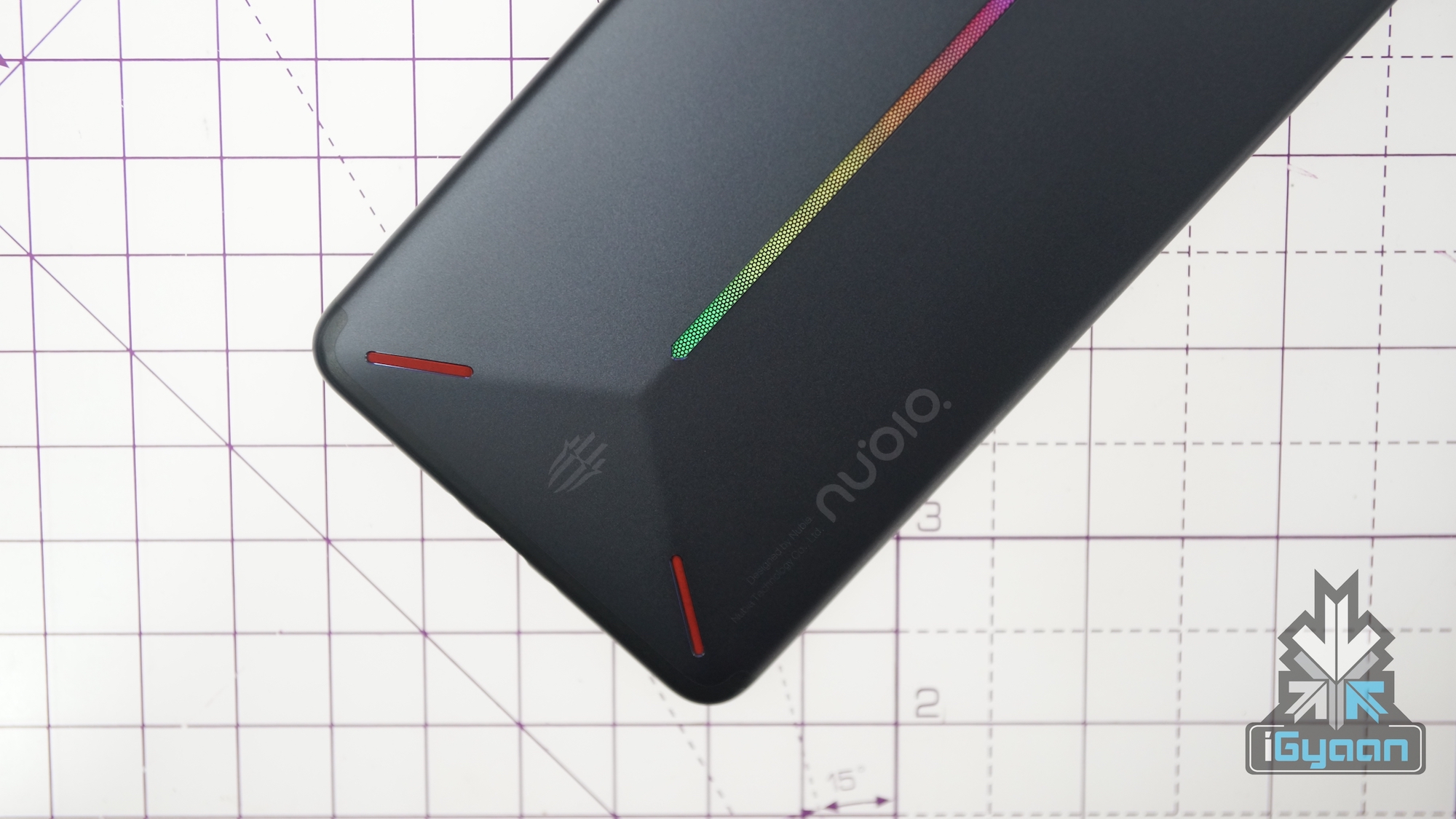
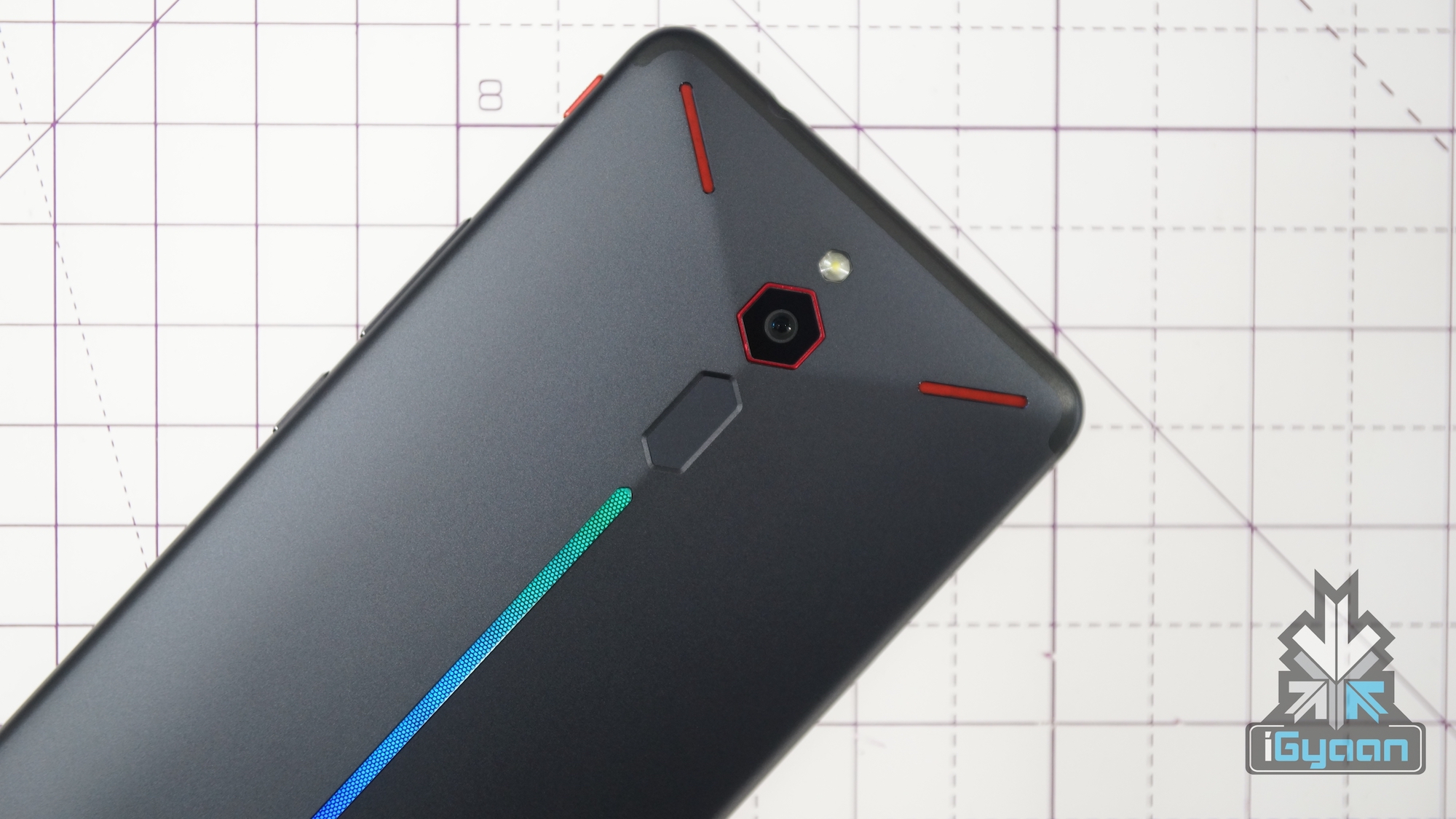
    These phones have a lot of modifications done in order to make it gaming friendly. These modifications take up space thus making these phones heavy and large. These are nowhere near the sleek smartphones that we see and use everyday and may feel like a brick at times. But it also sets you apart from the similarly designed phones that we see everyday. These phones have a dash of colour, look menacing and usually have glowing lights in the back. If you are a fan of sleek smartphones, gaming phones probably aren’t for you.

    Expensive

    These phones are specced to the brim and because of that, are expensive. They can be priced anywhere between $ 400 to $ 800 and are quite expensive. It is also to be noted that phones with similar specifications from manufacturers such as Apple and Samsung can go way above that reaching prices as high as $ 1500.

    Delayed Software Updates

    Gaming smartphones are generally not known for speedy software updates and OS updates. Since these phones have their own UI to make the phone look more like a gaming device, these UI changes take time for the company to implement on a new OS. This can be a hassle for people who like to get timely security and software updates.

    Best Gaming Smartphones To Consider

    Now that we have discussed both the positives and the negatives, here is a list of the best gaming phones available in the market that you can consider to buy:

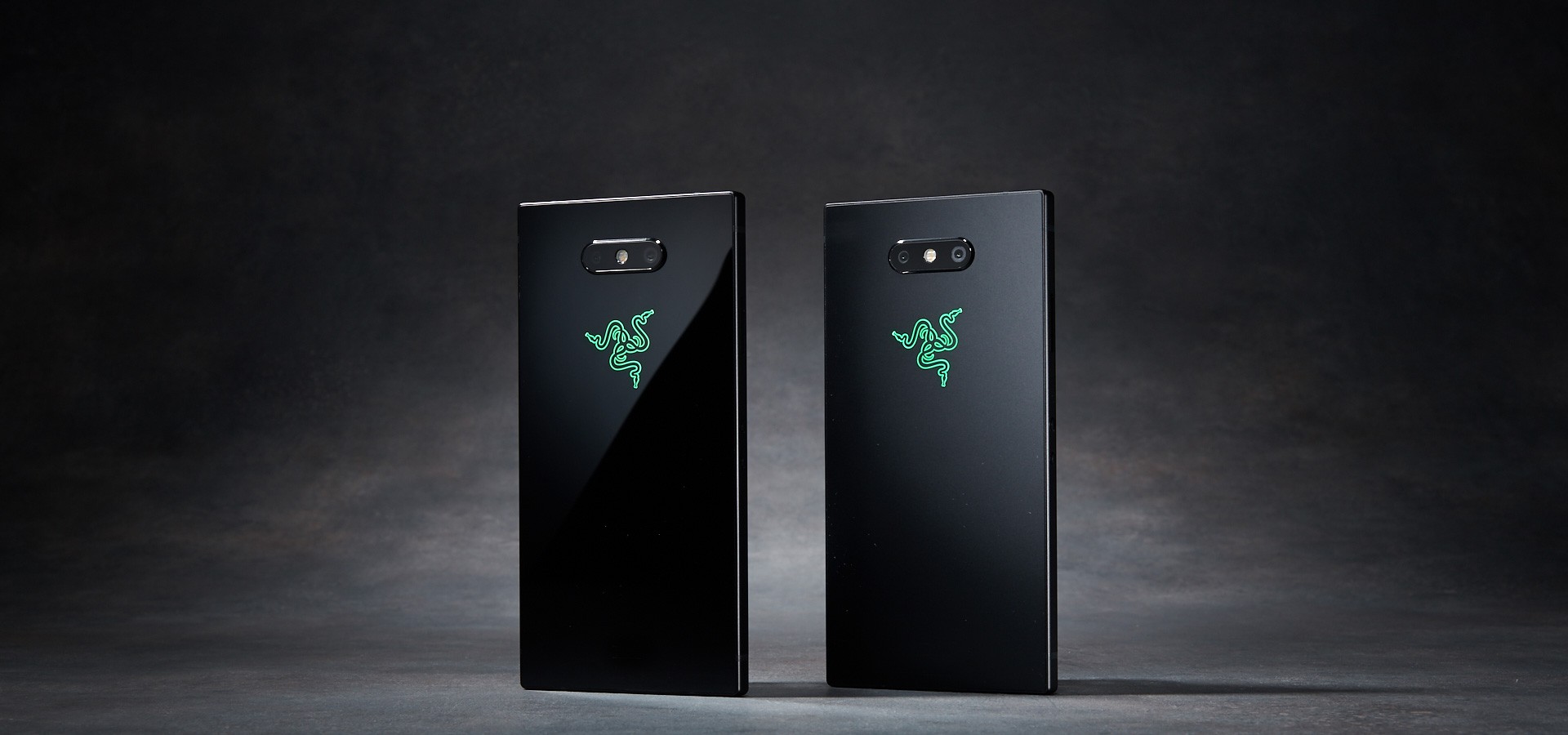
    • The Razer Phone 2
    • ASUS ROG
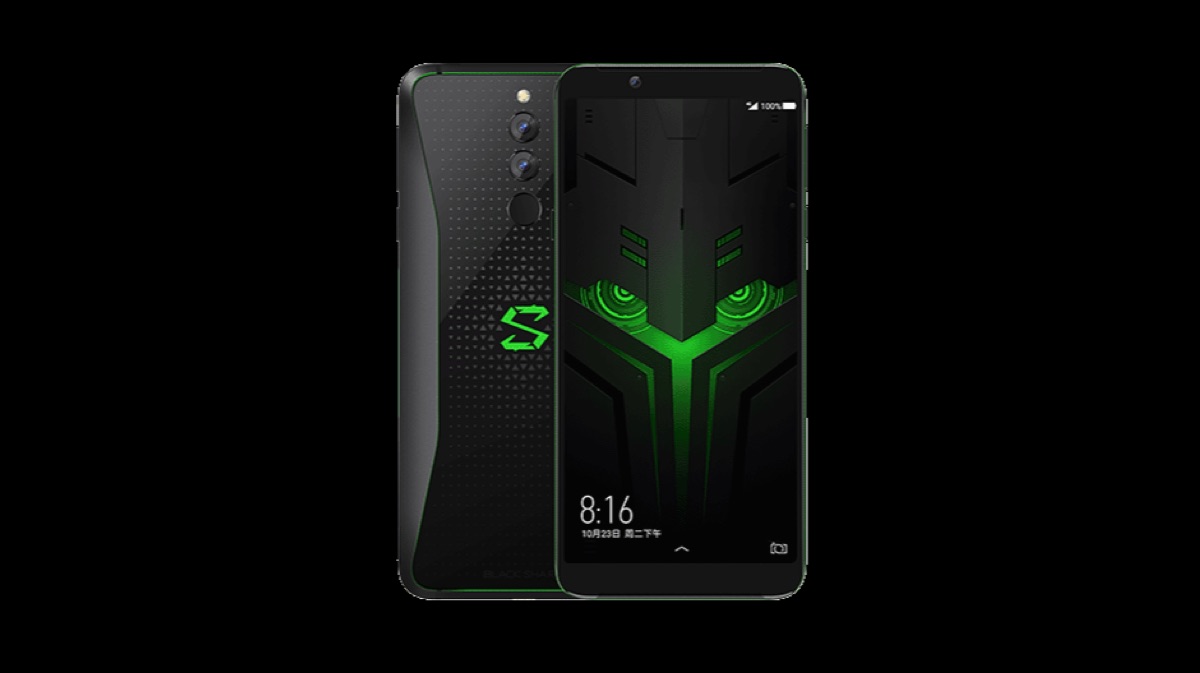
    • Xiaomi Black Shark
    • ZTE Nubia Red Magic
  • ASUS May Launch Zenfone With Pop Up Camera And Punch Hole Camera
    ASUS May Launch Zenfone With Pop Up Camera And Punch Hole Camera
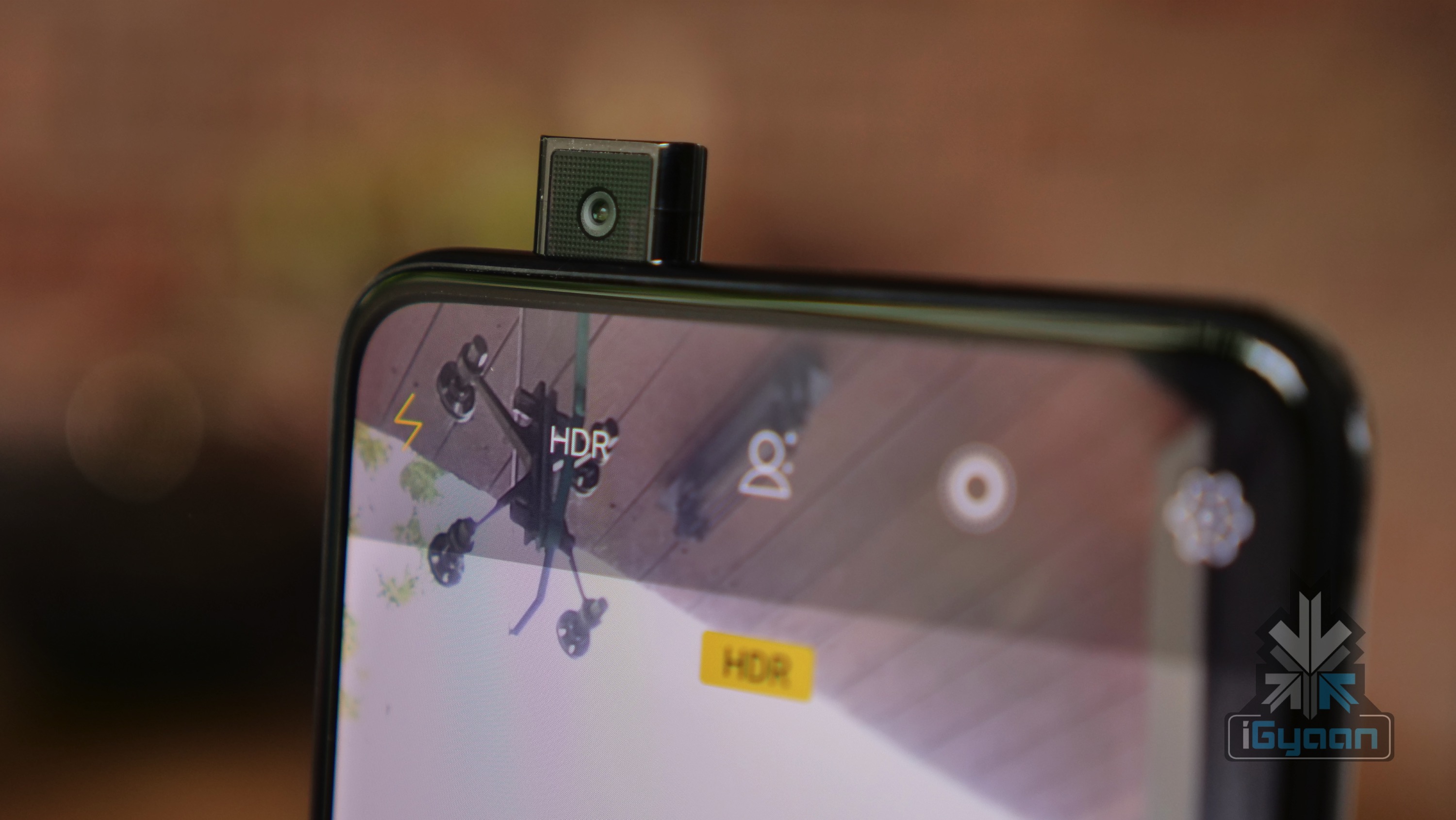
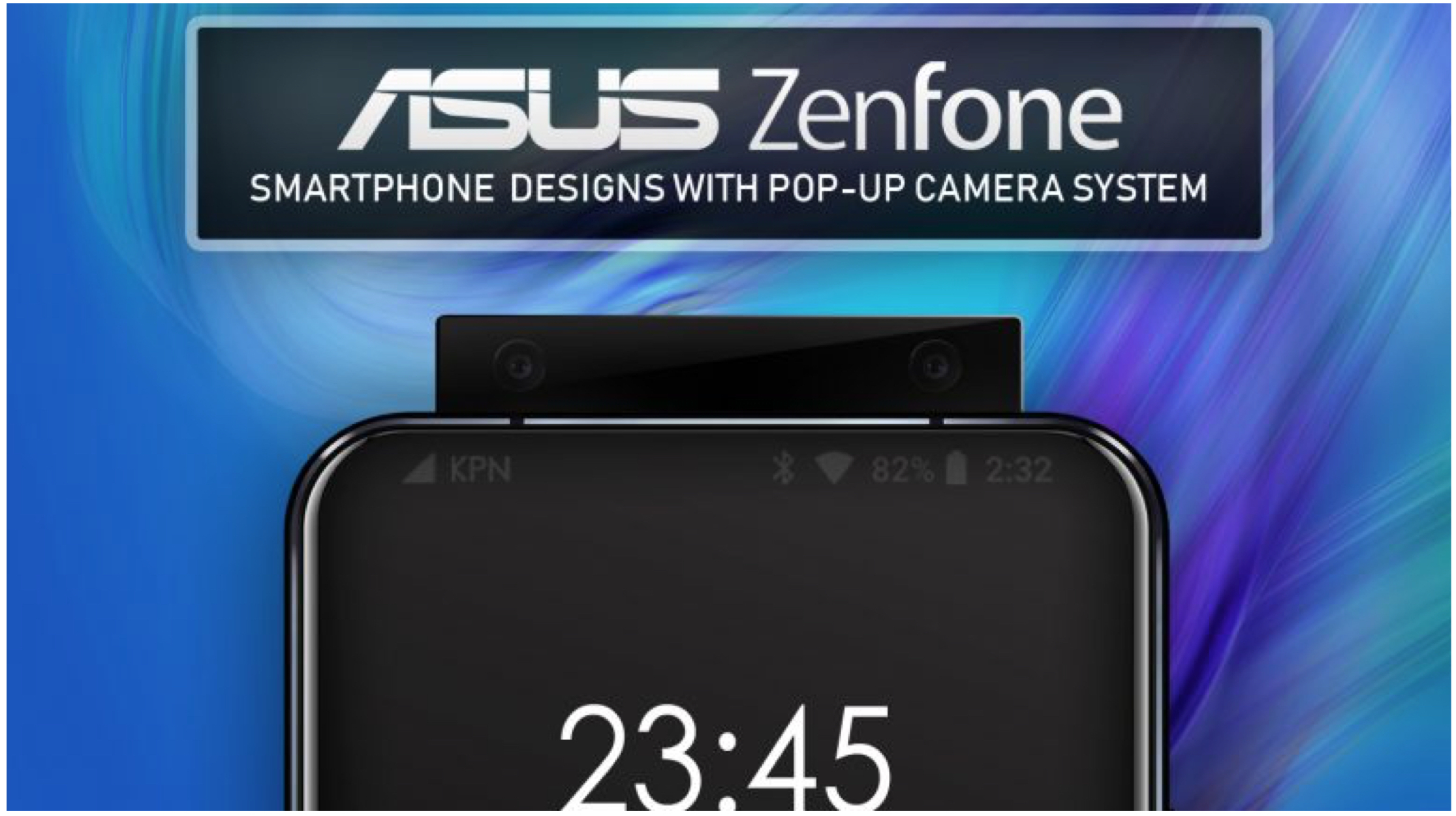
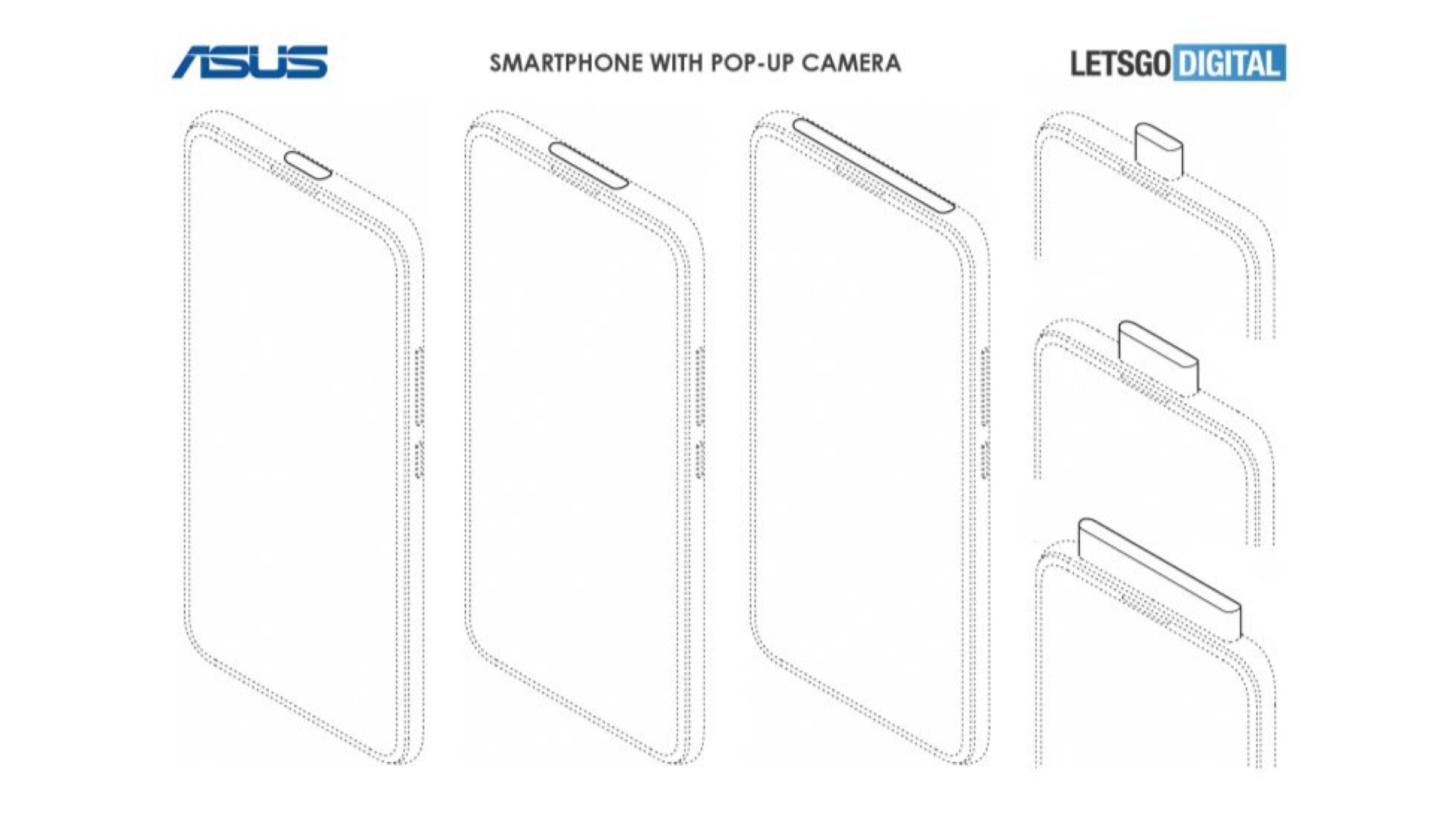
    The Asus Zenfone series has been one of the most popular smartphones in the budget segment for quite a while now. With the latest device, Asus carries forward the tradition of big batteries, good camera performance and a great performance. However, here is some news that can make the upcoming series of Asus Zenfone smartphones even more appealing. A patent from the smartphone company shows that it is working on two new possible Zenfone designs. These include one with a pop up camera and one with a punch hole camera.

    The patent was filed with the EUIPO earlier this year and have just recently been published. They show many smartphone designs, all of them without bezels or a notch. The first design shows a smartphone with  a pop up camera. This means that the screen will be totally bezel-less and will have a sliding compartment on the top. This will house the single or even dual front cameras. It is still not clear as to whether this will be a manual slider or will be mechanised like on the Vivo Nex

    Additionally, the patent also talks about a second design with a punch hole camera or a camera cut out. This patent was submitted in Germany while the previous one was submitted in France. This design shows an Asus smartphone with a hole in the top left of its display. And it houses a single front facing camera. This technology is already seen in the Samsung Galaxy A8s, which was launched recently.

    Also Read : Xiaomi Launches Mi Play With Deca Core MediaTek Processor

    With the advent of mobile technology, every manufacturer is looking to beat the competition with something unique. This includes unique and sometimes even quirky design elements such as the camera cut out or the pop up camera to grab attention. Whether a smartphone will really make a mark in the market ultimately depends on the features it packs and its price.

  • Asus ZenFone Max M2 And Max Pro M2 Launched In Russia

    Asus ZenFone Max M2 And Max Pro M2 Launched In Russia

    Taiwan based Asus is about to launch their ZenFone Max Pro M2 & ZenFone Max M2 smartphones in India. They are the successors of the sensational ZenFone Max Pro M1 and will launch on 11 December in the country. Prior to their India launch, they have been officially announced in Russia. The Indian variants are expected to have a similar price and features.

    ZenFone Max Pro M2 

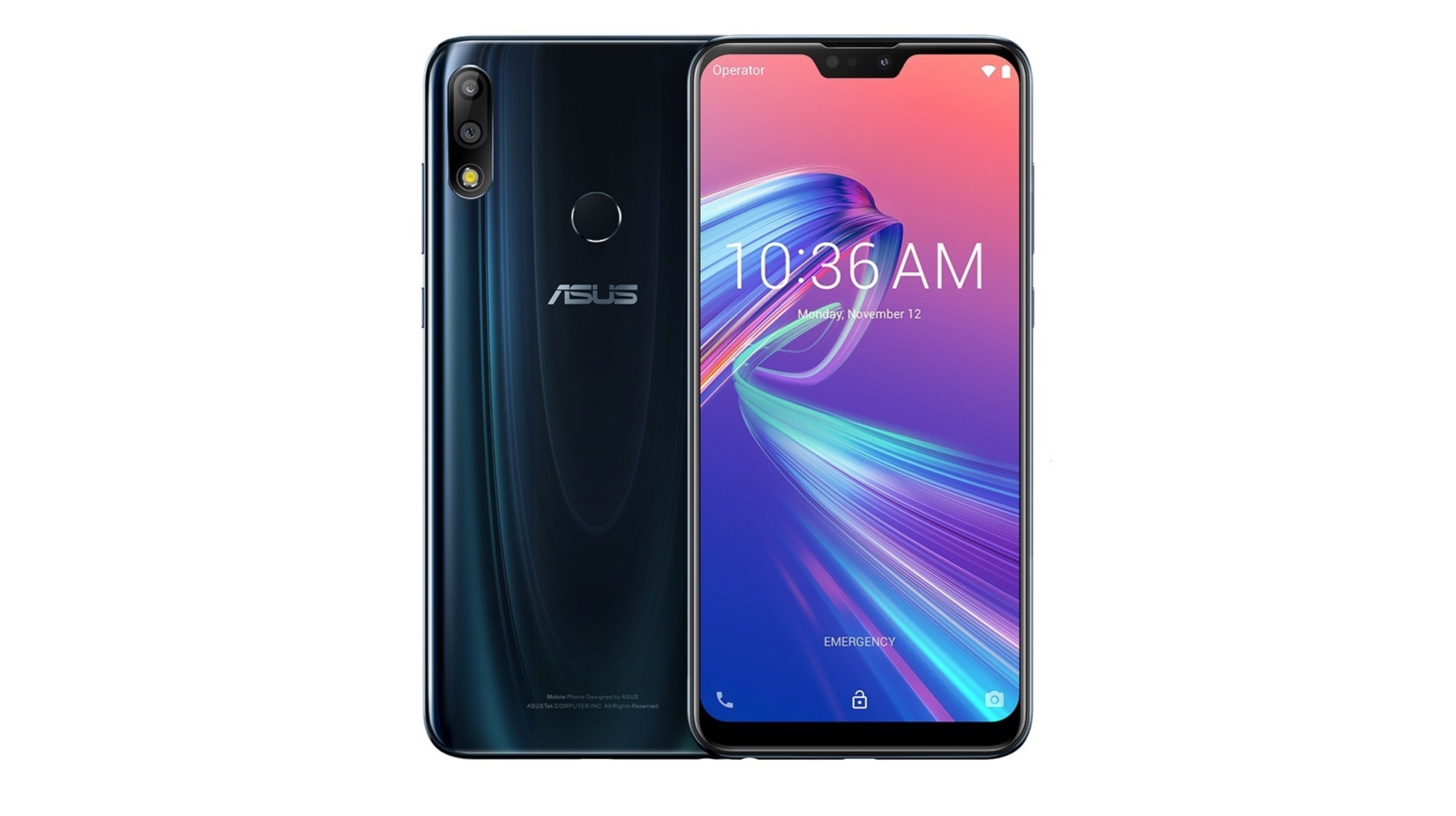
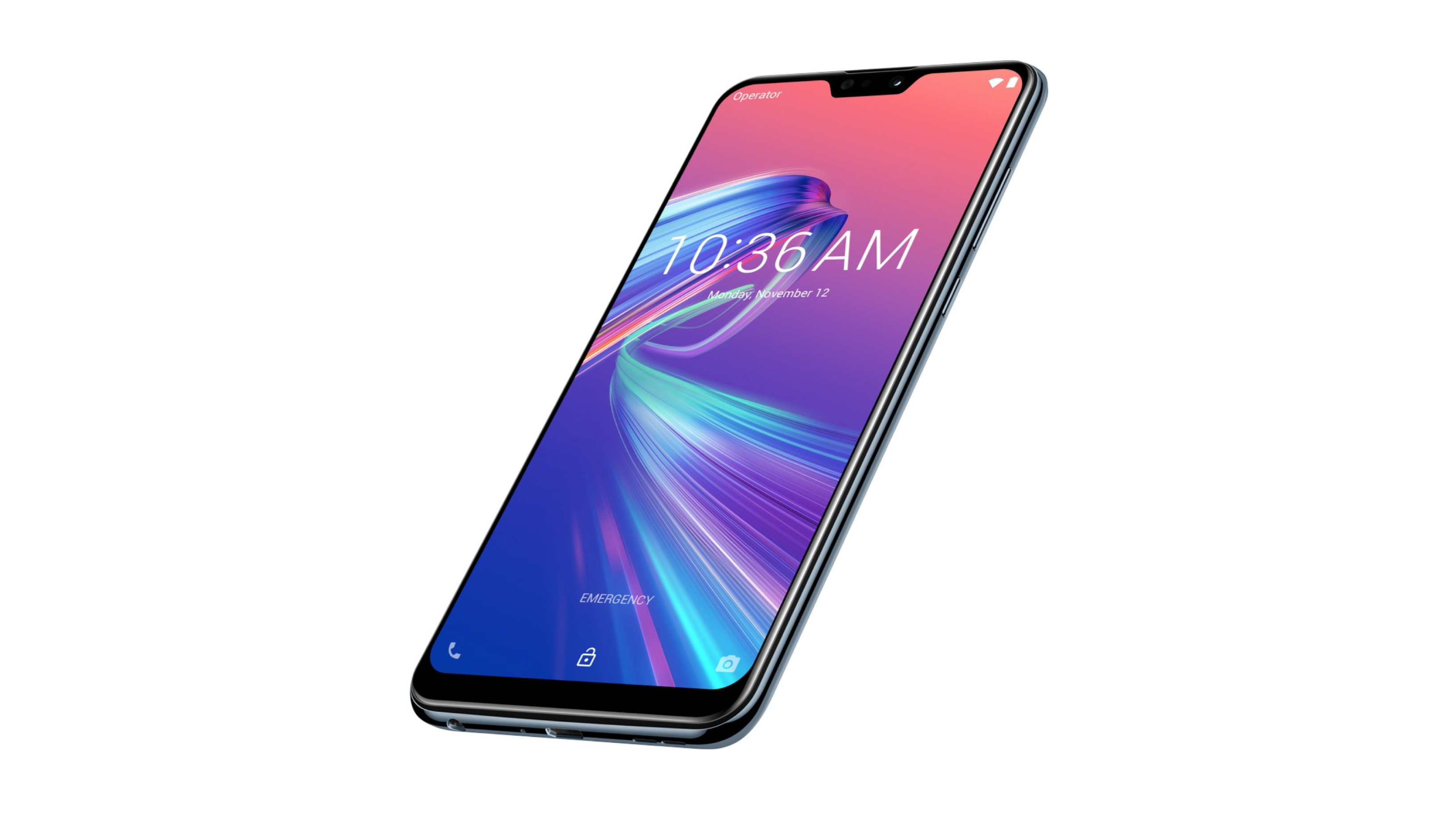
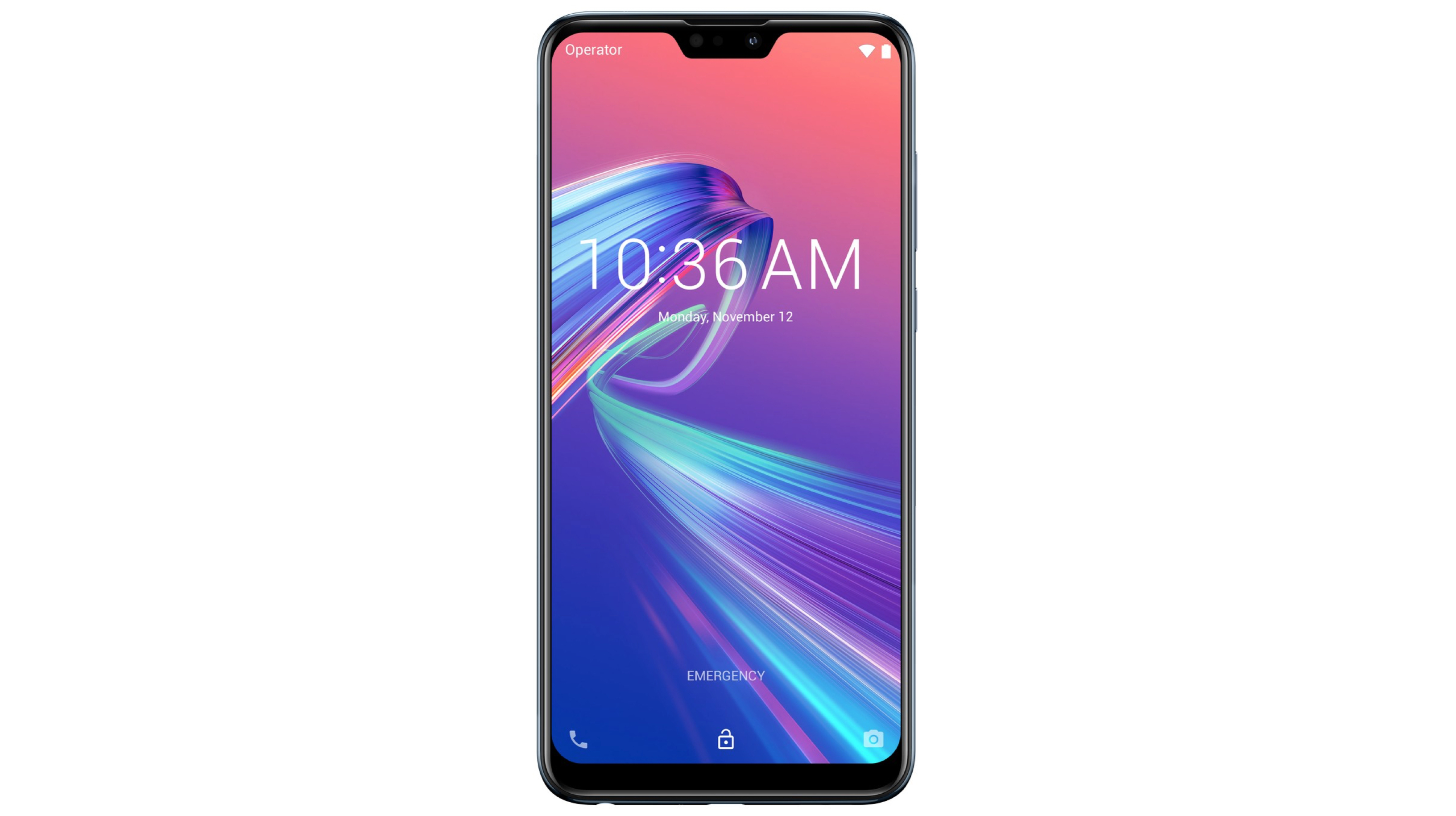
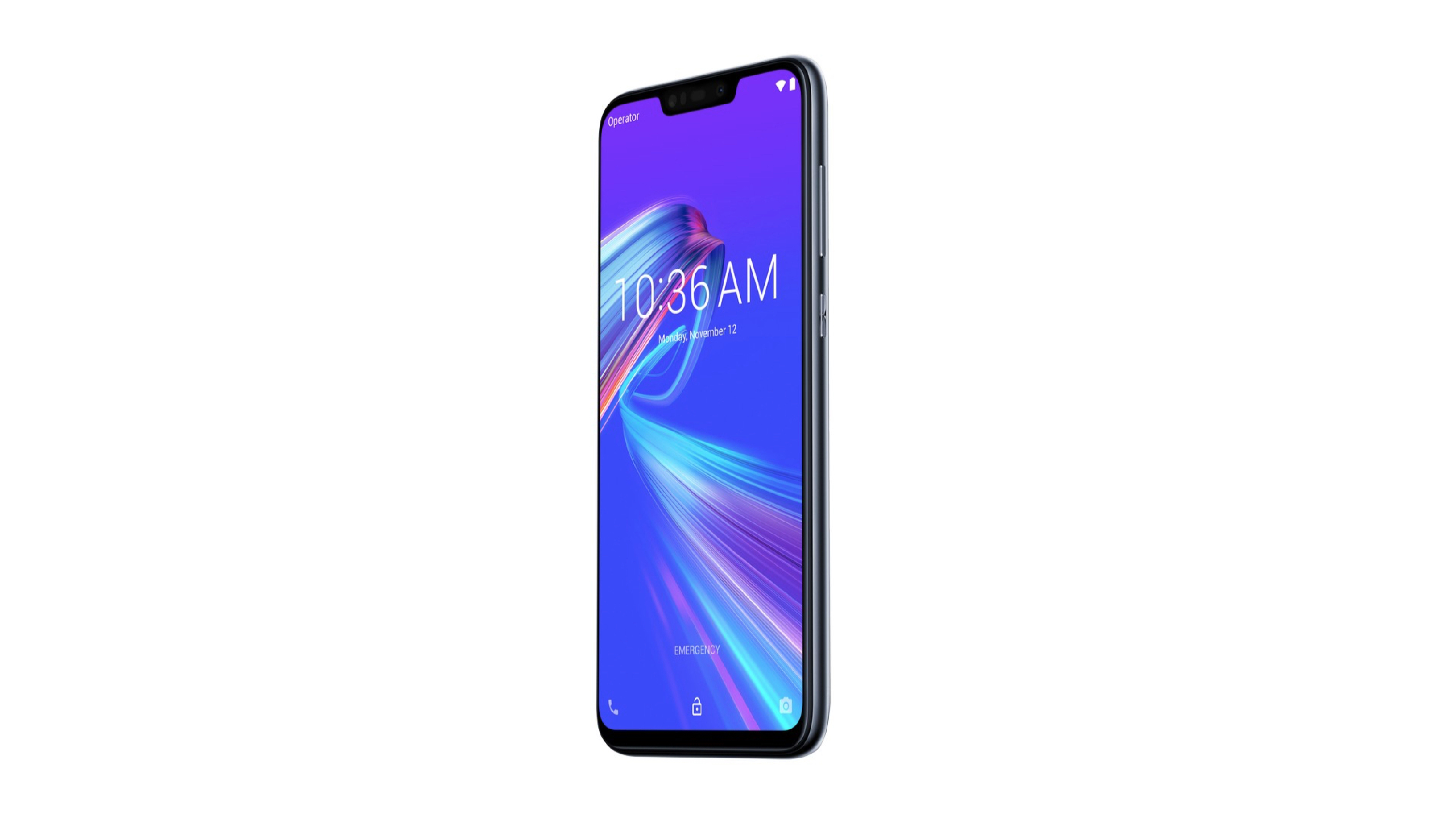
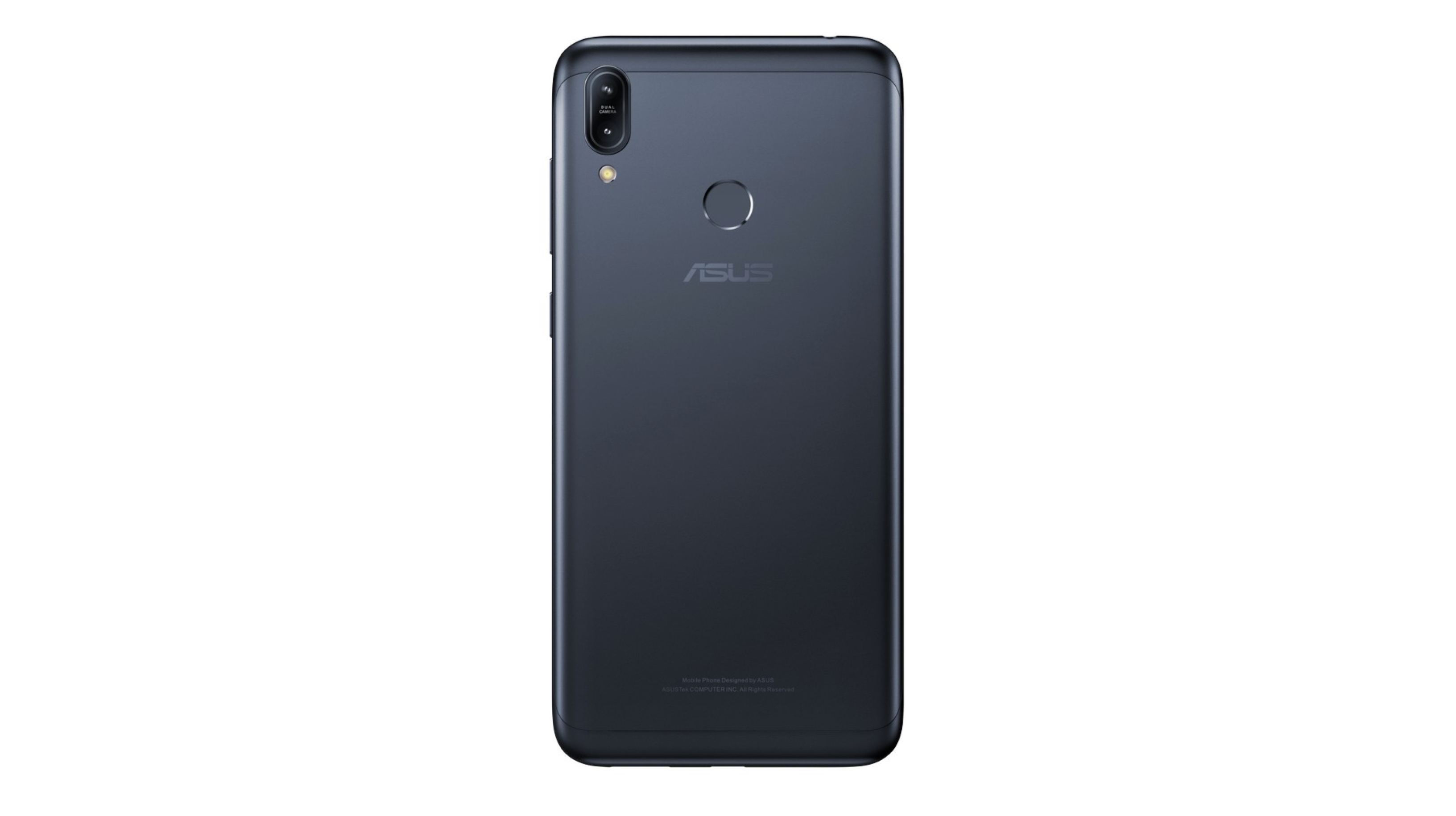
    Out of the two, the ZenFone Max Pro M2 is a premium device. It has an all-glass front and rear build. The device measures 157.9 x 75.5 x 8.5 mm and weighs in at 170 grams. It features a FHD+ 6.3-inch LCD display with a notch and a resolution of 2280 x 1080 px. For protection against scratches, it also has Corning Gorilla Glass 6. For quickly and securely unlocking it also has a rear-mounted fingerprint sensor.

    The ZenFone Max Pro M2 features the Octa-Core Snapdragon 660 SoC and is powered by a mammoth 5,000 mAh battery. In terms of memory and storage, it has 4 GB of RAM and 64 GB of ROM which is expandable up to 512 GB via a microSD card. For photography, the smartphone has a 5 MP front-facing camera and dual 13 MP + 12 MP rear cameras with an LED flash. In terms of connectivity, the smartphone supports dual 4G VoLTE, Bluetooth 5.0, Wi-Fi 802.11 ac, 3.5 mm audio jack and has a micro-USB port.

    The smartphone is available in two colours which are Metal and Blue. In Russia, it is priced at 17,990 Ruble which roughly translates to Rs 19,207.

    ZenFone Max M2

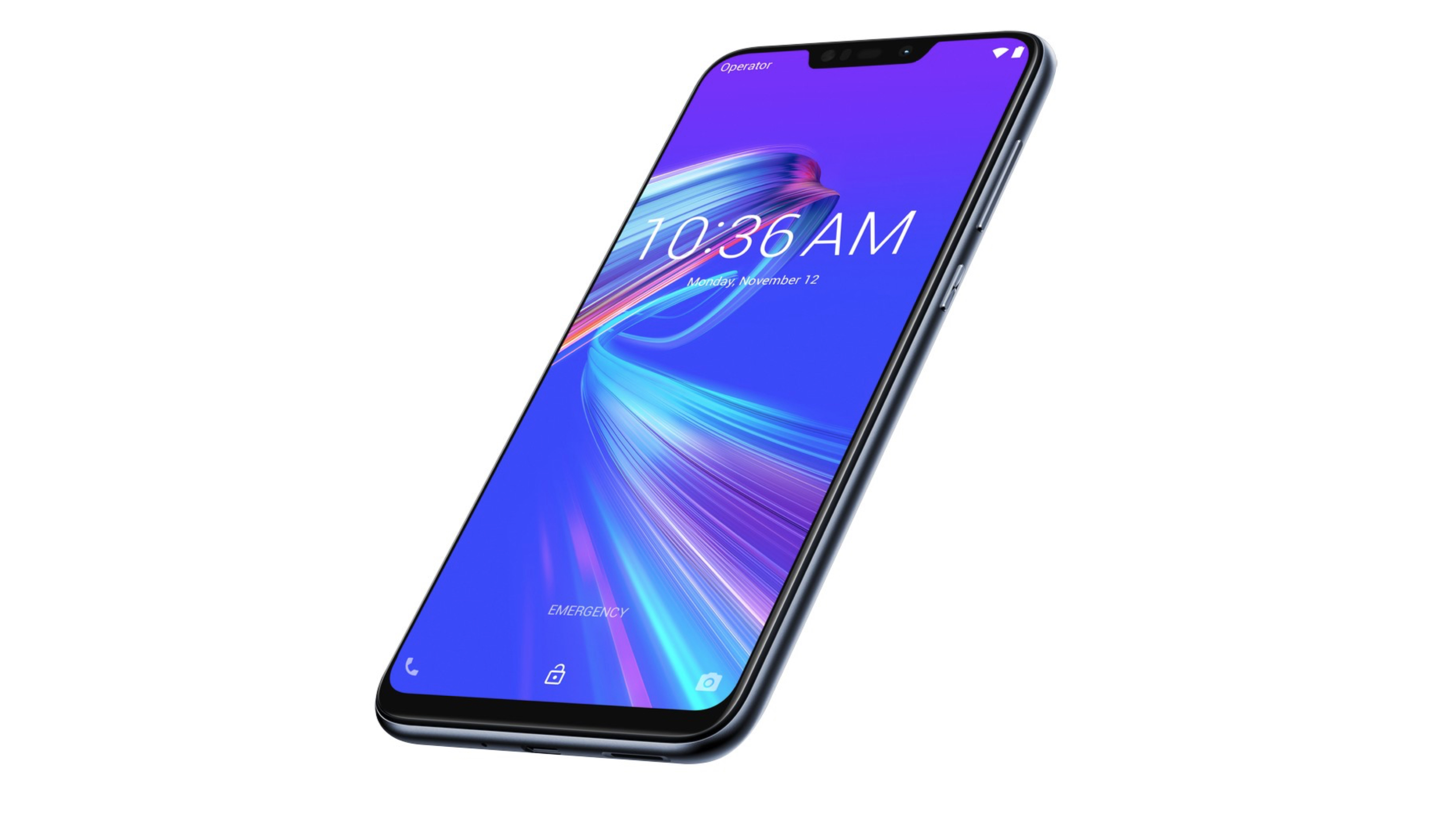
    The ZenFone Max M2 also has a front glass build, but unlike the Max Pro M2, it has a metal back. It measures 158.41 x 76.28 x 7.7 mm and weighs in at 160 grams. It also features a 6.3-inch HD+ LCD display with a notch and a 1520 x 720 px resolution. For protection against scratches, it also has Corning Gorilla Glass 6. In terms of memory and storage, it has 3 GB of RAM and 32 GB ROM  which is expandable up to 512 GB via microSD. Like the Max Pro M2, it also has a rear-mounted fingerprint sensor.

    The ZenFone Max M2 features the Octa-Core Snapdragon 632 SoC and is powered by a 4,000 mAh battery. For photography, the smartphone has a dual 13 MP + 2 MP rear camera with an LED flash and an 8 MP front camera. The smartphone also supports dual 4G VoLTE, Bluetooth 5.0, Wi-Fi 802.11 ac, 3.5 mm audio jack and a micro-USB port.

    Also ReadOnePlus 7 Will Be One Of The First Phones To Run On The New Snapdragon 855

    It is available in single color option which is Black. In Russia, it is priced at 12,990 Ruble which roughly translates to Rs 13,868.

  • Top 5 Upcoming Smartphones : December Edition

    Top 5 Upcoming Smartphones : December Edition

    The year 2018 has been a big one for smartphones. Companies from all over the globe are trying to take a piece out of this ever-growing market. The year is about to end but a lot of devices are yet to be launched. Here is a list of highly anticipated smartphones which are expected to launch in the month of December.

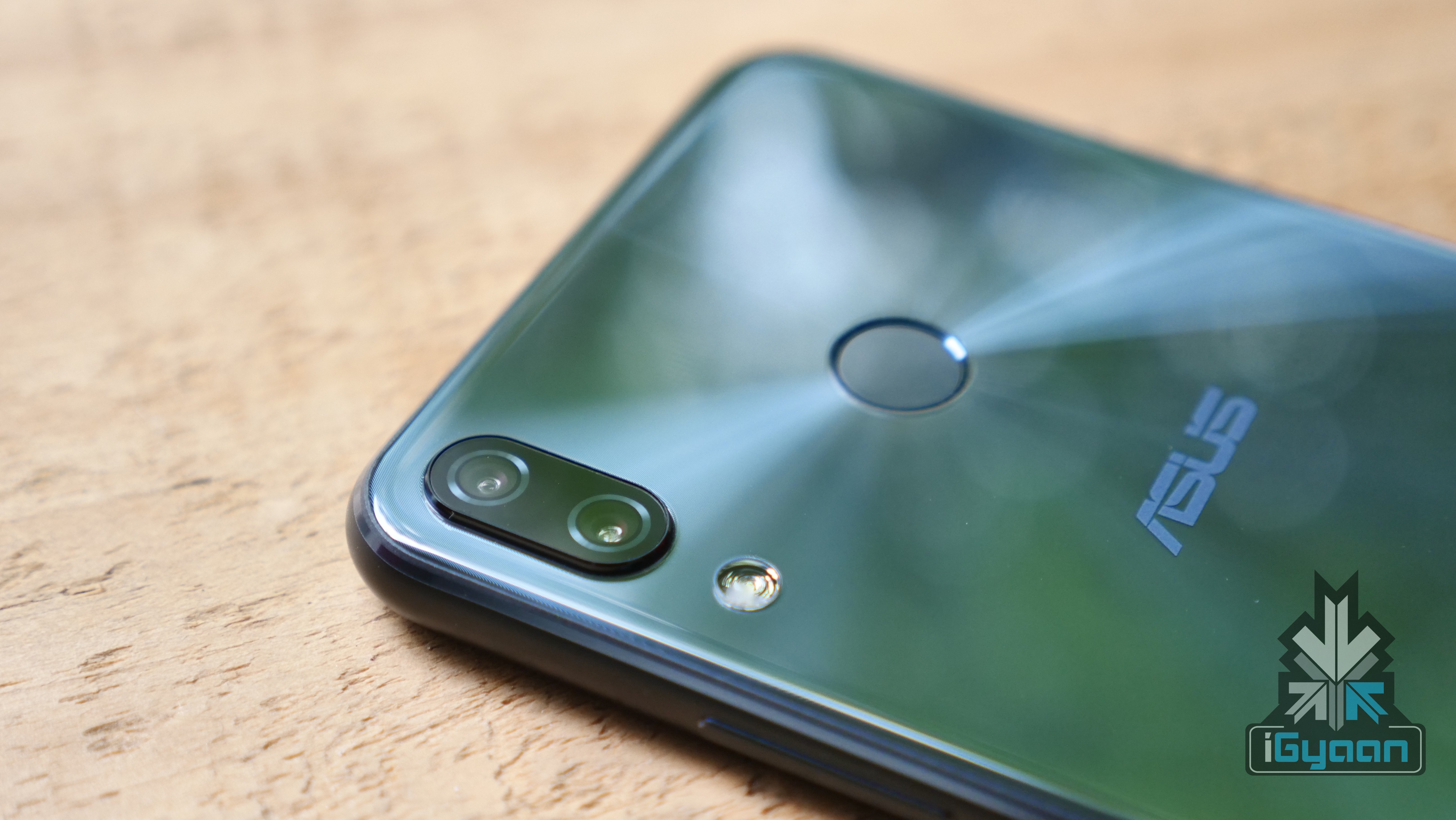
    Asus ZenFone Max Pro M2

    The Asus ZenFone Max Pro M1 was launched earlier this year. Now the company has announced that its successor Asus ZenFone Max Pro M2, will launch on December 11th. The company has been sharing a lot of tweets which reveal some key features of the upcoming device. The Asus ZenFone Max Pro M2 will have a mammoth 5,000 mAh battery, rear-mounted fingerprint sensor, and Gorilla Glass 6 protection. It will also have a wide notch at the top of the display which will house the front-facing camera. If the company can carry forward the aggressive pricing from its predecessor, the ZenFone Max Pro M2 will also be a sensational hit in the Indian market.

    Vivo Nex S2

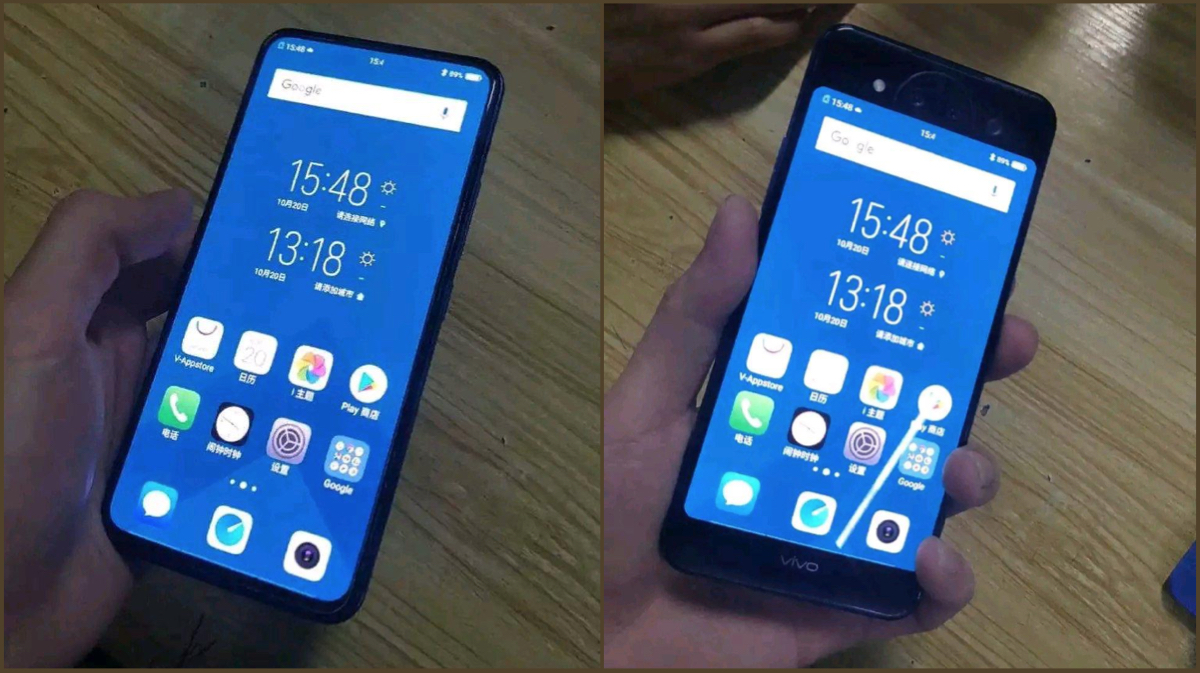
    Vivo launched the Nex S smartphone earlier this year and now the company is about to launch its successor, the Nex S2. According to previous leaks, the smartphone will have unorthodox features like dual displays and a triple camera module. The front of the device has an edge-to-edge display and an additional smaller sized display on the rear. Like its predecessor, it is also expected to have an in-display fingerprint sensor. To sum up, all the doubts and rumors surrounding the device will be cleared up as the company officially announces it on December 11th.

    Nokia X7

    The Nokia X7 aka Nokia 8.1 has already been launched in China. Latest tweets from Nokia India indicate that the device will launch soon in India as well. The Nokia 8.1 has a 6.18 inch Notch display with a pixel density of 403 ppi. The smartphone features the Octa-Core Snapdragon 710 SoC and is powered by a 3,500 mAh battery which supports 18W fast charging. For security, it also has a rear-mounted fingerprint sensor. The Nokia 8.1 has dual 12 MP + 13 MP rear cameras and a single 20 MP front-facing camera. Except for a few India specific changes, the smartphone is expected to carry most features from its Chinese counterpart. However, all details regarding price and specifications will be cleared at its time of launch which is set for the 10th of December.

    Meizu 16

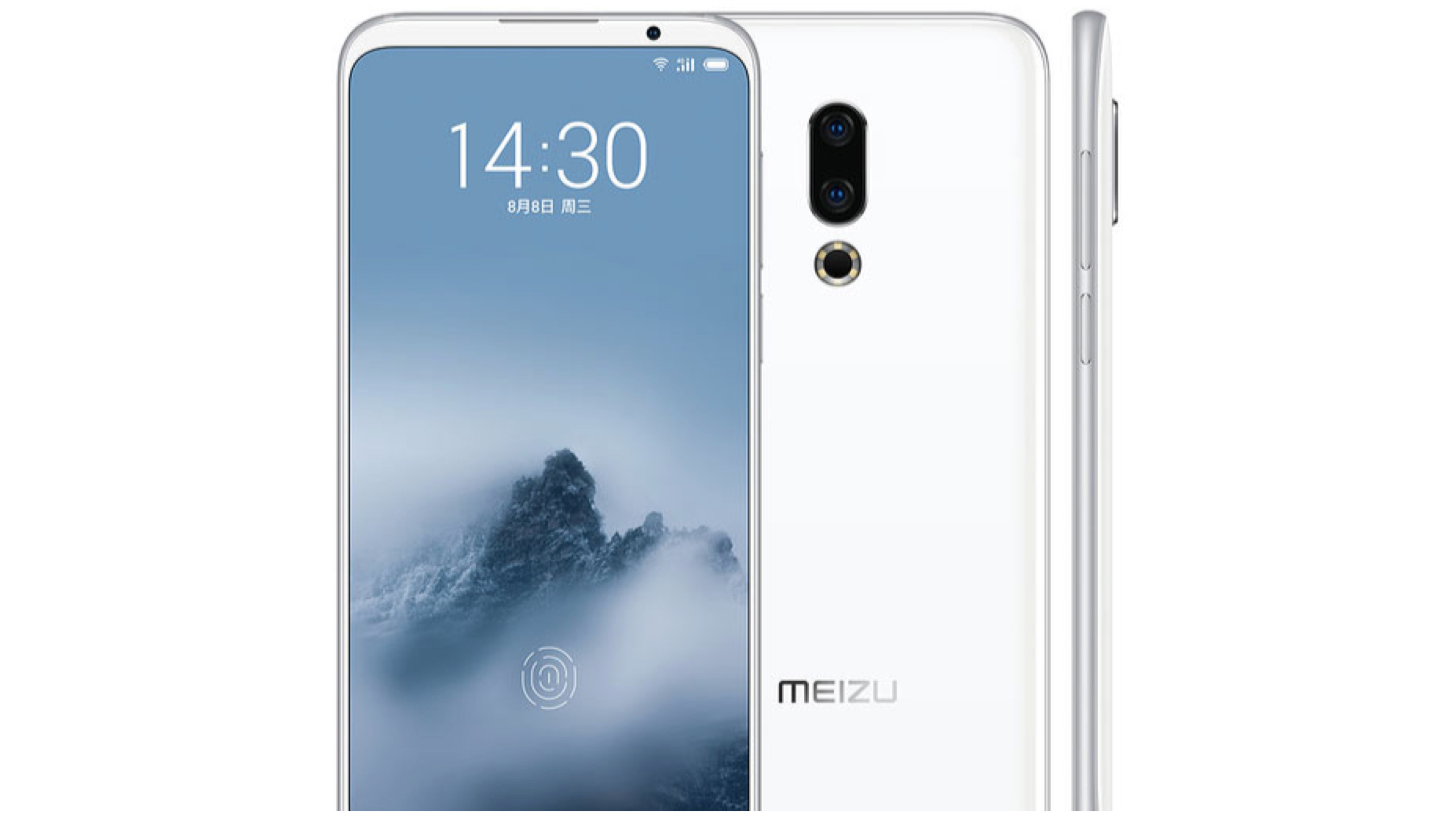
    Meizu is a Chinese consumer electronics manufacturer which is about to launch its first smartphone in India. The company will launch its high-end Meizu 16 smartphone in the country on 5th December. The smartphone has a 6-inch Super AMOLED display with a 2160 x 1080 px display. Under the hood, the smartphone features the Octa-Core Snapdragon 845 CPU and Adreno 630 GPU. For photography, the Meizu 16 gets 20 MP front-facing camera and a dual 12 MP + 20 MP rear cameras along with a 6 LED Ring flash. It packs a 3010 mAh battery which supports fast charging at 24 watts.

    Also ReadAlleged Samsung Galaxy S10 5G Prototype Seen In Video

    Google Pixel 3 Lite

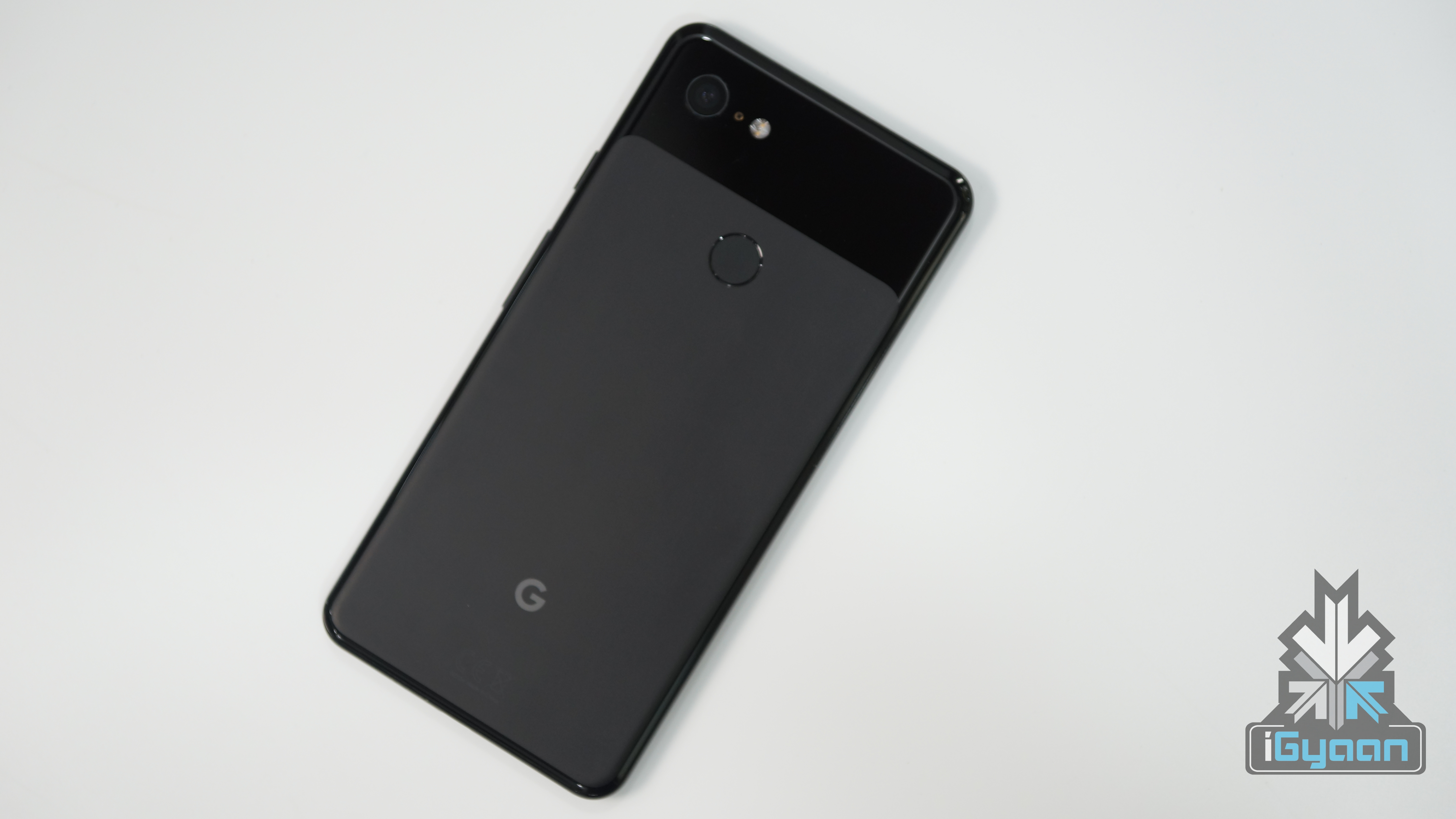
    The Google Pixel 3 Lite aka Sargo has been continuously making rounds of the internet. According to reports, it is a low specced variant of the previously launched Google Pixel 3 and Google Pixel 3 XL. In terms of looks, it has a similar design language as the Pixel 3. It has thin right and left bezels while the top and bottom bezels are quite prominent. The leak suggests that the smartphone packs the Octa Core Snapdragon 710 SoC and is powered by a  2,916 mAh battery. Surprisingly, it also has a 3.5 mm jack which the elder siblings miss out on. The device is expected to be a sub $ 500 smartphone and if it gets the same camera as the Pixel 3, it will definitely turn a lot of heads. Although Google has not officially announced its launch date, it is expected to launch before this year ends.

  • Asus Zenfone Max Pro M2 To Launch In India On December 11

    Asus Zenfone Max Pro M2 To Launch In India On December 11

    The much awaited Asus Zenfone Max M2 Pro has been confirmed to launch in India, by the company. Asus did so through a tweet on its official account. They have set the date for its launch for the 11th of December. The tweet also mentions that the smartphone will have Corning Gorilla Glass 6 and will be a Flipkart exclusive.

    Specifications

    Earlier, a teaser on the companies Indonesian account had revealed that the phone has a massive 5,000 mAh battery. The Asus Zenfone Max Pro M2 is expected to have many more such features which will make it a worthy successor to the extremely popular Zenfone Max Pro M1. The phone is also has a dual rear camera setup, as has been seen from earlier teasers and leaks. The device also has a rear mounted fingerprint sensor and a glass back. The phone will also have a notch on its display, which will house the front facing camera.

    The phone is also said to have a 6.3 inch FHD+ display, which will house a notch. It is said to run on the Qualcomm Snapdragon 660 SoC. And will have 4 GB of RAM along with 64 GB and 128 GB storage options.  Some reports also claim of a second variant with 6GB of RAM. The Snapdragon 660 chipset has a lot fo improvements in terms of performance and AI capabilities when compared to the Snapdragon 636 chipset on the Zenfone Max Pro M1.

    Also ReadApple Music Finally Coming To Amazon Echo Devices

    Interestingly enough, some sources also claim that the phone has a triple rear camera setup and not a dual rear camera. This can be a possibility as none of the teasers actually show the entire camera setup. They always cut the phone at a place where the third lens os not visible. However, it is also possible that this is not a third sensor and is simply the LED flash on the back. We will have to wait till the launch of the device on December 11th to know more details about the phone.

  • Asus ZenFone Max Pro M2 Will Have A 5000 mAh Battery

    Asus ZenFone Max Pro M2 Will Have A 5000 mAh Battery

    The Asus ZenFone Max Pro M1 was launched earlier this year. Due to features like dual cameras and a massive battery, it was a sensational hit in the country. Now the company is about to launch its two successors which are the Asus ZenFone Max Pro M2 and the Asus ZenFone Max M2. Both the smartphones are set to launch on December 11 in Indonesia which will be soon followed by their India launch. The details about its features have already leaked online. Recently the company has officially announced the new devices will have the same size battery as its predecessor.

    Battery Giant

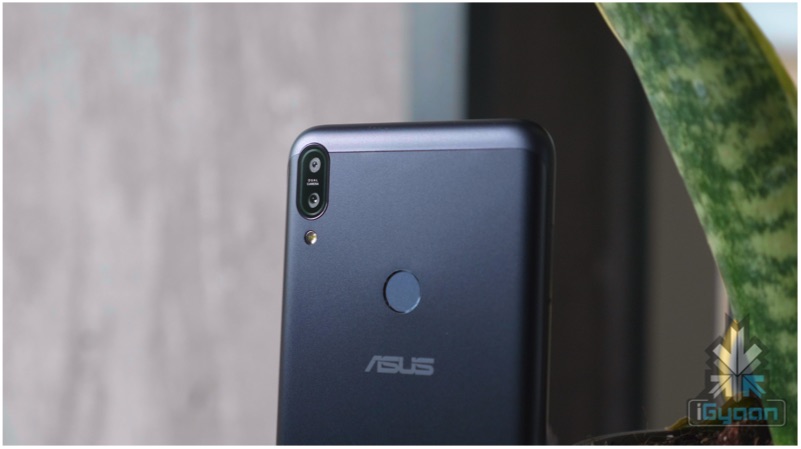
    The latest development about the ZenFone Max M2 was shared by the company on their Indonesian twitter account. The tweet reveals the upcoming smartphone will have the same 5,000 mAh battery as the last generation device. It also reveals that the device has a rear-mounted fingerprint sensor and a glass back. Previously released teasers by the company disclosed that the upcoming device will also have a notch at the top of the display which will house the front selfie camera. However, the company has not released any other information about the specifications of the smartphones. But, a leak from the past suggests that the devices will have the following specifications.

    ZenFone Max Pro M2 (ZB634KL) ZenFone Max M2 (ZB632KL )
    Screen Size 6-Inch FHD+ 6-Inch FHD+
    RAM 4 GB 4 GB
    Storage 64 GB, 128 GB 32 GB, 64 GB
    SoC Snapdragon 660 Snapdragon 636
    Number of Camera Sensors Triple Dual
    Also Read: OnePlus 6T McLaren Edition Will Have 10 GB Of RAM

    All in all, if Asus can carry forward the aggressive pricing from the ZenFone Max Pro M1 to the ZenFone Max Pro M2 and the ZenFone Max M2, the company would be again able to disrupt the budget smartphone market.

  • Asus ROG Phone Launched In India

    Asus ROG Phone Launched In India

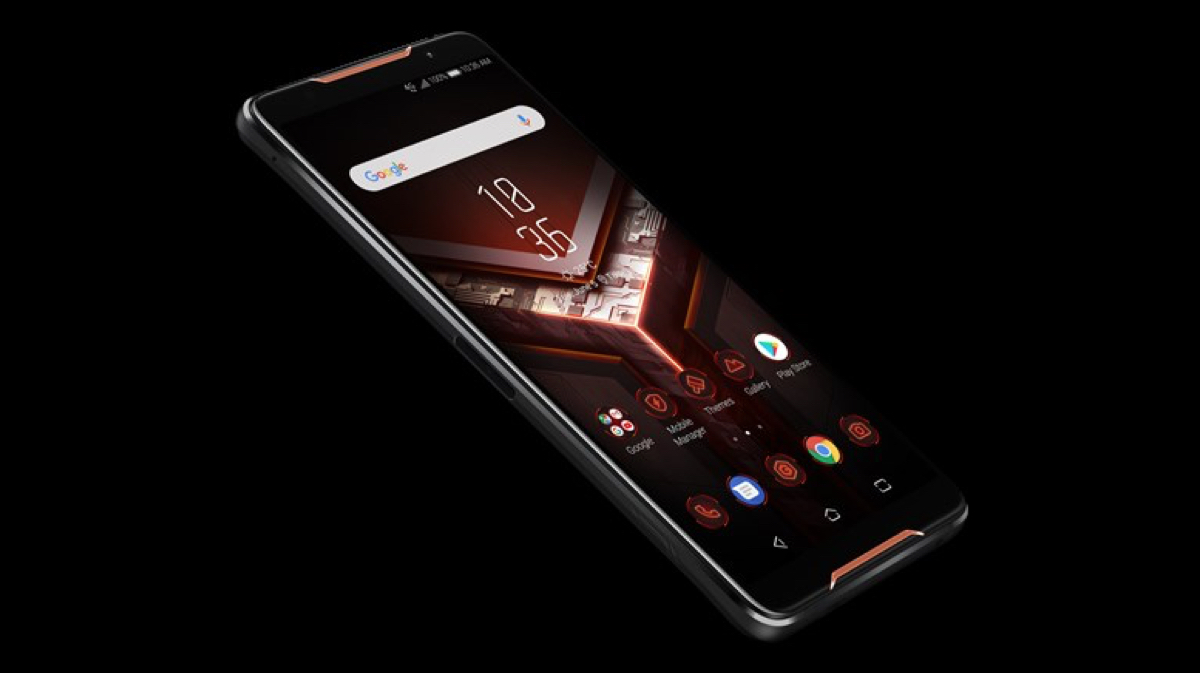
    Asus had unveiled it’s first smartphone in Computex in June this year. The phone, monikered from their gaming series of products – ‘Republic Of Gamers’, just launched in India. It is a truly gaming centric phone that has been built with gaming needs in mind. Asus’ only gaming smartphone- the ROG Phone is priced at Rs 69,999. Let’s dive into it’s features and see what it has in store for gamers.

    Click here to buy the Asus ROG Phone

    Phone Specifications
    Before we get into the gaming centric features, let’s look into the specifications that make it a phone and not just a gaming device. The ROG Phone features a 2.5D Corning Gorilla Glass 6 in the front and a 3rear Corning Gorilla Glass design. The phone boasts of an Adreno 630 GPU and has options of up to 8GB RAM and up to 512GB ROM. The ROG Phone also has a two camera setup at the back that feature a 12 MP and an 8 MP sensor. The front camera of the phone is 8 MP, f/2.0 which is a decent camera for a gaming phone. Other than that it has all the regular features such as a rear mounted fingerprint sensor, accelerometer, gyro, proximity sensors and a compass. The ROG Phone also features a 4000 mAh battery. This is both great for intensive gaming as well as for a regular heavy user.
    Gaming Centric Features

    Click here to buy the Asus ROG Phone

    Being a gaming phone, one can only expect good things from this phone. The ROG Phone features a 3D vapour-chamber cooling system. It is a four-speed fan system that can cool the surface of the phone by up to 4.7°C. It has what Asus calls ultrasonic AirTrigger touch sensors. These are basically programmable shoulder buttons when the phone is used in landscape mode for better gaming. Asus seems to understand gaming needs quite well which is evident from the placement of side-mounted ports which makes it easier to play games on the phone in landscape mode while charging simultaneously. The AMOLED display with a 90Hz refresh rate with a 1ms response time. For the uninitiated, a normal IPS display has a response time of around 4 ms.
    The phone features a Qualcomm Snapdragon 845 SoC clocked at up to 2.96GHz. Kitted with a Qualcomm Adreno 630 GPU the phone boasts of a GameCool vapor-chamber cooling system with detachable AeroActive Cooler for an extra cooling boost. It has Wi-Fi speeds up to 4.6Gbps and boasts of a 108.6% DCI-P3 wide colour gamut. Other features include a 48 Pin customised connector with USB 3.1 Type-C port, dual front-facing stereo speakers and a 100,000:1 contrast ratio.
  • Asus Releases Official Renders Of The Upcoming ZenFone Max Pro M2

    Asus Releases Official Renders Of The Upcoming ZenFone Max Pro M2

    The Asus Zenfone Max Pro M1 was launched earlier this year. Due to its class-leading features like the 5,000 mAh battery and dual rear cameras, it was a big hit among Indian consumers. For some time, Asus has been teasing a successor to the smartphone. Recently, the company has shared an official teaser of the upcoming smartphone on twitter. The teaser provides some insight about what we can expect from the new phone.

    Official Teaser

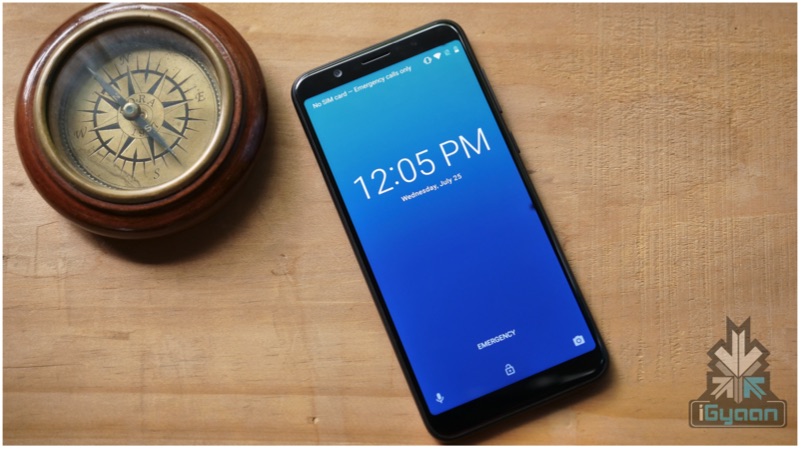
    The teaser was posted on the company’s Indonesian Twitter account. The smartphone set to launch on December 11th in Indonesia. The teaser reveals that the display of the Asus ZenFone Max Pro M2 has a notch up top and the earpiece cutout is placed right above it. The notch at the front houses the front-facing camera and what appears to be the ambient light sensor. Another important detail that the teaser reveals is three cameras at the back. The two rear camera sensors in the setup are clearly visible while another circular cropped shape suggests of a third rear sensor. Additionally, it seems that the phone has a Glass back which is unlike its predecessor; the ZenFone Max Pro M1. Initial impressions of the smartphone suggest that it will have thin bezels and a high screen-to-body ratio.

    Alleged Specifications

    Other technical details of the ZenFone Max Pro M2 are currently unavailable. However, recent leaks suggest that Asus will launch two variants of the ZenFone Max M2. The leak was shared by Twitter user Roland Quandt. The Twitter user is a trustworthy source as leaks shared by him in the past have mostly turned out to be real. The technical details of the upcoming smartphones are as follows:

    Zenfone Max Pro M2 (ZB634KL) ZenFone Max M2 (ZB632KL )
    Screen Size 6-Inch FHD+ 6-Inch FHD+
    RAM 4 GB 4 GB
    Storage 64 GB, 128 GB 32 GB, 64 GB
    SoC Snapdragon 660 Snapdragon 636
    Number of Camera Sensors Triple Dual
    Also Read: Redmi Note 6 Pro With Dual Front Cameras Launched In India

    All in all, if the smartphones launch with these specifications, it is important that Asus is able to maintain their aggressive pricing. The smartphones will surely fall into the footsteps of their predecessor and will be hit if that is the case.

  • Asus ROG Phone To Soon Launch In India

    Asus ROG Phone To Soon Launch In India

    Asus unveiled their ROG (Republic Of Gamers) Phone during Computex which was held in Taipei, earlier this year. From its design to the user interface, the smartphone is every bit what a gaming phone should be. The smartphone is already on sale in the US and UK. According to androidcentral, Asus will launch the ROG phone in India as well ,on November 29.

    Design & Features

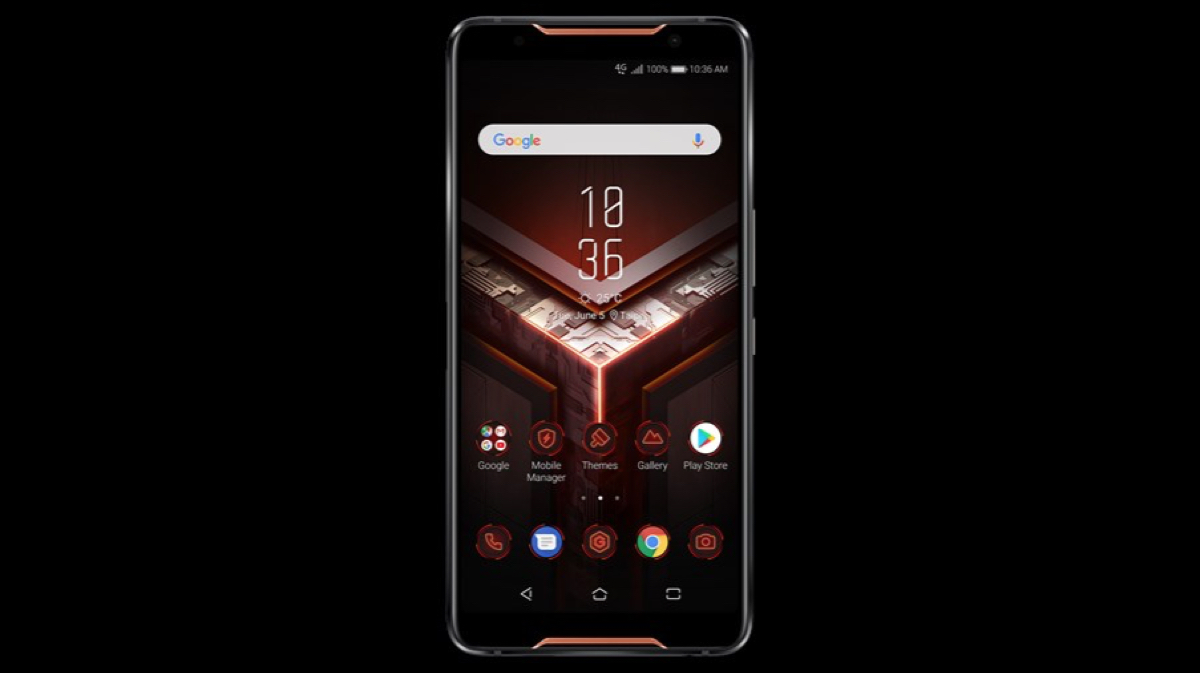
    The Asus ROG Phone has a 6-inch AMOLED display with a 2160 x 1080 px resolution. The display has a pixel density of 402 ppi and a refresh rate of 90 Hz which allows for smooth gaming and video watching experience. The display also gets Corning Gorilla Glass 6 protection to prevent it from scratches against hard surfaces. The handset has dual front-firing speakers each of which are placed on the top and bottom front bezel. It has an 8 MP front facing camera that can also capture 1080p videos at 30 fps.
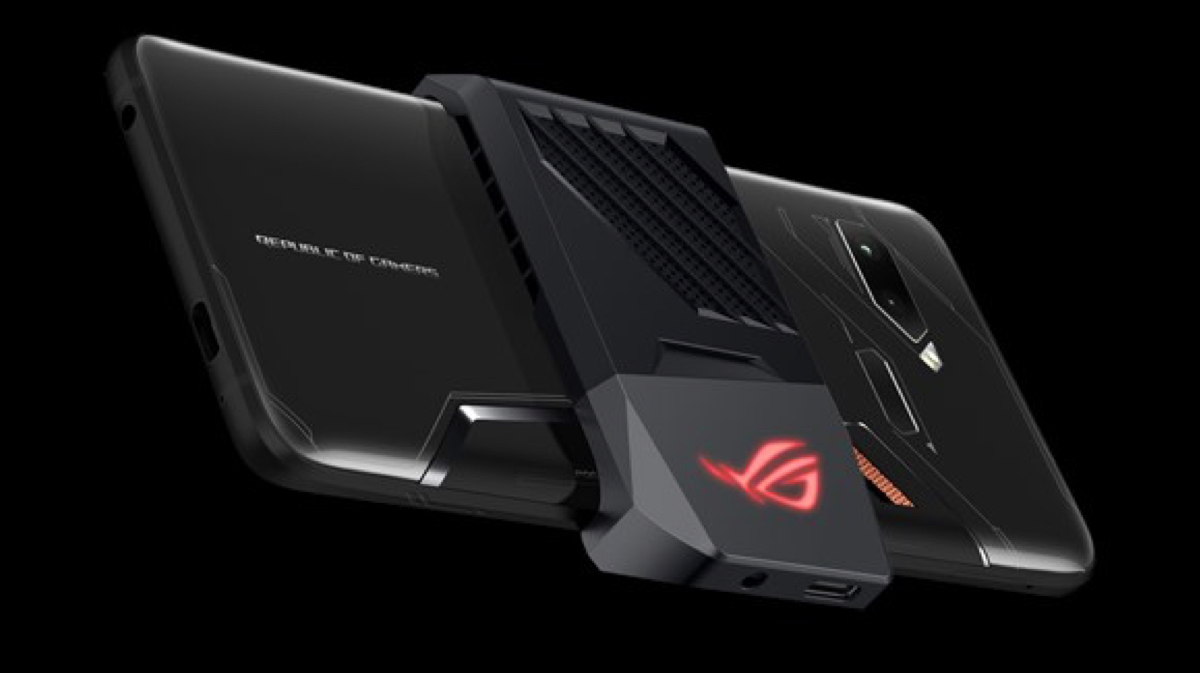
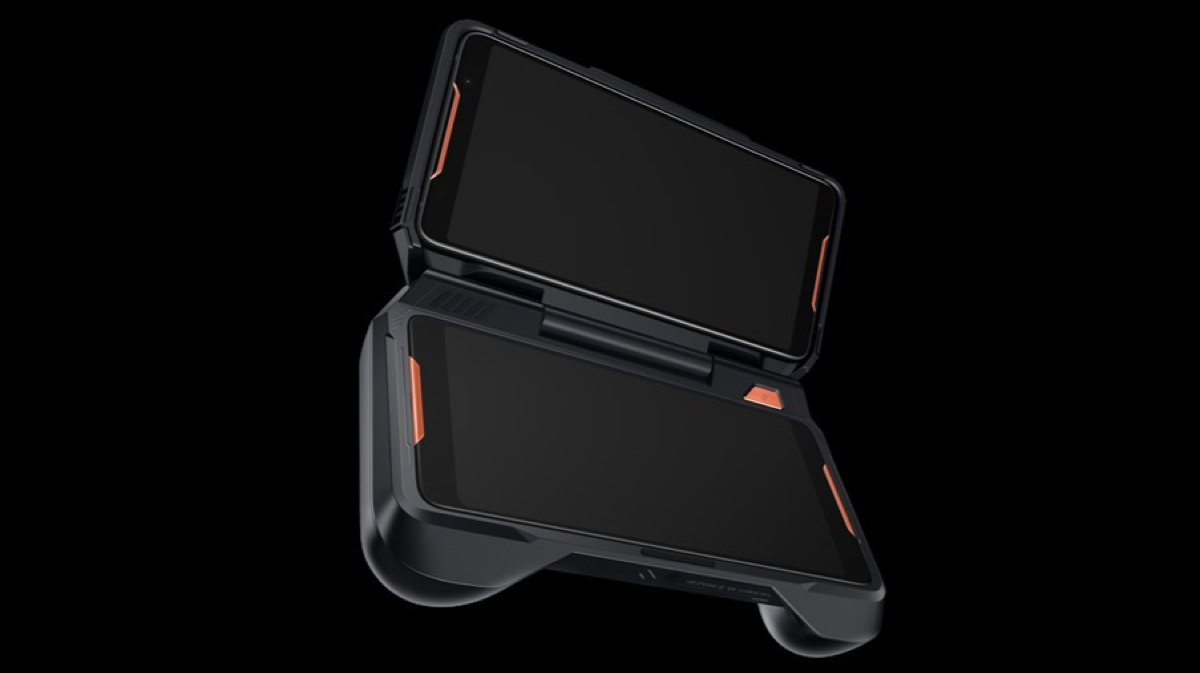
    The right side of the ROG Phone is occupied by the volume rockers, power button, and two user customisable pressure sensitive ridged controls while the bottom side houses the 3.5mm jack and a USB-C port. The smartphone gets two additional USB Type-C ports on the left side. Asus claims these will come in handy to plug in accessories or charge it while still playing games on it.

    Asus offers a variety of accessories for the smartphone like a cooling attachment(provided in the box), dock and many more. The smartphone has an unconventional looking glass back with dual rear cameras, a fingerprint sensor and an RGB LED lit ROG logo. Under the hood, the smartphone features the Octa-Core 845 SoC. The four Kyro Gold cores of the chipset have a frequency of 2.96 GHz while the remaining four Kyro Gold cores are clocked at 1.7 GHz. 

    Talking about the rear camera setup, the Asus ROG phone has dual 12 MP + 8 MP sensor that can capture 2160p videos at 60 fps. The smartphone is powered by a massive 4,000 mAh Li-Ion battery which supports 30 W Quick Charge 4.0. For connectivity, it has Bluetooth 5.0, NFC, GPS, 802.11ac Wi-Fi and USB Type-C port for charging and data transfer.
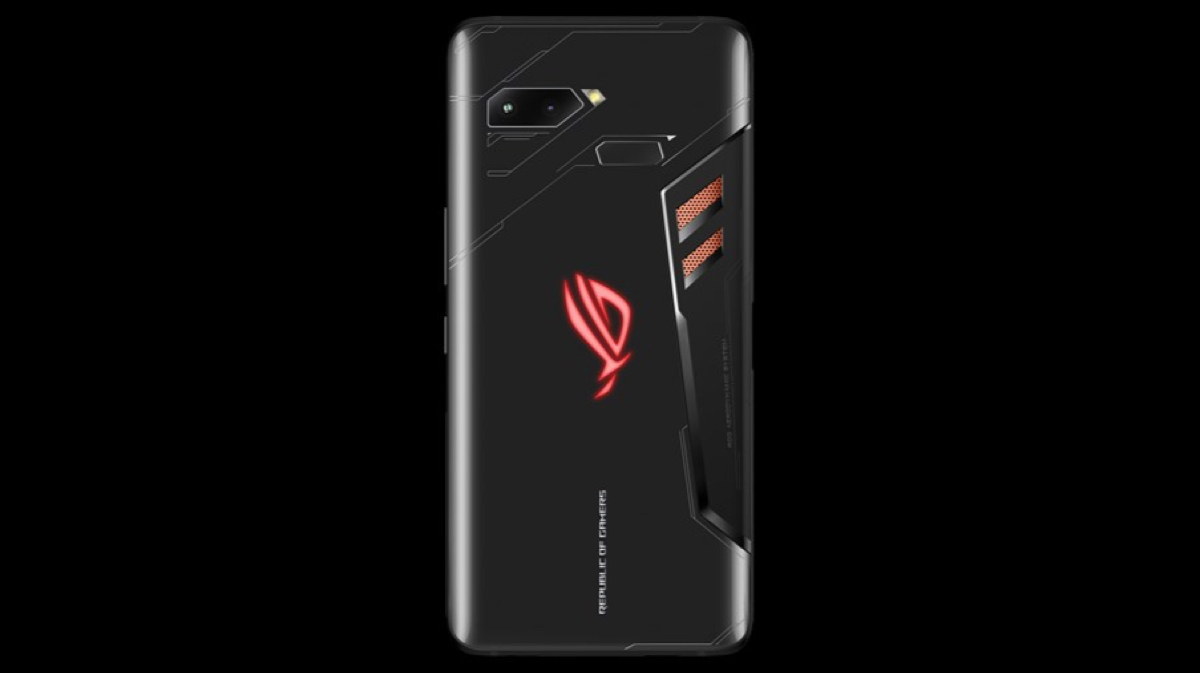
    Price, Variants & Availability

    The Asus ROG Phone will be announced in India on the 29 November but no pricing details are currently available. However, it is expected to have a similar price tag as the UK variants which start at £799 (around Rs 72,800). The smartphone will be available in two storage variants which are as follows:

    • 8 GB RAM + 128 GB ROM
    • 8 GB RAM + 512 GB ROM

    Also Read: Snapdragon 8150 Registers Highest AI Benchmark Score

    In short, the ROG Phone will be a solid flagship smartphone and will attract a lot of gaming enthusiasts in the country.

  • Asus ZenFone Max Pro M2 & Max M2 Specs Leaked

    Asus ZenFone Max Pro M2 & Max M2 Specs Leaked

    Asus launched the ZenFone Max Pro M1 phone earlier this year. The device was able to rake in good sales for the company because of its excellent specs & competitive pricing. Recently, specifications of two upcoming successors of the smartphone have leaked online. The phones will reportedly be called ZenFone Max Pro M2 & ZenFone Max M2. The source additionally mentioned that the devices will be launched in the Indian market.

    The specifications have been leaked by Roland Quandt. The leaker goes by the username of @rquandt on twitter & is a trustworthy source. As he has previously leaked specifications of multiple devices that have turned out to be true. He states that ZB632KL (non-Pro) & ZB634KL (Pro) are likely to be India specific model numbers of the smartphones.

    Asus ZenFone Max Pro M2 Specs:Zenfone Max Pro M1

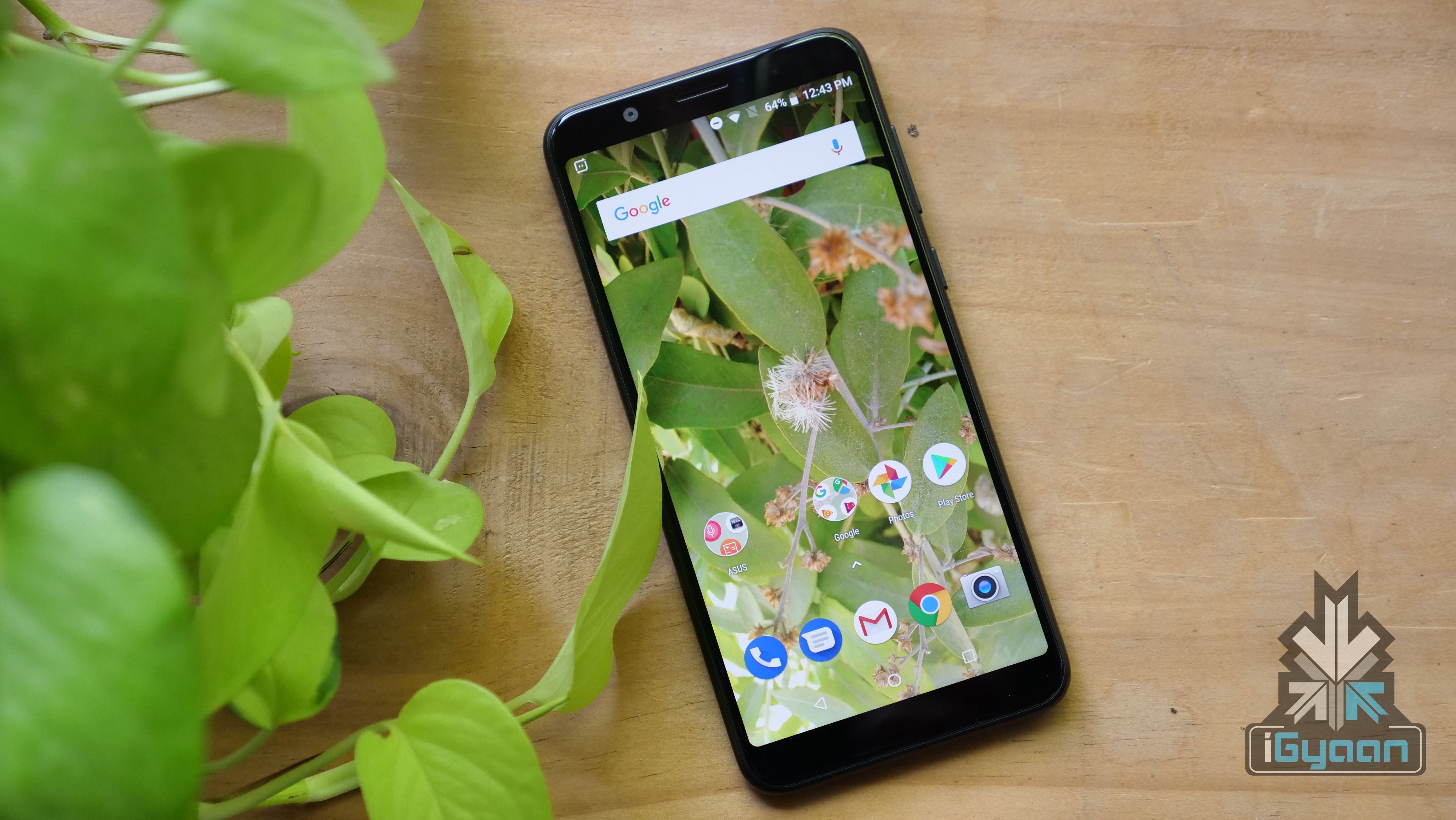
    The Zenfone Max Pro M2 is reported to feature a 6-inch full HD+ display. The device will have a triple camera set up on the back out of which the main telephoto lens is a 13 MP sensor. The device will be available in two storage capacities which will be 64 GB & 128 GB. However, no information about storage expandability is known.
    In terms of memory, the ZenFone Max Pro M2 will have 4 GB of RAM. The upcoming smartphone will have the Octa-Core Snapdragon 660 SoC. The massive 5,000 mAh battery was the highly admired feature of the ZenFone Max Pro M1 and the successor is expected to have at least the same capacity if not more.

    Asus ZenFone Max M2 Specs:
    Zenfone Max Pro M1

    Also Read: Apple iPad Pro Up For Pre-Order In India

    The ZenFone Max M2 will be a more affordable phone than the ZenFone Max Pro M2.  Hence, it will be a scaled down variant of the pro version. It has a Snapdragon 636 SoC and dual rear cameras. Like the elder Max Pro M2, it also gets a main 13 MP telephoto sensor. The handset will also have 4 GB of RAM and will be available in two storage variants which are 32 GB & 64 GB. It is reported to have a 6-inch Full HD+ display.

    Finally, both the devices seem promising and will be a serious contender in the budget segment if Asus is able to carry forward the excellent pricing from their earlier phones.

  • Asus Zenfone Max Pro M2 With Triple Cameras To Launch Soon

    Asus Zenfone Max Pro M2 With Triple Cameras To Launch Soon

    The Asus Zenfone Max Pro M1 was launched earlier this year and was a hit in the budget segment. The phone got everything right and put Asus back on track again. It packs a massive 5,000 mAh battery, along with a solid build quality and some stellar features. All this combined, it is a great deal. Naturally, the successor to this phone would be highly anticipated and the latest leak has just added to the excitement. According to sources, the Zenfone Max Pro M2 will sport a triple camera setup on the back.
    The feature was made public by Roland Quandt, who is one of the most trustworthy leakers. So we can be sure that this feature will be seen on the upcoming smartphone. He detailed a phone by the name of Asus Zenfone ZB634KL which is set to launch ‘soon’. However, the source did not detail a specific date or time frame, so we do not know when we can expect this device. However, the fact that it will have triple cameras is really interesting. This would make it the first device in the sub-20K category to have triple rear cameras.
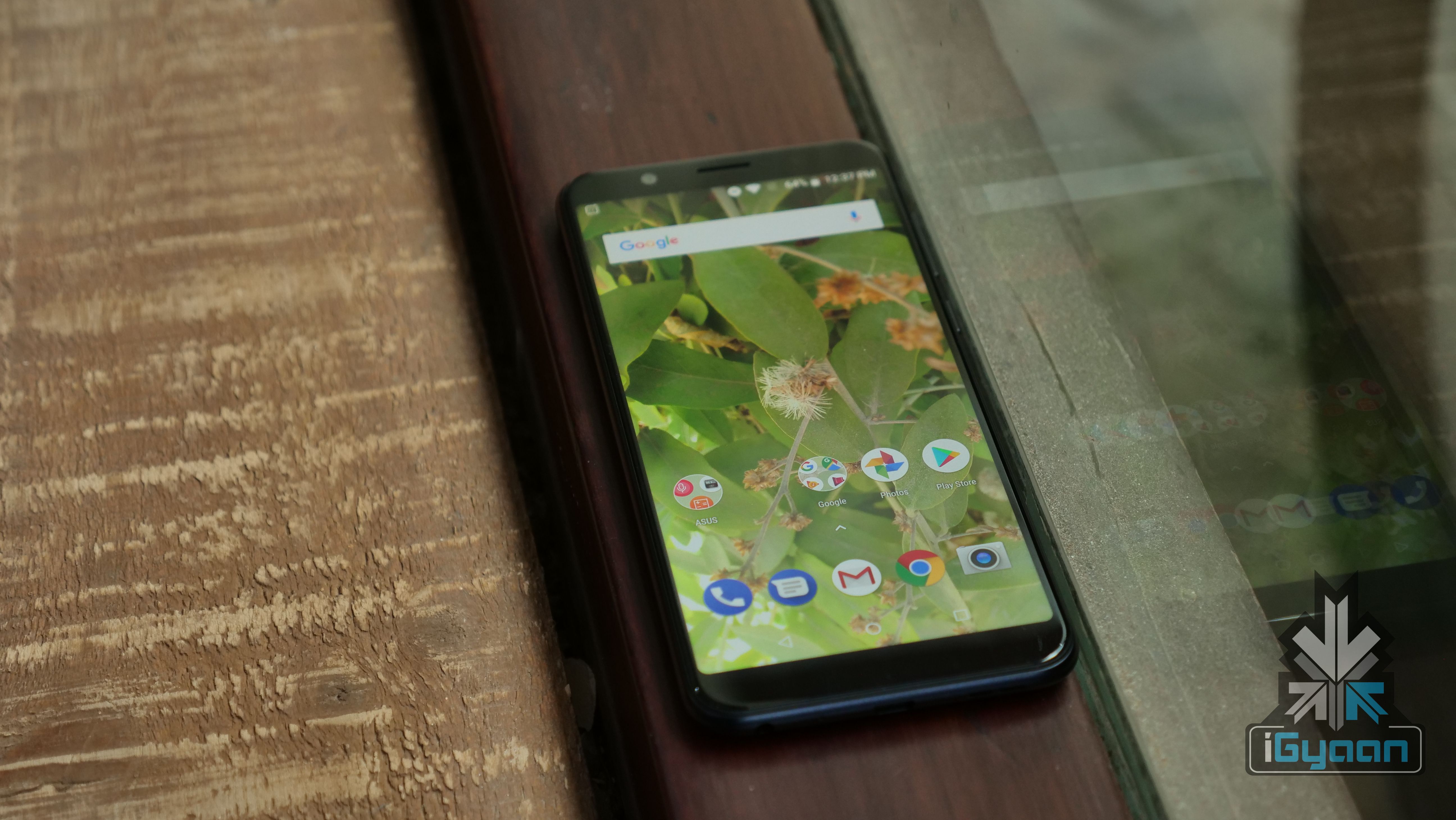
    While no other specifications regarding the device are available as of now, we can expect it to have similar features to the Zenfone Max Pro M1, if not better. Here are the specifications of the Max Pro M1 for reference.

    Asus Zenfone Max Pro M1Zenfone Max Pro

    The Asus Zenfone Max Pro M1 has a 5.99 inch IPS LCD display with a 2160 x 1080 px resolution and an 18:9 aspect ratio. The phone has an aluminium unibody design. Running on the Qualcomm Snapdragon 636 SoC, it has 3 GB, 4 GB and 6 GB RAM options. The phone has 32 GB, 64 GB and 128 GB storage options which is also expandable up to 256 GB using a microSD card.

    Also ReadSamsung Galaxy S9 Gets A New Ice Blue Gradient Colour

    On the rear, it sports a dual 13 MP + 5 MP camera setup. It has an 8 MP front facing camera with flash and bokeh effect. The Zenfone Max Pro M1 packs a massive 5,000 mAh battery and has a fingerprint sensor for securely unlocking the phone.

  • Asus Zenfone 6 To Have A Lateral Notch

    Asus Zenfone 6 To Have A Lateral Notch

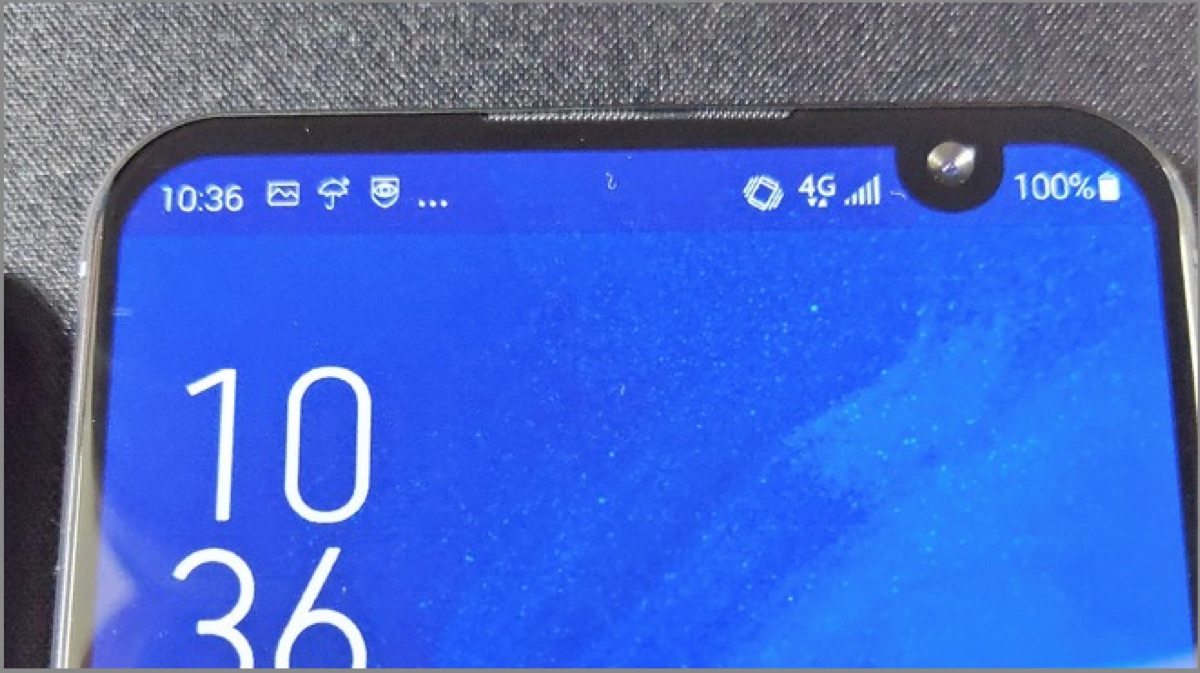
    Taiwan based Asus is about to launch the Asus Zenfone 6, the successor to the Asus Zenfone 5Z. Recently leaked videos and photos claim that the Zenfone 6 will have a lateral notch. Smartphones with a notch are a very delicate topic as some users like it whereas others don’t. Nowadays, notches on a smartphone come in all kinds of shapes and sizes. The iPhone X and iPhoneXS have wide notches whereas the latest OnePlus 6T gets a tiny a water-drop notch. Now, Asus is experimenting with a completely new notch position; a ‘lateral’ top right side camera notch.

    Lateral Notch 

    In an effort to capitalise the maximum amount of screen real estate, Asus has moved the camera notch on to the right side of the top bezel. The images reveal that the Zenfone 6 has an overall high screen-to-body ratio. The speakerphone is embedded in the top bezel whereas the power button and volume rockers are placed on the right side of the smartphone. The loudspeaker/microphone cut-out, USB Type-C port and the 3.5 mm audio jack are placed on the bottom of the device. 

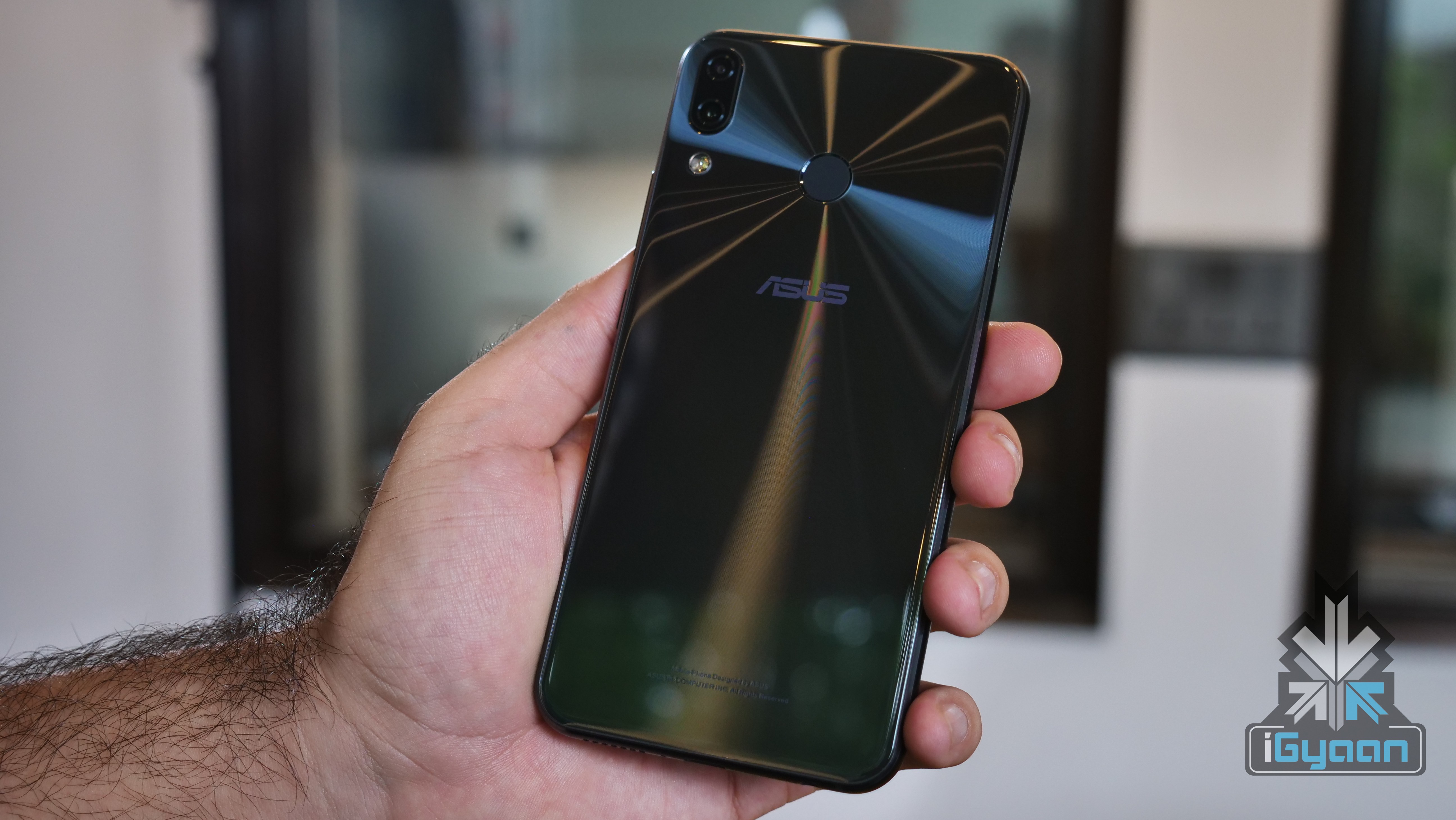
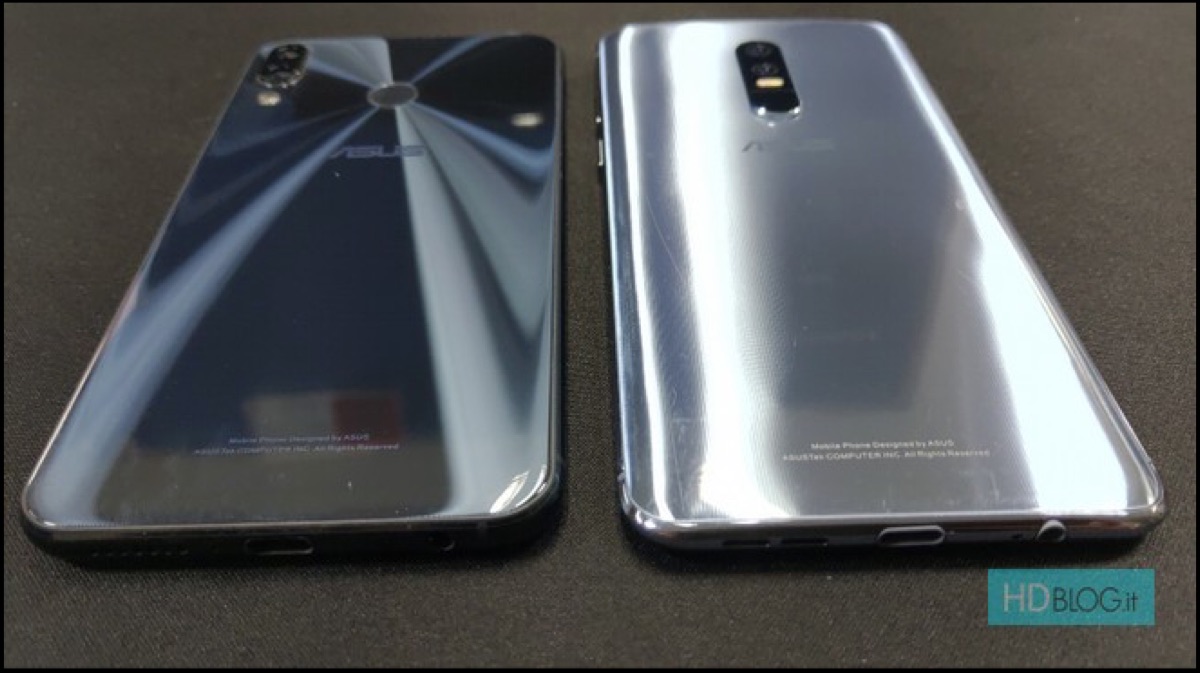
    The device seems to have a rear glass build which houses the dual camera and LED flash setup. The lock screen of the device reads “Use fingerprint, face or swipe up to unlock” which affirms that the device supports both Face Unlock & Fingerprint access. However, accurate information regarding the placement of the fingerprint reader is not available. As the rear panel does not have a hollow indentation for the fingerprint reader. Also, the fact that it does not have an onscreen visual indication for fingerprint reduces the chances of an in-display fingerprint reader.

    Also Read: Samsung Galaxy S10 To Not Have Iris Scanner

    Unfortunately, the specifications of the Zenfone 6 are not yet available. But, the device is expected to launch during MWC 2019.

  • Asus Zenfone 6 Leak Shows In-Display Camera

    Asus Zenfone 6 Leak Shows In-Display Camera

    The Asus Zenfone 5Z was launched in India earlier this year and got a pretty good reception. The Zenfone Max Pro M1 was also an instant hit with its massive battery and attractive features. Latest leaks of the alleged Asus Zenfone 6 show that the company is not slowing down and plans on keeping up its streak of great smartphones.

    The Future Of Displays

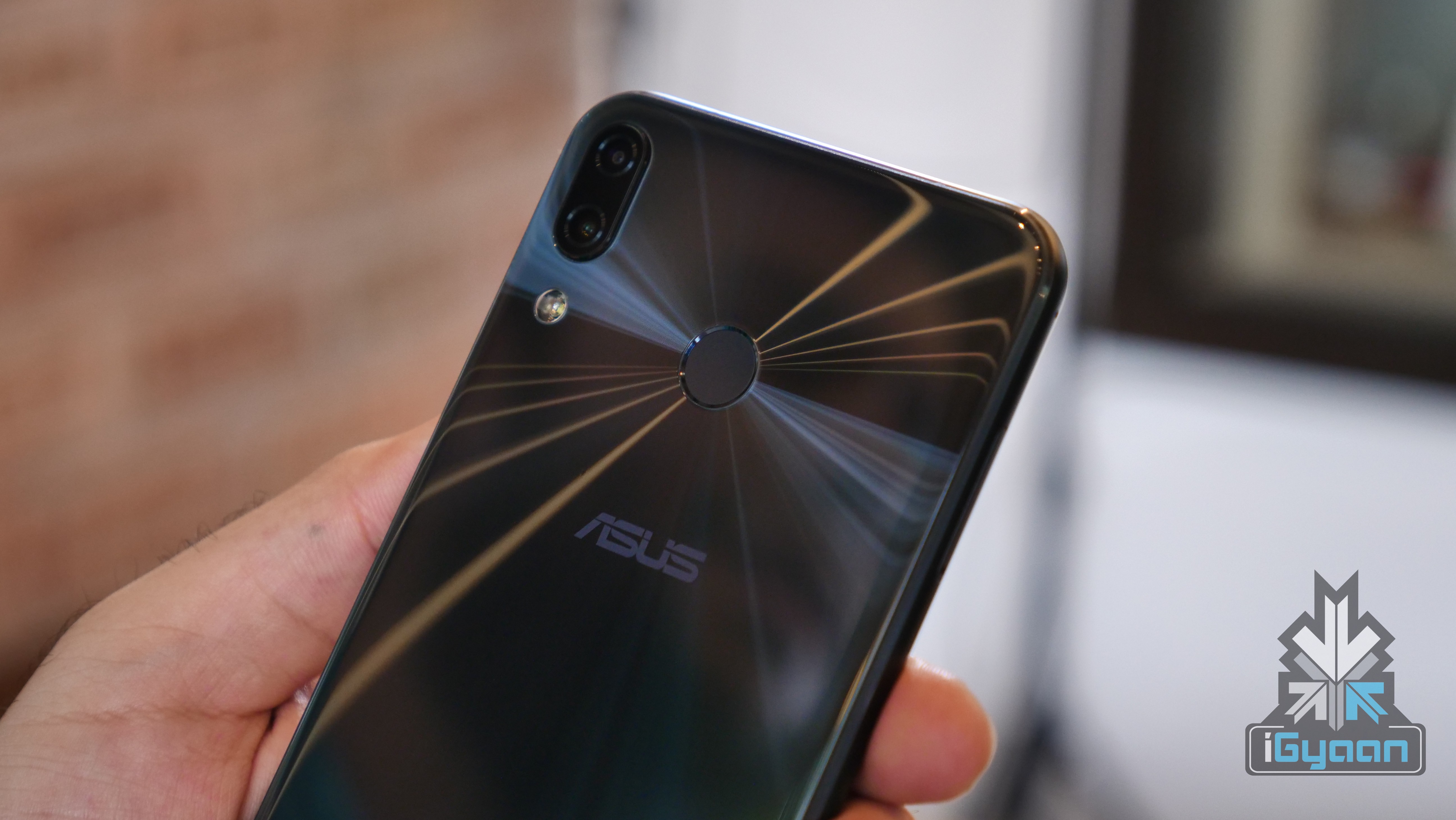
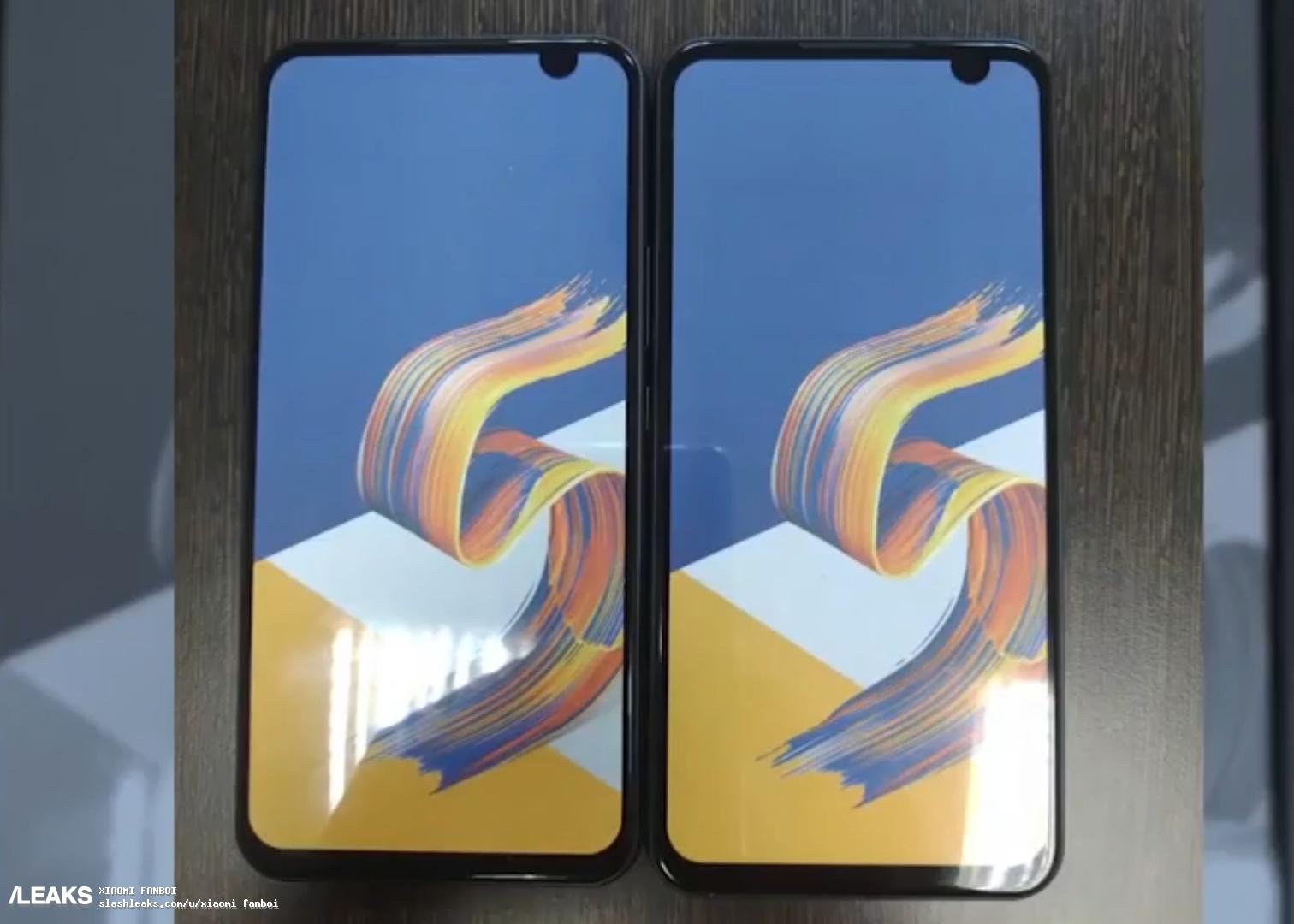
    The leaked images showcase various prototypes of the Asus Zenfone 6. All of these devices sport a glass back and a large display. However, there are various combinations, with different camera setups and unique displays. The most striking one is that of a camera cut-out, which is said to be present in the upcoming Samsung Galaxy A8s as well. Different prototypes show different positions for the camera cut-out. It is placed on the left and right sides, as well as the in the middle of the display. The camera cut-out seems to be the next big step towards a bezel-less display. This might eliminate the need of having a sliding camera mechanism as seen on the Xiaomi Mi Mix 3.

    The next prototype however, showcases the Asus Zenfone 6 with a tiny water-drop notch, which houses the front camera sensor. This is not all, the prototypes also showcase two different variants for the camera setup. One of the prototypes has a triple main camera setup while the other has a more common, dual camera setup.

    While the camera cut-out on a display sure does look better and will take up lesser space, the placement is still an issue. If the company will place it on the sides rather than in the centre, the entire symmetry of the display could be lost. The notch on any phone is specially designed to ensure that the icons on each side of the notch are balanced equally and displayed in an aesthetic manner.

    Also ReadUnboxing The Asus Zenfone 5Z

    However, it is important to note that these are just prototypes of the devices. The retail unit might not be similar. But, we do hope that Asus brings some great changes to its next big smartphone.

iGyaan Network
Privacy Overview

This website uses cookies so that we can provide you with the best user experience possible. Cookie information is stored in your browser and performs functions such as recognising you when you return to our website and helping our team to understand which sections of the website you find most interesting and useful.