Category: Google

  • HTC to Make Future Nexus Smartphones: What You Can Expect

    HTC to Make Future Nexus Smartphones: What You Can Expect

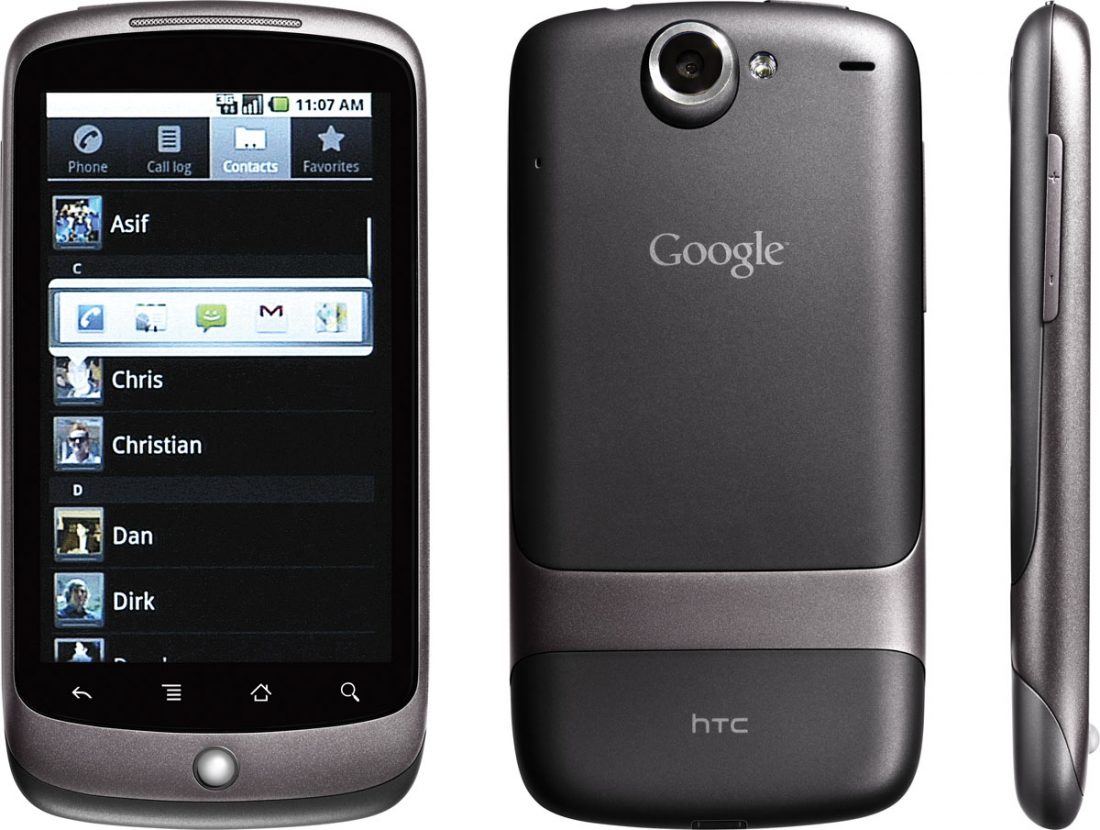
    We all knew that there a lot was riding on HTC to deliver with its upcoming flagship, the HTC 10. It seems that HTC has its hands full a lot more now that Google has returned to it to manufacture the next set of Nexus devices until 2019, at least. According to rumours, HTC has signed a 3-year contract to build Google’s Nexus phones for 3 years. Given that HTC was responsible for the first Nexus device way back in 2010, it’s not an entirely strange decision for Google to come a full circle.

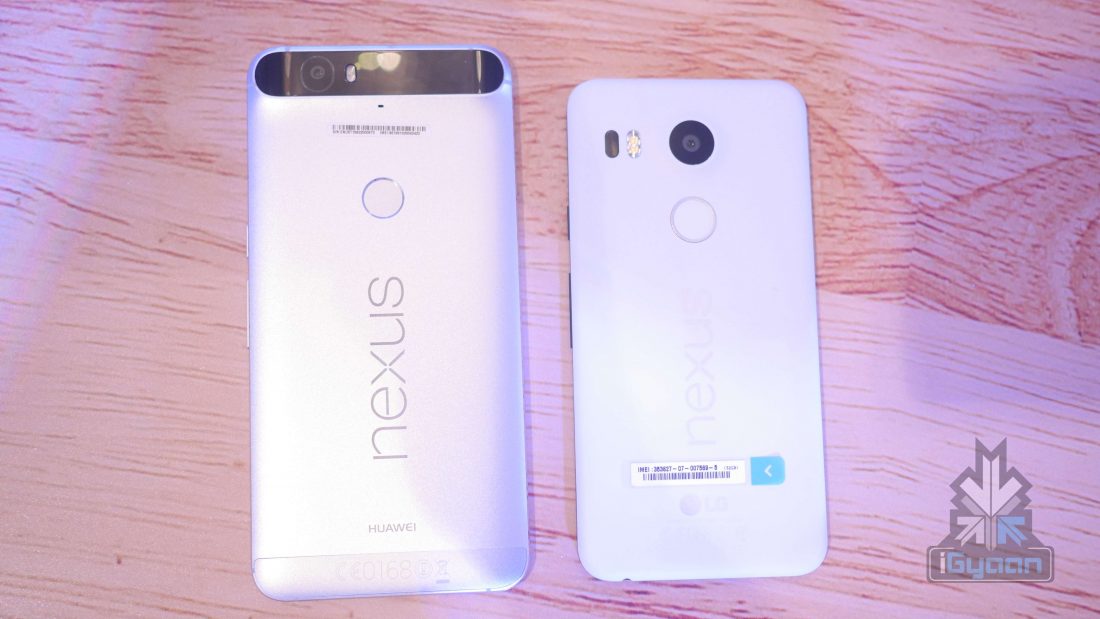
    Last year, LG and Huawei were in charge of building the Nexus phones. The LG 5X and Huawei 6P Nexus phones were received with mixed reactions. The devices came with impressive specifications for 2015 but the designing was less inspiring than most other smartphones out there. This could be why HTC is now donning the thinking cap. But is this the right time for HTC?

    HTC Nexus One (2010)
    HTC Nexus One (2010)

    We’ve seen that HTC has recently been receiving very underwhelming responses towards its latest devices. The One M9 and One A9 were both criticised for its lack of creativity in terms of design. Meanwhile, the upcoming HTC 10 flagship also seems to be influenced by the One A9 while fans were really hoping for a great new design by the company, more in line with the One M7.

    However, Google seems to feel that HTC has what it takes to make great looking devices. The Nexus 5X made by LG came with a very flimsy looking plastic body and didn’t give too much aesthetically. The one made by Huawei, on the other, came with a premium feel to it with a metal unibody though the long, black rear camera bar on top gave it a slight unattractive quality.

    Huawei Nexus 6P 15
    Nexus 6P and Nexus 5X

    It has been rumoured that Google plans on launching, at least, two Nexus devices this year. While we’re still not sure whether HTC will be in charge for both (Huawei could still be in the game), the company will still be responsible for at least 4-6 Nexus models until 2019.

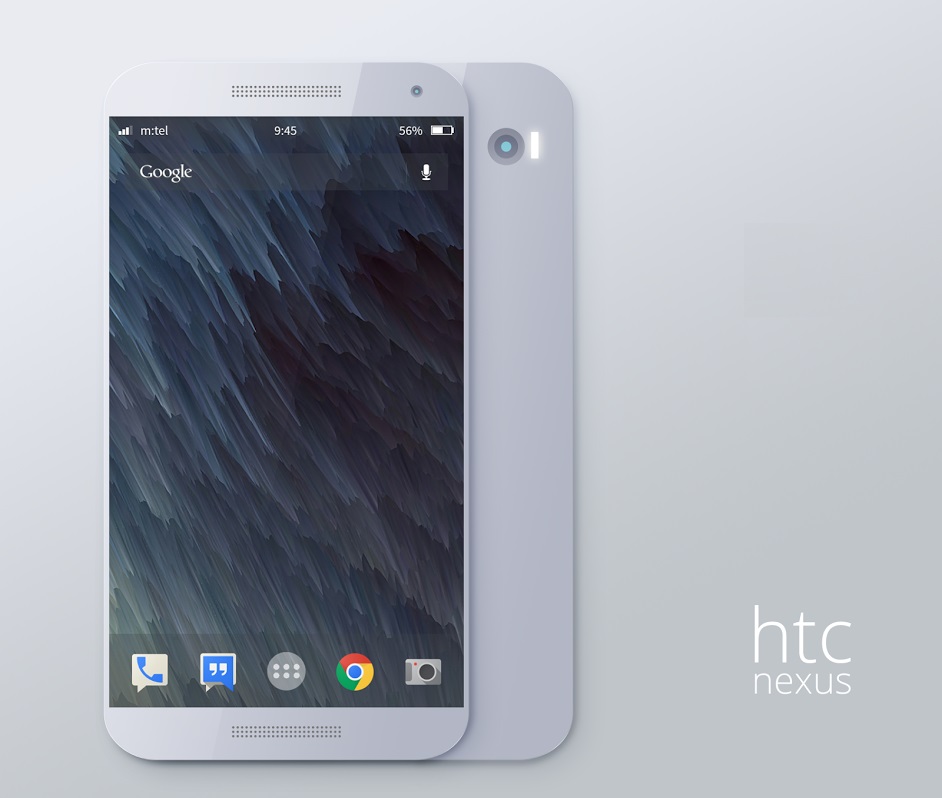
    If we go by rumours and HTC’s design philosophy in the past (which is in a dubious state as of now), we can expect that the upcoming Nexus device will feature 3D Touch functionality, a metal construction, solid build with minimalistic design, and powerful specs. HTC has usually tried to keep things simple when it comes to looks and you can perhaps expect slimmer bezels as compared to the Nexus 5X and 6P. And how about throwing in some BoomSound speakers as well?

    htc-nexus

    HTC has a lot on its plate this year. After launching the HTC 10, the company will shift its focus on the Nexus. Add to this, it also looks like HTC is going to focus on virtual reality a lot more, given that its Vive VR headset is among the best in the nascent VR game. The company is looking at ways to incorporate VR in its flagship which we may get a taste of in the upcoming Nexus device, and you can bet Google is very interested in that as well. After all, Google has the Carboard for it and has been reportedly working on a new virtual reality headset much like the Gear VR.

    Google will also likely release an Android VR software along with the VR headset that will look to enhance the VR experience by making the software native to the Android operating system. This will not only help Google’s own VR product but HTC’s as well. From where we see it, the timing for the two company’s could not have been better. We wait and see what HTC and Google have in store for us this.

  • Augmented Reality: How Far Have We Come?

    Augmented Reality: How Far Have We Come?

    Technology today is improving at a rapid pace. A quick look at our workplaces and homes would reveal that many things that we take for granted today were not possible 10 years ago even after the concerted efforts of the best tech minds.

    As digital technology continues to grow deep into every into every aspect of our daily lives, It’s only a matter of time before it starts to replace our plain old visual experiences with something a little more engrossing, and here is where the Augmented Reality(AR) will find its opportunity.

    augmented_reality_1

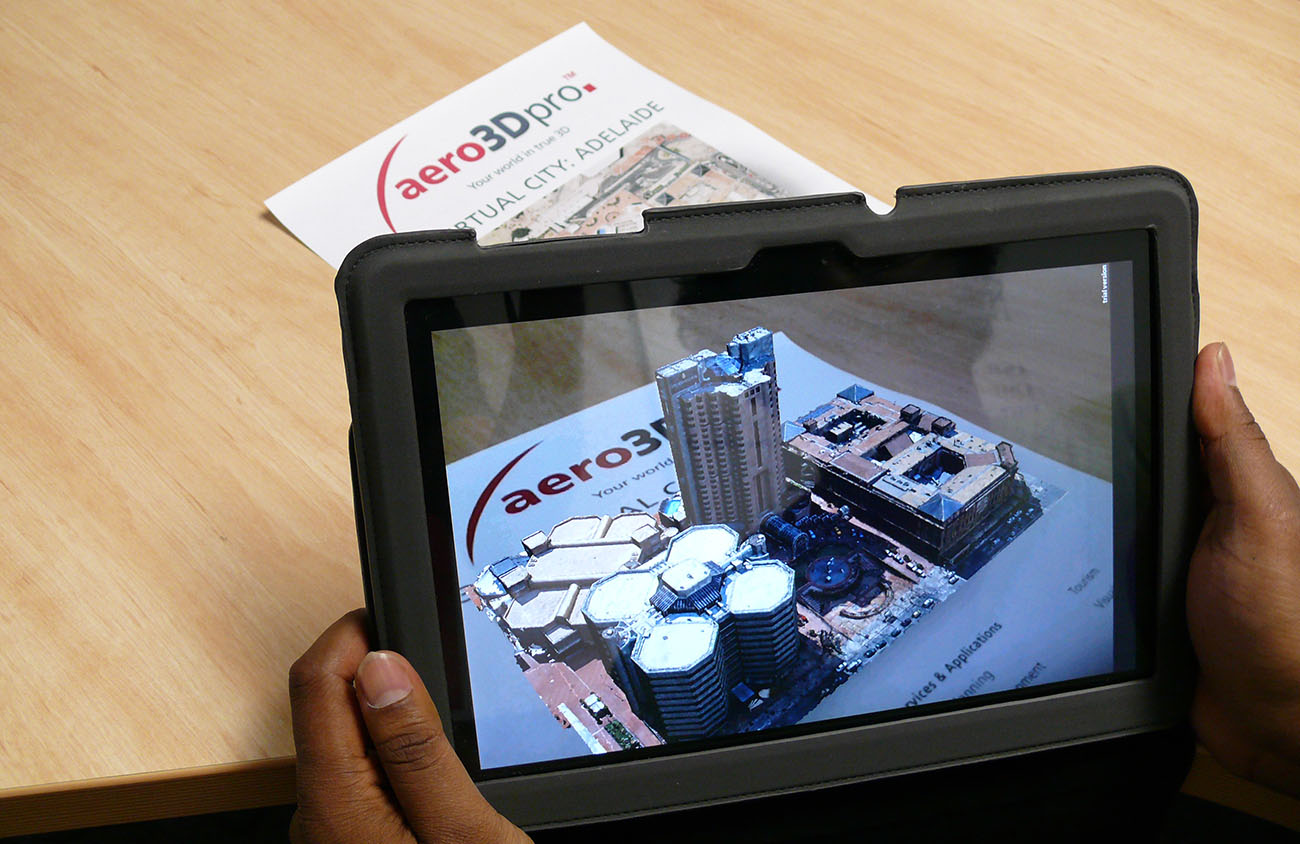
    The concept of Augmented Reality was coined In 1992 by researcher Tom Caudell .It’s an experience that supplements the real world with a virtual layer of extra information. It is the seamless blending of virtual reality and real life which when executed correctly creates content that blends in with the real world. With Augmented Reality, users are able to interact with virtual contents in the real world, while being able to distinguish between the two at all times.

    Virtual Reality’s lesser loved cousin, Augmented reality, has been around for some time now and has in the past tried to find real world applications in Defence, Healthcare, and Education sectors. But unlike the former the tech industry has yet to come up with a concrete plan to unleash its full potential and increase its reach while keeping costs down, but all that is about to change very soon.

    AR_aero3dpro

    2016, as many analysts predict, might be the year for Virtual Reality, but AR is making solid strides towards walking hand in hand, if not over taking it. Microsoft HoloLens, Meta 2, Project Tango are but a few ideas that the tech industry has in mind to bring Augmented Reality to the mainstream.

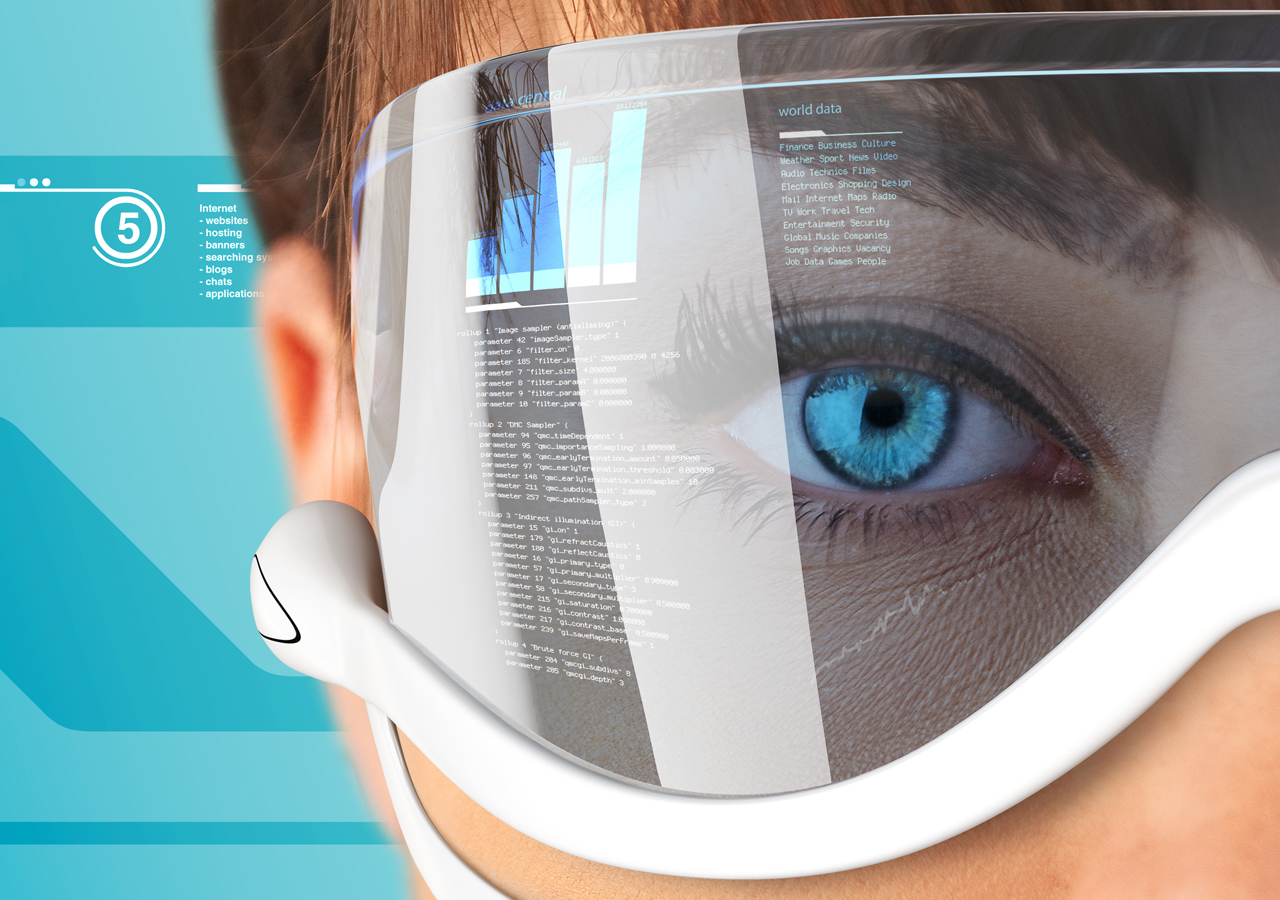
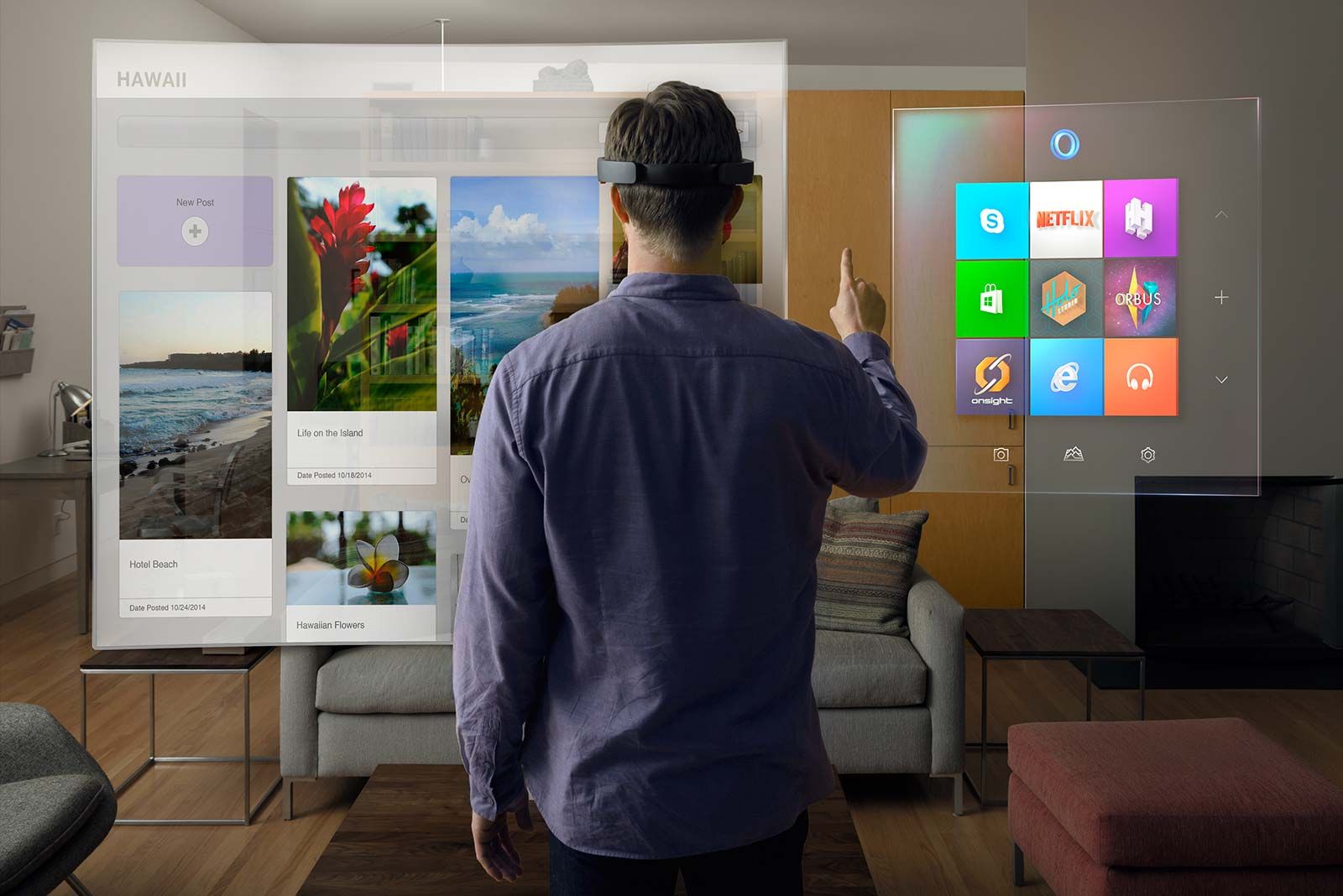
    Microsoft’s take on AR is the hologram-themed augmented reality glass which to quite an extent is the true augmented reality concept that will, ideally, have wearers interact with screens and full-color virtual objects wherever they are. This tech will blur the lines between real and virtual, merging them seamlessly into one to enrich the experience of our daily lives with extra content.

    a67d3d33-e1e5-4cf7-bf3d-dbe1befc8d8c.0 (1)

    Though the HoloLens project is still at a nascent stage, demos reveal users fixing light switches with the help of virtual assistants through the Skype AR app. The HoloLens also allows you to take an augmented-reality trip to Mars, seeing what a rover might see, projected entirely on the floor in front of you.

    Another AR project, Meta, in its second iteration will look to replace monitors from your life.This move if carried out correctly will be both economical and productive. It can also usher in a new era of privacy and security allowing a user secure viewing of content while still being around people. Meta has the capability to produce an infinite number of tabs and screens working at the same time all in front of you like images on a wall with the only bottleneck being your own field of view.

    Most promising of the upcoming lot though is the Magic Leap project. The industry estimates this idea to be so big that they have already managed to secure $1.4 Billion in funding at a Kickstarter level, and is already valued at $4.5 Billion. The Magic Leap head mounted device will use a camera to show you the room or environment you’re already in but seamlessly layering in computer-generated objects which would suddenly see a dragon breaking through the wall, or the user fighting a Pokemon battle in the middle of the room against another friend in the room.

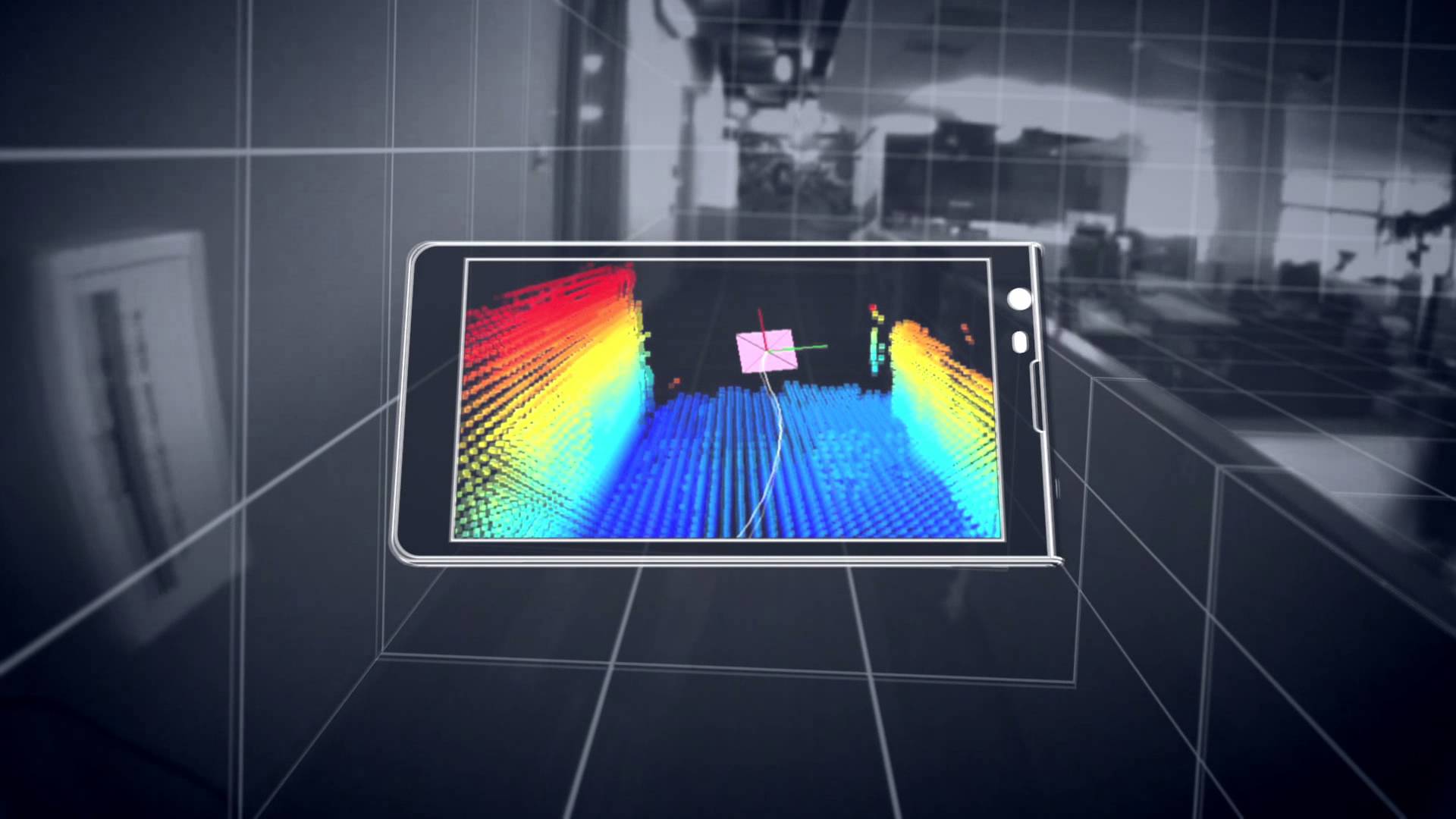
    Several other uses of Augmented reality are also being explored in the form of Google’s Project Tango which can draw 3-D maps of a room the user is in and detail how a piece of custom furniture or a new wall running through it look in it.

    Augmented reality is full of potential, and these are but a few of the applications of this budding technology. Industry big shots believe that AR has more of a potential that VR and could outgrow VR significantly in the coming years. With hardware finally mature enough to support the dream of Augmented Reality many suggest the future might be closer than we think. A future more exciting and fun than you and us could even dream of right now.

  • Google CEO becomes the Highest Paid CEO in the US

    Google CEO becomes the Highest Paid CEO in the US

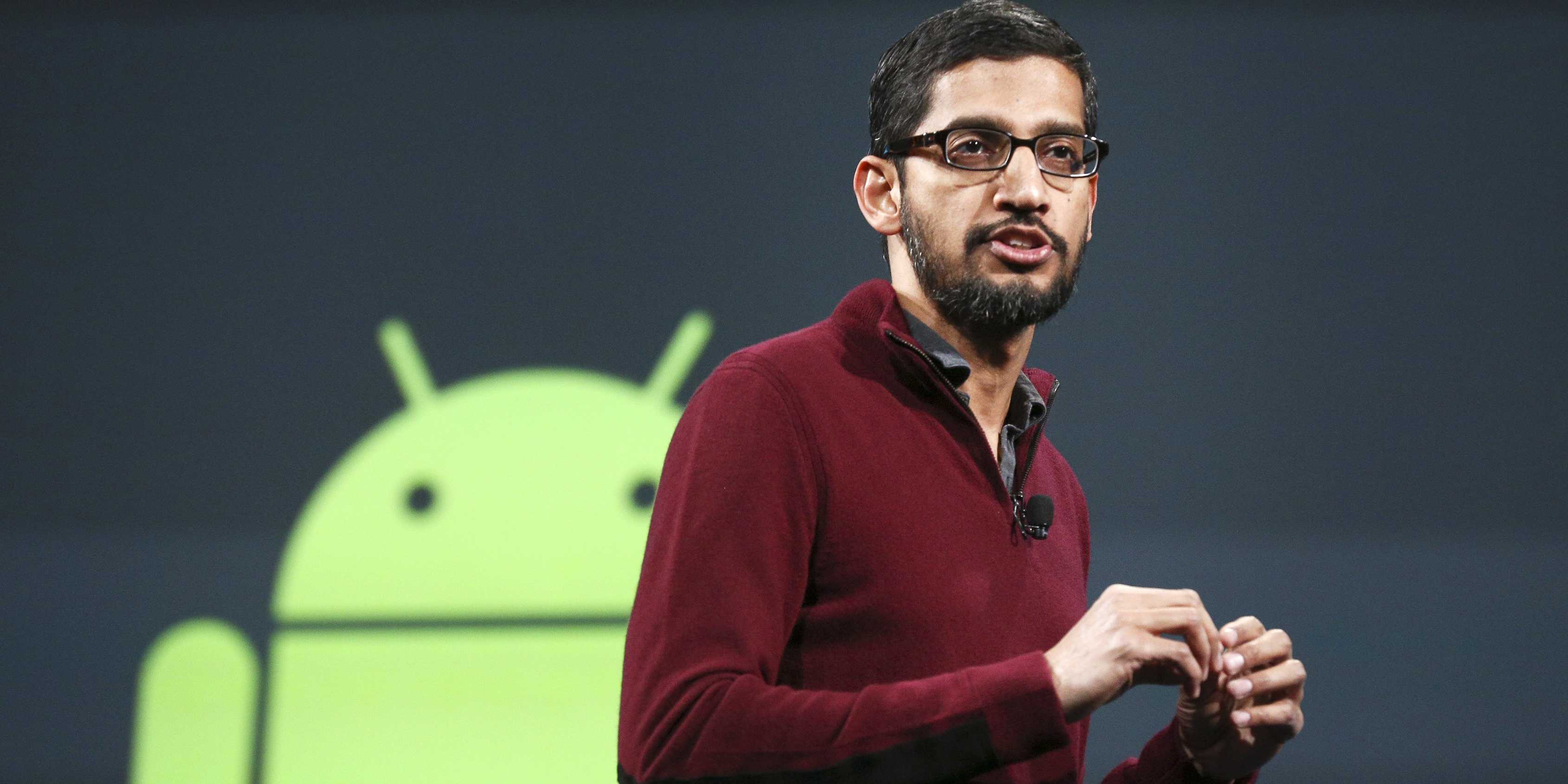
    In a securities filing, Alphabet revealed that it awarded Sundar Pichai, the Indian-born CEO of Google 273,328 class-C Google stocks. These stocks at the time of transfer were valued at $199 million. The company has revealed that these were transferred to him when he took over the role last October, and reportedly makes him the best-paid CEO in the United States.

    google-rankings

    The new shares granted to him lifts the value of Sundar Pichai’s stake in Alphabet to more than $650 million which is around 14,400 times the average wealth of a US citizen but still comfortably below the shares the stakes held by co-founders Larry Page and Sergey Brin, whose net wealth is around $34.5 billion $35.3 billion.

    Google’s stock price has reportedly grown over 17% since Sundar Pichai took charge of work at Alphabet’s prime business earning the company billions in revenues.

  • Google to Shut Down Picasa This March

    Google to Shut Down Picasa This March

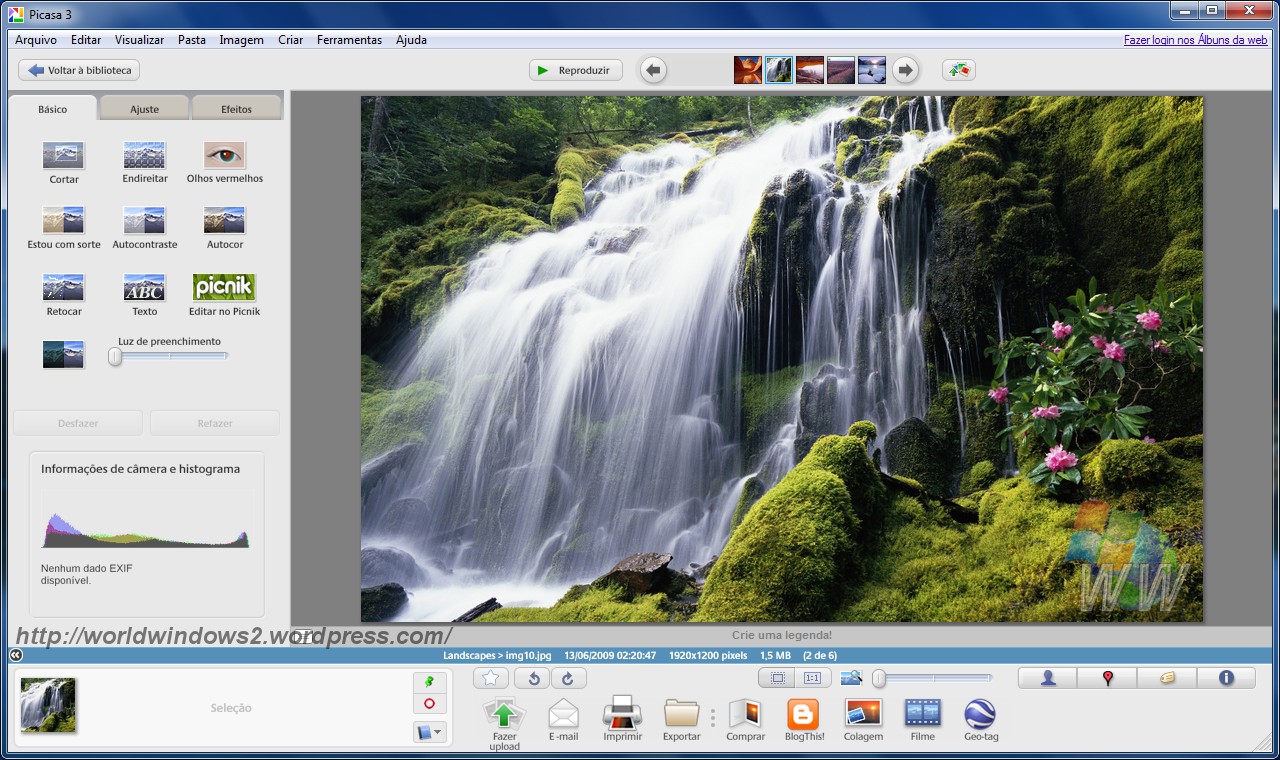
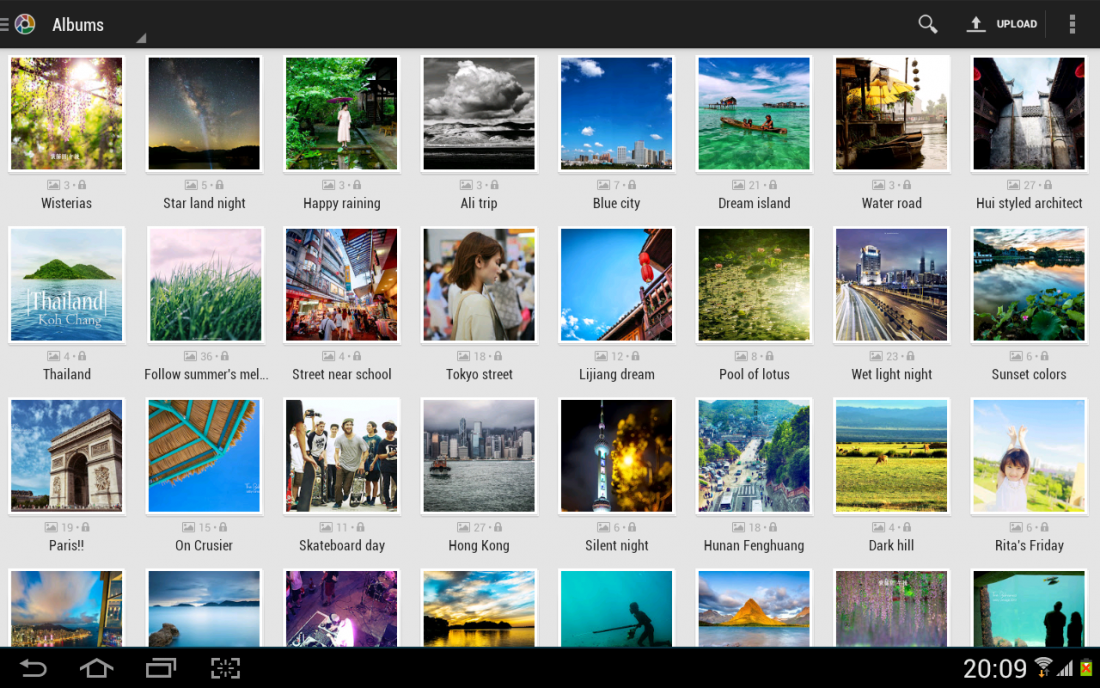
    It’s time to say good-bye to one of the most popular photo editors of all times. Google has announced in an official blog post that Picasa would no longer work come this March. Following which, users would no longer be able to edit Picasa web albums post May. Google plans to shift its focus to Google Photos by shutting down the application.

    “After much thought and consideration, we’ve decided to retire Picasa over the coming months in order to focus entirely on a single photo service in Google Photos.”

    Picasa

    Users with a Picasa account can access their pictures using the Google Photos app. People who are not using this app can still access their albums and delete or edit them. The company will withdraw support for the Picasa desktop app on 15th March, 2016. For those who have the application on their systems already -it will continue to run just as it does right now, but there will be no further updates or developments.

    Google ended the blog-post by way of an apology, “We apologize for any inconvenience this transition causes, but we want to assure you that we are doing this with the aim of providing the best photos experience possible.” Time to bid adieu indeed.

    Source

  • Google’s Virtual Reality Headset to Not Require Tethering With Phones and PCs

    Google’s Virtual Reality Headset to Not Require Tethering With Phones and PCs

    It was reported earlier that Google is working on a virtual reality headset quite similar to Samsung’s Gear VR. While speculators busy themselves pitting the two head-sets against each other, another development has occurred on the Google VR-front. If sources are to be believed, Google is expected to come out with a VR headset that would not require tethering to a computer or a smartphone. Being independent of these devices will definitely give the VR-headset an edge over its Samsung, HTC and Oculus counterparts.VR

    The headset would be launched alongside the other Google VR headset expected to be in the same league as Gear VR, and therefore, providing strong competition to the Samsung device. It is also expected to arrive alongside a new version of Android which would make virtual reality the core of the operating system.

    Virtual Reality seems to be the next big thing in the tech world, already making a stable base for itself in the mainstream. Needless to say, this update from Google is bound to get users excited all over. However, the arrival date of this Google device is a little unclear at this point. We can hopefully expect to see it sometime later this year.

  • Google Rolls Out New Features to Strengthen Online Security

    Google Rolls Out New Features to Strengthen Online Security

    In wake of the privacy scare haunting all netizens, specifically so in recent times, Google has announced the roll-out of new features to strengthen online security of users.Google security

    The new features include easing the filtering of messages from trusted sources. This would be achieved by the company by simplifying security settings and making them more user-friendly. Google also plans to run various initiatives to make Indian users more aware of ways of ensuring their security online.

    “We are adding five million new users a month taking the user base of a connected’ Indians to 500 millions online by 2018-2019. It’s more important now than ever before to ensure the data and profiles of these users is safe online,” says Sunita Mohanty, director, Trust and Safety, Google India.

    Along with this announcement, Google India also revealed trends in security related searches from last year. According to the collated data, there has been a 20% increase in searches for “change password”. The trend also shows another 97% increase in searches for “two-step verification”, which is basically a process of signing in to your Google account by using more than one password. An example of this is a 6-digit code sent on your cellphone, along with the usual password.

    Privacy settings are becoming an immediate concern for all inhabitants of the virtual space with every passing day. Consequently, the added security that Google promises its users comes as welcomed news making us feel ever so slightly safer on the Internet.

  • Google Public Alerts Will Now Include Flood Information in India

    Google Public Alerts Will Now Include Flood Information in India

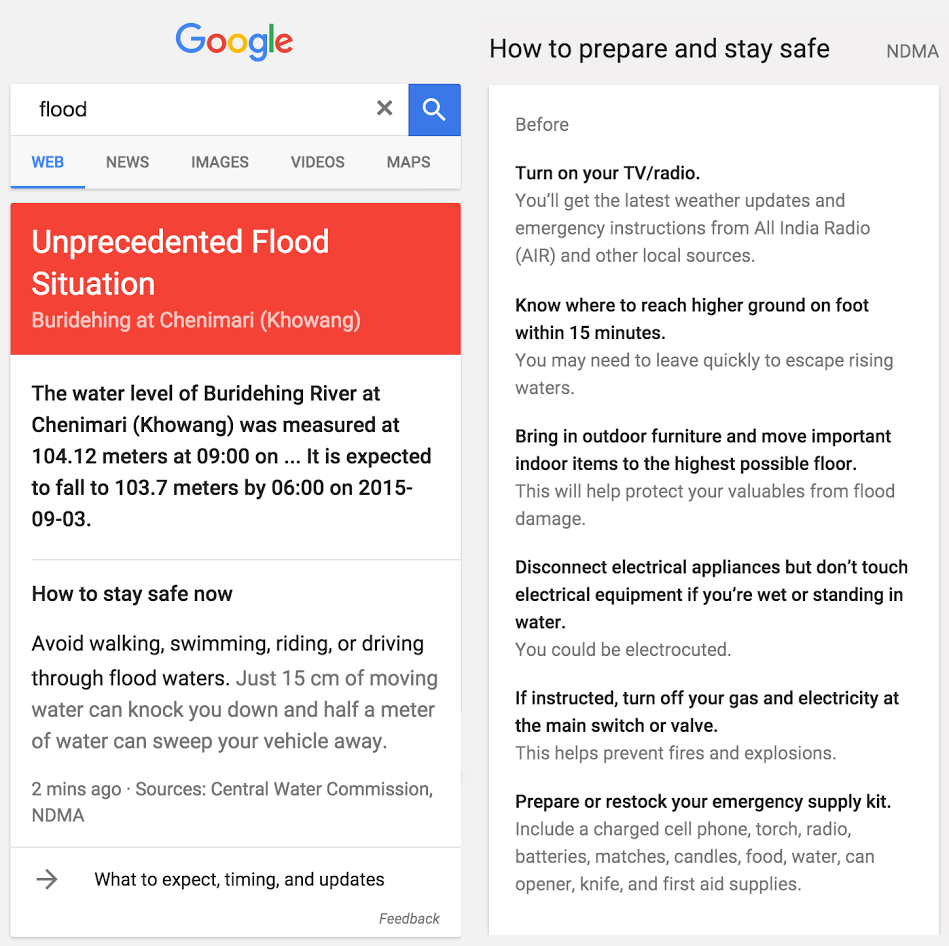
    Using information provided by Central Water Commission (CWC) of India, Google will now provide flood alerts for different parts of the country. It has put together data from 170 areas where the CWC has active observation stations, Google mentioned in an official blog post.Google Flood Alerts

    In the wake of recent natural disasters in the country, Google has tied up with India authorities to ensure real time information on the water-levels in various water bodies in India. This information can be accessed by the user through Google Now cards, Google App, Google Maps and the Google Public Alerts homepage.

    “We’re constantly working to improve our Google Crisis Response tools to make critical information more accessible around natural disasters. Through Public Alerts we show relevant official weather, public safety and earthquake alerts to give people the information they need to make informed decisions in times of crisis”, says Payal Patel in the blog-post.

    The role played by the Internet has been commendable during the time of crisis recently. When Chennai was struck by catastrophic floods last year, Facebook’s ‘Safety Check’ feature had helped immensely with determining the location of people. Similarly, large amounts of important information related to emergency helplines had been swiftly exchanged using various social media platforms. Now, Google seems to be preparing us better for disaster control by offering this useful information.

  • Google’s Virtual Reality Headset to Launch this Year

    Google’s Virtual Reality Headset to Launch this Year

    Early in January, it was reported that Google is working on its own virtual reality headset. New reports now suggest that the successor to the Google Cardboard will see the light of day sometime this year.

    Not much is known at this time as to what and how Google’s VR will look like, but sources close to the development of the device report that the company will attempt to take on Samsung’s Gear VR. This means that the Google VR will need to pair with a smartphone in order to work. However, unlike Samsung which allows only 2015 flagship devices to be compatible with its headset, Google will allow users compatibility with a wider range of devices.

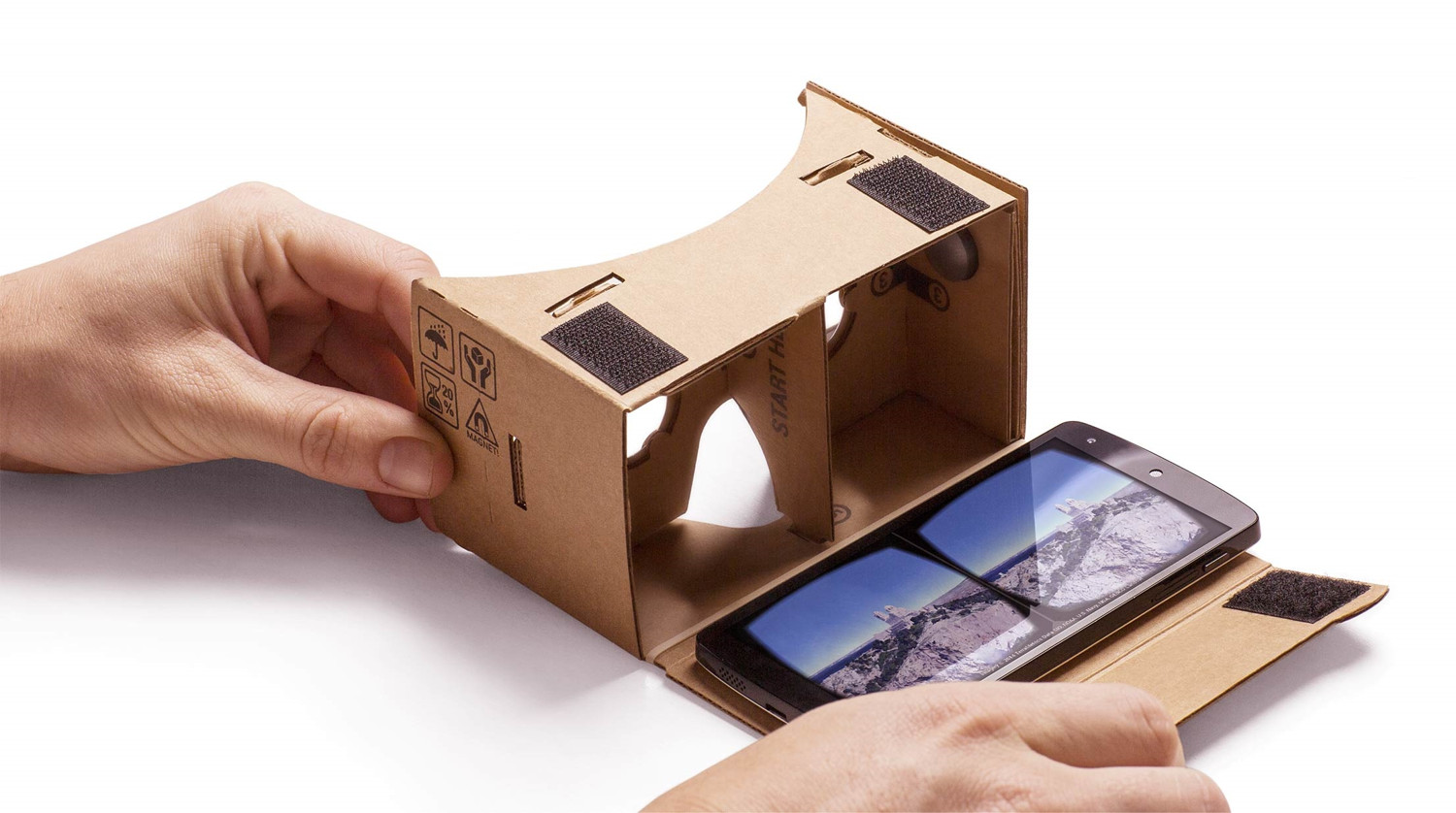
    Google Cardboard

    Google will also likely release an Android VR software along with the VR headset that will look to enhance the VR experience by making the software native to the Android operating system.

    The details as to when exactly Google plans to launch its headset is still a mystery. There is a possibility that the company will make the announcement or at the least discuss its VR intentions at this year’s Google I/O conference, which begins on May 18.

  • Google to Manufacture In-House Nexus Devices, OEMs to Exit

    Google to Manufacture In-House Nexus Devices, OEMs to Exit

    According to reports emanating from Google headquarters in Calfornia, the tech giant is reportedly looking at going the Apple way when it comes the manufacturing of its Nexus devices. Currently, Google shares the branding of its Nexus devices with the hardware manufacturers who have a significant input in both the hardware and designing of the device.

    Google wants to change this from the ground up; it plans to bring to users in the future pure Nexus branded devices which will be designed fully by Google. From the hardware to the aesthetics, these phones will be a creation of minds at Google, and as such will not sport any branding of manufacturers.  As the tech giant does not have any manufacturing units, the Nexus handsets of the future will take birth in manufacturing plants of handset makers on a contractual basis.

    nexus-6

    If and when this switch takes place, it won’t be a jump in the unknown for Google as it has already tried its hand at a task like this in the form of Pixel which are also 100% Google designed smartphones.This lineup which was originally created to use the Chrome OS was seen using the Android OS for its last product.

    Reports suggest the murmurs for this switch in tactics for Google have made their way directly from the high offices of its CEO Sundar Pichhai who is said to have signaled to his associates at Google as well as outsiders of what could be the road-map ahead for Google.

    Suggestions are Google’s extreme step of alienating itself from its current OEM partners is a result of the company’s growing frustration at Apple’s monopoly over the high-end Smartphone market. Google as of now has not been able to influence Android phone hardware so that it can enable new experiences which has lead the Nexus program to not gain the kind of traction with consumers that Google had previously hoped for.

  • Best Smartphones with Fingerprint Scanners

    Best Smartphones with Fingerprint Scanners

    When it comes to buying a new smartphone, there are certain key features one always looks for. With technology evolving as fast as it does, smartphones need to adapt to the change or risk getting shunned into the background. Fingerprint scanners is one of the more recent features that has become a necessity when pondering over the next smartphone. So here’s a list of some of the best smartphones out there that come with a fingerprint scanner.

    Under Rs 10, 000

    Coolpad Note 3 Lite
    Coolpad Note 3 Lite

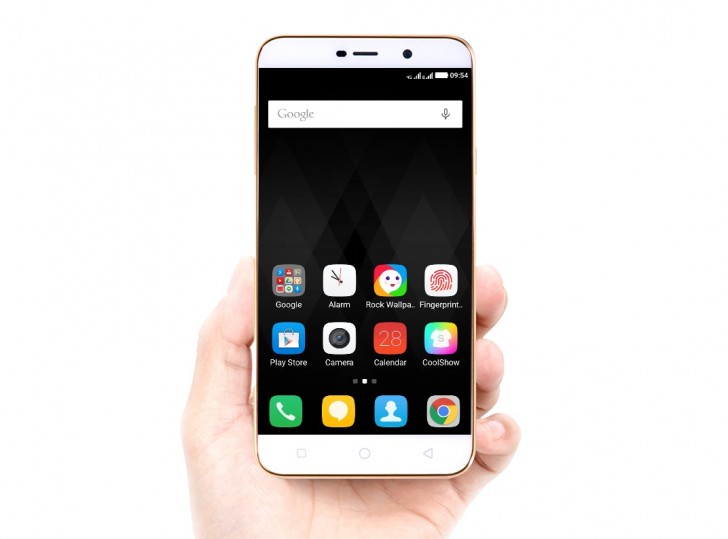
    There’s only one device currently that can brag about being the cheapest smartphone with a fingerprint scanner, and that’s the Cooldpad Note 3 Lite which comes priced at Rs 6, 999. The display on the phone is a 5-inch 720p HD, 320ppi IPS panel. It is run by a 64-bit 1GHz Quad-Core Mediatek MT6735 processor with 3GB Ram, and 16 GB internal storage with MicroSd card support.


    It is run by a 64-bit 1GHz Quad-Core Mediatek MT6735 processor with 3GB Ram, and 16 GB internal storage with MicroSd card support. Camera on the back is a 13-MP shooter, and at the front it boasts of a 5MP camera which clicks nice selfies.  The fingerprint scanner on the phone is a square shaped sensor situated at the back of the phone. The device goes on sale on 4th of February. Registrations are open on Amazon India.

    Under Rs 20,000

    LeEco Le 1s
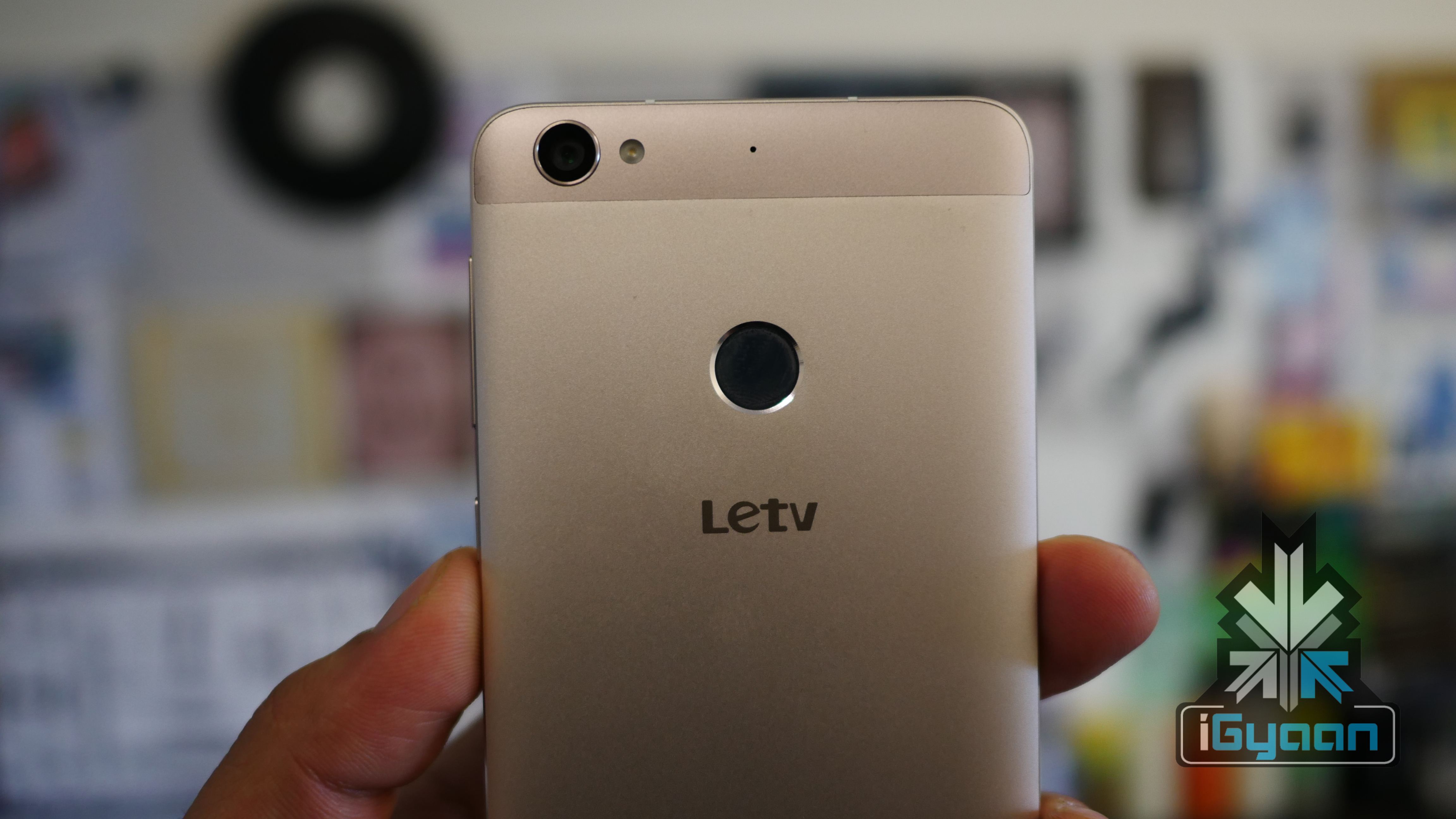
    Letv LeEco 1s iGyaan 9

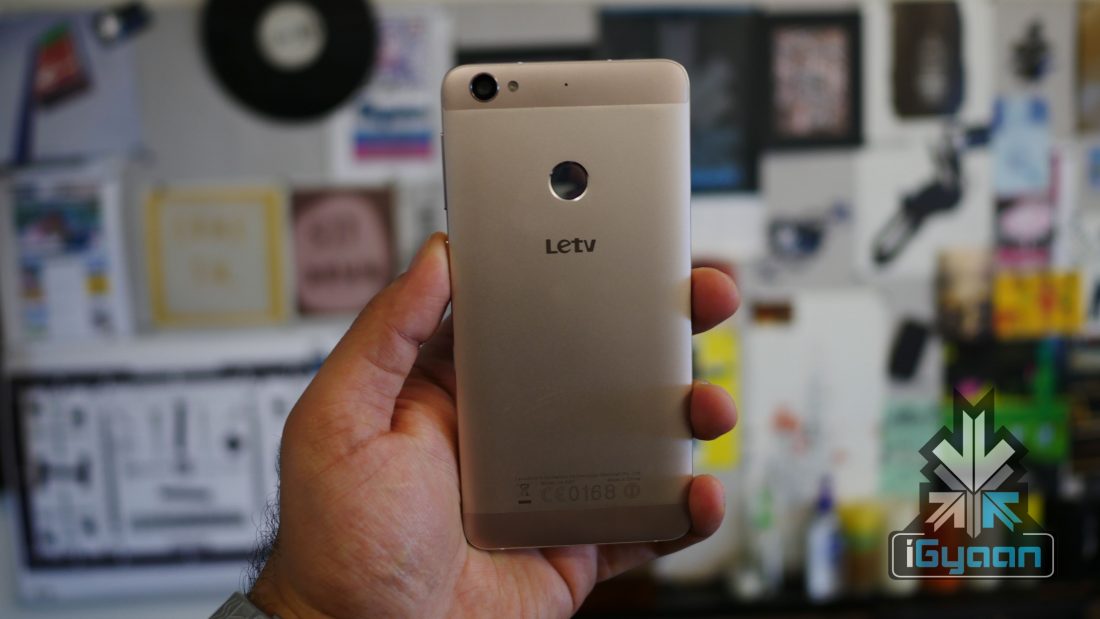
    LeEco launched the Le 1s recently along with the Le Max. The Le 1s sports a 5.5-inch Full HD display and is powered by a MediaTek’s Helio X10 processor. It features a 13MP rear camera and a 5MP front camera. The smartphone will run on Android 5.1 with custom EUI on top. It is a Dual-SIM device with an AnTuTu score of 55844, beating HTC One M9.

    It has a type-C USB port which ensures 3.5 hours of usage in 5 minutes of charging, along with a double chamber, symmetrical design, and super-slim, full-metal body with 7.5 mm of thickness. The fingerprint scanner of the device called LeTouch, is mirror-surfaced with 99.3% accuracy and .15 seconds flash recognization. Le 1s is available for Rs 10,999. 

    Lenovo K4 Note
    Lenovo Vibe K4 Note

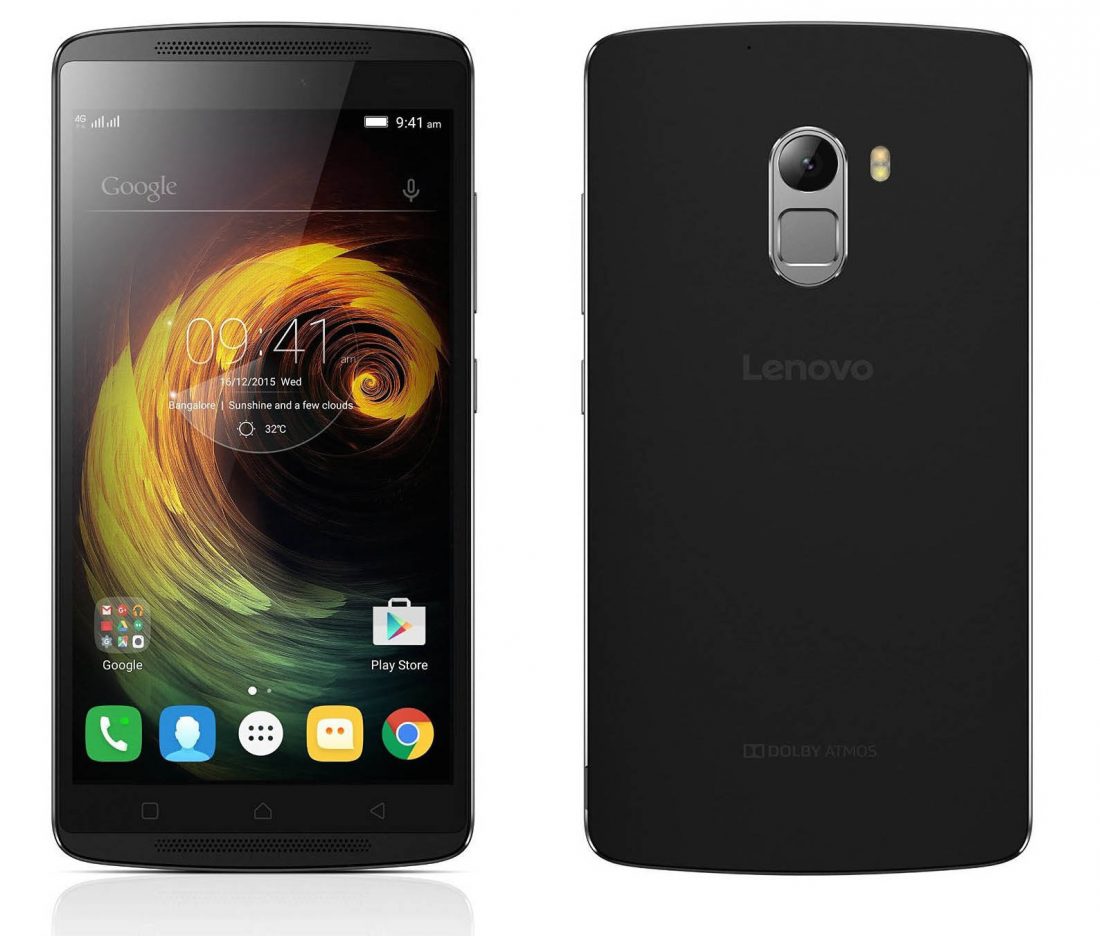
    The phone has a fingerprint scanner at the back just below the camera module and dual-front speakers with Dolby Atmos audio. The device is dual-SIM, has 4G LTE support and has a 5.5-inch display. On the camera front, it packs a 13 MP main camera and a 5 front camera.


    The phone is run by a 1.3 Ghz Octa-Core MediaTek MT6753 processor with Mali-T720MP3 GPU, and comes with 3GB of DDR3 RAM. Storage options on the phone include a single variant of 16GB internal memory which can be expanded to 128GB using a MicroSD card. The device goes on sale on the 3rd of February and is priced at Rs 11,998

    Honor 5X
    Huawei Honor 5X iGyaan 4

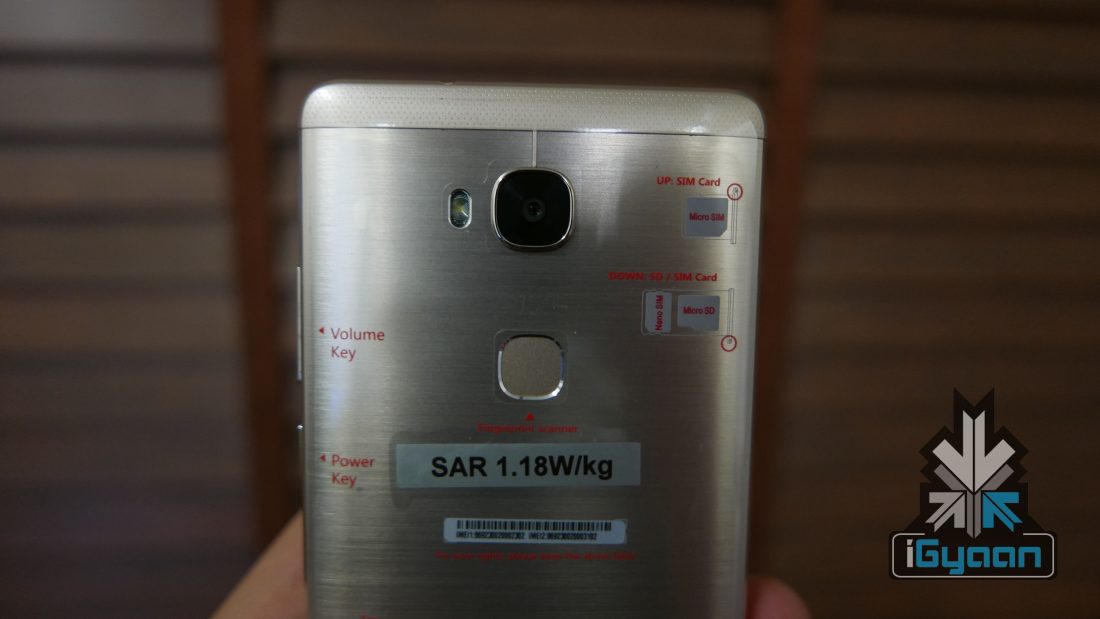
    The recently launched Honor 5X sports a 5.5-inch Full HD IPS LCD display with a 1920 x 1080p resolution, and a pixel density of 401 ppi. It is powered by a 64-bit octa-core 1.5GHz Qualcomm Snapdragon 615 SoC with Adreno 405 GPU. The 5X is available in 2GB of RAM with 16GB onboard storage that is expandable up to 128GB via microSD card slot.


    In terms of design, the Honor 5X sports an aircraft-grade metal unibody construction with a fingerprint scanner at the back that can also be used to take photos. The device gives a premium look for a budget-friendly smartphone, keeping it on par with the Le 1s that was launched last week. These devices show us that budget phones are turning out to be the new premium. The device is priced at Rs 12,999 on Amazon India.

    Lenovo Vibe P1
    Lenovo Vibe P1 with fingerprint scanner

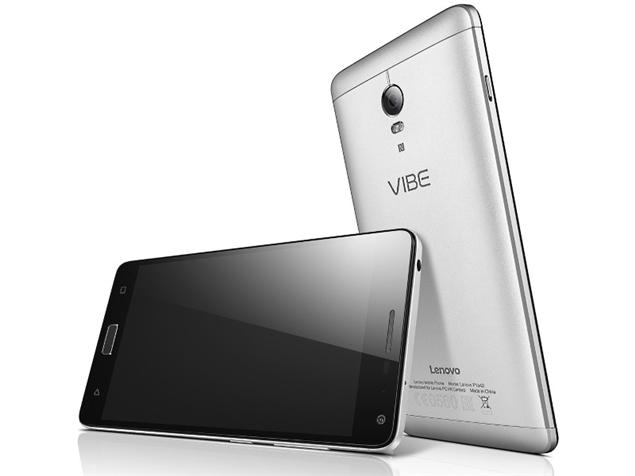
    The Vibe P1 features a 5.5-inch full-HD (1080×1920 pixels) IPS display with Corning Gorilla Glass 3. It is powered by a Snapdragon 615 octa-core processor clocked at 1.5GHz with Adreno 405 GPU; 2GB of RAM and 32GB storage with expandable storage via microSD card. The device features a 13-megapixel rear camera and a 5-megapixel front; dual-SIM with dual 4G LTE support.The Vibe P1 is also equipped with a nice Home Key that houses a fingerprint scanner within it.

    Lenovo Vibe P1 comes with a price tag of Rs 15, 999 and is available on Flipkart.

    Qiku Q Terra
    qiku terra 1

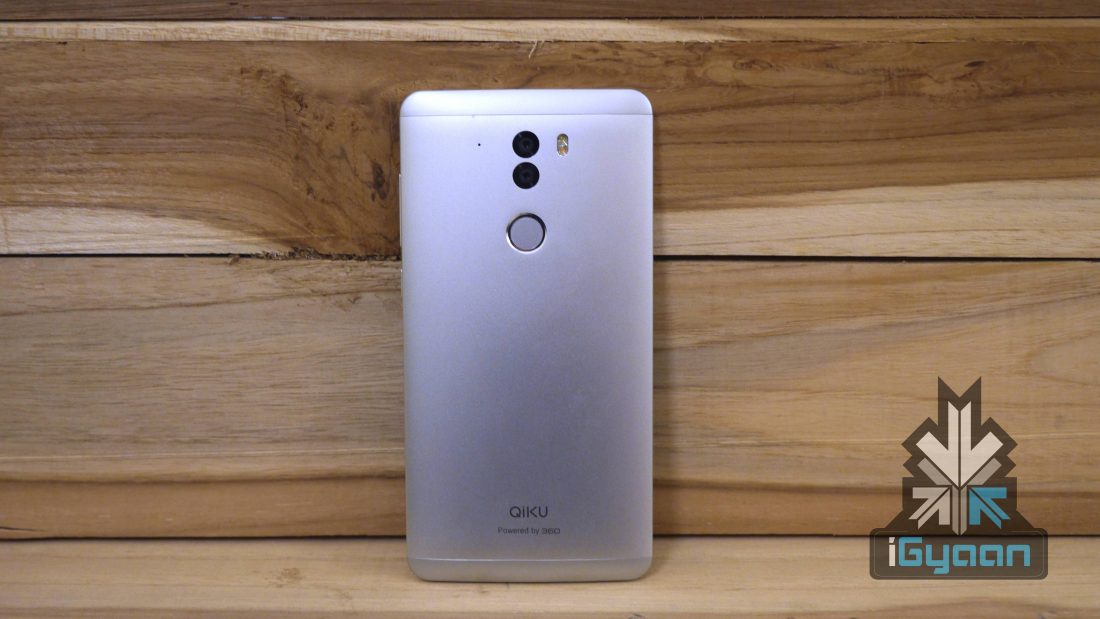
    The Qiku Q Terra a massive phone with a 6 inch FHD display with 1080 X 1920 pixel resolution. It is powered by the Qualcomm Snapdragon 808 64-bit processor and comes with a 3GB RAM. Along with this, it also has a 16GB of internal storage capacity that is expandable up to 128GB.

    What sets the Q Terra apart from the other handsets in the list is that it uses a DuoScopic Camera System that integrates two 13MP Sony back cameras – a IMX278 color sensor along with a B/W IMX214 sensor. Adding to this, the phone also offers an 8MP front camera with f/2.4 aperture.

    Qiku has chosen to place the fingerprint scanner at the rear panel of the phone, just below the camera module. The device falls just below the Rs 20,000 mark.

    Under Rs 30,000

    Nexus 5X
    Nexus 5x Review 6

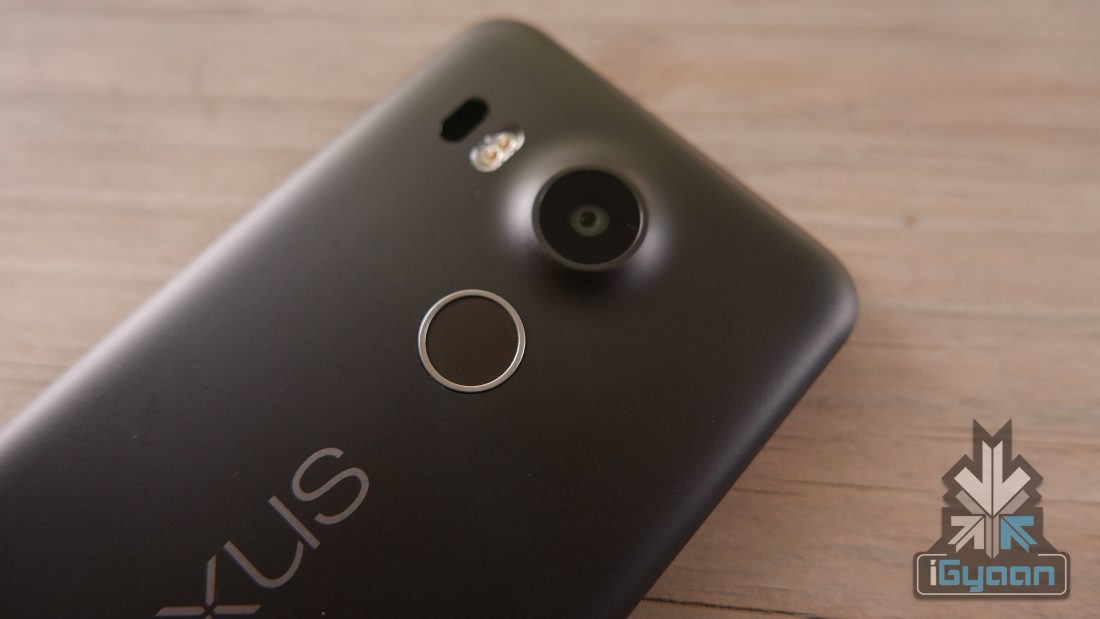
    The Nexus 5X comes with a 5.2-inch FHD display, USB Type-C which allows almost 4 hours of battery post a 10-minute charging routine, and is available in three colors – Carbon black, Quartz white and Ice blue.

    It is further packed with a 2 GB RAM, Qualcomm Snapdragon 808 chipset and OS Android Marshmallow 6.0. On the camera front, the device comes equipped with a 12.3 MP rear camera and a 5 MP selfie camera. The smartphone is capable of capturing 4K and slow-motion videos, making this phone the most advanced multimedia Nexus device to date.

    The fingerprint scanner on the Nexus 5X is at the back conveniently resting just below the rear camera on the phone. The device is priced around Rs 21,000 for the 16GB variant on Flipkart and Amazon.

    OnePlus 2
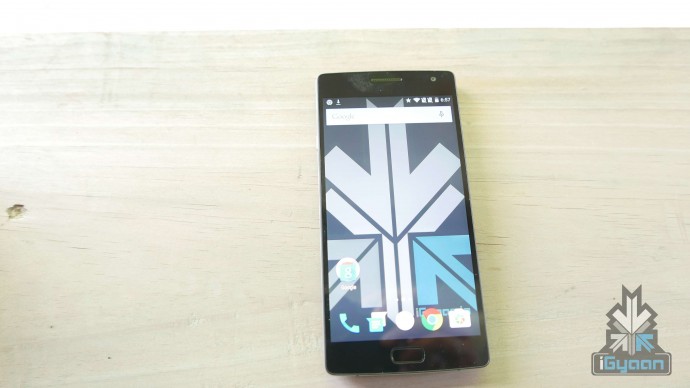
    OnePlus 2 9

    This beast of a phone comes in with a 5.5-inch 1080p display, and, as of 29th of January, is available in two storage variants, 16GB and 64GB. The latter will be equipped with 4GB RAM, while the former comes in with 3GB RAM on board. It is powered by a 64-bit octa-core Snapdragon 810 v2.1 SoC clocked at 1.8GHz and Adreno 430 GPU. The smartphone also comes equipped with Dual 4G Nano-SIM cards slots, as well as the popular USB Type-C.


    The camera sports a 12.3MP sensor with laser autofocus, dual-LED flash at the rear and a rather impressive 8MP on the front. This pure Android phone will run on the latest Marshmallow operating system. It also has a USB Type-C port. A 3450mAh battery pack provides the juice required to run this device. The 32GB variant of the 6P falls just under Rs 40,000.

    Galaxy Note 5
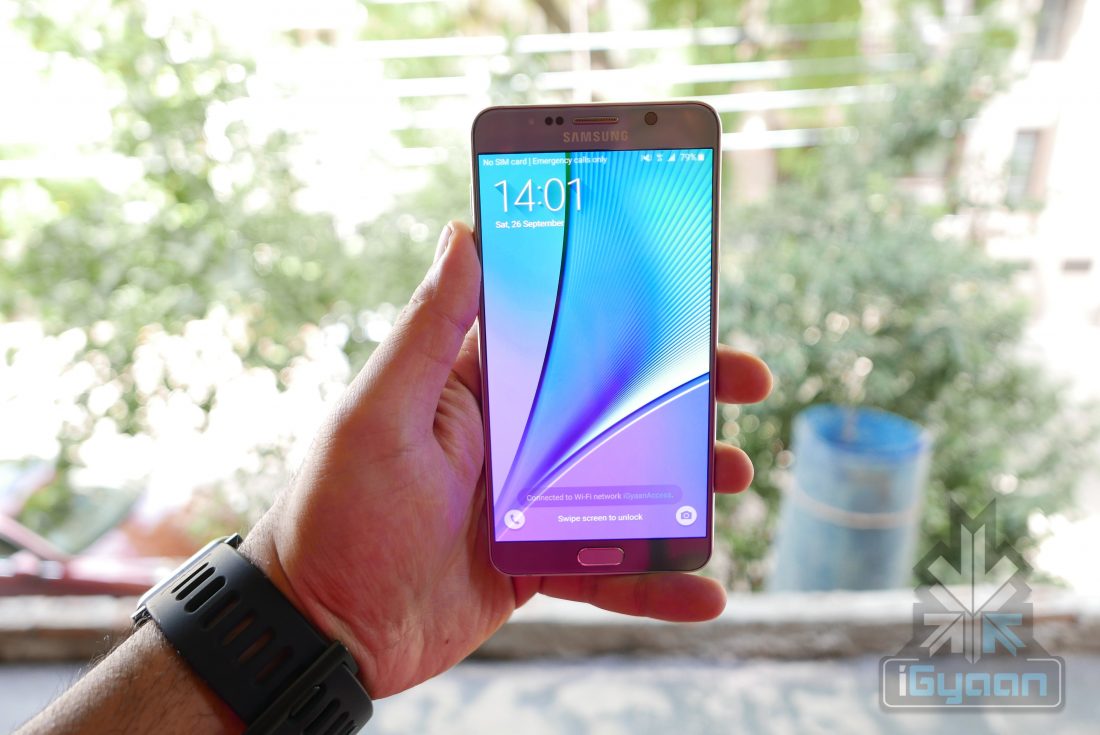
    Samsung Galaxy Note 5 17

    The much-loved Galaxy Note 5 runs on the Android OS, v5.1.1 (Lollipop) powered by an Exynos 7420 chipset which consists of Quad-core 1.5 GHz Cortex-A53 & Quad-core 2.1 GHz Cortex-A57 CPU and a Mali-T760MP8 GPU. The SoC is paired with 4GB of RAM for smooth performance.

    As far as storage capacity is concerned, this handset comes in two variants – 32 and 64 GB, but does not feature a MicroSD slot for expanding memory via an external card. The display is a stunning 5.7 inches, Gorilla Glass 4 Super AMOLED capable of producing 1440 x 2560 pixels at 518 ppi.

    A 16MP rear, and 5MP front cameras are also included with a massive 3000mAh battery pack. Connectivity options include Dual Nano-SIM, Wi-Fi 802.11 a/b/g/n/ac, dual-band, Wi-Fi Direct, hotspot,Bluetooth v4.2, A2DP, EDR, LE, GPS with A-GPS, GLONASS, Beidou, NFC. It also comes equipped with a Type-C reversible connector. The Galaxy Note 5 features a very responsive fingerprint scanner integrated with the home button. All of this comes at cost of Rs 47, 400

    iPhone 6s
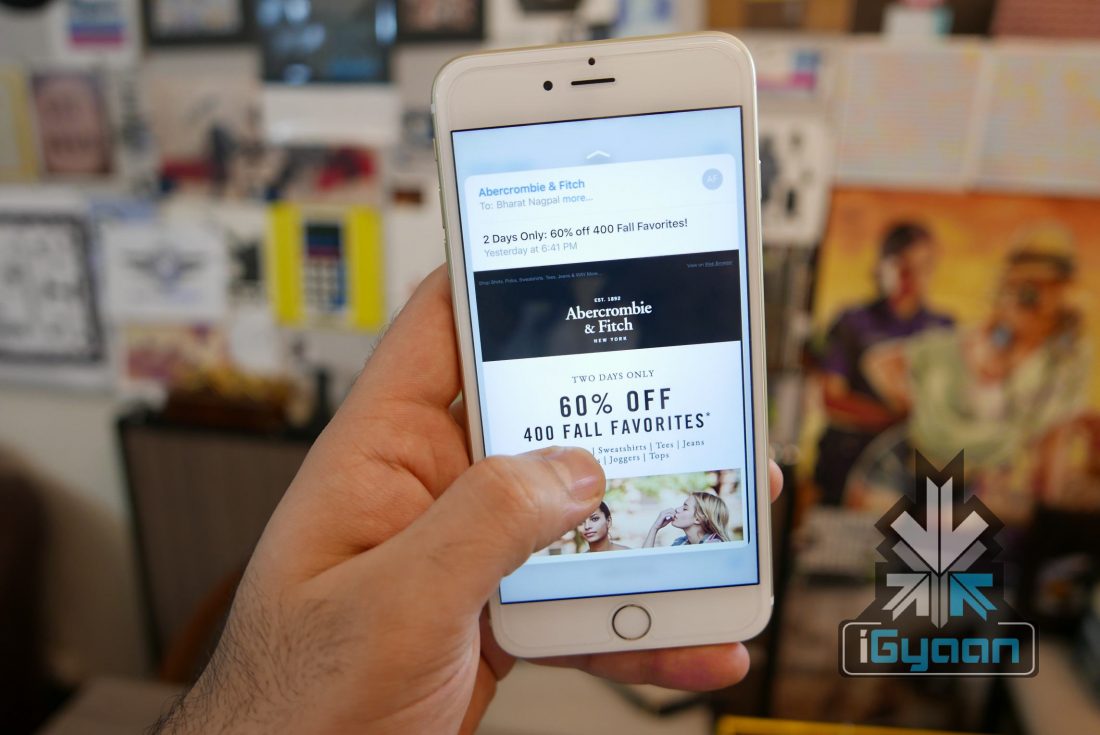
    iPhone 6s and 6s plus igyaan 3

    This phone that hardly needs any introduction comes with a 4.7-inch Retina HD display with 3D Touch and LED-backlit widescreen. The display can output a maximum 1334×750-pixel resolution at 326 ppi. The processor on board is a Dual-core 1.84GHz A9 chip with 64-bit architecture with Embedded M9 motion coprocessor.

    It packs what can be deceptive 2GBs of RAM that coupled with the chipset provides lag-free performance. The phone comes in storage options of  16GB/64GB/128GB. Camera options on the 6s include a 12-megapixel iSight camera with 1.22µ pixels ƒ/2.2 aperture at the back, and a 5-megapixel photos ƒ/2.2 aperture with Retina Flash on the front of the phone.

    The fingerprint sensor for the phone is at the front, housed in the home button. The 16GB Rose Gold model is currently priced at Rs 45,999 on Amazon.
  • Google Paid Apple $1Billion in 2014 to Keep Search Engine on iOS

    Google Paid Apple $1Billion in 2014 to Keep Search Engine on iOS

    Its no secret that Google and Apple, two massive rivals, have an agreement in place which enables the search engine to be the default search provider on the iOS platform, but what is emerging right now are details of this deal born out of convenience, and the numbers involved here are staggering!

    Google which makes 4 times more money from iOS users than it does from users of its own Android platform, holds the business from the Apple based devices very important to its core business, and as such it has gone to great extents to keep its search engine running on iOS devices worldwide.

    google-rankings

    According to details that have emerged in the midst of a high-profile Oracle vs Google battle in a San Fransico court,  Google has paid Apple $1 billion in 2014 as part of its ongoing deal to be the default search provider on iOS devices. The deal allows Apple’s to get a percentage of the revenue that the Google search engine generates through Apple devices. The numbers quoted for the revenue shares stands at 34%.

    This is not the first time rumors about how much Google pays Apple to be on the iPhone have surfaced on the Internet. For their part, the two companies have also never commented on it, and not to anyone’s surprise, Kristin Huguet, a spokeswoman for Apple, and Google spokesman Aaron Stein both declined to comment on the information disclosed in the court of law.

  • Google Nexus 5X Undergoes Huge Price Cut on Amazon

    Google Nexus 5X Undergoes Huge Price Cut on Amazon

    For those of you who loved the Google Nexus 5X but held back because of its price; we have good news for you.The phone that was originally priced at Rs. 31,990 for its 16GB version is now priced at Rs. 20,990. However, we need to first take note, that this price change is available not on the official store but on Amazon.in and only until the 24th of January.

    This is the second major price-cut Nexus 5X has undergone. Just a couple of weeks ago, close after its launch, the price had fallen down to about Rs. 25,000, and now it has dipped again. This definitely doesn’t sound like good news for the Google device which failed to fare well with customers.

    Check out our hands-on video of the device below.

    Here are the specs :

    Specification

    LG Nexus 5X

    Display 5.2-inch Full HD IPS (1920 x 1080 / 423ppi)
    Resolution 1080 x 1920 pixels (~424 ppi pixel density)
    Chipset  1.8 GHz Qualcomm Snapdragon 808
    CPU Quad-core 1.44 GHz Cortex-A53 & dual-core 1.82 GHz Cortex-A57
    GPU  Adreno 418
    RAM 2 GB LPDDR3 RAM
    Front Camera 5 MP with F/2.0 Aperture
    Rear Camera Up to 12.3 MP with F/2.0 Aperture
    Storage 16 or 32 GB eMMC ROM
    Expandability  NA
    Battery 2,700 mAh (embedded)
    Connectivity Wi-Fi 802.11 a, b, g, n, ac / Bluetooth 4.2 / NFC / Type-C USB
    Operating System  Android OS, v6.0 (Marshmallow)
    Price Rs. 31,990/ Rs. 35,990
  • After TRAI, Google Too Makes Life Difficult for Facebook

    After TRAI, Google Too Makes Life Difficult for Facebook

    Looks like it’s not the best of times for Facebook. There is another potential blow headed towards the company now, thanks to Google.

    Google is allowing some Android users to download apps directly from search results without the need to visit the App Store. Though these downloads are available only through organic searches and not ads yet, but we can hope to see this extension soon as well.
    mark_zuckerberg

    Now these downloads mean some not-so-good-news for Facebook which had begun advertising apps on its website a few years ago. Since then users have been able to download apps from these ads. However, since Google is allowing for direct downloads of its apps from search results, app developers are likely to pay less and less to Facebook to promote themselves.

    This, in turn, means a cut in revenue for Facebook. Also, it should be noted that one of Facebook’s main arguments in support of its app ads is that it can direct app-developers to their target audience -with the help of the information Facebook has of its users. Not creepy at all, Facebook.google-play-iconThe new development in Google’s add-download might be quite a setback for the networking website since mobile app ads has been a significant source of its revenue.


    Google, on the other hand, is making app-downloads more and more inviting for users by introducing features like “trial run ads” which lets users use an app for 60 seconds before deciding whether or not they want to download it. Additionally, the users can now also stream app content from search without actually downloading the app.

  • YouTube Urdu Launched in Pakistan

    YouTube Urdu Launched in Pakistan

    Google has unveiled a new Urdu language variant of YouTube in Pakistan. Users from the country will be redirected to the new web address YouTube.com.pk which will be a repository of local Urdu language videos from the country.

    The launch of this new site is regarded as a step in the right direction to get the ban on the website revoked which has been in place since 2012. The new homepage, YouTube.com.pk, will boast of local language and content, but is presently not accessible within Pakistan. The blockade could be lifted in the coming weeks as the country’s Supreme Court is expected to come up with a decision whether YouTube should be accessible again or not.

    92F71572-0C6B-4B1E-929D-C376A0322943_mw1024_s_n

    Goutam Anand, Director of Operations and Content, YouTube Asia Pacific, had this to say about the launch, “With these launches, we hope to pave the way for the work of more local creators, personalities and musicians to shine on the world’s largest and most vibrant video community. To all our YouTube viewers and creators from South Asia and around the world, we can’t wait to see what you share.”

  • CES 2016: Lenovo Smartphone the First to Implement Google’s Project Tango

    CES 2016: Lenovo Smartphone the First to Implement Google’s Project Tango

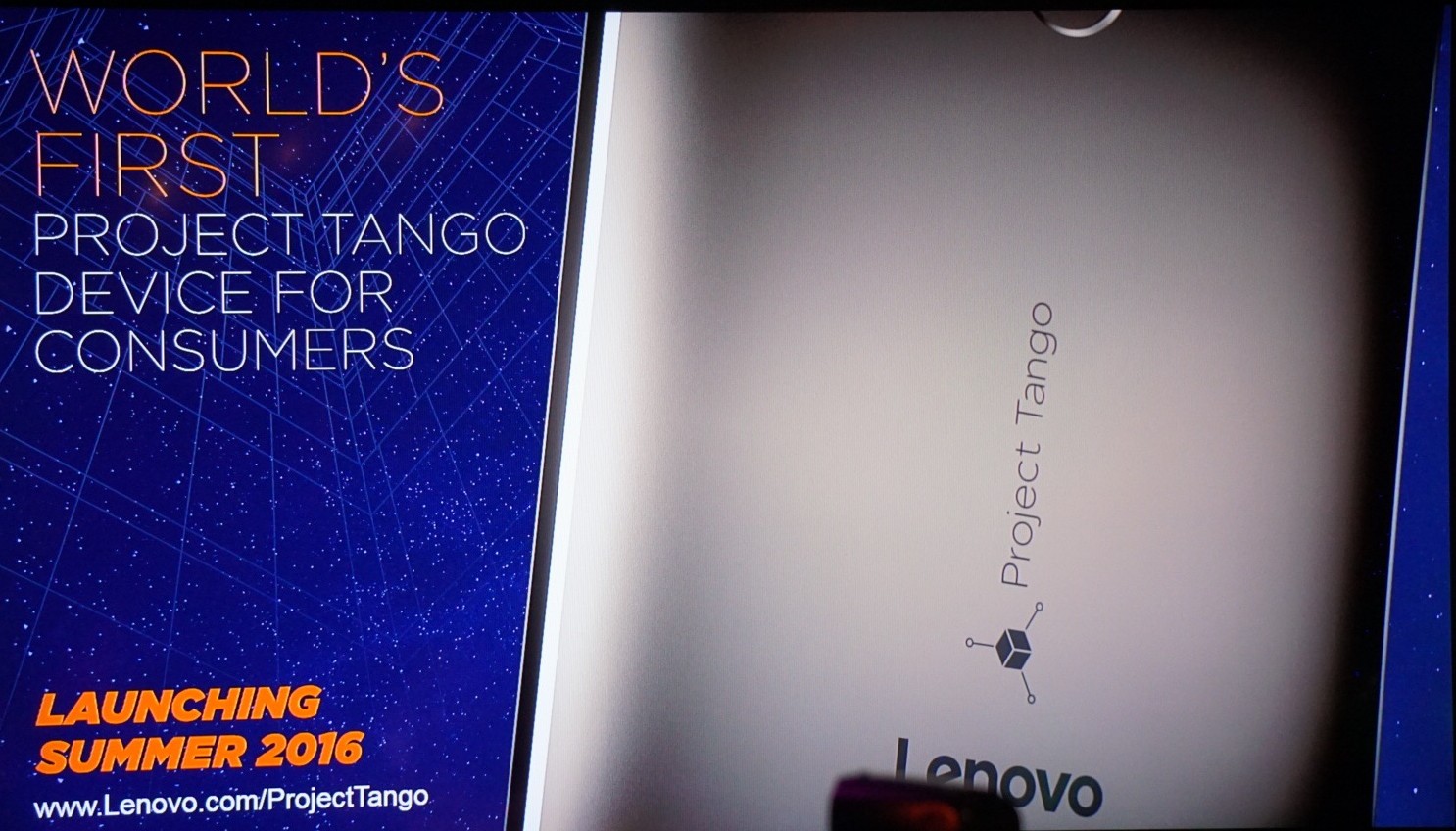
    Third day of the Consumer Electronic Show 2016 has seen Google and Lenovo announce plans of a partnership to build, and sell the first smartphone that can make use of the former’s take on 3-D Augmented Reality technology. Google likes to call this tech fondly as ‘Project Tango.’

    Project-Tango-1

    This tech will help support smart devices figure out space and motion just like humans do, allowing the devices to understand their surroundings in a 3-D view, and track their path as they move through them. Using ‘Project Tango’, a device can map the dimensions of the room, essentially projecting it on the screen in a 3-D form.

    Project Tango Development Kits were earlier launched to help developers create apps to better use this technology. Future uses of Tango could be apps that use 3-D augmented reality technology to help you decide how a piece of furniture will look in your room. Several interactive games could also be made using ‘Project Tango’. Possibilities, in all honesty, are endless.

    Lenovo tango

    The Lenovo smartphone that will be the first to do the ‘Tango’ with Google’s latest tech, is going to be priced at $500(approx Rs 35,000), and will be out sometime during the “Summer of 2016″. Not much has been disclosed in terms of specs, but the phone will be powered by a Qualcomm processor, sport three cameras (RGB, Fisheye, and Depth) for it’s 3-D mapping needs, and could have a display as big as 6-6.5 inches.

    Vice President of Lenovo, Jeff Meridith stressed at the event that this will not be a niche product, but a device for the masses He stressed,”  We locked arms with Google to bring out a consumer device based on Tango. The goal here was to create a mainstream device. We don’t want this to be a niche technology. Lenovo is extremely proud of where we are at this stage of the effort.”

iGyaan Network
Privacy Overview

This website uses cookies so that we can provide you with the best user experience possible. Cookie information is stored in your browser and performs functions such as recognising you when you return to our website and helping our team to understand which sections of the website you find most interesting and useful.