Category: Brands and Companies

All Brands and Company Names

  • Lenovo’s Next Flagship Smartphone Will Be Tailor-Made For Notch Haters

    Lenovo’s Next Flagship Smartphone Will Be Tailor-Made For Notch Haters

    The smartphone industry, every year, is dominated by a certain trend that is usually overdone by many OEMs. The launch of the iPhone 7 Plus propelled smartphone makers into launching dual-camera devices in late-2016. With the launch of the iPhone X, we are seeing an increasing number of smartphone vendors embracing the notch. However, Lenovo appears to be set on a less trodden path and go with a traditional design for its new flagship smartphone.

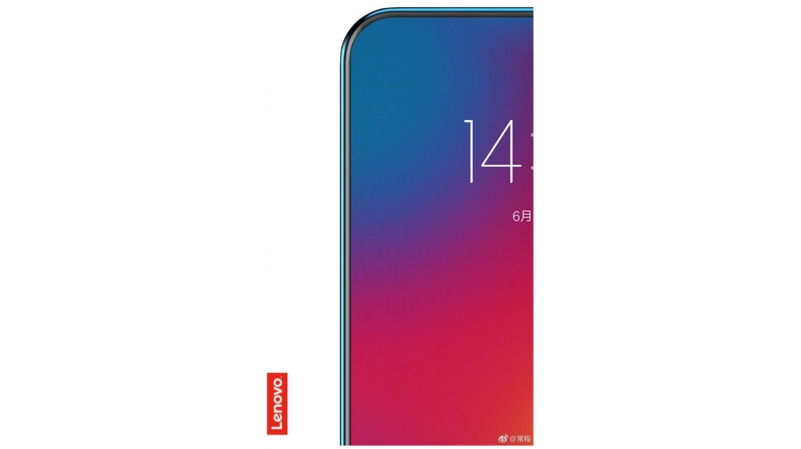
    Lenovo’s Vice President Chang Cheng shared a teaser image of the company’s upcoming flagship device on his Weibo page. The company’s next flagship smartphone is expected to launch on June 14th. Accompanying the image was a poll, asking users to predict the screen-to-body ratio of the smartphone, with “95% or more” being the biggest option.

    Must Read: OnePlus 6 Will Have Galaxy S9-Like Heart Rate Sensor
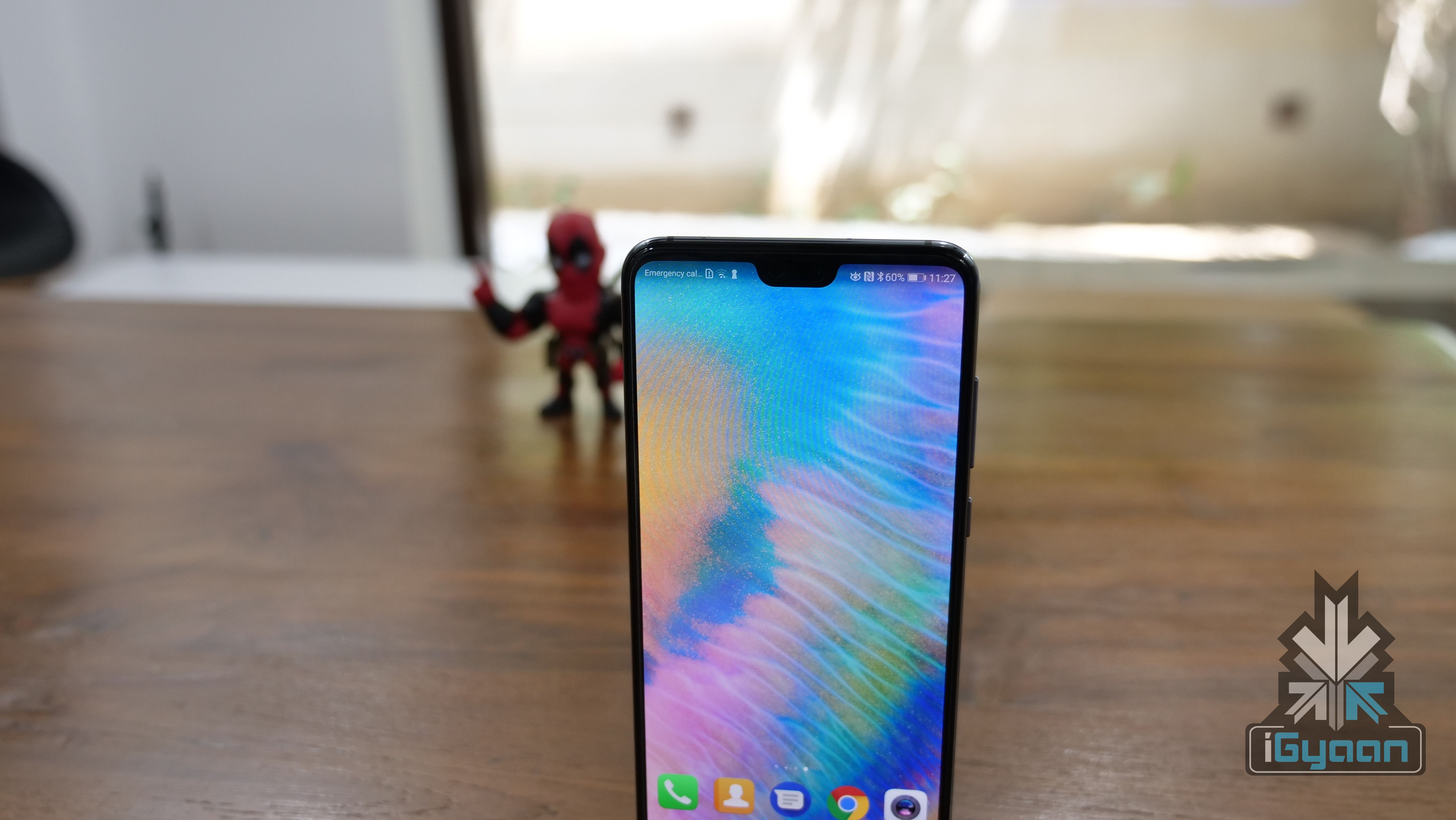
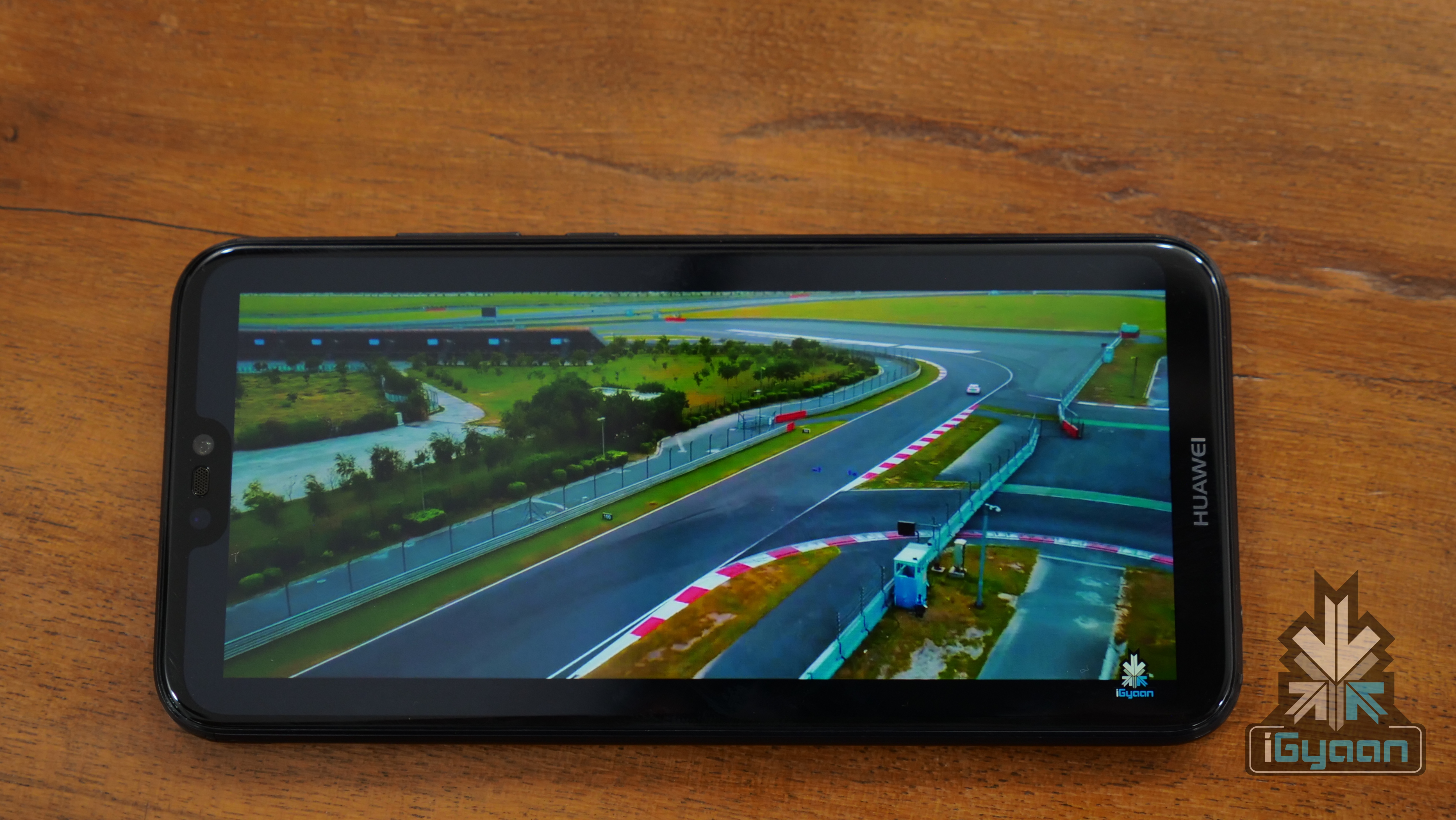
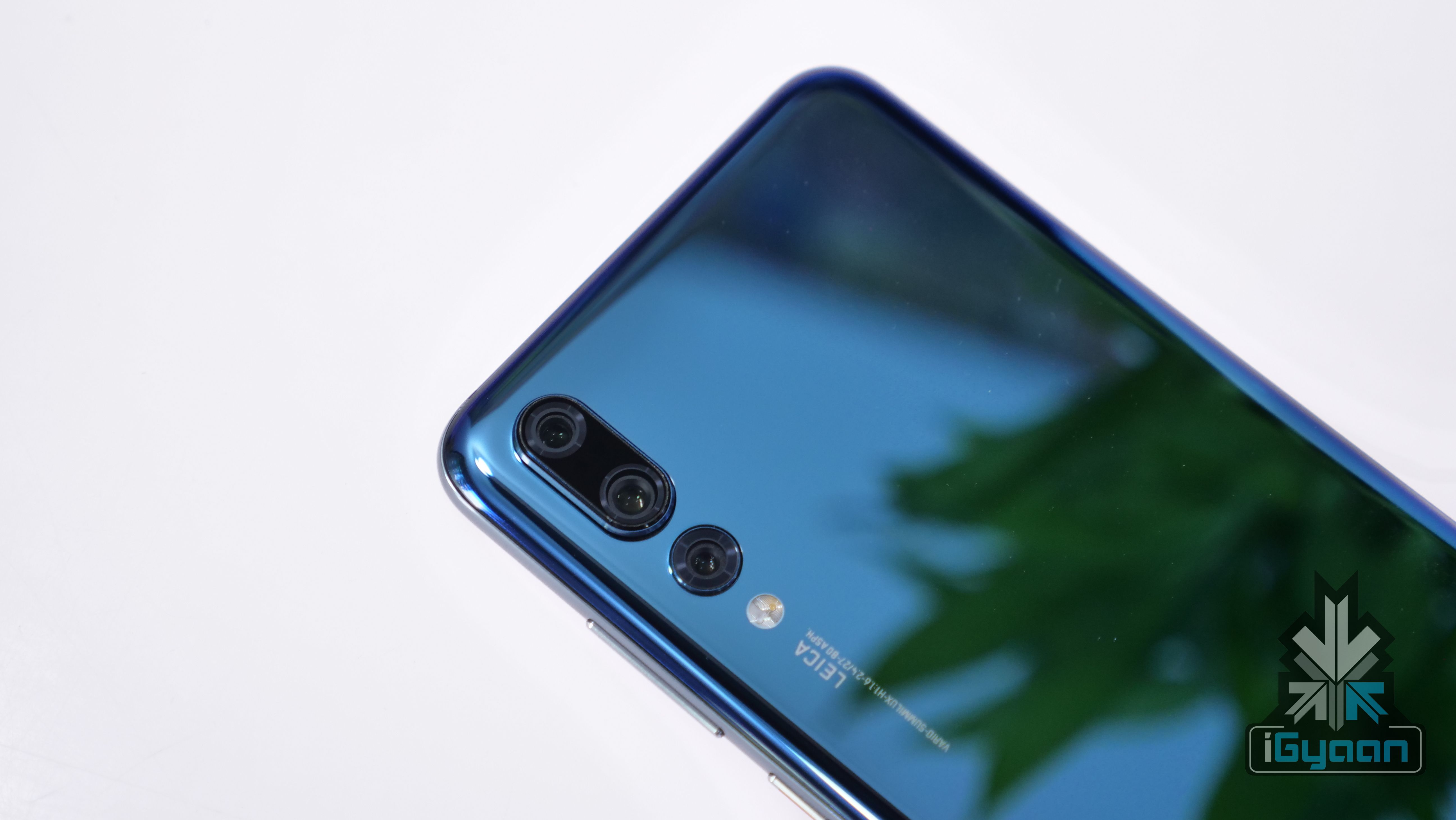
    Huawei P20 Pro

    The front of the smartphone is visible in the image but, only partially. However, enough of the smartphone is visible to incur that the new device won’t have a notch like the iPhone X or Huawei P20 Pro. It appears that Lenovo has taken the Samsung route with its new flagship smartphone. The astonishing part is the lack of bezels on the side and the top of the smartphone. The top bezel is almost invisible, much like the chin of the iPhone X.

    Must Read: Apple iPhone To Launch Next Year With Triple Camera Setup

    Bezels around the display, however, have a purpose and aren’t just there for OEMs to remove and show “progress.” The bezels house the earpiece, sensors and the front-facing camera. From the looks of it, Lenovo might have the gone the Xiaomi route with this by making the bottom bezel a bit thicker and house the front-facing camera in it. This could be the reason why the bottom bezel was not revealed in the teaser.
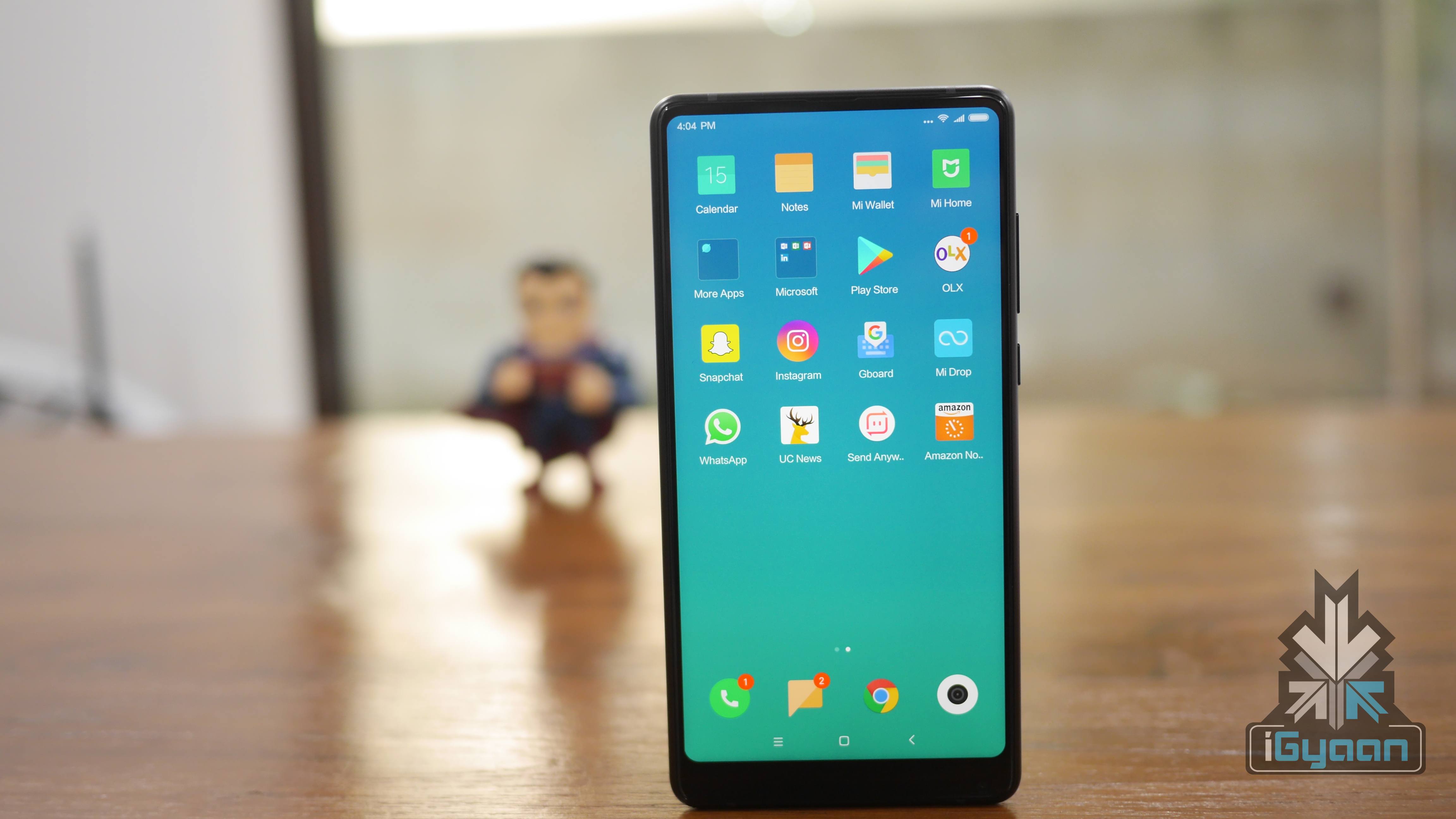
    Mi MIX 2

    The launch of the flagship device is still over a month away. The image does increase the interest in this smartphone especially considering the slew of smartphones that sport a notch these days.
  • Android 9 P: Google I/O 2018 New Features

    Android 9 P: Google I/O 2018 New Features

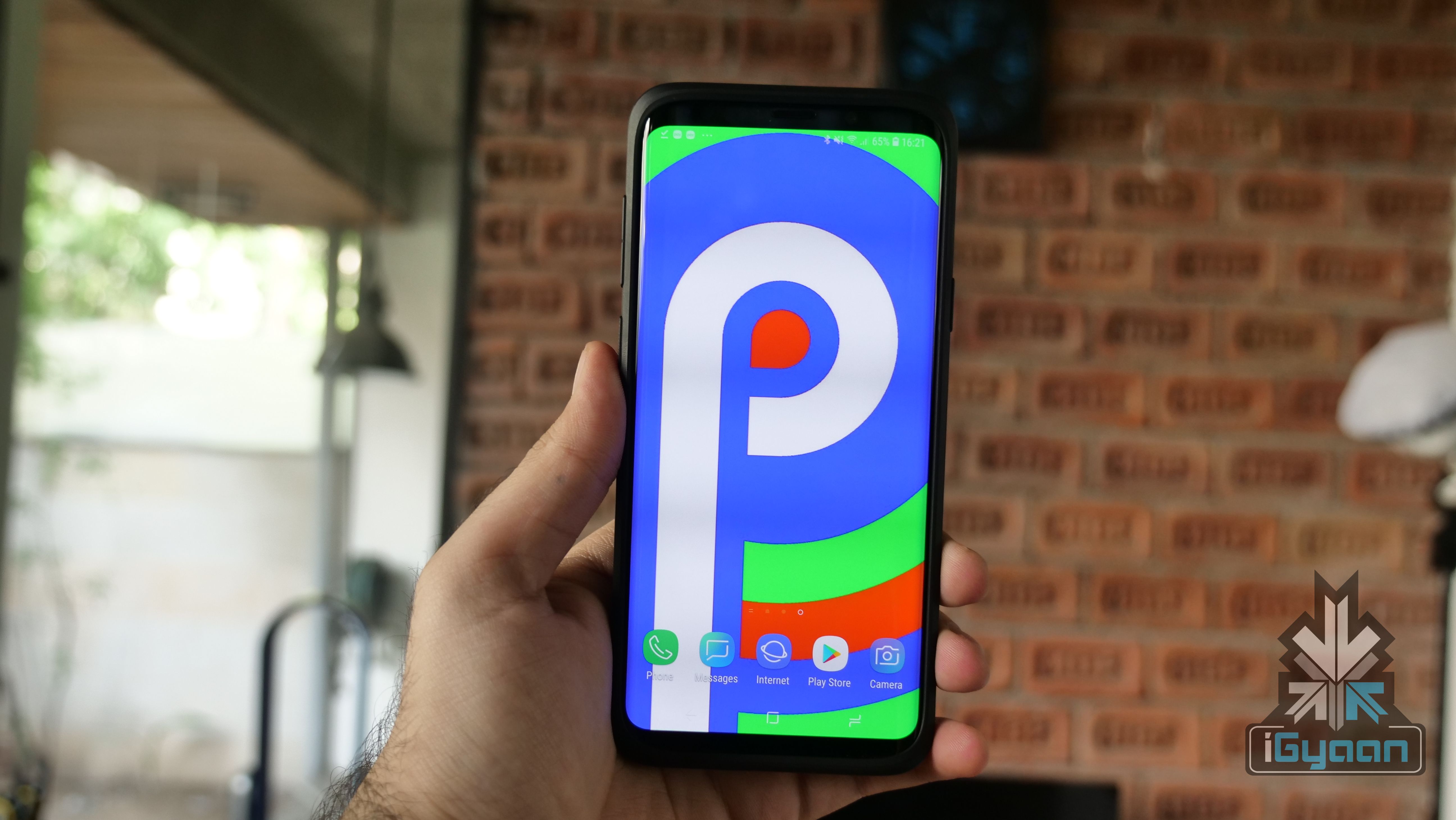
    The Google I/O 2018 conference has concluded and hands down, the biggest unveiling was Android P. The new iteration of the largest mobile OS in the world, Android 9 P will be made available to all Android smartphones later in the year but, Google gave us a glimpse of what’s in store for Android users around the globe.

    The new Android Developer Preview version is now out for a lot of smartphones other than just the Google Pixel devices. Owners of Sony Xperia XZ2, Xiaomi Mi Mix 2S, Nokia 7 Plus, Oppo R15 Pro, Vivo X21, OnePlus 6, and Essential PH1 can enroll for the Android Beta program here.

    With Android P, Google is doing a lot to address the global conversation about distractions caused by smartphones. Android P will have a lot of features built around this theme, that Google is calling “Digital Well Being.” However, Google has claimed that this was not a contingency plan and that the company has been working on curbing this growing issue for years now.

    Wind Down is one of the features as part of Google’s efforts to reduce the use-time of smartphones. It is essentially an automatic Do Not Disturb mode that switches on Night Light when it gets dark. If a user has set their bedtime, the smartphone will turn all the colours on the screen to grayscale, once the clock hits the specified time. This should make using the phone a lot more boring, in turn making the user use their smartphone a lot less.

    Another feature called Shush was unveiled at the conference as well. It is a new gesture that lets users turn their smartphone screen-down and automatically enable the “Do Not Disturb” mode. As is with the Do Not Disturb mode, users can still choose certain contacts to continue to get messages and notifications from.

    There is no longer the circular home button and the square multitasking button is gone as well. What started out with the iPhone X has now been adopted by Google as well (sort of). With Android P, Google is changing the way users interact with the OS. The home button is replaced by this little pill sort of button that has a few functions. One little swipe up will open all the recent apps. What is interesting here is that the apps are live, which means that if you’re in WhatsApp and want to copy a phone number from the call log, you don’t have to open the specific app. By swiping up and opening the recent apps window, you can simply navigate to the Phone app and copy a number from the window itself, without opening the particular app. This feature will come in handy for serious multi-taskers. When on the home screen, a second swipe up will open the apps tray which will have all your installed apps laid out. You can also slide the pill button in the recent apps window to navigate through different apps which looks very cool and simple to use.

    The back button makes a return when you’re within an app and goes away once you’re no longer in an app, simple as. This use of gestures is very different from iOS’s. There is still a navigation bar at the bottom which means you’re still losing a bit of screen real estate. However, this change will be difficult for Android users than it was for iOS users. iOS has traditionally had a few gestures within the UI, while Android, so far, has solely relied on three buttons to navigate from anywhere within the UI.

    More changes are expected to be added to Android P before its final release later this year. The new changes are definitely eye-catching and we will be investigating the new Beta build in detail to find out all that is new with Android P. Google appears to have a lot of answers for questions raised against the growing overuse of smartphones. The only mystery that remains unanswered after the Google I/O 2018 conference is what does the “P” stand for? Maybe Google Assistant can tell us.

  • Google I/O 2018 : Google Assistant Gets New Conversational Skills

    Google I/O 2018 : Google Assistant Gets New Conversational Skills

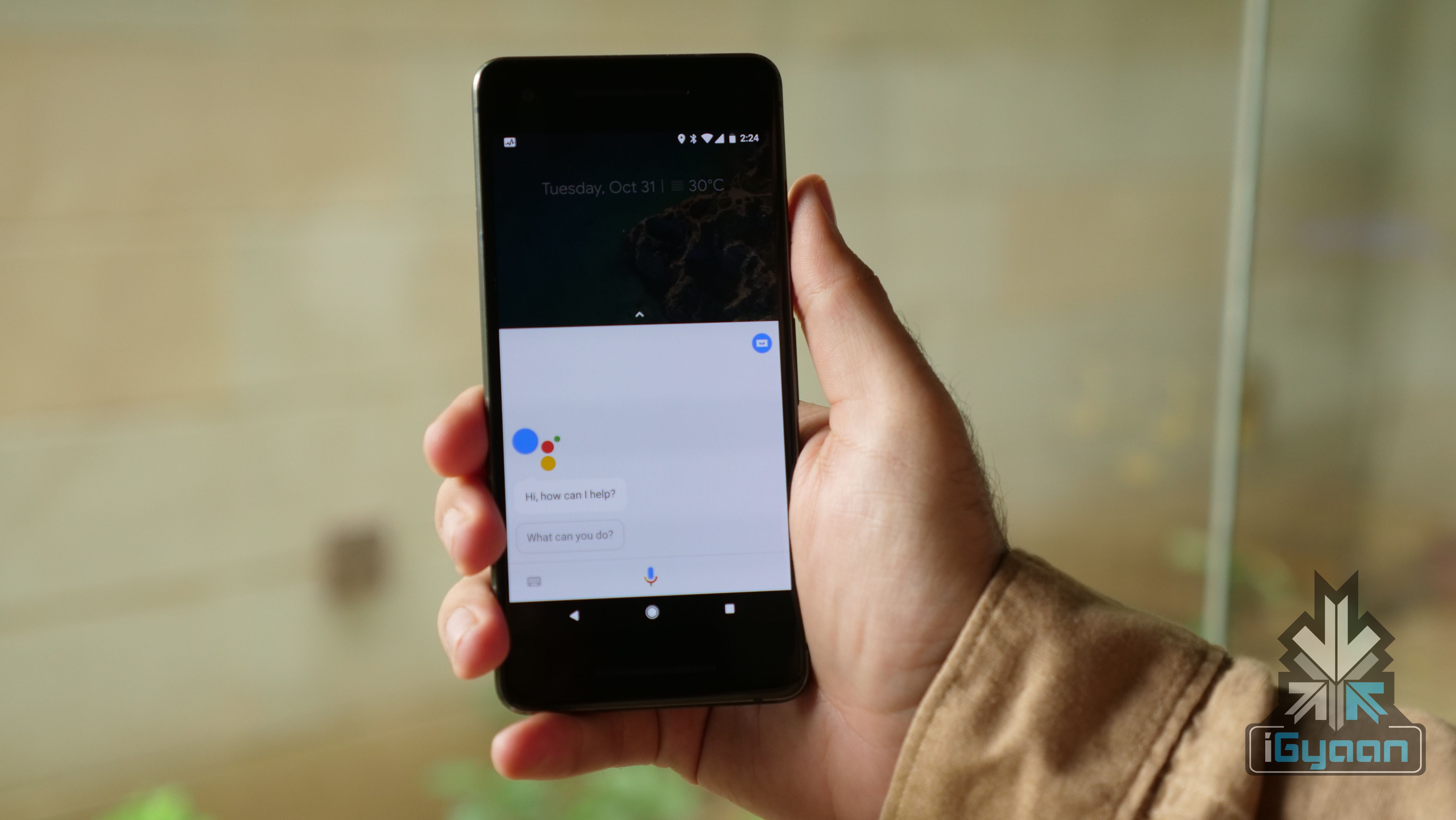
    Artificial Intelligence is a general theme at the 2018 Google I/O conference. Ever since the Google Pixel 2 devices were launched, the company has talked up AI a lot and its Google Assistant is about to become much smarter than it already is. At the conference, Google demonstrated the Google Assistant’s ability to have a human-like conversation with other humans in a non-controlled environment and it was nothing short of impressive. The technology is called Google Duplex and the company has been working on it for years.

    Sundar Pichai came on stage and talked a bit about Google Assistant’s integration with many services. He then mentioned that Google Assistant can now set up appointments and make restaurant reservations. The catch here is that it can do this even if a certain outlet is not listed on a restaurant booking app. Sundar Pichai said:

    We’ve been working on this technology for many years. We’re still developing this technology, and we want to work hard to get this technology and the expectations right.

    He then demonstrated a real conversation between the Google Assistant and a salon rep for a “women’s haircut appointment.” The conversation did not sound staged and that is what made it even more impressive. The Google Assistant was able to recognise where the conversation was headed and gave absolutely normal responses, never once making the “human” feel like they are talking to an AI assistant and not a person.

    The blog post from the company reads:

    The technology is directed towards completing specific tasks, such as scheduling certain types of appointments. For such tasks, the system makes the conversational experience as natural as possible, allowing people to speak normally, like they would to another person, without having to adapt to a machine.

    Fair to say that, going by the demos, the company appears to have got the tech absolutely right. It will be interesting to see how Google localises this technology for other countries. It will be great to see Google Assistant have the same abilities and be integrated with Indian services and maintain the Indian accent as well.

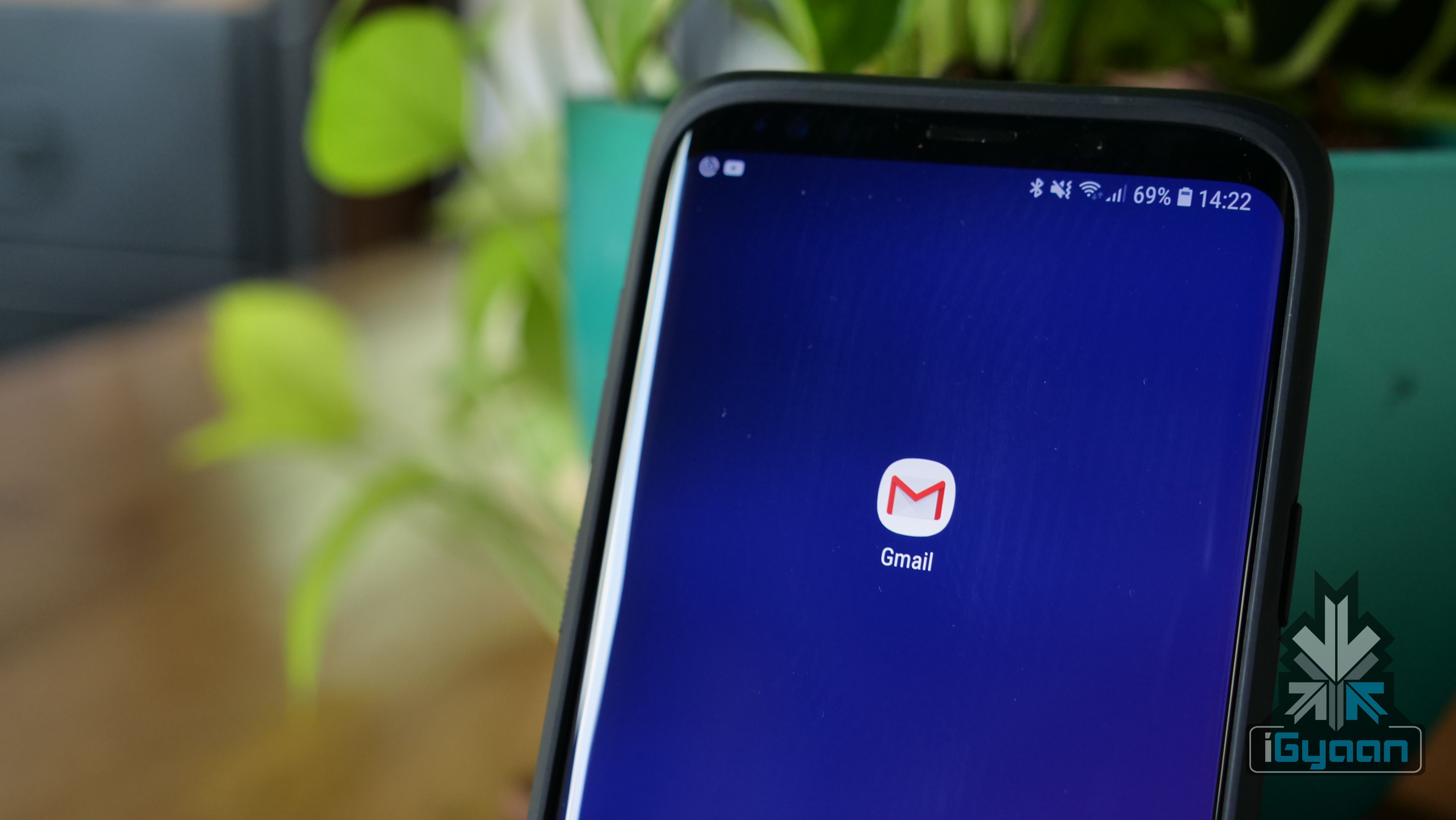
  • Smart Compose For Gmail Will Help Users Write Better Emails

    Smart Compose For Gmail Will Help Users Write Better Emails

    Google has been trying really hard to make Gmail, the world’s largest email service better, for both mobile and web. At the Google I/O conference 2018, Sundar Pichai, CEO of Google announced a new Smart Compose feature for Gmail. The new feature, as expected, depends a lot on AI and machine learning and will essentially help users write better emails.

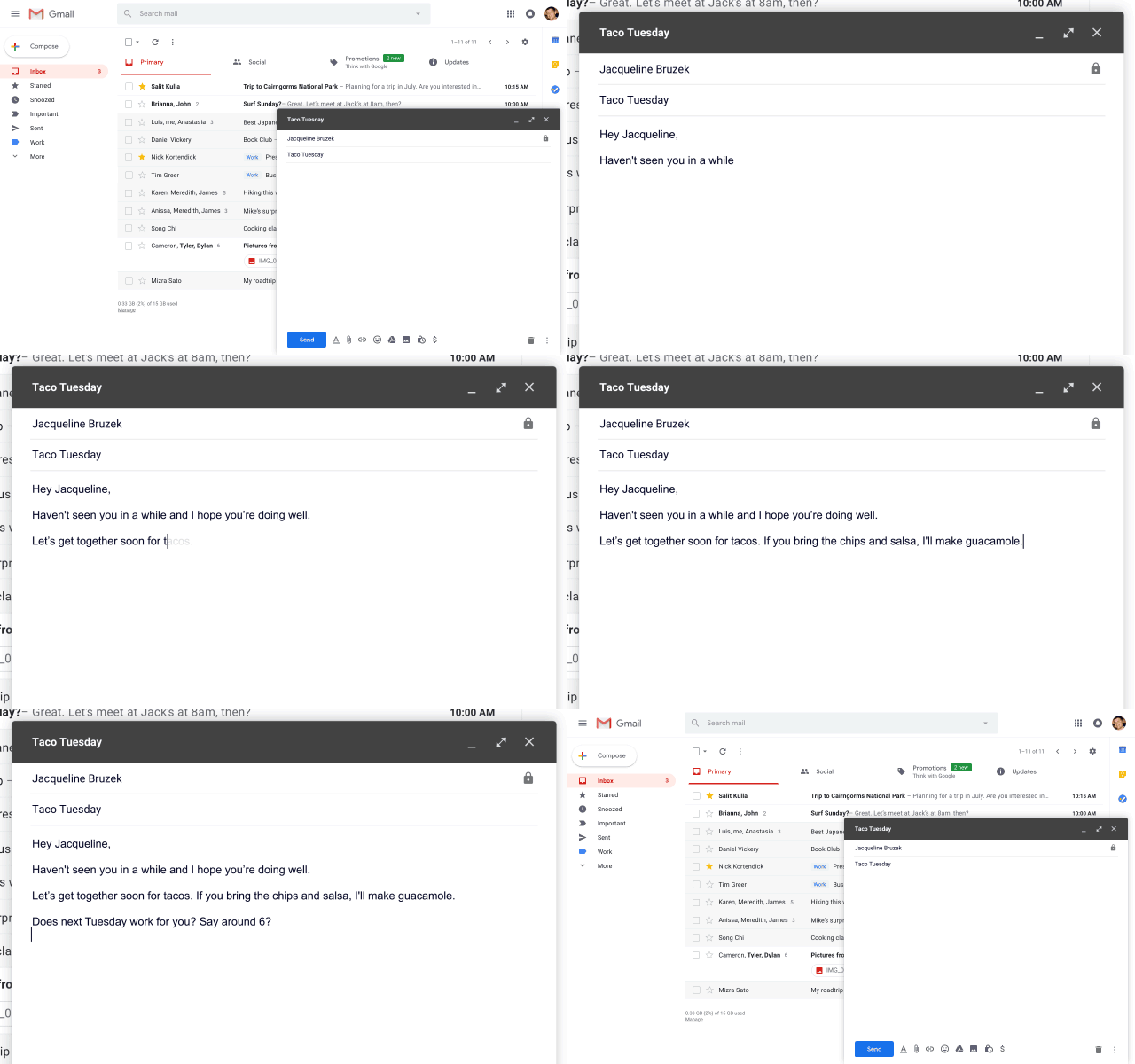
    The Smart Compose feature, from the looks of it, appears to be similar to the Auto Complete feature that Google uses for online searches. Smart Compose will use AI to suggest words and phrases as a user is typing an email to make the email look and sound better. To use a suggested word, users can simply hit the “Tab” button and the word will autofill.

    Google claims that not only will this help save time when writing emails, it will help reduce the chance of users sending an email with a grammatical error. In the world of smartphones and autocorrect, this could be a lifesaver for people who predominantly use Gmail on their computers. Nobody is immune to a grammatical error and AI appears to be ready to help us out. Although, Grammarly might feel hard done here if Gmail becomes self-sufficient in this area.

    Interestingly, Smart Compose will also understand context. For example, if a user is talking about tacos in an email, the feature will understand the conversation and suggest the word, “Guacamole.” The company has said the feature will roll out to users within the next few weeks and will be integrated for G Suite customers within the next few months. For the Smart Compose feature to work, users will have to be updated to the Gmail for Web that was introduced a few weeks ago.

    The Google I/O conference 2018 has kicked off and Smart Compose appears to be a very nifty feature. With autocorrect taking over many people’s typing habits, it was about time something like this was made available for PC users as well.

  • Samsung Galaxy S9/S9+ Launched In New Red Colour Variant

    Samsung Galaxy S9/S9+ Launched In New Red Colour Variant

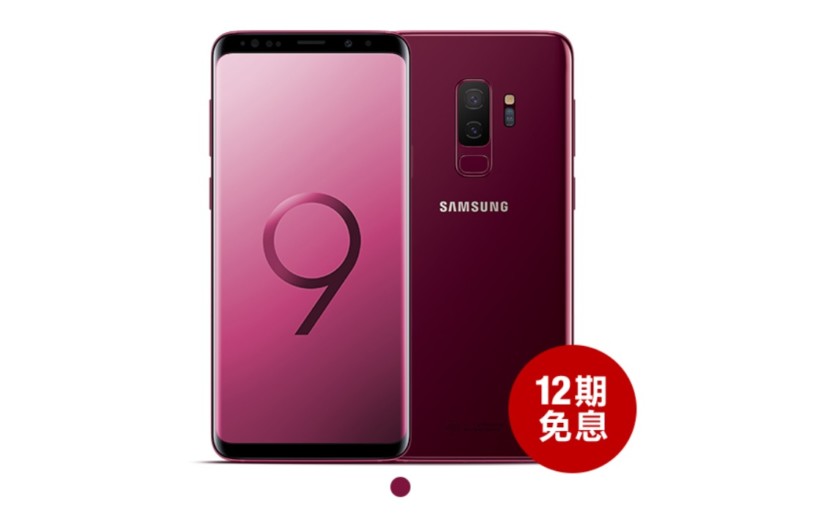
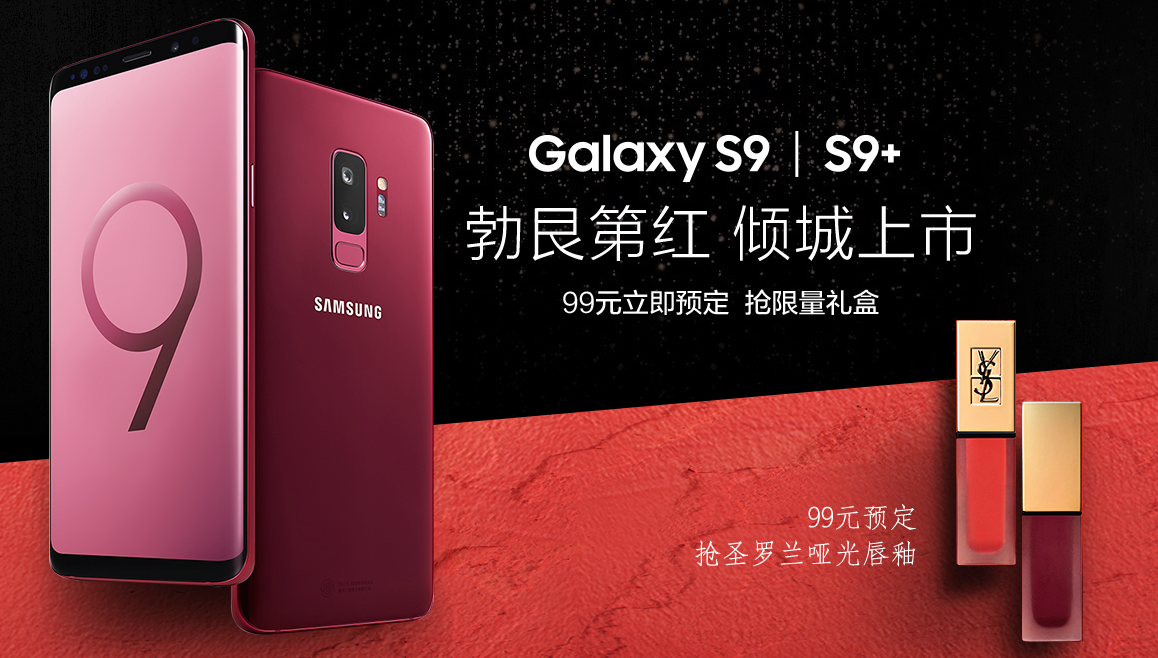
    Samsung launched the Samsung Galaxy S9 and S9+ in February 2018. The smartphones are still one of the first flagship devices to run on the Snapdragon 845 chipset (in the US and South Korea only). The South Korean tech giant has launched a new red colour variant of its latest flagship phones in China. Samsung has, historically, launched new colour variants of its flagship smartphones in lesser markets. The red colour variant is currently only available in China and is unlikely to make its way to other countries for the time being.

    Even though the Galaxy S9 was one of the top-selling smartphones of the first quarter of 2018, Samsung expects weaker demands of the smartphone. Launching a new colour variant so soon after the official launch could be one of Samsung’s marketing push in the world’s largest smartphone market, China. Launching a red colour device in China also makes sense since the colour red is considered lucky in Chinese culture.

    The images on the Samsung China website also reveal that Samsung is pushing to promote the new Samsung Galaxy S9/S9+ among the women. The devices are being promoted by Chinese celebrities and comes with matching Red Yves Saint Laurent lipstick. This is a clear attempt strategy by Samsung to position the Galaxy S9 as a luxury smartphone among the women in China. Some might argue that boiling down women’s choices in 2018 to makeup products is not the most progressive thing to do. However, that is the company’s prerogative.

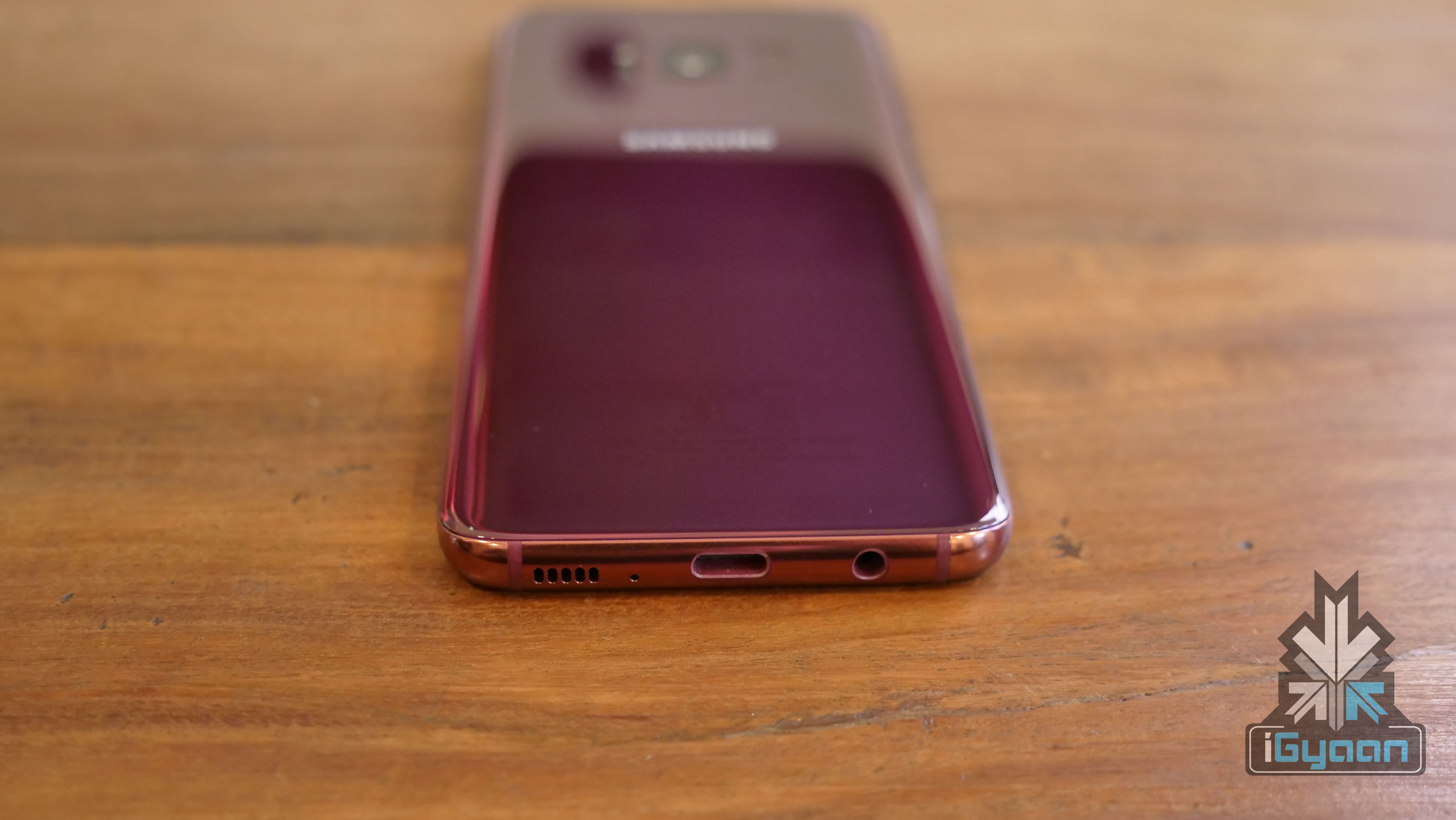
    Samsung recently launched the Burgundy Red Galaxy S8 in India, a couple of months after the launch of the Galaxy S9. This means that the company might not be keen on launching the new red colour Galaxy S9/S9+ in India anytime soon. Similarly, Samsung launched Rose Pink Galaxy S8 in the UK, South Korea etc but, never launched it extensively in all markets. It will be interesting to see how Samsung plans out the launch pattern of different colour variants to keep the interest in the smartphones alive.

  • Use Your Xiaomi Redmi Note 5 Pro As A Wi-Fi Booster with Wi-Fi Hotspot

    Use Your Xiaomi Redmi Note 5 Pro As A Wi-Fi Booster with Wi-Fi Hotspot

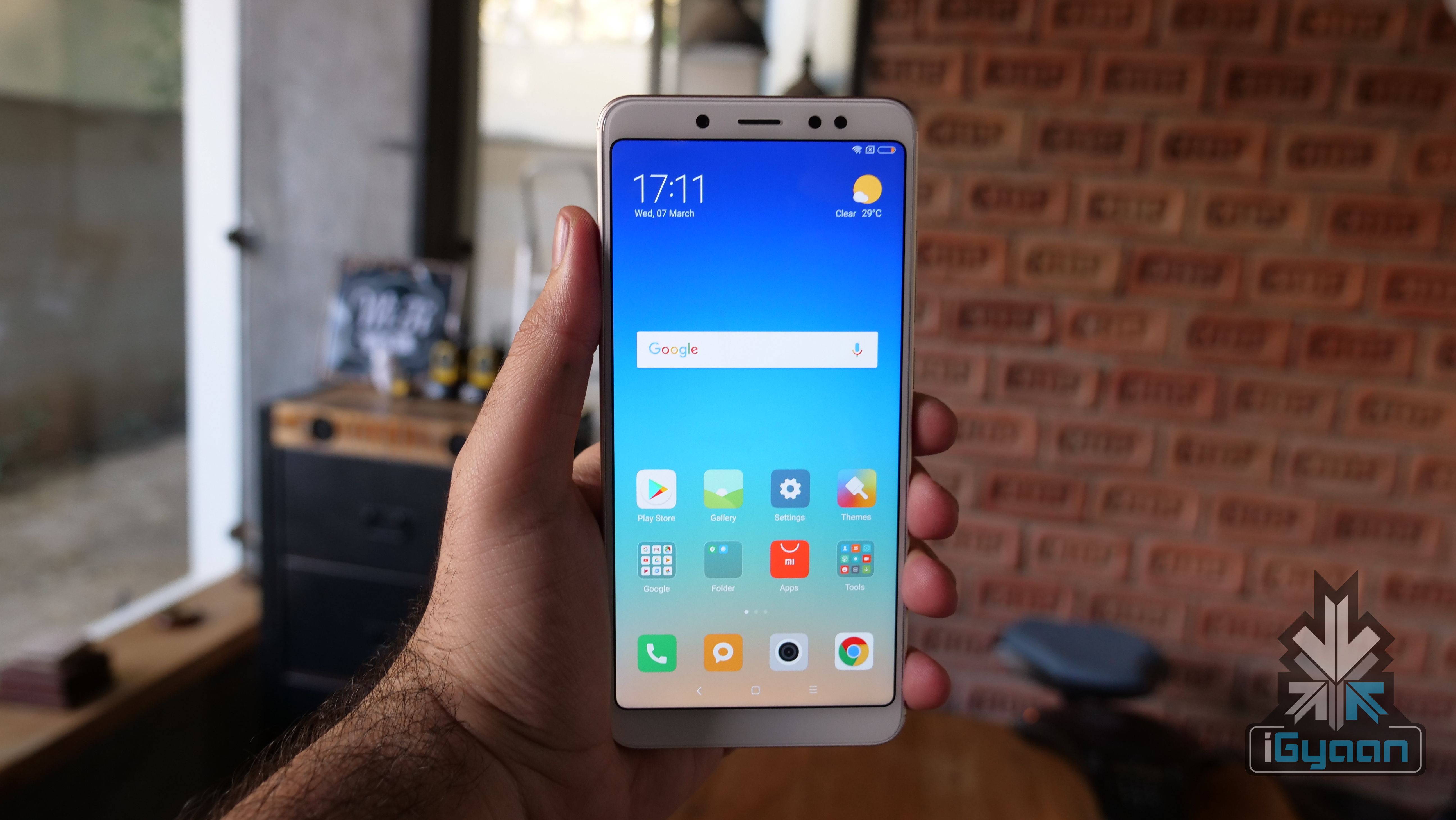
    The Xiaomi Redmi Note 5 Pro was launched in India on the 14th of February. At the time of its launch, the smartphone received great reviews and many hailed it as the best budget smartphone currently. Over the course of time, devices like the Asus Zenfone Max Pro have launched in India at a competitive price and similar specifications. The Redmi Note 5 Pro, however, hasn’t seized to amaze us as we recently discovered that the smartphone has Wi-Fi repeater.

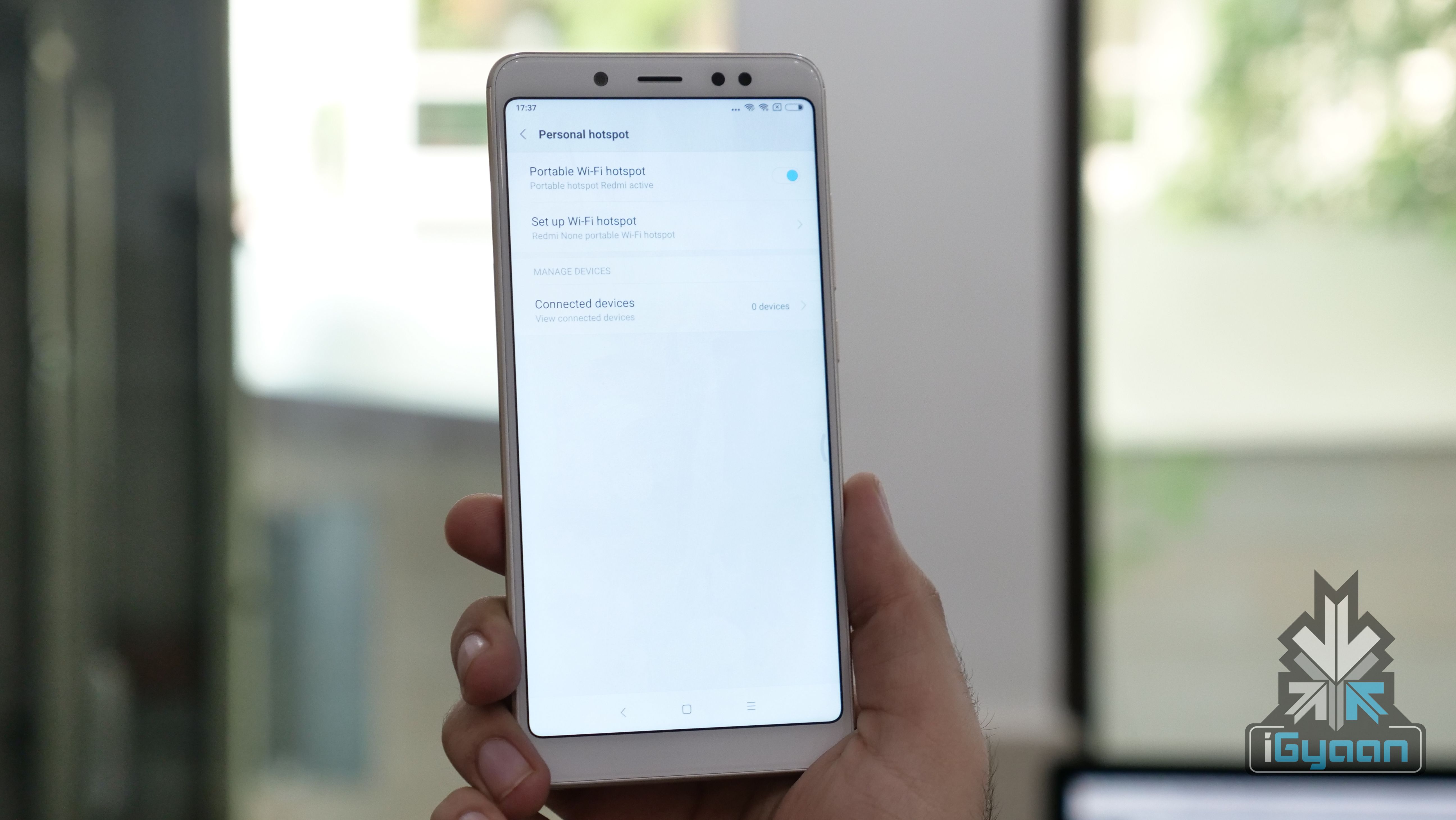
    Usually, smartphones use the 4G/3G mobile data to make a Wi-Fi hotspot but, with the Redmi Note 5 Pro, the same can be done using a Wi-Fi connection. For this, ensure that your smartphone is connected to a Wi-Fi network. Once connected, head to the settings menu and click on Personal Hotspot and enable the Wifi Hotspot. Once enabled, the smartphone will then use the Wi-Fi connection to create a hotspot. Users can share the password of their hotspot with other people to access the Wi-Fi without requiring a password for the main router’s Wi-Fi.

    This feature can also help you get a slightly better signal as the phone can be used as a temporary network booster. Do note however, speeds are not extremely impressive and it dumbed down a 100 Mbps connection to just 7 Mbps when routed though the Red Note 5 pro. This however may not be a problem for those looking for a quick guest network or a wifi boost.

    Xiaomi Redmi Note 5 Pro Overview

    The Note 5 Pro has a 5.99-inch display with a 2160 x 1080px resolution which translates to an 18:9 aspect ratio.

    Under the hood, the device has the Qualcomm Snapdragon 636 chipset and an Adreno 509 GPU to handle the graphics. The Redmi Note 5 Pro will be available in two variants,  4GB RAM/64GB storage and 6GB RAM/64GB storage. The 6GB RAM variant is a great prospect for users who multitask a lot.

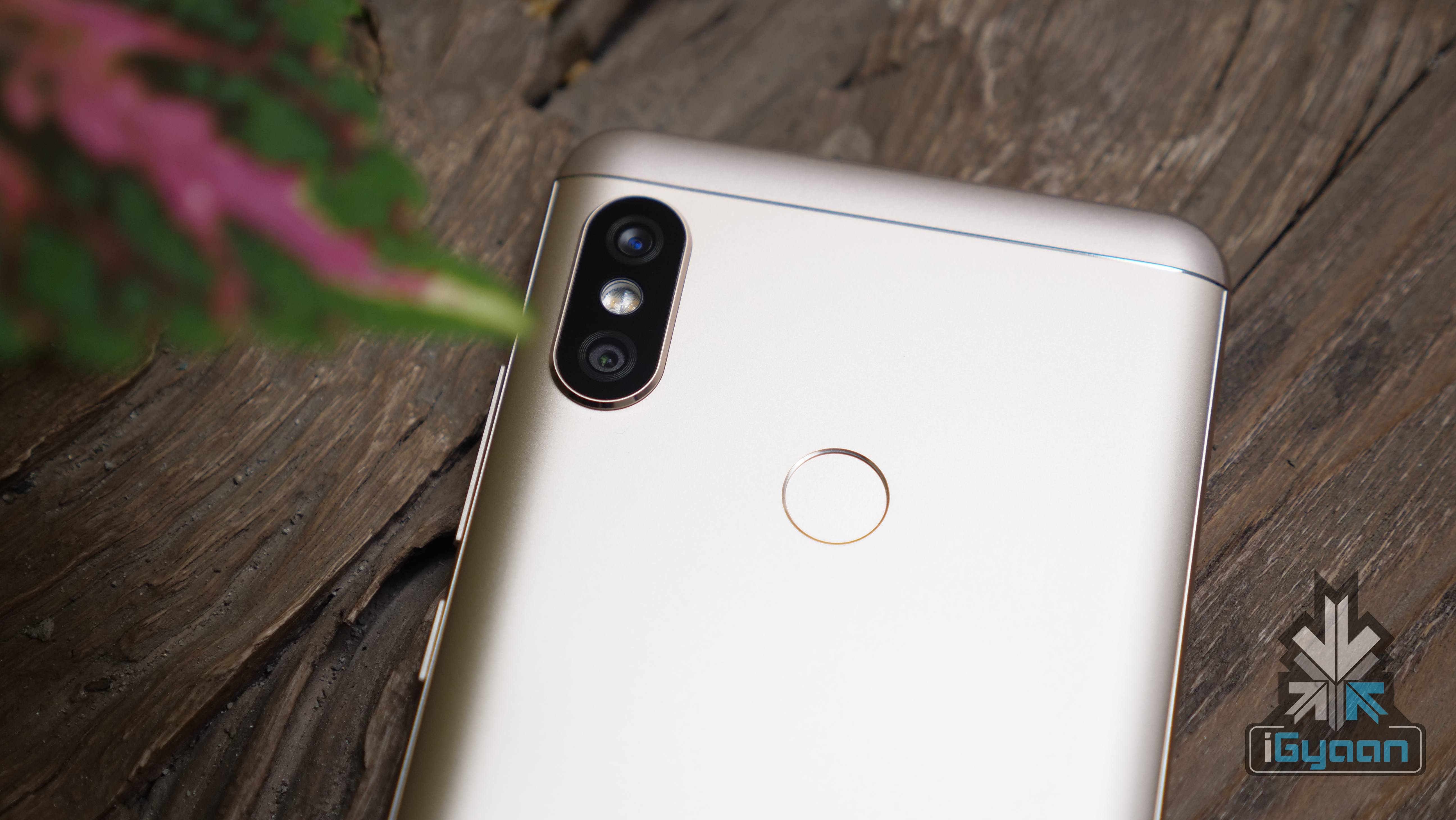
    The fingerprint sensor is placed on the back of the phone and it has an aluminium unibody build, similar to the Redmi Note 5. Out of the box, the Redmi Note 5 Pro will also run Android 7 Nougat with MIUI 9 on top.

    The Redmi Note 5 Pro will also have the infamous Face Unlock feature. It won’t be available out of the box but, will be introduced via an OTA update in March.

    Redmi Note 5 Pro

    The Redmi Note 5 Pro has focussed a lot on the front camera. It has a 20MP Sony IMX376 camera on the front with an LED light. Unlike the Redmi Note 5, it has Beautify 4.0 software which will result in better portrait mode photos, the company claims. To the back of the smartphone is a vertically place dual-camera setup. It is a 12MP colour sensor f/2.2 and 5MP f/2.0 colour sensor setup. The smartphone will click portrait mode photos from the front and rear cameras.

    This new feature unearthed can come in handy in a lot of situations. Have you found any interesting feature in your Redmi Note 5 Pro? Let us know in the comments!

    This story was made with inputs from Bharat Nagpal

  • Unboxing The Huawei P20 Lite

    Unboxing The Huawei P20 Lite

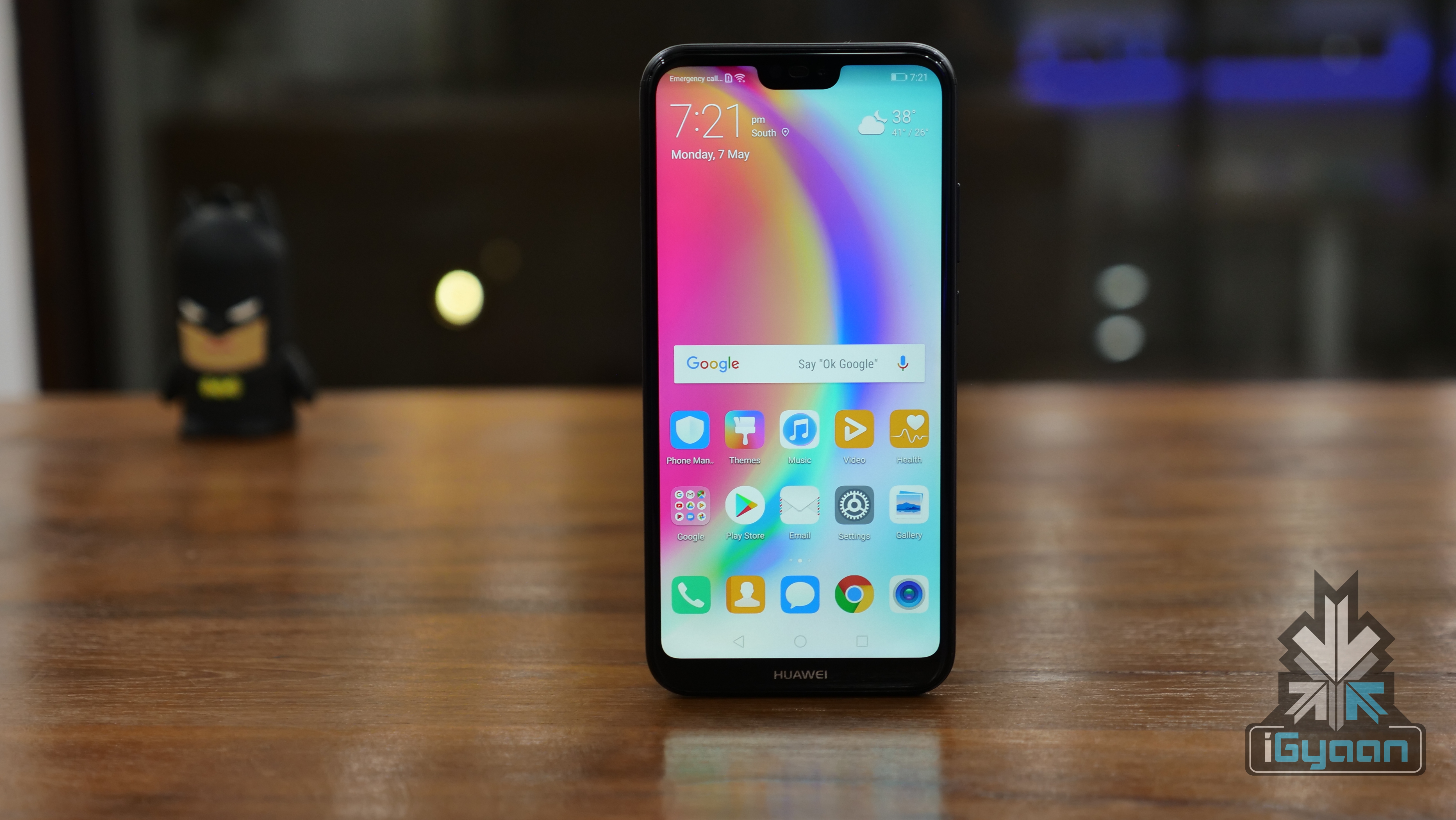
    Huawei launched the Huawei P20 Lite along with the P20 Pro in India on the 24th of April. The Huawei P20 Lite is a budget offering from Huawei which yet again, runs on the Kirin 659 chipset. However, there are a lot of new features and design changes that make it an exciting prospect, especially at its price of Rs 19999. Both the smartphones went on sale via Amazon on 7th May and there will be more sales in the coming weeks.

    The P20 Lite truly feels like a ‘Lite’ version of the P20 Pro. The Huawei P20 Pro has been grabbing all the spotlight with its Twilight colour variant and the triple-camera setup on the back. However, the P20 Lite appears to be the smartphone to get with its design and price in India.

    [section label=”Unboxing”]

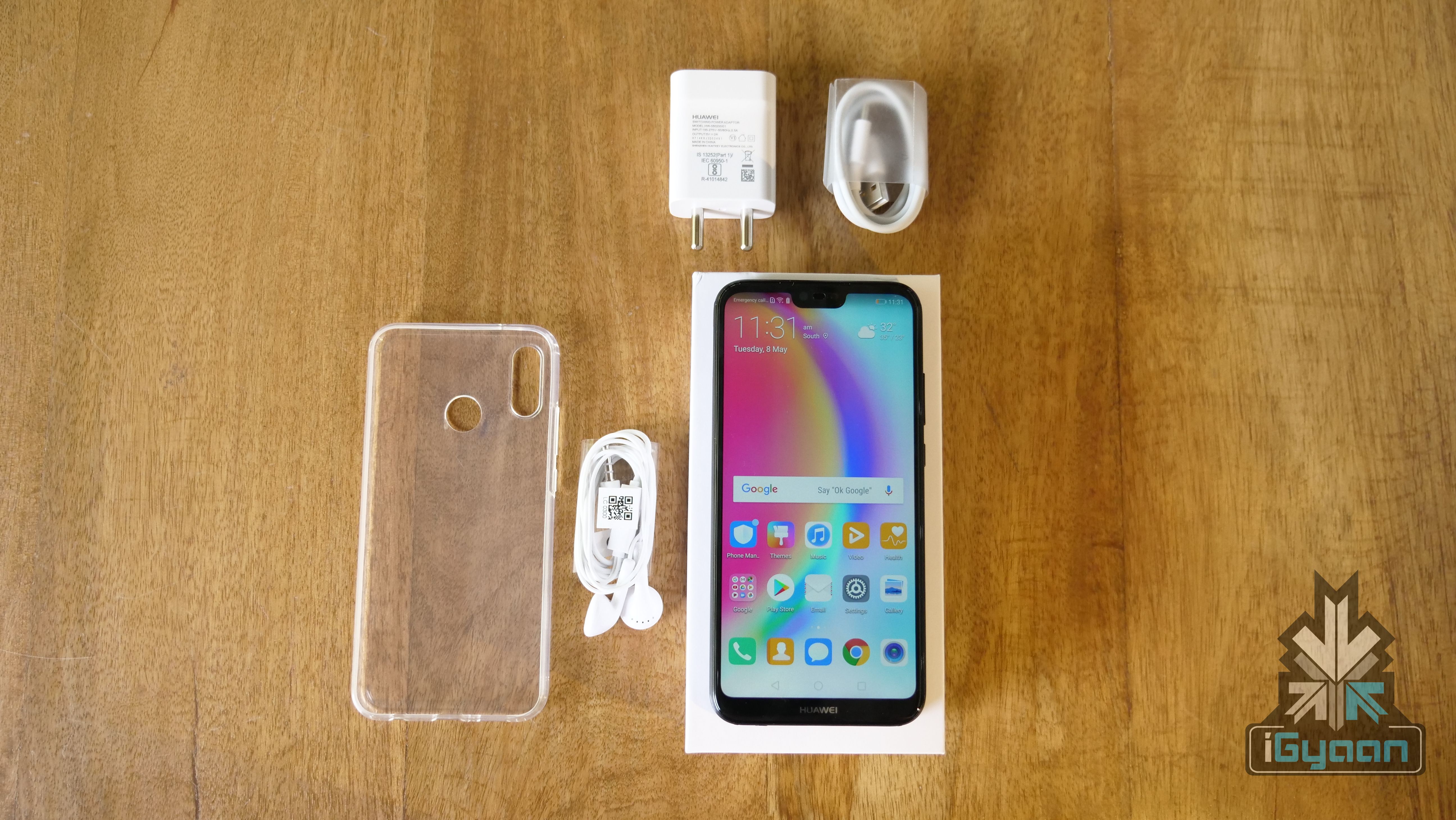
    Inside the box of the Huawei P20 Lite

    • Huawei P20 Lite
    • Earphones
    • Wall Charger
    • USB C Cable
    • Clear Case
    • Sim Ejector Tool

    [section label=”Initial Impressions”]

    There will be a few documents in the retail unit which we did not have in our box.

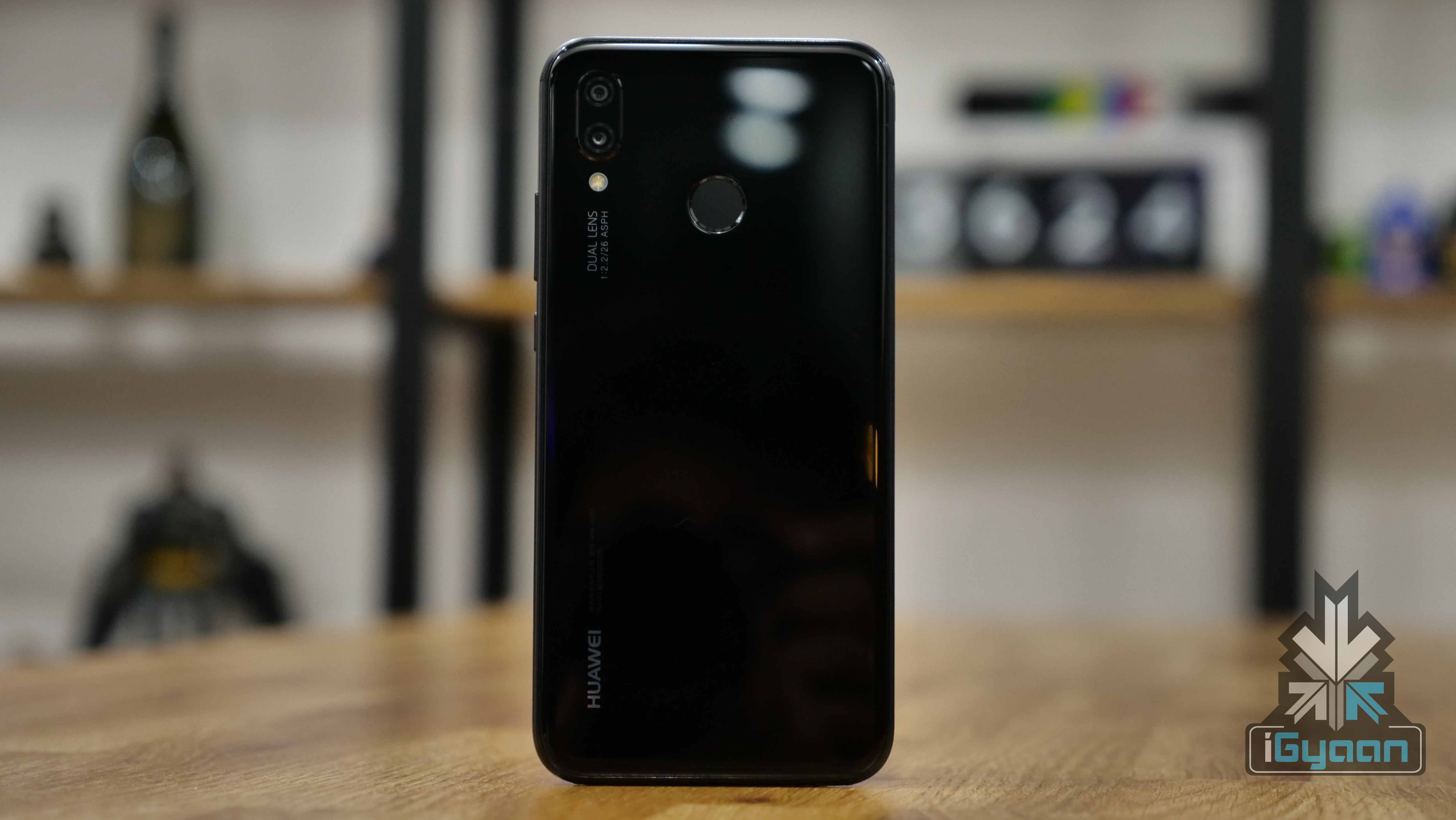
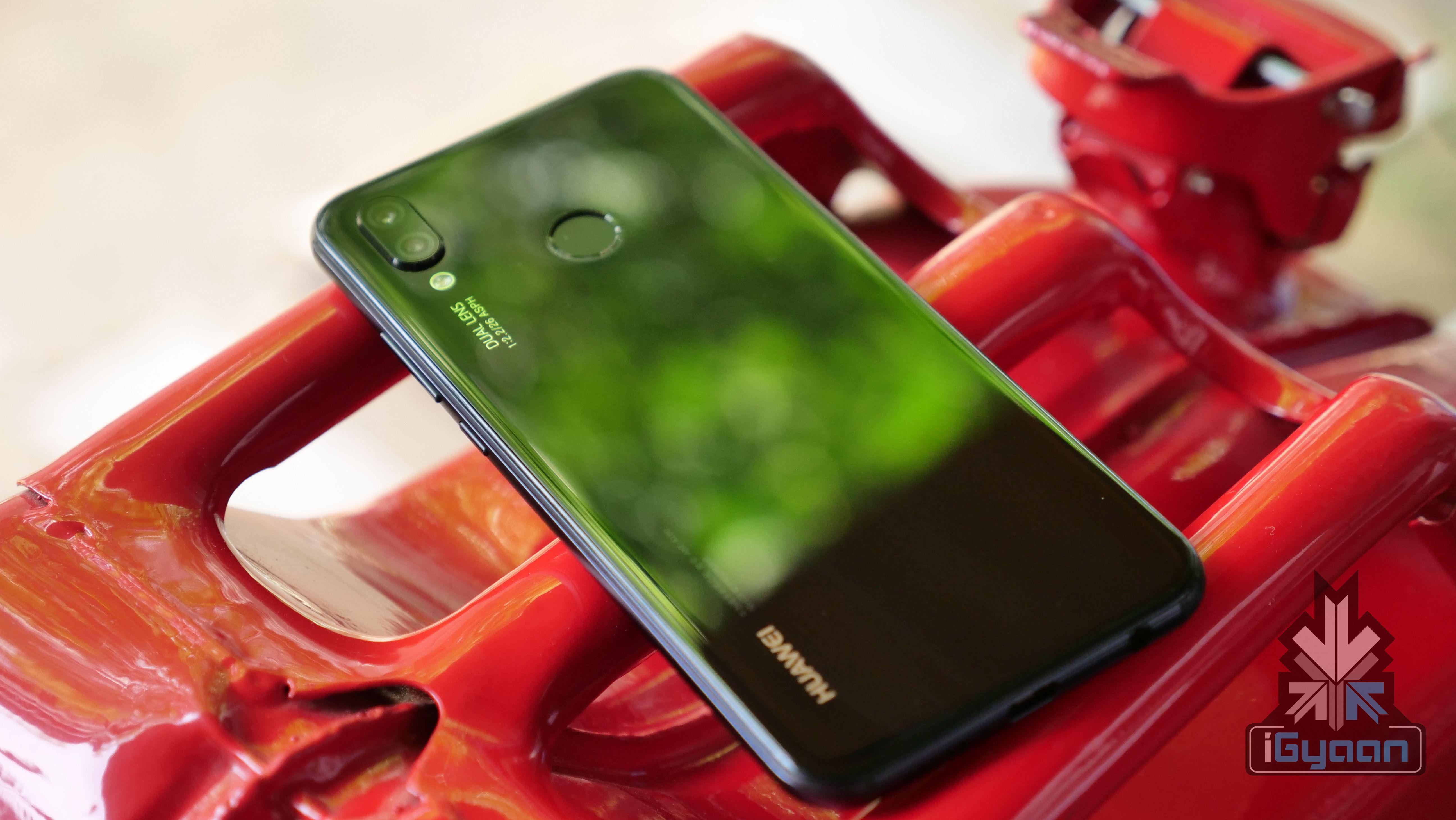
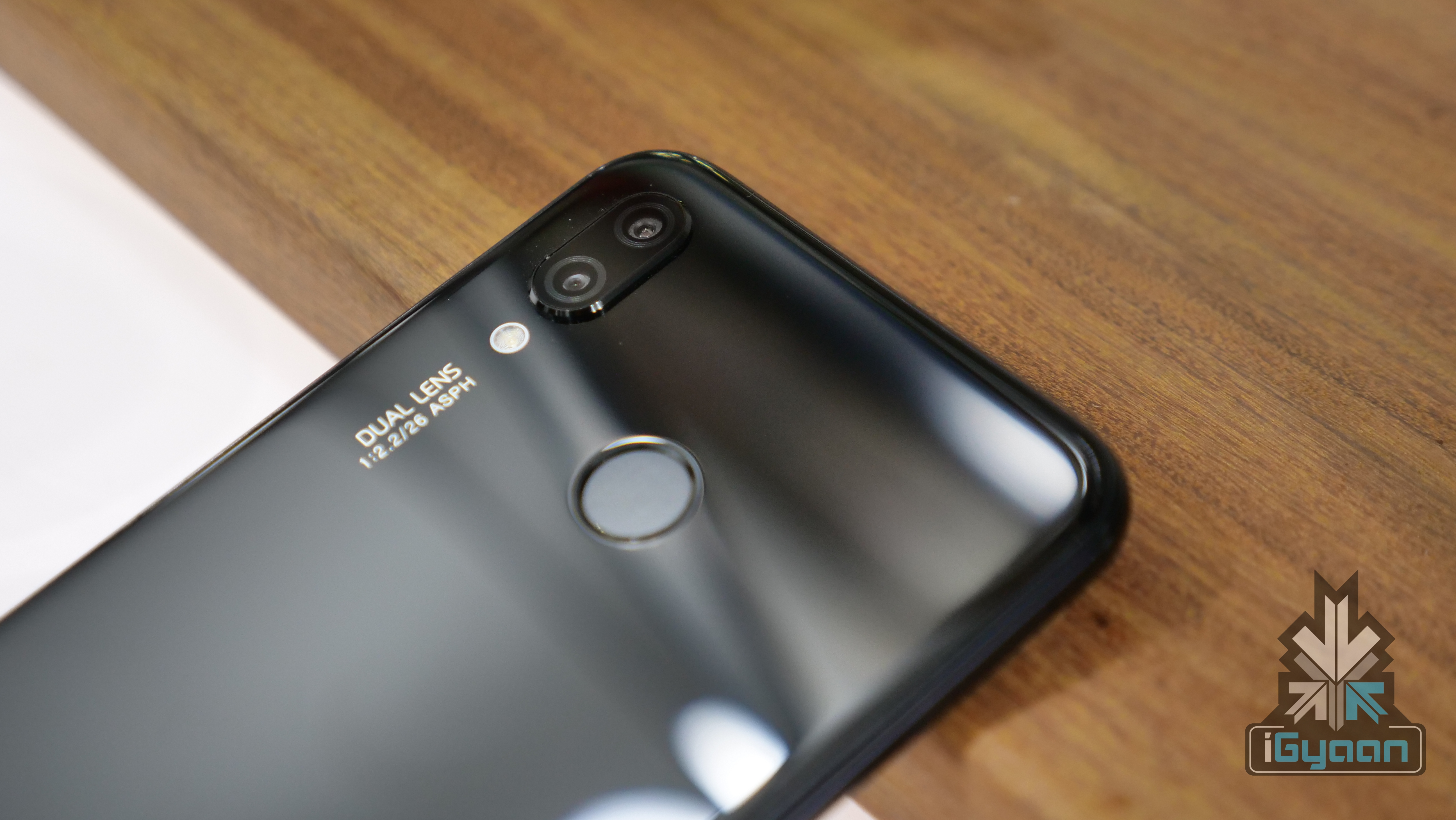
    The Huawei P20 Lite has a striking design that isn’t matched by many smartphones in this price category. It has an all-glass design with an aluminium frame that has the same colour as the glass so it doesn’t stick out like a sore thumb. The dual-camera setup on the back is placed vertically which, ever since the iPhone X was launched, has become the norm. The fingerprint sensor is placed on the back in the middle at a very comfortable position. Thanks to its different texture, it is also very easy to recognise the fingerprint sensor when it is in your pocket.

    The power button is situated on the right-hand side of the device along with the volume rockers. The left-hand side houses the SIM tray and that is it. The headphone jack (yes, it’s there) and the USB C port are situated at the bottom of the smartphone.

    The 5.84 inch LTPS IPS LCD display is powered by a 3000 mAh battery with support for SuperCharge. The smartphone has an unusual 19:9 aspect ratio thanks to that notch. This means that even after stretching a YouTube video, it won’t use the entire screen real estate. However, on the brighter side, the notch will be hidden at all times while consuming visual content.

    The P20 Lite runs on the HiSilicon Kirin 659 chipset which is coupled with 4GB of RAM and 64GB of storage. The storage is expandable via hybrid microSD card slot.

    The P20 Lite has a 16MP primary sensor with an f/2.2 aperture coupled with a 2MP depth sensor. On the front is a 24MP camera with an f/2.0 aperture. Both the front and back cameras record 1080P videos while the front camera also has 3D Portrait Lighting, similar iPhone’s Portrait Lighting.

    At a price of Rs 19999, the P20 Lite’s competition is dated. The design and build quality is somewhat matched by the Moto X4 which also has a glass build but that is about it. The P20 Lite might be the smartphone to get at this price but, we will leave that judgement for our in-depth review.

    [section label=”Unboxing Video”]

    Unboxing Video

  • Apple iPhone To Launch Next Year With Triple Camera Setup

    Apple iPhone To Launch Next Year With Triple Camera Setup

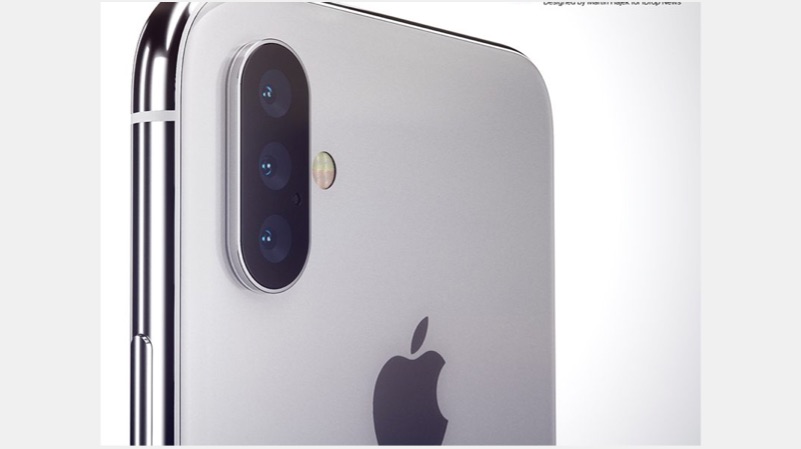
    Huawei launched the P20 Pro on March 27th making it the first smartphone with a triple camera setup on the rear. The smartphone borrowed a couple of design cues from the iPhone X like its notch and placing the cameras vertically on the back. However, it appears that Apple might take a hint or two from Huawei for its 2019 iPhone lineup.

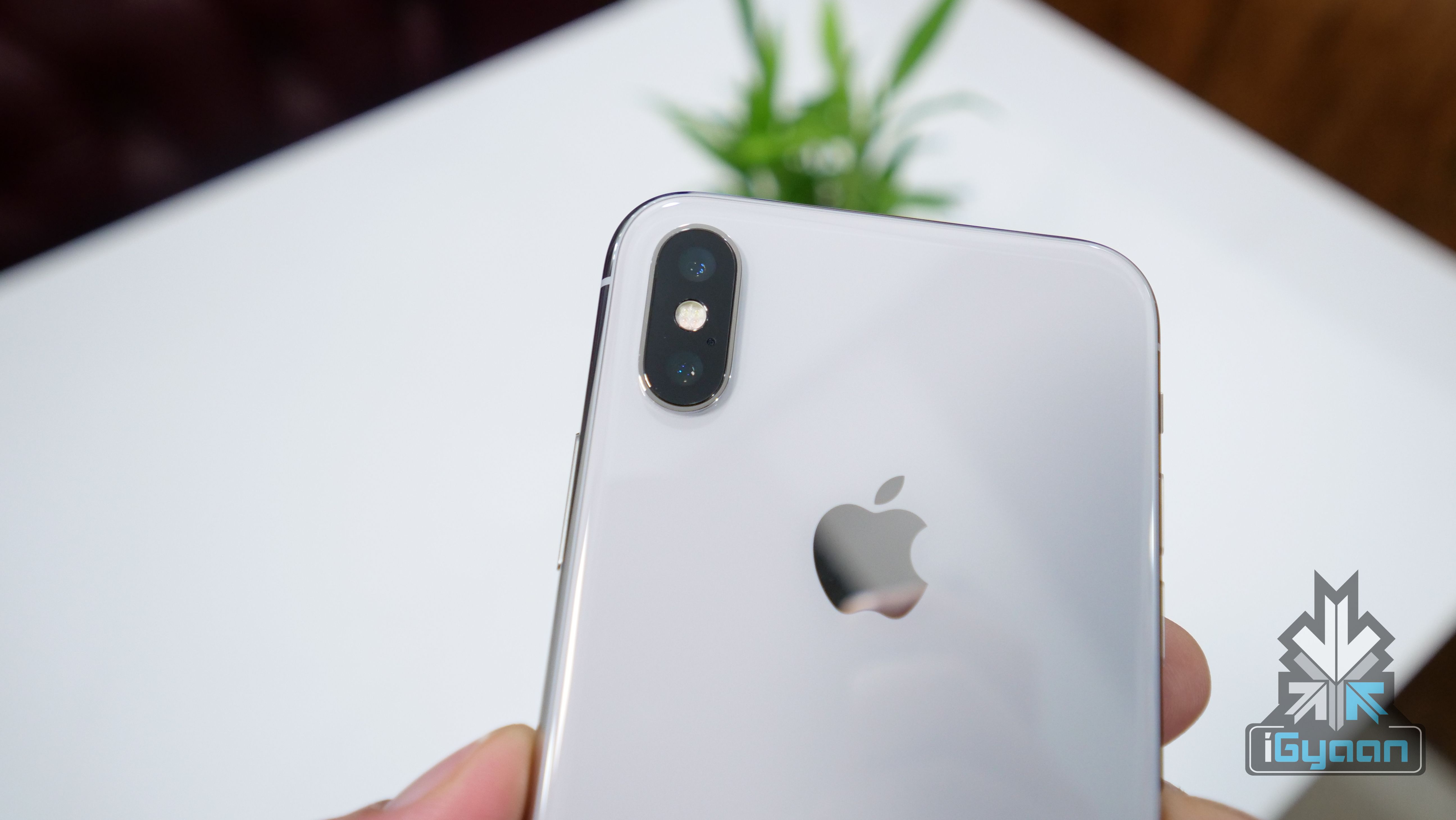
    iPhone X

    According to Taipei Times, Apple is likely to launch a new iPhone with a triple-camera setup in the second half of next year. The report cites a research note from Yuanta Securities analyst Jeff Pu that does not mention any other details about the cameras. A report from the Economic Daily News last month suggested the camera setup will have a 6P lens design with up to 5X zoom and at least one 12MP lens.

    Must Read: Apple iPhone X Was The Best Selling Smartphone In Q1 Of 2018

    This means that the camera setup might be very similar to the one found on the Huawei P20 Pro. The third lens’ addition would mean that the user will have the ability optically zoom in up to 3X without losing any data. Optical zoom means that users can zoom in without seeing any graininess or blurriness in the image, as opposed to a digital zoom. The iPhone 7 Plus, iPhone 8 Plus and the iPhone X can optically zoom up to 2X.

    Huawei P20 Pro

    The P20 Pro, on the other hand, already has these features and has been grabbing the headlines ever since its launch. It has a 40MP primary sensor, which supports 5x hybrid zoom. There is a secondary 8MP sensor, which offers 3x optical zoom, which also helps to create portrait mode. Similarly, there is a third sensor with 20MP resolution. Unlike the other two sensors, this is a monochrome sensor which helps to capture contrast and sharpness. Another mindboggling feature of this camera setup is a maximum ISO of 102,400.

    It is still early to predict the details of the 2018 lineup, let alone the 2019 iPhone lineup. However, it will be interesting to see if Apple does go the same route as the Huawei P20 Pro or put their own spin on it.

  • OnePlus 6 Will Record Super Slo-Mo Videos

    OnePlus 6 Will Record Super Slo-Mo Videos

    The OnePlus 6 might rectify a lot of issues that users had with previous generations of OnePlus smartphones. The company has been teasing all the new features that we will see on the OnePlus 6 and it appears that OnePlus is not done yet. The Chinese smartphone maker took to Twitter once again to tease a camera feature of the soon to be launched OnePlus 6.

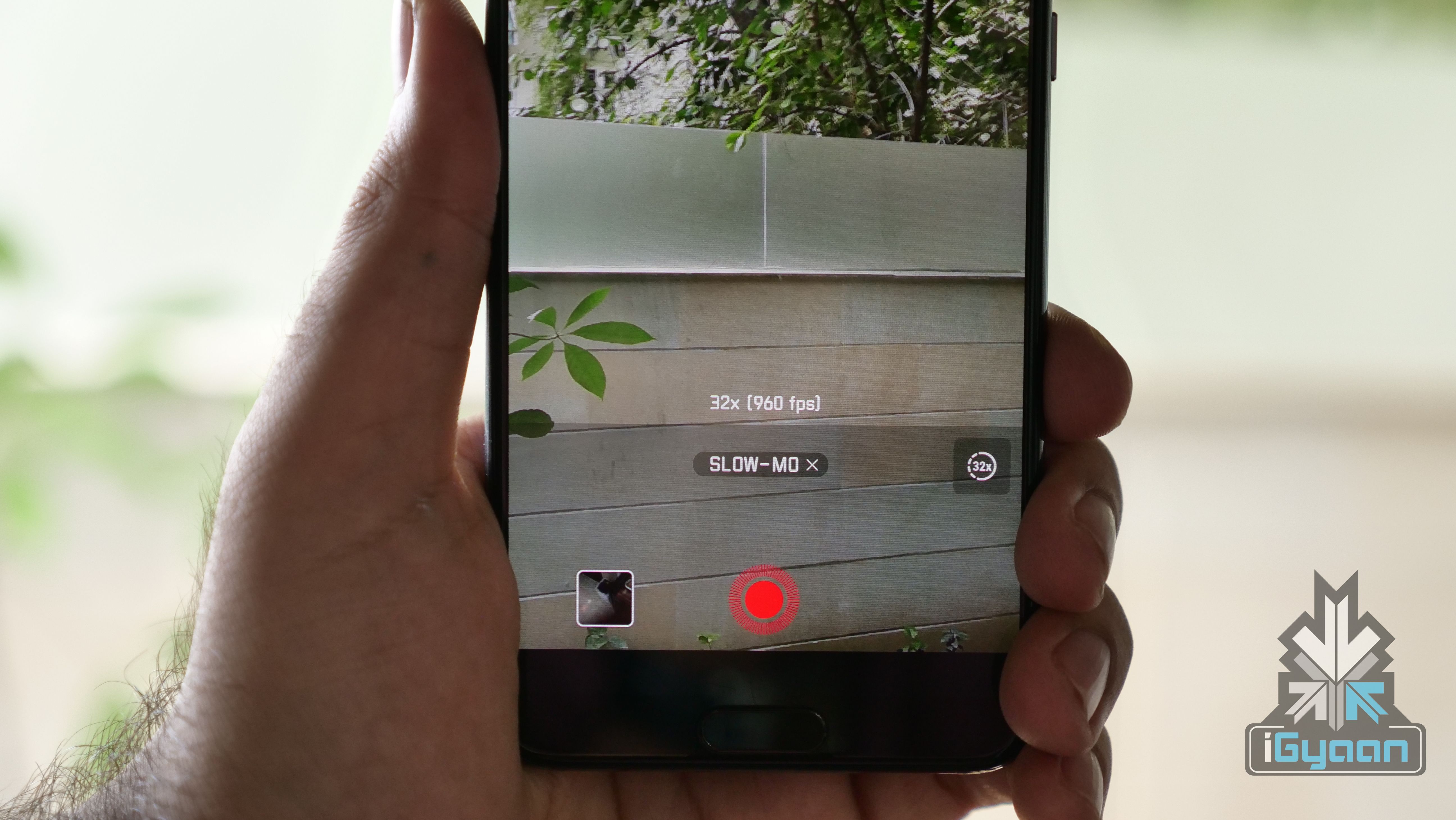
    The video is recorded in slow motion and the caption read, “Let’s slow down time! This poppin’ teaser requires your full attention.” This hints at the OnePlus 6’s slo-mo recording capabilities. The smartphone might record 960 fps videos at 720P, similar to the Samsung Galaxy S9 and Huawei P20 Pro. With the Galaxy S9, the smartphone only records 0.2 seconds of the video in 960fps. Users can pick select the time to trigger super slo-mo recording or set a box wherein, any movement within the box will trigger super slo-mo recording. With the Huawei P20 Pro, there is no option to set a specific time to set for the super slo-mo recording.

    It will be interesting to see how OnePlus implements the technology. The smartphone will have a dual-camera setup with two RGB sensors. OnePlus dropped the telephoto lens with the 5T and does not appear to be interested in bringing it back for the 6. It is also likely that the smartphone will record a small portion of the video in 960fps, similar to the Galaxy S9 and Huawei P20 Pro.

    Amitabh Bachchan, the brand ambassador of OnePlus recently tweeted images of himself with OnePlus co-founder, Pete Lay. Interestingly, both of them were holding the OnePlus 6 in their hands. he subsequently deleted the images but, not before a lot of people had already taken screenshots of the images.

    The OnePlus 6 will launch soon and is expected to be priced at Rs 34999 for the base model which is a slight increase over the OnePlus 5T. However, considering the new features the smartphone will have, consumers might not complain too much about the price hike. We will keep you posted on all the developments happening with the OnePlus 6.

  • Nokia X To Launch On May 16th With Display Notch

    Nokia X To Launch On May 16th With Display Notch

    HMD Global has launched a few impressive smartphones in 2018. The Nokia 7 Plus and Nokia 8 Sirocco, in particular, have great design and look a lot like a modern-day smartphone. With its new smartphone, however, the company will jump aboard a new hype train. The Nokia X will be the company’s new budget offering with a notch. Two new promotional posters from HMD Global and Chinese retailer Suning reveal a few details about the upcoming smartphone.

    The first poster, from HMD Global, reveals that the Nokia X will launch on May 16th at Sanlitun in Beijing. It also appears that the supply/air drops pictured on the HMD poster are a homage to games like Fortnite and PlayerUnknown Battlegrounds. This means that the upcoming device will have a few gaming features.

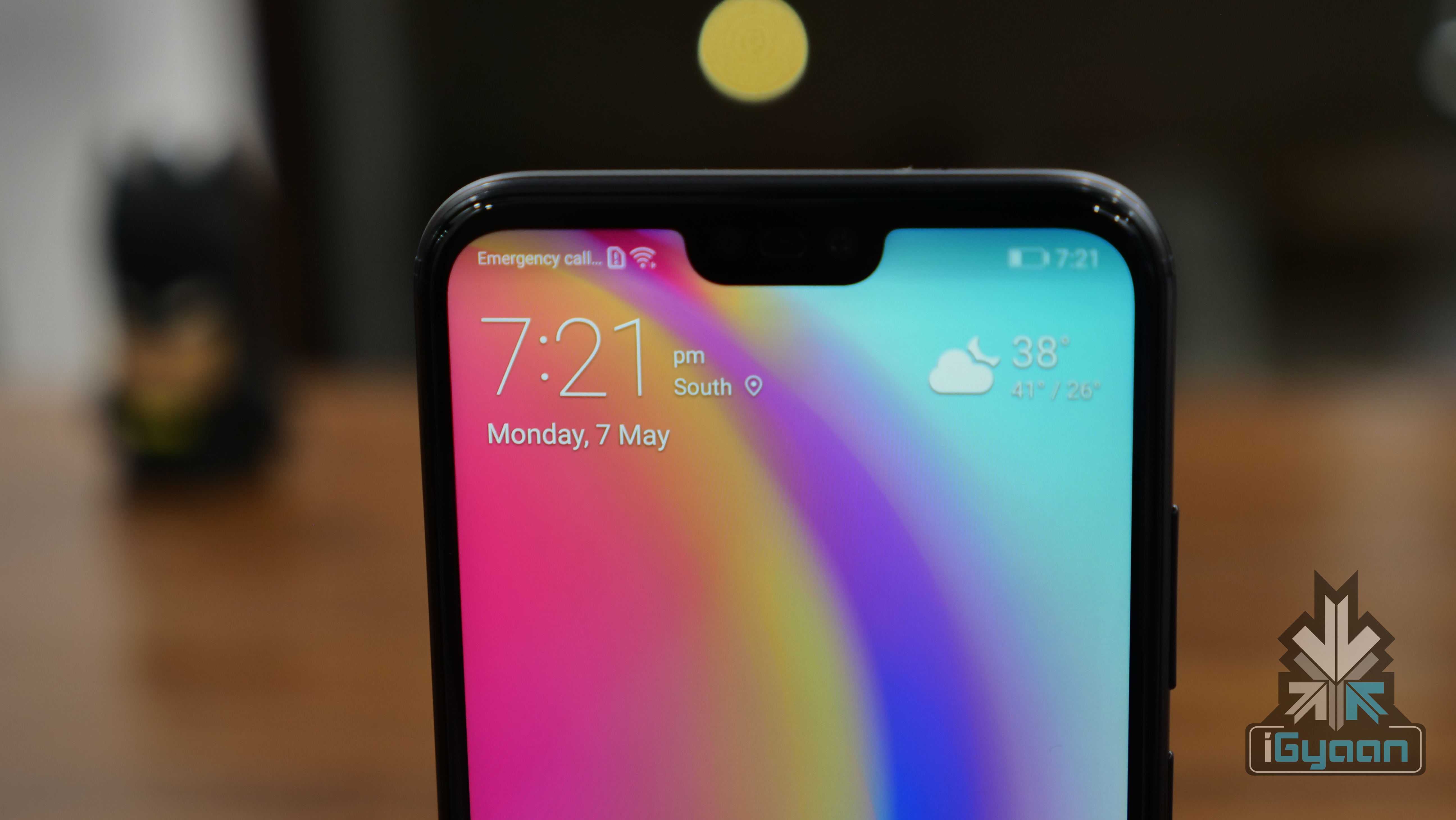
    The poster from Suning reveals the Nokia X in all its glory. The images of the smartphone on the poster corroborate with previous leaks, revealing a notch on the display and a vertically placed dual-camera setup on the back. The notch has become incredibly common these days to a point that you can barely make out the differences between many phones. The Nokia X, for example, looks a lot like the Huawei P20 Lite from the front.

    The Nokia X will sport a 5.8 inch IPS LCD display with a 2280 x 1080 px resolution. This translates into a 19:9 aspect ratio, the same as the P20 Lite.

    The vertically placed dual-camera setup is in the usual Nokia position but, the “Carl Zeiss” branding is missing. This means that the Nokia X will cost somewhere between the Nokia 7 Plus and Nokia 6 2018. There are rumours that the device will have two variants, one running on the Snapdragon 636 with 6GB of RAM and the other with the MediaTek Helio P60 chipset coupled with 4GB of RAM.

    The smartphone will also have a glass build, something that a lot of mid-range smartphones sport nowadays. The Moto X4 and P20 Lite being the latest examples. The launch of the Nokia X is scheduled for May 16th, the same day as the global launch of the OnePlus 6. Fair to say that the month of May is turning out to be an eventful one for the smartphone industry.

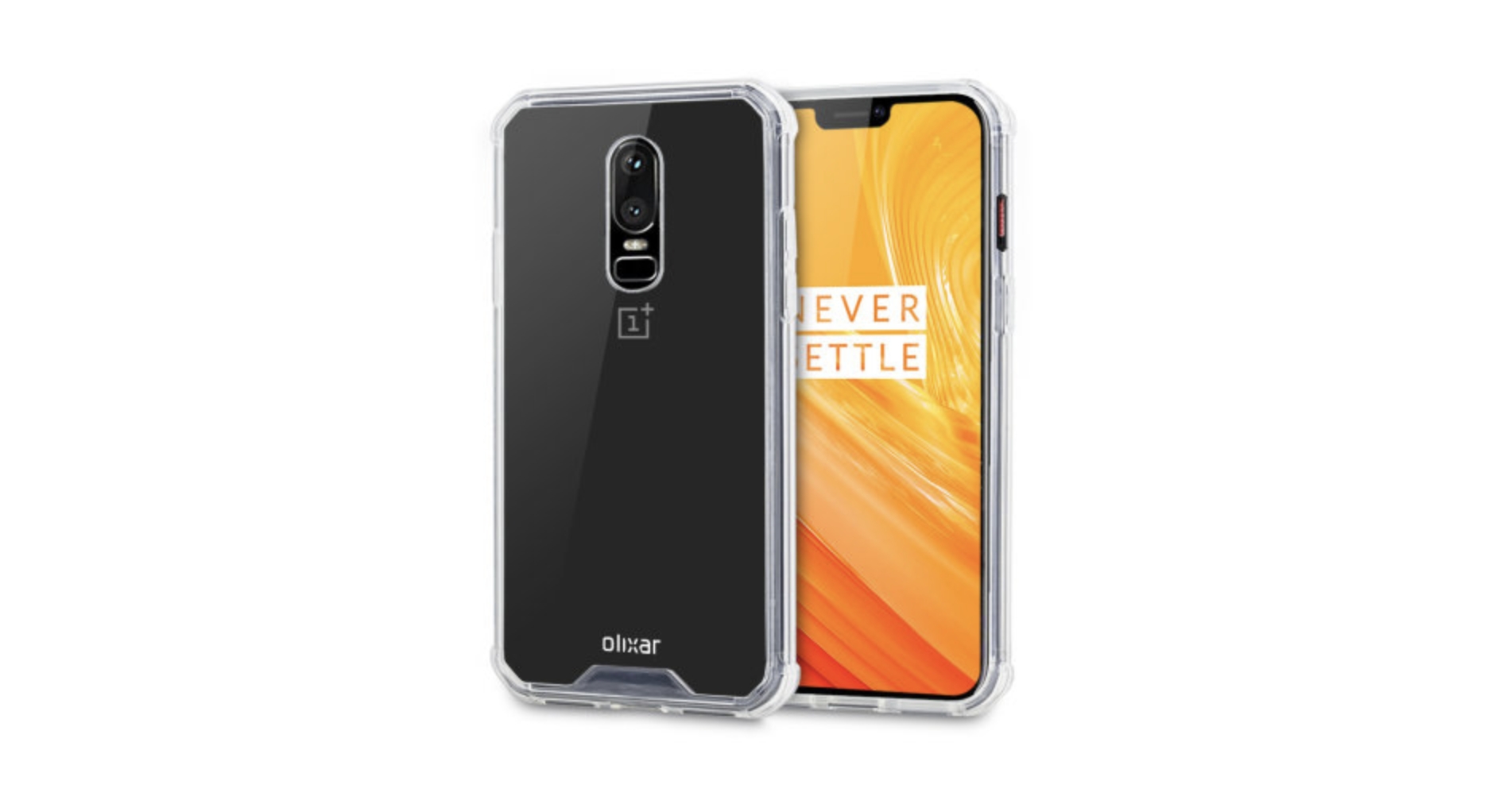
  • OnePlus 6 In White And Black Colour Variants Leaked In Live Image

    OnePlus 6 In White And Black Colour Variants Leaked In Live Image

    The OnePlus 5 was launched on the 20th June last year. Its successor, the OnePlus 5T was launched in November and the company was expected to follow the same launch pattern for its 2018 lineup as well. However, OnePlus 6 will launch on May 16th, more than a month before it was anticipated. With the launch a few days away, an interesting image of the OnePlus 6 has been leaked, revealing both the colour variants of the device.

    Pete Lau, co-founder of OnePlus and Amitabh Bachchan, the brand ambassador of OnePlus in India were seen talking about the OnePlus 6 as someone clicked a photo of the two. Pete Lau is holding a white OnePlus 6 while Mr Bachchan has the black colour variant. It is hard to recognise where the photo was taken but. But, the image was posted to Twitter by Mr Bachchan himself and has deleted the images after arguably leaking the OnePlus 6.

    Must Read: Apple iPhone X Was The Best Selling Smartphone In Q1 Of 2018

    Only the back of the smartphone is visible in the image, revealing the dual-camera setup and the fingerprint sensor. The shape 0f the fingerprint sensor is different from the one found on the OnePlus 5T. One thing missing is a heart rate sensor which was officially teased on the company’s official Weibo account.

    Our sources have revealed that the OnePlus 6 will be priced at Rs 34999 for the base model with 6GB of RAM and 64GB onboard storage. According to a listing on TENNA, the OnePlus 6 will have a 6.28 inch Super AMOLED display with a 2280 x 1080 px resolution. This translates into a 19:9 aspect ratio and the phone will shift to a conventional 18:9 aspect ratio if a user decides to hide the notch.

    Must Read: OnePlus 6 Avengers Edition Retail Box Hints At Kevlar Finish Back Panel

    Under the hood, the device will run on the Qualcomm Snapdragon 845 chipset coupled with either 6GB or 8GB of RAM. The listing is of the base model with 6GB RAM and 64GB storage. The other two variants will be 8GB RAM with 128GB or 256GB non-user expandable storage. This will be the first time that ttheOnePlus smartphone will have 256GB of onboard storage.

    The OnePlus 6 is just a few days away from its official unveiling. However, there doesn’t seem to be a lot about the device that is unknown. Pricing could be the only thing that OnePlus might surprise everyone with.

  • Xiaomi Redmi S2 Price Leaked Ahead Of May 10th Launch

    Xiaomi Redmi S2 Price Leaked Ahead Of May 10th Launch

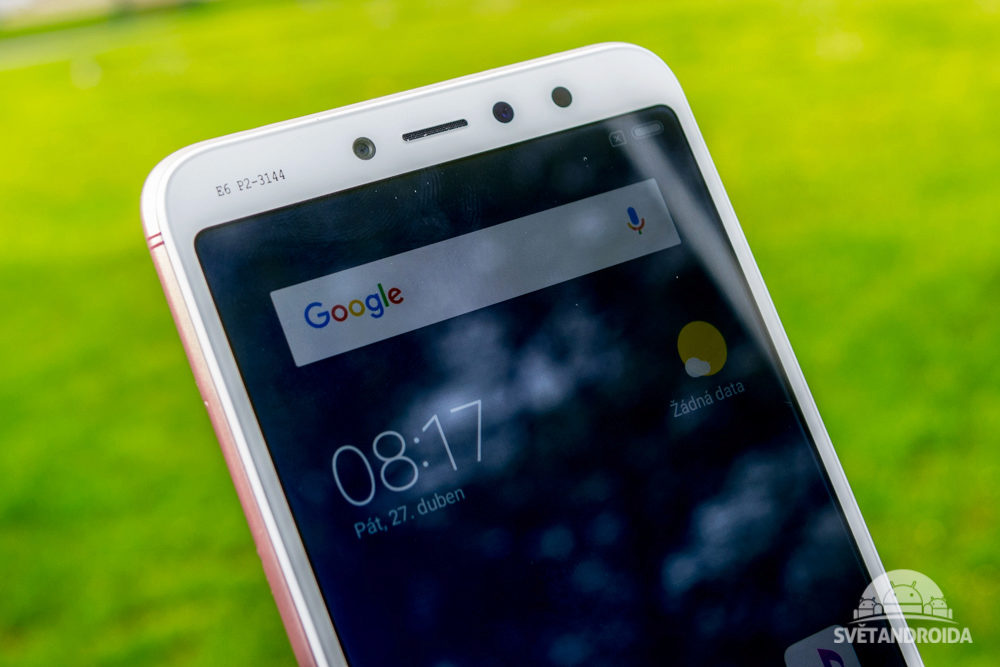
    Xiaomi’s Redmi lineup of smartphones has had an impressive start to 2018. Xiaomi launched the Redmi Note 5 Pro in India and has received great reviews so far. The company then launched the Redmi Note 5 Pro as the Redmi Note 5 in countries like China which has also been well received. Now, the company will launch its latest budget offering, the Xiaomi Redmi S2 in China on the 10th of May.

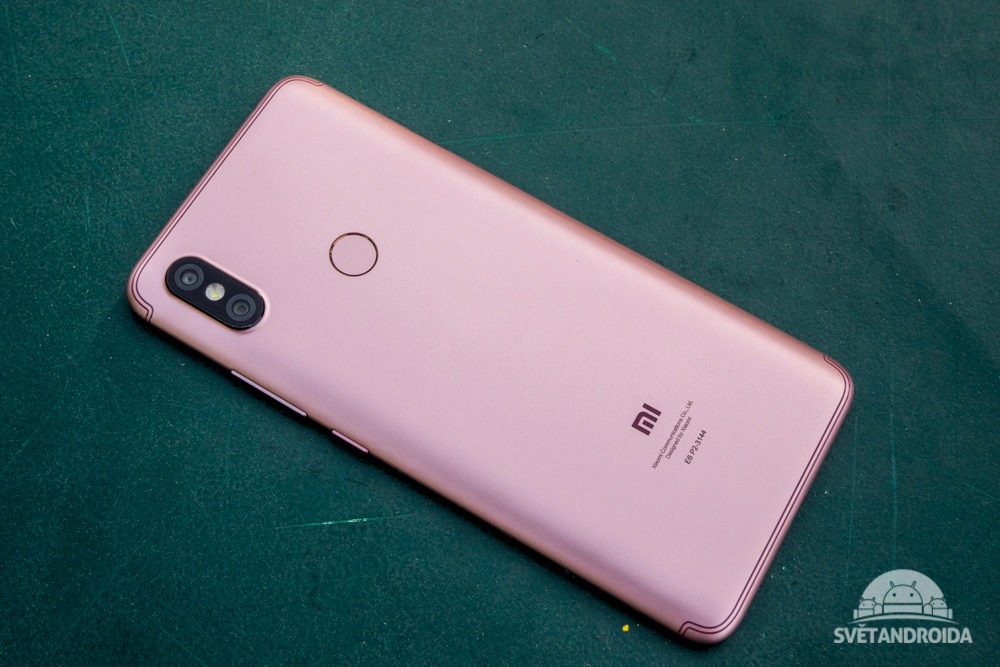
    A new leaked poster of the Redmi S2 reveals the antenna lines of the smartphone and the dual-camera setup. This is nothing new as the high-res images of the smartphone were leaked a few days ago. However, the leak has also revealed the possible pricing of the smartphone. The base model of the smartphone could be priced at under CNY 1000 (Rs 10500 approx.).

    Must Read: Xiaomi Redmi Note 5 Pro Prices Hiked, Starts At Rs 14999 Now

    The Xiaomi Redmi S2 has a 5.99 inch IPS LCD display with a 1440 x 720 px resolution.

    Under the hood, the Redmi S2 will run on the Snapdragon 625 chipset, a tried and tested SoC for Xiaomi. That chipset will be coupled with 3GB of RAM and 32GB of storage which will be expandable via a microSD card. Powering the device will be a 4000 mAh battery, which is an upgrade over the previously suggested 3000 mAh battery.

    The Xiaomi Redmi S2 will run Android 8 Oreo out of the box with MIUI 9 out of the box. To the back of the smartphone will be a 12MP primary sensor along with a 5MP sensor. There are no details about the front-facing camera so far.

    The launch of the Redmi S2 is just a couple of days away and there have been talks of the Redmi S2 being launched in India as an Android One device. A recent XDA Developers report claimed that Xiaomi might launch two Android One smartphones in India in 2018. One of them will be the Mi 6X and the other could be the Redmi S2 as a more affordable offering for the Indian market.

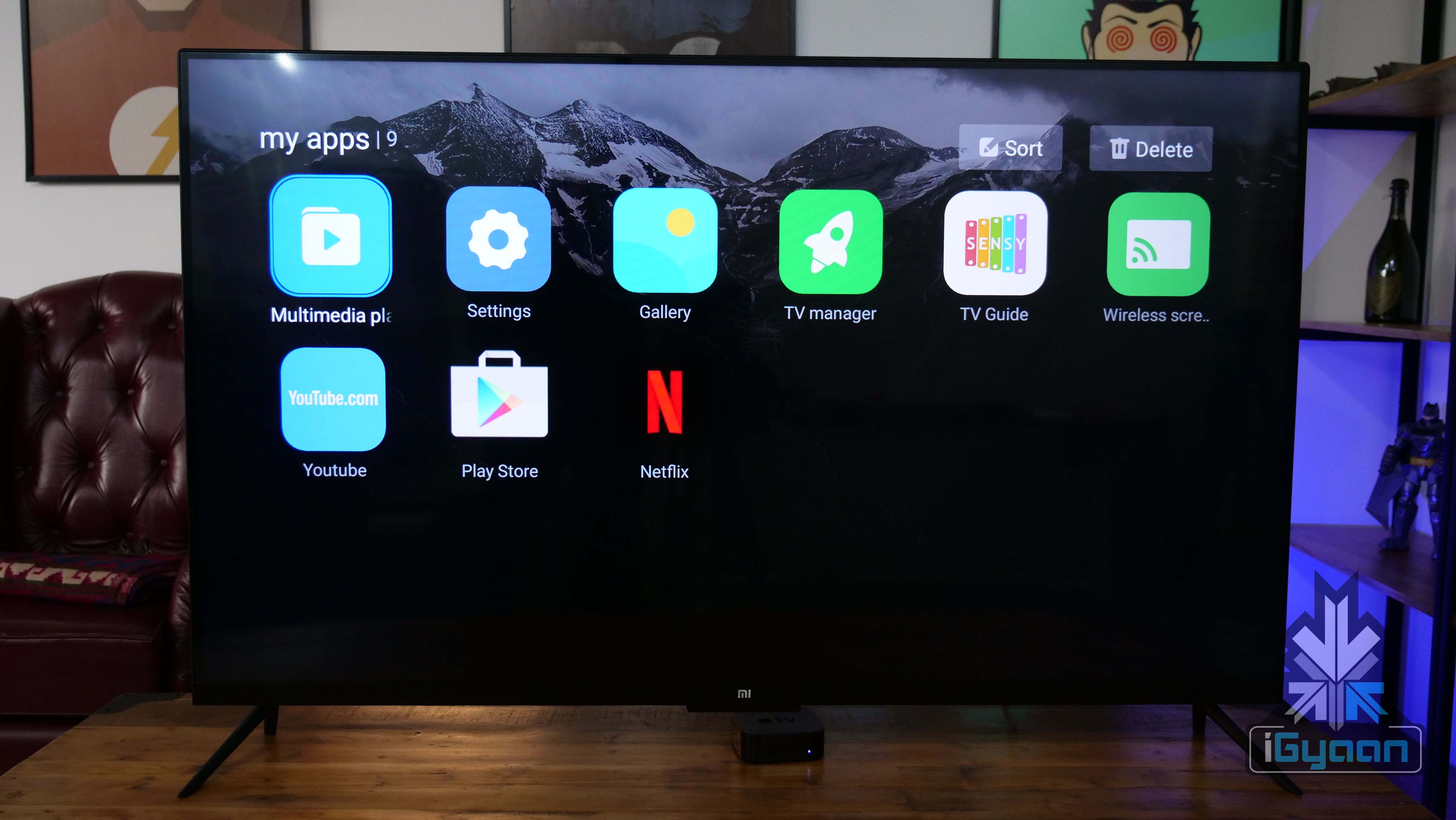
  • iGyaan Tech Tips: How To Install Third-Party Apps On Xiaomi Mi TV 4

    iGyaan Tech Tips: How To Install Third-Party Apps On Xiaomi Mi TV 4

    The Xiaomi Mi TV 4 was launched in India on the 14th of February along with Redmi Note 5 and 5 Pro. At the time of the launch, the smart TV was priced at Rs 39999 which disrupted the Indian smart TV market. Since then, companies like Thomson, TCL etc have also launched affordable smart televisions to compete with the Mi TV 4. However, the Xiaomi Mi TV 4 now costs Rs 44999, which Xiaomi claims is in an effort to ramp up the supply after recent changes in PCBA import taxes and the depreciation of INR since the beginning of the year.

    In our review of the Mi TV 4, we were really impressed with the product. The company’s AI-powered Patchwall UI needs a few more updates to be considered a real feature but, it works. Our main issue with the television was lack of native support for content streaming services like Netflix, Hoststar, Amazon Prime Video etc. We initially tried to install apps but, to no avail.

    However, after a few and hit and misses, we have finally figured out a way to install apps on the Xiaomi Mi TV 4 for a much better content consumption experience. Follow these steps to the T and you should be able to enjoy Netflix, Hotstar and lots of other apps on your mi TV 4.

    • Download the Apptoide app from here and copy it on a USB pen drive
    • Go to Settings, then Security and allow Unknown Sources
    • Then plug in the pen drive to your TV
    • The moment you plug in the pen drive, a pop window will show up, make sure to press cancel
    • Go to TV Manager, then head to Install apps via USB and select your pen drive. Then install the Apptoide app
    • Once installed, go to the Apptoide app and install the apps of your liking

    Apptoide is an app store for smart TVs wherein users can download video streaming apps, Android games and even social media apps like Facebook.


  • OnePlus 6 Will Have Galaxy S9-Like Heart Rate Sensor

    OnePlus 6 Will Have Galaxy S9-Like Heart Rate Sensor

    The OnePlus 6 is turning out to be a sizeable upgrade over the OnePlus 5. The smartphone is scheduled for a global launch in London on the 16th of May, followed by its India launch on May 17th. OnePlus has been teasing a few features of the device on its social media platforms and the latest image posted on the company’s Weibo account yet again reveals a new feature of the OnePlus 6.

    According to a new image, the OnePlus 6 could have a heart rate sensor. As is visible in the image, the number ‘6’ is made of a cardiogram which hints at the presence of a heart rate sensor. Samsung devices like the Galaxy S8, Galaxy S9 already have a heart rate sensor on the back next to the camera module. In the leaked images so far, we have not seen a cutout or heart rate sensor but, this image was posted on the company’s official account.

    According to the listing on TENNA, the OnePlus 6 will have a 6.28 inch Super AMOLED display with a 2280 x 1080 px resolution. This translates into a 19:9 aspect ratio and the phone will shift to a conventional 18:9 aspect ratio if a user decides to hide the notch.

    Under the hood, the device will run on the Qualcomm Snapdragon 845 chipset coupled with either 6GB or 8GB of RAM. The listing is of the base model with 6GB RAM and 64GB storage. The other two variants will be 8GB RAM with 128GB or 256GB non-user expandable storage. This will be the first time that ttheOnePlus smartphone will have 256GB of onboard storage.

    Must ReadXiaomi Mi 7 Leak Reveals It Will Have An iPhone X Like Notch

    Must ReadApple iPhone SE 2 Renders With Face ID And iPhone X Style Notch Leaked

    The smartphone will run Android 8.1 Oreo out of the box with stock-ish OxygenOS on top. Powering the OnePlus 6 will be a 3300 mAh battery with DashCharge support.

    Similar to the OnePlus 5T, the OnePlus 6 will have two RGB sensors with the same aperture for better low-light photography. The portrait mode will be executed using the software. The listing reveals that the OnePlus 6 will have a 16MP primary sensor coupled with a 20MP sensor, the same as the OnePlus 5T. On the front will be a 16MP which should be able to record at least 1080P videos.

    The pricing of the smartphone, however, despite recent leaks is still unclear. The launch of the smartphone is just a few days away

  • Honor 10 To Launch In India On May 15th For Rs 32999

    Honor 10 To Launch In India On May 15th For Rs 32999

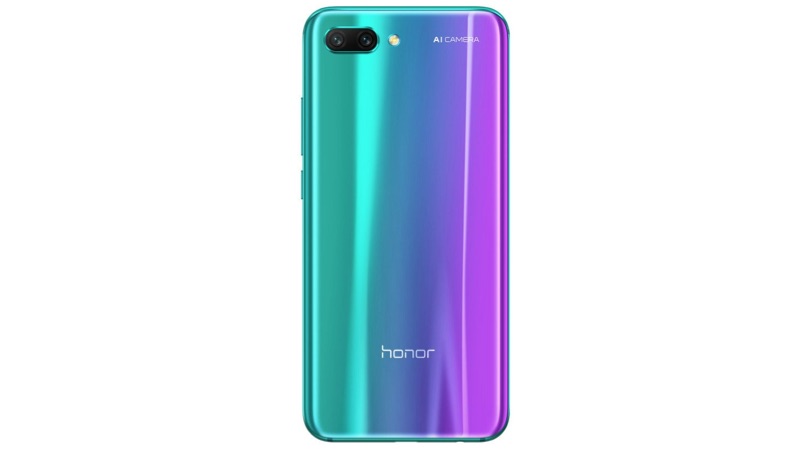
    Honor launched the Honor 10 in China on the 19th of April. The smartphone will launch in India on the 15th of May and the device will take on the soon to be launched OnePlus 6. The OnePlus 6 will launch in India on the 17th of May and has been highly anticipated for a while. The Honor 10 will be sold as a Flipkart exclusive.

    The Honor 10 will be priced at Rs 32999 and take on the OnePlus 6. The OnePlus 6 is expected to be priced at Rs 34999 for the base model with 6GB and 64GB storage. The Honor 10 will be available in Phantom Blue and Mirage Purple colour variants. The smartphone has a dual-tone colour of blue and pink and in the images at least, looks pretty fantastic.

    The Honor 10 has a 5.84 inch IPS LCD display with a 2280 x 1080 px resolution. This translates into a 19:9 aspect ratio and also features a notch on the display. The Honor 10 runs on the HiSilicon Kirin 970 chipset with an octa-core processor. The flagship chipset is coupled with 6GB of RAM and 64GB/128GB of storage which is expandable up to 256GB via a microSD card. The fingerprint reader like expected is not embedded inside the display, instead, it is an invisible ultrasonic fingerprint sensor that can also detect a wet finger. It is also front-facing since it is housed inside the chin of the smartphone.

    Honor also claims that the Honor 10’s dual-camera setup has a lot of AI capabilities. The company is betting big on the device’s AI capabilities, which Honor is calling “AI 2.0.” According to Honor, AI 2.0 can detect dynamic pictures more accurately. The phone’s AI 2.0 can also process Prisma-like image effects twice as fast as the iPhone X.

    The Honor 10 is an impressive smartphone, at least on paper, and should give the OnePlus 6 a run for its money. The Honor 10 also has very impressive colour variants which can be a big differentiating factor in times when specifications of devices are so similar.

iGyaan Network
Privacy Overview

This website uses cookies so that we can provide you with the best user experience possible. Cookie information is stored in your browser and performs functions such as recognising you when you return to our website and helping our team to understand which sections of the website you find most interesting and useful.