Category: Brands and Companies

All Brands and Company Names

  • Samsung To Replace Galaxy Alpha with the More Affordable Galaxy A5

    Samsung To Replace Galaxy Alpha with the More Affordable Galaxy A5

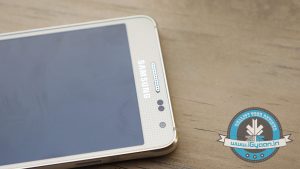
    Galaxy Alpha marked the start of whole new design policy for Samsung. Even though, there were couple of shortcomings, such as the battery life and its full flagship price; it did compete in the high-end smartphone segment with more complete devices.

    Now, just 3 months after its launch, Samsung has decided discontinue the Galaxy Alpha and replace it with more affordable successor Galaxy A5.

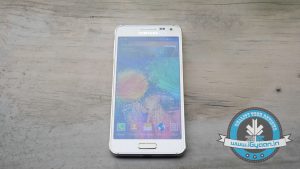
    The 5-inch A5, which launched in China last month, is a continuation of the Alpha’s design philosophy, emphasizing its sleekness and high-quality metal construction. However, the Galaxy A5’s decent specs allow it to be more affordable and give the company a chance to garner larger market which Galaxy Alpha failed to do.

    Samsung galaxy A5 sports a 5-inch display with HD (1280×720 pixels) screen resolution. Under the hood, a 1.2GHz quad-core Snapdragon processor runs the phone, paired with 2 GB of RAM, and 16 GB of internal storage, which can be expanded via microSD card. On the camera front, the phone packs a 13-megapixel shooter at the rear and a 5-megapixel snapper upfront. It comes with a 2,300mAh battery to keep the device running. On the software front, the phone comes with Android 4.4.4 KitKat out of the box. The phone will be available in five colour variants.

    Galaxy A5 launched in China for 400,000 won (approx. Rs. 24,000). There’s plenty of work ahead for the company  but if the company lives up to the promise made, 2015 will be a fundamentally different year to the repetitively iterative products the company has been serving up in recent times.

  • Airtel Drops Price Hike on VoIP Packs; Set to Resume Old Rates

    Seems like the outcry of millions of Airtel subscribers in India has reached the ears of top officials handling Bharti Airtel. Airtel has dropped the idea of price hike for internet voice calls through apps such as Skype and Viber. In a statement released by Airtel today, the firm clarified that it is taking back the implemented rates on VoIP, keeping in view of the fact that TRAI has already started considering the issue.

    The official statement reads, “In view of the news reports that a consultation paper will be issued shortly by TRAI on issues relating to services offered by OTT (over the top content) players, including VoIP, we have decided not to implement our proposed launch of VoIP packs.”

    The operator added that it is hoping for an unbiased outcome which will profit both the stakeholders and the Indians, “We have no doubt that as a result of the consultation process a balanced outcome would emerge that would not only protect the interests of all stakeholders and viability of this important sector but would also encourage much needed investments in spectrum and roll out of data networks to fulfill the objective of digital India.”

    The Voice over Internet Protocol (VoIP) in India is free by all operators but Airtel took a different route by quietly implementing new rates a day after Christmas. The new rate left the user’s eyes wide open as it charged Rs. 1.8 – Rs. 3.98/ minute for audio calls, Rs. 22.50/ minute for video calls and a whooping Rs. 135/minute for HD video calls.

  • The Interview Becomes the No.1 Online Movie Ever Released by Sony Pictures

    The Interview Becomes the No.1 Online Movie Ever Released by Sony Pictures

    There were tons of stories written and discussed about Sony Pictures’ controversial release of ‘The Interview’. Looks like all this free publicity has given Sony a good reason to celebrate. Earlier, there was fuss about Sony releasing The Interview online before it hit theatres as no one was sure how it will turn out.

    Now the company has announced that The Interview made $15 million from online sales and rentals since its Christmas Eve release online. The film also made $2.8 million in theaters over the long Christmas weekend.

    The Hollywood blockbuster, which follows a hapless TV host tasked with the assassinating Kim Jong-un, was originally intended to be released on roughly 3,000 screens on Christmas Day. It was expected to generate $20 million during its opening.

    The studio said on Sunday the film had been purchased or rented online more than 2 million times on the four days through to Saturday, making it Sony Pictures’ No 1 online movie of all time. The comedy was at the center of a crippling security breach at Sony Pictures in November that resulted in an embarrassing spill of company secrets.

    The announcement came few hours after ‘The Interview’ finally made its debut on Apple’s iTunes. The movie has been available since Wednesday on YouTube Movies, Google Play, Xbox and a dedicated Sony-built website, Seetheinterview.com. PlayStation Network and XBox Live also experienced some glitches in their server on Christmas Eve, after they started offering online streaming of the film.

  • Top 6 Things We Can Expect from Apple in 2015

    Top 6 Things We Can Expect from Apple in 2015

    With the two new iPhone 6 models breaking sales records, the arrival of iMacs with 4k display, and of course, the imminent release of the Apple Watch; 2014 was an exciting year for Apple fanatics. The Cupertino-based tech giant managed to stay stuck in it position on the front row.

    Now we’re waiting for what’s in store for us in the next 12 months. Here are some of the first few rumours indicating the things we can expect:

    1. iPad Max

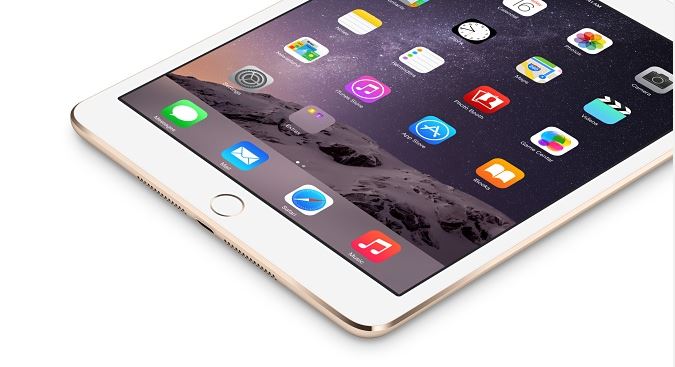
    ipad mini 3

    While Apple has never confirmed the existence of this product, a 12.9-inch iPad is almost a sure bet for 2015. The only glitch, it might not be intended as a consumer product. If Apple goes ahead with this plan, 12.9-inch iPad means that the company will not not just be after the tablet market, but the PC market as well. It’s not always easy to convince businesses to replace Windows PCs with Macs, but adding a large-screen iPad that can work in the office and on the road (and one that can now run Office Apps), may not be as hard.

    2. The iPhone 6s Mini

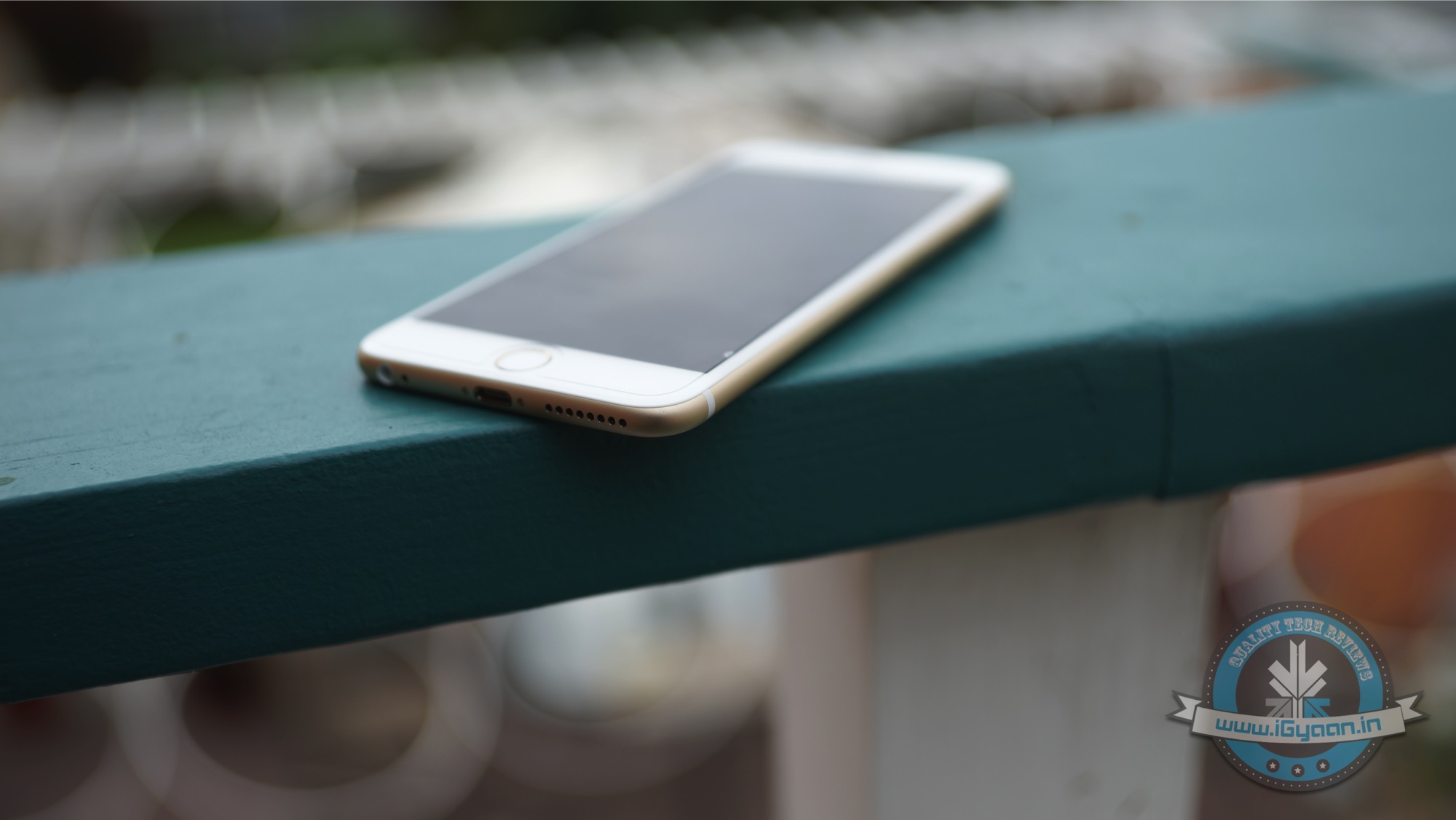
    iPhone 6 Plus 12

    In previous years Apple has been consistent in its approach to upgrading the iPhone. Year 2014 saw a redesign of the casing, and the introduction of the first Apple Phablet, so we’d expect the 2015 models to keep that exterior and instead increase the performance by upgrading key components.

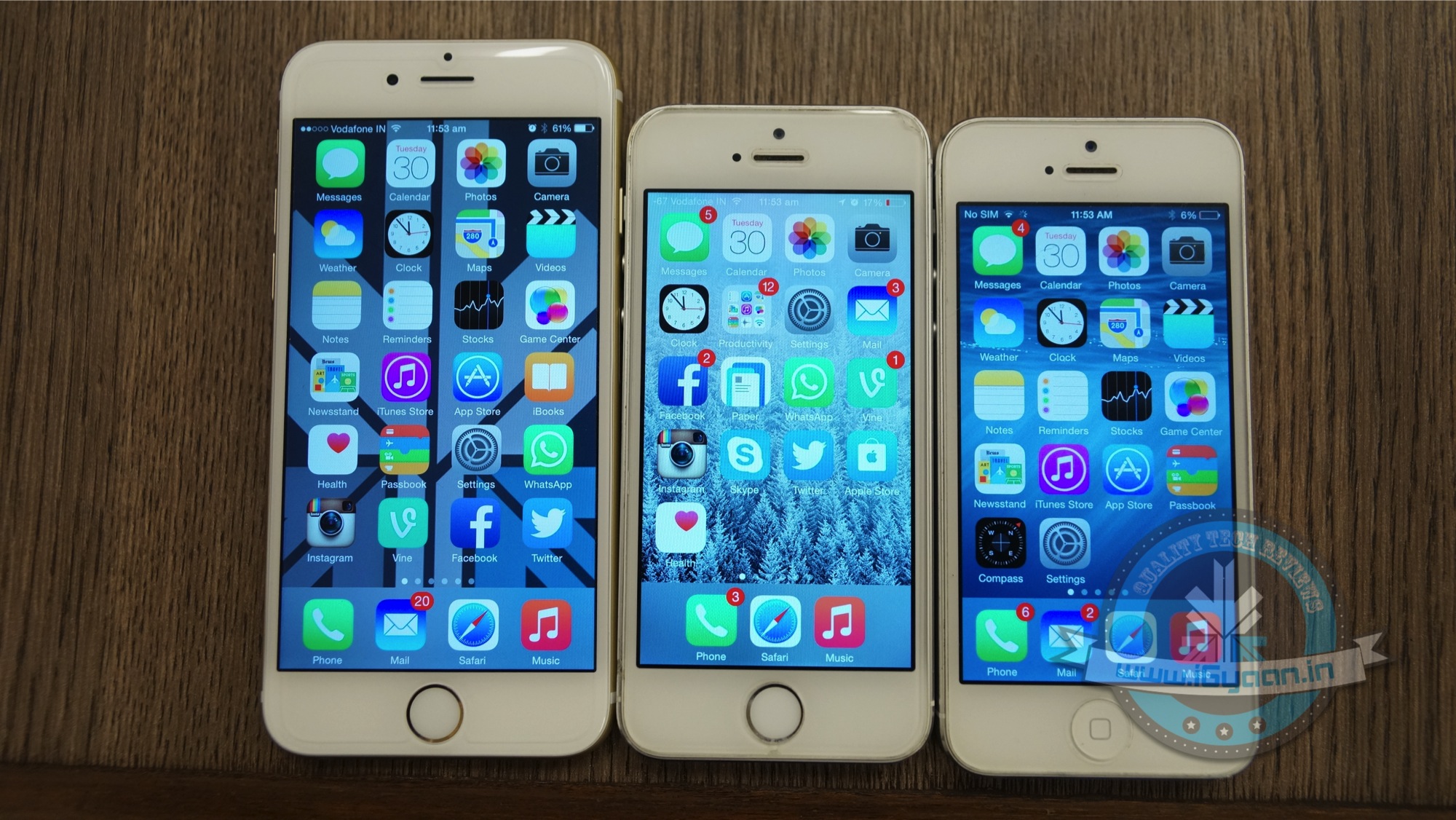
    Also, several new rumours making the rounds say that the company is planning to launch a mini version of its iPhone 6 dubbed ‘iPhone 6s Mini’. According to recent reports by Apple Insider, the design of the rumoured mini smartphone will match that of iPhone 5s and the specifications with iPhone 6. In other words, a return to the prior model’s 4-inch display size.

    3. Music streaming

    Beats

    It’s been almost six months since Apple bought over Beats, but despite all the new hardware and initiatives like Apple Pay, no one seems to know what Apple’s doing with the company. We expect Apple to launch new service, backed up by Dr. Dre’s team, to combat the decreasing sales of the iTunes music streaming service.

    4. Apple Watch

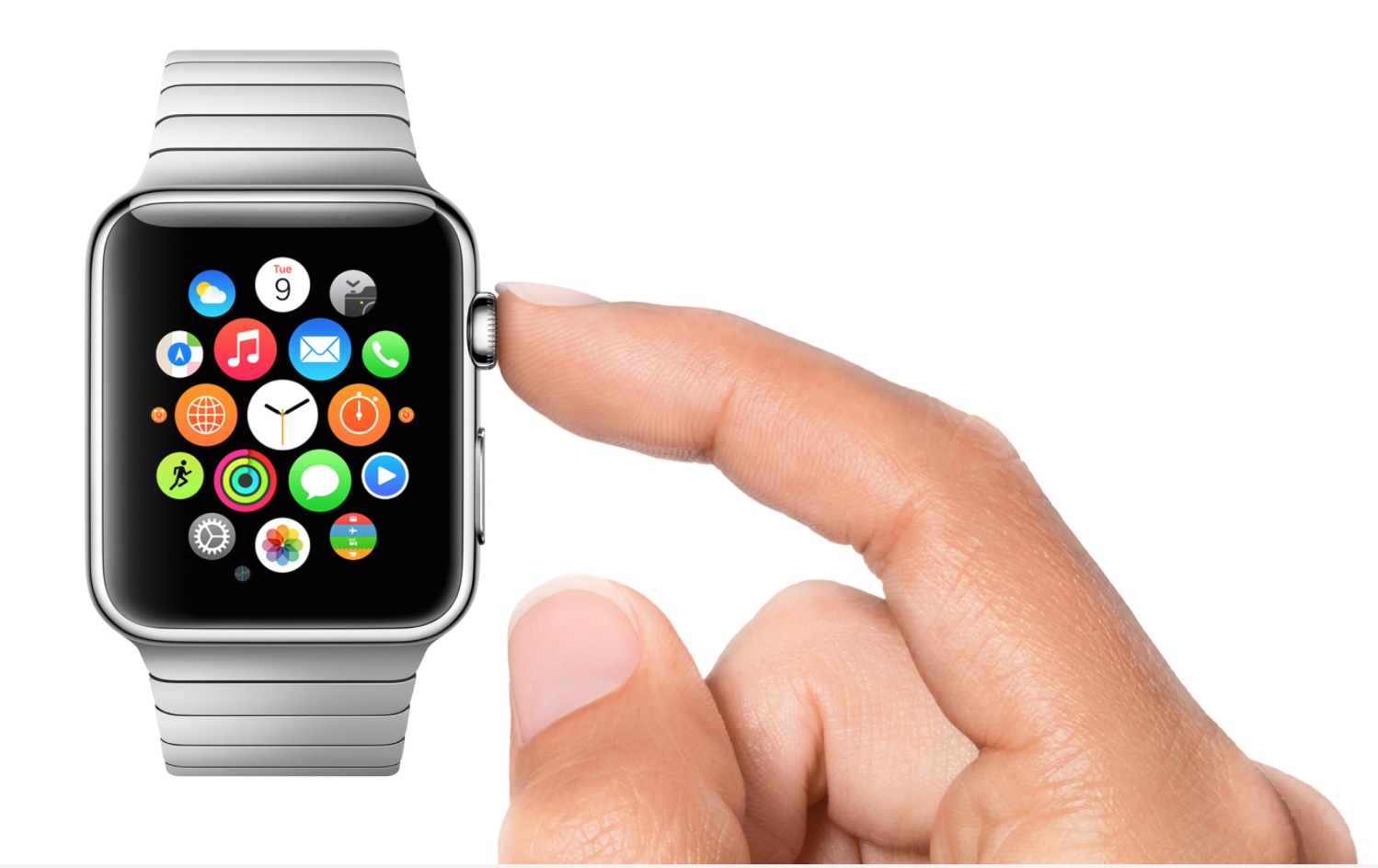
    Apple watch Features Design 15

    The Apple Watch is the only device that Apple has officially confirmed is coming next year. Apple’s newest smartwatch enters a marketplace in 2015, that feels competitive. The Watch will need to prove its worth against the already established range of Android and Microsoft powered alternatives. The new Apple Watch will arrive in three models – Watch, Watch Sport, and Watch Edition, which will also be available in large and small screen size options. Watch apps will be heavily reliant on the iPhone and will deliver information through basic “Glances” or actionable notifications.

    5. Refreshed Apple TV

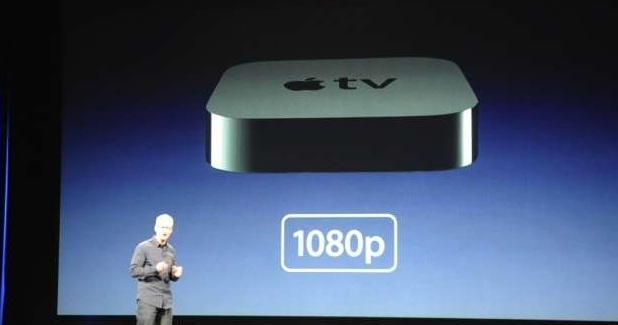
    Apple TV 1080p

    One device that was conspicuous by its absence at the 2014 product launch, was the Apple TV. However, earlier this year, there were persistent rumors that Apple was planning on expanding and improving the capabilities of its media streaming device. While the Apple TV might seem like a forgotten device, it’s worth noting that the company has sold more than twenty million units, making Apple over a billion dollars in 2013 alone. This might seem small when compared to iPads and iPhones, but it’s still a highly profitable area. We hope to see some change in the Apple TV in 2015.  There have been rumours that Apple will open up the App Store to the Apple TV too.

    6. Enterprise Focus

    microsoft-office-ipad

    Five months ago, Apple stunned the tech community by announcing a long-term enterprise partnership with IBM. The idea was to bring mobile to business in a way that big businesses, even entire industries, could manage and leverage it to their advantage. It is said that Apple outlined a strategy that takes what’s best about Apple products and, essentially, combines it with skills from IBM. A few that the Cupertino-based company lacks, such as direct sales and integration of custom apps.

  • Despite Several Hiccups, Xiaomi Manages to Sell 1 Million Smartphones in India

    Despite Several Hiccups, Xiaomi Manages to Sell 1 Million Smartphones in India

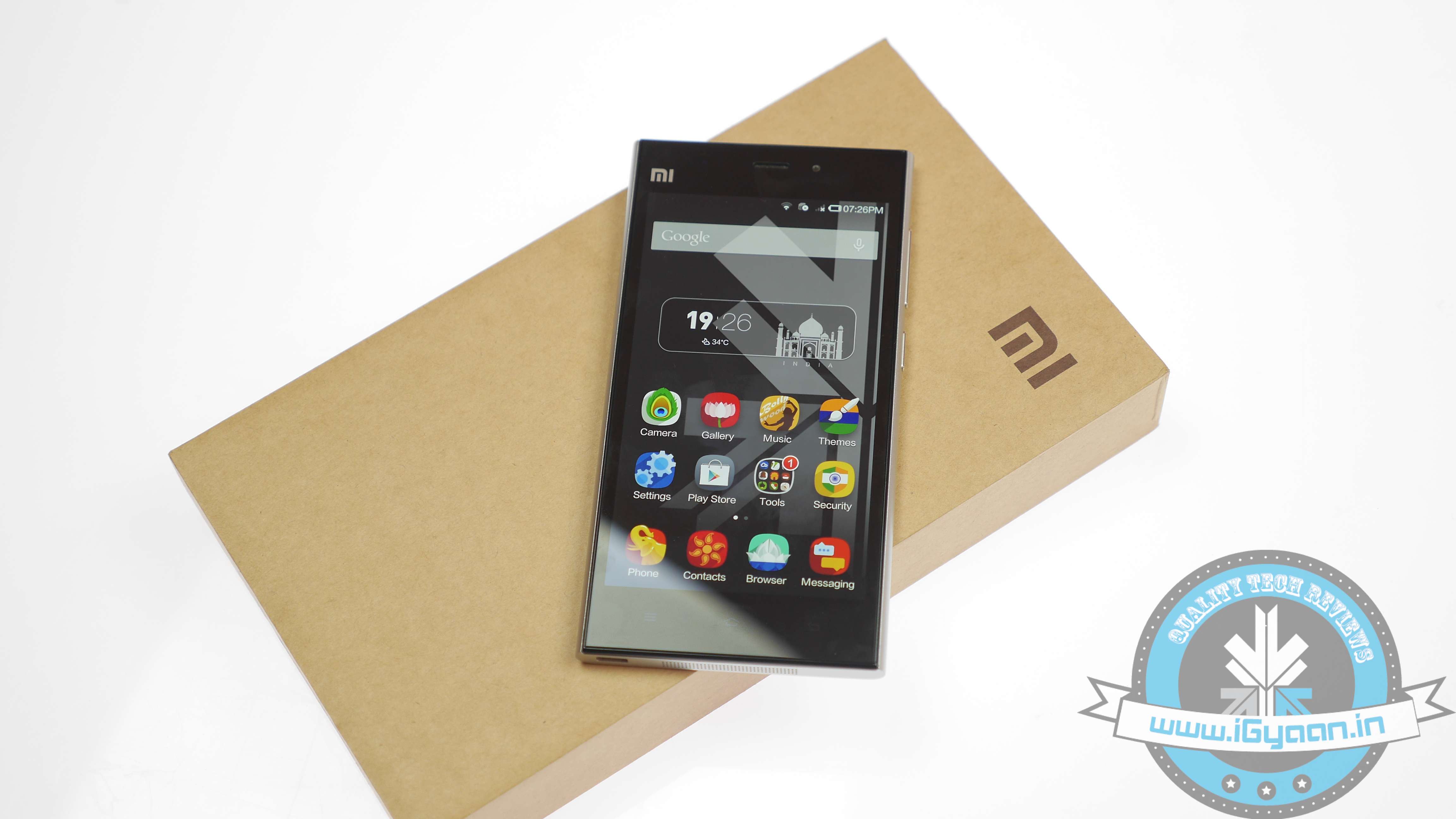
    Chinese smartphone maker Xiaomi claims to have sold 1 million smartphones off the virtual shelves of Flipkart, its exclusive retail partner in the country. The company started selling its products in July, which means that in less than 6 months it has crossed the 1 million mark.

    Xiaomi India Head, Manu Kumar Jain has announced this news via Twitter, commenting that the company crossed the one million mark this December (without specifying a date). The Chinese manufacturer, which is also known as China’s Apple, entered the Indian market only with its Mi3 smartphone. It was soon followed by Redmi Note and Redmi 1S, along with Mi power banks and earphones.

    All the devices have done exceptionally well in the Indian market despite the company’s much-criticised flash sale strategy. The recent ban of the company from India may have affected their sales, however, it seems the company is doing fine considering the latest figures. Recently the ban was lifted, and this saw the company bring back the Redmi 1S on sale along with an announcement about Redmi Note 4G’s arrival.

  • Microsoft CEO Satya Nadella Meets PM Modi to Discuss the Digital India Project

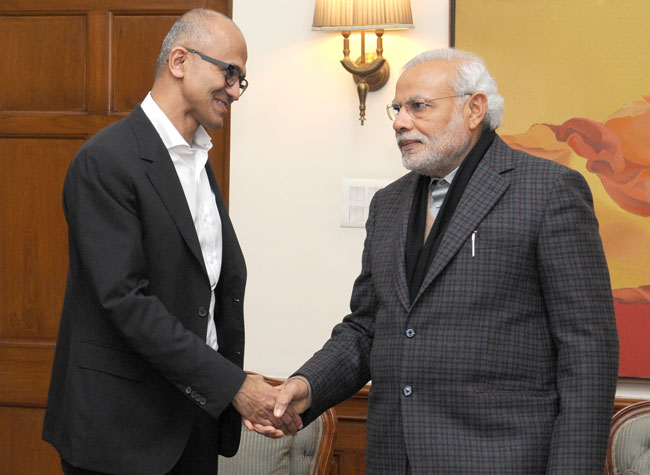
    Microsoft CEO Satya Nadella Meets PM Modi to Discuss the Digital India Project

    Narendra Modi has a long list of high-profile guests flying over to India to meet him. The recent addition to the list was Microsoft’s Chief Executive Officer Satya Nadella.

    Nadella after meeting the PM at his office on Friday commented, “it’s always fantastic for me personally to be in India and the conversation I had with the minister was wide ranging,”

    Nadella is the third major tech executive to meet PM Modi, after Amazon’s Jeff Bezos and Facebook’s Mark Zuckerberg. While it is largely being dubbed as a personal visit for the India-born chief executive of the American software giant, he was also supposed to address Microsoft’s employees in India on Friday.

    Earlier in the day Nadella met PM Narendra Modi and communications and IT Minister Ravi Shankar Prasad. “I have an aspiration that in this mobile and cloud world, we can empower every individual citizen of India and every business organization and institution in India to be able to try with new technology. So, I am looking forward to be a part of both the Digital India and Make in India,” he said.

    One of the major highlight of this high-profile meeting was the talks between Nadella and telecom minister Ravi Shankar Prasad where he urged the telecom minister to allow Microsoft to pilot its ‘White-Fi’ technology to provide internet connectivity in remote villages in the country.

    Microsoft India, since last month, has been seeking approvals to deploy a project that will enable Internet connectivity using ‘White Space’ spectrum that is currently used for television transmission by Doordarshan. White space technology has previously been deployed in South Africa, Ghana, and the UK, although to this point, white space broadband hasn’t been deployed at a commercially meaningful scale.

    This was the second courtesy call of the Microsoft CEO to PM Narendra Modi. Nadella met the Prime Minister earlier during his first India visit after taking charge as boss of the top software company.

  • Sony Cyber Attack : Timeline of Events Leading Up to ‘The Interview’ Release

    Sony Cyber Attack : Timeline of Events Leading Up to ‘The Interview’ Release

    Seth Rogen and James Franco’s new comedy about the assassination of Kim Jong-un was the most prominent piece of geopolitical news of the past month. A group of hackers had wreaked havoc on Sony Pictures; they threatened a 9/11 style attack if the movie was allowed to release. Heeding to concerns raised by several theatre chains, the company said that it won’t object if the chains choose not to screen the movie. That move brought in comments from all sides of the spectrum, from severe criticism for being anti-free speech to support for ensuring the safety of moviegoers. After many hassles, Sony has finally released the movie on multiple platforms.

    We trace out the bizarre course of events that finally led to the film’s release.

    The Interview shows two American Journalists assassinating North Korean leader Kim Jong Un.
    The Interview shows two American journalists assassinating North Korean leader Kim Jong-un.

    On June 11: the first trailer of The Interview releases online. Following this, on June 25, North Korea issues a tough response to the trailer calling it “an act of war” and said there will be a “merciless response”, if the movie was allowed to release.

    November 24: the employees of Sony Pictures, across the country, received a shock in the morning when they saw all their computers were compromised. There was just one message on the screen that said that the system was hacked by Guardians of Peace or #GOP. They said they have taken all the data hostage and would release it if their demands were not met; it wasn’t sure at the time what the demands were. They claimed to have stolen up to 100 terabytes of data. Sony calls it an IT issue and says the company is looking into it.

    A week after the attack, the first wave of release started to show up. The hackers release four movies online before the release dates. These films soon found their way on torrent sites. Soon after this, hackers released the salaries and social security details of former and current employees.

    Coming to the start of December, the story takes a nasty turn when the hackers start releasing stolen emails. It takes a teenage gossip mode when details of various conversations between Sony executives and others start leaking out. The leak that Sony Pictures Chief Amy Pascal called Angelina Jolie “a spoilt brat” lead to an awkward moment when they met. Amy’s emails also saw racially tainted discussion about the American president.

    There were awkward moments between Stars and Sony since revelations leaked by the hackers
    There were awkward moments between Stars and Sony following the revelations by the hackers

    December 4: We get news that North Korea might be one of the suspects in the case. The hermit kingdom denies any involvement. But its involvement seems to get more evident when the hackers call for a stop on the release of The Interview, calling it a movie of terrorism. This further strengthened the idea of North Korea’s involvement.

    December 6: The incident starts taking the shape of terrorism when multiple employees of Sony Pictures start receiving threatening emails. Some days later the hackers comment saying that they are about to offer a Christmas gift for the people, which consists of more leaked data.

    The hackers leaked scripts and details of future movies including the next James bond movie.
    The hackers leaked scripts and details of future movies including the next James bond movie.

    December 15: The frustration starts to grow in the entertainment industry against the leak. This follows the release of the draft of the new James Bond Movie ‘Spectre’. Academy Award winning writer Aaron Sorkin scolds the media in an op-ed in the New York Times for reporting using stolen data. Brad Pitt also joins to condemn the media calling it an assault on privacy and comments saying that they are profiting by colluding with terrorists.

    December 16: the most inflammatory threat comes from the group. They threaten a 9/11-style attack on cinemagoers if The Interview is allowed to release; this spooks a lot of cinema chains in the country. Sony also gets slapped with a class action suit by former employees who blame the company for not being vigilant with their data.

    December 17: Other studios start claiming that the GOP attack and subsequent threats might deter other moviegoers from coming to the theatre thereby dampening the profit making holiday season for everyone.

    [quote text_size=”small” author=”Barack Obama” author_title=”President, United States of America”]

    We cannot have a society in which some dictator someplace can start imposing censorship in the United States.

    [/quote]

    December 18: The Federal Bureau of Investigation says that it is ready to link North Korea with the attack. Sony finally pulls the plug on The Interview, which also leads Seth Rogen and James Franco to cancel further promotional events for the movie. Sony also cancels DVD and VOD of the movie. This results in widespread criticism of the company, many saying that it has bowed down to terrorists subsequently encouraging them and defeating the bedrock of democracy.

    December 19: US authority officially links North Korea with the attack. President Obama says Sony “made a mistake” in pulling back the movie saying, “We will respond proportionately and in a space, time and manner that we choose.” He also added, “We cannot have a society in which some dictator someplace can start imposing censorship in the United States.”

    December 24: Google and Microsoft get in talks with Sony to release the movie on their platform. Independent theatre owners too join in the release, but the big chains still stay a safe distance away.

    December 25: The movie is released on Google Play and YouTube movies. Seth Rogen tweets saying “…Freedom has prevailed!…” As soon as the movie hits the internet ,it is on the torrent sites and is downloaded massively. But the reviews for the movie are mixed.  

    It is a bit unsettling though that one of the biggest movie studios in the world was brought to its knees after this attack. It has been said that the company would need millions of dollars and may take years to recover from this attack. One thing is true though that this was an act of terror and if Sony did back down, as it was planning to, it could have set a precedent for other criminals to follow. It took the reassurance of the President of the United States to get the movie out to the public.

    This incident has forced other major institutions to strengthen the security of their digital infrastructure. This hack has shown that in our present world, information is power, and your own data can be used against you. The technology sector should now put more focus on prevention of cyber-attacks and there is a need for training more professionals in cyber security. It’s time for the nerds to lead the war.

  • Airtel Violates Net Neutrality; Will Now Charge Extra for Free Call and Chat Services

    Airtel Violates Net Neutrality; Will Now Charge Extra for Free Call and Chat Services

    We have heard the term Net Neutrality a lot this year, mostly in the context of the politically charged conversation that is happening in Washington. Net Neutrality is a bedrock principle of the internet. It says that internet providers cannot pick and choose between different internet offerings. For e.g., internet providers cannot charge extra for YouTube or Skype or any other individual website or service. All websites must get equal speeds, and no service can be charged extra. Internet providers are actively trying to dismantle this principle to boost their revenues further. In India, Airtel has drawn the first blood and has introduced extra charges for Voice Over Internet Protocol (VoIP).

    Bharti Airtel has brought out the new rates a day after Christmas when it thought no one would notice. The new rates almost feel like the company is holding you upside down and shaking down every last penny you got in your pocket.

    This is the official quote from Airtel’s terms and conditions page:

    [quote text_size=”small”]

    All Internet/data packs or plans (through which customer can avail discounted rate) shall only be valid for Internet browsing and will exclude VoIP (Both Incoming/ Outgoing). VoIP over data connectivity would be charged at standard data rates of 4p / 10 KB (3G service) and 10p / 10 KB (2G service).

    [/quote]

    Here are the new rates:

    Features of VOIP services like Skype, Viber and other free apps Before Now
    Audio Rs. 0.00 Rs. 1.8 – Rs. 3.98 per minute
    Video Rs. 0.00 Rs. 22.50 per minute
    HD-Video Rs. 0.00 Rs. 135 per minute

    Telephony and Internet service providers have seen a dip in their earnings since the advent of app-based messaging and calling services. Services like WhatsApp have brought down SMS usage, and Skype and Viber like services have affected call based revenues for the companies. This has led to expensive internet data packs which have also resulted in protests in the past. The mobile market in India has become monopolistic as the rates have become stagnant across all service providers. There aren’t a lot of choices left for the consumers. But this move by Airtel is a major assault on the freedom of the internet and can lead to even more attacks on net neutrality if not protested right now. The company has made video chatting service more expensive than ISD calling.

    In the information age, internet has become an essential utility, and every day is becoming more intertwined with our lives. We now use it for paying bills, shopping, apply for jobs, gathering knowledge and much more. It has also allowed small start-ups to take on big companies. But by decimating net neutrality, companies like Airtel and others can charge you different rates for different websites. Imagine paying for a browsing data pack, a separate pack for WhatsApp, and an another one for YouTube, and so on. Sounds scary, doesn’t it? Airtel just took a step closer to making that future a reality.

    A free and open internet is important; it should not just be a service anymore, it should be considered an inviolable right, just like right to freedom of speech. Net Neutrality is supported by big names of the tech world like Google, Facebook, Amazon, and others. Airtel has opened a can of worms that needs to be immediately shut down and buried. In America, even President Obama has stood by the Net Neutrality principle. Airtel needs to mend its ways immediately.

    Here’s John Oliver explaining the importance of Net Neutrality in his own style.

    [poll id=”25″]


    Updates:

    1. Minister of Telecom has said that the government is looking into it and will come with a structured response.

    2. According to TOI, Airtel has said that the new VOIP charges are only meant for Audio calls only, video chats can still be done through data packs. The company says that there will be a 6 month cooling off period before the new charges are introduced. They also added that only prepaid customers would have to get the VOIP pack for audio calls.

  • Apple Might Bring Out a Mini Version of the iPhone 6 in 2015

    Apple Might Bring Out a Mini Version of the iPhone 6 in 2015

    The 2014 launch of iPhone 6 and iPhone 6 Plus brought out the whole new design philosophy in Apple’s offerings. Earlier, the company had stuck to the smaller 4-inch screen size. Now it seems like Apple is further experimenting with different screen sizes; the new rumours making the rounds say that the company is planning to launch a mini version of its iPhone dubbed ‘iPhone 6s Mini’.

    According to recent reports by Apple Insider, the specifications of the rumoured mini smartphone will match that of iPhone 5s and the specifications with iPhone 6. In other words, a return to the prior model’s 4-inch display size.

    Apple Insider, citing a note issued by Timothy Arcuri, an analyst with Cowen and Company, to the investors suggests that Apple may launch a new 4-inch iPhone variant in 2015, which will be called iPhone 6s mini. The smartphone will join the current generation screen sizes of 4.7- inch and 5.5-inch.

    The publication also noted that Arcuri, in the past, has a mixed track record on Apple iPhone rumors. In January 2014, the analyst correctly predicted some details of the iPhone 6. However, his prediction about a powerful processor for the iPhone 6 Plus turned out to be incorrect.

    If the rumors are true, the new iPhone 6s is more likely to replace iPhone 5c as the company’s low-end offering. Being a low-end phone, the iPhone 6s Mini is also expected to have low-cost internals to keep the price low.

    In the past, Samsung has launched the mini versions of its Galaxy S devices such as the Galaxy S3 Mini, Galaxy S4 Mini and the Galaxy S5 Mini. These mini handsets cater to smartphone customers who prefer a smaller handset and lower cost. With Apple looking into the mini segment of smartphones, the move could help bring wider consumers in the company’s ecosystem.

  • Samsung Finally Brings Out the Note Edge in India for Rs. 64,900

    Samsung Finally Brings Out the Note Edge in India for Rs. 64,900

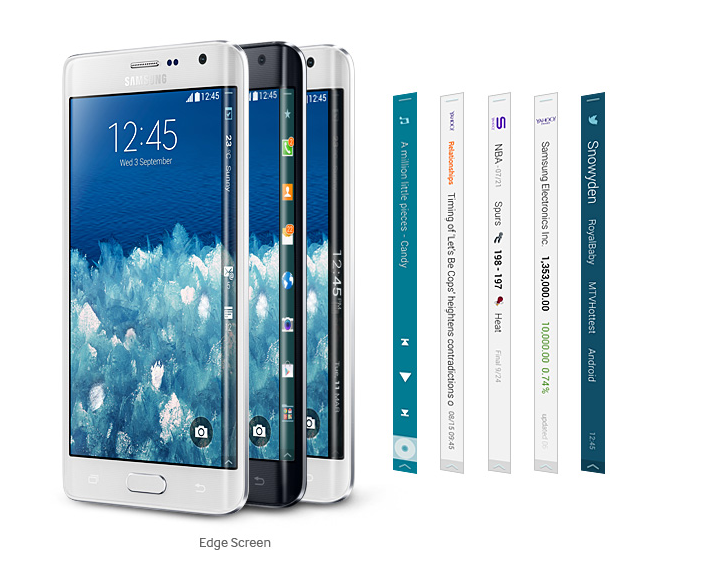
    Samsung has brought its edgy new device, the Note Edge to India. The company unveiled the device at the IFA Berlin earlier this year, alongside the Note 4. It was quite a surprise when it was launched as Samsung had done a good job at keeping it a secret. This is a unique device as it has a slightly curved screen on the side that acts a second display and which can be used for viewing notifications without unlocking the main display.

    The device carries pretty much the same specs as the Note 4. The device gets its processing might from a quad-core, 2.7 GHz Snapdragon 805 processor which is supported by 3GB RAM. It has 32 GB internal storage that is expandable up to 128 GB.

    Just like its un-curved sibling, the Note Edge also sports a Quad HD display. The 5.6 inch primary display is coupled with a curved display also known as the edge display. This display can be used to access frequently used apps, check alerts and notifications, news and more. This display stays on even when the main display is covered, so it’s convenient to catch on with the essentials without disturbing the main screen.

    The curved display can be used for accessing alerts, notifications, news and more.
    The curved display can be used for accessing alerts, notifications, news and more.

    The camera was one of the highlights of the Note 4, and it is true for the Note Edge as well. It carries almost all the features of the Note 4 including wide selfies and OIS. The main camera on the device is a 16 MP shooter that comes with optical image stabilization. The camera on the front has been designed keeping selfies in mind. It gives you the option to shoot 90-degree selfies and an option to take even wider 120-degree selfies by panning the device around.

    The S-pen, that separates the Note family from the rest of the smartphones in the market, is incorporated in this device too. Samsung has added improved functionalities to the S-pen this time around. You can use it like a mouse to click and drag multiple files, use smart select to combine multiple files together and it offers better handwriting recognition than previous generation S-pens.

    Samsung claims that the Note Edge has improved battery life. The device has a 3000 mAh battery which is 220 mAh less than the Note 4. Samsung claims that using its adaptive charging feature; the device charges 30% faster than conventional methods.

    The device is priced at Rs. 64,900 and will go on sale in January 2015. It will be available in ‘Charcoal Black’ and ‘Frost White’ color variants in the India.

  • Xiaomi’s Redmi Note to Go on Sale on 30th December

    Xiaomi’s Redmi Note to Go on Sale on 30th December

    Xiaomi returned back today with fresh stocks of the Redmi 1S, its blockbuster low-cost smartphone. The sale went on longer than the usual Xiaomi flash sales, but the company did end up selling all of its stock as usual. The company has now revealed the date of the flash sale of the Redmi Note.

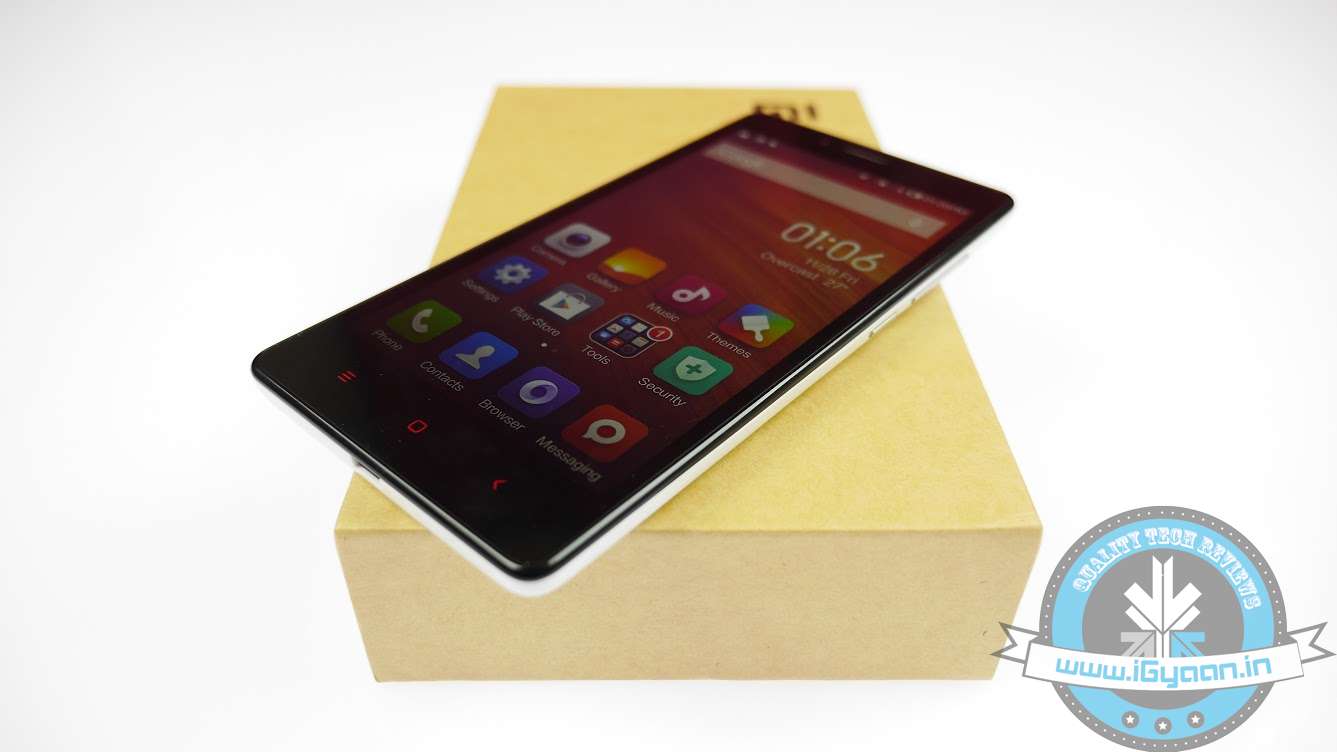
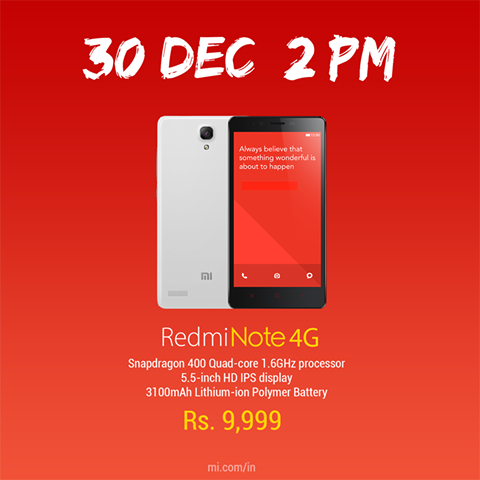
    Xiaomi will hold a flash sale for the 4G variant of the Redmi Note 0n Tuesday 30th December at 2pm. The device has a price tag of Rs. 9,999. It is powered by a Snapdragon 400 processor clocked at 1.6 GHz. The 5.5-inch 720p HD display will also be appreciated by multimedia enthusiasts.

    10309057_1567632200118012_2673613062872690987_n

    A 3G variant was also launched by the company and it was priced at Rs. 8,999. This variant of the phone has been banned from sale by Delhi high court following an infringement accusation from Ericsson India.

    So if you want to enjoy the big screen goodness of the Redmi Note, make sure you register for the sale on Flipkart by the 29th of December.

  • Xiaomi Redmi 1S Has a Slow Sales Day in its Comeback Flash Sale

    Xiaomi Redmi 1S Has a Slow Sales Day in its Comeback Flash Sale

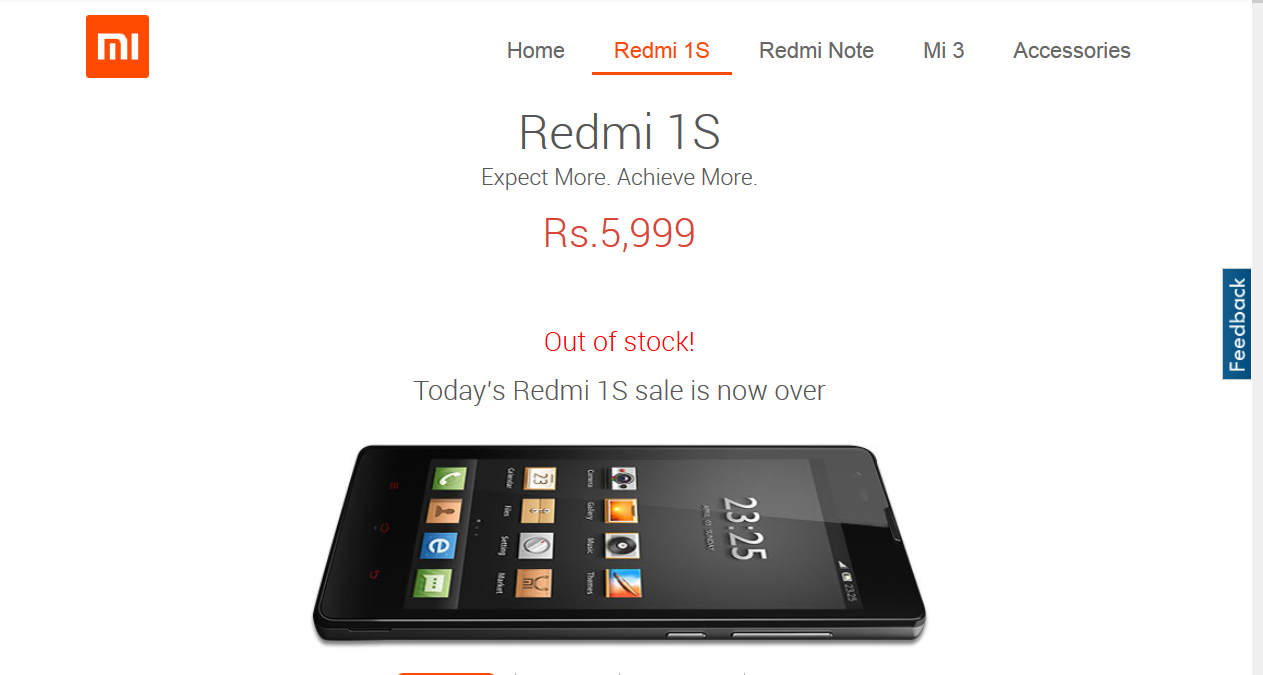
    Xiaomi fans, who were dejected after the ban on the company’s devices, have a reason to smile today. The Xiaomi Redmi 1S went on sale after a gap of nearly a month. The devices were selling faster than hot cakes before the ban was imposed. At 2pm today, the devices were up again for purchase on Flipkart but the virtual stampede by fans to buy the device was missing. The sale went on for over thirty minutes before going out of stock.

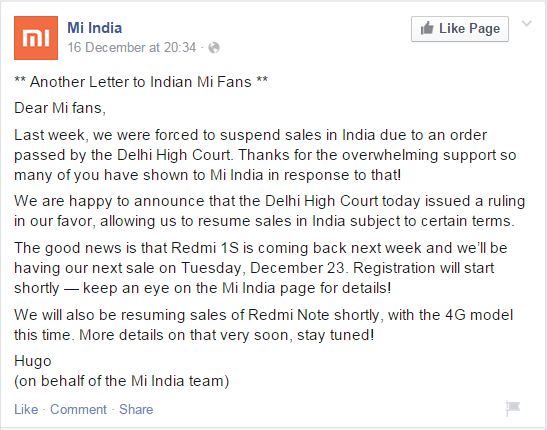
    Xiaomi’s VP, Hugo Barra had announced the sale through a Facebook post on 16th December:

    hugo xiaomi

    The Delhi High court had banned the devices after a patent infringement accusation by Ericcson. Ericcson claimed that Xiaomi infringed on eight of its patents that include features like AMR, EDGE and 3G technologies. Xiaomi later appealed to the court saying that it sold Qualcomm chipset based devices, and Qualcomm had obtained the required licenses from Ericsson. This meant that the Xiaomi phones running on Qualcomm chipset did not infringe on the patents of Ericsson. Thus the Delhi High Court raised the ban on the company allowing them to sell Qualcomm chipset based devices. And hence the Redmi 1S with its Snapdragon 400 chipset went on sale today.

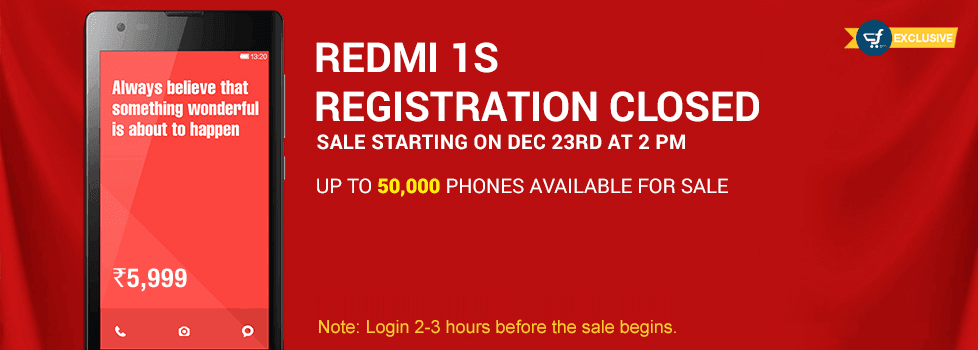
    20141222-191015-registration-closed-promo redmi 1S out of stock

    Xiaomi had brought up to 50,000 devices for sale today, which is one of the biggest stocks from the company for a single flash sale. It was a slow sales day at Mi India’s page at Flipkart. During previous sales we saw the devices disappear within seconds but this time around, the window of purchase was open for several minutes before the devices went out of stock.

    Xiaomi also said that it will be bringing the 4G variant of the Redmi Note, which runs on a Snapdragon processor to the market. However the date of sale is yet to be specified. We would like to assume that the folks have been saving for the Redmi Note, which carries a bigger display with almost the same specs as the Redmi 1S. The Note also supports 4G so it surely has that advantage over the 1S. But even with a slow sales day, Xiaomi still managed to clear all its stocks which means the love for the company hasn’t ended yet.

    If you are one of the many who scored the device, share your joy with us in the comments. We will also keep you updated on the date of sale of the Redmi Note. Keep checking iGyaan for more.

  • OnePlus Argues One Devices Running on a Different Cyanogen Version

    OnePlus Argues One Devices Running on a Different Cyanogen Version

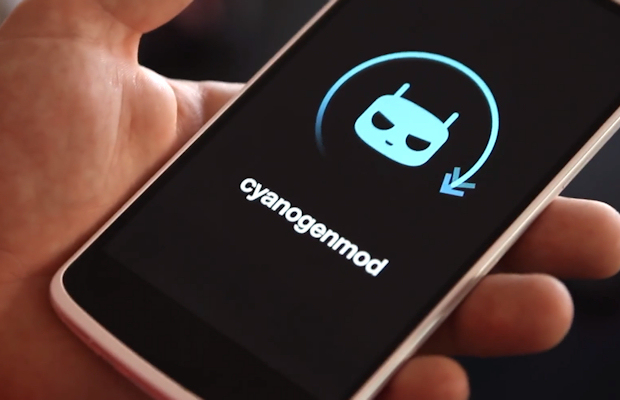
    Finally, the Shenzhen-based smartphone manufacturer OnePlus has retaliated; taking on the allegation made by Micromax saying that they are not infringing any rights exclusive to the India consumer electronics firm, Micromax. It argued that the Cyanogen operating system (OS) version used by them is different from that used by Micromax.

    Last week a complaint was lodged by Micromax to the Delhi High Court saying that the company has acquired exclusive right to use CyanogenMod trademark all across South Asia. This led to the temporary ban of OnePlus devices from selling, promoting or for that matter, even importing its devices to the Indian soil.

    OnePlus argued before a bench headed by Justice Pradeep Nandrajog, commenting that the version embedded in their OnePlus One devices is Cynogen CM11S, while Micromax handsets run on a completely different version of the new software. As per the agreement between Micromax and US-based software firm, an exclusive clause states that Cyanogen cannot collaborate with any another smartphone maker in the Indian subcontinent. However, it did not extend to the fact that a different version could not be used in other devices. The Chinese company also added to its statement that the version point was not mentioned by any judge who has passed the restraining order.

    Senior advocate Kapil Sibal representing OnePlus said,

    It does not mean that we cannot do business.

    He also suggested that his client should be given three months time to substitute Cyanogen with another software based on Android operating system and sell its already manufactured devices. It was also observed by the bench that the US-based firm Cyanogen had not been fair to the Chinese manufacturer stating that Micromax  didn’t give time to the Chinese firm to make any changes to its device.

    “Your client (Cyanogen) did not show fairness to either Micromax or Shenzhen. If this is how you want to proceed, that is wrong,” said the bench to the US firm counsel. Further hearing of the case will be held tomorrow.

    Although it certainly seems that OnePlus has been wronged, it will be interesting to observe which way the decision goes. In the meantime OnePlus fans can patiently hope and pray that their beloved phone stays in the Indian market.

  • Sony Xperia Z4 Teased With an Abstract New Video

    Sony Xperia Z4 Teased With an Abstract New Video

    January is the month when CES, one of the biggest consumer electronics trade show comes to town. CES 2015 is just a few weeks away, but the buzz around it is already heating up in this excruciating winter. Sony has put its foot forward and posted a new video which might be a teaser for the upcoming Sony Xperia Z4.

    Sony hasn’t had a good time with the market in the past couple of years, and they have seen their profits shrink year by year. The company is in a major re-invention period, and it is currently focusing on bringing itself back to profitability even if that means losing 25-30% of their market share in the smartphone business.

    The video posted by the company is titled ” Welcome to the New World”. It shows a girl licking a lollipop that seems to signify that the device will run on Android Lollipop. There have also been rumours that the new flagship device from Sony will feature a Snapdragon 810 processor which would make it one of the first devices to feature this latest chipset. The company had previously launched the Xperia Z3 at IFA Berlin last September and keeping with its six months update schedule; the new flagship is ready for the world. The Xperia Z3 was appreciated for its design and features but was berated for being too pricey.

    Have a look at the video right here:

  • Review : Micromax Canvas 4 Plus

    Review : Micromax Canvas 4 Plus

    Some would say that Micromax is on a roll, touted as one of the dominant force in the Indian smartphone industry. The domestic manufacturer is closing down on Samsung to claim the No.1 spot for the largest smartphone vendor in the Indian subcontinent. There’s no denying that company’s recent products have significantly improved when it comes to build quality.

    Micromax’s latest addition to its lineup is the Micromax Canvas 4 Plus, which surprisingly was launched in a subtle way without creating all the hype the company is known for.

    OVERVIEW

    Since the launch of the Canvas Knight earlier this year along with the recently launched Yu Yureka, Micormax is constantly striving to offer high-end specs at mid-range prices. The recently launched Micromax Canvas 4 Plus does boast off a fairly appealing outer demeanor along with a decent set of specs. This device is priced on major e-commerce websites at approximately Rs. 14,000.

    The smartphone arrived in our test lab, hence without any more delay, let’s check out how the Micromax Canvas 4 Plus performs in our grilling review.
    Micromax Canvas 4+P1070745

    HARDWARE

    The Micromax Canvas 4 Plus is by no means a slouch when it comes to specs. It sports a MediaTek Octa core chipset, 1 GB of RAM with 16GB expandable storage. The Canvas 4 Plus runs on a 2000 mAh battery with Android Kitkat OS on board.

    Check out the key specs below:

    Specifications Micromax Canvas 4 Plus
    Display 5 inch AMOLED HD screen
    Processor 1.7 GHz  Octa-core MediaTek
    Storage 16GB Internal Storage expandable upto 32GB
    RAM 1GB
    CAMERA 13 MP rear camera with flash, 5MP front selfie cam
    BATTERY 2000mAh
    Operating System Android 4.4.2

    BUILD QUALITY AND DESIGN

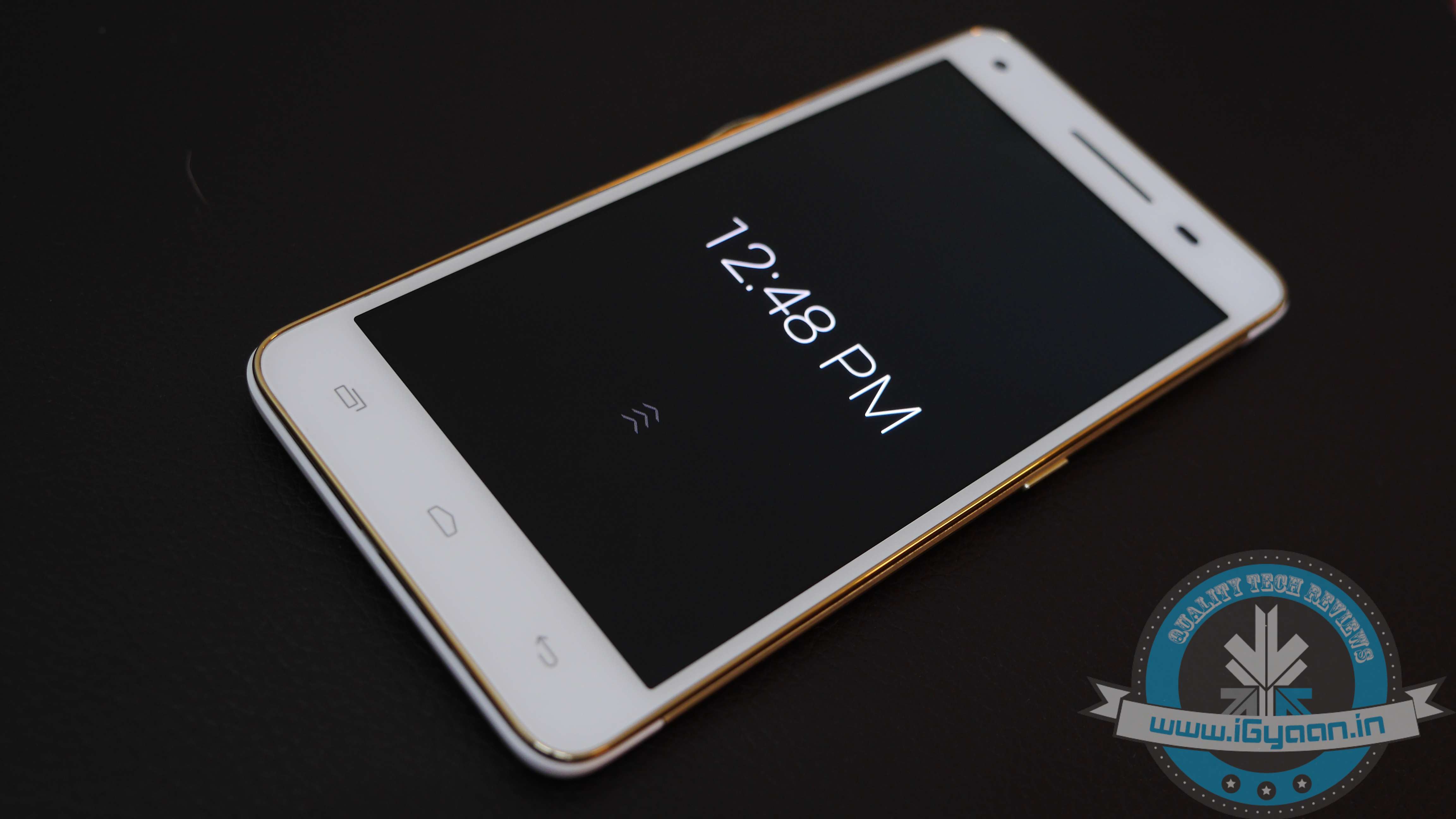
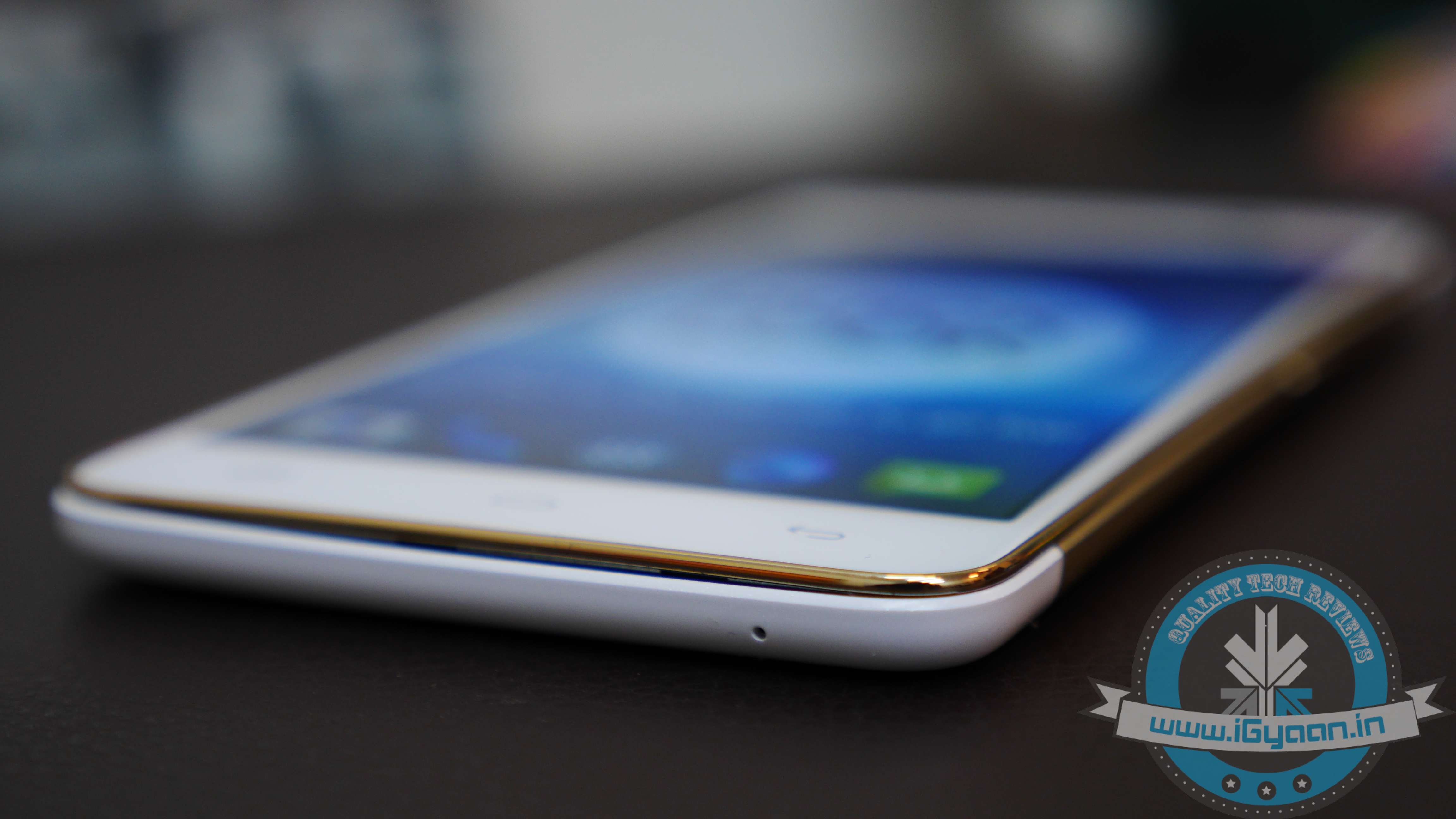
    There no denying that the Canvas 4 Plus appears to be a makeshift version of the iPhone, with a similar slim form factor, rounded edges and also bendable. Yes! You read that right; we were fiddling around with the phone to test its durability and it led to some awkward moments in our test lab. The phone did bend and the golden bezel running across the sides are now slightly off their normal position.

    Moving on, there’s a gold a backplate that covers most of the back. The front houses the display along with the three physical capacitive buttons rearranged right below the display. Meanwhile, the back houses the primary camera on the top right while the phone’s loudspeaker is placed bang in the center below the metallic strip.

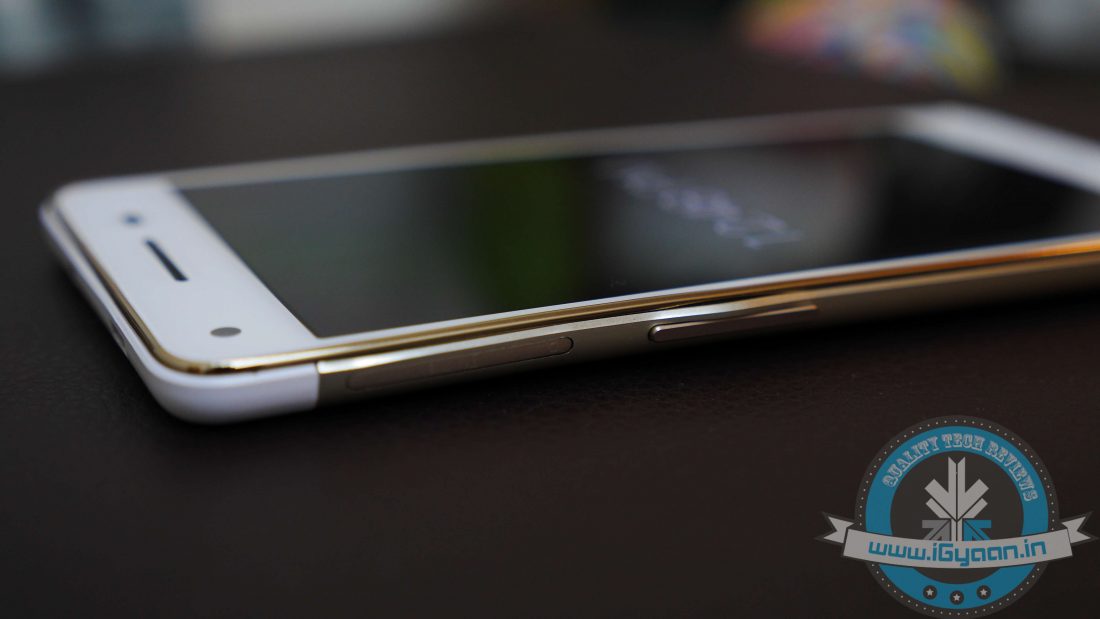
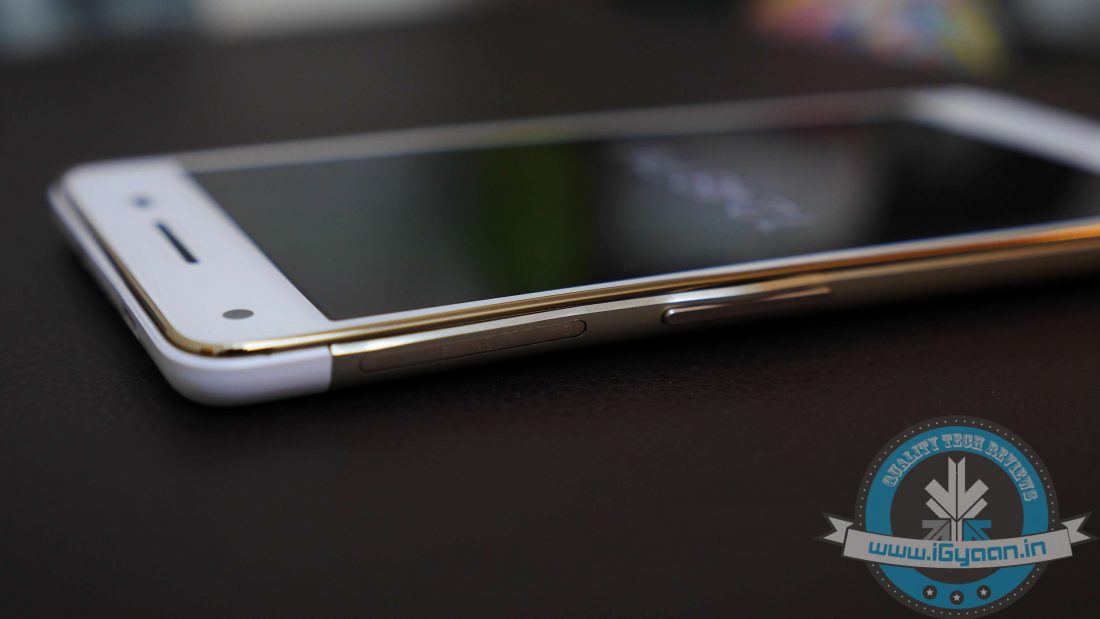
    Placed on top of the phone, are the micro-USB port along with the 3.5mm jack. The right edge houses the power button and a tray for the micro-SIM card, while the left side houses the volume rockers along with a flap for a regular sized SIM card. Opening the rear is quite task, as one needs to be dexterous to pull out the flap and then get a hold of it with a fingernail. In addition, the tray on the right also makes it  mandatory to use a pin to pop it up.

     That being said; the overall design of the phone is quite ergonomic, it feels pretty light and provides a really good grip. The slim form factor of the phone fits in the hand rather well making it rather good for one handed usage.

    The Canvas 4 Plus is not quite robust as one would like though the overall build quality and design of the Canvas Plus are rather satisfactory, unless you have a problem carrying an iPhone look alike.

    CAMERA

    The phone comes equipped with a 13 MP primary camera bundled with LED flash along with a 5 MP front camera for selfies, which is pretty decent, though does not justify the megapixel count.

    The rear snapper can take some fairly good shots in well lit conditions. Colour reproduction is pretty decent though images don’t come across quite as sharp given 13 MP camera, especially while taking macro shots. While taking long shots, the camera again had issues getting the exposure right. In addition, the camera couldn’t take quality shots in low light as they appeared a tad grainy.

    Here are a few samples taken from the primary camera-

    Meanwhile, the front 5MP cam can take pretty decent selfies, though going by the number of megapixel count, it does not justify the image quality. Hence, it’s safe to say the overall camera performance is just about average, given the specs of the camera unit.

    PERFORMANCE AND OS

    The Micromax Canvas 4 Plus is quite a beast in terms of performance; it just zips through day to day tasks without a twitch. The phone’s benchmark scores say it all, scoring a whopping 31,649 in Antutu, a Quadrant score of 16,122 while it racked a Nena Mark II score of 68.3 FPS. The phone can handle anything thrown at it, from high-end games to HD videos. It won’t fetter while multitasking, perfect for heavy users.

    DEVICE NAME Antutu Benchmark Nena Mark II Quadrant Standard
    Micromax Canvas 4 Plus 31,649 68.3 fps 16,122
    Huawei Honor 6 41900 59.1 fps 10,939

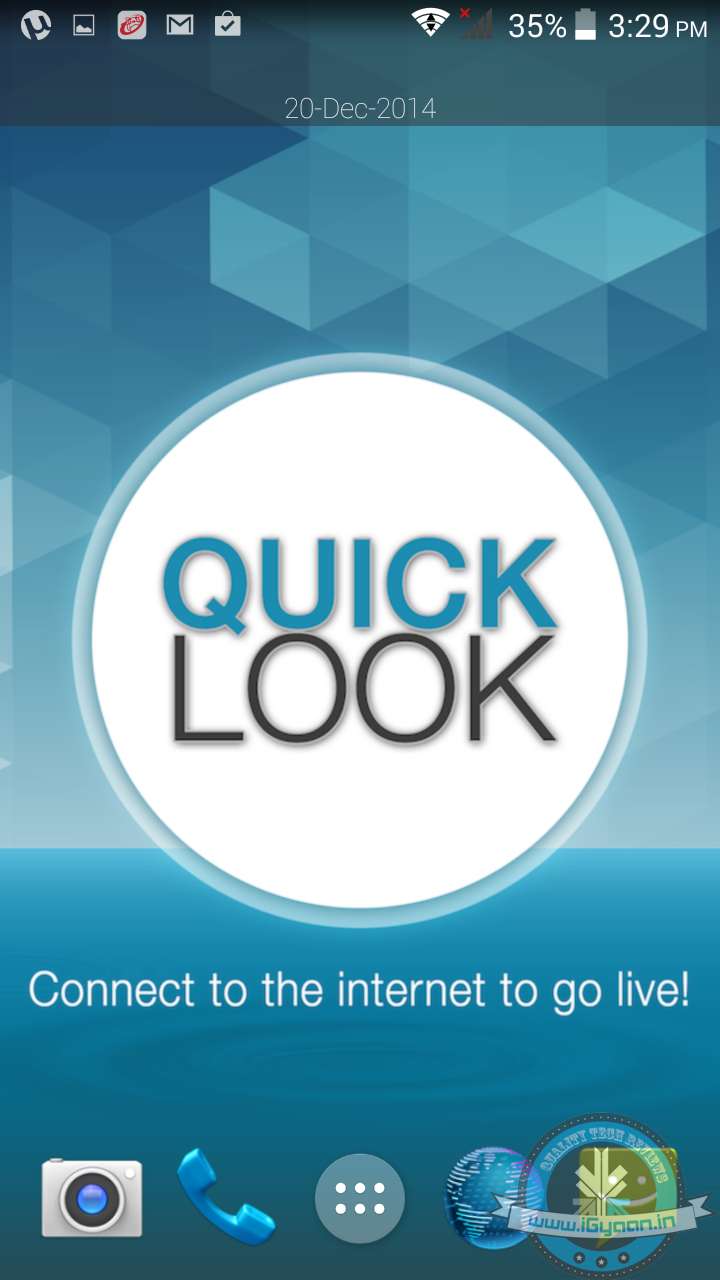
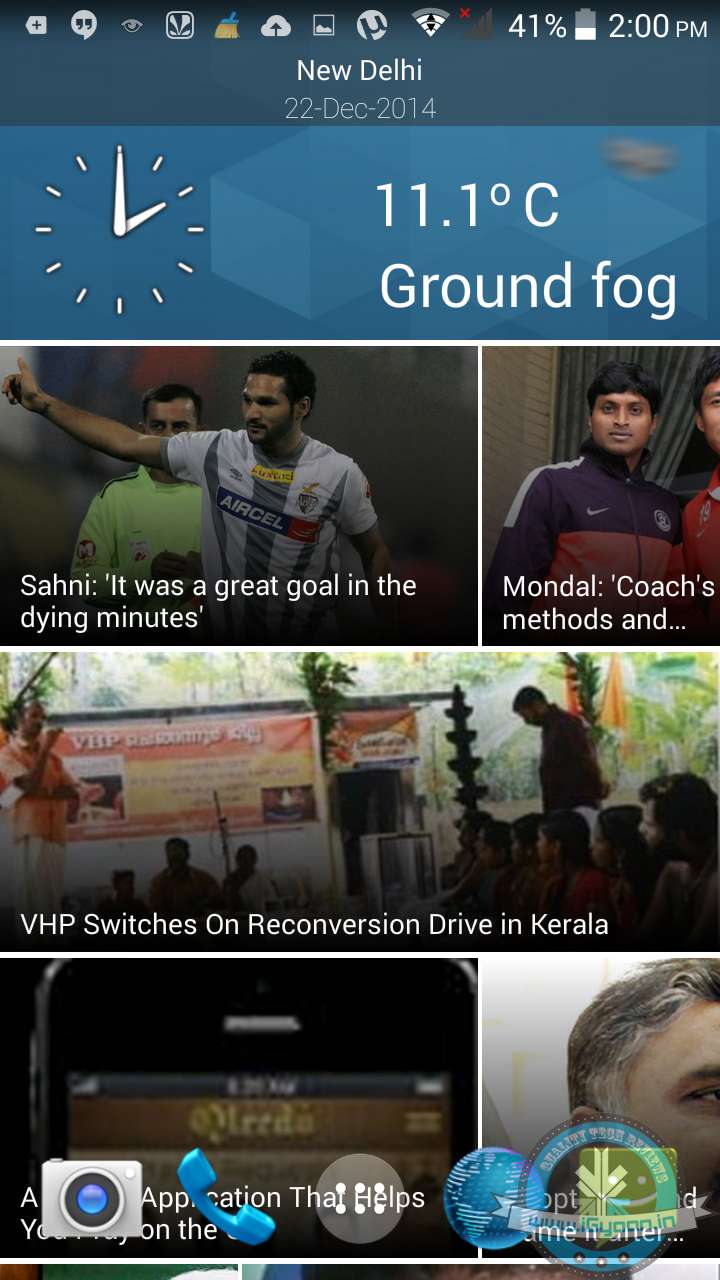
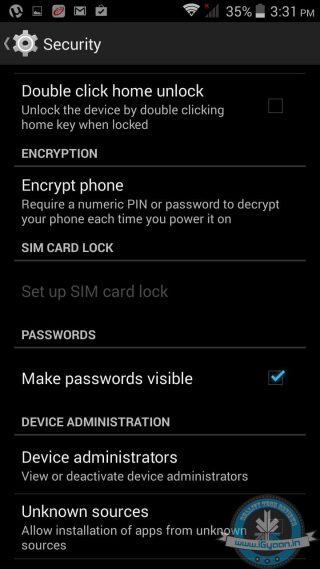
    Coming to the OS, the Micromax Canvas 4 Plus runs the Android 4.4.2 (KitKat) apart from a few minor functional tweaks. The UI is very similar to the Canvas Nitro. The pitch black screen displays only notifications on multi coloured strips which is rather refreshing. It displays quick notifications and updates and works well with QuickLook (aka Blinkfeed for non HTC devices).

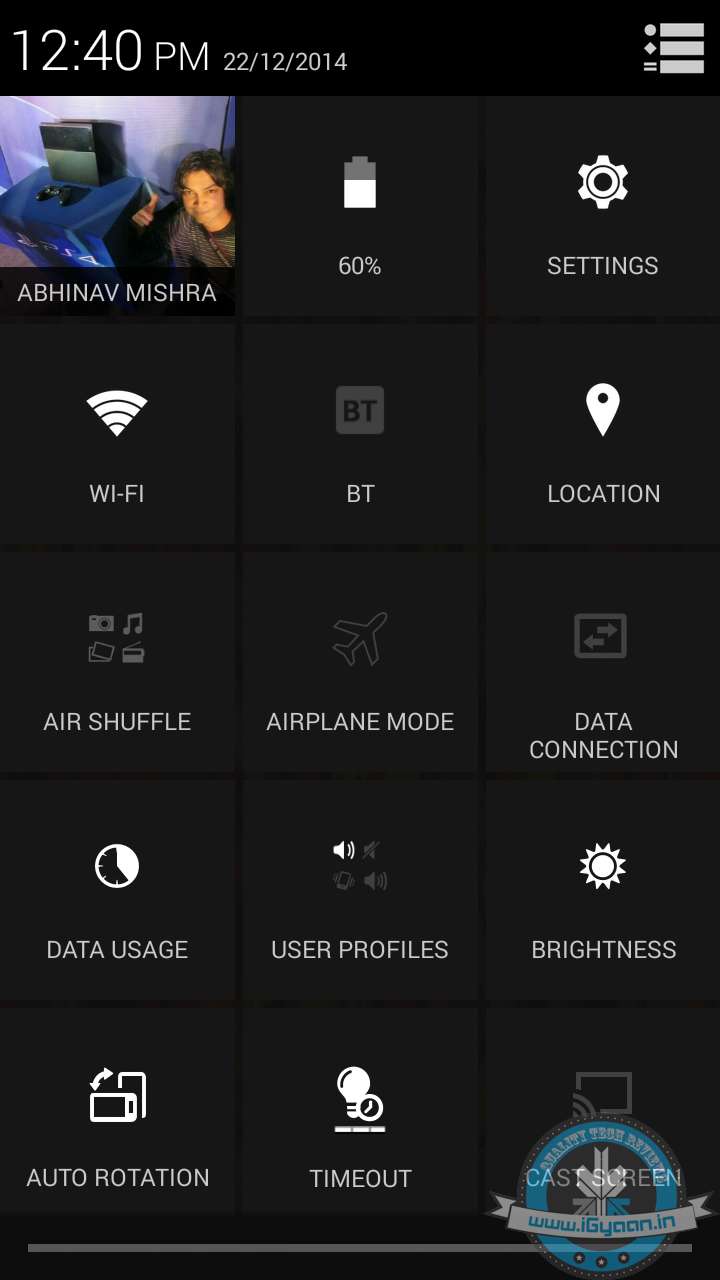
    Micromax has also added Air-shuffle which enables users to wave their hands over the ambient light sensor to shuffle music and radio stations, along with taking pictures via the camera app. Something we saw in Samsung’s pricier smartphones and also works seamlessly on the Canvas 4 Plus. In addition, Micromax has also bundled the Swift Key keyboard which is rather delightful. Also crammed in are quite a few apps which cannot be uninstalled, while the OS also comes pre-loaded with a few trial games including Smash It.

    Overall, the UI is rather swift and responsive and works really well with the set of pre-loaded apps.

    DISPLAY AND MULTIMEDIA

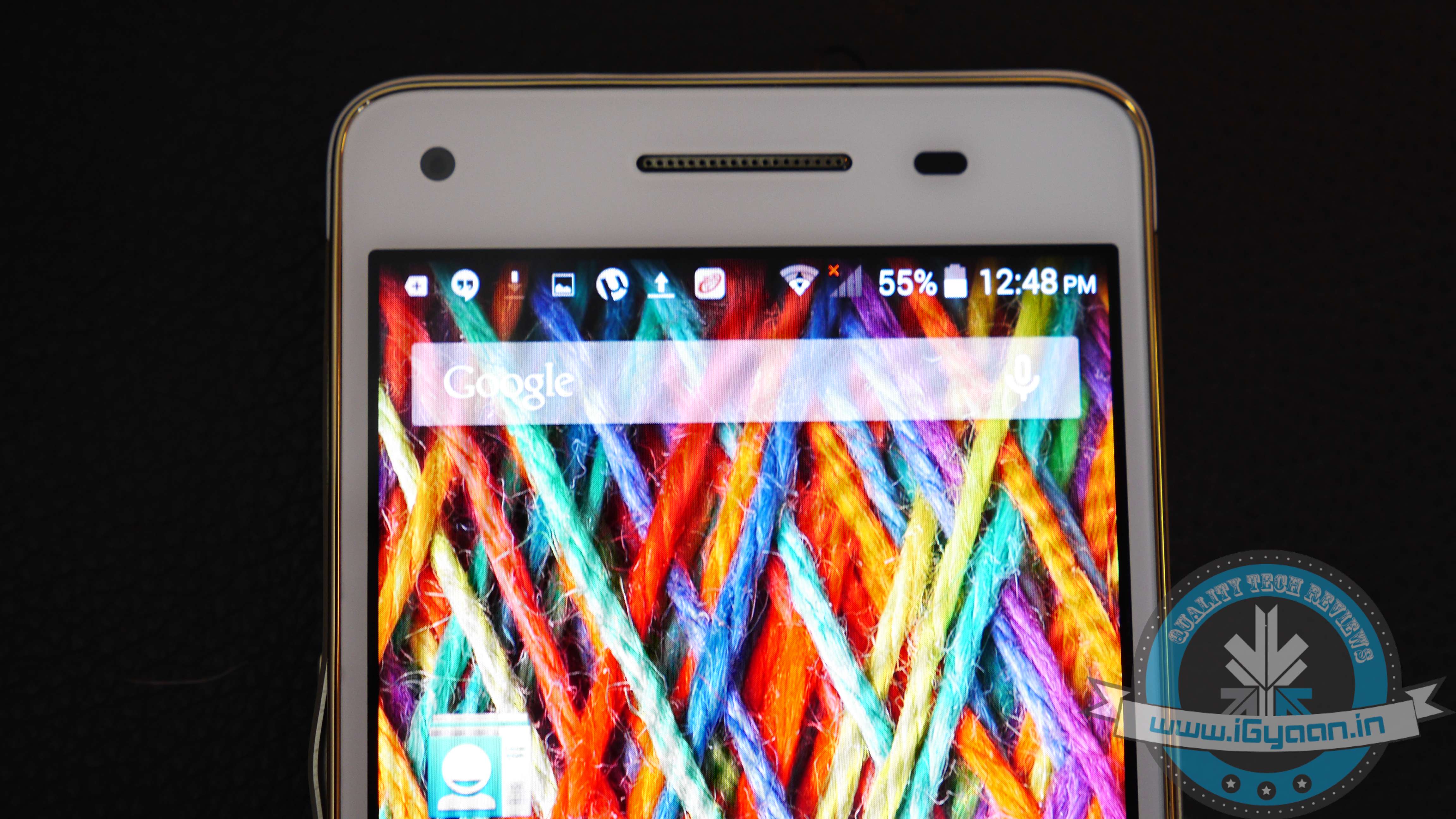
    The Canvas 4 Plus sports a 5 inch HD AMOLED display, which is pretty satisfactory, it works well indoors and outdoors. Texts appear nice and sharp, though viewing angles aren’t that great. In addition, colours do appear quite over saturated and overblown. That being said, the overall display is rather satisfactory. You will totally appreciate media consumption on the display, despite the 720p screen.
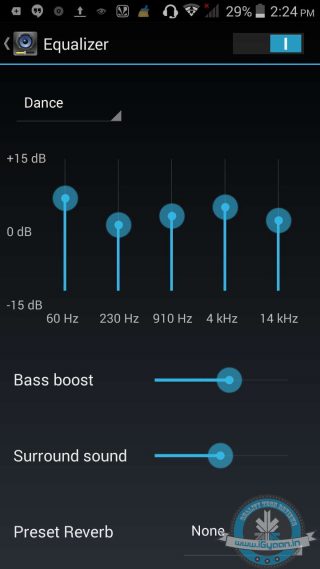
    Micromax Canvas 4+P1070738The audio quality is pretty good, there’s an Audio enhancer when you plug in the headset, along with a feature called ‘BestLoudness’ to further bolster the volume.

    PHONES, NETWORKS, AND BATTERY

    The call quality of the phone is pretty top notch, both indoors as well as outdoors and we didn’t experience any call drops either. Meanwhile, Wi-Fi connectivity is pretty good as the phone latches onto available networks at ease.

    In terms of battery performance, the phone is better than many of the phones in the given price range. It can easily last a day of usage, with an average 4-5 hours of talktime.

    CONCLUSION

    The Canvas 4 Plus is a great phone for its price but has its own limitations. As we already mentioned, if you don’t have any qualms over flaunting this iPhone look alike infront of your peers, the Canvas 4 Plus is a good all round performer.

    Sporting an octa-core chipset, the phone does not compromise on its performance. Notably, its performance is at par with the cheaper Micromax Canvas Nitro (A310). There are however, other worthy alternatives in a similar price bracket, the evergreen and dependable Moto G (IInd Gen) or for that matter the Huawei Honor 6, which have more to offer than the Canvas 4 Plus, if you’re willing to spend an extra couple of thousand.


iGyaan Network
Privacy Overview

This website uses cookies so that we can provide you with the best user experience possible. Cookie information is stored in your browser and performs functions such as recognising you when you return to our website and helping our team to understand which sections of the website you find most interesting and useful.