Category: Brands and Companies

All Brands and Company Names

  • Unreleased Moto Z4 Accidentally Sold On Amazon, Buyer Posts Video On YouTube

    Unreleased Moto Z4 Accidentally Sold On Amazon, Buyer Posts Video On YouTube

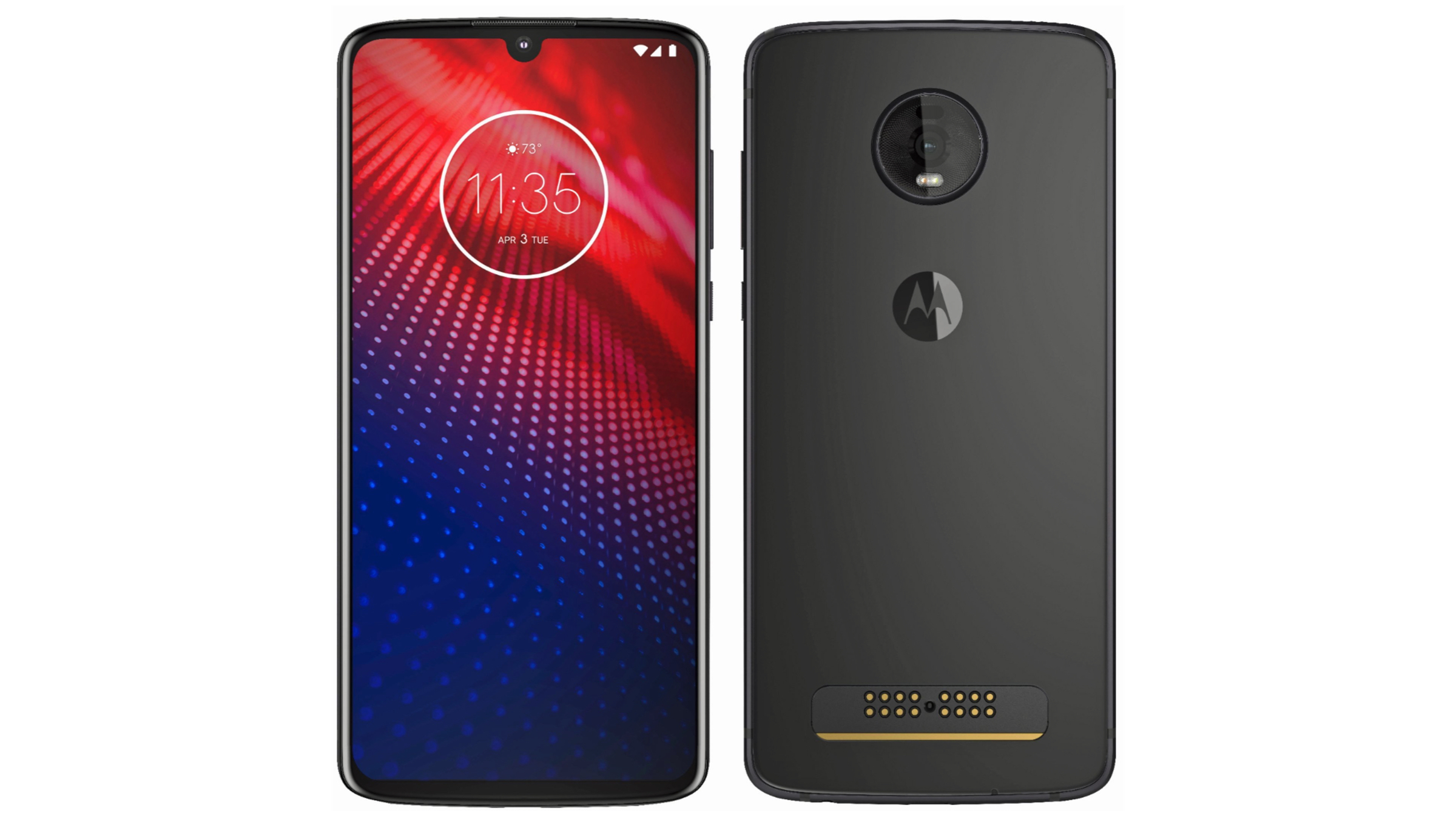
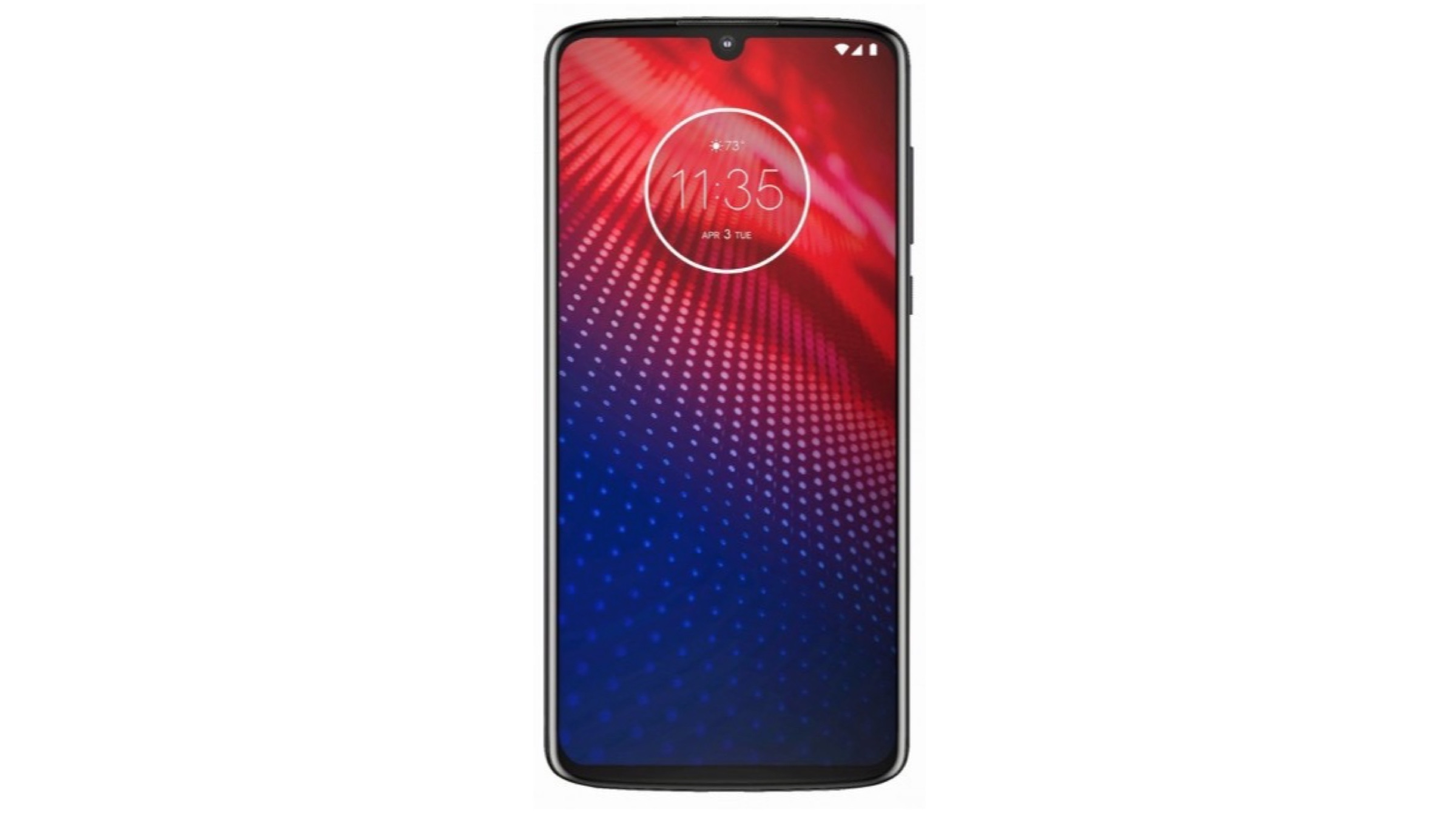
    Motorola’s long-awaited smartphone, the Moto Z4 that was set to replace its predecessor, namely the Moto Z3 of 2018, has had a lot of rumours and hype surrounding its release and pricing. There had been numerous leaks going around and a render that seemed promising. 
    Motorola

    Motorola had yet to provide a specific release date for its current-gen smartphone but in a bizarre turn of events, had the Moto Z4 listed in Amazon under a price tag of $499. Adding to the absurdity was the fact that a customer had actually bought the handset and making matters weirder, it actually got delivered.

    Amazon shortly afterwards took down the listing of Moto Z4 after a Reddit post, by the aforementioned customer, started gaining traction online. However, it is already confirmed through the Amazon listing, the specification that the phone will carry. Sporting a 6.39-inch FHD+ OLED FullVision display alongside a Snapdragon 675 and 4GB of RAM with 128GB of storage. Powered by a 3600 mAh battery with 15W charging and a headphone jack as well.
    Motorola

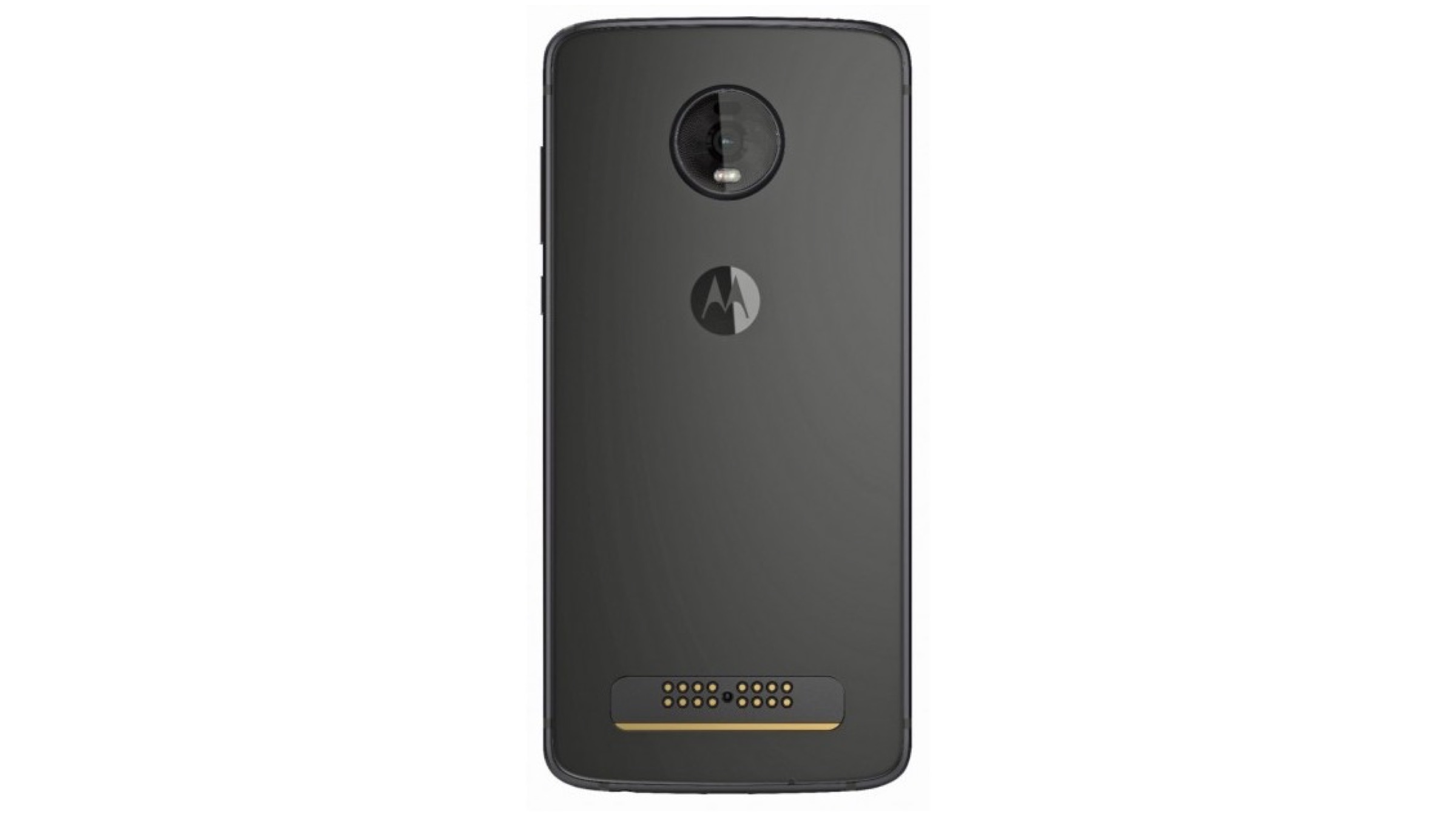
    The Moto Z4 receives an upgrade with its 48MP primary back camera that utilizes pixel binning (Quad Pixel technology) for a 12MP photo and the front-facing camera that has a 25MP sensor. The smartphone also offers an in-display fingerprint sensor and MicroSD card slot that is compatible with storage upto 2TB. A P2i splash-proof nano-coating, for protection against accidental spillage. The phone is built out of 6000 series aluminium, and a 2.5D curved glass layer finish on top. Moto Z4s display is protected by Corning’s Gorilla Glass 3.

    Also ReadOnePlus 7 Pro Nebula Blue Edition To Go On Sale For The First Time In India

    Leaks similar to the Z4 also point towards a Z4 Force variant of Motorola. A screen protector on Amazon that is said to ‘Only fit the Moto Z4’ has been found. No other finder details have been announced by the company on its exact specifications and features or release date. However, the Moto Z4 Force is speculated to have the Snapdragon 855 and 8GB of RAM, powered by a 3230mAh battery.

  • OnePlus 7 Pro Nebula Blue Edition To Go On Sale For The First Time In India

    OnePlus 7 Pro Nebula Blue Edition To Go On Sale For The First Time In India

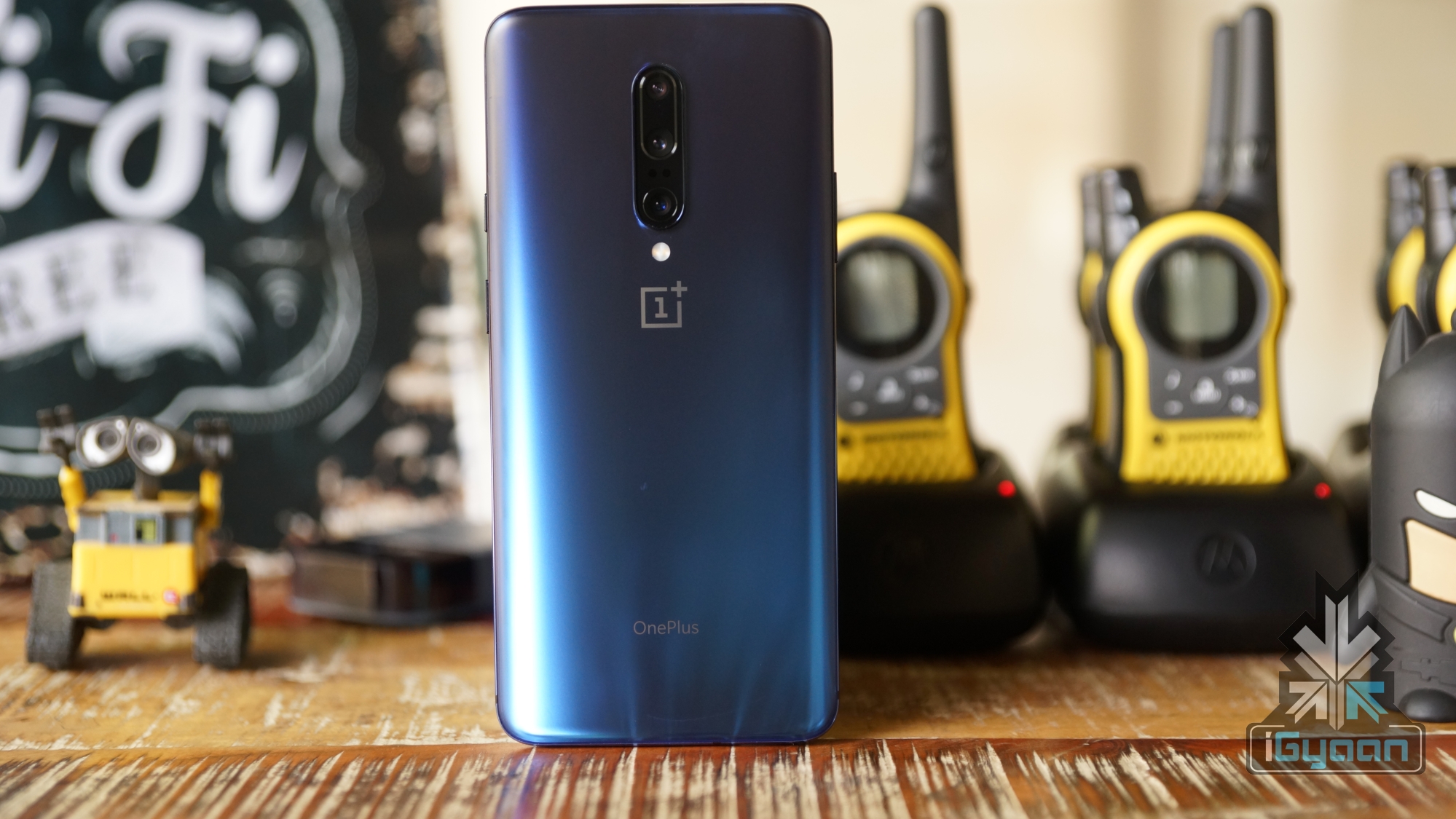
    Chinese smartphone OEM OnePlus launched its latest flagship device, the OnePlus 7 Pro at an event on the 14th of May. The handset boasts of top tier specifications at a comparatively affordable price tag than its competitors. While the smartphone was unveiled in three colour variants at the time of launch namely Mirror Black, Almond and Nebula Blue; the company only made available the former for the initial sales. Now, the much-awaited colour variant of the three, the Nebula Blue is all set to go on sale for the first time in India today. Noteworthy, it is the only variant at the moment available in the 12GB RAM and 256GB ROM configuration.

    Pricing & Availability

    The OnePlus 7 Pro Nebula Blue as mentioned above, features 12GB RAM and 256GB ROM. The smartphone will be available at a price of Rs. 57,999 for the top tier variant. For people looking for a more affordable deal, the variant with 6GB RAM and 128GB internal storage is priced at Rs. 48,999 while the 8GB RAM and 128GB ROM version retails for Rs. 52,999. It will go on sale at 12 noon starting May 28th with the availability of the Almond variant to be announced soon.

    OnePlus 7 Pro

    To recall, the OnePlus 7 Pro is the latest flagship offering from the company and the specced-up variant of the OnePlus 7. The smartphone measures 162.6 x 75.9 x 8.8mm and weighs 206 g. It has an all-glass design on the front and back with a metal chassis for reinforcement. The device has a 6.67 inch Fluid AMOLED display with a resolution of 3120 x 1440 px which gives it a pixel density of 516 ppi. 

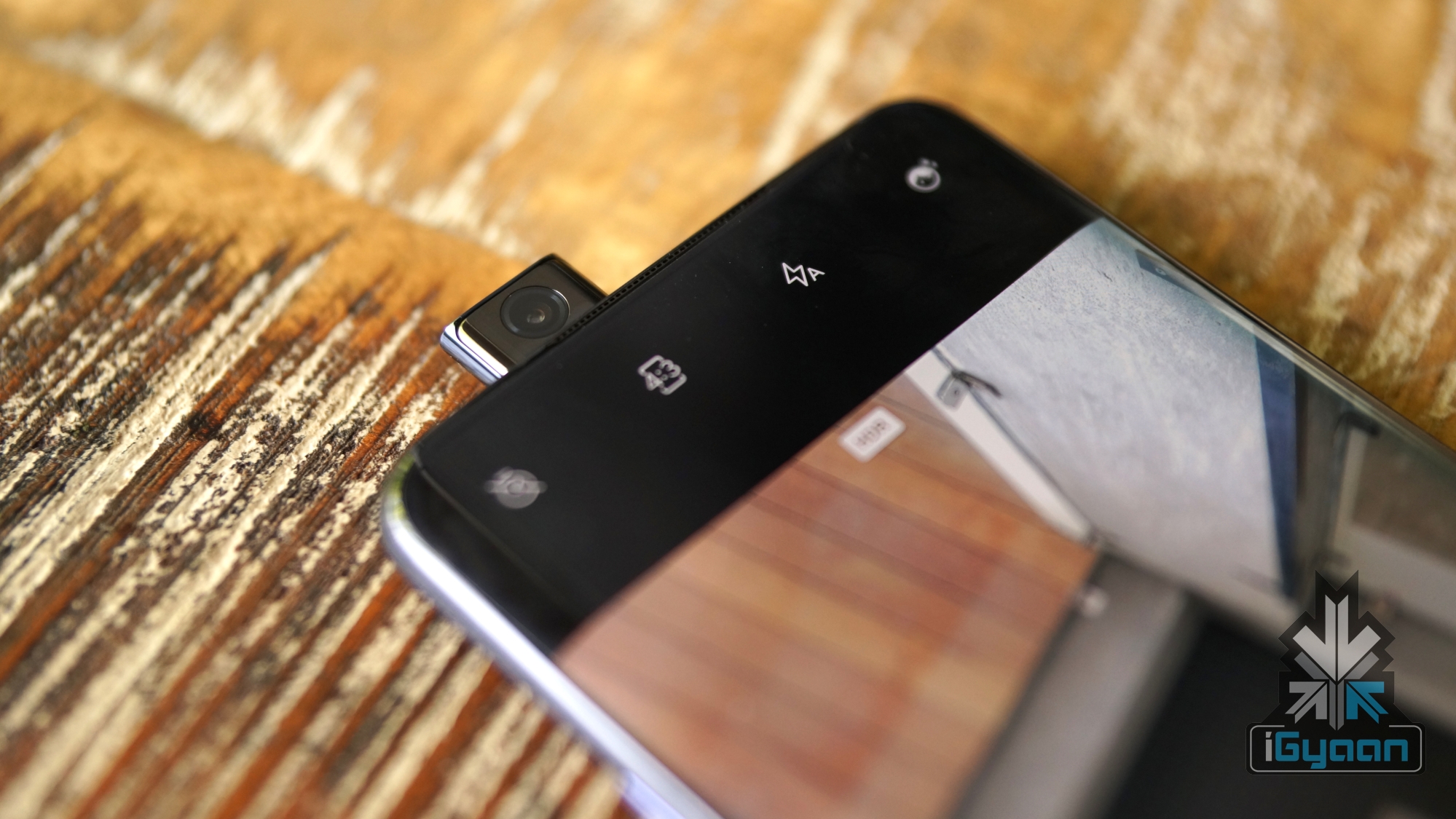
    The display on the OnePlus 7 Pro has a praiseworthy refresh rate of 90Hz which is also seen in handsets like the Asus ROG Phone and Nubia Red Magic 3. To maximise the screen real estate, the smartphone has minimal bezels on all sides of the display and utilises a pop-up mechanism to house the front-facing camera. For biometric security and rapidly unlocking the device, it features an in display fingerprint scanner with support for face unlock technology.

    OnePlus 7 Pro

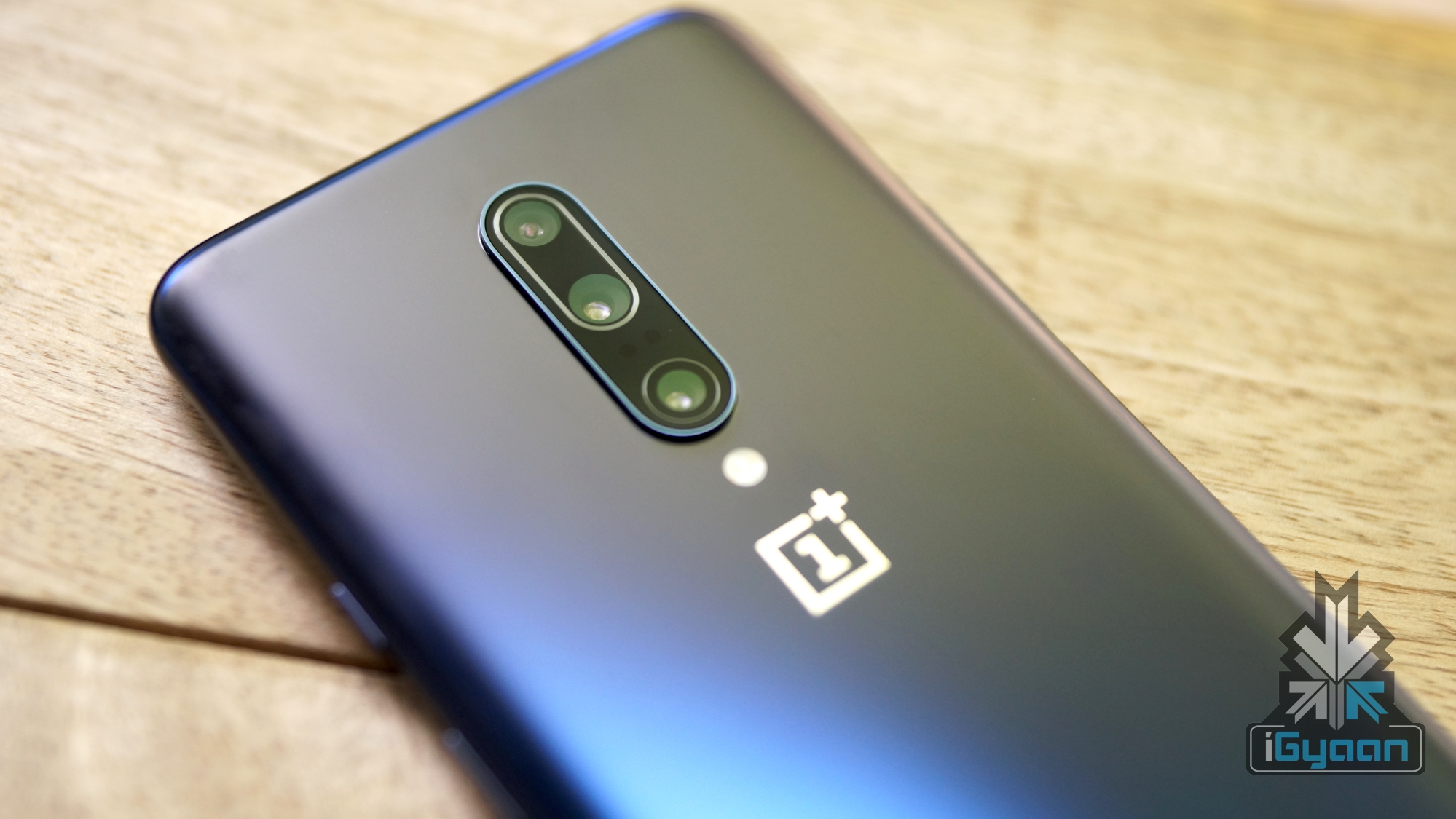
    Under the hood, the OnePlus 7 Pro is kitted with the 7nm Snapdragon 855 SoC which consists of an Octa-core CPU and the Adreno 640 GPU. In terms of optics, the smartphone has a triple rear camera setup comprised of an f/1.6 aperture equipped 48 MP primary sensor; and an f/2.4 aperture equipped 8 MP telephoto sensor with 3x optical zoom; the third sensor used is an f/2.2 aperture equipped 16 MP ultra wide angle lens with a Field of View (FoV) of 117 degrees.

    OnePlus 7 Pro

    It can also capture 4K videos at 60fps and supports Optical Image Stabilisation (OIS) for smoother footage. For selfies, an f/2.0 aperture equipped 16 MP camera is housed in the pop-up mechanism on top of the display. Video from the front camera is capped at 1080p resolution at 30fps. In terms of memory and storage, the handset will be available in the following variants.

    • 6GB RAM and 128GB ROM
    • 8GB RAM and 256GB ROM
    • 12GB RAM and 256GB ROM

    OnePlus 7 Pro

    Also read: Asus ZenBook Pro Duo With A Secondary ScreenPad Takes MacBook’s Touch Bar A Step Further

    The OnePlus 7 Pro is powered by a 4000mAh battery with support for 30W Warp Charging technology. The smartphone uses a new X-axis Haptic Vibration Motor which the company claims will provide it with better haptic feedback than the OnePlus 6T. In terms of connectivity, the device supports Wi-Fi 802.11a/b/g/n/ac, Bluetooth 5.0 and NFC. The OnePlus 7 Pro also boasts of Dual Stereo Speakers and Audio tuned by the Dolby Atmos technology. It is the first globally available smartphone to feature the Universal Flash Storage (UFS) 3.0 standard, which should result in fast read and write speeds.

  • Asus ZenBook Pro Duo With A Secondary ScreenPad Takes MacBook’s Touch Bar A Step Further

    Asus ZenBook Pro Duo With A Secondary ScreenPad Takes MacBook’s Touch Bar A Step Further

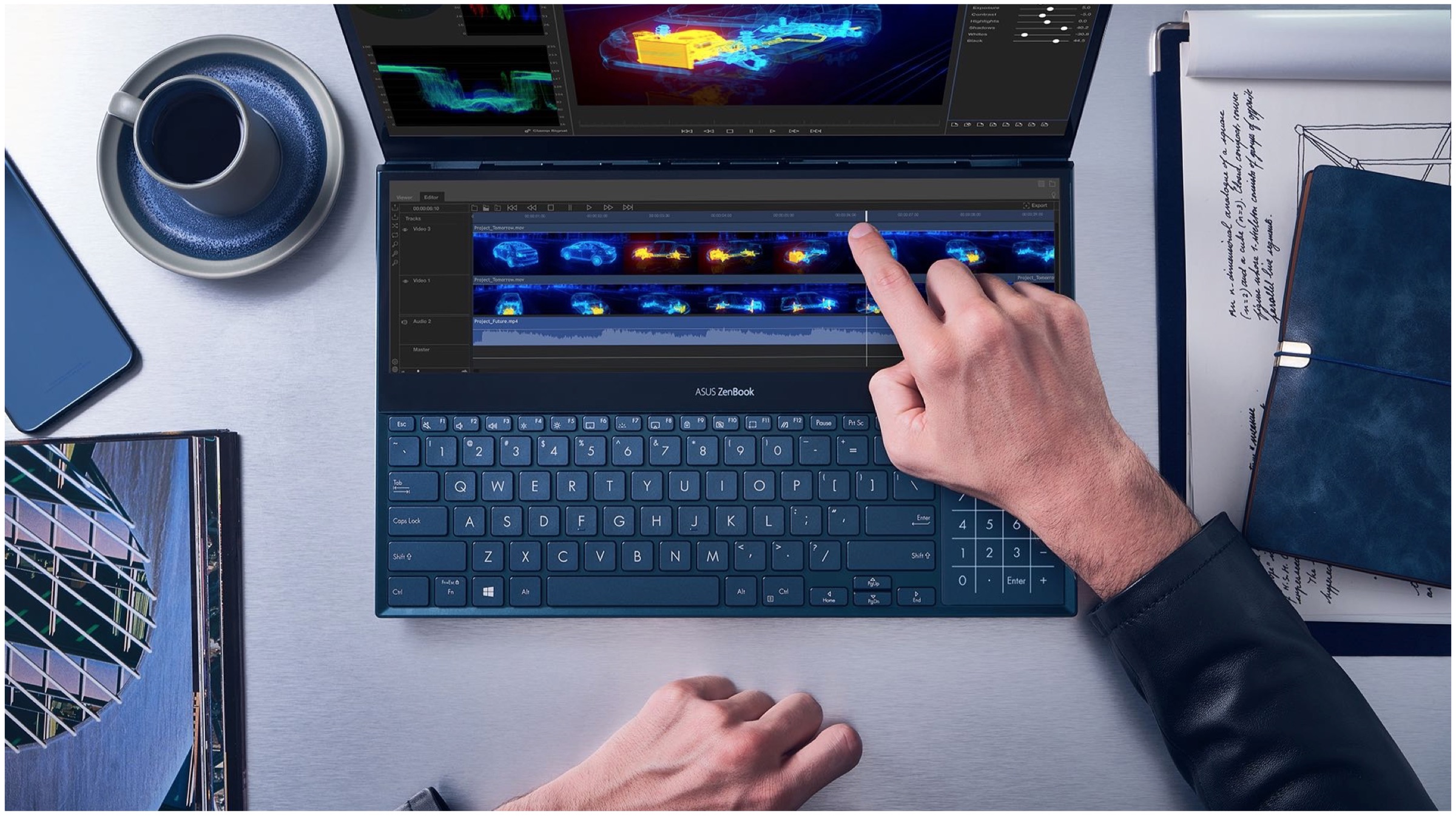
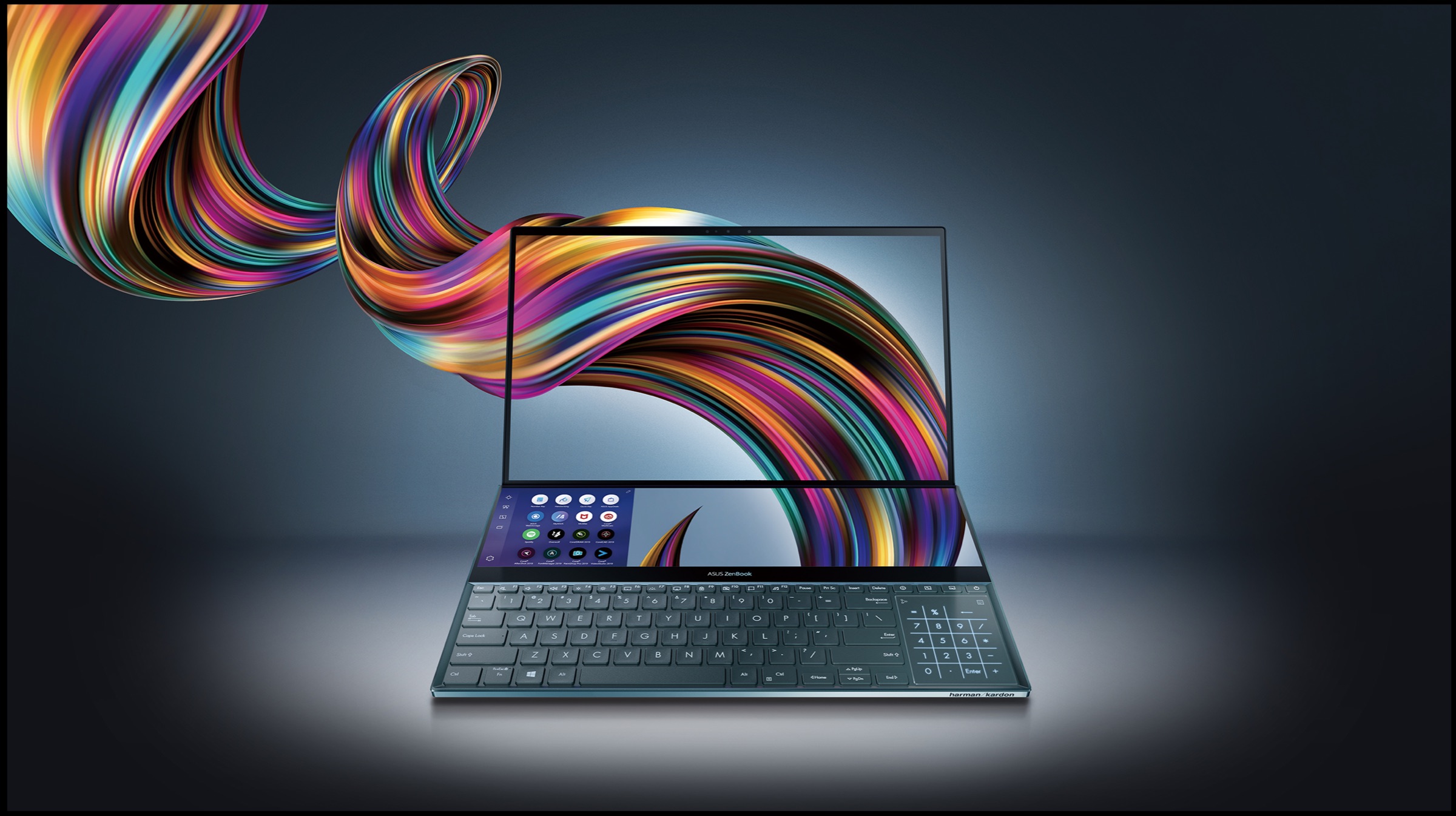
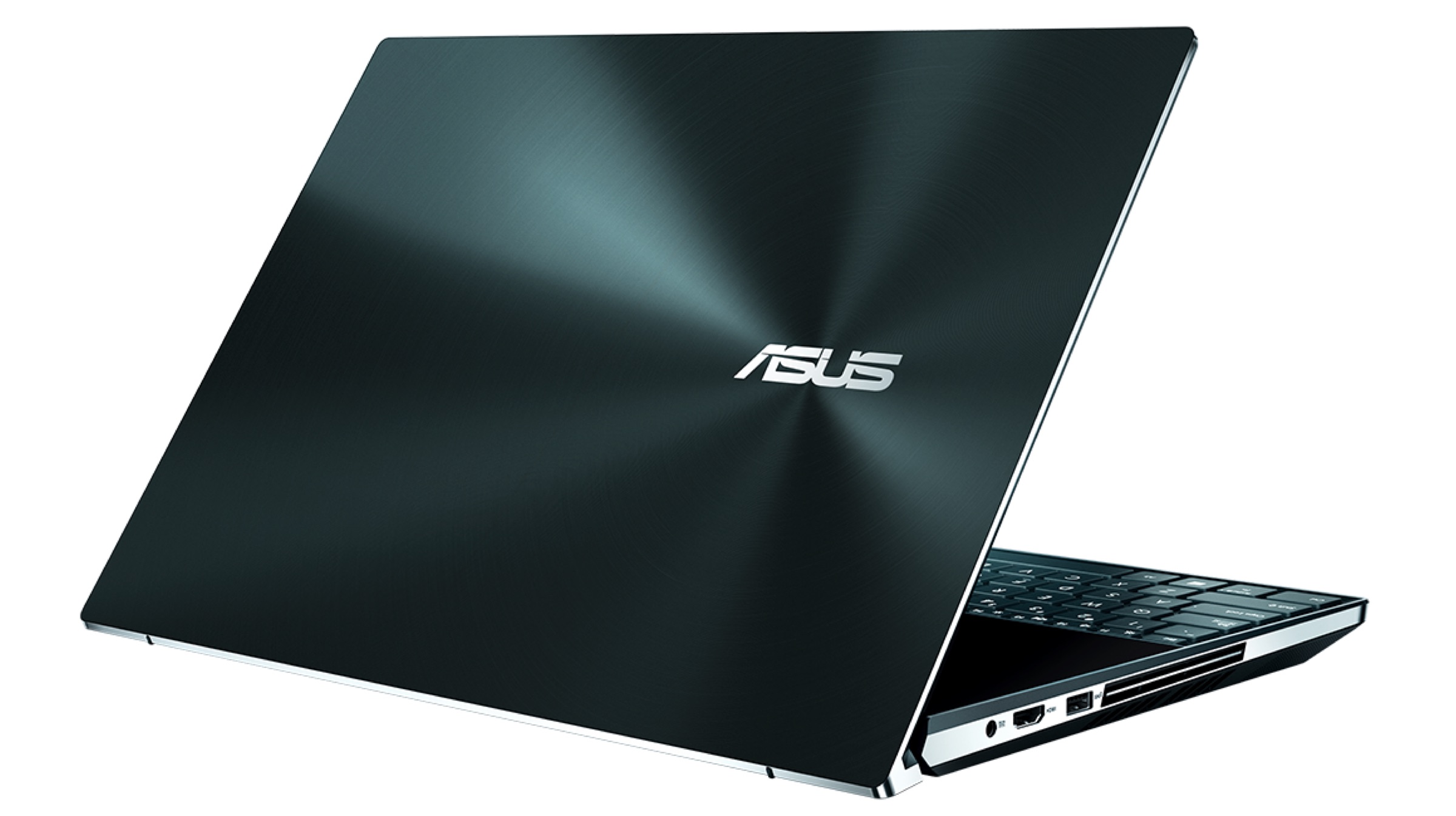
    Taiwan based electronics manufacturer, Asus has unveiled yet another innovative lineup of laptops at the Computex 2019. The said event is held in Taipei, Taiwan and it is one of the world’s biggest PC convention. Taking the Touch Bar from Apple’s MacBooks a step further, Asus unveiled the ZenBook Pro Duo which features dual displays.

    Asus ZenBook Pro Duo Specs & Design

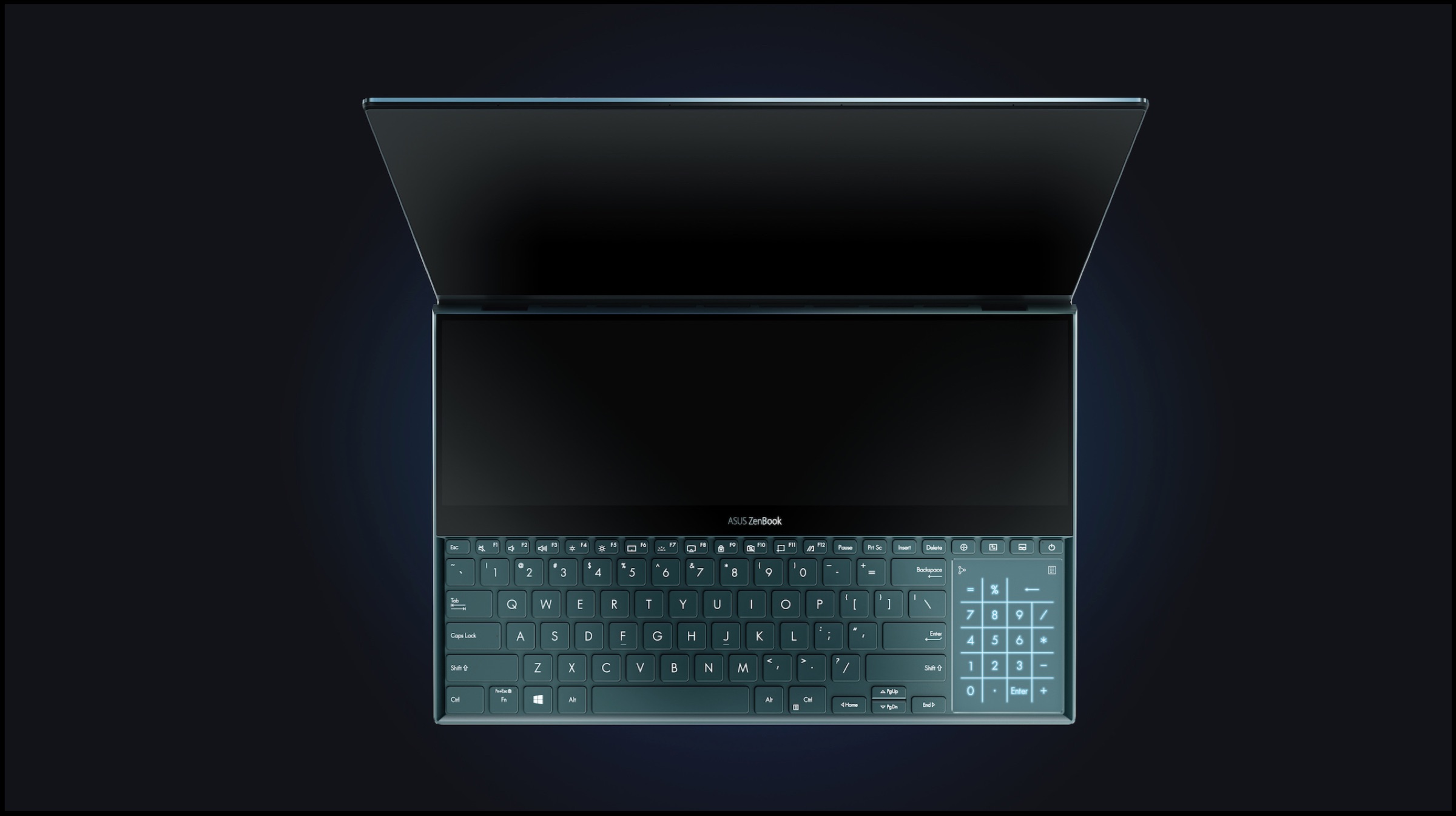
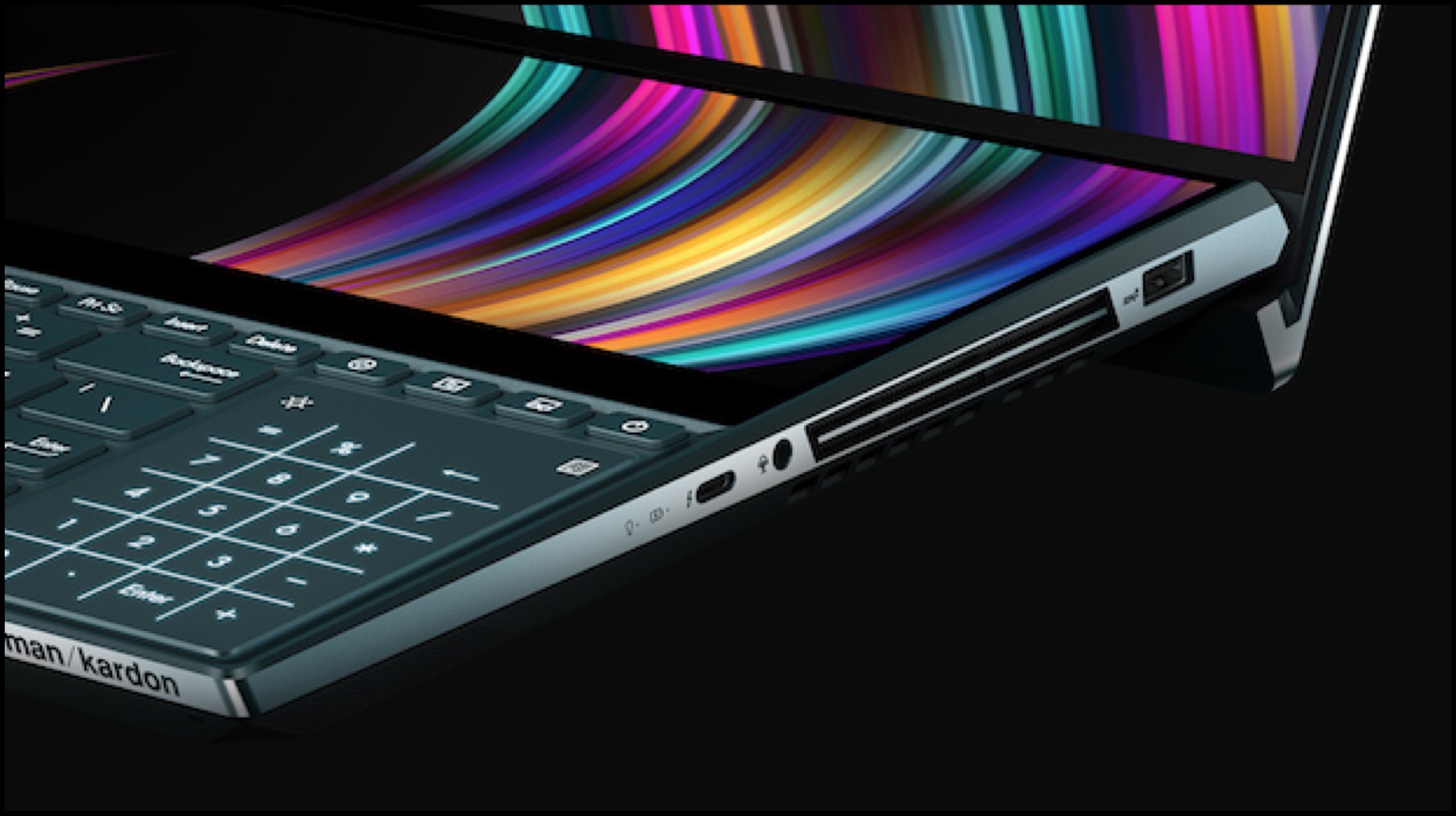
    As previously mentioned the Asus ZenBook Pro Duo has a distinctive design accrediting to two display. Out of the two displays, one is the primary screen while the second display is placed above the keyboard. The company has unveiled two models of the laptop which carry the following model numbers:

    • UX581
    • UX481

    The key differences between the two models are disparate CPU, GPU and screen size. The Asus ZenBook Pro Duo UX581 features a 15.6 inch touch screen main display along with the 14 inch ScreenPad Plus (secondary display). On the other hand, the more affordable Asus ZenBook Pro Duo UX481 has a 14 inch main display along with 12.6 inch ScreenPad Plus display. Notably, the beefed up UX581 features 4K display while the UX481 has a display with FHD resolution.

    In terms of processor, the Asus ZenBook UX581 is offered with two options a) i9-9980HK and b) i7-9750H. While the UX481 is offered only with the i7 option. The former features the Nvidia RTX 2060 GPU 6 GB of DDR6 RAM while the latter features Nvidia MX250 with 2 GB of RAM. The UX581 can be kitted with upto 32 GB of DD4 2666 MHz RAM while the former supports 2133 MHz DDR3 RAM upto 16GB.

    Both the Asus ZenBook Pro Duo laptops can be configured with similar storage options which include 1 TB PCIE x4 SSD or 512GB / 256GB PCIe x2 SSD. The primary difference between the two storage options is dissimilar read and write speeds. The x4 SSD are upto twice as fast as the x2 variant. Features including connectivity, webcam and I/O port are identical on two variants of the Asus ZenBook. They support Wi-Fi 6 and Bluetooth 5 along with an IR webcam with Windows Hello Support. I/O ports on the two laptops are as follows:

    • 1 x Thunderbolt
    • 3x USB-C
    • 2 x USB 3.1 Gen 2 Type-A
    • 1 x Standard HDMI
    • 1 x Audio combo jack
    • 1 x DC-in

    Notably, the economical Asus ZenBook Pro Duo UX481 also has a Micro SD card slot. The former is powered by a 70 Wh battery while the UX581 is powered by a 71 Wh battery. 

    Talking about the ScreenPad it is mainly targetted towards content creators who can use the secondary display to control or monitor additional controls in certain apps. One example of the ScreenPad would controlling additional features in video editing programs.  

    Also Read: Lenovo’s Project Limitless Features a 5G Laptop Running On Snapdragon 8cx CPU Processor

    All in all, the newly launched Asus ZenBook Pro Duo ultrabooks laptop seem highly innovative. However, the price of the two devices is yet to be unveiled which can be expected in the near future. 

  • Lenovo’s Project Limitless Features a 5G Laptop Running On Snapdragon 8cx CPU Processor

    Lenovo’s Project Limitless Features a 5G Laptop Running On Snapdragon 8cx CPU Processor

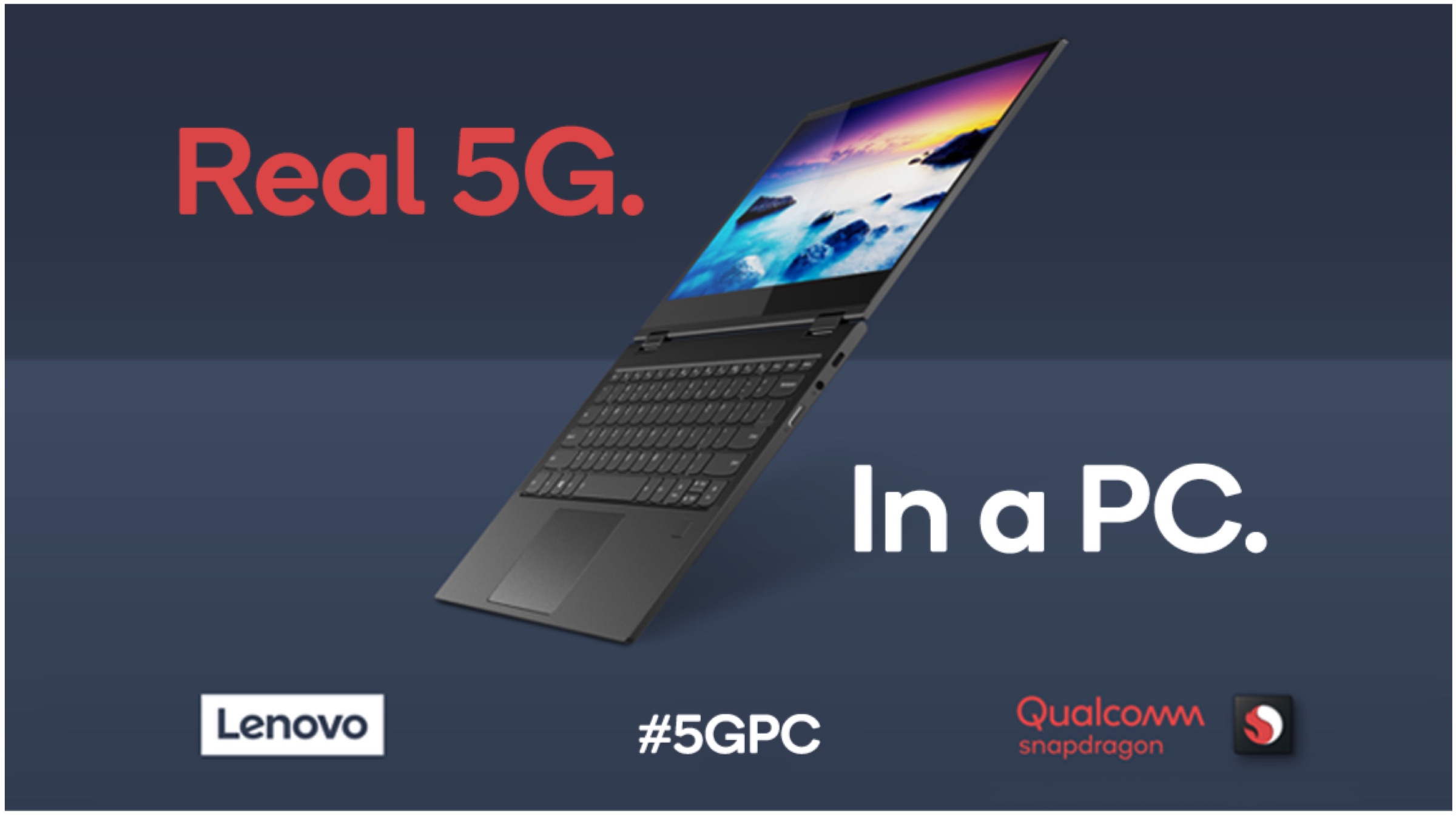
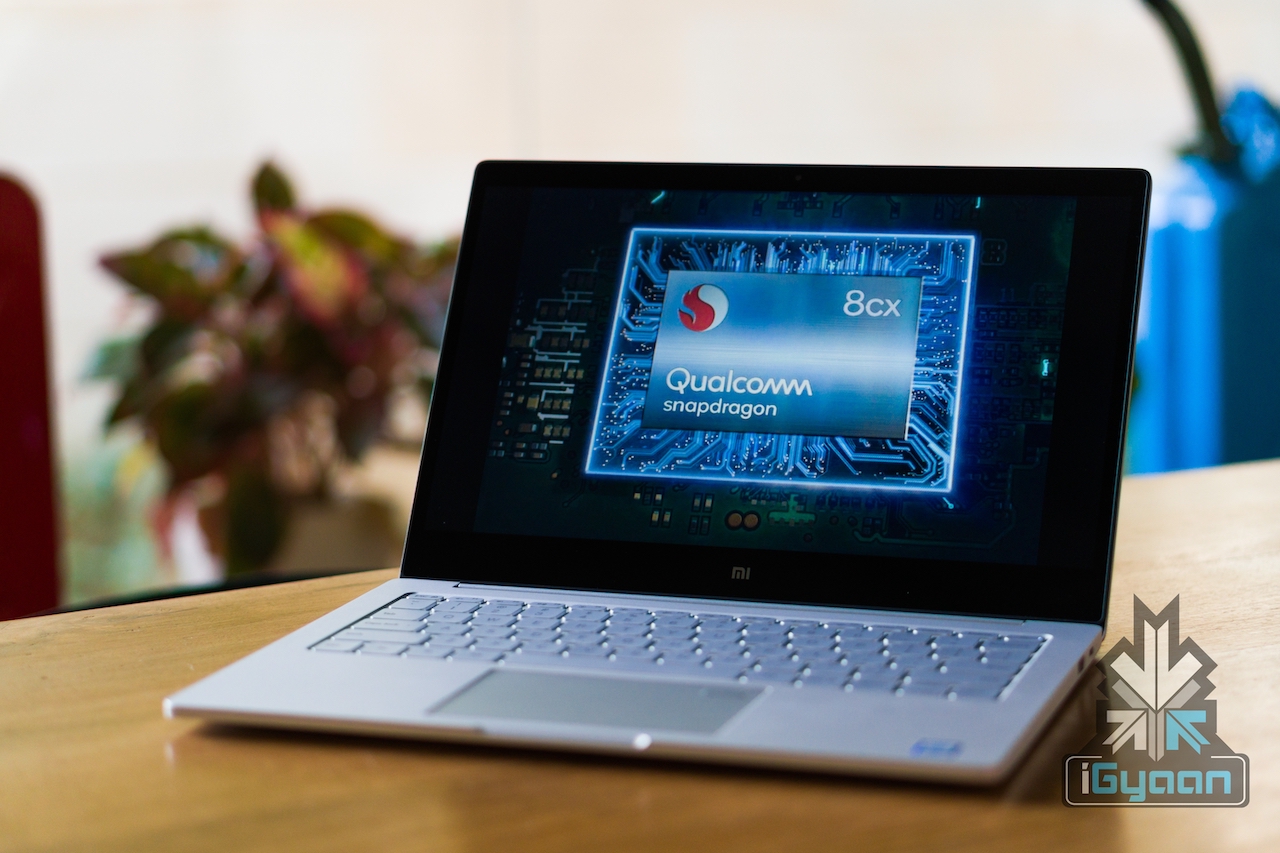
    Lenovo along with other tech giants has made great strides in technological development that has been showcased at Computex 2019. Lenovo and Qualcomm have yet to divulge finer details regarding their Project Limitless other than the fact that the driving technology leading to this innovation is Qualcomm’s very own Snapdragon 8cx chipset that supports 5G connectivity.

    Unveiled last December, the Snapdragon 8cx claims great performance with amazing battery life for Windows on ARM devices. Designed specifically to tackle issues and concerns surrounding Snapdragon’s previous iterations on PCs. The octa-core Kyro 495 CPU on the chipset features an increased 10MB cache, improving on Chromes performance than its previous versions. Built on a 7nm architecture the Snapdragon 8cx in the Lenovo laptop is reportedly a ‘lot more’ power efficient than the Snapdragon 855. A ‘lot more’ not in terms of hours but days.Lenovo 

    The Units that were made available to the attendees of Computex were, however, demos, so no real benchmark on network speeds are available. According to the demo devices system settings, the Snapdragon 8cx CPU was reported to have been running at 2.8GHz clock speed along with 16GB of RAM, all in all, specs comfortable enough for multitasking processes. 

    Qualcomm, for comparison purposes, showcased its products capabilities by pitting it against its targetted rival, i.e Intel’s Core i5-8250U. Using the new PCMark 10 Application benchmark on systems of similar specs had the Qualcomm’s 8cx beat the Intel’s i5 on apps like Microsoft Edge and Word. Intel’s processor won on other apps like Excel and PowerPoint. 

    Also ReadRazer Adds Quadro RTX 5000 GPU To Blade Ultrabook Laptops

    This may cement Qualcomm in the laptop grade CPU market and have their Snapdragon brand expand to laptops alongside Lenovo. The inclusion of 5G networking on sub-6GHz connection is a great plus point as well that goes along with the ‘Limitless’ nomenclature.


  • Apple iPhone XI To Have Full Screen Touch ID

    Apple iPhone XI To Have Full Screen Touch ID

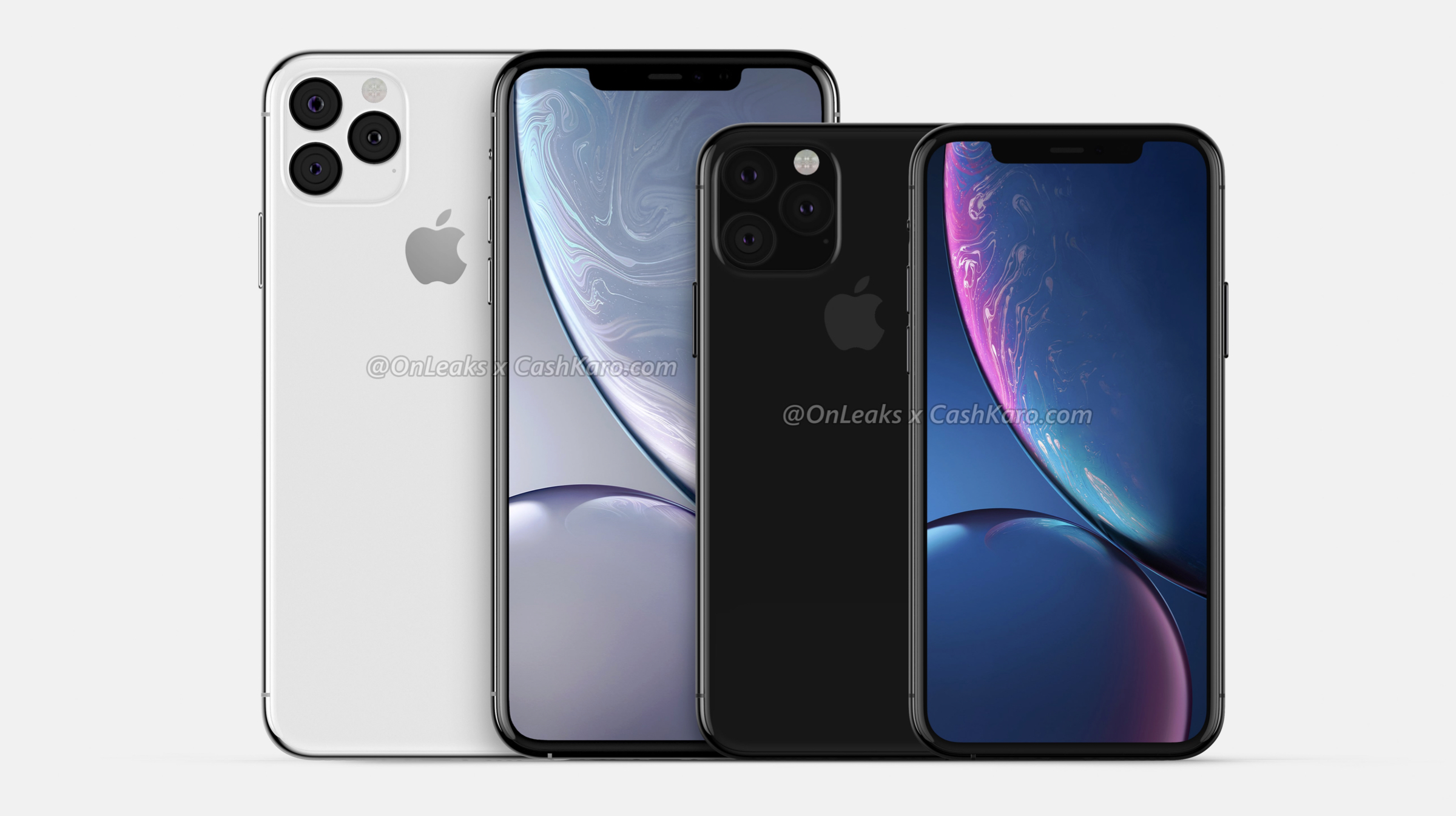
    Apple’s upcoming flagship smartphones have been a centrepiece of leaks and rumours for quite some time now. Going by previous leaks, the smartphones will feature triple rear camera sensors which may be set up in a triangular fashion. However, the latest revelations have nothing to do with the device’s camera. Instead, information regarding the biometric security has been leaked, and it divulges that the Apple iPhone XI may have a full screen Touch ID integration.

    Apple iPhone XI Leaked Details

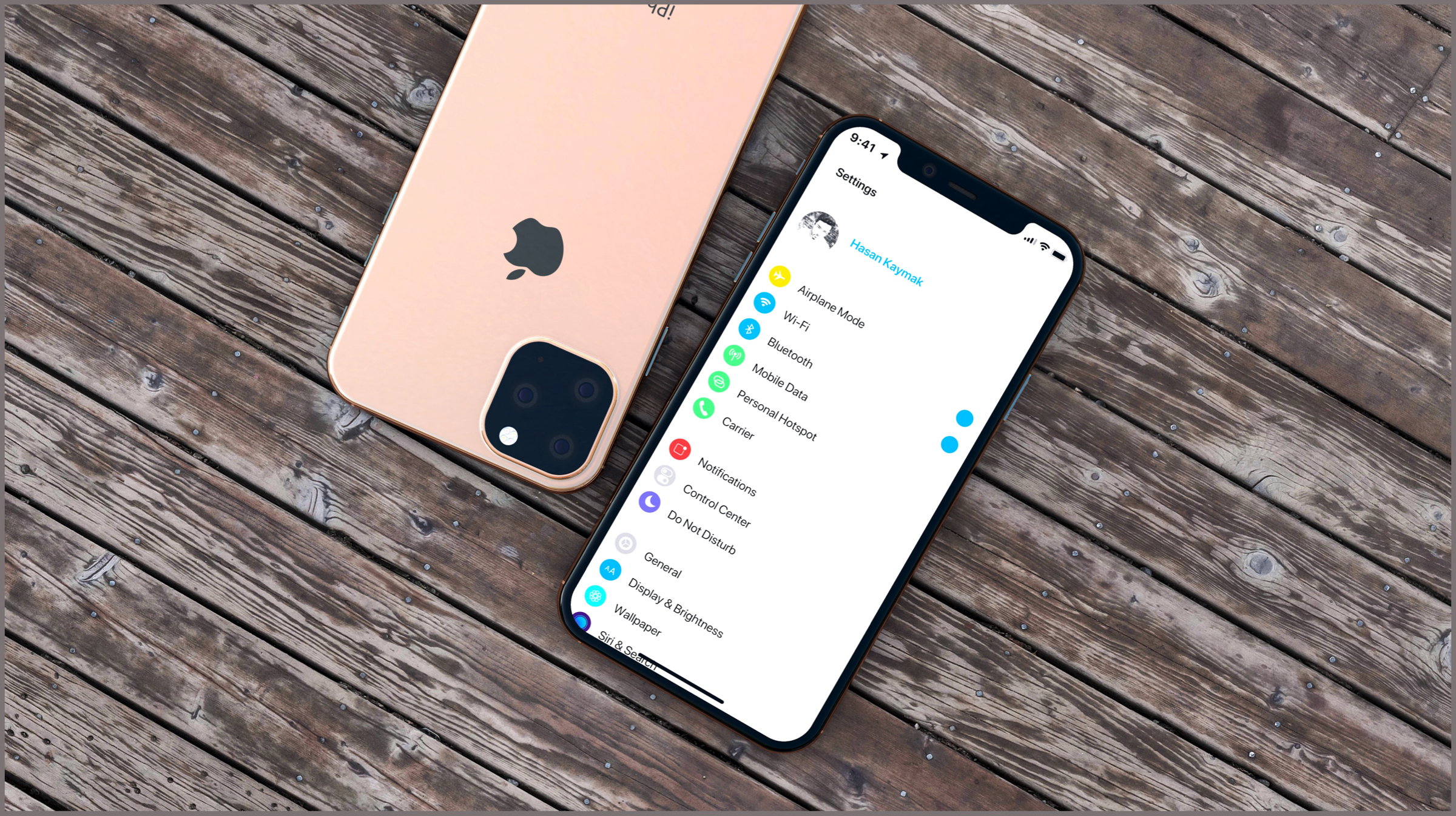
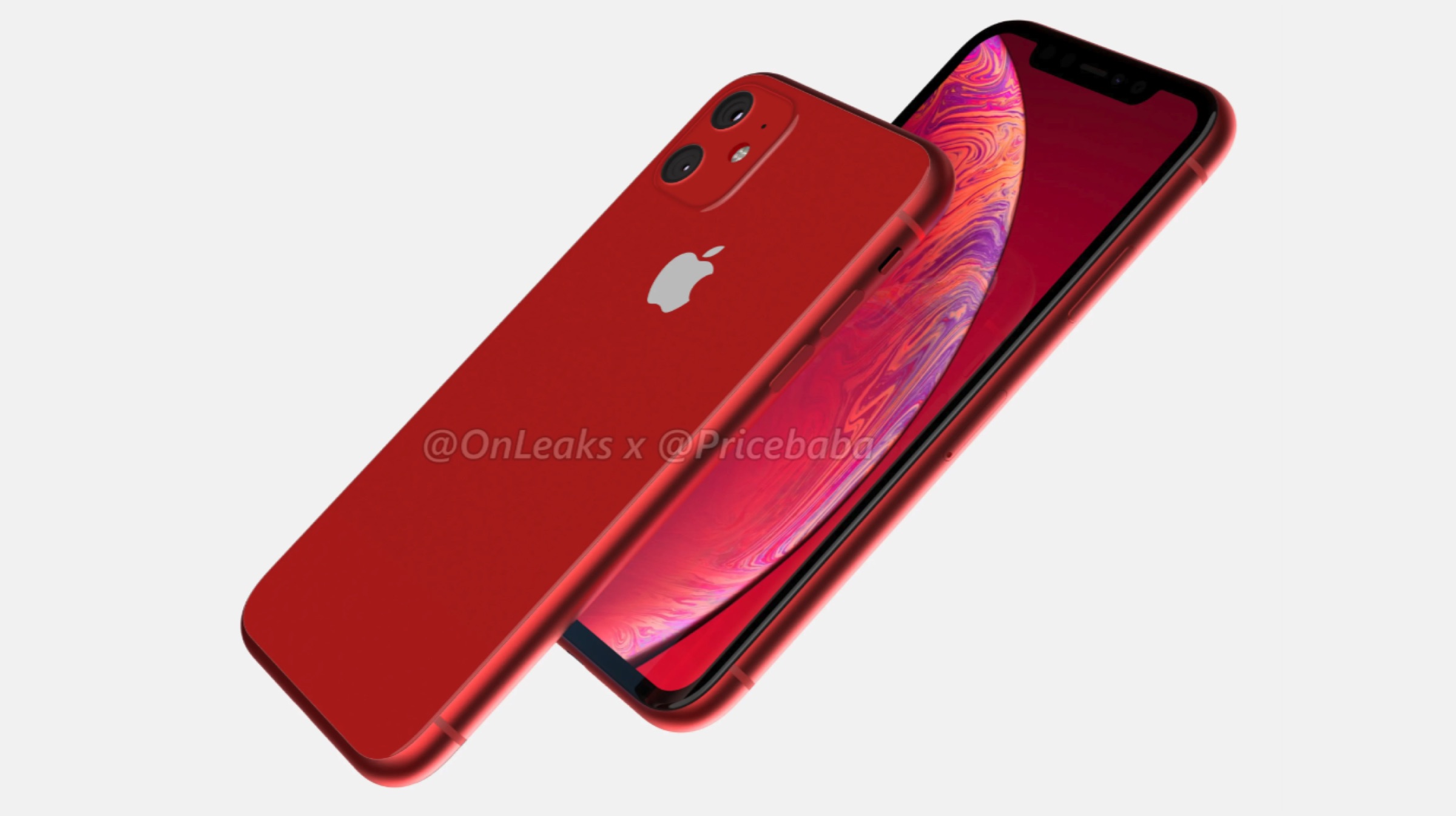
    Apple iPhone 11 Concept Render (Front And Back)As per sources, Apple’s upcoming smartphones will resemble the design factor of their predecessors, with the major difference being the additional rear camera lens. Furthermore, 3D touch functionality will be removed from the 2019 iPhones, which indicates that the company may introduce a Haptic Touch feature in its handsets.

    Apple iPhone 11 Concept Render BackReportedly, all the iPhones will be transitioned to OLED displays in the year 2020, with LG becoming the secondary supplier of the same, reports state. The company will reportedly step-up the production of the next-generation iPhones in the months of July and/or August. As mentioned previously, the iPhone XI series will incorporate support for 5G connectivity in addition to 3D sensing in the rear camera. The highlight of the leaks, however, is the acoustic fingerprint sensor, which will enable fullscreen Touch ID capability in the smartphone. If and when this happens, the Apple iPhone XI will be the first smartphone to exhibit the aforementioned feature.
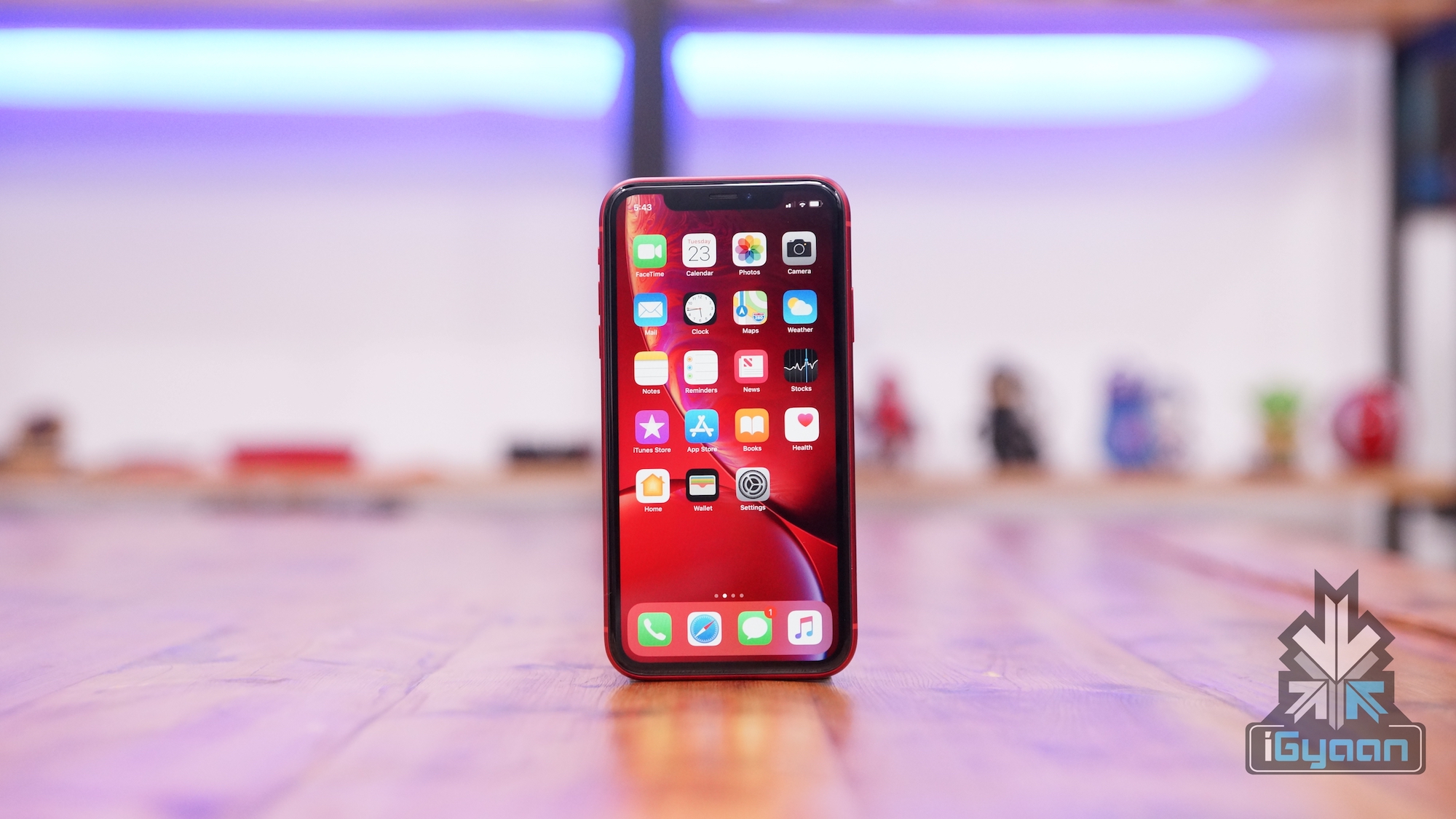
    Sources also indicate that Apple may also launch a budget iPhone SE 2, which will be based on the lines of the iPhone 8. The popular Apple iPhone XR is also expected to receive an upgrade, which will bump up the RAM capacity from 3GB to 4GB along with updated chipset and dual cameras.

    Also Read: 2019 iPhone Models Will Get Support For Dual Audio Connection Over Bluetooth

    In light of other leaks, the 2019 iPhones may sport a frosted glass casing and an improved battery capacity. Moreover, “bilateral charging” feature may make its way to the new devices, which will function similarly to the Reverse Wireless Charging feature in the Samsung Galaxy S10 lineup. Reportedly, the feature will allow users to charge their Apple AirPods and Apple Watch by simply placing them on the back of the iPhone. Going by the company’s launch patterns over the years, Apple will unveil its latest smartphones in the month of September 2019.

  • 2019 iPhone Models Will Get Support For Dual Audio Connection Over Bluetooth

    2019 iPhone Models Will Get Support For Dual Audio Connection Over Bluetooth

    Apple is four months away from launching its latest iPhone models which will succeed the iPhone XS, the iPhone XS Max and the iPhone XR from 2018. Several details about the upcoming devices have already surged (1,2). A fresh report claims that the 2019 iPhone models will get a worthwhile feature for music aficionados. Reliable Japanese blog, Macotakara claims upcoming devices will support dual audio connections over Bluetooth.

    Prominently, the feature will allow an iPhone to simultaneously connect with two Bluetooth devices. For example, while playing music on AirPods, the user can concurrently play the same audio stream on a Bluetooth speaker system in their house. Furthermore, two friends can listen to the same music from one smartphone on their individual totally wireless earphones (TWS).

    Talking more about the 2019 iPhone models, the flagship level devices will allegedly be called iPhone XI and iPhone XI Max. While the name for iPhone XR successor is unknown as of now. The iPhone XI and XI Max are reported to have the same size screen as their predecessors which sport a 5.8 inch and a 6.5 inch Super Retina HD display respectively. The 2019 iPhone trio is reported to feature 12 MP selfie camera which is a significant bump in comparison to the 8 MP sensor found on current generation devices. Furthermore, the two flagship grade smartphones are reported to have triple rear facing cameras while the successor of iPhone XR will have dual rear cameras.

    Like the Samsung Galaxy S10, the 2019 iPhone flagship models are also reported to support reverse wireless charging. In terms of chipset, the smartphones are will ship with updated Bionic chipsets which are assumedly called A13 bionic. The said chipset will be manufactured by TSMC via 5 nm fabrication process.  Also, new for 2019, Apple will reportedly ship the iPhone’s with 18 W fast charger

    Also Read: Razer Adds Quadro RTX 5000 GPU To Blade Ultrabook Laptops

    All in all, the 2019 iPhone seems to be a promising update. However, we will have to wait for the official announcement to verify all the leaks and claims.


  • Razer Adds Quadro RTX 5000 GPU To Blade Ultrabook Laptops

    Razer Adds Quadro RTX 5000 GPU To Blade Ultrabook Laptops

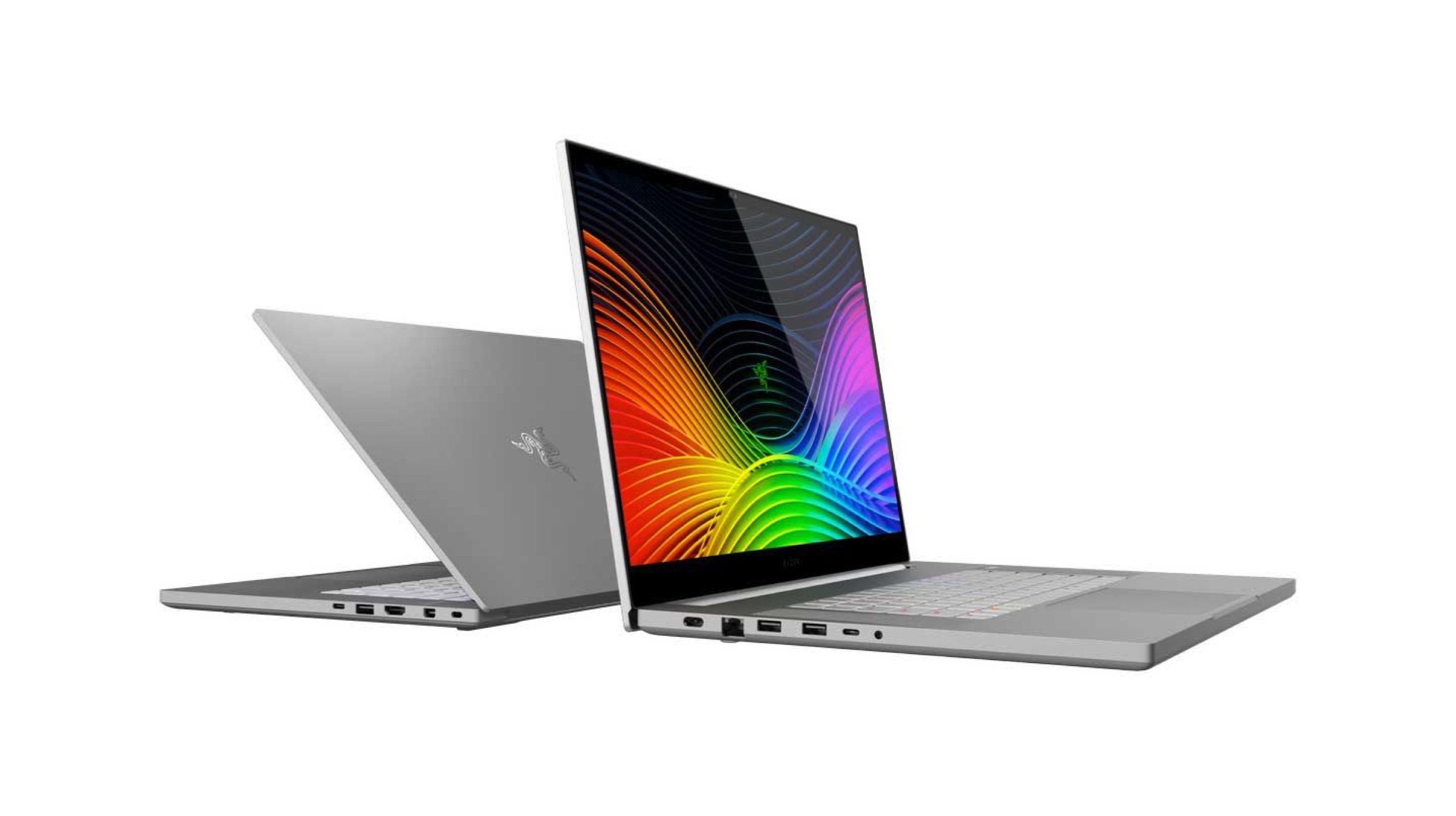
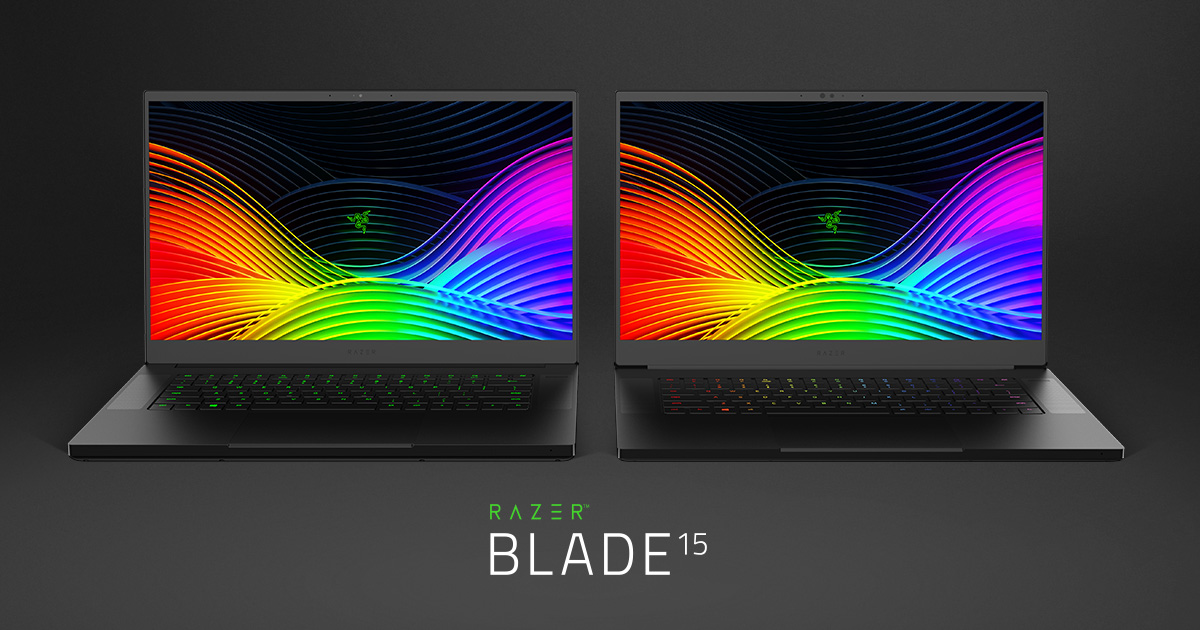
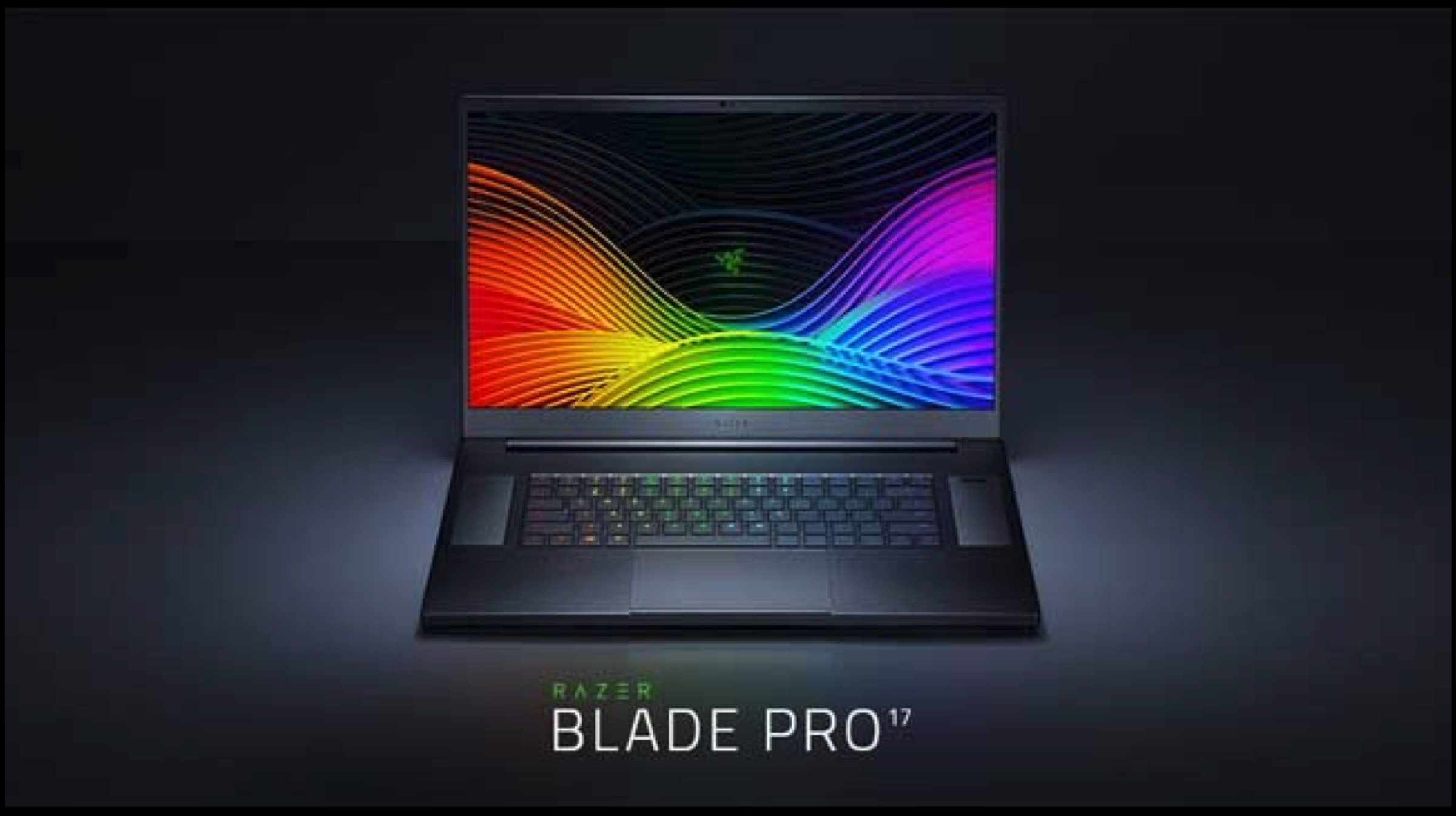
    With the arrival of the Quadro RTX 5000 GPU for laptops, Razer soon followed suit and announced its Blade series laptop. Razer has updated their line of Blade 15 and Blade Pro 17 to support the new gear. The RTX 5000 is available on both the laptops alongside 32GB of RAM and 1TB NVMe SSD Storage all encased in a Mercury White finish.

    Razer

    The 15-inch Razer model laptop sports 4K OLED touchscreen and it will be kitted with the Intel Core i7-9750H CPU. The larger version (17-inch) will instead receive a 120Hz 4k panel to go along with the Intel Core i9-9880H CPU. Both laptops are also compatible with Razer Core X, an external GPU for users that require more power. Both Razer machines provide beefy specs to help visualization for creators.

    Razer

    Even though the company has not provided many details about the build of the two laptops. Going by the teasers, the Razer ultrabooks have an elegant design with negligible bezels around the display. They also feature a webcam which is housed in the said bezel above the display. Both feature a large multi-touch trackpad that claims to boost productivity. 

    The company has not given any formal date of when the laptops are expected to hit the stores online or offline. Razer is also quiet about the fine details such as price and other information which are expected to be released at a later date. 

    Also Read: NVIDIA Works With Bethesda For Ray Tracing Support on Wolfenstein And Quake II

    Additionally, due to the fact that Razer’s targeted demographic is creators, both the laptops will support Nvidia’s new studio drivers optimized for creative applications. Assuring “uncompromising performance along with premium designs.” With these major upgrades, the laptops are more than capable of taking on desktop workstation PCs. Carrying the Company’s “#madewithblade” tag alongside artists and creators.


  • Black Shark 2 Launched In India, Features Snapdragon 855 And Up To 12GB RAM

    Black Shark 2 Launched In India, Features Snapdragon 855 And Up To 12GB RAM

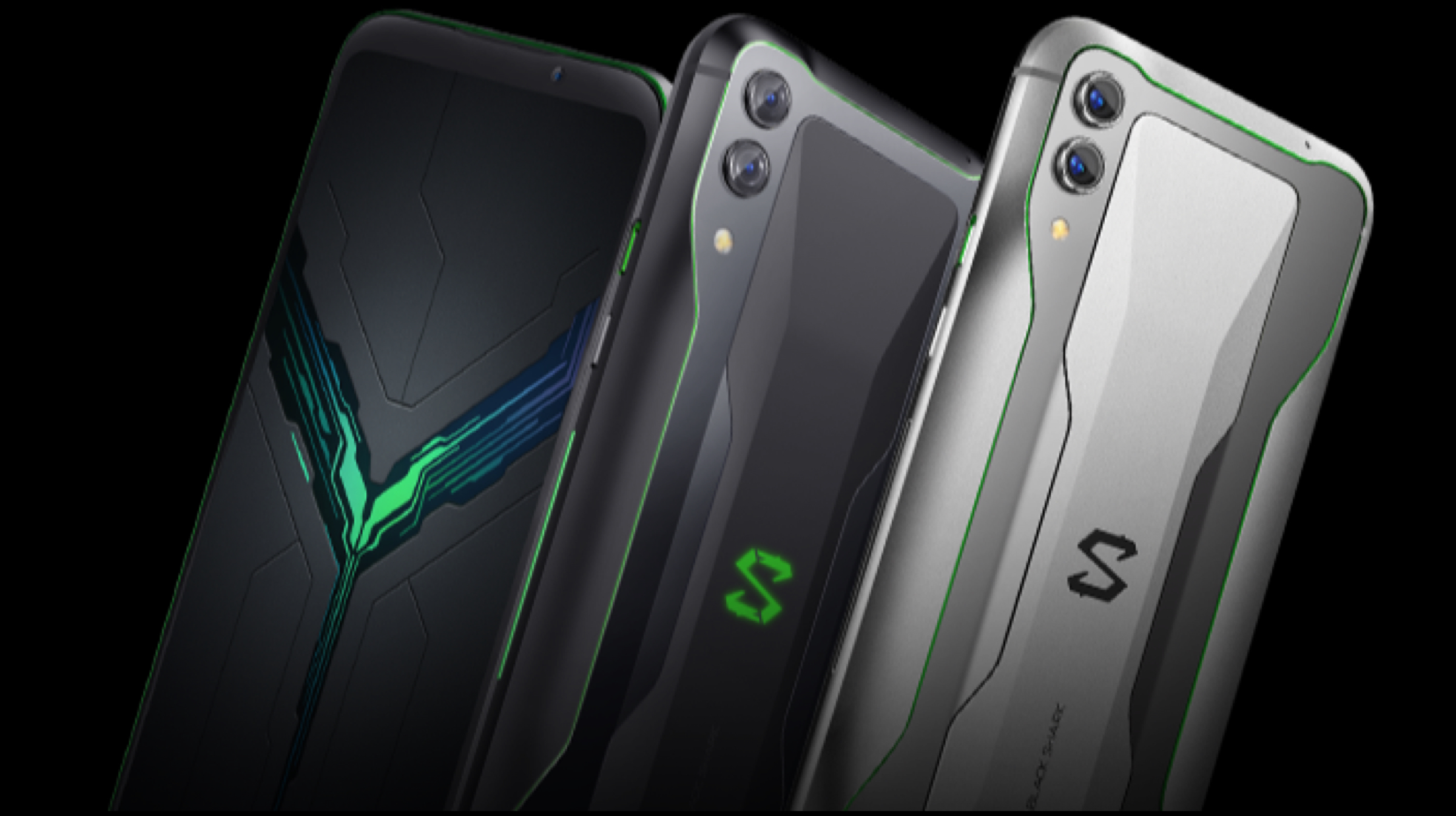
    Chinese smartphone manufacturer Xiaomi has launched the highly-anticipated Black Shark 2 gaming smartphone in India. The device was earlier introduced in China in the month of March 2019. Noteworthy, it features Ludicrous Mode that incorporates Xiaomi’s Liquid Cooling 3.0 technology. The company claims that it uses liquid-cooled plates and tubes that enable a temperature drop of up to 14°C in the device while gaming. 

    Xiaomi Black Shark 2 Specifications And Features

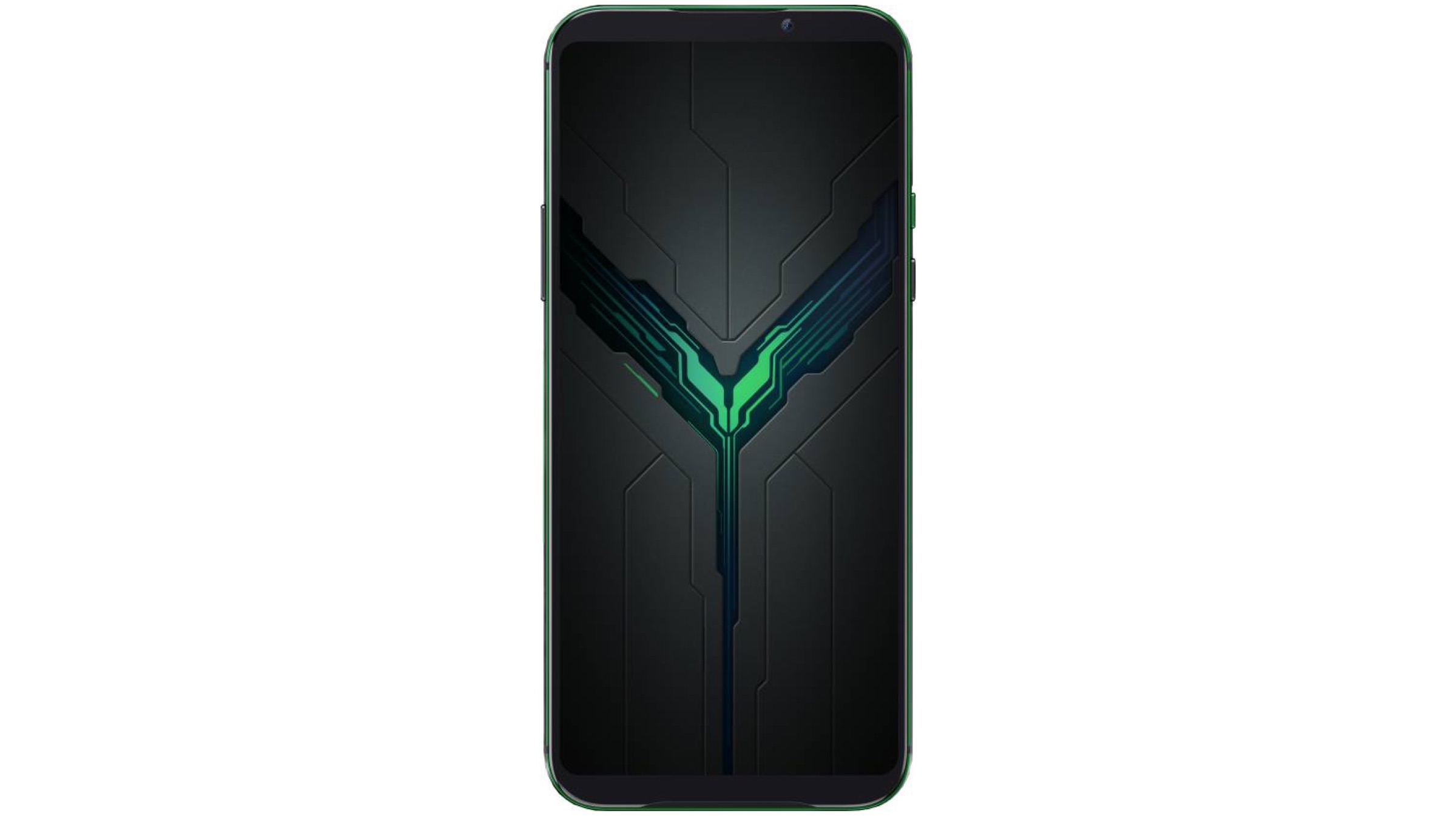
    Xiaomi Black Shark 2 Front

    The Xiaomi Black Shark 2 has a modern design with a distinctive yet appealing design on the rear and a large display on the front. The smartphone measures 163.61 x 75.01 x 8.77 mm and weighs in at 205 grams. It sports a 6.39 inch AMOLED display which is surrounded by narrow bezels on all sides, giving it an elegant look. The display panel has a resolution of 2340 x 1080 px and a pixel density of 403 ppi. The display panel can reach brightness levels of upto 430 nits and has an aspect ratio of 19.5:9.

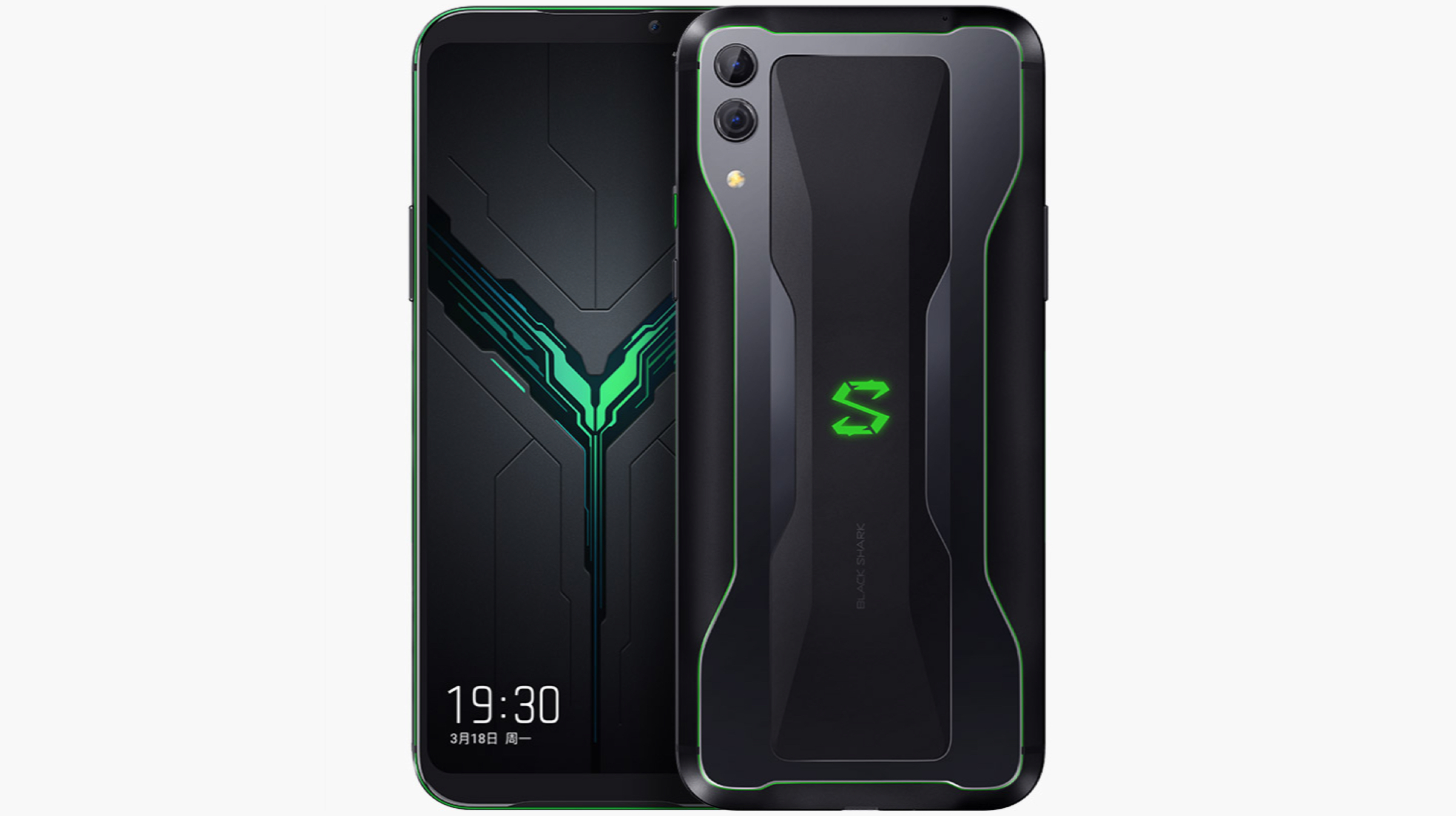
    Xiaomi Black Shark 2 Front And BackAnother feature of the smartphone is the pressure sensitive controls incorporated in the AMOLED display, that can be programmed for gaming. For biometric security, it also features an in display fingerprint sensor. Talking further about the design of the Xiaomi Black Shark 2, its right side accommodates the power button and a “shark” slider which when toggled turns on gaming mode for optimized performance while the left side houses the volume rockers. The bottom of the device accommodates the USB Type-C port. To keep the temperature of the device under check during game-intensive sessions, it also has a vapour cooling chamber and liquid cooling 3.0 technology, which has been discussed previously.
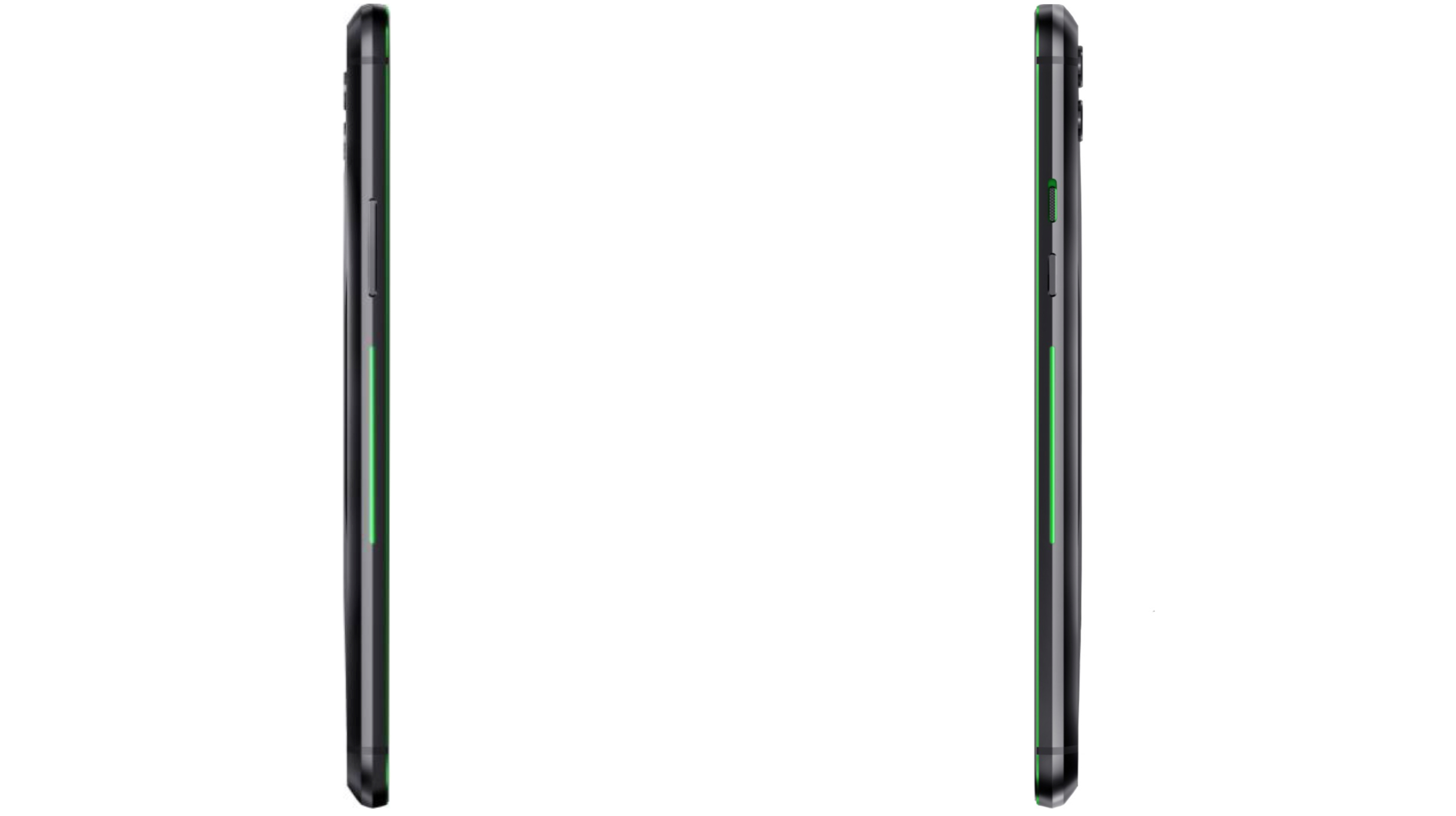
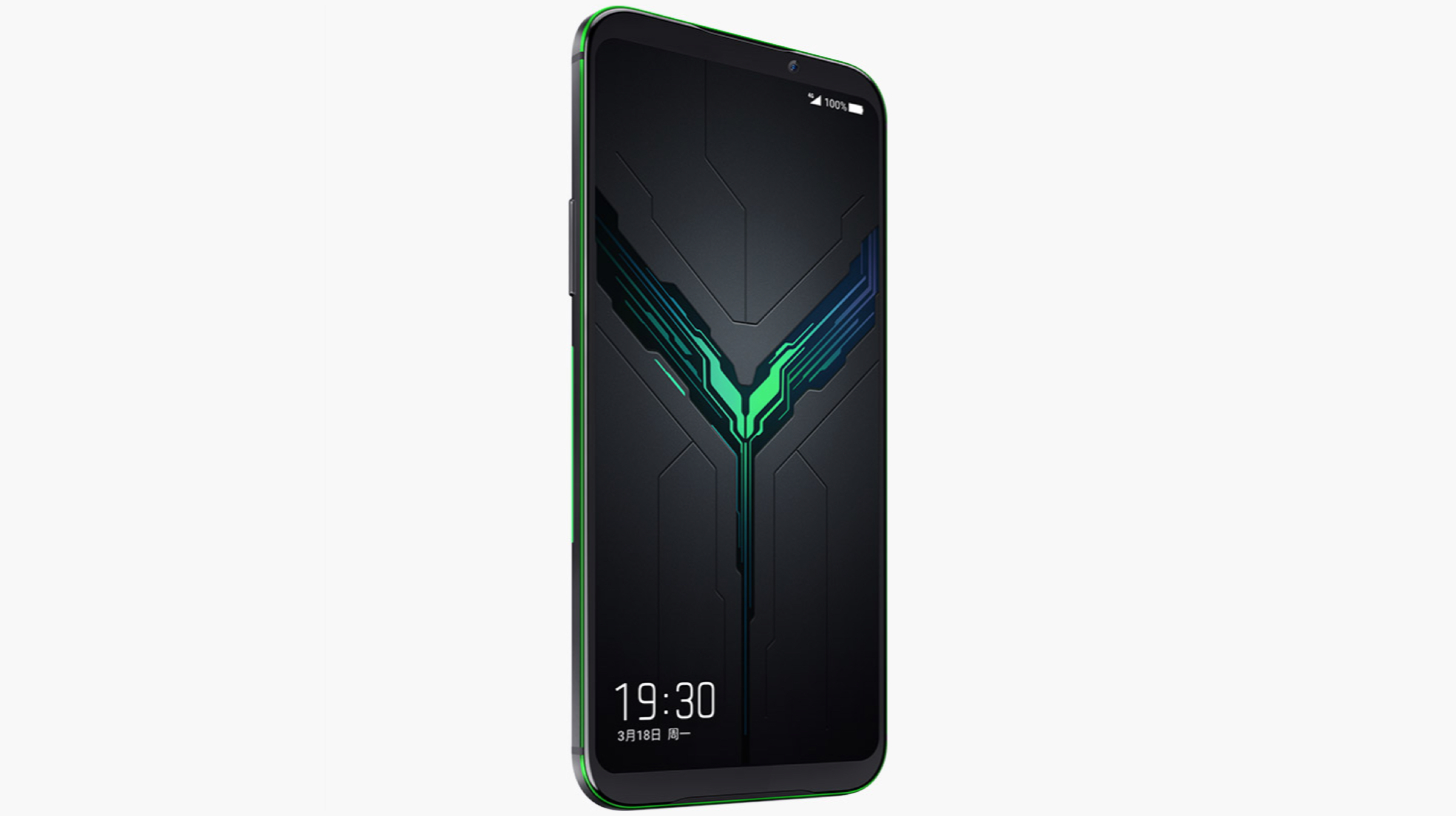

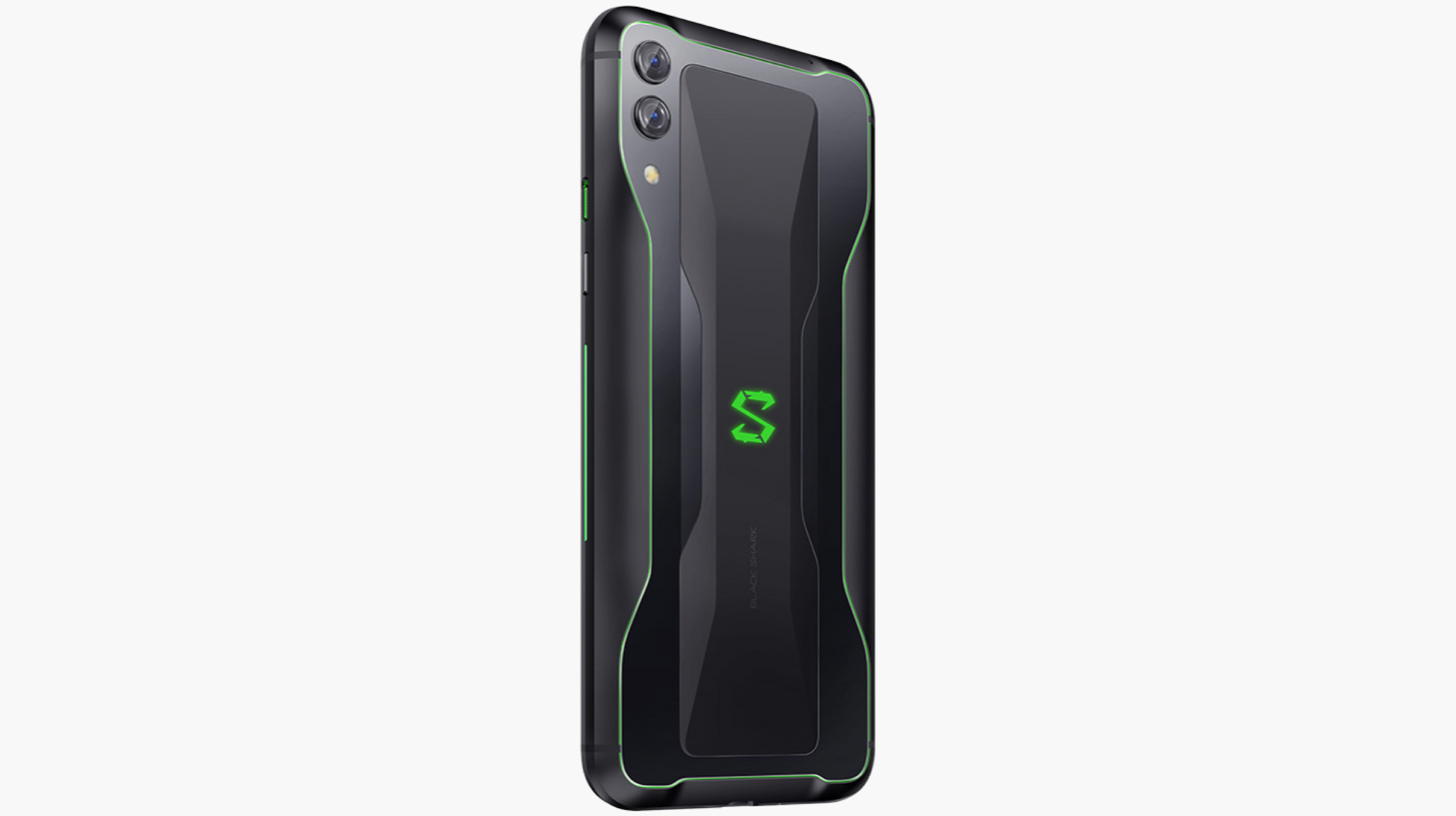
    As mentioned before, the rear of the Xiaomi Black Shark 2 has a unique design with green coloured decals that run along the sides of the smartphone. The rear panel also harbours the RGB Black Shark logo and the dual camera setup. The dual camera setup consists of a 48 MP Samsung GM1 (f/1.75) sensor, 12 MP (f/2.2) telephoto sensor and an LED Flash which can also capture 2160p videos at 30 fps. It also has a 20 MP (f/2.0) front-facing selfie camera which is placed in the bezel above the display. The front camera can also capture 1080p videos at 30 fps. 

    Xiaomi Black Shark 2 FrontUnder the hood, the Black Shark 2 runs on the Snapdragon 855 SoC which consists of an octa-Core Kryo 485 CPU with the Adreno 640 GPU. The smartphone is powered by a  4,000 mAh battery which supports fast charging upto 27 W. The company claims that 30 minutes of gaming is possible with just 5 minutes of charging. The device runs on Android 9.0 (Pie) out of the box. Connectivity options on the Black Shark 2 include 802.11 ac Wi-Fi, Bluetooth 5.0, Dual 4G VoLTE and GPS. 
    Xiaomi Black Shark 2 Availability And Price

    Xiaomi Black Shark 2 Back

    Also Read: NVIDIA Works With Bethesda For Ray Tracing Support on Wolfenstein And Quake II

    The Black Shark 2 is available in two colour variants which includes Frozen Silver and Shadow Black. The prices for different variants of the smartphone are listed below:

    • 6 GB + 128 GB – INR 39,999
    • 12 GB + 256 GB – INR 49,999

    Both the aforementioned variants are listed on popular e-commerce website Flipkart, and will be purchasable June 4 onwards. 

    Click Here To Buy The Xiaomi Black Shark 2 (6GB+128GB) 

    Click Here To Buy The Xiaomi Black Shark 2 (12GB+256GB)

  • NVIDIA Works With Bethesda For Ray Tracing Support on Wolfenstein And Quake II

    NVIDIA Works With Bethesda For Ray Tracing Support on Wolfenstein And Quake II

    NVIDIA in collaboration with Bethesda has announced the induction of real-time ray-tracing support in Bethesda’s latest instalment of Wolfenstein. The return of the Wolfenstein franchise with NVIDIA’s Adaptive shading and other advanced technology will give gamers a new depth in experience and graphical fidelity.

    Nvidia

    The ‘Born To Hunt’ bundle with NVIDIA GeForce RTX graphics card will have buyers receiving Wolfenstein: Newblood with purchases for a limited period of time. Youngblood is reported to be launched on the 26th of July. The offer is available with the purchase of RTX 2080Ti, 2080, 2070, 2060 or any PC desktop or laptops that ship with these graphics cards. The cost has yet to be announced by the company.

    For those unfamiliar with the terminology, Ray tracing is an advanced graphics technique used to give movies their realistic visual effects. With the inclusion of specialized ‘RT’ cores in NVIDIA RTX GPUs, that are designed specifically to achieve ray tracing in real time in games. The announcement was dropped today in Computex 2019. 

    Wolfenstein: Youngblood is set in an alternate history 19 years in the future after the events of Wolfenstein: The New Colossus. Bethesda is advertising the Co-Op feature of the game that allows players to game with their friends or solo in a new first-person shooter with Wolfenstein experience. The game will have players as one of BJ Blazkowic’s twin daughters wielding a wide arsenal of destructive weaponry, gadgets and abilities to free Paris from the Regime.

    Also ReadARM Announces New Design For Upcoming CPU And GPU

    The game includes NVIDIA VKRay which allows any developer to add ray-traced effects to their games using the Vulkan API, becoming the first game till date to ship with this tool. NVIDIA Adaptive Shading is an advanced new technique showcased by NVIDIA today that helps developers improve performance during ray-tracing in games to achieve higher real-time visual fidelity while reducing the load on GPUs that bear the taxing load of ray-tracing without losing out on image quality. 

    NVIDIA had taken a team to put the 1997 title Quake II through their ray-tracing system earlier on in the year. The YouTube Video received about half a million views and a slurry of ‘hype’ comments. The three-level version of the game, as in the demo, will be open to the public for free on NVIDIA website and Steam from June 6th.


  • Xiaomi Launches A Makeup Mirror That Also Works A Power Bank

    Xiaomi Launches A Makeup Mirror That Also Works A Power Bank

    Chinese technology company Xiaomi has added yet another power bank to its lineup, but it is not a conventional product. Reportedly, the device can charge your phone and can be used as a helpful makeup mirror at the same time. Noteworthy, the product is not directly manufactured by Xiaomi, rather, one of its ecological chains has manufactured the product. The Chinese company has previously released lifestyle products in the past, such as the Himo T1, the Mi Home Security Camera and the Mi Fitness Band.

    Xiaomi Power Bank Makeup MirrorThe gadget released by the company has a portable factor. It measures 85x76x17mm and can easily be housed in a lady’s handbag. A 3000 mAh (5V/1A) battery is present inside the Xiaomi device, which can be used to charge the smartphone in case of emergencies. However, considering the low battery capacity of the same, the power bank can charge not more than one smartphone in one go. 

    Also Read: Intel Announces Octa Core i9-9900KS CPU With All Cores Clocked At 5.0 GHz

    In terms of features, the Xiaomi makeup mirror is surrounded by 12-high brightness LED lights that can be used to simulate a naturally lit environment. Moreover, users can adjust the brightness of the LEDs as per their convenience. The makeup mirror also has a 2x magnifying glass design, so that the image is distortion free. The mirror-cum-powerbank can be turned on by simply pressing the power button for a duration of 1 second. However, when the battery falls to 10 percent, the LEDs will turn off automatically. Xiaomi’s makeup mirror-cum-power bank is priced at a 129 CNY, which roughly translates to INR 1299. 

  • Xiaomi Redmi Go 16 GB ROM Variant Launched In India

    Xiaomi Redmi Go 16 GB ROM Variant Launched In India

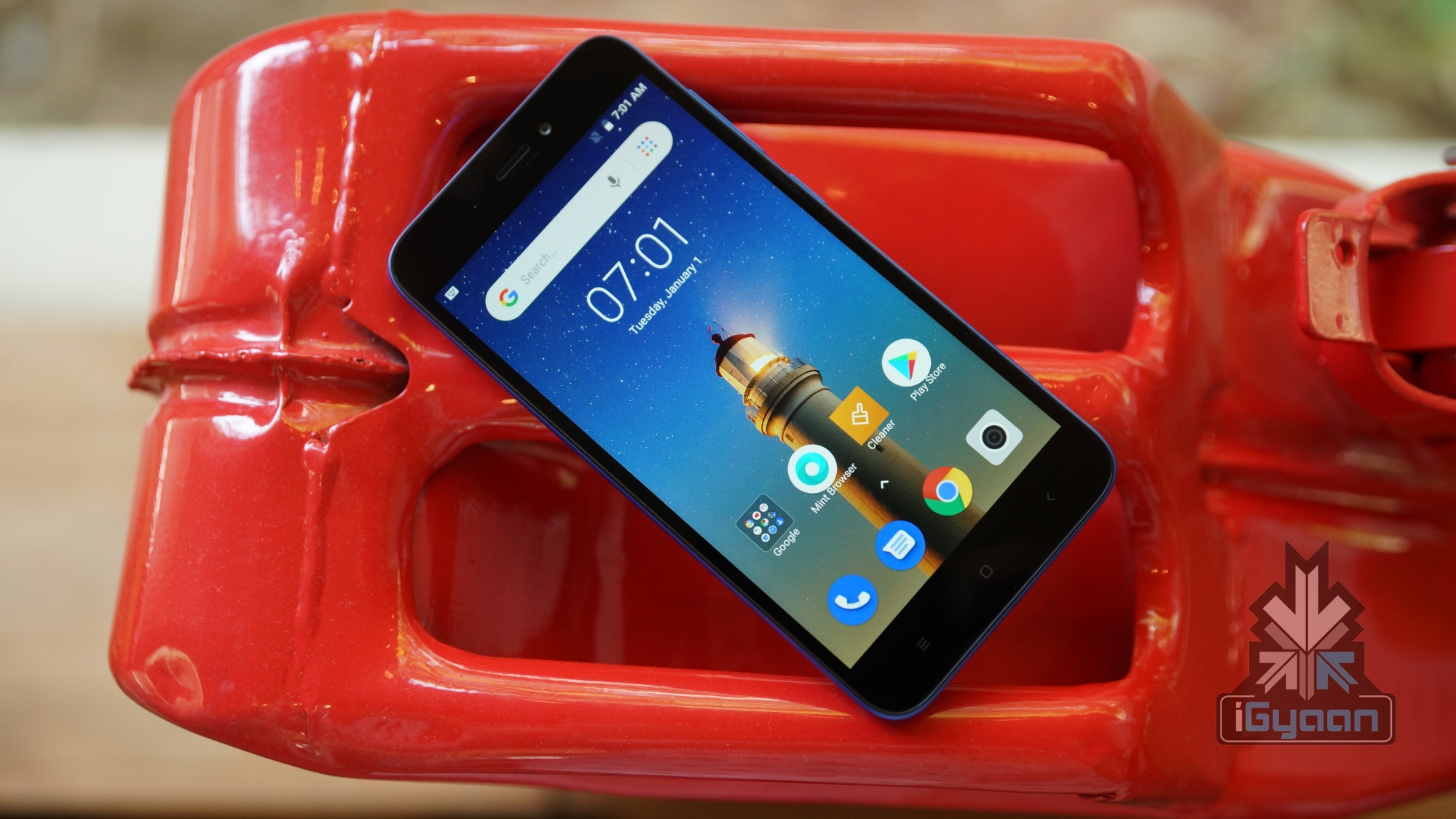
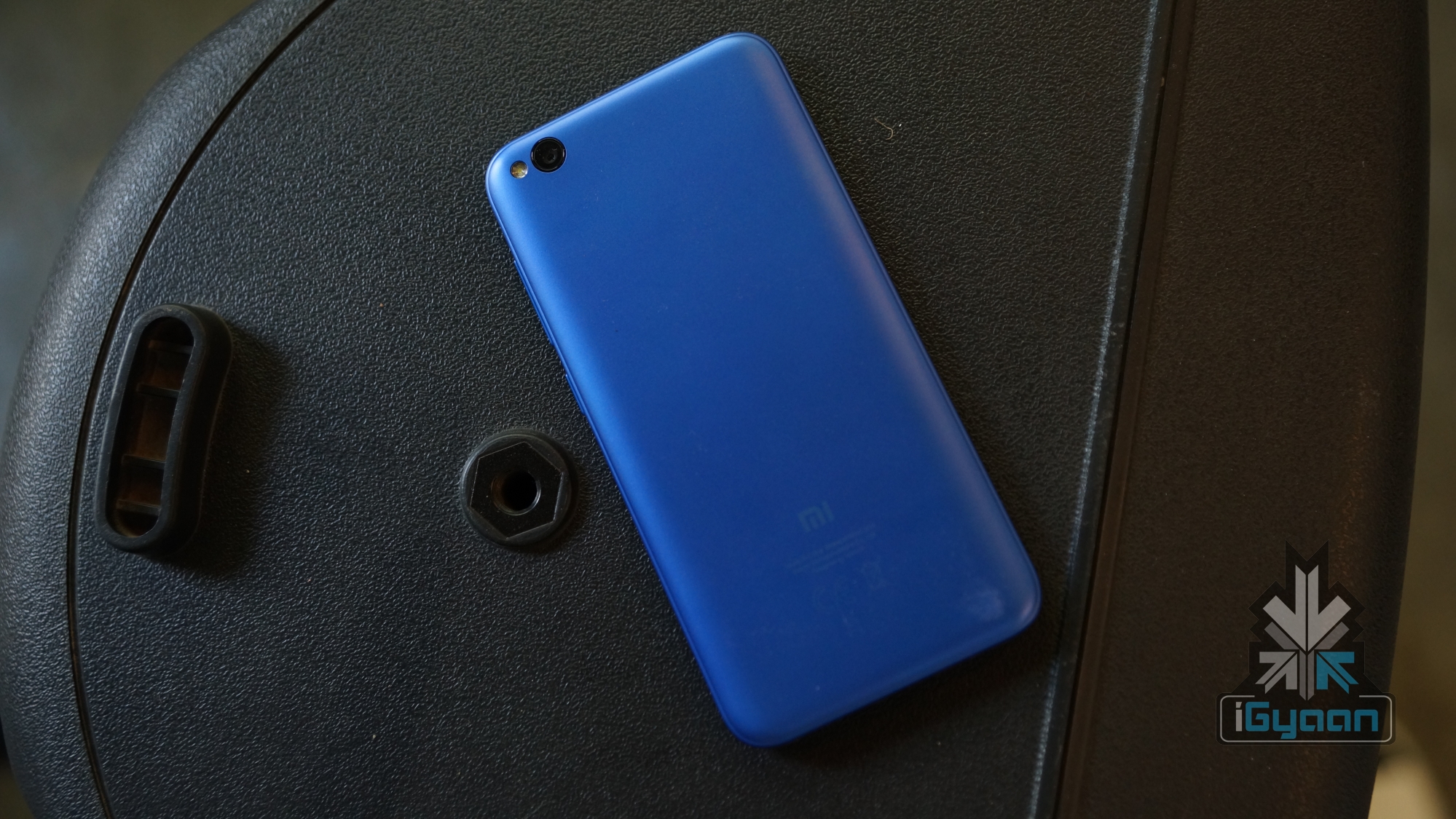
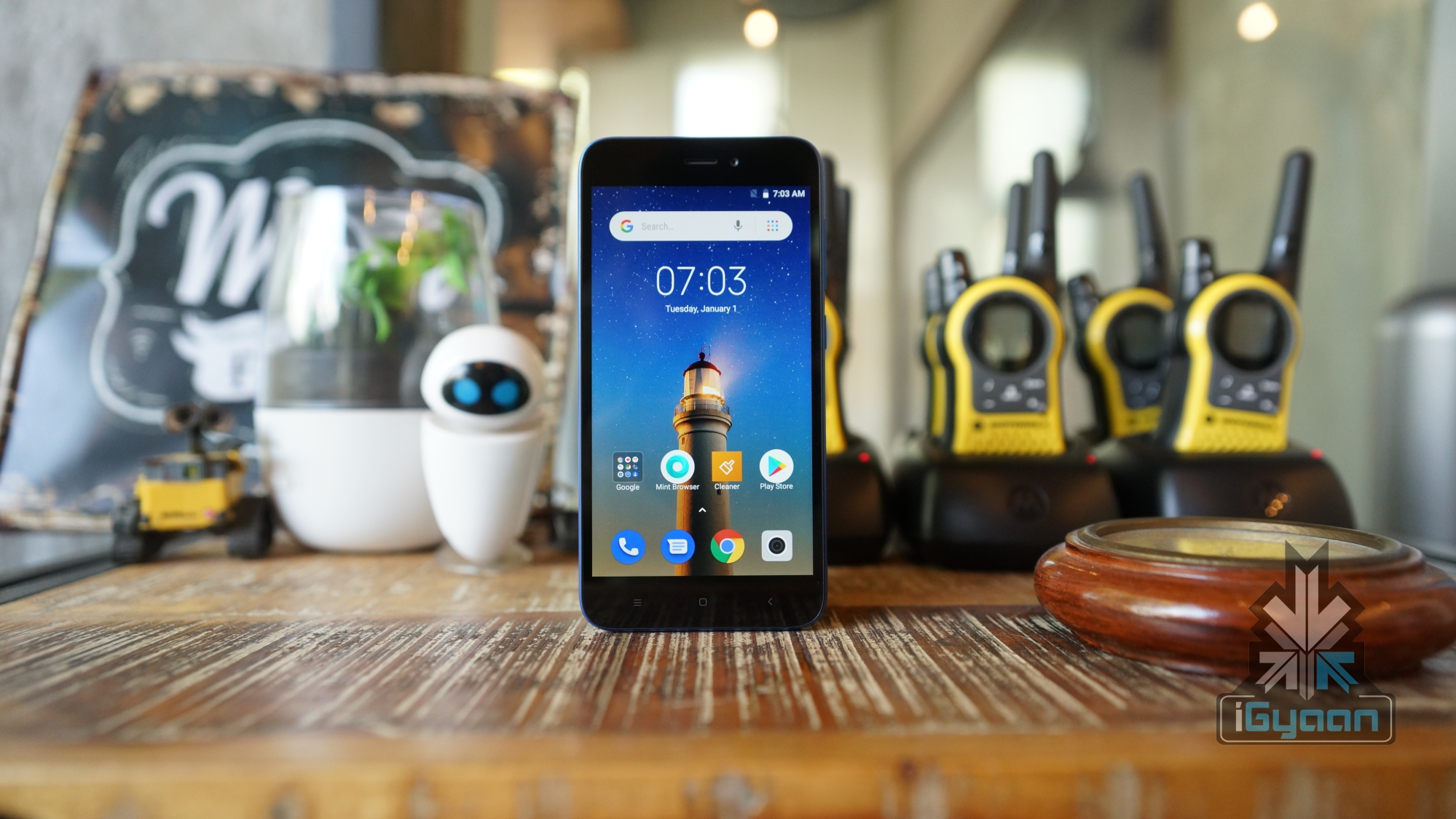
    In the month of March, Xiaomi launched a budget oriented smartphone in India called the Redmi Go. The device is mainly targeted towards users who are switching from feature phones and are getting in the Android ecosystem for the first time. The smartphone was originally launched with 1 GB of RAM and 8 GB of ROM. Taking demand for higher storage into consideration the company has launched another variant with 1 GB of RAM and 16 GB of ROM. The newly launched device costs Rs 300 more than the originally launched variant and is priced at Rs 4,799. Except for the bumped up price, all features and specifications of the newly launched variant of Redmi Go are as is.

    Redmi Go Specifications & Design

    Redmi Go Front

    The Redmi Go has a polycarbonate body with chunky bezels on the top and bottom. The handset measures 40.4 x 70.1 x 8.35mm and weighs in at 137g. It sports a 5 inch LCD display on the front with a resolution of 1280 x 720 px. The display panel has a pixel density of 296 ppi and maximum brightness of 380 nits. 

    Redmi Go Rear

    Under the hood, the Redmi Go features the Snapdragon 425 SoC which is manufactured using the 28nm fabrication process. The chipset is comprised of a Quad-core CPU and the Adreno 308 GPU. For photography, the smartphone has an 8MP primary camera at the rear with an aperture of f/2.0. For selfies, it has a 5MP camera with an f/2.2 aperture on the front.


    Also Read: AMD Reveals 3rd Gen Ryzen CPUs And 7nm Radeon RX5000 GPU

    The Redmi Go is powered by a 3000mAh battery that supports 5W charging. The handset runs on Android 8.1 Oreo Go edition out of the box. It also has a dedicated microSD support for memory expansion up to 256GB. One Notable feature of the Redmi Go is support for more than 20 regional languages and Google voice Assistant in Hindi.

  • AMD Reveals 3rd Gen  Ryzen CPUs And 7nm Radeon RX5000 GPU

    AMD Reveals 3rd Gen Ryzen CPUs And 7nm Radeon RX5000 GPU

    Rumours had been trickling by on the new lineup of 3rd generation Ryzen and Radeon NAVI GPUs of AMD. Computex 2019 launched with its very first keynote by AMD’s CEO, Dr. Lisa Su. AMD has various announcements to make on their lineups and their new data centre offerings, AMD Epyc.

    AMD NAVI

    A major announcement in AMD’s keynote was it’s much awaited new 7nm GPUs which will be a part of their Radeon NAVI, i.e AMD Radeon RX 5000 lineup of graphics cards. The nomenclature is influenced by the company’s 50th anniversary.

    The new microarchitecture, called RDNA, is set to replace the GCN architecture that has powered AMD’s Radeon GPU. The notable improvements thus far have been the new compute design engine, multi-level cache hierarchy and a streamlined graphics pipeline. Essentially providing higher clock speeds for the graphics card at a lower power. The new GPUs are also the first to adopt the PCIe Gen 4.

    A quick benchmark on the Strange Brigade has AMD’s Radeon RX 5700 take a marginal 10% lead on NVidia’s RTX 2070 graphics card. AMD is expected to start shipping by July 2019, although the details are reported to be revealed on June 10. 

    AMD RYZEN 3RD GEN

    The new and highly anticipated CPU lineups from AMD were finally unveiled. Being built on a 7nm process node, the AMD Ryzen 7 3700X is an 8 core/16 threads processor which is also compatible with the AM4 socket but will need the latest X570 platform to bring out its full potential. This does not mean using older motherboards such as the X370 or X470 is pointless. A significant lead in terms of performance was showcased by AMD’s new CPU over Intel’s Core i7-9700K in comparison. The 3700X scoring 4806 points in Cinebench while 9700K only managed 3276 points. This, however, was not the top SKU in the mainstream lineup. The 3800X followed after 3700X and had a base clock of 3.9 GHz and a boost clock of 4.5GHz. The 3800X has 105W TDP in comparison to 3700X with 65W TDP. 3800X had a mean lead of 11% that went upto 34% when in comparison to its older generation Ryzen 7 2700Z when performance was testes in gaming.

    AMD has also announced the Ryzen 9 top of the line SKUs, with the most powerful being Ryzen 9 3900X, a 12-core/ 24 threads processor with a 105W TDP draw. Its base clock sits at 3.8Ghz while the boost clock reaches 4.6GHz that utilizes two chiplets to achieve the high core count. Blender benchmark was used to pit the Ryzen 9 3900X against Intel’s Core i9-9920X processor that has a 165W TDP, in which the new Ryzen processor outclassed in both single and multi-core performance.

    AMD EPYC


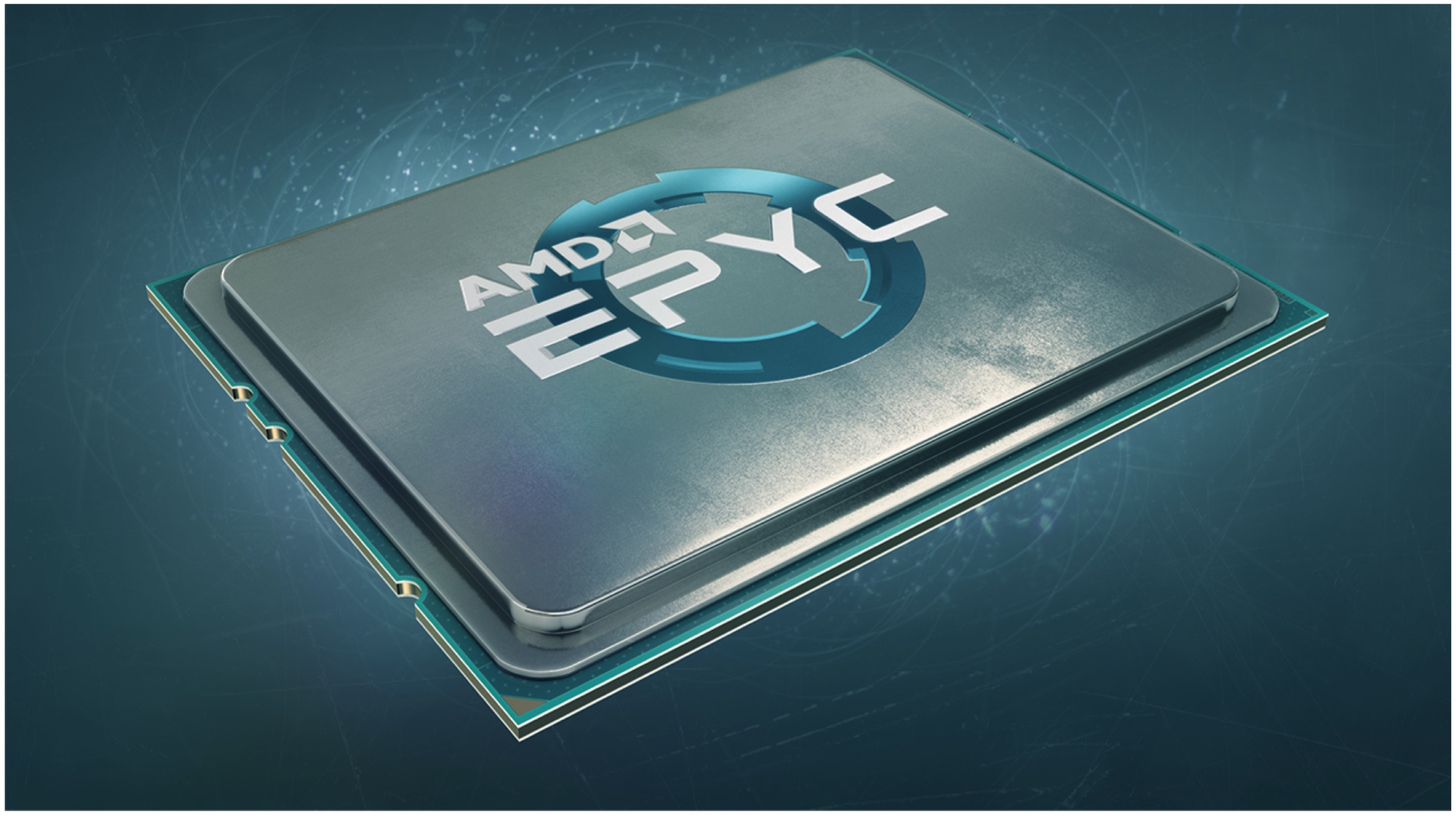
    Dr Lisa Su, the CEO of AMD, announced the new data centre offerings, AMD EPYC. EPYC has grown over the last 3 years to have more than 60 solutions on more than 50 cloud installations. This was followed by AMD’s crown jewel, the Frontier Supercomputer at Oak Ridge, National Laboratory that is capable of more than 1.5 exaFLOPS and is reportedly said to receive the world’s fastest supercomputer once it goes live.

    Similarly to Sony’s announcements of collaborating with Microsoft for their cloud computing solutions, AMD unveiled that it has also incorporated AMD EPYC with Microsoft’s Azure.

    Also ReadIntel Announces Octa Core i9-9900KS CPU With All Cores Clocked At 5.0 GHz

    Codenamed ‘Rome’ the 2nd Gen EPYC processors by AMD give upto 64 cores per socket and are claimed to be able to push out four times more floating point workload per socket when compared to its previous generation. A demonstration showcased the 2nd Gen AMD EPYC 2-socket solution going up against an Intel Cascade Lake 8280 28 core/ socket 2-socket solution. The EPYC solution crunched out 19.60 ns/Day compared to the Intel solution. The launch is set to be in Q3 2019.

  • Live Images Of The Redmi K20 Pro Surface Before Launch

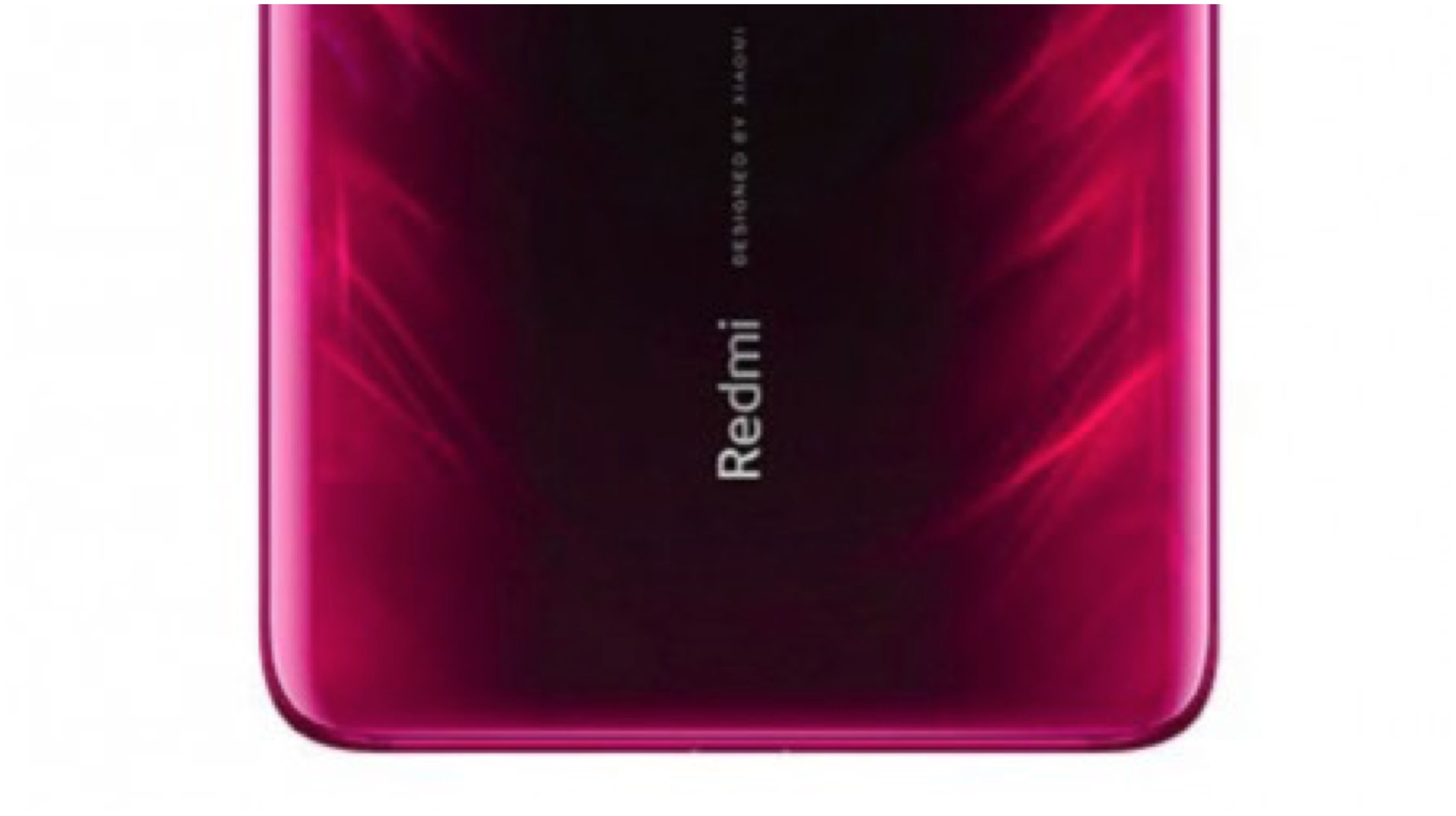
    Live Images Of The Redmi K20 Pro Surface Before Launch

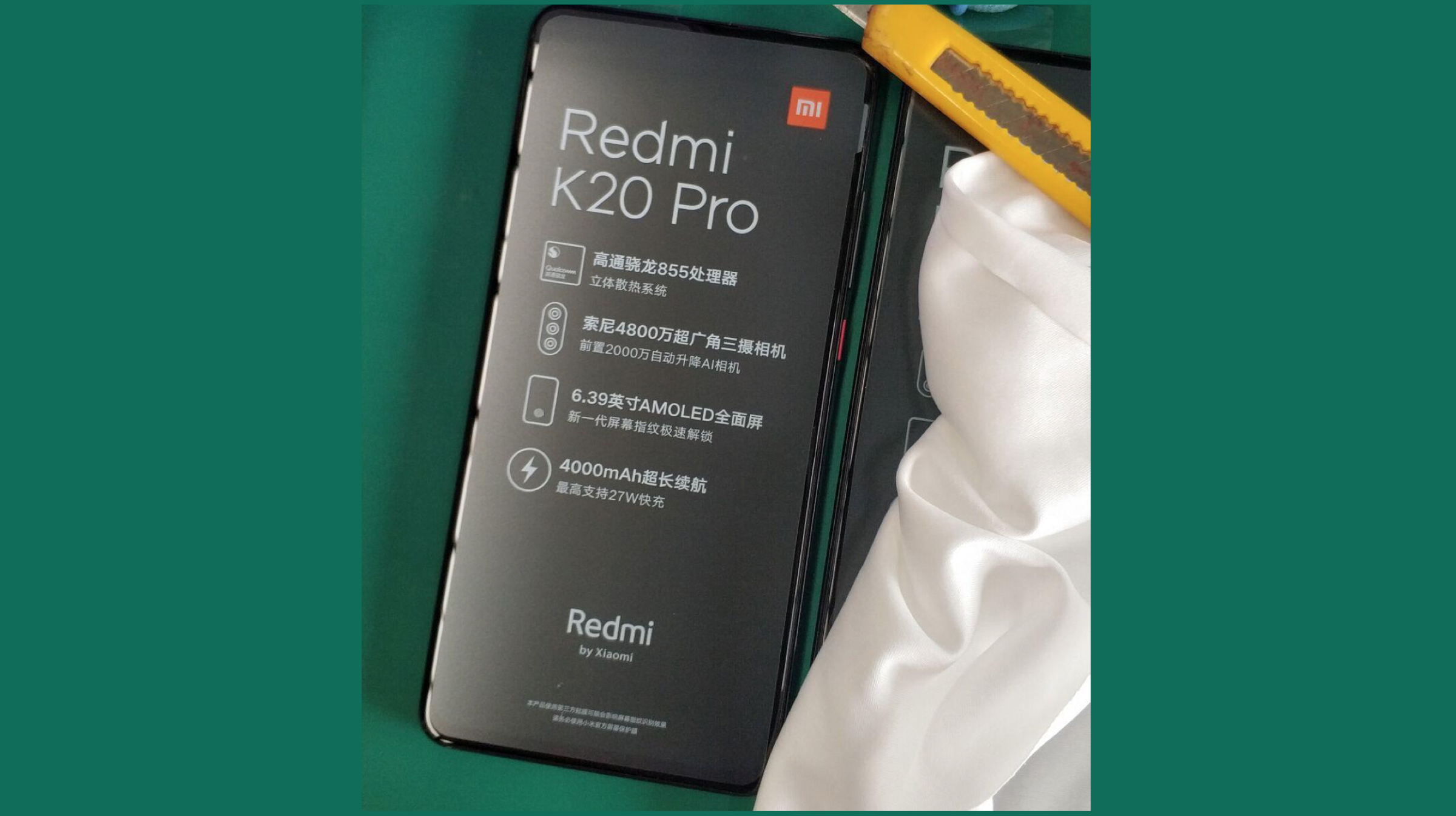
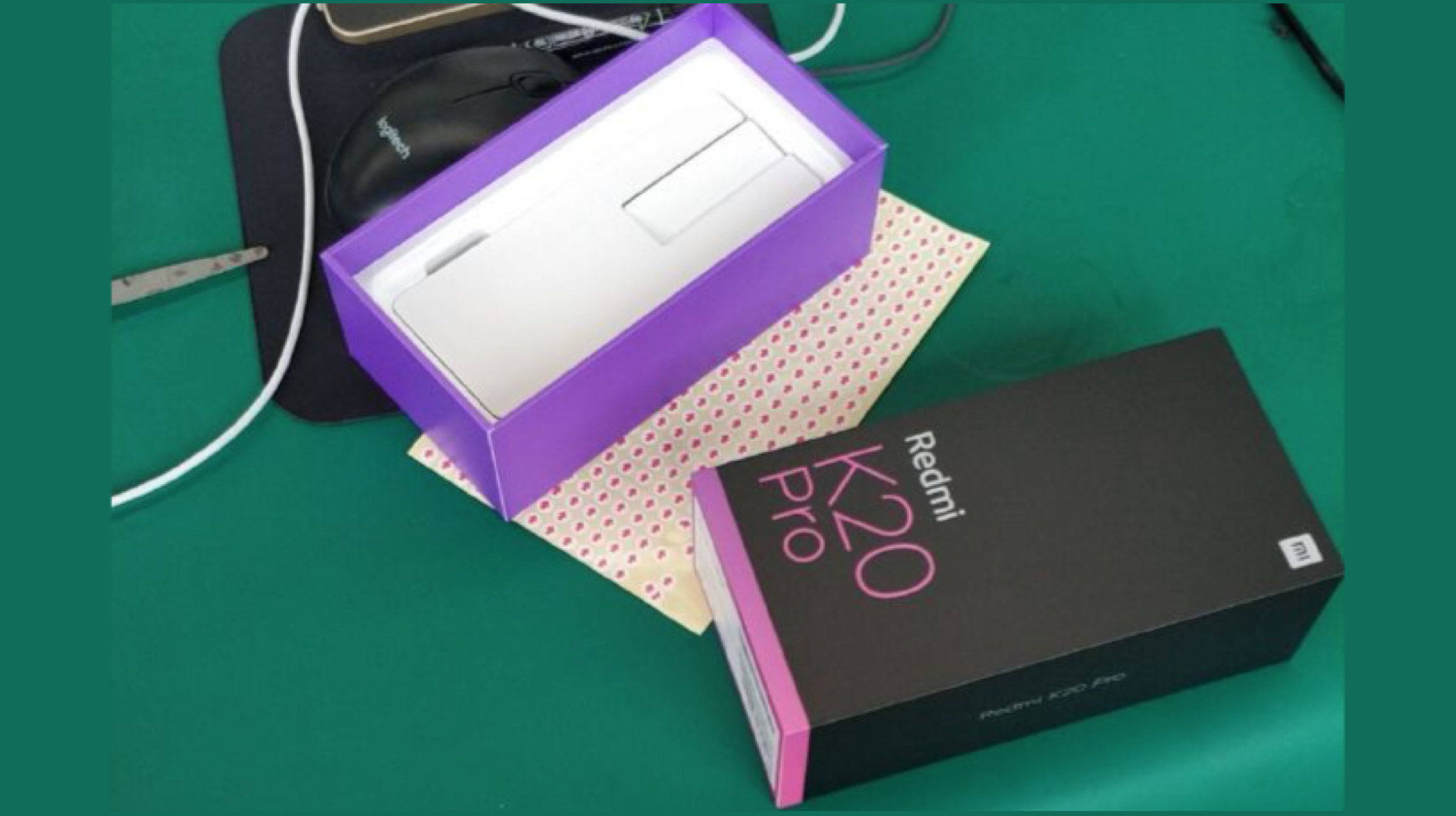
    Xiaomi is set to launch its latest flagship grade smartphone duo which includes the Redmi K20 and the Redmi K20 Pro. Details about the features and specifications of the two devices have been leaked numerous times (1,2). Just before the official launch, the live images of beefed up K20 Pro have also surfaced on Chinese social media website, Weibo that has hardly left anything to the imagination. 

    Redmi K20 Pro
    Redmi K20 Pro Front Design

    The freshly leaked image reaffirms the previously revealed features of the Redmi K20 Pro. The front of the smartphone accommodates a 6.39 inch AMOLED display with negligible bezels on all sides. Notably, the high screen to body ratio display on the device lacks any obstructing notch as it features a pop up selfie camera like the OnePlus 7 Pro. Furthermore, it features an indisplay fingerprint scanner which is slowly becoming the industry standard.

    The leaked image also reveals that the Redmi K20 Pro is kitted with the Snapdragon 855 SoC which consists of an Octa Core CPU along with the Adreno 640 GPU. Talking about the battery, it is powered by a 4,000 mAh lithium battery which supports 27 W fast charging. In terms of optics, the Redmi K20 Pro features triple rear cameras out of which one is the 48 MP Sony IMX586 sensor. 

    Redmi K20 Price
    Xiaomi Redmi K20 Leaked Teaser

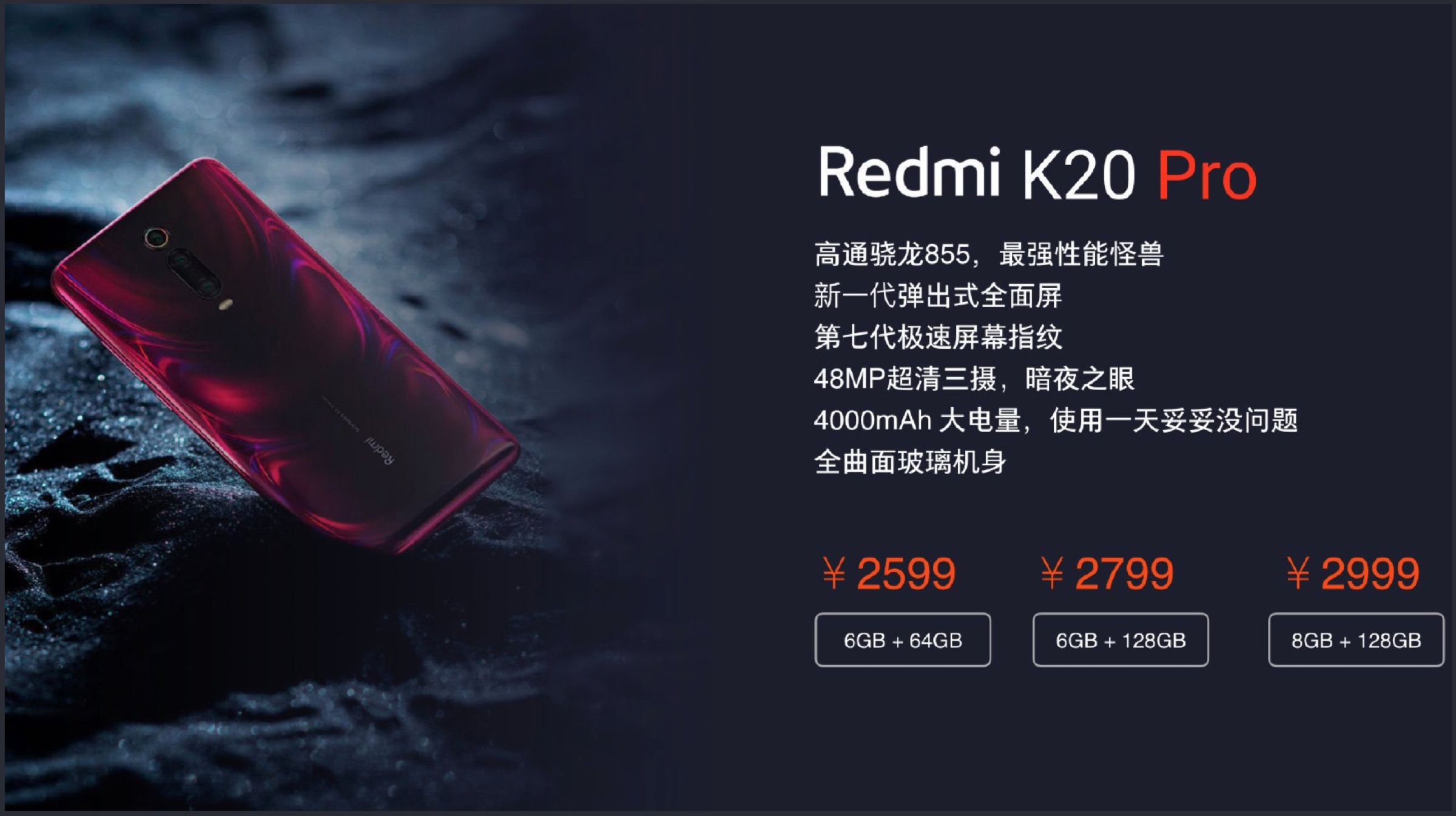
    A teaser revealing the price of the Redmi K20 was also previously shared online. The teaser exhibits the upcoming flagship will be available in three storage variants for which the prices are as follows:

    • 6 GB + 64 GB: CNY 2599 (Rs 26,200)
    • 6 GB + 128 GB: CNY 2799 (Rs 28,200)
    • 8 GB + 128 GB: CNY 2999 (Rs 30,200)

    Also Read: Intel Announces Octa Core i9-9900KS CPU With All Cores Clocked At 5.0 GHz

    To conclude all the leaks related to the Redmi K20 Pro seem legit. However, in order to confirm them, we will have to wait for the official launch event which is set for the 28th of May 2019.

  • Intel Announces Octa Core i9-9900KS CPU With All Cores Clocked At 5.0 GHz

    Intel Announces Octa Core i9-9900KS CPU With All Cores Clocked At 5.0 GHz

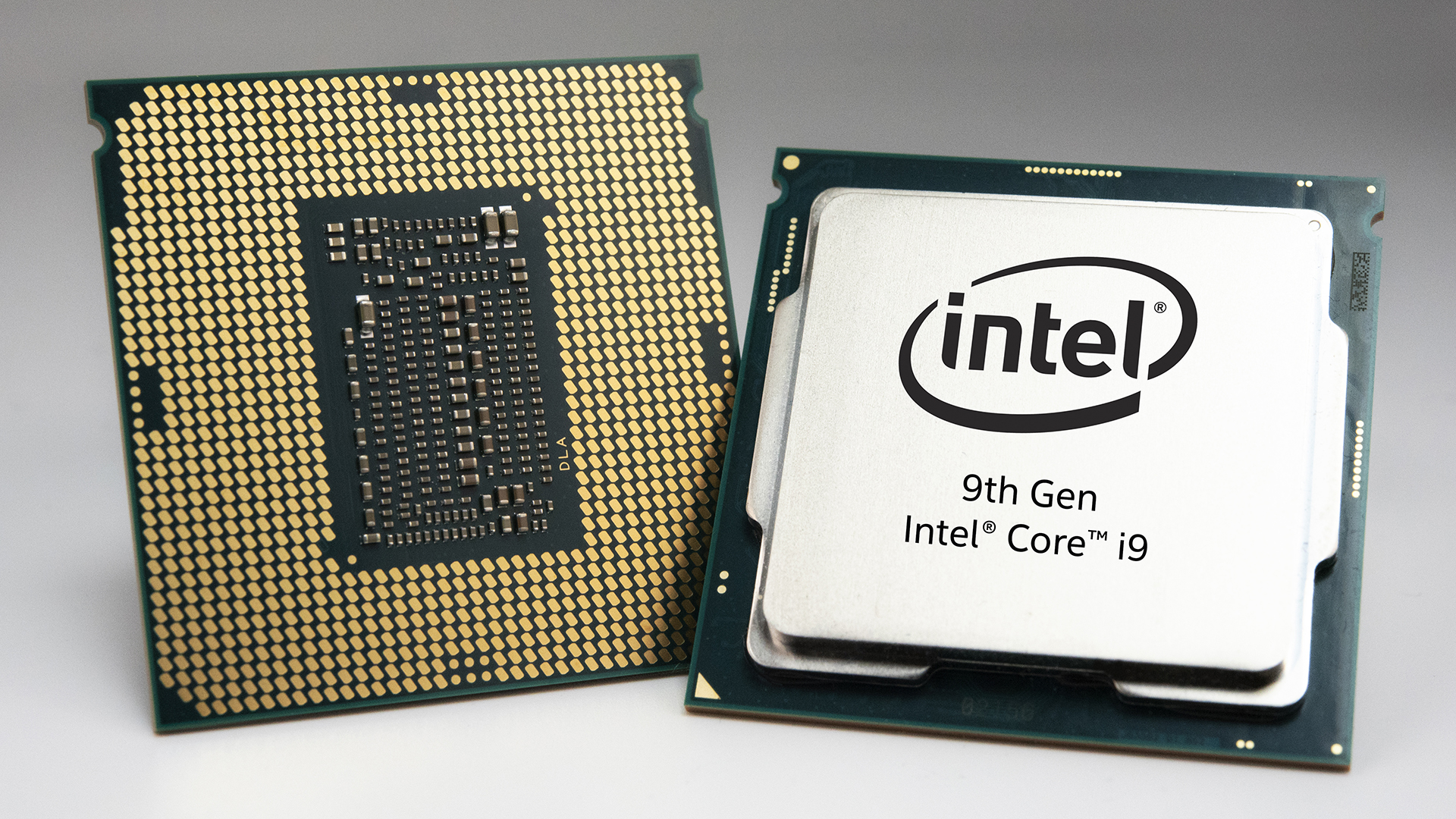
    Intel is looking to strengthen its position in the CPU market. The company unveiled its 5GHz laptop processors in the month of April 2019, which have already been incorporated by brands like ASUS, Dell, HP and Razer. In 2018, the American chip manufacturer showcased a CPU which had all its cores clocked at 5.0 GHz. The aforementioned processor, which is the Core i9-9900KS, is all set for release in the upcoming weeks and will be the first of its kind. 

    The new Intel Core i9-9900KS features a total of 8 cores, all of which will run at a clock speed of 5.0 GHz during single-core workloads as well as multi-core workloads. As per reports, the company showcased a demo of a 28-core Intel Xeon CPU in the year 2018, but the clock speed of the same was way lower than the 9900KS. Noteworthy, the core i9-9900KS is selectively binned so that each core utilizes the maximum clock speed i.e. 5.0 GHz.
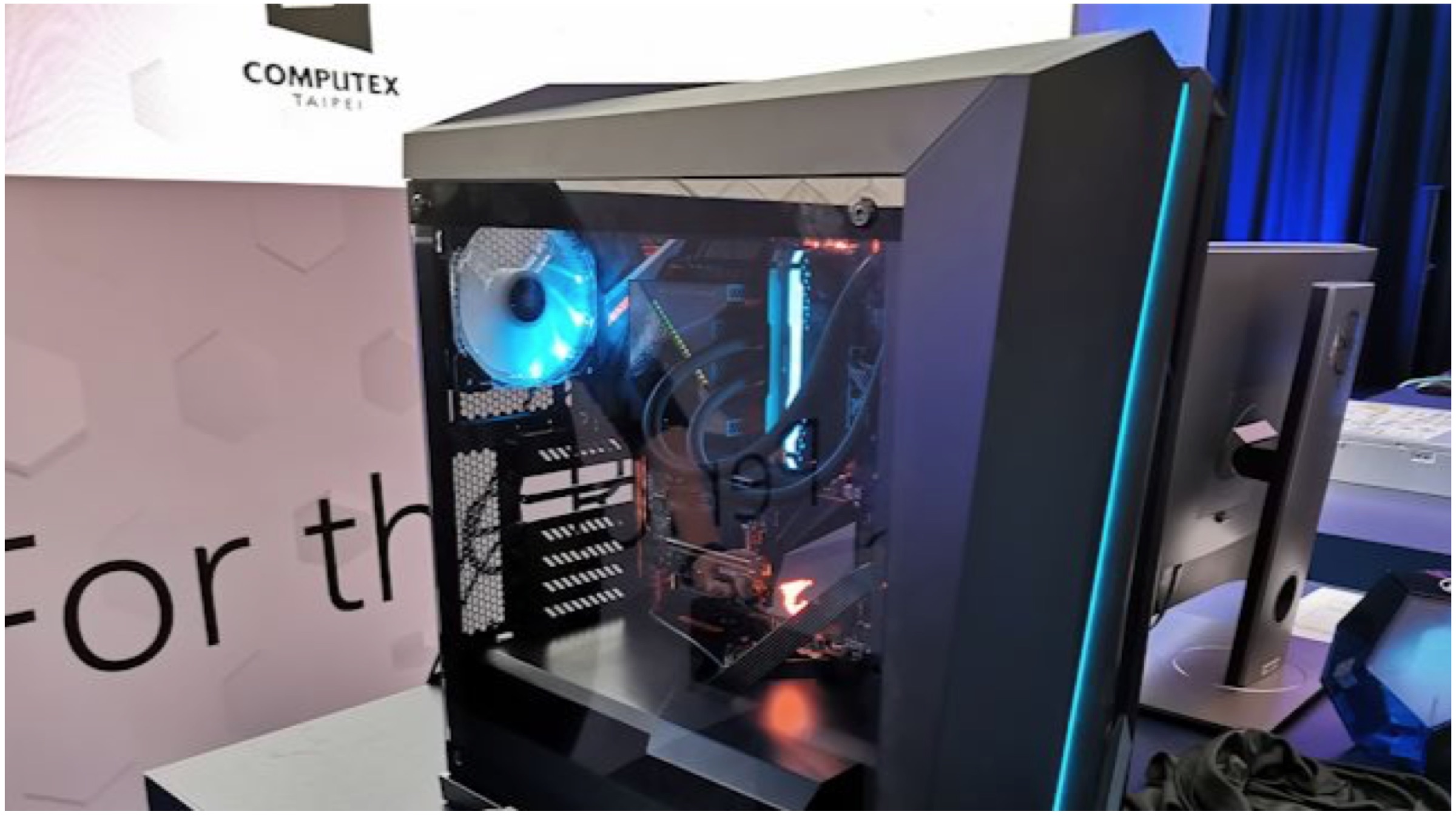
    Reports further state that the current motherboards supporting Intel’s core i9-9900K processors will be able to accommodate the newly launched i9-9900KS as well. However, a minor firmware update will be pushed out to the motherboards by their respective manufacturers so as to enable support for the core i9-9900KS. Furthermore, it was also stated that the new CPU will feature a similar integrated GPU chip to the i9-9900K processor.  

    Intel i9-9900KSAlso Read: Microsoft And Sony Join Hands For Cloud Gaming Service

    The TDP (Thermal Design Power) of the CPU is unknown as of now, alongside the unrevealed details regarding the pricing and the launch date. However, as per sources, Intel may have stepped up the TDP of the i9-9900KS a notch, since the base frequency of the processor exhibits a 10 percent increase over the i9-9900K CPU. More details regarding the same are expected to be unveiled in the upcoming Computex Event, which kicks off on May 28 in Taiwan. 

  • Microsoft Xbox One S Fortnite Edition Leaked In Images Ahead Of Official Announcement

    Microsoft Xbox One S Fortnite Edition Leaked In Images Ahead Of Official Announcement

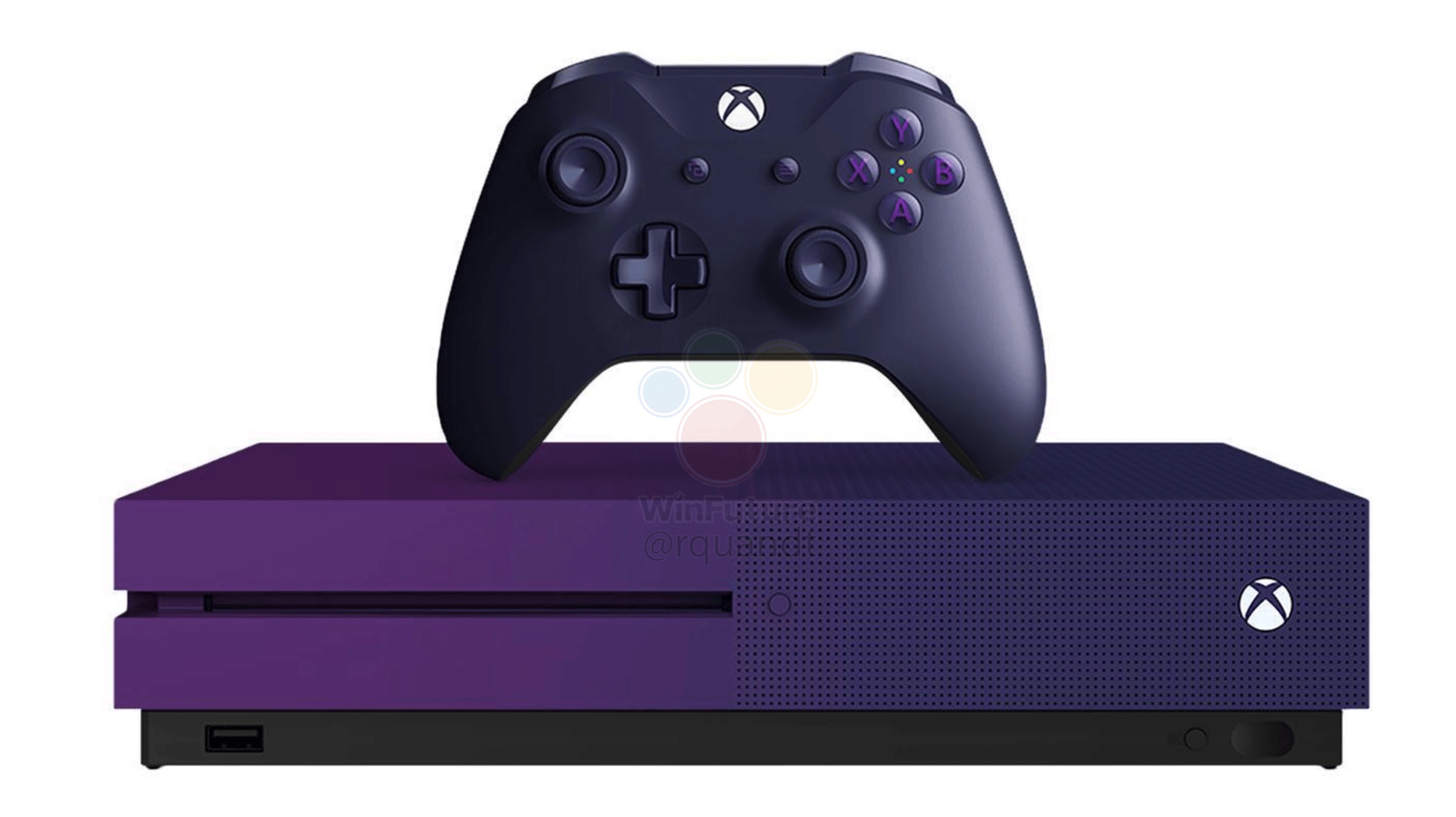
    Microsoft is all set to launch a Fortnite special edition version of its Xbox gaming console. Latest leaks by a tipster on Twitter has revealed the images of the limited edition device. The American technology giant seems to be encashing the current Battle Royale mania by teaming up with Epic Games and launching a Fortnite themed Xbox One S.

    Microsoft Xbox One S Fortnite Edition

    Microsoft Xbox One S Fortnite

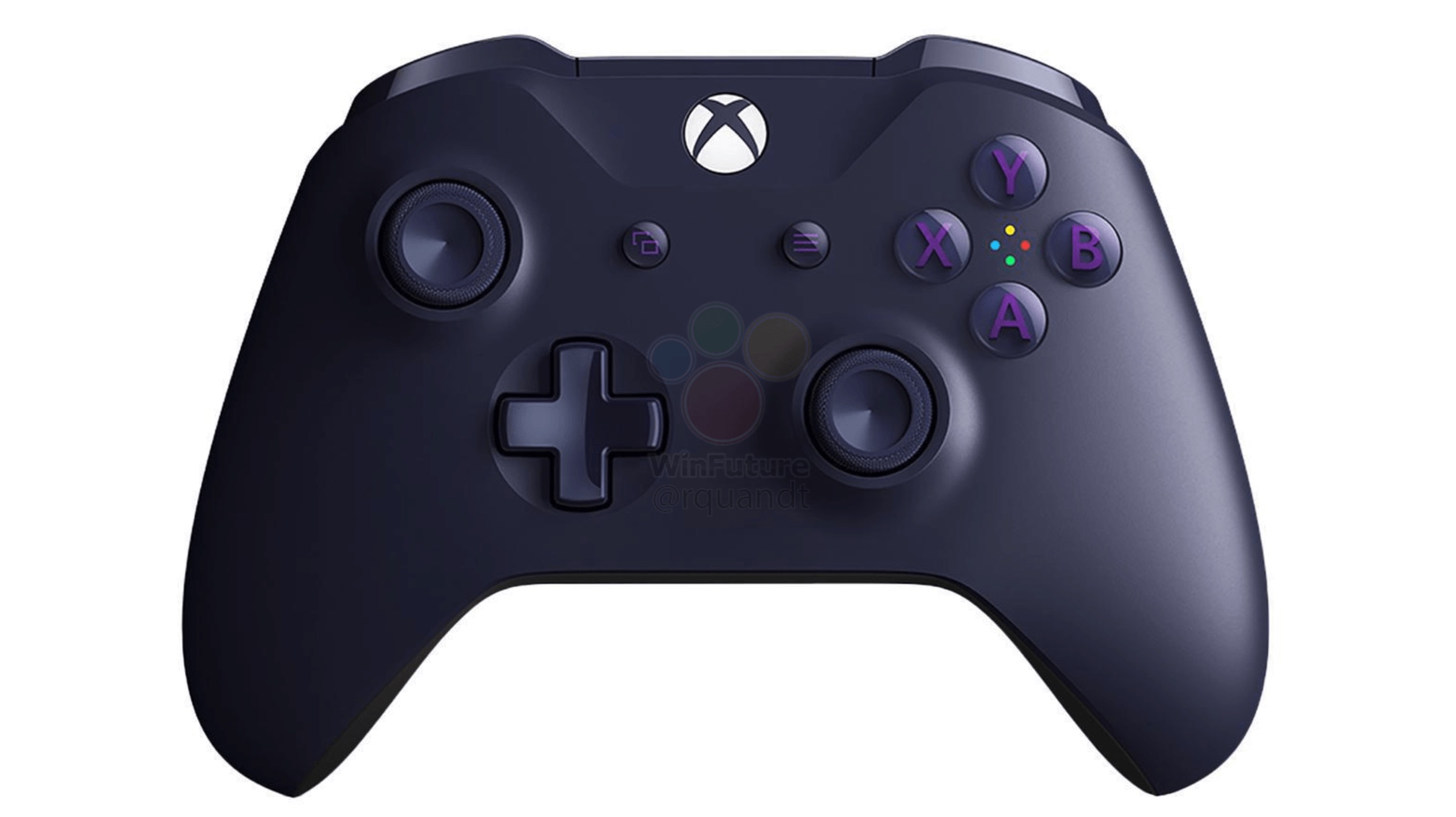
    Apart from key visual changes, the basic design of the Xbox One S Fortnite Edition remains the same as the regular version. Instead of the purple and black colour scheme on the existing variant of the console, the limited edition will be available in a purple and black paint scheme. The images showcase a gradient finish on the console which matches the basic colour scheme of the battle royale game Fortnite. Apart from the console, the controller of the device has also been given a design overhaul. The buttons on the Xbox controller feature purple accents; while the colour corresponding to them has been shifted in the centre. Apart from the aforementioned design changes, the Xbox One S Fortnite Edition looks like the regular variant.

    Microsoft Xbox One S Fortnite

    Also read: Facebook To Launch Its Cryptocurrency Named Globalcoin Soon

    On the inside, the Microsoft Xbox One S Fortnite Limited Edition is believed to be bundled with the new Dark Vertex skin in Fortnite; users will also be provided with 2000 V-bucks which is the game’s currency. It may also include a month of Xbox Live Gold, EA’s Access service and the Xbox Game Pass. While the pricing and launch date of the gaming console has not been announced yet; it may be launched at Microsoft’s E3 event on June 9 with an expected price tag of EUR 299 (INR 23,200). The company may also discuss its XCloud service and the next iteration of the gaming console at the event.

iGyaan Network
Privacy Overview

This website uses cookies so that we can provide you with the best user experience possible. Cookie information is stored in your browser and performs functions such as recognising you when you return to our website and helping our team to understand which sections of the website you find most interesting and useful.