Category: Brands and Companies

All Brands and Company Names

  • Motorola’s Newest Smartphone Comes with 3900mAh Battery and 21 MP Main Camera

    Motorola’s Newest Smartphone Comes with 3900mAh Battery and 21 MP Main Camera

    Motorola has officially launched the Droid Turbo, a Verizon-exclusive smartphone manufactured by Motorola, and it appears to be their most powerful yet. Verizon and Motorola have always shared close relationship, at a time where AT&T was the exclusive US carrier for the iPhone.

    The Droid Turbo’s biggest catch is its battery life, though moreover, it’s a fact that it has much more powerful specs than any of Motorola’s available flagship. The Droid Turbo has a Qualcomm Snapdragon 805 with four Krait 450 cores clocked at 2.7 GHz and 3 GB of LPDDR3 memory. It sports a 2560×1440 AMOLED display, which we see quite often these days on Android flagship smartphones. The device comes with a 2MP front-facing camera capable of recording 1080p video along with three capacitive navigation buttons, which means we won’t see any on-screen buttons that Motorola has been using on their devices.

    Key Specs

     Droid Turbo

    Display 5.2-inch 2560×1440 AMOLED at 565ppi
    Processor APQ8084 2.7 GHz Snapdragon 805 with 4xKrait 450 + Adreno 420
    Storage 32/64 GB
    RAM 3 GB LPDDR3
    Camera 21 MP (5248×3936) Rear Camera with F/2.0 aperture, 2 MP Front Camera
    Battery 3900 mAh
    Operating System Android 4.4.4 KitKat

    As already mentioned, the most striking aspect of the phone is its 3900 mAh capacity battery and it claims to last up to 48 hours of usage. The Droid Turbo will also support Motorola’s Turbo Charger, a new accessory from Motorola that is said to provide 8 hours of battery life in a mere 15 minutes of charging. It will have support for 4G LTE with LTE Cat 4, apart from CDMA, EVDO Rev A, GSM/ UMTS/ HSPA+. Meanwhile, the back of the phone houses the 21 MP primary camera, which Motorola claims is capable of recording 4k videos at 24fps, along with support for 1080p recording at 30fps. The back of the phone is quite similar to what we have seen in the Moto X and Moto G, but slightly less curvy. There’s also a lot of branding on the back with a logo for Verizon, the Droid brand, and of course, Motorola. Even with those, it still emanates Motorola’s design language.

    The Droid Turbo will have two choices of materials. One is a metallic finish which comes in black or red and is lighter and slimmer of the two. They will all have 32 GB capacity. Meanwhile, the 64 GB version will only get the Nylon Ballistic Black finish, which is slightly thicker and heavier.

    The Droid Turbo has been priced at $199.99 (approximately Rs. 12,250) for the 32 GB variant, while the 64 GB version costs $249 (approximately Rs. 15,300), both on a two-year term.

    To us, it’s yet another Droid that India won’t get its hands on.
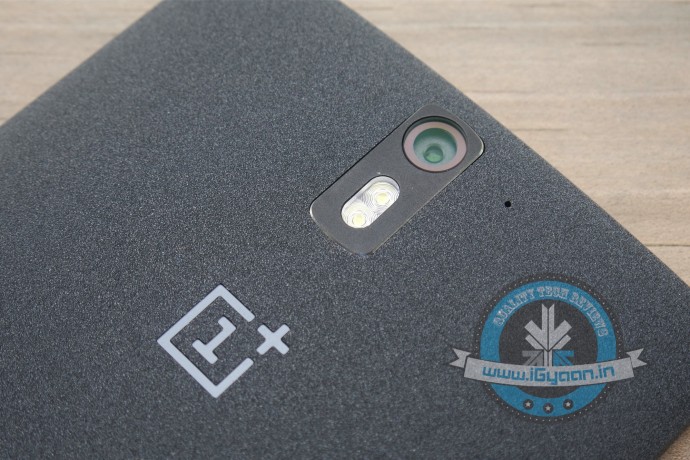
  • OnePlus is Developing a New Android ROM for the OnePlus Two

    OnePlus is Developing a New Android ROM for the OnePlus Two

    Chinese mobile superstar, OnePlus is reportedly creating a new Android ROM for the upcoming OnePlus Two. The CEO of the company told the Chinese media that the company is planning to ship one variant of the Two with a home grown ROM.

    OnePlus One is known and demanded world over for its high specs, awesome design and low price. The device is especially appreciated for running the Android based CyanogenMod, that keeps the devices updated. Apart from this, the device ships with Color OS in China. Color OS can be found on the devices from OnePlus’s sister enterprise, Oppo. It seems that OnePlus might bid farewell to the Color OS for its own operating system.

    The OnePlus One currently runs CyanogenMod and it is unanimously appreciated for it.
    The OnePlus One currently runs CyanogenMod and it is unanimously appreciated for it.

    In the past, the company has taken multiple steps to reduce its dependency on CyanogenMod. They had released a stock Android ROM for their devices. Apart from that they had also offered support for other ROM’s like Paranoid Android and SlimKat ROM.

    It is highly unlikely though that the company may dump CyanogenMod altogether after a regularly updated ROM is one of the centerpieces of the device. But it will be interesting to see if a homegrown ROM will match up to the amazing CyanogenMod.

    OnePlus has also just announced that they will be bringing the One to India with a geography limited invite system. Considering the massive demand for the device, we will assume that they will repeat the millisecond vanishing act that has been perfected by its compatriot, Xiaomi. As for the OnePlus Two, it would be arriving somewhere around the second or third quarter of next year. We are waiting for your arrival OnePlus.

  • Spectrum Delay to Disrupt Telephony Services in Three Megacities

    Spectrum Delay to Disrupt Telephony Services in Three Megacities

    If you are living in Delhi, Mumbai or Kolkata and are a subscriber of either of the two largest mobile service providers, Vodafone and Airtel, there might be trouble brewing ahead for you. Mobile telephony may get disrupted the coming month in these cities because of the delay in spectrum allocation.

    In February this year, the spectrum allocation bid took place. All major service providers got their share. But the government allotted the airwaves just this month. This might cause a lot of trouble especially for the subscribers of Vodafone and Airtel, whose spectrum expires in Delhi, Mumbai and Kolkata by the end of next month. The companies have to vacate the 900 MHz spectrum and shift to 1800 MHz.

    The delay in Spectrum allocation can result in disruption of Vodafone, Airtel and Idea services
    The delay in Spectrum allocation can result in disruption of Vodafone, Airtel and Idea services

    As the Department of Telecom (DoT) allocated the spectrum to the companies this month, they are asking for a six-month extension. This request was made by GSM industry body Cellular Operators Association of India (COAI). According to them, shifting of frequencies and bands require at least six months to make a smooth transition. They said that a lot of groundwork needs to be carried out, which includes new tower locations, antenna tuning, network configuration, etc. And hence, they require a minimum extension of six-month for a seamless transfer.

    The decision will affect a giant section of mobile users in those cities. It is estimated that combined user share of Vodafone, Airtel and Idea in Delhi accounts for 26 million, which is almost 79% of the GSM mobile users. In Mumbai, the trio provides GSM services to 72% of mobile users.

    DoT, however, hasn’t given any assurance to the companies. The representatives of the industry will be meeting with the officials at the DoT on Friday. The result of the meet will decide the fate of millions of mobile connections. If talks fail, it will not just create a connectivity issue but will create an economical issue as well, considering that a good number of businessmen are now dependent on their phones for their livelihood. We’ll get to know how things work out for everyone this Friday.

  • Google Challenges Apple’s HealthKit with New Google Fit

    Google Challenges Apple’s HealthKit with New Google Fit

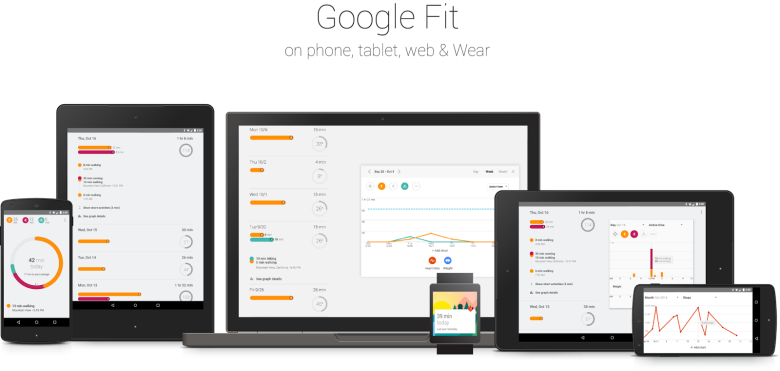
    After overcoming a few hurdles along the way, Apple’s HealthKit is making its way into mainstream slowly. However, Apple is not the only one to tap on potential market of health related applications and hardware. Yesterday, Google released Google Fit, a standalone app and fitness platform designed to compete with Apple’s HealthKit, in the Google Play store.

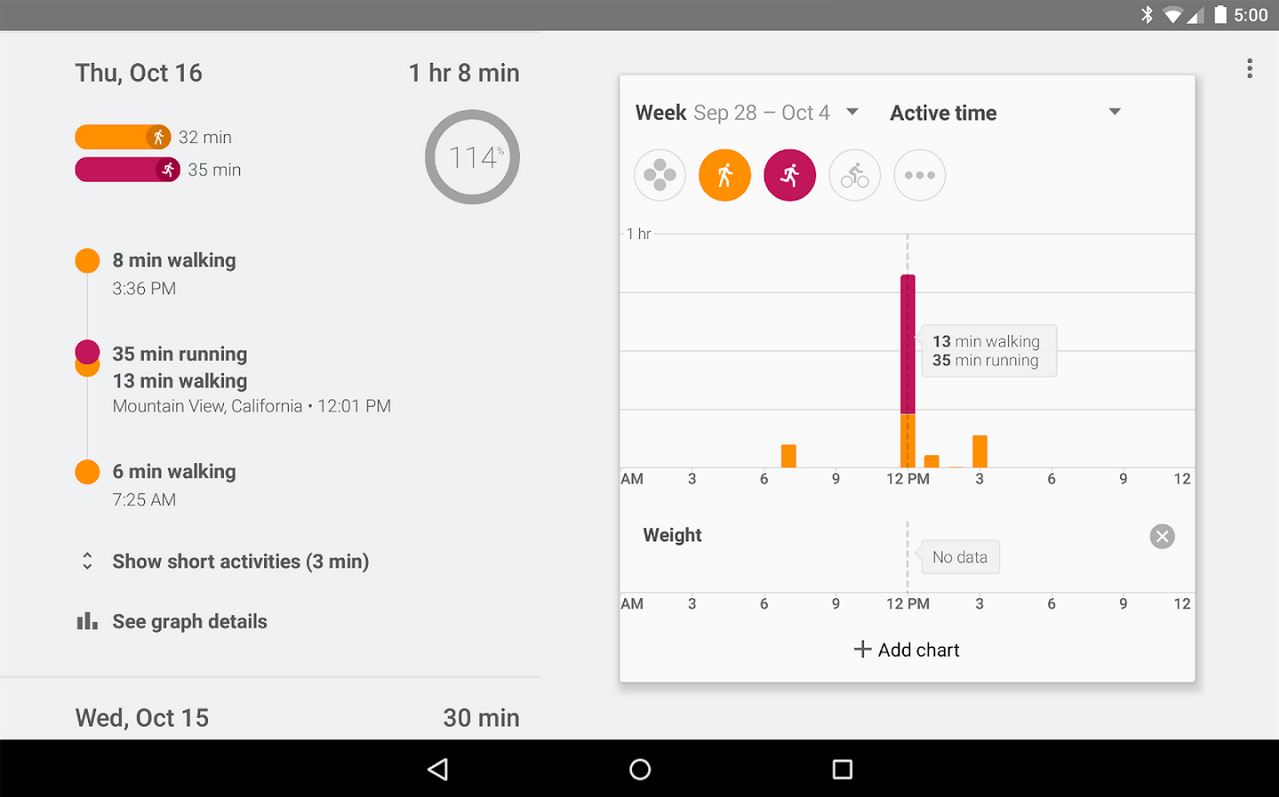
    The app, which connects to your existing Google account, functions as a central dashboard for tracking fitness and health goals. Like HealthKit, Google Fit taps into the sensors in your smartphone to keep tabs on daily activities like steps and active minutes. Users can also manually add exercise and other activities like biking and walking.

    google-fit

    According to Google, the newly launched app includes your run-of-the-mill activity tracking features, supports third-party integrations and Android wear devices, and enables users to “set goals based on either duration or steps.”

    To help enable third-party app integration, the company also rolled out full versions of its Google Fit APIs for developers. Google released a preview version of its software development kit for Google Fit earlier this year, and announced a series of early partners, including Nike, Runtastic, RunKeeper, who will be among the first developers to make their apps Google Fit-compatible.

    google fit

    Google Fit also has a web-based destination at Google.com/fit which doesn’t appear to be live just yet, and it’s likely we’ll see more features introduced to the app as developers begin to explore and work with the platform.

    Although this fitness app follows Google’s new Material Design guidelines and was announced alongside Android L (now known as Lollipop), Google Fit is available to all users running Android 4.0 and newer. This is also another reminder that Android 5.0 Lollipop’s release is just around the corner, with the first consumer devices sporting the OS coming next week.

  • Asus Confirms Android 5.0 Lollipop Update for Zenfone, Padfone

    Asus Confirms Android 5.0 Lollipop Update for Zenfone, Padfone

    Taiwanese manufacturer Asus has joined the list of manufacturers officially confirming the Lollipop update for its smartphones. The company has officially announced the Android 5.0 update for the Zenfone 4, Zenfone 5 and Zenfone 6 smartphones. Also receiving the update would be the Padfone S and Padfone Infinity (A86) devices. Meanwhile, the LTE version of the Zenfone 5 will also receive the update.

    However, the updates will take a long time to arrive. According to Asus, the update will come to Zenfones in April 2015, which makes it highly possible that Asus is working on the next version of the Zen UI for Android.

    Asus_Zenfone_4_3

    Asus now joins the likes of Motorola, Sony and HTC with this announcement, who have also confirmed the update for a select few devices. Being the Nexus manufacturer, Motorola was the first to confirm the update, followed by Sony announcing the update for the entire Xperia Z series.

    While Samsung also teased the update for the Galaxy Note 4, though it is rumoured to be working on a revamped version of its TouchWiz UI for Android 5.0. For more information, check out our article on a complete list of devices that will get the Android 5.0 Lollipop update.

  • Hands On : Micromax Canvas 4 Plus

    Hands On : Micromax Canvas 4 Plus

    Micromax has dropped a few handsets in the past months, that have made big news. The Canvas Nitro, Canvas Gold and the A1 Android One Phone, are a few examples of products that made headlines. The Canvas 4 Plus will make headlines of its own, however, it may be the iPhone 6 plus’ bendgate that influences this one.

    The Canvas 4 plus, is a new entrant and features a 5-inch 1280 x 720 p display along with an octa core Mediatek chipset, 1 GB of Ram and micro SD card expansion. The phone is might slim at just 7 mm thick and boy, does it bend easily.

    In our unboxing of the phone, just because the phone looks so similar to an iPhone, we lightly attempted a bend test and it bent out of shape. We didn’t go all the way, as it would totally ruin the review of the phone. However, once the whole mumbo jumbo is over we might give it another go.

    The phone also shows signs of warming up during basic usage and especially so during browsing the internet. The phone comes preloaded with a bunch of applications and the Quick Look blinkfeed-esque interface that takes away from the user experience and you will find yourself trying to remove them sooner than expected.

    The phone other than the bending issues feels good in the hand and has metallic buttons, however the bending really makes you worry about the build and the plastic top and bottom parts come off easily at the back.


    Specs

    Micromax Canvas 4 plus

    Gionee Elife S5.1

    Gionee Elife S5.5

    Huawei Ascend P6

    Display

    720×1280 pixels, 5.0 inches 720×1280 pixels, 4.9 inches 1080×1920 pixels, 5.0 inches 720×1280 pixels, 4.7 inches

    Processor

    MediaTek 1.7GHz octa-core Qualcomm Snapdragon 400 Mediatek MT6592, Octa-core 1.7 GHz Cortex-A7 Huawei K3V2
    Quad-core 1.5 GHz Cortex-A9

    RAM

    1 GB 1 GB 2 GB 2 GB

    Storage

    16 GB (expandable upto 32GB) 16 GB (non-expandable) 16 GB (non-expandable) 8 GB/16 GB

    Camera

    13 MP rear, 5 MP front 8 MP rear, 5 MP front 13 MP rear, 5 MP front 8 MP rear, 5 MP front

    Battery

    2000 mAh 2100 mAh 2300 mAh 2000 mAh

    Operating system

    Android 4.4.2 Android 4.3 Android OS, v4.2 (Jelly Bean), upgradable to v4.4.2 (KitKat) Android OS, v4.2.2 (Jelly Bean), upgradable to v4.4.2 (KitKat)
  • Apple Plans to Replace Transit Passes with iPhone 6’s NFC

    Apple Plans to Replace Transit Passes with iPhone 6’s NFC

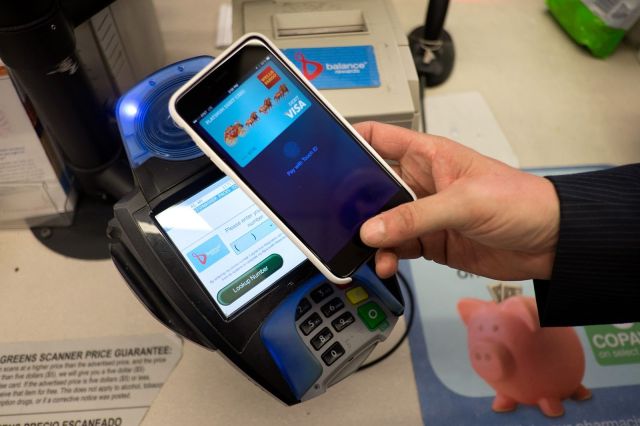
    iPhone users have just started using Apple Pay to make purchases at cash registers and online stores. But the application of this NFC-based payment system is not limited to just this. According to The Information, Apple is in talks with keycard maker HID Global and Cubic to enable security features through which the NFC-equipped iPhone can be used as a pass to enter buildings and transit fare systems.

    “The Apple representatives have spoken to technology providers like HID Global and Cubic, which enable secure access to buildings and transit fare systems respectively, briefed people involved in the discussions. Spokespeople for the companies declined to comment on any discussions with Apple, but executives there discussed how they could integrate their systems with the iPhone.” the report said.

    20141020_apple-pay_0073-640x426

    This could only mean that the iPhone 6 could soon come with the ability to unlock hotel room doors and even pay public transit fares. Back at the launch of Apple Watch, the company publicly announced a partnership with Starwood Hotels and Resorts Worldwide that would allow Apple Watch owners to unlock their hotel room doors using bluetooth. However, that specifically isn’t NFC technology, but the concept is the same.

     Currently, developers are not allowed to tap into the NFC chip found in the iPhone 6 and iPhone 6 Plus. By allowing access to the NFC chip, the cards would be able to upload on the Passbook the same way credit cards are added. Users will then have to just tap on the home button at NFC-powered transit turnstiles to pay for their desired rides.

    Its functions remain exclusively tied to Apple Pay, which launched with the release of iOS 8.1 last week. Apple hasn’t indicated any plans to open up NFC access in the future. However, report from The Information illustrated that Apple may selectively partner in offering NFC support. Initially, Apple also restricted Touch ID support until the launch of iOS 8, which now allows developers to offer fingerprint-based access with applications.

  • In Response to the IAF Ban, Xiaomi Migrates its Cloud Server to India

    In Response to the IAF Ban, Xiaomi Migrates its Cloud Server to India

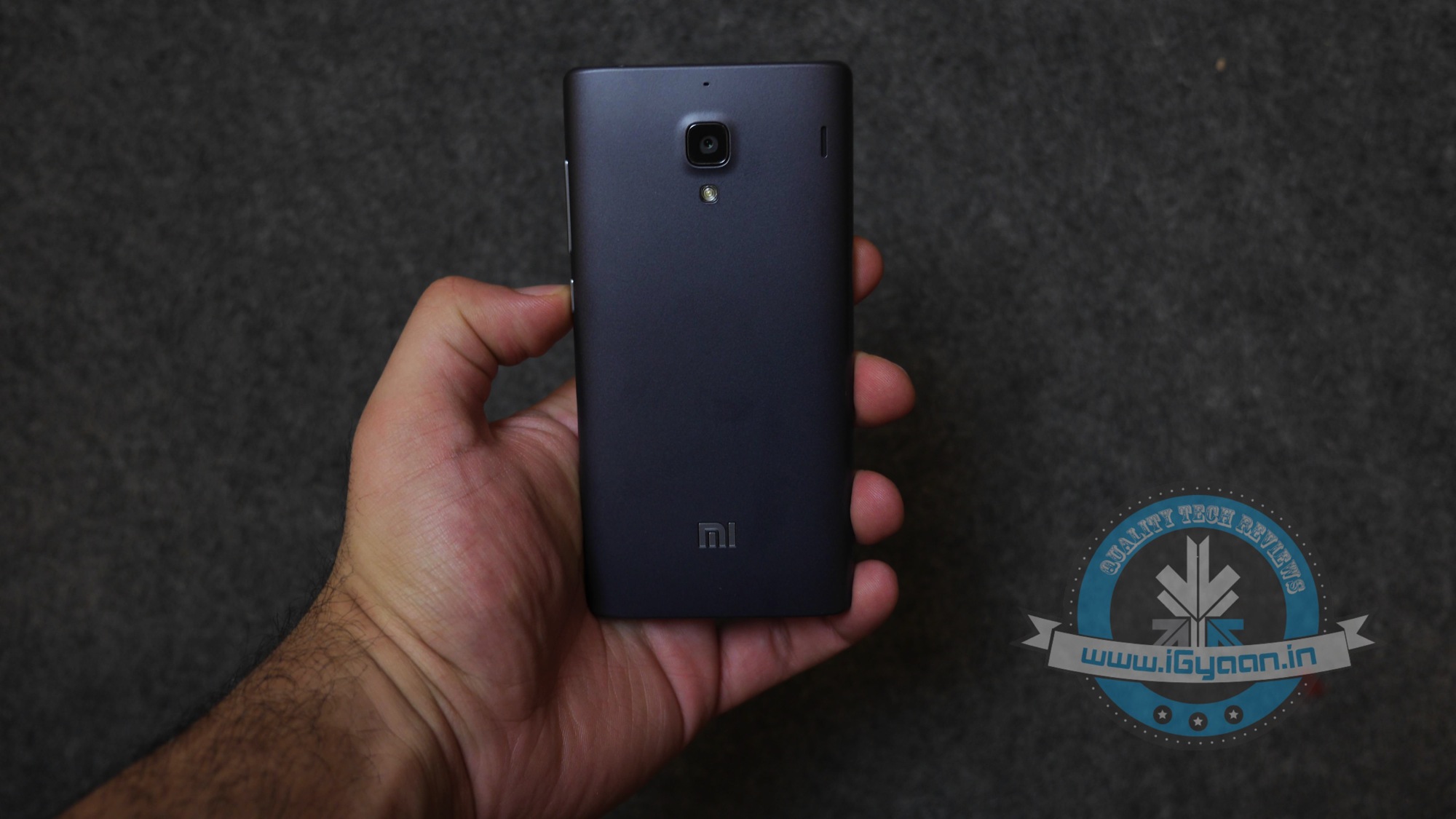
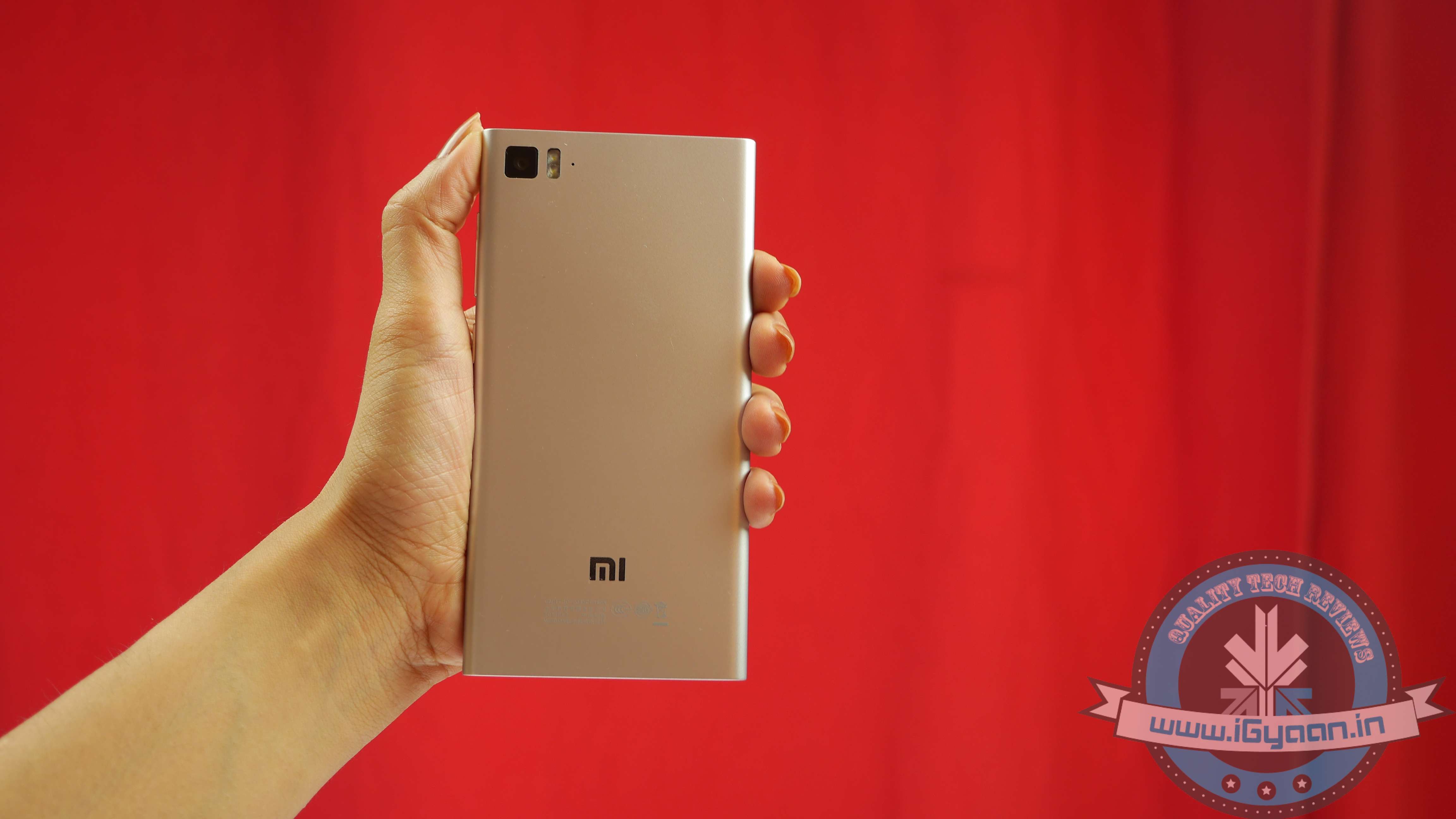
    The Chinese company was recently troubled by an outburst concerning a national privacy issue. The Indian Air Force banned its personnel from using Xiaomi smartphones as they were considered a security threat. Now the company has planned to completely migrate the cloud servers out from Beijing and setup a local server for Indian customers.

    IAF had cited a report by F-Secure which said that they found that the Redmi 1S was forwarding carrier name, phone number, IMEI (the device identifier) plus numbers from address book and text messages back to Beijing. Even after Xiaomi took proactive steps towards addressing its concern, IAF, is pressing on its officials and families to refrain from using the phones.

    “Since early 2014, we have been migrating our services and corresponding data for Indian users from our Beijing data centers to Amazon AWS data centers in Singapore and USA. Parts of this migration will be completed by the end of October, and all of it will be completed by the end of 2014,” said an official release by Vice-President Hugo Barra.

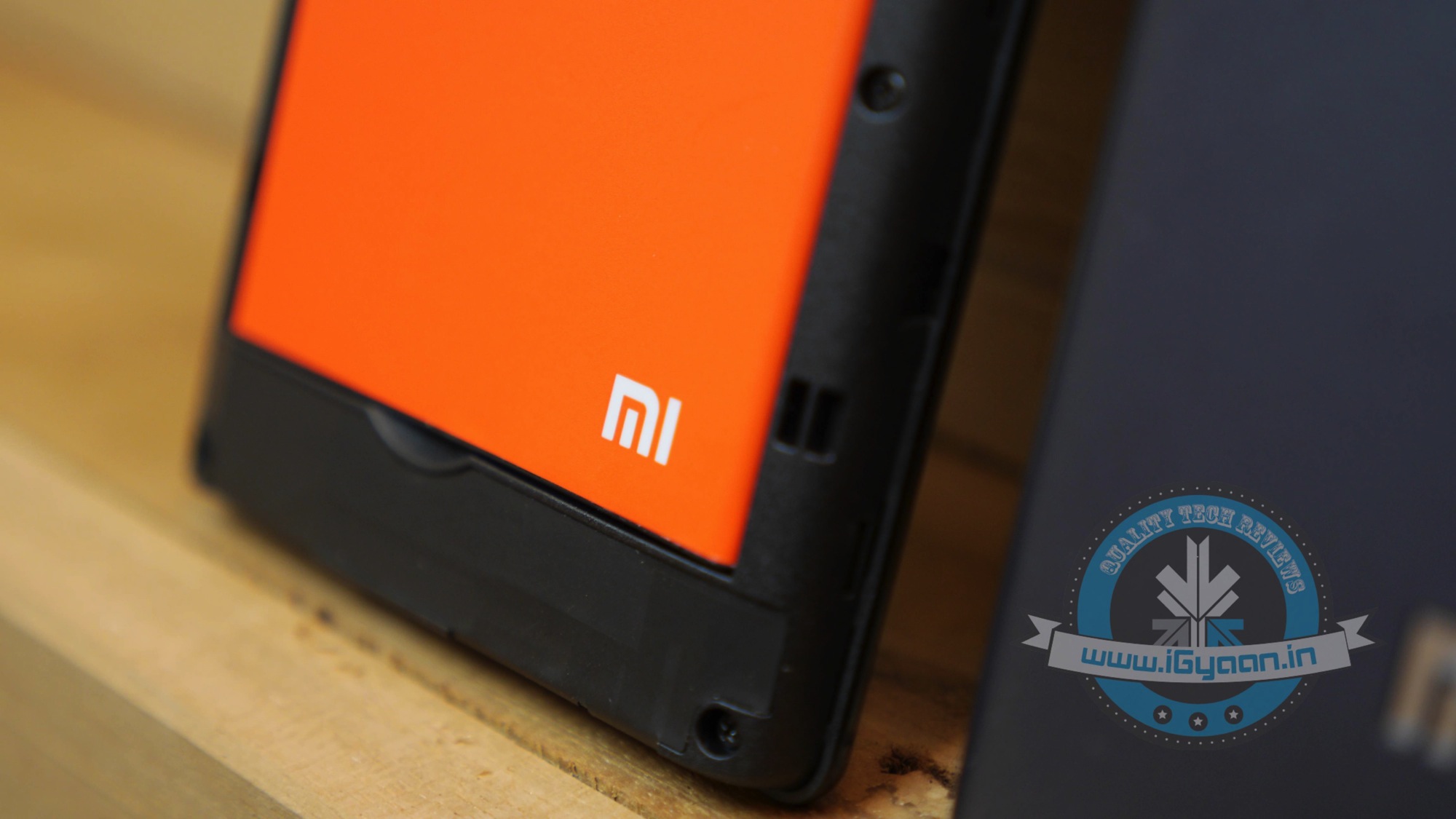
    Xiaomi MI 3 India 2

    “In 2015, we plan to launch a local data center in India to serve the needs of (and store data for) our Indian users. These efforts help significantly improve the performance of our services and also provide some peace of mind for users in India, ensuring that we treat their data with utmost care and the highest privacy standards.” Barra added.

    The security solutions company, F-Secure, had done a test on the phones and found that they were automatically syncing the files on the cloud. Xiaomi said this was because cloud syncing was on by default on their devices. The company had released an OTA update on 10th August which would give the users the option to manually turn cloud syncing on.

    Xiaomi added that F-Secure had acknowledged the efficacy of the new update. The company had also started the process of migration of the international user data out of its Beijing-based servers and started shifting it to Amazon’s AWS data centers.

  • Exclusive :  Gionee’s Thinnest Smartphone Elife S5.1 to Reach India By Mid-November

    Exclusive : Gionee’s Thinnest Smartphone Elife S5.1 to Reach India By Mid-November

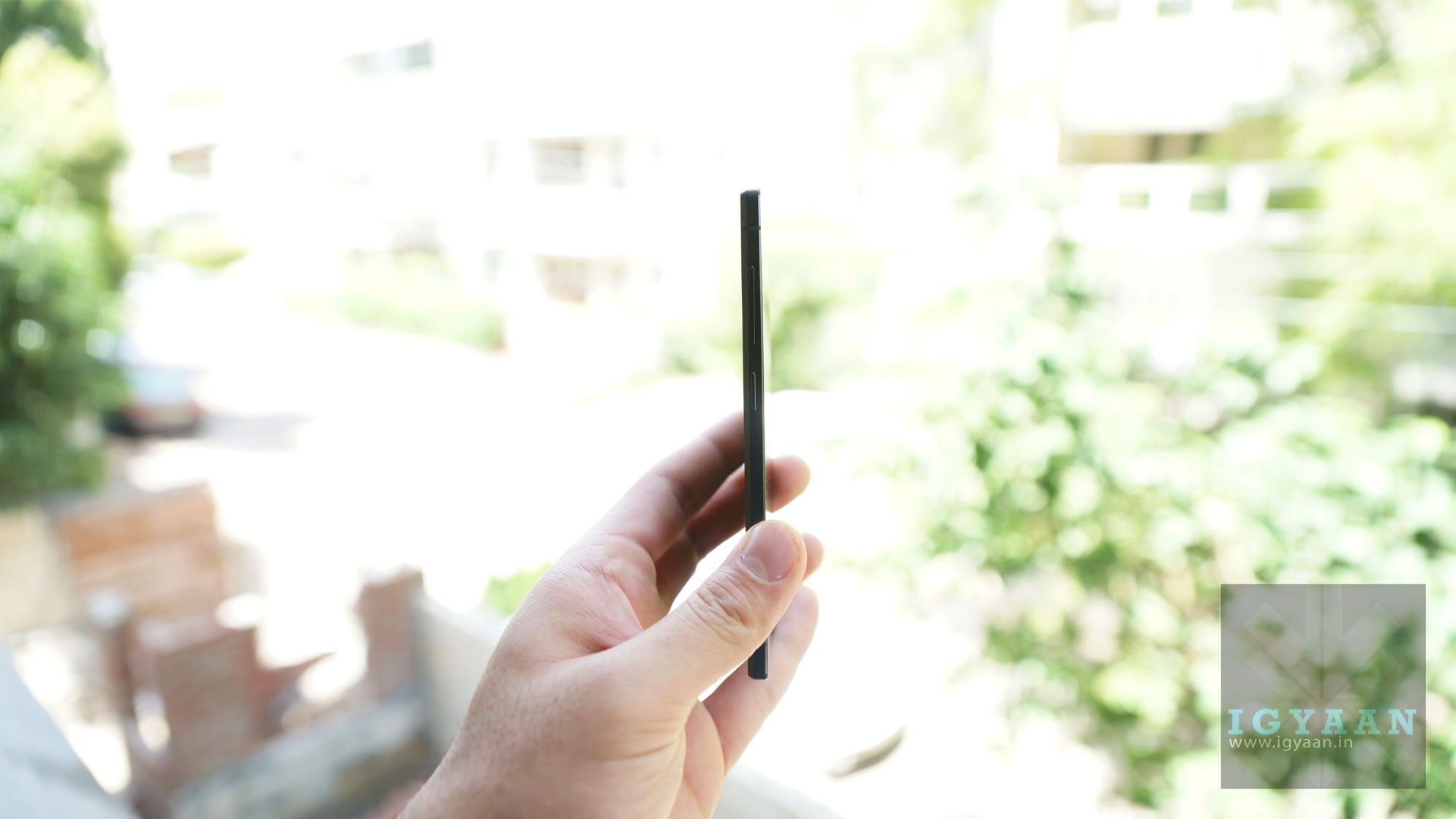
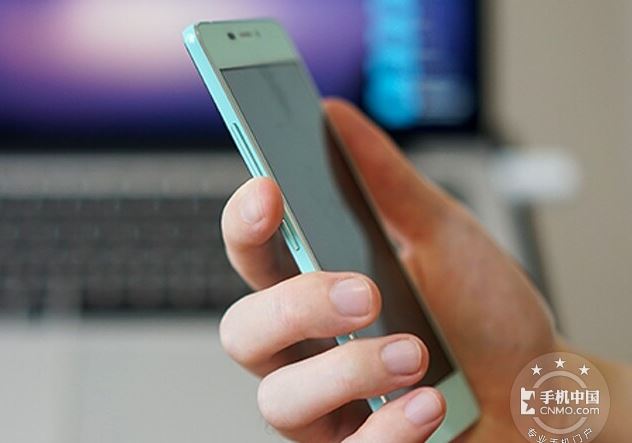
    Gionee secures the badge of the world’s slimmest smartphone with its Elife S5.5 launched last year. Breaking its own record, the company has announced yet another slim phone which is skinnier than the S5.5, holding a 5.1mm thickness. The handset has been aptly named as Gionee Elife S5.1.

    A source close to iGyaan has revealed that ‘the world’s slimmest smartphone’ may come to India during the third week of November. Previous leaks have cited that the new slim smartphone is produced using metal and Gorilla Glass, has curvier edges for a more comfortable grip, and may come with a flush fitting camera lens too.

    s5.1

    According to Gionee’s Head of Design, mobile device ergonomics is an important part of consideration when designing a device. The curved edge design of Elife S5.1 ensures that the phone fits and feels comfortable in the holders’ hands. The metallic structure and durable glass will also ensure a firm grip to avoid accidental drops.

    Chinese publication CNMO had leaked the unannounced Gionee Elife S5.1, showcasing the full handset. Another site, Zol.com, claims that it had a hands-on experience with the upcoming device. Based on the leaks, Gionee Elife S5.1 has a 4.8-inch HD AMOLED display and is powered with a 1.2 GHz quad-core Qualcomm Snapdragon 400 (MSM8926) processor running on 1 GB RAM.

    elifes5.1-side
    Previously leaked picture of S5.1 by CNMO.com

    It is also said that the device comes with the 8 MP rear camera, 5 MP front-facing camera, 16 GB inbuilt storage (non-expandable), and a 2100 mAh battery. It could also run on Android 4.3 with Gionee’s Amigo 2.0 interface on top.

    Specs

    Gionee Elife S5.1

    Gionee Elife S5.5

    Micromax Canvas 4 plus

    Huawei Ascend P6

    Display

    720×1280 pixels, 4.9 inches 1080×1920 pixels, 5.0 inches 720×1280 pixels, 5.0 inches 720×1280 pixels, 4.7 inches

    Processor

    Qualcomm Snapdragon 400 Mediatek MT6592, Octa-core 1.7 GHz Cortex-A7 MediaTek 1.7GHz octa-core Huawei K3V2
    Quad-core 1.5 GHz Cortex-A9

    RAM

    1 GB 2 GB 1 GB 2 GB

    Storage

    16 GB (non-expandable) 16 GB (non-expandable) 16 GB (expandable upto 32GB) 8 GB/16 GB

    Camera

    8 MP rear, 5 MP front 13 MP rear, 5 MP front 13 MP rear, 5 MP front 8 MP rear, 5 MP front

    Battery

    2100 mAh 2300 mAh 2000 mAh 2000 mAh

    Operating system

    Android 4.3 Android OS, v4.2 (Jelly Bean), upgradable to v4.4.2 (KitKat) Android 4.4.2 Android OS, v4.2.2 (Jelly Bean), upgradable to v4.4.2 (KitKat)
  • German Guy Finds an Awesome Use of His Retired Power Mac G5

    German Guy Finds an Awesome Use of His Retired Power Mac G5

    If you ever had to deal with the pain of parting with an electronic device, then you must know how hard it is. Laptops and desktops are especially hard to say goodbye to. You spend a lot of time trying to figure out which device to buy and then you spend countless moments with it. But some people find it so hard to bid them farewell that it leads them to create something amazing.

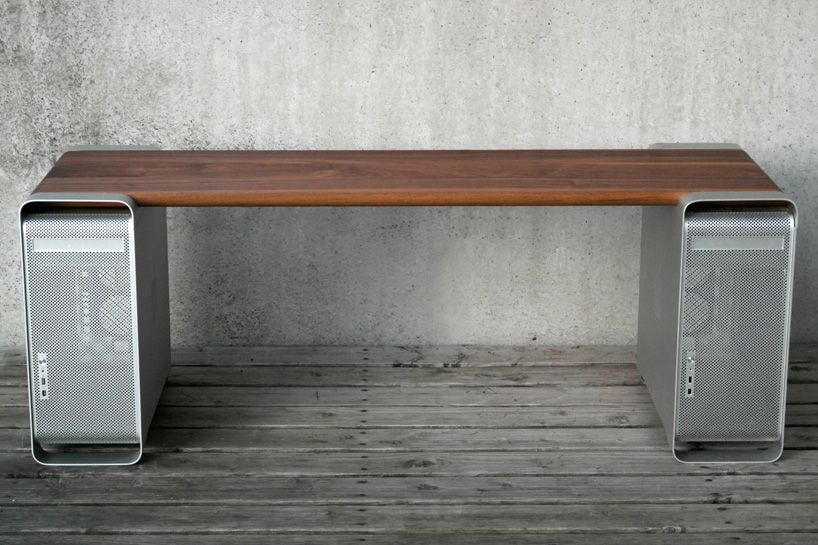
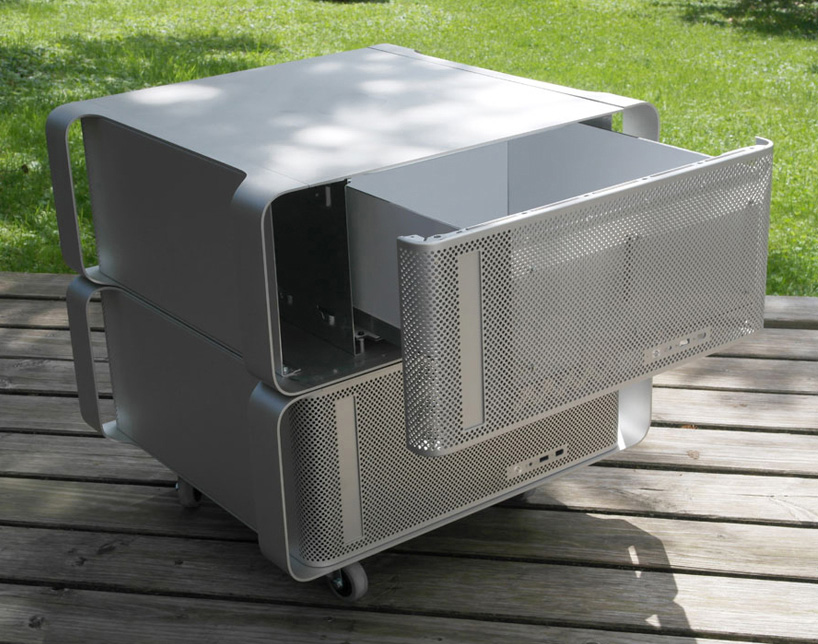
    Meet Klaus Geiger who gave a second life to his Power Mac G-5. It is so cool; you might ask why hasn’t this been done before. Klaus uses two shells of the Power Mac’s and lays classy wooden slabs on them.

    If you think about it, it’s a great homage to the first 64-bit architecture. It is also a great way of taking care of the exponentially growing e-wastes. With the access to technology getting cheaper and the devices getting updated at a faster rate, discarding of old technology has also increased. For a cleaner planet, it is essential that we find effective solutions to dump the e-waste. What Klaus has done is one great example of fixing the new generation trash.

    Check out the images here:

    Klaus Power Mac Furniture (3)

    Klaus Power Mac Furniture (4)

    Klaus Power Mac Furniture

    Klaus Power Mac Furniture (5)

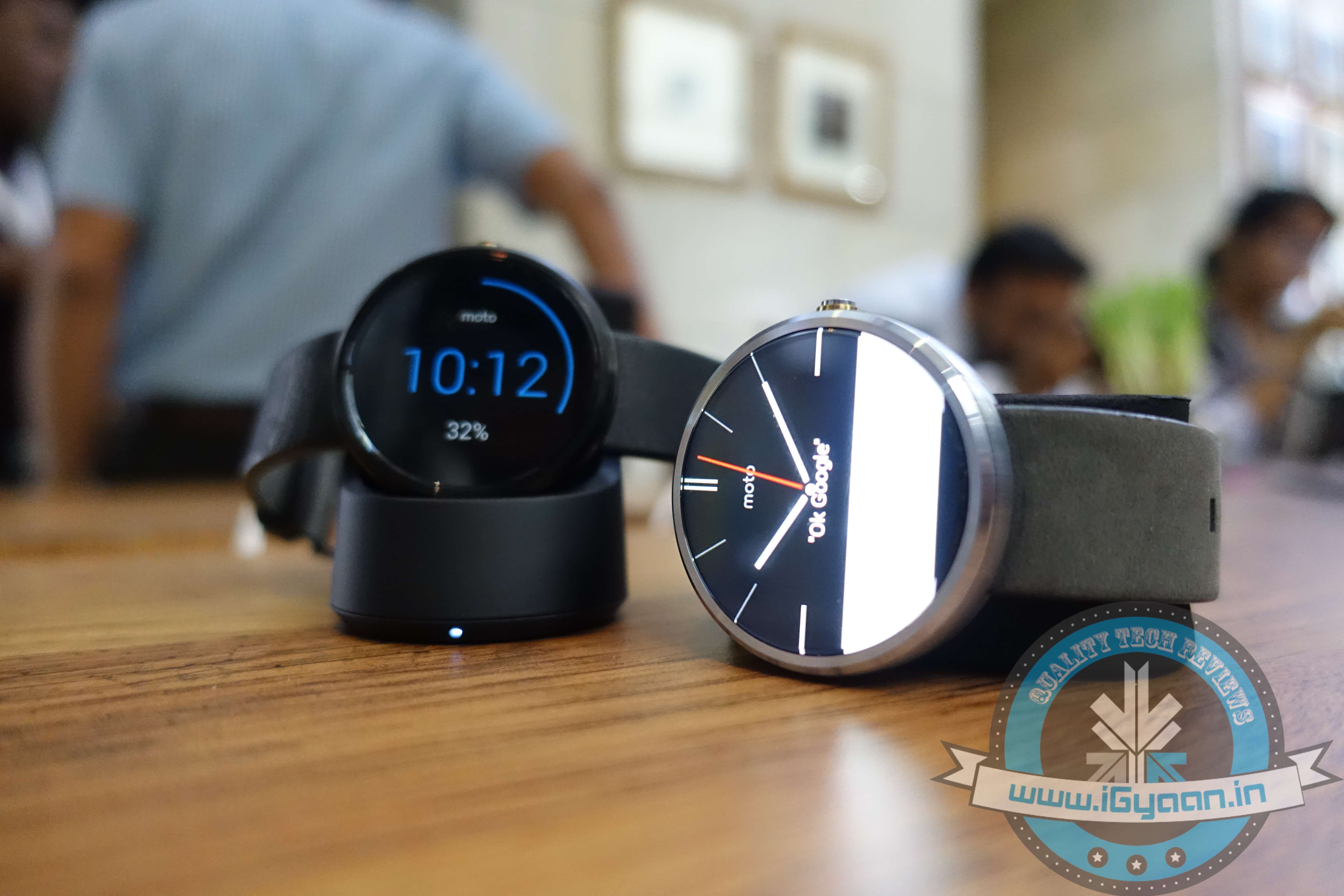
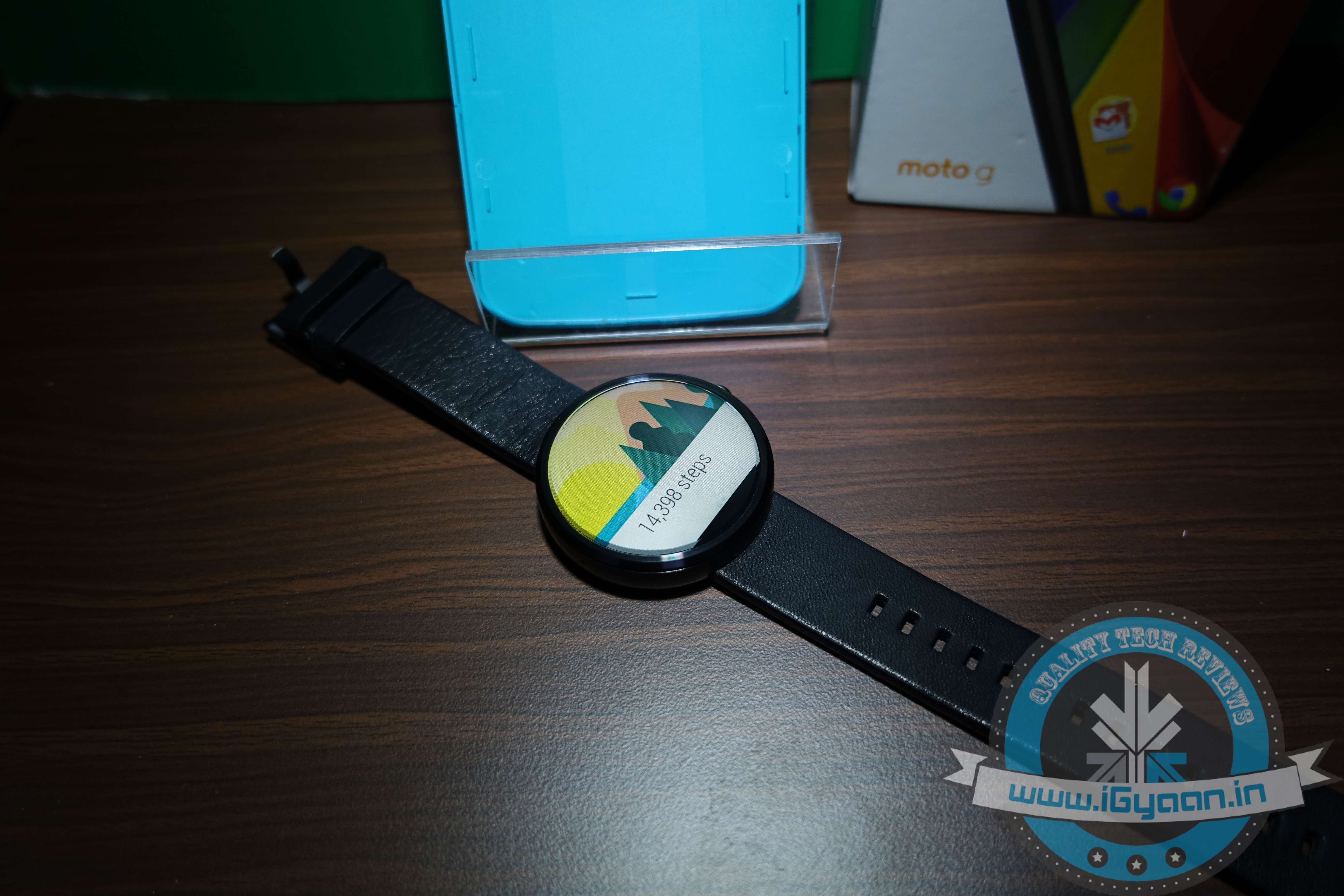
  • New Update for Moto 360 Brings Better Battery Life and User Interface

    New Update for Moto 360 Brings Better Battery Life and User Interface

    Motorola Mobility is known for its timely updates for its widely popular Moto G, Moto E and Moto X handsets. It looks like the company is continuing its update strategy with its smartwatch Moto 360 as well. Motorola has rolled out a new software update for the circular Moto 360 smartwatch. It promises better battery life and UI among some other tweaks.

    The company said that the new update will automatically turn off the ambient mode and hence, will save upto 15% of the battery life. The ‘Mood Lighting’ feature will adjust the brightness of the device according to the lighting conditions for a better ambient viewing experience.

    NEW_MOTO_360_0

    ‘Ambient Screen Off’ comes as a default setting and is preferred by most users. However, ‘Ambient On’ gives you an experience that more closely models a traditional watch with a watchface that is visible without any twist and tricks on your wrist. Motorola has also tweaked the device, and now one can connect bluetooth headsets with it.

    Along with this, the company has added a new gesture for better notification viewing. This new gesture allows you to see the full watchface without permanently dismissing the alert. Now, you can just touch the notification, swipe it down, and it will show you the message again when you have another high priority notification coming through. This way, you can easily navigate through the messages without them covering the entire elegant watchface.

    The company’s official blogpost reads, “We will roll out the new software in phases. Look for the update notification on your watch! You will be prompted to install it. To install the update, make sure that you’re connected to your phone with an internet connection and that your watch has at least 80% battery.”

    The company also mentioned that they have added some bug removal application in the update for better overall user experience.

  • Oppo Expected to Bring Out R5 and N3 on 29th October

    Oppo Expected to Bring Out R5 and N3 on 29th October

    Oppo’s much anticipated N3 and R5 are said to launch at an event in Singapore on 29th October. Previous generation R Series handsets are known for their slim and sleek design and the new R5 is said to be designed along the same lines.

    Both the devices are expected to come with support of 4G LTE out of the box. If so, the new R5 will be the slimmest 4G LTE handset available in the market. The recently released teaser shows two devices behind the curtain. The two devices shown are speculated to be the Oppo N3 and R5, however has been no confirmation or any other details revealed.

    oppo_teaser_one_more_step

    Earlier, the company teased the camera module of the expected handsets. Oppo N3 features have been leaked by various enthusiastic Chinese mobile showrooms in past few months. GSM Arena had leaked some renders of what could be the Oppo N3, which showcases a cylindrical rotating camera design.

    The leaked teaser doesn’t show the cylindrical rotating camera, also, it is not immediately evident if that is indeed the design of the other phone. Oppo claims that one of its designs will incorporate a lithium-aluminum alloy, whereas the other one will use stainless steel.

    oppo-n3-oct-teaser

    Chinese electronic showrooms have already started taking pre-orders of the new Oppo N3. The full-fledged advertising campaigns of the Chinese mobile stores have revealed that the new Oppo N3 will sport a 5.5-inch full HD display and a rotating 16MP camera. If this is true, then the Find 7 will still remain the only Oppo smartphone with a quad-HD display. Another detail revealed is the Chinese pricing of the N3 at 4,928 Yuan which comes to roughly Rs. 43,000.

  • IAF Adamant to Ban Use of Xiaomi Smartphones

    IAF Adamant to Ban Use of Xiaomi Smartphones

    The Indian Air Force (IAF), earlier this week had issued a circular to its employees asking then to refrain from using Chinese phones. The focus was mainly on the hot selling Xiaomi phones. It had cited a report by F-Secure which said that they found that the Redmi 1S was forwarding carrier name, phone number, IMEI (the device identifier) plus numbers from address book and text messages back to Beijing. Even after Xiaomi took proactive steps towards addressing its concern, IAF, is pressing on its officials and families to refrain from using the phones.

    Xiaomi had earlier in an interaction with PTI said that IAF must be taking into consideration an earlier privacy concern raised by F-secure. The security solutions company had done a test on the phones and found that they were automatically syncing the files on the cloud. Xiaomi said this was because cloud syncing was on by default on their devices. The company had released an OTA update on 10th August which would give the users the option to manually turn cloud syncing on.
    Xiaomi Redmi 1s Unboxing 4

    Xiaomi added that F-Secure had acknowledged the efficacy of the new update. The company had also started the process of migration of the international user data out of its Beijing-based servers and started shifting it to Amazon’s AWS data centers.

    It is important to know that this issue is not a cause for concern for the general public. The data, that is said to be collected by all service providers and handset manufacturers. The cause of concern was it going into the hands of a Chinese company. The Chinese government is notorious for collecting information without much regard for the legality of its actions. The country’s authorities had raged a man-in-the-middle attack to harvest passwords of iCloud users. Folks working in the military deal with sensitive information and that’s why the Air Force is exercising proactive caution. For the average person, you can go ahead and register for that next flash sale. It’s only going to get better after these incidents.
  • Sundar Pichai to Now Oversee Crucial Strategic Operations at Google

    Sundar Pichai to Now Oversee Crucial Strategic Operations at Google

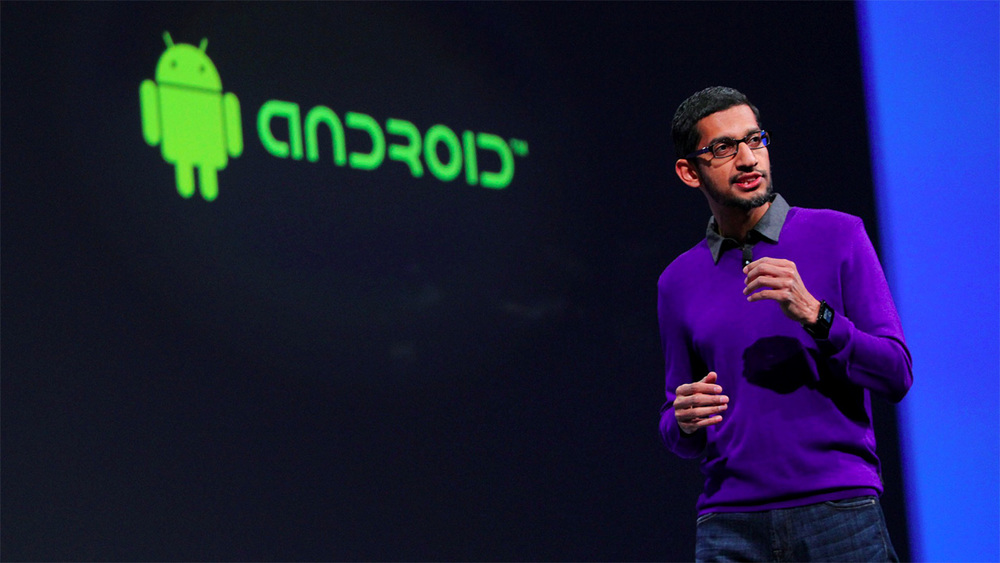
    A few days ago we reported about Satya Nadella becoming one of the highest paid tech execs, now it seems like another Indian is  speedily climbing the ladder of success. Google’s Sundar Pichai, who already heads some of the company’s most strategic businesses, has been given more responsibility. CEO Larry Page wants to focus more on overall business strategy, off loading some of his responsibilities to Pichai.

    Pichai, who already heads the most widely used OS in the world – Android, along with that he’s incharge of Google Chrome, and oversees the company’s suite of apps including Gmail and Docs. Under the organization reshuffle, he will be heading research, search, maps, Google+ social network, ads and infrastructure.

    sundar-pinchai

    With Google coming under pressure from investors as their profits and revenue did not meet their targets in the third quarter, Page decided to off load some of his reponsibilities to focus more on the overall business growth. Some financial analysts fear that Google’s business is slowing down, despite its search and advertising business still generating a revenue of $50 billion a year. Page can now have direct supervision over a number of divisions including YouTube, along with business and operations.

    Chennai-born Pichai, has become a well known figure inside the company after he took over Android. He has been working for the company since 2004 and has a master’s degree in engineering from Stanford University. His early works included being a part of the team that developed Google’s search toolbar.

  • Google’s Reinvented ‘Inbox’ App to Ease the On-The-Go E-mail Experience

    Google’s Reinvented ‘Inbox’ App to Ease the On-The-Go E-mail Experience

    E-mails have been one of the greatest tools of the last decade. The speed of communication they introduced has helped significantly to help economies grow. Though their place in personal interactions has been taken over by social media, emails have managed to stay relevant by offering features such as video chat. Gmail, world’s most used email service now brings an app that can make using e-mail in the mobility era a breeze.

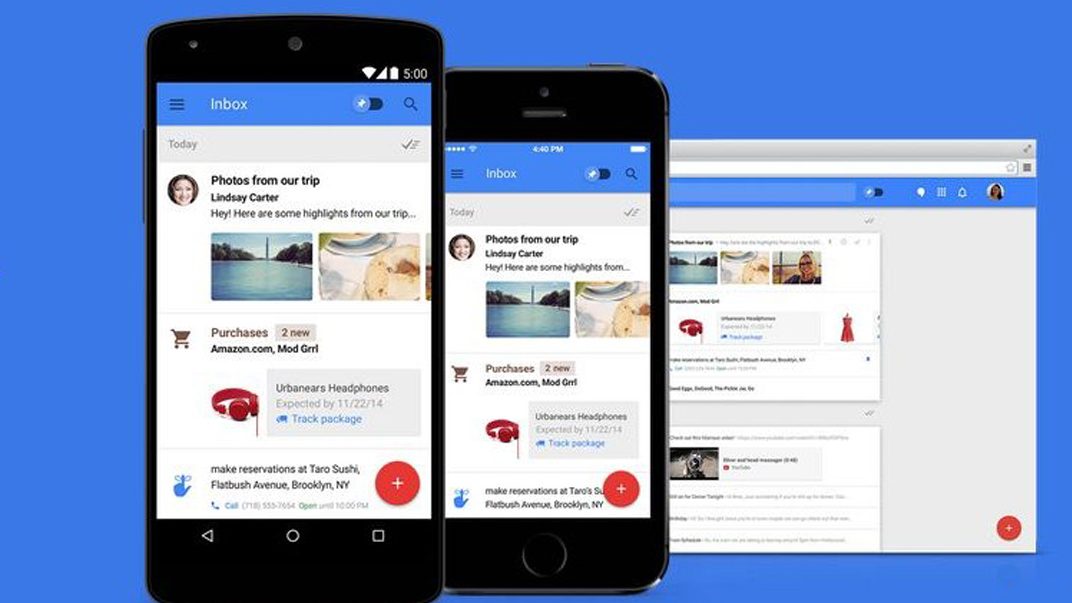
    “Inbox” is an email meant for folks who regularly use their mobile devices to check their emails. It is almost like a personal assistant neatly organizing your inbox so that you can just concentrate on the things you do.  The app offers multiple features to make your life easy.

    First of all is the ‘Bundles’. Google introduced an exciting feature on Gmail where emails were sorted into Primary, Social and Promotions which did the heavy sorting for you. Now with Inbox Google takes it a step further. Using technology that it had for Google Now, the app can read through your content and sort travel related mails into one bundle, and your purchase info into another. You can also create new bundles and customize your inbox according to your needs.

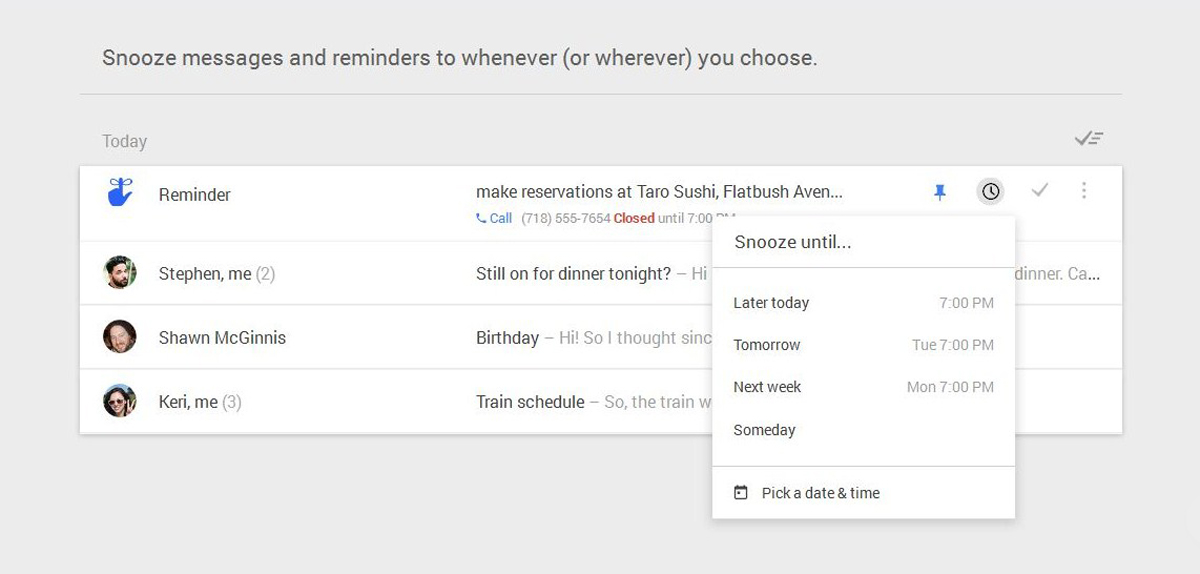
    The Snooze feature will help you get that well needed rest from your inbox.
    The Snooze feature will help you get that well needed rest from your inbox.

    Second feature it flaunts is ‘highlights’. Using this, you can see order updates, flight status, reservation details, and pictures without having to open the message.

    One important feature of the new inbox is ‘reminders’. You can easily set up reminders at the top of your inbox. This way they stay where you can always spot them. You can also use Google Keep for this but having reminders at one place does make sense.

    A feature that will be appreciated by most working professionals is snooze. Using this feature, you can choose to ignore the mountains of work emails during your rest time. Just set the snooze period you desire, and you won’t get any message or reminders during that period. If you snooze a message for office, the app will recognize when you’ve reached the office and it will show up again.

    The interface of the app is clean and lets you give quick access to all you need. Hope Google keeps this app to the basics and not try to add clutter like video chat. There are already too many video chat apps out there. The simplicity of this app is really inviting.

    Now all this sounds enticing enough to hit the Play store to score yourself an Inbox but, unfortunately, all good things ask for patience. Currently, the app is only available through invitation. You can send an email to [email protected] to request your invitation. We will give you a more in-depth review once we get our hands on the app. So stay tuned.


iGyaan Network
Privacy Overview

This website uses cookies so that we can provide you with the best user experience possible. Cookie information is stored in your browser and performs functions such as recognising you when you return to our website and helping our team to understand which sections of the website you find most interesting and useful.