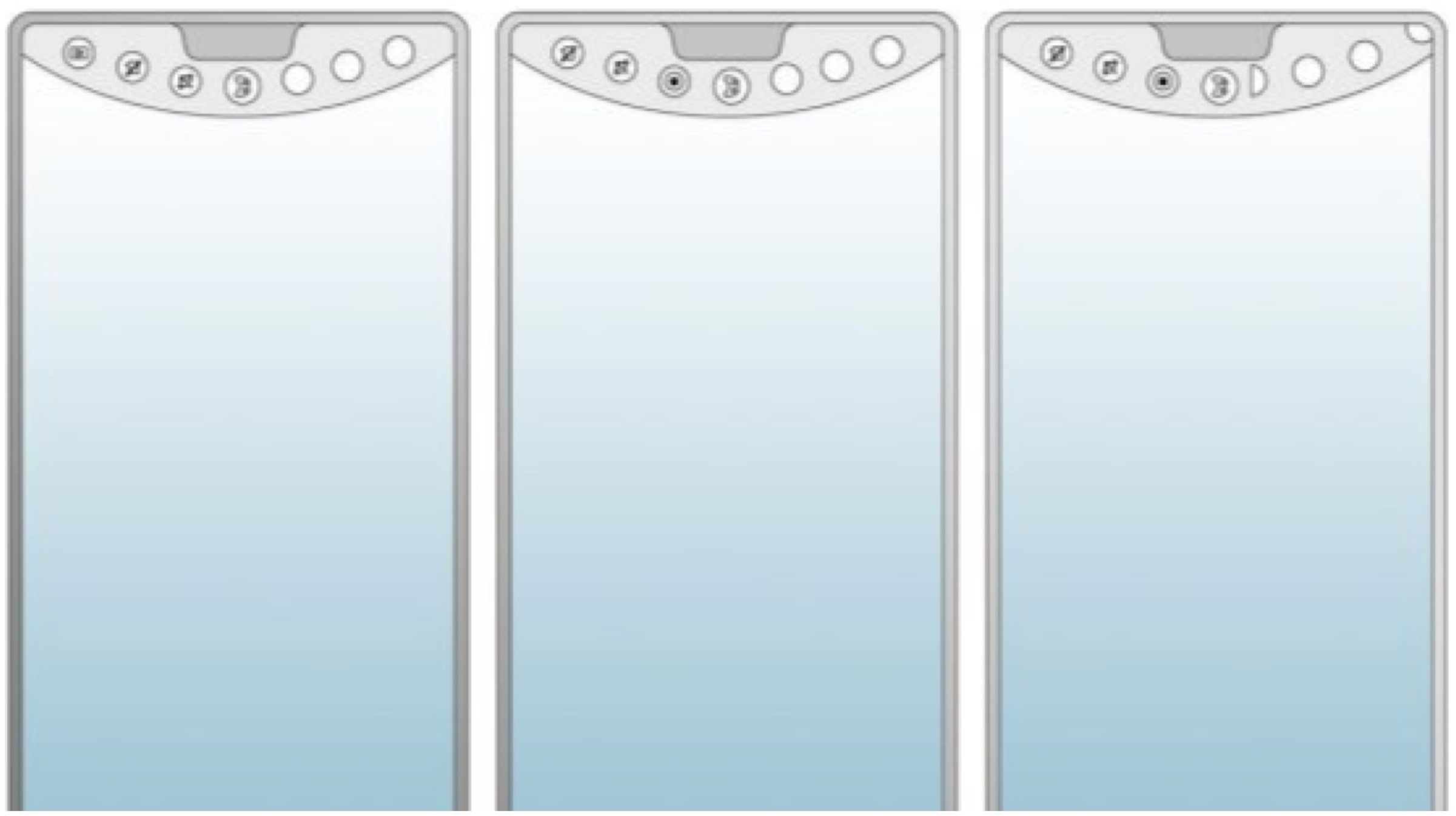
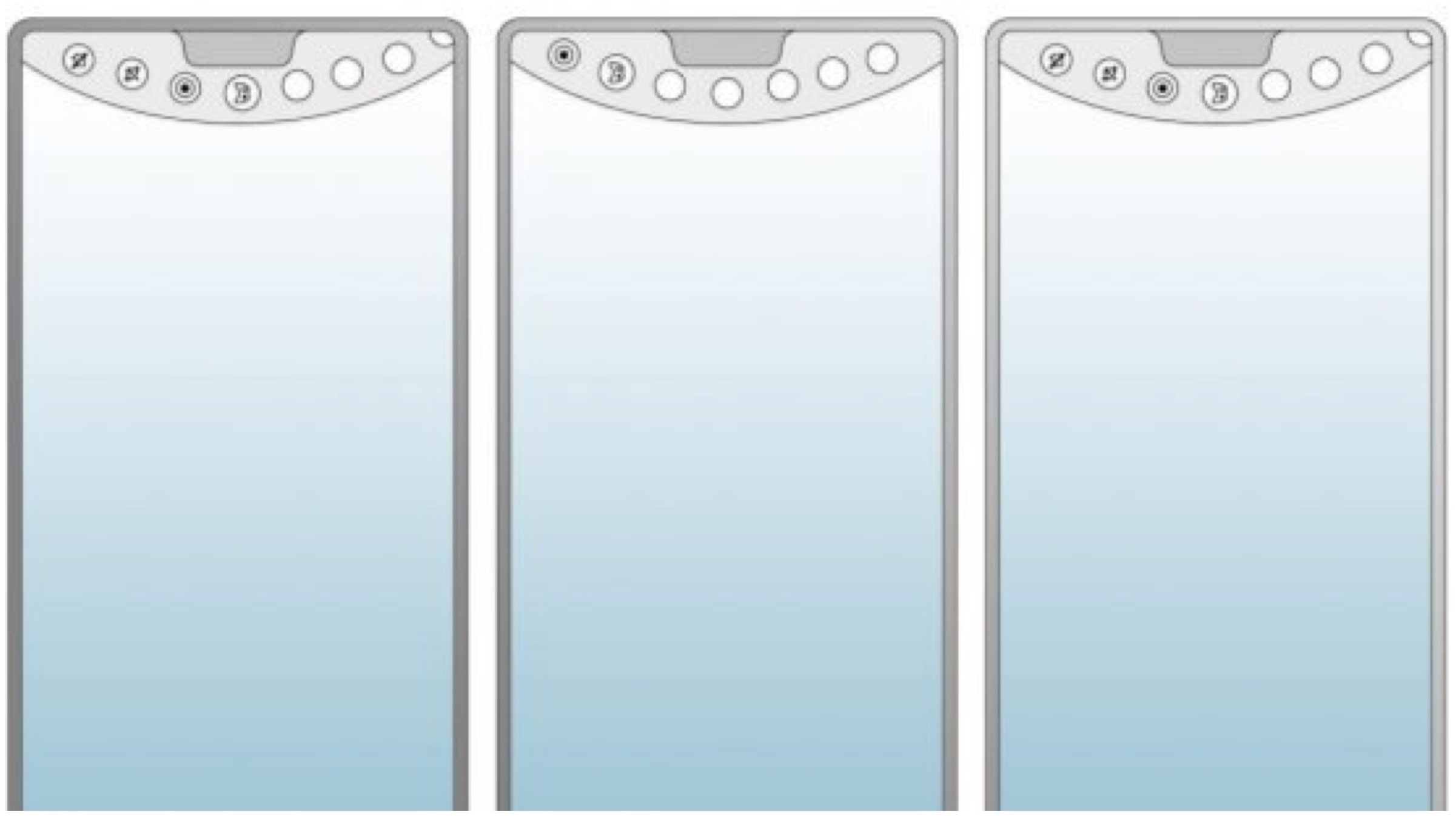
The popularity of mobile gaming has boomed a lot over the past few months, and some part of the credit goes to smartphone brands launching more budget-aggressive smartphones. Unfortunately, a lot of smartphones feature a notch, which hinders the gaming process on the device. For starters, the notch covers some important aspects of the HUD (Heads Up Display) which forms an integral part of the gaming interface. A great example is PUBG Mobile, where a big notch can cover up the inventory button in some devices. To get rid of such problems, Oppo has patented a stylish gaming interface for smartphones with a notch with interesting functionalities.
About Oppo’s Gaming Interface
Smartphones are evolving rapidly, and sure enough, many devices have the capability to run multiple applications at the same time. Higher battery capacities imply that multitasking is even more viable in such devices. More graphic-intensive games can be run on such devices, so Chinese Smartphone manufacturer Oppo has patented a gaming interface, which will allow users to launch certain apps during gaming on the device.
Known as the “Game Space”, the feature was first spotted in the Find X, and it brings up an aesthetically pleasing notification list on the left side of the screen while playing games. Using the control wheel, users can toggle the graphics acceleration mode while running graphics intensive games, record their gameplay, take a screenshot, activate Do Not Disturb and even send a Whatsapp message using the same.
About The Patent
As per reports, the patents were first applied for by Guangdong Oppo Mobile Telecommunications in 2018, and the Global Design Database of the World Intellectual Property Office (WIPO) published the aforementioned patents on April 2, 2019.
A special feature of the interface is that it can be used with similar convenience in both the portrait and landscape mode. Users can swipe through the complete list available in the interface around the notch. Furthermore, it does not hinder the view of the game, which may prove to be quite helpful. The feature is expected to be available in future Reno smartphones, which are likely to launch in the month of April.
Additional images from the patent can be viewed by clicking here
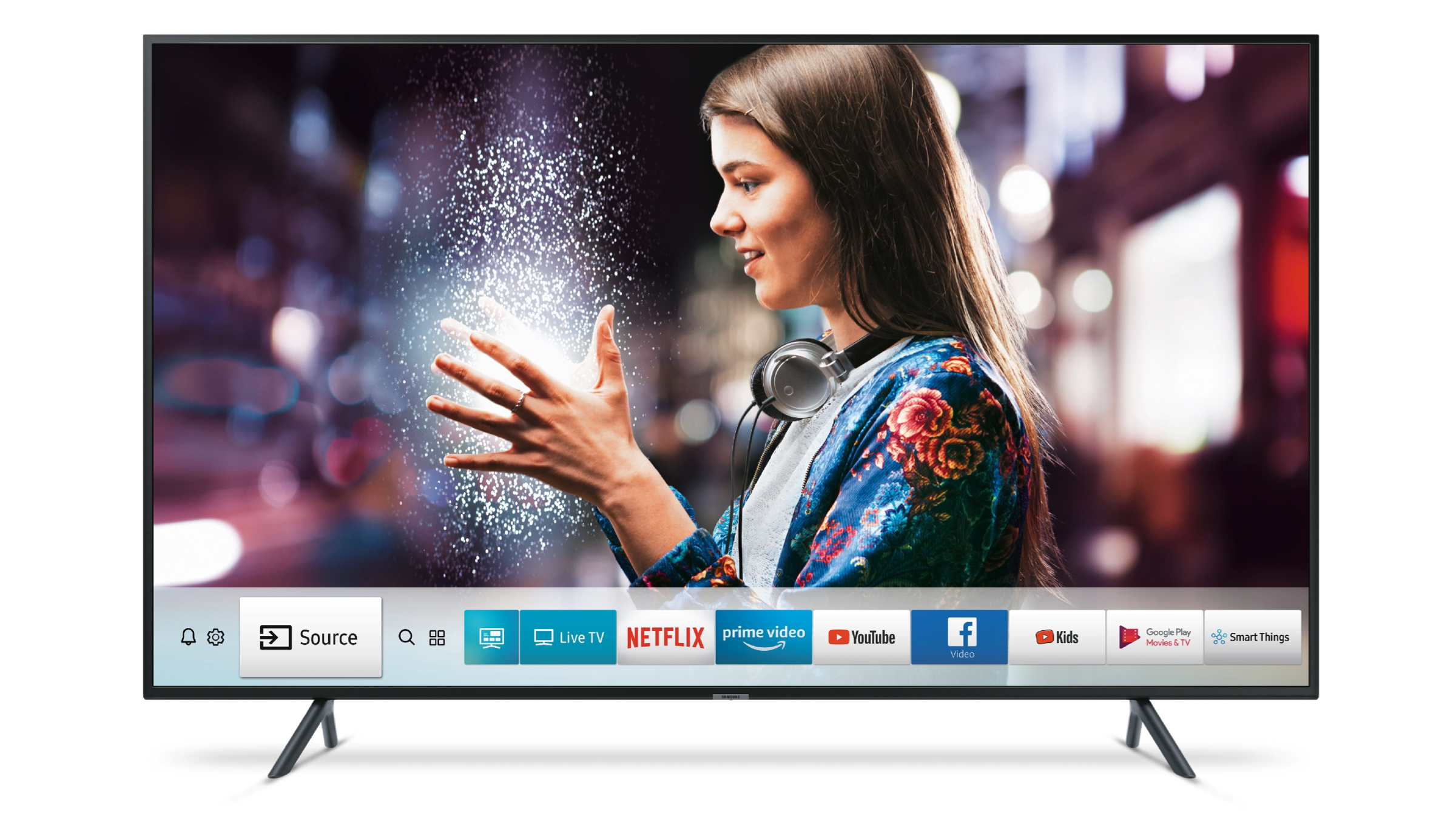
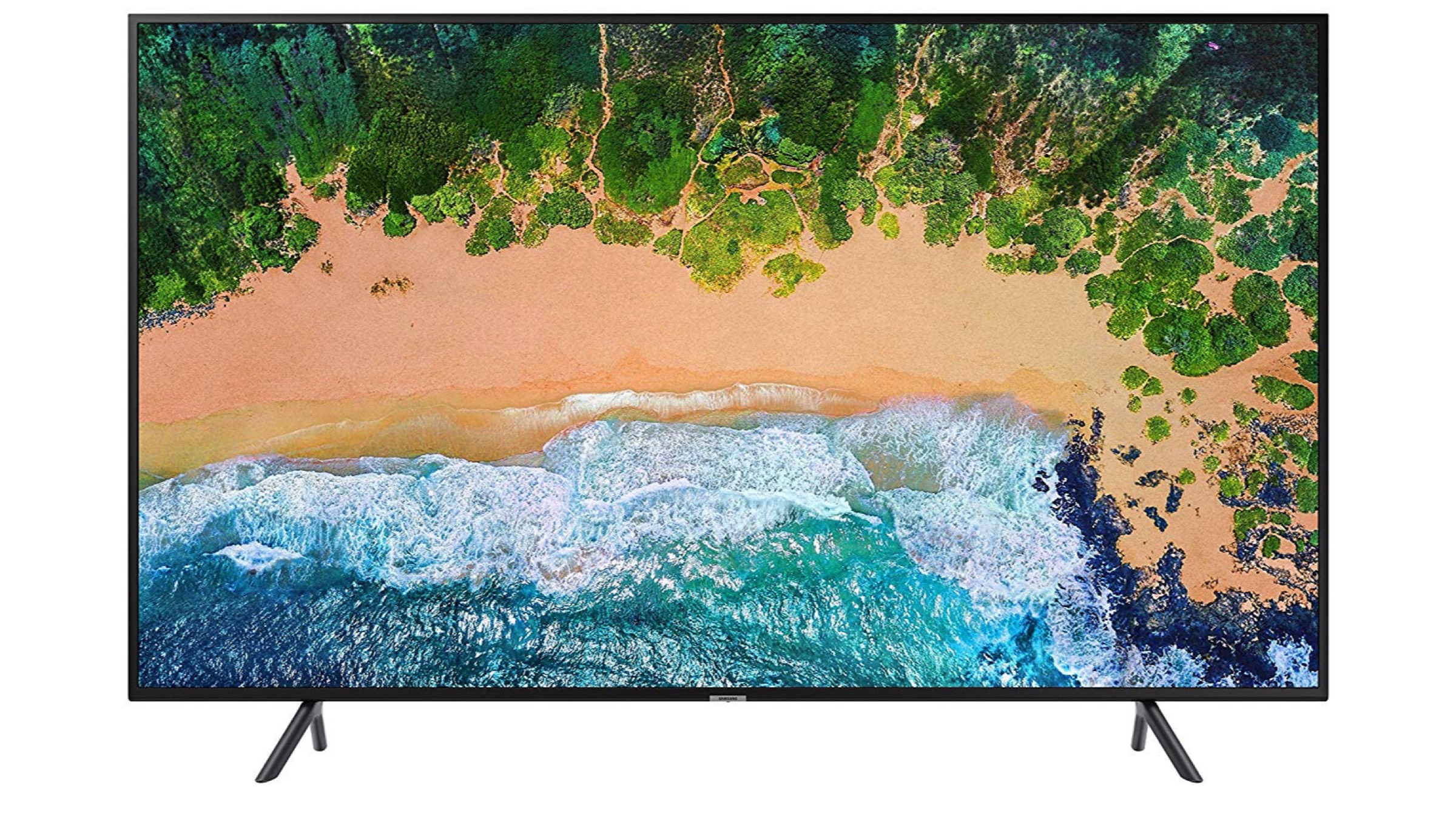
Samsung on Monday launched a range of smart televisions for the Indian market. These new devices are manufactured locally and vary in sizes from 32 inches to 82 inches. While these are not the first range of smart TVs by the company to be available in India, they are claimed to have some industry-first features. All the new products have been launched in a new range called ‘Unbox Magic Series’.
Samsung Smart TVs
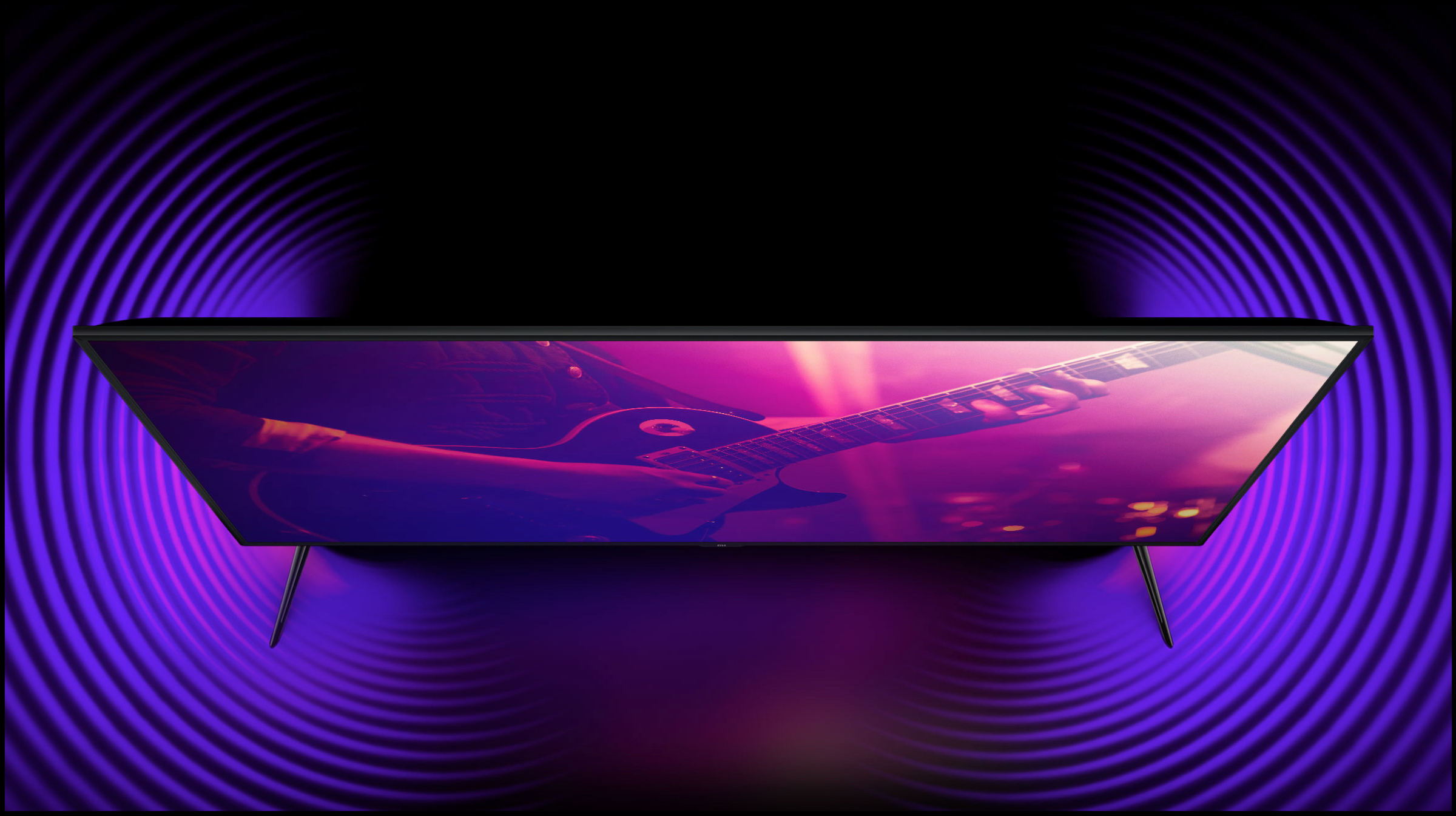
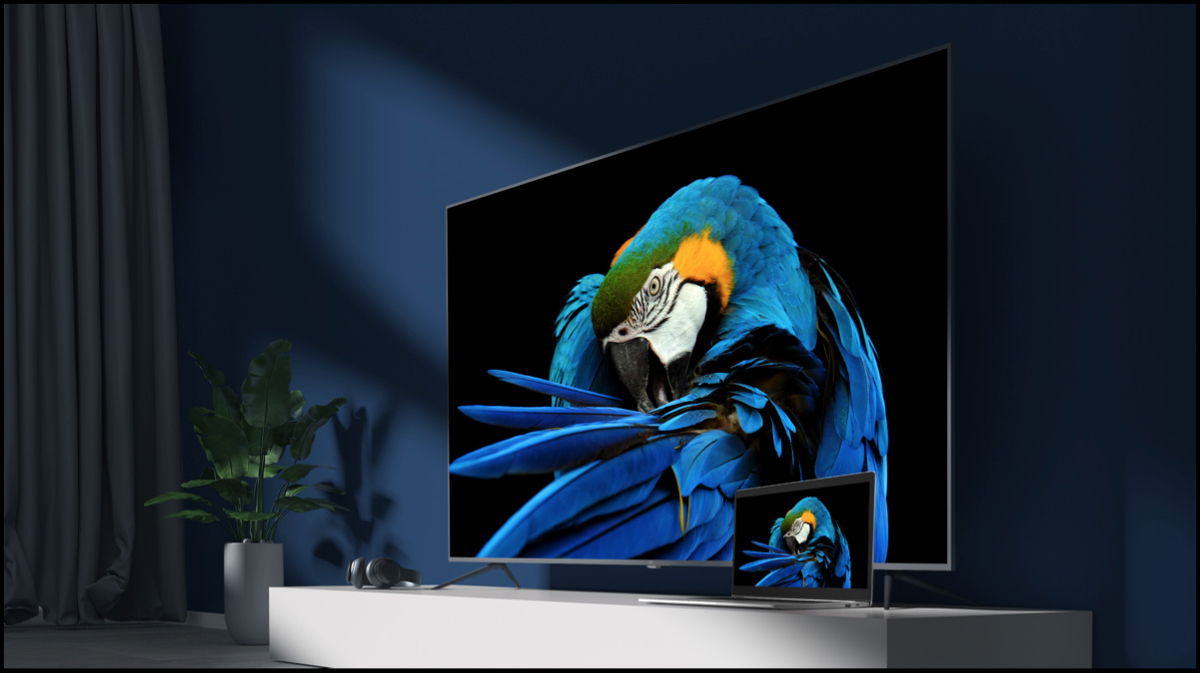
The newest members of Samsung’s smart TV lineup are claimed to offer superior colours, details and contrast levels. Among the plethora of features these devices share, the first one is a personal computer mode. This lets the user utilise the televisions as a computer, using popular services such as making word or powerpoint files through the cloud. An option of mirroring one’s laptop with the TV without any internet connection is also provided. The second feature utilizes several visual elements which are highlighted while playing music from certain applications.
One more feature of the new Samsung smart televisions is the ability to create local cloud storage. With the USB drive attached to the TV, users can back up their media wirelessly, without an internet connection. This is expected to save storage space in the smartphone as the data is automatically backed up whenever the mobile device is in close proximity to the TV. Other features of the smart TV include a live casting feature, which will help share media over the internet in real time; and a simultaneous two way syncing between the TV and the mobile device. Also included is the company’s Smart Hub, which curates content across different sources and displays them on the screen.
While Samsung has announced smart televisions with the aforementioned features, more details about the devices are still awaited. It is expected to be made available starting April 11 via the major online and offline retailers. The 32 inch TV will be available at a price of Rs 24,900 and the prices of other models will be announced soon.
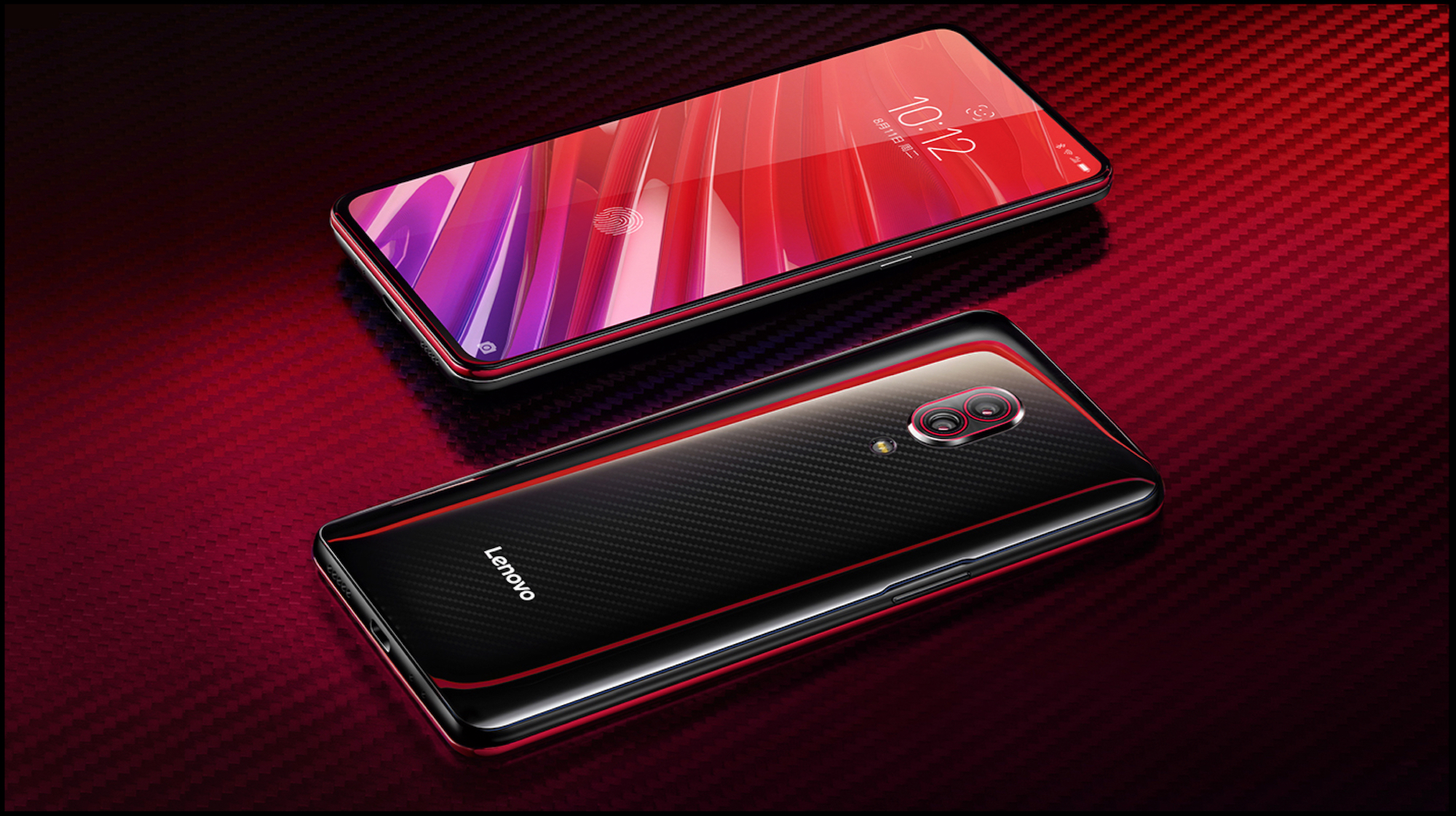
The Chinese smartphone manufacturer Lenovo is expected to launch its flagship smartphone, the Lenovo Z6 Pro in the upcoming months. For quite some time now, the company has been teasing the release of the aforementioned smartphone. The device is speculated to feature never-seen-before specifications in a smartphone, and Lenovo is making sure that its customers remain followed up on the same. For the same reason, the company has now confirmed that the Lenovo Z6 Pro will ship with the Snapdragon 855 SoC.
Expected Specifications
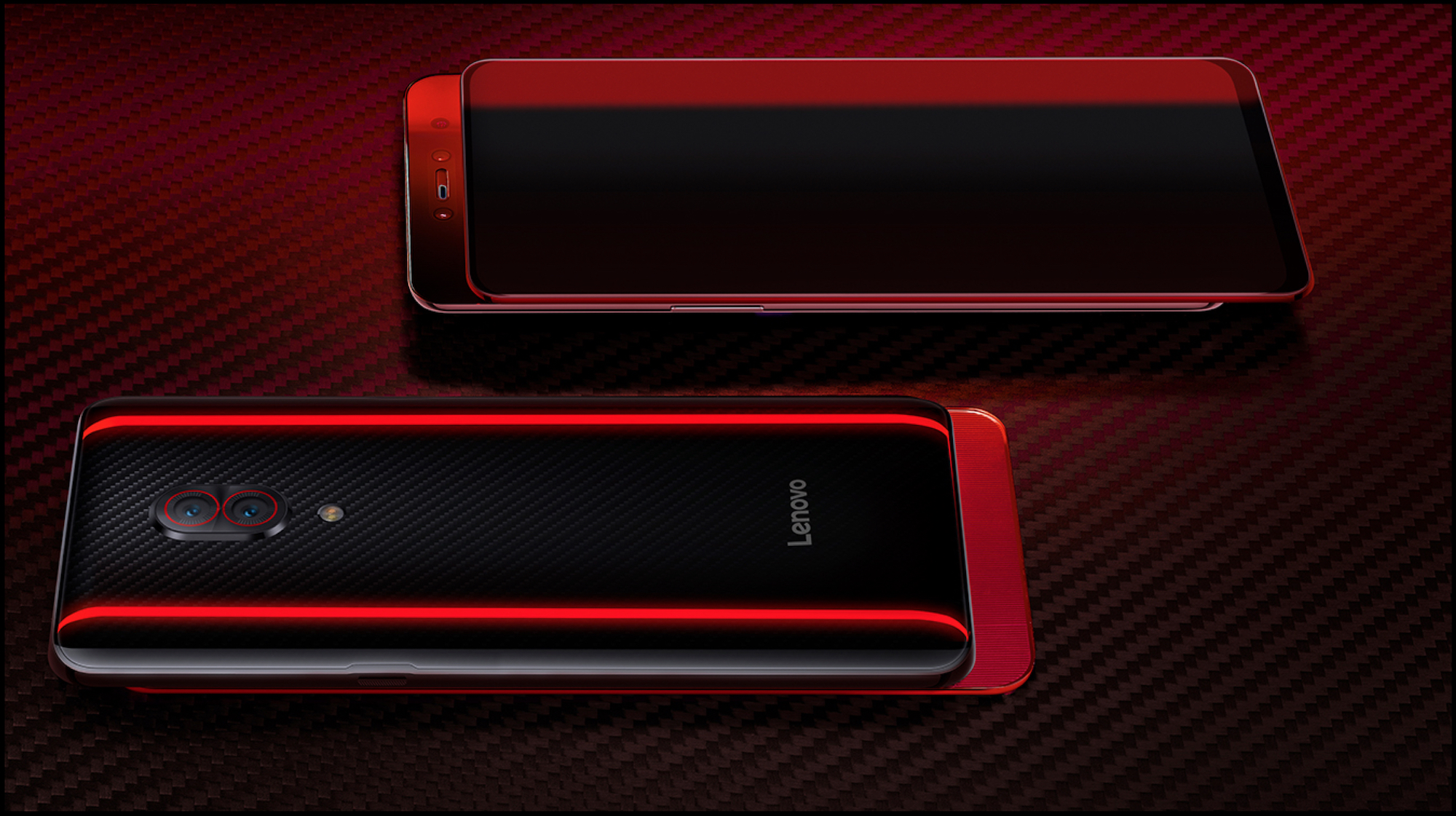
The Lenovo Z6 Pro is expected to be built along the lines of its predecessor, the Lenovo Z5 Pro GT. However, where the Z5 Pro GT sported a sliding mechanism to reveal the dual front cameras, the Z6 Pro may or may not carry over this feature. In terms of the specifications, the Lenovo Z6 Pro will run on an overclocked version of the Snapdragon 855 chipset, which one of the most powerful mobile chipsets available in the market right now. It comprises of the Qualcomm Kryo 485 Octa-core CPU and the Adreno 640 GPU.
In terms of the camera, Lenovo is claiming that the Z6 Pro will have a ‘HyperVision’ camera which will redefine the way videos are recorded. As per a recent teaser by the company, the device will be capable of capturing 100-megapixel images. Apparently, the company may work around the AI in the smartphone to achieve this feat, but once launched, this will be the highest camera megapixel count ever seen in a smartphone.
As of now, no further specifications of the smartphone are available, but the device may retain some features from its predecessor. It is speculated to sport an in-display fingerprint sensor similar to the Z5 Pro GT. In terms of memory, the Z6 Pro may be launched with 12 GB RAM and 512GB for the top variant. Moreover, the device may have the same 6.4 inch AMOLED display featured in the Lenovo Z5 Pro GT. The device may officially be launched in the month of April or May.
Honor, a subsidiary of Huawei launched its current flagship smartphone, the Honor 10 last year. The device offered top tier specifications at a lower price than the competition. Fresh leaks suggest the company is planning to launch a new flagship smartphone reportedly called the Honor 20 Pro which might launch soon. In addition to the Pro variant, the company is also assumed to launch a standard variant of the Honor 20 which was leaked previously.
Honor 20 Pro
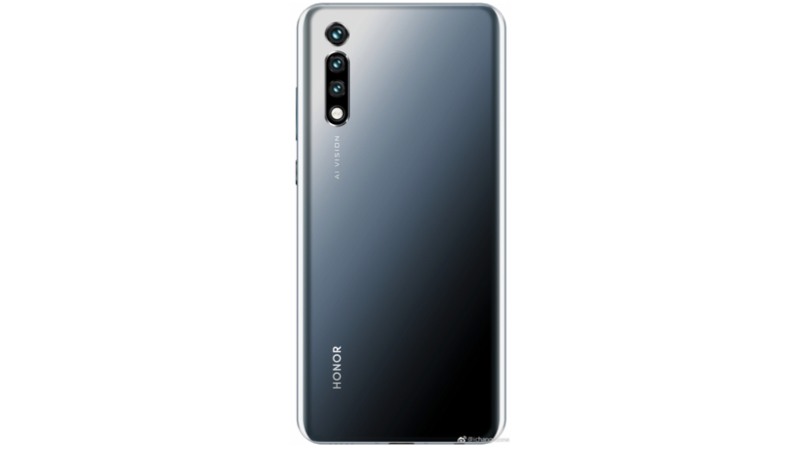
The Honor 20 Pro will be the newest flagship smartphone by the company. It is expected to have the same design language as its predecessor, complete with glass on the front and back with a metal chassis. The leak reveals it will have a 6.1 inch OLED display with a FullHD+ resolution. To keep the screen to body ratio as high as possible, the device will have a waterdrop notch on the top of the display. For biometrics and security, the handset will have an in-display fingerprint sensor with support for face unlock technology.
The leak further insinuates Honor 20 Pro will be kitted with the 7nm Kirin 980 SoC. The chipset has an Octa-core CPU and Mali G76 GPU. In terms of optics, the smartphone will have a triple rear camera setup. It will consist of a 48MP sensor, combined with a 20MP ultra-wide angle sensor and an 8MP telephoto sensor. For selfies, the device will have a 32MP camera housed in the notch on the top of the display. In terms of memory and storage, the Honor 20 Pro will be available in the following variants.
6GB RAM and 128GB ROM
8GB RAM and 128GB ROM
8GB RAM and 256GB ROM
The Honor 20 Pro will be powered by a 3650mAh battery with support for 22.5W fast charging. For enhanced gaming and CPU performance, the smartphone will support the company’s CPU/GPU Turbo technology.
The latest leak of the Honor 20 Pro claims it may be launched on the 25th of April. Pricing of the smartphone will start at CNY 2999 (Rs. 31,000) for the version with 6GB RAM and 128GB internal storage. The variant with 8GB of RAM and 128GB onboard memory will cost CNY 3399 (Rs. 35,200). Top end variant of the device with 8GB RAM and 256GB of internal storage will retail at CNY 3799 (Rs. 39,400).
In the month of January this year, Xiaomi extended its Mi TV lineup in India by launching the 55-inch Mi TV 4X Proand 43-inch Mi TV 4A Pro. Soon after their launch, the company launched yet another affordable TV, the 32 inch 4A Pro. According to a notable tipster on Twitter, the company is now planning to launch another TV, the 50-inch Mi TV 4A which has a 4K UHD display.
Mi TV 4A 50-Inch Features
Interestingly, the Mi TV 4A 50-inch is not a new product as it was previously launched in China last year. Nevertheless, it offers most features that are expected of a 50 inch UHD television. According to the source, the upcoming TV will carry a different moniker in India and will be price below the Mi TV 4X Pro variants.
In terms of design, the Mi TV 4A 50 inch has a sleek look with thin bezels surrounding the large display. The display panel has a resolution of 3840 x 2160 px and a static contrast ratio of 5000:1. It has a 178 degree wide viewing angle and a refresh rate of 60 Hz. Noteworthy, the upcoming TV also supports HDR10+ content. Under the hood, it is kitted with the 64-bit Amlogic L962 chipset with four 1.5GHz Cortex-A53 cores along with 2GB of RAM and 8GB of onboard storage.
In terms of connectivity, the Xiaomi Mi TV 4A has 802.11 Wi-Fi ac, Bluetooth 4.2, three HDMI ports, two USB ports, AV in, Ethernet port, and S/PDIF audio output. Similar to other Mi TV 4A models, the upcoming TV runs the company’s custom PatchWall UI which offers a wide variety of content in numerous languages.
The India specific pricing of the Mi TV 4A 50-Inch will be announced at the time of its official launch which is assumed to happen soon. Though, it can be priced similar to its Chinese counterpart which costs Yuan 2099 (Rs. 22,000).
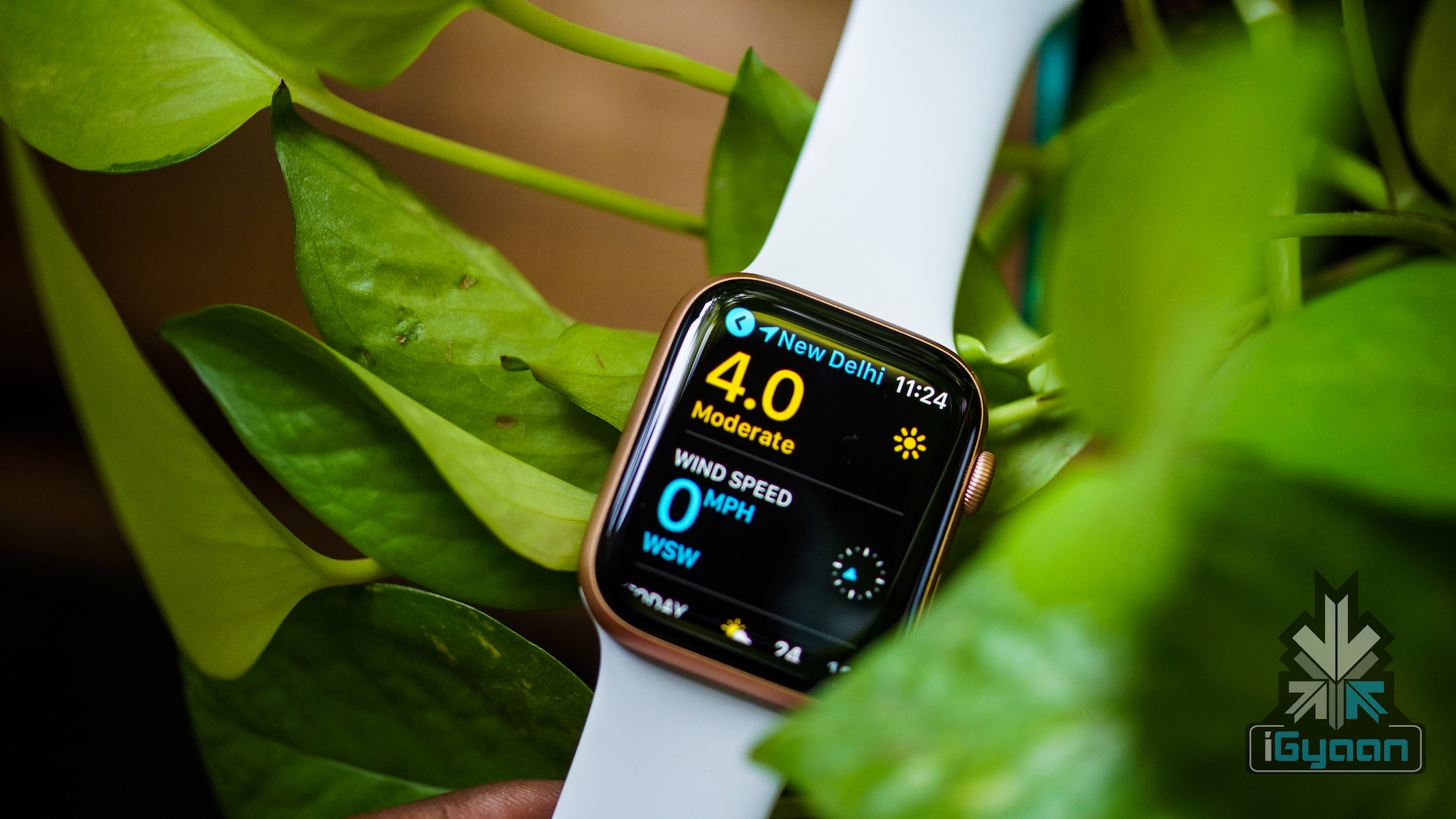
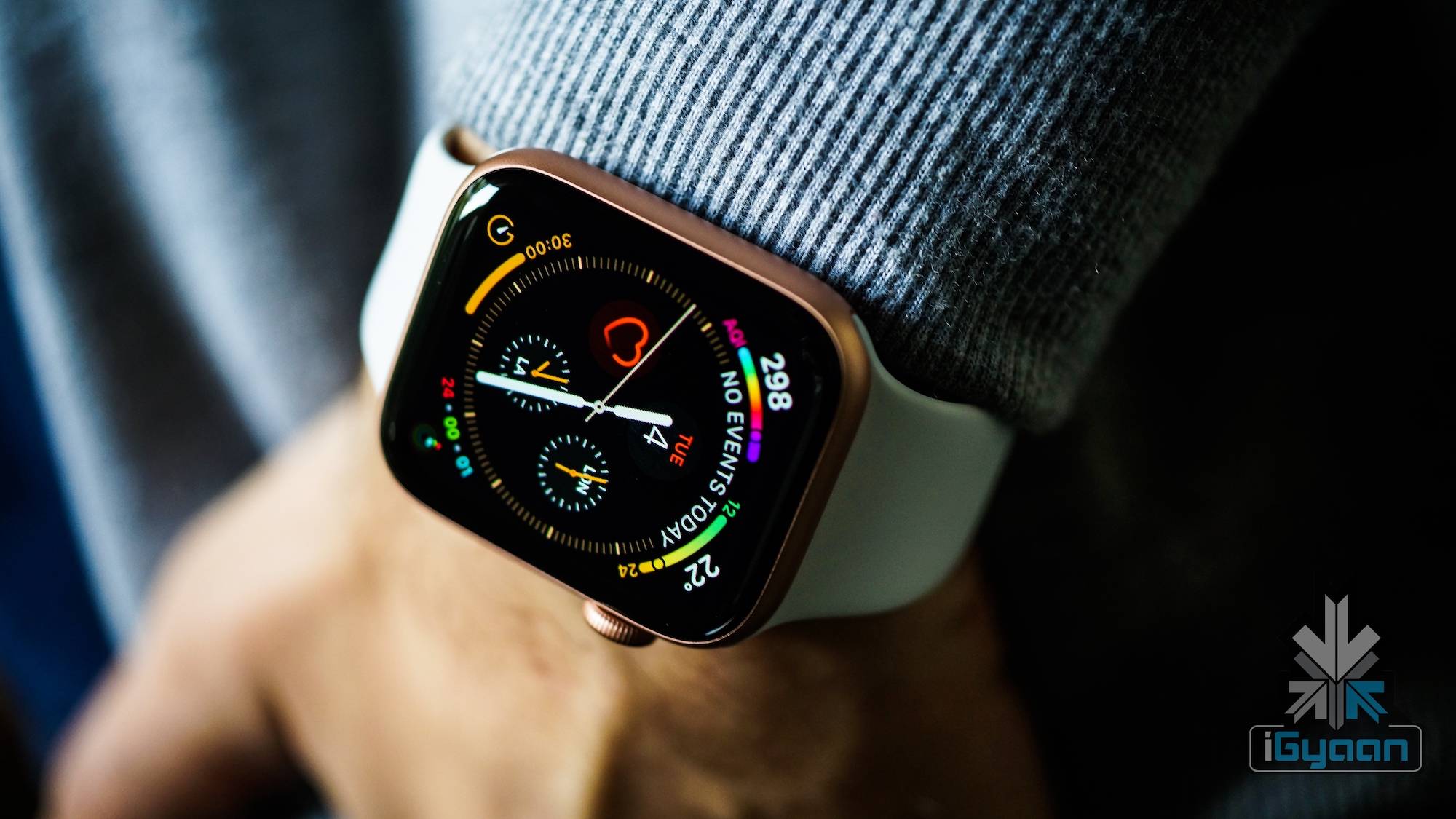
Apple launched the Series 4 Apple Watch in September 2018, and the watch has significant improvements over its predecessors. One of the most noteworthy features is the improvement in the heart rate sensor, which informed the wearer regarding any spikes or drops in the heart rate, even if the user doesn’t feel any symptoms. Previously, owing to the fall detection feature of the smartwatch, a 67-Year old man was rescued by Emergency services and provided life-saving assistance. As per a Reddit post, a user accredited his life to the Apple Watch’s Heartbeat detection feature.
As per the user, he was in bed and watching TV when his Apple Watch alerted him regarding a heartbeat anomaly, and then suddenly, his heartbeat spiked up. It was then he realized something was actually wrong with his heart and he called the ER (Emergency Services). When the medics arrived, they found him in a state of shock and he was taken to the hospital and shifted to Trauma. It was later found out that he was suffering from Supraventricular Tachycardia (a condition in which the heart rate stays over 100 bpm, even if all the chambers of the heart are functioning normally).
The Apple Watch Series 4 regularly monitors the heartbeat of the user and also keeps a track of the heart’s performance throughout the day. The overall statistics can be analyzed in the iPhone Health application. If the heart rate sensor on the Apple Watch detects anything unusual with the heartbeat, it alerts the user. If no further action is taken, the Emergency SOS feature alerts all the emergency contacts, calls the medical helpline number, sends your current location and displays the Medical ID badge of the wearer on the screen.
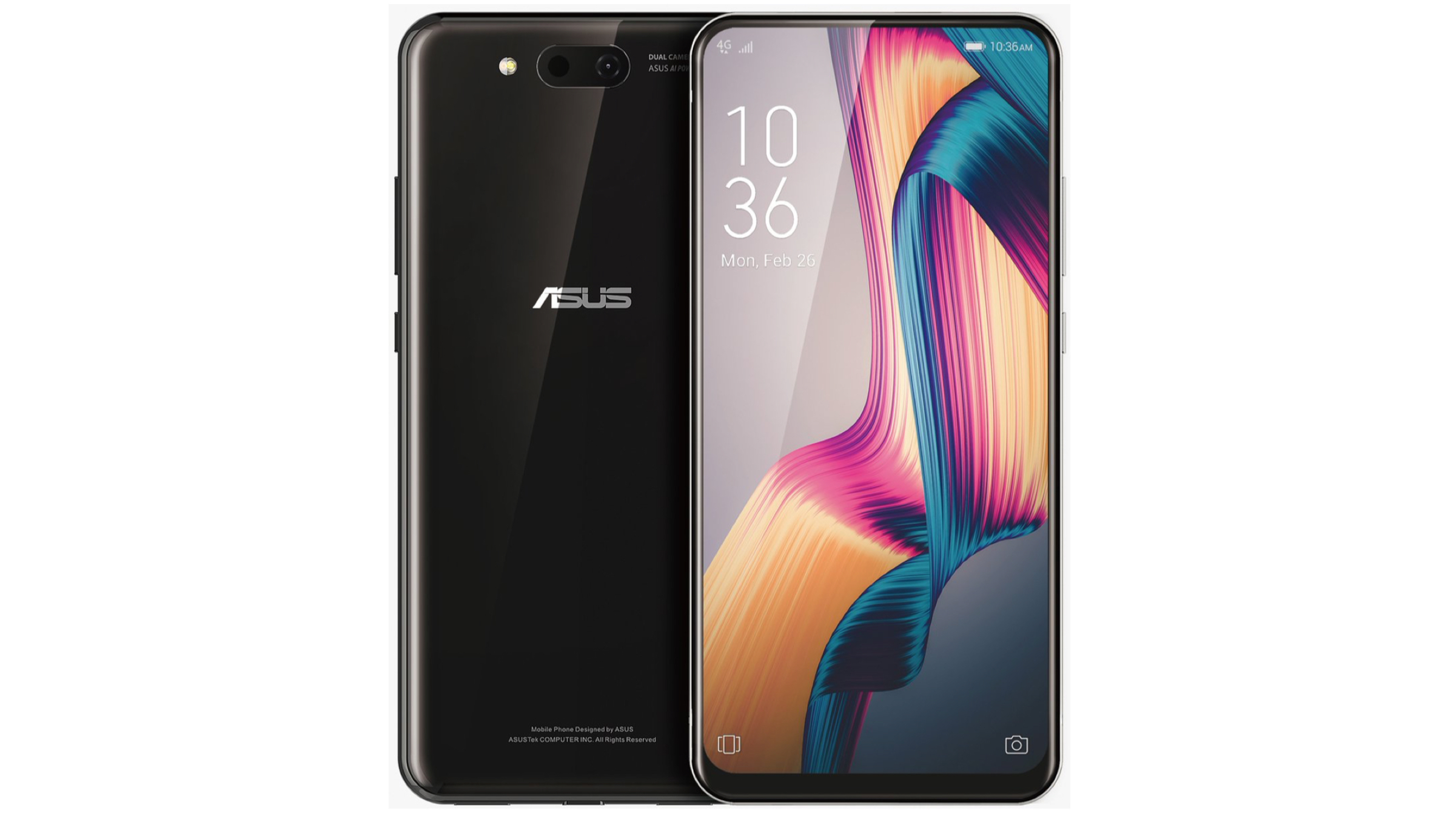
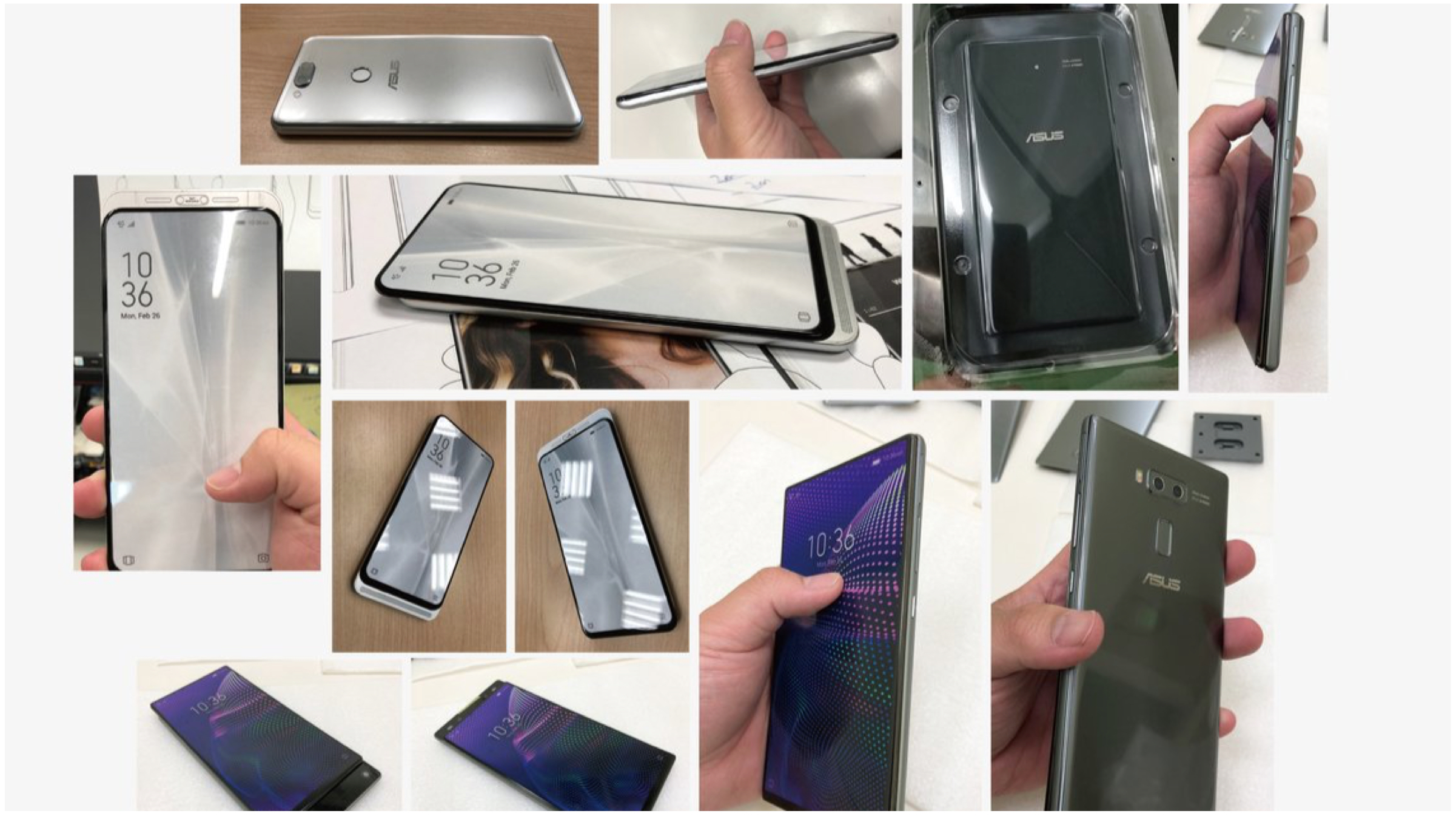
In a time where every smartphone manufacturer is experimenting with a host of innovations, devices with never-heard-of features are emerging. For instance, devices like the Mi Mix used their OLED screens to resonate sound, whereas smartphones like the Huawei P30 Pro have cameras with extraordinary zooming capabilities. Freshly released renders for a concept smartphone from ASUS reveal a captivating dual slider design and a display with almost no bezels.
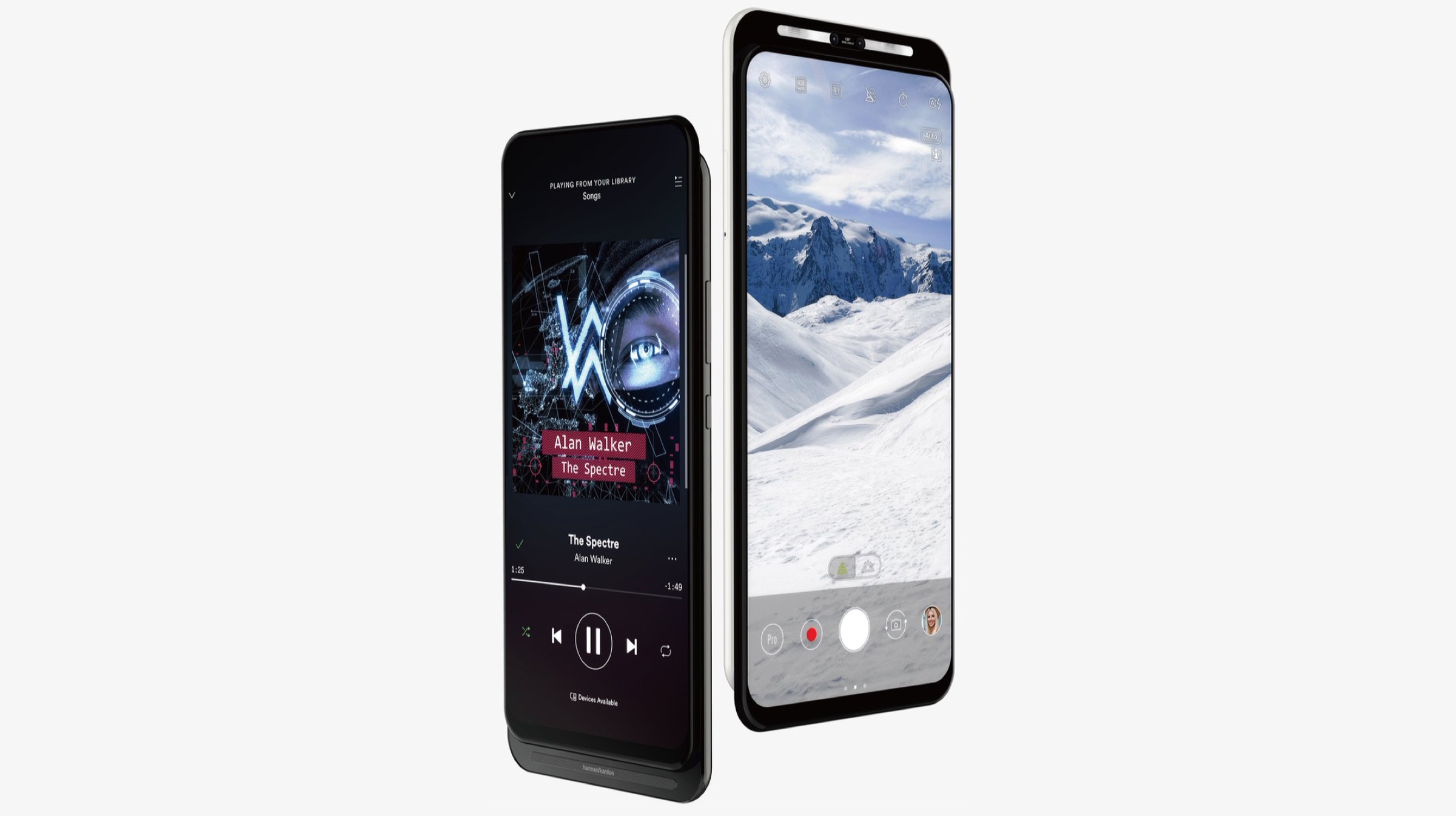
The renders were actually developed by a designer who previously worked on the design of the ASUS Zenfone 5 but was shared on Twitter by noted tipster Evan Blass (@evleaks). A total of two designs were spotted in the images. The first design shows off a unique slider mechanism that shifts downwards to reveal dual front selfie cameras. On the sides of the cameras lie the LED flash “strips” which cover nearly 60% of the whole area.
First Smartphone Render – Design
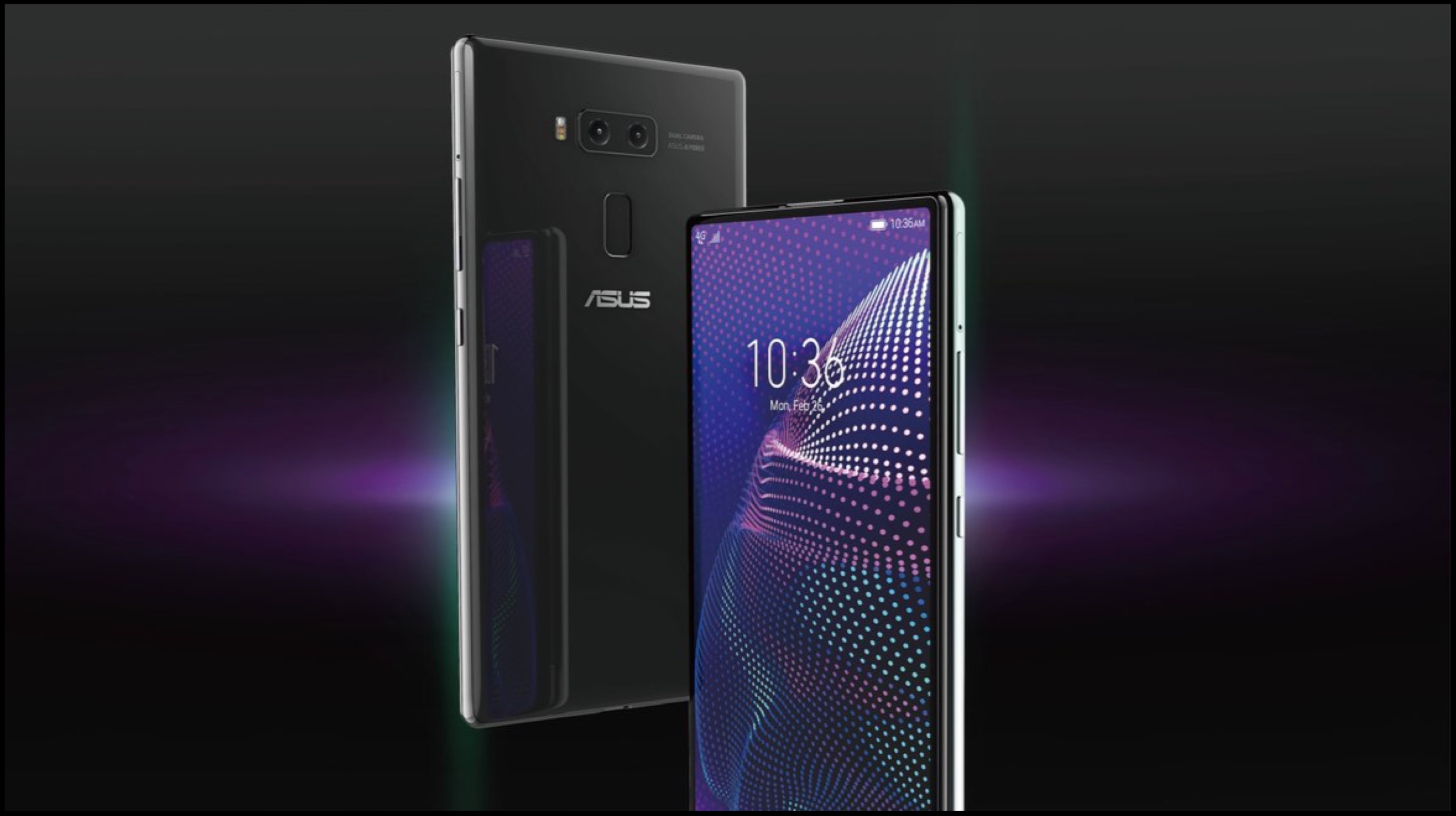
When the device is slid upwards, an attractive speaker grille bearing the label of Harman Kordan speakers is observed. This indicates the fact that the smartphone may have dual front firing speakers, but it’s unclear how both the speakers will function together simultaneously. The concept smartphone has a dual rear camera setup positioned at the top of the back panel. Along with the presence of the LED flash, a noteworthy feature of the back panel is the absence of a fingerprint scanner, hinting towards the fact that the device may have an in-display fingerprint scanner.
Second Smartphone Render – Design
The second smartphone design shifts the perspective towards more of a “camera-oriented” device. Where the first render had a single LED flash strip for the front-facing cameras, the second concept shows off a separate LED flash for each of the dual selfie shooters when the slider is shifted downwards. Also, both the cameras are placed at a notable distance from each other.
As per the renders, the screen can be slid upwards to reveal another display which is much smaller than the primary display. In the image, the small screen shows controls for image exposure, a function option, a zoom slider and a camera shutter button. However, the controls may not be just limited to the camera, in fact, each app may have its own set of touch controls to integrate with the miniature display. The back of the smartphone has a set of dual cameras that are placed together in a single module, with the left side being flanked by the LED flash. Also, a fingerprint scanner can clearly be spotted on the back, which is placed between the camera and the ASUS branding.
Since both the smartphones are born out of mere concept renders, no specifications are known as of now. Even the chance the ASUS works on similarly-designed smartphones seems bleak, but in the minute probability that it does happen, the smartphones are sure to catch some attention.
Samsung launched the Galaxy S10 lineup of smartphones at an event in February. The devices that were announced include the Galaxy S10+, Galaxy S10, Galaxy S10 5G and Galaxy S10e. While the latter used a physical, side mounted fingerprint sensor for unlocking the device, the former three have a new technology onboard. They use an ultrasonic fingerprint scanner made by chipmaker Qualcomm and are the first devices in the world to do so. While Samsung claimed the technology is secure than most fingerprint sensors in the market, fresh reports say otherwise. A user who goes by the name ‘darkshark’ on multimedia sharing website Imgur revealed the ultrasonic fingerprint scanners can be fooled using 3D printing.
The video shared by the user shows a Galaxy S10+ being unlocked using the aforementioned method. A 3D printed fingerprint is kept in front of the smartphone with the user pressing down on it while wearing gloves unlocks the device with ease. In an explanation of how he achieved that, the post read that the user took a photograph of his fingerprint on the side of a glass using a smartphone. Then he increased certain aspects of the image like increasing the contrast and creating an alpha mask using Photoshop software. Using another software, 3Ds Max he then created a 3D model of the fingerprint and then printed it using a 3D printer.
According to the user, 3D printing the fingerprint took them around 13 minutes. The video was shared as a warning for users of the Galaxy S10. The post also reads that it is possible to imitate a fingerprint from across a room using a DSLR camera with a long focal length. This process is claimed to take only 3 minutes, which can be hazardous for users, as most of their account details and personal information can be accessed as a result. It is also not the very first-time biometric security has been fooled on a smartphone. A similar case occurred with the iPhone X when a 3D face was used to unlock the device via the FaceID technology.
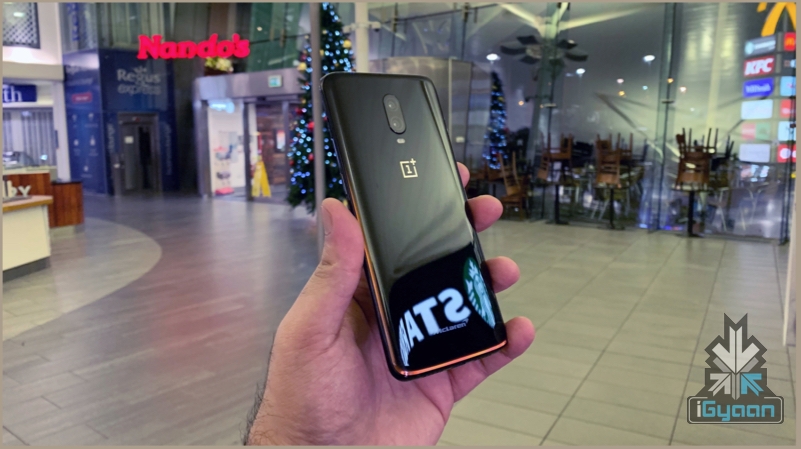
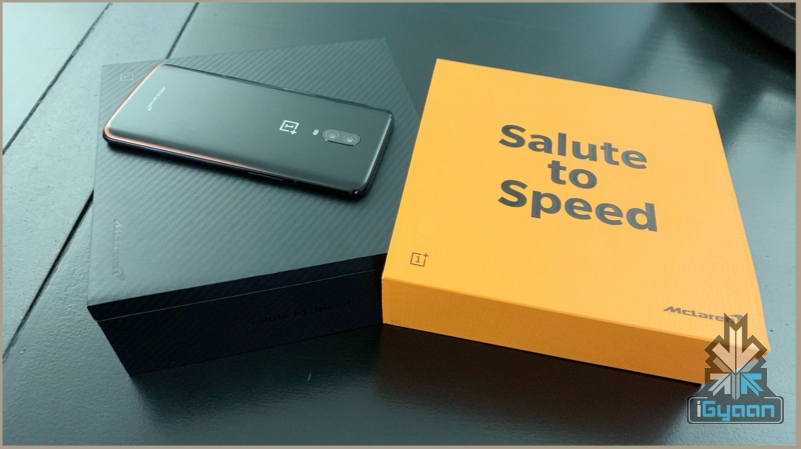
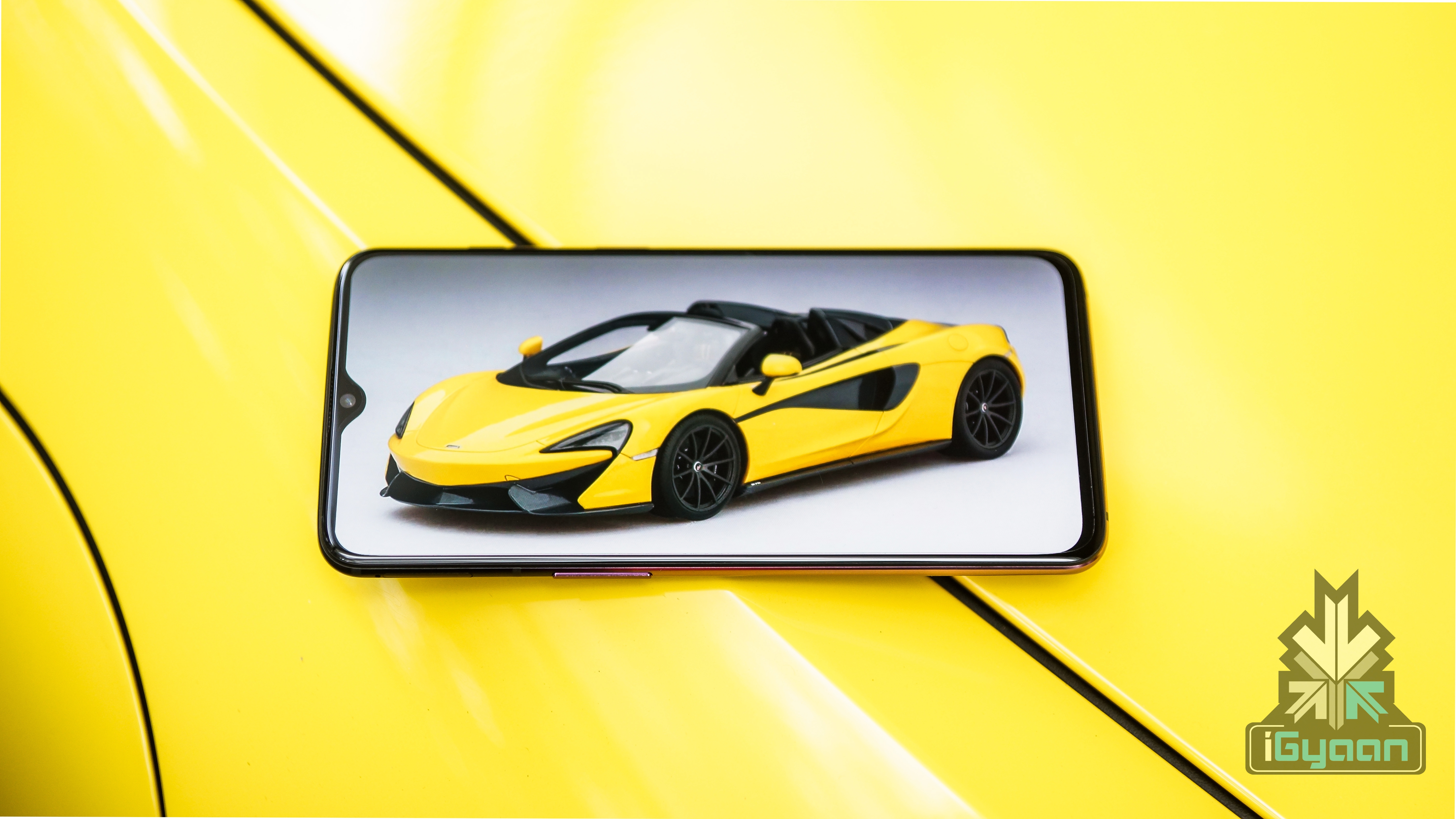
OnePlus launched its latest flagship, the OnePlus 6T back in the month of October last year. Soon after the launch of the high-end smartphone, the company launched its beefed-up variant the McLaren edition. As the name suggests the handset was designed and developed in collaboration with McLaren, a legendary sports car maker from Britain. In comparison to the standard OnePlus 6T, the McLaren Edition variant has higher RAM capacity, faster-charging speeds and a distinctive design.
OnePlus 6T McLaren
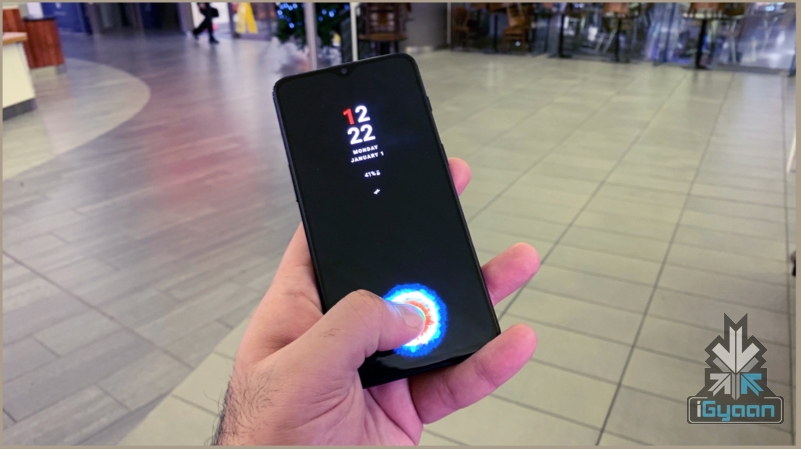
The OnePlus 6T McLaren Edition measures 157.5 x 74.8 x8.2 mm and tips the scale at 185 g. The front of the smartphone accommodates a curved 2.5D, 6.41-inch Optic AMOLED display which is protected with Corning Gorilla Glass 6. The display panel has a resolution of 2340 x 1080 px and a pixel density of 402 ppi. The front of the handset also features a waterdrop notch which houses the 16 MP selfie camera which can also capture 1080p videos at 30 fps. Like the standard OnePlus 6T, it also has an in-display fingerprint sensor. In addition to the fingerprint sensor, it also supports Face Unlock technology.
The rear glass panel of the OnePlus 6T McLaren edition has a Carbon-Fiber like design that carries the McLaren logo. To provide the smartphone with an elegant look, the rear panel also has a Papaya Orange accent run across its sides. The device sports a dual rear camera setup which consists of a 16 MP sensor, a 20 MP sensor and a Dual LED flash. Connectivity options on the smartphone include dual 4G VoLTE, 802.11 Wi-Fi, Bluetooth 5.0, NFC, GPS, and bottom mounted USB Type-C port for charging and data syncing.
In terms of memory and storage, the OnePlus 6T McLaren Edition has 10 GB of RAM and 256 GB of internal storage. The smartphone is kitted with the Snapdragon 845 SoC which consists of an Octa-Core CPU along with the Adreno 630 GPU. It is powered by a 3700 mAh lithium-ion battery which supports Warp 30 charge. As the name suggests, Warp 30 charges the device with 30 watts of maximum power. In comparison, the standard OnePlus 6T can only be charged with a maximum power of 20 watts.
The OnePlus 6T McLaren Edition is available for a price of Rs 50,999. Noteworthy, the device will be available for purchase for a limited period of time. Therefore, interested buyers must act fast if they wanna get their hands on the opulent smartphone.
Allegedly, two Chinese engineering students residing in Oregon, USA scammed Apple of a huge sum, and for the exact same deed, both of them are facing federal charges. The whole scam cost Apple almost US$ 1 Million in replacement parts. As per reports, the students were indulged in malpractices since 2017 and were exploiting Apple’s return policy to a high degree.
The real question is, why was this discovered almost two years later, and how did two students manage to elude a trillion dollar technology giant?
Who Was Involved In The Scam?
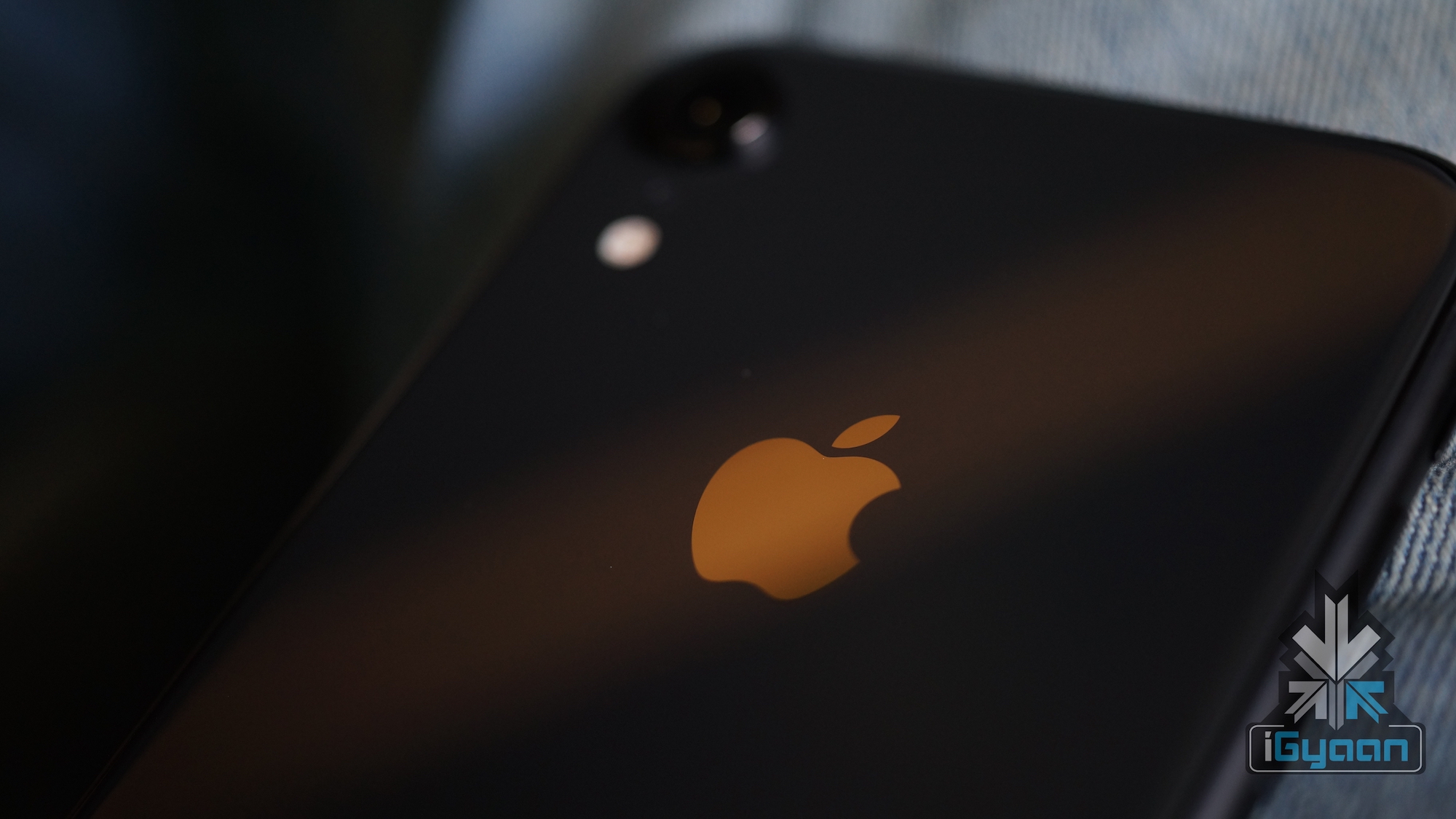
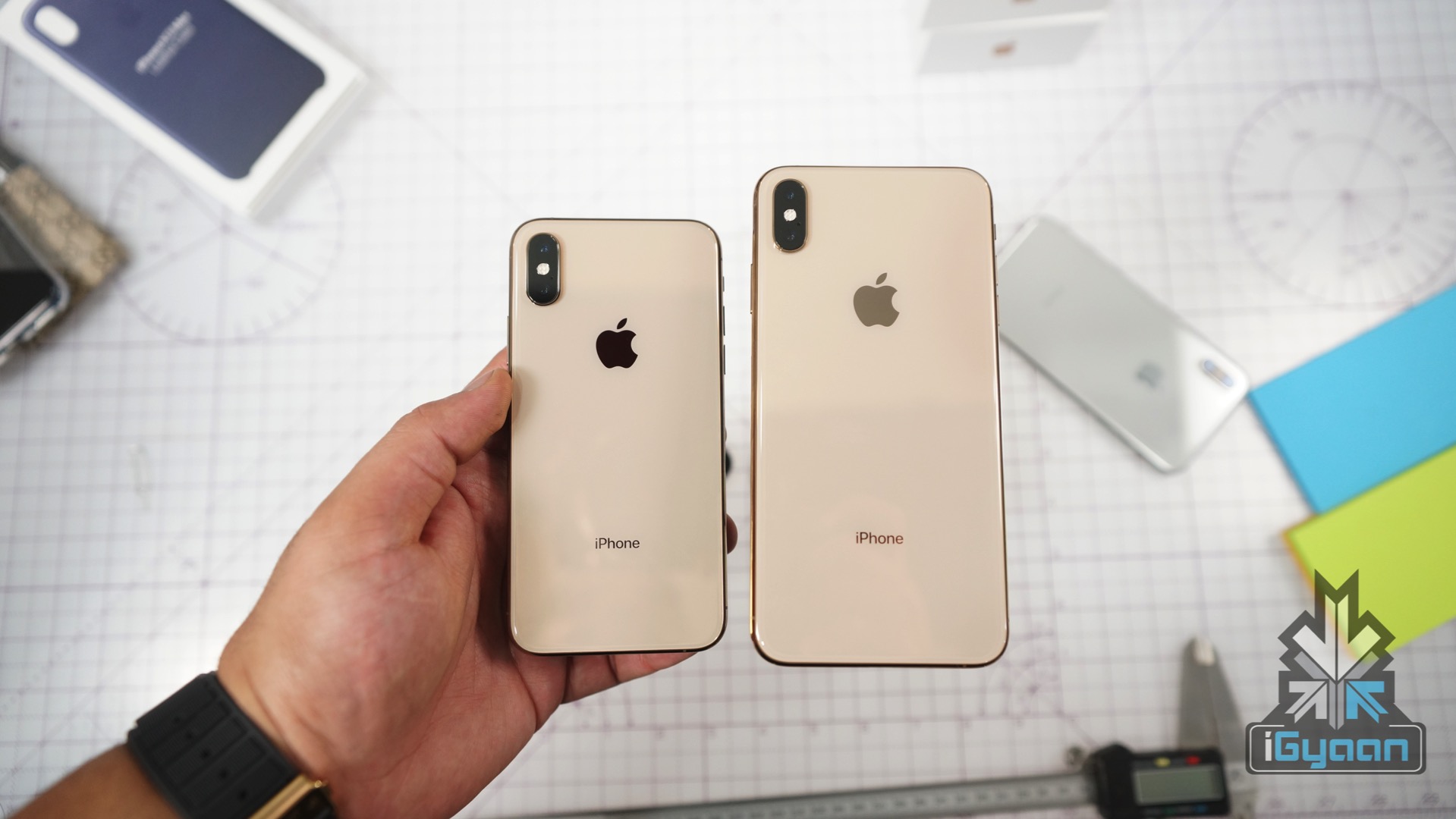
Yangyang Zhou and Quan Jiang are the names of the two who are charged with multiple felonies. As per reports, Yangyang recently completed his engineering degree at the Oregon State University. Yangyang and Quan smuggled thousands of knock-off iPhones from China into the US and forwarded them batch by batch to Apple for repair/replacement. The students claimed that the counterfeit iPhones won’t power on, which was correct, so Apple sent back real iPhones as a replacement to the fake iPhones. All this cost the American technology company a whooping sum of US$ 895,800.
How Did The Students Manage To Elude Apple?
Where Yangyang channelled the counterfeit shipments into the US and the real iPhones back to China, Quan, who also studied engineering at Linn Benton Community College in the same city was responsible for managing the funds associated with the deals. The address of the shipments was provided by Quan, and when the replacements were complete, the real iPhones were sent back to China. Consequently, an associate of Quan wired the money to his mother’s account in his hometown. The money was then forwarded to Quan Jiang’s account in the US, reports say.
As per the complaints, Yangyang and Quan both claimed to be completely alien to the fact that the incoming shipments from China consisted of counterfeit iPhones. Since the charges haven’t been proved yet, both students remitted of custody, however, Quan Jiang is being monitored via GPS. The charges that the students have been accused of are given below:
Yangyang Zhou: Illegal Export of Goods
Quan Jiang: Trafficking of Counterfeit Goods, Wire Fraud
Reports say that Apple was unable to verify the ownership and authenticity of the counterfeit iPhones since they weren’t powering on, however, it became even more viable because Apple didn’t ask for a proof of purchase while replacing the devices. Even though both the students refuse to respond to the notices associated with the same, it is unlikely that they will be acquitted of charges.
With a humble beginning as a company that initially customised Android OS to simplify its usability, Xiaomi has now turned into a global brand that needs no introduction. It originated as a software company in the year 2010 which has now turned into a wildly successful conglomerate that offers products ranging from electronic goods to lifestyle products. On the 6th of April 2019, the company turned nine years old, on this auspicious occasion we congratulate Team Xiaomi and acknowledge their contribution in driving down the costs of technology and making them readily accessible to the masses. Here is a list of top disruptive electronic devices from the company that have had a massive effect on the modern era of gadgets:-
Mi 3
Xiaomi Mi 3 was the first smartphone from the company that made its way into the Indian market in the year 2013. Due to its top tier specifications and an aggressive price, it quickly made its way into the hands of tech enthusiasts. The handset was launched at a price of Rs 13,999 in the country and it had similar specifications to Samsung’s flagship for the respective year, the Galaxy S4. Noteworthy, the Galaxy S4 was priced at Rs 41,500 which sounds outlandish in comparison the Mi 3.
Redmi 1s
The Redmi 1s was the second device launched by Xiaomi in the country and clearly, it was the handset that changed it all for the company. The smartphone was priced at Rs 6,999 which had significantly superior specifications in comparison to its competitors. The main accrediting features that made the Redmi 1s highly successful was its large 4.7-inch display, Octa-Core SoC and the support for dual SIM cards.
Redmi Note 4G
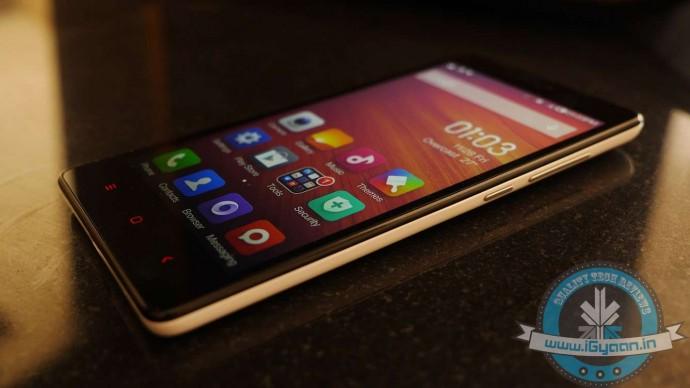
Redmi Note 4G
The Redmi Note 4G was yet another notable smartphone from Xiaomi that had a huge influence in its flourishing journey. As the name suggests, it was the first 4G handset from Xiaomi in the country which gave it a worthy headstart in the rapidly booming generation of high speed internet telecom. In addition to 4G capabilities, the Redmi Note 4G also had a huge 5.5-inch display which was another factor that pulled customers towards the device.
Mi Mix
The Mi Mix was the original handset that gave us the glimpse of an all screen, bezel-less smartphone. The device has non-existent bezels on all sides except for a prominent chin at the bottom of the display. The chin not only inhabited the essential components of the display assembly but it was also occupied by the front-facing selfie camera. All in all, the Mi Mix was the smartphone which proved the possibility of developing a smartphone with ultra-thin bezels is possible. Therefore, it cannot be denied that the incipience of a high screen to body ratio smartphone was initiated by it.
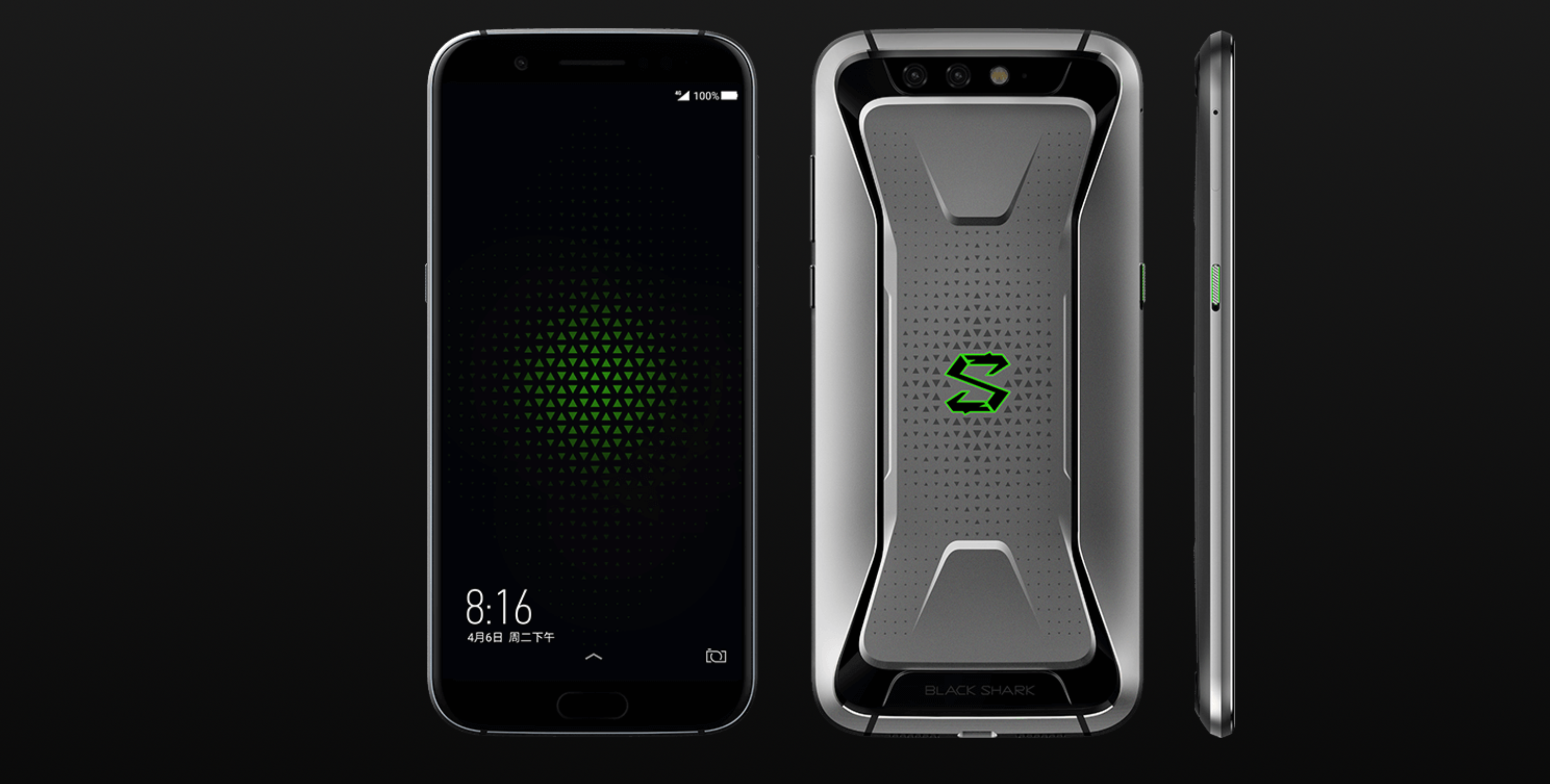
Black Shark
The Black Shark was the first gaming smartphone from Xiaomi which in its every aspect feels and perform what a gaming device should be like. In comparison to a conventional flagship smartphone, the Black Shark has a distinctive look with Green accents and LED light strips. The smartphone was designed and developed while keeping gaming enthusiasts in mind and it unquestionably accomplishes what the company advertises it to do.
Poco F1
Another device, another segment disruptor from Xiaomi, the Poco F1 is a sub-US $ 300 smartphone that features the Snapdragon 855 SoC. Before the launch to this handset, similar features in such affordable smartphone were simply unheard of. Due to its flagship specifications and aggressive price tag, the handset turned a lot of heads globally. Though the smartphone has been plagued with a couple of issues like the lack of Widevine L1, it is the only device that offers this high value for money in its price bracket.
Redmi Note 7 Pro
The Note 7 Pro is a smartphone from the Redmi brand which separated from Xiaomi earlier this year. It is a device that has put Xiaomi on the global map which is again due to its first in the segment specifications like the Snapdragon 675 SoC. In addition to worthy specifications, the smartphone has top-notch build quality with glass on the front and the back which provides it with a premium feel which Redmi devices in the past skimped on.
Honourable Mentions
Mi Band
Mi Band was the first wearable device from Xiaomi that offered the features of a high-end fitness tracker in an affordable and compact package. The band could track the sleep of the wearer and also track their calories. It successors the Mi Band 2 and Mi Band 3 have also been highly popular amongst customers due to an affordable price tag.
Before the launch of the Mi Power Bank, the users had overwhelming options for a simple gadget which ranged in a wide price bracket. The Mi Power Bank accrediting to its praiseworthy build, reliable performance and competitive pricing became a sensational hit amongst the consumers.
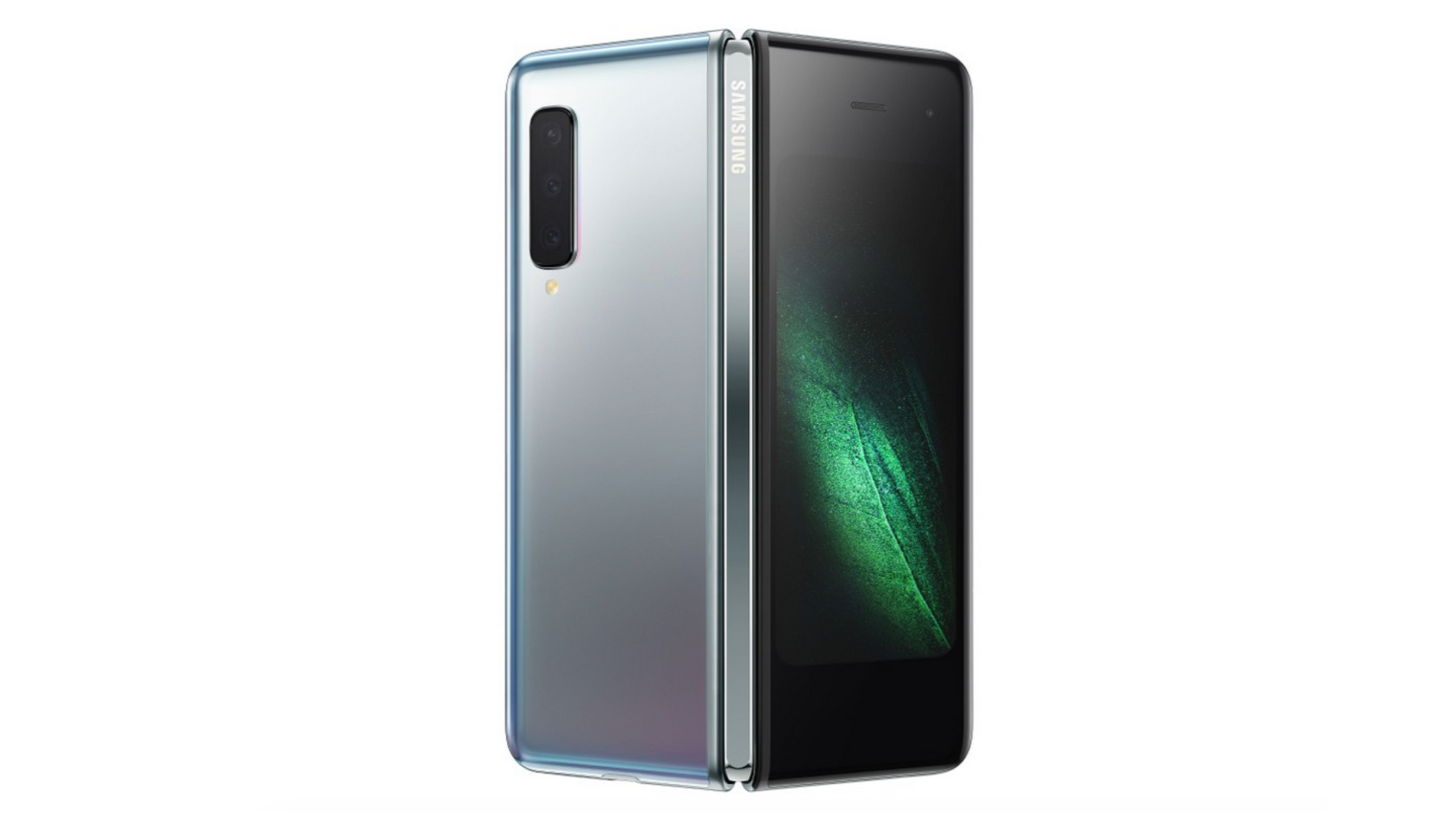
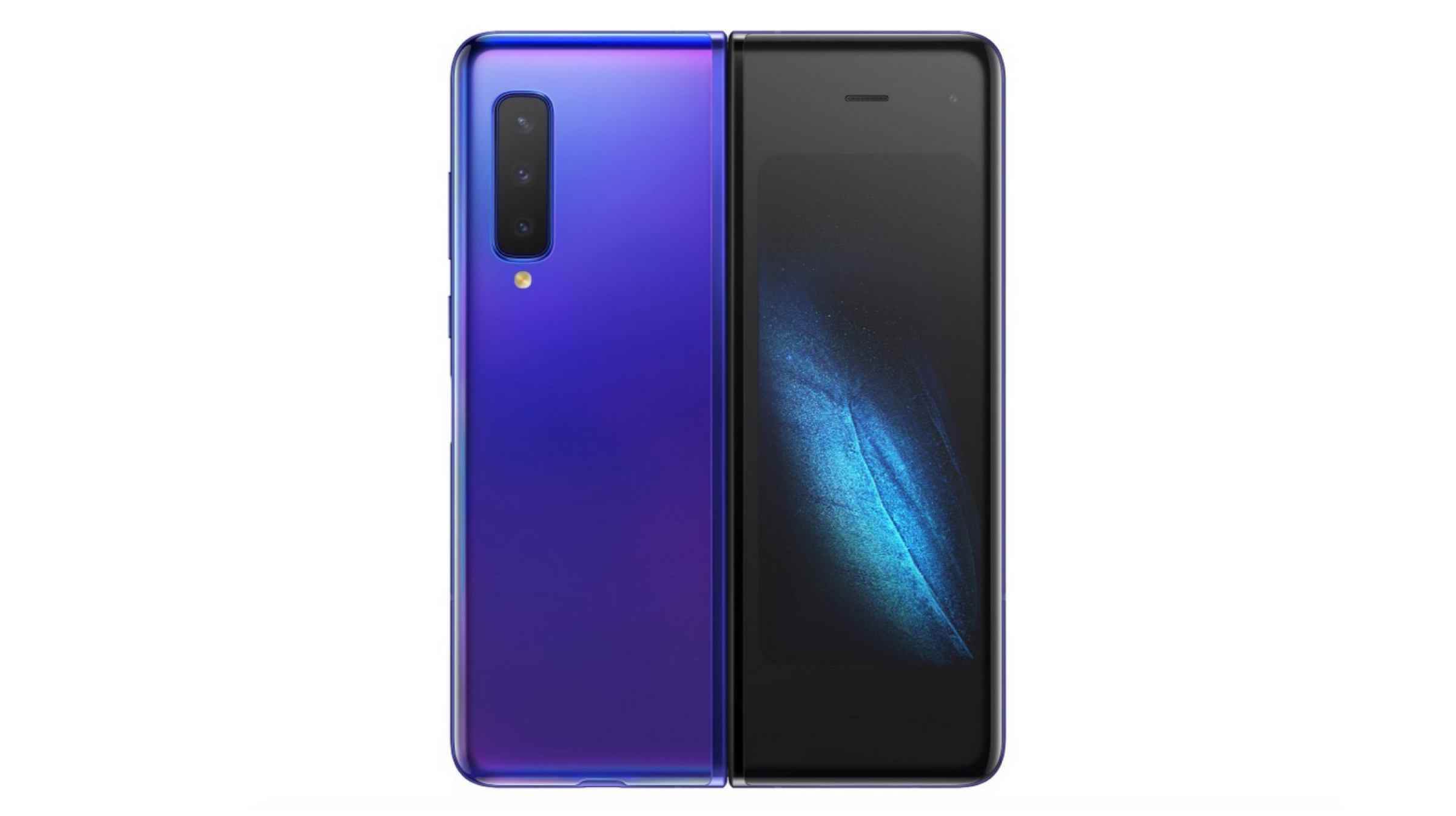
Samsung Galaxy Fold is probably one of the most awaited foldable smartphones in the market right now, and the device will be made available in markets April 26 onwards. The smartphone was first introduced along with the Galaxy S10 lineup at the Galaxy Unpacked event on February 20. Notably, the device is the first foldable smartphone from the company and is only the second foldable device in the market currently. The Samsung device supports three-way multitasking and features a uniquely designed one-of-a-kind hinge with interlocked gears, which forms the basis of the folding mechanism. As per latest reports, listings for official cases for the same smartphone are now available on UK based e-commerce website, MobileFun.
About The Cases
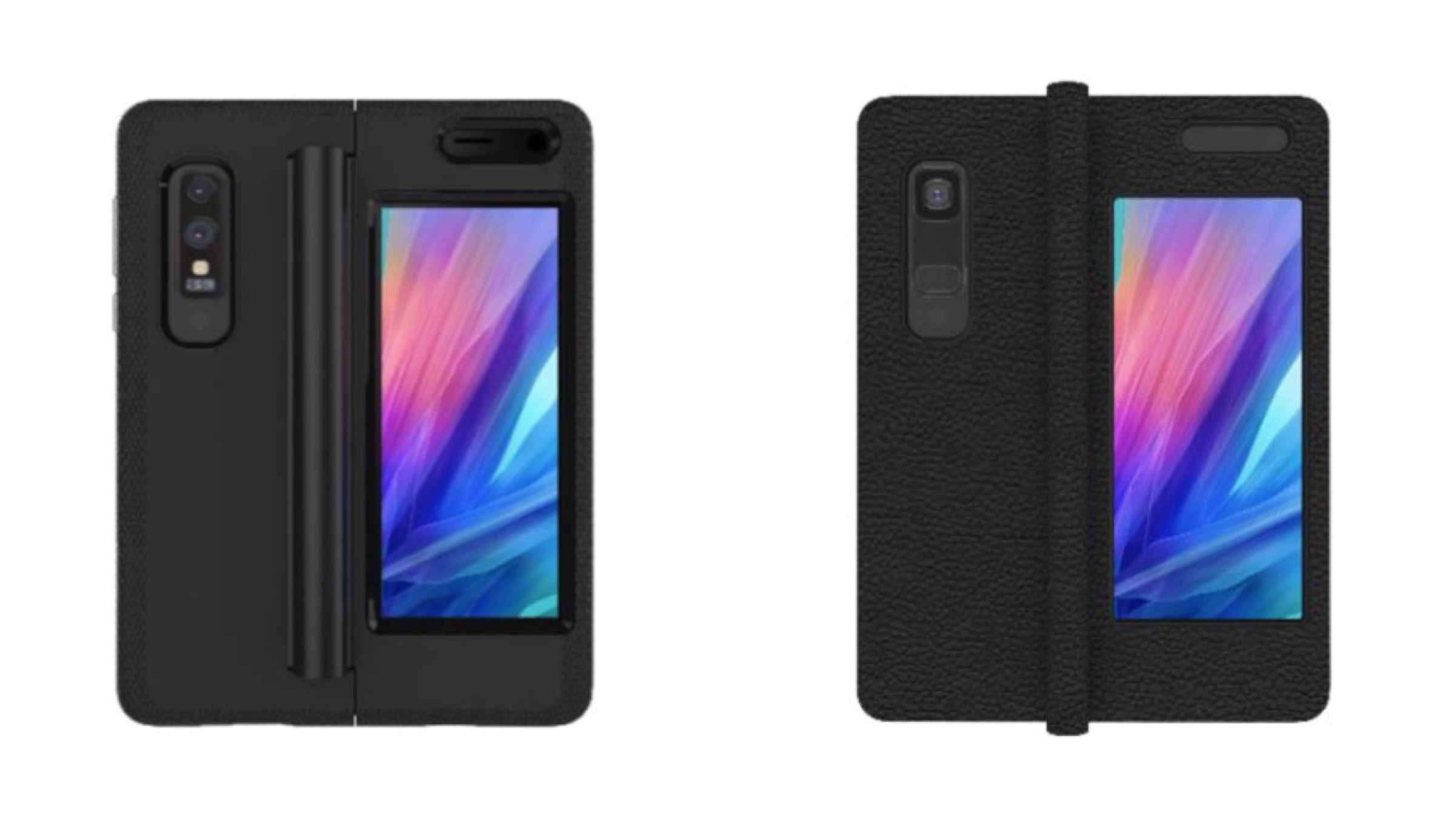
Bearing a hefty price tag of US$ 119.99 for the highest-priced case, the covers are available in 5 different variants on the aforementioned website. The one priced at almost US$ 120 is a genuine leather cover case for the upcoming smartphone, and it is available in two colour options: Black and White. There is a label beneath these two listings which says “Due in 2 months”, implying that these two cases will go live for sale almost a month after the launch of the Galaxy Fold.
The other three cases are non-official and are priced at almost half the price of the official covers. There is a leather folio case priced at US$ 65.49, a Tough Grip Case for US$ 43.99 and a leather pouch-cum-wallet case priced at US$ 21.99. Out of all the aforementioned cases, only the cheapest case is available for purchase currently. When looked at from a different perspective, it almost makes sense that the company will price its cases at such a high price point, considering that the Galaxy Fold will set its customers back by almost US$ 2000. The foldable smartphone can be pre-ordered in Europe April 26 onwards and will hit the stores on May 3.
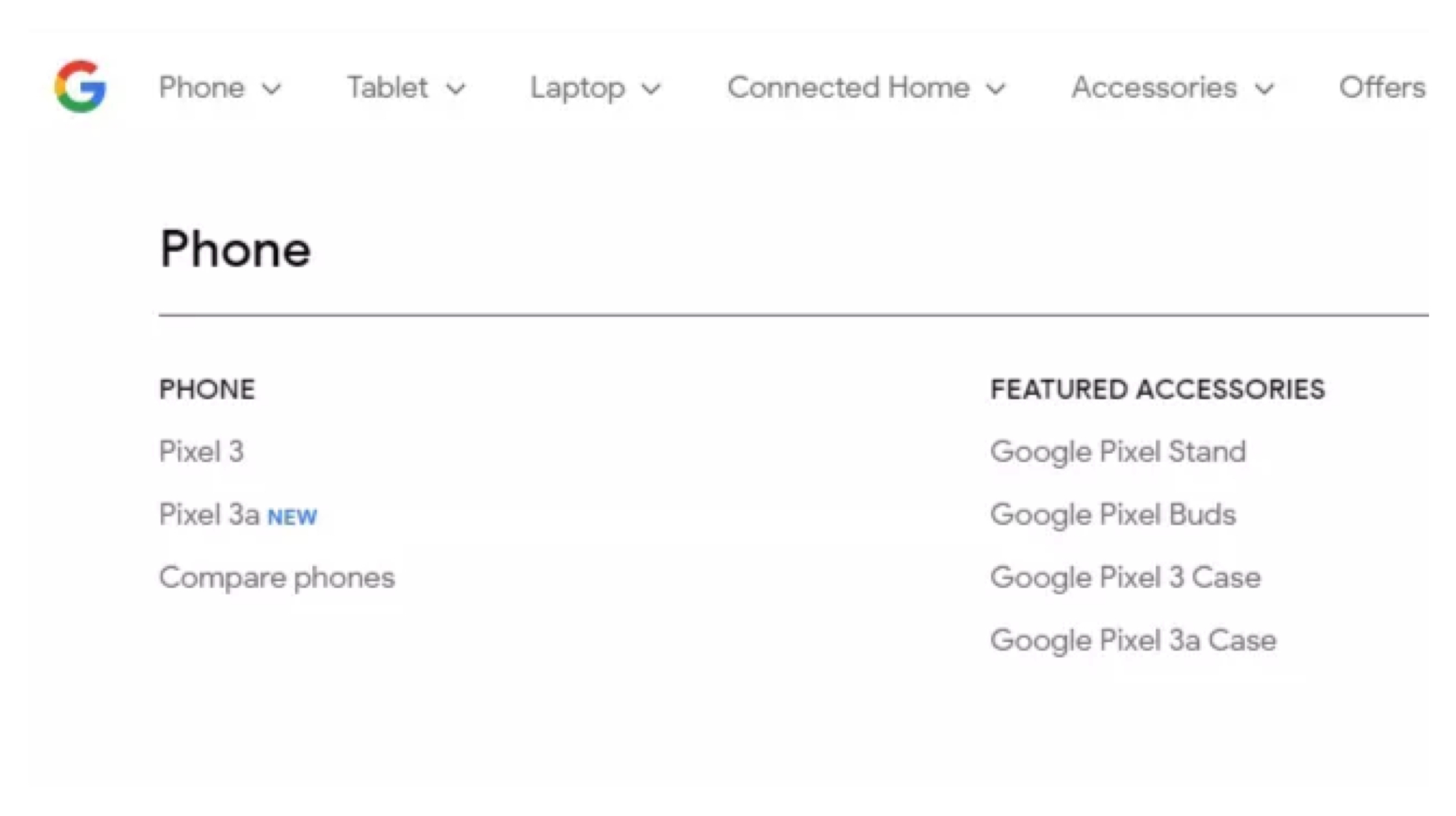
It has been leaked time and again that Google will release a watered down version of its Pixel 3 smartphones this year. The devices were allegedly called Pixel 3a and Pixel 3a XL. While there was no official confirmation from the company about the same, that changes now. Fresh listing on Google’s website lists the Pixel 3a lineup. This suggests the handsets are closer to launch than ever.
Pixel 3a/3a XL
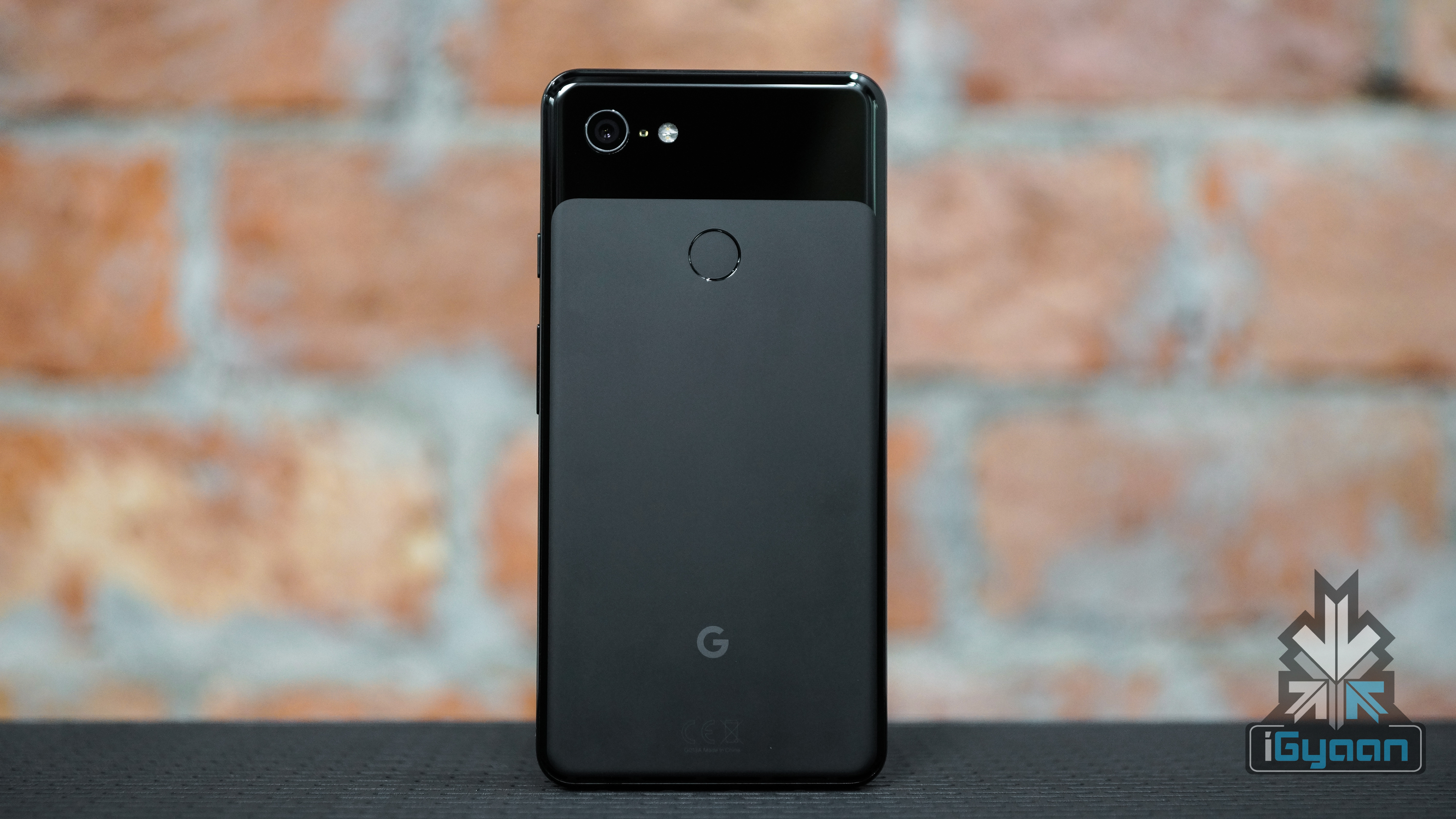
The Pixel 3a lineup will be Googles mid-range offering. The smartphones have been previously leaked to sport a design that is reminiscent of their elder siblings. However, the material of choice is expected to be polycarbonate instead of metal and glass on the Pixel 3 & 3 XL. The front is expected to sport a 5.6-inch OLED display on the Pixel 3a while the Pixel 3a XL will have a 6 inch OLED display. For biometrics and security, the devices will have a rear-mounted fingerprint sensor.
Google Pixel 3XL
Under the hood, the Pixel 3a and 3a XL are expected to be kitted with the 10nm Snapdragon 670 SoC. The chipset has an Octa-core processor and Adreno 612 GPU. For optics, a 12 MP rear camera is expected in both the smartphones, while the front snapper will be of 8MP resolution. In terms of memory and storage, the devices are expected to have 4GB of RAM and up to 128GB of onboard storage.
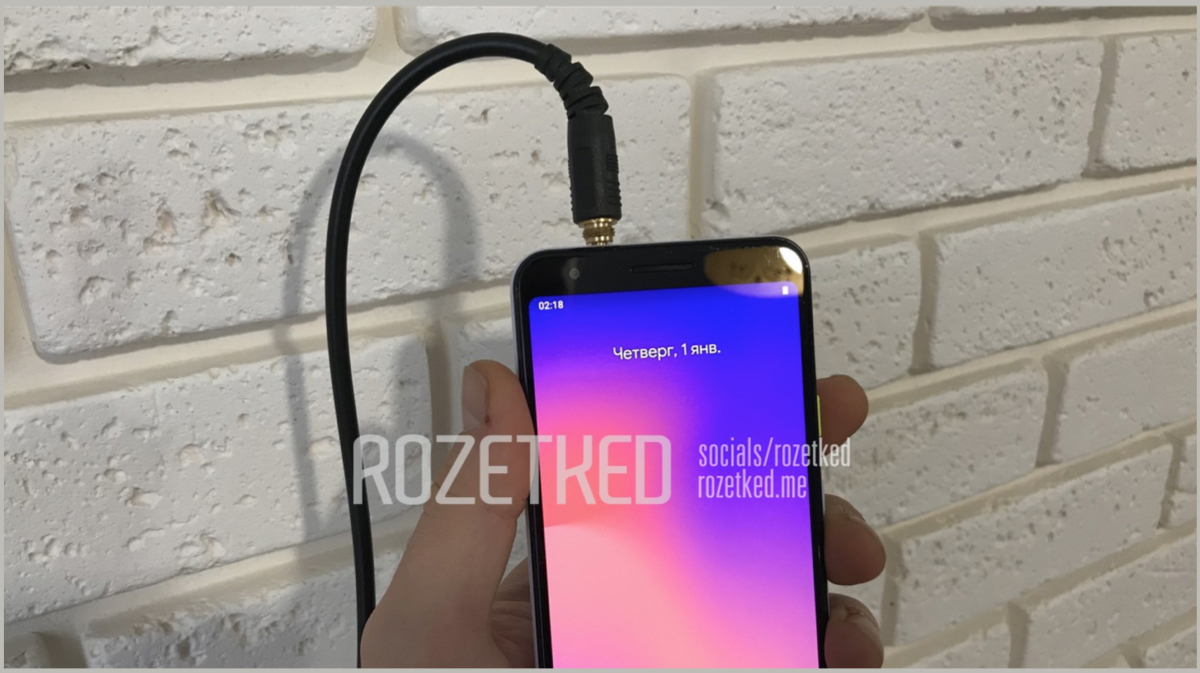
Past leaks suggest that the Pixel 3a smartphone duo will be powered by a 3000mAh battery with support for fast charging. Being Pixel devices, they are expected to run on the current Android 9 Pie with a stock interface and receive fast software updates. The leaked images also confirm the presence of a 3.5mm headphone jack on at least one of the two devices.
It was earlier rumoured the company will launch the Pixel 3a smartphone duo at Google I/O next month. However, their listing on the official Google store suggests their launch is imminent. Reportedly the Pixel 3a will start at Rs. 35,000 while the Pixel 3a XL will start at Rs. 40,000
Redmi devices hold the status of being some of the most popular smartphones in the market, and Xiaomi has found a lot of success in the hands of Redmi devices. The company is known to launch smartphones with segment-disruptive specifications while keeping the prices budget aggressive. Recently, the Chinese manufacturer launched the Redmi Note 7 Prosmartphone with a 48MP camera, which received rave reviews worldwide. As per latest news, the company has decided to terminate support for older devices.
Which Devices Will Be Affected?
The Chinese technology company believes that this step will be a major part of executing the brand’s overall strategy. Furthermore, the Xiaomi states that cutting off future updates will ensure the stability of older devices. The list of the devices which will be a part of this step are listed below:
The company adds that its present devices won’t be affected because of this strategy. The fact that the company is terminating support to its older devices indicates towards the underlying theory that even though Xiaomi is known to tweak its MIUI to provide the most recent updates on the older generation of devices, there comes a time that the smartphone’s hardware may become obsolete. Consequently, such a situation may lead to degradation of user experience on that particular device, which is definitely not the aim of any smartphone brand.
Xiaomi also recommended its old users to upgrade to the latest stable ROM if they are running the developer versions of ROM on the aforementioned devices. To the joy of users, the company announced a future program, which will allow users to beta test the stable versions of developer ROMs before their full release on the respective smartphones.
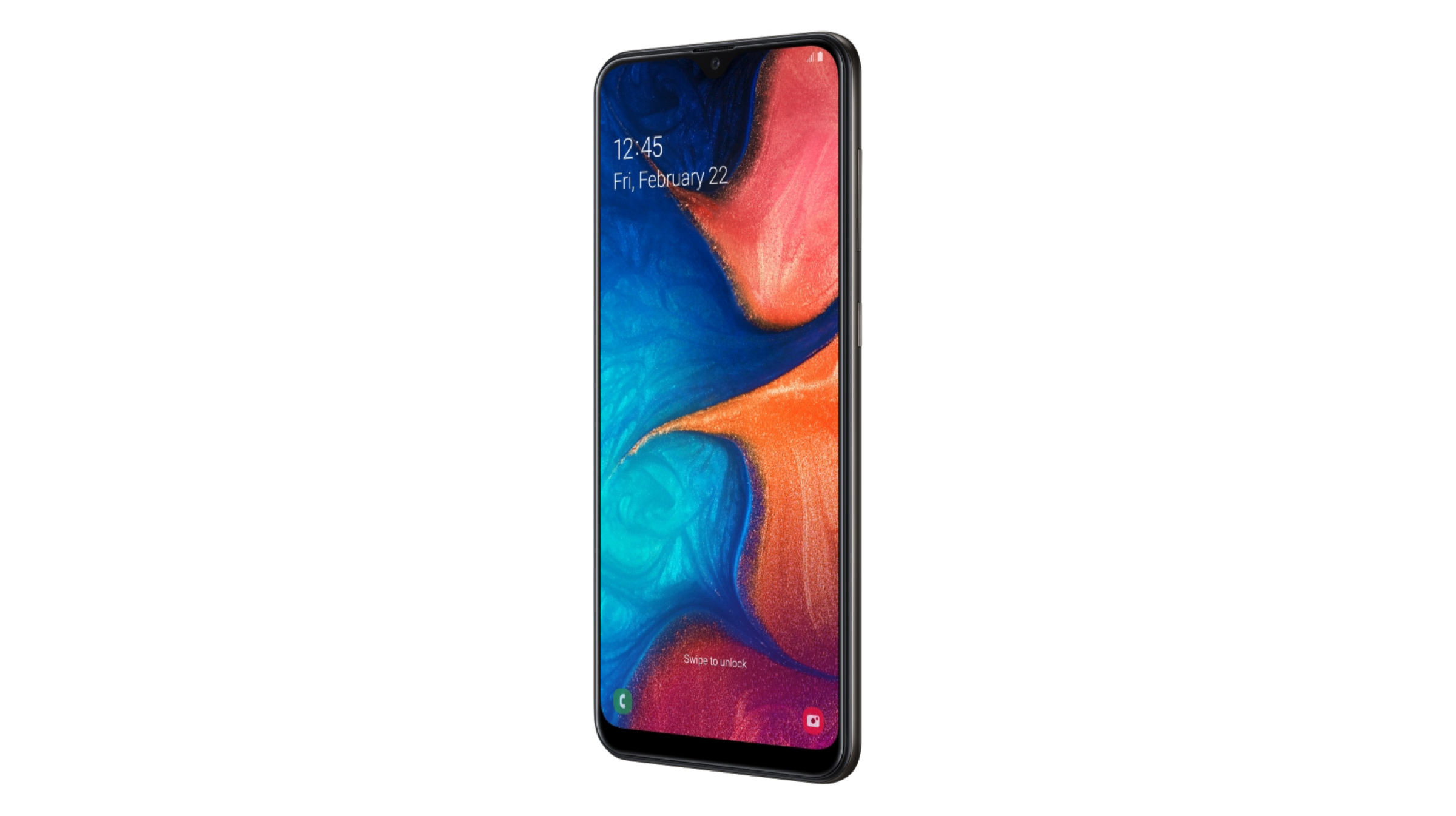
Samsung has launched a new member in the Galaxy A series of smartphones, the Galaxy A20 in India. The device joins the previously launched Galaxy A10, Galaxy A30 and Galaxy A50 in the country. Interestingly, while the latter three handsets have already been launched in India in February, the Galaxy A20 was first launched last month in Russia.
Galaxy A20: Design & Features
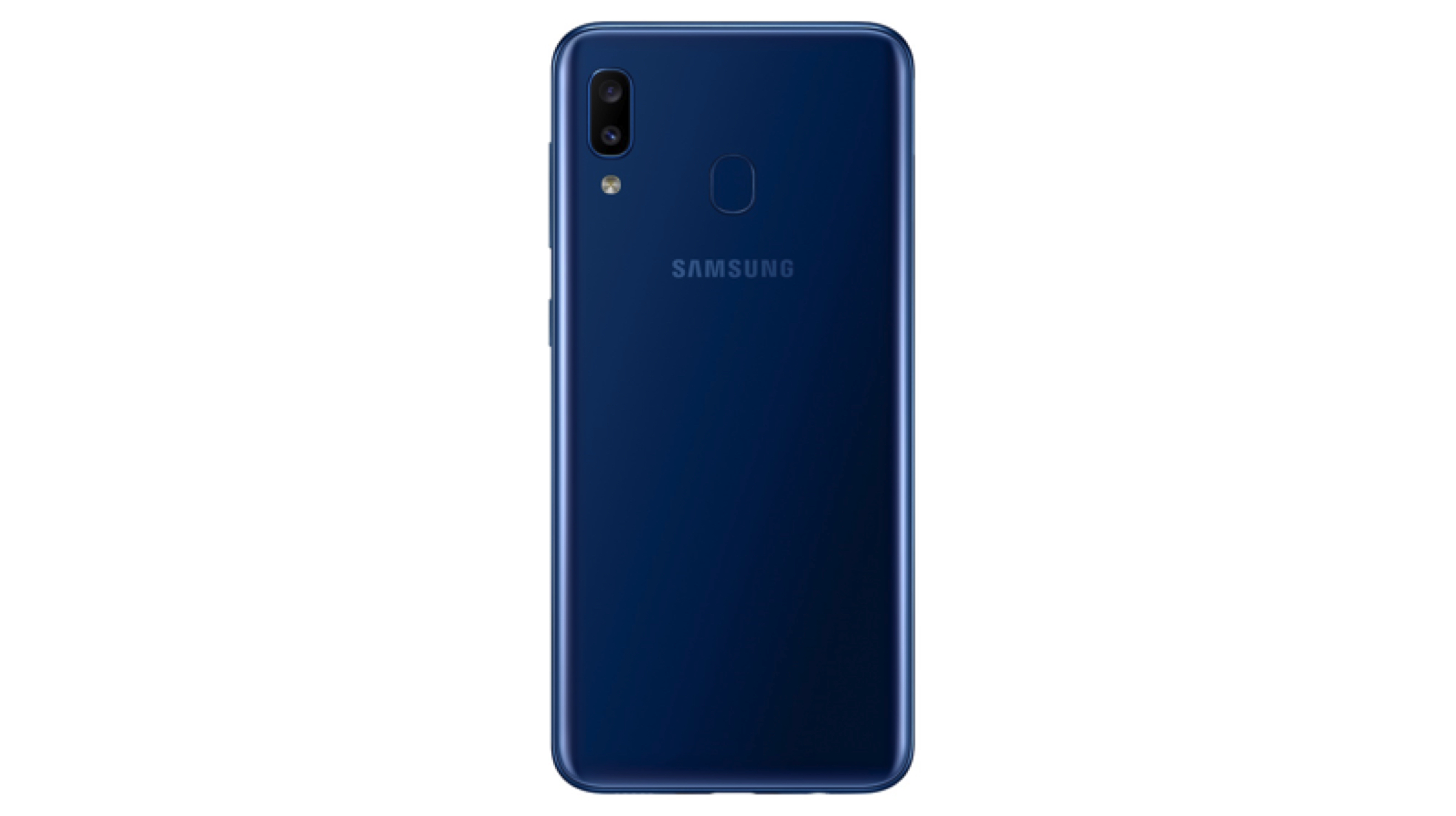
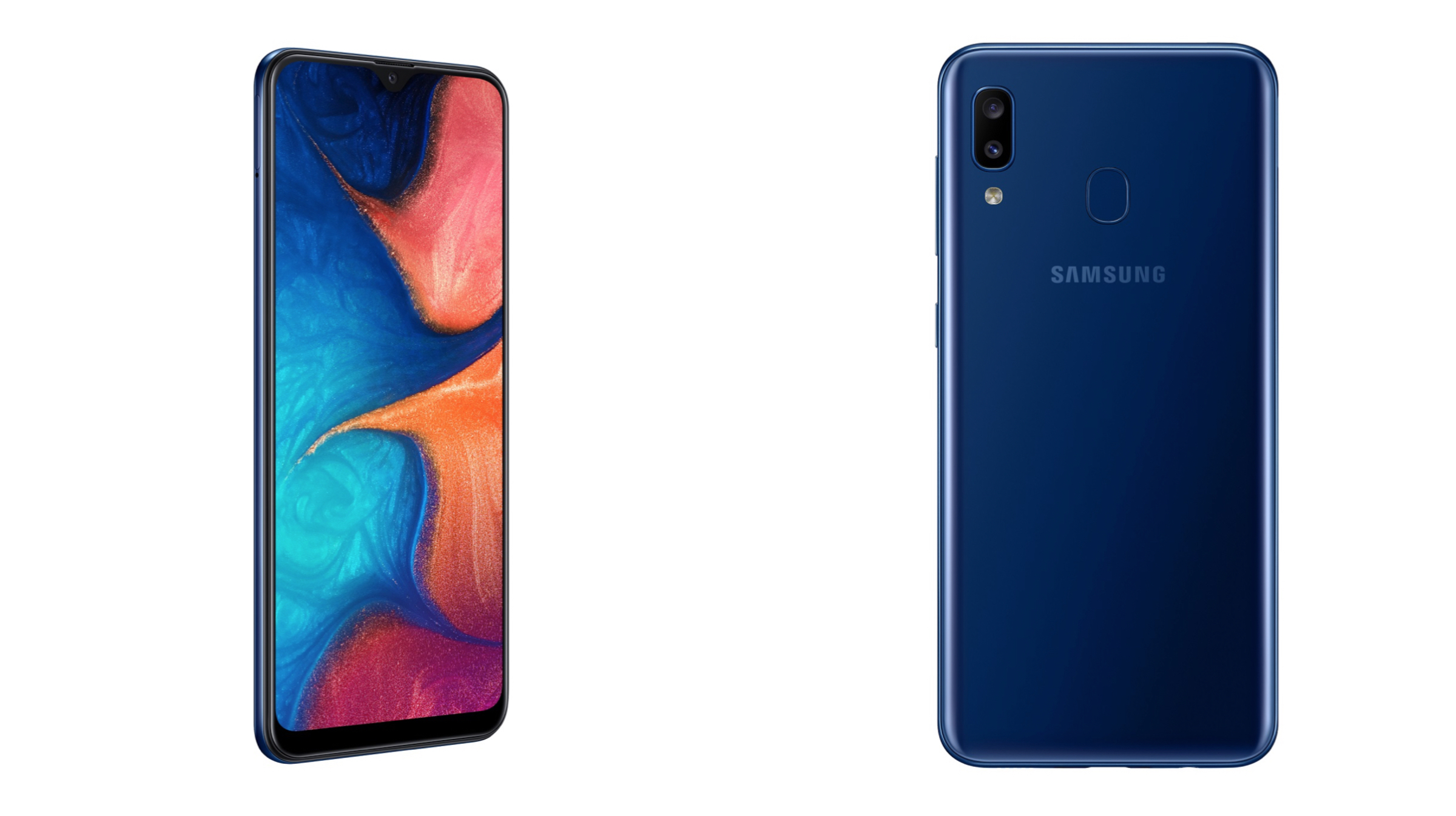
The Galaxy A20 features a polycarbonate body with a similar design language to the Galaxy A10 and the Galaxy A30. While the front of the smartphone resembles the former handset, the back is similar to the latter. The device measures 158.4 x 74.7 x 7.8 mm and has a 6.4-inch Super AMOLED display with a resolution of 1560 x 720 px. The front has minimal bezels all around the display with a small Infinity-V style waterdrop notch on top. The rear of the smartphone houses a fingerprint sensor which allows it to securely unlocked. Additionally, it also supports face unlock technology.
Under the hood, the Galaxy A20 is kitted with the Exynos 7884 SoC which consists of an Octa-core CPU. The device has a dual rear camera setup comprised of an f/1.9 aperture equipped 13MP sensor and an f/2.2 aperture equipped 5MP sensor. For selfies, it has an f/2.0 aperture equipped 8MP camera housed in the notch on top of the display. The smartphone is available with 3GB of RAM and 32GB of internal storage which is further expandable by up to 512GB with microSD support.
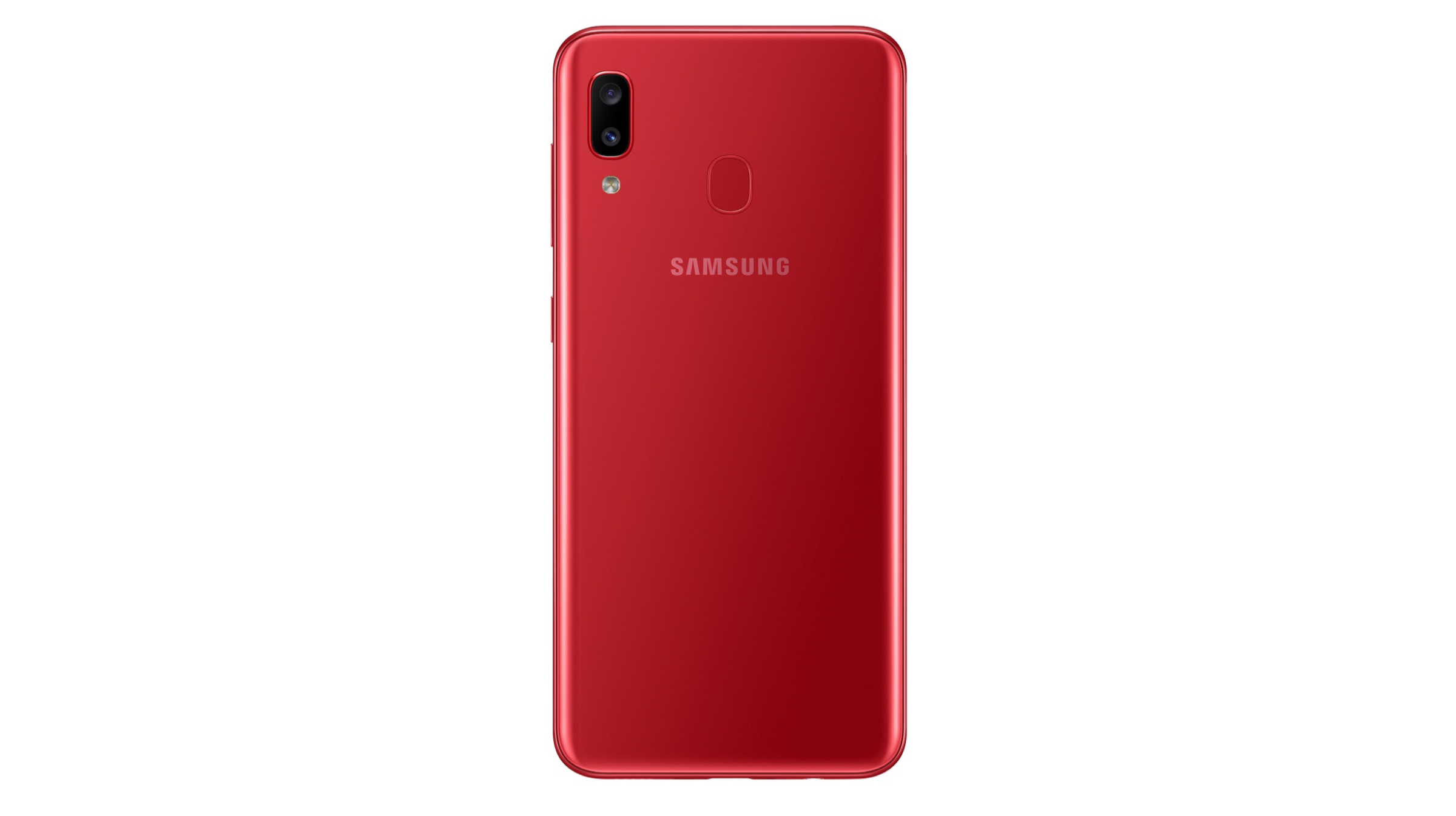
The Galaxy A20 is powered by a 4000mAh battery, which is an upgrade over the 3400mAh found on the Galaxy A10. It supports 15W fast charging via the bottom mounted USB Type-C port. The smartphone runs on the latest OneUI on top of the current Android 9 Pie. It will be available in three colours namely Black, Blue and Red.
The Galaxy A20 has been launched in India for the price of Rs. 12,490 and will go on sale starting April 10. The smartphone will be available from all the major online and offline carriers.

 Smartphones are evolving rapidly, and sure enough, many devices have the capability to run multiple applications at the same time. Higher battery capacities imply that multitasking is even more viable in such devices. More graphic-intensive games can be run on such devices, so Chinese Smartphone manufacturer Oppo has patented a gaming interface, which will allow users to launch certain apps during gaming on the device.
 Also Read: Nubia Alpha Foldable Smartwatch Launched In China
 The Lenovo Z6 Pro is expected to be built along the lines of its predecessor, the
 In terms of the camera, Lenovo is claiming that the Z6 Pro will have a ‘HyperVision’ camera which will redefine the way videos are recorded. As per a recent teaser by the company, the device will be capable of capturing 100-megapixel images. Apparently, the company may work around the AI in the smartphone to achieve this feat, but once launched, this will be the highest camera megapixel count ever seen in a smartphone.
 Also Read: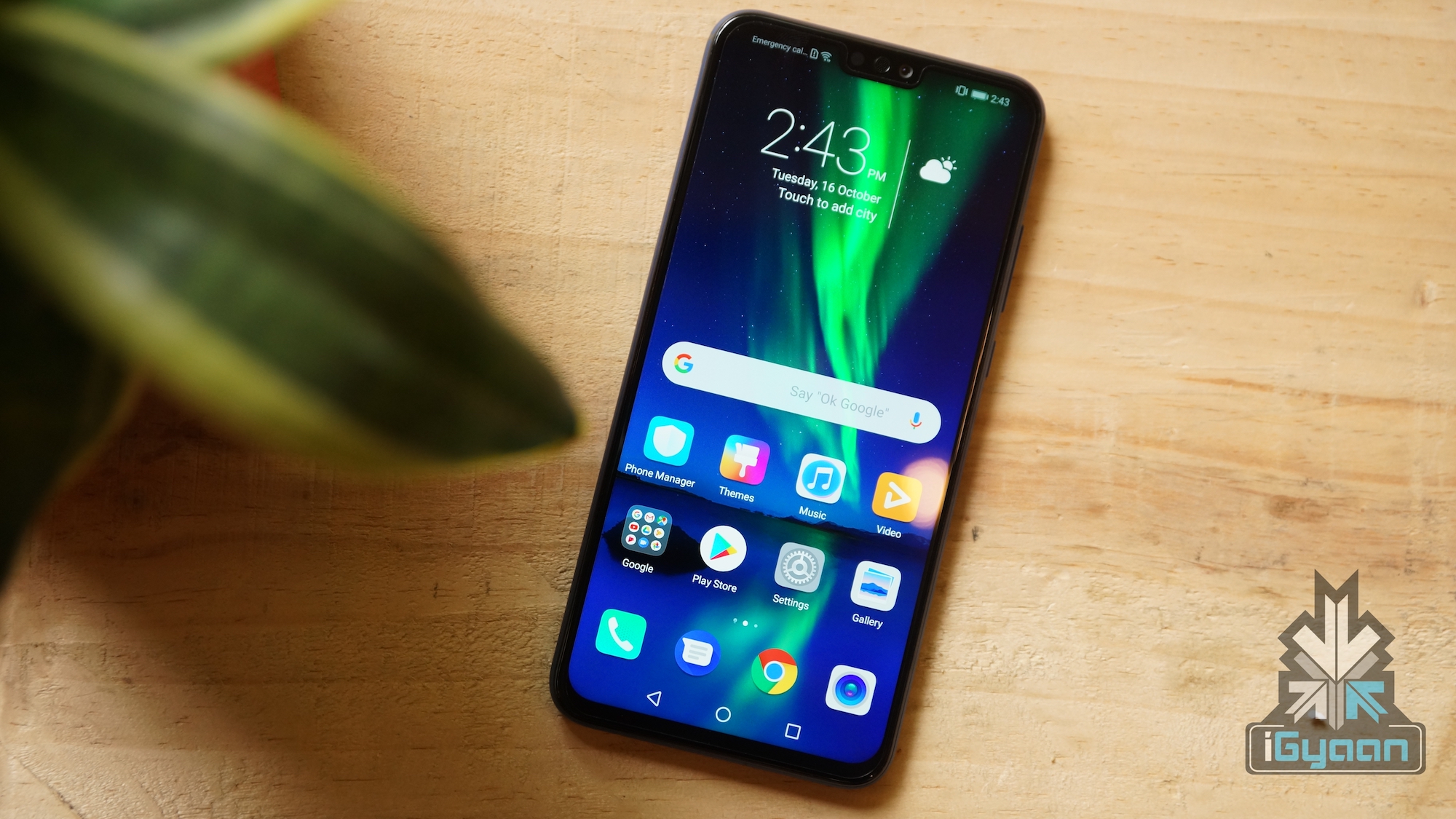



 As per the user, he was in bed and watching TV when his Apple Watch alerted him regarding a heartbeat anomaly, and then suddenly, his heartbeat spiked up. It was then he realized something was actually wrong with his heart and he called the ER (Emergency Services). When the medics arrived, they found him in a state of shock and he was taken to the hospital and shifted to Trauma. It was later found out that he was suffering from Supraventricular Tachycardia (a condition in which the heart rate stays over 100 bpm, even if all the chambers of the heart are functioning normally).
 Also Read: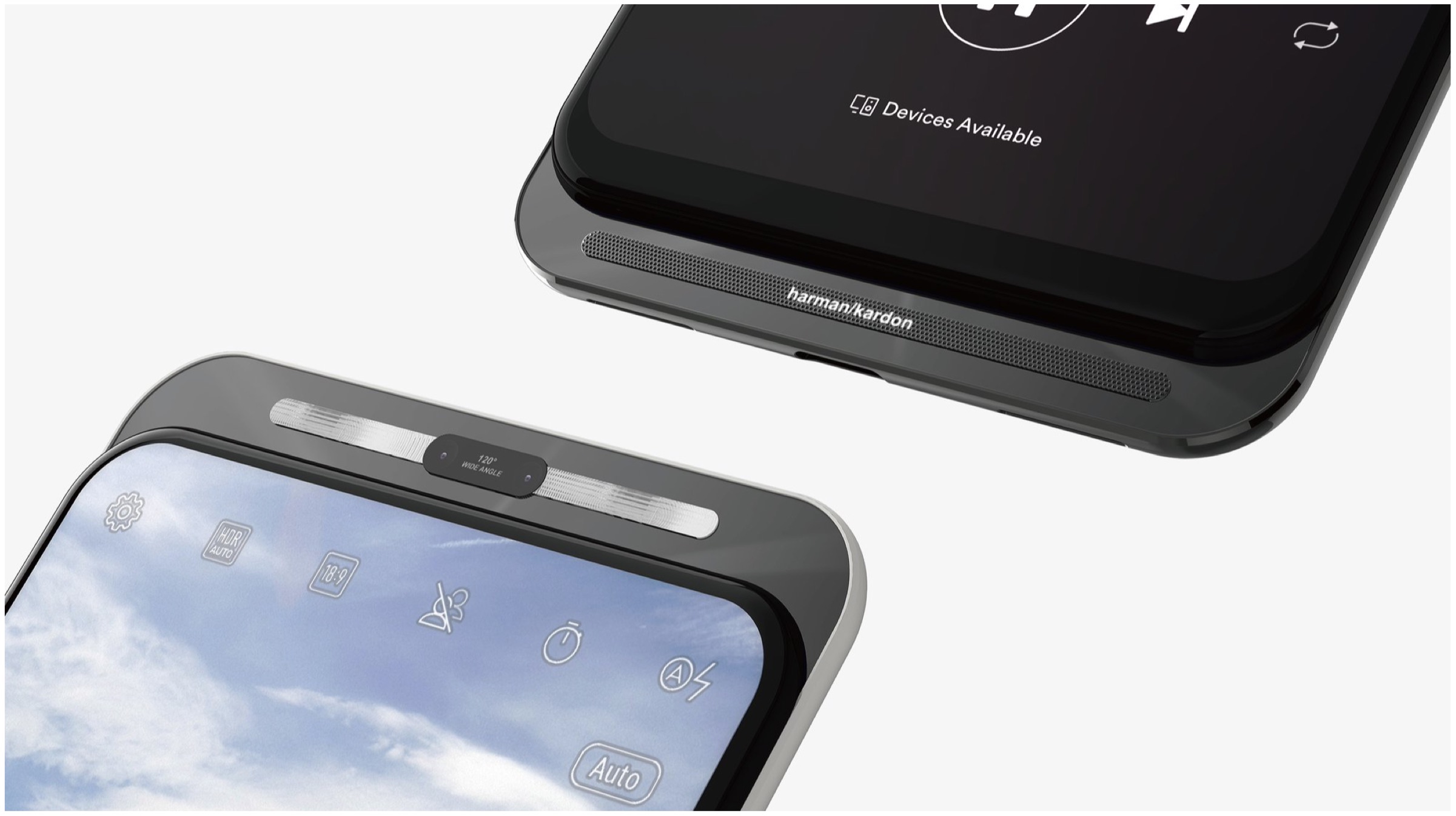
 The renders were actually developed by a designer who previously worked on the design of the
  When the device is slid upwards, an attractive speaker grille bearing the label of Harman Kordan speakers is observed. This indicates the fact that the smartphone may have dual front firing speakers, but it’s unclear how both the speakers will function together simultaneously. The concept smartphone has a dual rear camera setup positioned at the top of the back panel. Along with the presence of the LED flash, a noteworthy feature of the back panel is the absence of a fingerprint scanner, hinting towards the fact that the device may have an in-display fingerprint scanner.
 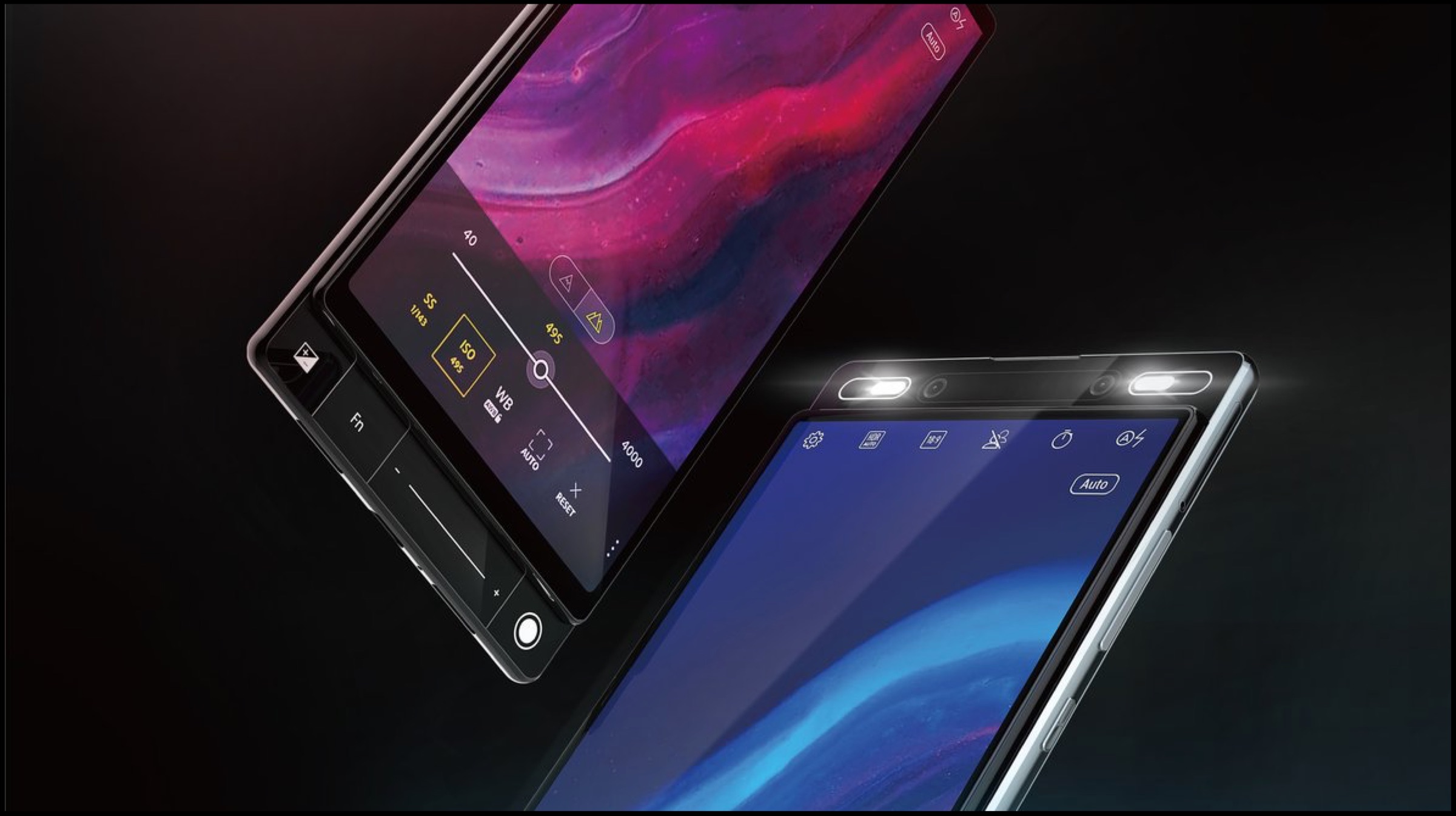 The second smartphone design shifts the perspective towards more of a “camera-oriented” device. Where the first render had a single LED flash strip for the front-facing cameras, the second concept shows off a separate LED flash for each of the dual selfie shooters when the slider is shifted downwards. Also, both the cameras are placed at a notable distance from each other.
 As per the renders, the screen can be slid upwards to reveal another display which is much smaller than the primary display. In the image, the small screen shows controls for image exposure, a function option, a zoom slider and a camera shutter button. However, the controls may not be just limited to the camera, in fact, each app may have its own set of touch controls to integrate with the miniature display. The back of the smartphone has a set of dual cameras that are placed together in a single module, with the left side being flanked by the LED flash. Also, a fingerprint scanner can clearly be spotted on the back, which is placed between the camera and the ASUS branding.
 Also Read: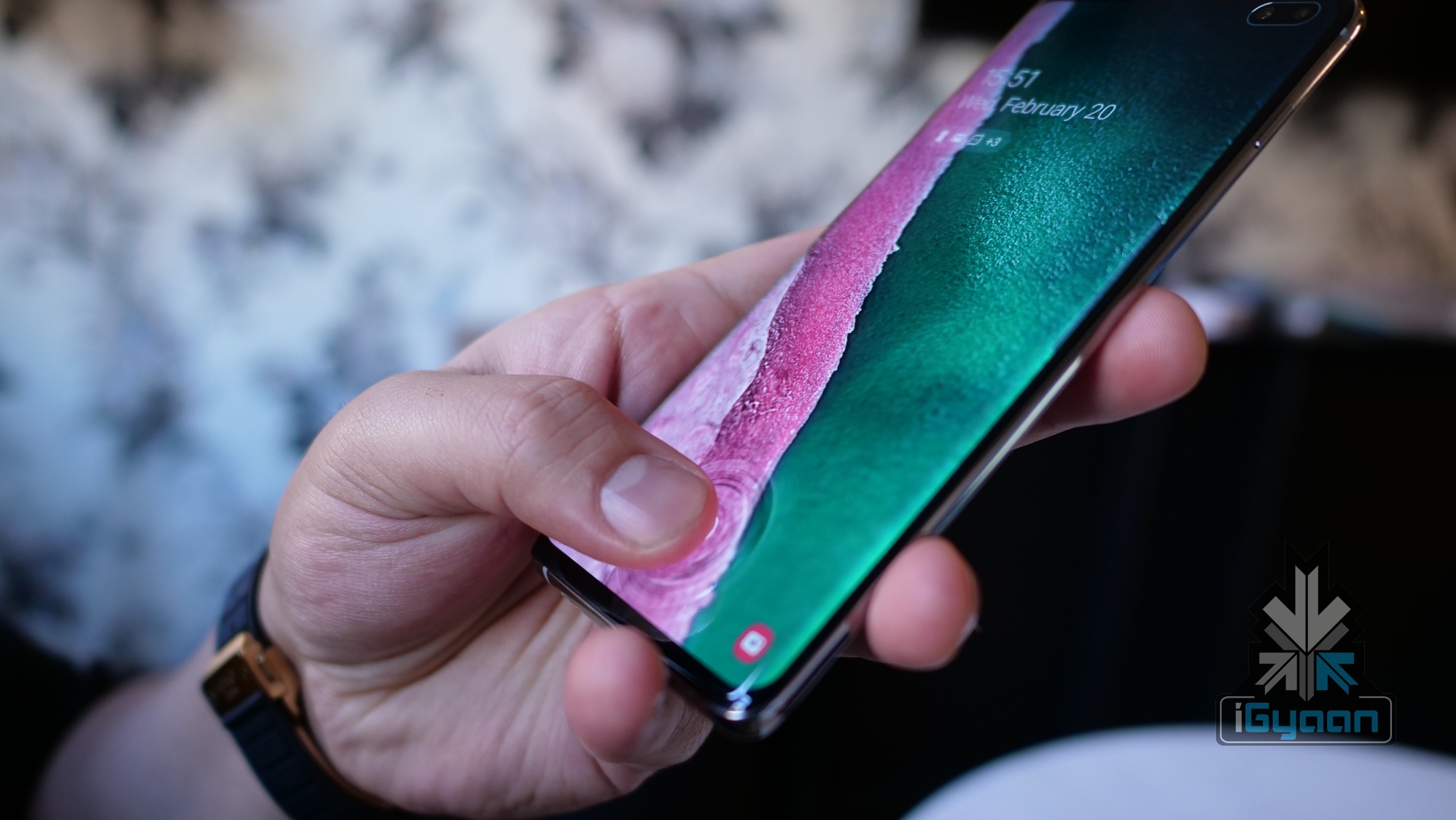
 Yangyang Zhou and Quan Jiang are the names of the two who are charged with multiple felonies. As per reports, Yangyang recently completed his engineering degree at the Oregon State University. Yangyang and Quan smuggled thousands of knock-off iPhones from China into the US and forwarded them batch by batch to Apple for repair/replacement. The students claimed that the counterfeit iPhones won’t power on, which was correct, so Apple sent back real iPhones as a replacement to the fake iPhones. All this cost the American technology company a whooping sum of US$ 895,800.
 Where Yangyang channelled the counterfeit shipments into the US and the real iPhones back to China, Quan, who also studied engineering at Linn Benton Community College in the same city was responsible for managing the funds associated with the deals. The address of the shipments was provided by Quan, and when the replacements were complete, the real iPhones were sent back to China. Consequently, an associate of Quan wired the money to his mother’s account in his hometown. The money was then forwarded to Quan Jiang’s account in the US, reports say.
 Also Read:
 Bearing a hefty price tag of US$ 119.99 for the highest-priced case, the covers are available in 5 different variants on the aforementioned website. The one priced at almost US$ 120 is a genuine leather cover case for the upcoming smartphone, and it is available in two colour options: Black and White. There is a label beneath these two listings which says “Due in 2 months”, implying that these two cases will go live for sale almost a month after the launch of the Galaxy Fold.
 Also Read: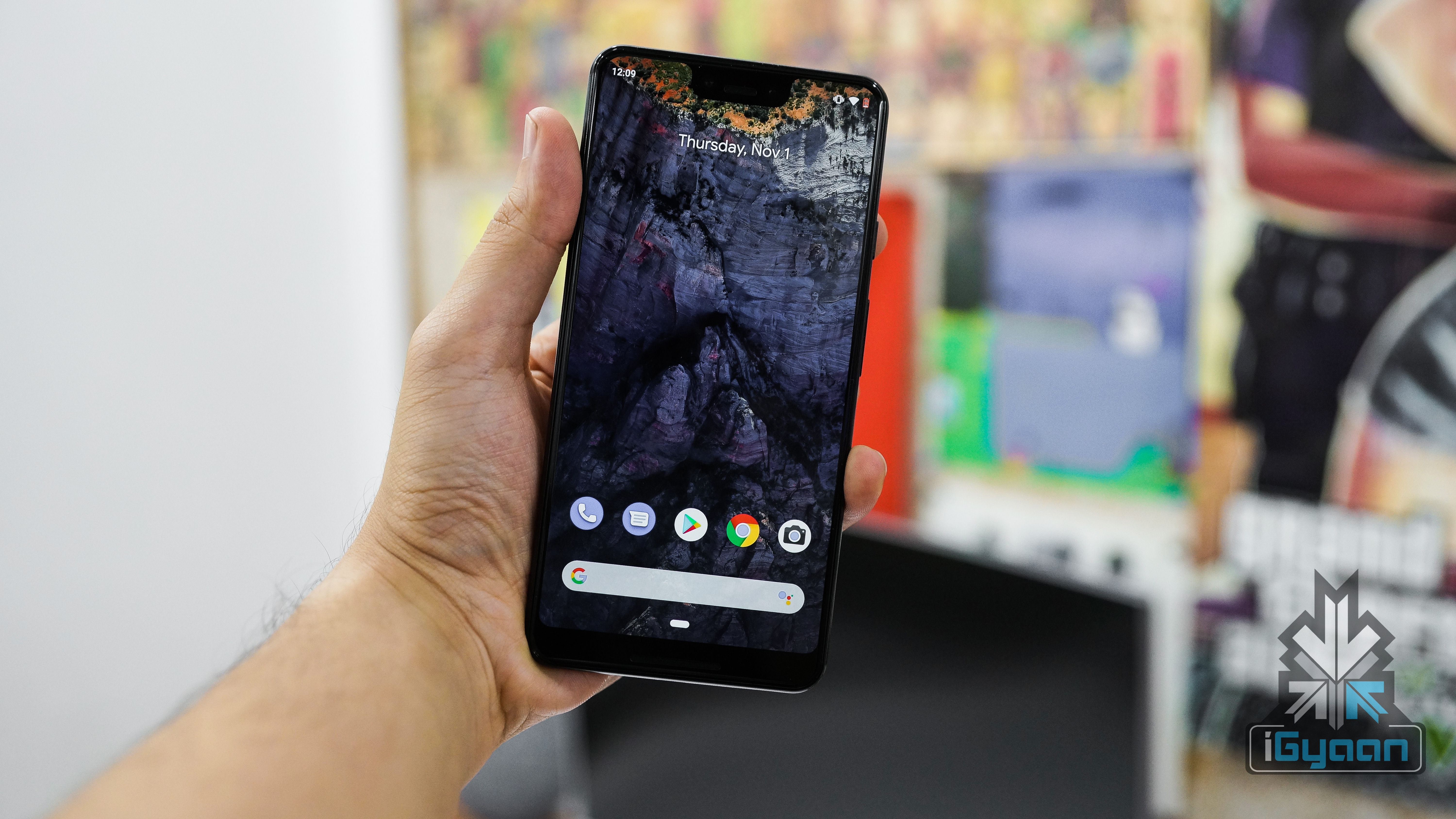
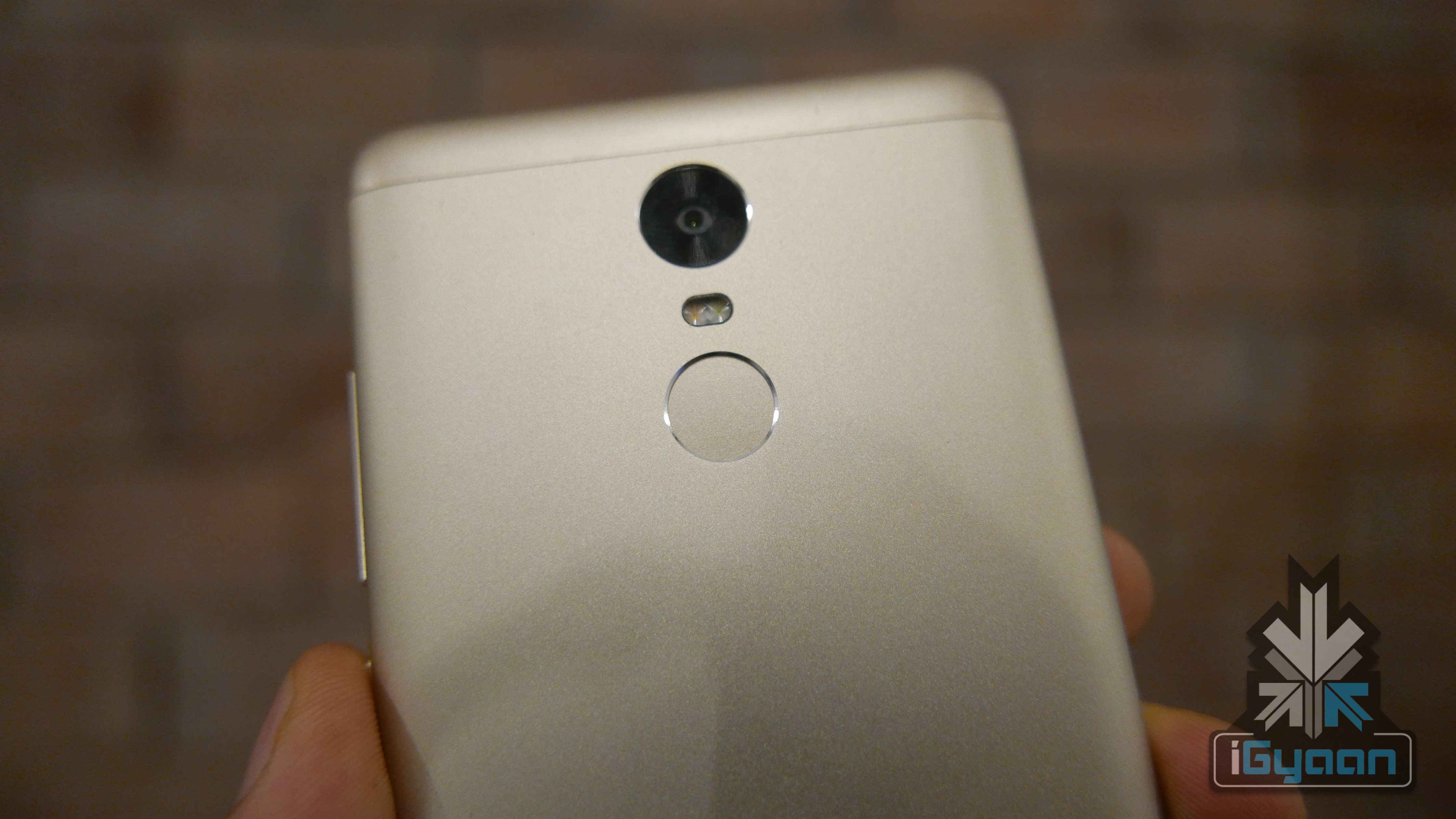
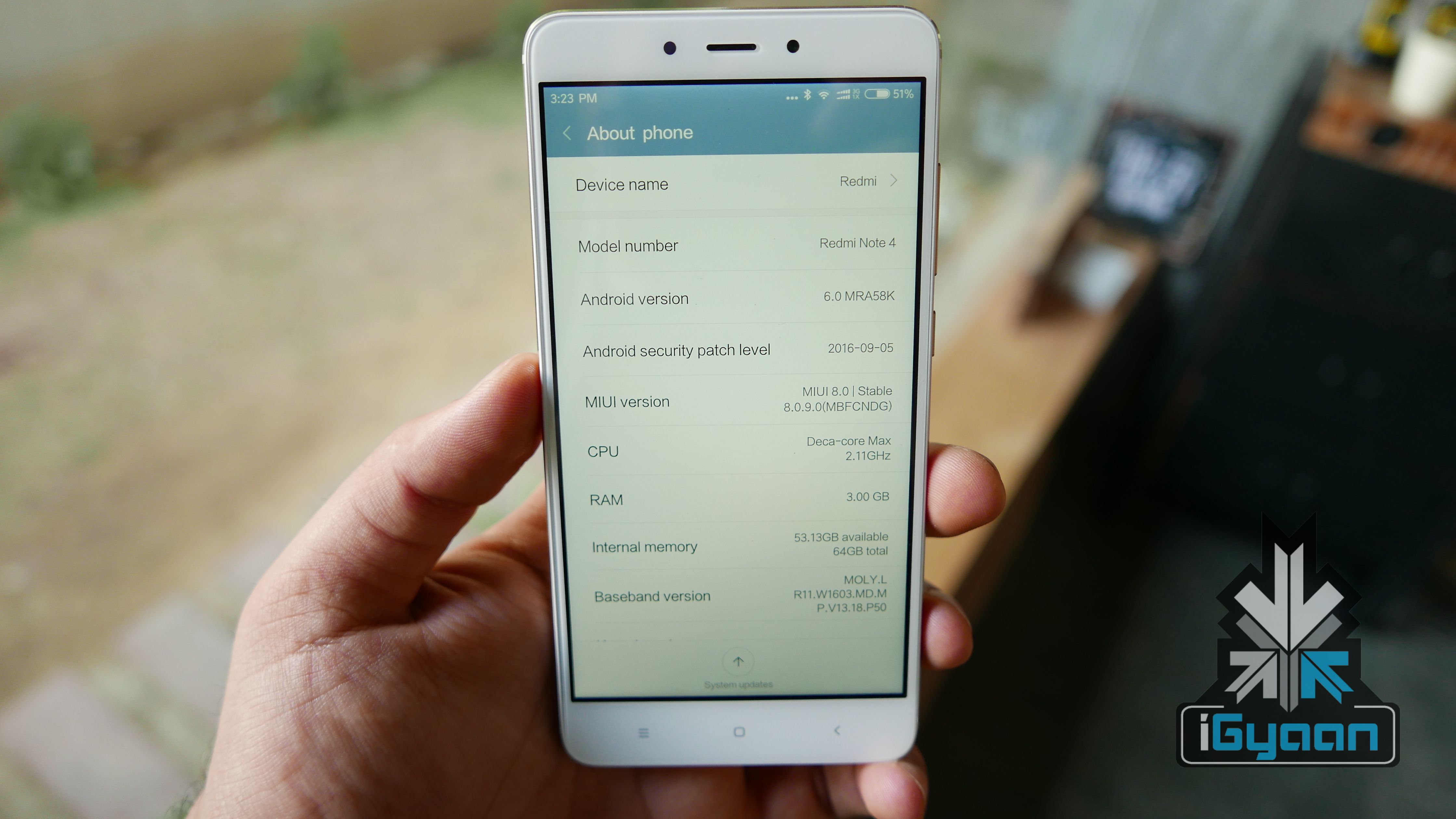
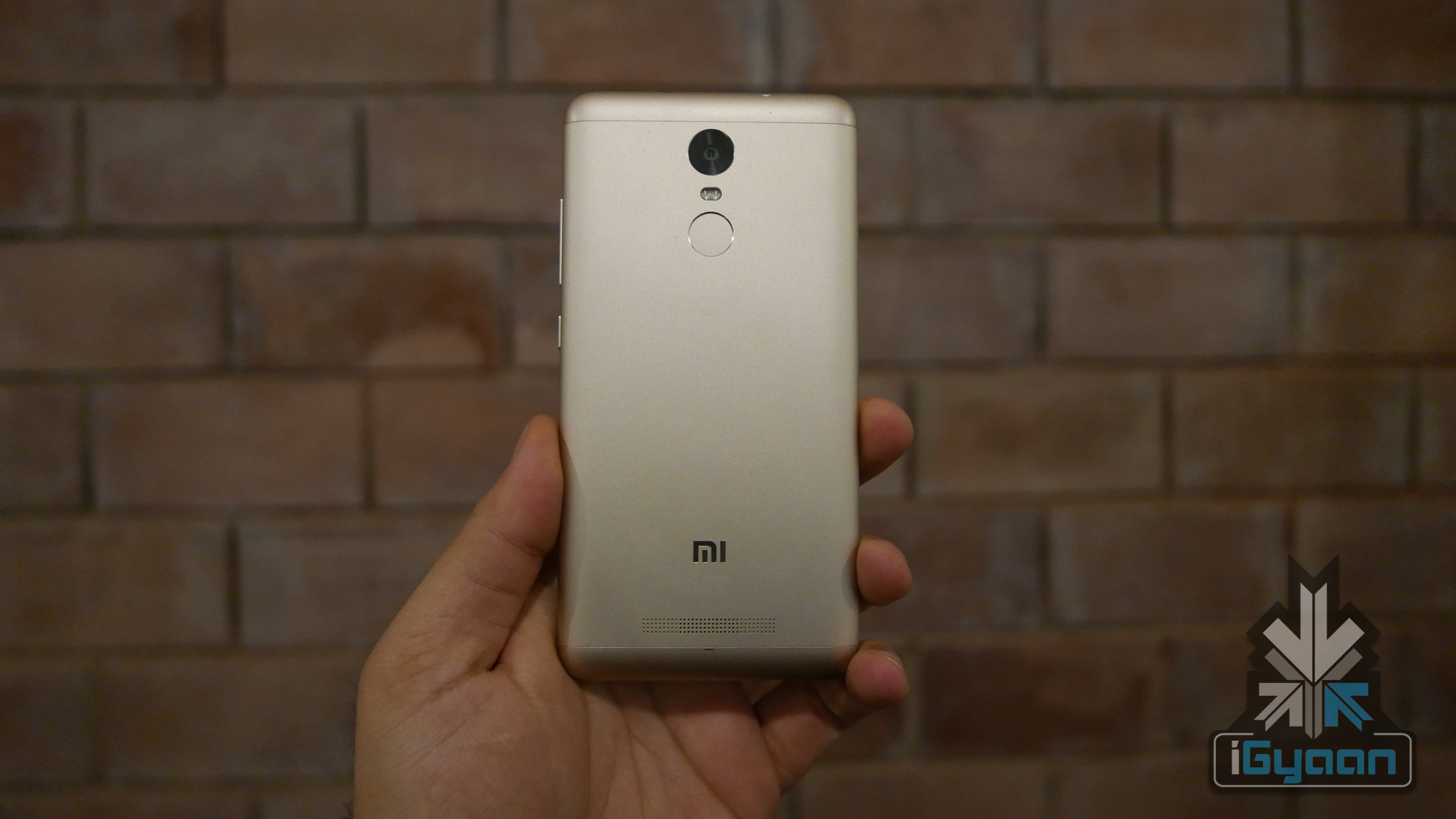 The Chinese technology company believes that this step will be a major part of executing the brand’s overall strategy. Furthermore, the Xiaomi states that cutting off future updates will ensure the stability of older devices. The list of the devices which will be a part of this step are listed below:
 The company adds that its present devices won’t be affected because of this strategy. The fact that the company is terminating support to its older devices indicates towards the underlying theory that even though Xiaomi is known to tweak its MIUI to provide the most recent updates on the older generation of devices, there comes a time that the smartphone’s hardware may become obsolete. Consequently, such a situation may lead to degradation of user experience on that particular device, which is definitely not the aim of any smartphone brand.
  Also Read: