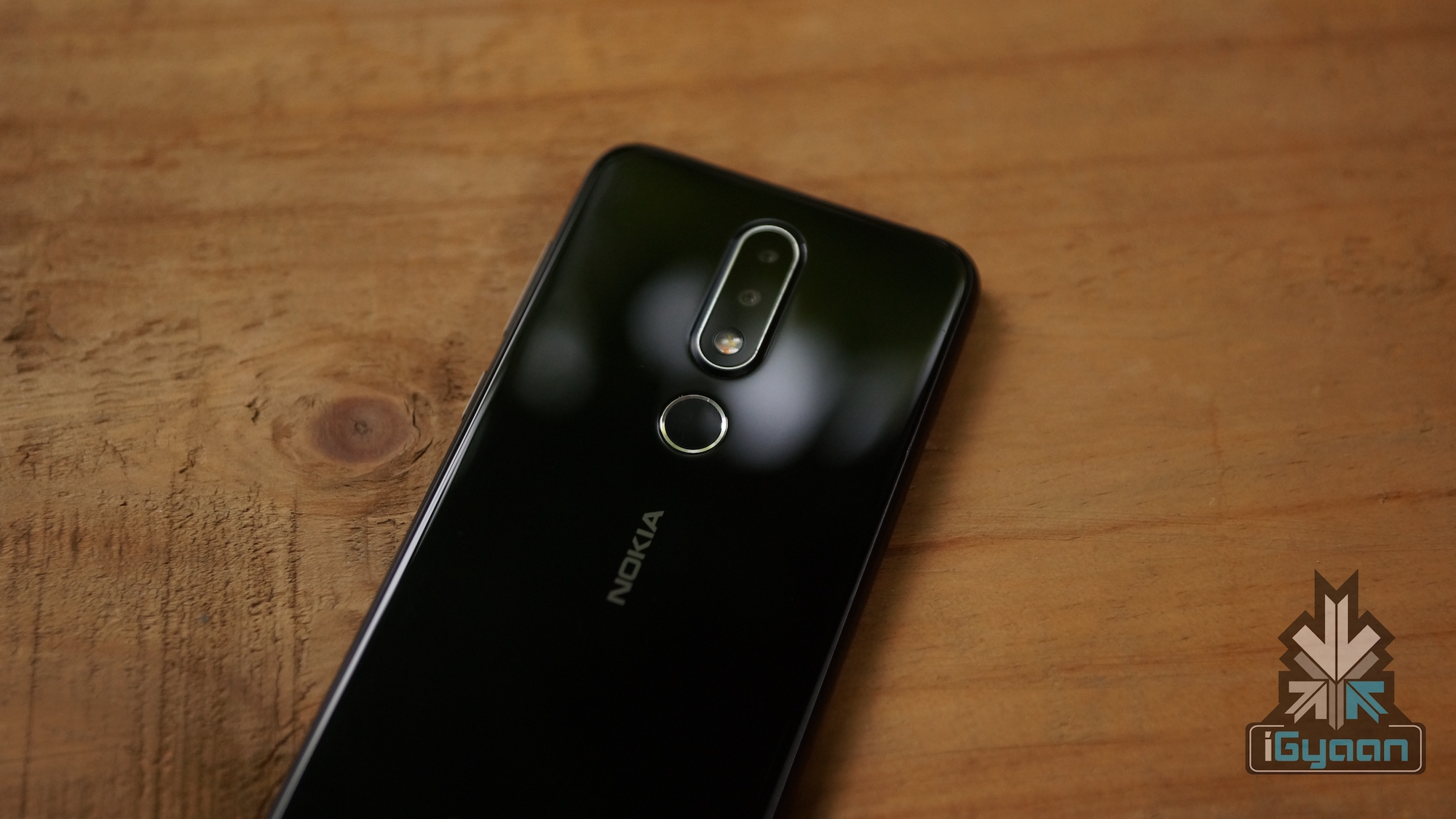
Nokia launched its mid-tier flagship 8.1 last year. The phone was a mix of good specifications, a good camera and a decent price tag. One thing that was lacking from the device was a little more RAM. It seems like the wait is over as Nokia has announced the 8.1 with 6GB of RAM and 128GB storage. The phone is priced at Rs. 29,999.

The Nokia 8.1 is the successor to the much successful 7 Plus which helped cement Nokia’s place in the affordable smartphone segment. The phone has made some striking changes to the predecessor. From the build to the specifications, those phones cannot be more different.
Nokia 8.1 Specifications

The Nokia 8.1 is a well-rounded device with a mix of good price-to-performance ratio. The phone has a 6.18-inch screen with a resolution of 2246 × 1080px. It has an 18.7:9 aspect ratio and a 86.5 per cent screen to body ratio. The phone runs on a Snapdragon 710 coupled with an Adreno 616 GPU. It is now available in 2 versions, one with 4GB of RAM and 64GB of storage, and another with 6GB of RAM and 128GB storage. The phone has a 3500mAh battery. Optics for the 8.1 include a 12+13MP camera setup at the back with OIS and a 20MP sensor at the front.

Featuring a metal unibody with glass front and back, It also has a promise of 2 years of Android updates with 3 years of monthly security patches. The phone runs on Android Pie out of the box. For the price of Rs 29,999, the Nokia has to compete with the likes of the Poco F1 and the Zenfone 5z. Both the other smartphones feature better specifications for the price.
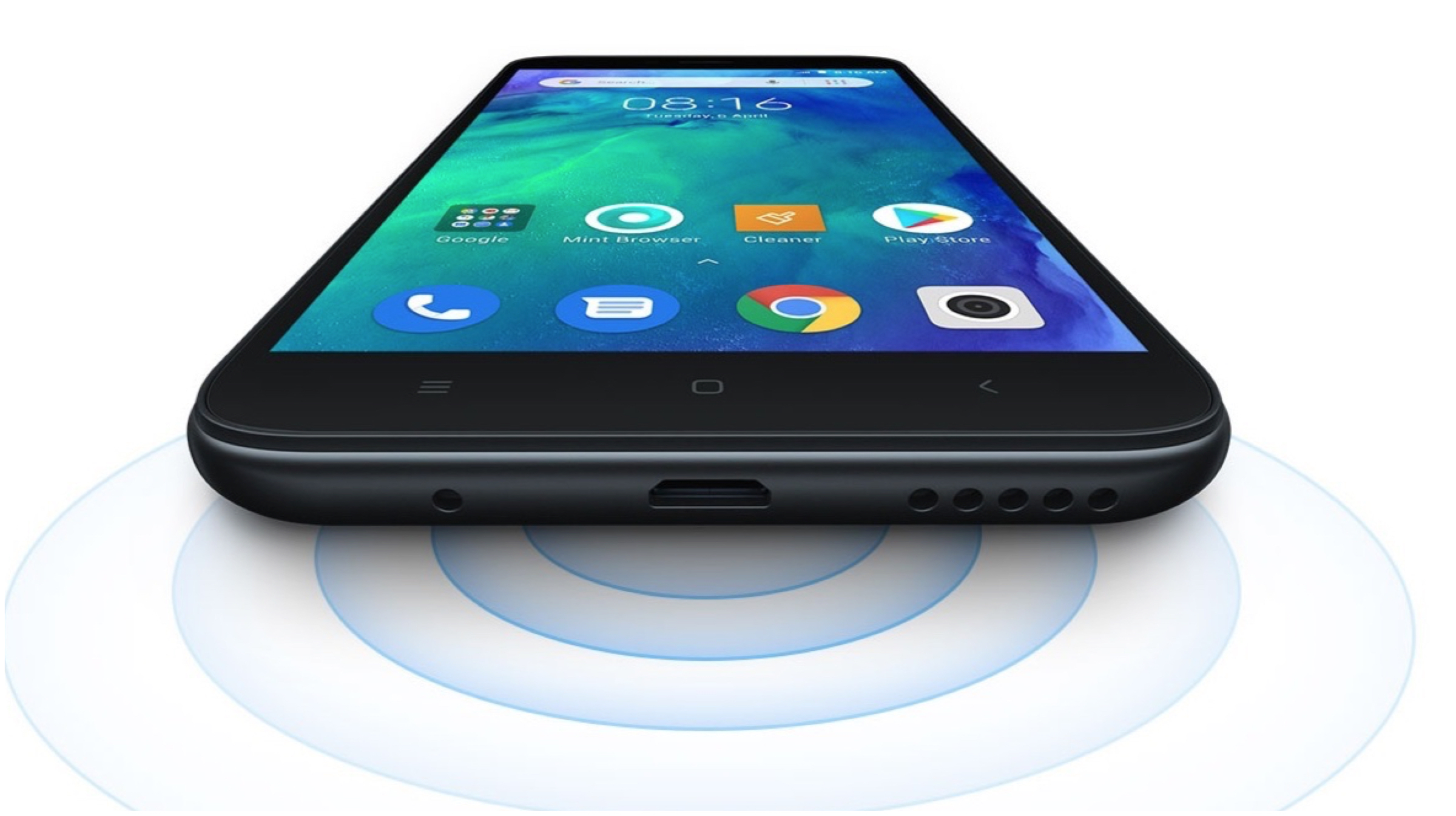
Read more: Xiaomi Redmi Go Official Price Announced
Nokia 8.1 looks like a good device with the specifications it offers and the price its available in. Fans of stock Android and regular updates will like the phone. Given the track record for Nokia, the 8.1 may be another success story for HMD Global. And the newly released version makes things even more interesting.
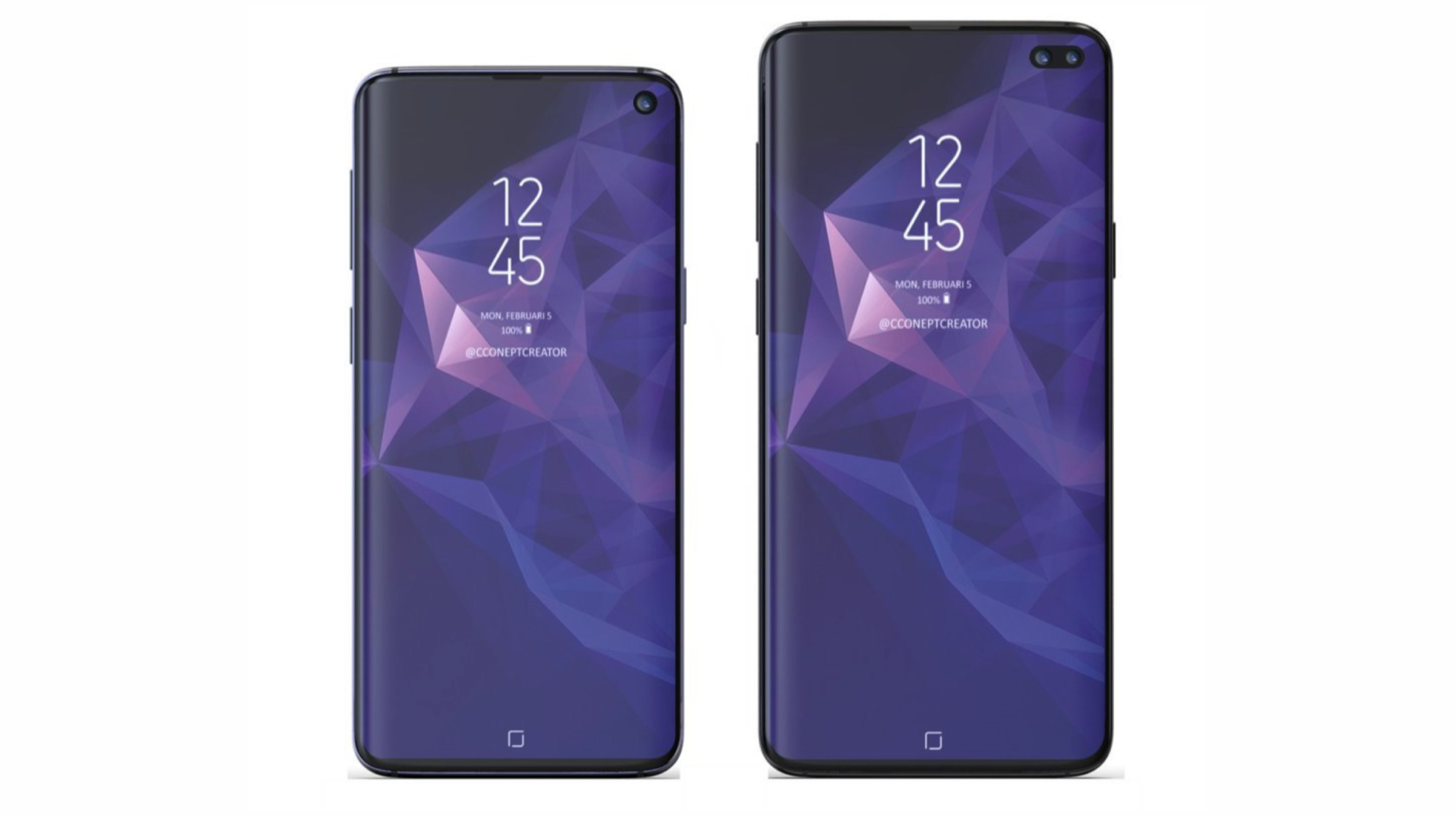

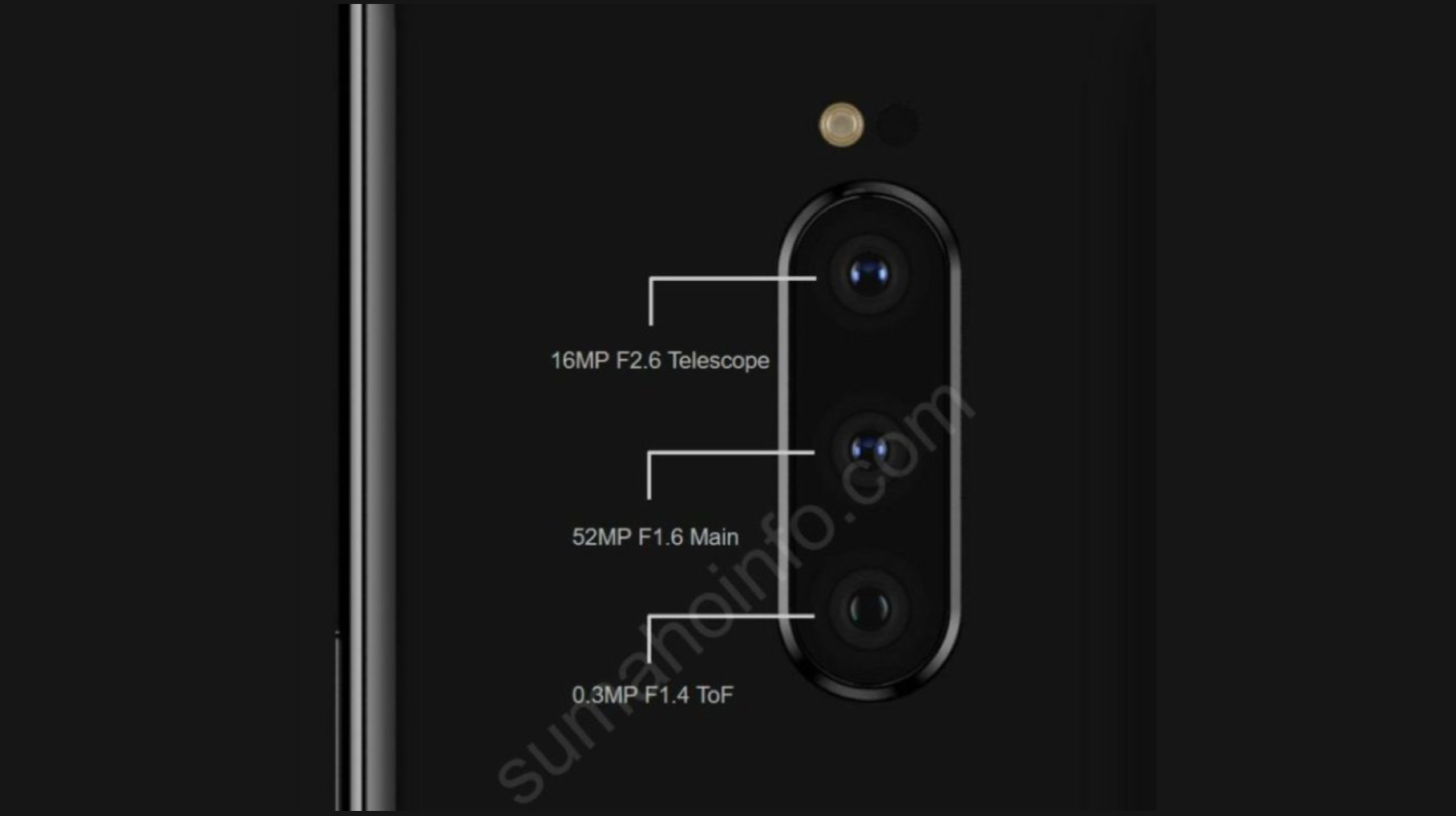
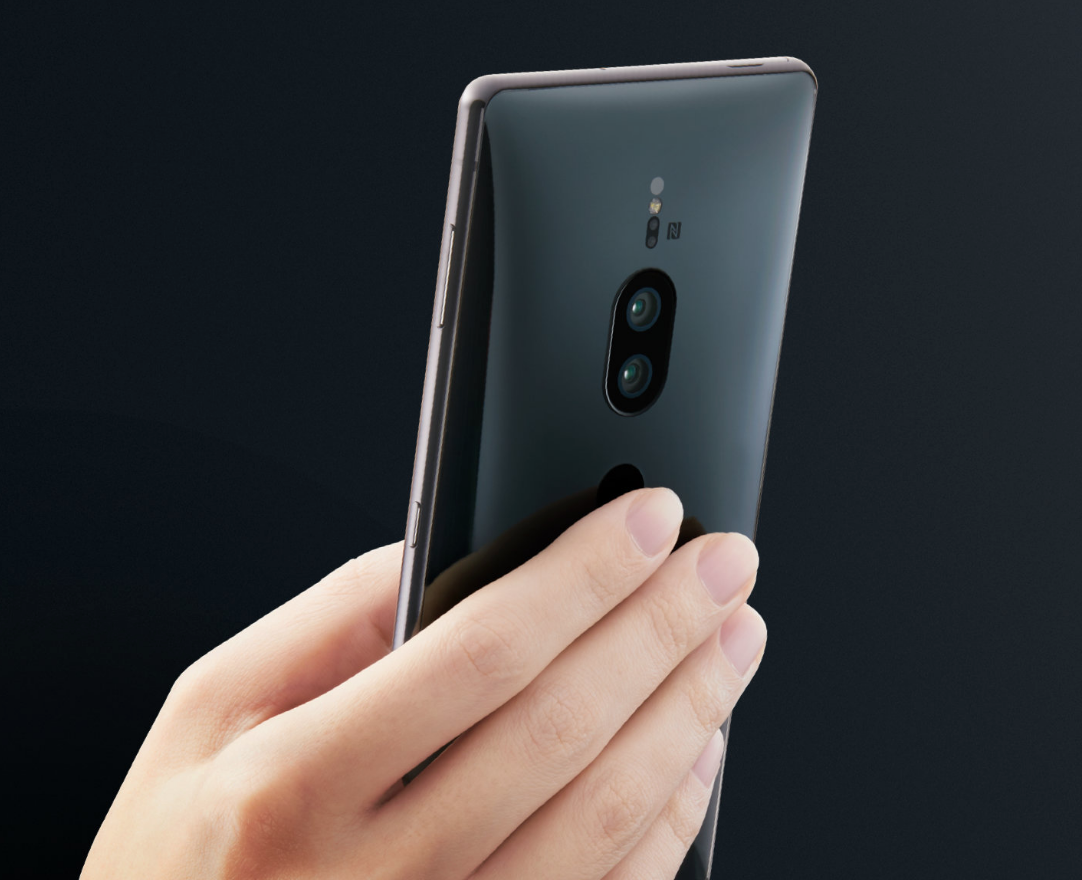 The Xperia XZ4 will the first in the series of premium Xperia smartphones. Sources say that the model will have 3 different camera sensors mounted on the back. Not a lot of details are out yet, but the camera is definitely going to be the defining factor of the Xperia XZ4. The rear image of the device was leaked with the same name.
  Also Read :
 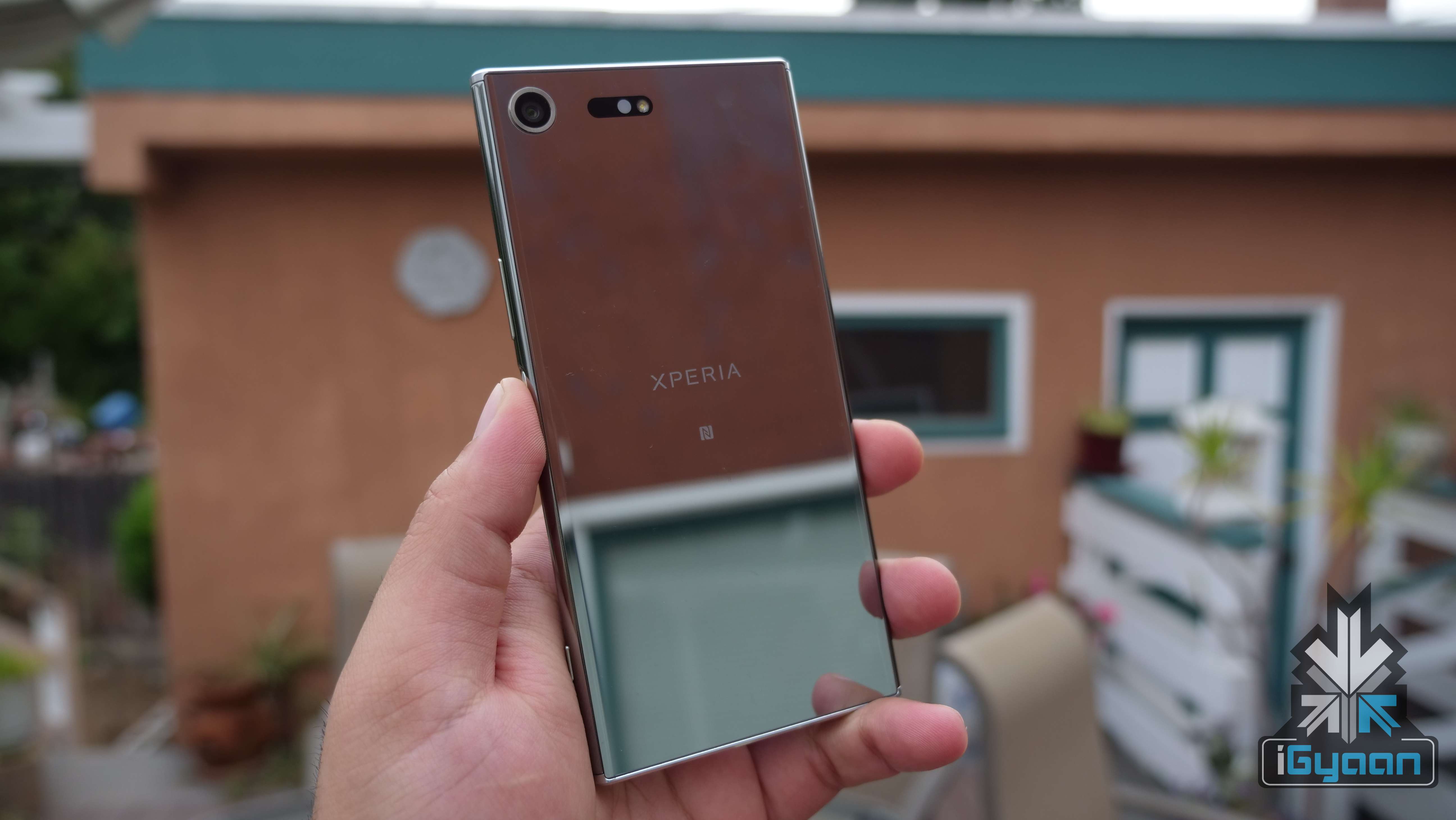 It’s just a matter of time before the Sony Xperia XZ4 is announced, probably at the MWC 2019. Sony’s success rate dropped a bit with its last smartphone range, but hopefully they’ll make it back to the top with a smartphone release like this. Besides, Sony smartphones set standards for some of the best cameras all around. We all hope the legacy continues.
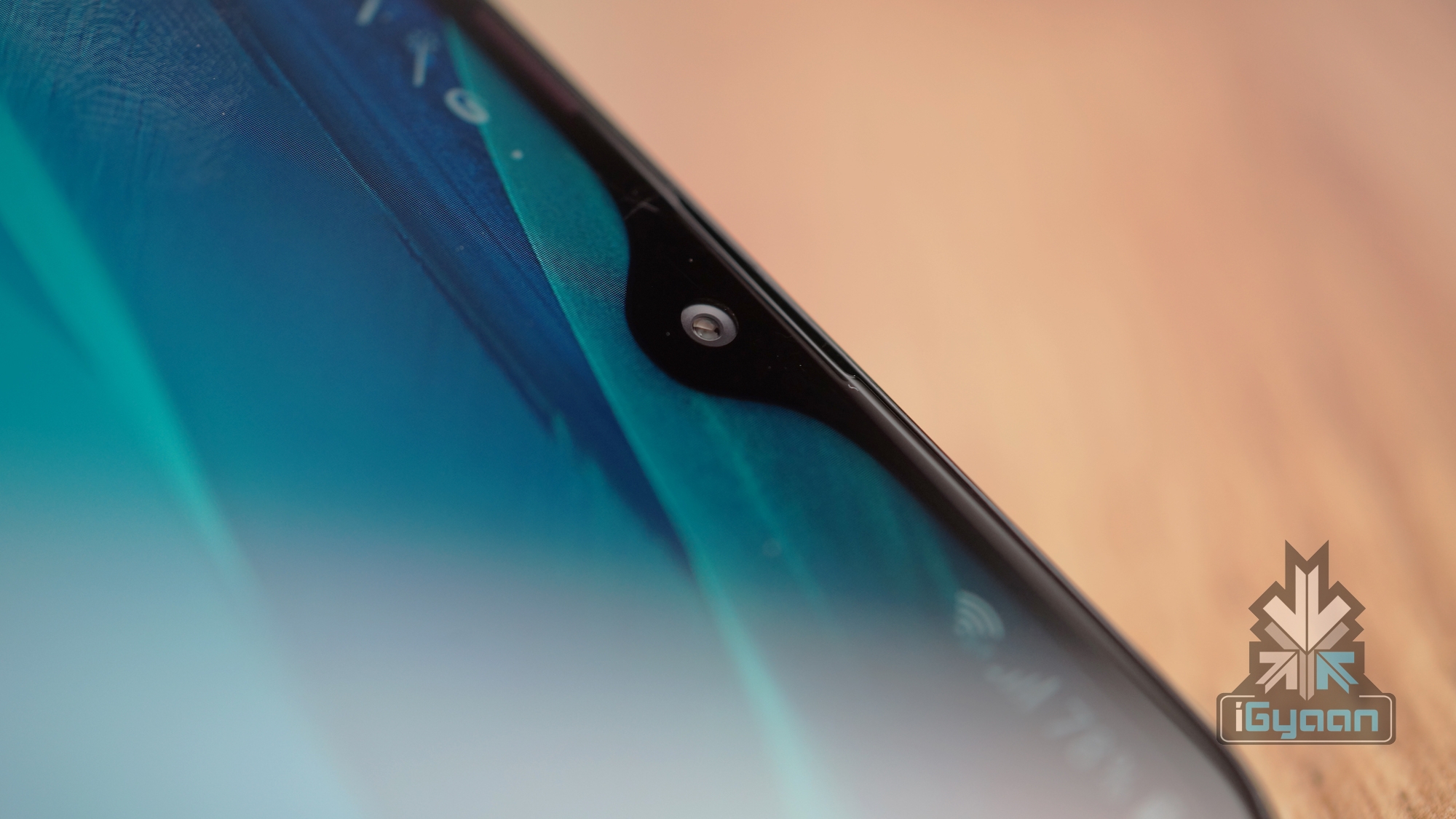
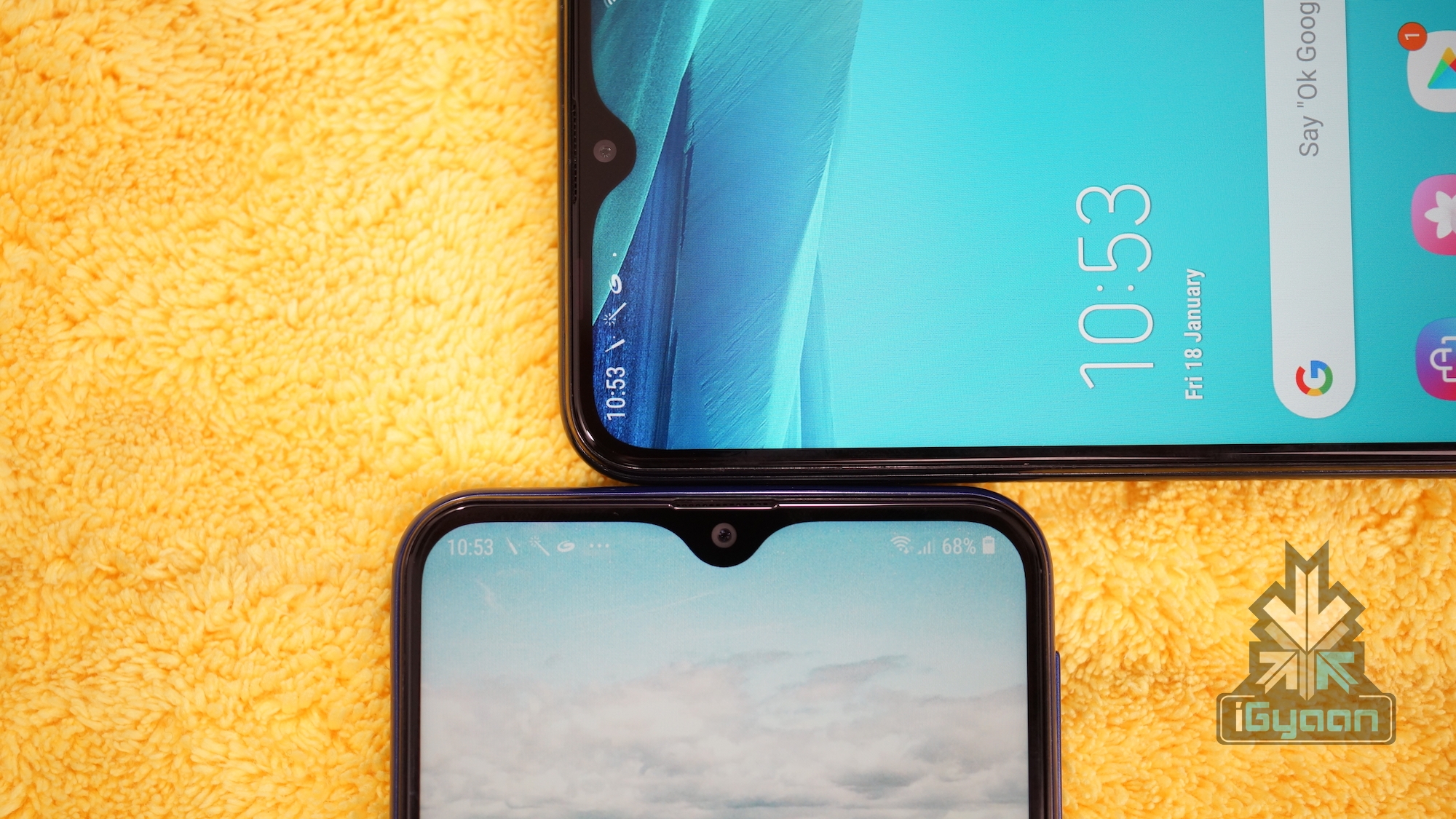
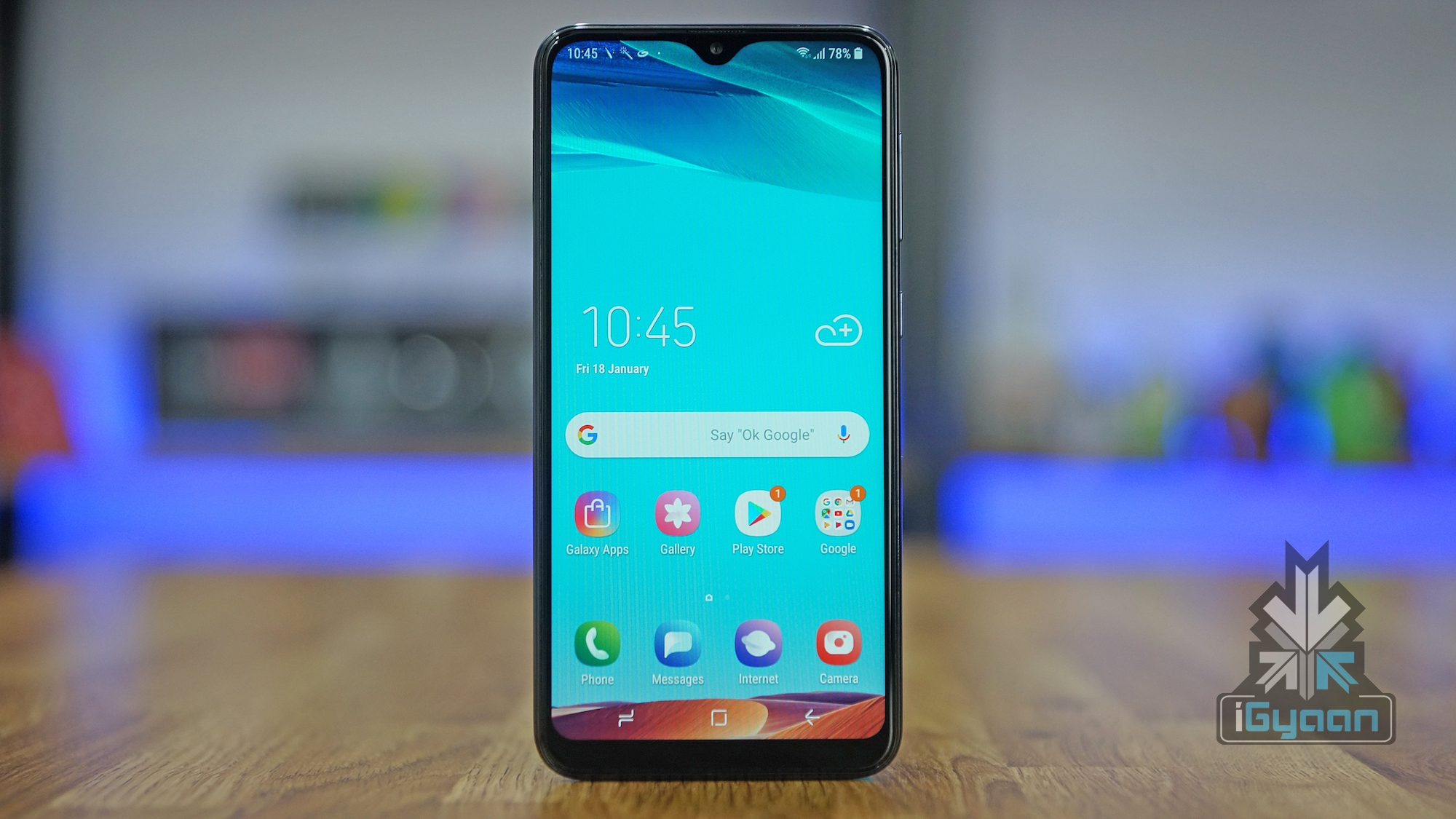 The Samsung Galaxy M30 will be comparatively slimmer than the Galaxy M20. At 8.4 inches of thickness, it isn’t going to be the slimmest phone around. Hopefully, it will be still sleek enough to implant an impression. Sporting the same waterdrop notch as the other two models, the Galaxy M30 is expected to look like a premium smartphone.
 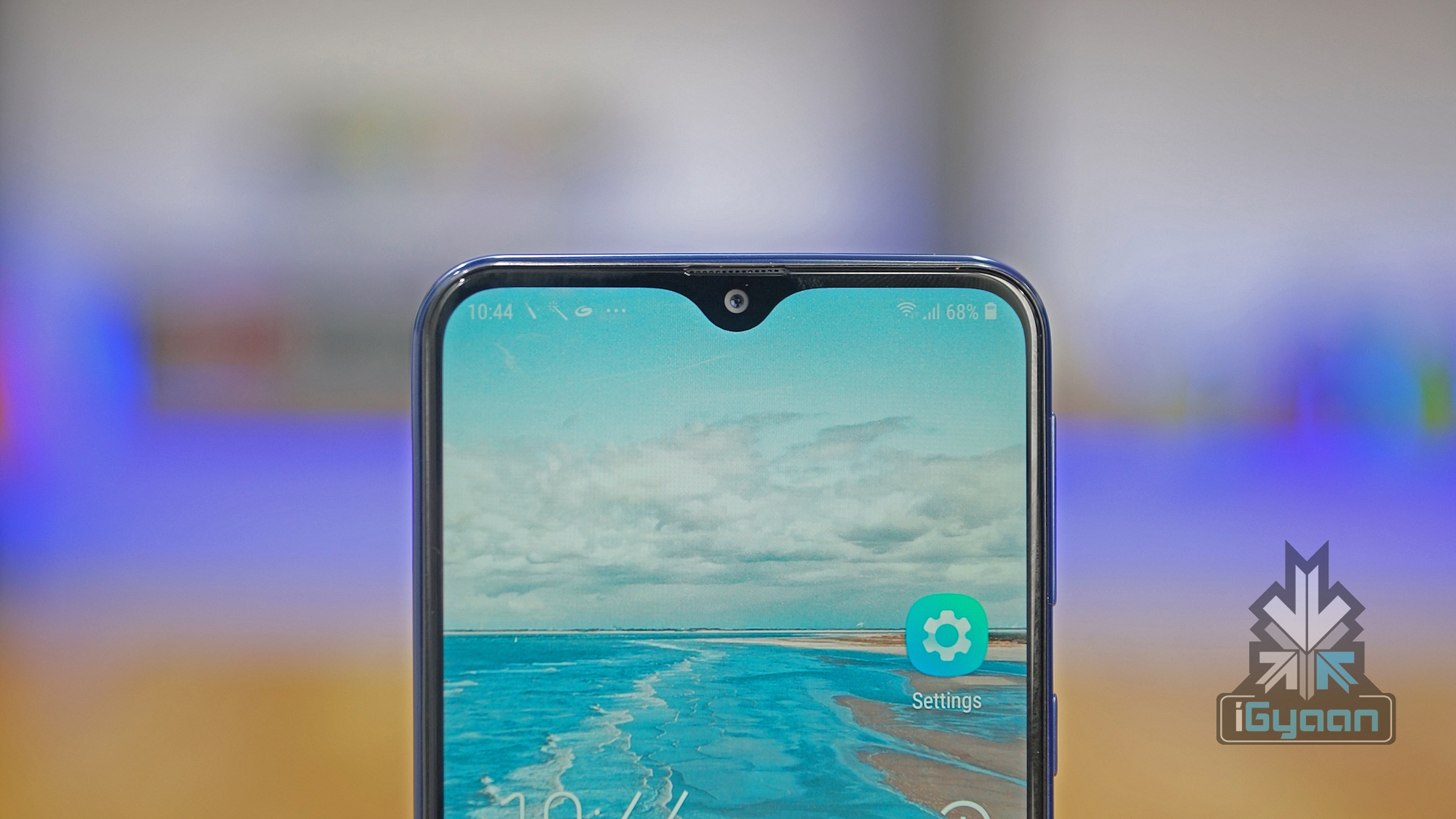 The Samsung Galaxy M30 is rumoured to have a 6.38 inch IPS LCD screen, with a high screen-to-body ratio. The resolution of the screen may be 2280 x 1080 px, but we can say nothing for sure as there have been some rumors of Samsung using Amoled panels for the M30.
 Though we have not confirmed the specs yet, the Samsung Galaxy M30 will run on the Samsung Exynos chipset, and will boast an octa-core processor. By the time the Samsung Galaxy M30 will be released, it will probably run Android 9.0 out-of-the-box.
 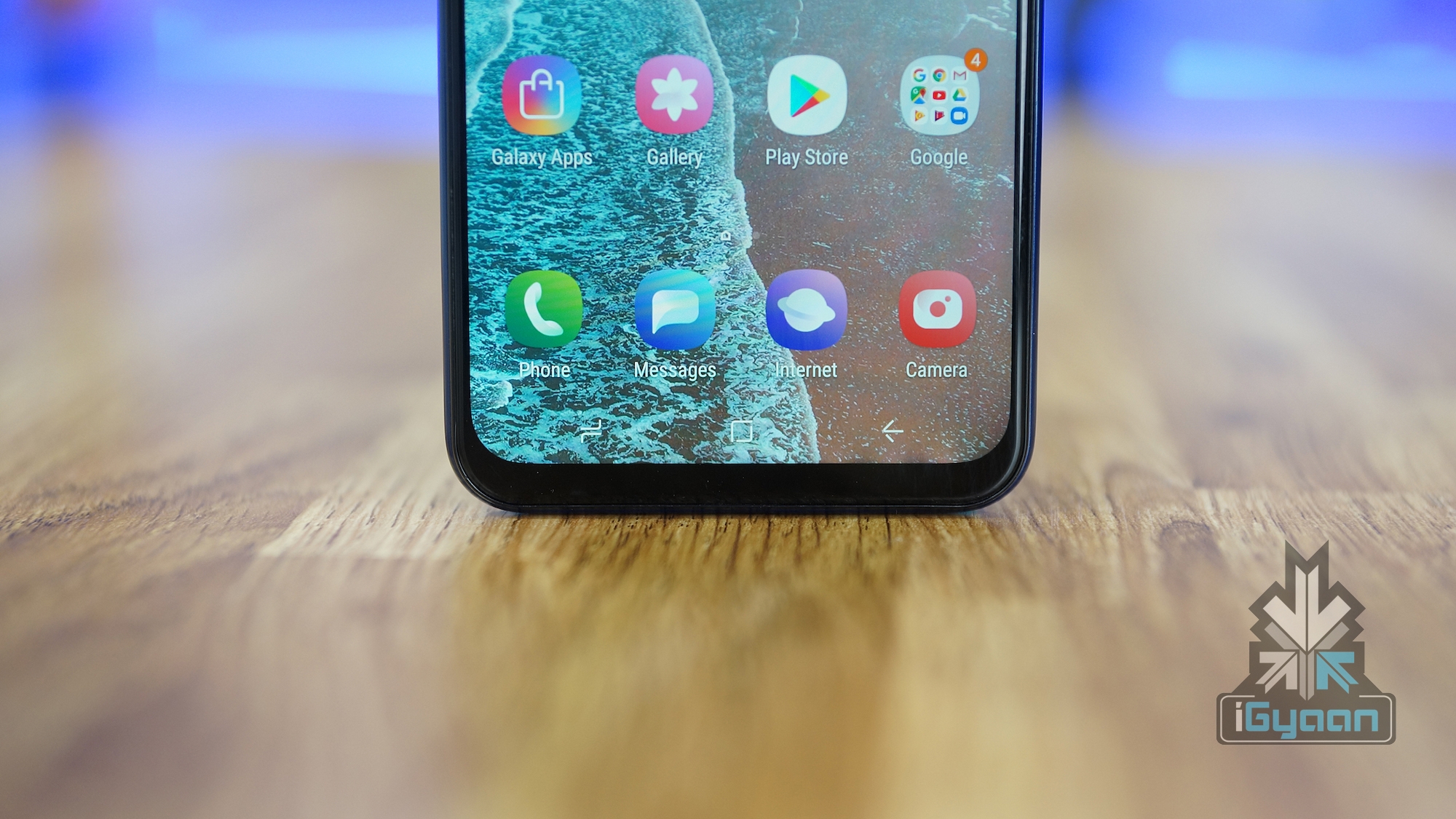 The Galaxy M30 may be rolled out in two variants, a 4GB RAM version and a 6GB one, both with different storage options. MicroSD support will be present, of course, with expandable memory up to 512 GB.
 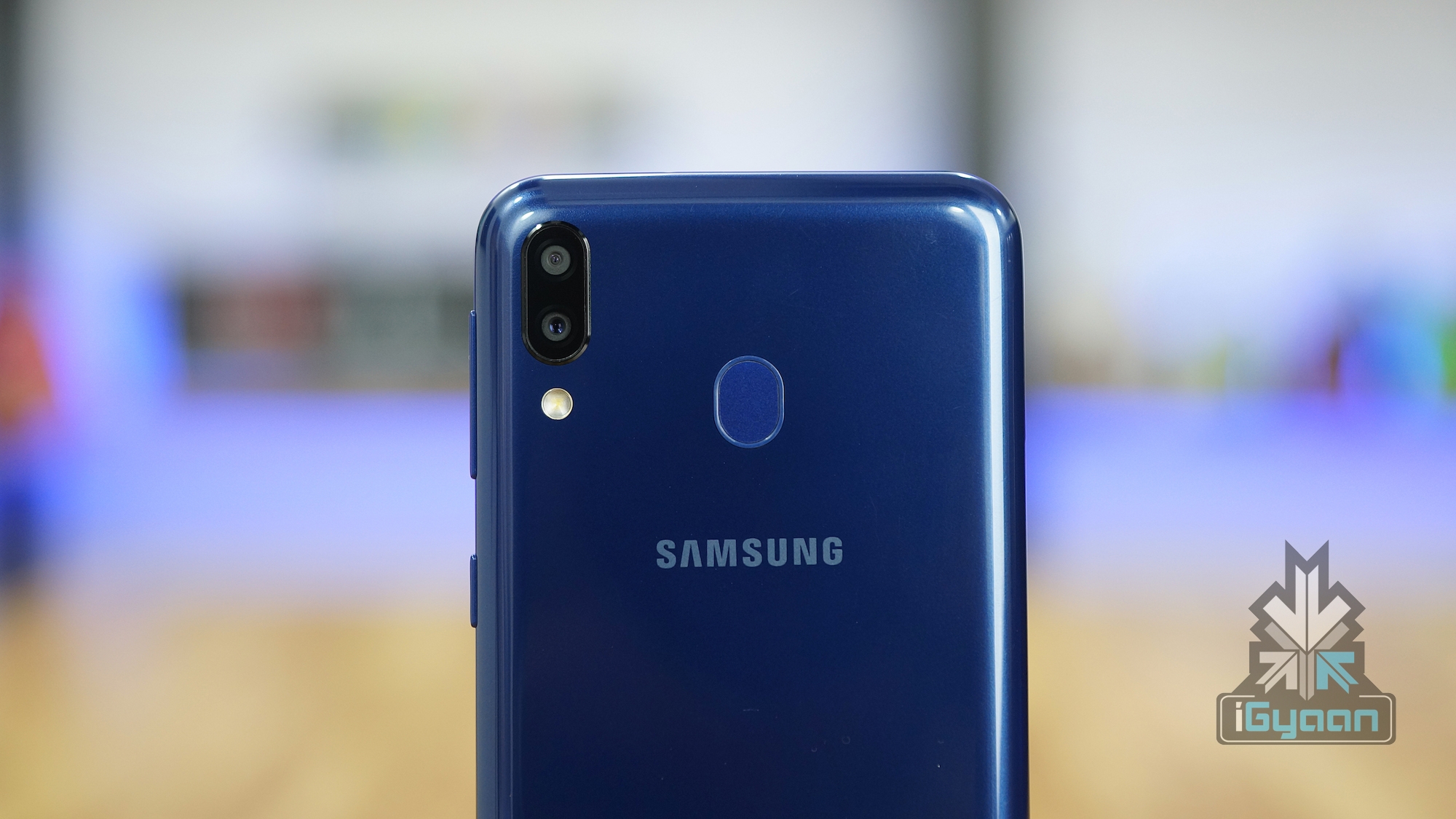 The primary camera of the Galaxy M30 will support 2K video recording, according to rumours. We are yet to see the features that Samsung will bring to the camera, the front camera is most likely to be a 16 MP camera with HDR support.
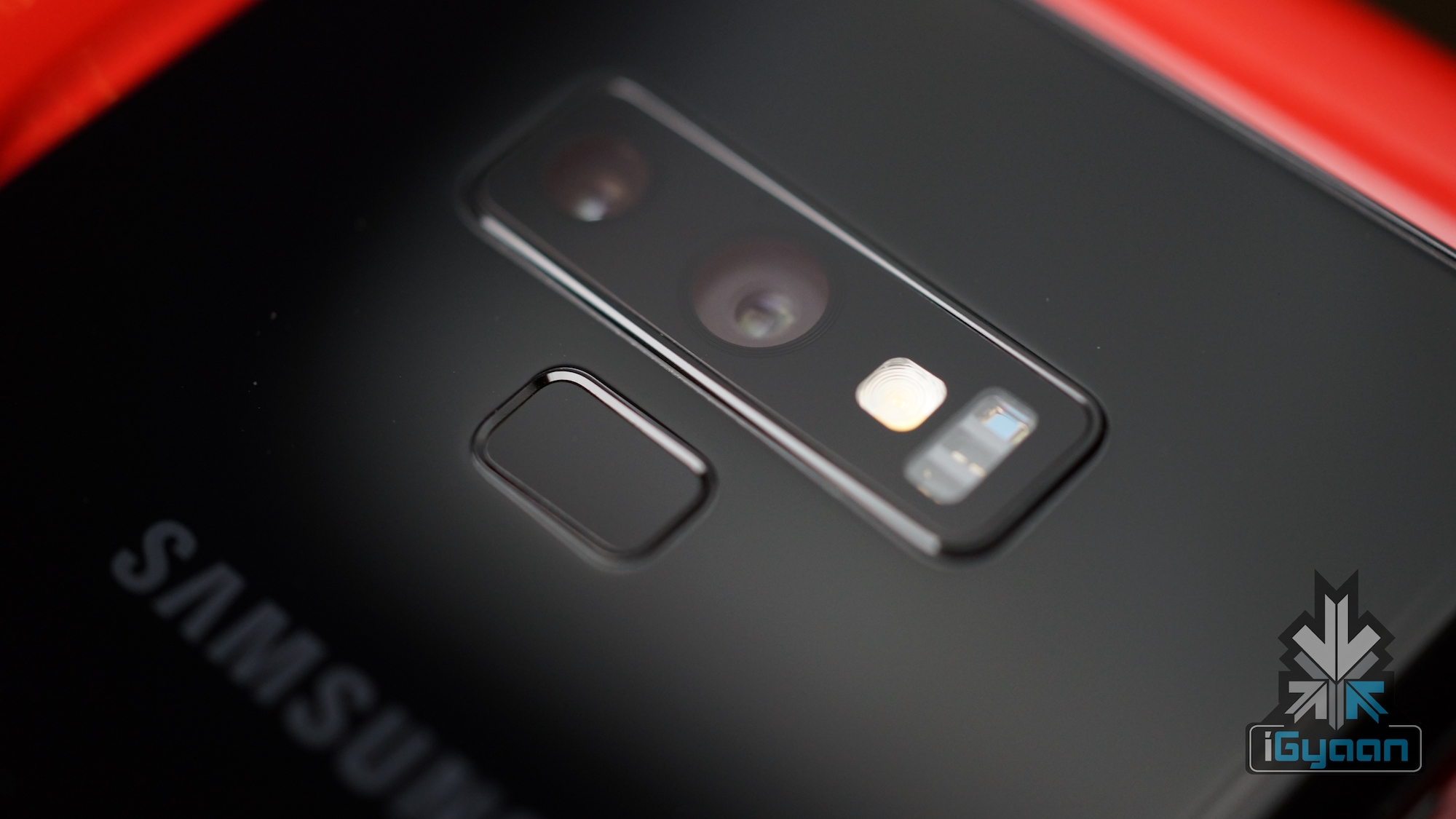
 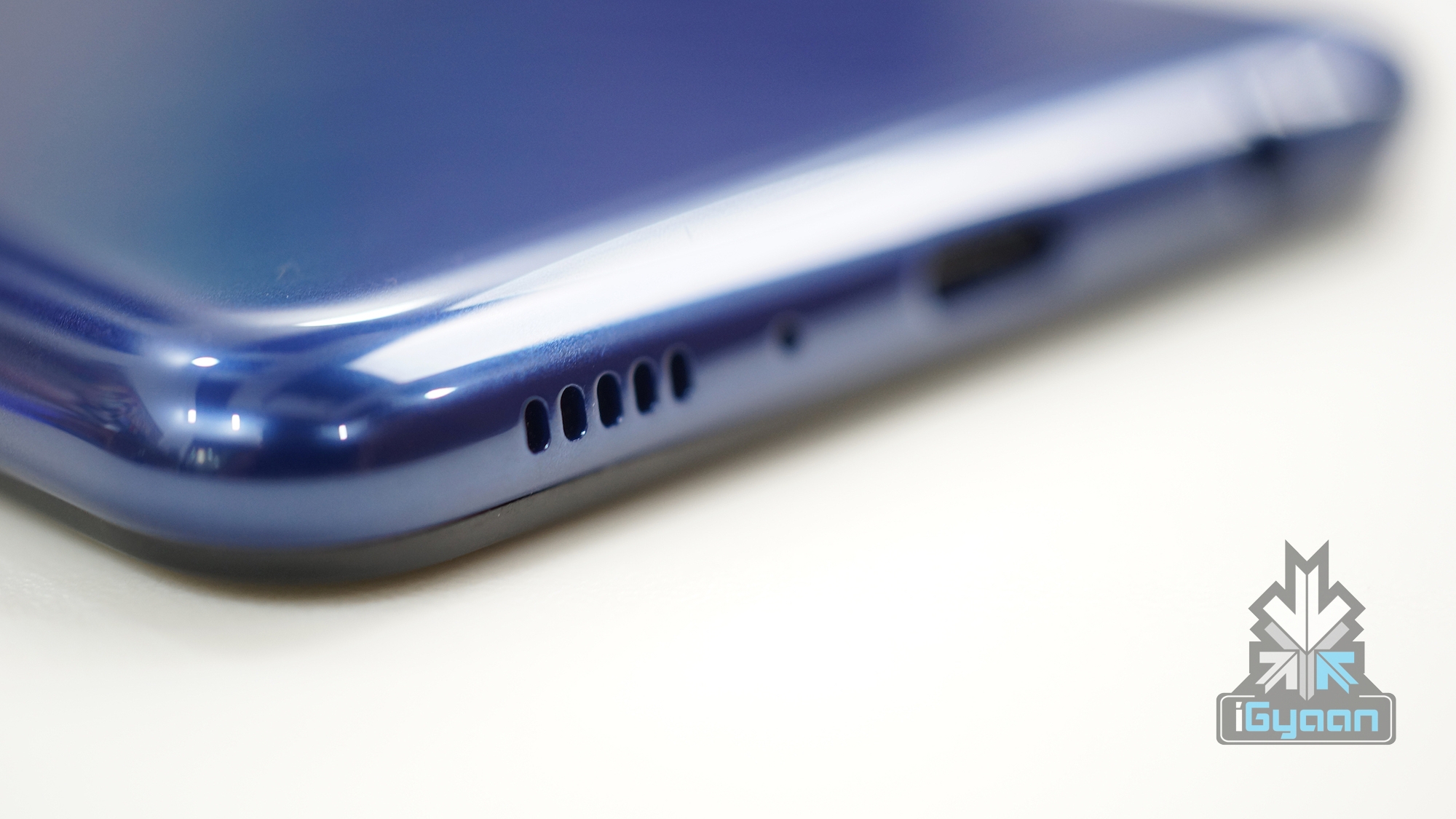 We believe the Samsung Galaxy M30 will pack a non-removable 5000 mAh Li-Po battery with fast-charging support. It will have a Type-C 1.0 reversible connector, with a rear-mounted fingerprint sensor, just like the Galaxy M20.
  Also Read :
 This shut-down was initiated because they were unable to tackle challenges involved in maintaining a successful product, according to Google. As per
 Also Read :
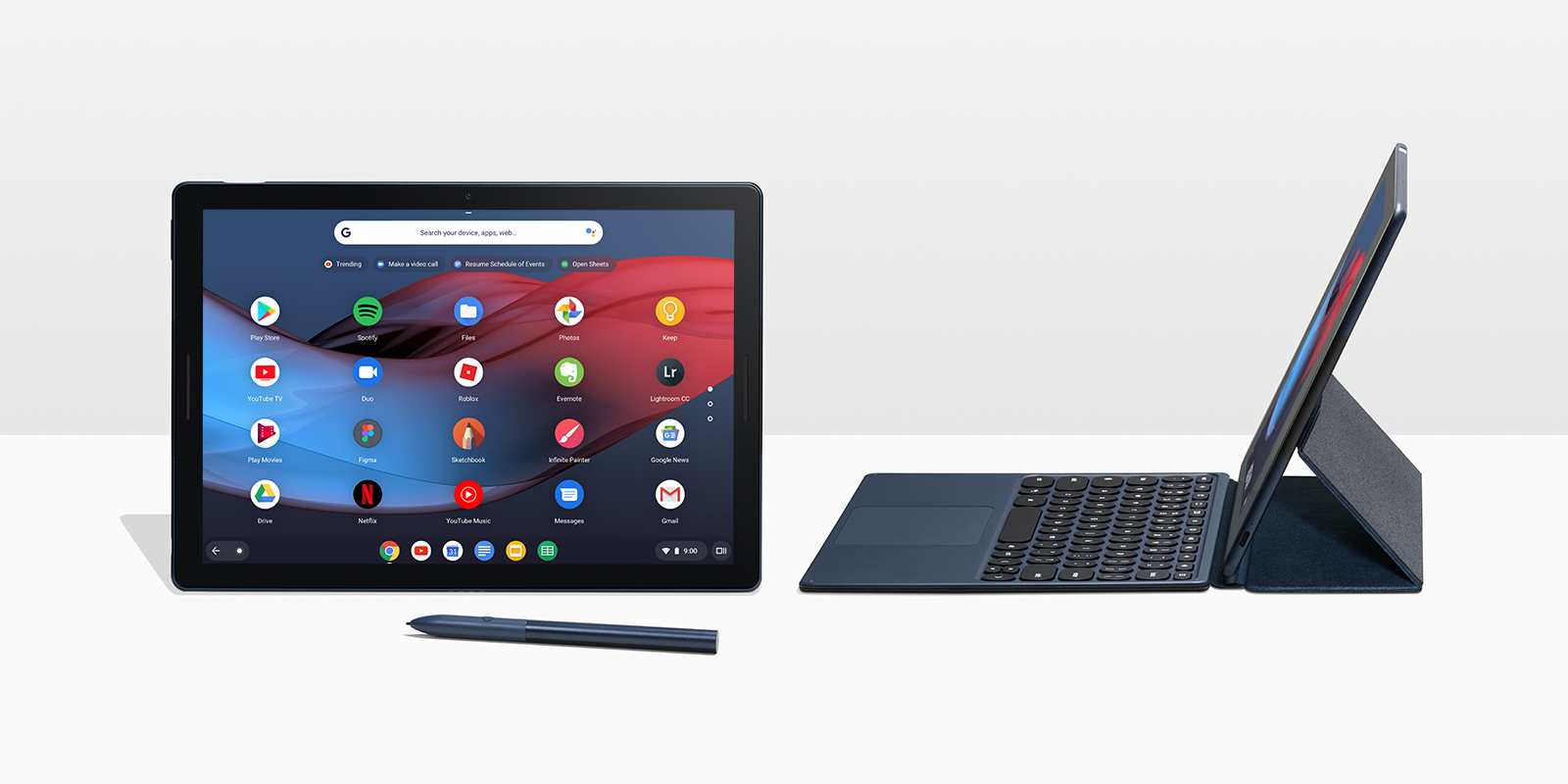
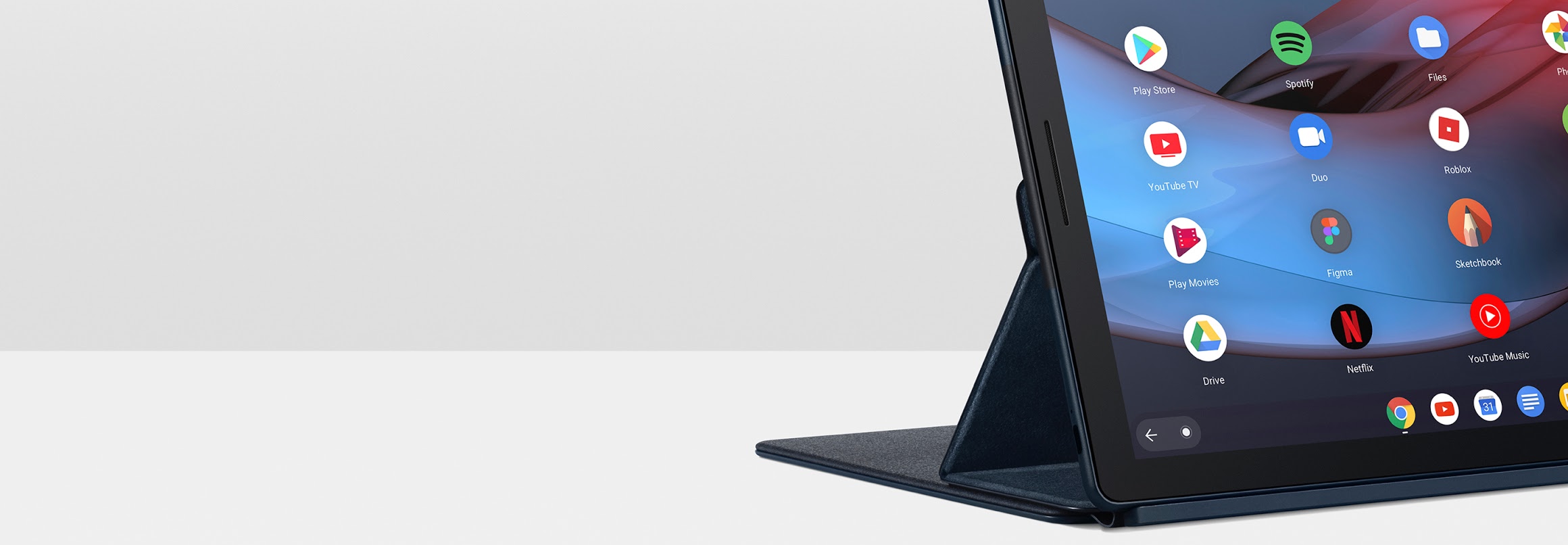 The latest Google “rammus” reveal on Geekbench indicates that the device is packing a 4.20 Ghz i7-8500Y dual-core processor. As we mentioned beforehand, the earlier version had an Intel Core m3-8100Y processor. This is an okay-ish improvement, considering the fact that there is not a lot of performance difference between the two chipsets. Both the Intel chips are based on the Amber Lake microarchitecture. They are built on a 14nm+ FinFET process.
 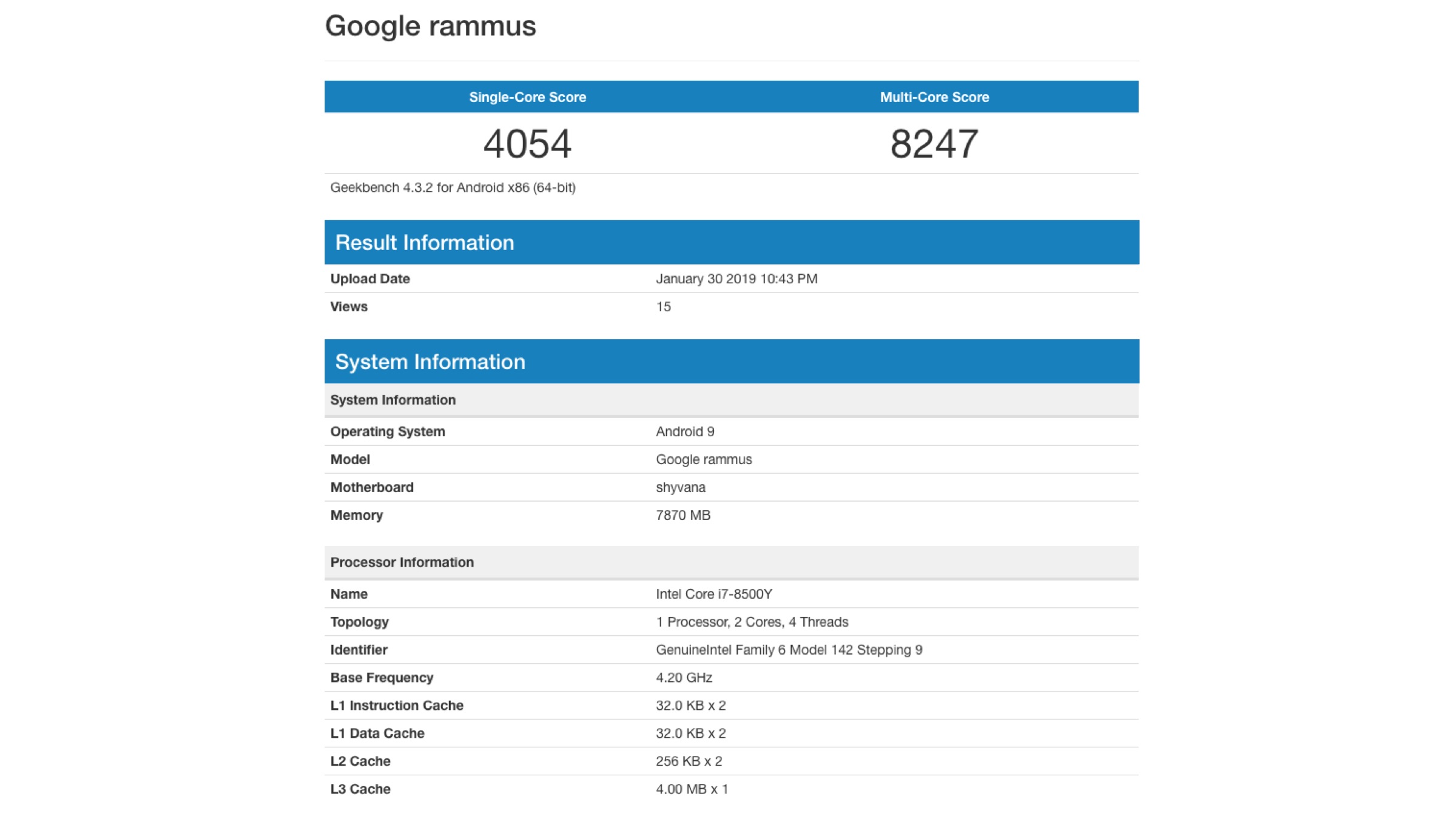 An 8GB RAM over 4GB RAM is a decent upgrade any day, which Google seems to have done with the new “rammus”. If we compare the benchmarking scores of the old and the new “rammus” models, we see a clear improvement. The newer variant with the core i7 processor scored 4054 in the single-core test, whereas it achieved a score of 8247 in the multi-score test. On the other hand, the older variant, which packed the Core m3 scored 3479 points in the single-core test and 6312 points in the multi-core test. A difference of almost 2000 points clearly indicates that Google is planning to bring this strange “rammus” to the market soon.
 Also Read :
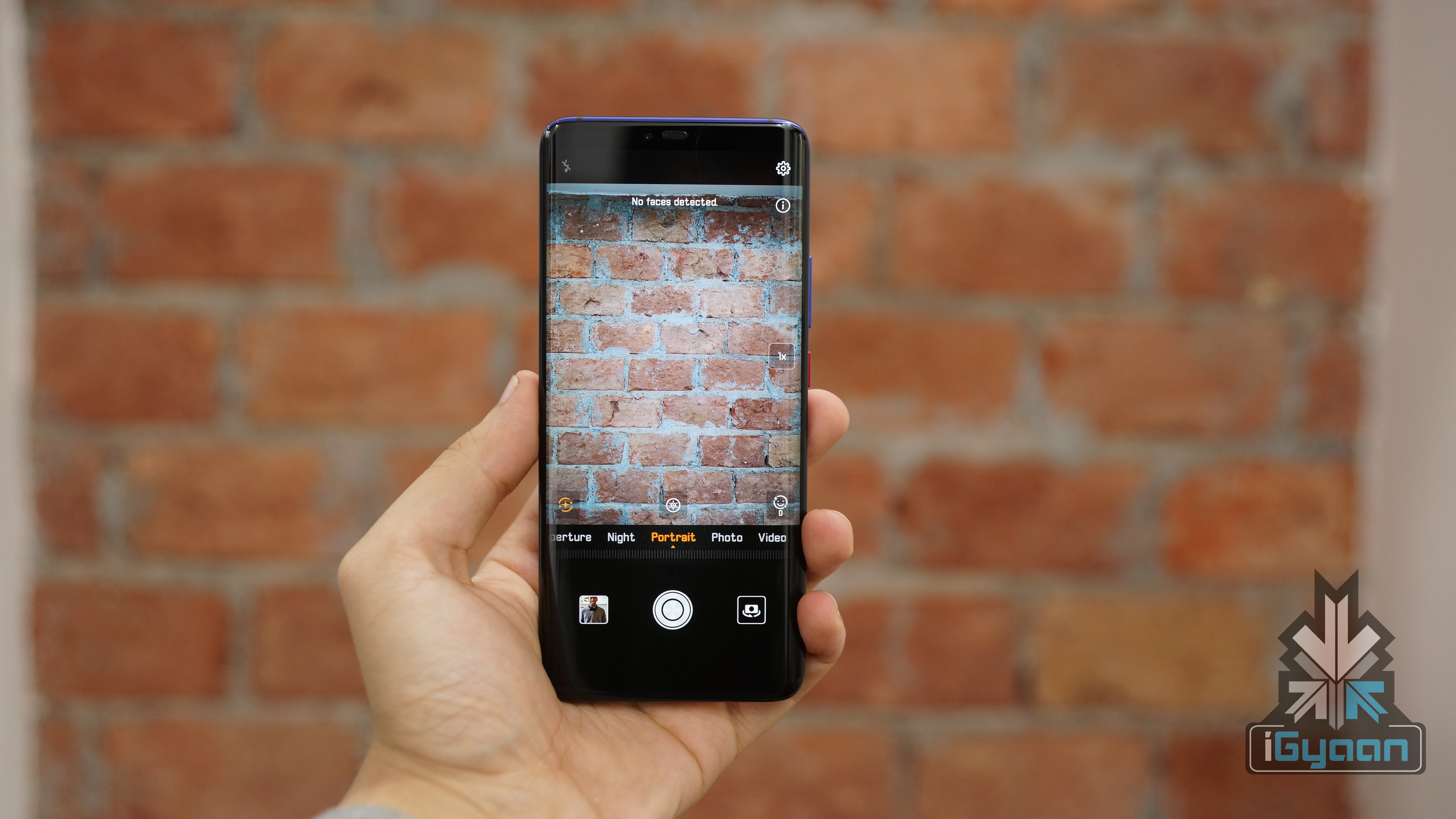
 Huawei applied for two separate trademarks at the European Union Intellectual Property Office, also known as the EUIPO. This happened on 29 January, 2019, and they are actually the brand names for Huawei’s next smartphones, Huawei Mate Smart and the Huawei Mate Mini.
  B
B