Category: Brands and Companies

All Brands and Company Names

  • Samsung Galaxy M10

    Samsung Galaxy M10

    Galaxy M10 is the most cost-effective smartphone in the latest Samsung M Series, and with an impressive price tag, we have to say. With a decent spec sheet and a crisp look to go along with it, Samsung is clearly targeting the entry-to-mid segment of the smartphone arena. And being the most competitive arena so far, Samsung is clearly doing an impressive job. With a pleasant waterdrop notch and an Infinity V-Display, the phone has a good set of features at an attractive price point.

    [loop included_tags=”58699,59705″ loading=”paged” layout=”f”]

    Videos:

    https://www.youtube.com/watch?v=QusBqg6uU6c#action=share


  • Samsung Galaxy M20 Vs Xiaomi Redmi Note 6 Pro Vs ASUS Zenfone Max Pro M2, Spec Comparison

    Samsung Galaxy M20 Vs Xiaomi Redmi Note 6 Pro Vs ASUS Zenfone Max Pro M2, Spec Comparison

    With the majority of millenials showing interest towards the sub-12k to 15k segment, the competition in the same is heated up right now. Top brands are releasing smartphones with better specs and lower prices each week, and to be fair, we can’t help but put them up against each other to see how they fall out as rivals. Samsung recently revealed their playmaker in the same segment, and it’s none other than the Samsung Galaxy M20. With specs that’ll give other phones a run for their money, let’s have a look at where the new Samsung Galaxy M20 stands with other popular phones in the sub-15k segment. For this spec comparison, we’re putting the Galaxy M20 against the hugely popular Xiaomi Redmi Note 6 Pro and the ASUS Zenfone Max Pro M2. This is up to you to decide that which is the best budget smartphone under 15k in this segment.

    Design
    When it comes to design, it’s the most astute reason why a smartphone sells these days. Making a style statement is not just an option these days, its a necessity. That’s why all three of these phones have an extremely eye-catching design that stands out.
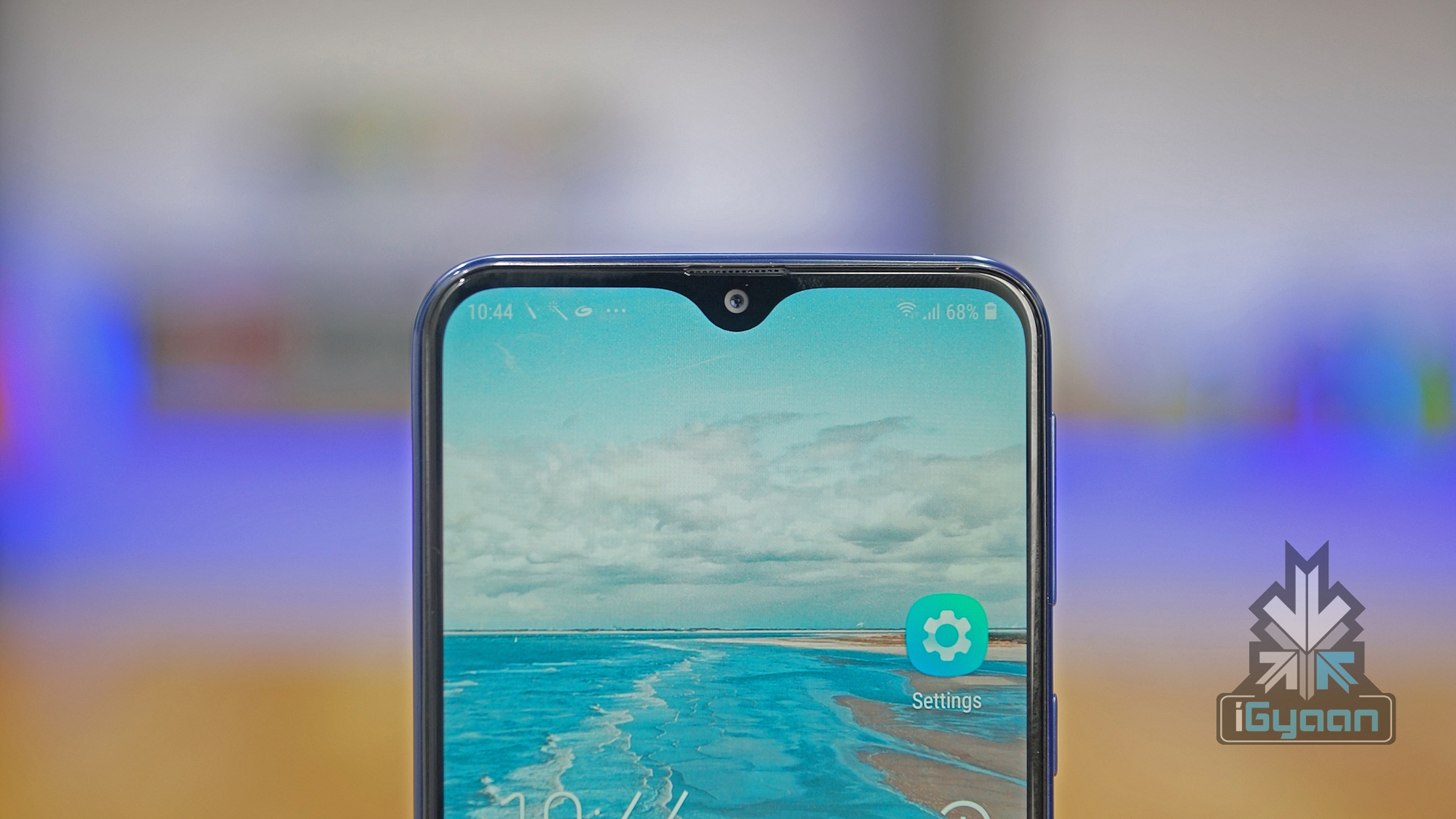
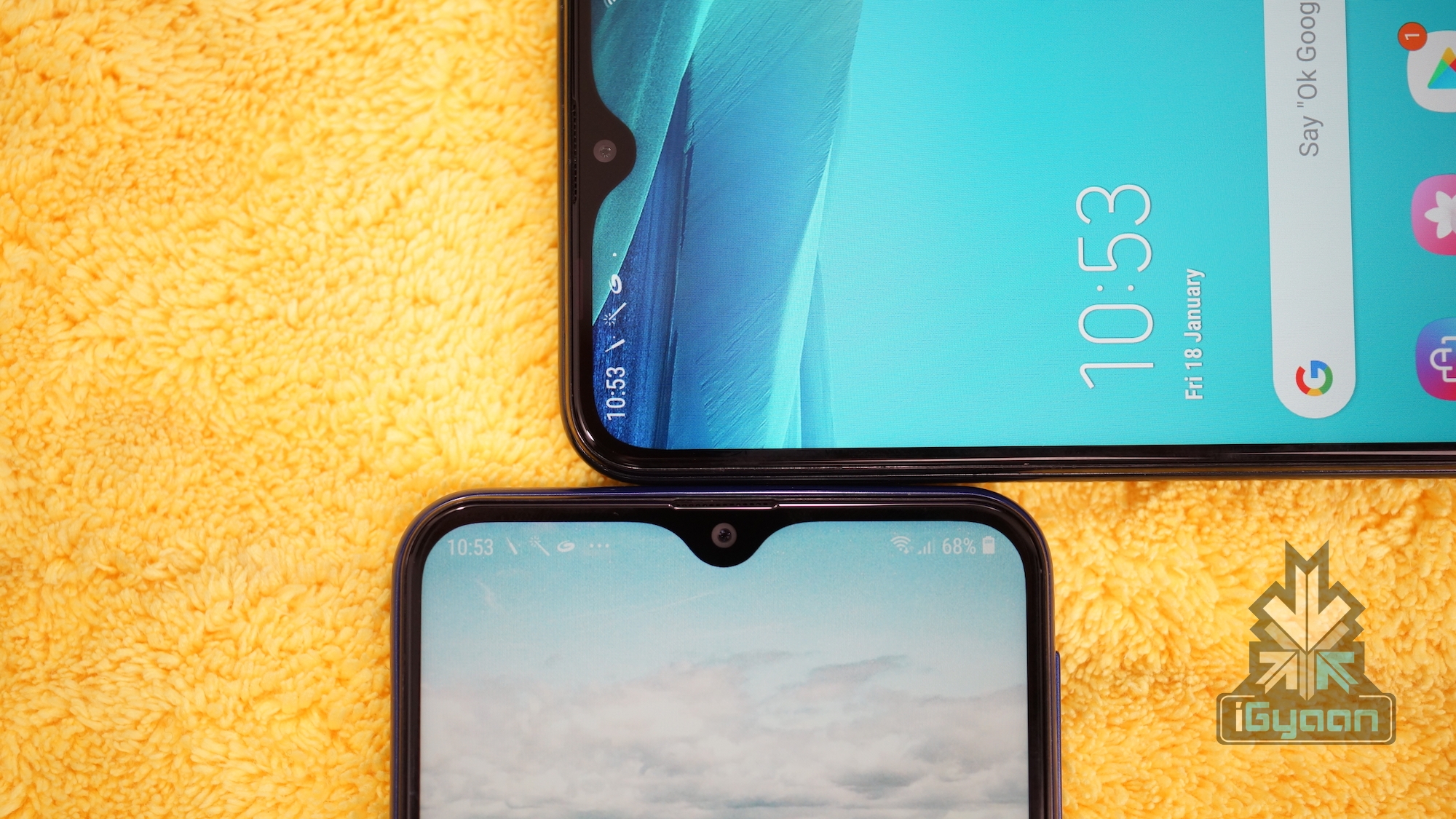
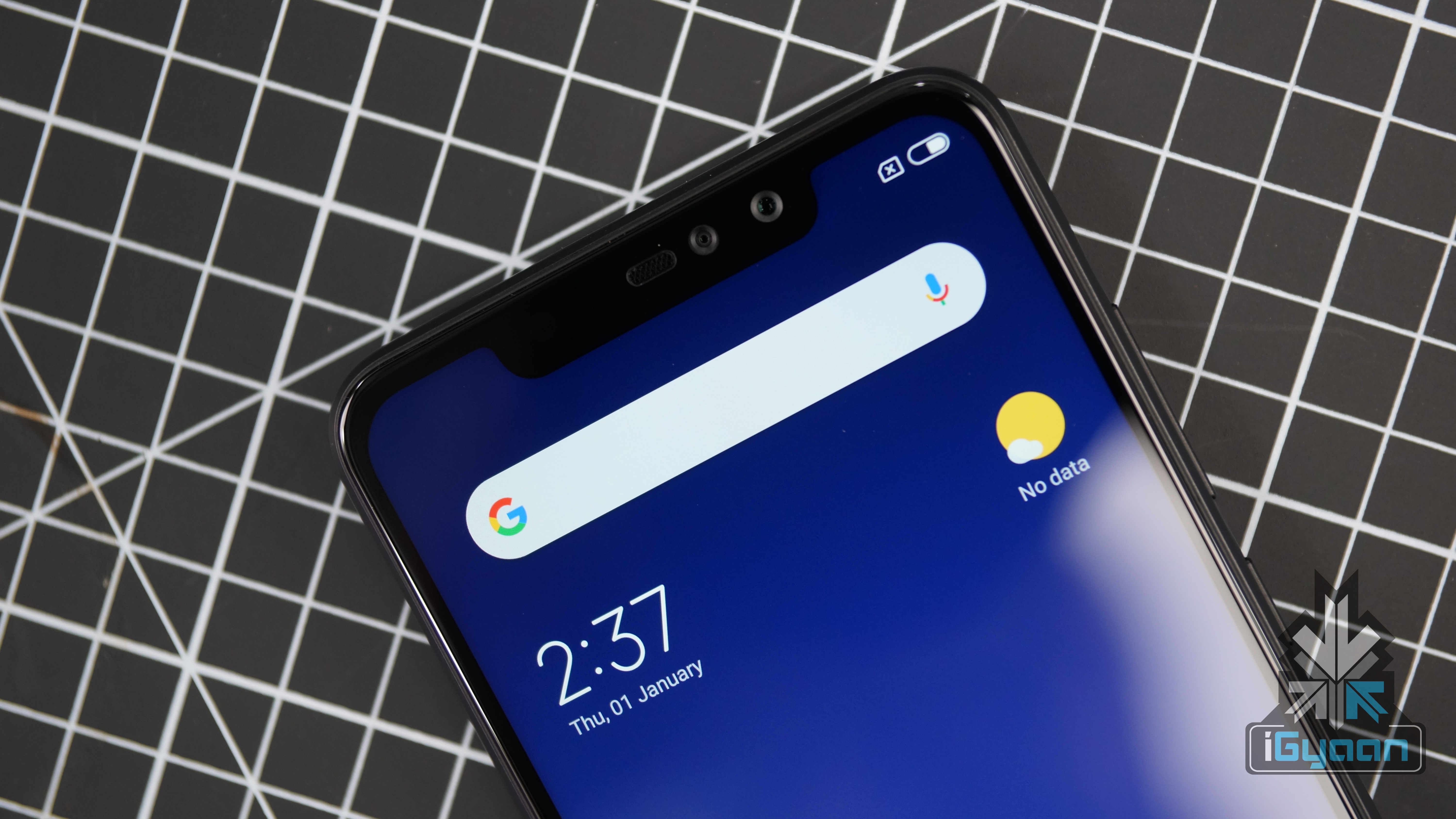
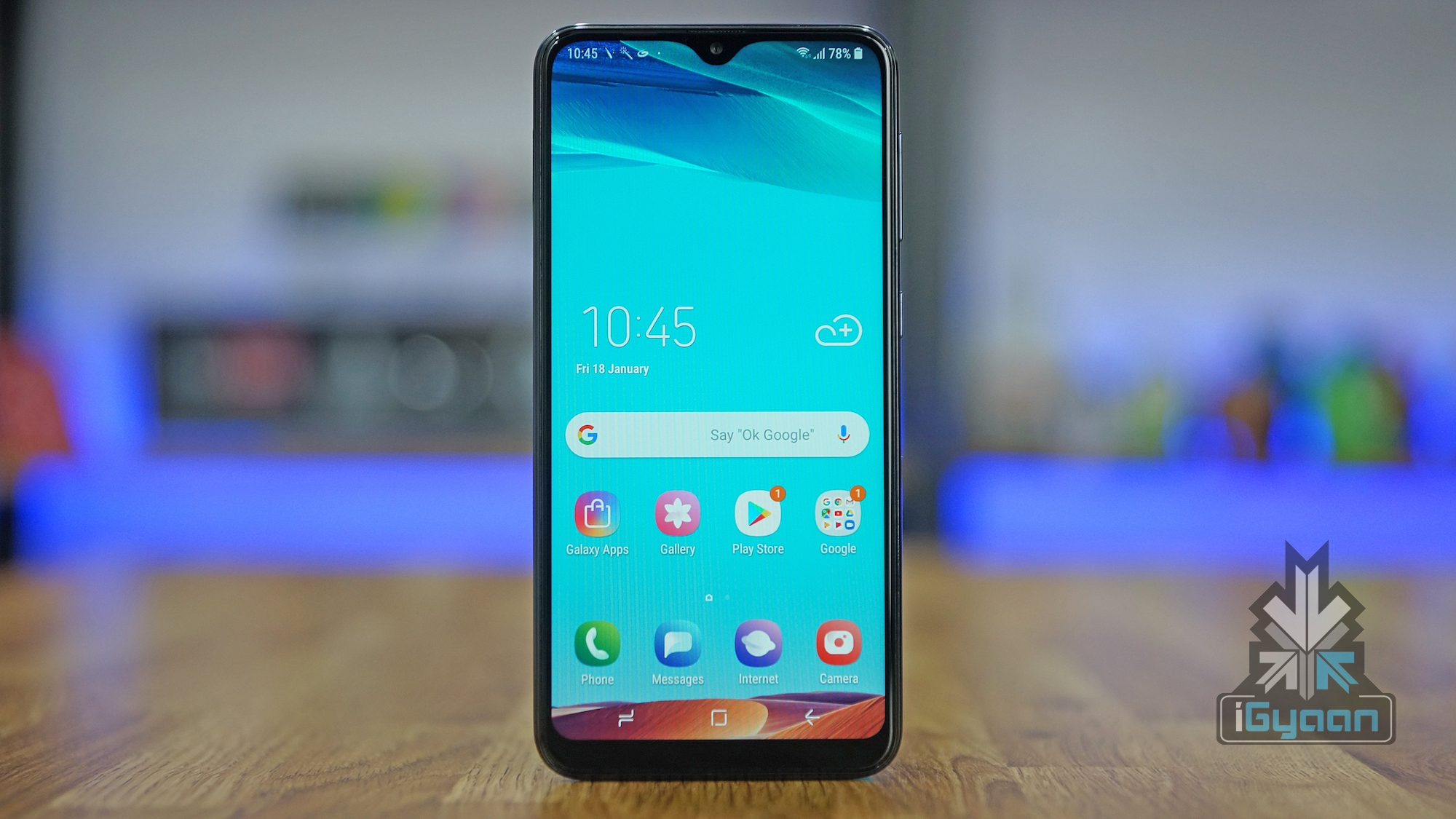
    The Samsung Galaxy M20 sports a waterdrop notch, which also houses the front camera. The ASUS Zenfone Max Pro M2 has a trapezium-like notch, which doesn’t take up much space in the display. The Redmi Note 6 Pro, on the other hand, sports a wider notch that is larger than the other 2 phones. 
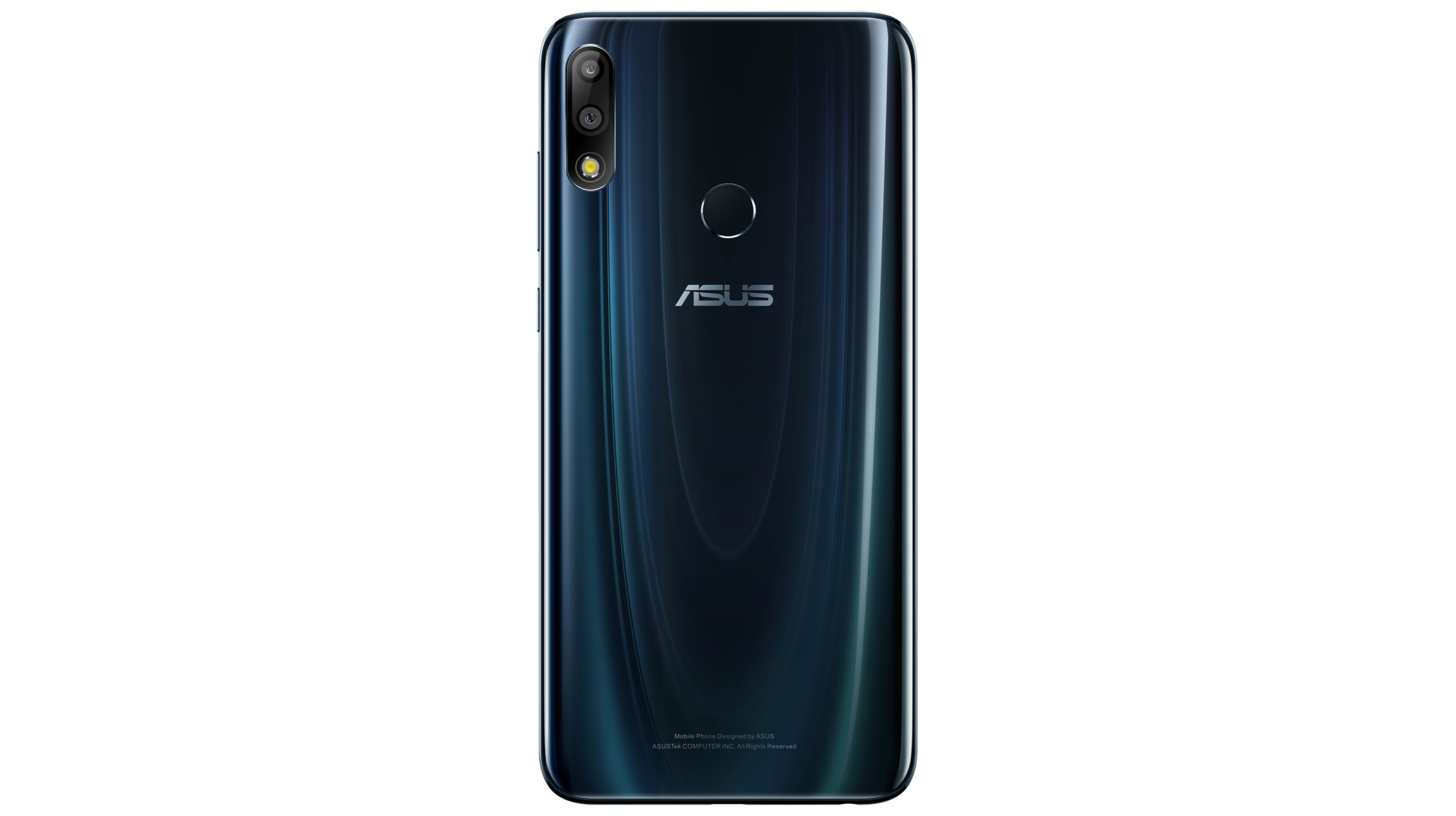
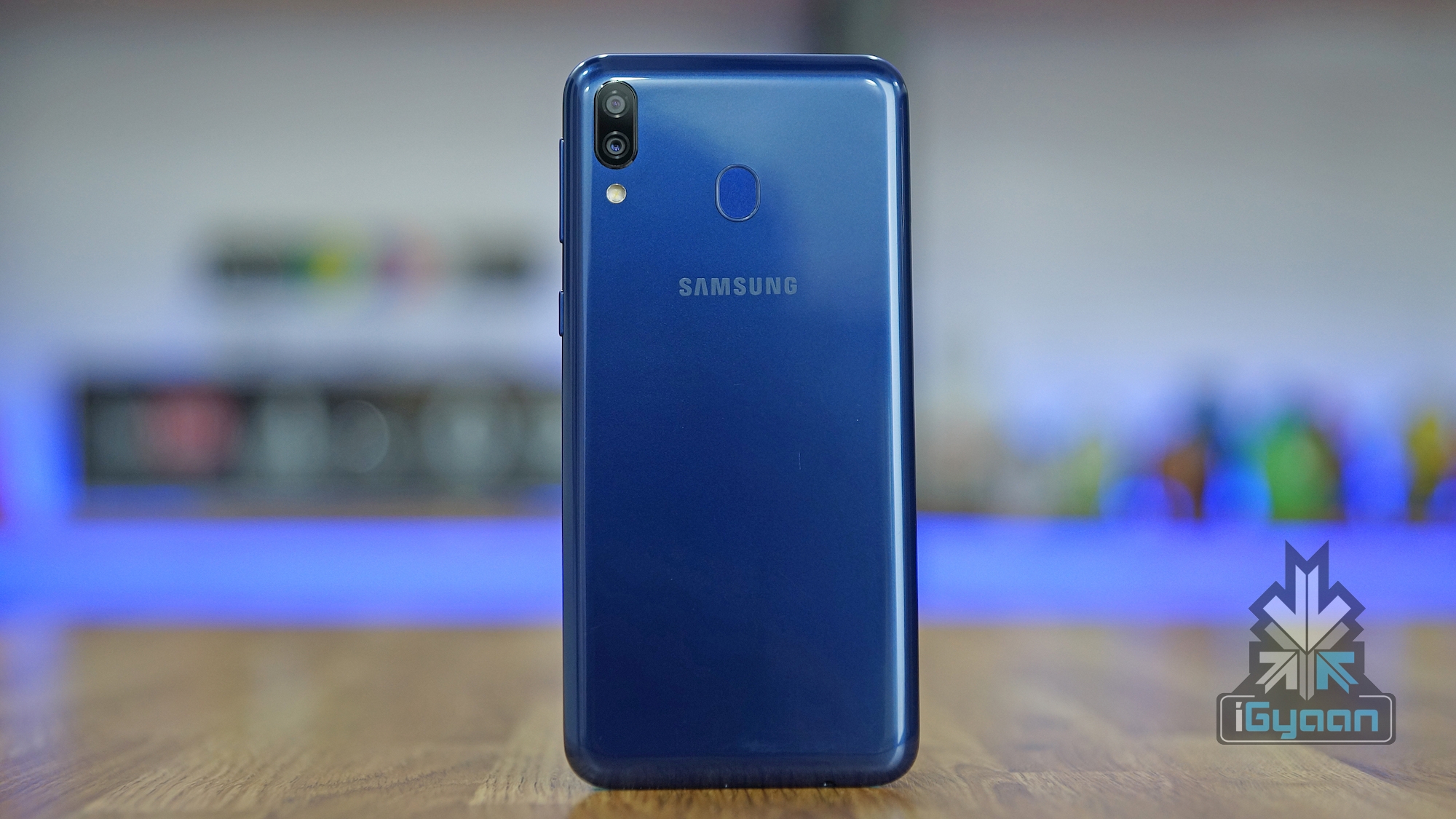
    Talking about the back panels, the Samsung Galaxy M20 has a plastic back, which actually gives a premium look. Similarly, the ASUS device has a laminated glossy plastic back. It looks good, but picks up smudges pretty easily. The Redmi Note 6 Pro is the only smartphone here which brings a metal back panel to the game. It has a smooth matte finish, making it a bit slippery, but good to hold and look at the same time.

    Display
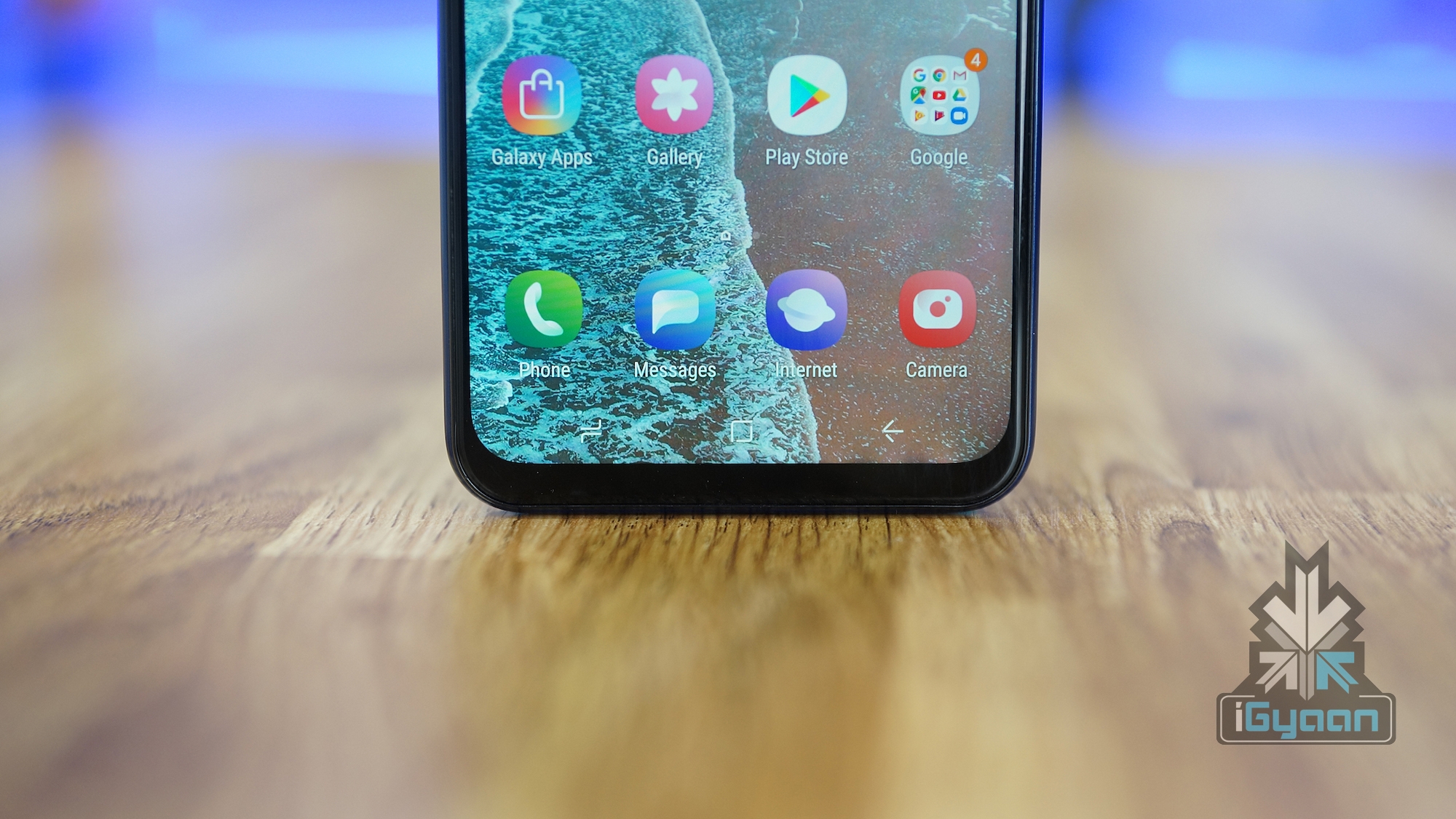
    The Galaxy M20 brings the Samsung-developed PLS TFT capacitative screen to the table, with a size of 6.3 inches. The phone has a 83.6 percent screen-to-body ratio, which is higher as compared to the other two devices. With a resolution of 2340 x 1080 px, a 19.5:9 aspect ratio and a Pixel density of 409ppi, it clearly has an edge over the ASUS and Redmi devices.
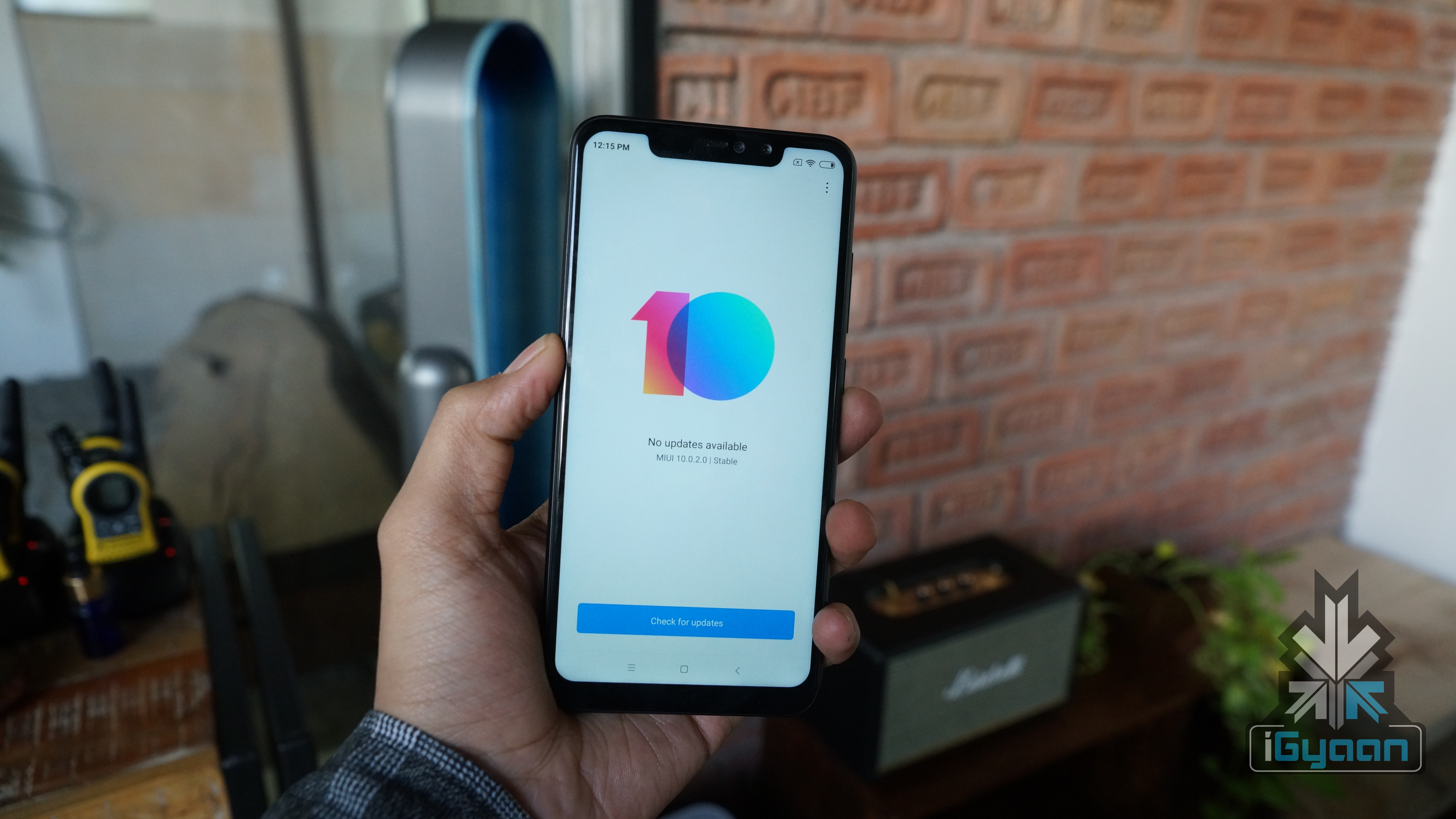
    The Zenfone Max Pro M2 has an 6. 2 inch IPS LCD, and a 82 percent screen-to-body ratio. With a slightly lower resolution at 2280 x 1080 px and 19:9 ratio, it matches the specs of the Redmi Note 6 Pro. The Galaxy M20, being the latest phone in the category, shows worthwhile improvements when it comes to display.

    Under The Hood
    Starting with the Samsung Galaxy M20, it packs an Exynos 7904 Octa chipset (14nm). Both the Zenfone and the Redmi devices, on the other hand, run on the Snapdragon SoC. The Zenfone Max Pro M2 has a Snapdragon 660 chipset, which houses an Octa-core CPU (4×2.2 GHz Kryo 260 & 4×1.8 GHz Kryo 260).
    The Redmi Note 6 Pro runs on a slightly older Snapdragon 636 SoC, with an Octa-core 1.8 GHz Kryo 260. While the Zenfone and the Redmi have Adreno GPUs, the Galaxy M20 has a Mali-G71 MP2 GPU.  

    Memory And Storage 
    All three smartphones are available in both 3 GB and 4 GB RAM variants, providing 32 GB and 64 GB internal storage variants respectively. The Zenfone Max Pro M2 is also available in a 3rd variant with 6GB RAM and 64 GB storage, which is saying something.
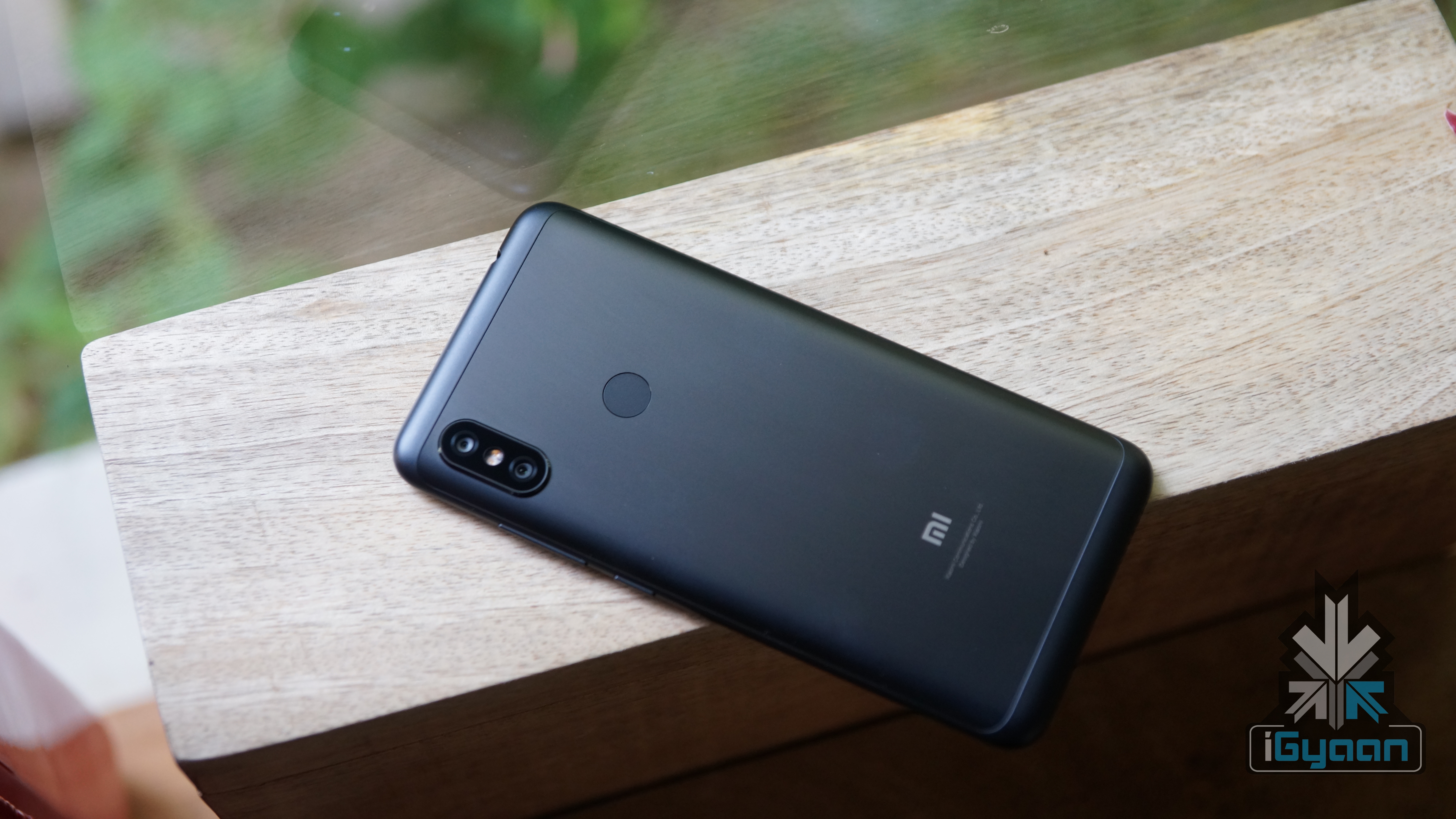
    While the Redmi Note 6 Pro supports expandable storage up to 256 GB, both the M20 and Zenfone support microSD cards upto 512 GB. It’s interesting to note that the Zenfone and the Galaxy M20 both use dedicated memory card slots. The Redmi Note 6 Pro uses the slot for the SIM 2, so that’s something to point out here.

    Camera
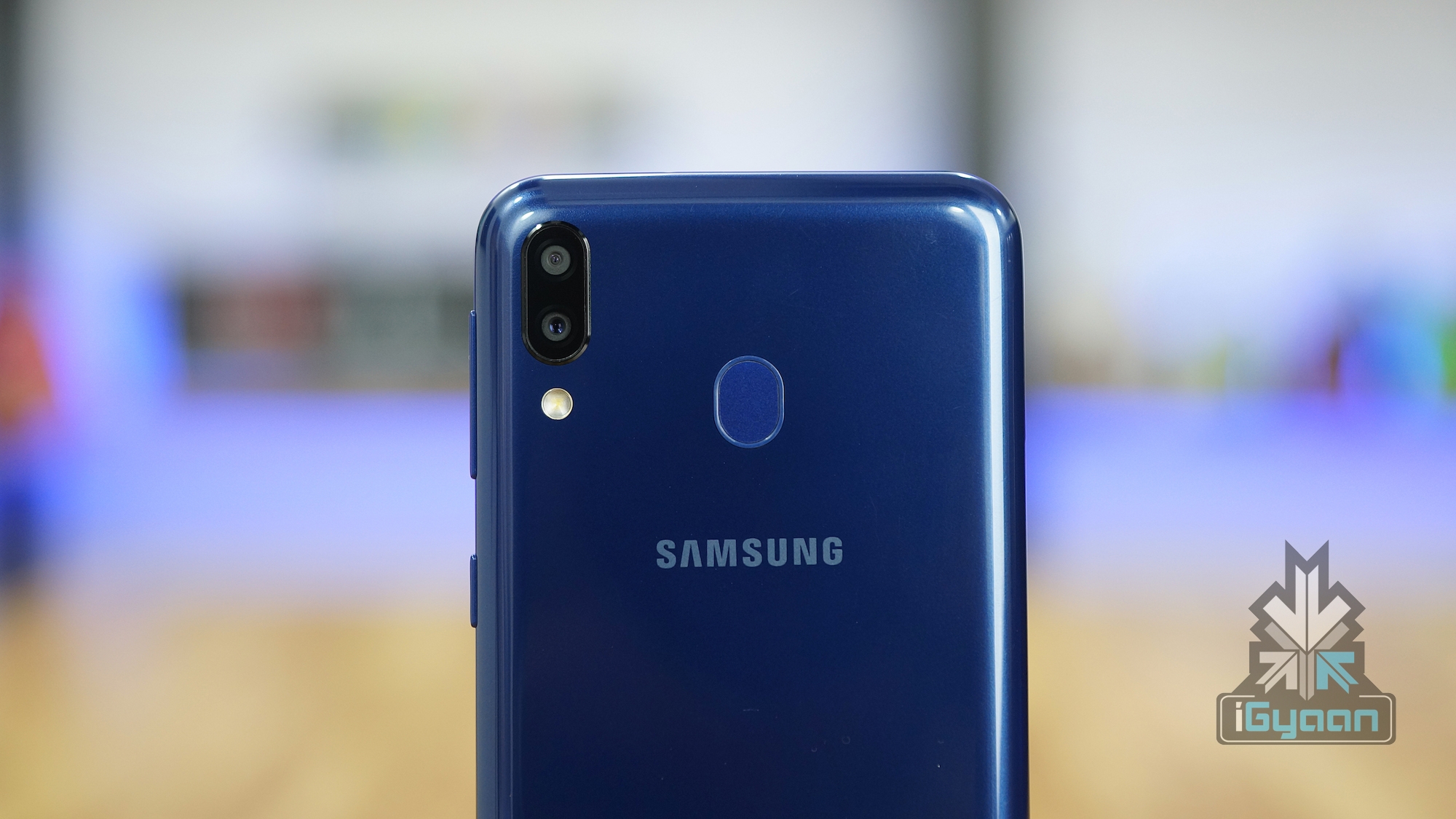
    In an era of dual-camera setups, none of these smartphones disappoint. The Samsung Galaxy M20 has a 13 MP (f/1.9) primary camera, with a secondary ultra-wide 5 MP (f/2.2) camera with a depth sensor. It’s equipped with a 8 MP (f/2.0) front selfie camera. Both these cameras support HDR and can record videos at 1080p (30fps). 
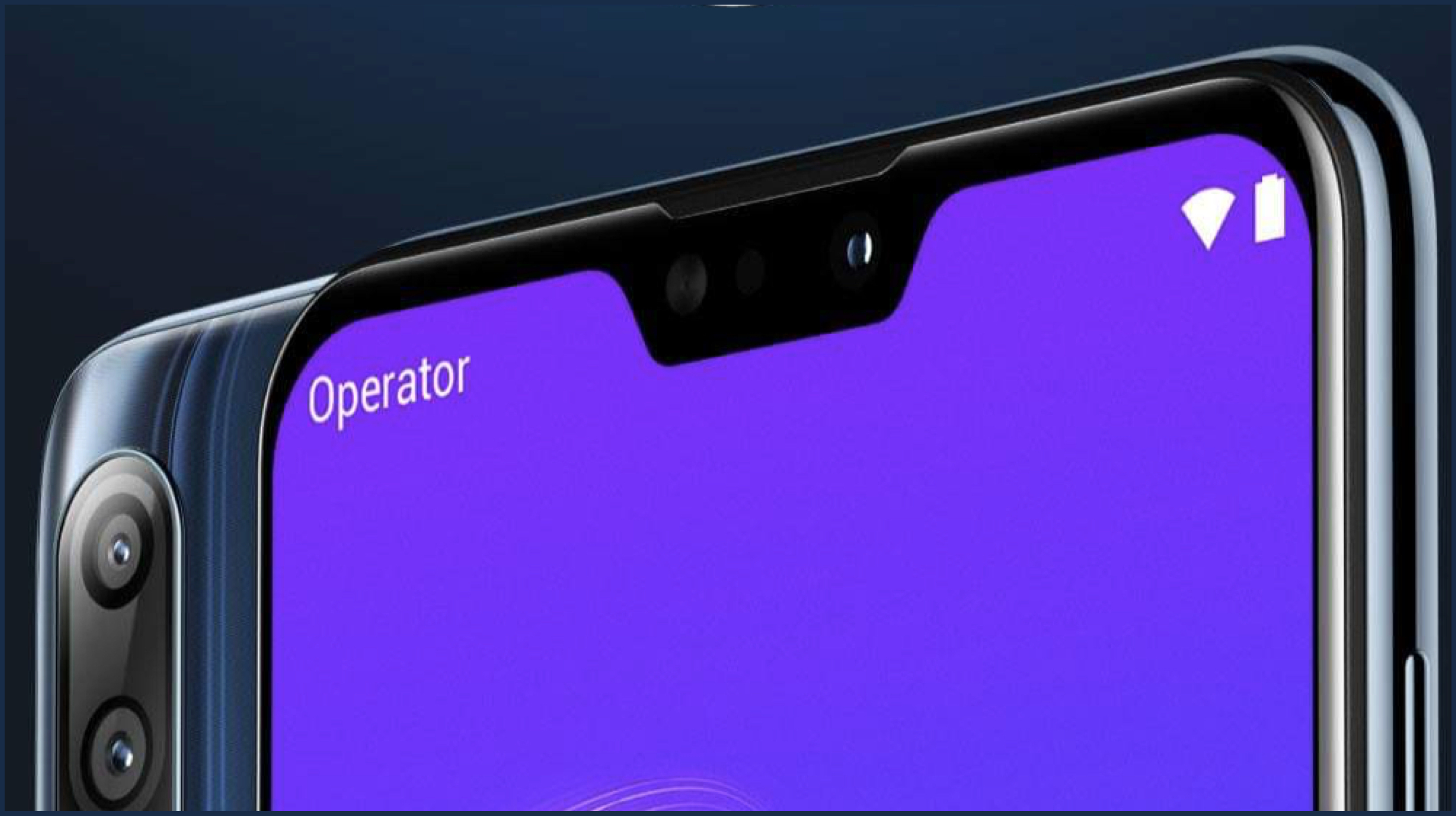
    The Zenfone Max Pro M2 has a 12 MP (f/1.8) primary camera, along with a  secondary 5 MP (f/2.2) camera, again with a depth sensor. In terms of the front camera, it has a 13 MP (f/2.0) front camera, which supports HDR and even has a LED flash. The best part about the Zenfone’s camera is the fact that it supports 2K recording, and 1080p recording at 60fps. 
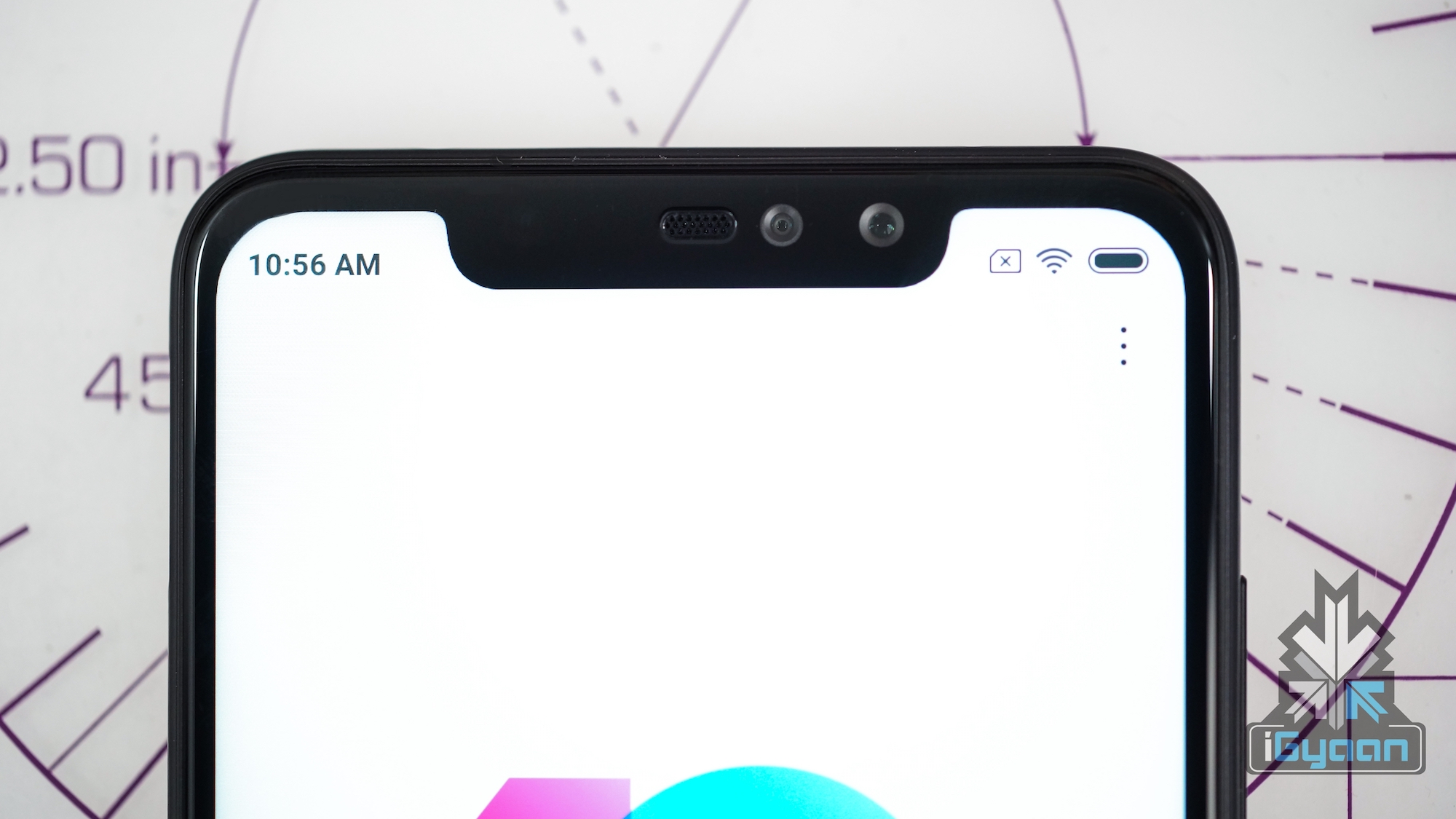
    The Redmi Note 6 Pro sports a 12 MP (f/1.9) dual pixel primary camera, with a secondary 5 MP (f/.2.2) camera with a depth sensor. It has an amazing 20 MP (f/2.0) front camera with a secondary 2 MP front camera (with a depth sensor). It also supports recording at 1080p (30fps). 

    Battery, Connectivity and Features 
    Both the Samsung Galaxy M20 and the Zenfone Max Pro M2 pack a 5000 mAh battery, which is a bliss for those who use their phone on the heavy side.  The Redmi Note 6 Pro has a 4000 mAh battery. A bit lower than its counterparts, but still enough to handle over a day’s worth of usage. The Samsung Galaxy M20 supports fast charging too. 
    All the devices have standard connectivity options, with the exception of an infrared port on the Redmi Note 6 Pro, which makes the device MI Remote compatible. The only device among these three which supports Type-C connectivity is the Galaxy M20, so that’s an added bonus. All three smartphones have rear-mounted fingerprint sensors.
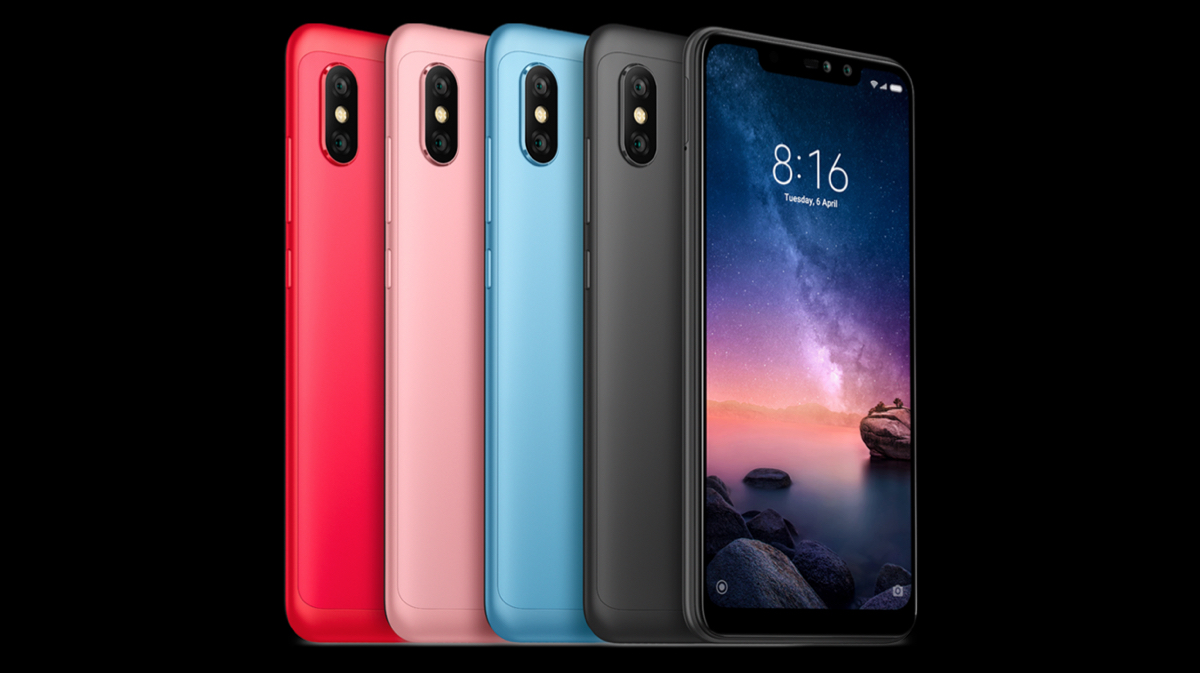
    The Samsung Galaxy M20 is available in two colours, Ocean Blue and Charcoal Black. Similarly, the Zenfone is also available in two colours, namely Blue and Titanium. The Redmi 6 Pro offers 4 different colour options. It’s available in Black, Blue, Rose Gold and Red. 

    Pricing

    Also Read : Antutu Releases AI (Artificial Intelligence) Benchmarking Tool

    The Samsung Galaxy M20 is priced at Rs. 10,990 for the 3GB+32GB version and Rs. 12,990 for the 4GB+64GB version. The ASUS Zenfone Max Pro M2 starts with Rs. 12,999 for the 3GB+32GB version, Rs. 14,999 for the 4GB+64GB version and finally Rs. 16,999 for the 6GB+64GB version. The Redmi Pro 6 is priced at 12,999 for the 3GB+32GB version and Rs. 14,999 for the 4GB+64GB version. All these devices are focused towards the high-selling sectors of the market, and people are constantly looking out for the best budget smartphone under 15k. What seems to be the best bet for you guys based on the specs? Let us know in the comments below. 


  • Microsoft Launches The Surface Pro 6, Surface Laptop 2 In India

    Microsoft Launches The Surface Pro 6, Surface Laptop 2 In India

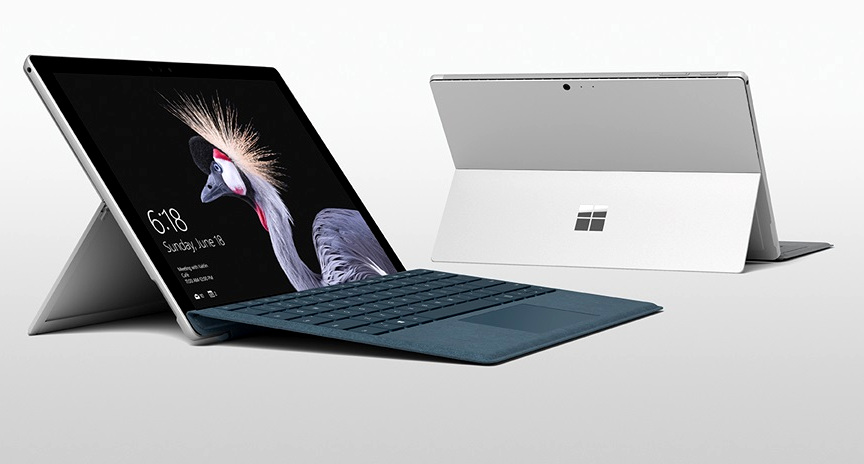
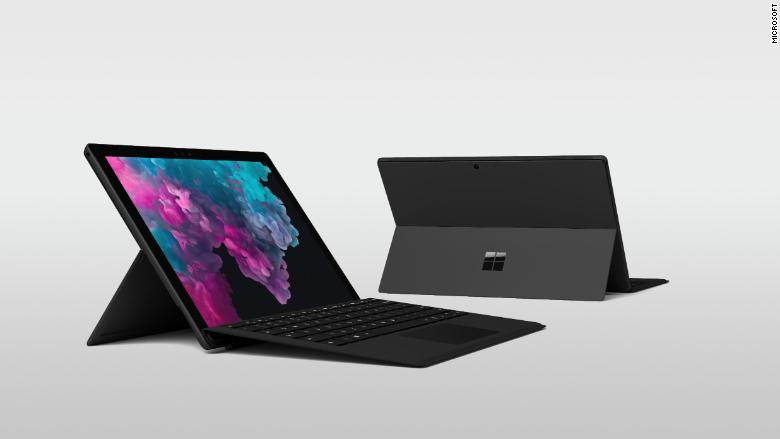
    Microsoft has updated the Surface lineup of devices in the Indian market. On Monday, the company launched the Surface Pro 6 and the Surface Laptop 2 in the country. This makes it Microsoft’s third launch in the last few months, coming after the Surface Go, which was launched a while ago. The Microsoft Surface lineup of devices are soon making their way in the country.

    Microsoft Surface Pro 6

    The Surface Pro 6 is the most premium windows tablet in the market and one of the best devices for multimedia and work. The Tablet is equipped with a 12.3 inch Quad HD LED Backlit PixelSense Multi-touch Display with either the 8th Generation Intel Core i5 or i7. It is available in 3 variants. And all the three variants come with 8GB of RAM. The pricing for all the three versions are Rs. 83,999 for the Core i5, 128GB SSD variant. The Core i5, 256GB version comes at Rs. 1,10,999. The i7, 256GB SSD version costs Rs. 1,39,999. The device will be available on Flipkart.

    Microsoft Surface Laptop 2

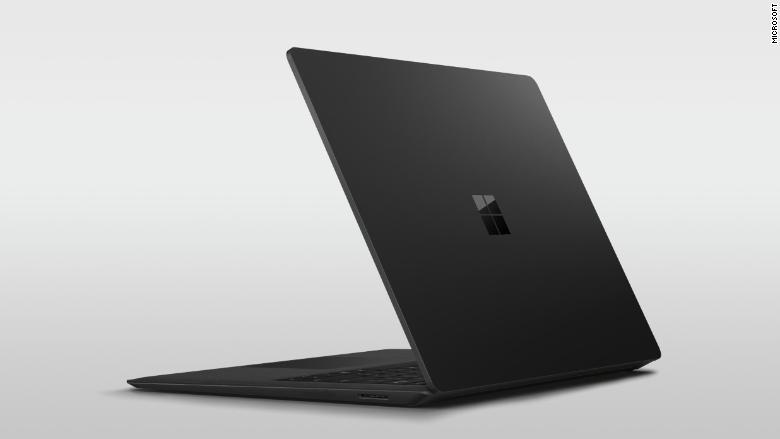
    The Microsoft Surface Laptop got raving reviews when it launched in 2017. With the 2nd generation of the device, Microsoft hasn’t changed much. There is a new Matte Black colour and upgraded specifications. The Surface Laptop 2 comes with 8th Gen Intel processors. Rest of the features remain the same. There is the same 13.5 inch display as last gen.

    There are 3 variants of the Surface Laptop 2 in India. The Core i5, 8GB RAM and 128GB SSD storage start at Rs 91,999. Bumping up the storage to 256GB on this variant will cost Rs 119,999. There’s a top-end variant with Core i7 processor, 16GB RAM and 512GB SSD storage that costs Rs 2,03,999. The device will be available on Flipkart and some offline channels.

    Read more: Honor View20 Launched In India, Kirin 980 And 3D Camera In Tow

    The Microsoft Surface devices are one of the best ones in the market for productivity and multimedia purposes. Let’s see if these devices find their success in India.

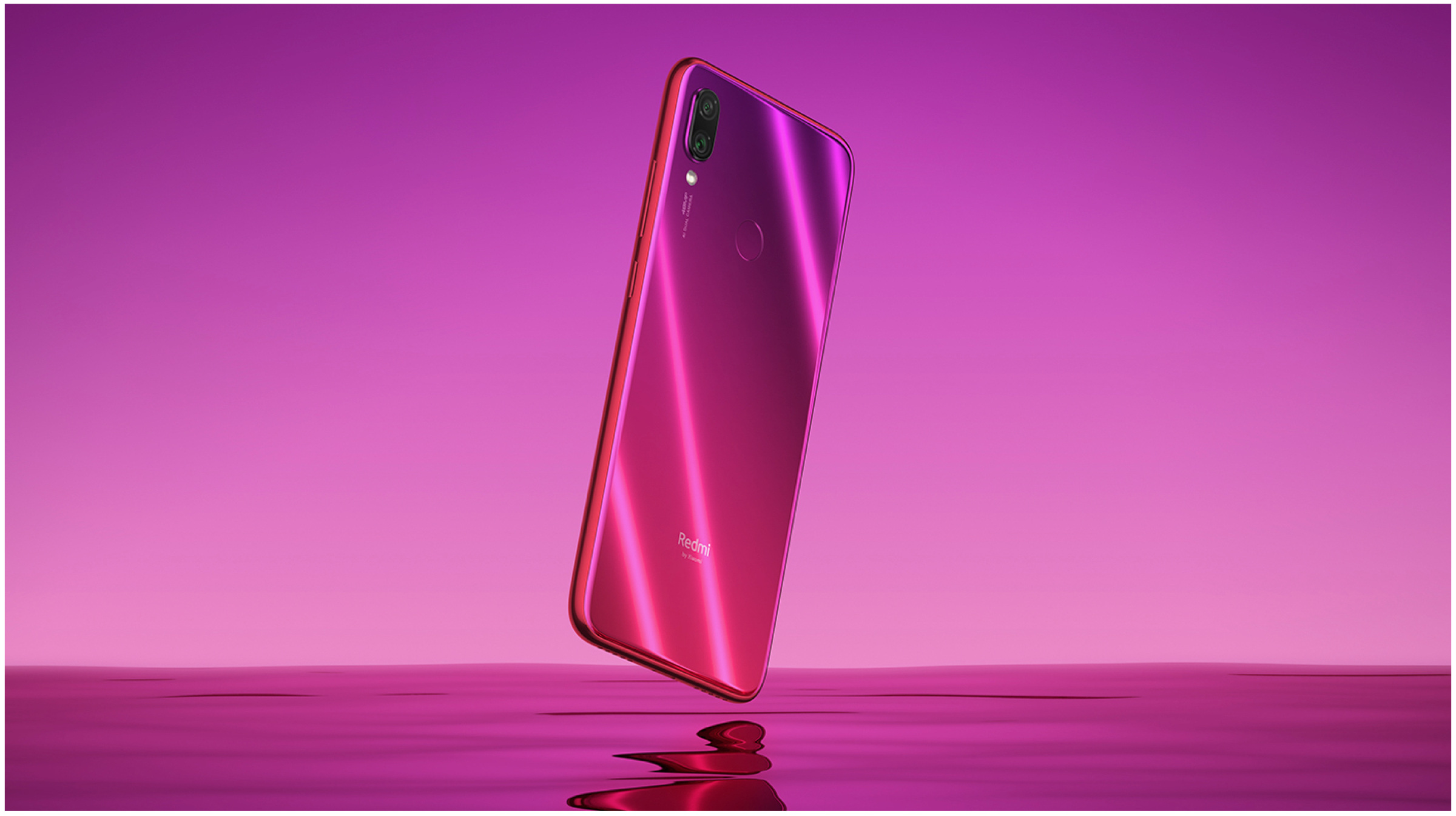
  • Xiaomi CEO Teases The Redmi Note 7 Pro With 6GB RAM, 128 GB Storage

    Xiaomi CEO Teases The Redmi Note 7 Pro With 6GB RAM, 128 GB Storage

    Earlier this year, Xiaomi released the Redmi Note 7 with specs to kill for. A 48 MP camera with a Samsung ISOCELL sensor, 6 GB RAM, Snapdragon 660, It had everything that a smartphone connoisseur could desire. Needless to say, the device stirred up a lot of hype, with almost 100,000 units selling out in less than 11 minutes, as claimed by the Chinese electronics giant. Rumours are in the air that a newer edition of the same phone is on its way.
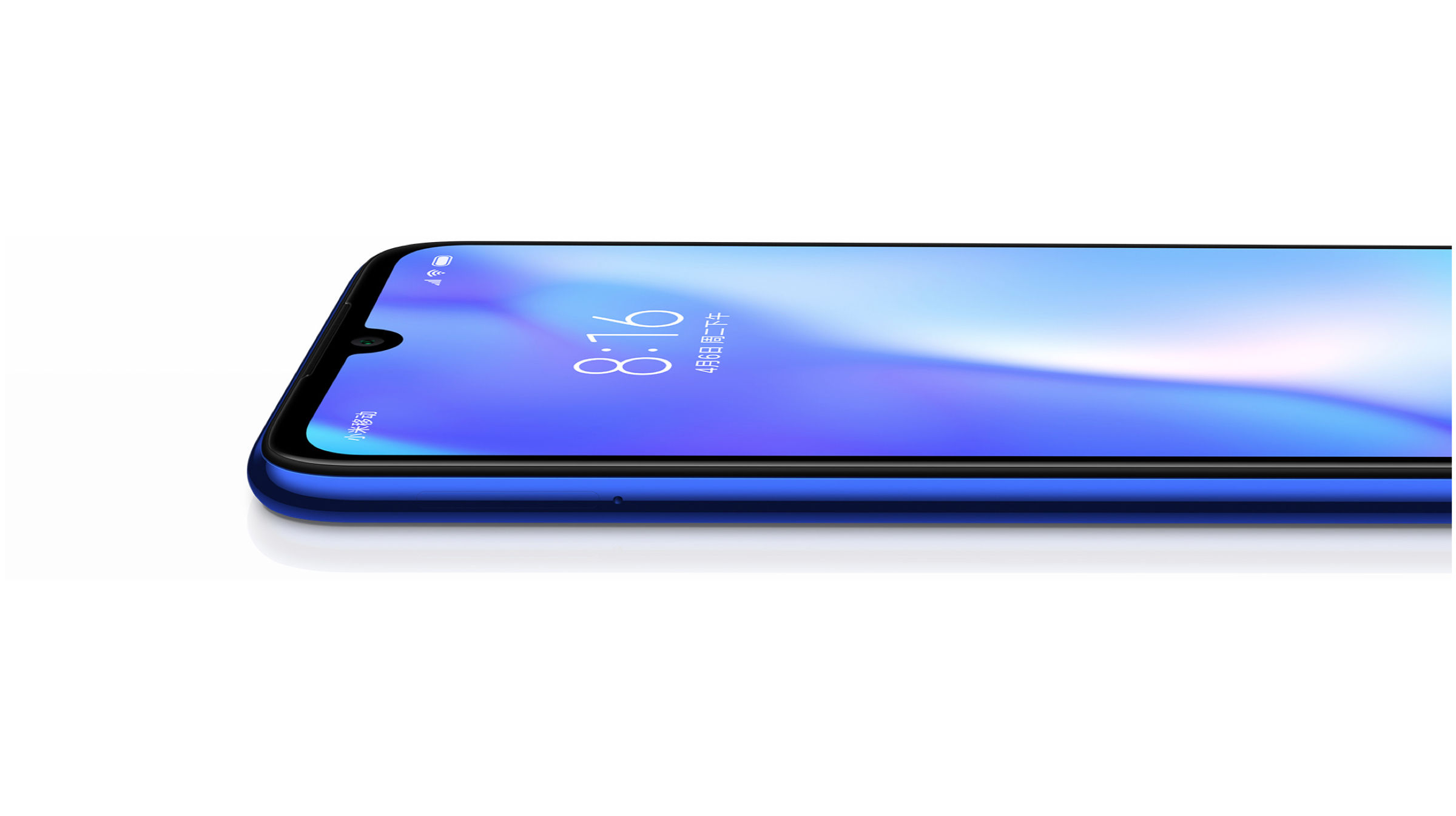
    Rumoured Specs For Redmi Note 7 Pro

    The device, which will be called the Redmi Note 7 Pro, is expected to launch with a Sony IMX586 sensor. And today, the company CEO dropped another hint online. When Lu Weibing was asking Redmi’s fans questions regarding their expectations from the Redmi Note 7 Pro, one fan had a rather far-fetched suggestion. “Drop the version with 3GB RAM and 32 GB Internal storage, and just release the 6GB+64GB or 6GB+128GB one.” This sounded like quite a big speculation. But the same reply was later reposted by the Xiaomi CEO, Lei Jun. This suggests that Redmi is actually looking towards such a variant on the Redmi Note 7 Pro.
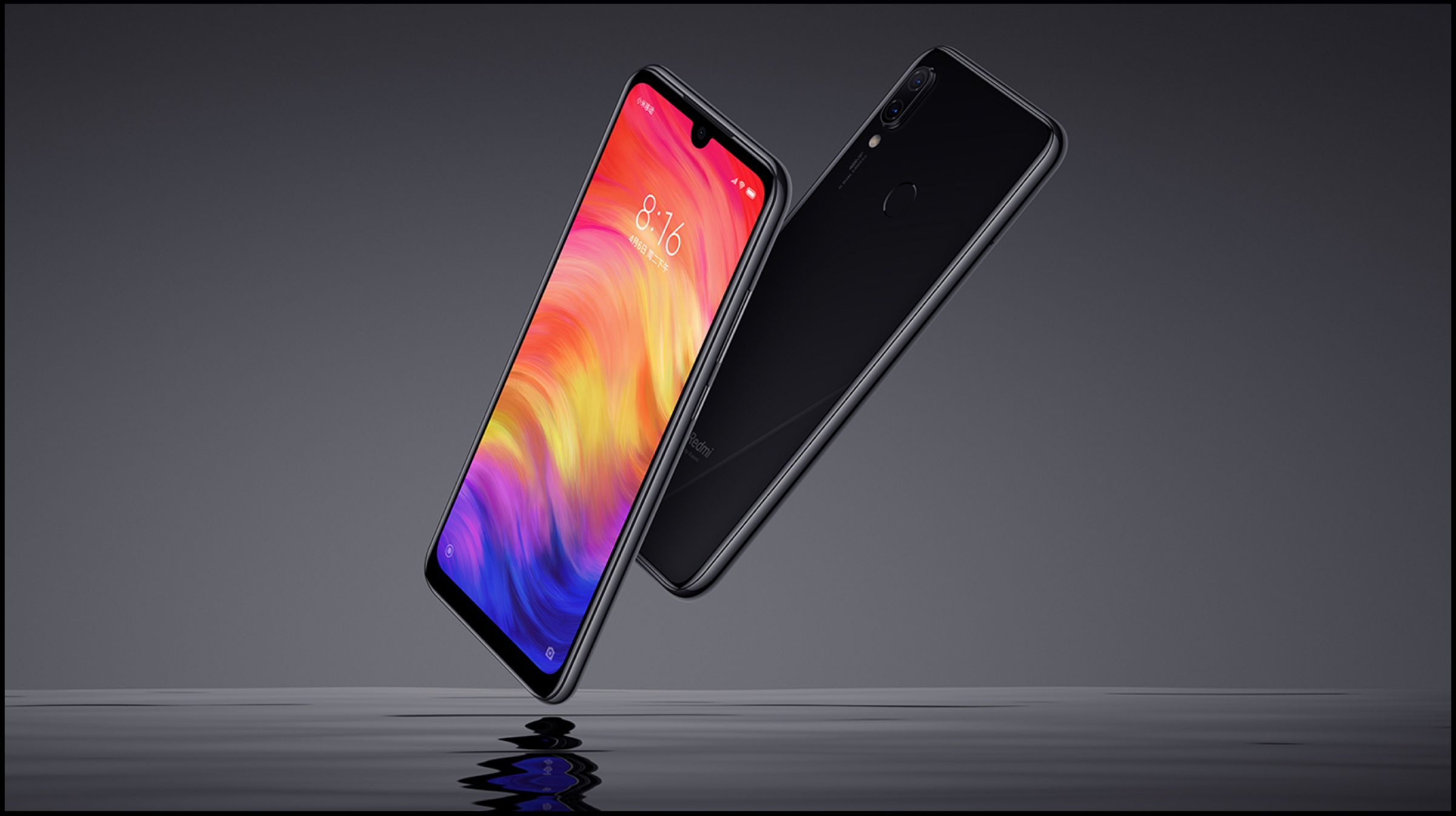
    If we put together the rumours, the Redmi Note 7 Pro will probably resemble the Note 7 in a variety of ways. It is expected to retain the same 6.4 inch screen with a similar notch. It will have the same 4000 mAh battery with Quick Charge 4. One of the more exciting things to look forward to is the introduction of a Snapdragon 675 instead of the Snapdragon 660. If this happens, the Redmi Note 7 Pro will be the cheapest phone in the segment to provide this chipset. 
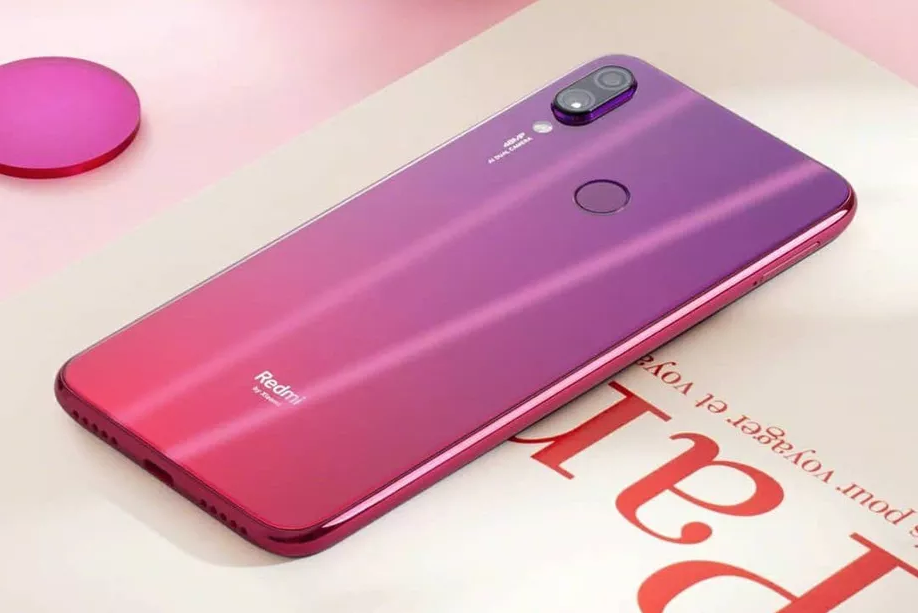
    Expected Release Date

    Read More : Redmi Go : Everything We Know

    Currently, no definite news is available on the release of the Redmi Note 7 Pro. All Xiaomi fans are currently waiting for Weibing to come forward with an official release date for the same. Are you excited for the launch of the Redmi Note 7 Pro? What changes in specifications are you expecting? Let us know in the comments.

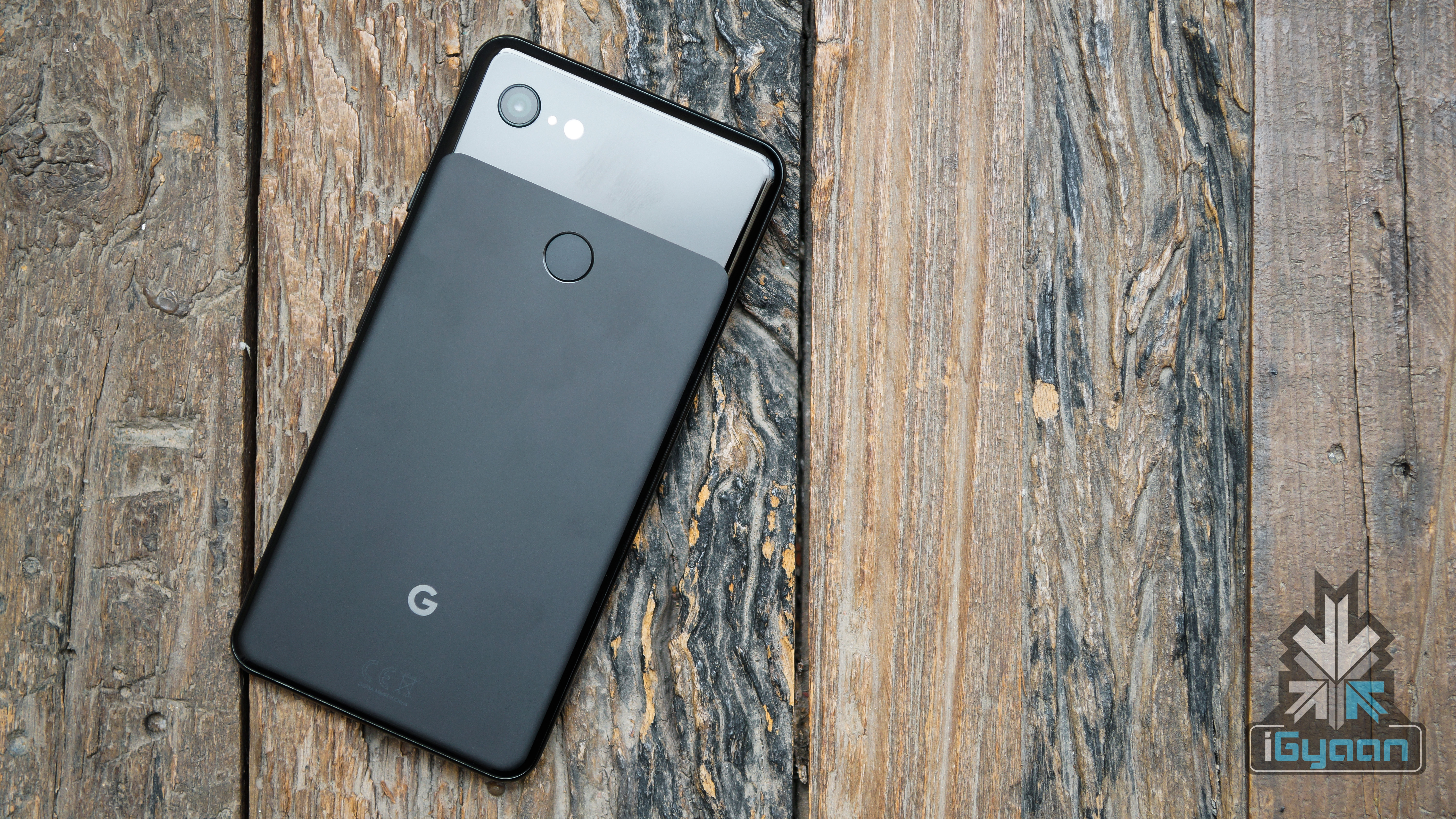
  • Pixel 3XL Lite Spotted Again On Geekbench

    Pixel 3XL Lite Spotted Again On Geekbench

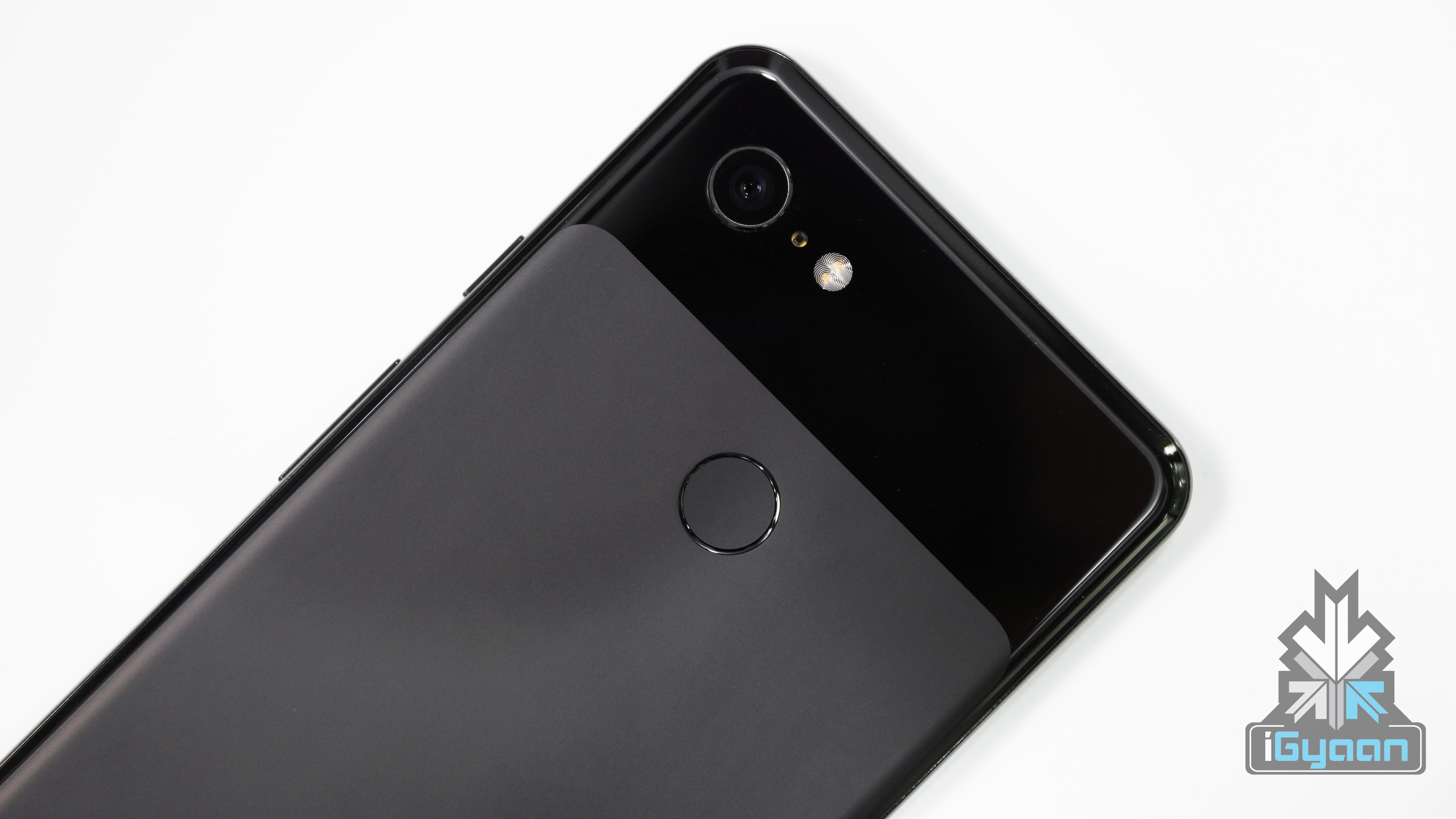
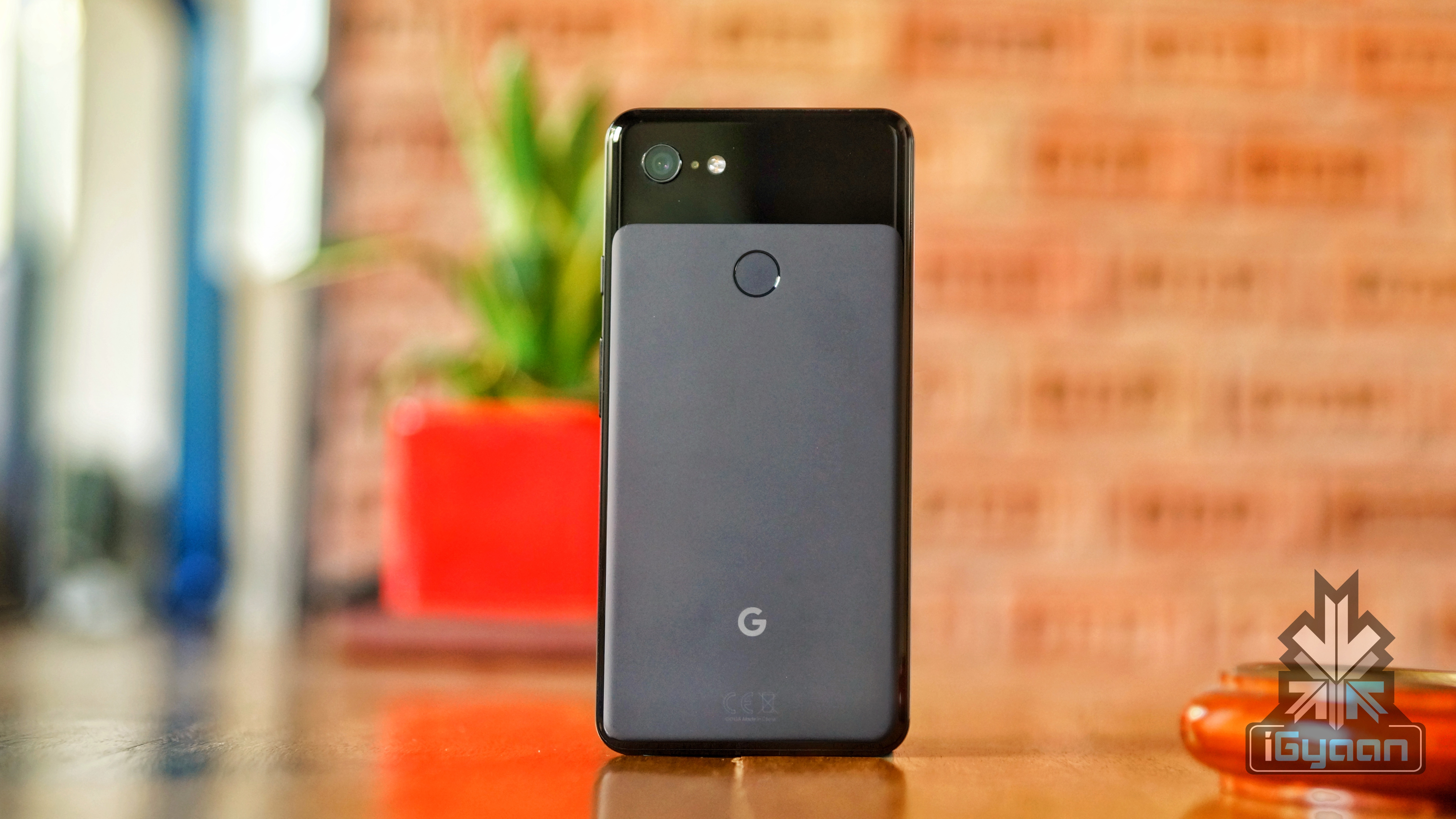
    The Pixel 3 series was praised all over because of its amazing camera and clean software. What that phone didn’t win any awards for, was the boring design and the high price. Looks like Google is trying to win back the lost audience through the Pixel 3XL Lite. Although there have been many leaks regarding the phone, but it seems like we are getting quite close to the final launch of the device.

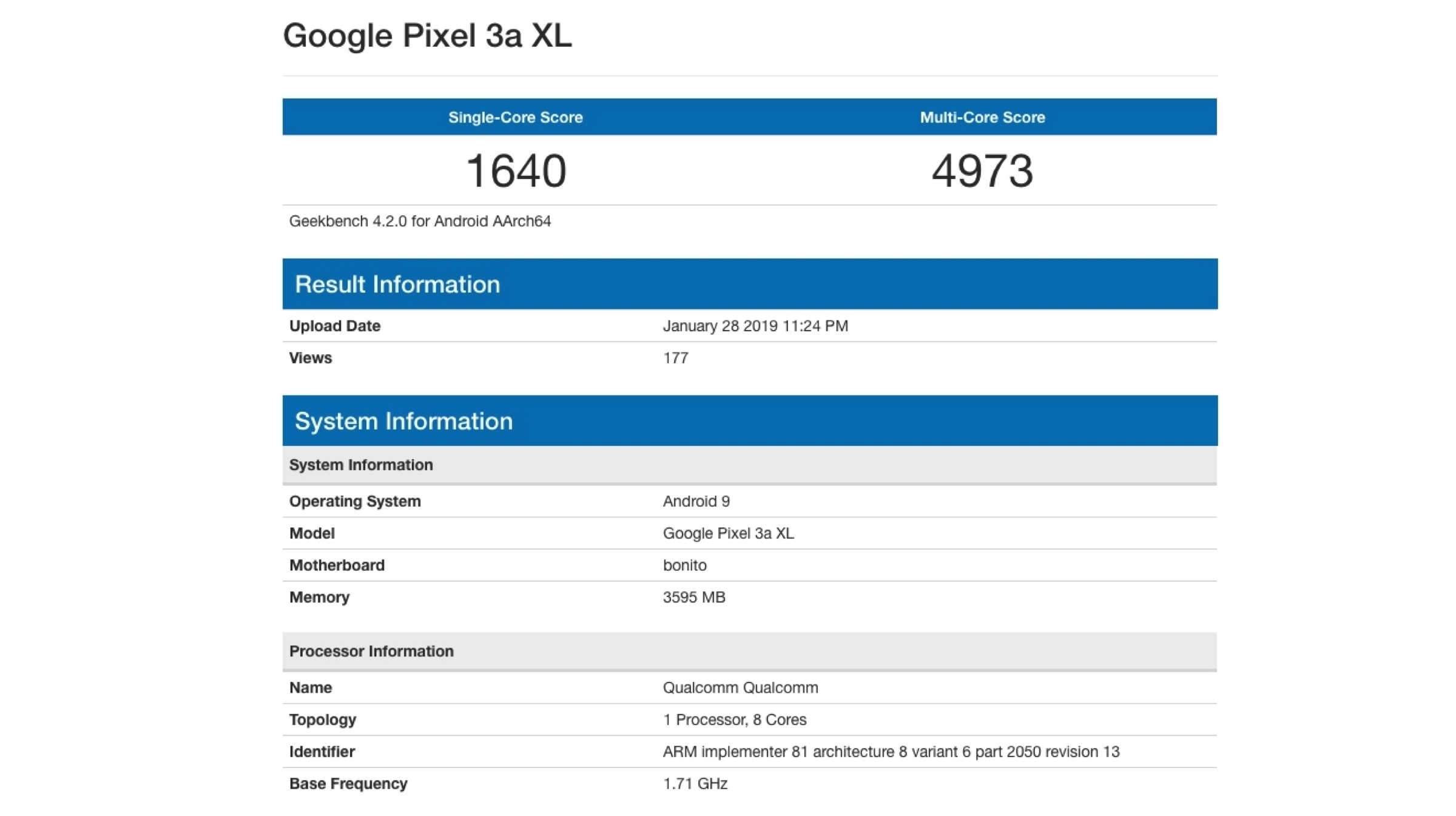
    The Pixel 3XL Lite was again spotted on Geekbench. The listing was uploaded on January 28. What’s interesting about this is it shows the name of the device as Pixel 3a XL. This could be the final name Google is thinking about using or just again a code name. The listing confirms this is indeed the lite version because of the code name Bonito. The Lite version of the series had code named Bonito and Sargo. 

    Pixel 3a XL Specifications

    The listing on Geekbench reveals some of the specifications of the upcoming Pixel device. The phone will have 4GB of RAM which is weird as the last listing reported the RAM as 6GB. It is a possibility that there may be 2 versions of the phone. The listing does not reveal the processor but the specs suggest it is a Snapdragon 710. The 710 is a mid-range chipset which is what this phone is going to be.


    The camera is expected to be the same one as its bigger siblings. One thing that will change is there may be only one lens on either side. The phone will also see the comeback of the headphone jack. The 3.5mm jack was ditched by Google at the launch of Pixel 2 series. The metal and glass body is also substituted by a plastic one.

    Also, looking at the scores of the phone, it seems like Google may have minimised the capacity of the chipset again. This is because the phone scores 1640 in single core and 4973 in multi core. This is not new to Google, as it always under clocks its phones.

    Read more: Antutu Releases AI (Artificial Intelligence) Benchmarking Tool

    In conclusion, the Pixel 3XL Lite or the Pixel 3a XL series, whatever it ends up being called, looks like a compelling option. The phones may be a great option for people looking for a good camera on a budget. The success of the phones may depend on what Google ends up pricing the devices. The devices are expected to be announced in May, in Google I/O 2019.

  • Samsung Smart Clothing With Health Diagnosing Features

    Samsung Smart Clothing With Health Diagnosing Features

    Samsung is a huge company. It also is one of the market leaders in innovation. There have been many industry firsts by Samsung which is what we have for you today. Samsung in 2017 applied for a patent at the World Intellectual Property Office or WIPO for short; for an ‘Electronic apparatus and method of controlling the same’. And it was of Samsung Smart Shirts with Health Diagnosing Features.

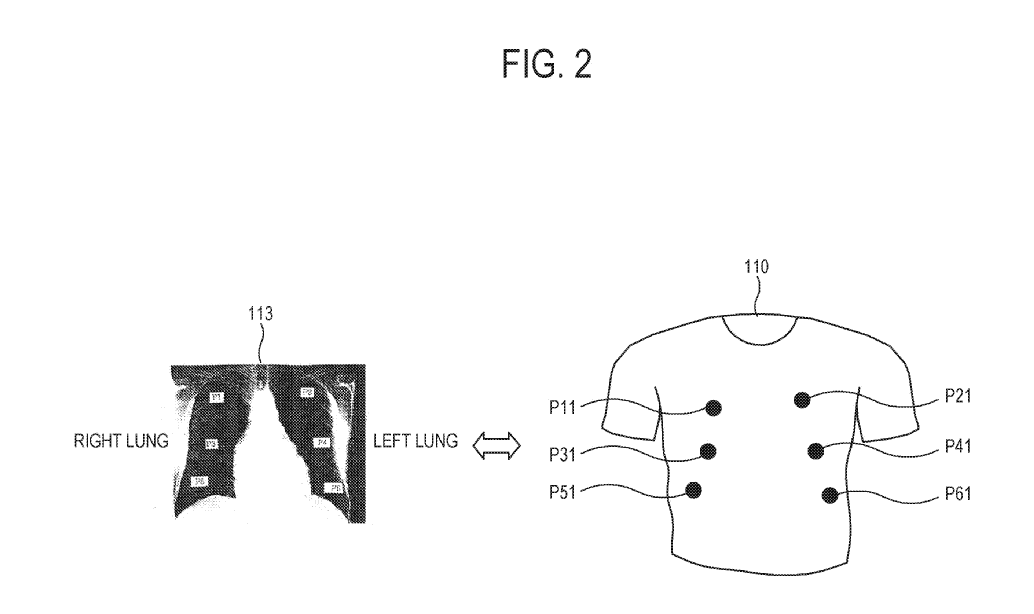
    The patent was approved on January 24, 2019. The patent shows a Samsung Smart Shirt with sensors. These sensors help in diagnosing a person’s physical condition.

    What this means is, that the shirt will also be able to scan the person’s lungs for any respiratory problems. The patents show sensors inside the shirt which can measure the breathing patterns of the users. The shirt will also be connected to a smartphone. The Smartphone will receive diagnostics and advices based on your condition.

    This is not the first time Samsung has used or showcased smart wearable technology. In 2018 winter Olympics, Samsung showed off the Smartsuit. It was a wearable which skaters could wear to practice and train. The application for smart wearable is increasing every year; as more and more respiratory problems come to light.

    Application of Such Technologies

    The images were uploaded by Samsung on WIPO’s official site. These Images show the tech in action.  Also, each side of the lung has 3 sensors which take the reading. Any irregularity in the breathing pattern or sounds from the lungs is notified. It seems like that Samsung is serious about user’s health. Most noteworthy use for this may be in training and sports.

    Read more: Redmi Go: Everything We Know

    There is also a patent for infants and kids which could be useful. One possible way to do it is to make the fabric comfortable to wear. The sensors also will have to be big enough to fit. It is not known if Samsung will release the product. Maybe they will only bring it out for the athletes. Or maybe they would bring a consumer version of it.

    Finally, It seems like an interesting technology by Samsung. But it is yet to be seen if this makes it to the shelves. 


  • OnePlus 6T Vs Honor View20 : Specs Comparison

    OnePlus 6T Vs Honor View20 : Specs Comparison

    OnePlus launched the OnePlus 6T smartphone late last year which has turned out to be one of the best smartphones in its segment. The freshly launched Honor View20 is similarly priced to the former and will definitely give the OnePlus 6T a good run for its money. Here is a detailed spec comparison of the reigning champ and the new guy in town.

    Display

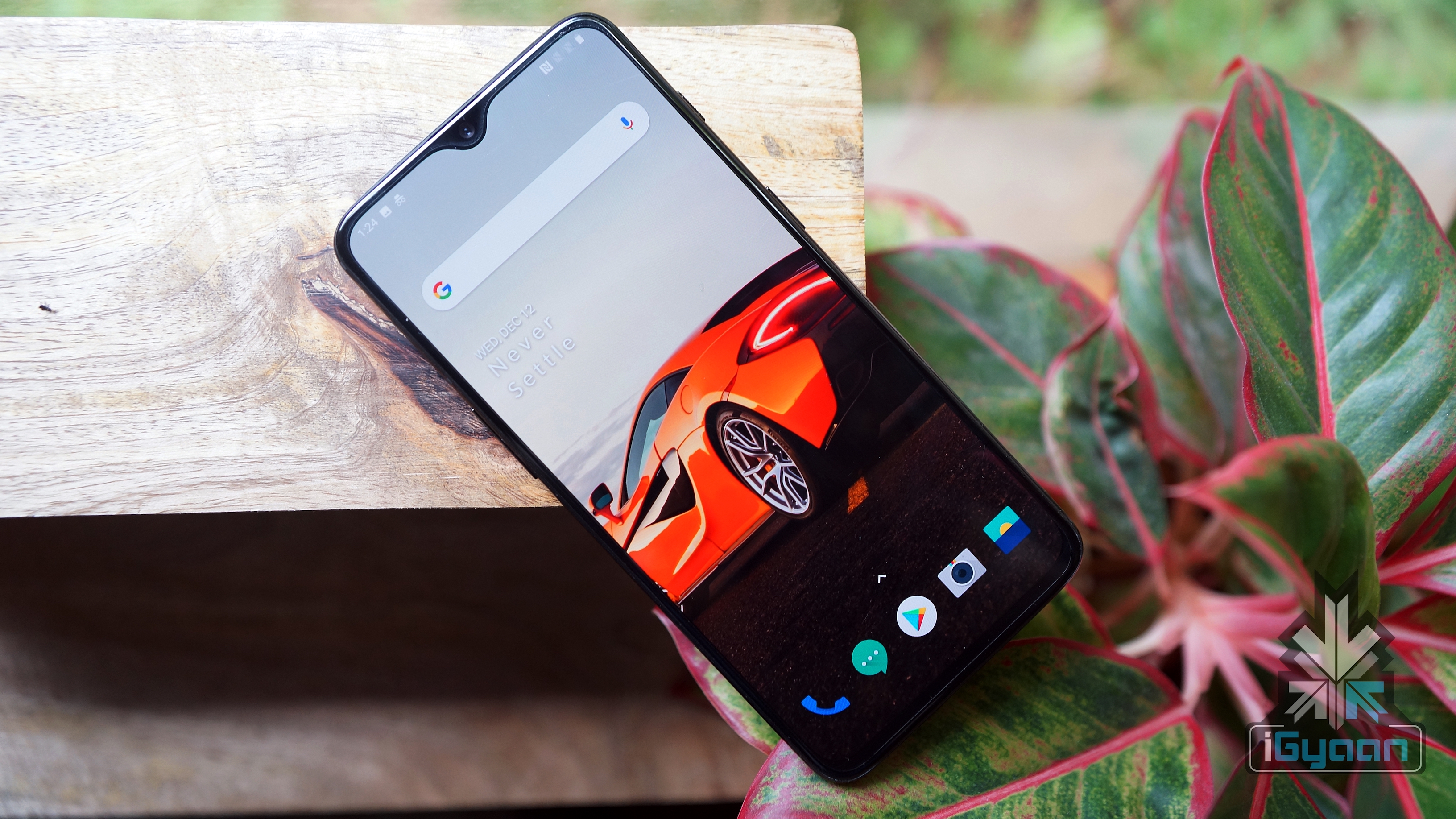
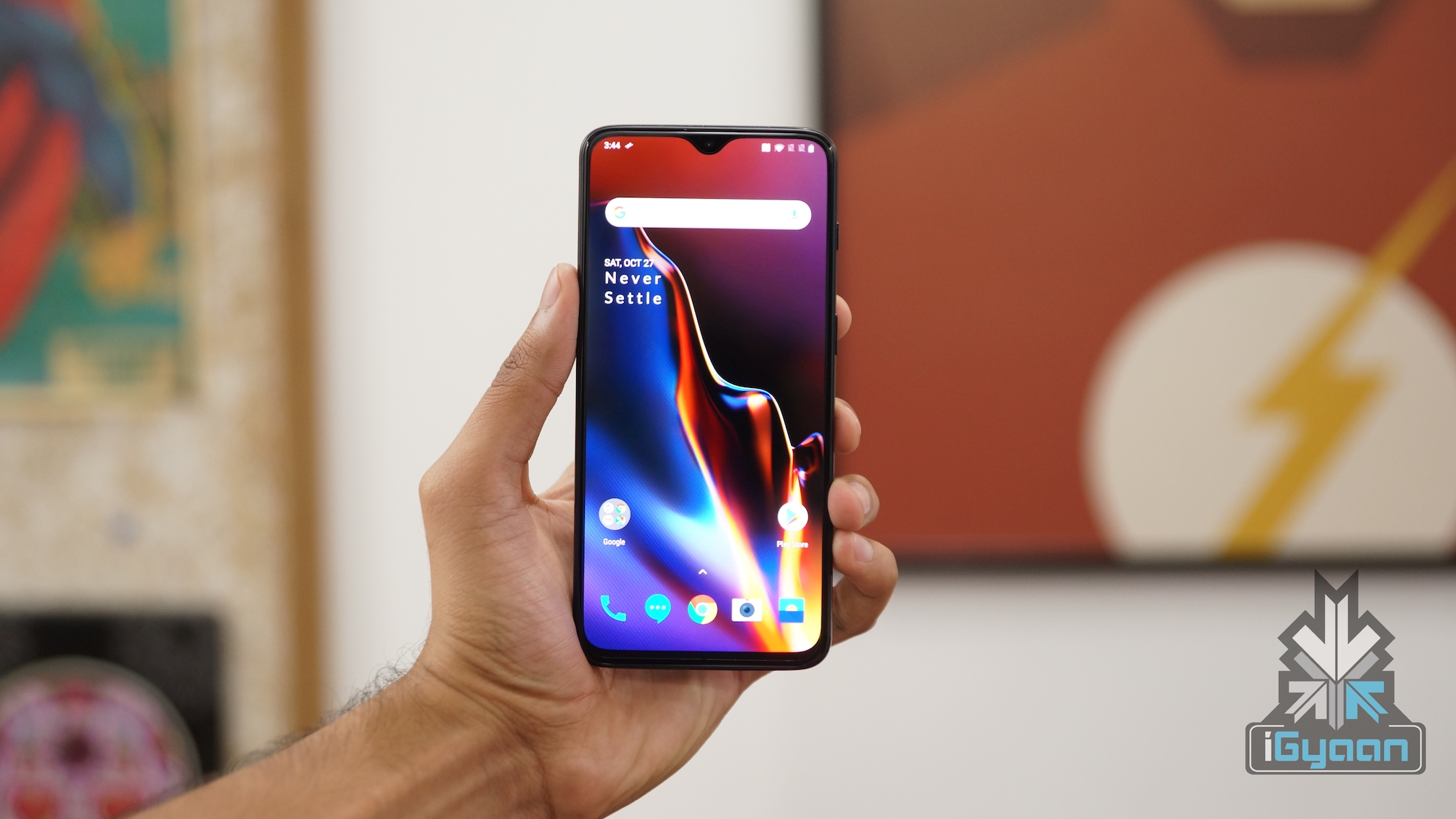
    Both the OnePlus 6T and Honor View20 have excellent displays with Full HD resolution. However, the former shines in this area as it uses an AMOLED display panel. The LCD display on the Honor View20 is undoubtedly good but it cannot match the illumination prowess of an AMOLED panel. Also, the OnePlus 6T has Corning Gorilla Glass 6 to protect it against hard surfaces and sharp objects. 

    Processor & Fingerprint sensor

    The OnePlus 6T features the Snapdragon 845 Soc while the Honor View20 packs the Kirin 980 SoC. Notably, the Kirin 980 is manufactured using 7 nm manufacturing process which translates in less power consumption and longer battery life. Some of our initial testings also revealed that the Honor View20 was able to load the infamous Pubg mobile slightly faster than its contender. The OnePlus 6T has the futuristic under-display fingerprint sensor while the Honor View20 has a conventional rear-mounted fingerprint sensor. All in all, the fingerprint sensor on both smartphones is very responsive and snappy. 

    User Interface & OS

    Both the OnePlus 6T and Honor View20 run on the latest Android 9.0 Pie and are skinned with custom UI’s of their respective companies. The former runs on OnePlus’s OxygenOS while the latter runs on Magic UI 2. As the two devices run on the latest Android OS, it is more of a consumer’s choice what Android skin suits their needs. Worth mentioning OnePlus is renowned for providing fast Android updates and similar is expected for the upcoming Android Q. While less information is available is about the update timeline for the Honor View20.

    Camera

    The OnePlus 6T has an f/2.0 aperture equipped 16 MP selfie snapper and the Honor View20 boasts an f/2.0 aperture equipped 25 MP front camera. At least on paper, the front camera of the latter outdoes the OnePlus 6T. Both smartphones have a dual rear camera setup but are comprised of completely different sensors. The Honor View20 has an f/1.8 aperture equipped 48 MP Sony IMX 586 sensor and a 3D TOF (Time Of Flight) camera. The OnePlus 6T, on the other hand, features an f/1.7 aperture equipped 16 MP sensor and a 20 MP wide lens sensor. 

    Battery and Storage

    The OnePlus 6T has a 3,700 mAh battery while its competitor, the Honor View20 is powered by a 4,000 mAh battery. Not only does the View20 pack a larger capacity battery, the 7 nm Kirin 980 further contributes in a longer battery backup. In terms of charging speed, both the smartphones support this feature and can be charged with 20 w of maximum power. 

    Verdict

    Also Read: Samsung Galaxy M10 Unboxing And Hands-On

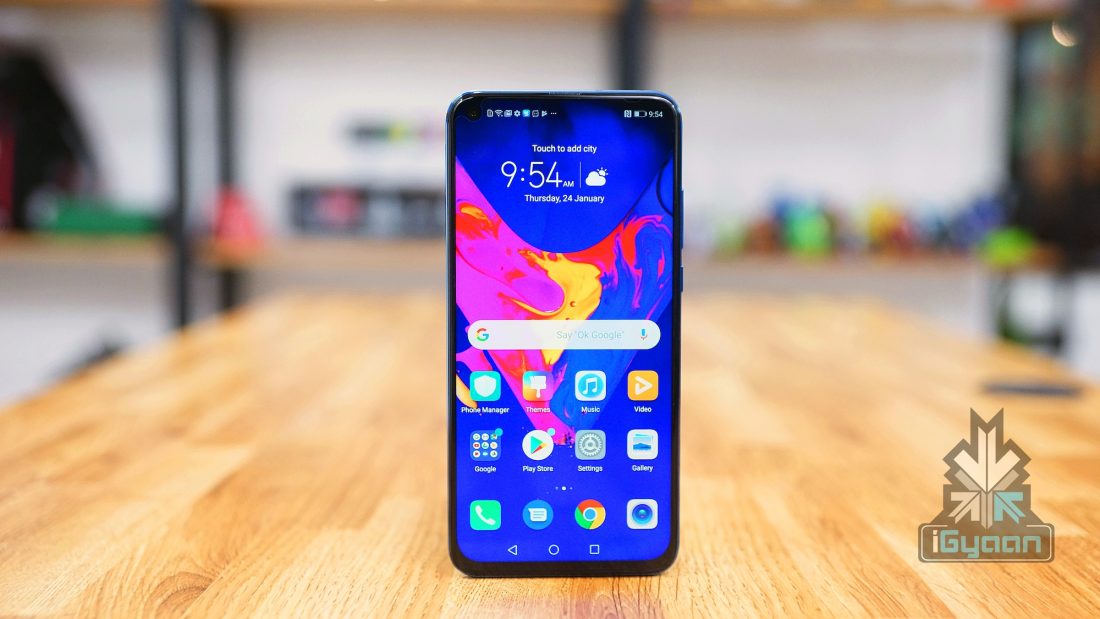
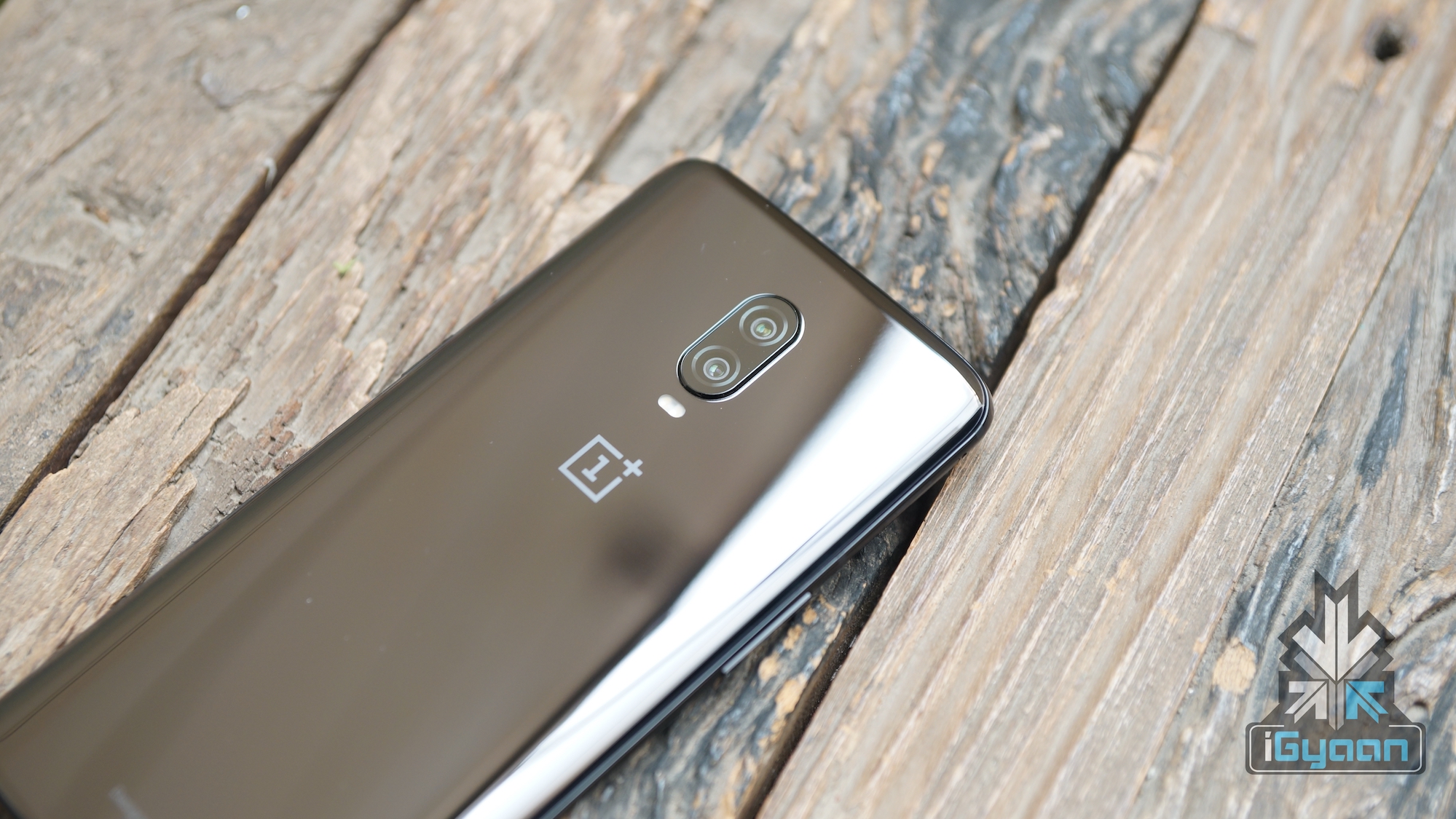
    Both the OnePlus 6T and Honor View20 have an exceptional build quality and are loaded with remarkable features. The Honor View20 exceeds the OnePlus 6T with its fascinating look, faster SoC, larger battery and better camera resolution. However, the OnePlus 6T strikes back with the outstanding AMOLED display panel, Gorilla Glass 6, butter smooth OxygenOS, and the futuristic under display fingerprint sensor. 

      OnePlus 6T Honor View20
    Price

    6 GB + 128 GB – 37,999

    8 GB + 128 GB- 41,999

    8 GB + 256 GB- 45,999

    6 GB + 128 GB – 37,999

    8 GB + 256 GB- 45,999

    Display

    6.41 inch

    2340 x 1080 px

    402 ppi

    Optic AMOLED

    6.4 inch

    2310 x 1080 px

    398 ppi

    IPS LCD

    Chipset Qualcomm Snapdragon 845 Hisilicon Kirin 980
    CPU Octa Core
    4 x 2.8 GHz Kryo 385 Gold
    4 x 1.7 GHz Kryo 385 Silver
    Octa Core
    2 x 2.6 GHz Cortex-A76
    2 x 1.92 GHz Cortex-A76
    4 x 1.8 GHz Cortex-A55
    RAM 6 GB

    8 GB

    6 GB

    8 GB

    GPU Adreno 630 Mali G76
    Primary Camera

    16 MP
    f/1.7

    20 MP
    f/1.7

    48 MP
    f/1.8

    TOF 3D Stereo Camera

    Front Facing Camera

    16 MP
    f/2.0

    25 MP
    f/2.0
    Battery  3,700 mAh 4,000 mAh
    Other Features

    In-Display Fingerprint Sensor
    Water-Drop Notch
    Face Unlock

    Rear Mounted Fingerprint SensorPunch-Hole CameraFace Unlock


  • Honor Rolls Out Its Wearable Portfolio In India

    Honor Rolls Out Its Wearable Portfolio In India

    In a launch event earlier today, Honor rolled out a collection of three wearable devices under the Honor Wearable Portfolio in India. Some exciting devices to look at, Honor is aiming to target a far more wide audience with the latest wearables, which include the Honor Watch, the Honor Band 4 and the Honor Band 4 Running. Read on to find out the specs and the features that these devices bring to the Indian tech market. 

    HONOR Band 4, Honor Band 4 Running Edition

    When the Honor Band 3 was first released in India, it impressed a lot of people. A sleek look combined with the aggressive pricing was one of the major factors that accounted for the success of the Honor Band 3. 
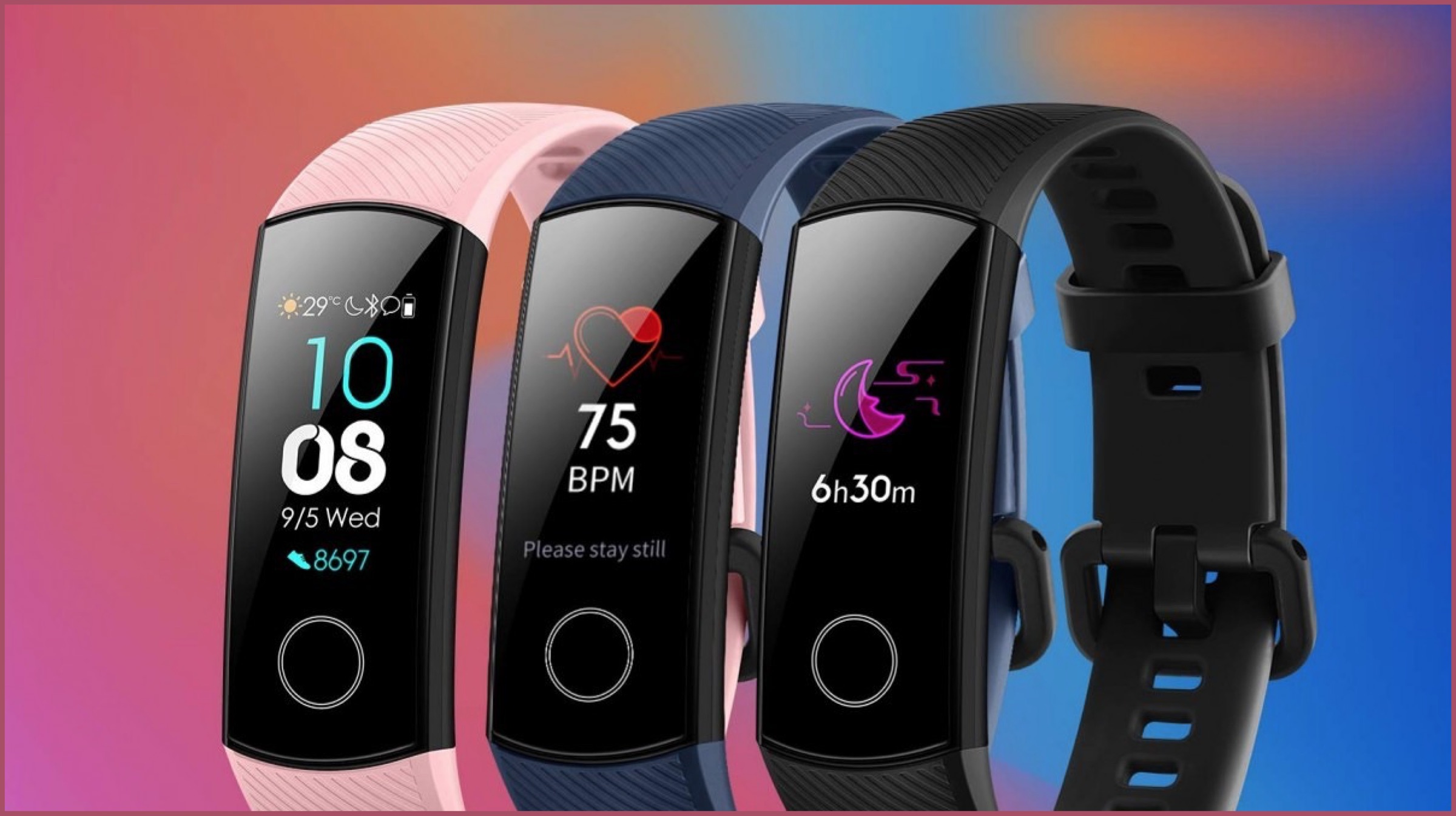
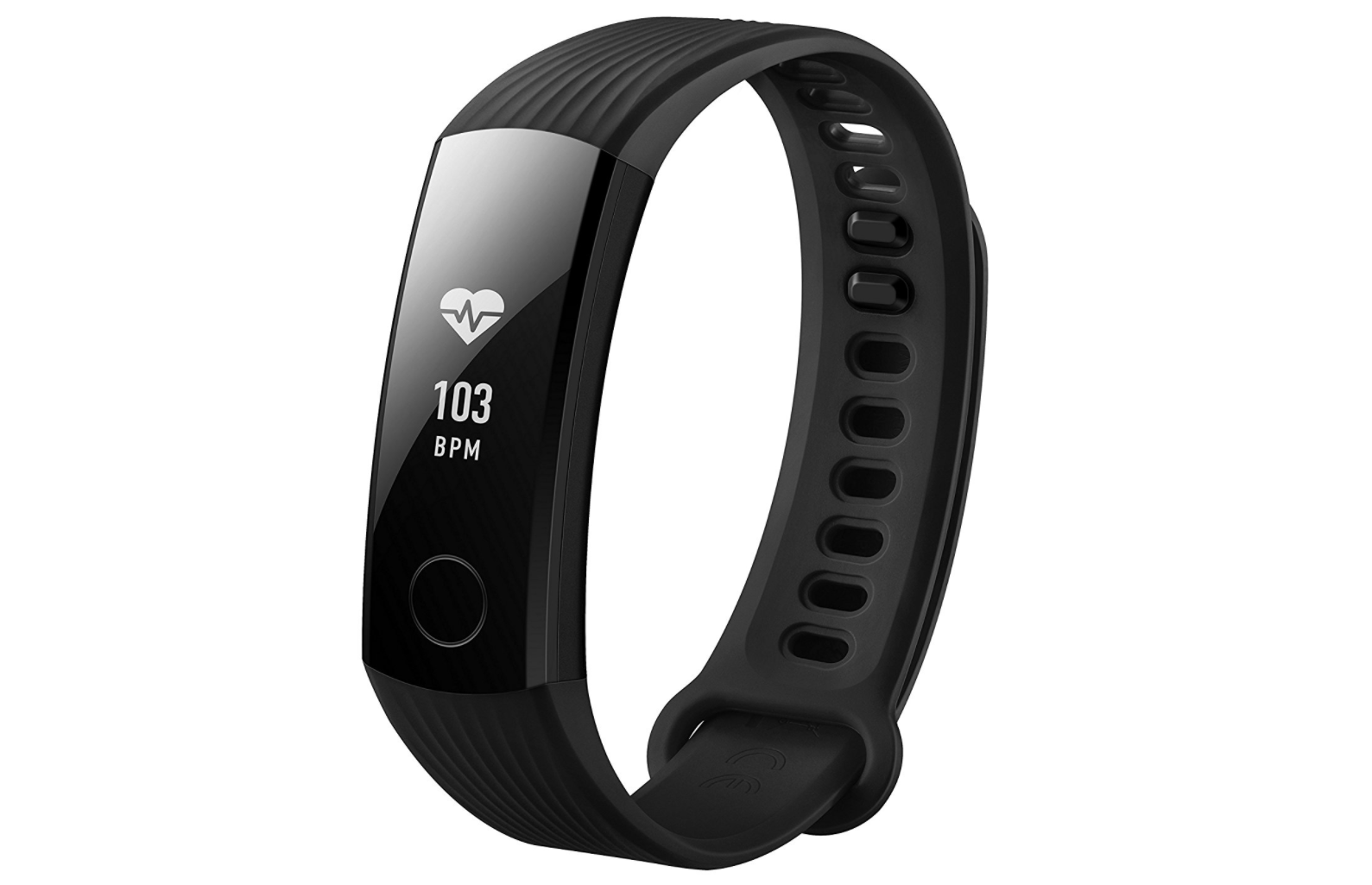
    This time around, Honor Band 4 is here to stay. With hints of design from the predecessor, and a lot of fresh features, the Honor Band 4 looks like an attractive wearable, which is equally functional too. With a full color AMOLED display and Real-time Heartbeat Monitoring, it’s an amazing piece of tech to get a lower price than the competition. 

    The Honor Band 4 features a full colour touchscreen display, crafted from 2.5D glass. This ensures a high resistance to scratches, so that the Band may be used during your day-to-day activities. Huawei’s TruSleep technology allows you to track your sleep in a whole new detailed manner. It even provides you advice regarding common sleeping problems. Also, TruSeen helps you to track your heart-beat in Real-time, ensuring that you get high heartbeat alerts immediately. 

    Every wearable device is expected to be water resistant these days. Why?  Because nobody wants to take their band/watch off every time they shower or go swimming. Fortunately, the Honor Band 4 is water resistant up to 50 meters. It can even recognize your swimstrokes and calculate the number of your turns and calories. Who said that fitness bands have to be limited to running? 

    The Honor Band 4 Running Edtion is specifically made for running though. Also, a key difference between both the bands is the availability of 5 dual-colour finishes in the Running Edition instead of the conventional 3 colours in the Honor Band 4. The Running Edition has almost half the display size of the Honor Band 4, but the catch is not that.

    The Band 4 Running Edition has an inbuilt 6-axis sensor, which can monitor your running posture . How does it do that? Simple. You fix the device on your shoe. It even measures your landing pattern, angles and step lengths that professionals go for. This is something that hasn’t been focused on before, but here you go!  

    You can always use your Honor Band to locate your phone if you have misplaced it. It’s a workout trainer, notifier and even a remote control if you want to take those amazing selfies with your Huawei device. As far as the battery is concerned, the Honor band 4 can last up to 17 days under normal use, and that too on a single charge.  That’s a whole lot of battery life, we have to say. 

    The Honor Band 4 will be priced at Rs. 2,599. The Running Edition of the same will be priced at Rs. 1,599, which is comparatively lower.
    HONOR Watch 

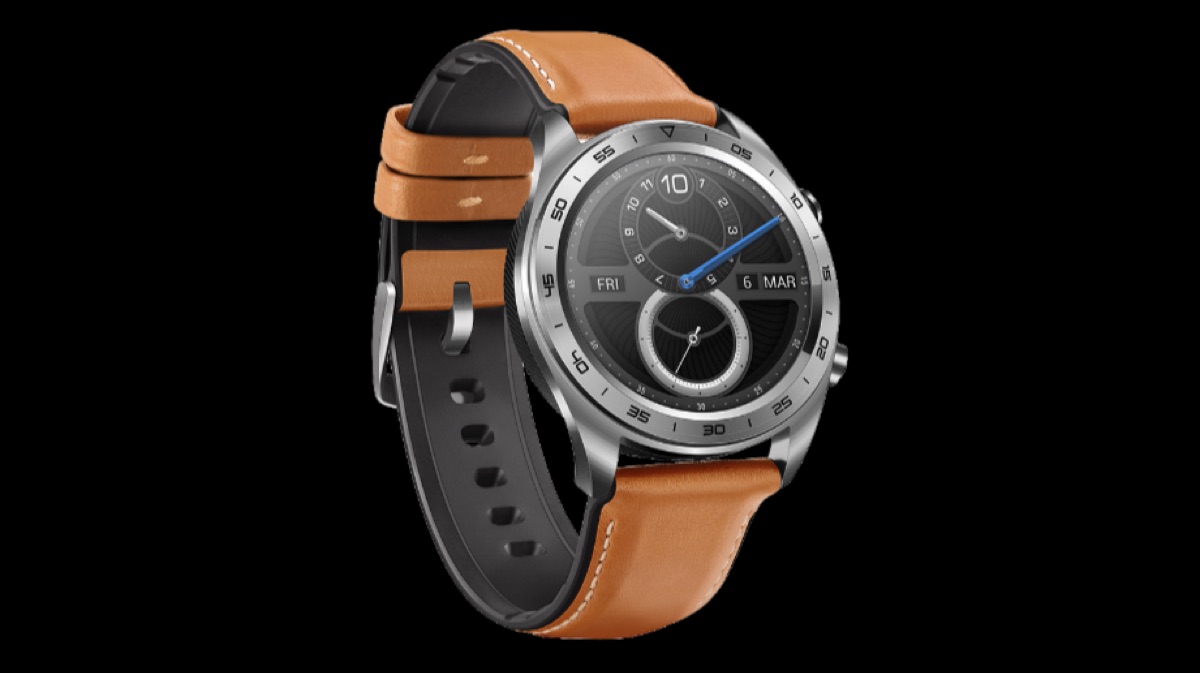
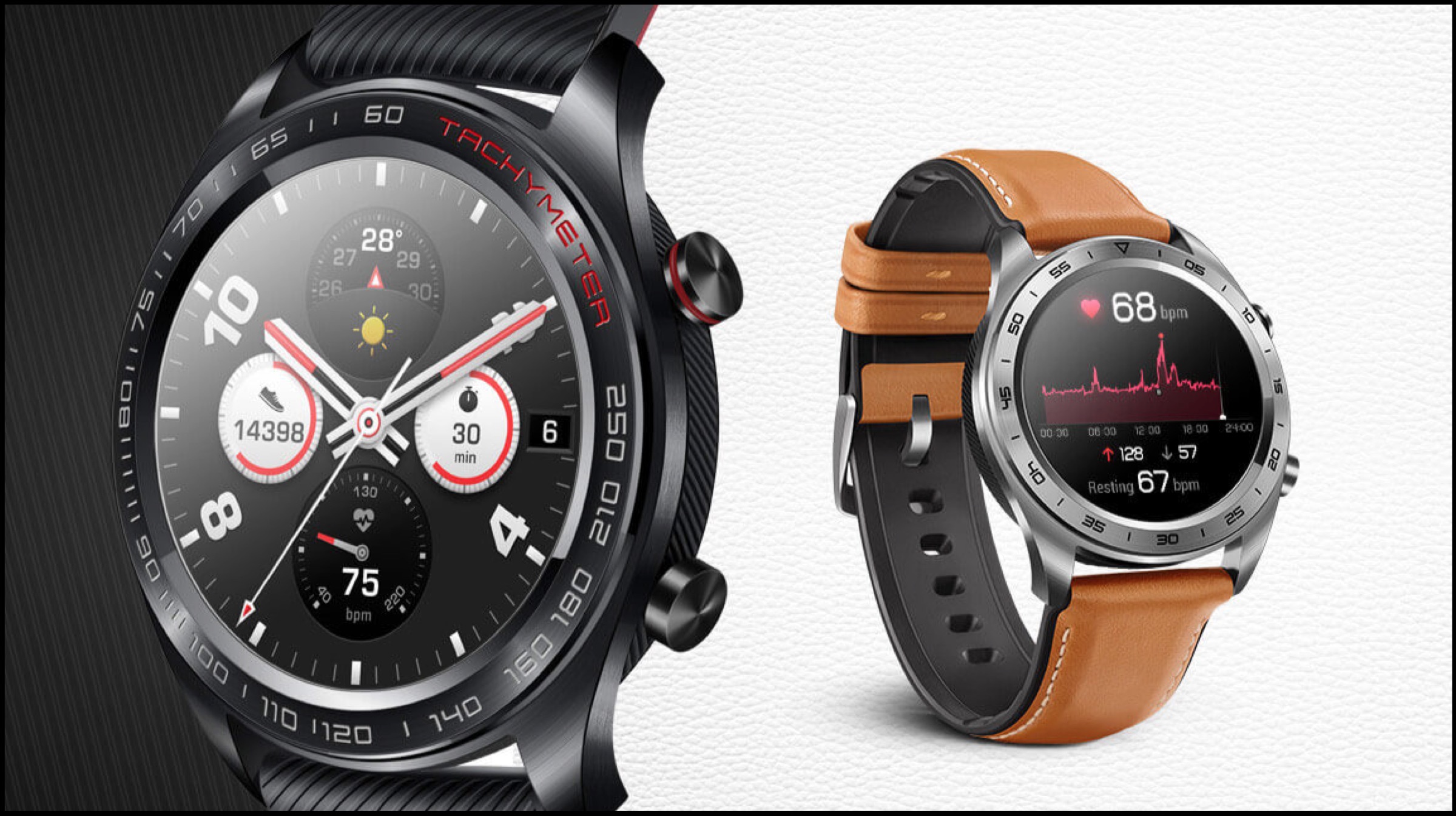
    While the Honor Band 4 focuses more on fitness, the Honor Watch Magic aims towards embedding itself in your daily activities, in addition to being the watch that it is. It’s 9.8 mm thick, and is crafted using 316L stainless steel, making it extra lightweight and comfortable for day-to-day use. Laser Engraving gives a really catchy look to the whole design. The watch is available in two colours, and is available with a two-sided strap. 
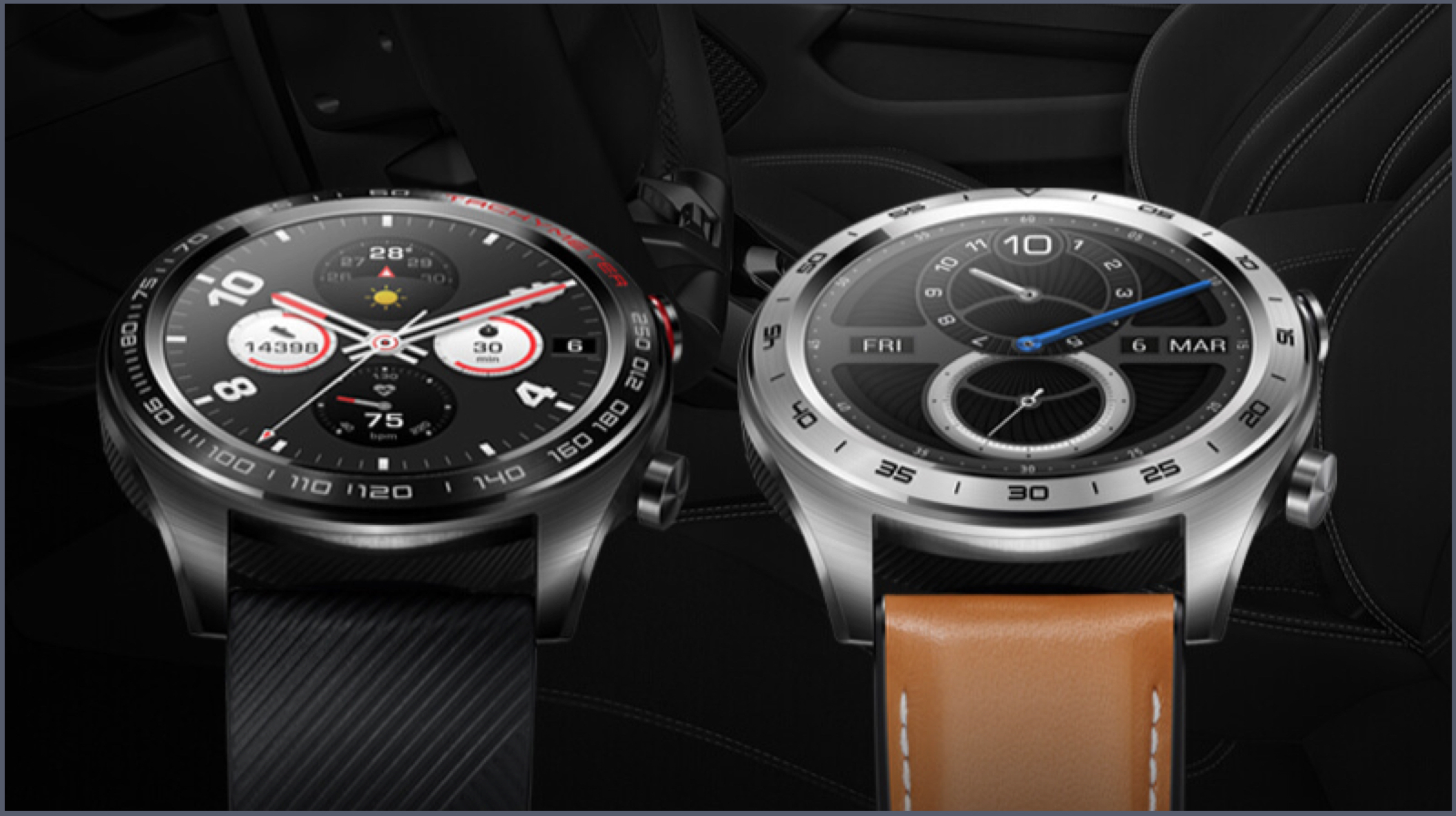
    The Honor Watch sports a 1.2 inch AMOLED touchscreen, with a resolution of 390 x 390 px. At 326 ppi, the Watch aims to offer a colour-rich usage experience. As per Huawei’s claims, the Watch runs on a dual-chipset, which intricately balances power consumption and the performance of the smartwatch. It even strives to provide a 7-day battery life.
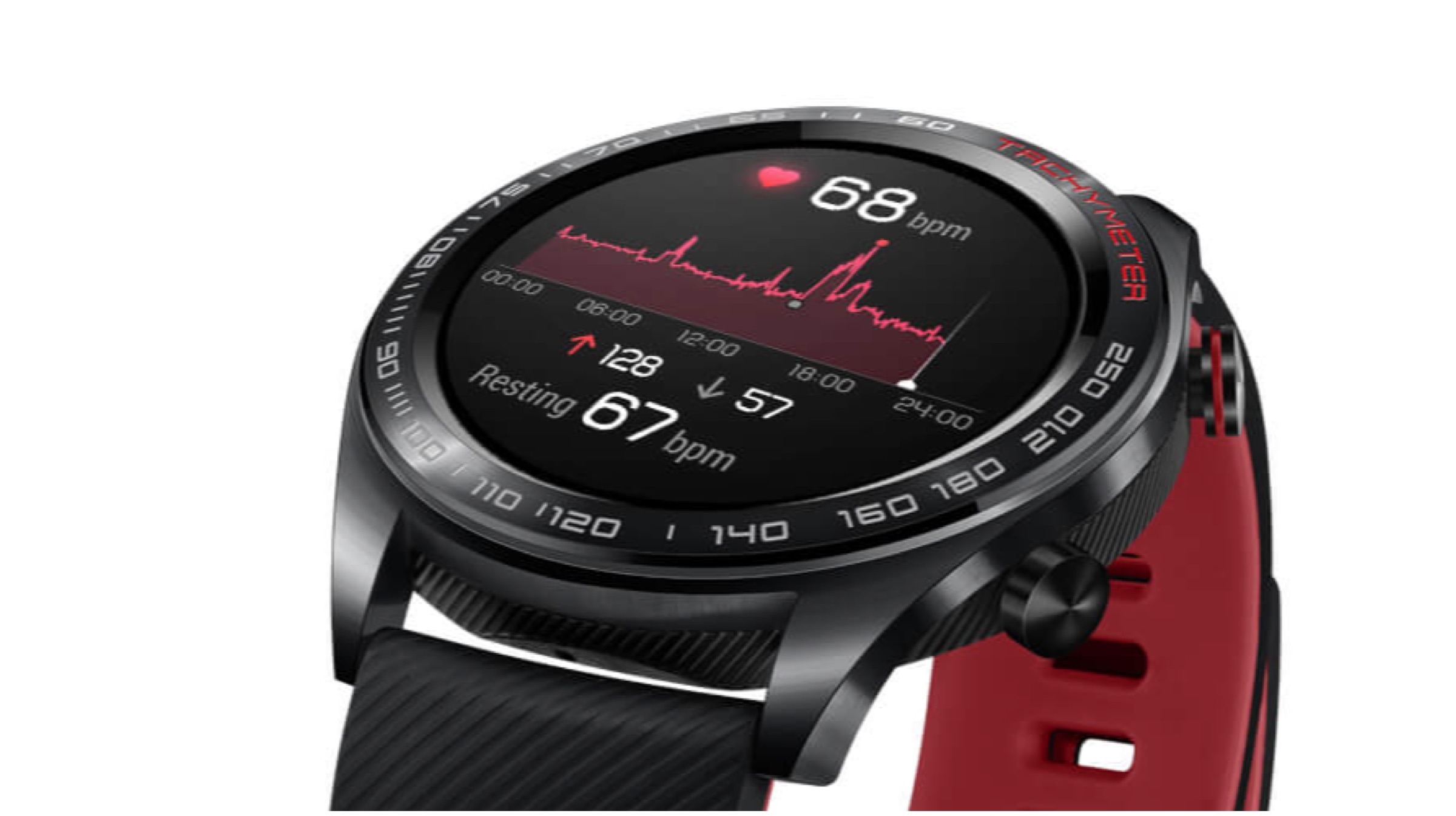
    Just like the Honor Band 4, the Honor Watch is equipped with HUAWEI TruSeen™ 3.0, which brings real-time heart rate monitoring to this wearable too. It has the same features which the Huawei Honor Band 4 boasts of, but more. The Sports version of the Honor Watch will be priced at Rs. 13,999, whereas the Premium version of the same will be priced at Rs. 14,999.

    Read more : IAF Fighter Plane Crashes In UP, Pilot Safely Ejects

    Will this new Honor Wearable collection be a hit in the market? Or will this just be another smartwatch series that’ll go away unnoticed. We would love to hear your opinions in the comments below!

  • Apple Will Launch Over-Ear Style Headphones In The Second Half Of 2019

    Apple Will Launch Over-Ear Style Headphones In The Second Half Of 2019

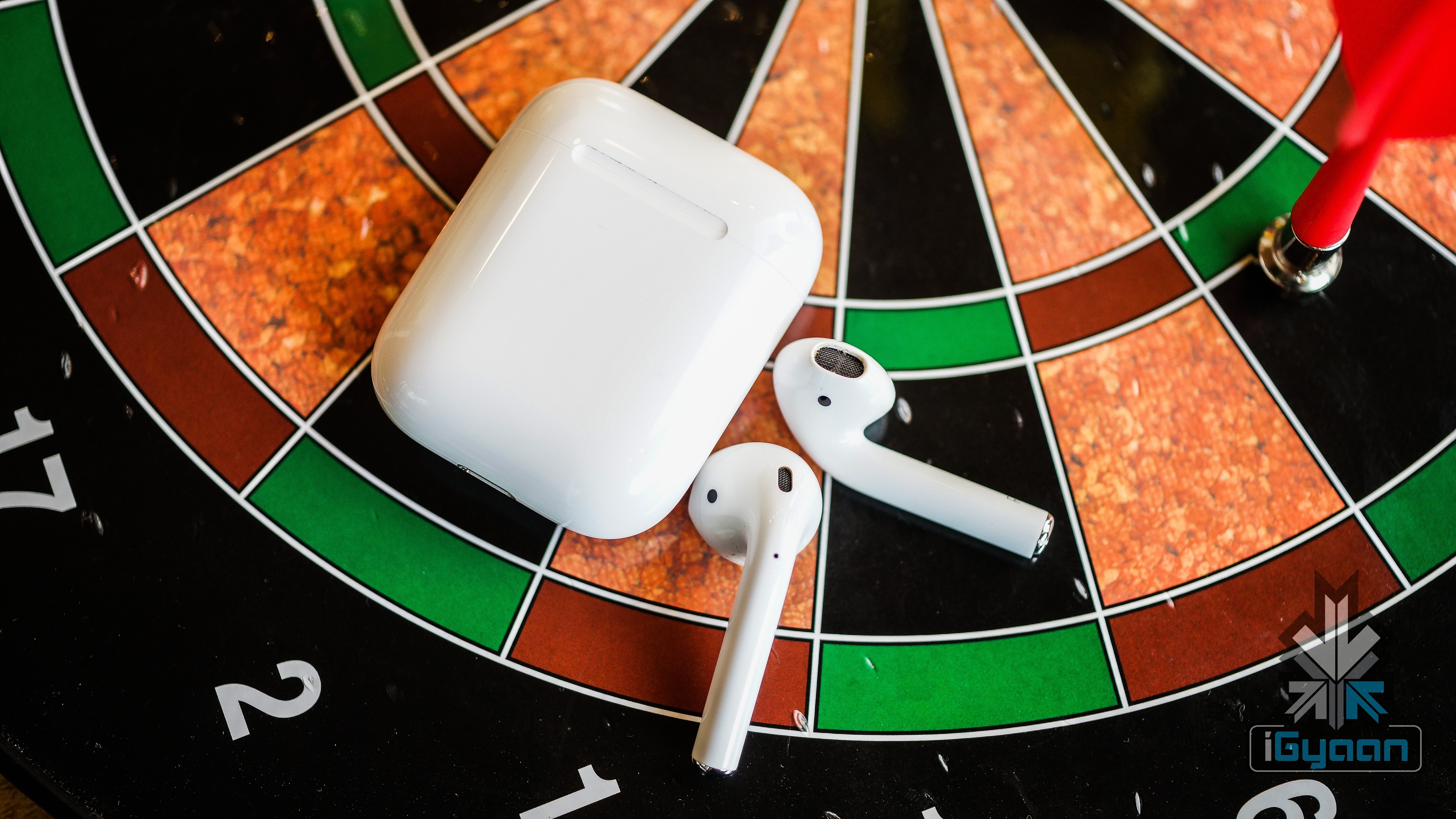
    Apple launched the iPod in the year 2001 which revolutionized the music industry.  Apple also introduced the earbuds which were a key driver for the success of the portable music player. Over the years, the company has launched several versions of the earbuds which were succeeded by EarPods in the year 2012. In late 2016, Apple unveiled the AirPods which have become the de-facto standard for wireless earphones.

    Except for its own range of audio accessories, Apple also owns the Beats by Dre audio accessory brand which it acquired in the year 2014. After acquiring Beats, Apple added a few products to the brand but that has slowed down after 2015. Last year, Ming-Chi Kuo, a reputed Apple analyst claimed in that Apple will launch a pair of over-ear style headphones which unfortunately did not happen. A fresh report published by Bloomberg suggests that the headphones are likely to launch soon.

    Expectations & Launch Date

    Also Read: Samsung Launches Budget Galaxy M10 & Galaxy M20 Smartphones In India

    Except for the rumour that Apple is readying a pair of wireless headphones, any detail about its features and specifications is unavailable. The Bloomberg report mainly talks about Sonos launching a new lineup of high-end headphones. But it also states that Apple will launch a pair of Over-ear headphones in the second half of 2019. Following are the expected features of high-end headphones from Apple

    • Siri Integration- Like the Apple AirPods, the anticipated headphones are expected to have Siri integration which will allow users to wirelessly control features on their iPhone.
    • W1 Chip- The Apple W1 is a SoC from Apple which is used in the AirPods and several Beats headphones. It is used for a streamlined and seamless wireless connection between Apple products. Therefore the high-end over-ear headphones are assumed to feature this chipset.
    • Wireless Charging- Reports in the past have claimed that Apple is developing AirPods with wireless charging support and a similar feature is also expected from the over-ear Apple headphones.


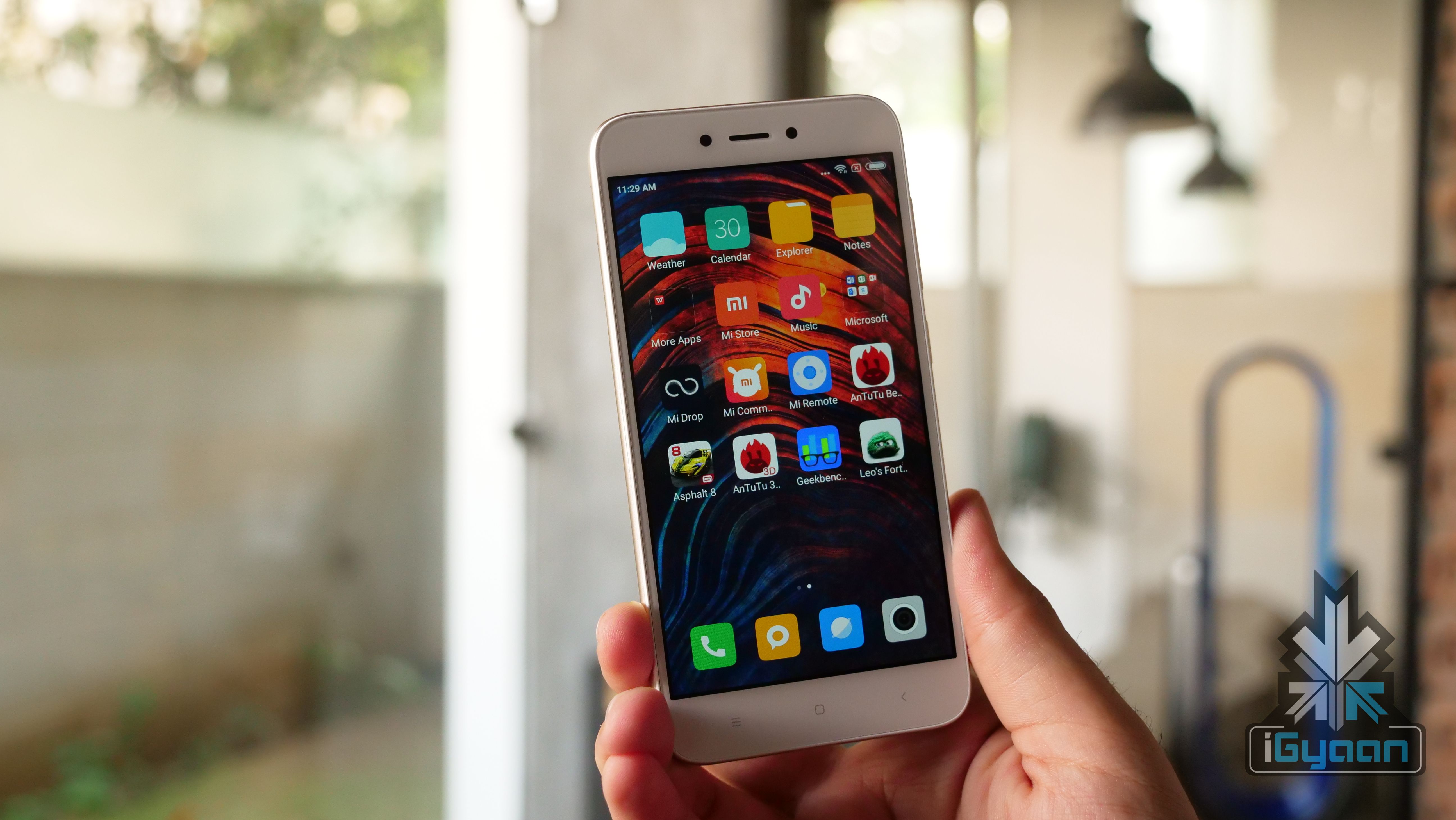
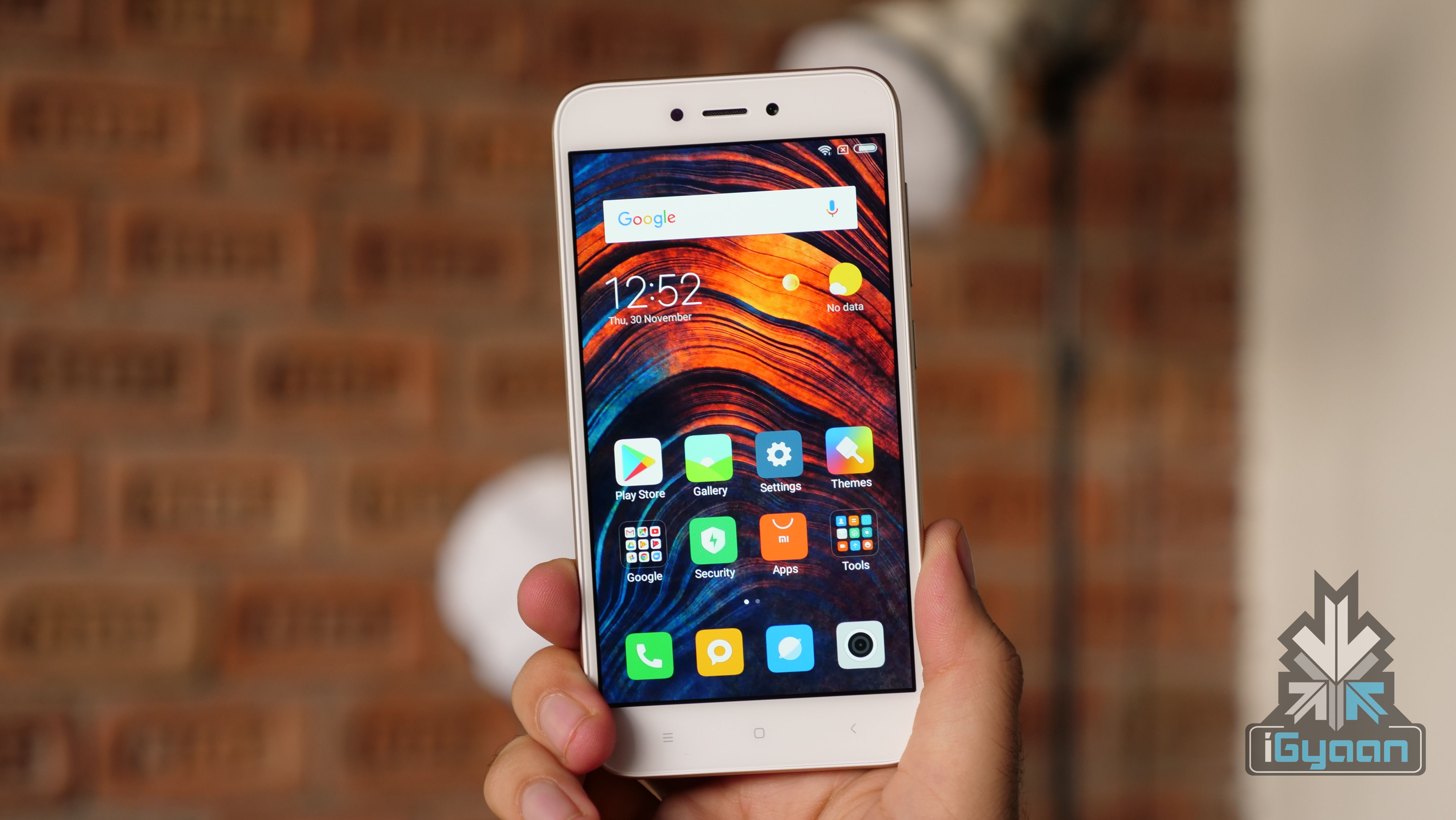
  • Redmi Go: Everything We Know

    Redmi Go: Everything We Know

    Xiaomi has never seen better days in the country. The brand sales and reputation have never been better. And Xiaomi, in its traditional fashion is still doing what they do best, launching budget phones at never seen before prices. Now it seems like Xiaomi is all set to enter the sub Rs 5,000 market with the Redmi Go. This is what we know about the Redmi Go.

    Design

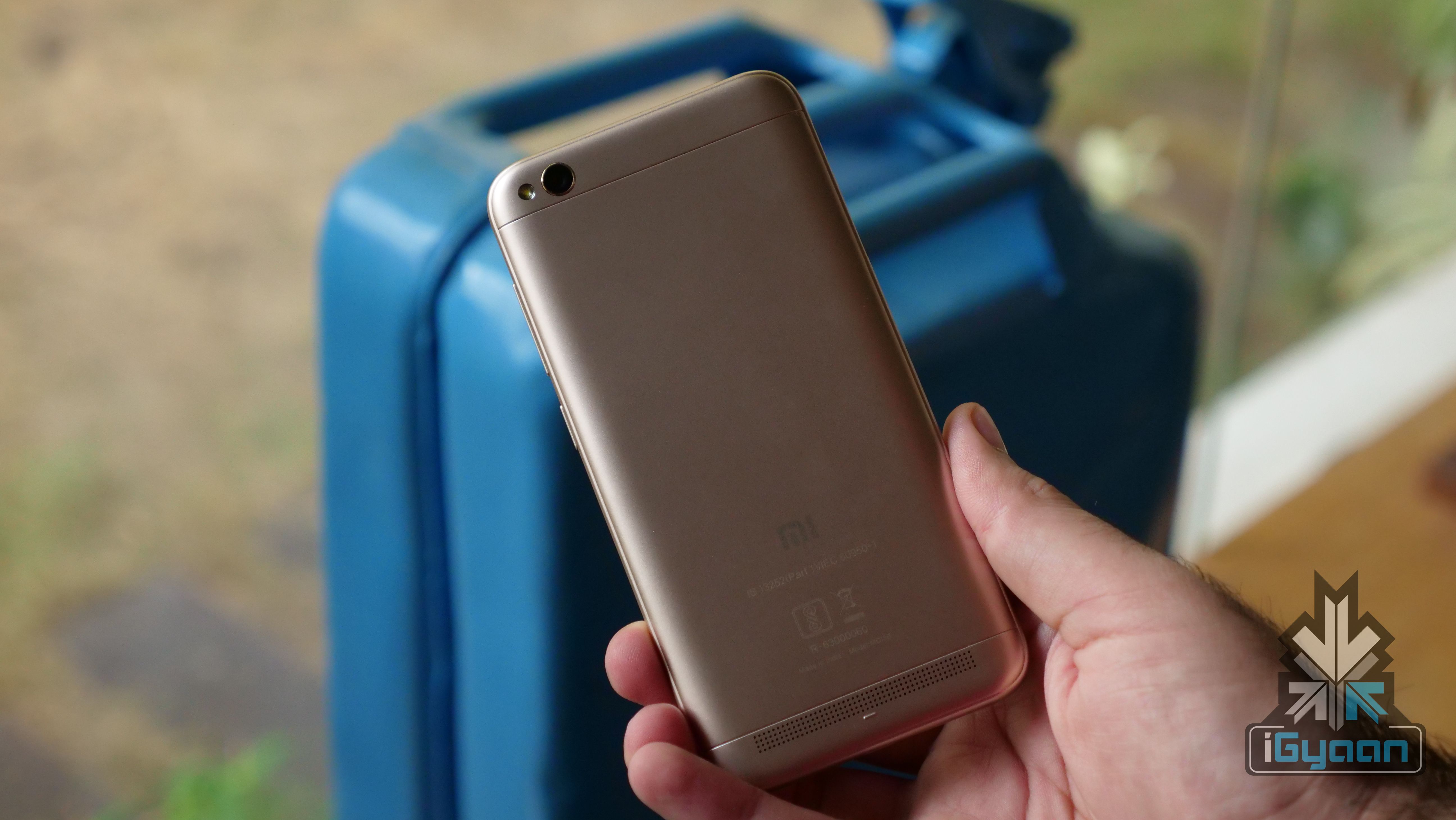
    The Redmi Go will be an ultra-budget smartphone, so its not a surprise to see it come with huge bezels and a plastic body. The phone is very basic and minimalistic appearance. The phone will sport a single camera at the back. From the looks of it, the device looks a lot like the Redmi 5A.

    Display

    The Redmi Go will have a 5-inch LCD display with a 1,280 x 720 resolution and a 16:9 ratio. This is neither modern or futuristic but being a budget phone, The Redmi Go will have a decent display for the price and the 16:9 aspect ratio is still relevant and reliable.

    Processor

    The Redmi Go will come with a Snapdragon 425 SoC coupled with an Adreno 308 GPU. The Snapdragon 425 is a Quad-Core processor and a quite dated one. The SoC has 4 x Cortex A53 Cores clocked at 1.4GHz. The performance of the device should be fine for normal and light workloads.

    Memory and Storage


    The Redmi Go is an ultra-budget smartphone, so it should be no surprise that it comes with 1GB of RAM and 8GB of Internal Storage. The phone will support MicroSD expansion up to 128GB. The phone wouldn’t be a powerhouse or a media machine obviously, but it should be good for normal, day-to-day tasks.

    Camera

    The Redmi Go won’t be a camera centric smartphone, but it is expected to have a serviceable camera. The specs known so far are an 8MP f/2.0 sensor at the back with a 5MP f/2.2 sensor over at the front. The phone would be good for basic things like clicking pictures and video calling.

    Battery and Operating System

    The Redmi Go will have a 3000mAh battery with support for 5W charging. The phone will not support fast charging because of the price it will be available at. The Phone will ship with the Go edition of Android Oreo. 

    Connectivity and Other Features

    Read More: WhatsApp To Soon Introduce Fingerprint Locking and Dark Mode

    The Redmi Go comes with a dual sim feature with 4G available on both. The phone will have Bluetooth 4.1 and a MicroUSB port for charging and data transfer. The phone doesn’t have a fingerprint sensor so it may rely on some form of face unlock.

    Overall, the Redmi Go looks like a basic cheap smartphone by Xiaomi and would definitely sell well if priced reasonably within the sub Rs. 5,000 bracket and available without a barrage of flash sales. Xiaomi has tasted quite the success in the country and the Redmi Go seems to be just another success story.

  • Samsung Galaxy M20

    Samsung Galaxy M20

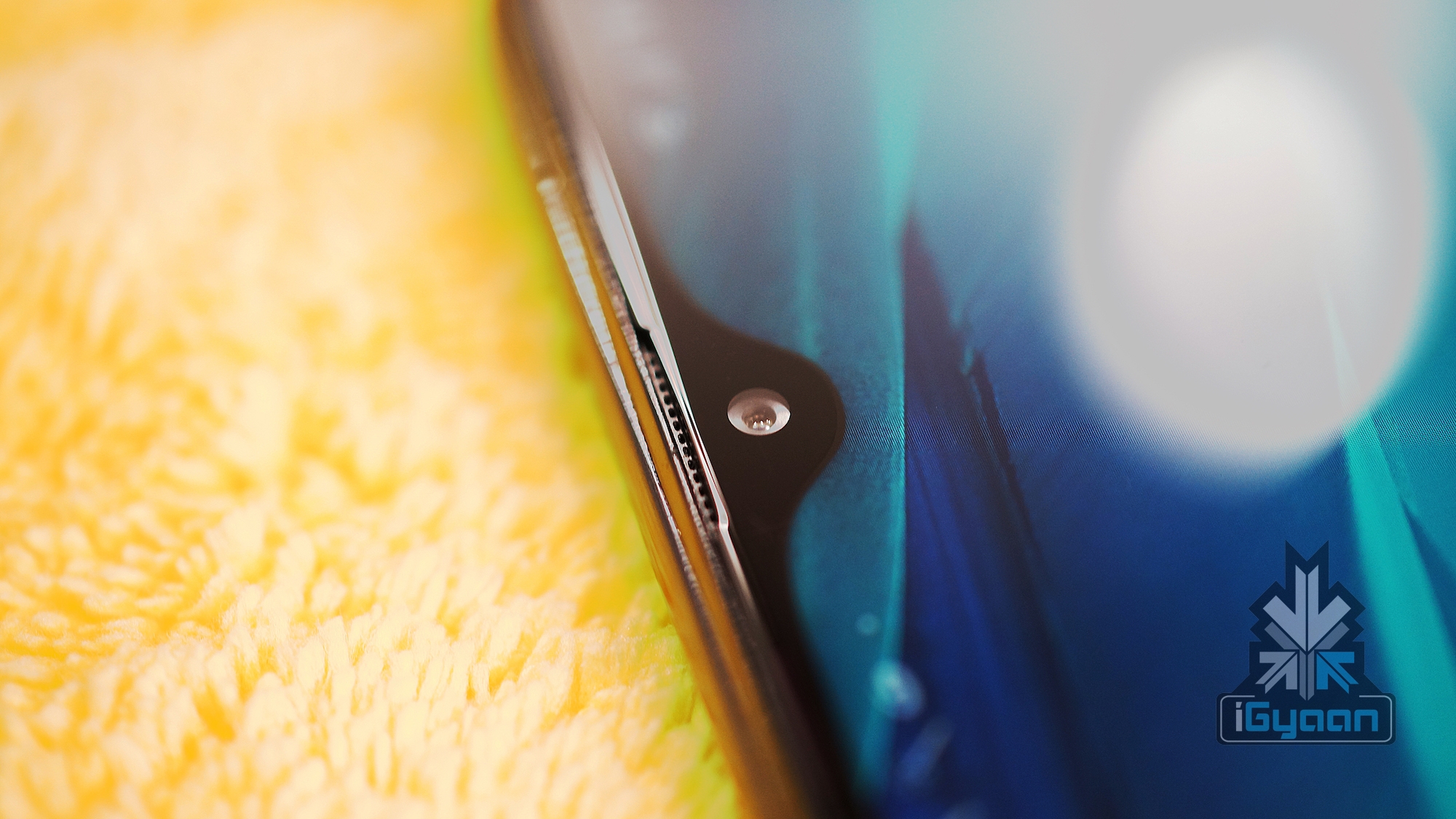
    The Galaxy M20 takes an entirely different approach than what we have seen Samsung doing. Samsung Galaxy M20 is the first smartphone from the brand to sport a notch. The notch is a teardrop design which is considered the least intrusive among the other notches. Other than that, there is a small chin at the front, giving it an all screen look. The phone boasts of a modern design, with a blend of good specifications and an aggressive price to boot.

    Videos:

    https://www.youtube.com/watch?v=c-Bqw9Bv8fk&feature=youtu.be

    [loop loading=”paged” layout=”f”]

  • Honor View20 Launched In India, Kirin 980 And 3D Camera In Tow

    Honor View20 Launched In India, Kirin 980 And 3D Camera In Tow

    Honor launched the View20 smartphone with an attractive design late last year in China. At the start of this year, the company shared its India launch teasers and the device has now been launched in the country. Going by its price and specifications it will go head to head with devices like the OnePlus 6T and Samsung Galaxy A9.

    Design:

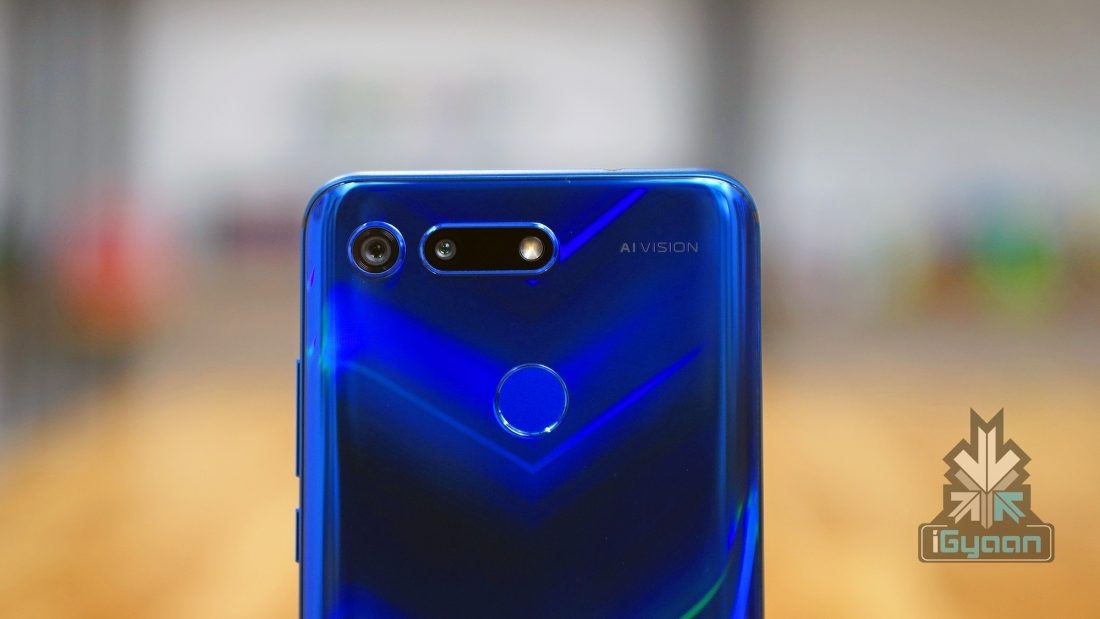
    The Honor View20 has a beautiful design with an all-glass front and rear build. The front of the device features a high screen-to-body ratio display with minimal bezels. The rear of the device has a striking appearance with a gradient colour glass panel. The right side of the Honor View 20 accommodates the power button and the volume rockers while the SIM card slot sits on the left. The USB Type-C port and the loudspeaker grille are placed on the bottom while the top side of the handset is occupied by an IR blaster, 3.5 mm audio jack and secondary microphone pinhole. 

    Display and Chipset:

    The Honor View20 has a 6.4-inch display with a screen-to-body of 91.8%. The display panel of the smartphone has a resolution of 2310 x 1080 px and a pixel density of 398 ppi. Under the hood, the device packs the Kirin 980 SoC. The chipset is manufactured using 7 nm fabrication process and it consists of an Octa-Core CPU and Mali-G76 MP10 GPU. The Octa-Core CPU is divided into three separate cluster cores which are as follows:

    • 2×2.6 GHz Cortex-A76 
    • 2×1.92 GHz Cortex-A76
    • 4×1.8 GHz Cortex-A55
    Camera and Battery:

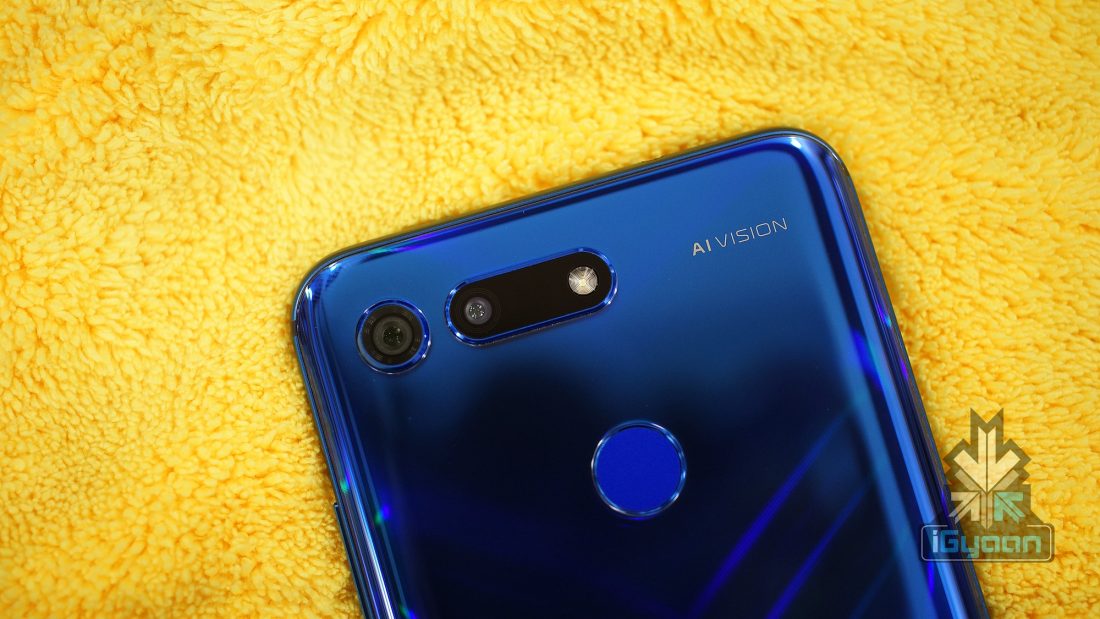
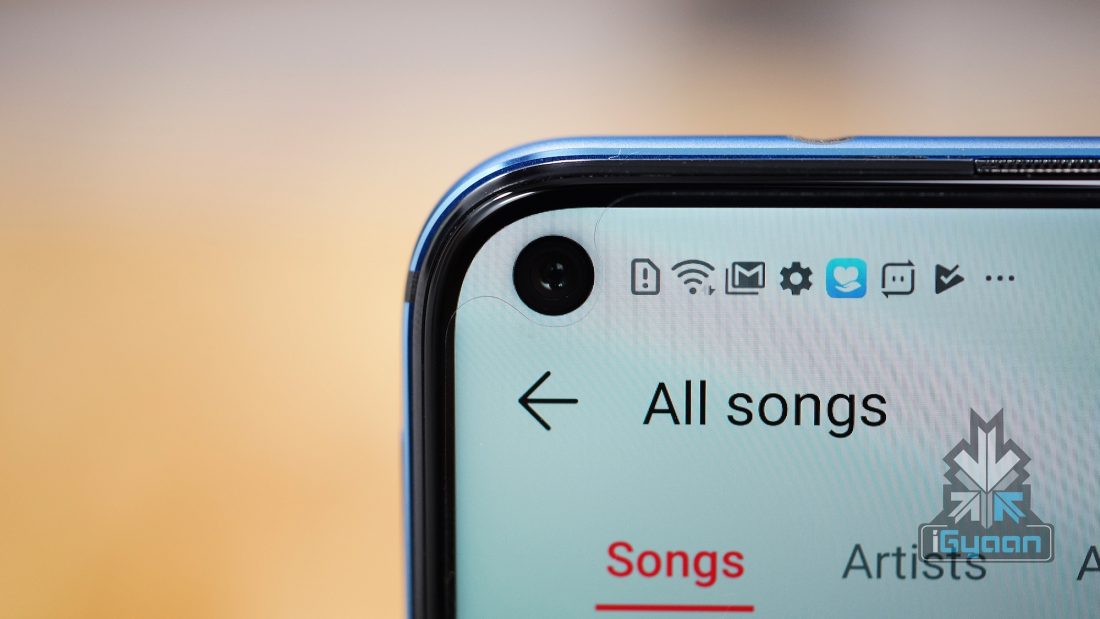
    The Honor View20 has a 25-MP punch-hole selfie camera which is one of its biggest highlights. The front camera sits on the top left side of the smartphone’s display which gives it an intriguing look. The primary dual camera setup is located on the top left side at the back of the smartphone which is divided into two separate modules. The dual rear camera setup consists of an f/1.8 aperture equipped 48 MP Sony IMX586 sensor and a TOF 3D Stereo Camera. The TOF stereo camera allows the Honor View20 to capture 3D image of objects which can be used for Virtual Reality applications like game designing. 

    Connectivity and Other Features:
     

    In terms of connectivity, the Honor View20 supports 802.11 ac Wi-Fi, Bluetooth 5.0, 4G VoLTE, NFC, GPS and a bottom mounted USB Type-C port for charging and data transfer. The handset is powered by a large 4,000 mAh battery that supports fast charging up to 20 watts. The Honor View20 also has an “S-shaped heat pipe” that cools a wide area of heat to guarantee sustained peak gaming performance. For securely and rapidly unlocking the device, it also has a rear-mounted fingerprint sensor. Other sensors on the device include a proximity sensor, ambient light sensor, gyroscope, digital compass and gravity sensor. The Honor View20 runs on the latest Android 9.0 Pie which is skinned with Magic UI 2.

    Price, Colours and Variants:

    Also Read: Samsung Launches Budget Galaxy M10 & Galaxy M20 Smartphones In India

    The Honor View 20 will be available at Amazon.in and Honor’s own website and will go on sale from 12 AM 30 January. The company has also partnered with Reliance Digital to reach offline customers. The handset is available in three colour options which include Sapphire Blue, Midnight Black and Phantom Blue. It is available in two RAM + ROM configurations for which the price is as follows:


  • Samsung Galaxy M10 Unboxing And Hands-On

    Samsung Galaxy M10 Unboxing And Hands-On

    Galaxy M10, the most cost-effective smartphone in the latest Samsung M Series just launched in India, and with an impressive price tag, we have to say. With a decent spec sheet and a crisp look to go along with it, Samsung is clearly targeting the entry-to-mid segment of the smartphone arena. And being the most competitive arena so far, Samsung is clearly doing an impressive job. With a pleasant waterdrop notch and an Infinity V-Display, this might just be it.

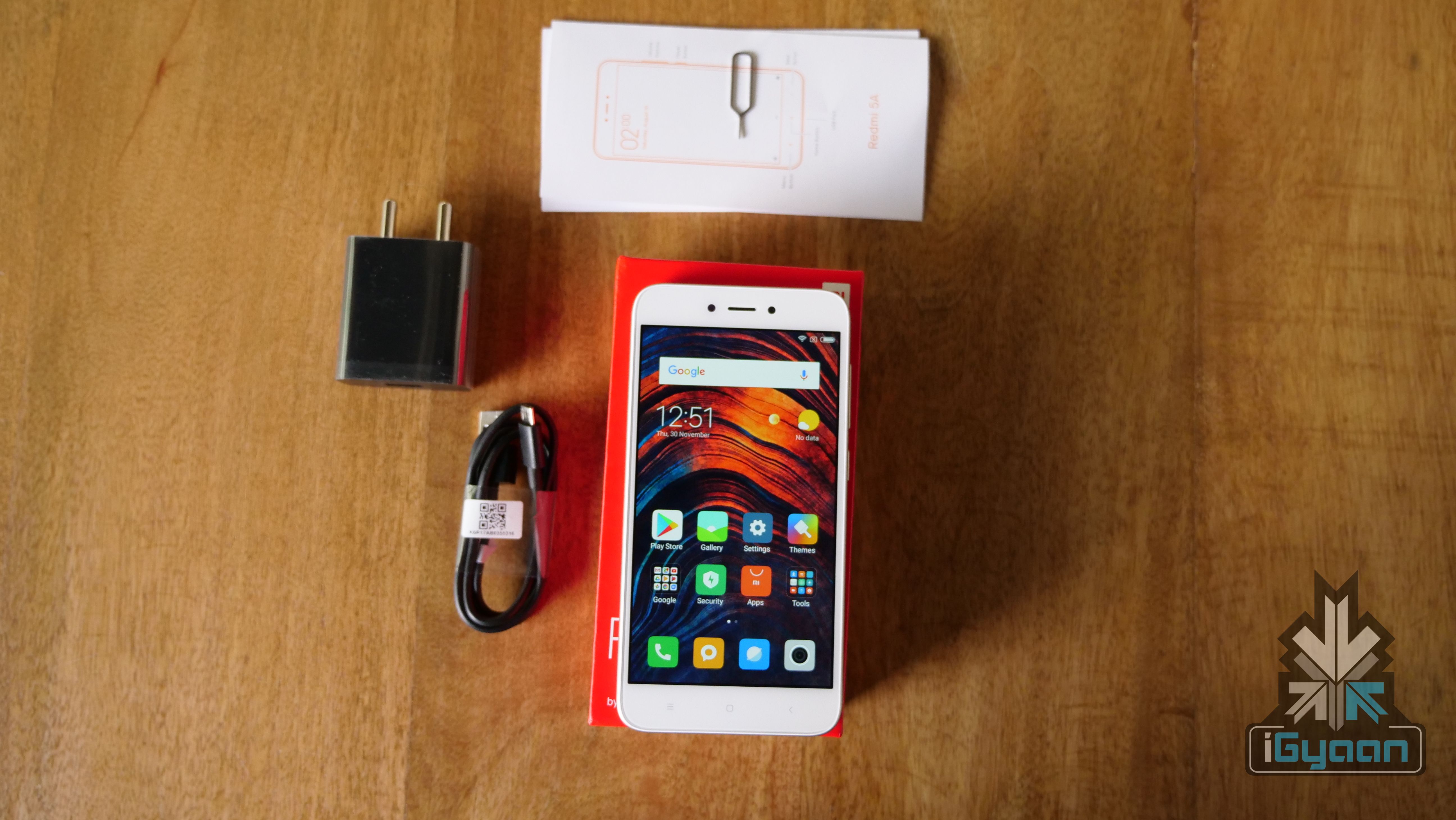
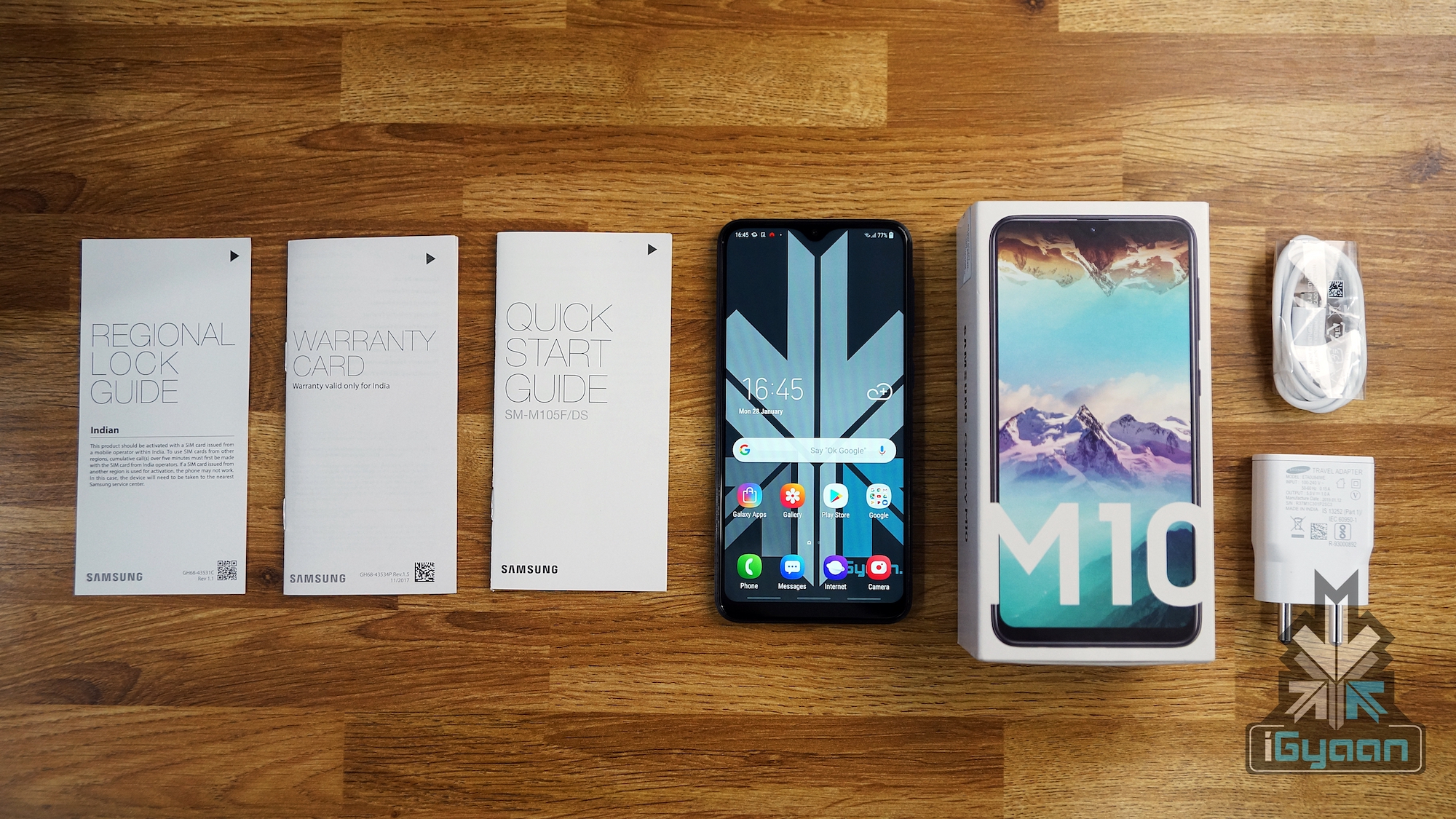
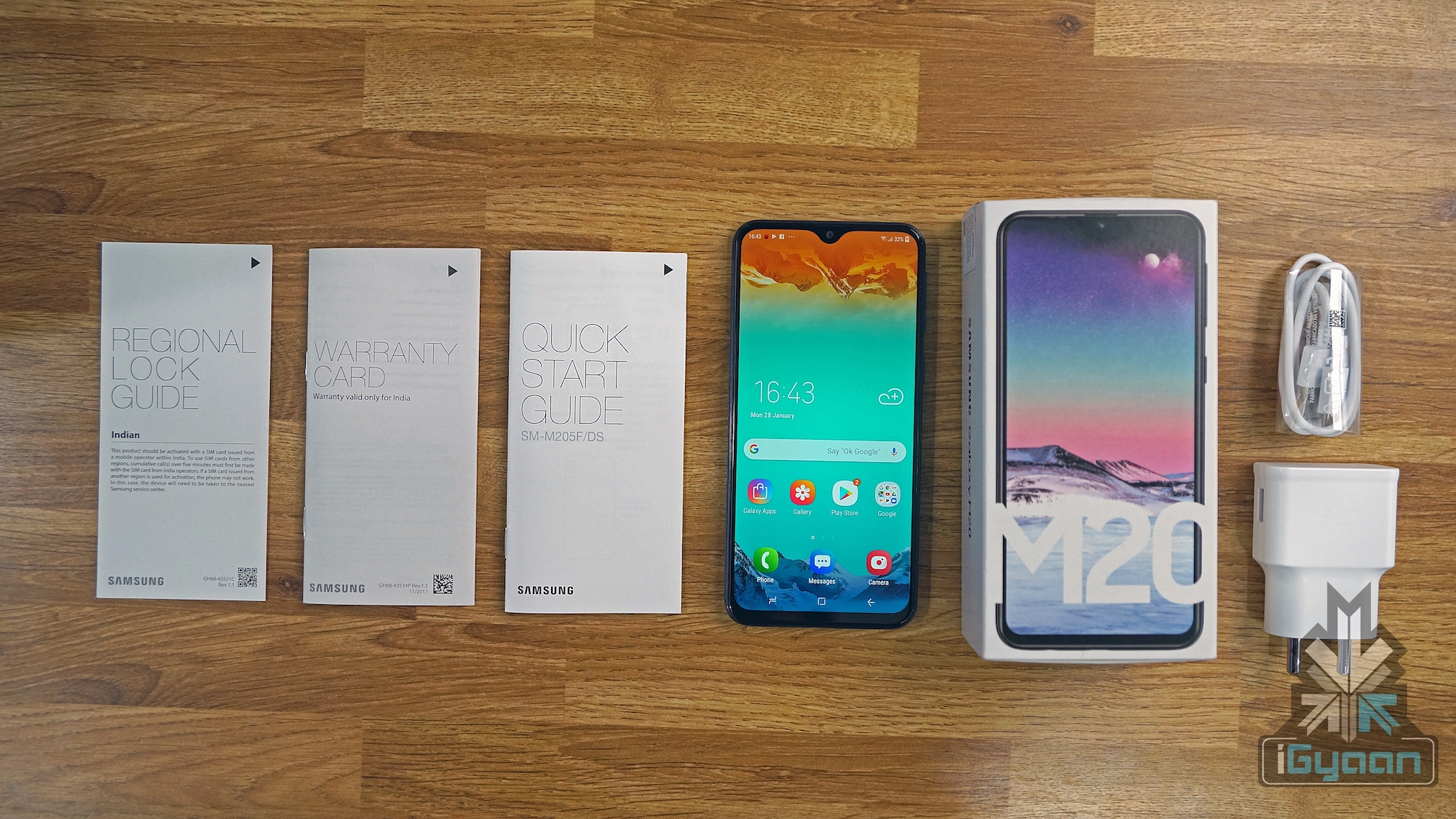
    Inside the Box

    • Samsung Galaxy M10
    • MicroUSB 2.0 Data Cable
    • Travel Adapter
    • Ejection Pin
    • User Manual 
    Design

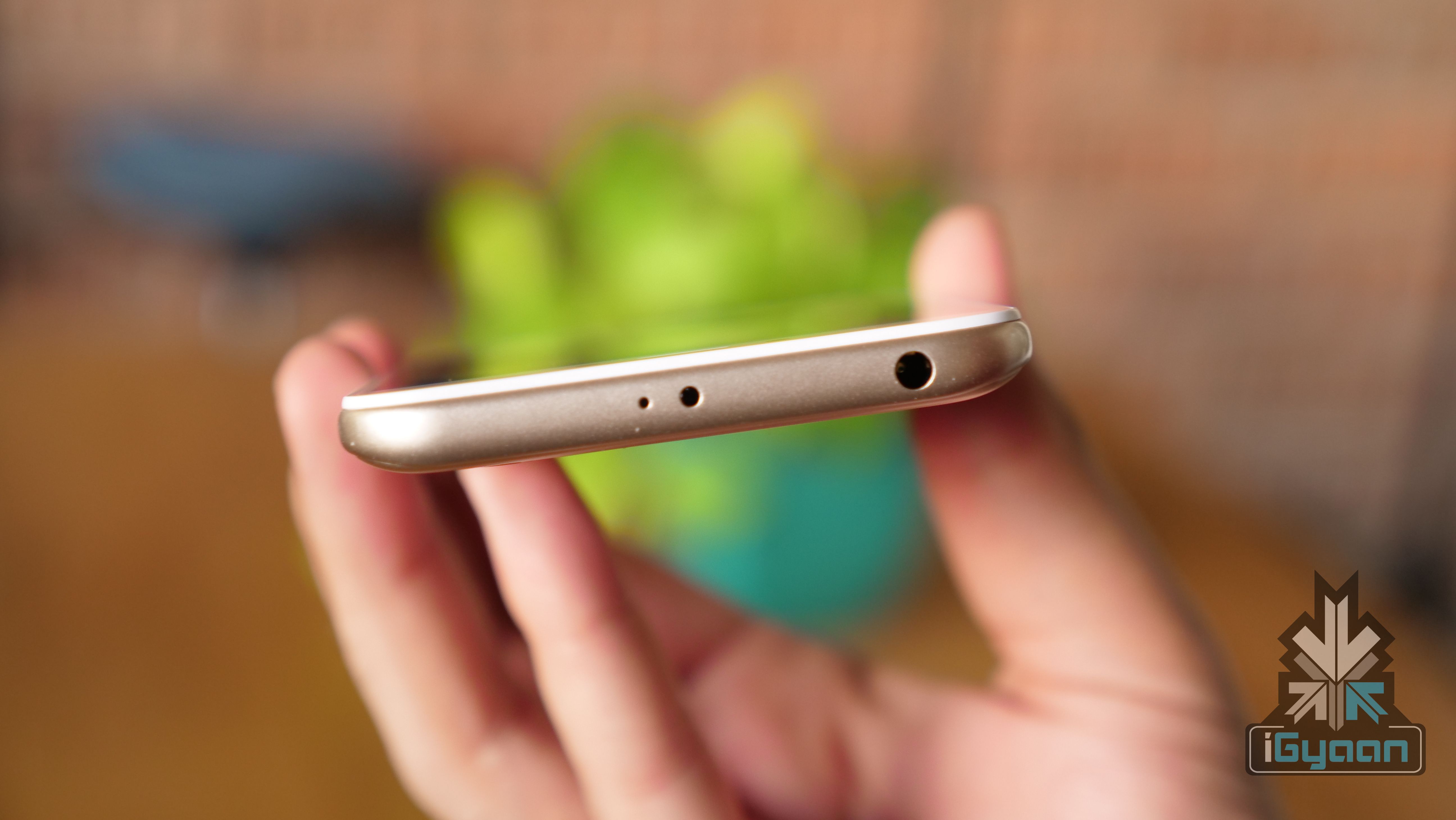
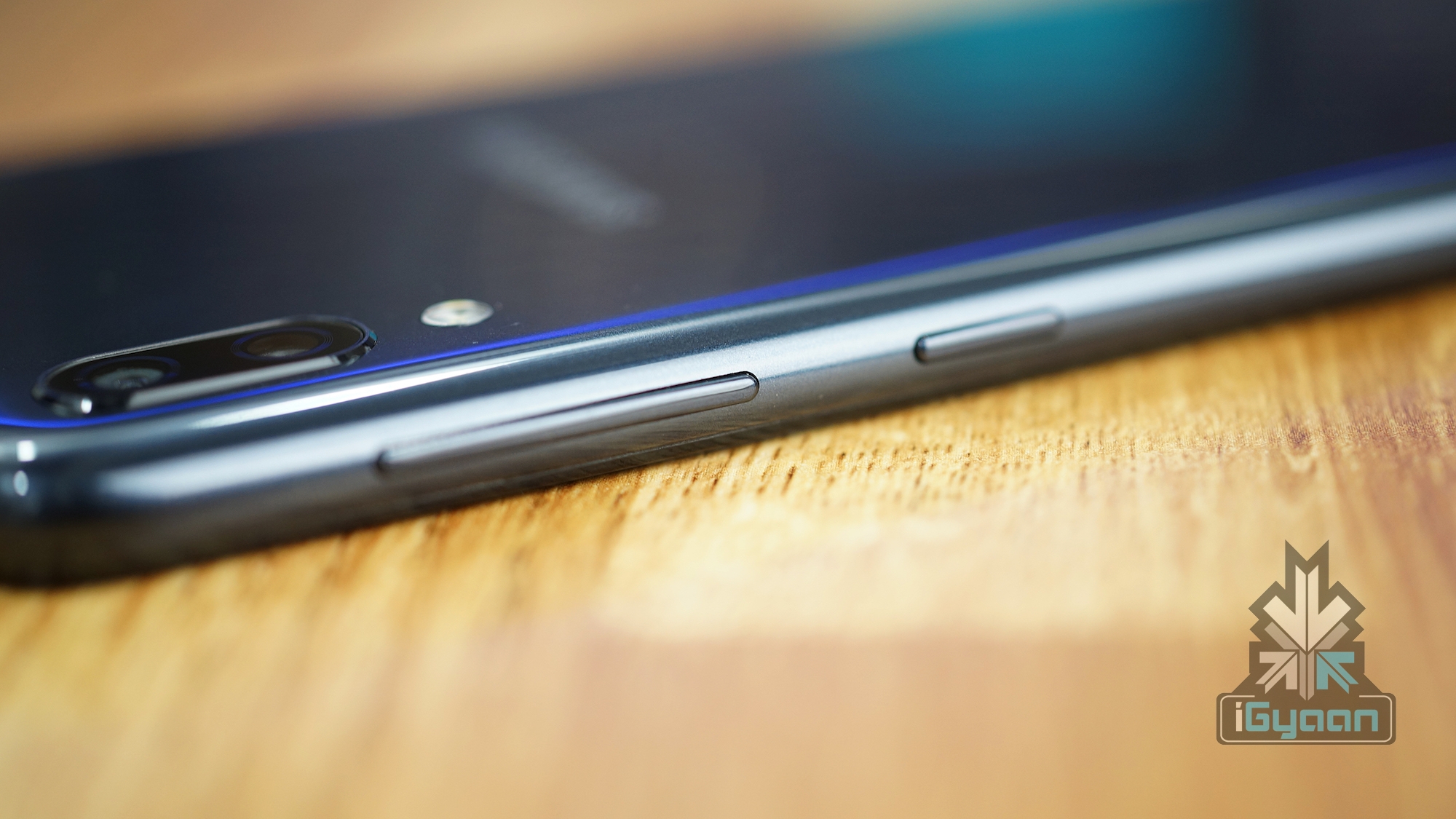
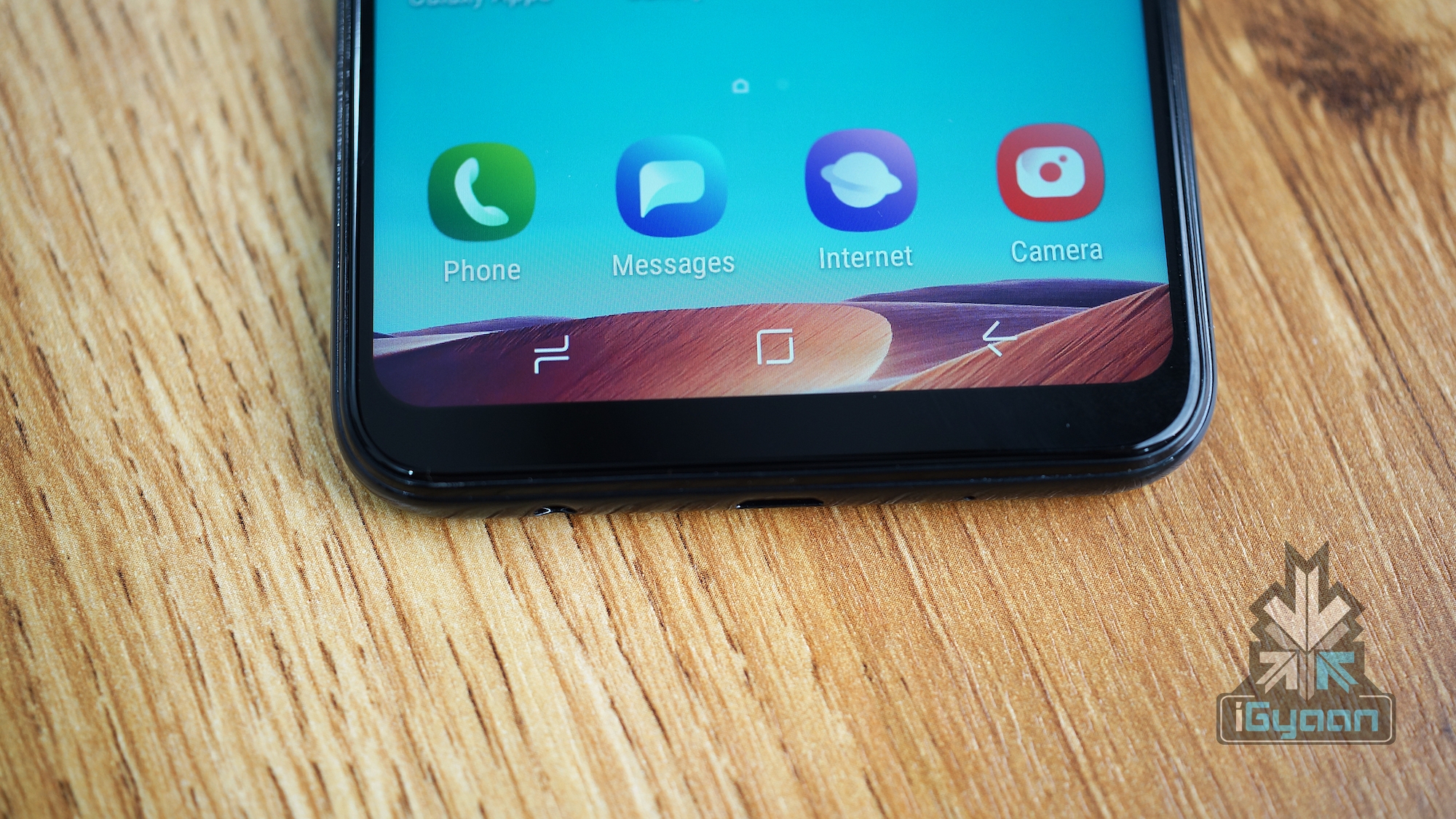
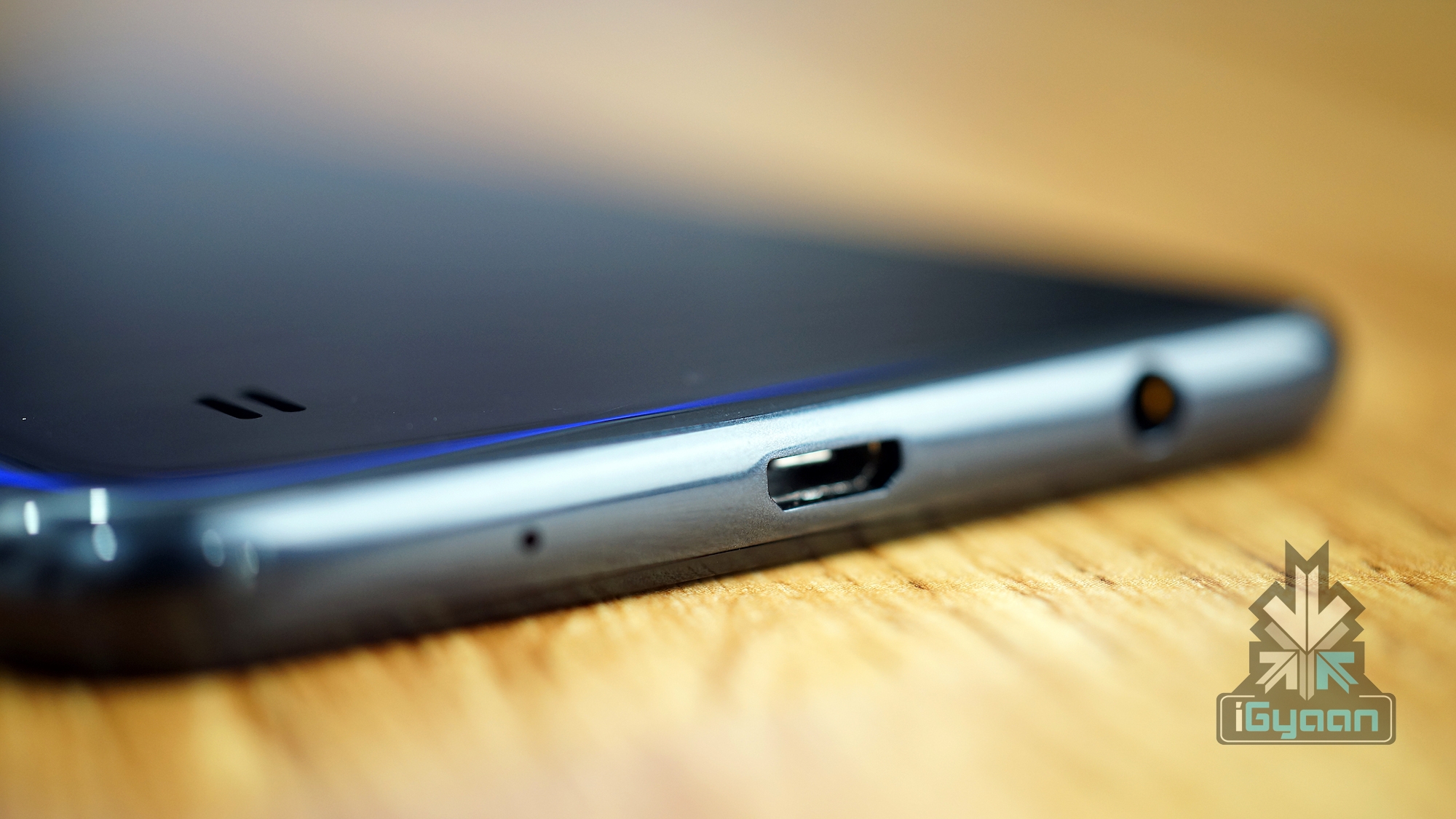
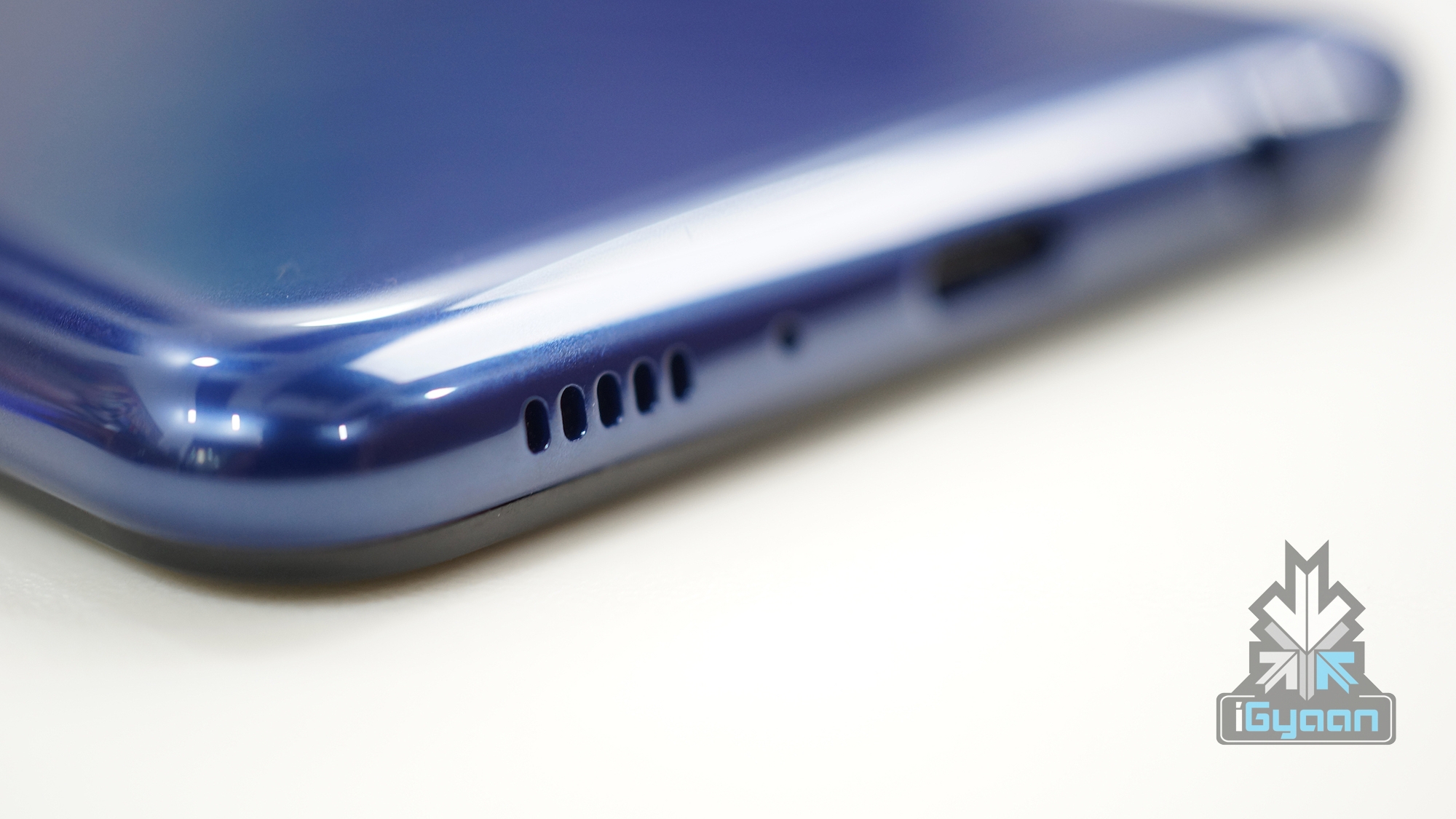
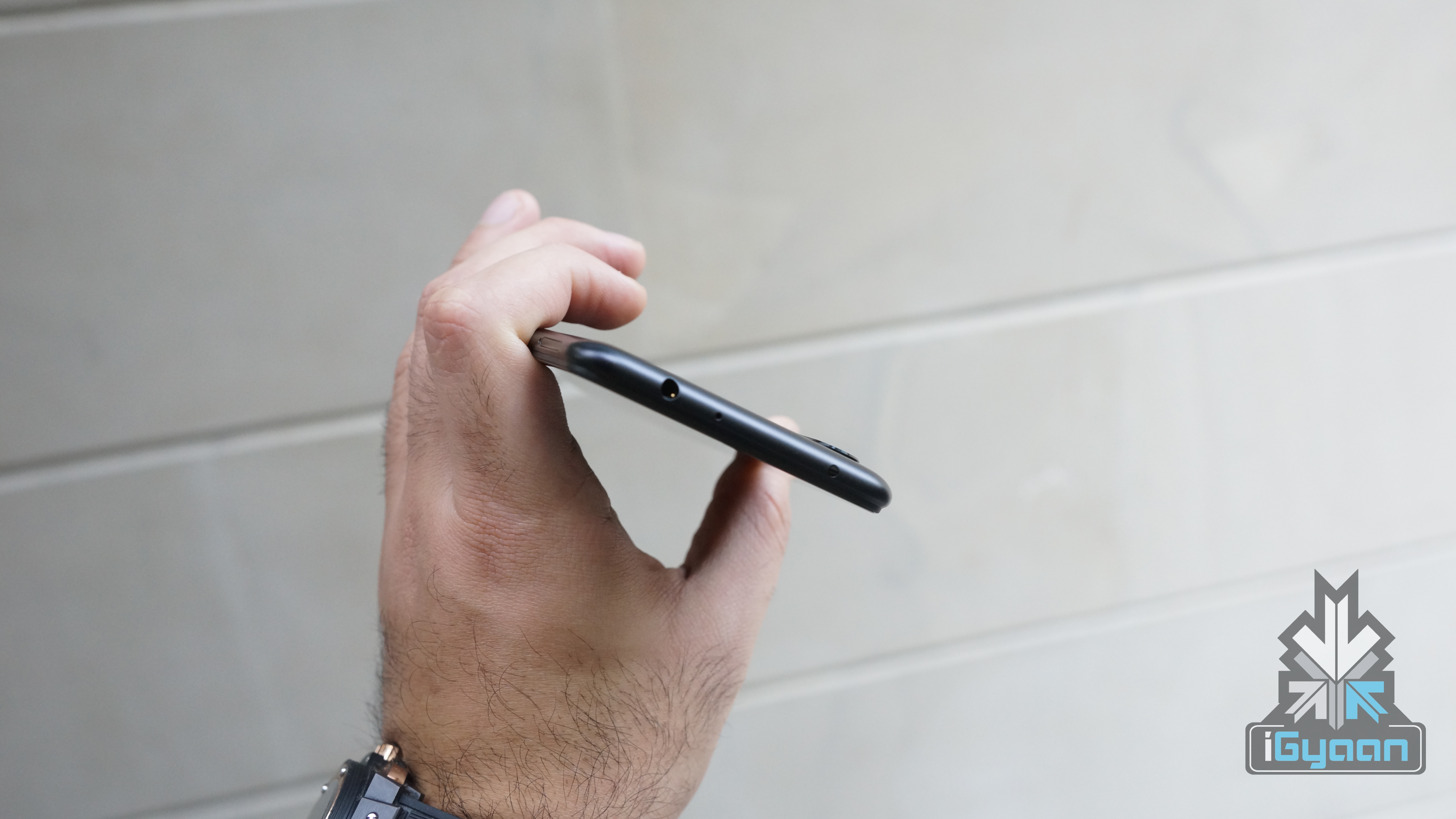
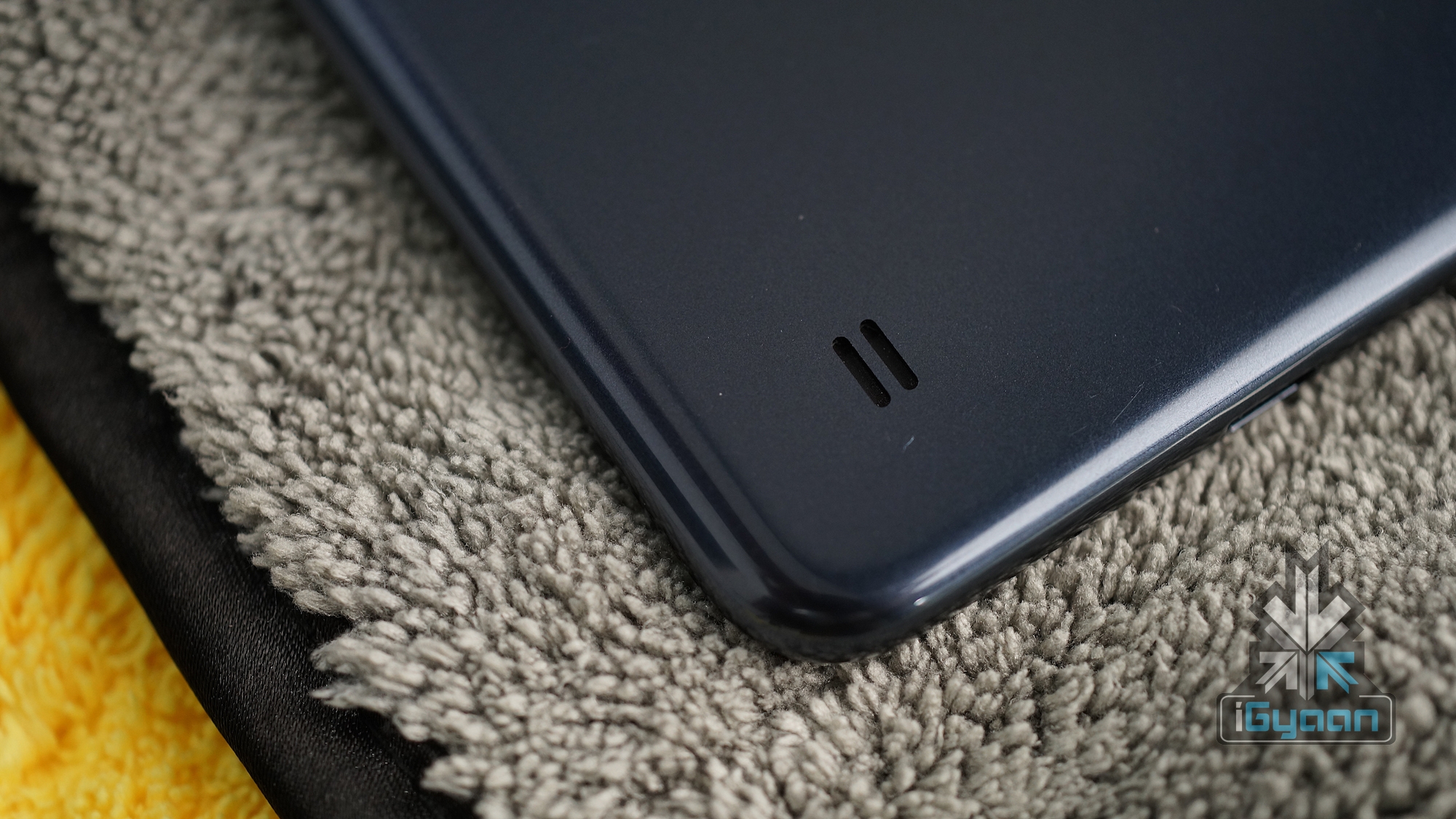
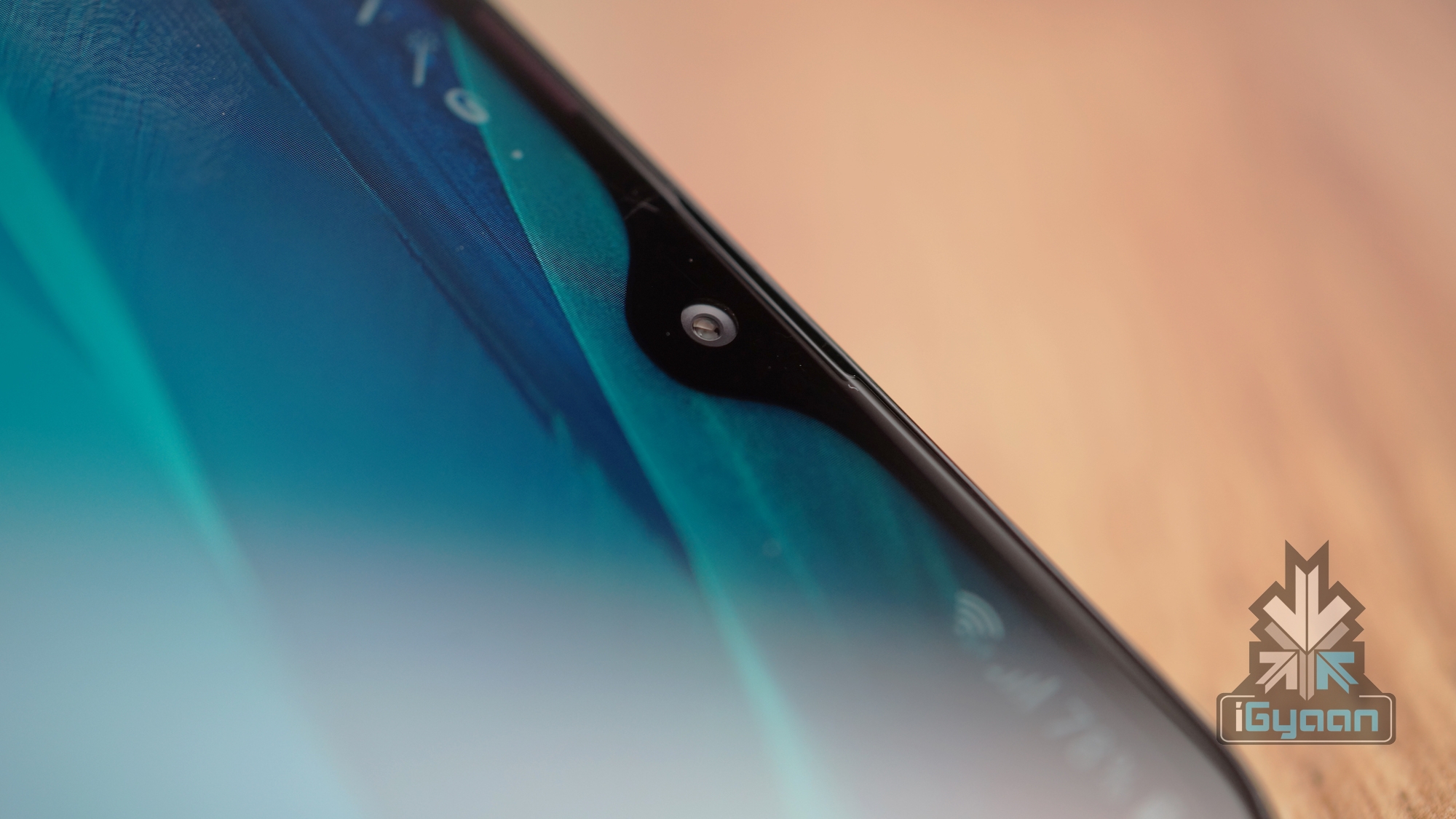
    The M10 has tapered edges which go along really well with the rounded edges on the screen itself. And as mentioned before, the waterdrop notch is a nice touch too. The device dedicates the right side to the volume rockers and the power/lock button, freeing up a lot of space on the left side, which houses the SIM cards and memory card slot. The Galaxy M10 has a micro-USB port at the bottom. It also comes with a 3.5mm headphone jack, which is placed right next to the charging port. The device shows off a glossy back panel, which has a dual camera with an LED flash. The speakers are placed at the bottom of the back, unlike many front-facing speakers these days. Overall, the Galaxy M10 manages to pull off an impressive look while keeping the budget in check. 

    Display

    With bezel-less displays in fashion, the Galaxy M10 surely does its part of living up to the trend. Sporting a PLS TFT display, it has a 15.80 cm/6.23 inch HD+ Infinity-V Display with a 1480×720 px resolution. A 19:9 aspect ratio combined with a 81.6 percent screen-to-body ratio looks quite premium on the device. With a width of 7.7 mm, the M10 has a pixel density of 270.5 ppi. 

    Processor 

    The Samsung Galaxy M10 runs on a 14nm Exynos 7870 SoC, which houses an octa-core ARMv7 CPU and a Mali™-T830 MP1 GPU. The CPU is clocked at 1.6 GHz. According to Samsung’s official website, Exynos 7870 consumes up to 30% less power than its predecessor, which will make the Samsung Galaxy M10 more power efficient in terms of battery life.

    Memory and Storage 

    The device is available in two variants. There is a 2GB RAM version, which gets 16 GB internal storage. Then, there is a 3GB RAM version which is coupled with 32 GB of internal memory. The device is available with an expandable memory slot that supports memory cards up to 256 GB. The memory card can be inserted in the same tray as the dual SIM cards. 
    Camera

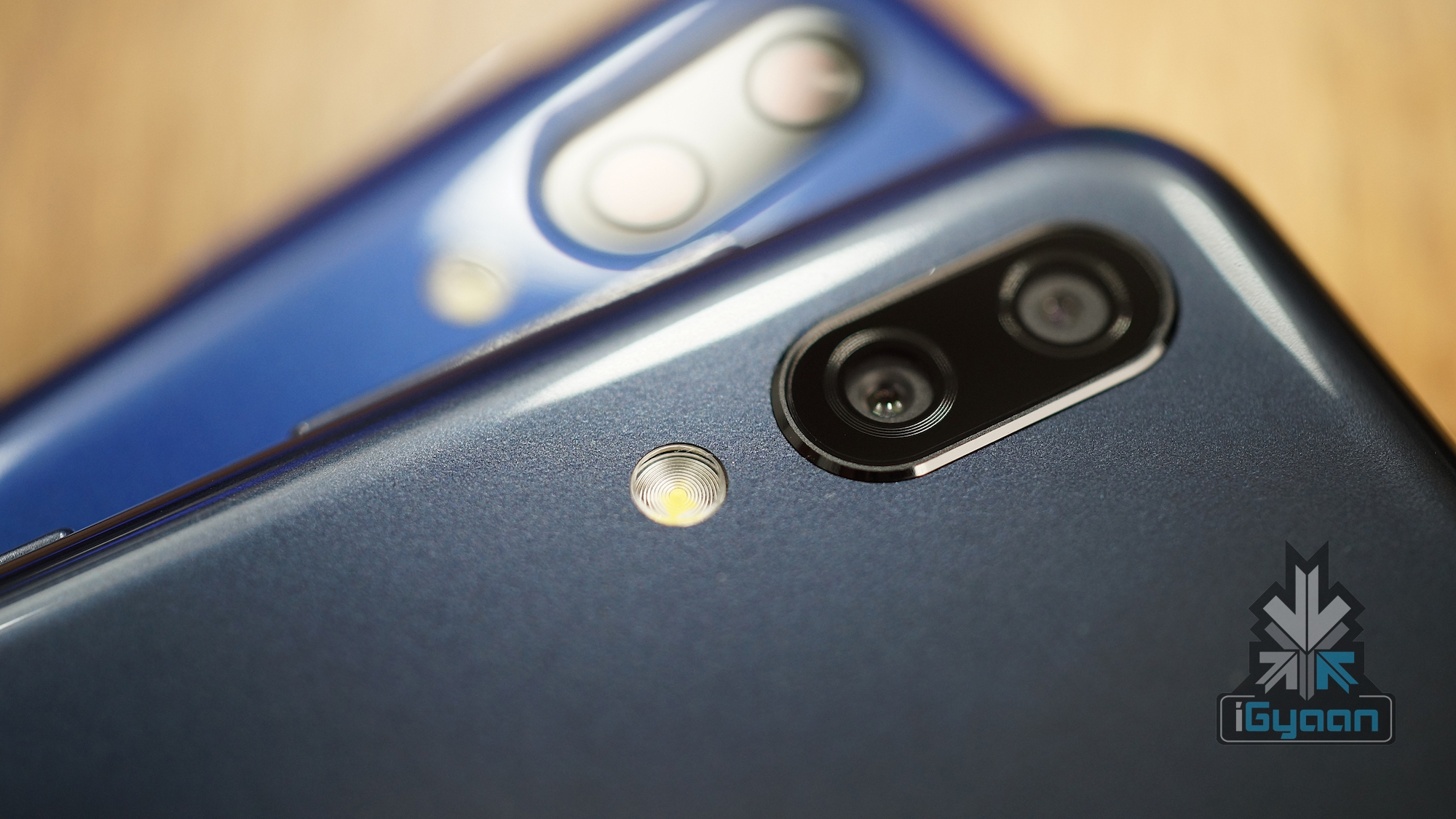
    The Samsung Galaxy M10 has a dual camera setup at its back. It has a main 13 MP (F1.9) camera and an ultra-wide secondary 5 MP (F2.2) camera. The device can record videos at 1080p (30 fps). Also, the device has a 5MP (F2.0) front selfie camera, placed on top of the notch. 
    Battery 

    The Samsung Galaxy M10 is packed with a 3400 mAh Li-ion battery. The Samsung Exynos 7870 promises better power management, so the device battery should be just fine for carrying out a day’s tasks. The device, however, does not support fast charging. 
    Connectivity And Other Features

    The device has dual-sim support, with 4G LTE support. Interestingly, both the SIM cards and the memory card are placed in a single tray, that is present on the the left side of the device. The device supports GPS, WiFi, Bluetooth and has a microUSB 2.0 port as mentioned previously. M10 also supports Adaptive WiFi

    Price And Availability In India

    Also Read : Disappointing Geekbench Score For Samsung S10+

    The Samsung Galaxy M10 is available for Rs. 7990 for the 2GB RAM/16GB version and Rs. 8990 for the 3GB RAM/32GB version. 5th February onwards, you can purchase it from the Samsung Online Store. 

    The detailed video for the Samsung Galaxy M10 is available below 


    https://youtu.be/QusBqg6uU6c


  • Samsung Galaxy M20 Unboxing And Hands On

    Samsung Galaxy M20 Unboxing And Hands On

    Samsung has been teasing the launch of their latest ‘M’ series for quite a while now. And while there have been a tonne of speculations and leaks regarding the device, nothing was confirmed then. But today, Samsung has officially released the Galaxy M20 along with the Galaxy M10 in India exclusively on Amazon. The phone boasts of a modern design, with a blend of good specifications and an aggressive price to boot.

    Inside the Box

    • Samsung Galaxy M20
    • USB Type C Data Cable
    • Fast-Charging Adaptor
    • Ejection pin
    • User Manual
    Design

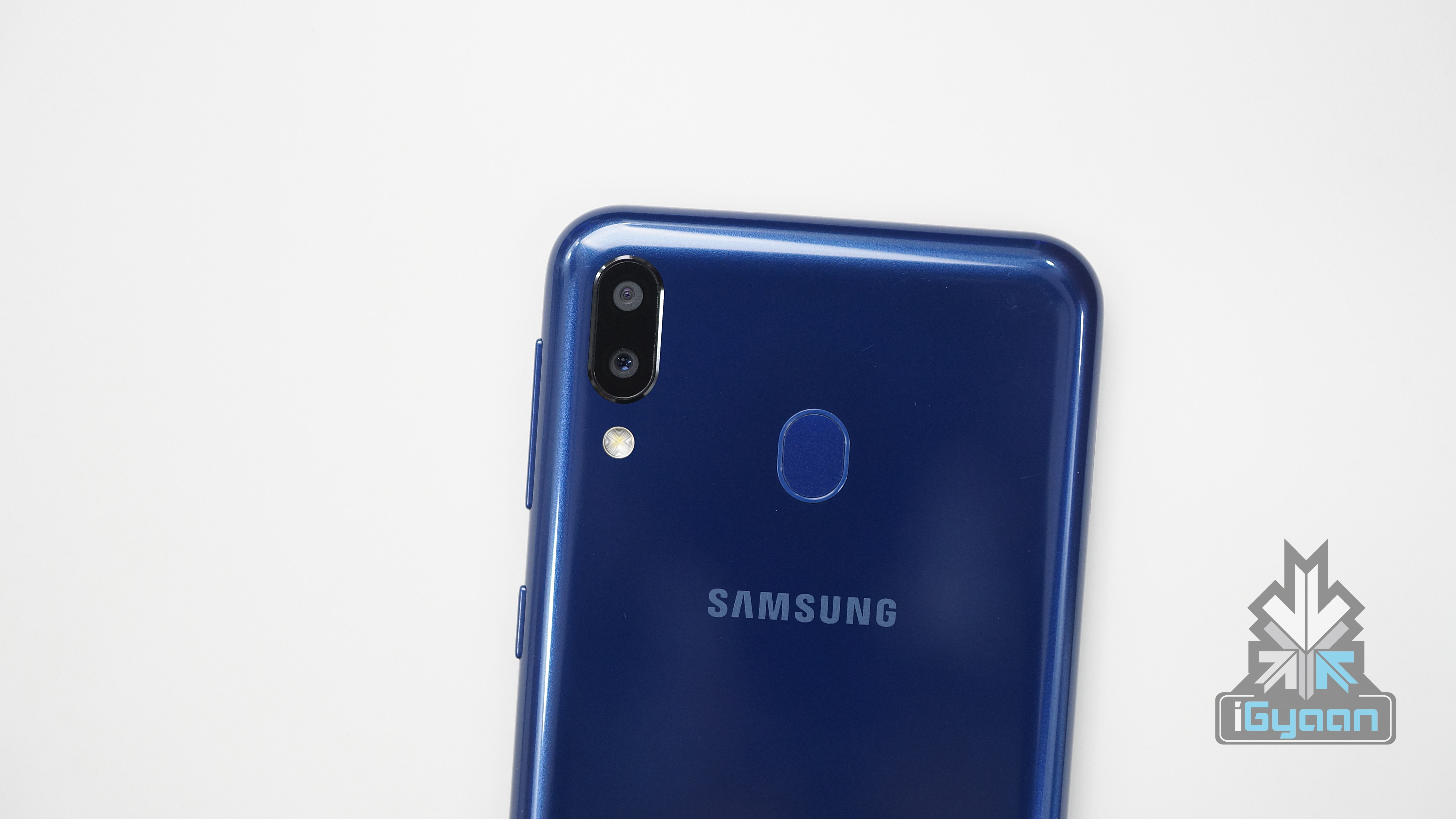
    The Galaxy M20 takes an entirely different approach than what we have seen Samsung doing. Samsung Galaxy M20 is the first smartphone from the brand to sport a notch. The notch is a teardrop design which is considered the least intrusive among the other notches. Other than that, there is a small chin at the front, giving it an all screen look. Over at the back of the phone, there is  a dual camera setup with an LED Flash. There is a Fingerprint sensor beneath it and a Samsung below the sensor.

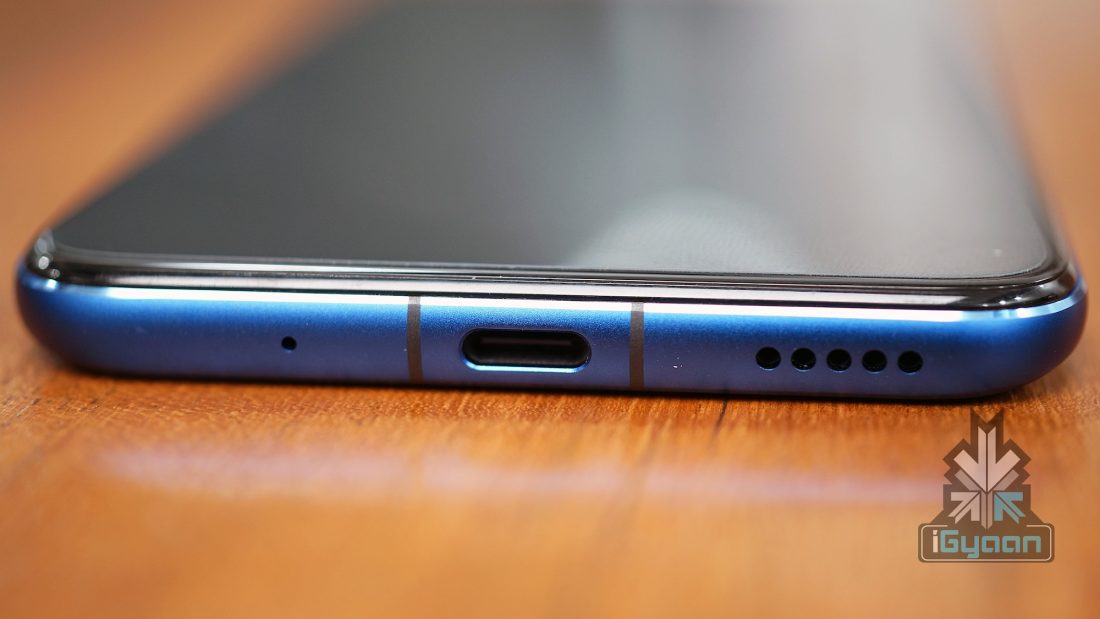
    Over at the bottom, there is a traditional 3.5mm headphone jack, a USB-C post and a microphone along with a speaker grille.

    Display

    The Galaxy M series is the first smartphone from Samsung to use their Infinity-V display. The screen on the Galaxy M20 is a 6.3-inch PLS TFT display with a resolution of 2340 x 1080 px and a Pixel density of 410 ppi and a screen-to-body ratio of 83.6 and an aspect ratio of 19.5:9.

    Processor

    The Galaxy M20 runs on the 14nm Exynos 7904. The Exynos 7904 is an Octa-core CPU and is combined with Mali-G71 GPU. The CPU consists of Dual Cortex A73 running at 1.8 GHz and a Hexa Cortex-A53 clocked at 1.6GHz.

    Memory and Storage

    The Galaxy M20 comes in two variants, one with 3GB of LPDDR4 RAM and 32GB of Internal Storage and another with 4GB of LPDDR4 RAM and 64GB of Storage. The smartphone supports two separate sim cards and has a dedicated memory card slot that supports memory cards upto 256GB.

    Camera

    The Galaxy M20 has a dual camera setup at the back. The smartphone is equipped with a 13MP f/1.9 sensor with a 5MP f/2.2 wide angle sensor with 120 degree field of view. Over at the front is an 8MP f/2.0. The phone supports 1080p recording at 30fps. The 8MP front camera also supports 1080p recording at 30fps.

    Battery & Operating System

    The Galaxy M20 has a massive 5000mAh battery powering it which means that the phone will last for more than a day on a single charge. The phone supports the Samsung fast charging technology up to 15W. A full charge takes 2.5 hrs or 150 mins to complete and according to Samsung, you will get 3hrs of talk time with a 15min charge.

    The phone runs on Android 8.1 Oreo with Samsung Experience 9.5 out of the box.

    Connectivity and Other features

    Also Read: Zombies storm Battle-royale as PUBG Mobile beta teams up with Resident Evil 2

    The Galaxy M20 has support for Bluetooth 5.0. The device also has a fingerprint sensor at the back and a support for VoLTE. The phone also has a face unlock feature for faster access to the device.

    Pricing and Availability 

    The Galaxy M20 has been launched in India for Rs 10990 for the 3/32GB variant and for Rs 12990 for the 4/64GB variant and will be exclusively available to buy from Amazon India and Samsung Online Store starting February 5th.

    You can watch our unboxing and hands-on videos below.


    https://youtu.be/c-Bqw9Bv8fk


  • Samsung Launches Budget Galaxy M10 & Galaxy M20 Smartphones In India

    Samsung Launches Budget Galaxy M10 & Galaxy M20 Smartphones In India

    After a long wait, Samsung has officially unveiled the Galaxy M-Series of smartphones in India which are focused toward the young millennials. The company claims that these smartphones are designed and developed while keeping Indian consumers in mind. Samsung has initially launched two smartphones which include the Galaxy M10 and Galaxy M20. Both smartphones are laden with good features and have a modern design. 

    Samsung Galaxy M10

    Out of the two newly launched smartphone, the Galaxy M10 is the more affordable and less feature-rich device. It has a 6.2-inch PLS TFT display with a small waterdrop notch up top and a pixel density of 1480 x 720 px. The device runs on Android 8.1 Oreo and is powered by a 3,400 mAh battery. Samsung has promised Android 9 updates with the One UI for both phones. For photography, the device has an f/2.0 aperture equipped 5 MP front sensor and dual f/1.9 aperture equipped 13 MP + f/2.2 aperture equipped 5 MP rear camera sensors. The device can also capture 1080p videos at 30fps from both the front and rear camera sensors.

    Under the hood, the Galaxy M10 packs the Exynos 7870 SoC which consists of and Octa-Core CPU and Mali T830 MP1 GPU. In terms of connectivity, the smartphone supports 4G VoLTE, 802.11 ac Wi-Fi, Bluetooth 4.2 and a bottom mounted Micro-USB port for charging and data transfer. 

    Samsung Galaxy M20

    The Samsung Galaxy M20 is the more expensive and feature-rich out of the two newly launched devices. On the front of the device sits a 6.3-inch PLS LCD display with a pixel density of 2340 x 1080 px and a small waterdrop notch up top. The smartphone is powered by a mammoth 5,000 mAh battery which also supports fast charging. Like the Galaxy M10, it also runs on Android 8.1 Oreo. 

    The Galaxy M20 is kitted with an Exynos 7914 SoC which consists of an Octa-Core CPU and Mali G71-MP2 GPU. For photography, the smartphone has an f/2.0 aperture equipped 8 MP front sensor and dual f/1.9 aperture equipped 13 MP + f/2.2 aperture equipped 5 MP rear camera sensors. It can also capture 1080p videos at 30fps from both the front and rear camera sensors. Connectivity options on the device include Bluetooth 5.0, 802.11 ac Wi-Fi, GPS, NFC, 4G VoLTE and a bottom mounted USB Type-C for charging and data transfer. For safely and securely unlocking the device it features a rear-mounted fingerprint sensor.

    Price

    Also Read: Facebook Planning To Integrate Whatsapp, Messenger And Instagram

    Both the Galaxy M10 and Galaxy M20 are priced aggressively are available in Blue colour option. The Galaxy M-Series smartphones will be exclusively available online via Amazon.in and Samsung’s official website. Pricing and storage option for the devices are as follows:

    • Galaxy M10 2 GB + 16 GB: Rs. 7,990

    • Galaxy M10 3 GB + 32 GB: Rs. 8,990
    • Galaxy M20 3 GB + 32 GB: Rs. 10,990

    • Galaxy M20 4 GB + 64 GB: Rs. 12,990


iGyaan Network
Privacy Overview

This website uses cookies so that we can provide you with the best user experience possible. Cookie information is stored in your browser and performs functions such as recognising you when you return to our website and helping our team to understand which sections of the website you find most interesting and useful.