Category: Xiaomi

  • MIUI 9 Rollout For Xiaomi Mi 6 Global Variant Begins

    MIUI 9 Rollout For Xiaomi Mi 6 Global Variant Begins

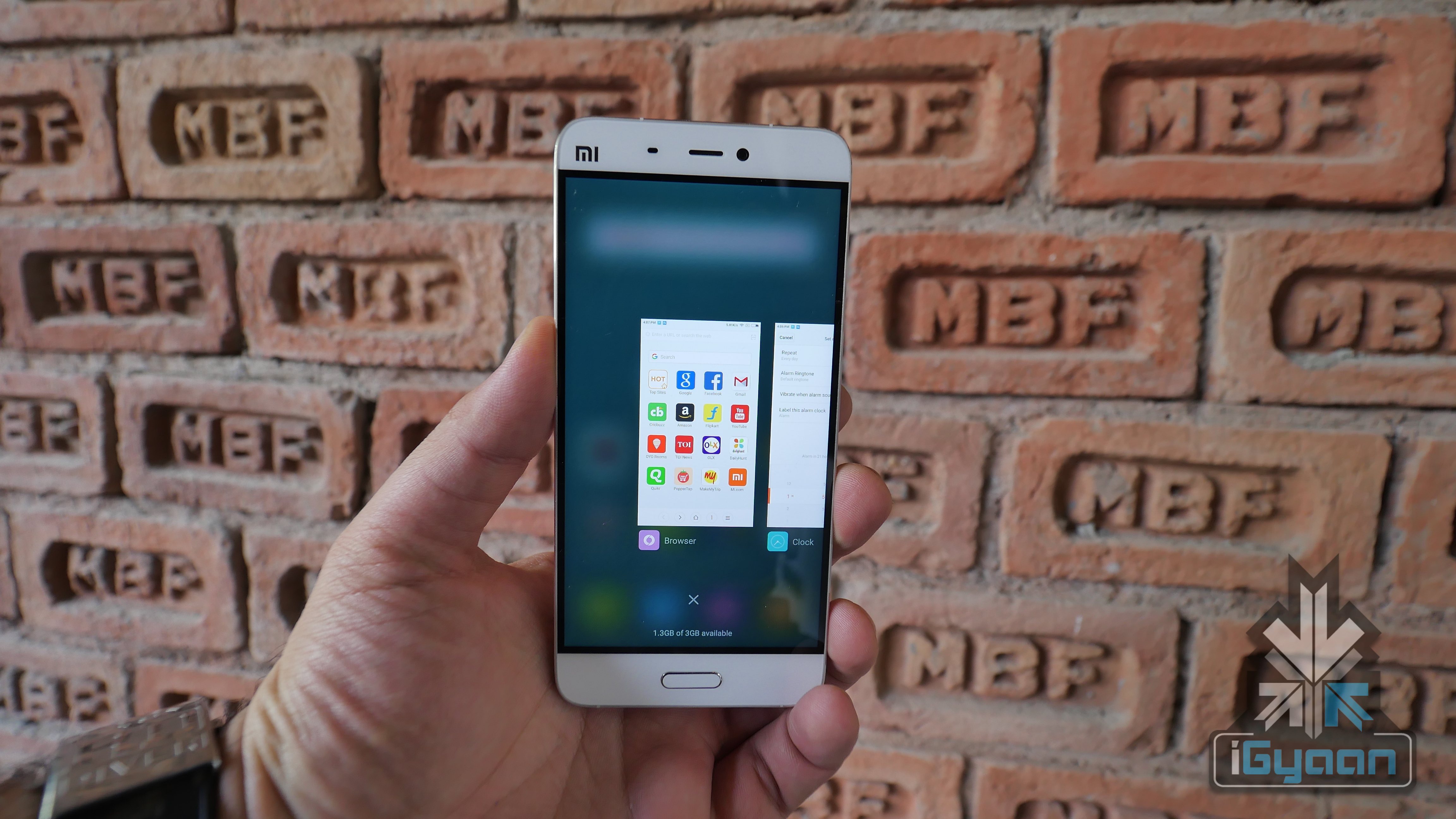
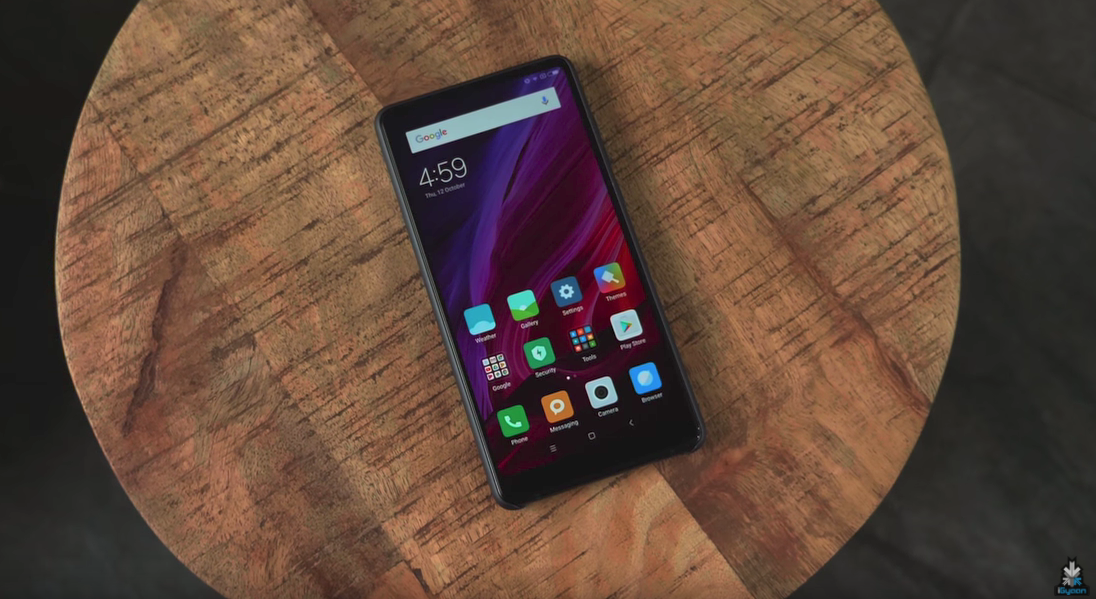
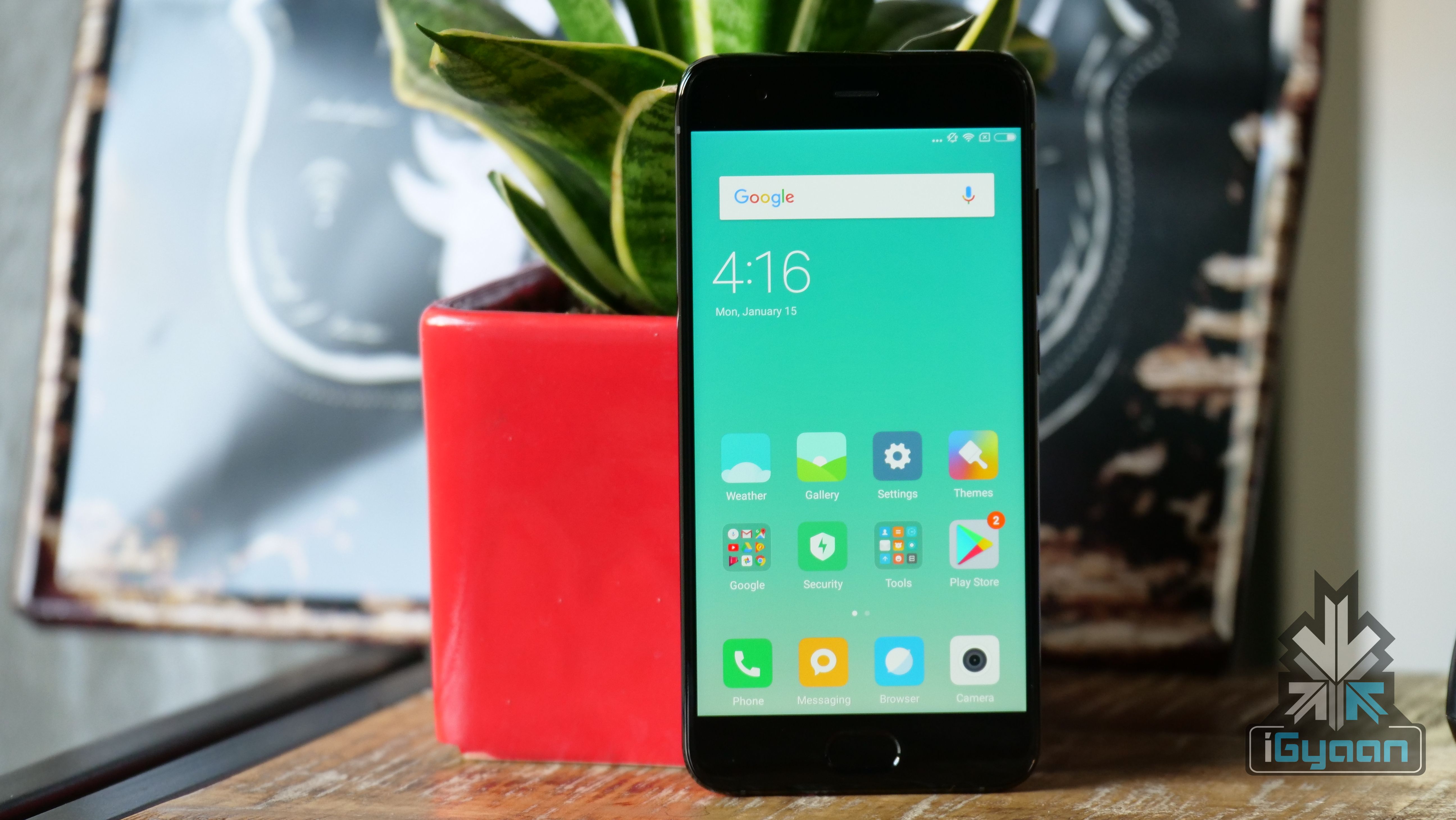
    At the launch event of the Xiaomi Redmi Y1 and Redmi Y1 Lite, the company also announced a list of smartphones that will receive an update to MIUI 9 in the coming months. While Xiaomi Mi Mix 2 was one of the first devices to receive the update, the Xiaomi Mi 6 has now joined the list of smartphones as well. The company has rolled out an update to MIUI 9.0.2 which brings a host of new features with it.
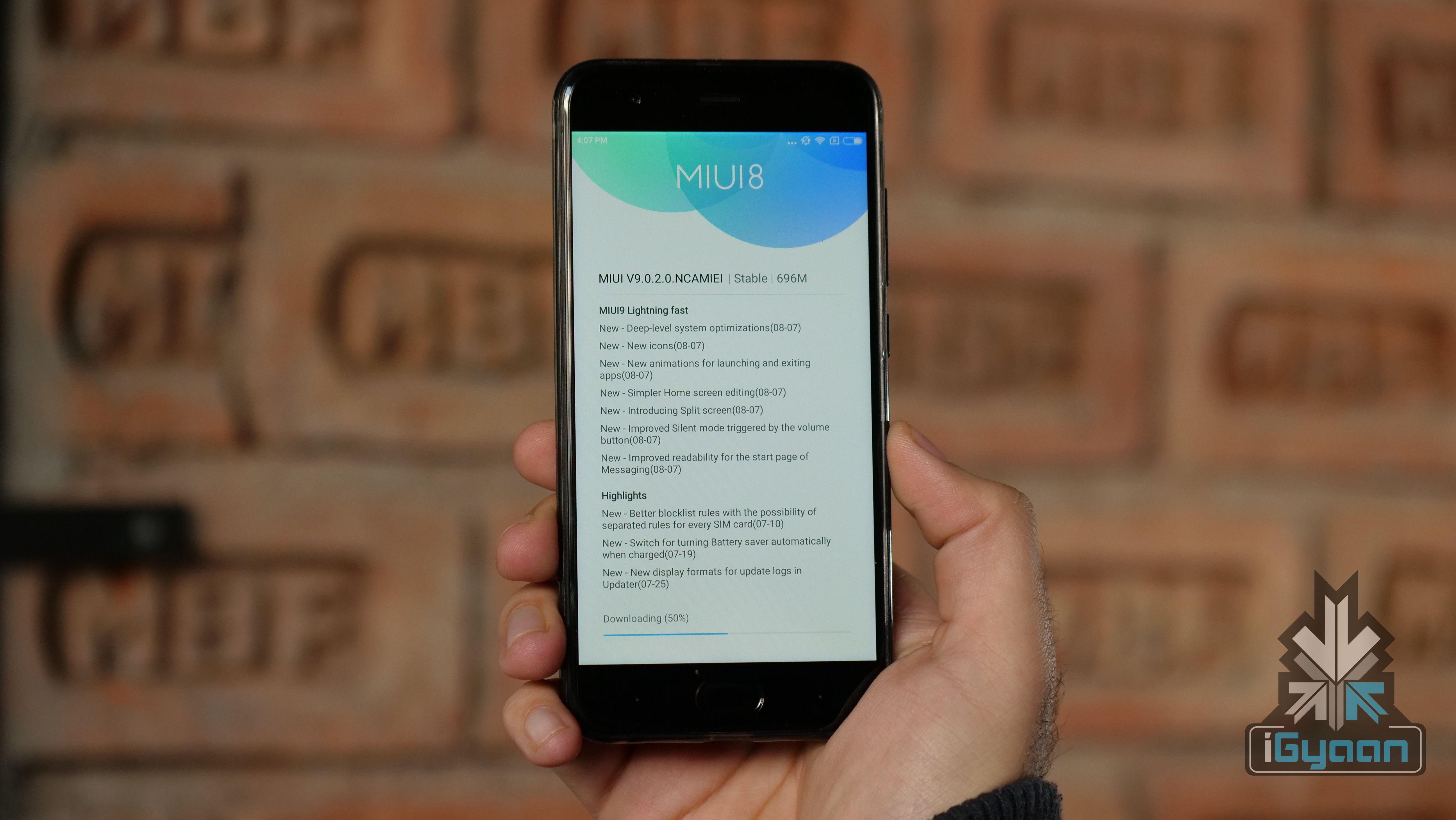
    Here are a few new features that will be introduced with the new MIUI 9:

    Faster App Launching Speed

    One of the main criticisms of MIUI has been its sluggish nature and the slow speed of general usage even in the flagship devices. Keeping that in mind, Xiaomi has promised much faster app launching speeds and navigation between multiple apps will be snappier as well. Performance enhancements are always welcome and this looks to be a step in the right direction for the Chinese giant.


    The ‘Smart’ Features

    Xiaomi has also launched its Smart Assistant to compete with the likes of Google Assistant, Siri, Alexa and even Bixby. The voice assistant will be available in China only for the time being as localisation of the software may take time. Image search allows you to search your image talliers by image context keywords, so if you a looking for pictures of dogs that you have clicked you will be able to do that. It basically means that you can open up a relevant app on the basis of the content on your current app. For example, if a friend sends you a restaurant’s name, you can open up Zomato to look up the restaurant.

    Split-screen
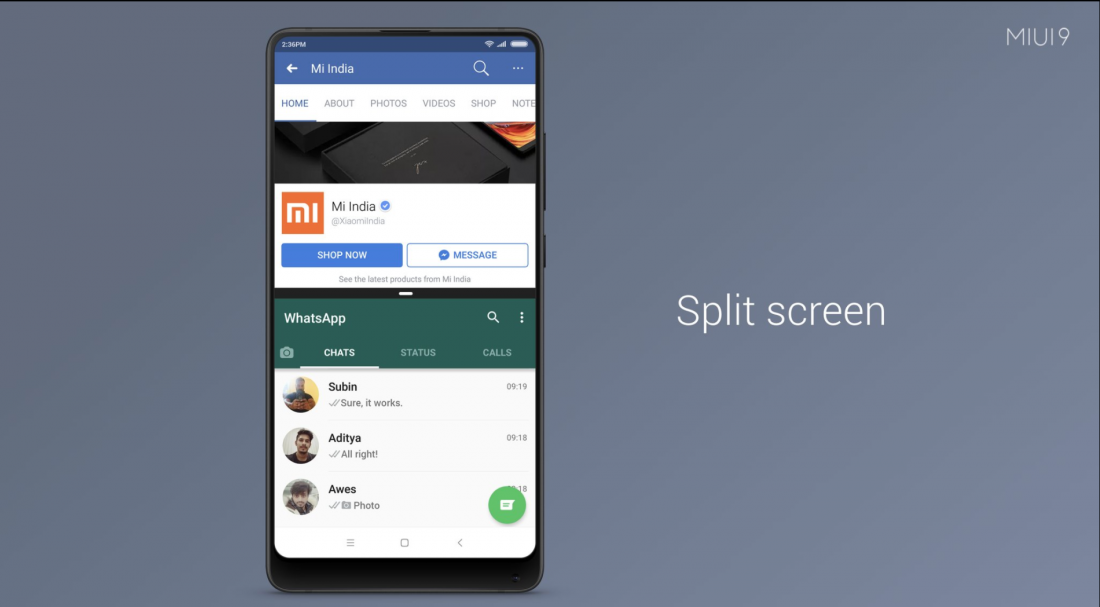
    The split-screen feature was one of the major upgrades in Android Nougat and a plethora of phones from mid-rangers to flagships have embraced this handy little feature. Xiaomi, on the other hand, has launched it just now with MIUI 9 and it’s a welcome update.

    The Mi 6 has a 5.15 inch LCD display with a 1920 x 1080 px resolution.

    Under the hood, the device has the Qualcomm Snapdragon 835 chipset and Adreno 540 GPU for graphics. The fingerprint sensor is housed inside the home button just below the display. Xiaomi Mi 6 is also splash-resistant, with the SIM tray also sealed against splashes.

    Powering the device is a 3350 mAh battery which charges via a USB C port.
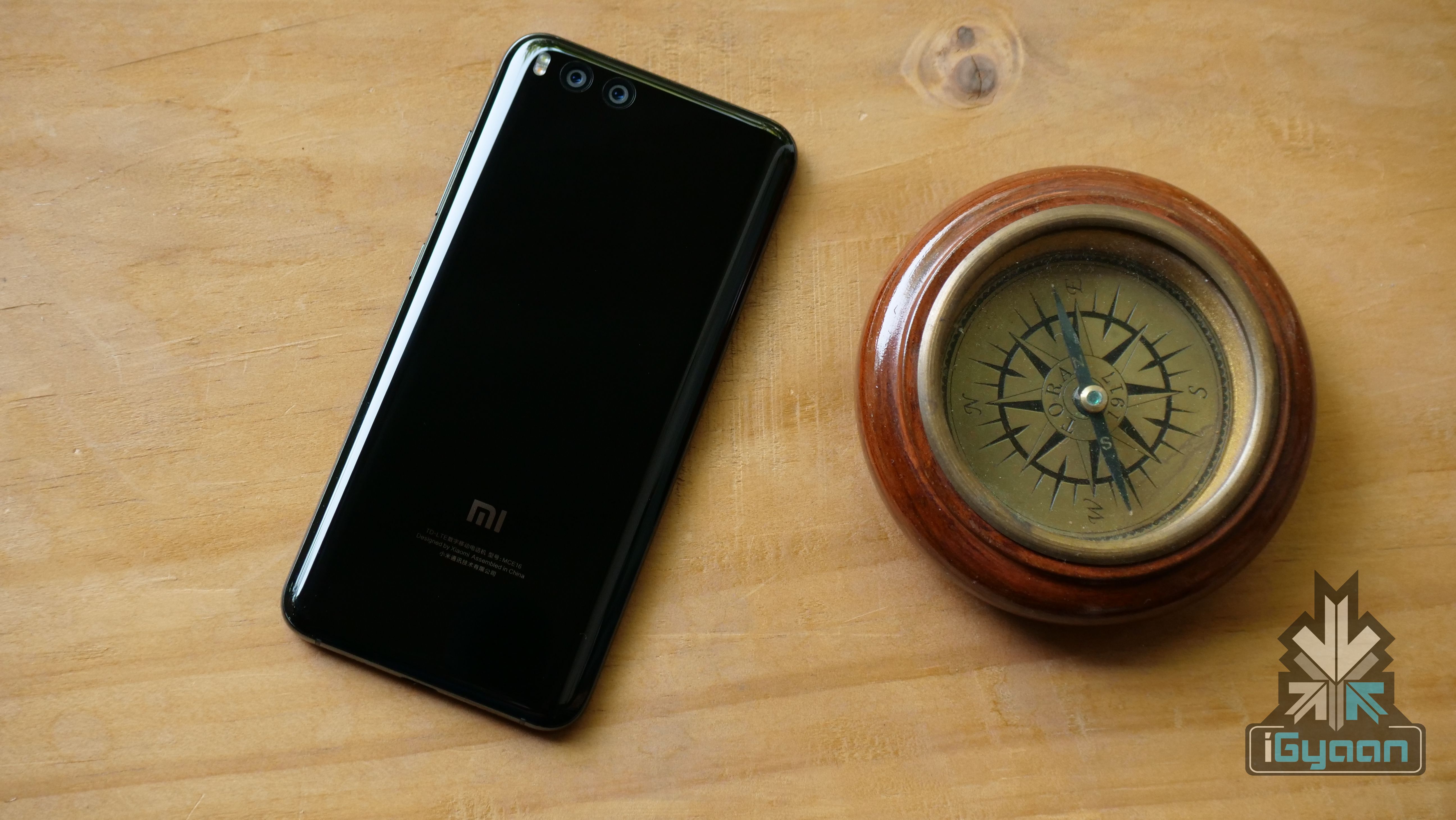
    The Mi 6 has a dual camera set up of two 12MP cameras at the back. One of the cameras has a wide-angle lens with 4-axis Optical Image stabilisation with an f/1.8 aperture while the other one is equipped with a telephoto lens with an f/2.6 aperture for 2X lossless zoom and bokeh effect photos. On its front, it has an 8MP camera which records 1080P videos.
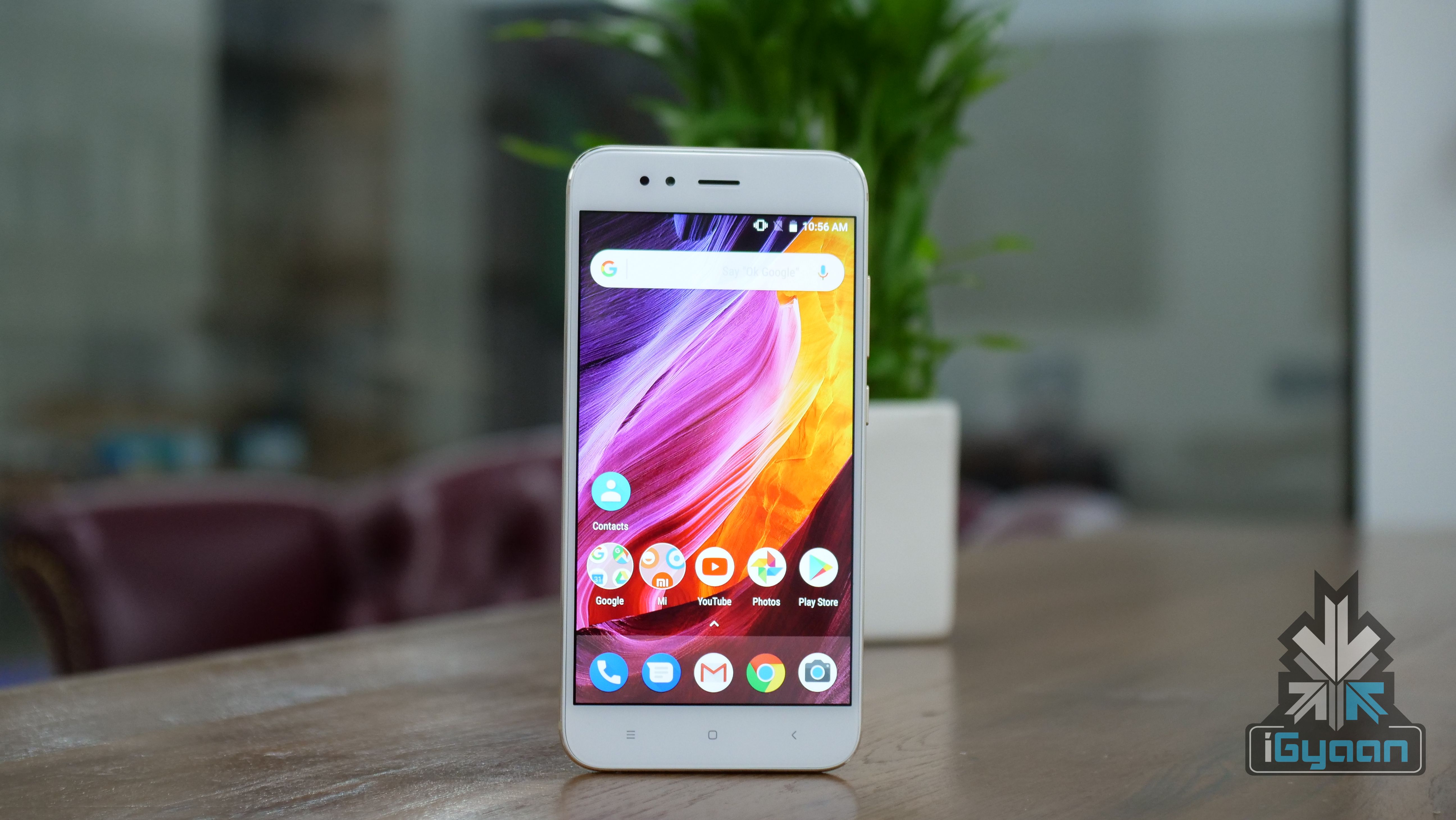
    You can buy the Xiaomi Mi 6 here.

  • Xiaomi Mi A1 Android 8 Oreo Rollout Suspended

    Xiaomi Mi A1 Android 8 Oreo Rollout Suspended

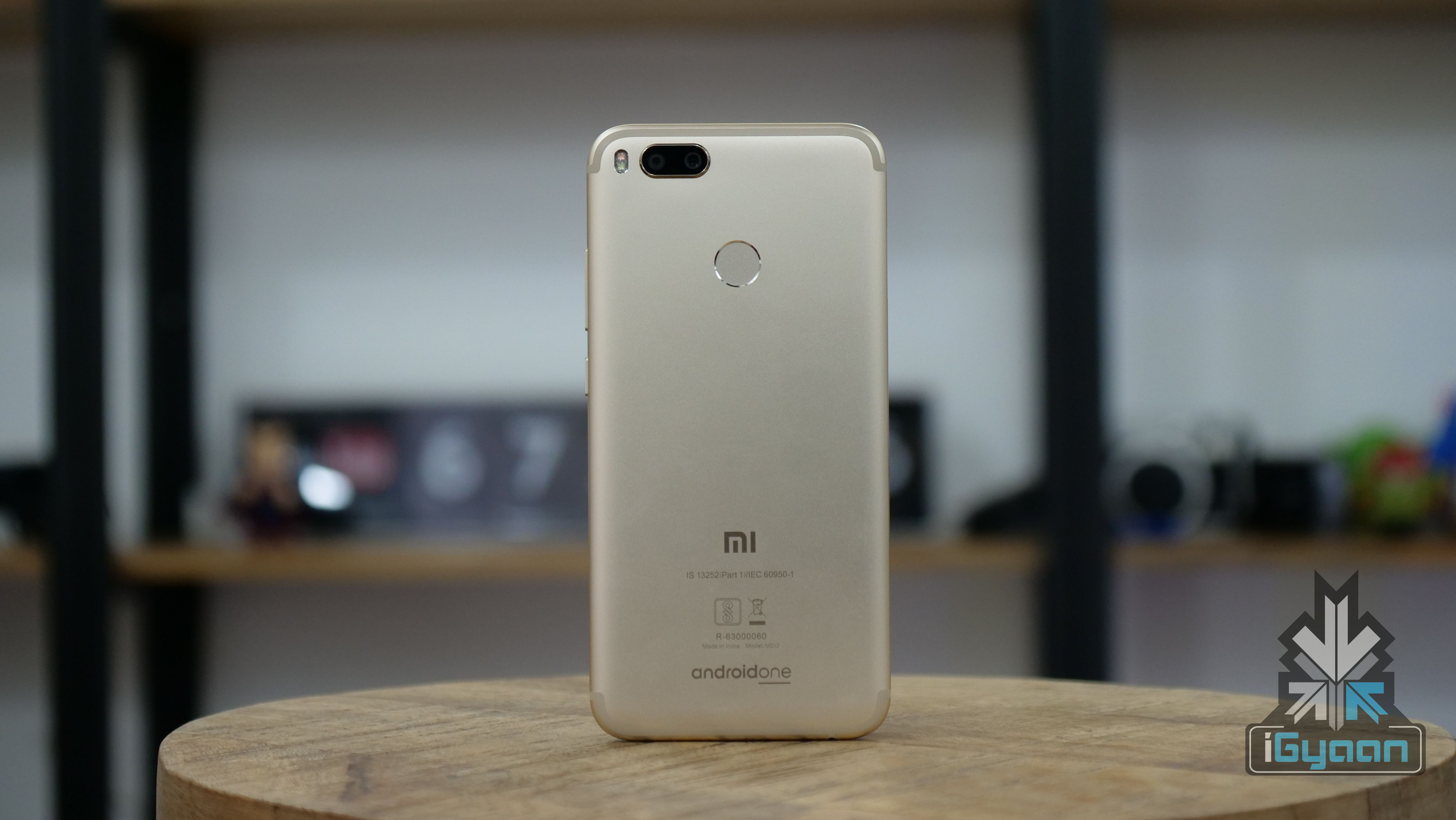
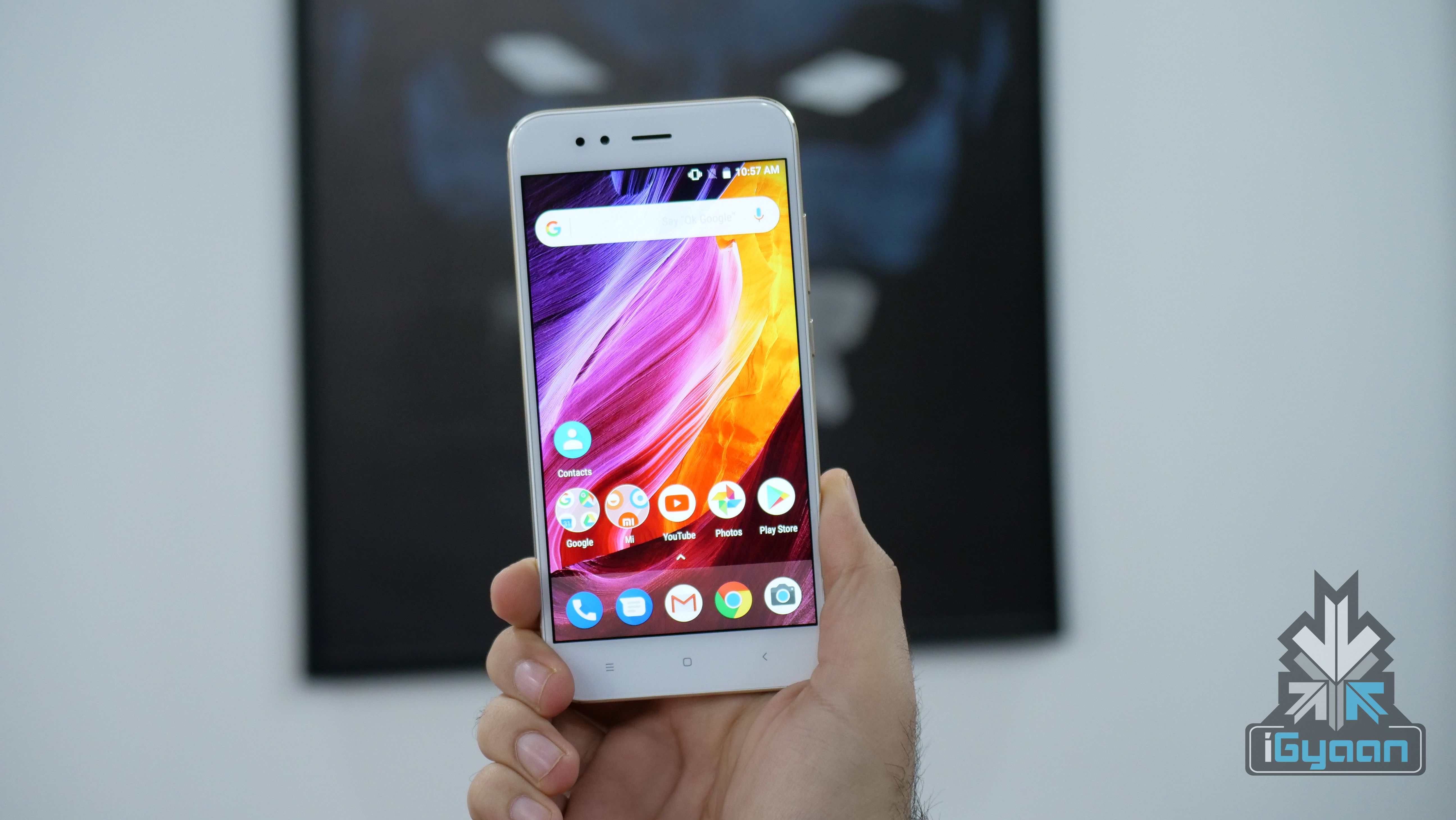
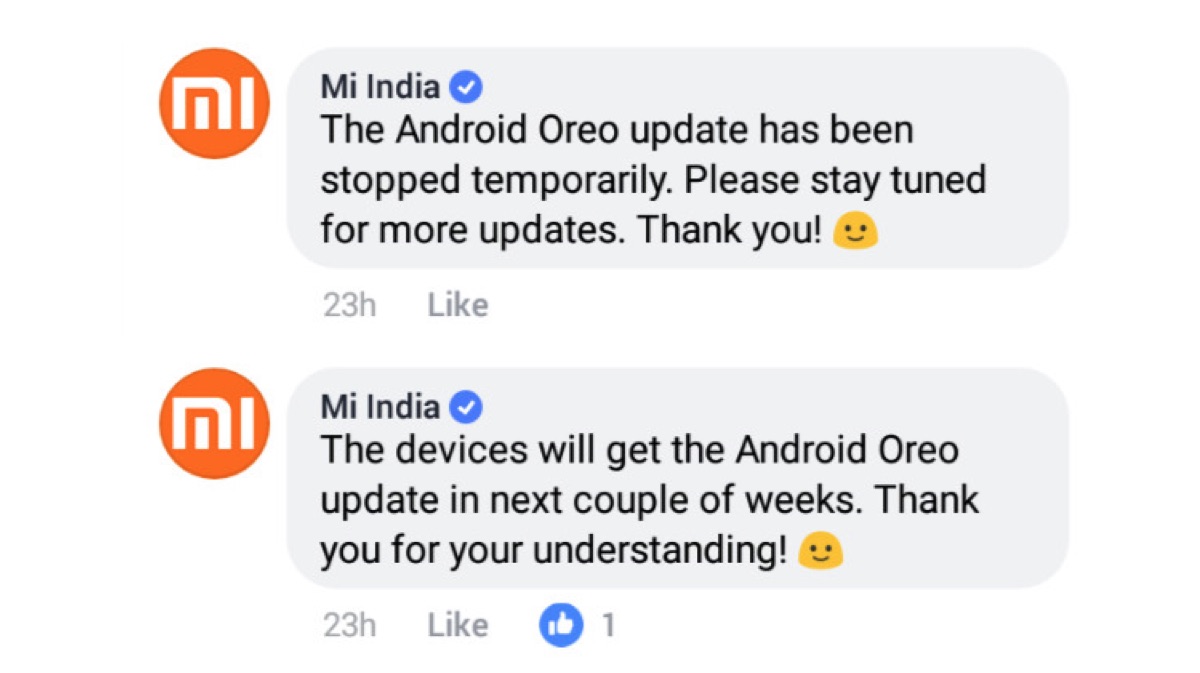
    Xiaomi launched the Mi A1 back in August of 2017 with stock Android 7.1 Nougat. This was the first instance of a Xiaomi smartphone running stock OS out of the box and the company promised an update to Android 8 Oreo by the end of the year. Technically, the company delivered on the promise and released the first software update to Android 8.0 Oreo on the 31st of December.

    However, Xiaomi has now suspended the rollout of Android 8 Oreo owing to a lot of users complaining about performance-related issues. Users have complained about issues pertaining to an unresponsive camera and dialer app, battery drain when Bluetooth is turned on, unresponsive ambient light sensor and recent app button.

    Xiaomi isn’t the first company to suspend the Android 8 Oreo update. OnePlus had to recently halt the Android 8 Oreo update for the OnePlus 5 devices due to performance issues reported by users. However, the issues were fixed soon and the official rollout resumed a few days ago.

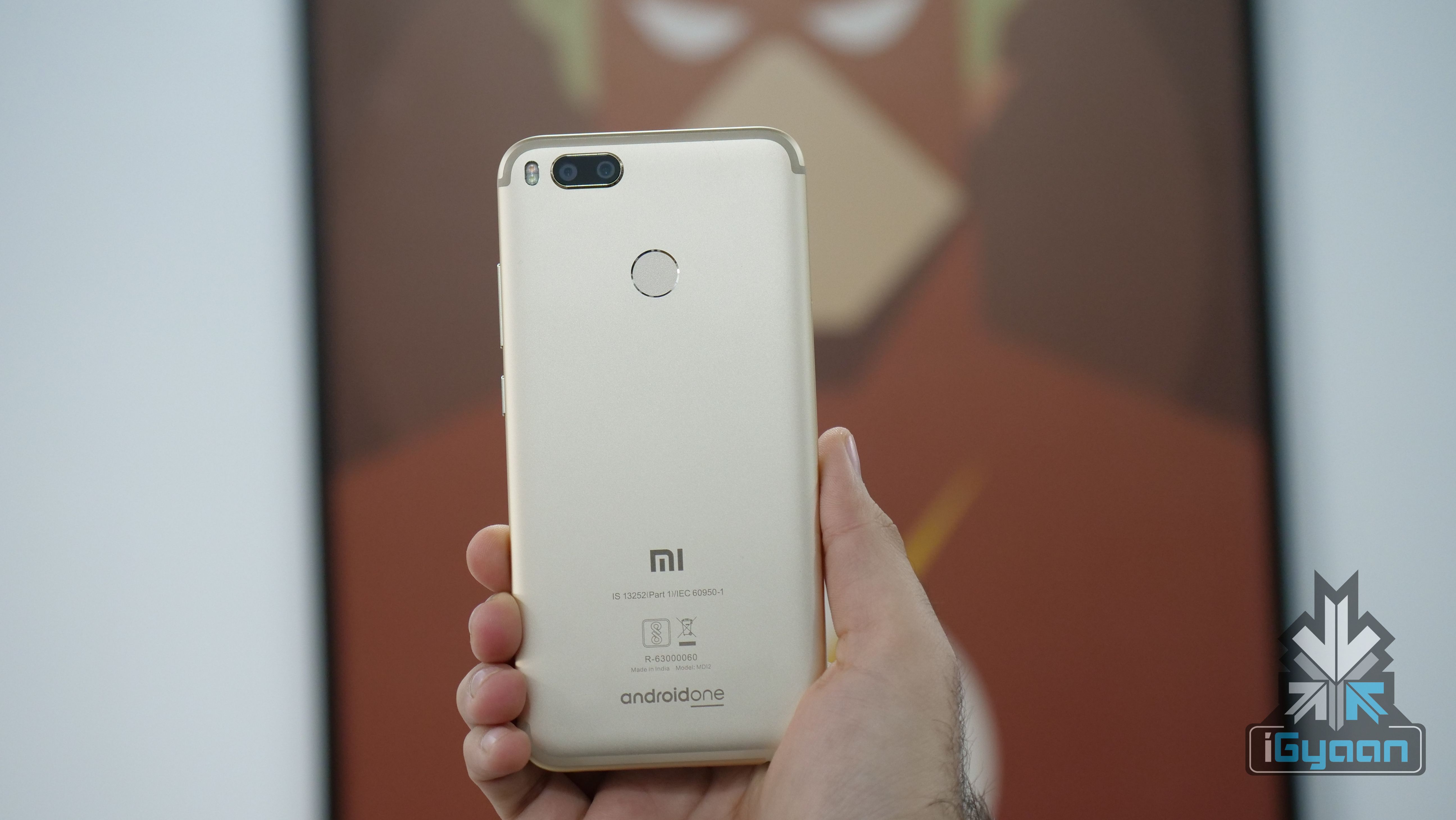
    The Mi A1 has a 5.5 inch 1920 x 1080 px LTPS display with Corning Gorilla Glass 3 on top for protection and aluminium unibody build.

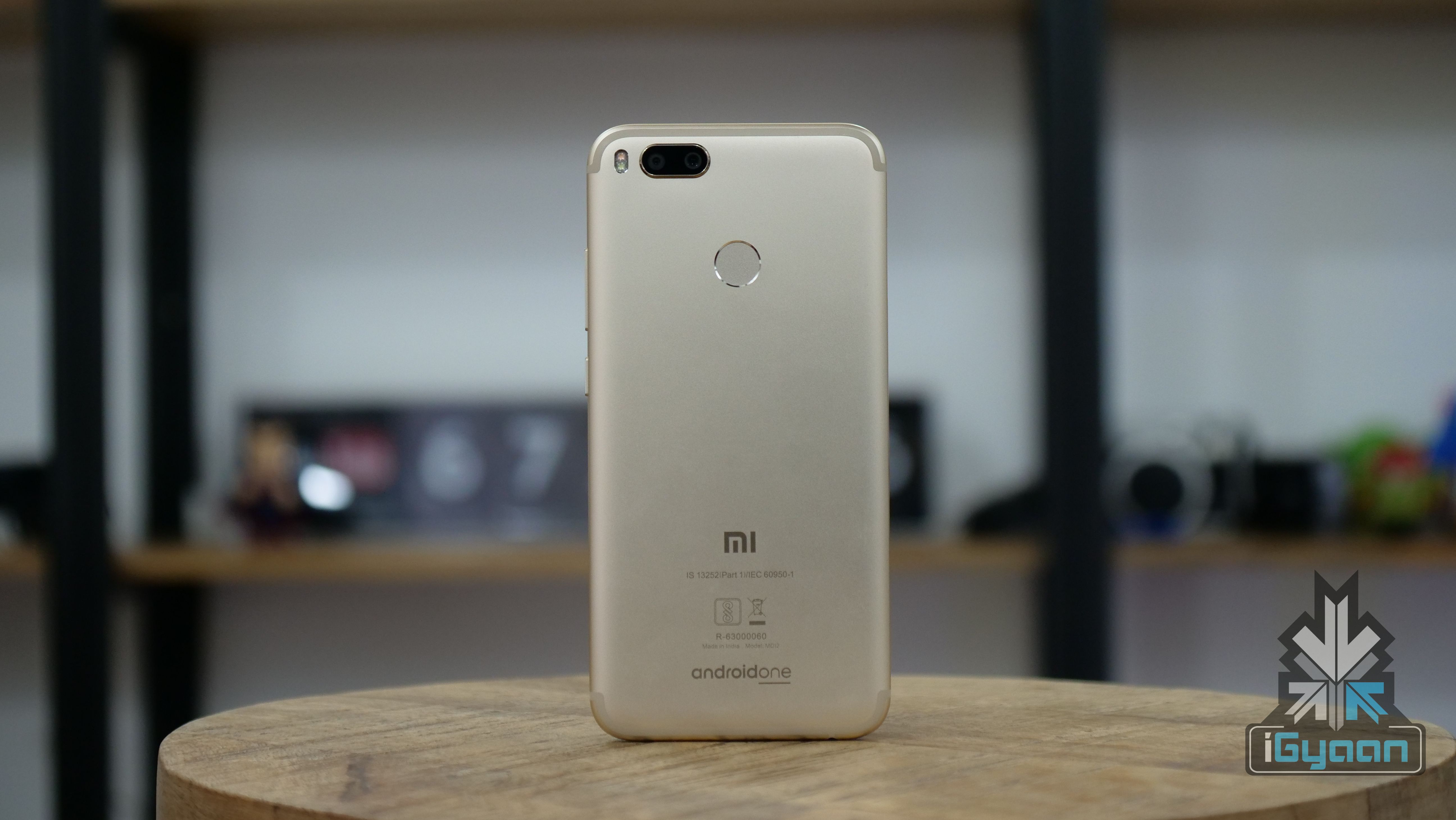
    The smartphone has the Qualcomm Snapdragon 625 chipset, 8x ARM Cortex A53 2.0GHz 64-bit processor, 4GB RAM and 64GB of onboard storage which is expandable via microSD card. Handling the graphics under the hood is the Adreno 505 GPU. The Xiaomi Mi A1 has an IR blaster to control appliances in your home or office. The fingerprint sensor sits at the back of the device below the camera.

    Powering the device is a 3080 mAh battery and 2A charging through the Type C port.

    The Xiaomi Mi A1 has a 12MP equipped with a wide-angle lens with an f/2.2 aperture while the other one is a 12MP telephoto lens with an f/2.6 aperture. For landscape shots, Xiaomi has introduced a wide angle lens while on the front is a 5MP camera.

  • The Xiaomi Redmi Note 5 Could Launch In India At Around Rs. 7000

    The Xiaomi Redmi Note 5 Could Launch In India At Around Rs. 7000

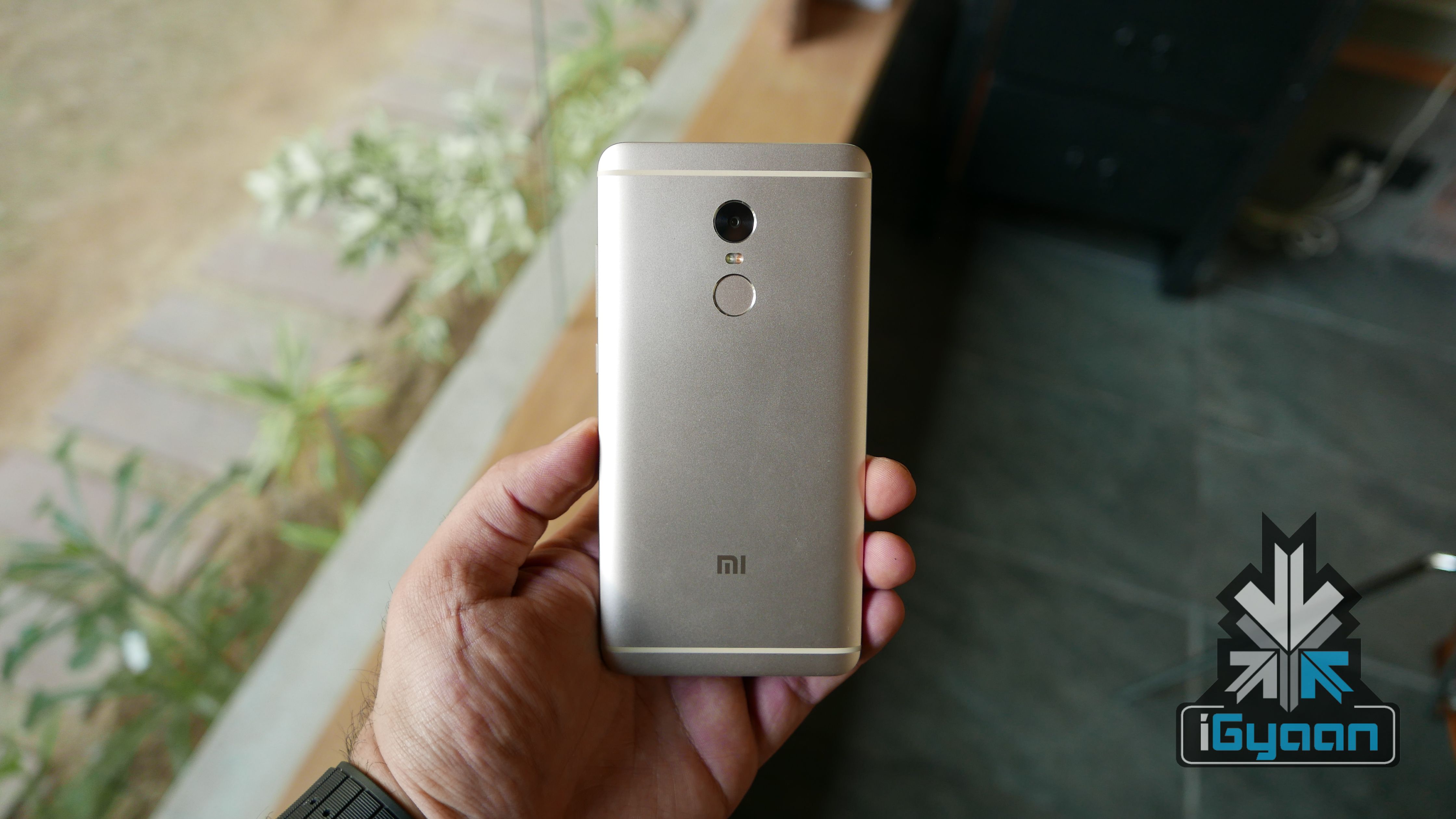
    Ever since Xiaomi launched the Redmi 5 and Redmi 5 Plus, there have been reports claiming that the Redmi 5 Plus will be launched in India as the Redmi Note 5. These rumours came about through a revelation on the MIUI forums in China and from the same source, it has been seemingly confirmed that the Redmi Note 5 will indeed be launched and it might be the most inexpensive Redmi Note yet.

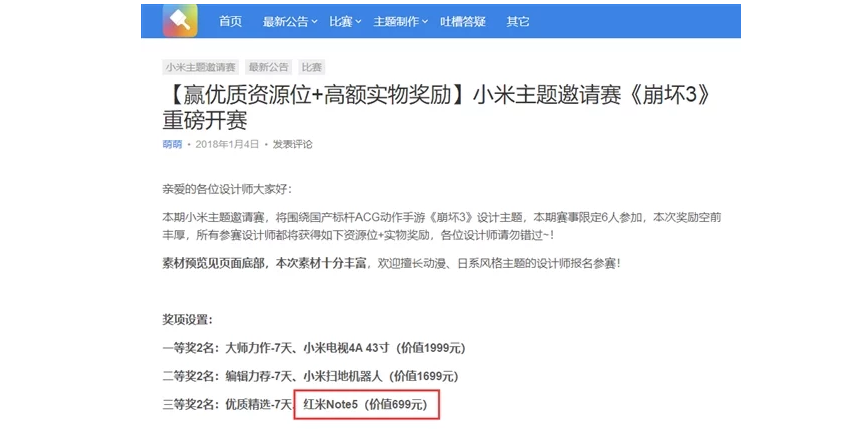
    A report claims that the Redmi Note 5 was mentioned among the list of prizes for a contest that the company is hosting on its China MIUI forum. In the forum post, the smartphone has been priced 699 Yuan which roughly translates to about Rs. 6800. However, this could very well be a typo as the company might have intended to write ‘Redmi Note 5A’ which is priced at 699 Yuan in China.

    Even if the device is priced a bit higher, Redmi Note 5 enthusiasts will be happy to know that the device in works and is expected to be launched in the coming months in China. Subsequently, India is expected to be one of the first global markets to receive the Redmi Note 5 thanks to the popularity of the Redmi Note 4.

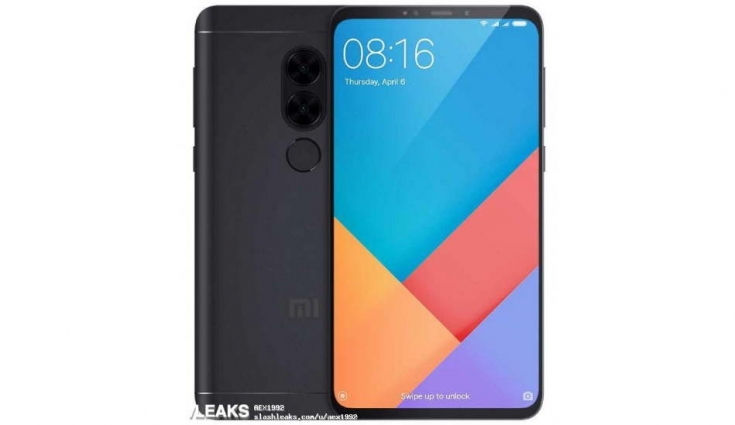
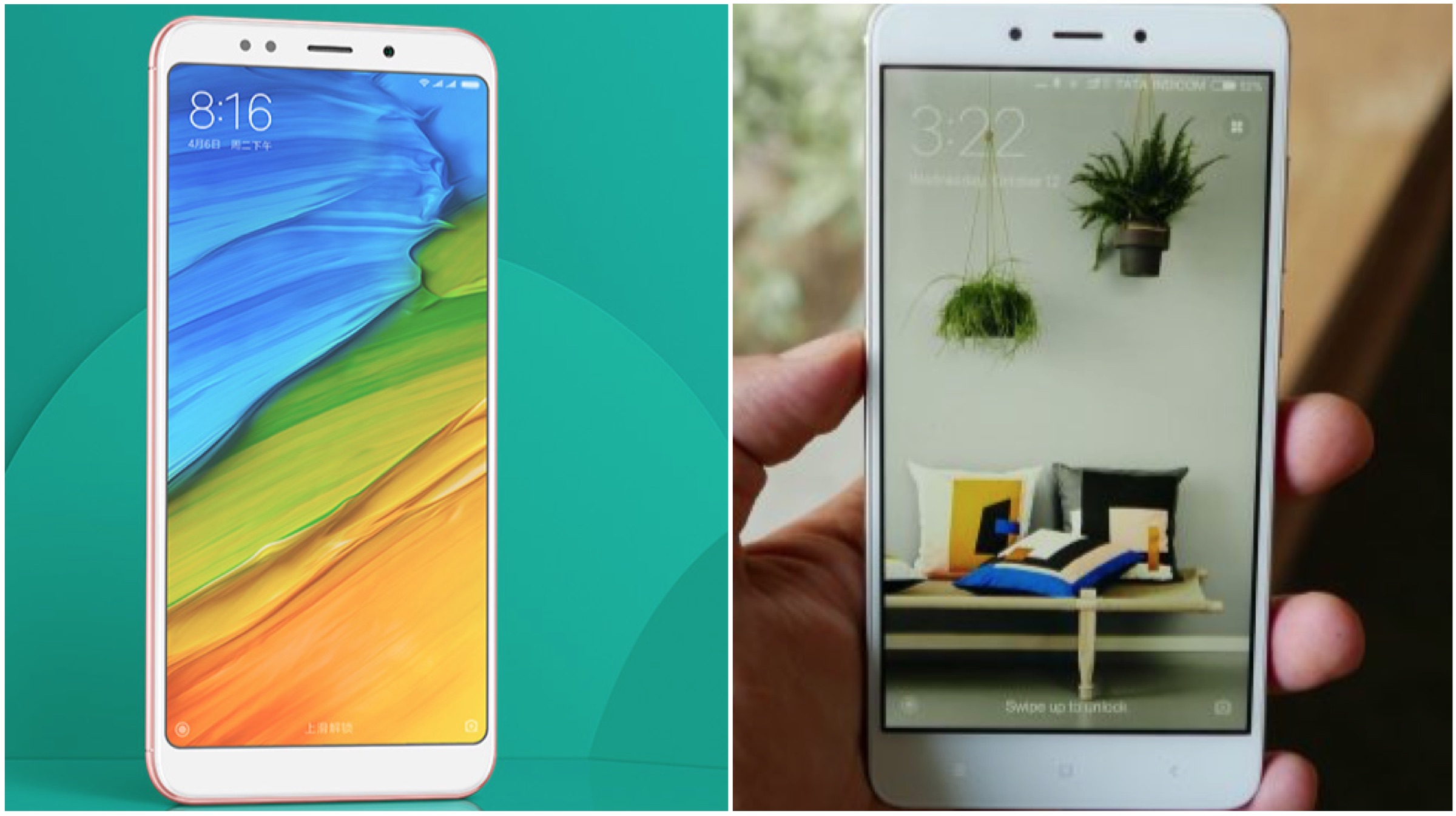
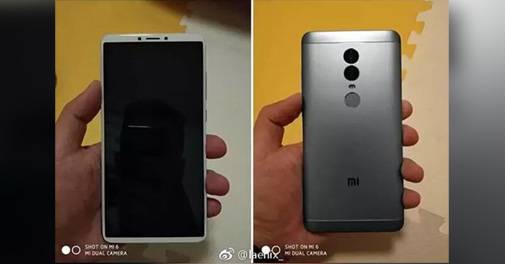
    Recently, a new render of the Redmi Note 5 was leaked which looks a bit ambitious. However, there is no denying that the Redmi Note 5 with this design might become a fan favourite as soon as it launches.

    The bezels around the display are thinner than the ones found on the Redmi 5 Plus and at its price point, could have the best screen-to-body ratio. The smartphone is expected to be launched at a price similar to the Redmi Note 4 which continues to be a popular Xiaomi phone in markets like India.

  • Xiaomi And Oculus Team Up To Launch New VR Headsets

    Xiaomi And Oculus Team Up To Launch New VR Headsets

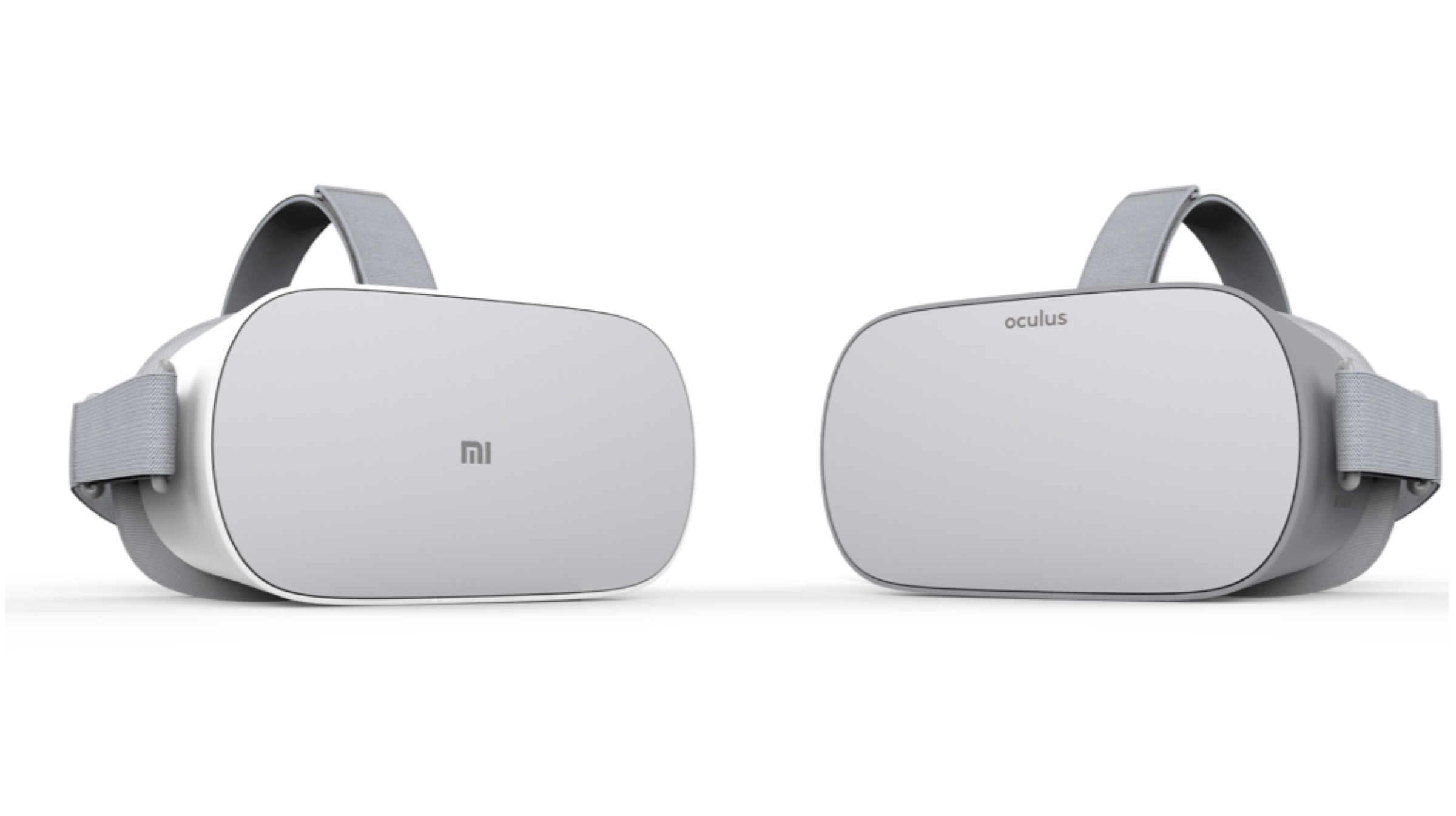
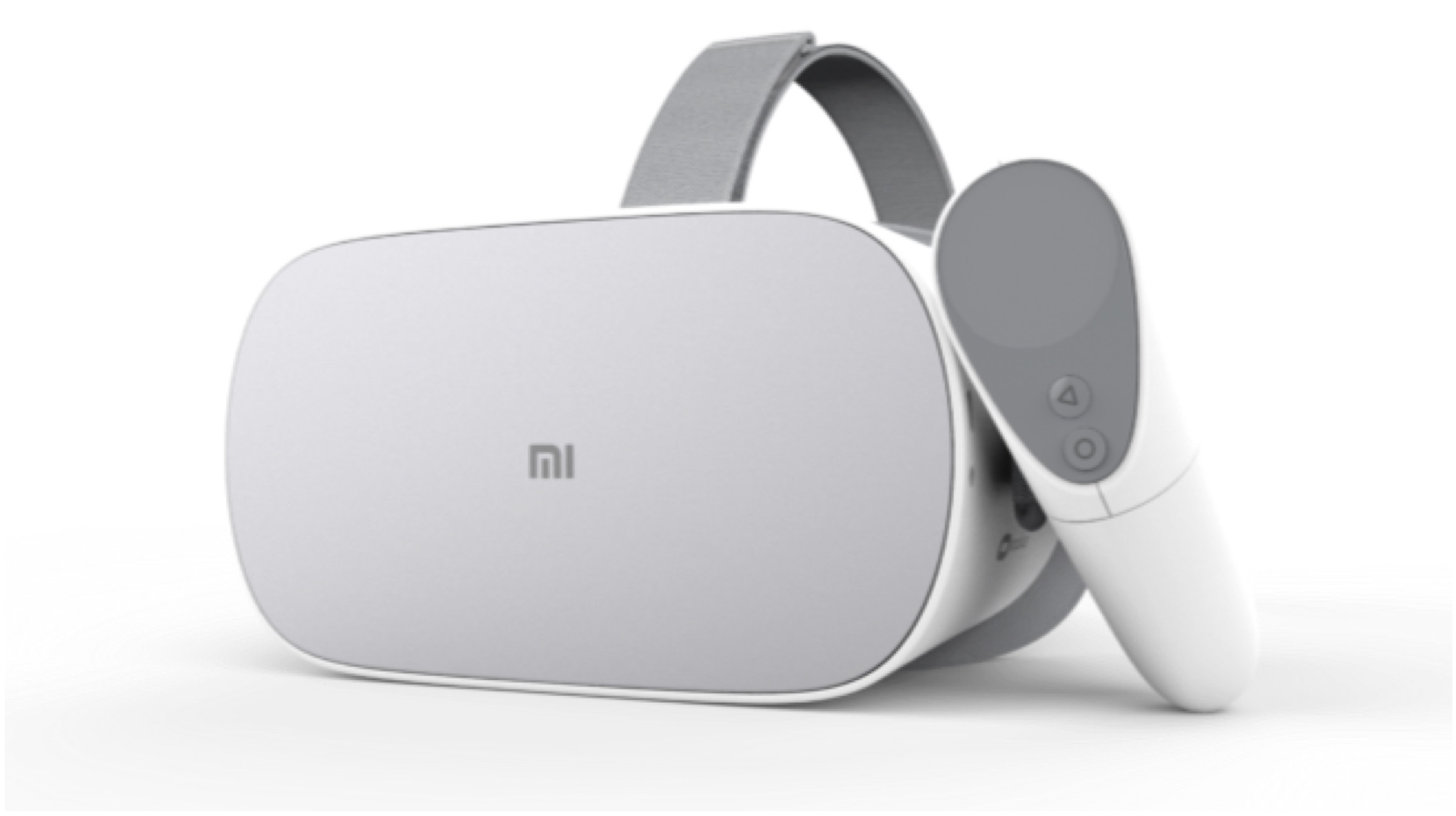
    Xiaomi and Oculus have launched two new standalone VR headsets at CES 2018 taking place in Las Vegas, USA. A lot of brands take to stage during CES and unveil new and exciting products. Xiaomi, along with Oculus has decided to unveil the Oculus and Xiaomi Mi VR Standalone. The Oculus Go will be manufactured by Xiaomi and sold in the western market where Xiaomi is trying to set a foothold in. While the Xiaomi VR Standalone is a rebranded Oculus Go meant for the Chinese market. This makes sense since Xiaomi has much stronger brand value in China than Oculus does.

    The Oculus GO was announced back in October 2017 at the Oculus Connect 4 developer conference. The Oculus GO is priced at US $199 and powered by the Snapdragon 821 chipset and sports an LCD display with a resolution of 2,560 x 1,440 pixels. It also features integrated speakers and has a 3.5 mm headphone jack on board. As it’s a standalone headset, it will also work without a PC or a smartphone.

    Immersive visual experience provided by standalone VR headsets seem to be the future of VR and AR. As more apps become VR and AR friendly, the VR content is expected to increase. Headsets like the Oculus Go provide a relatively inexpensive as at a price of US $199, a user doesn’t need a high-end smartphone to experience VR. To put things into perspective, the Samsung VR headset is priced at US $139 and is rendered useless without a high-end Samsung Galaxy device like Galaxy S8 or Note8.

    There are no details about the VR headsets launching in the Asian markets like India as of yet. But, Xiomi is known to launch a few of its China-exclusive products in India and the Xiaomi Mi VR Standalone might be launched in India.

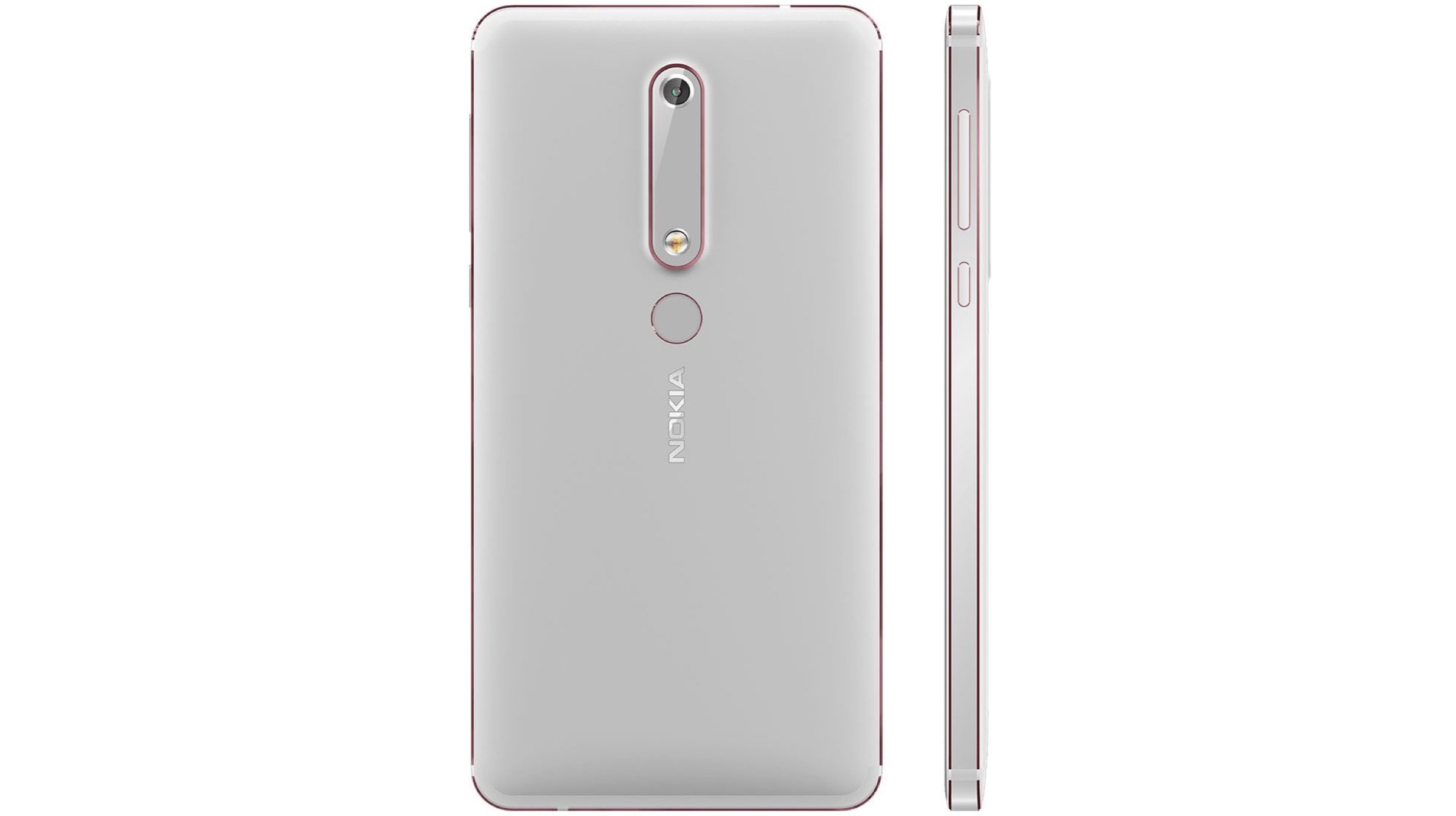
  • Nokia 6 (2018) Vs Mi A1 Vs Moto G5s Plus

    Nokia 6 (2018) Vs Mi A1 Vs Moto G5s Plus

    HMD Global’s pricing strategy for its mid-range and budget smartphones in India has baffled everyone. The Nokia 6 was launched in India in early-2017 and was heavily panned for its excessive pricing. However, it appears that HMD Global has learned its lesson and will be willing to rectify such costly errors with its new budget smartphone, the Nokia 6 (2018).

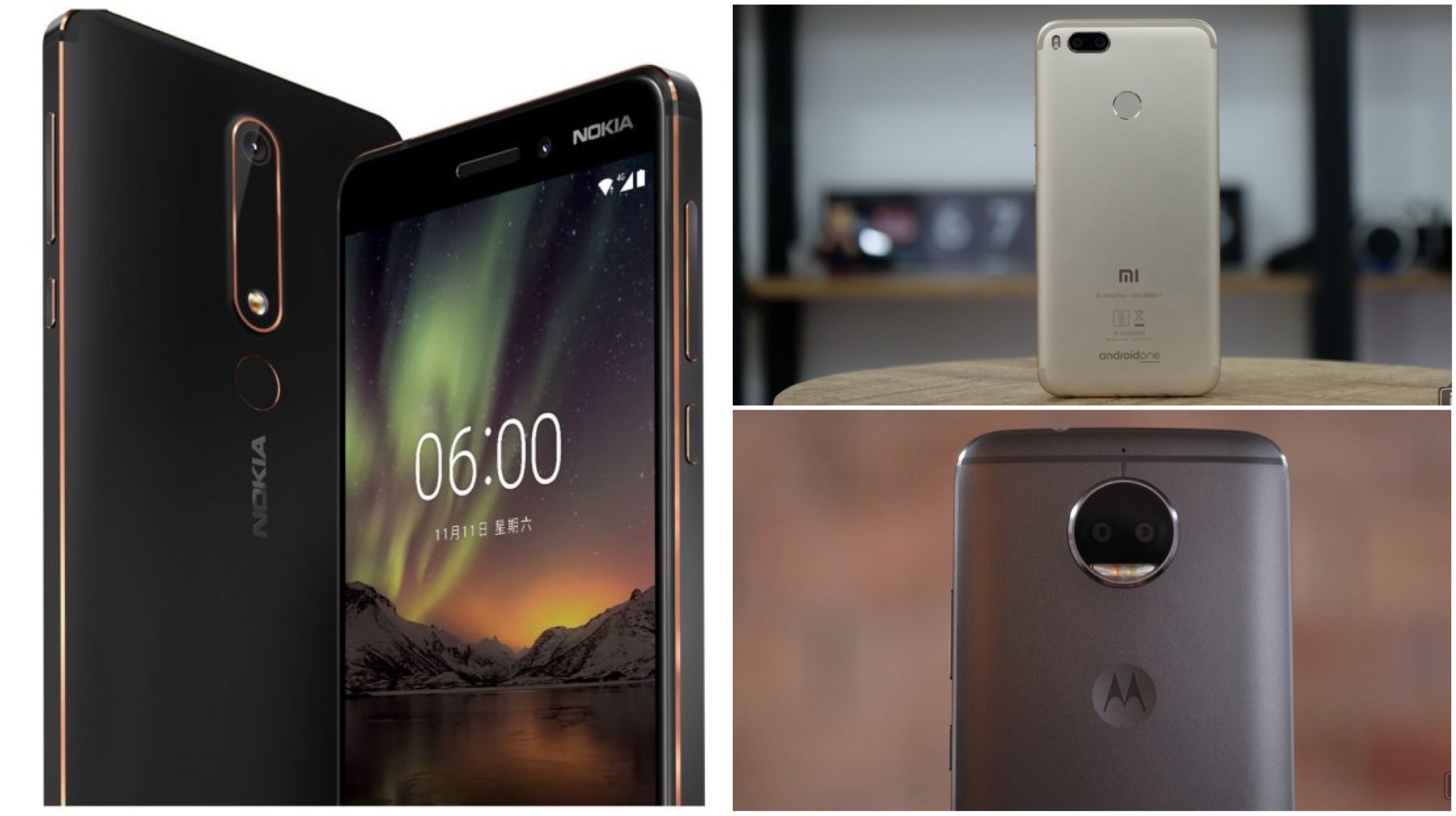
    In China, the device starts at a price of CNY 1499 (Rs. 14600 approx.) and if HMD Global goes the Nokia 8 route and launches the device at Rs. 14000 or less, the Nokia 6 (2018) could be a great contender in the budget category of Android phones. In this category, the Xiaomi Mi A1 and Moto G5s Plus also offer a stock Android experience and feature metal build although, both the devices also have a dual-camera setup at the back unlike the new Nokia 6.

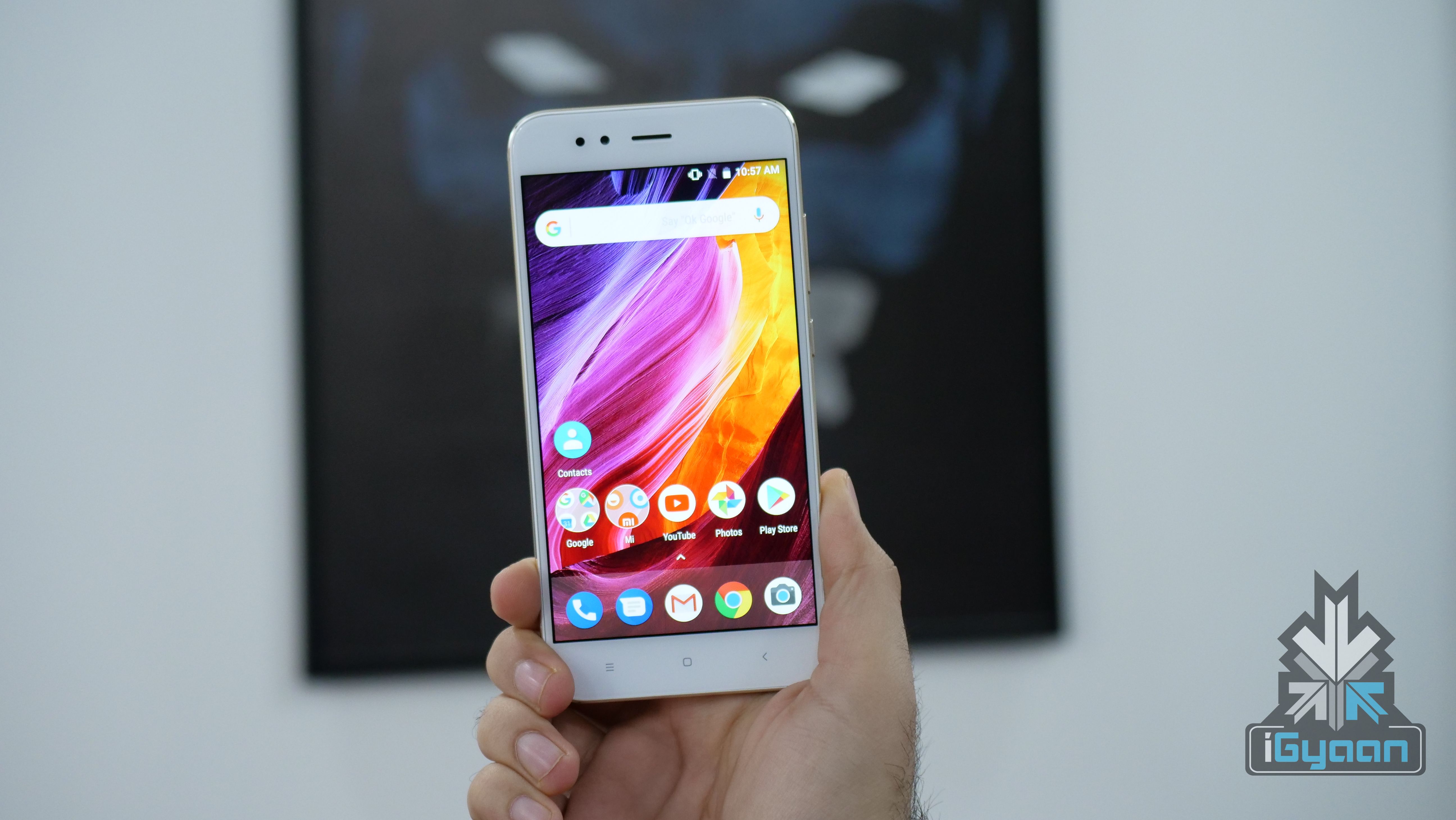
    Xiaomi Mi A1

    [amazon_link asins=’B071HWTHPH’ template=’ProductAd’ store=’igyaan-21′ marketplace=’IN’ link_id=’5de7800d-f2e3-11e7-830e-47aca632421d’]

    Early images of the Nokia 6 (2018) reveal a nice design with good colour options, however, a few choices made by Nokia are questionable. Many other OEMs have resorted for a rear-facing fingerprint sensor due to the tall display and thin bezels but, the Nokia 6 (2018) maintains the 16:9 aspect ratio and the thick bezels while moving the fingerprint sensor to the back. This decision would’ve been justified had the smartphone moved to an 18:9 aspect ratio and cut down the bezels significantly.

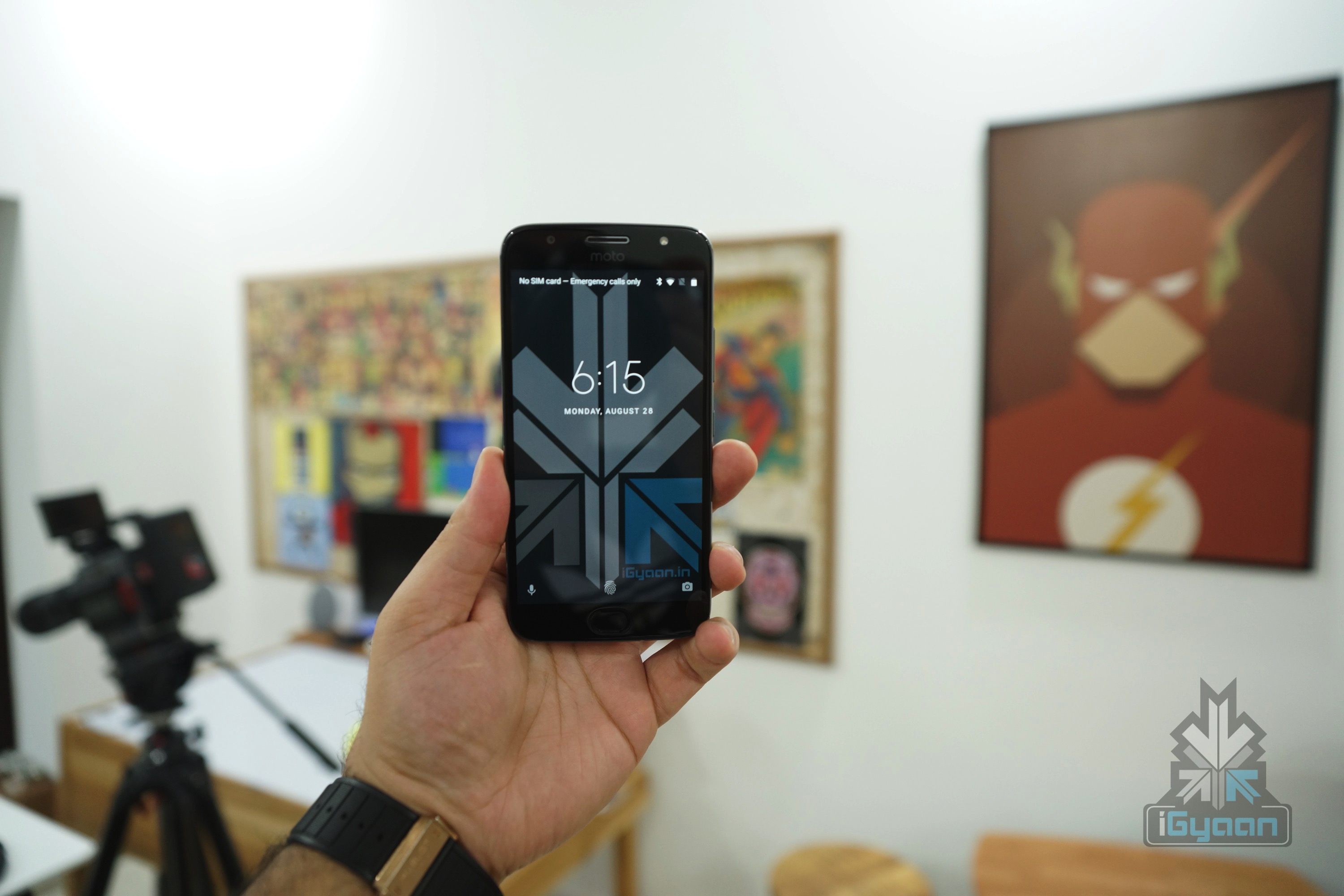
    Moto G5s Plus

    A few design tweaks aside, the Nokia 6 (2018) is a significant update over the Nokia 6 of 2017. But, will it be the new fan favourite if and when it is released in India? Let’s find out:

    Specifications Nokia 6 (2018) Xiaomi Mi A1 Moto G5s Plus
    Price Starting at CNY 1499 (Rs. 14600 approx.) Rs. 13999 Rs. 14999
    Display 5.5 inch
    IPS LCD
    5.5 inch
    LTPS IPS LCD
    5.5-inch
    IPS LCD
    Resolution 1920 x 1080 px 1920 x 1080 px 1920 x 1080 px
    Battery 3000 mAh 3080 mAh 3000 mAh
    Chipset Snapdragon 630 Snapdragon 625 Snapdragon 625
    Processor 2.2GHz
    Octa-core processor
    2.0Ghz
    Octa-core processor
    2.0 GHz
    Octa-core
    RAM 4GB 4GB 4GB
    Storage 32GB/64GB (Expandable up to 128GB) 64GB (Expandable up to 128GB) 64GB (Expandable up to 128GB)
    Primary Camera 16MP
    f/2.0
    12MP wide-angle f/2.2 + 12MP telephoto lens f/2.6 13MP + 13MP with f/2.0
    Secondary Camera 8MP
    f/2.2
    84-degree wide-angle lens
    5MP 8MP
    f/2.0
    Wide-angle lens

    The Nokia 6 (2018) has a slightly better chipset than the other two smartphones but, it also launched more than four months later. With the Xiaomi Mi A1, you get Android One which means that the Mi A1 will get future software upgrades to Android P as well.

    While companies claim that all their smartphones will get software updates for at least two years, you’ll be hard-pressed to bet on Android P update coming to the Moto G5s Plus. The Nokia 6 (2018) already runs Android 8 Oreo and hopefully, will get an update to Android P as well in early 2019.

    Let’s not forget that the Honor 7X is cheaper than both the Mi A1 and G5s Plus with equally good performing chip and cameras. A lot will depend on the price of the Nokia 6 (2018) when it launches in India.

    With so many viable options in this price category, the question that arises is whether the new Nokia 6 has enough to offer that will persuade potential buyers towards it or not. Also, will the absence of a dual-camera setup on the Nokia 6 (2018) be a deal-breaker for many suitors?

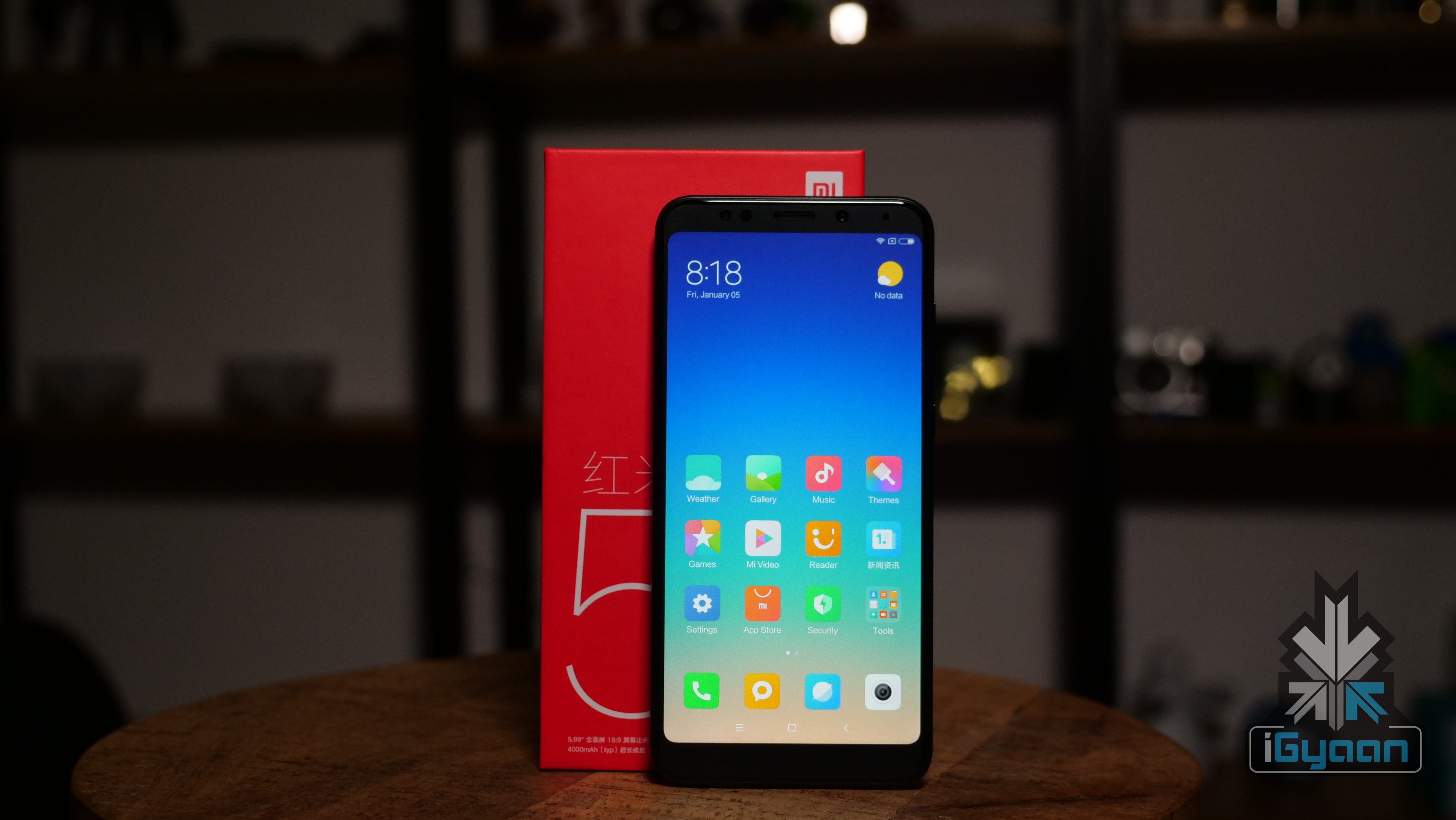
  • Xiaomi Redmi 5 Plus

    Xiaomi Redmi 5 Plus

    Xiaomi has launched two new budget-oriented smartphones Redmi 5 and Redmi 5 Plus at an event in China today. The Redmi 5 is priced at CNY 799 (Rs 7,800 approx) for the 2GB RAM/16GB storage variant and CNY 899 (Rs 8,800 approx.) for the 3GBRAM/ 32GB storage variant and will be available in Black, Blue, Gold and Rose Gold colours.

    The Redmi 5 Plus is priced starting at CNY 999 (Rs. 9,800 approx.) for the 3GB RAM/32GB storage variant and CNY 1299 (Rs. 12,700 approx.) for the 4GB RAM/64GB storage option and will be available in the same colours as the Redmi 5. Both the devices run Android 7.0 Nougat with Xiaomi’s custom MIUI 9 on top.

    [section label=”Latest News”]

    Latest News

    [loop included_tags=”40092,40091″ loading=”paged” layout=”c” postsperpage=”6″ disable_ads=”true” disable_excerpt=”true”]

    [section label=”Videos”]

    Videos


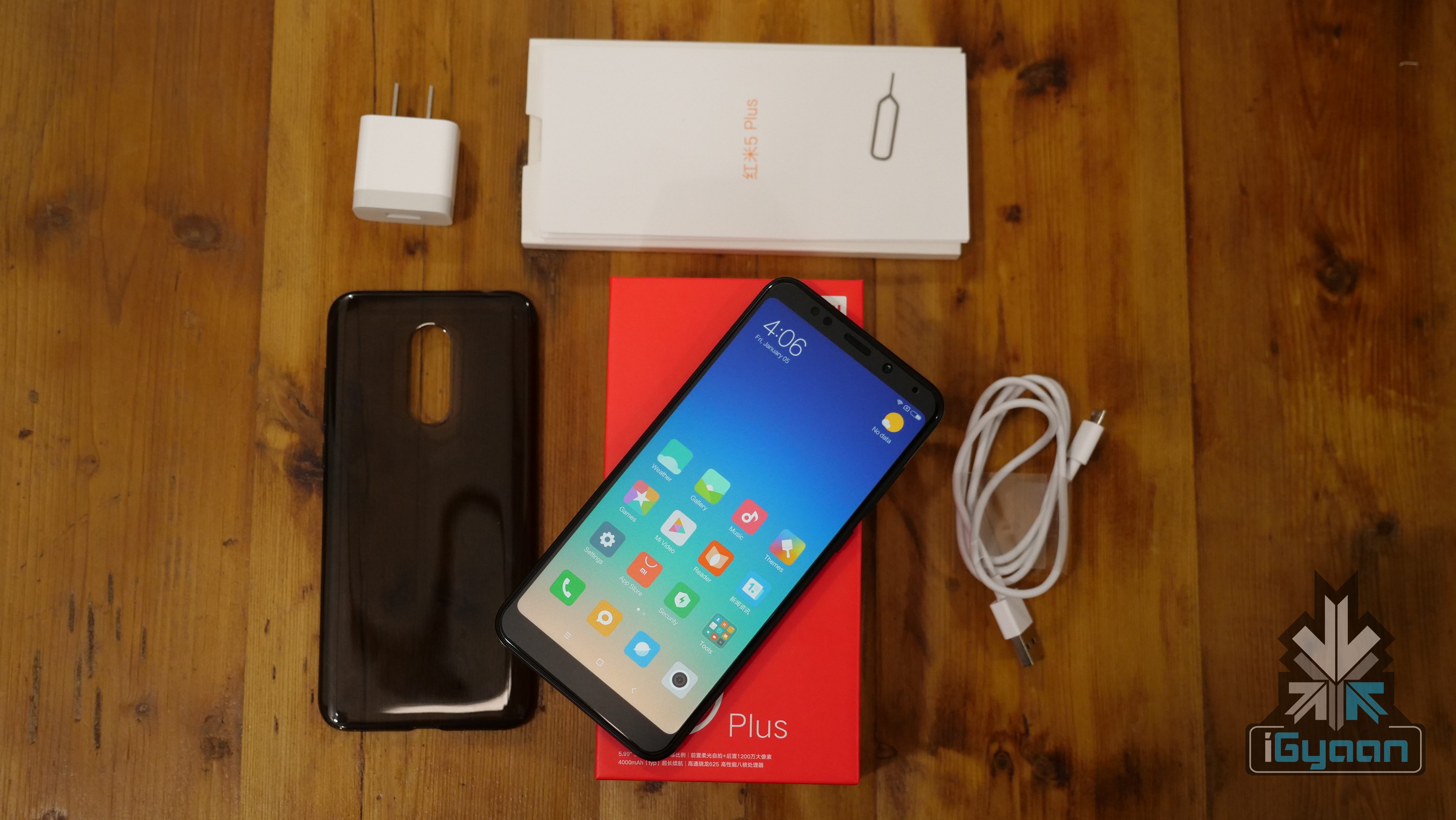
  • Unboxing The Xiaomi Redmi 5 Plus

    Unboxing The Xiaomi Redmi 5 Plus

    Xiaomi recently launched the Redmi 5 and Redmi 5 Plus in China. The two budget smartphones sport a modern 18:9 aspect ratio and are expected to launch in India soon. Ever since the Redmi 5 Plus was launched, there were rumours that Xiaomi will launch the Redmi 5 Plus in India as the Redmi Note 5 and drop the ‘Note’ series in China altogether.

    Let’s unbox the Redmi 5 Plus and see what we get inside the box:

    • Xiaomi Redmi 5 Plus
    • Documentation
    • Sim ejector tool
    • Micro USB cable
    • Wall charger
    • Clear Case

    First impressions

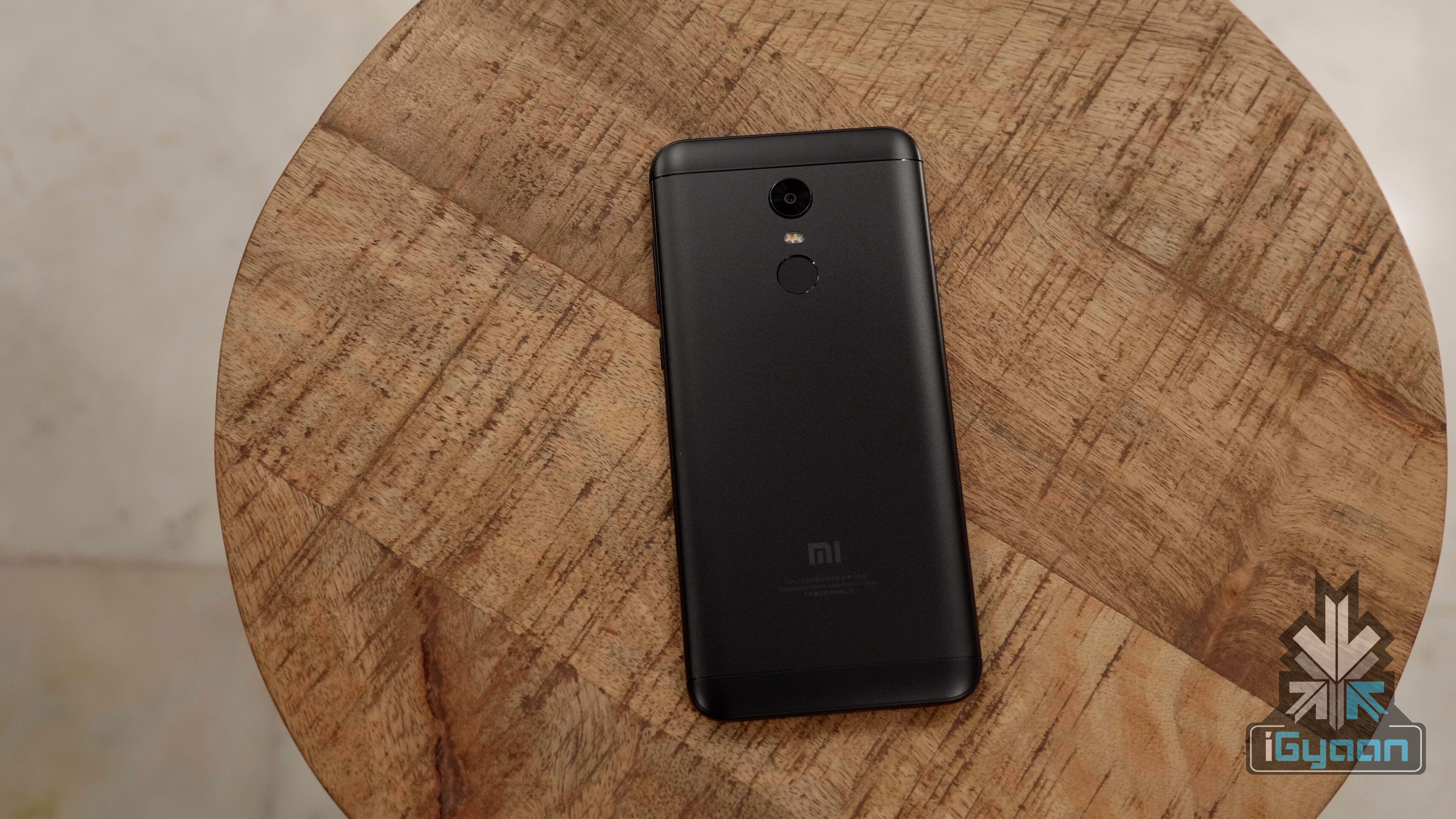
    The first thing you notice about the Xiaomi Redmi 5 Plus is the tall display and relatively thinner bezels around. By no means is it a bezel-less display but, the curved corners make the display look better. The form factor of the device is surprisingly comfortable especially considering that it houses an almost 6-inch display. The phone, although a bit slippery, is comfortable and if you’d like to protect from the get-go, the company provides a clear case inside the box.

    Specifications

    It has a 5.99-inch display with a 2160 x 1080px resolution which again, translated to an 18:9 aspect ratio.

    Under the hood, the Redmi 5 Plus has the Qualcomm Snapdragon 625 chipset, 2.0GHz octa-core processor, Adreno 506 GPU, 3GB or 4GB of RAM, and 32GB or 64GB of onboard storage which will be expandable via microSD card. The fingerprint sensor sits at the back of the device which has become a Redmi signature irrespective of thin or thick bezels.

    The Redmi 5 Plus is powered by a massive 4000 mAh battery which, according to Xiaomi, has a standby time of up to 17 days. The device has a micro USB port for charging and data syncing along with a 3.5mm headphone jack.

    The device has a 12MP primary camera with an f/2.2 aperture and a 5MP secondary camera with beautify 3.0 software.

    The Redmi 5 Plus is a solid offering at the price it is available for, and with a modern design combined with the performance of a Xiaomi phone, the device makes a good case to be a go-to budget smartphone.

    Buy it here

  • Honor 7X Vs Xiaomi Mi A1 – Best Smartphone Under Rs. 15000?

    Honor 7X Vs Xiaomi Mi A1 – Best Smartphone Under Rs. 15000?

    Huawei Honor launched the Honor 7X in India at a starting price of Rs. 12999. Up until then, that price segment was dominated by the likes of the Xiaomi Mi A1 and Moto G5s Plus, both of which offered similar specifications and software experience.

    Before the Honor 7X was launched in India, the Xiaomi Mi A1 was soaring high at a price tag of Rs. 14999 which was cheaper than the Moto G5s Plus, however, a few days after the Honor 7X was launched, the price of the Mi A1 decreased. In order to keep a level playing field, Xiaomi reduced the price of the Honor 7X to Rs. 13999 and right now, it is available for Rs. 12999 on Flipkart. With the price tag no longer a factor, let’s see which phone comes out on top.

    Design

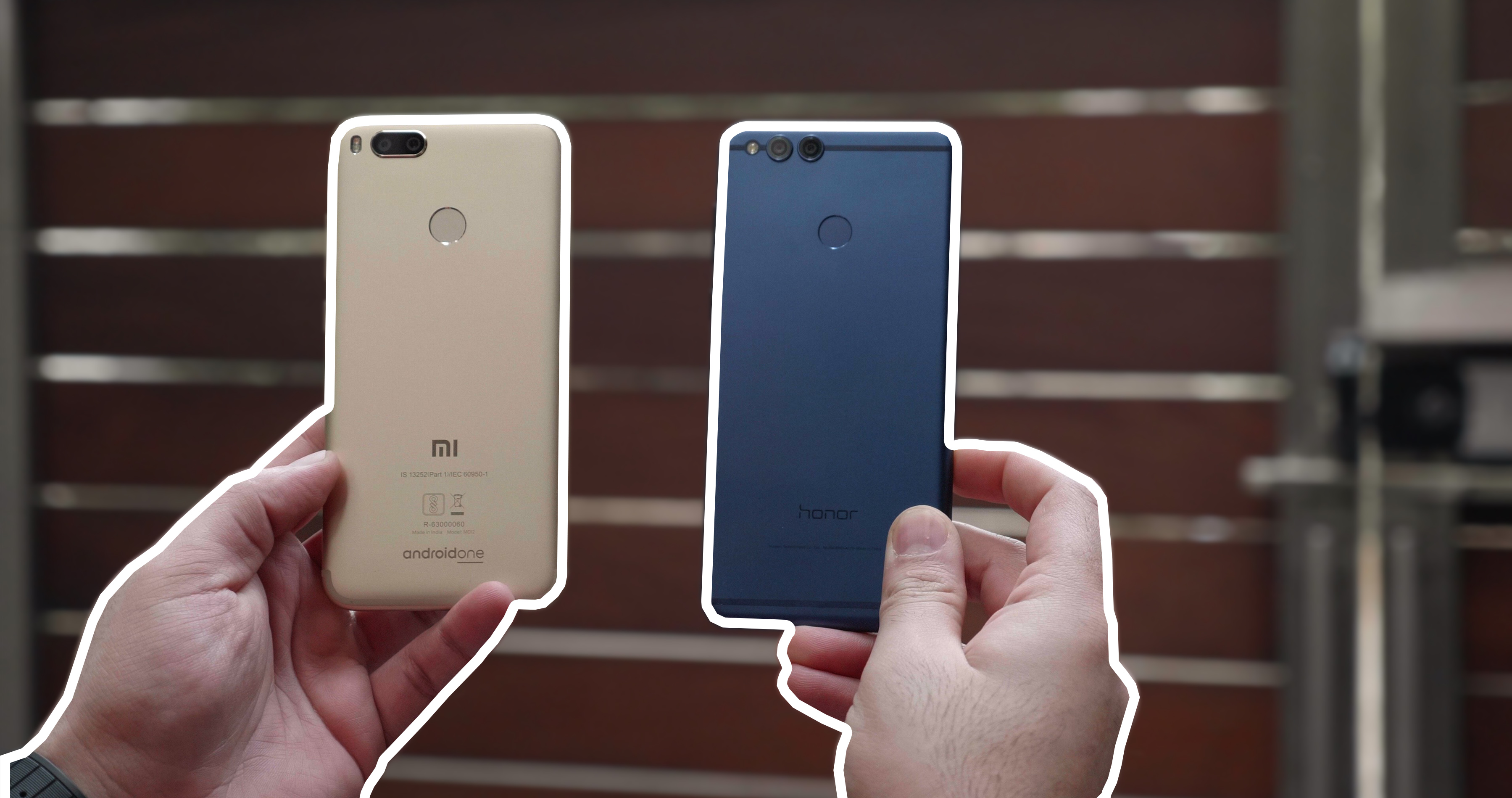
    Hands down, the Honor 7X wins in the design department. The Xiaomi Mi A1 is not a bad looking phone but, when kept next to each other, the Mi A1 looks dated. The Honor 7X has a modern design with thin bezels and even though the company could’ve used the bottom bezel to house a fingerprint sensor instead of its branding, the Honor 7X looks sleek and more pleasing to the eye than the Xiaomi Mi A1.

    Display

    The Honor 7X has a 5.93-inch LTPS IPS LCD display with a 2160 x 1080 px resolution and 407ppi. The Xiaomi Mi A1, on the other hand, has a 5.5 inch LTPS IPS LCD display with a 1920 x 1080 px resolution and 403ppi. Despite a taller display, the Honor 7X has a slightly high pixel count than the Xiaomi Mi A1. In terms of display, the Honor 7X wins the battle again thanks to its 18:9 aspect ratio which comes in handy while multi-tasking and content consumption in general. The Xiaomi Mi A1 has the 2016 standard 5.5-inch display which cannot seem to hold up against the Honor 7X.

    Software

    After photos and sound, software is the most subjective aspect of a smartphone. Just like some people prefer bass-heavy sound over a flat soundstage, some people prefer the bells and whistles of a custom skin over stock Android OS. There is no denying that the Xiaomi Mi A1 will always be ahead when it comes to software updates but, EMUI on the Honor 7X has come a long way since its inception as well. Both the phones offer a different software experience for different sets of people.

    Performance

    The Xiaomi Mi A1 has the Qualcomm Snapdragon 625 chipset, 4GB of RAM and 64GB of onboard storage which can be expanded up to 128GB via microSD card. The Honor 7X is powered by the HiSilicon Kirin 659 chipset, 4GB of RAM and 32GB of storage (for the Rs. 12,999 variant) which can also be expanded up to 256GB via microSD card. Just as you would expect, bot the devices handle day-to-day tasks with ease although the 18:9 display makes normal usage much more fun on the Honor 7X. During gaming again, the display of the Honor 7X comes into play as it enhances the user experience while the Xiaomi Mi A1’s experience is adequate but, nothing to ride home about.

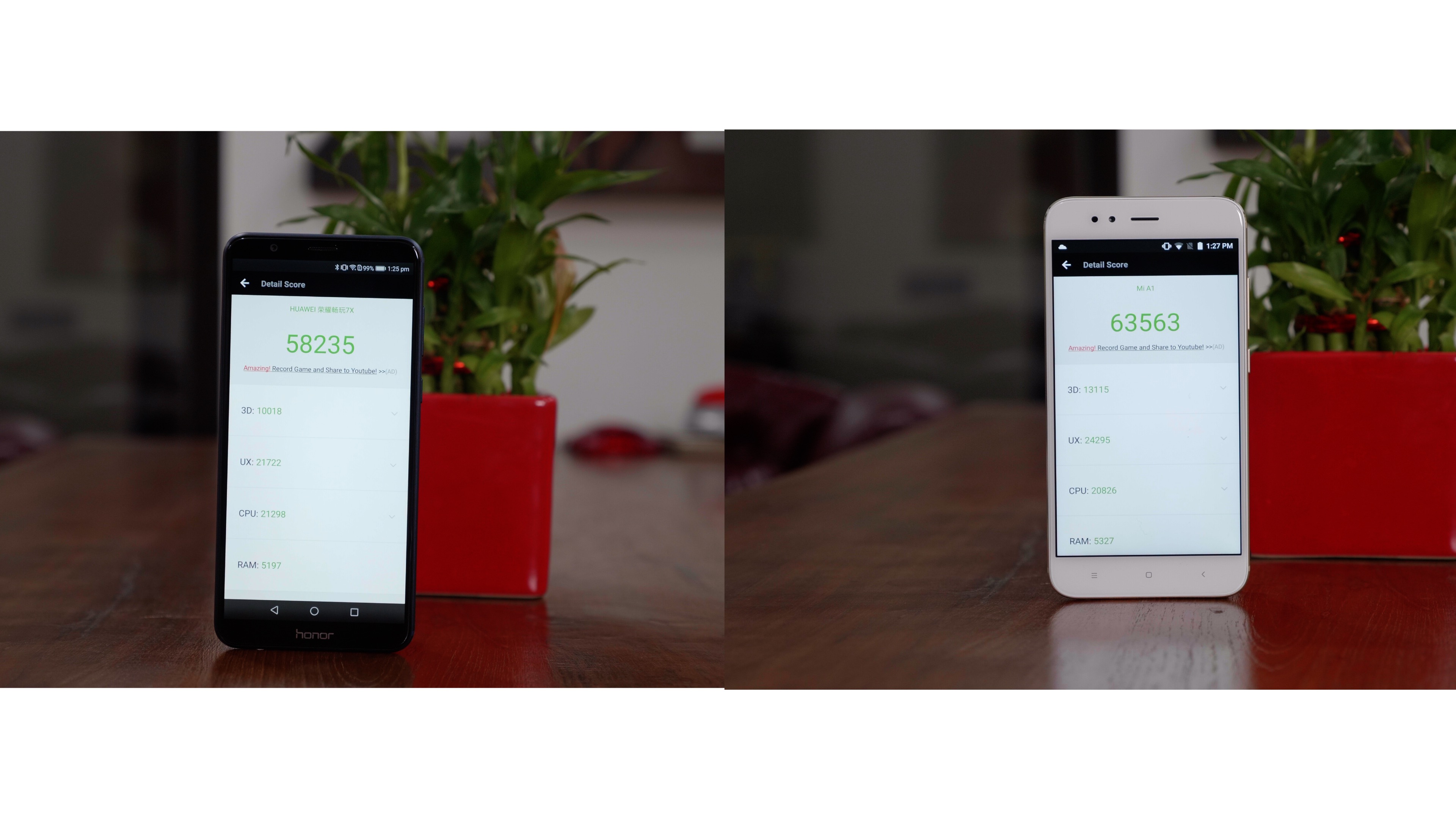
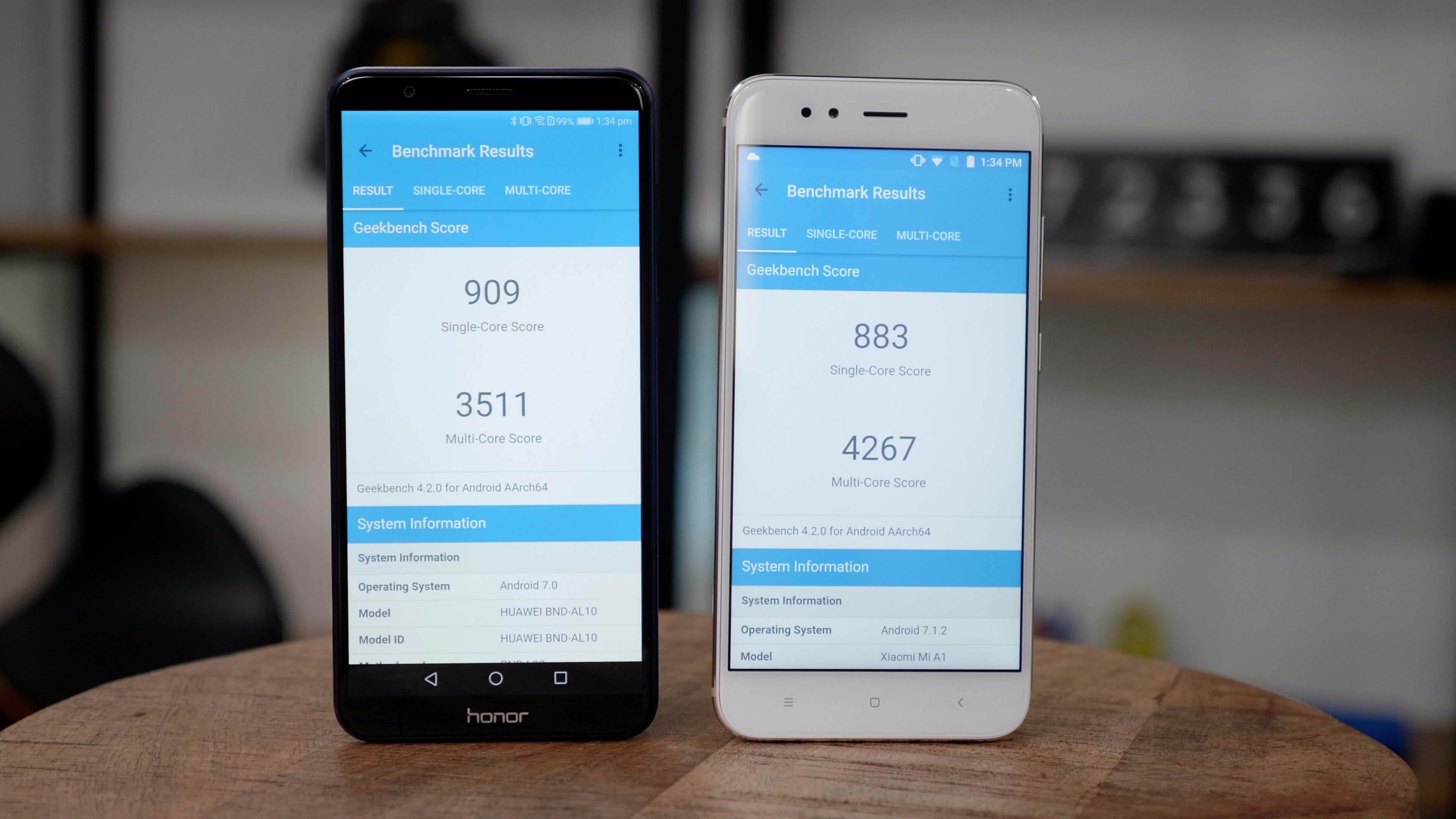
    Benchmark scores tell a similar story. In Geekbench, the Xiaomi Mi A1 scores 883 in single-core and 4267 in multi-core set. The Honor 7X on the other hand scores 909 in single-core and 3511 in multi-core tests.

    Camera

    Photos are extremely subjective and the same case is in this comparison as well. Watch our full comparison for photo samples and decide for yourself. Here are a few sample shots from both, the Xiaomi Mi A1 and Honor 7X.

    While specifications on paper might not tell the whole story, the two phones are a solid option in the price category. The Mi A1 has a dated design but stock Android OS while the Honor 7X has a modern design, thin bezels but a heavily skinned custom OS.

    Specifications Honor 7X Xiaomi Mi A1
    Price [amazon_link asins=’B0784BZ5VY’ template=’ProductAd’ store=’igyaan-21′ marketplace=’IN’ link_id=’d3211805-ec8b-11e7-b2e3-2fce9ec0930c’] Starting At Rs.12999

    Rs. 13999

    Display 5.93-inch
    LTPS IPS LCD
    5.5-inch
    LTPS IPS LCD
    Resolution 2160 X 1080 px
    407ppi
    1920 x 1080 px
    403ppi
    Battery 3340 mAh 3080 mAh
    OS Android 7.1 Nougat
    EMUI
    Android 8.0 Oreo (Beta)
    Stock Android OS
    Chipset HiSilicon Kirin 659 Qualcomm Snapdragon 625
    GPU Mali-T830 MP2 Adreno 506
    RAM 4GB 4GB
    Storage 32GB/64GB (Expandable up to 256GB) 64GB (Expandable up to 128GB)
    Primary Camera 16MP + 2MP depth sensor 12MP (f/2.2) + 12MP (f/2.6) telephoto lens
    Primary Video 1080P @ 30fps 4K @ 30fps
    Secondary Camera 8MP 5MP
    Add-ons Fingerprint Sensor
    Tall display and bezel-less design
     Fingerprint Sensor
  • Xiaomi Introduces Full Display Gestures In The New Beta Build Of MIUI 9

    Xiaomi Introduces Full Display Gestures In The New Beta Build Of MIUI 9

    Xiaomi appears to be preparing its users for the future with the new beta build of MIUI 9. Ever since the iPhone X removed the home button, it has become increasingly inevitable that smartphones in the coming years will solely rely on gestures of navigation with the OS.

    With the latest beta update, Xiaomi has added ‘full display gestures’ that appear to be inspired by the iPhone X a lot. For example, in order to reach the home screen, the user has to swipe up from the bottom of the screen while swiping from the bottom to the top and pausing for a second brings up your recent apps. Other gestures include swiping from the left or right of the screen to the middle to take the user to the previous page. Over the years, Xiaomi has taken “inspiration” for Apple for its platform. From the MIUI layout to “MiDrop,” the not-so-subtle hints have always been there. Being one of the first Android smartphone makers to shift to all display gestures similar to the iPhone X will only strengthen the previous argument.

    Over the years, Android’s take on navigation within the OS has been different from that of iOS. While Android phones have had three navigation buttons, iOS has had a physical home button which solved multiple purposes like multitasking, invoking Siri and other gestures like swiping from the left or right of the screen to the middle to take the user to the previous page. So, when Apple introduced these gestures in the iPhone X, the transition was a lot smoother thanks to the presence of gestures in the past iPhones.

    Android, on the other hand, has used the three buttons, the home, back and multitasking button for every little navigation within the OS. These have either been software buttons or physical buttons, with nowadays OEMs offering the choice of both the navigation systems. When Android does shift to only gestures, the transition for users might not be as natural and organic as it was for iOS users.

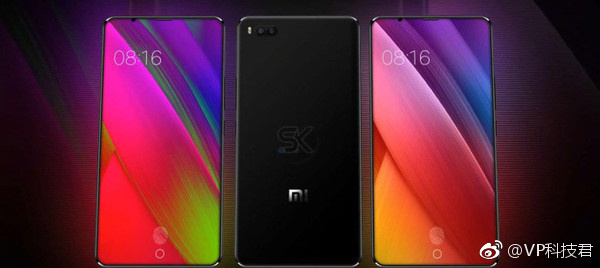
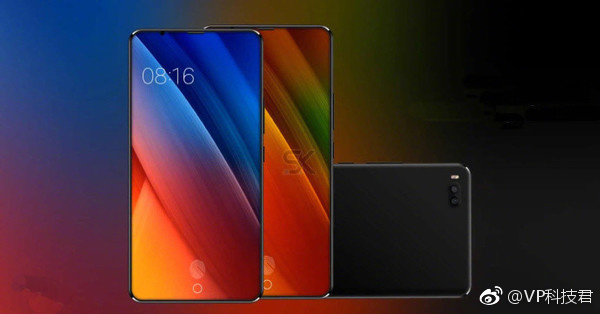
    A few Xiaomi Mi 7 renders were leaked with conflicting reports. Some suggested that the device will have an in-display fingerprint sensor while the other report claimed that Xiaomi is working on an iPhone X-like Face ID system. One thing in common, however, was the all-screen design of the phone. Xiaomi phones have had on-display as well as physical and touch capacitive navigation buttons. Introducing navigation via gestures a few months before the launch of the Mi 7 might hint at an all display design of the Mi 7 and the company’s foray into gesture-based navigation with Android.

    Xiaomi Mi 7 Renders

    For now, users with the Xiaomi Mi Mix 2, Mi Mix, Redmi 5, and Redmi 5 Plus can preview these gestures on their devices.


  • Xiaomi Yeelight Voice Assistant Is Its Answer To The Amazon Echo Dot

    Xiaomi Yeelight Voice Assistant Is Its Answer To The Amazon Echo Dot

    The smart speaker segment is becoming increasingly crowded nowadays. While the products started as a pricey investment into smart home tech, the likes of Amazon Echo Dot or the Google Home Mini can be bought for US $49 or less. However, one company is stepping into the segment which is known for making cost-effective smart home products but, mainly keeps them in its native market of China. Xiaomi, the famous Chinese smartphone maker has introduced the Yeelight Voice Assistant, a smart speaker which will reportedly cost about US $30.

    The new smart speaker will be powered by Microsoft’s own voice assistant Cortana, which could be mainly due to the partnership between Xiaomi and Microsoft to use some of Microsoft’s services in Xiaomi’s products. However, it is believed that the smart speaker will be powered by both Cortana and Amazon Alexa, which will definitely make the smart speaker a much more compatible smart speaker.

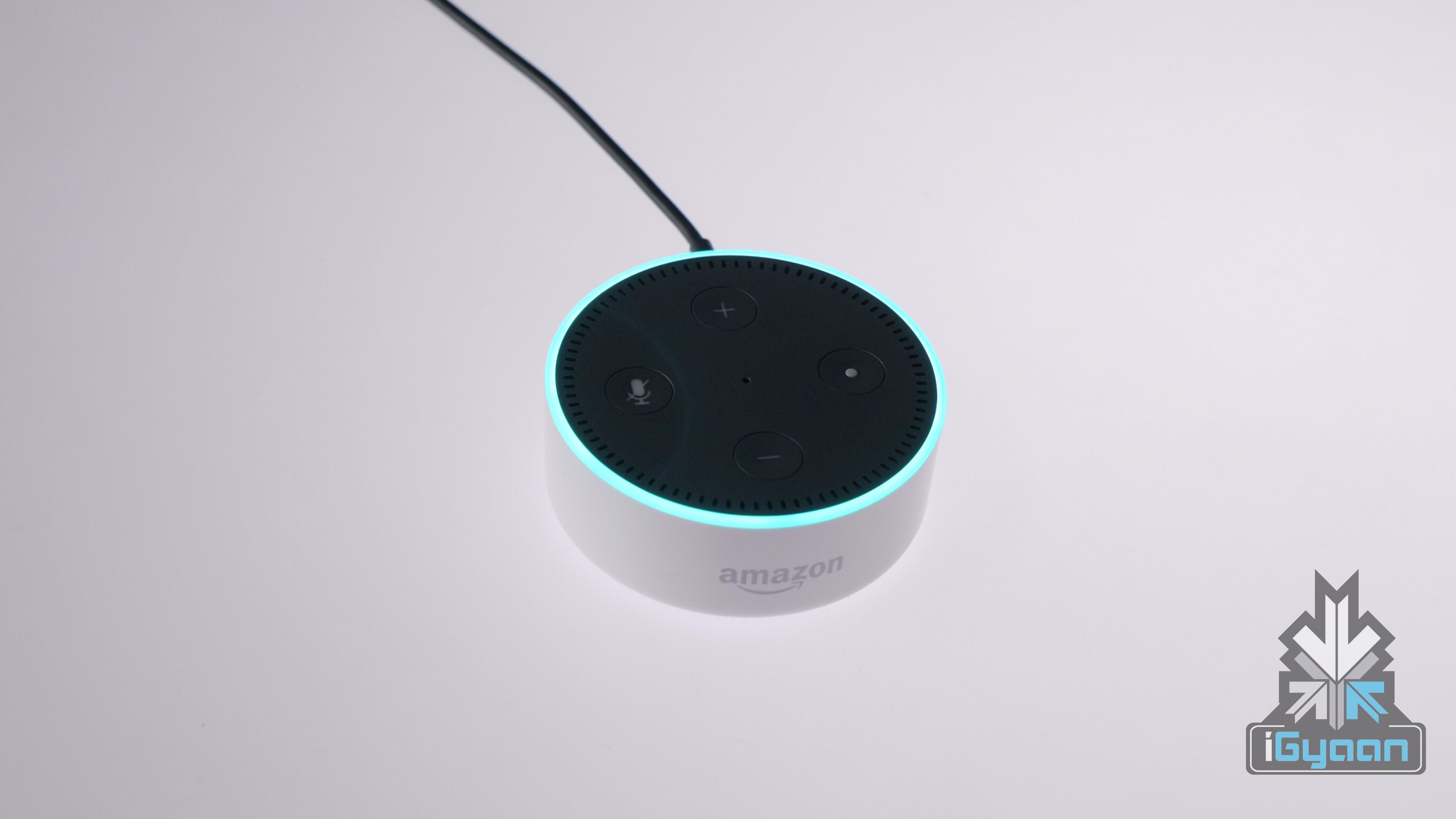
    Apart from it being a smart speaker, the Yeelight Voice Assistant looks strikingly similar to the Echo Dot. With a similar colour combination of white with a blue light, the speaker grill on top and the size and shape of the speaker, anyone will be forgiven for mistaking it as the Echo Dot in the first glance.

    The Yeelight Voice Assistant is a 2-watt speaker with six microphones to make it easier for it to pick up the user’s voice. The smart speaker also has a long-range voice activation capability wherein it can be activated from up to 5 meters of distance. Xiaomi claims that this possible thanks to an advanced voice wake-up algorithm.

    Powering the smart speaker is a Cortex A53 quad-core processor with 256MB of RAM and an equal amount of internal storage space. This storage is likely for caching personal preferences or other specific user details.

    The smart speaker, as of now, is only listed on the company’s crowdsourcing platform for a price of US $30 or roughly Rs. 1800.

  • Conflicting Xiaomi Mi 7 Reports Hint Towards One Important Aspect

    Conflicting Xiaomi Mi 7 Reports Hint Towards One Important Aspect

    Xiaomi will soon launch its new flagship phone in 2018 and multiple reports are claiming that the new flagship will have a radical new design. Whether these renders will be a reality in the coming months is yet to be seen.

    A report claims that the Xiaomi Mi 7 will drop the famed fingerprint sensor and replace it with Face ID-like facial recognition technology. Unlike a few other Android phones that have launched since the inception of the iPhone X, the Mi 7, apparently, will not have a backup fingerprint sensor for payments and accounts security. This means that the phone will have very thin bezels and a small notch at the top which will house the front-facing camera and the other sensors necessary for a Face ID-like biometric system.

    A conflicting report has claimed that the Chinese smartphone maker will embrace the next phase of fingerprint technology, wherein the sensor will be placed underneath the display. The report claims that the phone will have extremely minimal bezels, much thinner than what we have seen on any device so far. This report conflicts from the previous one but, hints at the same bezel-less design.

    Xiaomi shook the smartphone industry in 2016 with the launch of the Xiaomi Mi Mix with minimal bezels around the display. Since then every smartphone maker has followed suit and thin bezels have now become a norm. It will be interesting to see if Xiaomi takes the bold decision and drops fingerprint sensor in favour of facial recognition, something that has picked up speed since Apple adopted it for the iPhone X.

  • Xiaomi Makes It Easier To Track Phone’s Repair Status

    Xiaomi Makes It Easier To Track Phone’s Repair Status

    In a bid to improve post-sales customer satisfaction, Xiaomi has launched a new service called the Mi Service Order Status. Using this service, users can track their device repair status on Xiaomi’s website.

    To keep the process fairly simple, Xiaomi has divided the status of the phone into five categories, under inspection, work in progress, ready for delivery, delivered, and cancelled. In order to track the repair status, the user will have to enter their contact number/order number/ service number/ IMEI number on the service page. To complete the verification process, the user will receive an OTP on the registered mobile number. Once the OTP is submitted, the status of the repair will be displayed.

    Hi, Mi fans!
    mi.com has introduced a useful service for you guys. It is one of its kind and very few platforms in India have deployed it. You usually call the service center executive to know the status of your device given for repair.

    Now with the help of service order status, you can easily track your device and know its service status online.

    Xiaomi also announced that the next sale of the Redmi 5A will begin on the 28th of December at 12 noon.

    Does shifting the process of checking the repair system make the overall after-sales experience better? Let us know in the comments!

    Buy the Redmi 5A here

  • Is The Xiaomi Redmi 5 Plus A Worthy Upgrade Over The Redmi Note 4?

    Is The Xiaomi Redmi 5 Plus A Worthy Upgrade Over The Redmi Note 4?

    Budget smartphones in India have to be the best in class to gain any sort of attention from the consumers. This is thanks to the overcrowding in the segment and some great devices that have been launched over the past year or so. One of them has been the Xioami Redmi Note 4. By the company’s own admission, the Redmi Note 4 is Xiaomi’s most successful smartphone in India.

    Xiaomi Redmi 5 Plus

    In what might be a shock move, the Chinese smartphone maker might not launch a successor to the Redmi Note 4 and instead market the Redmi 5 Plus as the successor to the Redmi Note 4. According to a Supermoderator on the MIUI forum, the Xiaomi Redmi 5 Plus is going to remain the company’s only large-screened affordable option. This is not an official confirmation but, it as close as it gets to one.

    In India, Xiaomi has historically launched phones with different names in India and it won’t be surprising if the Redmi 5 Plus is launched as the Redmi Note 5. The ‘Note’ moniker will matter a lot as the consumers already associate the term ‘Note’ with a big phone, and the Redmi 5 Plus falls into that category with a 6-inch display.

    Xiaomi Redmi Note 4

    However, does the Redmi 5 Plus pose enough of an upgrade over the Redmi Note 4 which will persuade the Redmi Note 4 owners to upgrade? Let’s find out.

    Specifications Redmi Note 4 Redmi 5 Plus
    Display 5.5-inch IPS LCD 5.99-inch IPS LCD
    Resolution 1920 x 1080 px
    401ppi
    2160 x 1080 px
    403ppi
    Chipset Qualcomm Snapdragon 625 Qualcomm Snapdragon 625
    Battery 4100 mAh 4000 mAh
    RAM 2GB/3GB/4GB 3GB/4GB
    Storage 32GB/64GB, Expandable up to 128GB 32GB/64GB, Expandable up to 256GB
    Primary camera 13 MP f/2.0 aperture 12MP f/2.2 aperture
    Secondary camera 5 MP f/2.0 5MP
    Add-ons Fingerprint sensor Fingerprint sensor
    Modern design

    Although specs on paper never really tell the whole picture, a comparison on paper is sometimes enough to show a clear picture. That is the case with the Redmi 5 Plus and Redmi Note 4 debate. If Xiaomi launches the Redmi 5 Plus as the Redmi Note 5 in India, it will end up disappointing a lot of consumers which the Chinese smartphone maker will not want.

    A refresh of the Redmi Note 4 with a better chipset and the same design as the Redmi 5 Plus might just do the trick. The design of the Redmi 5 Plus is a definite upgrade to the same-old class Redmu design of the Redmi Note 4. But, when you look at what the Redmi 5 Plus has to offer over the Redmi Note 4, it falls short in a lot of aspects.

    Possible Redmi Note 5 Leak

    It has a marginally smaller battery than the Redmi Note 4 despite having a larger screen size. It has the same Qualcomm Snapdragon 625 chipset despite coming out almost a year after the Redmi Note 4.

    Even though you shouldn’t expect a lot from a one-generation upgrade, the Redmi Note 4 to Redmi 5 Plus just doesn’t make sense, at least on the paper. Let’s hope Xiaomi scraps the idea of dropping the ‘Note’ lineup and launches a worthy successor to the beloved Redmi Note 4.

  • Xiaomi Redmi 5A Available Offline For Rs. 7499

    Xiaomi Redmi 5A Available Offline For Rs. 7499

    In November, Xiaomi launched the ‘Desh ka Smartphone’, Redmi 5A in India at a price of Rs. 4999 and Rs. 6999. At the time o its launch, the device was a Flipkart exclusive and the company announced its plans of expanding the phone’s sales to the offline market as well. A new report cites that the 3GB RAM variant of the Redmi 5A, which retails for Rs. 6999 on Flipkart is available at a price of Rs. 7499 via offline retailers.

    The Redmi 5A isn’t a huge upgrade over its predecessor, the Redmi 4A. The Redmi 5A has a 5 inch LCD display with a 1280 x 720 px resolution.

    Just like the Redmi 4A, the new smartphone is also powered by the Qualcomm Snapdragon 425 chipset, quad-core CPU clocked at 1.4GHz, along with 2GB/3GB of RAM, 16GB/32GB of onboard storage which can be expanded up to 128GB via microSD card. The dual-SIM Redmi 5A is powered by a 3000 mAh battery which seems to be a downgrade when compared to the Redmi 4A which packs a 3120 mAh battery.

    The device will run Android 7.1 Nougat out of the box with Xiaomi’s custom MIUI 9 skin on top.

    The Redmi 5A has a 13MP rear camera with an f/2.2 aperture, burst mode, panorama mode, HDR mode, and more. To the front is a 5MP camera with an f/2.0 aperture. The smartphone records 1920 x 1080 px videos.

    Buy it here

  • Xiaomi Mi A1 Android 8.0 Oreo Update Would Enable Fast-Charging

    Xiaomi Mi A1 Android 8.0 Oreo Update Would Enable Fast-Charging

    Xiaomi launched the Mi A1 in India back in August at a price of Rs. 14999. Thanks to Android One program, the Xiaomi Mi A1 has a stock Android OS and will be supported by Google for the next couple of years with major software upgrades. At the time of its launch, Xiaomi promised that the Android 8.0 Oreo update will be seeded out to all Mi A1 phones by the end of the year. The company appears to on track to deliver on that promise as it has already seeded the third beta Android 8.0 Oreo update for the Xiaomi Mi A1.
    A report claims that with the new Android 8.0 Oreo update, the Xiaomi Mi A1 charges much quicker than it used to while running Android 7.1 Nougat. The report, however, conceded that the user charged the phone with a OnePlus charger and the phone went from zero to a hundred percent in 92 minutes while earlier it used to take over two hours.

    The absence of fast-charging despite having a USB-C port was a definite let down and Xiaomi appears to be making amends with the new software update. The report also notes that Oreo has made app loading much quicker and animations are much smoother now as well.

    The Xiaomi Mi A1 will end the year as one of the best budget smartphones of 2017 and even in the early parts of 2018, apart from the tough competition posed by the Honor 7X, there won’t be many competitors in this category. The Xiaomi Mi A1 is now available at a price of Rs. 13999 after it received a permanent price cut.

    To compete with the competition of the Honor 7X, Xiaomi recently launched a limited edition red colour variant of the Xiaomi Mi A1 as well, to offer something different than the usual pink, gold and black phones that smartphone makers launch.

iGyaan Network
Privacy Overview

This website uses cookies so that we can provide you with the best user experience possible. Cookie information is stored in your browser and performs functions such as recognising you when you return to our website and helping our team to understand which sections of the website you find most interesting and useful.