Category: Business

  • Google May Open Offline Stores In India To Sell Pixel Devices

    Google May Open Offline Stores In India To Sell Pixel Devices

    Google launched the Pixel 2 and Pixel 2 XL on the 4th of October. It subsequently went on sale in India and ever since the launch, the two devices have been embroiled in controversies regarding a lot of software and hardware issues. To improve its sales in the country and catch up with its competition, the tech giant is planning to open offline stores.

    [amazon_link asins=’B0772YB7Y1′ template=’ProductAd’ store=’igyaan-21′ marketplace=’IN’ link_id=’d01d2b50-ea13-11e7-8200-b7868d257085′]

    The motive behind opening offline stores in India is more than just about increasing sales. The company wants to improve the brand awareness of its Pixel lineup as well. For years, Google has been known as a software company and its efforts to become a global hardware competitor won’t be fruitful unless it makes a dent in the Indian market since it is the second largest smartphone market in the world right now.

    To increase the visibility of its Pixel phones, Google has opened pop-up stores in the past few weeks in malls like Promenade, Select Citywalk and Mall of India, among others. The report claims that the positive response to these pop-up stores is one of the reasons to open an offline store.

    [amazon_link asins=’B077SGZJK2′ template=’ProductAd’ store=’igyaan-21′ marketplace=’IN’ link_id=’dc7395c6-ea13-11e7-a8ed-db22da0390b2′]

    Last year’s Pixel and Pixel XL, even though they received great reviews for their camera and software performance, didn’t perform all that well in India. At a starting price of Rs 61000, the Pixel 2 duo is already costlier than the Samsung Galaxy S8. Compared to the US$649 starting price of the Pixel 2, the price in India is inflated by almost US$300.

    At the time of the India launch of the two new smartphones, the VP of Product Management at Google said that the team has learned a lot since the 2016 Pixel phones were launched in India:

    We learnt quite a bit with the first Pixel in India and one of the things we’re doing is increasing our marketing investment, really to explain the product.

    We’ve expanded the channel and from a go-to-market perspective, we’ll be much more present this year compared to last year.

    The company conceded that one of the main drawbacks of the Pixel and Pixel XL of 2016 was its failure to capture the offline market. The Pixel 2 in India starts at a price of Rs 61000 for the 64GB variant and goes up to Rs 70000 for the 128GB variant. The bigger sibling, Pixel 2 XL costs Rs 73000 for the 64GB variant and Rs 81000 for the 128GB storage variant.
  • OnePlus Could Be Sued For Face Unlock Patent Infringement

    OnePlus Could Be Sued For Face Unlock Patent Infringement

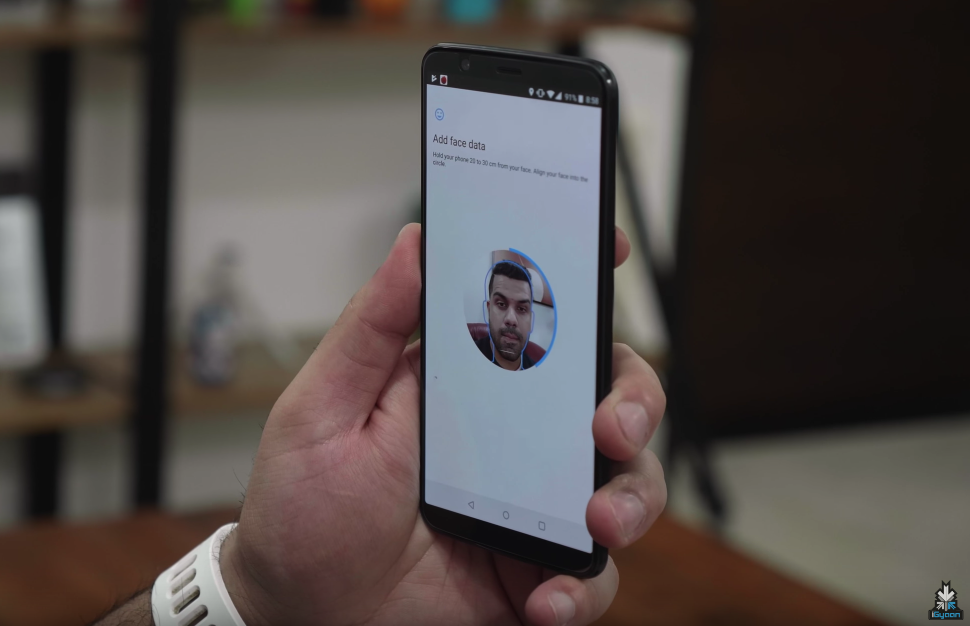
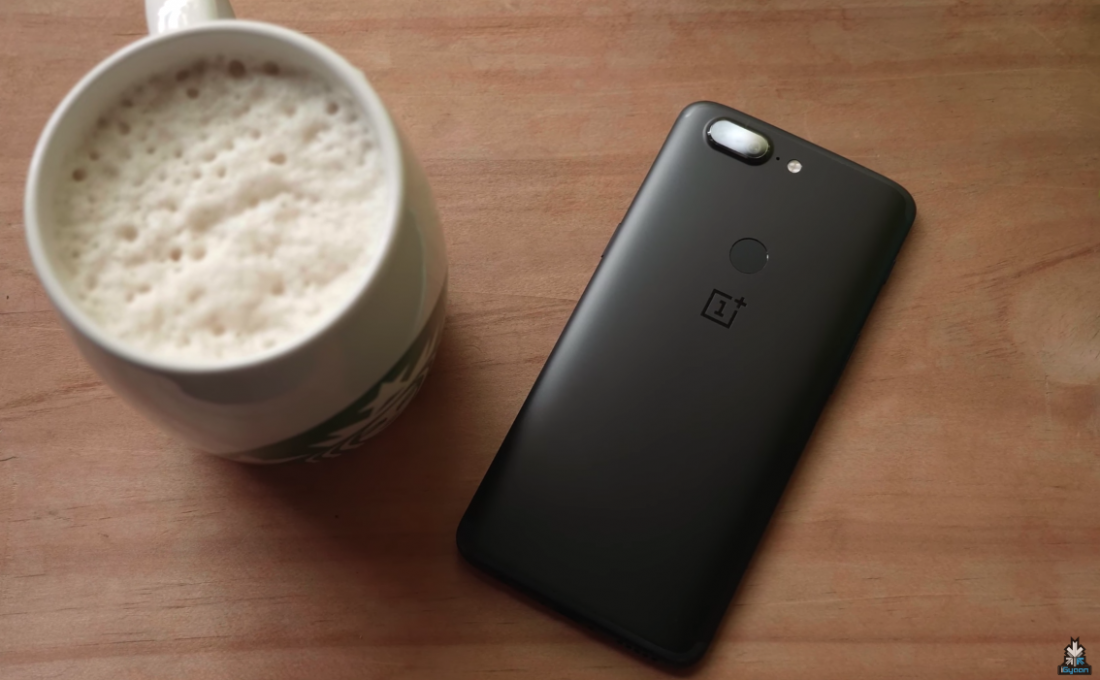
    OnePlus might be in some legal trouble if some reports are to be believed. The company is facing a possible patent infringement lawsuit that revolves around the Face Unlock facial recognition system on the OnePlus 5T. While the Face Unlock technology on the OnePlus 5T has received rave reviews from fans and critics alike, one company is definitely not a fan.

    SensibleVision is a company that works on facial recognition and biometric systems. George Brostoff, CEO and co-founder of SensibleVision claims that at least one of his company’s patents was infringed on by OnePlus’ Face Unlock system. One of the patents that he believed was used without permission, allows a phone’s screen to be used as an illuminator. Based on a video released by Forbes that shows Face Unlock in action, Brostoff claims that OnePlus is “likely infringing at the very least on our illumination patent.”

    In a statement, Brostoff said:

    This is nothing new. We have been doing this for years. It even appears that they may be using several patented technologies. We have not licensed our patents to OnePlus or their supplier. From the video on Forbes, they are likely infringing at the very least on our illumination patent.

    This is the definition of the patent in question right now:

    A camera is used for providing images to the facial recognition software where the display operates in a first mode for displaying images to a user and in a second mode for illuminating the user’s face for detection by the camera.

    It is also worth noting that patents are only valid in jurisdictions where they were granted. So, unless SensibleVision filed a patent application or was granted a patent for the illumination technology in China, there is no infringement, since the company is based in the US.

    It doesn’t appear that SensibleVision has yet taken a legal step towards addressing the issue. Stay tuned for more updates regarding this possible legal battle.

  • Apple Sued For Deliberately Slowing Down Older iPhones

    Apple Sued For Deliberately Slowing Down Older iPhones

    Days after addressing the millions of conspiracy theories on the internet about the mysterious slowing down of older iPhones, Apple has been sued for it. Filed by Stefan Bogdanovich and Dakota Speas, the suit claims that Apple’s deliberate effort to throttle CPU performance on the iPhone amounts to “breach of contract.” It also notes that Apple’s behaviour lowers the resale value of existing iPhones and underhandedly coerces iPhone owners to upgrade to newer models.

    For years, iPhone users claimed to notice a discernible system slowdown with some iOS updates. However, the issue came in the spotlight thanks to a widely circulated Reddit thread backed. Following that, Geekbench founder John Poole did some performance testing on various iPhones running different versions of iOS. Poole found that Apple does, in fact, limit performance on older iPhone models with lower-capacity batteries in the interest of battery life and preventing unexpected shutdowns.

    After the hue and cry on social media, Apple decided to address the issue and put out a statement:

    Our goal is to deliver the best experience for customers, which includes overall performance and prolonging the life of their devices. Lithium-ion batteries become less capable of supplying peak current demands when in cold conditions, have a low battery charge or as they age over time, which can result in the device unexpectedly shutting down to protect its electronic components.

    Last year we released a feature for iPhone 6, iPhone 6s and iPhone SE to smooth out the instantaneous peaks only when needed to prevent the device from unexpectedly shutting down during these conditions. We’ve now extended that feature to iPhone 7 with iOS 11.2, and plan to add support for other products in the future.

    It is fair to say that while Apple has a noble reason behind the decision, the company should’ve been up-front about it from the beginning. Waiting for an outcry to come clean makes it look like a PR decision more than anything else. No other details about the lawsuit have been revealed yet.

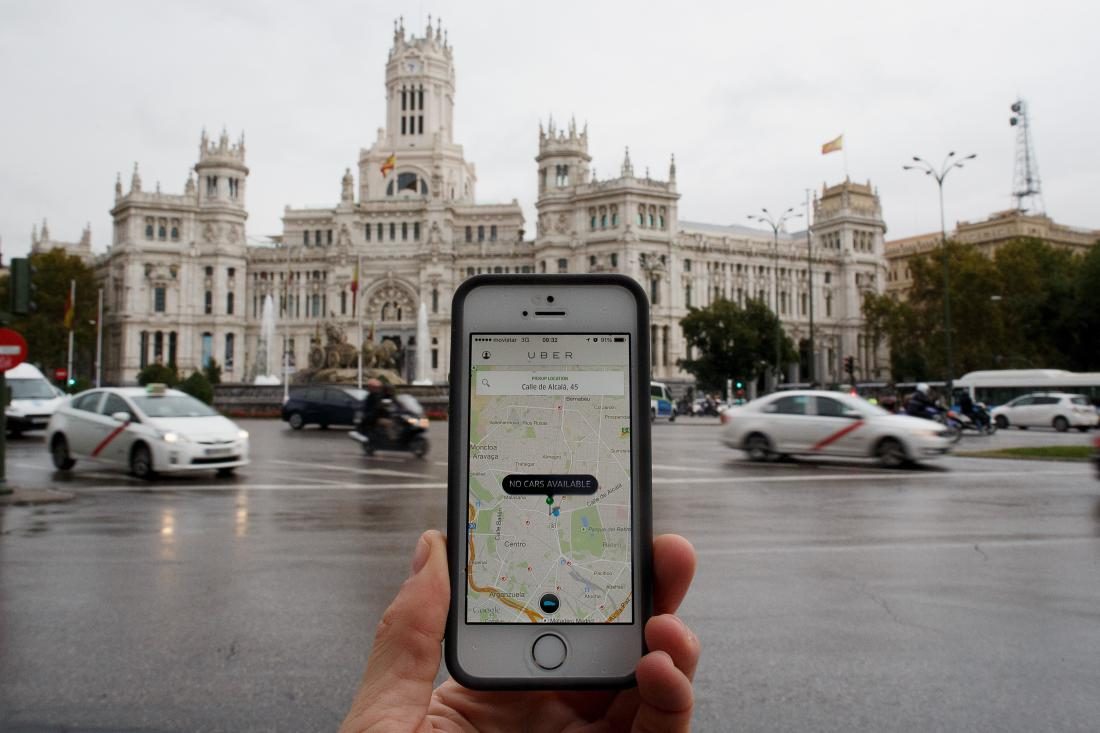
  • Still Use BBM? You Can Now Book An Uber From BBM

    Still Use BBM? You Can Now Book An Uber From BBM

    BBM was all the rage back in the day when iOS and Android were just starting out. Although the BlackBerry OS appealed to the professionals more because of the security features but, BBM gained popularity thanks to its iMessaging-like exclusivity. This was also before WhatsApp and other IM services gained popularity.

    However, over the past few years, BBM and BalckBerry OS are virtually dead in most of the western market. However, there are some parts of the world where people have clung on to BBM. Now run by Indonesian telco Emtek, BBM still maintains a decent following in Indonesia, other parts of Asia, Africa and the Middle East.

    In association with BBM, Uber will now users to book a ride from inside the chat app within the ‘discover’ menu. The feature will go live in selected countries in Africa, Asia, Europe, North America, and the Middle East.

    BBM will do a one-up over WhatsApp since it doesn’t have a feature like this to compete with BBM. However, with its ever-growing popularity, WhatsApp doesn’t appear to be competing with the dwindling by-gone messaging service BBM. This move is more to do with Uber targeting Indonesia than BBM coming up with a feature to resurrect itself in the world of instant messaging.

    Indonesia is the world’s fourth most populous country and Uber will try to gain impetus in the Southeast Asian country. The ride-hailing business in Indonesia has grown to US $1.5 billion in 2017 and a higher growth is projected in the coming years.

    The BBM partnership makes use of Uber’s web-based app, ‘m.uber’ which offers features you’d find in a regular app but comes suited to poor quality connections and lower-end devices.

    [poll id=”57″]

  • Motorola Will Now Rent Out Moto Mods

    Motorola Will Now Rent Out Moto Mods

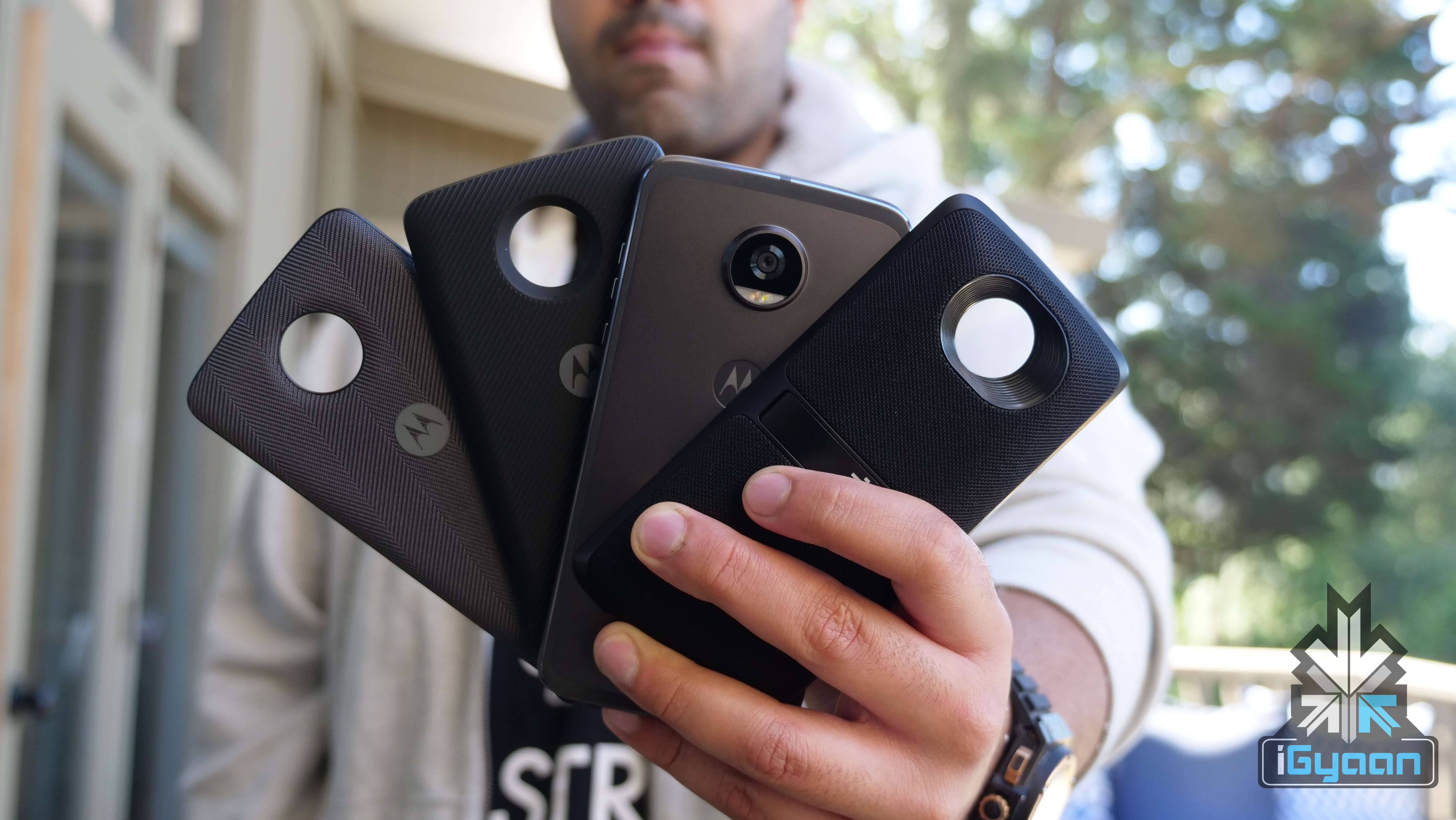
    Motorola announced its partnership with RentMojo to offer customers the facility to rent out Moto Mods for Rs. 399 a week. The rental service will be available from December 23 across top 8 cities, including the metros.

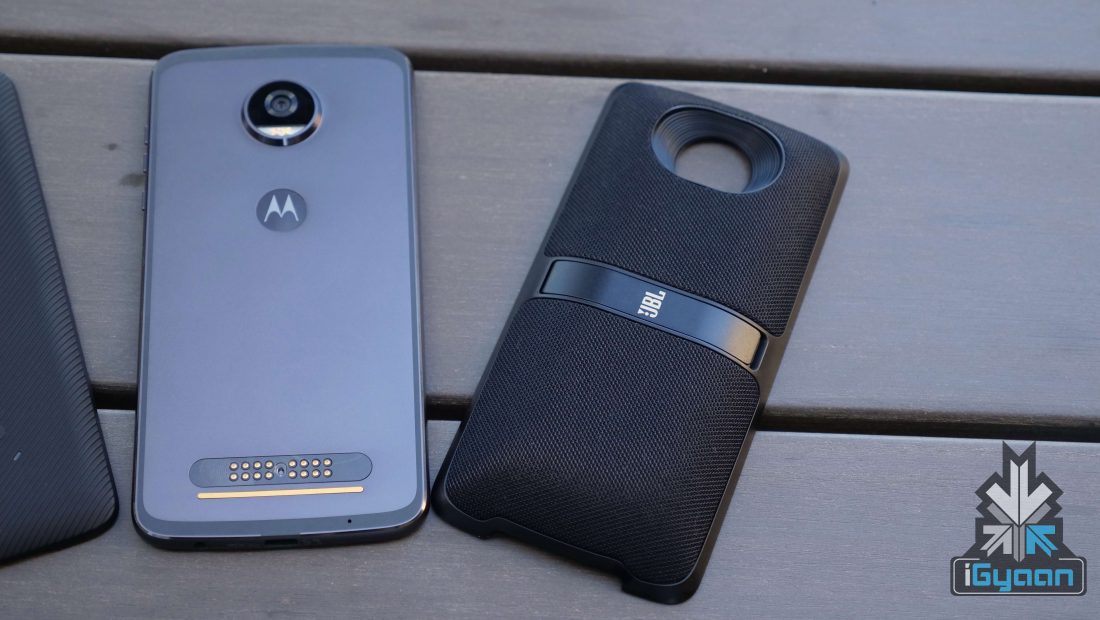
    Along with this announcements, the smartphone maker also announced three new mods, JBL SoundBoost 2 speaker Mod, Moto TurboPower Pack battery Mod and the GamePad Mod which will go on sale from the 17th of December via Flipkart and all Moto Hub stores across the country.

    Motorola Mobility India Managing Director Sudhin Mathur said:

    This is an India-first initiative. We want people to experience the magic of mods before (they) go ahead and buy it. So, whether it is extra battery life or great sound that they are looking for, we will have a mod for that.

    RentMojo is an online portal wherein you cant rent anything from furniture to a bike.

    Motorola Mods are compatible with Moto Z phones and essentially add a functionality to the phone which you would not have experienced with any other phone. The Moto Z lineup’s USP is their modularity.

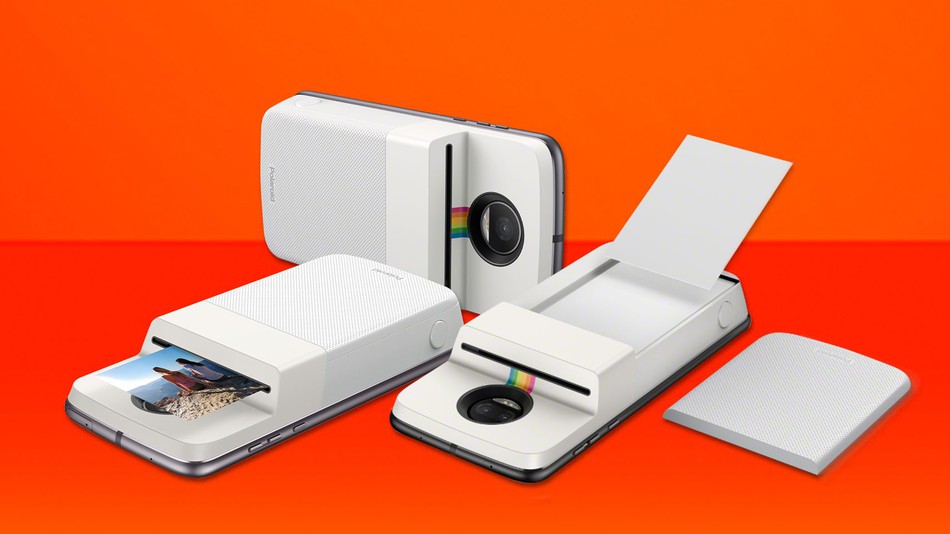
    Motorola also launched a polaroid camera mod for the Moto Z devices. Just like any other mod, it clips on to the back of your phone and connects to the Moto Z’s camera to turn the phone into a tiny Polaroid camera. The mod even has a dedicated shutter button to make clicking photos relatively easier. You can also use the mod to print out photos you’ve already taken, and other pictures you have stored on your phone. You can even add text to photos before printing them.

    With Moto Mods costing almost as much as an Android phone, the idea of renting out Moto Mods makes sense for consumers to try out a mod before deciding whether they want to spend so much of money on an accessory or not.

  • Apple Confirms Face ID Is The Future

    Apple Confirms Face ID Is The Future

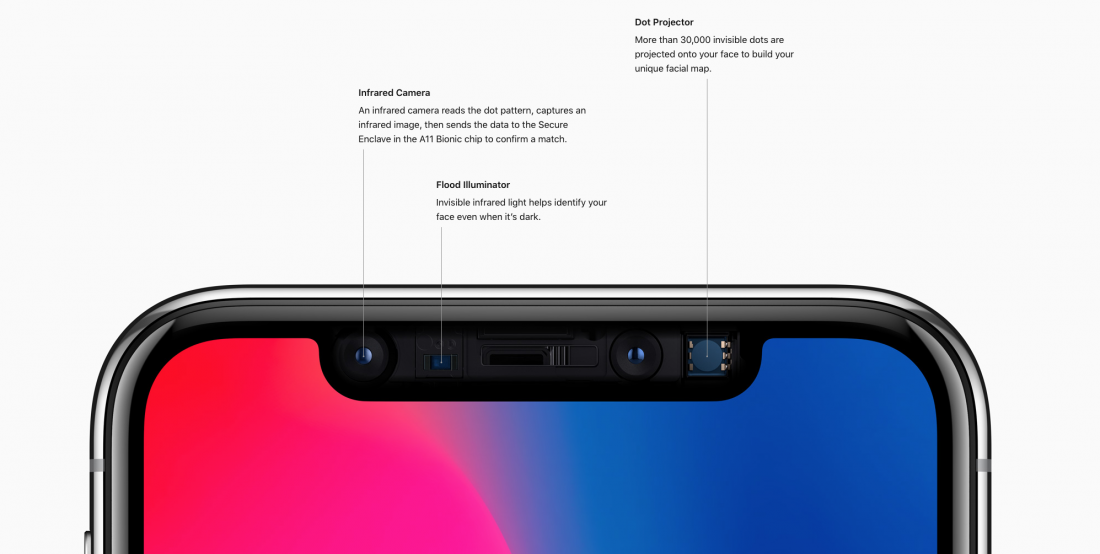
    The iPhone X had a lot of changes that iPhone loyalists had been asking for. The beautiful edge-to-edge OLED display and wireless charging are some of the new features introduced. However, due to the reduced size of bezels, Apple had to remove the home button which also housed the iconic Touch ID. Apple replaced that with Face ID, its own version of facial recognition which has been prevalent in Android phones since the time Android 4.0 ICS.

    Now, Apple has confirmed that it will just concentrate on Face ID for all its upcoming devices. It has announced a US $390 million investment in Finisar, a facial recognition technology company. Apple announced that it would invest $390 million (Rs. 2,513 crores approx.) in Finisar that it will use to build a plant in Sherman, Texas to make chips that will enhance many iPhone features such as Face ID, Animojis, and Portrait-mode selfies.

    Jeff Williams, CEO at Apple said:

    VCSELs power some of the most sophisticated technology we’ve ever developed and we’re thrilled to partner with Finisar over the next several years to push the boundaries of VCSEL technology and the applications they enable.

    Finisar will use the funds to build a 700,000-square-foot manufacturing plant in Texas to develop vertical-cavity surface-emitting laser (VCSEL) chips.

    Jeff Williams continued:

    One hundred percent of the VCSELs sold to Apple from Finisar will be made in Texas. Consistent with Apple’s commitment to the environment, the company intends to procure enough renewable energy to cover all of its Apple manufacturing in the US.

    This is Apple’s second major investment this week after it acquired the song recognition app, Shazam.

  • Apple Registers Slowest Revenue Growth In India In Six Years

    Apple Registers Slowest Revenue Growth In India In Six Years

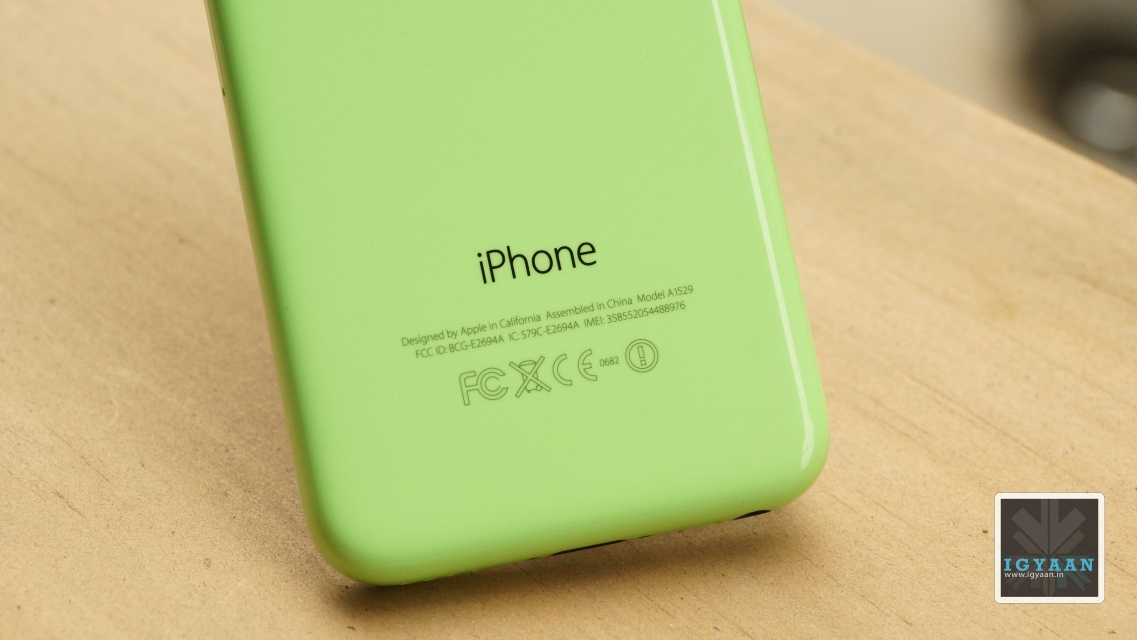
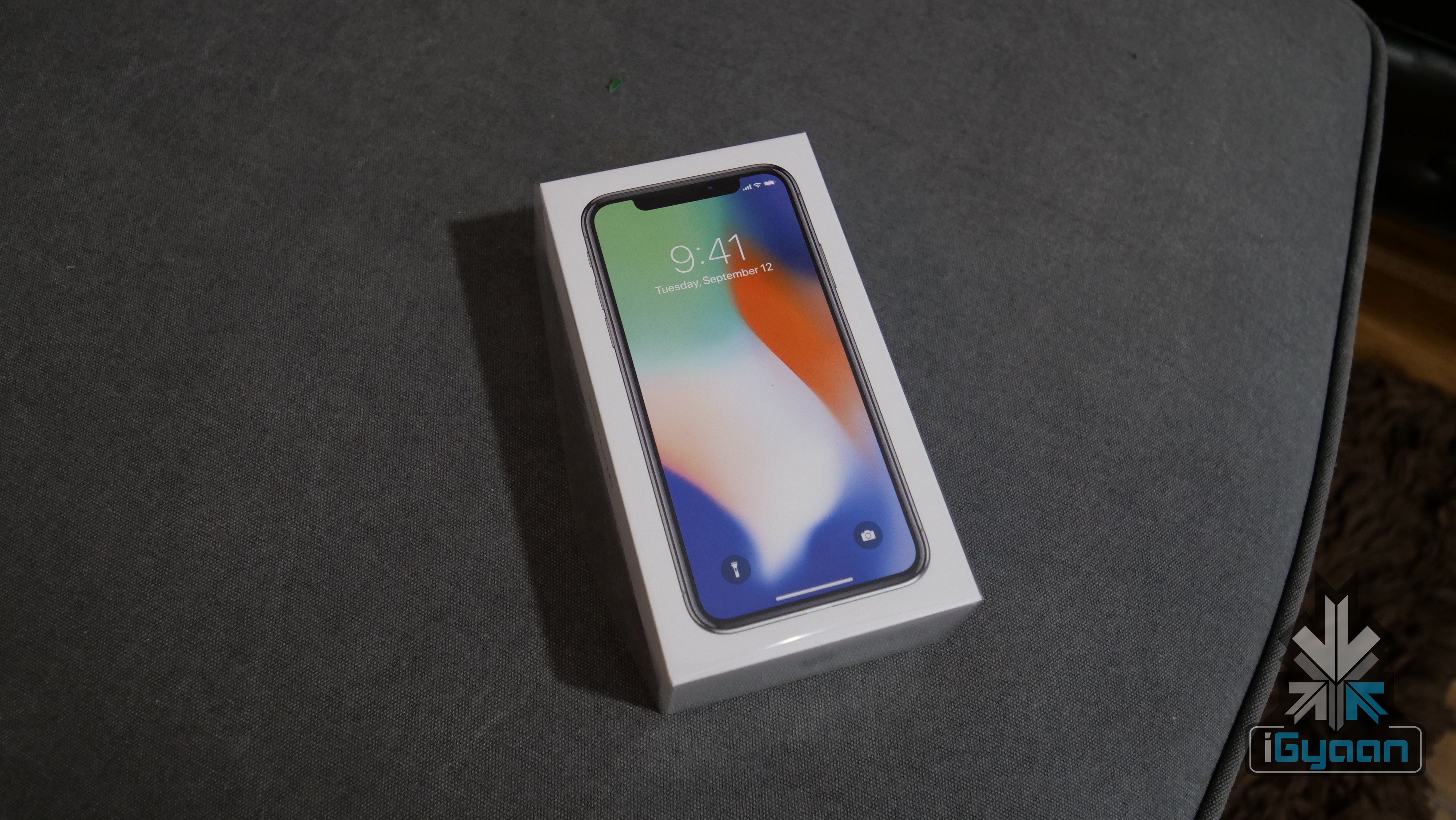
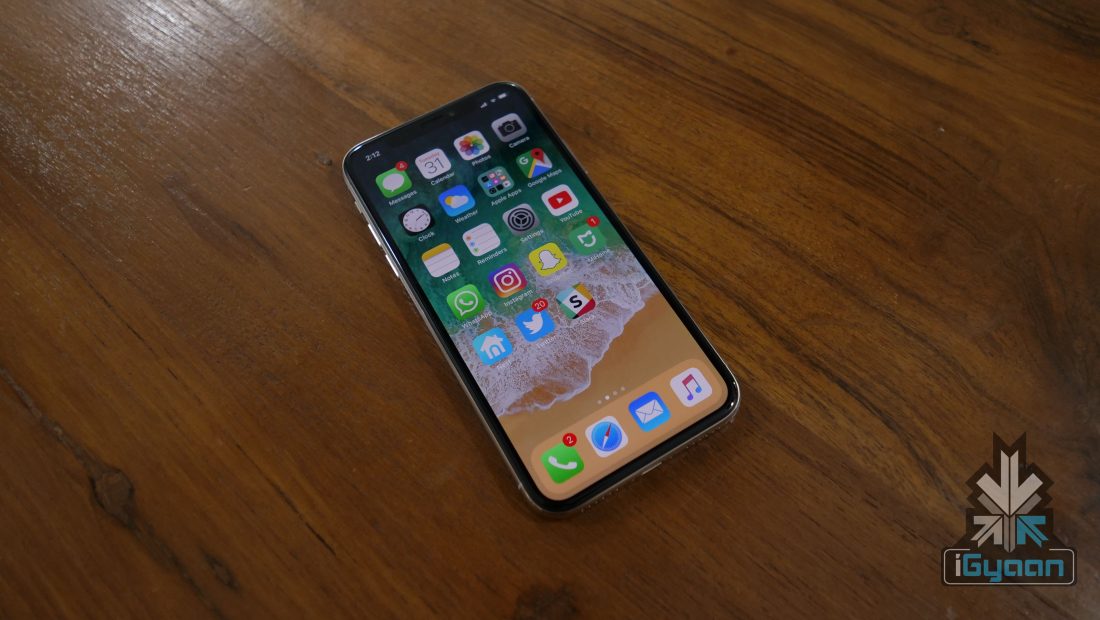
    Despite launching one of the most anticipated smartphones of 2017, the iPhone X, Apple has registered its slowest growth in India in the past six years. According to the Registrar of Companies, Apple registered a 17% growth in revenue for 2016-17, which is slowest since 2010.

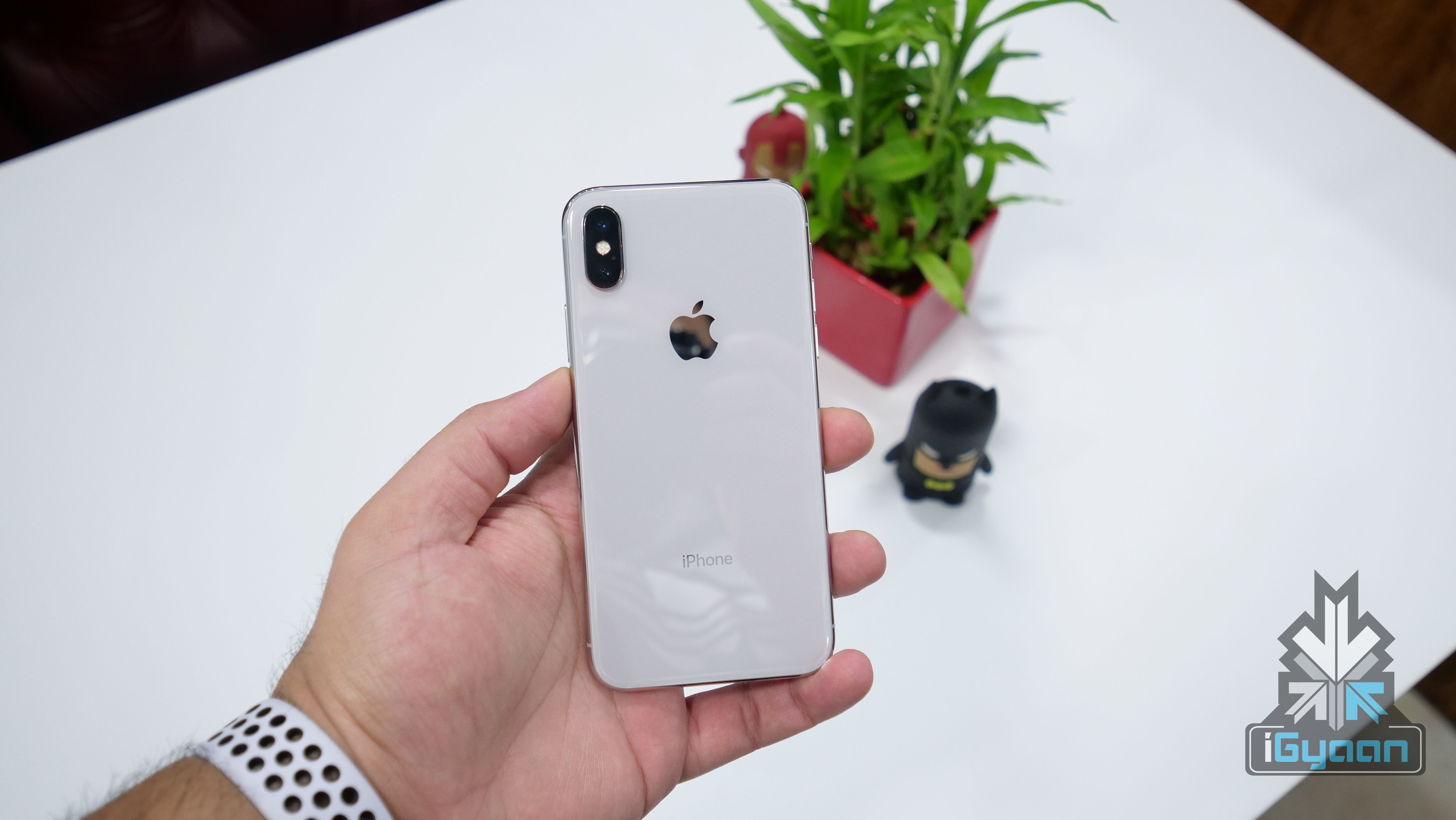
    iPhone X

    The Cupertino-based tech giant earned Rs. 11,618.7 crores in revenue during the 2016-17 period ending March compared to Rs 9,937 crores earned in 2015-16, which is a 17% growth.

    Back in November 2016, the Indian government announced the demonetization of the Rs. 500 and Rs. 1000 note. After that announcement, many rushed to buy iPhones and MacBooks within the first couple of weeks, but the spending spree fizzled out in the months between December and March both offline and online. In February 2017, Apple CEO Tim Cook also conceded that the company was still facing the aftermath of demonetization.

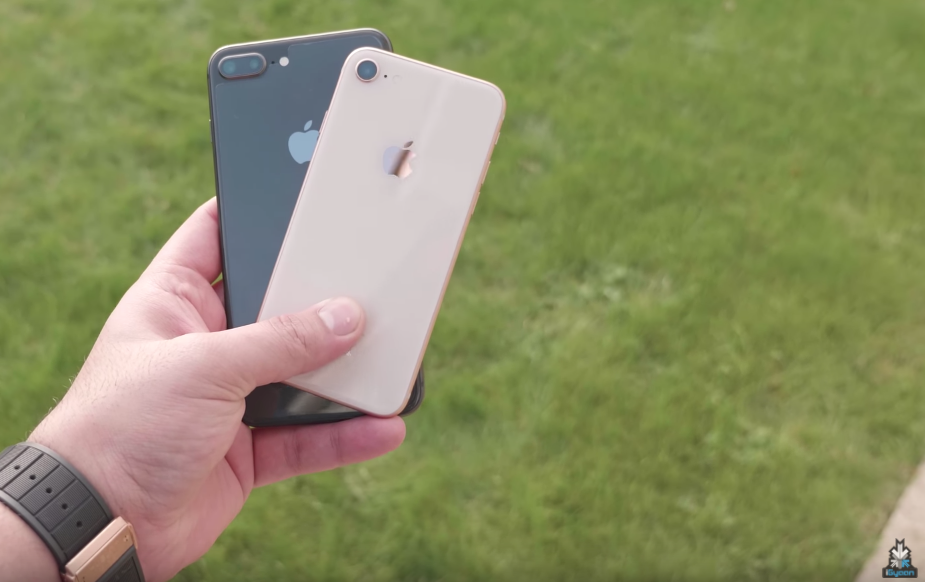
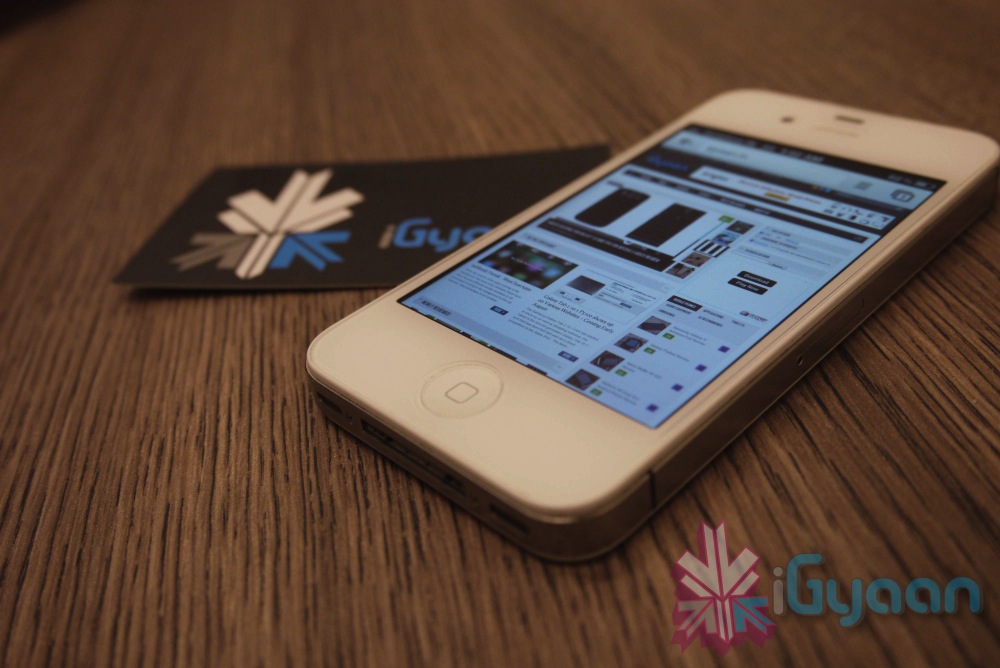
    iPhone 8 And iPhone 8 Plus

    According to a report by Counterpoint Research, Apple sold 2.9 million units in India this year compared to 2.2 million units in 2016. While the iPhone X received rave reviews, the low numbers could be due to the less popularity of the iPhone 8 and iPhone 8 Plus.

    Another reason could be the rising price of iPhones in India. The iPhone X in the US market starts at a price of US $999 which translates to Rs. 65000. However, in India, it starts at Rs. 89000 which is pricey for the Indian market.

    The iPhone SE 2, which is expected to be launched in early 2018, will be assembled in India. This means that it will be competitively priced in the country and might convince a mass population to go for the iPhone SE 2.

  • Apple Acquires Music Recognition App Shazam

    Apple Acquires Music Recognition App Shazam

    Last week, it was reported that Apple was on the verge of acquiring of Shazam. On the 11th of December, Apple confirmed the acquisition of the popular music recognition app, Shazam. While neither of the concerned companies disclosed the value of the deal, a report by TechCrunch claims that the deal is worth US $400 million and that Snap and Spotify were potential buyers as well.

    Acknowledging the acquisition, Apple said in a statement:

    We are thrilled that Shazam and its talented team will be joining Apple. Since the launch of the App Store, Shazam has consistently ranked as one of the most popular apps for iOS. We have exciting plans in store, and we look forward to combining with Shazam upon approval of today’s agreement.

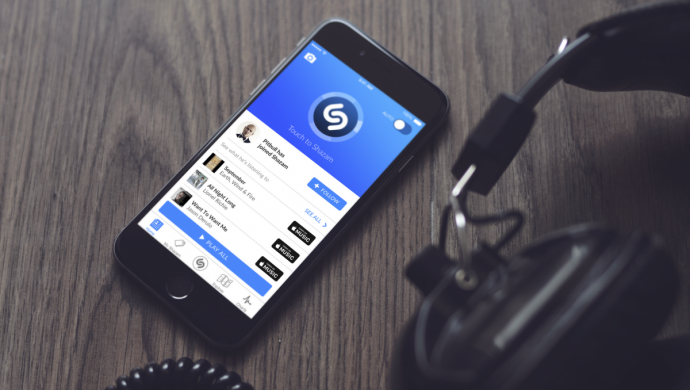
    Shazam, one of the most popular music recognition app was launched back in 1999. Since then, the company has claimed that the Shazam app has been downloaded over 1 billion times and its users have used the app to recognise songs over 30 billion times. Shazam released a statement as well, seemingly confirming that the standalone Shazam app will continue functioning:

    Shazam is one of the highest-rated apps in the world and loved by hundreds of millions of users and we can’t imagine a better home for Shazam to enable us to continue innovating and delivering magic for our users.

    Shazam was one of the first few services that took advantage of AI and offered it to a broader audience. As Apple prepares to invest big in AI and make its AI assistant, Siri smarter than the competition, this acquisition might go a long way in doing so.

    Google Assistant, of all the AI assistant, might be the smartest in terms of music as of now, but, with Shazam onboard Siri can definitely compete and even come out on top in the battle of AI assistants. Even some analysts believe that Shazam could add significant value not only with its own service but also by making Siri smarter about music.

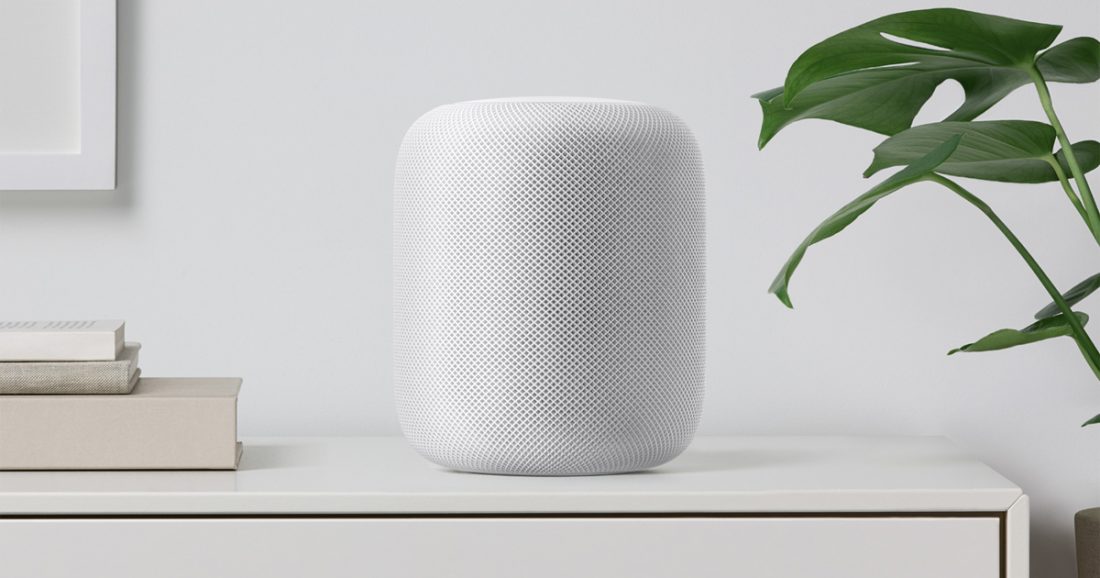
    Music is an important part of Apple’s business, particularly as the company prepares to launch its HomePod smart speaker. Slated for a late-2017 launch, the smart speaker will now be launched in early 2018. Apple Music, Apple’s subscription-based music streaming service has roughly 30 million subscribers which is not even a half of what its direct rival Spotify has. Spotify has 60 million paying users as of July and 80 million more on its free service.

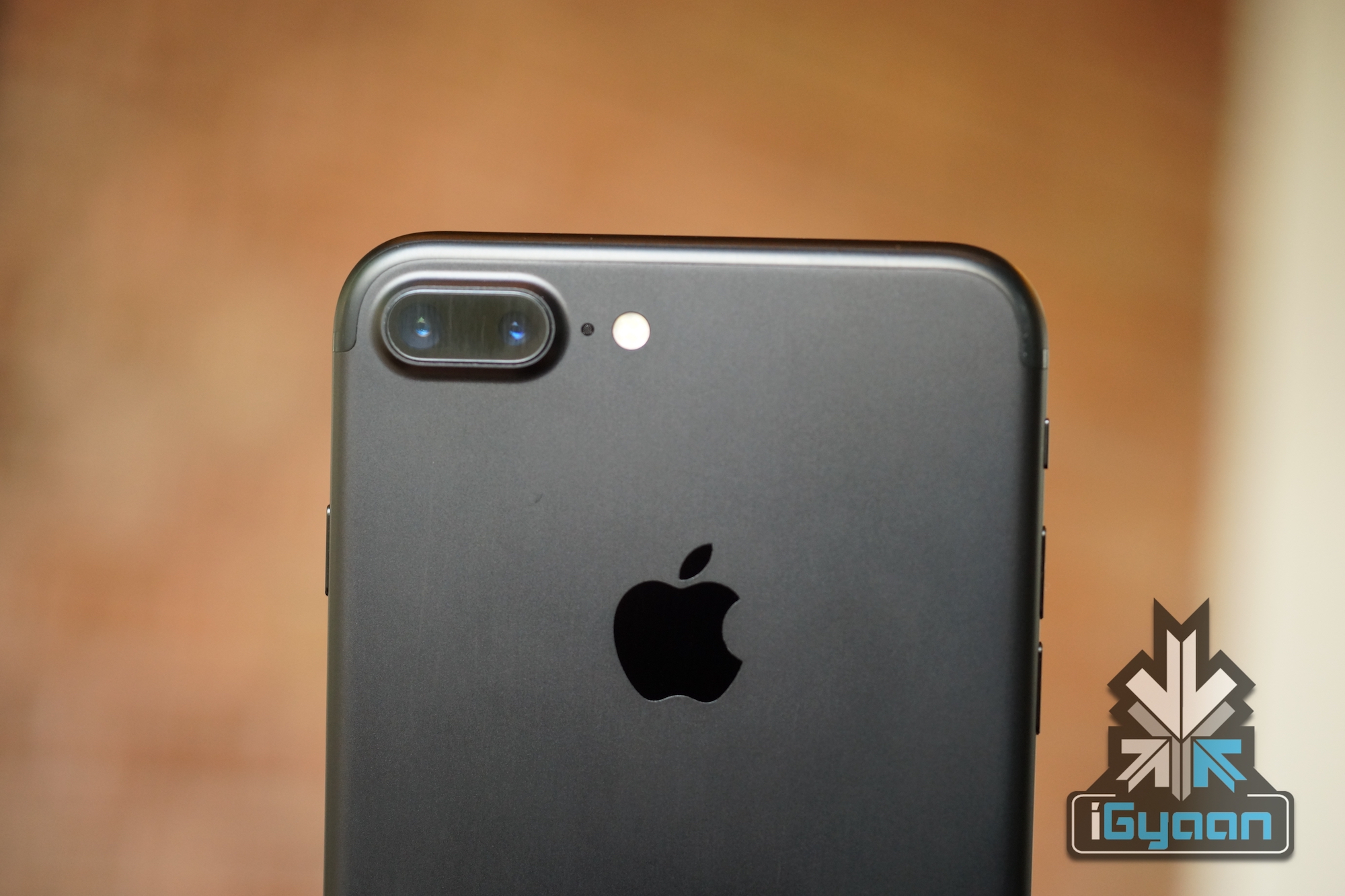
    Apple HomePod

    Analysts are saying that this acquisition is similar to one that Spotify made in 2014 when it purchased a music intelligence firm called The Echo Nest. The Echo Nest creates technology that generates music recommendations which is one of the most important features of Spotify.

    Apple’s entry into AI and now the acquisition of Shazam means that Apple is willing to take on Spotify for the number one spot. As of now, the Shazam app redirects users to either Apple Music or Spotify to listen to the recognised song but, that might change in a bit and that might lead to a potential user acquisition.

  • Apple To Acquire Music Recognition Service Shazam

    Apple To Acquire Music Recognition Service Shazam

    A new report claims that Apple is nearing a deal to buy the song identification app, Shazam, which could be on announced on the 13th of December.

    One source describes the deal as in the nine figures; another puts it at around £300 million ($401 million). We are still asking around. Notably, though, the numbers we’ve heard are lower than the $1.02 billion (according to PitchBook) post-money valuation the company had in its last funding round, in 2015.

    Shazam was founded in 1999 and has long been one of the most popular song identification apps on all platforms. Shazam announced last year that it had reached one billion downloads on smartphones. But, only recently did it start seeing profitability by incorporating advertisements and tying up with music streaming apps such as Spotify and Apple Music. It essentially directs the traffic from its app to these music streaming services by providing streaming links to a recently identified song.

    It will be interesting to see how Apple implements Shazam into Apple Music and how it’ll affect the Spotify integration within the core Shazam app since Spotify is Apple’s biggest music streaming rival right now.

    Apple said in September that its music streaming service had more than 30 million subscribers, a rapid rise but still trailing industry leader Spotify which said it had 60 million paying users as of July and 80 million more on its free service.


  • Ford Sues John Cena For Breach Of Contract

    Ford Sues John Cena For Breach Of Contract

    One of the most famous superstars in the Hollywood John Cena has been sued American car-maker Ford.

    Last year, Ford handpicked 500 applicants out of total of about 7,000 aspirants to purchase the company’s new Ford GT. Some of those chosen were high-profile clients, such as John Cena. It was done as a marketing gimmick to show how cool and amazing the new car is. That, however, loses a bit of sheen when a celebrity goes ahead sells that car in less than a month since getting it.

    That is exactly what John Cena did. He received the car on the 23rd of September, and sold it less than a month later, on the 20th of October. At the time of purchase, Cena had signed a contract with Ford which stated that he will keep the car for at least 2 years, which he didn’t.

    The agreement, which John Cena signed, reads:

    By signing this Order Confirmation Form you are verifying the following: … (B) You understand that being selected for the opportunity to purchase this vehicle is non-transferable and agree not to sell the vehicle within the first 24 months of delivery.

    John Cena later confirmed in a phone conversation with Ford that he had sold the car, and promised to work with the company to make things right. However, Ford has said that this has not turned out the way it should have and is now suing Cena for damages. This is what the lawsuit reads:

    Mr. Cena has unfairly made a large profit from the unauthorized resale flip of the vehicle, and Ford has suffered additional damages and losses, including, but not limited to, loss of brand value, ambassador activity, and customer goodwill due to the improper sale.

    It will be interesting how this legal battle pans out.

    [poll id=”56″]

  • Qualcomm Sues Apple Again For Infringing Palm OS Patents

    Qualcomm Sues Apple Again For Infringing Palm OS Patents

    The Apple-Qualcomm legal battle seizes to fizzle any time soon. After Apple filed a counter-suit against its bitter tech-rival, Qualcomm has responded with a new patent infringement lawsuit against the Cupertino-based tech giant.

    Qualcomm wants the iPhone X banned because it claims that Apple infringed the chip maker’s patents, including some relating to improving bandwidth in devices, saving power and enhancing photos from the rear-facing camera. Qualcomm has also claimed that Apple copied some elements of the Palm OS, which Qualcomm obtained the rights to in 2014, when it bought many of Palm’s other patents.

    In its filing of the suit, Qualcomm said:

    All of these Palm inventions – owned by Qualcomm – have vastly improved the functionality of mobile devices and the user experience, and all of them are widely found in Apple products without license or permission.

    However, Qualcomm has claimed that this is not in response to Apple’s latest lawsuit. In fact, this lawsuit was in the company’s plan for a long time and the timing is just a coincidence. Donald Rosenburg said:

    You can’t react that quickly to file lawsuits. We were in the process of filing three new district court cases in San Diego today, and one new ITC case in Washington, D.C. Those involve a group of 16 patents that are additional to the ones we have already sued them on, and five of those 16 are ones we are suing them on in the ITC seeking an exclusion order.

    This is a new lawsuit by Qualcomm in quick succession. Back in October, it claimed that Apple was giving rival processor company Intel information about its chips.

  • Samsung Chairman Under Investigation For US $4.2 Billion Tax Fraud

    Samsung Chairman Under Investigation For US $4.2 Billion Tax Fraud

    Samsung has had an excellent financial year so far. All three of its flagship phones have been received well and performed well in the market. However, organisationally, the South Korean tech giant has had a rough patch. Now, it appears that authorities in South Korea are still going after the family that runs the Samsung empire. Samsung’s Chairman Lee Kun-hee has allegedly used accounts opened under borrowed names to withdraw money from the company and avoid taxation.

    The accounts have been used for illegal transfer of wealth from Lee’s father, the founder of Samsung, Lee Byung-chull, and the sum has been estimated around to be $4.2 billion.

    Reports suggest that the authorities are looking to tax the money that was illegally withdrawn. According to the country’s Act on Real Name Financial Transactions and Confidentiality, interest and dividend income obtained on borrowed names can be taxed by up to 90%.

    This is just one of the many organisational controversies surrounding Samsung’s founding family.

    In October, Kwon Oh-hyun, CEO of Samsung Electronics and Samsung Display, vice chairman and head of Samsung’s components division announced his resignation. He will step down from the role as well as his position on the board in March 2018.

    In February, Samsung’s vice chairman Lee Jae-yong was arrested in South Korea for charges of bribery and of hiding criminal proceeds and violating laws pertaining to transferring assets abroad.

  • Google Could Owe Over US $650 To Every iPhone User

    Google Could Owe Over US $650 To Every iPhone User

    Lawsuits and counter lawsuits within tech companies have been going on since as far as one can imagine. But, a tech giant owing considerable amount of money to consumers could be the new talking point. British consumers who used an iPhone between June 2011 and February 2012 could receive as much as US $672 each from Google as compensation for the search giant bypassing Safari privacy settings between those dates.

    Google’s backdoor method of installing cookies on iPhones despite them being blocked in Safari’s settings was discovered in 2012.

    A British campaign group launched a class action lawsuit on behalf of the 5.4 million iPhone users in England and Wales affected by Google’s ‘Safari workaround.’ The lawsuit could cost Google as much as US $3.63 billion.

    The campaign group, You Owe Us, has said that the British iPhone owners affected by the breach of privacy do not need to take any action at this stage to be included in the lawsuit.

    We have started a representative action against Google because we believe they abused the rights of iPhone users by taking their data unlawfully.

    A representative action is when a group of people affected by the same issue are represented by a single person to bring a claim. Consumers can use such an action to hold large companies to account. Representative actions need representatives, ours is Richard Lloyd.

    If you were affected you will automatically be part of the claim and you do not need to take any further action. Richard Lloyd and the lawyers are taking care of the case.

    The compensation amount has not been officially decided yet. The campaign group says that the amount would be decided by the court.

  • Apple’s Counter Suit Against Qualcomm Could Mean Bad News To Android Phones

    Apple’s Counter Suit Against Qualcomm Could Mean Bad News To Android Phones

    Apple vs Qualcomm is not a new story. The two tech giants have been embroiled in a legal battle for many years now. But, this legal battle is not just two big companies going against each other, the result of the legal battle will have consequences which the whole tech industry will have to deal with.

    Apple has filed a new countersuit against Qualcomm, in which it is targeting some Snapdragon chips that power some of the most prominent Android phones in the market right now. Even though Apple has received support from other Android phone makers in this case, Apple targeting Snapdragon chipsets won’t go down well with these companies which rely on Qualcomm’s chipsets for powering their devices.

    In a revised response to Qualcomm’s previous lawsuit, it has listed some accusations of its own. Apple says it owns at least eight patents related to battery life that Qualcomm’s chips have violated.

    The patents describe technologies that allow a certain part of a phone’s processor to only draw the minimum power needed and turn off when it’s not needed. The two main chipsets in question here are the Snapdragon 800 and Snapdragon 820 chipsets.

    Apple is asking for damages from Qualcomm, but, an actual number has not been specified yet.

  • Bitcoin Reaches All-Time High, Approaches USD 10000

    Bitcoin Reaches All-Time High, Approaches USD 10000

    Bitcoin has reached an all-time high of over USD 9800 and is fast approaching the psychological USD 10000 barrier. At the current rate, it is worth more than seven times an ounce of gold. The cryptocurrency, which started the year at USD 1,000, had reached USD 5,000 by October.

    Experts believe that the cryptocurrency is more volatile than ever. Neil Wilson, a senior market analyst at ETX Capital said:

    Rather than a commodity or currency, bitcoin is like owning stock in a company that will only ever issue 21m shares and never pay a penny in dividends.

    The only way it has value is if the next guy is willing to pay you more for it – the greater fool. With no intrinsic value to bitcoin, it’s hard to see this as anything other than a giant speculative bubble

    Bitcoin is a type of cryptocurrency which operates on the encryption technique but, does not have a legal backing from the central bank. It is an unrelated digital private currency created by Satoshi Nakamoto in 2008.

    Bitcoin has no value as it is like a digital form of private currency and does not have any underlying asset of value -base.

    Bitcoin should not be confused cryptocurrency or blockchain. Cryptocurrency is a digital currency in which encryption techniques are used to regulate the generation of units of currency and verify the transfer of funds.

iGyaan Network
Privacy Overview

This website uses cookies so that we can provide you with the best user experience possible. Cookie information is stored in your browser and performs functions such as recognising you when you return to our website and helping our team to understand which sections of the website you find most interesting and useful.