Category: Hardware News

Latest news from the World of Hardware

  • Apple Misses AirPower Release Window

    Apple Misses AirPower Release Window

    Apple is known for their timely product releases and the exceptional quality of the products. But it seems like Apple has been having some issues with the AirPower – A wireless charger that will reportedly charge multiple devices. In all the Apple events in 2017, the company had said that consumers can expect the AirPower to be released for purchase by 2018 itself. 


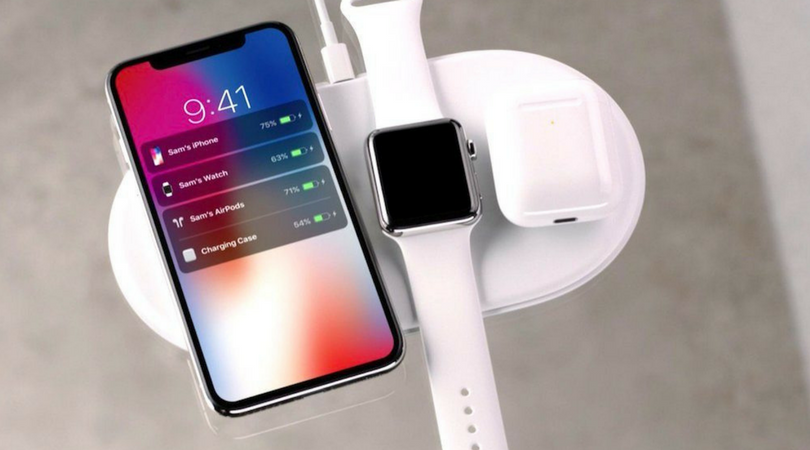
    AirPower is a wireless charging mat-like device that can charge more than one device. Most wireless chargers available in the market now are capable of charging one device at a time. The Apple wireless charger was shown to charge an Apple Watch, an iPhone and their proprietary wireless earbuds.

    What Happened?

    The AirPower device was also supposed to coordinate with all the Apple devices being charged and show percentages of charge in each device on the iPhone. The company had expressed interest to work with Qi Standards team. Th aim is to incorporate these benefits into the future of the standards. But no news about any cooperation has come up yet either. 

    Apple has also not set a price down for the AirPower charger and have not given out a statement regarding the same. It is believed that some internal development difficulties has caused this delay. It is very unlike of Apple to miss deadlines as they hold to higher standards and have set timelines for every device they make. However, it is unclear if the AirPower project has altogether been scrapped. Apple might also be making further improvements to the product itself but our guess is as good as yours.

    When Will We Know?

    Apple usually has three or four events in a year. One in March which revolves around education and creativity themes and are often known to include iPads. There is also a big event in June known as WWDC which sees mostly softwares and sometimes, although rarely, high-end hardware.

    The other two events are in September which is the most anticipated event in all year. The reason behind it is because this event usually features new iPhones and Apple Watches and one in October. The October event usually releases iPads and sometimes consumer focused Macs. We will hopefully come to know the status of the AirPower in the next Apple event in 2019, if not before. 

  • MediaTek Helio P90 AnTuTu Benchmark Surfaces Online

    MediaTek Helio P90 AnTuTu Benchmark Surfaces Online

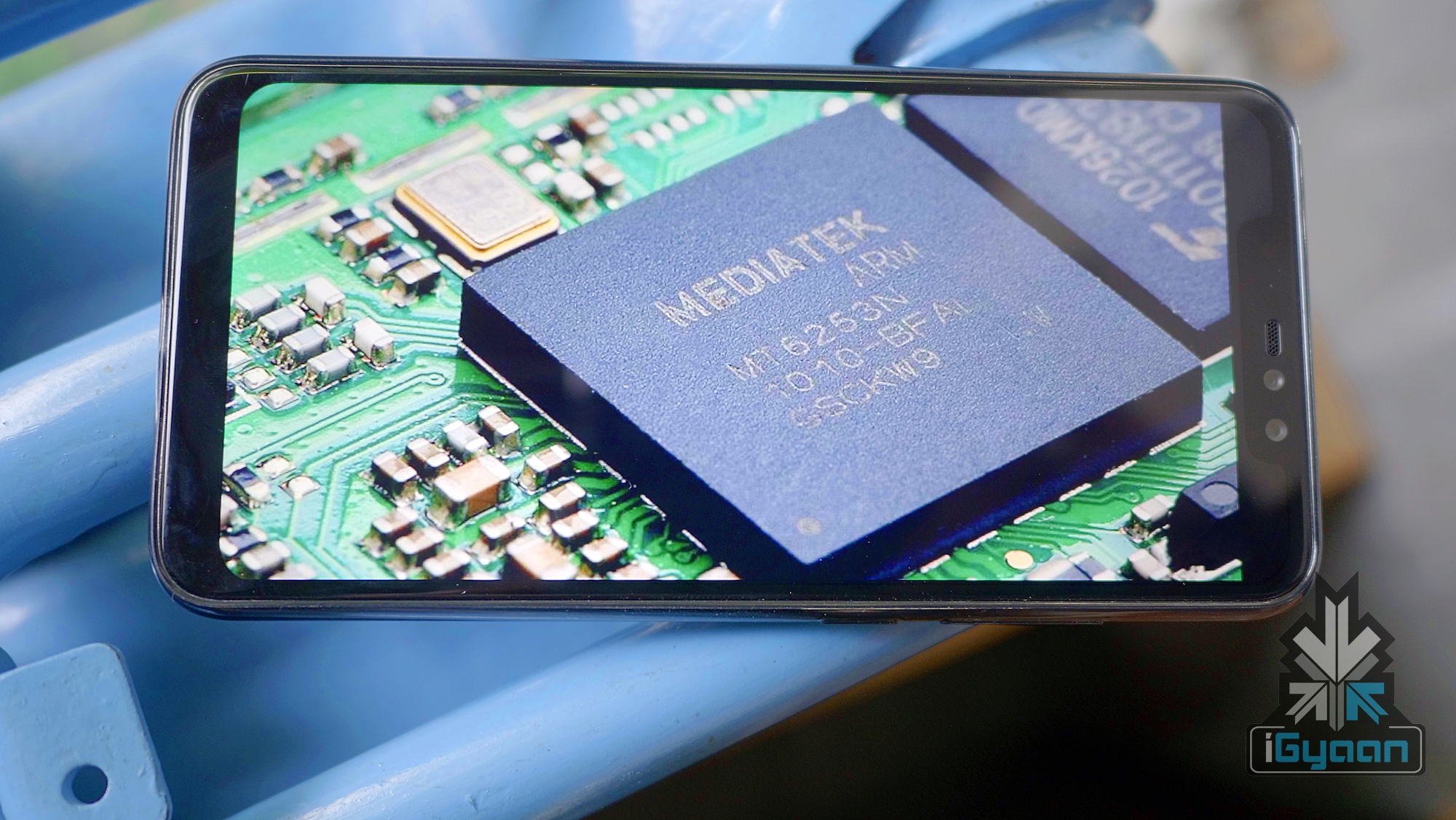
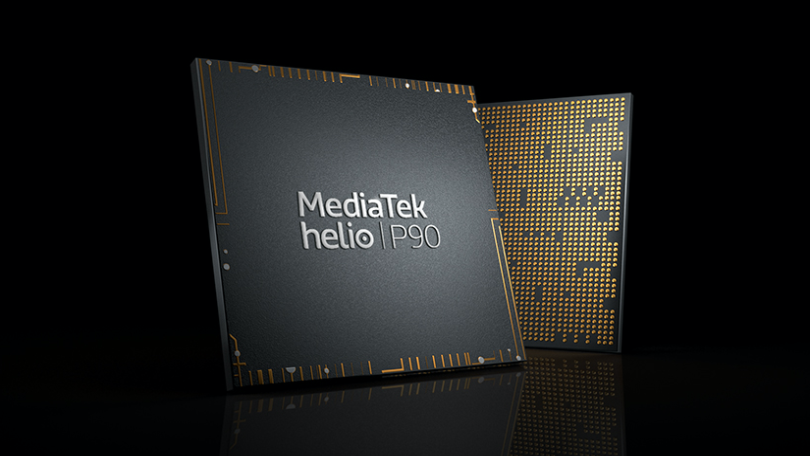
    Taiwanese chip maker, MediaTek launched the Helio P90 chipset earlier this year. It is the most powerful SoC that the company has designed till date. The chip is intended for high-end flagship level smartphones. The company boasts that the Helio P90 chipset is extremely power efficient and has Groundbreaking AI performance. The claims, however, cannot be verified as no smartphone manufacturer has yet launched a device featuring this chipset. But, an AnTuTu benchmark leak provides some insight into the performance capability of the Helio 90.

    Benchmarks

    https://twitter.com/bang_gogo_/status/1078218517059530752

    The AnTuTu benchmarks of the MediaTek Helio P90 were shared by an Indonesian leaker, Bang Gogo. The source of the leak is trustworthy as most of the leaks provided by him in the past have turned out real. The user shared a screenshot which reveals both the benchmark result and the hardware details of the device it was captured on. The device from the listing features the Octa-Core Helio P90 processor along with the IMG PowerVR GM 9446 GPU. The display of test smartphone has a resolution of 2160px x 1080 px.

    The test device runs on the latest Android 9 Pie OS with 6 GB of RAM and 128 GB ROM. Most notably, the device with the Helio P90 SoC registers a score of 162861. In comparison, the smartphones with the Snapdragon 845 get a much higher AnTuTu score which ranges from 250000-290000 depending on the make of the device. However, it is possible that the smartphone in the listing is not optimised leading to the unimpressive score. Therefore, until a real-world smartphone with the P90 SoC is launched, it is hard to decide what the chipset has on offer.

    Specifications

    The MediaTek Helio P90 is an Octa-Core chipset that is manufactured using 12 NM TSMC technology. Other relevant information of the chipset is as follows:

    • CPU Type: Arm Cortex-A75,  Arm Cortex-A55
    • Max CPU Frequency: 2.2GHz
    • CPU Bit: 64-bit
    • GPU Type: IMG PowerVR GM 9446
    • Max GPU Frequency: Up to 970MHz
    • Memory Type: 2-Channel LPDDR4x
    • Max Memory Size:8GB
    • Max Display Resolution: 2520 x 1080
    • Connectivity: 802.11 ac Wi-Fi, Bluetooth 5.0, LTE
  • MediaTek launches Helio P90 SoC With APU 2.0

    MediaTek launches Helio P90 SoC With APU 2.0

    MediaTek is a Taiwanese company that designs chipsets for mobile phones, navigation systems, and other electronic devices. A short while ago, the company announced their Helio P70 chipset which is featured on the Realme U1. In a recent launch event, the company has announced their Helio P90 SoC. The Helio P90 is the company’s flagship mobile chipset that is currently on offer. Like the Helio P70, it is an Octa-Core processor and is manufactured using 12 nm technology. The biggest highlight of the new chipset is its AI capabilities.

    Features And Support:

    The Helio P90 accommodates the PowerVR GM 9946 GPU and an Octa-Core CPU. The CPU consists of two ARM A75 cores and six Cortex A55 cores. The ARM A75 cores are clocked at 2.2 GHz while the  Cortex A55 cores are clocked at 2.0 GHz. This ARM 75 and ARM A55 duo provides best of both performance and efficiency. The Helio P90 can support up to 8 GB of LPDDRX RAM and UFS 2.1 storage. It supports a maximum display resolution of 2520 x 1080 px and an aspect ratio of 21:9.


    In terms of camera, the SoC can support single camera sensor of 48 MP resolution and dual 24 MP + 16 MP sensors. However, it is dependent on the smartphone manufacturer how they incorporate it on their device. The Helio P90 also has a built-in APU (AI Processing Unit) 2.0. With the help of AI, a smartphone can optimise both, power and performance depending on usage patterns of different users. According to benchmarks, the Helio P90 has better AI performance than the Snapdragon 845 which is 10 nm chipset. Most notably, its AI benchmark is slightly lower than the Snapdragon 855 which is a 7 nm chipset.

    Also Read: OnePlus 6T McLaren Edition Launched In India

    For connectivity, the Helio P90 supports dual 4G VoLTE, Wi-Fi 802.11ac, Bluetooth 5.0, GPS, GLONASS, Beidou, Galileo and FM Radio. The company announced that smartphones featuring the chipset are already being developed. The first smartphone packing the P90 SoC is expected to launch in Q1 of 2019.

  • OnePlus 7 Will Be One Of The First Phones To Run On The New Snapdragon 855

    OnePlus 7 Will Be One Of The First Phones To Run On The New Snapdragon 855

    The Qualcomm Snapdragon Technology Summit 2018 is already underway and a lot of big announcements have been made. On the first day, Qualcomm had announced their new Snapdragon 855 SoC, with 5G connectivity. Now, smartphone manufacturer OnePlus has announced that their next flagship, presumably the OnePlus 7, will be the first smartphone to be running on the Snapdragon 855 SoC. They also announced that they will be the first to bring a 5G smartphone to Europe in partnership with EE.

    The Next Flagship 

    Announcing that they ‘only make flagship smartphones’, they said that the Snapdragon 855 is the ‘best and only choice’ for their upcoming flagship. The company also announced their partnership with UK based carrier EE, to bring the first 5G enabled to Europe. While the announcements are really exciting for OnePlus fans, they also hint at the fact that we will be seeing a 5G OnePlus phone, powered by the 855, pretty soon. This means that the launch of the next OnePlus flagship is not too far away.

    With companies like Samsung, Xiaomi and many others lined up to release phones with the new Snapdragon 855 and those with 5G support, OnePlus will have to hurry up production in order to be the first. Samsung is set to launch their 10th anniversary Galaxy S10 in the early parts of 2019. There are reports that this will be a 5G enabled phone, running on the latest 7nm SoC.

    Snapdragon 855

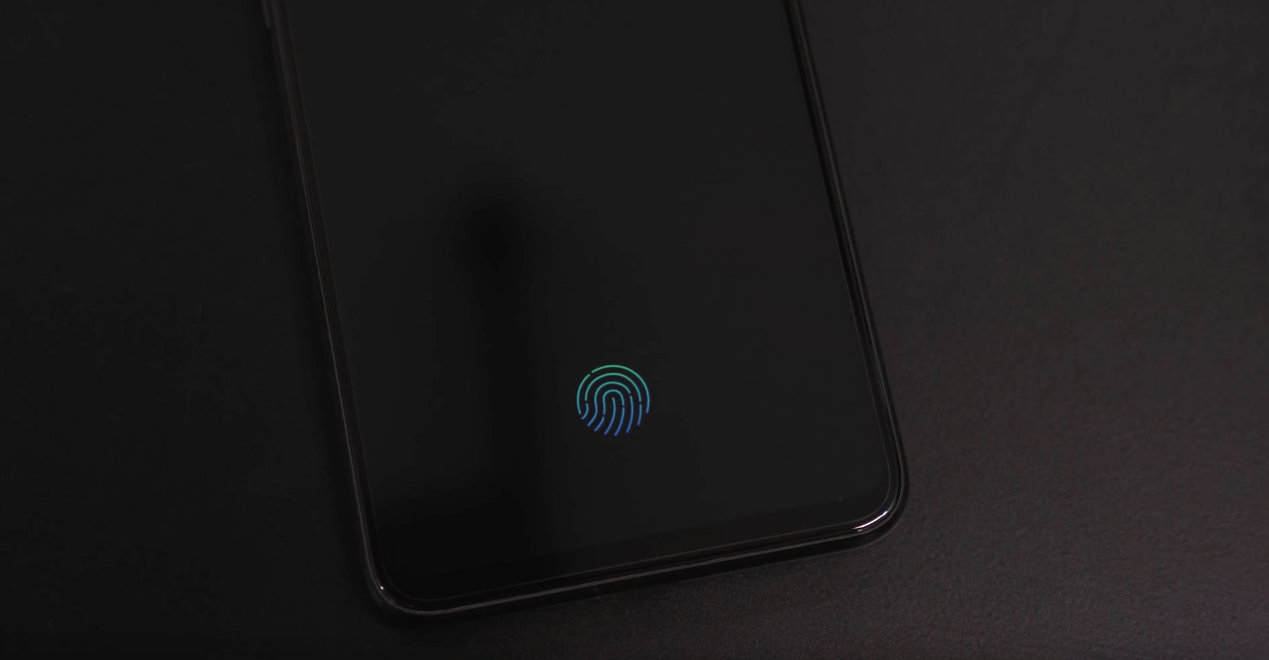
    The Qualcomm Snapdragon 855 is the latest flagship from the company and is manufactured using the 7 nm process. This makes it faster and more power efficient. It also features support for the X50 modem by Qualcomm, hence giving it 5G abilities. The 855 also features a fourth-generation multi-core AI engine. This will offer upto 3 times the AI performance, compared to the 845. It also features the world’s first Computer Vision Image Signal Processor for better photo and video capabilities. Along with this, it also has the new Snapdragon Elite gaming platform for advanced gaming abilities. Qualcomm also announced their new 3D Sonic Sensor, which is an ultrasonic fingerprint sensor for in-display fingerprint scanners.

    Also ReadApple Patents Design For Interchangeable AirPods With Biometrics And Brand New Design

    It is also noteworthy that OnePlus was the only smartphone manufacturer who was invited to talk during the Snapdragon Summit. This, along with the fact that they will be the first to feature this new chipset, point toward the exclusivity that they enjoy from Qualcomm. What this translates for consumers, will be seen in time.

  • Qualcomm Announces The Snapdragon 855 SoC With 5G Support

    Qualcomm Announces The Snapdragon 855 SoC With 5G Support

    In the Snapdragon Tech Summit 2018 which started yesterday, Qualcomm officially announced its next flagship processor, the Snapdragon 855. The Snapdragon 855 is the successor to the highly popular Snapdragon 845, which is found on almost all the Android flagship devices from 2018. The new 855 is manufactured using the 7nm process, which offers better battery life and improved performance. Along with the chipset, Qualcomm also announced the Snapdragon Elite Gaming platform and the 3D Sonic Sensor.

    The 855

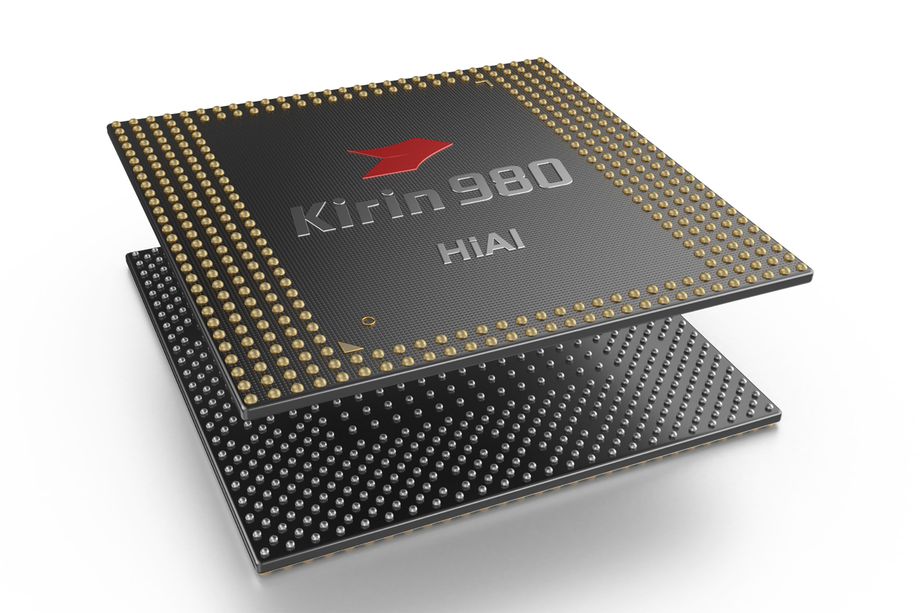
    Contrary to earlier reports, the chipset bears the 855 title and not the 8150 title. Although, previous reports were not inaccurate as the 8150 was the internal name of the mobile platform. The chipset is manufactured  using the 7 nm process which is the new standard for flagship processors now. The Hisilicon Kirin 980 by Huawei and the A12 Bionic by Apple are 7nm chipsets have already entered production and are featured in the Huawei Mate 20 Pro and the new lineup of iPhones respectively.

    The 855 is also 5G ready and is compatible with Qualcomm’s Snapdragon X50 modem, in order to do so. 5G technology is almost here and many countries and companies are actively testing their 5G devices and networks. It is safe to say that 2019 will be the year of 5G devices. However, the rollout will be slow and countries like India might get proper 5G infrastructure only towards the end of 2019.

    Additionally, Qualcomm also said that the Snapdragon 855 features their fourth-generation multi-core AI engine. This offers up to 3 times the AI performance when compared to the Snapdragon 845. The 855 also features the world’s first Computer Vision Image Signal Processor (CV-ISP). This will offer new features in terms of photo and video capture. The 855 also features the Snapdragon elite Gaming platform , which will offer a new set of features to enhance the mobile gaming experience. 

    What’s More

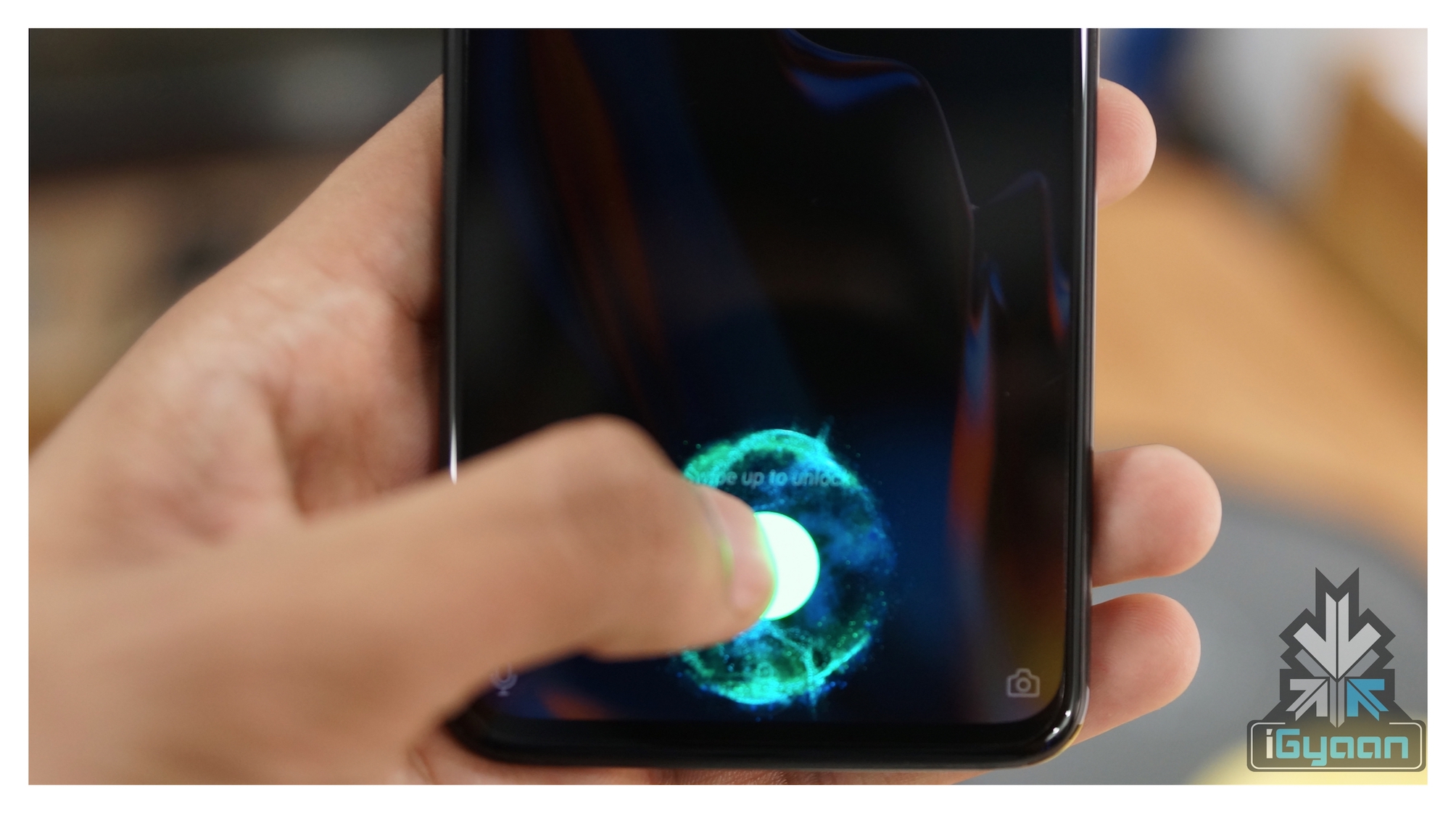
    At the event, the company also announced the Qualcomm 3D Sonic Sensor. This is an ultrasonic in-display fingerprint sensor. Until now, all the smartphones featuring an in-display fingerprint sensor, use an optical sensor. The ultrasonic sensor uses ultrasonic waves to authenticate the fingerprint. Compared to optical sensors, this is much more secure and can even work while in contact with oil, dirt and water.

    Also ReadWorld’s Most Powerful GPU, Nvidia TITAN RTX Announced

    This is not all, Qualcomm will reveal more features of the Snapdragon 855 as the summit progresses. However, we have already gotten a taste of haw the new flagship processor from Qualcomm is about. It offers improved AI, camera and gaming performance and brings improvements to connectivity and security. Performance upgrades are also expected to be announced during the second day of the summit.

  • Snapdragon 855 Details Leak Before Official Launch

    Snapdragon 855 Details Leak Before Official Launch

    The latest flagship Chipset from Qualcomm, the Snapdragon 855 is set to launch today. Ahead of its official launch, TechCrunch accidentally published an article which revealed crucial details about the same. Although they have taken down the article, the vital information is already out.

    Revelations

    The article confirmed that the chipset will officially be called the Snapdragon 855 and not Snapdragon 8155 which was previously claimed. According to the article, Snapdragon 8155 was just the codename and not the official name. The Snapdragon 855 is the successor to the Snapdragon 845 which was launched last year and is present on devices like the OnePlus 6T & the Pixel 3 XL. Unlike its predecessor, the new chipset uses 7 nm manufacturing technology and is made by TSMC (Taiwan Semiconductor Manufacturing Company). 

    The Snapdragon 855 also has a dedicated NPU (Neural Processing Unit). The company claims the new chipset has up to three times better performance than the last generation. Additionally, it also has the Snapdragon X24 LTE modem and Snapdragon X50 5G modem.

    Cores & Clock Speed

    The Snapdragon 855 comprises of the Adreno 640 GPU and Octa Core CPU. It has three CPU clusters, including one high-performance Kryo Gold core clocked at 2.84 GHz, three moderate-performance Kryo Gold cores clocked at 2.42 GHz and four power-saving Kryo silver cores clocked at 1.78 GHz. The new Adreno 640 GPU is also optimised to maximise the performance of applications using AR (Augmented Reality). 

    Furthermore, the Snapdragon 855 also has support for a 3D sonic sensor. It provides support for enhanced ultra-sonic in-display fingerprint sensors. Currently, phones with in-display fingerprint sensors use optical sensors which are quite secure but are no match to the ultrasonic scanners. Qualcomm has readied an ultrasonic fingerprint scanner which allows biometric recognition even if your fingers are dusty or sweaty. It makes use of sound waves which can penetrate obstructions like dust and oil.

    Also Read: Samsung Galaxy A8s To Launch on December 10

    To sum up, the upcoming Snapdragon 855 will be an absolute powerhouse and we are excited to see the first device featuring it.

  • MediaTek Teases Upcoming Helio P90 SoC

    MediaTek Teases Upcoming Helio P90 SoC

    MediaTek is a Taiwanese company that designs chips for mobile phones and other smart devices. Last month, the company unveiled their Helio P70 chipset which is present on the latest Realme U1 smartphone. Recently the company has teased another upcoming high-end chipset called the Helio P90. It will be the most powerful chipset that the company has designed to date. The AI benchmarks of the Helio P90 are already available online and the chipset gets the number two spot in the listing.

    Official Tweet

    MediaTek has shared a teaser for the upcoming Helio P90 on their official Twitter account. The tweet boasts that the upcoming chipset will be more powerful, efficient and will have Groundbreaking AI performance. It is expected to use the 7 nm FinFET manufacturing process like the Apple A12x, Huawei Kirin 980 and the upcoming Snapdragon 8150.

    AI Benchmarks

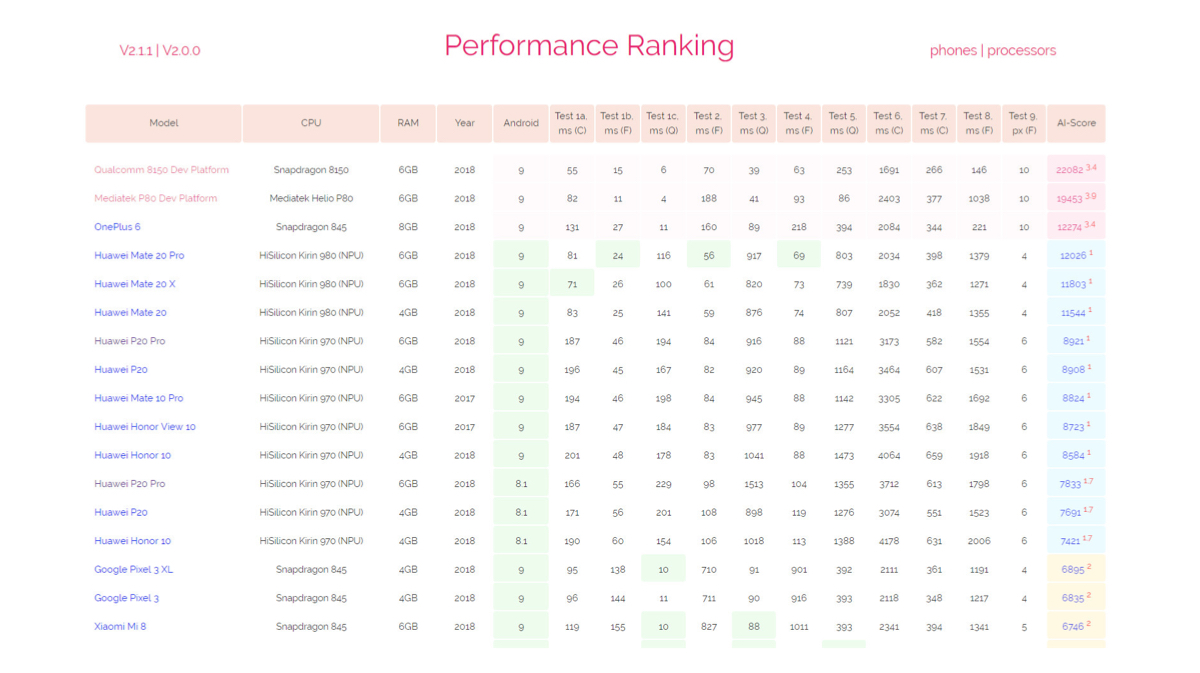
    The AI benchmarks of the Helio P90 were gathered from a developer board which had 6 GB of RAM and ran Android 9.0 Pie. According to the listing, the chipset scores 19453 points and is only second to the Snapdragon 8150 which gets 22082 points. Surprisingly, the 7 nm Huawei Kirin 980 is at number four in the listing after the Snapdragon 845 which gets the number three spot.

    What To Expect?

    The upcoming Helio P90, like other MediaTek chipsets, will have an aggressive pricing. Therefore, it is most likely to be present on devices from companies like Oppo, Realme, and Xiaomi.

    Launch Date

    Also Read: Asus ZenFone Max Pro M2 Will Have A 5000 mAh Battery

    MediaTek has not officially announced the unveiling date of the Helio P90 SoC but the tweet indicates that its launch is around the corner. It is expected to launch before the end of 2018.

  • More Details Of The Snapdragon 8150 Surface Online

    More Details Of The Snapdragon 8150 Surface Online

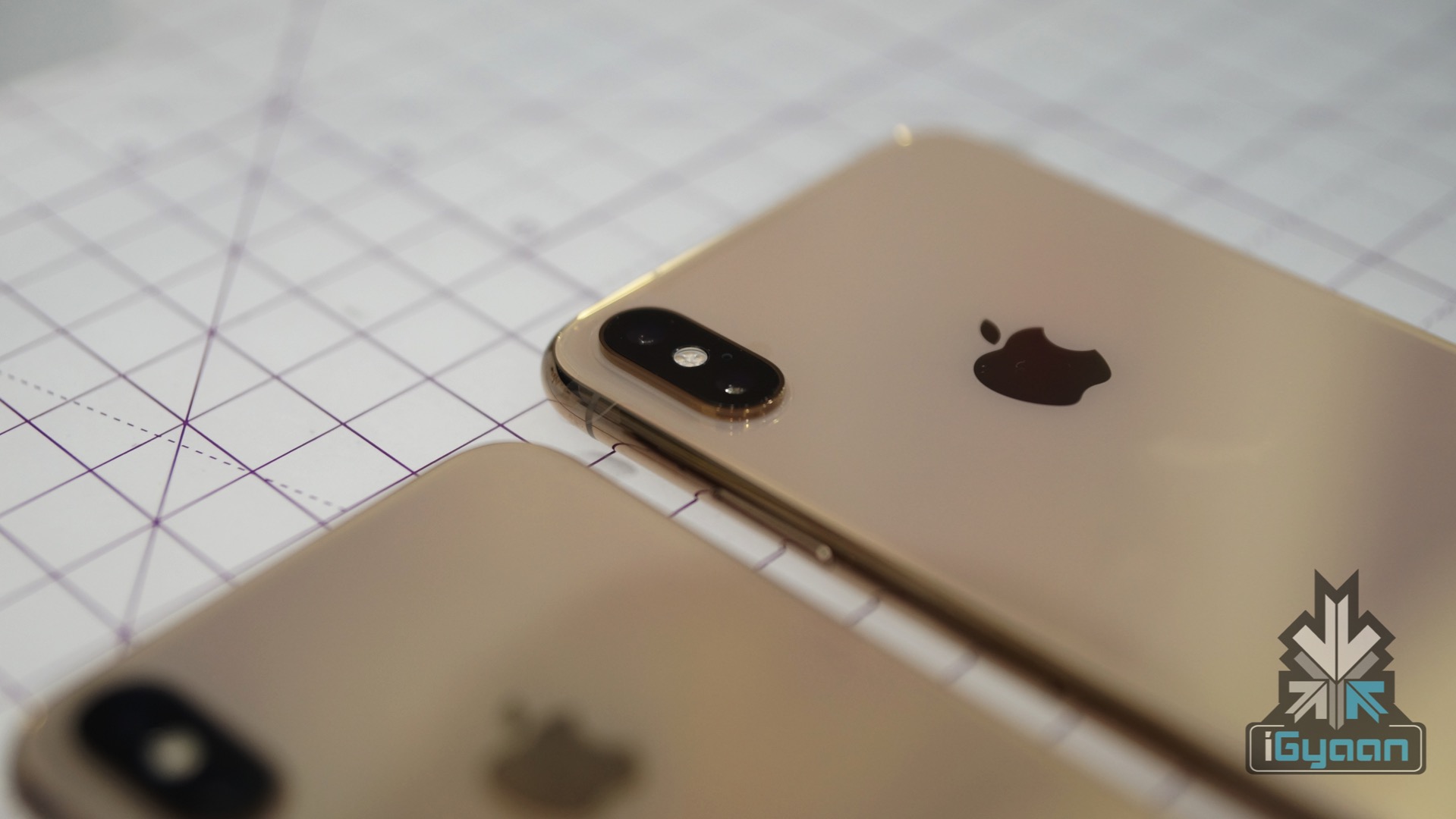
    American chipmaker Qualcomm, will launch their highly anticipated Snapdragon 8150 SoC on December 4th. It will be the successor to the Snapdragon 845, which is present on devices like the OnePlus 6T & the Google Pixel 3. It will be manufactured using the 7 nm FinFET technology which theoretically will result in a better battery backup and improved performance. Other companies including Apple and Huawei are already offering 7 nm processors on their current smartphones. The Apple iPhone XS and iPhone XS Max feature the 7 nm A12 SoC while the Huawei Mate 20 Pro features the 7 nm Kirin 980 Soc. Till now, the details about the innards of the processor were unavailable. But recently a famous twitter leaker Ice Universe has shared some key details about it.

    Clock Frequency And L2 Cache Memory

    The tweet was posted by Ice Universe who is a trustable source as his past leaks have mostly turned out true. The post also reveals that the Snapdragon 8150 comprises four Kryo Gold cores and four Kryo Silver cores. Three out of the four Kryo Gold core’s have 256 KB of L2 cache and a maximum frequency of 2.419 GHz. While the fourth core has 512 KB of L2 cache and a turbo clock speed of up to 2.842 GHz.

    In comparison, each of the four Kryo Gold cores of the Snapdragon 845 has 256 KB of L2 Cache. This additional 256 KB on the fourth Kryo Gold core of the upcoming processor will result in faster processing power. The remaining four cores of the 8150 SoC are comprised of Kryo Silver. Each Kryo Silver core has 128 KB of L2 cache memory and a max clock frequency of 1.786 GHz.

    Benchmark

    Also Read: Nokia X7 To Soon Launch In India

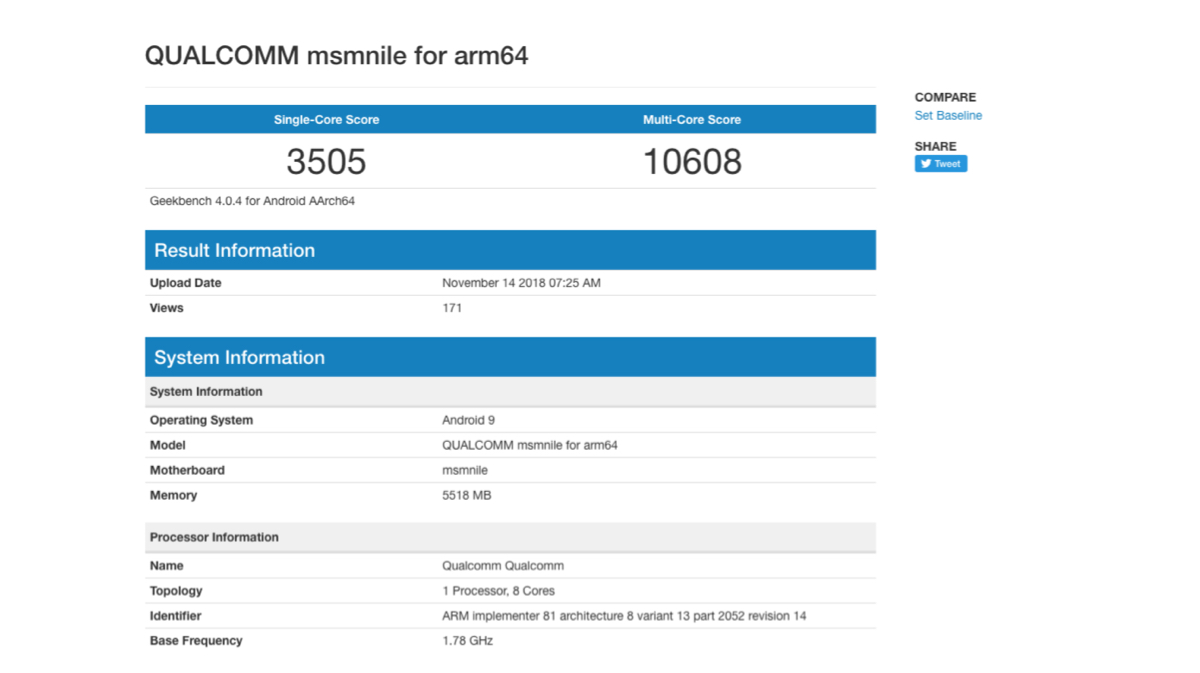
    The Snapdragon 815o has already been spotted on Geekbench. It gets a single core score of 3505 points and multi-core score of 10608. This makes it the fastest Android chipset, even faster than the Huawei Mate 20 Pro. The Kirin 980 on the Mate 20 Pro gets a single-core score of 3390 and multi-core score of  10318. All in all, the upcoming SoC will be an absolute beast.

  • Samsung To Introduce In-Display Fingerprint Sensor In Galaxy A Series

    Samsung To Introduce In-Display Fingerprint Sensor In Galaxy A Series

    2018 has been the year of in-display fingerprint sensors in smartphones. We have seen an increasing number of companies adapting this technology, with most of the latest flagships having the same. The next big thing is the arrival of this technology to mid-range and budget phones. And it looks like Samsung is already gearing up to do the same. Latest reports say that Samsung has finalised a supplier for in-display fingerprint sensors for its A series lineup.

    The report details that the Galaxy A series in 2019 will feature an in-display fingerprint sensor. However, this will be an optical sensor and not the ultrasonic sensor, said to be on the Galaxy S10. The way optical sensors work is by reflecting light of the finger. Then the cameras capture this image and use an algorithm to detect the unique patterns on a person’s hand. This differs form the ultrasonic fingerprint sensor which uses ultrasound to map the patterns on your hand. This is so detailed that it even registers the ridges and sweat pores on your fingers.

    Optical  vs Ultrasonic

    While the optical fingerprint sensor is more favoured by most smartphone manufacturers, it lacks in many areas when compared to the ultrasonic sensor. However, companies are willing to use it as the ultrasonic sensor costs 3x more than the optical sensor.

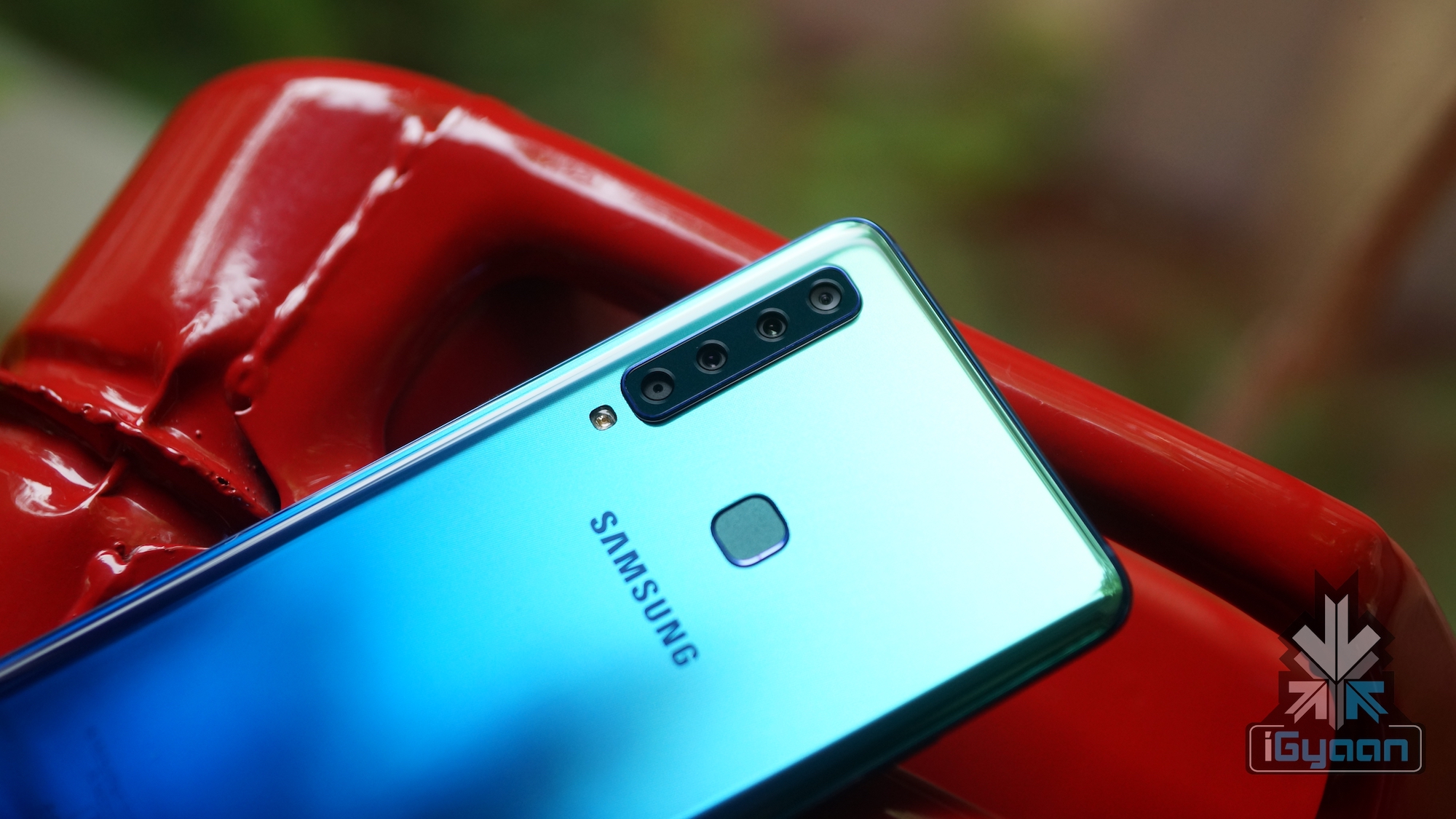
    The Galaxy A series is Samsungs mid-range series of smartphones. This year, Samsung tried to win over the segment by adding a number of cameras and gradient colours to the devices. Some of the latest A series phones are the triple camera Galaxy A7 and the quad camera Galaxy A9.

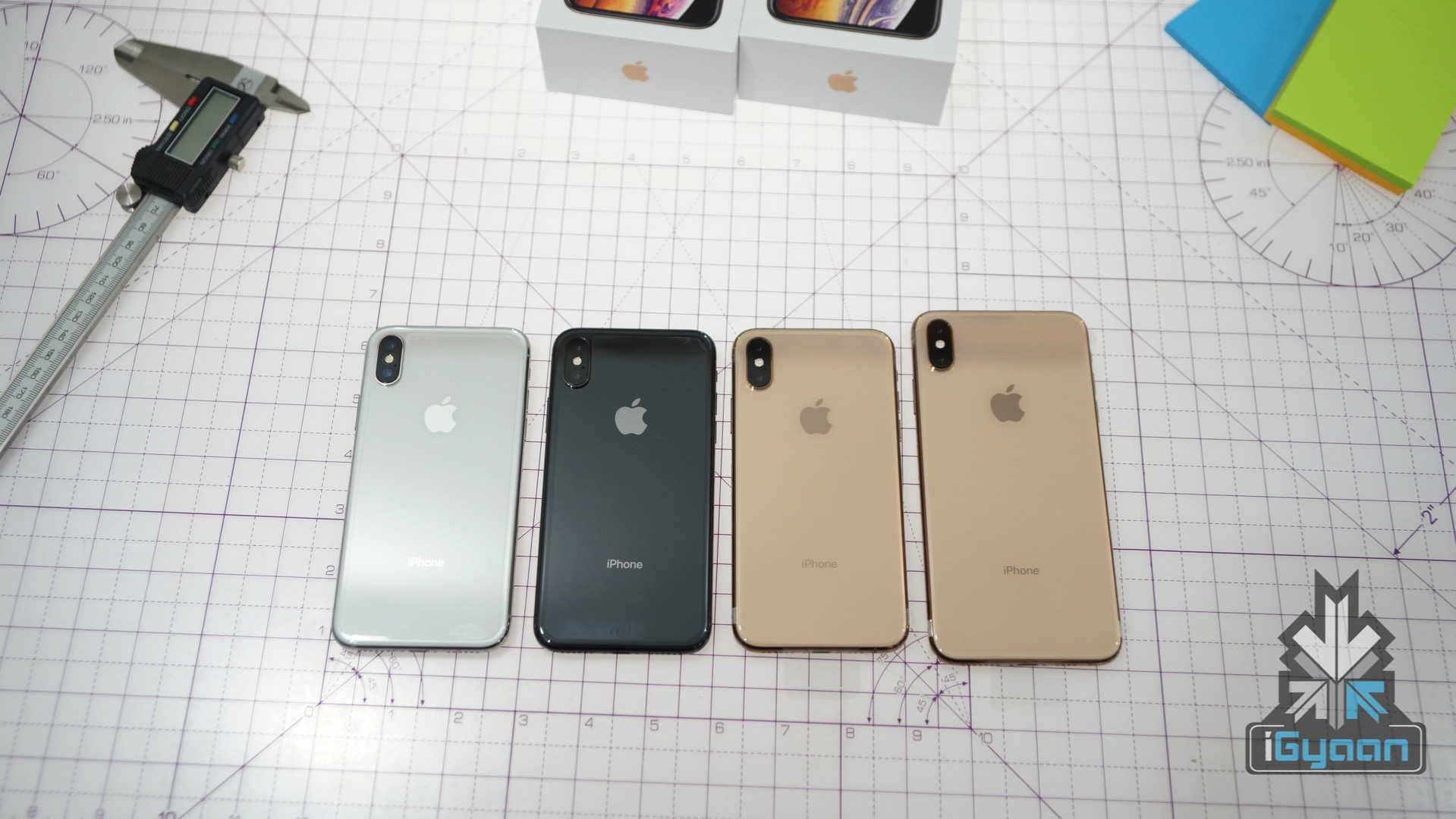
    Also Read : Apple Resumes Production Of iPhone X Due To Lower XS And XS Max Sales 

    While we knew from earlier reports that Samsung is planning to integrate this technology in its upcoming flagship Galaxy S10, this news came as a surprise. However, considering the position that Samsung is in right now, it seems like a logical step. With its grip over the smartphone market decreasing day by day, Samsung needs to ensure it packs each and every device with the latest features.

  • Snapdragon 8150 Registers Highest AI Benchmark Score

    Snapdragon 8150 Registers Highest AI Benchmark Score

    American chipmaker Qualcomm is about to launch their latest Snapdragon 8150 processor. It will be the successor to the Snapdragon 845. The new processor will be manufactured using the 7 nm FinFET technology compared to its predecessor which is made using the 10 nm technology. Qualcomm claims that the new processor has better performance and consumes less power. Recently, the AI performance of the Snapdragon 8150 was registered on the AI-Benchmark application. The results reveal that the AI scores are about two times higher than the Snapdragon 845.

    AI-Benchmark
    Model CPU RAM Year Android AI-Score
    Qualcomm 8150 Dev Platform Snapdragon 8150 6GB 2018 9.0 22082
    MediaTek P80 Dev Platform MediaTek Helio P80 6GB 2018 9.0 19453
    OnePlus 6 Snapdragon 845 8GB 2018 9.0 12274
    Huawei Mate 20 Pro HiSilicon Kirin 980 (NPU) 6GB 2018 9.0 12026
    Huawei P20 Pro HiSilicon Kirin 970 (NPU) 6GB 2018 9.0 8921
    Google Pixel 3 XL Snapdragon 845 4GB 2018 9.0 6895
    MediaTek P60 Dev Platform MediaTek Helio P60 6GB 2018 8.1 5767

    The tests were performed on a developer platform (prototype board) and not a real-world device. But it gives a fair idea about what to expect from the new platform. The prototype board with 6 GB of RAM and Android 9.0 Pie scored 22082 points. This score allows it to place at the top of the AI-benchmark results.

    The Competition

    Surprisingly, the Qualcomm Snapdragon 815o is closely followed by the MediaTek P80 chipset. Again, the results from the Helio P80 were collected on a prototype board. It is able to fetch a score of 19453 points. The results are about 400% higher than the company’s Helio P60 which is featured on a lot of budget devices like the Oppo Realme 1.

    At number three in this list is the Snapdragon 845 which gets a score of 12,274 points. Shockingly the 7 nm Kirin 980 is at number four in the list which Huawei claimed would have 2 times higher AI-scores than its predecessor, the Kirin 970. But, it only manages to fetch 12,026 points which are only 33% faster than P70’s 8921 points. Another revelation that AI-benchmark reveals is that the Google Pixel 3 XL with the Snapdragon 845 only scores 6895 points. This is probably due to lower RAM capacity and inferior optimisation compared to the OnePlus’s Oxygen OS.

    Also Read: Google Pixel 3 Lite Camera Samples Posted Before Official Launch

    All in all, the upcoming Snapdragon 8150 will be an absolute beast and will definitely raise the bar for flagship smartphones.

  • Apple’s New Patent Show’s Off An In-Display Camera

    Apple’s New Patent Show’s Off An In-Display Camera

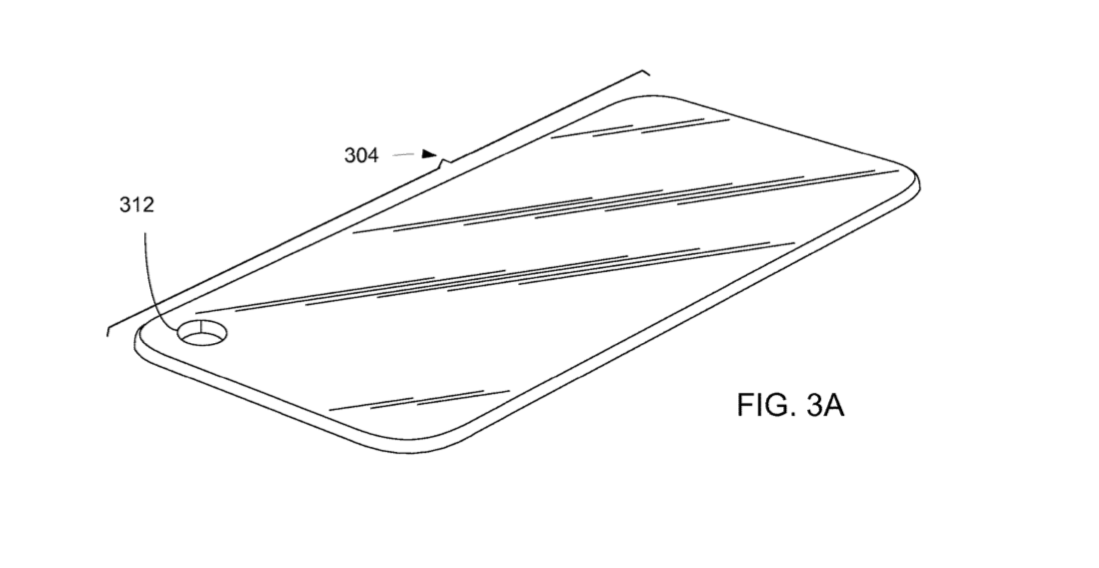
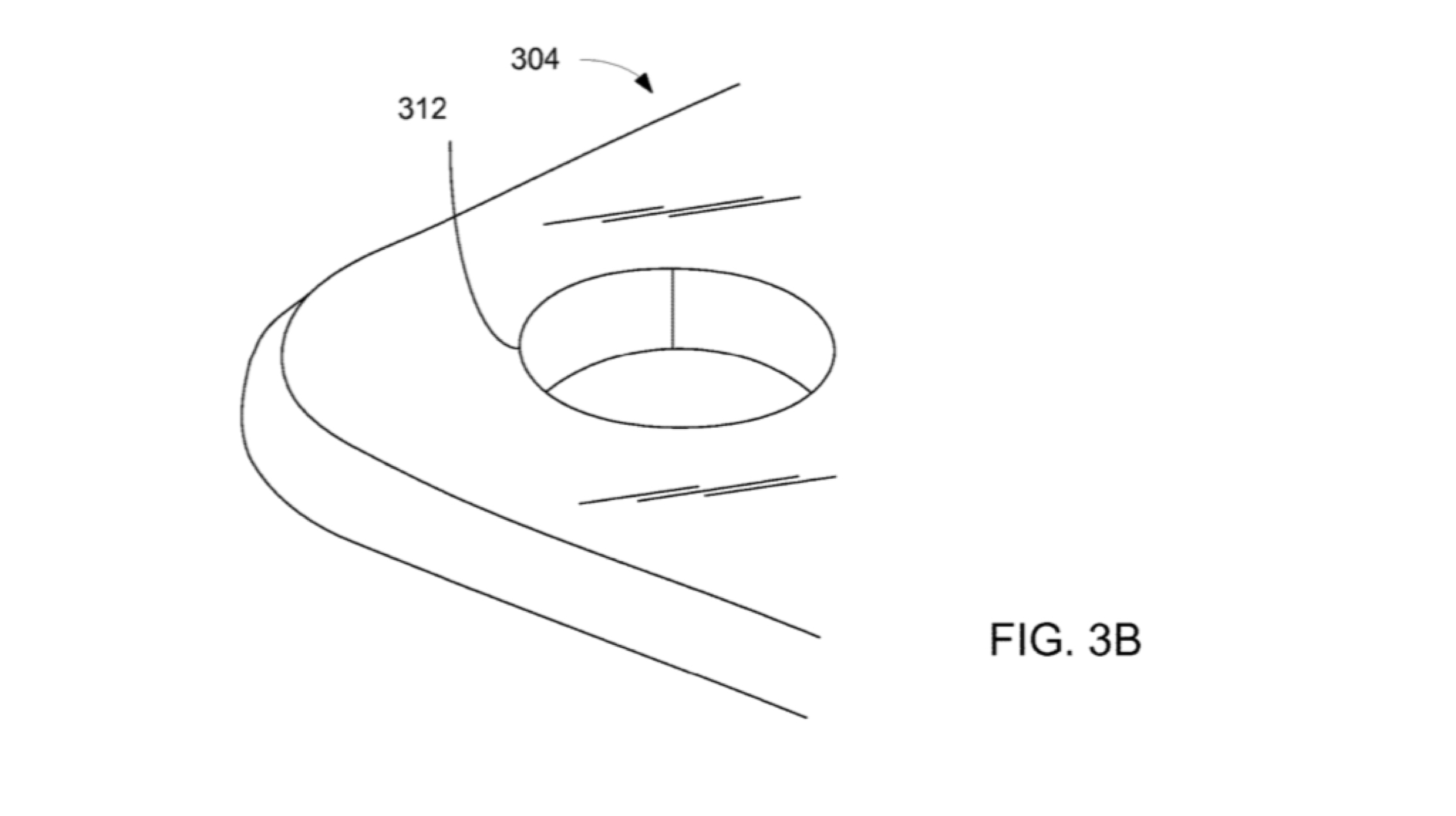
    With the notch being present on two generations of iPhones, everyone was wondering as to what will be Apple’s next step towards a bezel-less display. Well, we might have the answer now. A patent, filed by Apple back in June, has finally been approved. The patent shows a smartphone with just a camera cut-out in the display.

    The Bezel-Less Future

    Apple isn’t the first company to patent such a design, though. This was seen in patents by Samsung, LG and even Asus. Huawei recently patented a design with just a cut-out for the earpiece. While these designs were only limited to smartphones, the patent by Apple seems to have much more.

    The patent describes a method with which a camera window can be integrated with the ‘cover glass’. Obviously the cover glass being referred to here is the display. Additionally it mentions only LCD displays as an example. This may not mean that OLED displays are completely eliminated. But, we can expect that the technology might be restricted to just LCD displays as of now.

    It is possible that Apple may just introduce it in its 6.1 inch LCD iPhone coming next year. Which might be the successor to the iPhone XR. However, there is also a possibility that the tech giant won’t hold back. It might ensure that its flagship devices carry the latest design language as well. Considering the fact that the patent was filed back in June, the company might have figured out a way to integrate it into OLED displays as well.

    Not Just iPhones

    Another interesting bit of information we get from the patent is the fact that it mentions not only mobile phones but also other hand held devices. These include larger devices such as portable computers, tablet commuters, etc. This could mean that Apple might not limit this design to only the iPhones. It might extend it to iPads, MacBooks and iMacs as well. This is quite probable as Apple introduced a totally new design language with the latest iPad Pro.

    Also ReadOnePlus 6T Thunder Purple Variant To Launch In India On November 16

    Whether this patent will be seen through and will give us a device which goes into production is still a huge question. But, considering the pace at which the smartphone industry is moving forward, it is safe to assume that companies will no longer hold back on any innovations they have.

    For those of you interested in reading through each and every detail of the patent, you can do so by clicking here.

  • Samsung To Launch The Next Exynos SoC on November 14

    Samsung To Launch The Next Exynos SoC on November 14

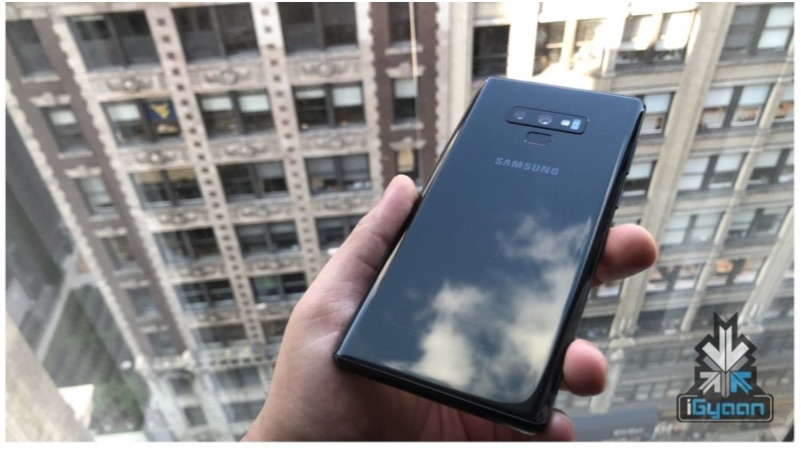
    The SoC or Processor is the core component of every smartphone. Qualcomm is the leading smartphone chipmaker but a lot of other companies also develop and manufacture these tiny modern marvels. Apple has their A series processors, Huawei makes Kirin processors and Samsung has their Exynos range of chipsets. Recently, Samsung has shared a teaser of an upcoming flagship Exynos processor. The new processor will be seen on the upcoming Galaxy S10.

    The Next Exynos

    https://twitter.com/SamsungExynos/status/1060879822300348417

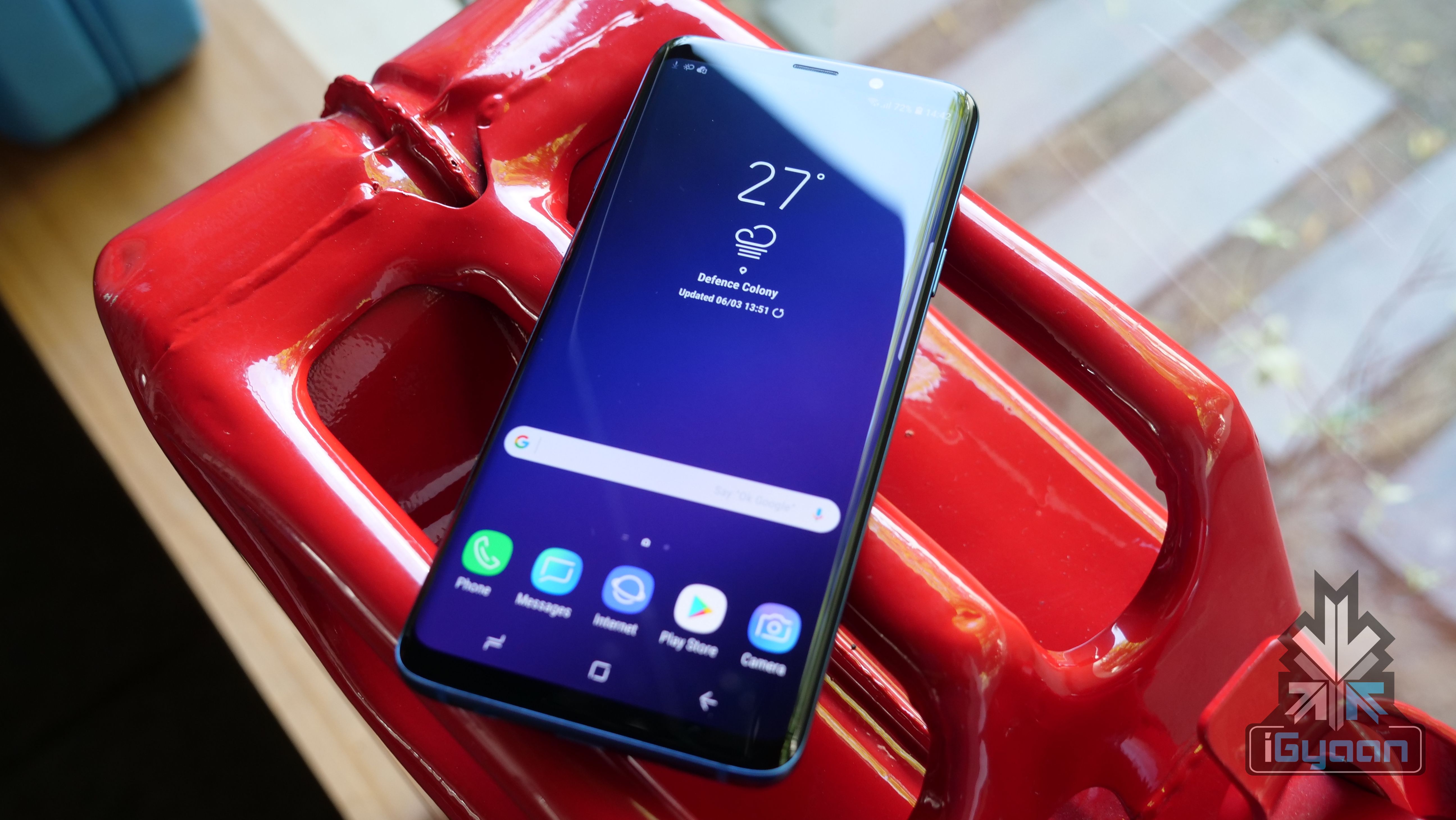
    The poster shows a smartphone with the upcoming Samsung Exynos processor. It will be the successor to the Exynos 9810 which is present on the Galaxy S9 and Galaxy Note 9. The processor might be called Exynos 9820, but that is not officially confirmed. It will be the first 7 nm chip from Samsung. However, competitors Huawei and Apple have already launched their Kirin 980 & A12 bionic, 7nm processors. Samsung claims the 7 nm manufacturing technology will boost performance by up to 20% while reducing power consumption by up to 50%.

    Samsung Galaxy S10 and Galaxy S10+

    The poster reveals that the processor is set to launch on November 14. It also reads ‘Intelligence from within’ which hints that the new chipset will feature a dedicated AI (Artificial Intelligence) Chip. The new SoC will likely have a neural processing unit that will enable the Galaxy S10 to perform complex AI & machine learning tasks.

    Also Read: Samsung To Use LCD Displays On Their Galaxy A Series Phones

    The Next Exynos SoC which will be present on the Galaxy S10 will also support 5G. No precise details about the clock speed or architecture of the processor are available. But, we won’t have to wait for long as the launch of the processor is right around the corner.

  • Samsung To Use LCD Displays On Their Galaxy A Series Phones

    Samsung To Use LCD Displays On Their Galaxy A Series Phones

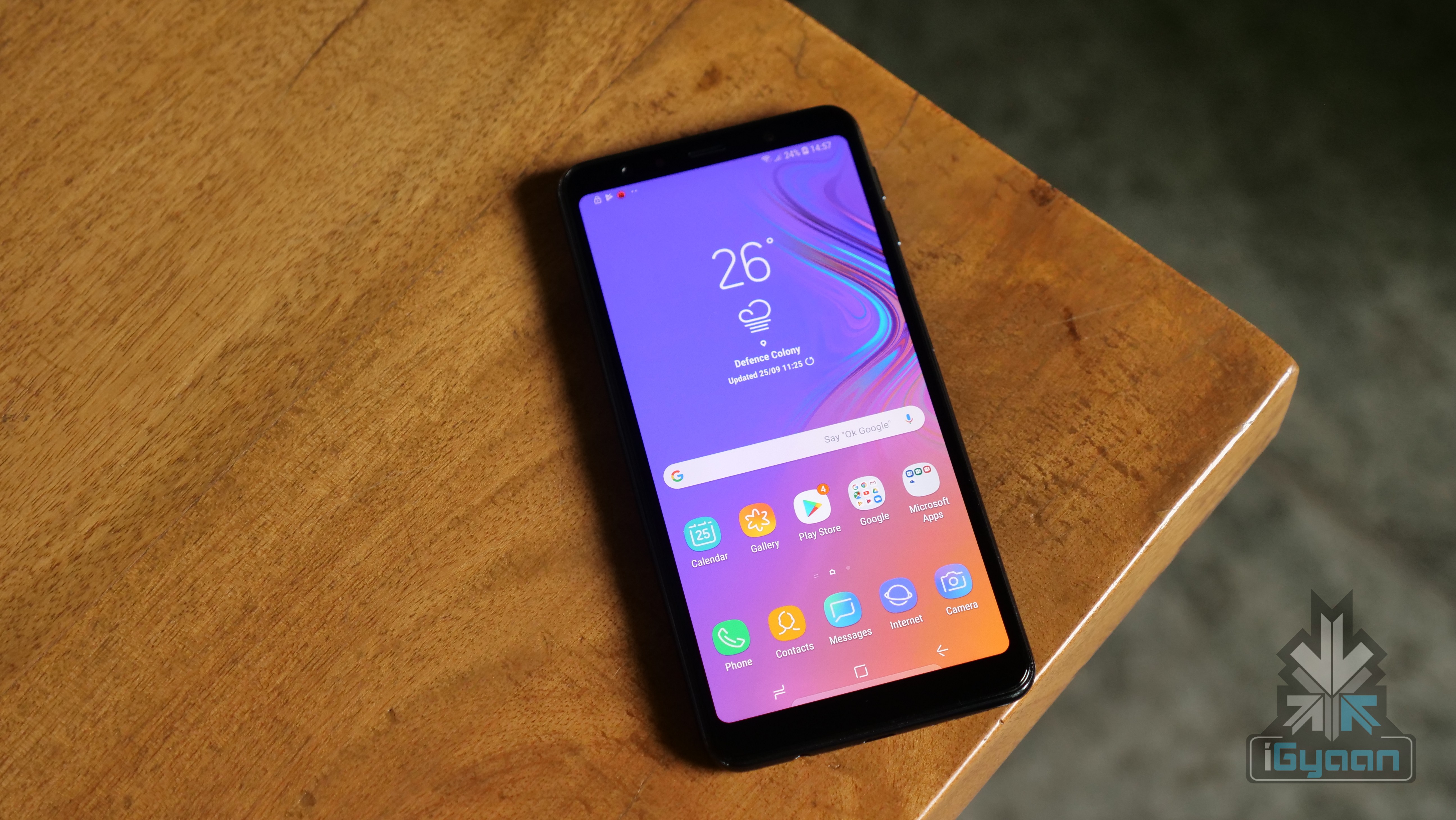
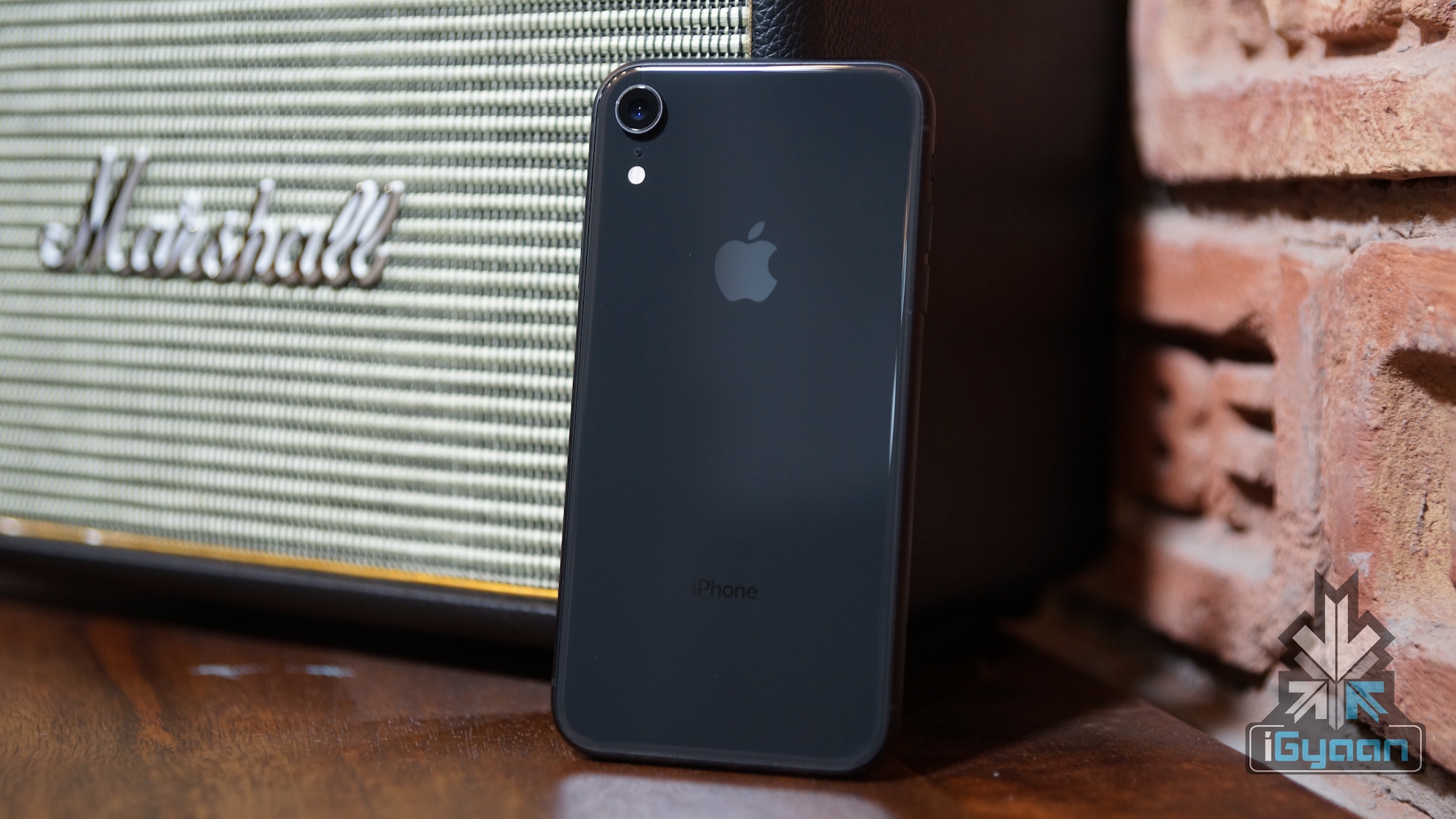
    Samsung is gearing up for a major reshuffling of their phone lineup. The company wishes to eliminate the J series phones entirely and create an M series of phones. It is also reported on a Korean news website that Samsung plans to put an LCD screen on their 2019 version of the J Series of phones. This comes in the wake of Apple making it’s cheapest iPhone XR feature an LCD panel. Samsung reportedly wants to divide the A series models into two segments with OLED as well as LCD options in different price brackets. The Galaxy A8 Star, A8 Plus, A6 Plus all have AMOLED panels at the moment. The A series models will also reportedly see a change of nomenclature.

    What is Samsung Planning?

    Samsung is reportedly reshuffling their phones to get the maximum number of customers as well as to create a price differentiation. Their strategy seems to be to raise the price range of their A9, which has a quad camera setup. This will enable them to capture the lower end of the market with the J series as the company looks to sell more in terms of volume. Samsung will reportedly take Galaxy A series OLED and LCD models to Korean, North American and European markets. The A series will have a quad camera setup. Since these markets have a greater purchasing power, it will be easier to sell the OLED phones there. On the other hand, LCD models will be introduced only in India and Southeast Asia. These markets have a lower purchasing power and has a chance to sell more in terms of volume.

    Also ReadSamsung Launches W2019 Flip Phone With Dual Super AMOLED Displays

    The company is also said to be reorganising its lineup by integrating Galaxy J, Galaxy ON and Galaxy C series into ‘Galaxy M’ next year. This is also one of the major reason’s for the reshuffling plan. There are also speculations that Samsung may be taking this drastic step due to the stiff competition from Chinese manufacturers. Specially in markets like India and parts of South East Asia.

  • Kirin 990 SoC To Debut Early Next Year With 5G Modem

    Kirin 990 SoC To Debut Early Next Year With 5G Modem

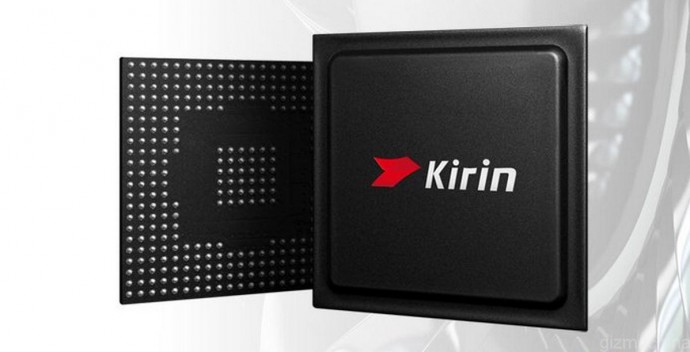
    The Kirin 980 was unveiled by Huawei earlier this year. It is the only Android Chipset made using the 7nm manufacturing process in the market right now. The chipset is seen on the flagship devices like the Mate 20 series and the Honor Magic 2. Now, new reports suggest that a successor to the processor is set to launch soon, named the Kirin 990. The Kirin 990 will most probably have the same 7nm manufacturing process as the 980. But will have 5G support as well.

    What’s New

    While the manufacturing process remains the same, this does not mean that the 990 can’t be any better than the 980. Sources say that the Kirin 990 will consume upto 10% lesser battery and offer more than 10% improvements in performance. The chipset is reportedly under testing already and the company will make it official in Q1 of 2019. Kirin 980

    In terms of 5G connectivity, the chipset might arrive with the Balong 5000 modem. 5G is the next big thing in the smartphone industry with almost all major manufacturers rushing towards it. Xiaomi and OnePlus have already announced their 5G compatible phones which will be out next year. Other manufacturers are also jumping on to the bandwagon with Qualcomm already having developed modems for the same. However, Apple only plans to launch 5G devices in 2020. As they are waiting for the proper infrastructure for the same to be developed soon.

    Also ReadLatest Google Findings Reveal Dark Mode Consumes 63% Less Battery

    Additionally, other industry sources claim that the testing of the Kirin 990 chipset is already under way. According to them, the cost of testing the chipset is also very high, with each test costing around 200 million Yuan. While the chipset maybe announced soon, it is highly unlikely that it will enter production at the time. The Kirin 980 was recently announced and has made its way to only a handful of phones. Huawei will make sure that the Kirin 980 is present in a good number of devices, before pushing out the Kirin 990.

  • Apple iPhones To Get 5G Connectivity In 2020

    Apple iPhones To Get 5G Connectivity In 2020

    With 5G technology at the brink of reaching consumers soon, it is not surprising that tech giant Apple is gearing up to launch its own 5G handsets. Companies like OnePlus, Xiaomi and Oppo have already partnered with Qualcomm. They have even started testing some of their 5G compatible devices. However, Apple is partnering with Intel to make 5G enabled iPhones available by 2020. Apple will use Intel’s 8161 5G modem, according to reports.

    Apple’s 5G

    Intel plans to use the 10nm process for its 8161 chip, which will increase transistor density and hence provide more speed and efficiency. Intel is also working on a separate chip, the 8060. This will be used for prototyping and testing on the 5G iPhone. However, things have not been all smooth sailing between Apple and Intel.

    The 8060 has some heat dissipation issues which has not yet been solved by Intel. This could be due to the fact that 5G carriers will initially rely on the millimetre-wave spectrum to connect the first few 5G phones. However, this process is extremely demanding on the modems. It causes them to release levels of heat which are higher than the normal. These levels can reach a stage where they can be felt on the exterior of the device as well and also affects battery life. Obviously, Apple is not happy with these results.

    Intel is said to be working on solving this issue. But it seems like this hurdle isn’t big enough for Apple to reopen talks with Qualcomm regarding the supply of chips. Qualcomm’s 5G modem also has its own share of heat dissipation issues. However, the chip maker has said that it has found a way around this and solved the issue. Apple has reportedly held conversations with MediaTek as well, regarding the supply of 5G modems. However, MediaTek usually makes chips for budget and mid-range devices. Therefore, it might not be the perfect fit for Apple’s flagship iPhones. The talks however have taken place and MediaTek is just a distant ‘Plan B’, according to reports.

    Also ReadPrimeOS Equips Any Laptop Or PC With Android

    The Race To 5G

    A number of Android devices with 5G capability will be showcased at the Mobile World Congress, early next year. This might make it seem like Apple is joining the party a bit too late, however, the move makes perfect sense. Although chip manufacturers are making 5G modems this year itself and basic infrastructure for 5G will be set up soon. It does not guarantee great 5G connectivity. Infrastructure will be present, but it will be limited. This would give users great download speeds at very limited places and not any dependable connectivity. Therefore, waiting till 2020 to ensure that the required infrastructure is present, instead of rushing into making sure ‘we did it first’ could be a logical move by Apple.

iGyaan Network
Privacy Overview

This website uses cookies so that we can provide you with the best user experience possible. Cookie information is stored in your browser and performs functions such as recognising you when you return to our website and helping our team to understand which sections of the website you find most interesting and useful.