Category: Hardware News

Latest news from the World of Hardware

  • Smartphone Manufacturers Confirm They’re Not Slowing Down Their Phones

    Smartphone Manufacturers Confirm They’re Not Slowing Down Their Phones

    Apple recently agreed that it deliberately slows down iPhones in order to prolong the life of old batteries in iPhone 6 and later. Ever since the news broke out, there have been a lot of questions being asked about the honestly and transparency between a company and its consumers. Evidently, Android phone makers were also questioned about the same and a few of them have come out and denied slowing down their phones for any cause.

    Speaking to PhoneArena, an LG representative stated they “never have never will” do such a thing, adding that the company cares what the customers think.

    Samsung said in a statement:

    Product quality has been and will always be Samsung Mobile’s top priority.

    The spokesperson makes further explained that the battery life of Samsung phones goes through multi-layer safety measures which include software algorithms. The CPU performance is not reduced through software updates to keep the battery lifecycle longer.

    Previously, HTC and Motorola had come out and cleared the air around their own products. An HTC spokesperson said that “is not something we do.” While talking to The Verge, a Motorola representative said:

    We do not throttle CPU performance based on older batteries.

    The aftermath of Apple’s confession has lead to a lot of consumers of both Android and iOS to doubt the intentions of its smartphone manufacturer. However, these stern statements should go a long way in clearing out any doubt the consumers had in their minds.

  • Samsung Galaxy Note8 Users Are Reporting The Same Battery Issue

    Samsung Galaxy Note8 Users Are Reporting The Same Battery Issue

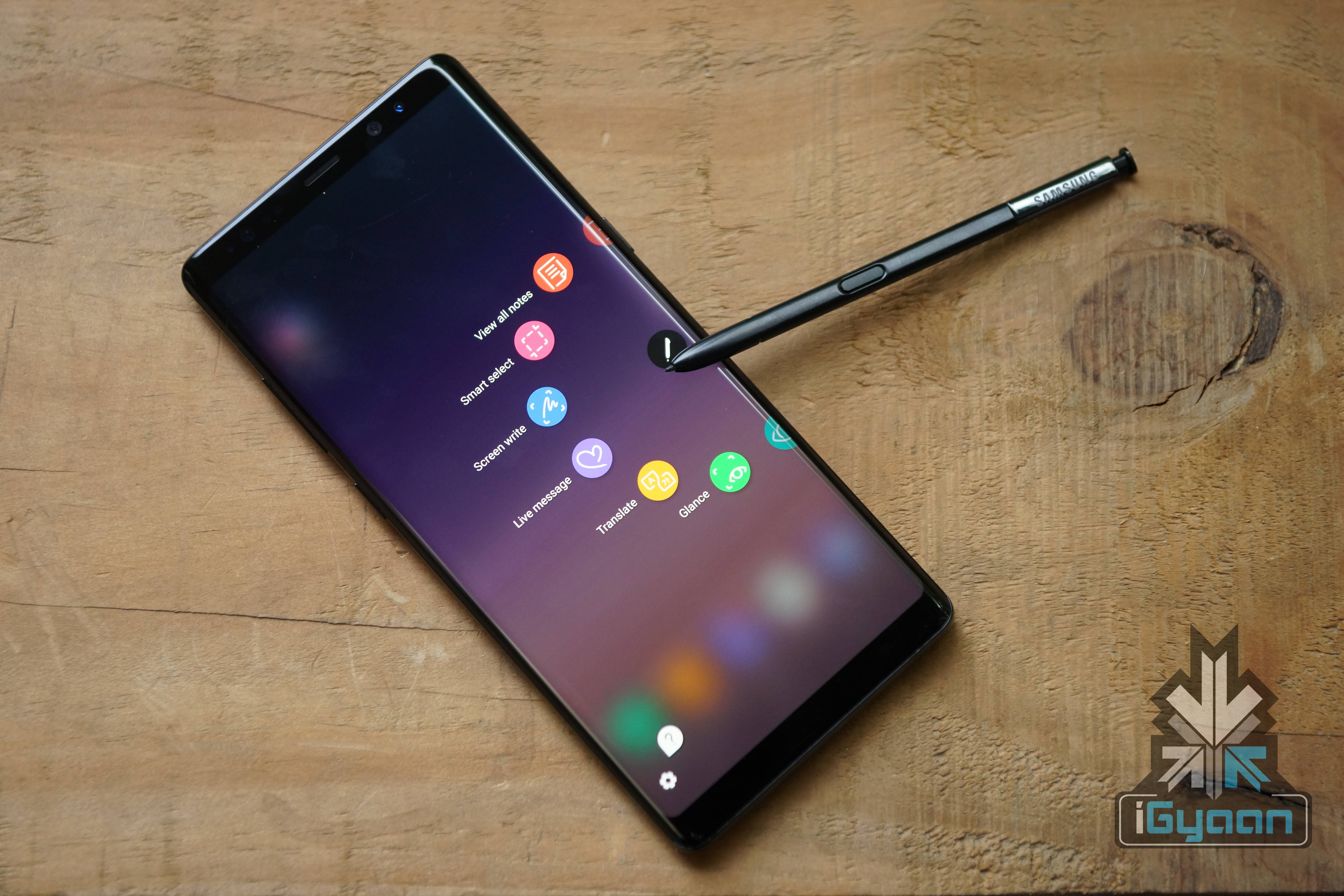
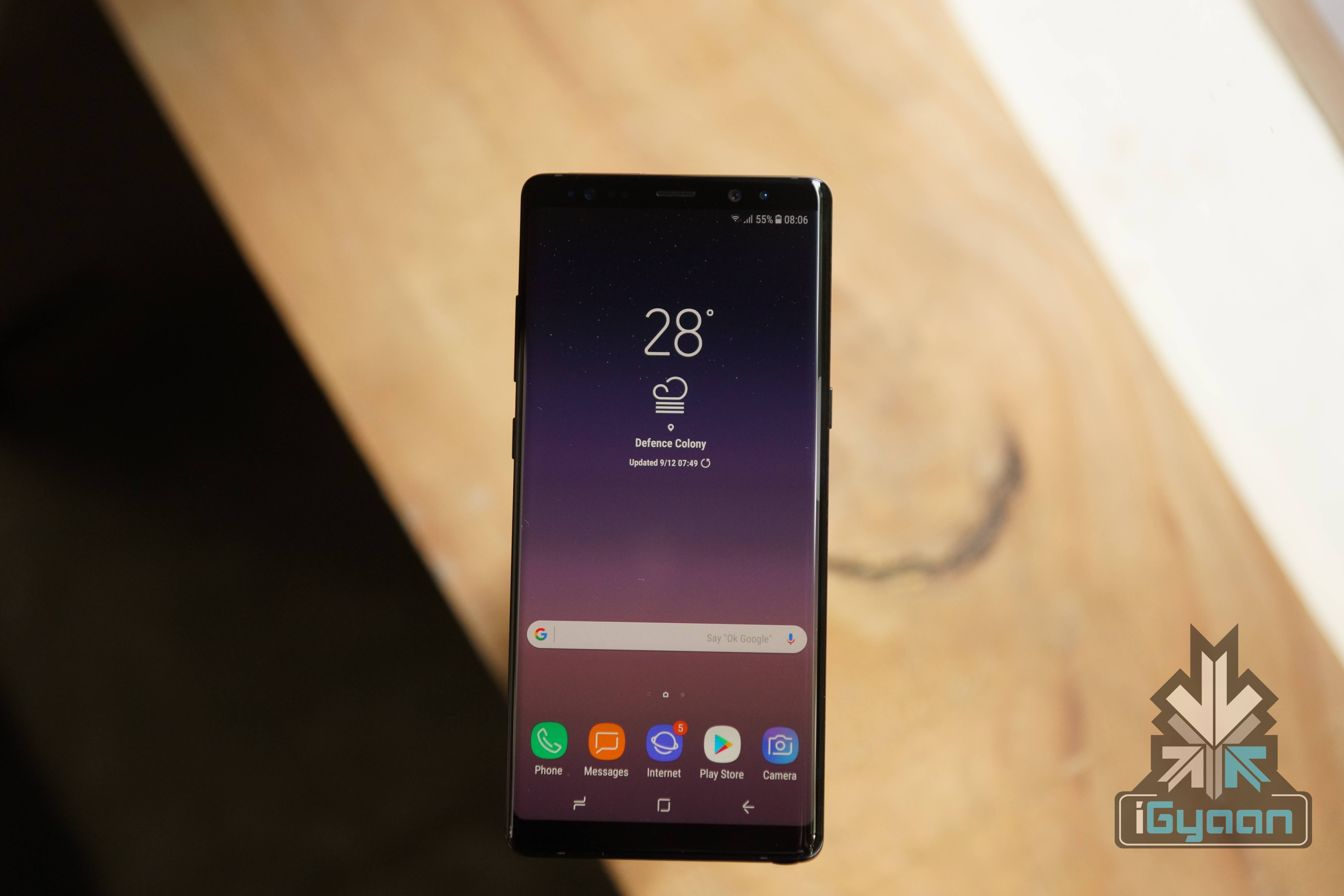
    When the Samsung Galaxy Note7 was recalled due to serious battery issues, many thought that the ‘Note’ lineup would be scrapped due to the amount of bad press it had attracted. However, in August of 2017, the South Korean tech giant launched the Galaxy Note8. The device had everything, from a great camera to the excellent S Pen integration. It seemed like the days of ‘BatteryGate’ have been left behind by the company.

    However, over the past few days, Samsung’s help forum has various posts about user’s Galaxy Note8 not charging. The issue seems to occur after the phone battery is fully drained to 0% and shuts down. When users try to charge the phone again, it doesn’t charge at all.

    One of the posts read:

    I’ve tried 3 different power cables and cords but nothing. I charged overnight and still nothing. Completely dead. Phone still looks brand new because I bought a rugged case for it. I’ve treated it like a newborn baby so it must be defective.

    It appears that Samsung is aware of the issue. Samsung employees active of the help forum are offering repairs and replacement devices for customers with phones that aren’t charging. So far, the issue is not being reported in enough devices for it to be a huge issue. But, considering what happened with the Galaxy Note 7, it won’t be surprising if Samsung moves ahead with caution when it comes to even the tiniest of battery-related issues.

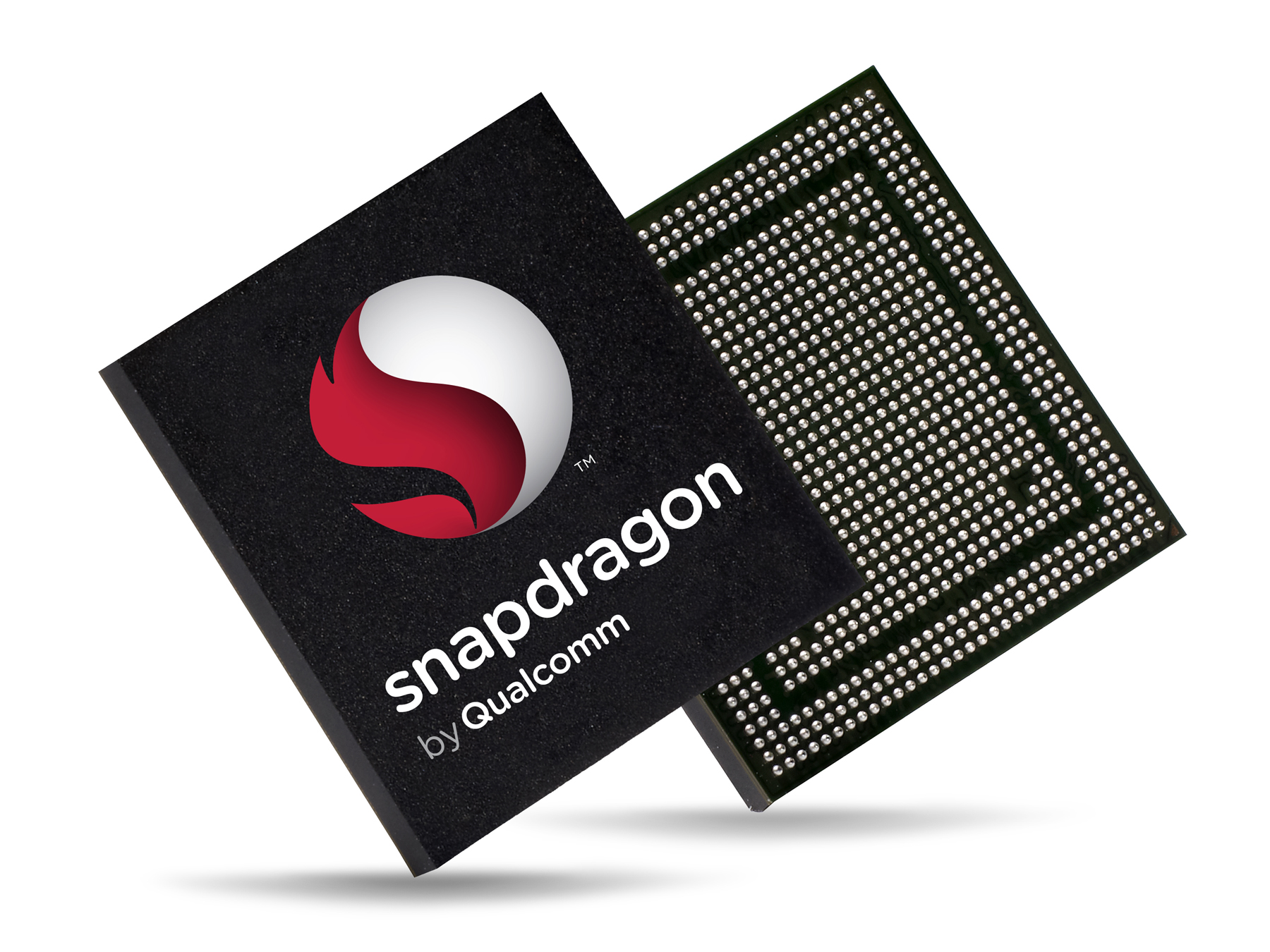
  • Specifications Of Qualcomm Snapdragon 670, 640 And 460 Leaked

    Specifications Of Qualcomm Snapdragon 670, 640 And 460 Leaked

    2018 will be a huge year for smartphones, irrespective of the price category they’ll be in. This year saw a lot of mid-range smartphones having flagship features like bezel-less designs and dual-camera setups. While we already know all about the flagship chipset from Qualcomm, the Snapdragon 845, there isn’t clarity as to what the mid-range smartphones will be powered by.

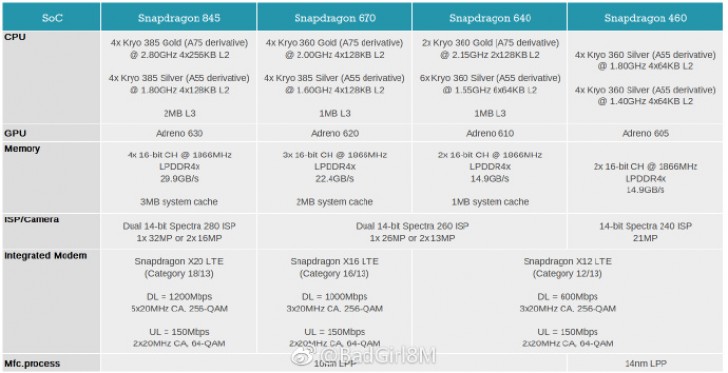
    A new, however, has revealed the possible specifications of three new upcoming chipsets from Qualcomm, the Snapdragon 670, 640 and 460. Three chipsets which possibly power a lot of mid-range phones in 2018.

    The Qualcomm Snapdragon 670 will succeed the Snapdragon 660 as the most powerful mid-tier chipset that Snapdragon will have to offer. While the Snapdragon 660 was built on a 14nm process, the Snapdragon 670 will move to a 10nm process similar to the Snapdragon 845. The chipset will have an octa-core processor with four Kryo 360 cores clocked at 2 GHz and four Kryo 385 cores clocked at 1.6 GHz. It’ll also feature an Adreno 620 GPU.

    The Qualcomm Snapdragon 640 will offer something different than every other chipset, a 6+2 core combination CPU. It will have two Kryo 360 cores clocked at 2.15 GHz and six Kryo 360 cores clocked at 1.55 GHz. This is possible thanks to ARM’s DynamIQ, which allows for mixing and matching for Cortex-A75 and A55 CPU cores. With DynamIQ, there can be a total of eight cores in a cluster which is exactly what we’re seeing in the Snapdragon 640. Similar to the Snapdragon 670, the 640 will also be made on the 10nm process.

    The Snapdragon 460 will likely power smartphones under the Rs. 15000 price bracket. According to the leak, it will have four Kryo 360 cores clocked at 1.8 GHz and four Kryo 360 cores clocked at 1.4 GHz. It will be built on the 14nm process, unlike the other two chipsets.

    Whether early-2018 entrants adopt any of the chipsets is yet to be seen as not a lot of mid-tier smartphones of 2017 even used the Snapdragon 660 chipset.

  • Qualcomm To Launch Snapdragon 670 Chipset In Q1 Of 2018

    Qualcomm To Launch Snapdragon 670 Chipset In Q1 Of 2018

    Every year, it is not just the flagship lineup of chipsets from Qualcomm gets a refresh. The mid-range segment of smartphones has even tougher competition between Qualcomm and MediaTek, and Qualcomm will soon launch the Snapdragon 670 chipset in 2018.

    The Snapdragon 670 chipset will be based on Samsung’s 10-nanometer (nm) LPP process technology which was also used in Qualcomm’s 2017 flagship chip, the Snapdragon 835. Samsung used the same process for its 2017 flagship chipset, the Exynos 8895.

    A famous leakster tweeted a few details about the upcoming Snapdragon 670 chipset:

    According to the report, the Snapdragon 670 will go into mass production in early-2018 and will be subsequently available for OEMs.

    Qualcomm recently unveiled its 2018 flagship chipset, the Snapdragon 845 which was also manufactured by Samsung. Recent reports have claimed that the South Korean tech giant will lose its business from Qualcomm as the Snapdragon 855 is expected to be manufactured by TSMC.

    The report also claims that an industry executive believes that Samsung is losing Qualcomm orders to TSMC because the company will not be fabricating 7nm chips in 2018. The report went on to state that “Qualcomm is still likely to transfer orders back to Samsung in 2019 if its 7nm chip facility becomes ready.”

    As much as the Snapdragon 845 is important, markets like India sell mid-range smartphones much more than their flagship counterparts, hence the Snapdragon 670 and its adequacy will be important for upcoming mid-range smartphones in 2018.

  • Samsung Galaxy S9 And Galaxy S9+ Will Retain The Headphone Jack

    Samsung Galaxy S9 And Galaxy S9+ Will Retain The Headphone Jack

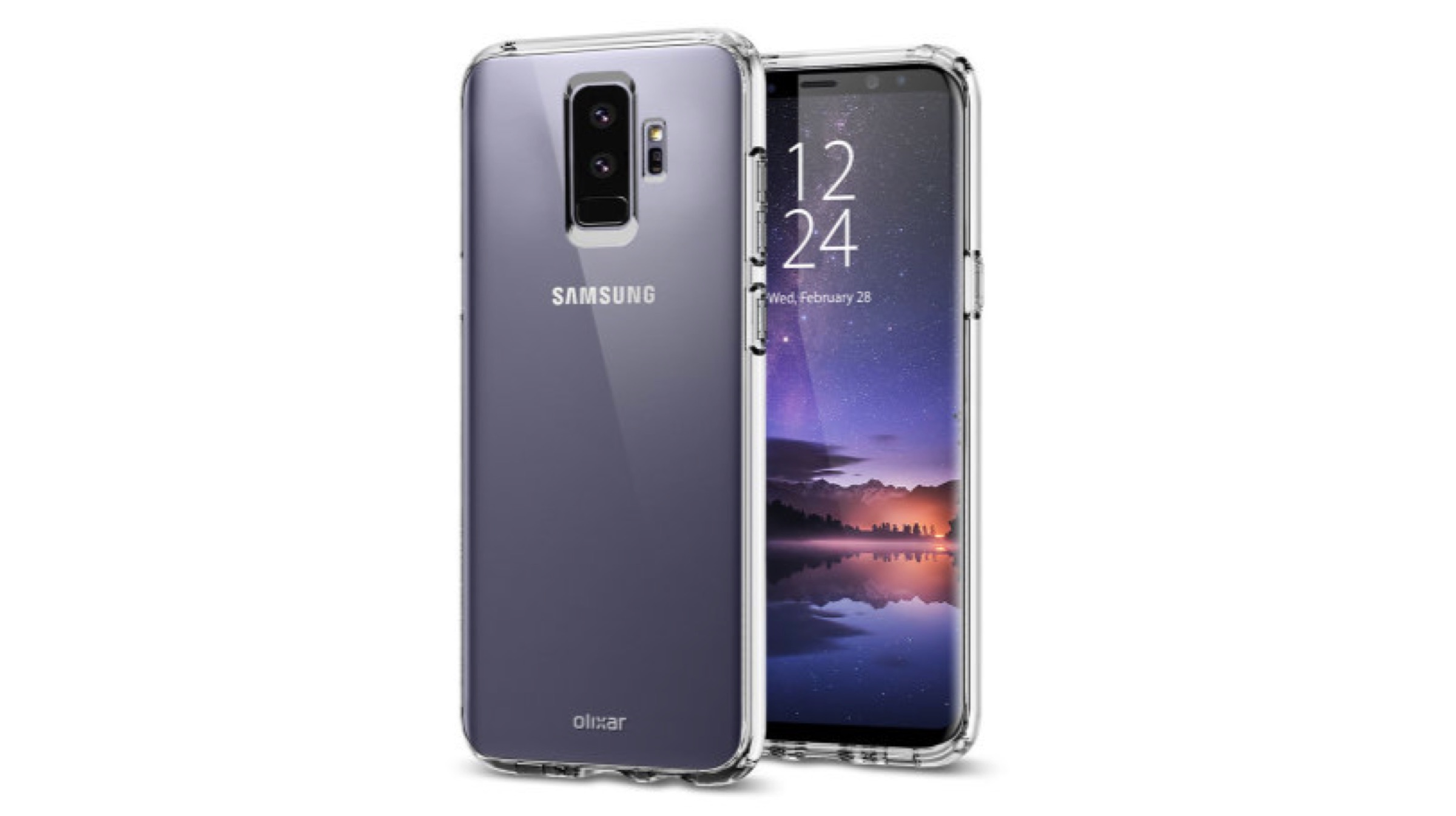
    It appears that peer pressure is not getting to Samsung. After Google decided to drop the infamous headphone jack from its Pixel 2 and Pixel 2Xl, it seemed like the end of the 3.5mm headphone jack was nigh. However, if the latest leak is to be believed, the Samsung Galaxy S9 and Galaxy S9+ will retain the headphone jack.

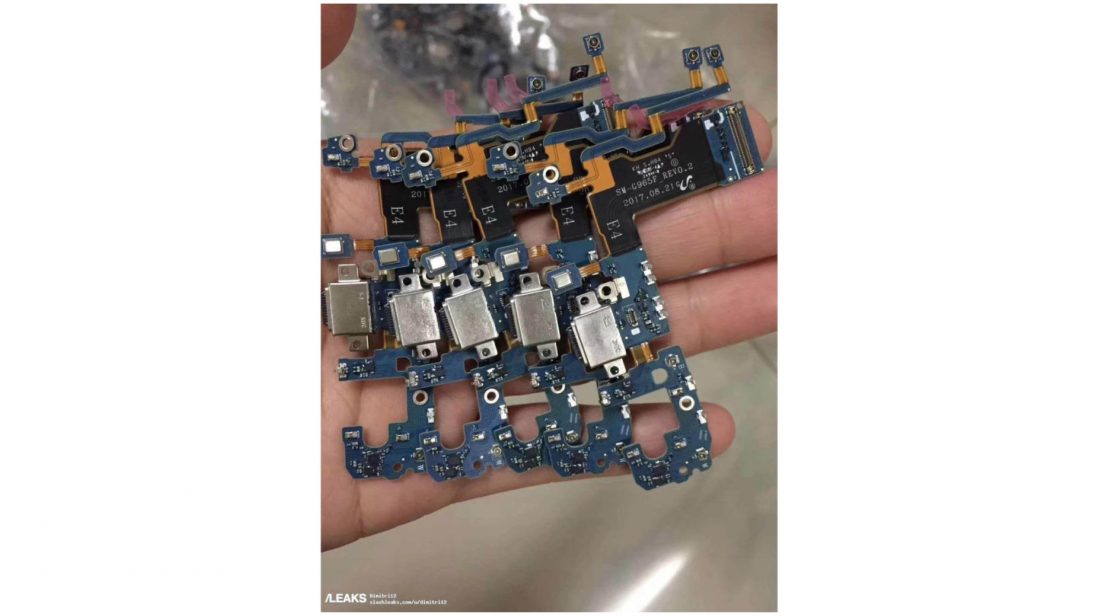
    The image is of the USB Type-C flex cables belonging to the Galaxy S9+. In the image, the 3.5mm port can be seen in the bottom right portion of the module. The image of the USB Type-C flex cables is said to be meant for the Galaxy S9+ due to the SM-G965F model number printed on them which is clearly visible.

    Back in 2016, Apple famously removed the headphone jack from its iPhone 7 and iPhone 7 Plus. While it received a lot of flak at that time and competitors mocked the decision, the last one year has seen other companies embracing the “change” and dropping the headphone jack. LG has, in fact, continued to offer high-end headphone jacks on its ‘G’ and ‘V’ series of smartphones.

    According to a recent benchmark leak, the Galaxy S9 and the Galaxy S9+ will have the Qualcomm Snapdragon 845 chipset. According to leak, the Galaxy S9 and Galaxy S9+ will run Android 8.0 Oreo which is a positive, considering the company announced the Galaxy A8 and A8+ with Android 7.1.1 Nougat even though the devices will be launched in January.

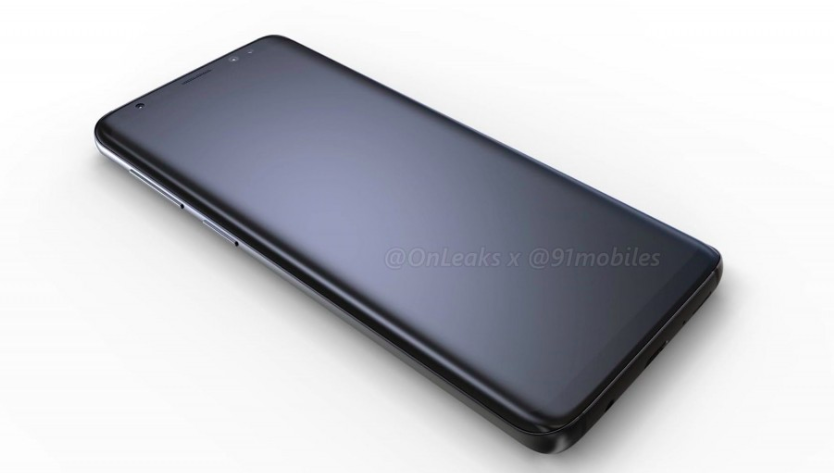
    Galaxy S9+ Renders

    If Samsung goes the Google Treble route, then the Galaxy phones might get faster updates compared to the umpteen amount of time that Samsung takes to update even its flagship phones.

    The Galaxy S9 could be launched at a price similar to the Galaxy S8+ and the Galaxy S9+ could break the thousand dollar barrier and be priced similarly to the iPhone X.

  • Kirin 970 Might Be Better Than Snapdragon 845

    Kirin 970 Might Be Better Than Snapdragon 845

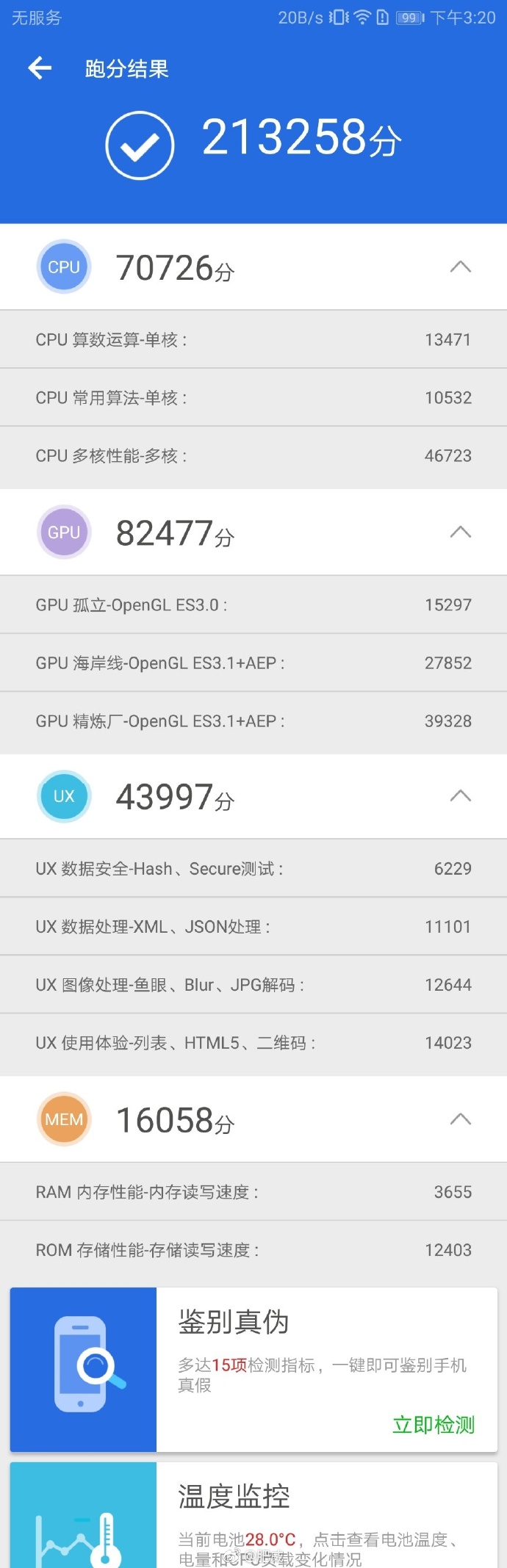
    Upcoming smartphones of 2018 will mostly be powered by the new Qualcomm Snapdragon 845 chipset. Back in October, Huawei unveiled its new flagship chipset, the HiSilicon Kirin 970 chipset with an NPU. A new image has been doing the rounds on Weibo that reveals a few benchmark results wherein the Kirin 970 appears to outscore the Snapdragon 845 chipset.

    The benchmarks are of the Huawei Mate 10 Pro which was launched in October and is powered by the HiSilicon Kirin 970 chipset. It scores impressively, achieving 213258 points. The difference between the two chipsets isn’t enormous and should definitely not sway a consumer to the other side. Also, synthetic benchmark scores barely indicate what the real-world performance of a chipset is like, especially when the difference between the two is so marginal.

    A few weeks ago, Samsung confirmed that it would manufacture the Snapdragon 845chipset on its 10nm LPP process. And now, a new report by Nikkei claims that TSMC is set to take over Samsung’s role for manufacturing Qualcomm’s modem and core processor orders next year.

    The report reads:

    Qualcomm’s flagship Snapdragon 835 and Snapdragon 845 processors are made by Samsung using 10nm technology. Snapdragon 835 processors have been adopted by a wide range of smartphone makers including Samsung, Oppo, Sony and Xiaomi, while Xiaomi will be the first to use the Snapdragon 845 chip that was unveiled earlier this month

    The report also claims that an industry executive believes that Samsung is losing Qualcomm orders to TSMC because the company will not be fabricating 7nm chips in 2018. The report went on to state that “Qualcomm is still likely to transfer orders back to Samsung in 2019 if its 7nm chip facility becomes ready.”

  • World’s First 5G Wireless Hardware Specifications Officially Approved

    World’s First 5G Wireless Hardware Specifications Officially Approved

    Everyone wants faster and better internet connection. While 4G has slowly but surely entered the Indian market on a mass level, the world has already moved on to 5G internet. The first true move towards launching 5G wireless networks and smartphones received a huge impetus. The members of the 3rd Generation Partnership Project (3GPP) have officially approved the hardware specifications for the Non-Standalone (NSA) 5G New Radio (NR) standards. The specifications were confirmed during a meeting of the 3GPP group in Lisbon, Portugal. The actual specifications will be posted sometime later this week on the group’s official website.

    This development means that smartphone hardware companies such as Qualcomm, Intel, Huawei and others can begin making 5G wireless products and components based on these official standards. The industry has already moved towards 5G and only recently in November, Qualcomm, ZTE, and China Mobile announced a successful test of the world’s first end-to-end 5G NR interoperable system based on the standards that were developed by the 3GPP group.

    As reported earlier, the Indian government has recognised the importance of the fast-speed internet and has already taken steps to ensure that India is not left behind in the 5G race. India is planning to roll out 5G internet services by the year 2020. In order to complete this task successfully, the government has set up a high-level forum which will evaluate all possible roadmaps to make sure that 5G internet becomes prominent in the country. For the said objective, the ministries of telecom, information and technology, and science and technology have been included in the forum. A budget of Rs 500 crore is set aside for research and development of 5G technology by the government.

    Apart from the government, Indian telcos such as Airtel are also actively taking initiatives toward the 5G technology. Airtel on 26th September launched a mimo, a pre-5G technology, producing internet browsing speeds three times higher than the current levels. State-run Bharat Sanchar Nigam Ltd. along with Airtel have also signed initial pacts with smartphone makers such as Nokia for the development of 5G and its applications which are relevant to India.

  • Snapdragon 845: Everything You Need To Know

    Snapdragon 845: Everything You Need To Know

    A majority of Android phones are powered by the chipsets made by Qualcomm. From phones priced at Rs 6999 running Snapdragon 212 to the Galaxy Note8 priced at Rs 67900 powered by the Snapdragon 835, smartphones in all price range run on a Qualcomm chipset, with some exceptions running MediaTek chipsets.

    For 2018, the flagship phones will be powered by the new chip from Qualcomm, the Snapdragon 845 which was announced two days ago during the Qualcomm Tech Summit.

    The Snapdragon 845 has the new Kryo 385 CPU architecture and an upgraded Adreno 630 GPU. The chip is built on Samsung’s 10nm LPP FinFET, its second generation 10nm node that offers “10-percent higher performance or 15-percent lower power consumption compared to its first generation”.  Similar to the previous generation, the Kryo 385 is built on Arm Cortex technology. Qualcomm claims that thanks to its customised off-the-shelf design from Arm, the chip promises up to a 25% performance upgrade compared with the last generation Snapdragon 835. The four performance cores clock up to 2.8 GHz and are paired with four energy efficient cores that can reach up to 1.7 GHz.

    A lot of experts claim that what bezel-less design was to 2017 smartphones, AI and machine learning will be to 2018 smartphones. With Apple and Huawei already claiming a stake in the AI space with their new chipsets, a lot will be expected from the Snapdragon 845. In terms of performance, the Snapdragon 845 gets a 3X upgrade in AI tasks over the Snapdragon 835. This comes down to upgraded CPU and GPU performance but, the Snapdragon 845 also includes a third generation Vector DSP with HVX, called the Hexagon 685, which is optimised for AI and imaging workloads.

    Specifications Snapdragon 845 Snapdragon 835
    CPU Core Semi-custom ARM Cortex – Kryo 385 Semi-custom ARM Cortex – Kryo 280
    CPU Configuration 4x 2.8GHz (Cortex-A75)
    4x 1.7GHz (Cortex-A55)
    4x 2.45GHz (Cortex-A73)
    4x 1.9GHz (Cortex-A53)
    GPU Adreno 630 Adreno 540
    Manufacturing Process 10nm LPP FinFET 10nm LPE FinFET
    DSP Hexagon 685 with HVX Hexagon 682 with HVX

    For multimedia, Qualcomm’s latest Spectra image signal processor has been rebuilt from scratch. The new Spectra 280 ISP introduces new video capture options, such as 720P at 480fps, 60 fps video recording at up to 16MP of resolution, and the ability to capture 64x more high-dynamic range colour information than before.

    Qualcomm has also introduced a new security feature. It has added Security Processing Unit (SPU), a hardware isolated security subsystem inside the Snapdragon 845. This dedicated chip acts as a storage unit for any saved biometric information, such as fingerprint, face, or iris scans, and builds on Qualcomm’s existing security software.

    The Samsung Galaxy S9 and S9+ are expected to be the first of the many phones which will be powered by the Qualcomm Snapdragon 845 chipset. Xiaomi also announced that its new flagship, presumably Xiaomi Mi 7 will have the Qualcomm Snapdragon 845 chipset as well.
  • Qualcomm Announces Snapdragon 845 Chipset

    Qualcomm Announces Snapdragon 845 Chipset

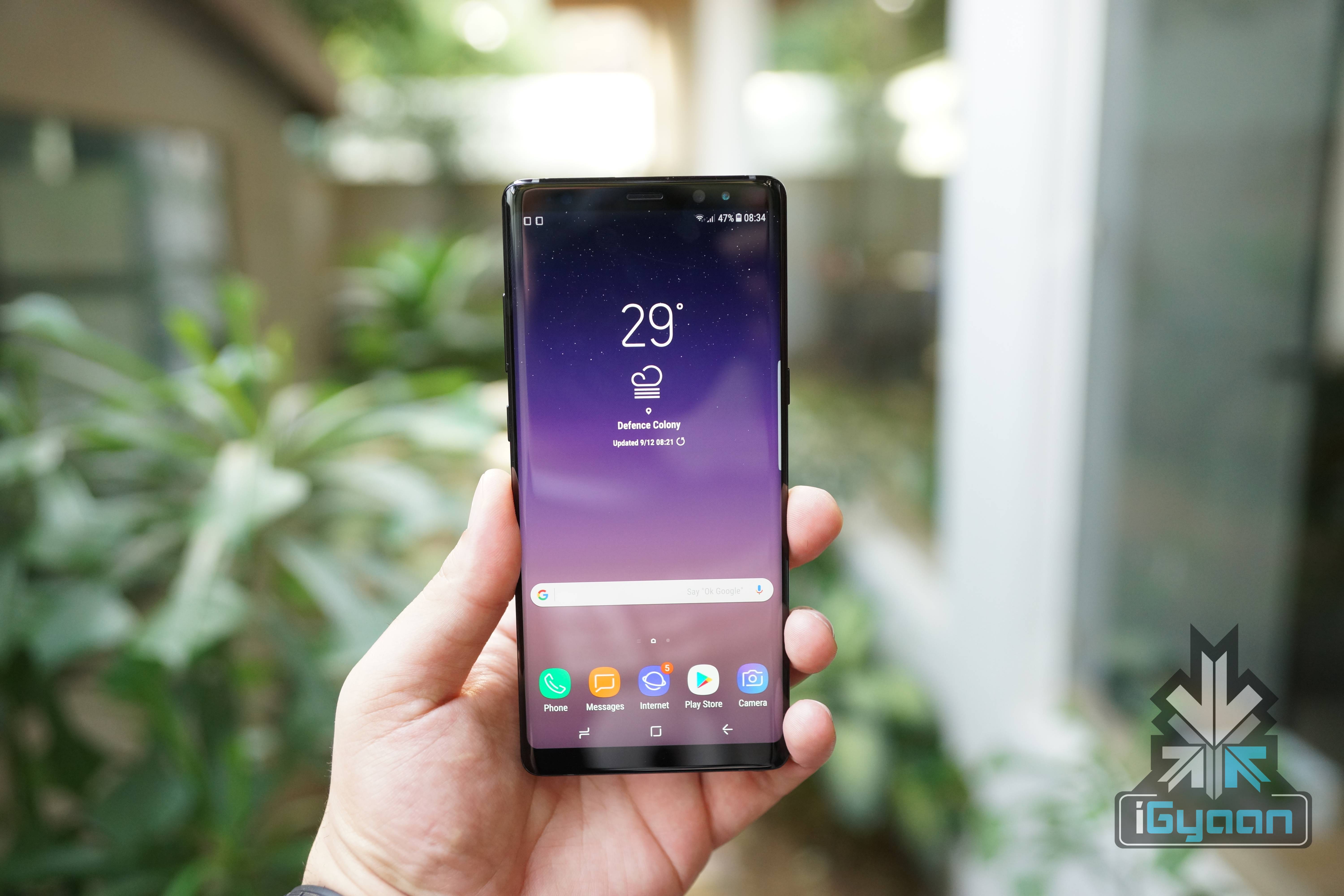
    Qualcomm has announced the new flagship chipset, the Snapdragon 845 at it Qualcomm Tech Summit.

    The Snapdragon 845 will be the successor to the popular Snapdragon 835 chipset which powered the majority of 2017 flagship phones, barring the likes from Huawei and some Samsung phones (that ship outside the US and South Korea). The Snapdragon 845 will likely be found in many high-end Android phones in 2018, though it is also expected to make its way to Windows 10 laptops as well.

    Just like the Snapdragon 835, the Snapdragon 845 is also based on a 10nm manufacturing process albeit upgrades to performance and power efficiency. Qualcomm will pair the 845 with its latest X20 LTE modem, which provides gigabit connectivity on supported networks.

    The Snapdragon 845 will definitely aim to compete with Apple’s A11 Bionic chipset since the Snapdragon 835 fell short against it in benchmark scores.

    Similar to the partnership that led to Samsung having early access to Snapdragon 835 chipsets, the Snapdragon 845 chipset might be found in the Galaxy S9 and S9+ before any other phone. Even though, the LG G7 is expected to be launched at a similar time. Also, Xiaomi has announced its plan to use the Snapdragon 845 chipset in its next flagship, which could be the Mi 7.

    The American chipmaker is hosting its tech summit right now where we will get to know more about the Snapdragon 845 chipset.

  • Test Shows OnePlus 5T Is The Fastest Charging Flagship Phone

    Test Shows OnePlus 5T Is The Fastest Charging Flagship Phone

    As smartphones get thinner, manufacturers usually resort to reducing battery sizes in order to maintain the thickness-to-tech inside ratio. The good news is that the chipsets are getting better at power management and fast charging is really good. Even wireless fast charging is catching up these days and almost every flagship phone now has a USB Type C port.

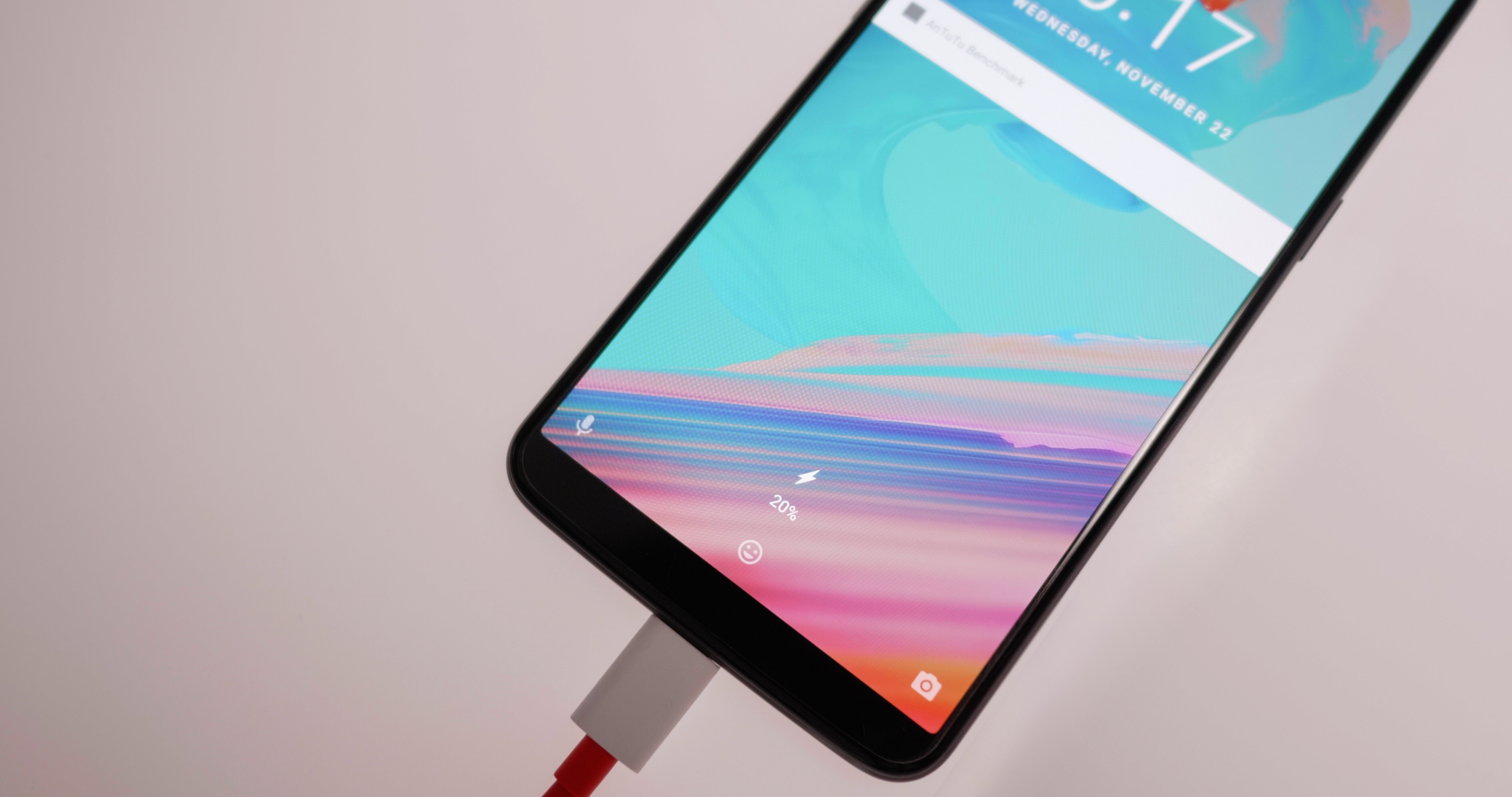
    Recently, OnePlus conceded that the company’s own Dash Charging technology is much better than the wireless technology which is available in the market hence, the OnePlus 5T shipped without wireless charging capabilities. So, how good is Dash Charging, then? Apparently, it’s the best in the market and a test has proven that.

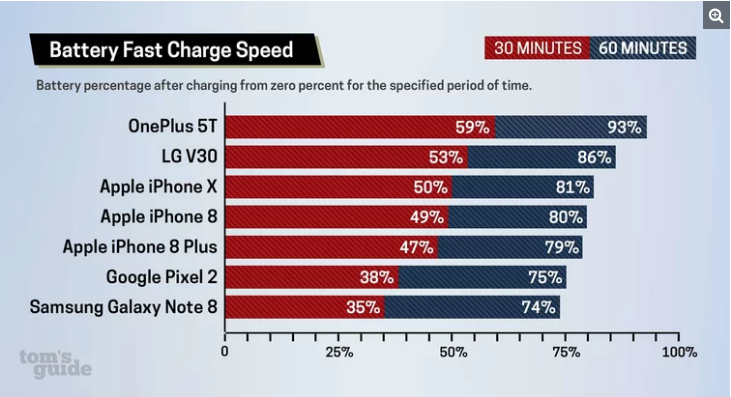
    The test included all the top flagship phones of 2017, the Samsung Galaxy Note8, LG V30, OnePlus 5T, Google Pixel 2, iPhone 8, iPhone 8 Plus and iPhone X. All the Android phones have a USB Type C port and the three iPhones of course, have the lightning port. The iPhone 8, 8 Plus and iPhone X support fast charging if you buy the adapter and a Type C to lighting port cable from Apple.

    The battery percentages were checked after 30 minutes of charging. It is worth noting here that all the screens were off during the test and the three iPhones were charged using the fast charging gear. After 30 minutes, the OnePlus 5T was at 59% while the LG V30 was the first runner-up at 53% and the iPhone X was at 50%.

    At the one-hour mark, the OnePlus 5T was the winner again at 93%, 7% more than LG V30’s 86%. The iPhone X was at 81%, closely followed by the iPhone 8 and iPhone 8 Plus at 80% and 79%, respectively.

    The OnePlus 5T turned out to be better than the competition thanks to its Dash Charge technology, which is different from Qualcomm’s QuickCharge. Dash Charge delivers higher amperage than QuickCharge and uses dedicated circuitry in the charger itself for heat management. So, if charging up your phone at a blazing speed is your top priority, then it is worth taking a look at the OnePlus 5T as your next flagship phone.

  • Here’s Something Important You Should Know About Face ID

    Here’s Something Important You Should Know About Face ID

    The Apple iPhone X launched towards the end of the year and grabbed all the attention that iPhones have historically done. With a huge design departure from the previous generations, Apple took an important decision and removed the trusted Touch ID and replaced it with Face ID.

    If you own an iPhone X, you’d have your own experience with Face ID and differing opinions about whether it was the right decision or not. But, the fact is that Touch ID is gone, and by the looks of it, it isn’t coming back. One of the many great things about Touch ID was multiple fingerprint support which allowed users to give access to people they trusted.

    You may also like – I Spent A Day With The iPhone X And I Am Done With The Home Button

    With Face ID, that options isn’t there yet and if you thought that future software updates will allow that to happen, then you might be wrong in thinking so. According to Craig Federighi, Apple’s Senior Vice President of Software Engineering has conceded that multiple ‘face’ support for Face ID is not a part of Apple’s plans for Face ID.

    Someone who missed that Touch ID feature emailed Craig Federighi regarding the same and got this response:

    Currently we’re focusing Face ID on a single user authentication. Even TouchID’s multi-finger support was really intended to enable a single iPhone owner to unlock the device with a finger and thumb on both hands, not to enable multi-user authentication.

    We’ll certainly keep your feedback in mind as we consider our plans to evolve Face ID in the future.

    Now, it might be possible that as Apple continues to make Face ID better, it may reach that point where multiple faces can be recognised but, as of now that seems uncertain.

  • Your iPhone X May Be Faster Than Your Friend’s iPhone X

    Your iPhone X May Be Faster Than Your Friend’s iPhone X

    Apple iPhone X has been out for almost a month now and people who’ve recently ordered it, will start receiving their iPhone X sooner rather than later. If you have an iPhone X already, it is possible that your phone might be faster (or slower) than your friend’s iPhone X.

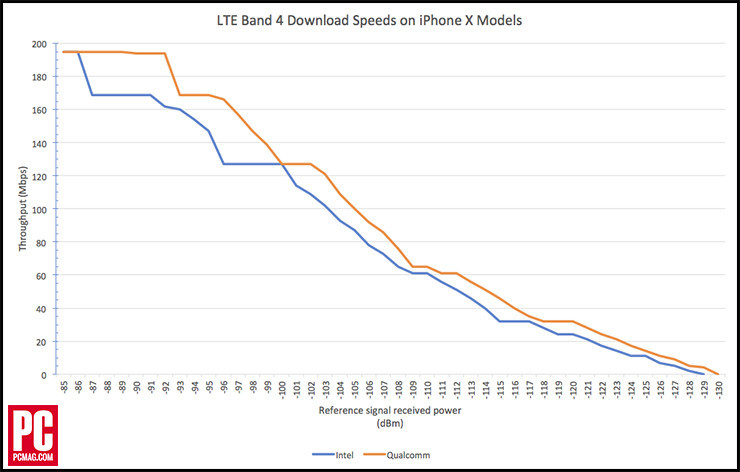
    Apple equips iPhones in the US with modems from both Intel and Qualcomm, and the same goes for their priciest iPhone yet, the iPhone X. In a new report, it has been unearthed that iPhone X models with Qualcomm modems were faster than iPhone X models with Intel modems.

    The test shows that iPhone X models with Qualcomm modems “get consistently better LTE speeds than Intel’s on America’s most common LTE band.”

    It is worth noting that Apple crippled a few functionalities of the Qualcomm chip because the Intel chips don’t support these features yet. So, in order to keep the differences at a bare minimum, Apple curbed the performance of the Qualcomm chipsets itself.

    But, the good news is that you won’t notice the difference between the two until you’re in a dire situation.

    Following recent legal battles between Qualcomm and Apple, it won’t come as a surprise if all iPhones start shipping with Intel modems in the future. Reports already suggest the same and with recent law suits, the relationship between the two firms may have gone beyond repair.

  • 2018 iPhone Users Will Not Have Battery Life Issues

    2018 iPhone Users Will Not Have Battery Life Issues

    As smartphones get sleeker, many companies resort to making the battery size smaller in order to keep the phone thin. As the iPhone X launch craze fades away, a new report suggests that the 2018 iPhones will have a new power management system that will qualify as the “most advanced in the industry.”

    It appears that Apple is designing its own power chips, which should be manufactured by TSMC, Apple’s go-to silicon supplier.

    This new component will barely be mentioned in the keynote, or make the advertiser’s list of fancy features but, it is one component that can make the 2018 iPhone a much better prospect than its Android counterparts. The report goes on to say:

    The in-house chip would be the most advanced in the industry, according to the sources, and could have processing capabilities that allow it to better monitor and control power consumption among various components.

    With Apple resorting to in-house chip manufacturing, its current supplier Dialog Semiconductor will be sweating bullets. Last year, Apple accounted for 74% of Dialog Semiconductor’s revenue which means that this move by Apple will not be good news for the UK-based firm.

    The repercussions of Apple moving to in-house chip-making are real. Earlier in 2017, it was reported that Apple had started developing its own graphics chips, which resulted in Imagination Technologies’ stock crashing immediately upon the revelation. It was later revealed that the company had sold itself to a private equity investment fund in the aftermath.

  • Qualcomm Snapdragon 845 Could Be Announced In December

    Qualcomm Snapdragon 845 Could Be Announced In December

    2018 will see most of the flagship smartphones being powered by the Snapdragon 845 SoC, which will succeed the Snapdragon 835 from 2017. Qualcomm is likely to announce the new flagship chipset, the Snapdragon 845 in December at the Snapdragon Technology Summit that will be held in Maui, Hawaii between 4th of December and the 8th of December.

    The Snapdragon 835 was announced during CES 2017 in January of 2017 so, Qualcomm’s announcement might come a month prior to what is the norm. The Snapdragon 845 could be manufactured through 10nm Low Power Early (LPE) FinFET process. It is expected to have four ARM Cortex-A75 cores and four ARM Cortex-A53 cores. It is also reported that the new SoC will be paired with the Adreno 630 GPU, which is expected to deliver a significant graphical performance bump over the Adreno 540 that comes with the Snapdragon 835. The upcoming chipset will also be optimised for augmented reality (AR) and virtual reality (VR). Updated Kyro cores and X20 connectivity modem means upgraded downlink speeds of 1.2Gbps.

    iGyaan reported that the Samsung Galaxy S9 could be the first device to feature the Qualcomm Snapdragon 845 chipset as per an agreement between Qualcomm and Snapdragon. In 2017,  Samsung manufactured Qualcomm’s Snapdragon 835 chipset and got to keep the initial batch for itself. That’s why early in 2017 there was no other Snapdragon 835-powered handset on the market other than the Galaxy S8. This could be the case in 2018 as well.


  • New Snapdragon 636 Chipset Unveiled By Qualcomm

    New Snapdragon 636 Chipset Unveiled By Qualcomm

    Qualcomm has unveiled a new mid-range chipset, the Qualcomm Snapdragon 636. The standout point with this chipset is the introduction of Qualcomm’s Kirin 260 CPU cores into the Snapdragon 63X range, bringing additional CPU power to a lower cost chipset.

    Qualcomm says that the Kyro 260 arrangement in the Snapdragon 636 chipset will deliver a 40 percent performance improvement over the Snapdragon 630’s 2.2 GHz octa-core Cortex-A53 CPU arrangement. This change means that the 636 will also give users a little more CPU push than the 653 too, all at a lower price. In addition to the CPU changes, Qualcomm has also bumped up the GPU performance a tad with the introduction of an Adreno 509, up from the 508. This GPU provides about a 10 percent performance boost, however the Snapdragon 660 retains a performance advantage that gamers may be after.

    There’s a 14-bit Spectra 160 ISP with support for up to 24MP cameras, smooth zoom, and fast auto-focusing. The platform also comes with Qualcomm’s Aqustic audio codec, which supports 24-bit, 192 kHz audio playback.

    The chipset will be available in November of 2017.

    Specs Snapdragon 636
    CPU 4x Kryo 260 @ 2.2 GHz
    4x Kryo 260 @ 1.8 GHz
    GPU Adreno 509
    Co-Processors Hexagon, All-Ways Aware, Spectra 160
    LTE X12 LTE
    600 Mbps down,
    150 Mbps up,
    3x20MHz CA, up to 256-QAM
    Process  14 nm
iGyaan Network
Privacy Overview

This website uses cookies so that we can provide you with the best user experience possible. Cookie information is stored in your browser and performs functions such as recognising you when you return to our website and helping our team to understand which sections of the website you find most interesting and useful.