Category: Unboxing and Hands On

  • Samsung Galaxy S21 Ultra First Look

    Samsung Galaxy S21 Ultra First Look

    Samsung launched the Galaxy S21 series on 14th of January 2021. While the S21 will be a popular device all eyes are on the Galaxy S21 Ultra which apart from being a flagship, shows off what the company is not only capable of,  but, also what direction it is heading in. 

    The Galaxy S21 Ultra starts at a price of Rs. 105999 for the 12 GB variant with 256GB storage and costs Rs. 116999 for the 16 GB variant with 512 GB storage. There are discounts however, during preorder a Rs. 6000 instant discount and Rs. 10000 discount using HDFC cards. 


    Unboxing Experience 

    The box of the Galaxy S21 Ultra resembles the iPhone 12 series boxes. Its a slim box and it is missing a charger. But the box is also missing earphones and the standard back protection case.  Apart from the phone box has some documentation, the USB C to USB C cable and a sim tool .

    • Galaxy S21 Ultra
    • Documentation 
    • USB C – C Cable 
    • Sim Tool

    Design and Build

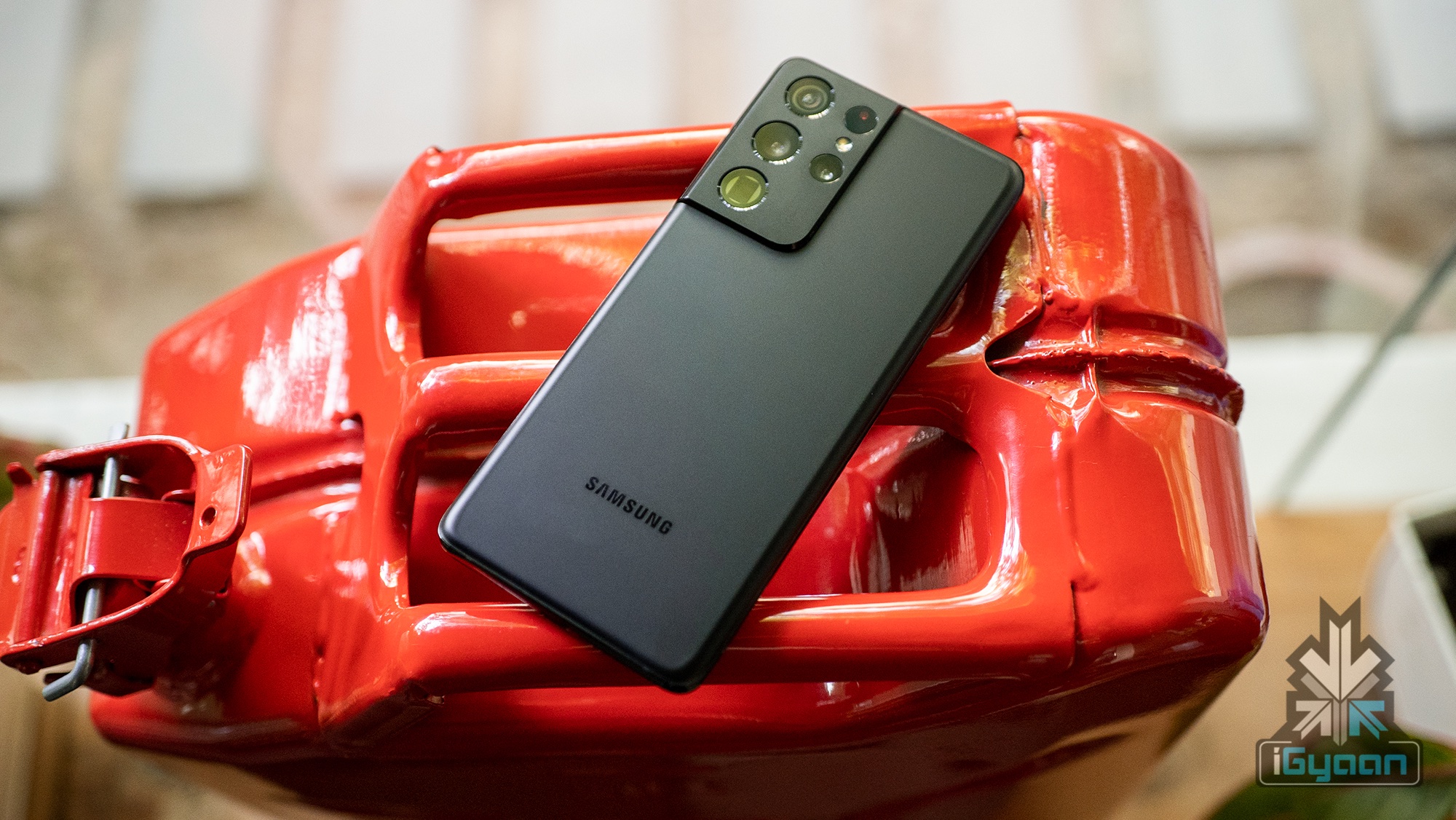
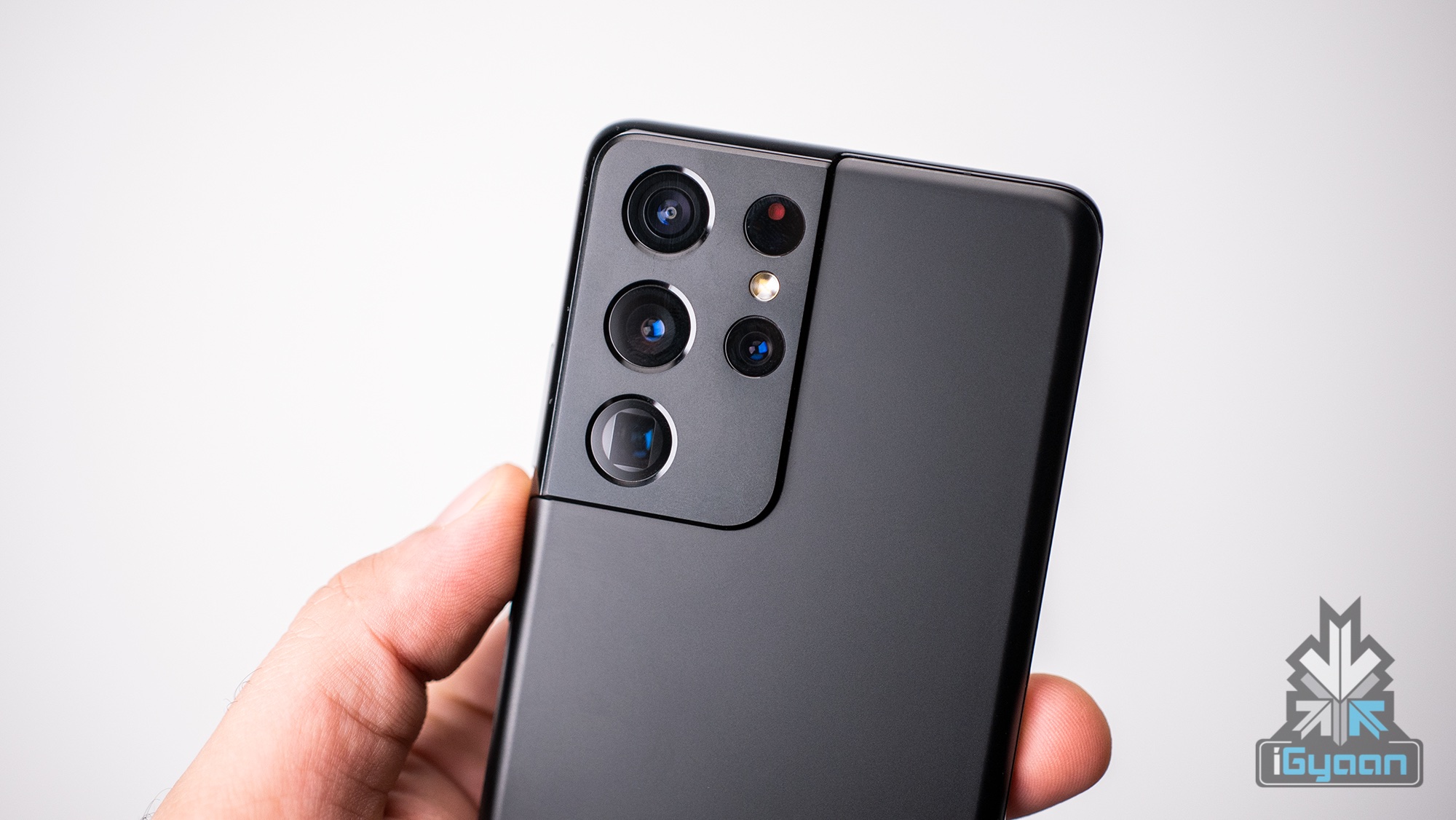
    Samsung has focused a lot on making the design of the Galaxy S21 series a lot more refined. The new color choices paired with the new Gorilla Glass Victus finishes allows for the “phantom” colors to have a leather like effect. The Phantom black is a matte black finished back panel that simulated a very soft letter like feel in the hand. The phone is durably built and has a IP68 rating for dust and water resistance. 
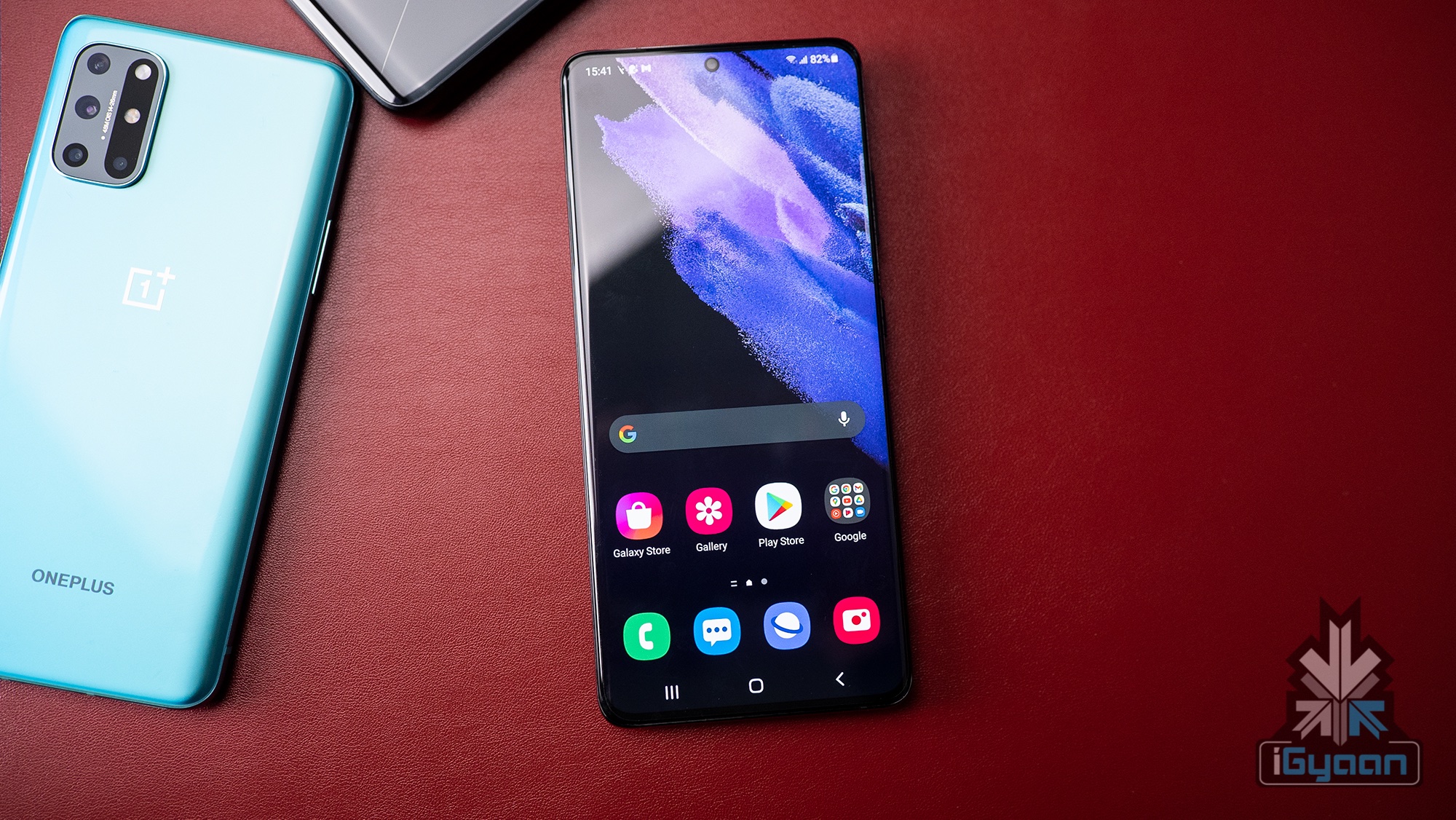
    Samsung had already done away with the headphone jack so all you see is a water sealed USB C port which is used for charging and data. The display has subtle curves on either side making the rather large and unwieldy Galaxy S21 Ultra comfortable to hold with side grip. 

    The camera bump is now a part of the frame and looks more natural. overall first impression from the design and build are good. 
    Display and Cameras

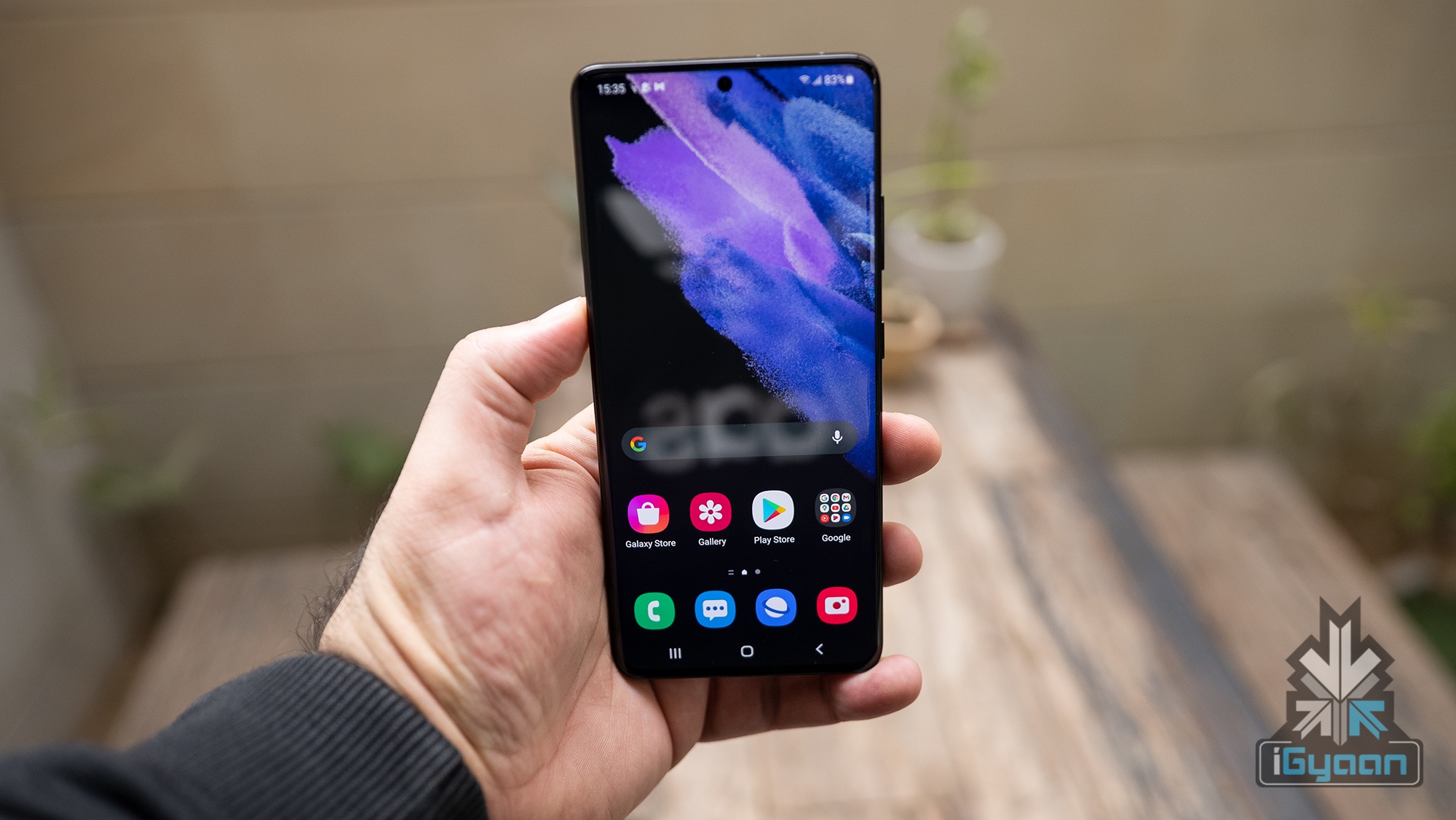
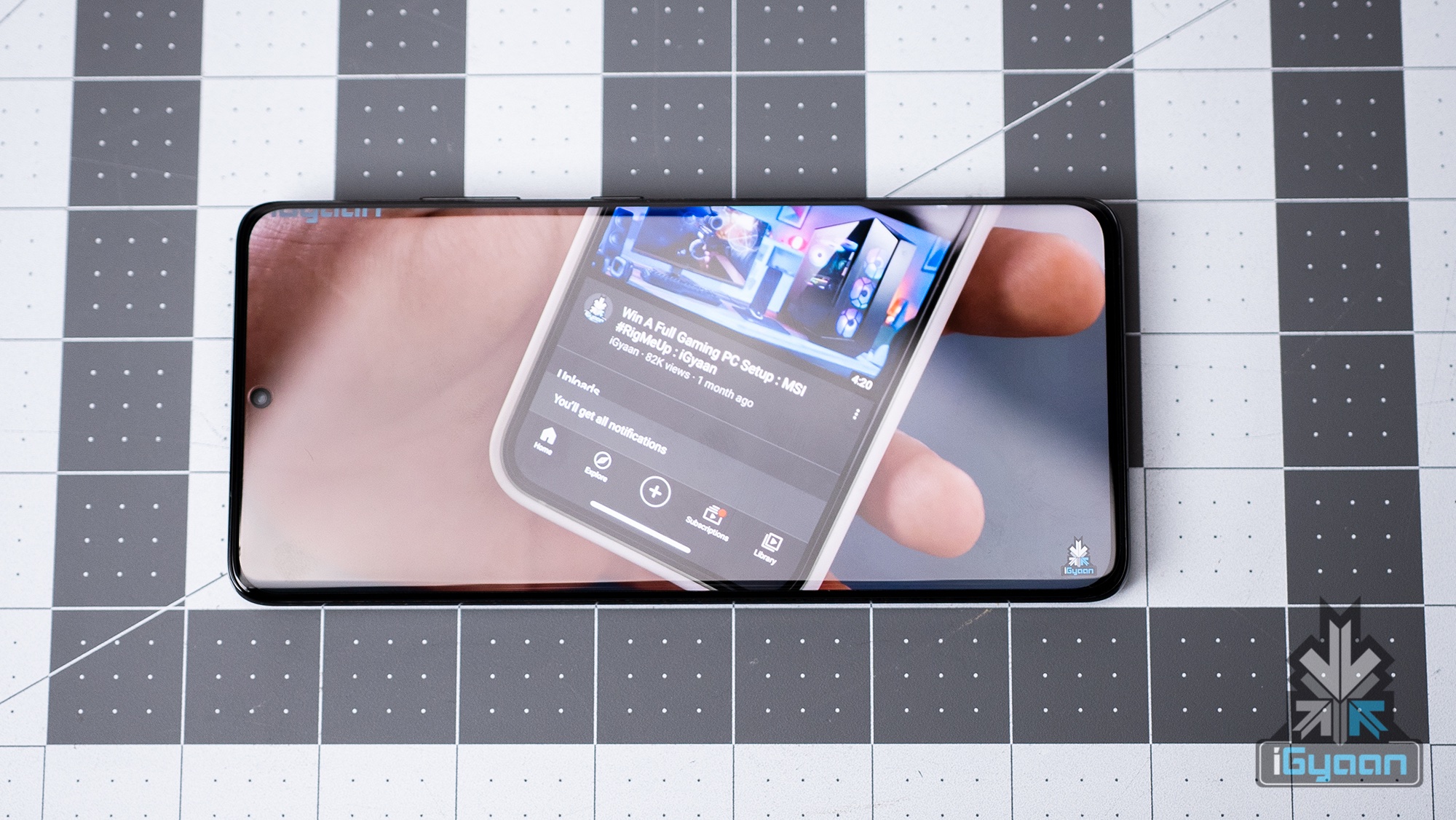
    The Samsung Galaxy S21 Ultra has a massive 6.8 inch Dynamic AMOLED 2X display which has a WQHD+ 3200 x 1440 px resolution. This gives the device a 515 ppi pixel density.  The display also has a peak brightness of 1500 nits and is protected by the same Victus glass that is seen on the back of the phone. The display has an ever so slight curve that makes it look premium and also improves the viewing experience as it simulates an edgeless display. 

    120 Hz on the display has been a standard for a while but the Galaxy S21 Ultra is capable of that at maximum resolution. even though on Samsung’s adaptive refresh rate mode. 
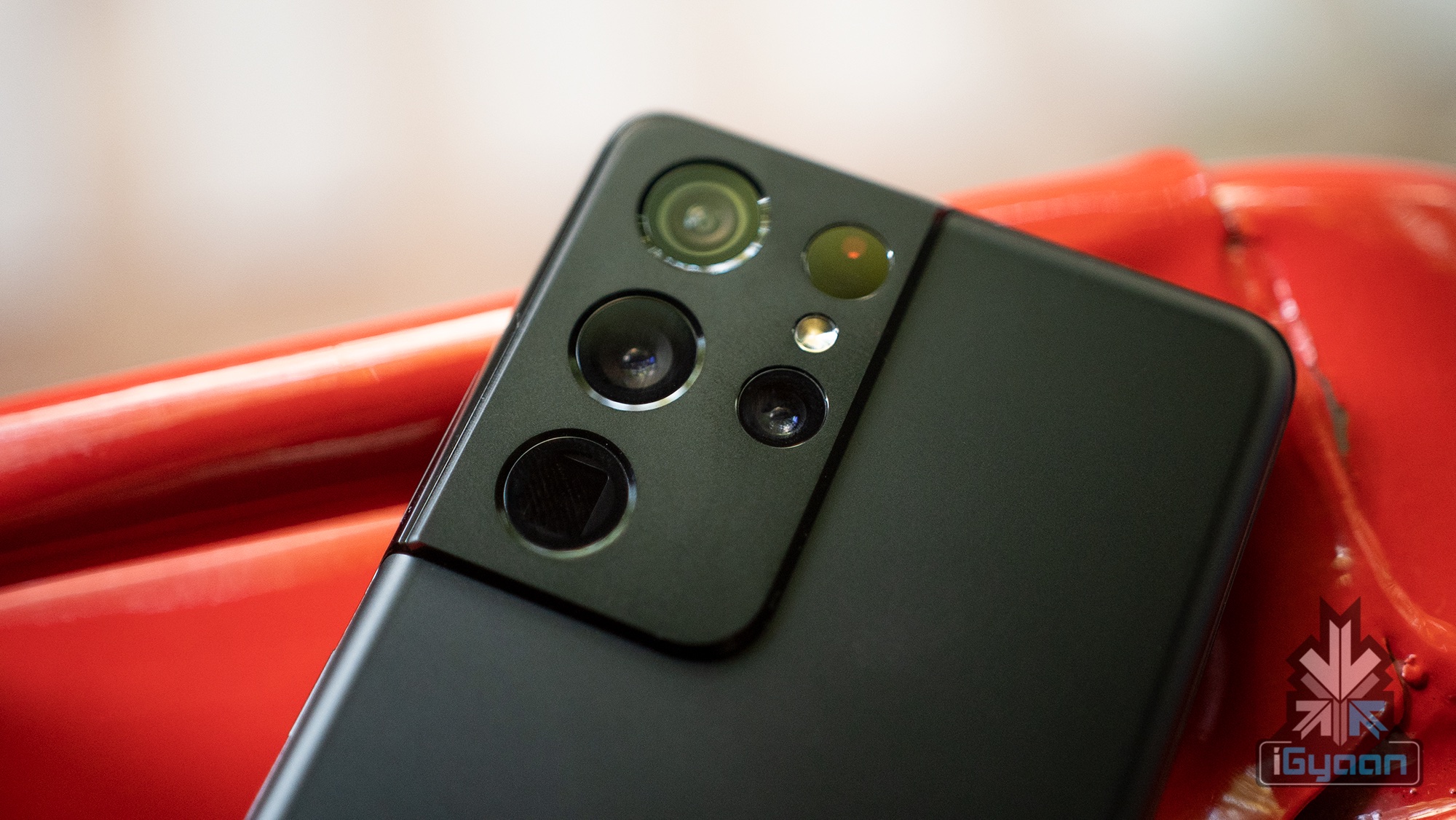
    Samsung has included 4 cameras on the back of the S21 Ultra . The main 108MP camera which has an f/1.8 aperture. will shoot 12 MP shots in the auto mode. two telephoto cameras with 3x and 10x zoom allow for a more versatile zoom experience. while the 3x has an f/2.4 aperture the 10x has an f/4.9 aperture which means that low light performance will be abysmal on the 10x. 

    There is an ultra wide 12 MP sensor which has an f/2.2 aperture. The rear camera is also capable of 8K video 24fps and 4K video at 60fps. The S21 Ultra is also capable of slow motion video at 1080p at upto 240fps and at 720p at upto 960fps. 
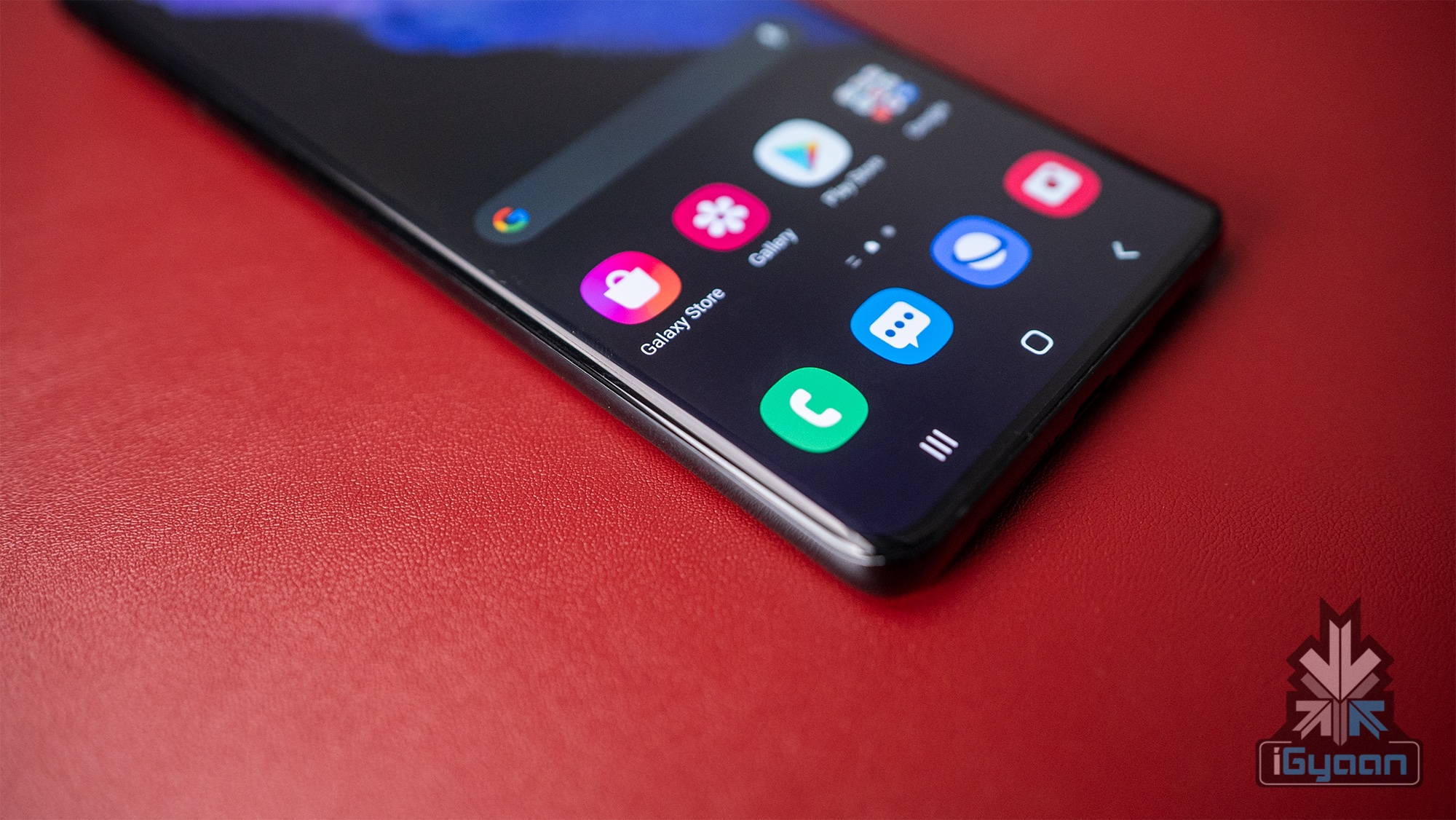
    The front facing camera sits in the centre punch hole on the top of the display and is a 40 MP sensor with an f/2.2 Aperture and is capable of 4k video at upto 60fps.

    Hardware and Performance

    The Galaxy S21 Ultra will not disappoint with respect to performance. And even though India still gets the Exynos based devices. The Exynos 2100 is pretty well matched with the Snapdragon 888 chipset. Both are built on the 5 NM process and offer up an octave core CPU experience. However Samsung’s Exynos 2100 is clocked much higher with a 2.9 GHz top clock.  The GPU lacks behind on the Samsung chip, but they are well matched for AI computation capabilities and ISP performance with the 888′ spectra 580 providing computational HDR video capabilities which the Galaxy S21 Ultra misses out on. 
    Benchmarks are up there and performance from the device for the couple of days we have tested is irrefutably smooth. However, the Exnos 2100 when pushed seems to be getting the top back corner of the Galaxy 21 Ultra uncomfortably hot. We are using a pre release device with pre release software. So the clocks may be adjusted for the final release. 

    Battery and Connectivity

    The 5000mAh battery does justice to the phone. Samsung continues to include 25W charging as that seems to be sweet spot for battery charging speeds. No charger is included however, Samsung will happily sell you one for Rs. 2000. 

    The phone supports USB PD3 and wireless charging upto 15W. You can also reverse charge in case of emergencies for upto 4.5W.
    The Samsung Galaxy S21 Series is 5G capable whether you get the Snapdragon 888 or the Exynos 2100 variant. Both have Sub 6 and mmWave 5G bands. However, India is yet to fully roll out 5G for the next year or so and by that time S22 series will be out. 

    The phone has 2 sim slots and no microSD expansion. Bluetooth 5.2 along with A-GPS, GLONASS, BDS, GALILEO for location mapping.  The fingerprint sensor is located under the display and is an ultrasonic sensor which makes for super quick unlocks. 

    If you are a business user the Galaxy S21 Ultra also offers Samsung DeXand Samsung Wireless DeX for on the go productivity. 

    Samsung seems to have ticked all the right boxes, however our testing has just begun and if first impressions are something to go by, The Galaxy S21 Ultra will be tough competitor for upcoming phones of 2021. 


  • Lenovo K10 Note Unboxing And Hands On Video

    Lenovo K10 Note Unboxing And Hands On Video

    Lenovo has just announced the K10 Note which is the latest entry in its K series of smartphones. Interestingly, the Lenovo’s smartphones have been discontinued globally and are only available for the Indian market owing to its popularity. The K10 Note is a mid range smartphone with notable specs and the in this article we will be covering our hands on first look at the device and its unboxing.

    Click here to buy the Lenovo K10 Note


    What’s In The Box?
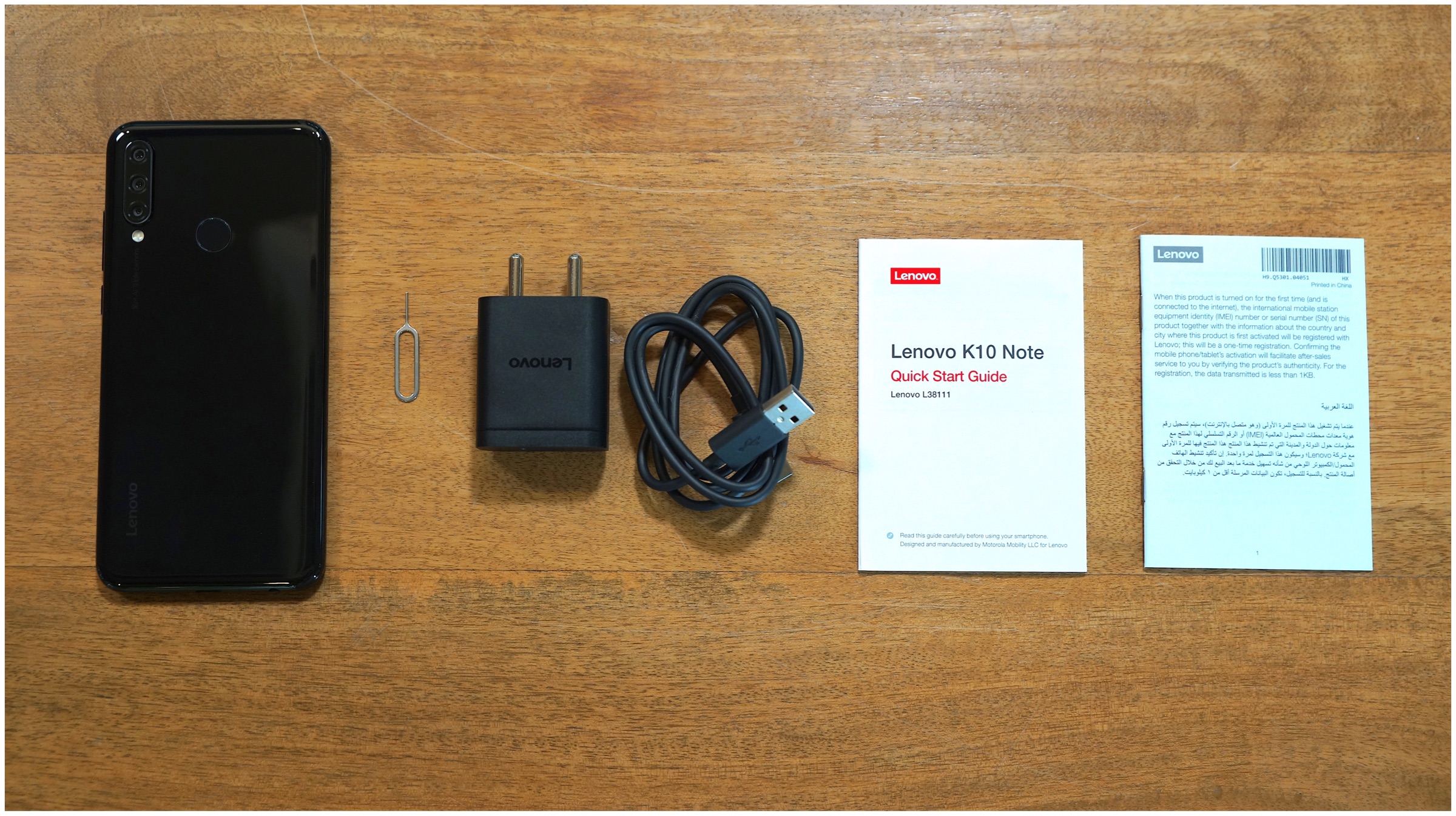
    • Lenovo K10 Note
    • SIM Pin
    • Fast Charger
    • User Manual
    • Safety Information

    Lenovo K10 Note

    Design & Display

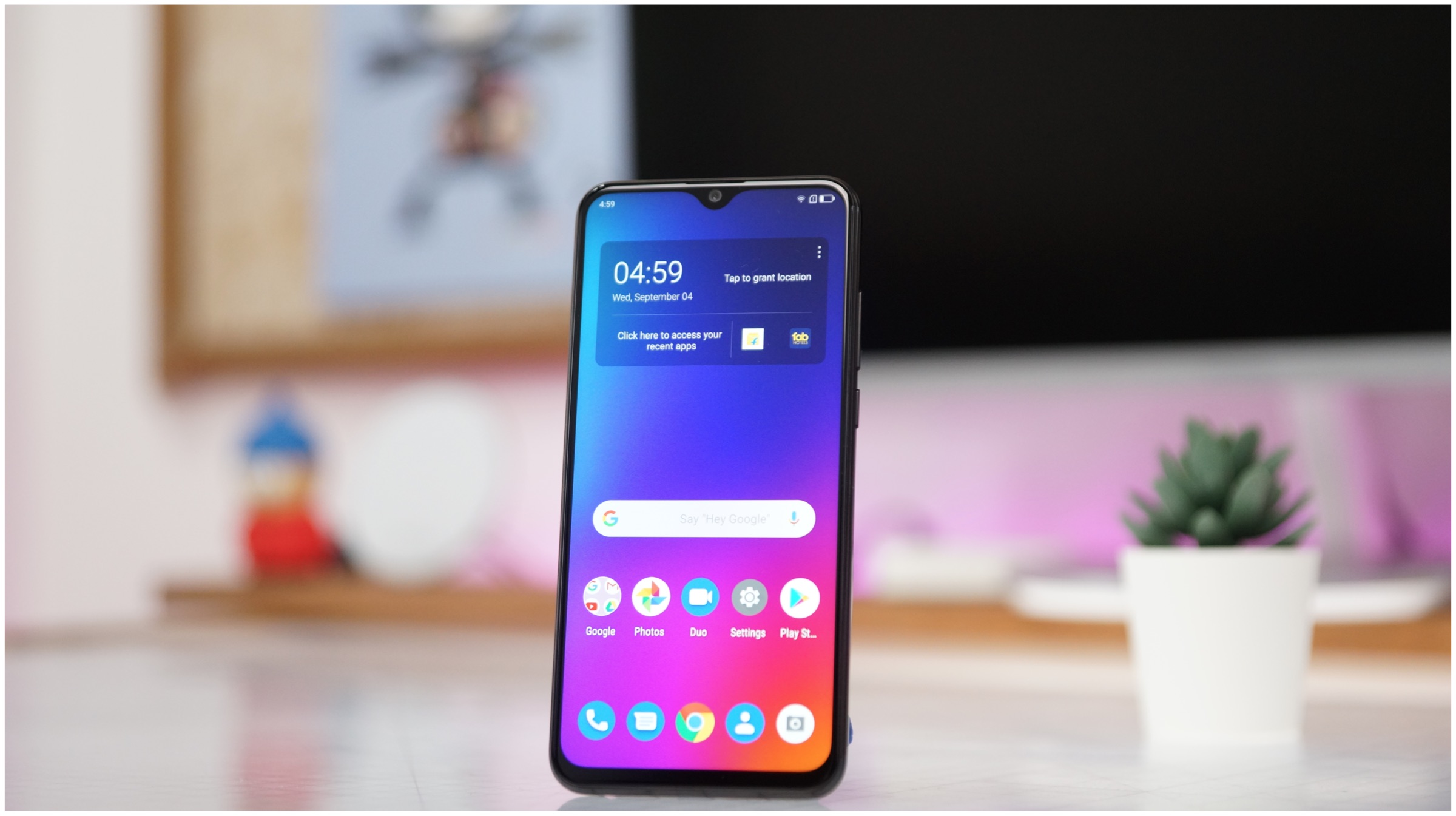
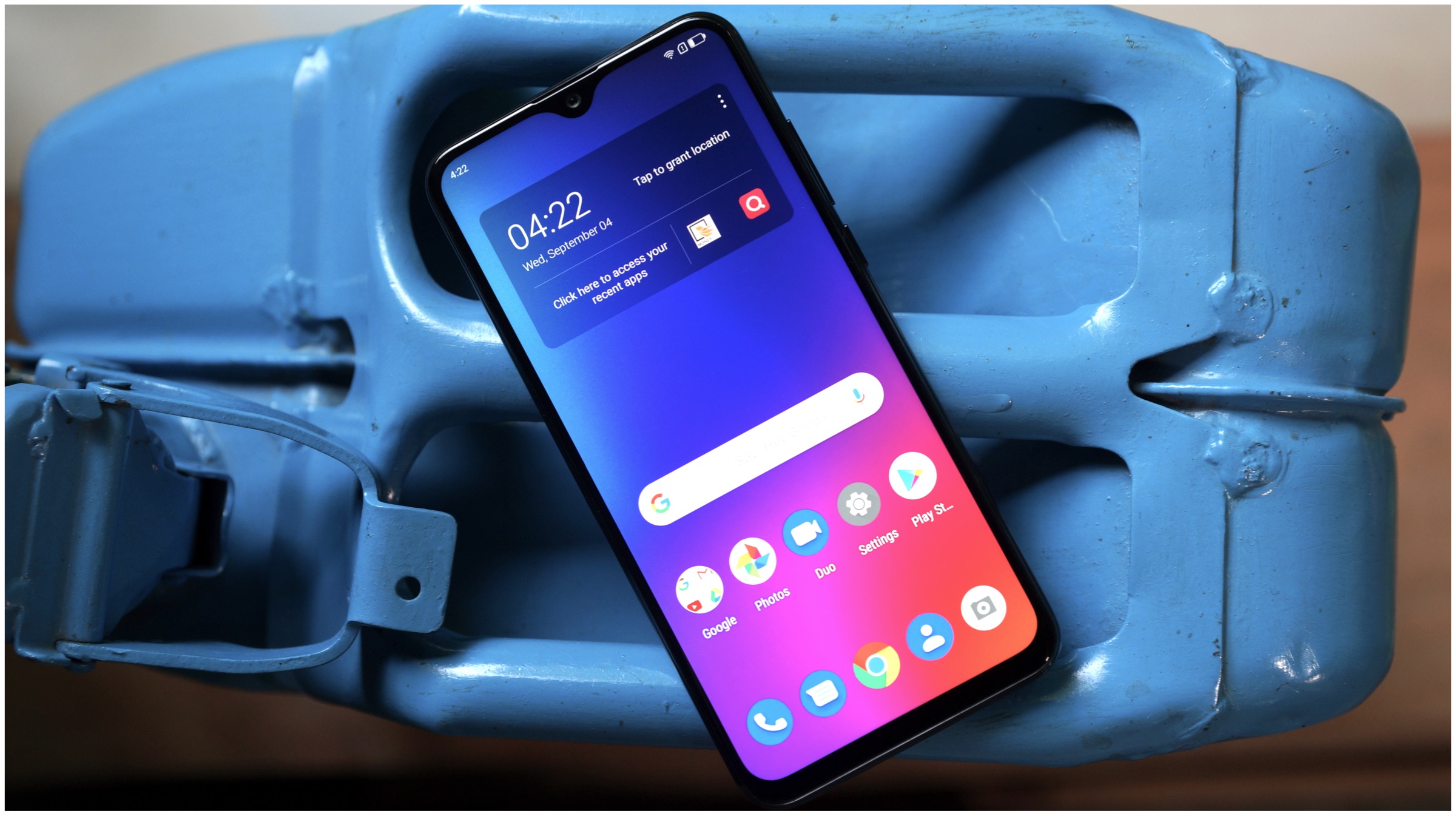
    Lenovo’s K10 Note features a large 6.3 inch FHD+ LCD display with an 19.5:9 aspect ratio. The device also sports a waterdrop notch which the company is calling the dewdrop notch on its MaxVision display. Furthermore, it features a screen to body ratio of 90% as well that translates to a better overall viewing experience. The left side of the device is bare with only a SIM card slot whereas the right features the volume rockers and power button. On the top, you find the secondary mic while the bottom has a USB Type-C port flanked by a headphone jack and lone speaker grill.

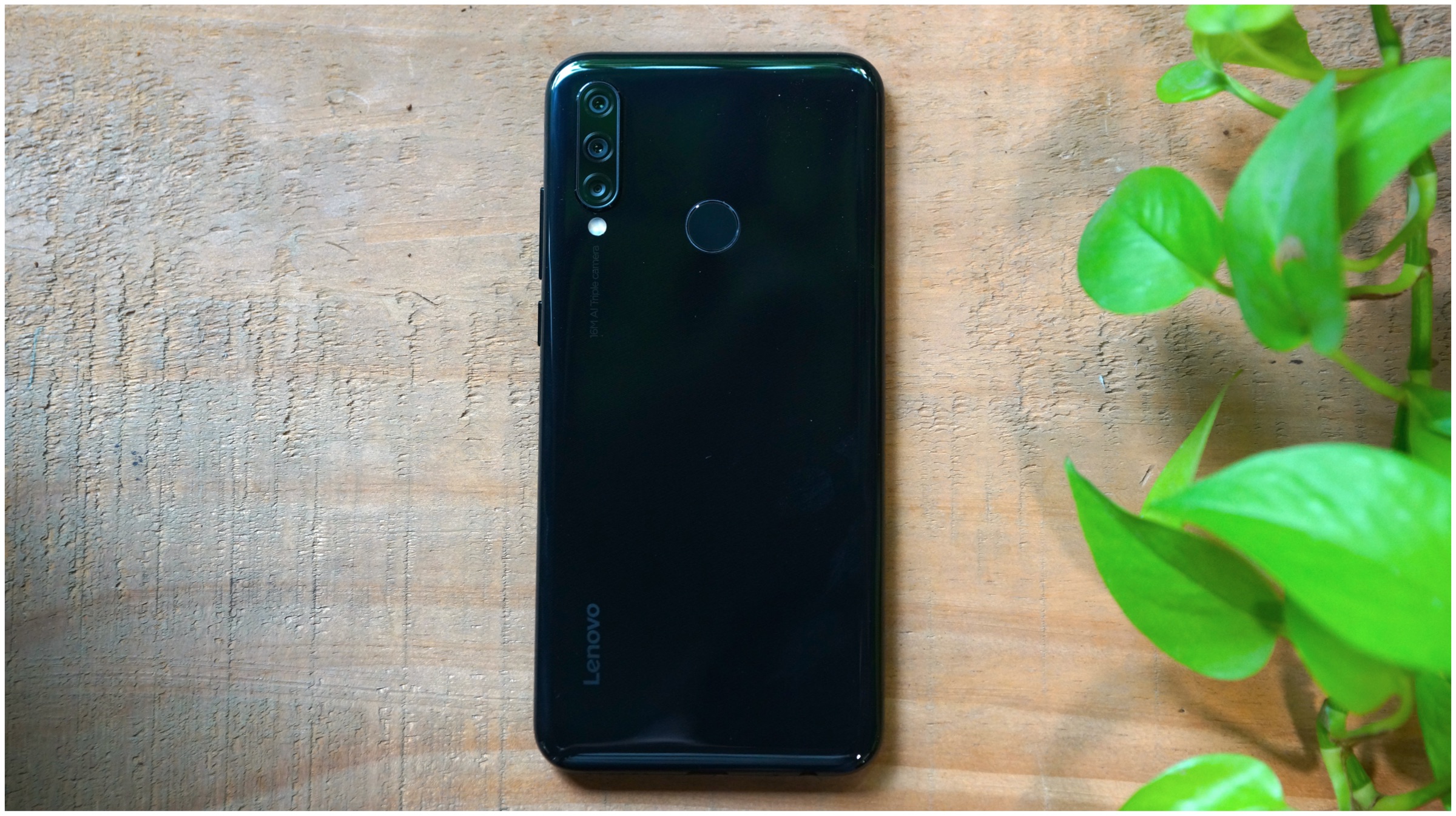
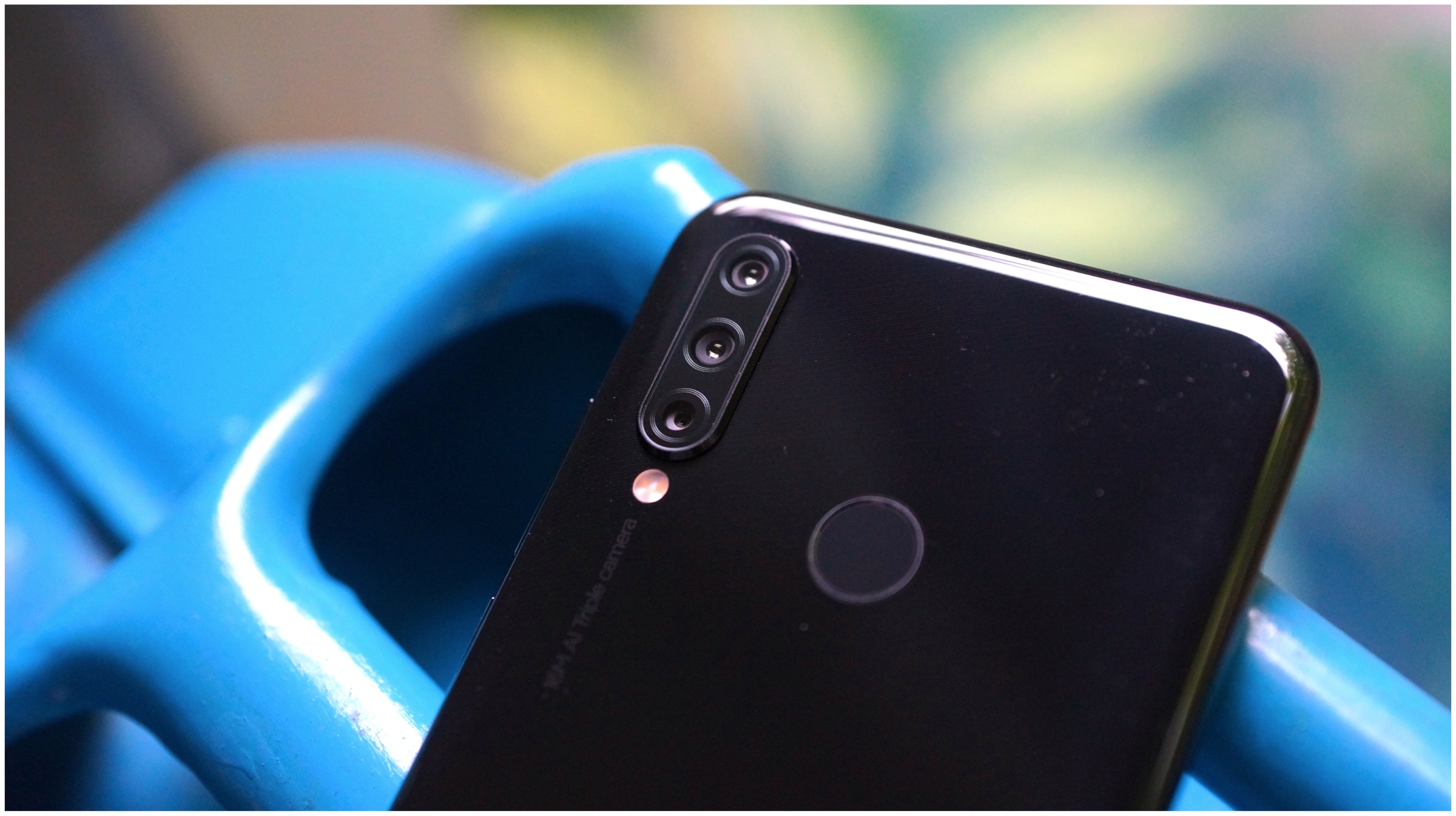
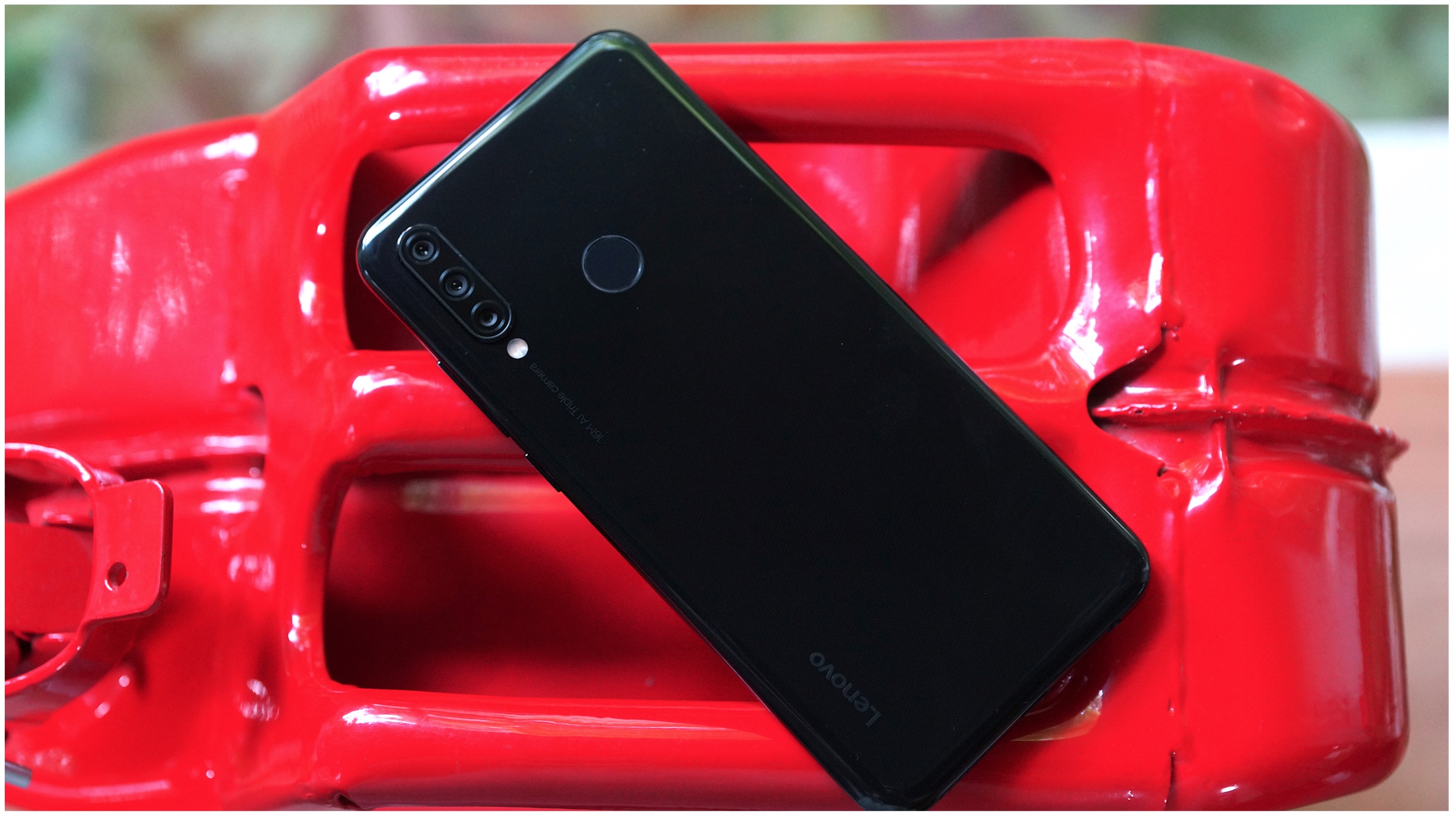
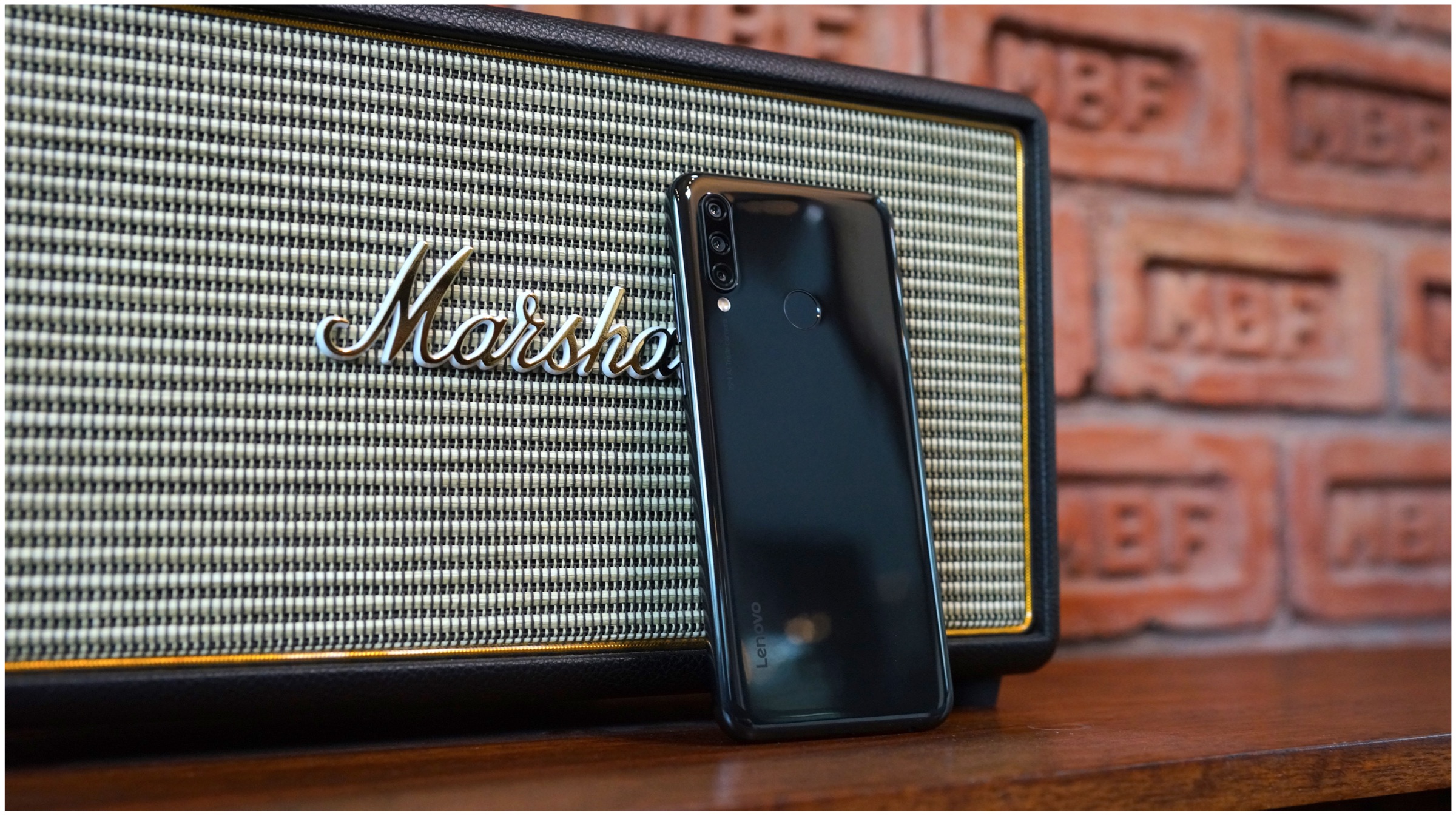
    The K10 Note dimensions are 156.6 x 74.3 x 7.88mm meaning that the device feels relatively slim and compact in hand. While the front features glass, the back panel is made out of plastic. The back also houses a fingerprint scanner which can be found in the top middle. On the bottom left, Lenovo’s branding can be found while on the top left corner has the triple camera setup.

    Processor, Memory and Storage

    Under the hood, the Lenovo K10 Note packs Qualcomm’s Snapdragon 710 SoC which is manufactured using a 10nm fabrication process. The chipset consists of an octa core Kyro 360 CPU which is clocked at 2.2GHz. For gaming, the chipset features Adreno 616 GPU. The device is offered in two different RAM and storage variants namely 4GB/6GB RAM or 64GB/128GB ROM. Unfortunately, the internal storage does not support expandability via a microSD card. On the software front, the device will run Android 9 Pie with Lenovo’s custom ROM running on top.

    Lenovo K10 Note

    Camera

    One of the defining aspect of Lenovo’s K10 Note is most definitely its triple camera setup. Its primary camera is a 16MP shooter with an f/1.8 aperture. The other sensors include a 8MP telephoto lens with a 2x optical zoom and f/2.4 aperture alongside a 5MP depth sensor with f/2.2 aperture for bokeh effect on images. Notably, the device is capable of capturing 4K videos at 30fps which is a plus point. The selfie camera of the device is a 16MP shooter with a doubled pixel size for brighter images even in low light scenarios. The selfie shooter is capable of recording at 1080p @ 30fps.

    Lenovo K10 Note

    Battery & Connectivity

    The Lenovo K10 Note is powered by a large 4,050mAh battery which is also capable of 18W fast charging. Additionally, the compatible fast charger is bundled in the box of the K10 Note which is another positive point. Connectivity options include, Wi-Fi, Bluetooth 5.0, dual 4G LTE, GPS, a 3.5mm headphone jack and USB Type-C port for fast charging and data transfer. 

    Also ReadHere Are The Top Smartphones Launching In September

    Price and Availability

    The Lenovo K10 Note is available in two colours namely, Knight Black and Stardust Blue. It will be available for purchase via Flipkart and select offline stores starting next week. The price of the two variants are listed below:

    • 4GB RAM + 64GB ROM – INR 13,999
    • 6GB RAM + 128GB ROM – INR 15,999

    Click here to buy the Lenovo K10 Note

  • Motorola One Action Unboxing And Hands On

    Motorola One Action Unboxing And Hands On

    Motorola launched its One series of smartphones back in 2018. The range is distinguished by its Android One support and its latest instalment has just been launched in India. Motorola One Action is a mid-range smartphone with a triple camera setup on the rear. Here is our unboxing and hands on of the newly launched device.

    Video

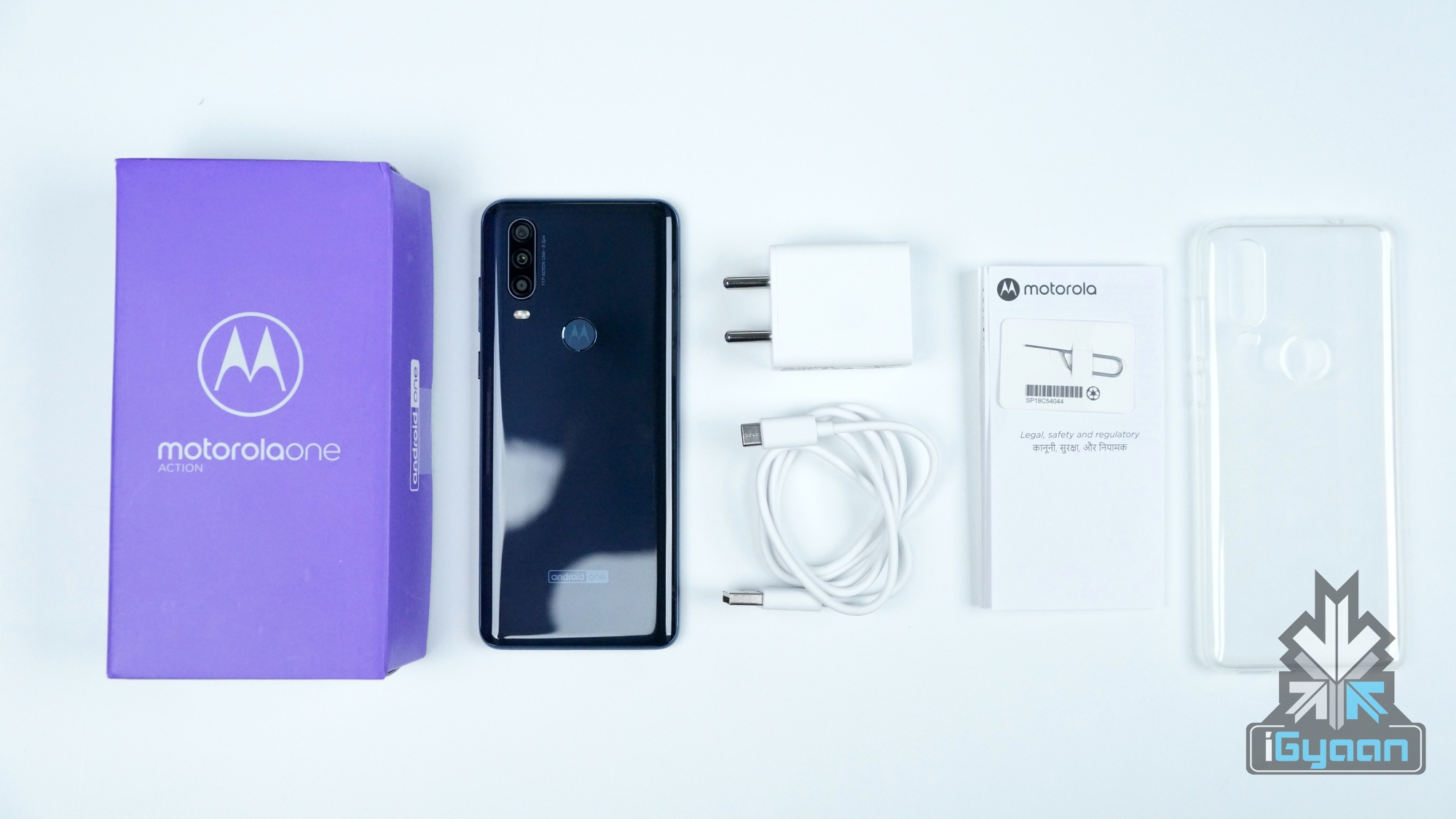
    What’s In The Box?
    • Motorola One Action
    • Power Adapter
    • Type-C Cable
    • Quick Start Guide
    • Safety Information and Warranty Card
    • Case
    • SIM Tray Ejector

    Motorola One Action

    Design

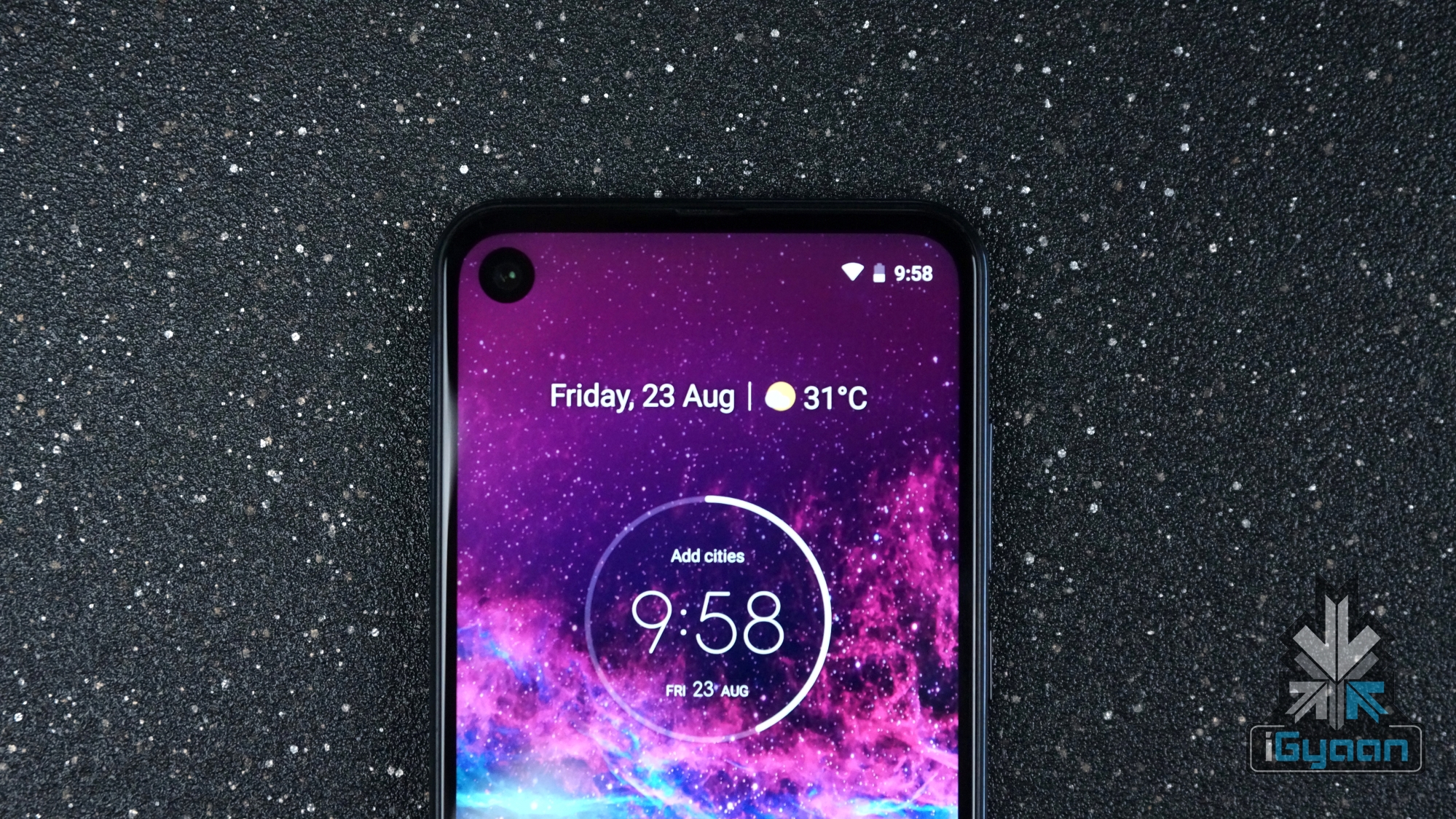
    The Motorola One Action bears similarilities in design with the previously released Motorola One Vision. However, unlike the latter, the former has a plastic back rather than a glass one. The device measures 160.1 x 71.2 x 9.2mm and weighs about a 181g. On the front, the device features minimal bezels which is in part due to its in display punch hole selfie camera. The build feels robust and the polycarbonate back rounds the corners as well.

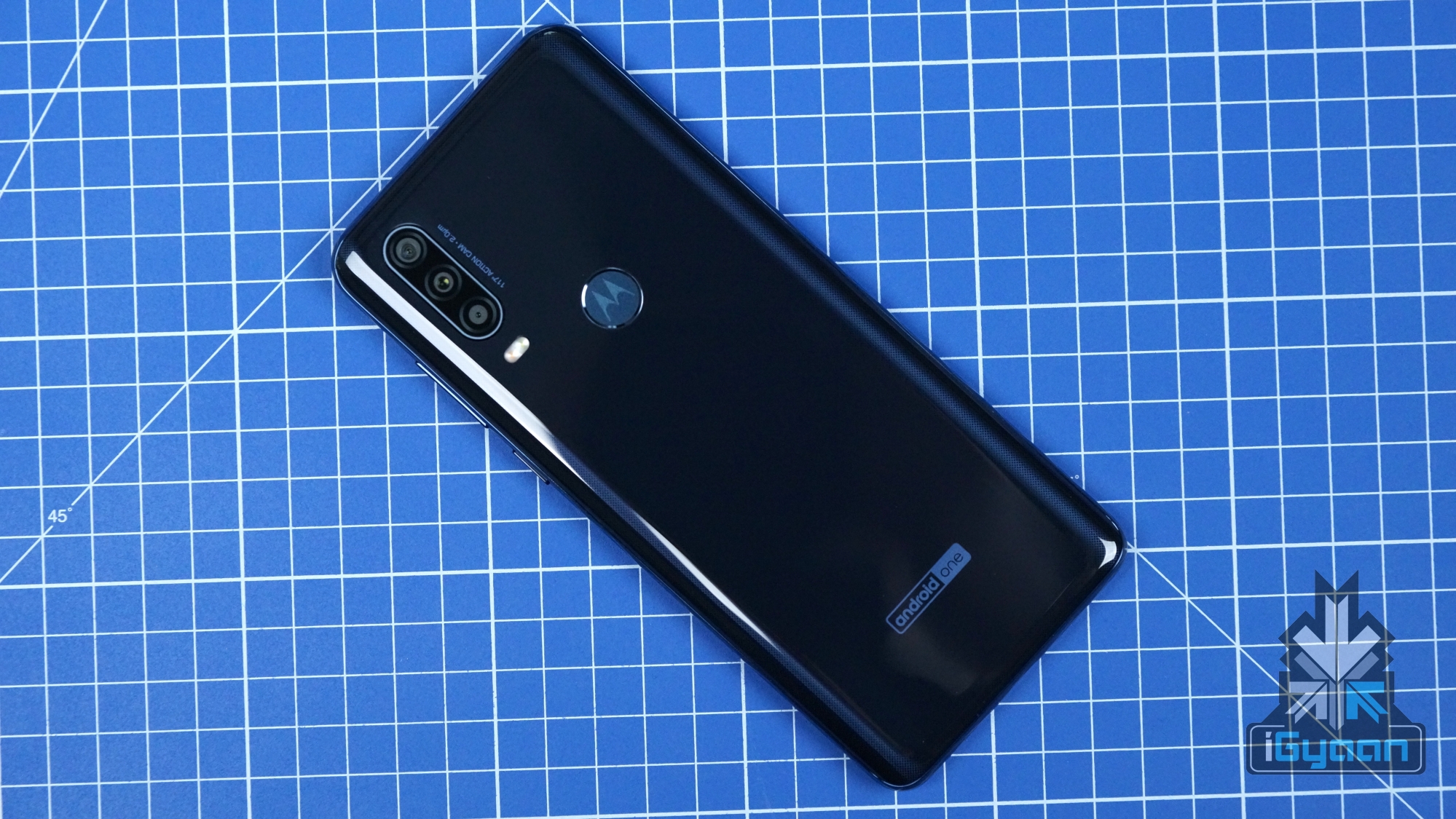
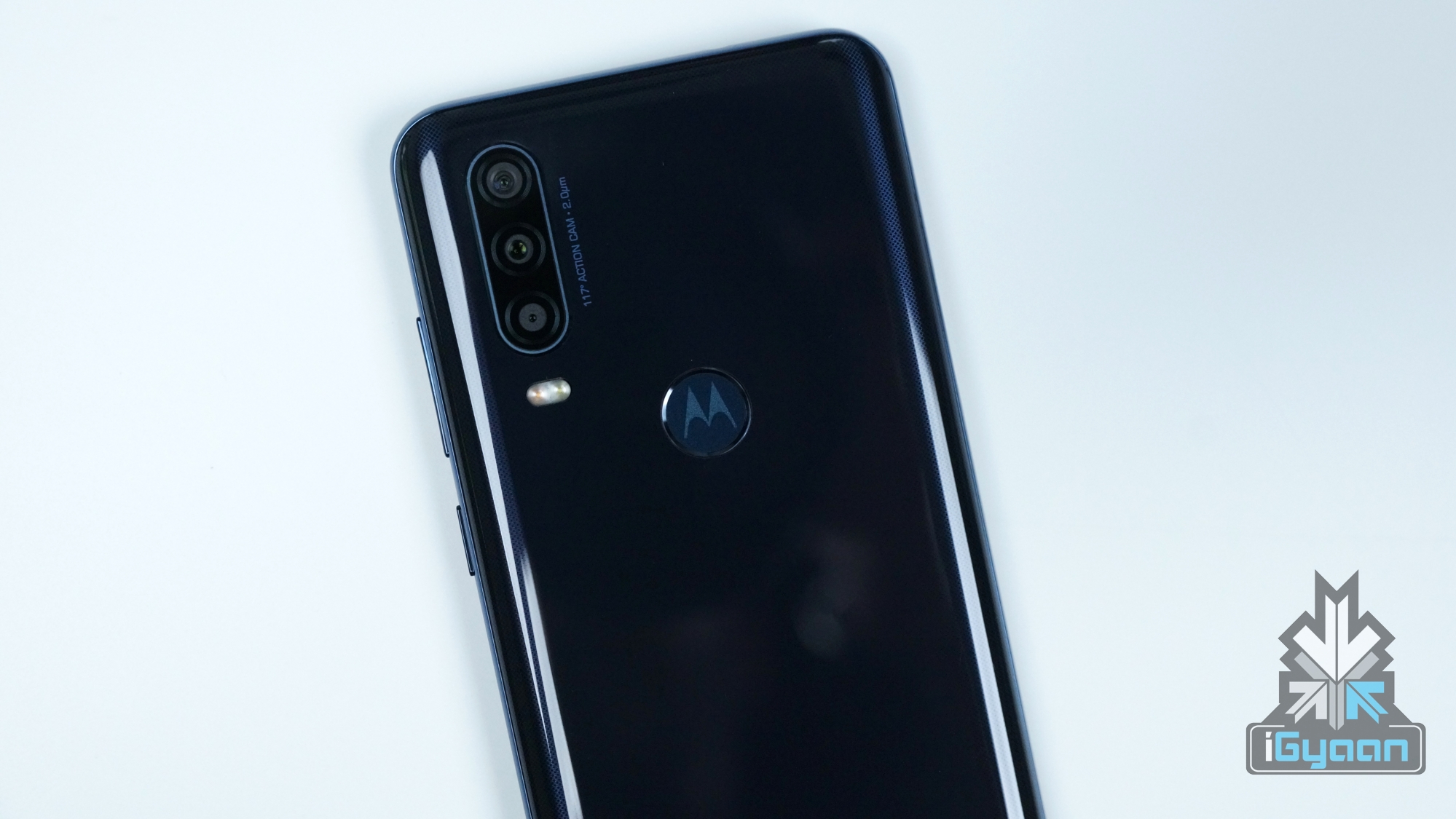
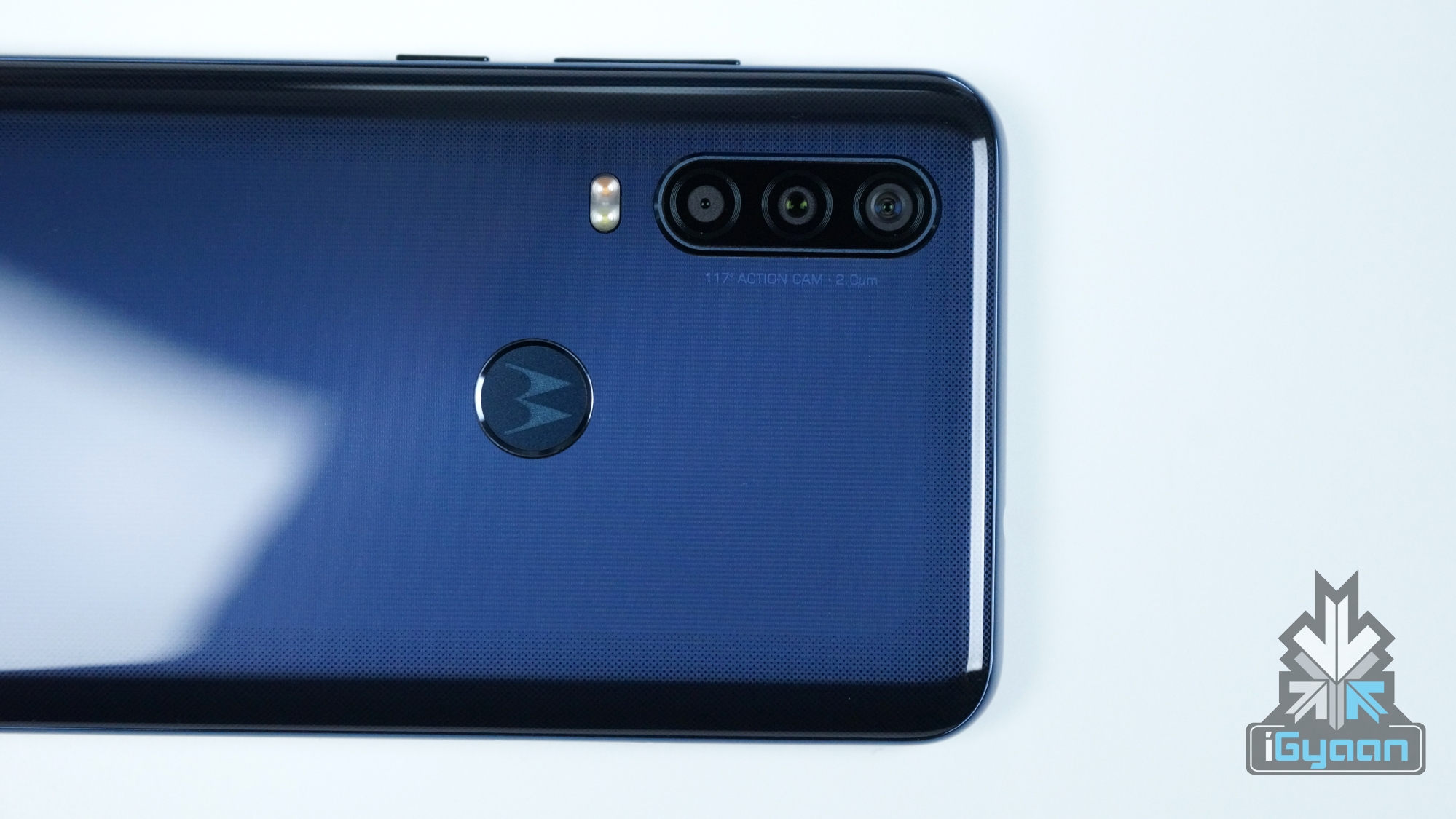
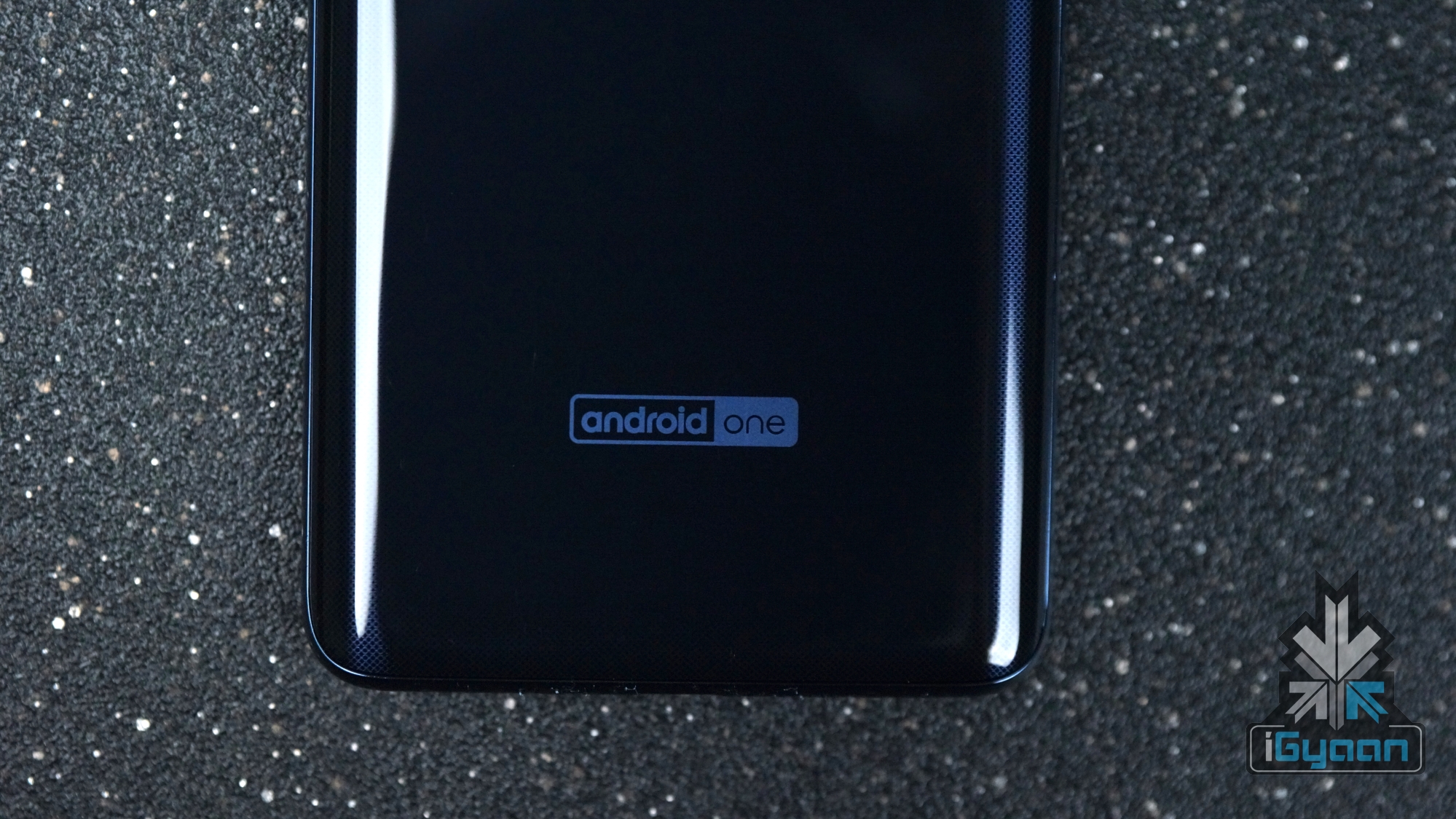
    Motorola One Action’s flanks house the volume rockers and power button on the right while the left is bare with just a SIM card slot. On the rear, the device has a triple camera module on the top left with an LED flash right below it. The signature batwing style “M” logo is found in the fingerprint scanner in the middle while the Android One branding can be seen at the bottom.

    Motorola One Action

    Display

    Motorola One Action features a 6.3 inch LTPS IPS LCD Full HD+ display with a resolution of 2520 x 1080px. Notably, the device has an aspect ratio of 21:9 which is great for watching movies or videos that are also natively filmed at this ratio. Usually, black bars have to fill the top and bottom due to devices having an 18:9 display. The display, as mentioned above, has a punch hole selfie camera which also allows for an unintrusive viewing experience.

    Moto One Action

    Chipset, Storage and Other Features

    Under the hood, the Motorola One Action houses the Exynos 9609 SoC which is manufactured using a 10nm fabrication process. Interestingly, the chipset is also found in the Motorola One Vision as well. The mobile CPU consists of an octa core processor which is clocked at 2.2GHz alongside the Mali G72 MP3 GPU. It offers 4GB of RAM which is coupled with 128GB of internal storage similar to the One Vision. Furthermore, the storage of the handset can be further expanded up to 512GB via a microSD card.

    Camera

    Motorola’s One Action stands out from the One Vision with a triple camera setup over the latter’s dual cameras housing. The primary lens is a 12MP shooter with f/1.8 aperture alongwith 5MP depth sensor combined with a wide angle action camera with a 117 degree field of view. On the front, the device houses a 12MP with f/2.0 aperture and 1.25um pixel size for selfies.

    Moto One Action

    Battery and Connectivity

    The device is powered by a 3,500mAh battery which unfortunately does not support fast charging with only a 10W charge rating. For connectivity, Motorola One Action includes Wi-Fi 802.11 a/b/g/n/ac, Bluetooth 5.0, dual 4G VoLTE, GPS, NFC and bottom mounted 3.5 mm jack and USB Type C port which can be used for charging and data syncing.

    Moto One Action

    Colour Options and Other Features

    Motorola One Action is available in two colour options that are Denim Blue and Pearl White. Additionally, the device packs many noteworthy features such as face unlock, Action Cam, 21:9 display, Moto Actions and Gesture support and more. It also houses many of the basic sensors like a fingerprint reader, proximity sensor, ambient light sensor, Gyroscope and others. Notably, the smartphone is an Android One device which means it is guaranteed to receive to major OS updates and three years security updates.

    Also ReadXiaomi Redmi Note 8 Lineup Will Support Dedicated Gaming Accessories

    Price and Availability

    Motorola One Action can be purchased from 30th August 2019 and will be available from Flipkart.com and will also arrive in select offline stores. The price of the single storage variant (4GB RAM + 128GB ROM) is INR 13,999.

    Click here to check out the Motorola One Action on Flipkart

  • HP Zbook X2 G4 Workstation Laptop  Unboxing And Hands-On

    HP Zbook X2 G4 Workstation Laptop Unboxing And Hands-On

    HP has just launched its latest offering in workstation-grade laptops with the ZBook X2 G4 in India. It is a hybrid laptop with a detachable keyboard for tablet functionality whilst sporting top-notch specs. The highlighting features of the device include an 8th Gen Intel CPU with HP Pen and Bang & Olufsen speakers. The laptop is targeted towards design professionals who are always on the go. Here is our Unboxing and Hands-On experience with the new HP laptop. Click on the video below if you wish to see the video as well.

    What’s Inside The Box?
    • HP Zbook X2 G4
    • Charger Brick
    • Quick Start Guide
    • Power Cable Cord
    • HP Pen
    Design & Build

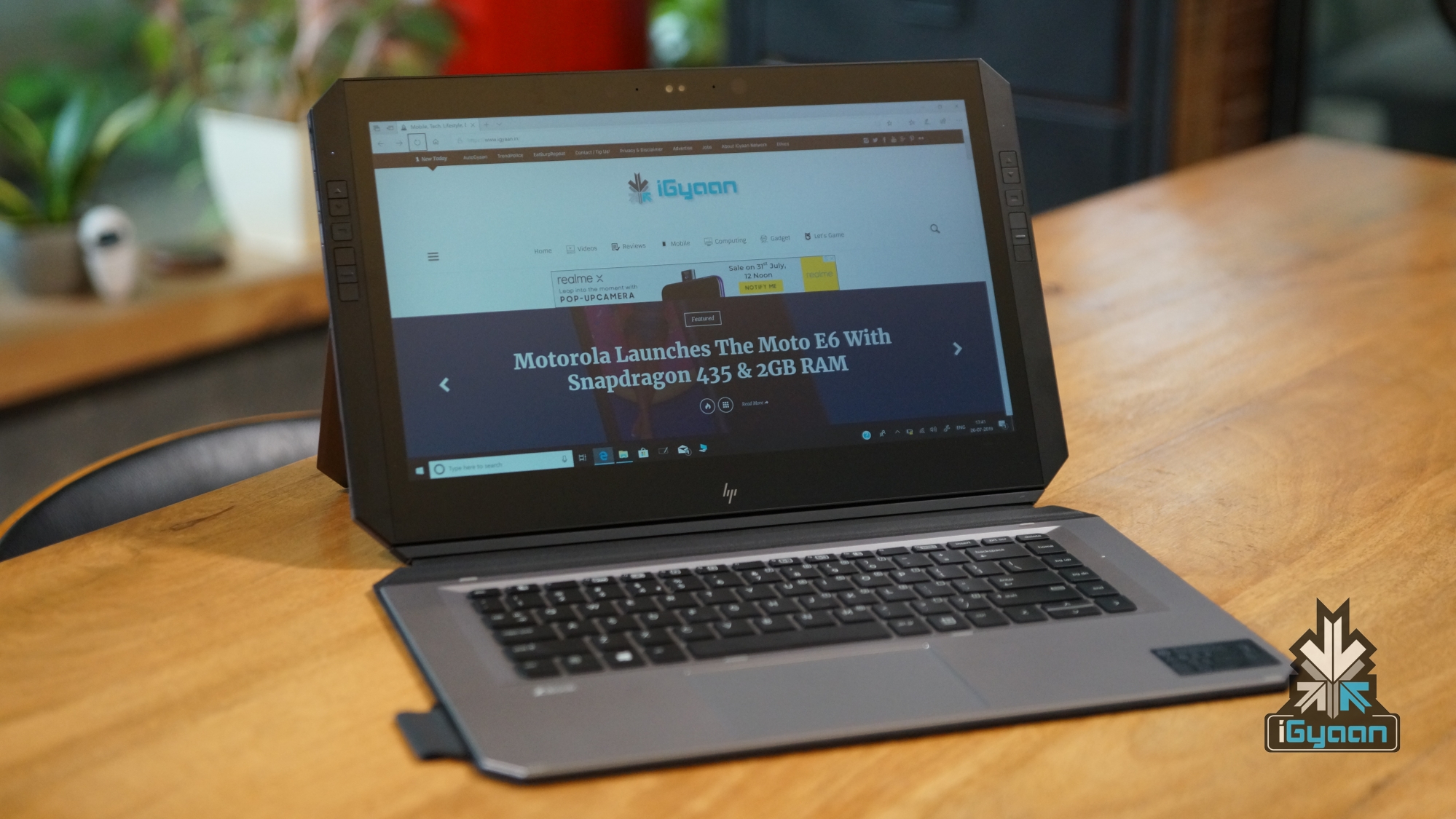
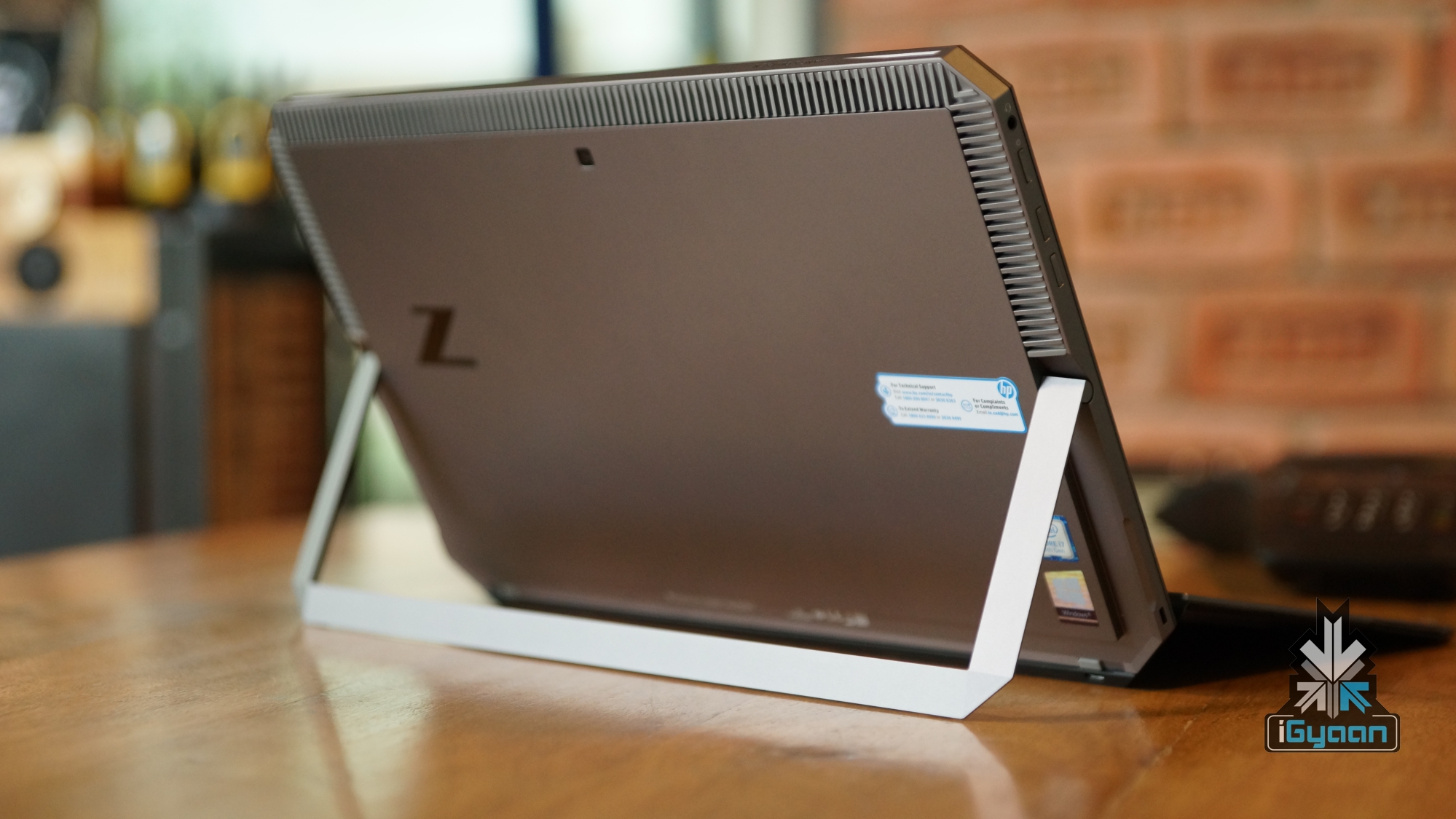
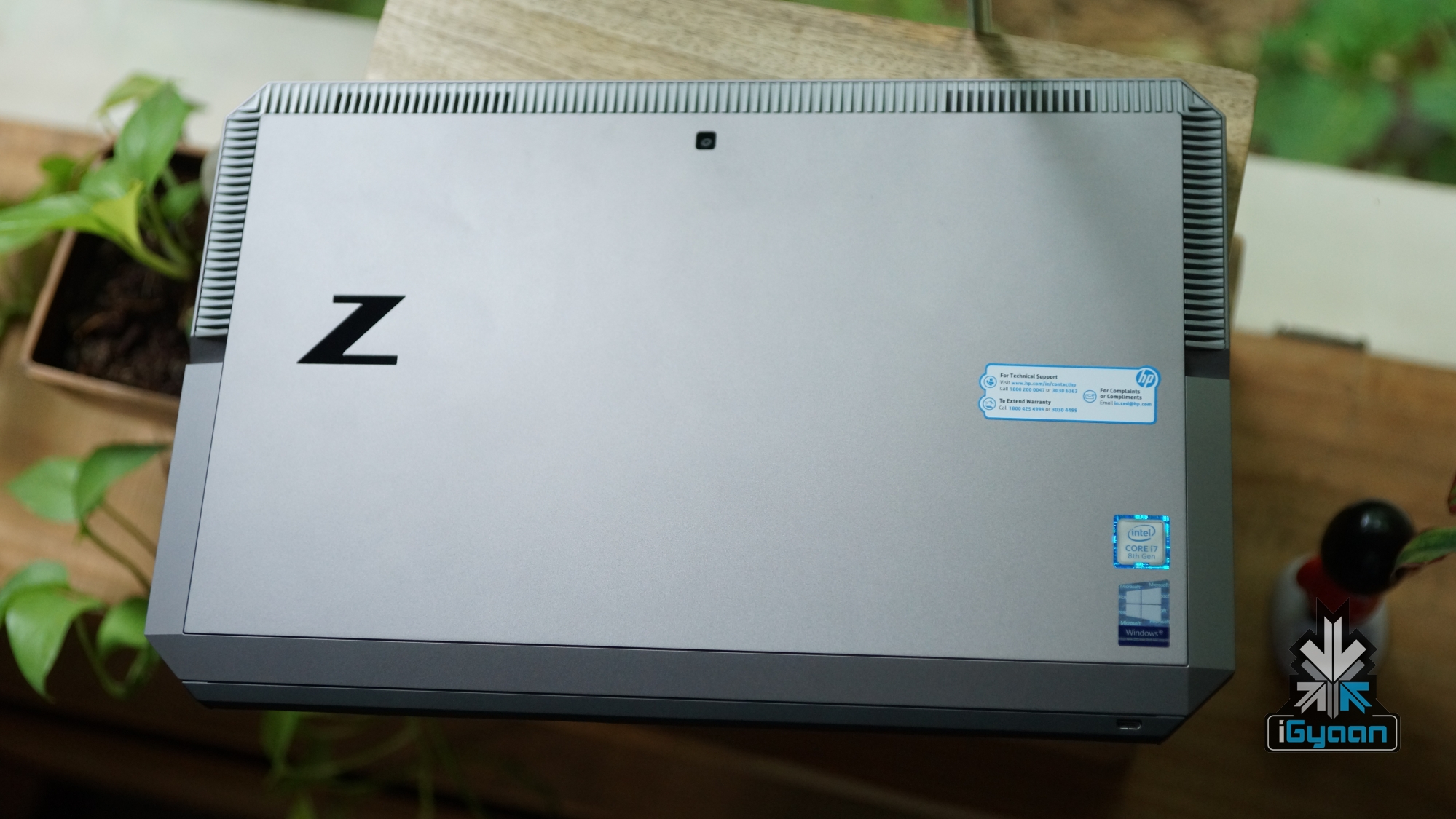
    The HP Zbook X2 G4 is a workstation laptop and its design and form factor reflect that philosophy. It is made out of stiffened anodised aluminium and is designed to pass military-standard stress testing. In simpler words, it can withstand accidental drops without receiving critical damage. The device feels sturdy which showcases its productivity-focused aesthetics.

    Furthermore, HP Zbook X2 G4 is a hybrid laptop which means it has a detachable keyboard. It implies that users can completely separate both halves and achieve mobile typing or complete tablet experience. Keep in mind that the device weighs a hefty 1.65kg even in tablet mode, so it is not ultra-portable as one would prefer. With the keyboard attached, it weighs in about 2.17 kg. 

    Display

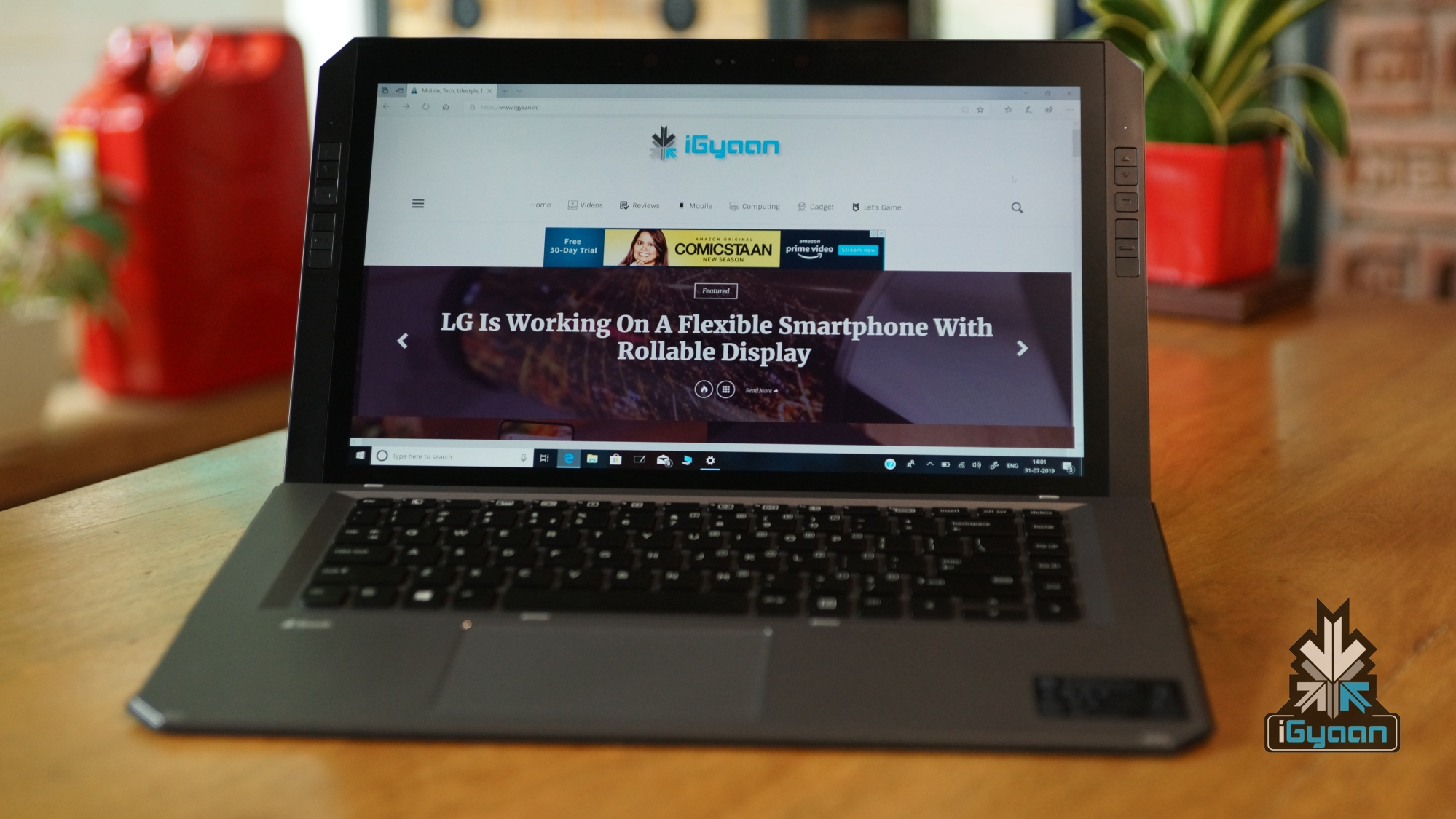
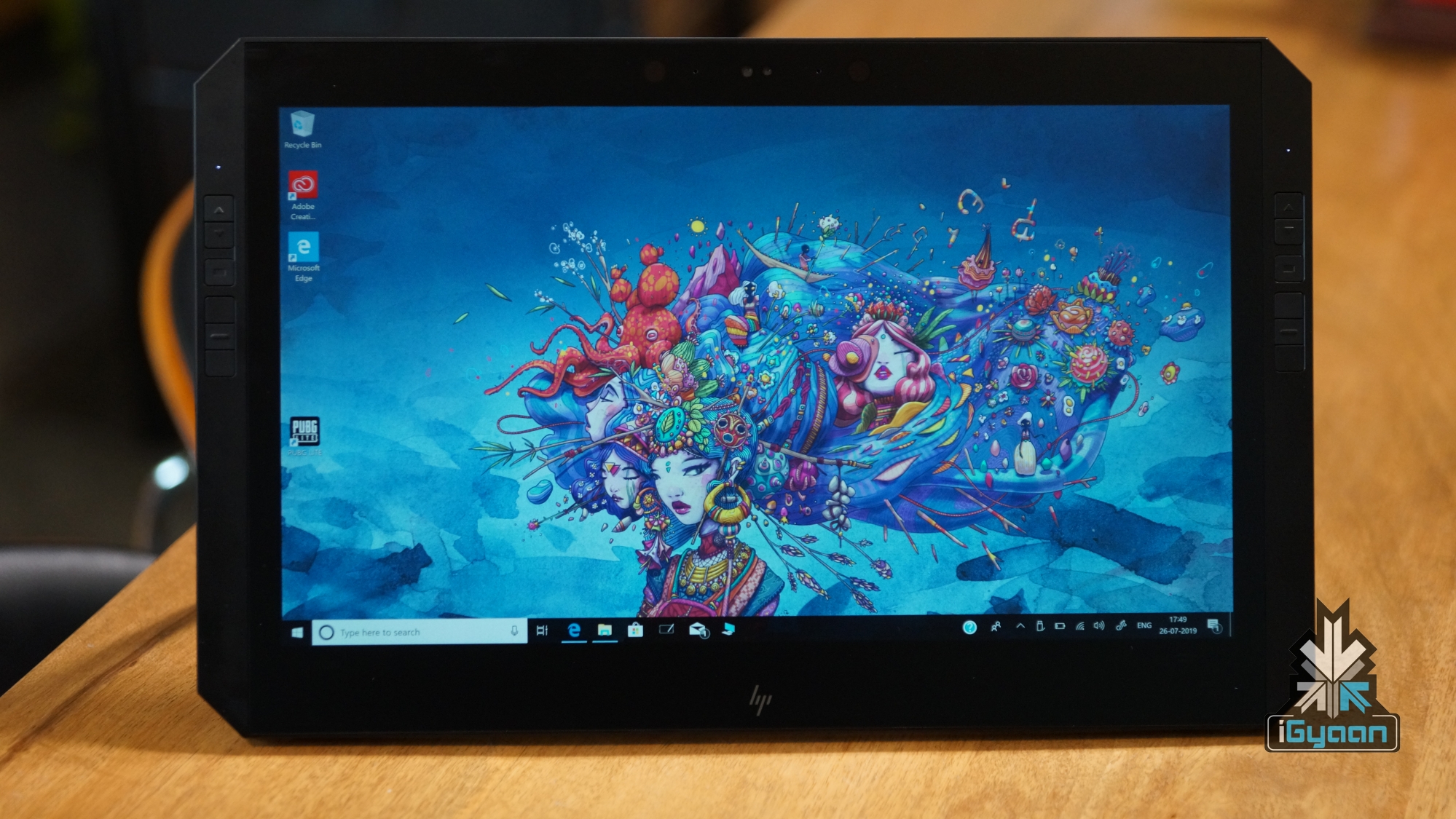
    The display of the HP Zbook X2 G4 is pretty vivid. The 14 inch 3840 X 2160px display panel is 4K matte screen which offers great viewing experience. It is a bright display and although it doesn’t have eye-catching colours one would see in a normal display; it has an anti-reflective screen that provides better readability even under bright light. Notably, the display is surrounded by thick bezels on all four sides. Nevertheless, the area is put to good use as the left and right bezels accommodate physical buttons to control features like volume and brightness.

    Keyboard, Trackpad & Speakers

    HP Zbook X2 G4 has a full-sized keyboard that accompanies it alongside a smooth trackpad. Users can choose between having it attached or detached or even opt for an on-screen keyboard in tablet mode. The keyboard gets the work done and typing experience on the machine is better than several other hybrid laptops with such thin keyboards. As previously mentioned, HP also offers Bang & Olufsen speakers with the laptop which are placed at the top of the display.

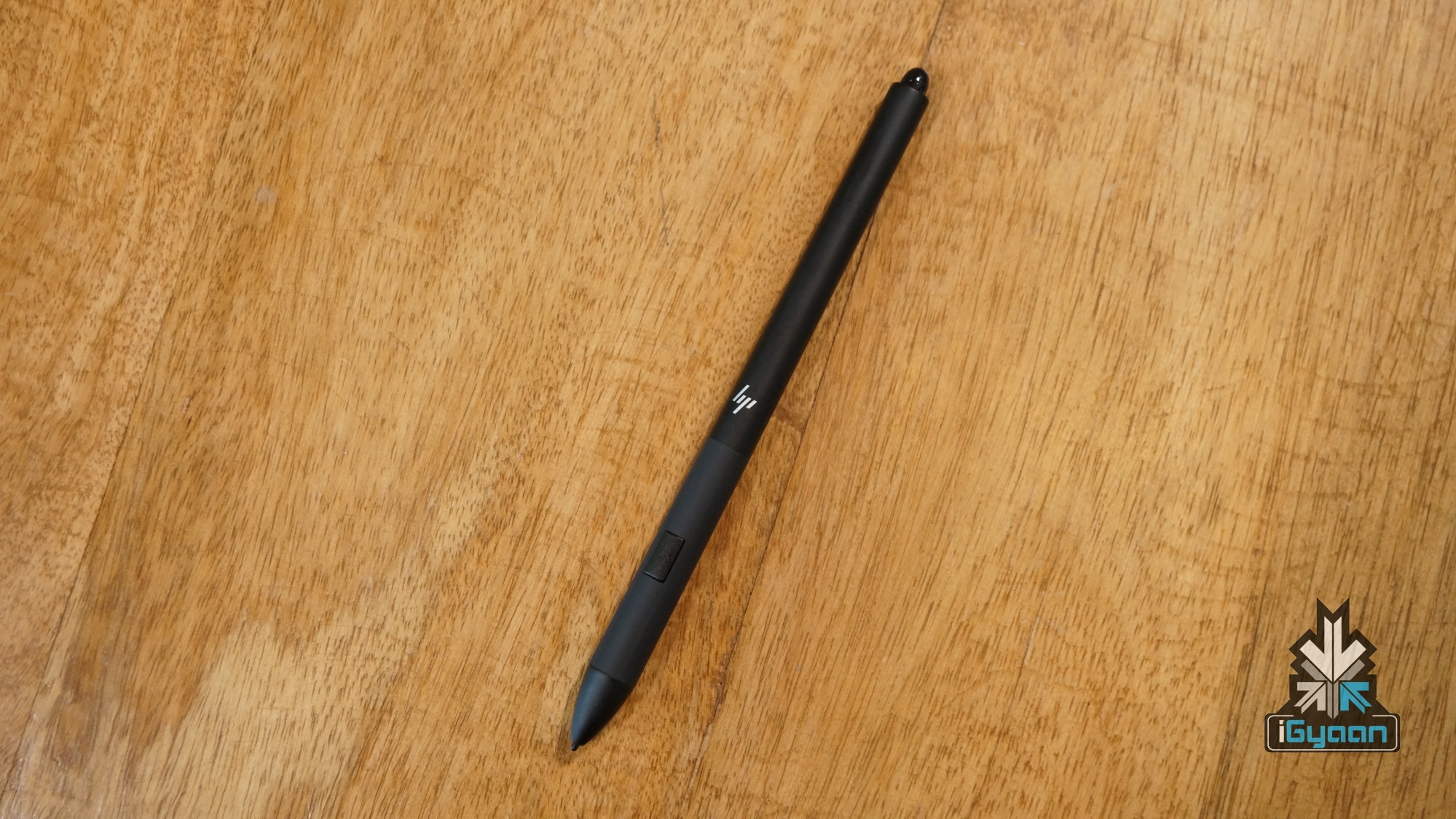
    Being a workstation laptop, HP Zbook X2 G4 is shipped with an HP Pen. The stylus is found inside the accessory box and is a great offering for a productivity centric laptop. The pen can be used to take quick notes or make drawings and has precise registration on the display.

    Performance

    Since the HP Zbook X2 G4 is a device aimed at professionals, it features an eighth-gen Intel Core i7-8550U quad-core CPU. Besides, it is also equipped with 2GB GDDR5 NVIDIA Quadra M620 GPU which facilitates the graphic intensive tasks.

    Key Specs:

    • 8 GB / 16GB RAM
    • Intel Core i7-8550U
    • 512GB PCIe M.2 SSD Storage
    • NVIDIA Quadro M620 (2GB GDDR5) GPU
    • 14-inch 4K AntiGlare LED-Backlit Display

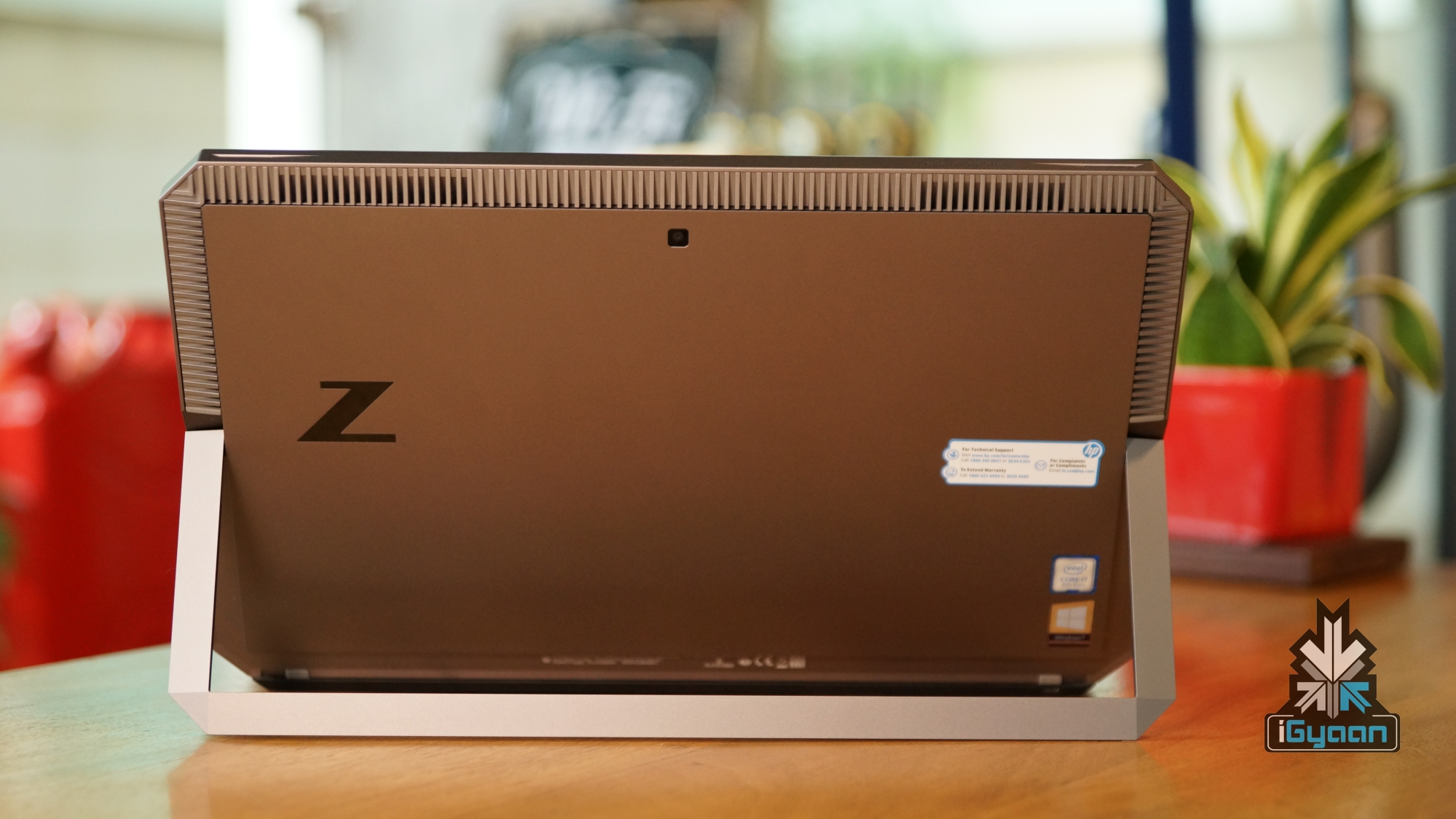
    As previously mentioned, the HP ZBook X2 G4 is designed while keeping professionals in mind, it has rear-facing air vents and dual fans that keep the temperatures under check even while running CPU intensive tasks. For average users, the device may be overkill but for professionals, it is a worthy productive machine in a compact form factor. 

    Connectivity and Other Features

    The HP Zbook X2 G4 is equipped with various ports that include 2x Thunderbolt ports, 3.5mm headphone jack and USB Type-C 3.1 ports. For wireless connectivity, the device includes both WiFi and Bluetooth.

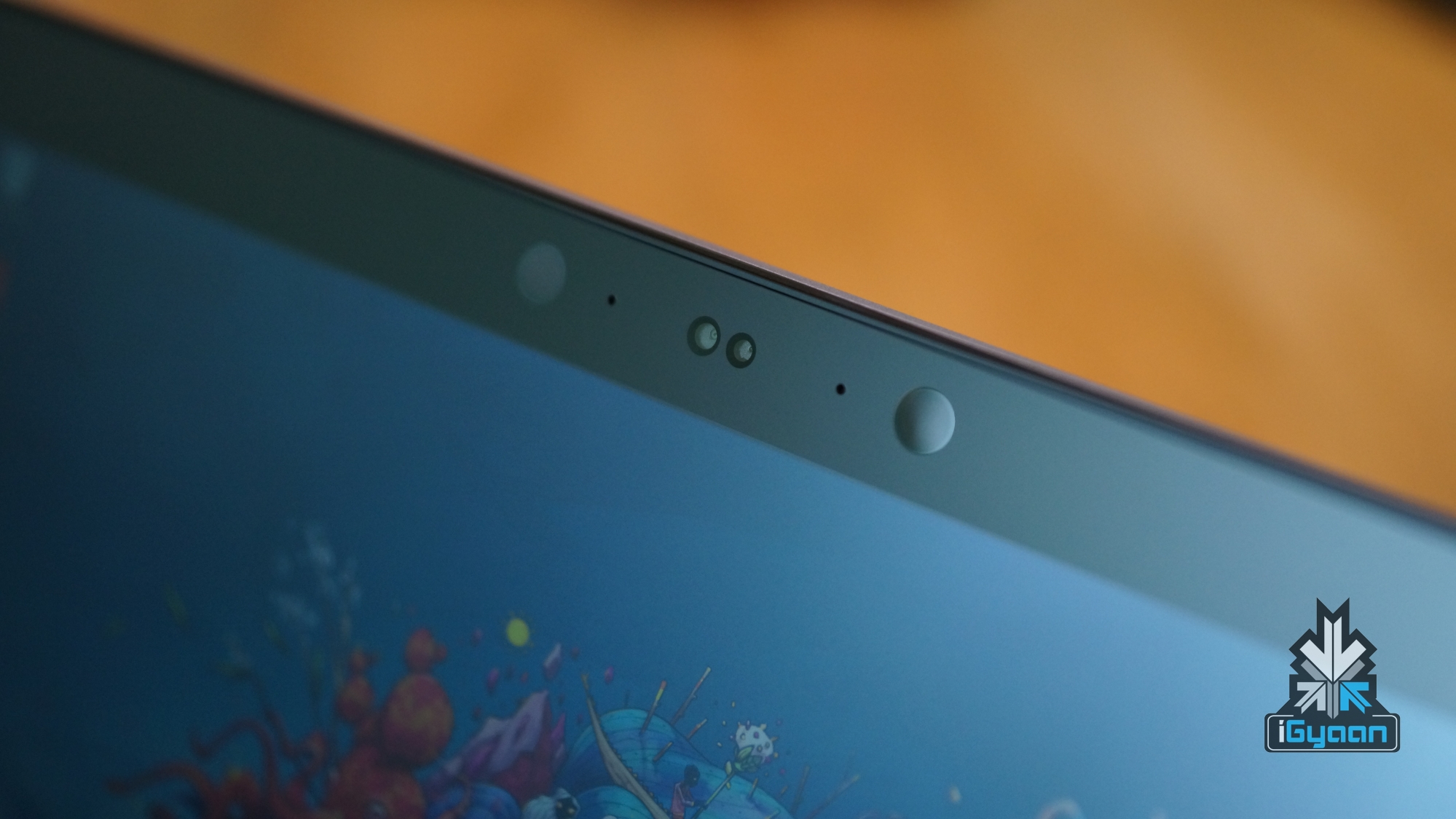
    Additionally, it also features a HD webcam at the front and an 8MP camera at the rear which can also capture 1080p videoes @30fps. Windows Hello facial recognition is also provided as the front camera is accompanied by IR sensors. For quick login, even a fingerprint scanner can be found on the right side of the device.

    Also ReadGoogle Researchers Discover Six Serious Security Flaws In The Apple iPhone

    Price & Availability

    HP’s Zbook X2 G4 is available from authorised HP retailers across India for a price of INR 2,12,388 for its base variant with 8GB of RAM. For 16GB of RAM, the laptop is offered at a price tag with INR 2,62,386. It is a hefty amount for a laptop that offers great specifications and varying modes of iteration with it. Do let us know in the comments down below if you wish for an in-depth review of the laptop.

  • Xiaomi Redmi K20 Pro Unboxing And Hands On Video

    Xiaomi Redmi K20 Pro Unboxing And Hands On Video

    Xiaomi has launched its first flagship handset on its Redmi range of smartphones. The Redmi K20 Pro is a premium grade device which is offered at a lucrative price. It was launched alongside the Redmi K20 which is mid-range device. The high end smartphone is touted of being the most affordable handset with a Snapdragon 855 SoC.

    Video

    What’s In The Box?

    Redmi K20 Pro

    • Redmi K20 Pro
    • Power Adapter (18 W)
    • Type-C Cable
    • Quick Start Guide
    • Safety Information and Warranty Card
    • Case
    • SIM Tray Ejector
    Design

    Redmi K20 Pro

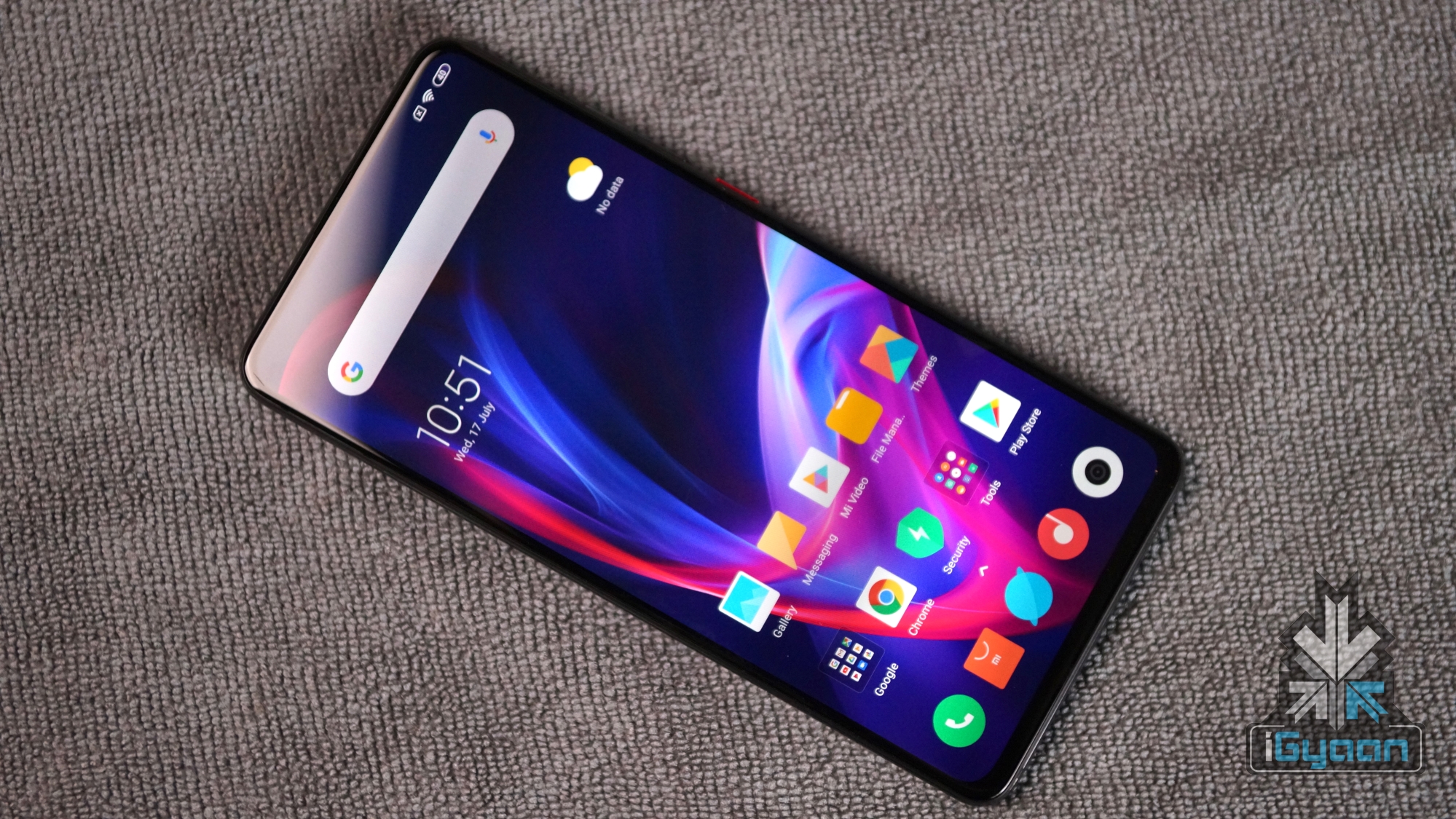
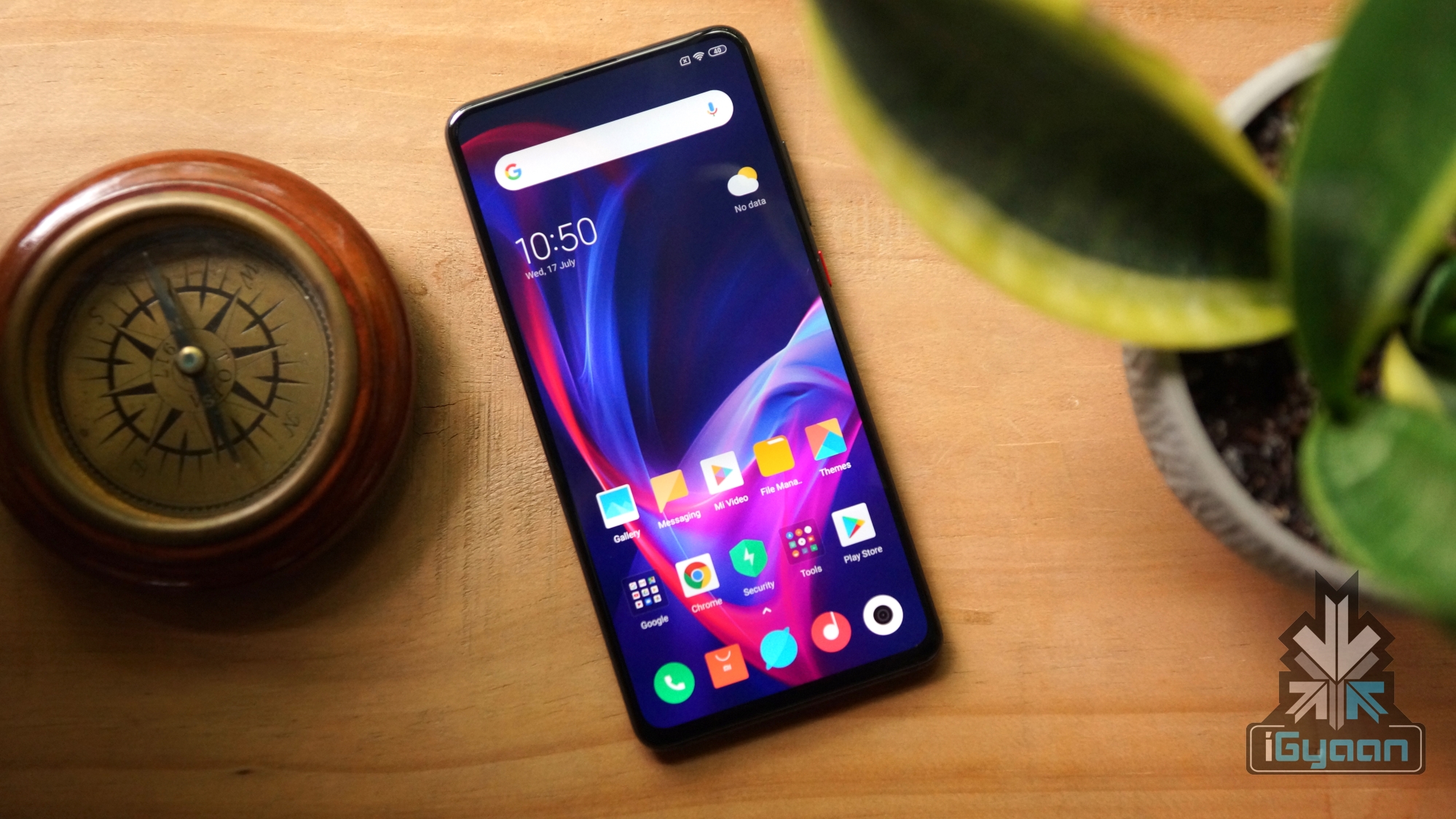
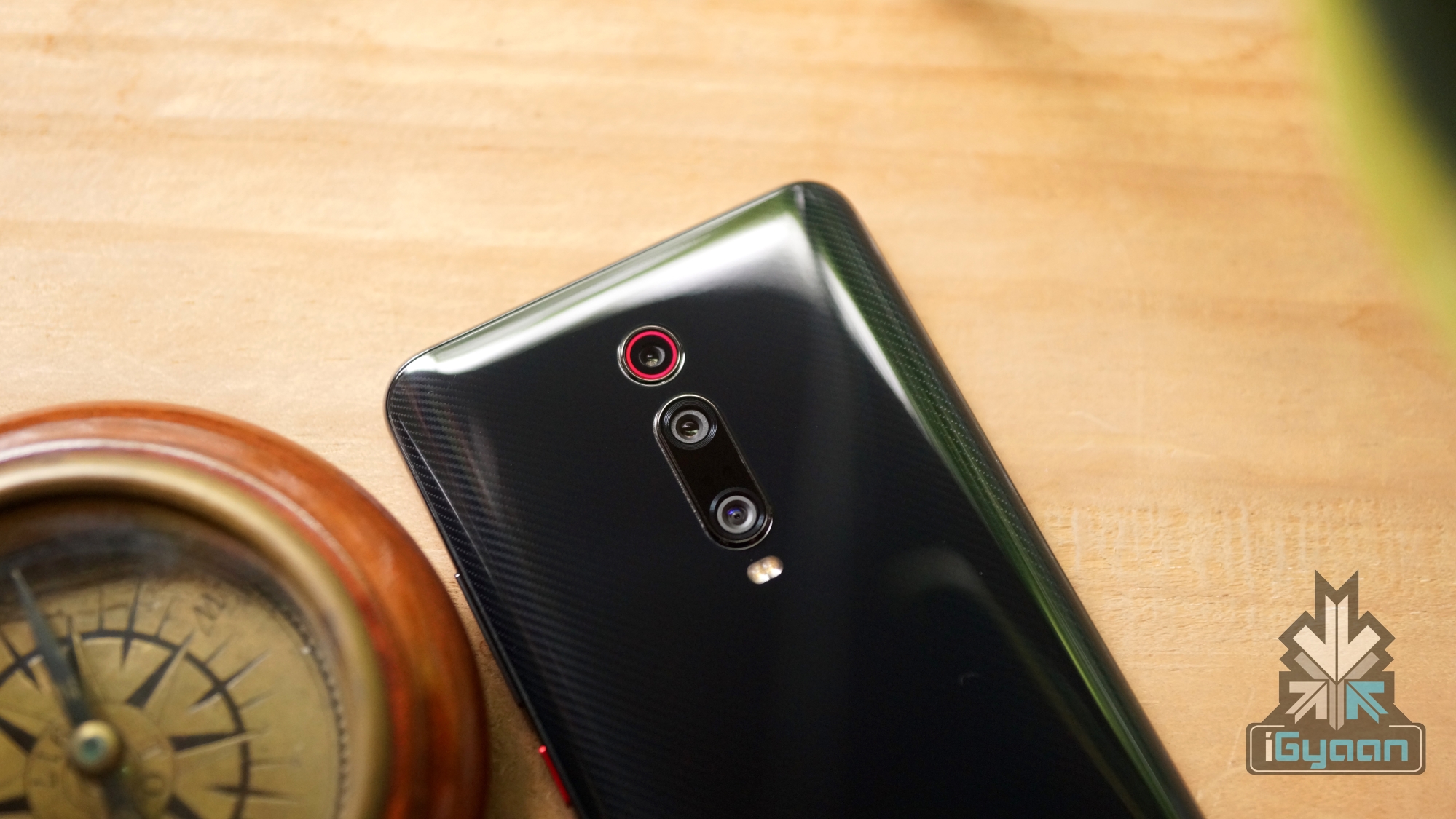
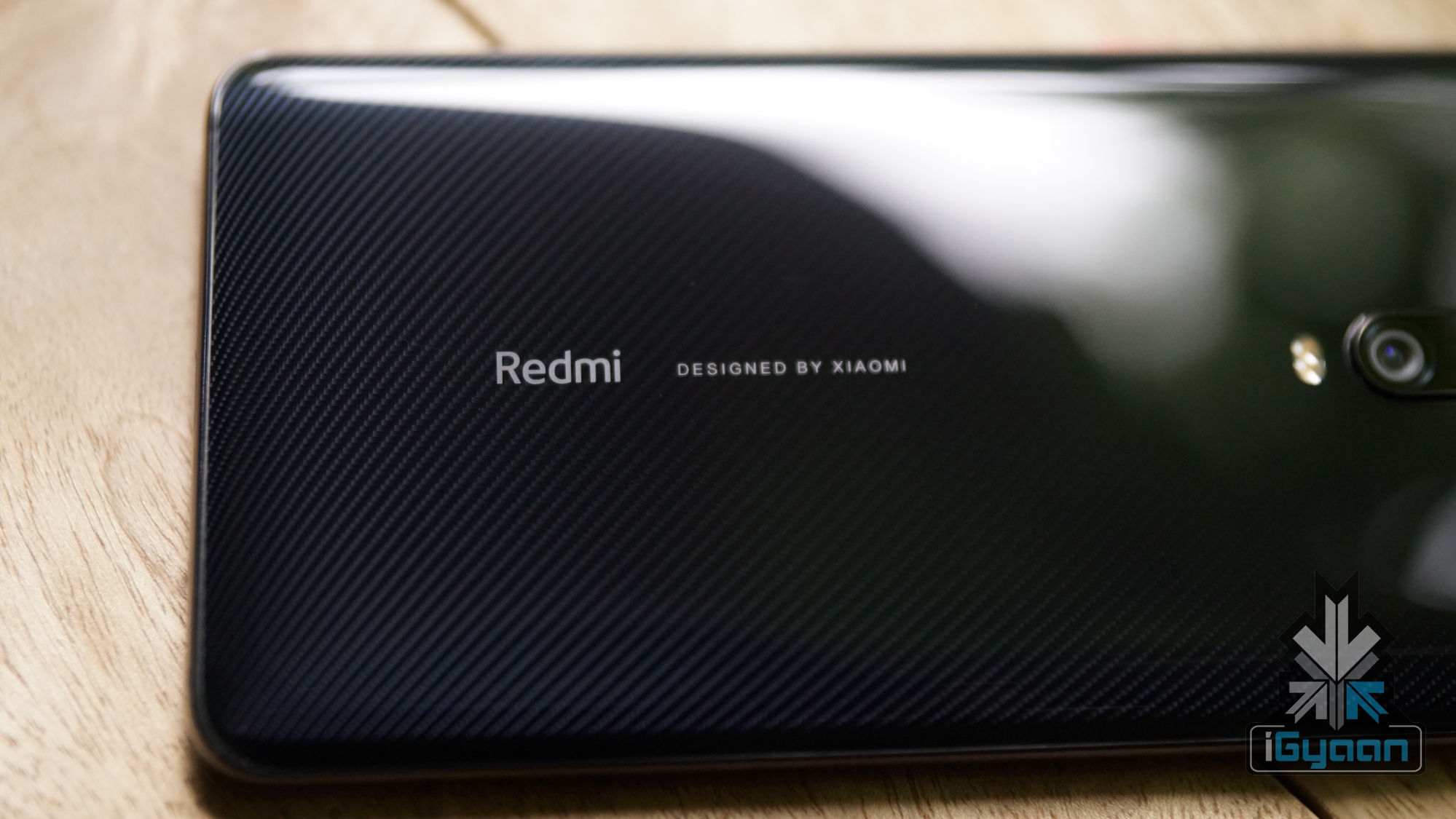
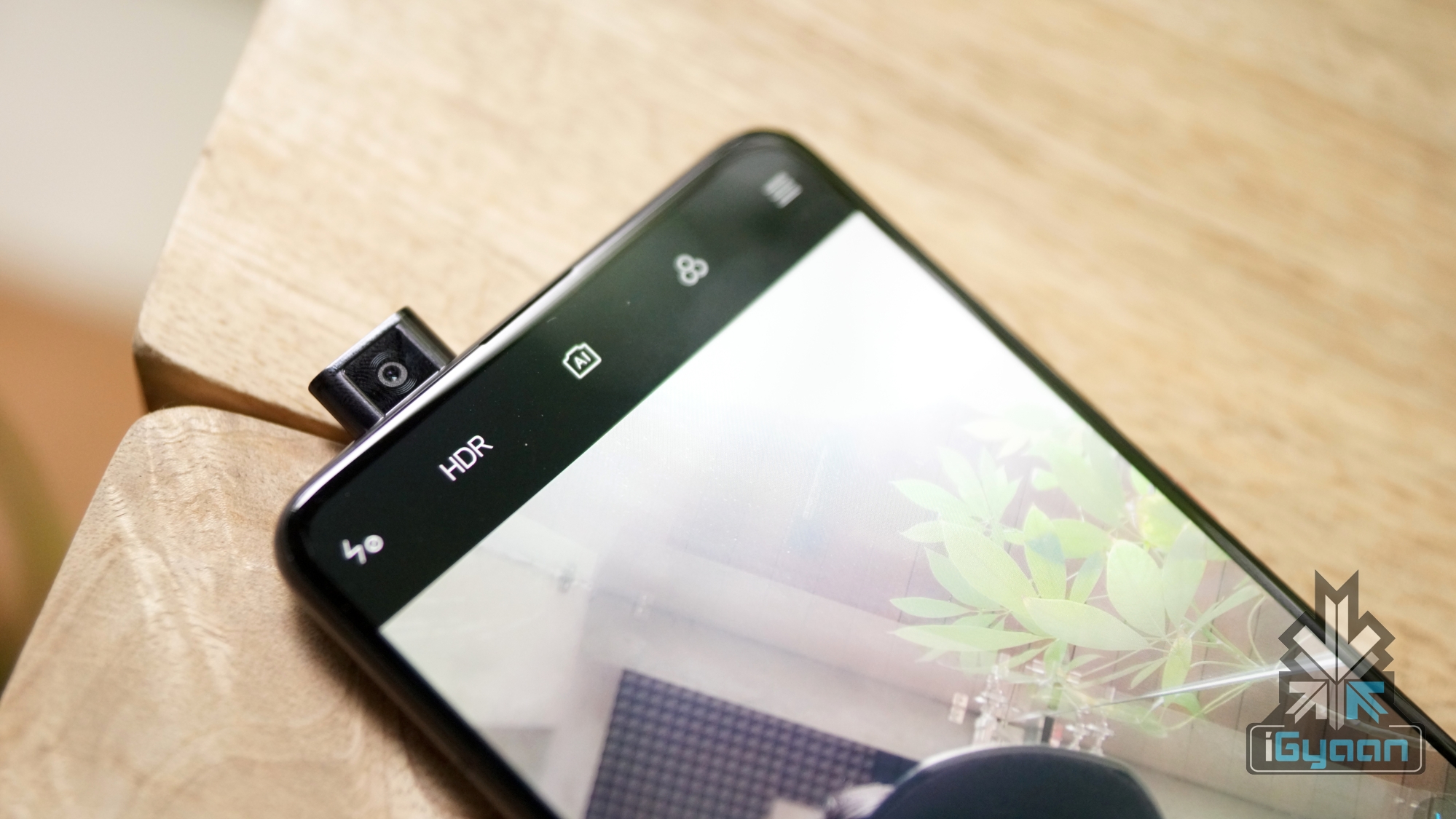
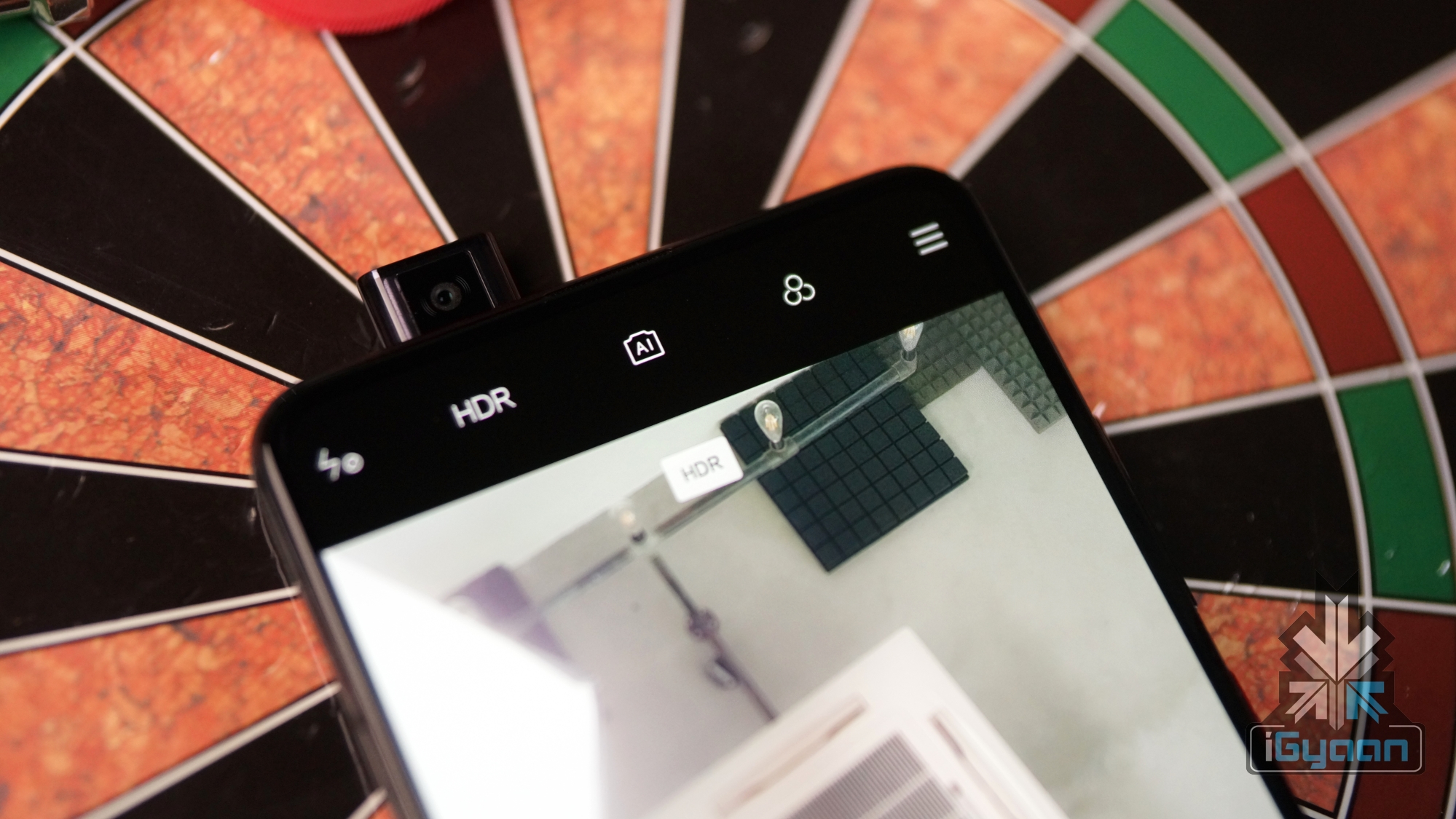
    Xiaomi introduced numerous new design features to the Redmi K20 Pro. It features a new triple camera setup at the back with carbon fibre textures or gradient design underneath its polished glass finish for an attractive look. The front features an edge to edge display with metallic sides that holds the entire chassis of the smartphone. Due to its new pop up camera, the front has negligible bezels on all sides.

    Redmi K20 Pro

    The Xiaomi Redmi K20 Pro houses its power button and volume rockers on the right side, while the left is devoid of any seams. Notably, the power button on the Carbon Black variant is red in colour giving it a unique dual colour aesthetic. On the bottom, the USB-C charging port is flanked by a SIM card slot on the left and a lone speaker grill on the right. The top features 3.5mm headphone jack along with the secondary microphone pinhole.

    Display

    Redmi K20 Pro

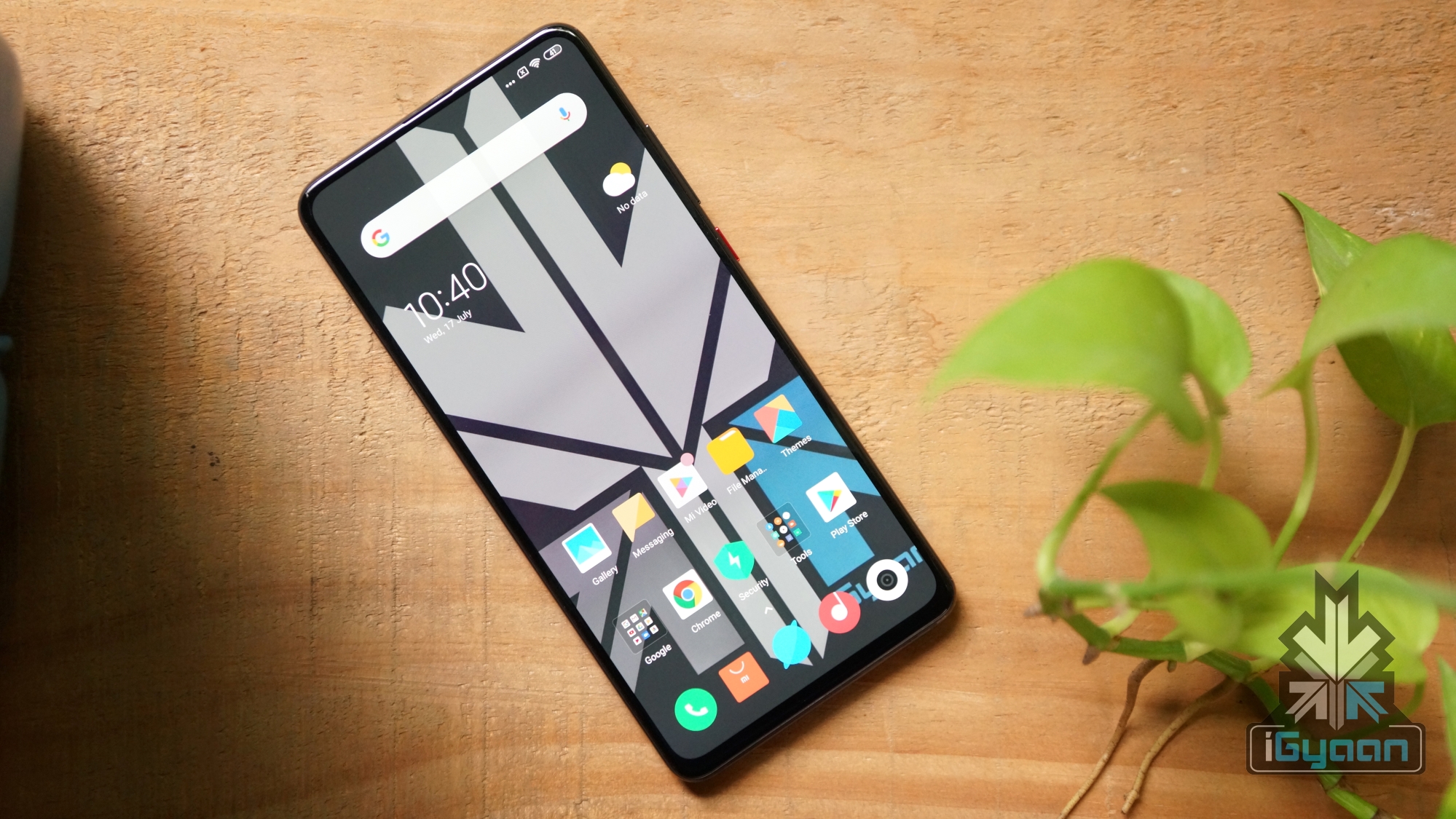
    The Xiaomi Redmi K20 Pro has 6.39 inch FHD+ AMOLED display with a resolution of 2340 x 1080px. The display has an aspect ratio of 19.5:9 with a pixel density of 403 pixels per inch. Notably, the display panel can produce upto 640 nits of brightness which can easily be seen even in bright sunlight. Like most modern mid range and flagship devices, the Redmi K20 Pro also features an in display fingerprint scanner.

    Processor

    Xiaomi

    One of the key features of the device at its price range is its top end SoC. The Xiaomi Redmi K20 Pro features the Qualcomm Snapdragon 855 which is also present on devices like the Asus 6Z and OnePlus 7. The chipset is manufactured using a 7nm fabrication process which enables it to provide high performance at greater power efficiency in comparison to the 10nm Snapdragon 845. It is an Octa-Core Kryo mobile processor with Adreno 640 GPU.

    Memory & Storage

    Xiaomi

    The Xiaomi Redmi K20 Pro offers multiple storage variants that offer 64GB and 256GB for internal storage; while RAM offerings vary from 6GB to 8GB. Unfortunately, the device does not have memory expandability options via a microSD card reader.

    Camera

    Redmi K20 Pro

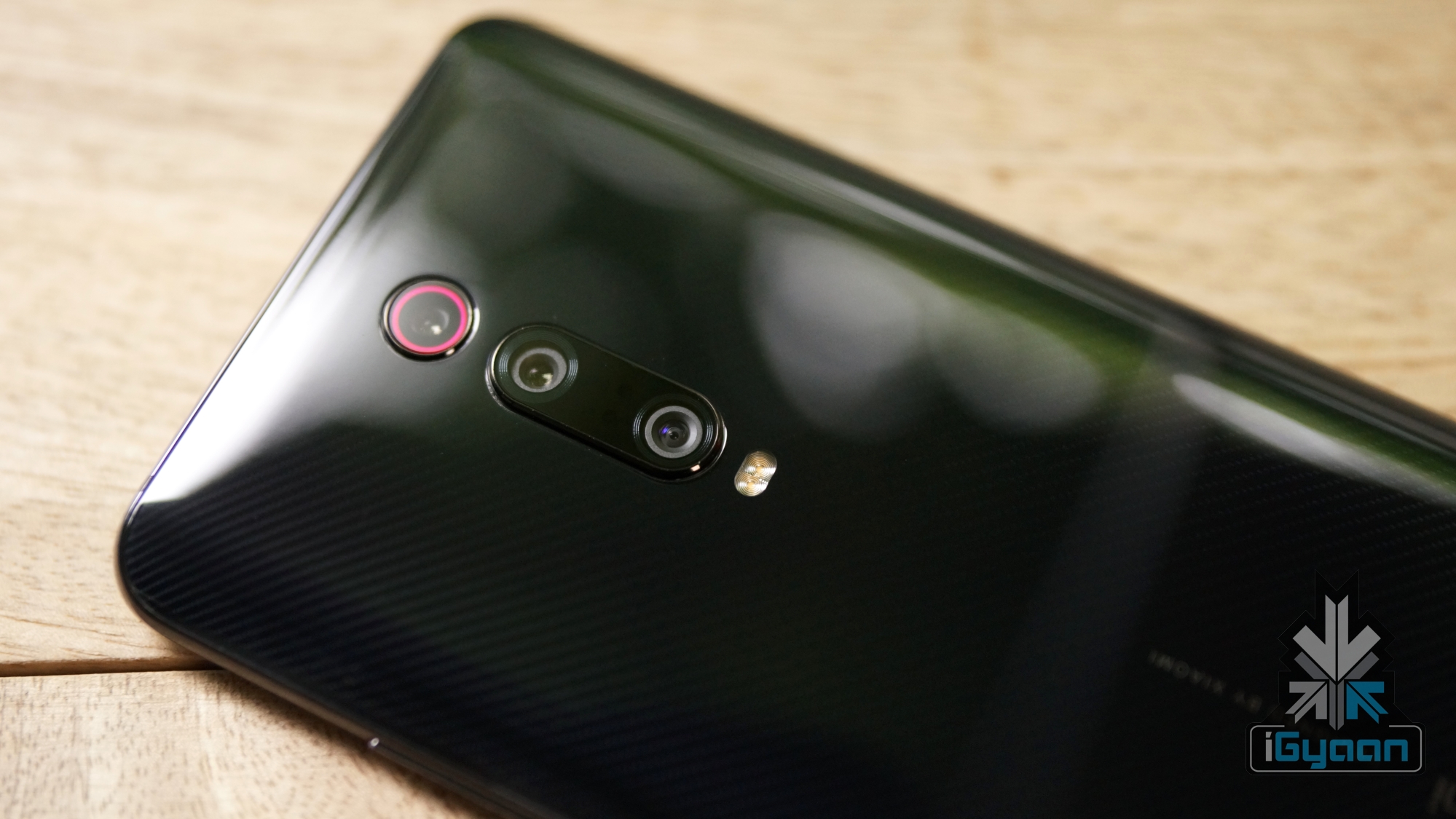
    The Xiaomi Redmi K20 Pro features a triple camera setup at the rear that consists of an f/1.8 48MP Sony IMX586 primary shooter alongside a 13MP ultra-wide lens and a 9MP telephoto sensor. For selfies, the smartphone features a 20MP pop up camera with an aperture size of f/2.2; which is housed inside motorised popup module.

    Redmi K20 Pro

    In terms of video recording, the rear shooter is capable of capturing 2160p video at 60fps. The video from the selfie camera is restricted to 1080p at 30fps. Besides, the cameras also support other notable features such as HDR, Portrait mode and ultra-wide shots.

    Battery and Other Features

    Xiaomi

    The Xiaomi Redmi K20 Pro is powered by a non-removable 4000mAh battery. It is capable of fast charging up to 27W via the separately sold adapter, the bundled charger provided is an 18W quick charger. The device runs the latest MIUI 10 which is based on Android 9 Pie.

    Connectivity and Colour Options

    Xiaomi

    Connectivity options on the Redmi K20 Pro include dual 4G LTE with Wi-Fi 802.11 a/b/g/n/ac, dual-band, Wi-Fi Direct and hotspot. The bottom houses the USB Type-C port that can be used for both charging and data transfer. The device is available in three colour options which are as follows:

    • Carbon Black
    • Flame Red
    • Glacier Blue
    Price and Availability

    Xiaomi

    Also ReadTo Take On Google Stadia, Nintendo Will Launch Switch Do Game Streaming Service

    The Redmi K20 Pro has been priced at Rs. 24,999 for the variant with 6GB RAM and 64GB internal storage. The top tier storage variant with 8GB of RAM and 256GB onboard memory will cost Rs. 27,999 for prospective buyers. It will be available to purchase starting 25th July on Flipkart and select offline stores across the country.

  • OnePlus 6T Unboxing And Hands On Video

    OnePlus 6T Unboxing And Hands On Video

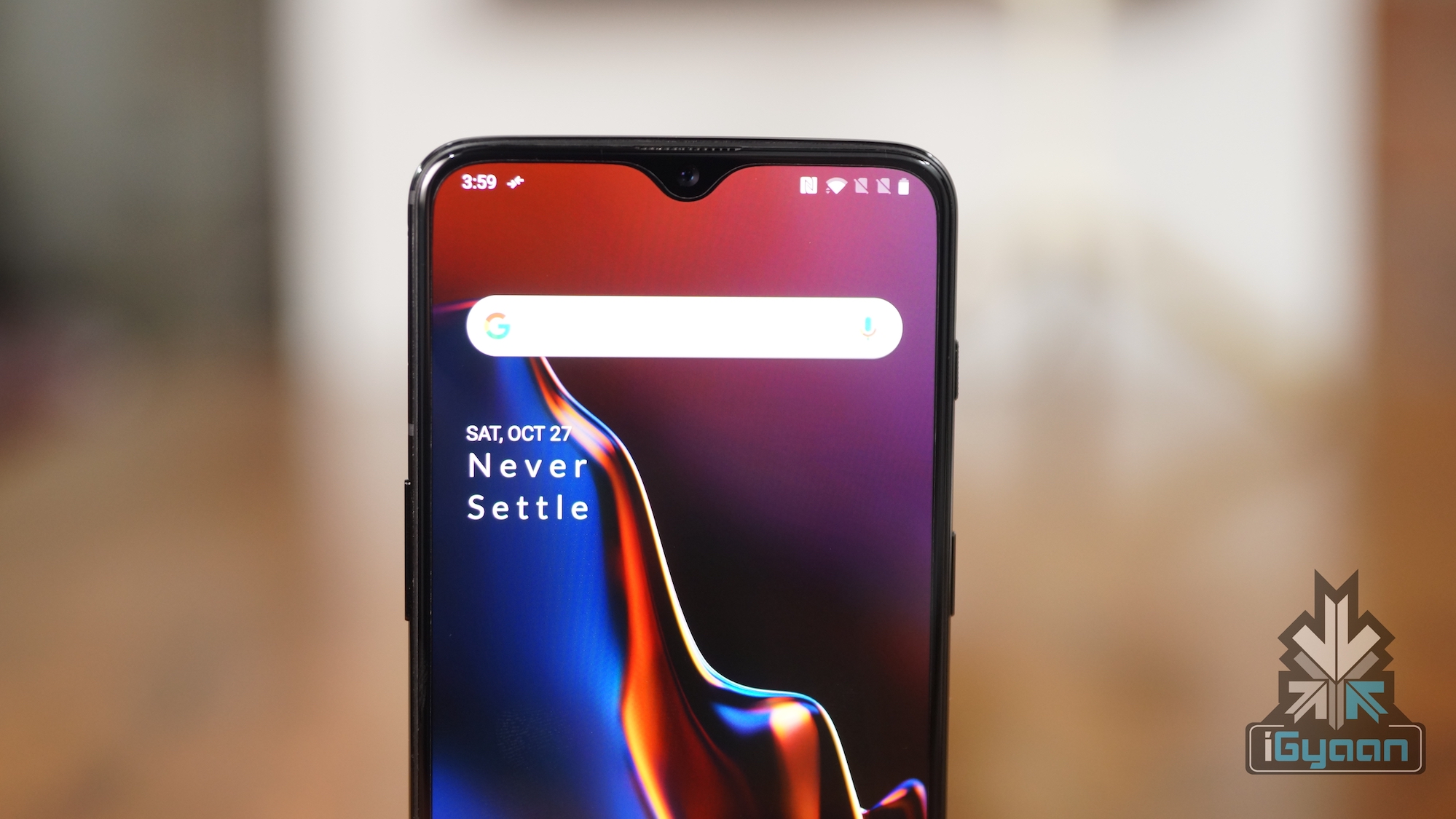
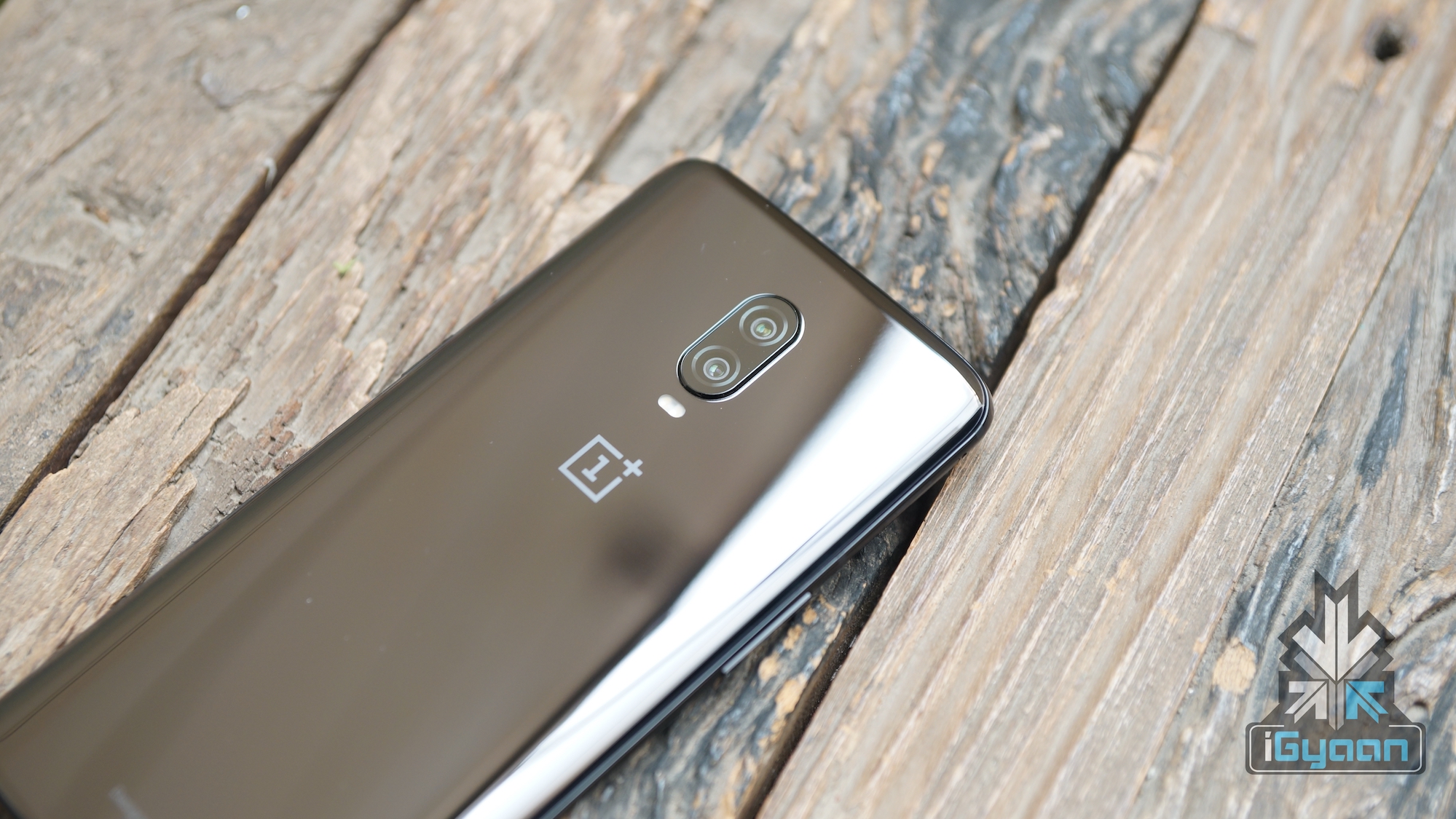
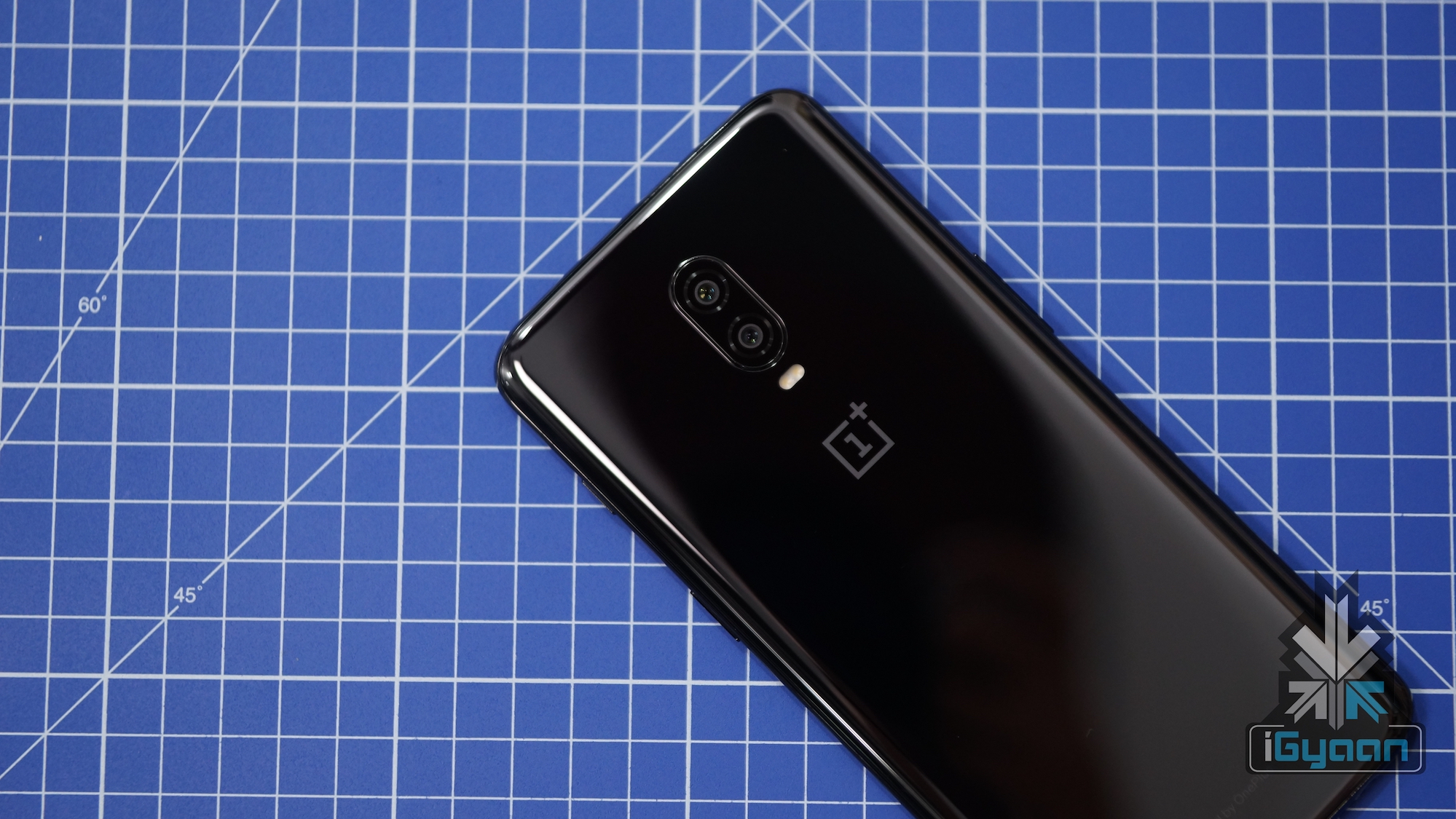
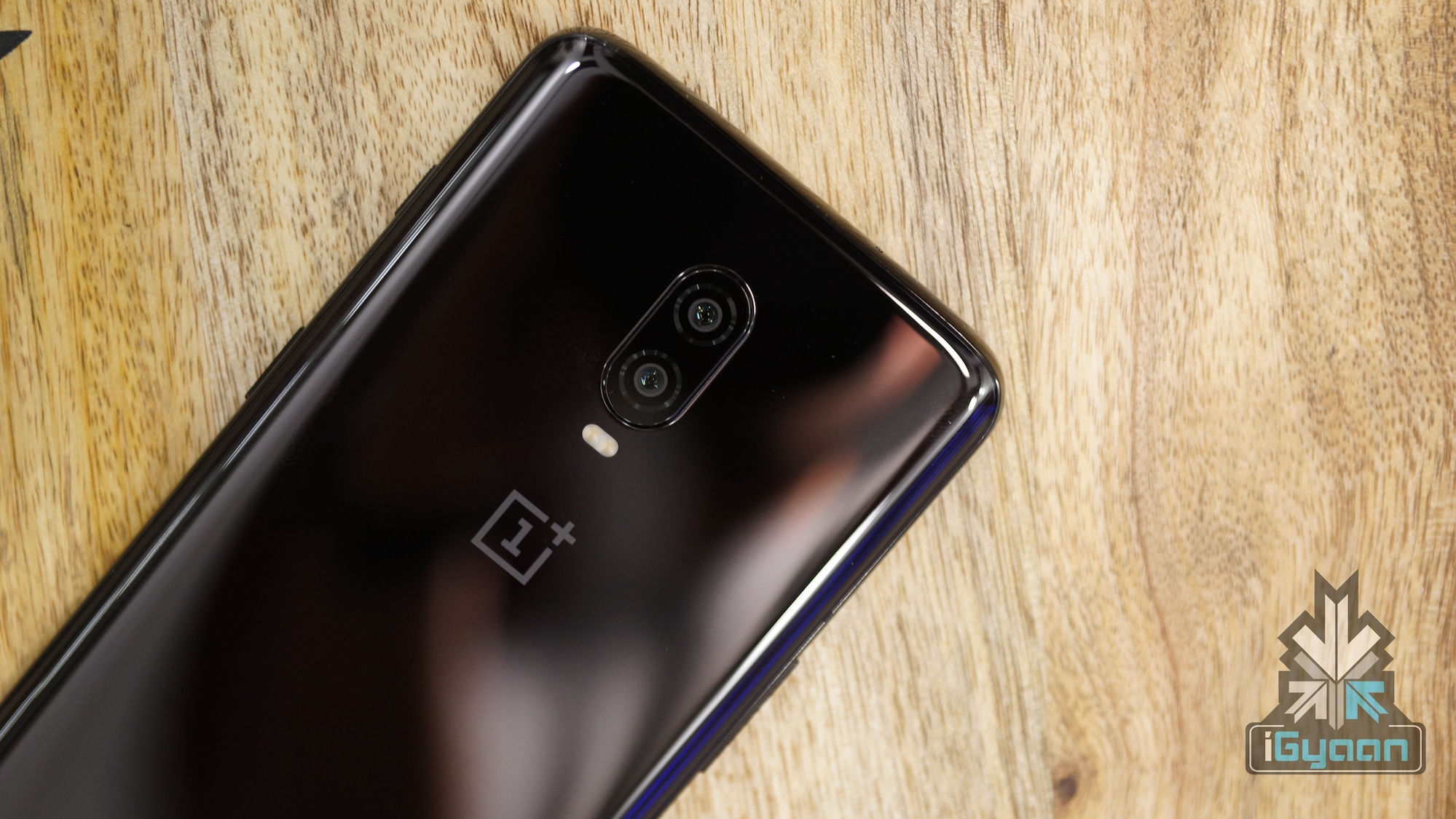
    The OnePlus 6T, as a revision, is one of the most anticipated phones to be launched this year. The phone is the successor to the OnePlus 6 which has proven to be a tough competition for even flagship devices. The update is in the typical OnePlus fashion, but this time around, it features a lot of changes.

    [modal heading=”OnePlus 6T: What’s New ” text=”OnePlus 6T : What’s New?” variation=”btn-success”]In-Display Fingerprint Scanner 6.41 inch Display 3,700 mAh Battery Oxygen OS With Android 9.0 Pie Smart Boost 128 GB Storage Base Model [/modal]

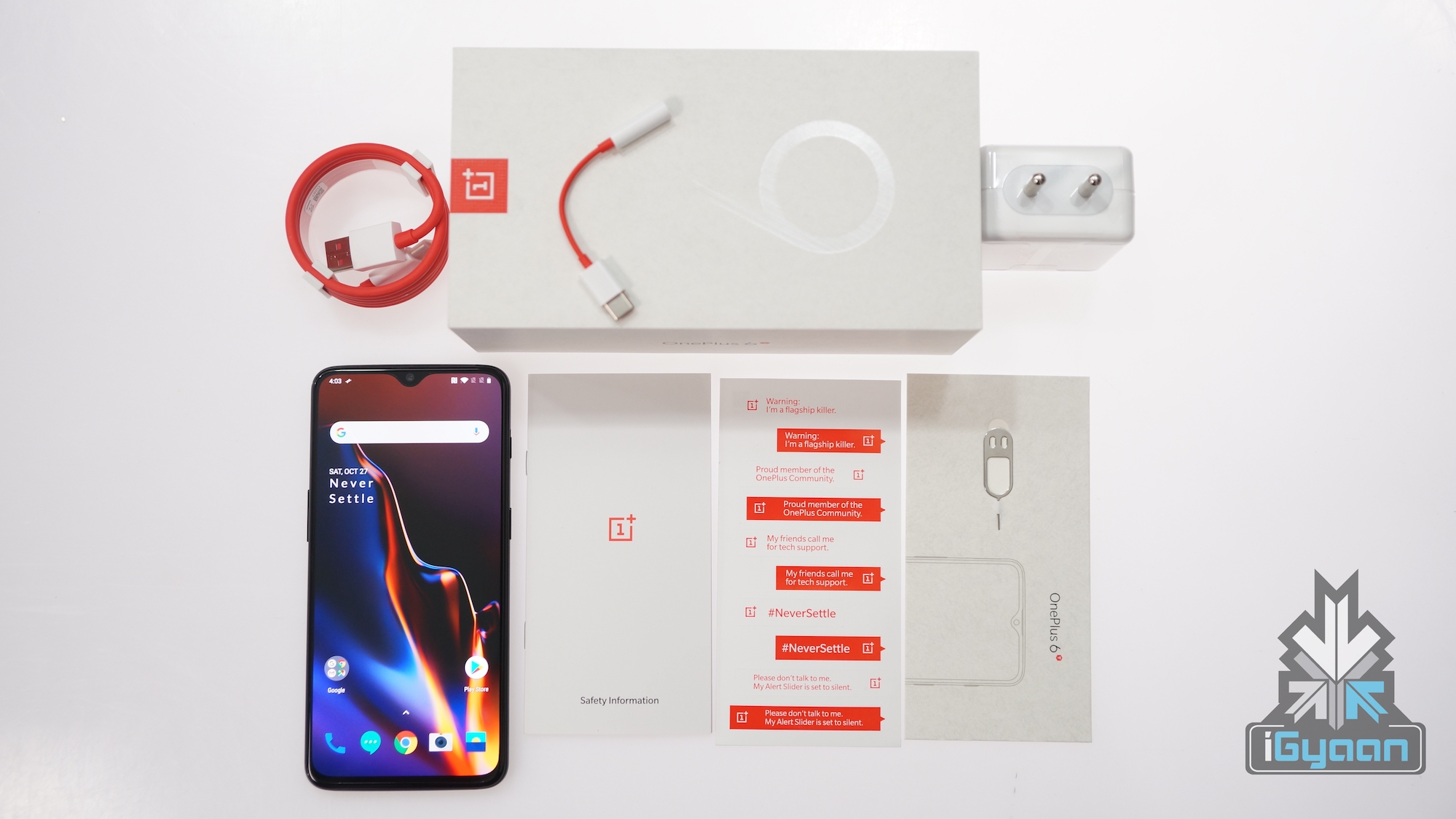
    Inside The Box

    • USB Type-C to 3.5 mm Adapter
    • Translucent Phone Case
    • Fast Charging Adapter and Type-C Cable
    • SIM Tray Ejector
    • Quick Start Guide
    • Safety Information
    What Has Changed

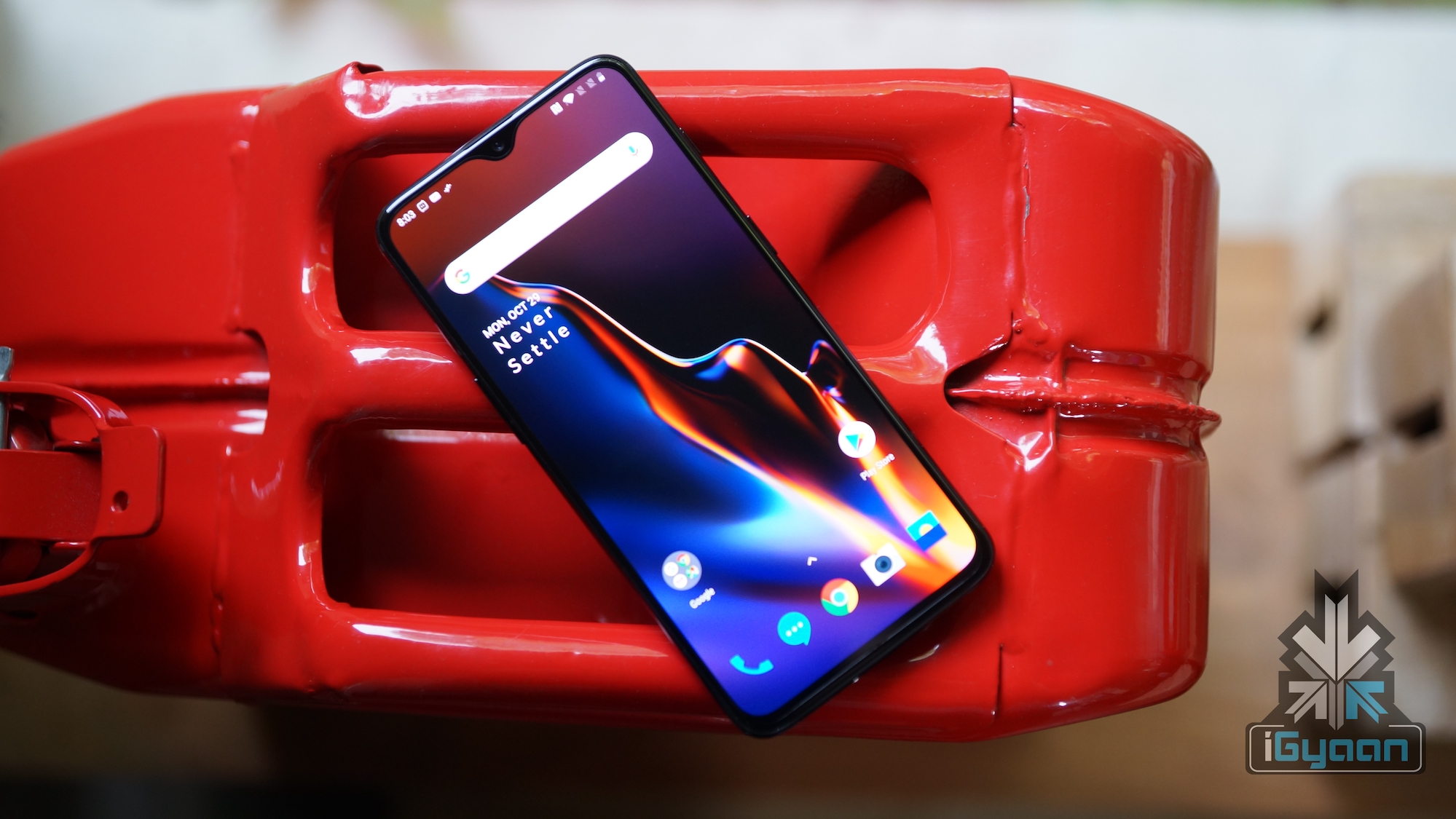
    In terms of look and feel, the OnePlus 6T  is slightly different. The phone weighs a tad bit more than the OnePlus 6 and is also a bit thicker. However, when you hold and use it, it has the same feeling with its glass finish and good build quality. The 6T has a larger, 6.41 inch display, making it a bit taller than the OnePlus 6. The display sports a much smaller water-drop notch which houses the 3-in-1 ambient, distance/RGB sensor and front-facing camera.

    The fingerprint sensor on the phone is now present under the display, which is one of the biggest changes brought around by the 6T. Using the sensor present on the display takes some time to get used to, but it is very responsive. One must make sure to use the entire thumb while setting up the fingerprint sensor. If you use just the tip of your thumb, the sensor might not be able to read your thumb when you use it. Although we need more time to test the fingerprint sensor completely, we are sure of the fact that it is better than other in-display sensors we have tested before. You can also continue to hold the area of the fingerprint sensor to access a quick access app drawer which is customisable, to get to your favourite apps.

    Another big change is the lack of the 3.5 mm headphone jack. The fact that most of the companies are doing the same, and now that OnePlus has also adopted it, might hint at the fact that the headphone jack will be obsolete in some time. Another physical change is the ability to long press the power button to launch the Google Assistant. Which is similar to activating Siri on the iPhone.

    The phone has a new Smart Boost feature which improves the app cold start speed by 5 to 20 percent. Its does so by storing the data from frequently used apps in the phones RAM. Currently, the device applies it to gaming apps but the feature reach other apps with future updates.

    Under The Hood

    The internals on the OnePlus 6T are the same as the OnePlus 6. It runs on the Qualcomm Snapdragon 845 SoC with the Adreno 630 GPU. The device has 6 GB and 8 GB RAM variants. There is a slight change in terms of internal storage with the OnePlus 6T having a 128 GB base model and another 256 GB variant. Under the hood, the OnePlus 6T packs a bigger, 3,700 mAh battery.

    The OnePlus 6T has the same 16 MP + 20 MP f/1.7 dual camera setup as the OnePlus 6. The front camera is also, the same 16 MP f/2.0 sensor as before. However, the company has made software improvements which it claims have improved camera performance. The device has a new Nightscape mode which claims to offer better images in low light conditions without losing sharpness and improving the image output. The device also offers overall improvements in terms of image quality and dynamic range.

    Overall, when compared to the OnePlus 6, the one can’t really see a big difference in terms of performance.

    Price & Availability In India

    The OnePlus 6T has been launched at a starting price of $ 549, globally. The Indian launch of the device is set for the 30th of October. The 6 GB + 128 GB variant costs Rs 36,999 in India. The OnePlus 6T ships bundled with the OnePlus Type-C Bullets for free. Additionally, you can avail Rs 1000 cash back on Citi Bank cards and a Rs 2000 discount on ICICI cards.

    You can also watch our detailed video below:


  • Samsung Galaxy A7 With Triple Camera : Unboxing And Hands On

    Samsung Galaxy A7 With Triple Camera : Unboxing And Hands On

    The Samsung Galaxy A7 (2018) has been launched in India and will be available on Flipkart and Samsung Shop. The device is the first Triple Camera smartphone from Samsung. The device starts at Rs 23,990 in India and will go on sale starting from 27th October.

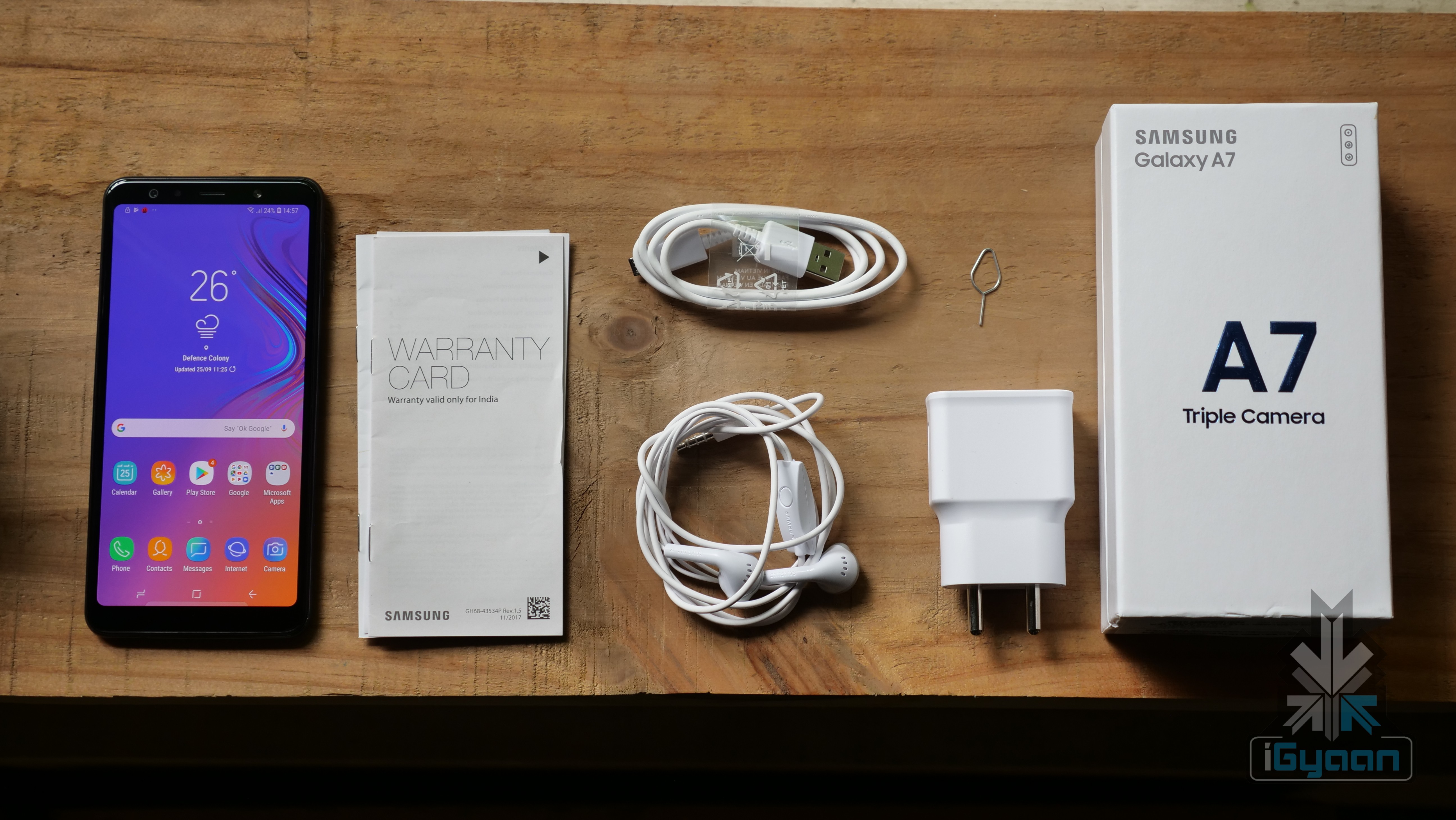
    In The Box:

    • Samsung Galaxy A7
    • In ear headphones
    • SIM ejecting tool
    • Charger
    • USB cable
    • Documentation

    Buy the Galaxy A7 here.

    Design & Display:

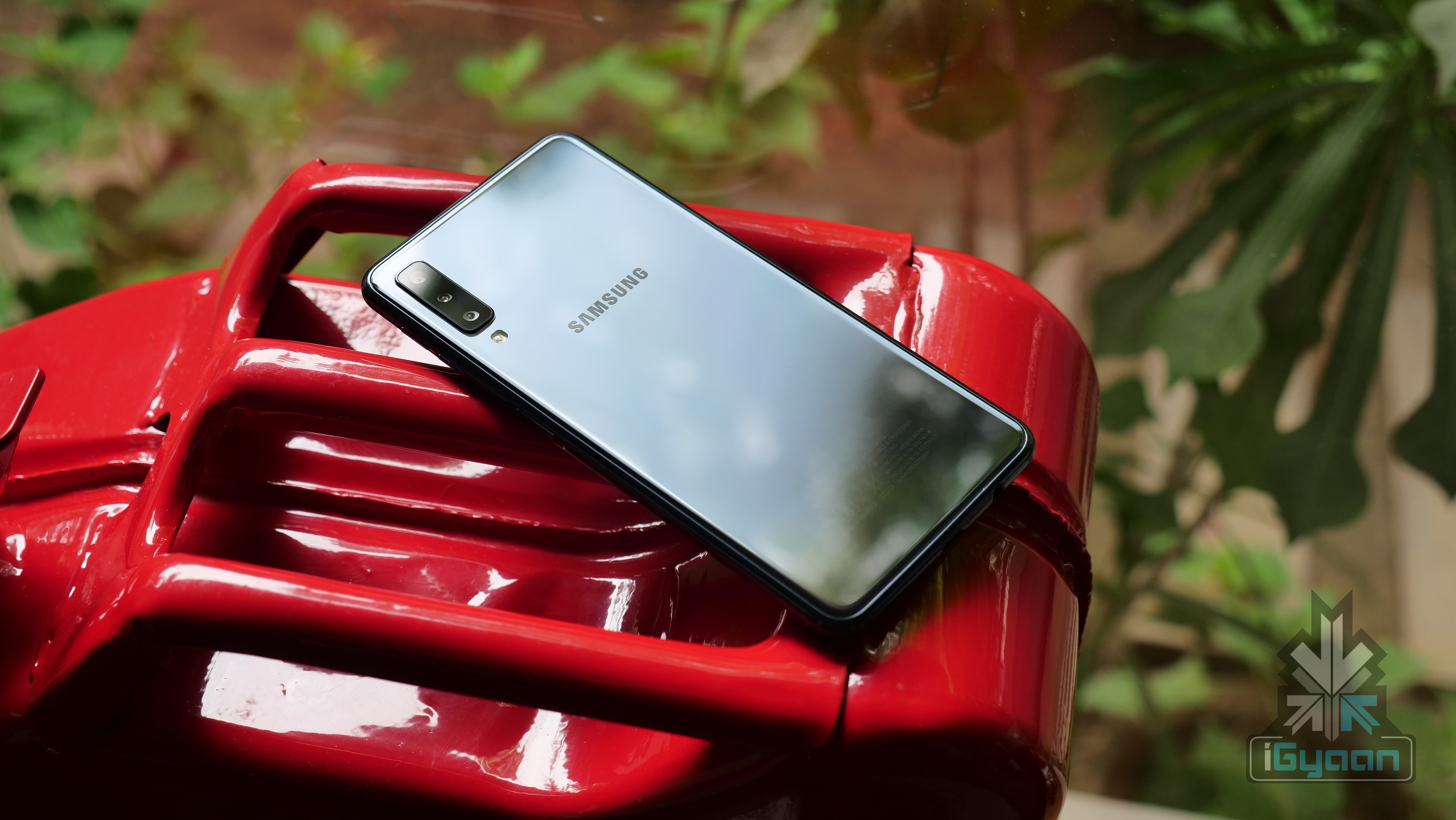
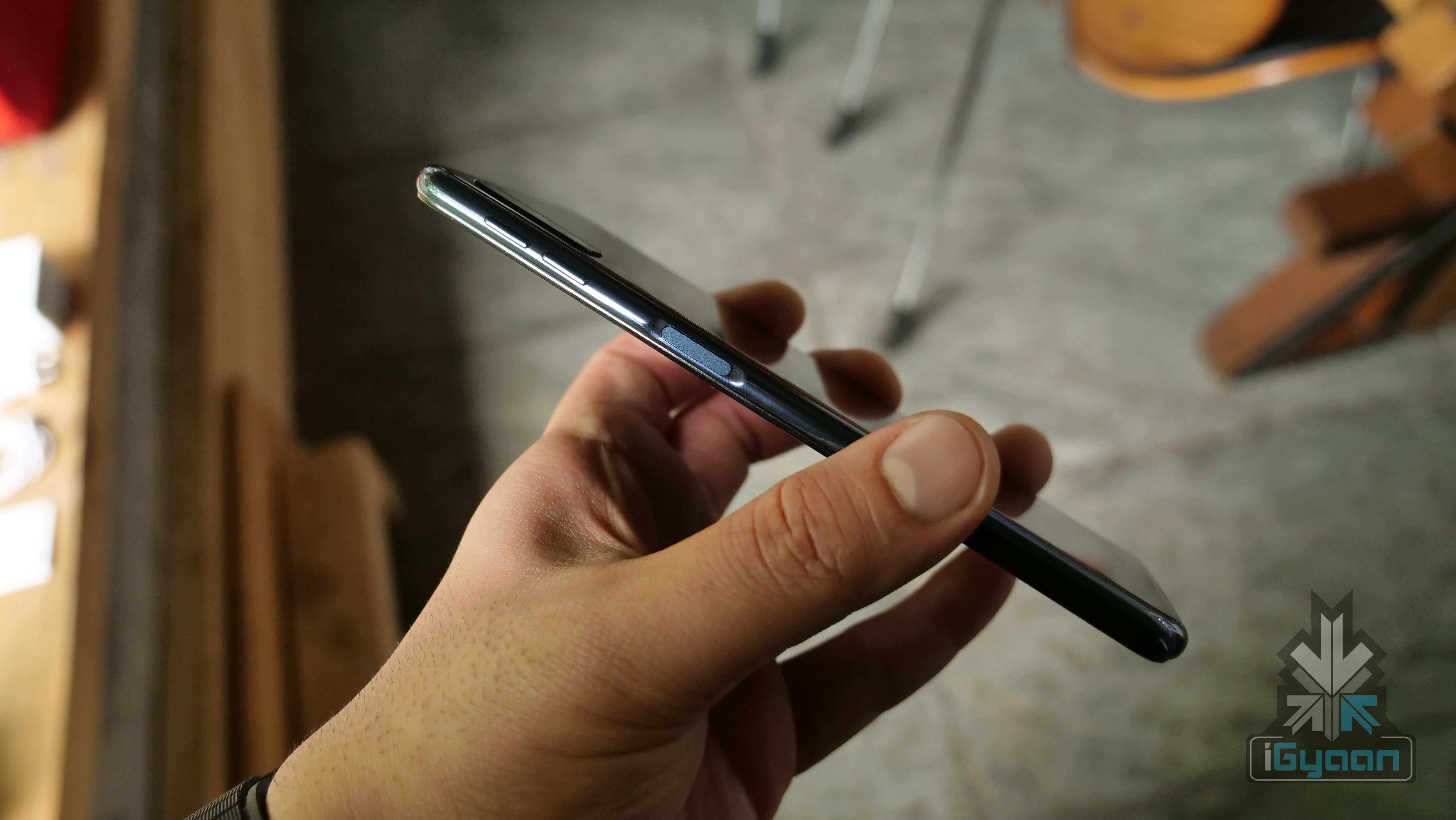
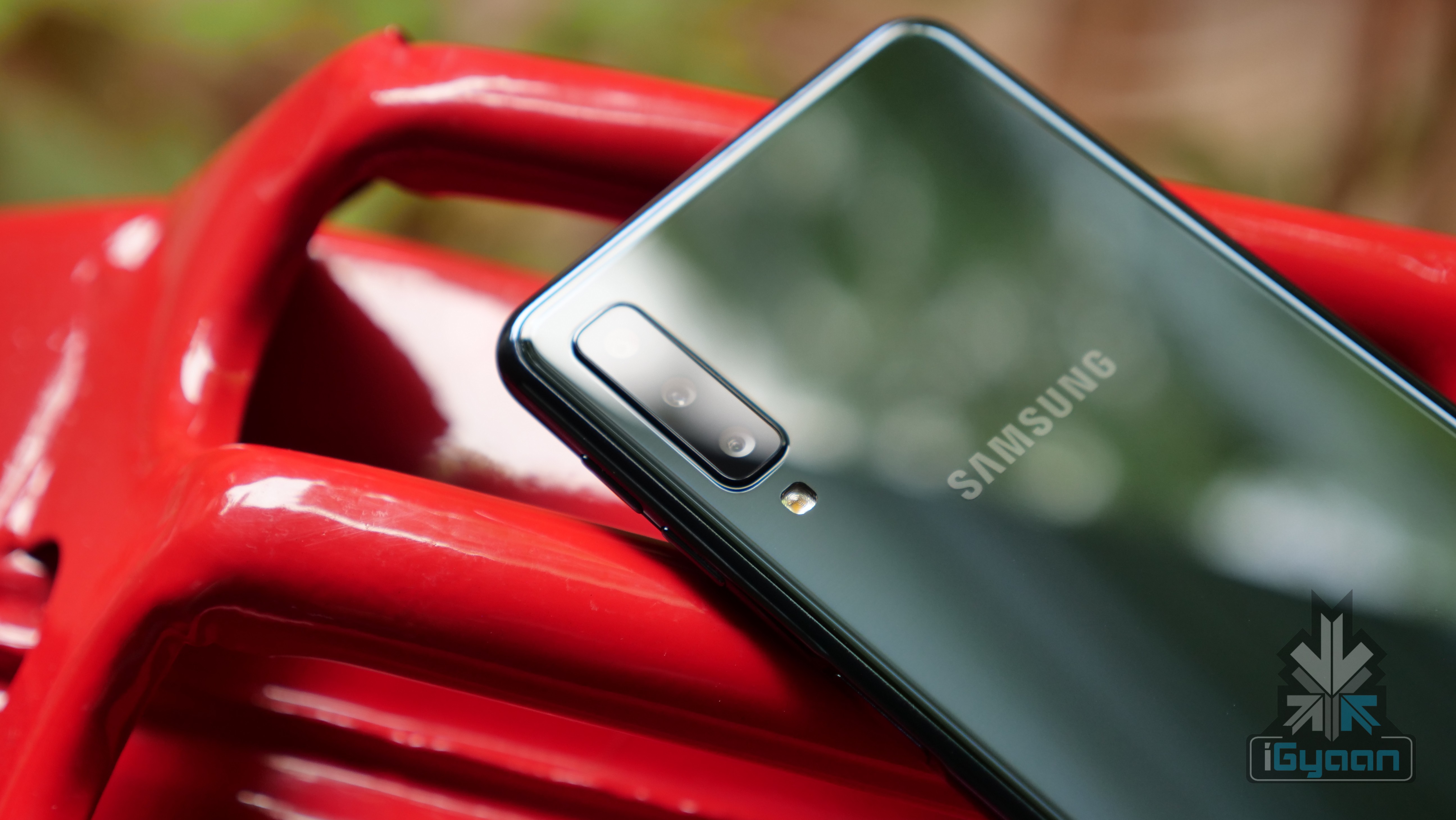
    The Samsung Galaxy A7 has a 2.5D glass back and metal body. This makes the device look and feel premium. The rounded edges of the Galaxy A7 make it easy to hold and it is also pretty light. The back sports the triple camera setup, which is the highlight of the device. Another new design aspect is the side mounted fingerprint sensor which doubles up as the power button.

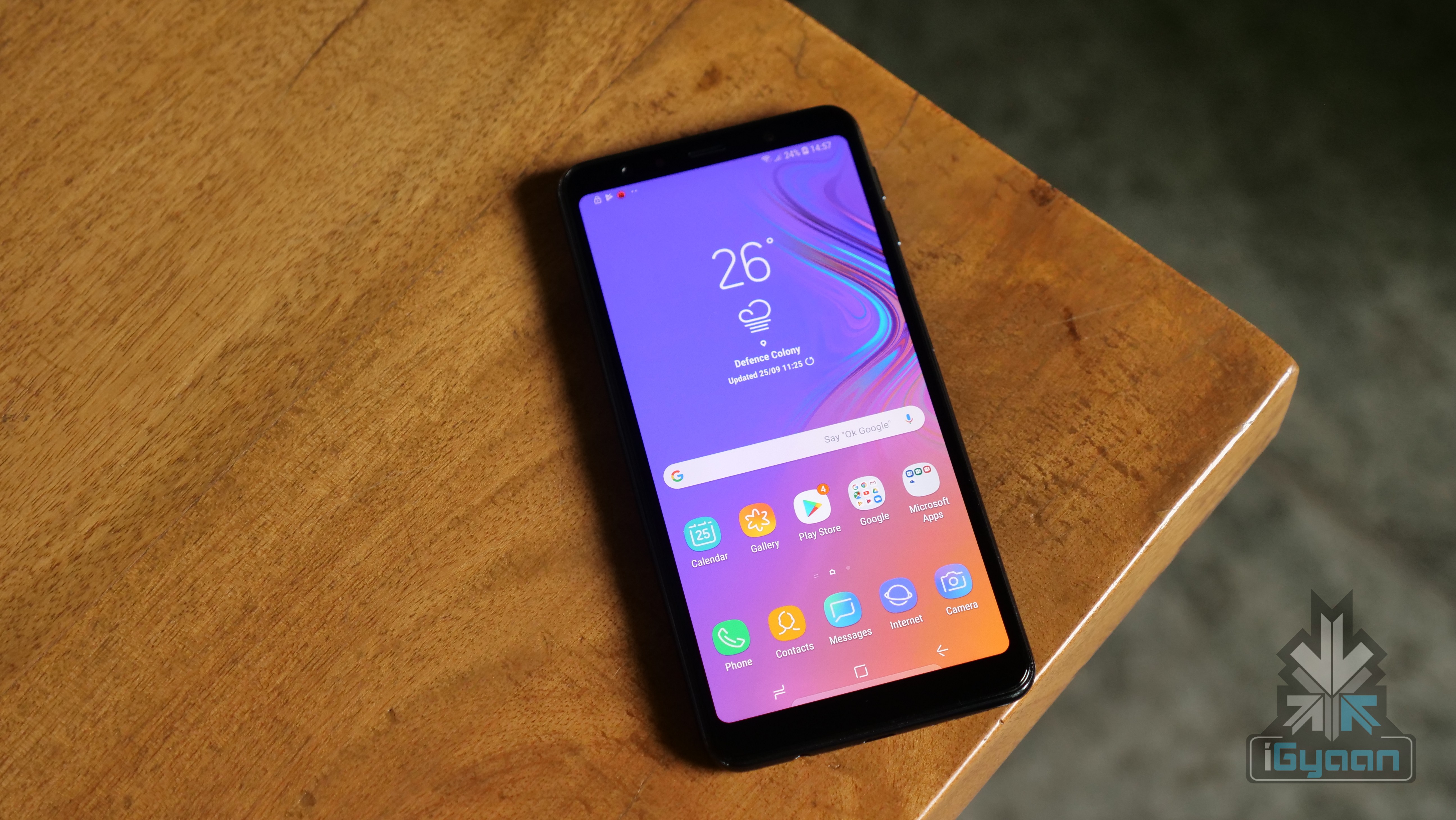
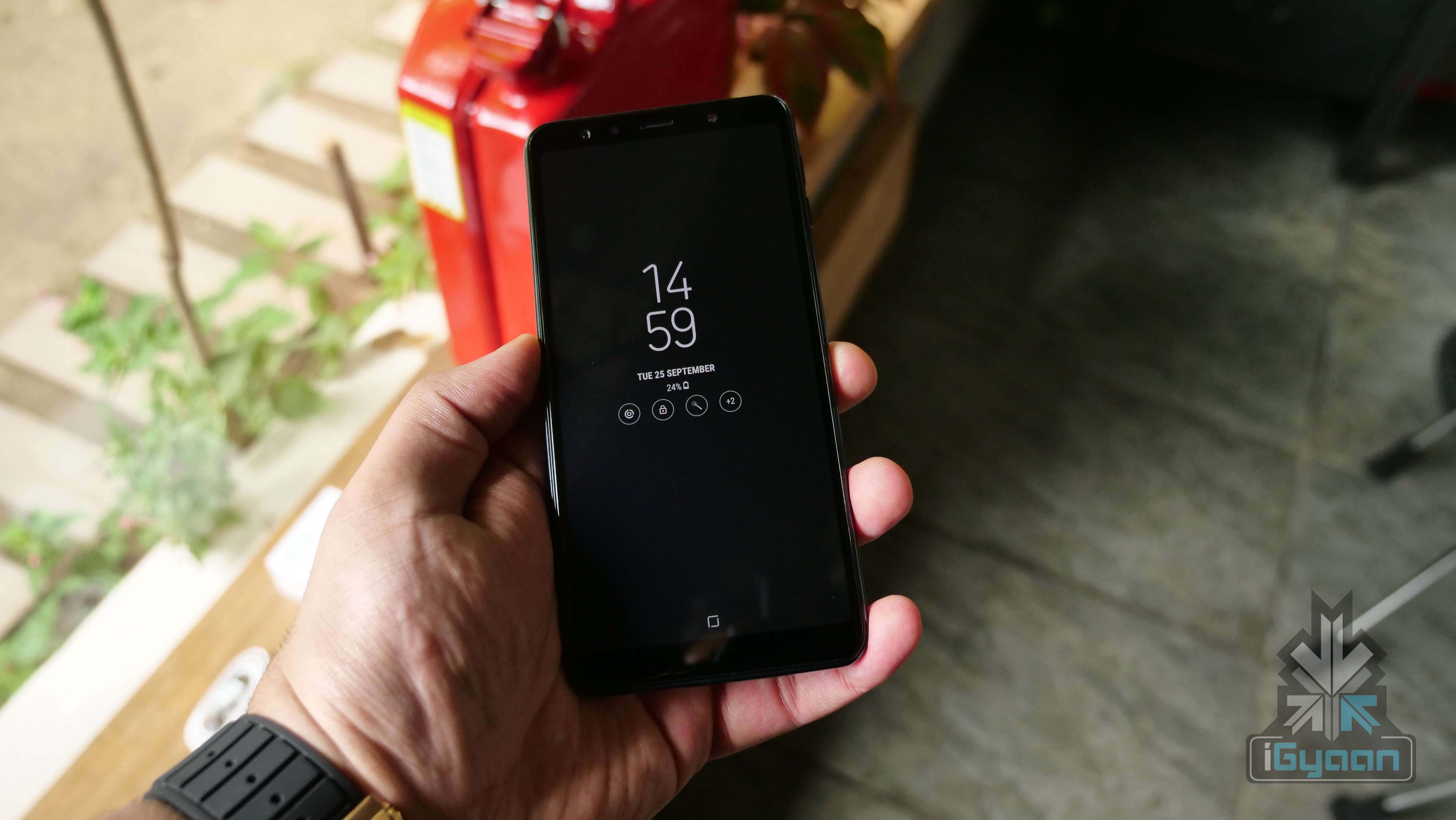
    The Samsung Galaxy A7 has a 6  inch FHD+ Super AMOLED display. The display has a native resolution of 2220 x 1080 pixels. The display has an ‘always on’ feature, which shows the time and  important notifications at all times. The quality of the display is top notch and it has great viewing angles as well.

    The positioning of the fingerprint scanner on the power button is surely convenient. The scanner is located at a position which your finger would take naturally, while holding the device. The fingerprint scanner is very responsive and helps to gain access into the device quickly. The device also has Face Recognition which is also extremely responsive.

    Side-mounted fingerprint sensor

    The device has Dolby ATMOS technology which gives a good sound output and also has a 3.4 mm headphone jack. One can also swipe either up or down to access the apps and swiping up from the bottom of the screen gives access to Samsung Pay Mini.

    Camera:

    The highlight of the device is the Triple Camera Setup which is surely worth the hype. The vertical camera setup includes a 24 MP f/1.7 sensor, a  5 MP f/2.2 sensor and a 8 MP f/2.4 sensor. The 5 MP sensor is for Bokeh while the 8 MP sensor is an Ultra Wide lens.

    The Ultra Wide lens is very useful in day to day situations. You can capture the entire scene without having to step back or kneel down. Samsung claims that the lens can see as wide as the human eye and the lens works in both video and photo mode.

    The Galaxy A7 also uses the Super Pixel technology to combine 4 pixels into 1, offering superior low light performance. The device also has a Live Focus feature which lets you set the background blur while clicking the picture and also to change it, after the image has been captured. Another interesting feature is the portrait Dolly mode. This lets you create a dolly zoom effect which can be saved as either a GIF or  video.

    It also has slow motion video and hyper lapse capability, which is pretty good. The device also detects 19 scenes such as food, flower, street, etc to optimise the colour settings and provide a better output. You can also create a closed group and share your images over WiFi. The Social Camera option on the device lets you share the images instantly on FaceBook, WhatsApp and FB Messenger.

    The Front Camera of the device houses a 24 MP sensor. It has a ‘wide selfie’ feature which lets you pan left and right to capture the entire scene. It also has features such as selfie focus and pro lighting modes to help enhance your selfies.

    AR Emoji:

    The AR Emoji feature is available on both the rear and the front camera of the device. This feature lets you create customisable Emojis on the basis of face, skin, hair, features, clothes, etc. With this, you can then turn your selfie or image into an emoji.

    Under The Hood:

    The Samsung Galaxy A7 runs on the Samsung Exynos 7885 SoC. This has a 2.2 GHz Octa Core processor and has 4GB and 6 GB RAM options. The device runs on the Android 8.0 Oreo operating system. It has memory options of 64 GB and 128 GB and is expandable upto 512 GB using a microSD card. The device also has a dedicated microSD card slot. The Galaxy A7 has a 3300 mAh battery.

    Price & Offers :

    The device is priced at Rs 23,990 for the 4 GB RAM/ 64 GB storage variant. The 6 GB RAM / 128 GB storage variant costs Rs 28,990. The device will be available on Flipkart and Samsung Shop and its sale starts on 27th October. A Rs 2,000 cash back is offered on HDFC Credit & Debit Cards.

    Buy the Galaxy A7 here.

    You can watch our detailed video below:

  • Motorola One Power Unboxing And Hands On : The India Exclusive

    Motorola One Power Unboxing And Hands On : The India Exclusive

    The Motorola One Power was launched today. The device is exclusively for India and packs a massive battery, along with some new design changes from Motorola.

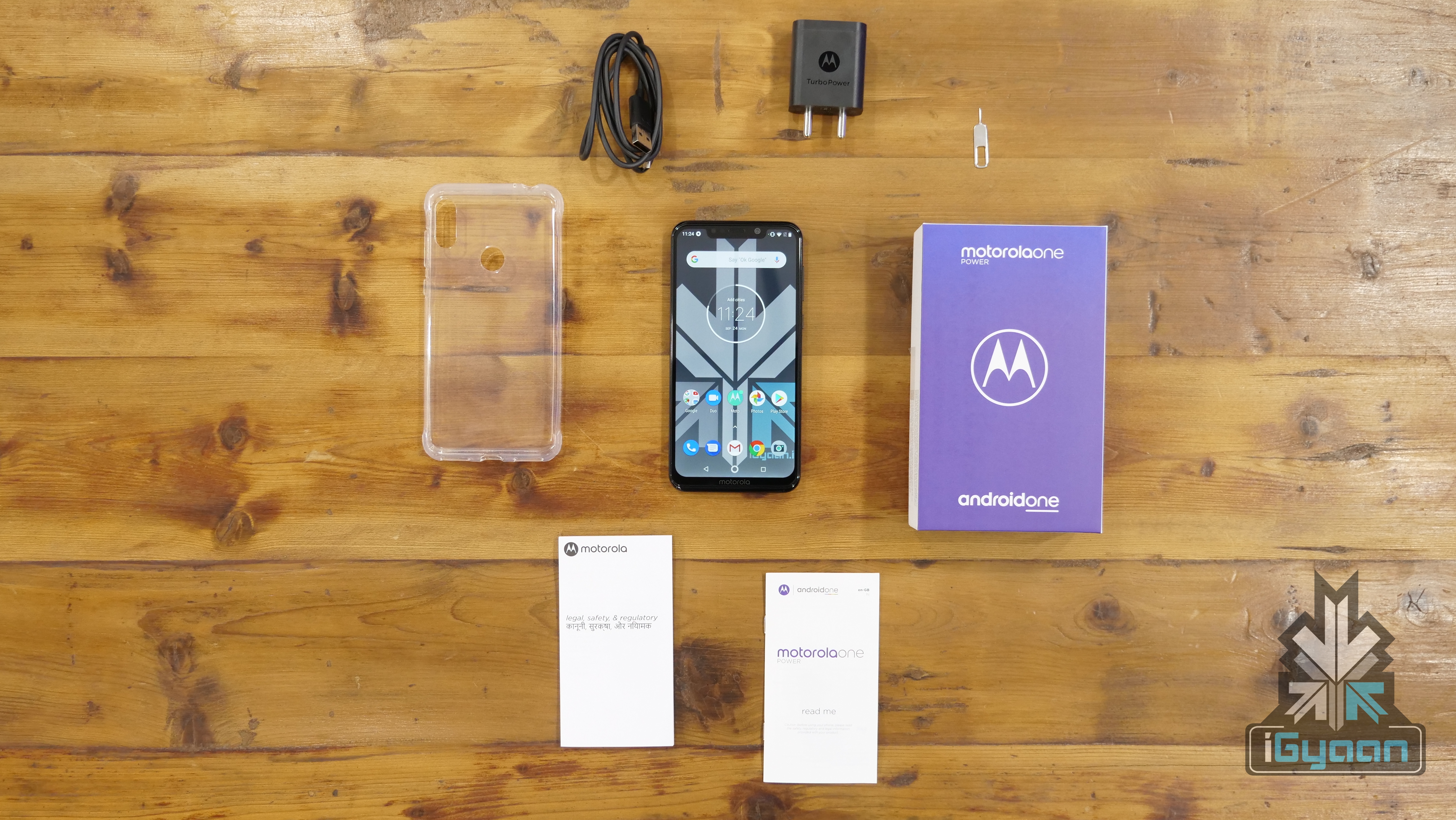
    Inside the Box :

    The box contains many items other than the device itself :

    • Transparent Case
    • Turbo Charger
    • USB Type-C Cable
    • Sim ejector tool
    • Documentation

    Buy the Moto One Power here

    Motorola has focused on the device to ensure that it caters to the online consumer. So much so that the device will only be available exclusively on Flipkart, not even in Moto’s retail stores. The company claims to have worked on features to cater to the consumer and might have struck the right chord this time around.

    Also Read : Motorola One Power Launched In India , Full Specifications & Details

    Hands On :

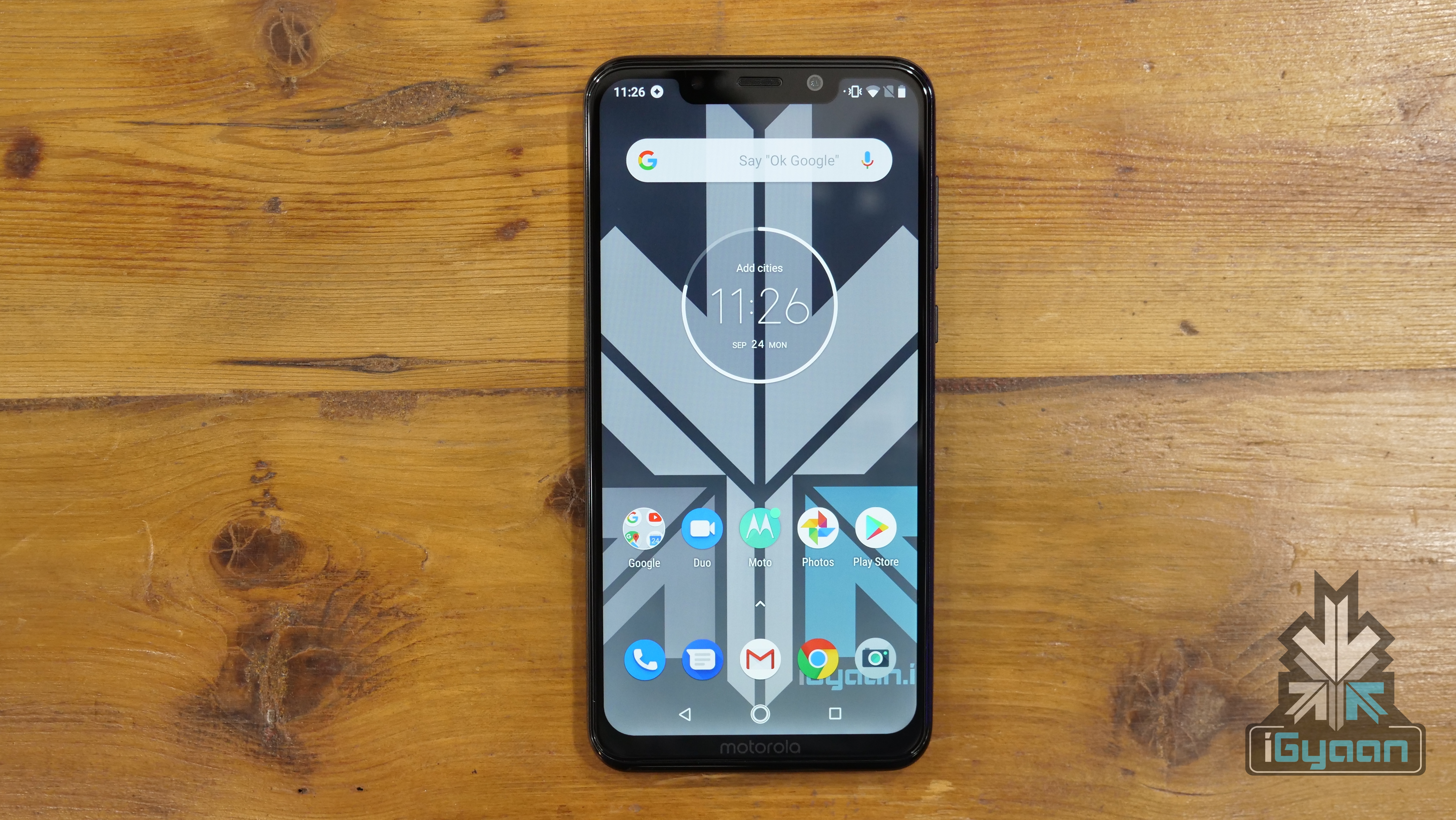
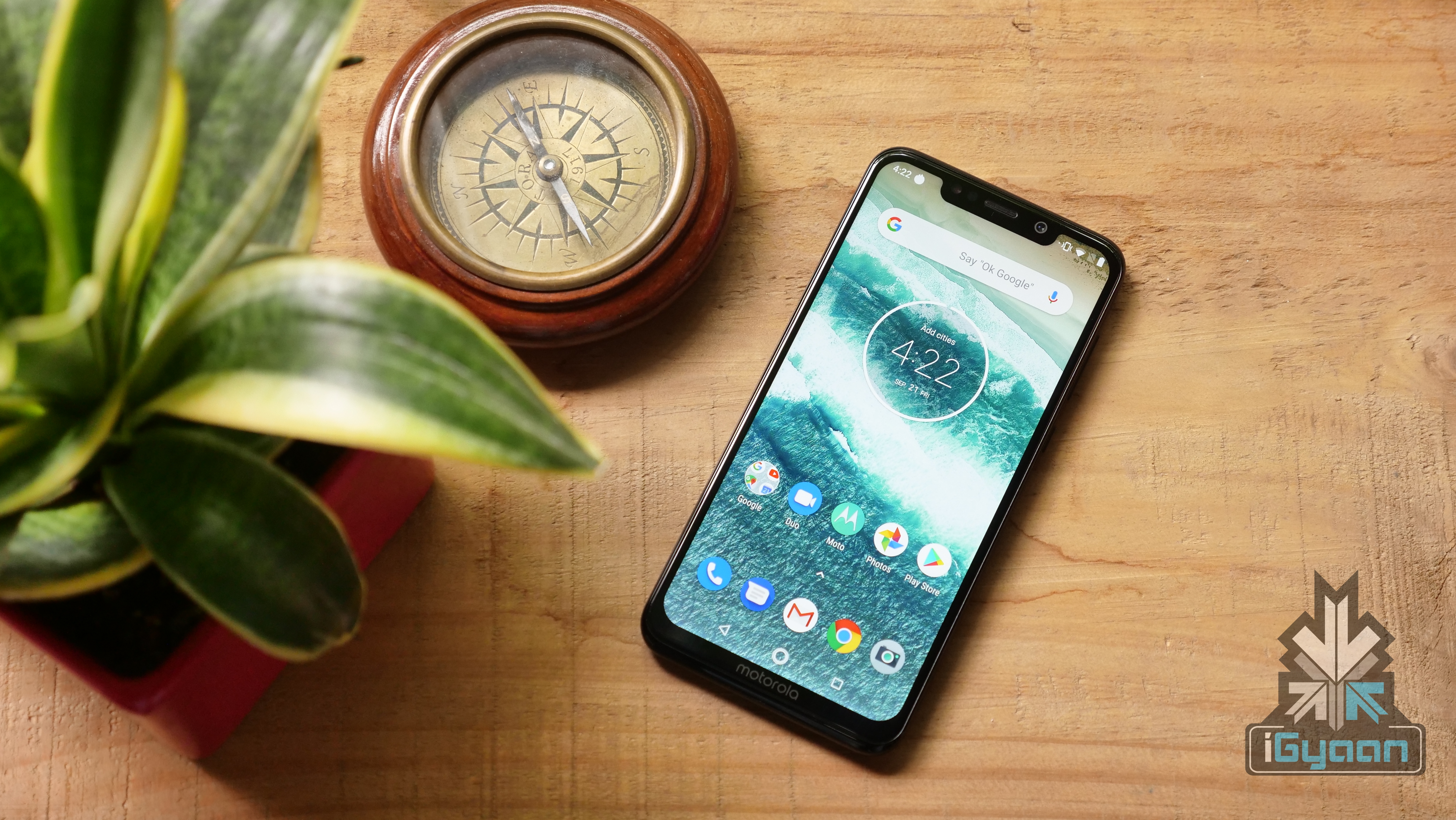
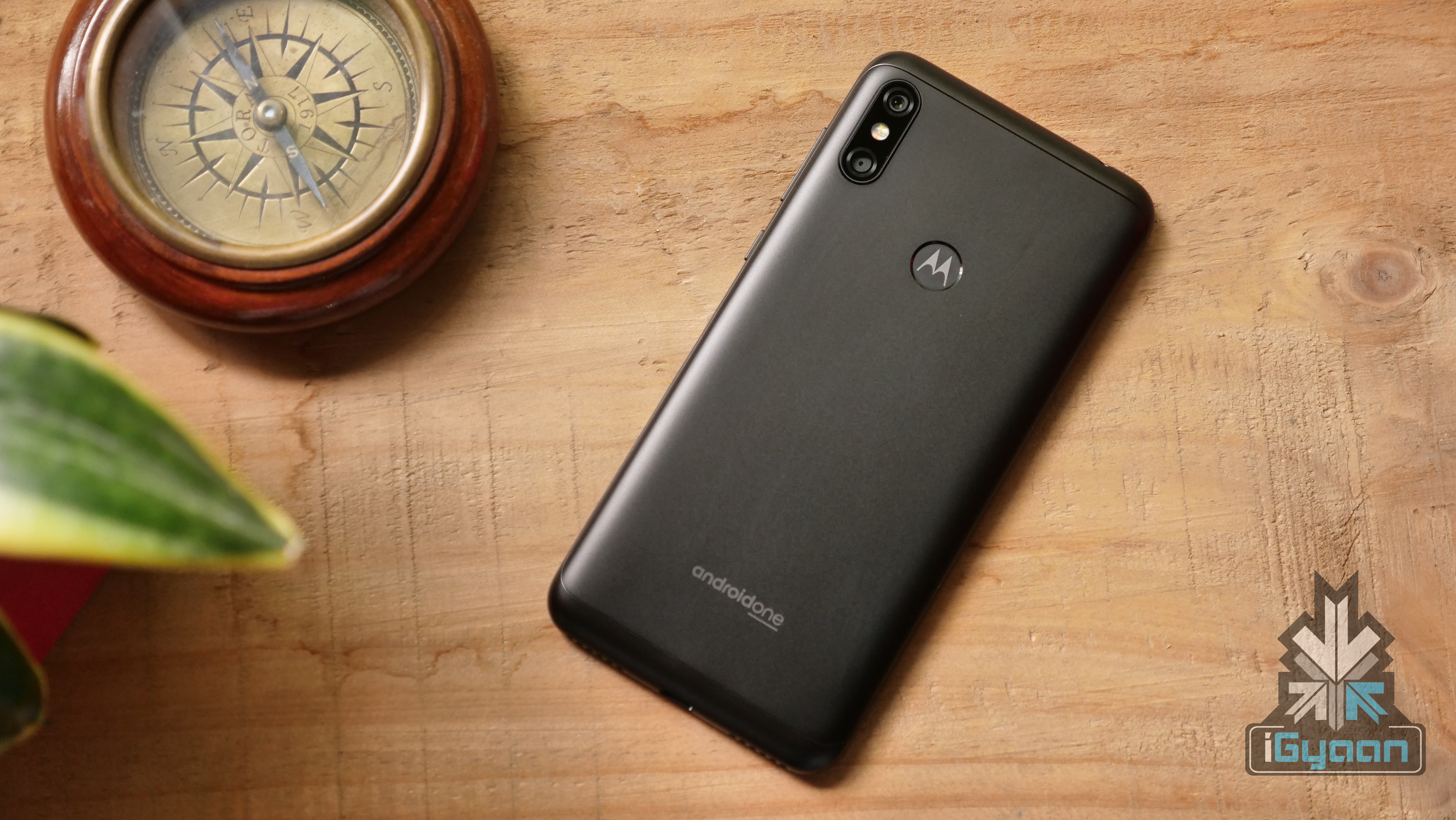
    The Motorola One Power carries a new stylish design from Motorola. It breaks away from the conventional Moto design and has a notch and a vertical rear camera setup. The device has rounded edges and is well built. The device does not have a premium feel but is very sturdy to hold. The display is impressive and has surprisingly good viewing angles. The notch and thin bezels provide for a large screen and enhanced viewing experience. The Moto One Power has a very smooth interface as it is Motorola’s first device in India with Android One. Android One provides a clean, stock Android experience along with the familiar Moto interface.  This will also ensure that the device gets regular updates, unlike the previous Moto devices.

    What’s More:

    The Motorola One Power is powered by the Qualcomm Snapdragon 636 SoC and the Adreno 509 GPU. This has given it a smooth performance and it powers through during gaming and other tasks. The device has 4 GB of RAM and 64 GB of internal storage which is expandable upto 256 GB using a microSD card. The device has a dedicated microSD slot as well, adding to the convenience. Another important addition to the device is the placement of the fingerprint scanner. The fingerprint scanner is now housed within the Moto ‘dimple’ at the back, making it accessible and also kinda cool at the same time.

    Packing a massive 5000 mAh battery, the Motorola One Power sure lives up to its name. While the huge battery does add a bit to the weight of the entire device, it delivers great performance. The device also supports fast charging, making sure it is never out of juice. Motorola has also retained the Moto ‘Actions’ we have seen in earlier devices. This includes gestures such as chop twice for flashlight, twist for camera and more.

    Price & Availability :

    The device is priced at Rs 15,999 and will be only available through Flipkart. It won’t be sold in any stores, not even Motorola’s retail hubs, making it a device, truly for the online generation. You can watch our video on the Moto One Power below:


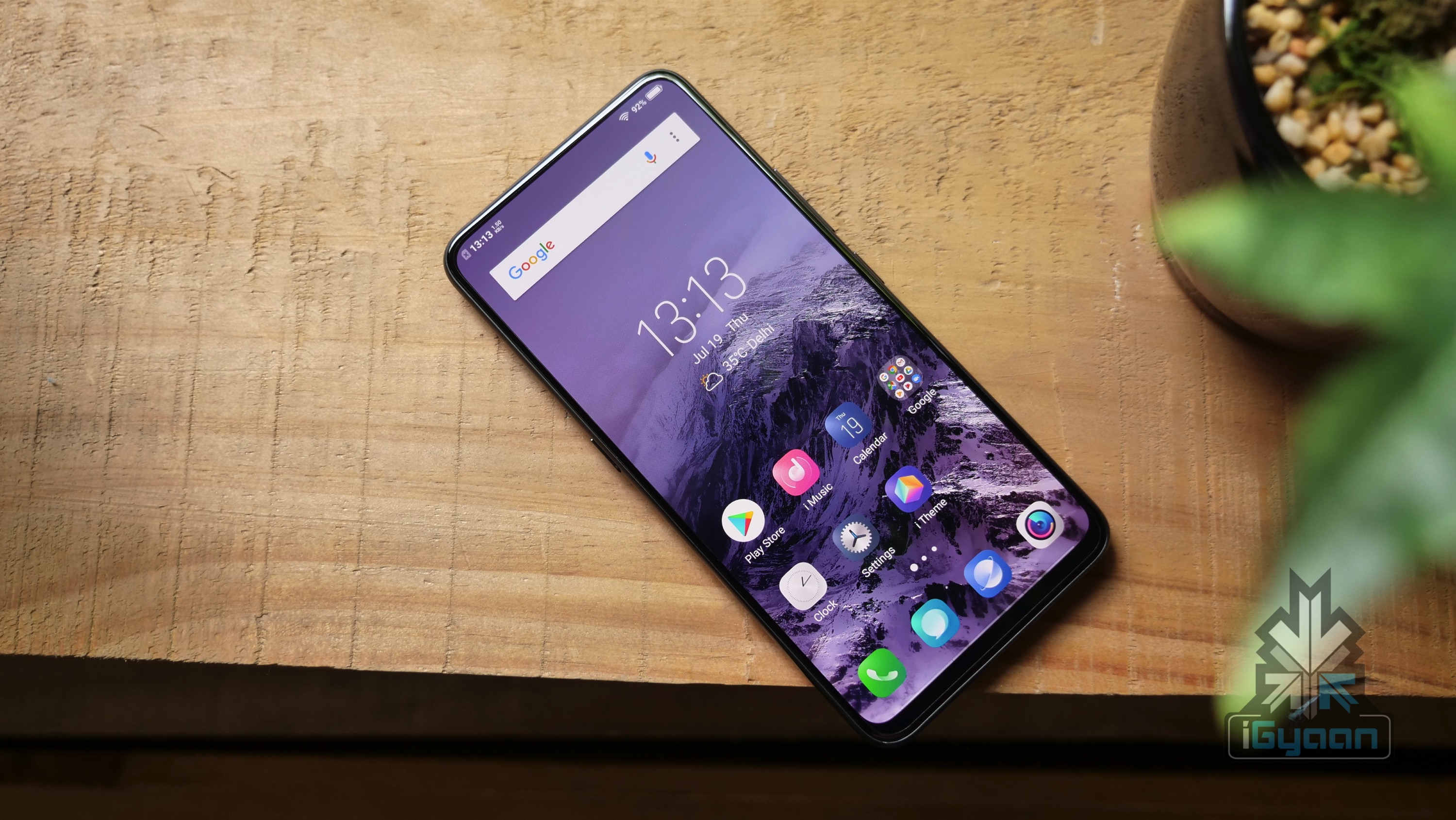
  • Vivo Nex Unboxing And First Impressions

    Vivo Nex Unboxing And First Impressions

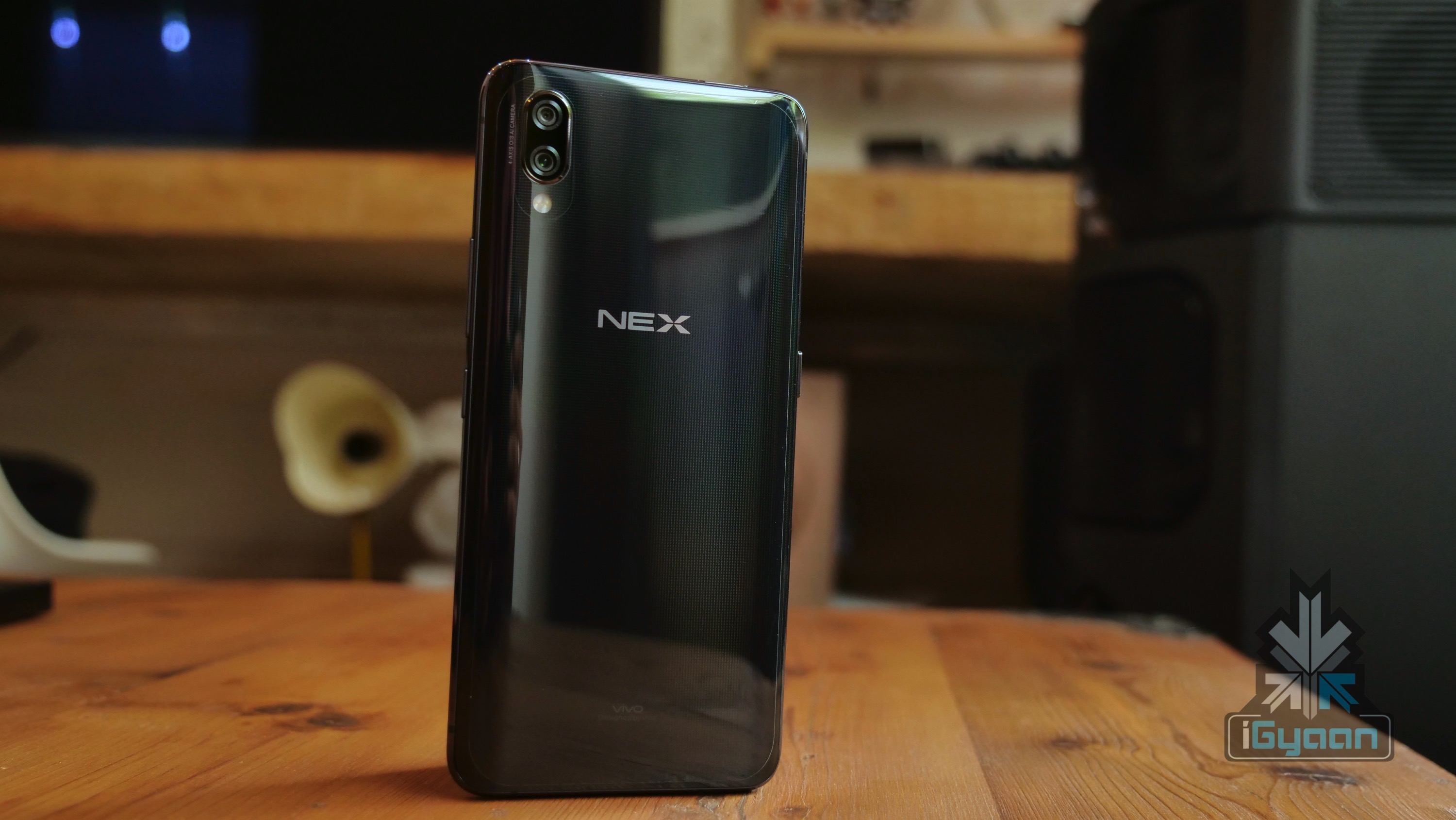
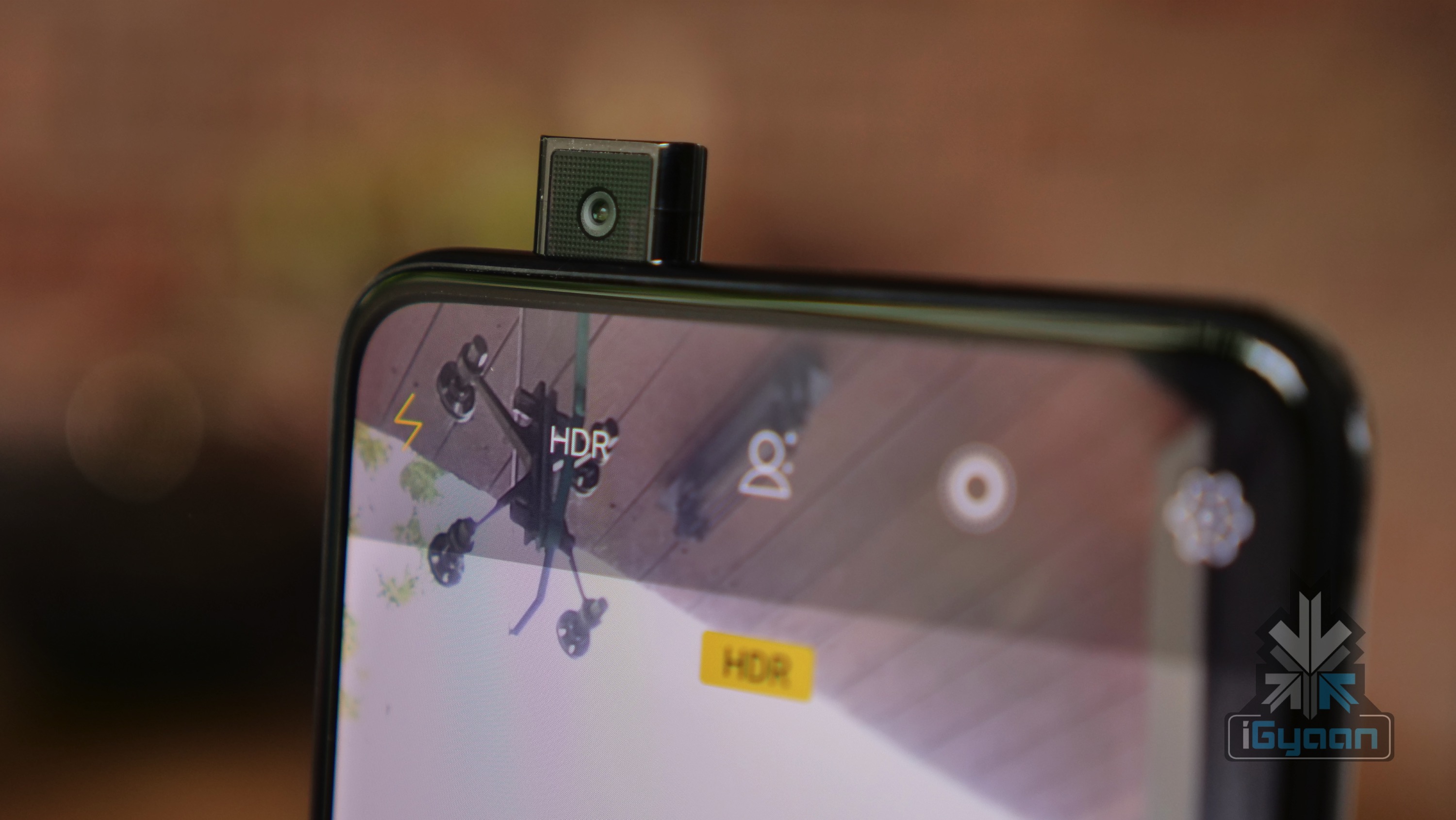
    Vivo has been in the Indian smartphone market for quite a while, however, only in 2018 was the company noticed by the industry properly. While Vivo has been a forerunner in the offline retail market, this year, the brand redefined itself with a few firsts. Vivo showed off the first smartphone with an in-display fingerprint reader and also a phone with a popup front camera. All this was done to allow the front of the phone to become display focused. The Vivo Nex was shown off as a prototype at the Mobile World Congress 2018 this year, a phone that was to show off future technology. It seems, however, the future is only moments away from the grasp of the audience.

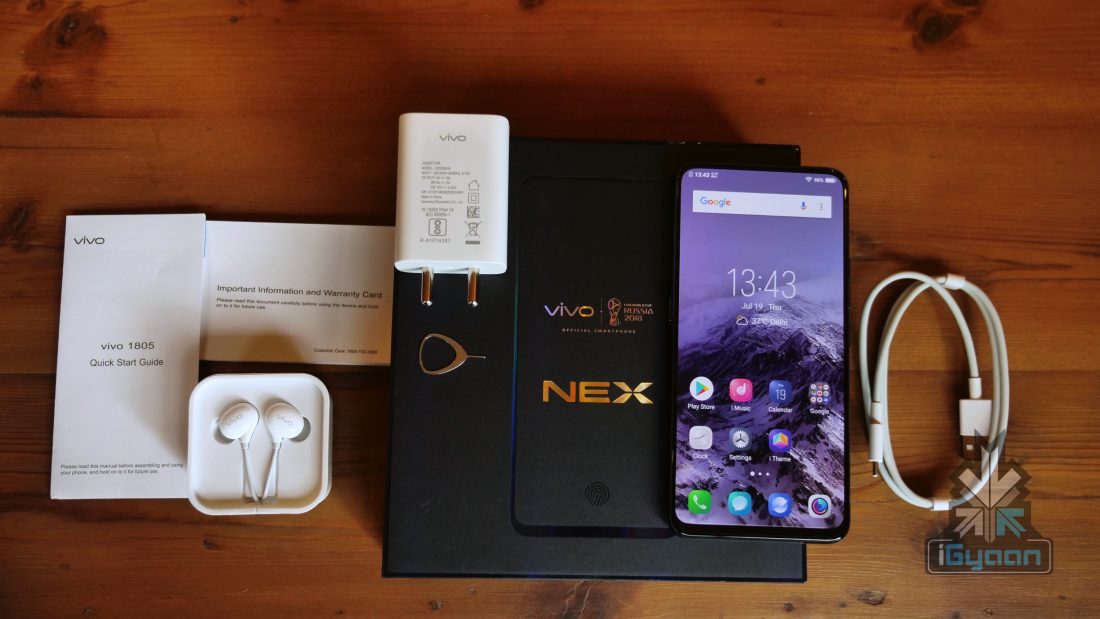
    Vivo has launched the Nex in India for a price of Rs. 44,990. The phone features some impressive technology that may pave the way forward for innovation in smartphone technology. The unboxing experience is pretty satisfying as the phone comes well packaged and front and back screen protectors are pre-applied. In box accessories include a high-quality USB-C cable, a 22.5W Charger and quality in-ear earphones. There is also a silicon-plastic back case included in the box.

    • Vivo Nex
    • Protective case
    • In-Ear Earphones
    • USB C Cable
    • 22.5 Watt USB Charger
    • Sim Ejector Tool
    • Documentation

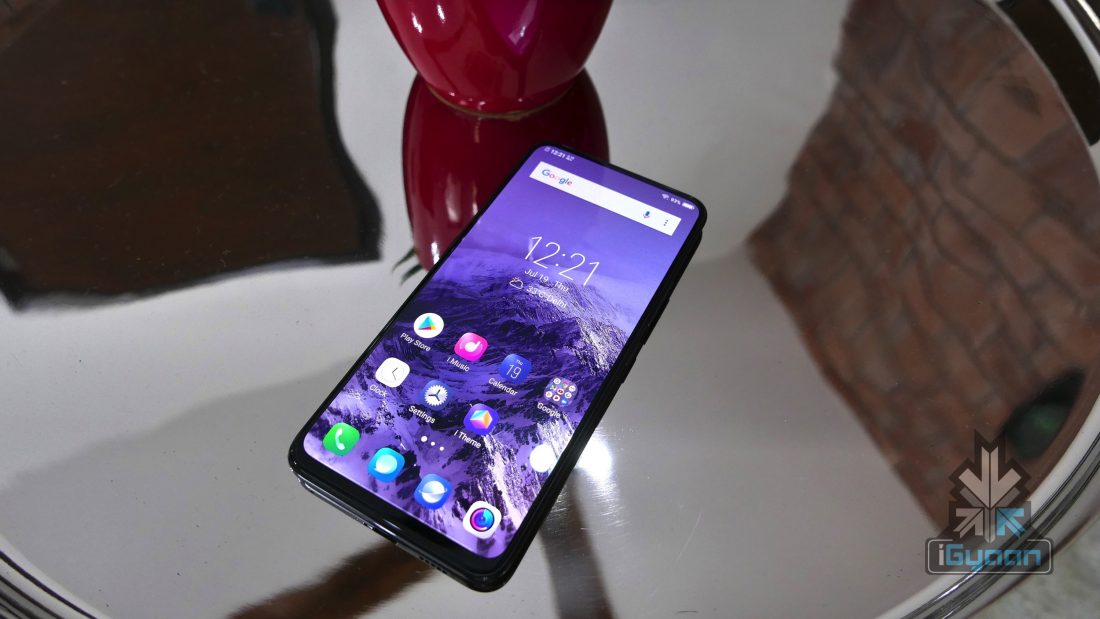
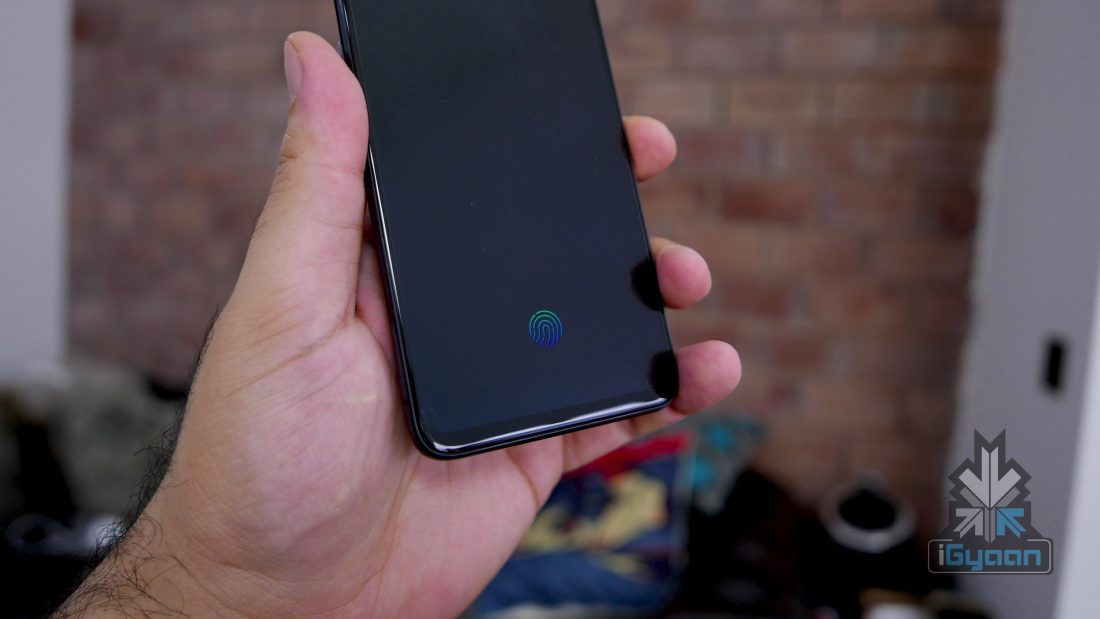
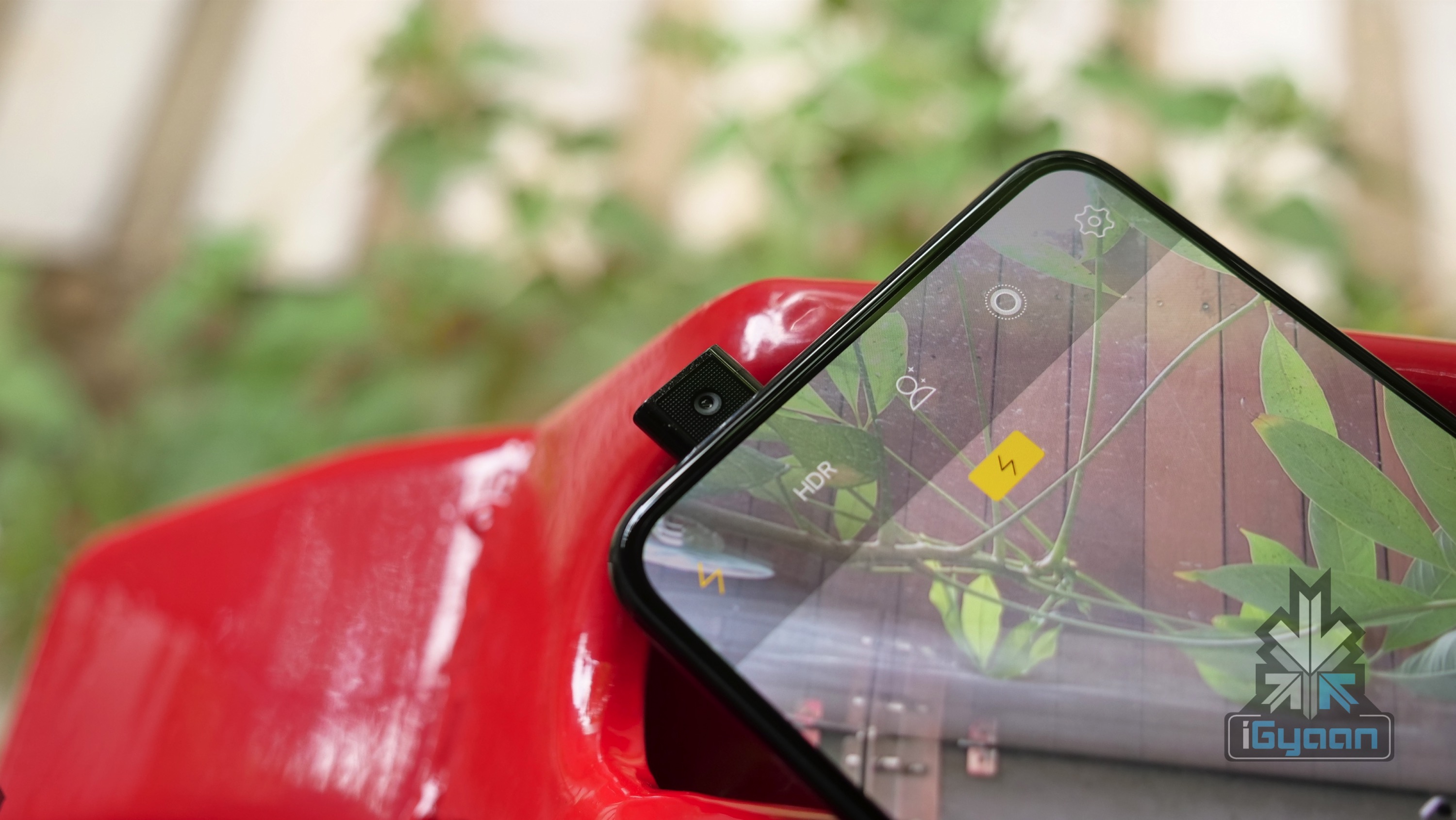
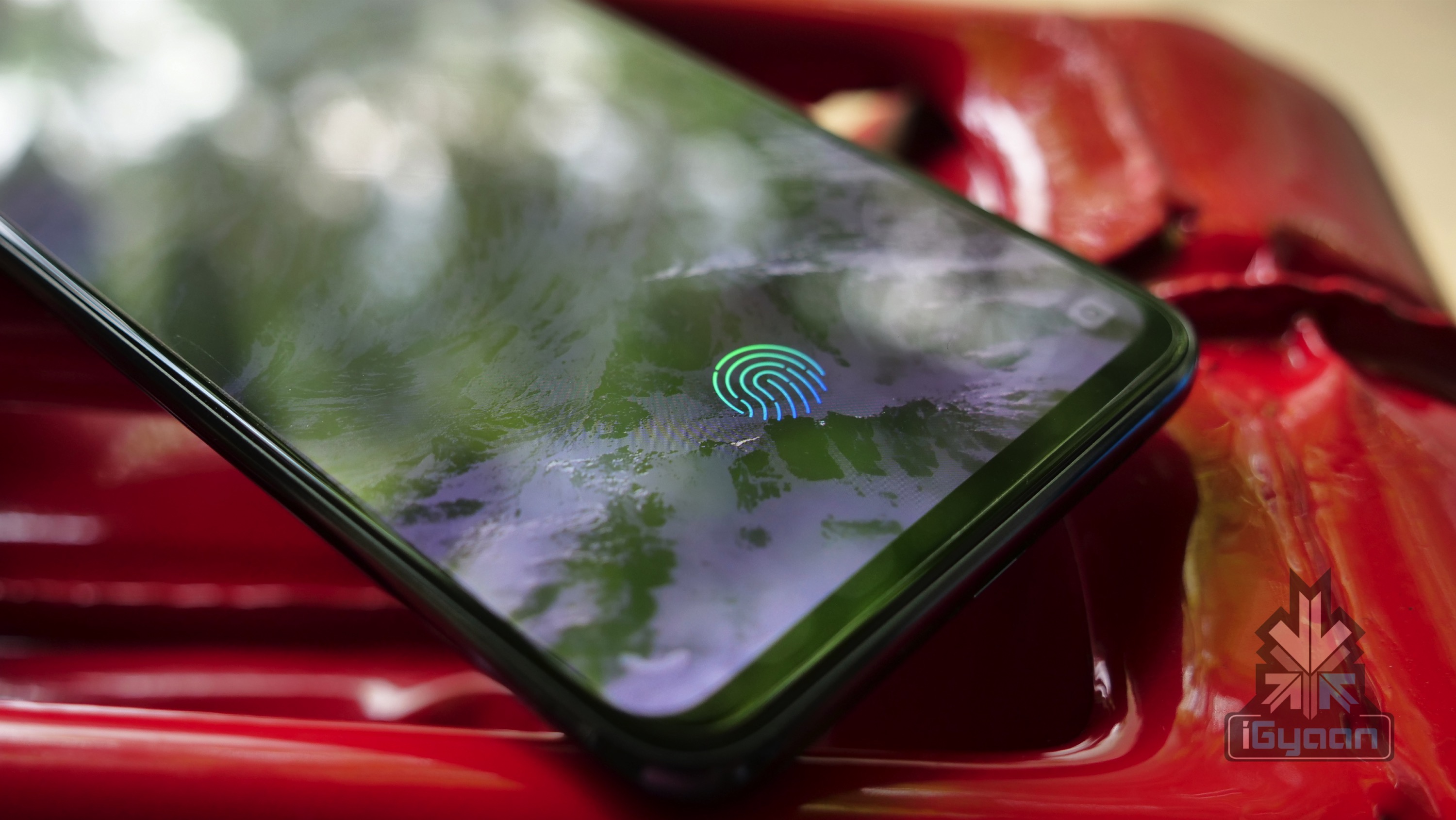
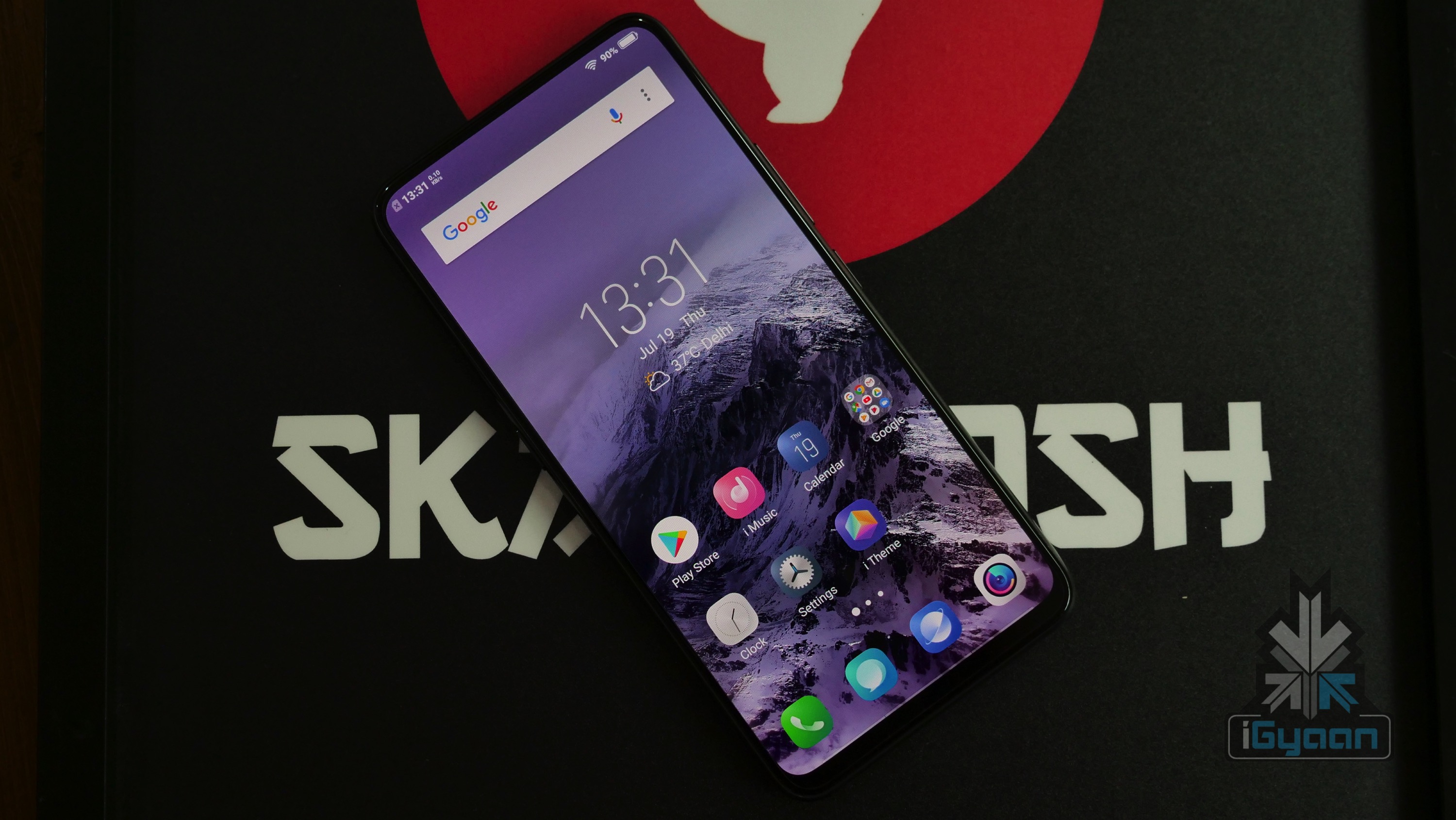
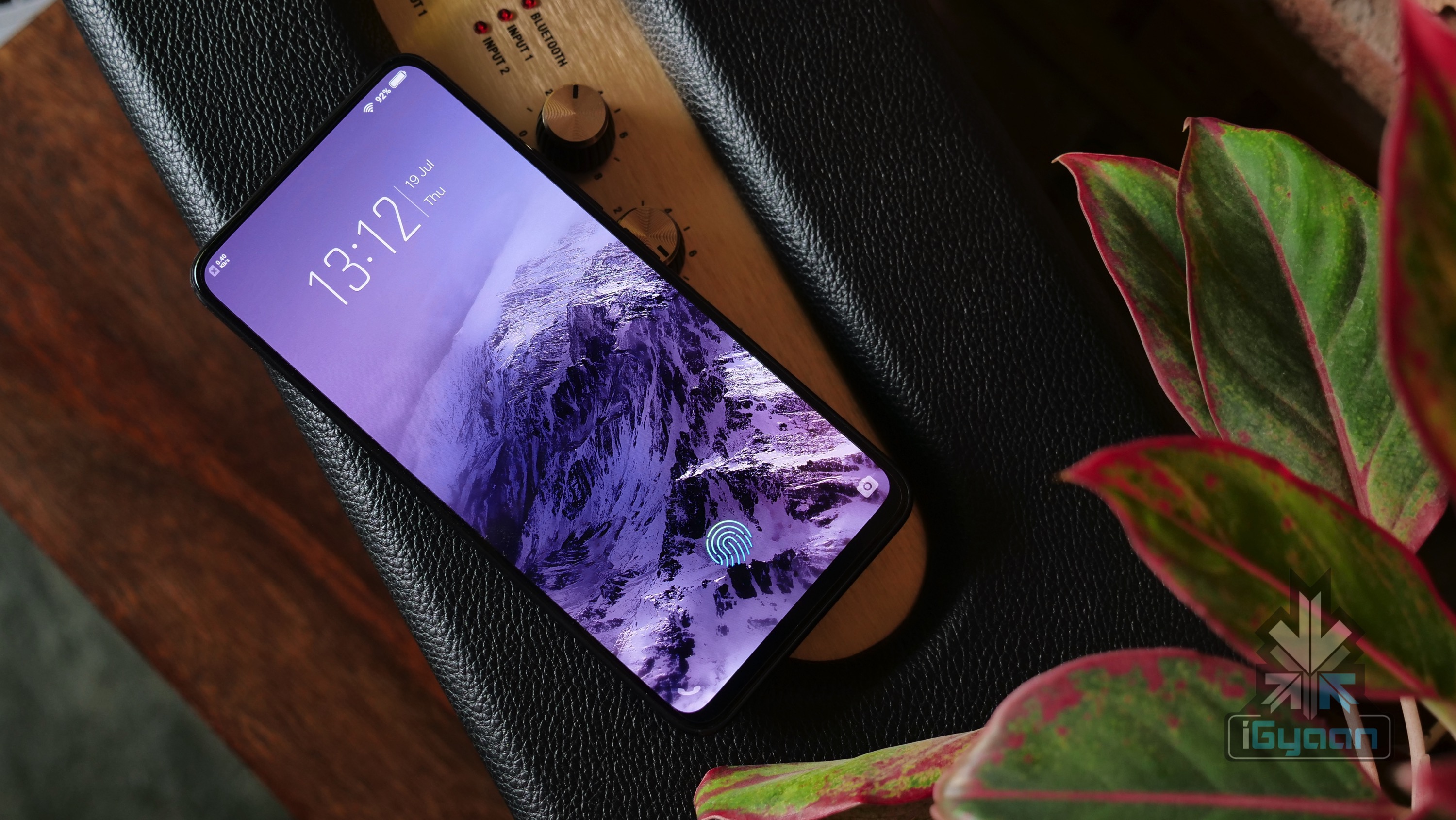
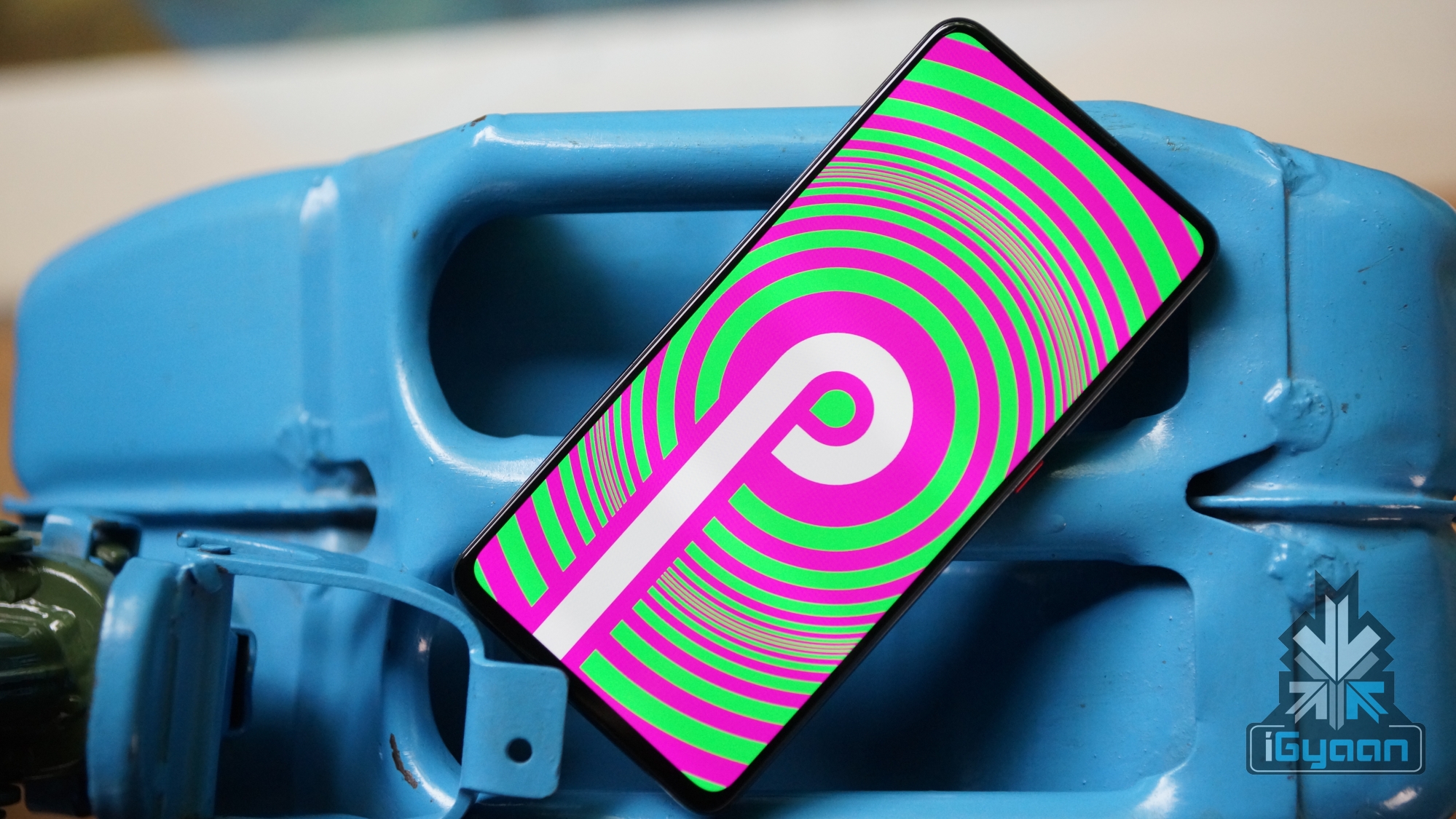
    The Vivo Nex is surprisingly well made, the phone has an all-glass front and because the front camera is housed in the pop-up mechanism, the front remains only for the display. The front also gets this near bezel-less look by including the fingerprint sensor in the display. The tech, even though in its early stage, works rather well, is easy to set up and responsive to unlock. The phone is missing a “face unlock” feature, due to the way their pop up camera is constructed, and the lack of any IR sensors. The company also decided to stay away from the software-based face unlock options seen on many other smartphones, including the OnePlus 6.

    In Display Fingerprint Sensor

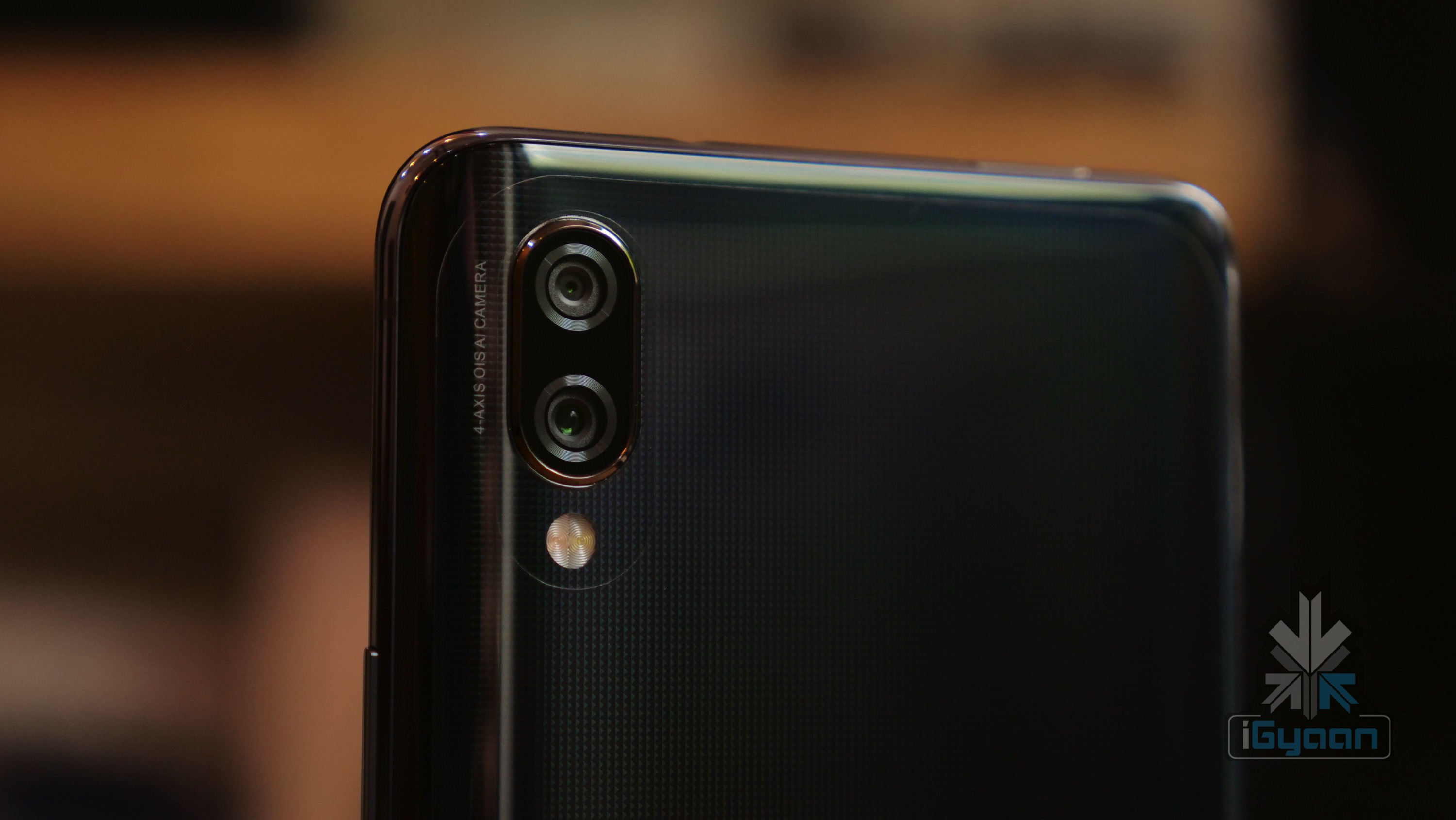
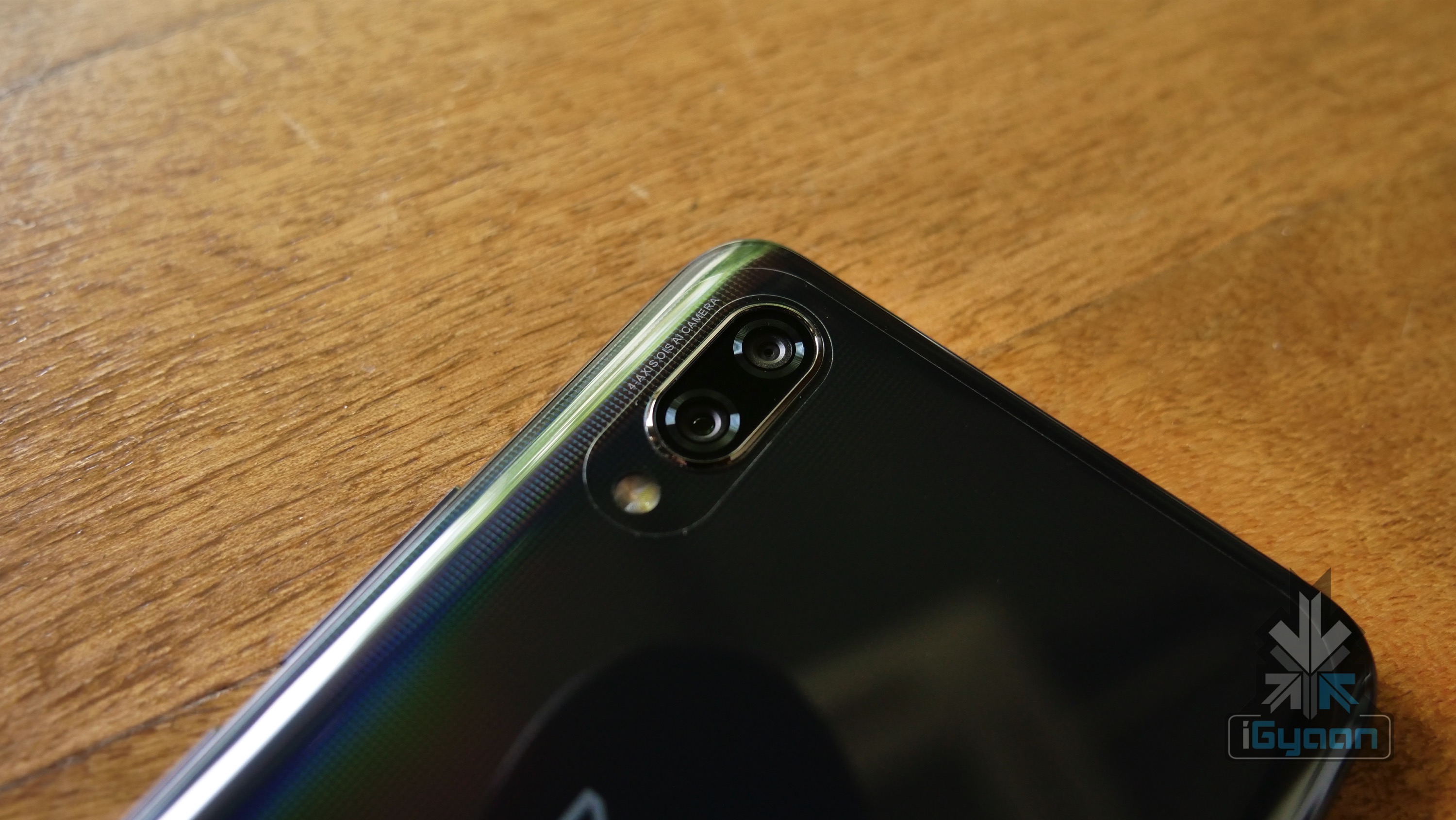
    The Vivo Nex has all the specifications you can ask for from a modern day smartphone. A Qualcomm Snapdragon 845 chipset, 8 GB RAM, 128 GB of Storage and a massive 4000 mAh battery with really fast ( up to 22.5 watt) charging. It also has a dual camera setup: a main 12MP sensor with an F1.8 aperture with a 5MP secondary shooter with a F2.8 aperture along with 4-Axis optical image stabilisation.

    The Vivo Nex is missing a few things, like face unlock, wireless charging and any form of IP certified water resistance due the moving motor and camera module. While the design and execution of this new pop up camera is cutting-edge, others ( including Vivo’s sister concern Oppo) have tried it as well. The moving part in a portable pocketable device does not seem to make long-term durability sense. But, the module and motor mechanism is impressively robust and designed to last for a long period of time. Vivo claims several hundred thousand times.

    The operating system and usage experience is also rather pleasing and clean. With little bloatware, which is easily uninstalled, the phone runs on the company’s Funtouch OS, a skin for Android 8.1. The UI is minimal and super responsive. The phone also supports gesture-based navigation, allowing for better and fuller use of the large 6.59 inch display. The screen is a Super AMOLED panel which allows the phone to display the fingerprint icon with the entire display off. The animations on the display for the fingerprint unlock are also possible due to the use of the Super AMOLED panel. The display has a 2316 x 1080 px resolution, although it seems to have a little bit of a blue tint that we had to manually fix by turning on the reading mode.
    The Vivo Nex is a step in the right direction and is a good looking premium device that helps technology move forward. However, portable technology and the lack of moving parts is what made smartphones so great in the first place. The durability is something that we are sceptical of as we fully review the device.

    Have something to add? Leave a comment below!


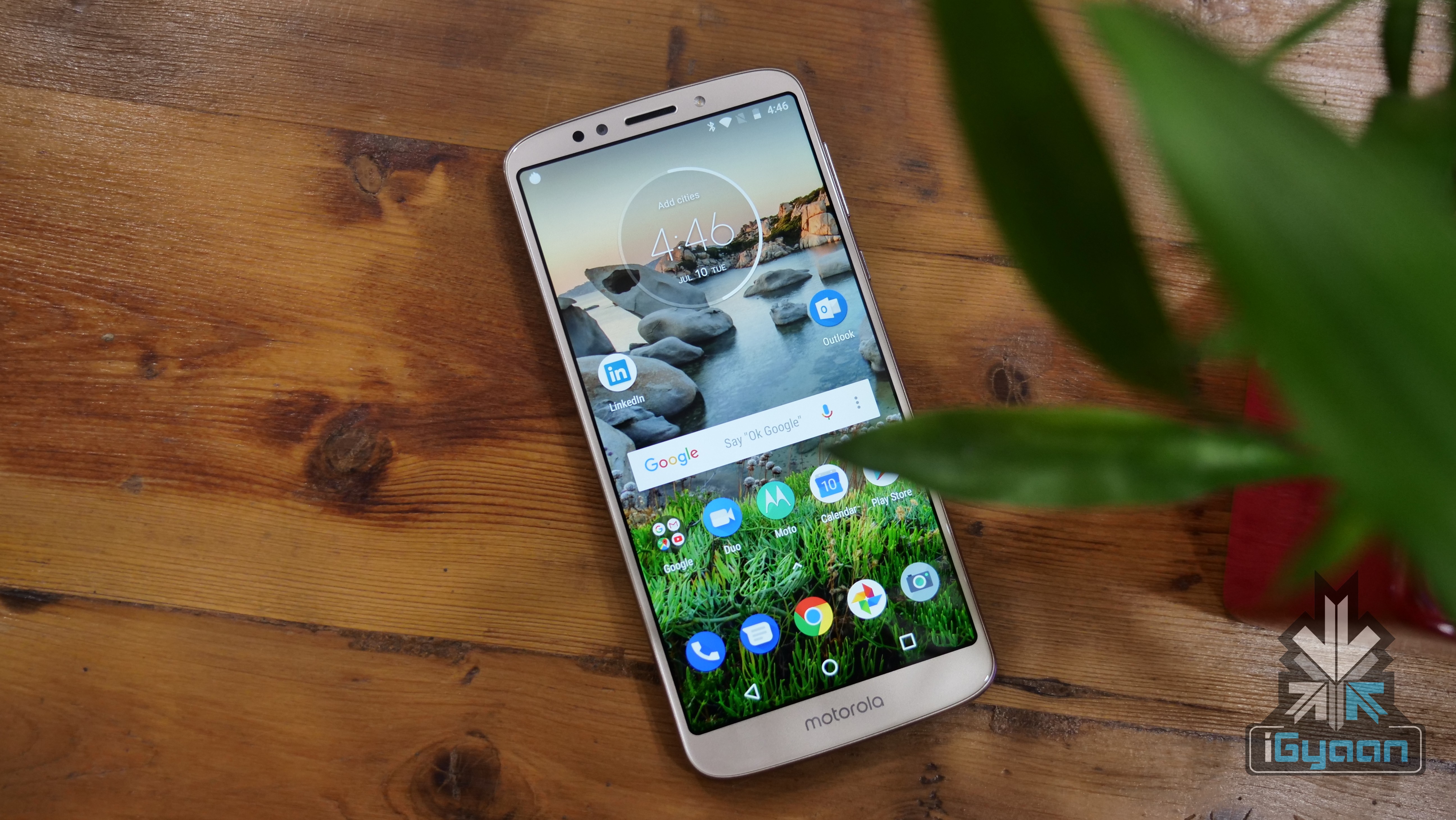
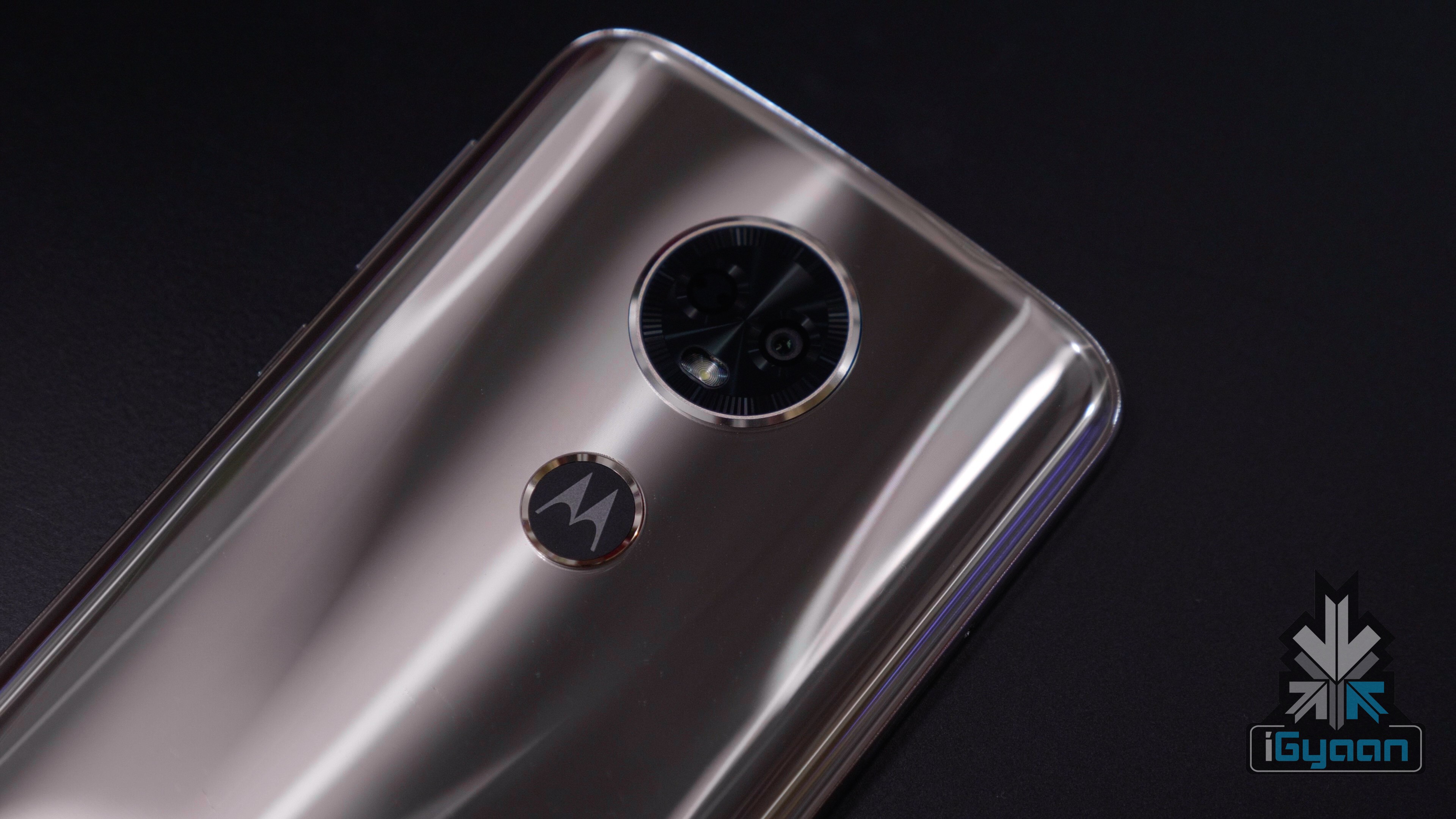
  • Unboxing The Moto E5 Plus

    Unboxing The Moto E5 Plus

    Motorola has launched another device in the E series of its smartphone lineup. The Moto E5 Plus is priced at Rs. 11,999and is expected to go on sale via Amazon on 11th July at midnight. This smartphone will be competing against the likes of Asus Zenfone Max Pro and the Realme 1.

    After releasing the Moto G6 Play, the Moto E5 Plus also targets the same price segment. The factors setting the E5 Plus apart are a bigger battery and a slightly bigger screen at 6 inch display compared to the 5.7 inch display of the G6 Play.

    [section label=”Unboxing”]

    Inside the box of the Moto E5 Plus
    • Moto E5 Plus
    • Documentation
    • Sim Ejector Tool
    • Wall Charger
    • Micro USB Cable
    • Earphones
    • Clear Case

    Must Read: Moto Z3 Play Running On Snapdragon 636 Officially Launched

    [section label=”First Impressions”]

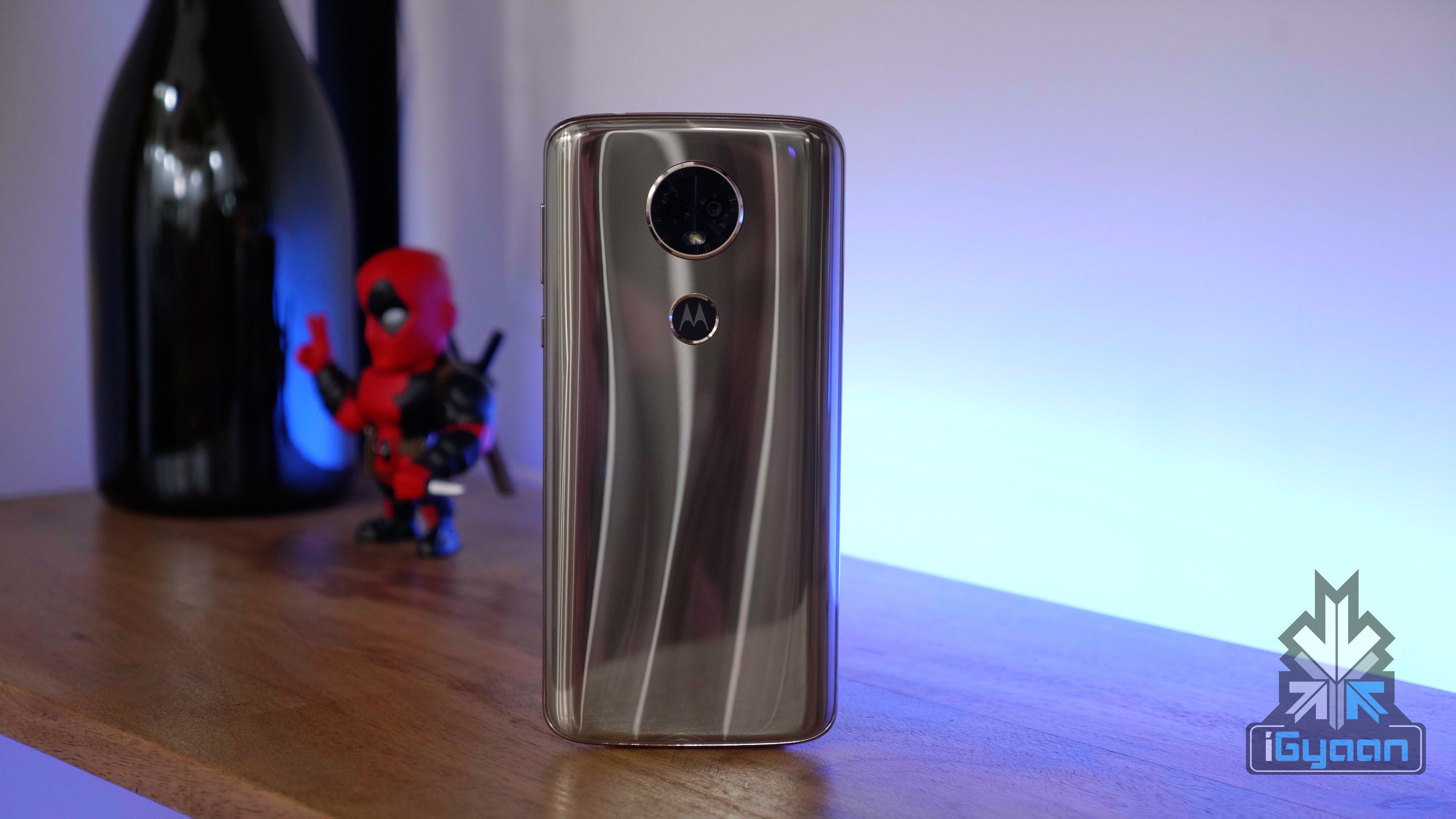
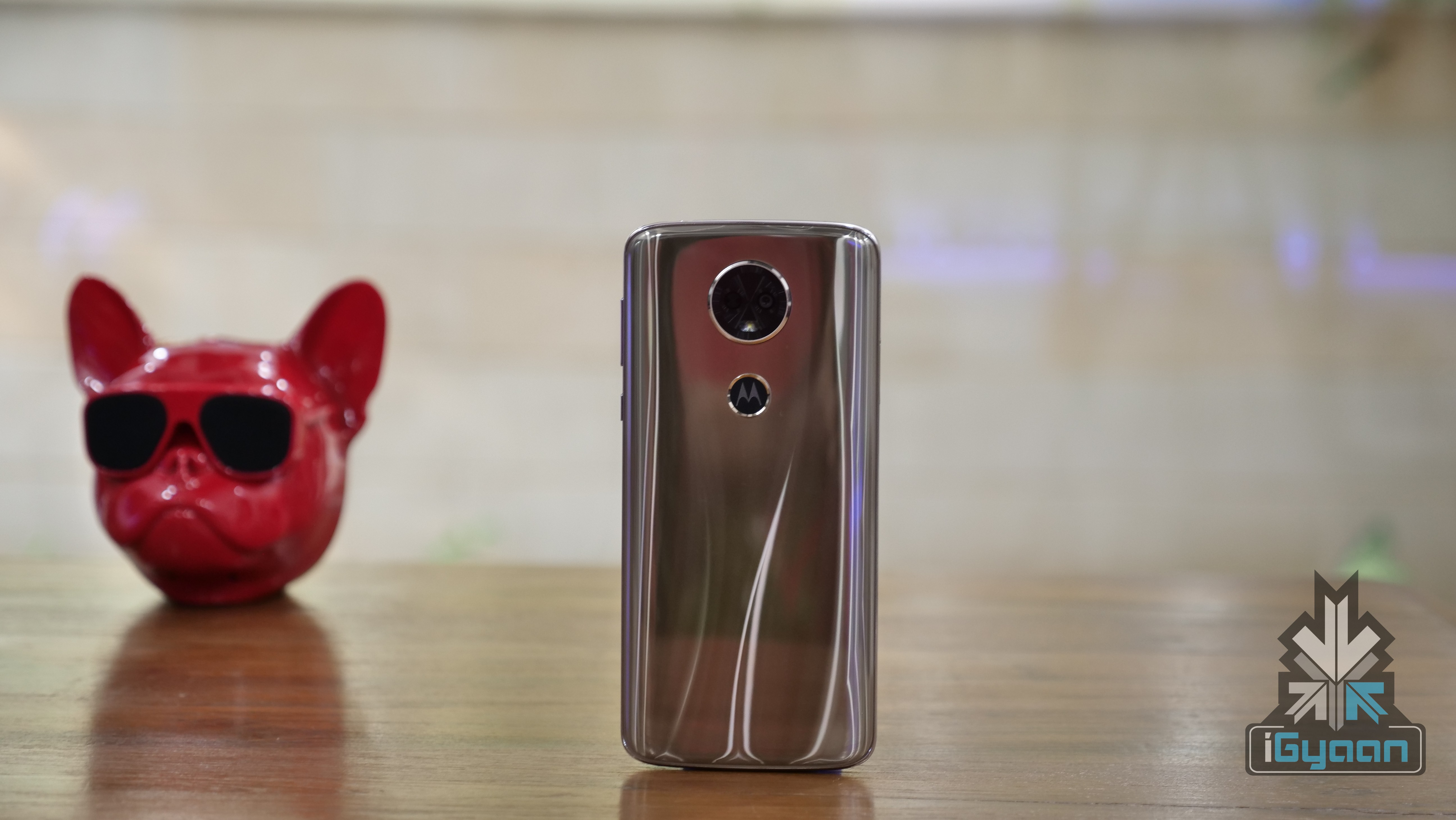
    The Moto E5 Plus looks a lot like the G6 when you take the device out of the box for the first time. Even with a plastic built, the E5 Plus gives off a subtle shimmer when put under a direct light source giving it a premium feel. The smartphone is expected to release in two color variants namely, Black and Fine Gold.

    The E5 Plus has a plastic body with a mirror-like finish for the rear panel. Surprisingly enough, Motorola still hasn’t opted for the notch trend. Regardless the phone maintains the 2018 display aspect ratio. The Moto E5 Plus has a 6 inch IPS LCD panel with a resolution of 1440 x 720 pixels. The aspect ratio of the display is set to be 18:9 given that the phone has no notch.

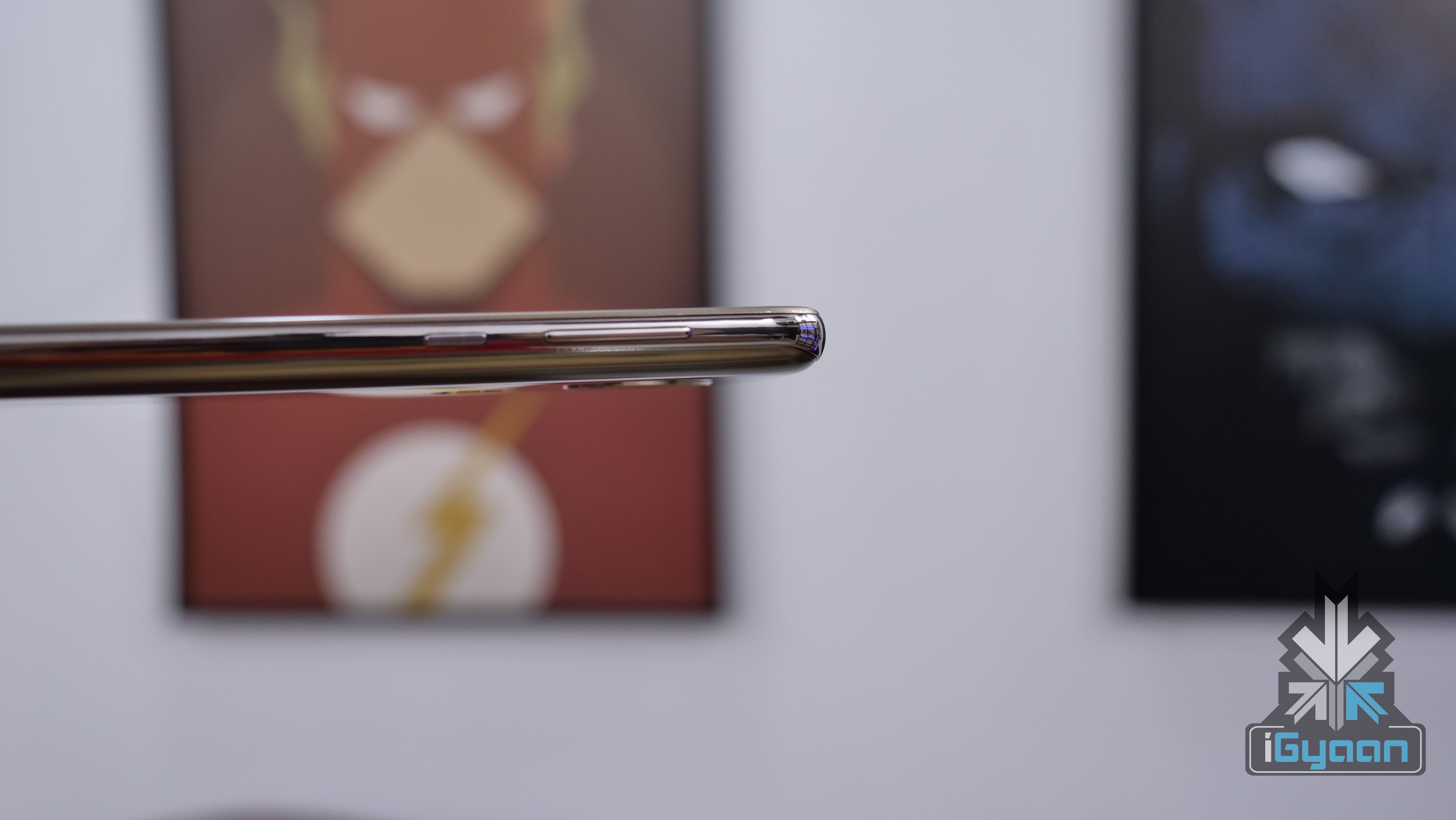
    On the right side of the phone, you will find the volume rockers and a textured power button which sets it apart from the volume rockers. To the left is where you will find the SIM tray. The bottom panel houses the Micro USB charging slot and the primary microphone. The top of the phone has the 3.5 mm headphone jack and the secondary microphone.

    The E5 Plus runs on a Snapdragon 430 SoC under the hood which is an octa-core processor running at 1.4 GHz. The smartphone will be available in one variant only, with 3GB of RAM and 32GB of onboard storage with a dedicated microSD card slot for memory expansion. The fingerprint sensor on the Moto E5 Plus is rear-mounted and has the Motorola logo embossed into it giving the sensor a unique look.

    The Moto E5 Plus has a single primary 12 MP camera with a f/2.0 aperture which allows you to shoot 1080p videos at 30fps. The secondary camera will be a 5MP camera with a f/2.0 aperture with a front-facing LED flash. The US version of the device will have an 8 MP secondary sensor.

    [section label=”Conclusion”]

    The Moto E5 Plus has a lot going for it. It has an impressive battery and it looks premium. However, at a price of Rs 11999, the Indian market already offers devices like the Realme 1 and Asus Zenfone Max Pro. The Zenfone Max Pro, in fact, also has a 5000 mAh battery all the while running on the Snapdragon 636 chipset. The E5 Plus, without a doubt, has stiff competition in its price category. We will be putting the E5 Plus through its paces for the full review so stay tuned to iGyaan for that.

  • Unboxing The Asus Zenfone 5Z

    Unboxing The Asus Zenfone 5Z

    Asus has launched its new flagship smartphone, the Asus Zenfone 5Z in India. Astonishingly enough, the smartphone will retail for a starting price of Rs 29999, which is considerably cheaper than the OnePlus 6. The Zenfone 5Z has all the features for a 2018 flagship smartphone and will go on sale in India via Flipkart on 9th July. It is worth noting that there is a flat Rs 3000 discount upon using an ICICI Credit/Debit card, bringing the price down to Rs 26999 for the base model.

    Asus recently launched the Zenfone Max Pro, a budget smartphone which runs on the Snapdragon 636 chipset. The smartphone has done well in India and the company would expect the same from its flagship device. So, let’s unbox the Asus Zenfone 5Z and see what we get inside the box!

    [section label=”Unboxing”]

    Inside the box of the Asus Zenfone 5Z
    • Asus Zenfone 5Z
    • Wall Charger
    • USB-C Cable
    • ZenEar Pro Earphones
    • Documentation
    • Sim Ejector Tool
    • Clear Case

    [section label=”First Impressions”]

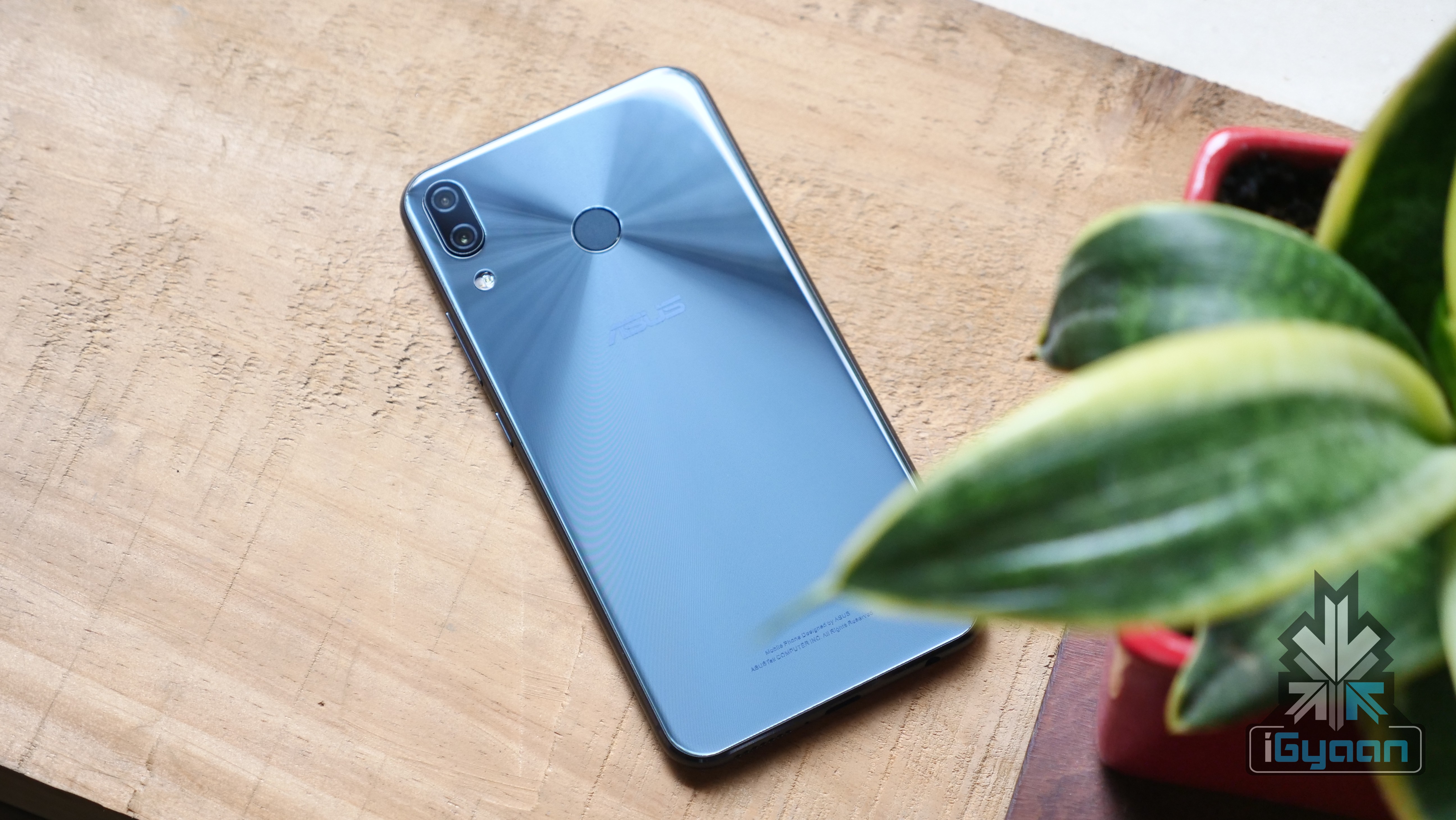
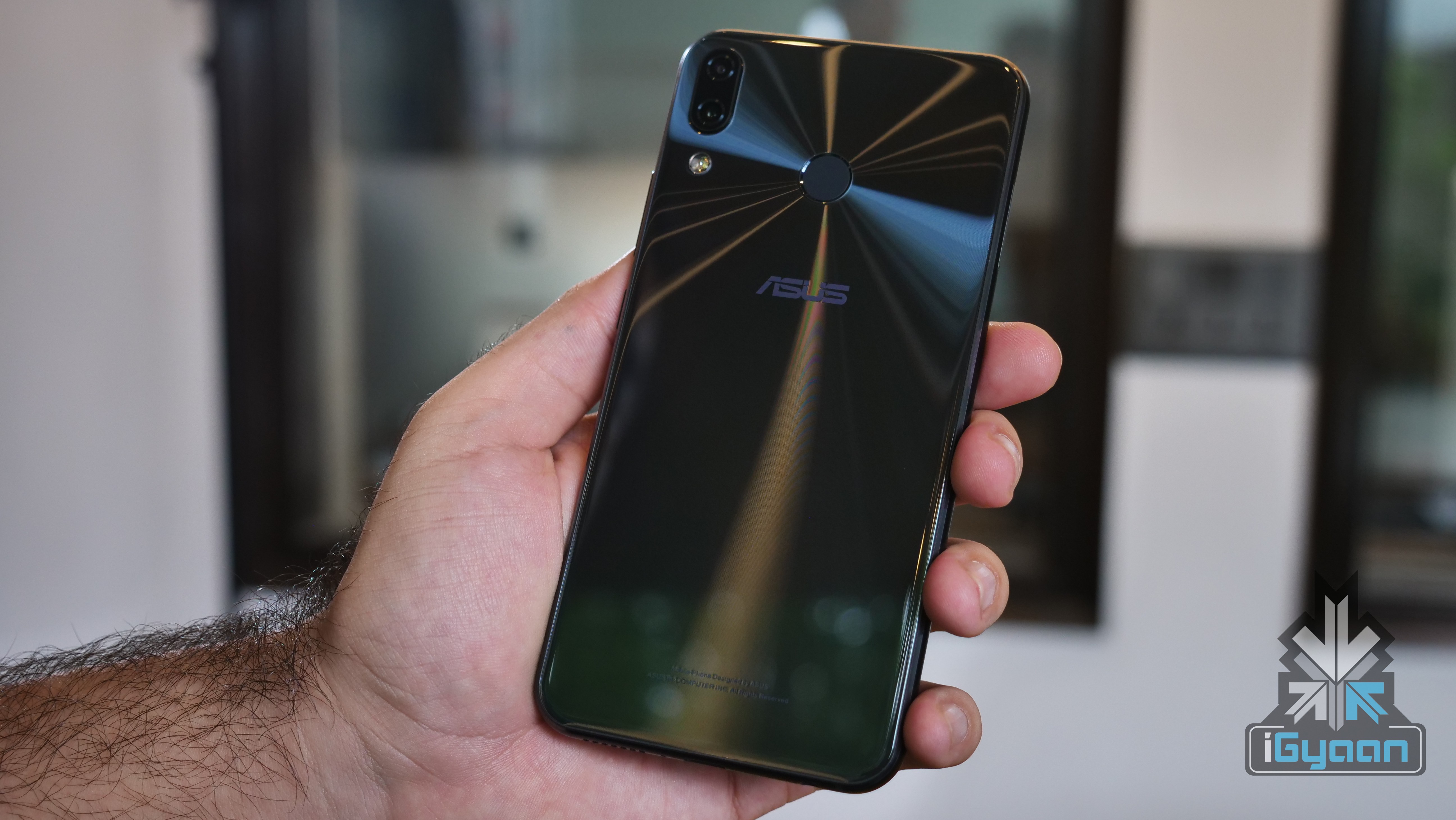
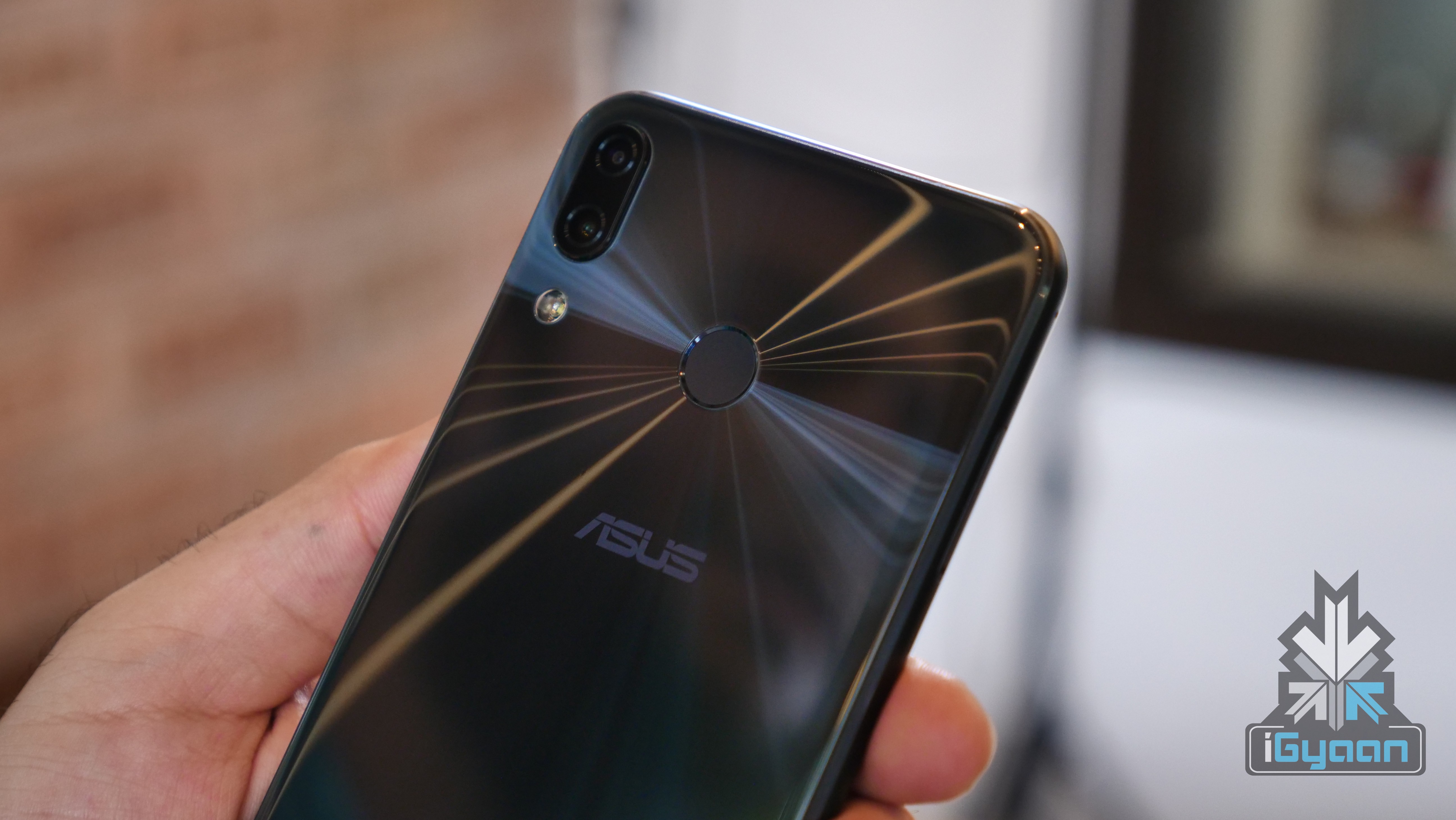
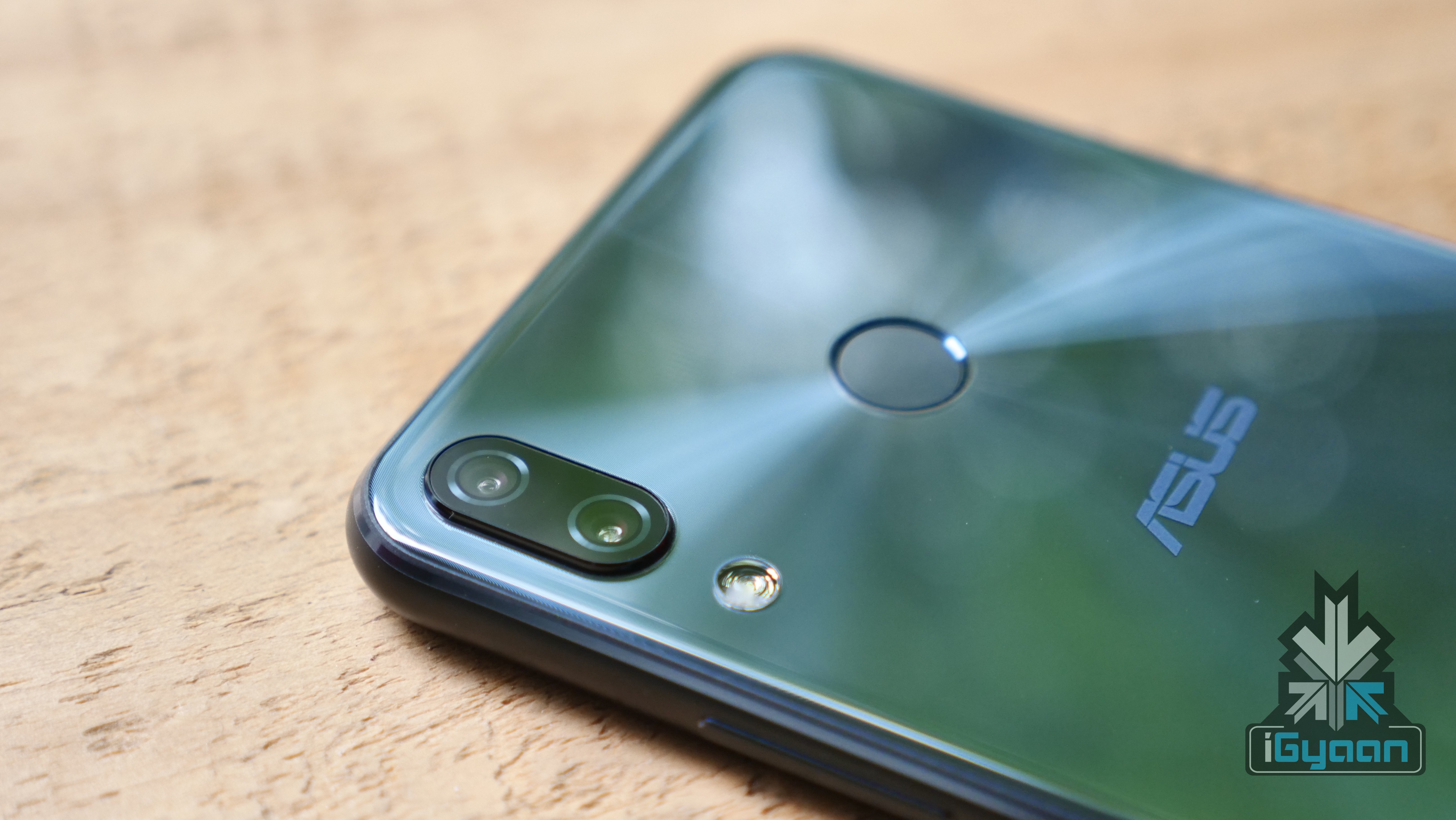
    The trend of an all-glass design has really caught up in 2018. Even budget smartphones like the Honor 9 Lite, Moto G6, Nokia X6 sport an all-glass design and the Asus Zenfone 5Z is no different. The device will be available in Midnight Blye and The glass on the back has a unique finish which reflects the light in a very different manner. This is common with Asus smartphones and the Zenfone 5Z looks like a premium smartphone. The aluminium frame means that the device has a solid build.

    The dual-camera is placed vertically on the top-left corner. This design choice, again, has become very common ever since the iPhone X was launched in September 2017. There is a small camera bump which can be negated using the clear case found inside the box. Talking about accessories found inside the box, Asus talked a lot about the ZenEar Pro earphones that will retail with every Zenfone 5Z unit in India. We will be testing the earphones out and talk about it in detail in our full review.

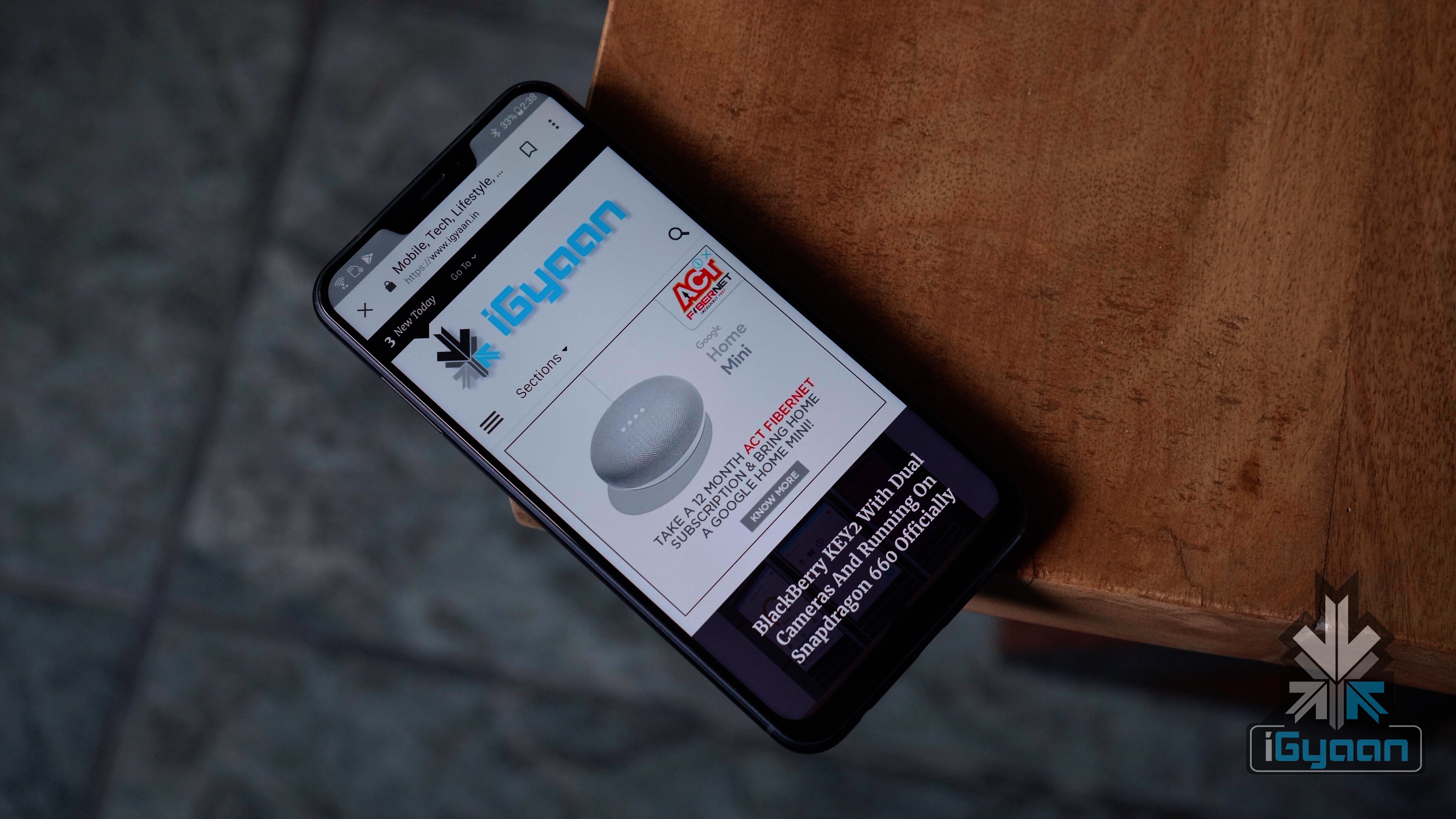
    The Asus Zenfone 5Z has a 6.2 inch Super IPS+ display with a 2246 x 1080 px resolution. This translates into a 19:9 aspect ratio, just like the OnePlus 6 which also has a 19:9 aspect ratio.

    Under the hood, the smartphone runs on the Qualcomm Snapdragon 845 chipset. The flagship chipset is coupled with either 6GB or 8GB of RAM. In India, the Zenfone 5Z will retail in three models, one with 64GB of storage, the second one with 128GB storage coupled with 6GB of RAM. The third variant has 256GB of onboard storage and 8GB of RAM. The onboard storage will be expandable up to 2TB via a microSD card which will use up the second SIM slot. The fingerprint sensor is placed on the back of the device in a central location.

    As is with a flagship device these days, the Asus Zenfone 5Z has a dual-camera setup on the back. It consists of a 12MP primary sensor with an f/1.8 aperture and 4-axis OIS. The secondary 8MP sensor has a wide-angle lens with a 120º field of view. This implementation is different from a lot of other flagship devices which usually have a telephoto or a monochrome lens. The OnePlus 6, for example, has two RGB sensors. The notch houses an 8MP camera with an f/2.0 aperture and an 84º field of view.

    [section label=”Conclusion”]

    At the first glance, the Zenfone 5Z appears to be a worthy affordable flagship smartphone. The price of the device sweetens the deal for sure but, does it hold its own against the OnePlus 6? We will find out in our full review which will soon be up on our YouTube channel.

  • Unboxing The OnePlus 6 Red Edition

    Unboxing The OnePlus 6 Red Edition

    OnePlus has launched the OnePlus 6 Red Edition in India. The new limited edition colour variant will only be available in the 8GB RAM/128GB storage model and retail for Rs 39999. This essentially means that consumers won’t have to pay extra money for the swanky new red colour. The device will go on sale on 16th July via Amazon and OnePlus.in.

    This is not the first time that OnePlus has launched a new “limited edition” colour variant of a flagship smartphone. The company launched a Soft Gold OnePlus 5 in August 2017. A few days after launching the OnePlus 5T, the company unveiled the OnePlus 5T Lava Red which went was sold worldwide as well. The new OnePlus 6 Red is another marketing tactic in order to bolster sales which are bound to slow down after the initial burst.

    [section label=”Unboxing”]

    Inside the box of the OnePlus 6 Red Edition
    • OnePlus 6 Red Edition
    • Wall Charger
    • USB-C Cable
    • Documentation
    • Sim Ejector Tool
    • Clear Case

    [section label=”First Impressions”]

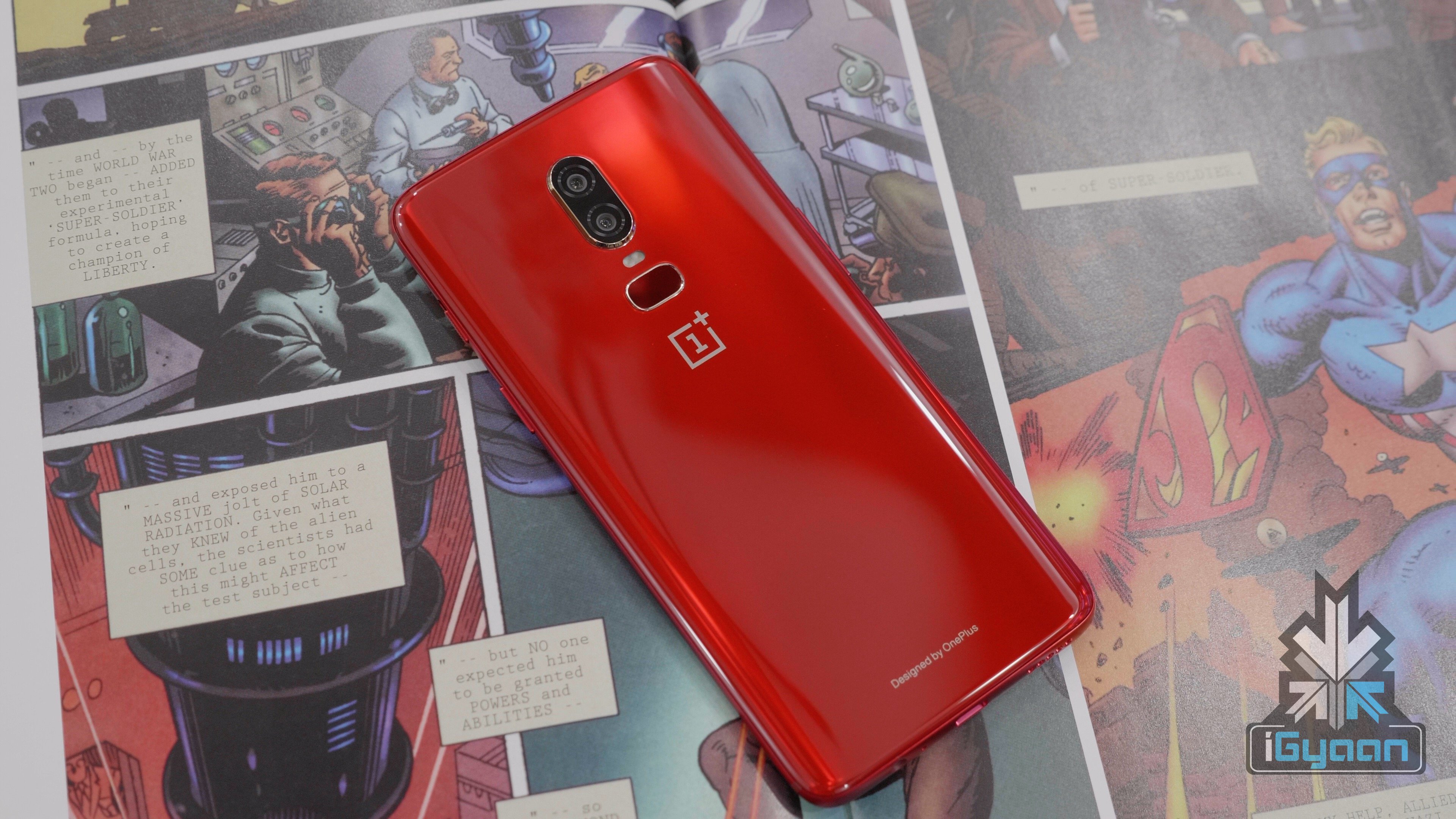
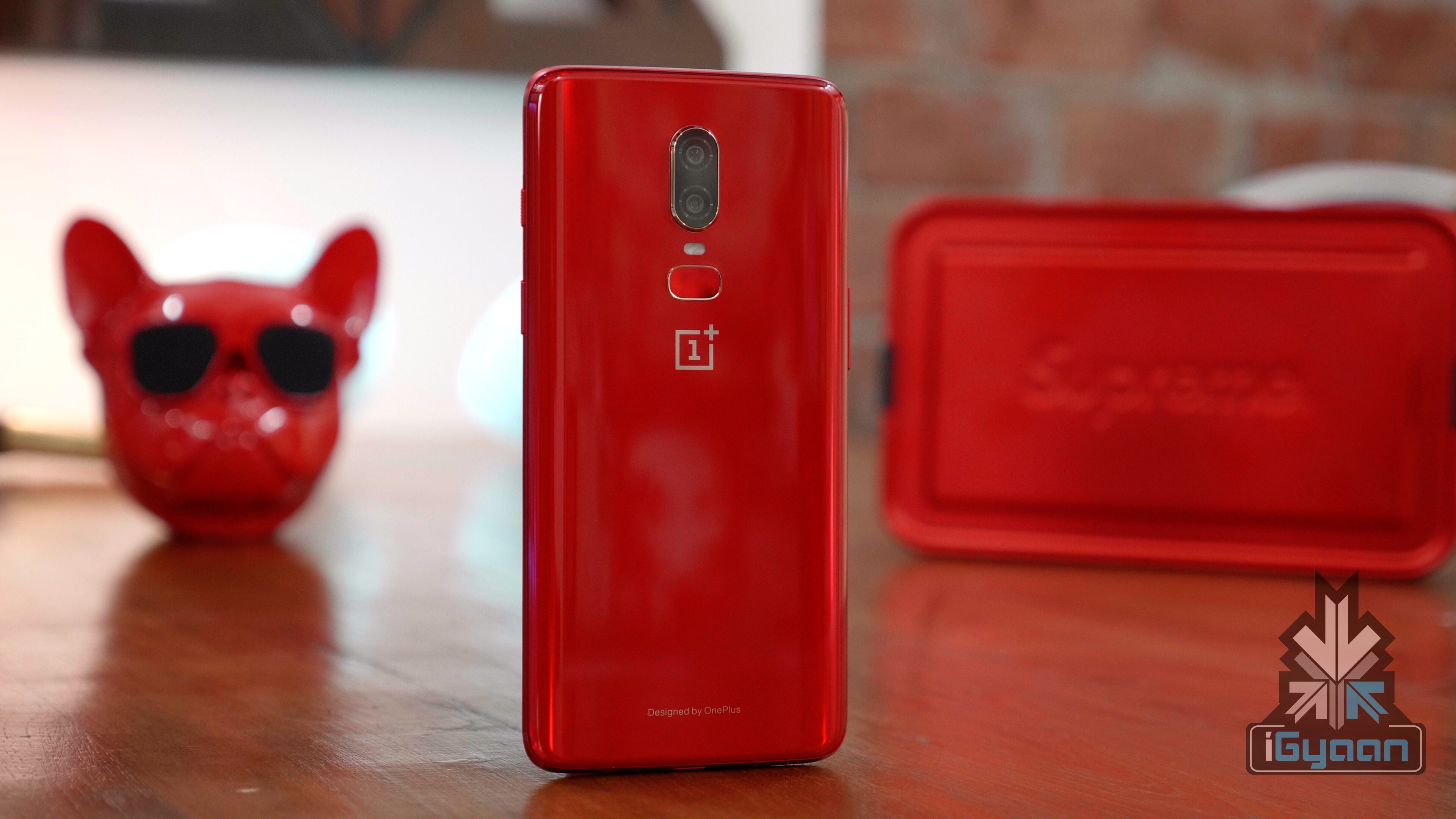
    The OnePlus 6 Red looks really good. That is how you sum up this smartphone. The device has a distinct red colour, unlike the Lava Red OnePlus 5T or even the iPhone 8 Product RED. The dark red colour blends in with the black front and maintains the premium look and feel of the OnePlus 6. The silver chrome around the camera module and fingerprint sensor is a nice touch as well.

    As is with a special edition colour variant, everything inside the OnePlus Red Edition remains the same as the other variants. The new Red Edition joins Midnight Black, Silk White, Mirror Black, and Avengers Edition in the list of OnePlus 6 variants sold in India. We have checked out all the colour variants of the OnePlus 6 so far except Midnight Black. Fair to say that the Red Edition of OnePlus 6 does not disappoint.

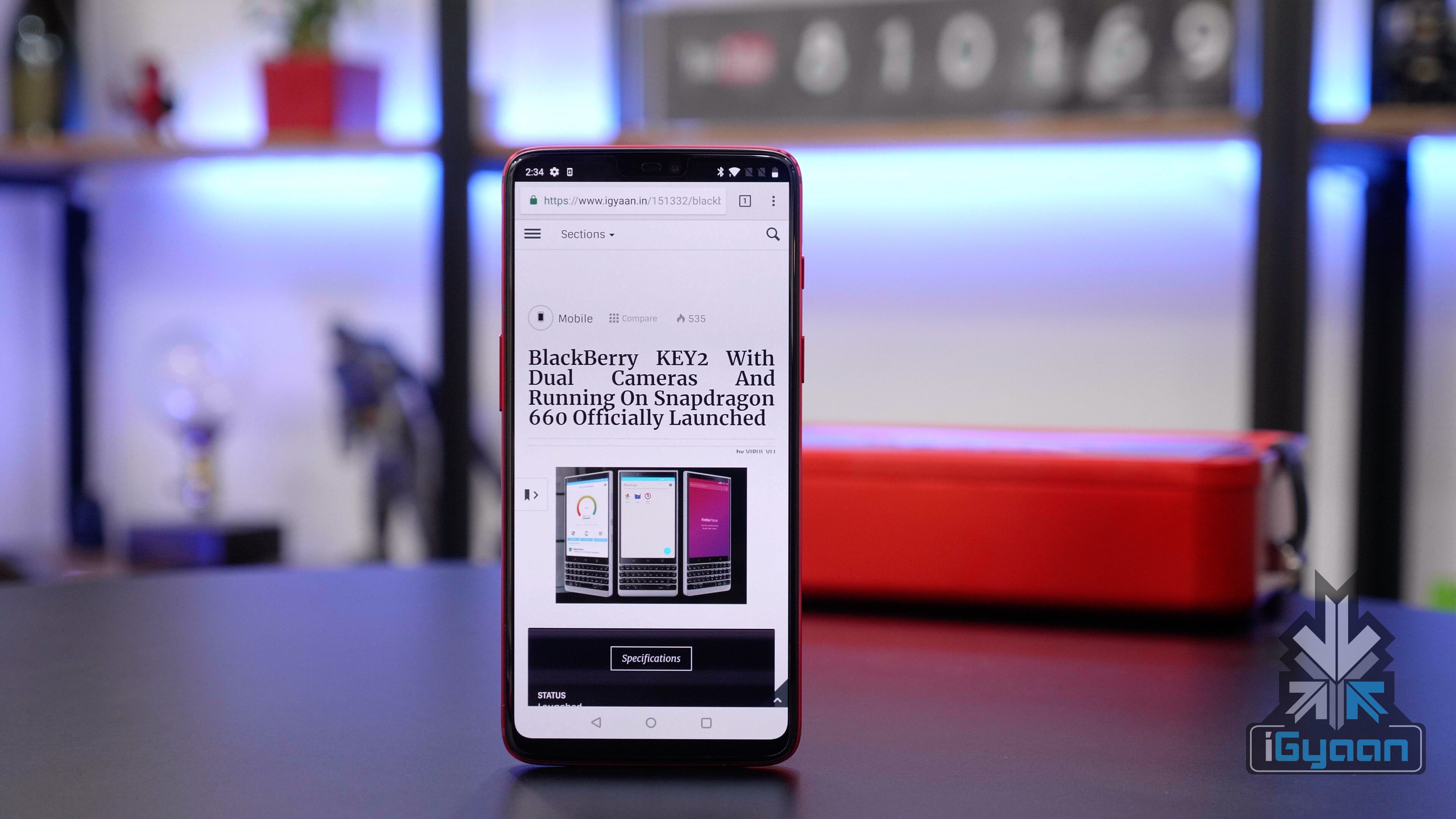
    The OnePlus 6 has a 6.28 inch Optic AMOLED display with a 2280 x 1080 px resolution. The aspect ratio is 19:9 which means it is slightly taller than the OnePlus 5T.

    The 6 runs on the Qualcomm Snapdragon 845 chipset which has an octa-core processor clocked at 2.8GHz. Coupled with the flagship chipset is either 6GB or 8GB of RAM with three storage options of 64GB, 128GB and 256GB. The storage is still not user-expandable just like every other OnePlus device. The fingerprint sensor is still placed on the rear but, it has a more oval shape this time around.

    Powering the device is a 3300 mAh battery with Dash Charge support. Dash Charge continues to be one of the fastest charging technologies and could be the reason why OnePlus did not think that wireless charging was necessary here. Out of the box, the OnePlus 6 runs Android 8.1 Oreo with OxygenOS on top. The smartphone has gesture support. The company has announced that users will be able to download Android P Developer’s Preview from the OnePlus website soon.

    The dual-camera on the OnePlus 6 includes a 16MP Sony IMX 519 sensor and a 20MP Sony IMX 376K sensor. Both are RGB sensors and have an f/1.7 aperture with OIS, another first for a OnePlus device. The cameras also record 4K videos at 60fps which is a great feature for content creators. To the front of the smartphone is a 16MP Sony IMX 371 sensor with an f/2.0 aperture and EIS which records 1080P videos.

    [section label=”Conclusion”]

    The OnePlus 6 Red Edition is just another option for OnePlus 6 suitors. With devices like the ASUS Zenfone 5Z and Xiaomi Mi 8 expected to launch in India soon, OnePlus would hope for this new colour variant to reinstate the OnePlus 6’s position as a top flagship smartphone in India. However, it’ll be interesting to see how the smartphone will fair once its potential competitors are launched in India.

  • OnePlus Bullets Wireless Earphones Unboxing And Review

    OnePlus Bullets Wireless Earphones Unboxing And Review

    OnePlus launched its first-ever Bluetooth earbuds along with the OnePlus 6 in May. Just like its smartphones, OnePlus claims that its Bullets Wireless earbuds will be a value for money proposition for consumers across the world. Priced at US$ 69 or Rs 3990, the OnePlus Bullets Wireless earbuds will go on sale in India on June 19th via the company’s official online store.

    [section label=”Unboxing”]

    Let’s unbox the new earbuds and see what all we get inside the retail unit!

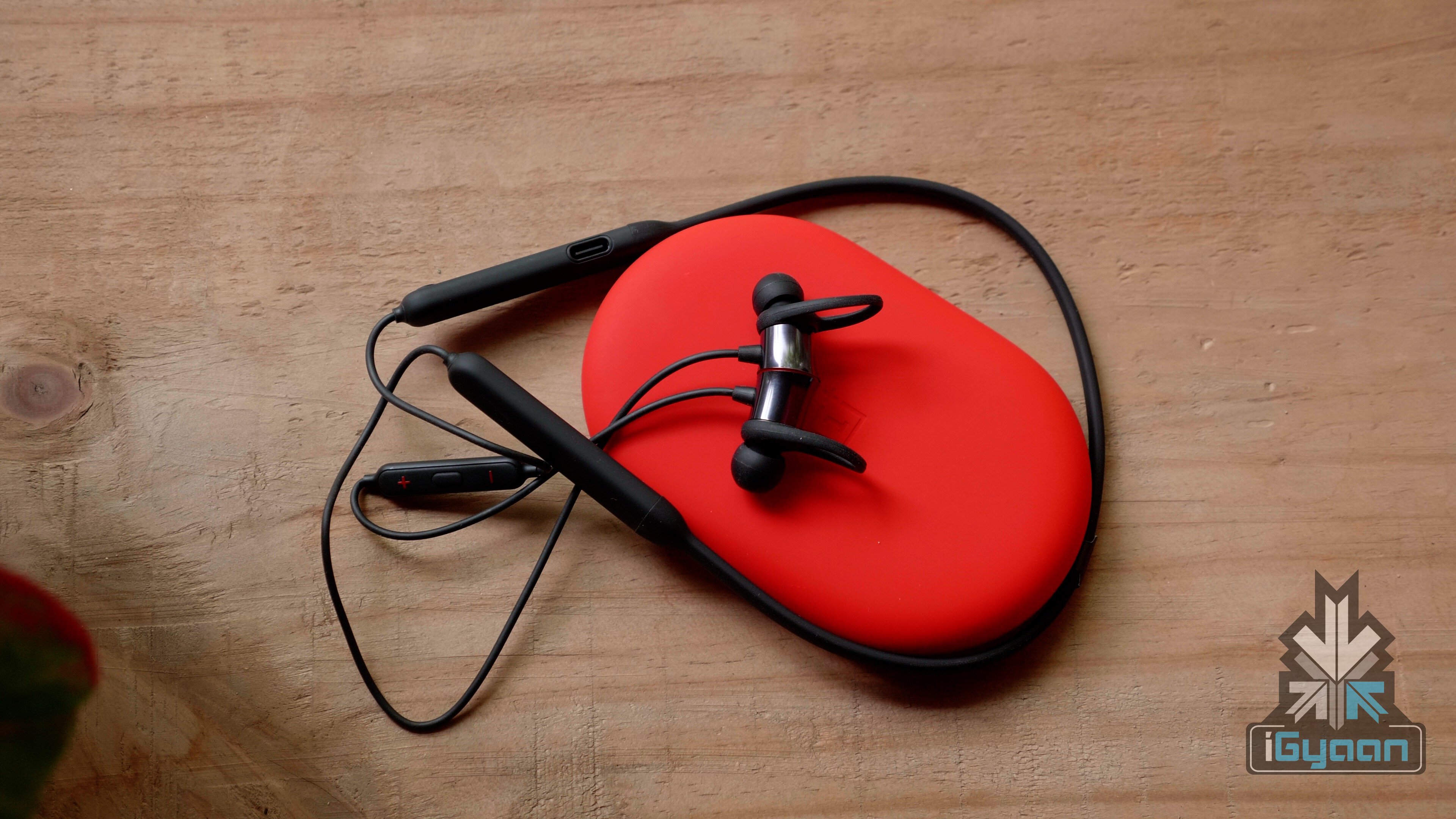
    • OnePlus Bullets Wireless
    • USB Type C Cable
    • Carrying Case
    • Documentation
    • 3 x Earplugs
    • 3 x Fins

    [section label=”Initial Impressions”]

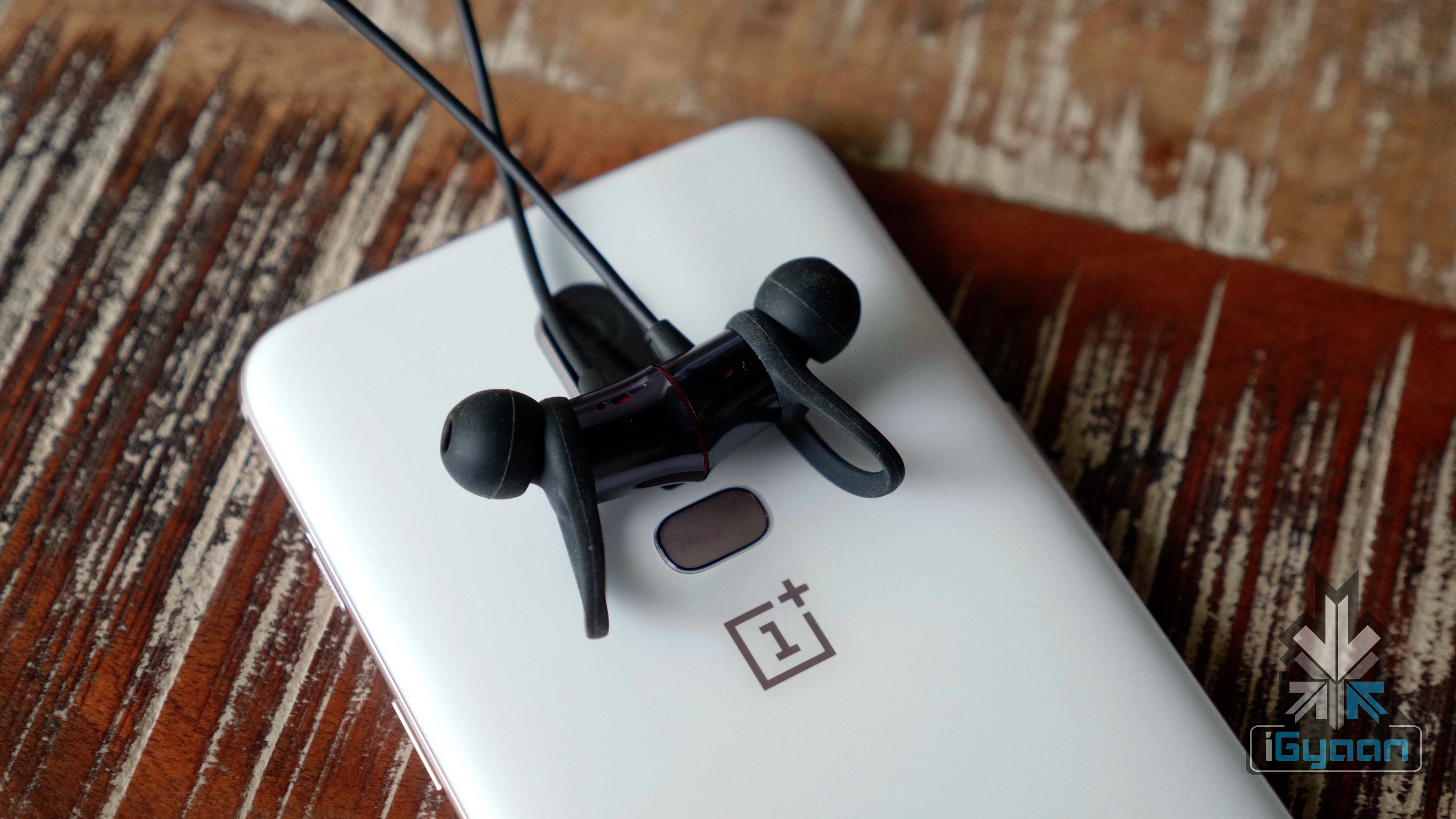
    The OnePlus Bullets Wireless earphones are not truly wireless earbuds like the AirPods. The left and the right earbuds are connected via a wire that goes around the user’s neck. Interestingly, the earbuds have fast charging, and can be charged using a type C cable. OnePlus claims that just 10 minutes of charge can provide up to 5 hours of battery life. The earbuds have a range of up to 10 meters and are powered by the Google Assistant. Just like the OnePlus 6, the OnePlus Bullets Wireless earbuds are splash resistant but, do not have an IP rating.

    The battery of earbuds rests on the neck and there is also an inline control for music and call-taking. OnePlus also announced that the earbuds are magnetic, and once connected together, the earbuds switch off automatically to save battery life. Interestingly enough, users can pick up incoming calls by simply detaching the earbuds. These features are backwards compatible with the OnePlus 5 and OnePlus 5T. Interestingly, this feature is disabled by default, however, users can head to Settings > Sound & vibration > Earphone mode and toggle Auto Play to enable it.

    Must Read: OnePlus Explains Why OnePlus 6 Doesn’t Have Wireless Technology

    The Bullets Wireless earbuds auto-pair with any modern OnePlus device but, Google’s Fast Pair is missing. Adding this little feature would have the made the experience of using the OnePlus Bullets Wireless seamless with non-OnePlus Android devices as well. However, OnePlus decided to give that feature a miss, probably to maintain some sort of exclusivity for its own smartphones.

    [section label=” Specifications”]

    Specifications
    Specifications OnePlus Bullets Wireless Earbuds
    Price Rs 3990
    Effective Range Up to 10 meters
    Battery  8 hours
    Talk time: 10.5 hours
    Driver 9.2mm
    Colours Black
  • Unboxing The HTC Desire 12, Desire 12+

    Unboxing The HTC Desire 12, Desire 12+

    HTC launched two new budget smartphones in India this month. The HTC Desire 12 and Desire 12+ were launched in the sub-20K category where the Indian market already has devices like the Huawei P20 Lite and Redmi Note 5 Pro. The Desire 12+ is also the first budget HTC smartphone to sport a dual-camera setup on the back.

    The HTC Desire 12 is priced at Rs 15800 while the Desire 12+ will retail for Rs 19790. Pre-order will be done exclusively on HTC India E-Store. Both the smartphones are available in retail since the 11th of June. With the competition quite steep, can the two HTC smartphones hold their own? Let’s unbox the two devices first and do a quick one-over before we dive deep into a review.

    [section label=”Unboxing”]

    Inside The Box Of HTC Desire 12, Desire 12+
    • HTC Desire 12/Desire 12+
    • Documentation
    • Wall Charger
    • Micro USB Cable
    • Earphones

    [section label=”Initial Impressions”]

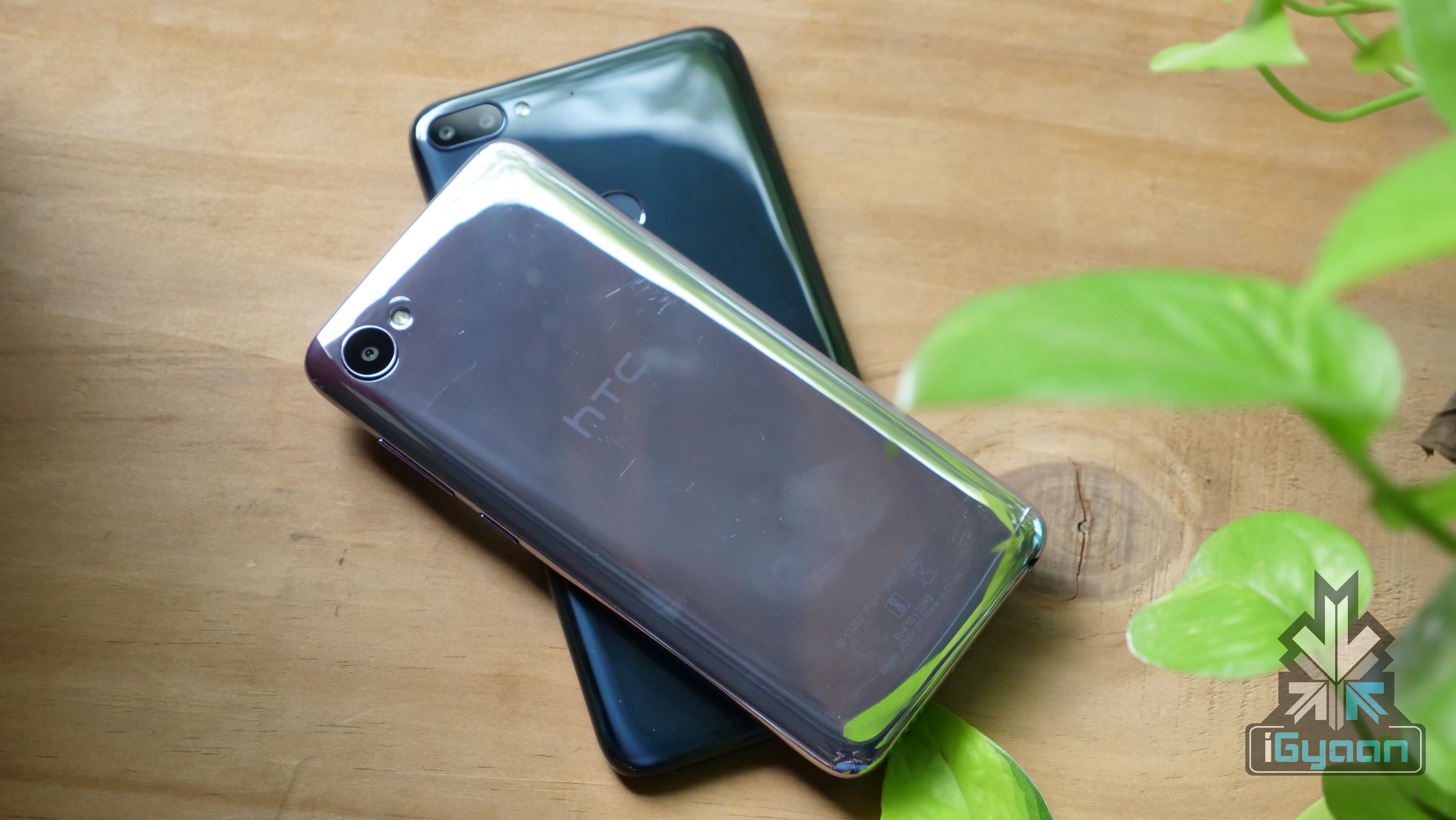
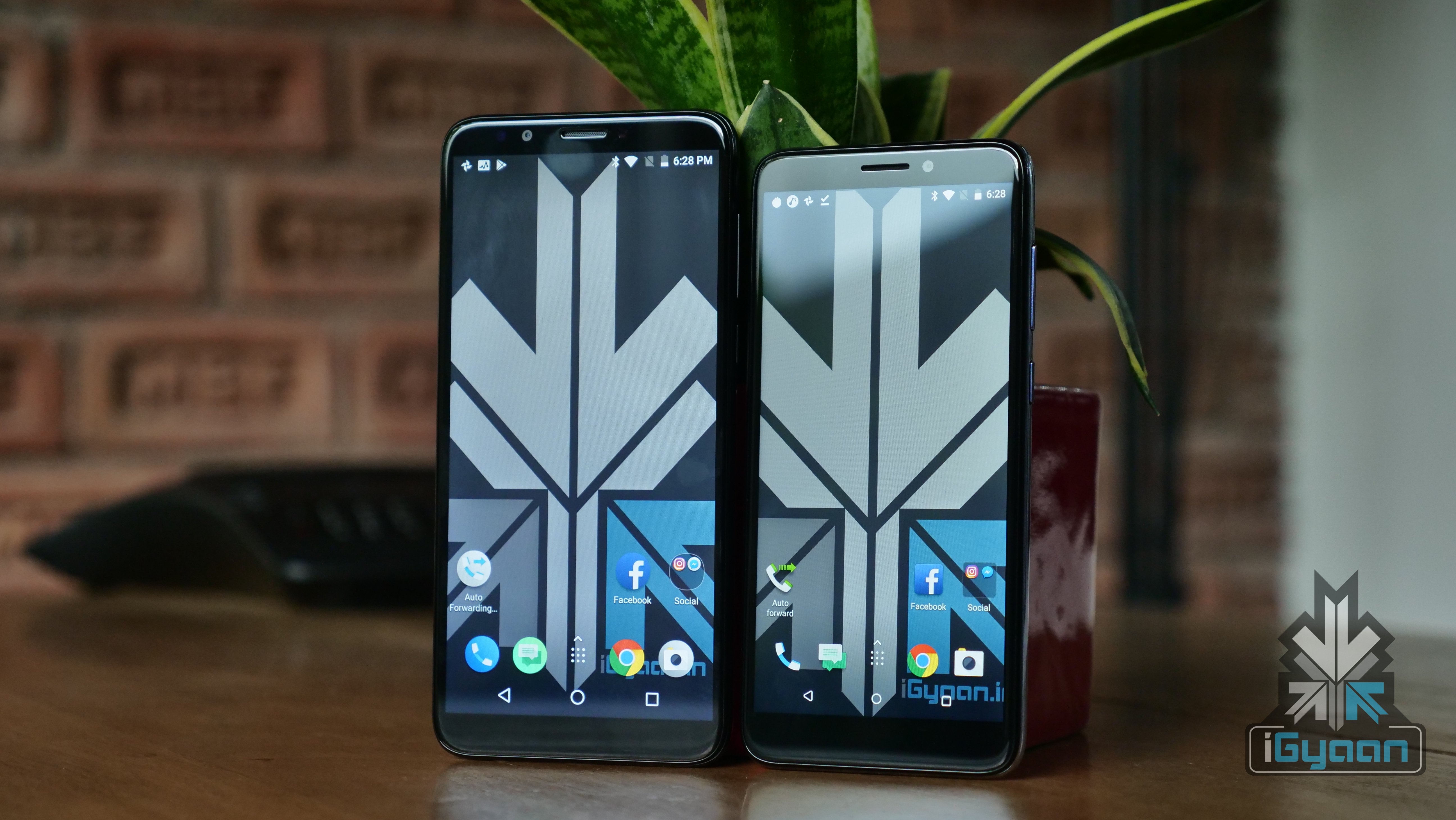
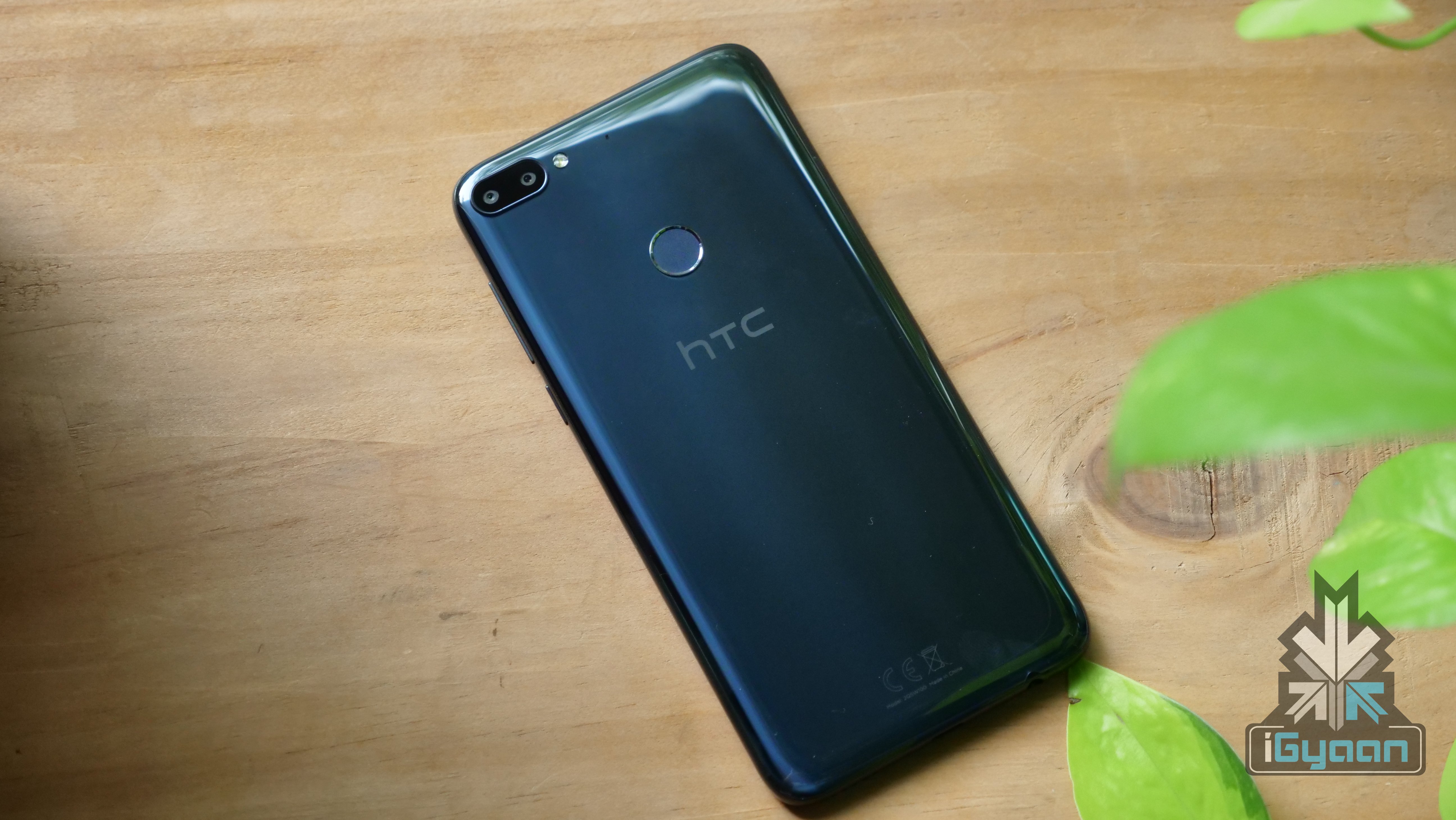
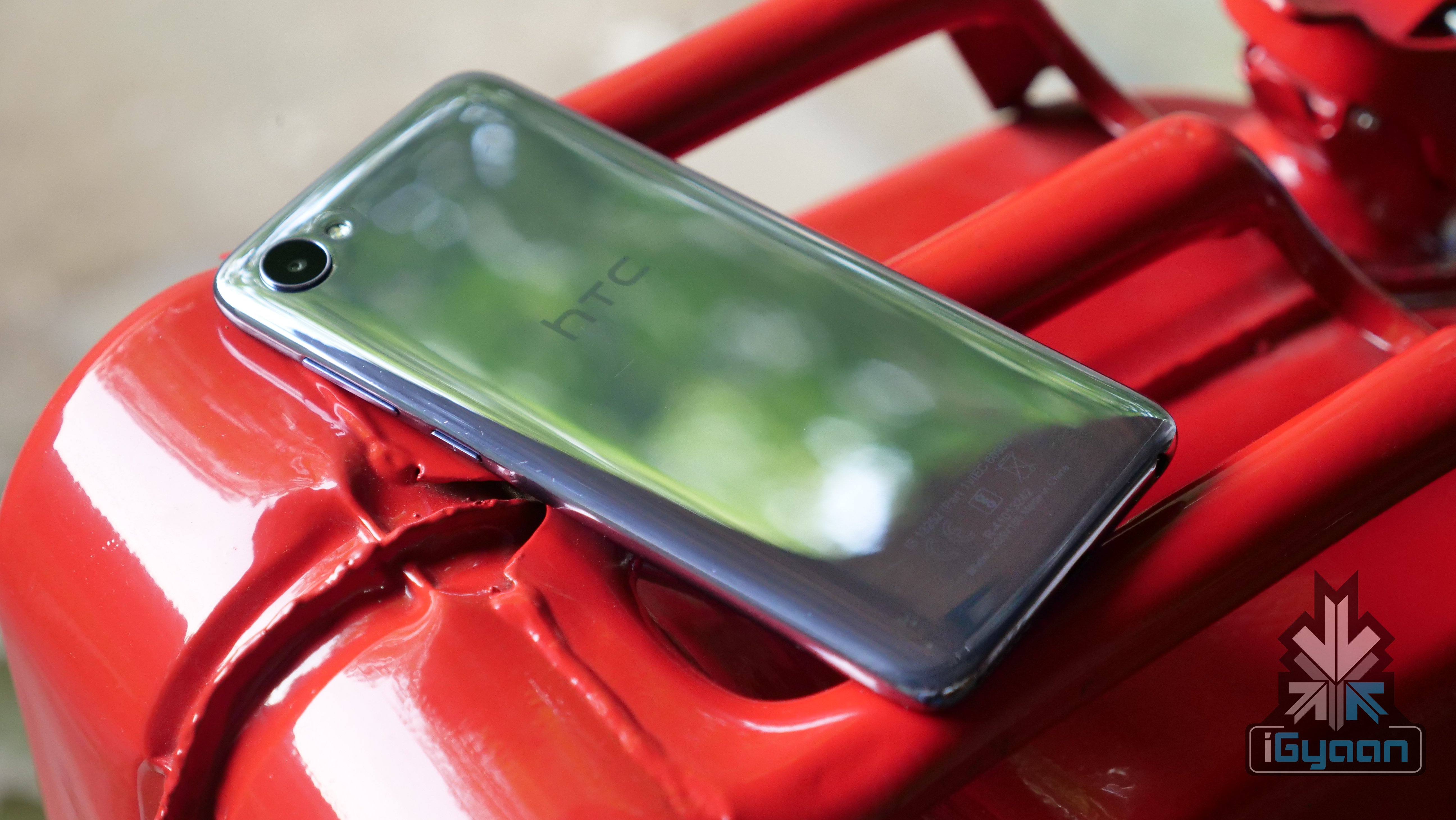
    The moment you hold the two devices you feel that they’re built well. The Desire 12 and Desire 12+ have an all-glass design which is on par with devices like the Huawei P20 Lite. The Desire 12 has a way more glossy finish on the back which is almost like a mirror. The finish on the Desire 12+ is a tad more subtle and at the end of the day, preferences are subjective.

    Both the smartphones sport a shoddy HD+ resolution which was bad even in 2016, let alone 2018. We already have devices like the Realme 1 or Zenfone Max Pro which cost way less and have a FullHD+ resolution. The fingerprint sensor on the Desire 12+ is placed on the back in a central position which is ergonomic. At a price of Rs 15800, the Desire 12 does not even have a fingerprint sensor.

    The HTC Desire 12+ has a 6 inch IPS LCD display with a 1440 x 720 px resolution. This translates into an 18:9 aspect ratio and is the first budget smartphone from HTC to adopt the new aspect ratio.

    Under the hood, the device has the Qualcomm Snapdragon 450 octa-core chipset with 3GB RAM and 32GB storage. The storage is user expandable up to 2TB using a micro SD card. It is worth noting that the Redmi Note 5 Pro, priced at Rs 14999 in India, runs on the Snapdragon 636 chipset while the Huawei P20 Lite is powered by the Kirin 659 SoC. The fingerprint sensor is placed on the back of the device due to thin bezels.

    HTC Desire 12+

    Powering the smartphone is a 2965 mAh battery which charges via a micro USB port. It runs Android 8 Oreo out of the box with HTC SenseUI on top. The custom skin from HTC has bettered over the years and allows a ton of customisation options to the users.

    The smartphone has a dual primary camera setup with a 13MP RGB sensor and a 2MP depth sensor. To the front, the device has an 8MP front-facing camera. Both the camera units can record videos at up to 1080p at 30fps. Before the HTC U12+ was launched, this was the only HTC smartphone with a dual-camera available in the market.

    The HTC Desire 12 is a miniature version of the Desire 12+ with a few other changes. Unlike the ‘Plus’ variant, the Desire 12 misses out on a fingerprint sensor and dual camera setup. The HTC Desire 12 has a 5.5 inch IPS LCD display with a 1440 x 720 px resolution. Under the hood, it runs on the MediaTek 6739 Quad-core chipset with 3GB RAM and 32GB storage. Similarly, the storage is user expandable up to 400GB using a micro SD card.

    Powering the smartphone is a 2730 mAh battery which charges via a micro USB port. It runs Android 8 Oreo out of the box with HTC SenseUI on top. The smartphone has a 13MP primary camera but misses out on the depth sensor. The front houses a 5MP camera with an f/2.4 aperture that records 720P videos at 30fps.

    The HTC Desire 12 and Desire 12+ needed to be priced under Rs 10000 to have any sort of hope in the Indian market. A majority of Indian consumers have grown out of brand consciousness and really want a good device for their money. The HTC devices falter on paper, but, only an in-depth review will give us the full picture. Stay tuned for that!

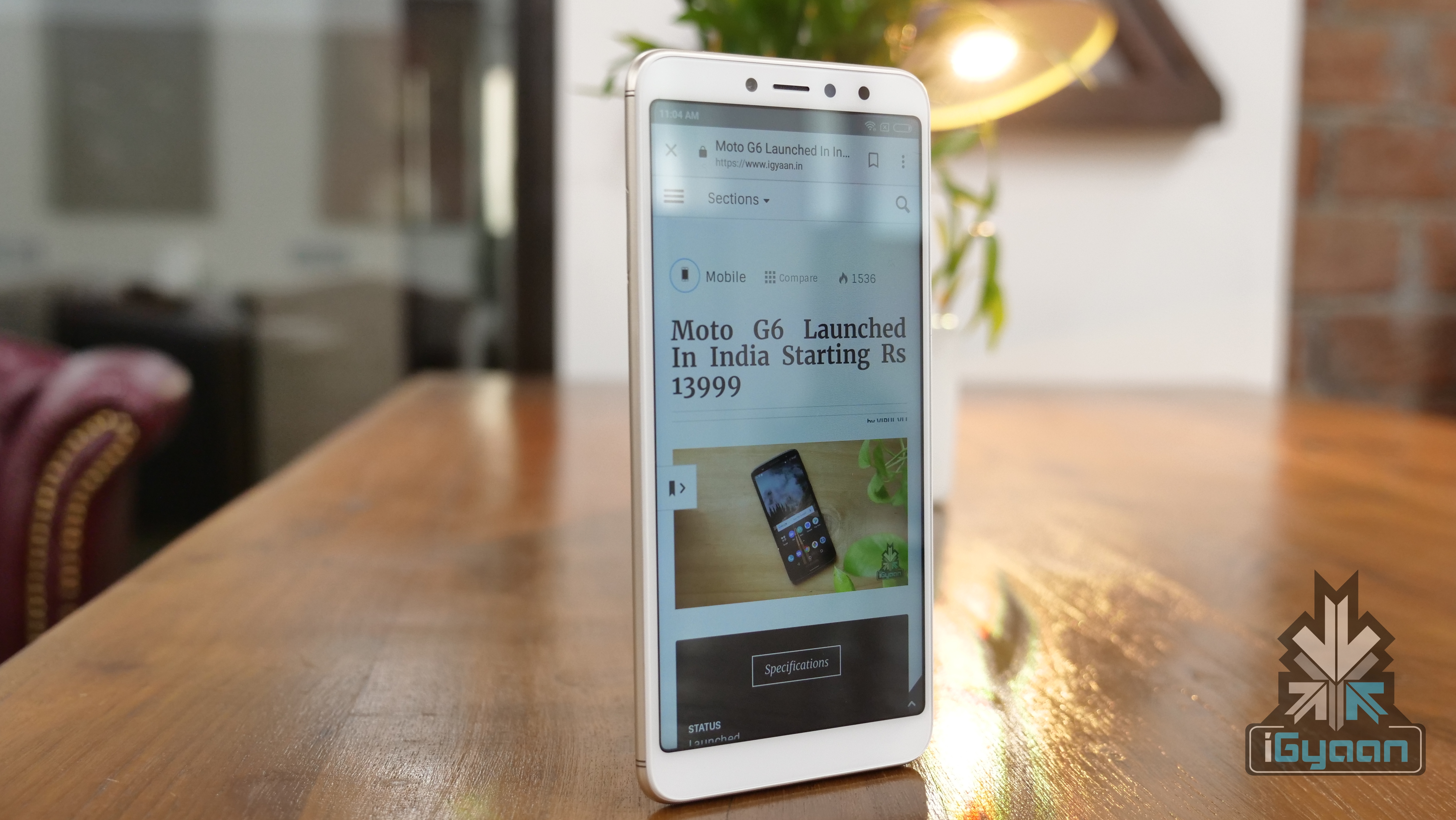
  • Unboxing The Xiaomi Redmi Y2

    Unboxing The Xiaomi Redmi Y2

    Xiaomi has launched the Redmi Y2 in India at an event in New Delhi today. The smartphone succeeds the Redmi Y1 which was launched in late-2017 along with the Redmi Y1 Lite. The Redmi Y2 is a part of Xiaomi’s selfie-centric lineup of budget smartphones. At a starting price of Rs 9999, the Redmi Y2 will go on sale on 12th June via offline retailers. The 4GB RAM variant is priced at Rs 12999.

    [section label=”Unboxing”]

    Inside The Box Of Xiaomi Redmi Y2
    • Xiaomi Redmi Y2
    • Documentation
    • Sim Ejector Tool
    • Wall Charger
    • Micro USB Charger

    [section label=”Initial Impressions”]

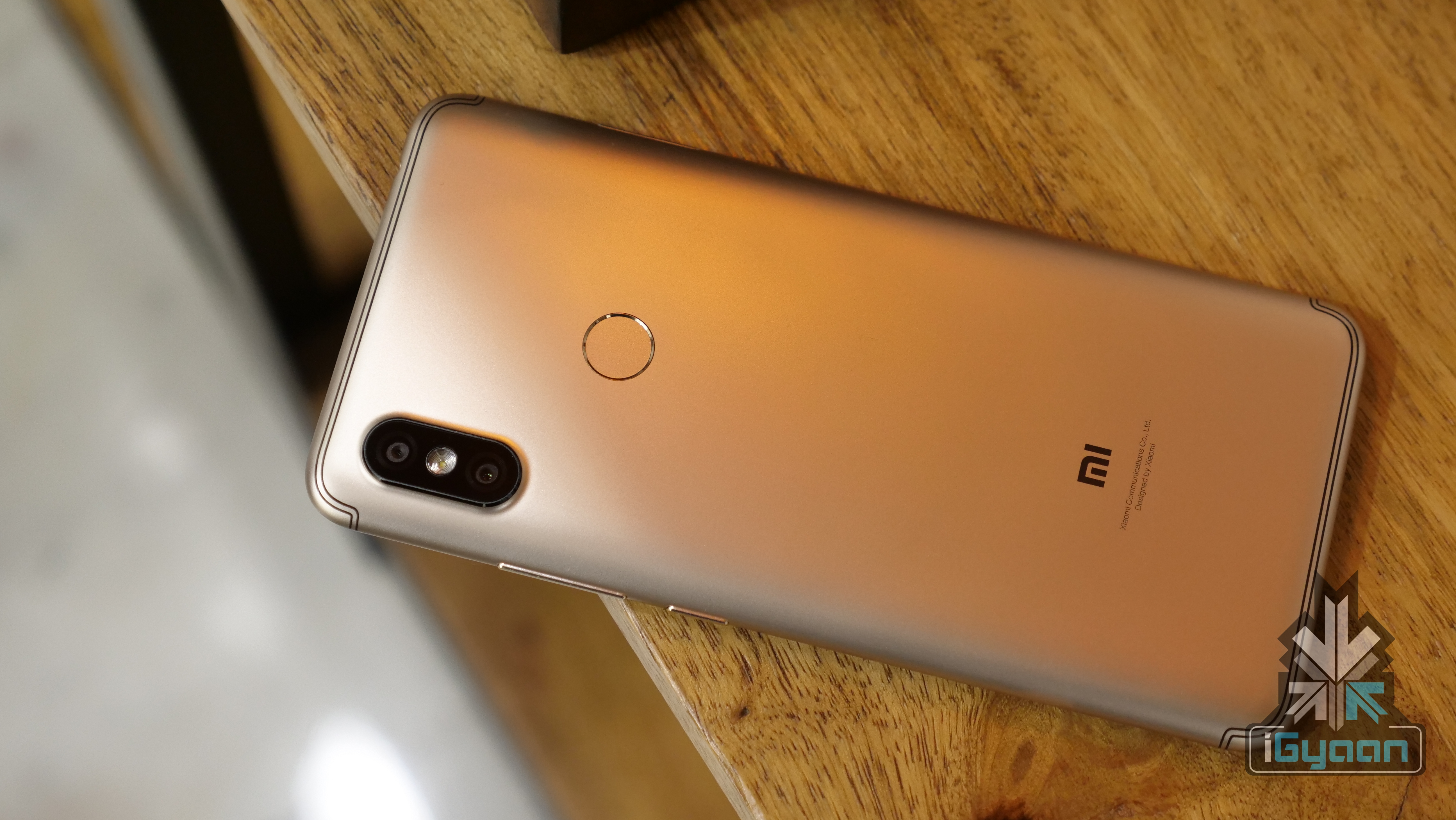
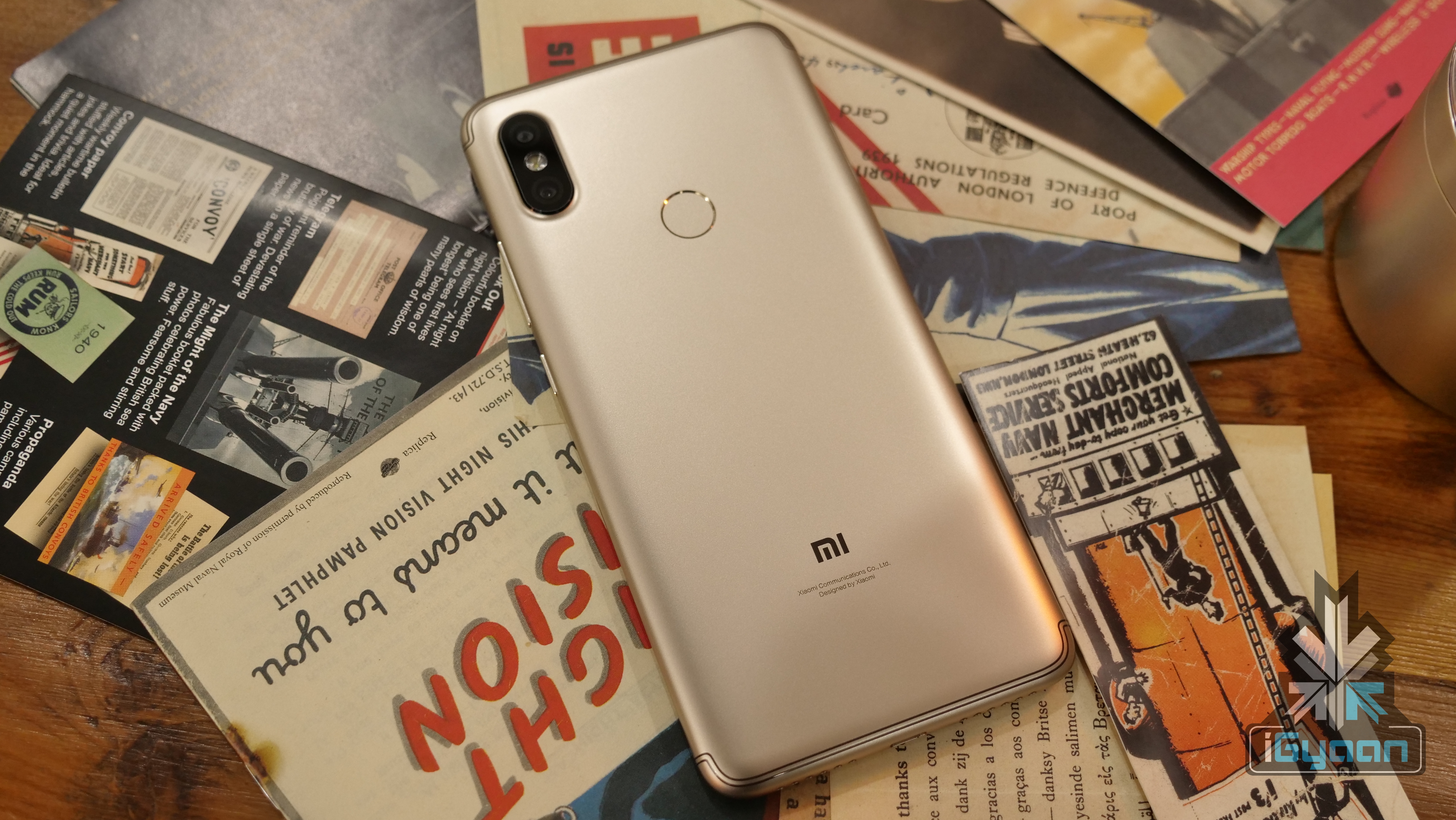
    The Redmi Y2 takes a lot of design cues from other Xiaomi smartphones launched in 2018. It has the same vertically place dual-camera setup found on the Mi MIX 2s and Redmi Note 5 Pro. The design is also familiar along with a circular fingerprint sensor placed on the back of the smartphone. The horizontal lines on the top and bottom of the device give it a distinct look compared to devices like the Redmi Note 5 Pro or Redmi Note 5.

    The Xiaomi Redmi Y2 has a 5.99 inch IPS LCD display with a 1440 x 720 px resolution. This translates into an 18:9 aspect ratio which has become the norm for even budget smartphones.

    Under the hood, the Redmi Y2 runs on the Snapdragon 625 chipset, a tried and tested SoC for Xiaomi. That chipset is coupled with either 3GB or 4GB of RAM along with either 32GB or 64GB of storage which is expandable via a microSD card. Powering the device is a 3080 mAh battery, which will charge via a micro USB port.

    To the back of the smartphone is a 12MP primary sensor with an f/2.2 aperture along with a 5MP depth sensor. To the front is a 16MP AI-powered camera which is capable of clicking portrait mode selfies using just the software. There is also a front-facing LED flash for better low-light images which has a 4500K brightness.

    The Xiaomi Redmi Y2 at a price of Rs 9999 will make sense for people whose primary function is to take a lot of photos. The front-facing camera is the device’s highlight and the company believes this is what differentiates the Redmi Note 5 and Redmi Y2 users. How the smartphone does against devices like the Honor 9 Lite and Redmi Note 5, only time will tell.

iGyaan Network
Privacy Overview

This website uses cookies so that we can provide you with the best user experience possible. Cookie information is stored in your browser and performs functions such as recognising you when you return to our website and helping our team to understand which sections of the website you find most interesting and useful.