Category: Latest

All the Latest, News, Reviews, Updates, How To, Mobile Phone news, Global and International News, From Cameras to Automobiles, from TV To PC and a lot more! Constantly updating!

  • Vivo Roadmap Reveals New Smartphone Models

    Vivo Roadmap Reveals New Smartphone Models

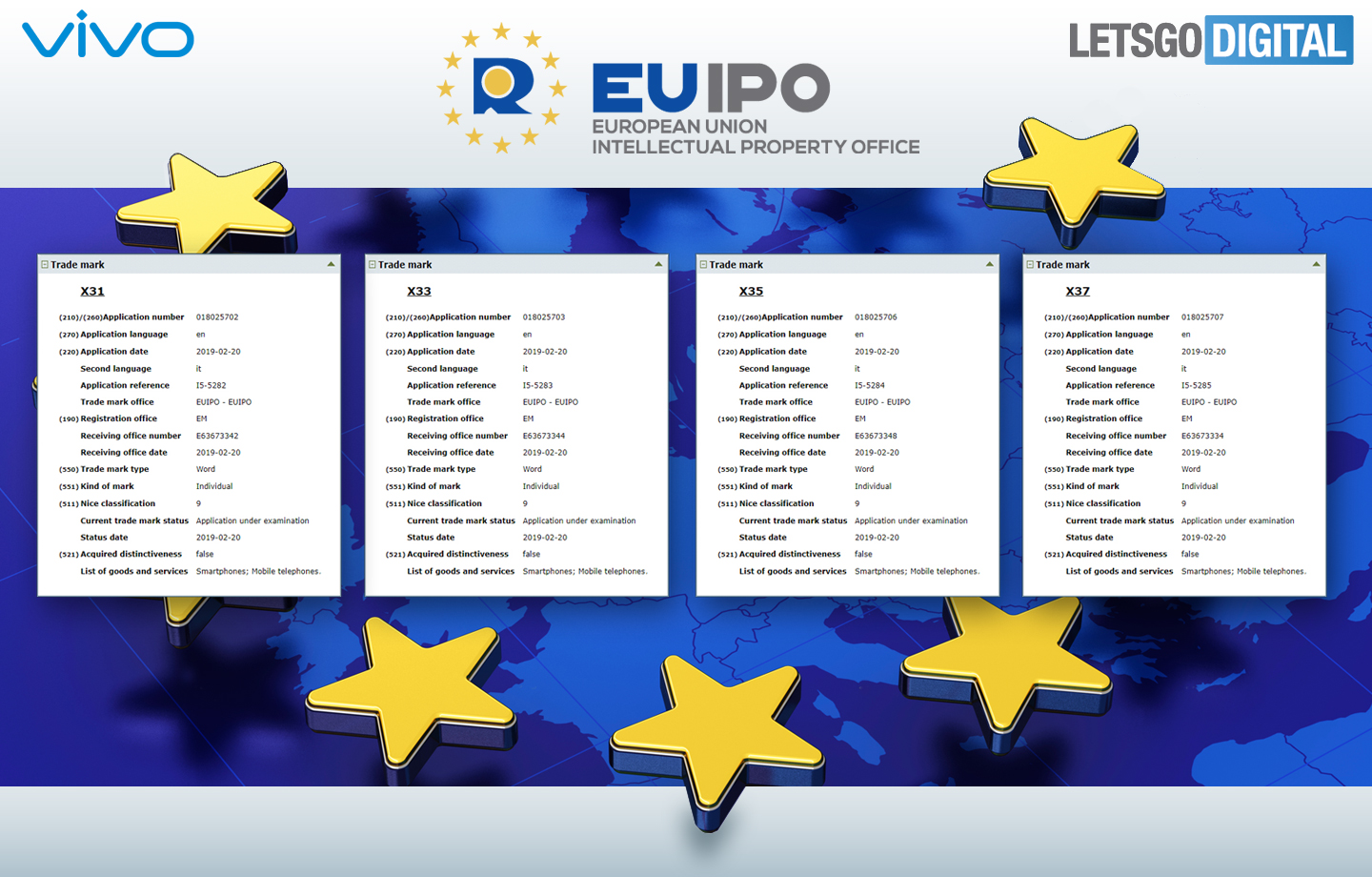
    After introducing the V15 Pro, Vivo has registered trademark applications which indicate that the company is prepping for the launch of new smartphone models. A total of 14 applications were submitted to the EUIPO (European Union Intellectual Property Office) under the description ‘smartphones; mobile phones’. Although there is no official information regarding the devices, we might see the new range of Vivo handsets being unveiled in the not-so-distant future.

    Vivo X Series Smartphones

    The X series will include high-end smartphones from Vivo. Last year, Vivo X21 became the world’s first device with an in-display fingerprint scanner. The device will probably be followed by the X31 by March 2019. Trademark requests for the Vivo X35 and the X37 were also filed, but it is too soon to expect their launch.

    Given below are the trademark requests for the devices

    Vivo V Series Smartphones

    The mid-budget segment of the market will be targeted by the V series of Vivo smartphones. The latest device from this series was the Vivo V15 Pro, which was launched on February 20 and sports a pop-up selfie camera. As of now, there are speculations that all the smartphones may not launch in this year itself. In fact, the lineup looks like a roadmap for the next year.

    The trademark requests for the handsets can be checked out below

    Vivo Y Series Smartphones

    Also Read: Vivo V15 Pro Unboxing And Hands-On

    The most budget-aggressive smartphones from Vivo will be placed in the Y series. The Chinese smartphone manufacturer released the Vivo Y93 in November 2018, but the new series info released shows that the names of the devices will be changed. They will be priced inexpensively as compared to their counterparts.

    Find out more about the trademark requests below

  • DxOMark Ranks Xiaomi Mi 9 As The Best Video Shooter, Samsung Galaxy S10+ Best For Selfies

    DxOMark Ranks Xiaomi Mi 9 As The Best Video Shooter, Samsung Galaxy S10+ Best For Selfies

    A good camera is a prerequisite for premium smartphones these days. An average smartphone can be deemed as a good smartphone if the camera of the device performs up to the mark. Flagship smartphones such as Google Pixel 3 and the Apple iPhone XS hold the top spots when it’s about camera performance. However, with the release of newer devices which are challenging this niche at a much lower price, improvements in the camera become very necessary. Xiaomi Mi 9 and Samsung Galaxy S10+ are the latest smartphones to get their cameras examined by DxOMark, the pioneers in camera benchmarking.

    Xiaomi Mi 9

    Xiaomi released the Mi 9 in China on February 20, and it has been the talk of the town since its launch. With flagship-level specifications at almost half the price of premium smartphones, there are high expectations from the camera of the Mi 9. DxOMark tested out the camera of the smartphone, and fair enough, the Mi 9 didn’t disappoint.

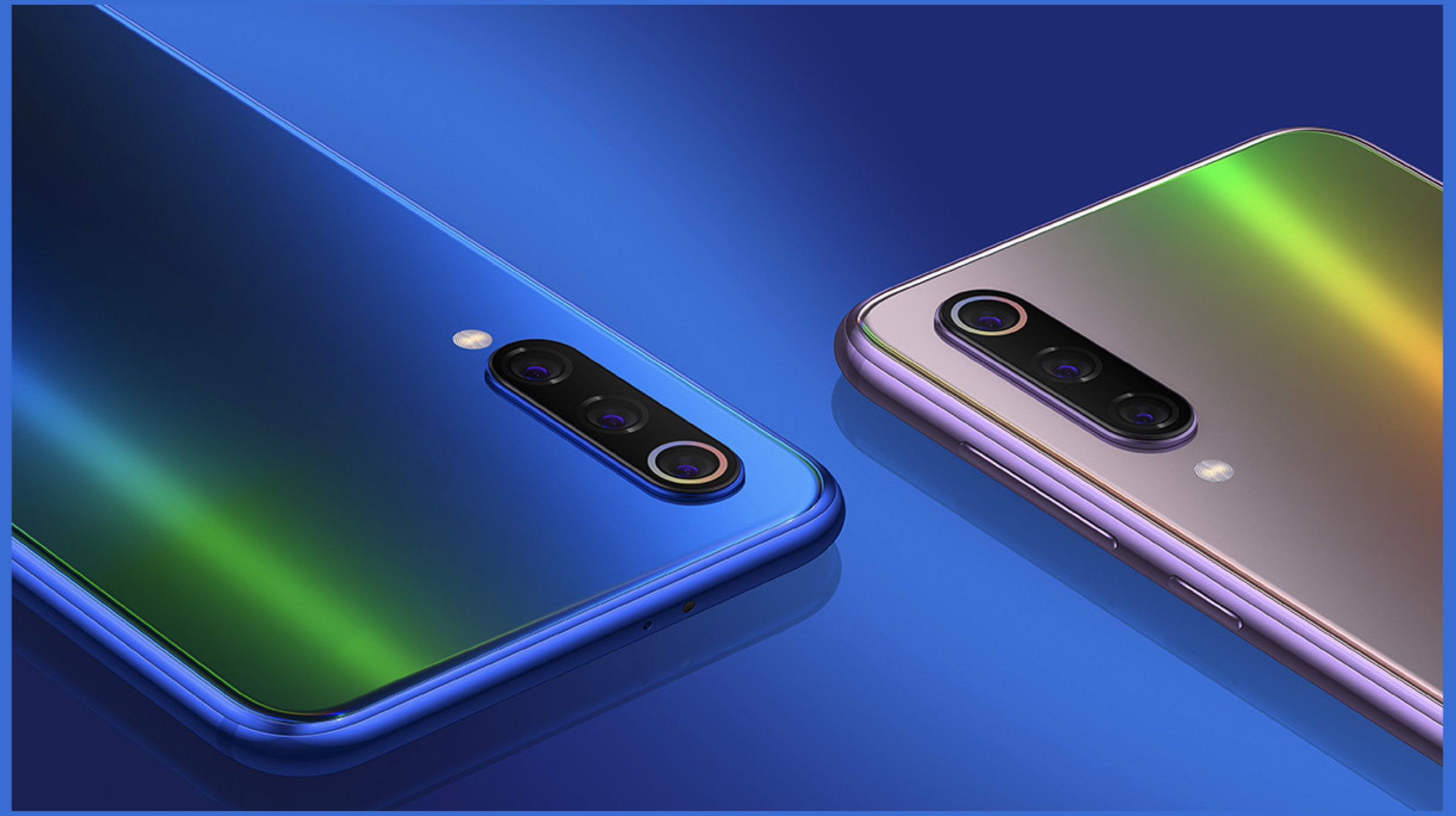
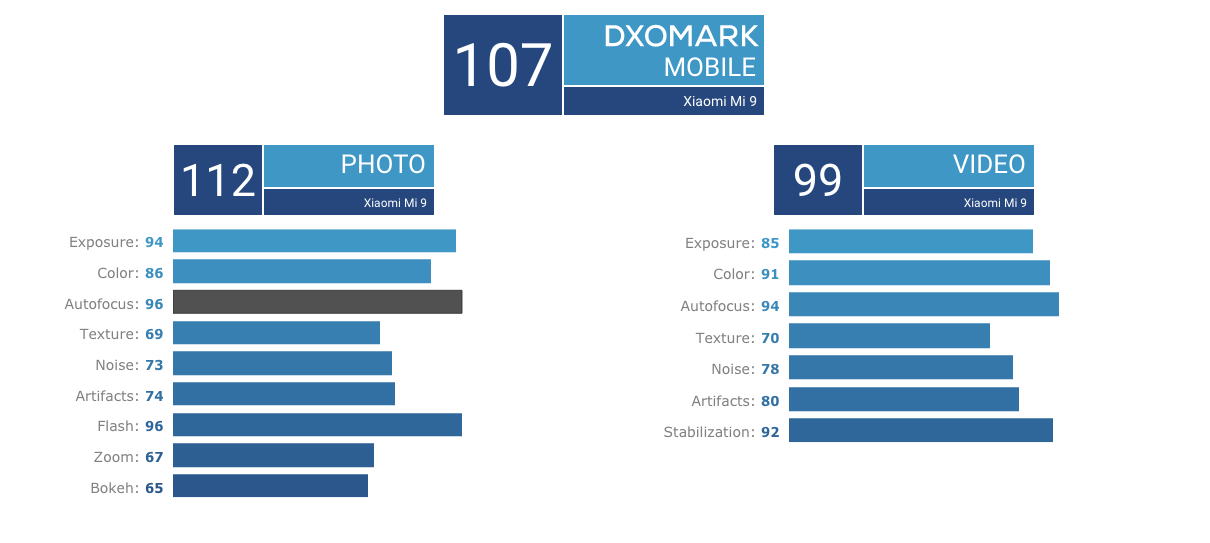
    The Xiaomi Mi 9 sports a triple rear camera setup. The device has a 48MP (f/1.75) Sony IMX586 primary sensor, combined with a 16MP (f/2.2) ultra wide sensor and a third 12MP (f/2.2) telephoto sensor. In terms of the front camera, the Mi 9 has a 20MP selfie shooter. DxOMark’s scores for the smartphone’s camera are as follows

    As per DxOMark, Mi 9 is the best Xiaomi device they have tested to date. It almost secured the top spot in their smartphone camera ranking list. A score of 112 points clearly displayed the camera’s ability to take high-quality images. Also, the Mi 9’s camera scored 99 points when it was tested for video recording, which is the best video score so far.

    Samsung Galaxy S10+

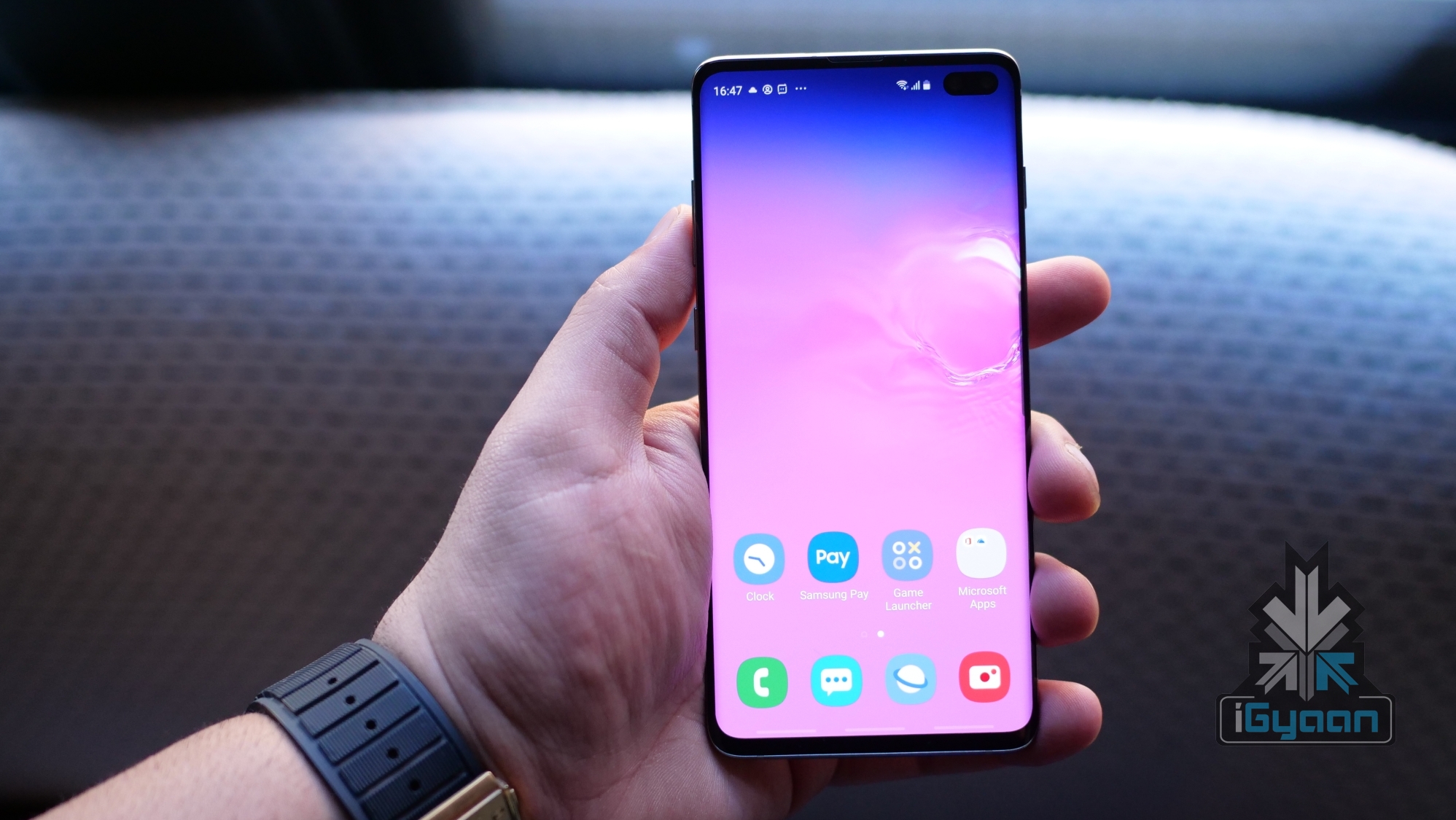
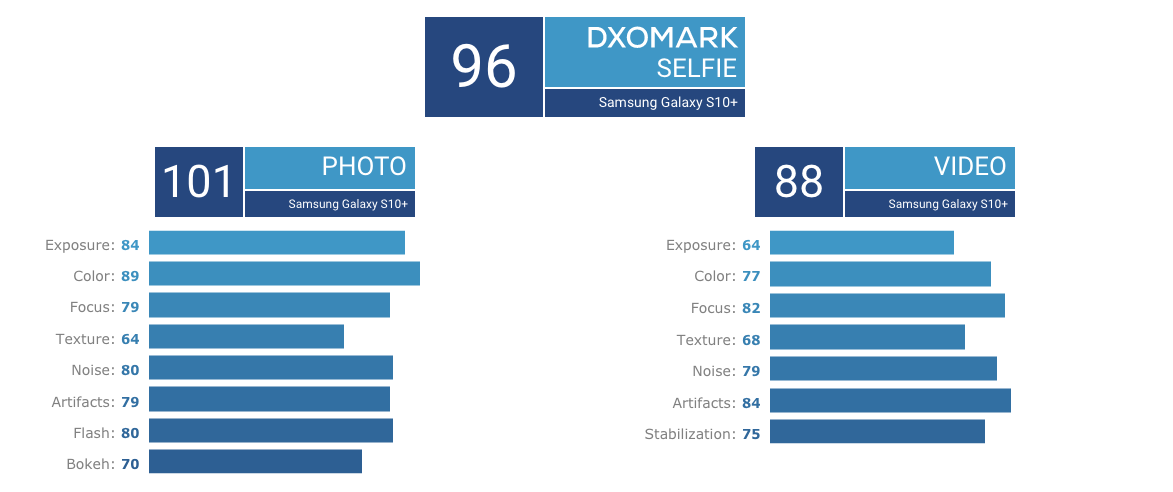
    The Samsung Galaxy S10+ also passed the DxOMark test, and it did so by claiming the first rank next to the Huawei Mate 20 Pro and P20 Pro. The device was launched on February 21 and was given the title of “the best front camera performance for both still images and video” by DxOMark.

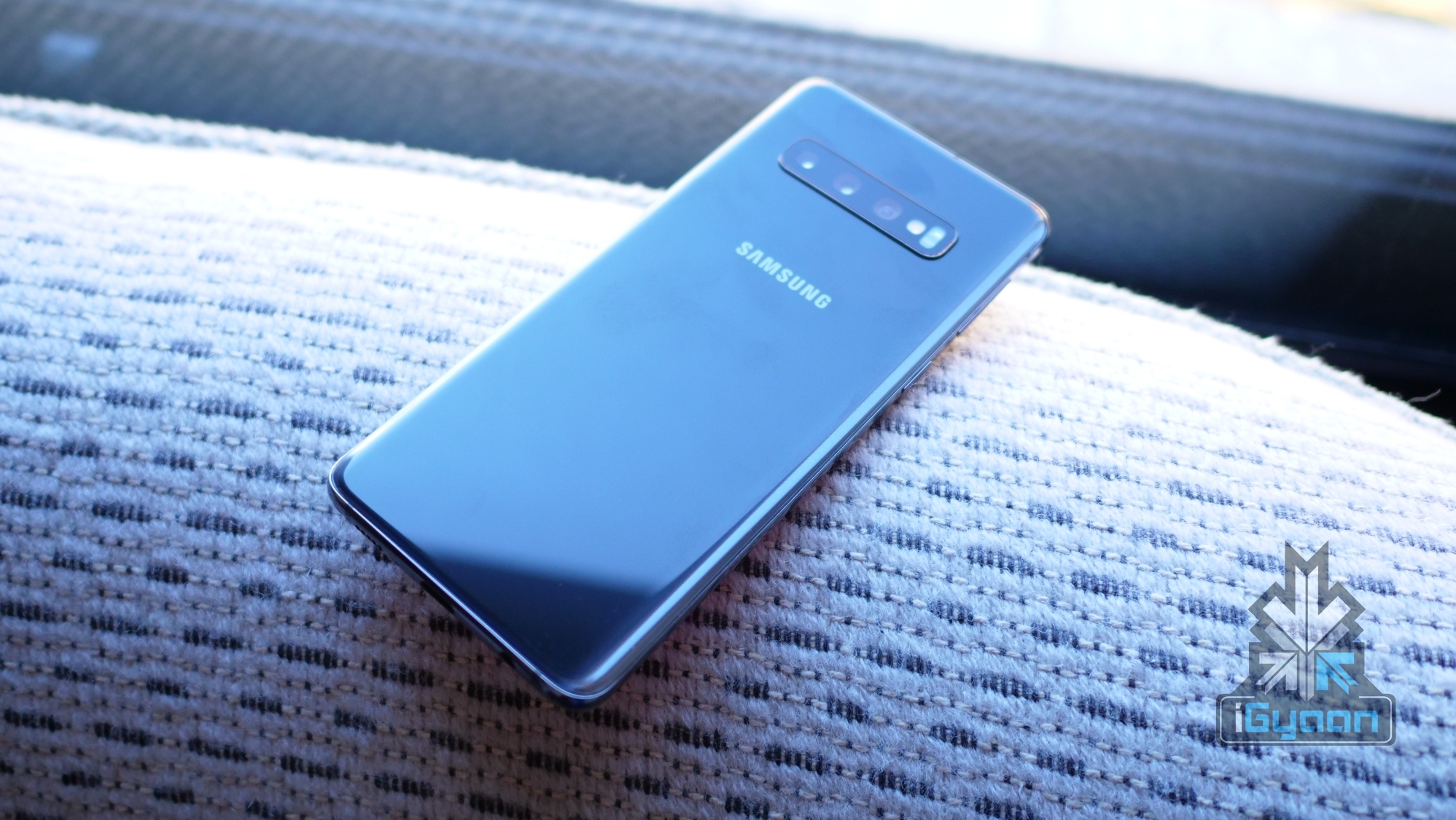
    The device sports a triple rear camera setup which consists of a 12MP (f/1.5- f/2.4) primary sensor, 12MP (f/2.4) telephoto sensor and a third 16 MP (f/2.2) ultra-wide sensor. The smartphone also has a dual front camera module, which is a combination of a 10MP (f/1.9) sensor and an 8MP (f/2.2) sensor housed in the punch-hole display.

    Also Read: Xiaomi Launches The Mi 9 In China

    According to DxOMark, The Galaxy S10+ performed really well while capturing skin tones and maintaining exposure at the same time. The portrait mode of the device also got very rave reviews. The handset showed off impressive stabilization and focus while recording videos. In terms of ranking, it surpasses Google Pixel 3 and the Galaxy Note 9, making it the highest ranked smartphone camera in their list.


  • Google Will Require Android Apps To Support Android Pie In 2019

    Google Will Require Android Apps To Support Android Pie In 2019

    Google’s operating system Android has been really popular because of the millions of apps available on the platform. What also helps its case is the level of customisation Android devices offer. This includes the ability to sideload apps from third party sources. But, some of these sources have been known to spread spyware through bypassing the app permissions as they support older Android’s Application Programming Interface(API). Google in a bid to counter the problem, has announced that all the new apps submitted to the Play Store in the year 2019 will have to support the latest API level 28, that is Android 9 Pie.

    What Does This Mean?

    According to Google, over 150,000 applications have added support for runtime permissions in 2018. Shockingly, the feature was introduced back in 2016 with Android Marshmallow, which had the API level 23. This meant that these apps were capable of bypassing permissions altogether, creating a security risk. Google tackled this by mandating all new apps to support API level 26, which was in Android 8.0 Oreo. Updates to the existing apps also had to support the same API.

    Google is updating these restrictions up a notch by mandating the app developers to update these apps to the latest API. Google Play Protect which was launched in 2017 is a security suite integrated into the Play Store. This service will be used to warn users of the apps not supporting the latest API. Here are the new timelines for the developers:

    • August 2019: New apps will be required to target API level 28 (Android 9 Pie).
    • November 2019: Updates to existing apps on the Play Store will be required to target API level 28(Android 9 Pie).
    • By 2020: The target API level will increase annually.

    Android Pie Android 9 Google

    Android will also use the Google Play Protect to warn the users if the app they are about to sideload targets to an API level older than Android Oreo (API level 26). It has also gotten the major Chinese application markets to comply with the new API levels on their app stores. These are from companies like Huawei, OPPO, Vivo, Xiaomi, Alibaba, and Baidu.

    Also read: Samsung Will Finally Allow Users To Remap The Bixby Button

    Google has said that 95% of the spyware target API level 22 (Android 5 Lollipop) or older, which creates a host of security issues. Notably, the Android platform gets monthly security patches, but some devices take a long time to be updated because of their respective OEMs. This leaves these devices vulnerable to new security threats. Therefore, this move is expected to make Android more secure.

  • Notchless OnePlus 7 Leaks In The Wild

    Notchless OnePlus 7 Leaks In The Wild

    OnePlus is a Shenzhen based smartphone manufacturer that came into existence in the year 2013. Albeit it is a budding company in contrast to competitors like Apple and Samsung, it has made its mark in the heavily crowded smartphone industry. Late last year the company launched the OnePlus 6T smartphone which has received a warm welcome globally. For the past three years, the company has been launching two smartphones each year. Accordingly, the company will launch the OnePlus 7 smartphone before the Q2 of 2019 ends. The first renders of the upcoming smartphone were leaked weeks after the launch of OnePlus 6T. Freshly leaked live images suggest that the future smartphone will be a big leap forward from the current device.

    OnePlus 7 Leak

    https://twitter.com/Steven_Sbw/status/1097856863620583425

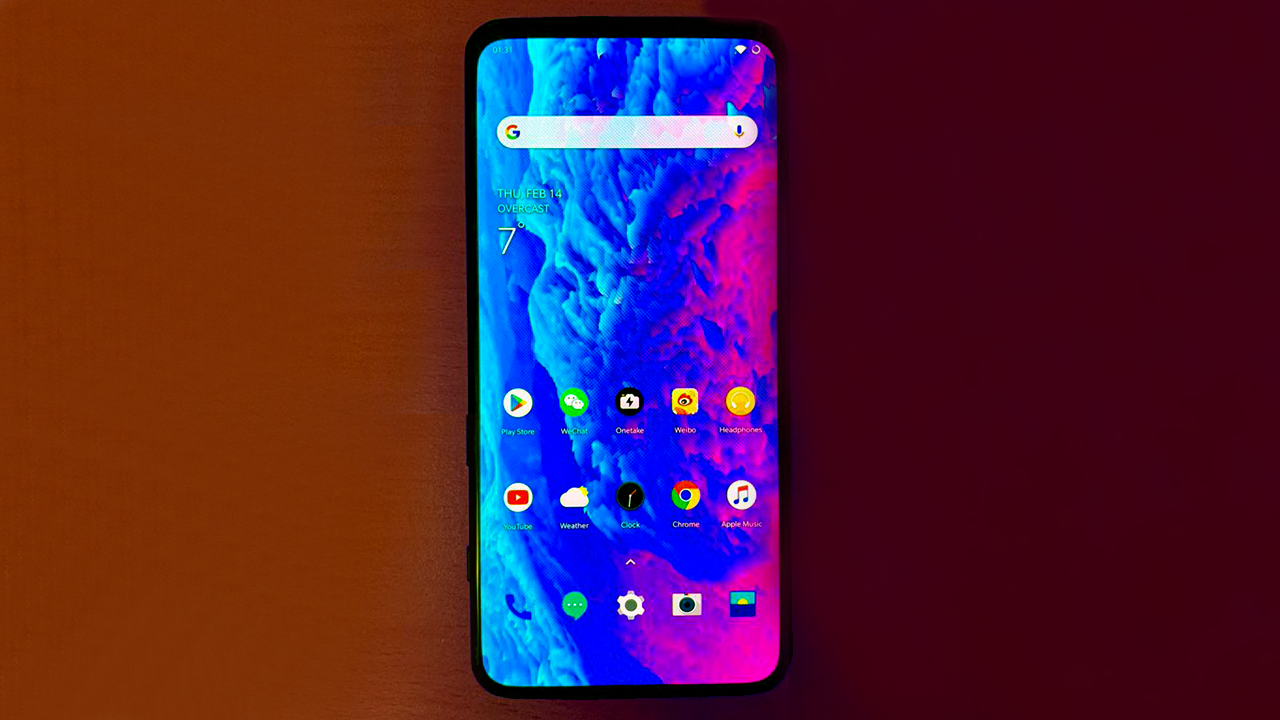
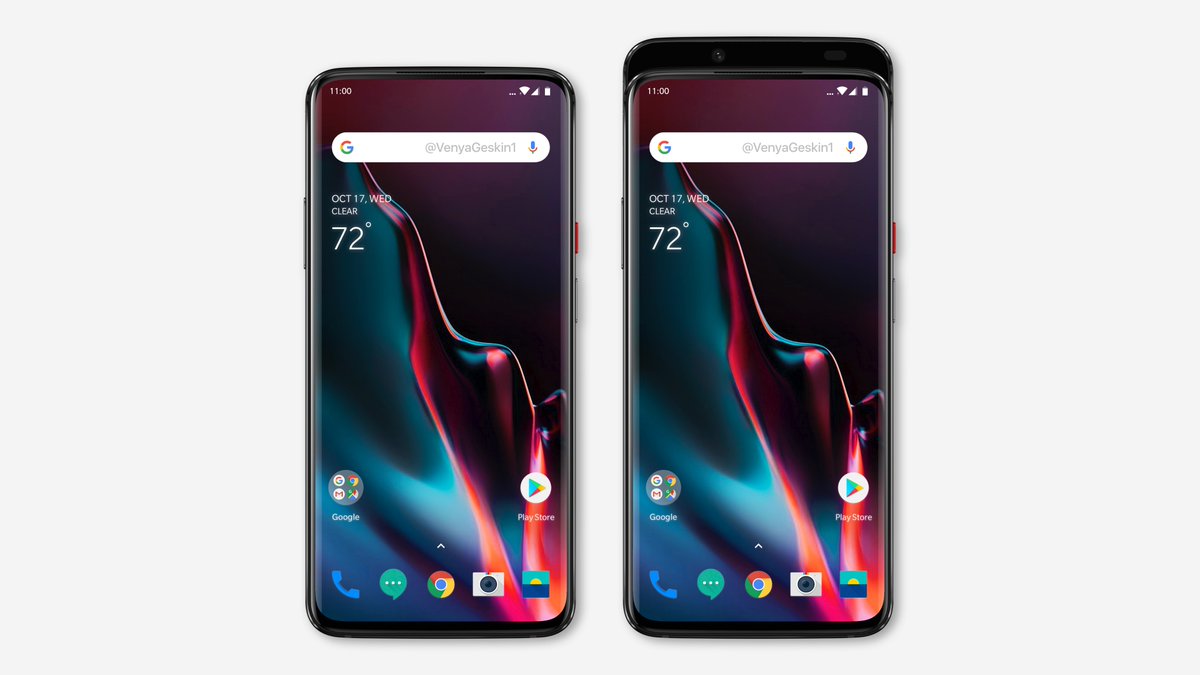
    The live images of OnePlus 7 were leaked on Twitter which reveals a smartphone with a notch less display and minimal bezels. Certainly, the device posing in the image is a OnePlus smartphone as the signature OnePlus icons are clearly visible on its screen. Noteworthy, the alleged OnePlus 7 smartphone does not have a notch display to accommodate the front facing selfie camera. The images shared on Twitter were captured in an improperly lit environment. Therefore, it is hard to make out what the device exactly looks like. Past leaks have claimed that the OnePlus 7 smartphone will have a sliding display like the Mi Mix 3 which has concealed selfie camera and ambient light sensor. 

    Expectations and Launch Date 

    • Upgraded Chipset- The OnePlus 7 is expected to feature the latest chipset from Qualcomm which is the Snapdragon 855. The SoC consists of an Octa-Core CPU and Adreno 640 GPU. 
    • Larger Display- Although the OnePlus 6T sports a 6.41 inch display which is one of the largest on flagship smartphones, its successor the OnePlus 7 is plausible to have an even larger display.
    • Larger Battery- The OnePlus 6T is powered by a 3700 mAh battery which was bumped by 400 mAh from the OnePlus 6‘s 3300 mAh. The upcoming OnePlus 7 is likely to pack a larger size battery as its competitors like Huawei Mate 20 Pro and Galaxy S10 Plus have a battery larger than 4,000 mAh.
    • Faster Charging Support- The regular variant of the OnePlus 6T supports 20 watts Dash charge. While the limited McLaren edition OnePlus 6T supports 30 watt Warp charge. Accordingly, OnePlus 7 is also expected to feature faster charging Warp charge. 

    Also Read: Samsung Galaxy S10e, Galaxy S10, Galaxy S10+ India Price Revealed

    OnePlus has not announced the launch date of the OnePlus 7 smartphone. Going by the past OnePlus launch cycles, the upcoming device will launch sometime in the month of May or June this year.

  • Samsung Will Finally Allow Users To Remap The Bixby Button

    Samsung Will Finally Allow Users To Remap The Bixby Button

    Samsung has time and again proved its hardware prowess with its flagship smartphones. The devices offer cutting-edge design and features but they always had an Achilles heel, their software. The software that the company provides with the handsets has not always fared well with the audience. Introducing Bixby in 2017 made their problems worse as they gave users a voice assistant they didn’t ask for. The company also added a non-remappable button to the mix, making problems worse. But Samsung has announced that its flagships running Samsung’s latest OneUI will get an option to remap the infamous Bixby Button.

    Samsung Bixby Remapping

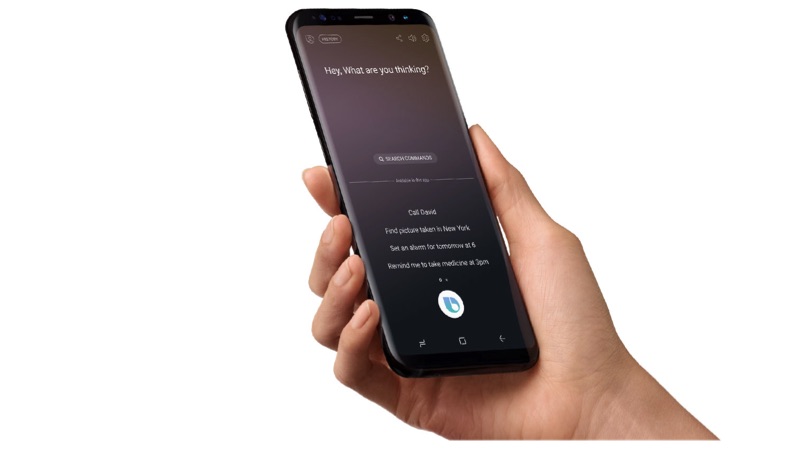
    Samsung recently started updating its yesteryear’s flagships to Android Pie based OneUI. These devices include the Galaxy S8 and S8+, Galaxy Note 8, Galaxy S9 and S9+ and Galaxy Note 9. These devices are also set to get the option to remap the Bixby Button to a third party app. The option is currently only available in the latest Galaxy S10 series of smartphones. Notably, the Bixby button works via three methods, a single press, a double press and a long press on the button activates the voice assistant. After the update, it will be possible to remap it to a third party app using any of the above functions. For example, if you set a single press on the button to open the camera, a double and a long press would still activate Bixby. 

    Also Read: HTC Announces The Vive Focus Plus With Revamped Motion Controllers

    Samsung’s decision to allow the Bixby button to be remapped may come as a reason to rejoice for many users. It is expected to make using the company’s flagships convenient by providing the ability to remap the button to any app. Bixby as a voice assistant has not seen the popularity that Samsung may have expected it to be. According to a study, the users of the assistant are as low as 4% in the US. Unfortunately, the company has not provided any information about the timeline of the update for older devices, but it is expected to arrive in a few weeks.

  • HTC Announces The Vive Focus Plus With Revamped Motion Controllers

    HTC Announces The Vive Focus Plus With Revamped Motion Controllers

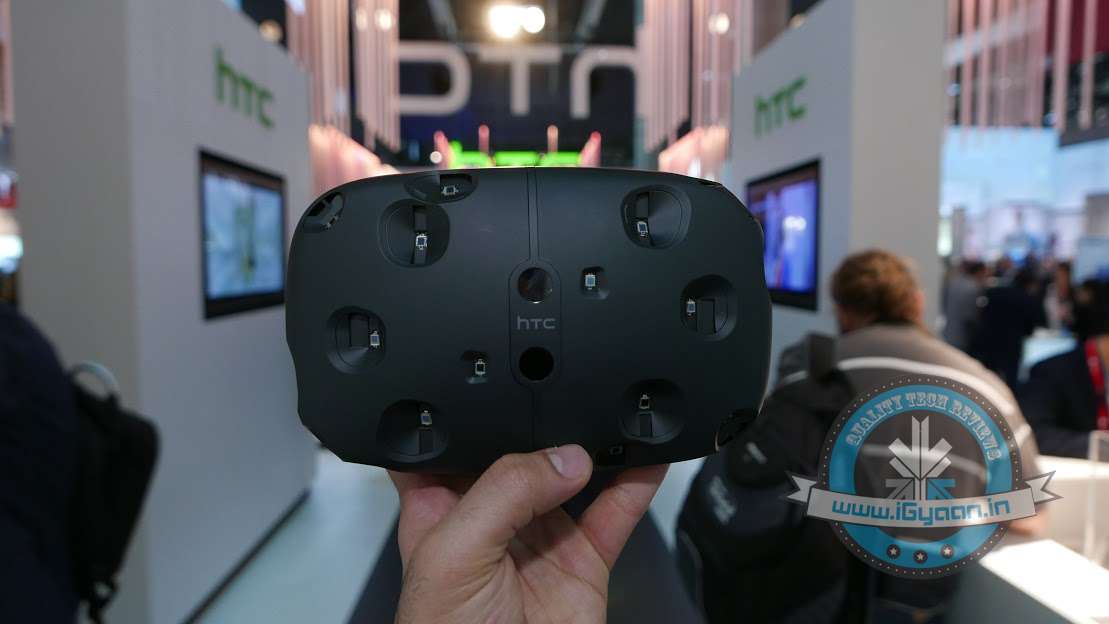
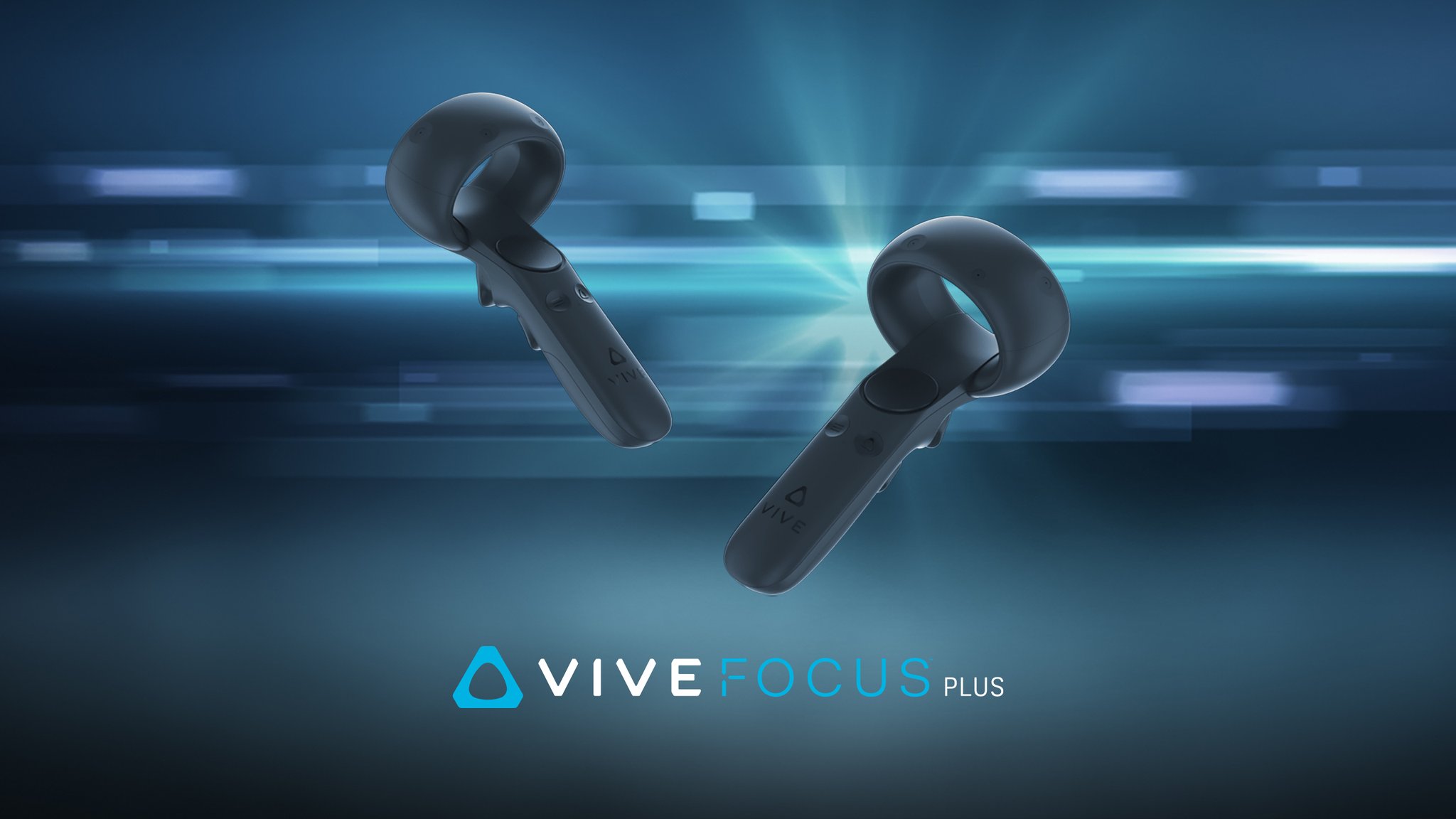
    HTC tasted a lot of success in the hands of the Vive VR Headsets, which clearly shows in the fact that the HTC Vive is one of the highest selling VR headsets worldwide.  The company has announced the Vive Focus Plus on February 21, which is a newer and upgraded version of the Vive Focus VR headset. First revealed in October 2018, the Vive Focus had support for three degrees of freedom. With the recently announced Vive Focus Plus, the controllers can be tracked in six different degrees, which means that you can now move the controllers around, not just rotate them on the spot.

    The Competition

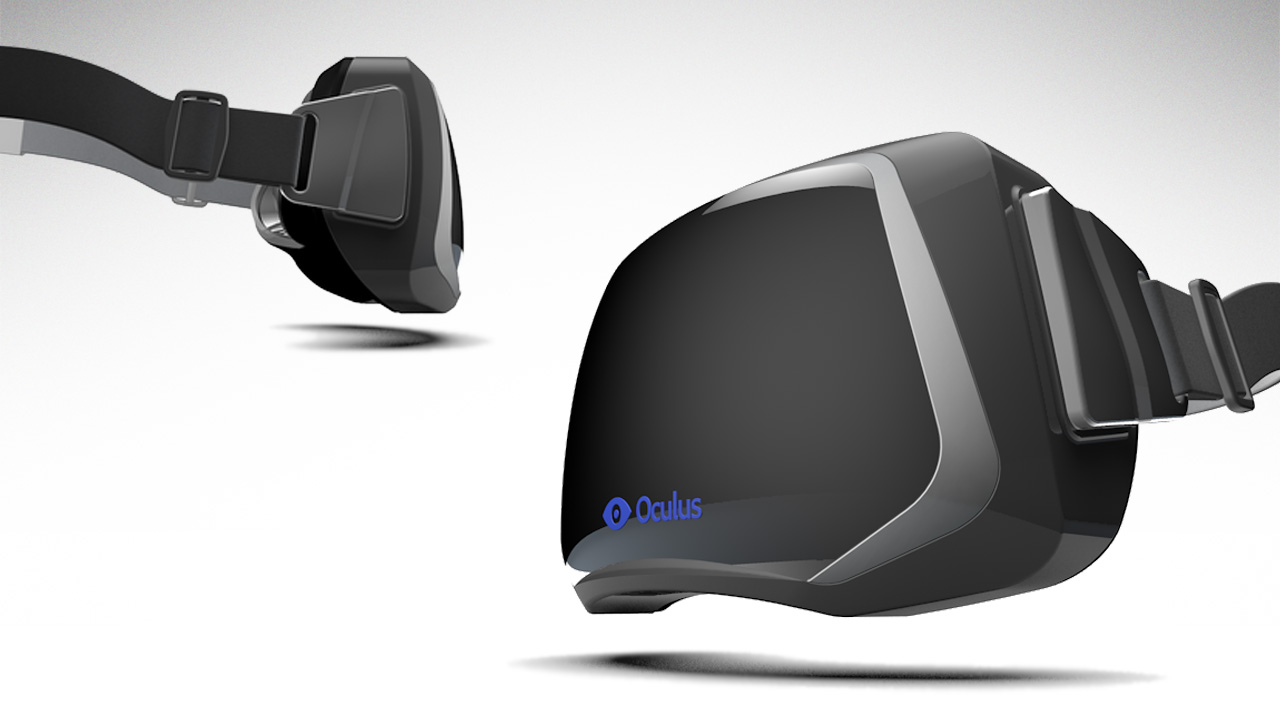
    With the announcement of the ‘standalone’ Oculus Quest VR headset last year, competition for creating the ‘all-round performing’ VR headset has stepped up. The Quest will include a pair of controllers and will support the “arena-scale” tracking feature. This feature will enable the user to walk in areas of almost 4,000 square feet while retaining headset tracking. The Oculus Quest is set to be released this spring, whereas the HTC Vive Focus Plus will be released in the second quarter of 2019.

    Design And Features

    The headset of the Vive Focus Plus resembles the headset of the original Vive Focus in almost all aspects. It is equipped with the Qualcomm Snapdragon 835 chipset and provides the user with six degrees of freedom tracking. The VR headset has a 3K AMOLED display with 2880 x 1600 px resolution. The Vive Focus Plus runs on the Vive Wave platform, enabling its users to download new content and apps from the Viveport online store. Furthermore, HTC claims that the new edition of the Vive Focus can distribute its weight more evenly by increasing its contact area with the forehead.

    Availability

    Also Read: Samsung Galaxy S10e, Galaxy S10, Galaxy S10+ India Price Revealed

    The Vive Focus Plus will be available for purchase in 25 countries, some of them being Canada, USA, UK and Australia. HTC has not announced the price or launch date for its latest VR headset yet, but as mentioned before, users can expect it to go live on sale in the second quarter of 2019.

  • Google Didn’t Mention The Nest Secure Has A Built-In Microphone

    Google Didn’t Mention The Nest Secure Has A Built-In Microphone

    American search engine giant Google hasn’t had the best reputation when it comes to users privacy. The company failed to maintain user data when a serious security bug in its social media offering, Google+ was found. The company has once again found itself amidst controversy when it was discovered that one of is products, the Nest Secure has a built-in microphone which went unnoticed for more than a year.

    Google Nest Secure Controversy

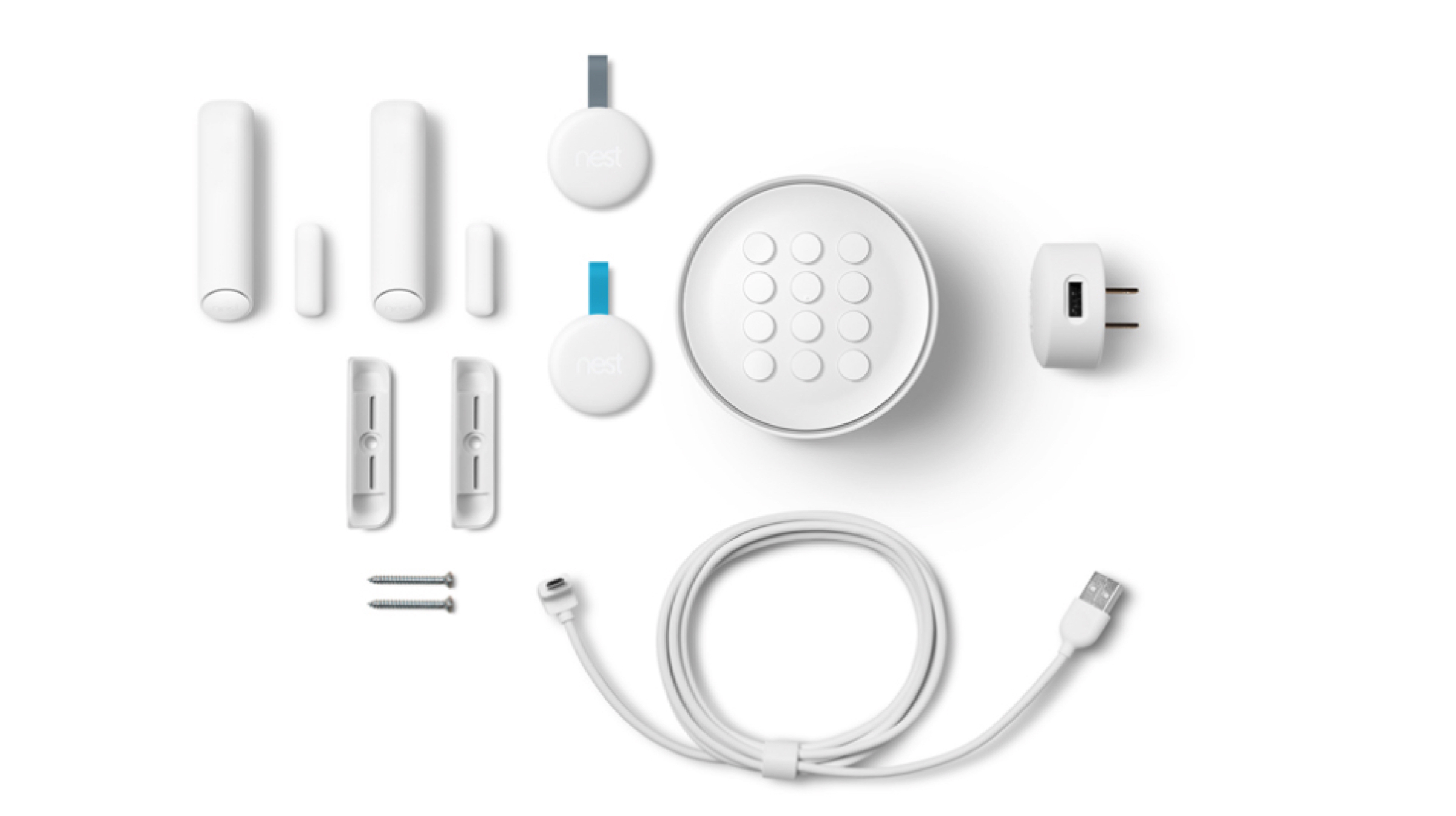
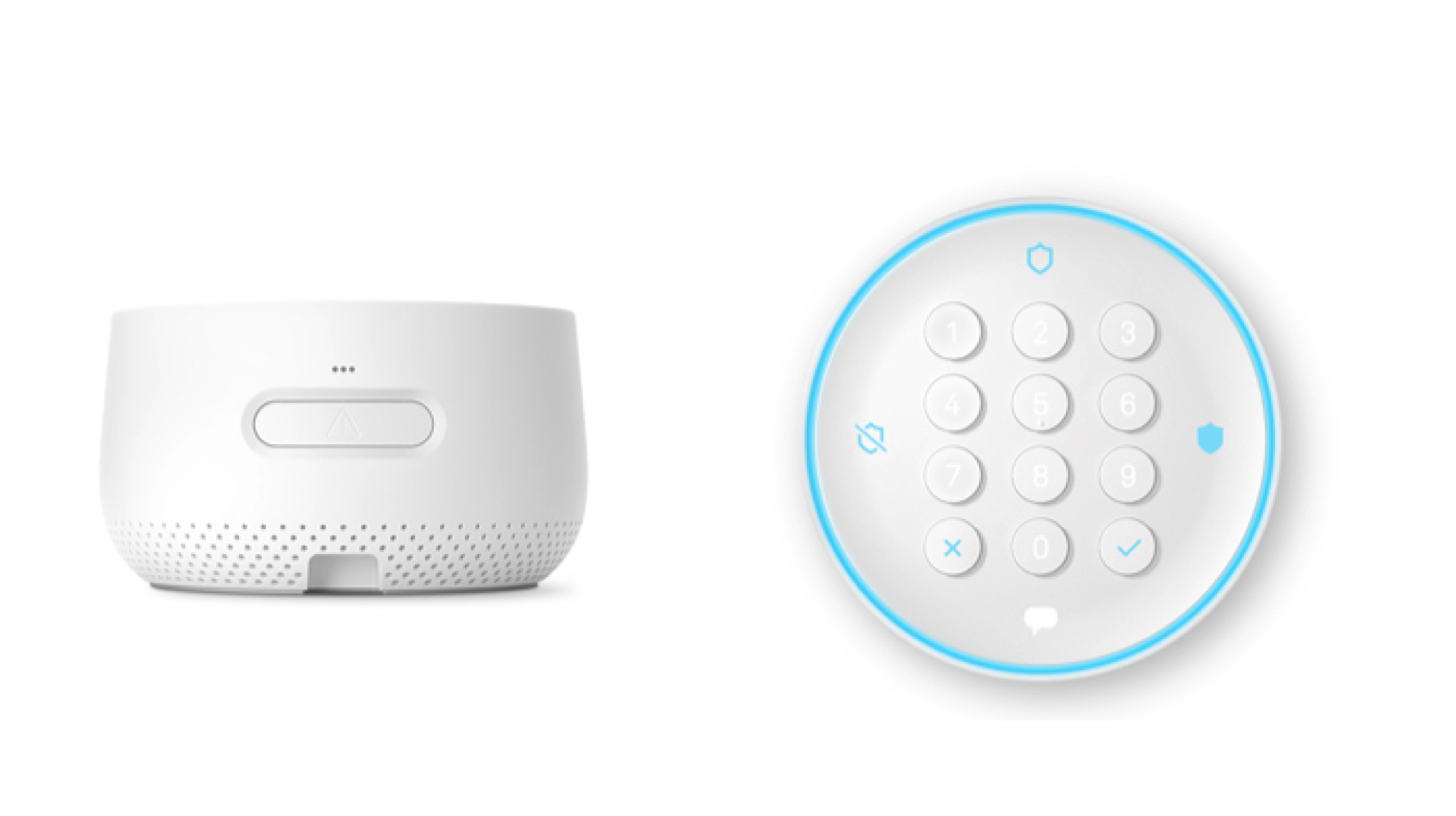
    Google acquired the home security company Nest in 2014 and then merged it under the Google brand last year. The Nest Secure bundle of devices were introduced in 2017. Google announced in early February this year that the Nest Guard, one of the devices in the Secure bundle, would double up as a voice assistant; as it will gain Google Assistant functionality. Using Google Assistant to work hands-free requires a microphone, and this microphone was never disclosed to have been present in the device. After the update, the users then would receive an email with instructions on how to turn on the microphone and set Google Assistant up on the device.

    The controversy also arises from the fact that the product page of the device didn’t mention the presence of the hardware for more than a year. The page has since been updated with a microphone mentioned in the ‘Audio and Lights’ section of the product description. This oversight on Google’s part is being taken down as a serious offence in breaching a users privacy. There have been many negative sentiments about the company’s actions, most of them coming from US politicians who are concerned about the user’s privacy.

    Also read: Samsung Galaxy S10e, Galaxy S10, Galaxy S10+ India Price Revealed

    Google has since clarified in a statement, that it never meant to keep the information about the presence of a microphone a ‘secret’. It also mentioned that the hardware was disabled until the update, and will continue to do so if the user desires.

  • World’s First Side Notch Smartphone Launched

    World’s First Side Notch Smartphone Launched

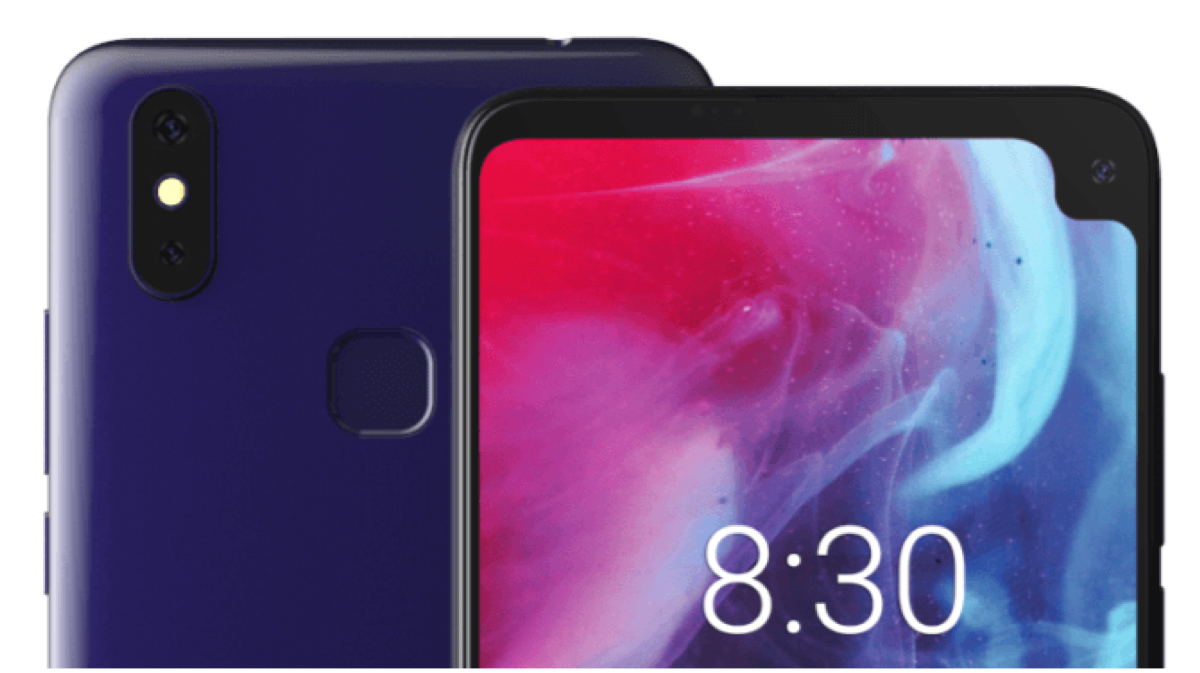
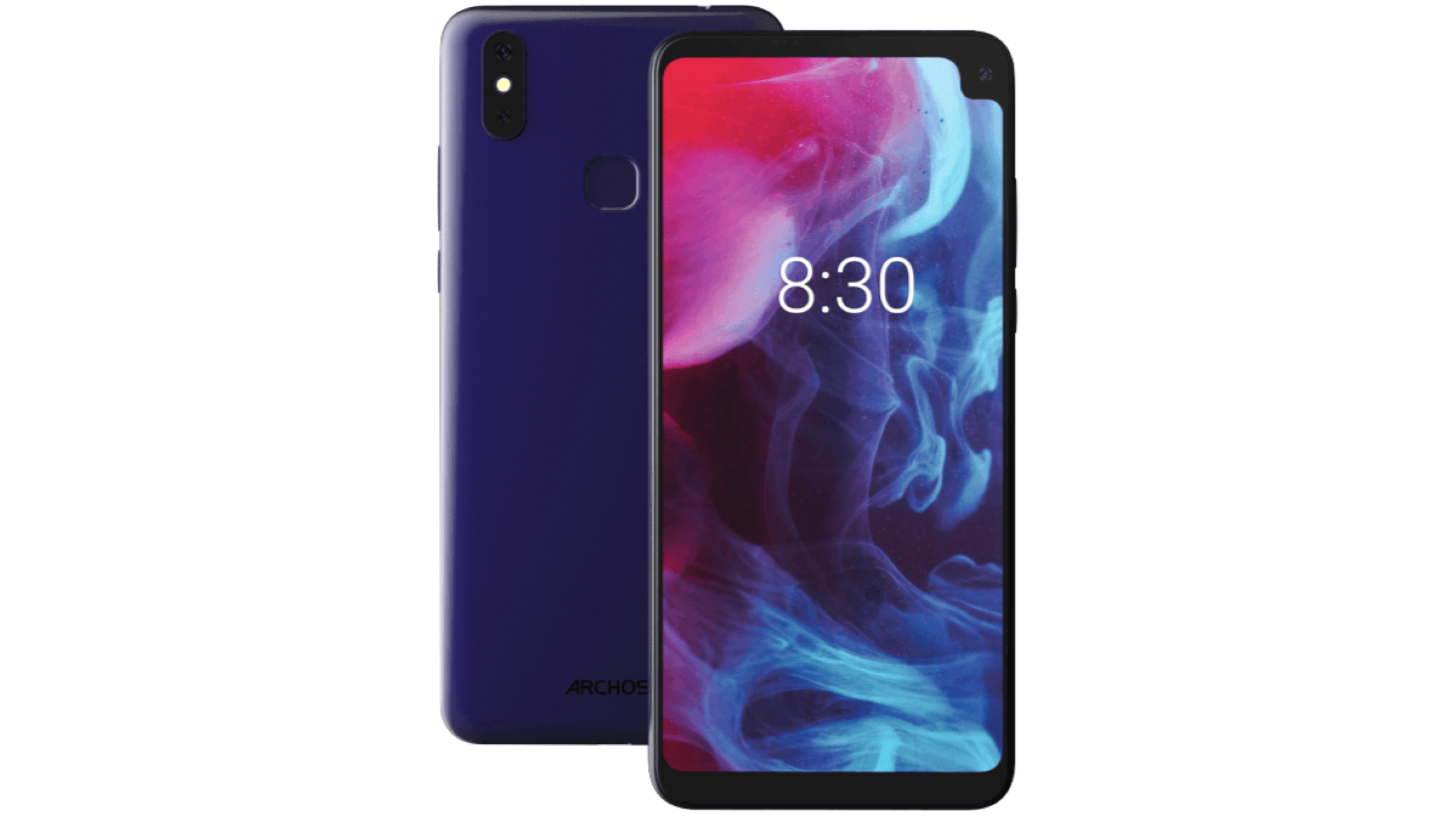
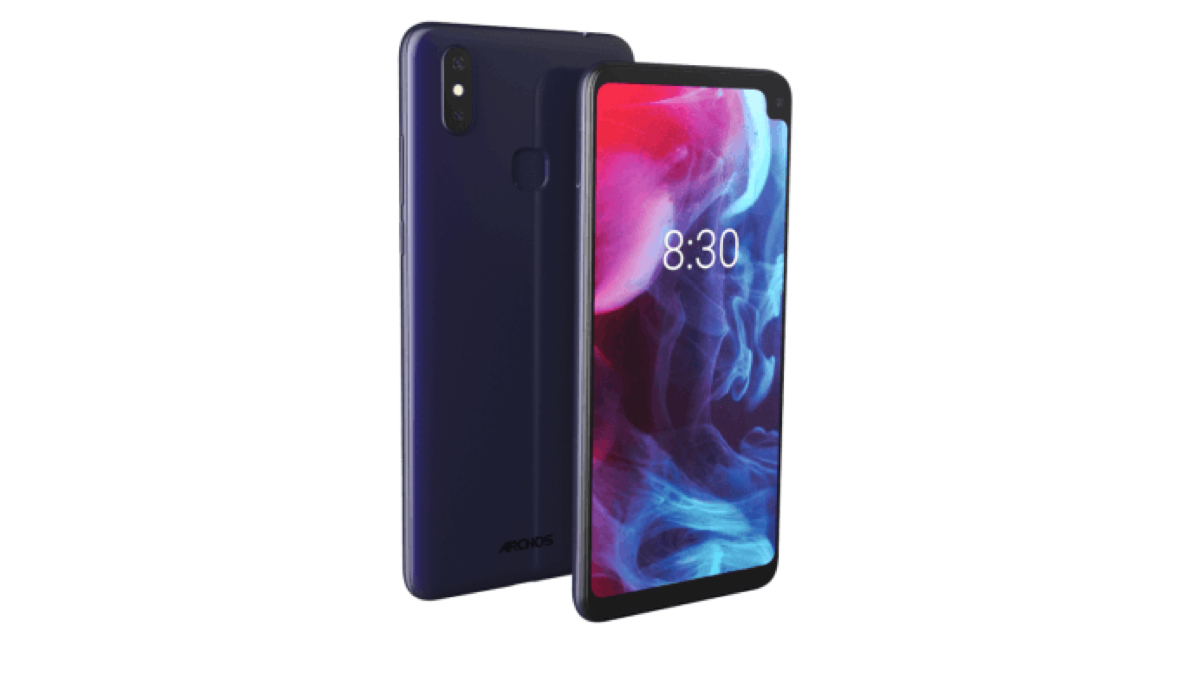
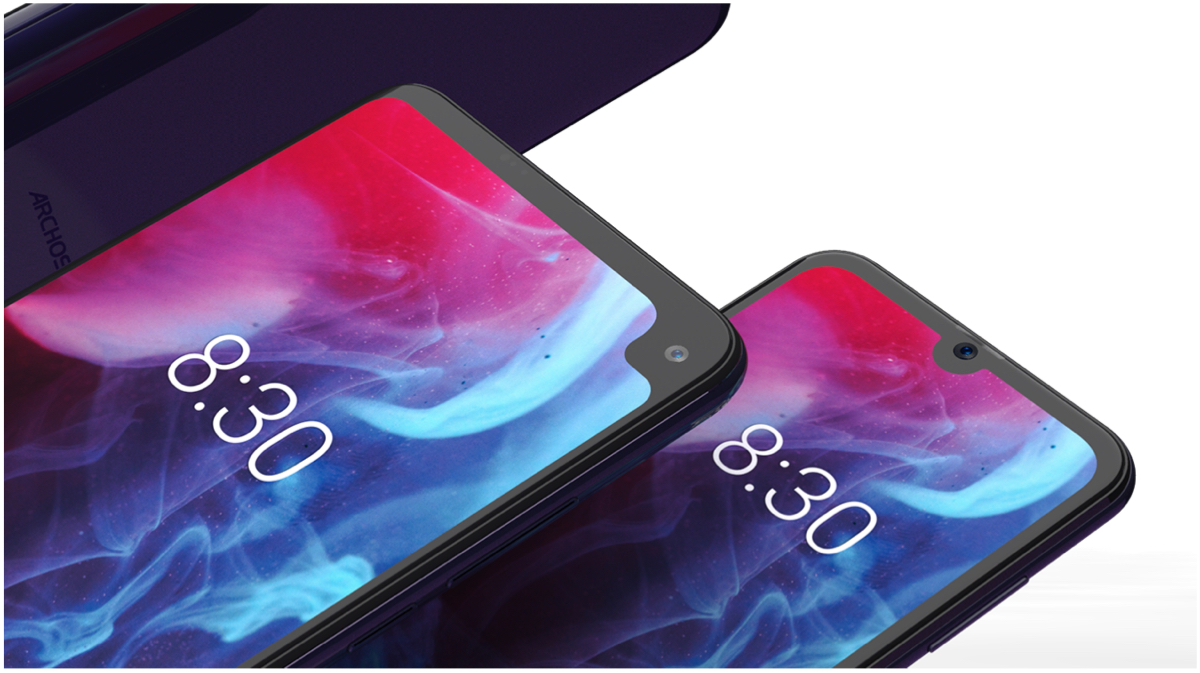
    American smartphone manufacturer, Essential launched the Essential PH-1 in the year 2017. It is one of the world’s first smartphone to have a notch display which was soon followed the iPhone X. Even though Apple iPhone X was not the first smartphone to have this feature, prominently it is the device that kick started the whole notch trend. Archos, a French company has launched the world’s first smartphone with a side notch. Unlike smartphones with conventional notch displays, the Archos Oxygen 68XL has a small notch on the top right side that houses the selfie camera.

    Archos Oxygen 68XL Looks and Features

    The Archos Oxygen 68XL due to its lateral notch has a distinctive design. The front of the smartphone accommodates a 6.85-inch display with HD+ resolution and pixel density of 218 ppi. The device with its 173.5 x 81.5 x 8.9 mm dimensions has a hefty build and it tips the scale at 214 grams. The rear of the smartphone has a glossy glass panel that houses the fingerprint sensor, company branding and vertically aligned dual camera setup. 

    Under the hood, the Archos Oxygen 68XL features the Helio P22 SoC which is manufactured using 12 nm fabrication process. The chipset is comprised of the PowerVR GE8320 GPU and an Octa-Core CPU. In terms of memory and storage, it has 3 GB of LPDDR3 RAM and 32 GB of inbuilt storage which is further expandable via a microSD card. The smartphone is powered by a mammoth 5,000 mAh battery and runs on the latest Android 9.0 Pie. 

    The dual rear camera setup of the Archos Oxygen 68XL is comprised of an 8 MP + VGA sensor along with an LED flash. The front facing selfie camera uses a sensor with 5 MP resolution.  Connectivity options on the smartphone include 802.11 ac Wi-Fi, Bluetooth 4.2, Dual 4G VoLTE, 3.5 mm jack and bottom mounted Micro-USB 2.0 port for charging and data transfer. 

    Archos Oxygen 68XL Price and Availability

    Also Read: Samsung Galaxy S10e, Galaxy S10, Galaxy S10+ India Price Revealed

    The Archos Oxygen 68XL is priced aggressively and it costs € 149 (around Rs 12,000). The device will be showcased at the upcoming MWC 2019 which is scheduled for 25-28 February. It will be available for purchase in the month of May this year. 


  • Samsung Galaxy S10e, Galaxy S10, Galaxy S10+ India Price Revealed

    Samsung Galaxy S10e, Galaxy S10, Galaxy S10+ India Price Revealed

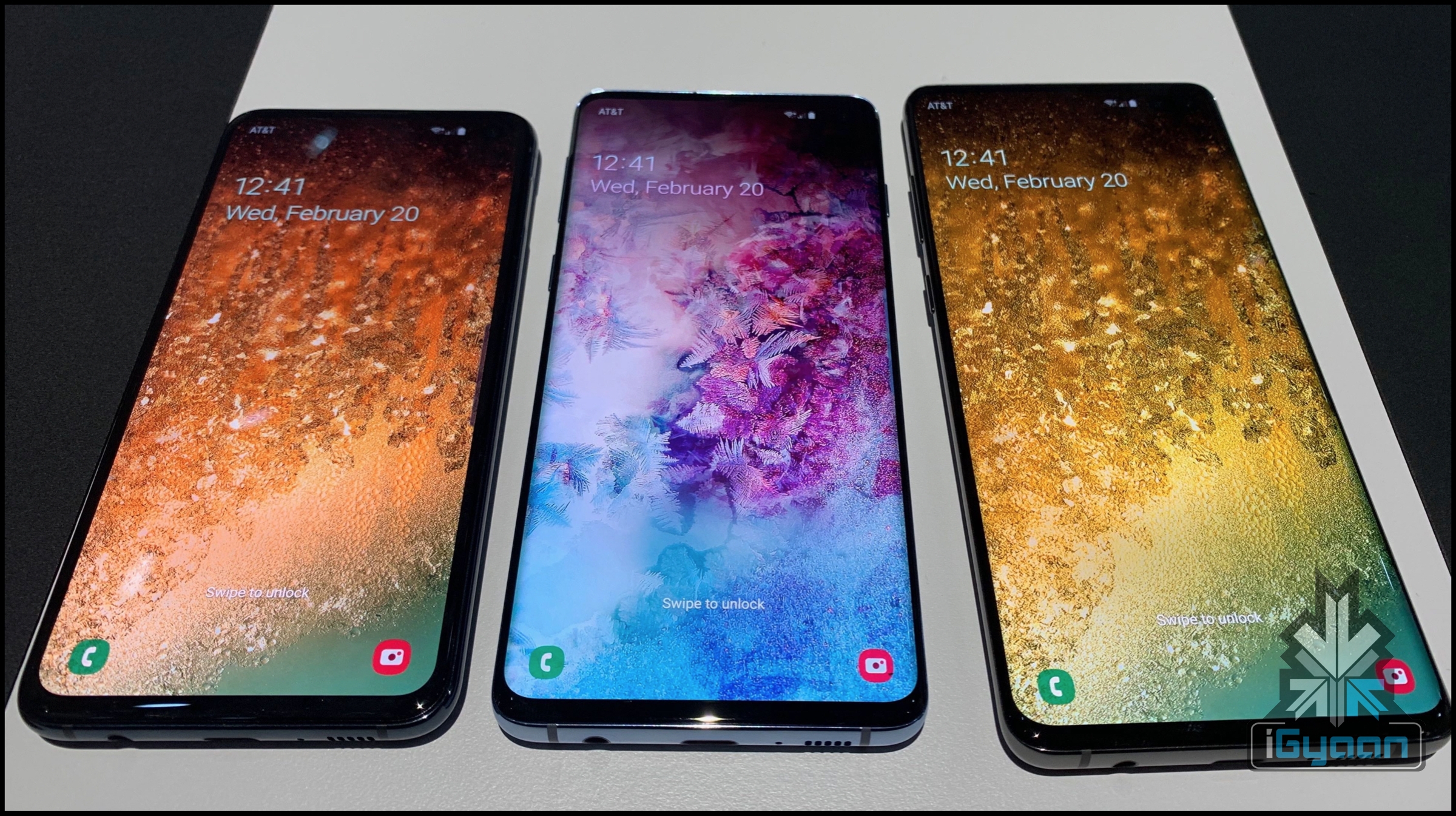
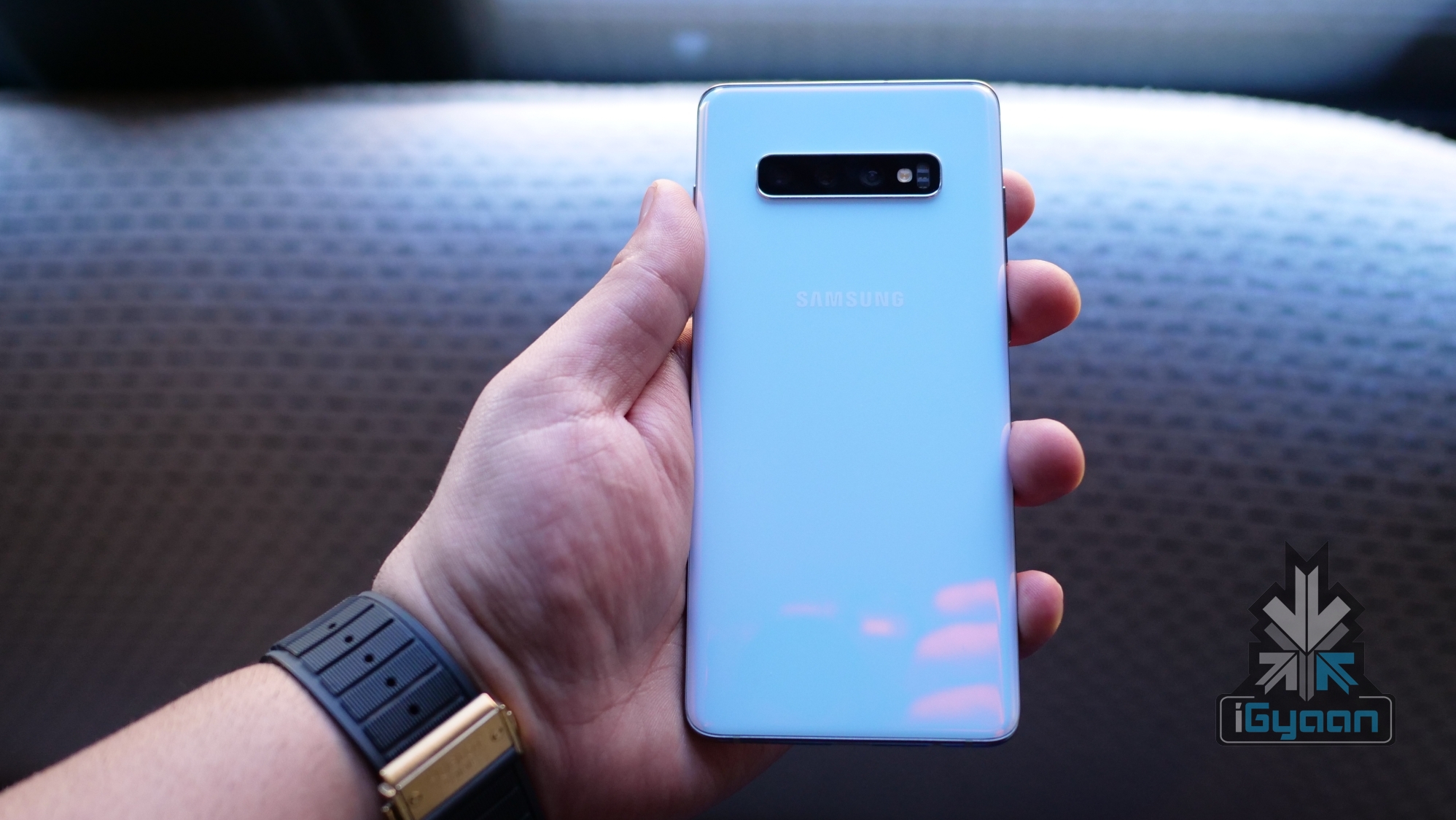
    Samsung launched the Galaxy S10 lineup of smartphones on February 20 in San Fransisco. Three main devices, namely the Galaxy S10e, Galaxy S10 and the Galaxy S10+ were introduced which took the mantle of the company’s next flagships from the Galaxy S9. Unfortunately, no information was provided on their India specific pricing at the launch event. Putting an end to all speculations, Samsung has started taking pre-orders for all the three handsets in the country, revealing their prices.

    Samsung Galaxy S10 Series

    The next generation flagship series of smartphones by Samsung, the Galaxy S10 lineup has three devices that are arriving in India soon. They are similar in most ways while differing in certain aspects like screen size, battery capacity, cameras and obviously, pricing. All smartphones feature a glass sandwich design and have the new Infinity-O displays. The devices feature Samsung’s new Dynamic AMOLED displays with support for HDR10+ content. All the smartphones run on the Exynos 9820 SoC in India, which is manufactured using 8nm fabrication process. It contains an Octa-core CPU and Mali-G76 MP12 GPU.

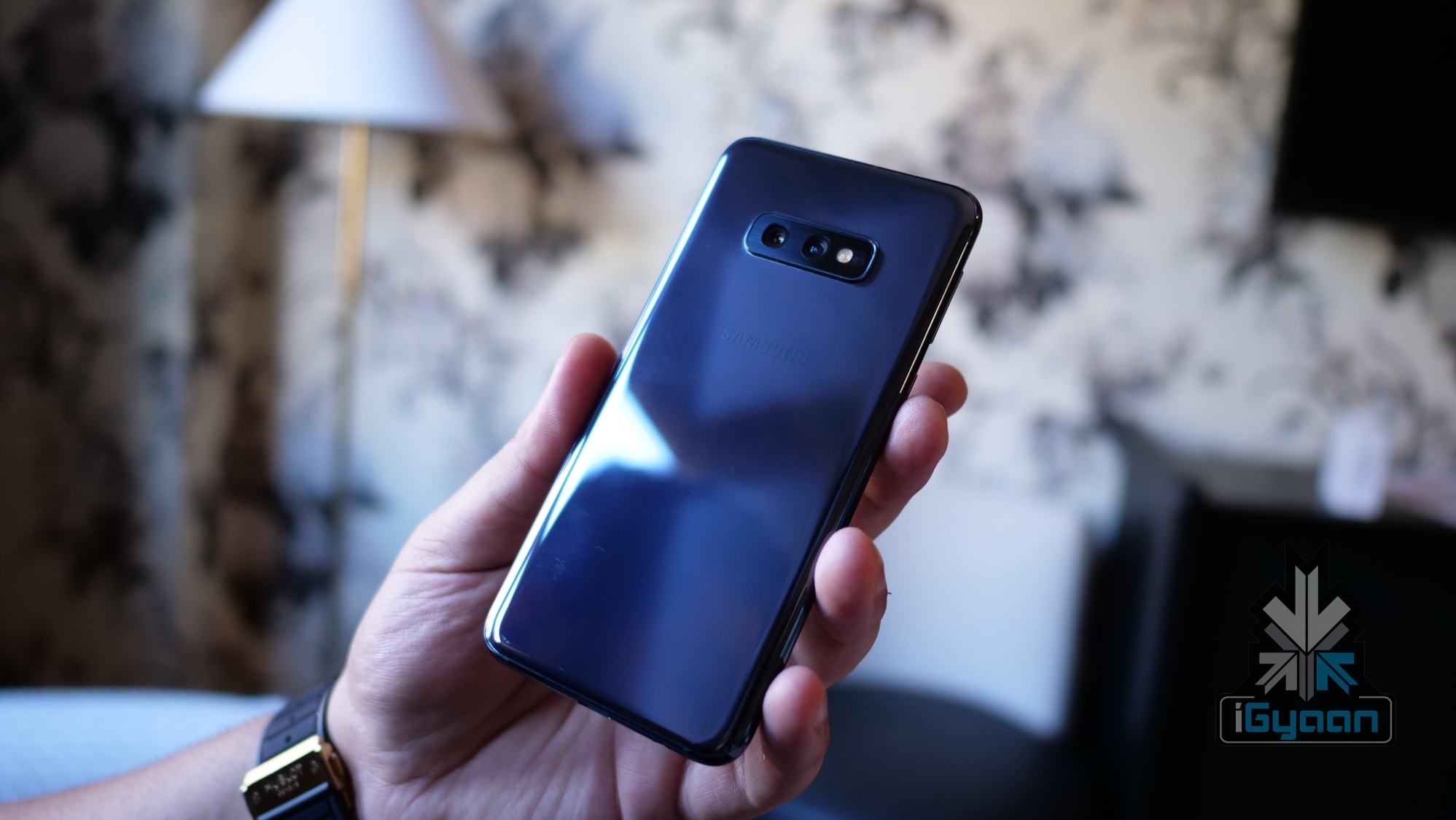
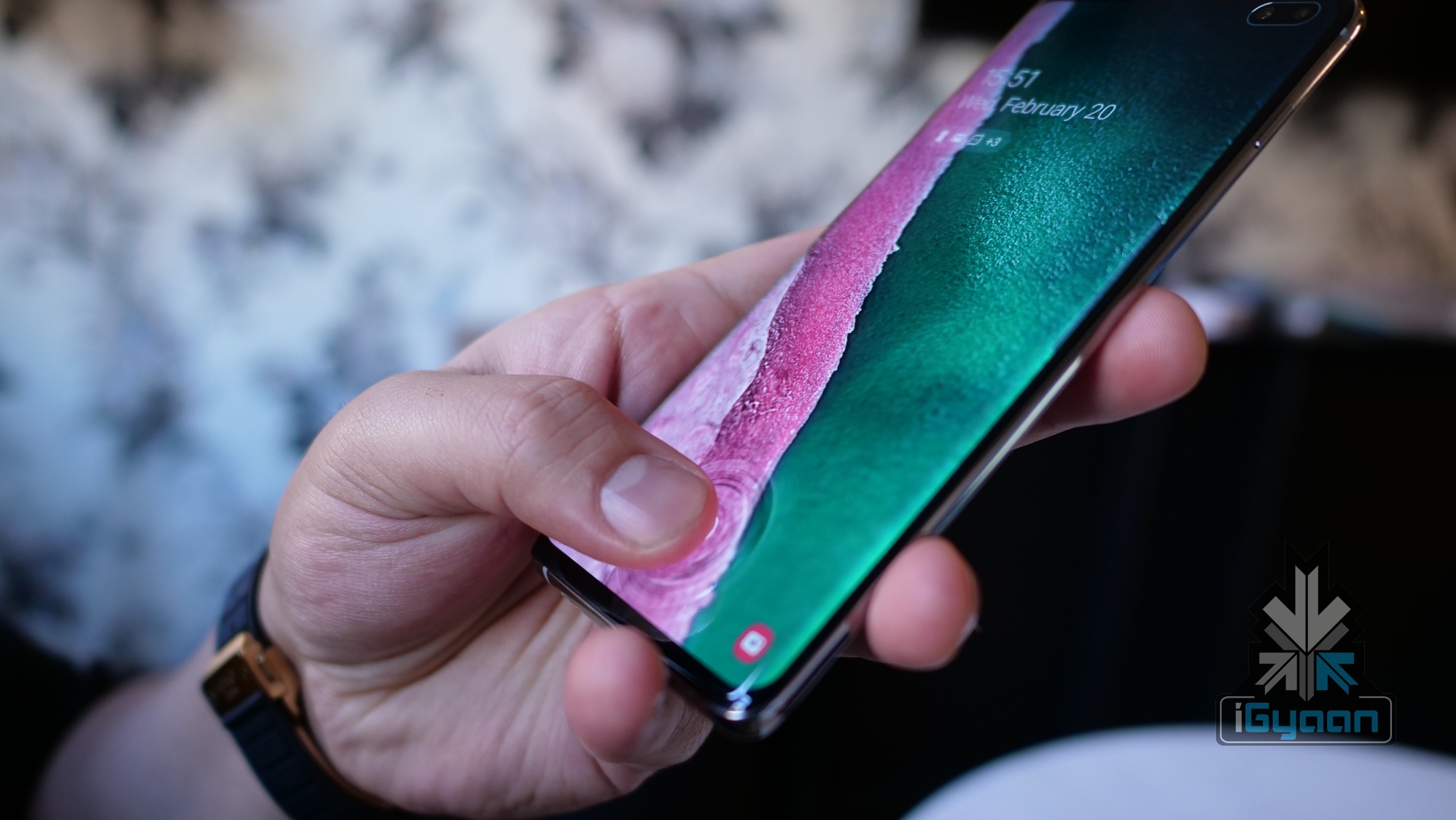
    Notably, the Galaxy S10 lineup differs in a few features, like the Galaxy S10e featuring a side-mounted fingerprint scanner and dual rear cameras; while its two larger siblings have an ultrasonic in-display fingerprint scanner and triple rear cameras. The screen size also varies on all devices, with the Galaxy S10e sporting a 5.8-inch display; while the Galaxy S10 and Galaxy S10+ have a 6.1-inch and 6.4-inch display respectively. The front cameras of the Galaxy S10e and the Galaxy S10 is limited to just one sensor, while the Galaxy S10+ has two front-facing cameras. The Galaxy S10e is powered by a 3100mAh battery; while the Galaxy S10 and the Galaxy S10+ have a 3400mAh and a 4100mAh cell respectively. All the three smartphones have IP68 certification for water and dust resistance, support Wi-Fi 6, NFC, fast wireless charging and also support reverse wireless charging.

    Samsung Galaxy S10 Series: Pricing

    Also read: Apple Planning To Combine iPhone, iPad And Mac Apps By 2021

    The prices of the S10 series in India are as follows:

    Model Galaxy S10e Galaxy S10 Galaxy S10+
    Price Rs 55,900 (6GB + 128GB) Rs 66,900 (8GB + 128GB) Rs 73,900 (8GB + 128GB)
        Rs 84,900 (8GB + 512GB) Rs 91,900 (8GB + 512GB)
          Rs 1,17,900 (12GB + 1TB)

    All the models will be available in India starting March 8.

    You can pre-book the Galaxy S10 series by visiting the link here.

  • Beresheet, Israel’s First Lunar Lander Launched From Florida

    Beresheet, Israel’s First Lunar Lander Launched From Florida

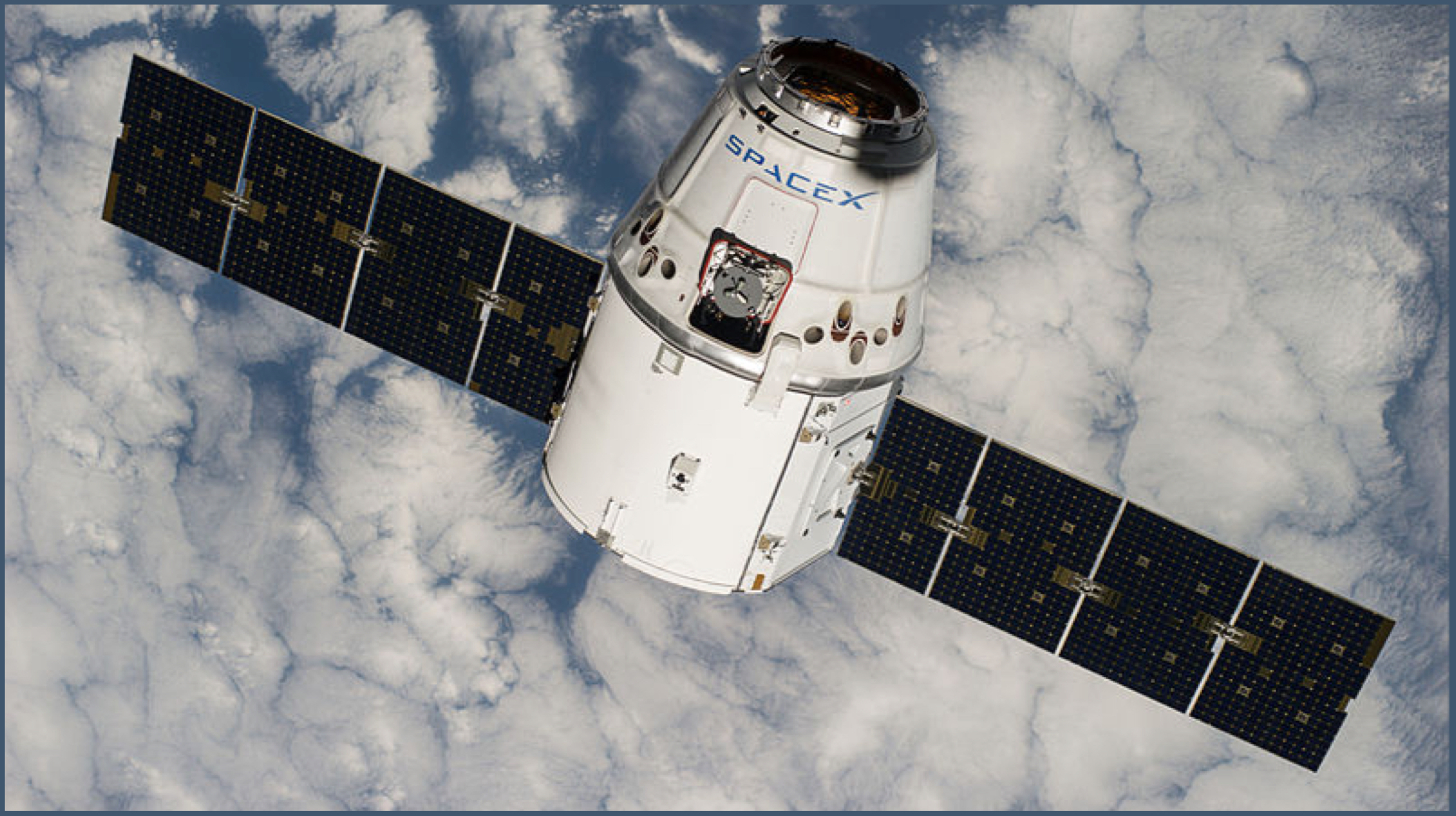
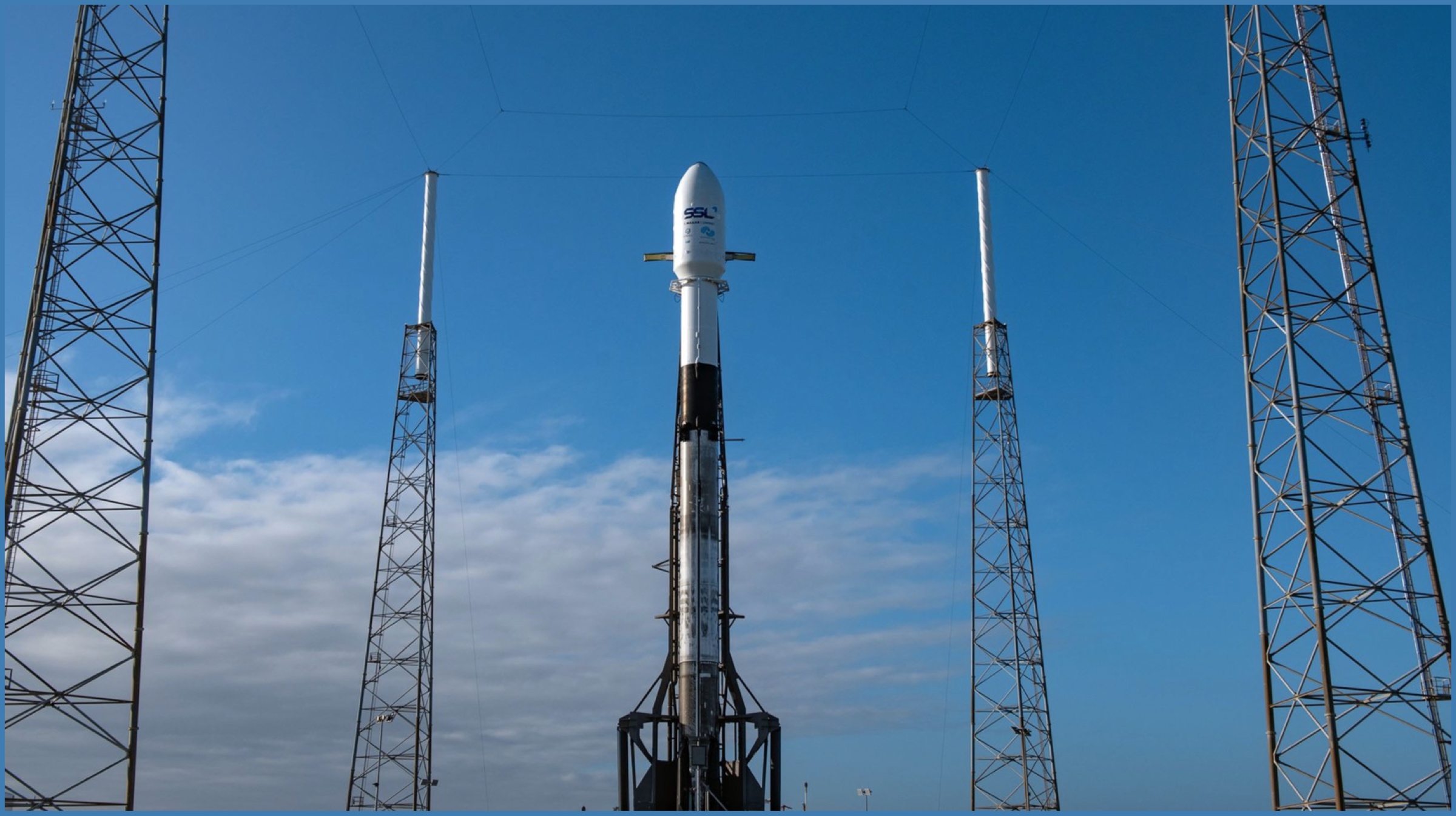
    Israel’s first lunar lander took flight on 7:15 am IST aboard SpaceX’s Falcon 9 rocket, which was launched from Cape Canaveral, Florida on February 22. This mission (called the Nusantara Satu mission), if deemed successful, will place Israel at the fourth place amongst nations which have already attained controlled touchdown on the moon. The list already includes countries like the United States, USSR and China. The unmanned robotic lander has been named ‘Beresheet’, which is a Hebrew translation for “in the beginning”.

    About The Rockets And Payloads

    The 23-storey-tall rocket disappeared into the sky as it made its way towards the moon. There were three sets of cargo on the Falcon 9, which is one of the most famous rockets in the arsenal of Elon Musk’s aerospace research organization, SpaceX. As mentioned before, one of the payloads was the 585 kg Beresheet lunar lander, whereas the other two payloads were intended for different purposes. One of them was Indonesia’s telecommunications satellite and the other was an experimental satellite for the US Air Force. It was also reported that the lunar lander took its place in earth’s orbit almost 34 minutes after its launch. 15 minutes later, two satellites separated from the Beresheet. The complete launch was broadcasted on SpaceX live webcast.

    SpaceX Recycles Falcon 9’s Engine

    The Falcon 9 and the lunar lander launch was not the only highlight of the launch. SpaceX added another milestone in its book of innovating technology by recycling its rockets. Mission control engineers and other people cheered from the launch site as the Falcon 9’s main-stage booster separated from the rest of the payload, shuttled back to Earth and had a safe landing on the “Of Course I Still Love You” droneship.

    Bearing the name of legendary Sci-Fi author Iain M. Banks’ “fictional starships”, the drone-pad was positioned almost 500 km off Florida’s coast. The distant glow of the returning booster was clearly visible against the sky as the moon appeared. Noteworthy, this marked the booster’s third launch and landing after delivering Iridium-7 and SAOCOM 1A payloads to space.

    Plans For Landing

    Beresheet is expected to land on the near-side of the moon by mid-April. In doing so, it will travel through almost 6.5 million kilometres in space. Agreed, the direct path from the earth to the moon would be much shorter, but the lunar lander will travel via a more circular orbit. As per SpaceX plans, the gradually widening Earth orbit will help the probe to eventually reach the moon’s gravitational pull, leading to a controlled ‘soft’ landing.

    Also Read: Elon Musk Promises Tesla Will Release Full Autonomous Driving Feature This Year

    As of now, there is no plan to get the spacecraft back to earth. It will spend 2-3 days on the moon, photographing landing sites and measuring the moon’s magnetic field. Then the lunar probe will be shut down and it will remain on the lunar landscape for all eternity. The complete broadcast of the Nusantara Satu Mission can be found below.


  • Samsung Galaxy Home To Be Launched By April 2019

    Samsung Galaxy Home To Be Launched By April 2019

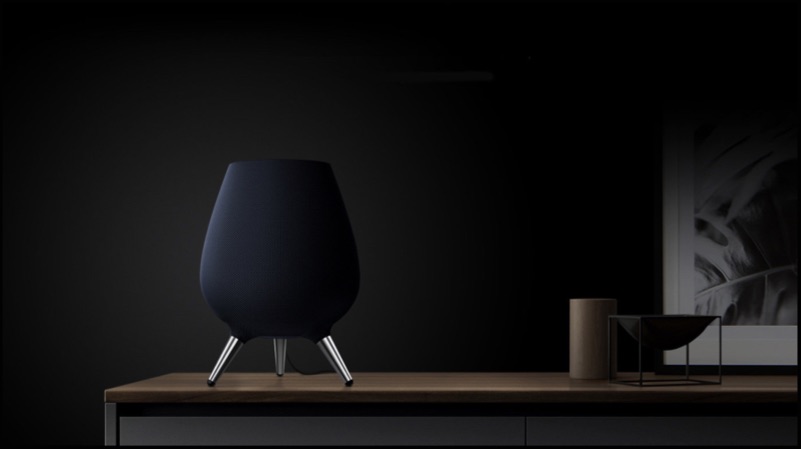
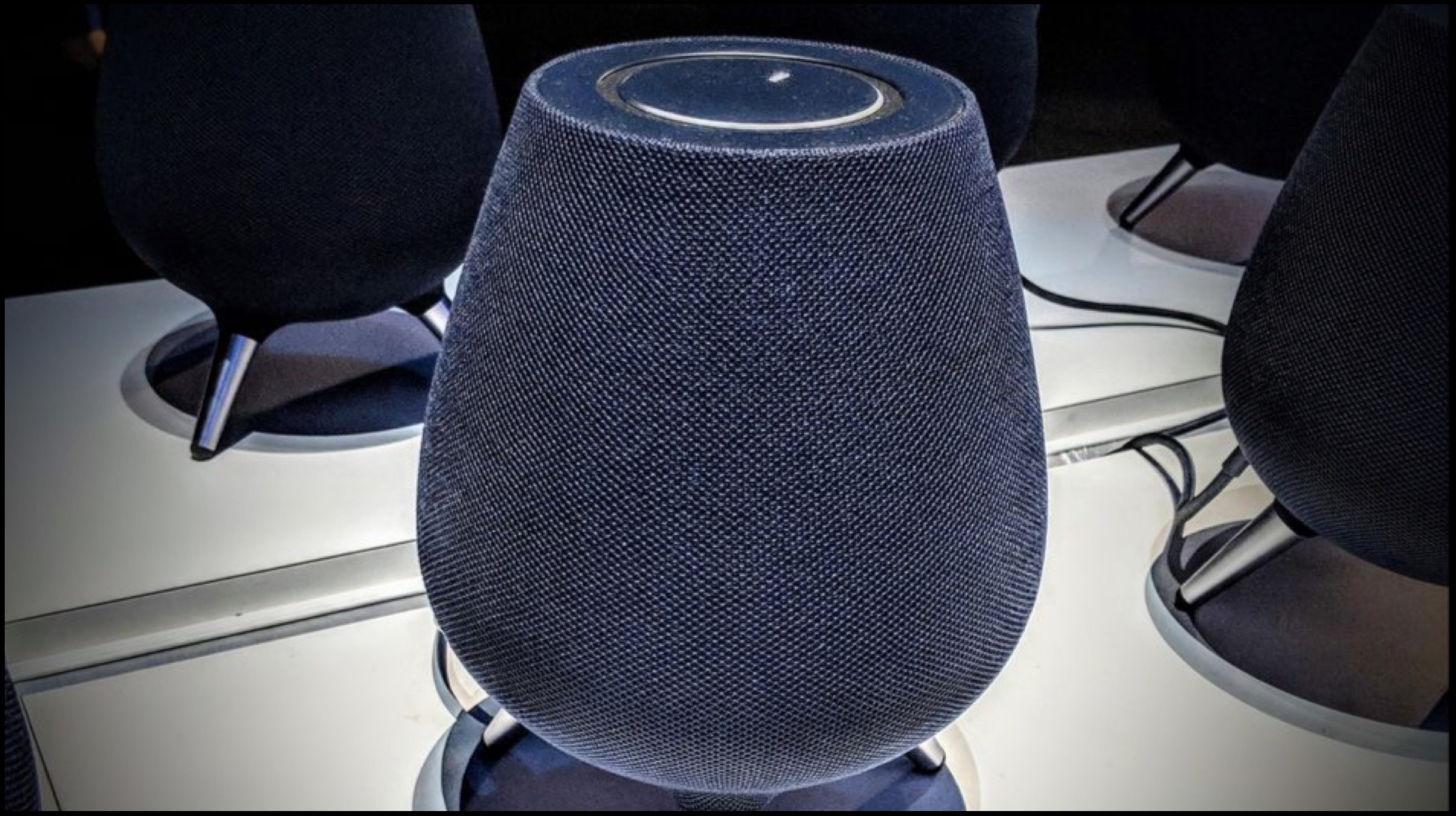
    Samsung unveiled the Galaxy Home smart speakers last year during the announcement of the Galaxy Note 9. Not just that, the speaker was also displayed at the Samsung Developer Conference even though the company abstained from making any statement on its official launch. During the Galaxy Unpacked 2019 event, Samsung has revealed that the Smart speakers will be available for purchase in the month of April this year. 

    Features

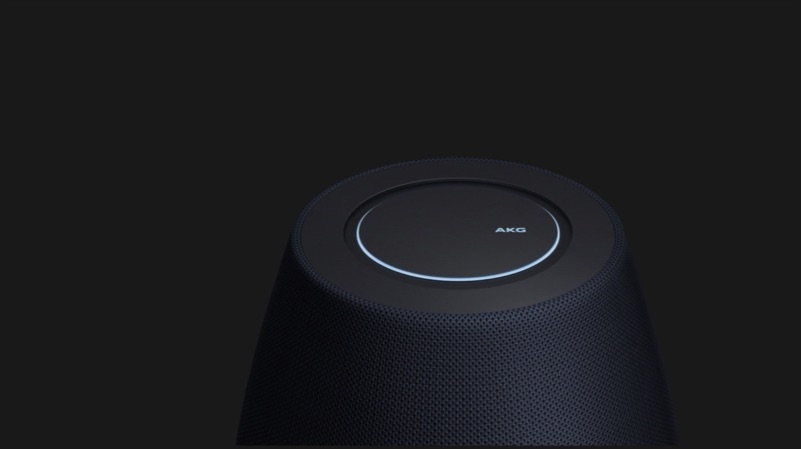
    The Galaxy Home would compete with similar smart speakers such as Amazon Echo and Google Home. Talking about voice assistants, Amazon Echo has Alexa integration while the Google Home uses Google Assistant. The smart speaker from Samsung will have the Bixby Voice Assistant. The sound quality is tuned by AKG, which was acquired by Samsung in 2017. The Galaxy Home can also be used as a smart hub for keeping tabs on the gadgets that are compatible with the platform.

    Bixby Integration

    Samsung Galaxy HomeAccording to Samsung, Galaxy Home is the only AI speaker that will transmit a wave of sound directly towards you when you communicate with the device. This means that the user will experience surround sound irrespective of their position in the room. It packs 6 different speakers and one subwoofer, all of which are housed in the same unit. Furthermore, the Galaxy Home also has 8 microphones with integrated ‘far-field’ technology. Users can say “Hi Bixby” from across the room and communicate with the smart speaker.

    Samsung Galaxy HomeAlso Read: Elon Musk Promises Tesla Will Release Full Autonomous Driving Feature This Year

    Surveys show that Bixby is used by only 4 percent of users in the US. In comparison, 44 percent of users use Siri and almost 30 percent have the Google Assistant as their primary voice assistant. Agreed, it’s a good-looking speaker, but Samsung may have to step out of the box a bit with the Galaxy Home.

  • Apple Planning To Combine iPhone, iPad And Mac Apps By 2021

    Apple Planning To Combine iPhone, iPad And Mac Apps By 2021

    The Apple ecosystem is vast, with various devices interconnected seamlessly. Despite running the same OS, the apps on the iPhone and the iPad differ in functionality and availability. A report claims that by the year 2021, the company will combine its iPhone, iPad and MacOS apps in a project codenamed Marzipan.

    Combined Apps In The Apple Ecosystem

    The move of combining apps for all the major products in the Apple ecosystem will make it easier to develop apps for these products. The Marzipan project might make an appearance in the upcoming Apple’s WWDC Developer conference in June. Only app development will be linear as Apple has confirmed that it won’t merge iOS and MacOS as a singular platform. Along with the alleged Marzipan project; Apple is also expected to announce the next generation of iOS, the iOS 13 for iPhones and iPads, at the event.

    The alleged project Marzipan will begin its journey later this year, as Apple will let the developers port their iPad apps to Mac computers via a software development kit. This will be further explored in the year 2020 when iPhone apps will be tested for porting to Mac. All of these will be combined to form a united app experience across these three platforms by the year 2021. The kit will be released as early as June, which coincides with reports of it launching at the WWDC. This change will let developers create a cross-platform experience for an app, as some apps are currently available on iOS and not on MacOS.

    Also read: Samsung Announces The Galaxy S10 5G Smartphone

    The project Marzipan is expected to provide a revenue opportunity for Apple as the company takes a profit share for in-app purchases and in-app subscriptions. It is also expected to announce some new products in its services divisions; namely a premium news subscription service and a video content initiative, in the month of March. The idea of combining apps for different ecosystems was first explored by Microsoft for its Windows Phone and Windows PCs, as well as Google when developing Android apps for ChromeOS. This move by Apple is expected to improve the app experience and may provide seamless connectivity on a single app between different platforms. 

  • JEDEC Announces LPDDR5 RAM For Mobile Computing Devices

    JEDEC Announces LPDDR5 RAM For Mobile Computing Devices

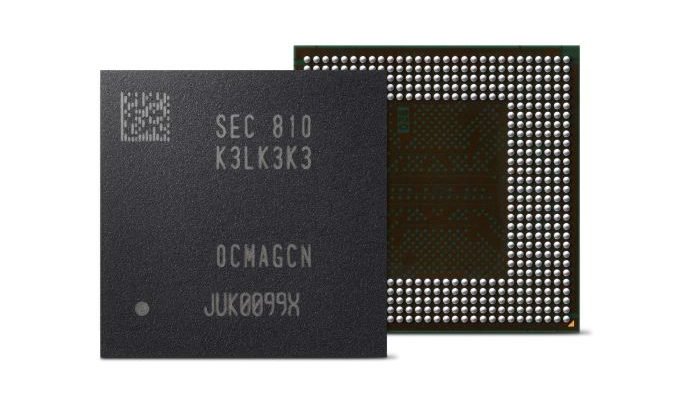
    JEDEC is a well known name in the microelectronics sector. JEDEC Solid State Technology Association announced the publication of the new JESD209 LPDDR5 RAM on February 21. LPDDR stands for Low Power Double Data Rate 5, implying that the RAM module is targeted towards mobile computing devices. LPDDR5 will run at 6400 MT/s I/O rate, which is almost 50% higher than the first iteration of the LPDDR4 mobile RAM. The increased transfer rate provided by LPDDR5 will notably give a boost to the efficiency and memory speed of the device. Devices that have low power consumption such as Notebooks, tablets and smartphones can especially benefit from the new module.

    Furthermore, LPDDR5 has some new components that are specifically designed for mission-critical applications. The original LPDDR5 architecture has been redesigned and now runs on a whole new 16Banks programmable structure with an integrated multi-clocking architecture. Also, the LPDDR5 documentation is available for download here.

    New Commands

    Two revamped command-based operations have been introduced to the new RAM module. They aim towards the improvement of system power consumption while reducing data transmission at the same time. Named Data-copy and Write-X, the operations will keep a check on the overall power consumption of smartphones and laptops.

    The Data-copy command will provide instructions to the LPDDR5 module to copy the data on a single I/O pin to the other I/O pins. This will ensure that data is not needlessly transmitted to the rest of the pins. On the other hand, the Write-X command will instruct the device to write all-ones or all-zeroes to a specific address, which will eliminate the need to transfer data from the chipset to the device itself.

    Other Features

    Also Read: Samsung Galaxy S10 And S10+ With Ultrasonic FingerPrint Sensor Launched

    Along with the announcement of the new module, LPDDR5 has included Link Error Correcting Code support for the SoC-DRAM interface. It helps boost higher data transfer rates between the components. Other features include Dynamic Frequency and Voltage Scaling for Core and I/O, selectable differential and single-ended CK, WCK, and RDQS, partial array self-refresh and auto-refresh, and low power read/write operation with Data-Copy and Write-X functions.


  • Elon Musk Promises Tesla Will Release Full Autonomous Driving Feature This Year

    Elon Musk Promises Tesla Will Release Full Autonomous Driving Feature This Year

    Electronic car maker Tesla has been a driving force in the growth of the sales of electric cars. The company has introduced several futuristic features in their vehicles which have been really popular among buyers. Its CEO Elon Musk promised a while ago that a fully self-driving Tesla will be released by the year 2020. In a surprising move, the senior executive confirmed that the company will indeed be releasing the promised feature by the end of the year 2019.

    Tesla & Self Driving Technology

    Tesla SmartphoneTesla cars are renowned for their Autopilot feature which makes use of several cameras and sensors present on the exterior of the vehicle. The feature, when used makes the car a partially autonomous vehicle. It still requires the driver to be attentive of their surroundings all the time, or the feature stops working. The feature is then disabled for the rest of the trip and won’t be accessible. It was touted as a revolutionary feature when it was introduced back in 2015 with the v7.0 update of the Tesla OS.

    According to Elon Musk though, the hardware in current Tesla cars is capable of fully autonomous driving since October 2016. It is expected that when the fully autonomous driving feature arrives in the form of a software update, it will automatically support the cars manufactured after late 2016. He states that the feature will be so capable that the driver will be able to sleep while the car drives itself. The vehicle will be able to pick the driver up, drive and drop the rider off their destination. This feature will fully roll-out by 2020 until then manual monitoring is required.

    Elon MuskAlso read: Samsung Launches Galaxy Buds, Galaxy Fit And Galaxy Watch Active

    Interestingly, Tesla always missed every deadline that Elon Musk has quoted earlier. So, the feature might take longer than expected to be fully ready. Reports suggest that the Tesla cars with full autonomous functionality are likely to be ready by sometime in 2020.

  • Samsung Launches Galaxy Buds, Galaxy Fit And Galaxy Watch Active

    Samsung Launches Galaxy Buds, Galaxy Fit And Galaxy Watch Active

    Samsung launched its new wearables range at the Galaxy Unpacked event in San Francisco, which includes the Galaxy Buds, Galaxy Fit/Fit e, and the Galaxy Watch Active. The South Korean electronics brand also unveiled its Galaxy S10 lineup at the event which introduces the Galaxy S10, S10+, and S10e. All these devices feature a number of revamps from their predecessors.

    Galaxy Watch Active – Specs & Features
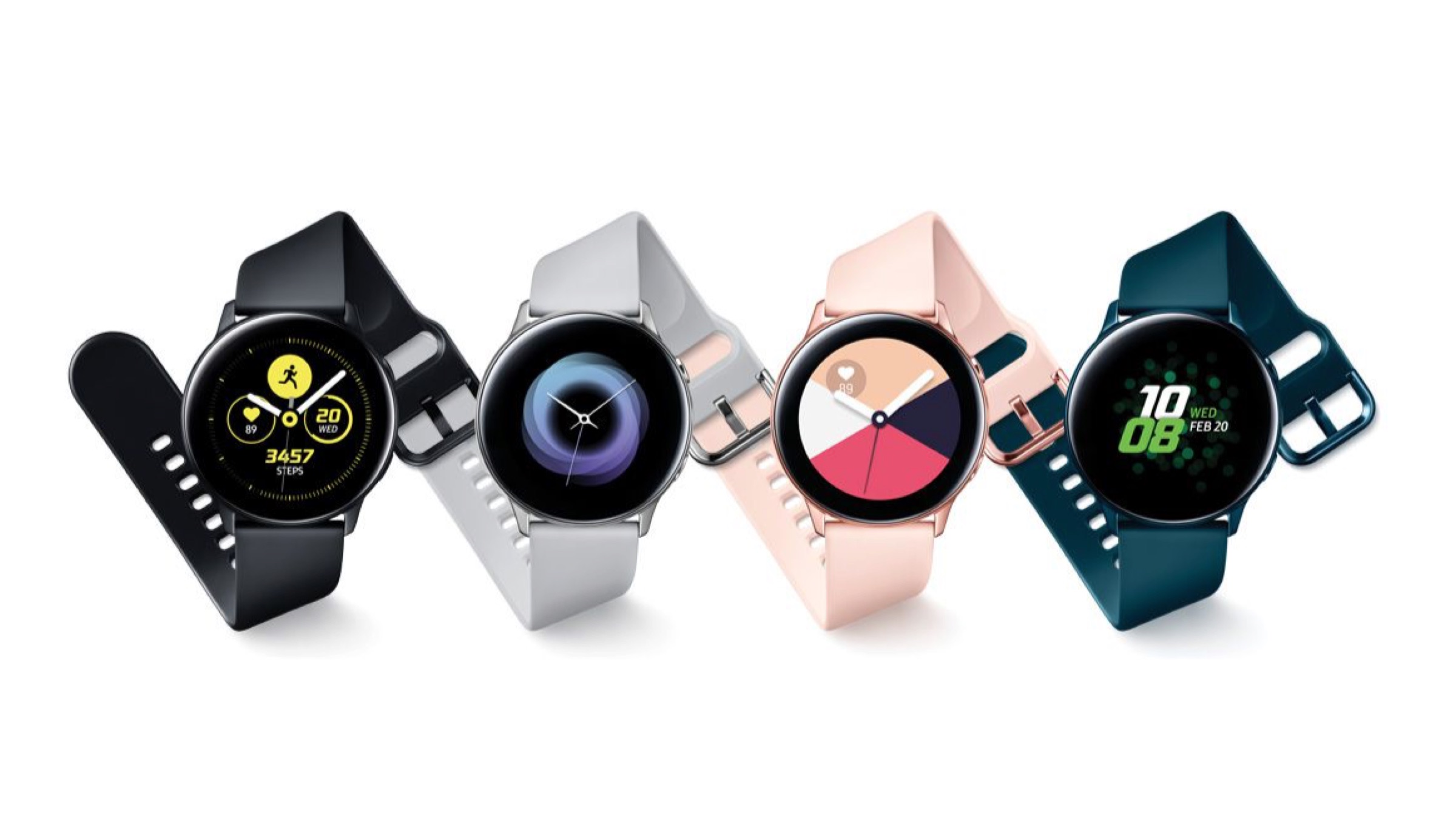
    The Galaxy Watch Active runs on Tizen based wearable OS 4.0 and packs an Exynos 9110 SoC which consists of a dual-core processor. The smartwatch has a reduced screen size than the Galaxy Watch from 2018, measuring 1.1 inches in diameter and having a resolution of 360×360 px. It is powered by a 230 mAh battery. The Galaxy Watch Active sports an AMOLED display.
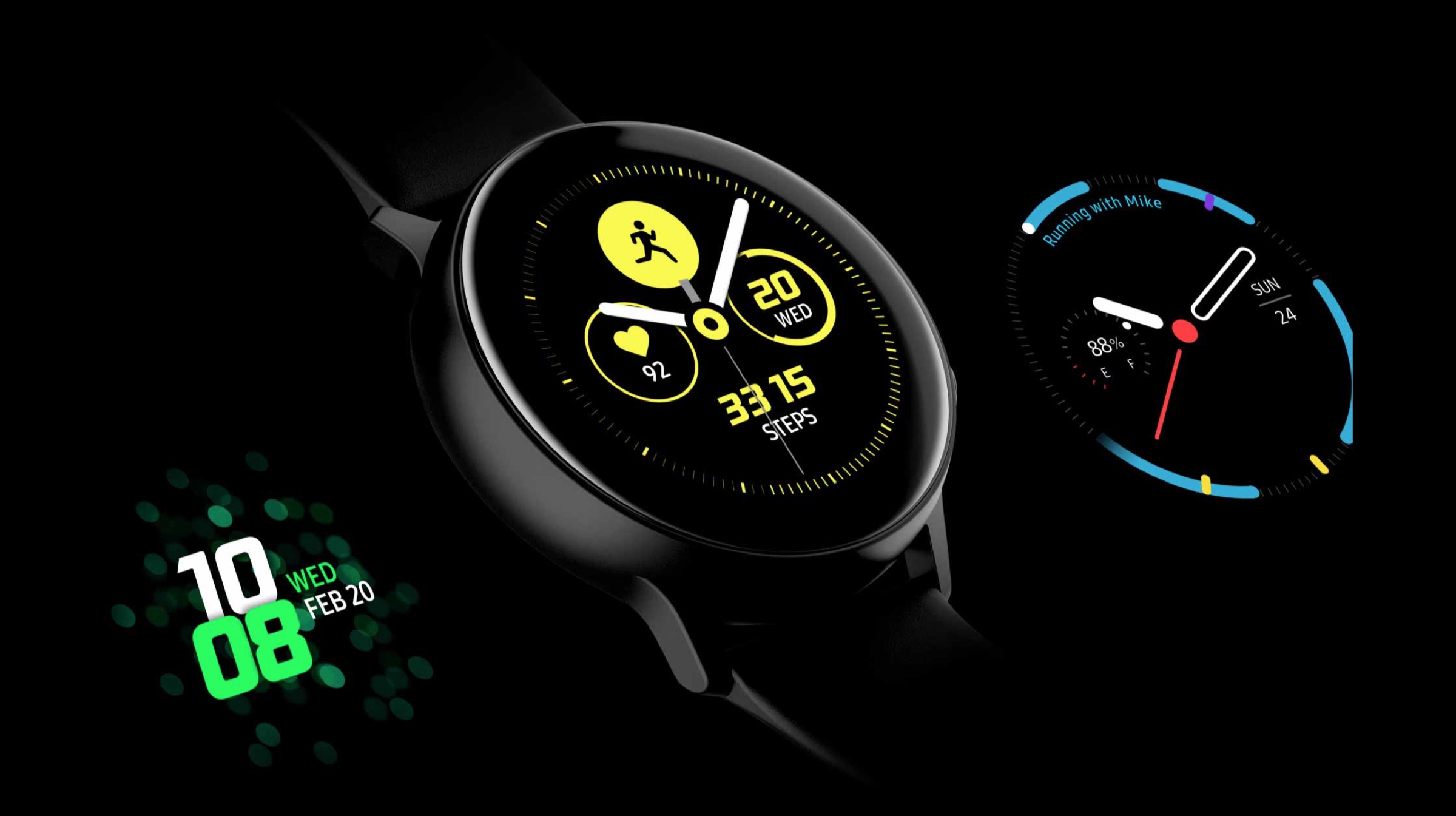
    The smartwatch runs on Samsung’s freshly overhauled One UI, and is operated via gestures and the two side mounted buttons. It automatically recognizes and tracks the activity being performed by the user. Apart from that, it also has a continuous heart rate tracking feature which can provide users with real-time information regarding their cardiac health.
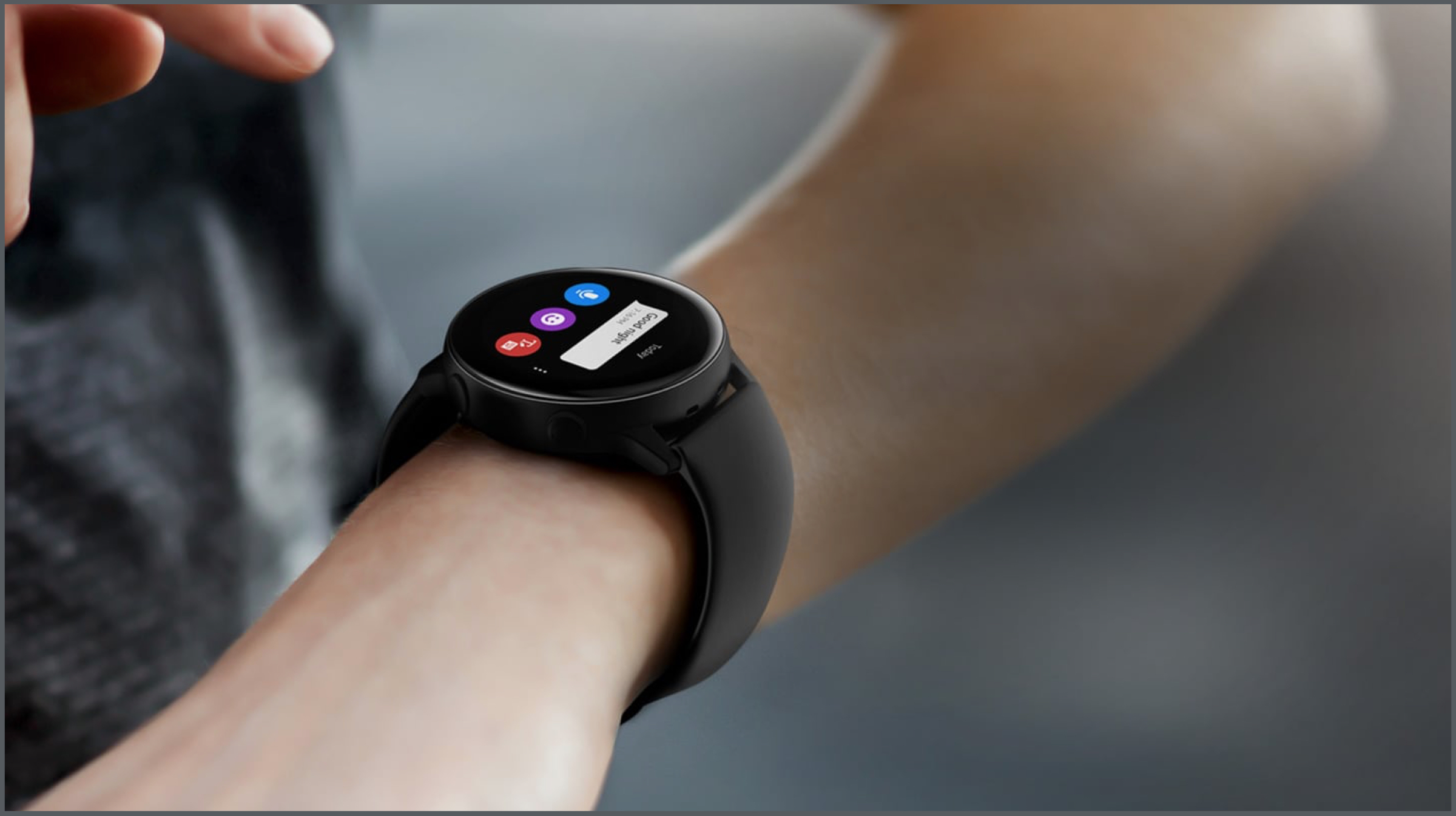
    The Galaxy Watch Active has 768 MB of RAM and 4 GB of internal storage. The smartwatch is IP68 water and dust resistant and is MIL-STD-810G certified. Connectivity options on the device include GPS, NFC, Bluetooth 5.0. As far as the sensors go, the Galaxy Watch Active has an accelerometer, ambient light sensor, gyroscope and a pedometer. Furthermore, the smartwatch also has a sleep monitoring feature.

    https://www.youtube.com/watch?v=LRTqadjEkiQ

    The Galaxy Watch Active is available in 4 colours, Silver, Black, Rose Gold, and Sea Green. The smartwatch is priced at US $199.99 (around Rs. 14,300) but there is no announcement of its release in India yet.

    Galaxy Fit – Specs And Features
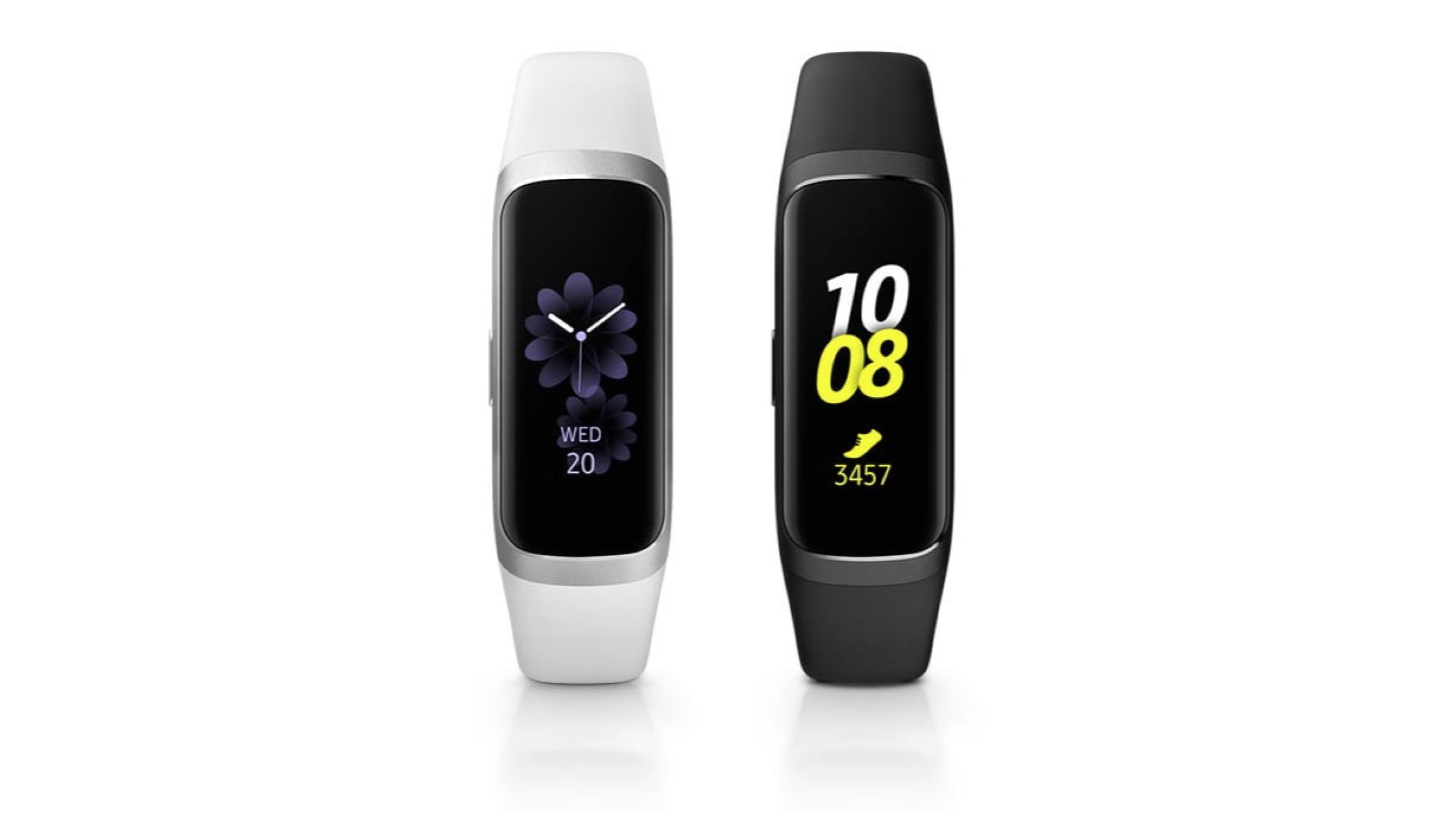
    Samsung announced its fitness activity trackers at the event, known as the Galaxy Fit and Galaxy Fit e. As the name suggests, they are mainly targeted towards fitness enthusiasts. As per Samsung, the newly launched Galaxy Fit and Fit e are designed for users who need the functionality of just a fitness tracker and not a smartwatch. The Galaxy Fit and Fit e can automatically start tracking the user when he/she starts running, biking or swimming. Apart from this, users can also choose their exercise manually from a list of over 90 different activities. Both fitness trackers sport lightweight and ergonomic design.
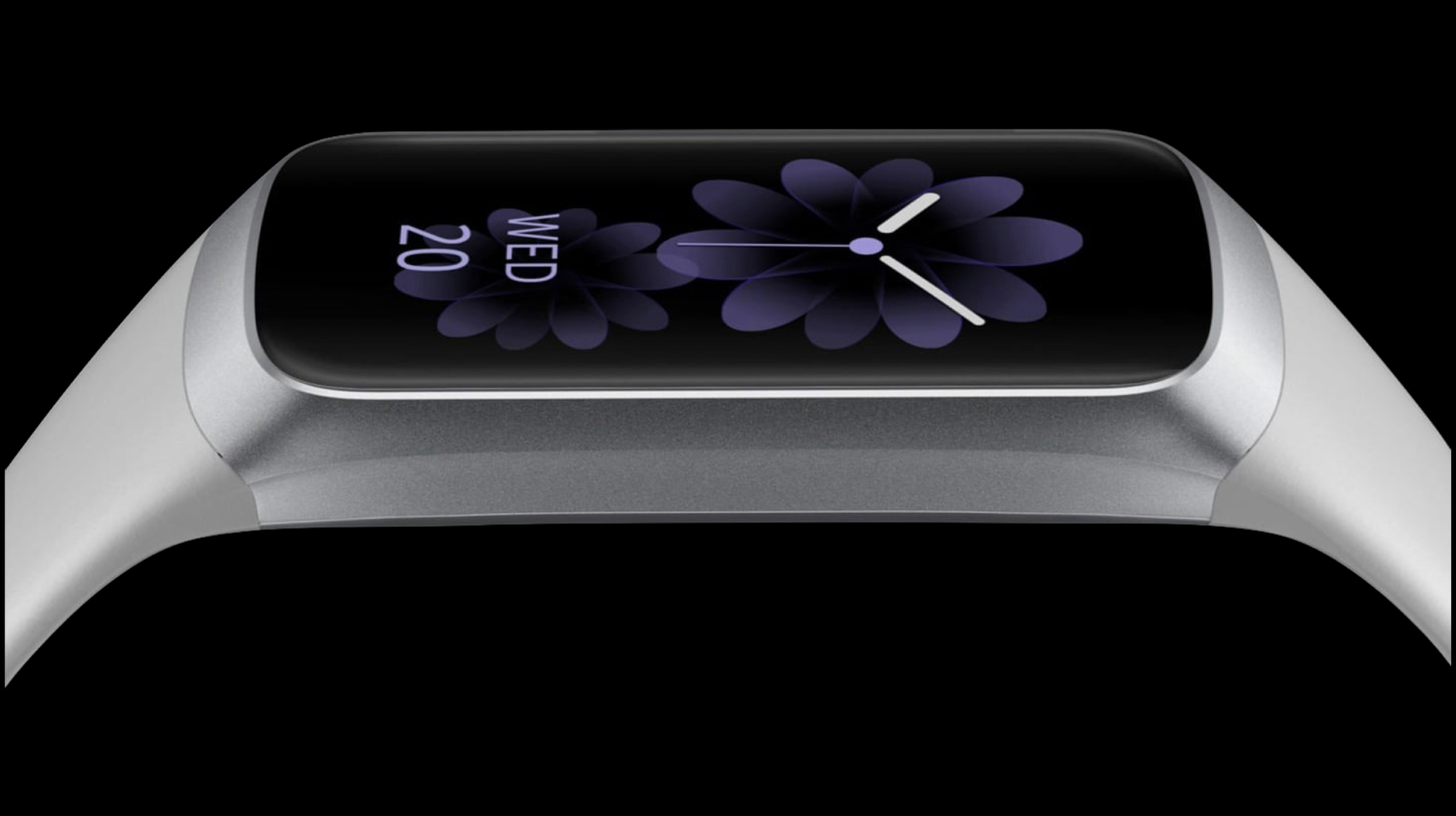
    The Galaxy Fit has a 0.95 inch AMOLED screen, with a resolution of 240×120 px. On the other hand, the Galaxy Fit e has a smaller 0.74 inch PMOLED display (Passive Matrix OLED) with a 128×64 px resolution. The fitness trackers run on Realtime OS and are also equipped with a heart-rate monitor. Noteworthy, the fitness trackers are 5ATM water resistant (up to 80 PSI). The Galaxy Fit will be available in Black and Silver colours, whereas the Galaxy Fit eis available in Black, White and Yellow colour options.
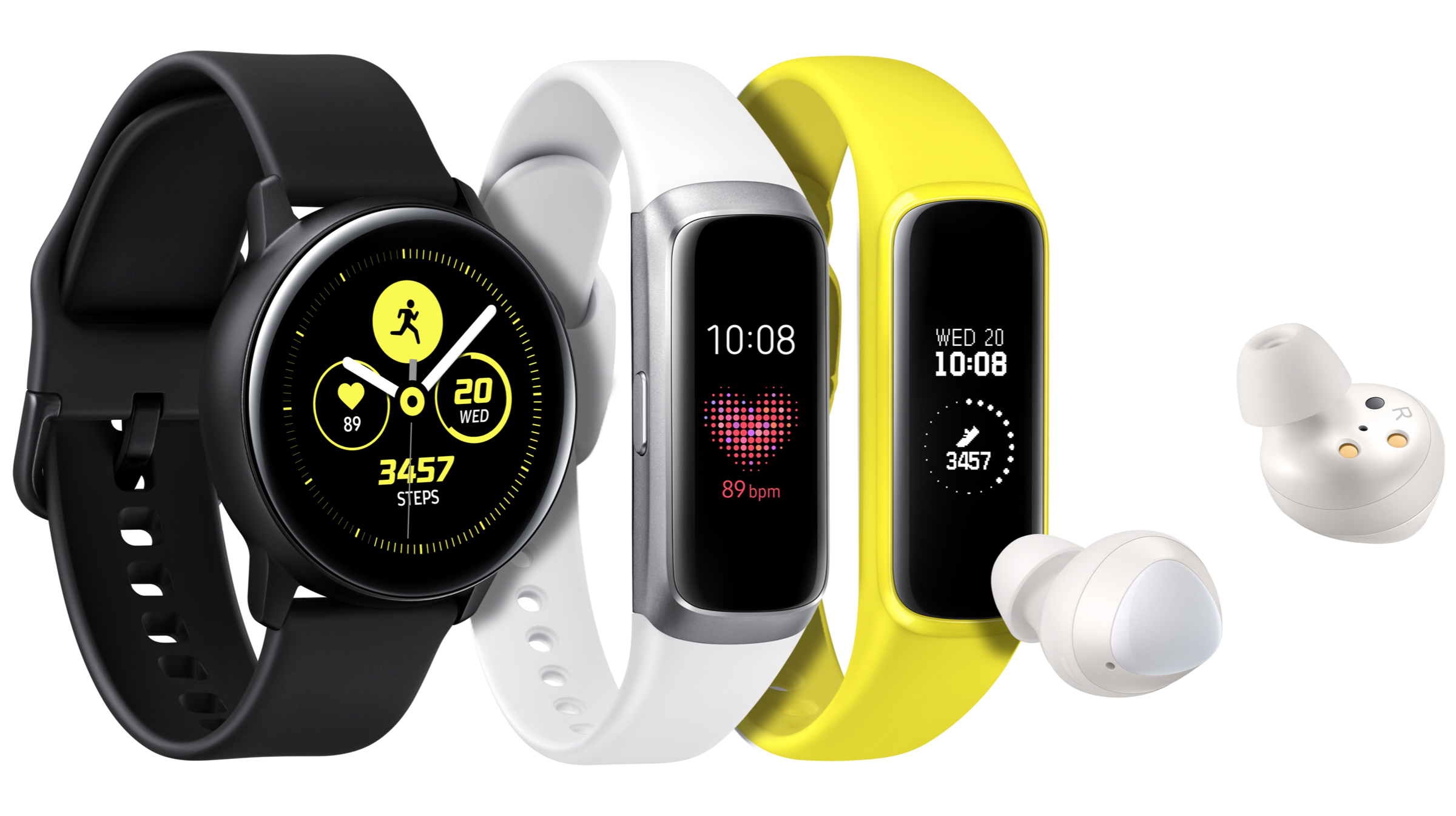
    The Samsung Galaxy Fit has been launched with a price tag of US $99 (roughly Rs. 7,000). It will go on sale May 31 onwards in the US. However, the availability and price of the Galaxy Fit e have not been revealed yet. It is still unclear when these fitness trackers will be launched in India.

    Galaxy Buds – Specs And Features
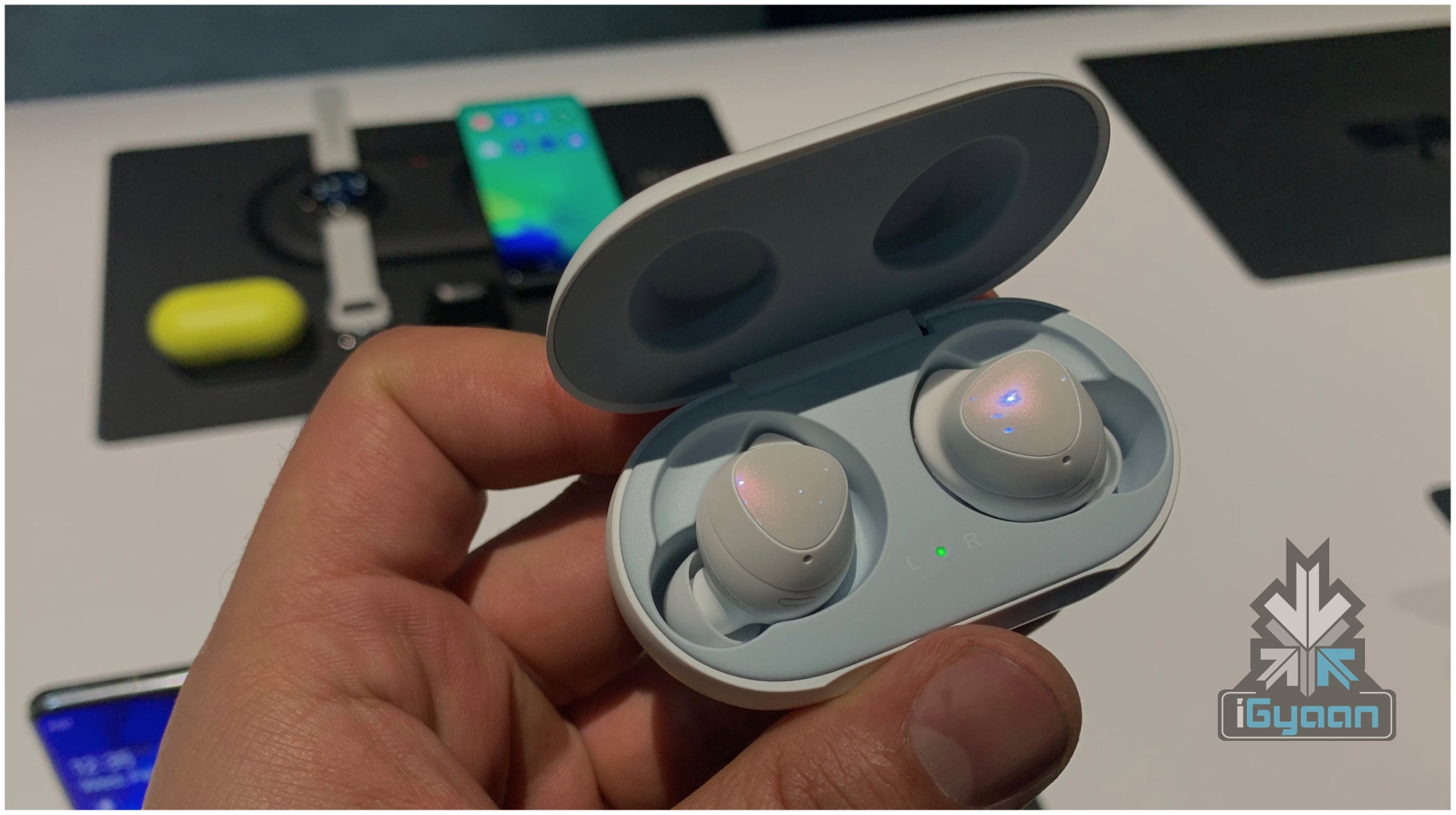
    Samsung also launched its Galaxy Buds at the Galaxy Unpacked Event. The wireless earbuds are slightly smaller than the Gear IconX earbuds and have Bixby integration. As per Samsung, the voice assistant can process instructions in multiple languages including German, Italian and Spanish. The Galaxy Buds are available with the AKG branding. AKG Acoustics (Akustische und Kino-Geräte) are used in various studios worldwide for high quality sound. The wearables have a 5.8pi dynamic driver in each earbud along with an Adaptive Dual Microphone system. This allows users to communicate more easily in loud environments.
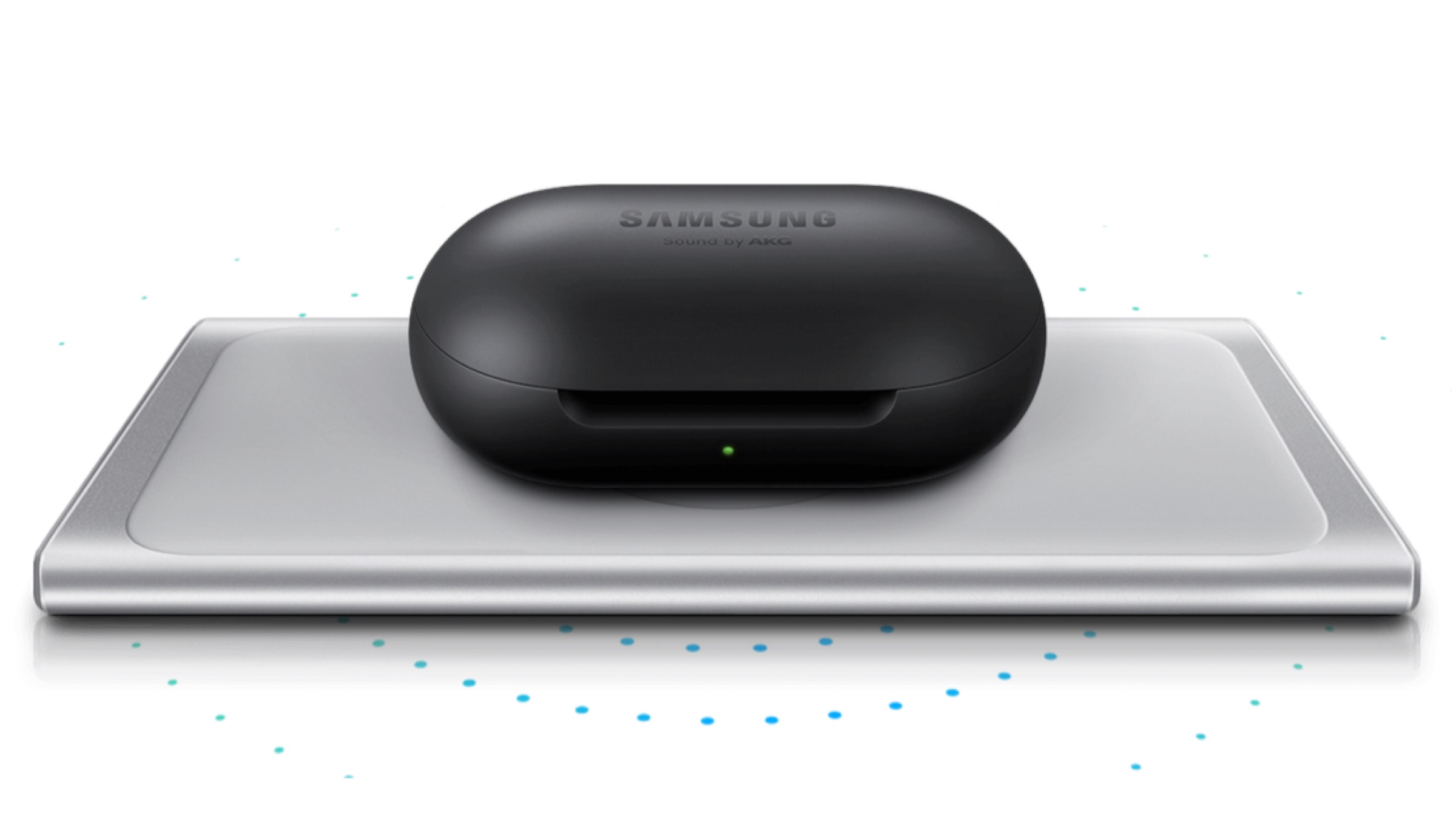
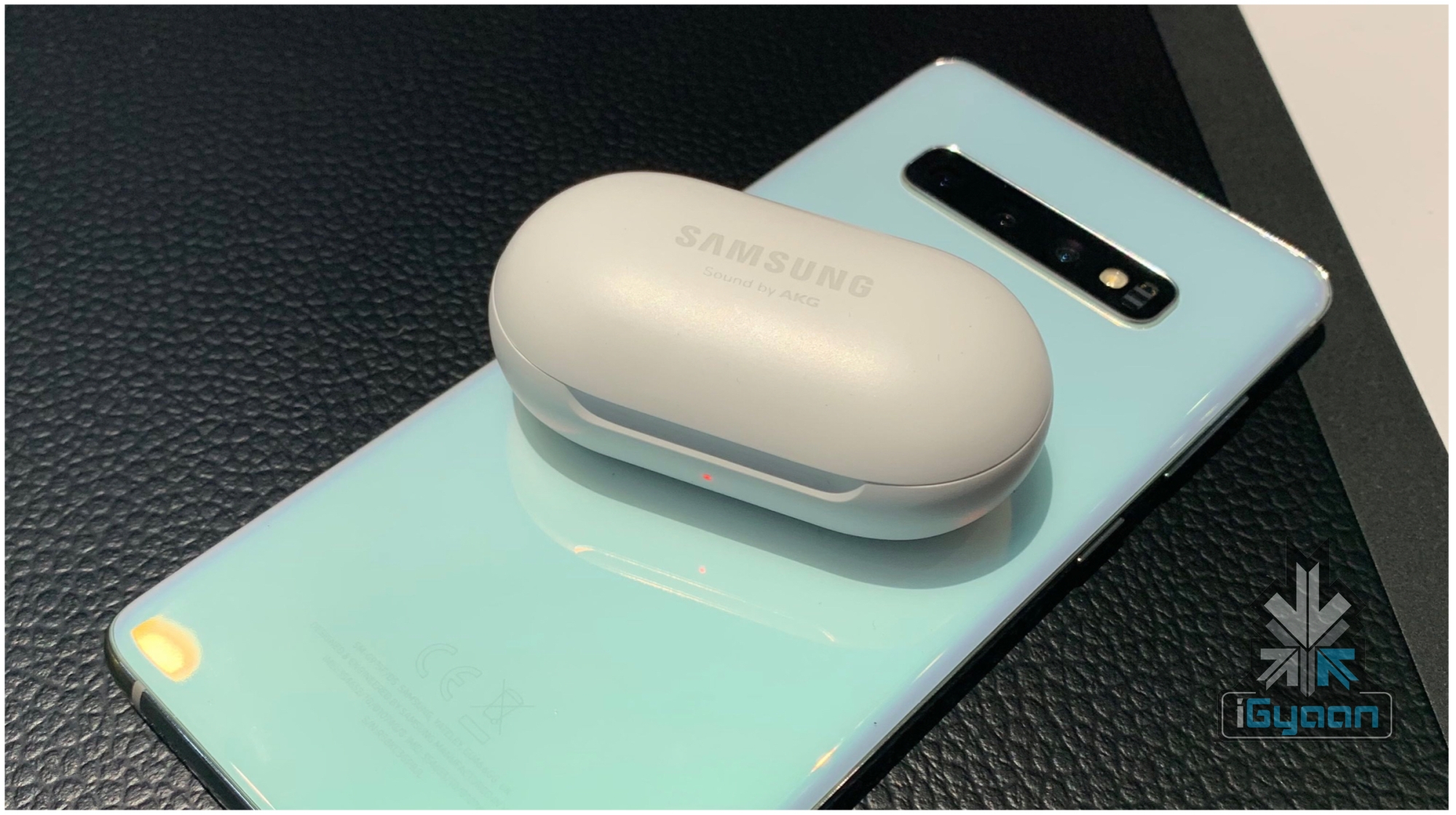
    The case for the Buds is chargeable via USB Type-C. A 58 mAh battery powers each earbud, delivering 5 hours of calling time or up to 6 hours of music playback. The charging case for the earbuds packs a 252 mAh battery which can add an additional 7-8 hours to the battery life of the earbuds. Furthermore, the Galaxy Buds support wireless charging, so they can be charged by placing them on the rear of the Samsung Galaxy S10. This feature, known as Samsung’s ‘Powershare’ was first noticed in the Huawei Mate 20 Pro. The wireless earbuds use Bluetooth 5.0 for connectivity with smartphones.
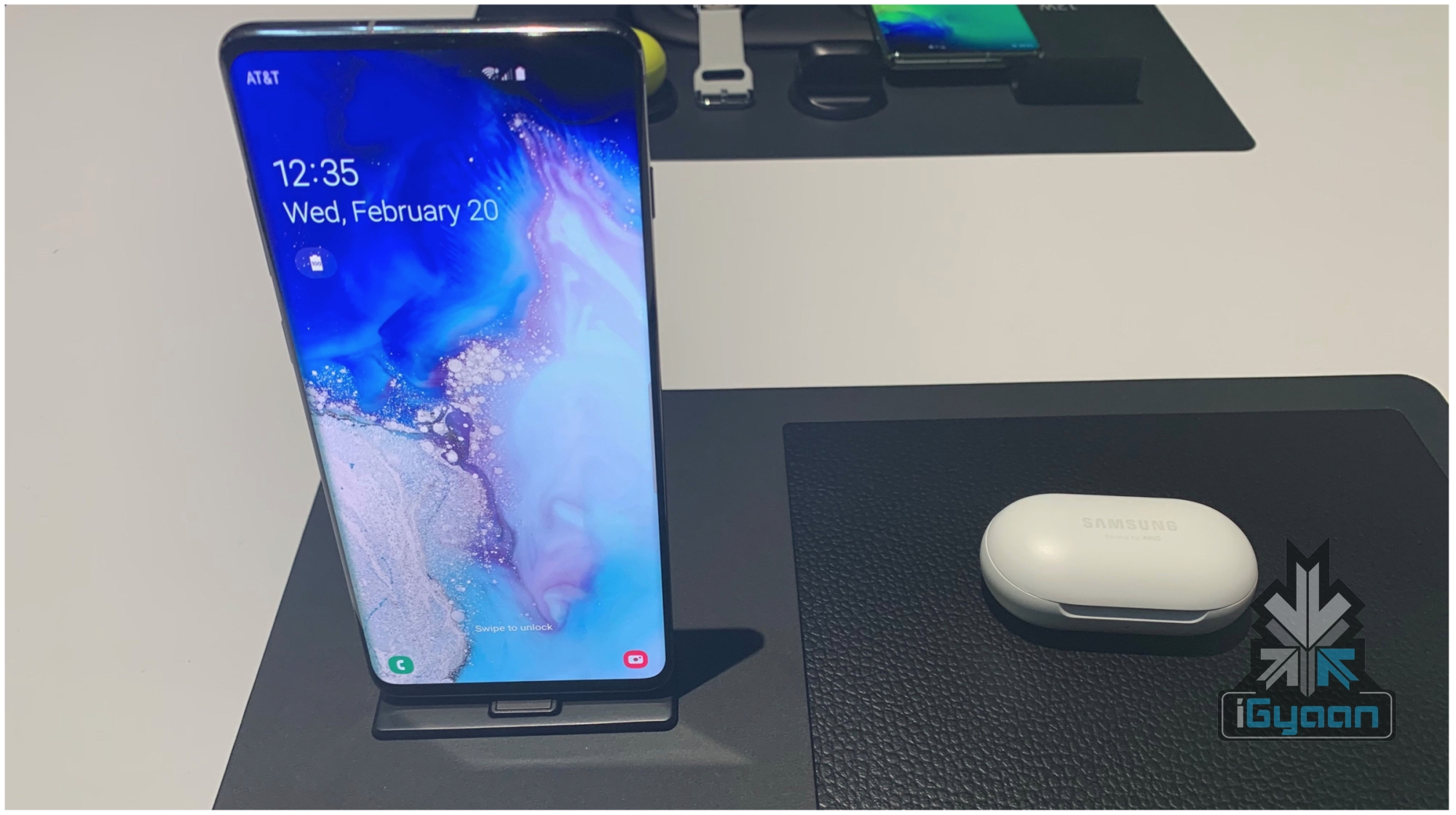
    The case for the wireless earbuds weighs 39.6 grams, while each Galaxy Bud weighs at just 5.6 g. The charging case measures at 38.8x70x26.5mm. whereas the Galaxy Buds measure 17.5×19.4×22.3mm. They are equipped with ear on/off detection sensors, as well as touch sensors for controlling playback and accepting/rejecting calls.

    https://youtu.be/uzt2PchQAI4

    Also Read: Samsung Launches The Galaxy Fold Alongside The Galaxy S10 Lineup

    The Galaxy Buds are available in 3 colours, White, Black and Canary Yellow. They are priced at $129, which roughly converts to Rs. 9,200. Early customers can get a free pair of Galaxy Buds on pre-ordering the Galaxy S10 or the Galaxy S10+.
iGyaan Network
Privacy Overview

This website uses cookies so that we can provide you with the best user experience possible. Cookie information is stored in your browser and performs functions such as recognising you when you return to our website and helping our team to understand which sections of the website you find most interesting and useful.