
On the 17th of April, Samsung unveiled the Galaxy A70 in India which is a mid range focused smartphone. Like other Galaxy A handsets, the latest device has a vivid Super AMOLED display and a large battery. Even though the smartphone was unveiled two weeks ago, it was not put for sale. To the joy of excited consumers, the device is now available for purchase in the country.
Samsung Galaxy A70 Price and Availability
The Samsung Galaxy A70 will be available via Flipkart.com, Samsung Online store, as well as conventional brick-and-mortar stores in the country. The smartphone is offered in three colour options which include Blue, Black and White. It is available in a single RAM + ROM variant for which the price is as follows:
- 6 GB RAM + 128 GB ROM – Rs 28,990
Click here to buy the Samsung Galaxy A70
Samsung Galaxy A70 Specifications
The Samsung Galaxy A70 has an elegant design with an edge to edge display on the front and ‘3D Glasstic’ gradient at the back. The front of the smartphone accommodates a massive 6.7 inch Super AMOLED display that has a resolution of 2400 x 1080 px. The front of the handset has negligible bezels on all sides and a small water drop notch is present on top of the display. For biometrics and security, it features an in-display fingerprint scanner and supports face unlock technology.
The Samsung Galaxy A70 is kitted with the 11nm Snapdragon 675 SoC which consists of an Octa-core CPU and the Adreno 612 GPU. For optics, the smartphone has a triple rear camera setup consisting of a 32MP sensor with an f/1.7 aperture; combined with an 8MP ultra-wide angle sensor and a 5MP f/2.2 depth sensor. For selfies, it has an f/2.0 aperture equipped 32MP camera which is housed in the Infinity-U notch on top of the display. As previously mentioned, the device has 6GB of RAM and 128GB of internal storage which can be further expanded upto 512 GB via the dedicated microSD card slot.
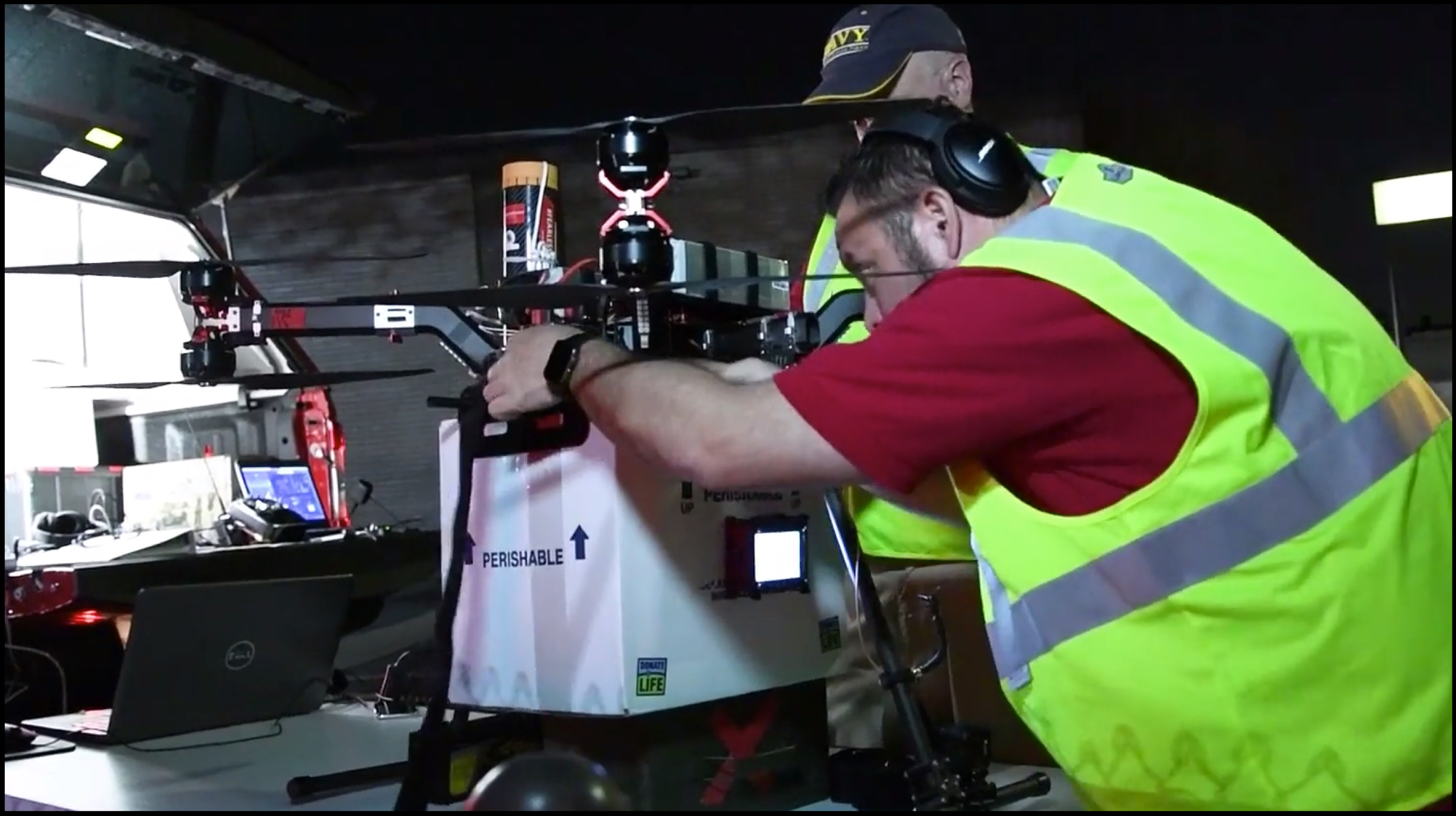
Also Read: World’s First Organ Delivery Via A Drone Carried Out In The US
The Galaxy A70 packs a 4500 mAh battery which supports 25W fast charging via the bottom mounted USB Type-C port.The handset runs on Samsung’s OneUI which is built on top of the latest Android 9 Pie.


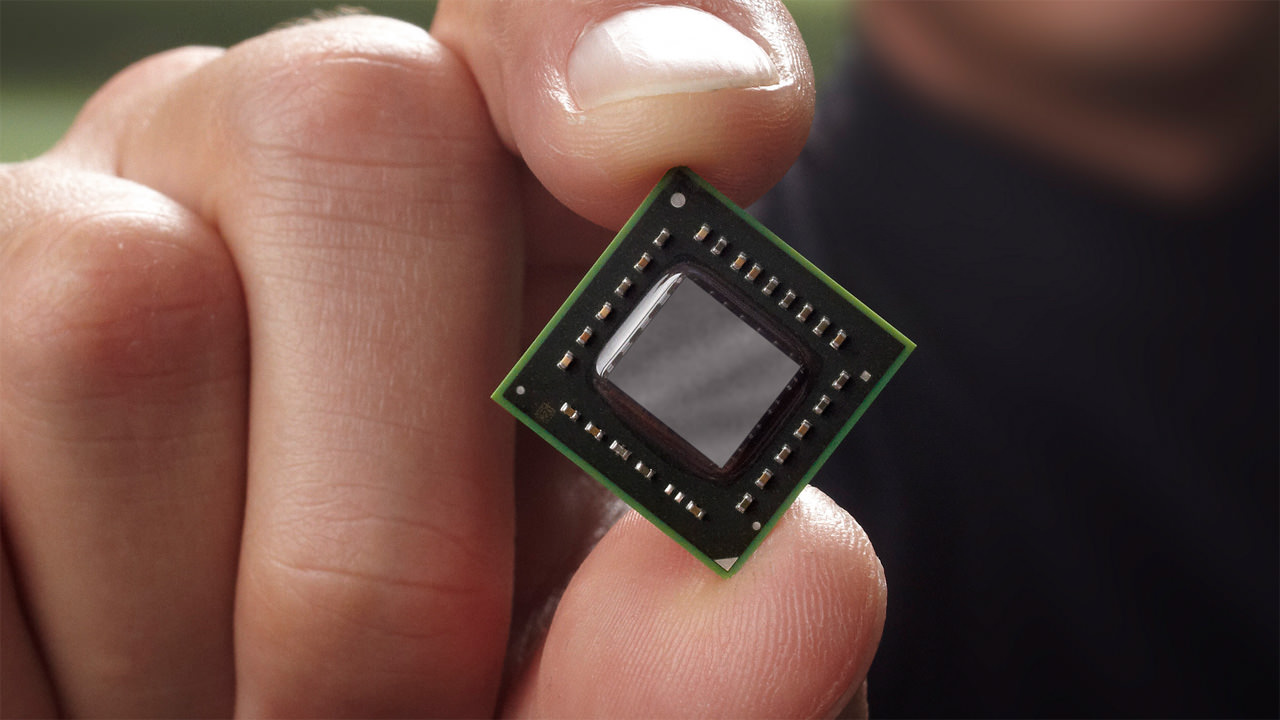
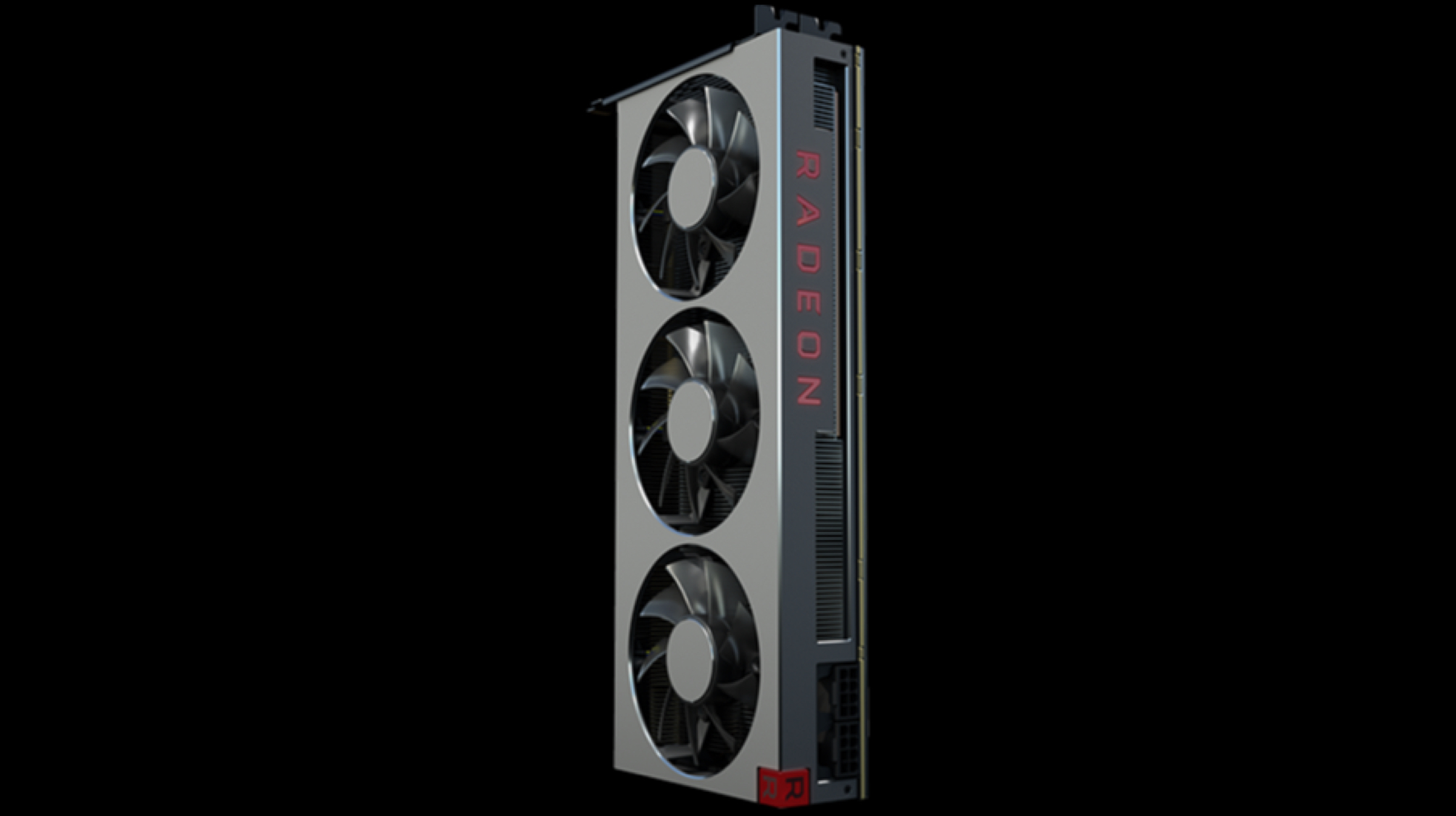
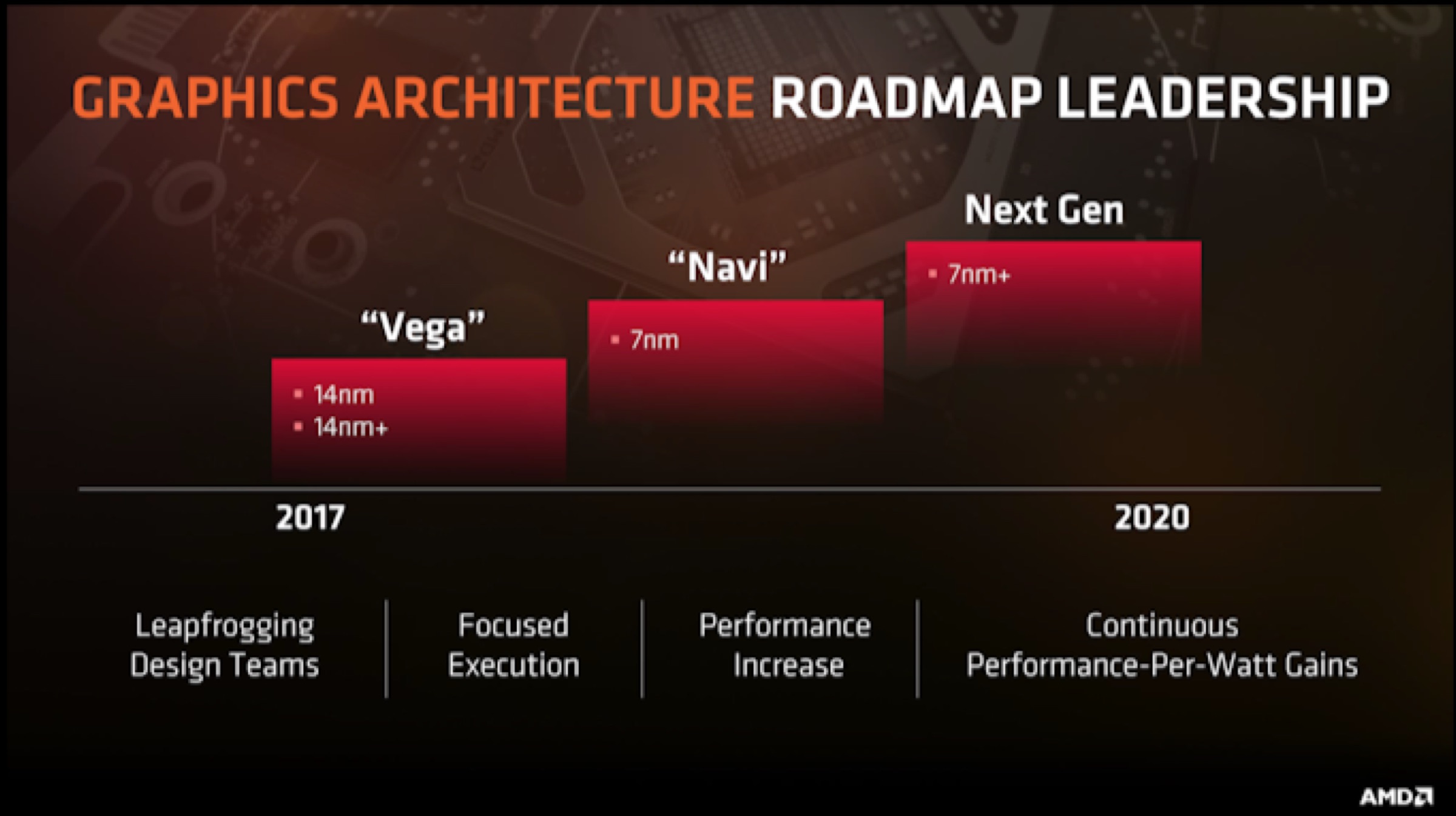 The Navi GPU chip will be manufactured using 7nm fabrication technology. AMD will initially release mid-range models for the same, which are speculated to be the Navi 10 GPUs. Further iterations, including the more powerful Navi 20 graphics cards will be launched later in the year 2020, reports state. The Navi 20 series graphics cards will go up against NVIDIA’s more powerful GPUs, such as the RTX 2080 and RTX 2070.
 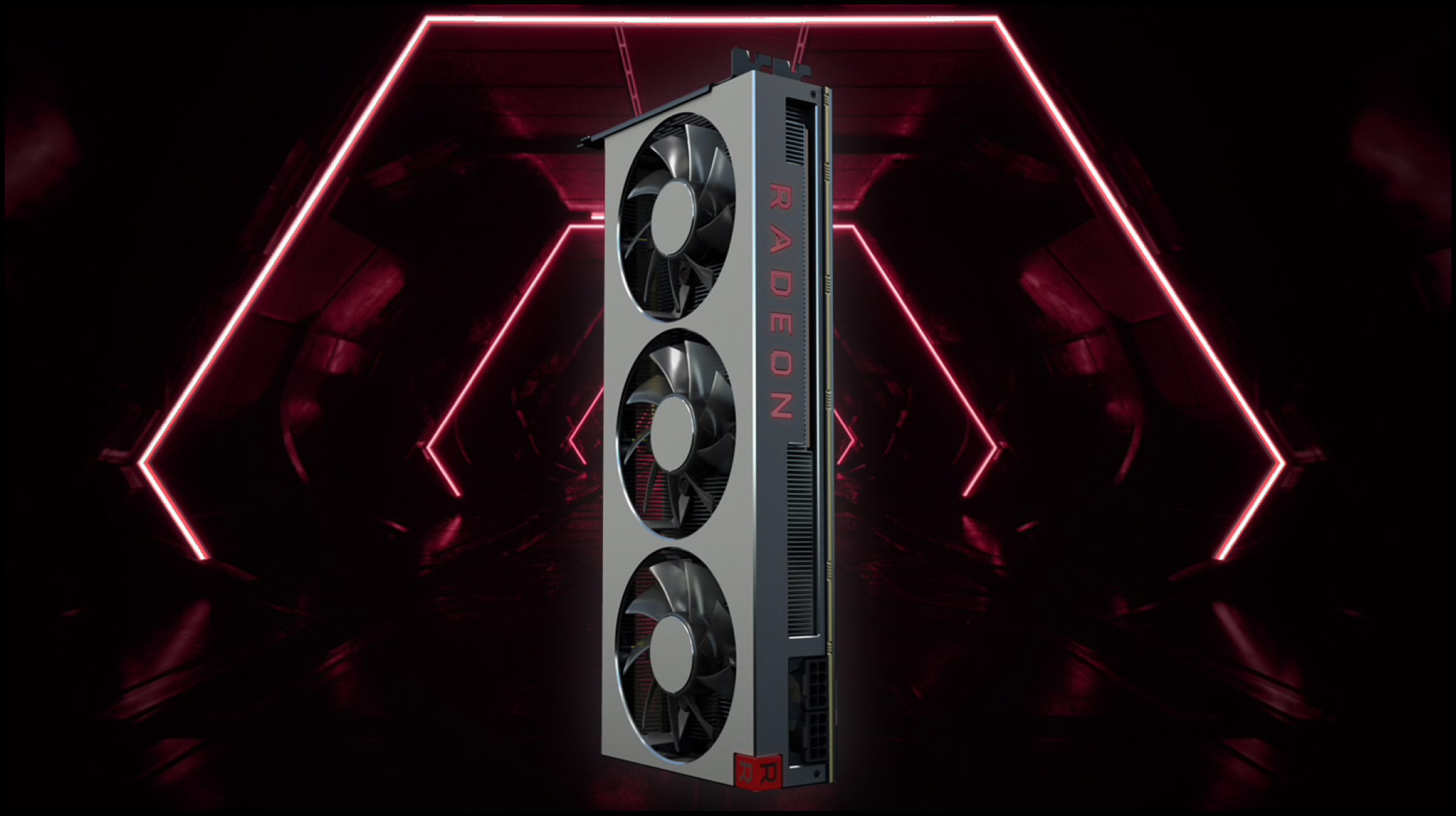 The company has also hinted towards some big chunks of information regarding the upcoming GPUs that will be revealed at the Computex Keynote in May 2019. However, since rumours are stating that the 7nm Graphics Cards will be launched on 7/7, or the 7th Of July, AMD might just limit the information reveal to a tease regarding the GPUs. This falls in line with their recent announcement of the Navi Cards release in the third quarter.
  Also Read:










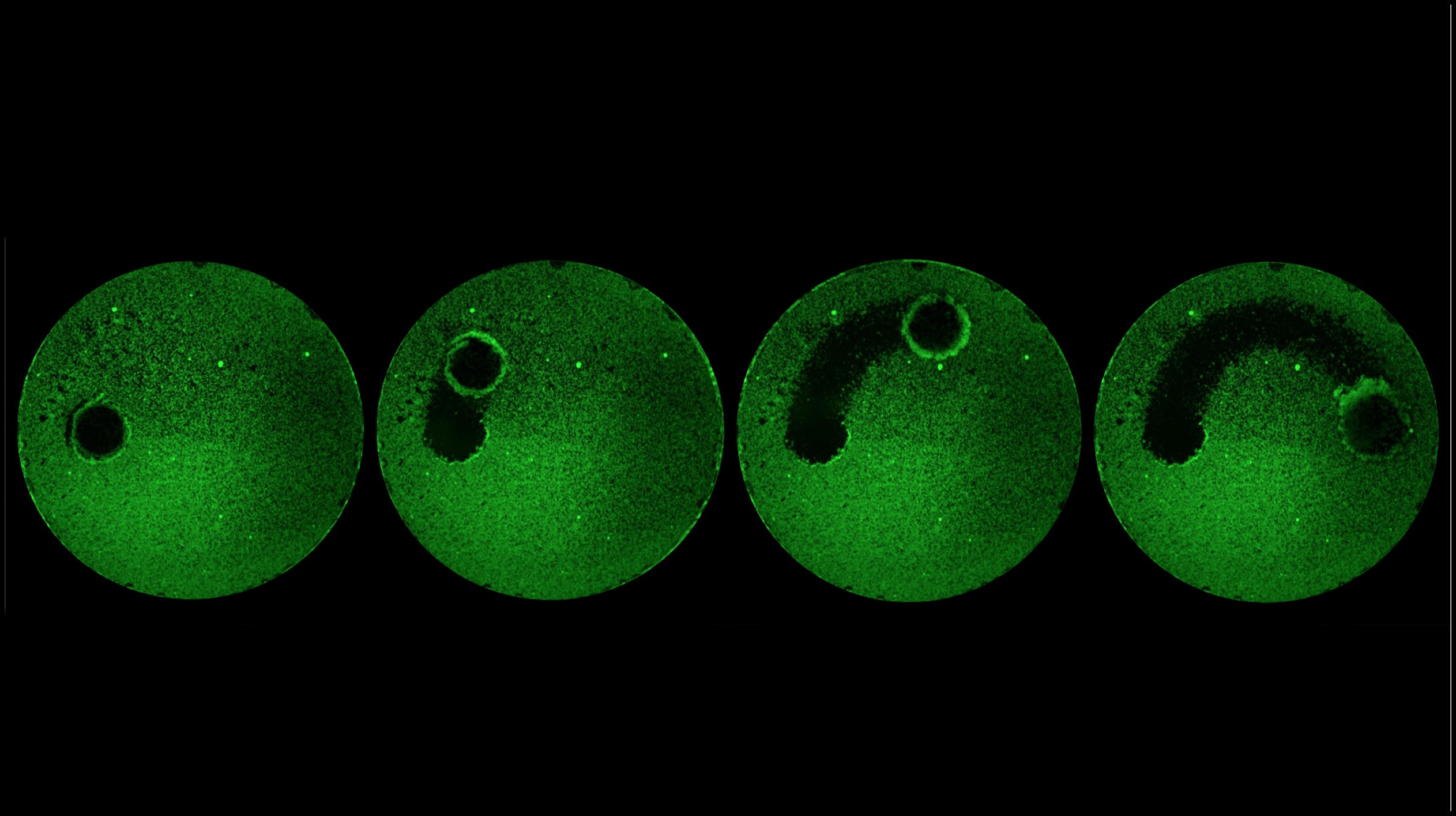
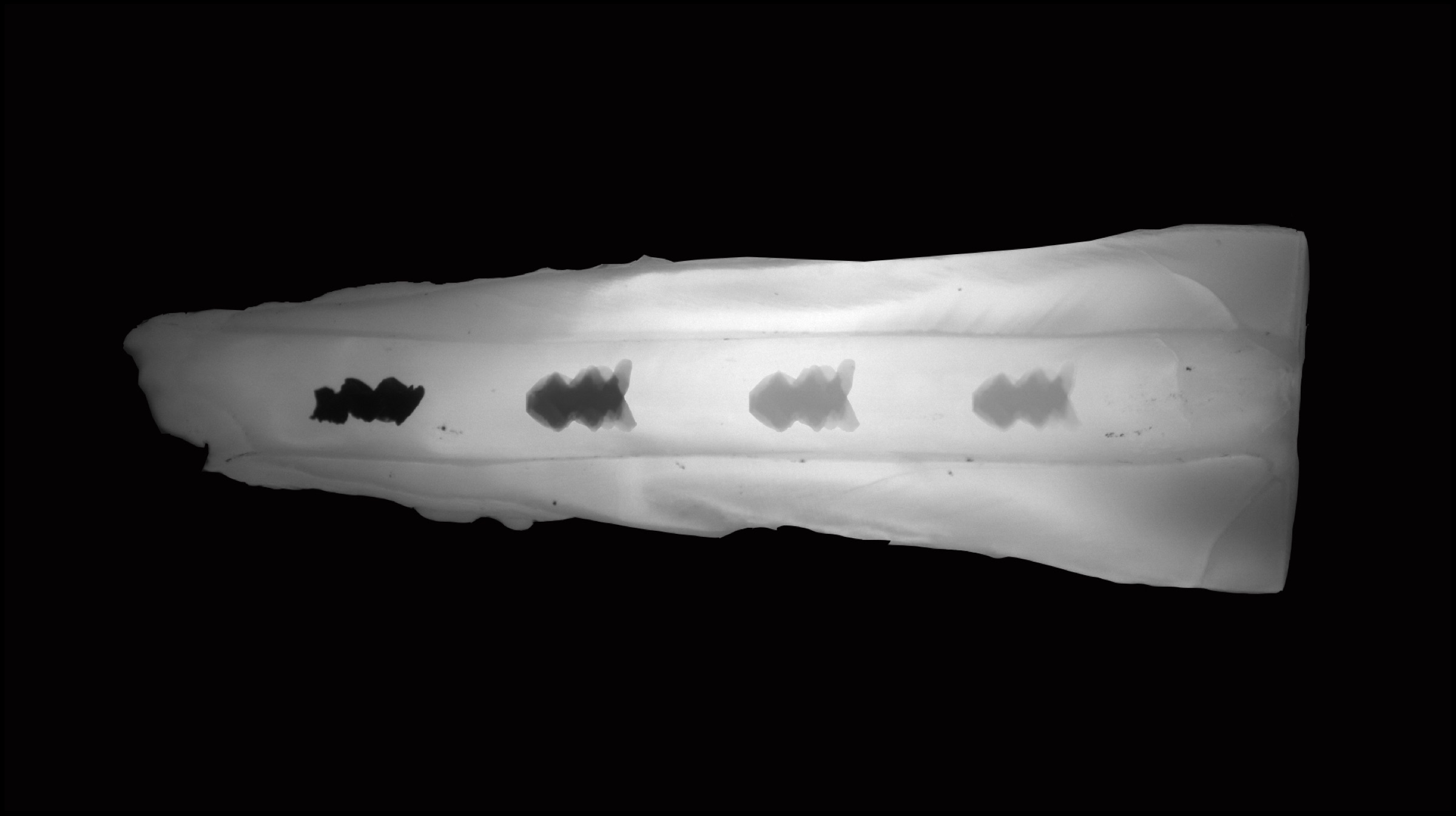 The scientists have developed two different types of robotic systems for entirely varied purposes. One of them works on open surfaces, whereas the other system is designed specifically to operate inside closed spaces. The researchers showcased the microrobots’ ability to destroy biofilms and sticky deposits of bacteria. Plus, the scientists state that the same technology can be implemented in cleaning dirty water pipes and other inaccessible areas which are prone to bacterial deposits.
 Also Read:






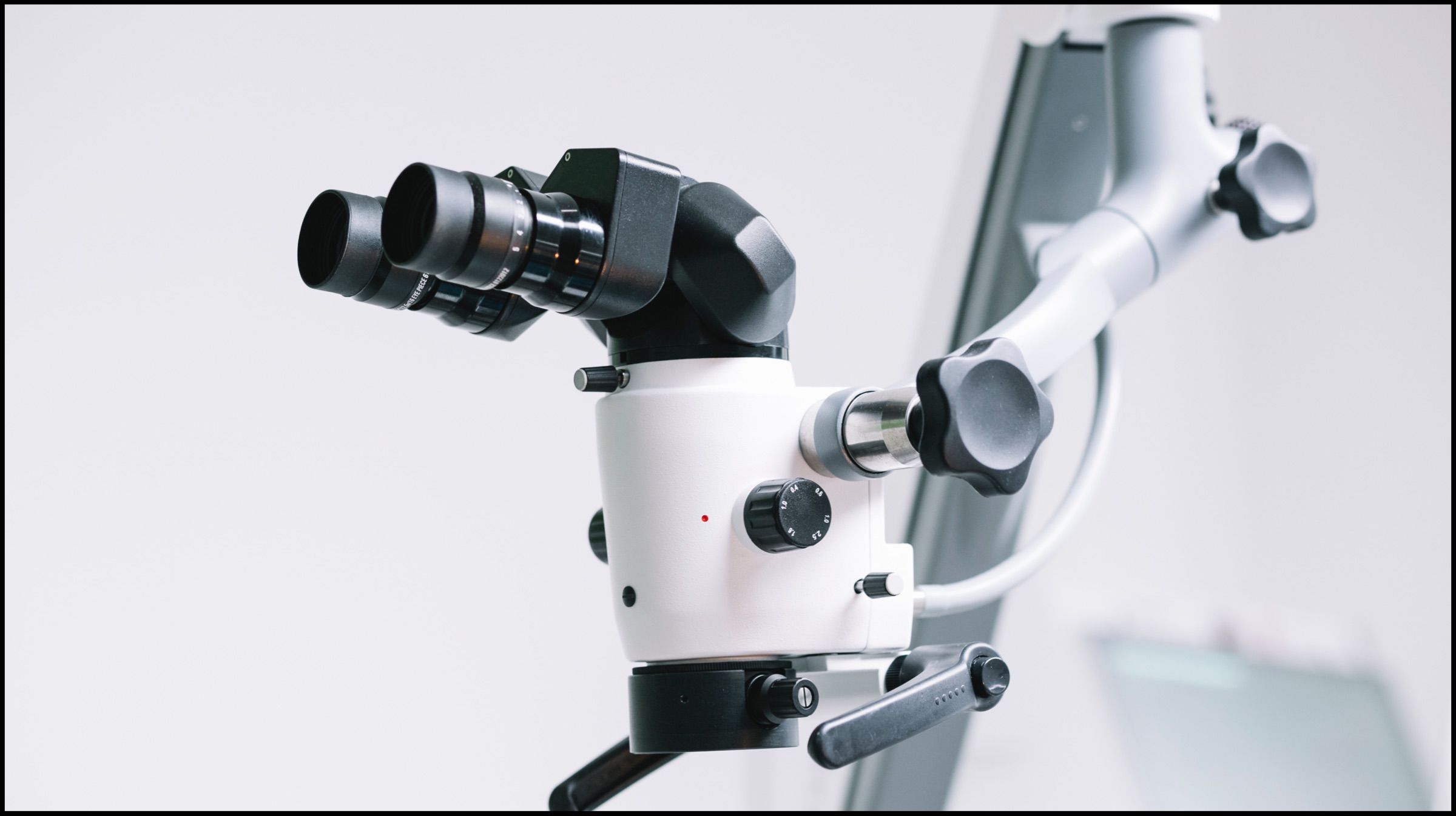
 The design of the 3D printed microscope is based on digital holographic microscopy. Bahram claims that the images produced by the portable microscope are almost twice the resolution of the images produced by traditional microscopy. The applications of such a device are not limited to research and medical science, rather, it can be used in defence and education as well. Since the entire microscope is manufactured out of 3D printed parts, it can be assembled anywhere and with relative ease. Moreover, unlike other scientific equipment, the 3D printed microscope is not expensive at all. Also, the incorporation of alternative components such as image sensors could drastically reduce the price point of the microscope when/if it is mass produced at some point.
  The core of the new microscope works in similar ways to a traditional digital holographic ones, where a digital camera captures the hologram generated when the light coming from the sample object interferes or colludes with the reference light wave. This process relies on a controlled setup where the environment has to be free of vibrations and temperature fluctuations. Instead, the newly manufactured equipment combines the two images using a super-resolution technique, which is scientifically referred to as Structured Illumination Microscopy. In this process, a structured light pattern is created with the help of a clear disc.
  Also Read: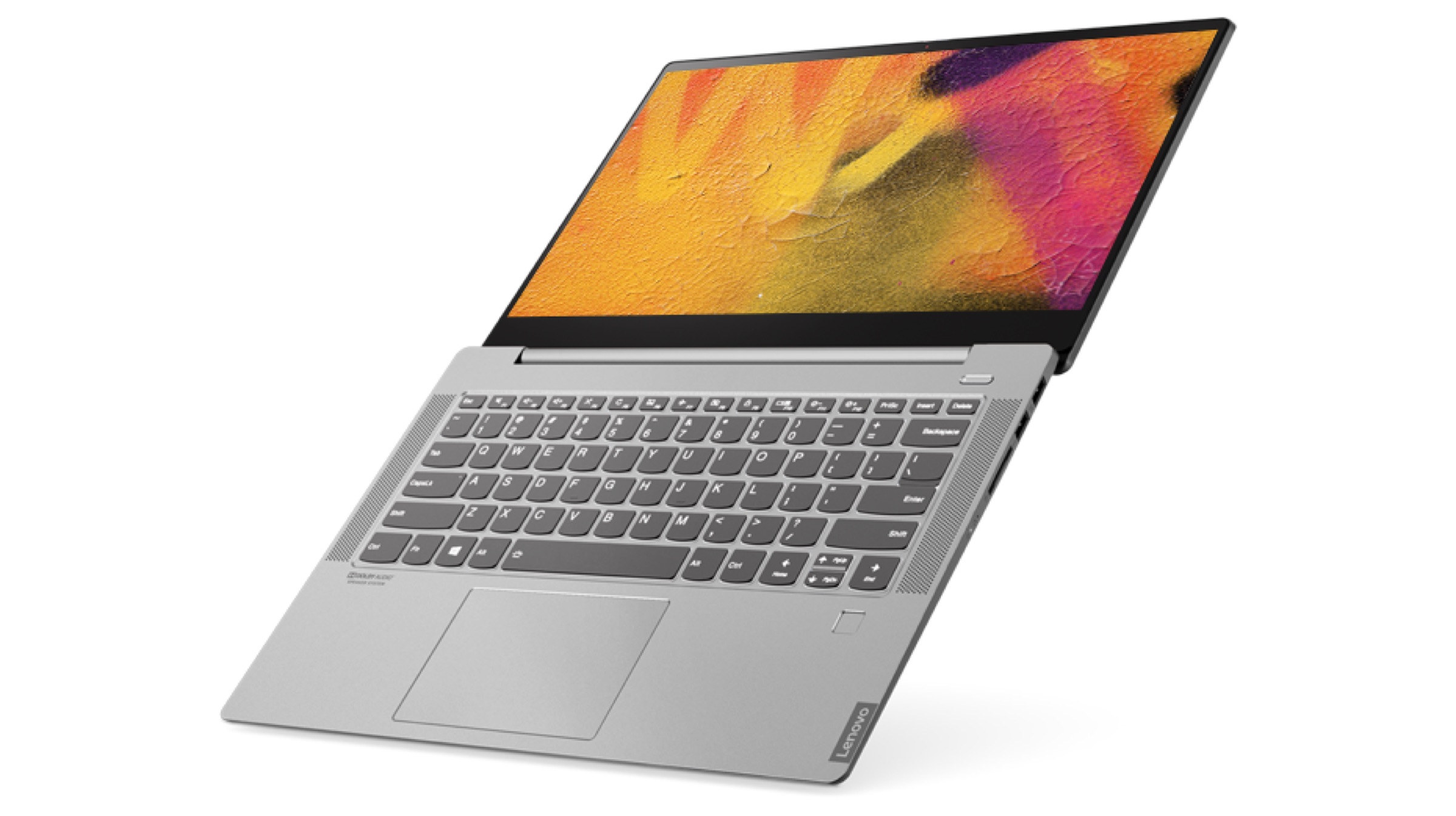
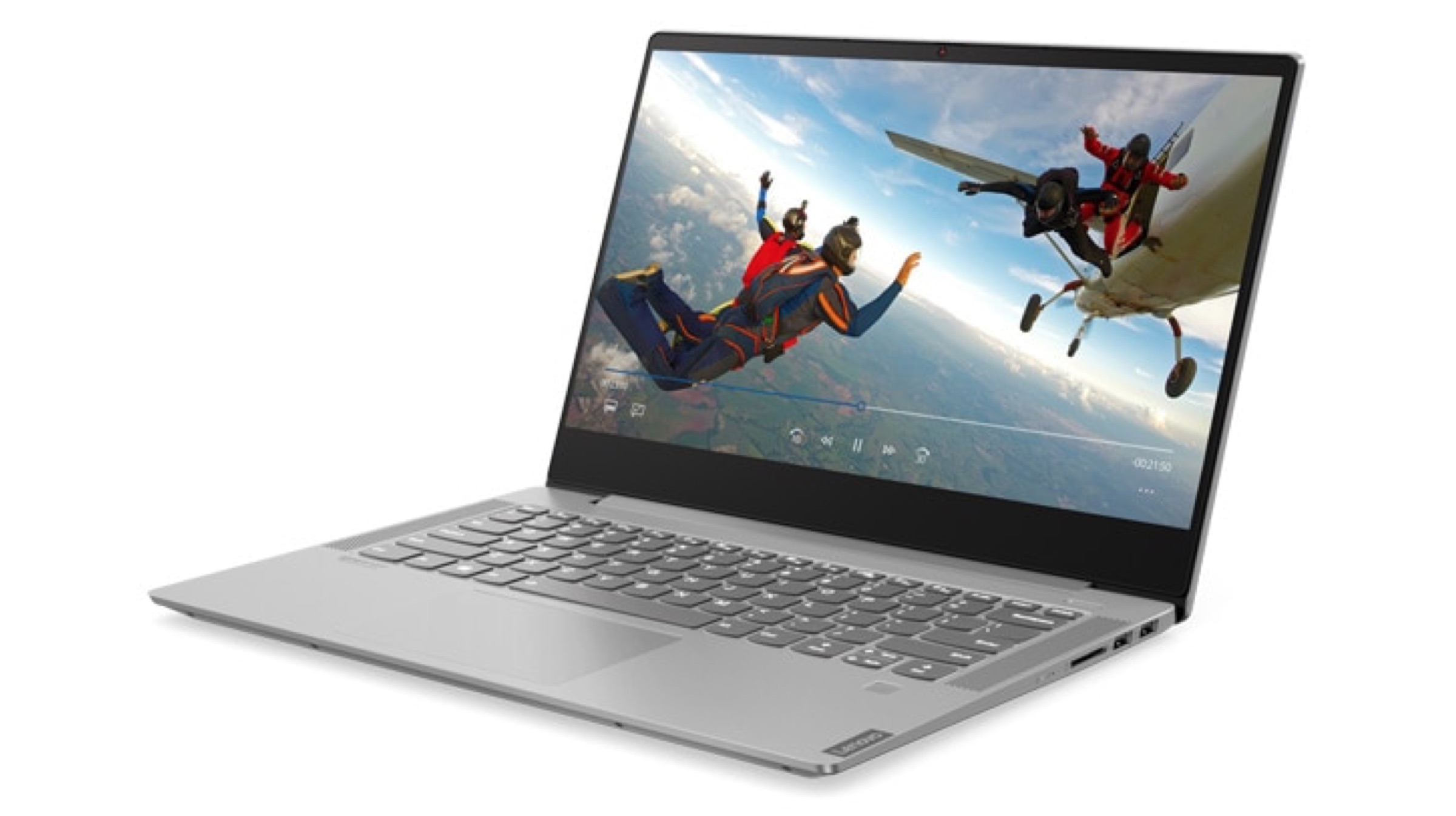
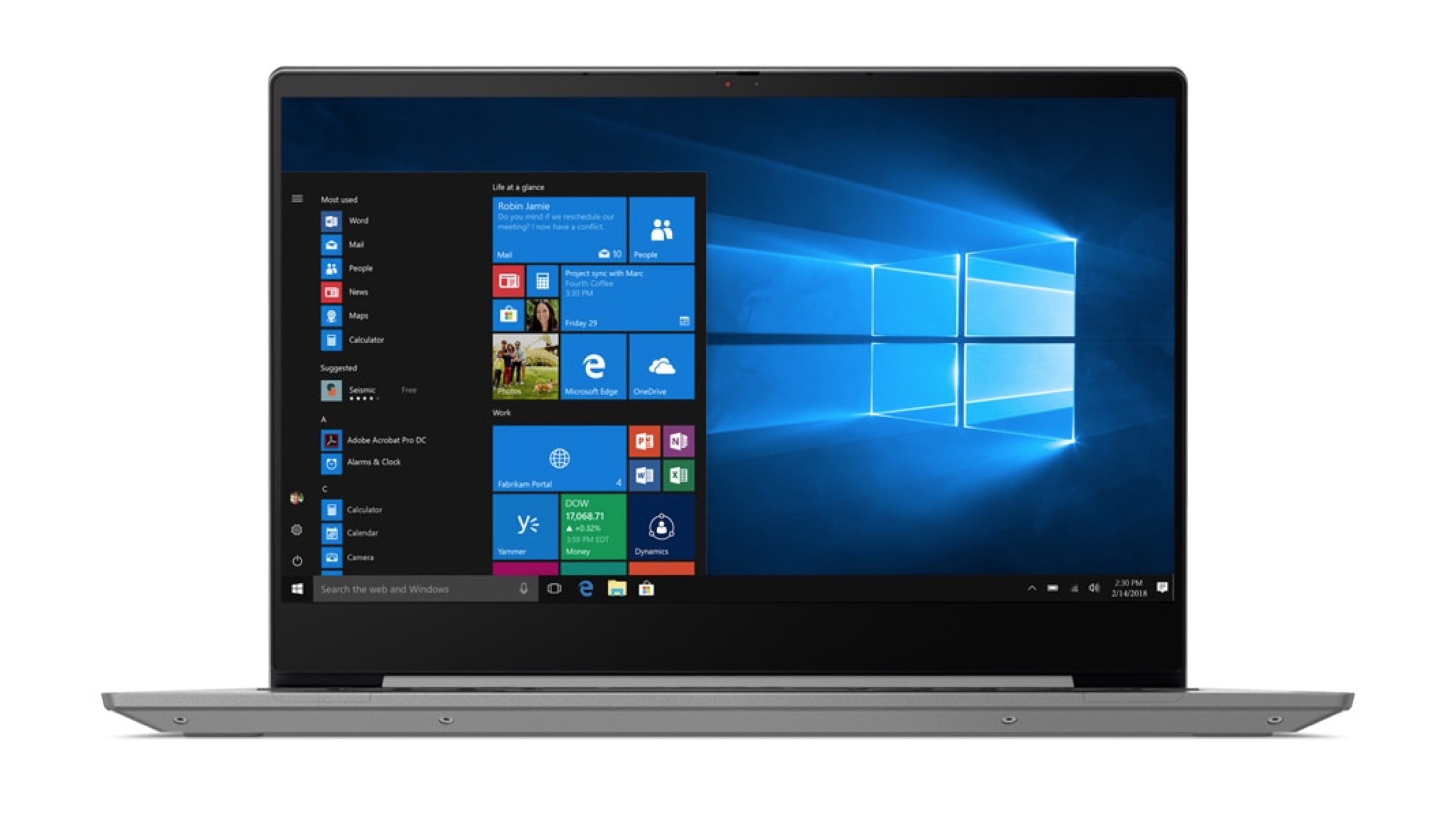 The laptop features a 15.6 inch Full HD IPS display with 300 nits of brightness. It runs on the 8th Gen Intel Core i7 (i7-8565U) processor, which is bundled with up to 12GB of RAM and up to 512GB PCIe SSD for storage. As mentioned previously, the Ideapad S540 features NVIDIA’s latest mobile graphics chip, the GTX 1650. It is based on the Turing architecture, which provides higher performance than its predecessors while consuming lesser power.
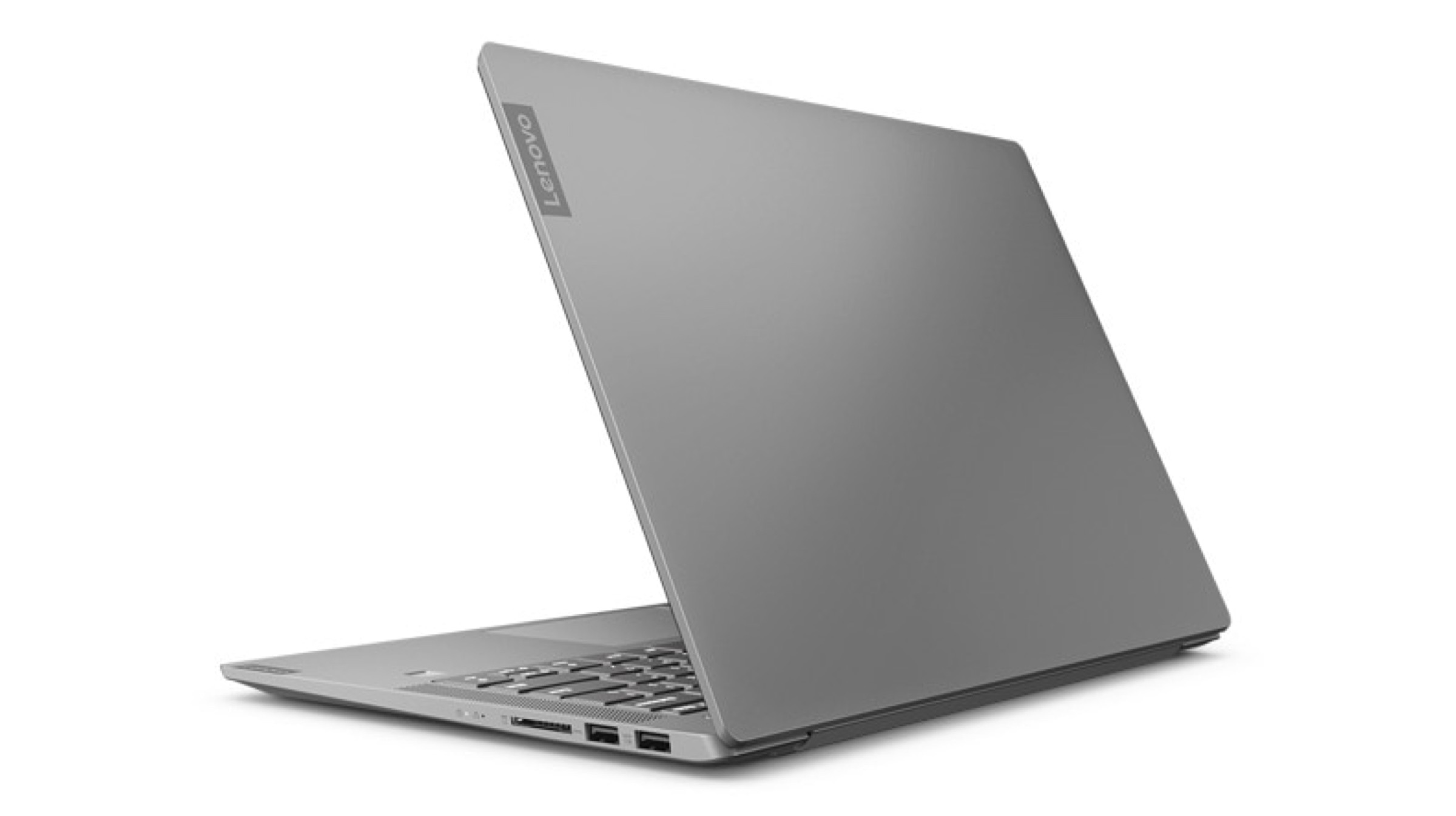 As per reports, the performance levels of the GTX 1650 are almost 70 percent better than the GeForce GTX 1050 graphics card. The 4GB GDDR5 GPU chip features a total of 896 CUDA cores with a base clock speed of 1485 MHz and a turbo boost up to 1665 MHz. It does not require it’s separate power source, instead, it consumes power from the 75W power input from the PCIe bus. The company claims that the laptop provides a power backup of up to 12 hours. The Lenovo Ideapad S540 weighs at 1.8 kilograms.
  Also Read: