Category: Latest

All the Latest, News, Reviews, Updates, How To, Mobile Phone news, Global and International News, From Cameras to Automobiles, from TV To PC and a lot more! Constantly updating!

  • Samsung Begins Mass Production of First 512GB eUFS 3.0 Storage

    Samsung Begins Mass Production of First 512GB eUFS 3.0 Storage

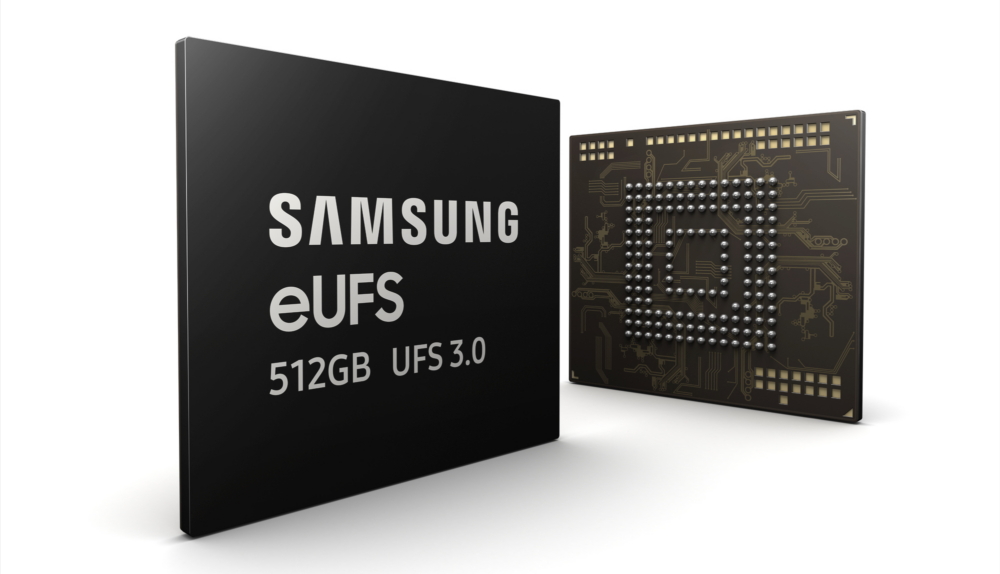
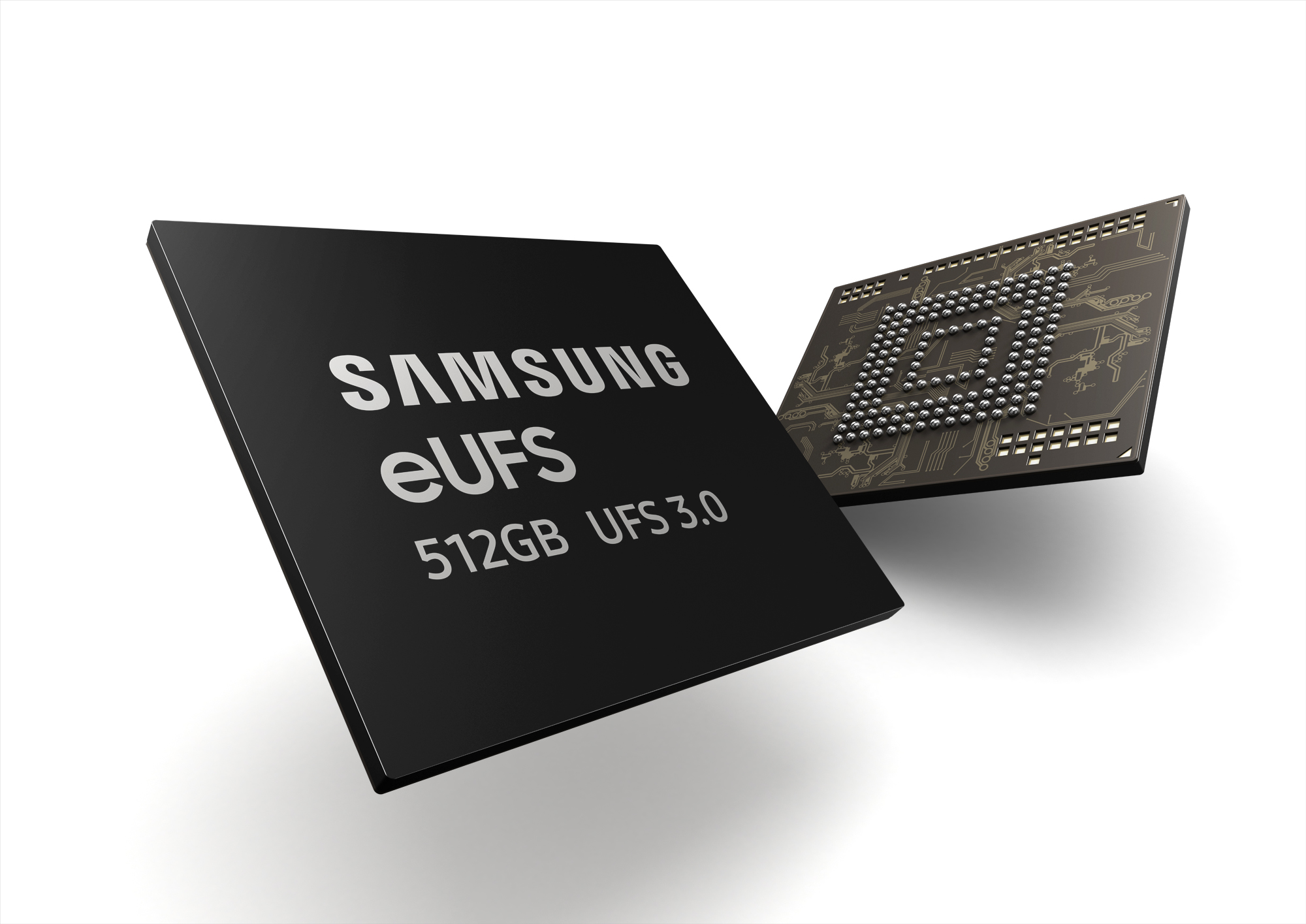
    On February 20, Samsung announced the Galaxy Fold, its first foldable smartphone. The device had some groundbreaking features like a foldable display and six cameras in total. One feature that was mentioned in the device was 512GB of eUFS 3.0 storage which would translate to lightning fast read and write speeds on paper. Samsung has announced that it has started the mass production of the Industry’s first 512GB embedded Universal Flash Storage (eUFS) 3.0 for smart device.

    Samsung’s 512GB eUFS 3.0 Storage
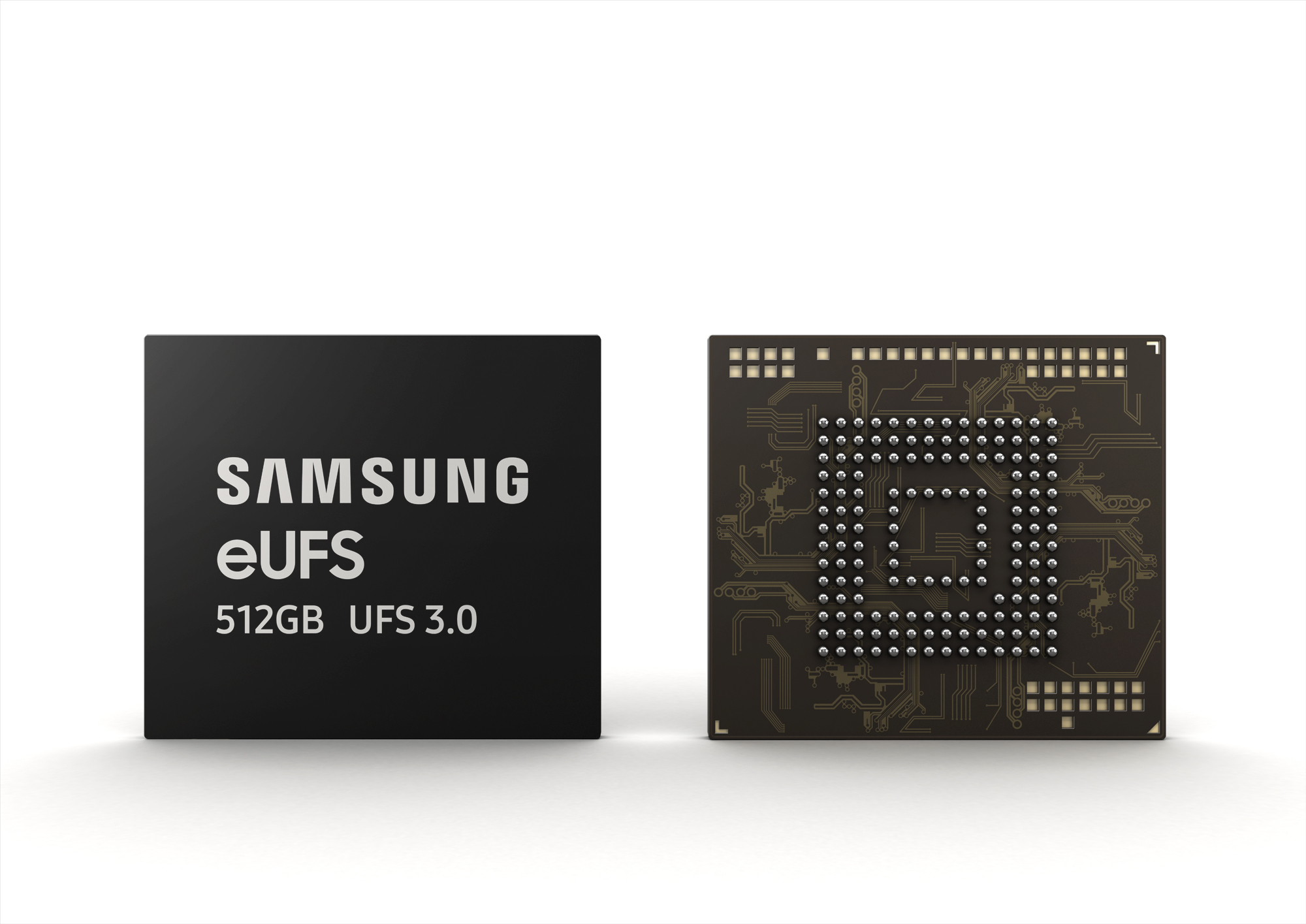
    Samsung’s new eUFS 3.0 storage for mobile devices claims to deliver twice the read and write speeds of the previous generation, which was eUFS 2.1. The company also claims that this new storage solution would make the transfer speeds on mobile devices that were only available on ultra-slim laptops. This would suggest that Samsung is promising SSD level of speeds on its eUFS 3.0 storage. This offers the read speed of up to 2,100MB per second and offers write speed of up to 410MB per second.
    Interestingly, Samsung was the first company to produce the first UFS interface with eUFS 2.0 storage in early 2015. This was claimed to be 1.4 times faster than the mobile memory standards at the time, embedded multi-media card 5.1 (eMMC). It is surprising to see the company match up to ultrabook-level of speeds in four years.

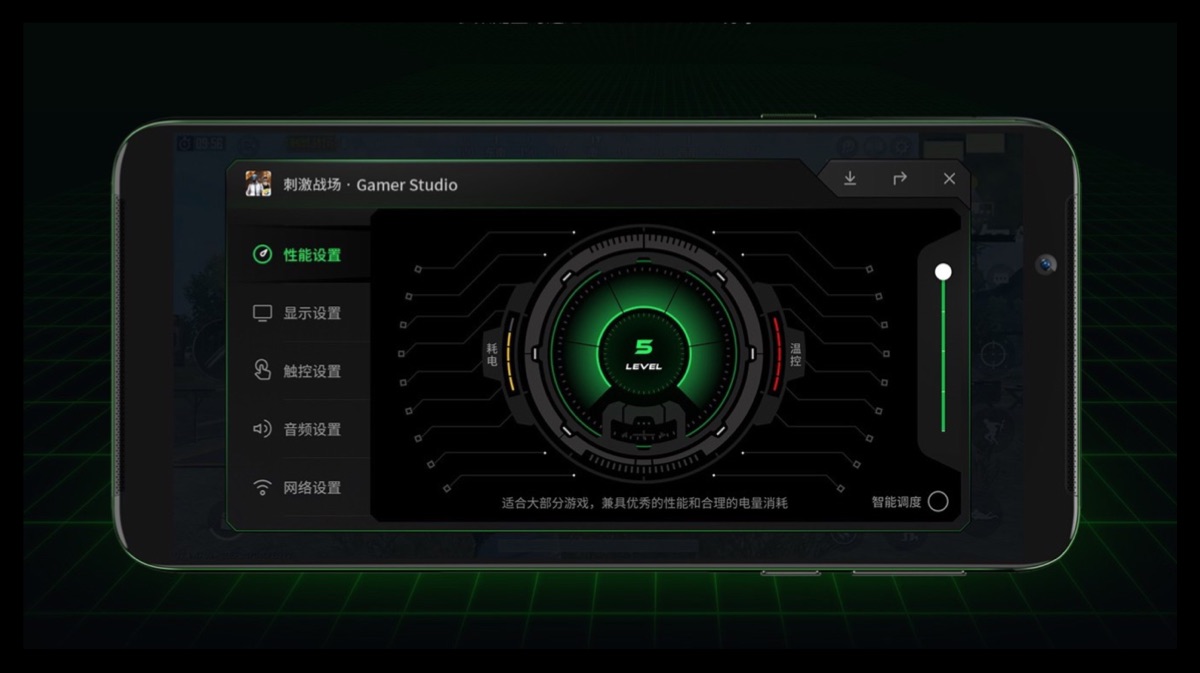
    Also read: Xiaomi Black Shark 2 Gaming Smartphone Leaks Online

    Samsung also plans to launch a 128GB version of the eUFS 3.0 storage and it is planning to launch a 256GB and a whopping 1TB version in the second half of the year 2019. The 512GB version will debut with the Galaxy Fold, which goes on sale starting April 26. The mass production of the storage may suggest that it will be available in upcoming Samsung flagships.
  • Samsung Launches The Galaxy M30 In India

    Samsung Launches The Galaxy M30 In India

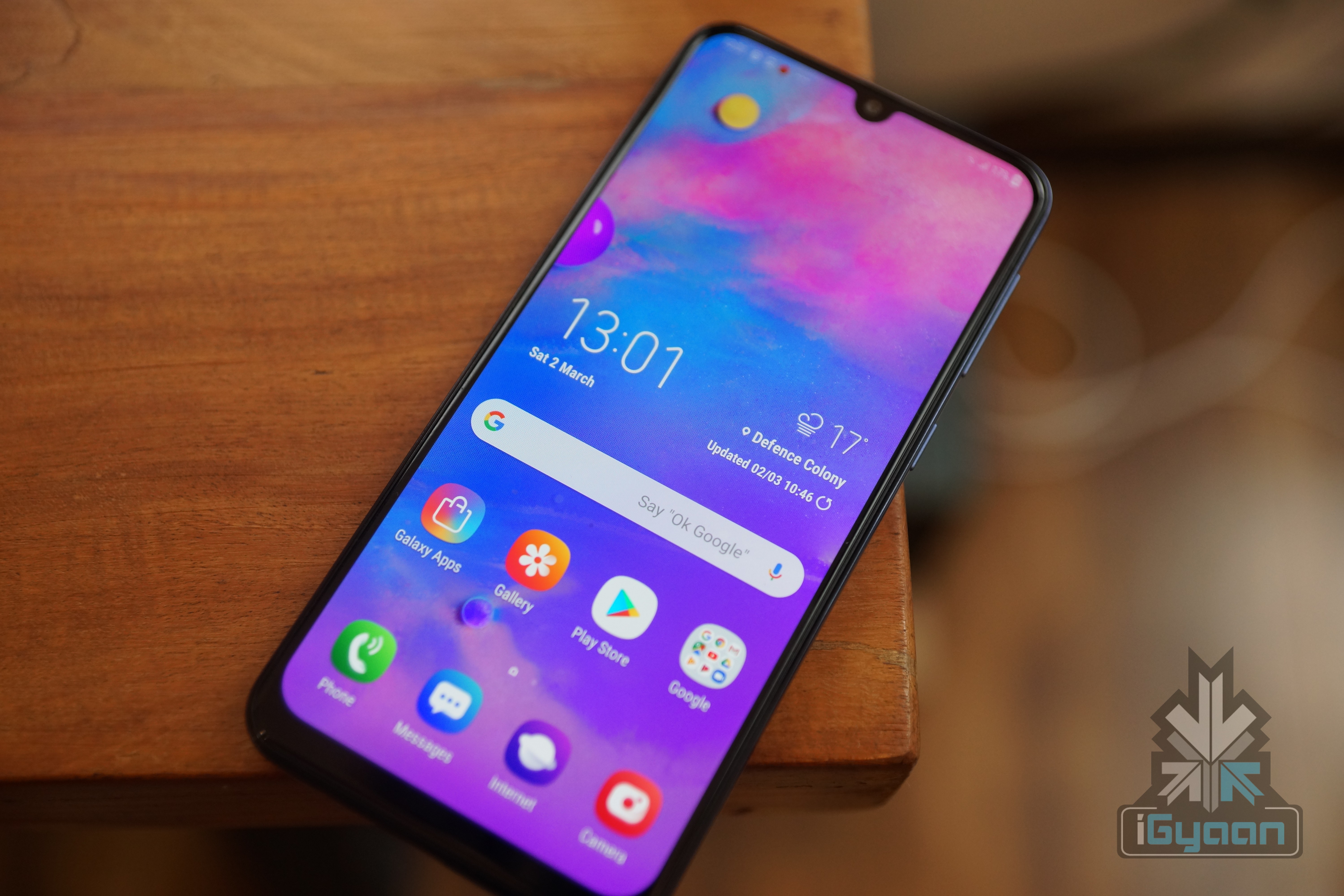
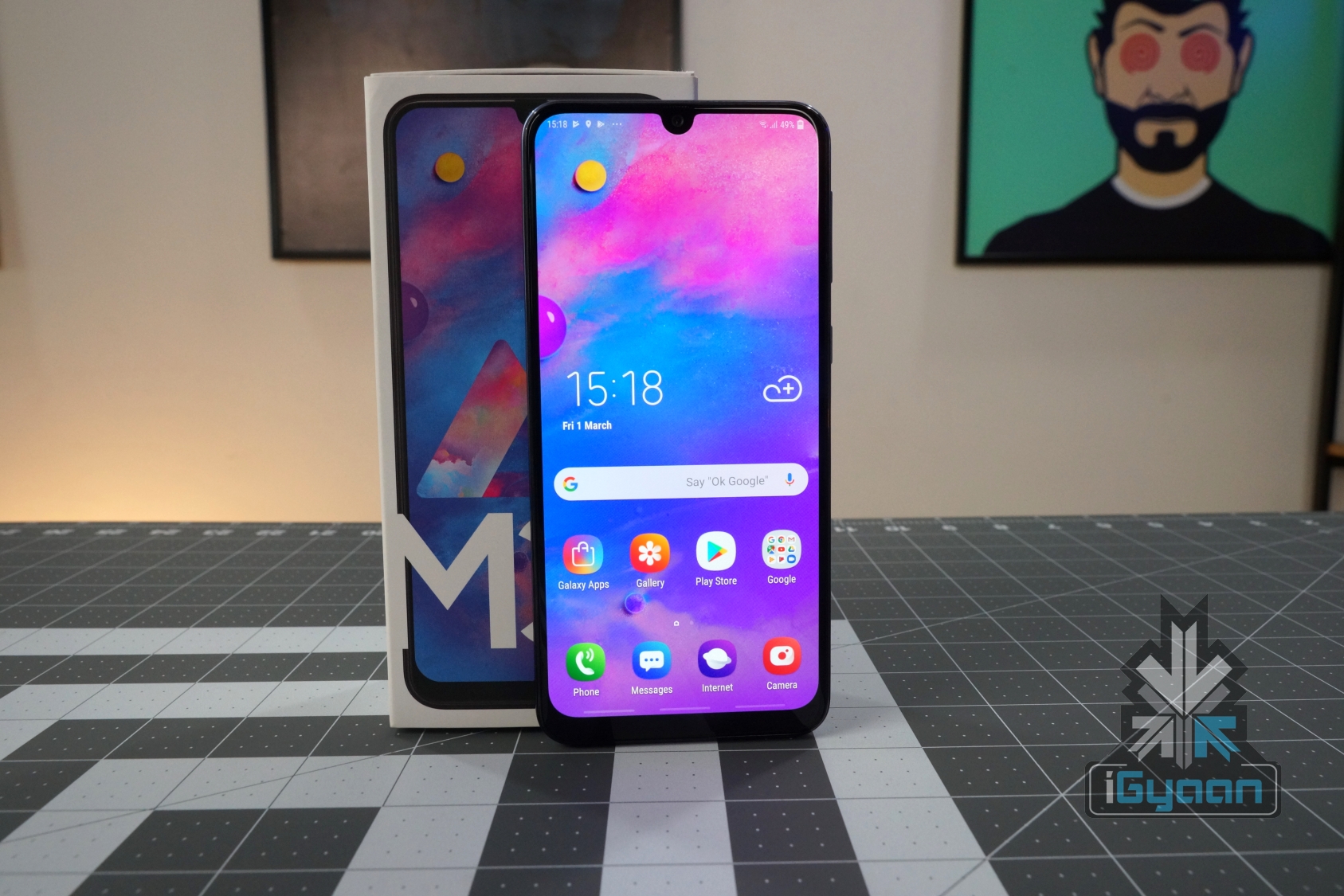
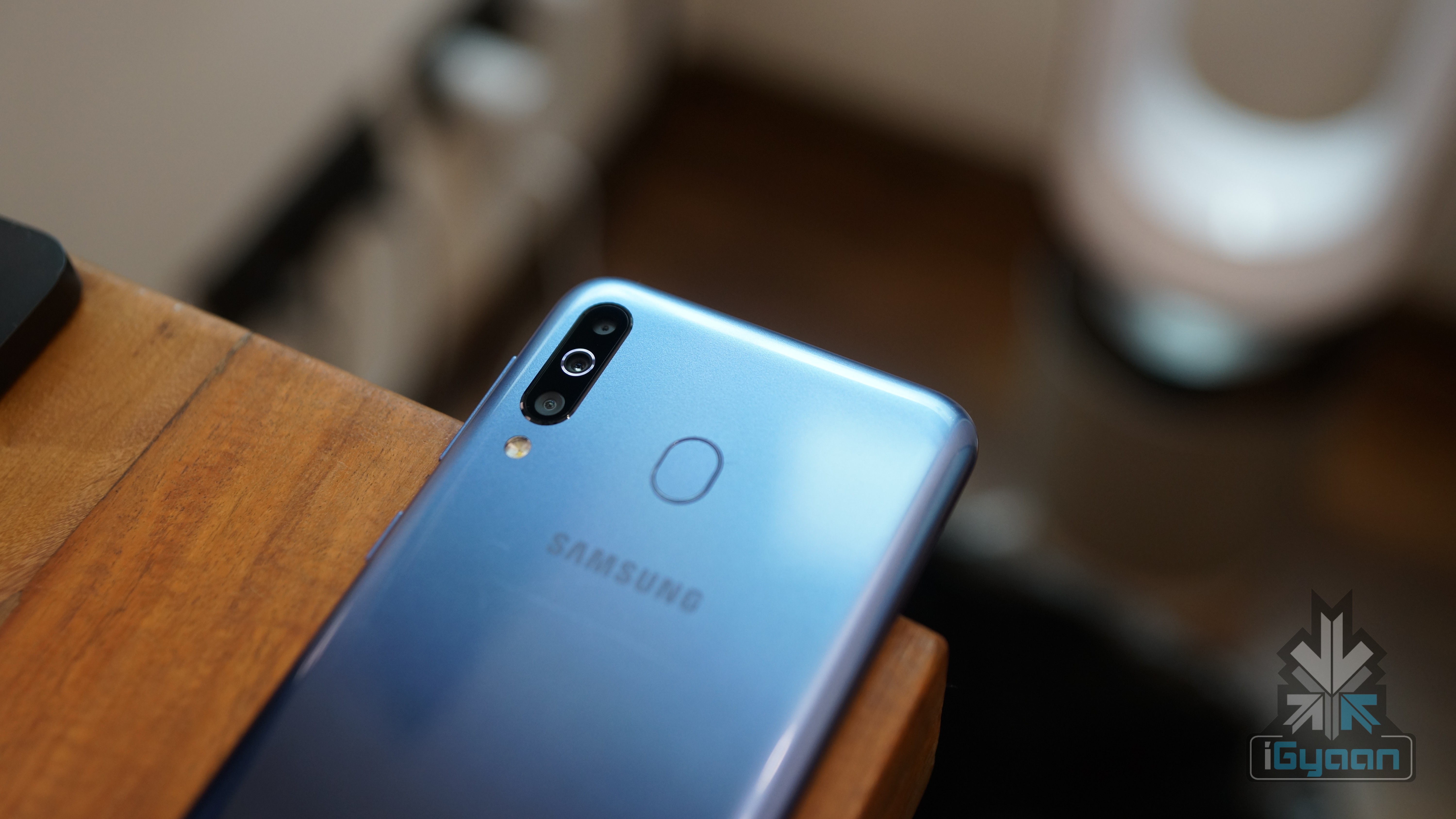
    Samsung launched the Galaxy M30 in India at an event today, February 27. The smartphone is the latest entrant in the company’s online only, budget Galaxy M lineup. It is accompanied by the Galaxy M10 and the Galaxy M20 that were launched late last month. The Galaxy M30 has an upgraded display, better optics and higher RAM options than the Galaxy M20.

    Design & Features

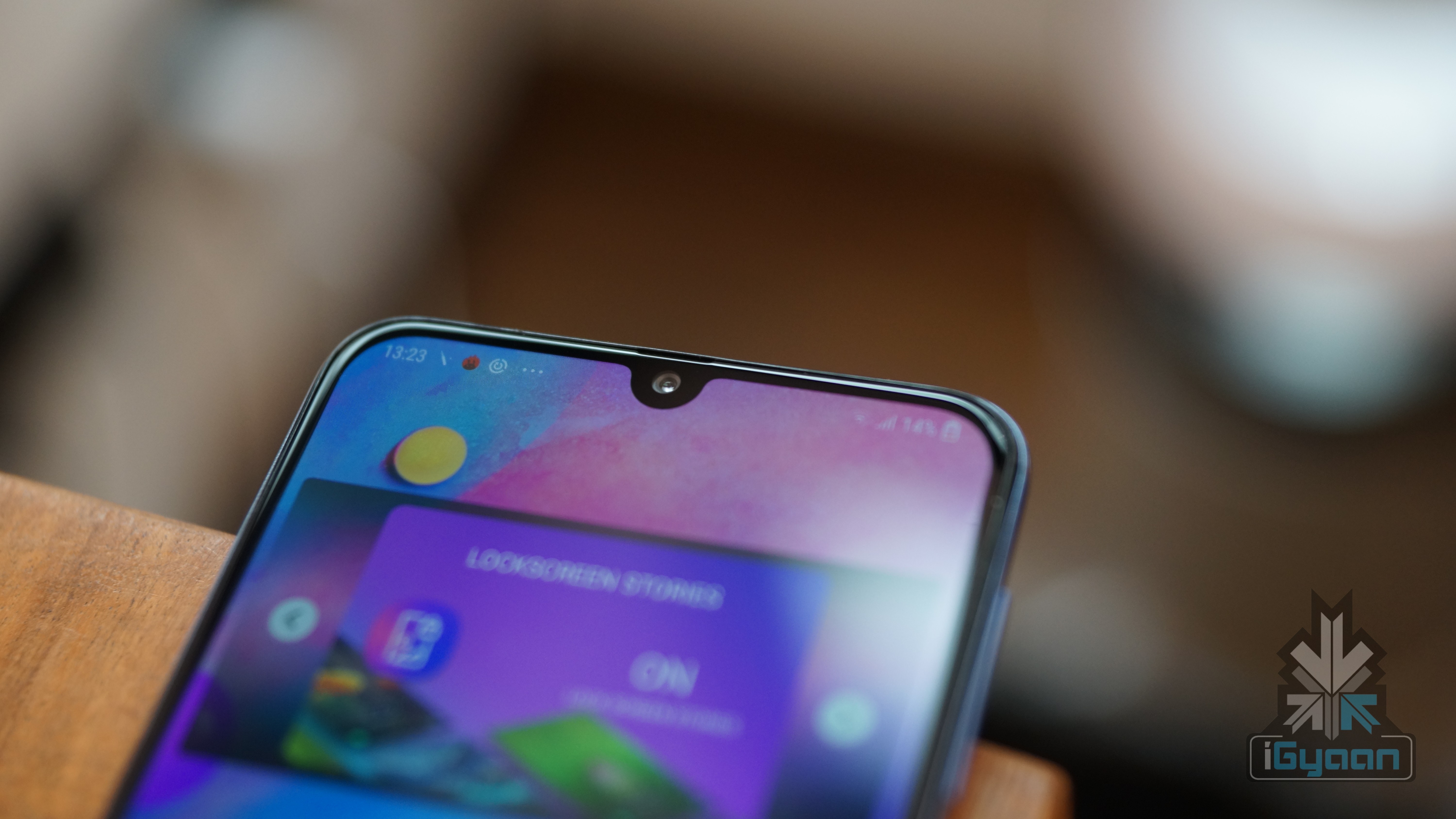
    The Samsung Galaxy M30 measures 159 x 75.1 x 8.4mm and weighs 175g. The smartphone features a polycarbonate body and an edge to edge display with minimal bezels. Its display is an Infinity-U, 6.4 inch Super AMOLED panel with a resolution of 2220 x 1080 px. The Galaxy M10 and Galaxy M20 have a PLS TFT display, which is considered inferior to an AMOLED panel. The smartphone has a rear mounted fingerprint sensor and also supports facial unlock technology. The device has a triple rear camera setup consisting of a 13MP f/1.9 sensor combined with a 5MP f/2.2 ultra-wide sensor and a 5MP f/2.2 depth sensor for portrait shots. For selfies, there is a 20MP f/2.0 sensor housed in the Infinity-U notch.

    Under the hood, the Galaxy M30 runs on the Exynos 7904 SoC which is manufactured using 14nm fabrication process. The chipset has an Octa-core CPU and a Mali G71 MP2 GPU. Interestingly, this is the same processor that is present on the Galaxy M20. The Galaxy M30 is powered by a massive 5000mAh battery with support for 15W fast charging via the bottom mounted USB Type-C port. The device is available in two colours, Gradation Black and Gradation Blue. For memory and storage, the device will be available in two variants:

    • 4GB RAM and 64GB ROM
    • 6GB RAM and 128GB ROM
    Price & Availability

    Also read: OnePlus 7 Won’t Support Wireless Charging, Confirms Company

    The Galaxy M30 has been priced at Rs. 14,990 for the 4GB+64GB variant. The 6GB+64GB variant will retail for Rs. 17,990. It will be sold exclusively via Amazon India and Samsung’s official website starting March 7.

  • Xiaomi Black Shark 2 Gaming Smartphone Leaks Online

    Xiaomi Black Shark 2 Gaming Smartphone Leaks Online

    The competition in the smartphone gaming market is thicker than ever, and in the midst of all this, Xiaomi’s upcoming gaming handset, Black Shark 2 has leaked online. With companies like Razer and ASUS stepping into the ‘gaming smartphone’ market, top-of-the-line specifications are expected to be present in the Black Shark 2.

    Design And Specifications

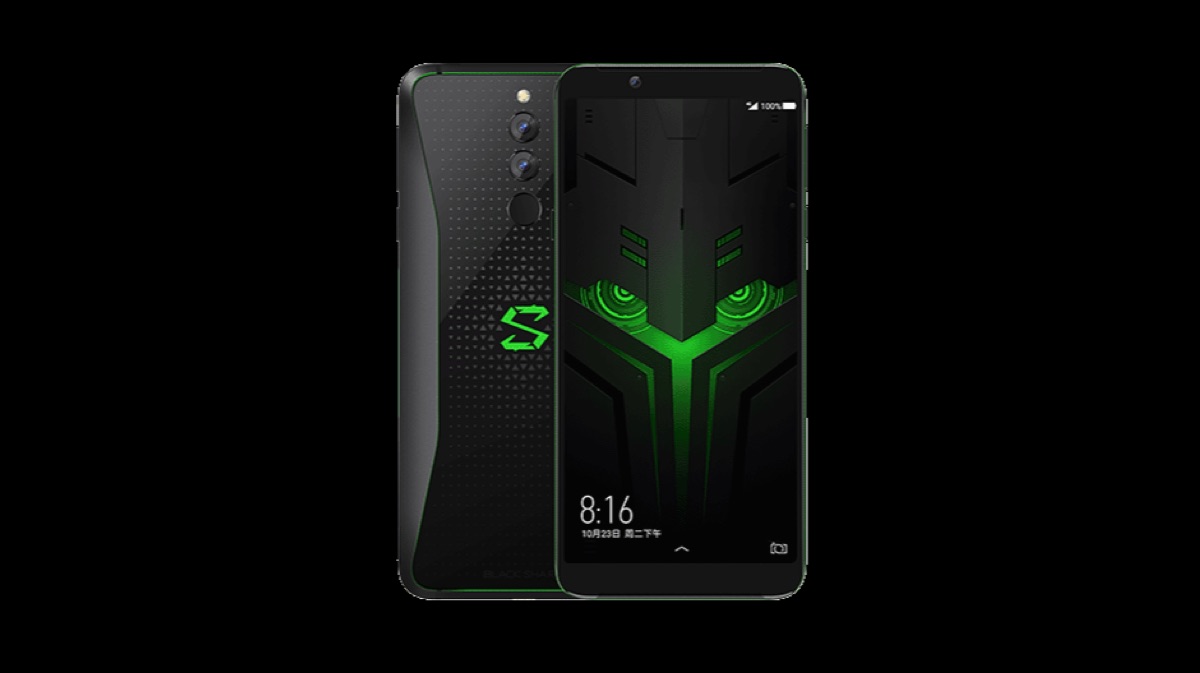
    As per the leaked image, the device resembles the design of the original Black Shark 1, which was released in the year 2018. The design also contains splashes of design from the Black Shark Helo. It has a dark coloured panel with green lines running vertically along the back and the Black Shark logo in the middle. The leaked image also shows a dual rear camera setup in the upper left corner of the device.

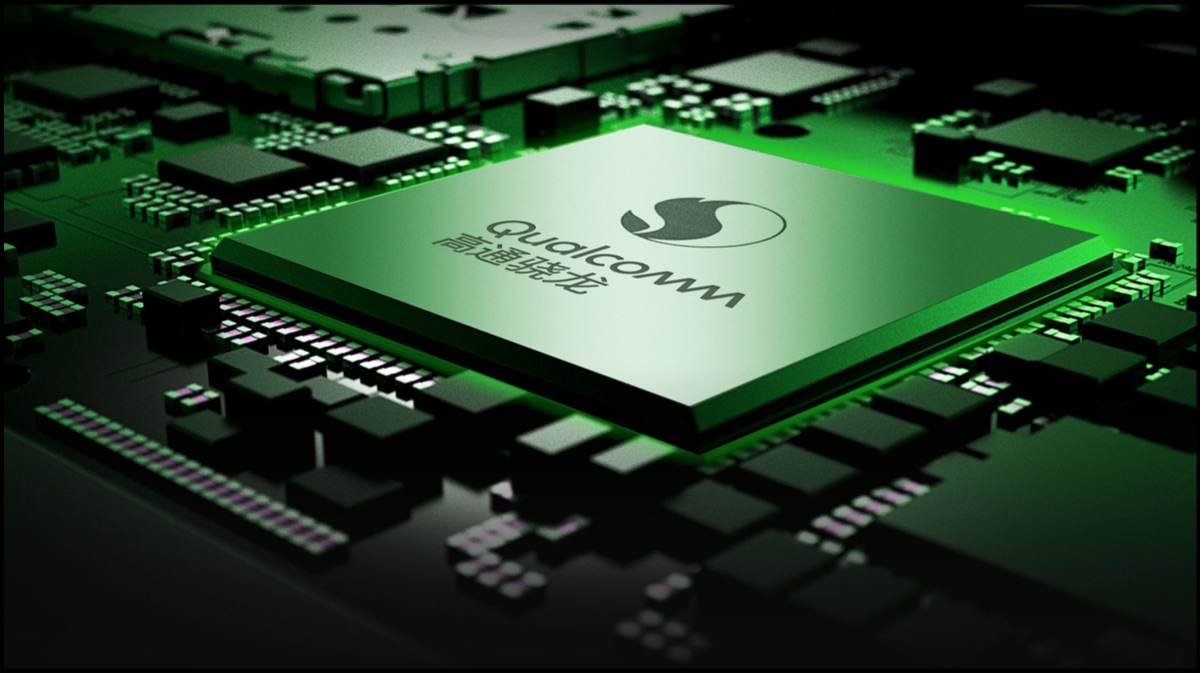
    As mentioned previously, the Black Shark 2 is expected to run on the Snapdragon 855 chipset. Xiaomi recently introduced 27W fast charging in the Mi 9, which means that the new Black Shark 2 may support it as well. The smartphone will reportedly launch in two different variants, an 8GB RAM variant and a 12 GB RAM variant.

    Expected Features And Accessories

    The Black Shark 2 will supposedly have Game Turbo, a technology introduced in the Mi 9. The device provides the users with real-time information of the mobile processor, graphics and FPS (frames per second) when Game Turbo is on. The company claims that Game Turbo allocates hardware resources prudently for a seamless gaming experience.
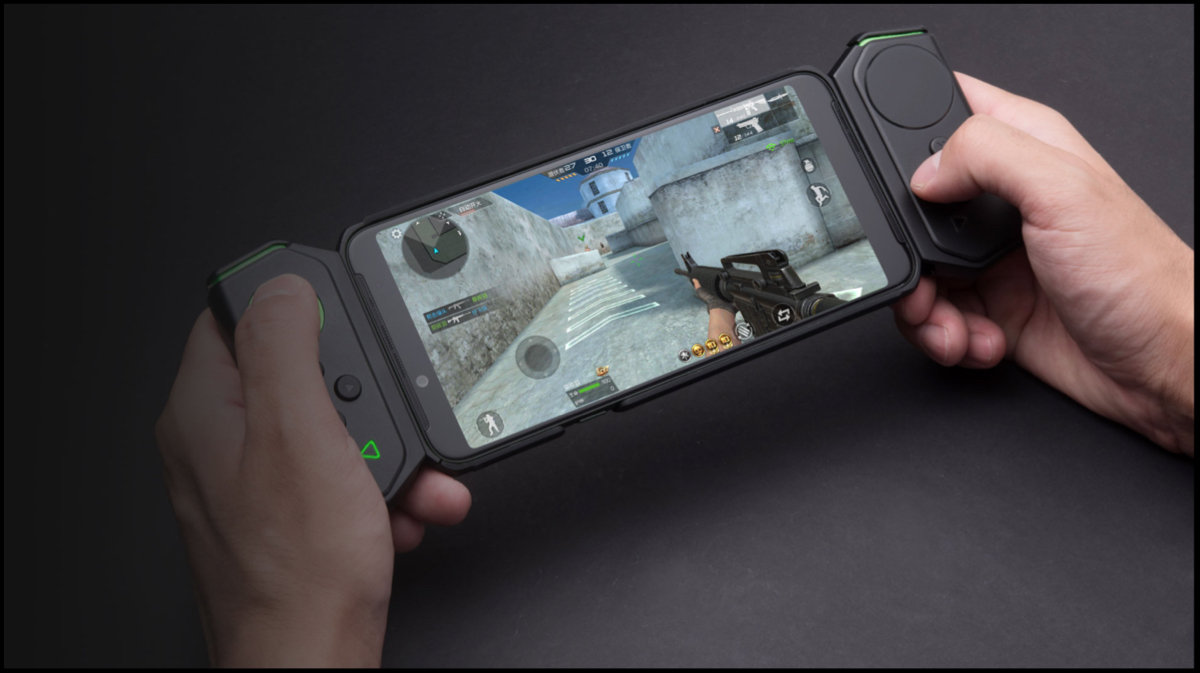
    In terms of accessories, dedicated gaming attachments may be launched alongside the Black Shark 2. For instance, the smartphone may have a Bluetooth gamepad and wireless gaming earphones to improve the gaming experience on the device. Also, to maintain competition with smartphones like the Razer Phone, Xiaomi may introduce Liquid Vapour Cooling in the Black Shark 2.

    Also Read: Spotify Launched In India, Plans Start At Rs. 119 A Month

    As of now, no official statement has been released by Xiaomi regarding the availability or price of the Black Shark 2 gaming smartphone. There are speculations that the device may be launched in the first half of 2019, but nothing can be confirmed for sure.


  • OnePlus Partners with Qualcomm to Bring 5G in India

    OnePlus Partners with Qualcomm to Bring 5G in India

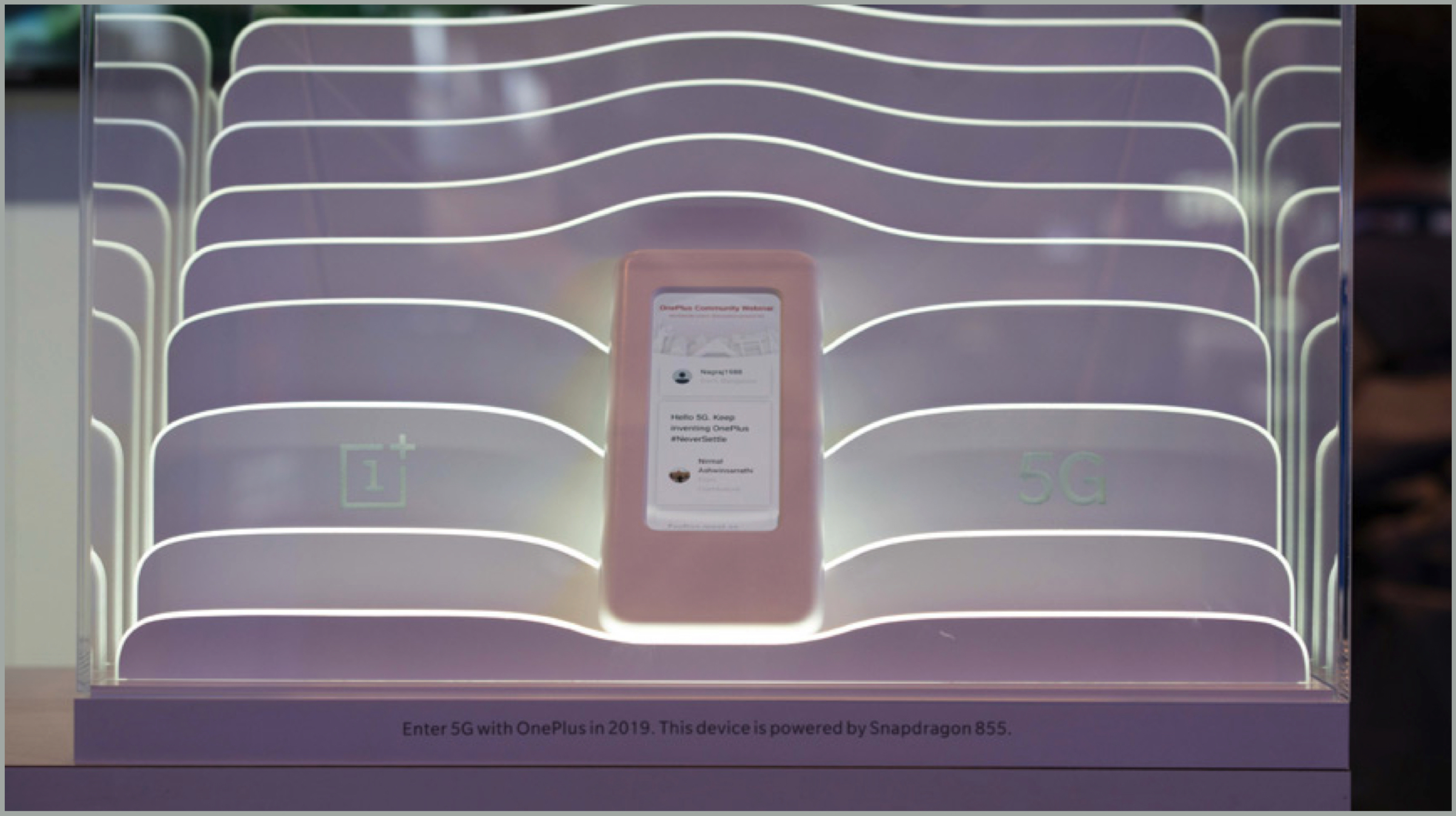
    The Mobile World Congress (MWC) 2019 in Barcelona has seen many launches and announcements that seized all the attention. But there was one company, OnePlus which despite not launching any device, managed to steal the thunder from other companies like Samsung and Huawei; when they showcased their 5G prototype smartphone at the MWC. The company has announced at the event that it has some big plans for India. OnePlus has partnered with Qualcomm to bring 5G, the next generation of mobile networks to the country. The company also claimed that it will be one of the first company’s to bring a smartphone with Qualcomm’s Snapdragon 855 SoC in India.

    The Future Of 5G In India

    In its current state, the next generation of wireless network, 5G may still be a distant dream in India. The spectrum allocation for the same is yet to occur in the country, so it may be while when mobile telecom companies start the nationwide rollout of 5G. This rollout is expected to happen either later this year or by the year 2020 when the technology will be more mainstream. 

    OnePlus’ 5G Plans

    OnePlus didn’t specify what its partnership with Qualcomm means and what the companies will do together. Both the companies first started their collaboration in 2017, when they developed a 5G enabled device. Then at the Qualcomm conference which happened in late 2018, OnePlus announced that it will be one of the first company to launch a 5G enabled device in 2019 with the Snapdragon 855 chipset and Qualcomm’s X50 modem. At the MWC, the company had its 5G prototype device, which was used to demonstrate gaming from the cloud.

    OnePlus has also started a contest called “5G Apps for tomorrow” competition in partnership with Qualcomm wherein the participants will need to visit this link and submit their entries. The winner of the contest will get a trip to OnePlus HQ, a 5G device from the company and 20,000 euros in cash among other prizes.

    Also read: Samsung Galaxy Note 10 To Have Four Rear Cameras

    The device that OnePlus will bring to India may be its next flagship smartphone, assumed to be the OnePlus 7. It seems like a great initiative by OnePlus and Qualcomm in bringing faster wireless networks to the Indian subcontinent.

  • Samsung Galaxy Note 10 To Have Four Rear Cameras

    Samsung Galaxy Note 10 To Have Four Rear Cameras

    Samsung is already working on its second flagship smartphone for the year 2019, the Galaxy Note 10. As per reports, the device will sport a Quad rear Camera setup. The device has the model number SM-N975F and upon launch, it will be Samsung’s second major smartphone in 2019 after the Galaxy S10 5G.  

    Speculations And Rumours

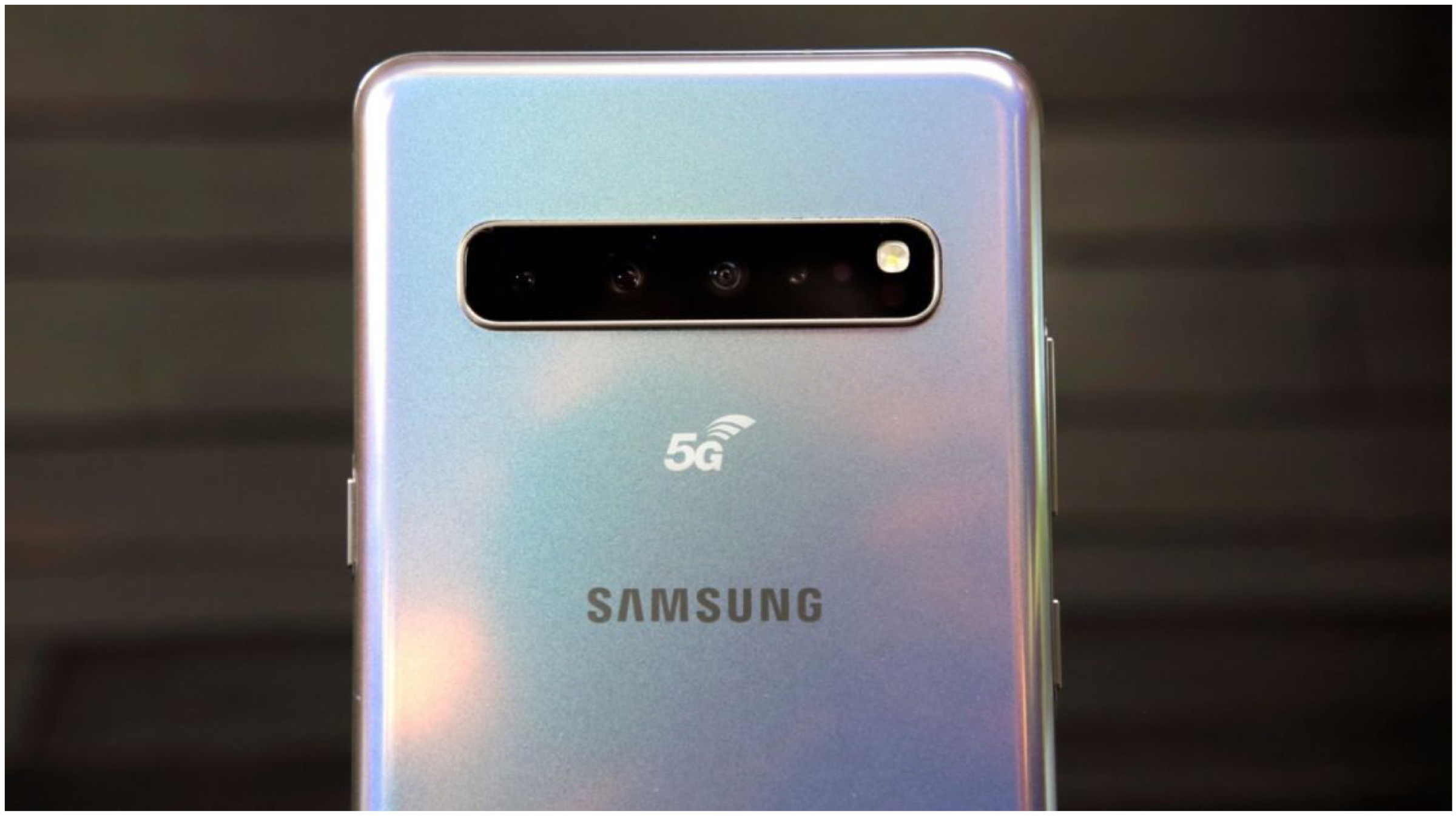
    Samsung Galaxy S10 5GRumours have been around regarding Samsung rebranding its lineup later in 2019. Because of the same reason, it can’t be confirmed whether the device will be called the Note 10, but it will surely succeed the Note 9 which was released in the year 2018. The model number with the digit ‘5’ is unusual and off-track for Samsung phones, which usually have their model numbers ending with ‘0’. This may imply that the device may launch with a 5G variant alongside a 4G LTE model.
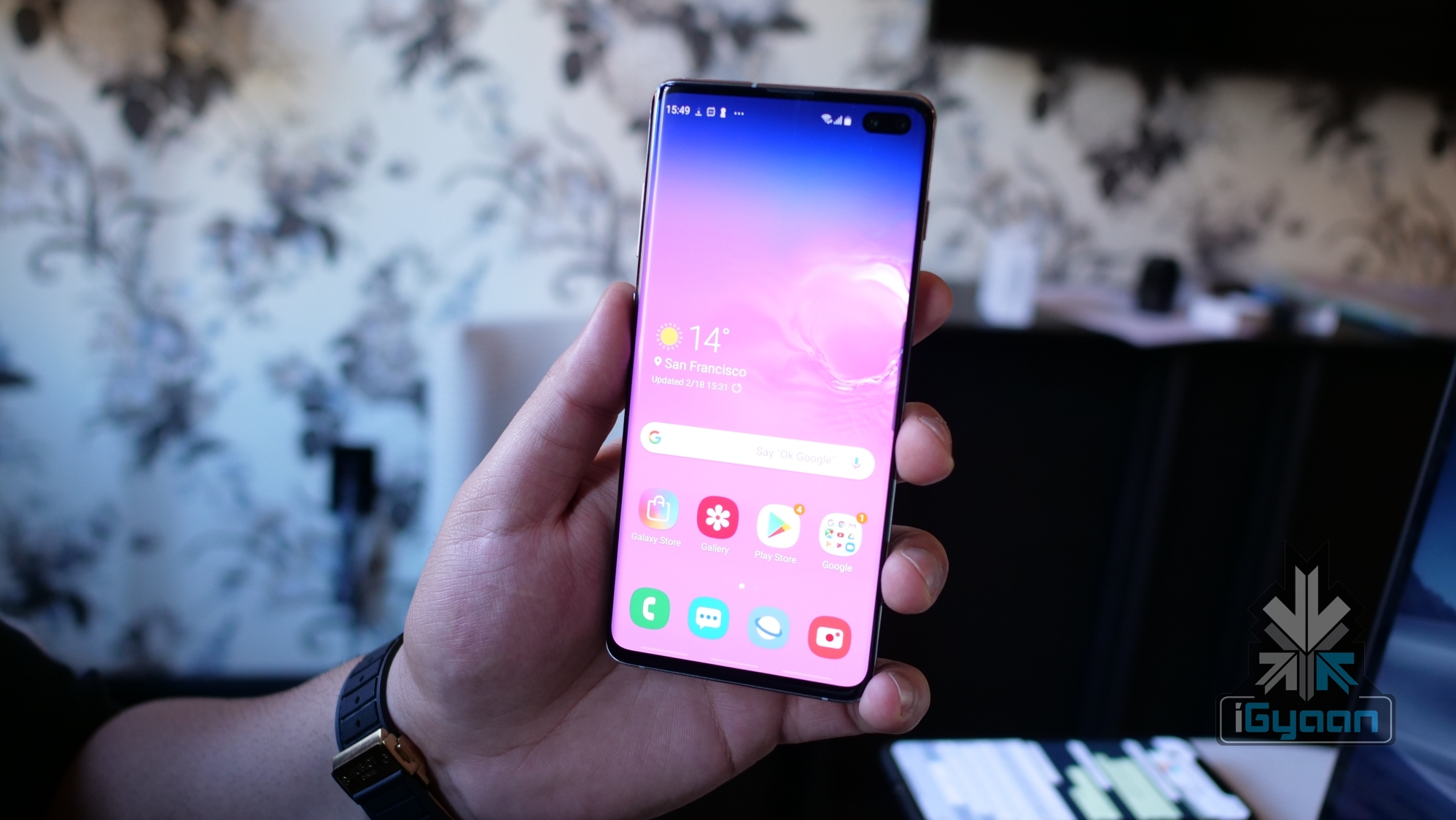
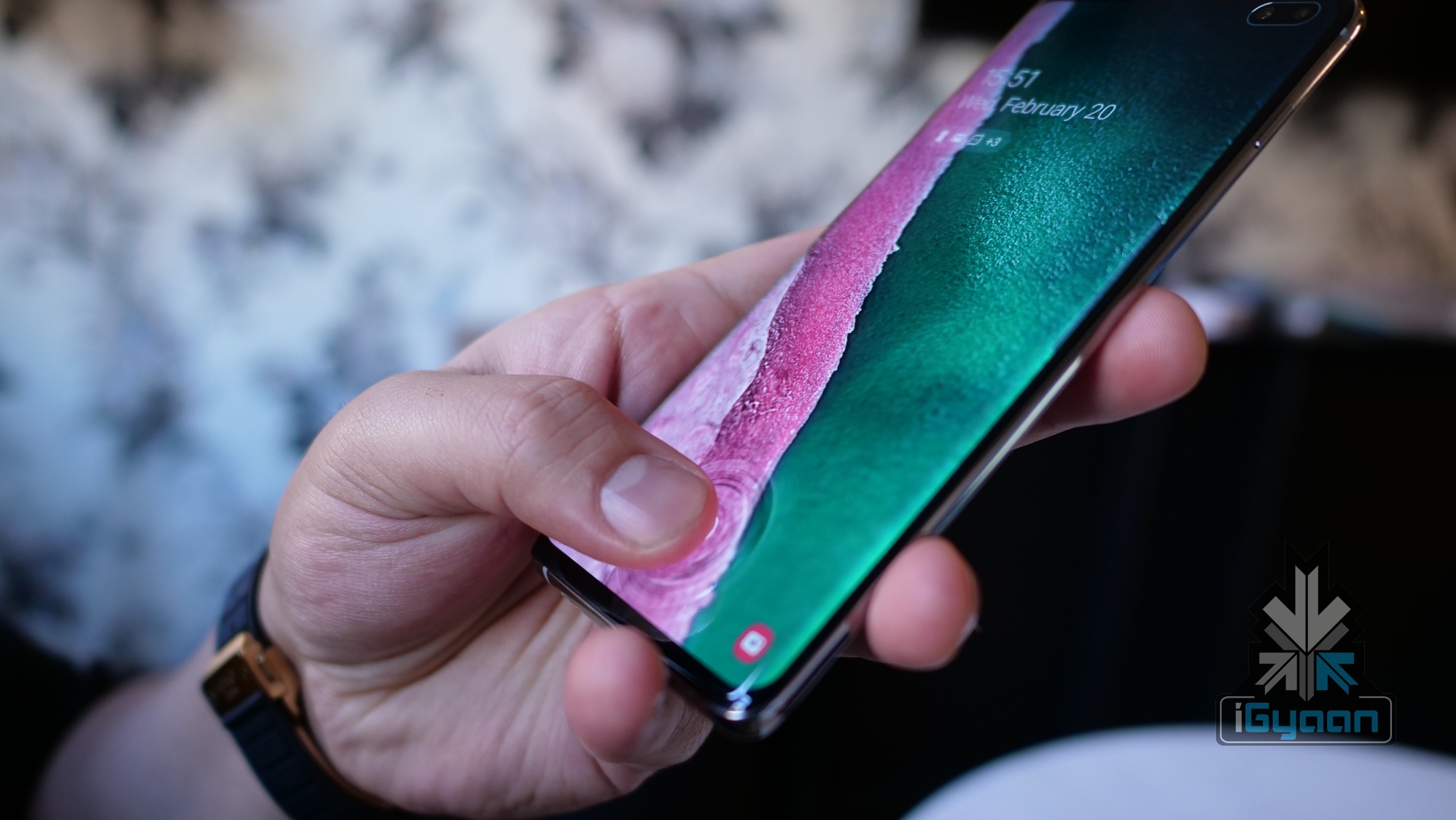
    The company is a strong player when it comes to smartphone cameras, and the Samsung Galaxy Note 10 is expected to bring some innovative camera features to the table. The device may run on the Exynos 9820 or Snapdragon 855, which are the flagship chipsets in the smartphone arena right now. It will supposedly feature an in-display ultrasonic fingerprint scanner, which was first introduced with the Samsung Galaxy S10 and S10+.

    Expected Features

    The Galaxy Note 10 is expected to have an Infinity-O display which will allow Samsung to pack a high screen to body ratio display in a compact chassis. It is also reported to have a new and improved S Pen stylus. A patent granted to Samsung exhibits a stylus that has an inbuilt camera with optical zoom capability. 

    Also Read: Samsung Announces The Galaxy A30 And A50 At MWC 2019

    All the leaks and rumours about the upcoming device will only be cleared once the company officially announces the device. Nevertheless, we will have to wait patiently as the Note 10 is unlikely t launch before the second half of the year. 


  • Whatsapp Group Invitation Feature Being Tested In Android Beta

    Whatsapp Group Invitation Feature Being Tested In Android Beta

    Whatsapp’s group invitation feature will enable users to stay in control of who can add them to a group. Reportedly, the company is now testing the functionality of the new update in Android Beta. This will be a step towards improving privacy settings for users. Also, Apple users who have registered for the public beta program will be able to test out this new feature.

    About The Update

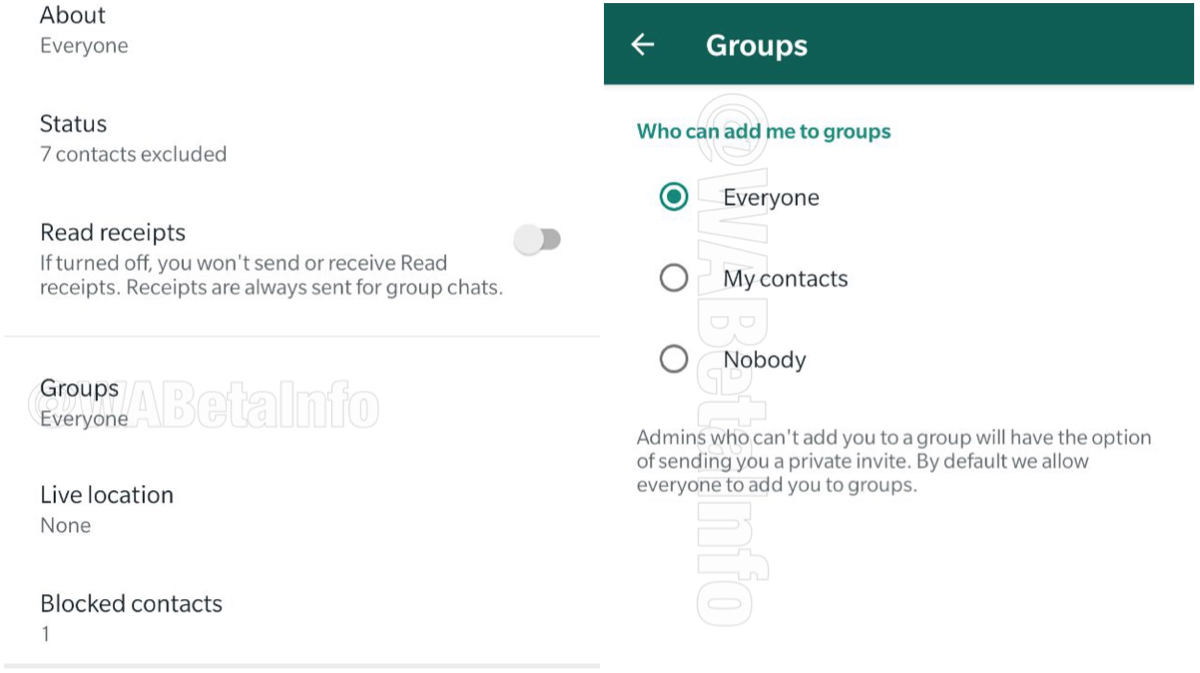
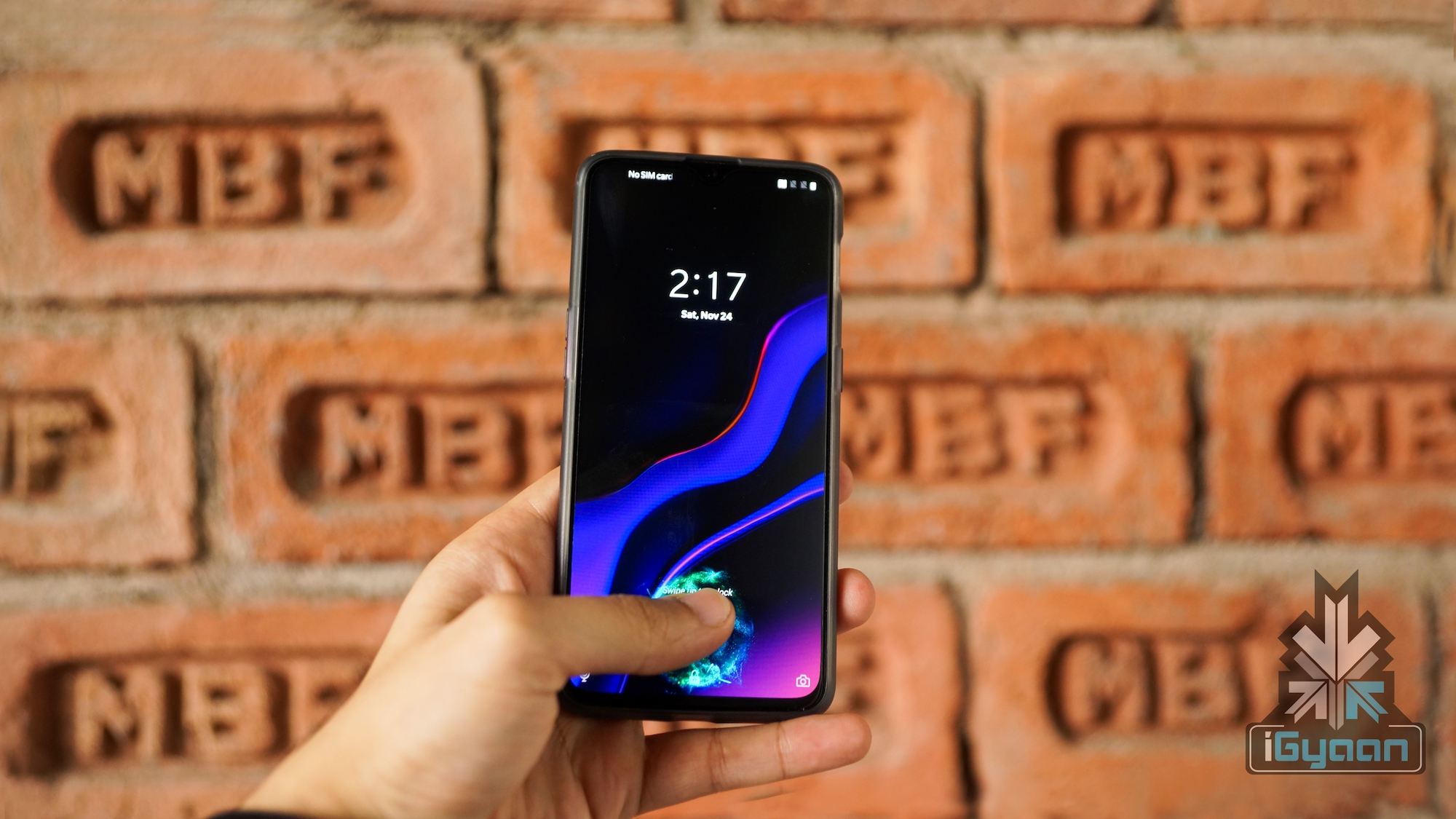
    The Group invitation feature will ensure that users will not be randomly added to a group. If a person wants to have a user in their group, the user would have to give them permission to do so. As per a screenshot shared in the report, the new restriction feature would be available under Whatsapp Settings > Account > Privacy > Groups.

    Restriction Levels

    After these steps, users will have the option to set a privacy limit that works for them. There will be three options in that menu: Everyone, My Contacts, and Nobody. It is quite obvious that the ‘Everyone’ option will allow any person to add the user to the group they want. That will hold true even if their numbers are not present in the contact list.
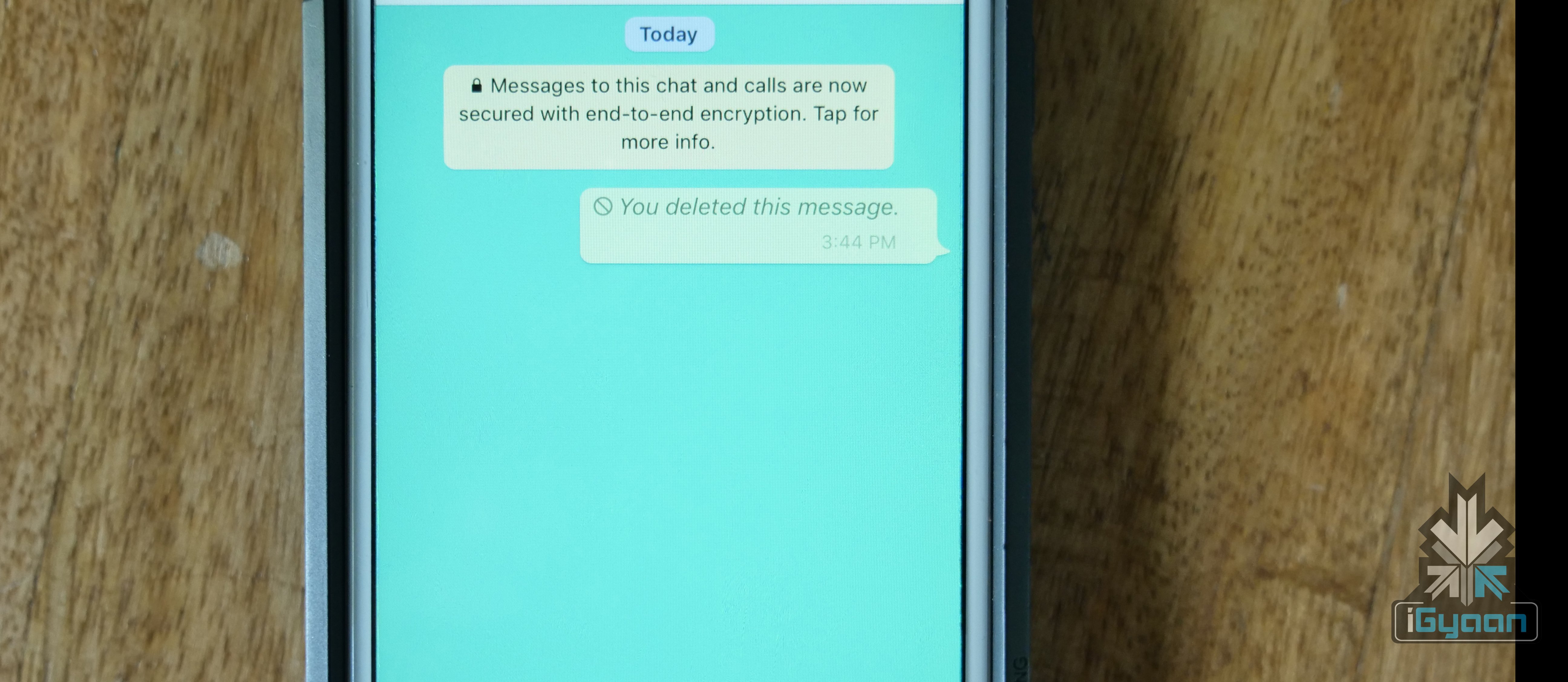
    If the user chooses ‘My Contacts’, he/she can limit the group invites to just those contacts who are added in the list. The ‘nobody’ feature will ensure that no one can add the user to any group without permission. The user will get a request every time someone wants to add him/her to their group. The invitation will expire within 72 hours, and a user cannot receive more than two invitations from the same group at the same time.
    Also Read: Logging Into Apps Will Soon Get Easier On Android

    The feature was first spotted in the Whatsapp beta update 2.19.55. At the same time, the test feature was rolled out to iOS TestFlight members. The update can be expected to roll out as soon as the company eradicates the bugs with the new feature.

  • OnePlus 7 Won’t Support Wireless Charging, Confirms Company

    OnePlus 7 Won’t Support Wireless Charging, Confirms Company

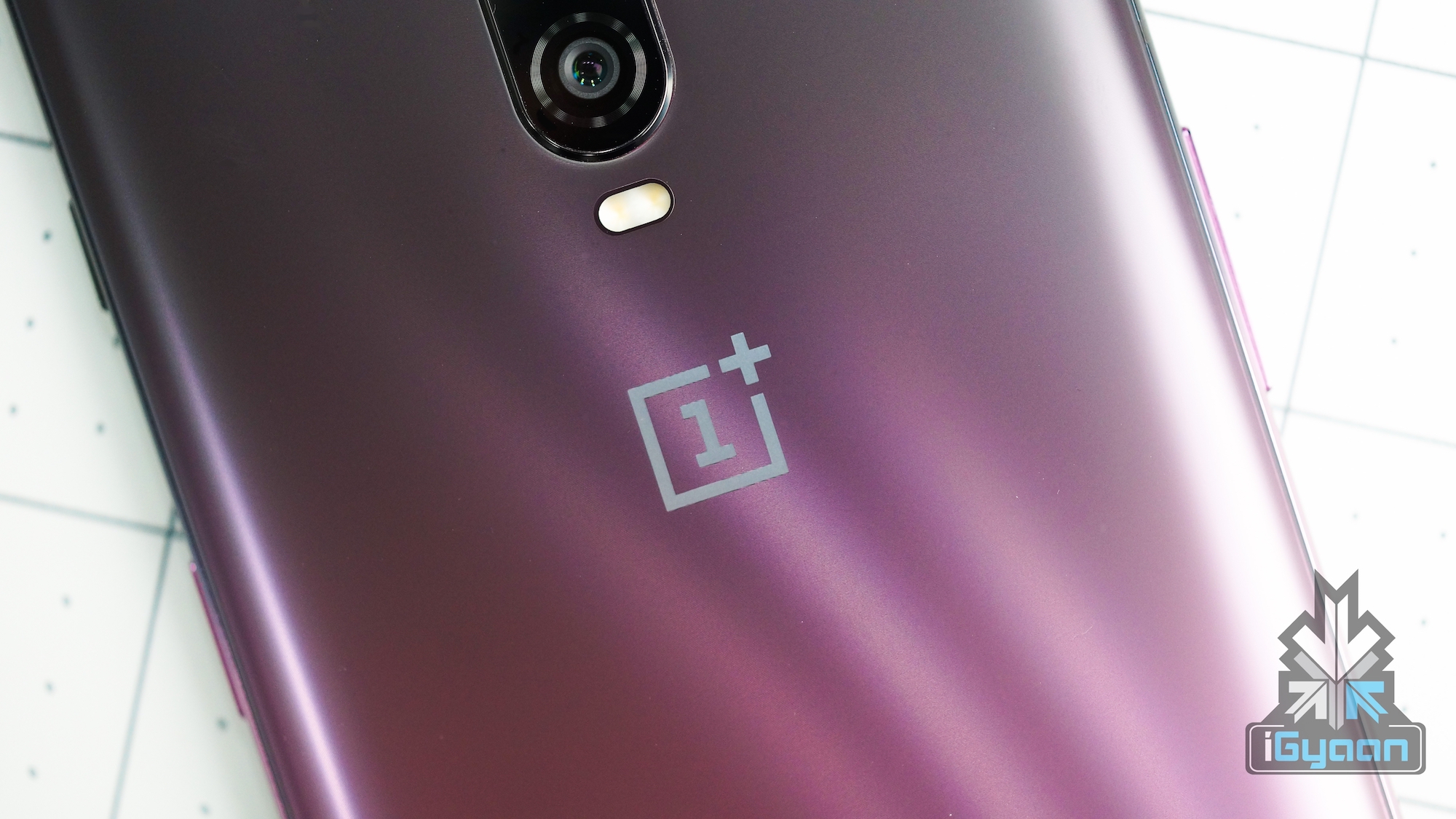
    OnePlus devices are known for bringing flagship specifications for the price of a mid-range smartphone. But, to bring the costs down, the company has always skimped on providing certain features that are considered essential for a flagship smartphone nowadays. None of the devices the company has ever released features wireless charging; or has an Ingress Protection (IP) rating for water and dust resistance. A senior OnePlus executive has confirmed that the next smartphone from the company, presumably the OnePlus 7 won’t support wireless charging either.

    Wireless Charging & The OnePlus 7

    While many major smartphone manufacturers have started providing wireless charging in their flagship smartphones, OnePlus has confirmed it won’t be putting the feature in their next. Notably, the feature was brought into the mainstream by Nokia with the Lumia 820 and Lumia 920. When Apple launched the iPhone 8, iPhone 8 Plus and the iPhone X with the feature in 2017, It prompted other OEMs to give the feature in their smartphones too. Xiaomi freshly launched its flagship Mi 9 with the feature, and Huawei’s current flagship the Mate 20 Pro, supports wireless charging as well. 

    With the advent of new fast wireless charging technologies, it was expected that OnePlus will likewise provide the feature in its smartphone this year. The company has elucidated that the technology is not ready yet and its main goal currently is to improve wired charging speeds. OnePlus also said that it is working on making the wireless charging technology faster, but it hasn’t been successful in figuring out how to do it without much heat. 

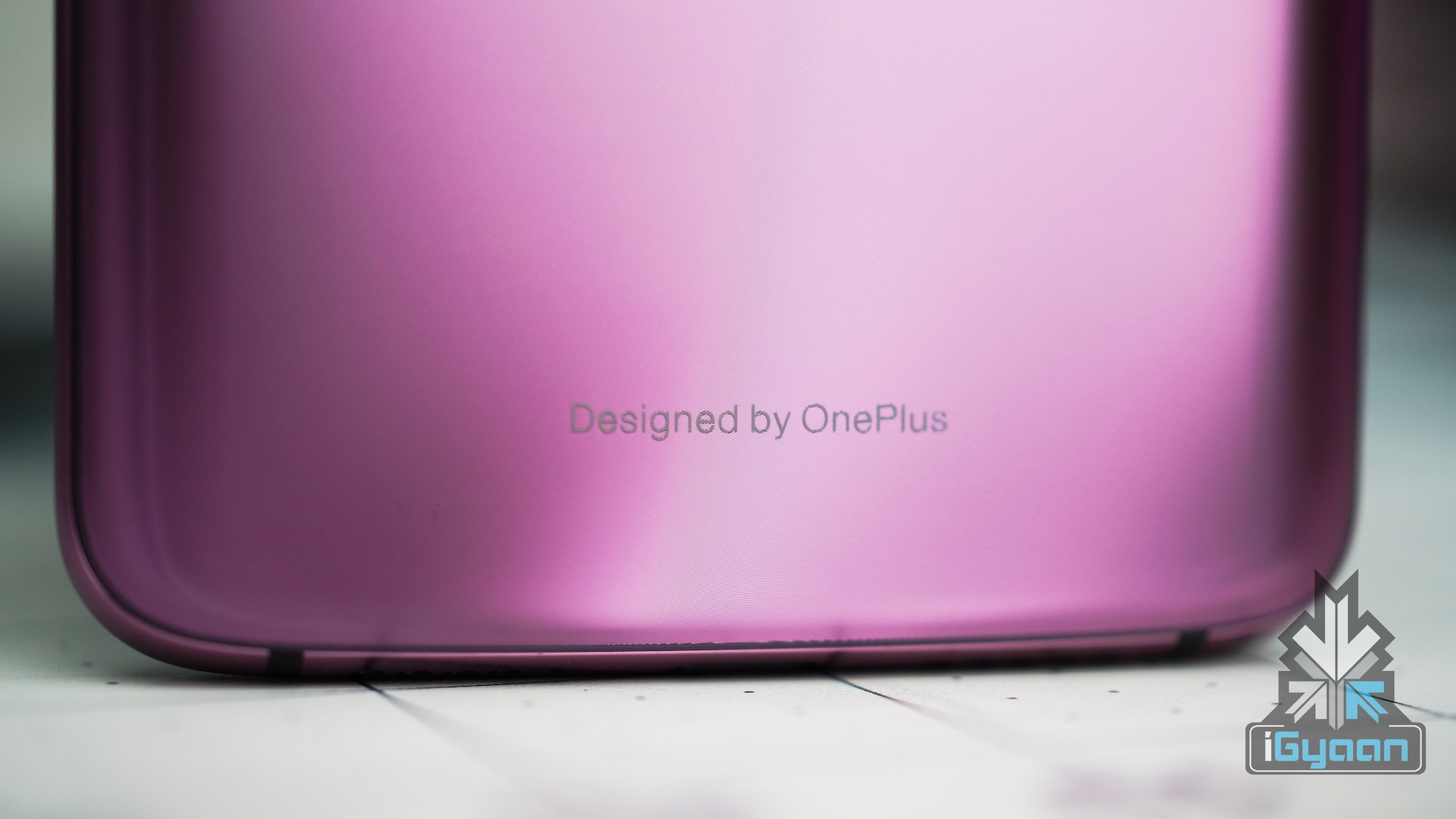
    The next flagship from OnePlus, assumed to be the OnePlus 7, is expected to feature top-tier specs and an entirely new design. As the company is known for putting the latest Qualcomm processor in its smartphones; OnePlus 7 is expected to run on the Snapdragon 855 SoC which is manufactured using 7nm fabrication process. The chipset has an Octa-core CPU and Adreno 640 GPU. It is also expected to feature a triple rear camera setup; an AMOLED display with minimal bezels around it; and an upgraded in-display fingerprint scanner. It may be available in two storage variants:

    • 8GB RAM and 128GB ROM
    • 10GB RAM and 256GB ROM

    Also read: Poco F1 Gets Widevine L1 Support For HD Streaming

    The next device from OnePlus is expected to be unveiled in Q2 of 2019. It will be priced higher than its predecessor, the OnePlus 6T and will be accompanied by another smartphone from the company supporting 5G, the next generation of mobile networks.

  • Spotify Launched In India, Plans Start At Rs. 119 A Month

    Spotify Launched In India, Plans Start At Rs. 119 A Month

    The world’s most popular music streaming service, Spotify, has finally made its way into India. The company promises unlimited music and podcasts at competitive prices. The launch was being speculated for a while now, as Indian Music Label T-Series signed a deal with the Swedish company on January 14. On January 26, the application went live on application stores across major platforms in the country.

    Plans/Subscription

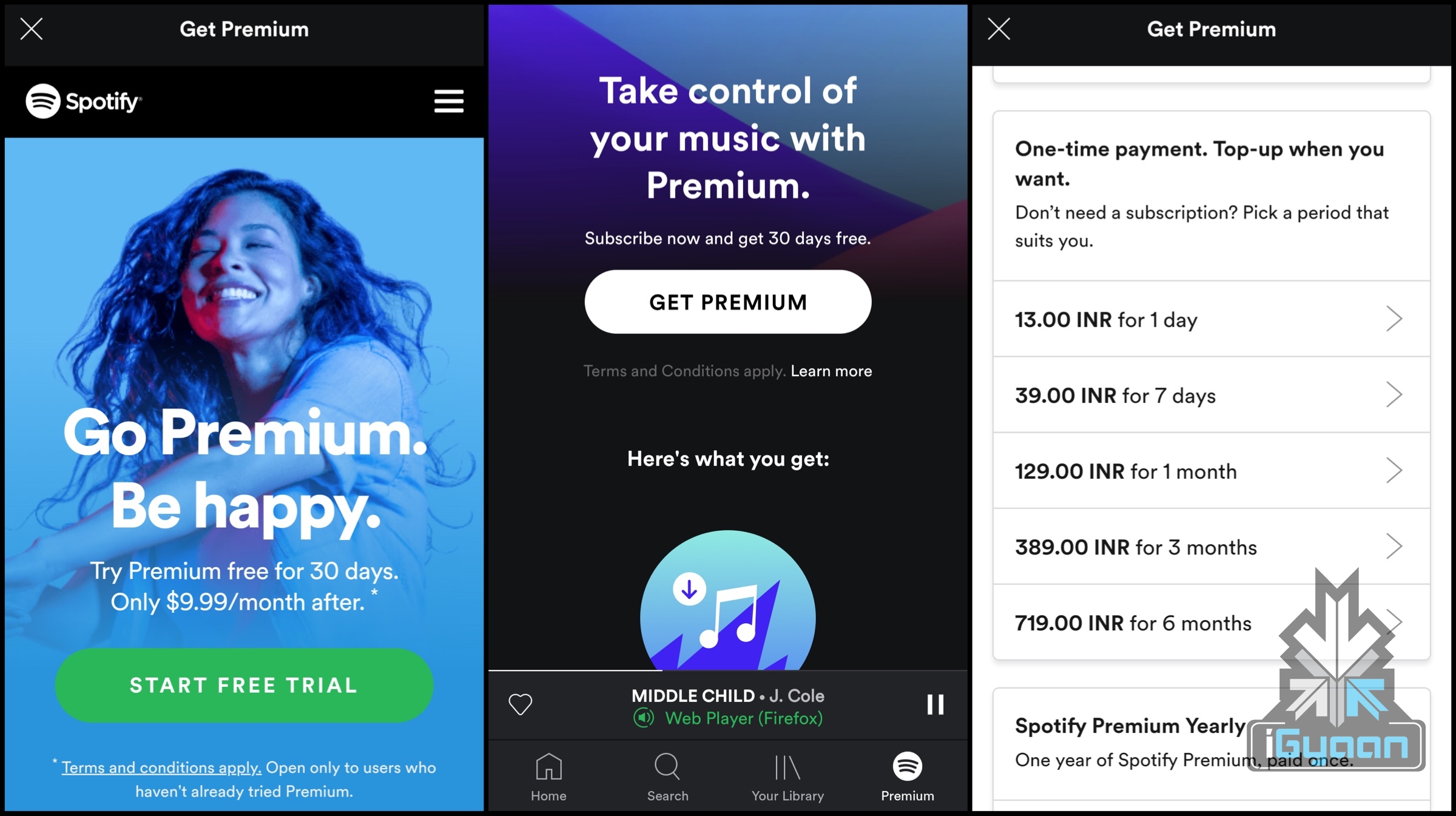
    The Spotify India Website is also live, where users can find all the information they need regarding Spotify subscriptions. According to the website, users can avail Spotify premium services at Rs. 119 per month, with more options for a day, week, month, quarter, 6 months and a year. People can choose from a premium subscription plan which allows users to avail a free 30 day trial, a prepaid plan which starts from Rs. 129 a month, and a student plan which offers up to 50% discount on the beforementioned plans.
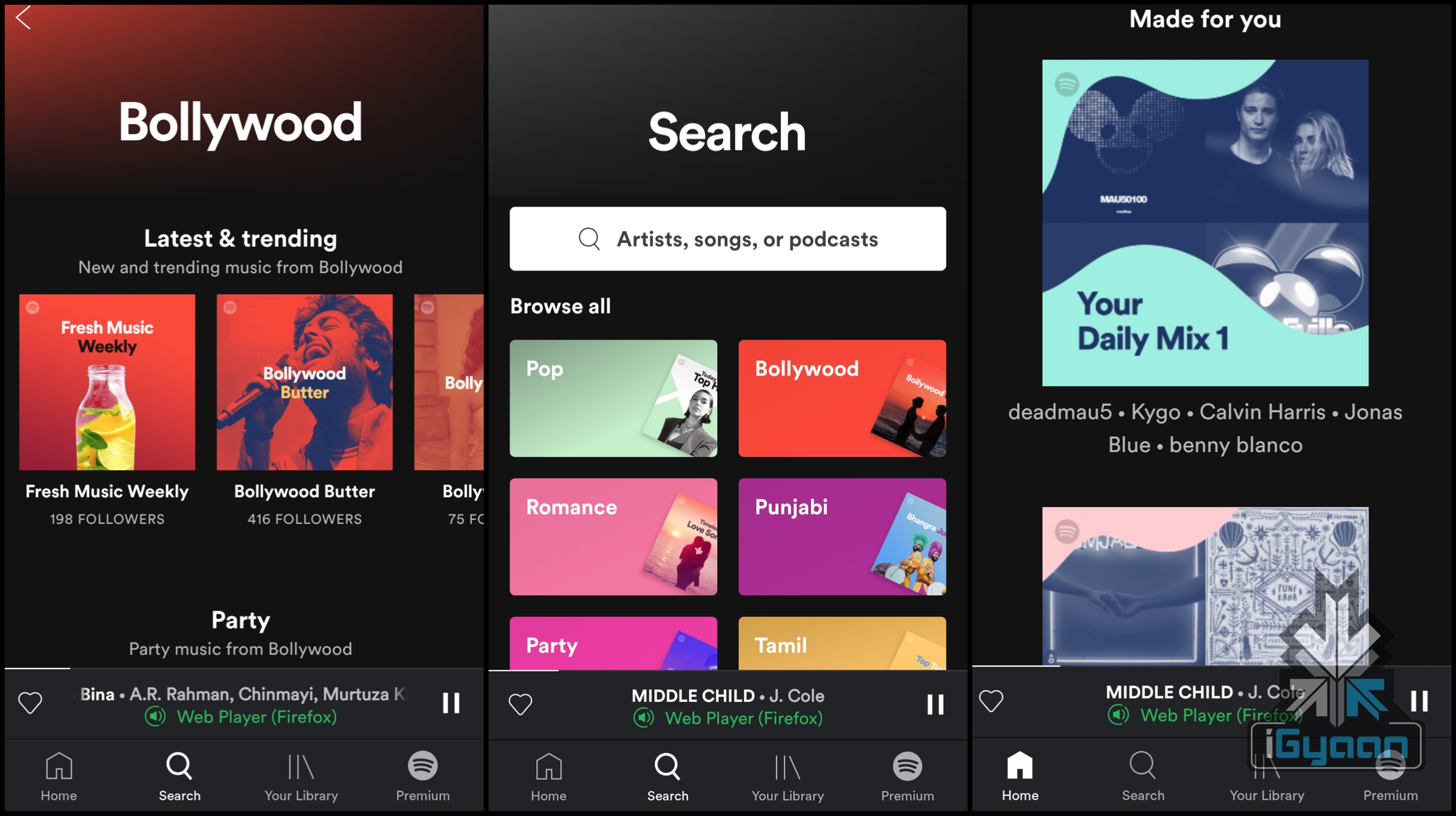
    Noteworthy, users can also use the application without paying for a subscription. Premium subscription allows users to take their songs offline and listen to high quality (320 kbps) music on the go. Plus, it gives them an added advantage of ad-free music, which is a huge factor when it is about music streaming. Users can still access free playlists which are personalized as per their music taste. Plus, Spotify claims that over 30,000 tracks are added to the library every day.

    Spotify’s founder and CEO acknowledged the rich music culture of India and wanted to blend it with other music forms across the world. He also said that Spotify’s family is a lot bigger now that India has become a part of it. As mentioned previously, the catalogue of Indian music on Spotify has expanded considerably now that T-Series has entered into a contract with the company. Spotify claims to have a ton of Bollywood and regional content, with music playlists extending to languages like Malayalam and Kannada. 
    The Competition

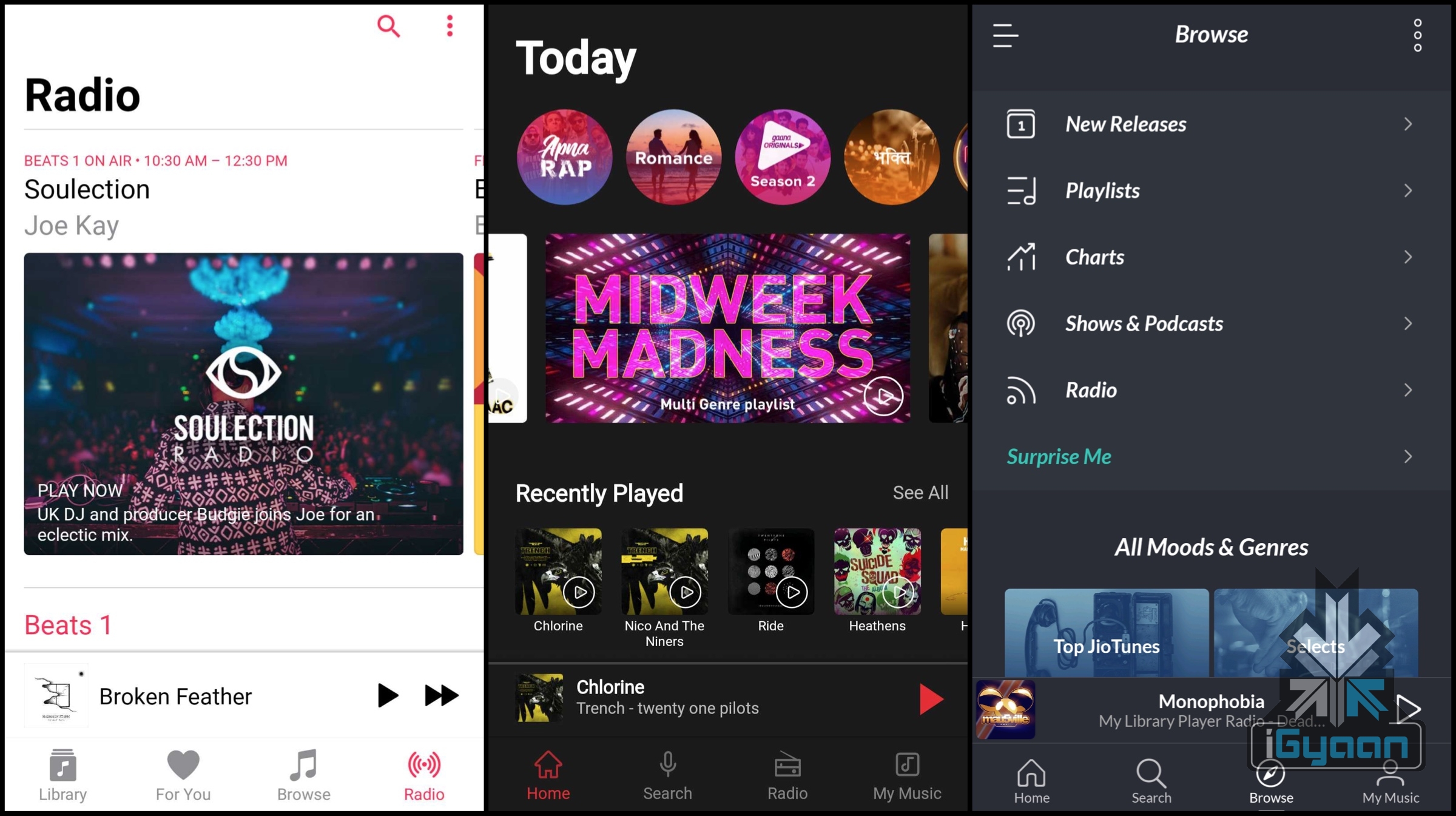
     Post release, Spotify will have to go up against music streaming applications like JioSaavn, Gaana and more. Exclusive music launches from the music vendor can also be expected soon if Spotify wants to make a statement in the Indian music streaming industry. And with a market as huge as India, doing so becomes a compulsion rather than a luxury.
    If Spotify is compared to Apple Music (which is another strong contender in India), both providers offer similar subscription plans. Currently, only Apple Music and Spotify offer premium student plans in India, which both start at Rs. 60 per month. Noteworthy, Apple Music provides a three month free trial when users sign up with their card details. Furthermore, Applications like Gaana have extensive Indian regional music libraries and may be the first preference for some users.

    Pricing And Availability

    Also Read: 1TB MicroSD Cards Are A Reality At MWC 2019

    The Spotify Music streaming app is now available for Android, iOS and Windows devices in India. Once users have downloaded the application, they can either continue to use it for free or pay for a premium subscription. The different pricing plans for the app are given below:

    • Premium Subscription Plan – Rs. 119 per month (cancel anytime) + 30 days free trial
    • Prepaid Plan – Starting from Rs. 13 a day to Rs. 1189 a year (Pay via debit/credit card, PayTm or UPI)
    • Premium Student Plan – Offers up to 50% discount on the Premium Subscription Plan for students above 18 years of age.

    You can visit Spotify’s official website here

  • Redmi Note 7 Pro Visits TENNA, Specifications Leaked

    Redmi Note 7 Pro Visits TENNA, Specifications Leaked

    Xiaomi’s sub-brand Redmi launched its first smartphone, the Redmi Note 7 in the month of January this year. Soon after its launch, the company confirmed that it will also launch a Pro variant of the smartphone. As the name suggests, the Redmi Note 7 Pro will be a beefed-up version of the standard variant. A senior Redmi China official has confirmed that the anticipated smartphone will launch in the last week of February. Before its official announcement, the device was spotted on Chinese regulatory website, TENAA. 

    Redmi Note 7 Features and Layout 
     

    The supposed Redmi Note 7 has been listed as model number ‘M1901F7BE’ on TENAA which is similar to the Redmi Note 7’s model number. The device in the listing measures 159.21×75.21×8.1mm and weighs 186 grams. It sports a 6.3 inch display with a resolution of 2340x 1080 px. According to the listing, the unreleased Redmi Note 7 Pro runs on the latest Android 9.0 Pie which apparently will be skinned with MIUI. The smartphone will be offered in three storage variants which are as follows: 

    • 3 GB RAM + 32 GB ROM
    • 4 GB RAM + 64 GB ROM
    • 6 GB RAM + 128 GB ROM

    In addition to the internal memory, it also supports memory expansion upto 256 GB via microSD card. The supposed Redmi Note 7 packs an Octa-Core CPU which is clocked at 2.0 GHz. The clock speed of the aforementioned CPU is equivalent to the Snapdragon 675 which the smartphone was previously reported to have. The device has a total of three cameras out of which one is placed on the front and two on the rear. The front-facing camera uses a 13 MP sensor and the rear dual camera setup is comprised of a 48 MP sensor and an 8 MP sensor. Noteworthy, the 48 MP sensor on the Note 7 Pro is dissimilar to the 48 MP sensor the standard variant has. Redmi executive had previously confirmed that the 48 MP sensor on the Pro variant will be the Sony IMX 586 sensor which is used on high-end devices like the Honor View 20. The Redmi Note 7 Pro is powered by a 3,900 mAh battery which like its younger sibling is likely to support fast charging support. 

    Also Read: Poco F1 Gets Widevine L1 Support For HD Streaming 

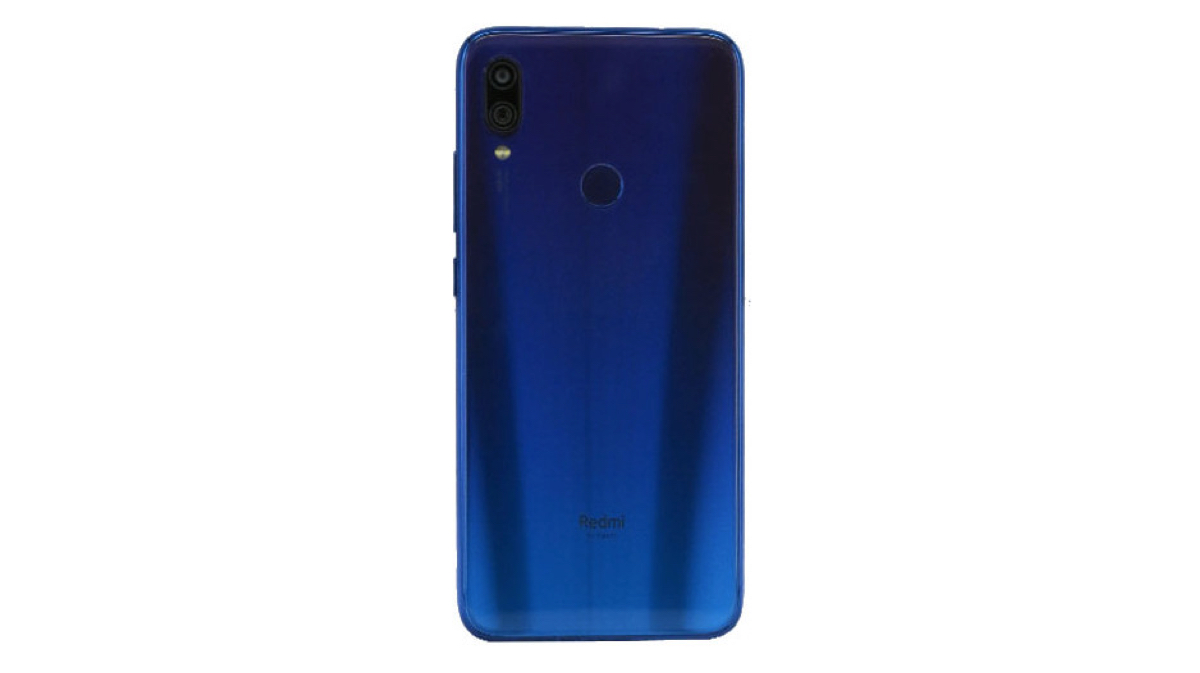
    Interestingly, the listing reveals eight colour options of the smartphone which include Black, Red, Blue, Pink, White, Green, Purple and Gray. Though it is unlikely that Redmi will offer the smartphone in all these colour options. The TENAA listing also includes live images of the Redmi Note 7 Pro which exhibit that it resembles its younger sibling from all sides. The front of the smartphone has a waterdrop notch display that houses the selfie camera. The rear of the device is made out of a transparent panel with a gradient finish that houses the fingerprint sensor and dual camera setup. The placement of ports and switches on the upcoming device are also the same as the Redmi Note 7. Although specifications listed on TENAA are chiefly accurate, official specifications will only be confirmed once the company officially launches the handset. As mentioned previously the launch of the Redmi Note 7 is imminent and will take place in the last week of February.   

  • Poco F1 Gets Widevine L1 Support For HD Streaming

    Poco F1 Gets Widevine L1 Support For HD Streaming

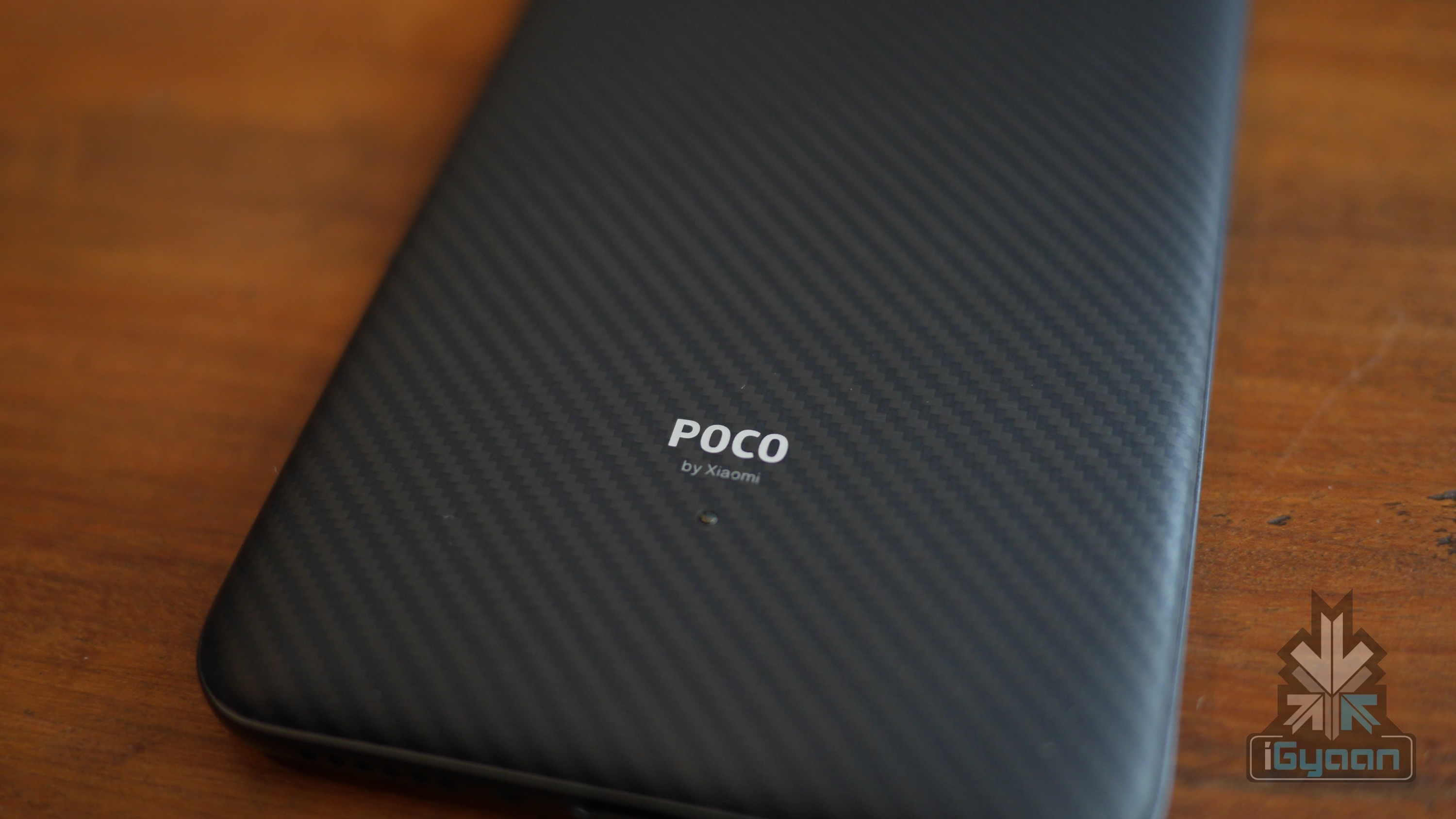
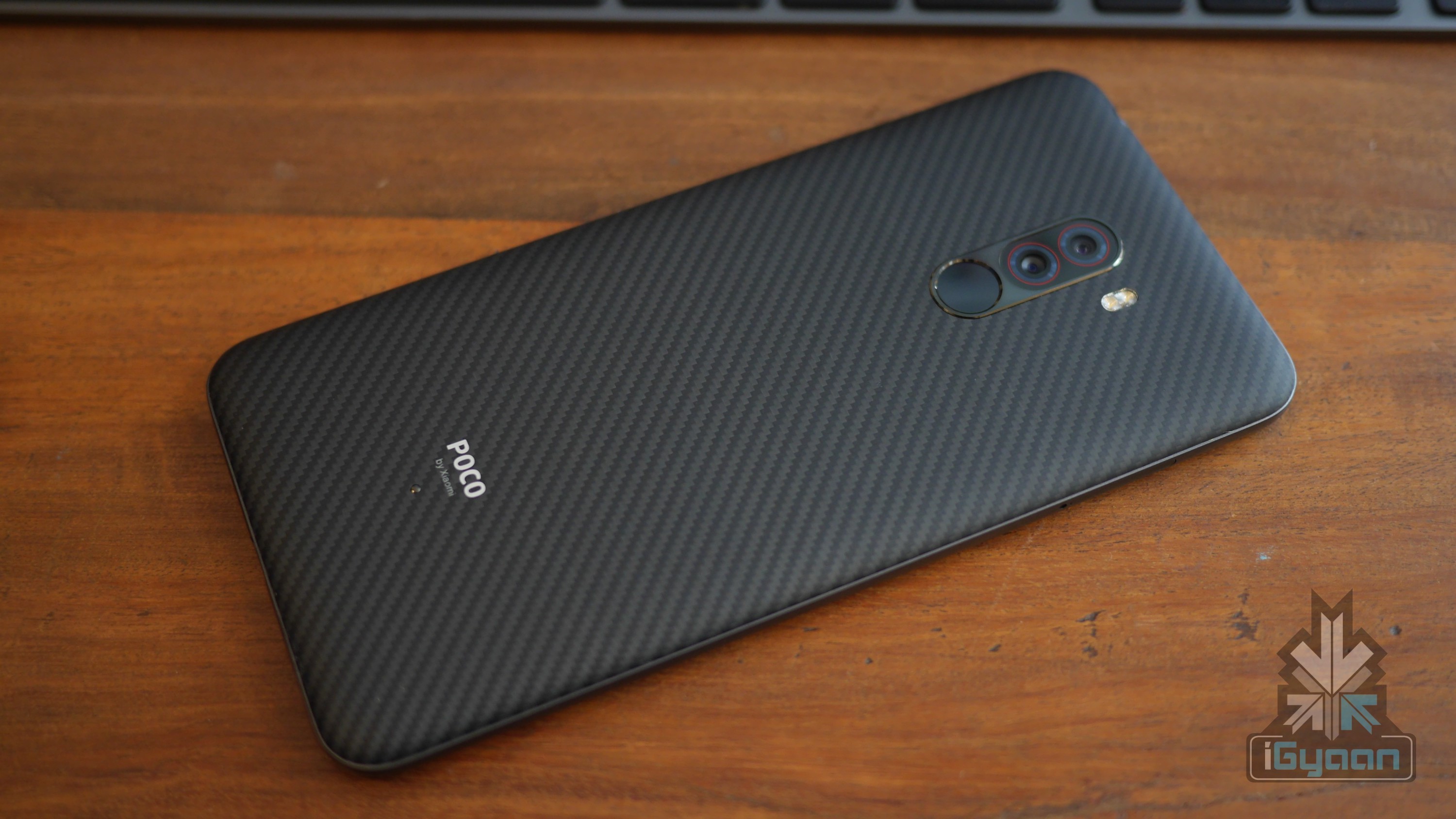
    Xiaomi launched the Poco F1 in India back in the month of August last year. The smartphone with a budget price and flagship specifications witnessed rave reviews globally. But soon after the launch, the controversy arose that the device lacked the support for Widevine L1 certificate; which is necessary to stream HD digital content on services like Netflix and Amazon Prime Video.  According to a senior Xiaomi India executive, the Poco F1 has been granted Widevine L1 certification. The executive also states that an OTA update with the L1 certification is being rolled out for beta users. Besides, the upcoming general public MIUI update for the device will incorporate this certificate. Therefore, the users will soon be able to stream HD content on their devices after updating the latest update. 

    Poco F1: Widevine L1 Support

    The Widevine L1 certification is granted by Widevine Technologies, which is owned by Google. It is an encryption system to distribute video content from streaming services to consumer devices. When it was discovered that the Poco F1 lacked the Widevine L1 certification; it became identified that the device was incapable of streaming video content higher than 540p resolution. Similarly, OnePlus’s yesteryear flagship, the OnePlus 5T was also plagued by the same problem which was sorrowfully never eradicated. 

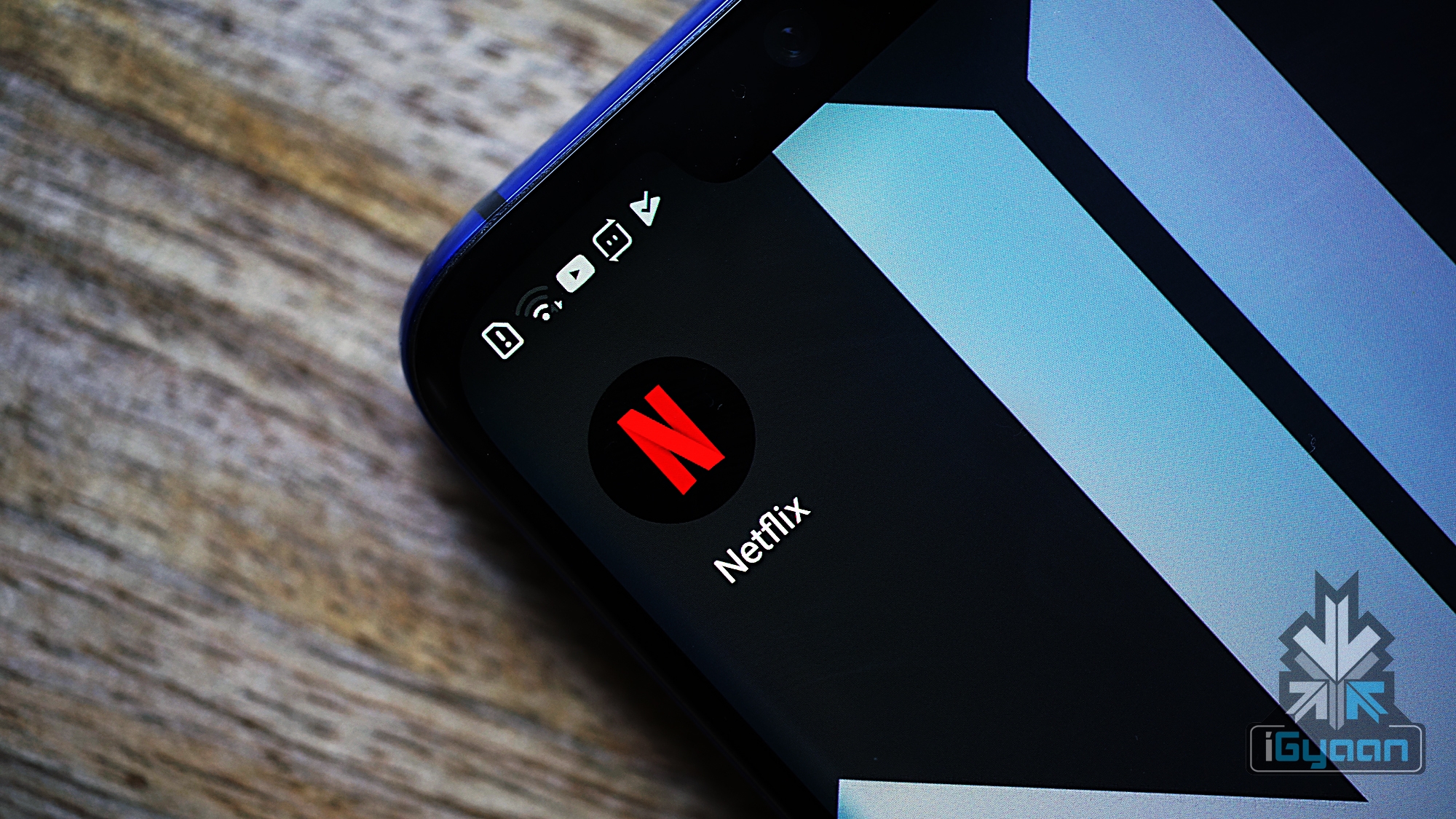
    The Poco F1 has started receiving the update supporting the Widevine L1 certificate in the latest MIUI 10 9.2.25 Beta. It was earlier speculated that the devices lacking certain hardware components cannot be Widevine L1 certified. However, Xiaomi has demonstrated that the aforementioned problem can indeed be fixed via software modifications. In addition to the L1 certification, streaming services also need to whitelist devices to allow them to stream HD content. Streaming services including Amazon Prime Video and Hotstar have already updated their respective applications to allow Poco F1 to be able to stream HD content. However, Netflix is yet to roll an update that allows updated Poco F1 units to stream HD content on its platform. 

    Also read: 1TB MicroSD Cards Are A Reality At MWC 2019

    The update on the Xiaomi Poco F1 should arrive as a sigh of relief to existing users of the device. Unfortunately, the company has not provided any information on the stable release of the update; but it is expected to roll out as soon as the current software is out of Beta and has the bugs ironed out.

  • Flaws In 4G & 5G Allows Hackers To Track Locations & Intercept Calls

    Flaws In 4G & 5G Allows Hackers To Track Locations & Intercept Calls

    Technical Researchers from Purdue University and the University of Iowa have exposed vulnerabilities in the data infrastructure of 4G and 5G networks, which lets attackers track down the location of any mobile phone on a given network. Furthermore, they can also snoop in on users during a phone call. With the advent of 5G not very far away, an exposed liability of this sort can be serious. 

    About The Attacks

    When 5G was announced, reports said that the new network would be more secure than the previous iteration. Instead, the researchers unveiled three different kinds of attacks which hackers can use to breach a network which is running on 4G or the upcoming 5G technology. They are known as Torpedo attacks, Piercers and IMSI-Cracking attacks.

    Torpedo Attacks

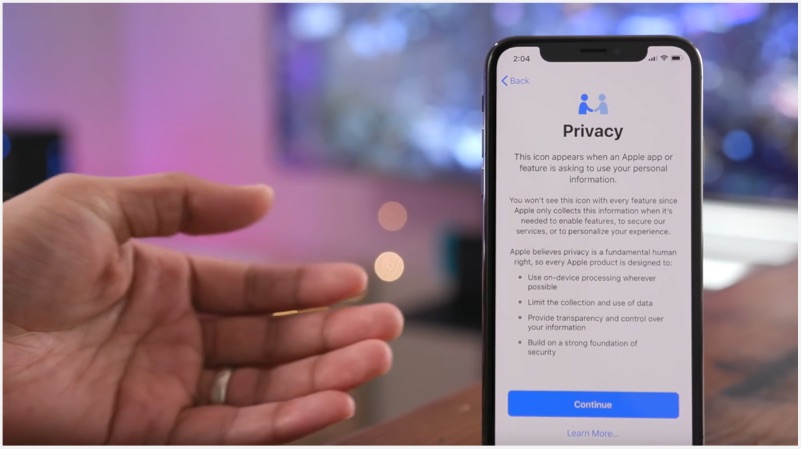
    iOS 11.3The primary form of breaching is called a Torpedo attack. It exploits a vulnerability in the paging protocols that various carriers such as Verizon and Sprint use. The protocol actually notifies the person about an incoming call or text message. As per reports, if multiple phone calls are made and dropped to a single node, it might trigger a paging message without informing the target device. This way, the hacker may derive the user’s location, and he can further hijack the paging channel via the IP address.

    Piercer And IMSI-Cracking Attacks

    The Piercer attack, which is an extension of the Torpedo attack allows the attacker to find out the IMSI (International Mobile Subscriber Identity) on the 4G network. In the third and final form of attack, the hacker can straightaway brute-force an IMSI number in both the networks (4G and 5G), which is exactly where the IMSI numbers are encrypted.

    Also Read: ZTE Launches The Axon 10 Pro 5G At MWC 2019

    As per reports, all major US operators which are trying to bring 5G functionality to their devices are at risk from this exploit. More so, because the equipment to carry out such an attack is very cheap and readily available.

  • 1TB MicroSD Cards Are A Reality At MWC 2019

    1TB MicroSD Cards Are A Reality At MWC 2019

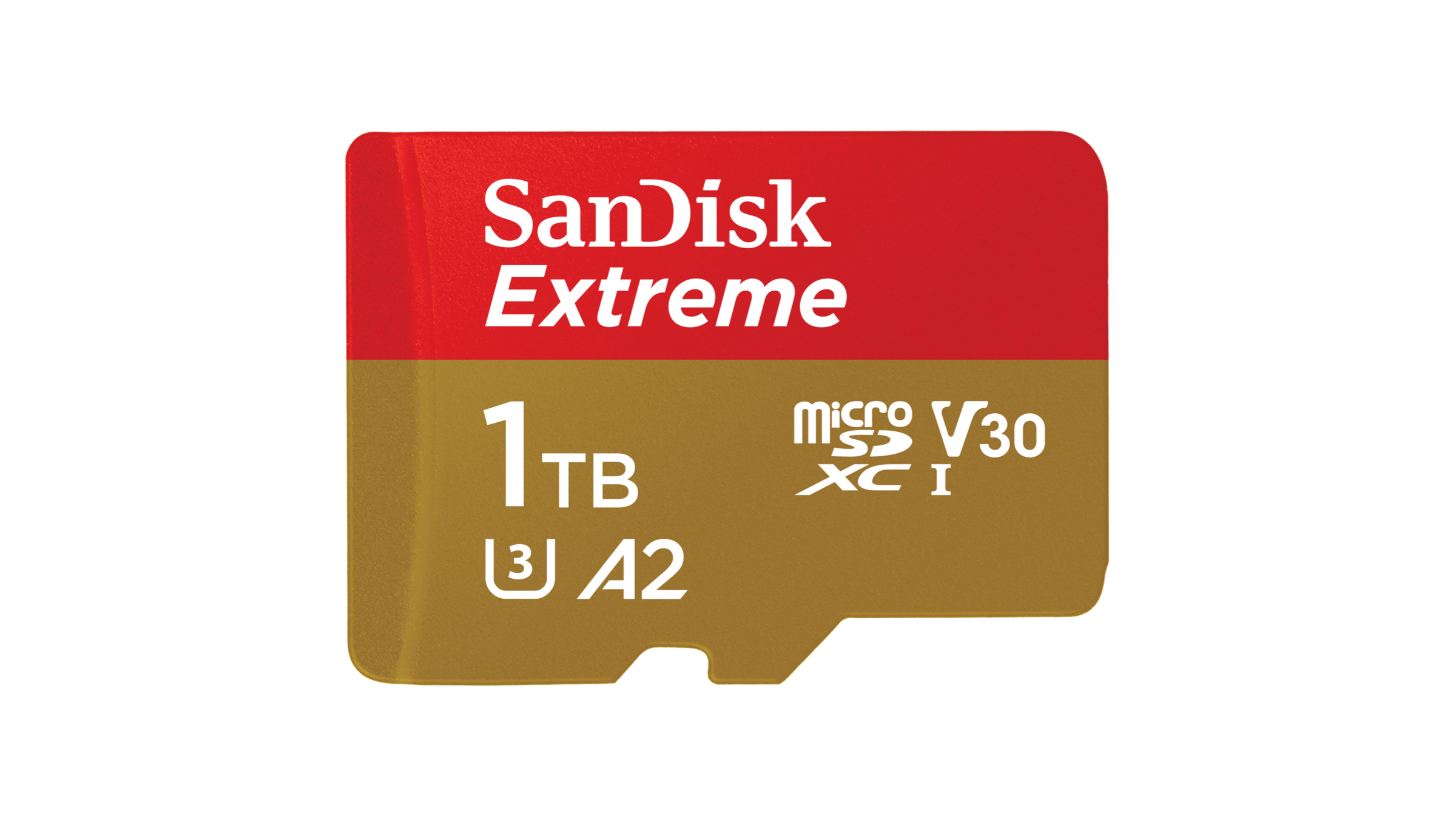
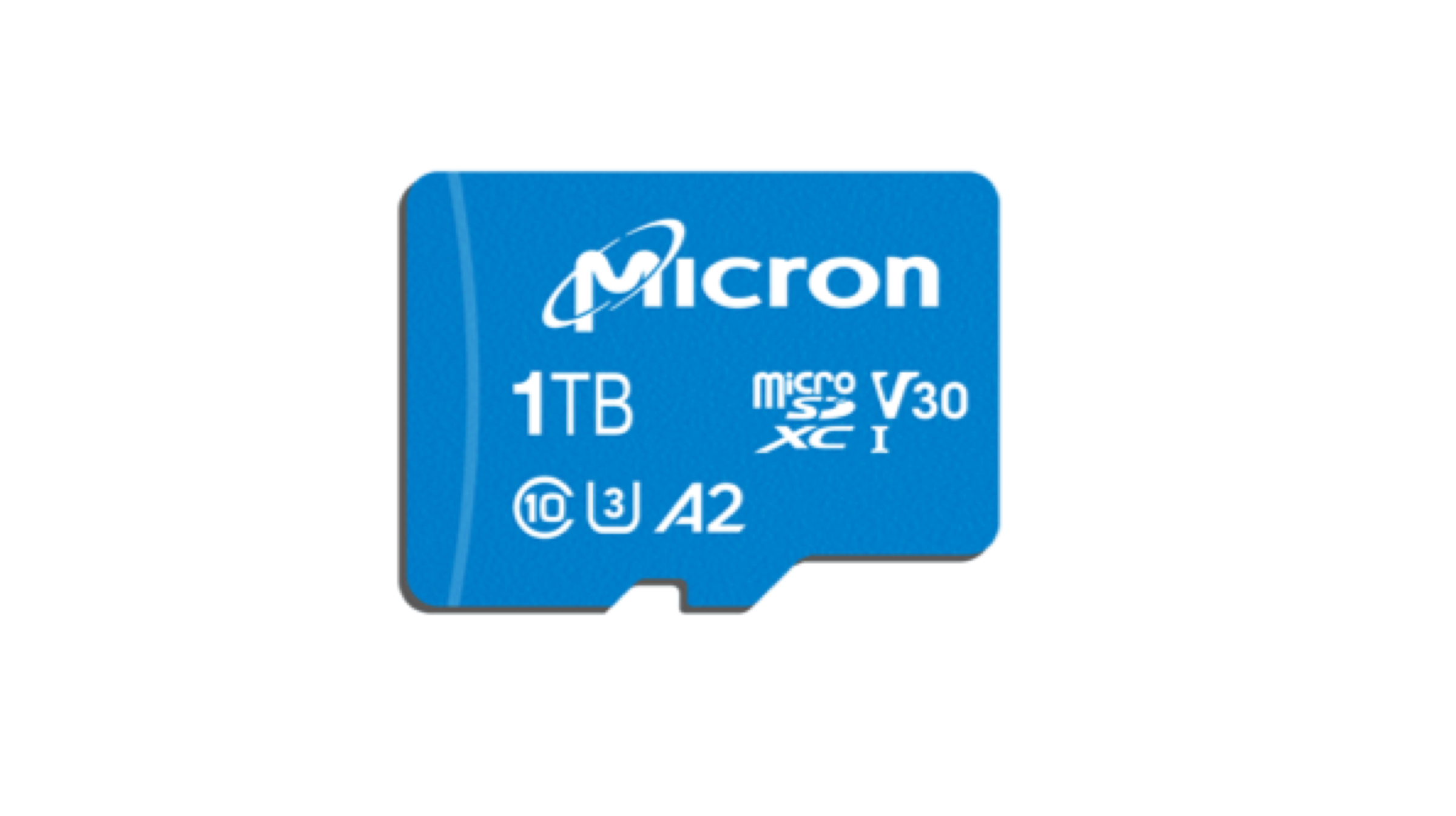
    The Mobile World Congress (MWC) in Barcelona is a stage to showcase cutting edge products in the field of technology. Due to the high speed internet boom, the production and consumption of digital media content has risen several folds. With the growth of digital media consumption, the  need for hardware to store this content has also risen. Two well-known names in storage solutions, Micron and Sandisk owned by Western Digital have announced the world’s first microSD cards with a whopping 1TB storage capacity. Both companies claim promising transfer speeds with the products.

    1TB MicroSD Cards

    The two praiseworthy storage microSD cards launched at the event include Sandisk Extreme microSDXC UHS-I 1TB; and the Micron c200 1TB microSDXC UHS-I. These cards are, as mentioned above, the world’s first microSD cards to support 1TB of storage. The Western Digital’s 1TB microSD card is claimed to be capable of a data read speed of up to 160MBps and a peak data write speed of 90MBps. It follows the A2 specification for launching and loading apps which the company claims offer a performance output of 400 Input/Output Operations Per Second (IOPS) and 2000 IOPS. This allows the card to be very fast while performing tasks like app launching or file transfers.

    The Micron c200 1TB microSD has a lower read speed than Western Digital’s offering. The read and write speeds are clocked at 100MBps and 95MBps respectively. It employs the Dynamic SLC cache and performs automatic resource management for sustained peak performance. Just like the Sandisk’s 1TB card, it also follows the A2 specification. The card leverages Micron’s 96 layer 3D quad level cell (QLC) NAND technology for faster speeds. Both these cards are expected to be helpful in providing efficient storage for 4K videos, pictures and games on smartphones and other electronic devices.
    Also read: Upcoming Update Will Augment Messaging App & Google Assistant Integration

    The SanDisk Extreme microSDXC UHS-I 1TB microSD card will be sold $449.99 (around Rs. 32,000) and is up for pre-order from the official SanDisk website. The Micron’s offering will be available to buy in Q2 2019 but unfortunately, the company has not provided any information on pricing of the card. But it is expected to be priced lower to Western Digital’s offering.

  • Qualcomm Quick Charge Is Now Qi Wireless Charging Compliant

    Qualcomm Quick Charge Is Now Qi Wireless Charging Compliant

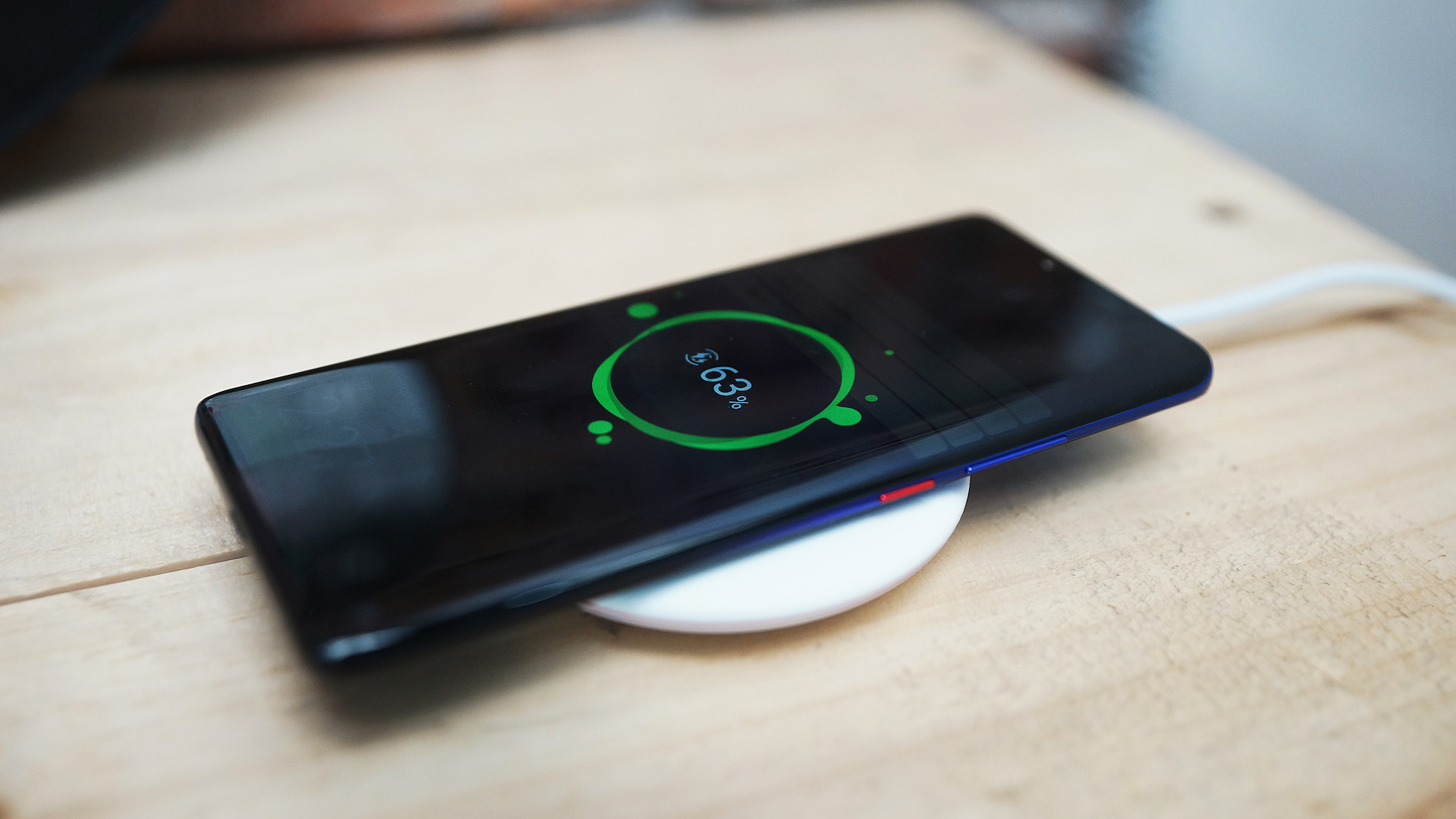
    Qualcomm, the pioneer of mobile chipsets has made an announcement at the MWC 2019, according to which its Quick Charge standard will support Wireless Charging. This will ease the transition of devices from wired quick charging to wireless quick charging techniques. As per the American electronics company, the new technology will focus on fast and consistent charging for supported smartphones.

    The new Wireless Charging pads will be powered by Quick Charge and will be compatible with Quick Charge 2.0, 3.0, 4 and 4+ adapters. The comoany will soon expand testing to QuickCharge for Wireless power. Additional tests will be performed, which will ensure Quick Charge and Qi interoperability. This will aim to provide a consistent wireless charging experience between the devices. 

    About The WPC

    The WPC (Wireless Power Consortium) includes over 650 companies and more than 3,500 different products which comply with their standards. They were the original creators of the Qi Global Wireless Charging Standard. Future consumers can still look for the same Quick Charge branding. Doing so will ensure that their QuickCharge adapters have gone through necessary compliance tests, rendering them safe to use.

    Company Statement

    Qualcomm has reported that it is working with major retailers to get rid of non-compliant accessories from catalogs. George Paparrizos, senior director of product management for Qualcomm Technologies made a statement regarding the new technology. He believes that the consumers will feel safer now that Quick Charge enabled wireless power pads have passed rigorous tests which were established by both the organizations.


    Also Read: Samsung Announces The Galaxy A30 And A50 At MWC 2019

    As per the company, Quick Charge is the largest developing ecosystem which supports fast charging. What are your views on the wireless Quick Charge technology? Share them with us in the comments below.

  • Logging Into Apps Will Soon Get Easier On Android

    Logging Into Apps Will Soon Get Easier On Android

    Google’s operating system for smartphones, Android is FIDO2 certified. This was granted to it by the FIDO Alliance, of which Google is a member. The newly granted certification will make logging into websites and certain apps much easier and will be in effect with a quick update of the Google Play Services. 

    What Is the FIDO2 Certification?

    The FIDO Alliance was formed in July 2012 to provide strong authentication technologies. It is focussed on eliminating the need to remember multiple usernames and passwords. The Alliance certifies authentication through biometrics, security keys, clients and servers to comply with FIDO specifications and meet certified security profiles. Therefore, this allows logging into all FIDO-enabled websites using the certified devices for a seamless experience.

    The FIDO2 certification on Android will only be available for devices running the Android version 7.0 Nougat and above. Interestingly, the version was released by Google back in 2016. This certification will allow users to log in to certain websites and apps that are FIDO enables with the help of the fingerprint sensor on the device. For devices without a fingerprint sensor, there will be support for PIN or Pattern just like one would unlock their devices. This is expected to make signing in an app or a website convenient, without the need for remembering any passwords.

    Some Android apps already had a feature like this in action for a while. Many banking apps and wallet apps already allow logging in using fingerprint or using the screen lock for easier access. The FIDO2 authentication standard is supported by major browsers available on the operating system like Chrome, Edge and Firefox. But it may be a while when most apps on the Play Store support the feature, as the developers will need to adopt FIDO’s Android Programming Interface (API) to support the feature.

    Also read: ZTE Launches The Axon 10 Pro 5G At MWC 2019

    Unfortunately, only about half of the total Android devices currently active will receive the aforementioned update. As about 50 percent of Android devices still run a version older than Android 6.0 Marshmellow.

  • Upcoming Update Will Augment Messaging App & Google Assistant Integration

    Upcoming Update Will Augment Messaging App & Google Assistant Integration

    With an upcoming update, Google assistant will show relevant suggestions about the subject of the message while it is being typed. The assistant will look for keywords in the message which with the help of AI algorithms will be used to populate the suggestions. One such example of this feature could be suggesting reviews of a particular place or destination that is being talked about in the message. Not just this, Google will also introduce 7 new Indic languages to its Google Assistant. Doing so will enable support for Bengali, Gujarati, Kannada, Malayalam, Tamil, and Urdu. Also, the AI model of the Assistant will be more suited to a higher number of users.

    About The Update

    The Android Messages application is preinstalled on nearly all Android smartphones, so integration with such an application would be fairly easier. Smart texting has been around for a while now. Links inserted in text messages automatically show web previews whenever an internet connection is available. Google posted that this feature can be used with any device that uses Android (even Go editions), iOS and KaiOS.
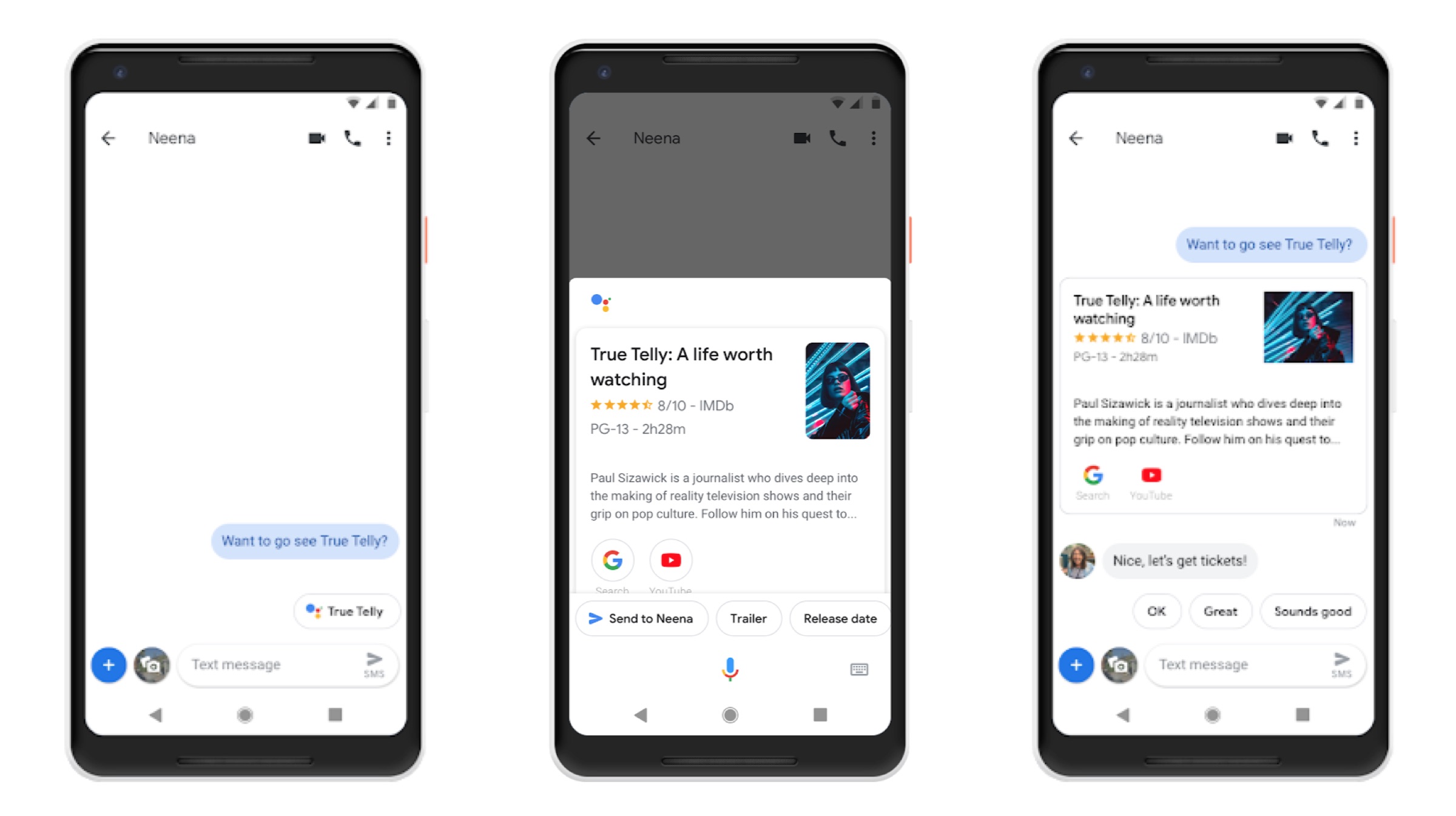
    Google Assistant Integration

    The Google Assistant integration is also seen in other Google apps like Maps, where drivers can get hands-free instructions regarding which directions to follow, making calls and read out texts. Similarly, the Android Messages app will rely on AI to provide suggestions that can make texting easier. It displays the information as a ‘suggestion chip’, and the user can click on it and just add that piece of info to the message. 

    Platform Support

    Google has also brought Voice Typing on KaiOS, which can help translate speech to text conveniently. As mentioned before, the multilingual support will help the Assistant to improve support for multiple dialects and accents. Apart from Indic languages, Google Assistant also adds support for bilingual talkback, with language support choices from Korean, Hindi, Swedish, Norwegian, Danish and Dutch.

    Also Read: Nubia Alpha Foldable Smartwatch Launched At MWC 2019

    Users can soon install the update rolling out to their devices. Let us know what you think about these features in the comments below.

iGyaan Network
Privacy Overview

This website uses cookies so that we can provide you with the best user experience possible. Cookie information is stored in your browser and performs functions such as recognising you when you return to our website and helping our team to understand which sections of the website you find most interesting and useful.