Category: Science

  • Chandrayaan 2 Mission Called Off By ISRO, Will Be Launched At A Later Date

    Chandrayaan 2 Mission Called Off By ISRO, Will Be Launched At A Later Date

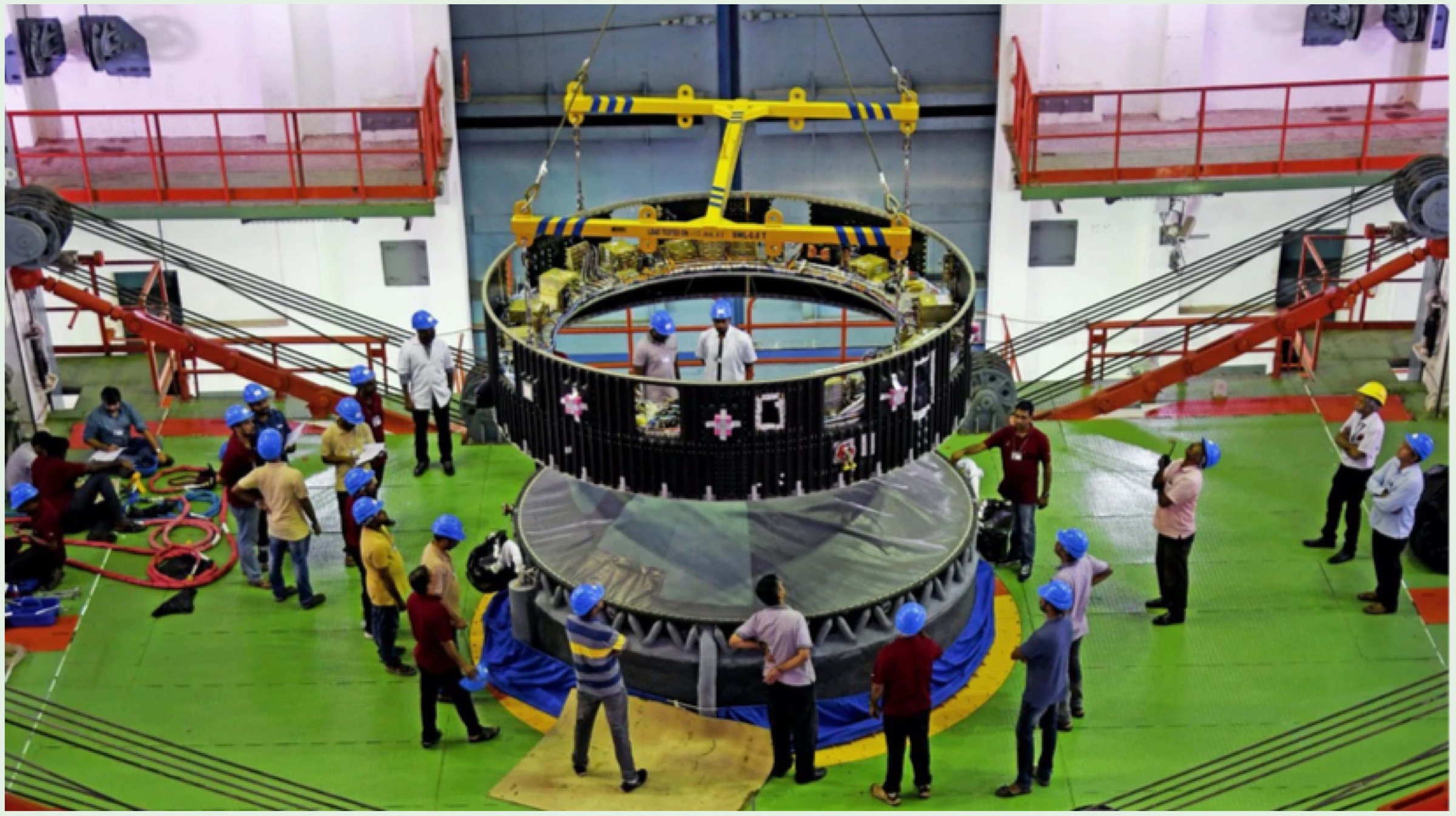
    The Indian Space Research Organisation or ISRO for short is the official space agency of the Government of India. It was expected to launch the much-awaited Chandrayaan 2 mission to the Moon on Monday, that is the 15th if July. However, in an unprecedented move, ISRO has postponed the space mission due to some unforeseen technical problems.

    Chandrayaan 2

    The Chandrayaan 2 mission from ISRO is the successor to the extremely successful Chandrayaan-1 mission from the year 2008. According to the official Twitter handle of the organisation, a technical snag was observed in the launch vehicle around 1 hour before the launch. To make sure the mission goes as smoothly as planned, It has thus cancelled its flight. The new launch date is expected to be announced in the following days. Interestingly, the President of India, Ram Nath Kovind, along with many international journalists were present at Sriharikota to witness the launch of the Chandrayaan 2 mission. This is also the second time the launch date of the mission has been pushed back. Earlier in the month of April, ISRO postponed it due to the failure of Israel’s Beresheet mission.
    ISRO Chandrayaan 2

    Also read: Mi Super Bass Wireless Headphones Launched In India

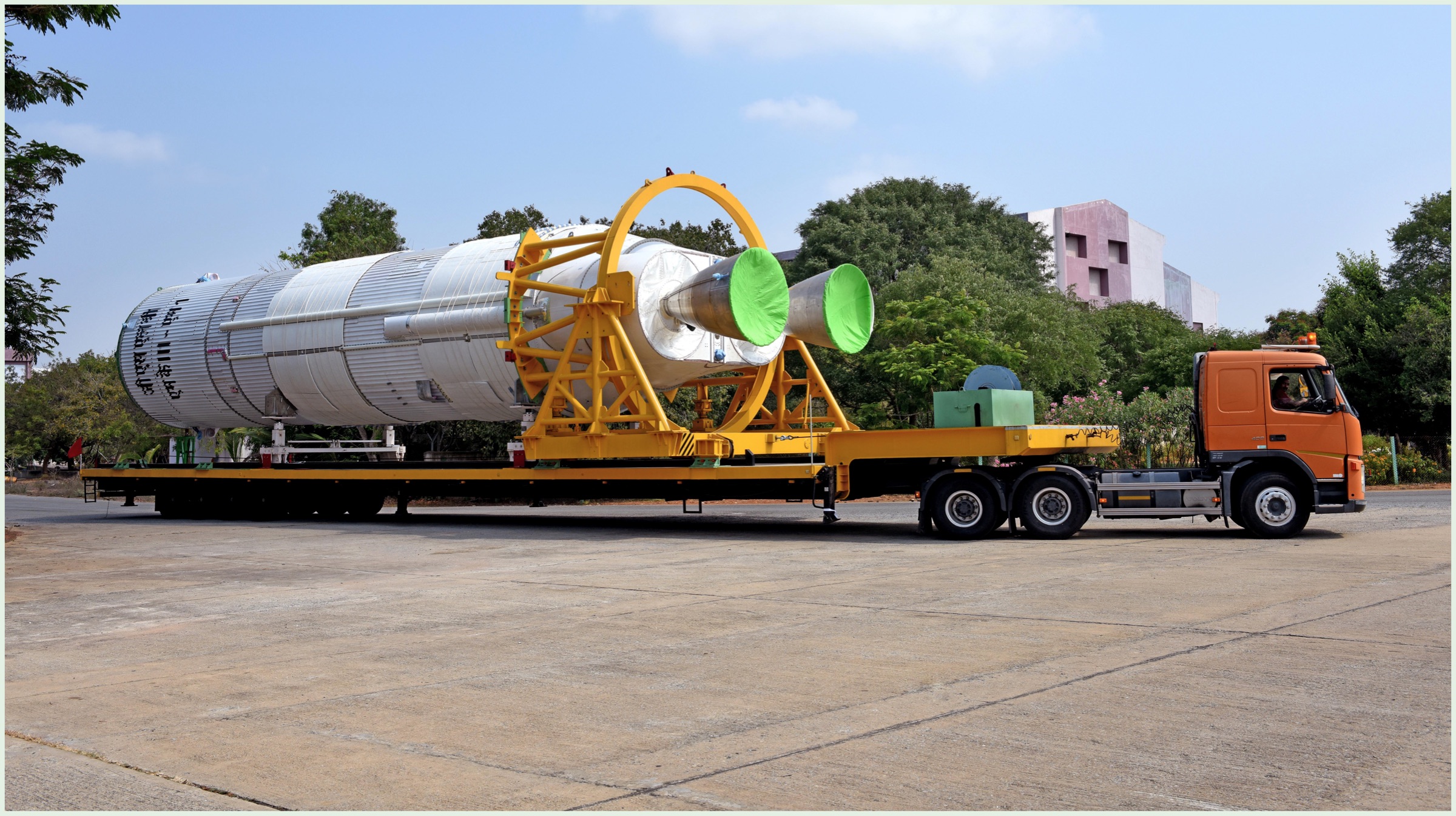
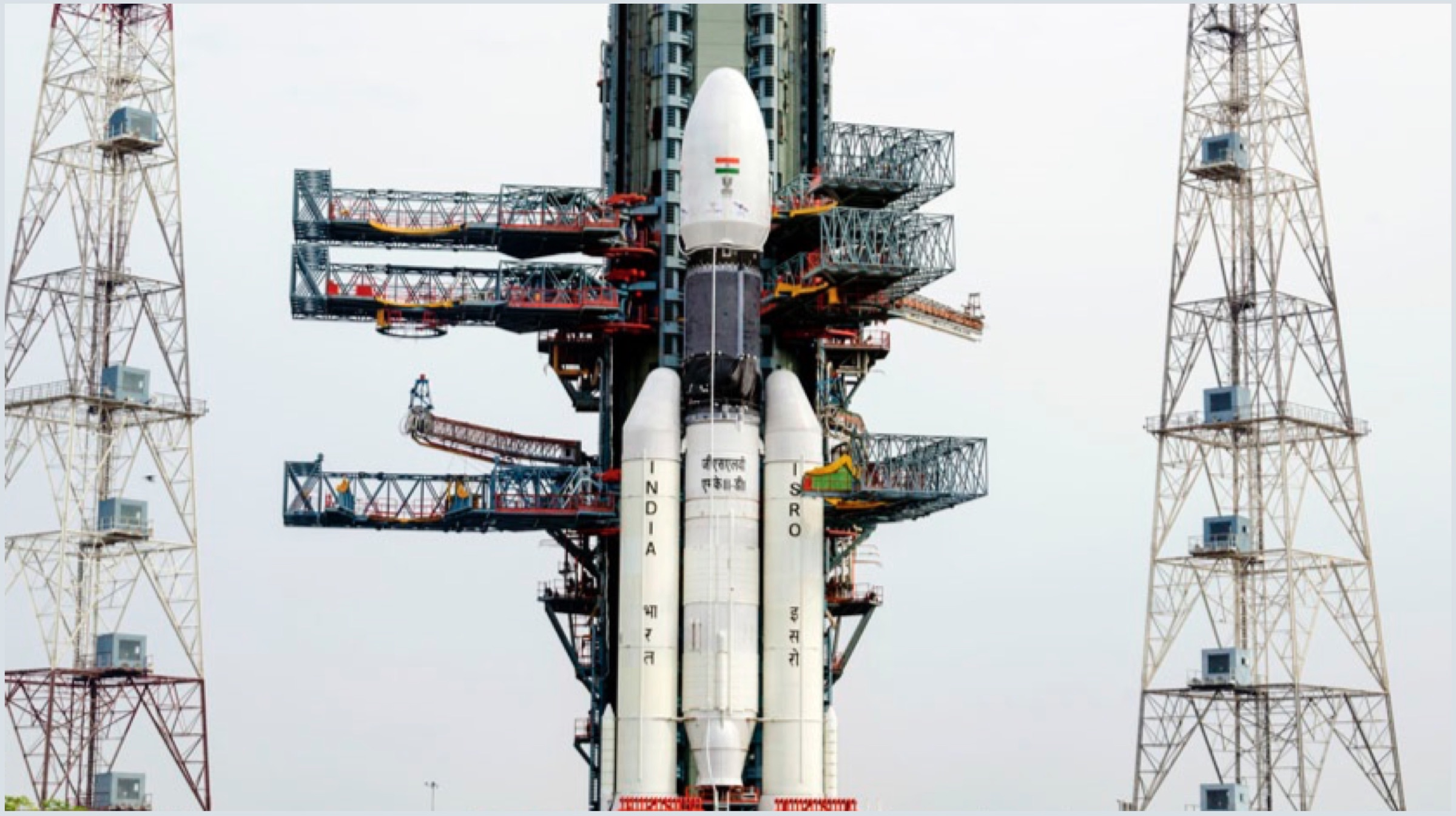
    ISRO’s Chandrayaan 2 mission has been its biggest one since its inception in 1969. It is set to make India the first country to attempt a soft landing on the South Polar region on the Moon. The total duration of the Chandrayaan 2 mission is one year, the time in which the rover will collect all the necessary data required from the Moon’s surface. The aforementioned problem has allegedly occurred in the GSLV Mk III launch vehicle, which is nicknamed “Bahubali”. Notably, the launch vehicle used by ISRO for the mission will be a GSLV (Geosynchronous Satellite Launch Vehicle) Mk III. It is a three-stage heavy-lift launch vehicle developed by the space organisation. The GSLV Mk III is India’s most powerful launcher to date and has been completely designed and fabricated from within the country.
  • Everything You Need To Know About ISRO’s Chandrayaan 2 Mission

    Everything You Need To Know About ISRO’s Chandrayaan 2 Mission

    The Indian Space Research Organisation or ISRO for short is the official space agency of the Government of India. It has been credited for developing space exploration missions at an extremely low budget. ISRO announced a while ago that its next mission, the Chandrayaan 2 will be launched on the 15th of July. The successor to the extremely successful Chandrayaan-1 mission from the year 2008, the upcoming launch has a lot to be excited about. Here is everything you need to know about the Chandrayaan 2 before its flight to outer space.

    ISRO Chandrayaan 2

    • It is the first Indian space campaign to attempt a soft landing on the surface of the Moon.
    • If the launch is successful, India will become the fourth country ever in the world to do a soft landing on the Moon. The ISRO performed a controlled crash landing from the Moon Impact Probe that was a part of the Chandrayaan-1 mission in the year 2008.
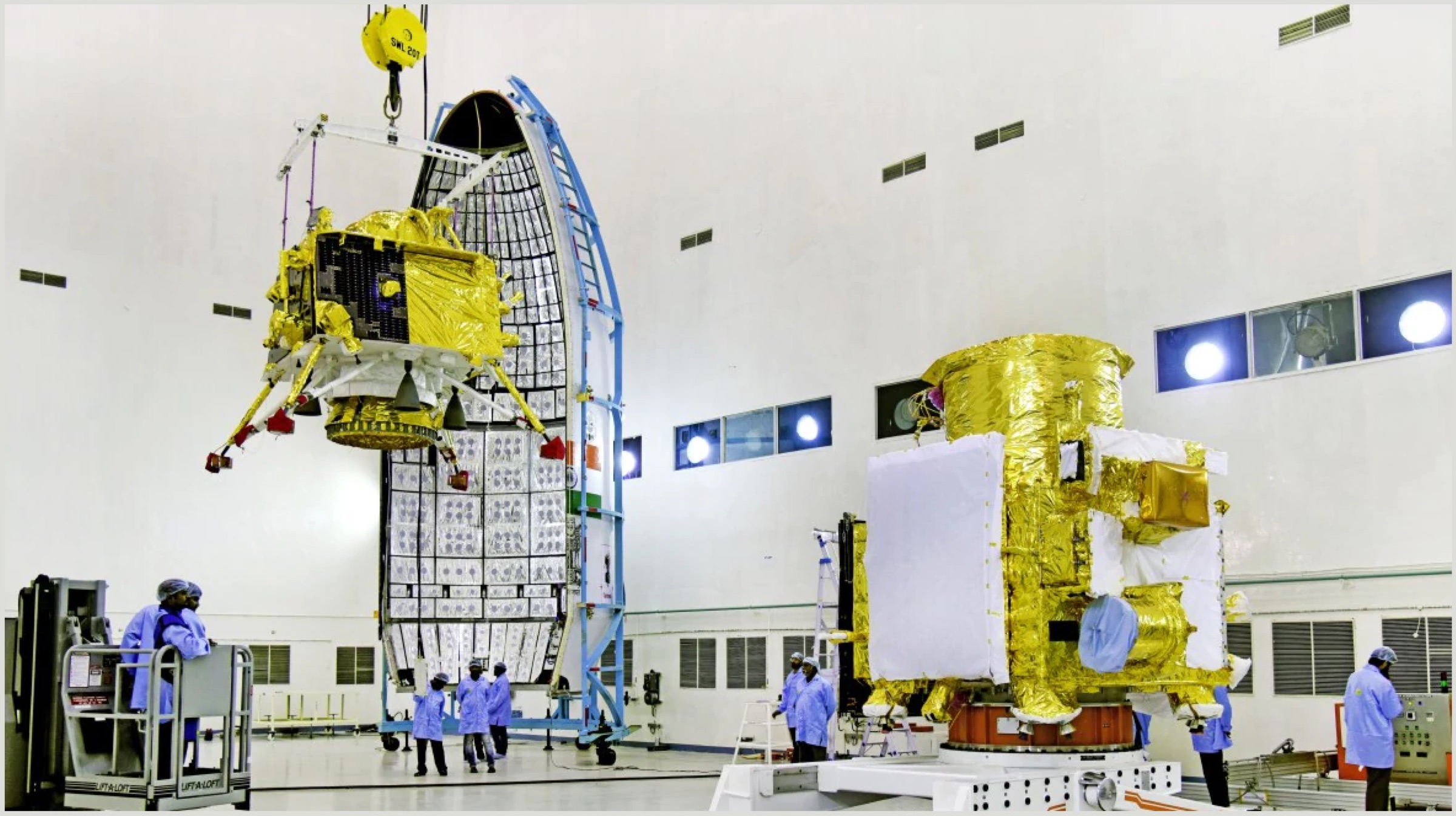
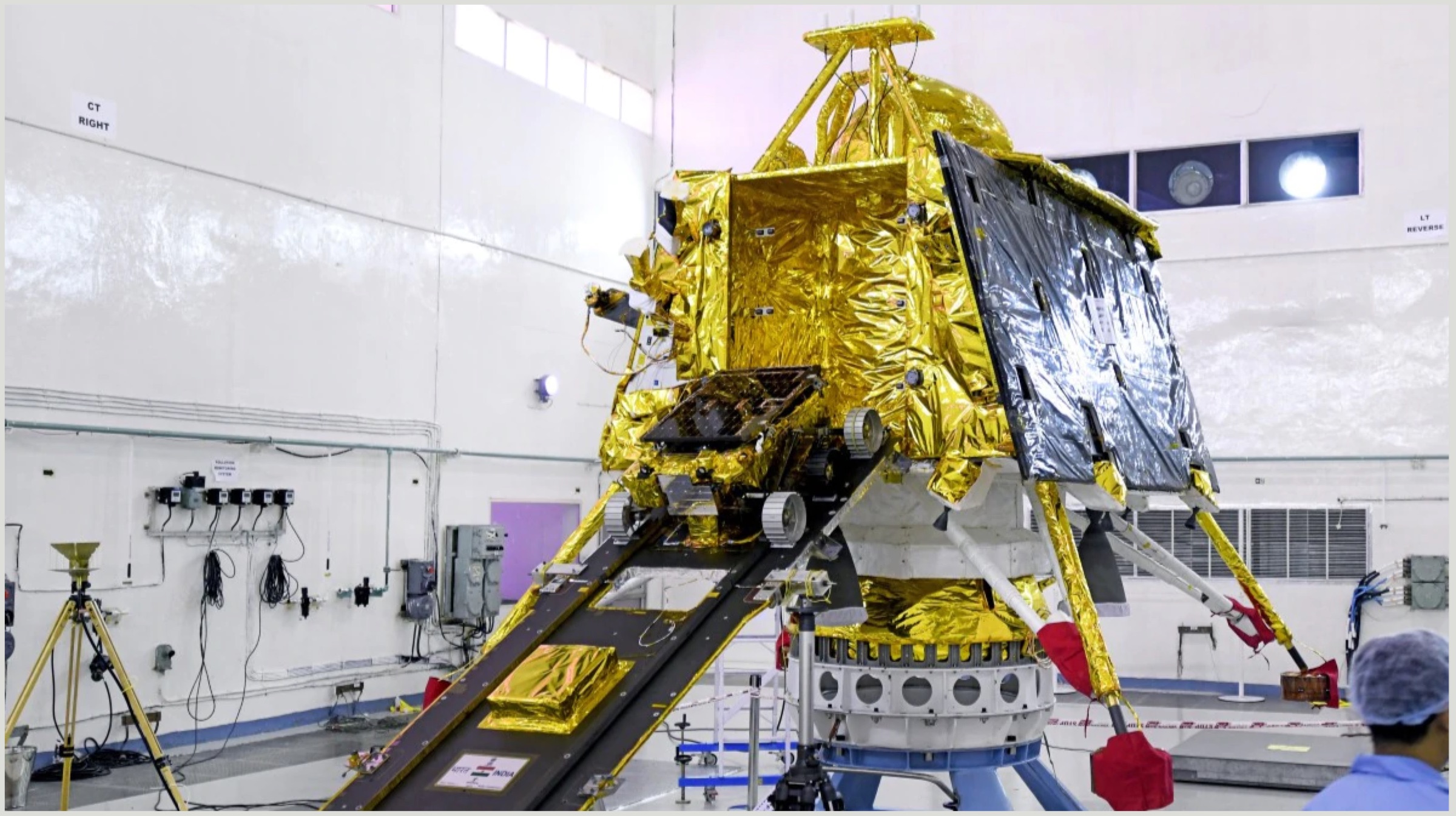
    • The Chandrayaan 2 mission will carry a lander, a rover and several other payloads to the surface of the Moon.

    ISRO Chandrayaan 2

    • The mission will be India’s first rover based space mission. This means it is the first time the country is sending a vehicle to explore and collect data from the surface of the Moon.
    • The Chandrayaan 2 will be the world’s first attempt at reaching the south polar region of the Moon. Talk about setting records in space!
    • The launch vehicle used by ISRO for the mission will be a GSLV (Geosynchronous Satellite Launch Vehicle) Mk III. It is a three-stage heavy-lift launch vehicle developed by the space organisation. The GSLV Mk III is India’s most powerful launcher to date and has been completely designed and fabricated from within the country.
    • The lander of Chandrayaan 2 is called Vikram and has been named after the father of the Indian Space Programme Dr Vikram Sarabhai. The lander is developed to function for a duration of 1 lunar day. A day on Moon is roughly equivalent to 14 days on Earth.
    • The star of the mission, the Pragyan rover is an AI-powered, robotic vehicle with a total of six wheels. The name translates to wisdom in Sanskrit.

    • Chandrayaan 2 will make a soft landing on the surface of the Moon on the 6th of September this year.
    • The total duration of the Chandrayaan 2 mission is one year, the time in which the rover will collect all the necessary data required from the Moon’s surface.
    How to watch the launch:

    The Chandrayaan 2 mission will launch on the 15th of July at 2:51am at the ISRO’s Satish Dhawan Space Centre, Sriharikota. Unfortunately, registrations for watching the event live from the centre have been closed. however, interested people can still watch the event live, which is expected to be telecasted from ISRO’s social media channels.

  • Researchers Have Successfully Converted Type A Blood To Type O

    Researchers Have Successfully Converted Type A Blood To Type O

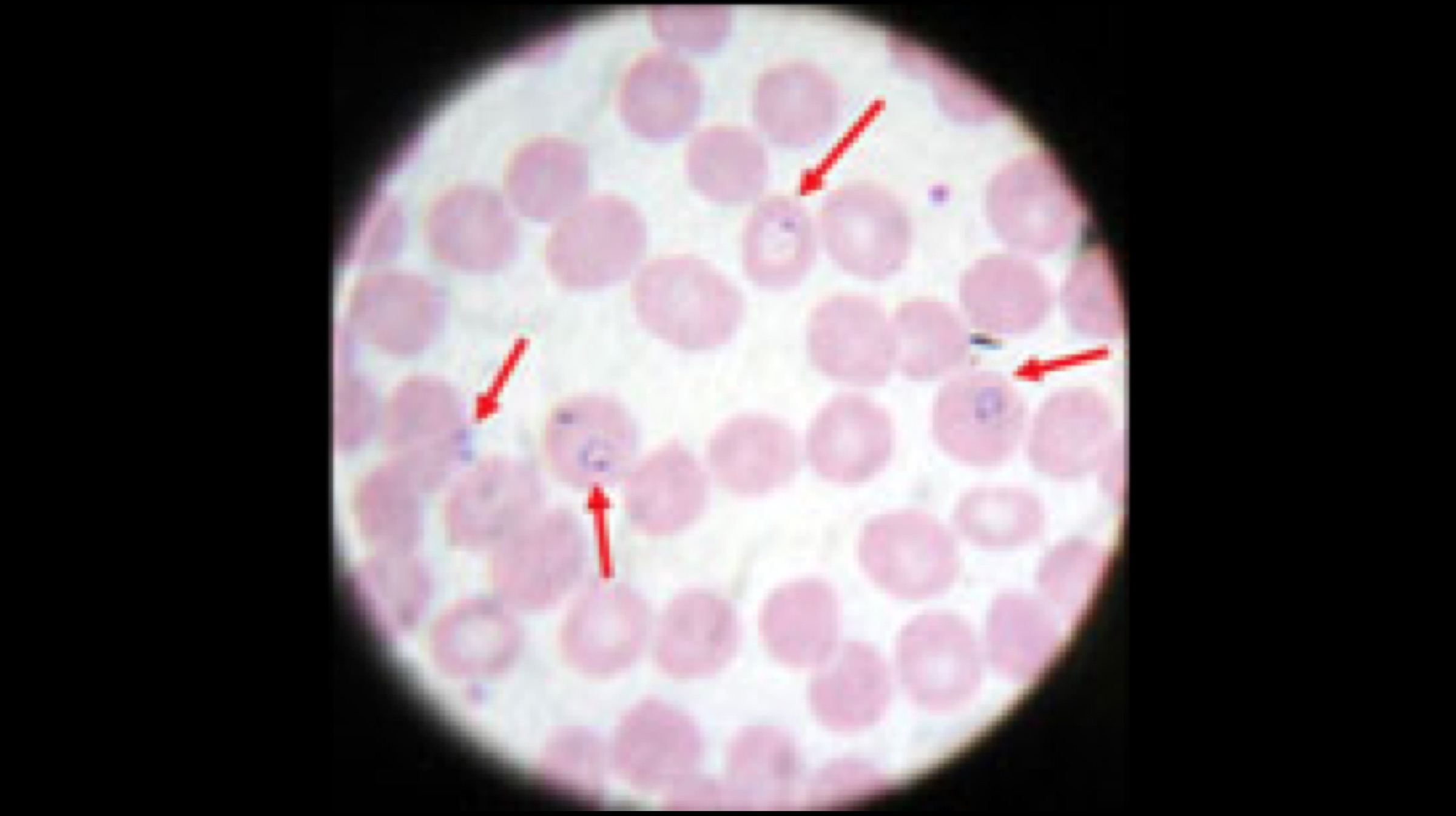
    A huge number of people perish each year across the globe due to a shortage of blood transfusion stocks. On paper, almost 55 million litres of blood is donated annually worldwide, but in reality, incompatibility between the blood types implies that a person may not always receive a transfusion. However, researchers at the University of British Columbia have discovered a method using which type A blood can be converted into type O universal blood type. 

    Type O blood is compatible with anyone who has Rhesus (Rh) positive blood. Hence, it is considered as the universal blood type, since it can be transfused with anyone who has A+, B+, AB+, or O+ blood, which comprises about 75% of the total population. Postdoctoral researcher Peter Rahfeld has discovered a way via which enzymes can be used to transform type A red blood cells into universal type O blood cells. As per reports, this development can potentially double the stock of transfusion blood in the world.

    If a person with type A blood is accidentally transfused with type B blood, the B antigens present in the transfused blood would cause the anti-B antibodies to attack the blood cells in a fatal manner, which would consequently result in the death of the person. On the other hand, type O red blood cells don’t have both the A and B antigens on their surface, instead, they harbour a neutral “H” antigen instead. This means anyone can be compatible with the aforementioned blood type.

    Also Read: Samsung’s 64 MP Sensor To Debut In A Redmi Smartphone

    In order to convert blood types, the lead researcher and his team have made use of a bacterial enzyme that resides in the human gut to remove all traces of A antigens simply by converting them into H antigens. They further identified genes that encode two enzymes which can remove facilitating components of the A antigen. When the enzymes were added to type A blood, they stripped the blood of all A type antigens, essentially converting them to Universal Type O cells. These findings may significantly increase the number of lives saved across the globe. However, it will take a fair share of time for this research to be applied to humans on a large scale. 

  • Study Explains How Stem Cells Are Activated

    Study Explains How Stem Cells Are Activated

    The human brain is extremely fragile and equally bad at regenerating damaged cells. Be it an injury or a disease, the effects of brain neuron damage are mostly irreversible. Research led by the University of
    Plymouth has uncovered a mechanism that can be used by neural Stem
    Cells, or NSCs to activate i.e restore to their original form. This will help
    scientists assess the behaviour of the brain in order to develop effective
    treatments. 

    Stem CellNeural Stem Cells manufacture neurons, which are responsible for
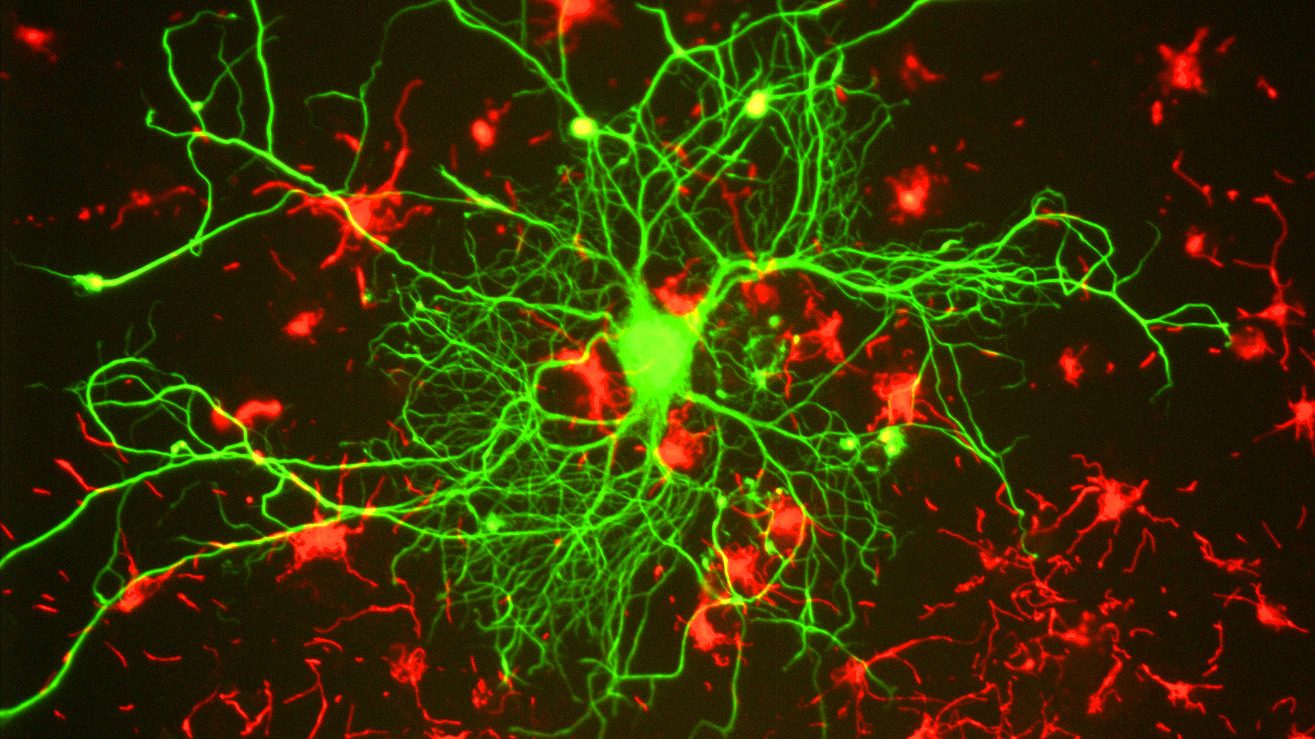
    transmitting messages between different sections of the brain.
    Furthermore, NSC also produce glial cells in the brain (which provide
    insulation), so understanding the working of NSCs could help scientists
    figure out a solution to speed up their regeneration. The study was
    conducted using Drosophila fruit flies, and it confirmed that certain
    molecules which form a complex called STRIPAK (Striatin-interacting
    phosphatase and kinase) are essential to promote reactivation in NSCs.

    Stem Cell

    Also Read: Oppo Patents Foldable Smartphone With Telescopic Camera

    STRIPAK is commonly found in a variety of organisms ranging from
    humans to fungi. When the research team was comparing the genetic messages of dormant and reactivated NSCs in live fly brains, they noticed something unique about STRIPAK. The compound basically acts like a switch that can be flipped on to restore the damaged cell to its restored/reactivated state. The lead author of the study stated that there is a lot more to be researched before such a finding can be implemented in human subjects. Scientists believe that in the future, brain cancer growth can be prevented with the help of Stem-like cells that are capable of regenerating from dilapidated states. 

  • Alphabet’s New AI Defeats Human Players In A Multiplayer Game

    Alphabet’s New AI Defeats Human Players In A Multiplayer Game

    Concepts easily understood by humans are not as simple to machines. Variables always arise and questions that machines can’t answer make complete autonomy difficult. Alphabet, Google’s parent company had its DeepMind’s technological studio train its AI to learn how to play a game of capture the flag on a level greater than that of a human.

    One of the most basic games in terms of principle, capture the flag has two teams go against each other with the primary objective of the game being to capture a flag (any marker). The marker is located at each teams respective base and has to be captured by an enemy team after which they have to safely return with it to their own base safely. Easy for humans to understand and play, but complex for a machine that has to make numerous calculations that’ll help it strategize in a manner resembling humans.

    This stands to change with AI and machine learning. A report published by researchers at DeepMind, subsidiary of Alphabet, details a system not only capable of learning the game, capture the flag but also devising strategies and planning on a level of human teams in Id Software’s Quake III Arena. The paper published reported on how the AI was not taught how the game played but only informed if the opponent was beaten or not.

    Reasoning behind this approach of training an AI stems from the unpredictable behaviour that can be exhibited as the learning process continues. Some of the researchers working on DeepMind’s AI have previously developed alongside AlphaStar, who’s machine learning program beat professional StarCraft II players. The key techniques utilized in the study was reinforcement learning, which had rewards given out to incentivize the software towards the goal.

    AI

    The agent utilized by DeepMind, appropriately dubbed For The Win (FTW), learns from on-screen pixels using a convolutional neural network, a collection of mathematical functions (essentially neurons in the human brain) arranged in layers. The data absorbed by this is sent to two recurrent long short-term memory (LSTM) networks, one that that operates on a slow timescale while the other on a faster timescale. This enables a degree of prediction about the game world and take actions through an emulated game controller.

    AI

    The 30 FTW AI agents were trained in different stages with the powerful learning paradigm to improve real world performances. Agents there on were reported to have formulated and enacted strategies generalised across the different maps, team rosters, and team sizes. The AI’s learned human behaviours like following teammates, camping, and defending their base from attackers while not repeating tactics that do not give any inherent advantages like following the teammate too close as the training progressed.

    Also ReadCall Of Duty: Modern Warfare Trailer Reverts The Series Back To Its Roots

    The AI had surpassed the win-rate of human players by a substantial margin in a tournament involving 40 humans that were randomly matched in both games as teammates and enemies. The Elo rating (the probability on winning) of the AI was 1,600 compared to good human players that had an Elo of 1,300 while the average for human players was 1,050. This held true even when the agents were slowed down by a quarter of a second. Human players only won 12-21% of the times ranging from skill level.

  • Space Crafts May Survive Collisions Thanks To Origami Inspired Materials

    Space Crafts May Survive Collisions Thanks To Origami Inspired Materials

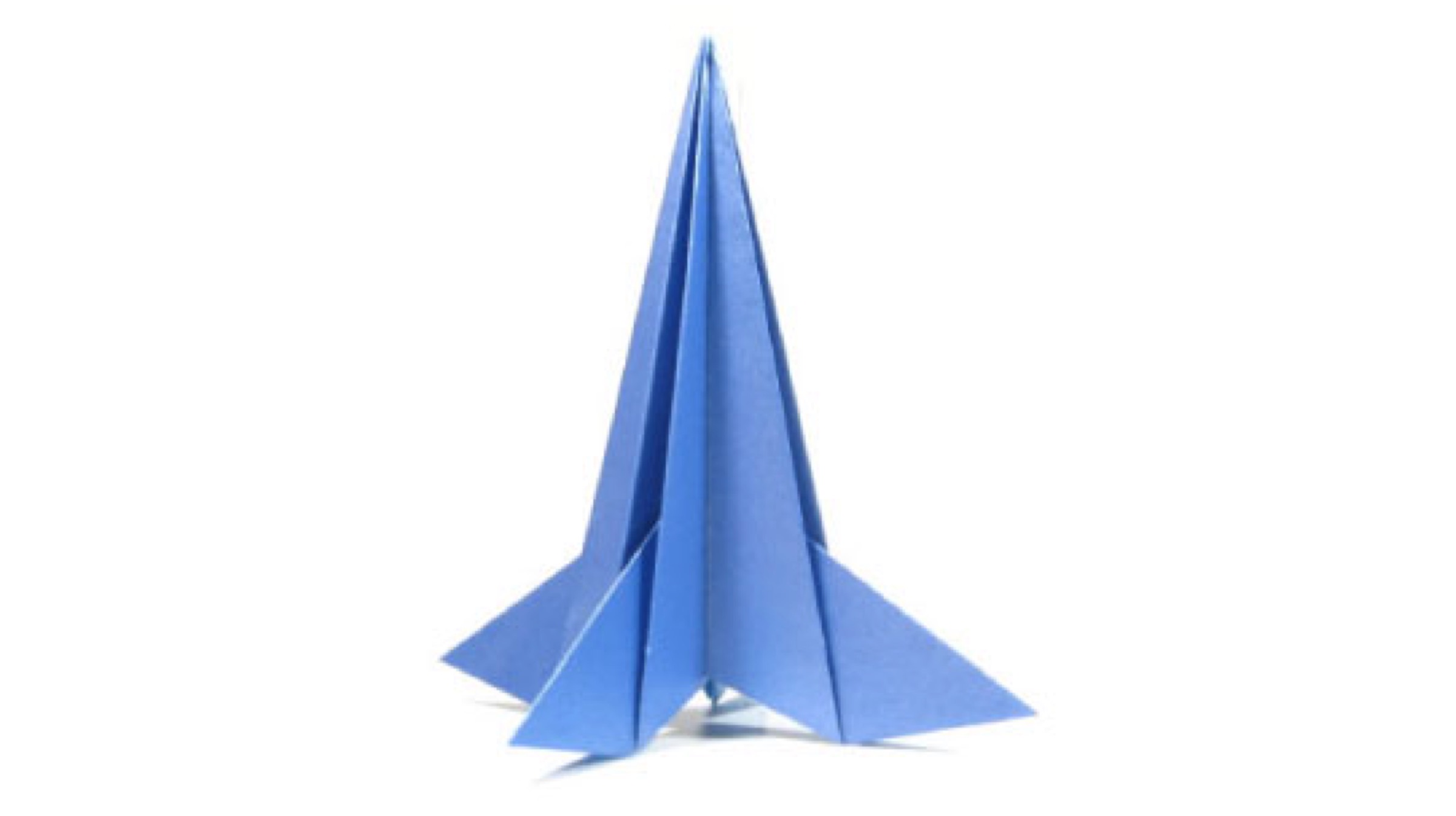
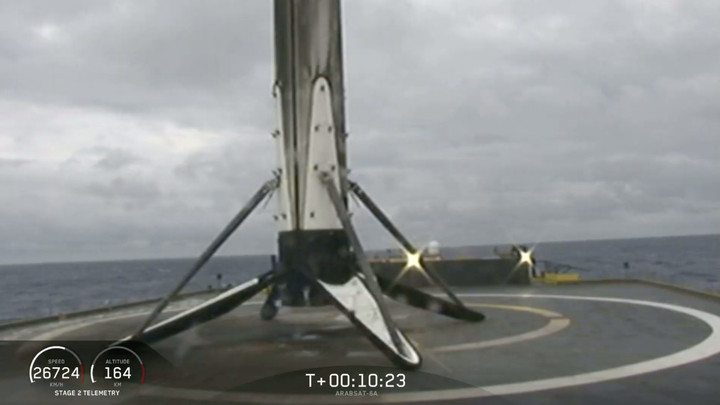
    Space collisions are a very common occurrence, considering that 128 million pieces of debris is floating around in space. A small marble-sized piece of debris can deal a significant amount of damage to a spacecraft. Furthermore, while landing, a lot of force is exerted by reusable rockets on both the ends i.e. the landing pad and the rocket itself. In order to make space vehicles more durable to withstand such collisions, scientists are taking design ideas from the Japanese paper-folding art, also popularly known as Origami. 

    Origami Space RocketResearchers from the University of Washington have derived inspiration from Origami techniques and have developed a solution that can serve to keep spacecrafts safe from collisions. They are designing materials that can withstand huge amounts of forces and pressure in space. The paper model of the “demo” material implements the incorporation of “folding creases” that forms a basis of Origami models, which in turn cushions the impact forces consequently reducing the chance of material rupture. 
    Space RocketAlso Read: ARM Announces New Design For Upcoming CPU And GPU

    When two objects collide with force, a “push” is exerted by one object on the other. Instead, when the meta-material collides with another object, it exerts a form of “pull” by the time the energy dissipates through to you. This considerably nullifies the chance of such an object tearing through such a surface. Comparing the meta-material to Legos, a member of the research team stated that a number of different structures can be designed by repeatedly using the same type of building block over and over again. Using this technique, researchers can create never-seen-before material structures with unprecedented properties. 


  • NASA Plans On Sending “Gateway” Space Station To Orbit The Moon

    NASA Plans On Sending “Gateway” Space Station To Orbit The Moon

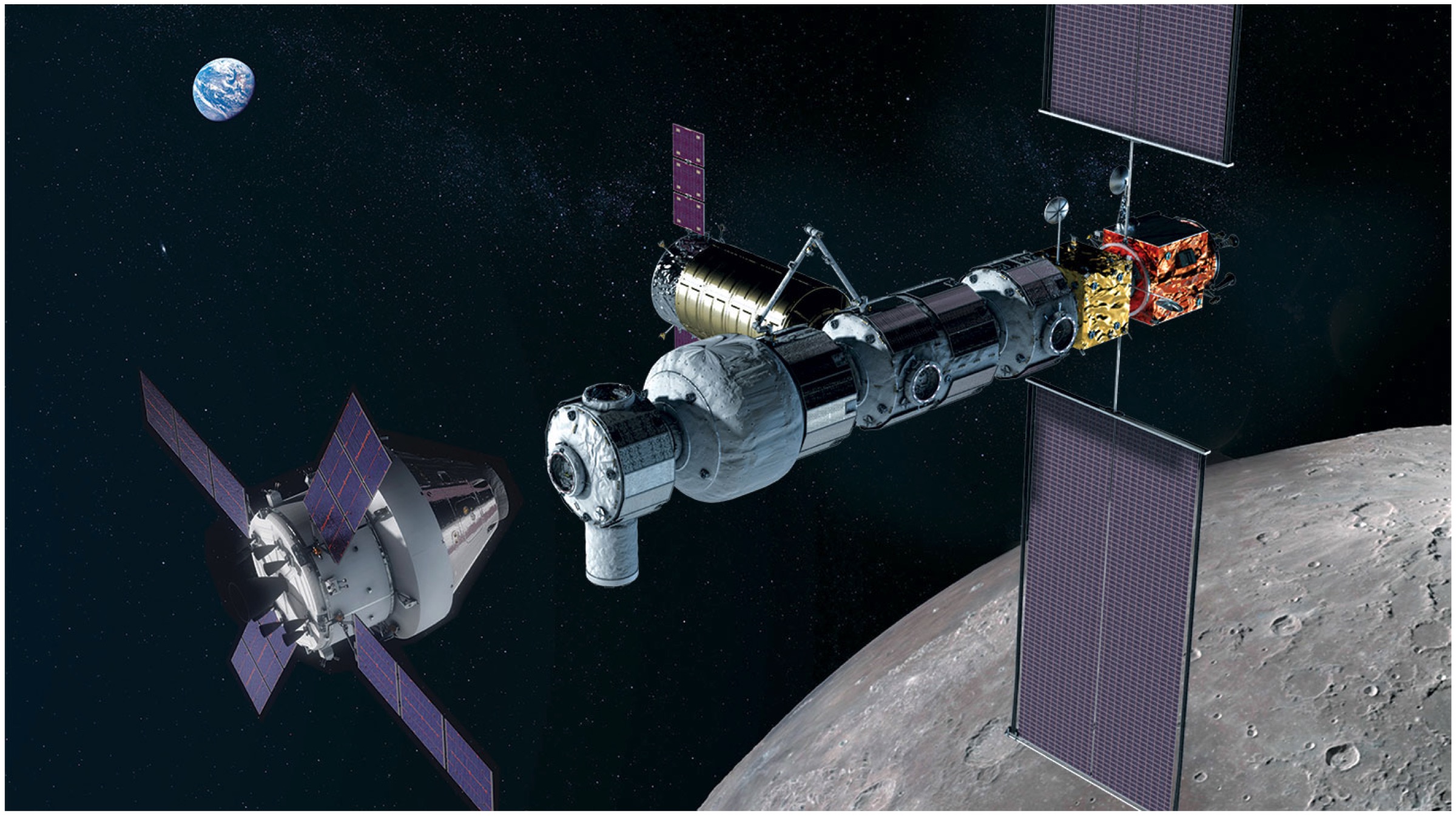
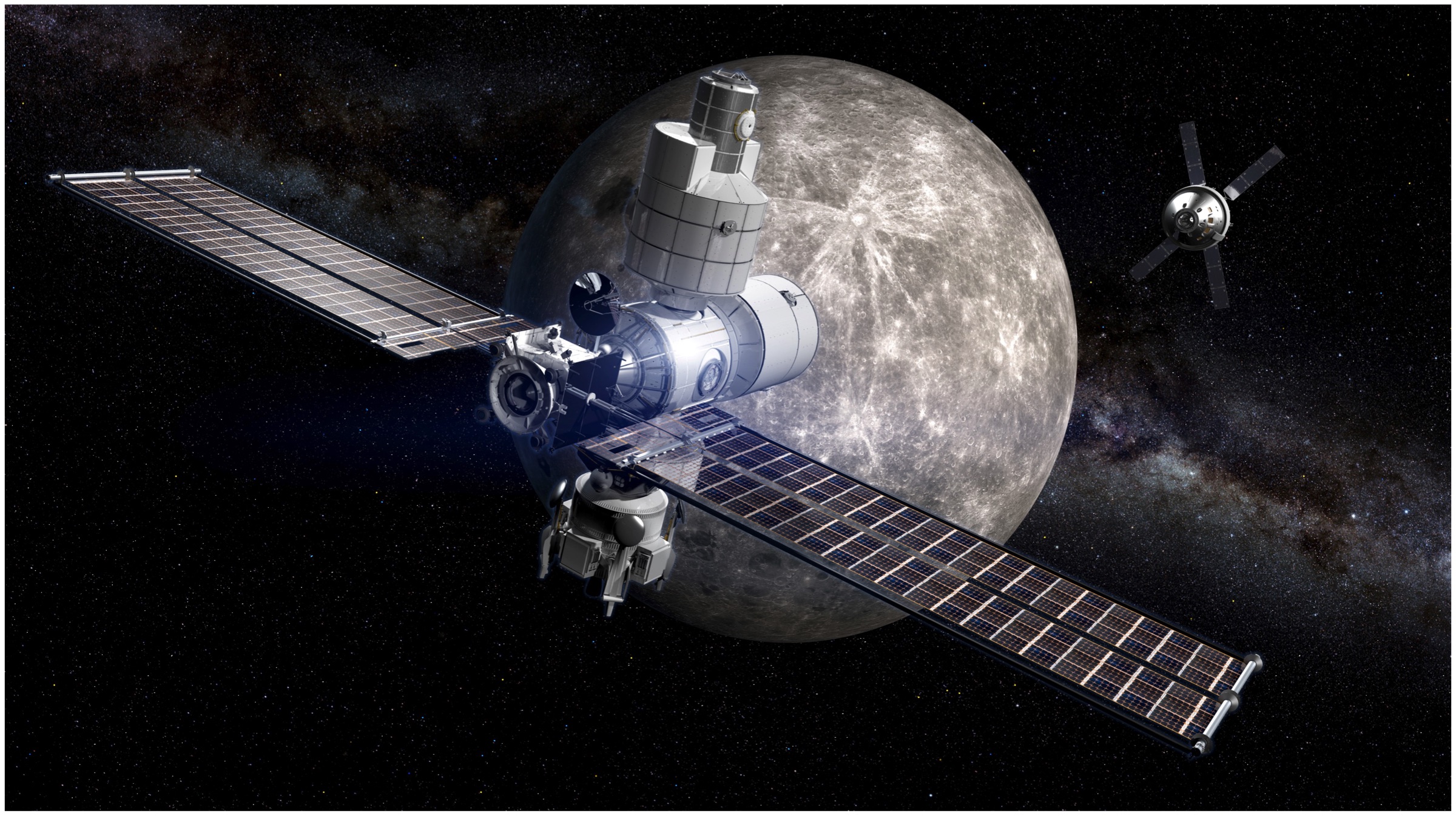
    The Vice President of the United States of America, Mike Pence has announced a program that once again wants to take humans to the surface of the moon by the year 2024. This prompts NASA to swing into action to make this Herculean task a reality. The space agency gave out a contract to a company to start off with the foundations of a small space station to put into the Moons orbit.

    NASA Gateway

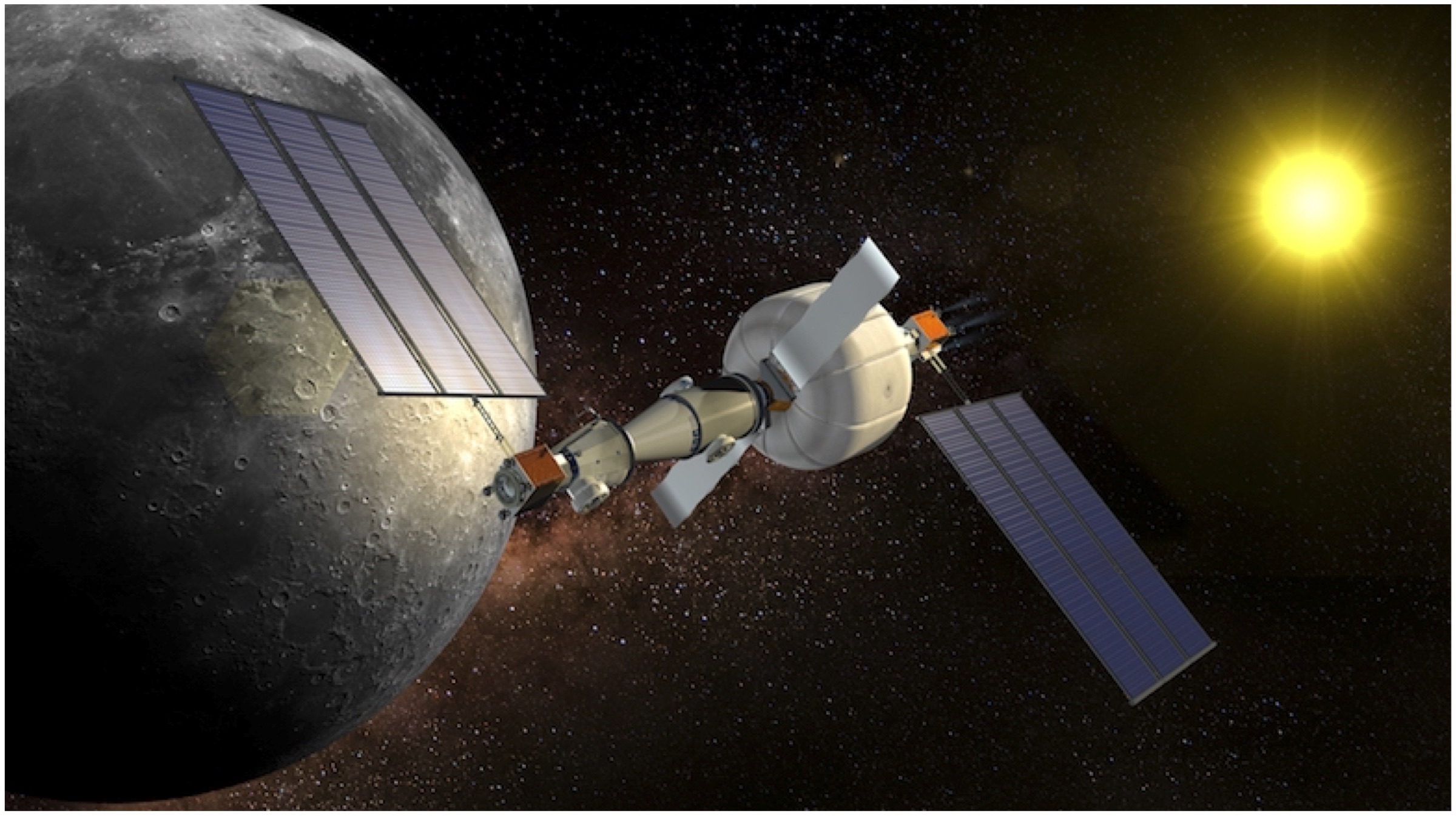
    The power and propulsion systems of the space station will be built by a Colorado-based company called Maxar and the orbital outpost has been named Gateway. Unlike the Apollo missions that focused on directly landing on the moon surface, Nasa plans on building Gateway for its future lunar missions, named Artemis, from the moon’s orbit.

    The Gateway will reportedly house numerous astronauts alongside their respective tools and gears, including vehicles that would shift to and fro from the space station and the lunar surface. The space station will act as the central hub for any lunar based mission for the purpose of research or even scouting for a habitable zone.

    The White House has requested a budget increase to $1.6 billion to make for the 2024 deadline. It is yet to be stated what the overall cost of the entire program would encompass. The opposing party (Democrats) have been vocal on the many inconsistencies in the reports presented thus far and the vague nature of the mission that leaves many questions unanswered.

    Also ReadLEGO’s New Team-Battle RPG Announced By Gameloft For iOS And Android

    The last mission that had sent a human to the moon was the Apollo 17, almost 47 years ago (7th December 1972). The lunar space station in a positive light will almost certainly be a host for individuals of varying fields from different nationalities all which could, in theory, lead to habitable lunar colonies.

  • US Researchers Produce Fuel By The Process Of Artificial Photosynthesis

    US Researchers Produce Fuel By The Process Of Artificial Photosynthesis

    Chemists at The University of Illinois have successfully produced fuels using using water, carbon dioxide and visible light through artificial photosynthesis. Natural photosynthesis occurs when plants use sunlight as a drive to start a chemical reaction between water and carbon dioxide to form energy-dense glucose.

    The new study as published by the researchers at Illinois showcased the development of the aforementioned method used by plants, using green light region from the visible light spectrum during natural photosynthesis, to convert carbon dioxide and water into fuel. The process has electron-rich gold nanoparticles acting as the catalyst. The team published their findings in the Nature Communications journal. The ‘Goal’ that the co-author of the study and professor, Prashant Jain, said was to produce complex, liquefiable hydrocarbons from excess carbon dioxide and other sustainable resources such as sunlight.

    The main advantages of liquid fuel over others such as gas is their economy in the mode of transport and their capacity to hold more densely packed energy due to their long chain bonds. Work regarding the efficiency and practical use of said fuel is still under question as a combustion to produce energy ends up releasing more carbon dioxide which would be counter-productive to the work towards renewable and clean energy.

    Photosynthesis

    The study is still under scrutiny as of now and work is still going forward towards a more efficient method of reproducing artificial photosynthesis as researchers acknowledged that the simulated process is nowhere as efficient as it is in plants. Jain furthermore spoke of working on the catalyst for a far better result before stepping up the scale of production.

    Also Read: Apple Sends Out Invites For WWDC 2019, iOS 13 To Be Unveiled On June 3

    Artificial Photosynthesis takes great strides towards a greener Earth. This showcases various teams and individuals all around the globe that have dedicated themselves towards the betterment of the state of affairs in regards to our planet.

  • NASA is Planning to Send Women To The Moon, Mission To Be Called Artemis

    NASA is Planning to Send Women To The Moon, Mission To Be Called Artemis

    The National Aeronautics and Space Administration in the US is planning to get women to the surface of the moon by the year 2024. In light of recent reports, it has been declared that the mission will be named Artemis, after the Greek Goddess of the Moon. This lines up perfectly with the fact that the first moon missions were named Apollo, after the Greek God of Sun and Light. NASA’s famous Apollo Missions introduced the Moon’s surface to the first men who walked on it, namely Neil Armstrong and Buzz Aldrin in 1969. 

    NASA Administrator stated that it is very fortunate that after almost 50 years after the first moon mission, the Artemis program will carry the next man and the first ever woman to the surface of the moon. He further added that within the next five years, the milestone will most likely be successfully shattered. 

    Artemis
    Also Read: 
    Scientists Discover Viruses That Can Target And Destroy Antibiotic Resistant Bacteria

    NASA announced the name of the mission report on May 13 2019, shortly after it unveiled its updated budget request for touching down on the moon by 2024. The program is still in its early stages. Reportedly, NASA has been working on space vehicles and capsules for a long time now, and even though they have not been occupied by any astronauts till date, NASA will commence test runs soon. A lot of new hardware, such as Lunar Landers are also being manufactured for the Artemis mission, which will soon become a reality. 

  • NASA To Crash A Spacecraft Into An Asteroid In 2022

    NASA To Crash A Spacecraft Into An Asteroid In 2022

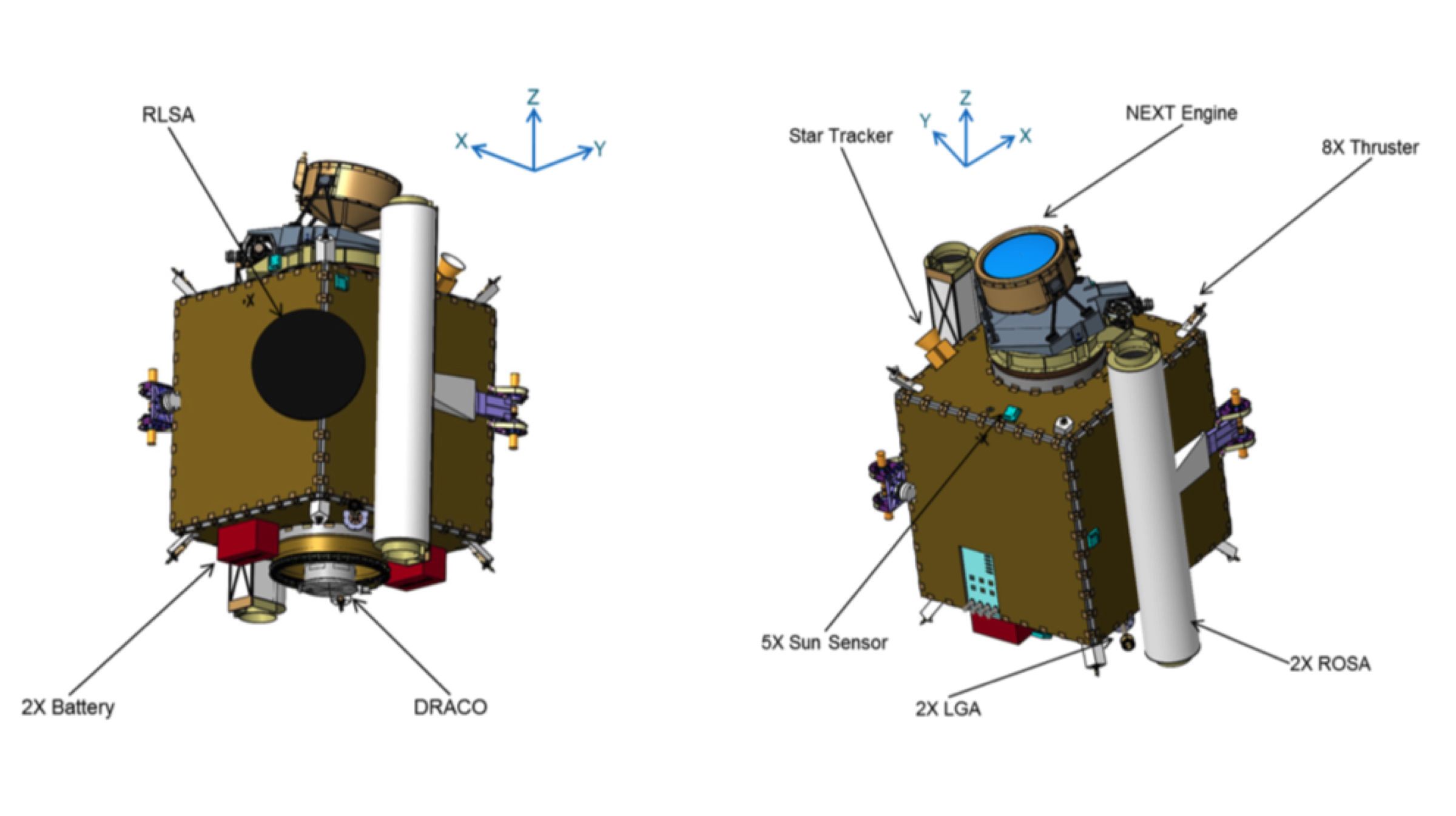
    The National Aeronautics and Space Administration or NASA is a well-known space organisation; and an independent agency of the United States. In a world first, it has announced the Double Asteroid Redirection Test or the DART Mission. It is a defence driven mission aimed at preventing the impact on Earth by a potentially hazardous asteroid in the future. In the DART mission, NASA will send a spacecraft to crash into an asteroid in the year 2022.

    NASA DART Mission
    DART Spacecraft
    The DART Spacecraft

    The NASA DART Mission, as mentioned above, aims at sending a spacecraft to crash into an asteroid called Didymos to test the planetary defences of Earth. In the details revealed on the organisation’s official website, it is known the mission will be the first time the kinetic impactor technique is demonstrated. The technique will try to change the motion or path of the asteroid in space. The DART mission has swiftly reached Phase C and is managed under NASA’s Solar System Exploration Program at Marshal Space Flight Center for the organisation’s Planetary Defence Coordination Office.

    Didymos Asteroid

    Also read: Apple iPhone XI 7 nm+ SOC Risk Production Started By TSMC

    The DART spacecraft launch is scheduled for late July 2021 aboard the Falcon 9 rocket made by SpaceX. It will launch from the Vandenberg Air Force Base, California and is expected to intercept with the Didymos asteroid in late September of the year 2022. Noteworthy, the asteroid will be within a distance of 11 million kilometres from Earth at the time and poses no harm to the planet in any way. While the mission seems far fetched at first, its real-world application may be very important in the future. If the mission is successful, Earth will have gained the ability to fend off incoming threats from outer space like asteroids or meteorites. This has the potential of minimising or saving the planet from damage in case of any potential collision.

  • You Can Now 3D Print Full Human Organs Including A Live Working Heart

    You Can Now 3D Print Full Human Organs Including A Live Working Heart

    Medical health has been undergoing a lot of advancements over recent times, with the technology spanning to newer areas every day. Researchers and Scientists are using DNA modification techniques to cure acute skin diseases, whereas a technique called immunotherapy is being implemented to treat leukaemia (blood cancer) and forms of lymphomas. As per recent news, Israeli Researchers fabricated the world’s first three dimensional, or 3D-Printed Heart.

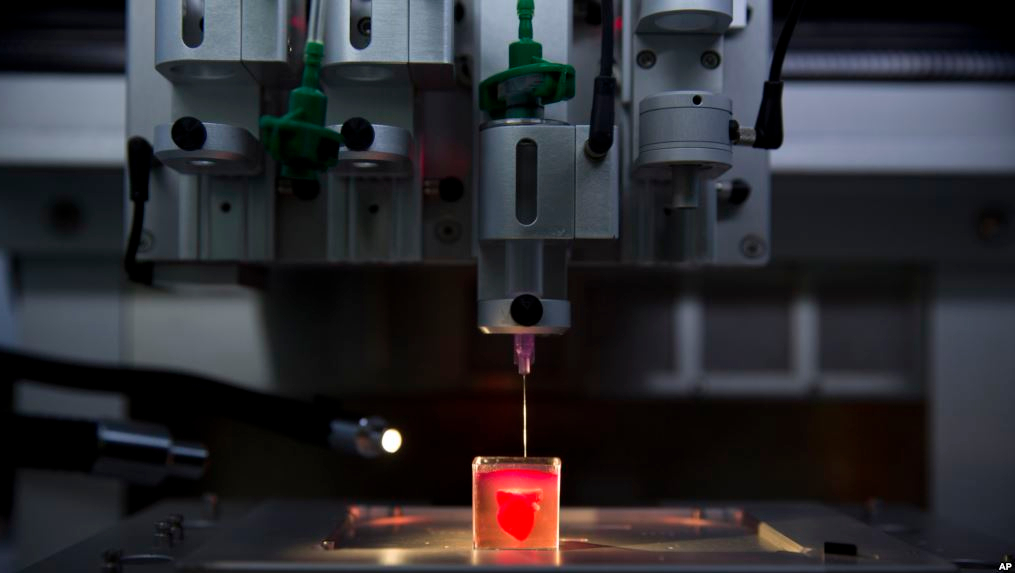
    Using a patient’s own cells, the researchers from Tel Aviv University created the heart on a high resolution 3D printer. The university has announced their success story while showcasing the printed heart. The printing experiment was deduced as one of the most major medical breakthroughs to date. The research findings were published in the Journal of Advanced Science. The team involved in the experiment was led by university professor Tal Dvir.
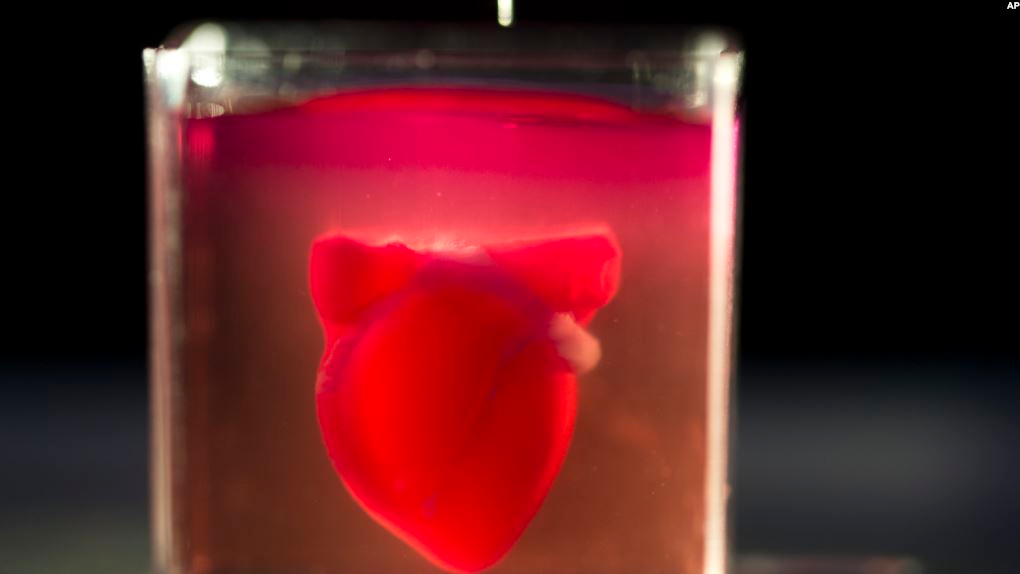
    Structure Of The 3D Printed Heart

    As per Tal Dvir, this was actually the first time that human cells were incorporated with 3D printing technology to formulate a complete replica of a heart. The 3D printed heart is design to perform in the real world, so it comprises of blood vessels which help the heart to pump blood. Previously, only non-vessel tissues could be printed using the combination of medical methods and technology, but a new technique adopted by the researchers made it possible to design a life-like 3D-printed heart. Fatty tissue from patients was used as the “fuel” or “ink” of the 3D printer.

    Furthermore, the lead researcher added that the heart was the size of a rabbit’s heart, and therefore cannot be transplanted into a full-sized human body. However, a full-human-sized heart can be developed quite soon because the technology used to create differently-sized 3D-printed hearts is essentially similar. using the patient’s own cells will ensure that the body’s immune system will not reject a transplanted organ.

    The Future Of Organ Transplants

    Also Read: Everything We Know About The OnePlus 7 And 7 Pro

    3D printing was previously tested with weapons, cars and even huge parts of commercial-level machines. Using the same technology for the advancement of medical health is a much better implication of the aforementioned technology. This will help to cure heart diseases worldwide, with heart transplants becoming fairy accessible and cheaper. Looking at the progress as of now, more research and development will ensure that more body organs can be 3D printed using the same method. The researchers say that within the next ten years, organ printers will be fairly accessible all across the world’s hospitals. The implications of this will allow to replace essentially any body organ, joint or valve. This could help terminally ill patients survive longer or even better still, be fully cured. The future where the human machine is repaired by spare parts may be nearer than we imagined. 

  • ISRO Successfully Launches The PSLV-C45 Rocket With 28 Third-Party Satellites

    ISRO Successfully Launches The PSLV-C45 Rocket With 28 Third-Party Satellites

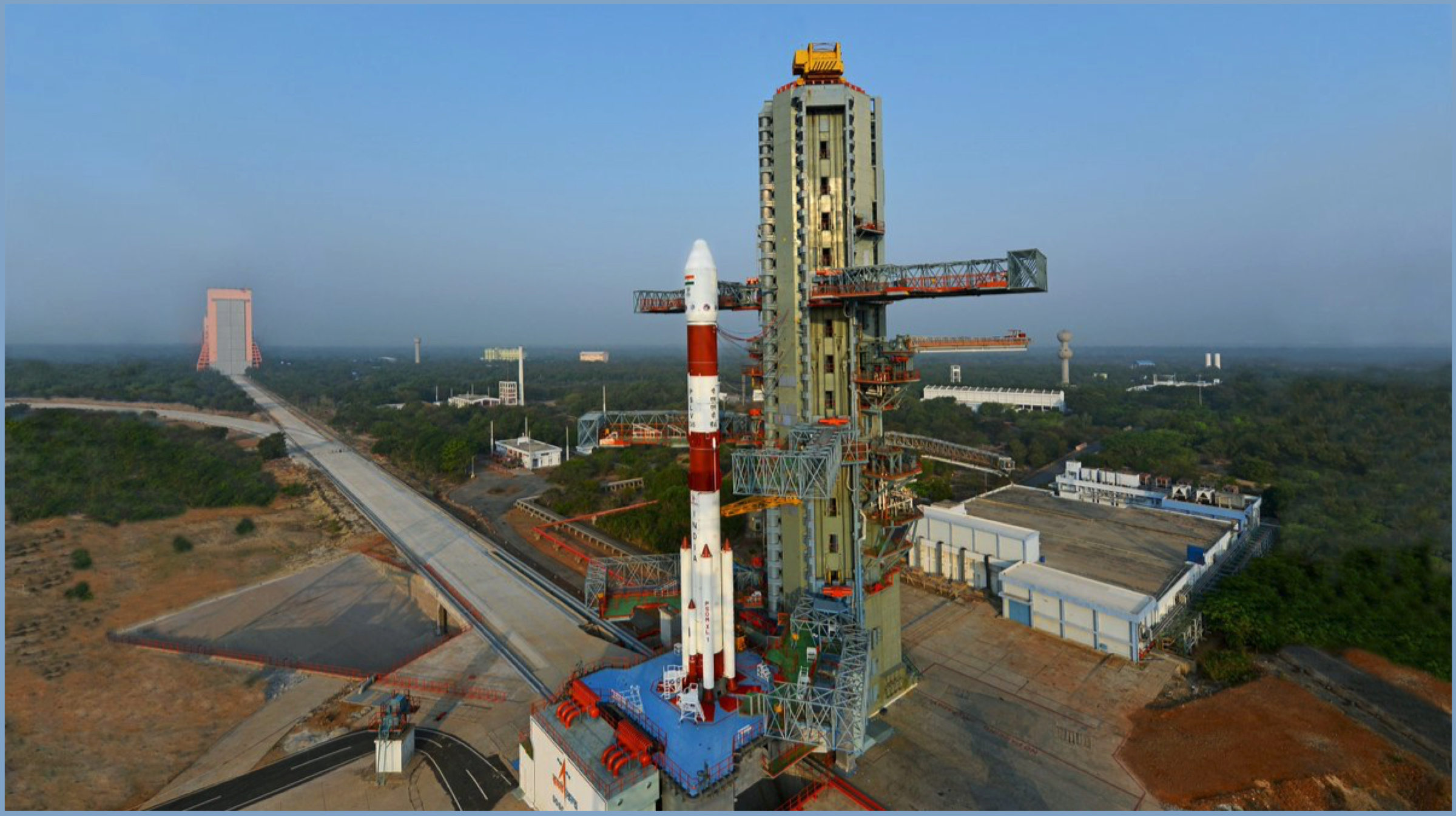
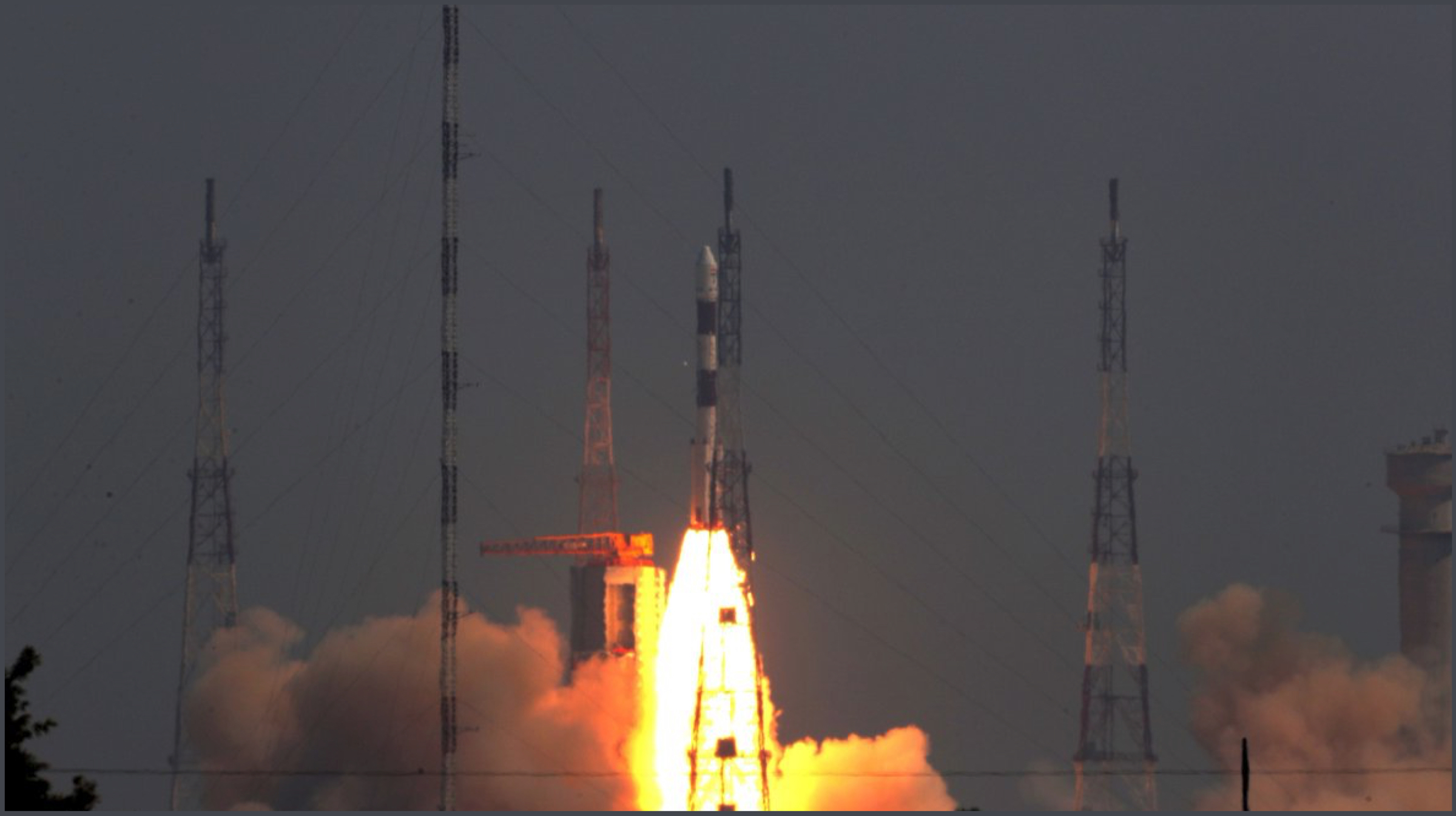
    The Indian Space Research Organization or ISRO has successfully launched India’s Polar Satellite Launch Vehicle (PSLV) rocket on Monday morning. The freshly launched rocket carries the EMISAT, which is an electronics intelligence satellite for the Defence Research and Development Organisation (DRDO). It also had 28 third-party satellites onboard. 

    PSLV-QL Rocket

    The PSLV-C45 rocket was launched by the ISRO from its launch base in Sriharikota. It is the first time that India has put satellites in three different orbits. The EMISAT satellite, which is developed by the DRDO, is intended for the measurement of electromagnetic spectrums. It was released into an orbit 749 km above the surface at 17 minutes after the launch. The other 28 third party satellites had a different country of origin. While 24 of them were from the US, two belonged to Lituania and one each from Spain and Switzerland. All of them had a combined curb weight of 220 kg. 

    The Polar Satellite Launch Vehicle (PSLV) is the third generation launch vehicle of India. It is the first launch vehicle of the country to be equipped with liquid stages. After its first successful launch in October 1994, PSLV emerged as the reliable and versatile workhorse launch vehicle of India with 39 consecutively successful missions by the June of 2017. During the period from the year 1994 to the year 2017, the vehicle has launched 48 Indian satellites and 209 satellites for customers from abroad. It is recognised for launching two spacecraft named Chandrayaan-1 in 2008 and Mangalyaan in 2013 – that later travelled to Moon and Mars respectively.

    Also read: Xiaomi Mi A3, Here’s All You Need To Know

    With this launch, the ISRO will now be able to manoeuvre satellites placed in different orbits. It can also conduct various experiments which are expected to assist in future launches. The organization inaugurated a new viewing gallery a few days ago. This would help space aficionados watch future launches with a proper view. The gallery hosted around 1200 spectators at the launch on Monday. 

  • SpaceX Test Fires A Huge New Engine For Their Next Rocket

    SpaceX Test Fires A Huge New Engine For Their Next Rocket

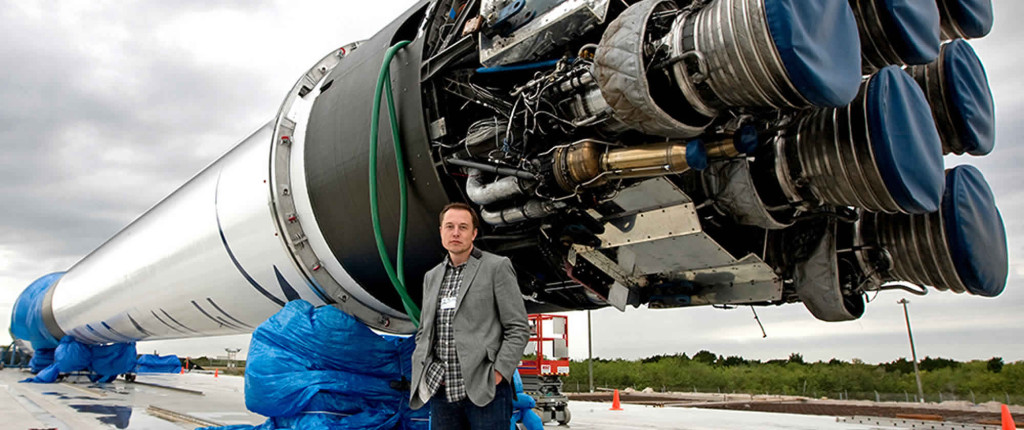
    SpaceX recently completed its first test fire of its Raptor Engine. This is reportedly going to power SpaceX’s next rocket, which will be brought to light very soon. It was announced by Elon Musk, CEO of SpaceX. He posted a couple of videos which showed the engine blasting off in all its glory. One video lacked sound, whereas the other one was pretty feature rich. The test took place at SpaceX’s test site in McGregor, Texas.

    The Raptor engine is the latest successor to the company’s previous Merlin 1D engine. They will power SpaceX’s upcoming mission to Mars and beyond, so they are actually pretty powerful. It’s actually suggested to turn down the volume before you watch the second video though, because yes, it’s VERY loud. SpaceX is now supposed to perform ‘hop tests’ of altitudes between 1,640 and 16,400 feet.

    These are the videos of the blast test, straight from Elon Musk’s Twitter.

    This test used a full-scale engine that was ‘radically redesigned’. It uses methane as it’s primary fuel, just because it performs better. The current Merlin engines provide almost 190,000 pounds of liftoff. Instead, the Raptor will give around 440,000 pounds of liftoff. The test flights of the Starship can begin soon, probably by the next two months. Still, Elon Musk believes that an unmanned mission to mars may happen anytime before 2022. It could be followed up by a manned flight to Mars in 2024.

  • SpaceX’s Test Rocket Topples Over In The Wind

    SpaceX’s Test Rocket Topples Over In The Wind

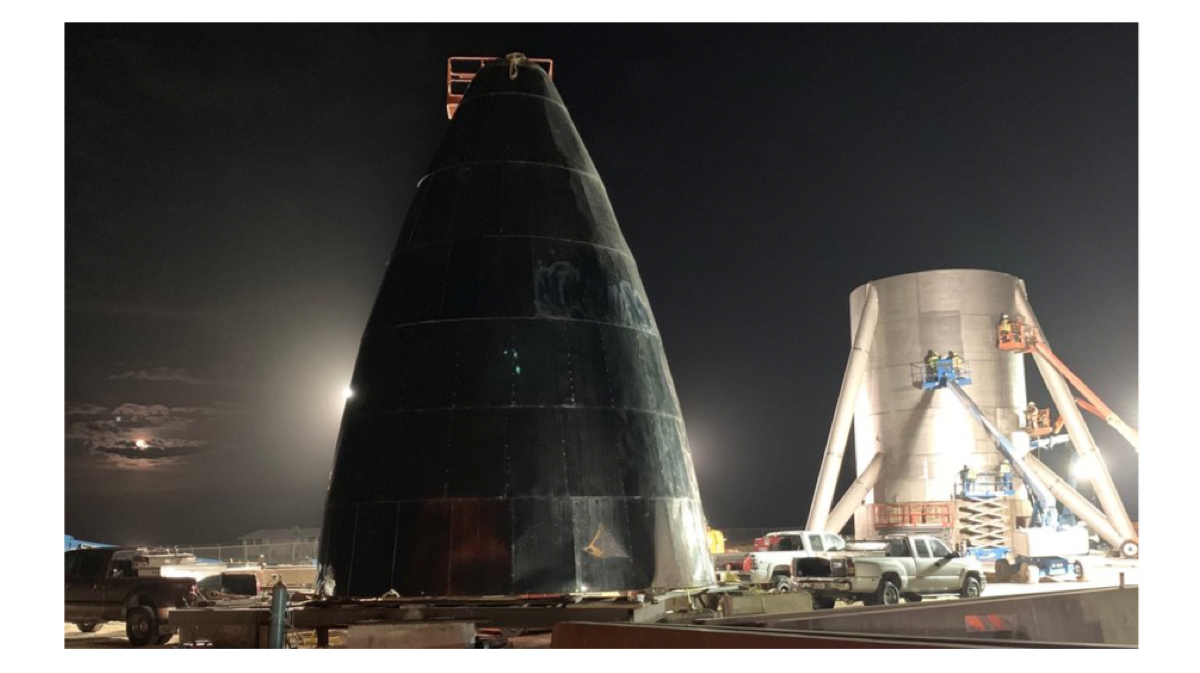
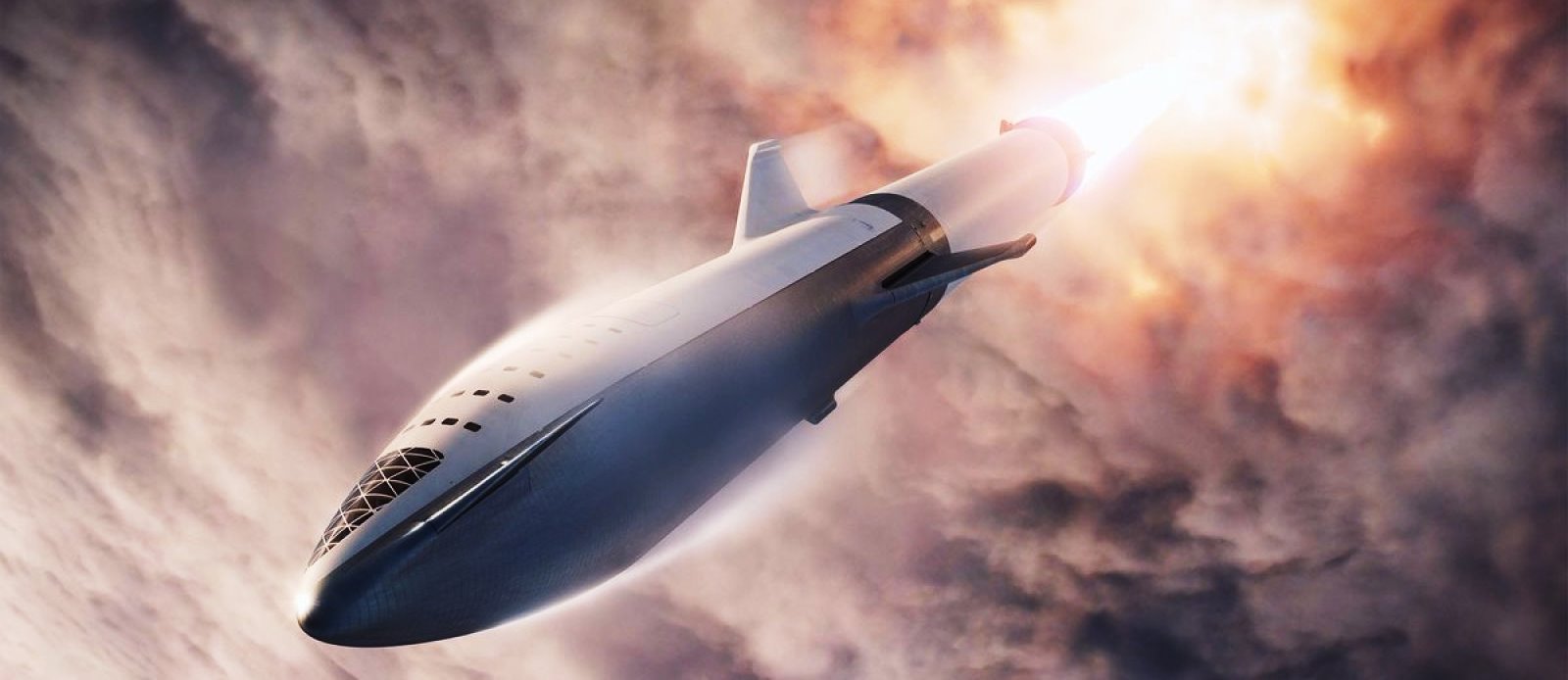
    SpaceX has been working on their BFR rocket for quite some time now. The company was getting ready to perform a test rocket launch soon from their facility in Boca Chica, Texas. Starship, formerly known as BFR, is Elon Musk’s dream to carry people and cargo into the orbit. It may even travel to the Moon, Mars and beyond at some point in the future. But, for now, it seems that the Texas wind is taking a toll on the rocket. 

    Photos suggest that the test rocket that was being prepared for a launch test has toppled over in the strong 50 miles per hour wind. According to Elon Musk, the mishap will take a few weeks to repair. According to Musk, the rocket was being prepared for a test launch in a few week’s time but the strong winds broke the Starship’s Mooring Blocks. These mooring blocks are responsible in keeping the rocket secured to the ground. This reportedly caused the Starship’s upper fairing to topple over. 

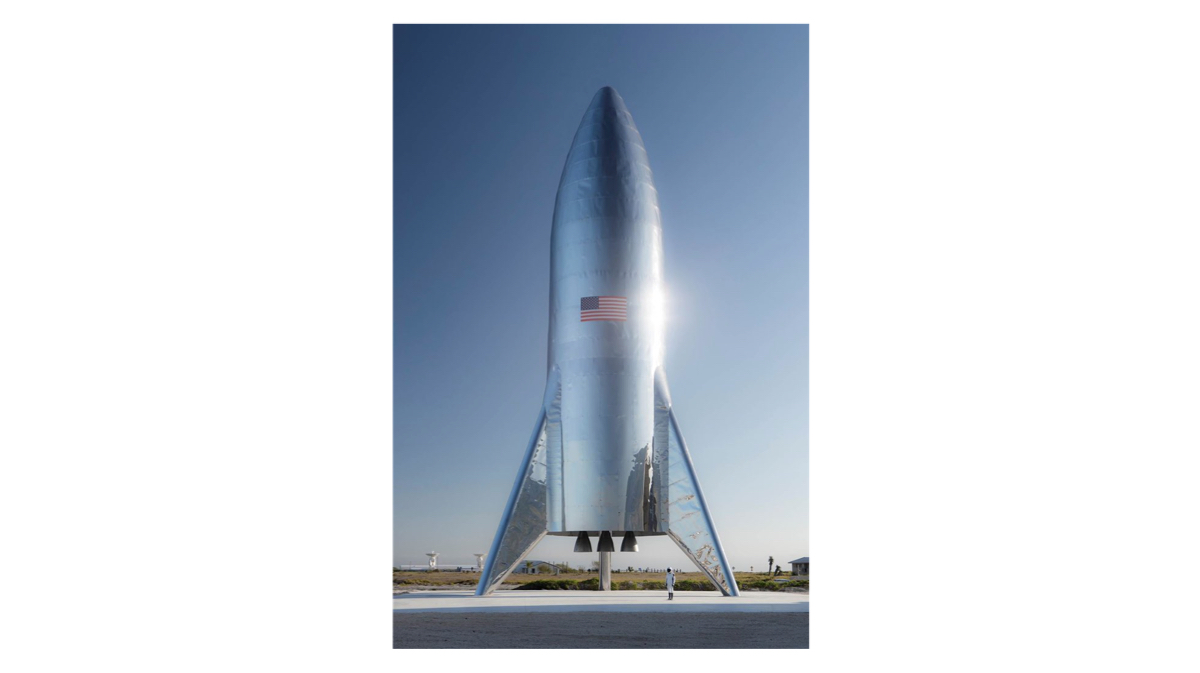
    The rocket is being made from stainless steel. Elon Musk says that 310S stainless is better for the high temperature outer skin, as it can bear  approximately 1450 Kelvin heat, so active cooling with cryogenic fuel only has to mitigate 300 degrees of delta temperature. The stainless steel fairing on the top seemed to have been damaged by the fall. Elon also reported that the bottom part of the rocket that houses the propellant tanks are fine.

    SpaceX wishes to do hop tests with this rocket. The speciality of the rocket is its reusability which according to the company will make space travel economical and accessible. The hop tests involve igniting the vehicle’s engines and sending the rocket to low altitudes and getting them back to Earth upright. The final design of the rocket however, will differ from the test rocket that has toppled over. The Raptor engines of the rocket are said to be going through a radical redesign. The test vehicle is slightly shorter than the Starship’s final design. The Starship will also boast of seven engines while the test vehicle has only three. 

    Development and manufacturing of the Starship will reportedly be done from Hawthorne, California but the company is planning to shift some of it’s Starship prototype production to Boca Chica, Texas. The reason for that, given by Musk, is that the prototypes were too big to move across the country easily.

  • 3D-Printed Rocket Company Given Launch Site In Cape Canaveral

    3D-Printed Rocket Company Given Launch Site In Cape Canaveral

    Relativity Space, a three year old start up, that wishes to send 3D printed rockets to space have finally received a launchpad in Cape Canaveral. Cape Canaveral is America’s busiest spaceport. Relativity is reportedly taking over a site called LC-16. This pad was previously used by the US military to launch Titan and Pershing ballistic missiles at a point in time. The announcement was made by the company on Thursday. According to the company, they have a five-year agreement with US Air Force to operate out of the launchpad in Cape Canaveral. 

    Relativity will be the fourth company to gain access to the popular launch site after SpaceX, Blue Origin and the United Launch Alliance. A bidding was held for the launch site and Relativity won the bid. They also have permission to modify the launchpad to suit its own technology. The company will save approximately four years which would have otherwise been spent on building a launch site from scratch. 

    Relativity Space 

    Relativity wishes to deploy and resupply satellite constellations with industry-defining lead time and cost. The uniqueness of Relativity Space is to build an entirely 3D printed rocket. They also have the first fixed tooling-free, evolvable factory and a proprietary building-sized metal 3D printer called Stargate. The company also wishes to eventually print 3D rockets on Mars.

    The first launch vehicle for the company is called Terran 1. Surprisingly, the company says that it would only take 60 days to print. The vehicle would have a max payload of 1,250 kg (2756 lbs) to low-Earth orbit. 

    Relativity Space CEO Tim Ellis was named by Vice President Mike Pence as a member of the National Space Council’s Users Advisory Group last year. The company, even though just three years old, has come a long way. It also has a long way to go, quite literally. To Mars if things go as planned. 

iGyaan Network
Privacy Overview

This website uses cookies so that we can provide you with the best user experience possible. Cookie information is stored in your browser and performs functions such as recognising you when you return to our website and helping our team to understand which sections of the website you find most interesting and useful.