Smartphone News and Reviews, Latest Cellphones, Accessories, New Launches, Specifications, Details with Image and Video from Apple, Samsung, Lenovo, Moto, HTC, Xiaomi, Oneplus, Meizu, Sony, Lava, Micromax Yu Mobile and More.
Xiaomi may soon be following Motorola in putting a 200-megapixel camera in an upcoming smart phone, as it seems that the former is working in the tech too. Reports claim that there is another phone that will launch with a 200-megapixel sensor. Said phone will also feature a 120Hz display, 5,000 mAh battery, and a Snapdragon 8+ Gen 1 chipset.
While the leak didn’t name the brand, some speculate that it is a Xiaomi phone. More specifically, the Redmi K50S Pro or the Xiaomi 12T Pro. Both may end up being the same phone, just different names for different regions.
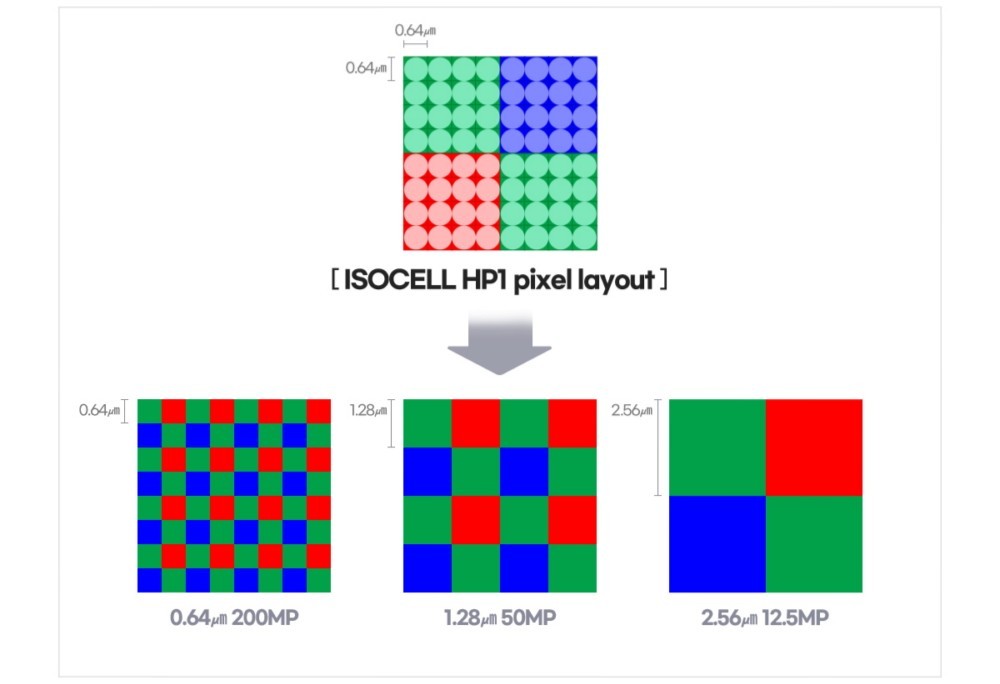
The sensor is going to be from Samsung, either their ISOCELL HP1 or ISOCELL HP3. Both are 200 megapixels, with the difference being the pixel size and optical format – 1/1.22” and 0.64µm and 1/1.4” and 0.56µm, respectively (before 4-in-1 binning).
Motorola is using the larger HP1 sensor, recently posting a camera sample of it. The sample shows what the sensor can do with its 4-in-1 pixel binning enabled, which is still a 50-megapixel picture.
It’s not quite clear which sensor Xiaomi will go for. However, given the flagship spec 8+ Gen 1 chipset, The HP1 makes more sense.
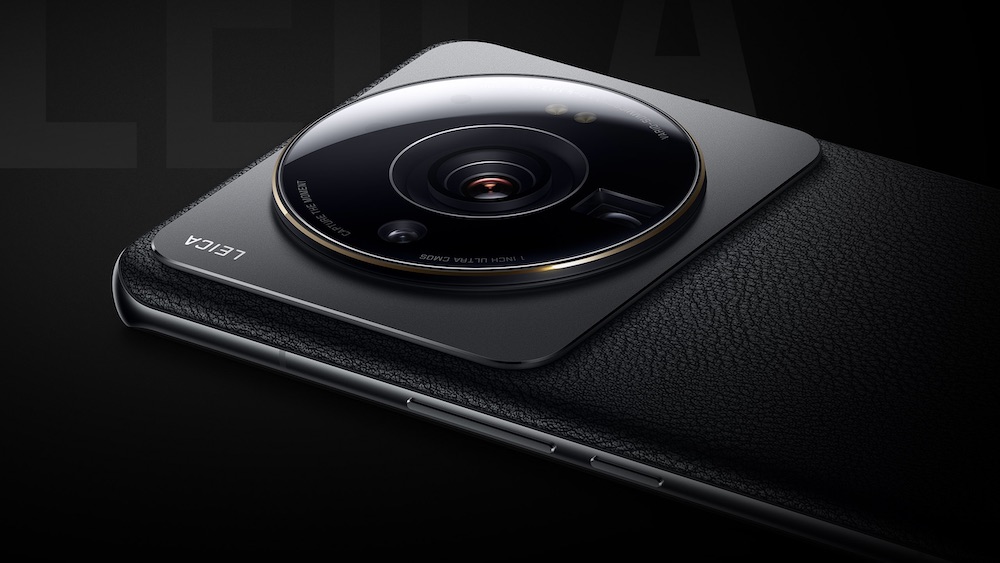
Xiaomi 12S Ultra
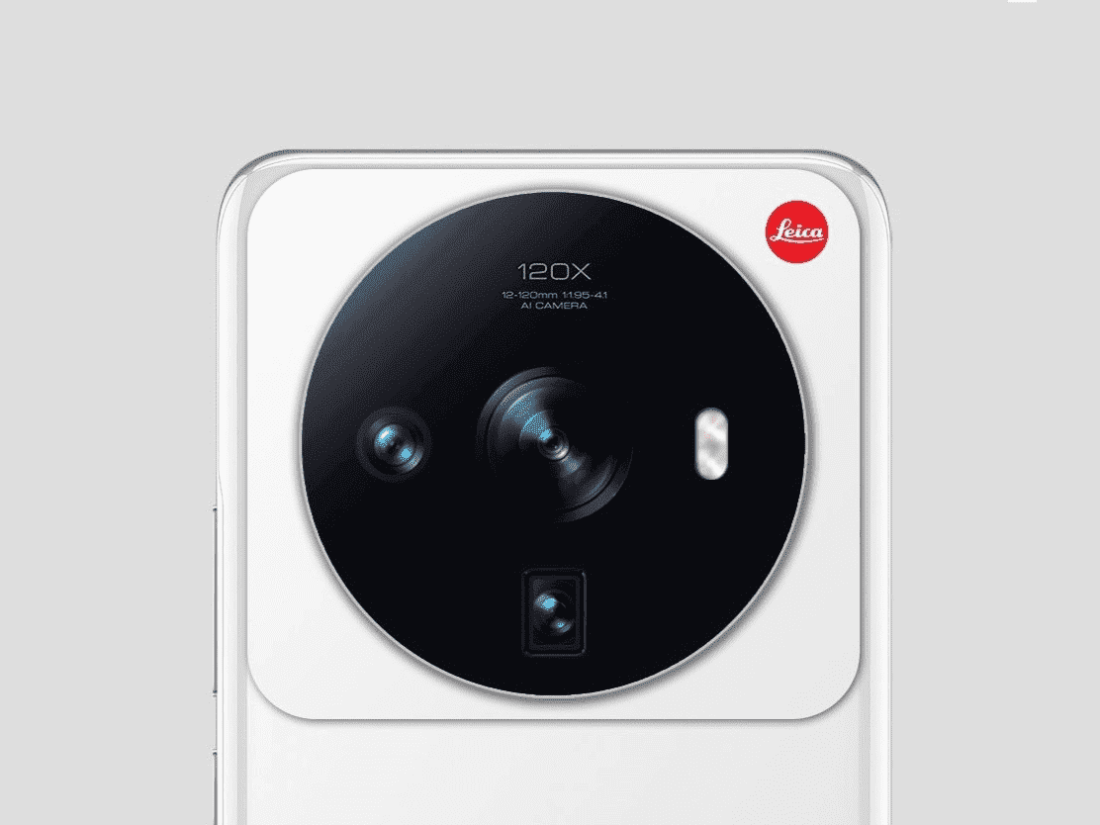
Xiaomi’s latest flagship, the recently launched 12S Ultra, currently features a 50-megapixel main camera. Compared to this, the HP1 sensor sounds better on paper. It will be interesting to see how the sensor will perform in real world testing. The Xiaomi 12S Ultra features an ultra-wide and telephoto lens, which are both 48-megapixel. The telephoto camera has a periscope lens, giving it up to 120x zoom capabilities. Furthermore, will the current partnership between Xiaomi and Leica continue for the upcoming device? We will have to wait and watch to find out.
A 200-megapixel ultra premium smartphone sounds quite exciting. But, as smartphone prices creep further upwards, how many people will actually buy one? A 200-megapixel flagship is not going to be cheap. Let us know your thoughts below.
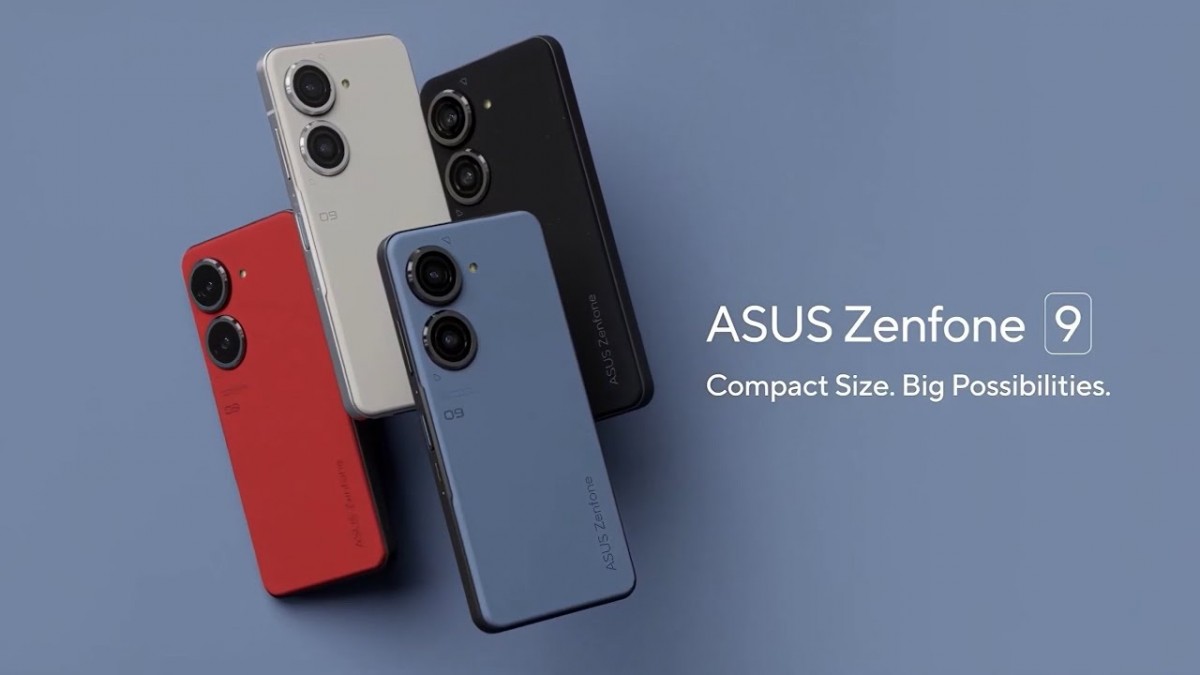
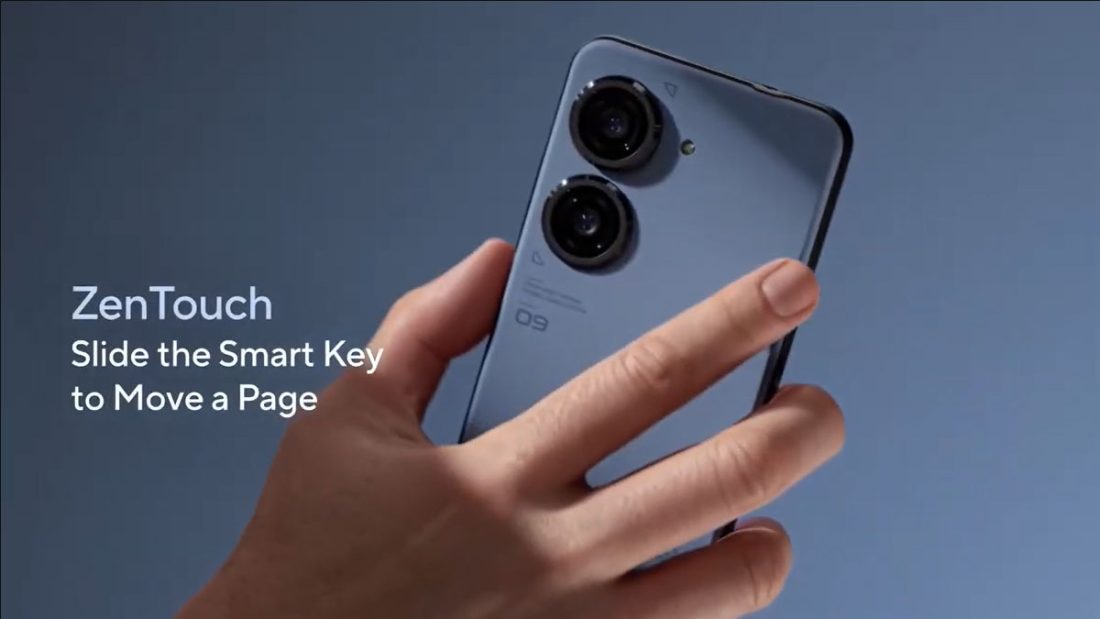
Asus has finally announced the launch date of its flagship, the Zenfone 9. The company announced that the smartphone will be released in global markets on July 28. The launch event will take place in Taipei, the capital of Taiwan, and will be live-streamed as well. Globally, the smartphone will be launched as the Zenfone 9, but in India, it will be known as the 9z.
Asus has teased that the Zenfone 9 will be “Compact Size”, hinting at its size. Last year’s Zenfone 8 was a delight, compact and one-hand usable, like the android equivalent to the iPhone 13 mini. Unlike last year, Asus may not launch two phones, with the Zenfone 9 launching only as reports suggest.
Asus Zenfone 9: Specifications
Specifications of the Asus Zenfone 9 are yet to be confirmed. However, a leaked video from last week revealed a number of features and specs. Powering the Zenfone 9 will be Qualcomm’s Snapdragon 8+ Gen 1 processor. The display is a 5.9-inch AMOLED panel with a 120Hz refresh rate while the battery is a 4300 mAh unit with 65W fast charging support.
Video Via GSMArena
The two biggest talking points from the leak are the cameras and Zentouch. The Asus Zenfone 9 will use Sony’s 50-megapixel IMX766 sensor as the main shooter. Though the sensor is used by a lot of other smartphones, its Asus’ integration of a 6-axis hybrid gimbal stabilizer that makes it unique. Gimbals are mainly used to give increased stability to cameras. It will be interesting to see how it performs in the Zenfone 9.
The other big feature is what Asus has dubbed the Zentouch. It allows the power button (itself dubbed the Smart Key) to essentially work as a scroll wheel to slide up and down webpages. It has been ages since scroll wheels on phones went extinct, and this could be the best way to make a comeback. The power button also works as a fingerprint sensor.
Other features include a 3.5mm jack (always welcome), dual speakers, and an IP68 water resistance rating.
Asus Zenfone 9: Price
Though prices for the Asus Zenfone 9 haven’t been revealed yet, a tipster suggested the Zenfone 9 could cost between EUR 800 (INR 64,700) and EUR 900 (INR 72,800. The leaked video also showed off the colour choices for the Zenfone 9, red, white, blue, and black. What do you think of the Zenfone 9? Would you be interested in buying it? Tell us in the comments below.
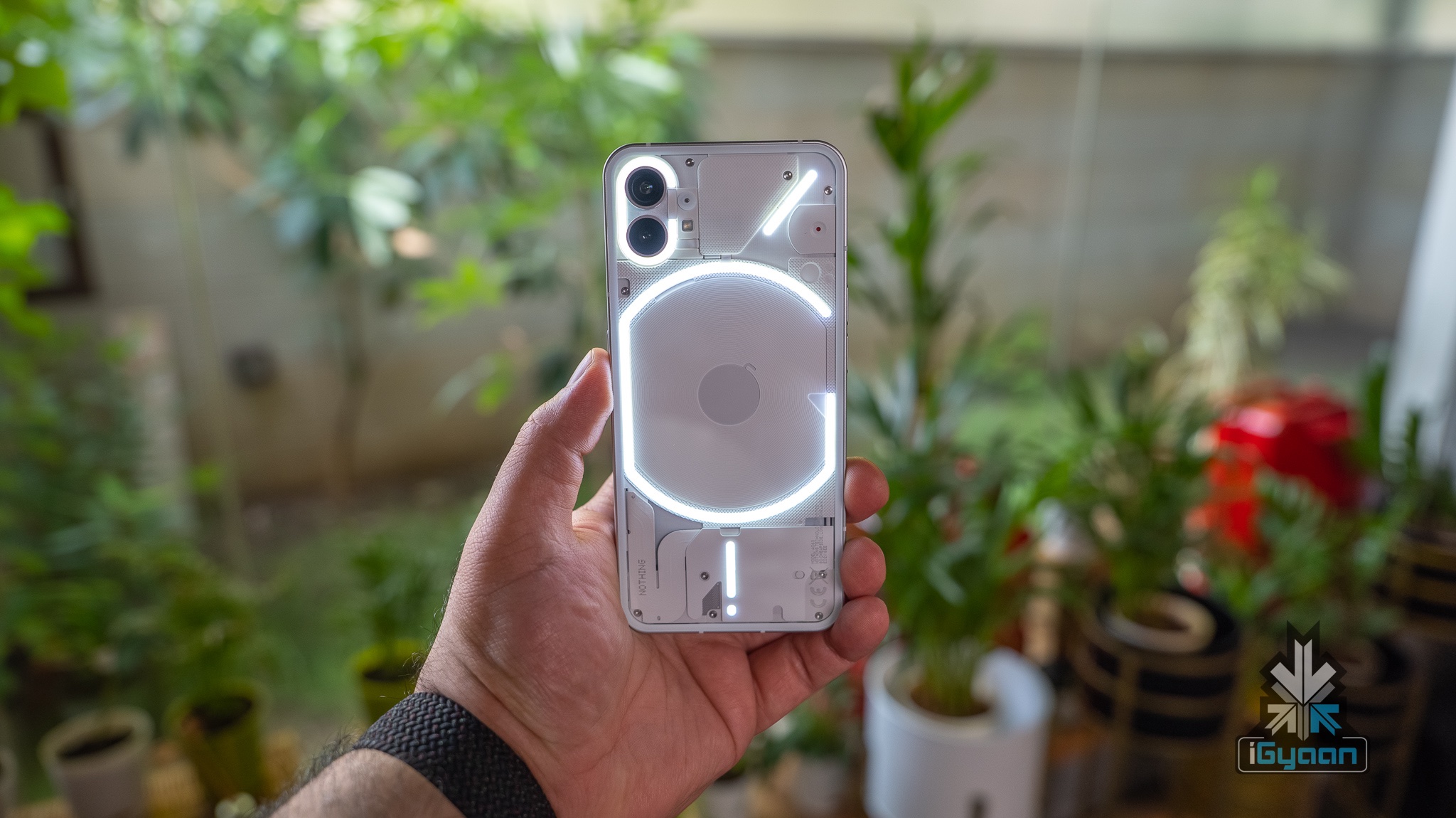
Nothing Techis the latest venture from Carl Pei, Ex co-founder of OnePlus. Nothing’s first product was the Nothing Ear (1), a pair of TWS earbuds with a transparent design. And now, after months of slow reveals and teasers, Nothing has finally launched its first phone. Aptly named the Nothing Phone (1), the phone has been one of the most anticipated launches in recent memory. We at iGyaan take a look at the latest smartphone in the market.
Nothing Phone 1 Design
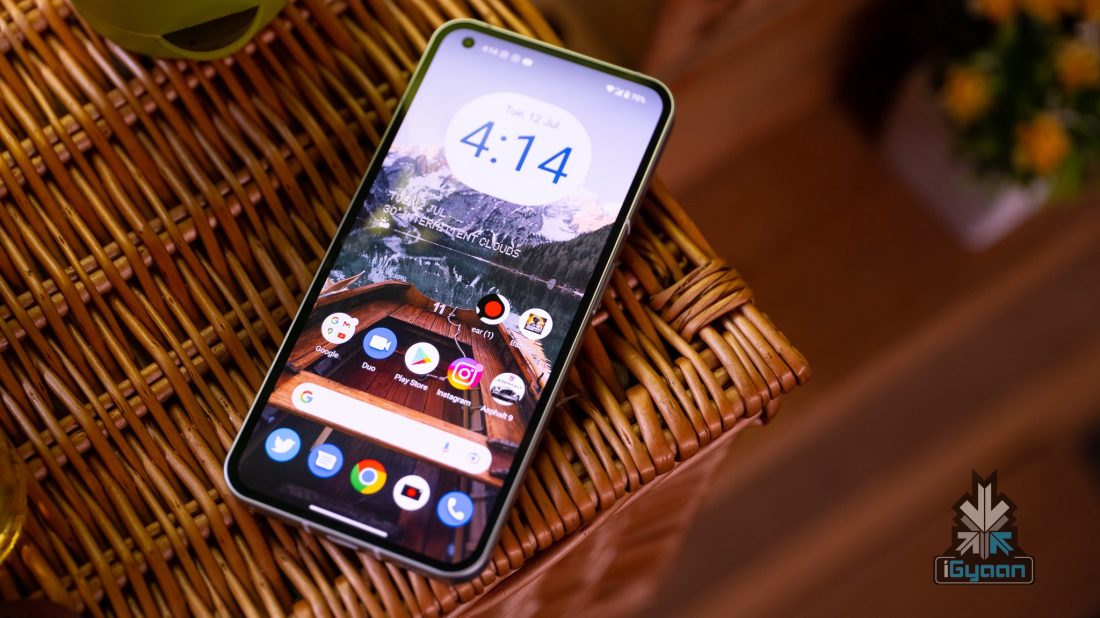
Nothing founder Carl Peihad promised that its first smartphone will stand apart from its competitors, and it is safe to say they have succeeded. The Nothing Phone (1) comes with a bezel-less display, giving it a uniform width across the screen. The frame is made from completely recycled aluminium.
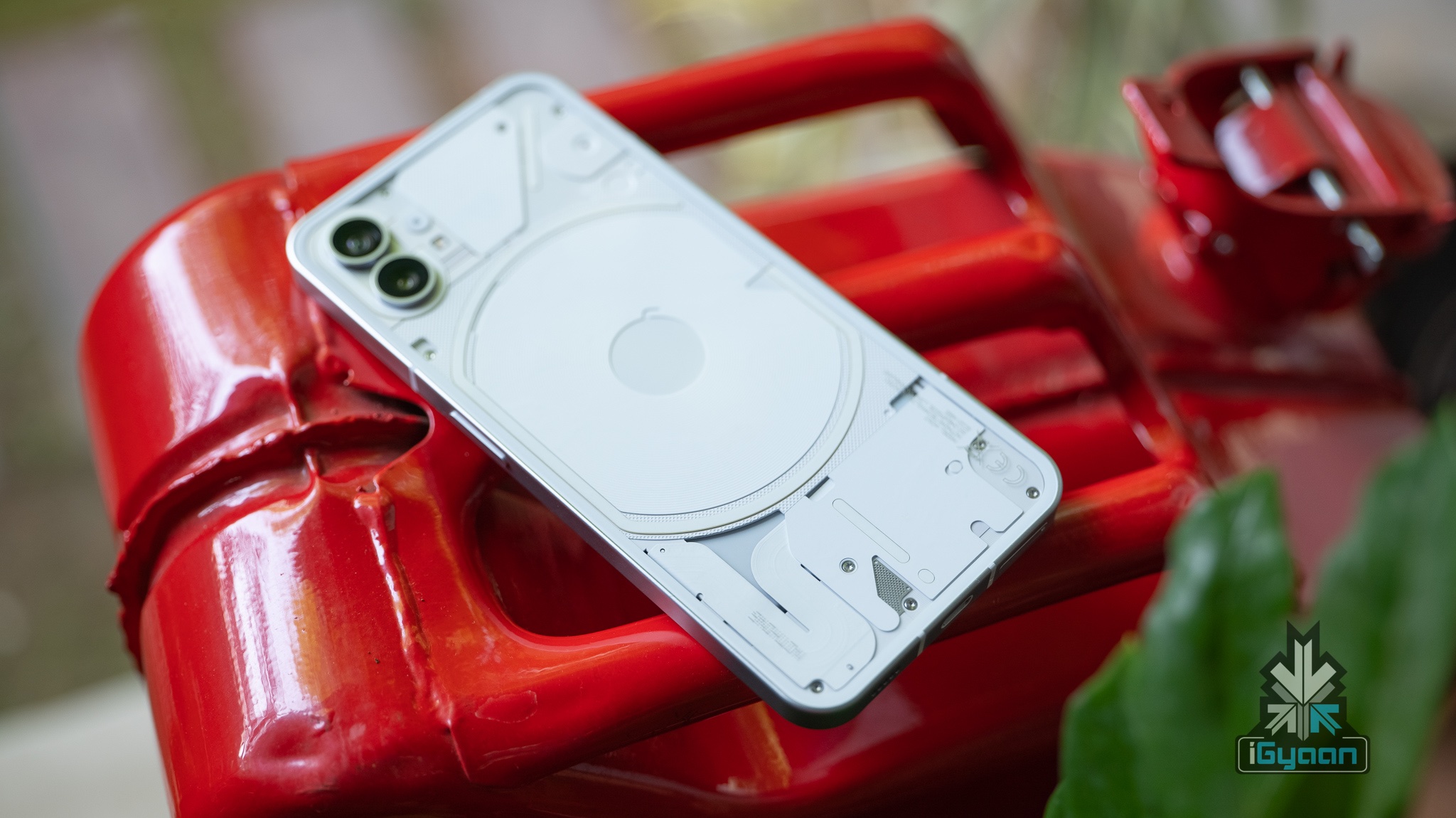
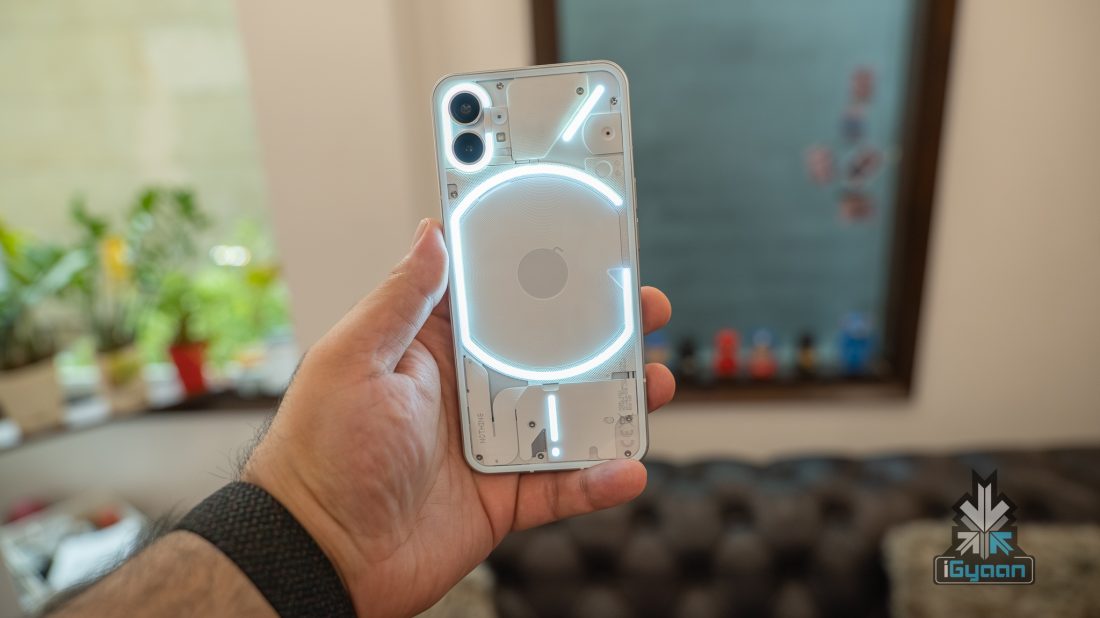
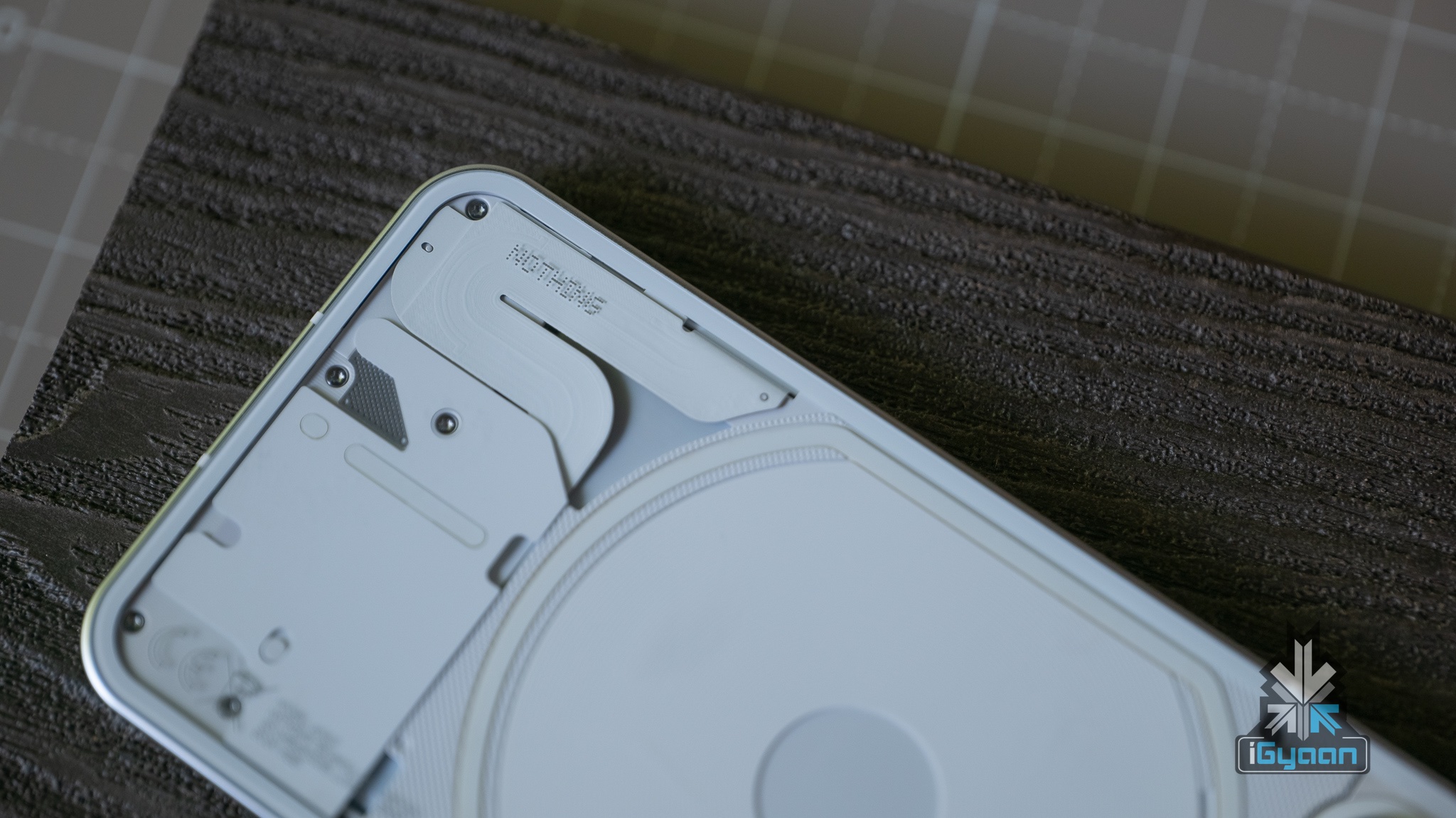
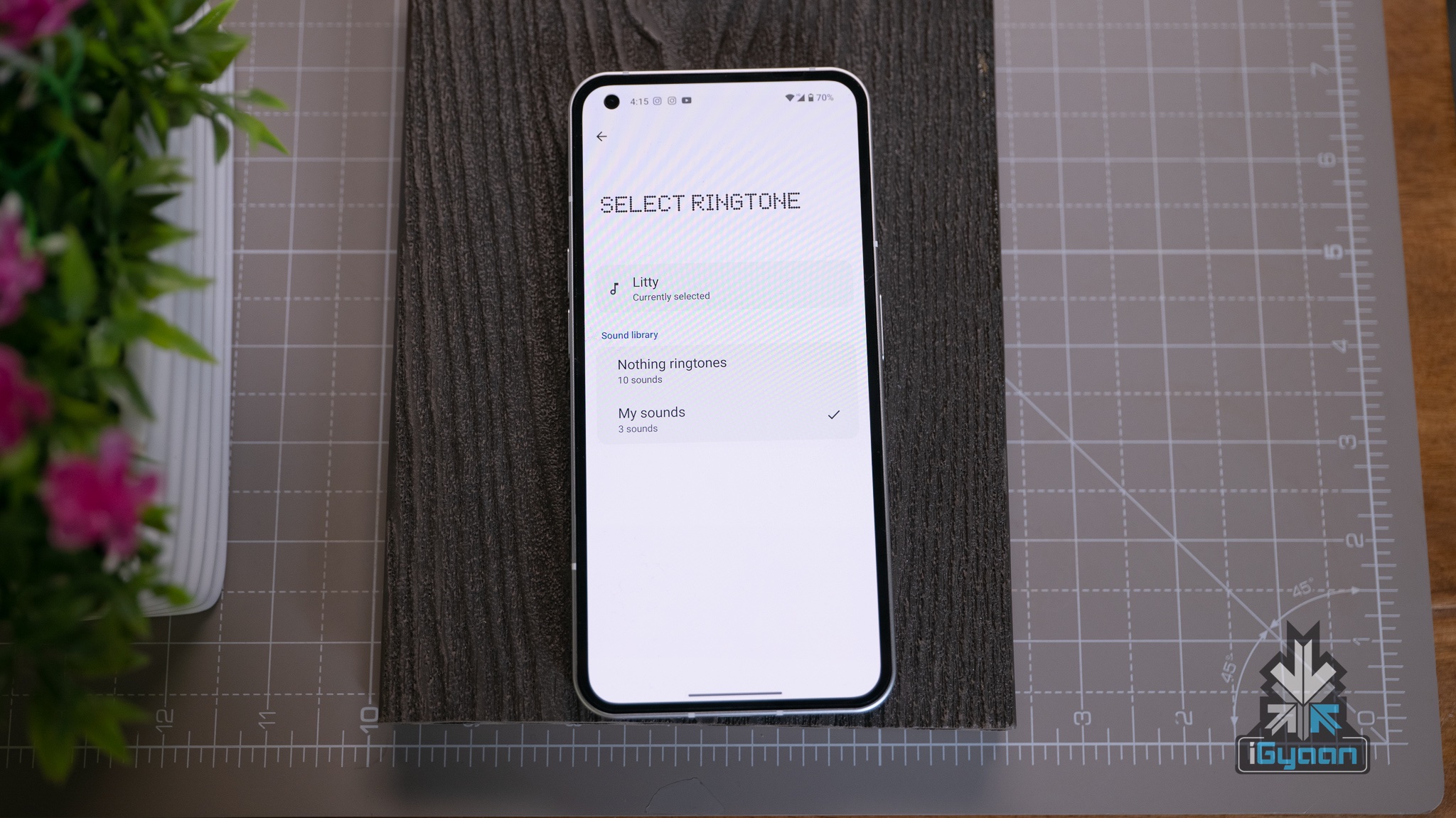
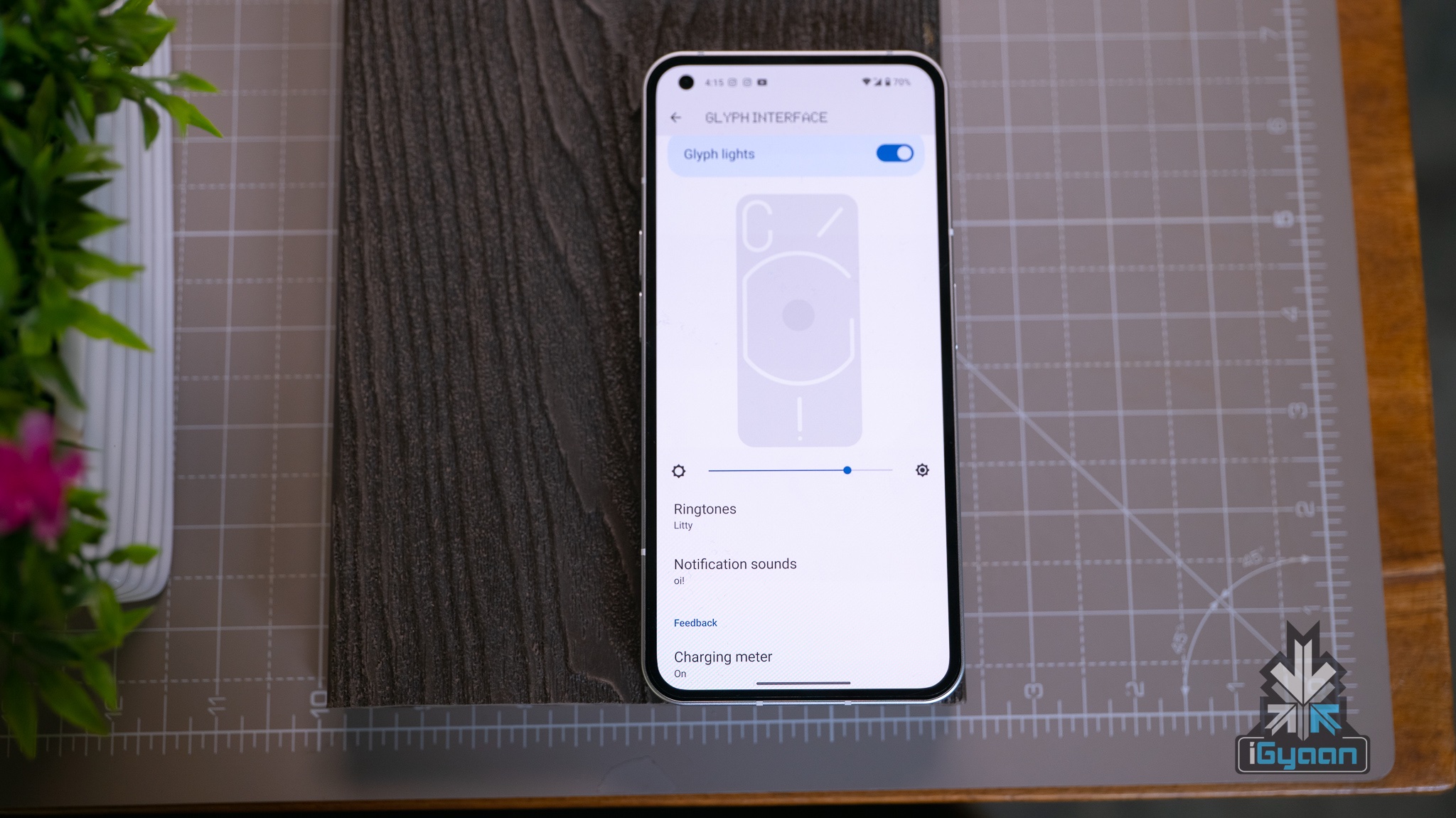
However, the most striking and talked about aspect of the device is the back, which features a transparent design. The phone “shows off” its internals, something that no other manufacturer has done with their products yet. The back of the Nothing Phone (1) also features a number of LED lights, dubbed the Glyph Interface. The LEDs have unique light patterns depending upon the scenario, for example, the LED lights on the bottom of the phone acts as a charging indicator. There are also preset ringtones that uses the Glyph Interface which lights up the LEDs in a set pattern in sync with the ringtone. Furthermore, users can add their own sounds, which the LEDs automatically sync to.
Nothing Phone 1 Specifications
The Nothing Phone (1) is powered by Qualcomm’s Snapdragon 778G+ chipset while the Adreno 642L handles GPU duties. The device will be launching in three variants, either with 8GB ram and 128 GB internal storage space, 8GB and 256 or with 12 GB and 256 GB. Unfortunately, there’s no expandable storage. On the software side, the device features Android 12 out of the box, with the company’s own Nothing OS 1 UI skin making its debut. Nothing is providing 3 years of OS updates, and a further year of security patches.
The display of the Nothing Phone (1) is a 6.5 inch, 2400 x 1080 flexible OLED unit. The screen features an adaptive refresh rate of 120 Hz and supports HDR10+. Due to the phone’s flexible OLED panel, the screen bends round the sides, giving the screen a uniform width across all corners. The display is a flat unit, unlike some of its competitors. Also unlike some of its rivals, the Nothing Phone (1) comes with a dual-rear camera setup. Both the main shooter (f/1.8) and the ultra-wide(f/2.2) are 50 megapixels. The rear cameras can record videos at 4K/30Fps and features OIS. The Glyph LED lights also act as a fill flash, there is a standard flash LED apart from the Glyph. The front camera is a 16-megapixel unit that can also record videos at 1080p/30fps.
Pricing And Availability
Sales for The Nothing Phone (1) will start at 7 PM IST on 21st July 2022, exclusively on Flipkart in India. It will be available in two colour options, black or white, and three variants to choose from, 8GB/128GB (INR 32,999), 8GB/256GB (INR 35,999), and the 12GB/256GB (INR 38,999). The Nothing Phone (1) will be initially available in an invite-only basis. You can go to their official website and register to join the invite list. The registration costs INR 2000, which is non-refundable but will be adjusted when you buy the device. Customers who pre-ordered will get a further discount of INR 1000.
HDFC Bank is providing an Instant discount of Rs 2000 which can be clubbed together with their 3 and 6 months easy EMI option. All other banks are offering 3 months Easy EMI. Since the Nothing Phone (1) is following the current smartphone trend of not proving a charger in the box, you can buy the 45W adapter for INR 2499(INR 1499 for pre-order customers). Pre-order customers can also buy The Nothing Ear (1) TWS earbuds at a discount of INR 1000, bringing the price down to INR 5999.
The Nothing Phone (1) enters a hot contested category in the smartphone business. It will be interesting to see if Carl Pei’s latest hype product disrupts the market as much as the original OnePlus 1. What do you think about Nothing Phone (1)?
Stay tuned for iGyaan’s full review the Nothing Phone (1) in a few days.
Nothing to see here yet, but the company has announced that it is working on the Nothing Smartphone. Dubbed the Nothing phone (1), the nomenclature pays homage to the acquisition of Essential, whose first phone was named the Essential Phone 1.
There is little known of the phone (1) for now, except that it will run on Qualcomm hardware, S8 Gen 1 most likely. If Nothing uses the same design philosophy as its current product the ear (1), then we can expect the phone (1) to also have a transparent design. Transparent designs are not new for smartphones, Xiaomi previously launched a transparent design phone the Mi 9 Explorer Edition, which was later found to be spoofing the internal design with a middle vanity cover.
Nothing co-founder Carl Pei also confirmed that the focus of the brand will be to build an ecosystem and focus more on user experiences which they aim to enable with the Nothing OS. Nothing claims :
Nothing OS captures the best features of pure Android, distilling the operating system to just the essentials, where every byte has a purpose. It is designed to deliver a fast, smooth and personal experience. A coherent interface, the hardware seamlessly integrates with software through bespoke fonts, colours, graphical elements and sounds. A first preview of Nothing OS will be available via its launcher that will be available to download on select smartphone models from April.
As claimed above, an Android launcher for a preview of the Nothing OS will be available in April, allowing users to experience the initial and basic potential of the Nothing OS.
Building an original “Oneplus” like strong community will be important for Nothing at this stage. To move towards that goal, the company made some further announcements. Nothing will open its doors to US$ 10 Million crowdfunding, so that its users and community can invest in the brand. The company has already raised US$ 144 Million and created partnerships with brands like Qualcomm, which seems to be good PR for now.
However, the strategy seems to be targeted towards a ground up approach for technology integration. A jab at the Apple way of doing things, if you may.
The Nothing phone (1) will generate enough hype, there is no question. However, what matters is the end result. A disruption in the saturated Smartphone market or yet another “flagship killer”?
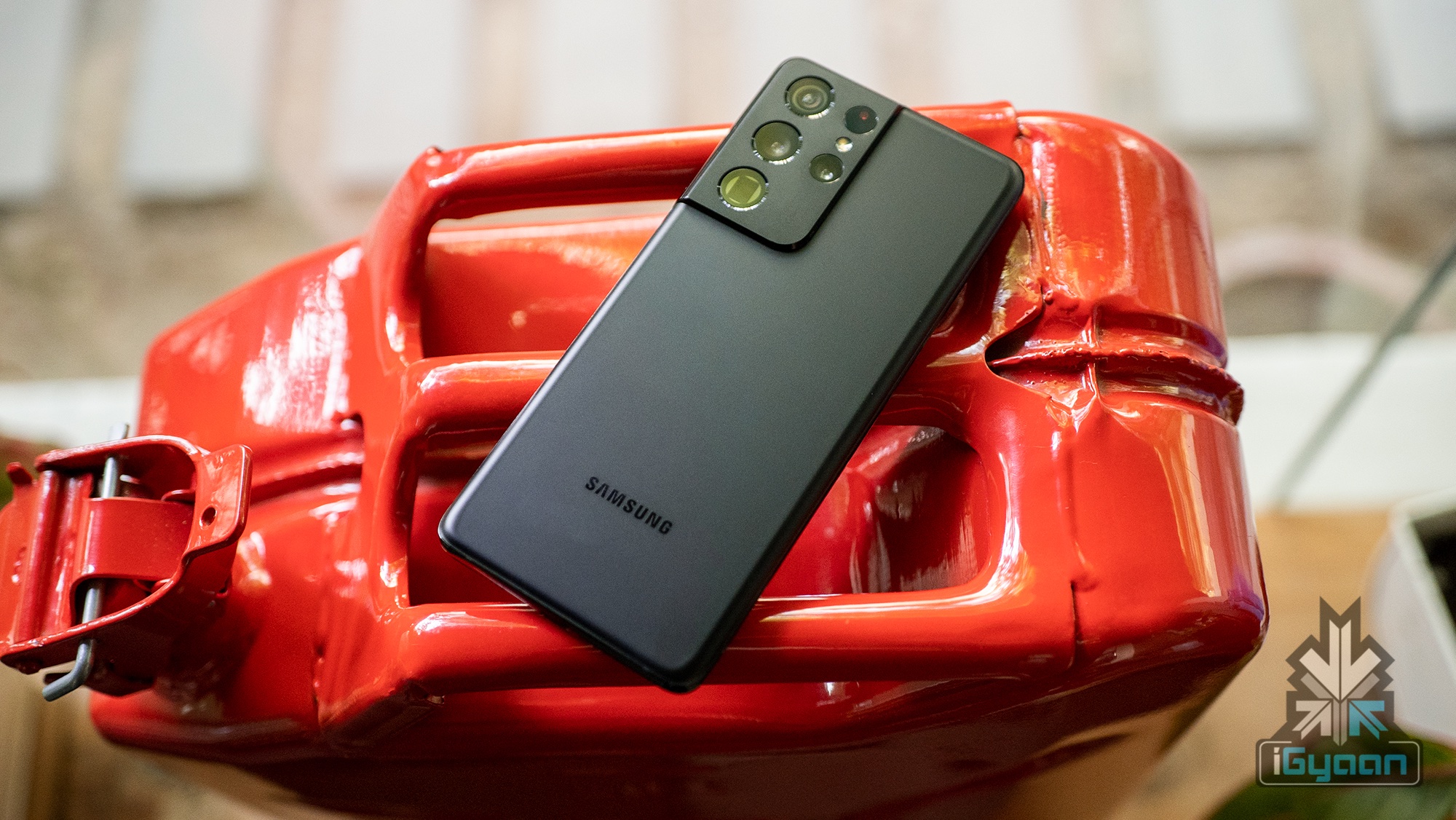
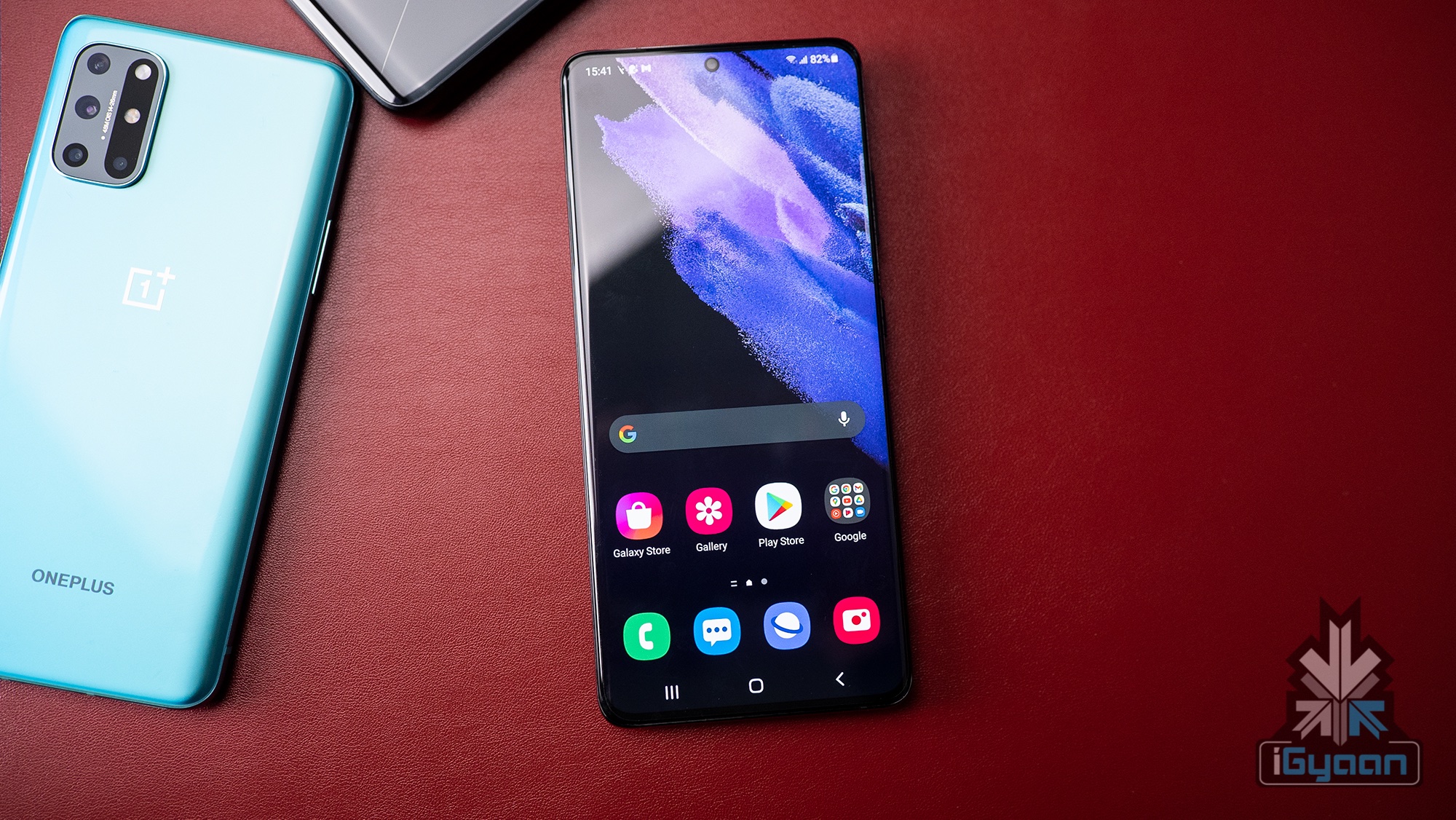
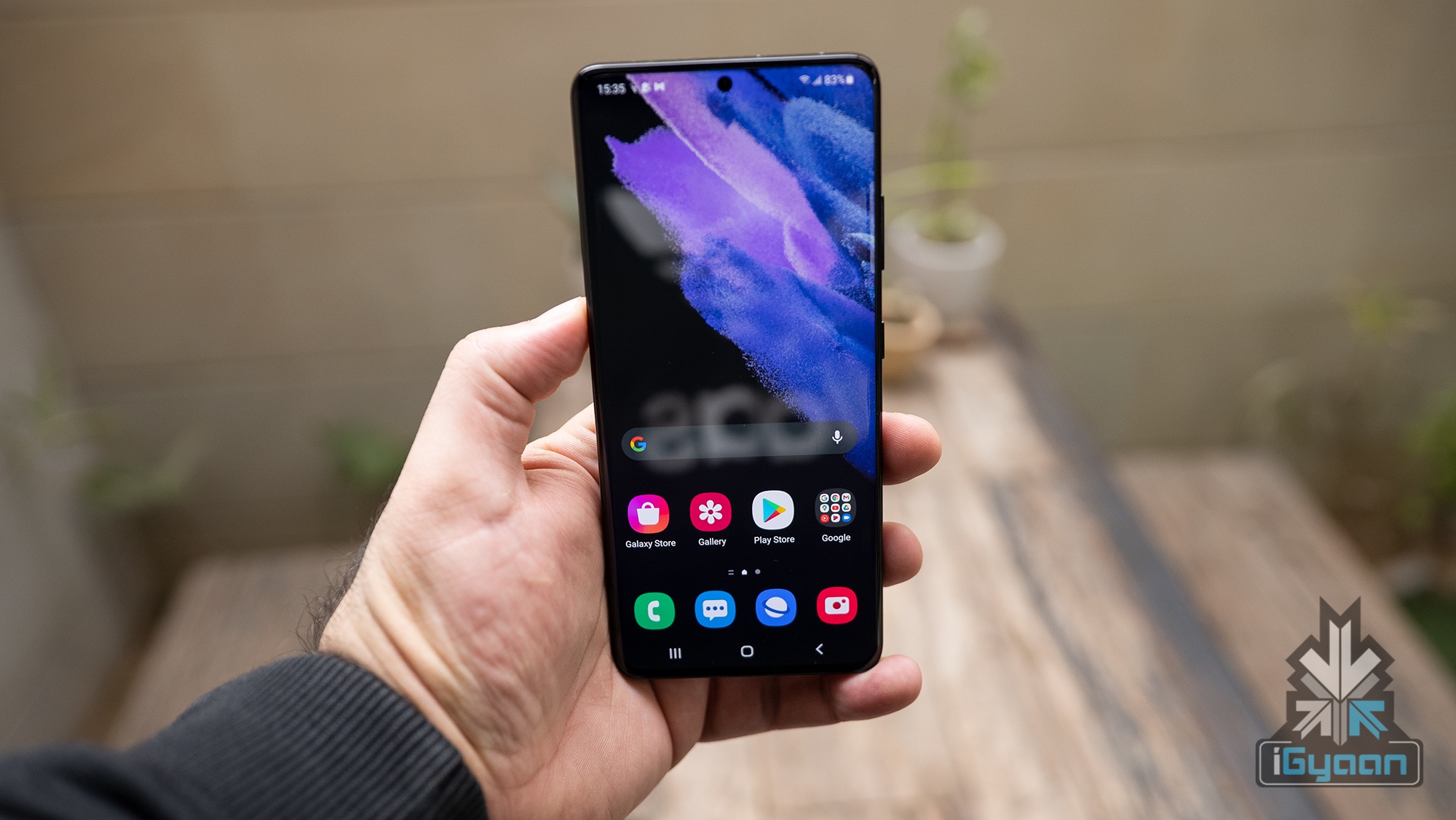
Samsung launched the Galaxy S21 series on 14th of January 2021. While the S21 will be a popular device all eyes are on the Galaxy S21 Ultra which apart from being a flagship, shows off what the company is not only capable of, but, also what direction it is heading in.
The Galaxy S21 Ultra starts at a price of Rs. 105999 for the 12 GB variant with 256GB storage and costs Rs. 116999 for the 16 GB variant with 512 GB storage. There are discounts however, during preorder a Rs. 6000 instant discount and Rs. 10000 discount using HDFC cards.
Unboxing Experience
The box of the Galaxy S21 Ultra resembles the iPhone 12 series boxes. Its a slim box and it is missing a charger. But the box is also missing earphones and the standard back protection case. Apart from the phone box has some documentation, the USB C to USB C cable and a sim tool .
Galaxy S21 Ultra
Documentation
USB C – C Cable
Sim Tool
Design and Build
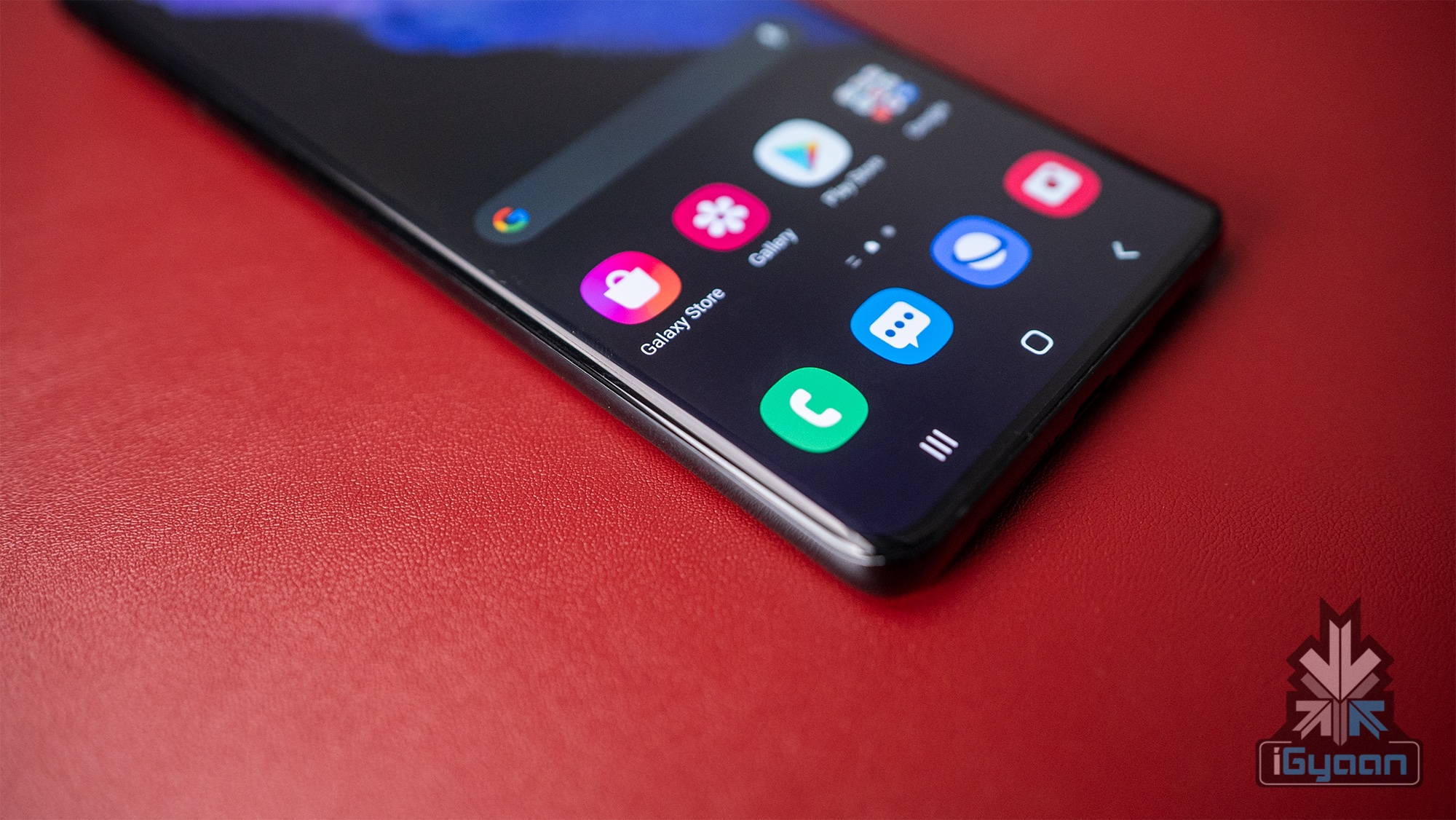
Samsung has focused a lot on making the design of the Galaxy S21 series a lot more refined. The new color choices paired with the new Gorilla Glass Victus finishes allows for the “phantom” colors to have a leather like effect. The Phantom black is a matte black finished back panel that simulated a very soft letter like feel in the hand. The phone is durably built and has a IP68 rating for dust and water resistance.
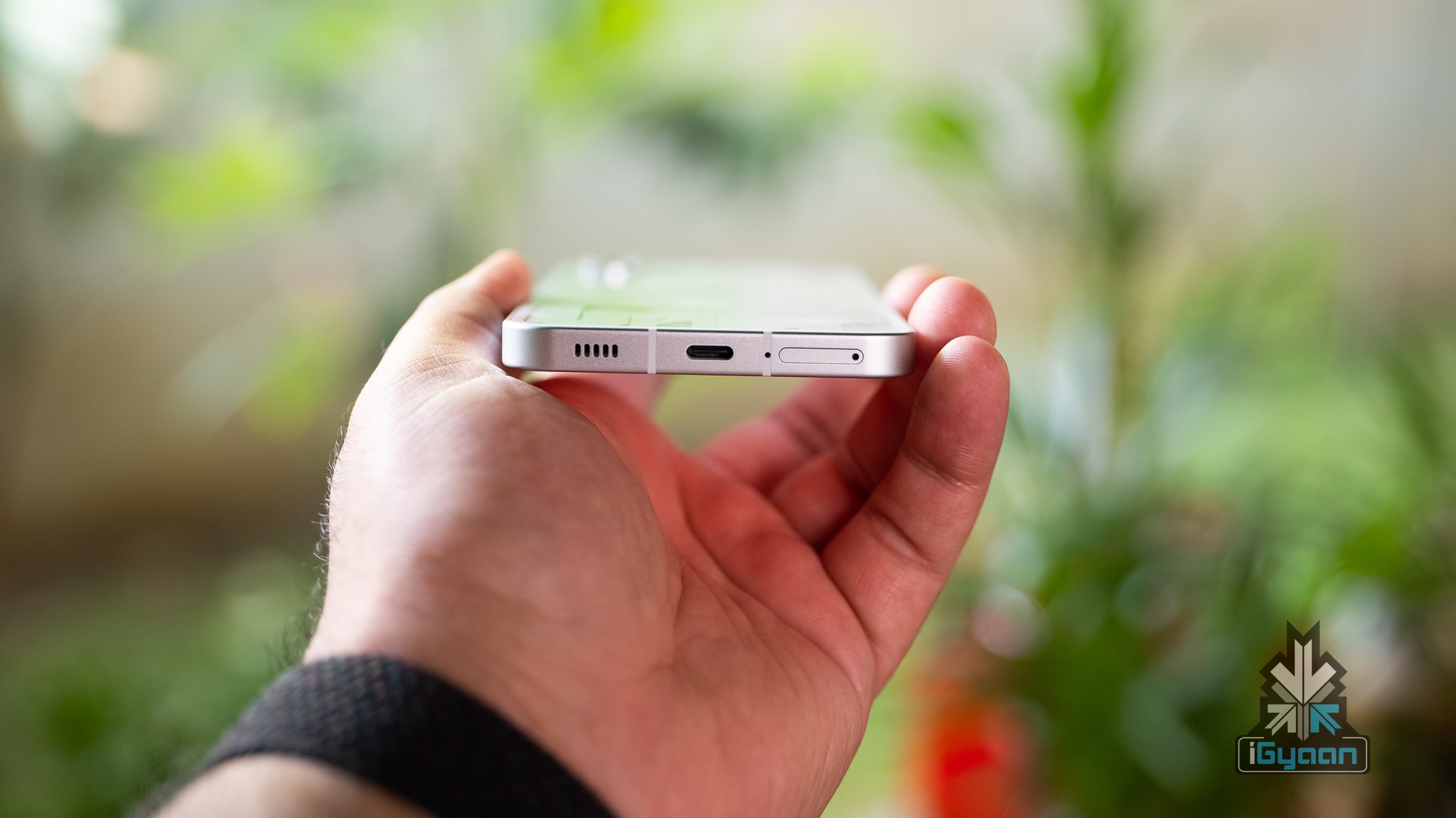
Samsung had already done away with the headphone jack so all you see is a water sealed USB C port which is used for charging and data. The display has subtle curves on either side making the rather large and unwieldy Galaxy S21 Ultra comfortable to hold with side grip.
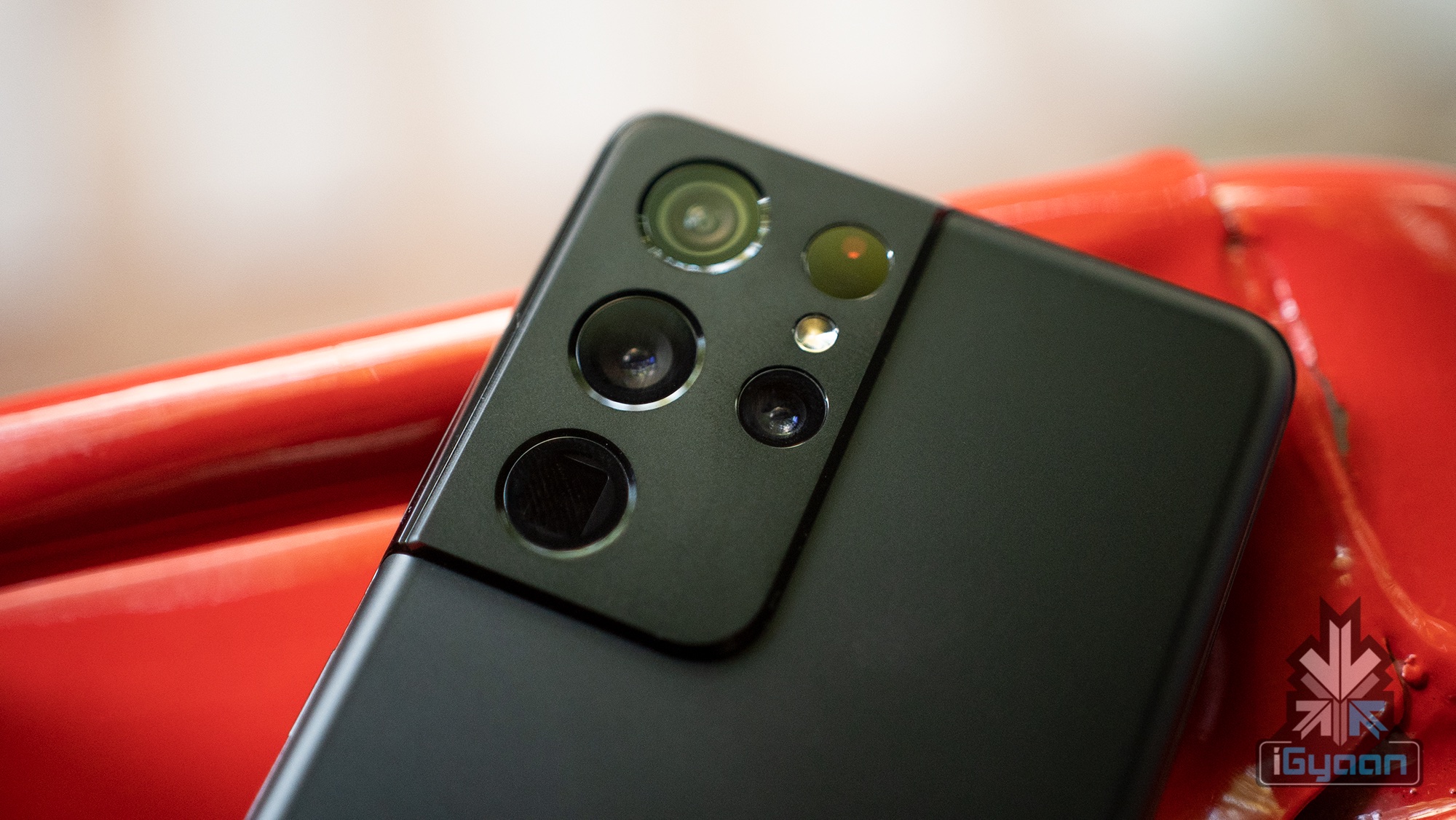
The camera bump is now a part of the frame and looks more natural. overall first impression from the design and build are good.
Display and Cameras
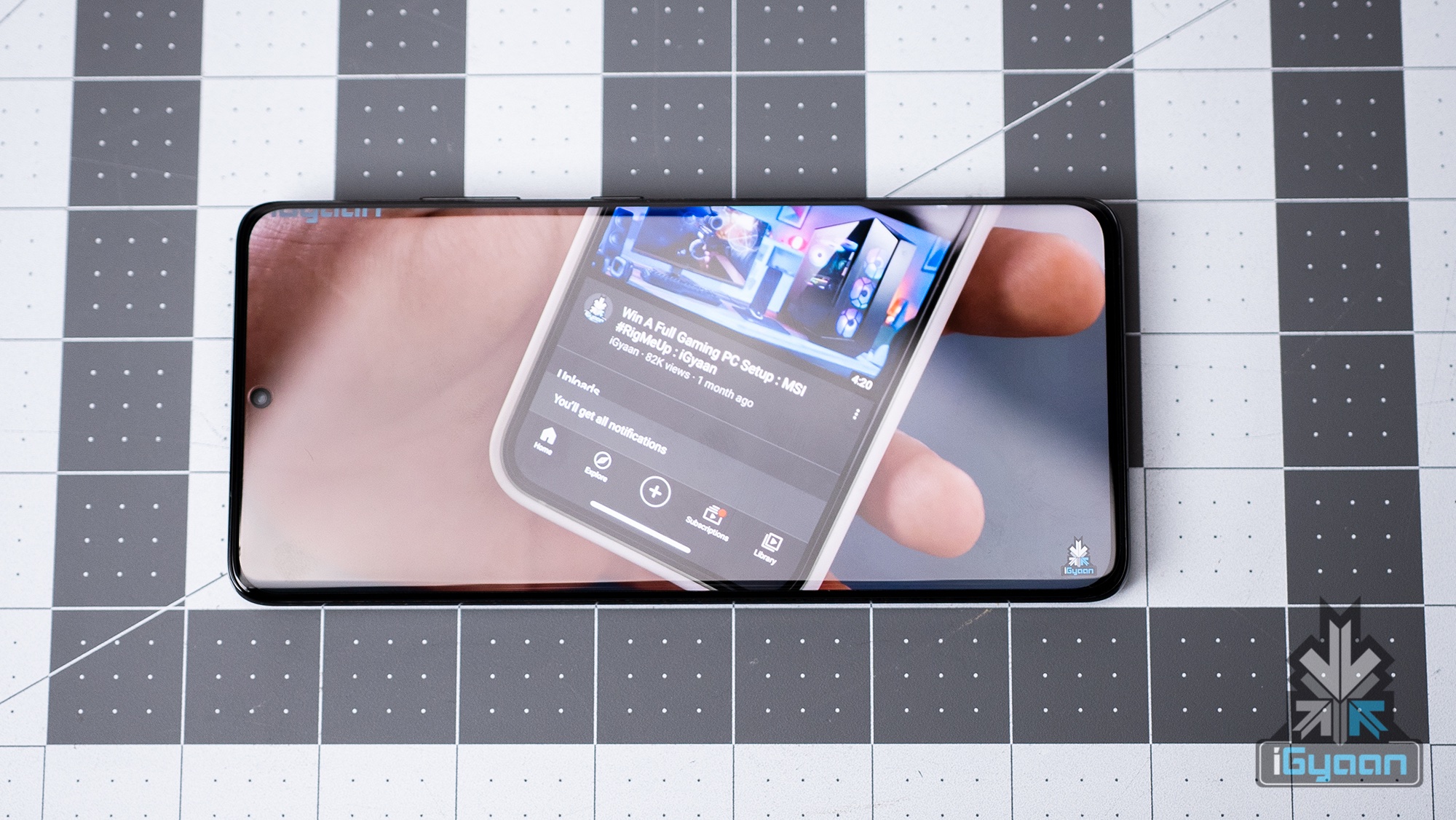
The Samsung Galaxy S21 Ultra has a massive 6.8 inch Dynamic AMOLED 2X display which has a WQHD+ 3200 x 1440 px resolution. This gives the device a 515 ppi pixel density. The display also has a peak brightness of 1500 nits and is protected by the same Victus glass that is seen on the back of the phone. The display has an ever so slight curve that makes it look premium and also improves the viewing experience as it simulates an edgeless display.
120 Hz on the display has been a standard for a while but the Galaxy S21 Ultra is capable of that at maximum resolution. even though on Samsung’s adaptive refresh rate mode.
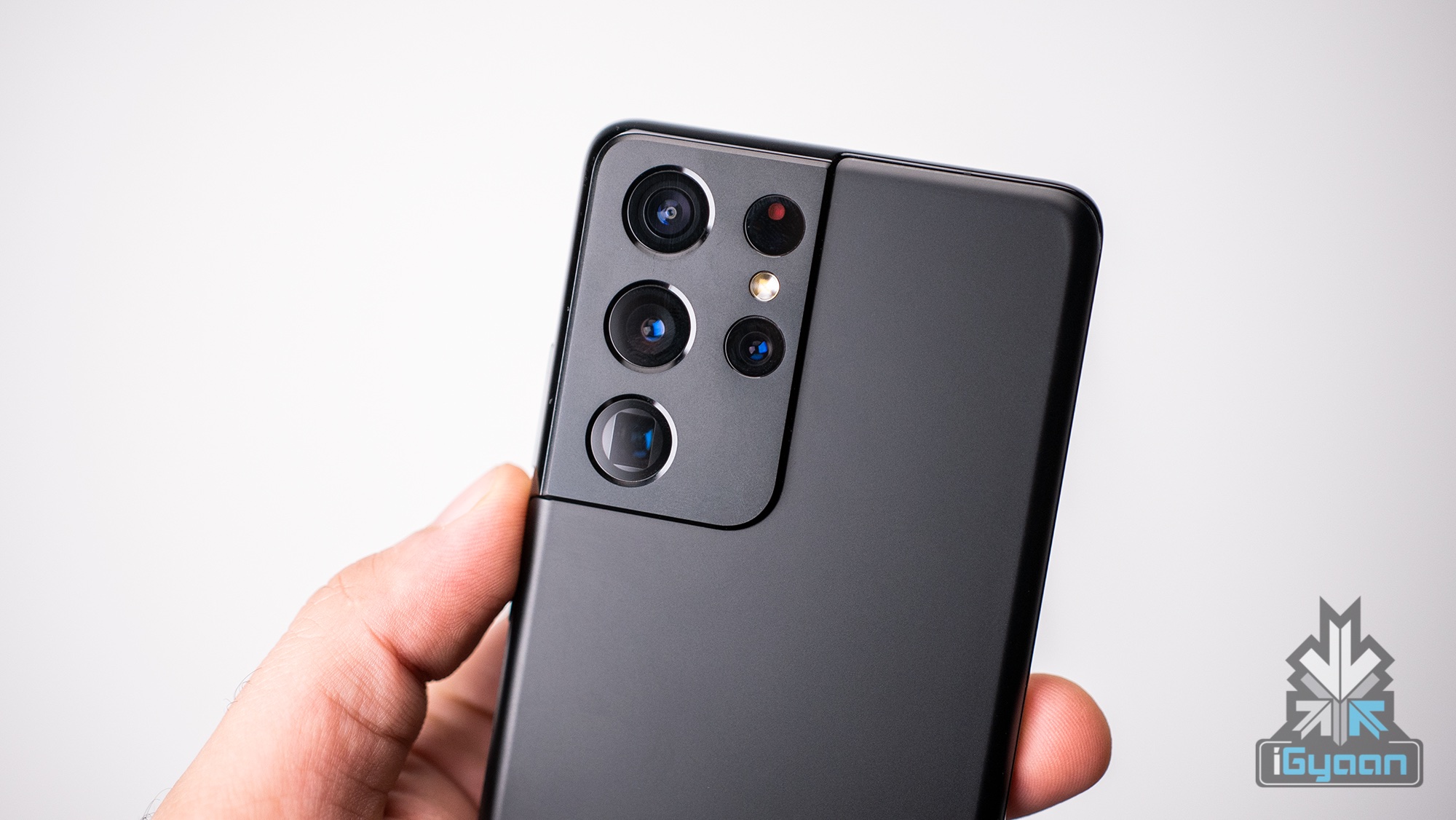
Samsung has included 4 cameras on the back of the S21 Ultra . The main 108MP camera which has an f/1.8 aperture. will shoot 12 MP shots in the auto mode. two telephoto cameras with 3x and 10x zoom allow for a more versatile zoom experience. while the 3x has an f/2.4 aperture the 10x has an f/4.9 aperture which means that low light performance will be abysmal on the 10x.
There is an ultra wide 12 MP sensor which has an f/2.2 aperture. The rear camera is also capable of 8K video 24fps and 4K video at 60fps. The S21 Ultra is also capable of slow motion video at 1080p at upto 240fps and at 720p at upto 960fps.
The front facing camera sits in the centre punch hole on the top of the display and is a 40 MP sensor with an f/2.2 Aperture and is capable of 4k video at upto 60fps.
Hardware and Performance
The Galaxy S21 Ultra will not disappoint with respect to performance. And even though India still gets the Exynos based devices. The Exynos 2100 is pretty well matched with the Snapdragon 888 chipset. Both are built on the 5 NM process and offer up an octave core CPU experience. However Samsung’s Exynos 2100 is clocked much higher with a 2.9 GHz top clock. The GPU lacks behind on the Samsung chip, but they are well matched for AI computation capabilities and ISP performance with the 888′ spectra 580 providing computational HDR video capabilities which the Galaxy S21 Ultra misses out on.
Benchmarks are up there and performance from the device for the couple of days we have tested is irrefutably smooth. However, the Exnos 2100 when pushed seems to be getting the top back corner of the Galaxy 21 Ultra uncomfortably hot. We are using a pre release device with pre release software. So the clocks may be adjusted for the final release.
Battery and Connectivity
The 5000mAh battery does justice to the phone. Samsung continues to include 25W charging as that seems to be sweet spot for battery charging speeds. No charger is included however, Samsung will happily sell you one for Rs. 2000.
The phone supports USB PD3 and wireless charging upto 15W. You can also reverse charge in case of emergencies for upto 4.5W.
The Samsung Galaxy S21 Series is 5G capable whether you get the Snapdragon 888 or the Exynos 2100 variant. Both have Sub 6 and mmWave 5G bands. However, India is yet to fully roll out 5G for the next year or so and by that time S22 series will be out.
The phone has 2 sim slots and no microSD expansion. Bluetooth 5.2 along with A-GPS, GLONASS, BDS, GALILEO for location mapping. The fingerprint sensor is located under the display and is an ultrasonic sensor which makes for super quick unlocks.
If you are a business user the Galaxy S21 Ultra also offers Samsung DeXand Samsung Wireless DeX for on the go productivity.
Samsung seems to have ticked all the right boxes, however our testing has just begun and if first impressions are something to go by, The Galaxy S21 Ultra will be tough competitor for upcoming phones of 2021.
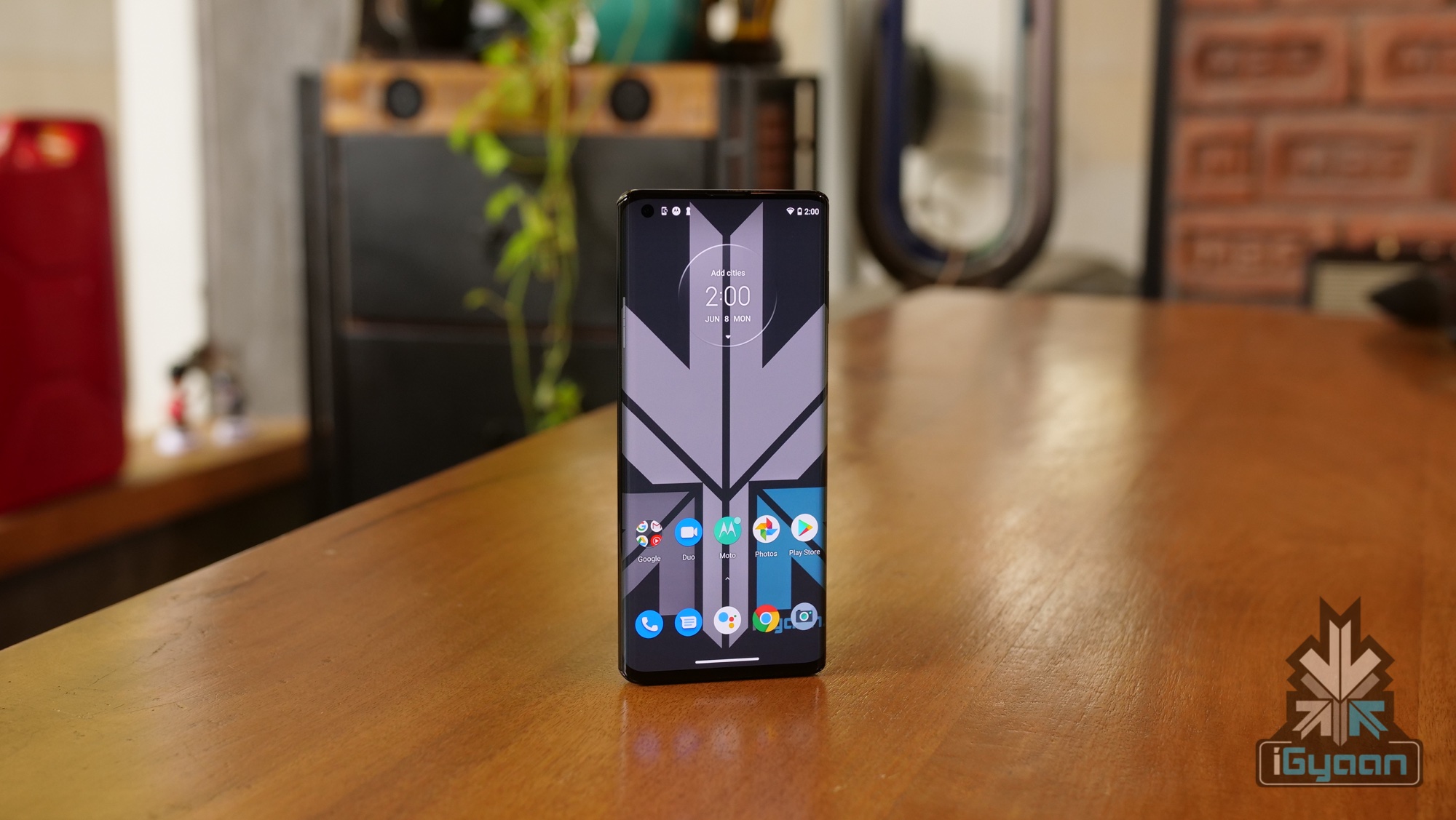
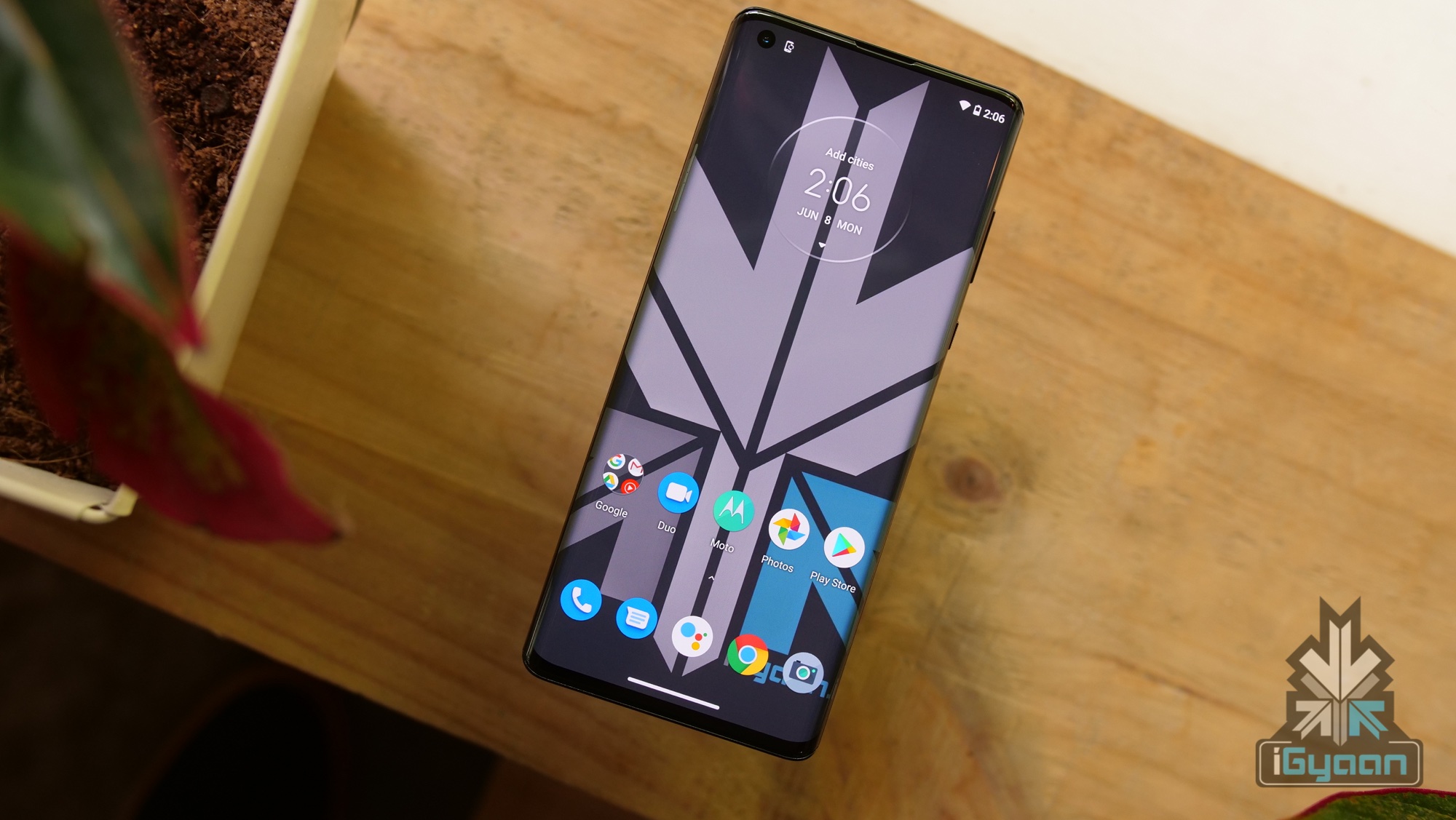
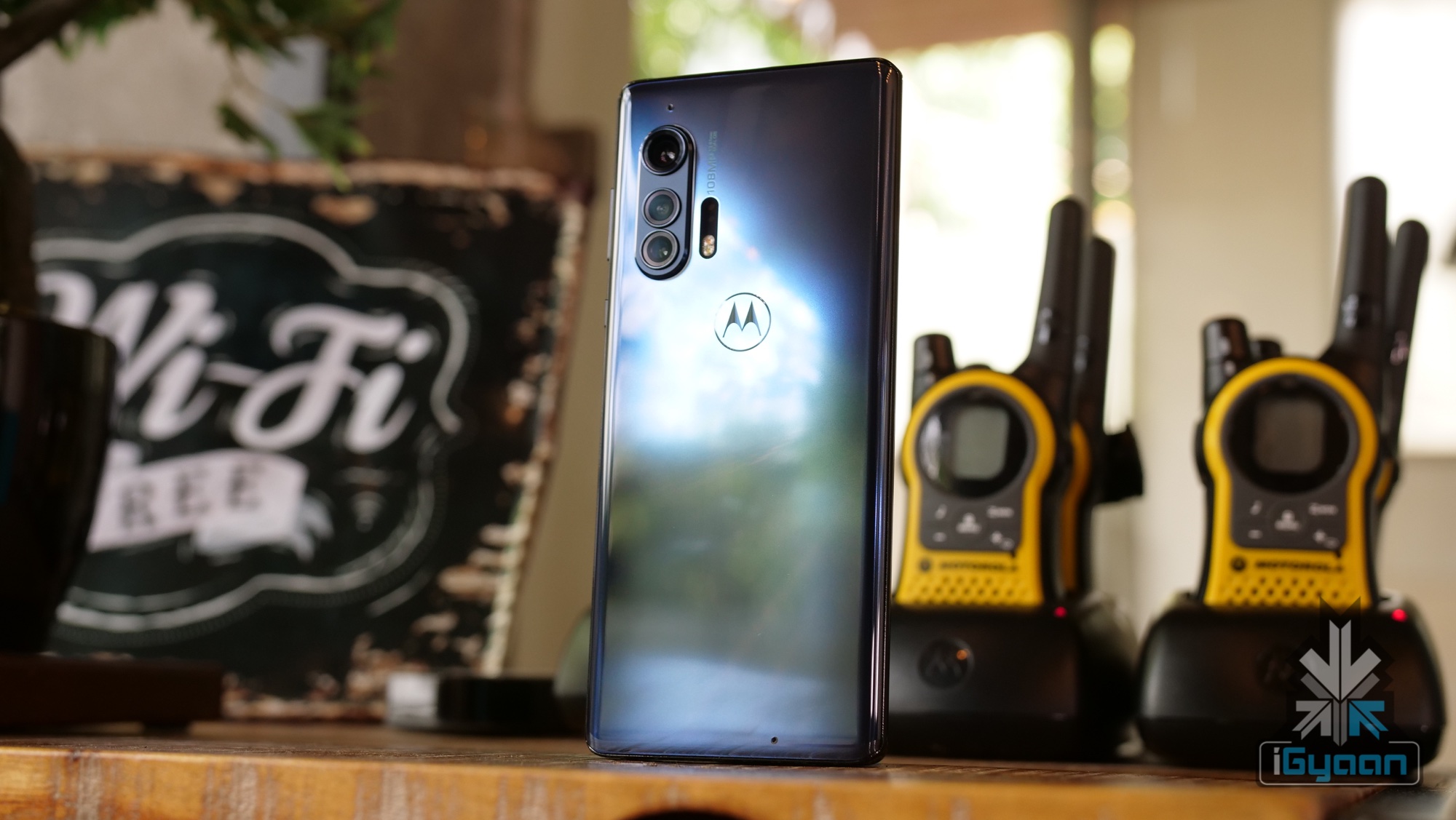
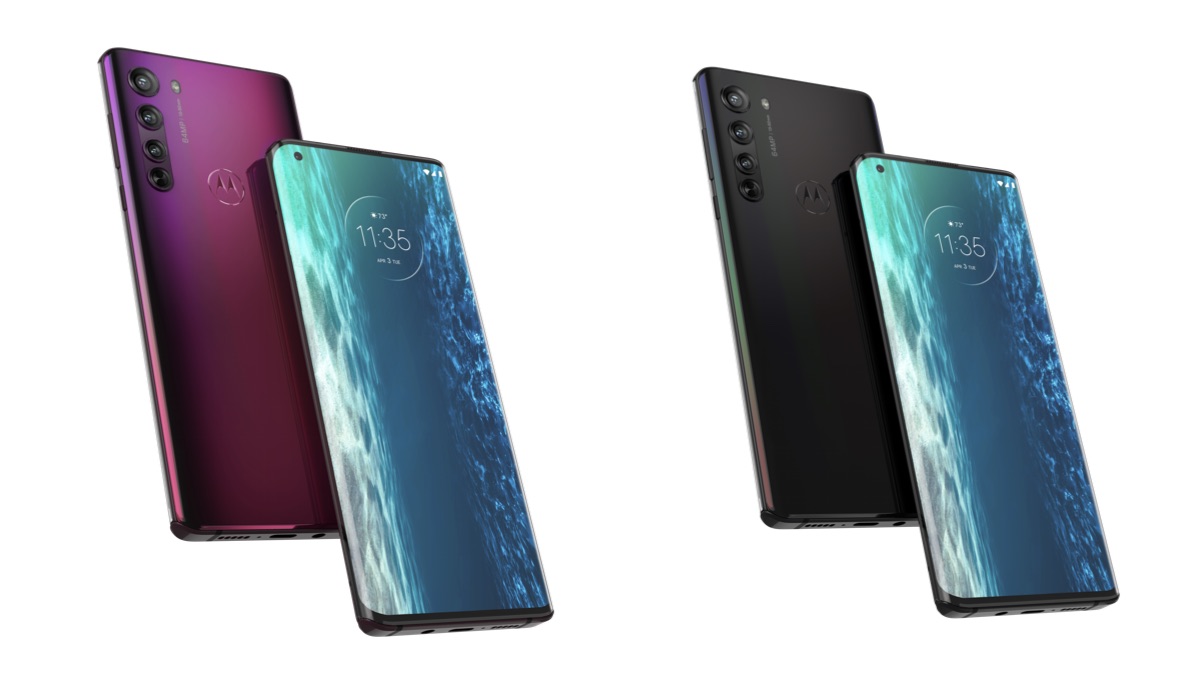
Motorola’s recent launch of the Moto Edge+ propels the once mi-range champion back into the flagship race. The Moto Edge+ shows what a major known brand is capable of.
The Motorola Edge+ while filling the void in the flagship market, slots above the OnePlus 8 Pro and below Samsung’s Galaxy S20 lineup. Finding a sweet spot with respect to hardware and performance.
Display
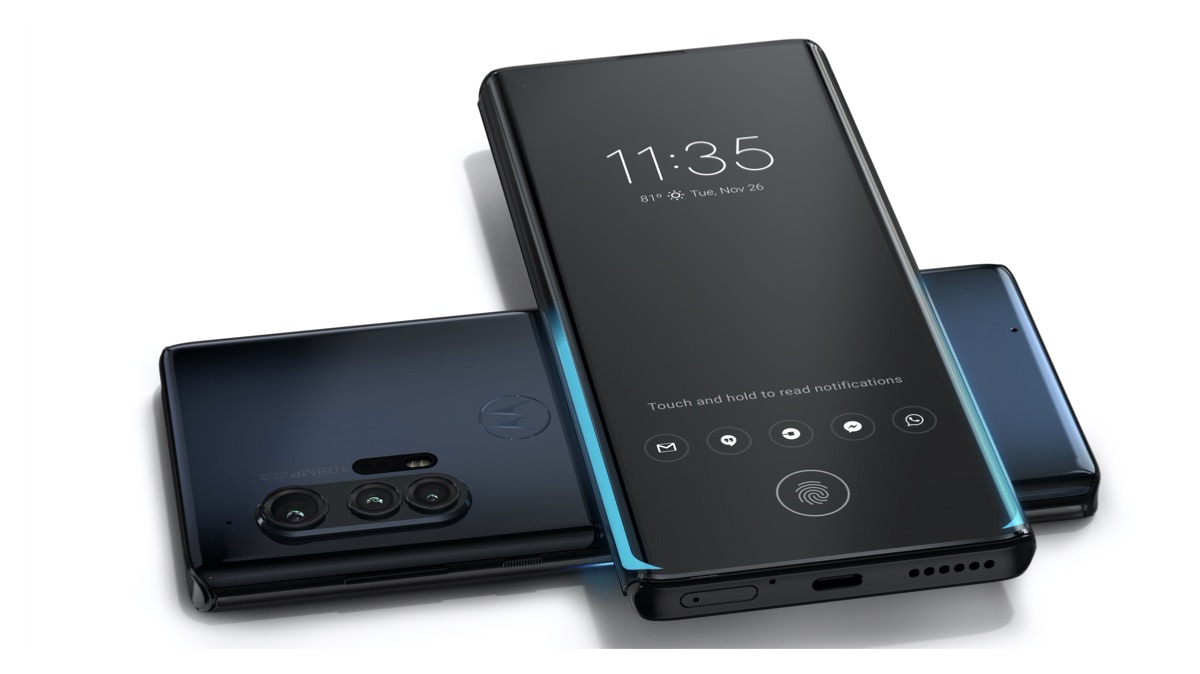
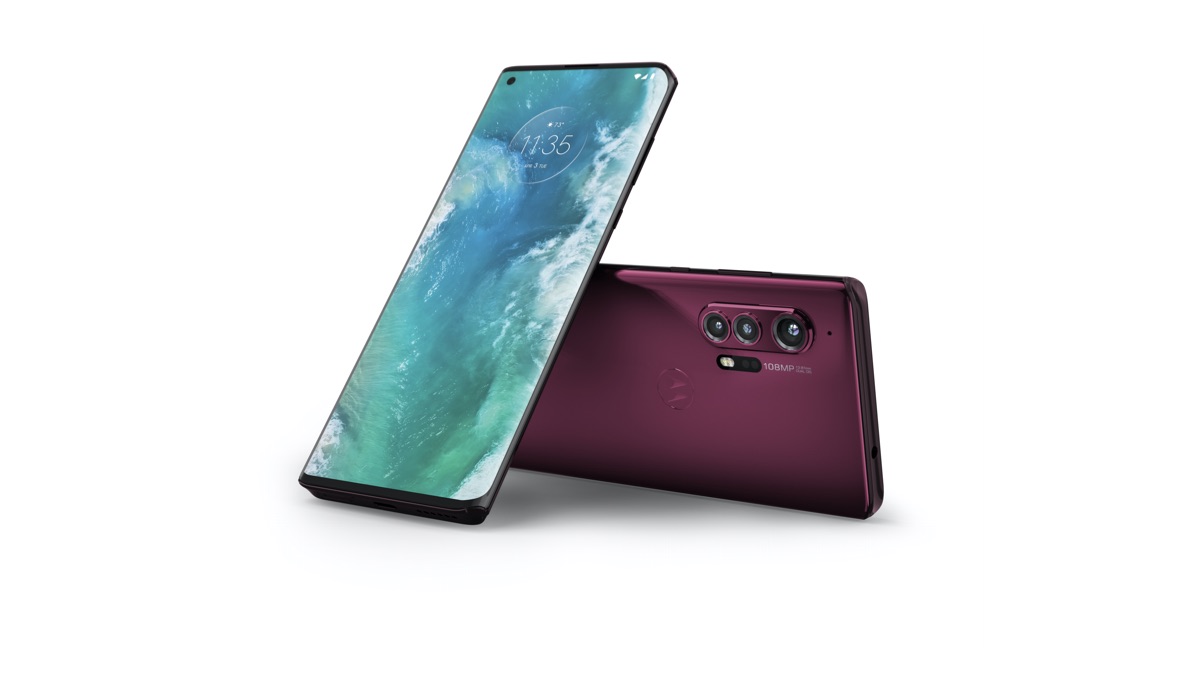
The Motorola Edge+ features a 6.67 inch AMOLED display with a 21:9 aspect ratio. The display has a 2340 x 1080px resolution with 90 degree edge on both sides. A 90Hz refresh rate which features an automatic switch to 60Hz refresh rates on low battery. The 10 bit display is also HDR 10+ rated and the phone utilizes the edge in several ways. The most interesting of which is the ability to add trigger buttons to the edge of the screen. These will act as tactile buttons during gaming on games like PubG Mobile and COD Mobile. The display is protected by Corning Gorilla Glass 5.
The edge also is used to navigate through the UI. can be used to pull down the notification shade, pull up the apps, jump into multi tasking and also access shortcuts.
The Edge has lighting effects which also appear during charging or can be customised for notifications.
Hardware
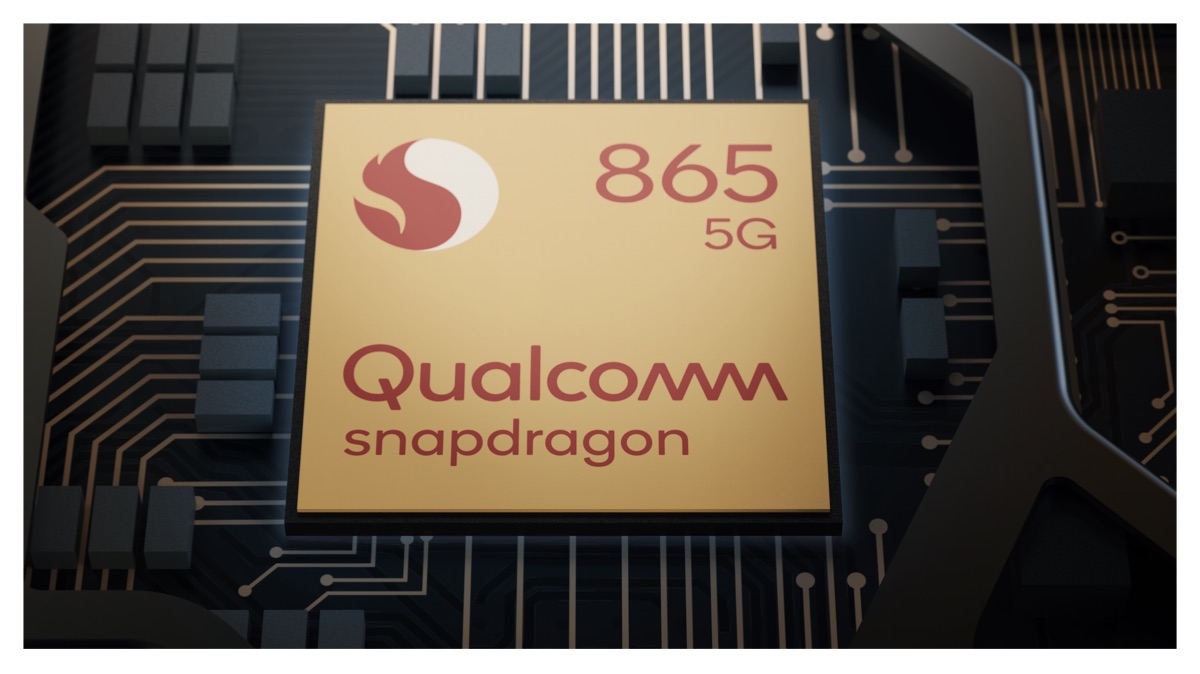
The Motorola Edge+ features a impressive mig of hardware under the hood. The Qualcomm Snapdragon 865 ties in the main compute with the Adreno 650 GPU for graphics. This is packed with 12 GB RAM and 256 GB of storage. this combination puts serious hurt on smartphones like the Galaxy S20+ which feature exynos chipsets and lower RAM and storage.
The Moto Edge+ also ties in a massive 5000 mAh battery although charging is limited to 18W. Despite the largest battery in segment the Edge+ loses out on rapid charge which can be seen in other devices.
Camera
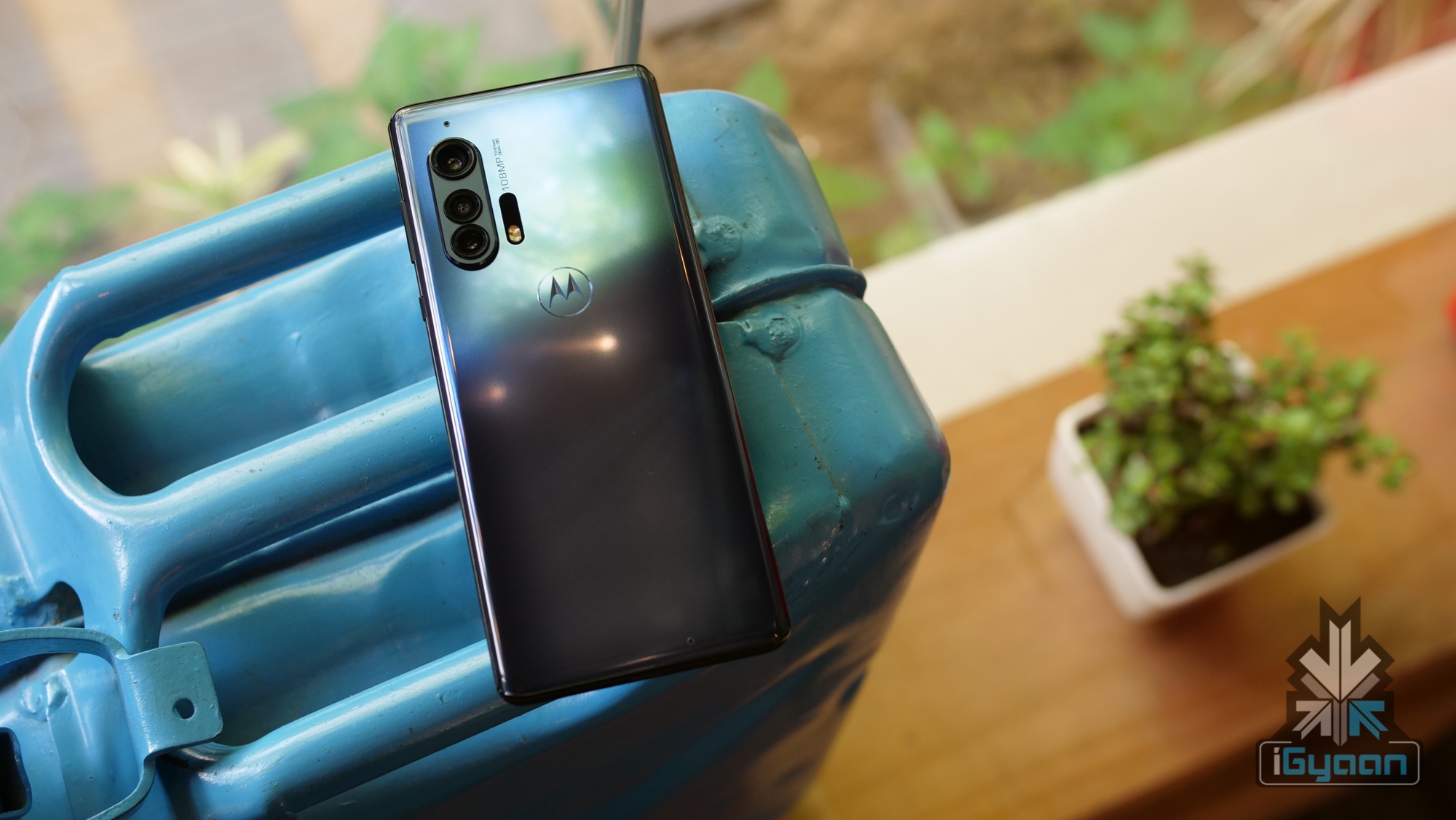
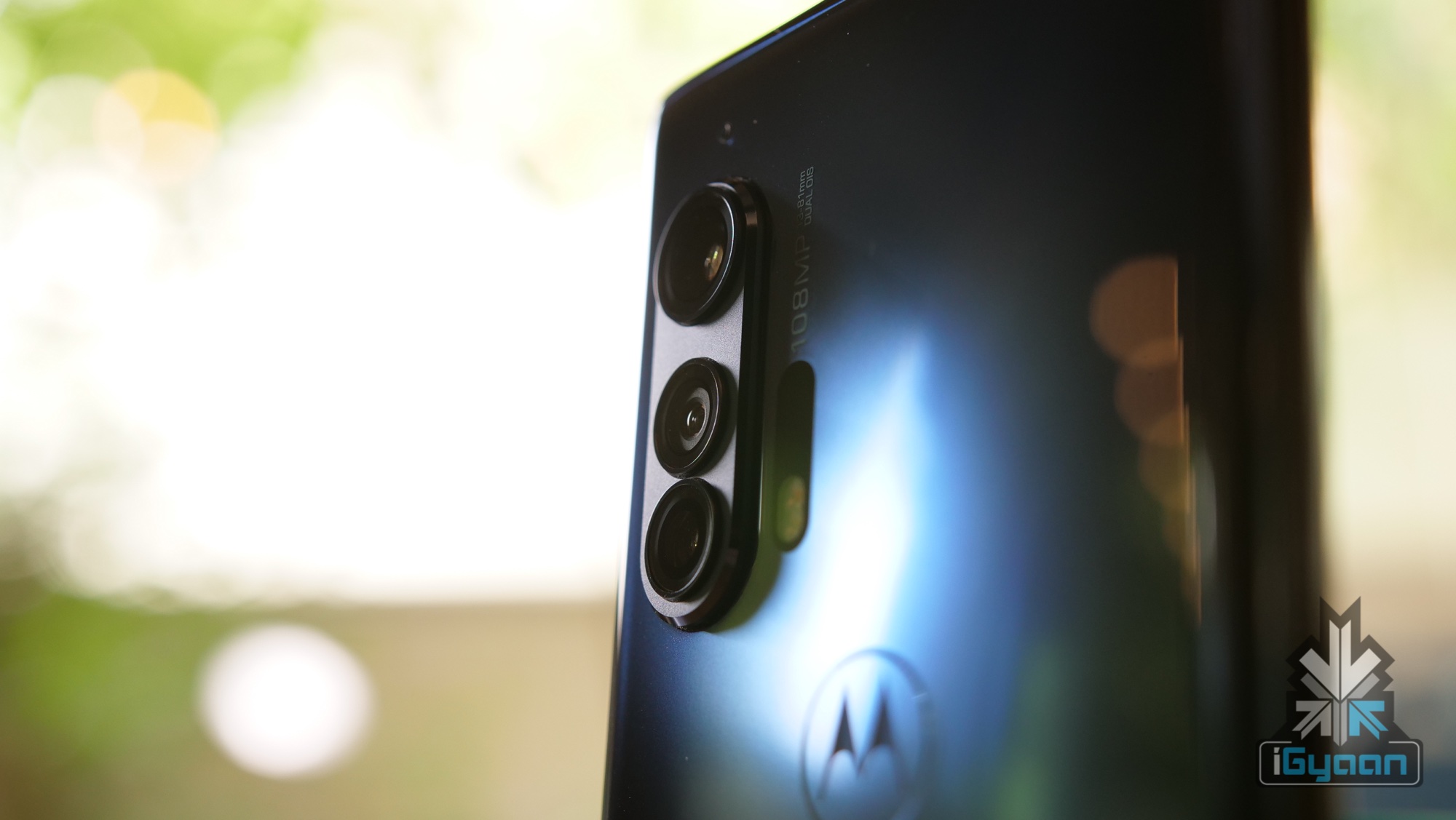
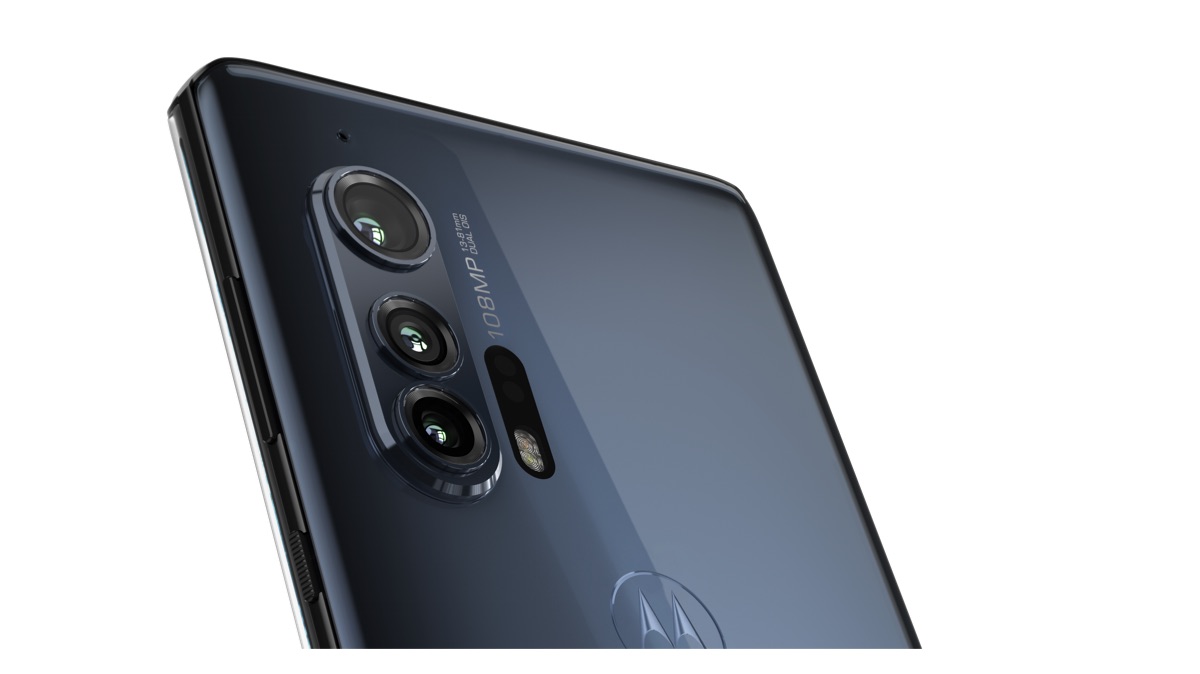
The Motorola Edge+ has an impressive mix of cameras. Starting with the main 108 MP, f/1.8 Sony sensor. The main sensor also capture 6K video and is also capable of ultra smooth video thanks to software and hardware based video stabilisation.
The second camera is a 16 MP, f/2.2 ultra wide camera which also doubles up as a macro camera. This is one of the best uses of the camera space much better than the 2 MP or 4 MP macro sensors seen on other devices. The third camera is an 8MP telephoto camera. The cameras are paired up with a TOF sensor to improve depth mapping.
The front camera has a 25 MP, f/2.0 sensor which is capable of portrait shots and slow motion video.
Other Aspects
The Motorola Edge+ is a return to flagship device for Motorola. While the company has focused it’s efforts in the US and EU the brand has stayed away from launching premium handsets in India. The Motorola Edge+ changes that.
The company promises updates for 2 generations of Android at a minimum. So it runs on Android 10 and will be at the least updated to Android 12. The UI also plays in with Motorola’s previous devices. Stock Android no custom skins or UI, no bloatware and no advertisements. The one Moto app to control some smartphone features like the Edge and Moto Gestures.
The Moto Edge+ is priced at Rs. 74999 with a permanent discount of Rs. 7500. Effective pricing the phone at Rs. 67500.
Motorola Edge+ Does miss out on some key things like any kind of water resistance rating. Even though the phone has a water repellent nano coating. The phone also limits charging to 18w while some phones offer upwards of 30W.
Motorola has finally entered the flagship smartphone race with the Motorola Edge+ and has also launched a sub-flagship Moto Edge.
Motorola has often stayed away from the flagship market, especially in the last few years. This changes with the Edge devices as Motorola steps up its game.
The Motorola Edge+ features a 6.67 inch AMOLED display with a 21:9 aspect ratio. The display also has a 90Hz refresh rate which features a auto switch to lower refresh rates on low batteries.
The 10 bit display is also HDR 10+ rated and the phone utilizes the edge in several ways. The most interesting of which is the ability to add trigger buttons to the edge of the screen. These will act as tactile buttons during gaming on games like PubG Mobile and COD Mobile.
Motorola is also using the Edge for notifications and animations during charging. Speaking of which the phone offers 15W Wireless charging, 18W Wired charging and also reverse wireless charging. The Moto Edge+ also features a 5000mAh battery.
Motorola is also pushing camera capabilities with the devices. The main camera on the Edge+ is 108 MP 1/1.33″ Sensor with an f/1.7 aperture. The camera also offers 27 MP shots using the Quad Pixel tech to improve low light performance and dynamic range. This is paired with an 8 MP 3 times optical zoom telephoto sensor with f/2.4 aperture.
Motorola claims that the cameras offer 6K video with the best in Industry Video Stabilization. The cameras also get a video portrait mode which is becoming more and more popular. Motorola also offers its popular Night Vision photo modes on both front and rear cameras.
Motorola has managed to use a single sensor for both Wide and Macro shots which sits at 16 MP with an f/2.2 aperture. The Edge+ also packs a TOF sensor with dual LED Flash.
The innards of the Motorola Edge+ also competes with the latest flagships. The Moto Edge+ has a Qualcomm Snapdragon 865 chipset with an Adreno 650 GPU. The phone is also capable of 5G with the X55 chip and will work on all bands including those in India when 5G becomes available. On the memory front the Motorola Edge+ has 12 GB RAM and 256 GB UFS 3.0 Storage.
Motorola claims to also have worked on improving the Android interface on their devices starting with the Edge phones. Motorola has launched My UX which will be accessible from the Moto App. The interface on the phone remains as close to vanilla Android as before on Motorola devices with a few additions. Including Moto Game time which will also allow the customization on the trigger buttons among other things, like avoiding disturbances during gaming.
Motorola will also allow for completely customized themes which will also be accessible from the MyUx mode in the Moto App. Motorola also includes the new Moto Audio app which will allow users finer control on their audio including that from the Dual Stereo speakers, which Motorola claims are loudest in the industry. These are also tuned by Waze audio. Moto Edge+ is also one of those rare devices that continues to provide a 3.5 mm headphone jack.
The Moto Edge, a more affordable phone from Motorola maintains all of the same features of the Moto Edge+ except a few. For one the chipset is the Qualcomm Snapdragon 765. The main camera also is reduced to 64 MP instead of the 108MP seen on the Edge+.
Moto Edge
The Moto Edge also has a 4500 mAh battery and removes the wireless charging seen on the Edge+. The MotoEdge will be available in a 6GB+128 GB variant and will offer expandable storage via microSD.
The Moto Edge+ is priced at US$ 1000 and available immediately, where as the Moto Edge availability and price is yet to be announced. Motorola plans to launch the Edge+ and Edge in India post the lockdown period and according to the company the device will be priced aggressively. We expect the flagship Moto Edge+ to be Priced at Rs. 59,999.
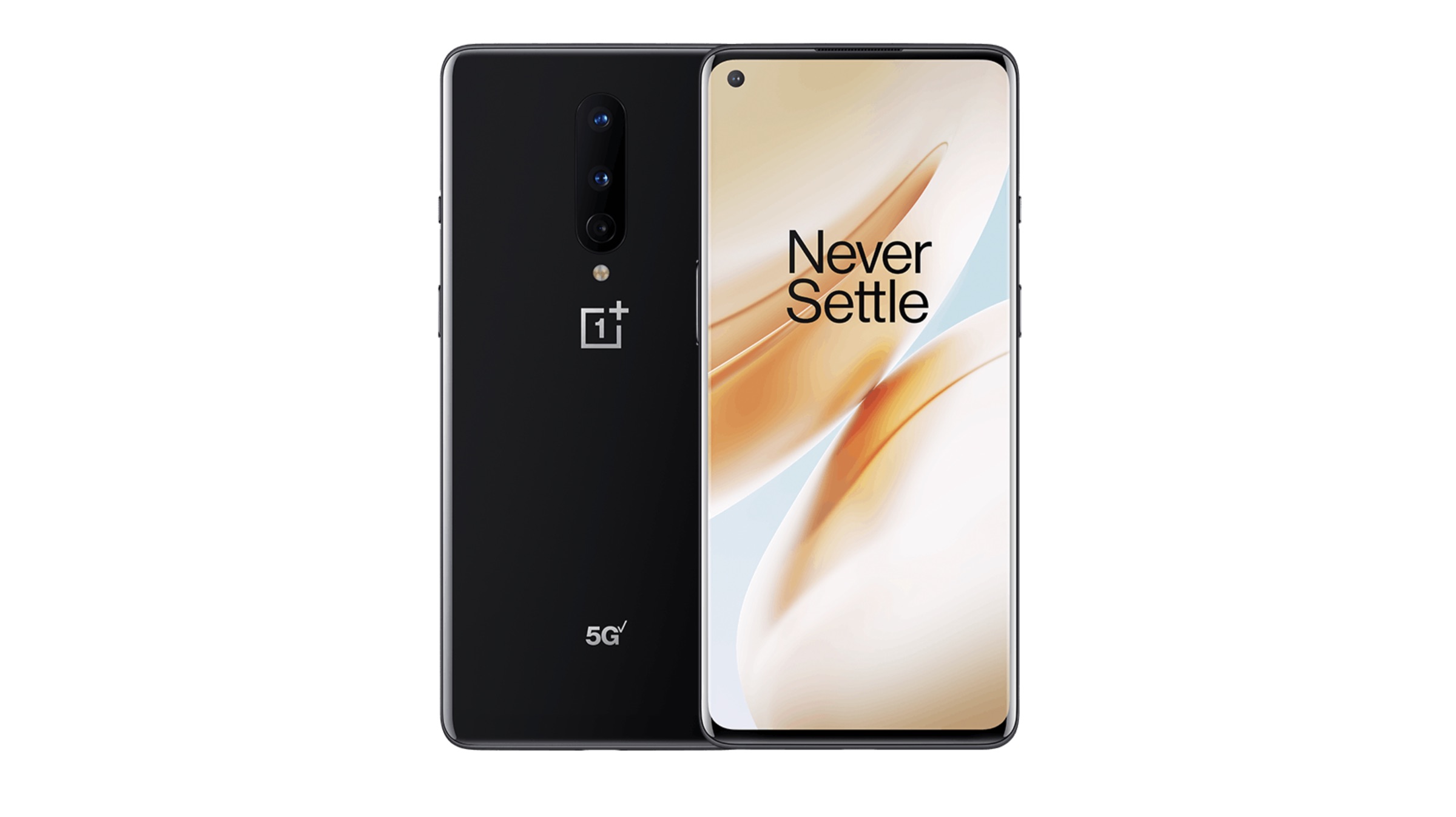
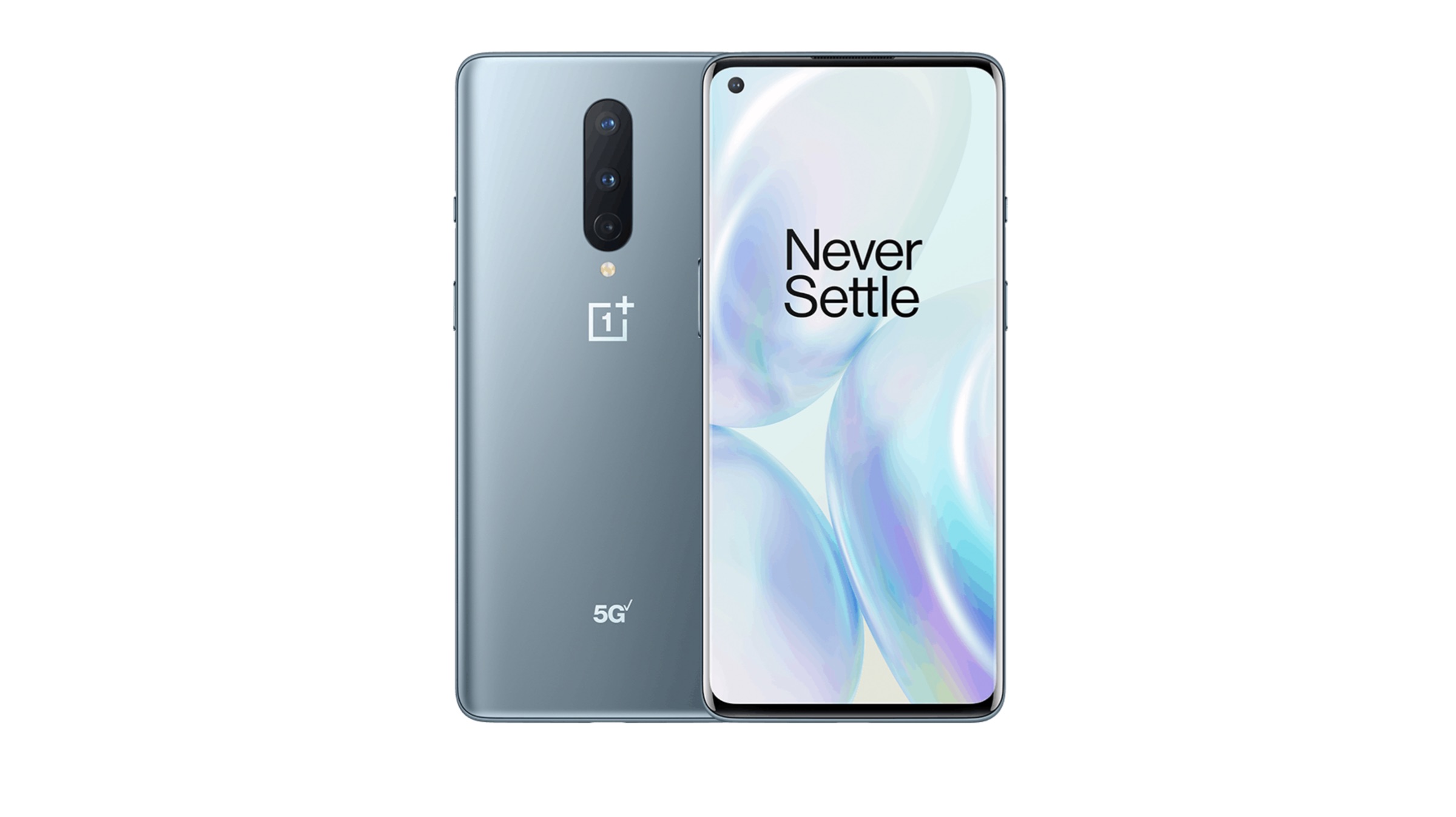
Amidst the global standstill, Oneplus has take its wraps off of the New Oneplus 8 series of phones. The highlight however remains the new OnePlus 8 Pro.
The OnePlus 8 Pro is the new current flagship for the company and manages to finally push the OnePlus name into a Flagship category.
The highlight of the phone is the 6.78 Inch QHD display which also has a 120 Hz refresh rate. It remains a Fluid AMOLED display with a 19.8:9 aspect ratio. A resolution of 3168 x 1440 px along with a 513 ppl pixel density make it compete with top smartphones. The display has HDR10+ and remains notch free but adds a left bias punch hole to mount the front camera.
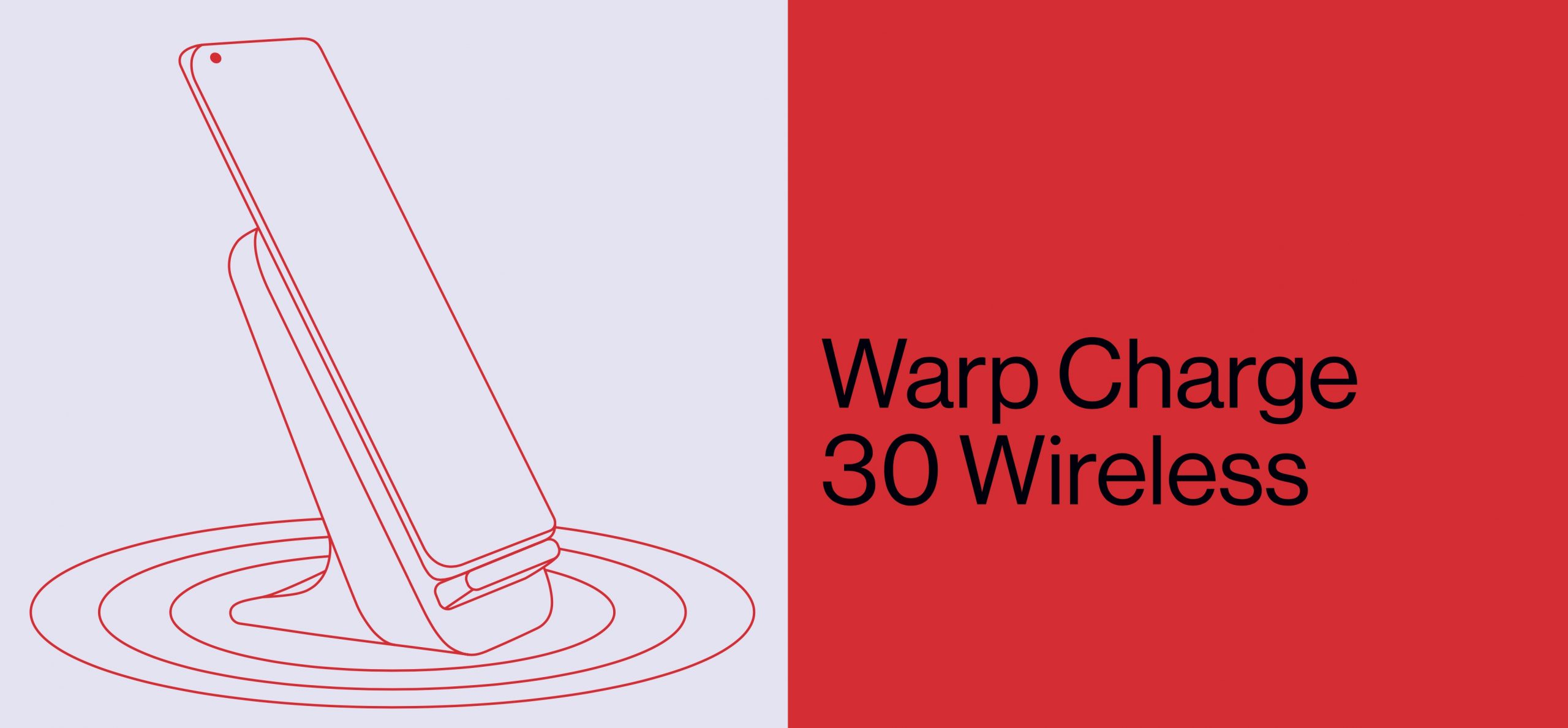
Another new update to the OnePlus 8 pro is the Warp Charge 30 Wireless. A long name given to the OnePlus 8 Pro’s fast wireless charging technology. This will enable a 1-50% charge wirelessly in 30 minutes for the phones big 4510 mAh Battery. The OnePlus 8 Pro also offers up a reverse wireless charge natively.
The 8 pro will also get the Warp Charge 30T which will give a 50% charge in just 23 minutes.
The innards on the OnePlus 8 Pro also get a 2020 push. A Qualcomm Snapdragon 865 chipset with a X55 5G Network chipset. Graphics are handled by a Adreno 650 GPU. The phone will be sold in options of 8 GB or 12 GB of LPDDR5 RAM and 128 GB or 256 GB of UFS 3.0 storage.
The camera also gets big focus this year with a 48 MP IMX689 sensor which will work with a pixel size of 1.12 ?m for 48MP and 2.24 ?m [4 in 1] for 12MP. The camera has an Aperture of f/1.78.
The tele camera gets an 8MP sensor with a 1 ?m pixel and an f/2.44. The ultra wide camera has a 119.7° field of view and a 48 MP sensor with an f/2.2 aperture. The 4th sensor is a 5 MP colour filter sensor with an f/2.4 aperture.
The primary and the tele camera gets OIS and the phone will capture 4K video at 30/60 fps, 1080p video at 30/60 fps Super Slow Motion 720p video at 480 fps, 1080p video at 240 fps. And will generate Time-Lapse at 1080p 30fps, 4k 30fps.
The OnePlus 8 Pro is protected by 3D Gorilla Glass on the front and the back. For security you will get Face Unlock and an in display fingerprint sensor. The OnePlus 8 pro weighs in at 199gms and is 8.5 mm thick. 165.3 mm tall and 74.35 mm wide. color options include Onyx Black, Glacial Green and Ultramarine Blue.
Oneplus has taken a huge gamble in launching their phone amidst a global crisis. This is bound to impact interest and sales of their new devices. With lockdowns all over the world pushed further back. Oneplus’s new powerful phones may not get their fair share of boost for the promising packages they offer.
The Amazon Great Indian Festival sale is one of the biggest online only sale periods in the country. For electronics fans in India, this is a goldmine of deals and offers to get their favourite products at really good prices.
If you are Amazon prime member you can get access to the Amazon Great Indian Festival deals before “Non-prime” members i.e. 12th October. So the first thing you should do is head to the Amazon Prime membershipand get it for Rs. 999. This not only gives you access to the sales, but also free one/two day delivery and also content services like Prime Video and music. If you are a non prime member the deals will be unlocked starting 13th Oct.
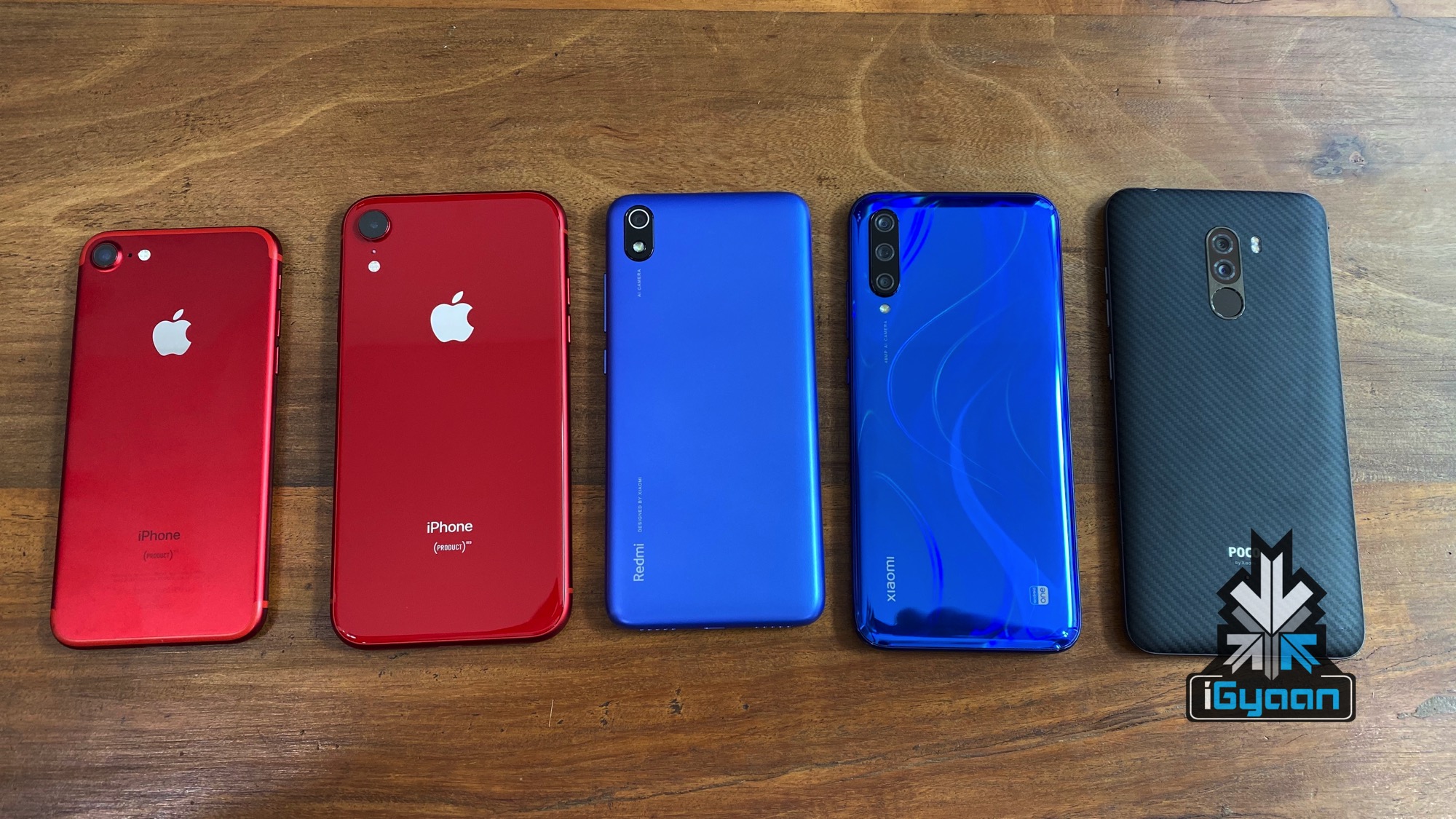
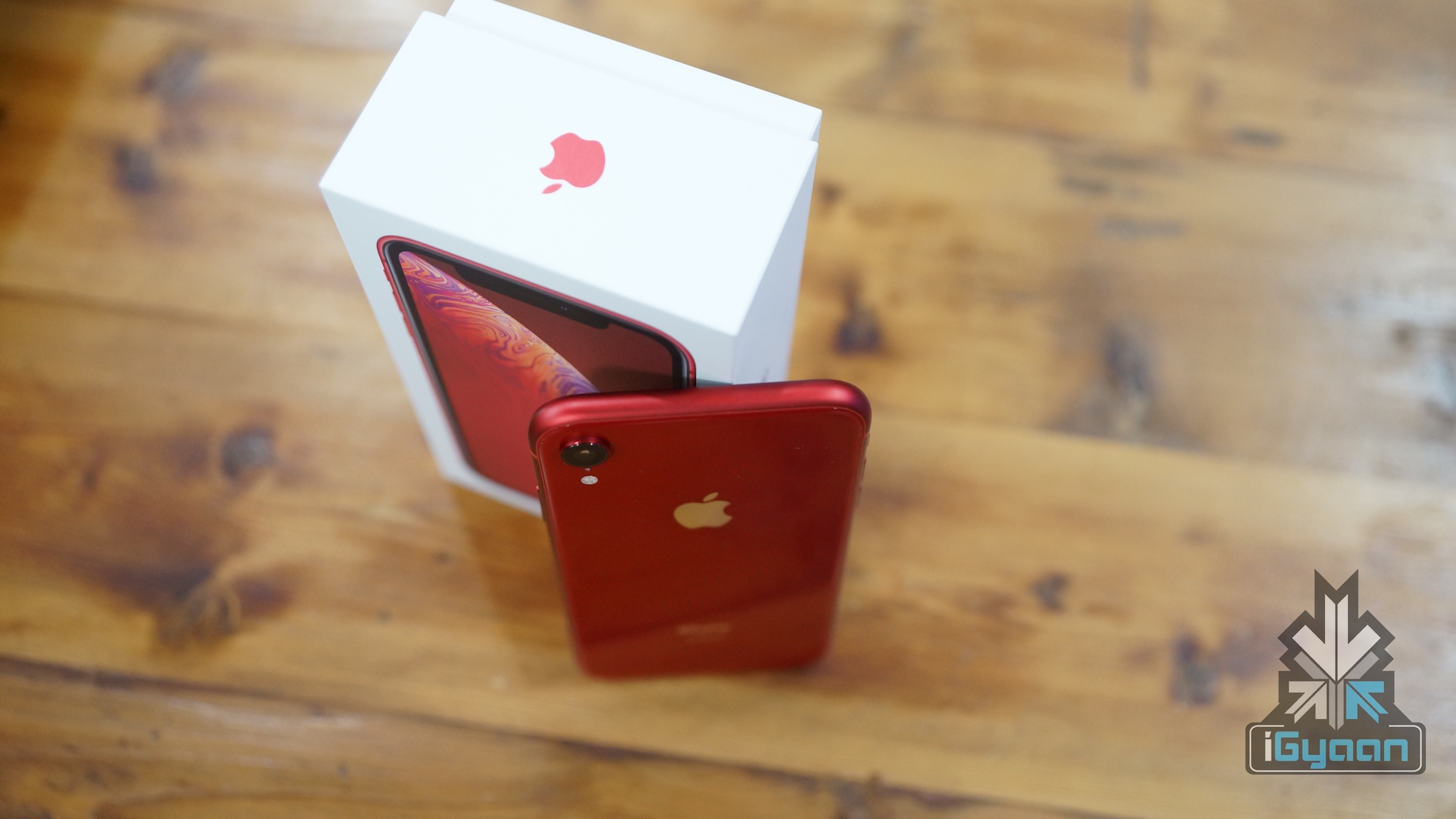
Apple iPhone XR The Apple iPhone XR which went on sale for upwards of 70k is now available for Rs. 42999 before offers during the Amazon Great Indian Festival. The iPhone XR supports dual sims via Apple’s E-sim and also has all the hardware performance of the flagship XS and XS Max. The iPhone XR is available in great colours and will supports latest iOS updates for the next 3-4 years. With some additional cash back and EMI offers you can easily get the phone for under RS. 40000.
Apple iPhone 6s Apple’s entry level phone the iPhone 6s will drop to Rs. 22999 for the Amazon Great Indian Festival. Making the iPhone 6s the cheapest Apple iPhone on sale. the iPhone 6s still has Touch ID, excellent cameras, performance to run games like PUBG seamlessly and excellent battery life. The iPhone 6s also updates to iOS13 and will offer updates till iOS 14.
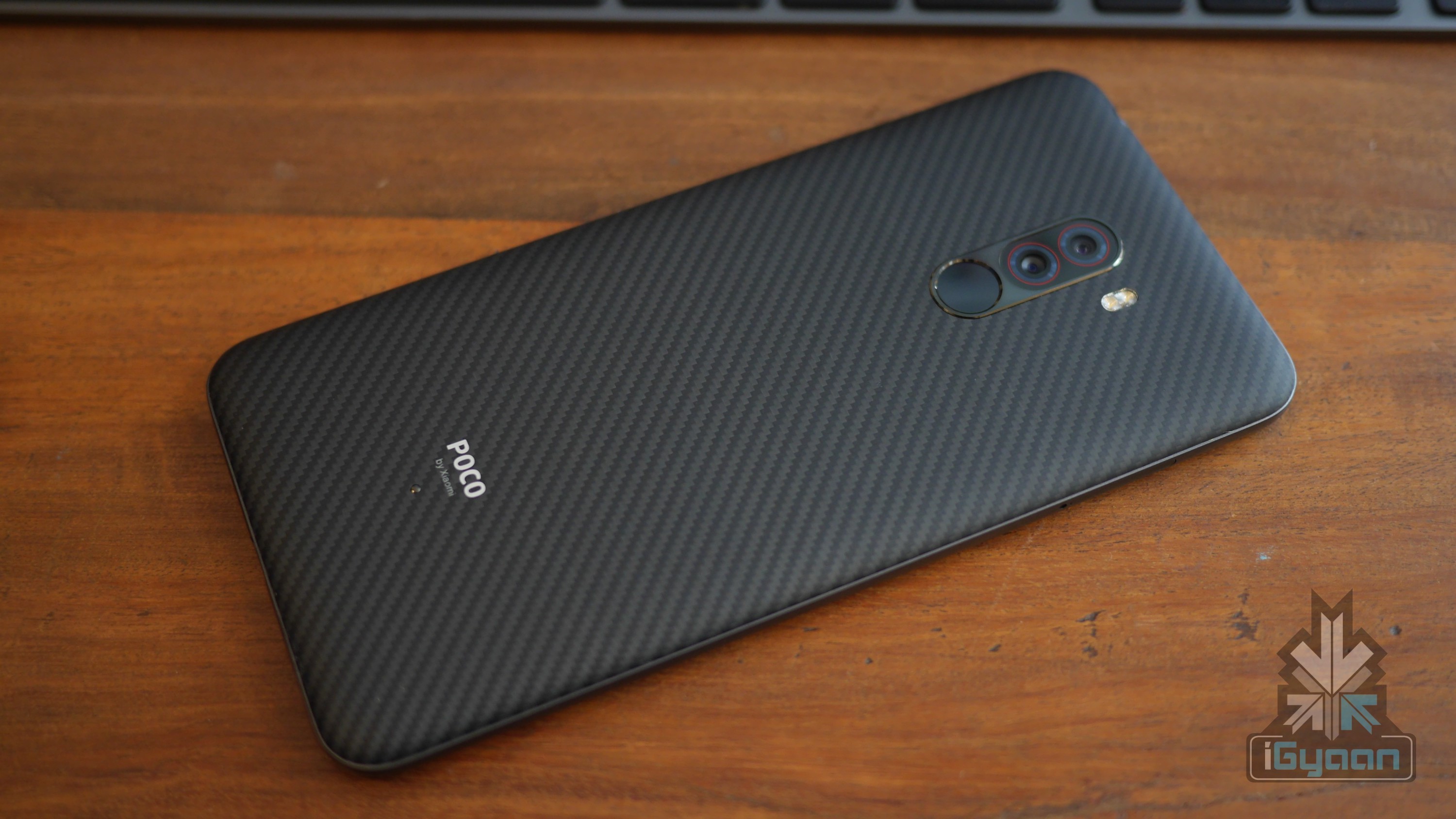
Poco F1 The Poco F1 was launched as a game changer, and people have often referred to it as a real flagship killer. The F1 has the Snapdragon 845, 6GB Ram and 128 GB storage. This mixed with good update schedule from POCO has created a huge community and fanbase. The F2 has not been launched yet. But the F1 is on sale for Rs. 15999 during the Amazon Great Indian Festival, plus addition 1000 via Amazon Pay.
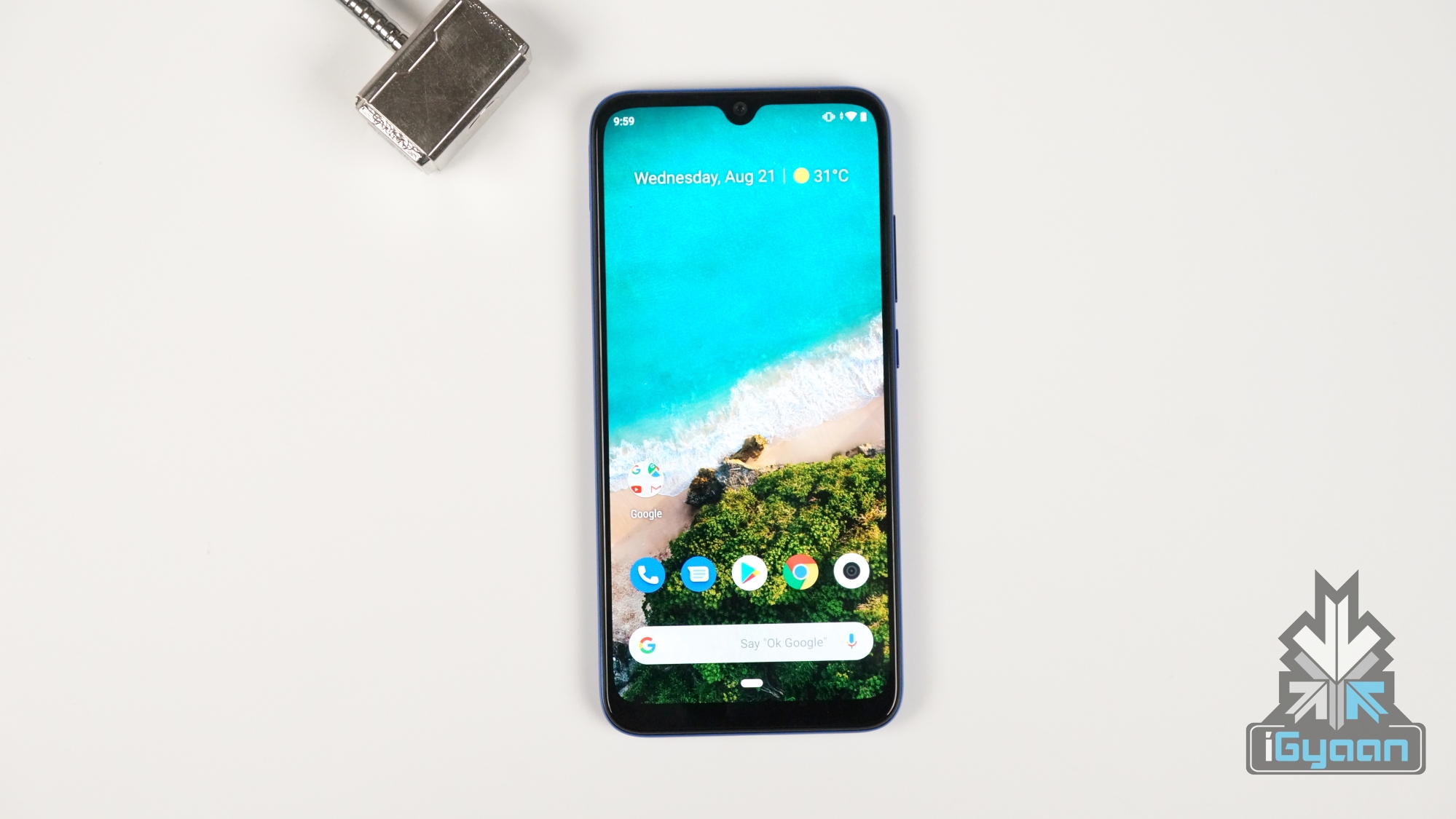
Xiaomi Deals The Redmi 7a is now available for Rs. 4999, while the stock android Mi A3 is now on sale for Rs. 12999. The Redmi 7 will now be available for Rs. 6999.
Samsung Deals The Samsung M10, M30 and M30s all go on sale during the Amazon Great Indian Festival. All phones were launched earlier this year and offers Samsung latest UI along with new camera and usability features.
Accessories Deals : Mi Sports Bluetooth Earphones for Rs. 1299 RealMe Wireless buds for Rs. 1799 Samsung Level U Earphones for Rs. 2199
Power Banks : Mi 10000 Powerbank for Rs. 799 Mi 20000 Powerbank for Rs. 1399 Duracell 10050 Powerbank for Rs. 1299 Anker Powercore 10400 For Rs. 1699
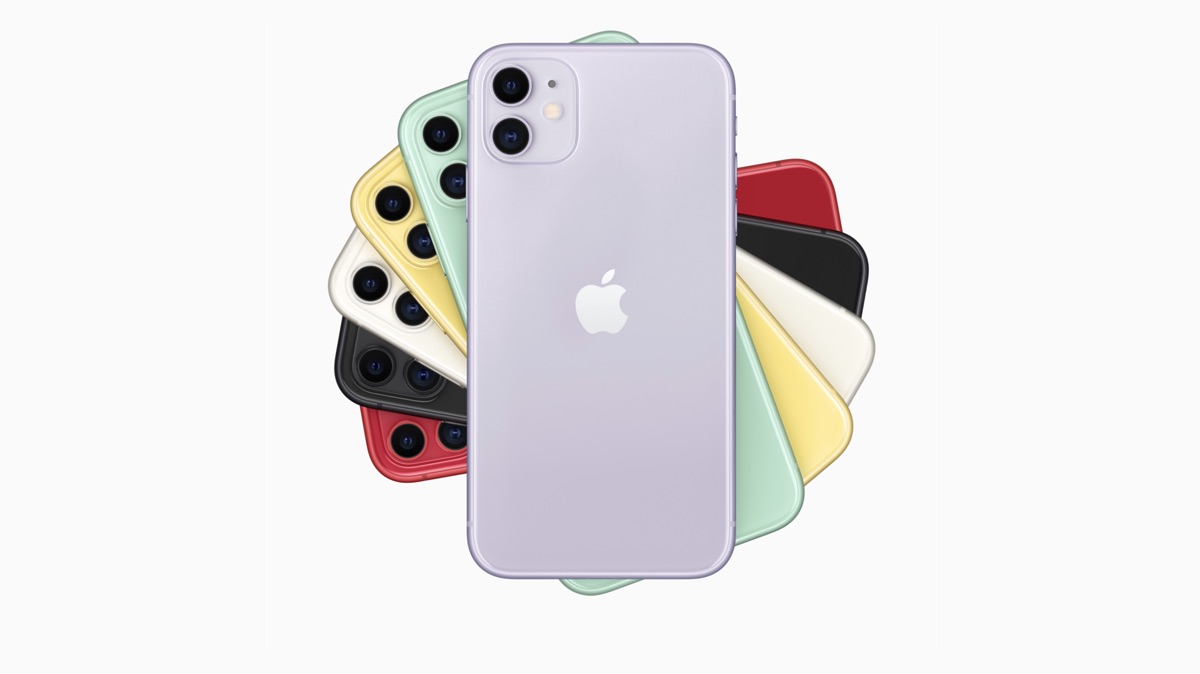
Apple has updated their 2019 lineup of the iPhone with the iPhone 11. This is more a revision to the iPhone XR which retains the design and aesthetic.
The design however uses a new square block on the back to house the new dual cameras. The dual camera allows portrait mode for humans and non human shots which was not possible on the iPhone XR. The cameras also shoot 4k 60p across both cameras. The difference here is that one of the cameras is an Ultra wide instead of telephoto.
https://www.youtube.com/watch?v=H4p6njjPV_o
The iPhone 11 also adds a new night mode which is automatically enabled for low light environments. The front camera also gets bumped to 12MP along with 4K 60fps video capture and Slow Mo videos on the front camera.
There are also new portrait studio lighting effects which look impressive.
The display on the Apple iPhone 11 is a 6.1 inch Liquid Retina display also similar to the iPhone XR. But the innards get an upgrade with a new Apple A13 Bionic chip.
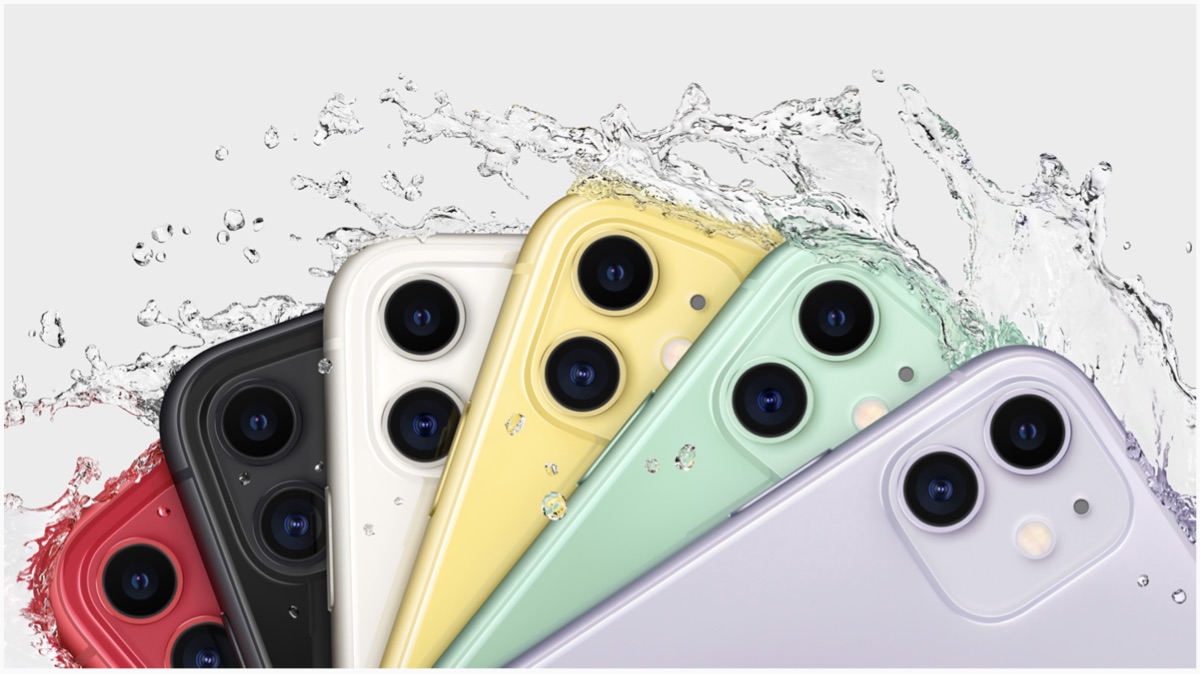
The Apple iPhone 11 retains the iP68 water resistance along with an aluminum body.
iPhone 11 also improves the battery, with Apple claiming an additional 1 hour of battery life.
The Apple iPhone 11 starts at US$ 699. In India the iPhone 11 will be available in 64GB, 128GB and 256GB models in purple, green, yellow, black, white and PRODUCT(RED) starting at INR 64,900.
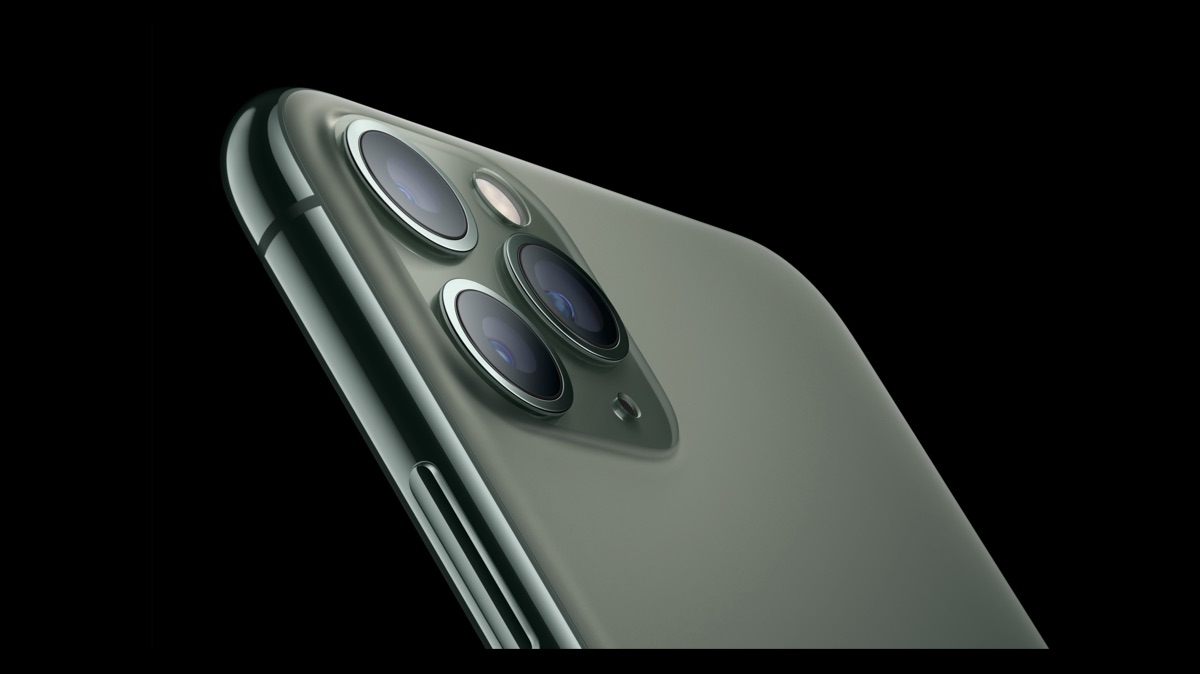
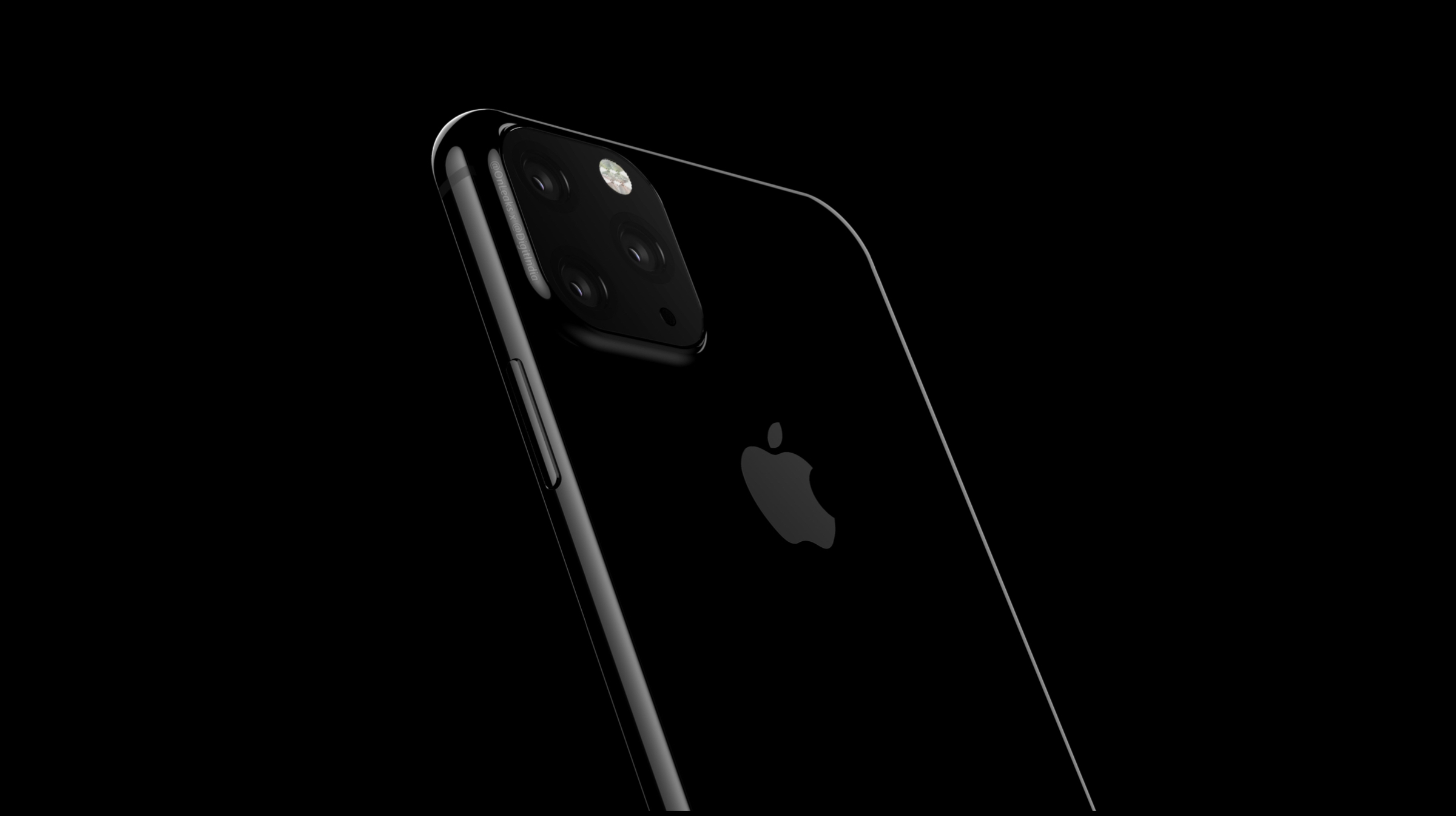
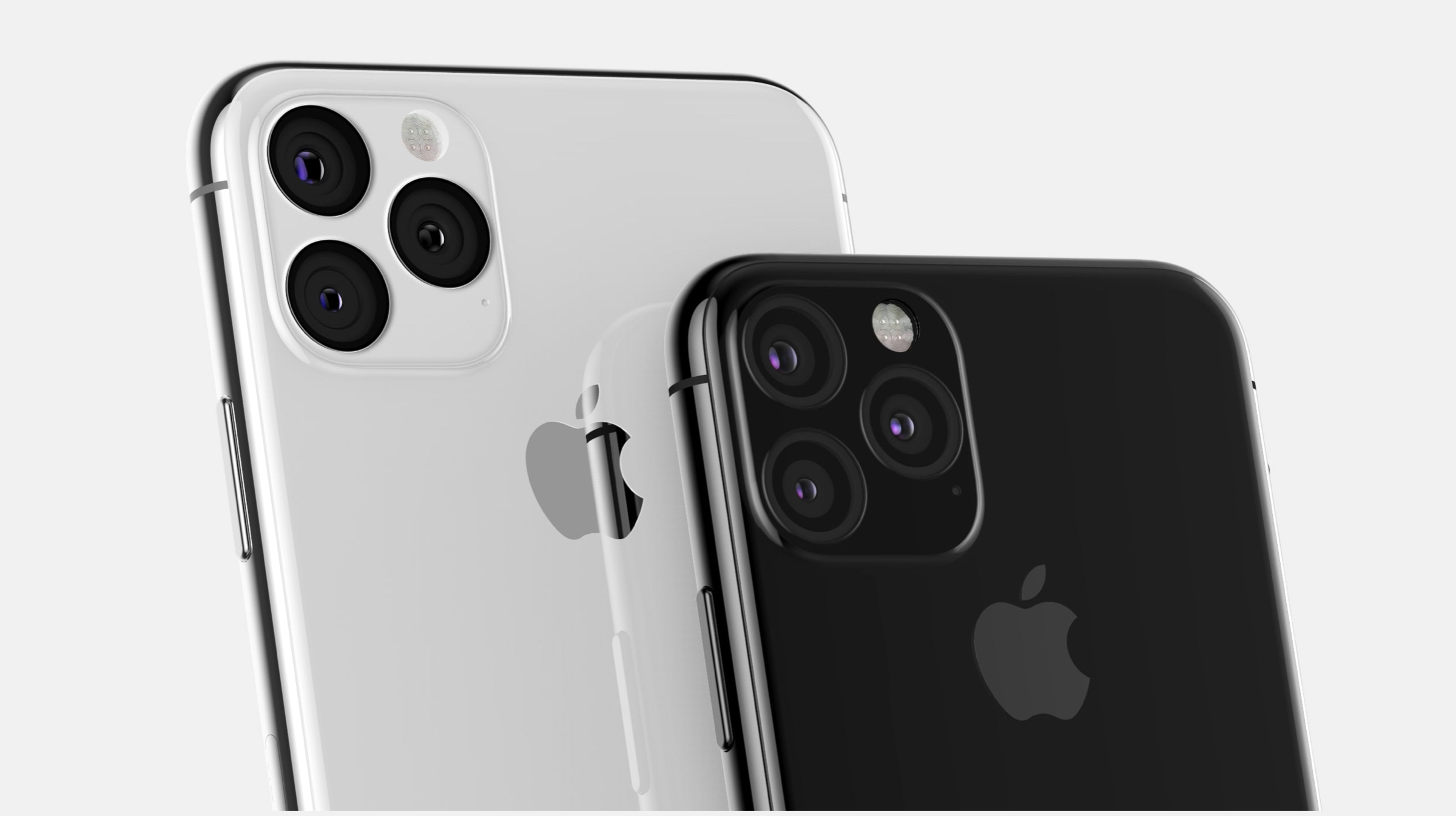
The heavily leaked design of the new iPhone 11 Pro came to life as Apple announced the new phones today. The new phone has triple cameras at the back a new display and the new A13 Bionic Chip.
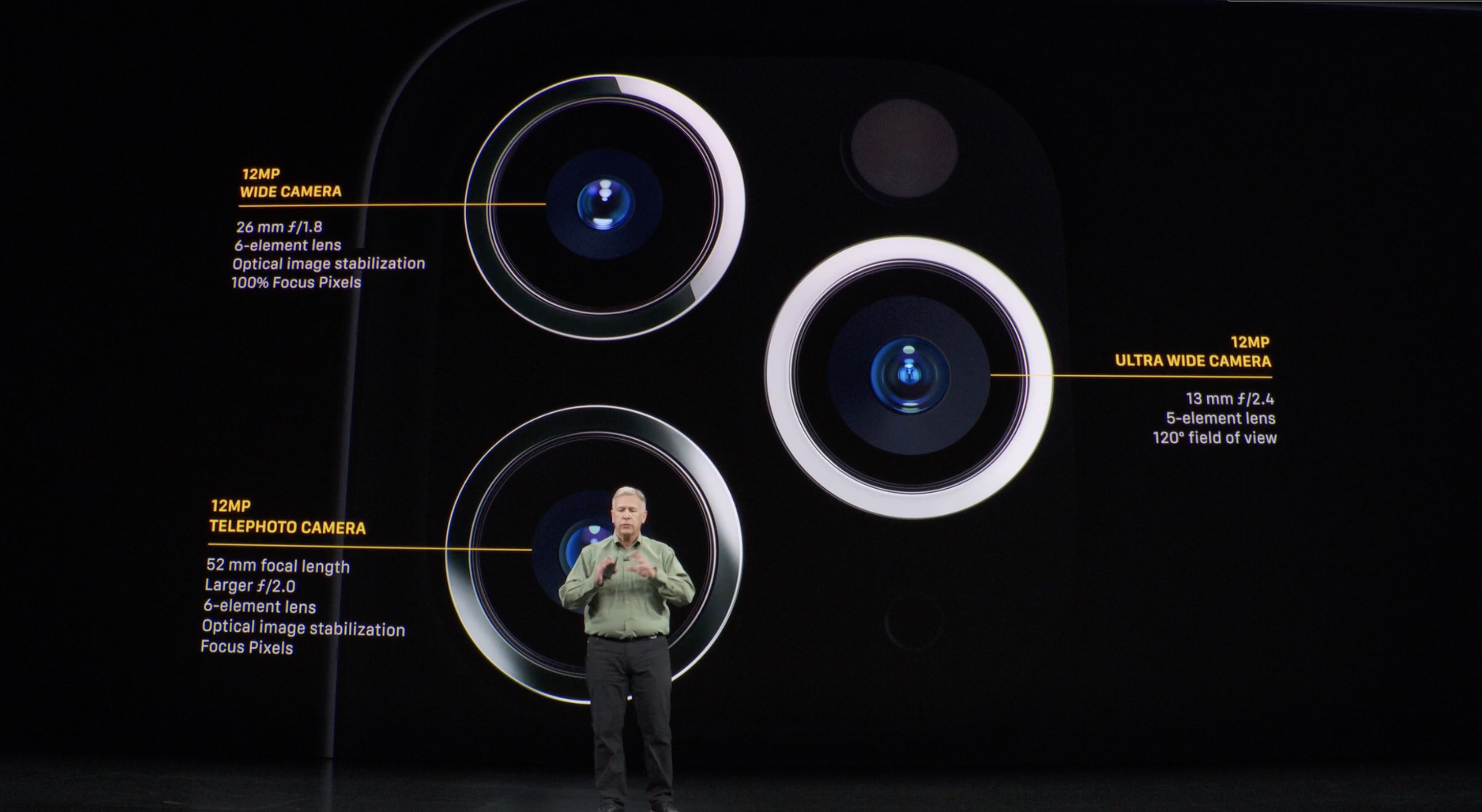
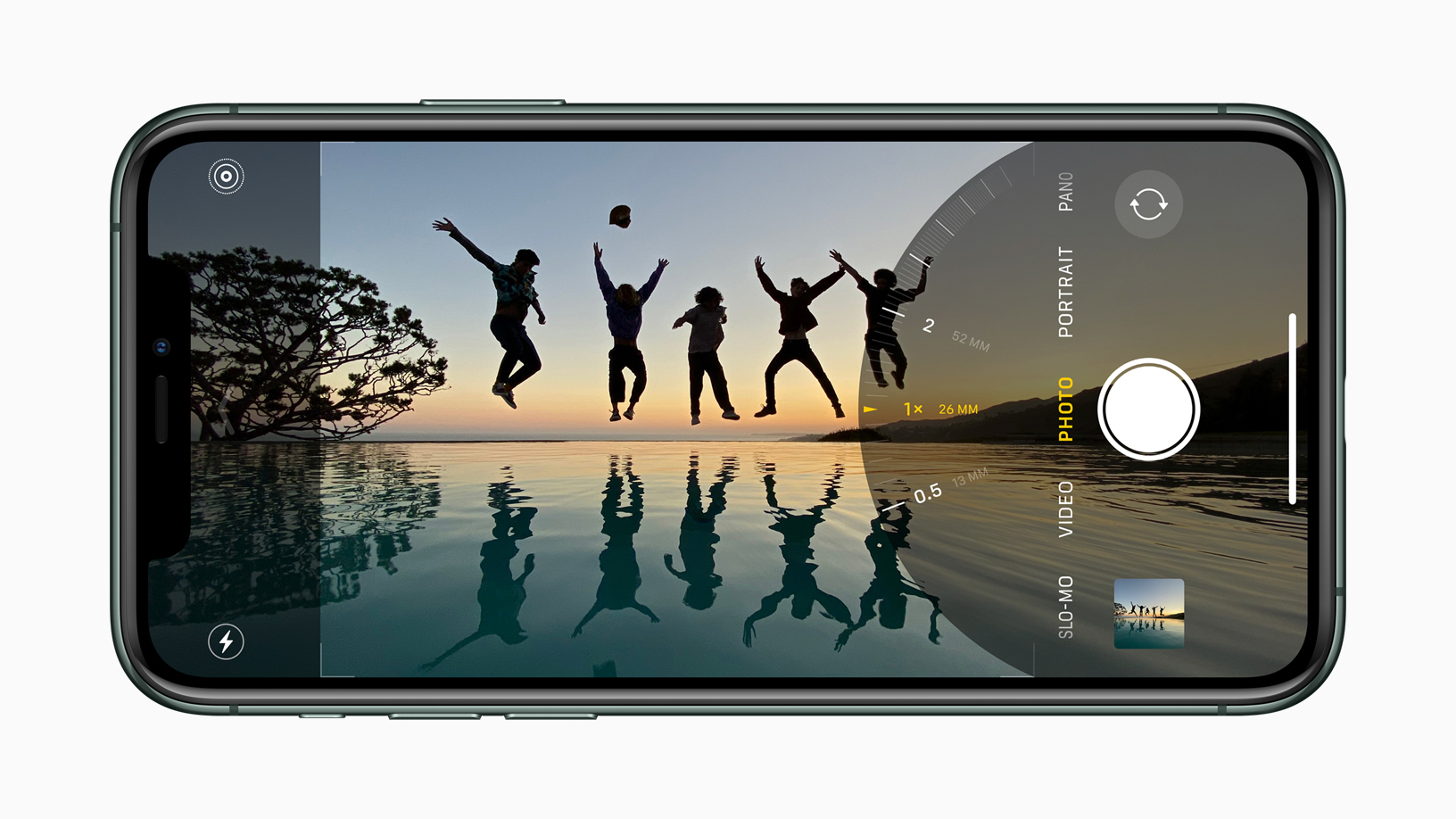
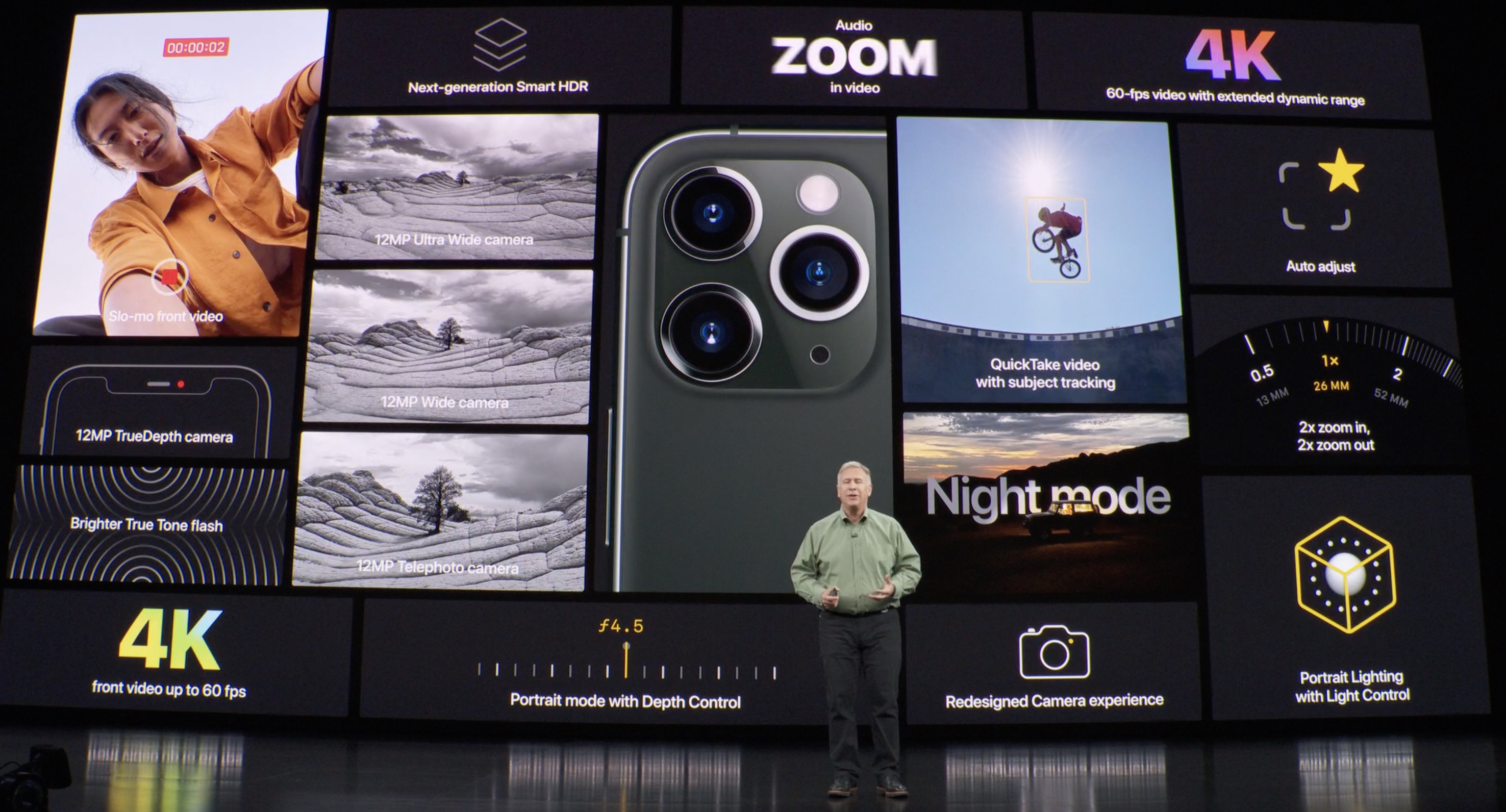
The Apple iPhone 11 Pro and iPhone 11 Pro Max get a new triple camera setup. A primary 12 MP camera with an f/1.8 aperture, 26mm lens and OIS. The second camera is a telephoto 12 MP sensor with a 52mm lens with an f/2.0 aperture. The third is an ultra wide camera also a 12MP sensor with a 13 mm lens and an f/2.4 aperture.
A new feature that will be enabled with a software update is called Deep Fusion that takes 9 pictures and fuses the pixels from the images to get really sharp images.
The video is now 4k 60fps with extended dynamic rage across all three camera sensors. The video capture now offers low light performance, and deep blacks across the video spectrum.
The cameras and the new A13 Bionic chip are versatile enough to capture multiple video streams together. Which means you can simultaneously record a standard video and a zoomed in video. This will also work on the front camera which is also a 12 MP sensor with 4k 60fps recording capabilities. This will be a great feature for video makers to exploit.
https://www.youtube.com/watch?v=cVEemOmHw9Y
The new iPhone 11 Pro and iPhone 11 Pro Max will start at US$ 999 and US$ 1099 respectively.
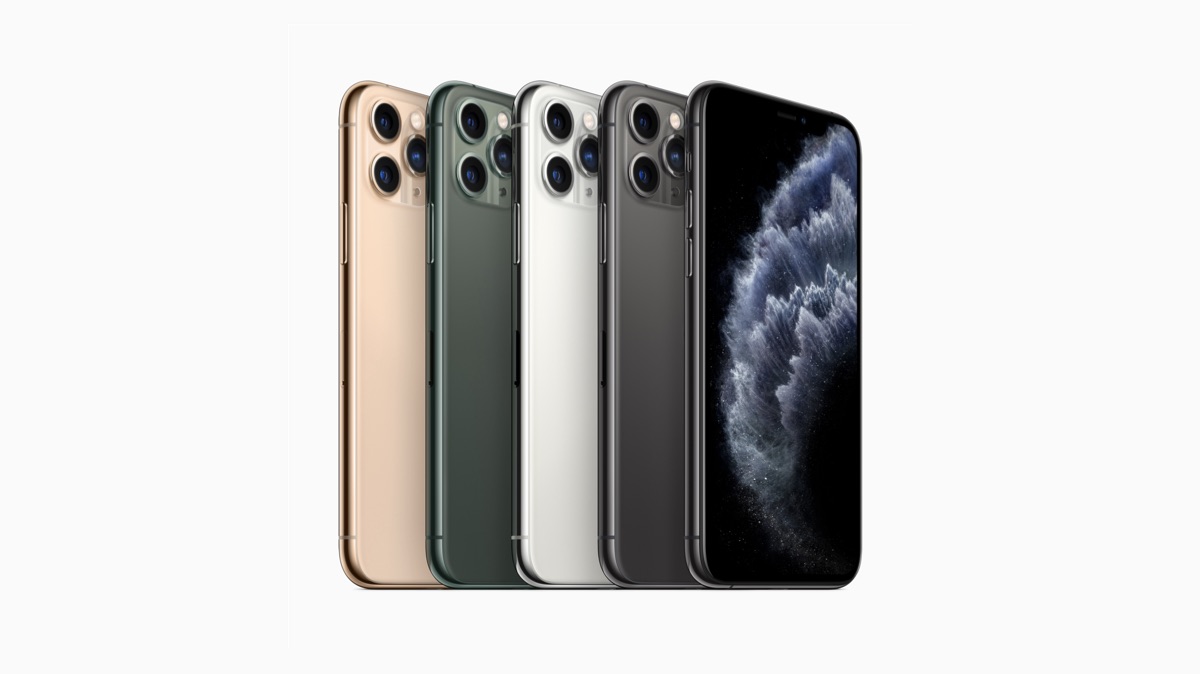
The Apple iPhone 11 Pro and iPhone 11 Pro Max will be available in 64GB, 256GB and 512GB models in midnight green, space gray, silver and gold starting at INR 99,900 and INR 109,900
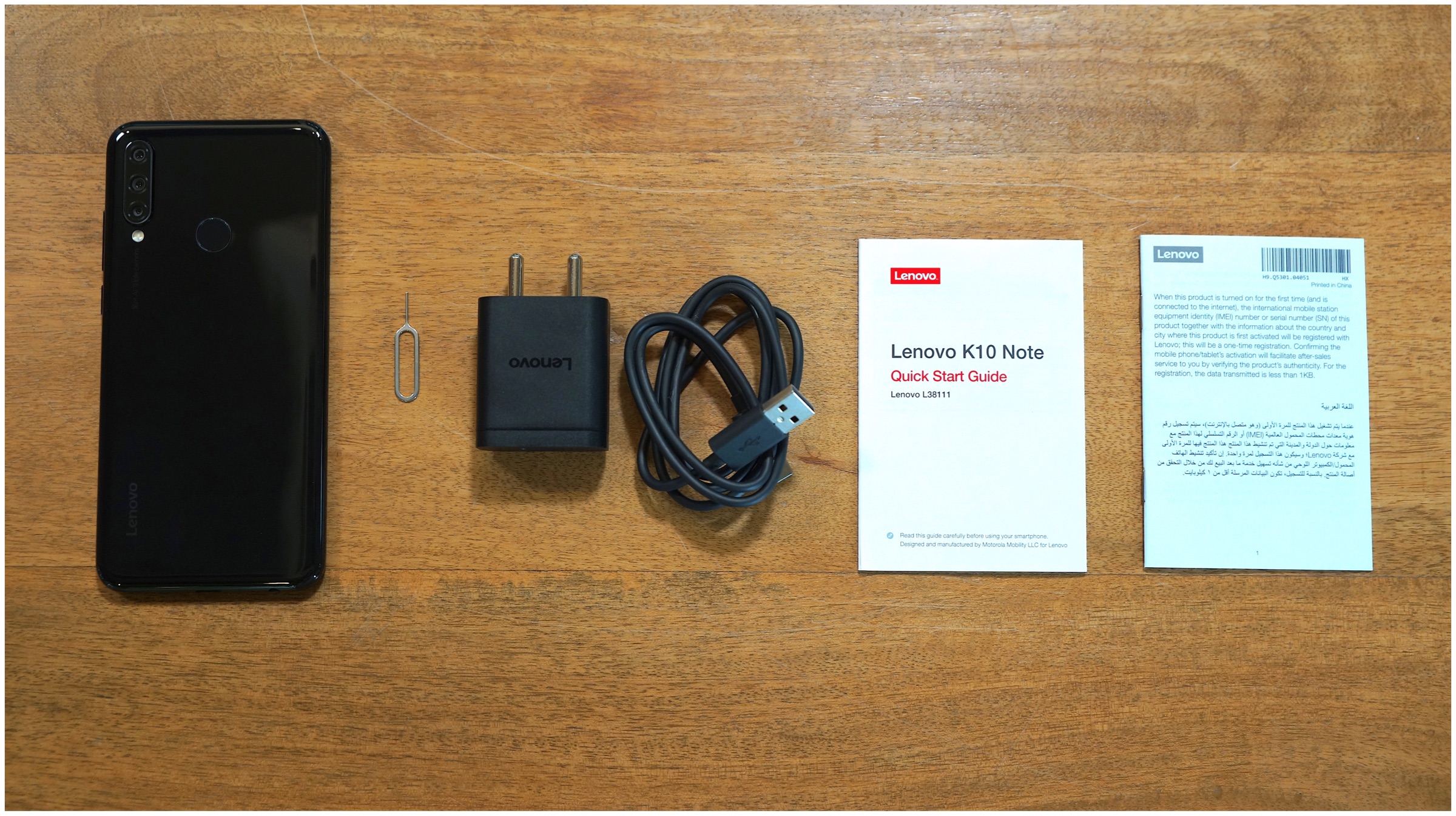
Lenovo has just announced the K10 Note which is the latest entry in its K series of smartphones. Interestingly, the Lenovo’s smartphones have been discontinued globally and are only available for the Indian market owing to its popularity. The K10 Note is a mid range smartphone with notable specs and the in this article we will be covering our hands on first look at the device and its unboxing.
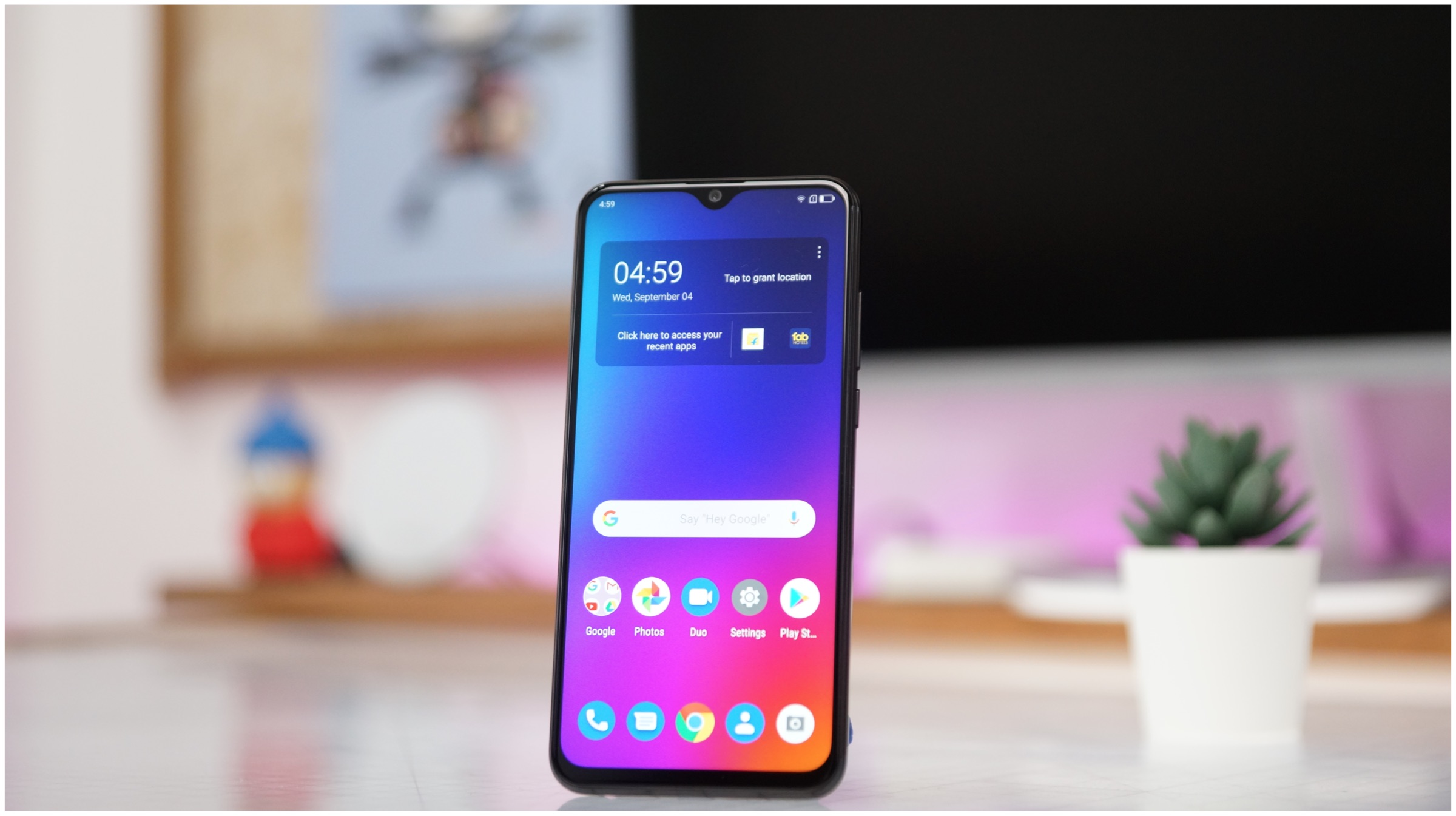
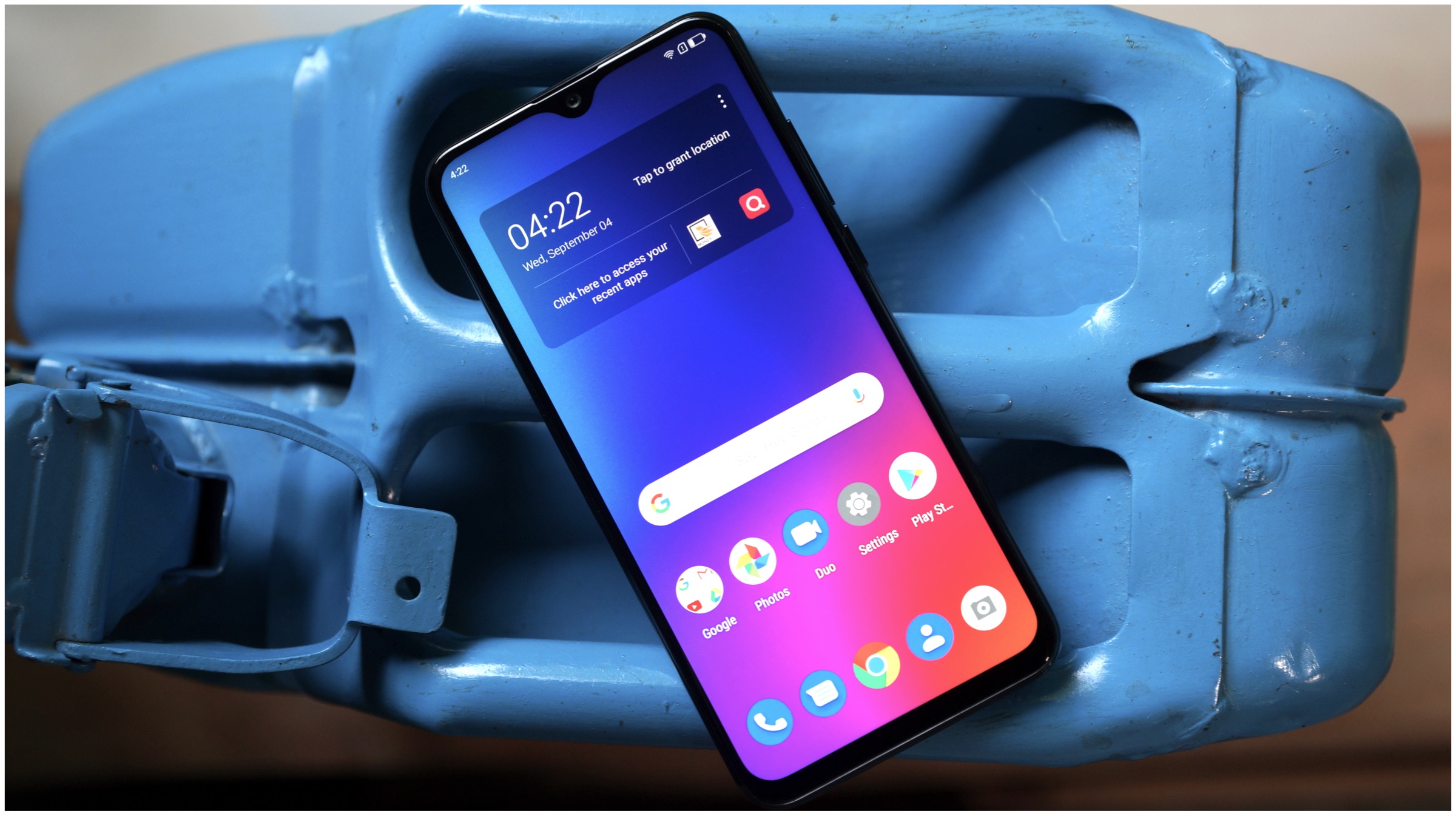
Lenovo’s K10 Note features a large 6.3 inch FHD+ LCD display with an 19.5:9 aspect ratio. The device also sports a waterdrop notch which the company is calling the dewdrop notch on its MaxVision display. Furthermore, it features a screen to body ratio of 90% as well that translates to a better overall viewing experience. The left side of the device is bare with only a SIM card slot whereas the right features the volume rockers and power button. On the top, you find the secondary mic while the bottom has a USB Type-C port flanked by a headphone jack and lone speaker grill.
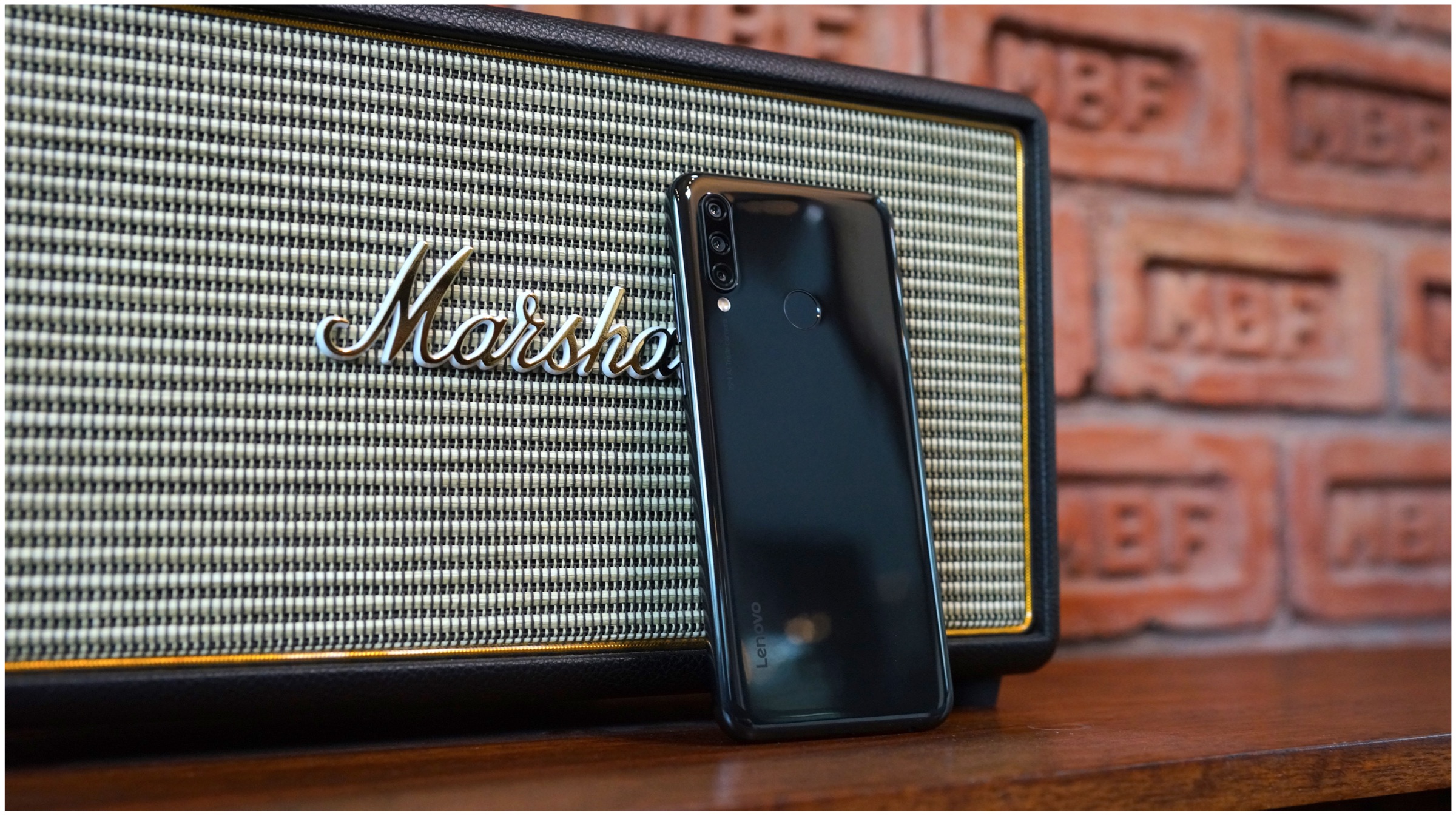
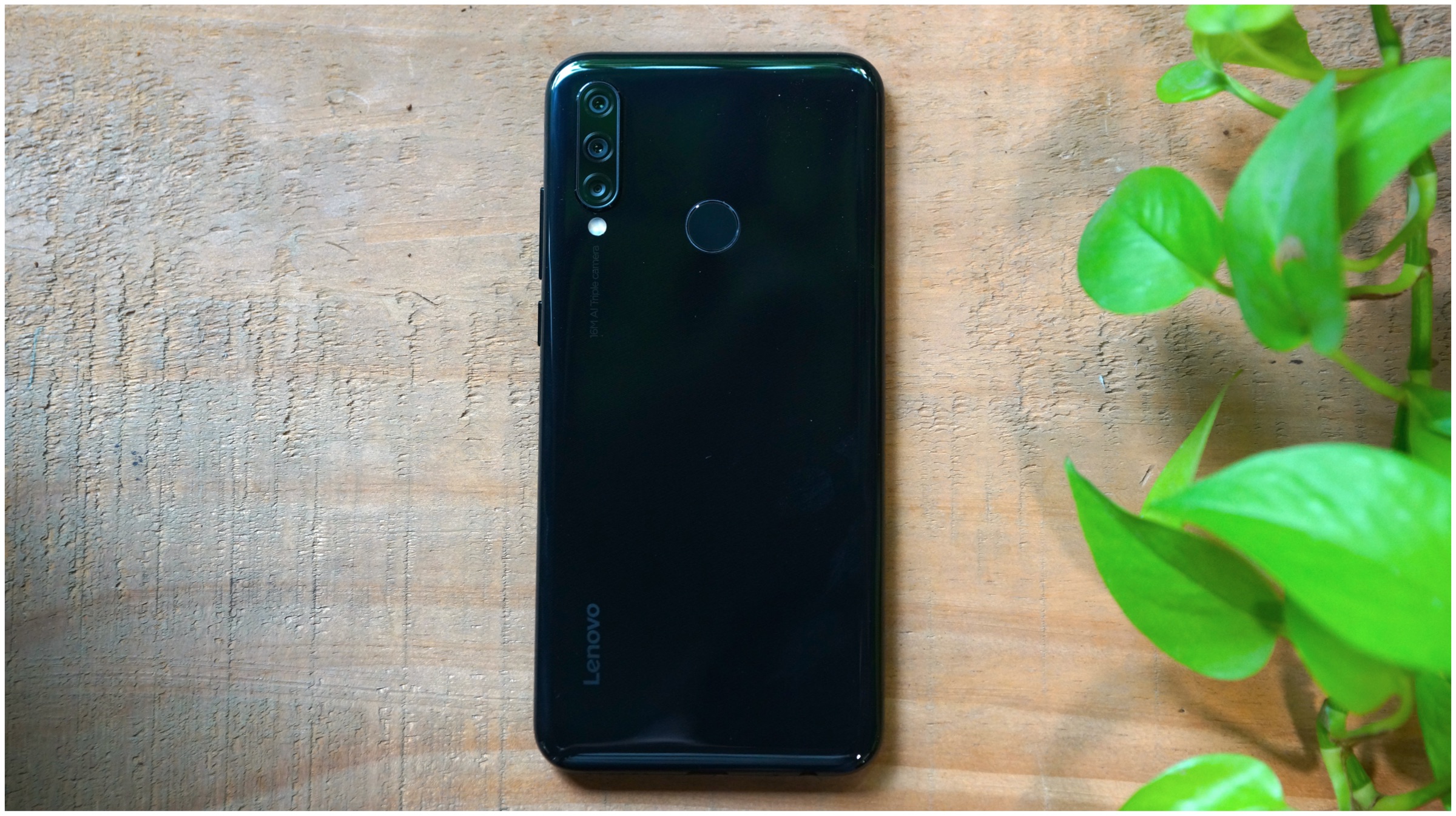
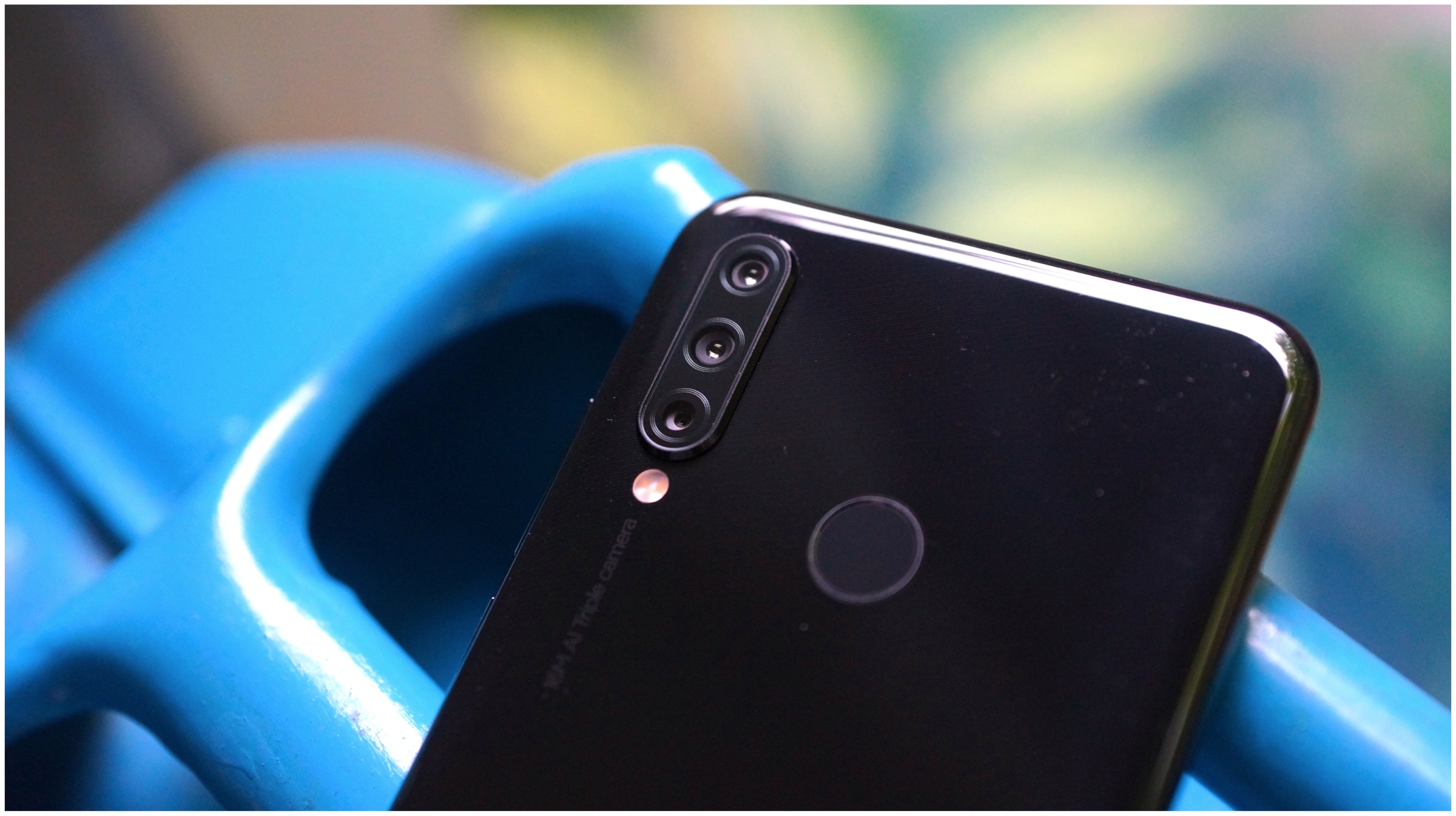
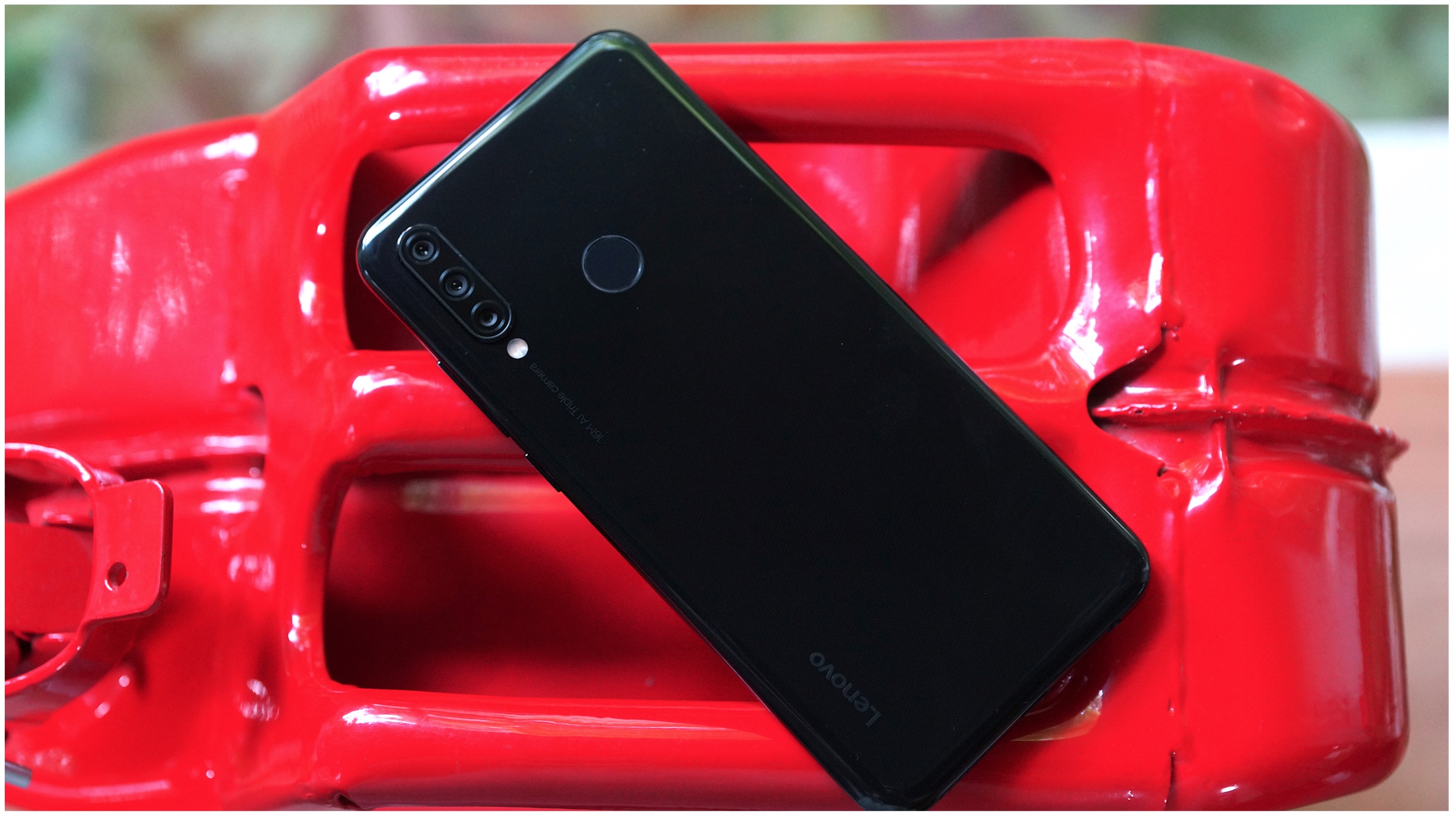
The K10 Note dimensions are 156.6 x 74.3 x 7.88mm meaning that the device feels relatively slim and compact in hand. While the front features glass, the back panel is made out of plastic. The back also houses a fingerprint scanner which can be found in the top middle. On the bottom left, Lenovo’s branding can be found while on the top left corner has the triple camera setup.
Processor, Memory and Storage
Under the hood, the Lenovo K10 Note packs Qualcomm’s Snapdragon 710 SoC which is manufactured using a 10nm fabrication process. The chipset consists of an octa core Kyro 360 CPU which is clocked at 2.2GHz. For gaming, the chipset features Adreno 616 GPU. The device is offered in two different RAM and storage variants namely 4GB/6GB RAM or 64GB/128GB ROM. Unfortunately, the internal storage does not support expandability via a microSD card. On the software front, the device will run Android 9 Pie with Lenovo’s custom ROM running on top.
Camera
One of the defining aspect of Lenovo’s K10 Note is most definitely its triple camera setup. Its primary camera is a 16MP shooter with an f/1.8 aperture. The other sensors include a 8MP telephoto lens with a 2x optical zoom and f/2.4 aperture alongside a 5MP depth sensor with f/2.2 aperture for bokeh effect on images. Notably, the device is capable of capturing 4K videos at 30fps which is a plus point. The selfie camera of the device is a 16MP shooter with a doubled pixel size for brighter images even in low light scenarios. The selfie shooter is capable of recording at 1080p @ 30fps.
Battery & Connectivity
The Lenovo K10 Note is powered by a large 4,050mAh battery which is also capable of 18W fast charging. Additionally, the compatible fast charger is bundled in the box of the K10 Note which is another positive point. Connectivity options include, Wi-Fi, Bluetooth 5.0, dual 4G LTE, GPS, a 3.5mm headphone jack and USB Type-C port for fast charging and data transfer.
The Lenovo K10 Note is available in two colours namely, Knight Black and Stardust Blue. It will be available for purchase via Flipkart and select offline stores starting next week. The price of the two variants are listed below:
The year 2019 has seen smartphone launches from almost every major manufacturer. But, a few months to the year still remain and some major releases are still left. As the month of August draws to an end, here are the top upcoming smartphones to look out for in the month of September.
Apple iPhone 11
The Apple iPhone 11 will be the twelveth major smartphone release in Apple’s product cycle and will be launched on the 10th of September. According to all the reports and leaks so far, at least three devices will be released which will be the iPhone 11, iPhone 11 Pro and the iPhone 11 Max. They will be the successors to the iPhone XR, iPhone XS and the iPhone XS Max from last year. The upcoming smartphones are expected to retain the design language of their predecessors, with significant changes in the camera setup.
While the iPhone 11 will arrive with a dual-camera setup, the iPhone 11 Pro and the iPhone 11 Pro Max will feature a triple camera layout. Apple is expected to debut some new cinematic shooting modes in its upcoming smartphones. Alongside the cameras, the iPhone 11 lineup will also run on the new Apple A13 chipset and will feature reverse wireless charging alongside a larger capacity battery. More details about the devices are expected to be revealed soon.
Nokia 9.1/7.2/6.2
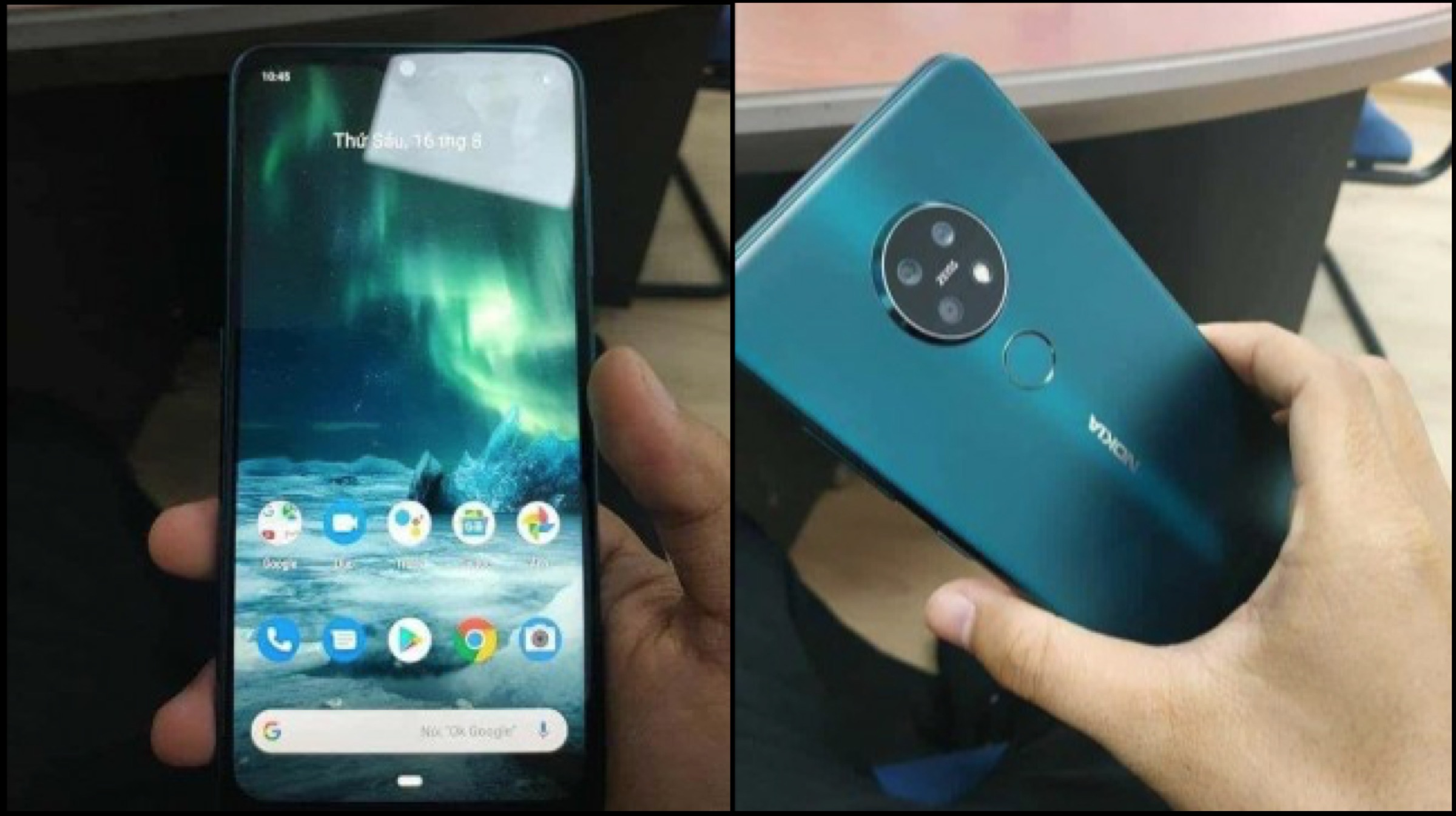
HMD Global is expected to launch a slew of mobile devices at IFA next week. These will include the Nokia 6.2, Nokia 7.2 and the alleged Nokia 9.1 PureView. While the former two are expected to be a budget offering from the company, the latter will be a flagship device. Past leaks have revealed that the Nokia 6.2 will run on the Snapdragon 660 SoC, the 7.2 will feature the Snapdragon 710 chipset and the 9.1 PureView will have the Snapdragon 855 Plus inside.
Like other Nokia branded handsets, all three of the upcoming smartphones are expected to have the Android One branding. This means that they are guaranteed to receive major software updates for two years and security updates for three years. Pricing and availability details are expected to be provided at the time of launch
Samsung Galaxy Fold
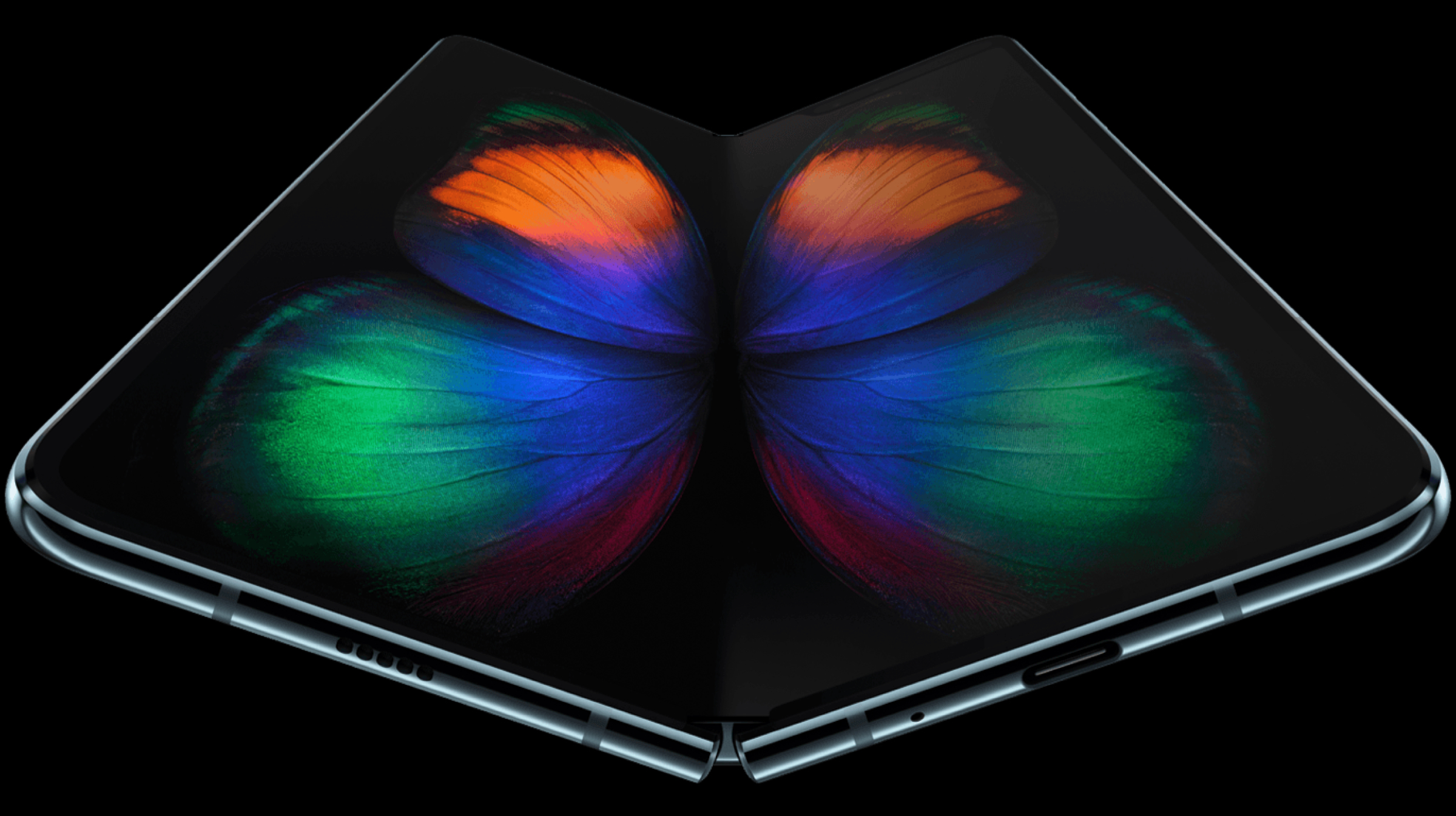
First announced back in February this year, the launch of the Samsung Galaxy Fold has been delayed multiple times in the past. Due to some serious durability issues, the company kept pushing back the actual launch date of its first foldable handset. However, it announced a few weeks ago that the upcoming smartphone is almost ready for primetime. If leaks are to be believed, the Galaxy Fold may see the light of the day on the 6th of September.
To recall, the Samsung Galaxy Fold features an innovative folding mechanism which folds inwards. There is a 4.6-inch display on the outside and a 7.2-inch display inside. The smartphone runs on the Snapdragon 855 SoC combined with 12GB of RAM and 512GB of internal storage. Pricing for the handset remains the same, that is US$ 1980 (INR 1,42,000).
Huawei Mate 30 Series
Chinese telecommunications giant Huawei is also expected to hold a major launch event in September. It will be to announce the company’s upcoming smartphones, the Mate 30 and the Mate 30 Pro. Successors to the Mate 20 series launched last year, they will be a flagship offering by the company. Past leaks have revealed a similar design to their predecessors; with a new quad-camera layout on the back alongside a Xenon flash.
Both the Mate 30 and the Mate 30 Pro are expected to be kitted with the Kirin 985 SoC coupled with up to 12GB of RAM and 512GB of internal storage. Like the Mate 20 Pro, the Mate 30 Pro may also feature the super-secure facial recognition technology; alongside an in-display fingerprint scanner. According to certain reports, they will be announced on the 19th of September. More details are expected to be unveiled in the following weeks.
OnePlus 7T/7T Pro
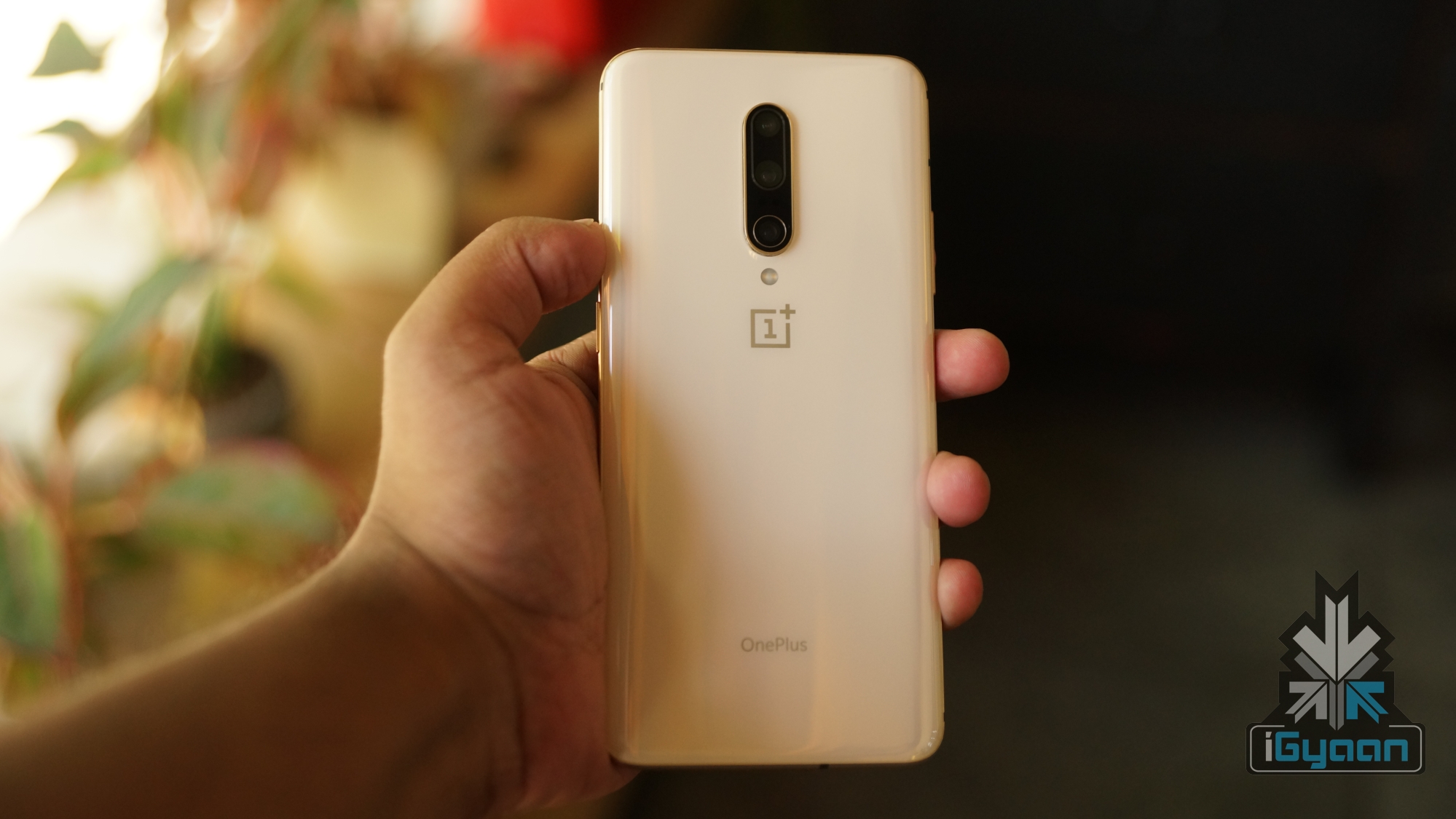
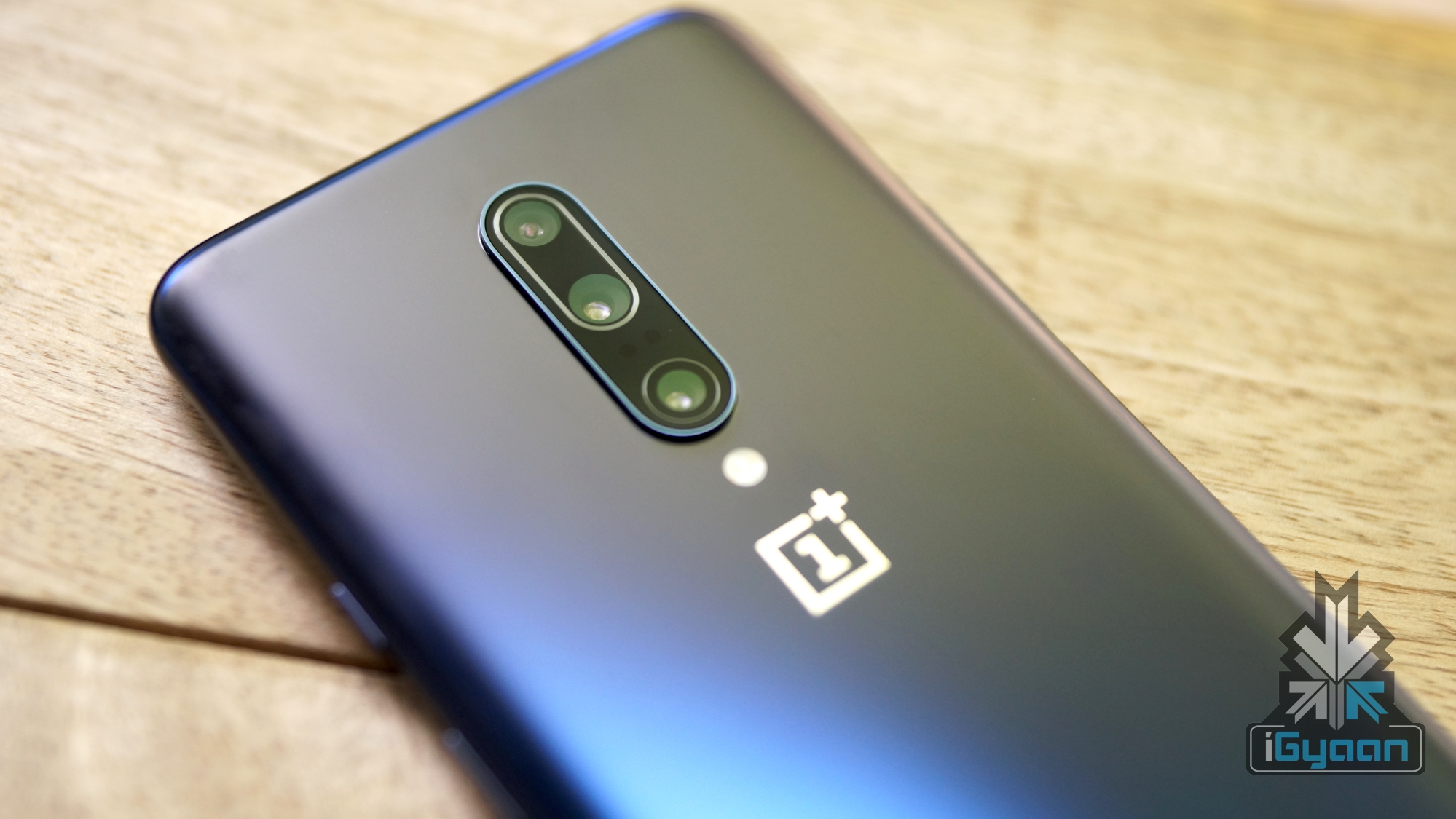
OnePlus broke its traditional cycle of launching one device at a time; with the launch of the OnePlus 7 and OnePlus 7 Pro earlier this year. The devices may already be getting their successors in the form of the OnePlus 7T and OnePlus 7T Pro on the 26th September. According to previous leaks and reports, the upcoming smartphones will feature a similar design to their predecessors. The real upgrade will be in terms of specifications. Both handsets will run on the latest Snapdragon 855 Plus SoC.
The OnePlus 7T is also expected to get a camera upgrade, with the company adding a triple camera setup on the device. It may also feature a new display like the OnePlus 7 Pro. Unfortunately, pricing and other details of the smartphones are still a mystery. However, they are expected to be revealed as we move closer to the launch date.
The year 2019 has seen many innovative features arrive on smartphones. One of the ubiquitous out of the many features this year has been a high-resolution primary camera on the devices. Starting with budget handsets, the trend has trickled up to most modern flagship smartphones, like the OnePlus 7 Pro, Asus 6Z, Nubia Red Magic 3 and the Redmi K20 Pro. All these devices feature the same 48MP Sony IMX586 sensor as their primary camera. What’s special about the sensor is not the megapixel count, but the technology behind it. It uses pixel binning to create sharp 12MP images and the technology is the reason why the sensor is present on many devices. But what exactly is pixel binning? Here is everything you need to know about it.
Understanding The Concept Of A Pixel
Redmi K20 Pro
To understand what pixel binning means, we first have to understand what pixels are. While a pixel is generally defined as the smallest element in a picture represented on screen. However, in this context, pixels are the smallest physical elements on a digital camera sensor that capture light during photography. They are measured using microns, which is a unit of length a million times smaller than a meter. The bigger the pixel size in a camera, the more light it can capture. This will result in much sharper and brighter images, which is the goal of every camera manufacturer.
However, the bigger the pixel sensor size is, the bigger the camera unit will be which is a difficult feat to put inside a smartphone’s slender frame. This leads to the intrusive camera bumps that make the device wobble when kept flat. So basically smaller pixel size = bad low light performance, but a larger pixel = huge camera sensor. So, how to fix this issue? This is where the pixel binning technology arrives into the picture.
What Is Pixel Binning?
Redmi Note 7S
Pixel Binning is the process of combining four adjacent pixels into one. So a camera sensor which has a pixel size of 0.8 microns will combine these pixels into a 2×2 grid to form a larger 1.6-micron pixel image. The effective resolution is usually one-fourth of what the sensor is capable of. This means that a 48MP sensor effectively produces 12MP images, and a 64MP sensor will produce 16MP images. Combining the pixels will result in a brighter and sharper image, without the hassles of a huge camera sensor.
As mentioned above, the most popular sensor that supports pixel binning in smartphones is the 48MP Sony IMX586. There is also the Samsung ISOCELL GM1 with the same resolution, but it’s not very common and present on a handful of devices like the Redmi Note 7s and the Lenovo Z6 Pro. A few weeks ago, Samsung also announced the ISOCELL HMX, a sensor with a whopping 108MP resolution that uses the pixel binning technology to produce high-resolution 27MP images. This sensor is expected to debut in the upcoming Xiaomi Mi MIX 4 smartphone.
The Future Of Smartphone Cameras
While the idea behind the pixel binning technology sounds exciting and a good way to tackle a particular problem, it is not the only way. While the goal was to reduce the camera sensor size and fit it inside a smartphone, most of the devices with the sensors still have a huge camera bump. Additionally, none of the handsets with the famous pixel binned sensors are the best in their class. It is possible to produce better low light images by software, as Google has demonstrated with the Pixel’s Night Sight feature.
So while it may be cool to boast about the 48MP or 64MP camera that your smartphone has, the results they produce are nothing to write home about. Granted, the details they produce are at times extraordinary, but for most social media sharing, where the images are anyway compressed for any of the details to be visible, it frankly doesn’t matter. But, if combined with better software, these pixel binned sensors may be a good thing for future smartphones and definitely one of the better features to have come out recently.
The world is constantly on the verge of discovering something new or making key steps towards advancements in various fields. This holds especially true with technology and by its extension computing components and smartphones. While different industries like the automobile or fashion industry have its own pace of evolution, change or growth the same cannot be said for the mobile industry.
The smartphone market is one of the worlds most volatile market in more ways than one. It means that a consumer is always at odds with the myriad of choices in front of them. So, many are left wondering when should they go for a new handset. Worry not as team iGyaan has got you covered.
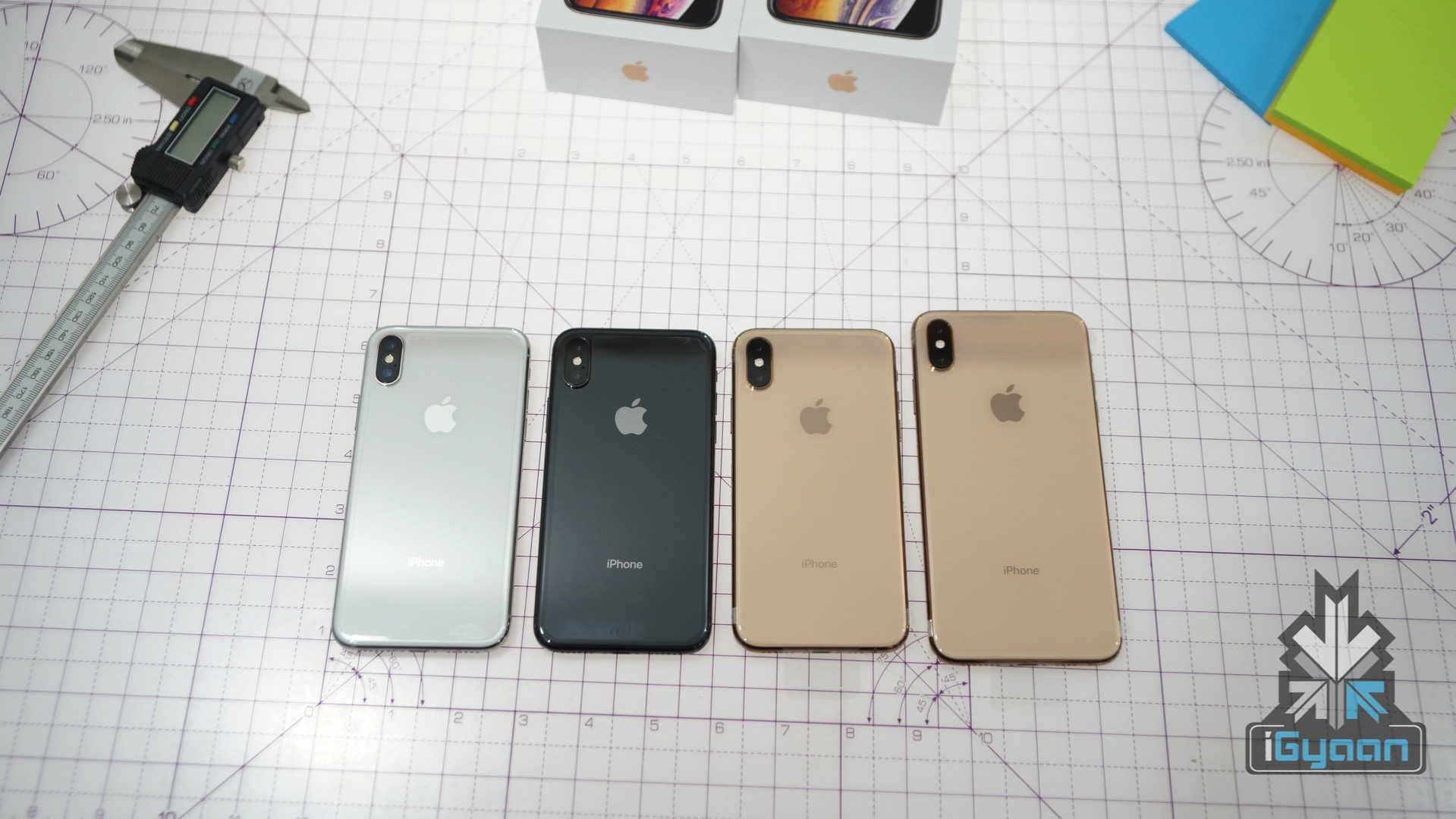
iPhone XS & XS Max
Why Is There A Confusion
Generally speaking, smartphones are almost constantly being released in the market which means there are always multiple choices. Hence, an average consumer after being faced with the dilemma now must also choose what to buy and decide when to buy. It is a common mentality to hold off till the absolute last moment to buy a smartphone but that is really not the case. Furthermore, you must keep in mind behind the other major evil which is buyers remorse. In other words, the regret one may feel after buying something and regretting it by thinking of another purchase that could’ve been made.
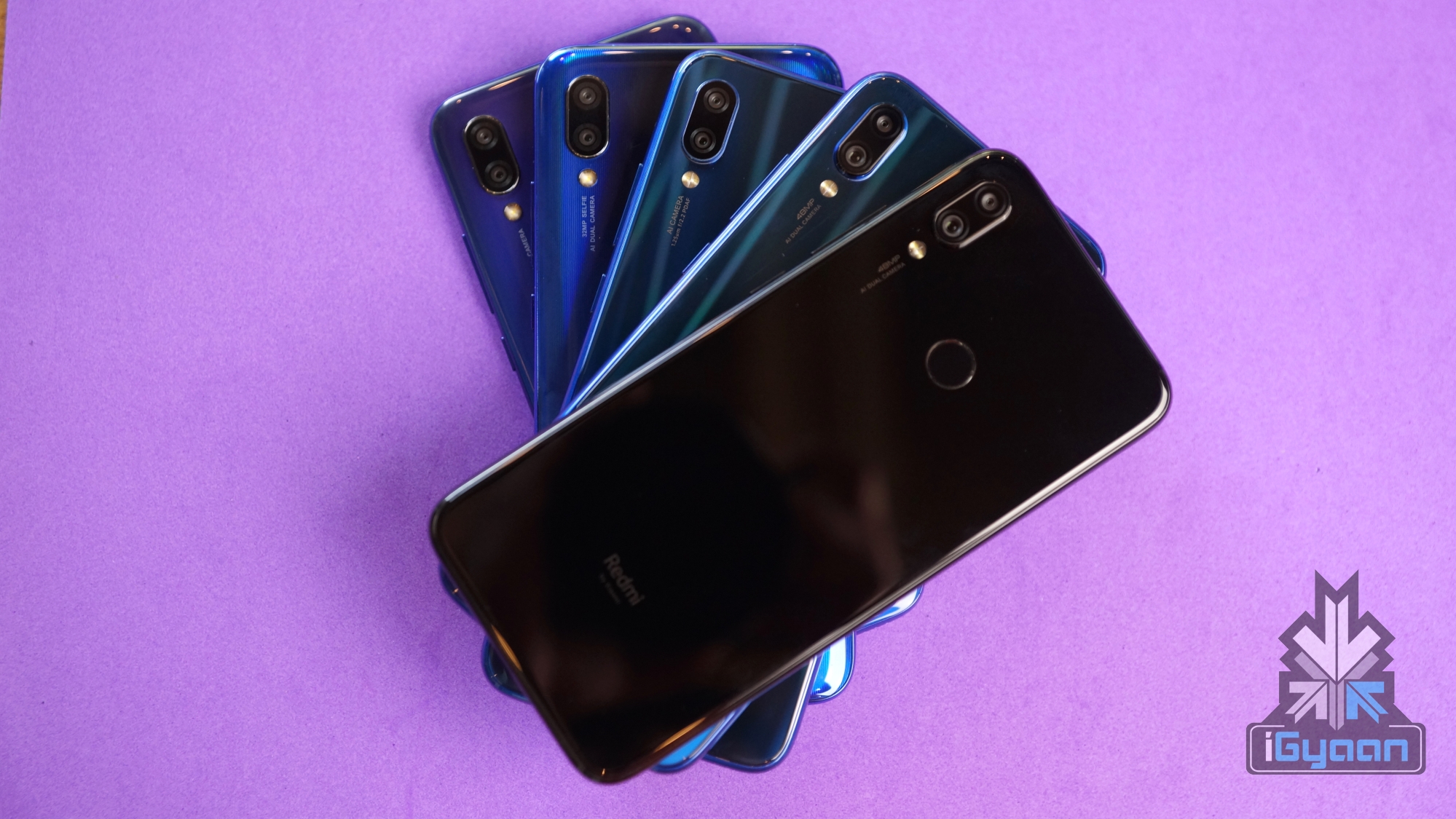
Redmi Note 7
Smartphone manufacturers have a tendency to constantly offer better iterations of their devices with minor upgrades and updates in a couple of months while major generation jumps happen over the course of the year. So say, you bought a OnePlus device in Q2 (May-June) but the device seems obsolete just by the next quarter with its “T” variant being launched. Many may feel like they made a wrong choice or should’ve held off from buying a device till then. But that is wrong, as that is what companies do. They make new products attractive and market them heavily to feel like the next best thing right after you just bought a newly launched smartphone that is barely three months old. So, users must make a note to not fall for this strategy and stick to their decision. Minor upgrades never make a major difference.
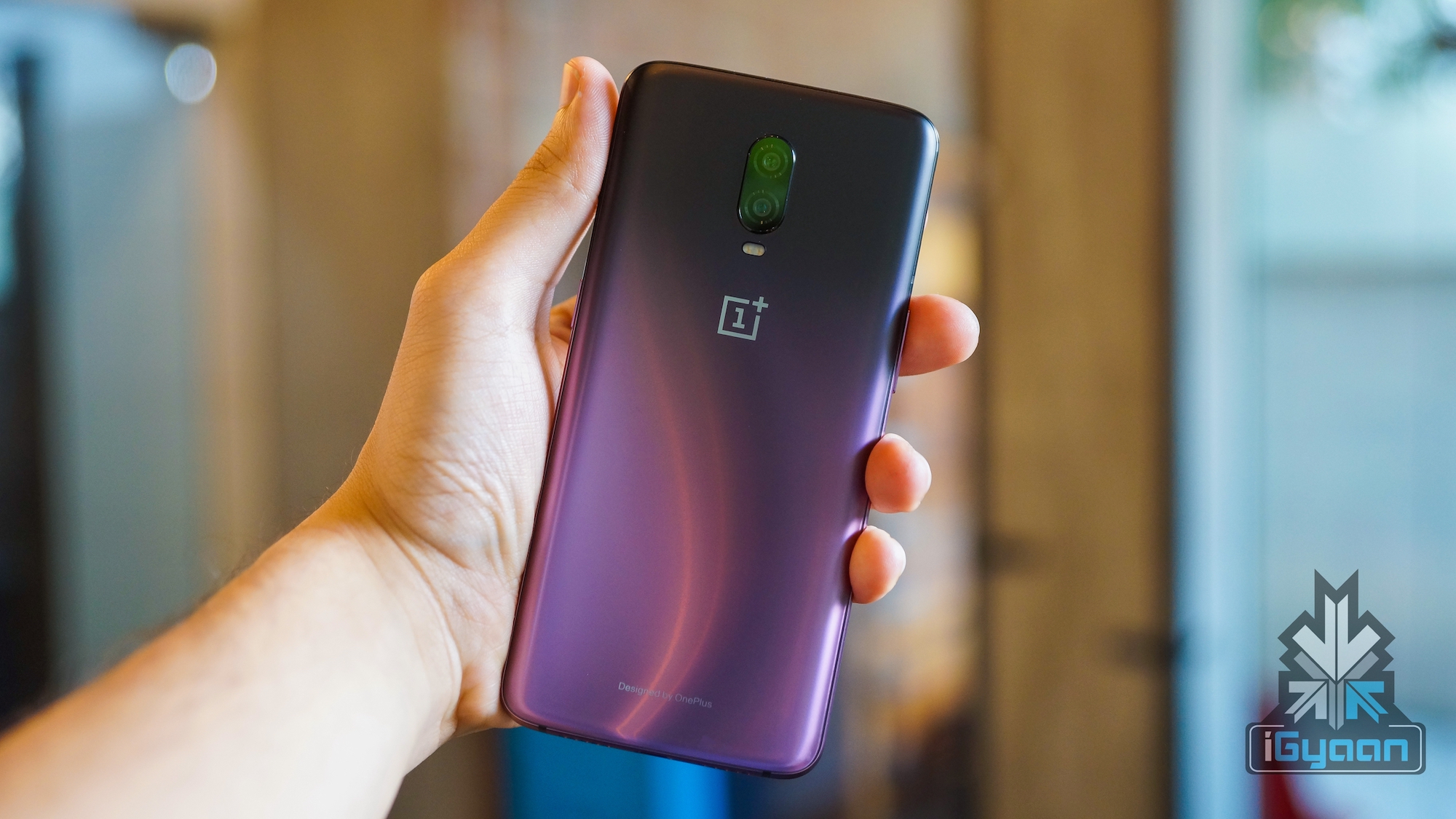
OnePlus 6T
So When Should You Buy A Smartphone?
The holiday season is widely known to be a time where smartphones are released and the ones released earlier in the year are offered with discounts and attractive offers. So, Diwali and Christmas are one of the best times to consider an update to your old devices. For example, Samsung generally launches its flagship around February and March which by this time are offered with discounts and offers that make them worth going for. If you’re into OnePlus, even OnePlus’ “T” smartphones are already out and may also have offers with them.
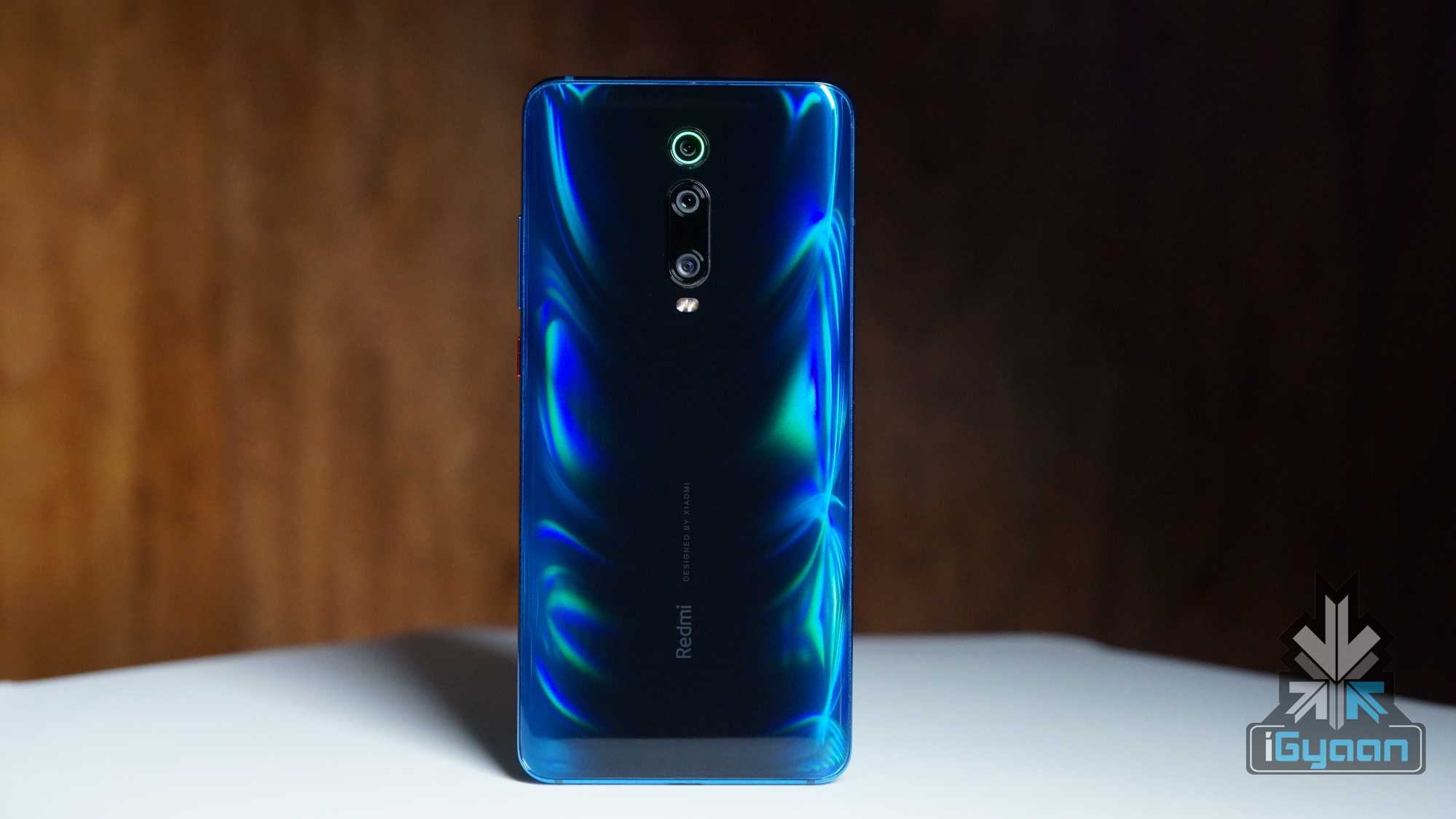
Redmi K20
During Q4, Xiaomi and its subsidiary Redmi have also released most of its flagships and mid-range devices offering more choices to choose from. Furthermore, the year-end follows immediately after major launches like Apple’s iPhone and Google’s Pixel series of smartphones. A time where most other OEMs avoid launching new devices in. So, you wouldn’t need to worry about a particular major launch to arrive anytime soon or till next year.
Simply knowing when to buy a smartphone is not enough. As previously mentioned, you must be wary of buyers remorse and willing to stick with your decision. Even if you’re not buying the latest flagship device or the latest mid-range smartphone, the device you do decide on will do almost everything as the other that you think you should’ve waited for or bought alternatively.