Smartphone News and Reviews, Latest Cellphones, Accessories, New Launches, Specifications, Details with Image and Video from Apple, Samsung, Lenovo, Moto, HTC, Xiaomi, Oneplus, Meizu, Sony, Lava, Micromax Yu Mobile and More.
The past couple of years have seen a promising growth in the popularity of mid-range smartphones. Consumers are genuinely interested in the upcoming smartphones rather than just looking at them as a cheap alternative until they buy a flagship phone. Xiaomi has been a big player in the budget category of smartphones and especially in India, it has seen an exponential growth thanks to popular phones like the Redmi Note 4 and Xiaomi Mi A1.
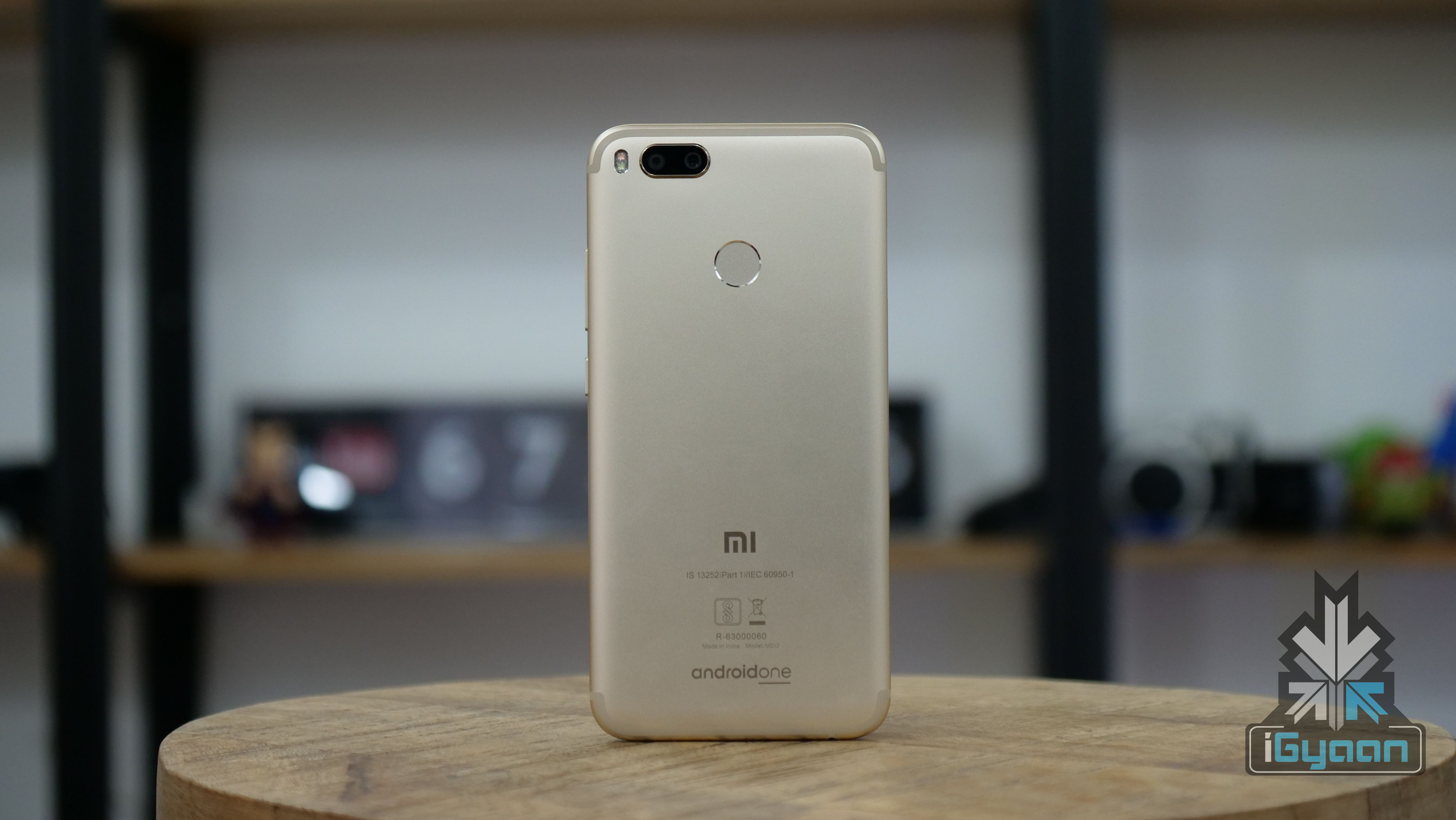
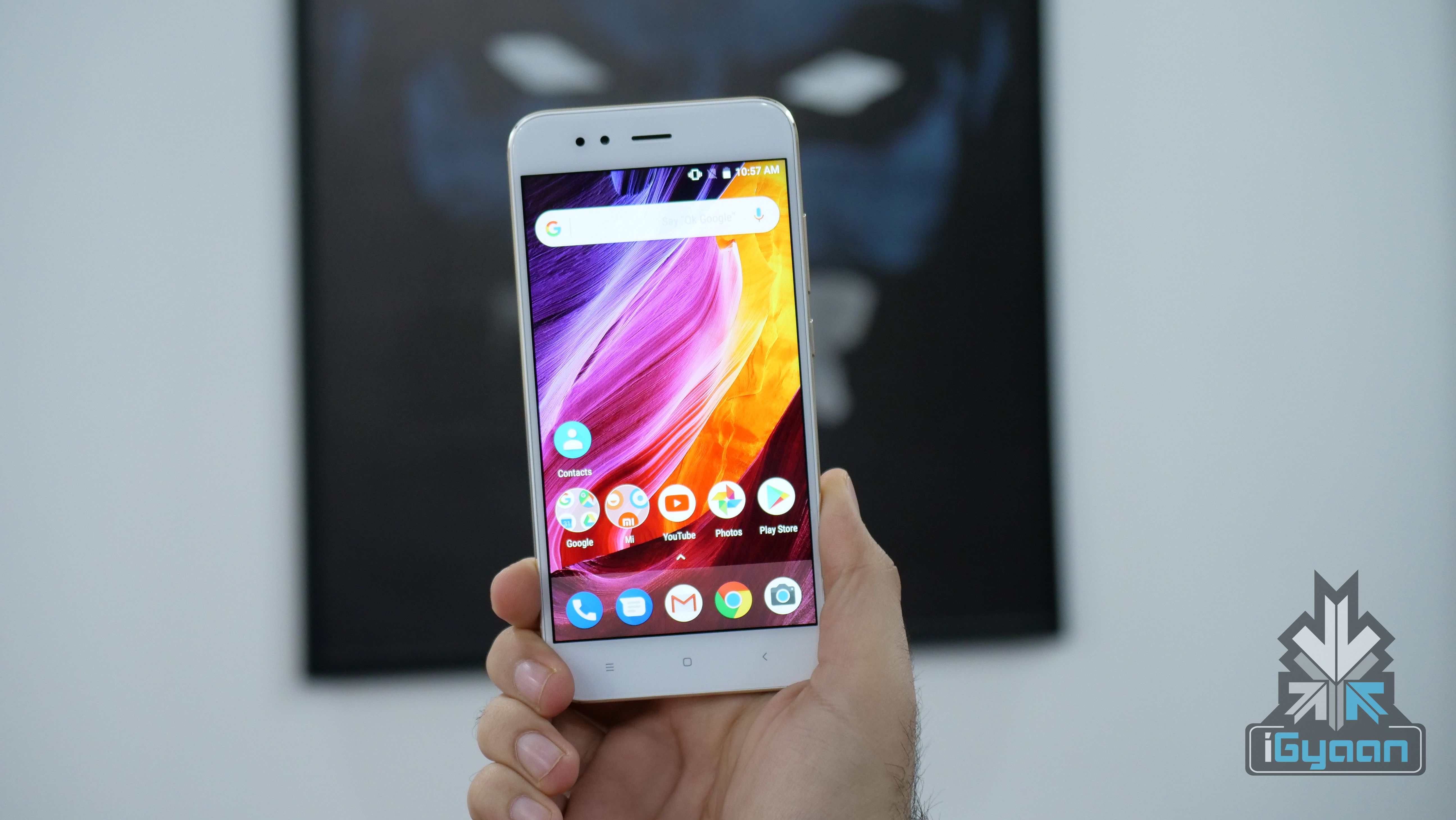
The Xiaomi Mi A1 was an Android One variant of the Mi 5X which was launched in July of 2017, and a successor is eagerly anticipated by many suitors. The Mi 5X/Mi A1 had a great camera setup for its price point and nothing less than an upgrade is expected of the upcoming Mi 6X. However, there might be a design change that might interest a few people more than others.
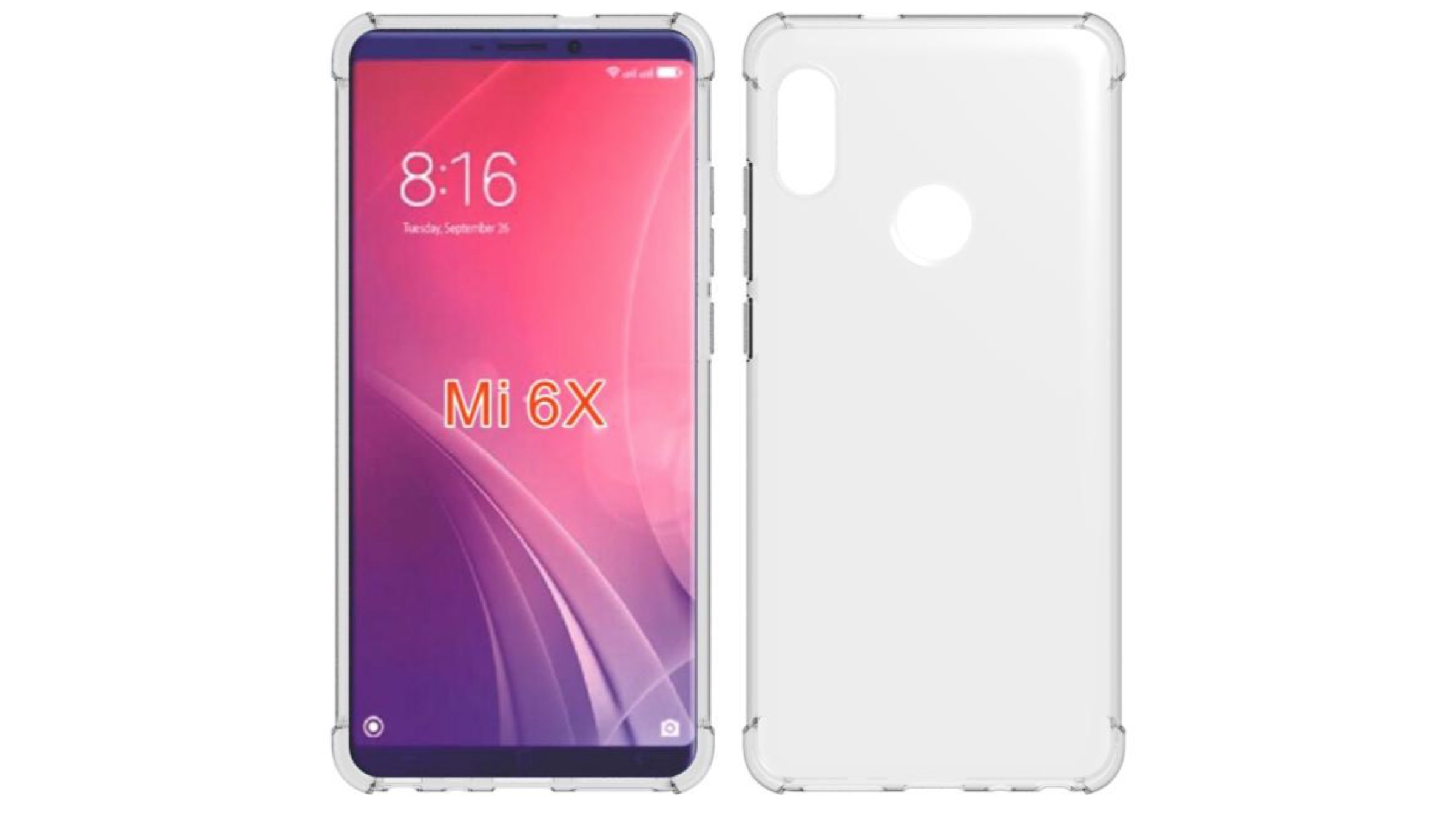
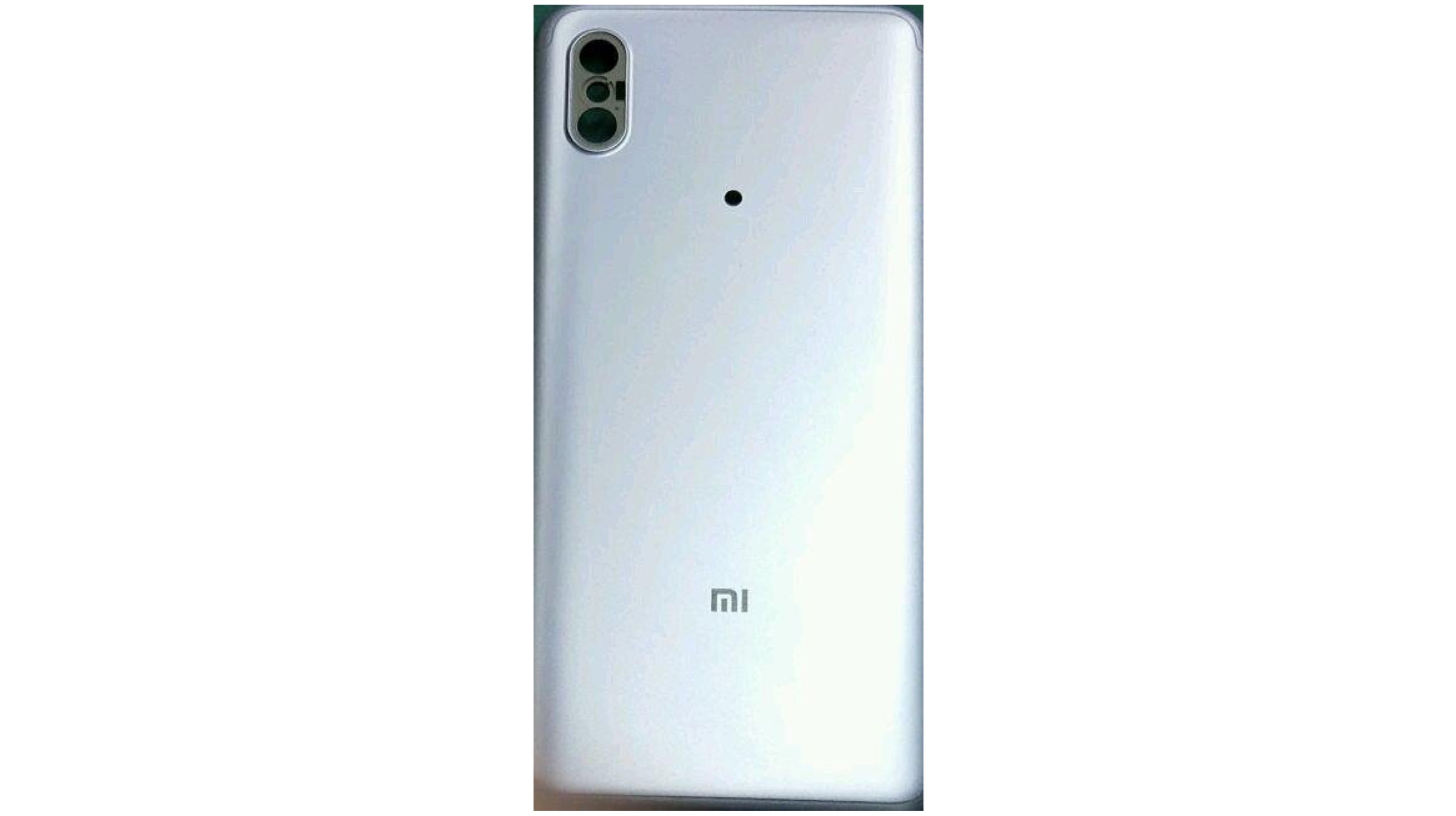
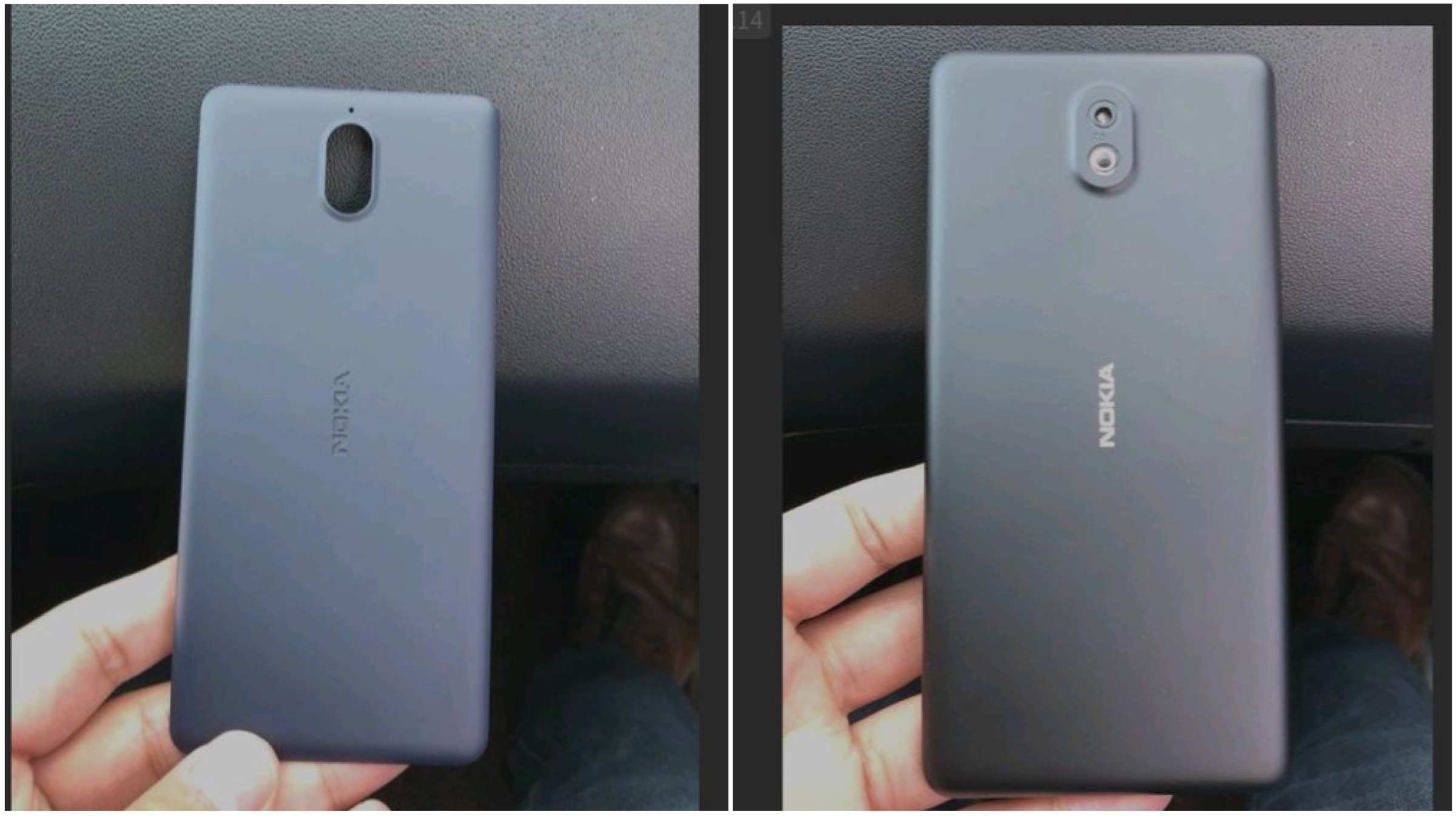
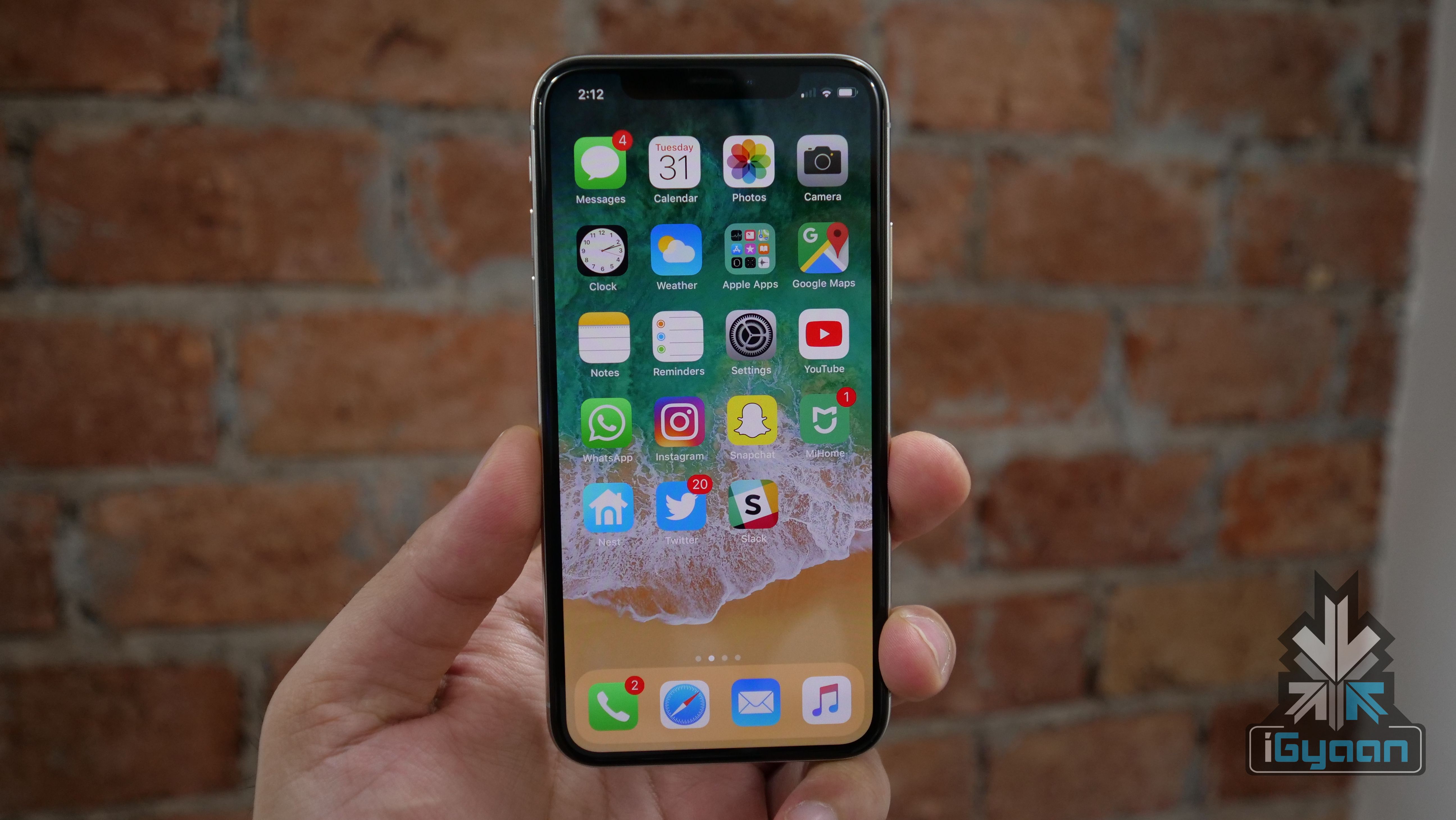
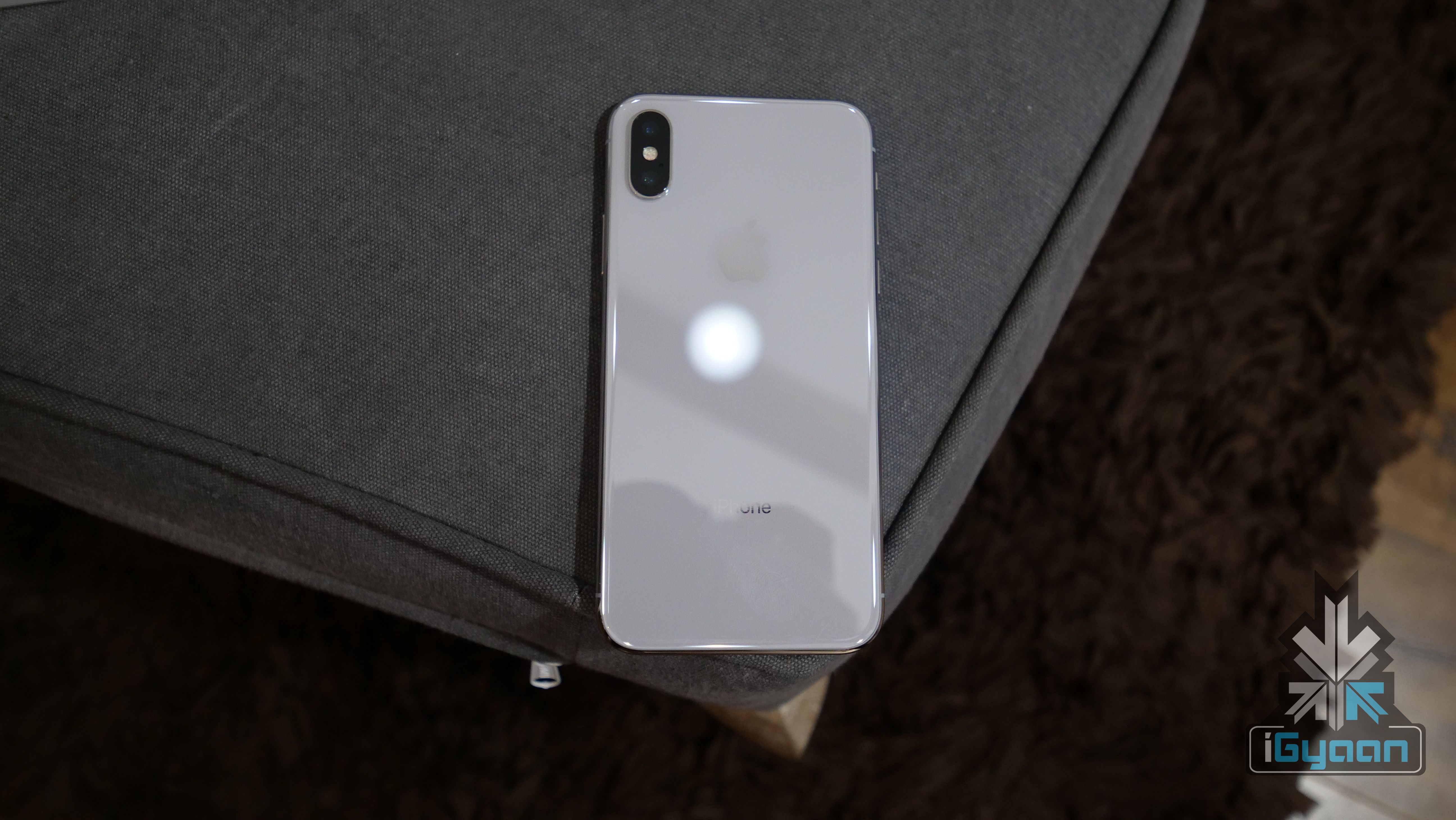
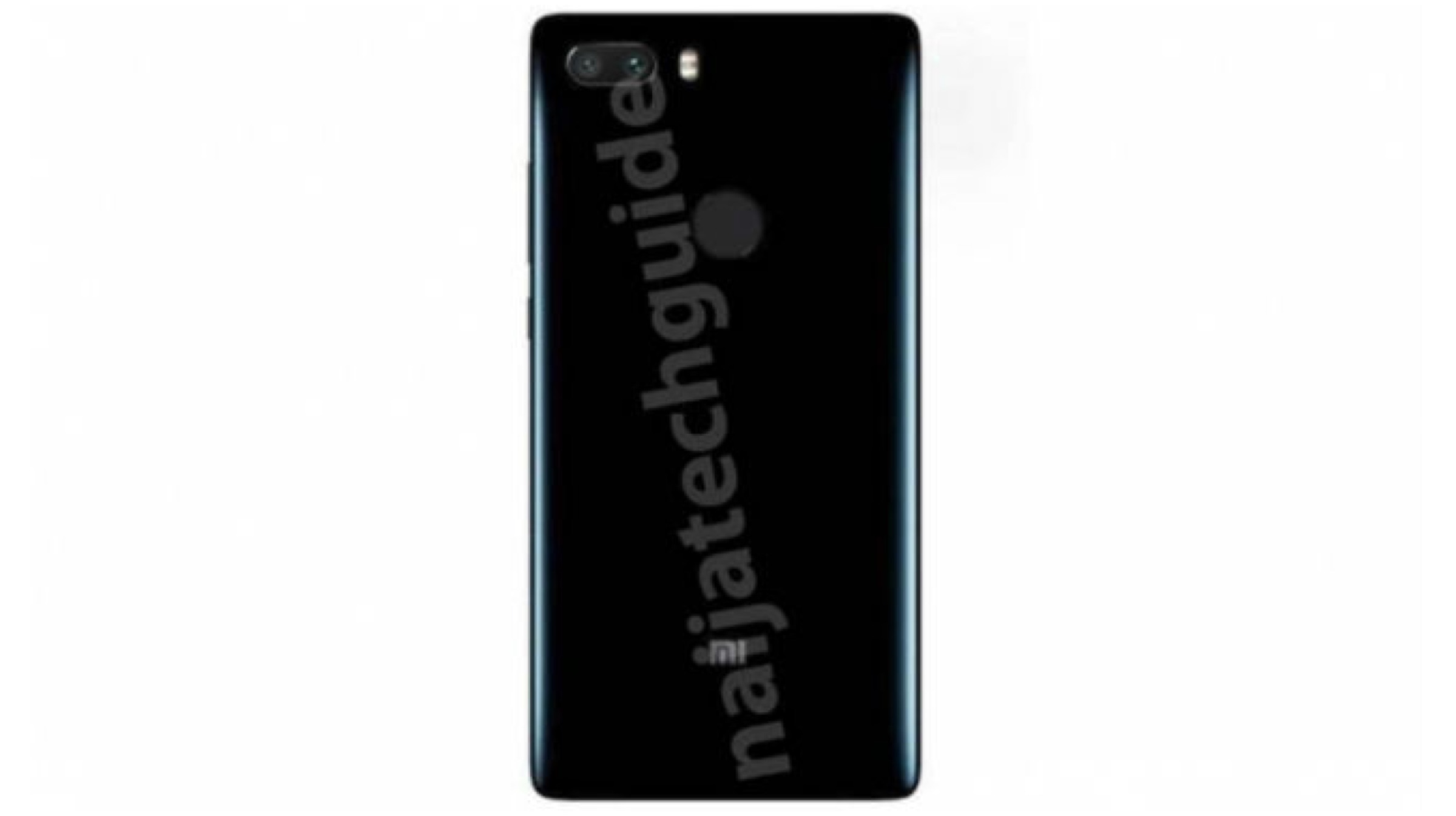
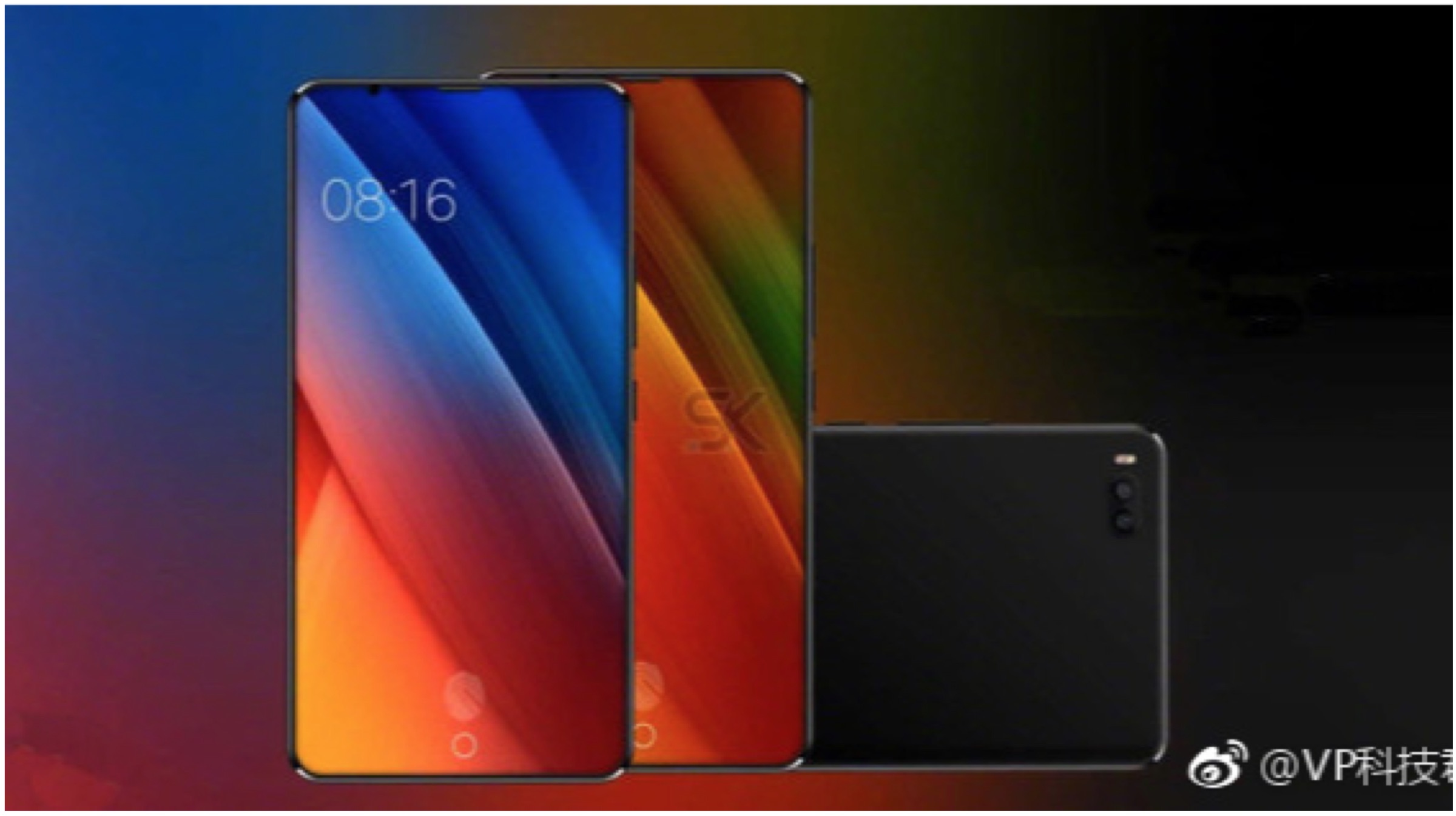
A leaked image of the back panel of the Xiaomi Mi 6X revealed that it will sport a vertically placed dual-camera setup, uncannily similar to the iPhone X. A leaked image of a case has also surfaced, which reveals the same camera placement along with a rear-facing fingerprint sensor. The accompanying front angle image reveals that the Mi 6X will have thin bezels and an 18:9 aspect ratio. The resolution is expected to be 2160 x 1080 px.
The image of the back panel did not reveal a fingerprint sensor instead, had a small hole.
The Xiaomi Mi 6X could very well be the Xiaomi Mi A1 (2018) or Mi A2 in India as the Mi A1 was extremely well-received for its software and camera performance. Even though the Mi A1 got off to a rough start after the first Android 8.0 Oreo update, things have gotten better since then as the company released a new update.
So far, apart from two sketchy leaked images, we have no information about the Mi 6X however, with its launch presumably a few months away, there is plenty of time for more leaks. Only time will tell whether the Xiaomi Mi 6X will ever make its way to India as the Mi A2 or under any other moniker.
In today’s day and age, smartphone launches are hardly met with a gasp of surprise. With so many accurate renders and leaks before the launch, smartphone makers barely have anything to announce on the stage that everyone doesn’t know already. But, sometimes, there are a few key details that aren’t the most obvious ones and get neglected. These details can be exciting and be something to write home about at the launch, however, Samsung appears to have let go of that opportunity.
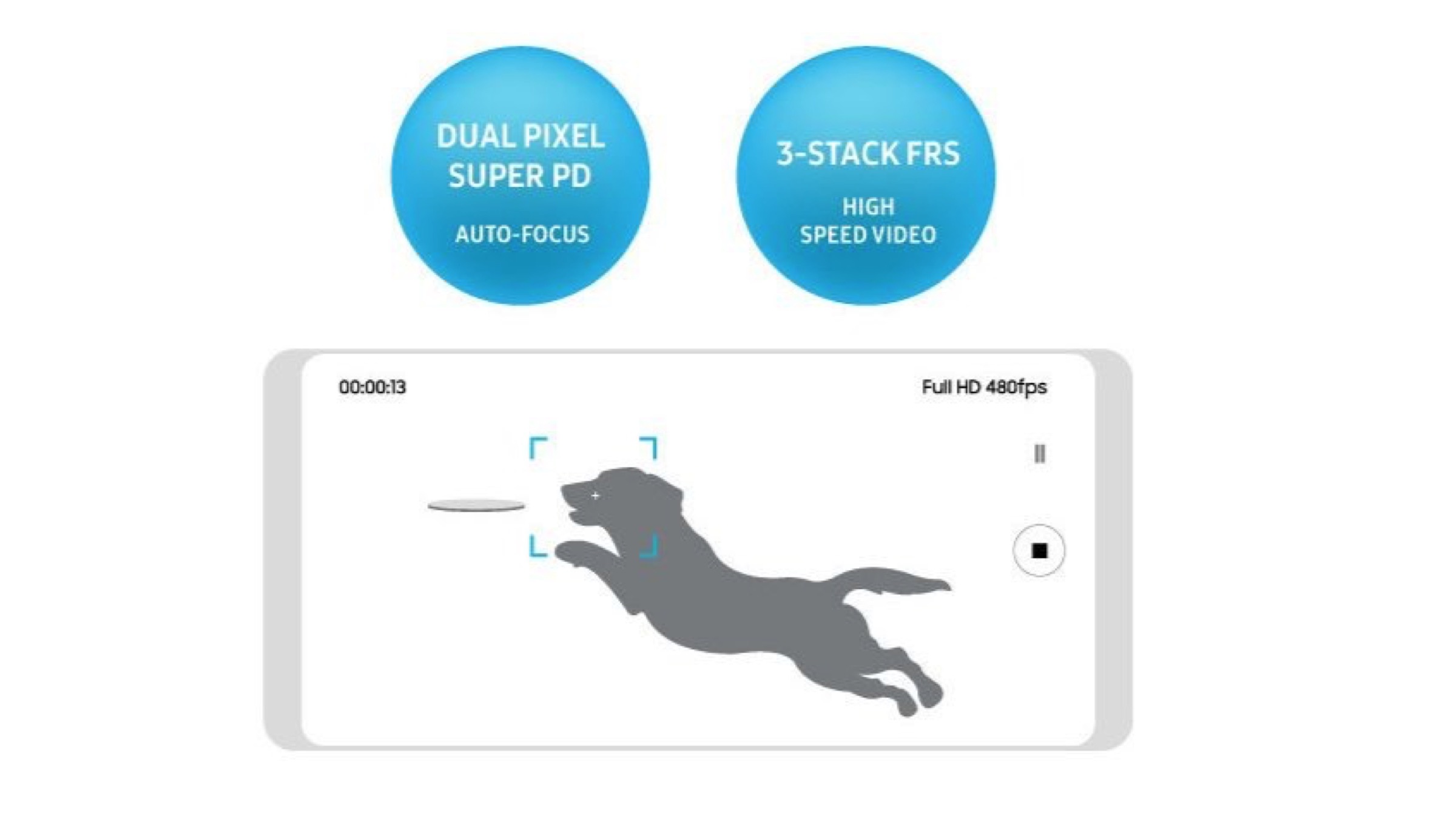
On its official website, the company talks about its new ISOCELL camera sensors which are likely to be featured on the Samsung Galaxy S9 and S9+. One interesting hardware improvements mentioned is called ISOCELL Fast, which is a 3-stack fast readout sensor. According to Samsung, this technology allows cameras with this sensor to record video in 1920 x 1080 px resolution at an astonishing 480fps. The same sensor is also supposed to have a feature called Super PD, which Samsung hints will give smartphones faster autofocus speeds for its cameras.
Apart from this, the page also talks about another feature called ISOCELL Bright. Thos basically improves the low-light photography capabilities of the camera by combing four pixels into one large pixel. ISOCELL Dual, according to the company, is supposed to improve features in smartphones with dual sensors, including better light sensitivity, depth effects, and sharper brightness.
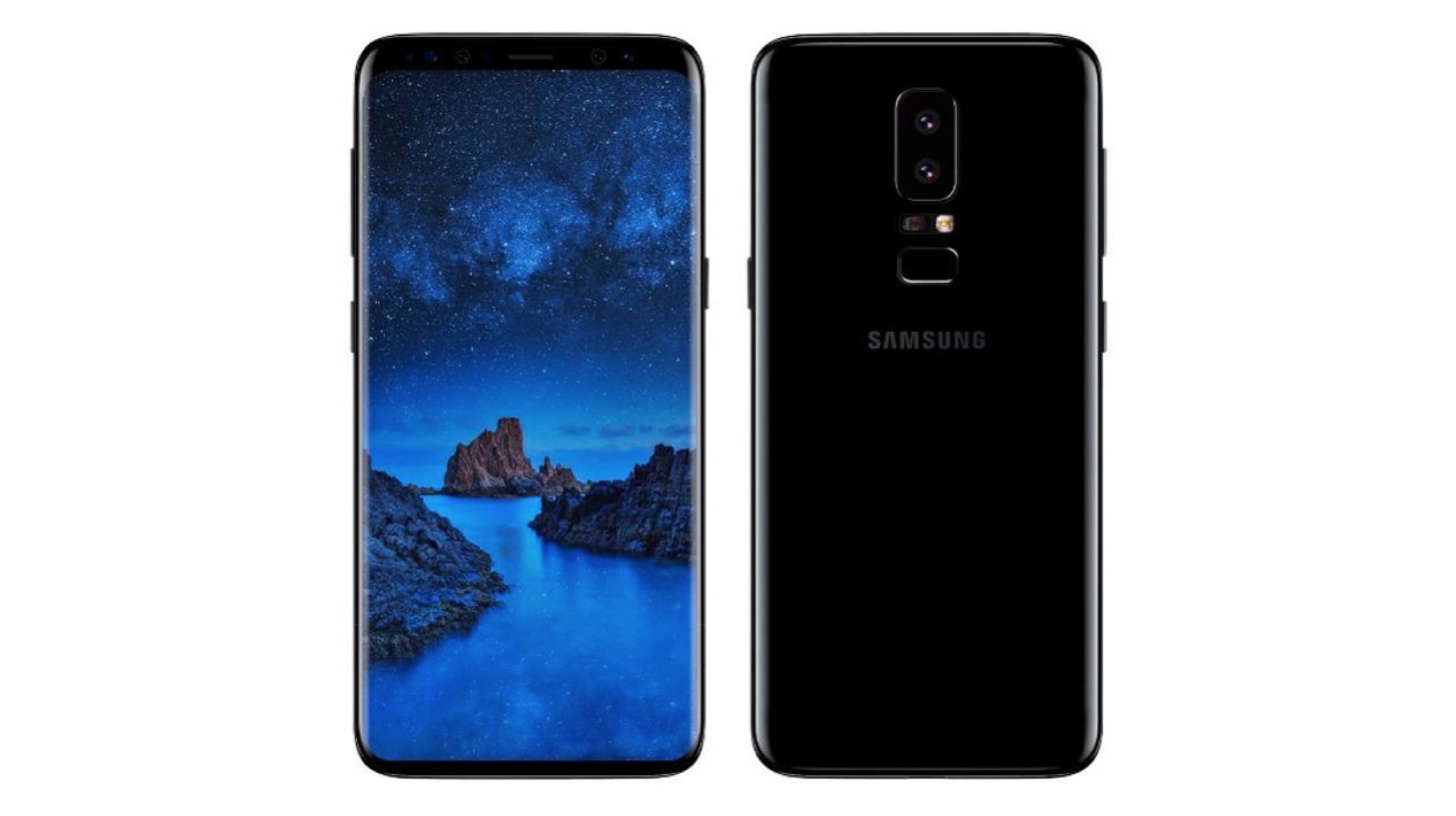
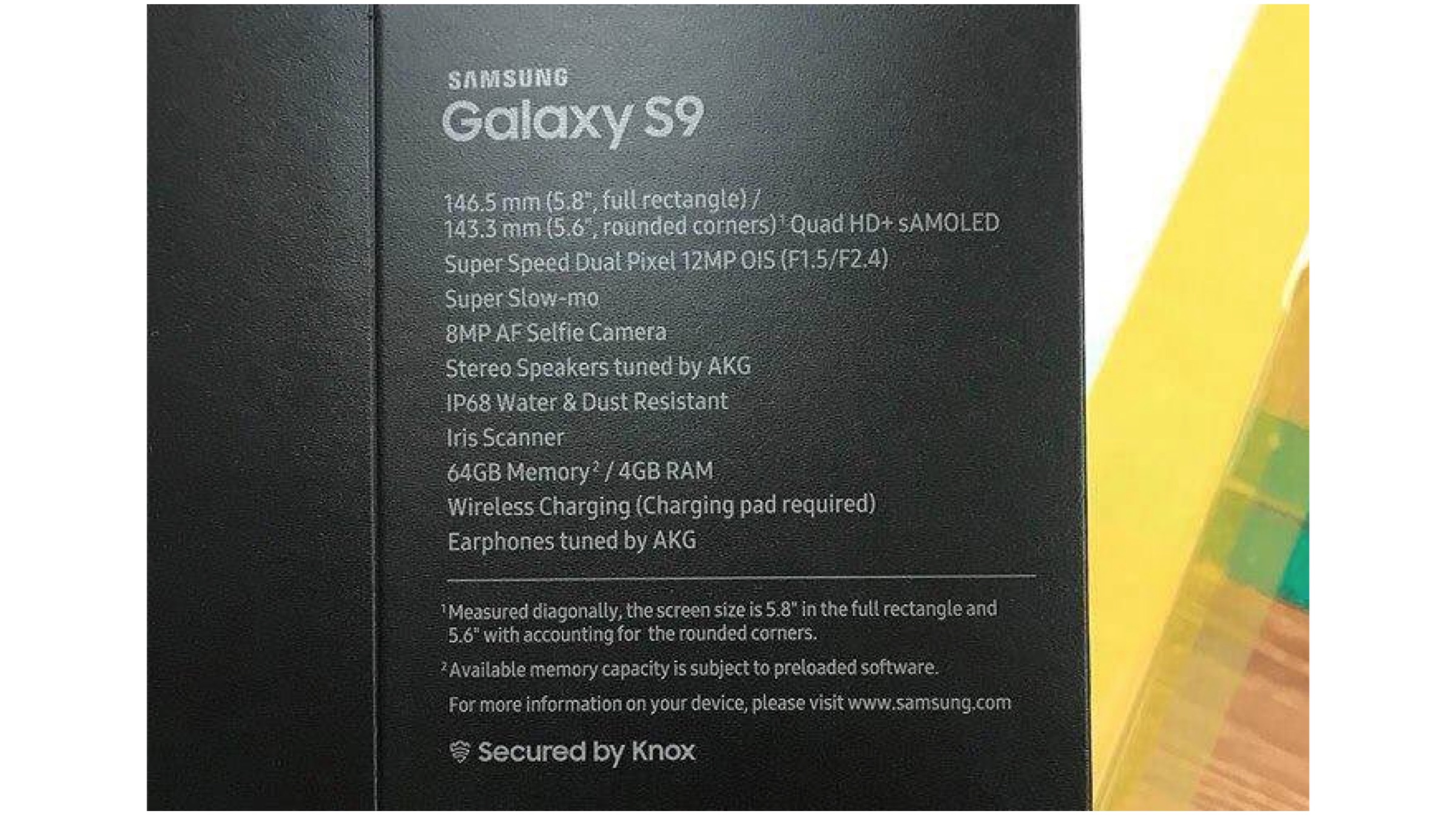
While there is no official word from the company regarding the new features that the Galaxy S9 and S9+ might have, the recent leak of a retail box of the Galaxy S9 might hint at something substantial. The leaked photo revealed that the smartphone could have a 12MP rear-facing camera with OIS and variable apertures along with a “Super Slow-mo” feature, which sounds a lot like what the ISOCELL Fast sensor is capable of.
Only yesterday, it was revealed that the Samsung Galaxy S9 will feature a variable aperture mode. The report suggested that with a variable aperture of f/.5/ to f/2.4, the camera on the Galaxy S9 will be able to adjust aperture similar to a DSLR camera. The report also claimed that Samsung will be using the new Y-Octa display technology on the new flagship devices. The Samsung Galaxy S9 is expected to have a 5.77 inch display and the Galaxy S9+ is expected to have a 6.22 inch display with the new flexible Y-Octa OLED technology.
Over the past couple of years, smartphones have increasingly become “camera phones.” Companies know that a few hardware or software frailties can be overshadowed by a solid camera performance, the biggest example being the Pixel smartphones of both the generations. With the iPhone 7 Plus, the trend of a dual-camera setup caught on and in today’s market, a smartphone that costs Rs. 10,999 has a quad-camera setup (two on the back and two on the front).
Nokia, according to a report, is willing to challenge this industry trend by introducing a Penta-lens smartphone at MWC 2018. Apparently, the device has already been prototyped by HMD Global and could go on sale by the end of 2018. However, prototyping and mass producing are two completely different ball games and its launch will depend on Foxconn’s mass production capabilities. The process of embedding fice camera lenses on a smartphone is much more difficult than embedding two cameras.
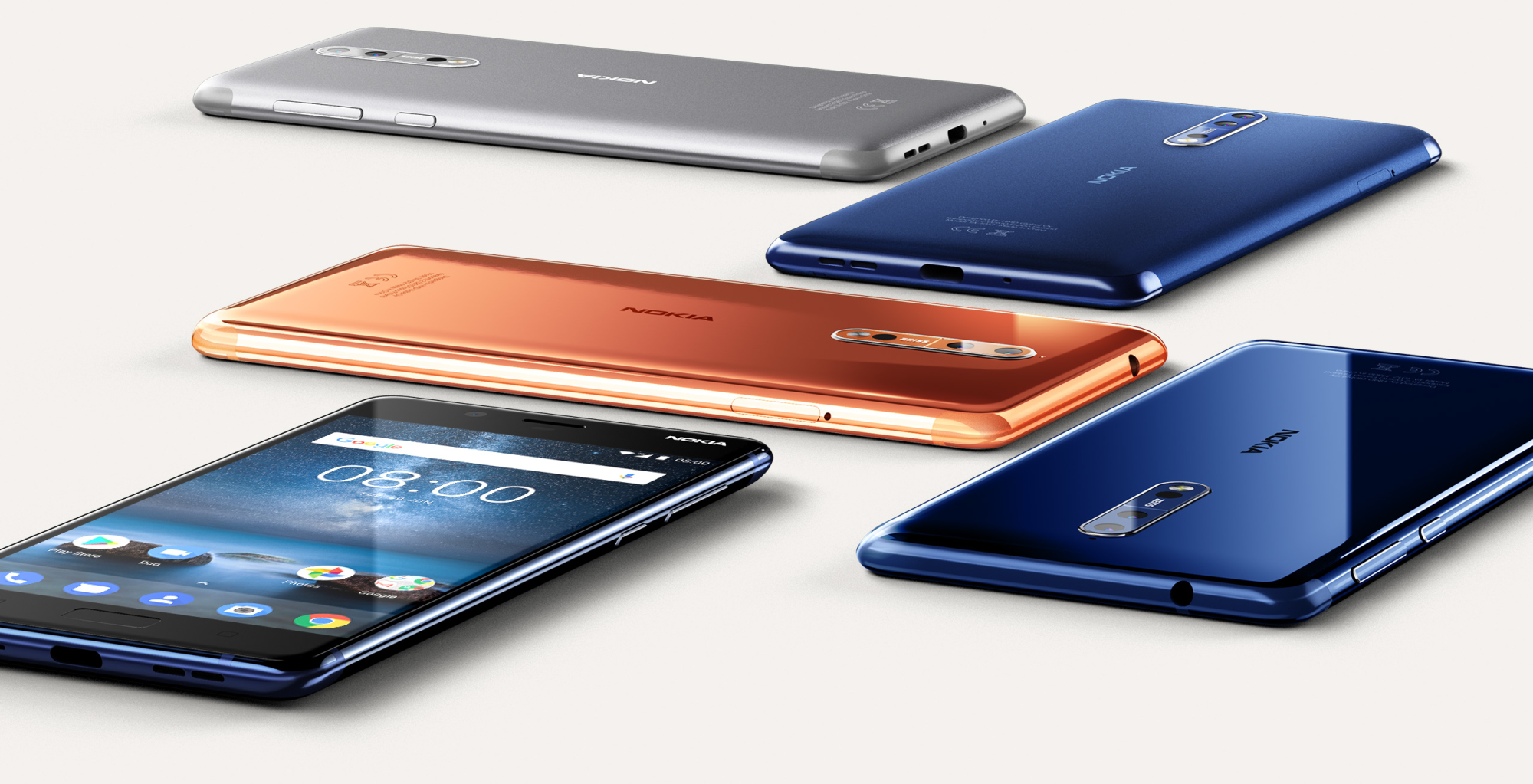
Nokia 8 With Dual Cameras
The camera system will be available in a circular form with seven holes instead of five, the other two belonging to the LED flash. What will be interesting is how this crazy camera setup will work and what the implementation will be. The Nokia 8 was made in collaboration with Zeiss Optics and Nokia has had a fruitful partnership with the German brand.
Sorry for radio silence. Been super busy planning #MWC2018 . Please expect it to be awesome ?
The mysterious Nokia device, if launched, will definitely grab a lot of headlines and give the Samsung Galaxy S9 devices a run for their money. Last week, HMD Global Chief Product Officer Juho Sarvikas teased a major showcasing plan for the MWC 2018 and unveiling a smartphone with five camera lenses is definitely a major showcasing.
Expected Nokia 1 Design
HMD Global is also expected to launch the successor to the Nokia 8, the Nokia 9 at MWC 2018. ALong with that, the first ever Android GO smartphone, Nokia 1 is also expected to be launched at MWC 2018 that is scheduled to take place from the 26th of February.
Back in 2016, Apple took the bold step of removing the beloved 3.5mm headphone jack from its iPhone 7 and iPhone 7 Plus. Ridiculed by critics and peers at that time, the industry has slowly grown warmer towards the idea of wireless technology. Google launched the Pixel and Pixel XL a month after the iPhone 7 was launched and it mocked Apple for removing the headphone jack. A year later, Google launched the Pixel 2 and Pixel 2 XL without a headphone jack.
Over the course of the past one and a half year, smartphone makers have partially accepted that wireless is the future and that removing the headphone jack will drive the industry towards creating better wireless technology. While LG and Samsung, the other major smartphone makers persist with a headphone jack, Sony appears to have finally switched sides as well.
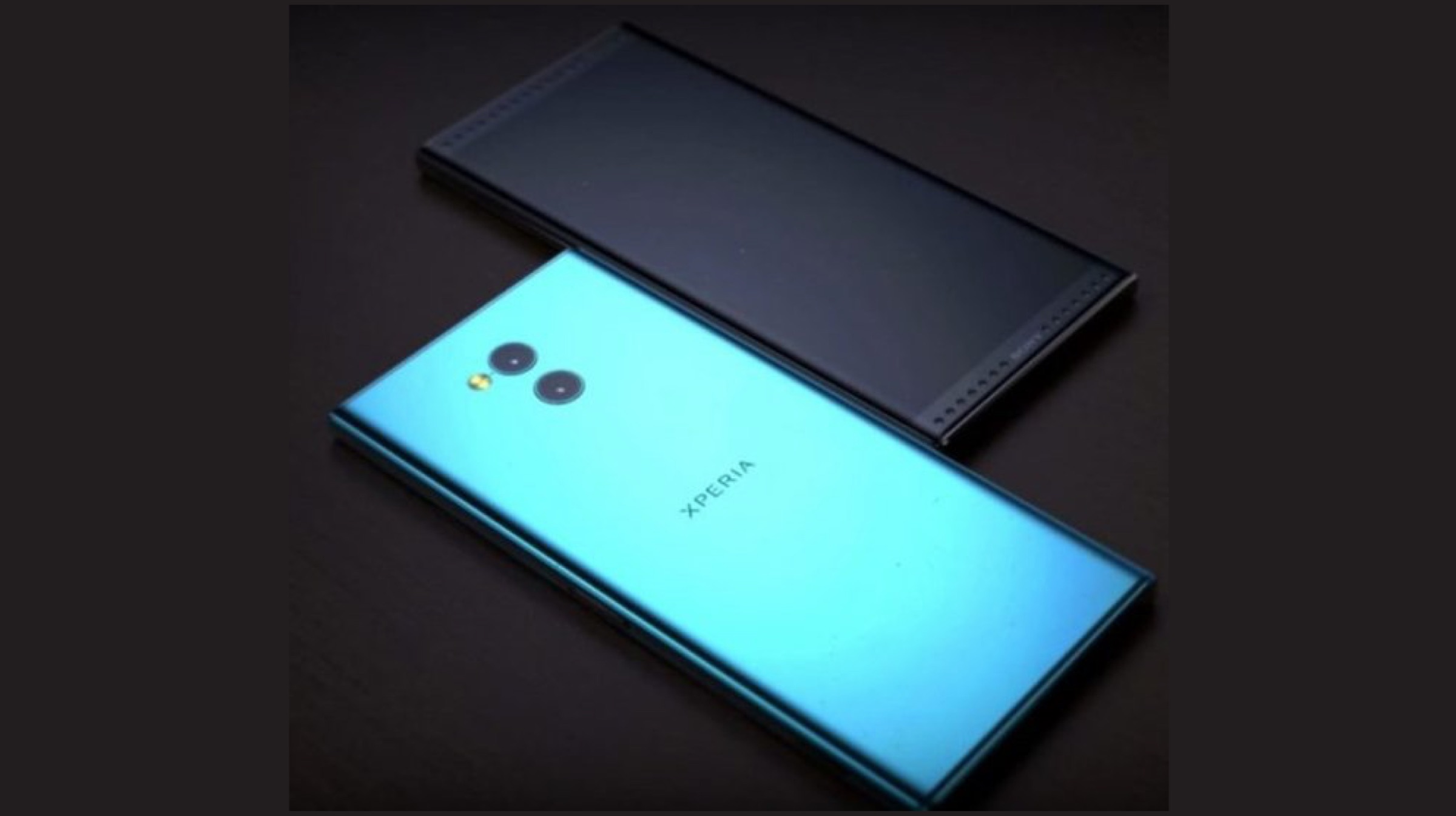
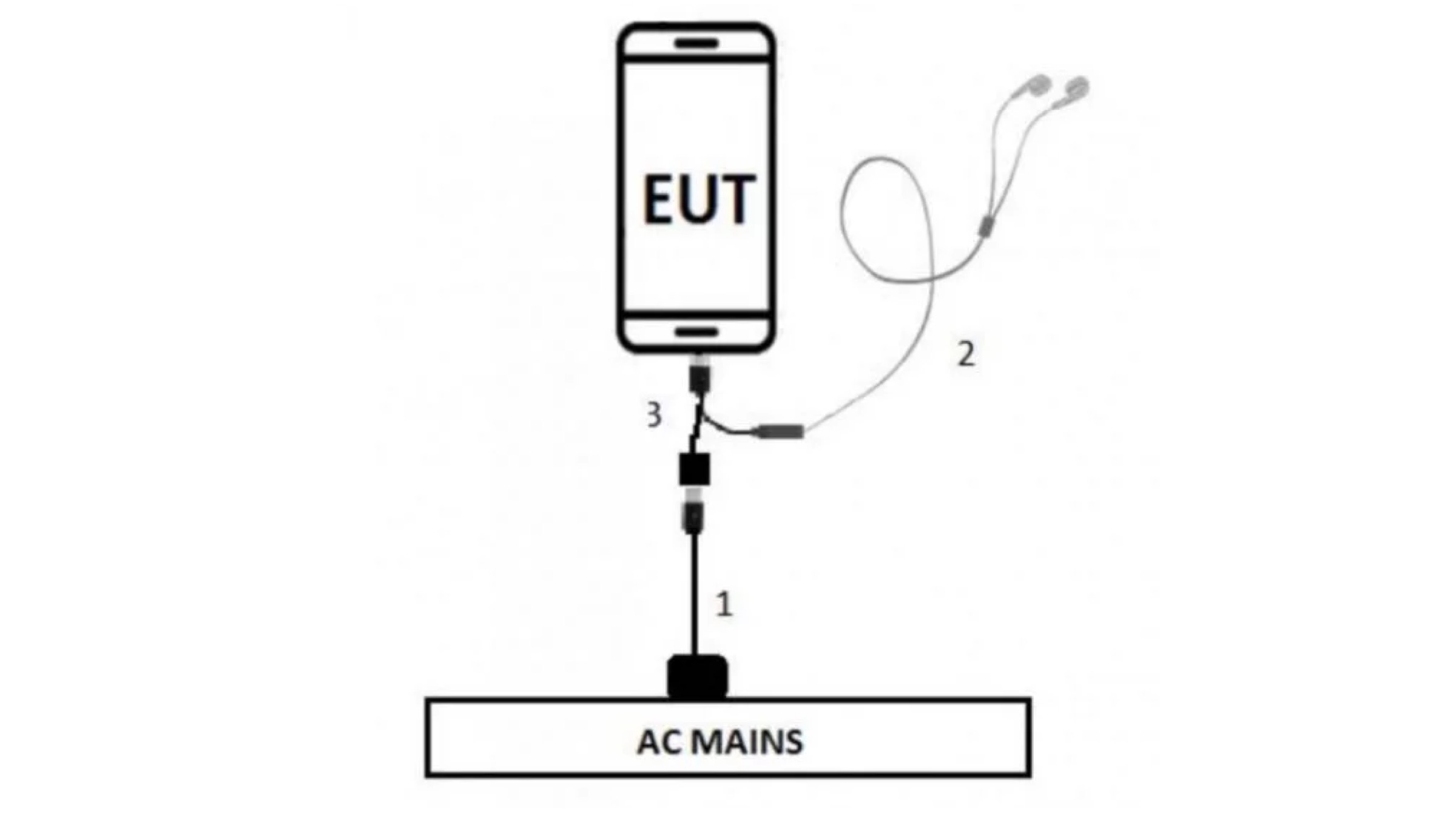
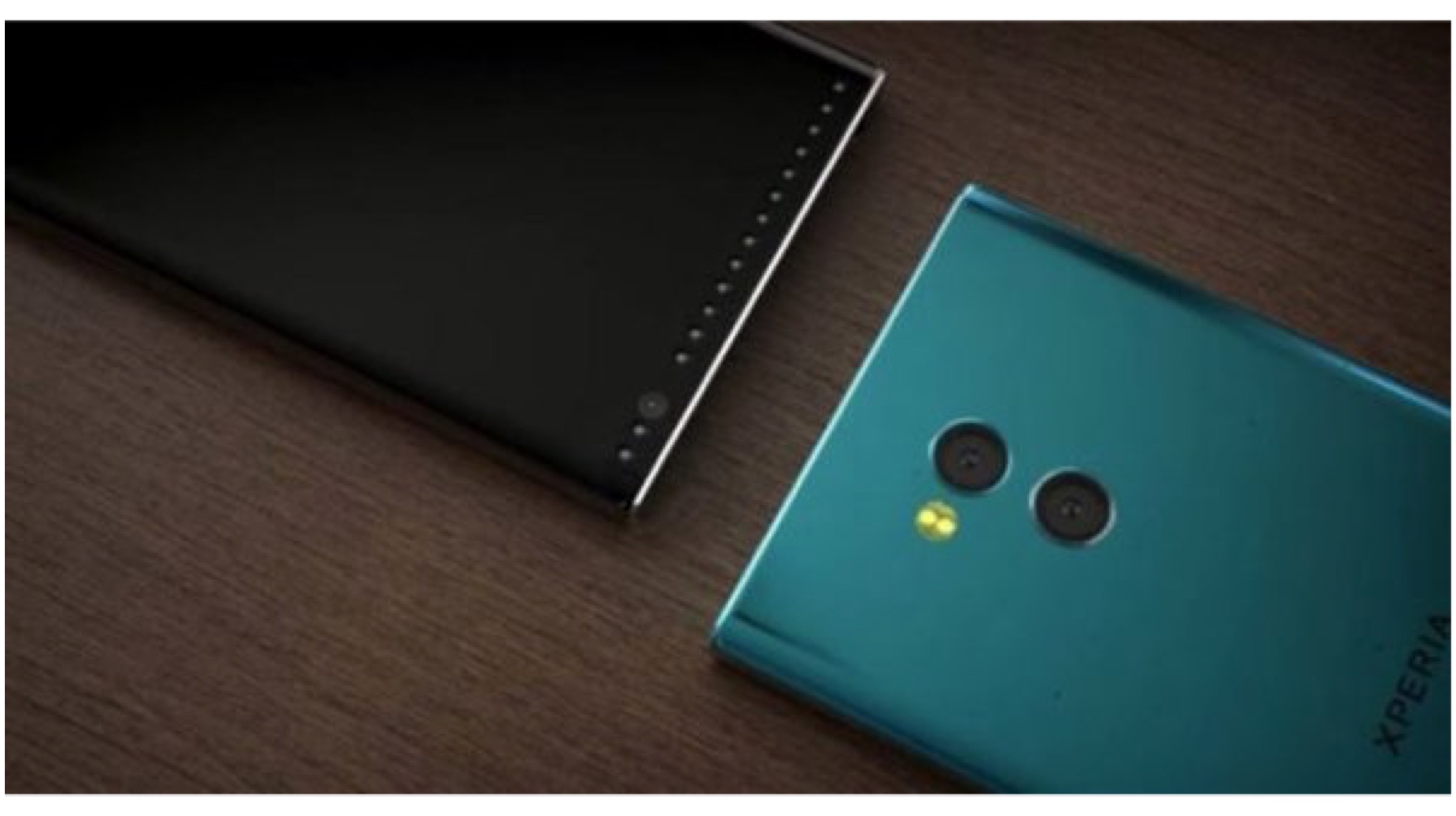
An upcoming Sony smartphone with the model number ID PY7-21831A has surfaced online as it passed through FCC. While FCC listings don’t usually shed a lot of light on specs and features of a smartphone, this particular listing reveals that this Xperia device won’t have a 3.5mm headphone jack. To take a drastic step like this, Sony would have to choose a flagship device hence, this could very well be the upcoming Sony Xperia XZ Pro. The Xperia XZ Pro is expected to be launched at MWC 2018 scheduled to take place from the 26th of February in Barcelona. Furthermore, the attached document also highlights that the dimensions of the phone are 152.79 x 72.42 mm and that it has a 5.7-inch screen diagonal display.
This information falls in line with previous leaks about the Sony Xperia XZ Pro. It will have a 5.7 inch OLED display with 4K resolution, thin bezels and possibly, an 18:9 aspect ratio.
Under the hood, the Sony Xperia XZ Pro will have the Snapdragon 845 chipset, 6GB of RAM and up to 128GB of onboard storage. The storage is expected to be expandable via a microSD card. The fingerprint sensor is expected to be housed inside the lock button on the side. Although, with the presence of an OLED display, Sony could go ahead and use a screen embedded fingerprint sensor.
The device will be powered by a 3420 mAh battery which will support QuickCharge 4.0+.
The Xperia XZ Pro will have a dual rear camera setup, with one of the cameras having an 18 MP sensor with 1.33 microns pixel size and a 12 MP sensor with 1.38 microns pixel size. On the front will be a 13 MP camera.
Whether the smartphone mentioned in the FCC documents really is the Xperia XZ Pro is yet to be seen and all of it will absolutely clear when the company unveils the device at MWC 2018. It will also be interesting to see if Sony does remove the headphone jack, what the company will say about the decision. Whether the industry trend forced it into the decision or whether the company has some exciting wireless headphones to go with its new flagship.
The On 7 Pro is Samsung’s budget offering in the sub-10K category. It packs a 5.5-inch 1080 x 720 px display along with the Qualcomm Snapdragon 410 chipset. On the camera front, the device features a 12MP rear-facing camera with an f/2.1 aperture and a front-facing 5MP camera with an f/2.2 aperture. It usually retails for Rs 9490 but is available for Rs 7490 right now.
The JBL GO Bluetooth Speaker is a great budget Bluetooth speaker. It is available in 8 colours for you to choose from. At 132 g, it is extremely light and portable. It has a 3.5mm jack to connect your device via an AUX cable and charges through a micro-USB port. It has a built-in microphone to receive calls as well. The JBL GO speaker usually retails for Rs 2699 but is available for a price of Rs 1375 right now.
As smartphones get thinner, battery performance, unfortunately, takes a hit. In such times, a good power bank helps. There are plenty of power banks available in the market and a 10,000 mAh capacity is a standard for good power banks. The Intex 11,000 mAh power bank usually retails for about Rs. 1899 but, during the Great Indian Sale, it is available for Rs. 649 which is a steal!
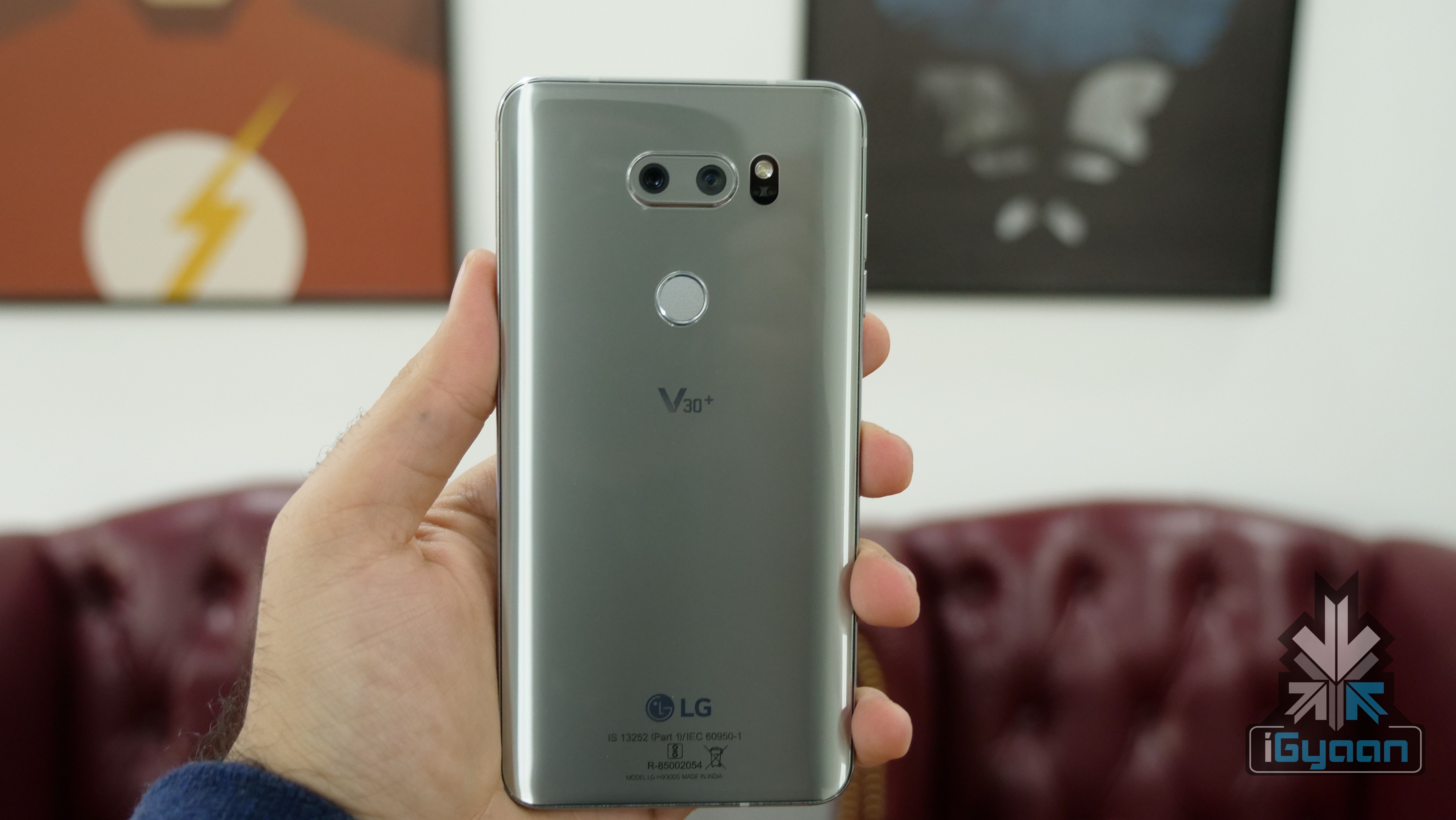
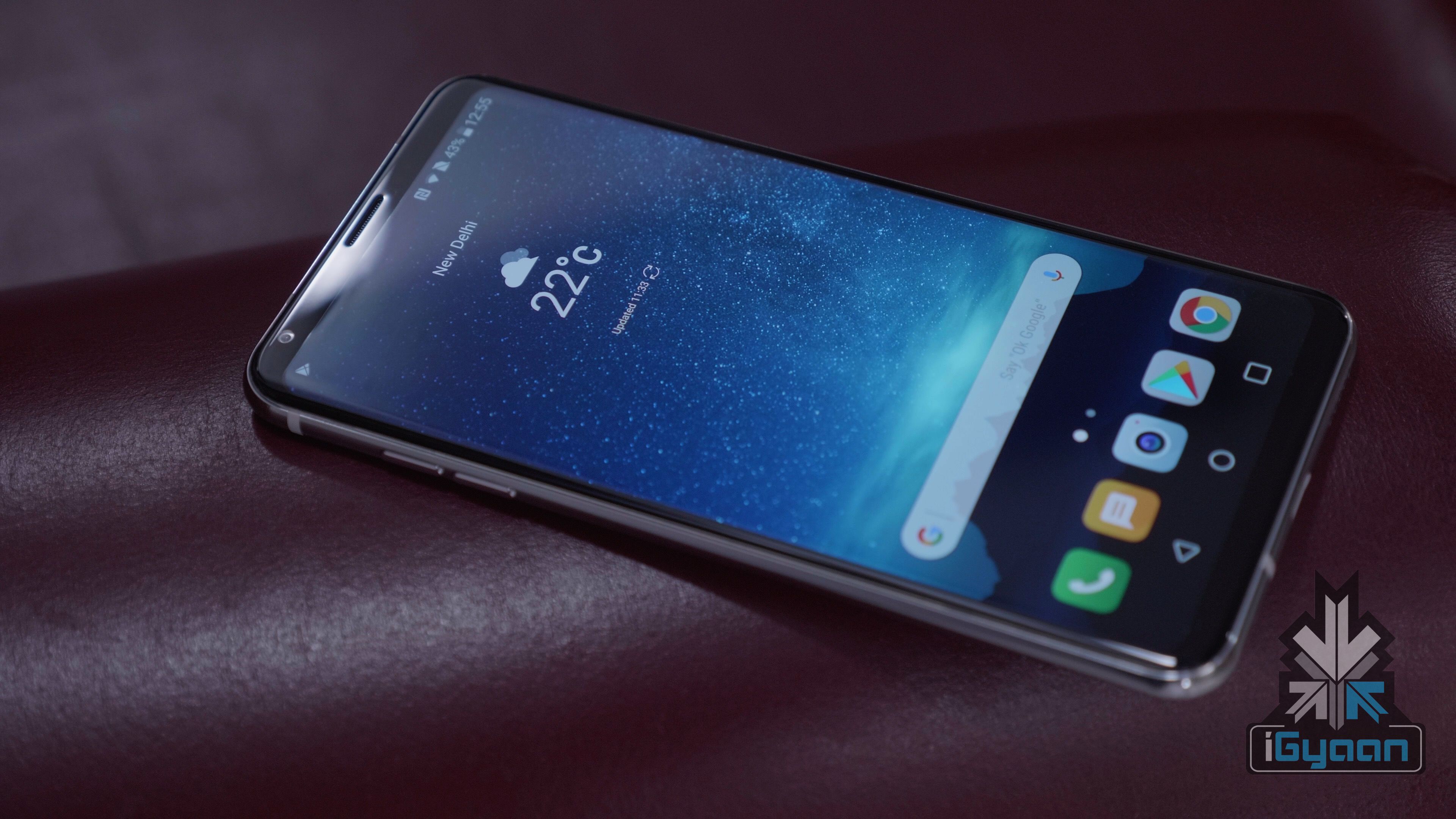
One of the most underrated smartphones of 2017, the LG V30+ has all the specifications and design of a modern-day flagship. It has the very capable Snapdragon 835 chipset, 4GB of RAM and 128GB of storage. Unlike a lot of dual-camera setups found on smartphones these days, the LG V30+ has a normal lens and a wide-angle lens on the back. It has thin bezels around the display, and in the era of companies getting rid of the headphone jack, the LG V30+ has a HiFi Quad DAC for superior sound quality.
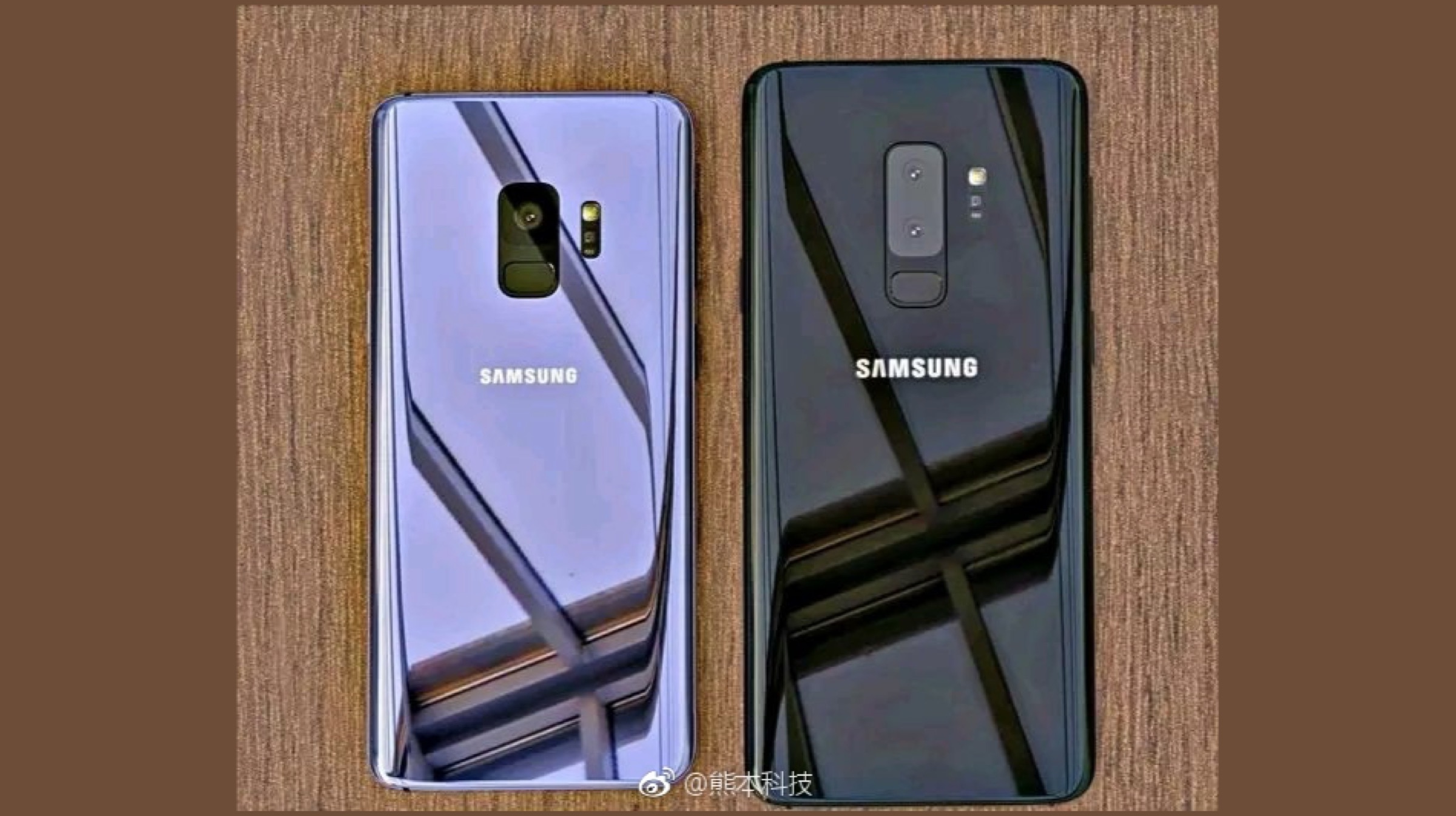
The upcoming Mobile World Congress show is scheduled to be held from the 26th of February to March 1st. While a lot of companies will showcase cool concept phones, a few smartphone makers will be stamping their authority in the market with their new flagship devices. One such company is Samsung, who has confirmed that the Galaxy S9 and S9+will be unveiled at the MWC 2018.
There is not much left to be known about the two devices as is with every big smartphone launch, most of the details have been leaked. However, we are still a month away from the launch and Samsung is expected to add a lot of bells and whistles to its upcoming 2018 flagship smartphones. A new report is claiming that the Samsung Galaxy S9 and S9+ will have a camera with a variable aperture, and other features like a Y-Octa Display technology.
In a previous leak, it was confirmed that the Samsung Galaxy S9 will have a 12MP camera with an f/1.5 aperture. It has now been revealed that the smartphone will have a variable aperture instead of a fixed one. The report suggests that with a variable aperture of f/.5/ to f/2.4, the camera on the Galaxy S9 will be able to adjust aperture similar to a DSLR camera.
The report also claims that Samsung will be using the new Y-Octa display technology on the new flagship devices. The Samsung Galaxy S9 is expected to have a 5.77 inch display and the Galaxy S9+ is expected to have a 6.22 inch display with the new flexible Y-Octa OLED technology. Lastly, the report also mentions some of the under the hood advancements.
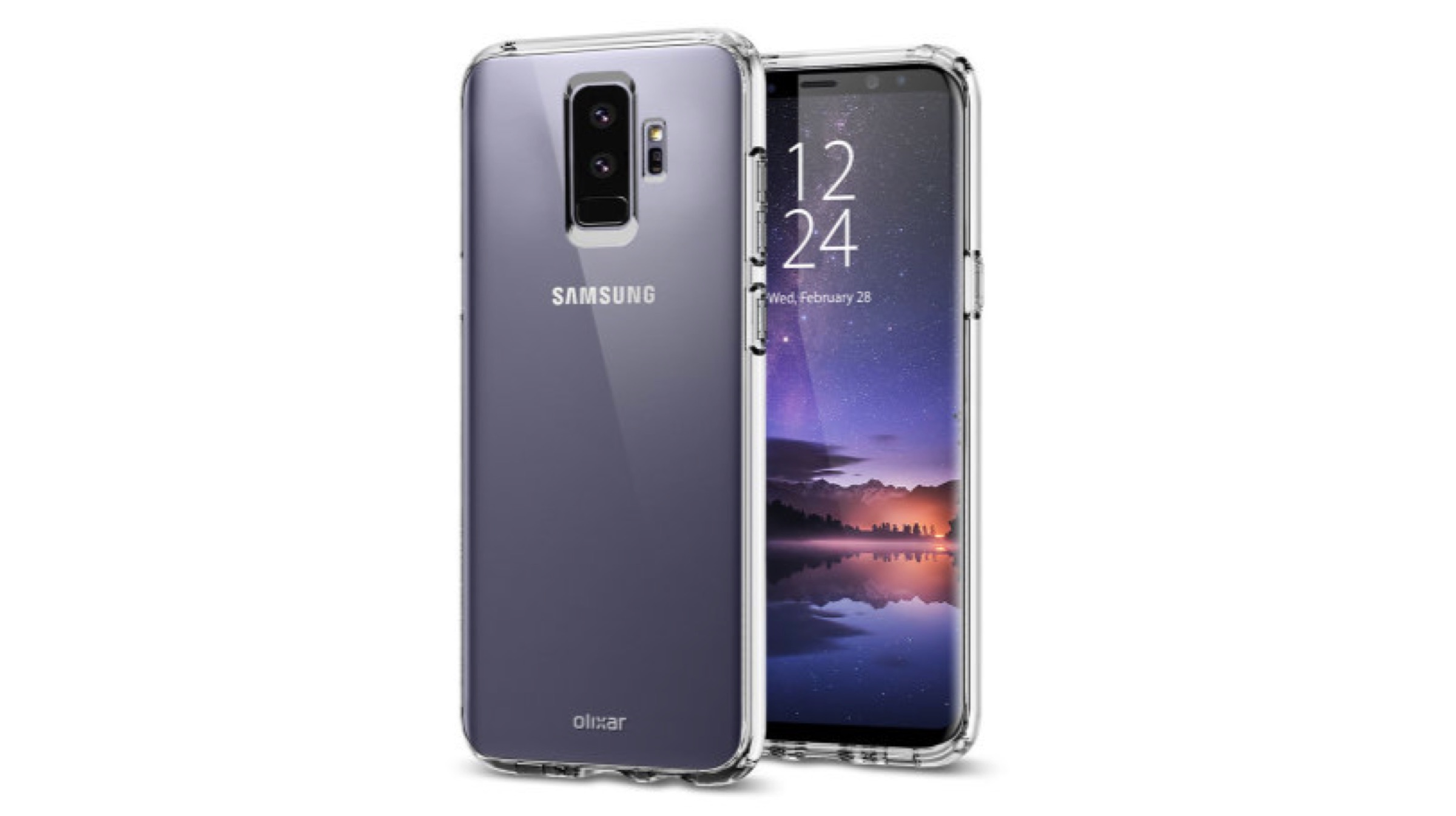
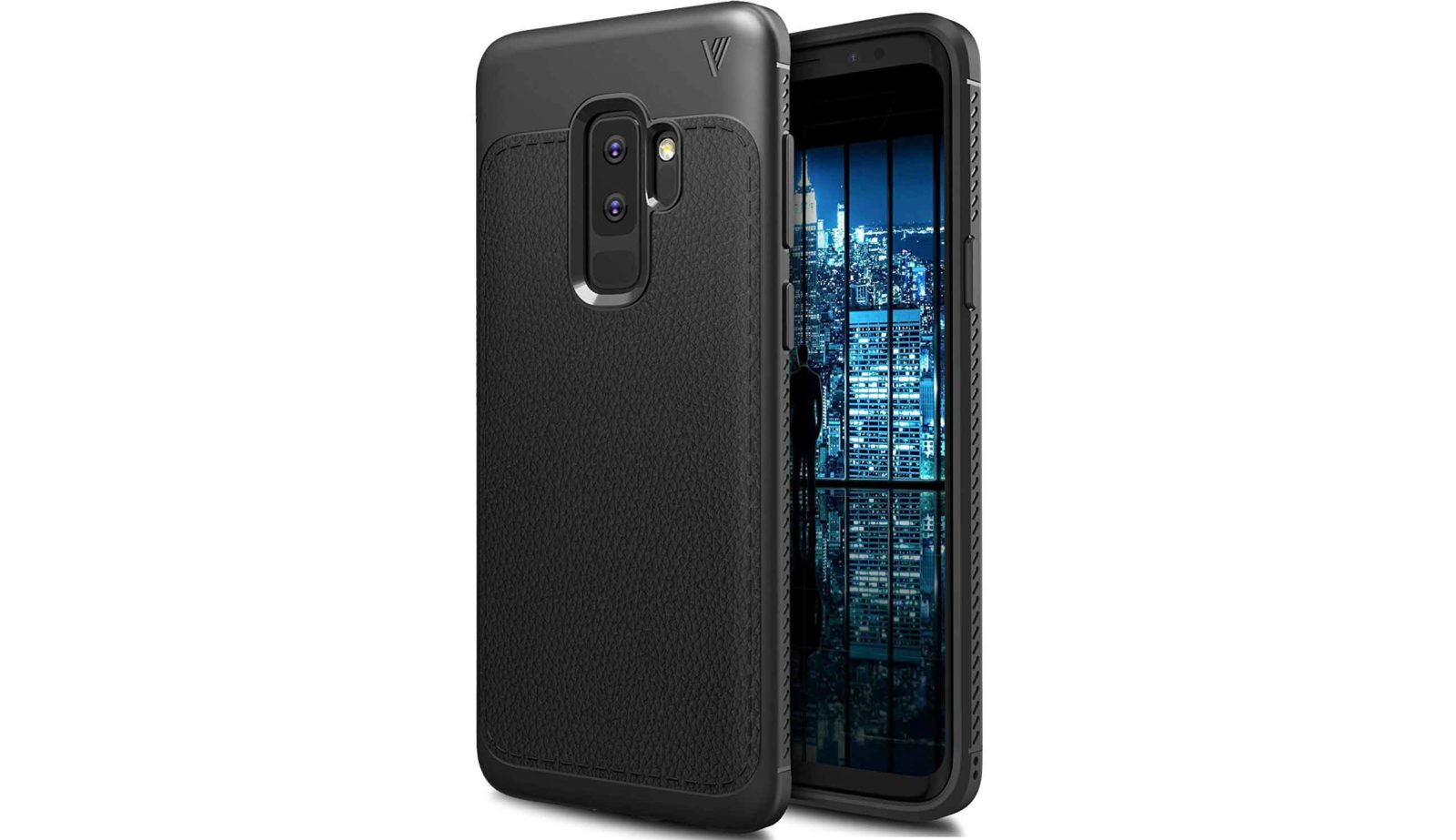
Galaxy S9+ Case Renders
The Samsung Galaxy S9 and Galaxy S9+ will be the first Samsung phones to introduce the SLP (Substrate like PCB) motherboard technology. This technology helps in creating more space inside to add other components like a bigger battery, advanced chips etc.
In September 2017, Apple held its annual launch event and this time around, had a few tricks up its sleeves. The company launched the Apple TV 4K, the Apple Watch Series 3, and then the iPhone 8 and iPhone 8 Plus. However, that wasn’t the end of the event as the company launched the iPhone X, in a way reminiscent of the launch of the original iPhone from 2007.
The iPhone X represented a substantial design shift for the first time since the iPhone 6 was launched in 2014. A near bezel-less design, Face ID and a notch at the top which looked destined to divide opinions in a way only the “iOS vs Android” debate could. While the iPhone X is undoubtedly the most powerful smartphone in the market, the device has not been received that well in prominent smartphone markets.
Investors note from KGI Securities’ Ming-Chi Kuo says that the iPhone X has not been as impactful in China as predicted because of the notch holding the sensors for the device, giving consumers the impression that there is less usable space than on the iPhone 8 Plus. It is also expected that Apple will again launch three iPhones in September 2018 with all the three iPhones looking similar to the iPhone X rather than the iPhone 8 or 8 Plus.
Ming-Chi Kuo predicts the iPhone X will be “end of life” in the summer of 2018, instead of being retained as a lower-cost option in the following year. If this happens, it would be the first time that Apple has not retained the previous year’s smartphone to offer a wide range of iPhones available in different price brackets.
The iPhone X has been well-received by customers and critics alike. While there were initial doubts about Face ID, it has proven to be a good substitute for Touch ID, especially during in-app purchases. Apple has said that it believes Face ID is the future and even though a screen embedded fingerprint sensor is a reality, we might have seen the last of Touch ID on iPhones with the iPhone 8 and 8 Plus.
Xiaomi consistently launches smartphones in its native market and sometimes, these devices get a global launch. In 2017, the Chinese smartphone maker launched the Mi 5X in China and a few weeks later, the Mi 5X with stock Android OS was launched as the Mi A1 in India. The successor to the Mi 5X, the Mi 6X is expected to be launched close to mid-2018 and a new image reveals a key detail about the device.
The leaked image of the back panel of the upcoming Mi 6X reveals a dual-camera setup vertically placed. Similar to the iPhone X, it appears that the LED flash will also be placed between the two sensors. Apart from the dual-camera setup, the build quality looks to be metallic with an aluminium unibody design. There is no cutout for a fingerprint sensor which either means that the device will have thick bezels and a fingerprint sensor housed inside the home button, or an in-display fingerprint sensor.
Even though a fingerprint sensor inside the display for a mid-range device sounds outlandish right now, the smartphone is expected to be launched in mid-2018 which gives Xiaomi a lot of time to perfect the technology. If Xiaomi does go for a 16:9 aspect ratio, it might be a bad move especially if it wants to launch the device in markets other than China. The Indian market already has more modern looking mid-range smartphones like the Honor 7X. There are rumours that the Moto G6 Plus will have an 18:9 aspect ratio which will soon become an industry norm.
Xiaomi Mi A1/5X
There are no details about the specifications of the upcoming smartphone however, this could very well be the Mi A1 (2018) or Mi A2 as its predecessor, the Mi 5X was launched as the Mi A1 in India back in September 2017. Whether Xiaomi decides to launch it in India is a different case but, the popularity of the Mi A1 might inspire the company to launch a successor here in India.
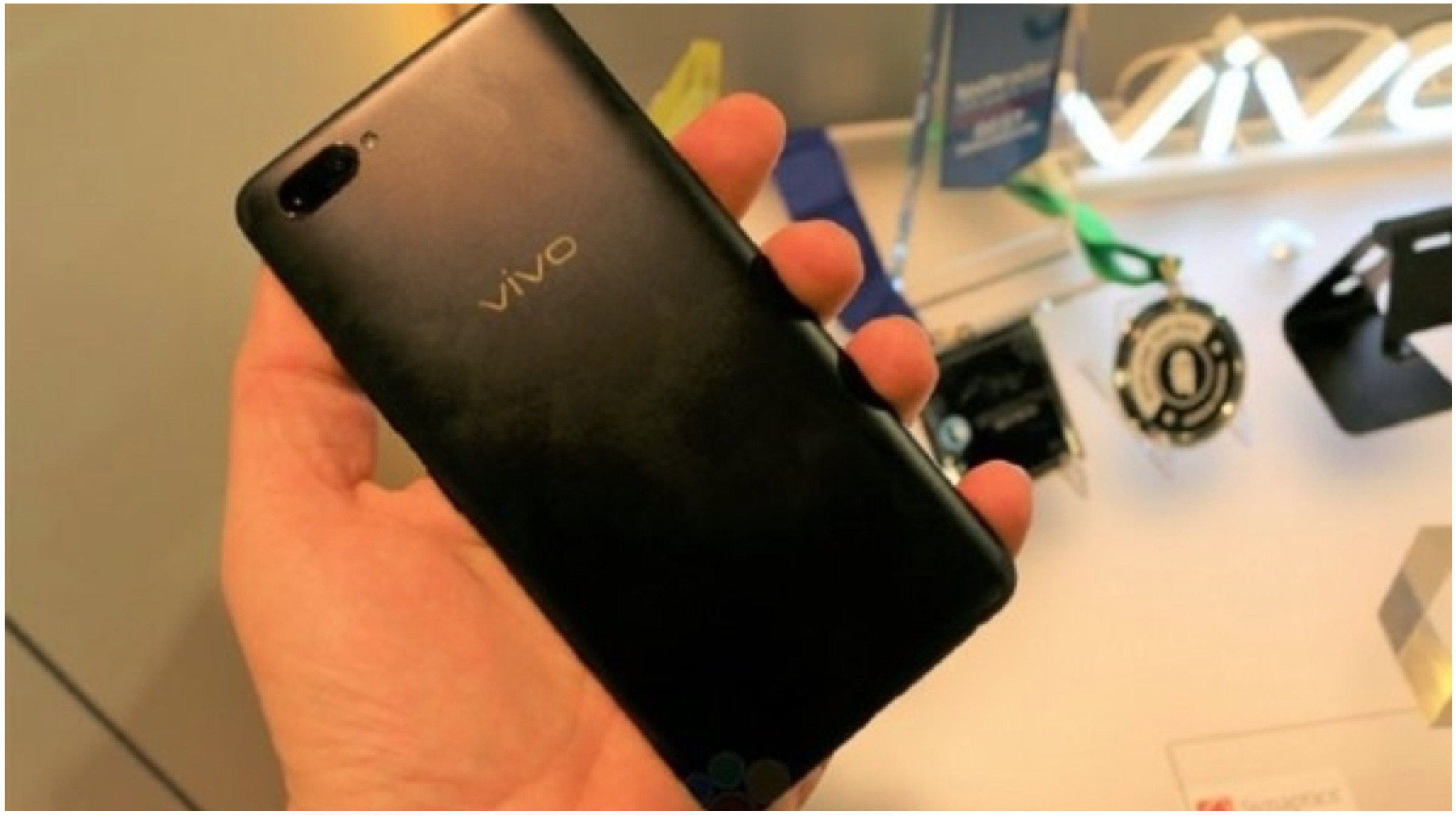
It was a highly anticipated unveiling and one that would set the precedence for all the smartphone makers across the market. Vivo, one of the top five smartphone manufacturers in the world became the first company to unveil a phone with an in-display fingerprint sensor. Not a prototype or a concept, a consumer-ready device with a fingerprint sensor placed inside the display.
Now, the company has made the device official in China as the Vivo X20 Plus UD. UD, presumably, stands for “under display.” While there is no word on the smartphone’s availability or price yet, it is expected to be priced at around CNY 3998, which is Rs. 39000 approximately. The smartphone will be officially launched on the 24th of January.
The Vivo X20 Plus UD is basically the Vivo X20 Plus, with a fingerprint sensor placed inside the display instead. It has a 6.43 inch Super AMOLED display with a 2160 x 1080 px resolution which translates to an 18:9 aspect ratio.
Under the hood, the smartphone is powered by the Qualcomm Snapdragon 660 chipset, has 4GB of RAM and 128GB of onboard storage which is further expandable up to 256GB via a microSD card. It is powered by a 3930 mAh battery which charges via a USB C port.
To the back, it has a dual-camera setup consisting of a 24MP sensor with an f/1.8 aperture and OIS along with a 5MP sensor. To the front of the phone is a 12MP sensor with soft LED flash and an f/2.0 aperture.
The technology found in the new smartphone is known as Clear ID and lets users OEMs embed a fingerprint sensor under the display. Synaptics has claimed that it has a failure rate of 1 in 50,000 which, for a first gen product, is admirable. Early reviews of the device are in and mostly paint a positive picture. People are praising the accuracy of the sensor while it is slower than other fingerprint sensors found on devices like the OnePlus 5T, it is hard to complain when the process feels so futuristic.
The in-display fingerprint sensor sits between the mainboard and the OLED panel where it illuminates the finger and then processes the beams of light. Hence, this technology will not work on LCD panels as the sensor looks through the dots of an OLED panel, and then recognises the fingerprint.
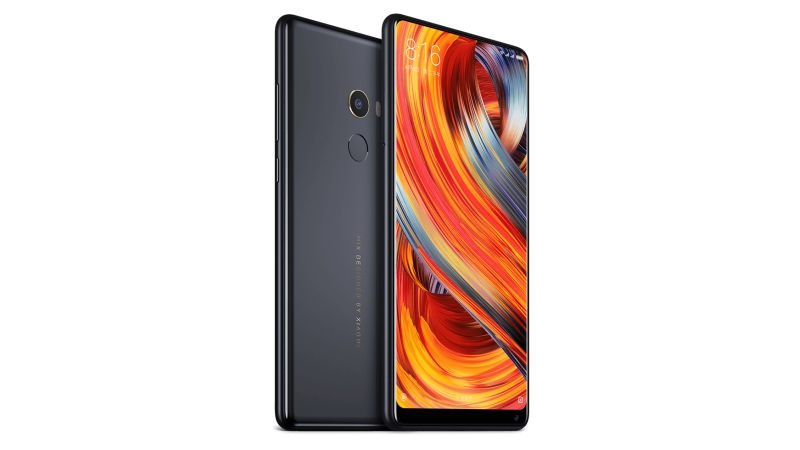
Xiaomi is expected to make a big announcement at the upcoming MWC 2018 and many expect it to be of the Mi 7. Xiaomi will launch the next iteration of its ‘Mi’ flagship phones in 2018 and the announcement could be made as soon as February. While one very important aspect of the upcoming device was confirmed by the company itself, there have a been a few conflicting renders and reports regarding some of the features that the Mi 7 might sport.
One such thing was the fingerprint technology. Ever since Vivo unveiled the first-ever smartphone with an in-display fingerprint sensor, there have been plenty of rumours of more Chinese smartphone makers adopting the Clear ID technology. A few weeks ago, two conflicting reports claimed that the Mi 7 will have an in-display fingerprint sensor while the other claimed that it will adopt Face ID-like facial recognition system owing to the popularity of AI. A new render appears to have revealed that Xiaomi will, at the least, not introduce a Clear ID fingerprint sensor in its next flagship device.
A new render of the Mi 7 has surfaced and it reveals that the device will have a rear-facing fingerprint sensor. The image also shows a horizontally placed a dual-camera setup on the back. Unfortunately, there is no image of the front of the phone accompanying this render which means that what we have so far, are just speculations. The Mi 7 is expected to have a 6-inch display with an 18:9 aspect ratio and a bezel-less design. It will be interesting to see if Xiaomi takes the Mi Mix route and house everything in a bottom bezel or have even bezels around the display.
The build of the smartphone appears to be made of glass which means that Xiaomi could finally introduce wireless charging in its smartphone lineup. Previous renders revealed almost zero bezels around the display and a small cutout on top for the front-facing camera and sensors.
Previous Mi 7 Renders
The company has confirmed that the Mi 7 will be powered by the Qualcomm Snapdragon 845 chipset, and is expected to have either 6 or 8GB of RAM along with 128GB of storage which won’t be expandable. Thanks to the Snapdragon 845 chipset, the smartphone is expected to have some enhanced AI features like the Honor View10 and a facial recognition software could be one of the marquee features of the device.
The Xiaomi Mi 7 is expected to have a 19MP + 19MP dual camera setup with an f/1.7 aperture and 4X optical zoom. To the front, it is rumoured to have a 16MP camera.
Competitively priced, great performance, big battery, and a dual-camera setup, the Honor 8 Pro was launched as a competitor of the OnePlus 5. The Honor 8 Pro has 5.7 inch 2560 x 1440 px display which is ideal for media consumption via VR. The Honor 8 Pro has 128 GB of storage along with 6GB of RAM. The phone also has a large 4000 mAh battery and fast charge capabilities, with long battery modes built into Honor’s user interface.
The Xiaomi Mi Max 2 has a 6.4 inch 1920 x 1080 px display with Corning Gorilla Glass 3 on top for added protection. The smartphone is powered by a massive 5300 mAh with QuickCharge 3.0 and runs Android 6.0 Marshmallow with Xiaomi’s custom skin MIUI 8 on top. The phablet has a one-hand usage mode as well. Under the hood, the phablet has the Qualcomm Snapdragon 625, Cortex-A53 octa-core processor, 4GB of RAM and 32GB/64GB onboard storage options. The fingerprint sensor is placed at the back of the device and sits just below the cameras. The Mi Max 2 switches to dual-audio speakers when in landscape mode. On the optics front, the Mi Max 2 has a 12-megapixel camera with an f/2.2 aperture, equipped with the Sony IMX386 sensor with PDAF and dual-LED flash. On the front, the phablet has a 5MP camera with an f/2.0 aperture.
One of the top budget earphones, the JBL C100SI Headphones have a great fit and a very good build quality. It has a 9mm driver and a 1.2-meter cable. The cable size is ideal for earphones as it allows you to rest your smartphone in the pocket without compromising on the comfort.
As smartphones get thinner, battery performance, unfortunately, takes a hit. In such times, a good power bank helps. There are plenty of power banks available in the market and a 10,000 mAh capacity is a standard for good power banks. The Ambrane 10,000 mAh power bank usually retails for about Rs. 1799 but, during the Great Indian Sale, it is available for Rs. 599 which is a steal!
The G5S Plus has a 5.5 inch 1920 x 1080 px display. The fingerprint sensor sits below the display and can double up as a single-navigation button as well and the screen is protected by Corning Gorilla Glass 3. The highlight of the device is the 13MP dual-camera setup with an f/2.0 aperture. The dual camera captures Bokeh, and selective focus shots, along with other capabilities of background replacement and exposure management. Under the hood, the device has the Qualcomm Snapdragon 625 processor with 2.0 GHz octa-core CPU and 650 MHz Adreno 506 GPU, 3GB RAM and 32GB onboard storage which is expandable via microSD card.
Huawei’s sub-brand Honor’s budget offering, the Honor 6X is a budget-friendly smartphone in the sub-15K category and offers a dual-camera set up as well. It features a 5.5-inch 1920 x 1080 px display along with the Kirin 655 chipset and an octa-core processor. It sports a 12Mp + 2MP dual camera setup at the back and an 8MP front-facing camera.
When Google launched the Pixel 2 and Pixel 2 XL back in October, the company talked up their device’s AI capabilities. Apple, when it launched the iPhone 8, 8 Plus and the iPhone X also talked about the AI capabilities present in its A11 Bionic chipset. The two big names in the smartphone industry set the trend of machine learning taking centre stage at a smartphone launch and companies like Huawei have followed suit since then.
LG has been going through a bit of a rebranding/rehashing of its flagship smartphone lineup lately. And it is now confirmed that the LG G7 won’t see an early release that its predecessors have seen over the years. Instead, LG will launch a refreshed version of the LG V30 at the upcoming MWC 2018 scheduled to take place from the 26th of February. This version of the LG V30 will have enhanced AI capabilities.
The device will have new technologies and functions and could carry an odd name for a smartphone, V30+?. This name kind of resembles a math formula and it’ll be interesting to get to know the logic behind this moniker. That is, if LG devices to go with this particular name. The reports suggest the smartphone will be a product of the partnership between LG and Google with Google Assistant-based AI functions.
The LG V30+ has glass on the back
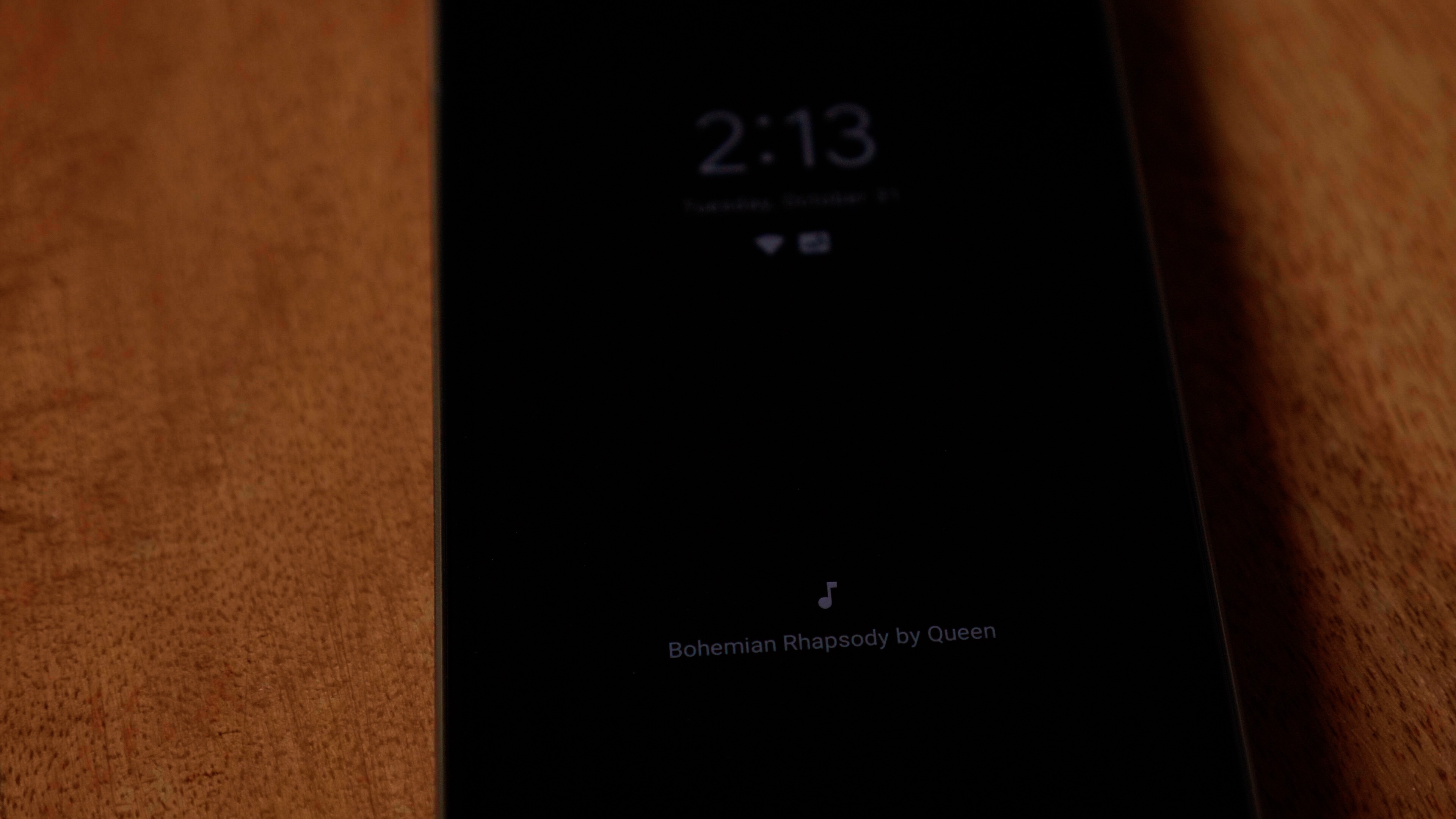
So far, we have seen different implementations of AI from different smartphone makers. If LG goes the Google route, it will be interesting to see if the LG V30+? will focus a lot on music. Since the Pixel 2 phones have the Now Playing feature, the LG V30+? could implement that feature, and along with its superior HiFi Quad DAC, the smartphone could be a music-oriented version of the 2017 flagship from LG.
Pixel 2
Google also uses a lot of machine learning for its camera and has the best photography camera on the market right now. But, it seems highly improbable if the LG V30+? will come with such advanced machine learning capabilities that could potentially match up with the Pixel 2 devices. However, a tight integration of Google Assistant within the LG UI is a possibility or even a stock OS running LG V30+? could be announced.
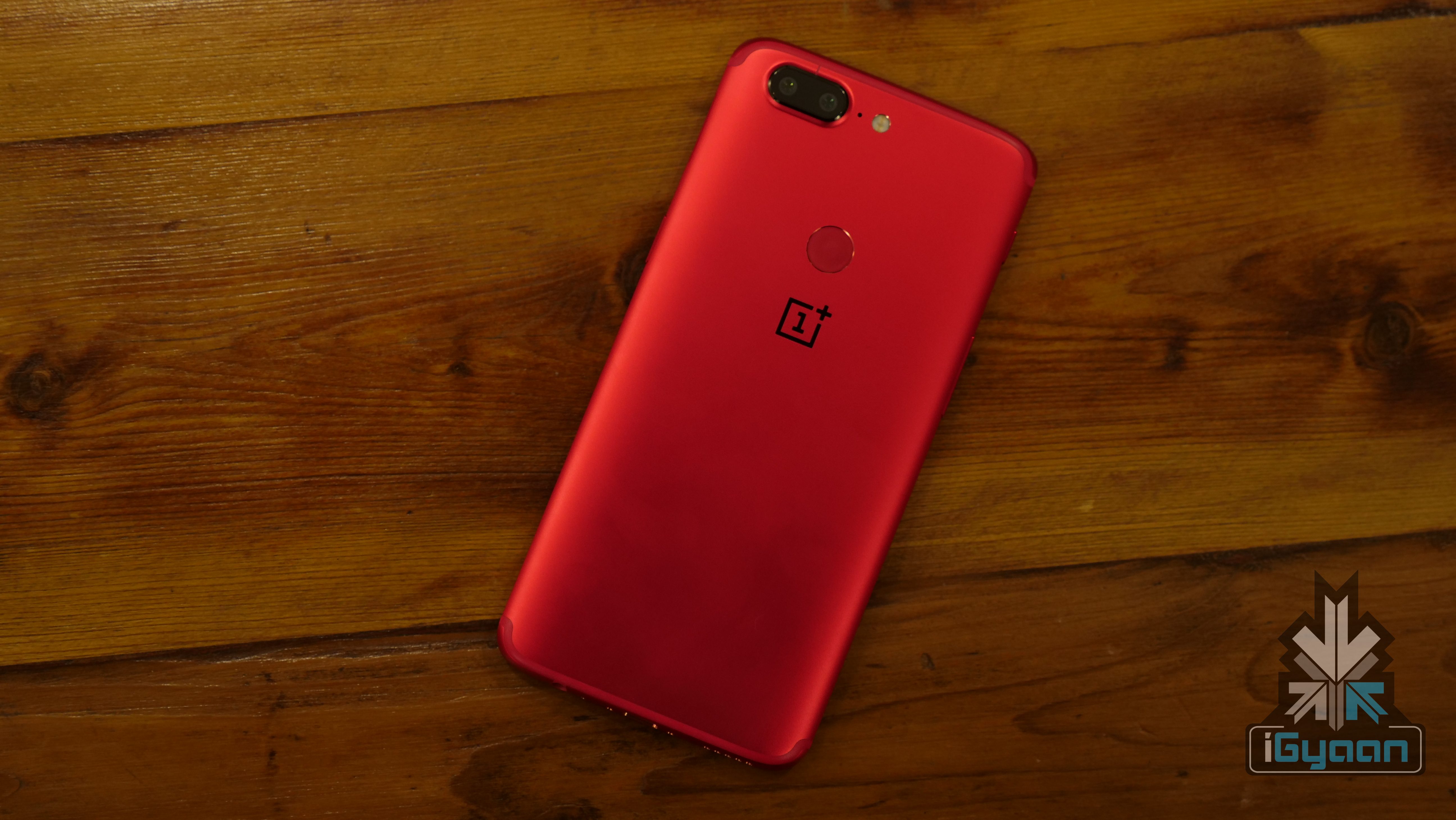
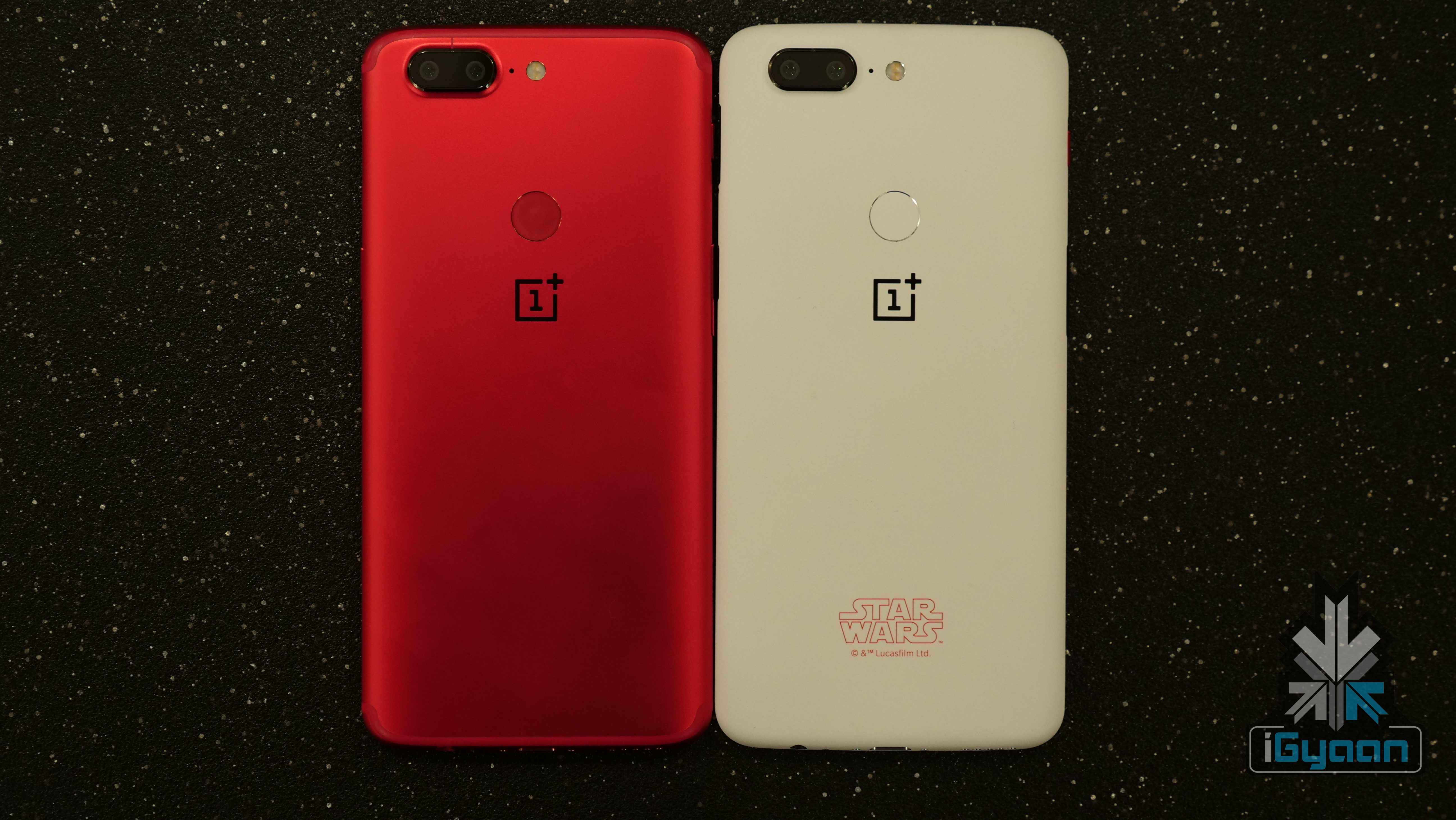
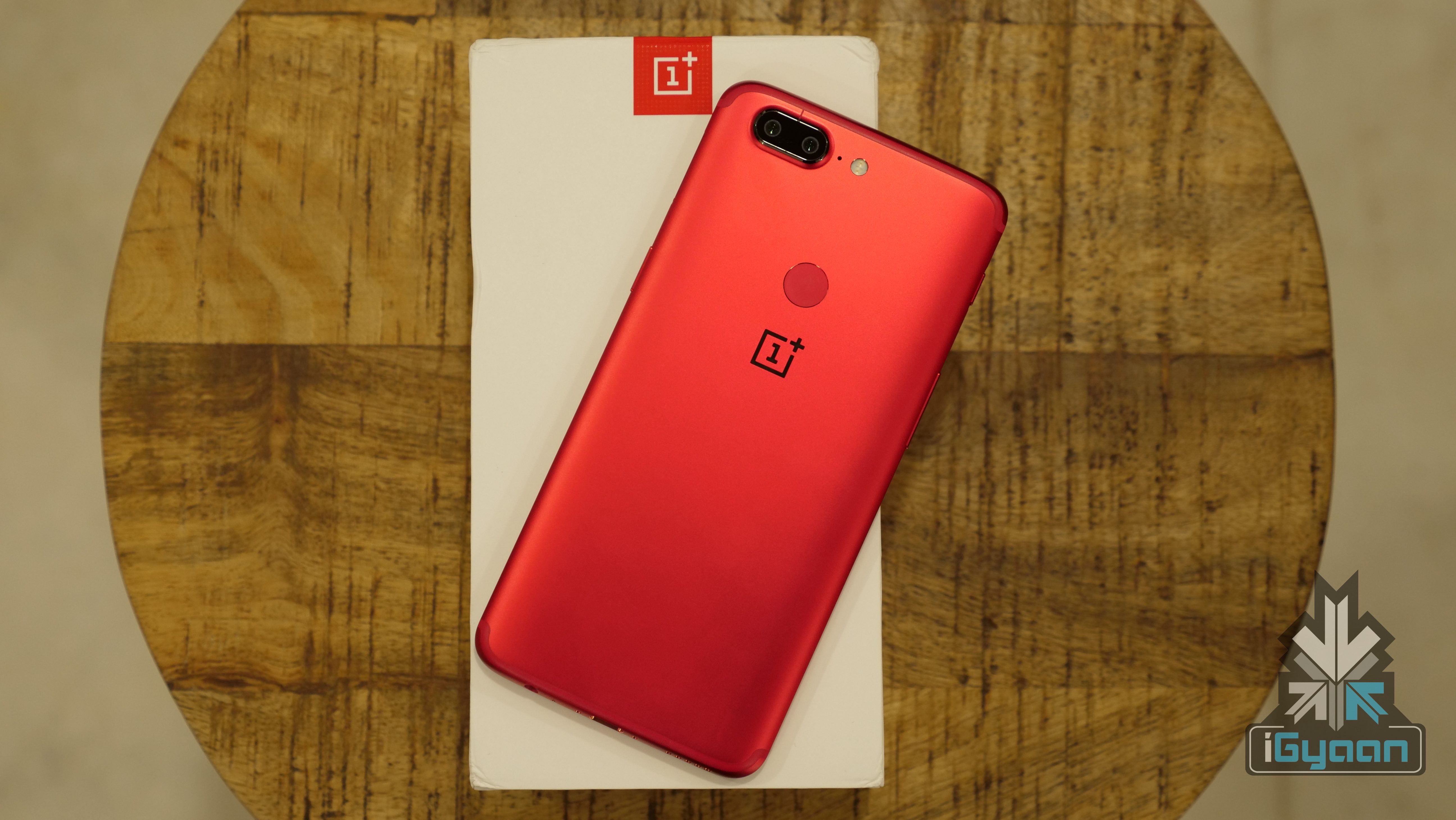
OnePlus recently launched the OnePlus 5T Lava Red edition in India. The new colour will only be available in the 8GB RAM variant and is priced at Rs. 37999, just like the regular Midnight Black colour variant. It goes on sale at 12 noon on the 20th of January via Amazon, oneplus.in, Croma stores and OnePlus experience zones in Bangalore, Mumbai and Delhi NCR.
With smartphones becoming increasingly similar as far as hardware as is concerned, smartphone makers need to find a way to differentiate their product from the rest of offerings in the market. And it appears that a “special edition” Red colour variant is the next big differentiator, that companies have identified. The Lava Red isn’t the only special edition smartphone the company has launched in India, back in December, the OnePlus 5T Star Wars edition was launched at a price of Rs. 38999.
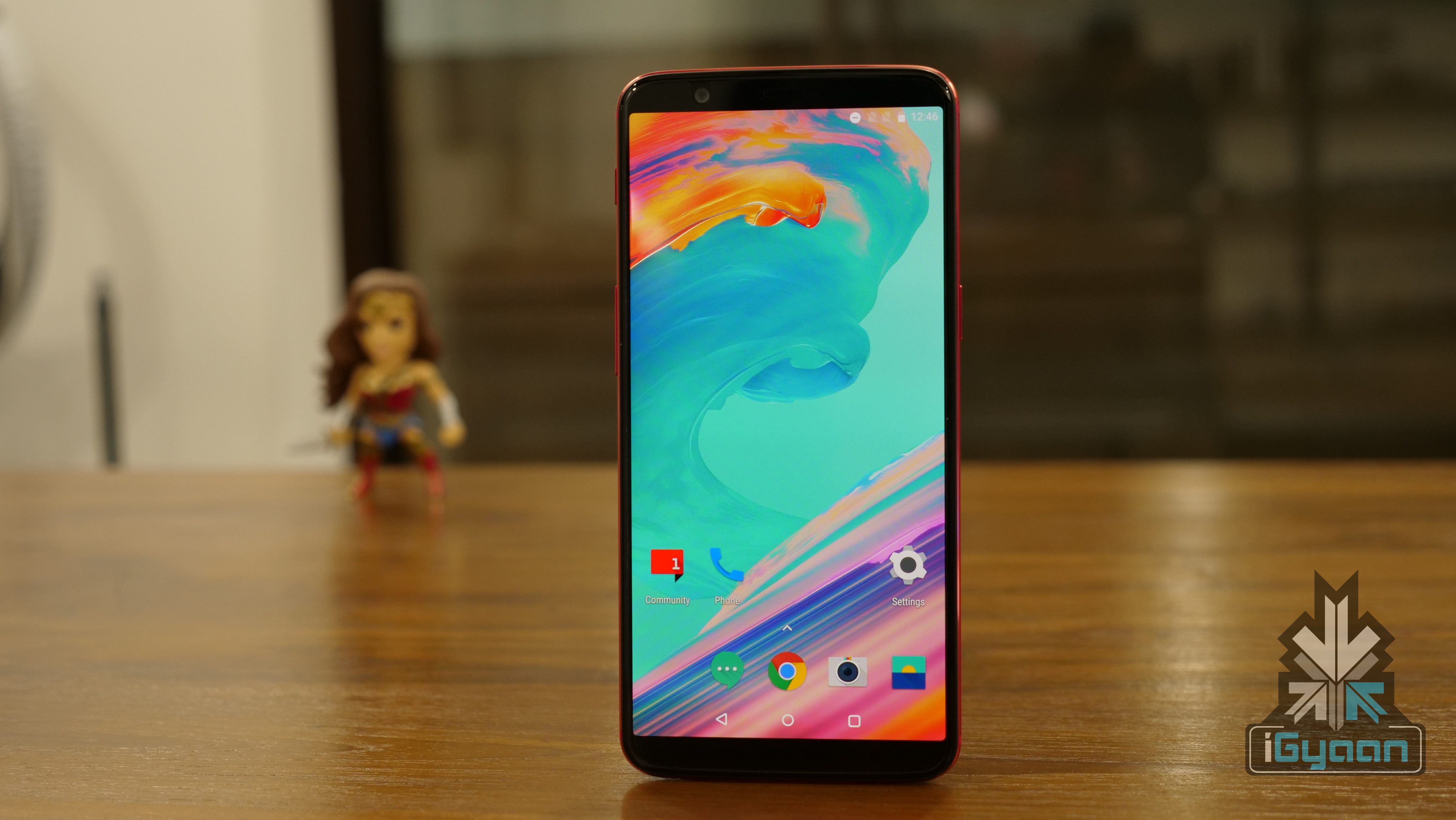
It is a red OnePlus 5T. It looks and feels exactly the same as the Midnight Black variant except it is red in colour. The smartphone has the same matte finish on the back which makes it a bit slippery to hold but, otherwise it’s a very sturdy phone. Depending on which side you’re on, you’ll be happy or sad to know that OnePlus has retained the black colour for the front of the smartphone, something that a lot of people wanted in the Product Red iPhone 7 and 7 Plus.
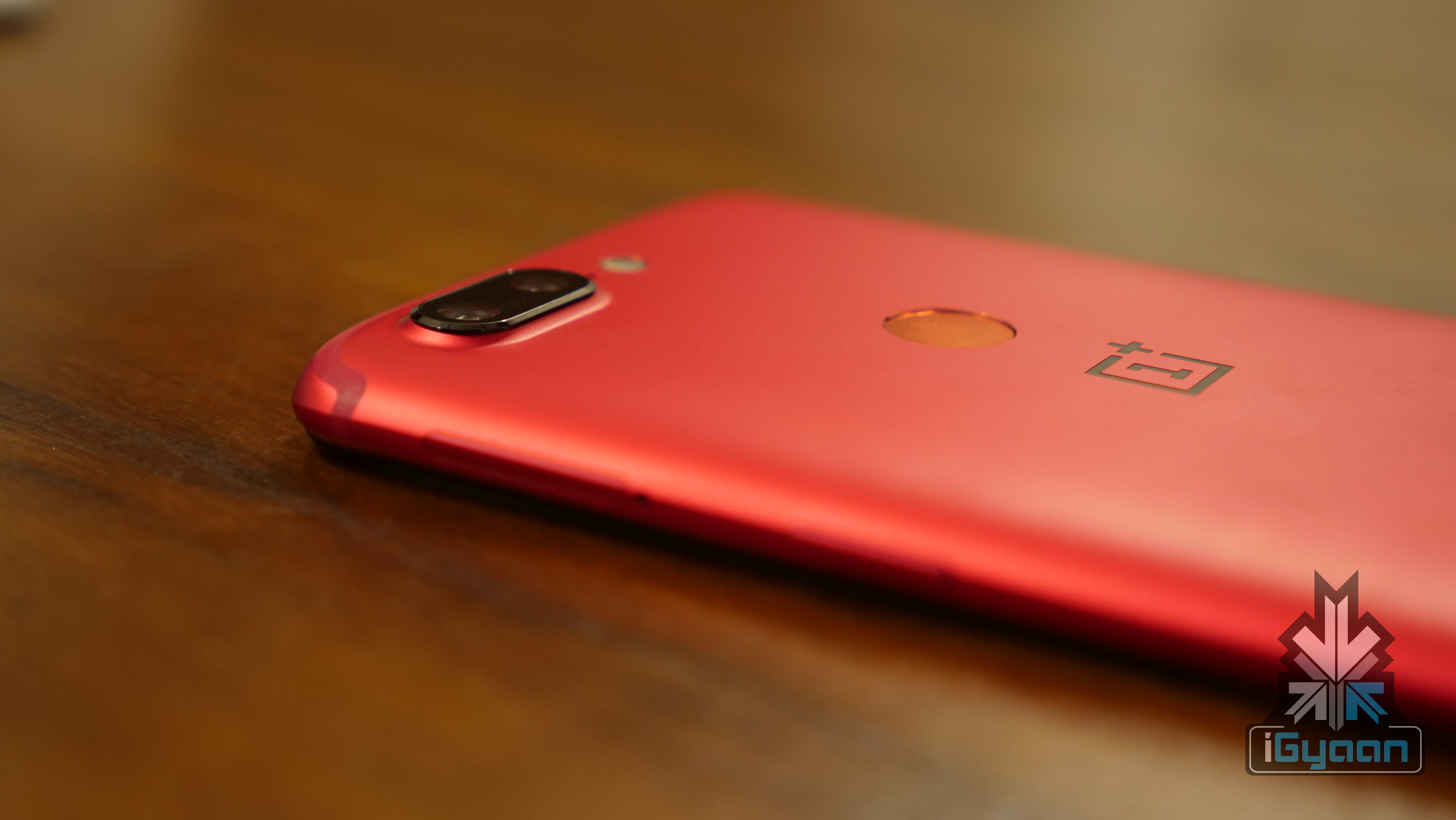
The power button, volume rockers and the fingerprint sensor are also red in colour with the black OnePlus logo providing a bit of contrast on the back. There is a small camera bump on the back which means that the OnePlus 5T doesn’t lay flat on a surface which may bug a few people while others won’t even notice it. The headphone jack, USB C port and the single bottom firing speaker reside on the bottom of the smartphone.
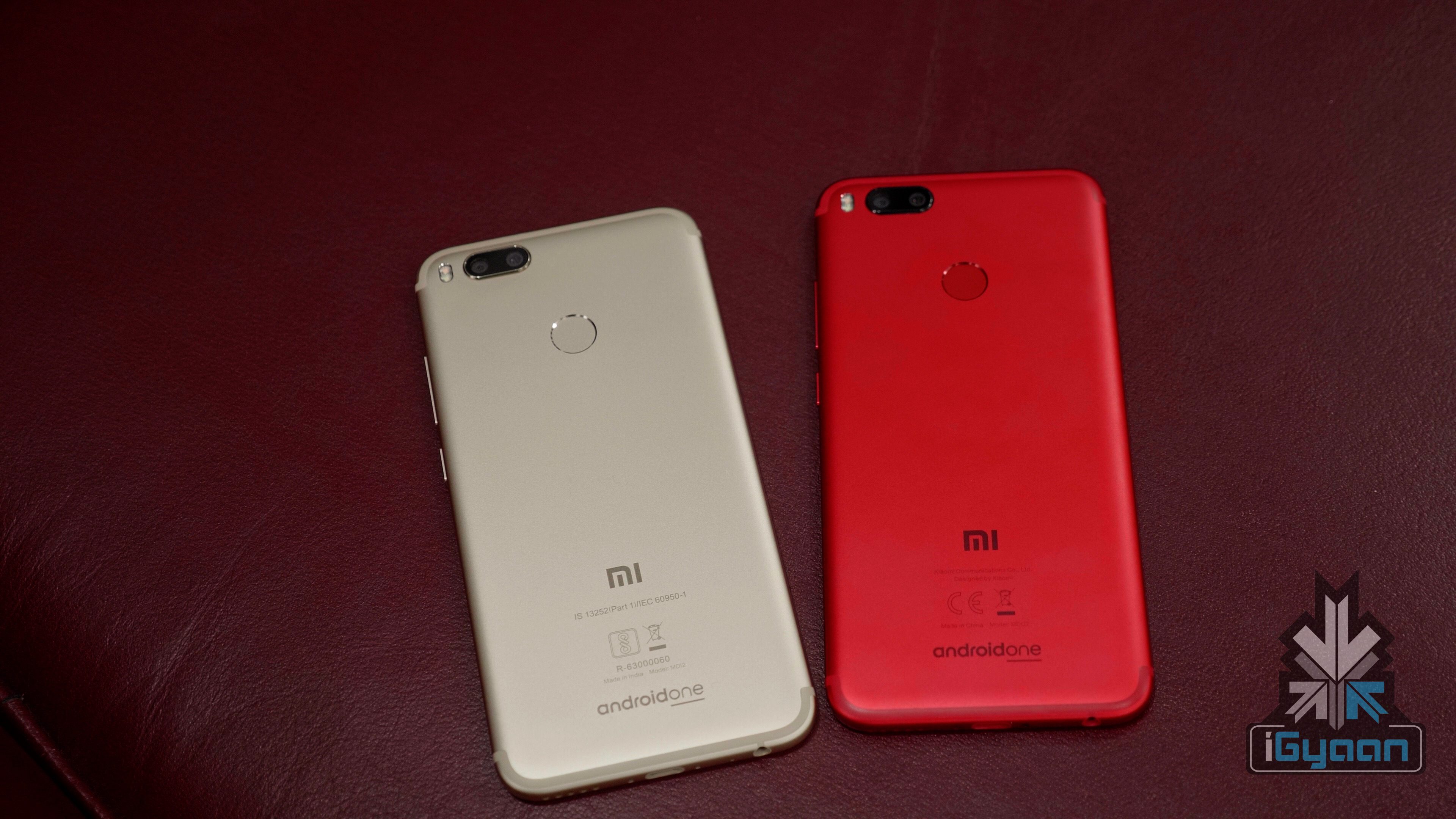
We also unboxed the Xiaomi Mi A1 red colour variant and similar to the regular Mi A1, it has a metal build with a matte finish. The red colour dominates the back of the device and just like OnePlus, the company has retained the black colour for the front of the smartphone which compliments the red colour really well. The specifications remain the same as well for the red coloured Xiaomi Mi A1.
Just like it was for the OnePlus 5T Star Wars Edition, the specifications remain the same for the OnePlus 5T Lava Red.
The OnePlus 5T has a 6-inch Full Optic AMOLED display with a 2160 x 1080 px resolution, 401ppi and an 80.5% screen to body ratio.
Under the hood, the OnePlus 5T has the Qualcomm Snapdragon 835 chipset, a 2.4GHz octa-core processor, 8GB of RAM, 128GB of onboard storage which cannot be expanded. Due to thin bezels, there is no place for a home button and the fingerprint sensor has now been shifted to the back of the phone and is placed right above OnePlus logo.
Powering the device is a 3300 mAh battery which supports OnePlus’ DashCharge technology. The OnePlus 5T also features facial recognition for unlocking the device. The alert slider retains its place at the top left side of the phone which can be used to switch between different modes of notification alerts.
The OnePlus 5T runs stock Android 7.1.1 Nougat with customisability options thanks to the Oxygen OS on top. The update to Android 8.0 Oreo update is coming soon on the OnePlus 5T as the beta testing has already begun.
One big change in the OnePlus 5T is in the camera department. Unlike the OnePlus 5, the OnePlus 5T no longer has a secondary telephoto lens at the back. Instead, OnePlus has decided to focus on the device’s low-light photography capabilities. The cameras do not have OIS and OnePlus has decided to go for EIS on the dual camera setup at the back. The device has a 16MP camera with an f/1.7 aperture coupled with a 20MP sensor with the same f/1.7 aperture and field of view, ie no optical zoom. On the front is a 16MP camera with an f/2.0 aperture.
The OnePlus 5T continues to be a strong offering in the sub-40K category with its flagship-like specifications and a modern design. With a new colour to the fore, it gives consumers an extra option to look at and for some people, a red colour variant is the ultimate deal maker.
LG’s flagship smartphone lineup’s future might be a bit hazy right now but, the company still believes that it has a strong foothold in the budget segment. That is, in its native market. LG was expected to launch the LG G7 at either the CES 2018 or MWC 2018 but, it looks like the anticipated smartphone is quite a few months away from launch. A recent report claimed that the LG CEO has instructed his team to rework on the LG G7 and come up with a completely rehashed version of the flagship device.
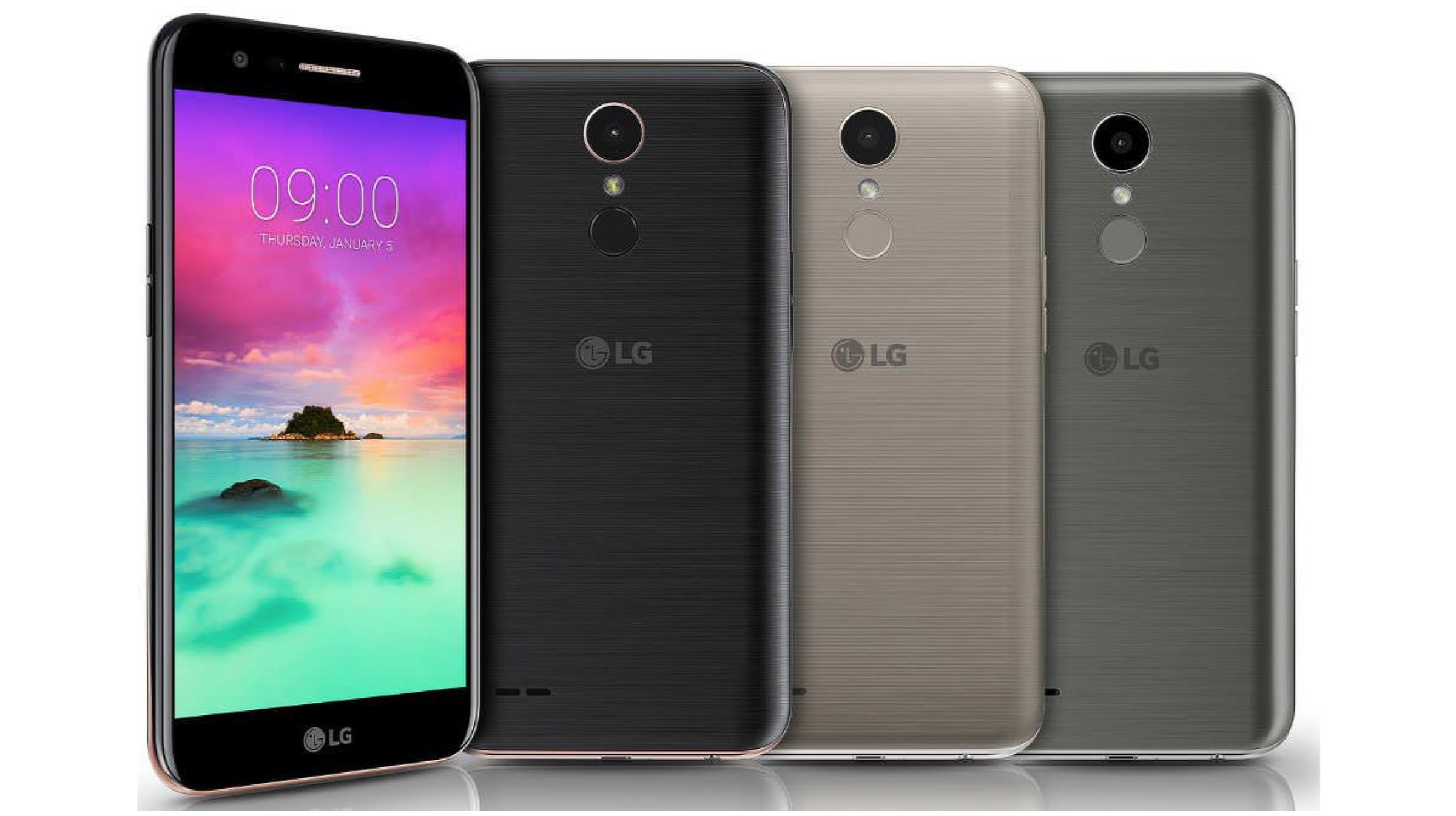
While the flagship smartphone plans seem awry for LG, the budget segment is consistently being targeted. The company has now launched the ruggedly built LG X4+ in its native market for a price of US $280 (Rs. 17000 approx.).
The LG X4+ has a 5.3-inch IPS display with a 1280 x 720 px resolution. It has an aluminium unibody design which has become a norm for budget devices nowadays. The LG X4+ has a design reminiscent of 2016 mid-rangers as the industry moves toward a “thin bezels and tall display design.”
Under the hood, the LG X4+ is powered by the Qualcomm Snapdragon 425 chipset, Adreno 308 GPU for graphics, 2GB of RAM and 32GB of onboard storage. It is worth noting that the storage will be expandable via a microSD card. The LG X4+ has built-in Hi-Fi DAC (digital-analogue converter) which LG claims, will offer good sound quality.
The fingerprint sensor is placed on the back of the device, it is, however, not clear whether it also acts a lock and unlock button like some of LG’s other devices. LG has also introduced a feature called Finger Touch that will enable users to take selfies and screenshots by pressing the fingerprint sensor. The LG X4+ carries MIL-STD 810G rating and it’s certified in six categories including impact, vibration, high temperature, low temperature, thermal shock, and humidity.
The device is powered by a 3000 mAh battery and it runs Android 7 Nougat out of the box. It is baffling to see OEMs still launching smartphones with old software, irrespective of the price point.
The LG X4+ has a 13MP rear-facing camera and on the front is a 5MP sensor.
At a price of RS. 17,000 the LG X4+ is better off staying away from the Indian market. If LG were to launch this device in India, it’ll have to priced at around Rs. 10000 for it to even have a chance of competing. At this price point, not a lot of people look for ruggedness in their phones, it is more about the performance and with Snapdragon 425 chipset powering it, a price of Rs. 15000 or thereabouts would be too much.
The budget segment of the Indian smartphone market is becoming increasingly congested. Brands like Xiaomi, Nokia, Motorola are consistently launching stellar smartphones and Honor has recently launched the Honor 7Xand Honor 9 Lite in the price bracket as well. Samsung is planning to take over the segment it once used to rule, and the Galaxy On7 Prime is one of the smartphones that the company will launch in this price bracket.
The Samsung Galaxy On7 Prime is priced at Rs 12990 for the 3GB RAM variant and Rs. 14990 for the 4GB RAM variant. The smartphone will be sold exclusively via Amazon and will go on sale on the 20th of January during the Amazon Prime Sale.
So, does the Galaxy On7 Prime hold any weight against the budget heavyweights like the Honor 7X or the Xiaomi Mi A1? Let’s unbox the device and find out!
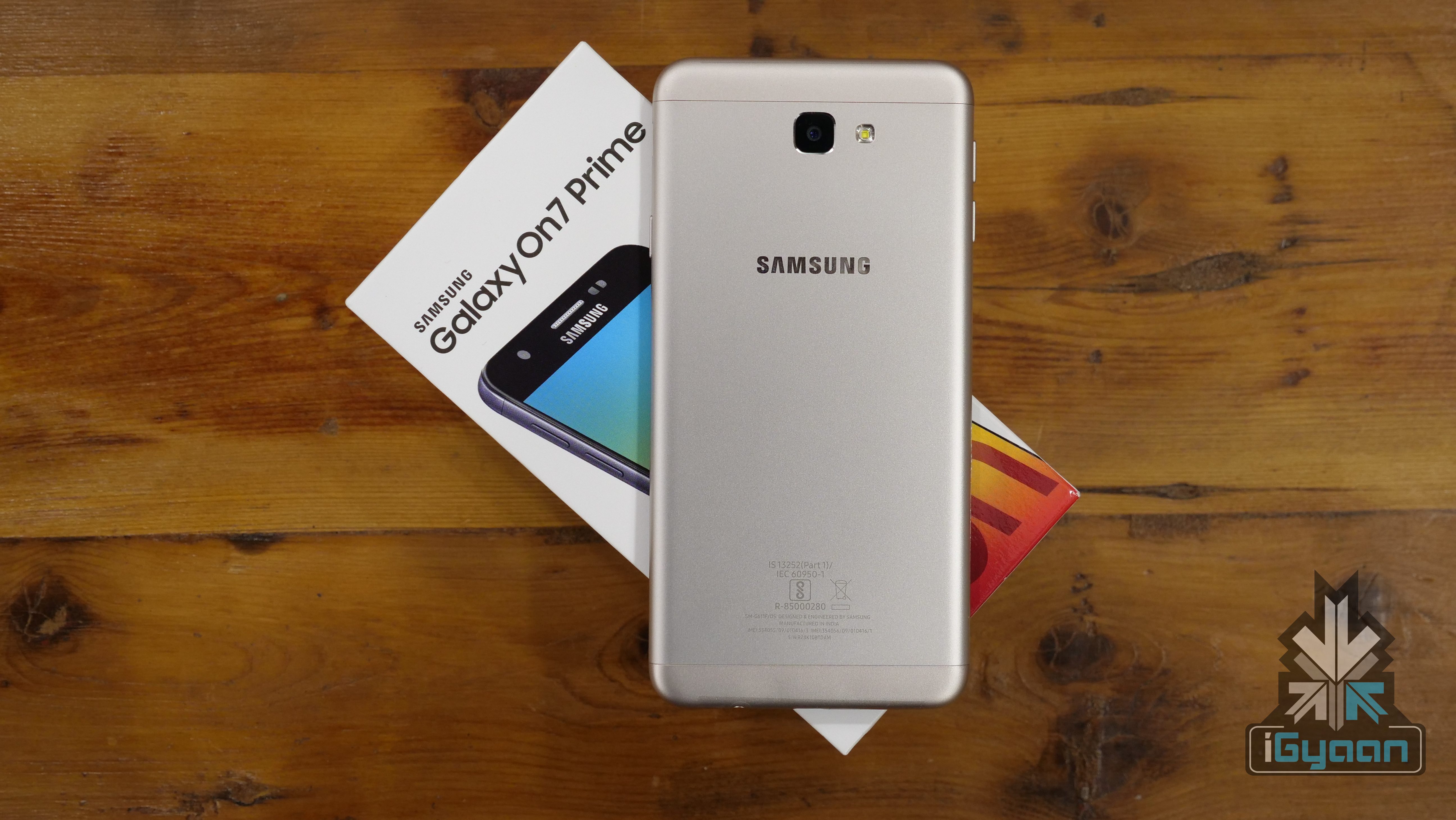
Samsung Galaxy On7 Prime
Documentations
Sim Ejector Tool
Wall Charger
Micro USB Cable
First Impressions
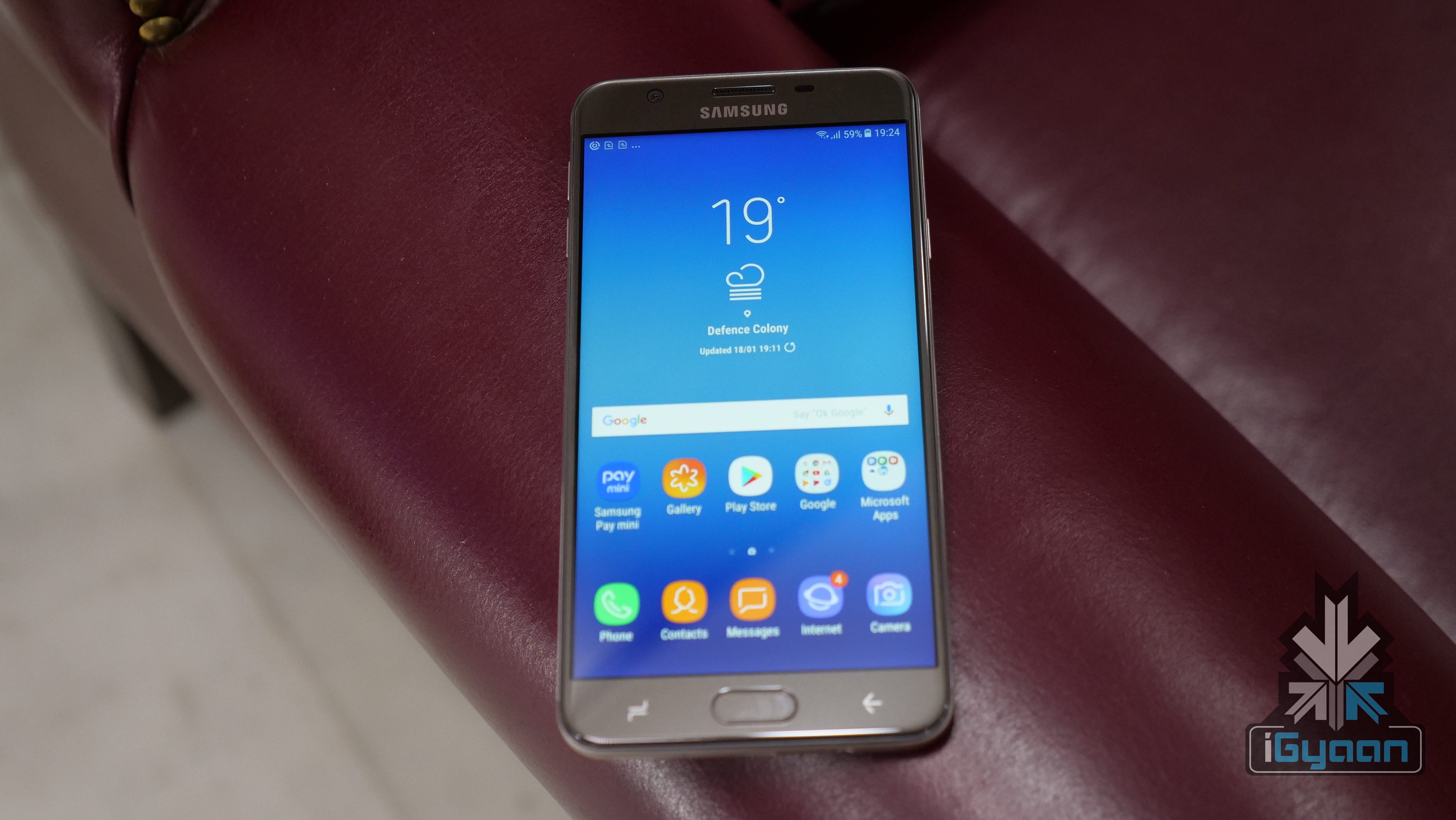
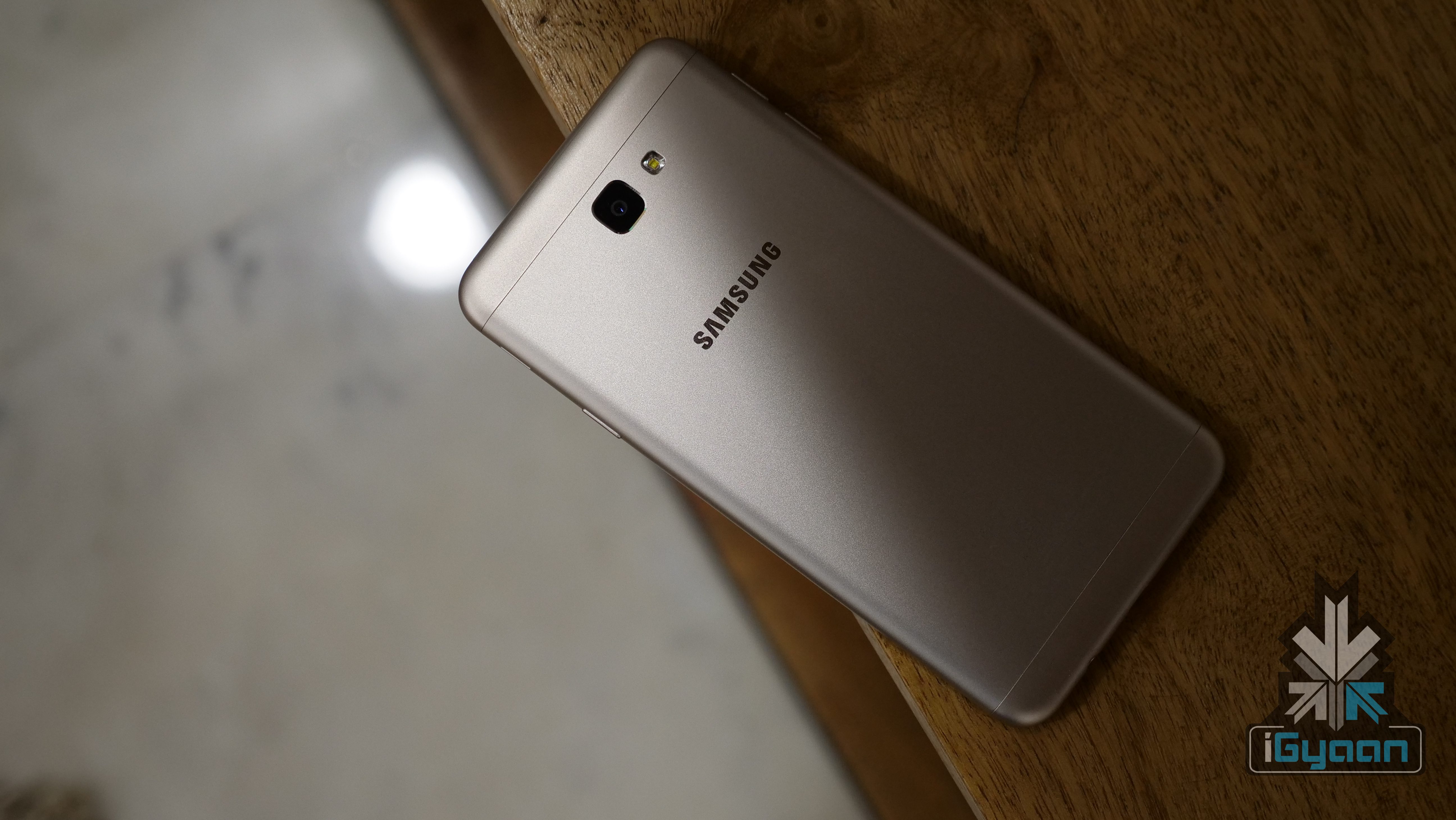
The Samsung Galaxy On7 Prime has the standard 5.5 inch display with a metallic body. On the front is the standard physical home button which also houses the fingerprint sensor, along with two touch capacitive buttons for navigation. The device is not the sleekest to hold especially considering devices like the Honor 9 Lite or Honor 7X that possess a bigger screen in a similarly sized body.
Specifications
The Samsung Galaxy On7 Prime has a 5.5-inch display with a 1920 x 1080 px resolution.
Under the hood, the Galaxy On7 Prime will have the Exynos 7870 chipset, a 1.6GHz processor, and Mali-T830 MP1 GPU. The smartphone will be available in two variants, one with 3GB RAM and 32GB of onboard storage and the other with 4GB RAM and 64GB of onboard storage which will be expandable up to 256GB via a microSD card.
The Galaxy On7 Prime will be powered by a 3300 mAh battery. The physical home button on the front will house the fingerprint sensor as well.
With the new Galaxy On7 Prime, Samsung has also introduced Samsung Mall. The company has tied up with Amazon, Jabong, Shopclues and Tata CLiQ to provide buying links to products that a user might be interested in, from within the Samsung user interface.
The Galaxy On7 Prime will have a 13MP with an f/1.9 aperture on the front and back along with rear-facing LED flash.
The smartphone will be sold exclusively via Amazon and will go on sale on the 20th of January during the Amazon Prime Sale. Interested users can register for the device by clicking here.