Category: Tech

Latest Technology News, Alternative, Bio-Tech, Medical, R&D and Innovations

  • Samsung Galaxy A8+

    Samsung Galaxy A8+

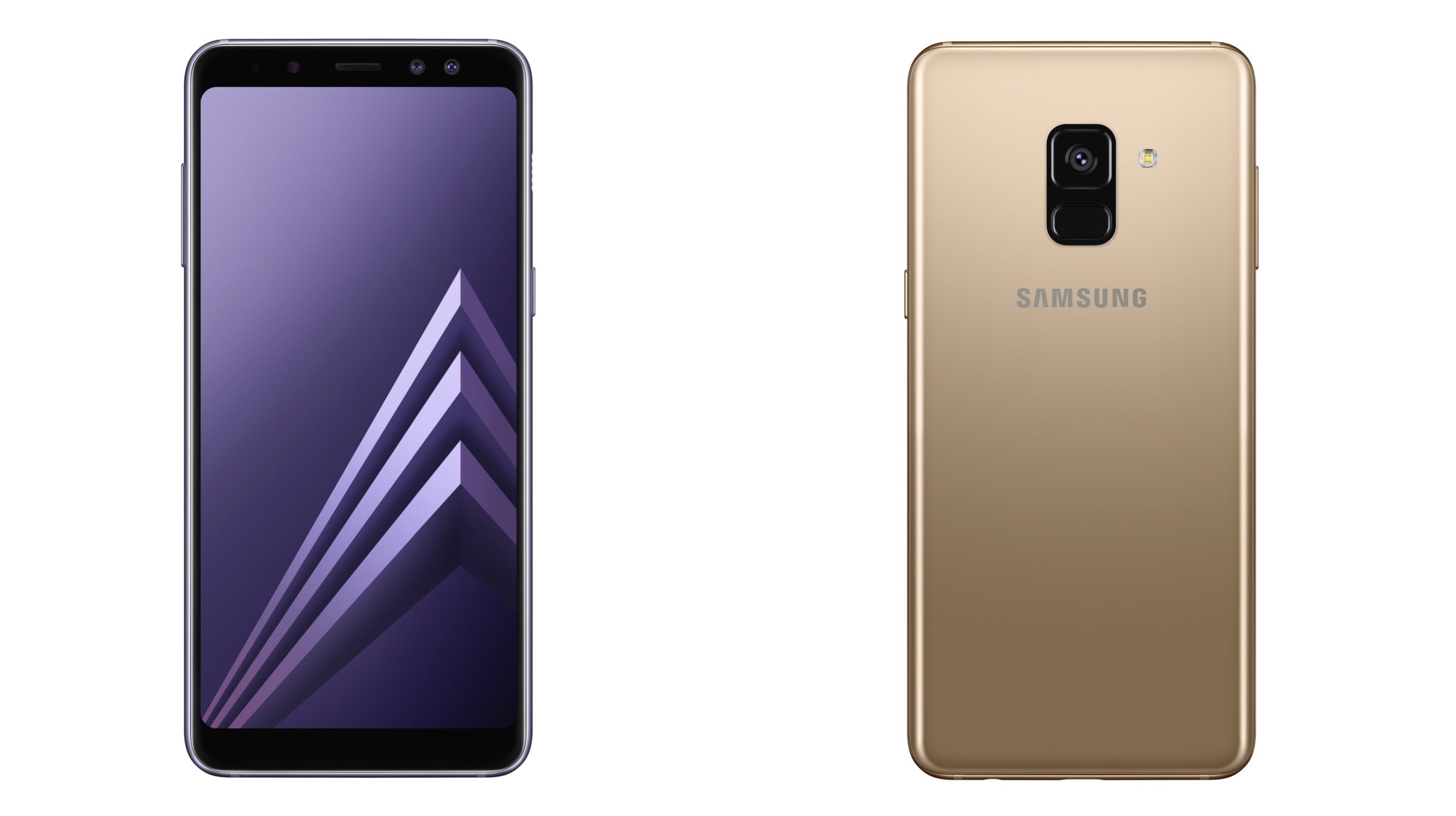
    Samsung has officially launched the Galaxy A8+ in India at a price of Rs. 32990. The device is an Amazon-exclusive and will go on sale in India from the 20th of January. At this price point, the Samsung Galaxy A8+ will compete with the likes of Honor View10 and the OnePlus 5T. It has the same Infinity Display found on the Samsung Galaxy S8, S8+ and Galaxy Note8.

    [section label=”Latest News”]

    Latest News

    [loop included_tags=”36974,40102″ loading=”paged” layout=”f” postsperpage=”6″ disable_ads=”true” disable_excerpt=”true”]


  • OnePlus 5T Lava Red Colour Launched In India

    OnePlus 5T Lava Red Colour Launched In India

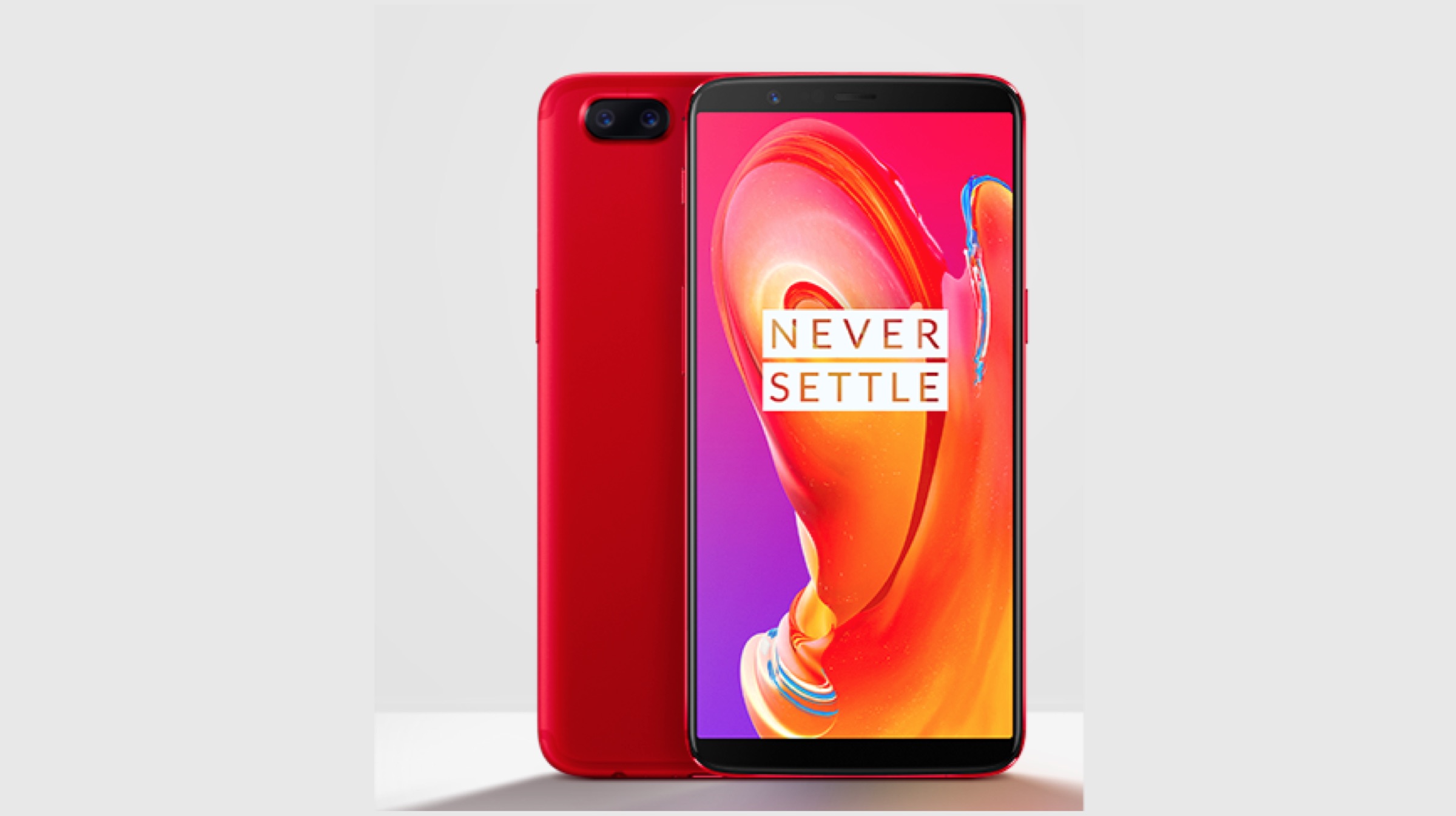
    Another week, another red colour variant of a popular smartphone has launched in India. After dropping hints on social media for the past few days, OnePlus has launched the Lava Red colour variant of the OnePlus 5T in India. The Lava Red colour will only be available in the 8GB RAM/128GB storage variant and we are expecting it to be priced at Rs. 37,999. The device will go on sale on 20th of January via Amazon.

    [amazon_link asins=’B0756ZFXVB’ template=’ProductAd’ store=’igyaan-21′ marketplace=’IN’ link_id=’3625574e-f69b-11e7-bb87-8bb52ae72ae3′]

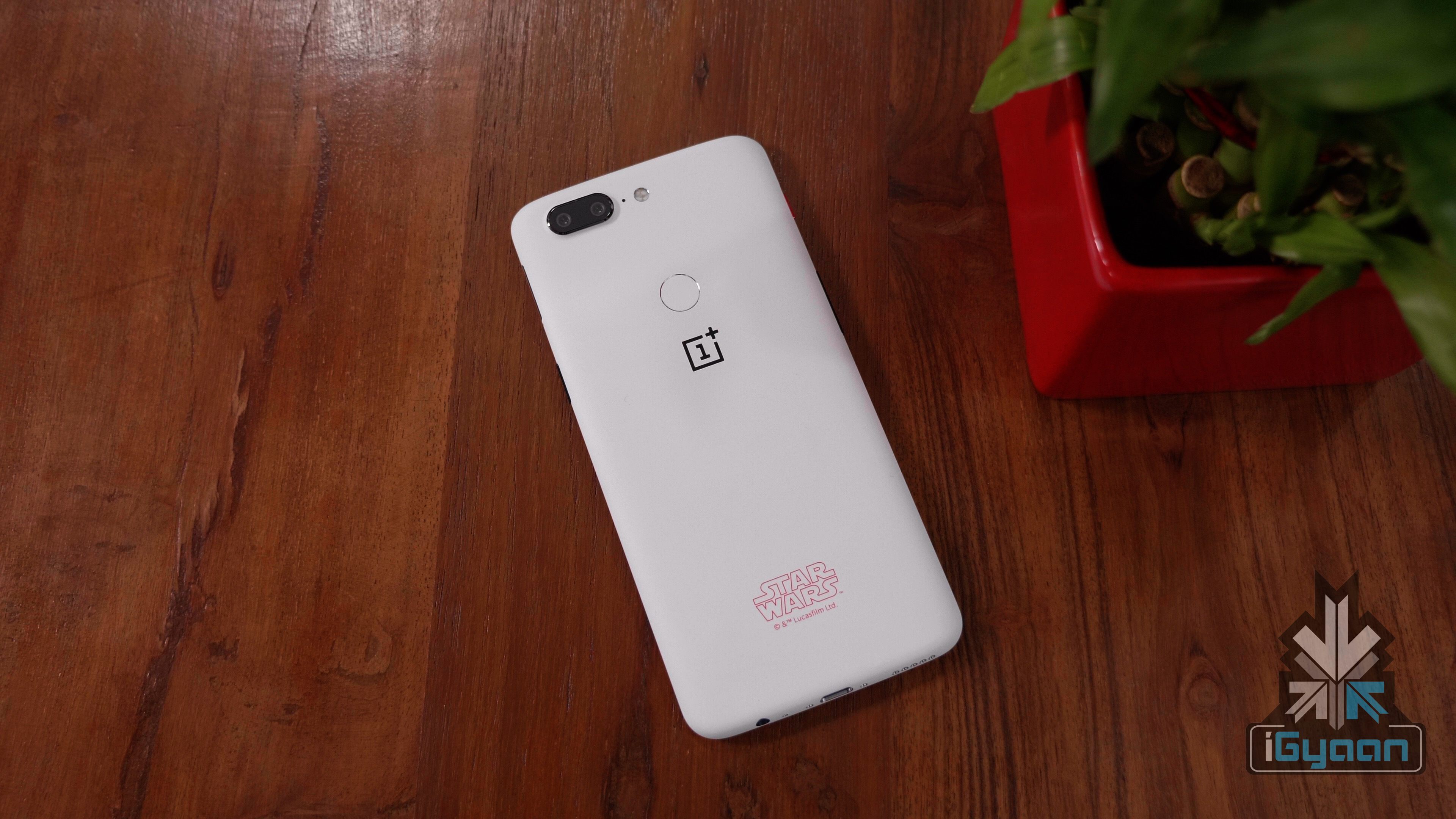
    Just like the Star Wars Edition or the Sandstone White edition, the OnePlus 5T Lava Red has all the same specifications as the original Midnight Black OnePlus 5T which was launched in November of 2017. OnePlus has continued the trend of launching a “Limited Edition” and a new colour of its flagship device, something that it did with the OnePlus 5 and OnePlus 3T as well.

    A couple of months after the launch of the OnePlus 5, the company launched a Soft Gold variant and a limited edition Castelbajac OnePlus 5 in Paris which was exclusive to France. In the case of the OnePlus 3T, it was the Midnight Black colour variant.

    OnePlus 5T Star Wars Edition

    In late-2017, the company launched an India-exclusive Star Wars Edition OnePlus 5T and the Lava Red variant in China first, and now in India.

    People who bought the Midnight Black colour variant right after the launch of the OnePlus 5T have expressed their disappointment at the launch of a new and exciting colour variant of their smartphone, just over a month after they bought it.

    The OnePlus 5T Lava Red will be available in limited quantities and prospective buyers will have to be quick on the 20th of January after reports from China claim that the device was sold out within two hours after it went on sale. You can register for the sale by clicking here.

  • Honor 9 Lite Could Be Priced At Around Rs. 11,000 In India

    Honor 9 Lite Could Be Priced At Around Rs. 11,000 In India

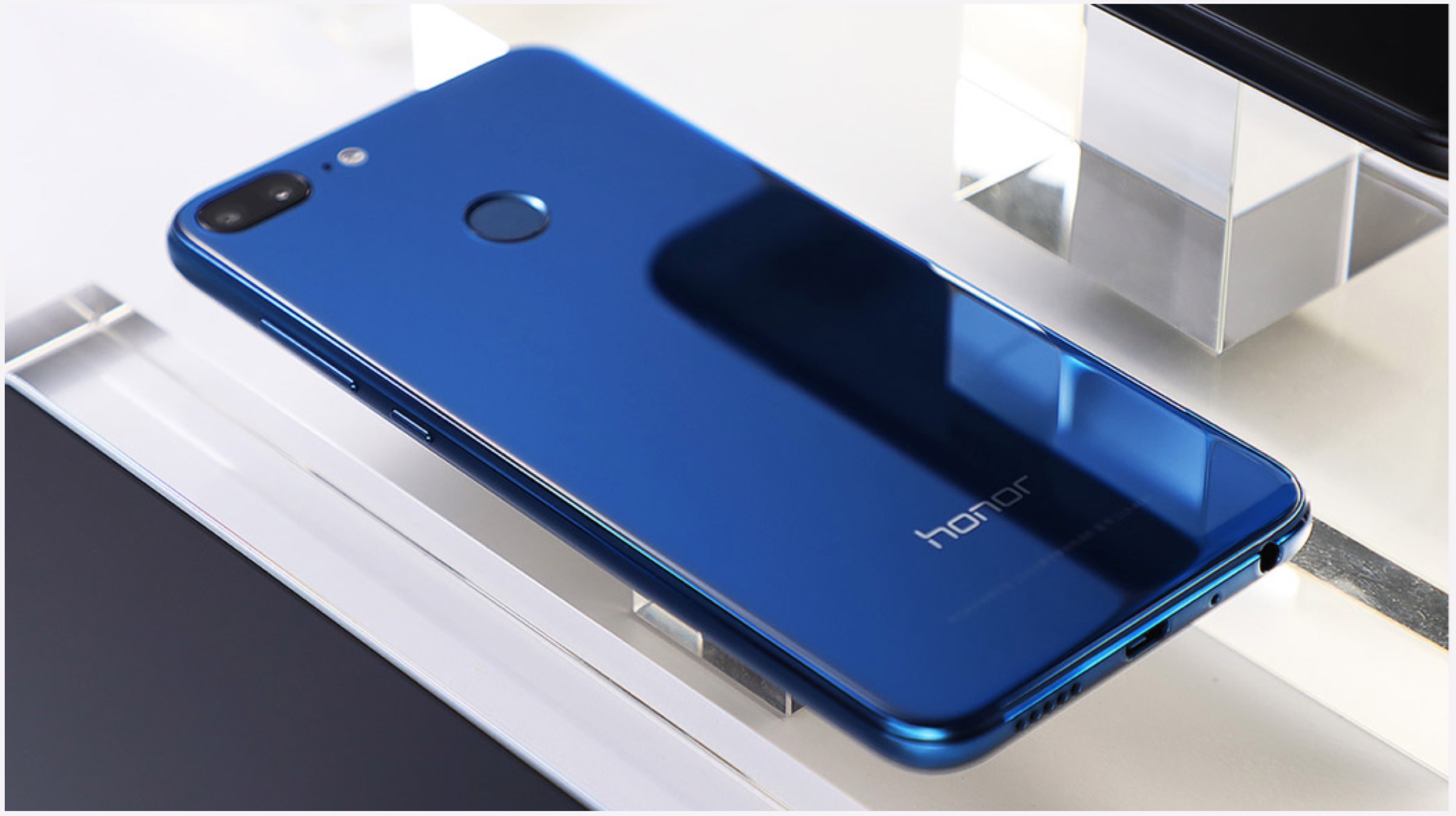
    Honor, Huawei’s sub-brand has confirmed that it will be launching “a smartphone with four cameras” in India in January. Slowly, the company is revealing few key details about the device and while many would’ve thought that Honor 9 Lite was a result of mere speculations, its launch has now been confirmed. Honor announced that the upcoming smartphone will be a Flipkart-exclusive even though, the Honor 7X and Honor View10 are being sold via Amazon.

    Ayyappan R, Senior Director, Smartphones at Flipkart said:

    With the new upcoming Flipkart exclusive launch of Honor 9 Lite smartphone which is positioned on beauty & design along with flagship quad cameras the Flipkart – Honor partnership will further set new heights in the e-commerce market in India.

    In China, the smartphone starts at a price of CNY 1199 (Rs. 11600 approx.) for the 3GB/32GB variant and goes up to CNY 1799 (Rs. 17400 approx.) for the 4GB/64GB variant. In India, Honor already has the Honor 7X priced at Rs. 12999 and the Honor 9i priced at Rs. 17,999. It might make sense for the company to launch the Honor 9 Lite at a price lower than that of the Honor 7X. In a price-sensitive market like India, a difference of even Rs. 1,000 can sway a consumer to one smartphone over the other. Hence, an inexpensive alternative to the Honor 7X or even the Honor 9i will be ideal.

    This statement from Flipkart also confirms that the device will be named Honor 9 Lite in India as well. Honor is known for launching smartphones in the global market with a different moniker than its native Chinese market. In China, the Honor 9 Lite is available in three variants and if Honor does launch the device at Rs. 11,000 or thereabouts, it could launch the basic variant with 3GB RAM and 32GB onboard storage and then price the high-end variant with 4GB RAM and 64GB storage at around Rs. 15,000.

    Flipkart has also listed the device with 3GB and 4GB of RAM along with 32GB and 64GB of onboard storage. This means that the base variant will launch in India and could be an inexpensive alternative to the Honor 7X.

  • Replace iPhone Batteries For Free- US Senate Leader

    Replace iPhone Batteries For Free- US Senate Leader

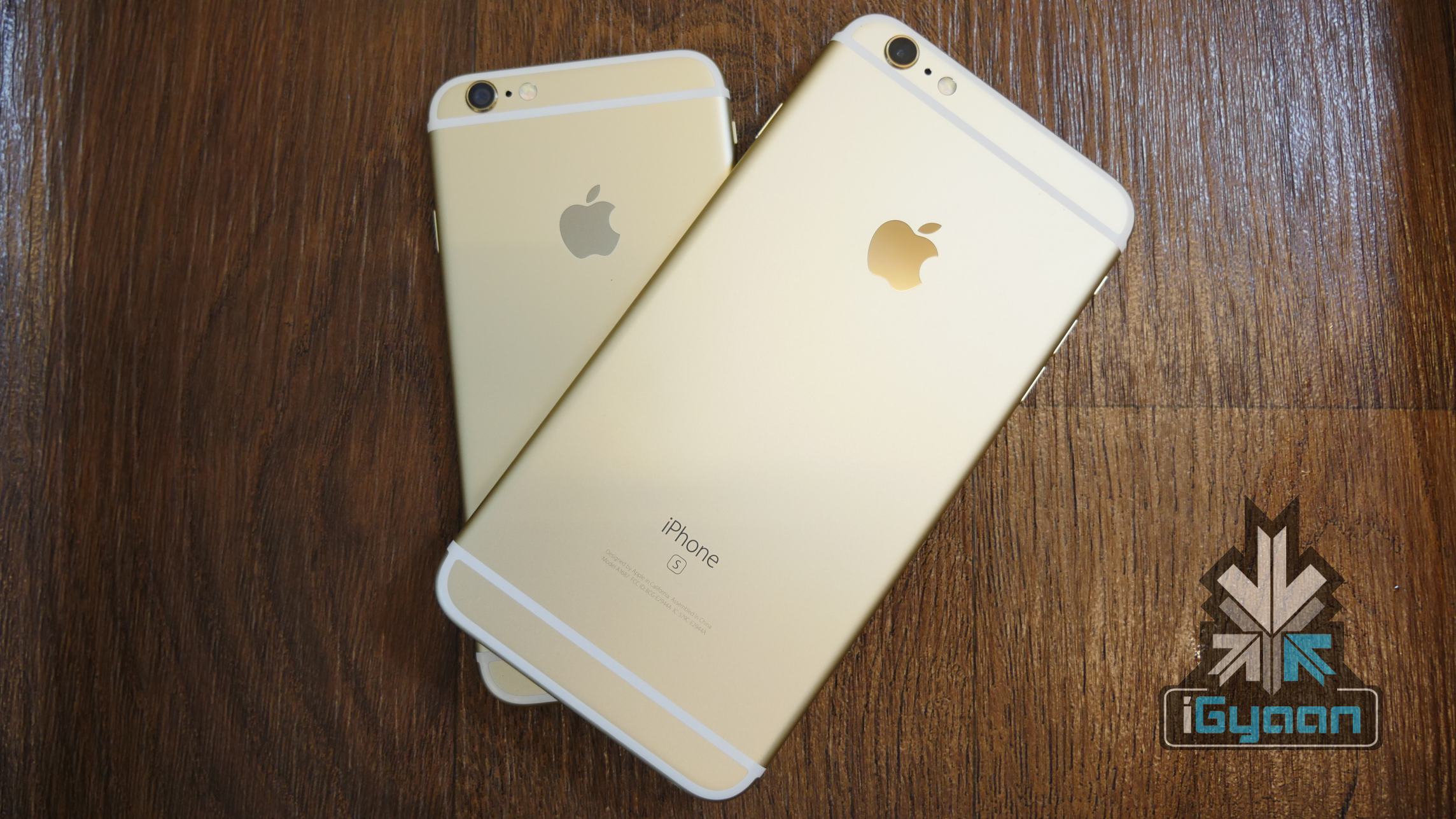
    The iPhone slowdown controversy surrounding Apple doesn’t appear to be fizzling out anytime soon. Ever since Apple came out and admitted to intentionally slowing down older iPhones, the consumers have been fuming over the decision. Even though Apple changed its battery replacement policies and brought charges down to US $29 (from US $79), the company has not yet won the trust back of the majority of its consumers.

    The chairman of the US Senate’s commerce committee wants Apple to clear the air surrounding its once-secret slowdown of older iPhones. Senator John Thune, a South Dakota Republican, issued his request for more information in a letter sent to Apple CEO Tim Cook. Among other things, Thune wants to know if Apple made any effort to notify its customers that its recent software updates would make several types of iPhones released before 2017 slow down when their batteries weakened.

    Thune also asked whether Apple considered replacing the batteries for free, instead of the current discounted charge of US $29. In the letter, he has also asked about Apple’s future plans of handling ageing batteries and whether performance throttling will continue in older iPhones.

    To tackle battery ageing in a more efficient way, what Apple does for older iPhones is it caps the processor power to prolong the age of the battery. This is a is a lithium-ion chemistry issue, not an Apple or any other OEM issue. Over time, batteries just become bad. This is an attempt to make people’s phone work for longer with fewer issues, not to get them to switch away from it.

    These changes will not affect the average performance of a device, and it is not throttling; it is capping the peak demands. In doing so, it is not allowing them to be as high and spreading that work out over more cycles rather than one.

  • Android 8.1 Oreo Running Pixel And Nexus Devices Have Lock Screen Swiping Bug

    Android 8.1 Oreo Running Pixel And Nexus Devices Have Lock Screen Swiping Bug

    Android 8.1 Oreo started rolling out to Google Pixel and select Nexus device back in early-December 2017. There have been reports of Pixel and Nexus users facing issues with the lock screen on their devices.

    Apparently, aggrieved users are unable to swipe on the lock screen of Pixel and Nexus devices that received an update to Android 8.1 Oreo. Users took to Pixel User Community forums and expressed their problems they are facing with their respective devices. Due to the issue preventing users to make swipe actions on the display, users haven’t been able to pick up incoming calls, unlock the screen, among other problems that are related to swipe actions.

    While Pixel 2 and Pixel 2 XL owners have had their fair share of hardware and software issues, Nexus devices are facing such software issues for the first time, since Android 8 Oreo has been smooth and more or less bug-free on other devices.

    Google appears to be aware of the issue as Orrin, a community manager at the Pixel User Community has stated that he’s ‘looking into that swipe issues that have been reported’. Google seems to be in a race against time to release new software updates that fix a plethora of issues reported by Pixel 2 and Pixel 2 XL users.

    Recently, soon after the Android 8.1 Oreo update, some Pixel 2 XL owners complained that they had to manually wake up the device during an incoming call. Something as basic as this is even available in a feature phone and should not be an issue for consumers who pay so much of money for a Pixel 2 XL device.

    With 2018, Google would want to leave the hardware issues behind and work on its Pixel 3 devices which would need to be much better than their predecessors to achieve any amount of success in the market.

  • Samsung Galaxy A8+ Vs The Competition

    Samsung Galaxy A8+ Vs The Competition

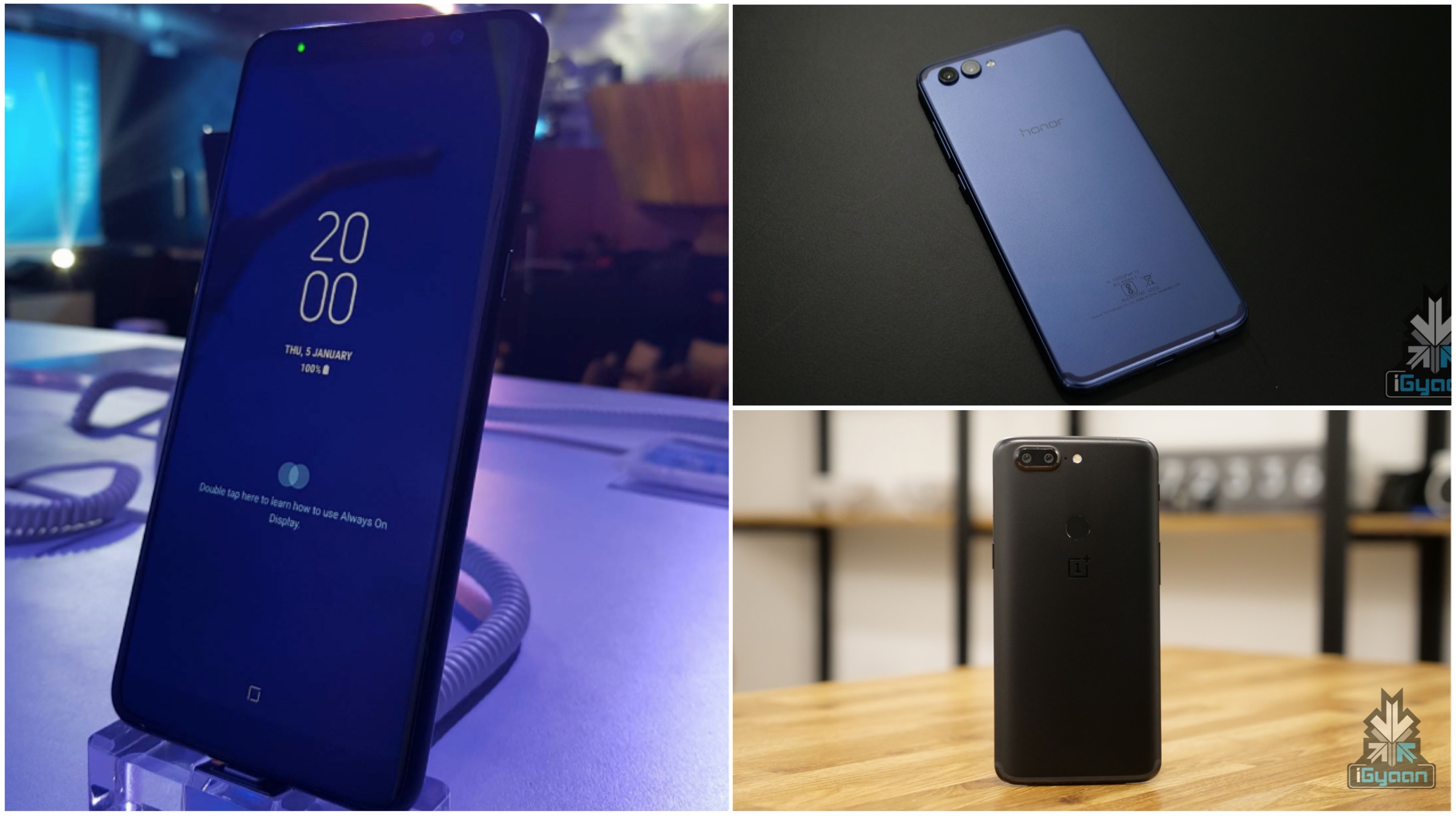
    Samsung has launched its new iteration of the Galaxy ‘A’ series, the Samsung Galaxy A8+ in India. The smartphone, priced at Rs. 32990 will go on sale from the 20th of January in India via Amazon. Compared to other Asin markets, the price of the Galaxy A8+ comes as a surprise but, still remains pricier than the Honor View10 and on par with the OnePlus 5T (6GB RAM variant).

    While the OnePlus 5T and Honor View10 are powered by flagship chipsets and feature a dual-camera setup on the back, the Galaxy A8+ is powered by the Exynos 7885 but, has a front-facing dual-camera setup. The Galaxy A8+ has the advantage of an IP67 rating which is missing from other other two devices. The Galaxy A8+ is also slightly taller than the other phones with an 18.5:9 aspect ratio.

    So, what do the specifications tell us about the Galaxy A8+ when compared to its closest competitors? Let’s find out:

    Specifications Samsung Galaxy A8+ OnePlus 5T Honor View10
    Price Rs. 32,990 Starting at Rs. 32,999 Rs. 29,999
    Display 6-inch
    Super AMOLED
    6-inch
    AMOLED
    5.99 inch
    IPS LCD
    Resolution 2220 x 1080 px
    411ppi
    2160 x 1080 px
    401ppi
    2160 x 1080 px
    403ppi
    Weight 191 grams 162 grams 172 grams
    Dimensions 159.9 x 75.7 x 8.3 mm 156.1 x 75 x 7.5 mm 157 x 75 x 7 mm
    OS Android 7.1 Nougat
    Samsung UX
    Android 7.1 Nougat Android 8.0 Oreo
    EMUI 8
    Battery 3500 mAh 3300 mAh 3750 mAh
    Chipset Exynos 7885 Qualcomm Snapdragon 835 HiSilicon Kirin 970
    RAM 6GB 6GB/8GB 6GB
    Storage 64GB (Expandable up to 256GB) 64GB/128GB (Non-expandable) 128GB (Expandable up to 256GB)
    Primary camera 16MP
    f/1.7 aperture
    16MP f/1.7
    20MP f/1.7
    16 MP (RGB)
    20 MP (Monochrome)
    f/1.8 aperture
    Primary video 1080P 4K @ 30fps 4K @ 30fps
    Secondary camera 16MP f/1.9
    8MP f/1.9
    16MP f/2.2 13MP f/2.0
    Add-ons Fingerprint sensor
    IP67 Rating
    Fingerprint sensor
    Face Unlock
    Fingerprint sensor
    Facial Recognition
    AI

    With a similar price tag and very little advantages, a lot will depend on the Samsung Galaxy A8+’s camera performance. A solid front-facing camera and snappy user experience can sometimes be enough to sway buyers and the Galaxy A8+ will have to do just that. Stay tuned for more updates.

  • Vivo Unveils First Ever Smartphone With An In-Display Fingerprint Sensor

    Vivo Unveils First Ever Smartphone With An In-Display Fingerprint Sensor

    Vivo, one of the most famous Chinese smartphone maker in its native country, has done something incredible. Teaming up with Synaptics, it has unveiled the first-ever smartphone with an in-display fingerprint sensor that might be the answer to reducing bezels, shaky facial recognition technology and the inconvenience of rear-facing fingerprint sensors.

    The technology is known as Clear ID and lets users OEMs embed a fingerprint sensor under the display. Synaptics has claimed that it has a failure rate of 1 in 50,000 which, for a first gen product, is admirable. Early reviews of the device are in and mostly paint a positive picture. People are praising the accuracy of the sensor while it is slower than other fingerprint sensors found on devices like the OnePlus 5T, it is hard to complain when the process feels so futuristic.

    The in-display fingerprint sensor sits between the mainboard and the OLED panel where it illuminates the finger and then processes the beams of light. Hence, this technology will not work on LCD panels as the sensor looks through the dots of an OLED panel, and then recognises the fingerprint.

    Alex Feng, Senior VP in Vivo, said in a press release that this technology is the solution to the industry’s challenge of providing a more convenient authentication experience. The smartphone is ready for mass production and should be announced in “early 2018.”

    While the device might not be available in a lot of markets, it marks the beginning of more smartphone makers integrating this technology into their upcoming flagship devices. There are rumours already that Doogee V will also have a screen embedded fingerprint sensor and a design similar to the iPhone X.

    With bezels becoming almost negligible, the implementation of this technology will be crucial for Vivo and other OEMs to keep producing smartphones with a front-facing fingerprint sensor.

  • Facebook Is Working On An Amazon Echo Show Competitor

    Facebook Is Working On An Amazon Echo Show Competitor

    Facebook is more than just a social networking service and has been constantly expanding its business. From buying Instagram to acquiring WhatsApp, the most popular instant messaging service, the company is widening its reach every acquisition. One thing that Facebook has so far failed impress in, is its hardware capabilities. Back in 2013, Facebook launched an HTC-made smartphone that revolved around its social networking services. The smartphone failed to impress the consumers and disappeared in a few months.

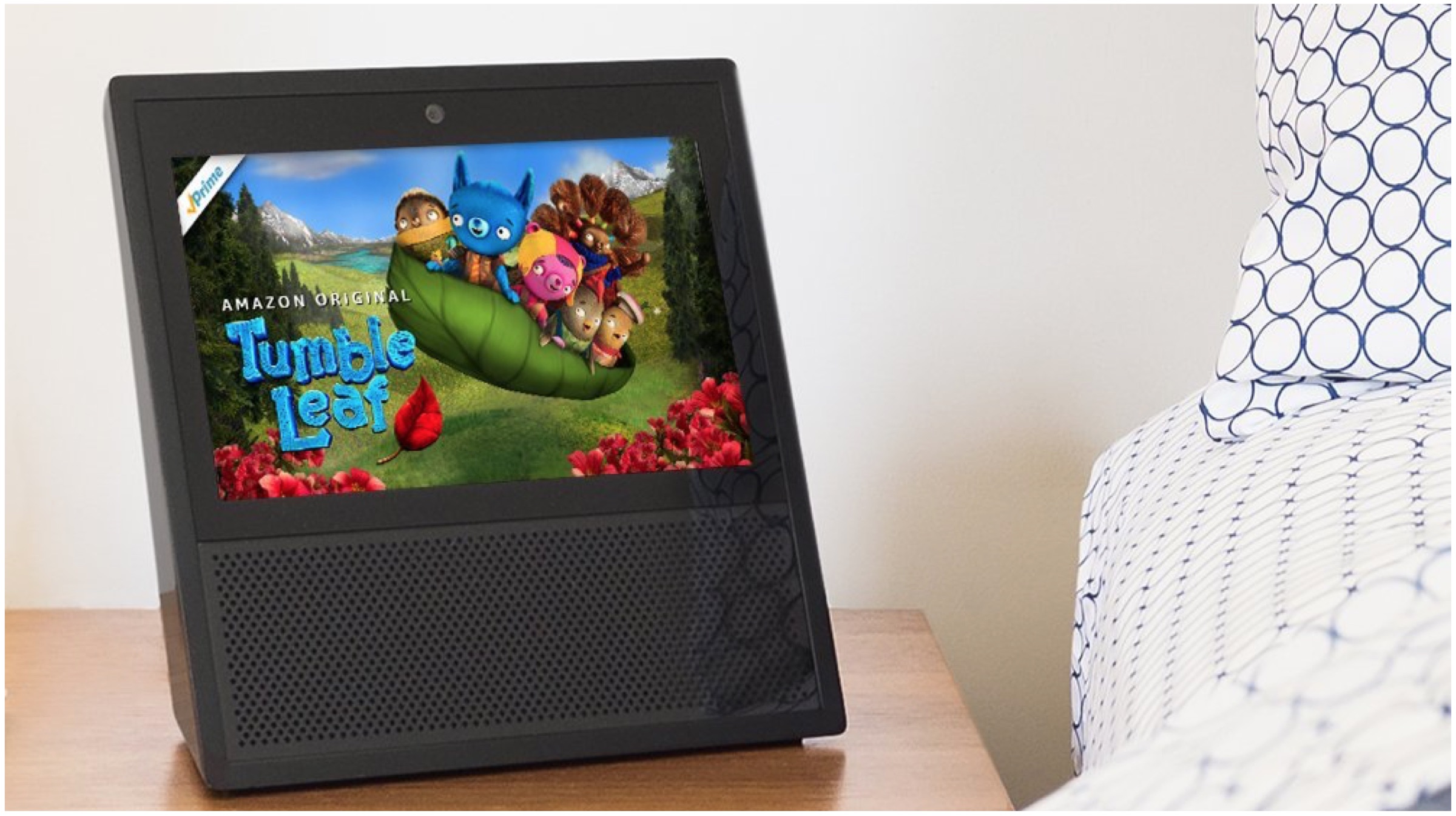
    For a few months, there have been rumours of Facebook working on a smart speaker with a display, much like the Amazon Echo Show, which will have Facebook and its other social networking services at its heart. The device will reportedly be called Portal and is expected to be priced at US $499, which is more than double of what an Alexa-powered Amazon Echo Show costs.

    Facebook is planning to unveil the device in May 2018 at its developer’s conference and start shipping it by the end of the year. It will be interesting to see how Facebook Portal will compete with other smart speakers with a display as Google also announced a slew of companies that will be manufacturing Assistant-powered speakers with a display.

    JBL Link View Powered By Google Assistant

    A previous report claims that it would have a display of between 13 to 15 inches, almost double of what is found on the Echo Show. The tablet-like device will respond to voice commands and use facial recognition technology, something Facebook has been taking very seriously off-late will provide a personalised experience to different people in the house.

    The Facebook Portal could also be a part of Facebook’s plan to become the largest video streaming service in the world. With a huge display and the ease of voice commands, the Portal could become a primary source of video consumption for people active on social media and the company could launch its streaming service with the new smart speaker. You could read everything about Facebook’s new streaming service, Watch here.


  • Samsung’s Foldable Smartphone Isn’t Arriving Until 2019

    Samsung’s Foldable Smartphone Isn’t Arriving Until 2019

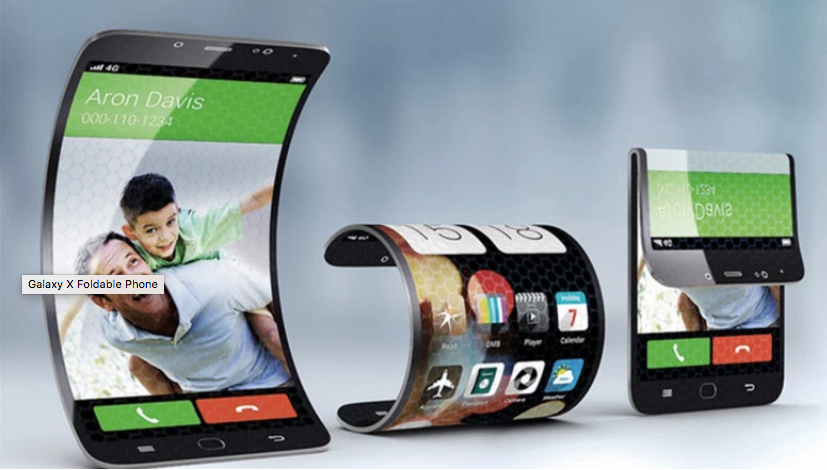
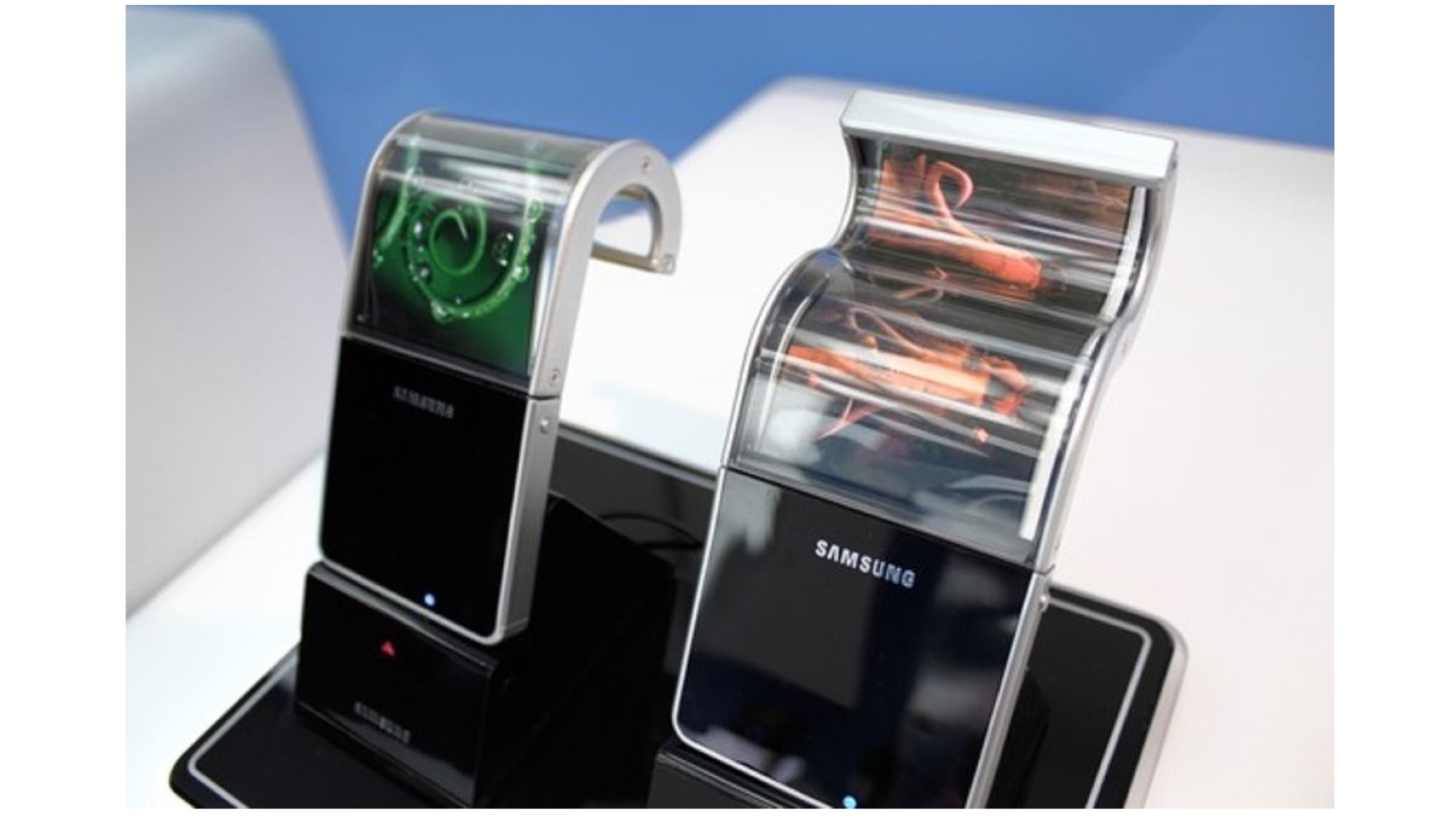
    It looks like we will have to wait for over a year until we can see a Samsung foldable smartphone in all its glory. Samsung Mobile’s President, DJ Koh has conceded that the company won’t be able to launch its first-ever foldable Android phone until 2019.

    He revealed that the UX is the biggest obstacle Samsung is facing in commercialisation but assured that Samsung is working aggressively to overcome the problem.

    This revelation from the Samsung Mobile boss falls in-line with a previous report that claimed that the Galaxy X (tentatively named) will launch in December of 2018. The report was published yesterday and provided a few interesting details about the upcoming foldable smartphone. According to the report, the phone would feature a 7.3-inch, flexible OLED display (built by Samsung Display) which would fold open like a book.

    Further, the report revealed that Samsung engineers are currently tasked to with ensuring that the display leaves no trace of having been folded once it is opened into a flat position. Now, it appears that the display might not be the only thing worrying Samsung as DJ Koh conceded that there are issues with the UX as well.

    The price of the devices is expected to be “ultra-premium.” Samsung is not a stranger to exorbitantly priced smartphones as its ‘W’ flip smartphones are priced higher than usual smartphones in South Korea. As per previous reports, the foldable Galaxy smartphone will be manufactured in extremely quantities which are estimated to be about 10,000. This could be true but, once Samsung nails the manufacturing process, it could increase the quantity if it is received well by the consumers.

    Samsung has launched a lot of “industry first” products, especially in the smartphone industry. Over the years, it has maintained the curve display for its flagship lineup and continues to do so. The Samsung Galaxy X could be the beginning of a new flagship lineup by Samsung or, we could see this feature trickle down to its other flagship smartphone lineups, like the Galaxy Note series.

  • LG G7 Could Be Powered By An Old Chipset

    LG G7 Could Be Powered By An Old Chipset

    The LG G6 was announced in February of 2017 with a disappointing omission in the specifications. At the time, the Qualcomm Snapdragon 835 was the latest flagship chipset and LG could’ve used the chip for its latest device but, it couldn’t. It all came down to an agreement between Samsung and Qualcomm wherein Samsung agreed to manufacture the Snapdragon 835 chipset but, demanded exclusive access the first few batches of the new chipset.

    As a result, the LG G6 launched with the yesteryear’s Snapdragon 821 and the Galaxy S8 and S8+ launched in March, powered by the latest Snapdragon 835 chipset. Most of the flagship smartphones of 2018 are expected to be powered by the new Snapdragon 845 chipset which is also being manufactured by Samsung. It looks like the deal will get the better of LG this year as well.

    [amazon_link asins=’B077V1KR9B’ template=’ProductAd’ store=’igyaan-21′ marketplace=’IN’ link_id=’a37510bd-f5ea-11e7-b562-29605e38f65e’]

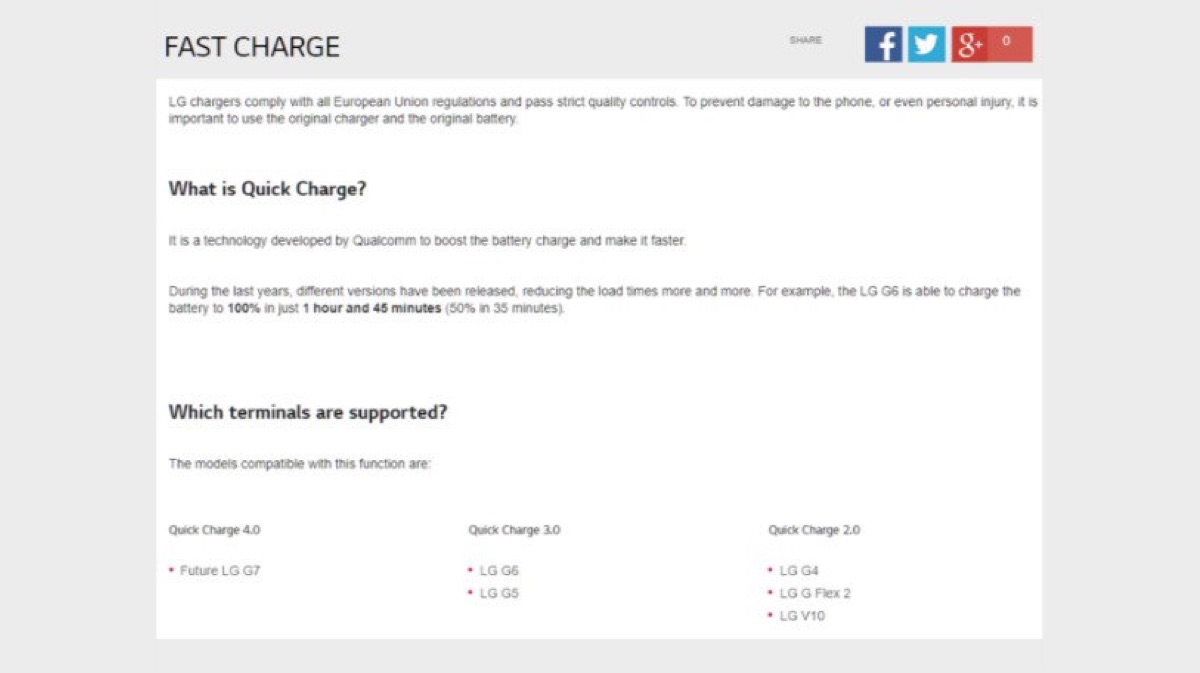
    A new listing on LG’s official website reveals its smartphones and the QuickCharge technology they support. It is well documented that Snapdragon 835 supports QuickCharge 4.0 while the new Snapdragon 845 chipset supports QuickCharge 4.0+. The LG G7 is mentioned in the QuickCharge 4.0 column which means that LG could launch its new 2018 flagship device with the now older, Snapdragon 835 chipset.

    The Snapdragon 835 is not a bad chipset by any means and until a device with the Snapdragon 845 is released, it will remain the best performing chipset but, Samsung will launch Galaxy S9 and S9+ in February as well. This means that the LG G7 will be a “dated” smartphone when it launches.

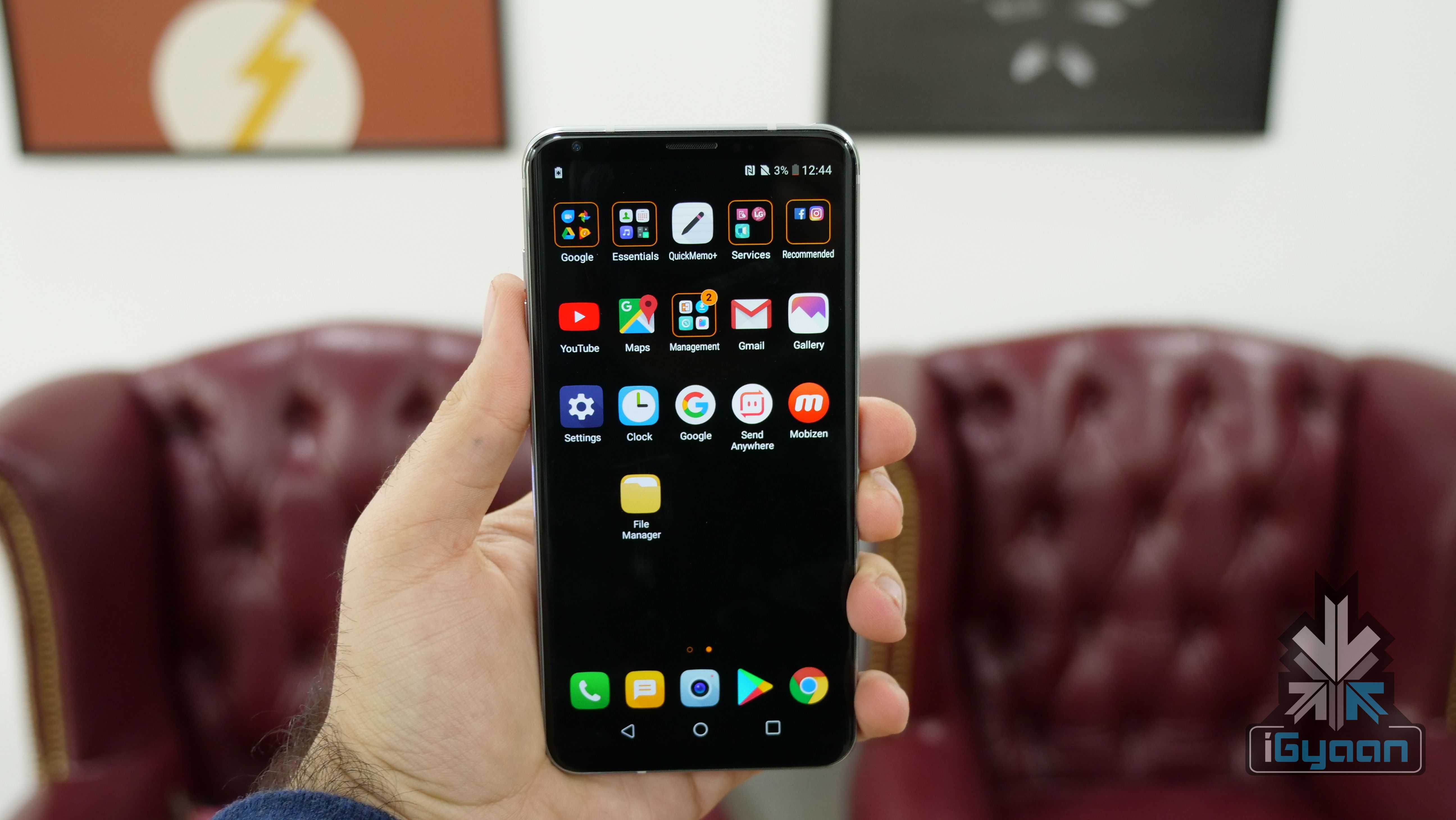
    There have not been many leaks or renders of the LG G7, proving once again that LG smartphones tend to fly under the radar. It is expected to have a tall 18:9 aspect ratio with thin bezels, a dual-camera setup at the back and Hi-Fi Quad DAC, just like the LG V30.

  • Samsung Galaxy S9 And Galaxy S9+ To Be Launched In February At MWC

    Samsung Galaxy S9 And Galaxy S9+ To Be Launched In February At MWC

    Two of most anticipated smartphones of 2018 belong to one company, Samsung. The smartphones in question are the Samsung Galaxy S9 and Galaxy S9+, and the company’s mobile business president DJ Koh has confirmed that they will be launched at MWC in February. The company has also confirmed that the availability details will be revealed at the time of its launch at MWC.

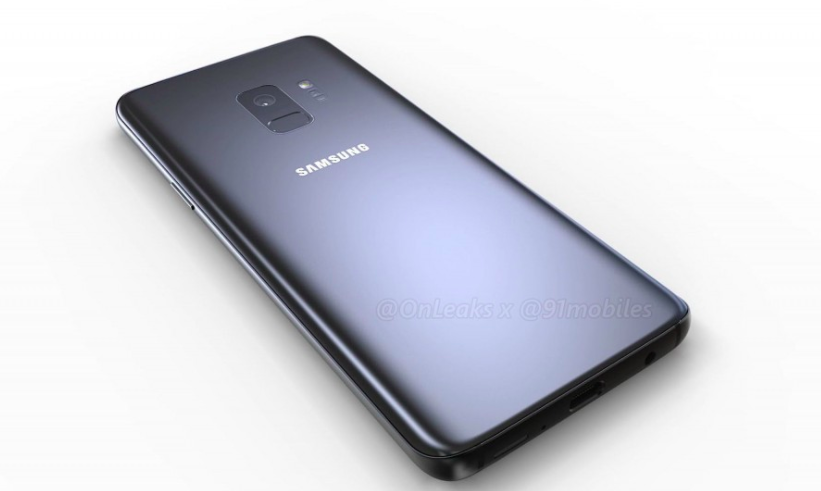
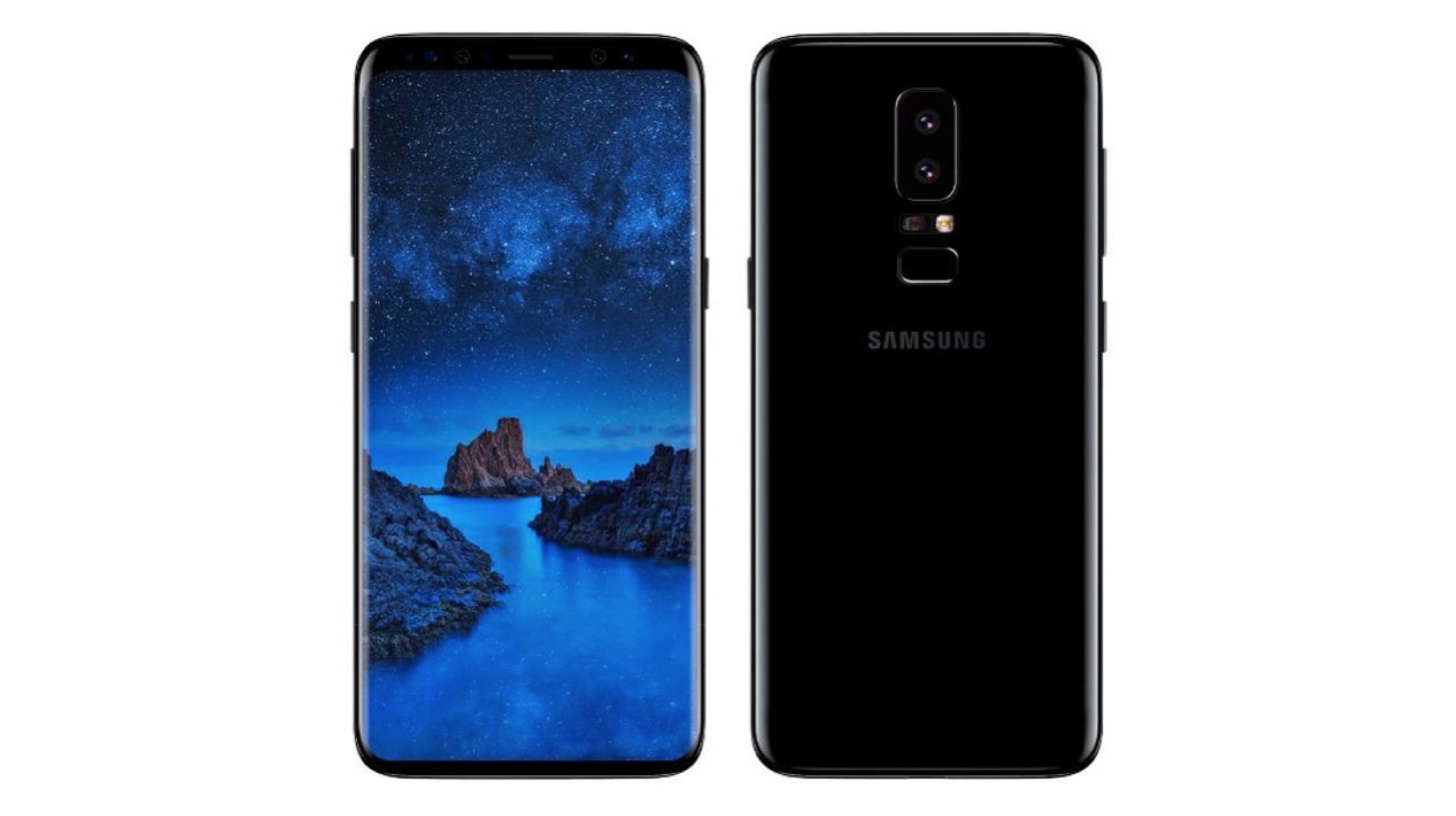
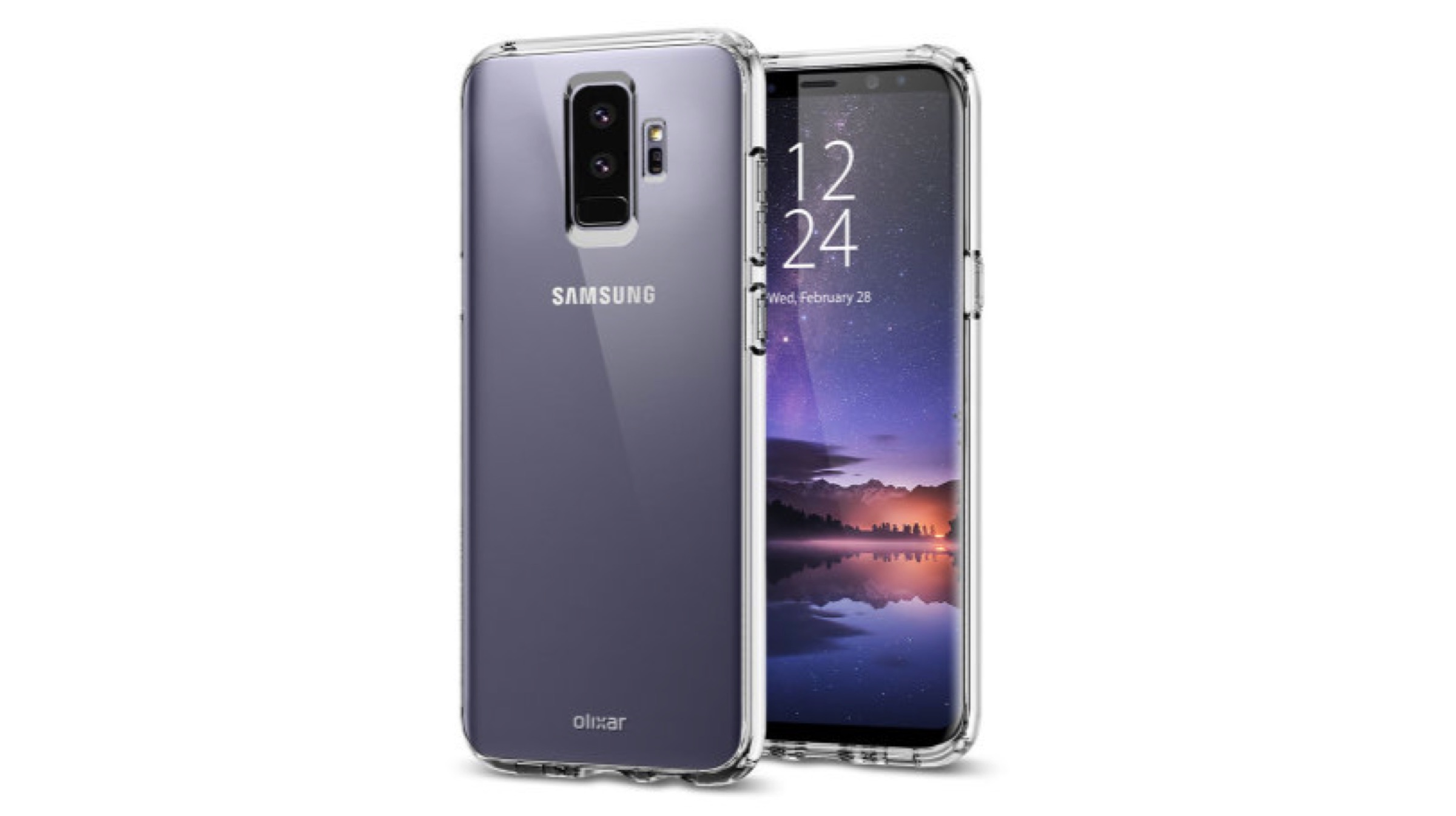
    Over the past few weeks, multiple Samsung Galaxy S9 and Galaxy S9+ leaks have revealed that the design of both the smartphones will remain similar to their predecessors with slightly thinner bezels and a repositioned fingerprint sensor. This will be a good move from Samsung which listened to its customer’s constant complaints about the ill-positioned fingerprint sensor on the Galaxy S8, S8+ and the Galaxy Note8 as well.

    Samsung Galaxy S9+ Renders

    Similar to the bygone Samsung Galaxy flagships, the Galaxy S9 and S9+ will be powered by the Snapdragon 845 chipset in the US and South Korea while the rest of the markets will receive the Exynos 9810-powered devices. As mentioned above, the fingerprint sensor will now be placed below the camera in a more ergonomic position. There were rumours that the Galaxy S9 and S9+ will have an in-display fingerprint sensor but, Vivo will take the honours of being the company to do so.

    Recently, the RAM and storage options of both the flagship smartphones were leaked. A Chinese tipster, citing a company insider, posted on the Chinese social media, Weibo that the Galaxy S9 will be offered in two options, 4GB RAM/64GB storage and 4GB RAM/128GB storage. The bigger sibling of the two, the Samsung Galaxy S9+ will be available in 6GB RAM/64GB storage, 6GB RAM/128GB storage and 6GB RAM/256GB models in major markets across the world.

    Unlike the previous gen Galaxy S devices, the difference between the regular variant of the S9 and Galaxy S9+ will be more than just the screen size and battery. Samsung will launch the Galaxy S9+ with a dual-camera setup while the Galaxy S9 will have a single camera setup just like the Galaxy S8.

    While the design won’t be different from their predecessors, the Galaxy S9 and S9+ are expected to have software tweaks and hardware enhancements in the iris scanning department which will, in all likelihood, compete with the iPhone X’s Face ID technology. It will be interesting to see if the Galaxy S9+ will touch the thousand dollar price point as well, just like the iPhone X.

  • The Xiaomi Redmi Note 5 Could Launch In India At Around Rs. 7000

    The Xiaomi Redmi Note 5 Could Launch In India At Around Rs. 7000

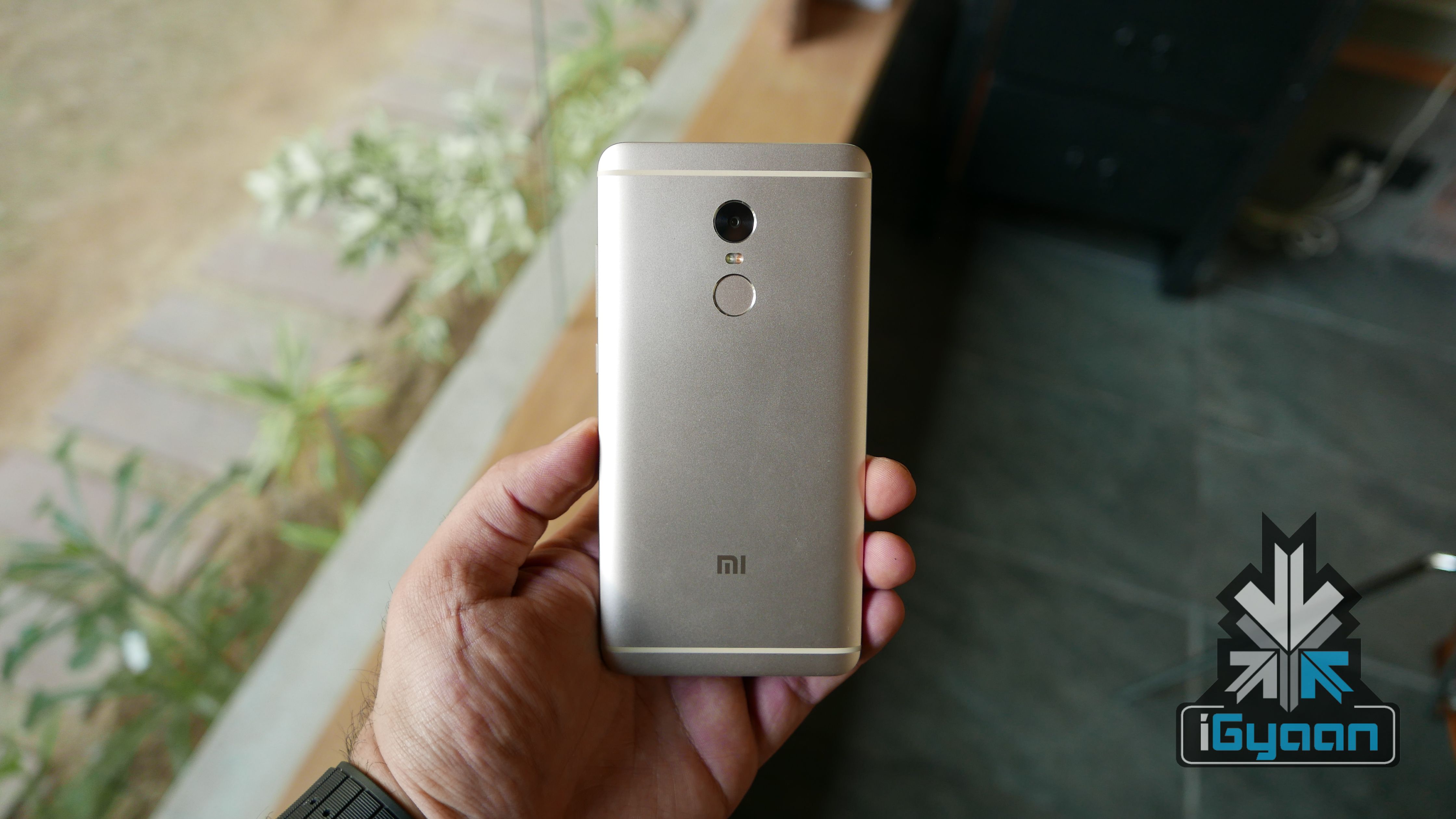
    Ever since Xiaomi launched the Redmi 5 and Redmi 5 Plus, there have been reports claiming that the Redmi 5 Plus will be launched in India as the Redmi Note 5. These rumours came about through a revelation on the MIUI forums in China and from the same source, it has been seemingly confirmed that the Redmi Note 5 will indeed be launched and it might be the most inexpensive Redmi Note yet.

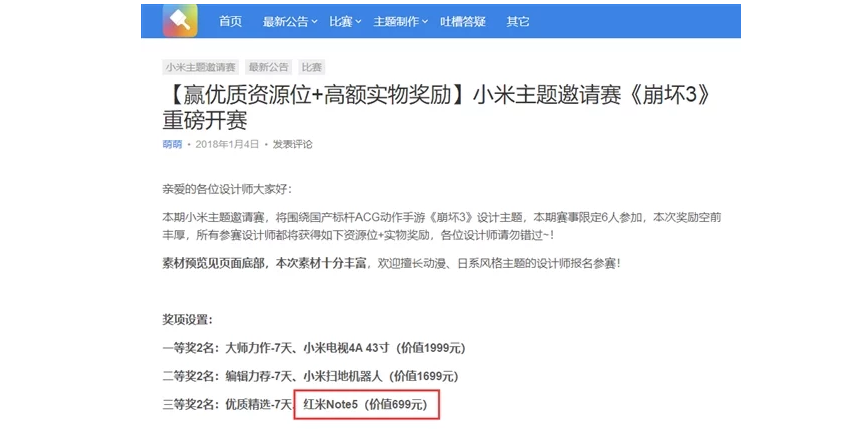
    A report claims that the Redmi Note 5 was mentioned among the list of prizes for a contest that the company is hosting on its China MIUI forum. In the forum post, the smartphone has been priced 699 Yuan which roughly translates to about Rs. 6800. However, this could very well be a typo as the company might have intended to write ‘Redmi Note 5A’ which is priced at 699 Yuan in China.

    Even if the device is priced a bit higher, Redmi Note 5 enthusiasts will be happy to know that the device in works and is expected to be launched in the coming months in China. Subsequently, India is expected to be one of the first global markets to receive the Redmi Note 5 thanks to the popularity of the Redmi Note 4.

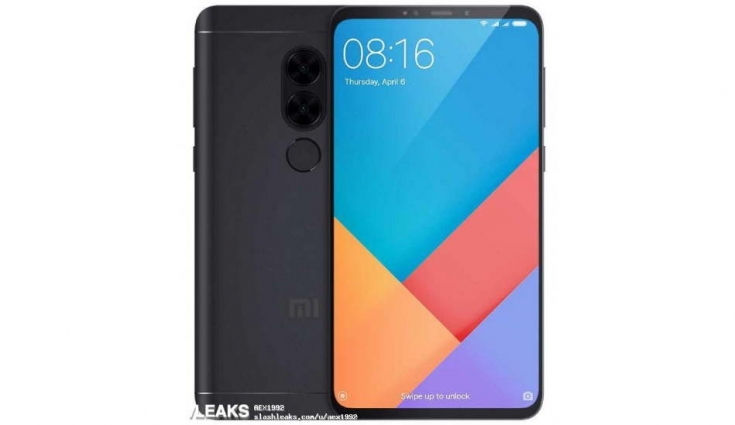
    Recently, a new render of the Redmi Note 5 was leaked which looks a bit ambitious. However, there is no denying that the Redmi Note 5 with this design might become a fan favourite as soon as it launches.

    The bezels around the display are thinner than the ones found on the Redmi 5 Plus and at its price point, could have the best screen-to-body ratio. The smartphone is expected to be launched at a price similar to the Redmi Note 4 which continues to be a popular Xiaomi phone in markets like India.

  • Samsung Launches Galaxy A8+ In India At A Price Of Rs. 32990

    Samsung Launches Galaxy A8+ In India At A Price Of Rs. 32990

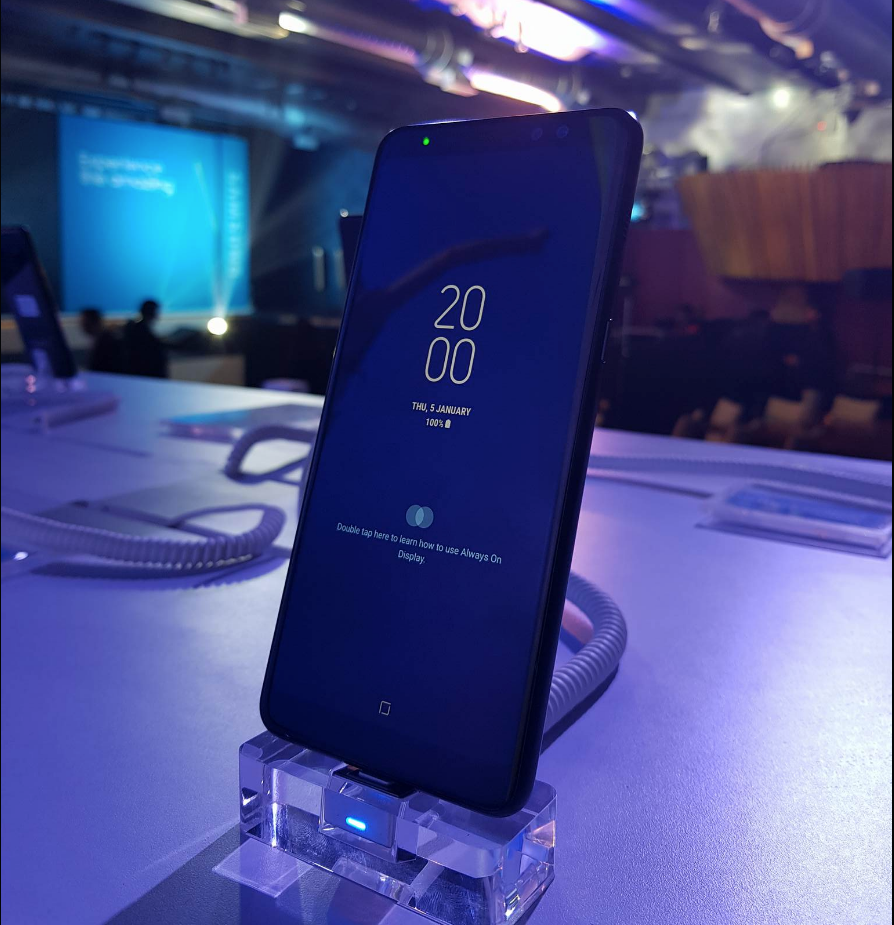
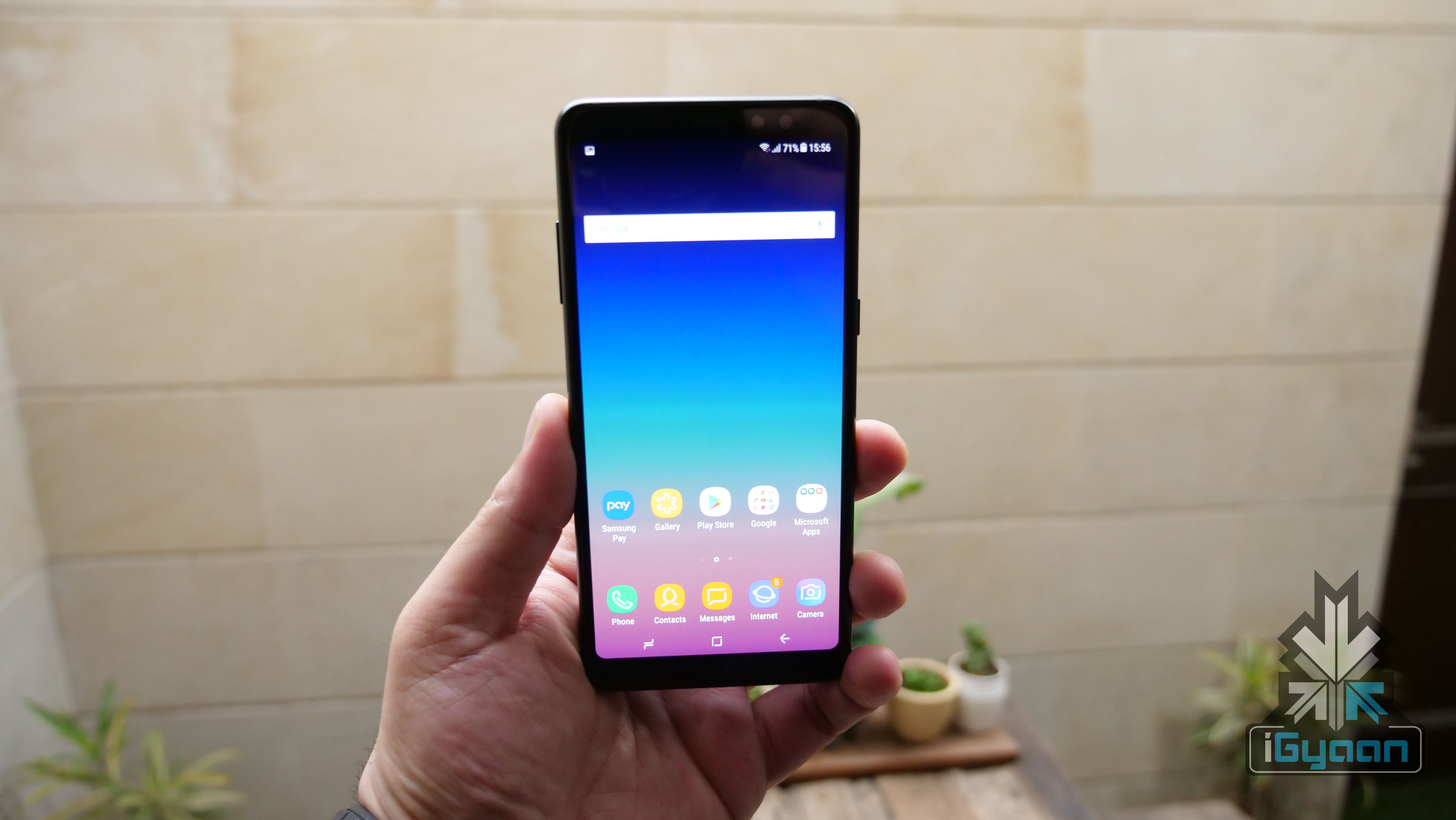
    Samsung has officially launched the Galaxy A8+ in India at a price of Rs. 32990. The device is an Amazon-exclusive and will go on sale in India from the 20th of January. At this price point, the Samsung Galaxy A8+ will compete with the likes of Honor View10 and the OnePlus 5T.

    The Samsung Galaxy A8+ has a 6-inch Super AMOLED display with a 2220 x 1080 px resolution which translates to an 18.5:9 aspect ratio.

    Under the hood, it has an Exynos 7885 chipset, an octa-core (2.2GHz Dual + 1.6GHz Hexa) processor and Mali-G71 GPU. The Galaxy A8+ has been launched in only one variant in India, which has 6GB of RAM and 64GB of onboard storage. Just like every other smartphone from Samsung, the onboard storage can be expanded up to 256GB via microSD card. The smartphone is IP68 rated for water and dust resistance and supports Samsung Pay for contactless mobile payment.

    Powering the Galaxy A8+ is a 3500 mAh battery which is charged via USB Type-C port.

    One thing that might come as a surprise, especially for phones launching in 2018 is the OS. The Galaxy A8+ will run Android 7.1.1 Nougat out of the box with Samsung’s own custom skin on top.

    The Galaxy A8+ is also the first of Samsung phone to have a dual-camera setup on the front. The Galaxy A8+ has a 16MP + 8MP camera setup with an f/1.9 aperture on the front. The Live Focus feature lets users chose whether the background should be in focus or blurred to a soft bokeh. The phone will switch between the two front cameras to get the effect the user needs. To the back of the phone is a 16MP camera with an f/1.7 aperture and digital stabilisation.

    The Samsung Galaxy A8+ has a new design when compared to previous Galaxy A smartphones with a new Infinity Display. With the smartphone entering the “affordable flagship segment,” it has the advantage of an IP68 rating for water and dust resistance over its closest competitors, OnePlus 5T and Honor View10. With a chipset that isn’t a flagship, it will be interesting to see how many consumers are drawn towards the Infinity Display and its ruggedness.

    You can register for the Samsung Galaxy A8+ by clicking here.

  • This Could Be The First Smartphone To Run Android Go

    This Could Be The First Smartphone To Run Android Go

    HMD Global recently launched the Nokia 2 in India at a price of Rs. 6999 in India. At the same time, Xiaomi launched the Redmi 5A with better specifications and similar price. HMD Global subsequently announced that the Nokia 2 will support Android Go Edition based on Android 8.1 Oreo and now it appears that the company might be launching its first-ever Android phone that will run Android Go version of Android OS.

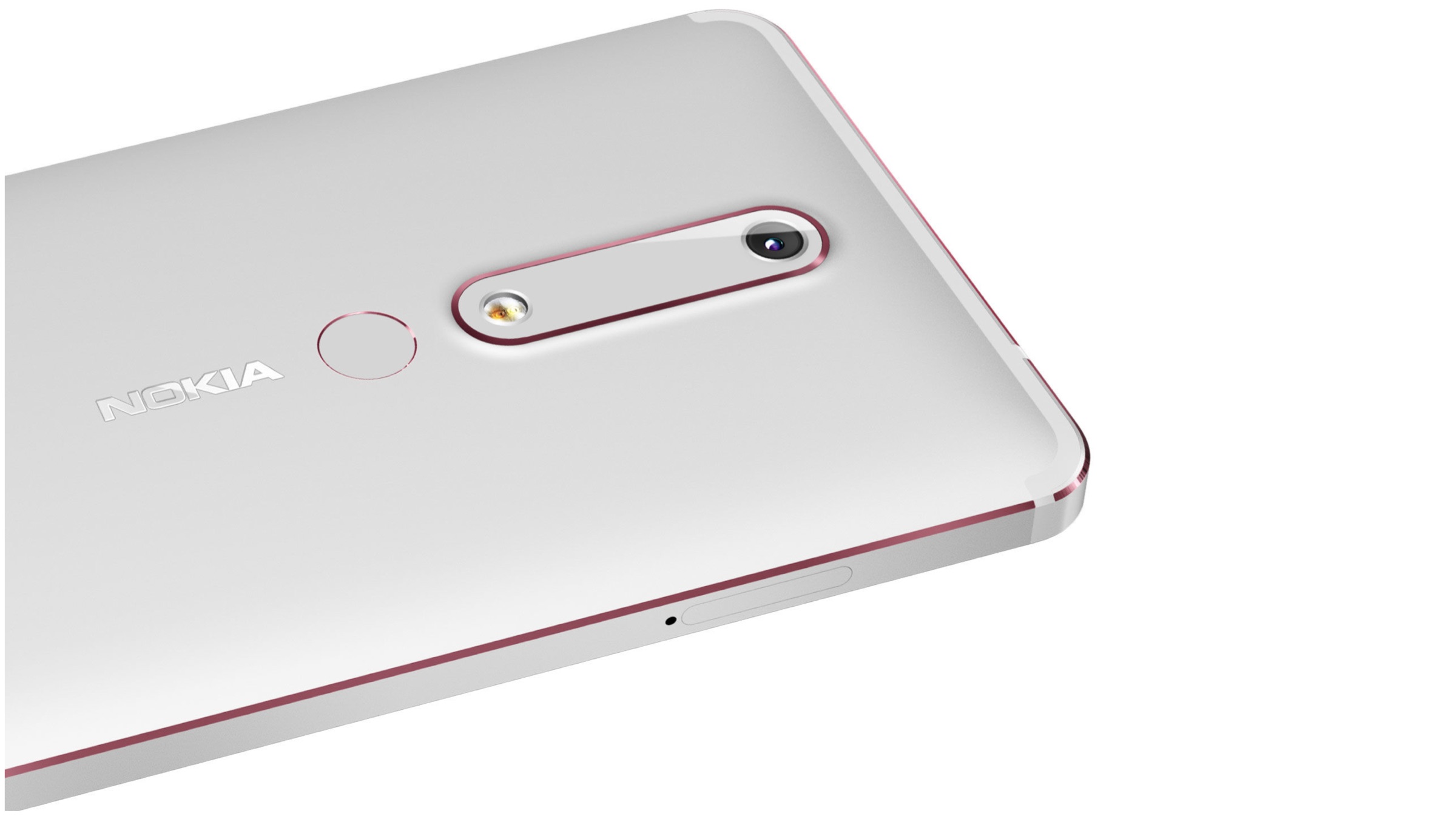
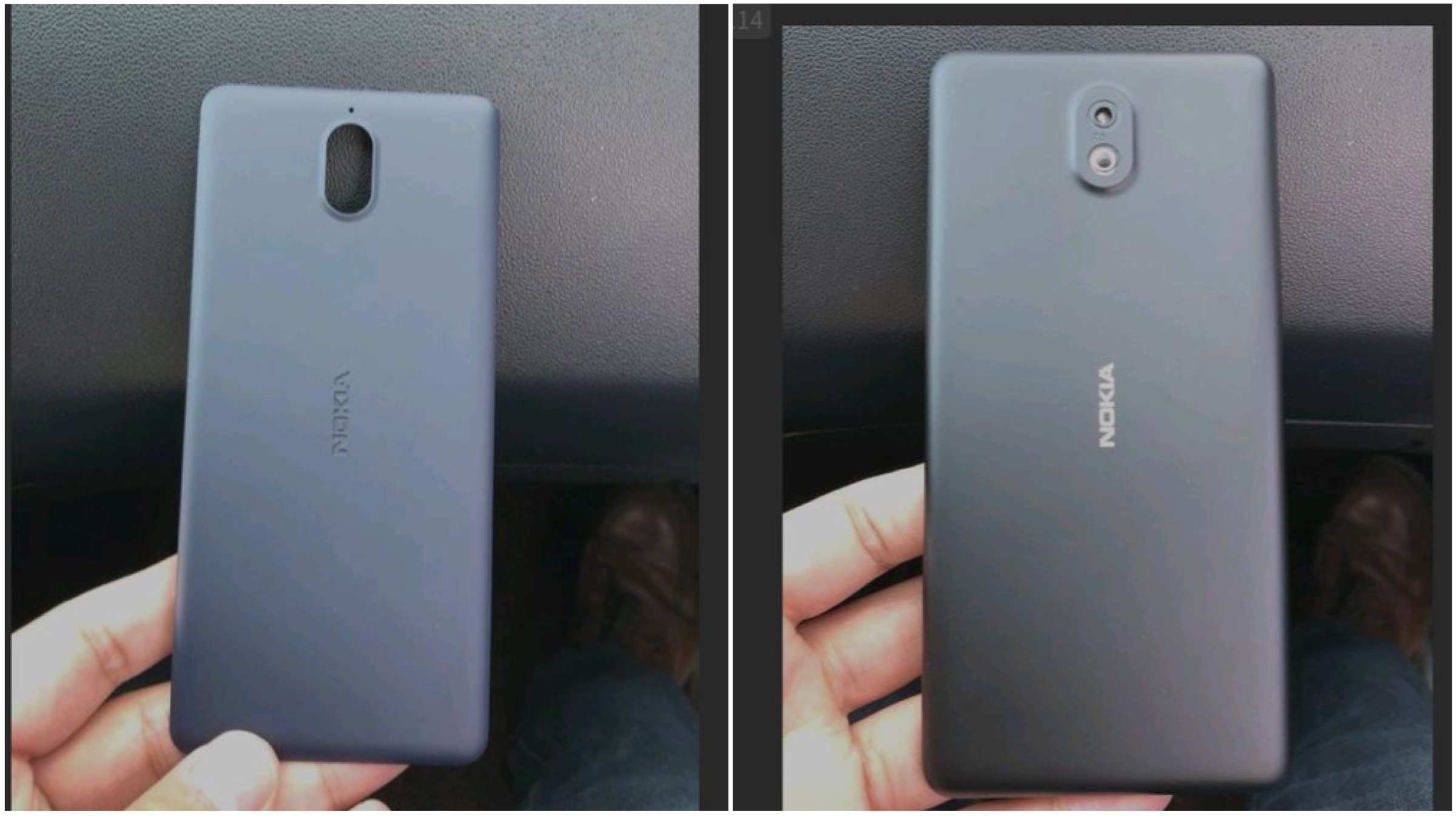
    Leaked images of what might be the Nokia 1 have surfaced on Baidu, a Chinese website. Interestingly, two different designs are revealed of the same phone which means that HMD Global might still be exploring options. But, with a launch expected at MWC, one of these could well be the final design of the smartphone.

    All of these are speculations so far, but, there have been multiple reports claiming that HMD Global is working on an Android Go-powered smartphone since it is one of the first smartphone makers to adopt the new software system developed by Google.

    Google recently announced Android 8.1 Oreo-based Android Go edition. The idea behind Android Go is to create a version of Android software which is designed to run better on phones with either 512MB or 1GB of RAM.

    Google has claimed that Android Go’s Oreo edition will be a variant of Android Oreo that a manufacturer can just set by ticking off a configuration flag. What this basically does is that it sets up the phone to use the “Go” versions of a handful of Google apps such as the main Google app, Google Assistant, Google Maps, Gmail, and others.

    HMD Global Chief Product Officer Juho Sarvikas recently took to Twitter to announce that the Nokia 2 will directly receive Android 8.1 Oreo update thanks to its Android Go integration.

    India could be one of the first few countries where the Nokia 1 will be launched, thanks to its crowded entry-level smartphone market and a huge feature phone user-base which will be able to move to a good smartphone without shelling out a lot of money.

  • Motorola Wants To Keep Your Health In Check With The New Moto Mod

    Motorola Wants To Keep Your Health In Check With The New Moto Mod

    Th trend is of wearable technology like fitness bands and smartwatches have steadily increased over the years. There are plenty of inexpensive options that do the basic things like counting steps, control music, take/end calls pretty well. With the Apple Watch Series 3, Apple wants users to experience the standalone features of a wearable which in general, are rendered useless if you forget your smartphone at somewhere else.

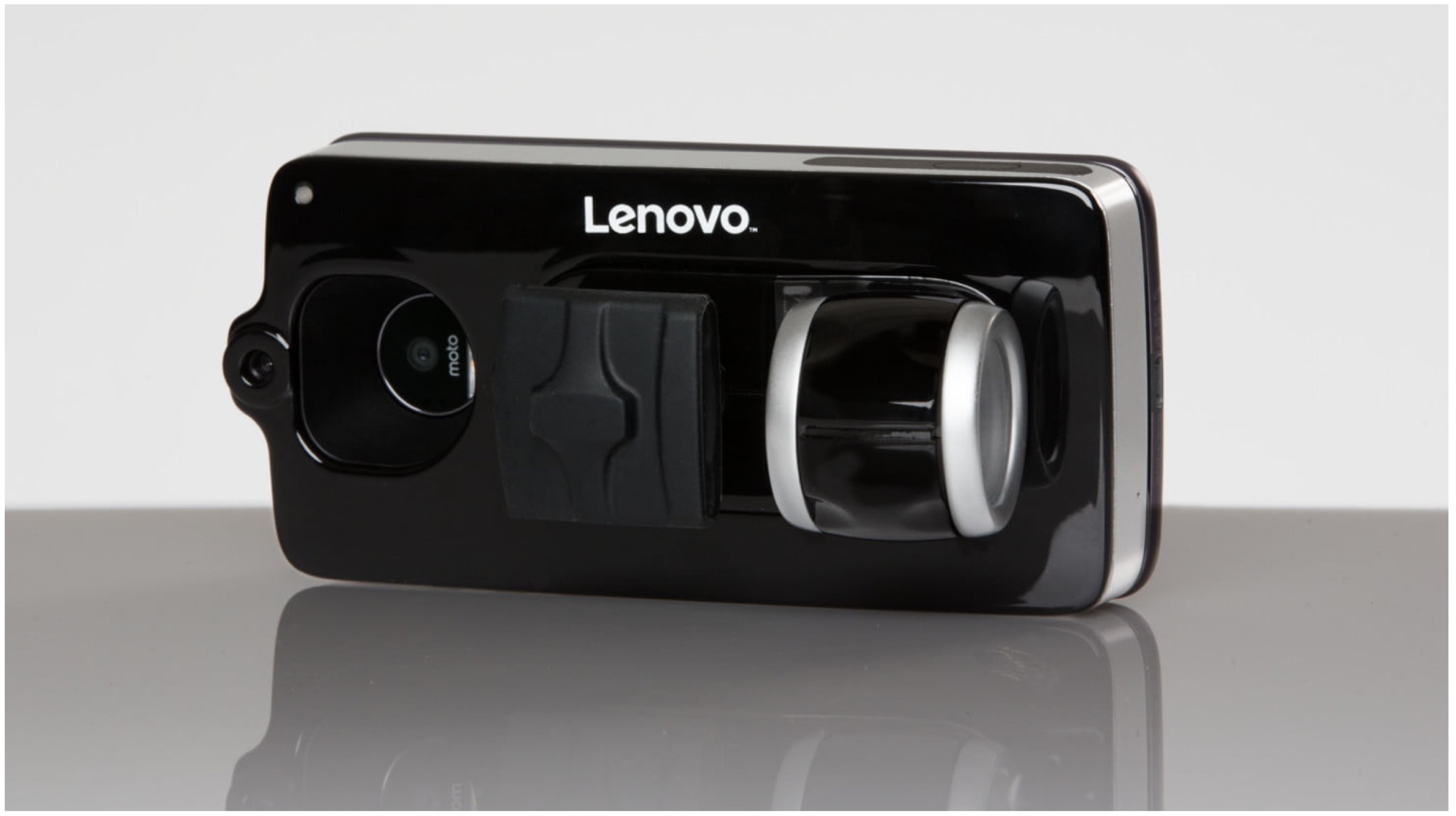
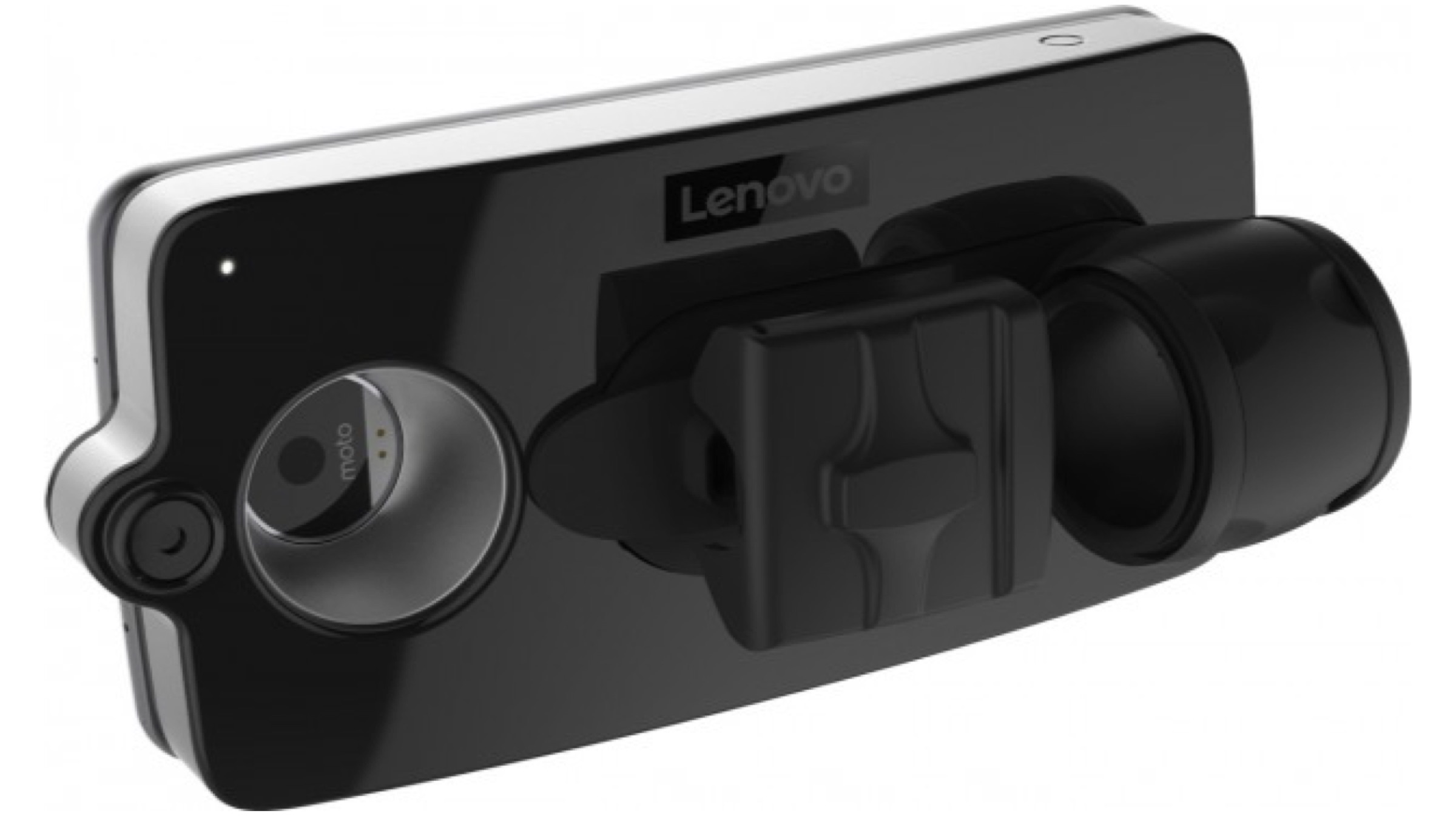
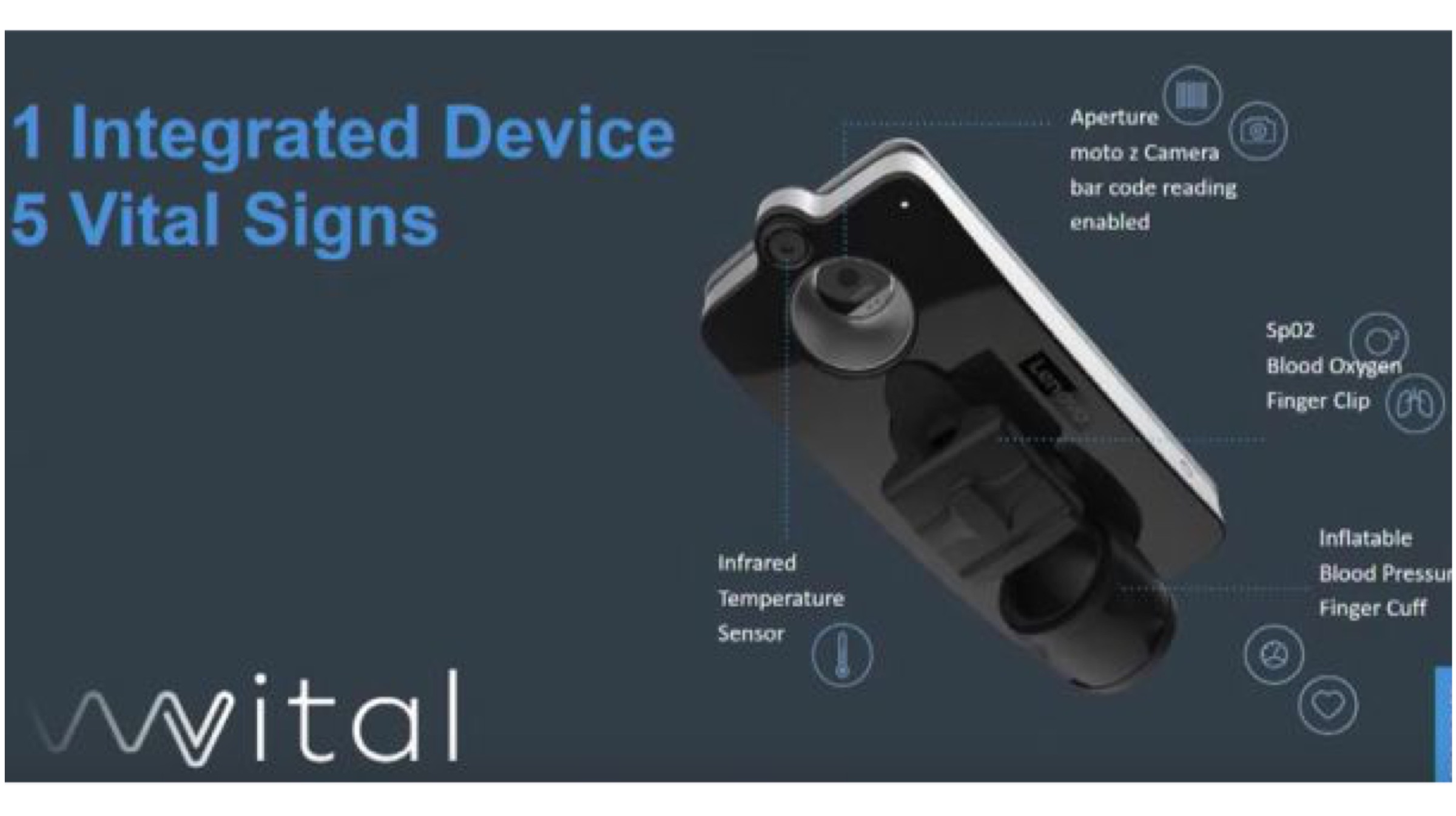
    Motorola however, wants your Moto device to do all the tracking of your health. During Lenovo’s event at CES 2018, the company announced the Lenovo Vital Moto Mod, a snap-on module extension for the Moto Z smartphone lineup. Vital is the “first connected, integrated, multi-vital sign monitoring platform you can operate through a single instrument”, according to Jim Thiede, Motorola’s Head of Product Marketing.

    The Mod has an infrared temperature sensor, a finger clip for measuring oxygen, and an inflatable finger cuff. These three features combine to test your heart rate, respiratory rate, pulse oxygen (SpO2), body temp, and both systolic and diastolic blood pressure. Thiede claims no other mobile platform can deliver accurate blood pressure readings.
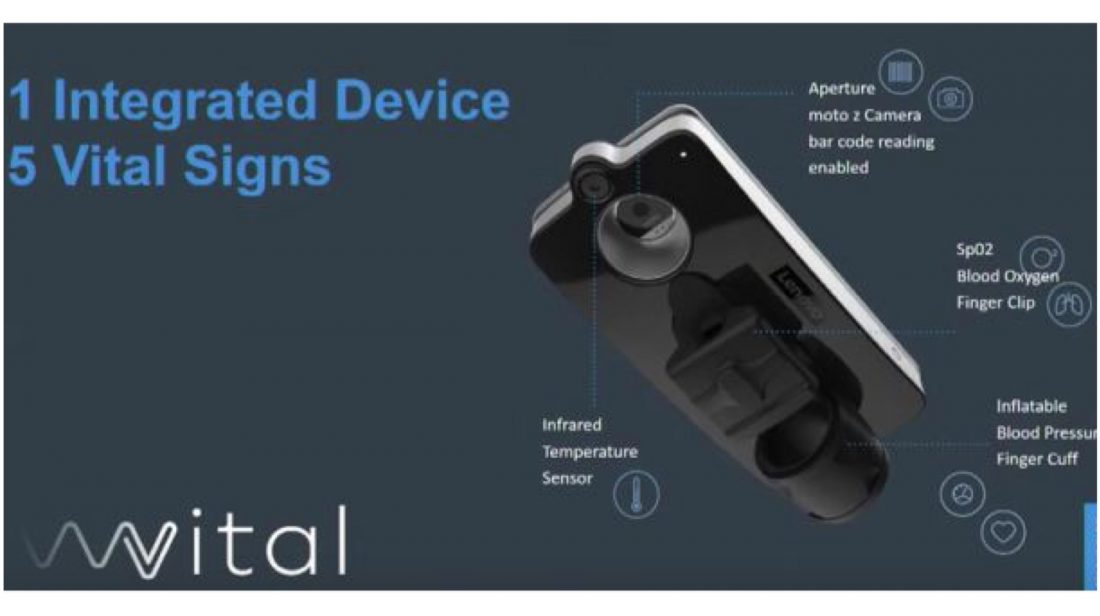
    After each checkup, users can compare their current readings to past measurements and keep a check on their progress. Just like any other Mot Mod, it snaps on to the back of a Moto Z smartphone and the phone immediately prompts the indication of a Mod being connected.

    At a price of US $395 (Rs. 25,000 approx.), the Mod surely comes at a hefty price. During the presentation, Thiede stressed how expensive and time-consuming it can be to track all of these different health statistics with five different biomonitors. So, the company is depending on consumers to look at the bigger picture and go for a “one-time investment” in an expensive Mod over regularly getting health checks done at a clinic. The device will go on sale in April in the western markets, there is no word on its availability in India as of now.
iGyaan Network
Privacy Overview

This website uses cookies so that we can provide you with the best user experience possible. Cookie information is stored in your browser and performs functions such as recognising you when you return to our website and helping our team to understand which sections of the website you find most interesting and useful.