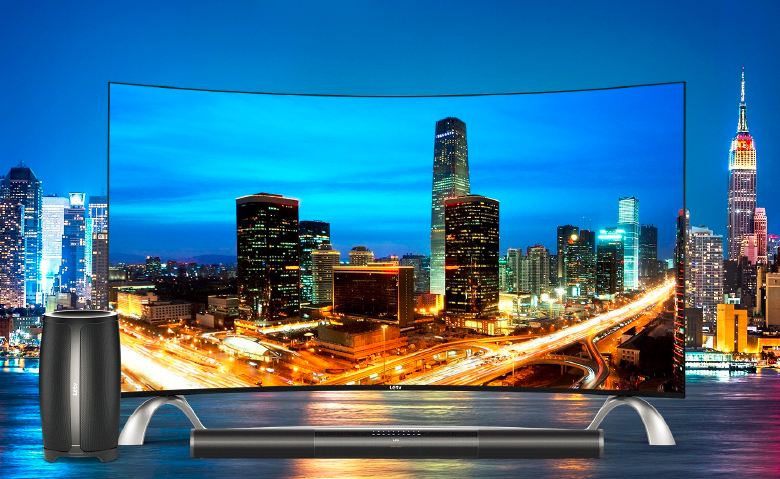
Letv has launched a 65-inch split TV with curved screen, called the Super 4 Max65 Curved, and claims it to be the first of its kind electronic. This was launched along with Super 4 Max70, the first smart TV in the world with a glass light guide plate (LGP). Both televisions sets were unveiled at a launch event in Beijing on December 22nd.
Letv has already brought 8-core 1.8 GHz 64-bit Qualcomm Snapdragon 810 processor (APQ9084) to its TV sets, along with incorporating Samsung’s ultra-thin curve panel. Now Le 4 Max65 comes equipped with Adreno 430 GPU with 4 GB of RAM and 32 GB/ 64 GB Flash, Novatek72324 motion processing chip. The TV also includes independent sub-woofer and an audio system by Harmon Kardon which seems to hold potential for a smooth audio experience as a home theatre.
On the other hand, Super 4 Max70 includes 10th generation 70-inch 4K panel by Sharp in its specs. The TV also marks the first time Corning’s Iris LGP glass has been adopted by a major Chinese TV brand.
In terms of sales, Letv reveals having sold 3 million smart TVs this year, and aims to double these sales to 6 million in 2016. The Super 4 Max70 will be available for sale starting 29th December on Lemall.com, While January 19th, 2016 is the date when sales of Super4 Max65 Curved Engineering Commemorative Edition begin.
The pricing is as follows – Super4 Max65 Curved Engineering Commemorative Edition is priced $1000 (about Rs. 66,000), while the Super4 Max70 costs $2000 (about Rs.1,33,200) and $2300 (about Rs.1,50,000) respectively for its 2D and 3D versions. The company aims to offer competitive prices for these smart-TVs by generating profits through advertisements and its content ecosystem, thereby bringing down the price.
Le has revealed it plans to hold an official event in New Delhi early in 2016, followed by other major cities in India. This could all be a follow-up to tentative plans of bringing its Le Superphones followed by Super TVs to the country. Let’s see what 2016 has in store for Le’s tryst with the Indian tech scenario.
A Budget Device that Looks Great and Performs Well
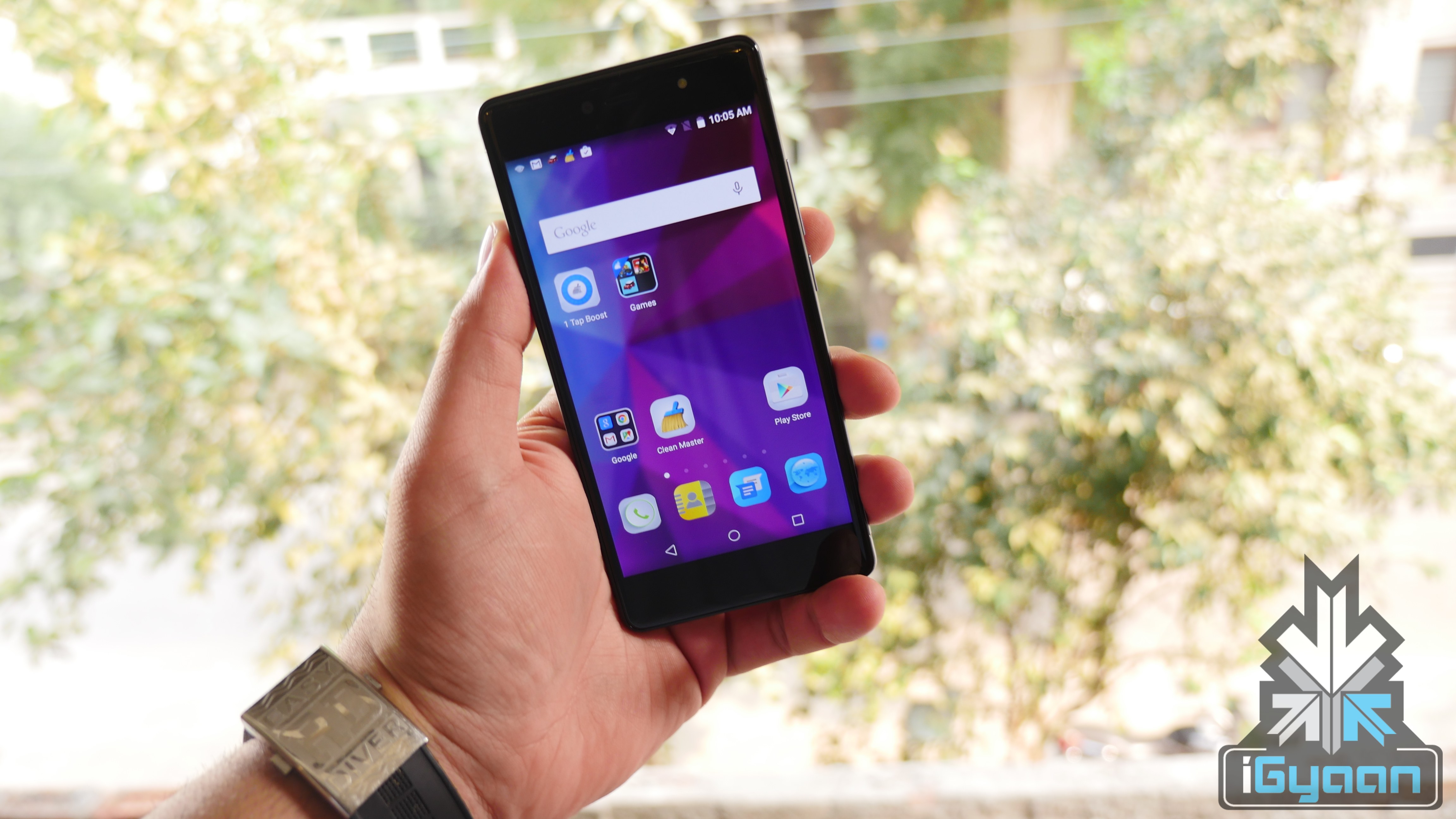
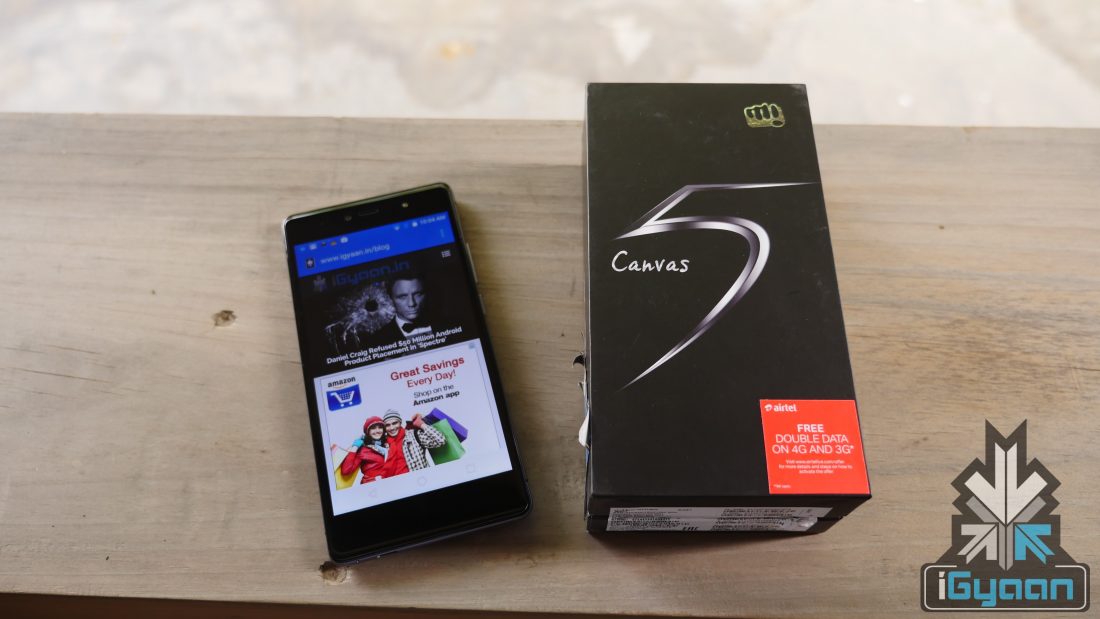
Micromax’s flagship Canvas 5 is a marked improvement from its predecessors, bumping up specs where it needed to most. The newest flagship tries to step out of Canvas 4’s shadow which saw some negativity regarding build quality and camera performance. With impressive design, performance, specs and a smooth UI for a budget device, the Canvas 5 is a solid device in the sub-Rs. 15,000 price range and gives a stiff competition to the Moto G (3rd Gen) and the OnePlus X. The Canvas 5, however, still has issues that will be familiar to long time Micromax users.
Overview
The Canvas 5 is available for Rs. 11,999 with 3 GB RAM and 8 GB internal storage, which is expandable up to 32 GB via MicroSD card slot. This year, Micromax has decided to forget about its past Canvas devices for something users will truly appreciate. Many OEMs like Micromax, Motorola and OnePlus want to prove that it is possible for a budget device to look and feel premium. The Canvas 5 seems to have found the right balance of hardware, design and build that is likely to attract consumers.
Build Quality and Design
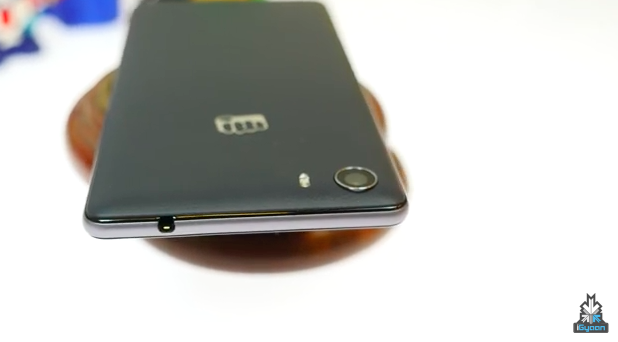
The Canvas 5 has an impressive build and sleek design. The front sports a Gorilla Glass 3 with a 2.5D Curve Touch panel that melts along the edges, which is pleasing to the eyes and also makes the display look bigger than it actually is when switched off. The glass leaves no smudges and keeps the screen clean. All this along with a metal side and rounded edge gives the device a premium look.
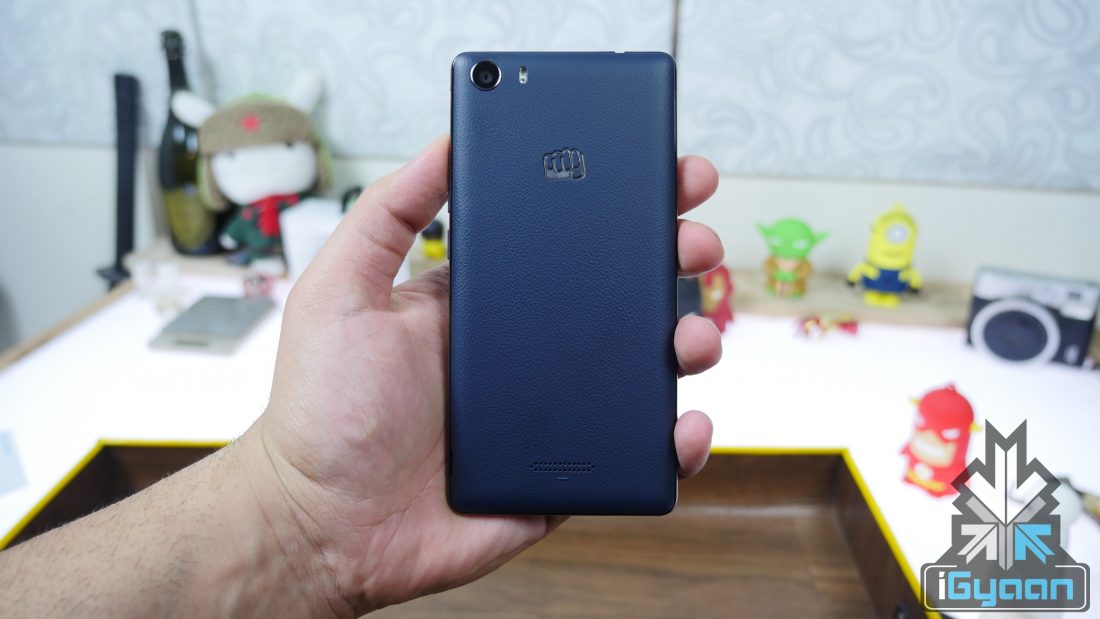
In the back you have a removable plastic panel that has a faux leather texture to it. Because it’s extremely flexible, it’s not likely to break any time soon. The leather-like texture feels great in your hand and provides for a firm grip.
Hardware
Micromax has bumped up the hardware with an improved RAM and chipset. The Canvas 5 comes with 3 GB of RAM, which is handy for games, and a 1.3GHz octa core MediaTek MT6753 ARM Cortex-A53 chipset. Check out the full spec table below.
Specification
Micromax Canvas 5
Display
5.2-inch full HD screen, Corning Gorilla Glass 3 with 2.5D Curve Touch Panel
Resolution
1920×1080 pixels with 480ppi
Chipset
Media Tek MT6753, ARM Cortex-A53
CPU
1.3 GHz octa-core processor
GPU
Mali-T720 MP2
RAM
3 GB
Front Camera
5 MP with flash (2560×1920)
Rear Camera
13 MP AF (4160×3120)
Storage
11 GB (7.5GB available)
Expandability
Up to 128GB via MicroSD card slot
Battery
2,900 mAh battery
Connectivity
Wi-Fi 802.11 b/g/n, Bluetooth 4.0, GPS/AGPS, 4G LTE (LTE FDD 850MHz/1800MHz and TDD 2300MHz)
Operating System
Android 5.1.1 Lollipop
Price
Rs. 11,999
Performance
The device, with an octa-core 1.3 GHz processor and 3GB RAM, gives one of the smoothest performance that we have seen from any Micromax phone. The hardware allows you to multi-task with greater ease and also improves gaming performance, though the device starts to heat up when the cores start kicking in.
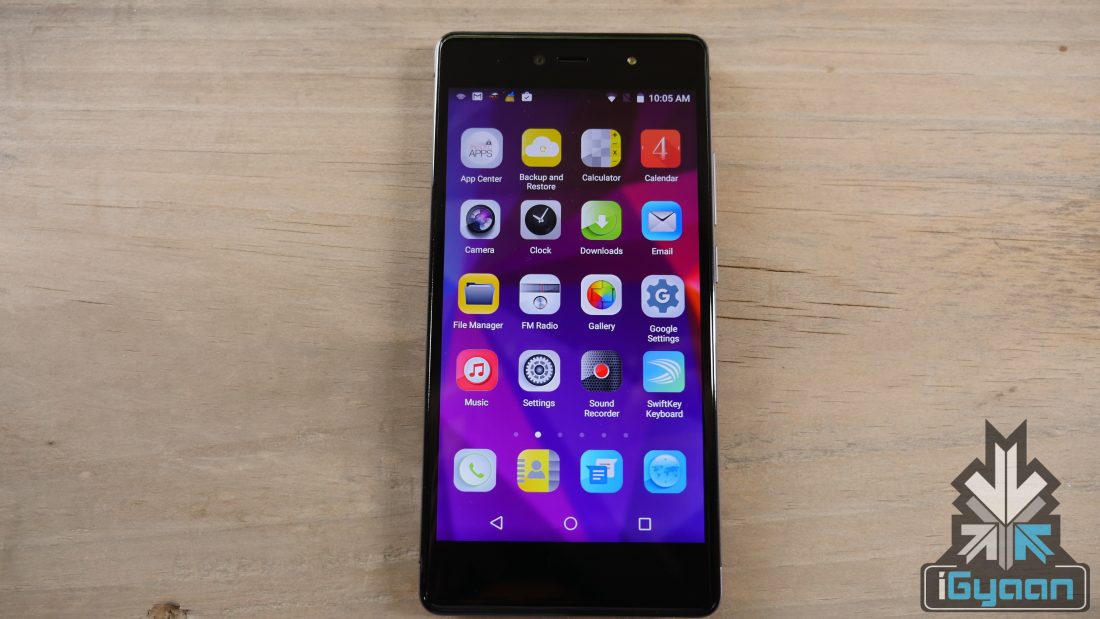
Swiping through the phone is snappy and fluid and you will love the ease of it all within 5 minutes of usage. The phone will respond quickly to all your basic day-to-day needs and with no app drawer, you can access your apps a lot faster, though . Talking about the apps, the Canvas 5 has a lot of bloatware like SwiftKey, Quikr and Snapdeal, all of which can be uninstalled this time around.
Games like Marvel’s Contest of Champions and Asphalt 8 work smoothly without and lags. However, playing for long periods at a stretch will heat up the smartphone.
Benchmark
The phone scored over 32000 on AnTuTu Benchmark and has been found to be 95% better than devices in the range, while it scores a 4931 on AndEBench Benchmark. We compared the Canvas 5’s results with that of the slightly higher OnePlus X, Yu Yureka and Moto G (3rd Gen) and this is what we found.
Benchmark
Micromax Canvas 5
OnePlus X
Yu Yureka
Moto G (3rd Gen)
AnTuTu
32801
41899
24258
23383
Vellamo (single core)
1061
1583
1038
1248
Vellamo (multicore)
1524
1445
1530
1243
AndEBench
4931
7623
4807
4160
As you can see, the Micromax Canvas 5 scores better than the Yu Yureka and the Moto G (3rd Gen), and also performs better than the OnePlus X in the multicore test.
Camera and Multimedia
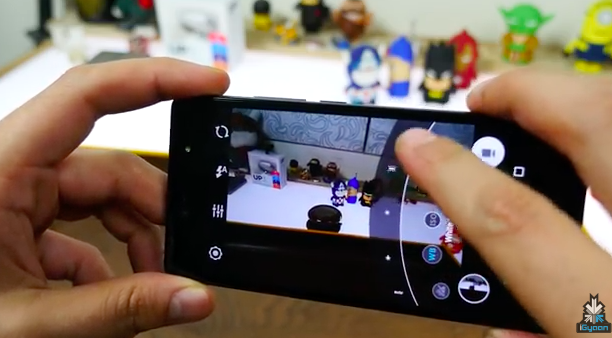
The Canvas 5 actually has a great camera app with loads of modes and pro features like those found on flagship Samsung Galaxy phones. You also get an app that lets you retouch images and give the desired makeup that it needs.
The device features a 13MP rear camera and a 5MP front with flash. The images taken by the primary camera are fairly decent and is quick at capturing images. The added professional modes like ISO, exposure compensations and white balance help you take that perfect shot. So, for a mid-range device, the Canvas 5 gives you a lot to play around with.
The primary camera holds well under low light conditions and comes with standard Face Beauty and Smile Shutter features as well as Picture-in-Picture. The display of the device is a 1920x1080p panel with 480ppi which gives bright and vivid colours. So much so that it makes you want to switch on the phone even if you have nothing in particular to do. Outdoor visibility is decent, however, reflections on the screen can make it hard to see at certain angles.
Phone Network and Battery
The Canvas 5 joins the list of 4G network-ready Android phones this year along with the Moto G (Gen 3) and the OnePlus X.
A 2,900mAh battery lets you use the device for a whole day. Heavy usage will let the Canvas 5 serve you till the evening before requiring another round of charging. Charging the Canvas 5 takes a while, and if you happen to use a different cable for charging, you’ll get a notification telling you the charging is slow asking you to use an original charger.
Some neat features like ‘Smart Awake’ lets you access some apps like music player and camera without having to switch on your device. Simply make a pattern of C on the screen when on standby mode and the camera app will open. Similarly, drawing M will open up the music player. This is a neat way to save some juice.
The Canvas 5 gives up to 9 hours of talktime (3G) and around 6-7 hours of internet surfing on a single charge.
Talk Time : 9 hours
Standby : 275 hours
Internet : 7 hours
Music : 9 hours
Gaming : 2.5 hours
Conclusion
The Canvas 5 has a lot going for it and a lot that needs improvements still. A superb design and build quality along with great display and good performance makes this device worth every penny. Few things that could hold the device back, though, are the bloatware, the occasional heating issues, and most importantly, the poor after-sales service. The Canvas 5 is a pretty solid smartphone in its range and should definitely be an option if you’re in the market for budget devices.
Meizu has revealed that it sold 20 million smartphones this year, all across Asia and parts of Europe (its devices are yet not officially available in the US). The current number of 20 million is a massive leap from last year’s 4.4 million. Meizu has increased its sales by an astonishing 350% according to these numbers.
The budget pricing, along with the design of the devices, seems to have worked wonders for Meizu. The smooth functioning of the phones, which are equipped with Flyme custom skin on top of Android, has won the company many fans.
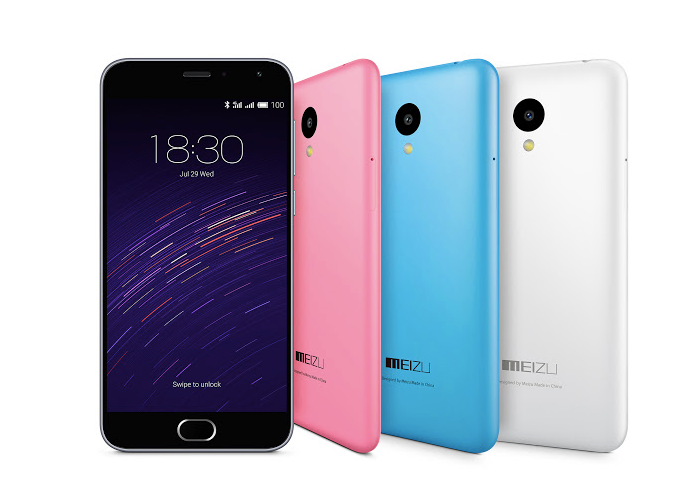
One of the most recent launches in India by Meizu include the Meizu M2. It was launched exclusively on Snapdeal a couple of weeks ago priced at Rs. 6,999.The M2 comes with a unibody design and runs on the Flyme OS 4.5 based on Android 5.1. It has a 5 inch display and 720 pixels resolution. Other features include, TD-LTE FDD-LTE 4G, supports two Nano-SIM cards, and microSD card with a storage capacity of 144 GB.
Lenovo has officially announced that the K4 Note will arrive in India on the 5th of January. Just last week the company had posted a teaser image on its Twitter handle, hinting at a K3 successor. The launch has now been confirmed. However we are still just as unsure of the specs as before.
The device seems to have metal on the sides, very reminiscent of the Samsung Galaxy S6. Even the back of the phone suggests a design inspired by Samsung, but we are not judging, not yet. Other than the metal frame, the teaser image further confirms the presence of a USB Type-C port.
Not much is known at this time about the specs other than rumours of a MediaTek Helio X10 chipset and a fingerprint sensor. None of it has been confirmed by the company so far. We’ll update you as soon as we have more dope on the Lenovo K4 Note.
They came, they saw and they conquered 2015 -we take a look at smartphones above the price range of 40K in this list which took the tech circuit by storm this year.
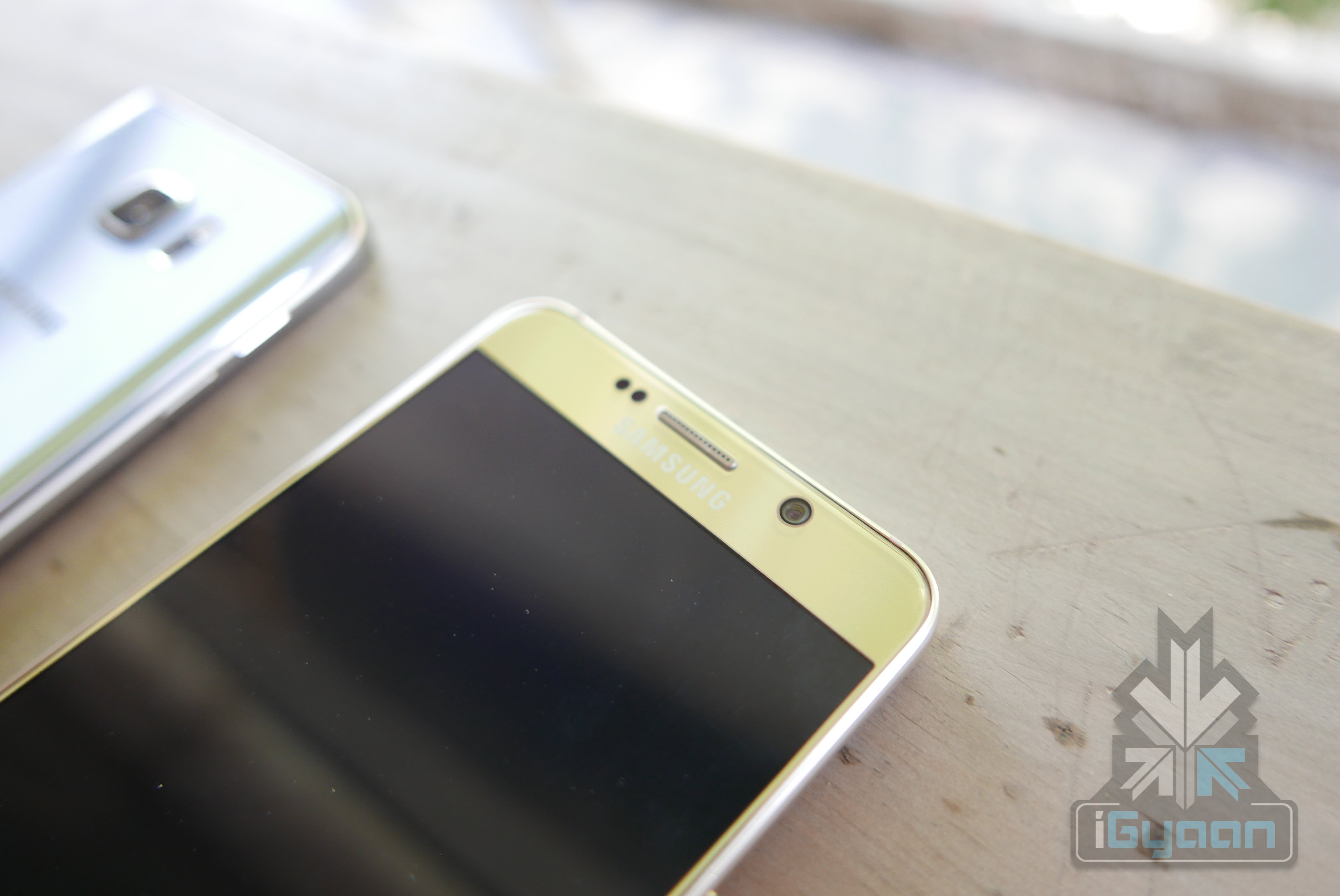
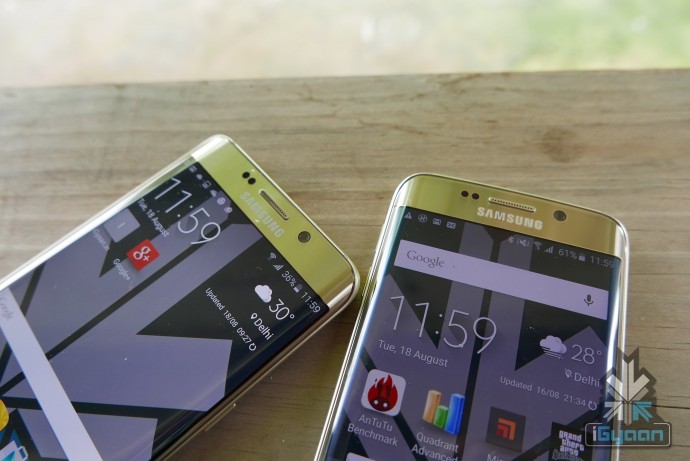
Samsung Galaxy S6 Edge and Edge Plus: Samsung Galaxy S6 Edge sports a 5.1 inch Super Amoled screen and QuadHD resolution with a total of 577 ppi. Powered by a 2,600 mAh battery, the handset is available only with fixed storage of either 32GB, 64GB or 128GB, which are all based on UFS 2.0 (Universal Flash Storage). With 16 MP primary camera, it is capable of shooting 4K video as well. Click here to check out the hands on of the gold variant of Samsung Galaxy S6 Edge.
When it comes to S6 Edge+ -everything from display and resolution to chipset and cameras are identical to the Galaxy S6 Edge. However thanks to the new large display of the S6 Edge+ the pixel density drops to 515 ppi vs the mammoth 577 ppi on the S6 Edge. The Edge+ variant also sports a larger 3,000 mAh battery to combat the drain from the larger QHD Super AMOLED display. An additional 1 GB of LPDD4 RAM, takes it upto 4 GB on the Edge+ however the phone is missing the 128GB storage option as only the 32 and 64 GB variants will go on sale. Find the complete review of Galaxy S6 Edge+ here.
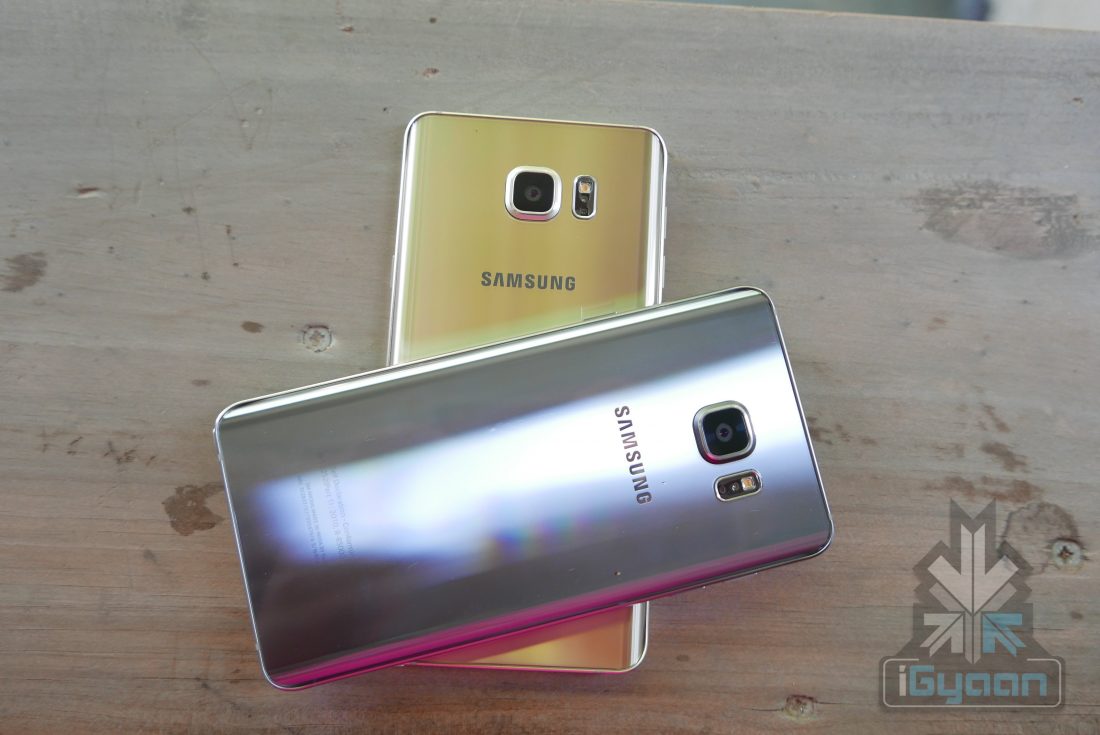
Samsung Galaxy Note 5:
Samsung Galaxy Note 5
The Note 5 is a beautiful device thanks to its extensive use of glass and metal -Gorilla Glass 4 on the back and the front, and rear glass tapers in to the edges, putting the Edge display design on the back of the Note 5. It runs on what is possibly the best version of Samsung’s skin called “TouchWiz”. Other features include the Slick UI elements, use of power buttons to increase or decrease screen font size, the S-Pen, which is capable of giving previews, like before, and the super smooth pop ups. The 5.7 inch size of the screen is larger than before and hence reduces the PPI to 518. For more details of the Galaxy Note 5, click here.
iPhone 6s and 6s Plus:The iPhone 6s and 6s Plus add an improved Apple A9 chip and an M9 co-processor, along with enhanced cameras. There is a 12 MP rear camera that shoots 4K videos. On the front, there is a 5 MP snapper, which however is still restricted to 720p. Compared to the iPhone 6s’ 1330 x 720p display, the Apple iPhone 6s Plus gets a larger display with a 1920 x 1080p resolution. It also gets a bigger battery and Optical Image Stabilisation in the rear camera. Everything else on both devices is identical in terms of specifications.
The introduction of the 3D Touch functionality is the highlight of iPhone 6s and 6s Plus, and the Peek and Pop UI of iOS 9 makes this feature infinitely fun. If you are in India and have been planning to buy iPhone 6s, now is the best time to do it. The smartphone has undergone a big price-cut of 11K -after being launched for Rs. 62,000 in India, it’s now available for 50K. There is a fall in the price of the iPhone 6s Plus as well but it’s not as drastic as the 6s. If you’re still unsure about the new iPhones, read our full review here.
Sony Xperia Z5 and Z5 Premium:
The Z5 Premium has a 5.5-inch 4K display. It is world’s first 4K display smartphone and comes with a 3,430 mAh battery, bigger than the Xperia Z5. The rest of the specs of the two phones are pretty much the same. The Sony Xpreria Z5 features a 5.2-inch full HD screen and 2900mAh battery. Both devices run on Android Lollipop 5.1, powered by a 64-bit octa-core Snapdragon 810 chipset with Adreno 430 GPU, 3GB RAM, 32GB storage (expandable to 200 GB).
The devices also come with a 23MP primary camera and a 5 MP camera in front. There is also a fingerprint scanner in the power button on the side of the device.
The Xperia Z5 has a matt finish that looks great. The Z5 Premium, on the other hand, has a glossy finish and will be available in Gold or Chrome. The front of the devices has BoomSound-styled dual speakers that are loud and give a crisp, well balanced sound. Click here for the complete hands on of Sony Xperia Z5 and Z5 Premium.
Lumia 950 and 950 XL:
Microsoft Lumia 950 XL
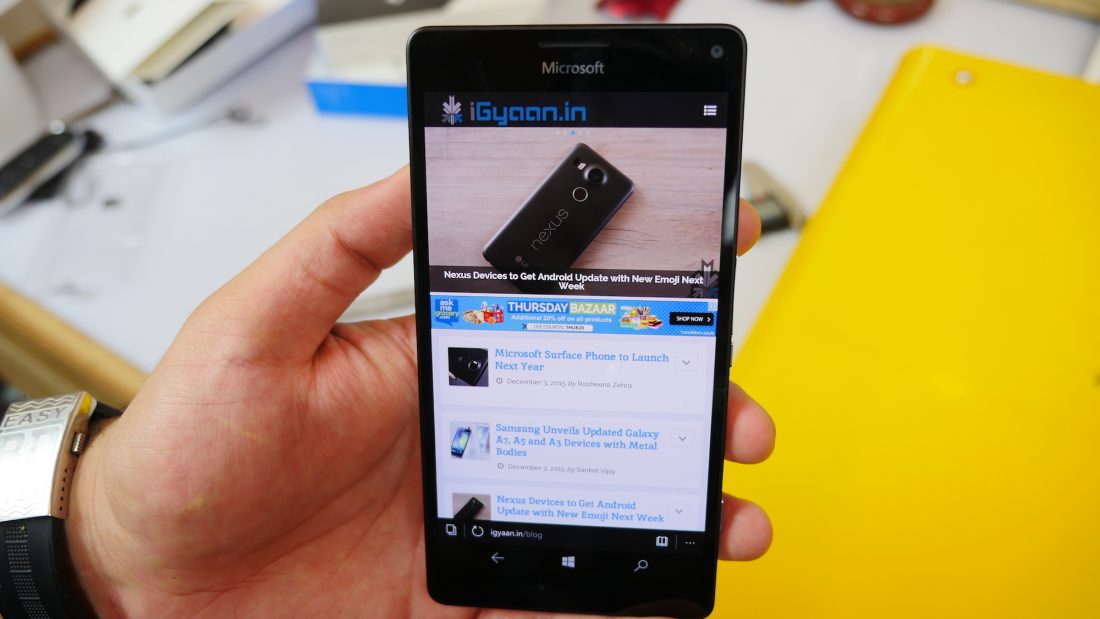
The Lumia 950 sports a 5.2-inch AMOLED display with 2560×1440 pixel resolution and a pixel density of 564 ppi for clear, sharp images. The 950 XL, on the other hand, comes with a larger 5.7-inch IPS display with 2560×1440 pixel resolution and a pixel density of 518 ppi. This is the first time Microsoft has used QHD display in its Lumia lineup.
The Lumia 950 is powered by a hexa-core Qualcomm Snapdragon 808 processor with 3GB of RAM while the 950 XL packs in a 64-bit octa-core Qualcomm Snapdragon 810 processor with 3GB of RAM. Both phones feature a liquid cooling technology, similar to the one found in the Surface tablet computer.
Lumia 950 and 950 XL have 32 GB of internal storage along with a MicroSD slot that allows up to 200 GB of expandable storage. The devices sport a 20MP primary camera with triple LED flash and fifth generation OIS, all of which promises detailed low light pictures.
The selfie snapper is marked at 5 MP and has a physical camera button. One of the biggest USPs of these Windows devices is the Continuum feature -you can read about it as well as all other specs of Lumia 950 and 950 XL on iGyaan.
The Turing Phone:
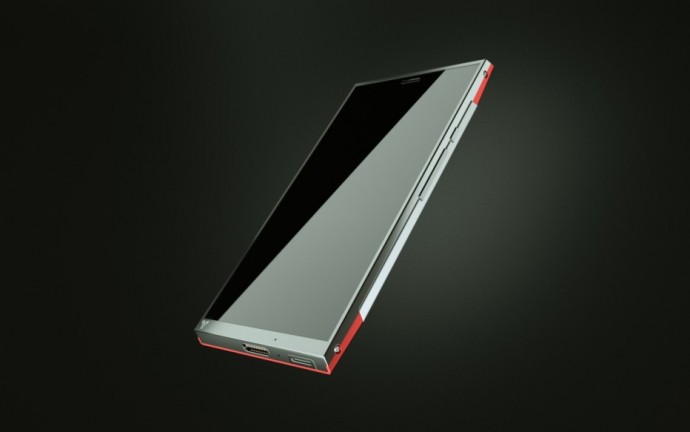
The Turing phone is an Android phone that is designed around the idea of being unhackable. It does not come with a USB port or headphone jack or any other extension that could be used to manipulate its data, leaving BlackBerry far behind in terms of security measures.
The specs of this phone include a 5.5-inch 1080p LCD, a Snapdragon 801, 3GB of RAM, a 13MP rear and an 8MP front camera, 3,000 mAh battery and a fingerprint scanner on the left side of the phone.The phone runs on a hardened version of Android 5.1 with built-in end-to-end encryption with Turing Aemaeth UI. The phone can be charged via a magnetically attached power connector, like Apple’s MagSafe.
When registrations had begun back in August this year, the 16 GB, 64 GB, and 128 GB variants were priced at $610 (approximately Rs 39,000), $740 (approximately Rs 47,300) and $870 (approximately Rs 55,700) respectively. Additionally, the dark Wyvern special edition Turing phone was available for $999 (approx. Rs.66,023), and the Dark Wyvern “Glaedr” special edition was available for $1299 (approx. Rs. 85,850). The pre-order period for the Turing phone has ended for now but you can sign up for the next round here.
BlackBerry Priv: Though the phone is yet to arrive in the country, a list of smartphones from 2015 priced over 40K won’t be complete without the BlackBerry Priv. It’s Android-powered, but is very much a BlackBerry phone. Privacy and security is of major importance here and that’s what Priv stands for. The handset is a hybrid with both a full touchscreen as well as a slide-out QWERTY keyboard. This means the phone caters to both touchscreen fans as well as keyboard loyalists. And given that very few devices today offer a keyboard, this may just work in BlackBerry’s favour.
The Priv comes with a Snapdragon 808 processor and 3 GB of RAM with 32 GB extendable storage. It features a 5.5 -inch curved display with a 1440×2560 pixel resolution and 537ppi. Finally, the phone has an 18 MP primary camera and a 5 MP front camera. The Indian pricing of the device is expected to be close to Rs. 50,000.
Moto Droid Turbo 2/Moto X Force:The phone, famous because of its ‘crack-proof’ screen, has not hit the Indian markets yet but is expected to arrive soon. Launched as Droid Turbo 2 in the US, the smartphone is expected to be released with its current price tag of $624 (Rs. 40,000 approximately) and $720 (Rs. 47,000 approximately) for the 32 GB and 64 GB variants respectively.
On the specs front, Moto X Force packs a 5.4 inch Quad HD display with a resolution of 2560×1440 pixels. It is powered by Qualcomm Snapdragon 810 octa-core chipset along with 3 GB of RAM. The two internal storage options of 32 GB and 64 GB are expandable up to 2 TB with the help of a microSD card.The highlight of the device is its super-hardy screen.
Needless to say, Motorola cannot stop talking about its first ever shatter-proof phone in the world. Let’s see if Moto X Force manages to live up to all the expectations. It seems like a pretty neat device which is why it’s included in this list.
According to a report published in Germany, WhatsApp users would soon be able to make video calls. A small window would appear on the top of the video feed which would allow the user to see their video image. The user would be able to move this window around while at the same time having the option of switching between front and rear cameras.
The video calling feature would come to iOS first followed by Android, and would be supported both by WiFi and cellular connections. Muting the microphone would be another option available to users.
Version 2.12.16.2 of WhatsApp is expected to have video calling. Keeping in mind that version 2.12.12 is already available in the App Store, the next WhatsApp update for iOS users may support this feature.
Along with video calling, new WhatsApp updates are also expected to include a makeover centered around WhatsApp’s trademark green colour. There will also be support for multiple chat windows at one time, allowing the user to move back and forth. We’ll keep you updated as and when new changes develop.
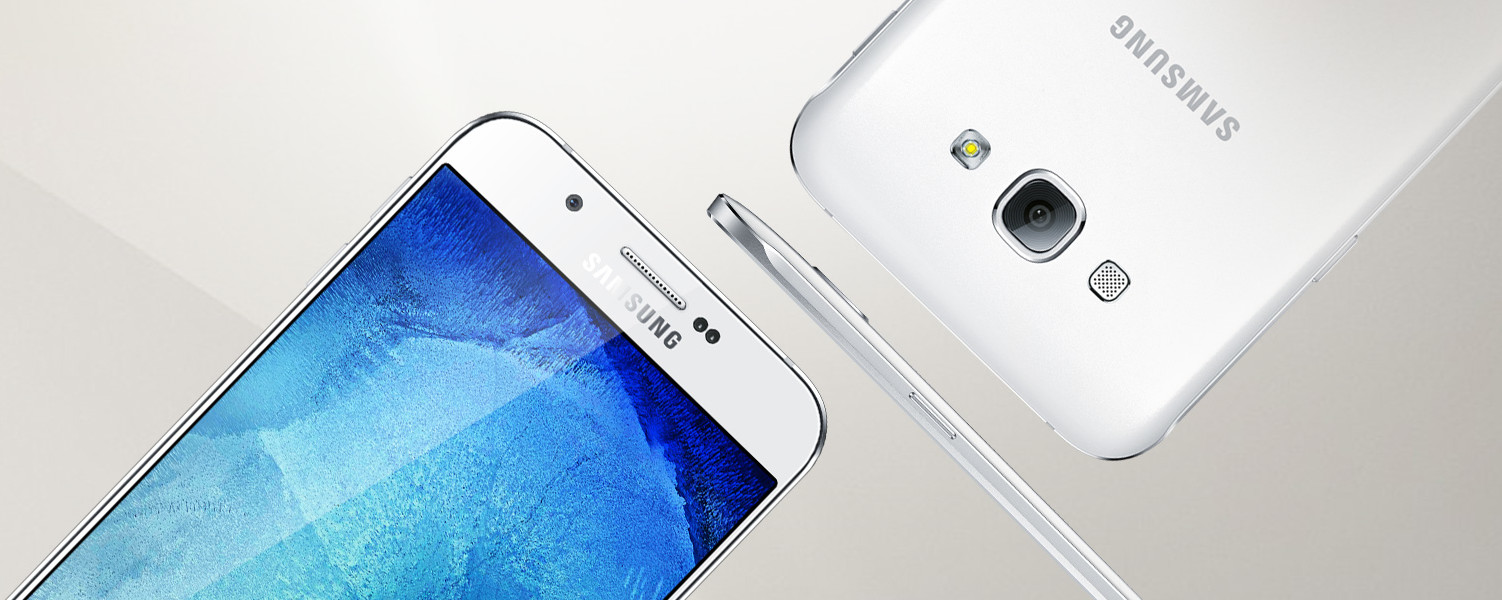
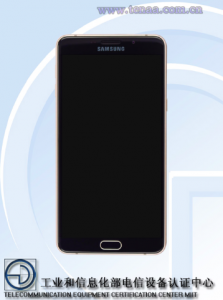
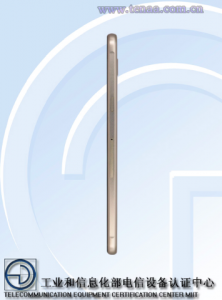
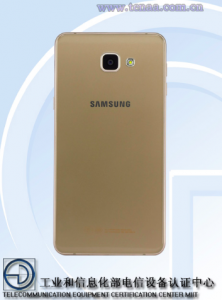
Expected to be unveiled at the CES in January, Samsung’s new Galaxy A9 smartphone is set to become one of the largest smartphones by the company with a 6-inch 1080p Super AMOLED screen. The handset recently passed the FCC and today, the device has been approved by China’s Telecommunication Equipment Certification Center, which means it’s ready to be sold in China soon.
The certification body also reconfirmed what we’ve come to know about the rumoured specs and has also revealed some new images of the device. The Samsung Galaxy A9 is going to sport a 6-inch 1080p Super AMOLED display and a metal frame. It will also have a battery marked at 4000 mAh to match the huge screen.
The device will be powered by an octa-core Qualcomm Snapdragon 620 (or 652, according to the new name change) processor clocked at 1.8 GHz. The new handset also features a fingerprint scanner embedded in its home button, and will run on Android 5.1.1 Lollipop. The Galaxy A9 is also expected to include a 13 MP main camera, 8 MP front camera, 3 GB of RAM and 32 GB of internal storage.
No word yet on the pricing of the device, but rumours suggest the A9 will be priced around $450 or close to Rs. 30,000.
If you’re looking for a phone priced between 30-40K, here are our recommendations. Let us know about your favourite smartphones in this price bracket in the comments below.
HTC One M9 Plus
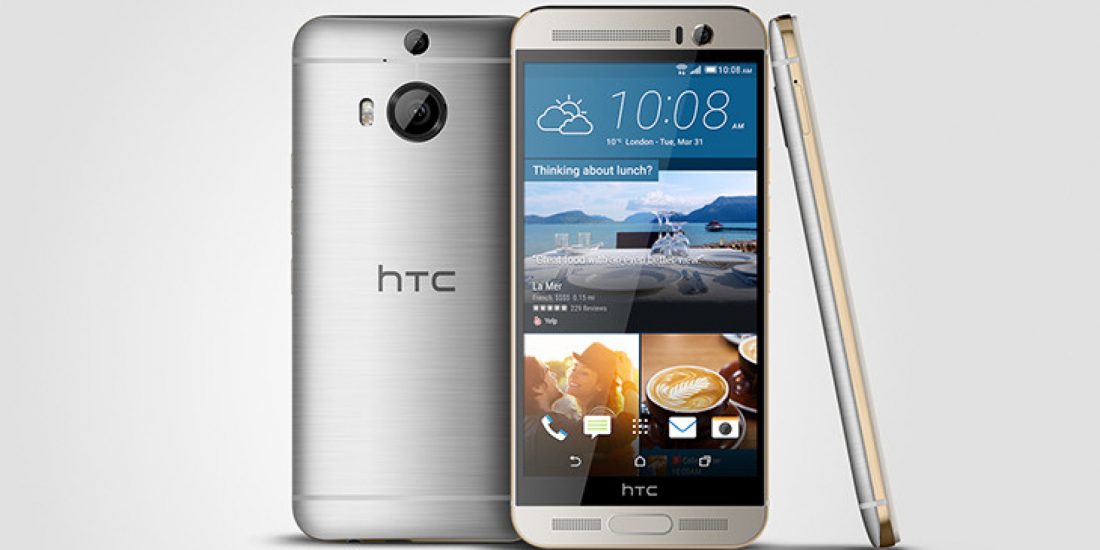
The HTC One M9 Plus packs a 20 MP primary camera with sapphire cover lens, auto focus, BSI sensor and ultrapixel front facing camera. It has a5.2-inch (13.2 centimeters) display with 1440 x 2560 pixels resolution. The phone is powered by 2.2GHz octa-core processor, 3GB RAM, 32GB internal memory expandable up to 2 TB, and it supports only a single SIM. The battery is marked at 2840 mAh.
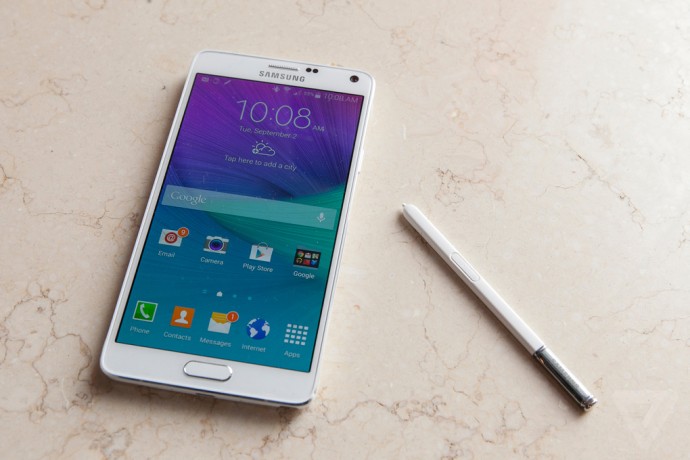
Samsung Galaxy Note 4
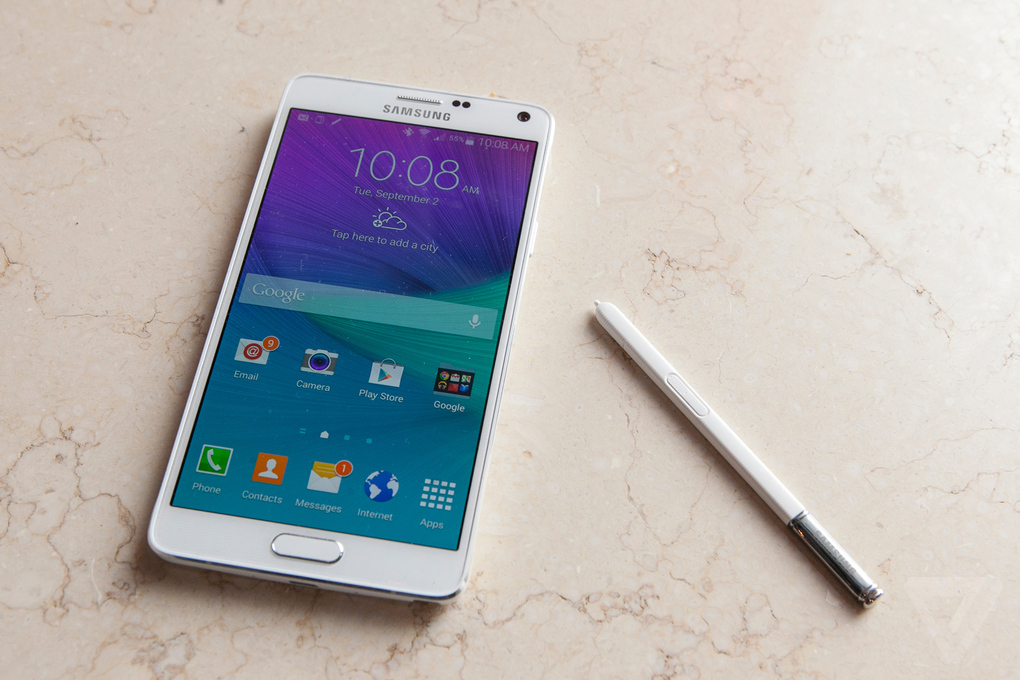
Galaxy Note 4 comes with a 5.7 inch QHD display and a 3,220 mAh battery with fast charging technology. It is powered by Snapdragon 805 chipset which is clocked at 2.7 gHz quadcore, coupled with 3GB RAM. It offers 32GB internal memory with support for expandable memory of upto 64 GB. Note 4 packs a 16 MP rear camera with OIS, along with a 3.7 MP front snapper allowing users to take wide-angle selfies. Samsung also added a fingerprint scanner feature along with a heart rate monitor on the back of the device. You can find our hands on of the Galaxy Note 4 here.
Huawei Nexus 6PThe 6P features a 5.7-inch QHD touchscreen, Qualcomm’s Snapdragon 810 chipset, with 3 GB RAM, a 3450 mAh battery and a USB Type-C port. The camera sports a 12.3 MP sensor with laser autofocus, dual-LED flash at the rear and a rather impressive 8MP on the front. This pure Android phone runs on the latest Marshmallow operating system. One of the main highlights of the Nexus 6P is the Nexus Imprint. The fingerprint sensor on the back is fast and fluid in accessibility, which according to Google only “gets better over time” as it learns more about your unique fingerprint. Click here for a detailed hands on of the device.
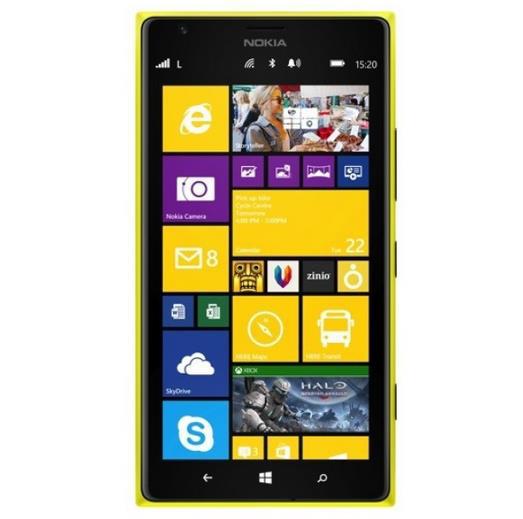
Nokia Lumia 1520
Even though Nokia Lumia 1520 was launched as early as 2013, this list wouldn’t be complete without it.The device features a 6-inch Full HD with 1080p display resolution. The device is powered by a Snapdragon 800 processor, sports a 20 MP PureView camera and has an inbuilt storage of 32 GB expandable upto 64 GB. Nokia has included a big 3400 mAh battery, the device is packed with a 2 GB of RAM. The polycarbonate build supports wireless charging. The price of the phone has now dropped to 39K after the initial price tag of about 47K during the time of its release.
LG G4: The LG G4 is an iconic design from LG, while many companies have attempted to make leather looking handsets (Note 3 and Galaxy S5), LG actually made a smartphone with a genuine leather back panel. The phone packs a 5.5-inch Quad HD LCD with 2560 x 1440 PX resolution. It is powered by Qualcomm Snapdragon 808 with 1.8 GHz hexa-core processor. The LG G4 also has dual sim (certain regions) and a removable and replaceable battery marked at 3,000 mAh, along with micro-SD expansion all of which is lacking in the Galaxy S6 and S6 Edge. Find the complete review of the smartphone here.
Samsung Galaxy S6
The S6 is equipped with 64-bit Exynos octa-core, a premium metal and glass based design. Additionally, the S6 has the most pixel intensive Quad HD display with 577 ppi for a unique, eye-popping multimedia experience, along with wireless charging and ultra power saving mode for improved convenience. For the complete specs and a hands on of the device, click here.
iPhone 6The iPhone 6 is available at an all time low of Rs. 41,000, falling pretty much in the 30-40K price bracket. The phone is a good buy at this price -it offers almost all features of the iPhone 6s (except for Force Touch) minus the hefty price tag. If there was ever a right time to buy an iPhone in India, it is now. iPhone 6 has a 4.7 inch display with a resolution of 1334 by 750 with 326 ppi, and is equipped with an 8 MP iSight camera. Find here the complete review of the iPhone 6.
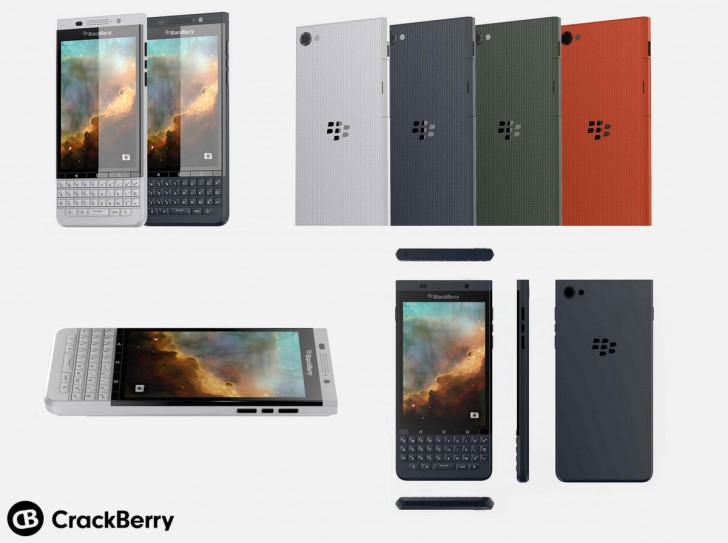
It has been only a couple of months since BlackBerry launched it’s first Android-powered device, called the Priv. The company is showing no signs to take a breather, according to CEO John Chen who has hinted that the company could launch its next Android phone next year. He also suggested that the second device will fall under the high-end bracket.
The price range of the second device will depend upon how the Priv does in the market. It’s still early to know Priv’s fate as the vice is yet to enter a number of markets, including India. “Depends on the Priv. If the Priv is well received in the market and looks like it is. There’s a good chance […], we will still focus on the high-end probably closer to mid-range coming out in 2016,” Chen said in an interview with Bloomberg.
Chen has not specified a launch date as of yet. The Priv will be available in 31 more markets in the next three months, which means that the next device is likely to launch after March. It is also likely that BlackBerry will unveil the device at the MWC in late February.
Some early renders of the second device – codenamed Vienna – have been doing the rounds. The images show a more typical BlackBerry design than the recent Priv with no slide-out keyboard here. However, as is the case with all rumours and renders, you should take this with a dash of salt.
After making a super popular game, Kim Kardashian now wants to get into the emoji business. The new App for Kim Kardashian emojis aka “Kimoji” is live. The app that currently costs US $ 1.99 and in India Rs.120. Is not a big fan favourite, especially since people need to pay to even try the App.
When the App went live however, many of the reality star’s fans have taken to Twitter to complain they were unable to download it. According to Kim the App was so popular it caused problems for the App Store servers.
A photo posted by Kim Kardashian West (@kimkardashian) on
One user said
Well first off it began with asking for full access and if you don’t give full access you can’t use it. (Possibly out of your $1.99 if your lazy enough to ask for refund) It reads it will not store any info you type but yet when you click full access it reads it will save all info. Including credit card information :|. The emoji design themselves are great, they couldn’t be more perfect for her. I do wish they were a bit smaller like the original emojis. The keyboard crashed or just didn’t appear the first time I tried using it. I had to delete and reinstall. Every so often it will appear blank, no emojis will pop up only the letters keyboard. I think over all it’s a great idea but room for improvements
Either way, there are still a lot of Kardashian fans that would love to get these “Kimojis” in play. Sigh!
OnePlus fans pay attention. The OnePlus X will be available today without invite on Amazon India. Those who have been waiting for the company’s newest handset can go ahead and add it to their cart right now. The invite-free OnePlus X goes on sale for the whole day until midnight tonight.
We are glad to announce that the OnePlus X will be available without an invite today on Amazon. One of the most sought after phones can now be yours invite-free, just in time for the holiday season!
The OnePlus X is priced at Rs. 16, 999 for the 16 GB Onyx variant. It sports a 5-inch AMOLED display (1920×1080), with a primary camera of 13 MP and a 8 MP front. The device runs on a 2.1 GHz Snapdragon 801 chipset. It features a 3 GB RAM with 16 GB internal storage and is expandable up to 128 via MicroSD card slot. The phone includes an alert slider, like the one found on OnePlus 2. The OnePlus X weighs around 138 gm for the Onyx variant. Check out our review of the OnePlus X here to know all you need to know about the device before you buy it.
You can have a quick look at the specs table below as well.
Specification
OnePlus X
Display
5-inch full HD AMOLED screen, Corning Gorilla Glass 3
There have been a lot of rumours and a lot of questions regarding when Samsung will launch its upcoming flagship Galaxy S7 devices. Earlier, it was expected that Samsung would unveil the devices at the CES conference to be held in January. Next up was at the MWC scheduled to take place in February. Now, word from China Mobile, China’s leading carrier, is that Samsung will present its flagship devices in March.
The above image was taken at a recent event where China Mobile revealed its roadmap for the coming months. The roadmap also revealed the possible price range in which the Galaxy S7 will fall – above RMB 3,000, which means north of $465 (roughly Rs. 30,000, although the actual Indian pricing is expected to be higher that that). The roadmap also revealed information about the Huawei P9 and Samsung’s new Galaxy A5 and A7 devices, among others.
Not much is known about the flagship device as of yet, but what is almost confirmed is that the Galaxy S7 will arrive in two variants – one powered by the new Snapdragon 820 chipset and the other being Exynos 8890. More will be revealed as we approach the launch date.
The March launch does put more credibility to rumours that Samsung could launch the device at the MWC late February, while the U.S launch is expected in mid-March. Follow this space for more on Samsung’s upcoming flagship smartphone.
In this list, we pick our favourite smartphones that fall between Rs. 15,000 to Rs. 20,000. Be sure to let us know your favourite in the comments below.
Lenovo Vibe P1
The Vibe P1 features a 5.5-inch full-HD (1080×1920 pixels) IPS display with Corning Gorilla Glass 3. It is powered by a Snapdragon 615 octa-core processor clocked at 1.5GHz with Adreno 405 GPU; 2GB of RAM and 32GB storage with expandable storage via microSD card. The device features a 13-megapixel rear camera and a 5-megapixel front; dual-SIM with dual 4G LTE support.
The Vibe P1 is available at a price of Rs. 15,999 exclusively on Flipkart.
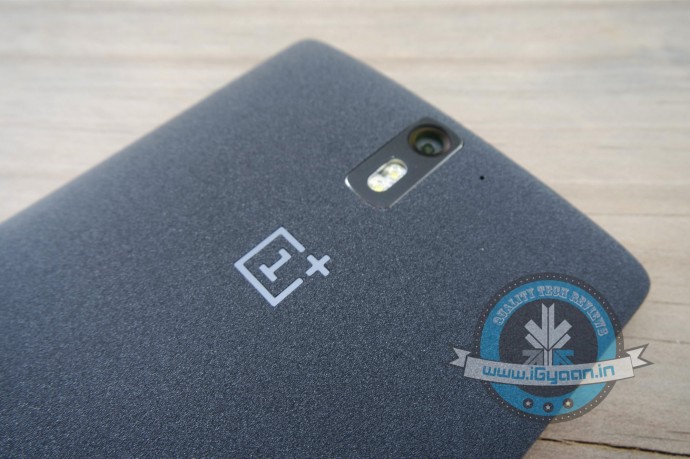
OnePlus X
The OnePlus X sports a 5-inch AMOLED display (1920×1080), with a primary camera of 13 MP and a 8 MP front. The device runs on a 2.1 GHz Snapdragon 801 chipset. It features a 3 GB RAM with 16 GB internal storage and is expandable up to 128 via MicroSD card slot. The phone includes an alert slider, like the one found on OnePlus 2. The OnePlus X weighs around 138 gm for the onyx variant and a heavier 160 gm for the ceramic variant.
The Onyx variant of the OnePlus X is priced at Rs. 16,999 and as is available via invite system only. Check out our review of the OnePlus X here.
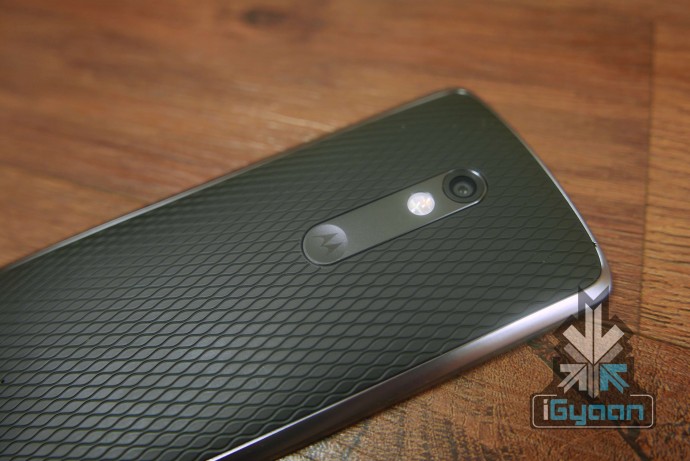
Moto X Play
The Moto X Play boasts of features that are sure to excite the masses. With a 21 MP camera, 3630 mAh battery, and expandable memory up to 128 GB, the Moto X Play is definitely worth its price. Other features include a 5.5 inch screen with Corning Gorilla Glass 3, Snapdragon 615, and an Octa-core 1.7 GHz Cortex-A53 CPU.
The Moto X Play starts at a price of Rs 18,499, and offers a variety of changeable colored back covers. You can check out our hands on with the Moto X Play to know more about the device.
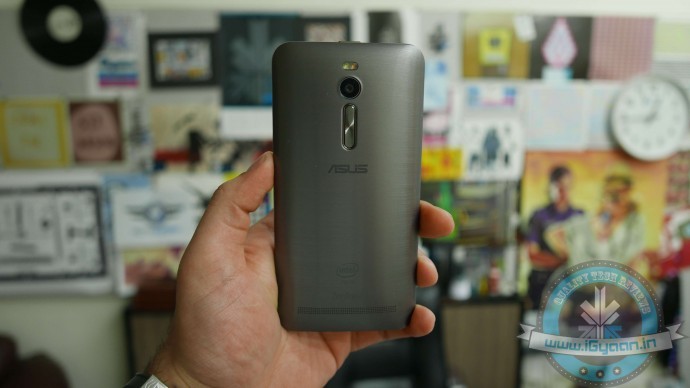
Asus Zenfone 2
The 32 GB Zenfone 2 is priced at Rs. 17,999 and comes with a 5.5-inch 1920x1080p IPS Display, protected by Gorilla Glass 3. It is powered by an Intel Atom 23580 Quadcore processor with 2.3 GHz CPU and 4GB of RAM. The juice is supplied by an adequate 3000mAh non-removable battery and the smartphone comes pre-loaded with Android 5.0 Lollipop.
Asus Zenfone 2 has a 13MP primary camera and a 5MP front camera. The dual LED flash paired with the rear camera, comes in two colours, to help you get the right white balance. Both the microphones consist of the noise cancellation feature, thus enabling you to talk with least hassle. Check out our exclusive unboxing and hands on of the Vibe P1 for more.
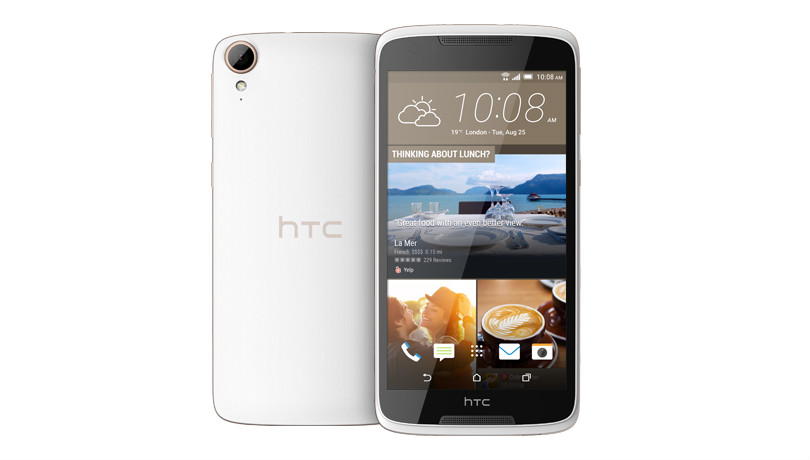
HTC Desire 828
The HTC Desire 828 arrived in India on the 14th of December. Priced at Rs. 19,990, the model comes with a 5.5 inch display with 1080 x 1920 pixels resolution and is powered by the Mediatek MT6753. It is run on the Android OS, v5.1 (Lollipop) and has a dual SIM (Nano-SIM, dual stand-by) connectivity.
It also comes with a storage of 16GB that is expandable up to 2 TB along with 2GB of RAM. On the camera front, the Desire 828 features a 13 MP rear camera and HTC UltraPixel front. The Desire 828 is the first model in the Desire lineup to. The device is packed with a Li-Ion 2800 mAh battery and supports a micro USB v2.0.
OnePlus One
Even though OnePlus’ debut handset came to India towards the end of 2014, the OnePlus One with 64 GB storage is still a great option today. The device sports a 5.5-inch LTPS display with a 1920 x 1080p resolution and Gorilla Glass 3. On the hardware front the device features a Qualcomm Snapdragon 801 SoC with Adreno 330 GPU, 3GB of RAM and 64 GB storage.
The OnePlus One also features a 13 MP primary camera with 4K video, a 5 MP front-facing shooter, and 3,100mAh battery. All in all the once touted ‘flagship killer’ is still worth your money. The device is available for Rs. 19,999 on Amazon India. Check out our review of the OnePlus One for more.
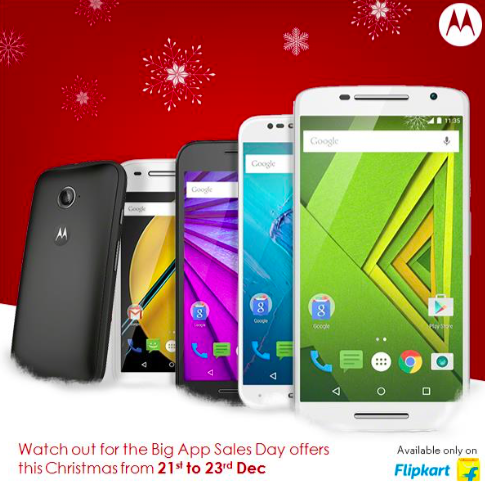
Motorola has something exciting in store for you all this Christmas season. The company has announced offers and discounts on a range of handsets for those who have been waiting to get their hands on a Motorola device. The offer is exclusive on the Flipkart app as part of the ‘Big App Sale Days’ from the 21st to 23rd December, 2015.
The devices included in this offer are:
Moto G Turbo Edition: The device is powered by Qualcomm MSM8939 Snapdragon 615, with Adreno 405 and a quick charge capability that Motorola calls TurboPower charge. Other features include 4G LTE and IP67 rated protection to keep your phone safe from water and dust. Customers will get an electronic gift voucher worth Rs. 1000 and exchange upto INR 6,000 on purchase of the Moto G Turbo Edition during these Big App Sale Days on Flipkart.
Moto X Style: The device sports a 5.7-inch TFT LCD display is powered by a 1.8GHz hex-core Qualcomm Snapdragon 808 SoC with Adreno 418, 21MP rear camera and 5MP front, and 3,000mAh battery. The device is currently priced at Rs. 29,999 and will be available for Rs. 26,999 during the sale.
Moto X Play: The device features 5.5 inch screen with Corning Gorilla Glass 3, Snapdragon 615, and an Octa-core 1.7 GHz Cortex-A53 CPU. The Moto X Play will have a 21-megapixel primary camera with dual-LED flash, and a 5-megapixel front camera. The handset will be available for Rs. 16,999 down from Rs. 18,499.
Moto G (3rd Gen): The device comes with the Android Lollipop 5.1.1, a Qualcomm Snapdragon 410 (MSM8916) processor with 1.4 GHz quad-core CPU, Adreno 306 with 400 MHz GPU. It provides a 4G LTE network connection with a rear camera of up to13MP f/2.0, Field of view (FOV) 76 degree, and a front camera of 5 MP f/2.2, Field v (FOV) 72 degrees Display flash with fixed focus.
Moto E (2nd Gen): The device comes with 4G LTE speed, a 4.5-inch qHD display, Rear and front-facing cameras and a Quad core processor. Currently priced at Rs. 6,999 (4G) and Rs. 5,999 (3G) the Moto E (2nd Gen) will be available for Rs. 5,999 (4G) and Rs. 4,999 (3G), respectively.
Model
Current Price
BASD Price
Moto E (2 Gen) 3G
5,999
4,999
Moto E (2 Gen) 4G
6,999
5,999
Moto G (3rd Gen)
11,999
10,499
Moto X Play
18,499
16,999
Moto X Style
29,999
26,999
Motorola is also offering a 10% cashback on all Motorola devices on transactions made on CitiBank and Standard Chartered, and an exchange offer on the Moto X play, Moto X Style and Moto G 3rd gen.
As mentioned above, the offers begin starting today till the 23rd of December on the Flipkart app. If you’ve been waiting to get your hands on one of the above mentioned devices then the time is now.
Here’s another listicle that puts together phones that came out in 2015 priced between Rs. 20,000 to Rs. 30,000. Let us know your choice in the comments below.
OnePlus 2
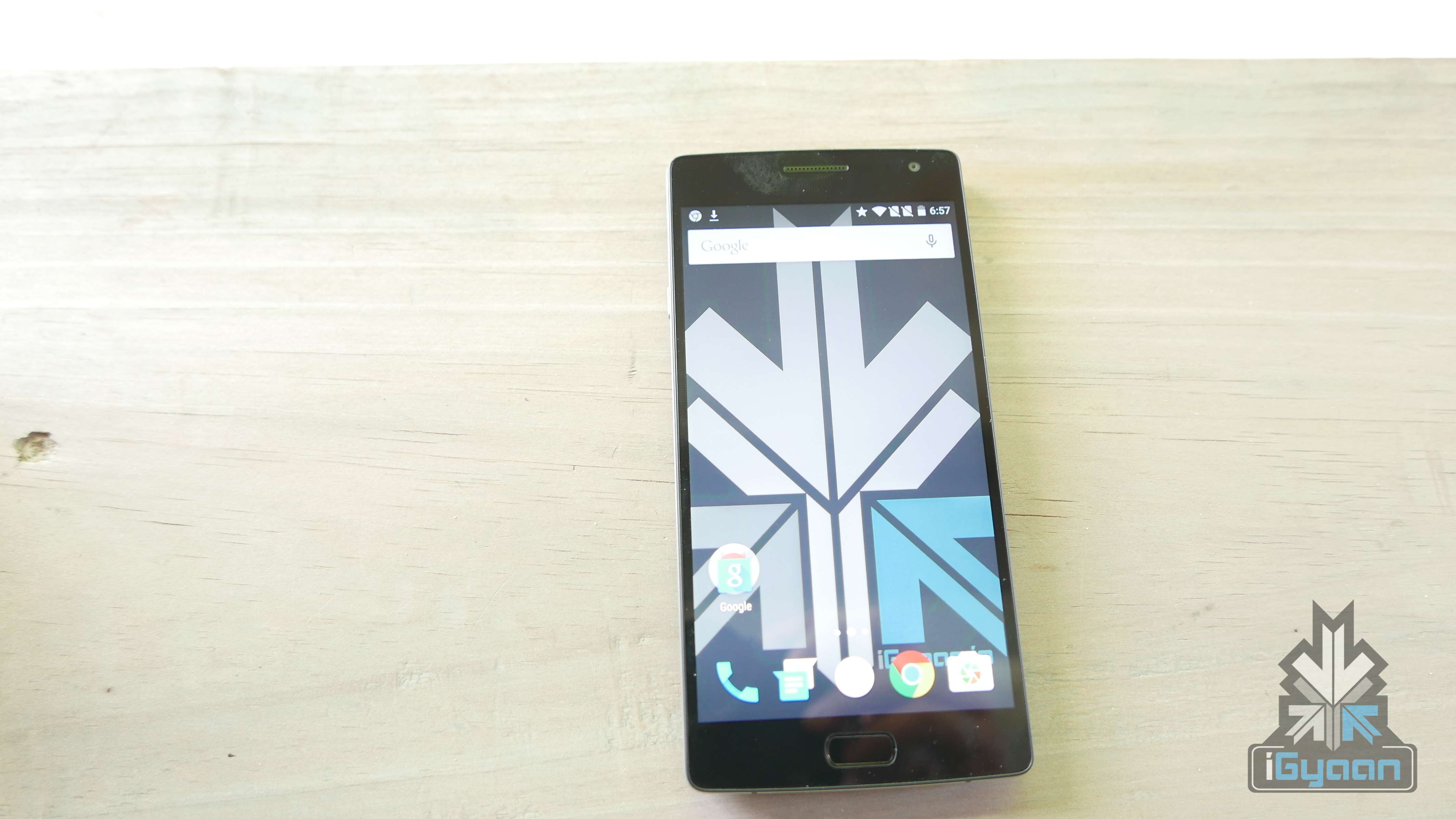
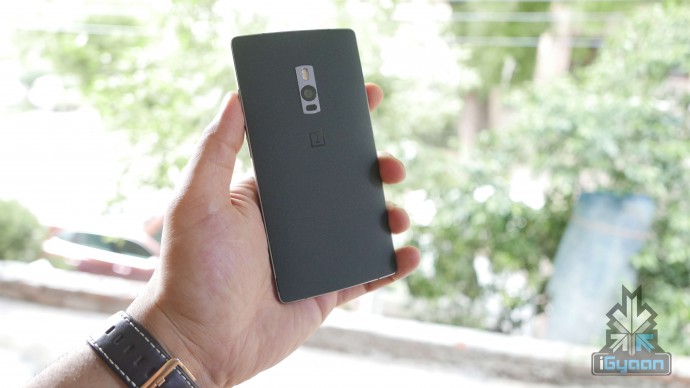
OnePlus 2 packs a 5.5-inch display with Corning Gorilla Glass, and a 1080 x 1920 pixels, 401 PPI resolution. With an internal storage of 32 GB and 64 GB for its two variants, the phone runs on an octa-core processor with Qualcomm Snapdragon 810. On the camera front, OnePlus 2 packs a 13 MP main camera and a 5 MP front camera. The phone has a 3,300 man battery. Click here for our video review of the OnePlus 2.
LG Nexus 5X The Nexus 5X comes with a 5.2-inch FHD display, USB Type-C which allows almost 4 hours of battery post a 10-minute charging routine, and is available in three colours – Carbon black, Quartz white and Ice blue. The phone packs 2 GB RAM, Qualcomm Snapdragon 808 chipset and OS Android Marshmallow 6.0. On the camera front, the device comes equipped with a 12.3 MP rear camera and a 5 MP selfie camera. Read our review of the Nexus 5X.
Moto X Style
Moto X Style has a 5.7 inch, 2K display, 3 GB of RAM and Qualcomm Snapdragon 808 chipset. The cameras are marked at 21 MP for the main camera and 5 MP for the front camera. Both cameras are equipped with flash. The phone has a 3,000 mAh battery and runs on Android 5.1 Lollipop. The device is available on Flipkart for Rs. 29,999. Have a look at our unboxing and hands on of the Moto X Style for more details.
Huawei Honor 7 The Honor 7 comes with a 5.2 inch display with an aluminum body, thermal design and an aluminum frame. On the camera front, it comes with a 20MP rear camera with PDAF, fast focus (0.1s), and Sapphire lens cover. The front camera is 8MP along with 26mm wide angle lens, and front faced soft light feature. The camera on this handset has a couple of special features such as Time lapse option for the front camera, and the ‘Good food mode’ filter.
YU Yutopia Yutopia is YU’s first flagship and is manufactured entirely in India. The phone has a super-slim 7.2 mm body, comes with a 5.2 inch Quad HD display and runs on Qualcomm Snapdragon 810. Yutopia is equipped with a whopping 21 MP camera with 4K video recording, boasts of a fingerprint sensor and a 3000 mAh battery with Quick Charge. Check out our unboxing and hands on of the Yutopia as well as our benchmark tests.
HTC One A9
The HTC One A9 sports a 5-inch full HD (1080p) display with Corning Gorilla Glass 4 protection. Under the hood, the phone is powered by Snapdragon 617 64-bit octa-core SoC paired with 3GB of RAM, 32 GB built-in storage, and a microSD card slot.On the camera front, the One A9 features a 13-megapixel primary camera with OIS and a 4-Ultrapixel front camera. Other features include a 2,150 mAh battery with Quick Charge 2.0. Click here for our hands on of the device.
Samsung Galaxy Note 3
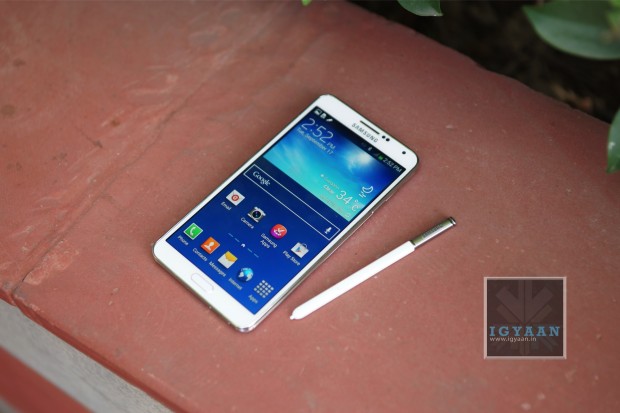
The Galaxy Note 3 comes with an Exynos 5 chipset (1.9GHz Quad core + 1.3 GHz Quad core) along with 32 GB of storage and 3 GB of RAM. The 5.7-inch device has a full HD Super AMOLED display with a resolution of 1920 × 1080 pixels, is 8.3 mm thick and weighs 168 grams. It has an impressive 3200 mAh battery and comes with a soft-touch, textured backing. The back of the Galaxy Note 3 features a 13 megapixel camera and SPen functions that include Air Command, an on-screen portal to four specific features Action Memo, Scrapbook, Screen Write, S Finder and Pen Window. Find the complete hands on of Galaxy Note 3 here.
Sony Xperia Z3
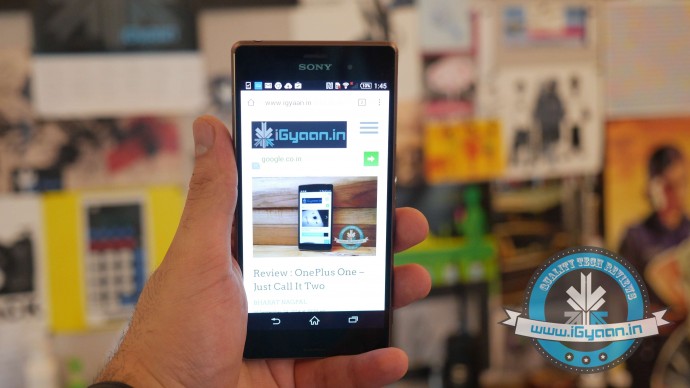
The Sony Xperia Z3 comes equipped with a 5.2 inch Full HD display (424 ppi). It is powered by a 2.5 GHz Quad Core processor along with Snapdragon 801. The RAM is marked at 3 GB and it has internal storage capabilities of 16 GB and 32 GB depending on the variant, which is further expandable up to 128 GB for both variants. The main camera packs a 20.7 MP while the front camera is a little low on the MP with 2.2. It has a non-removable 3100 mAh battery. Click here for the unboxing of the device.



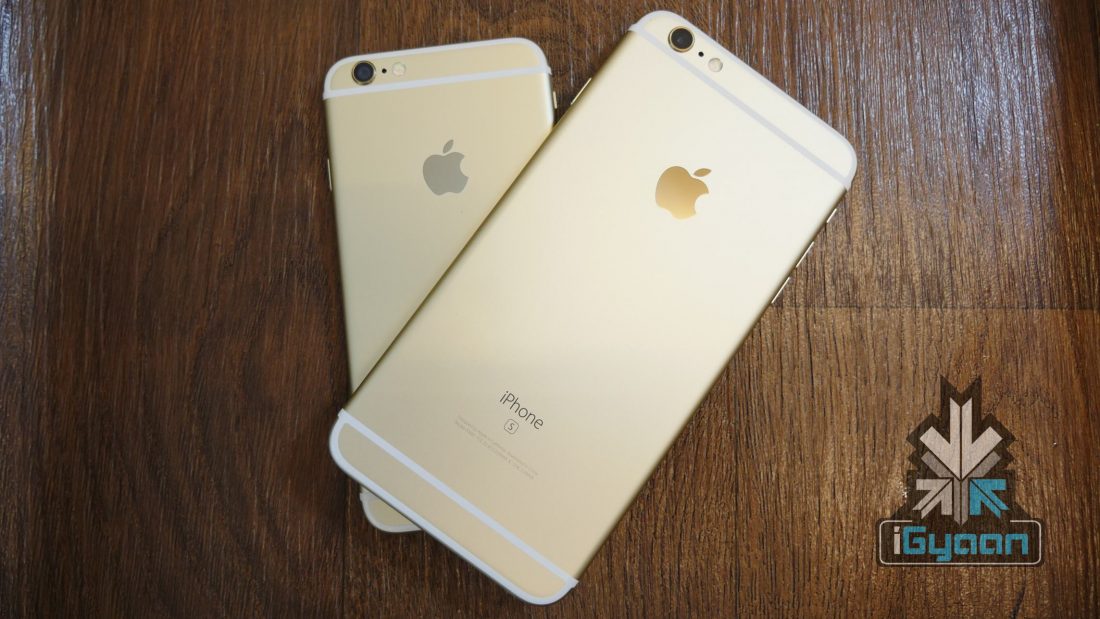 The iPhone 6s and 6s Plus add an improved Apple A9 chip and an M9 co-processor, along with enhanced cameras. There is a 12 MP rear camera that shoots 4K videos. On the front, there is a 5 MP snapper, which however is still restricted to 720p. Compared to the iPhone 6s’ 1330 x 720p display, the Apple iPhone 6s Plus gets a larger display with a 1920 x 1080p resolution. It also gets a bigger battery and Optical Image Stabilisation in the rear camera. Everything else on both devices is identical in terms of specifications.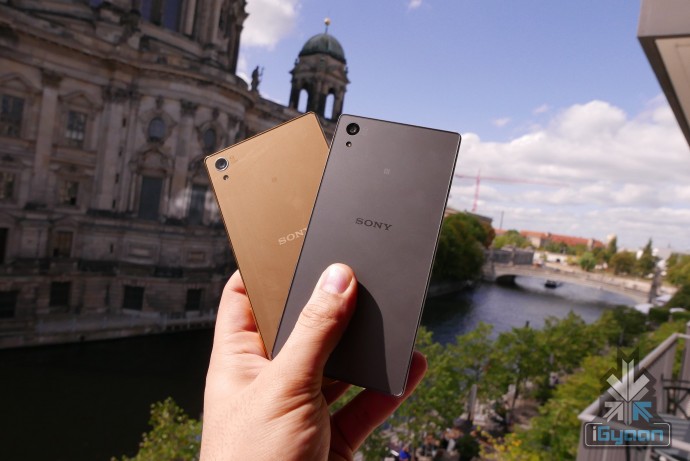
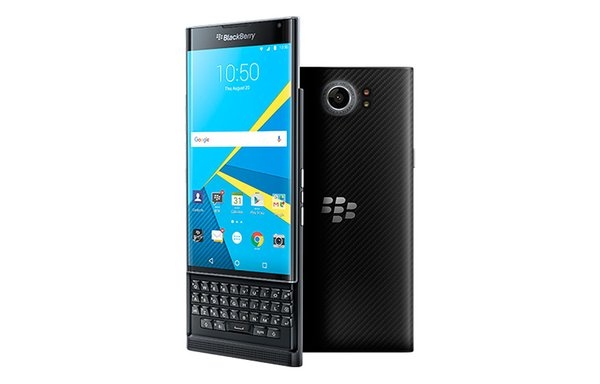 Though the phone is yet to arrive in the country, a list of smartphones from 2015 priced over 40K won’t be complete without the BlackBerry Priv. It’s Android-powered, but is very much a BlackBerry phone. Privacy and security is of major importance here and that’s what Priv stands for. The handset is a hybrid with both a full touchscreen as well as a slide-out QWERTY keyboard. This means the phone caters to both touchscreen fans as well as keyboard loyalists. And given that very few devices today offer a keyboard, this may just work in BlackBerry’s favour.
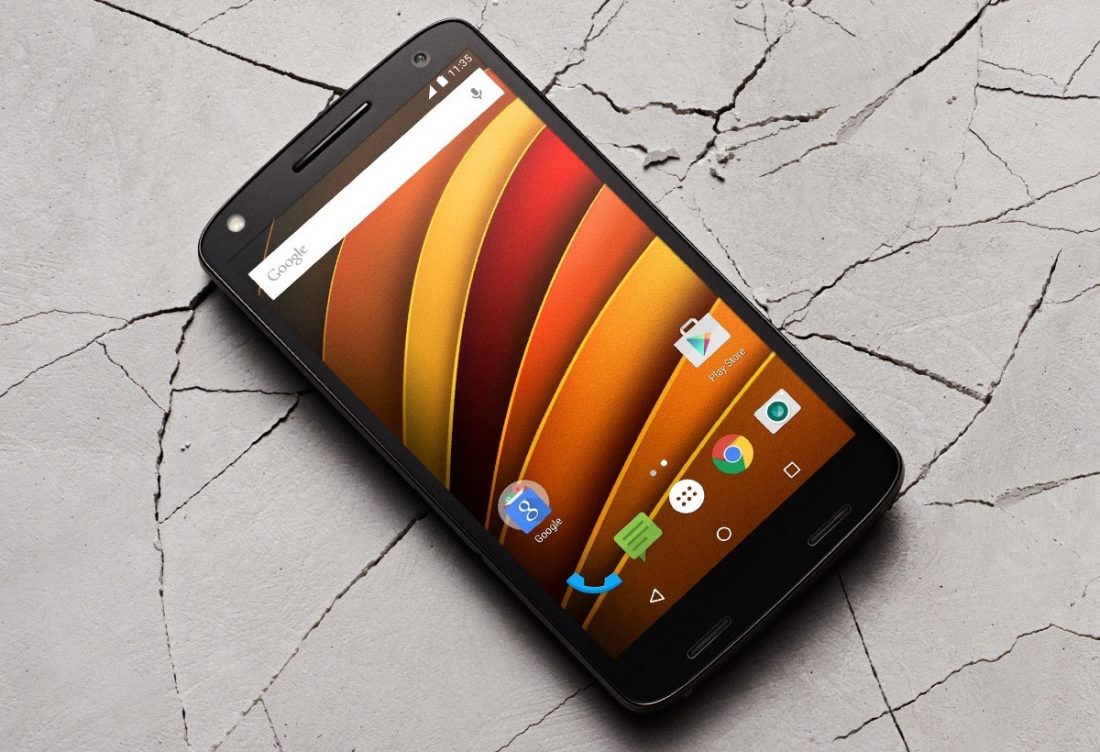 The phone, famous because of its ‘crack-proof’ screen, has not hit the Indian markets yet but is expected to arrive soon. Launched as Droid Turbo 2 in the US, the smartphone is expected to be released with its current price tag of $624 (Rs. 40,000 approximately) and $720 (Rs. 47,000 approximately) for the 32 GB and 64 GB variants respectively.

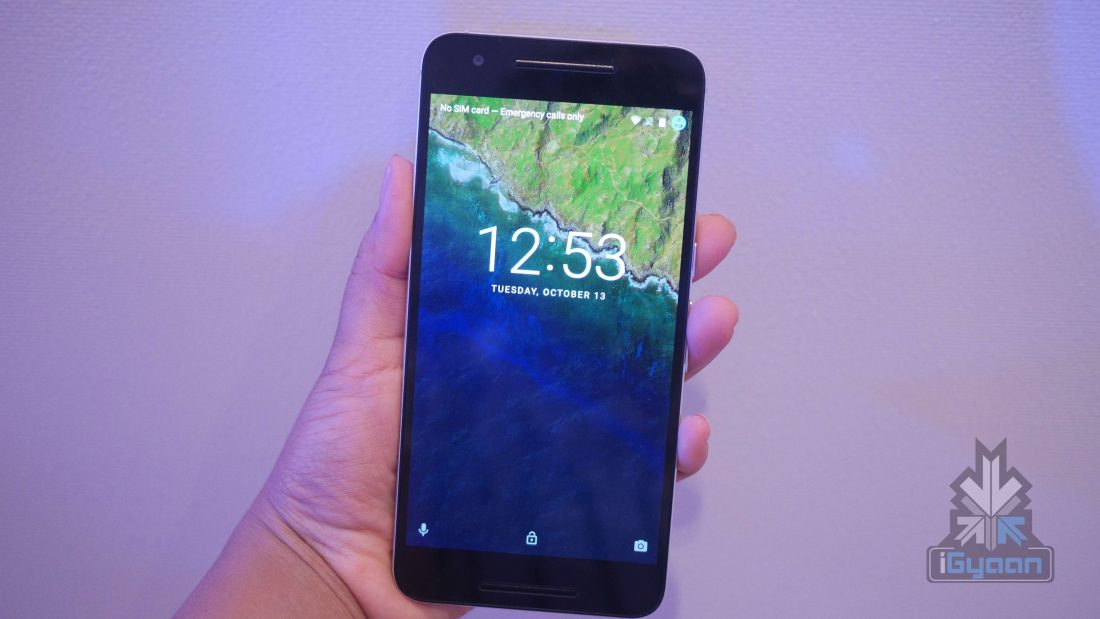 The 6P features a 5.7-inch QHD touchscreen, Qualcomm’s Snapdragon 810 chipset, with 3 GB RAM, a 3450 mAh battery and a USB Type-C port. The camera sports a 12.3 MP sensor with laser autofocus, dual-LED flash at the rear and a rather impressive 8MP on the front. This pure Android phone runs on the latest Marshmallow operating system. One of the main highlights of the Nexus 6P is the Nexus Imprint. The fingerprint sensor on the back is fast and fluid in accessibility, which according to Google only “gets better over time” as it learns more about your unique fingerprint.
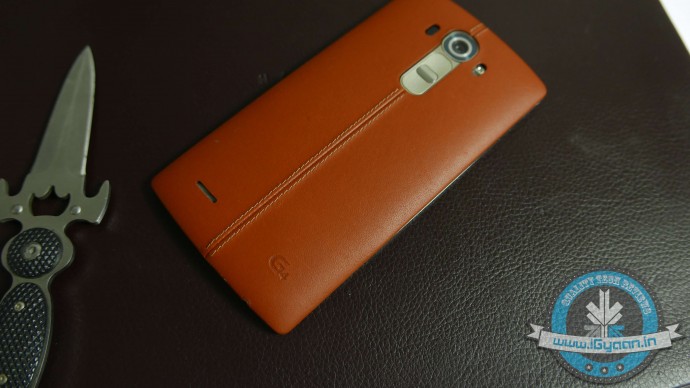 The LG G4 is an iconic design from LG, while many companies have attempted to make leather looking handsets (Note 3 and Galaxy S5), LG actually made a smartphone with a genuine leather back panel. The phone packs a 5.5-inch Quad HD LCD with 2560 x 1440 PX resolution. It is powered by Qualcomm Snapdragon 808 with 1.8 GHz hexa-core processor. The LG G4 also has dual sim (certain regions) and a removable and replaceable battery marked at 3,000 mAh, along with micro-SD expansion all of which is lacking in the Galaxy S6 and S6 Edge. Find the complete review of the smartphone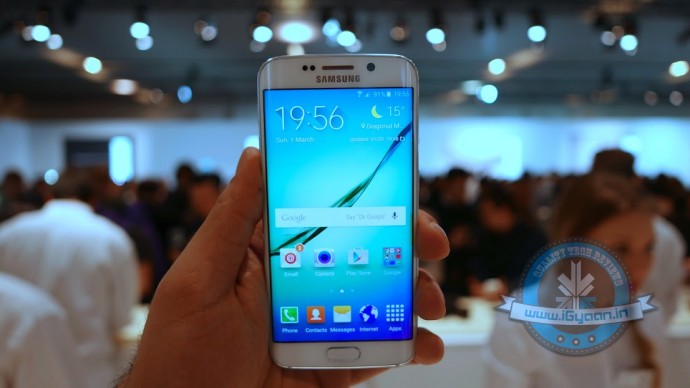
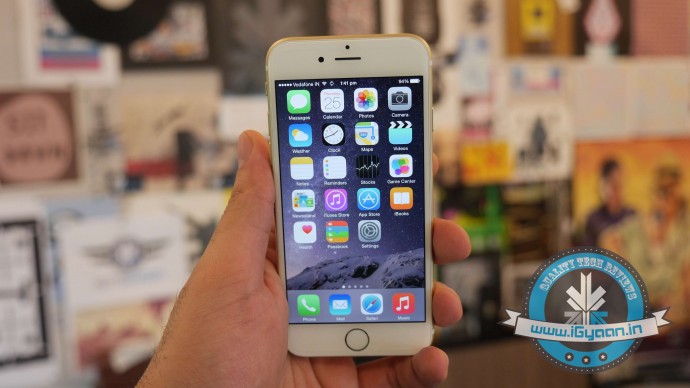 The iPhone 6 is available at an all time low of Rs. 41,000, falling pretty much in the 30-40K price bracket. The phone is a good buy at this price -it offers almost all features of the iPhone 6s (except for Force Touch) minus the hefty price tag. If there was ever a right time to buy an iPhone in India, it is now. iPhone 6 has a 4.7 inch display with a resolution of 1334 by 750 with 326 ppi, and is equipped with an 8 MP iSight camera. Find here the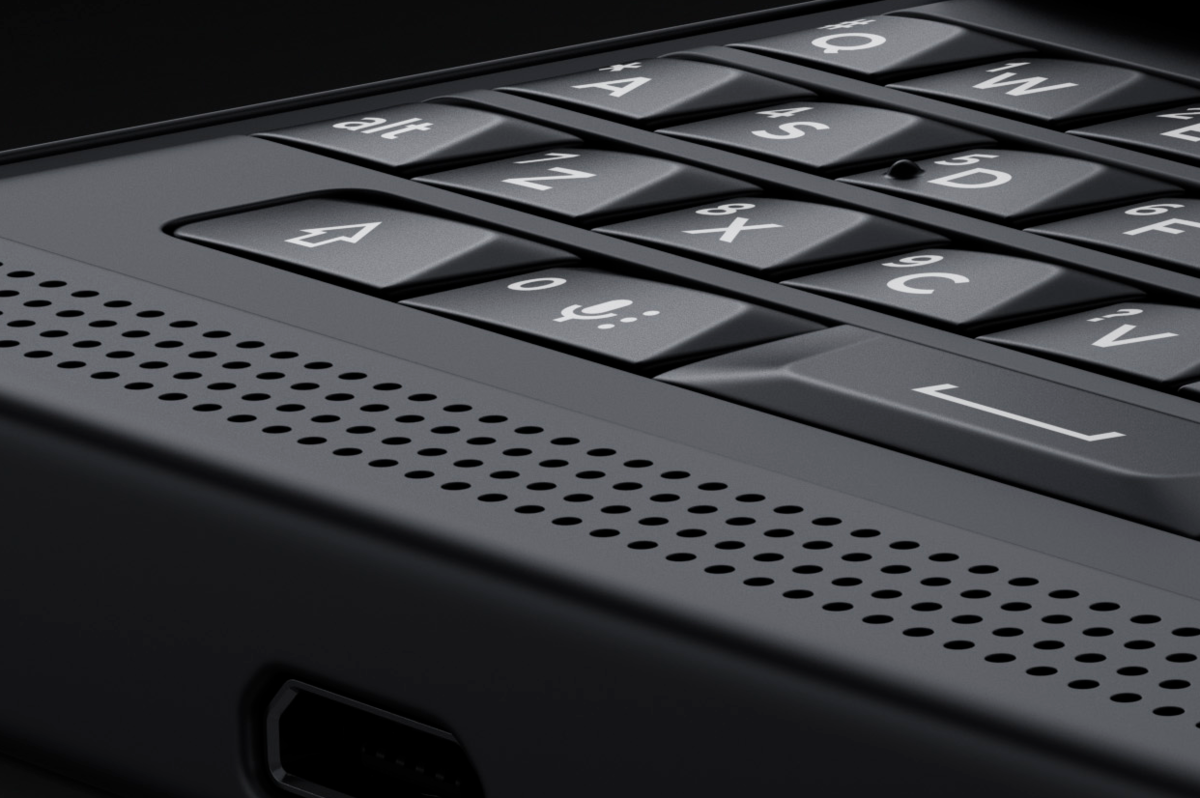





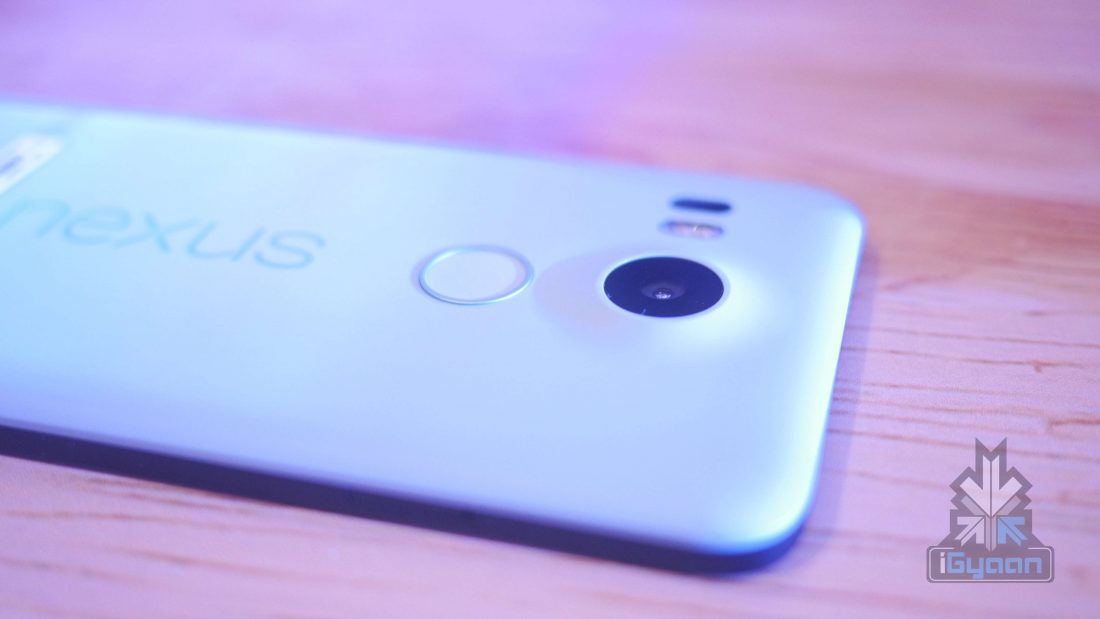 The Nexus 5X comes with a 5.2-inch FHD display, USB Type-C which allows almost 4 hours of battery post a 10-minute charging routine, and is available in three colours – Carbon black, Quartz white and Ice blue. The phone packs 2 GB RAM, Qualcomm Snapdragon 808 chipset and OS Android Marshmallow 6.0. On the camera front, the device comes equipped with a 12.3 MP rear camera and a 5 MP selfie camera. Read our
 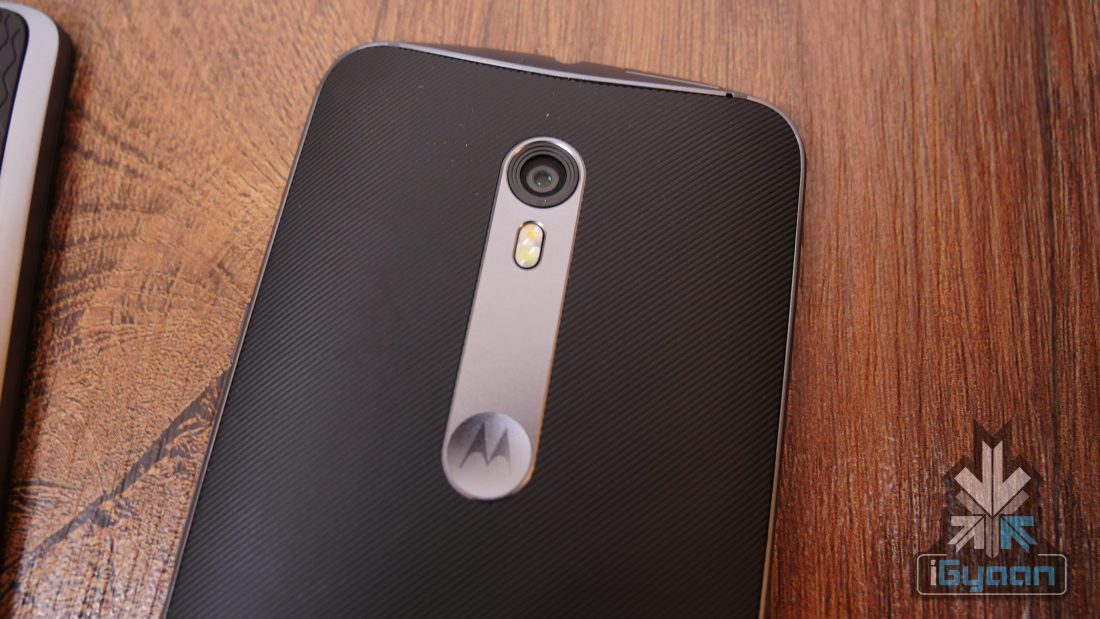 Moto X Style has a 5.7 inch, 2K display, 3 GB of RAM and Qualcomm Snapdragon 808 chipset. The cameras are marked at 21 MP for the main camera and 5 MP for the front camera. Both cameras are equipped with flash. The phone has a 3,000 mAh battery and runs on Android 5.1 Lollipop. The device is available on Flipkart for Rs. 29,999. Have a look at our
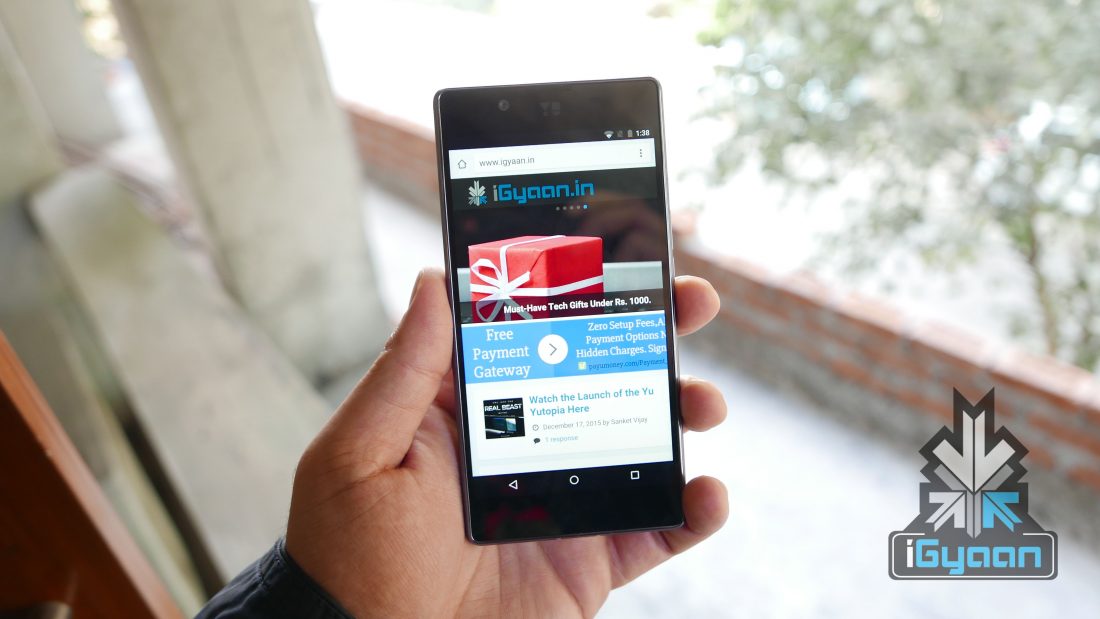 Yutopia is YU’s first flagship and is manufactured entirely in India. The phone has a super-slim 7.2 mm body, comes with a 5.2 inch Quad HD display and runs on Qualcomm Snapdragon 810. Yutopia is equipped with a whopping 21 MP camera with 4K video recording, boasts of a fingerprint sensor and a 3000 mAh battery with Quick Charge. Check out our