Xiaomi is doing incredibly well in India as well as overseas. Infact India is one of the most critical markets for Xiaomi both in terms of user base as well as revenue. That’s the reason, the heads at Xiaomi are seeing India as the major market place. A report has arrived which says that the China-based smartphone manufacturer may enter India soon.
The Chinese producer is planning to expand outside China, and India and Brazil are reportedly the possible destinations. With latest updates coming from Digitimes, the Chinese giant has joined hands with Inventec and the former company will be doing its manufacturing business in Chennai, India, through the Inventec. It is said that the smartphone production will commence in second or third quarter of 2015.
A few days ago, Xiaomi said that it would soon retail its devices in India on its official Mi India website, rather than Flipkart. It shows the company’s inclination towards the Indian smartphone market. Additionally if this deal does materialise there would be an even further reduction in the prices on account of savings due to custom duty and octroi.
Meanwhile, there is no official word from the company and these continue to be mere speculations. An event is going to take place on February 12 in San Francisco, in which Xiaomi is expected to make certain announcements including this one.
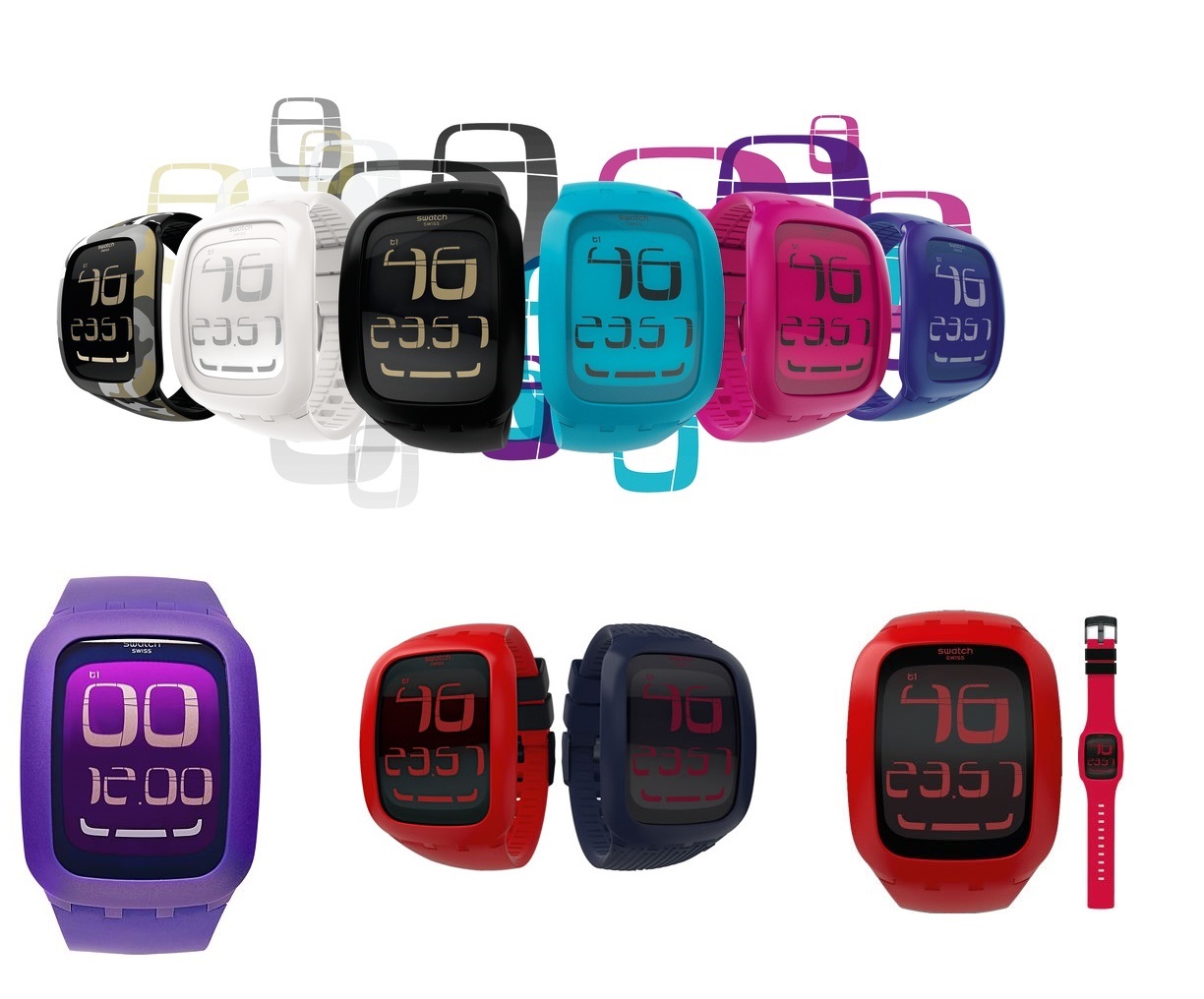
Back in September last year, the world’s biggest watchmaker Swatch announced its plans of venturing into the booming smartwatch segment, and now new reports suggest the Swiss giant is all set to unveil its wearable device in the next 2-3 months. CEO Nick Hayek says the new smartwatch won’t have to be charged, will feature communication and mobile payment functions, applications and will be compatible with Windows and Android.
The largest Swiss watch manufacturer also mentioned it wouldn’t rule out the possibility of joining hands with consumer-electronics companies to produce smartwatches. This smart wearable will be called the ‘Swatch Touch’, which uses a low-power microchip to ensure low power consumption, allowing for always-on display.
The company seems pretty confident about the new venture, claiming that all big tech firms want to work with them. Meanwhile, Hayek says that the Swiss manufacturer can achieve a lot on its own. Apart from all standard features like activity tracking, steps, sleep and calories count, Hayek also told the reporters that the new line would feature a few “Swatchy” things, alongside Bluetooth technology.
We’ll certainly be keeping a close eye on this one!
Viewing videos on YouTube is now going to be more entertaining and dynamic. YouTube is now working on a feature that allows the viewers to switch between different camera angles while watching a video. This feature is in its experimental mode right now and there is only one video which showcases this feature.
The video is of a live artist performance by Madilyn Bailey, a popular indie artist. The YouTube team took her performance and turned it to a multi angle video. The views show up with thumbnails and disappear once it commences. Angles can be switched using keyboard shortcuts. Though while switching, it may cause slight lags during playback. YouTube is allowing a selected few users to help in the testing of this feature.
This feature would be very gladly welcomed by sports, entertainment and concert viewers. Multiple angles would enhance the viewing experience. YouTube spokesperson told to Mashable
We want to give artists as many ways to connect with their fans as possible, and this experimental feature brings fans even further into creating the experience they want.
YouTube says the process of making these videos are automatic on the user’s side, though the technology is not yet ready to be scaled by everyone. Making of these kind of videos would involve additional production cost for the video-makers.
YouTube had also announced in January a 360-degree video viewing as well and an offline viewing mode for its mobile app, which would allow users to watch a video without any data plan of Wi-Fi connection for 48 hours.
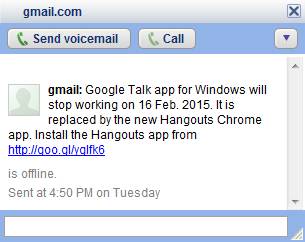
Google’s IM service Gtalk after 9 fulfilling years will come to an end on 16th February. The internet search giant has decided to push its user base to Hangouts, the new app for chat.
The company is shutting down its Gtalk service on February 16, which will be replaced by Hangouts. Google declared the same via chat saying that Google Talk app for Windows will go non-functional on February 16, 2015 and users can download Hangouts Chrome feature to continue chatting.
Hangouts is also very user friendly to use and offers many more features with a convenient interface. It shows when the person was last seen, allows to chat with multiple people at a time, allows video calling and packs many more features than the Gtalk.
This move was obvious and Google is not being unfair by taking down Gtalk. The company gave users ample time to get used to it by announcing it on May 2013. Hangouts is the future of Google, but it is also true that Hangouts is not widely accepted. However, one cannot deny that the instant messaging application is the need of the hour as it provides smooth integration between PC, tablet and mobile.
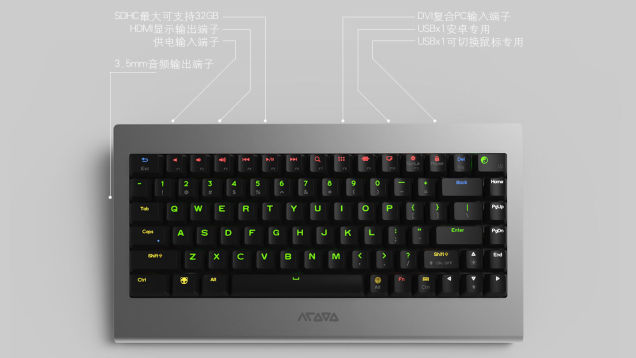
What can your keyboard do? Let’s see… Typing and nothing else? Then this may sound exciting to you. There’s a new keyboard that is works and looks like a keyboard, but its actually an Android computer.
This small machine is powerful; don’t go by its size. The keyboard-cum-computer is titled as OneBoard Pro+. It has a a 1.8GHz quad-core Rockchip RK3288 processor, 2 GB of RAM and runs on Android 4.4 KitKat. It has 16 GB of storage plus an SD card slot along with an USB OTG for extra space. The mean machine turns your computer monitor or TV into an Android machine when connected with a power cable, USB plugs and an HDMI port. The mechanical keyboard sports an aluminium chassis, backlit RGB key-caps and Cherry MX switches.
The cool and innovative keyboard has been developed by Bejing-Cool Computer Co. There have been keyboards that are portable and can be moulded, but this is something amazing.
As the keyboard can transform a monitor and TV into a computer, this doesn’t mean your PC will sit in a corner eating dust. The OneBoard Pro+ has a video pass-through that lets you switch between your normal computer and the new Android machine. The keyboard is not cheap and comes at a price of $300.
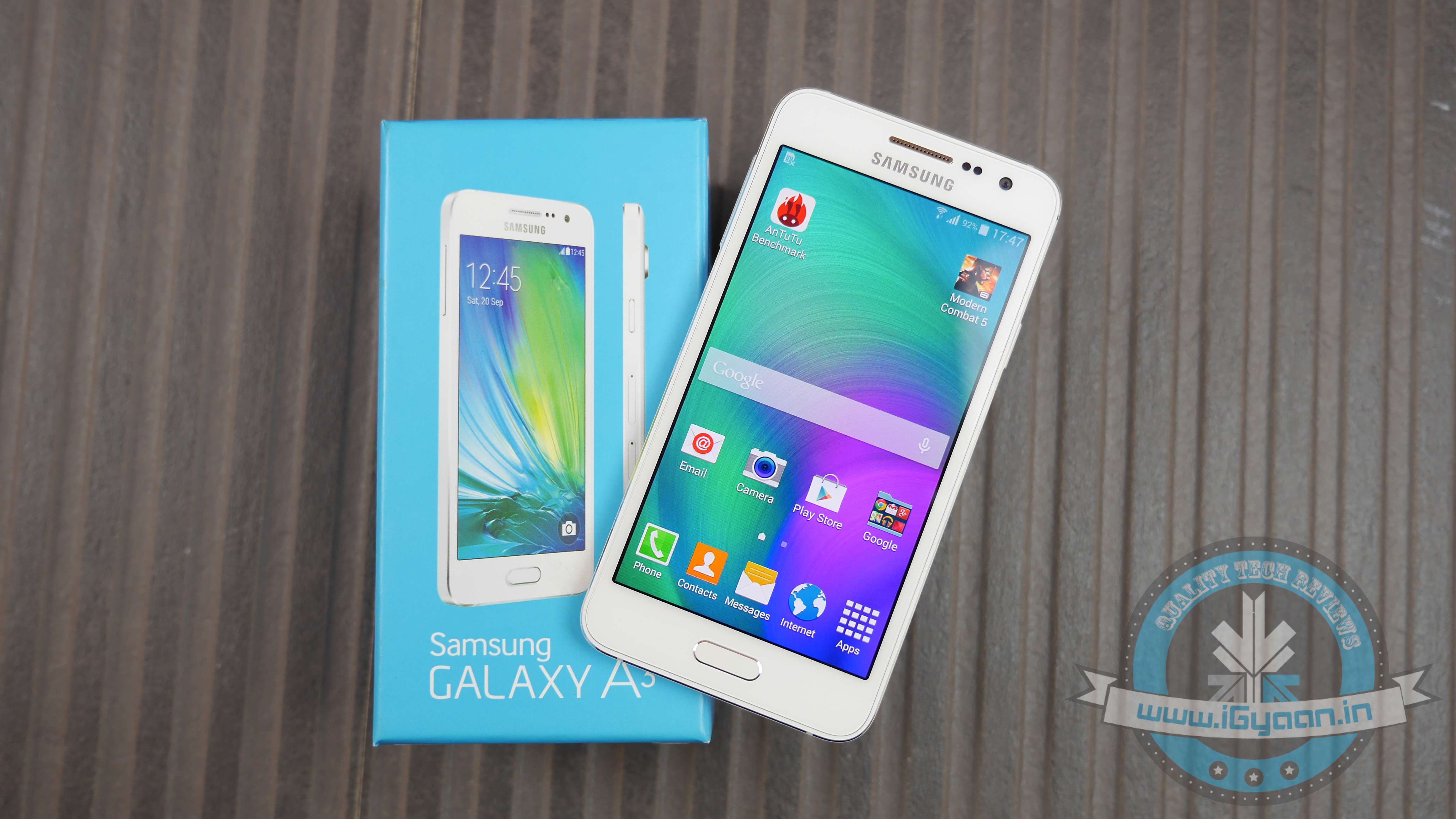
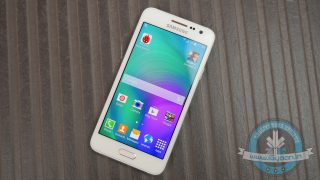
Samsung has been expanding the new metal frame design in its product portfolio. They recently unveiled low-cost Tizen based Z1 also flaunted the new design element. The company has launched two new mid-range devices called the Galaxy A3 and A5 that take the classy metal-based design forward.
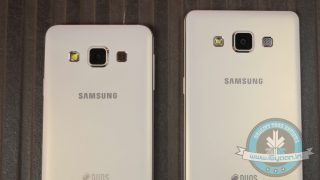
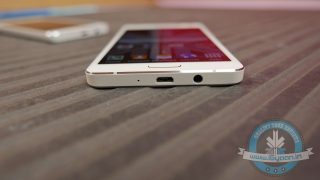
On the looks front, the device looks classy and has a pocket-friendly size. The 6.9 mm thickness of the device coupled with metal frame makes it feel robust, slim and outdoorsy. The placement of the headphone jack and the microUSB port on the lower end might feel troublesome to a few users. The main camera has a prominent bulge on the back. The design features do seem reminiscent of iPhone 5S kind of styling.
The display of the device is quite a disappointment for its price. It has a resolution of 540 x 960 pixels with a pixel density of 245 PPI. At a time when sub-Rs.10,000 devices are featuring 720p HD displays, the A3’s display is definitely a downer.
In the box you get:
The Galaxy A3
Earphones
Charger + Cable
SIM Removal Tool
Information Booklet
In terms of performance, you get almost the same output as the Galaxy A5. The TouchWiz UI running on the device is a simplified version so you won’t get the Flipboard application on the left of the home screen. Samsung has also kept away bloatwares from the device which is a plus for the device.
At the price of Rs.20,500 the low resolution display and low specs does make this device feel overpriced. We’ll delve in deeper into the Galaxy A3 and its bigger sibling the Galaxy A5 in our upcoming full review, keep checking iGyaan for more.
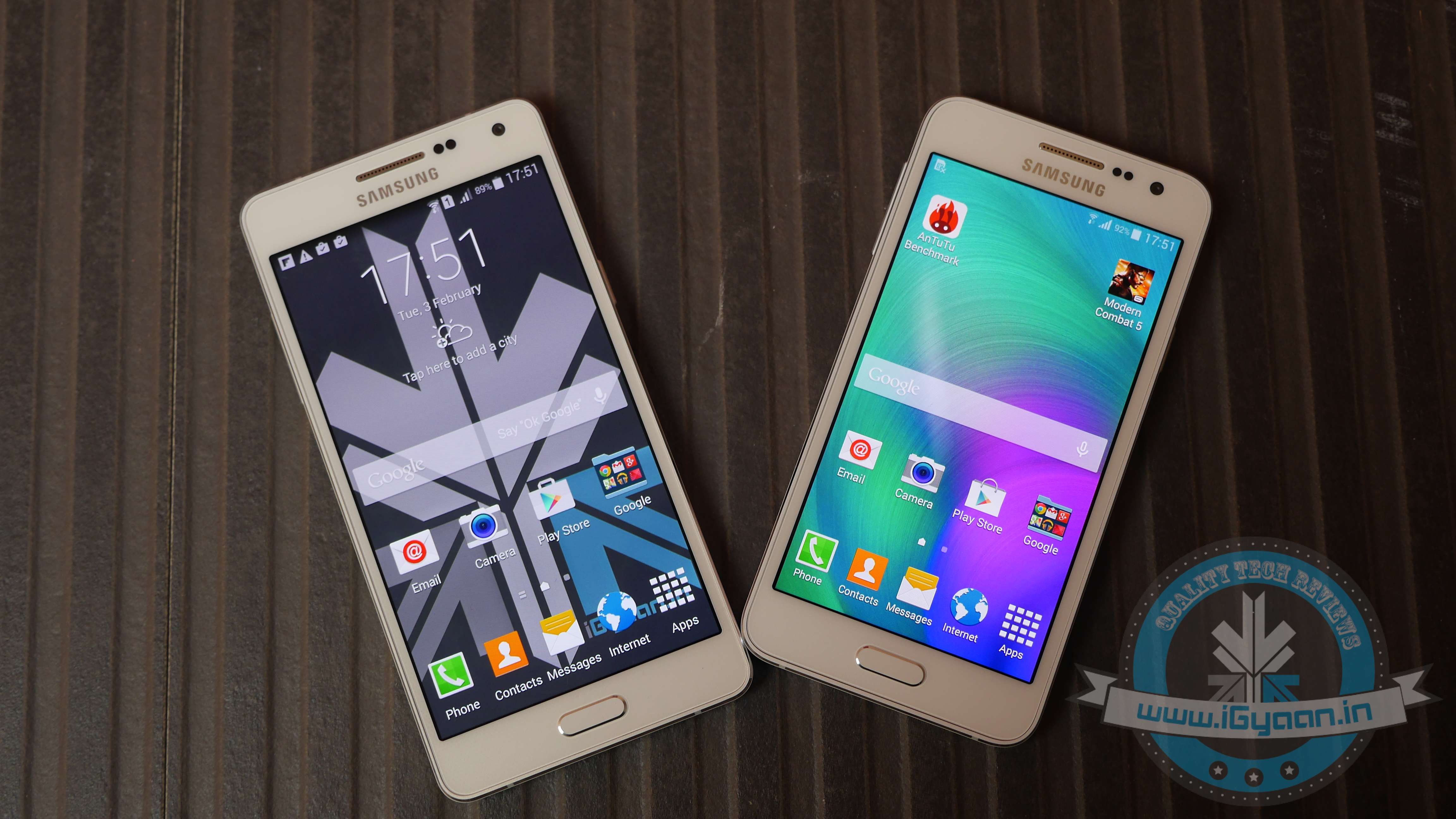
With the launch of the Galaxy Alpha last year, Samsung attempted a new metal frame based design philosophy that also influenced their last major flagship, the Note 4. Samsung recently launched the A3 and A5, which are based on the same design elements, but come with a mid-range price tag. We unbox and take a look at the new Galaxy A5 from Samsung.
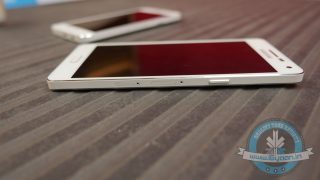
Except for their display sizes, both the A3 and A5 look identical. There is nothing on the top as both the microUSB slot and 3.5 mm jack are placed on the lower end. On the right, you have the power button along with two SIM slots out of which the bigger slot can be used as a microSD card slot. On the left, you have the volume rockers and staying true its, ‘Samsungness’, the main button sits at the center below the display along with the capacitive touch buttons. The pearl white color of the device is fantastic.
In the box you get:
The Galaxy A3
Earphones
Charger + Cable
SIM Removal Tool
Information Booklet
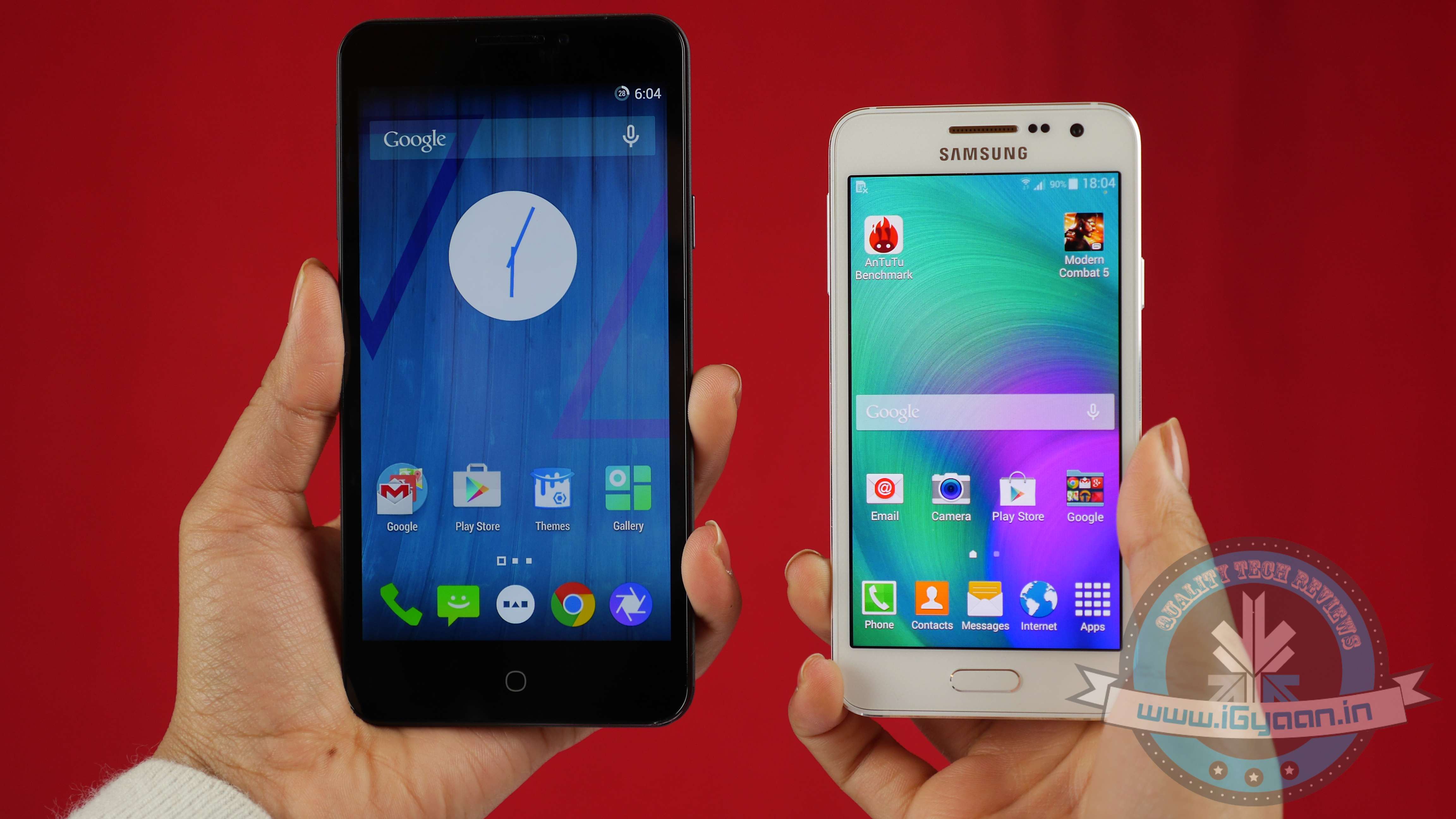
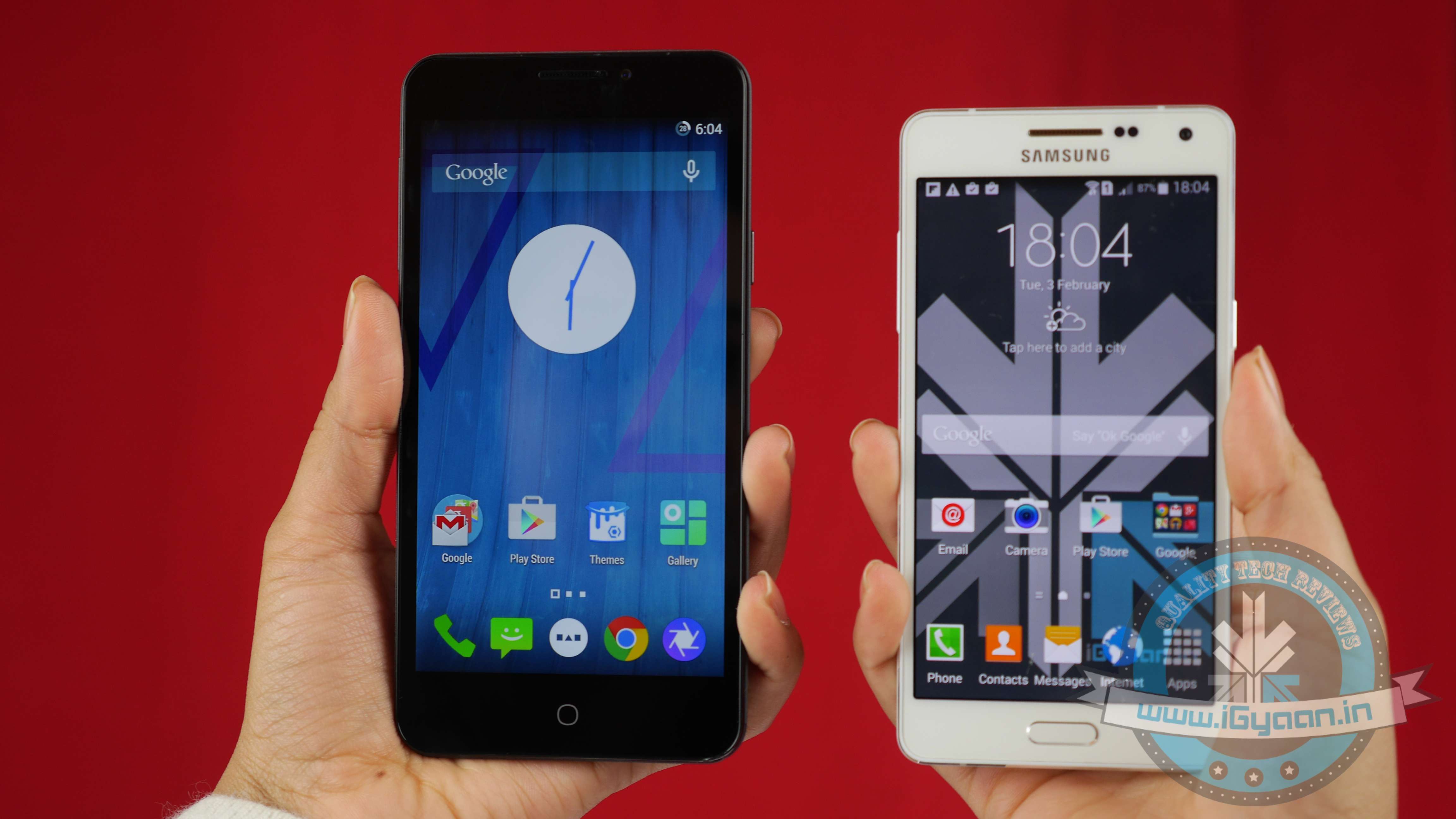
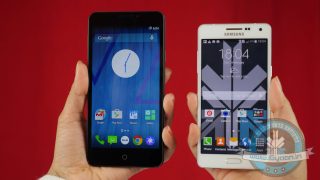
Galaxy A5 vs The Yu Yureka
The devices are marketed as selfie and camera friendly and hence provide instant access to the camera from the lock screen. The touch felt responsive, and there were minimal lags in the time of use. The Galaxy A5 has a 1280×720 display which is a dissapointment as Samsung could have easily provided a Full HD display at the price.
The Galaxy A5 comes for a price of Rs. 25,500 and has more to offer than its younger sibling; the Galaxy A3. Stay tuned for the full review of the devices only on iGyaan.in.
Specs
Samsung Galaxy A5
Operating System
Android 4.4.4
Screen Size
5.0 inch HD
Super AMOLED
1280×720 pixels
RAM
2 GB
Battery
2300 mAh
Processor
Qualcomm Snapdragon 410
CPU
Quad-core 1.2 GHz
GPU
Adreno 306
Front camera
5 MP
Rear Camera
13 MP
Price
Rs. 25,500
The A3 and the A5 Compared : The A5 being the larger variant
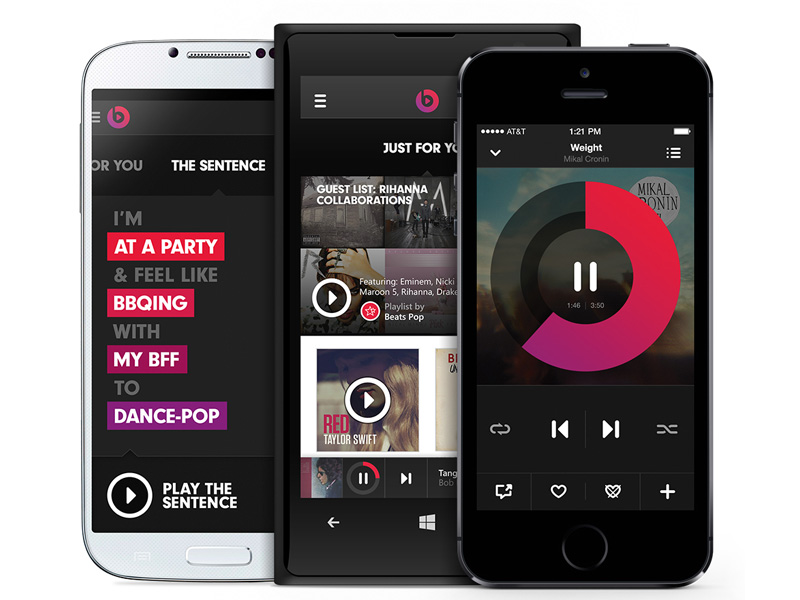
Some six months back, Apple bought the popular audio equipment brand Beats and at that time it wasn’t clear how and where the company going to use it. But now, Apple has started revamping the popular Beats Music streaming service and according to a report, the company will launch the new paid streaming service on the Android platform.
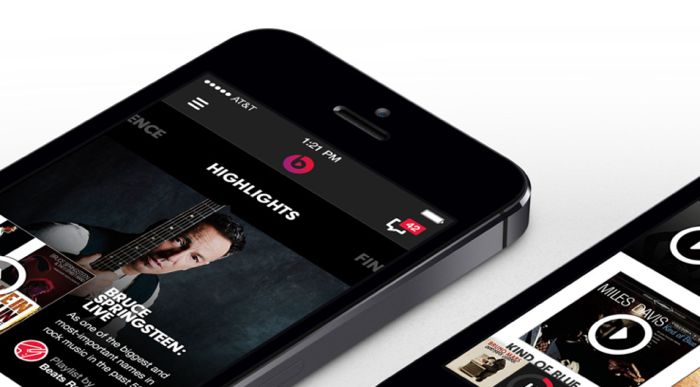
The recent service is entirely designed by Apple and infuses Beat technology and music content under the hood. Based on cloud streaming, the yet unnamed service is centered around the user’s music library. A new search feature is embedded within the app that helps locate songs in the iTunes/Beats catalog. Along with that users will be able to stream music and add songs to their personal library from the catalog itself.
Not only this, but also it is thinking of integrating Beats Music’s Playlist, Activities, and other features to let users access an already prepared music library. There is also news that the company will update Beats’ social networking feature so that people can follow other users and artists.
The service, expected to be priced $7.99 per month, will compete with the already popular apps like Spotify and Rdio, which cost $9.99 per month each.
A Beats Music app is already available for download on the Google Play Store, but it is not the tweaked version. The company has no plans to develop a new app for Microsoft’s platform.
The new service will mark Apple’s first-time effort to build an in-house Android application. It’s not astonishing, and the company could have focused on Android-based apps as Android audience is far widespread than the iOS.
There is no notification about when and on which platform (iOS or Android) it is going to release, but rumours have surfaced that it will release in March this year. There is a possibility that the new Beats Music app may release alongside Apple watch, but these are mere speculations as of now.
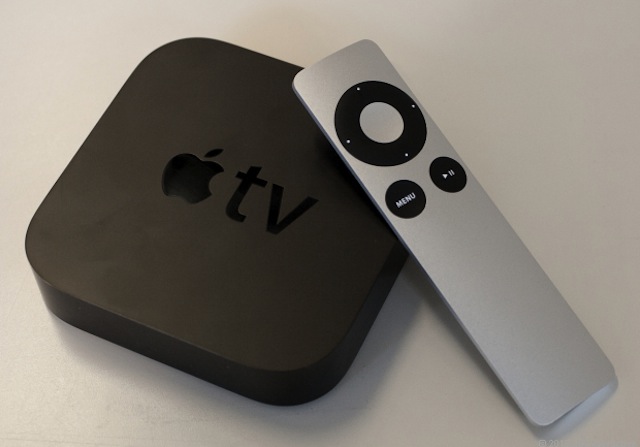
Previously, it was rumoured that Apple is likely to work together with cable providers, but we heard nothing other than a Steve Jobs movie and an Apple TV set-top box. However, the Cupertino-based giant plans to penetrate more into the Television segment. Earlier today, some reports surfaced that Apple is in talks with content producers to start its own web-based TV service.
Additional rumours state that the forthcoming service would not be a full offering like the current television programming, but would rather be subscription-based that would telecast select shows. As the content would be web-based, it would be distributed on the internet only.
Apple never commented directly to enter into the Television market, however Eddy Cue, Senior Vice President of Apple, expressed his views on the ongoing TV broadcasts saying that the current TV-watching experience “sucks and needs to be reformed”.
Meanwhile, it is further learnt that the company has already started testing the prototype service at its base in Cupertino.
There is still no confirmation as to when or how this will launch or even how much will it cost; for this, viewers have to wait for an official announcement. However looking back at the success of the Apple TV ;this could be quite a revolutionary step by Apple.
Twitter, the tool that lets people unleash the smart-ass within them has been phenomenally successful with the who’s who of the pop culture. Folks from varied fields such as politicians, actors, intellectuals and even the common man come together on the platform to have an equitable discussion on varied topics. But this great tool has been a bit slow in gathering new users and so they have now joined hands with Google to further their reach.
Twitter and Google have signed an agreement through which Google will show tweets of Twitter users in its search results. Twitter previously had this arrangement with Google between 2009 and 2011, but it lapsed. With this new agreement instead of just the Twitter profile of a person, you would be able to see their tweets right from the google search engine itself. This will be beneficial for Google too as people would find it easier to see the latest tweets without logging into twitter.
Twitter currently has 284 Million users that is way lower in comparison to Facebook’s 1.4 Billion and Instagram’s 300 Million. The microblogging site had released its IPO in 2013, over the last year the stocks have dropped by 37 percent because of slowing user growth. With the agreement, Twitter might hope to engage folks who just view the tweets and don’t actually reply to them or those who don’t tweet on their own. Twitter had also previously launched a ‘While You Were Away’ feature on iOS that shows a snapshot of popular tweets that the user missed when they were not logged in. It will be interesting to see what kind of effects these initiatives have on user base of Twitter.
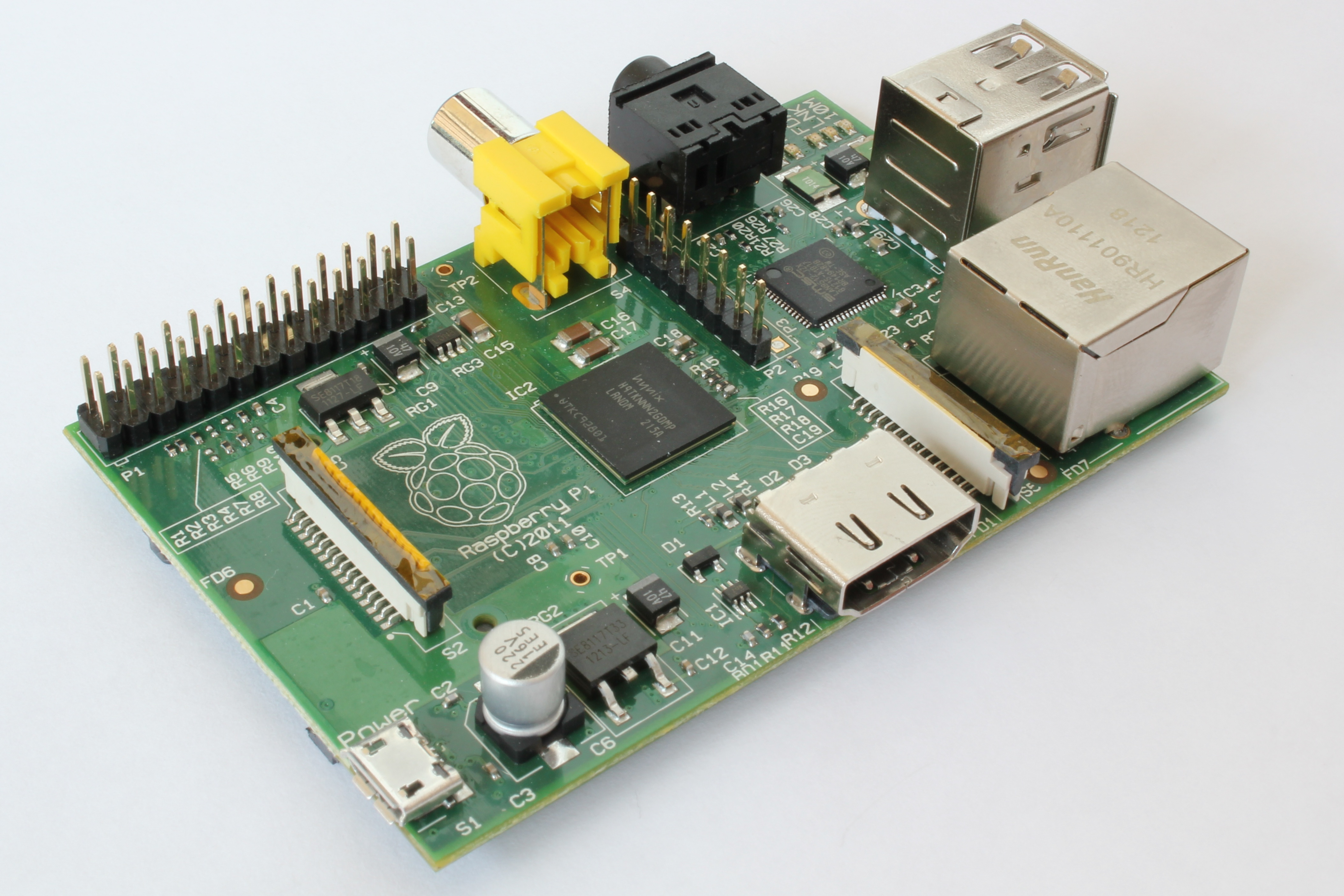
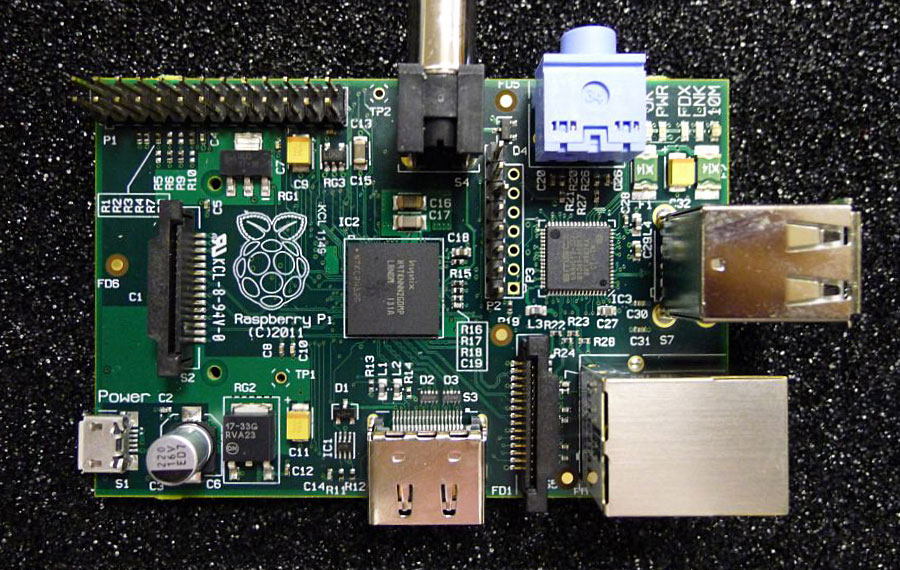
Computers have come a long way in the past couple of decades. From giant machines that took up an entire room, they have shrunk down to fit in the palms of our hands. But there has been a wide disconnect between what a user sees on the screen and what happens in the background. During the early era of computing, people would just tinker around and learn to program with minimal technical skills, but with the passing of time, programming has become more and more specialised. In times like these there is a need for a cheap computer that can take the brunt of a new programmer’s enthusiastic experiments. The answer comes in the form of a credit card-sized computer called the Raspberry Pi.
Raspberry Pi is the brainchild of Eben Upton. He first came up with the idea of the Raspberry Pi back in 2006 while working in the Computer Laboratory of the University of Cambridge. He saw the poor programming skills of students and wanted to make it easier for them to experiment with computers. His intention was to make a computer that was cheap so that budding programmers could easily tinker around with it without worrying about damaging the device.
Raspberry Pi aims to simplify the understanding of computers.
Raspberry Pi is basically a self-contained computer. The Raspberry Pi Foundation was established in 2009 while the first versions was launched in 2012. Model A came with 256 MB of memory and 1 USB port while Model B came with 512 MB of storage and 2 USB ports. Both models were powered by a 700 MHz single core CPU that could be overclocked to 900 MHz. You need to attach a monitor, keyboard and mouse to get the device working. The storage for the user comes in the form of SD cards; the device can handle up to 632 GB of storage.
Getting Started
So now you have your Raspberry Pi board, you need to set it up before you can start with your experimentation. The board requires you to have a computer ready before you can go forward. The foundation page offers a quick start guide that is fairly easy to follow.
First of all you need to get a class 4 SD card with 4 GB or higher storage space. Next you have to format it and install the New Out Of Box Software(aptly abbreviated as NOOBS). Now put the SD card in the Raspberry Pi and it will offer you with a list of operating systems that you can boot into.
Applications
Raspberry Pi can be used as a base to create a lot of hardware. People have fashioned an entire keyboard made out of Beer cans to drones through this humble board. The possibilities with this tiny board are endless.
The official coding language for the Raspberry Pi is Python. You can find varied kinds of codes on the internet along with tutorials that you can follow to make the best out of your board.
Raspberry Pi Supercomputer
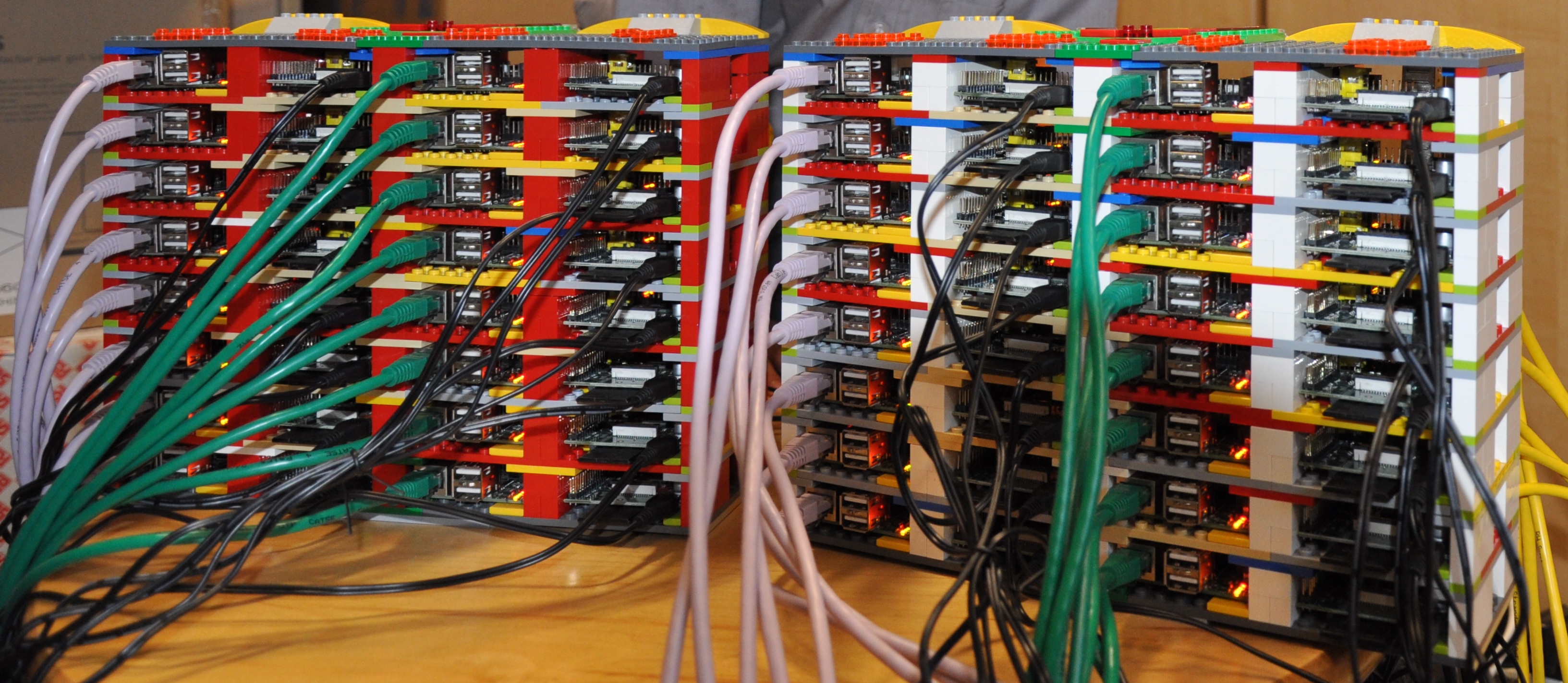
You can write your own game on the board, create your server, and bunch together a lot of boards to create your own supercomputer. You can also place the board on a monitor and have an extra system that takes care of your downloading needs while you concentrate on work on the main system. With a little bit of tweaking you can convert the board into a phone, with that knowledge in hand, you can become the guy who restores communication after an apocalypse.
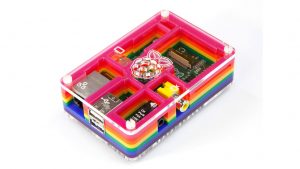
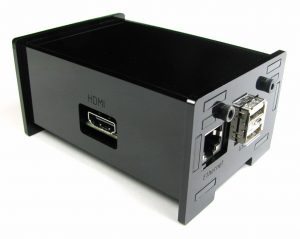
You can beautify your Raspberry Pi Board by creating a case for it. If you are not the arts and crafts type, there are a variety of cases to choose from in the market. Choose the one that matches your personality and get creating.
What’s Next For Raspberry Pi?
The Foundation recently launched Raspberry Pi 2. The Board gets a lot faster over its predecessor and comes at the same affordable price of $35. The device is powered by a 900MHz quad-core ARM Cortex-A7 CPU along with 1 GB LPDDR2 SDRAM. The device will run Windows 10 and Ubuntu and will let the users play around in a known ecosystem. It will also let the users run Windows tablets and PC apps on the Raspberry board.
With all these amazing capabilities that Raspberry Pi has to offer you have to be at least intrigued by the possibilities of the device. If you have the slightest bit of inclination to understand how computers work; then you can start making a unique computer all by yourself with this board. Raspberry Pi is the one of the best things to happen to computers since the advent of desktop computers. So don’t wait up and get tinkering.
Drone technology has taken the market by a blow. And why not, there are endless possibilities through which this technique can come to use. Now, e-commerce giant, Alibaba is set up to try drone technology for deliveries in China.
Alibaba is partnering with Shanghai YTO Express Logistics to deliver ginger tea packets to the customers who volunteered for the drone test. The remote-controlled drones will transfer packages to 450 Chinese customers today in Beijing. These drones will fly from the warehouse of Shanghai YTO Express Logistics to different destinations. A deliveryman will stand at the final spot waiting for the parcel and as soon as the drone delivers the packet, the deliveryman on the ground will hand it over to the end customer.
Alibaba’s flagship consumer-to-consumer platform Taobao said in a statement –
For consumers… such a cool consumption experience will give them more surprises
The company says they have notified Chinese Aviation Administration about the unmanned commercial flights as per the regulations issued in 2009.
The largest Internet retailer (sales) Amazon.com had started the drone delivery testing and is awaiting approval from US Federal Aviation Administration for the remote delivery testing in Washington State. The use of drones by the e-commerce websites would make deliveries faster than we could ever imagine.
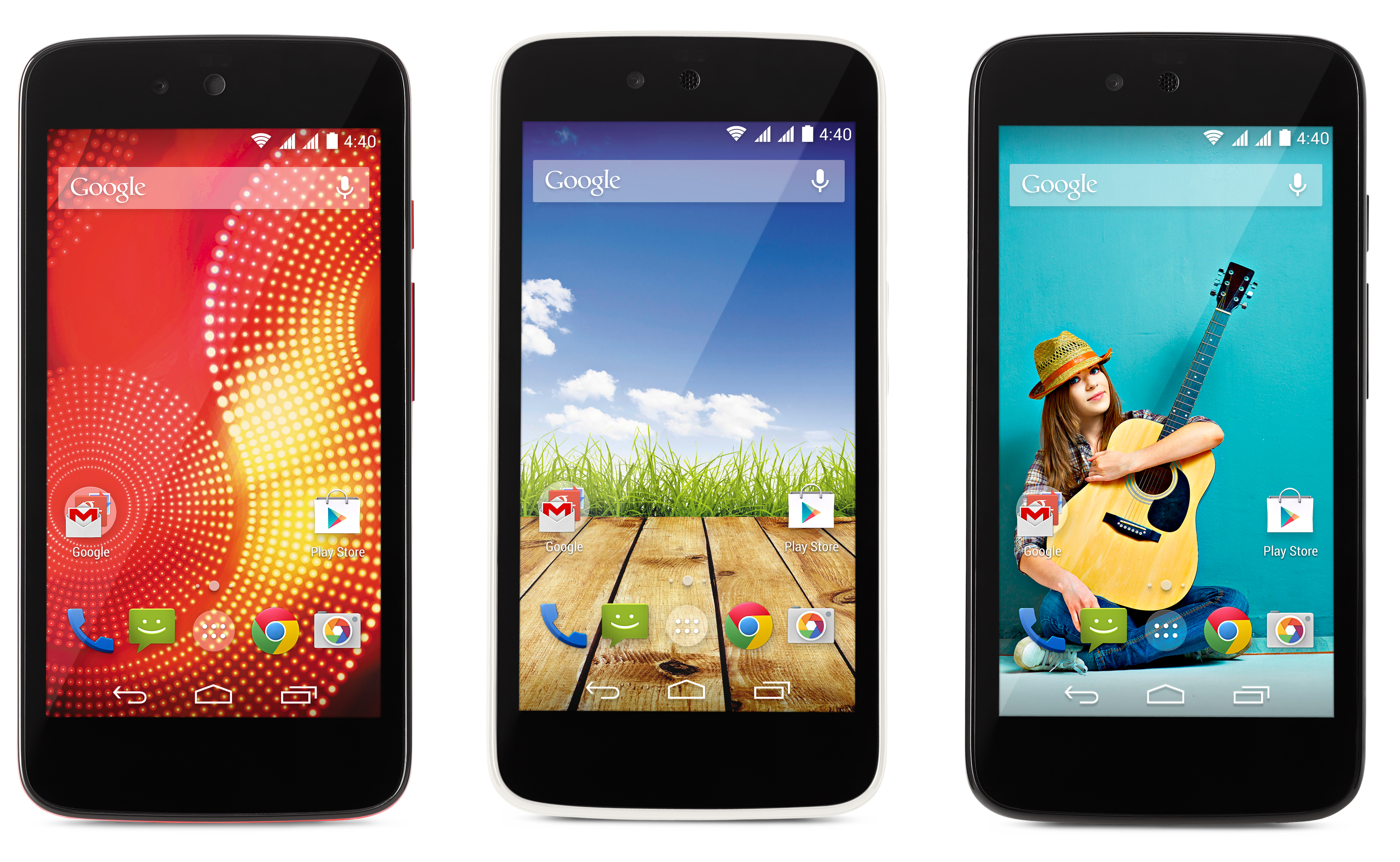
Google has posted a tweet that might lure customers into buying the low-cost Android One devices. Google India tweeted from its official Twitter handle stating that the company will roll out the Android Lollipop update for Indians in the coming weeks.
Android One users in India — you’ll be getting the Lollipop update in the next few weeks. @androidone
At a time, when only 2% of the Android devices are powered by Lollipop after three months of release, it’s quite a move by the company. This announcement will please Android One users who have been desperately waiting for the update.
Meanwhile, it was reported that Android 5.1 Lollipop was spotted on Android One devices in Indonesia.
With Lollipop coming to Android One handsets, users will experience improved natural touch screen interactions. The Material Design gets more clear and bolder colours to the screen. Along with that, notifications pop up on the lock screen itself and facilitates dismissing them without unlocking it. Overall, it offers a bloatware-free and seamless Android experience.
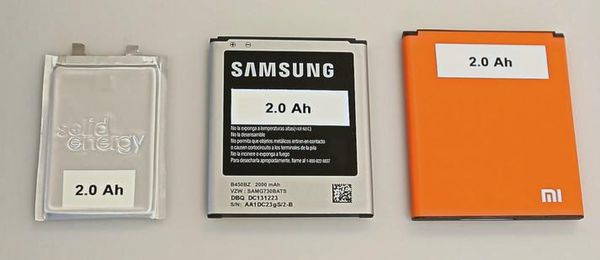
In spite of compelling features and specs, the only thing that annoys the users of high-end phones is the battery life. Smartwatches too suffer from the same issue. SolidEnergy, a startup formed in 2012, seems to have resolved the energy problem with its new lithium-ion battery. This battery can store far more lithium ions and can last twice as long between charges.
The new cells replace the conventional graphite electrode with a thin sheet of lithium metal foil, which is capable of storing more lithium ions. This replacement is potentially dangerous and such experiments have either stopped working or have caused explosion, when tested previously. SolidEnergy has been able to overcome the problem by using an ultra-thin metal anode and an electrolyte that both have solid and liquid parts.
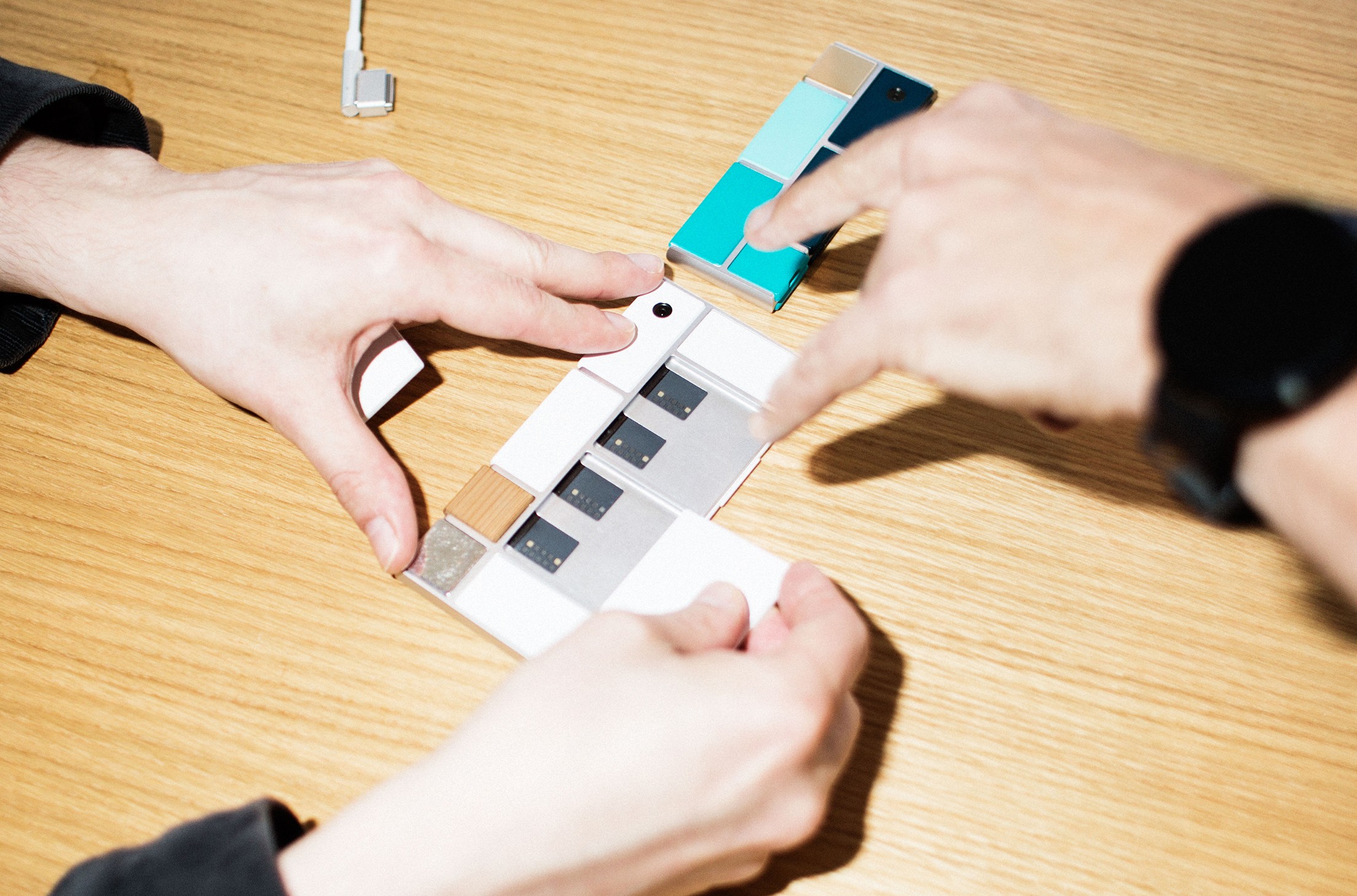
These batteries are reportedly coming to Project Ara. The Founder and CEO of SolidEnergy Dr. Qichao Hu commented on the same saying –
Our battery basically makes the Project Ara phone more practical. Right now, one of the major challenges with this phone is that the battery life is too short
The company has also managed to trim down the size of the battery. It can be recharged 300 times while retaining 80 percent of its original storage capacity than the other prototypes that can be recharged only a few times.
SolidEnergy says that amid of most announcements of battery breakthroughs, this one should be taken with some caution. The company says that making a small number of high-performance prototypes is easy, but producing the same in large numbers can be difficult.
The company plans to roll out the new Lithium-ion battery for mobile devices in 2016, while the same technology will be infused in electric cars in 2017. Check out the video below to understand the battery technology better:
Today began with a news that could have been the cause of jubilation at Micromax’s office but would bring gloom to Samsung’s. Research firm Canalys had reported that Samsung was pushed off from the top spot by Micromax in the fourth quarter of 2014. But Samsung has now hit back at the report quoting data from market research organisation Gfk group.
Samsung has said that according to the Gfk data, its volume market share in the October-December 2014 quarter was 34.3% whereas the value market share was 35.8%.
[quote text_size=”small” author=”Asim Warsi” author_title=”Vice President, Marketing, Mobile business, Samsung India Electronics Pvt. Ltd.”]
In the entire year 2014, we continued to lead the market with innovative and exciting offerings. Our volume market share in the smartphone market in the year was 35.7%, which is more than double than that of the next player, while our value share was 40.2%, which is more than four times the next player. The GfK data is based on actual retail sales in 50,000-plus population cities.
[/quote]
But all of this doesn’t depart from the fact that the company has been losing ground to brands that are offering a lot more features to the consumers. Samsung has to find a silver bullet to return back to the prominent spot it used to at during the start of the smartphone race.
 A few days ago, Xiaomi said that it would soon retail its devices in India on its official Mi India website, rather than Flipkart. It shows the company’s inclination towards the Indian smartphone market. Additionally if this deal does materialise there would be an even further reduction in the prices on account of savings due to custom duty and octroi.