Category: Tech

Latest Technology News, Alternative, Bio-Tech, Medical, R&D and Innovations

  • Hp’s Premium Smartwatch Brings Beauty and Geek Together

    Hp’s Premium Smartwatch Brings Beauty and Geek Together

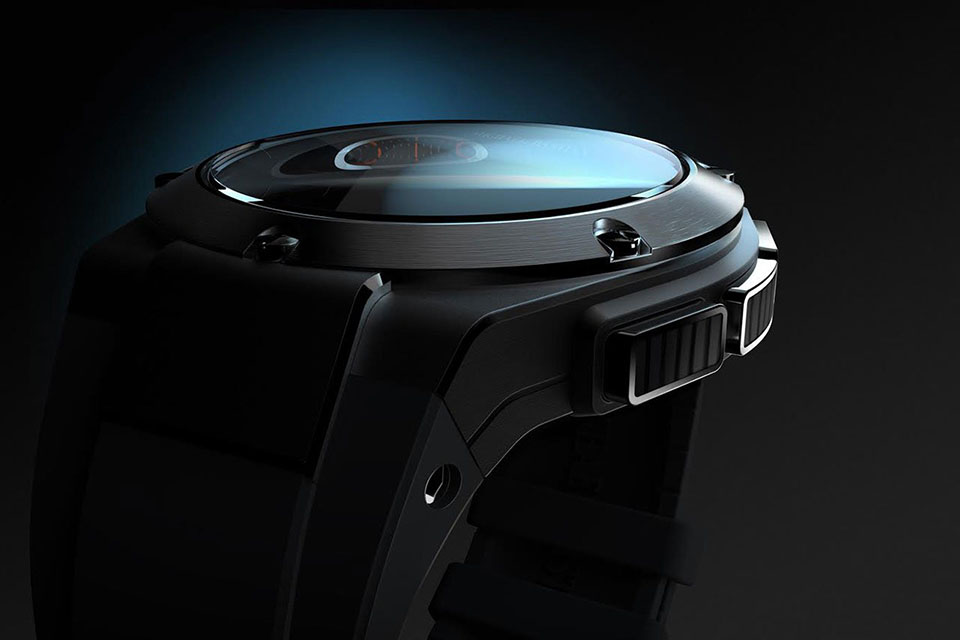
    What does it take to put smartwatches on the wrists of the masses? Well, HP seems to believe a premium design is the answer. That is why they are teaming up with designer Michael Bastian and US-based premium retailer Gilt, to create a smartwatch that does not immediately shout ‘geek’ when worn on your wrist.

    HP is going to take care of the internals on this timepiece, and it will have all the basic functions and capabilities of a smartwatch. These include notifications for all calls, text messages and emails, along with user controls for applications like the music player. HP is said to be building all the software that runs on this watch, so it is highly unlikely that it will run the Android Wear platform when it finally releases. The watch will be iOS and Android compatible. Functionality wise, it is highly reminiscent of the Pebble Smartwatch, the watch that many believe ushered in the wearable revolution.
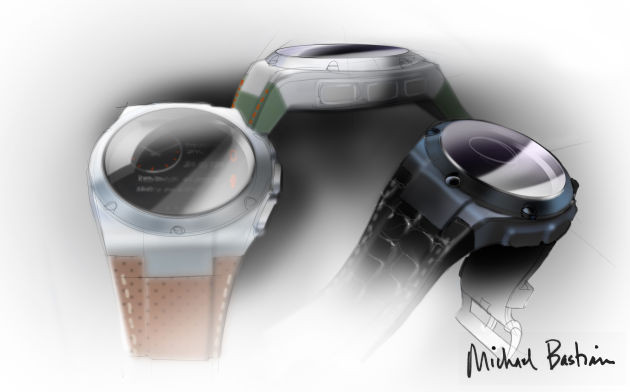
    Michael Bastian released sketches of the upcoming watches
    Michael Bastian released sketches of the upcoming watches

    Michael Bastian is going to take care of the design aspect of the smart watch, which will feature a circular 44mm stainless steel case. It will also have options for various interchangeable bands made of leather, rubber, or nylon. Bastian says the design cues came from luxury automobiles, namely interior features like the dashboard and trim.

    The watch will be exclusively available on premium online retailer Gilt’s website, and is pinned for a release this fall. It is very likely going to carry a premium price tag to match that premium design.

    The Gilt website provides very little detail on the actual smart watch, as it is simply labeled ‘A Michael Bastian Smartwatch’ and features a black body and a round, blueish dial. Perhaps a better idea is provided by these separate sketches prepared by Bastian himself, giving us a better look at what the timepiece might look like when it is finally released.

    This is not the first time a manufacturer has tried to create a fashionable smart watch, as the Moto 360 has already wooed a fair share of the audience with its beautiful design. Even the recent Pebble Steel smart watch follows this mantra. But will HP’s effort have an added advantage due to it’s cross-platform compatibility? We’ll have to wait till this fall to find out.

    By Pranav Arora
  • Oculus Rift’s New Developer Kit Has a Samsung Note 3 Display

    Oculus Rift’s New Developer Kit Has a Samsung Note 3 Display

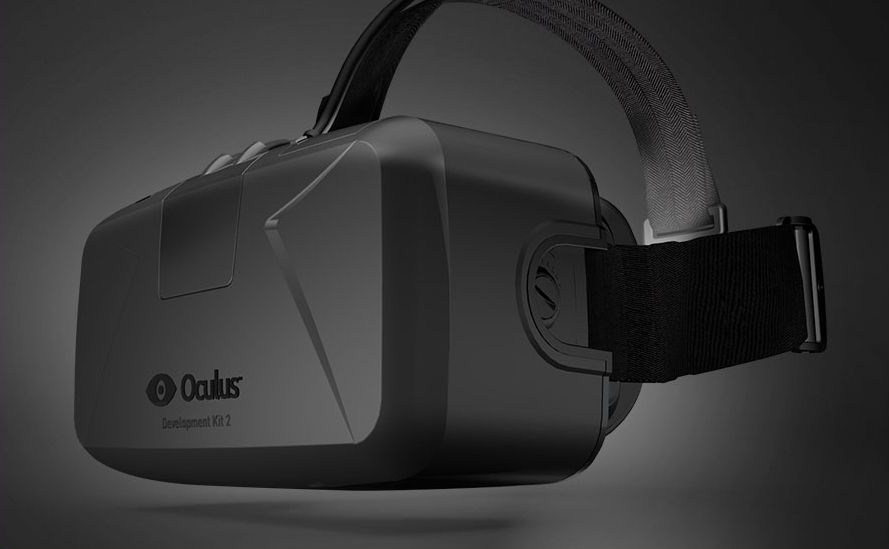
    One of the most eagerly awaited technology are the wearable Virtual Reality (VR) glasses and the name that comes to mind when talking of VR wearables is Oculus. Now serial teardowners, iFixit have gone ahead and dismantled the new version of Oculus Rift’s developer edition.

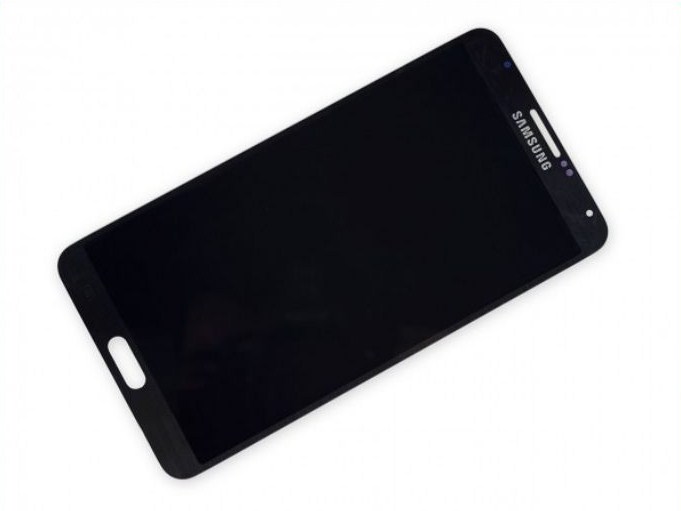
    The previous Oculus outing saw tremendous complaints about pixelated screens and motion sickness inducing visuals. Oculus Developer Kit 2(DK 2) intends to address the complaints. One major discovery they made is that the DK2 comes with a Samsung Note 3 display.

    Inside the impressive gadget is a Samsung display.
    Inside the impressive gadget is a Samsung display.

    The display is left untouched and it even has the touchscreen controller on it. So you can easily get a replacement for your Oculus screen if you somehow get over involved in the virtual world and accidently bump into real world objects and damage the screen.

    Oculus claims that the display works at 75 Hz which is above the standard 60 Hz refresh rate. On their website Oculus calls its display a low persistence OLED display to eliminate motion blur and judder, two of the biggest contributors to simulator sickness. The stunning 5.7 inch Note 3 display might address the pixilation issue and probably save people from the day long motion sickness they feel after wearing these headgears.

    Meanwhile Samsung is proactively working on their own VR wearables. With Sony’s Project Morpheus and several start-ups trying out their luck with the technology, the market has started to heat up. We too are desperately waiting for the devices to come to the market so we can enjoy a walk on Mars or get a perfect first person shooting experience minus the PTSD of course.

  • Xiaomi Becomes the Fifth-Largest Smartphone Vendor in the World

    Xiaomi Becomes the Fifth-Largest Smartphone Vendor in the World

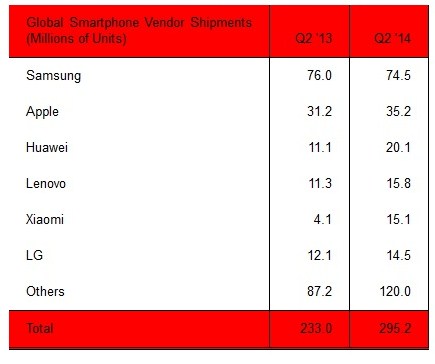
    The year 2014 is definitely proving to be a great year for the “Apple of China”. Yes, Xiaomi Inc has overtaken LG to claim the fifth spot in overall smartphones shipped in the second quarter of 2014. The company, barely four years old, was labeled as the ‘star performer’ for the quarter by Strategy Analytics.

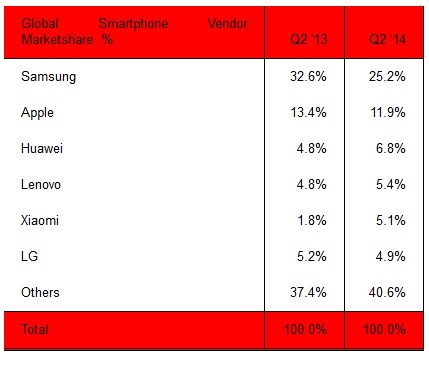
    The market research firm today reported that Xiaomi captured a record 5.1% market share, up from a meagre 1.8% it captured last year. In physical numbers, the company showed a sharp growth. Xiaomi shipped an incredible 15.1 million units in the second quarter of 2014, as compared to only 4.1 million units shipped in the same quarter in the previous year. This incredible growth now puts it above LG and into the top five smartphone vendors for the first time in the company’s history.

    Xiaomi 2This is largely due to its very competitively priced and high specs laden smartphones selling like hot cakes in developing markets. We recently published news of their Mi3 flagship phone selling out on Flipkart in less than 5 minutes. Even their latest smartphone, the Mi4, is being sold in China for only 1999 yuan (about Rs. 20,000), less than half the price of Apple’s iPhone 5s.

    “Xiaomi’s Android smartphone models are wildly popular in the Chinese market and it shifts millions of them every quarter through its extensive online and operator channels,” says Strategy Analytics. “Their next step is to target the international market in Asia and Europe, where it will have to invest big money to familiarize western consumers with its unfamiliar brand name.”

    Overall, the market continues to be dominated by Samsung and Apple, although their lead keeps on diminishing. Total smartphones shipped for the quarter stood at 295.2 million units, up from the 233 million units in 2013. Out of these, Samsung accounted for 74.5 million units, which surprisingly, was a fall from 76 million units it shipped in the same quarter in the previous year. Their market share also declined sharply from 32.6% last year to 25.2% this year. Samsung in a recent statement blamed cheaper Chinese competitors for this decline.

    Xiaomi 1

    Apple continued to hold the distant second position with 11.9% market share, again a decline from the 13.4% share it held last year. Physical units shipped by them however, rose from 31.2 million units to 35.2 million units.

    Korean giants LG, despite an increase in shipments, saw a decline in market share from 5.2% to 4.9%. “LG is performing relatively well in the United States and Europe, but it continues to lag in the huge China and India markets,” Strategy Analytics said. The third and fourth positions continued to be held by Chinese manufacturers Huawei and Lenovo, both of which saw an increase in units shipped and market share.

  • Modbook Launches a Campaign for the New ‘Modbook Pro X’

    Modbook Launches a Campaign for the New ‘Modbook Pro X’

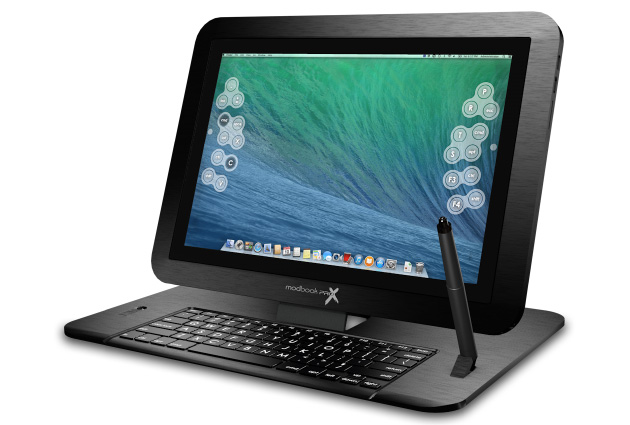
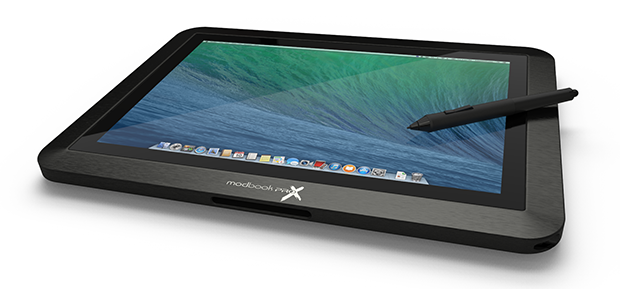
    Custom Mac tablet-maker, Modbook is back in news with a new spiced up with 15.4-inch display and the latest Mac hardware under the hood. The company, famous for turning Apple’s MacBook Pro into an iPad-like tablet, launched a Kickstarter campaign to fund its latest project – the Modbook Pro X.

    The Modbook has been around for about seven years, when Axiotron and Other World Computing teamed up to deliver the first Mac tablet at Macworld. Three years later in 2010, however, Apple released the first iPad, a much smaller tablet powered by Apple’s iOS. Subsequent upgrades yielded the Modbook Pro.

    modbook3

    The Kickstart backers will be able to convert their own Retina MacBook Pros into a tablet beginning early next year. The conversion incorporates the laptop’s original hardware, with components shifted from the lower half of the computer to just behind the 15.4-inch 2,880 x 1,800-pixel LCD.

    Unfortunately, the modification doesn’t come cheap. You’ll have to provide your own 15-inch Retina MacBook Pro, which starts at $2,000. And to get the modification, you’ll have to pledge at least $1,999 to the Kickstarter project. A Modbook Pro X with a keyboard stand or with rear Keybars that allow one-handed text entry cost extra.

    Like other Modbooks, it ships with a stylus with 2048 levels of pressure. The tablet preserves the connectivity options of the MacBook Pro: Bluetooth, Wi-Fi, two USB 3.0 ports, one SDXC slot, one HDMI port and two Thunderbolt 2 ports. It will run OS X Yosemite when that OS becomes available in fall.

    modbook2

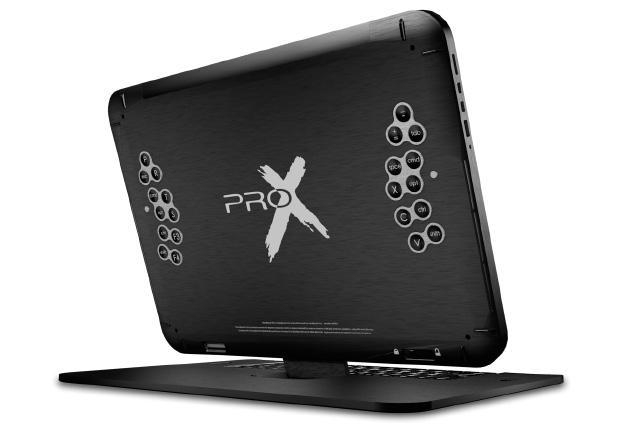
    Users can also select optional KeyBars—macro keys that can save time while the user is working with the stylus. An optional keyboard stand serves as an easel, keyboard, and screen protector. Another downer is that the modification voids Apple’s own warranty. But Modbook does provide a one-year guarantee for the device.

    And also, the project will need to surpass its $150,000 goal to be funded. If that does happen, it will be early next year before any rewards are shipped to backers.

  • Samsung Launches Affordable India-Centric phones

    Samsung Launches Affordable India-Centric phones

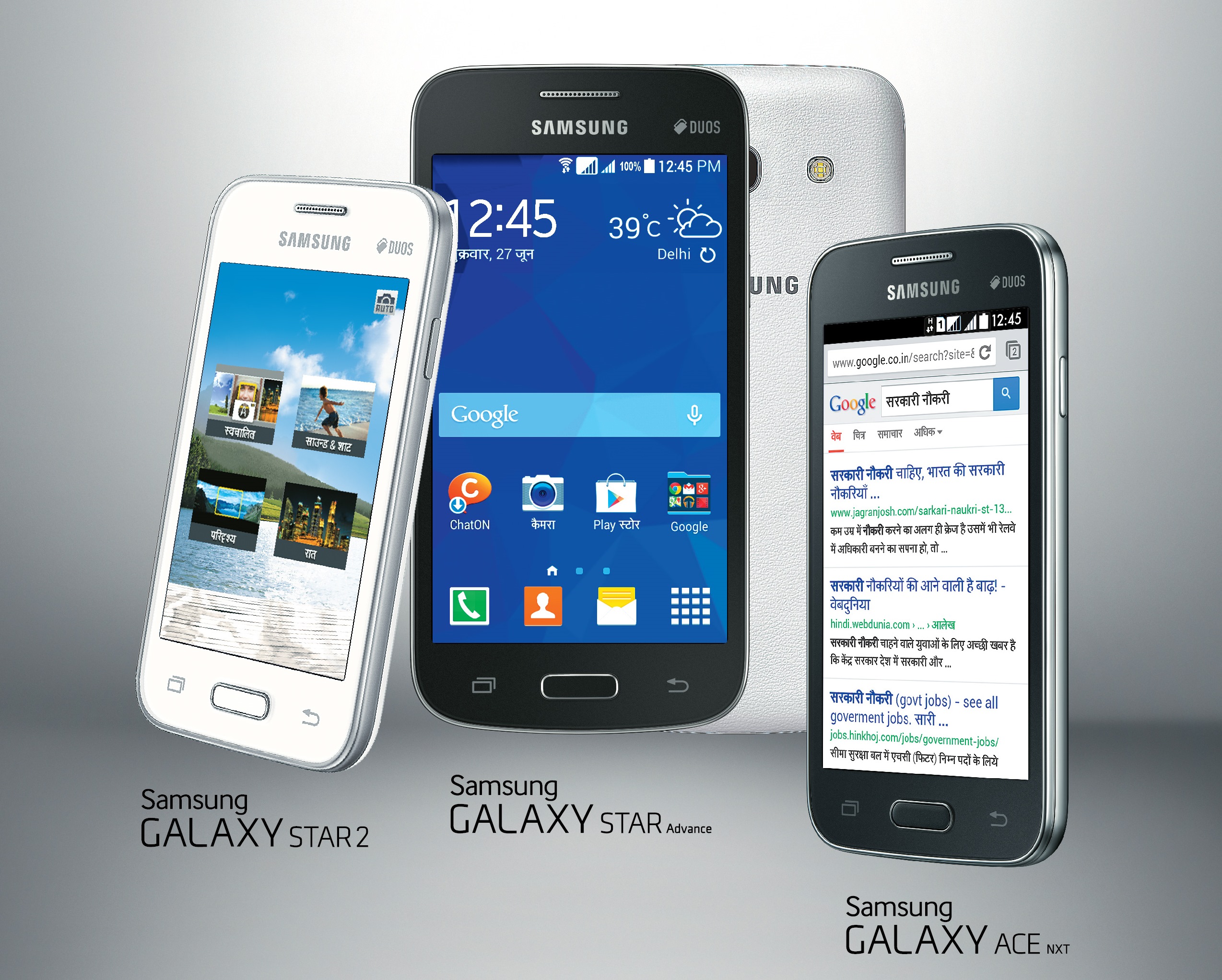
    Samsung today released three phones which are targeted for the lower range. All three are based on Android Kitkat with Samsung’s TouchWiz UI. These new devices will also come with Vodafone internet plans for the first six months to help the users with their beginning months with the phone.

    The phones are priced under the 10K segment which is dominated by Indian manufacturers like Micromax and Lava. Recently Big chinese brands have also entered this market to compete. Seems like it’s about time Samsung heated up this market segment. The phones are called Samsung Galaxy Star 2, Galaxy Star Advance and Galaxy Ace NXT.

    Samsung Galaxy Star 2comes with a 3.5” display. It has a 2MP camera with advanced camera modes. It also comes with free access to premium games from Gameloft. Galaxy Star Advance comes with a powerful 3MP camera with flash. It has 4.3” display. Galaxy Ace NXT is Samsung’s entry-level 3G phone. With a 4” display and a 3MP camera with flash, this device is optimized for Internet and multi-tasking experience.

    Pricing wise the Samsung Galaxy Star 2 is priced at INR 5,100 and is available in White and Grey colours. Both Galaxy Star Advance and Galaxy Ace NXT are priced at INR 7,400 respectively and are available in Black and White. Star 2 and Star Advanced come with a leather finish back panel.

    All three phones provide support for 12 Indian languages including Hindi, Bengali, Marathi, Guajarati, Punjabi, Urdu, Tamil, Telugu, Kannada, Malayalam, Oriya, and Assamese. Consumers have a choice of accessing these language apps from the Google Play Store. They also have access to the Samsung Galaxy Apps store.

    In a saturated market like India, Samsung has to do a lot more to take on the competition. If the decrease in profits of the company is any indication, they need to rethink their entire strategy soon. With their prices, these phones will have a tough time surviving in the market.

  • Facebook Launches Internet.org App for Free Internet Access in Zambia

    Facebook Launches Internet.org App for Free Internet Access in Zambia

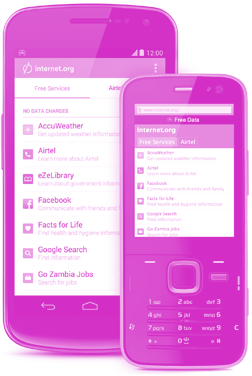
    Facebook’s internet accessibility initiative Internet.org today launched its Android and web app for the developing world with free data access to a limited set of services including Facebook, Messenger, Wikipedia, and Google Search. It also provides local health, employment, weather, and women’s rights resources.

    Internet.org_ (1)

    Internet.org’s app is just launched in Zambia before coming to other developing countries which is in partnership with local carrier Airtel who provides the free access in hopes that Zambians see the web’s value and buy pre-paid data through the app to explore the rest of the Internet.

    10574702_344525639029305_1278593965_n

    The Facebook Zero has been giving the developing world access to a stripped down version of Facebook since 2010. But this new Internet.org app with other services will be available as a compact, standalone Android app, baked into the Facebook for Android app, or freely available as a mobile website that the feature phones carried by the vast majority of Zambians can access.

    Online services accessible through the app range from AccuWeather to Google search, Wikipedia, a job search site as well as a breadth of health information. Facebook’s own app, along with its Messenger service, is also included. The app will work on Android phones as well as the simple “feature phones” that are used by the majority of people in Zambia.

    If users click on a link that takes them outside of the 13 predetermined services, they will get a warning that they may incur data charges. One thing missing from the features is email. Many people who are new to the Internet in developing nations don’t use email, opting to use messaging apps or social media sites instead.

    The company said Zambia is a country with 15 percent Internet penetration, it is a huge amount of people that can be connected. Zambia’s population is about 15 million according to the CIA World Factbook. The app will spread to additional countries down the line, but there is no word on which ones.

    The move comes as Facebook steps up investments in its Internet.org project, which seeks to connect the “next 5 billion” users to the Internet, many of whom lives in places like Africa and India. In March Facebook announced plans to use drones and satellites to deliver Internet connectivity to people in certain parts of the world.

    The initiative also has the potential to boost the size of Facebook’s audience, which currently totals 1.32 billion monthly users.

  • Croma Launches Intel Powered Tablet for Rs.13,990

    Croma Launches Intel Powered Tablet for Rs.13,990

    Popular Indian consumer electronics retail chain Croma has partnered with Intel to launch two new Windows 8.1 Tablets – The Croma 1179 Tablet (8″ variant) and The Croma 1177 2-in-1 (10.1″ variant) at a price of Rs. 13,990 and Rs. 21,990 respectively. These tablets will be available at Croma’s retail stores and official website, in the near future.

    Croma-Tablet

    Specifications of Croma 1179 Tablet

    • Display: 8-inch
    • Resolution: 1280 x 800 (~720P)
    • Processor: 1.33 GHz Intel Atom processor Z3735D
    • Operating System: Windows 8.1
    • RAM: 2GB
    • Camera: 2MP (front), 2MB (rear)
    • Storage: 32GB
    • Battery: 5000mAh
    • Price: Rs 13,990.

    Specifications of Croma 1177 2-in-1

    • Display: 10.1-inch
    • Processor: Intel Atom processor Z3735D
    • Operating System: Windows 8.1
    • Connectivity: 3g, WiFi
    • Camera: 2MP (front), 2MP (rear)
    • Price: Rs Rs 21,990

    Gregory Bryant, Vice President and General Manager, Intel Asia-Pacific and Japan, said, “We are excited to be working with Croma to bring these new mobile devices to consumers in India. Croma’s tablets and 2 in 1s based on Intel processors deliver superior computing performance and great battery life to keep pace with today’s mobile lifestyle.”

    The new products have been priced competitively with the smaller sibling costing Rs 13,999. At this price, it’s the most affordable 8-inch Windows tablet in India with the nearest competitor being the Acer Iconia W4, which is priced around Rs 4,000 more. The asking price of the Croma 1177 is Rs 21,999, which also makes it the most affordable 10.1-inch Windows-based slate. If you’re thinking of getting yourself a tablet, with which you want to get a lot of work done, it might be in your best interest to go with the Windows 8.1-powered tablets, as it additionally offers free Office productivity.

  • Pd.id : Portable Silent Guardian That Drug Tests Your Drink

    Pd.id : Portable Silent Guardian That Drug Tests Your Drink

    If you are a lady or have lady friends you understand the constant vigilance that needs to be maintained while going out.  Does that taxi driver look trustworthy or is this drink I’m holding safe for consumption? Some of the constant questions going through a girl’s mind while out at night. Date Rapes are also one of the leading sexual assault cases against women. It seems like Toronto based, former IT consultant David Wilson might have found a perfect solution for this epidemic of date rapes, a tiny USB sized gizmo called Pd.id.

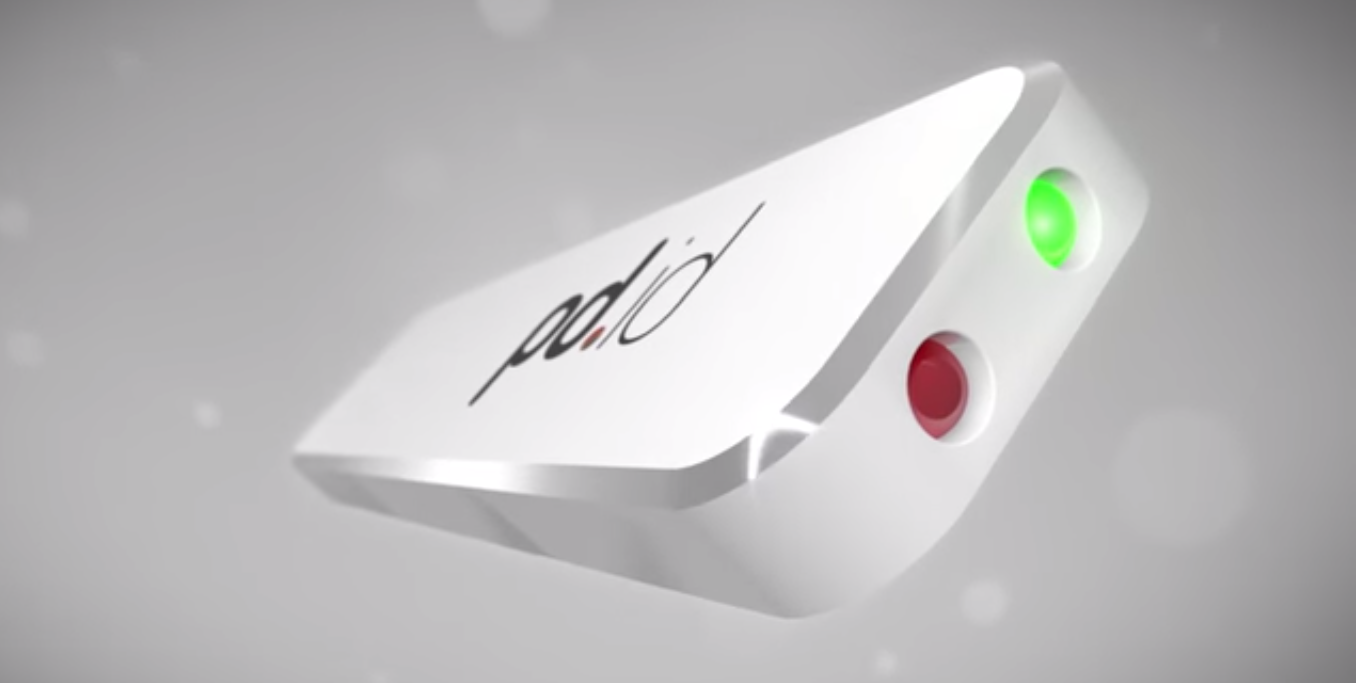
    Pd.id uses three different tests to identify if the drink has been drugged. The device uses light, conductivity and temperature to determine if the drink has been sabotaged. The two Red and Green indicators tell you if the drink you are holding is tainted or not. The best part is that the device can be used multiple times so it will be one of the essentials to pack before a night-out.  Pd.id also has a companion mobile app which lets you access the drink database from the company and visually confirm the purity of the drink.

    pd.id1
    The indicators help you figure out if the drink is safe for consumption

    The company claims that the drug recognition technology has been with the drug enforcement agencies for quite some time. They learned from them and created this miniaturized, consumer friendly version of the technology that can go in women’s purse.

    This is a phenomenal invention and should really be encouraged. This is how a real moral invention looks like; one of the several instances when technology can come to change the world and make it a better place.  If you can’t donate to the device, you can atleast spread the word. But no amount of gizmos can take the spot of a sex educated and gender sensitive mind.

    Of course the best part of this invention is that all the single ladies will have a good time going out without any worries. Pd.id sure is an awesome innovation. Also you don’t to worry about sanitizing the gizmo, the alcohol you are dipping it in will do the needful.

  • Chinese Vendors Trouble Samsung and Apple for Smartphone Market Share

    Chinese Vendors Trouble Samsung and Apple for Smartphone Market Share

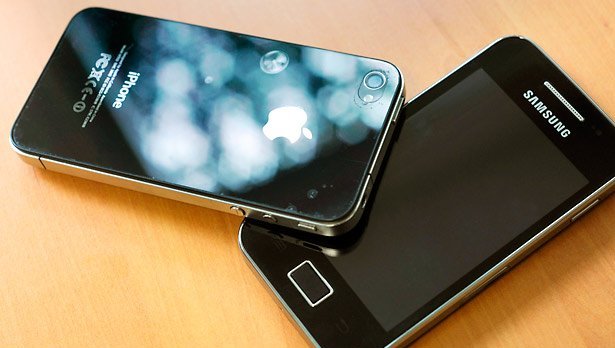
    We all know that Samsung is losing market internationally as well as in India, now we have exact numbers to believe it. Over the past years, Apple and Samsung slugging it out at the top of the phone and tablet markets. But it seems that the recent boom in Chinese smartphone market has taken a toll on both companies.

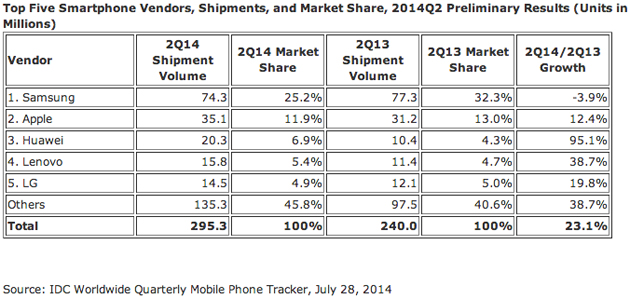
    IDC (International Data Corporation) estimates that Samsung’s smartphone shipments saw a rare year-over-year drop in the second quarter, taking it from a lofty 32.3 percent market share down to 25.2 percent. This week’s news that Apple suffered a slump in iPad sales would normally be accompanied by news of Samsung taking customers from Apple as it has done in the past. But not this time round.

    idc-smartphone-share-q2-2014

    The cause, analysts say, is the rapid rise of Chinese brands that cuts directly into Samsung’s low-end business. Huawei claimed 6.9 percent of the smartphone space after doubling its shipments, thanks in part to heavy discounts on phones; Lenovo too jumped to 5.4 percent on the back of both budget phones at home as well as rapid expansion abroad.

    The worldwide smartphone market grew 23.1% year-over-year in 2014 setting a record of 295.3 million shipments, reported IDC. The market grew 2.6% sequentially due to strong demand and low-cost smartphones. Next quarter is forecasted to be the first to surpass shipments of 300 million smartphone units worldwide.

    [quote text_size=”medium” author=”Melissa Chau” author_title=”Senior Research Manager with IDC’s Worldwide Quarterly Mobile Phone Tracker.”]

    As the death of the feature phone approaches more rapidly than ever before, it is the Chinese vendors that are ready to usher emerging market consumers into smartphones. The offer of smartphones at a much better value than the top global players but with a stronger build quality and larger scale than local competitors gives these vendors a precarious competitive advantage,

    [/quote]

    Samsung’s fall is especially troubling given that the measured quarter included the release of the company’s new flagship Galaxy S5. Despite the high-profile launch, Samsung shipped 3 million fewer handsets this year than last year. Chinese brands were the big winners in the second quarter, helped along by the still-significant growth from the domestic market. By far the most impressive was Huawei, nearly doubling its shipments from a year ago, followed by another strong performance from Lenovo.

  • Panasonic Officially Launched its Flagship Device in India

    Panasonic Officially Launched its Flagship Device in India

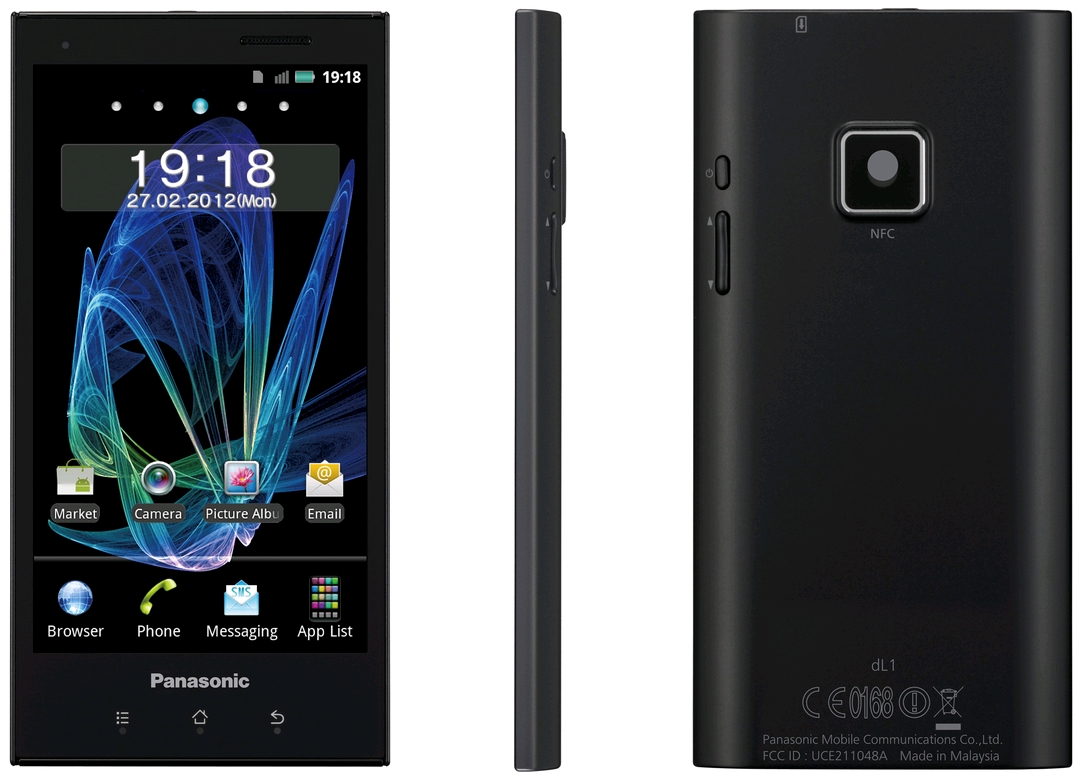
    Panasonic has recently introduced its new Eluga U flagship in India at an event in New Delhi. The smartphone has been priced at Rs. 18,990. Competing against the likes of the Xiaomi Mi 3 and the Micromax Canvas Knight, who also belong in this price range.

    The phone sports a 5-inch OGS IPS display(720x1280p) with Gorilla Glass 3 protection. That immediately puts it a peg lower than competing handsets in the price range. It features a unibody design and a glass back panel that has a mirror printed texture. It weighs 141gram and is 7.95mm thick.

    The Eluga U fashions a 1.2GHz quad-core Qualcomm Snapdragon 400 processor coupled with 2GB of RAM. With crowded market space of octa-core SoCs, and the launch of Xiaomi Mi3; a Snapdragon 800 smartphone for under Rs 15,000, Eluga U might struggle to catch the attention of a market spoiled with options

    panasonic_eluga_power_

    The Eluga U will come with a 13-megapixel autofocus rear camera with LED flash, and a 2-megapixel front shooter, which is standard nowadays. It has 16GB of internal storage with a microSD card for expansion up to 32GB. In terms of battery life, the 2500 mAh Li-ion unit is decent enough if compared to the other specs. It doesn’t look especially distinct and the patterned back reminds us of the Google Nexus 4. Connectivity options include Wi-Fi, Wi-Fi Direct, Wi-Fi Hotspot, Bluetooth 4.0, and GPS/ A-GPS.

    It also comes with Kwik Lock double tap on the home screen to lock the phone, Fit Home UI for single Hand operation, Pop i player, Music Cafe and Gesture Play.

    So far Panasonic has been actively launching the P and T series of smartphones in India. The company had launched three dual-SIM smartphones Panasonic T41, Panasonic P41 and Panasonic P61 running Android 4.4.2 KitKat OS. The devices are priced at Rs. 7,990, Rs. 11,990 and Rs. 14,990 respectively.

  • Xiaomi Mi Power Banks Review

    Xiaomi Mi Power Banks Review

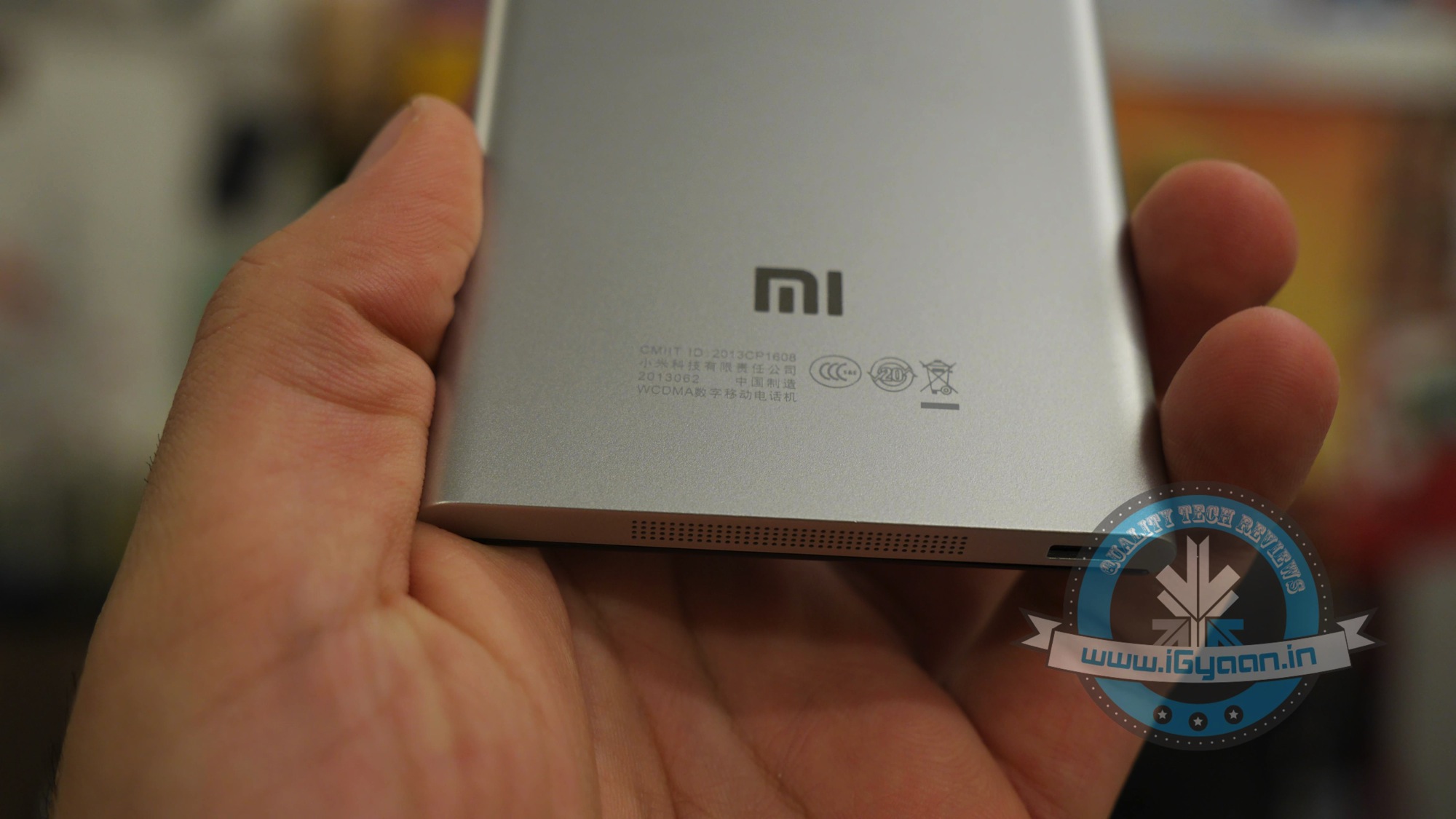
    They were promised and here they are, the latest offering from the ferocious Chinese brand Xiaomi. The company has brought out their two Mi power banks in India which will make other power bank manufacturers really restless. With massive capacity and modest pricing, the devices, might indeed sell like hot cakes in the world of juice thirsty smartphone batteries.

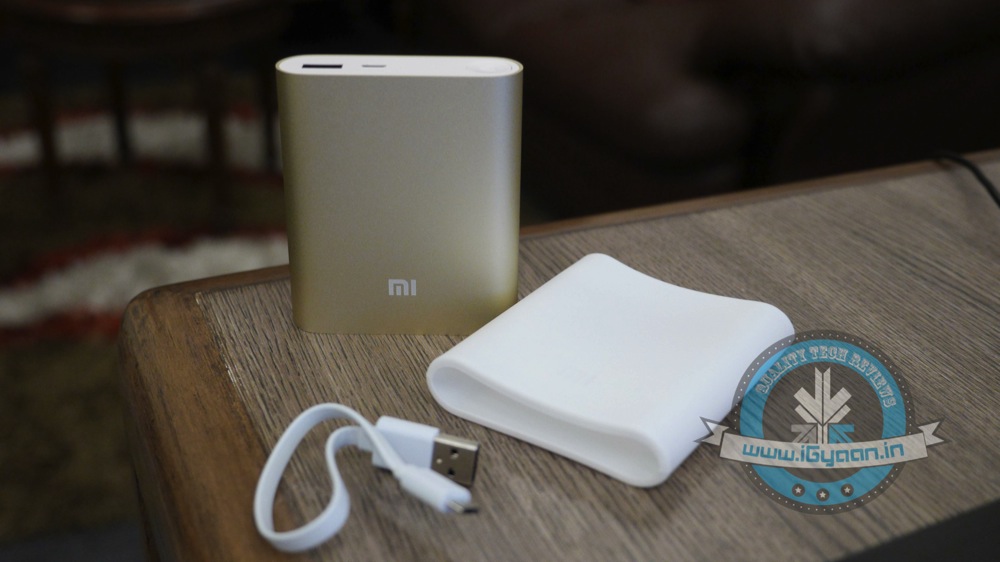
    The device comes with a rubber case and charging cable.
    The device comes with a rubber case and charging cable.

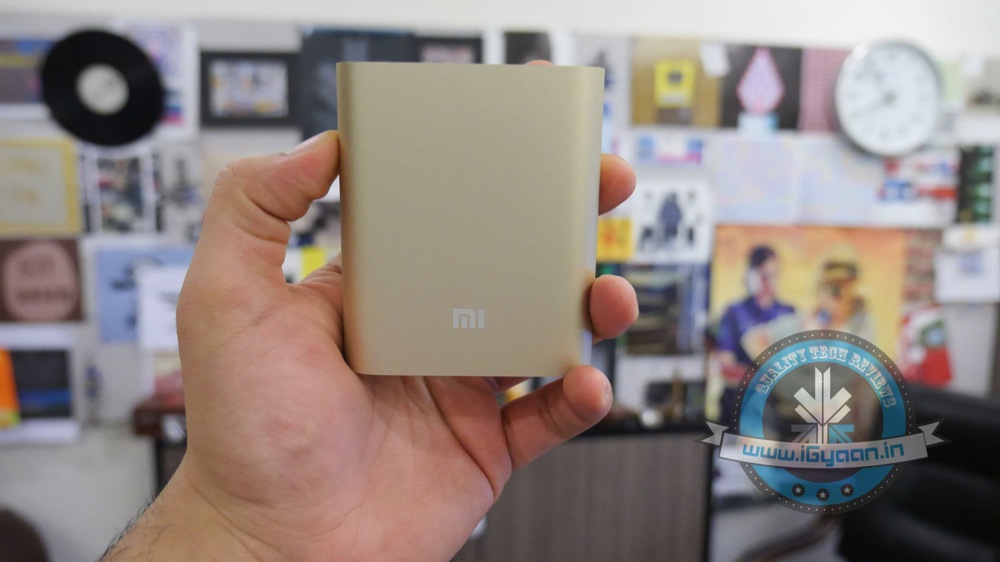
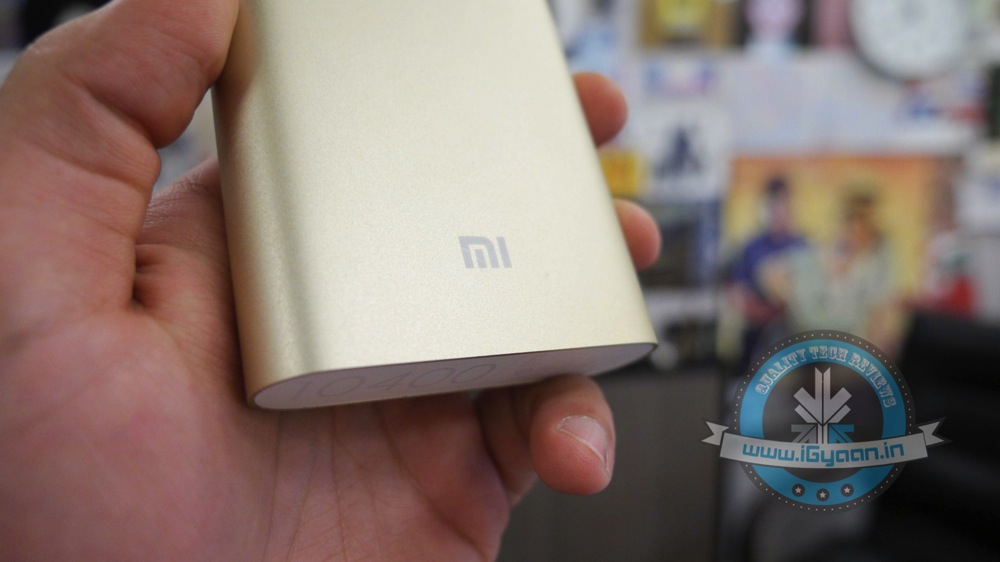
    Now these devices look sure look impressive. This is what you get when you take inspiration from Apple products. The soap bar sized Mi power banks are quite the convenience to have. We tested out the 10400mAh version for you, and it is available in a 5200 mAh variant. The Mi power bank has a textured anodized aluminum casing that covers the entire battery and has a smooth metallic finish and fits in your hand. It is claimed to be water and corrosion resistant. The surface is a bit slippery but that can be easily addressed by using the rubber case provided with it.

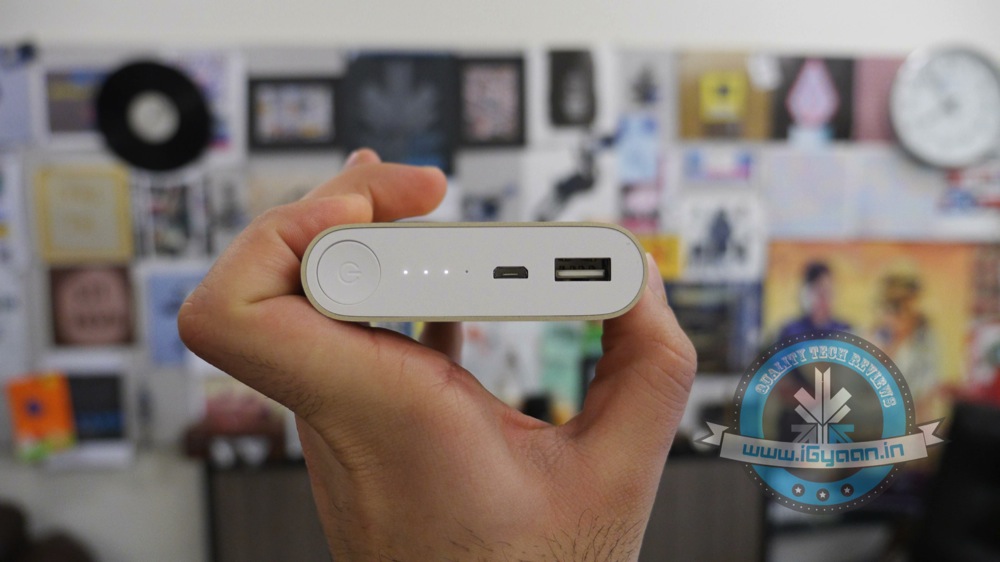
    Though it’s a slight bit heavy, about 250 grams, but with its massive capacity, the owners won’t mind lugging around some extra weight. The LED indicators for battery level especially stand out against the unadorned surface.

    The LED indicators stand out on the device.
    The LED battery level indicators stand out on the device.

    The company claims that the Mi power bank is capable of charging the MI3 for about 2.5 times, an iPhone for 4.5 times and an iPad 1.5 times to full capacity which is quite impressive. With these power banks, you can worry free throughout your weekend trip.

    The Mi power banks have been designed by the famous Texas instruments. Xiaomi claims that their technology was developed with safety and efficiency in mind. The power banks use chipsets to stabilizes the discharge voltage and make the device safer, durable and efficient. The devices are said to be 93% charging conversion rate for each device, which lets it charge different devices at their output levels.

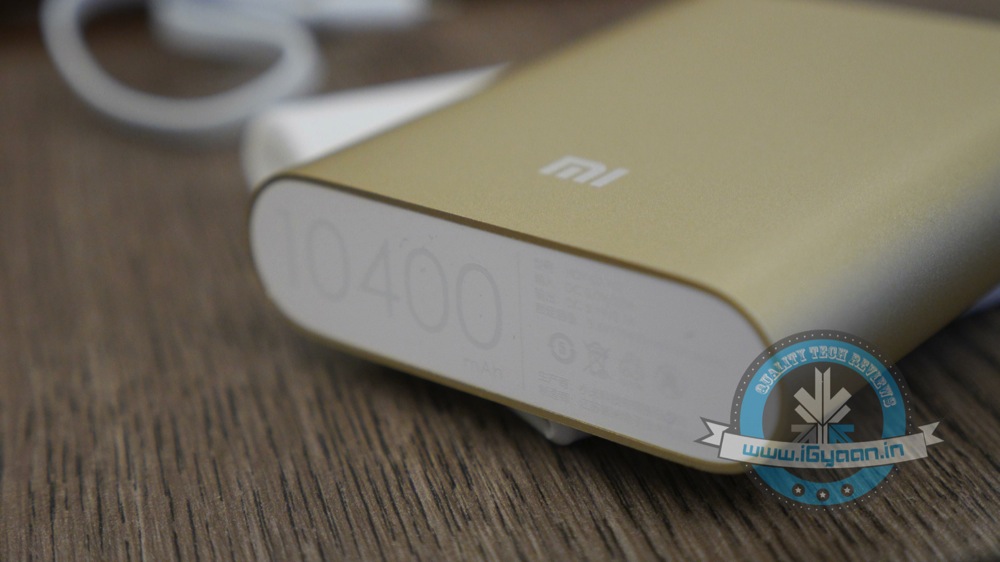
    Its massive capacity can handle all your charging needs for the weekend
    Its massive capacity can handle all your charging needs for the weekend

    Xiaomi has done extensive testing before bringing the portable chargers to the consumers. The USB port on the Mi power banks have been tested for 1500 removal cycles, and the MicroUSB port have faced 5000 removal cycles. Apart from these tests, the Mi power banks were tested for extreme temperature conditions; 70 degrees, 96 hours for high temperatures, -40 degrees, 96 hours for lower temperatures. These might make them for comfortable use all around India. Though we will not advocate you testing these parameters without proper scientific guidance, this is to prevent you from blowing your face off.

    Coming to the issue of the moolah. How much does a chipset based Mi power banks cost? Here’s for your eyebrows to do some work- the 10400 mAh comes at a price of Rs. 999/- and the 5200 mAh comes at 799/-. Yes, that’s how it is, and No we did not miss an extra figure or a zero in the middle. At this price, the whole Xiaomi Mi3 disappearing act will be reenacted with these power banks.

    Get it, it sure  has got some style points.
    Get it, it sure has got some style points.

    Overall we charged a couple of our devices to full charge, and we had two LED’s still asking for more devices to juice up. The only concern with these is the absence of a second USB port which would have let us use its massive capacity to charge two devices at once. We will keep a vigilant eye on the device for now and keep you updated if the power bank fails to perform as it is advised. For now, go ahead and get in line for the Xiaomi Mi power banks.

    Tech Specs:

    Model NDY-02-AD
    Battery Type Lithium-ion rechargeable cell
    Power Source DC 5V
    Input Voltage DC 5.1V
    Input Current 2.0A (TYP)
    Output Current 2.1A(TYP)
    Rated capacity 3.6V/10400mAh(TYP)
    Charging time 5.5 hrs with 5V/2A plug and standard cable12 hrs with 5V/1A plug and standard cable
    Size 90.5*77*21.6mm
    Load detection Auto-detect the plug-in and plug-out of devices
    Safety Input OVP, OCP, Output OCP OVP, short protectioncell protection including OVP OCP, thermal protection during charge and discharge stage
    Out of power protection Awake once plugged to the charger
    Charging temperature 0°C-45°C (TYP)
    Discharging temperature Initial – 10°C~+50°C(TYP)Continous -20°C~+60°C(TYP)
    Weight 250g
  • The Xiaomi Effect : Moto G Prices Slashed by Rs. 2000

    The Xiaomi Effect : Moto G Prices Slashed by Rs. 2000

    It’s only been a week and a few days since the Xiaomi Mi3 went on sale in India for a impressive price of Rs. 13999/-, and it looks like major brands are taking a major beating. Motorola who basically ruled this price segment from Rs. 12,000 to 15,000 has been feeling the major grunt of the Xiaomi fever.

    Motorola hopes to change that by dropping their Moto G prices by a whopping Rs. 2000. If you don’t already know the Moto G sports a 4.5-inch HD display with a 1,280×720-pixel resolution and 329ppi. Powering its insides is a quad-core, 1.2GHz Snapdragon 400 processor, Adreno 305 graphics, and 1GB of RAM.

    There is a 2070 mAH battery inside, but unfortunately there is no expandable storage. At the back of the Moto G there is a 5 MP camera and a 1.3 MP camera at the front.

    Incase you are sick of the Xiaomi selling out before you click the buy button, you can find the new dropped prices of the Moto G below.

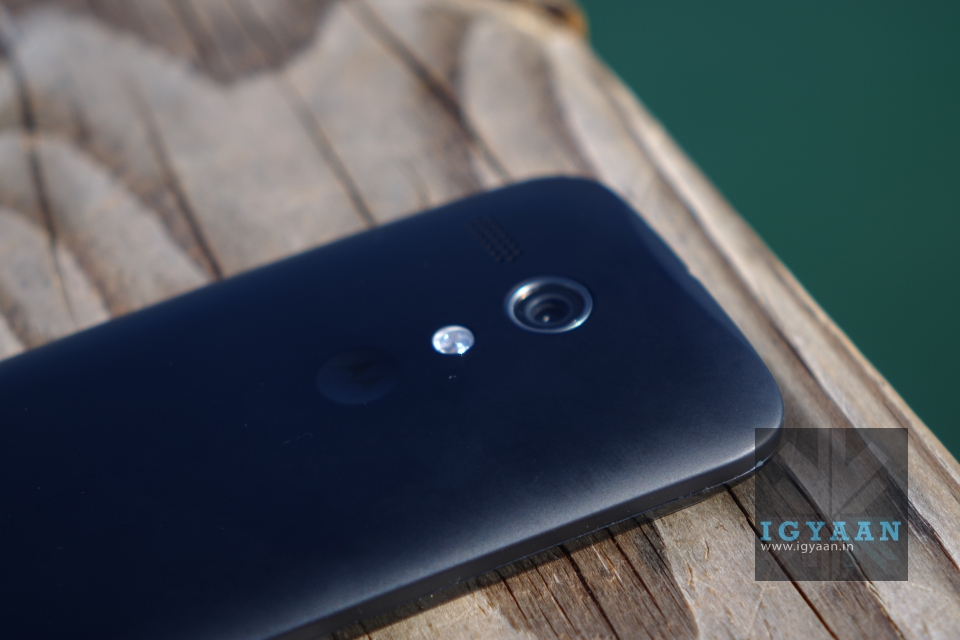
    Moto G Review

  • Encrypt Calls and Messages on Your iPhone with the Signal App

    Encrypt Calls and Messages on Your iPhone with the Signal App

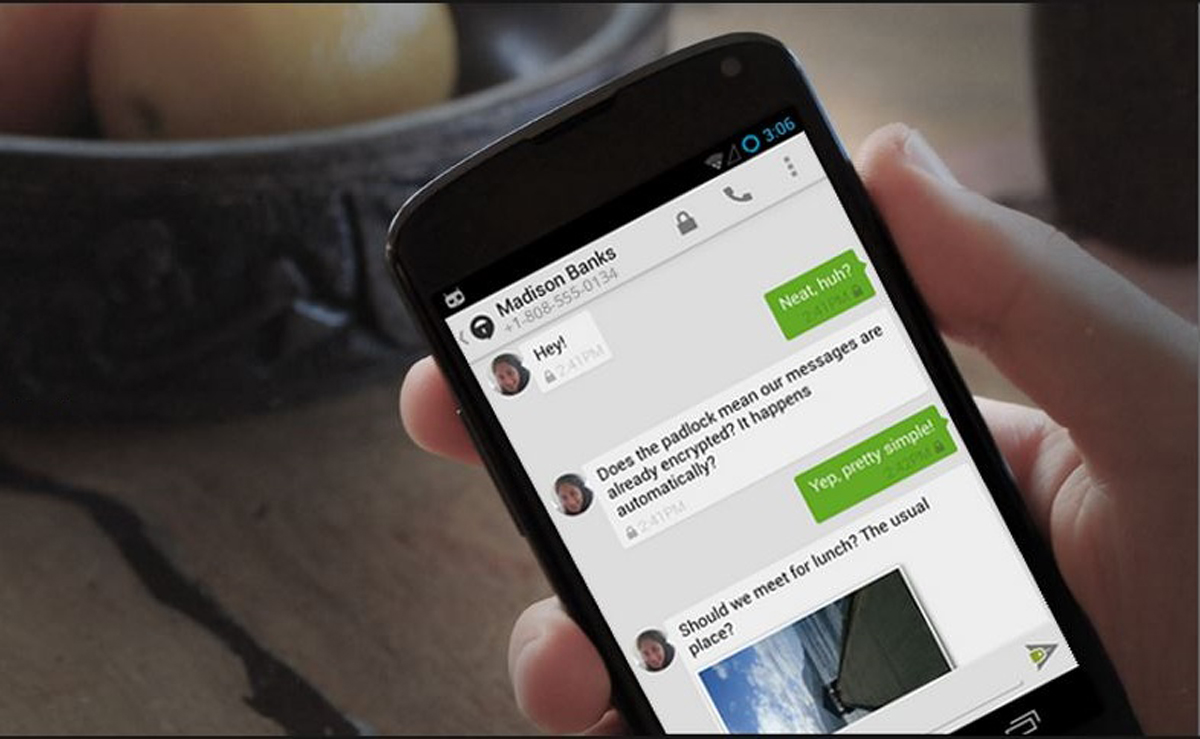
    Snooping by government agencies is one of the major concerns of people using technology today. Even the people in the highest echelons of power and security have been a victim of this act of unwarranted infringement of privacy. It has been reported recently that the analysts at NSA would frequently trade around personal images, mostly in compromising situations around their workplace. This kind of revelation encourages people to look for encryption services which can help keep their content absolutely safe. In comes SIGNAL for the rescue.

    Signal is an iPhone app created by Open Whisper Systems. The nonprofit had previously brought encryption apps for Android called Redphone to secure phone conversations and TextSecure for encrypted messages. Now they bring their encryption might to iOS.
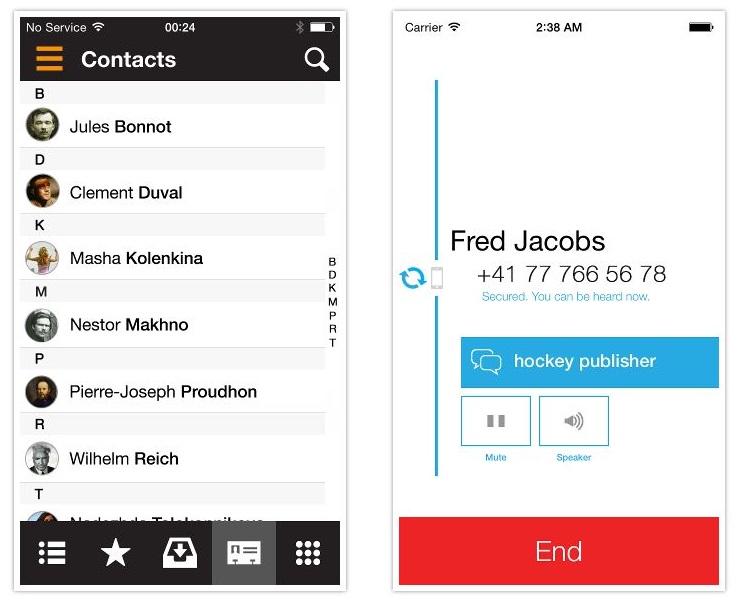
    The app is fairly simple to install. You need to punch in a one-time activation code. Like other communication apps the app saves the contacts that have been entered once and shows the contacts which can be contacted using the app.

    signal

    To ensure that the encryption has taken place and the communication is secure; both sides have a word on their screens. The users have to exchange this on screen word to verify the encryption. If the connection is not secure the words will not match.
    The organization intends to provide encrypted communication medium to all. They will soon add text messaging capability to Signal thereby making a unified app for private conversation.

    One of the major concern that is not being addressed is what if the app is misused by criminal and Anti social elements. We still remember how the London riots were fueled in through BBM messengers. So the company which is doing a good work for the citizens has to come out with a transparent document as to how they will prevent harm to the said citizens from themselves. Sometimes a good tool can become a monstrous weapon.

    Overall this is a fantastic tool for folks who want to prevent eavesdroppers from dropping on their communication, may it be from governments or unscrupulous elements. Its potential for harm needs to be understood and addressed as soon as possible.

  • Lenovo is Working on a Google Glass Competitor

    Lenovo is Working on a Google Glass Competitor

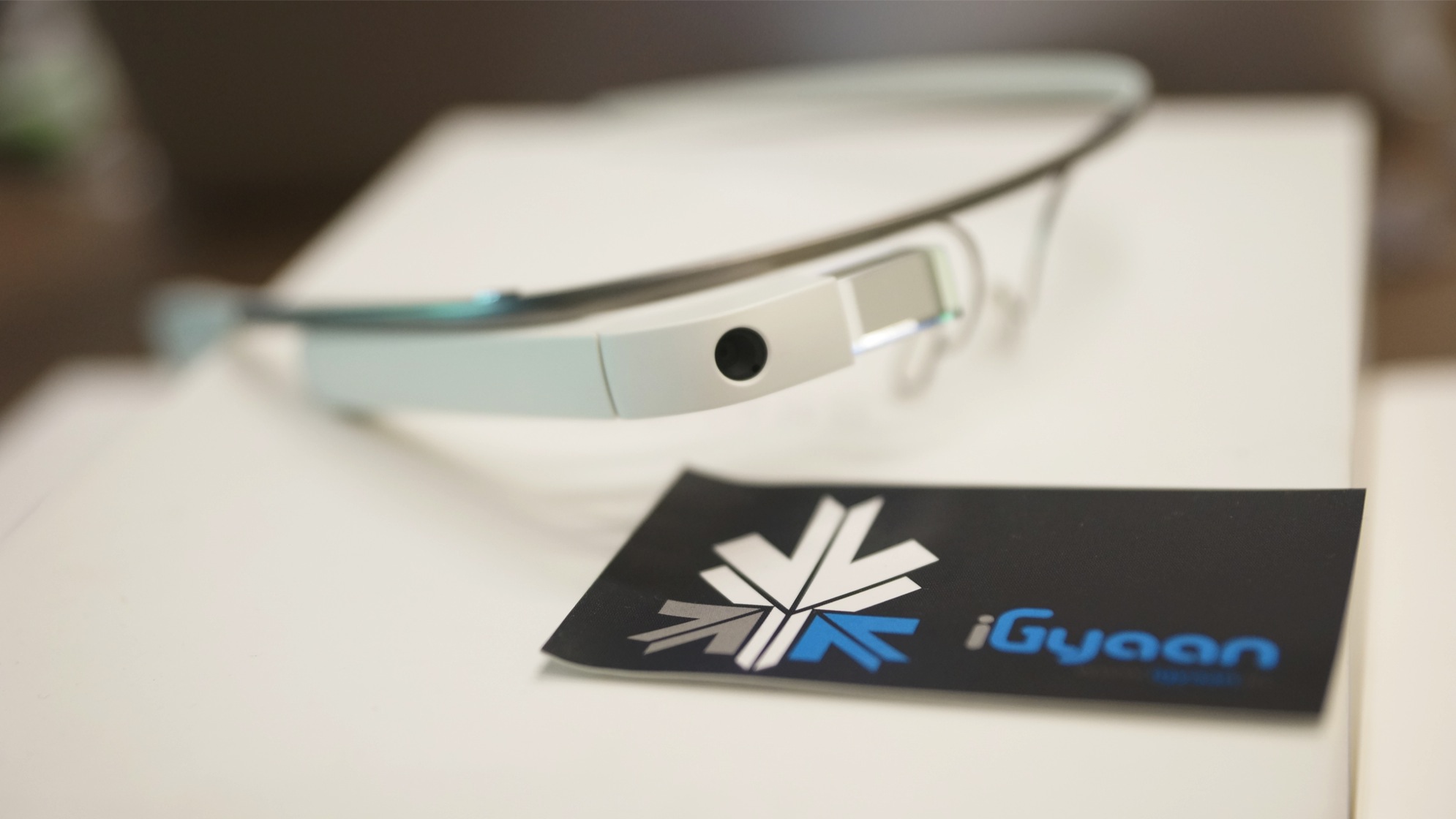
    Lenovo recently confirmed that it is working on a device similar to Google Glass. The device is said to a five-megapixel camera, voice recognition and gesture control, and around 12GB of internal storage.

    The Google-Glass look alike will have a battery attached down at the neck of the user. The Chinese computing giant said that more information will be revealed in October. However the company said that they are looking for partners to foray into the wearable market. It has reportedly created the “NBD” platform, which is Chinese for “new bench”.

    nbd
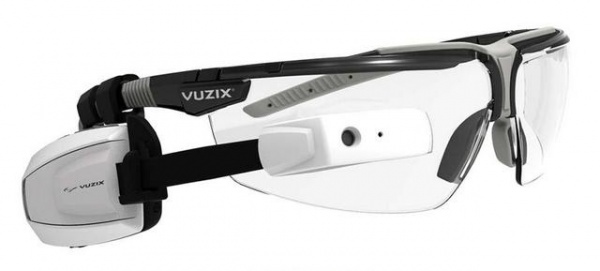
    Vuzix M100

    “Right now there are too many devices you can develop for the Internet of Things. It is too rich. Not a single company can do it all,” Chen Xudong, senior vice-president of Lenovo was quoted saying. The NBD platform is geared towards the Chinese market, but it may soon turn its attention to the rest of the world. “We hope to use Lenovo’s advantages to combine with innovators,” Chen added. “This platform can help them quickly start selling products, and create a supply chain for the market.”

    In a bid to achieve its goal, the company has launched the NBD platform. With NBD, Lenovo wants to “offer funding, manufacturing, hardware research and other logistical support to partners”, the report added.

    lenovo-smartglasses-
    Prototype of Lenovo C1

     The device, called C1, will support NBD platform that aims to make connected devices like web-enabled air purifiers more inter-compatible, by providing a framework, R&D, manufacturing support and will even provide funding to third-party firms.

    Lenovo has also partnered with German company called Luftmed which manufactures an affordable air purifier that can be controlled with a smartphone. Lenovo also announced that the company has partnered with Vuzix to launch M100 smart glasses in China.

    Lenovo now has two smart glasses in production, the M100 and the Google Glass-like C1. According to the report, the M100 uses Android 4.0.4 and is powered by a 1GHz dual-core processor. It will first go on sale to developers for 8,000 yuan ($1298) in August or September 2014, but its ultimate target is the business market.

  • Activity Tracker Fitbit Now Available For Windows Phone Users

    Activity Tracker Fitbit Now Available For Windows Phone Users

    Fitbit is one of the major players in the activity tracker market, with an estimated 67 percent of all trackers in the US shipping with the Fitbit brand last year. It’s also grabbed more than one million app downloads on Google Play alone, though it remains tight-lipped about the specifics of its App Store figures.

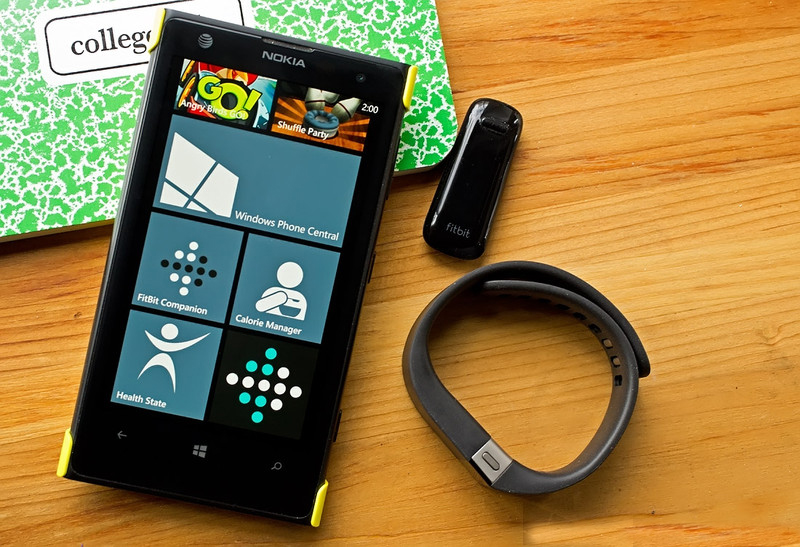
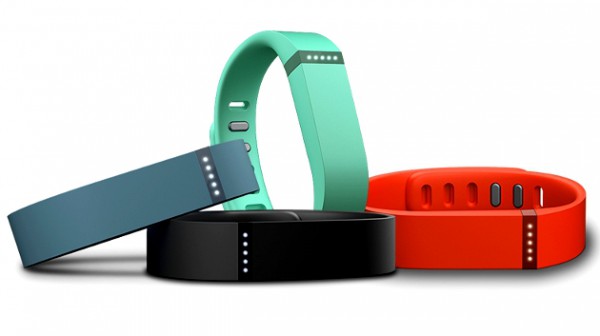
    Fitbit is finally expanding its mobile scope beyond that of Android and iOS by launching a version for Windows Phone. The app is near-identical to its iOS and Android counterparts. Simply pair your smartphone over Bluetooth with a Fitbit device like the Flex or the One, and your data will sync automatically.

    fitbit-flex-colours_fullwidth-600x336

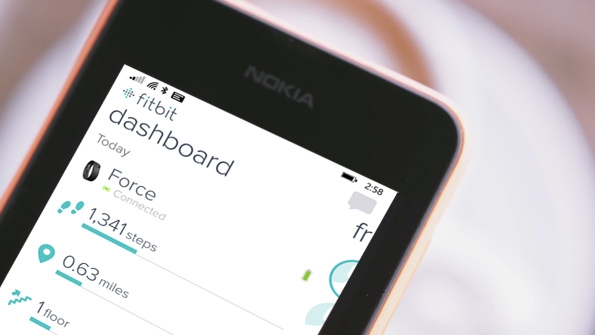
    You can then use the app to monitor progress on your fitness goals by checking in on the steps you’ve taken and the calories you’ve burned. You can also log how much food and water you’ve had today. The Fitbit app is currently only compatible with Windows Phone 8.1 but the OS upgrade will be rolling out to all Lumia devices shortly.

    This is a notable move by Fitbit as it has a potential to gain many new users on a platform that’s largely been ignored by the big-brand trackers. Fitbit is among the first to bring such a fully-featured native app to Windows Phone. Some previous third-party attempts have been decent, though they ultimately lacked key features such as real-time Bluetooth syncing, something the official app from Fitbit offers.

    fitbit-hero

    Fitbit is staking for the monopoly in the market. Hence, the still nascent market of Windows Phones is targetted by the company which  was thought to have only 3% of the market in USA. Recently, the Windows Apps market has seen a lot of new apps rolling out. In just the last few weeks, both Adobe Photoshop Express and on-demand car service Uber have made their debuts as native apps. That doesn’t exactly signal the end of lack of app on the Windows platform. Although it does give Windows Phone enthusiasts some hope that the apps they wish for would soon arrive in their devices.

    You can grab the app for your Windows Phone 8.1 device from the Windows Phone store, it’s free and available worldwide in English, with additional languages to come later this year.

iGyaan Network
Privacy Overview

This website uses cookies so that we can provide you with the best user experience possible. Cookie information is stored in your browser and performs functions such as recognising you when you return to our website and helping our team to understand which sections of the website you find most interesting and useful.