Category: Tech

Latest Technology News, Alternative, Bio-Tech, Medical, R&D and Innovations

  • Realme 3

    Realme 3

    Realme 3 is the latest smartphone from Oppo’s subsidiary Realme. The device features a modern aurora gradient design on the back and a waterdrop notch on the front. It is the successor to the Realme 2, which was launched last year. The smartphone has a dual rear camera setup and runs on the latest ColorOS 6.0 on top of Android 9 Pie.

    Click Here to buy the Realme 3

    [loop included_tags=”55724,41062″ loading=”paged” layout=”f” postsperpage=”4″]

  • Samsung Galaxy A10

    Samsung Galaxy A10

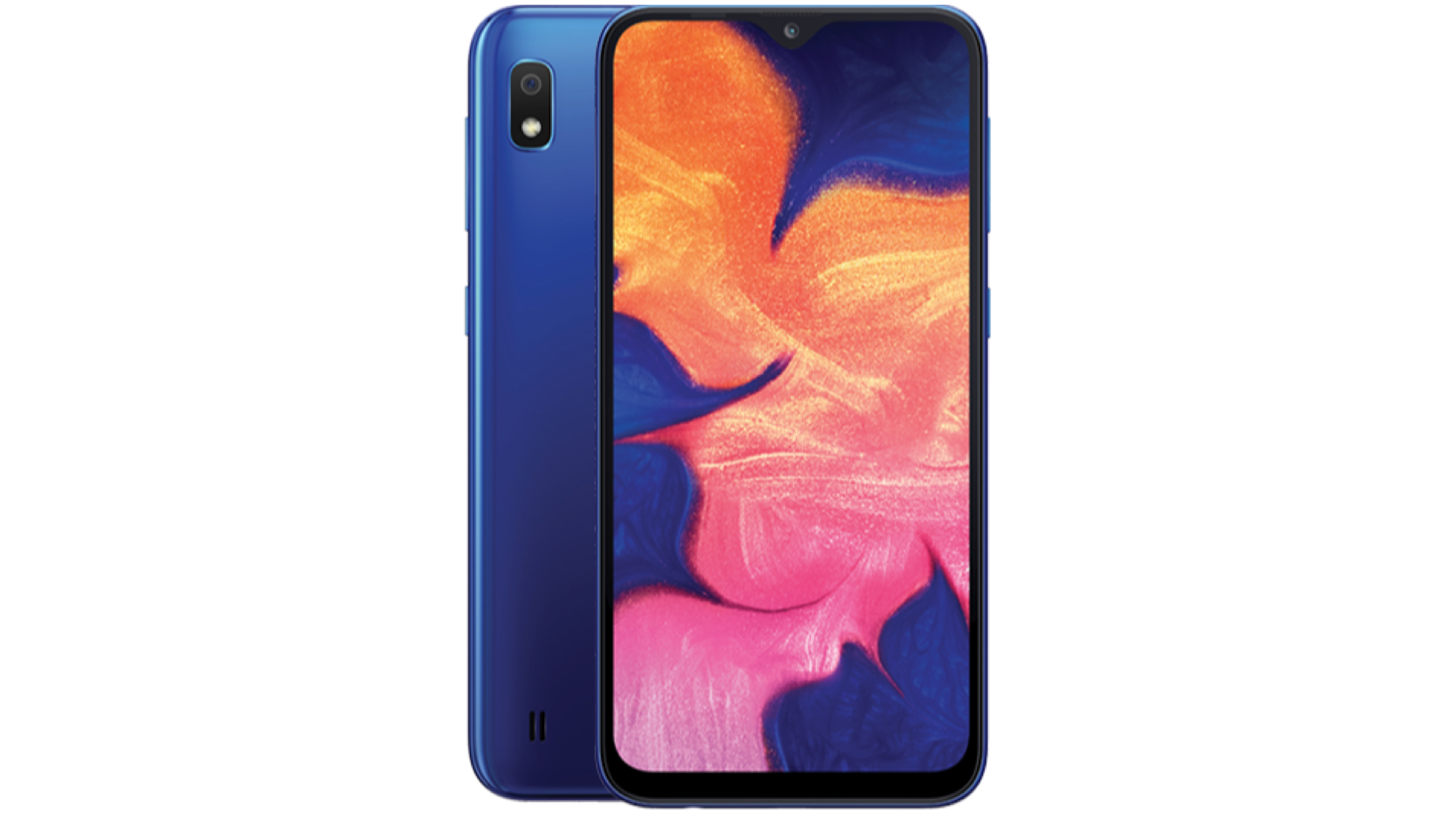
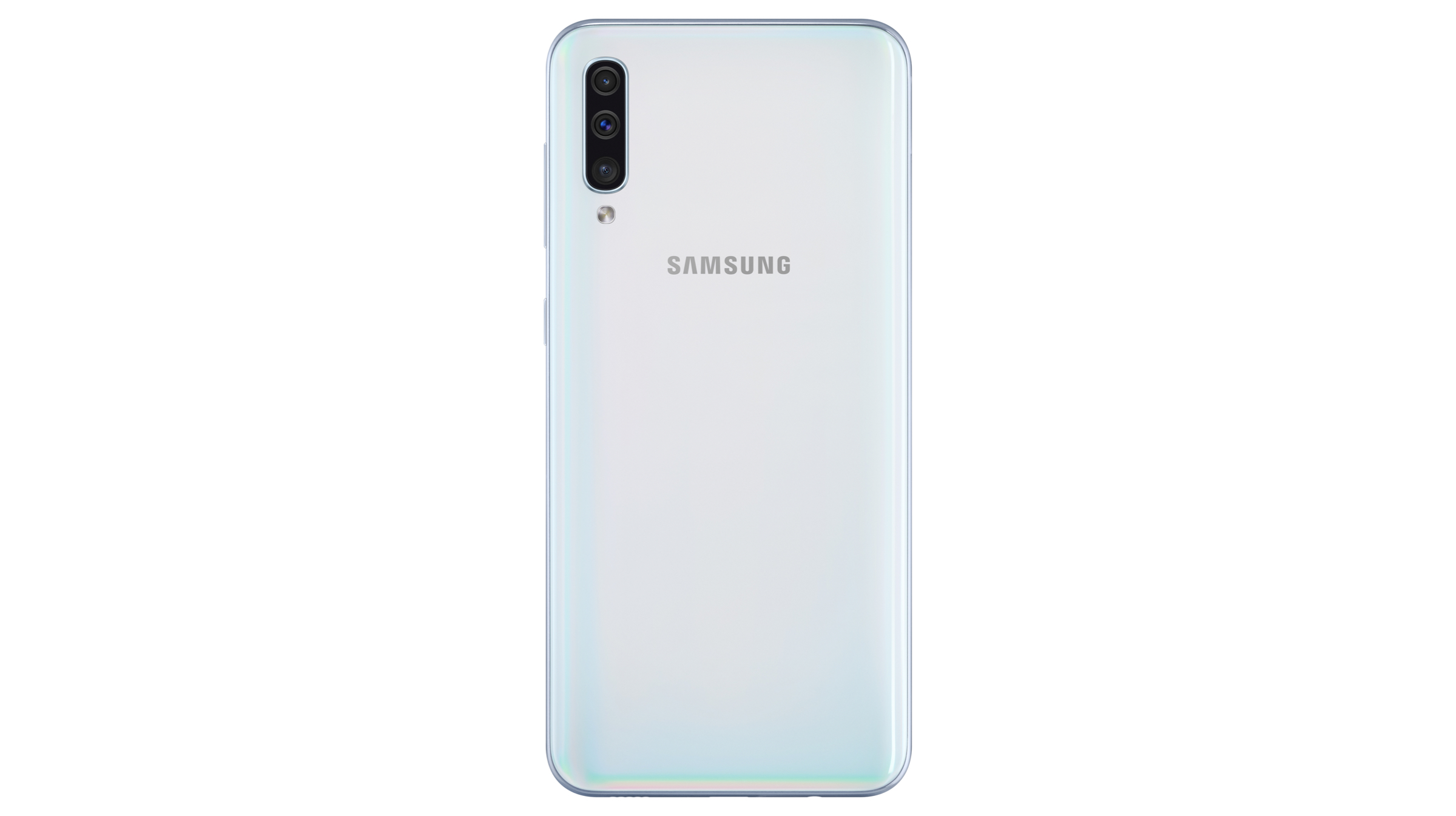
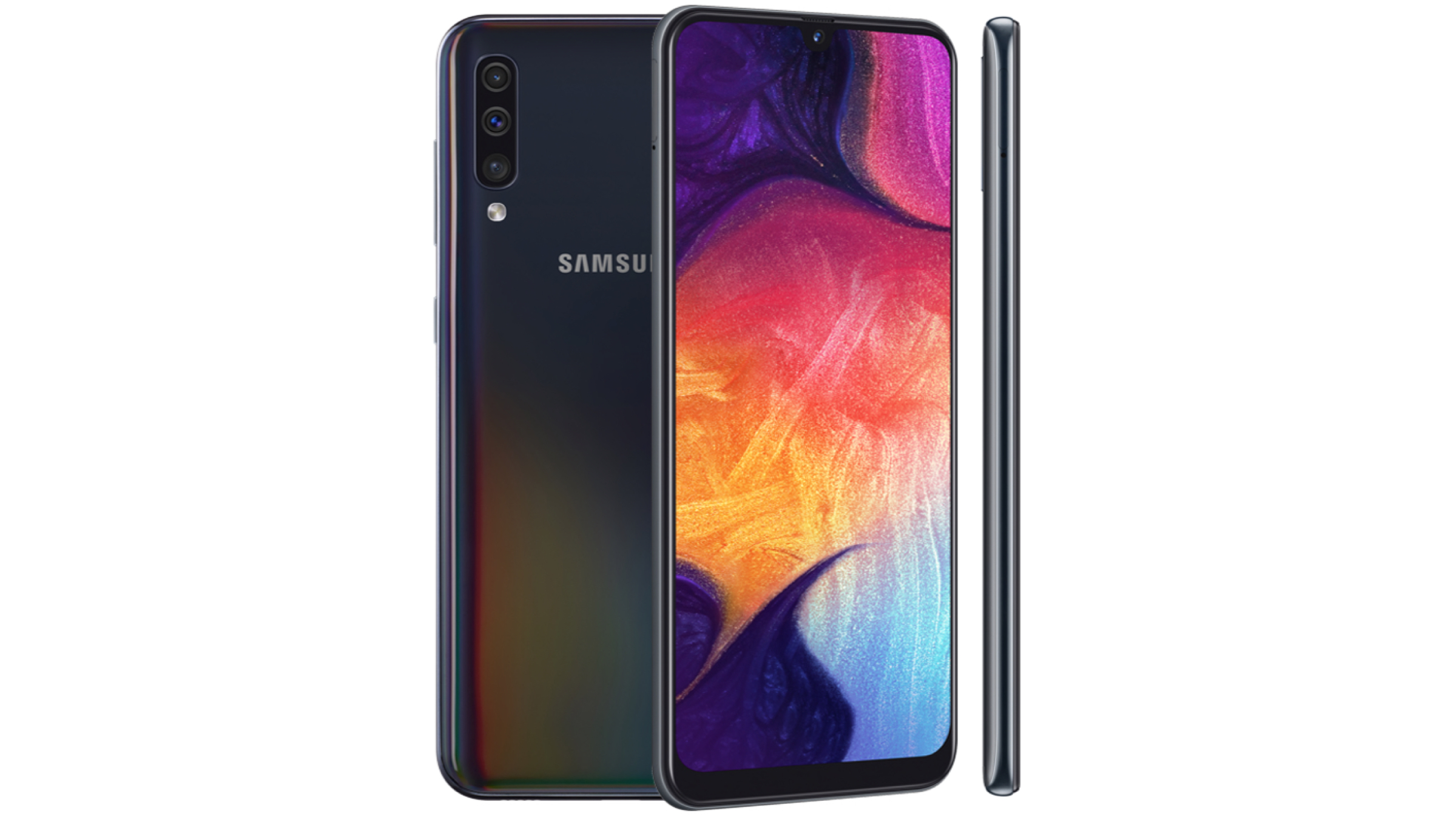
    The Galaxy A10 is the most affordable smartphone in the Galaxy A series lineup launched by Samsung. It features a 6.2 inch HD+ Infinity-V display. Sporting a glossy back panel, the device has a 13 MP (f/1.9) rear camera with an LED flash, along with a 5 MP (f/2.0) front camera. The smartphone runs on Android 9 (Pie) out of the box, with Samsung One UI on top. The device is kitted with 2GB of RAM and 32 GB internal memory. It is powered by a 3,400 mAh battery. The Samsung Galaxy A10 is priced at Rs. 8,490, and is available in three colour options, Black, Blue and Red.

    [loop included_tags=”58040,28176″ loading=”paged” layout=”f” postsperpage=”4″]

  • Best Portable Power Banks You Can Buy Right Now

    Best Portable Power Banks You Can Buy Right Now

    In the quest for a thin and light smartphone, the battery capacity of the device takes a hit. While most handsets have a battery life of up to a day, more power is always useful in the case of emergencies. Buying the right power bank for yourself can be both confusing and exhausting owing to the plethora of choices available in the market. To make this choice easier, we have compiled a list of portable power banks according to every need.

    The ‘Lite’ Power Bank:


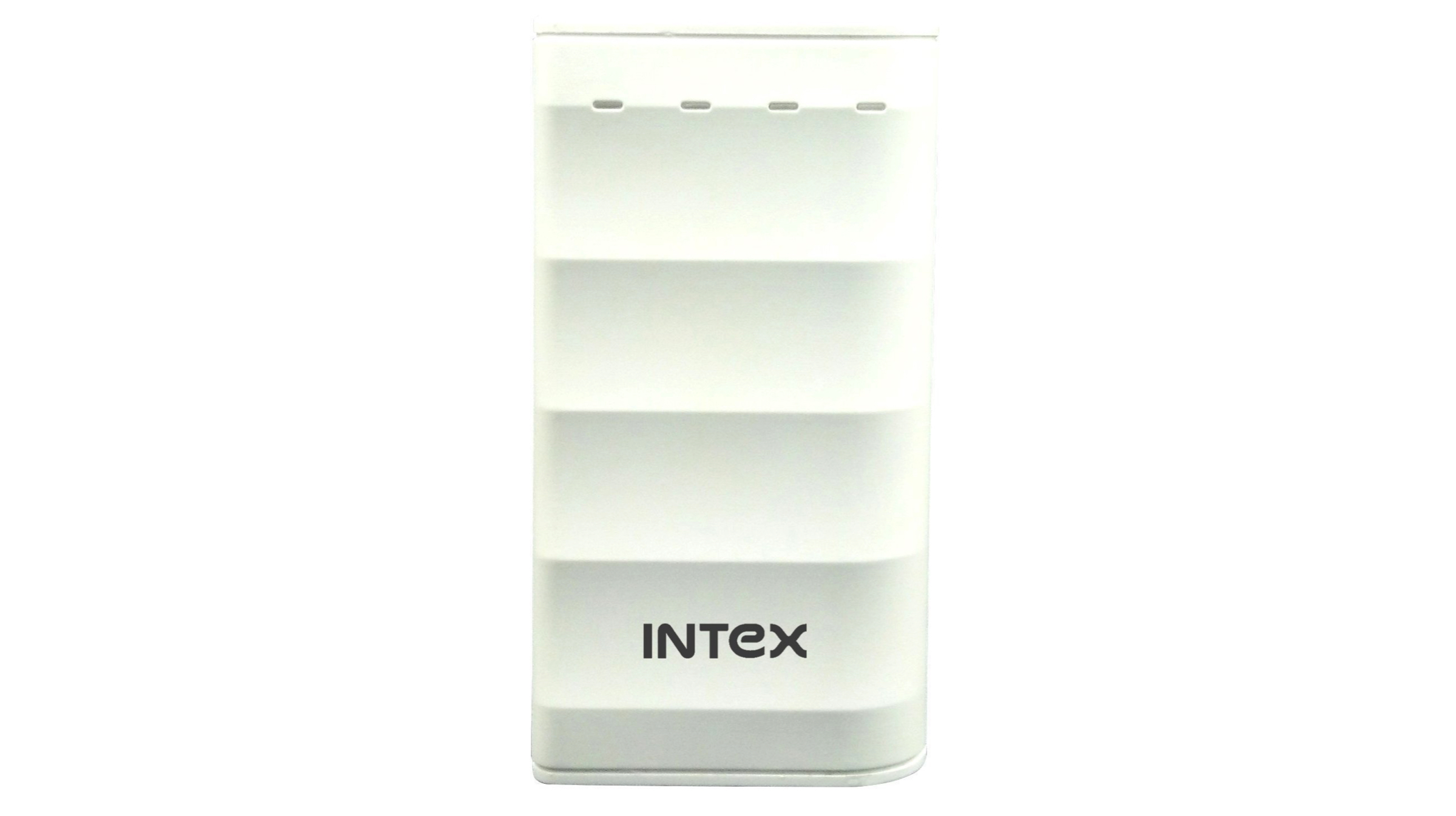
    Intex PB-4K: The Intex PB-4K boasts of light, sleek and portable design with a rated capacity of 4,000mAh. With a torch on board, the device offers more functionalities than one and is good to charge a standard smartphone once.


    The Best Seller:

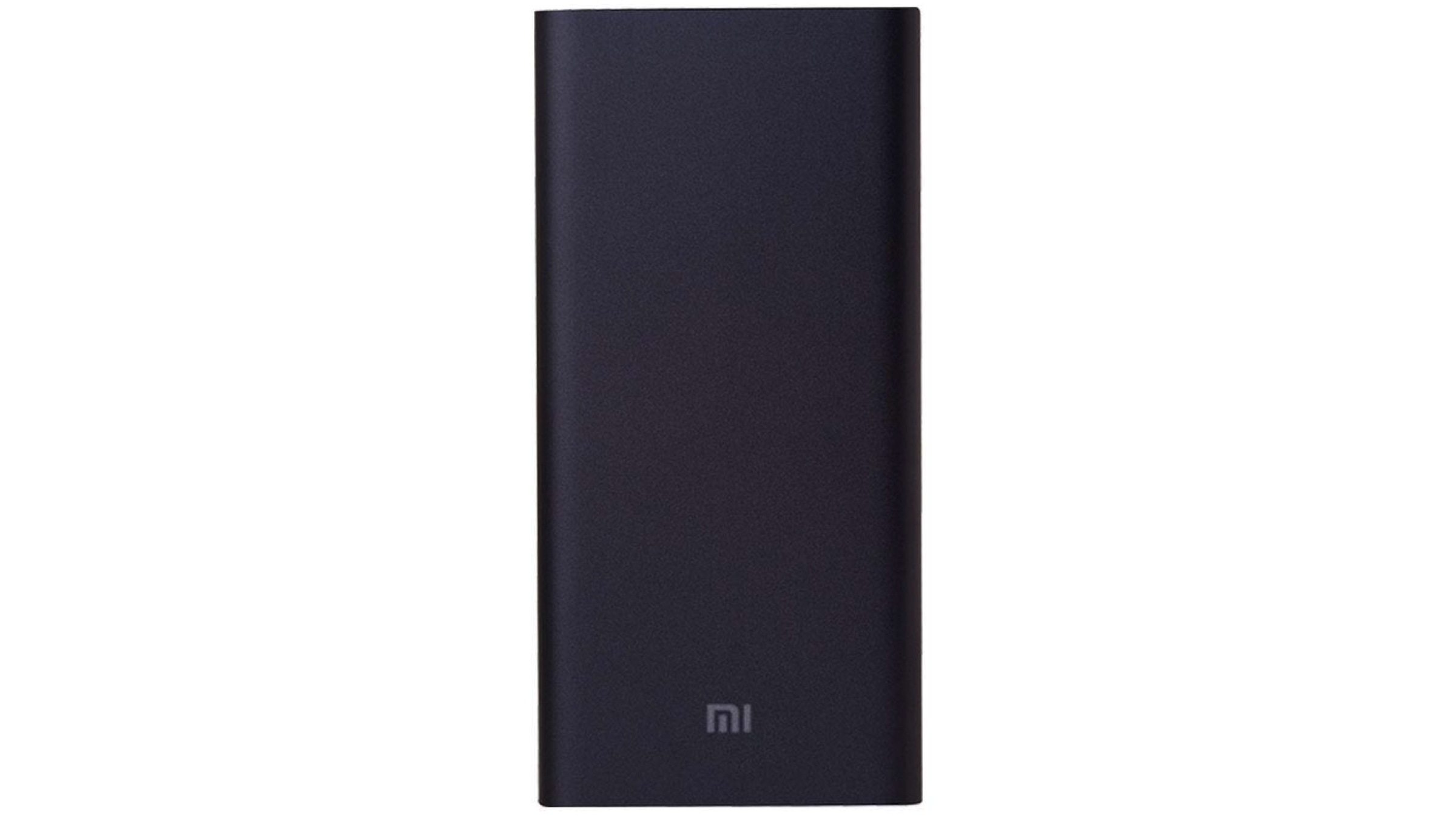
    Mi Power Bank 2i 10,000 mAh: The best selling of the bunch for a reason, the Mi Power Bank 2i has two USB ports and is capable of charging a standard smartphone a little more than twice. The power bank has an aluminium casing and a sleek body for easy portability.

    The Affordable Powerhouse:


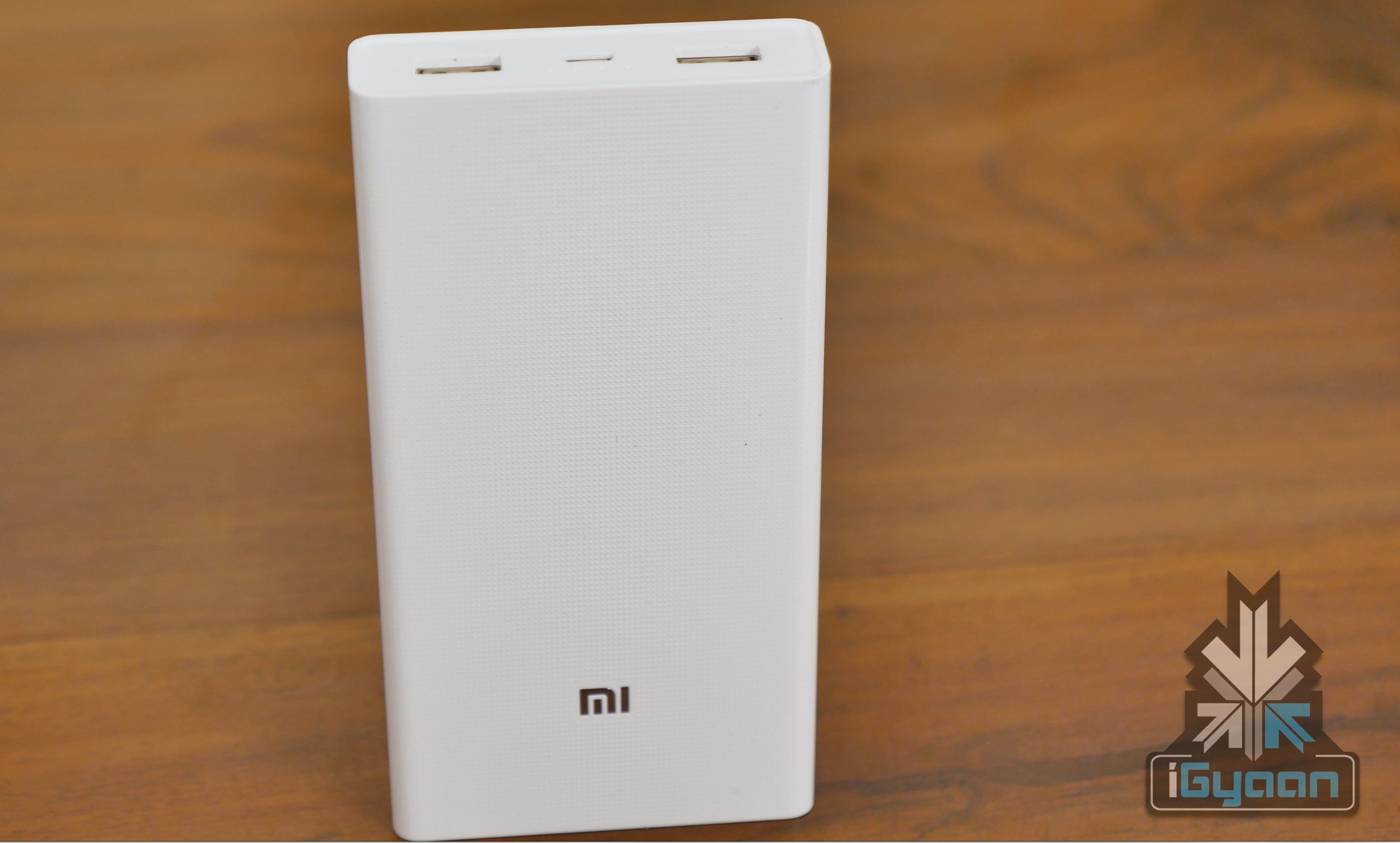
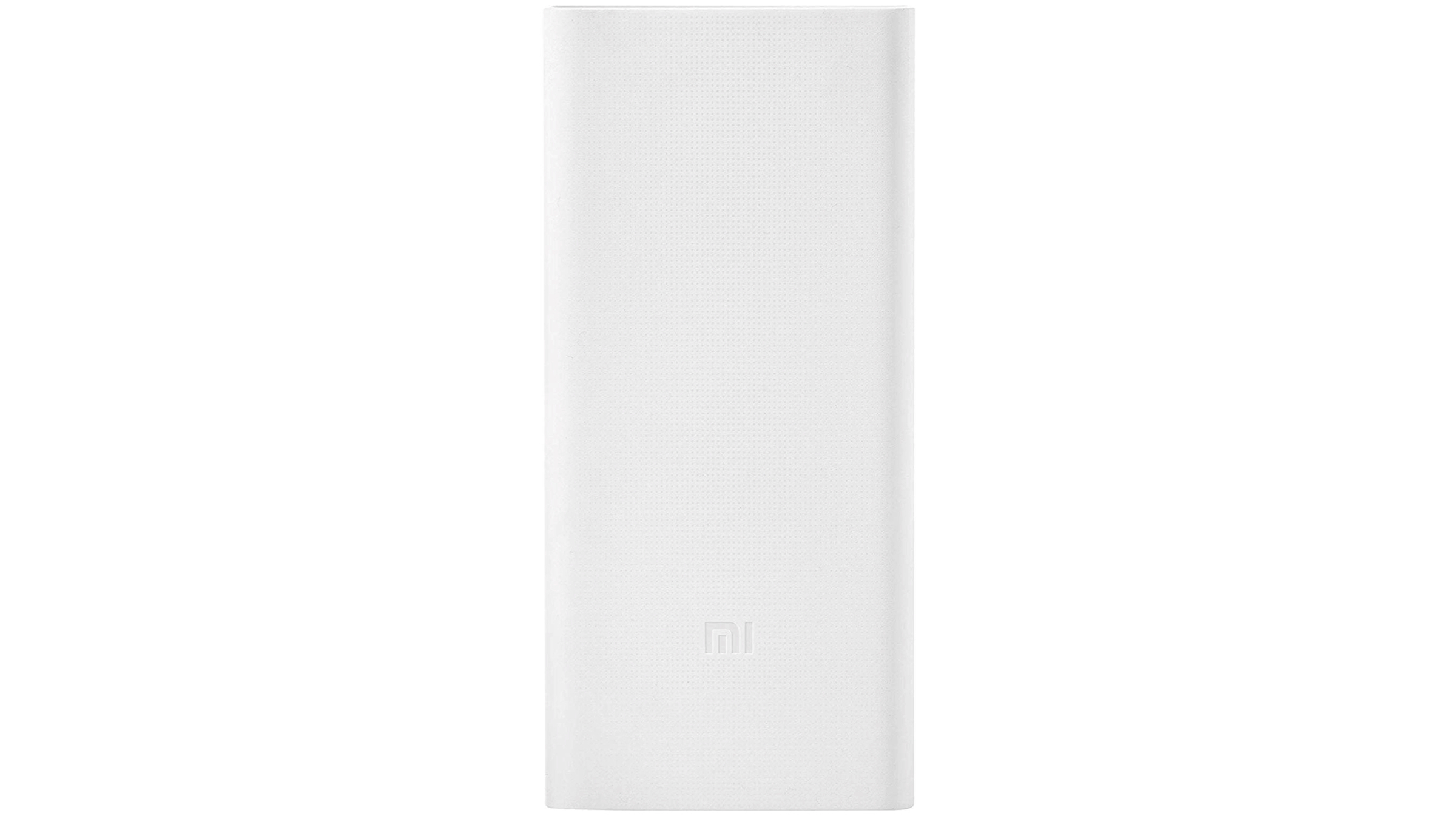
    Mi Power Bank 2i 20,000 mAh: The device has a rated capacity of 20,000 mAh and an affordable price, making it one of the most desired ones. Like its sibling, it also has an aluminium casing and a dual USB port. Despite having a large capacity, the size of the power bank is pocketable, making it easily portable.

    The Looker:

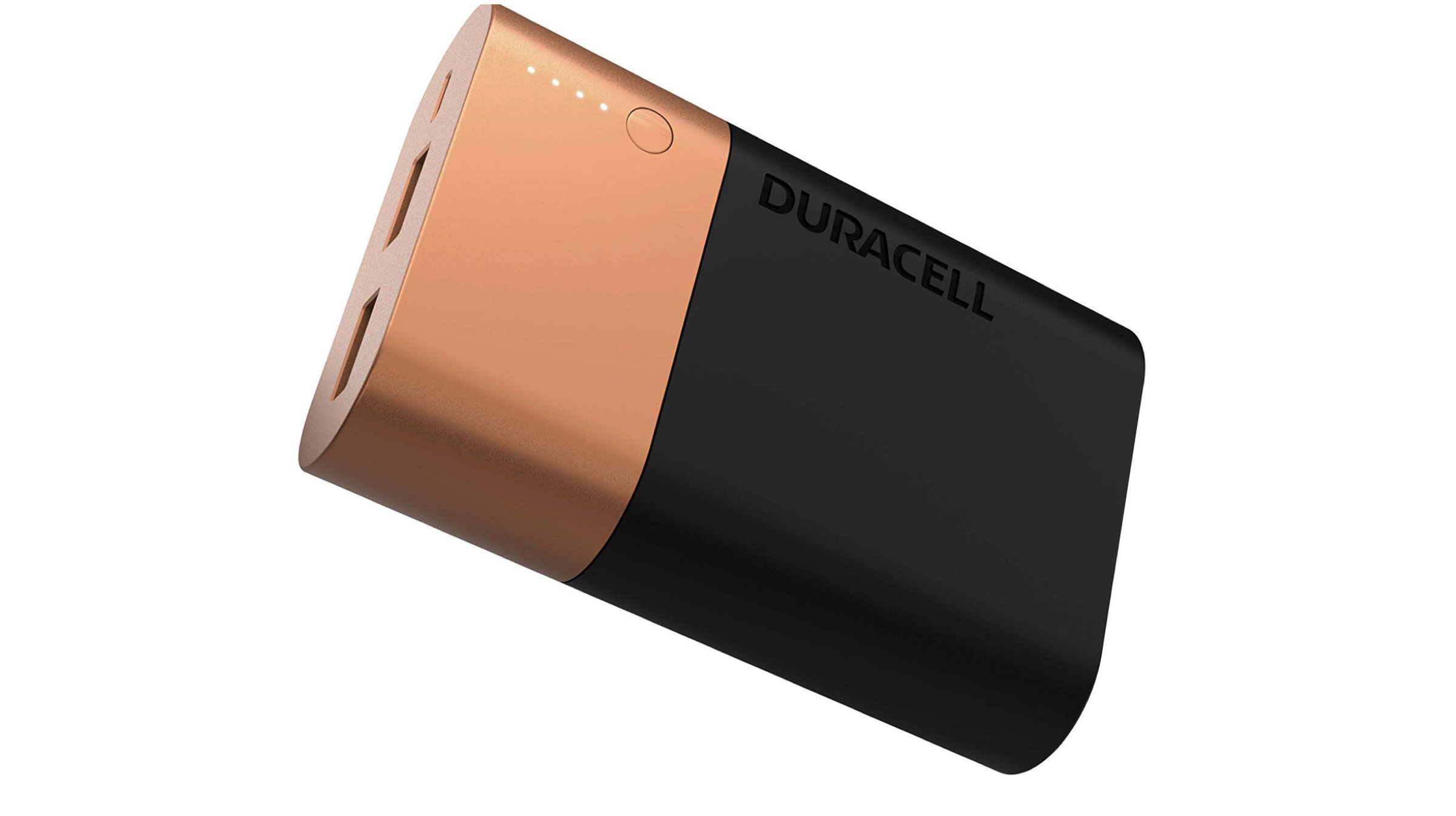
    Duracell PB10050: The Duracell Power Bank is one of the best-looking power banks available, deriving its looks from the brands’ well-known alkaline batteries. There are dual USB ports and support for fast charging on the device. It offers solid build quality and respectable 10,050 mAh battery which can charge standard smartphones twice.

    The Affordable Laptop Powerbank

    Also read: Penta Camera On The Nokia 9 PureView, What’s All The Hype About?

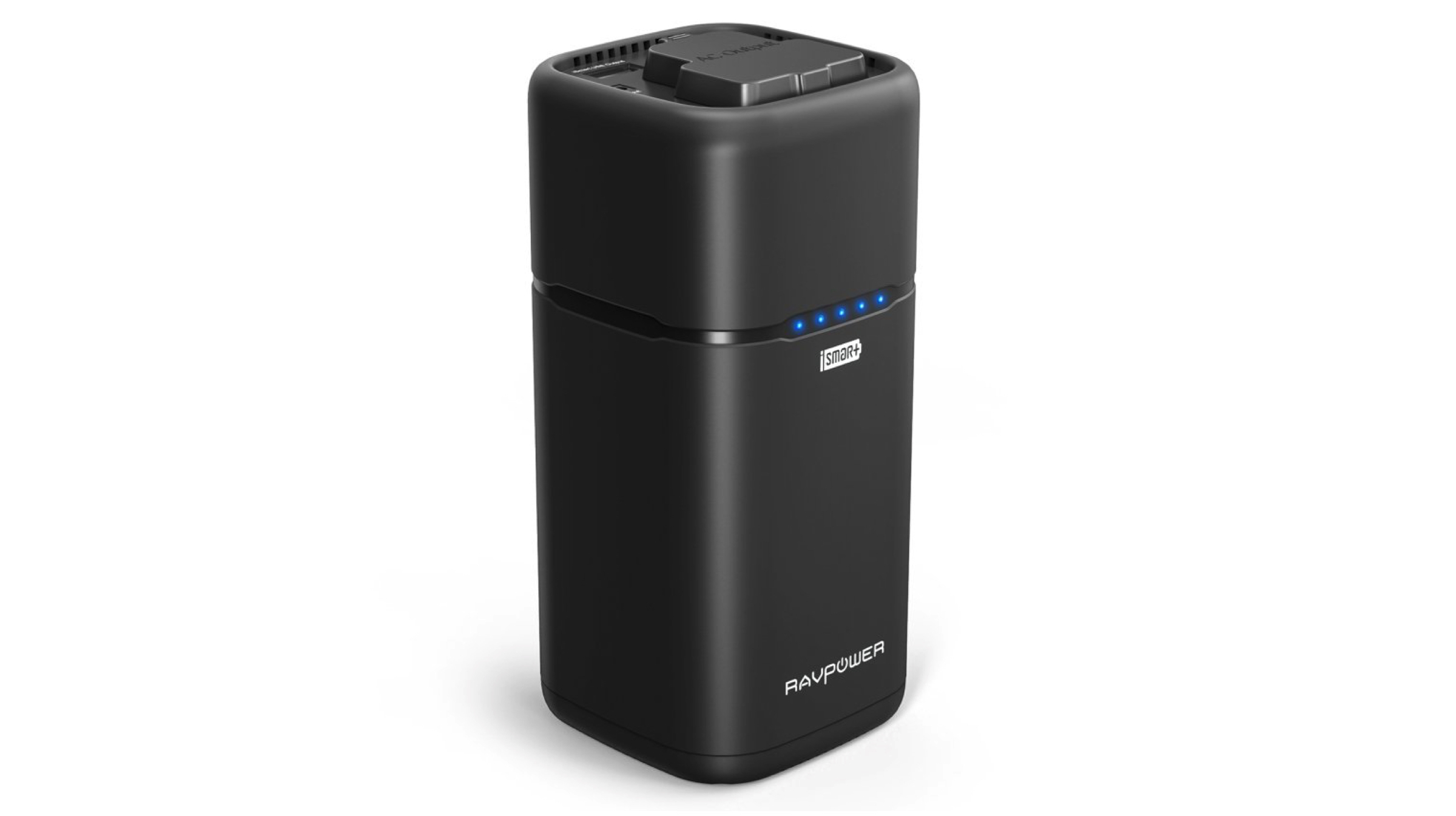
    RAVpower Portable 20,100 mAh: The RAVPower power bank is a powerhouse in more ways than one. Besides being quite portable and having a rated battery capacity of 20,100mAh, the device has an AC output port which makes it possible to charge laptops and devices which require an AC input. There are a USB Type-C port and a standard USB port. The AC port supports a maximum output of up to 65W.


  • The Road To Bluetooth 5.0: Key Differences Between All The Bluetooth Versions

    The Road To Bluetooth 5.0: Key Differences Between All The Bluetooth Versions

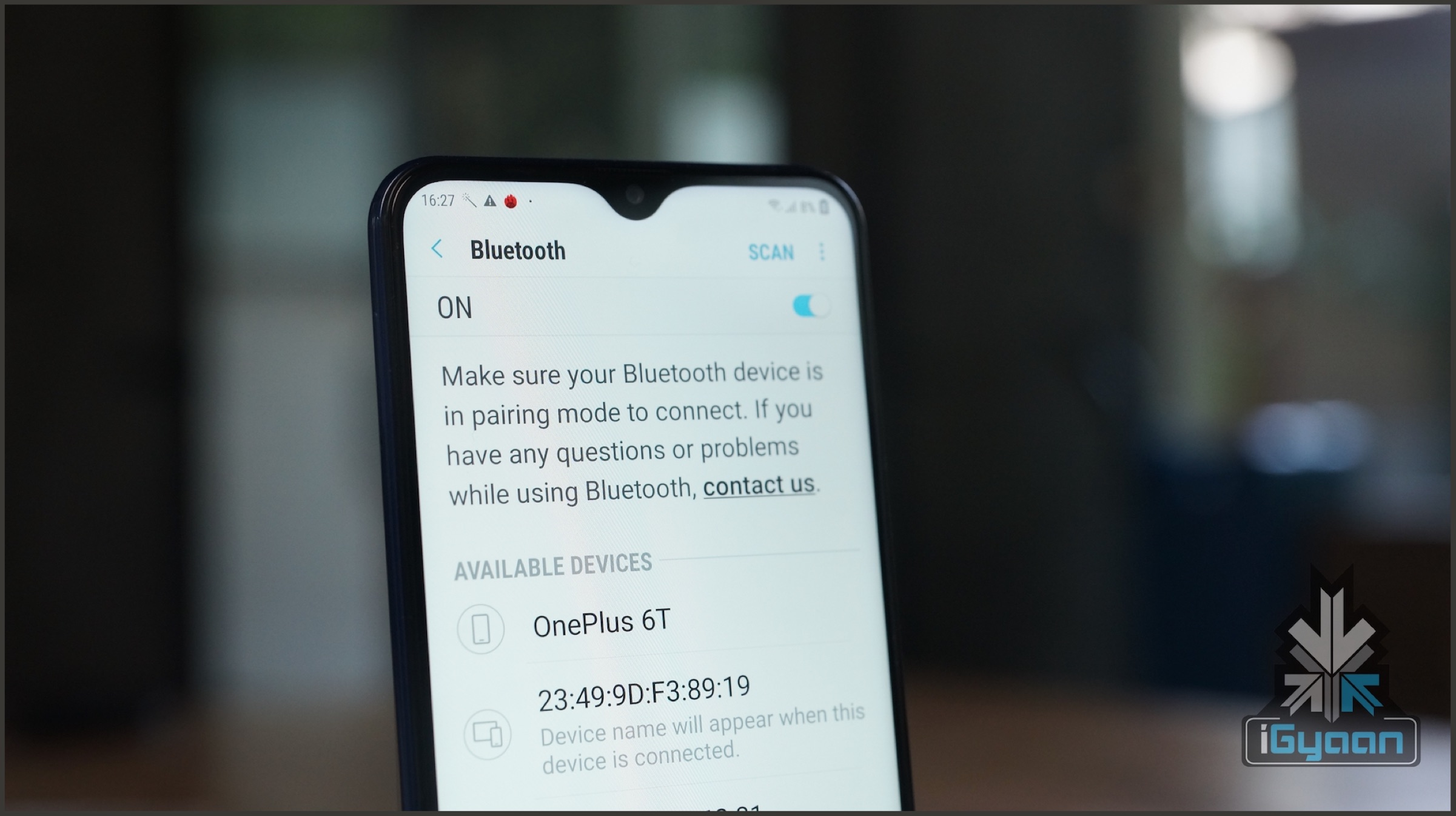
    The term Bluetooth was officially coined in the year 1998. It is a global wireless communication standard that is used for connectivity and exchange of data over a limited distance. Over a time period of almost 20 years, this technology is not an option anymore. It’s a necessity for all mobile computing devices, such as smartphones, Laptops and Tablets. Bluetooth 1.0 specification was released in 1999, and in the very next year, the first v1.0 enabled mobile handset and headset was launched in the market.

    After a long series of product integrations and new versions being rolled out almost every year, Bluetooth v5.0 was announced in 2016. By the next year, Apple, Samsung and other major smartphone brands had included  v5.0 support in their devices. Currently, the company extends its support to almost 35,000 brands, all of which are members of the SIG (Special Interest Group). Most users associate the chronological Bluetooth versions with the increase in transfer speed, which is not entirely true. A lot has changed over the years, and it’s not just the data transfer speeds, it’s basically everything that the technology is built around.

    The various factors that are involved in distinguishing between different Bluetooth versions are the range, data transfer speed and power consumption. See how the different iterations of the technology line up against each other.

    Bluetooth 1.0 & 2.0
    Top Tech and Gadgets

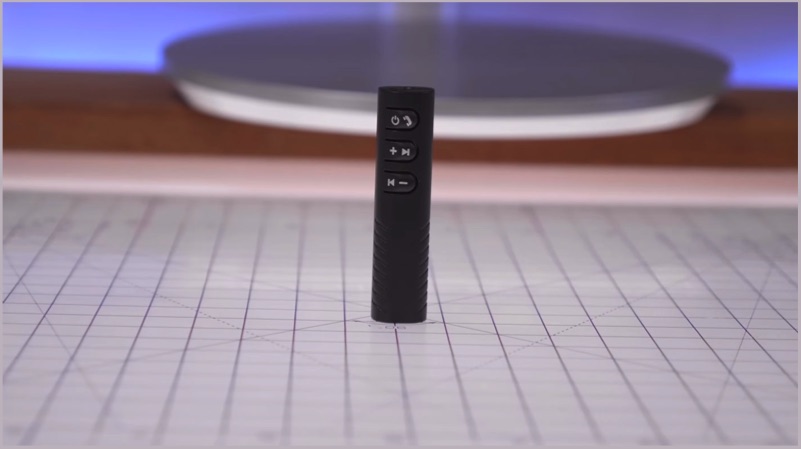
    The first iteration of Bluetooth paved the way for wireless headsets, controllers and speakers that we still use today. Bluetooth 1.0 supported data speeds that capped off at just 1 Mbps. This is because Bluetooth 1.0 used a modulation scheme called Gaussian Frequency Shift Keying, or GFSK, which enabled the carrier to switch between two different frequencies (represented by 0 and 1). The two devices had to be placed within 10 meters of each other in order to facilitate communication between them.


    The shortcomings of GFSK were attempted to be eliminated in the v2.0, which used two newer schemes, p/4-DQPSK and 8DPSK. Where Bluetooth 1.0 used frequency modulations to transfer data,  v2.0 made use of changes in waveform phases to carry data. This led to a minimal yet significant upgrade in information transfer speeds, with devices communicating at speeds of up to 3 Mbps. 

    Bluetooth 3.0

    Razer Hammerhead Bluetooth Earphones

    Bluetooth 3.0 was the first iteration to be recognized as a “high-speed” data transfer norm. While offering a much higher transfer rate of almost 24 Mbps, it also reduced the power consumption of devices using the technology. The high data transfer speed was achieved by the addition of 802.11, which is a standard created by IEEE (Institute of Electrical and Electronics Engineers) for wireless connectivity. Bluetooth v3.0 revolutionized short-range wireless communication and lay the foundation stone upon which v4.0 was designed a few years later.

    Bluetooth 4.0, 4.1 and 4.2

    Bluetooth v4.0 boasted of a higher range of usage and better power management. It also introduced the Low energy protocol, which was highly appreciated by people who used Bluetooth headphones for longer period of times. Bluetooth 4.1 took this a step further. It introduced a power plan for Bluetooth devices that automatically adjusted the power consumption of the device depending on range and usage. Sure, 4G LTE and other communication technology interfered with its frequency bands, but updates have been introduced since then to get rid of that problem.

    v4.2 brought some privacy updates to the table, which specified that tracking services cannot do what they are intended to do unless the user’s permission is granted. Also, it increased transfer speeds by almost 2.6 times, which was a huge step up from Bluetooth 4.1.

    Bluetooth 5.0
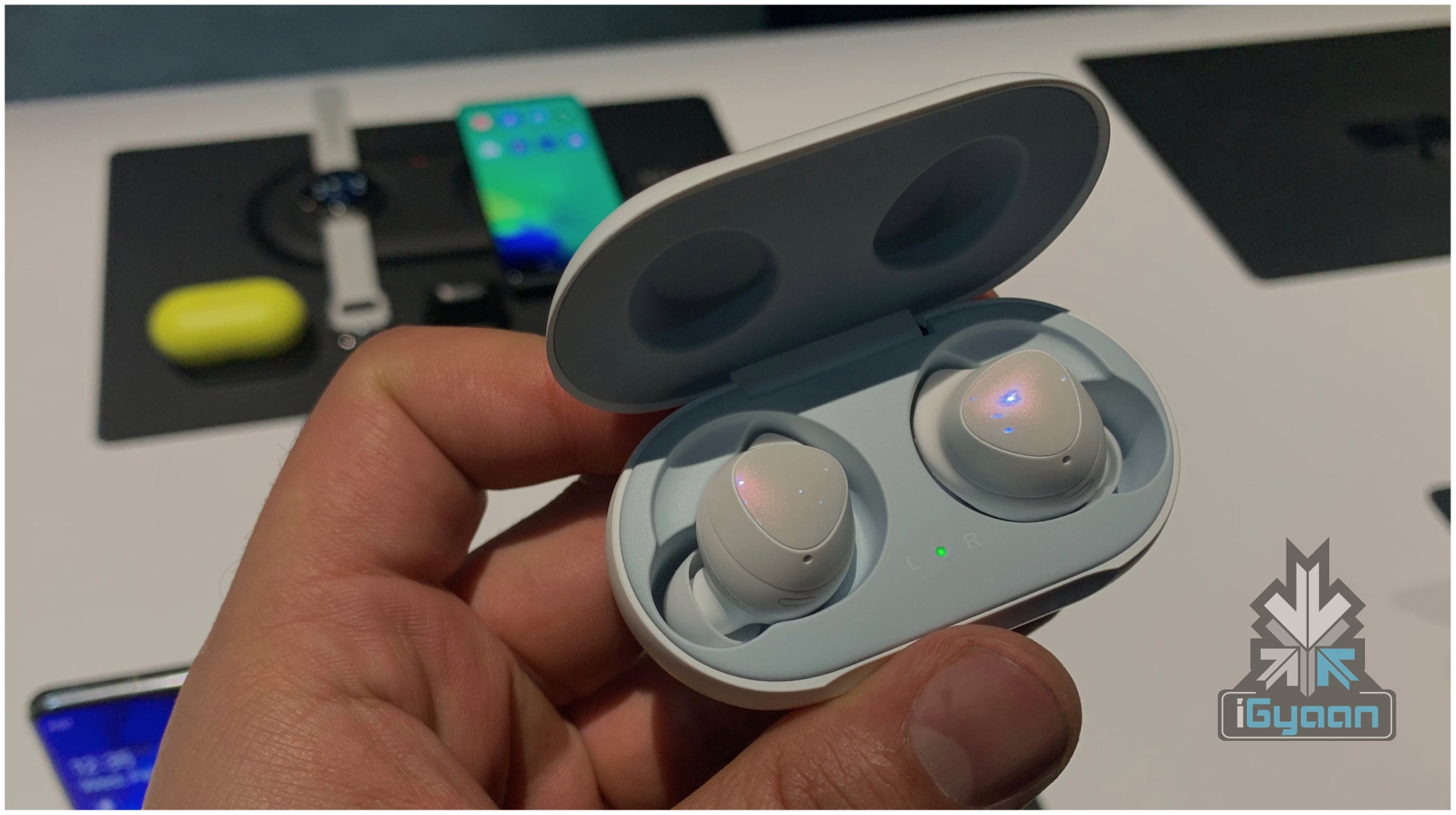
    Bluetooth 5.0 is the latest iteration in the series as of now. First announced in 2016, v5.0 was specifically designed to render a lossless and secure communication channel between devices. With twice the connection speed of Bluetooth 4.0 and 4 times the range, it is very responsive as compared to the previous versions. Also, a larger amount of data can be transferred using an increased message broadcast message size.

    Also Read: What Is Wi-Fi 6; Understanding Different Wi-Fi Standards

    A summarized table of all the versions and their key details is given below

    Bluetooth Version

    Transfer Rate Range (without obstacles)
    v1.0 1 Mbps 10m (33ft)
    v2.0, 2.1 3 Mbps 30m (100ft)
    v3.0 24 Mbps 30m (100ft)
    v4.0, 4.1, 4.2 24 Mbps 60m (200ft)
    v5.0 48 Mbps 200m (800ft)


  • Penta Camera On The Nokia 9 PureView, What’s All The Hype About?

    Penta Camera On The Nokia 9 PureView, What’s All The Hype About?

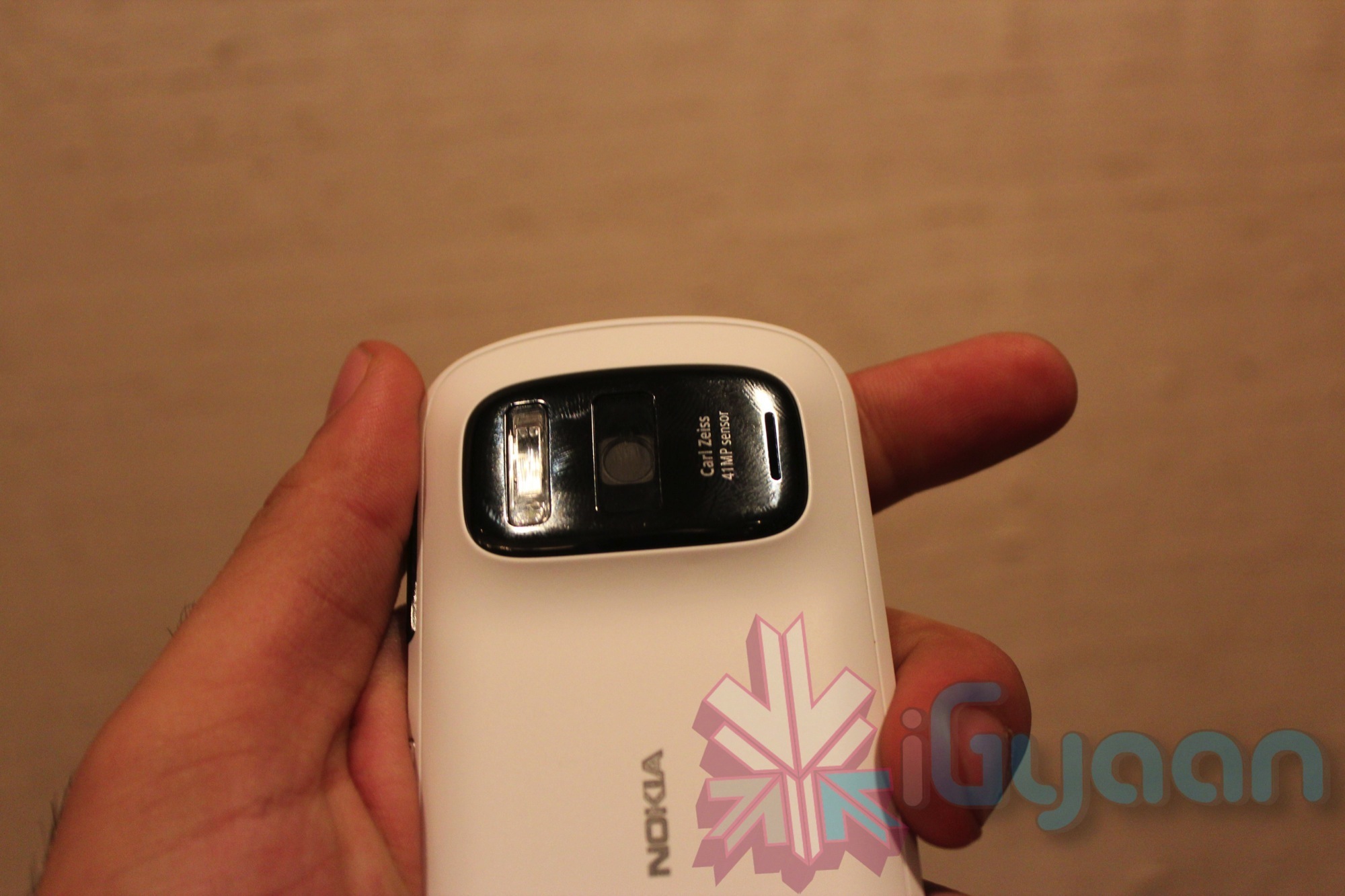
    Cameras on smartphones have evolved so much so that the need for bulky camera equipment including DSLRs and digital cameras have reduced greatly. Apple’s iPhone has been one smartphone that is renowned for its camera quality ever since its launch. Nokia, another leader in smartphone technology has also manufactured devices in the past that had remarkable camera capabilities. One such device is the Nokia 808 PureView from the year 2012 that featured a 41 MP rear camera sensor. Meanwhile, Taiwanese smartphone maker HTC launched the world’s first dual camera smartphone, the EVO 3D. This device kicked off the whole trend of multiple camera sensors on a smartphone. Having multiple cameras on a smartphone can surely provide its camera capabilities with a boost. However, Google with its Pixel lineup of smartphones have time and again proved that it is not necessary to have more than one camera sensors to capture excellent images.

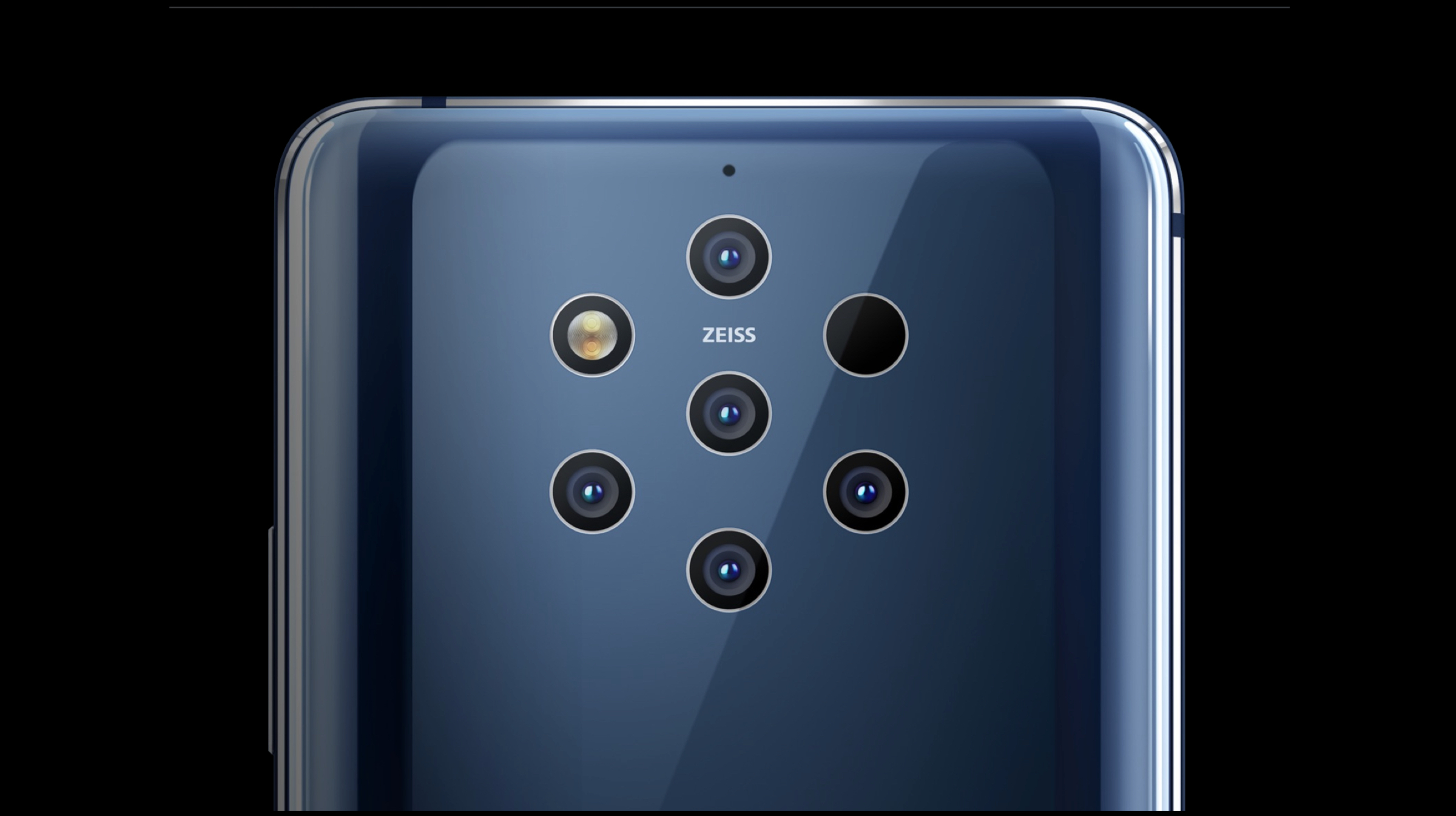
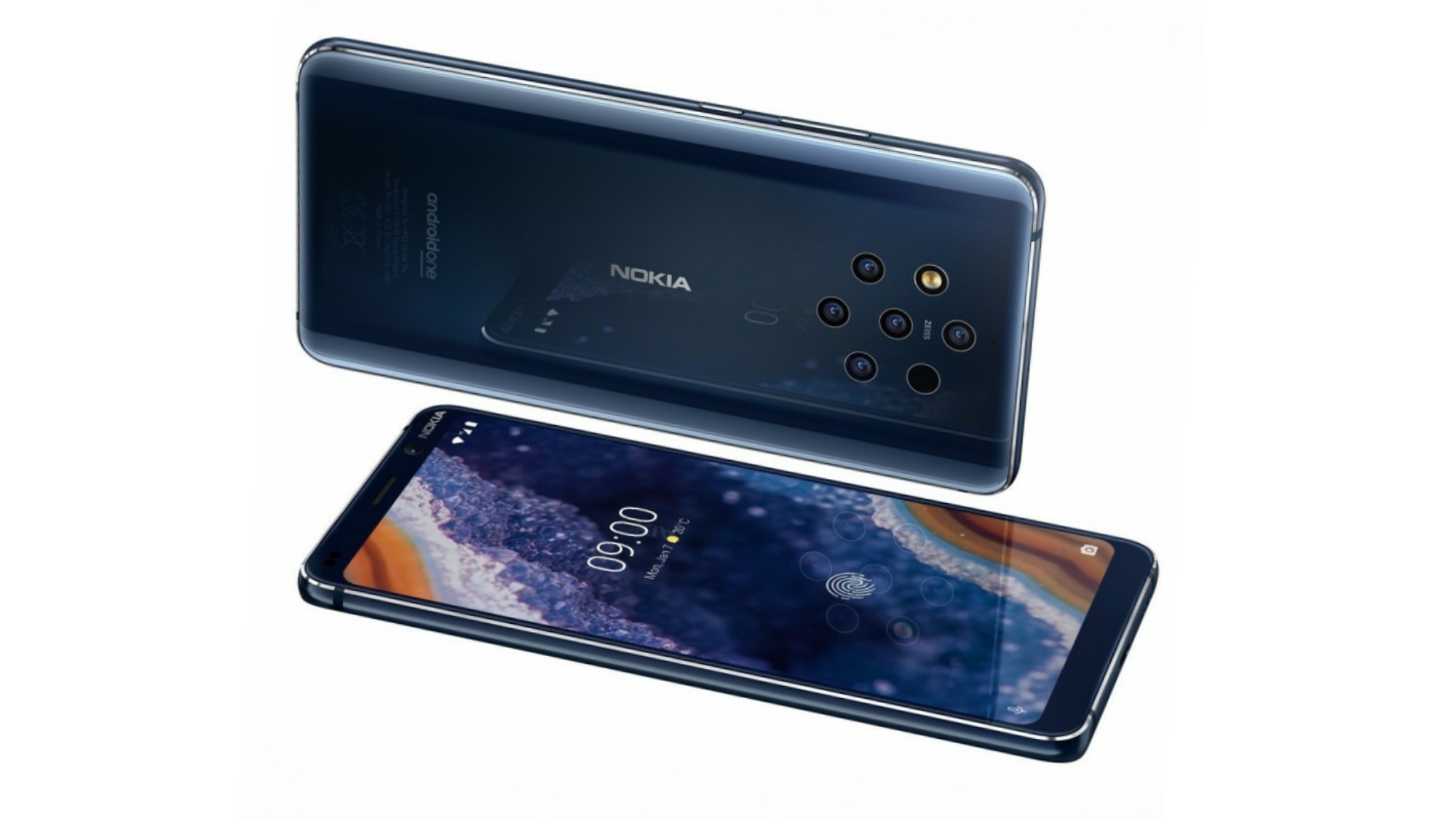
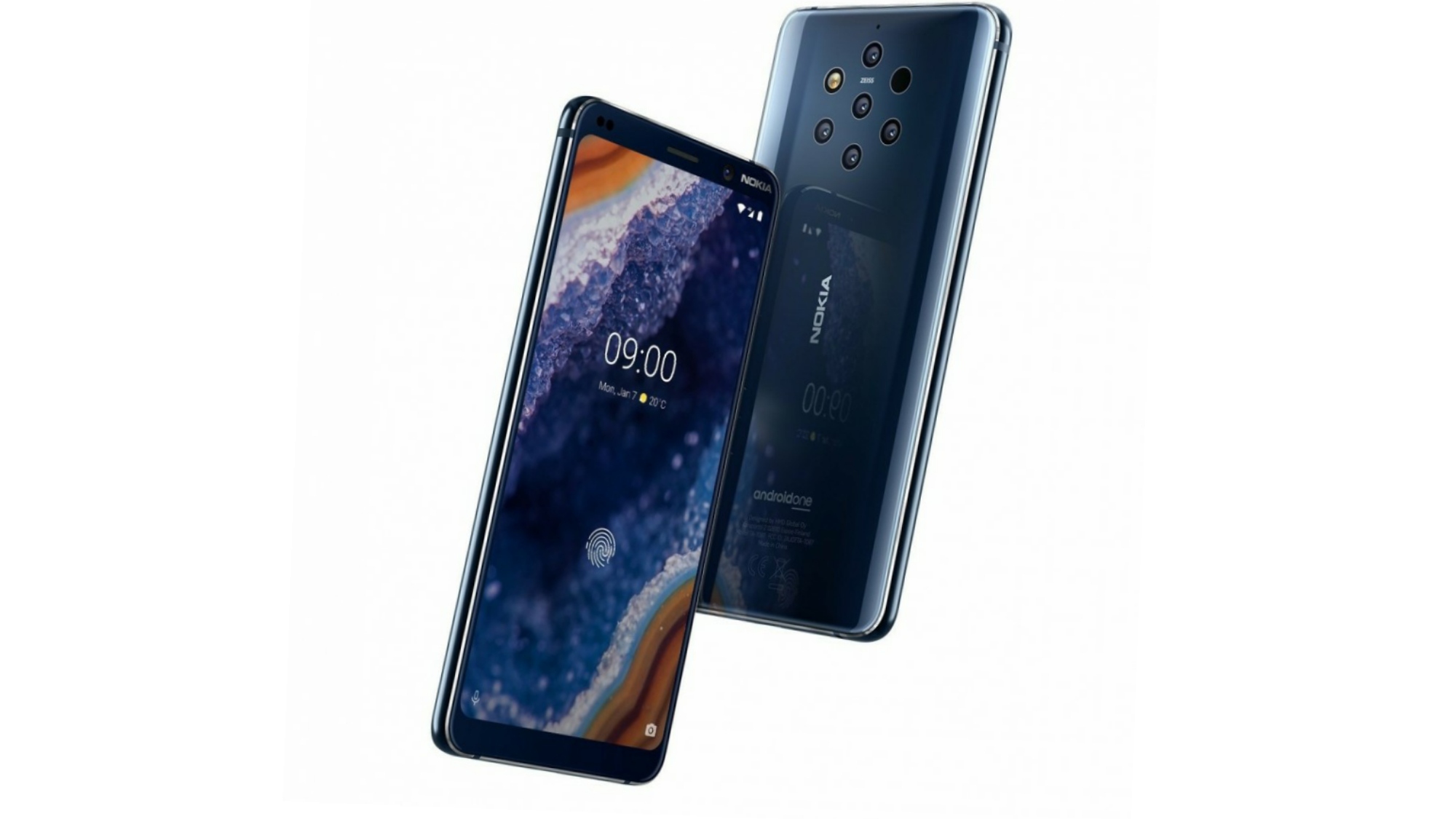
    Nokia, now owned by HMD global has unveiled its latest flagship smartphone, the Nokia 9 PureView. The smartphone was launched during the MWC 2019 which was held in Barcelona late last month. The newly launched smartphone is packed with high-end specifications, though its key highlighting feature is certainly the rear mounted Penta camera setup. Long before the launch of the Nokia 9 PureView, there have been boatloads of enigmas surrounding the camera setup it packs. In this article, we will spread some light on the strange-sounding man-made technological marvel to demystify all its element and aspects. 

    Composition Of The Penta Camera Setup

    The Penta camera setup of the Nokia 9 PureView is located on the 2.5d curved rear glass panel. Its alignment mirrors that of a hexagonally shaped constellation. Out of the five sensors, two are RGB sensors that capture the image and video data in colour format. While the remaining three are Monochrome sensors which capture Black and White image and video data. Each of the camera sensors has a resolution of 12 Mega Pixel and use a 28 mm lens. The camera sensors have a pixel size of 1.25µm (ultra micron) which allows in capturing 1.25x the amount of light resulting in better lit pictures.

    Uniquely, the Nokia 9 PureView also has a ToF (Time-of-Flight) imaging sensor which enables it in capturing the depth of field (DOF) in an image. As the name suggests, DOF is the distance between the farthest and nearest object in the frame. This additional information captured by the sensor is infused with the pictures captured with the five sensors resulting in an image that looks multi-dimensional. This image focuses mainly on the subject while de-emphasizing the other background elements. Supplementary, the focus of images captured on the Nokia 9 PureView can be readjusted after clicking the picture if need be.  

    Distinctive Camera Features

    The Nokia 9 PureView, unlike most other smartphones, can also capture images in RAW and DNG format. This feature could be the sole reason to distinguish the newly launched device from its competition. RAW images, also referred to as ‘digital negatives’ are essentially unprocessed data that the sensor captures. RAW files preserve the most amount of information about an image and generally contain more colours and dynamic range than other formats. The prominent advantages of capturing images in the RAW file format are as follows:

    • RAW files contain full JPEG previews that were processed by the camera sensor dependent on the chosen settings. 
    • In addition to basic exposure information, RAW files also store other camera-specific data such as picture controls and focus point.

    DNG images are similar to RAW files except for the fact it is proprietary format developed by Adobe. Therefore, the software developed by Adobe including Lightroom can be used to manipulate DNG images. Additionally, DNG images can be previewed on most devices without the need for special software, unlike RAW format images. Noteworthy, the Nokia 9 can also edit both DNG and RAW format images. 

    Software and AI Algorithms

    The Nokia 9 PureView with the combination of five cameras collects up to times more light in comparison to a single smartphone camera colour sensor. The smartphone captures images concurrently from all five sensors which with the help of software and AI algorithms are processed to produce the best output. Notably, the fusion process takes upto 30 seconds and occasionally, even longer. Nokia has partnered with a company called Light that in the year 2019 launched the L16 camera with 16 lenses. Nokia claims that the hardware and software of the Nokia 9 PureView work in perfect harmony to produce the greatest output achievable. 

    Nokia 9 PureView Specifications

    Also Read: What Is Wi-Fi 6; Understanding Different Wi-Fi Standards

    • Display: 5.99-inch P-OLED, 2880 × 1440 pixels, 538 ppi
    • Operating System: Android 9.0 Pie
    • Processor: Qualcomm Snapdragon 845
    • RAM: 6 GB LPDDR4x
    • Storage: 128 GB
    • Rear Cameras: 5 x 12 MP (2 RGB Sensors, 3 Monochrome Sensors)
    • Selfie Camera: 20 MP
    • Security: In-display fingerprint scanner
    • Connectivity: 4G VoLTE, Wi-Fi 802.11 ac, Bluetooth 5.0, GPS, USB Type-C
    • Battery: 3,320mAh, Qi Wireless Charging
    • Dimensions: 155 x 75 x 8 mm
    • Weight: 172 g
  • Intel And Qualcomm Will Offer 5G Modems For Computers

    Intel And Qualcomm Will Offer 5G Modems For Computers

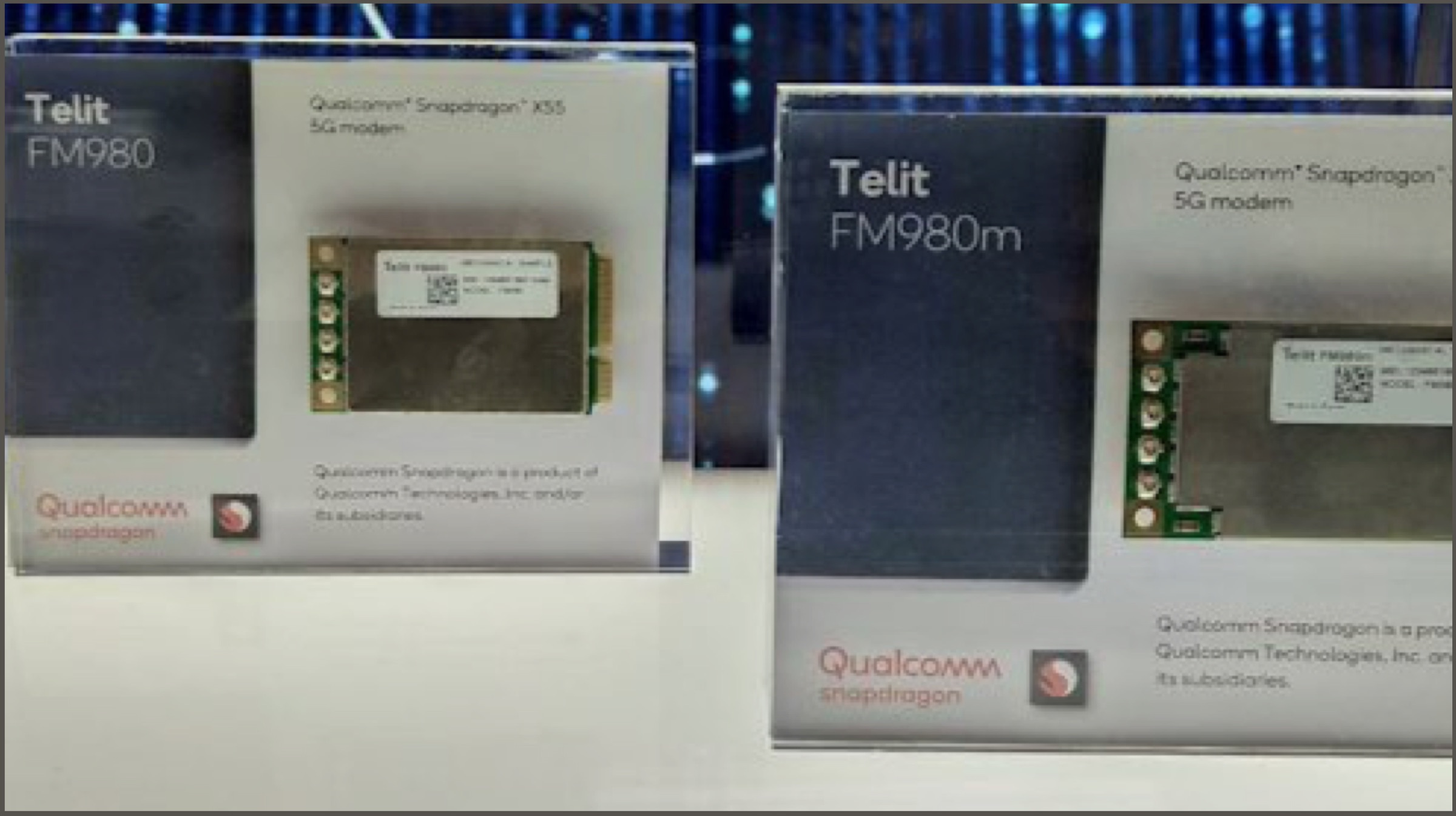
    Consumers believe that 5G technology will initially be limited to just smartphones, which may not be the case. A lot of companies speculate that 5G support will be available almost immediately on desktops and laptops with M.2 sockets. At MWC 2019, companies like Intel and Qualcomm were found showing off their 5G modems that will render high speed internet connectivity to traditional computing devices including laptops and desktops.

    Noteworthy, the 5G modules are not intended to be Plug and Play devices, instead, they are dependant on the external 5G antennae for network reception. This means that without a 5G supported machine, the modules are of absolutely no use. The modules will be used by Laptop and desktop manufacturers, which include companies like HP, Lenovo and Dell. All these brands have implemented LTE versions of similar connectivity modules in the past, so it is likely that the aforementioned companies will be the first to unveil laptops and desktops with 5G modules.
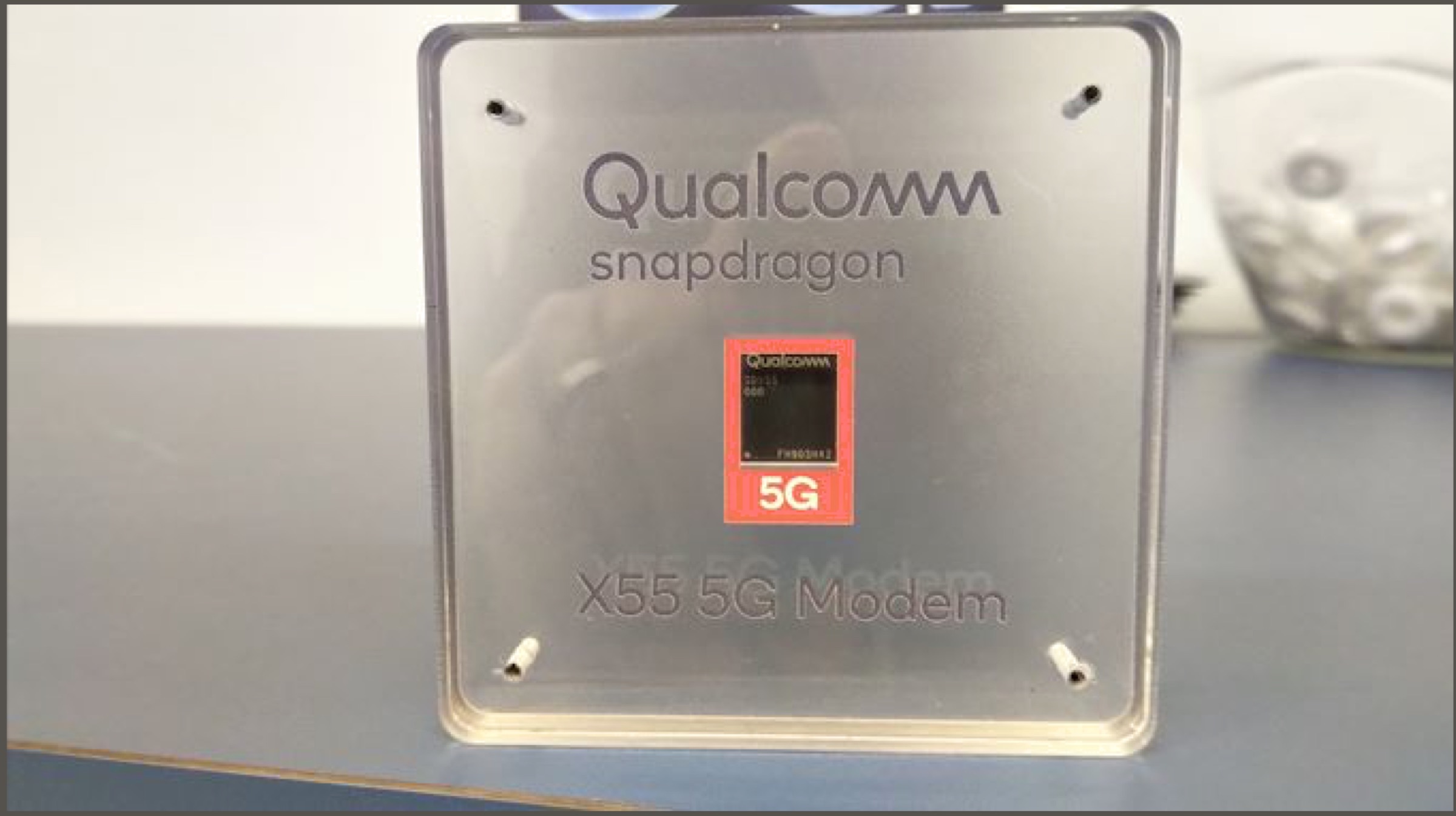
    Qualcomm and Intel Modems: Bands And Availability

    During MWC 2019, Qualcomm announced the X55 modem for 5G support across devices. The module is expected to be compatible with both mmWave 5G and Sub-6GHz 5G bands. mmWave 5G technology makes use of ultra high frequency radio signals, which are used to transfer data across devices. This is done within the 24 to the 90Ghz range, so a lot of bandwidth is wasted where it could be used to boost 5G speeds. Instead, the Sub-6GHz band operates between 1 and 6 GHz, which encompasses mostly all the data. It is less operational than mmWave in the long run, but it is certainly more functional.
    Also Read: Is Artificial Intelligence Digging Its Roots Deeper Into Our Reality?

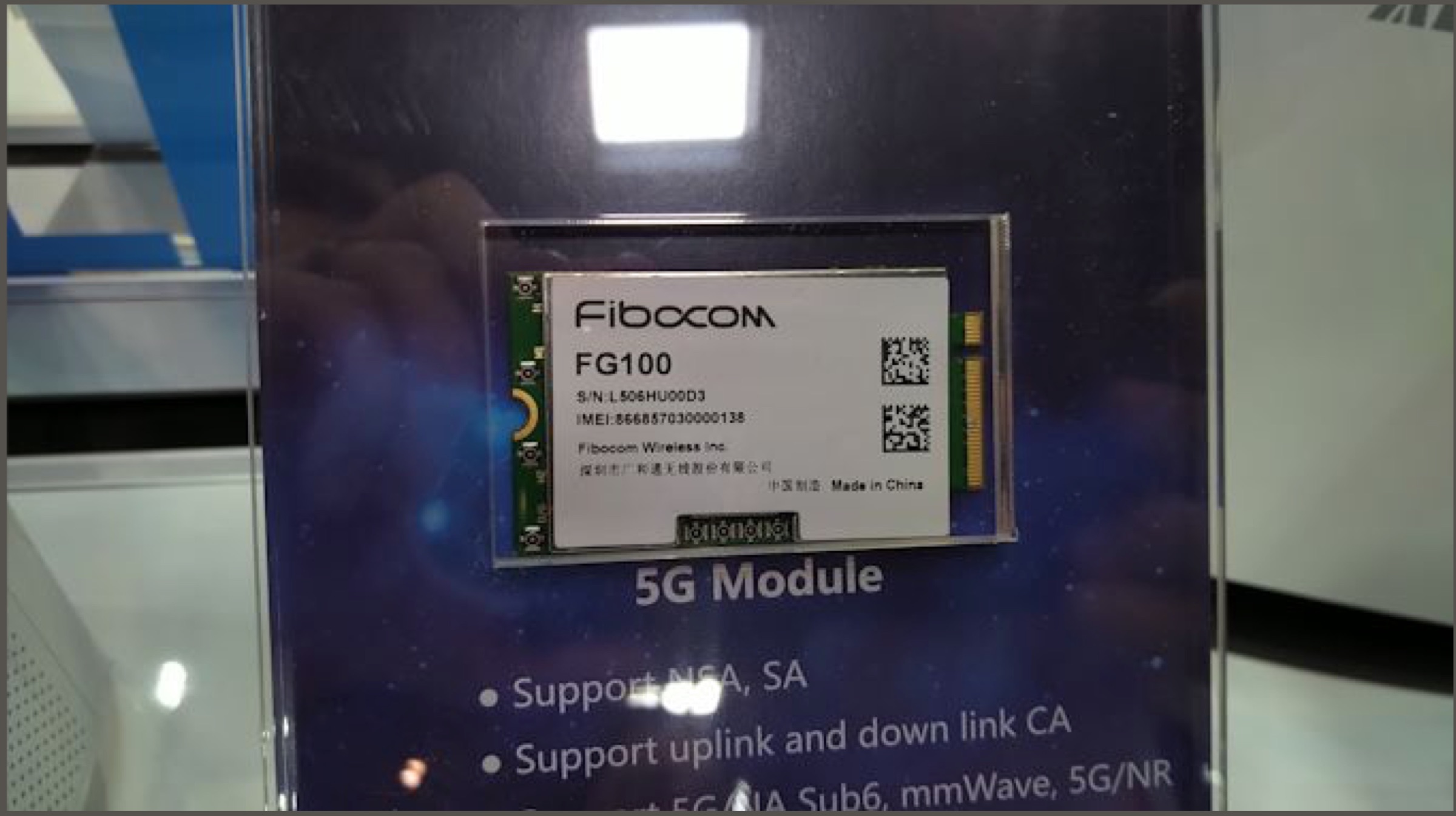
    The Intel 5G modules will be manufactured by Fibocom and will use the XMM8160 modem. Just like Qualcomm’s module, it will support both 5G bands. Reportedly both the Qualcomm and Intel modules are 30 wide. Therefore, they cannot be used with standard M.2 ports. Consequently, companies need to incorporate compatible sockets on their machines to accommodate previously mentioned modules. The 5G modules will be first seen in laptops and desktops in the year 2020. 

  • Galaxy S10 Has The Best Smartphone Display Claims DisplayMate

    Galaxy S10 Has The Best Smartphone Display Claims DisplayMate

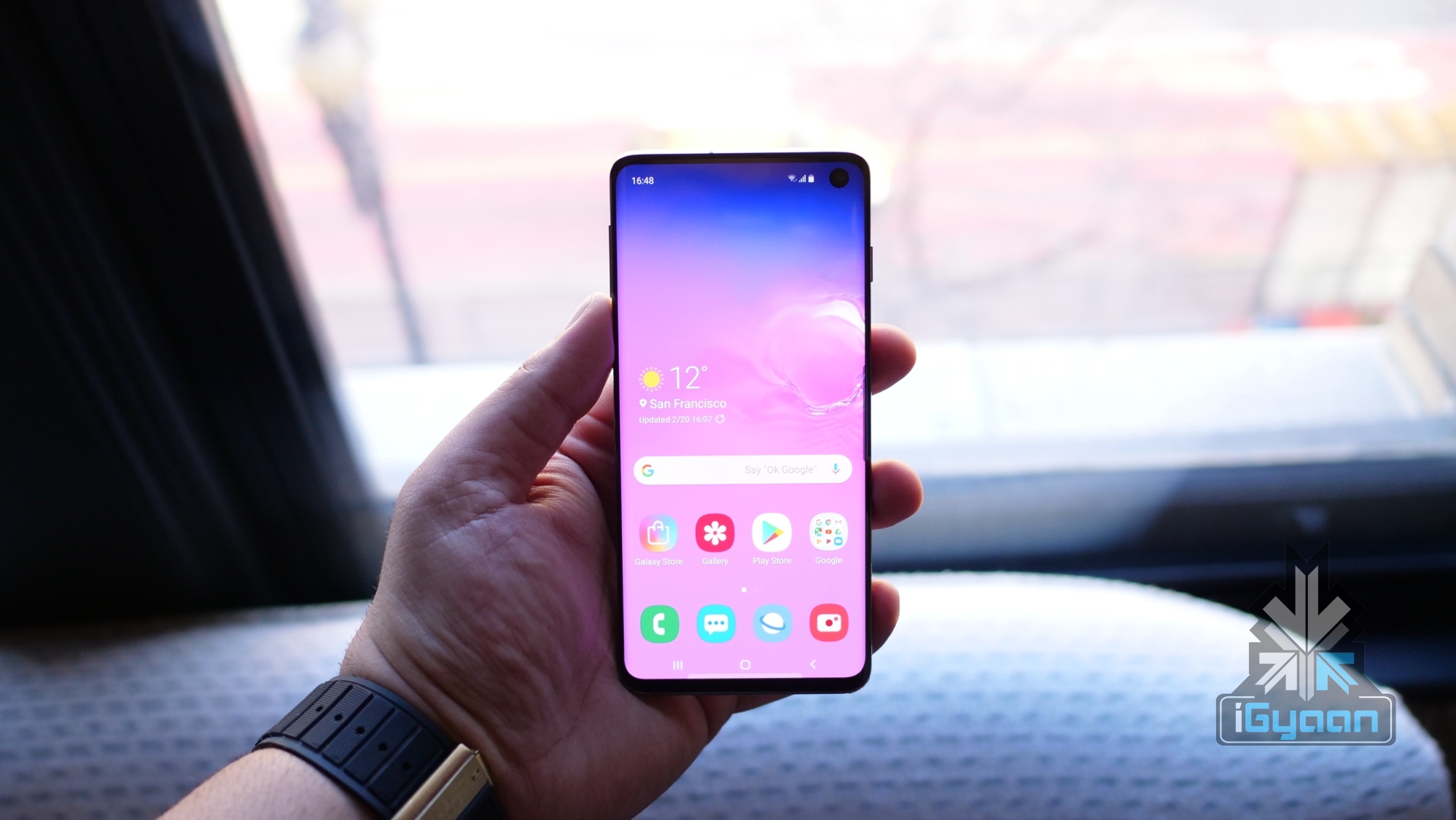
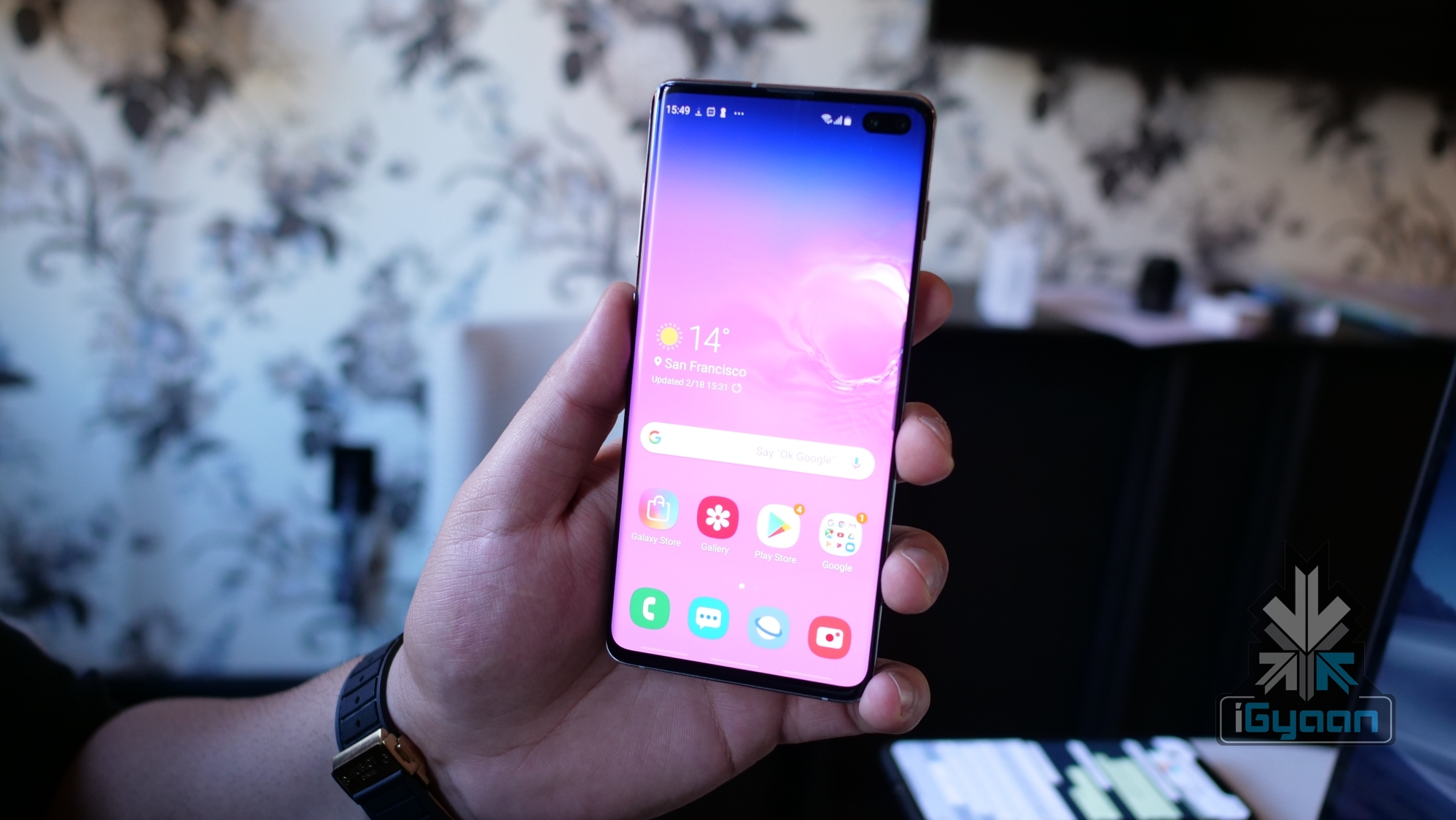
    Samsung launched the Galaxy S10 series of smartphones at the Galaxy Unpacked event on February 20. The devices that were launched in the lineup include the Galaxy S10e, Galaxy S10, Galaxy S10+ and the Galaxy S10 5G. All the devices were marked by a striking similarity, their displays. While the display sizes are different, all the smartphones have a Dynamic AMOLED display with support for HDR10+ content. DisplayMate, a noted display calibration and testing company has ranked the Samsung Galaxy S10 excellent for its display.

    Who Is DisplayMate?

    DisplayMate is a well-known display benchmarking company that tests, evaluates and compares all types of displays, like monitors, projectors, mobile displays etc. It also offers professional display calibration software for consumers. The company has been in the limelight for the last few years when it started testing and ranking mobile displays. It is often considered as an industry standard in display testing.

    Samsung Galaxy S10 Display

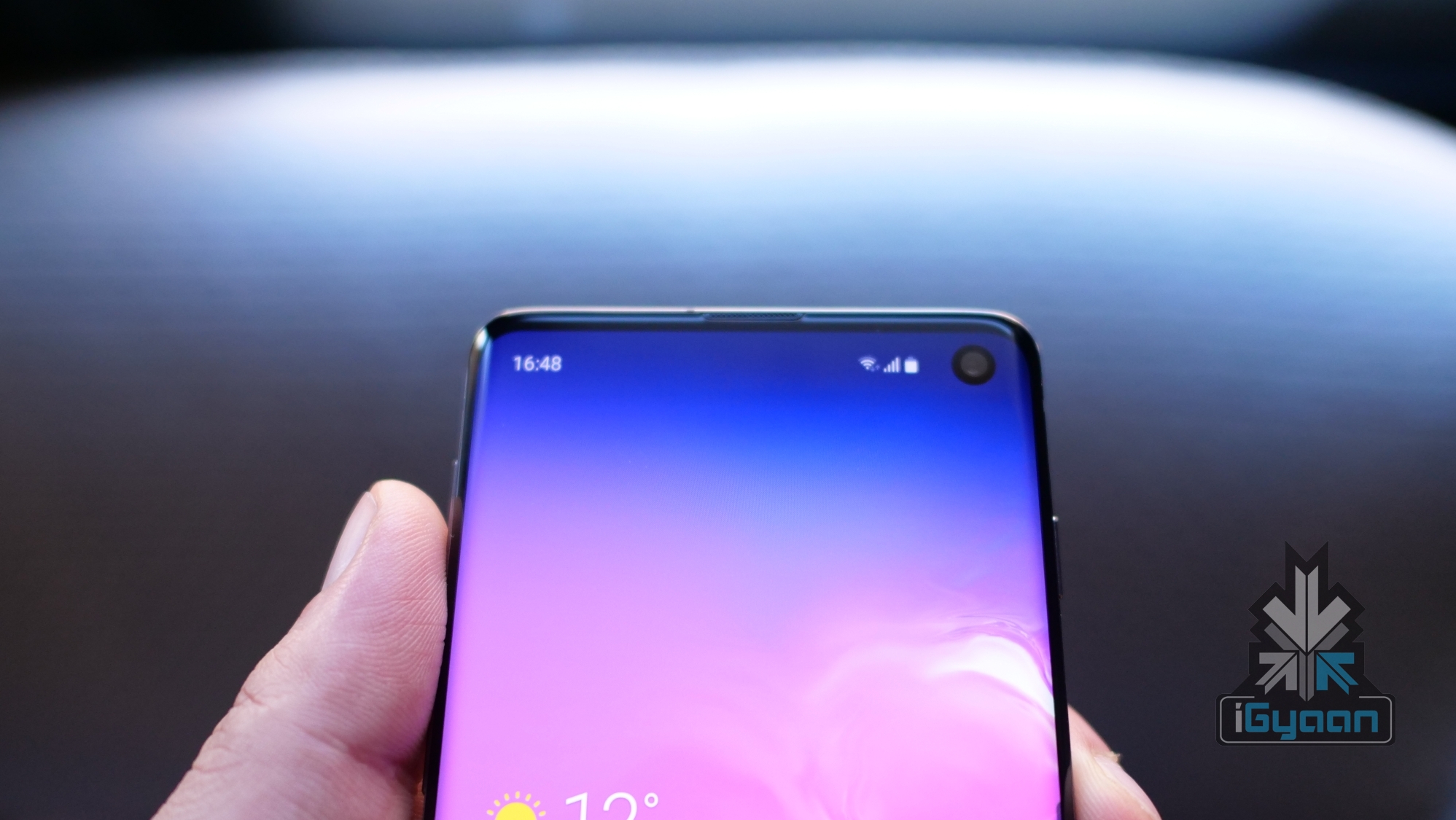
    In the Galaxy S10, Samsung has used an Infinity-O, 6.1-inch Dynamic AMOLED display with a resolution of 3040 x 1440 px. It has an aspect ratio of 19:9 and a pixel density of 550 ppi. The display on the Samsung Galaxy S10 is considered better than the one on its elder siblings, the Galaxy S10+ and the Galaxy S10 5G; due to its higher pixel density. One highlighting feature of the display is its illumination levels which can reach 1200 nits of brightness. 

    Also read: Samsung Galaxy A60 With 32MP Front Camera, 4500mAh Battery Leaked

    DisplayMate in their testing rated the display on the device as Excellent and gave it an A+ rating. This is in part due to its colour accuracy which the company claims is ‘indistinguishable from perfect’. According to DisplayMate, the display also has a very high image contrast accuracy and minimal colour and white shifting. Notably, Samsung has been time and again appreciated for making praiseworthy displays for smartphones and is a big name in the monitor and the TV business. The company also supplies AMOLED displays for major smartphone OEMs including Xiaomi and OnePlus.

  • Huawei Teases Nova 4e With 32MP Selfie Camera

    Huawei Teases Nova 4e With 32MP Selfie Camera

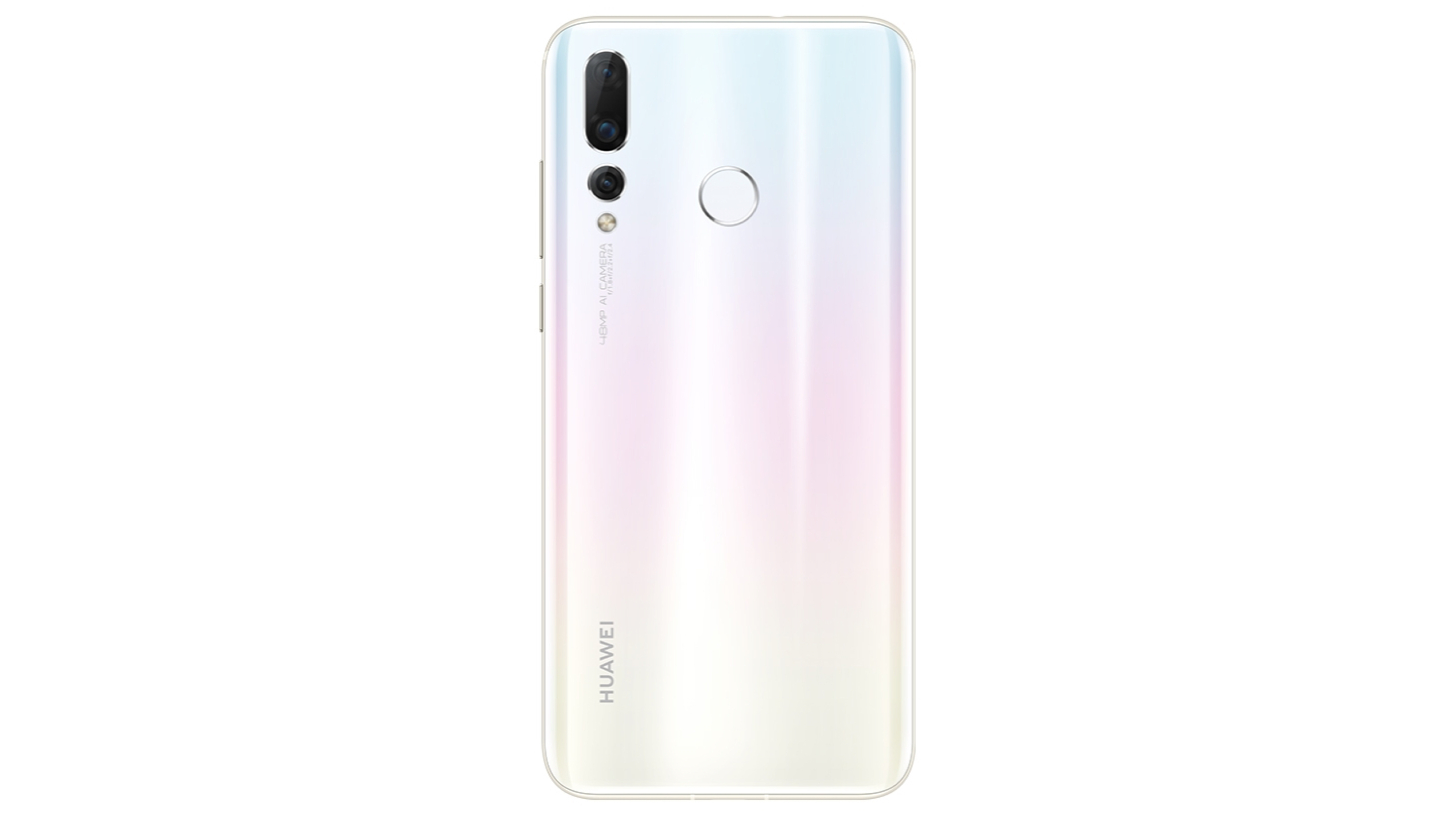
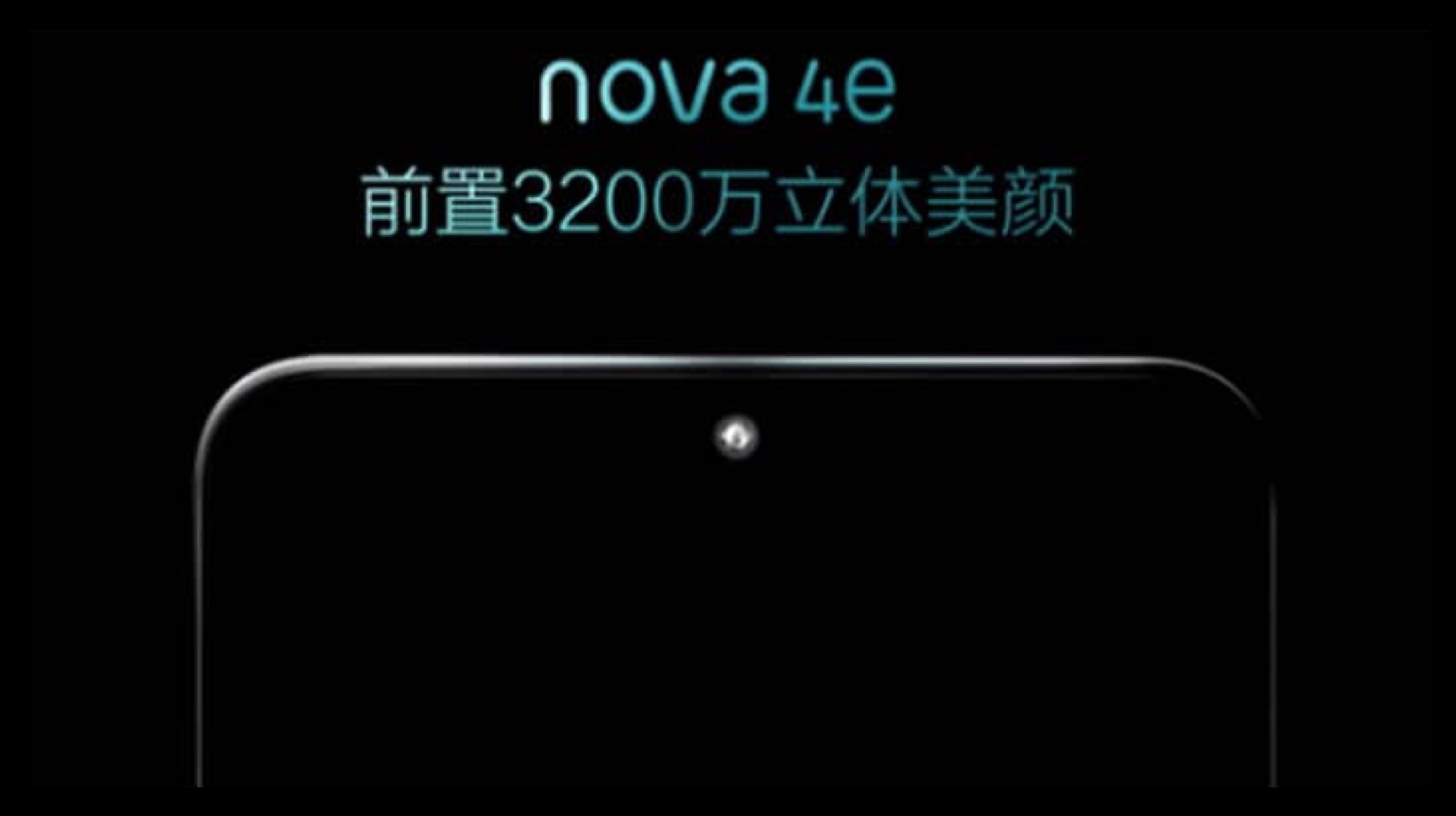
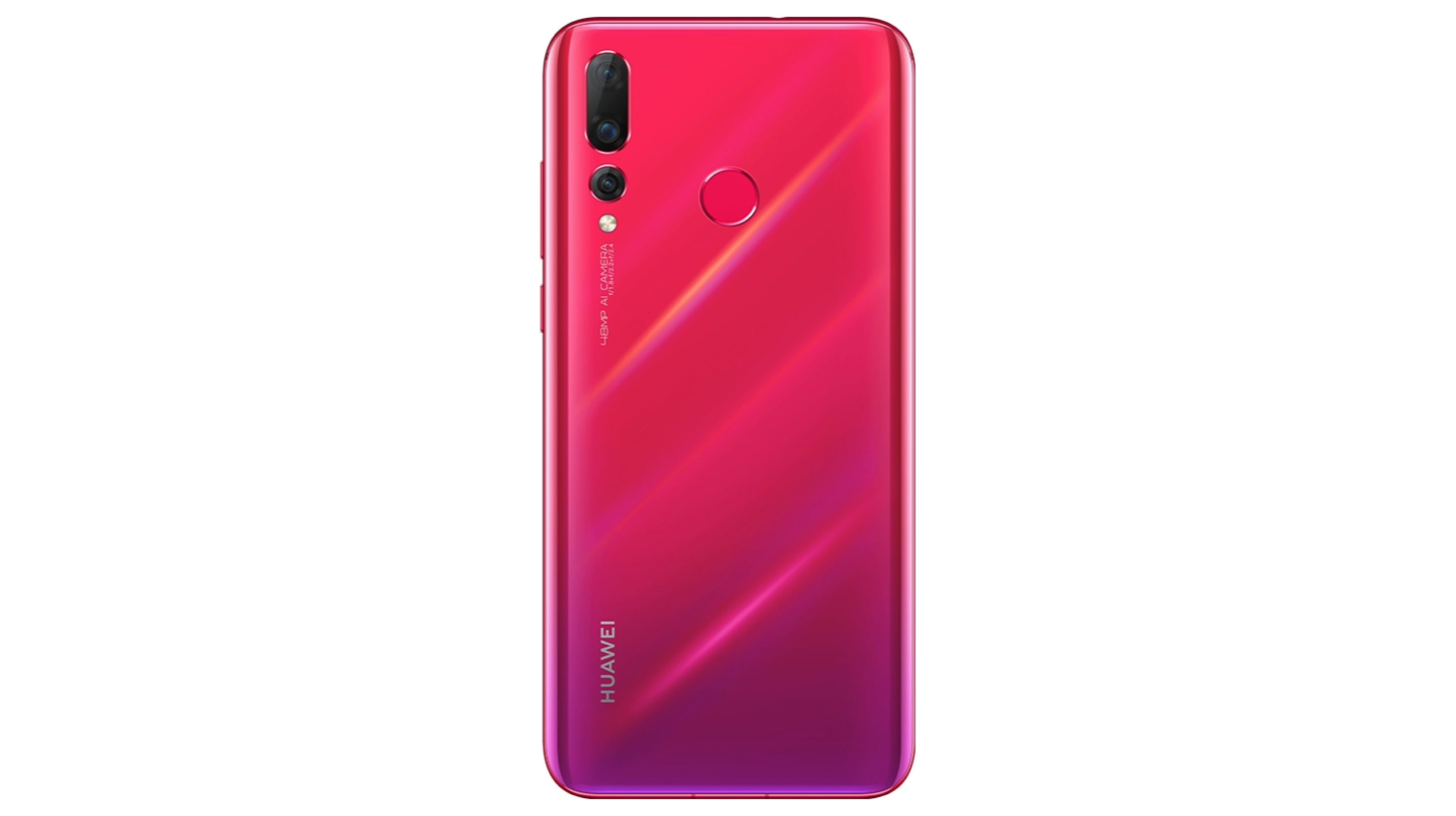
    After the success of its previous releases, Huawei is all set to launch a new variant of the Nova 4 smartphone in China. Named the Nova 4e, the smartphone will feature a water drop notch instead of the punch hole present on the Nova 4. This indicates that the device is a more affordable variant of the Huawei Nova 4, with slightly lower specifications and limited features.

    Expected Specifications

    The Chinese smartphone manufacturer posted a video clip which clearly states that the upcoming Nova 4e will have a 32MP selfie shooter. The specifications of the device are not clear yet, but the device is expected to have a similar sized screen to the Huawei Nova 4, which has a 6.4 inch LCD display with a resolution of 2310 x 1080 px and a pixel density of 398 ppi. The Nova 4e may run on the company’s own 10 nm Kirin 970 chipset, which is also found in the Huawei P20 Pro. The SoC comprises of an Octa-core Cortex CPU and the Mali-G72 MP12 GPU. 
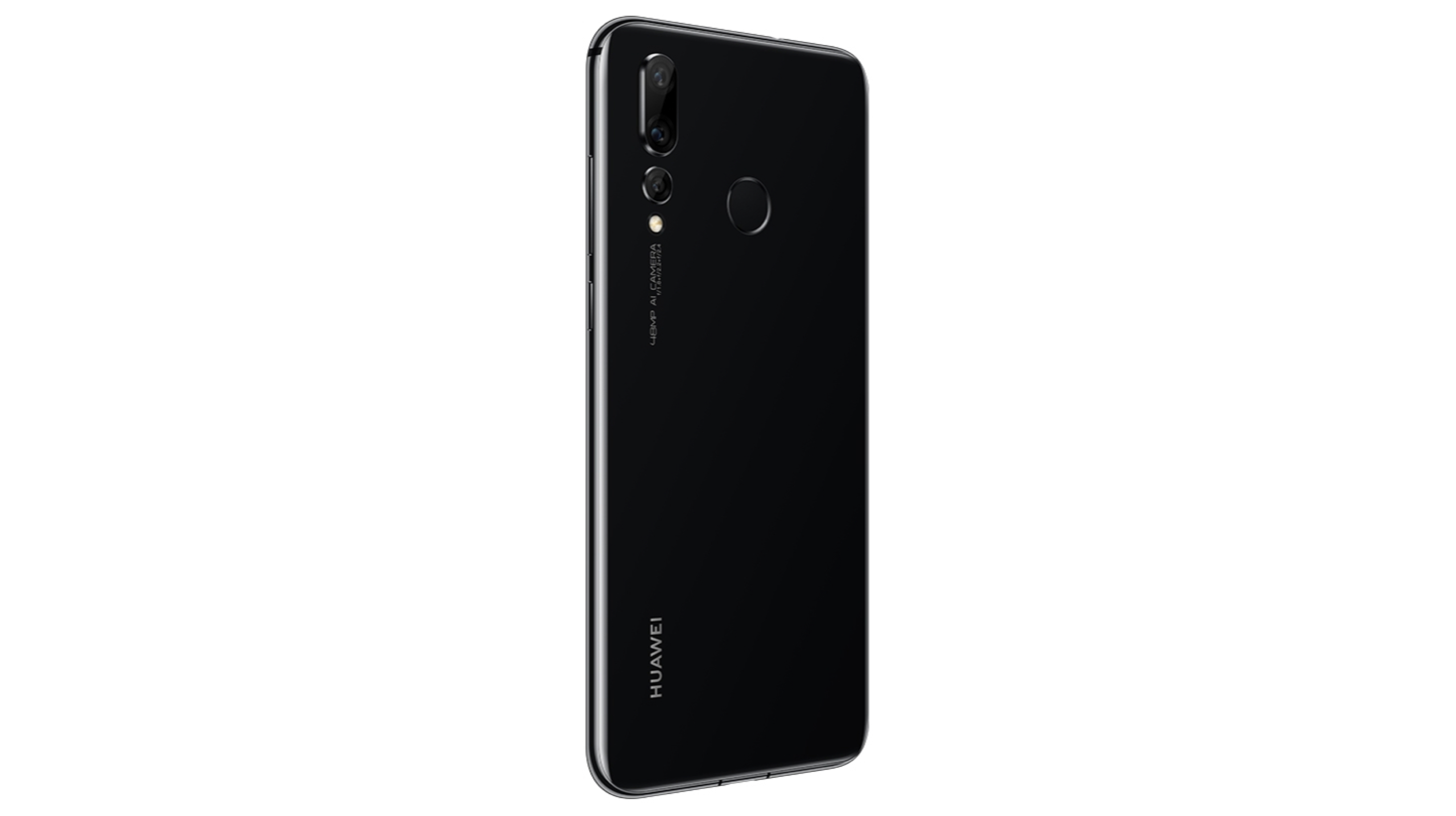
    Huawei Nova 4

    The Huawei Nova 4e is expected to feature a triple rear camera setup similar to the one found in the Nova 4, which consists of a 20 MP (f/1.8) primary sensor combined with a 16 MP (f/2.2) wide angle sensor and a 2 MP (f/2.4) depth sensor. The camera will support standard features like LED flash, HDR and panorama mode, and will supposedly be able to capture 4K videos at 30 fps. As mentioned before, the device will sport a 32 MP front camera for clicking selfies. In regard to memory, the device may launch with 8 GB of RAM and 128 GB of internal storage. Just like the Nova 4, the Huawei Nova 4e may have a rear mounted fingerprint sensor and a USB Type-C port.

    Features And Availability
    Huawei Nova 4

    Also Read: Realme 3 With 3D Gradient Unibody Launched

    The Huawei Nova 4e is expected to be powered by a 3,750 mAh battery with fast charging support, like its elder sibling, the Nova 4. It is likely to run on Android 9.0 based EMUI out of the box. As of now, there is no official news of the Nova 4e launching in India as even the Nova 4 hasn’t made its way to the Indian markets yet. An official statement from the company is much awaited for the same.

  • Samsung Galaxy A60 With 32MP Front Camera, 4500mAh Battery Leaked

    Samsung Galaxy A60 With 32MP Front Camera, 4500mAh Battery Leaked

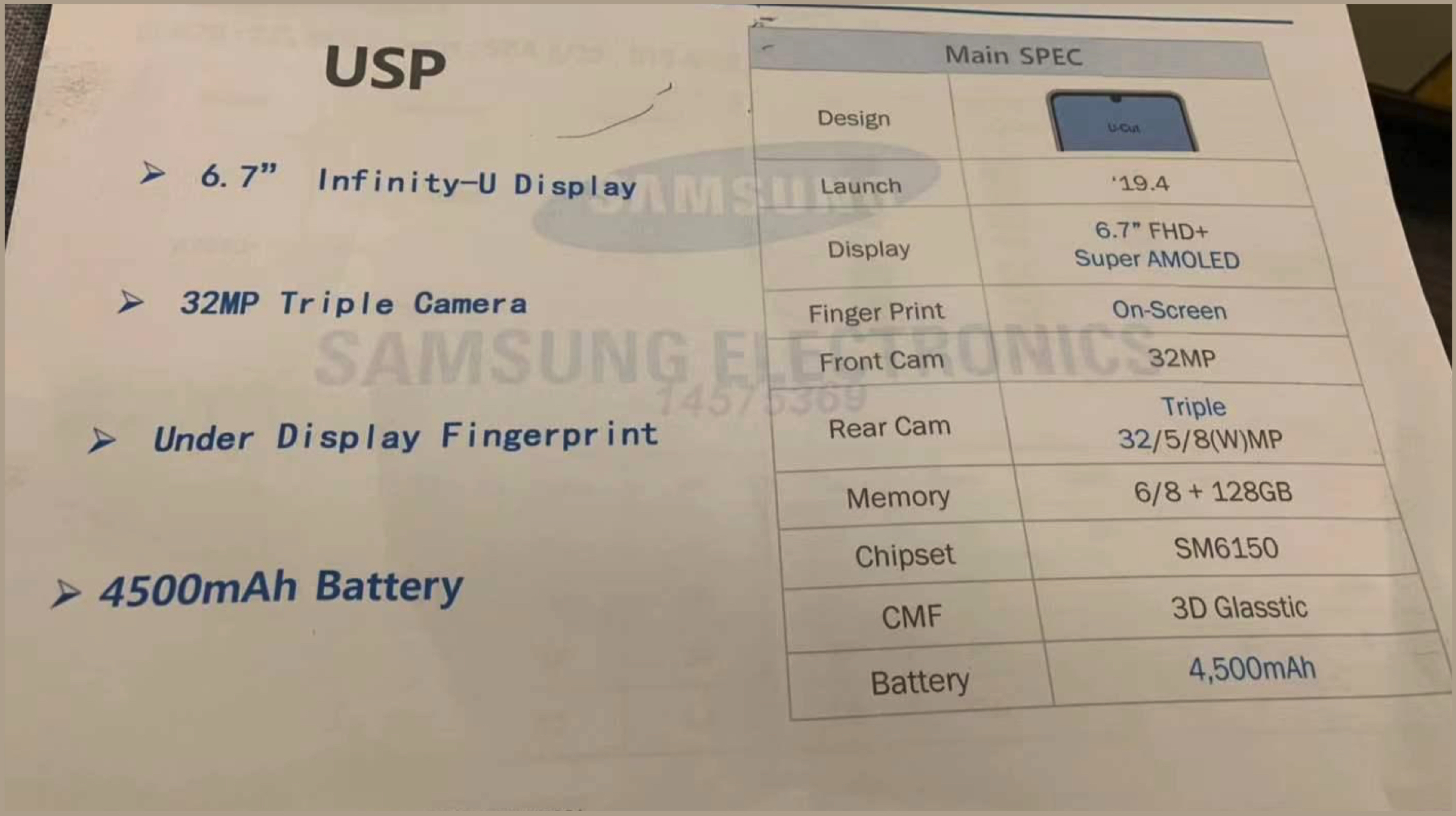
    Samsung announced the latest entrant in the Galaxy A series, the Galaxy A10, Galaxy A30 and Galaxy A50 on February 28 in India. There were reports about a possible Galaxy A40 and Galaxy A90 in the works for some time too. Fresh leaks have surfaced revealing possibly another device in the ever-expanding range of devices. The leak claims the device is the upcoming Galaxy A60 and unveils key specifications of the smartphone.

    Samsung Galaxy A60

    As the name suggests, the Samsung Galaxy A60 will be the elder sibling to the Galaxy A50; and is expected to carry major design and features from the device, albeit with a few upgrades. The leak suggests the smartphone will have the same ‘3D Glasstic’ back which will provide it with a modern look. Its display will be a massive 6.7 inch Super AMOLED one with an Infinity-U notch on the top and a resolution of 2340 x 1080 px. Like the Galaxy A50, there will be an in-display fingerprint scanner with support for face unlock technology.

    The leak insinuates that the Galaxy A60 may debut with an all-new SoC, the Qualcomm Snapdragon 6150; which has been reported to be manufactured using 11nm fabrication process. The chipset may sport an Octa-core CPU and an unannounced Adreno GPU. Interestingly, Qualcomm uses Samsung’s architecture process to make 11nm processors and manufactures SoCs like the Snapdragon 675. It is therefore expected that the company will produce the aforementioned chipset for Qualcomm and debut the Galaxy A60 with it. 

    In terms of optics, the leak reveals Galaxy A60 will feature a triple rear camera setup comprising of a 32MP sensor; combined with an 8MP ultra-wide angle sensor and a 5MP depth sensor. For selfies, the smartphone will have a 32MP camera housed in the notch on top of the display. The device will be powered by a 4500mAh battery and is likely to support fast charging via the USB Type-C port. For memory and storage, the Galaxy A60 will be available in the following variants:

    • 6GB RAM and 128GB ROM
    • 8GB RAM and 128GB ROM
    Pricing and Availability

    Also read: Is Artificial Intelligence Digging Its Roots Deeper Into Our Reality?

    The leaks also reveal when the Samsung Galaxy A60 will launch. The smartphone will be unveiled in the month of April. Unfortunately, no details about the pricing are known yet, but early estimates suggest that the device will be priced at Rs 25,999 for the base model and Rs 28,999 for the version with 8GB RAM and 128GB of internal storage.

  • Full Specifications Of The Xiaomi Redmi 7 Leak

    Full Specifications Of The Xiaomi Redmi 7 Leak

    Earlier this week, Xiaomi’s sub-brand, Redmi launched two new admirable smartphones, the Note 7 and Note 7 Pro in India. A listing on Chinese regulatory website, TENAA has revealed the specifications of the unreleased Redmi 7 which is supposed to launch soon. The smartphone will succeed the Redmi 6 which was launched last year. Going by the placing of its predecessor in companies portfolio, it will be a sub 10k smartphone will 

    Redmi 7 Specifications

    According to the TENAA listing, the Redmi 7 measure 158.65×76.43×8.47 mm and weighs in at 180 grams. The smartphone sports a 6.26 inch display that has a resolution of 1520 x 720 px. The device has a total of three cameras out of which two are placed on the rear while the third one is placed on the front. The dual camera setup at the rear is comprised of a 12 MP main sensor and an additional 8 MP sensor. The front facing camera of the smartphone uses an 8 MP sensor which is presumed to be housed in a waterdrop notch on the front of the display.

    The Redmi 7 is kitted with an Octa-Core CPU which is clocked at 1.8 GHz. Although the TENAA listing does not specify the precise chipset detail, going by the clock speed of the CPU, it is likely to be the Snapdragon 632 or Snapdragon 636. The smartphone is powered by a 3,900 mAh and runs on the latest Android 9.0 OS which will be skinned with MIUI. Connectivity options on the Redmi 7 include 802.11 ac Wi-Fi, Bluetooth, 4G VoLTE, Infrared and USB port. As of now, it is unclear whether the device will have a Micro USB port or a USB Type-C port. It also has a variety of sensors which include Gravity sensor, light sensor, distance sensor and a fingerprint sensor.

    According to the listing, the device will be available in three storage variants which are as follows:

    • 2 GB RAM + 16 GB ROM
    • 3 GB RAM + 32 GB ROM
    • 4 GB RAM + 64 GB ROM

    Except for the internal storage, it also supports memory expansion via a microSD card. The listing states two different memory expansion capacities, 256 GB and 512 GB. Although previously unheard from Redmi, the base variant might support only 256 GB of memory expansion. The TENAA listing does not provide any insight about the design and layout of the smartphone and it will be publicised once the device is officially announced. 

    Redmi 7 Price and Launch Date

    Also Read: Meizu’s New Smartphone Will Have A 48 MP Sony Sensor & Snapdragon 855

    Going by both the specifications and price of its predecessor, the Redmi 7 is assumed to be a sub 8k smartphone in India. Its launch date is currently unavailable but the company is expected to soon announce it. 

  • Audio-Technica Launches ATH-M50xBT Wireless Headphones In India

    Audio-Technica Launches ATH-M50xBT Wireless Headphones In India

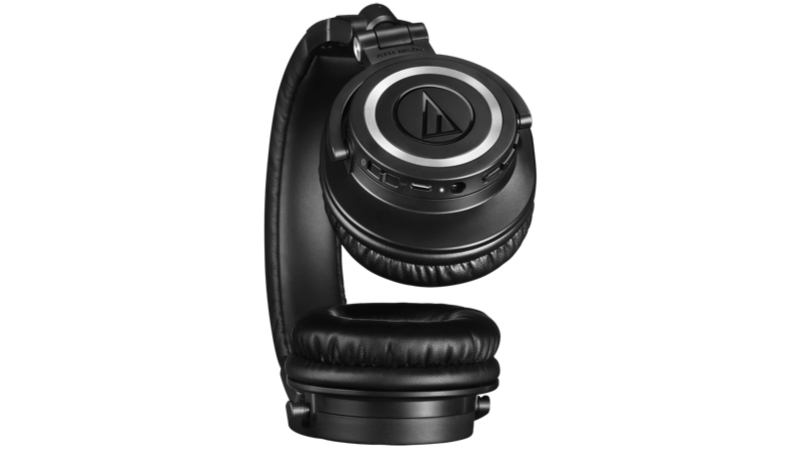
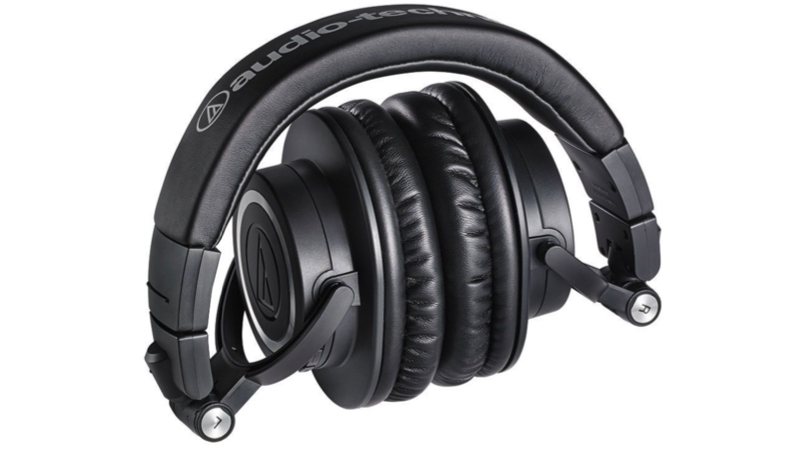
    Japanese audio equipment giant Audio-Technica announced its ATH-M50xBT wireless over-ear headphones in India. These were launched in Bangalore today, March 4. The company has added Bluetooth functionality to the widely acclaimed studio monitoring headphones, the ATH-M50x. The headphones were launched in the month of October last year and are finally making their way into the Indian market.

    Audio-Technica ATH-M50xBT

    The Audio-Technica ATH M50xBT wireless over the ear headphones have a closed back design. This will allow for better noise isolation than open back headphones. Like its wired counterpart, the design is the same and the headphones have a ‘fold-flat’ design with 90-degree swivelling ear cups. The company claims professional grade earpads and headband on the headset. The controls are mounted on the left earcup for handling phone calls, music playback and for adjusting volume. The touch controls on the headphones will facilitate in accessing either the Google Assistant or Siri, based on the device. The company is also providing compatibility with the Audio-Technica Connect app for iOS and Android, which will further provide the headphones with additional features and tools. 

    Specifications wise, the ATH M50xBT have a 45mm aperture driver, which has a 15-28,000Hz frequency range, which will allow for wide sound coverage and sonic accuracy. The wire coils are made up of copper-clad aluminium. The headset utilizes Bluetooth 5.0 and is compatible with aptX and AAC codecs, for improvement in the audio quality. There is also support for a wired mode when the battery drains out. Speaking of battery, Audio-Technica claims a play time of up to 40 hours on a single charge on the headphones.

    Also read: 5 Latest Movie Trailers You Should Not Miss 

    The headphones will be available starting today exclusively from Amazon India at a price of Rs 18,490. Interestingly, the normal, non-Bluetooth version of the ATH M50x is currently selling for around Rs 11,000 online.

  • Meizu’s New Smartphone Will Have A 48 MP Sony Sensor & Snapdragon 855

    Meizu’s New Smartphone Will Have A 48 MP Sony Sensor & Snapdragon 855

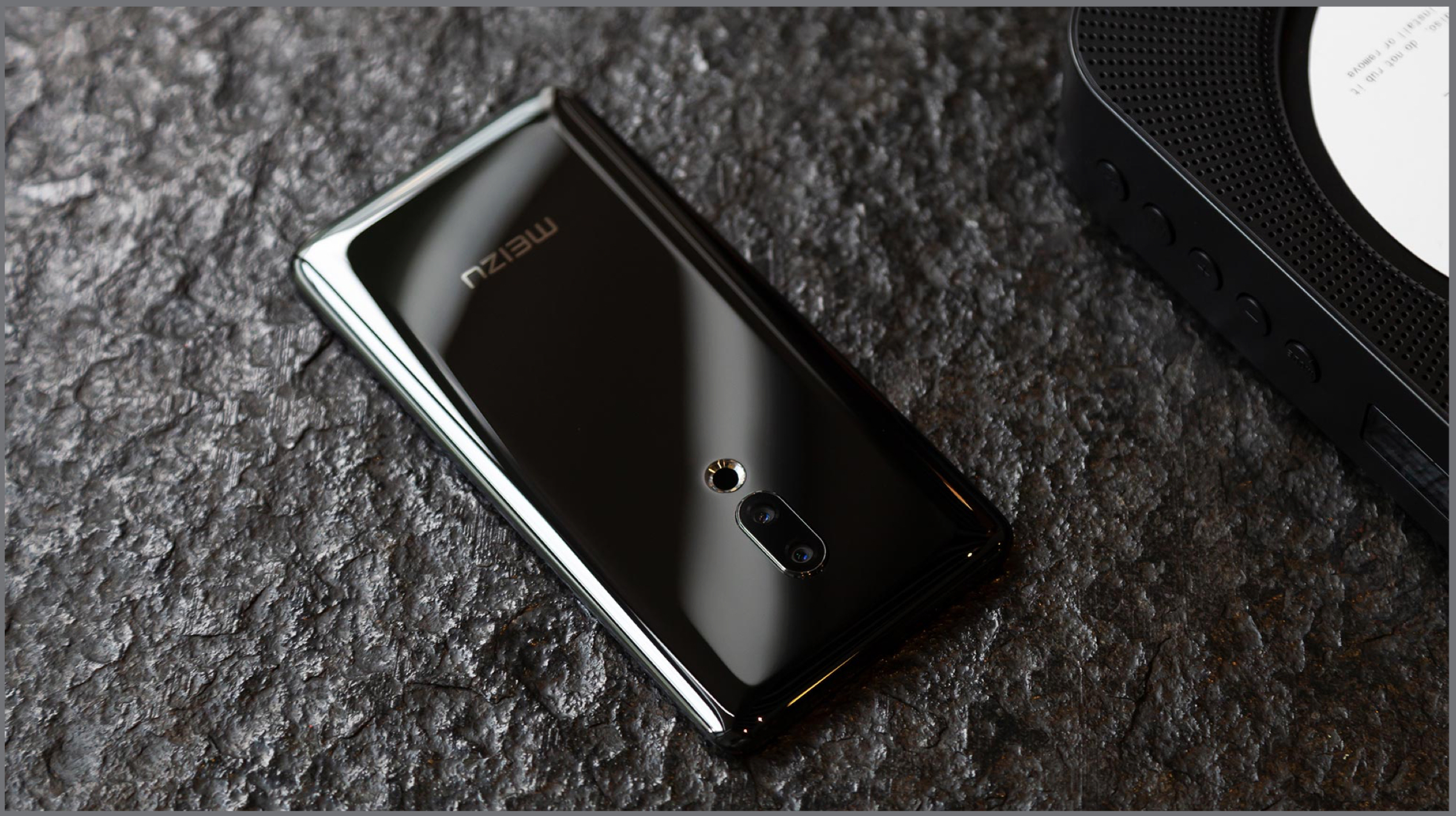
    Meizu founder and former CEO confirmed that the company’s upcoming flagship smartphone will sport a 48 MP Sony Sensor. With a host of other features, the Chinese company will go head-on against similarly priced smartphones like the OnePlus 6T. The device may prove to be a worthy contender for its rivals in the same segment.

    Expected Specifications

    Expected to be called the Meizu 16s, the smartphone has been teased multiple times in the past. The detailed specifications of the device are not out in the open yet, but the device is rumoured to run on the Snapdragon 855 chipset. If the 16s is launched before the ‘speculated’ OnePlus 7, it will be the first smartphone in India to feature the Snapdragon 855, as the Samsung S10 and the S10+ Indian models ship with the Exynos 9820 SoC. Also, the Meizu 16s will supposedly have 8 GB of RAM, and will run on Meizu’s custom Flyme OS based on Android 9 (Pie).

    Meizu’s CEO stated that the smartphone will get a 48-megapixel Sony IMX586 sensor for the primary camera. The same sensor is also present in Xiaomi’s Redmi Note 7 Pro, which was launched on February 28. The camera will support OIS (Optical Image Stabilization), although it’s still not confirmed if the smartphone will have a dual camera setup or not. The Chinese smartphone manufacturer claims that the Miezu 16s can be charged to 50% battery in just 30 minutes.

    The company teased the device with an edge-to-edge display with very thin bezels. The handset itself is 8.2 mm thick, Meizu states. The 16s will not feature a notch, instead, the camera and the earpiece will be housed in the slim forehead of the device. The smartphone will also feature an in-display fingerprint scanner to help it go up against the OnePlus 6T.

    Expected Price And Availability

    Also Read: Realme 3 With 3D Gradient Unibody Launched

    Meizu hasn’t confirmed a launch date for the device. The 16s is expected to be priced around Rs. 40,000, which may it give it an edge over similarly priced devices since it will be kitted with the latest hardware in the market at the time.


  • Realme 3 With 3D Gradient Unibody Launched

    Realme 3 With 3D Gradient Unibody Launched

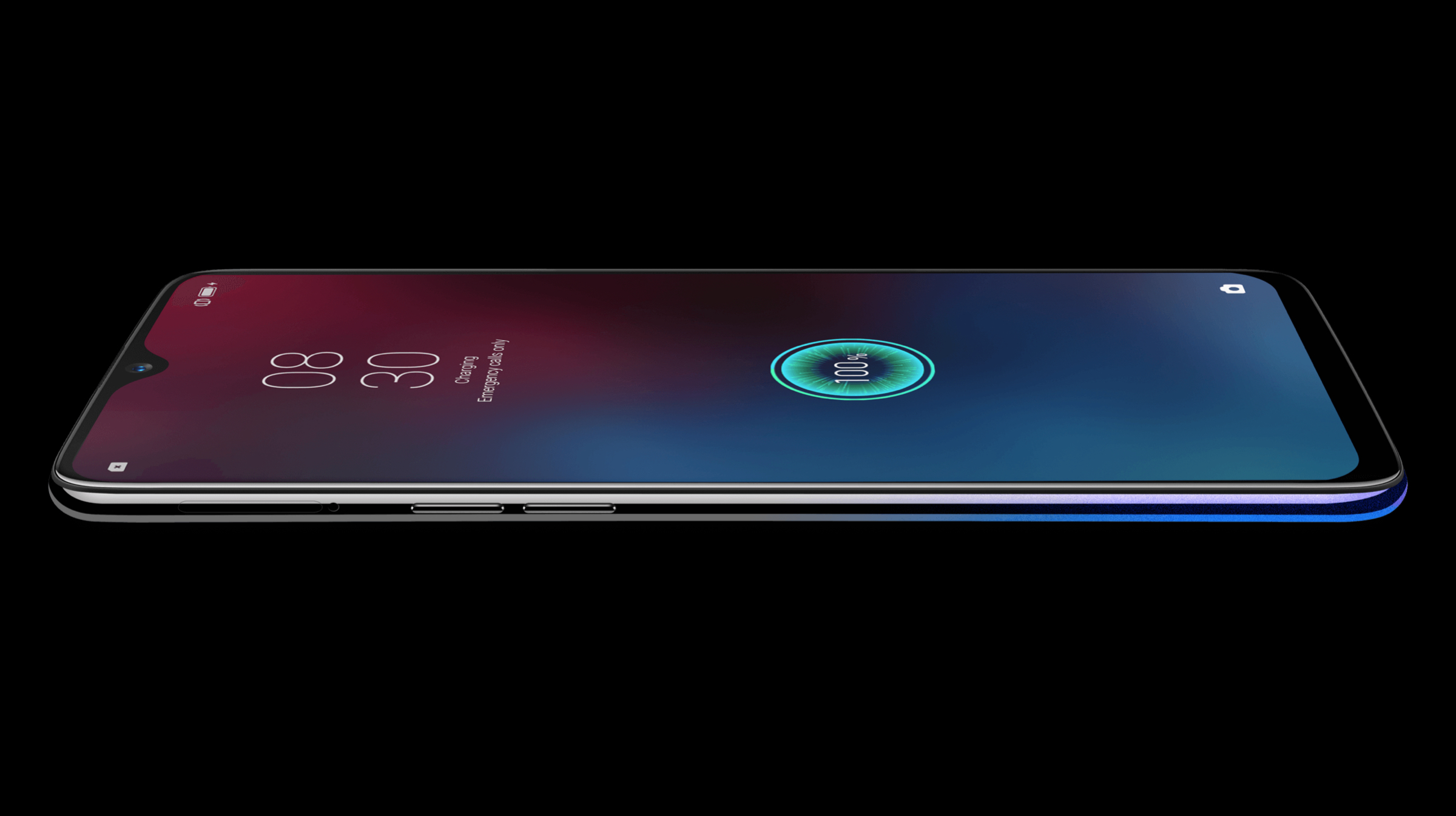
    The highly anticipated Realme 3 has finally been launched. It is the successor to the Realme 2 which was launched last year. The newly launched smartphone is a significant upgrade over its predecessor and will compete with devices like the Redmi Note 7

    Realme 3 Looks and Features

    Click here to pre-book the Realme 3

    The front of the Realme 3 accommodates a 6.2 inch Dewdrop notch display which is surrounded by thin bezels on all sides. Intriguingly, the handset is highly reminiscent of the OnePlus 6T. The rear unibody shell of the smartphone is made out of composite material that has a 3D gradient finish.

    The rear of the Realme 3 has a 3D gradient unibody which looks attractive. Moreover, the company claims it provides for an excellent graspability. The rear side of the device accommodates the dual rear camera, Realme branding and a Fingerprint sensor. The rear camera setup consists of an f/1.8 aperture equipped 13 MP sensor and a 2 MP sensor. Noteworthy, it is the first smartphone in its segment to have features like Nightscape and Chromaboost. The nightscape mode with the help of software captures well-lit pictures even in places which are dark or have poor lighting conditions. Whereas, the Chromaboost option boosts the colours of a picture which according to Realme are good enough to be shared on social media.

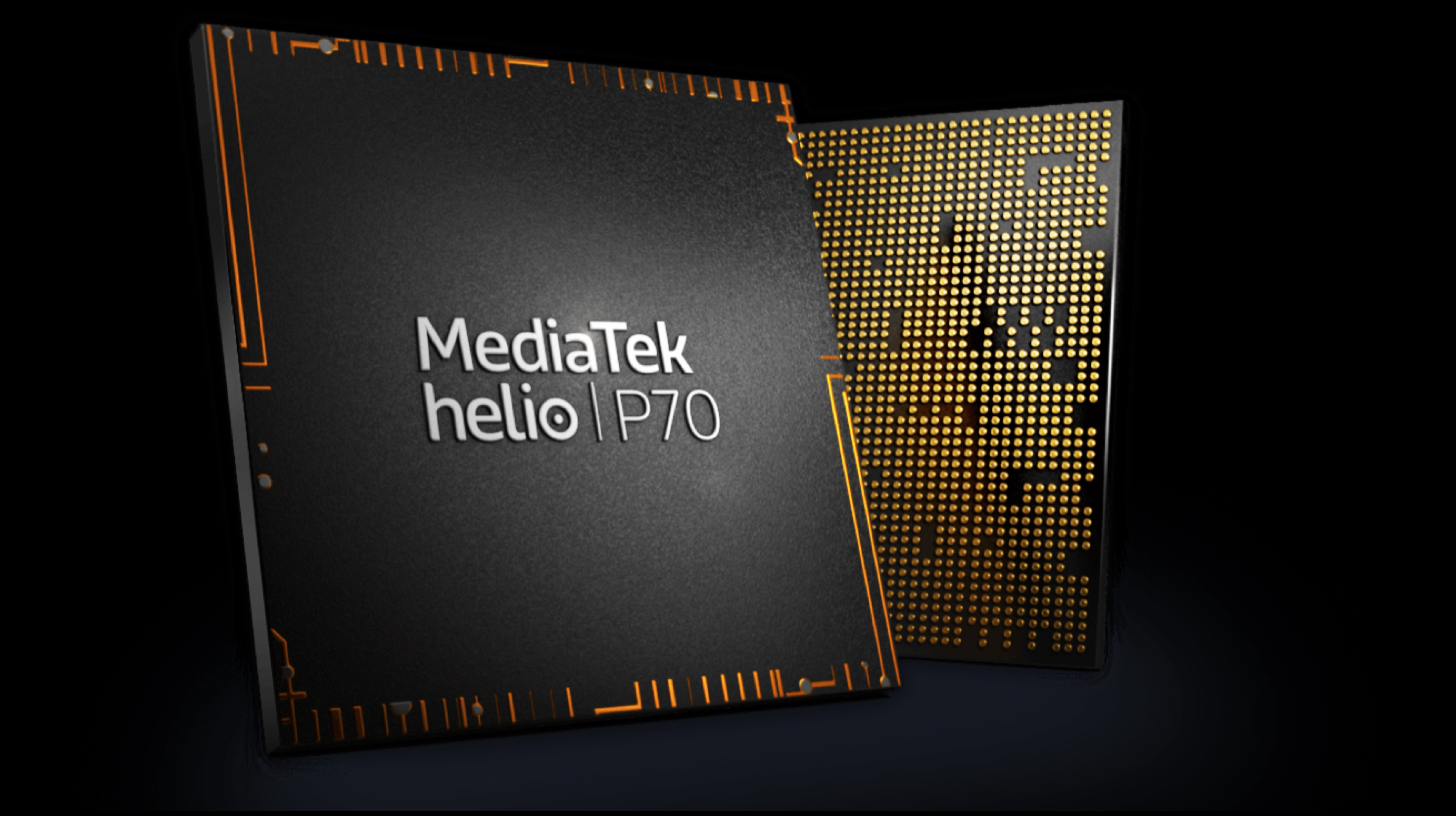
    Like the OnePlus 6T, the left side of the Realme 3 is occupied by the volume rockers and SIM card+ microSD slot while the right side is occupied by the power button. The bottom of the smartphone makes room for the Micro USB port, loudspeaker grille, 3.5 mm audio jack and microphone pinhole. Under the hood, the smartphone packs the Helio P70 SoC which is also present on its sibling, the Realme U1. The chipset consists of a Mali G72 GPU and an Octa-Core CPU which is clocked at 2.1 GHz. It is powered by a large 4,230 mAh battery which can be charged with 10 watts of maximum power. The device runs on Color OS 6.0 which is built on top of the latest Android 9.0 Pie. Some notable features that the Color OS 6 brings to the table include gesture navigation and AI battery management.

    Connectivity options on the Realme 3 include Dual 4G VoLTE, 802.11 ac Wi-Fi, Bluetooth 5.0, GPS, 3.5 mm audio jack and Micro USB port for charging and data transfer. Remarkably, Realme allows the users to unlock the bootloader of the smartphone from the day of its launch. 

    Price, Availablity and Colours

    https://www.youtube.com/watch?v=9khBEFQgIPc

    Also Read: OnePlus 7 Leaks Show Pop-Up Selfie Camera, Triple Rear Camera

    Click here to pre-book the Realme 3

    The Realme 3 Pro is available in three colour options which include Dynamic Black, Radiant Blue and Classic Black. It is available in two storage variants for which the price is as follows:

    • 3 GB RAM + 32 GB ROM – Rs 8,999
    • 4 GB RAM + 64 GB ROM – Rs 10,999

    In addition to the inbuilt storage, it also accepts memory cards upto 256 GB via the dedicated microSD slot. The device will be available for purchase from Flipkart.com and offline Realme stores from the 12th of March. 

  • Honor 20 With Triple Rear Cameras, In-Display Fingerprint Sensor Leaks

    Honor 20 With Triple Rear Cameras, In-Display Fingerprint Sensor Leaks

    A fresh leak on Chinese social networking site Weibo shows off the image and key specifications of Honor’s next smartphone. This will allegedly be called the Honor 20 and will feature flagship level specifications. The device is expected to be unveiled in China sometime later this month.

    Honor 20

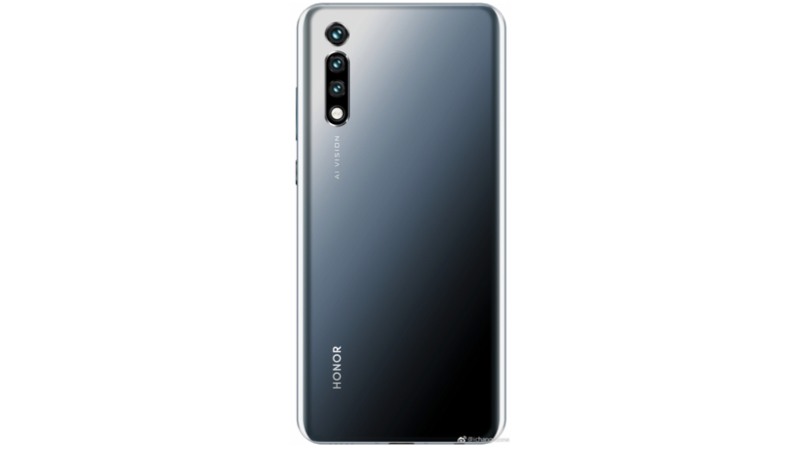
    The next smartphone from Chinese OEM Honor will be called the Honor 20. The leaked specifications show top tier hardware and internals. The leak reveals that it will have a 6.1 inch OLED display with minimal bezels around it. There will be a waterdrop notch on the top of the display which will give the device a modern look. The back of the smartphone will feature Honor’s ‘Aurora gradient’. The Honor 20 will have the sixth generation of in-display fingerprint scanning technology which is likely to make it considerably faster. It will also feature face unlock via the front camera.

    Under the hood, the Honor 20 will reportedly be kitted with the Kirin 980 SoC which is manufactured using 7nm fabrication process. The chipset consists of an octa-core CPU and Mali G76 GPU. In terms of optics, the leaked image affirms the smartphone will feature a triple rear camera setup comprised of a 48MP main sensor; combined with a 20MP ultra-wide angle sensor and an 8MP telephoto sensor with 3x optical zoom. The front will sport a 32MP camera housed in the notch on top of the display.

    The Honor 20 will be powered by a 3650mAh battery with 22.5W fast charging support via the bottom mounted USB Type-C port. The smartphone will feature Honor’s CPU/GPU turbo technology for increased performance, efficiency and will retain the headphone jack. In terms of memory and storage, the device will be available in three variants:

    • 6GB RAM and 128GB ROM
    • 8GB RAM and 128GB ROM
    • 8GB RAM and 256GB ROM
    Pricing & Availability

    Also read: Apple AirPods 2 To Feature Fast Wireless Charging; Launch Imminent

    The leaks have also revealed the pricing of the Honor 20. The base model with 6GB of RAM and 128GB if internal storage will be priced at CNY 2999 (around Rs 31,700). The version with 8GB of RAM and 128GB of onboard storage will cost CNY 3399 (around Rs 36,000). The top end variant with 8GB of RAM and 256GB of internal storage will be priced at CNY 3799 (around Rs 40,200). The smartphone will be launched in China later this month.

  • Apple AirPods 2 To Feature Fast Wireless Charging; Launch Imminent

    Apple AirPods 2 To Feature Fast Wireless Charging; Launch Imminent

    Ever since Apple launched the AirPods in 2017 with the iPhone 7 and iPhone 7 Plus, the wireless earphones have been crowned as the gold standard in the segment. The ease of connectivity the device offers within the company’s ecosystem remains unmatched. There had been reports doing the round all over the internet that the second generation of the wireless earphones are all set to launch soon. Fresh leaks have claimed that the new Apple AirPods 2 will feature fast wireless charging and may launch in the month of March.

    Apple AirPods 2

    The second generation of Apple AirPods is expected to be a major upgrade over its predecessor. The company already showed off the wireless charging case for the device but hadn’t released it because reportedly, it had overheating problems. It seems like Apple not only has figured out the solution, it has one-upped the competition by featuring fast wireless charging. According to the leaks, the AirPods 2, along with the case will take 15 minutes to charge from 0 to 100 percent.  This will be due to the Qi-enabled wireless charging feature on the device.

    Unfortunately, the leaks also alleged that the AirPods 2 will have a case that will be bigger in one direction and heavier than the last generation. This will be due to the fast wireless charging feature of the device, as it required different hardware. The wireless earphones may feature a similar charging mechanism like the Apple Pencil 2, which was announced alongside the iPad Pro last year. Other leaks also claimed that the AirPods 2 will be available in a new Black colour, and will have a new matte finish on the earphones.

    Also read: Chrome Canary Android App Gets A Dark Mode; Google Chrome App To Follow Suit

    Apple is expected to unveil the AirPods 2 at a press event on March 25. The device will be available for sale starting March 29 at an expected price of US $199 (around Rs 14,000).

iGyaan Network
Privacy Overview

This website uses cookies so that we can provide you with the best user experience possible. Cookie information is stored in your browser and performs functions such as recognising you when you return to our website and helping our team to understand which sections of the website you find most interesting and useful.