Last month saw a bunch of smartphone manufacturers showcasing their take on a foldable smartphone. Samsung announced the Galaxy Fold and Huawei showed off its Mate X. There is another major OEM which is reportedly working on a foldable device. Fresh patents filed by Apple reveal what the company has planned as a folding mechanism on its long rumoured foldable smartphone. The company may be planning to put magnets under both sides of the display to make the device fold completely flat.
Apple Foldable Smartphone
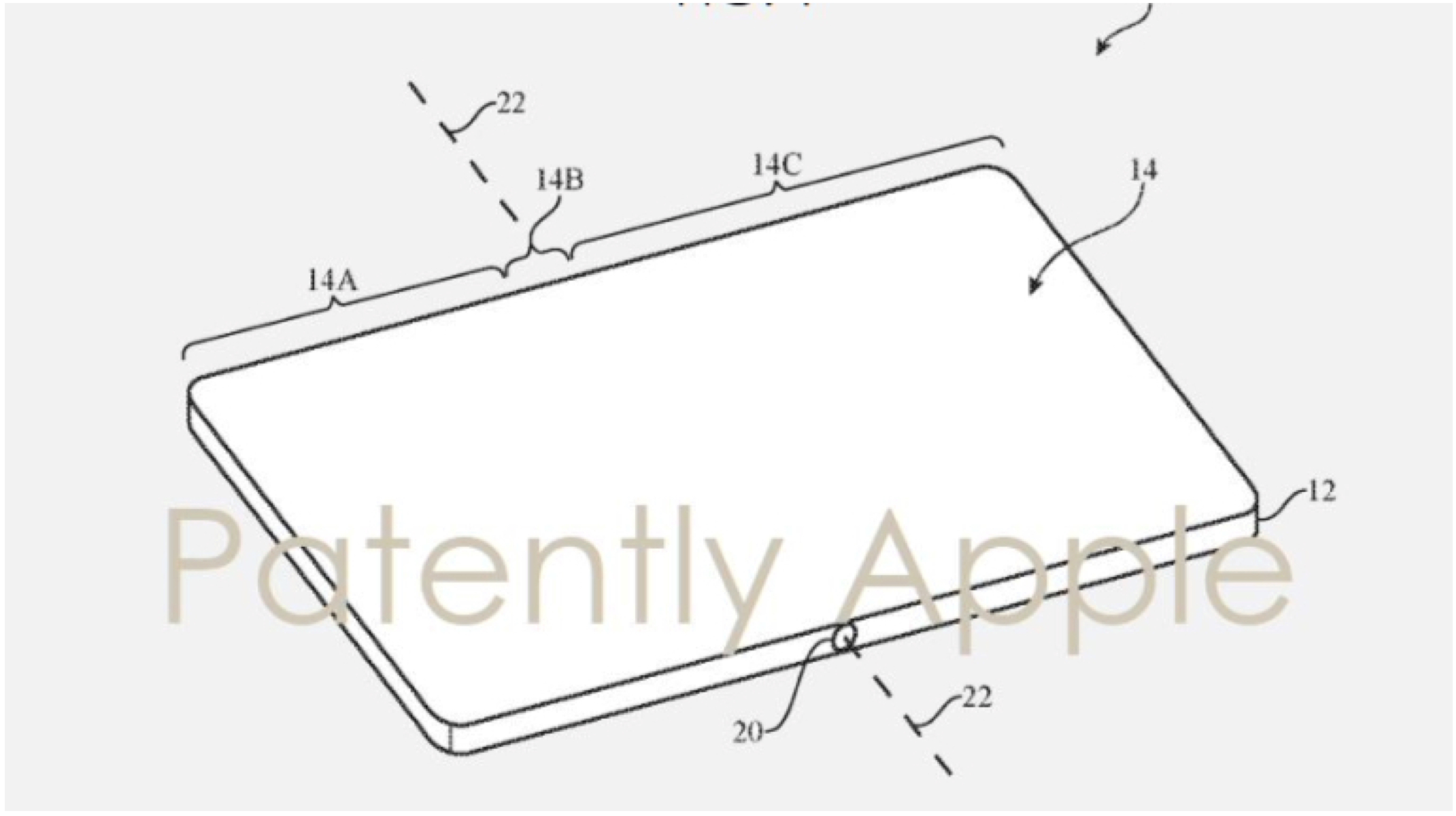
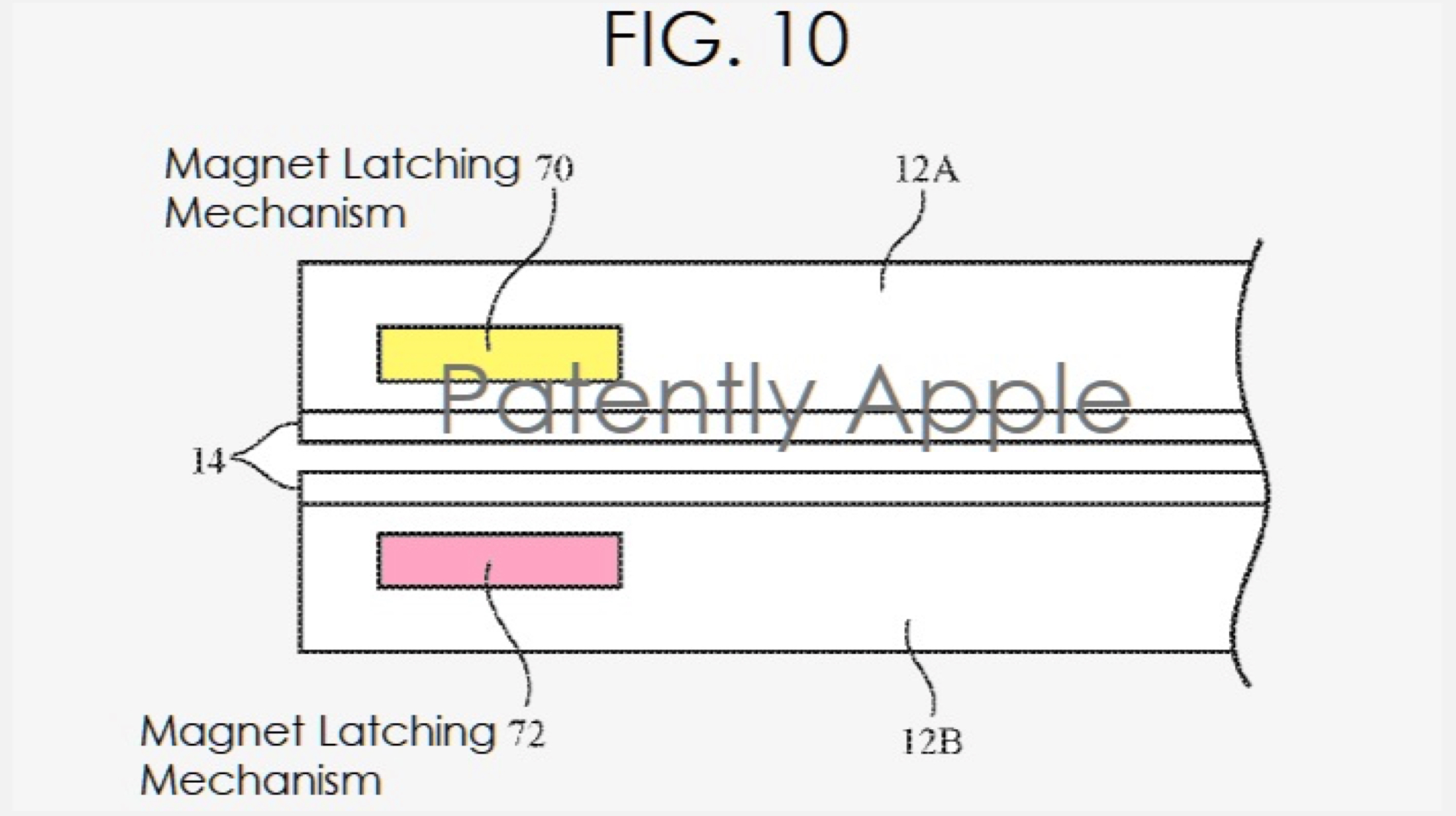
The patent filed by Apple suggests different folding designs that the company may be planning on using. The image in the patent exhibits the use of magnets under the display. These magnets may be used to make the foldable smartphone fold completely flat, which is a problem other OEMs seem to struggle to figure out. The magnets that may be used are expected to be electromagnetic in nature and spring into action when the device is folded, to keep both sides of the display latched together. As soon as the device is unfolded, the electromagnets will lose their charge, making it effortless to open the device.

According to reports, Apple is trying to develop a specialized display coating and new foldable sensors to make the folding mechanism work. Intriguingly, the patent suggests that the display panel makes use of some sort of heating technology to improve the operability of the panel. The heating method that is suggested is required every time the display is folded or unfolded, as a cold display is more susceptible to breaking or cracking when folded and unfolded repeatedly. The images also show a unique, circular hinge which consolidates both sides of the display. Unfortunately, other details about the Apple foldable device isn’t known yet.
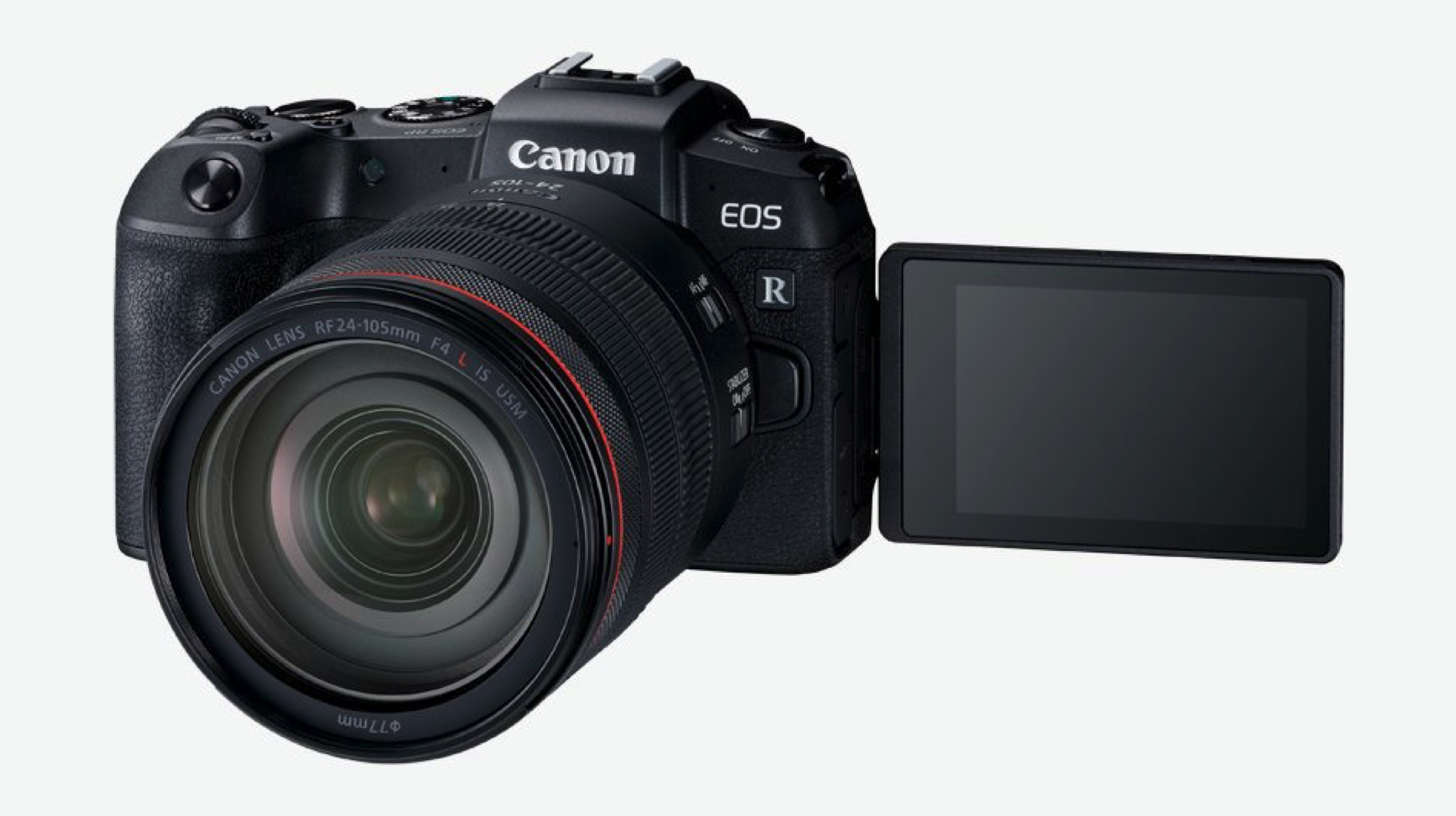
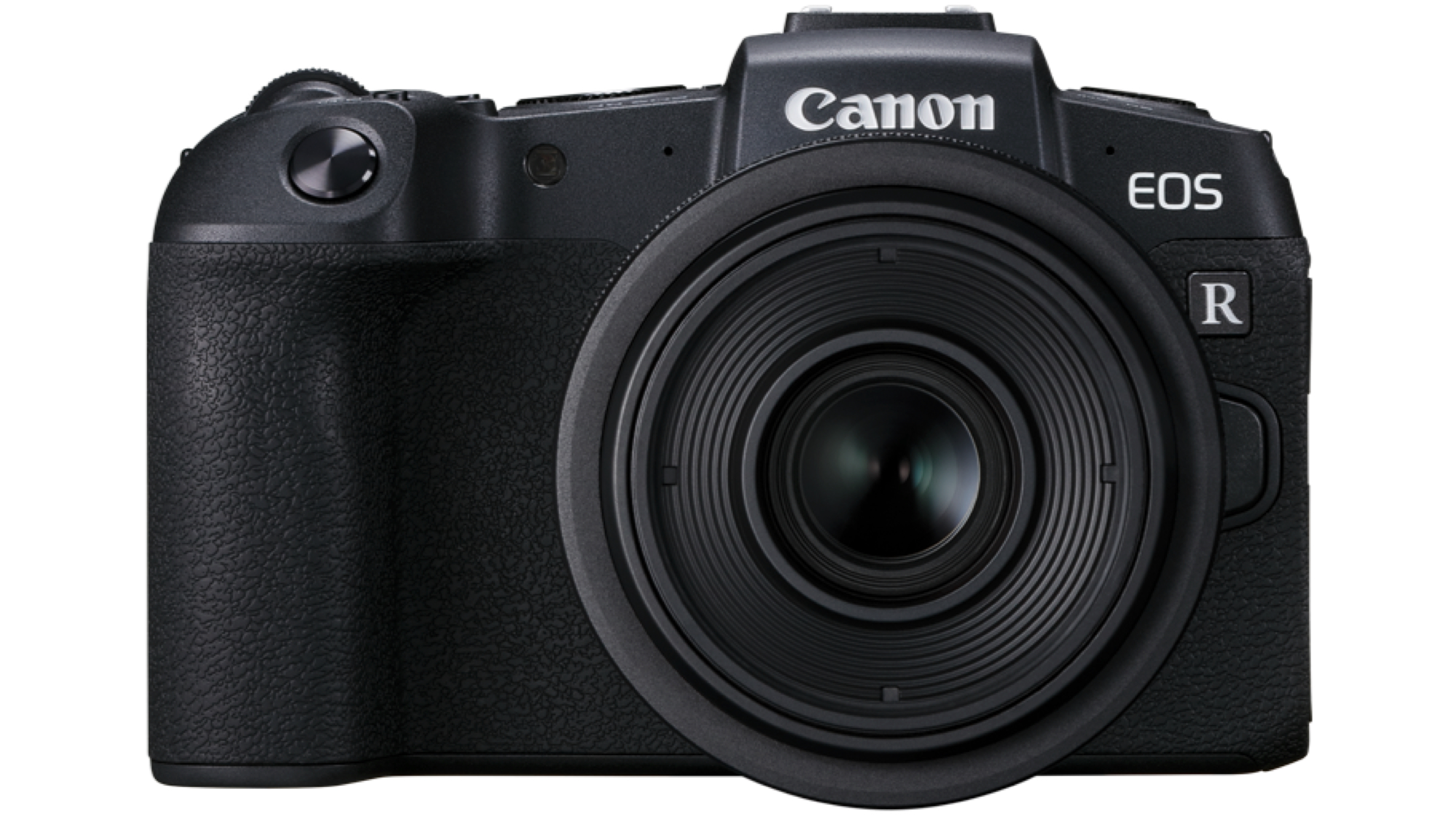
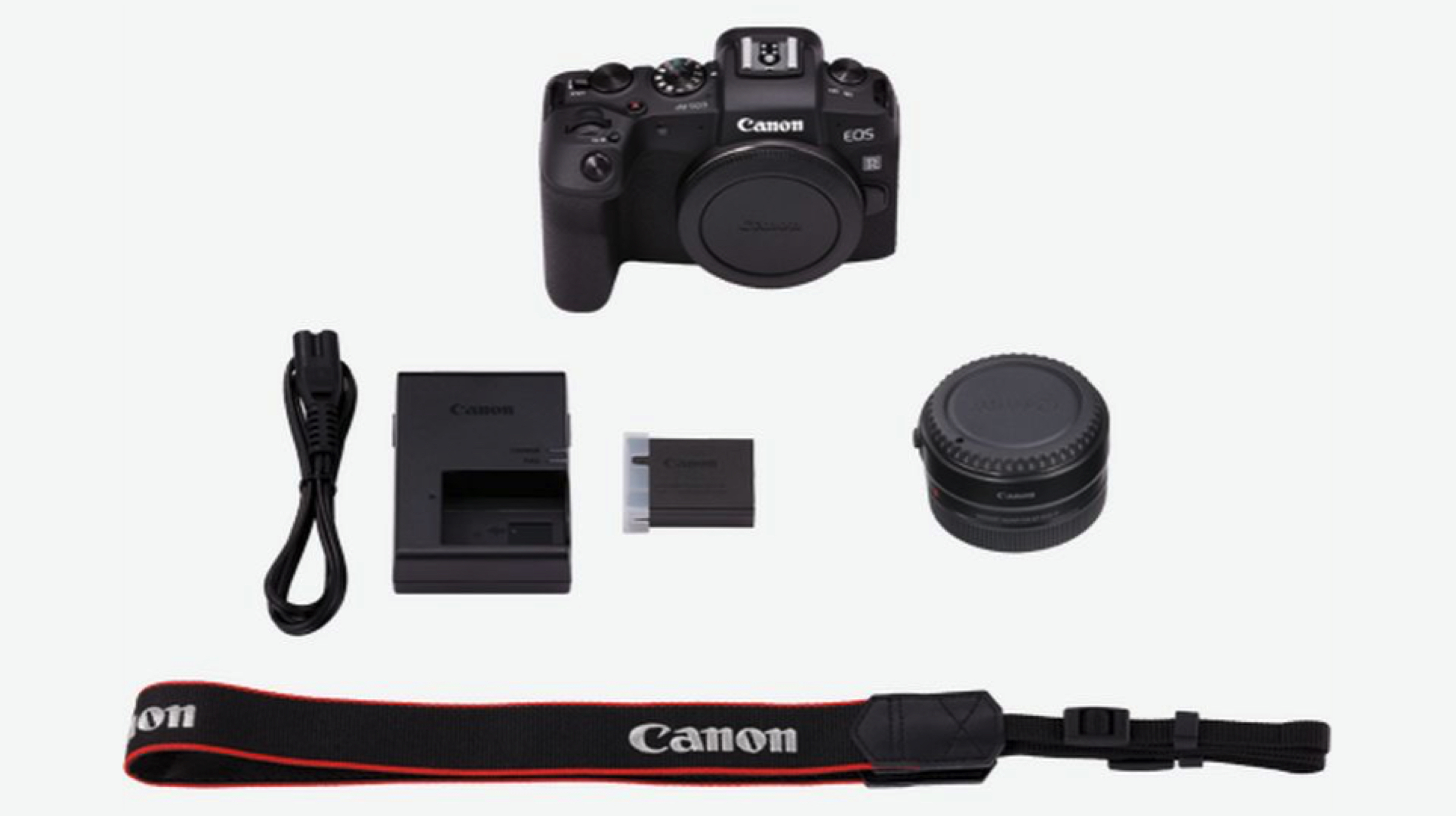
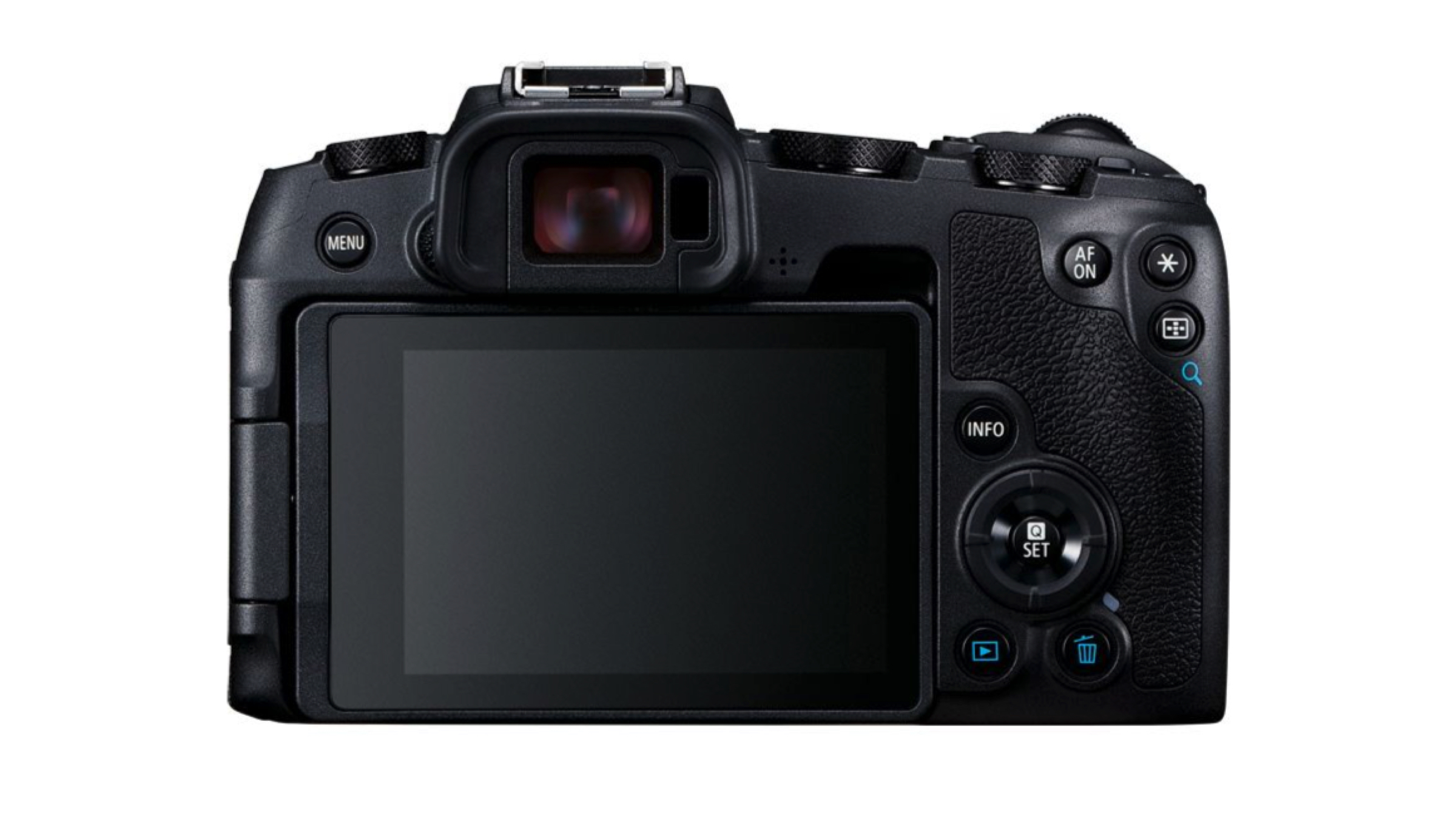
Also read: Canon Launches The EOS RP Mirrorless Camera In India
This technology employed by Apple is expected to be groundbreaking as the company is known to wait out on current trends until they are perfected. The foldable device from Apple may be a smartphone or a computing device, like an iPad which will turn into a compact device when folded. As per the reports, the company may release the device next year.
You can check out the patents filed by Apple here.
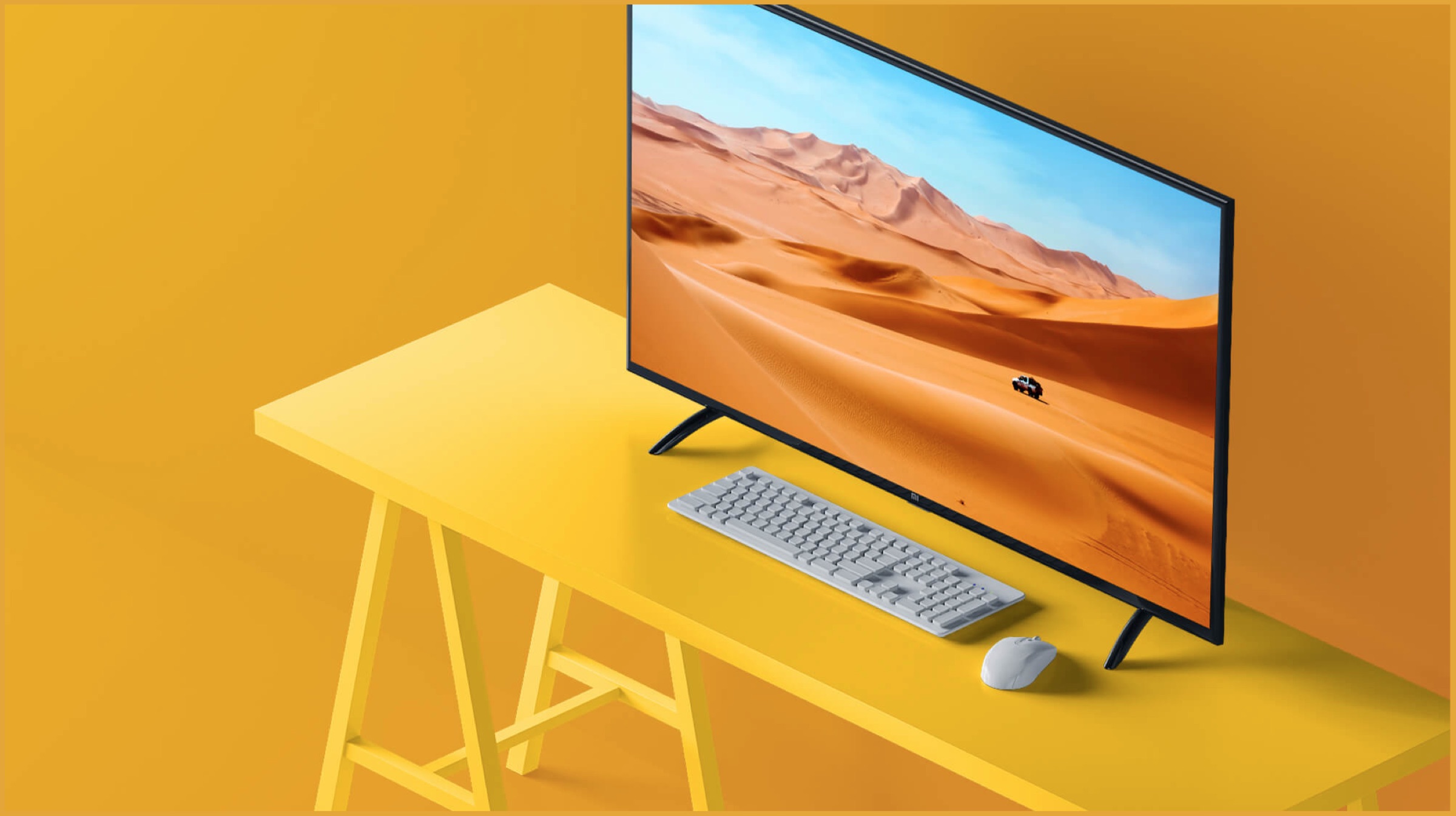
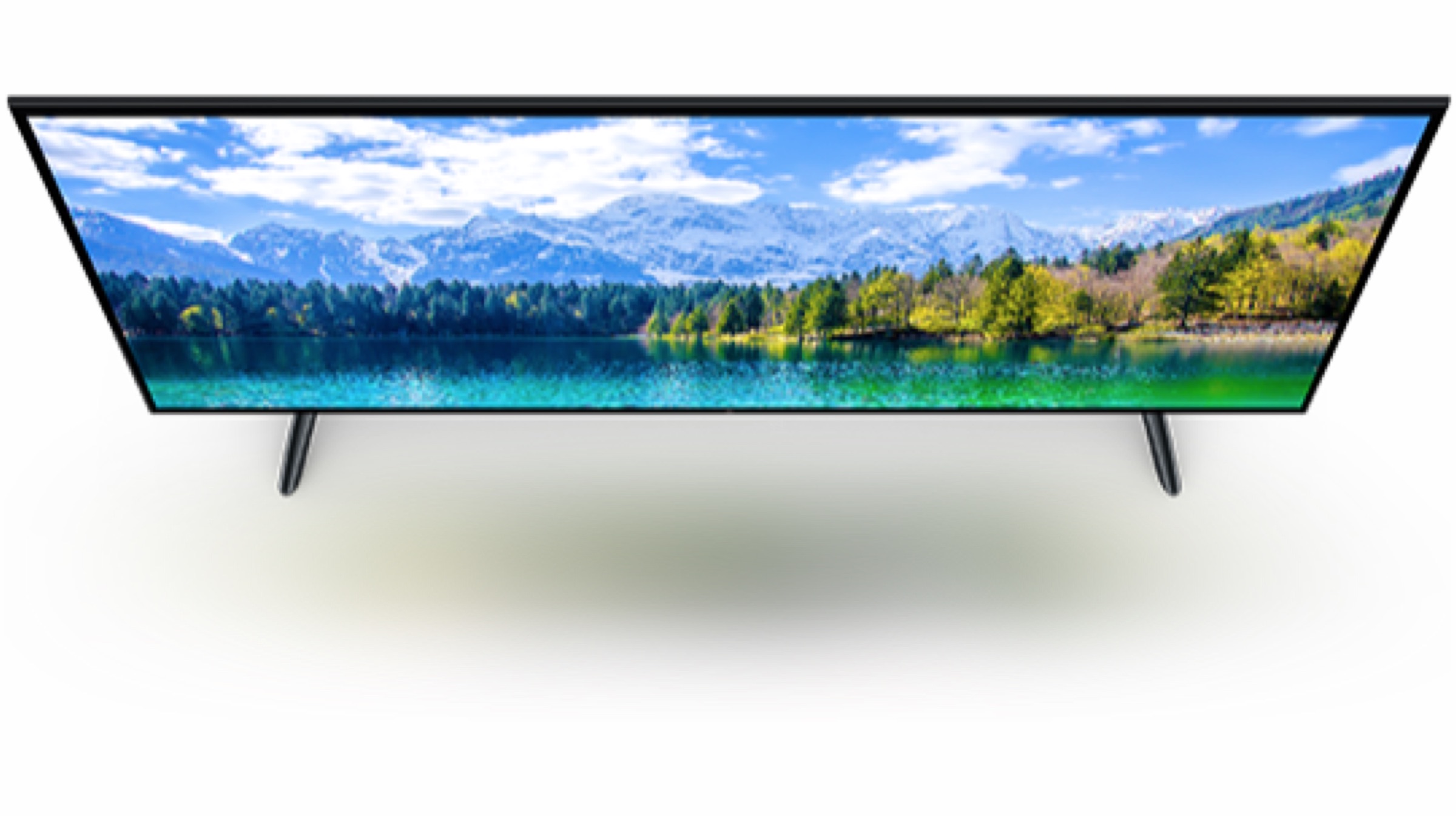
 The Mi LED TV sports an Ultra-bright HD ready display, which promises vivid colours and enhanced brightness. The display is paired with 20W (10W x 2) stereo speakers with dts-HD support, which deliver a powerful sound experience. The LED TV has thin bezels giving it an elegant appearance. It also has inbuilt PatchWall to personalize content by curating shows and movies for the user.
 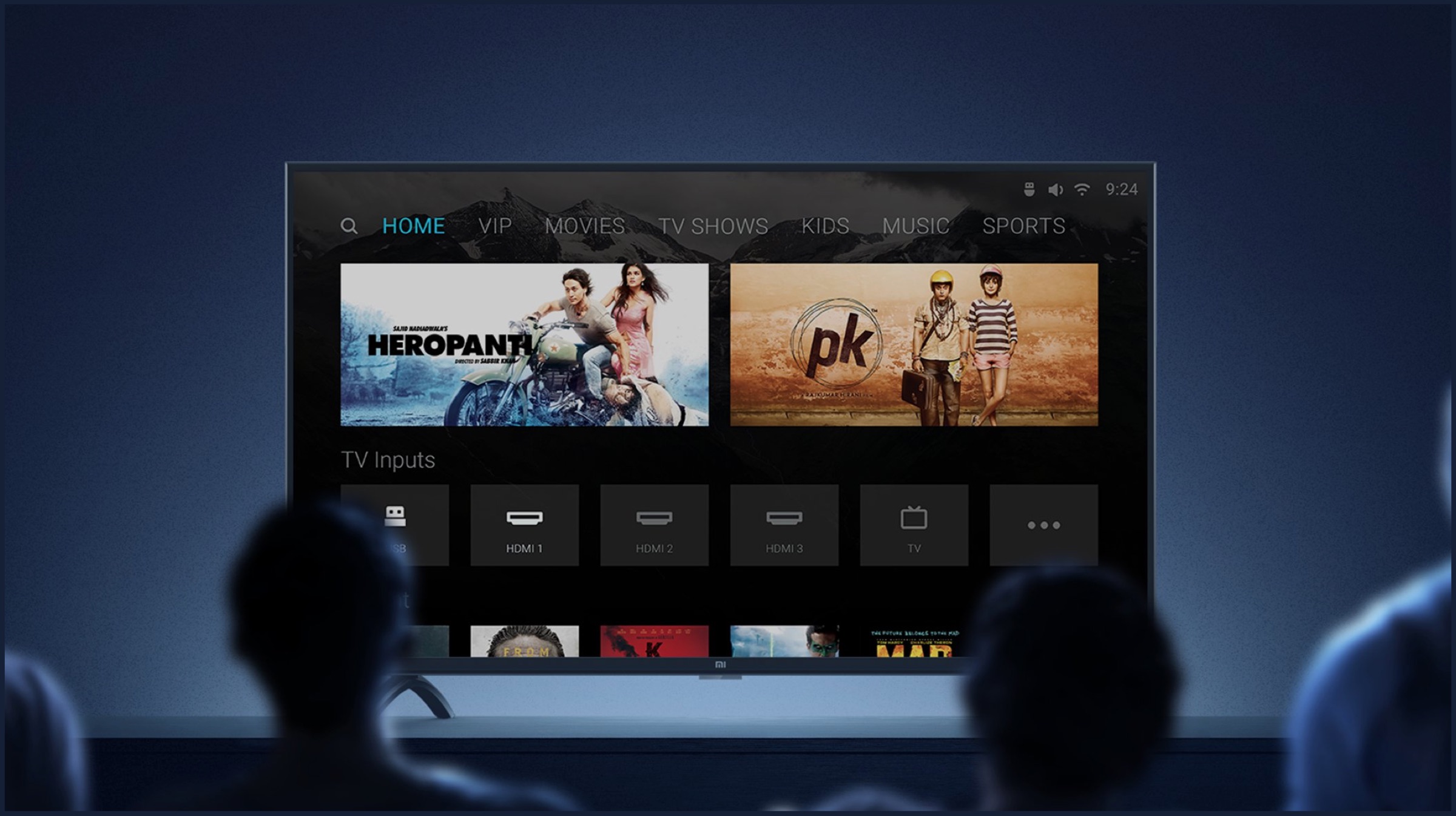 Xiaomi claims that the Mi LED TV 4A has more than 7,00,000+ hours of content available. All this content is available across streaming services like Hotstar, Voot, TVF and Sony LIV, which are preloaded on the Mi LED TV. It also features inbuilt Play Store Chromecast and the Google Voice Assistant for hands free operation. The TV runs on PatchWall and Android TV OS.
 The Smart TV has a powerful 64-bit Quad Core processor to minimize system lag. Furthermore, Mi LED TV has 1GB RAM and 8GB of inbuilt storage. Multiple connectivity options such as HDMI, USB 2.0, AV and a 3.5 mm audio jack are available on the television. Wireless connectivity support includes Bluetooth v4.2 and Wi-Fi (2.4 GHz).
  Also Read:
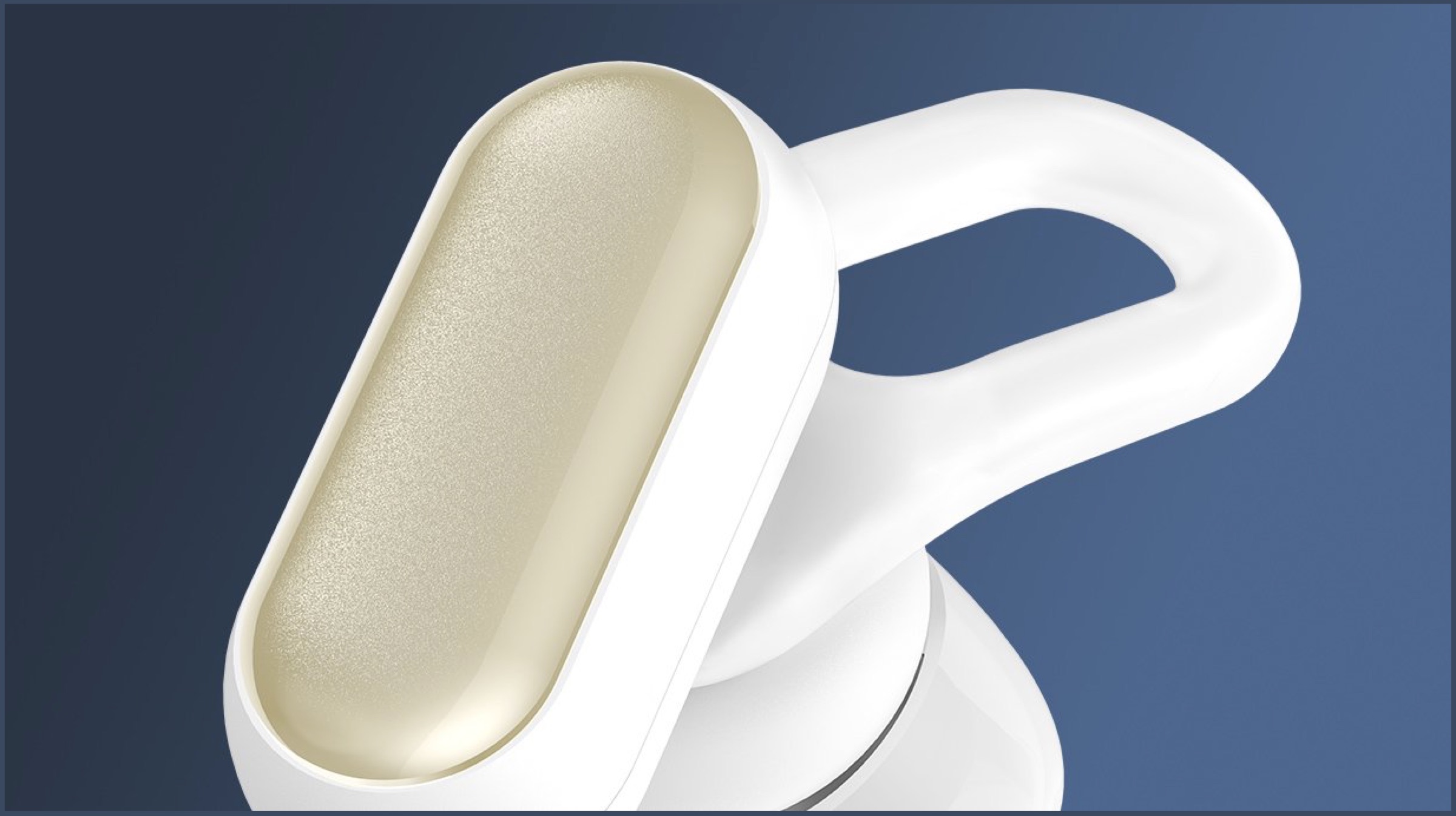 Xiaomi has released some quality earphones in the past, including the Mi Earphones and Mi Earphones Basic. The Mi Sports Bluetooth Earphones are the first ever wireless earphones that the company has launched in India. They sport a minimalistic design along with a ton of other features. Weighing in at 13.6 grams, the earphones are light and should be easy to carry around. They have a sleek reflective finish and the company claims to use reverse spray technology to make the earphones stand out. The earphones also sport an adjustable ear hook which can be rotated at a 360 degree angle as per user comfort.
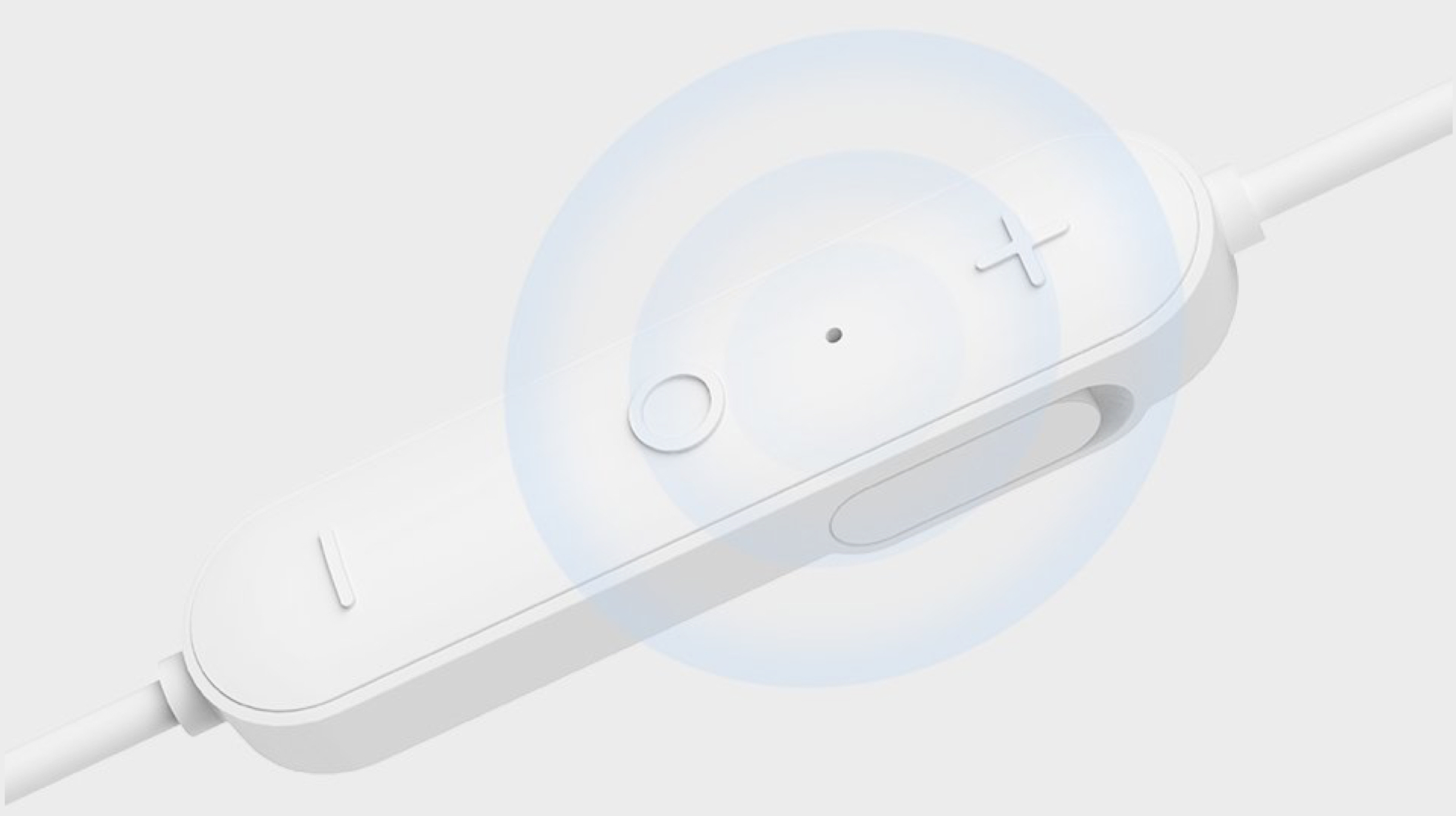 Regarding connectivity, the Mi Sports Earphones has Bluetooth v4.1 integration that offers a range of upto 10 meters. The earphones feature copper wired speakers and PET (
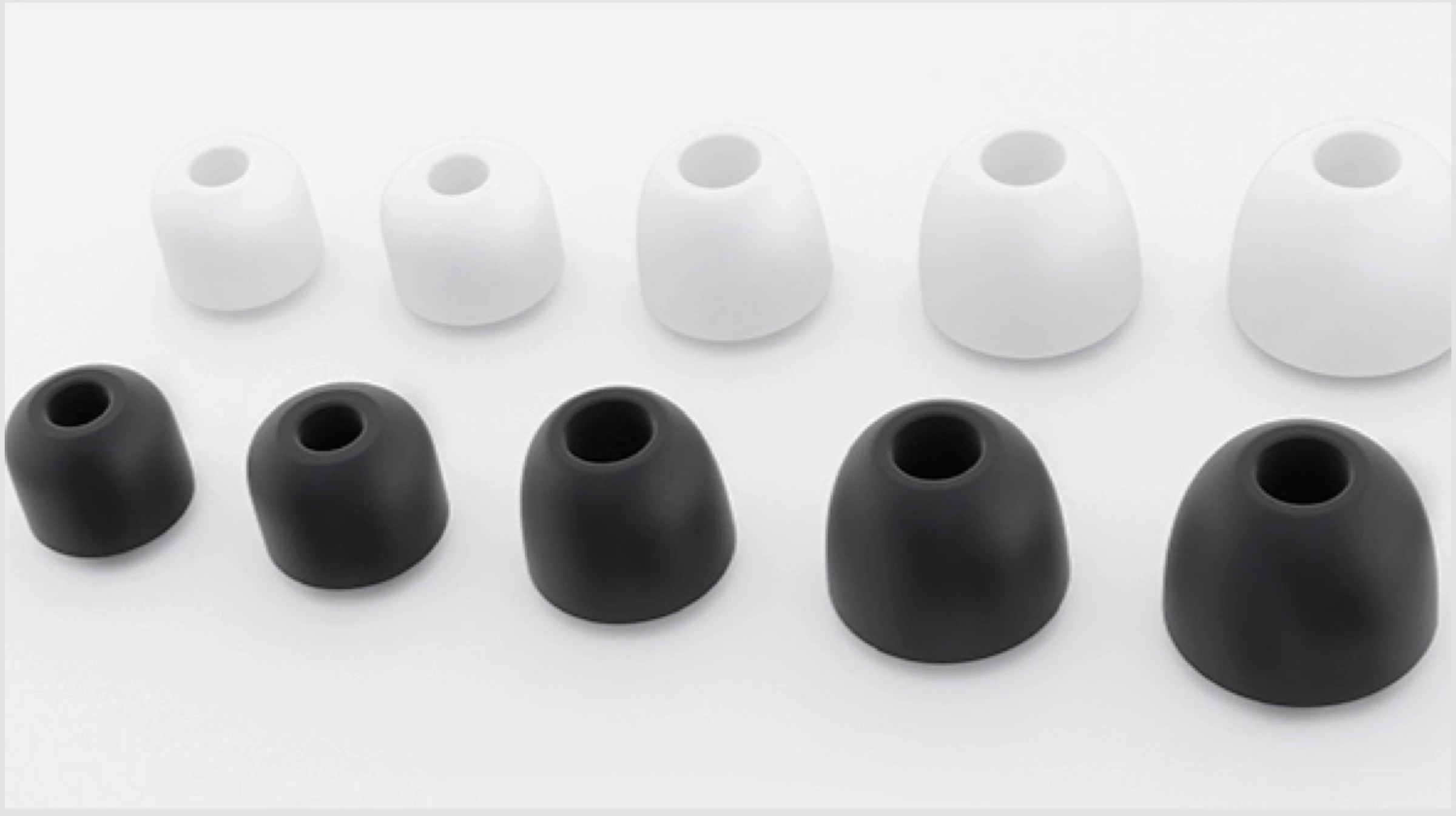 In terms of battery, the Mi Sports Bluetooth Earphones Basic can endure up to 9 hours of continuous usage before the 120 mAh battery runs out of juice. Apart from this, the earphones also have a standby time of 260 hours. The earphones can be charged via the microUSB 2.0 cable that is included in the package along with extra silicone buds for different ear sizes. Furthermore, the earphones are IPX4 sweat and splash proof to safeguard them against rain and accidental liquid splashes.
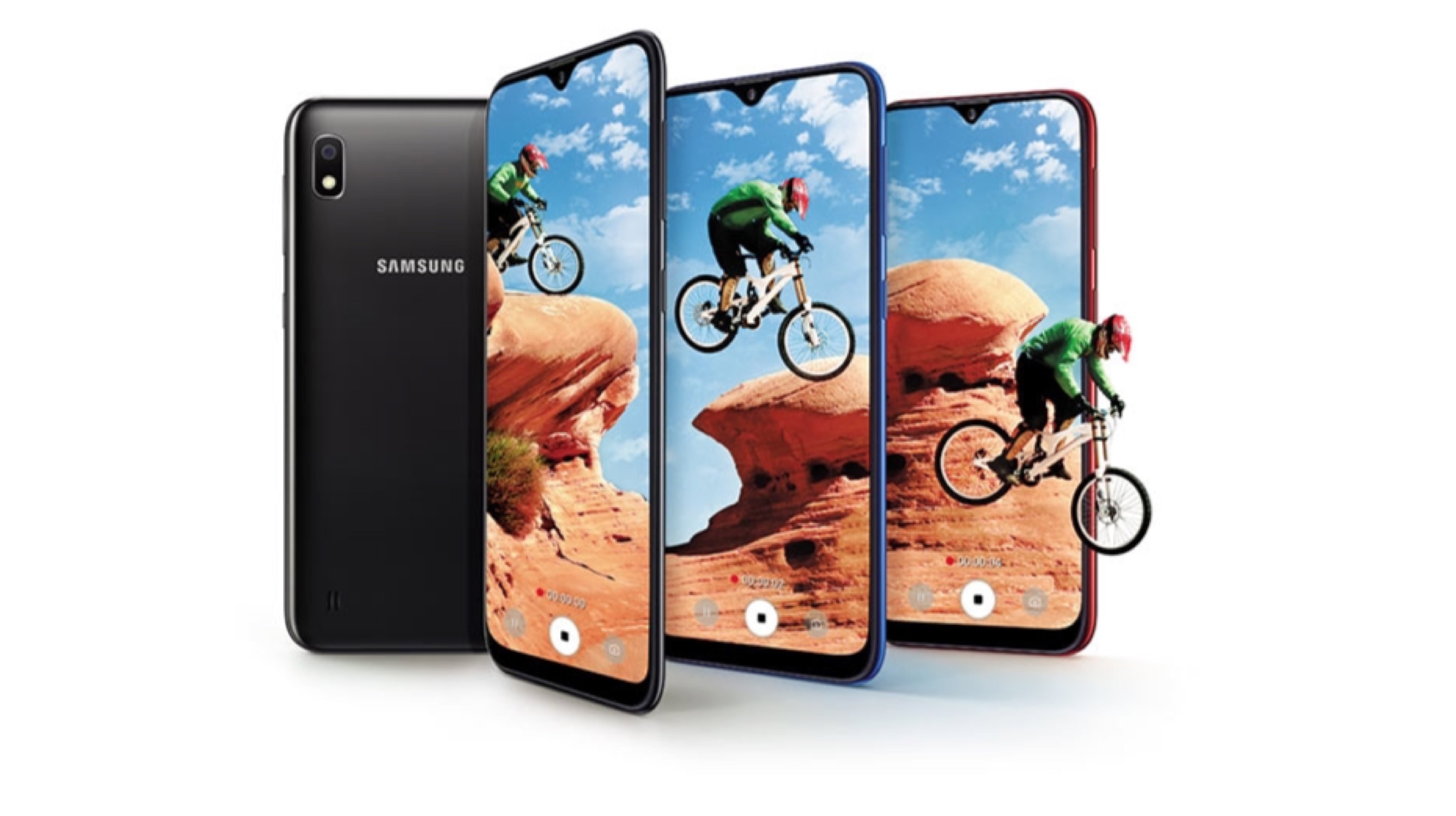
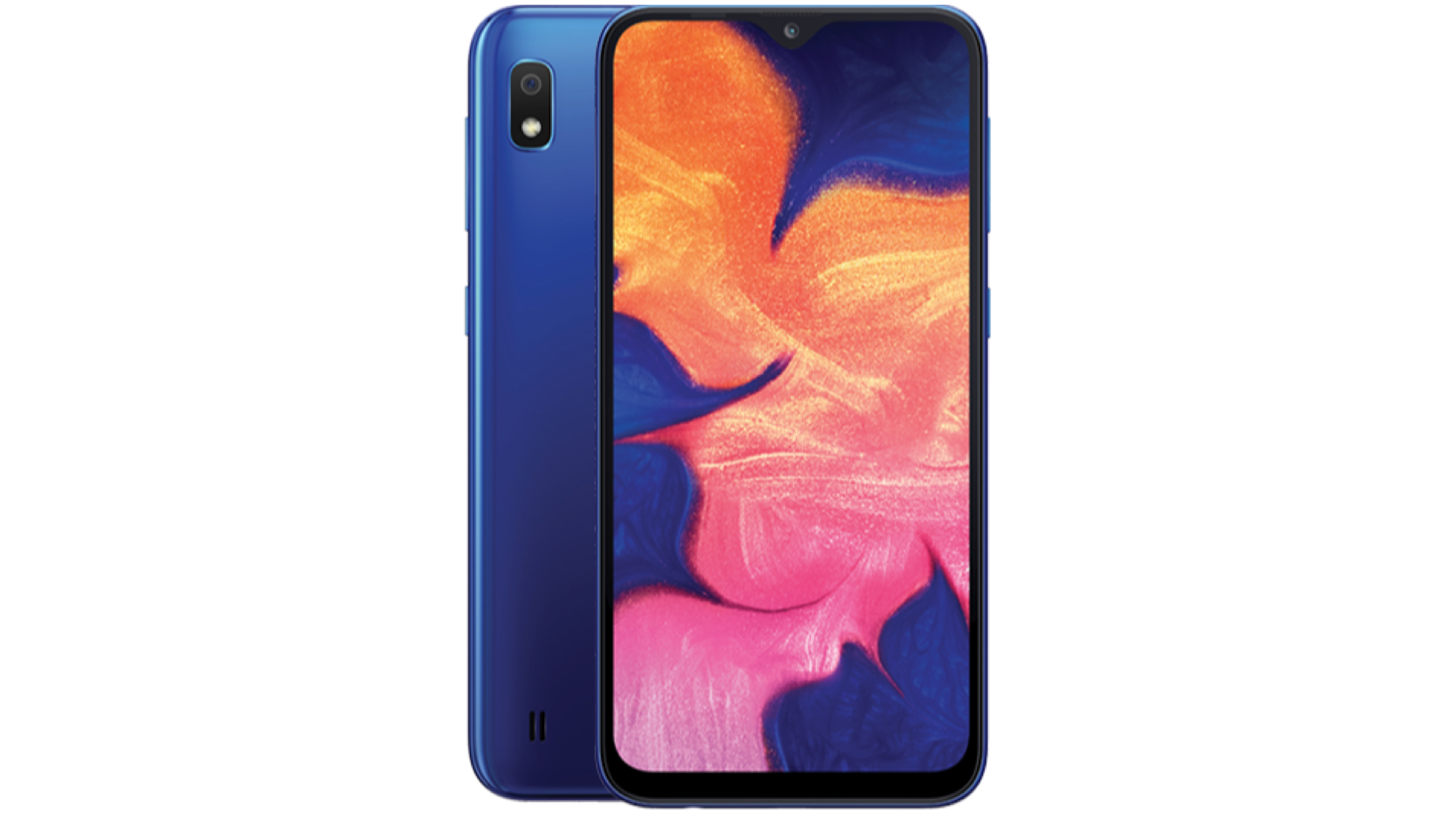 The Samsung Galaxy A10 features a 6.2 inch HD+ Infinity-V display. The smartphone measures at 155.6 x 75.6 x 7.94 mm. It sports a glossy plastic back panel, with a waterdrop notch on the front and a single camera module on the back. The speaker is present on the back near the bottom left corner of the panel. The right side of the smartphone houses the volume rockers and the power button, while the left side houses the SIM card tray. The bottom of the Galaxy A10 is occupied by a 3.5 mm headphone jack and micro USB 2.0 port which can be used for charging and data syncing.
 The Galaxy A10 packs the Exynos 7884 chipset, which comprises of an octa-core CPU. The device is available with 2 GB RAM and 32 GB of internal storage, which is expandable up to 512 GB via the dedicated microSD card slot. The smartphone runs on Android 9 (Pie) out of the box, with Samsung’s One UI on top. It sports a single 13 MP (f/1.9) rear camera with an LED flash and a single 5 MP (f/2.0) front facing selfie camera. The Galaxy A10 is powered by a 3,400 mAh battery.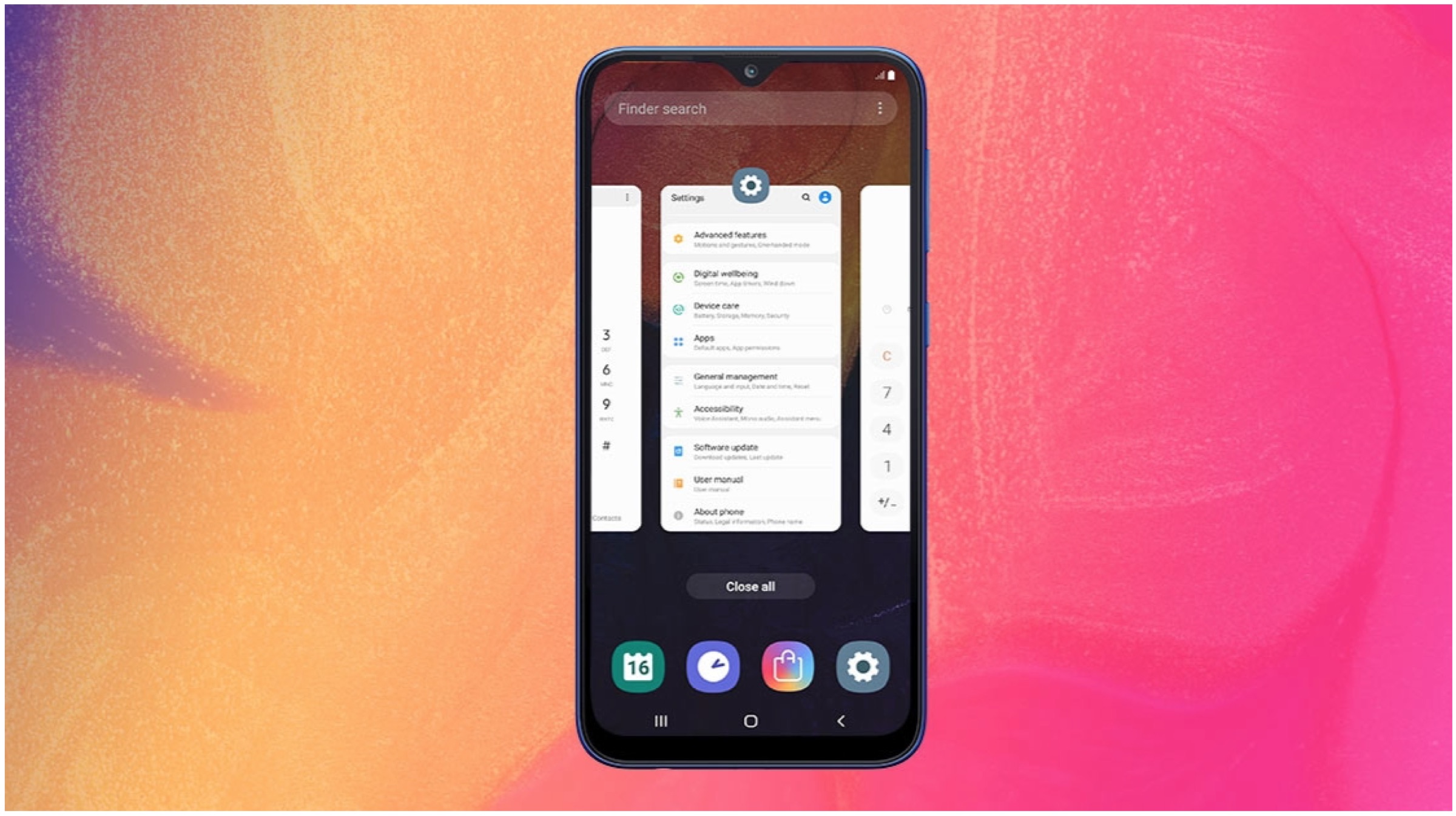
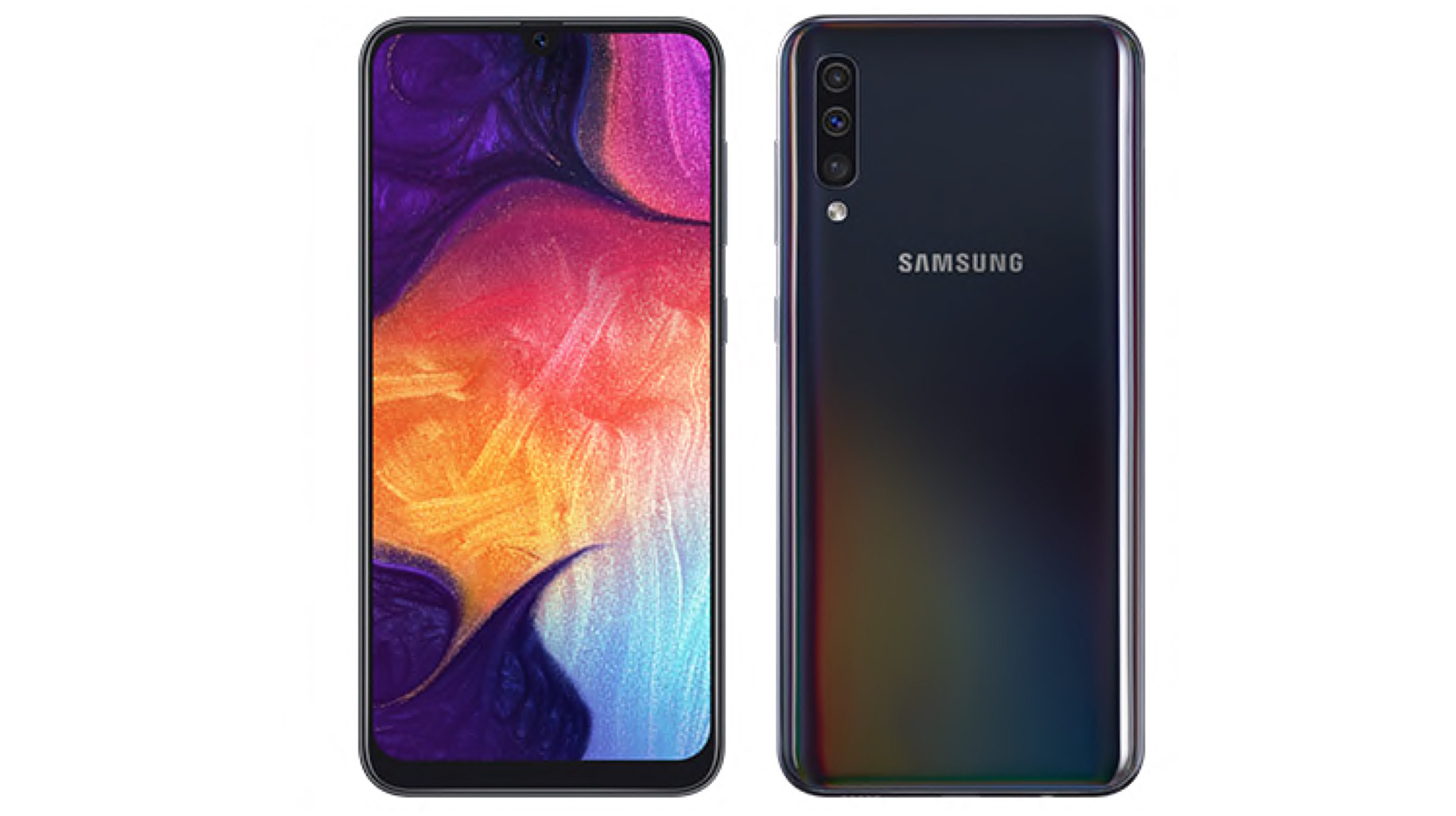
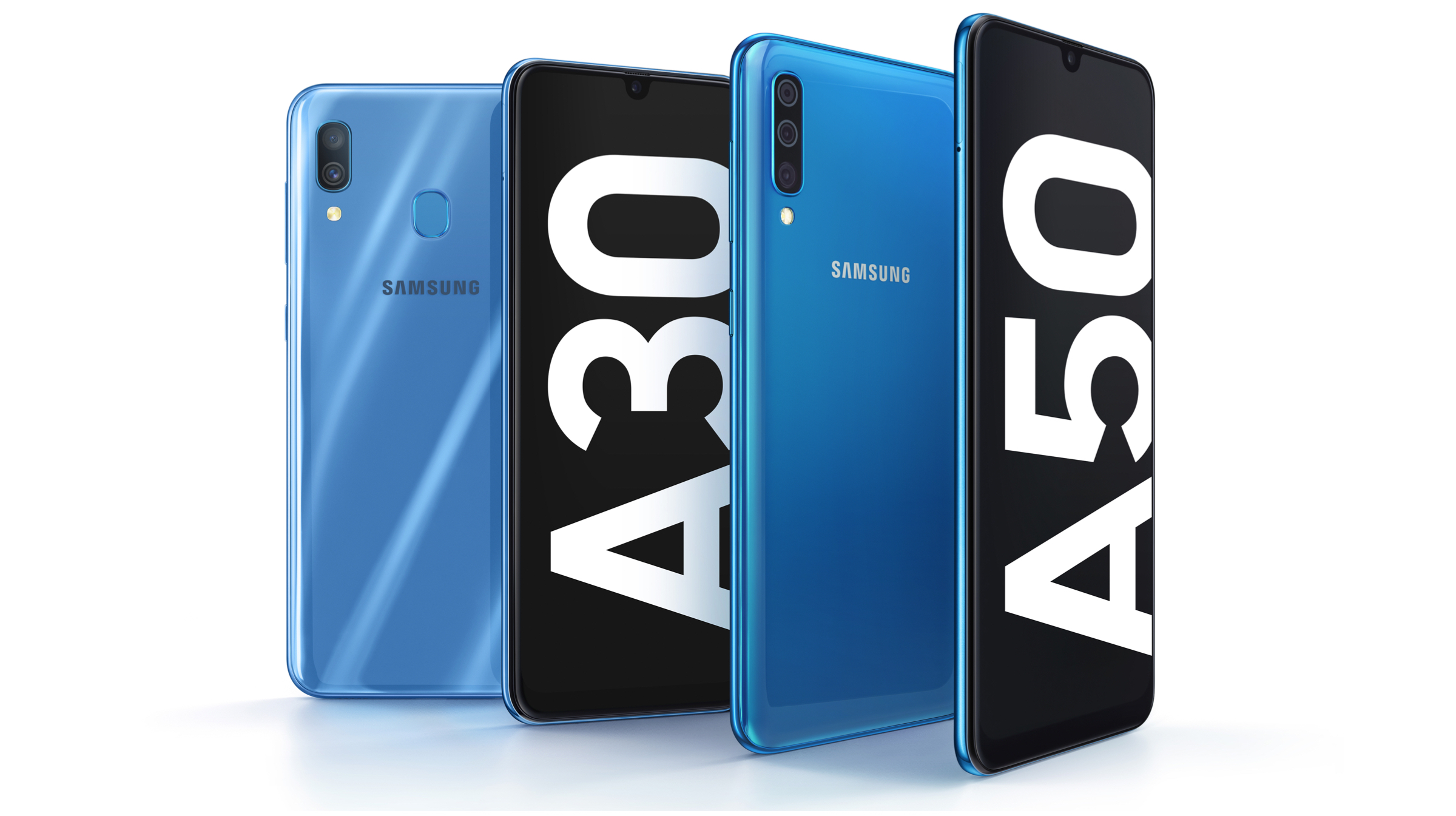
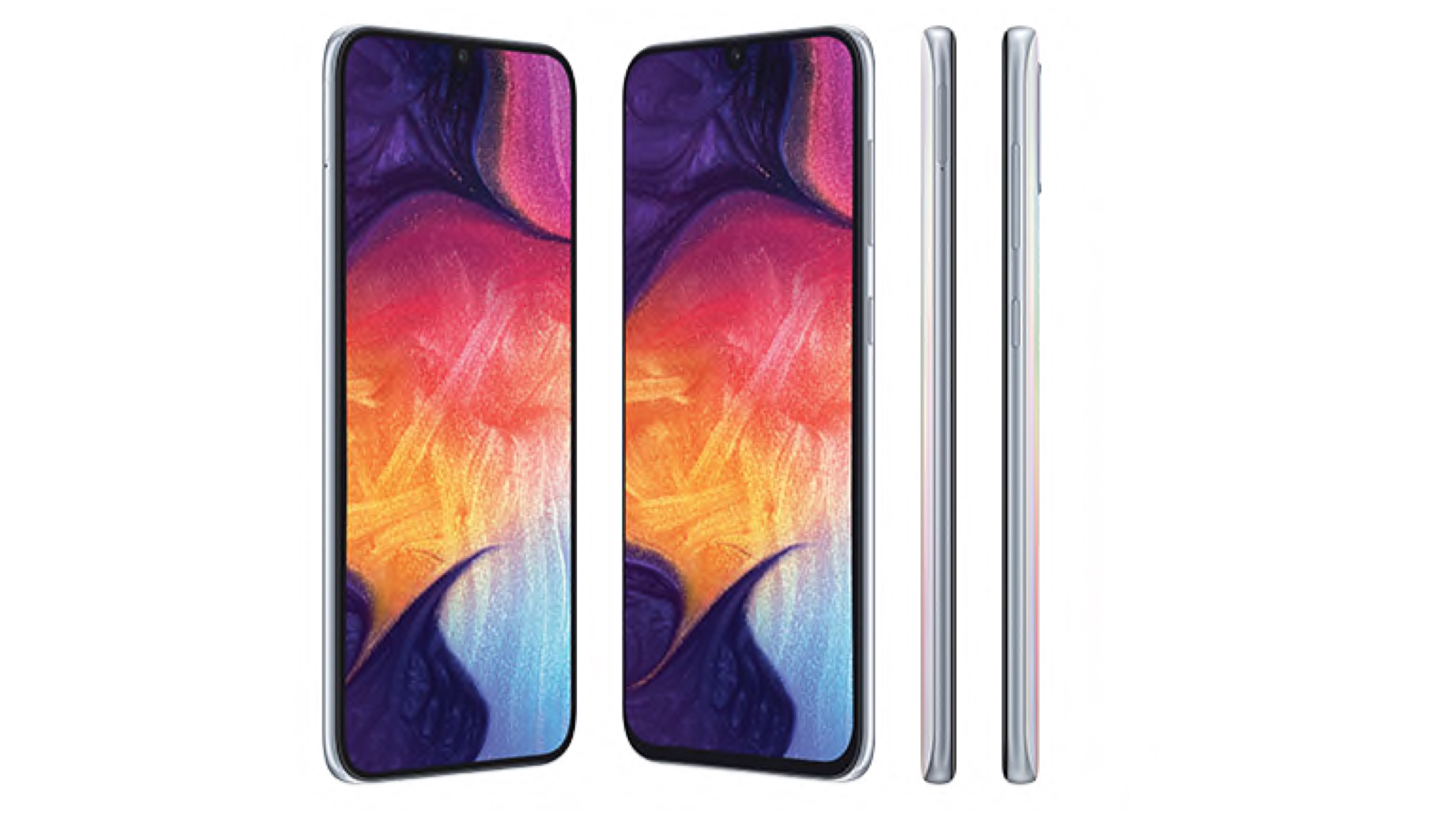

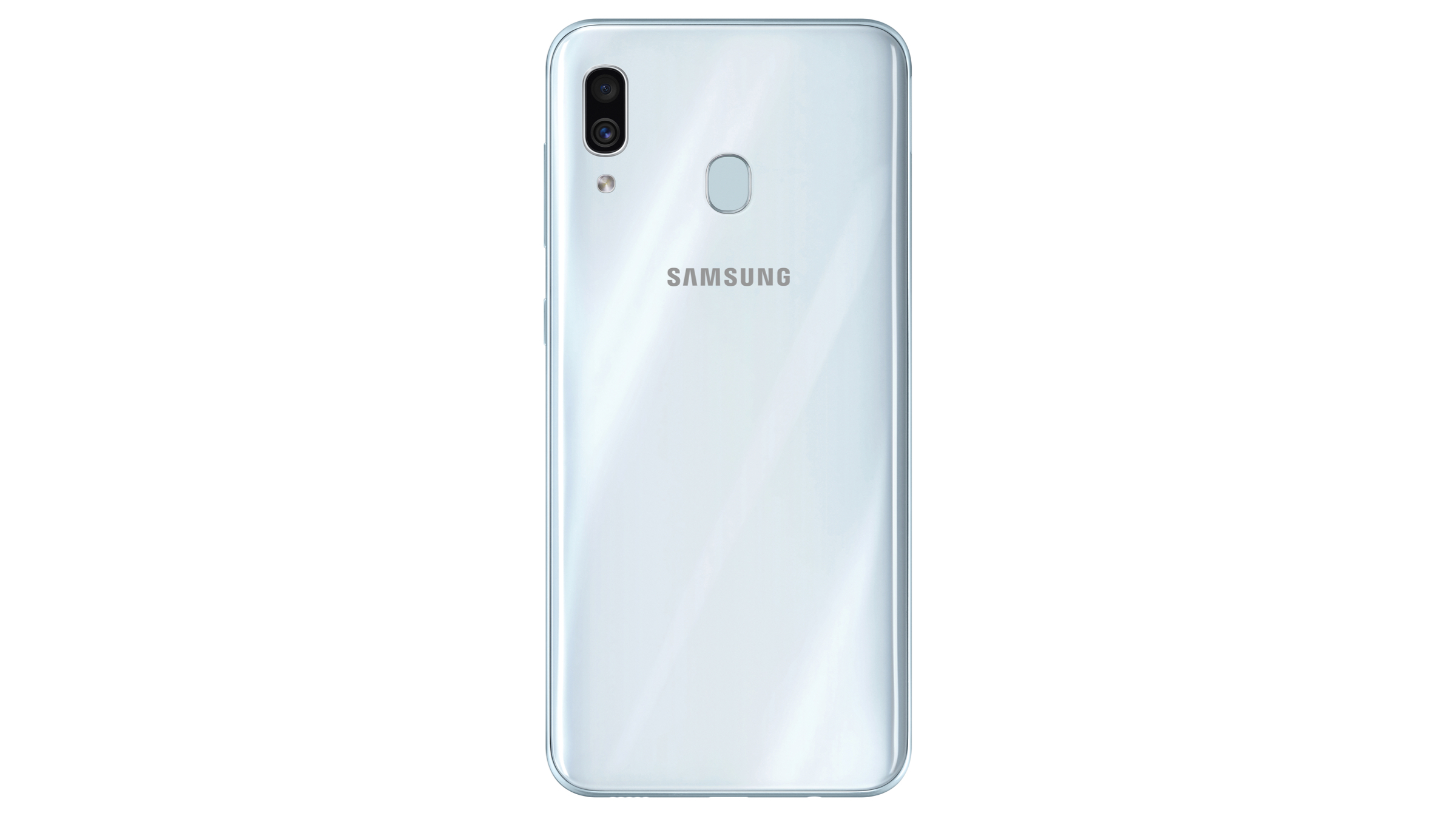
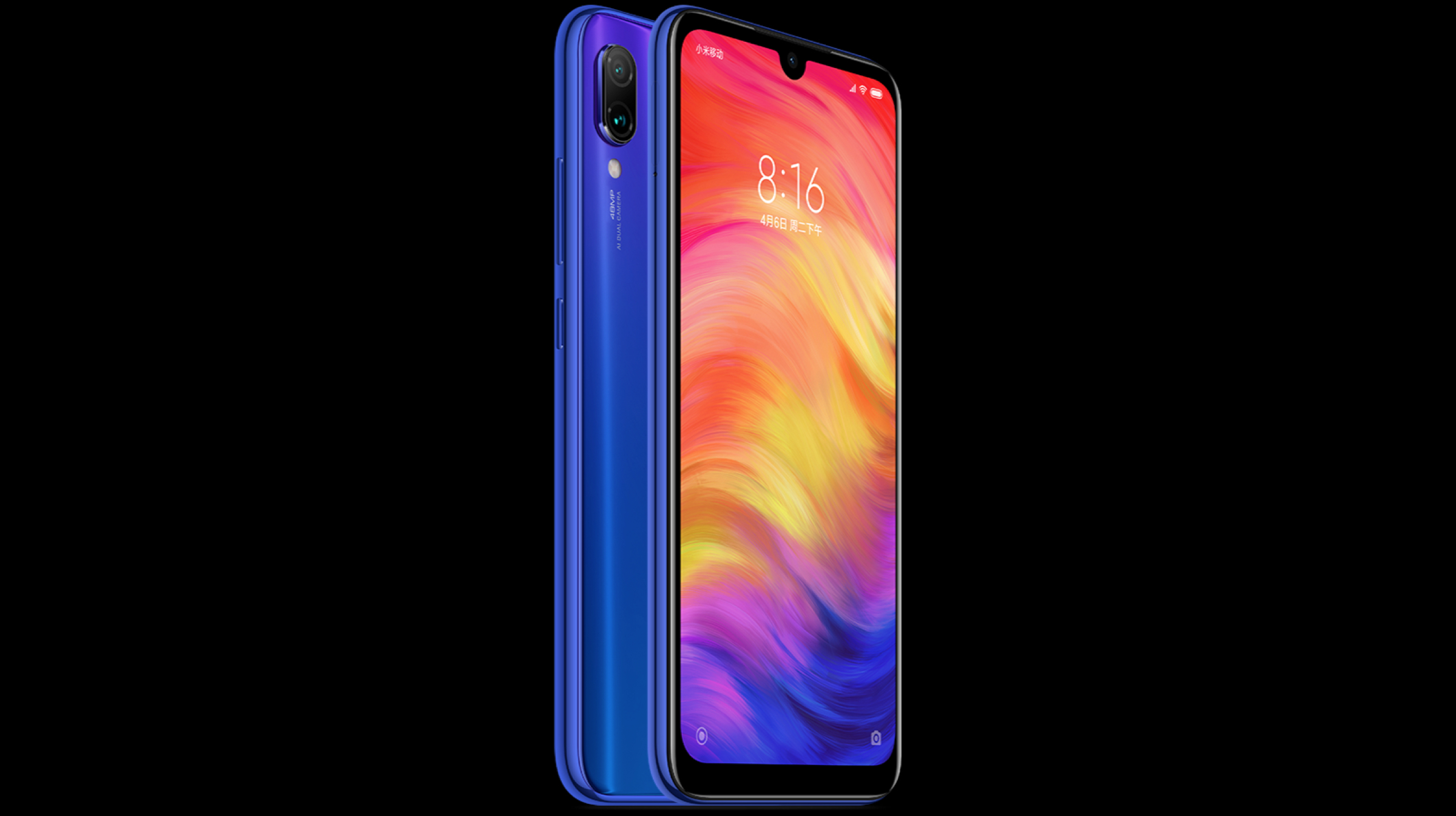
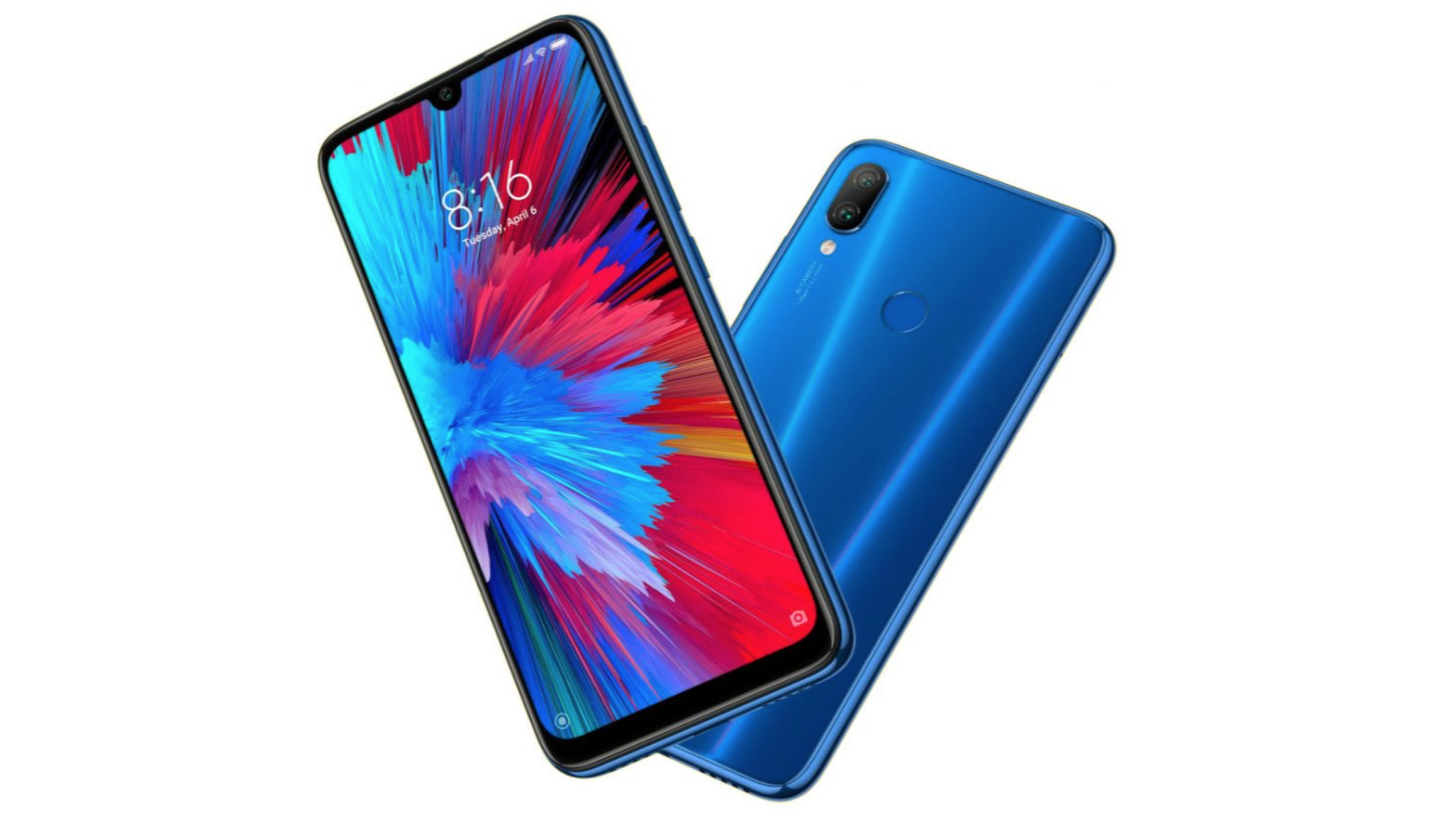
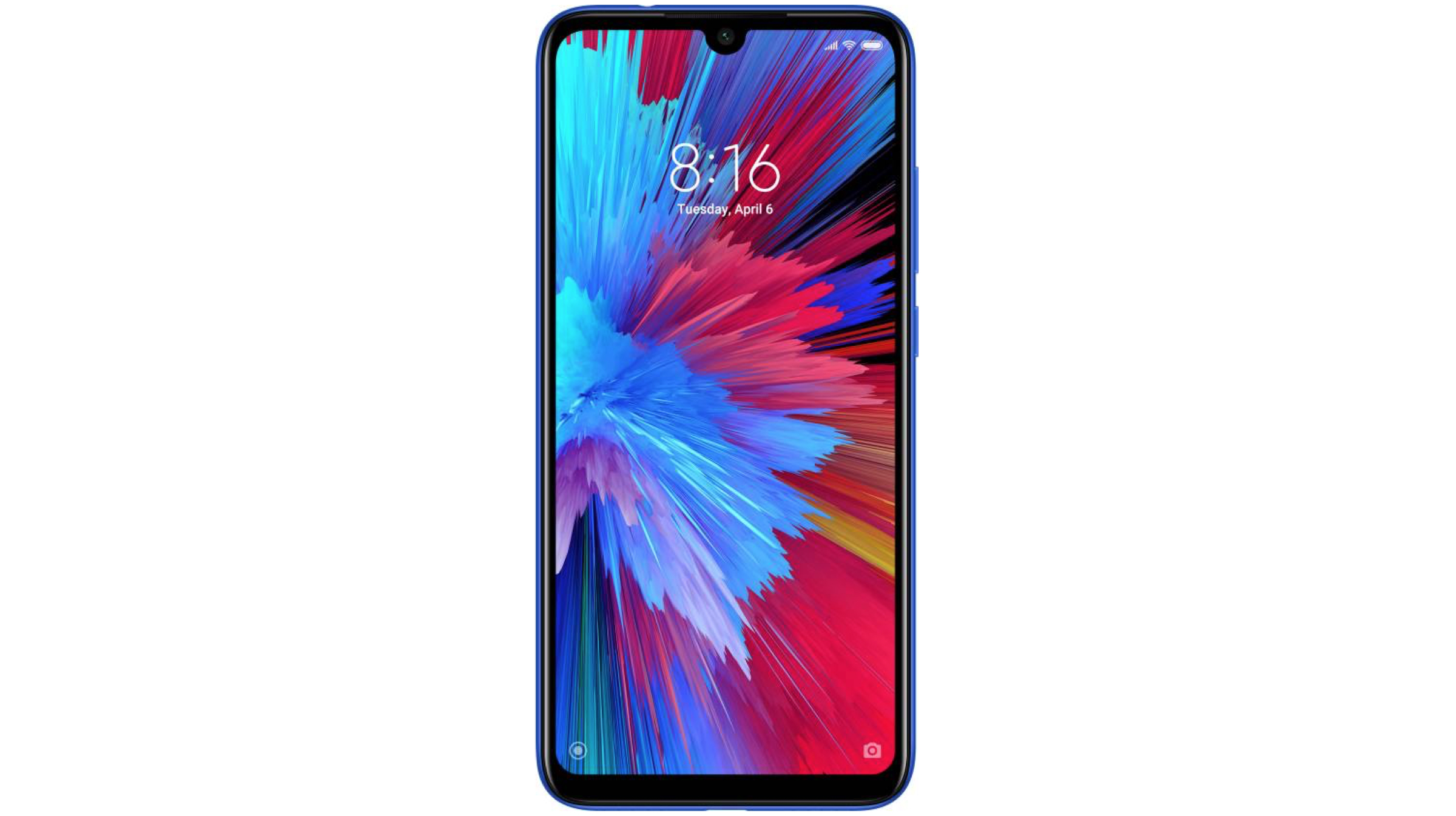
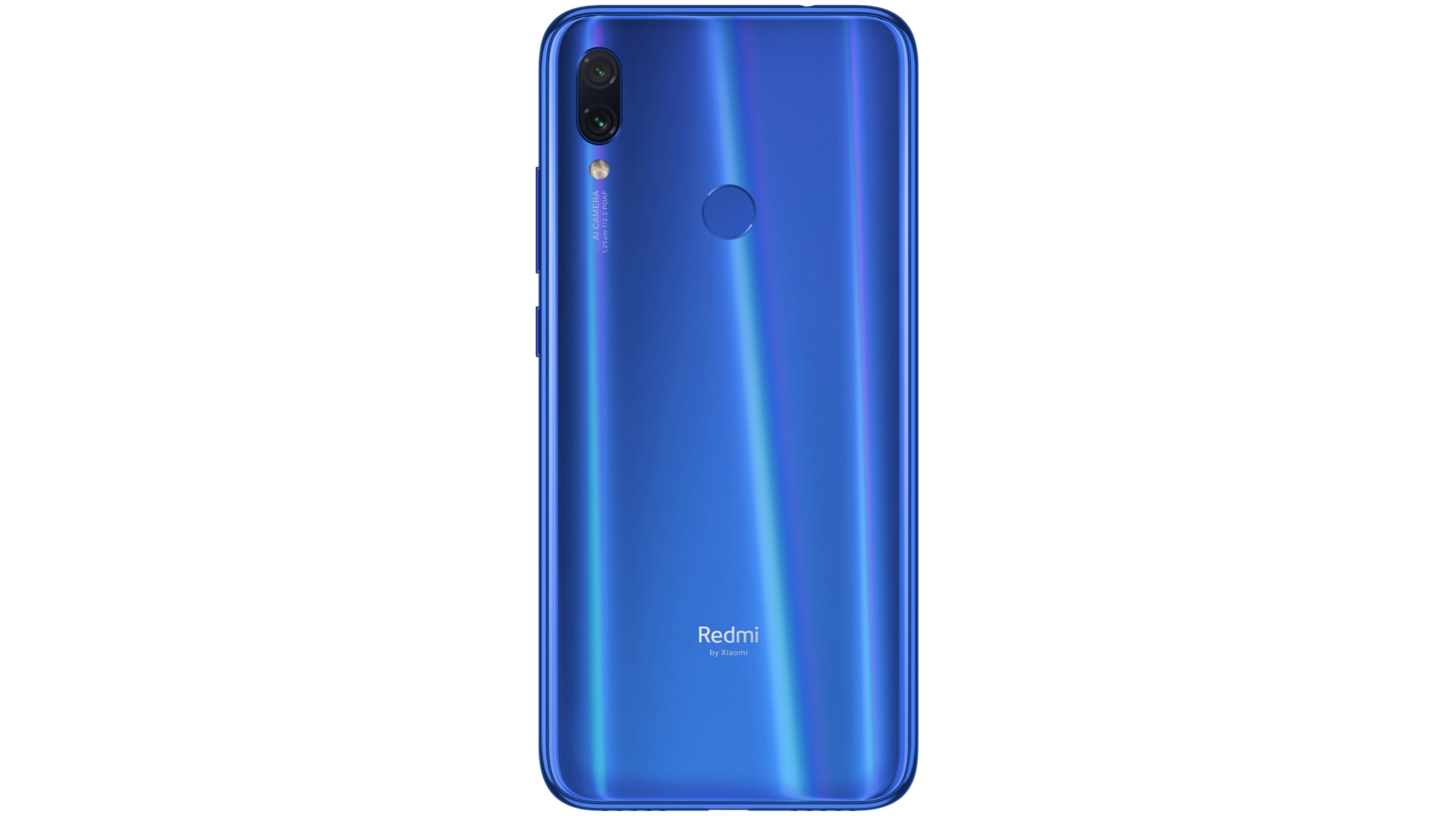
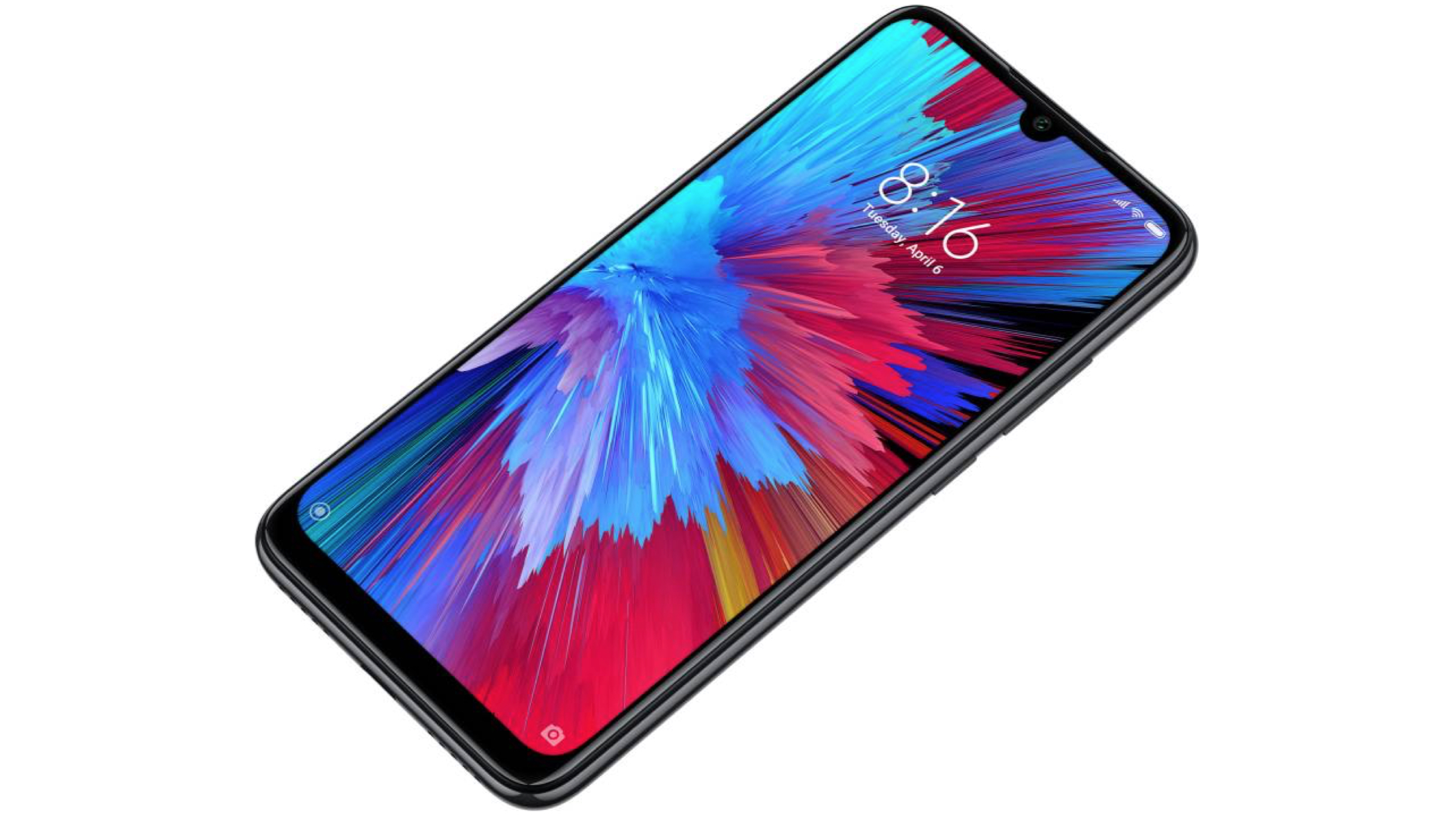
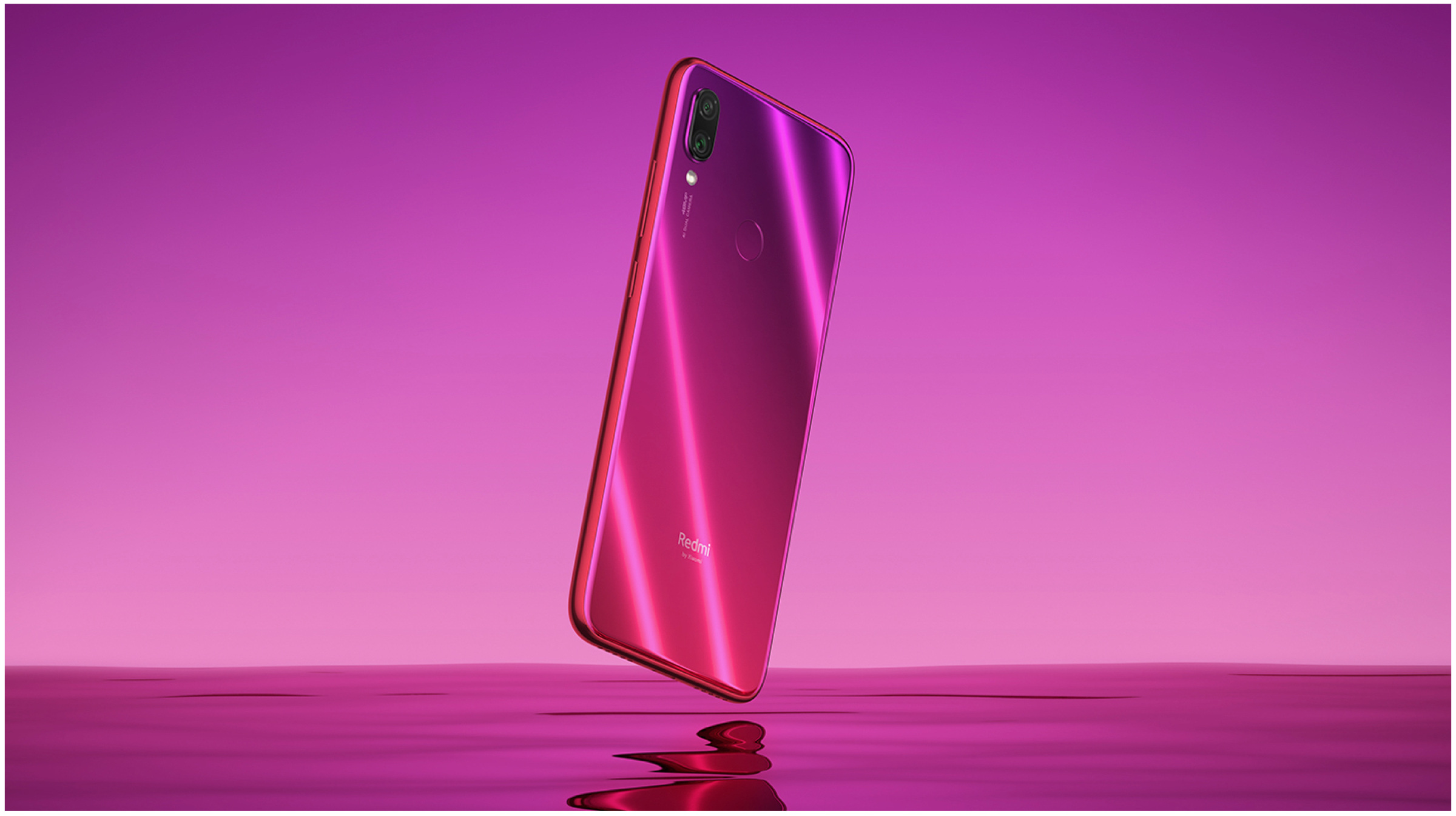 The Redmi Note 7 Pro sports the Aura Design, which features 1.95 mm thin bezels and a 2.5D curved glass design. The glossy curved frame houses the 6.3 inch LTPS FHD+, dot notch display. The screen has an aspect ratio of 19.5:9 with a 1500:1 contrast ratio. The device has Sunlight display for better outdoor viewing and a Reading mode to improve readability on the smartphone. The smartphone is protected on both sides by Corning Gorilla Glass 5. The Redmi note 7 Pro is the first Note device from Xiaomi to house a USB Type-C connector, which is placed on the bottom of the handset (right next to the speakers). It also retains the 3.5 mm audio jack and the IR blaster, both of which are present at the top of the phone.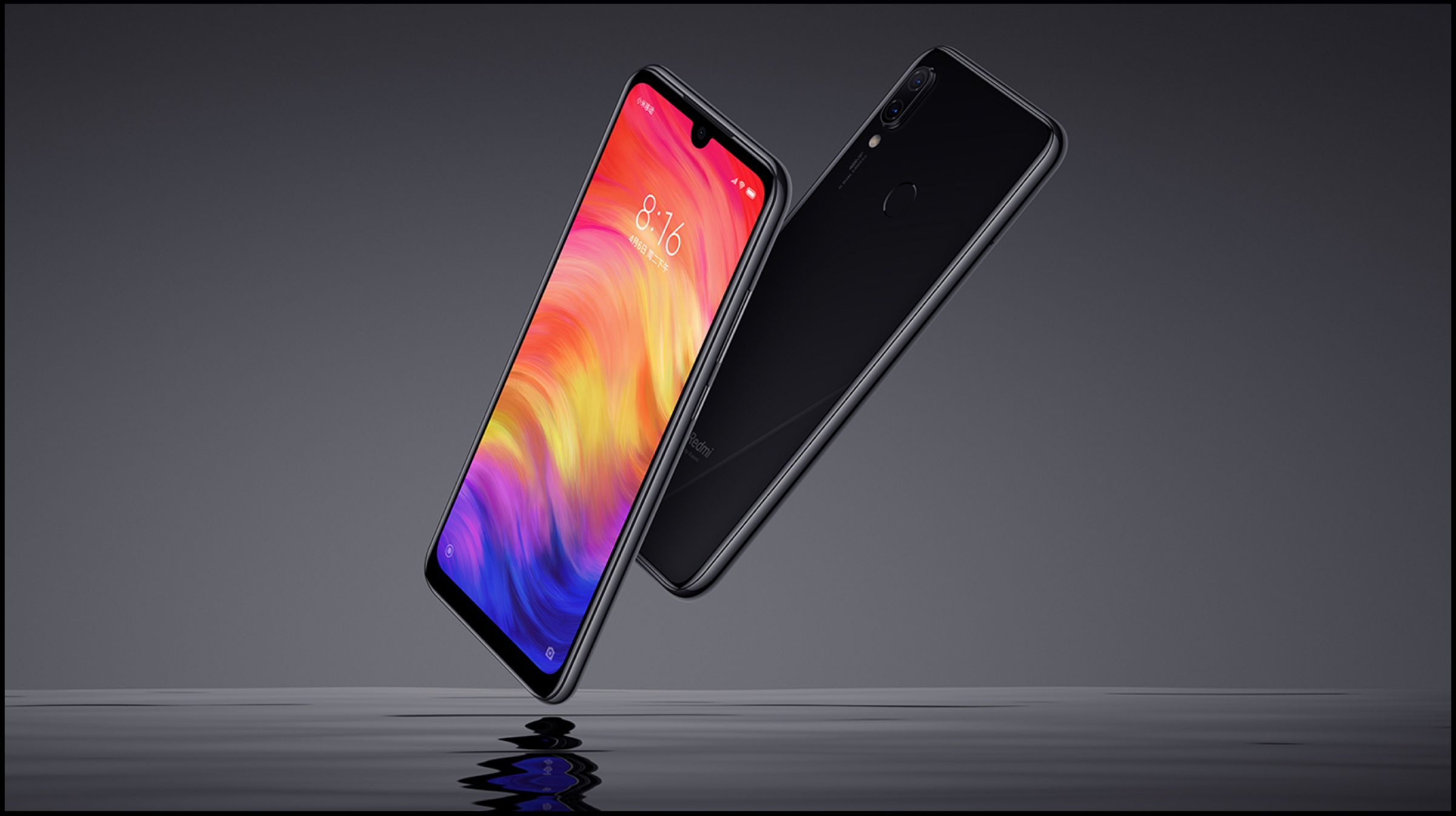
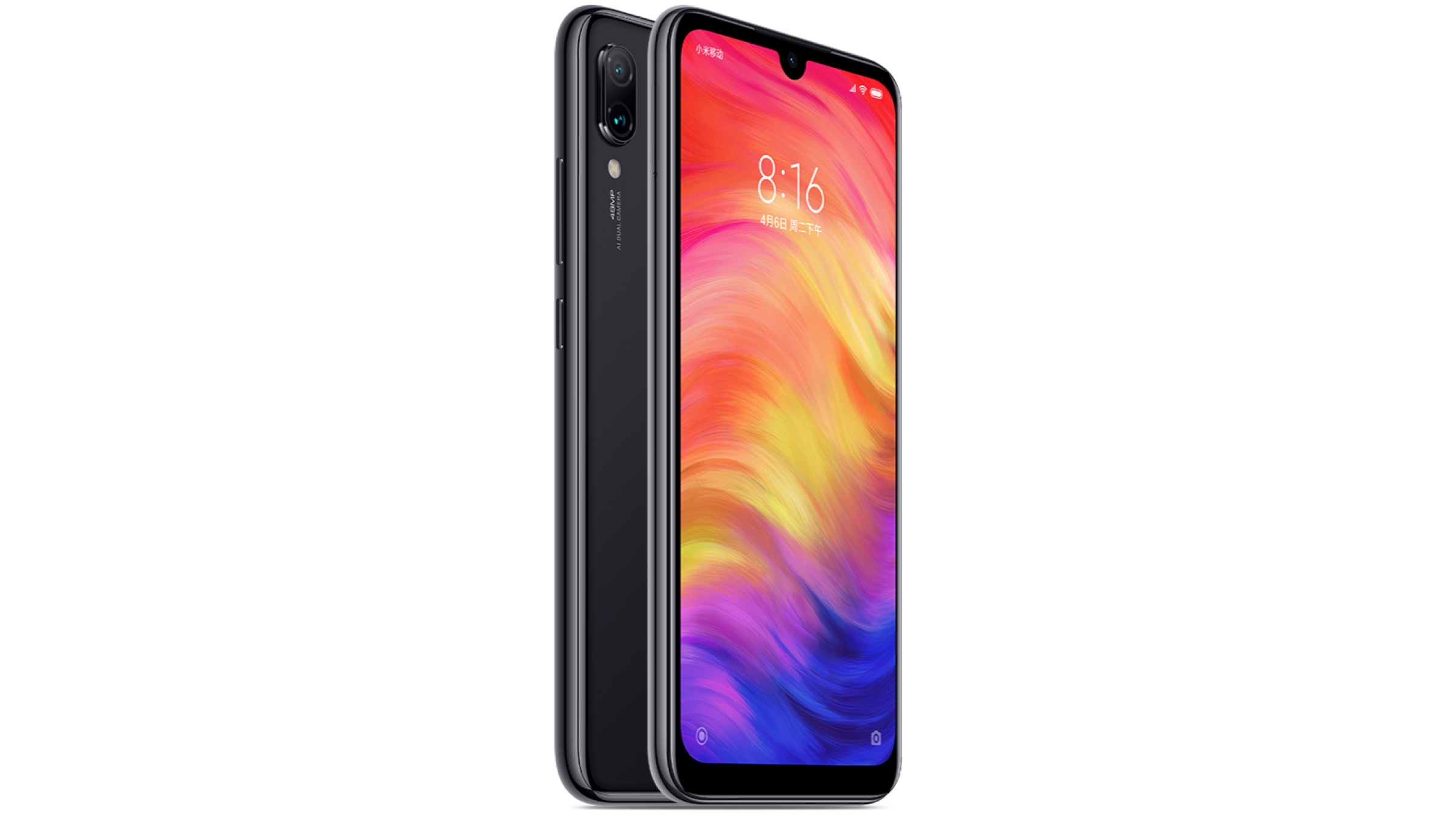
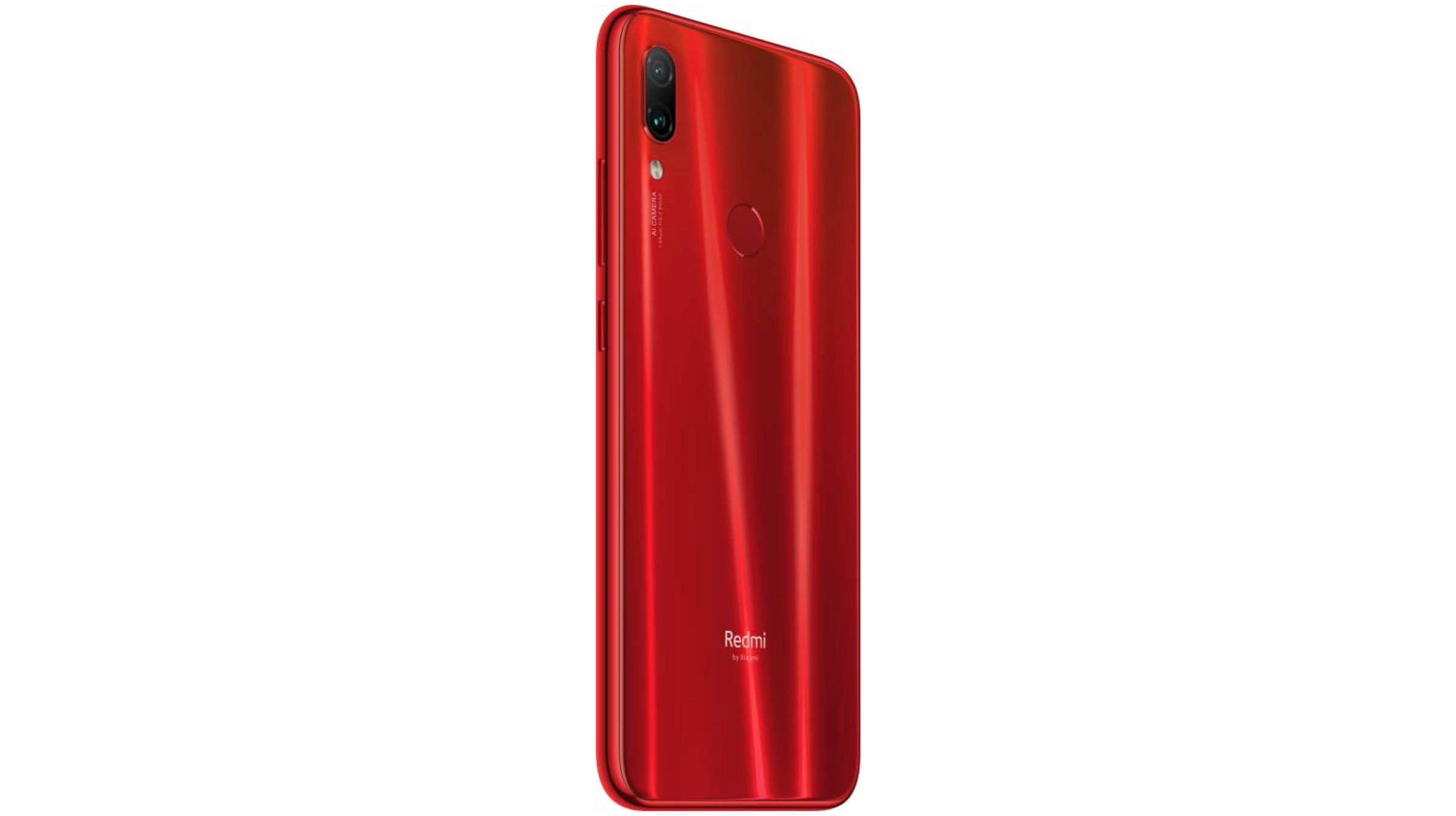
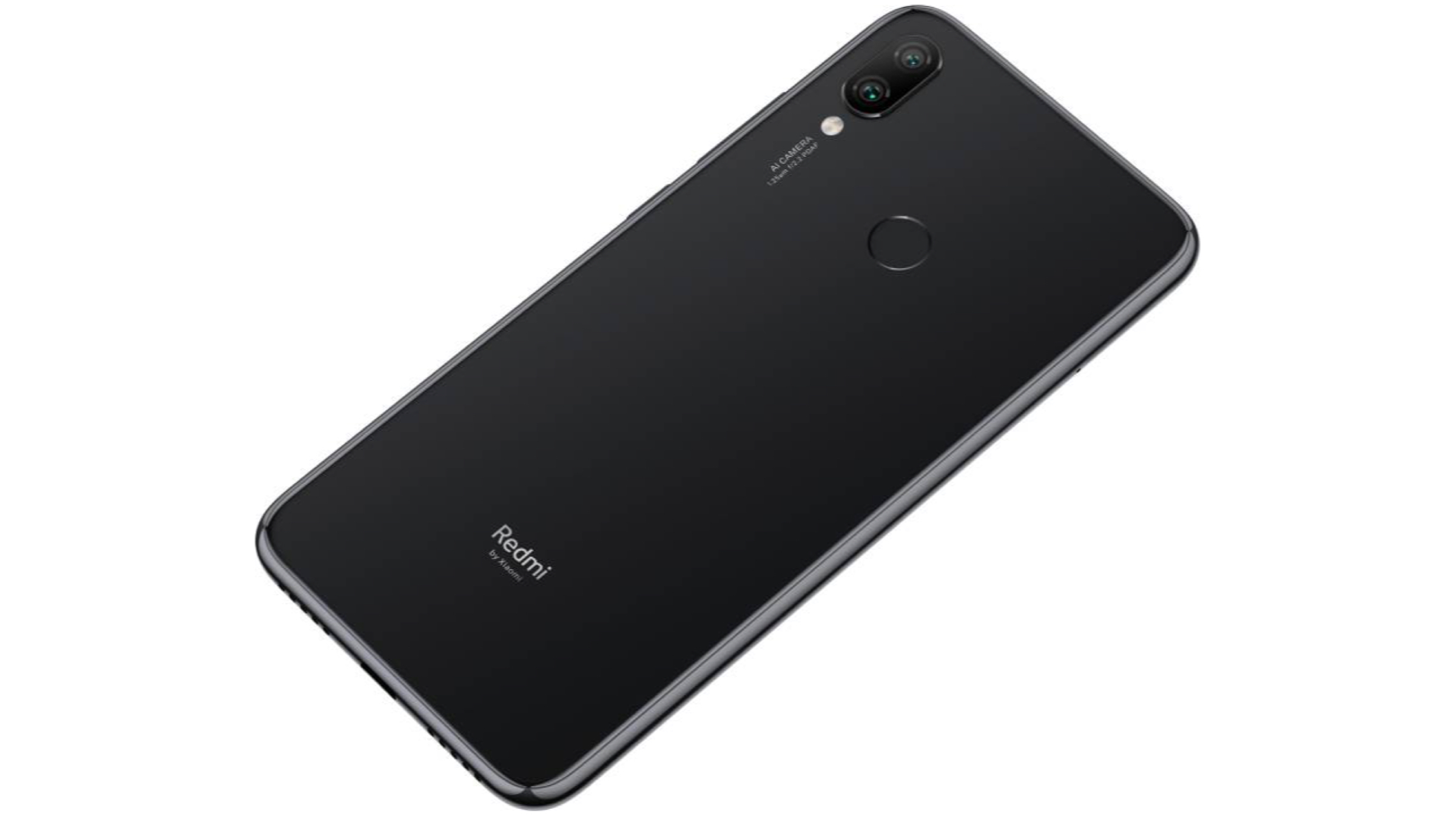
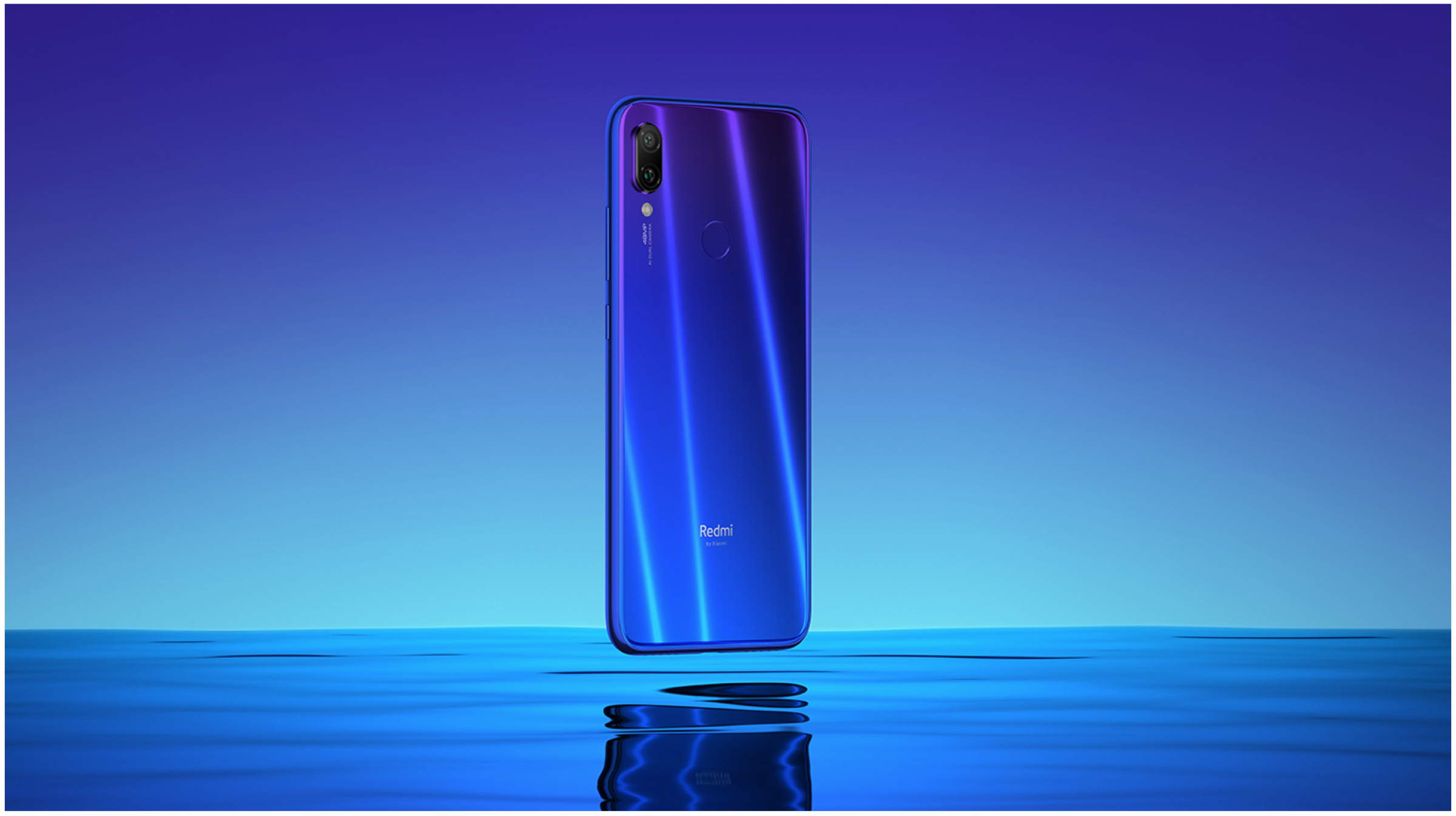 The Redmi Note 7 Pro is powered by a 4,000 mAh battery which supports 18W Quick Charge 4.0, although the device ships with a 10W charger in the box. As mentioned before, the device has an IR blaster, similar to the one seen in previous iterations of the smartphone. Biometric security is limited to a rear mounted fingerprint sensor. The smartphone is available in three colour options, Neptune Blue, Nebula Red and Space Black.

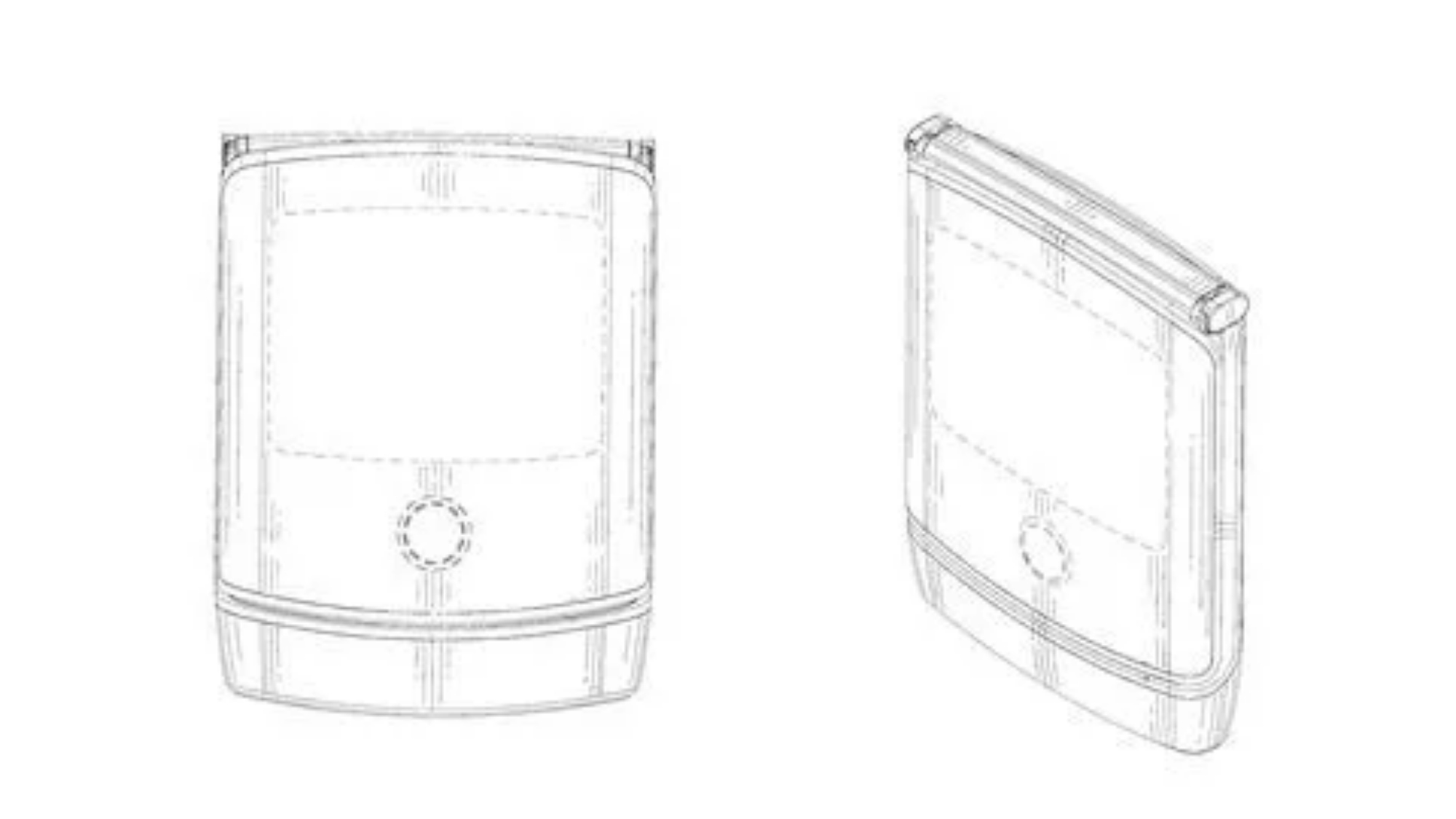
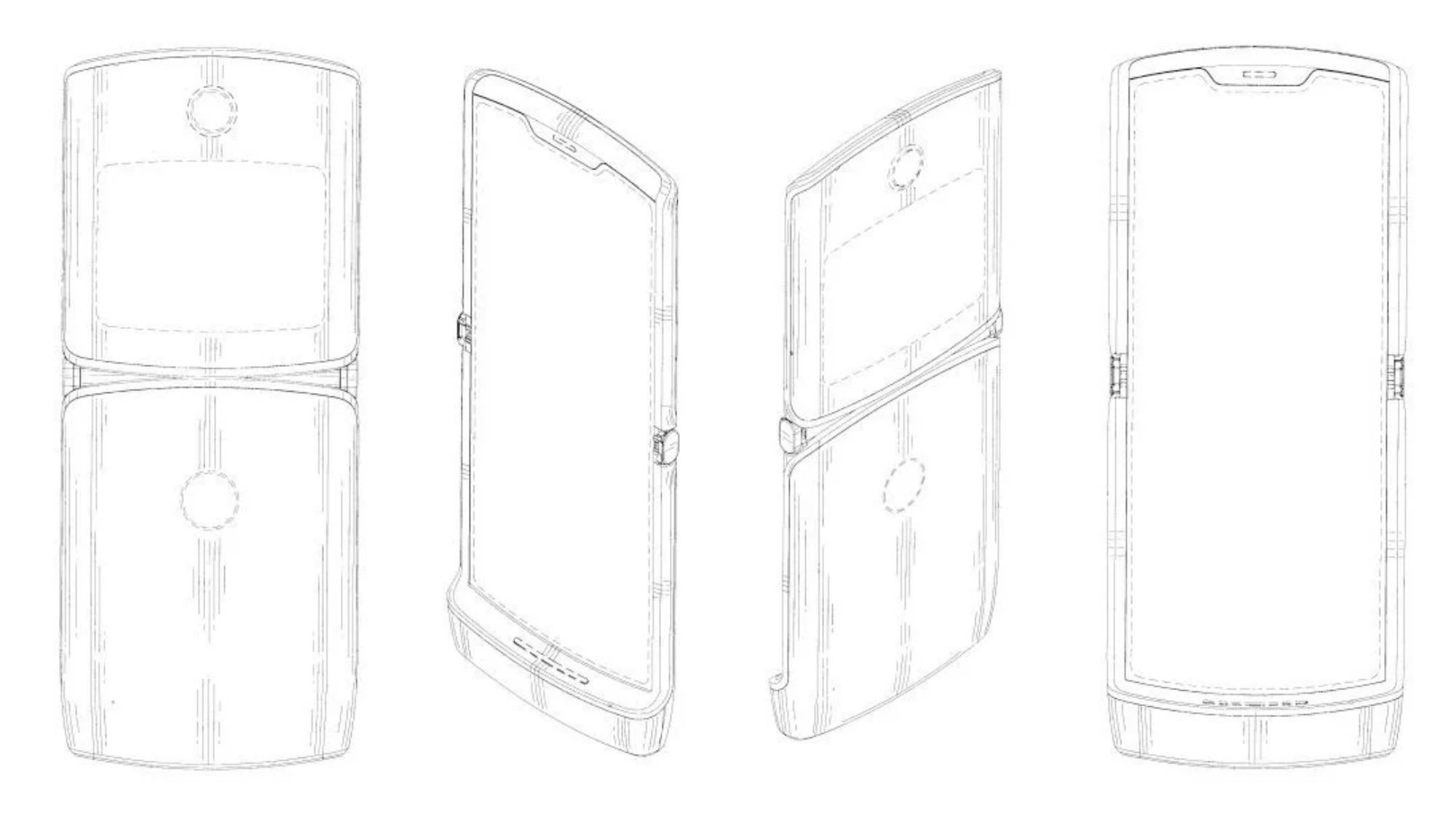
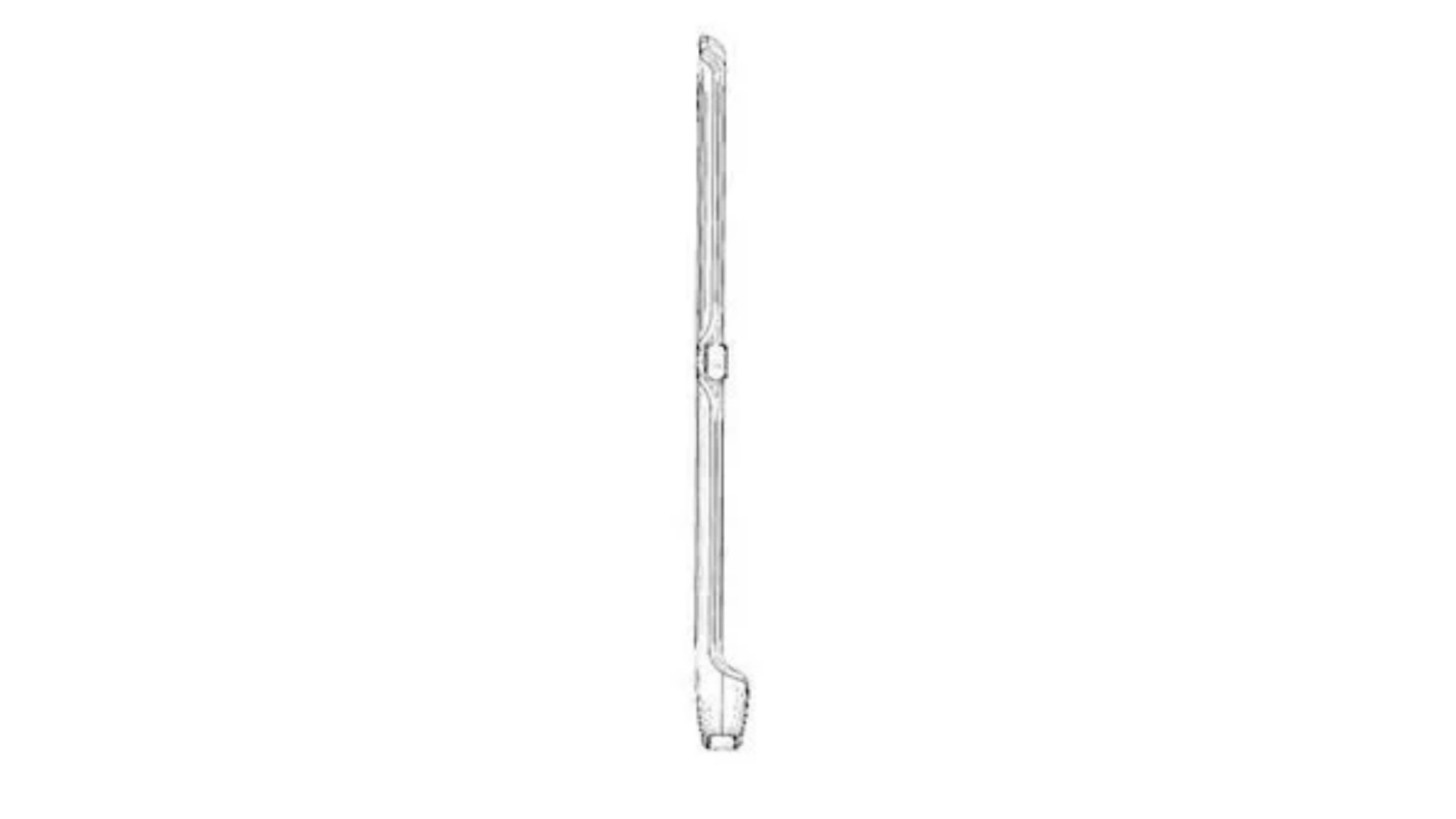
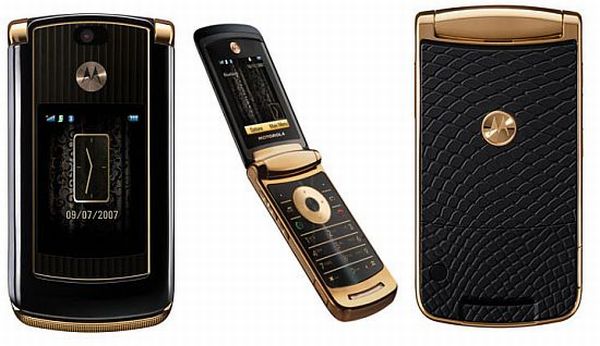
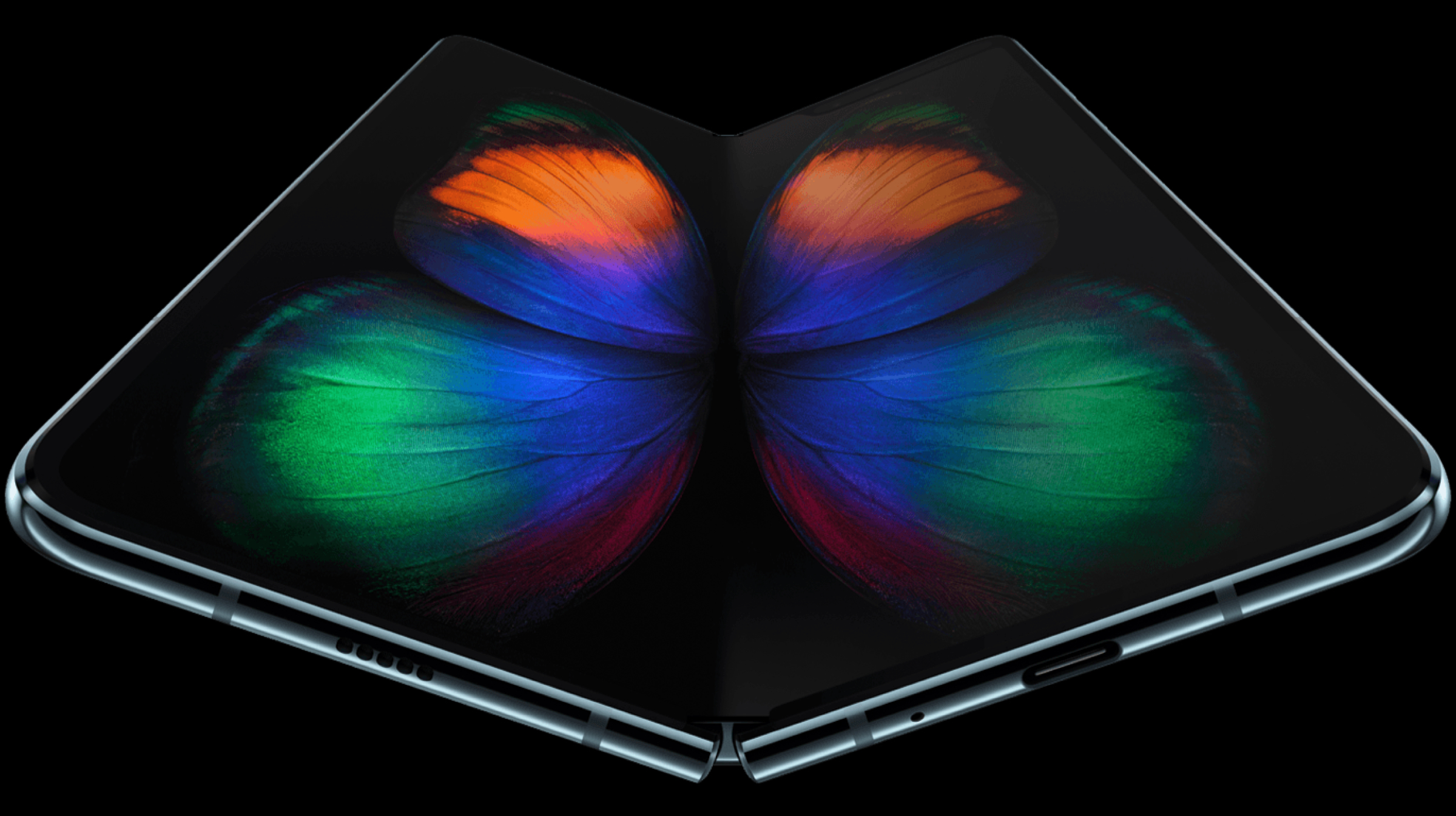 The upcoming Motorola foldable device will be up against the likes of
  Also Read:
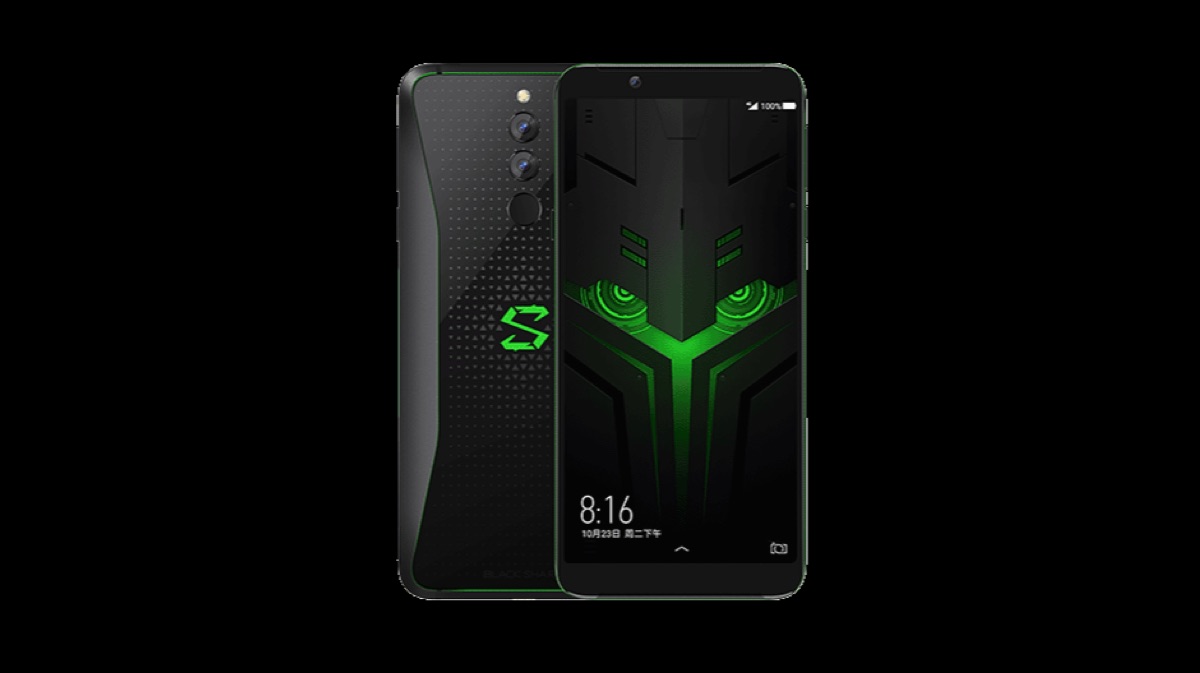
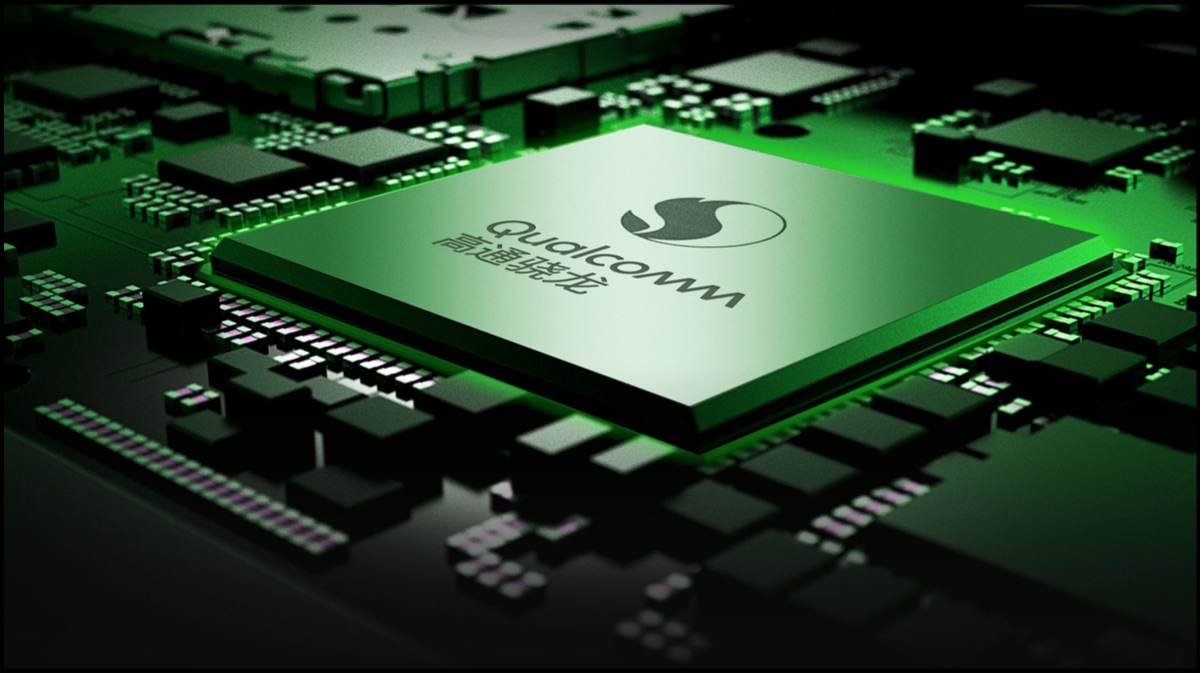
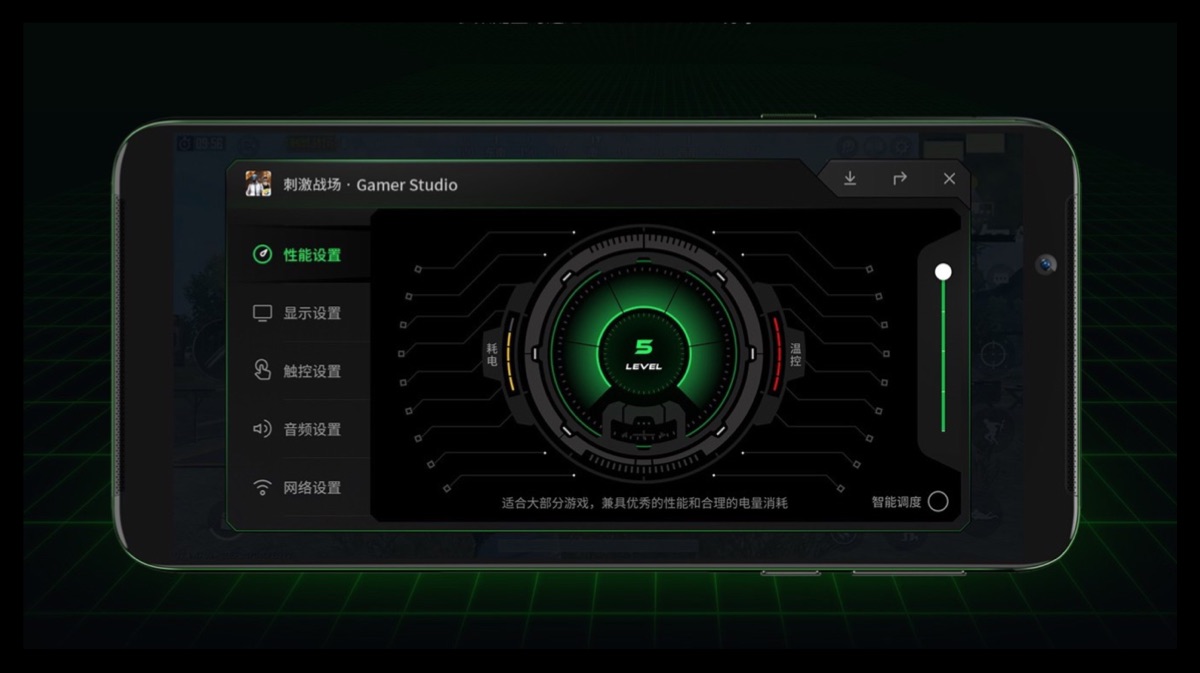 The Black Shark 2 will supposedly have Game Turbo, a technology introduced in the
 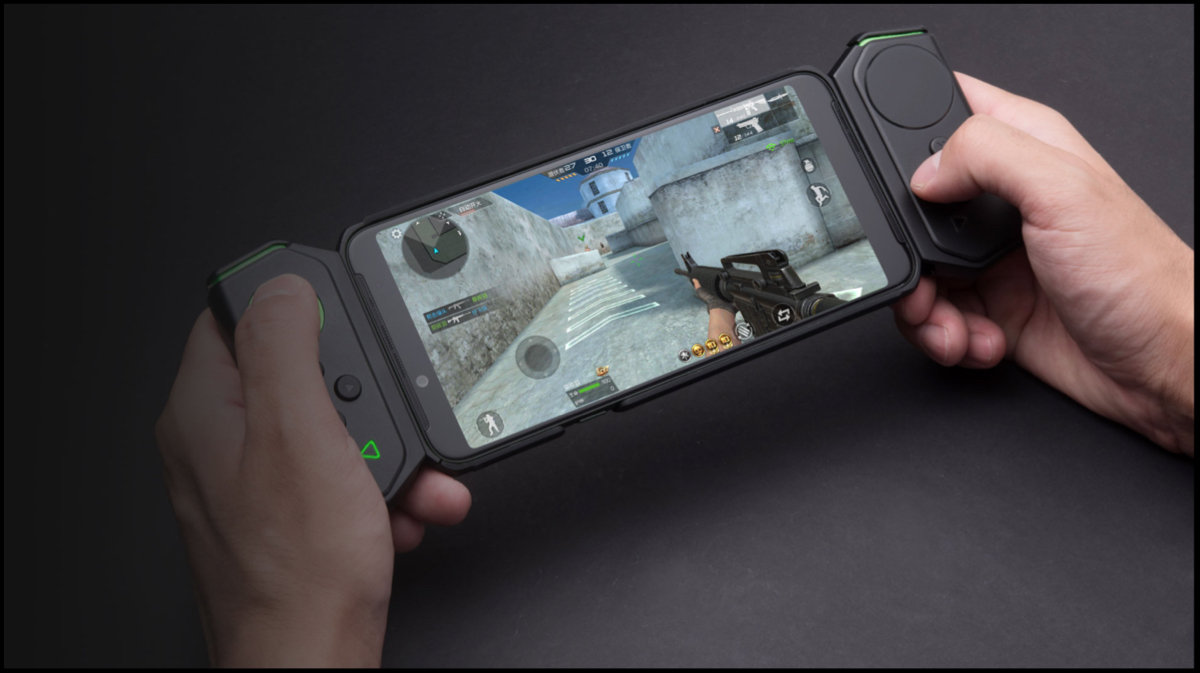 In terms of accessories, dedicated gaming attachments may be launched alongside the Black Shark 2. For instance, the smartphone may have a Bluetooth gamepad and wireless gaming earphones to improve the gaming experience on the device. Also, to maintain competition with smartphones like the Razer Phone, Xiaomi may introduce Liquid Vapour Cooling in the Black Shark 2.

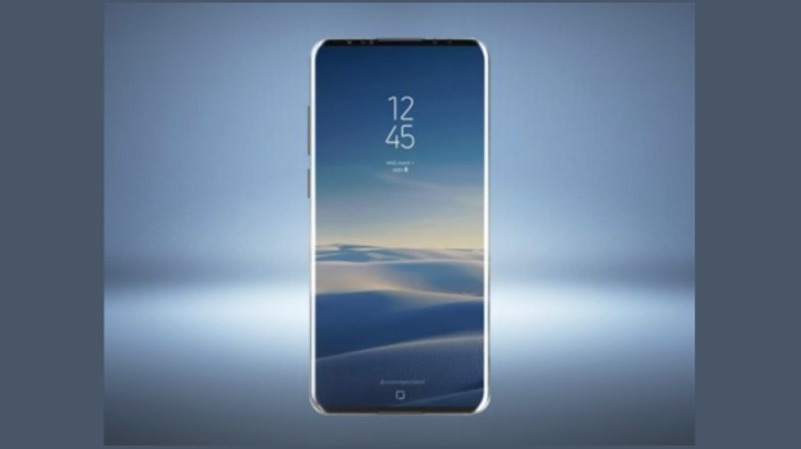 Rumours have been around regarding Samsung rebranding its lineup later in 2019. Because of the same reason, it can’t be confirmed whether the device will be called the Note 10, but it will surely succeed the Note 9 which was released in the year 2018. The model number with the digit ‘5’ is unusual and off-track for Samsung phones, which usually have their model numbers ending with ‘0’. This may imply that the device may launch with a 5G variant alongside a 4G LTE model.
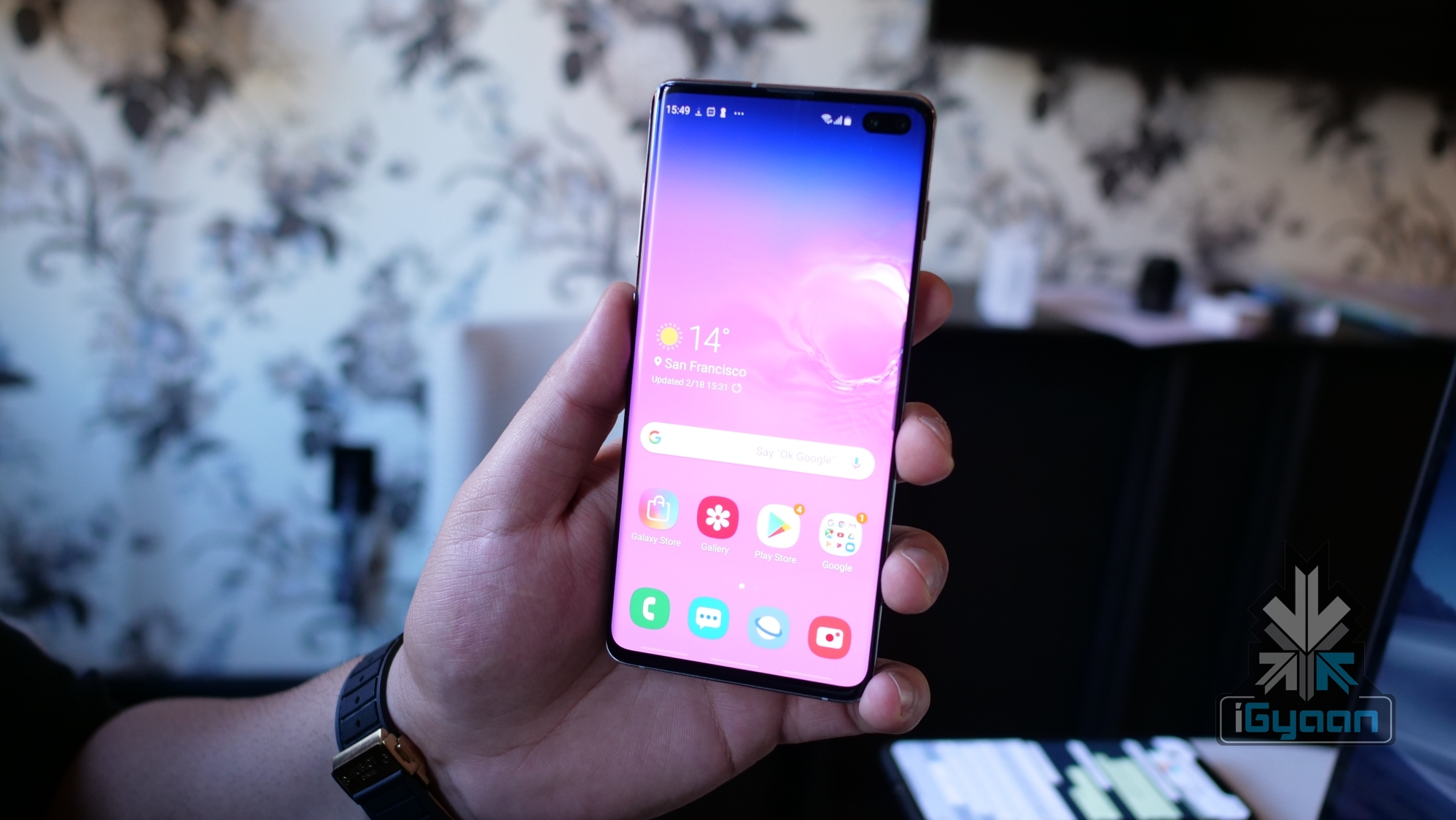 The company is a strong player when it comes to smartphone cameras, and the Samsung Galaxy Note 10 is expected to bring some innovative camera features to the table. The device may run on the Exynos 9820 or Snapdragon 855, which are the flagship chipsets in the smartphone arena right now. It will supposedly feature an in-display ultrasonic fingerprint scanner, which was first introduced with the Samsung