Category: Top Around the Web

All the best of Online in one place.

  • Honor 10 Launched In India For Rs 32999

    Honor 10 Launched In India For Rs 32999

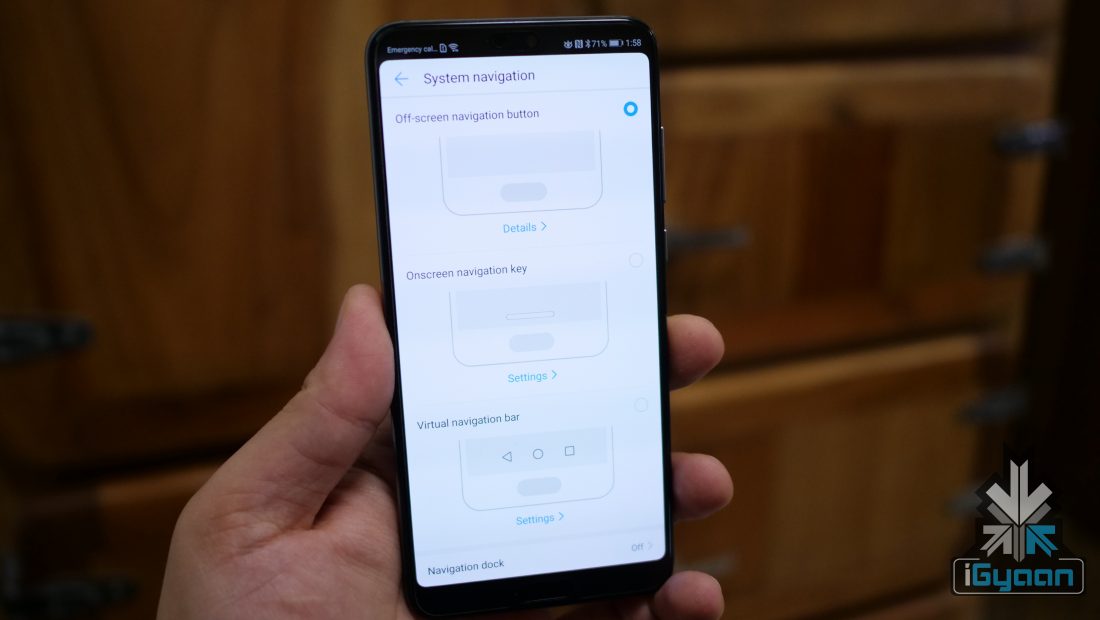
    Huawei’s sub-brand Honor launched the Honor 10 in China on April 19th. At an event in London on May 15th, the company globally launched its new flagship smartphone. The Honor 10 will be available in only one variant in India. The smartphone will have 6GB RAM and 128GB storage and will be priced at Rs 32999. The Honor 10 will be available via Flipkart exclusively.

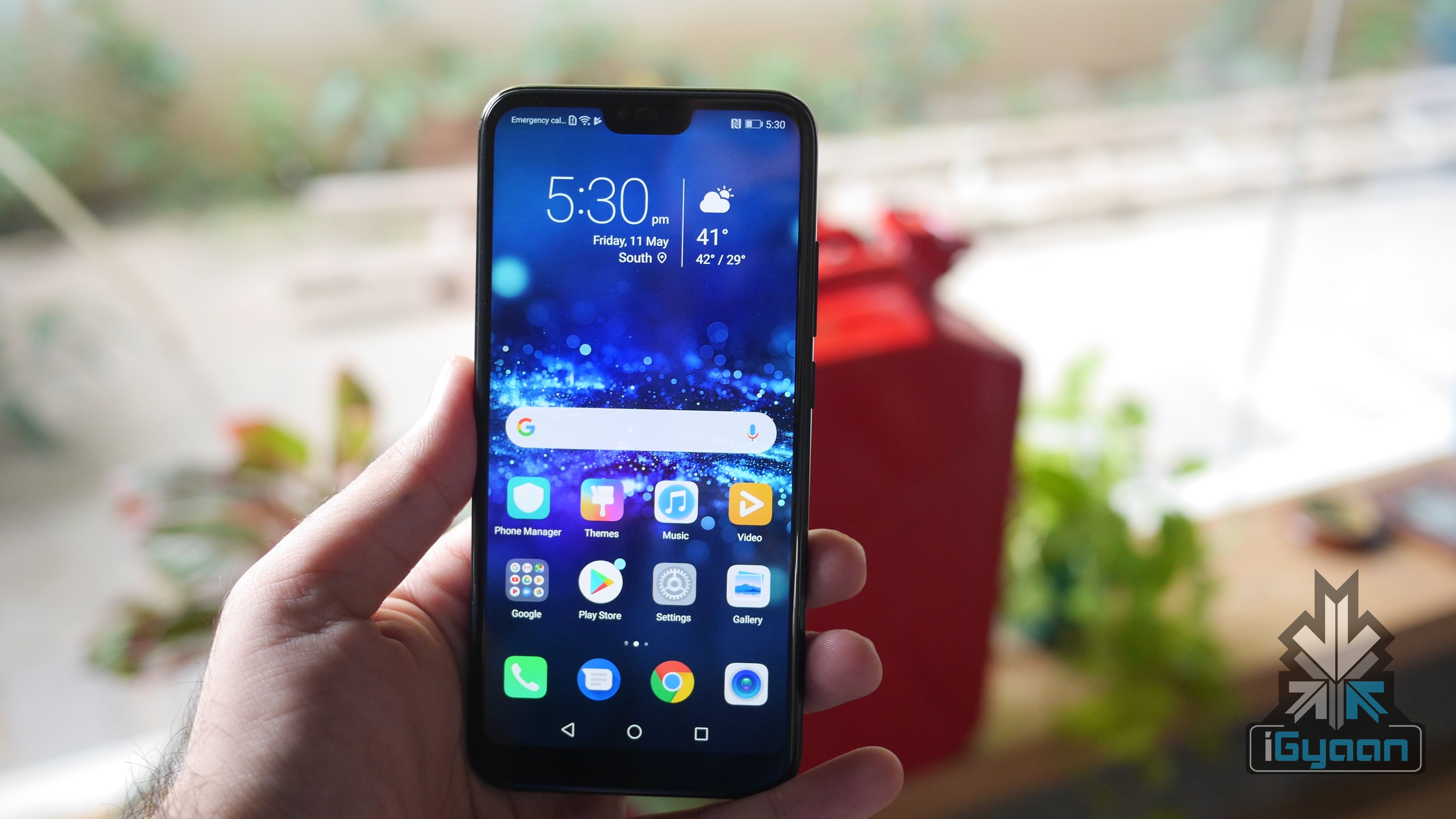
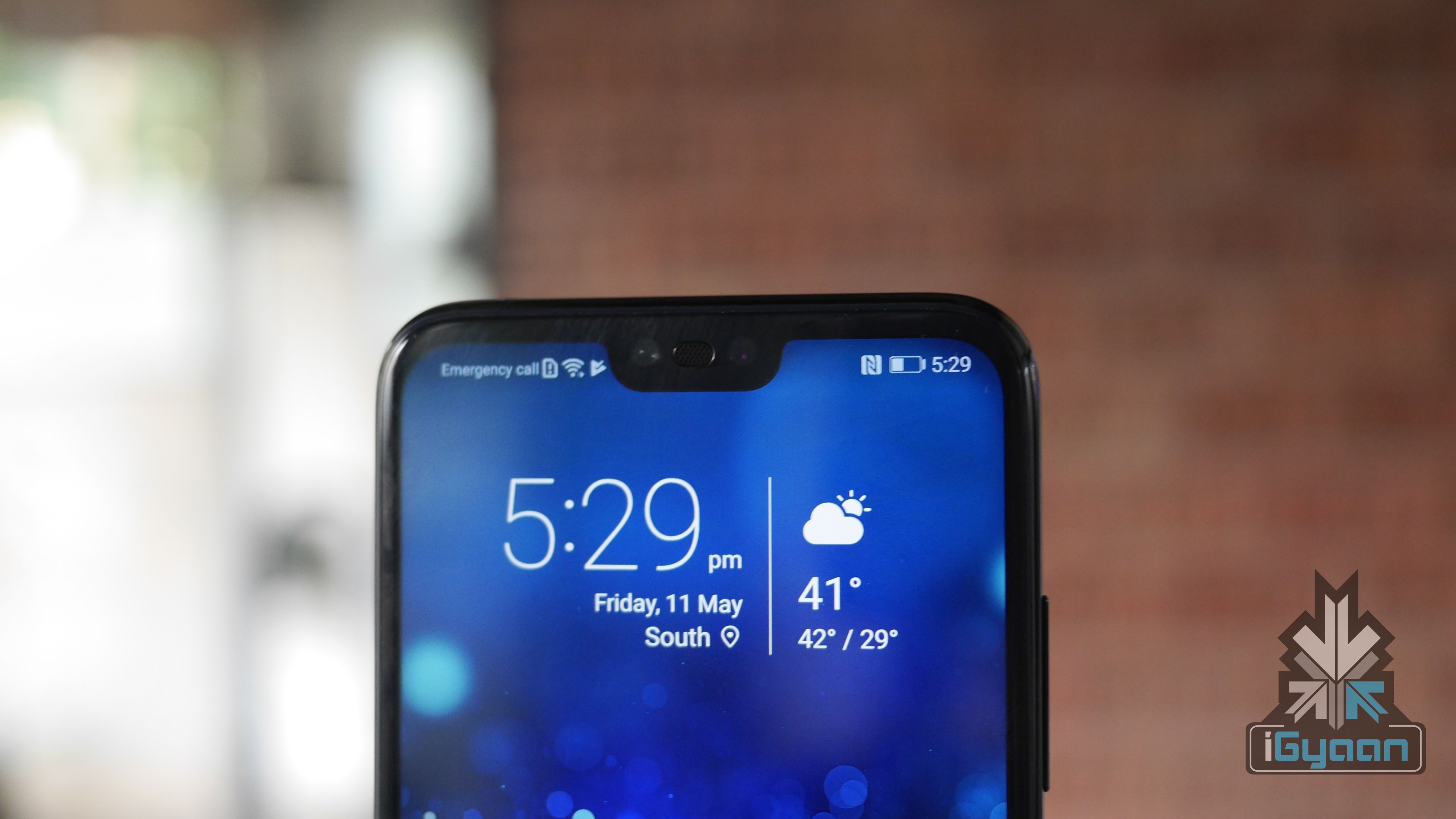
    Like a lot of Android smartphones in 2018, the Honor 10 also has a notch on the display. The notch is smaller compared to the iPhone X and resembles the notch found on the Huawei P20 Pro and LG G7 ThinQ. The smartphone has an all-glass build with an aluminium frame giving it a premium and modern look.

    Must Read: Lenovo’s Next Flagship Smartphone Will Be Tailor-Made For Notch Haters

    The colour variants are also very interesting with the Honor 10. Two of the colour variants have a dual-tone colour of blue and pink and in the images at least, looks pretty fantastic. The fingerprint reader like expected is not embedded inside the display, instead, it is an invisible ultrasonic fingerprint sensor that can also detect a wet finger. It is also front-facing since it is housed inside the chin of the smartphone.
    The Honor 10 has a 5.84 inch IPS LCD display with a 2280 x 1080 px resolution. The 19:9 aspect ratio will come in handy when users decide to hide the notch, forcing the display into a conventional 18:9 aspect ratio.

    The new flagship smartphone runs on the HiSilicon Kirin 970 chipset, the same chipset found on the Huawei P20 Pro. The chipset is coupled with 6GB of RAM with 128GB of non-user expandable storage. There is a dual SIM slot but, no space for a microSD card. However, 128GB storage should suffice for most people, if not 64GB. Powering the smartphone is a 3400 mAh battery with SuperCharge compatibility.

    Honor also claims that the Honor 10’s dual-camera setup has a lot of AI capabilities. The company is betting big on the device’s AI capabilities, which Honor is calling “AI 2.0.” According to Honor, AI 2.0 can detect dynamic pictures more accurately. The phone’s AI 2.0 can also process Prisma-like image effects twice as fast as the iPhone X.
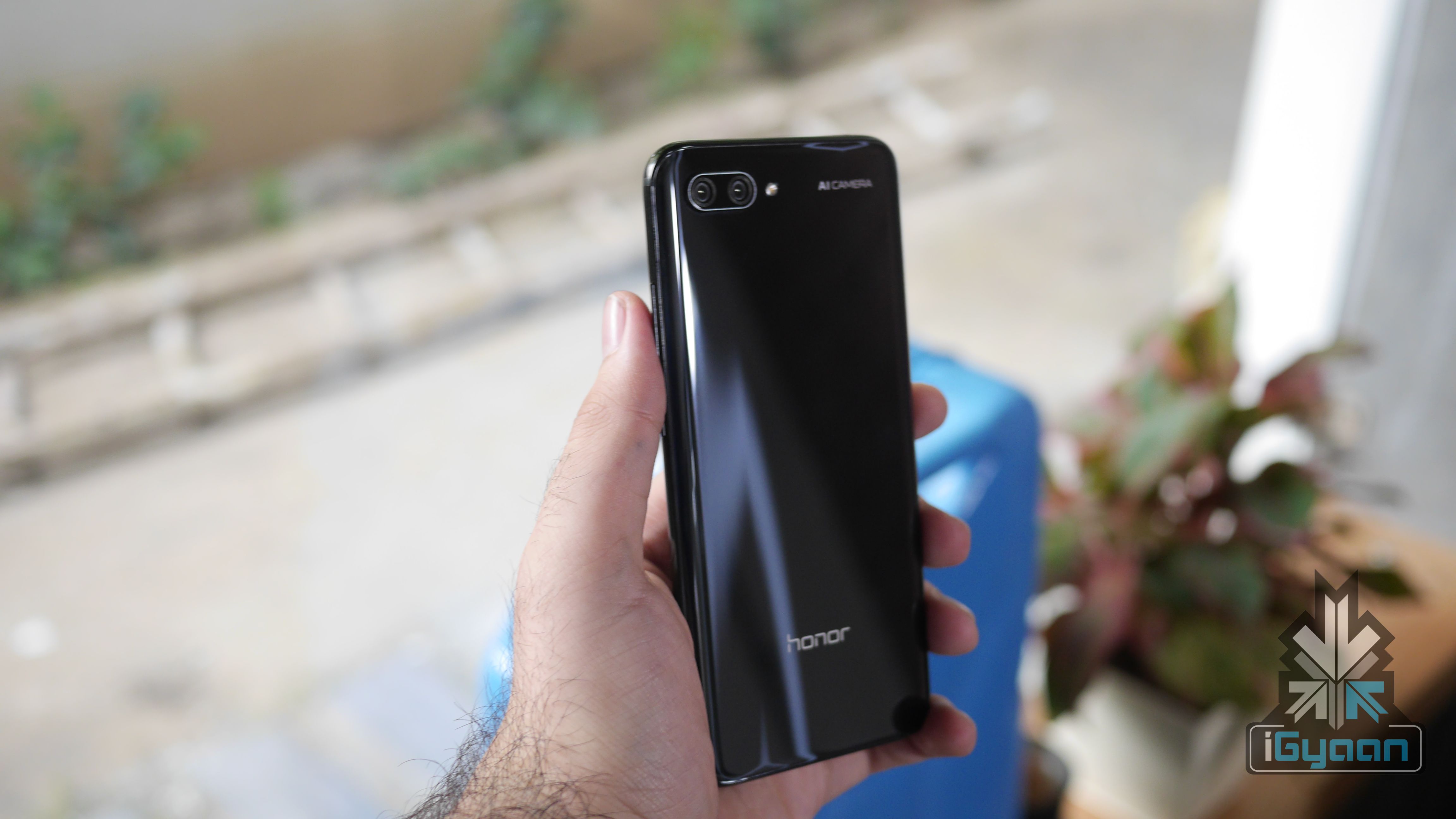
    The smartphone has a dual-camera setup on the back, consisting of a 16MP RGB sensor with an f/1.8 aperture and a 24MP Monochrome sensor. The rear cameras record 4K videos at 30fps. The notch on the display, along with the sensors and an earpiece, also houses a 24MP camera with an f/2.0 aperture. The front-camera only records 1080P videos at 30fps.

    The Honor 10 has a great build quality and design with impressive specifications. The smartphone will take on the OnePlus 6 in the Indian market.

  • LG G7 ThinQ To launch In India On May 25th

    LG G7 ThinQ To launch In India On May 25th

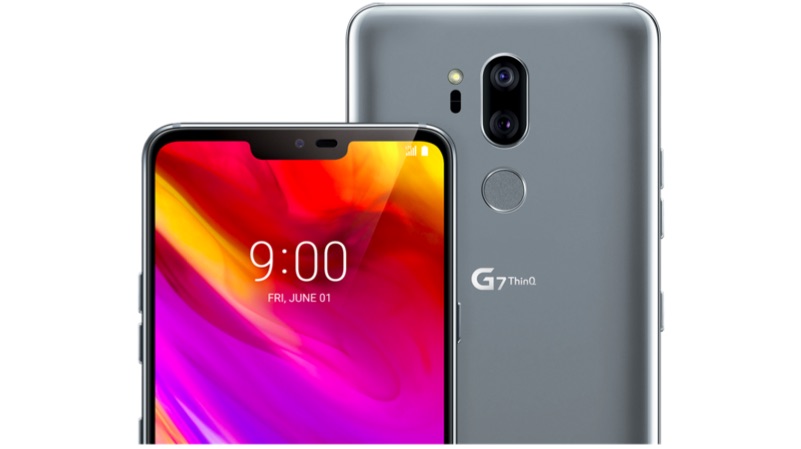
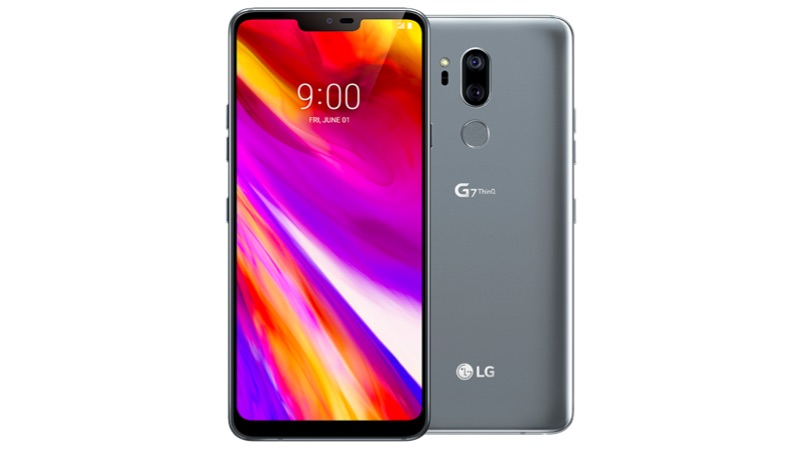
    After a rehashed launch strategy and new design, the LG G7 ThinQ is official. LG has launched its new flagship smartphone with an unusually long name that might put some people off. Nevertheless, the smartphone has high-end specs, build and design as the company plans to resurrect its smartphone business.

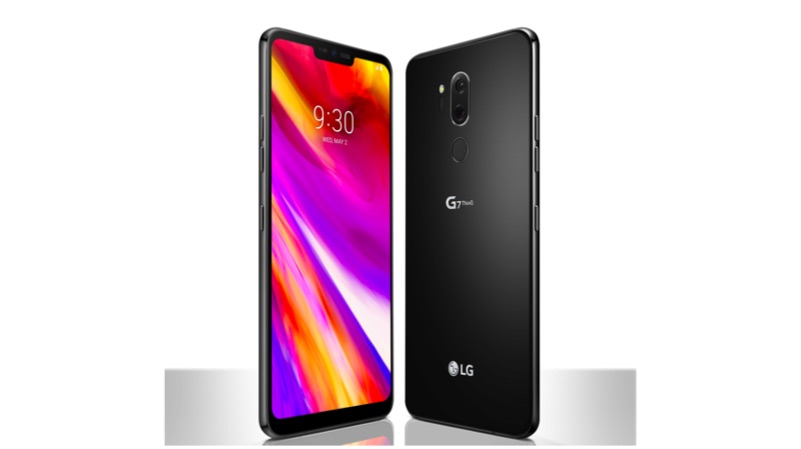
    The G7 ThinQ will launch in India on the 25th of May and could be priced at Rs 54999 for the 4GB RAM model. The company has announced that the smartphone will be available in Platinum Gray, Aurora Black, Moroccan Blue and Raspberry Red colour variants. Even before the launch, LG started hinting at a few new features of the LG G7 ThinQ like its Boombox speakers. Apparently, this speaker will increase the base sound level by more than 6dB with twice the amount of bass. LG believes that this translates to more than ten times the loudness than that of an average smartphone. The bass can further be amplified by placing the device on a solid surface or box.

    Colour Variants

    The G7 ThinQ has a 6.1 inch IPS LCD display with a 3120 x 1440 px resolution. The device has a 19.5:9 aspect ratio which will come in handy when the user decides to hide the notch.

    Under the hood, the smartphone runs on the latest Qualcomm Snapdragon 845 chipset coupled with 4GB of RAM and 64GB of onboard storage. The storage will be expandable via a microSD card. Powering the G7 ThinQ is a 3000 mAh battery with QuickCharge 4.o and wireless charging. The G7 ThinQ+ will have 6GB of RAM and 128GB of onboard storage.

    The new flagship smartphone will run Android 8 Oreo out of the box LG’s AI Pack 2.0. LG has announced that it plans to push out an update for Android P as soon as Google launches it.

    The fingerprint sensor placed on the back of the smartphone no longer doubled up as a power button. The power button now sits on the right side of the device in a more conventional position. Interestingly, there is a Google Assistant button placed below the volume rockers on the left side. The button is not remappable right now and can only be disabled if a user is not a fan of the Google Assistant. AI is a theme well spread out throughout LG’s UI here. The camera app has an AI Cam button wherein the camera can sense a scene and automatically tweak certain settings for, theoretically, a better shot.

    To the back of the smartphone is a vertically placed dual-camera setup. The primary 16MP wide-angle sensor has an f/1.9 aperture while the secondary 16MP RGB sensor has an f/1.9 aperture. To the front of the device is an 8MP camera with an f/1.9 aperture.

    The LG G7 ThinQ looks a lot like an Android flagship smartphone of 2018 with a notch and an all-glass design. How well it resonates with LG loyalists and Android users, in general, is a question that only time will answer. In India, the G7 ThinQ will be up against the likes of the Galaxy S9, OnePlus 6 and even Xiaomi could launch the Mi MIX 2s in India soon.

  • 2018 Apple iPhone With LCD Display Won’t Have 3D Touch

    2018 Apple iPhone With LCD Display Won’t Have 3D Touch

    Apple has just launched the iPhone 8 and 8 Plus (Product) RED in India. This launch comes halfway through Apple’s iPhone cycle as the next batch of iPhones is expected to be launched in September 2018. So far, we know that Apple will launch three new iPhones in September and the most affordable of the lot will the one with an LCD display. Now, a new research note Ming-Chi Kuo has revealed a few key details about the 6.1 inch LCD iPhone.

    According to Kuo, the 6.1-inch iPhone will use what he calls “Cover Glass Sensor” (CGS) technology, relocating the iPhone’s touch module from the display panel (in-cell technology) to the surface glass. He says that this method results in a display that’s lighter and more shock resistant. Apple will apparently add a thin-film sensor to the touch film sensor in the CGS. This method will also result in a 15% increase in the cost of the touch panel. This means that the purchase price of the panel will increase from US$ 23 to US$ 26.

    2018 Apple iPhone lineup

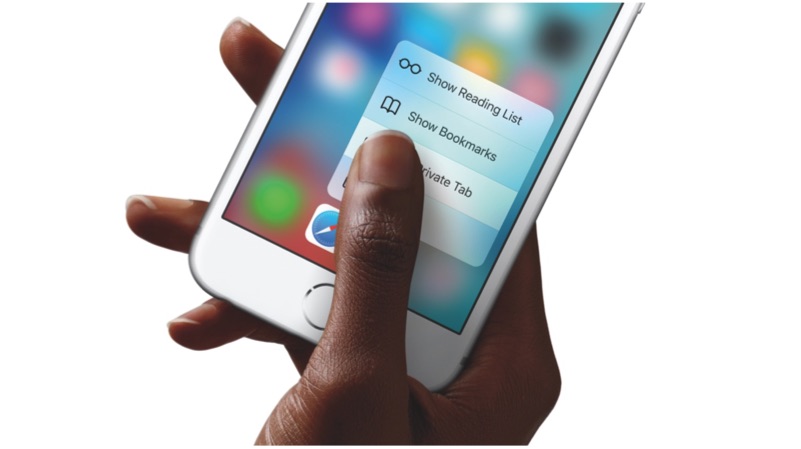
    Kuo believes that to maintain the cost of the iPhone and obtain parity, Apple will remove 3D Touch on the 6.1-inch iPhone. So far, 3D Touch functionalities are well integrated within iOS since it has been present in all iPhones since the iPhone 6s launch. Apple wants to implement the CGS technology in all future iPhones, which means that 3D Touch could be removed from iPhones altogether in the future. That being said, the 5.8 inch iPhone and the iPhone X Plus, both of which will have an OLED panel will have 3D Touch functionalities.

    Kuo also believes that the 6.1 inch LCD iPhone will make up 65 to 75% of iPhone shipments during the year. This is mainly attributed to its much more affordable price tag and the similarities in features with the pricier 2018 iPhone X and iPhone X Plus.

  • 2018 Apple Lineup to Include iPhone , iPhone X and iPhone X Plus

    2018 Apple Lineup to Include iPhone , iPhone X and iPhone X Plus

    In 2017, Apple launched three new iPhones. While the iPhone 8 and 8 Plus were successors to the 7 and 7 Plus, the X was billed as a true successor to the original iPhone. The “X” is pronounced as “ten” and represents the 10th anniversary of iPhones. While the three iPhones have enjoyed success, they have raised a few question marks regarding the names of upcoming iPhones.

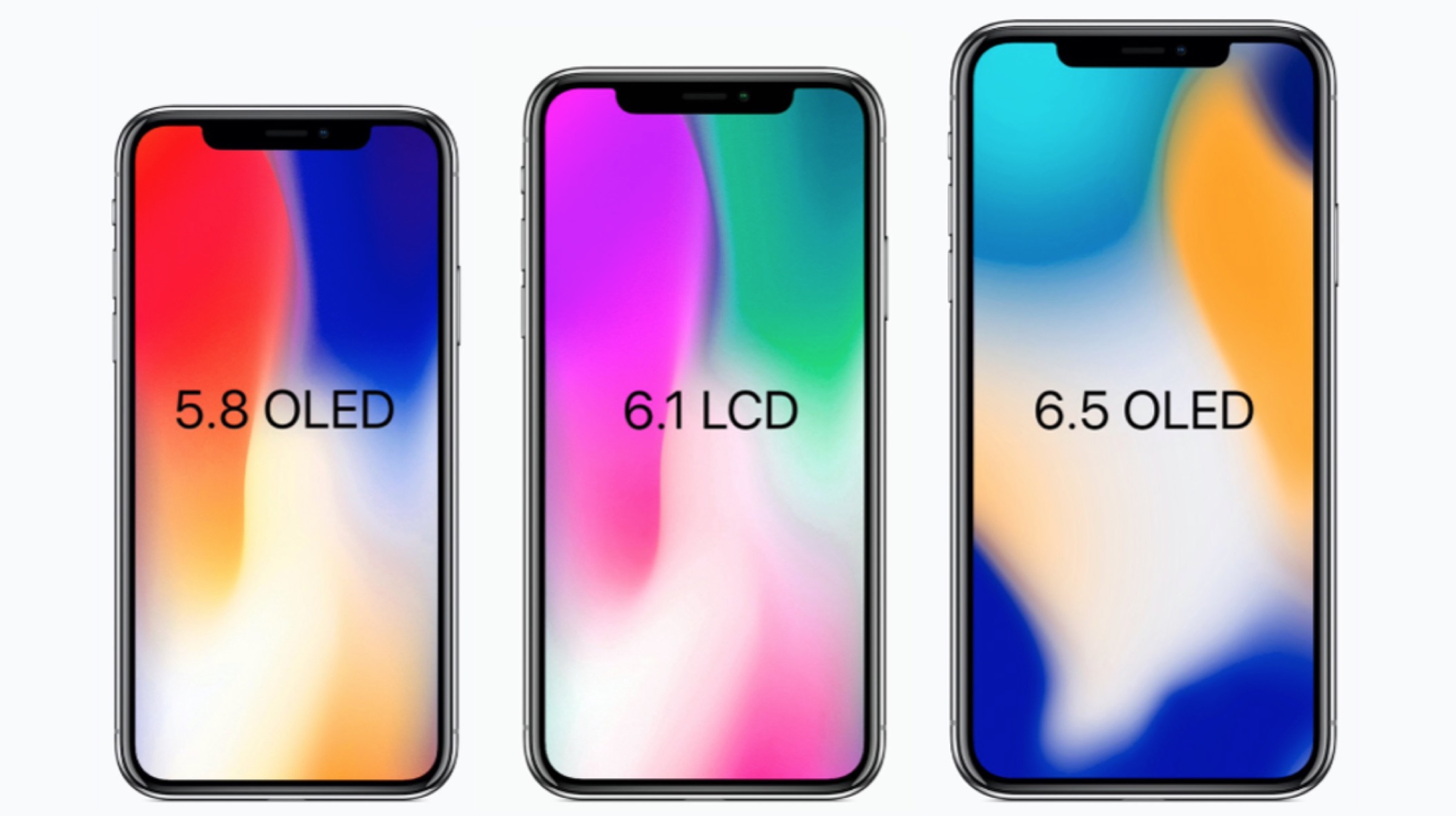
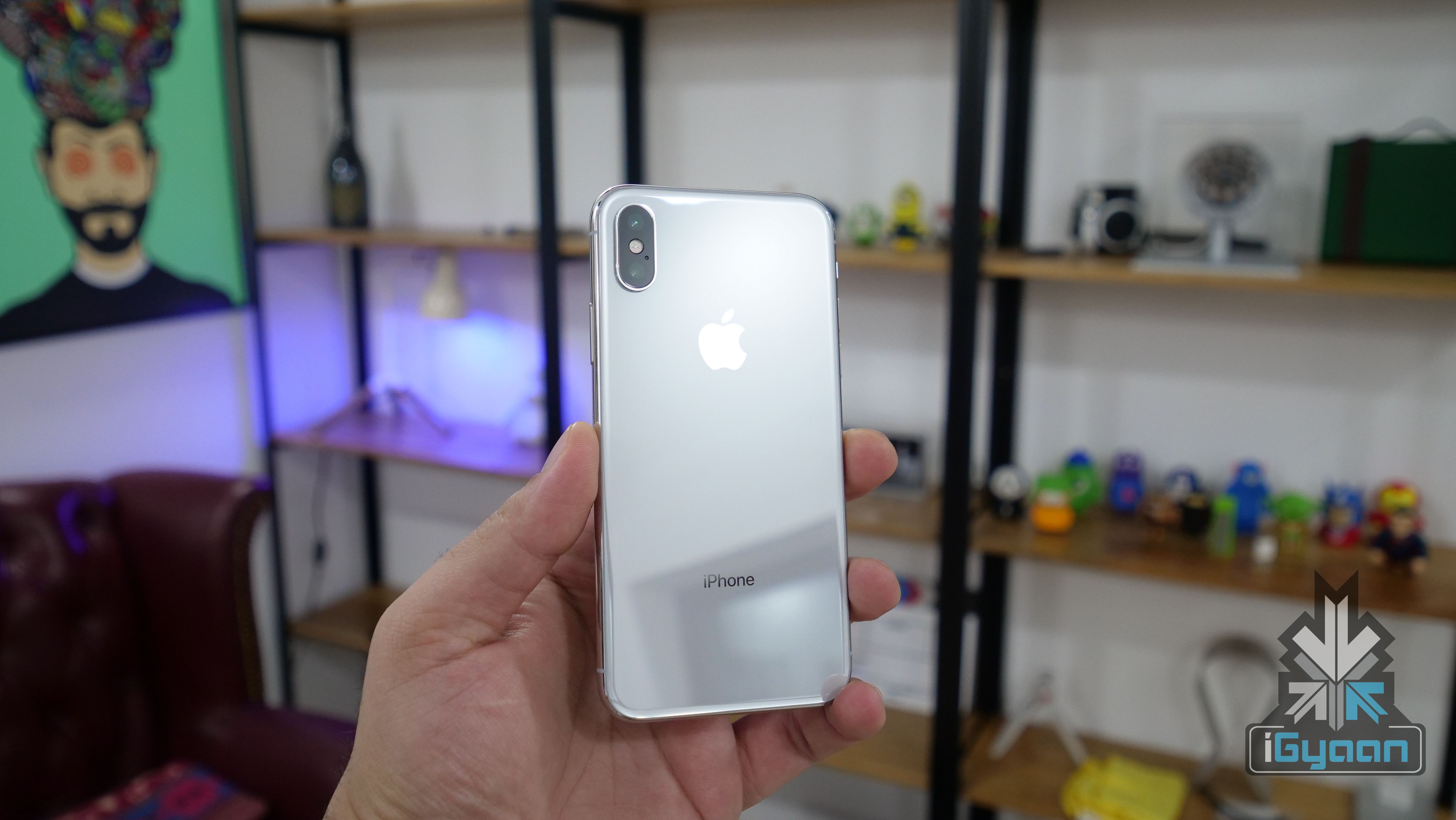
    Reports claim that Apple will launch three iPhones in 2018. All the three iPhones will have a design like the iPhone X and also feature the infamous notch. The most affordable of the three iPhones will be an LCD model. Then there will be an iPhone X successor with the same screen size and the third model will sport a 6.5 inch OLED display. For reporting, we have so far used the type of display to refer to that device. However, Apple won’t name its new iPhones on the basis of the display technology used.

    iPhone

    The LCD model is more or less is a successor to the iPhone 8/8 Plus but, it won’t carry the number ‘9’. A new research note by Robert Cihra, an analyst at Guggenheim claims that Apple would drop the numbers from the nomenclature in 2018. This also seems like the easiest way to fix the naming conundrum.

    We think Apple may use this upcoming cycle to formally change its iPhone’s naming/branding pattern

    Cihra suggests that the LCD variant would just be called the “iPhone.” The 5.8 inch OLED model would retain the iPhone X moniker and the bigger version will be called the X Plus. Having two iPhones with the same name could be confusing but, we can always refer to the particular smartphone using its year of launch.

    The launch of 2018 iPhones is still a few months away. What route Apple takes to fix the nomenclature issue, only time will tell. That being said, dropping the numbers from the name does make sense as well.

  • Xiaomi Mi 6X Launched With Snapdragon 660 SoC

    Xiaomi Mi 6X Launched With Snapdragon 660 SoC

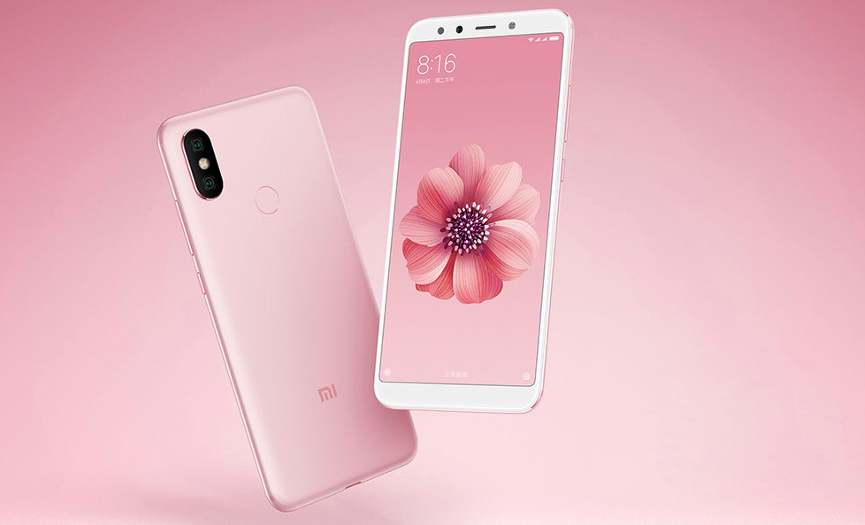
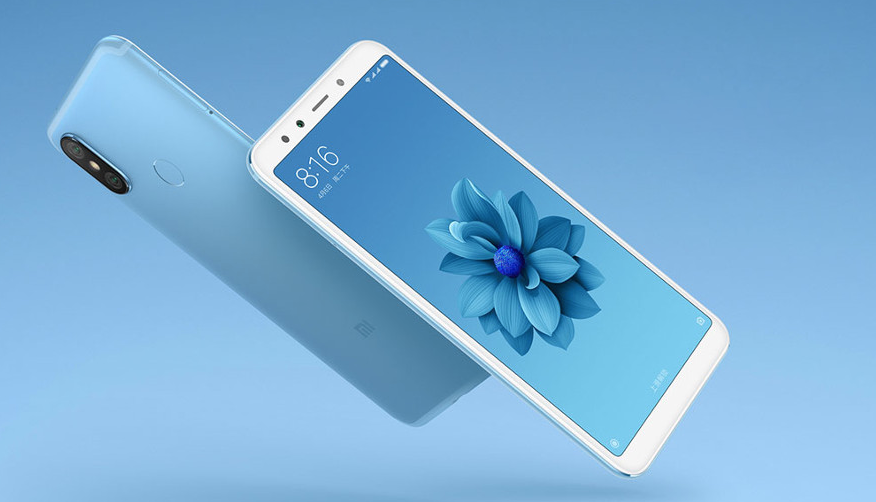
    Xiaomi has launched the follow up of its highly popular Mi 5X, the Xiaomi Mi 6X at an event in China. The Mi 6X will be available in three variants, the base model will have 4GB RAM and 64GB storage, the second will have the same storage and 6GB of RAM and the priciest version of the Mi 6X will have 6GB of RAM and 128GB of onboard storage.

    The pricing will start at CNY 1599 (Rs 16800 approx.) for the 4GB RAM/64GB storage variant. The 6GB RAM/64GB storage variant will be priced at CNY 1799 (Rs 19,000 approx.), while the 128GB storage model will retail for CNY 1999 (Rs 21,200 approx.). As was evident from previous teasers of the smartphone, the Mi 6X will be available in Cherry Pink, Flame Red, Sand Gold, Glacier Blue, and Black colour variants.

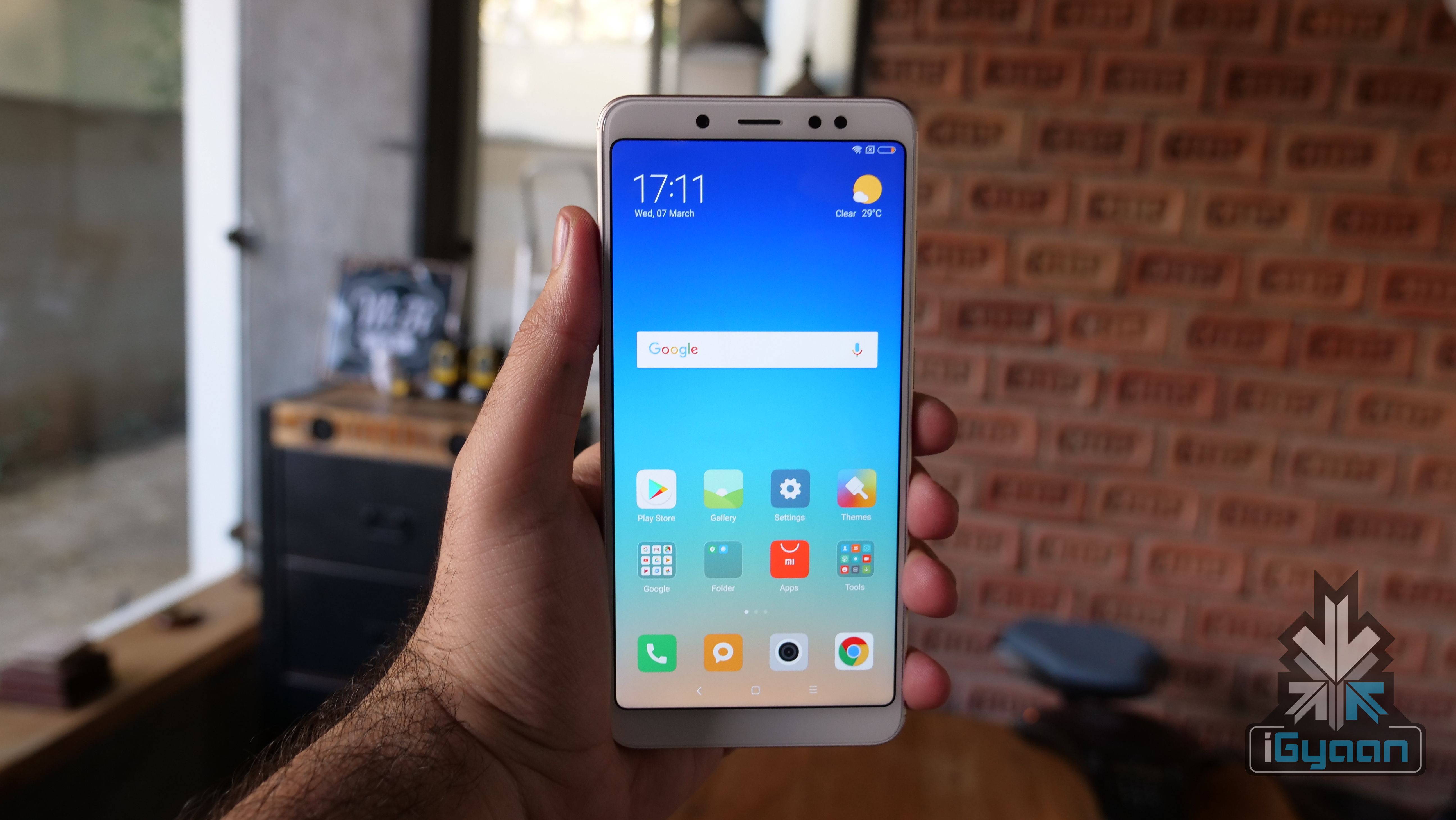
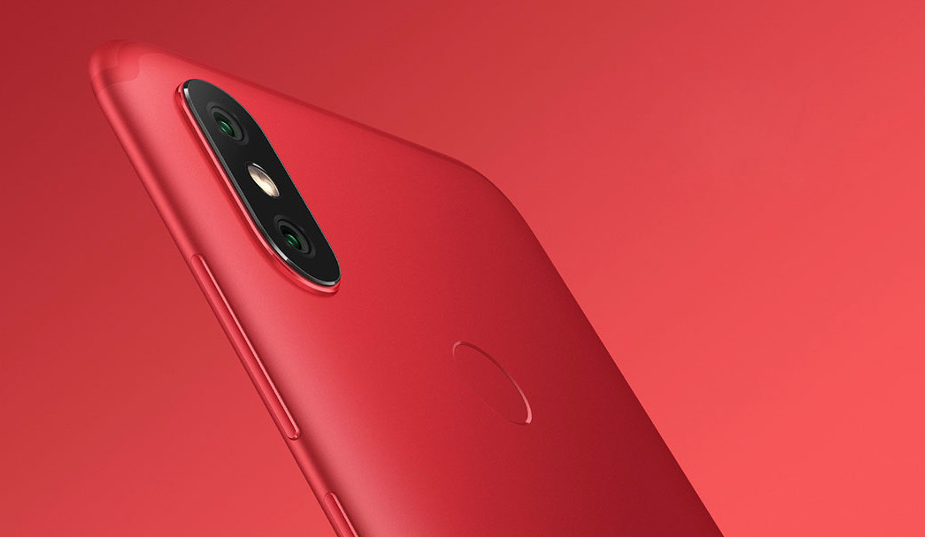
    The Xiaomi Mi 6X has a 5.99 inch IPS LCD display with a 2160 x 1080 px resolution. This is the same display found on the Redmi Note 5 Pro in India and the size of the bezels is also identical.

    Redmi Note 5 Pro

    Under the hood, the Xiaomi Mi 6X runs on the Snapdragon 660 chipset, coupled with either 4GB or 6GB of RAM and 64GB or 128GB of onboard storage which won’t be expandable. The fingerprint sensor is placed on the back of the smartphone which has been the case with almost every Xiaomi smartphone.

    Powering the smartphone 3010 mAh battery. Interestingly, the smartphone supports QuickCharge 3.0 which means it also has a USB type C port, something that a lot of Xiaomi fans wanted on the Redmi Note 5 Pro. Out of the box, the Mi 6X will run on Android 8 Oreo with MIUI 9.5 on top. This means that the Mi 6X will also have Face Unlock feature, like the Redmi Note 5 Pro. The Mi 6X will also support Project Treble for faster software updates.

    The AI-powered dual-camera setup was teased a lot leading up to the launch. Out of the two cameras on the back, the main sensor is a 20MP Sony IMX486 with an f/1.75 aperture and 2-micron pixel size. The secondary sensor is 12MP Sony IMX486 telephoto lens with an f/1.75 aperture and 1.25-micron pixel size. The AI is used to identify over 206 scenes in the camera app which includes food mode, text, greenery, sky, beach, snow, cats, dogs and many more. Once a scene is detected, the camera automatically tweaks its settings for, in theory, a better image. On the front of the Mi 6X is a 20MP Sony IMX376 sensor with soft light LED flash.

    The Mi 5X was launched in India as the Mi A1 with stock Android OS. The Mi A1 turned out to be a smash hit for Xiaomi and the company would want to build on the Mi A1’s popularity in India. The Mi 6X, if launched as the Mi A2 or Mi A1 (2018) would be a sizeable upgrade over the Mi A1, provided Xiaomi keeps the pricing of the device competitive.

  • Asus Zenfone Max Pro Launched In India Starting Rs 10999

    Asus Zenfone Max Pro Launched In India Starting Rs 10999

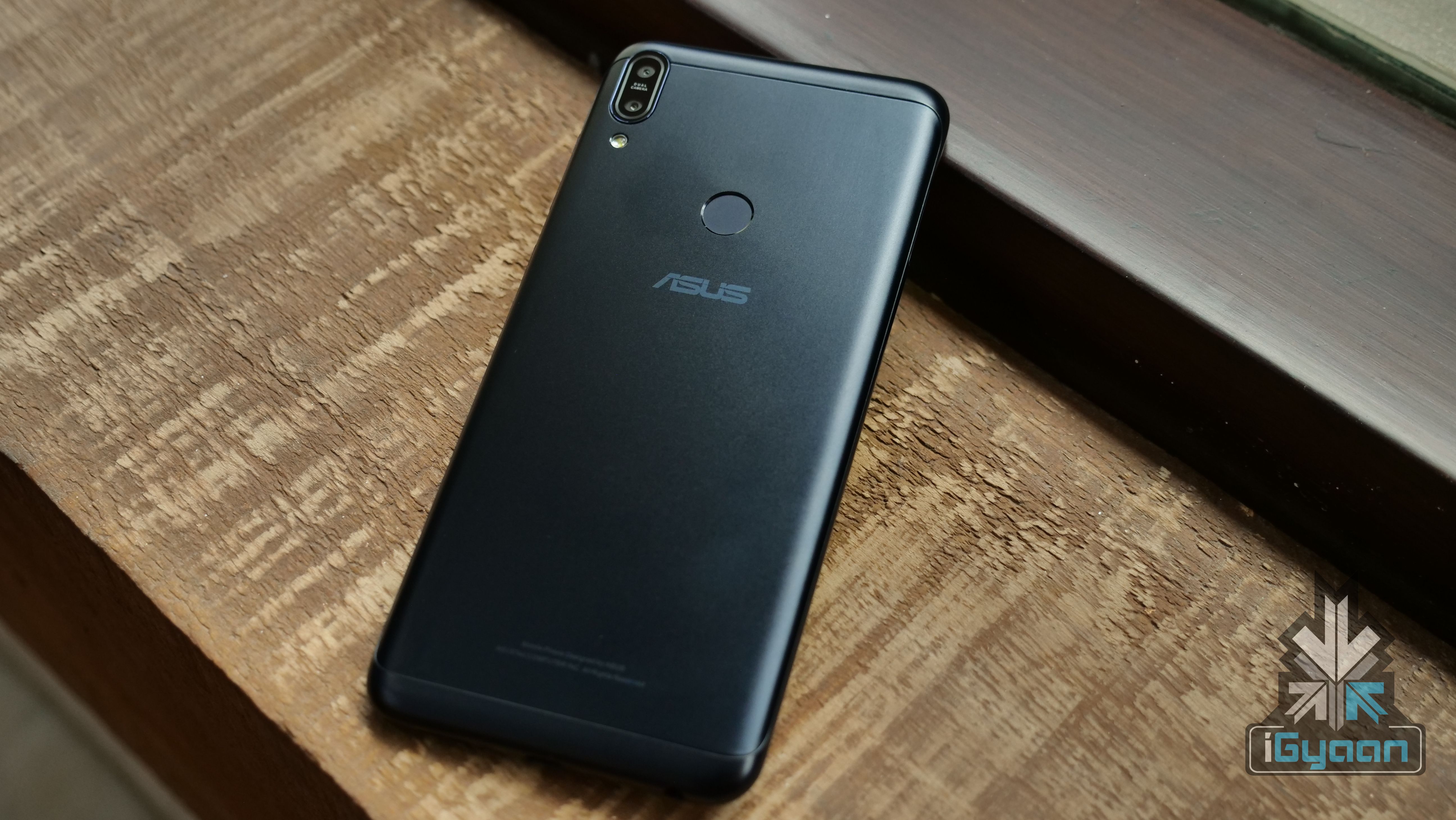
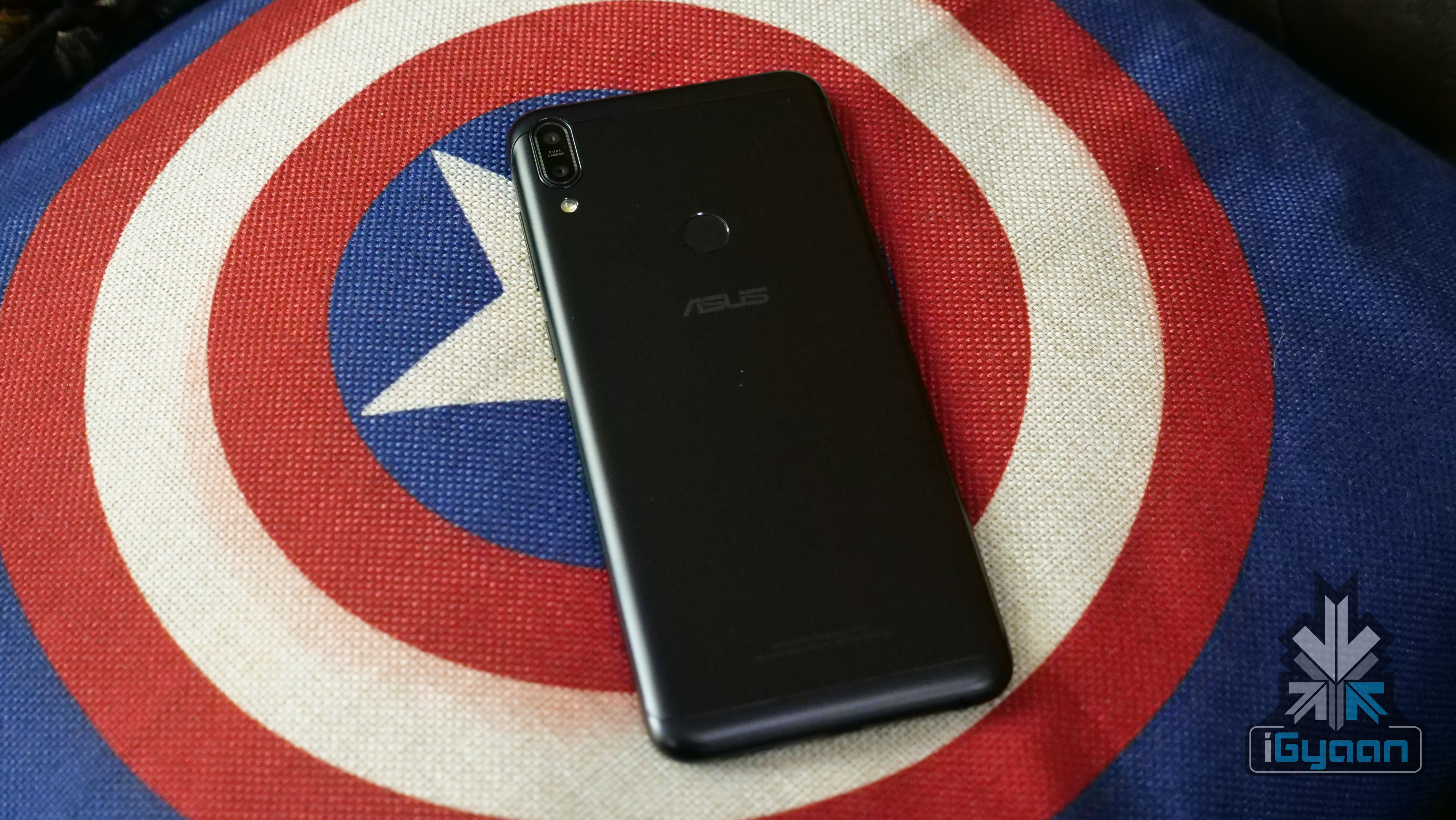
    Asus has launched a new budget smartphone in India, the Zenfone Max Pro. The new smartphone will be priced at Rs 10999 for the entry-level variant and will be sold via Flipkart. There are no details about the offline availability of the smartphone as of now. The Asus Zenfone Max Pro will be available in two variants in India for now, one with 3GB RAM and 32GB storage and the other with 4GB RAM and 64GB storage. Interestingly, this a world first launch of the Zenfone Max Pro and will eventually launch in other markets as well.

    At the launch, the company also announced that a 6GB RAM/128GB storage variant with better camera capabilities will be launched at a price of Rs 14999. However, no specific timeline for that launch was mentioned.

    Unboxing Video


    The Asus Zenfone Max Pro is also only the second smartphone running on the Snapdragon 636 chipset to be launched in India. This means that it is a direct competitor of the highly popular Xiaomi Redmi Note 5 Pro. Both the smartphones also have a lot of similarities in terms of design and pricing.

    Without a doubt, one of the highlights of the Zenfone Max Pro is its battery capacity. It is powered by a 5000 mAh battery while the size and weight of the smartphone are almost equivalent to that of the Redmi Note 5 Pro. For context, the Redmi Note 5 Pro is powered by a 4000 mAh battery. However, the Zenfone Max Pro will charge via a micro USB port which means it could take a while to fully charge from 0%.

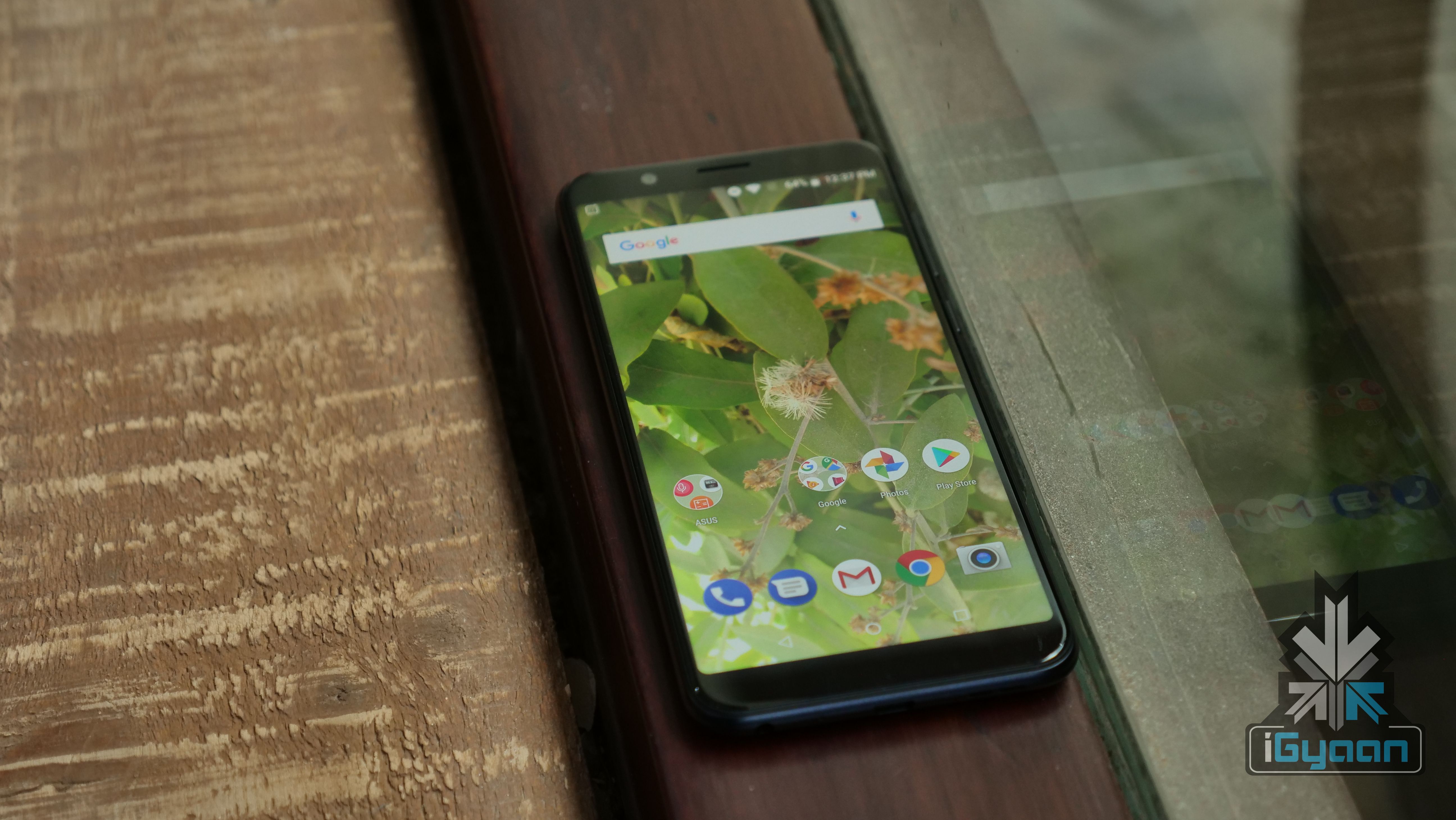
    That 5000 mAh battery will be powering a 5.99 inch IPS LCD display with a 2160 x 1080 px resolution.

    So far, Asus smartphones have had the custom ZenUI on top of Android. However, Asus has gone the stock Android route with the Zenfone Max Pro. Out of the box, the Zenfone Max Pro will run on Android 8.1 Oreo, which is the latest version of Android available right now. Asus has also promised timely software upgrades for their new budget smartphone up to Android Q.

    The Asus Zenfone Max Pro will go on sale in India on May 3rd. With such a competitive pricing and specifications, it will be interesting to see how the Zenfone Max Pro holds up in the Indian market.
  • Motorola Launches Moto G6, G6 Play And Moto G6 Plus

    Motorola Launches Moto G6, G6 Play And Moto G6 Plus

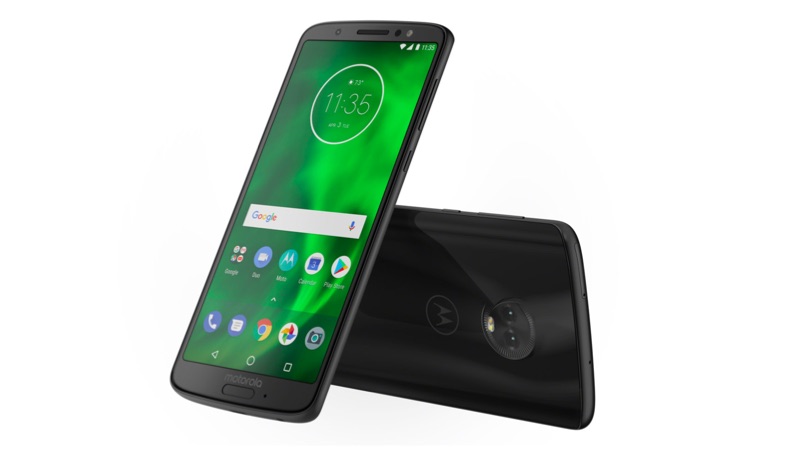
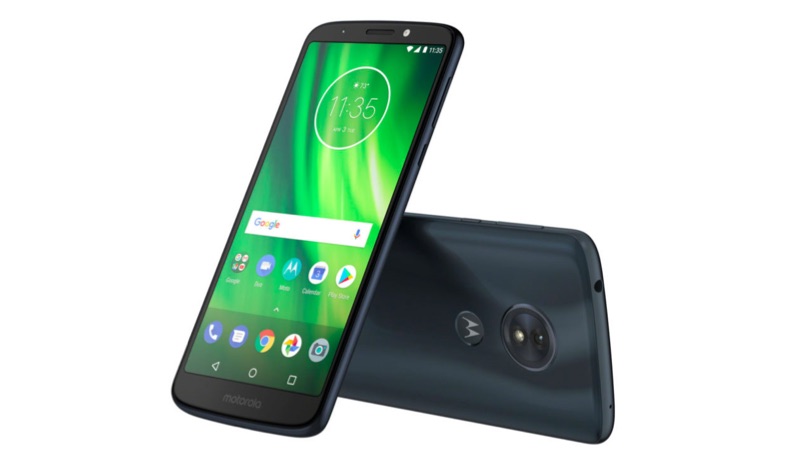
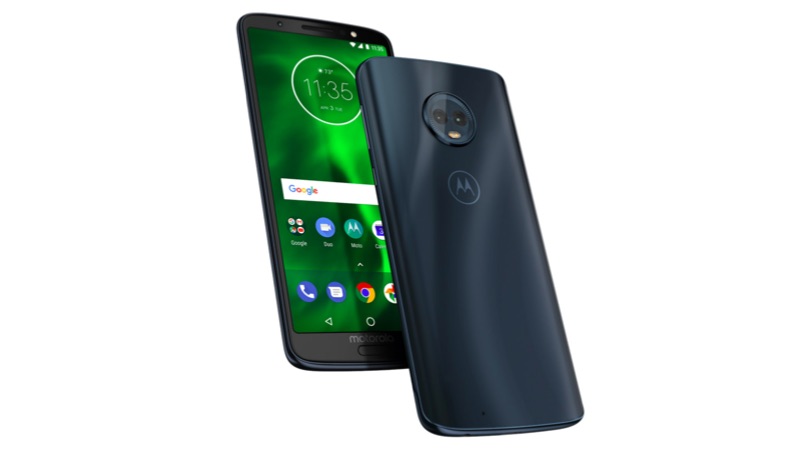
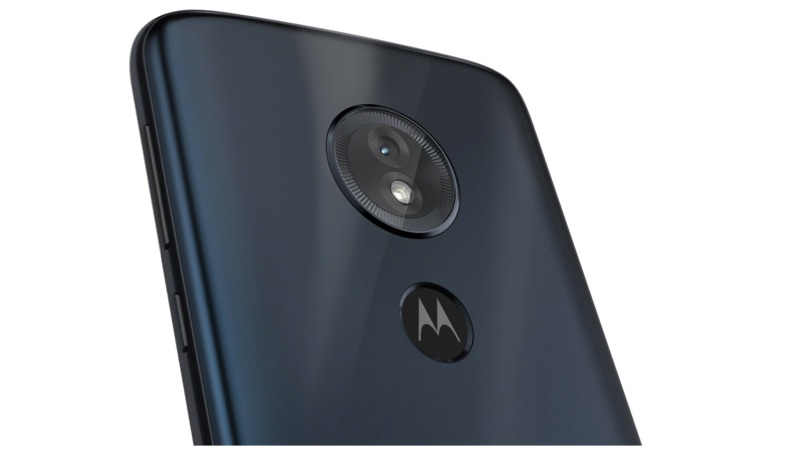
    Motorola has finally unveiled the new Moto G6 and Moto G6 Play at an event in Brazil. Both the phones mark the six generation of the highly successful series of Moto G devices from the company.

    Moto G6 Play

    Launched at a price of US$ 199, roughly Rs. 13000, the Moto G6 Play is the cheaper variant of the two and it features a 5.7″ 1440×720 LCD display, along with Qualcomm’s Snapdragon 427 chipset with four 1.4GHz Cortex A53 Cores (28nm).

    Moto G6 Play

    The device also gets Adreno the 308 GPU along with either 2 GB or 3 GB of RAM and either 16GB or 32 GB of storage. The Moto G6 Play has a 4000mAh battery and a micro USB jack along with a slower 10w charging capability. You get one 13MP rear camera and 8MP front camera and even though the back appears to have two cameras, it has only the one, with the other fitted with an LED flash. The back has a unique glass-like back panel that is actually made of plastic.

    Moto G6

    The larger and more pronounced Moto G6 is priced at US$ 249 (Rs 16400 approx.). The G6 has a 5.7″ 2160×1080 LCD display along with the Snapdragon 450 which has eight 1.8Ghz Cortex A53 Cores (14nm) and is basically the Snapdragon 625 rebranded. The Adreno 506 GPU adds the graphic prowess with either 3GB or 4GB RAM option bundled with a 32GB or 64GB storage option.

    The Moto G6 does get the USB C charging capabilities along with a 15w charger, but that is bundled with a smaller 3000mAh battery.

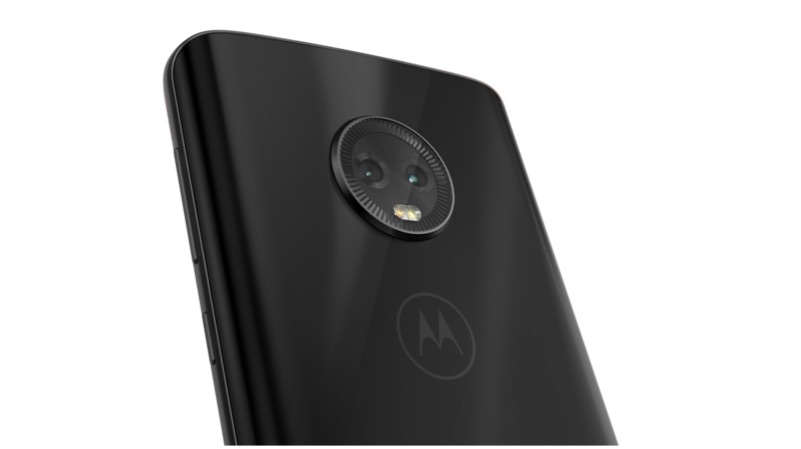
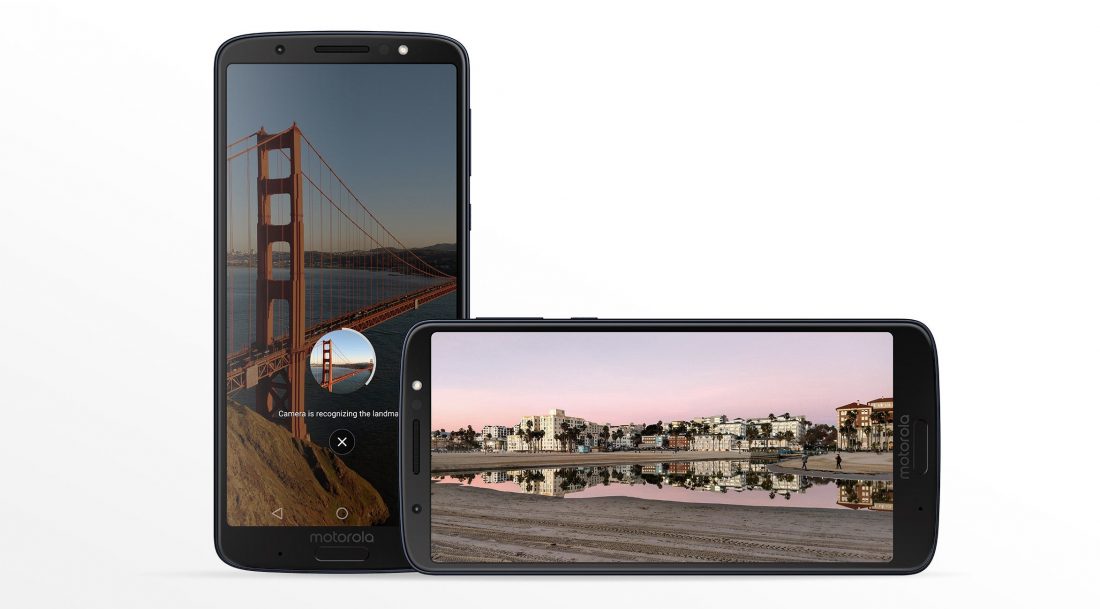
    At the back is the dual camera setup, which has a pair camera one a 12MP camera while a 5MP secondary camera for depth effects. Much like previous phones from the company, you can apply a depth-of-field effect to a photo after it is shot, thanks to saved depth information.

    You will also get effects like a selective black-and-white mode, a time-lapse feature, face filters, motion photos and visual search for objects and landmarks. The camera will also do OCR (optical character recognition) for text.

    Moto g6


    Moto G6 Plus

    The largest of theme all the Moto G6 Plus has been launched with a larger 5.9 inch IPS LCD display with the same 2160 x 1080px. The Phone gets an upgrade to Snapdragon 630 with and octa core 2.2GHz setup and the Adreno 508 GPU, other variations include 4GB or 6GB RAM options and 64 GB or 128 GB storage options. The dual camera setup also gets Dual Pixel AF and a f/1.7 aperture along with 4k video capture.

    Moto G6 Plus

    While the front retains the 8 MP shooter in some markets the phone will be launched with a larger 16 MP front-facing camera. The battery gets a bump to 3200mAh with a 15 w TurboPower charge through the USB C port.

    Announced at a price of €299 approximately Rs. 24000 the phone is quite a lot more expensive than its predecessor.


    As of now, we are not sure when and if and what variants would be launched in India, but, we should hear an announcement soon. Stay tuned to iGyaan for all the latest developments.

  • Nike Made 3D Printed Shoes That Can Be Customised To Perfection

    Nike Made 3D Printed Shoes That Can Be Customised To Perfection

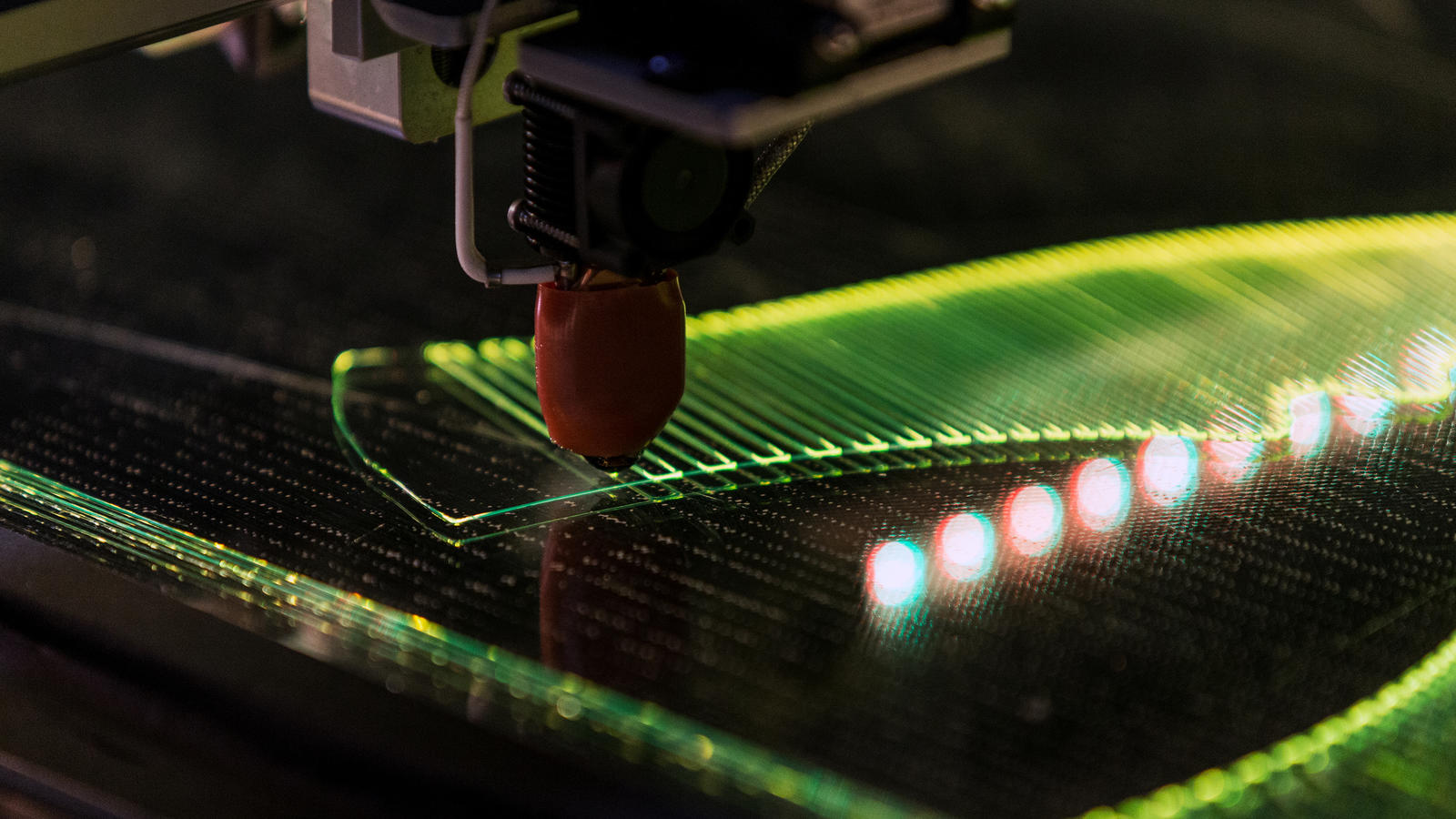
    Nike has just introduced a very significant product in the timeline of “shoes.” The American shoemaker has unveiled the first-ever 3D printed shoes, the Nike Flyprint. It is the first 3D-printed textile upper in performance footwear. What this basically means is that the entire shoe is not 3D printed, in fact, it is the upper material that is not woven or mass produced, it is 3D printed.

    The Nike Flyprint are produced through solid deposit modeling (SDM), a process whereby a TPU filament is unwound from a coil, melted and laid down in layers. While the process of 3D printing objects is not new, it is Nike’s implementation in this case that is interesting. According to Nike, the Flyprint method allows designers to translate athlete data into new textile geometries. In a nutshell, this means that all the data of an athlete that can be collected is used to customised accordingly for that athlete to ensure even better performance, from the shoes at least.

    Interestingly, the first step in making the Nike Flywear is collecting the data of the particular athlete. Once all the tangible data is collated using computational design tools, it is then studied thoroughly to affirm the ideal composition of the material that will be used. The fascinating aspect of this process is the uniqueness of every resulting product. We all know that athletes wear customised shoes but, with Nike Flywear, that customisation happens down to the last thread used in the upper of every shoe.

    One interesting benefit of 3D textiles over traditional 2D fabrics is the increased dynamism by adding an interconnection beyond a warp and weft. For example, whereas in a knit or woven textile there is frictional resistance between the interlaced yarns, in a printed textile, due to its fused intersections, there is greater potential for precision-tuned containment. This also results in lighter and more breathable uppers than any other previous Nike textile.

    As evident from the process and result of the Nike Flywear, these are tailor-made for athletes. Nike has announced that the Nike Flywear was created for Eluid Kipchoge, a Kenyan long-distance runner.

  • Russian Hackers Are Using Wi-Fi Routers To Hack Into Homes And Government Offices

    Russian Hackers Are Using Wi-Fi Routers To Hack Into Homes And Government Offices

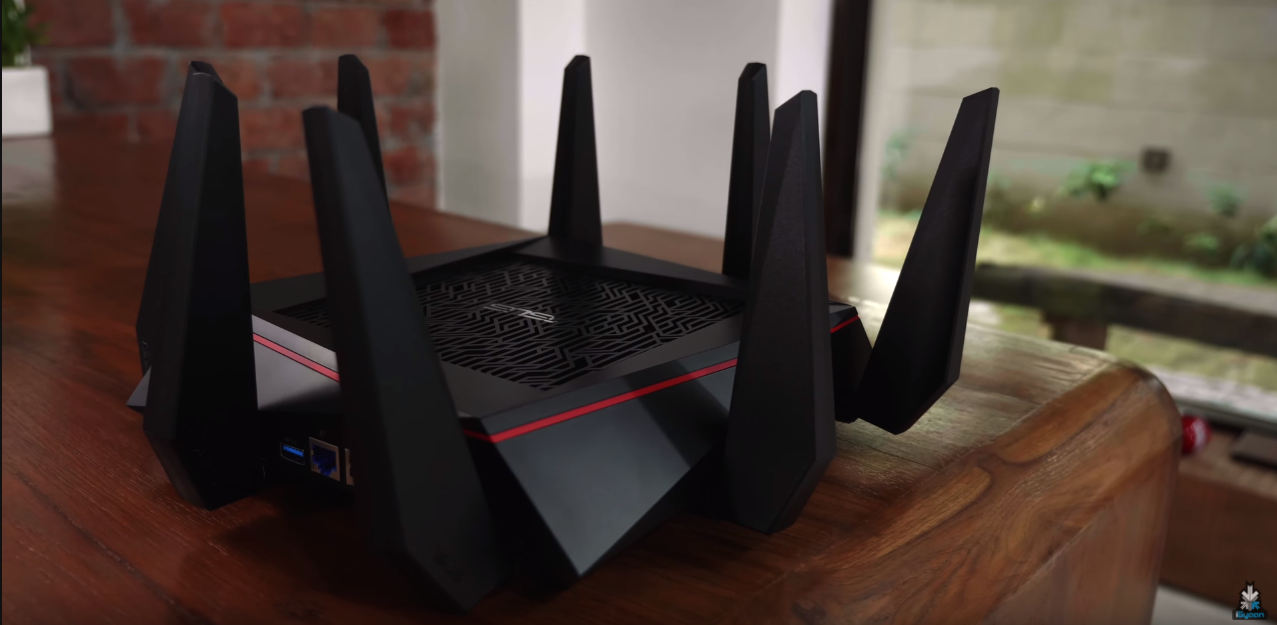
    Cyber attacks being carried out by Russian hackers seems like a news that started floating around decades ago. Time and again, we have come across instances where the US government has warned its people about the danger that Russian hackers carry. Now, a new security alert has identified that hackers are now using large numbers of routers, switches, and other network devices that are well past their last security update to compromise US homes, government offices, businesses, and critical infrastructure providers.

    According to the US Department of Homeland Security and FBI and the UK’s National Cyber Security Center, Russian hackers can extract a lot of sensitive information like passwords, intellectual properties by gaining access to network devices around an office or a home. With advancements in technology and the widespread use of smart home products in a lot of places, it is hard to imagine any home or workplace to not have network devices like smart switches or WiFi routers. This is even more severe in a country like the US where the internet is so readily available and smart home products are cheaper and easy to use.

    The technical alert has highlighted the severity of this situation and the timeline of the information the security personnel received.

    Since 2015, the US government received information from multiple sources—including private- and public-sector cybersecurity research organizations and allies—that cyber actors are exploiting large numbers of enterprise-class and SOHO/residential routers and switches worldwide.

    In a detailed account of Russian hackers misusing the poorly secured network devices in government offices and other sensitive places, the alert notice laid down different stages of the hacking process.

    • Reconnaissance is the first stage when hackers identify poorly secured network ports like network management protocol
    • The second stage is the weaponisation and delivery of traffic to the identified devices that cause such devices to send the hackers configuration files that contain cryptographically stored passwords and other sensitive data
    • The third stage is exploitation is when attackers use this data to gain access to the compromised devices
    • The final stage is command and control, wherein the hackers use the newly gained access to pose as previous or trusted users to establish a connection

    Cisco, a multi-million dollar tech conglomerate has already identified that its install client was recently compromised. Cisco is a manufacturer of a lot of network devices that are used by a lot of citizens of the US.

    The access gained by Russian hackers is mainly down to old network devices like routers and switches. These devices run on old firmware and are not updated to the latest security protocols allow hackers to gain remote access to the network without even installing any sort of malware. With this security alert now made available to all government officials, it is yet to be seen what the workplaces will do in order to curb the situation and make them less vulnerable to cyber attacks from Russian hackers. Until then, to protect yourself from such threats, make sure to use adequate security protocols like strong passwords and update your hardware firmware in a timely manner.

  • Top Tech: Bluetooth Headphones Under Rs 2000

    Top Tech: Bluetooth Headphones Under Rs 2000

    Looking for a great pair of wireless Bluetooth headphones under Rs 2000? Here are the top 5 Bluetooth wireless headphones, which are priced less than Rs 2000. The prices of these headphones are extremely volatile, so be sure to check out as soon as possible.

    Sound One BT 06

    sound one Bluetooth headphones

    These pair of Bluetooth headphones retail for Rs 1990 and has a sturdy plastic design, which makes them very light in weight. The headphones are available in four different colours and these are collapsible which makes them travel-friendly. They take around 1.5 hours to charge completely and offers a music playback of 5+ hours on a single charge. These headphones have Bluetooth 4.0, which is a bit disappointing. These Bluetooth headphones have a micro SD card slot and FM Radio function, which sets them apart from the competition. However, these headphones are slightly smaller for larger heads.

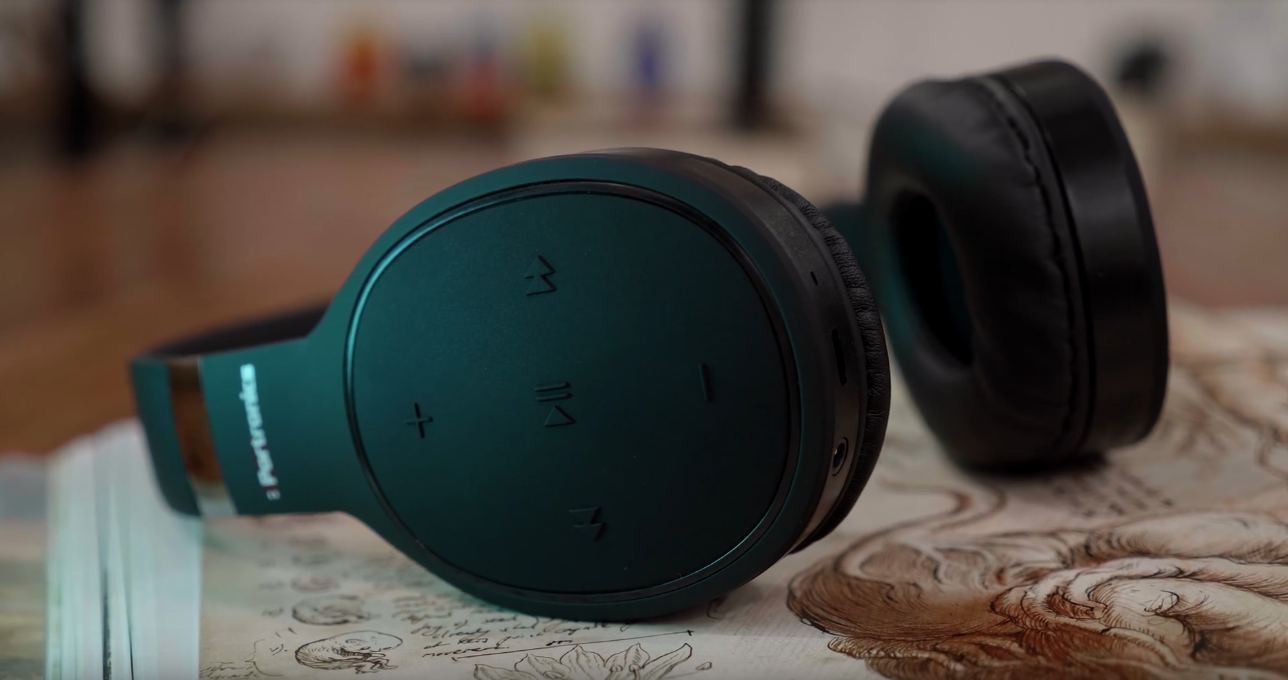
    Portronics Muffs

    TheseBluetooth headphones retail for Rs 1359, which also has a 3.5 mm headphone jack. These headphones come with Bluetooth 4.1, which gives them a slightly better connectivity and better range. The battery can last up to 9 hours on a single charge because of the low energy Bluetooth. These headphones can also be used with an auxiliary port, which does not require any power. The headphones have a really soft padding, which allows the user to wear these headphones for long periods of time. These headphones also have noise reduction and echo-cancellation, which gives an upper hand over the competition.

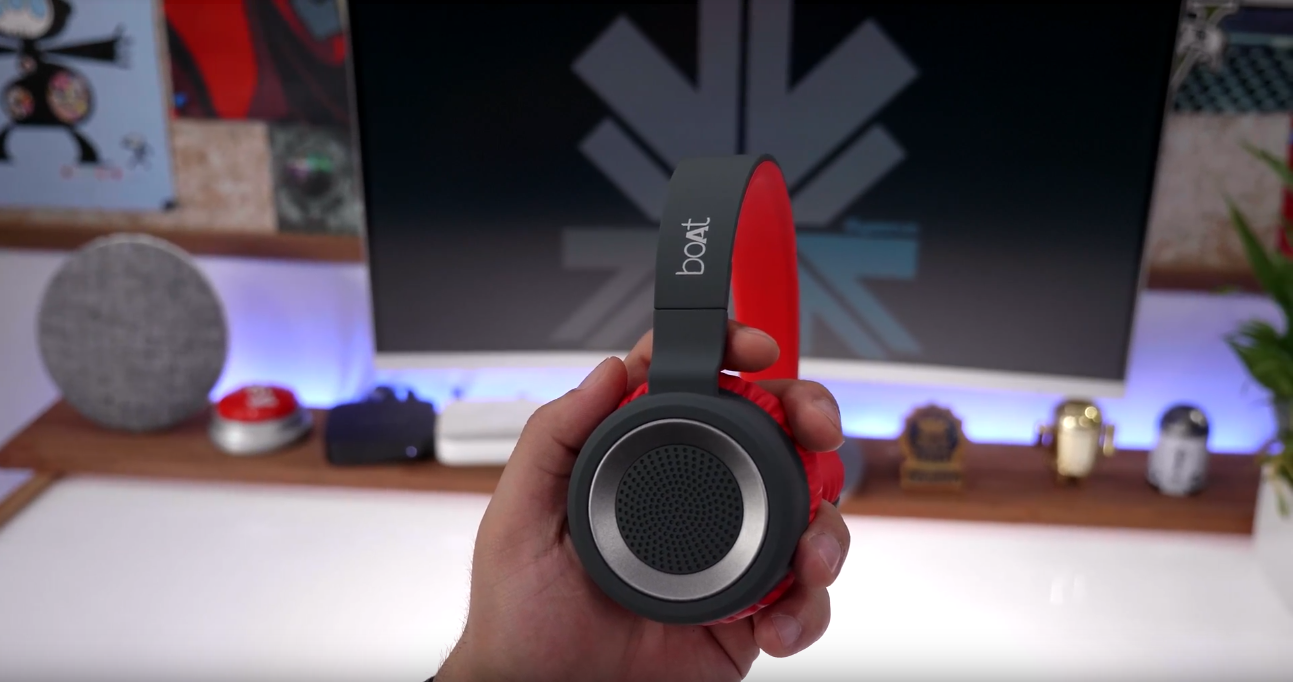
    Boat Rockerz 430

    boat Bluetooth headphones

    These are trendy looking colourful pair of Bluetooth headphones, which retails for Rs 1999. These headphones are extremely comfortable and great looks. These headphones come with Bluetooth 4.1 with 40mm dynamic driver, which gives a good amount of sound and a good amount of range. The headphones have active echo-cancellation. However, the headband is made using polyurethane, which does not make these headphones comfortable for extended periods of time.

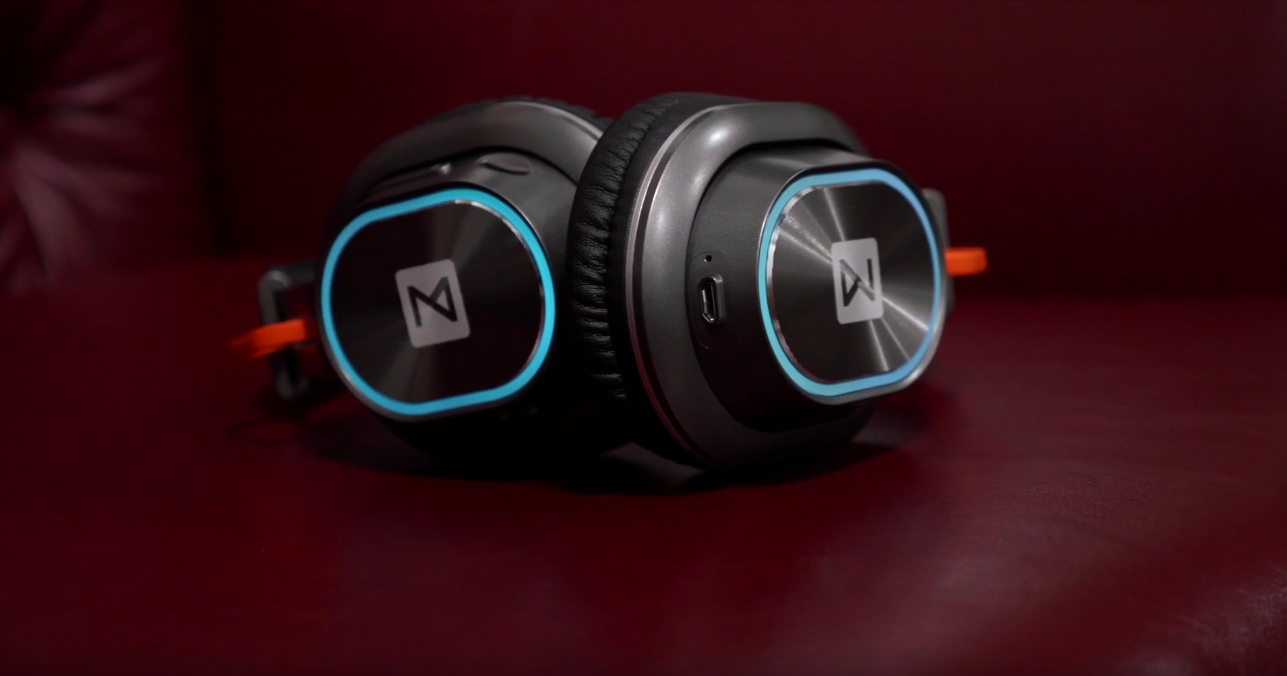
    ZAKK Blaze

    The prices of these Bluetooth headphones have been brought down to Rs 1999 especially for team iGyaan for a limited period of time. The headphones produce a good amount of sound and a good amount of base and extremely comfortable to wear for longer periods of time. The earcups and really soft and the headband also has a softer cushioning. These headphones are made entirely out of brushed metal with RGB style LED lights. These are extremely premium headphones available for a bargain price with a massive 20 hours battery backup.

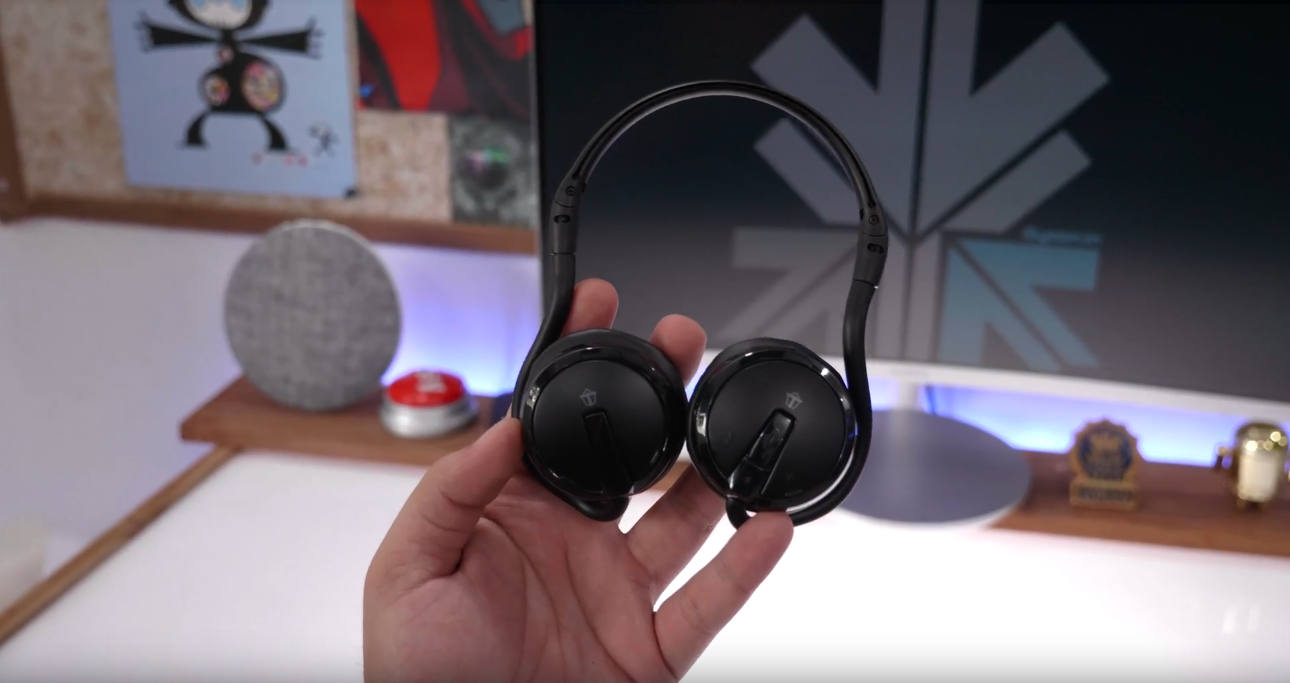
    Tantra Groove Bluetooth Headphones

    tantra Bluetooth headphones

    These are behind the neckband style Bluetooth headphones, which retail for Rs 1,999. These are surprisingly light and also have a good amount of base. The headphones have a 450 mAh battery with a music playback time of 18 hours or 25 hours of hands-free talk time, as these headphones have an inbuilt microphone. These are extremely comfortable to wear for longer periods of time and a user can control music playback on the headphones itself. These headphones offer noise and echo cancellation and the sound quality is quite impressive for the kind of headphones they are.

  • Despacito YouTube Video Deleted By Hackers

    Despacito YouTube Video Deleted By Hackers

    Update: The video has been recovered by YouTube and is now live on the video streaming platform.

    Luis Fonsi’s song, Despacito became the most-watched video ever on YouTube. Now, after falling victim to a cybercrime, the official video of Despacito has been deleted from YouTube while several accounts of other artists have also been compromised.

    At first, the thumbnail for the video was altered. The original image was replaced with a group of masked men holding guns and the description was changed by a group of hackers calling themselves Prosox and Kuro’ish. The hackers also wrote “Free Palestine” in the description of many videos. The image of the masked gang members is from the Netflix show, Casa de Papel.

    Apart from Luis Fonsi (creator of Despacito), several other artists’ Vevo accounts including DJ Snake, Shakira, Katy Perry, Taylor Swift and more have been hacked.

    YouTube

    Almost all the videos of these artists are available on YouTube as of now. However, the titles, descriptions and thumbnails of many famous videos have been compromised. It is worth noting that all these videos were uploaded to the Vevo accounts of these artists. There is no clarity about the degree of access these hackers have gained. Whether these hackers have gained access to individual accounts or if there was a wider attack on Vevo accounts.


  • Unboxing The Nokia 7 Plus

    Unboxing The Nokia 7 Plus

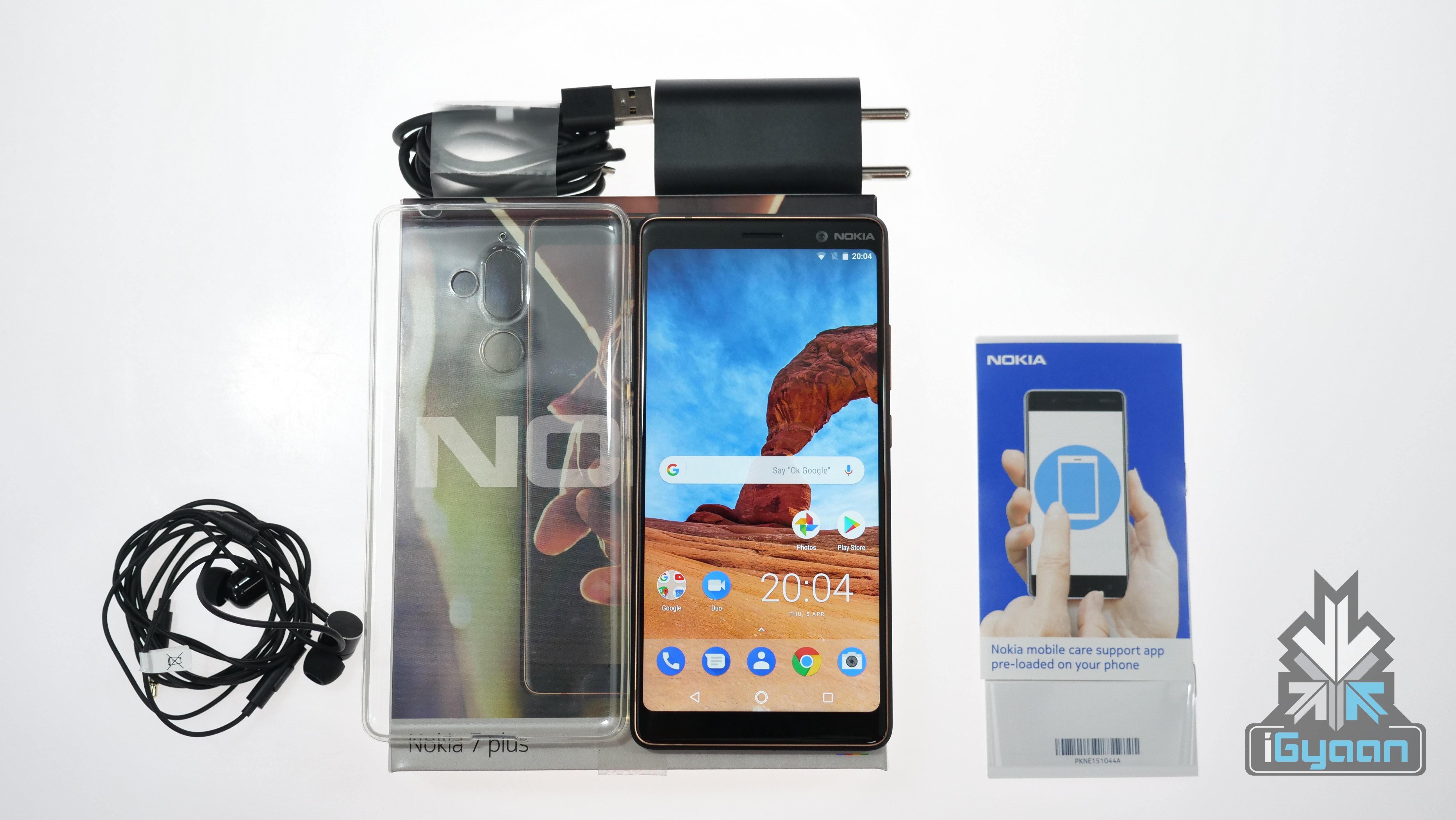
    HMD Global has officially launched the Nokia 7 Plus in India at a price of Rs 25999. The smartphone will be up for preorders from the 20th of April via Amazon exclusively. Subsequently, the Nokia 7 Plus will go on sale on the 30th of April. Unlike a lot of other smartphones, the Nokia 7 Plus is only available in 4GB RAM/64GB storage variant. However, it will retail in two colours, Black with Copper and White with Copper, both of these look extremely premium and well built.

    Nokia has had a rocky start ever since making its return to the smartphone industry under a new management. In 2017, the company launched quite a few but, pricey budget smartphones in India. The brand Nokia picked up momentum when the Nokia 8 was launched in India at a very competitive price.

    With the launch of the Nokia 7 Plus, the once celebrated phone brand has entered untested waters. At a price of Rs 25999, the Nokia 7 Plus will try to fill the gaping hole in a segment where the Moto X4 is a lone warrior. The company has moved on from an older-looking design and refreshed its highly successful (in China) Nokia 7 for the global market.

    [section label=”Unboxing”]

    Inside the box of the Nokia 7 Plus :

    • Nokia 7 Plus
    • Clear Case
    • Documentation
    • Sim Ejector Tool
    • Earphones
    • Wall Charger (Fast Charging compatible)
    • USB Type C Cable

    [section label=”Initial Impressions”]

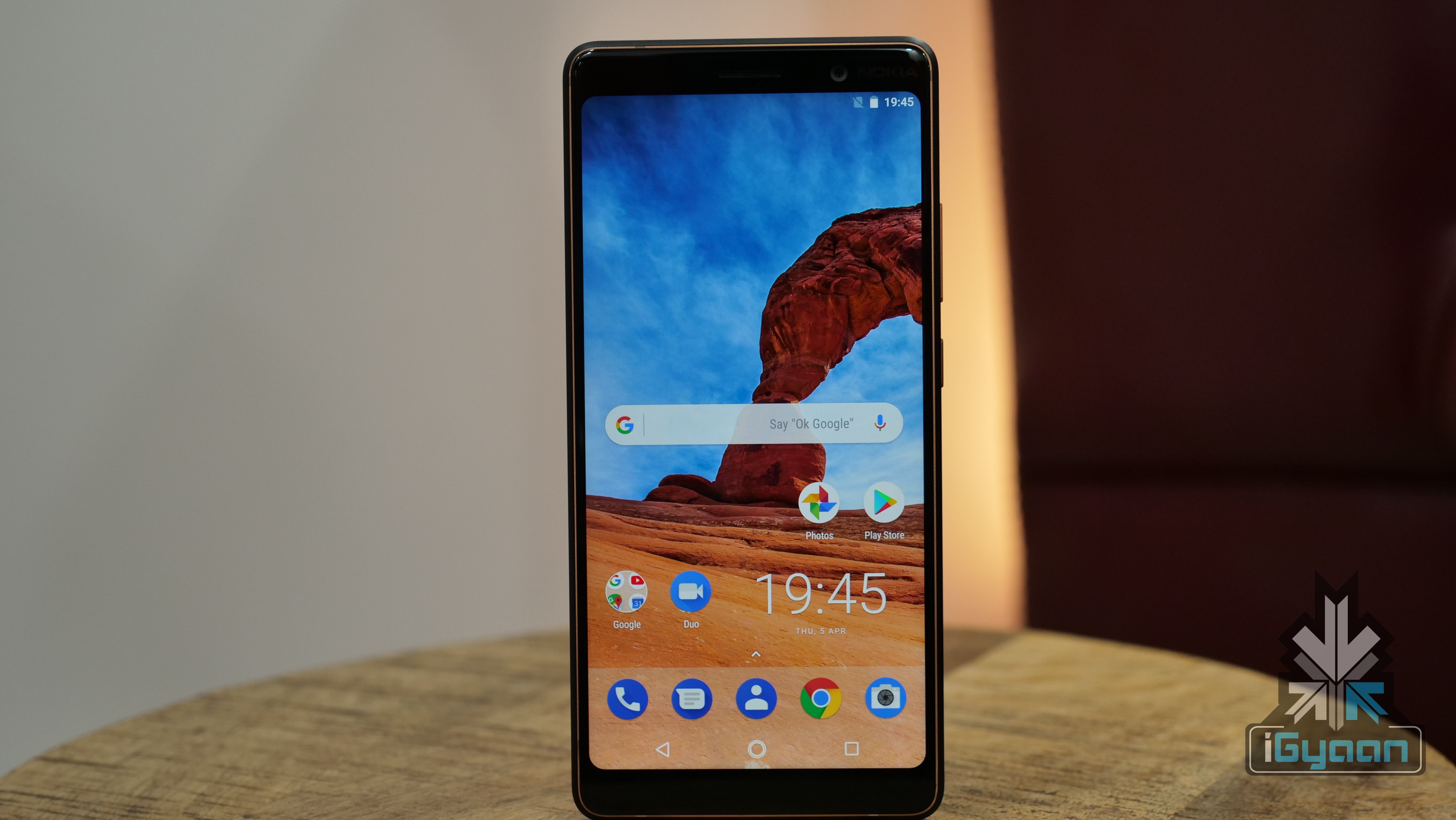
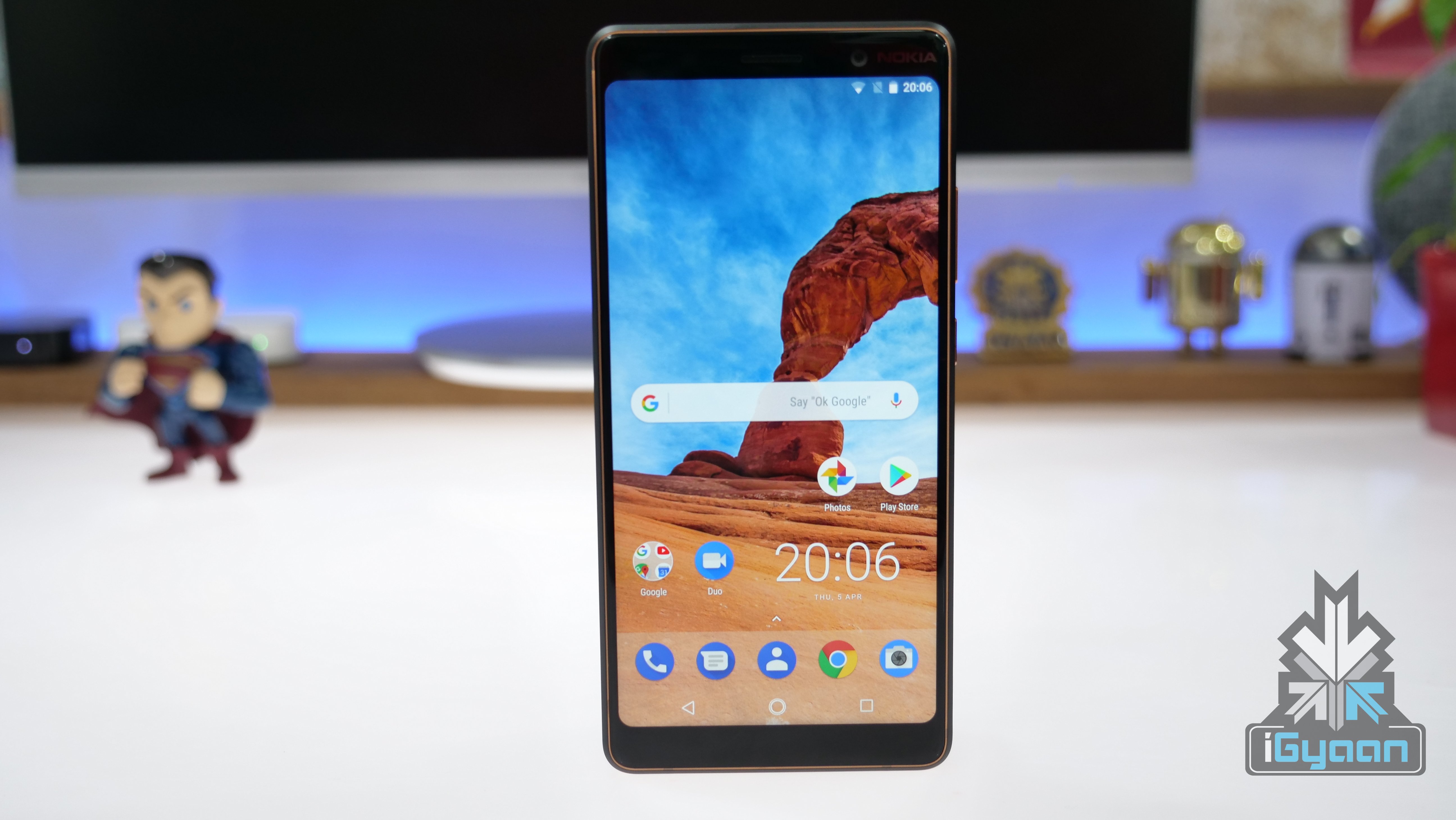
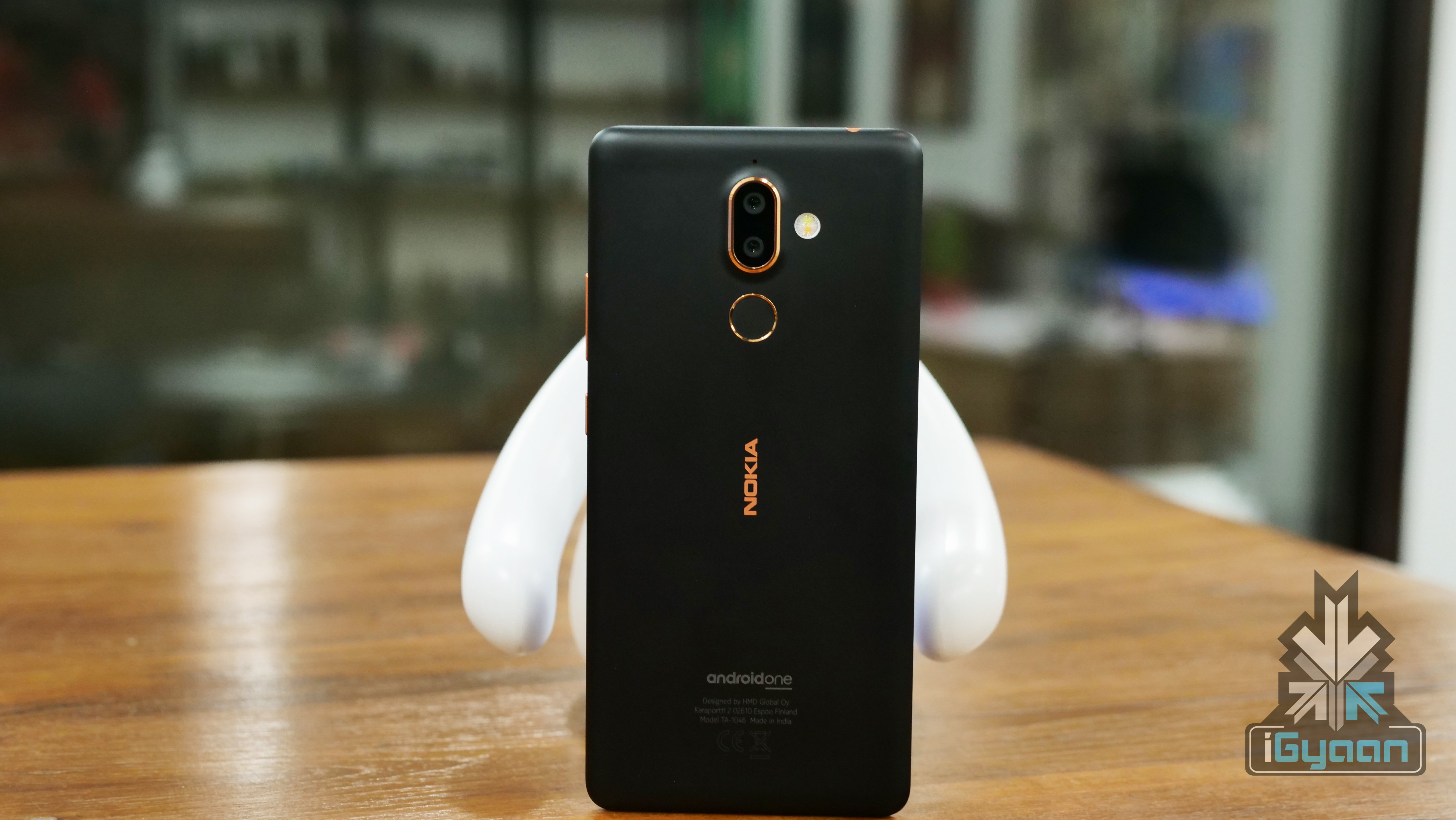
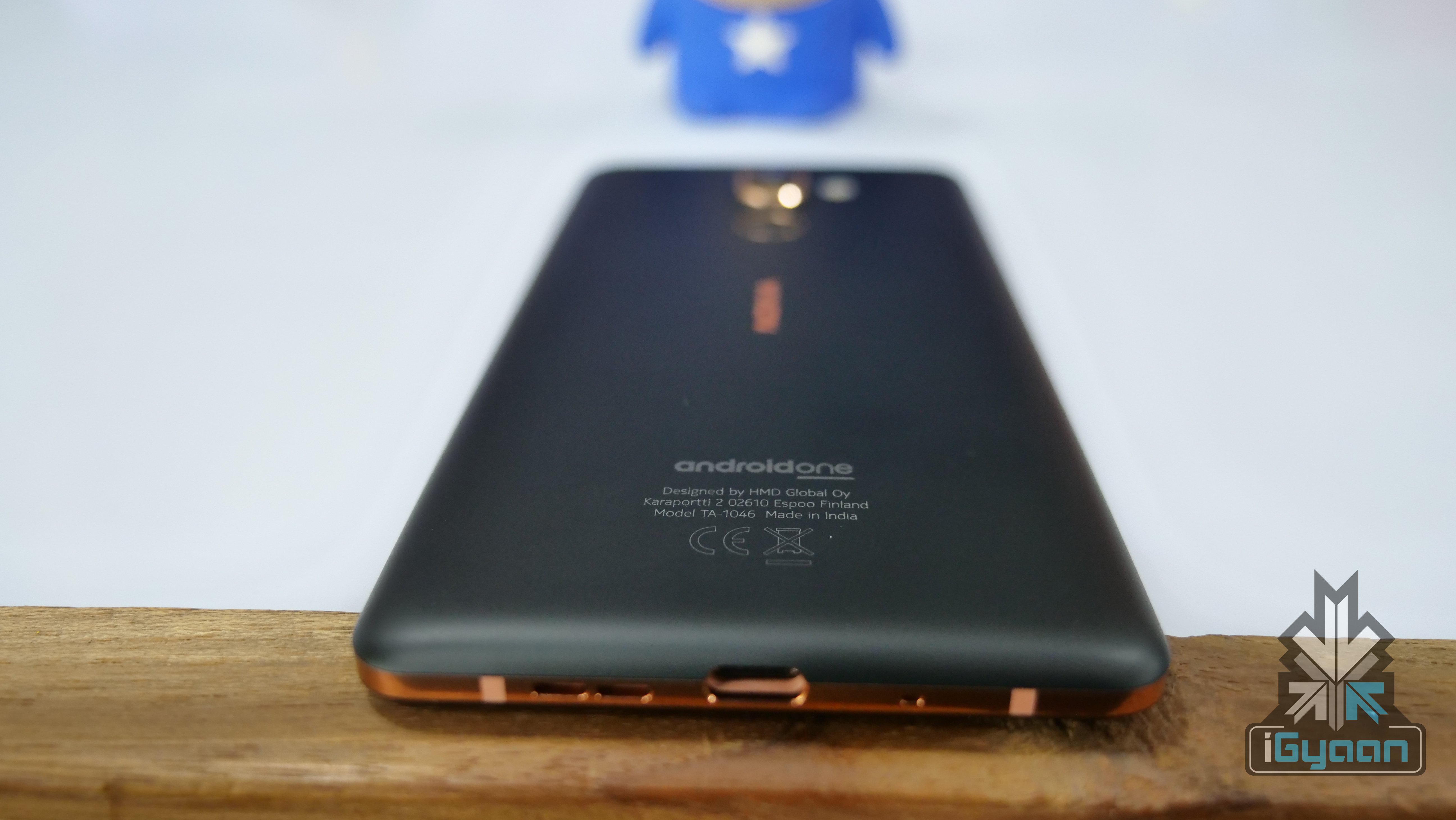
    The Nokia 7 Plus is a welcome refresh from HMD Global and that is visible the moment you hold the device. It has a metallic unibody design with a matte finish to the back which does not look cheap at all. On the contrary, it looks extremely premium and should give others in this range a run for their money.

    Another significant change in the Nokia 7 Plus is the placement of the fingerprint sensor. Up until now, HMD Global either placed the fingerprint sensor on the front or decided to have a phone sans fingerprint sensor. However, with the bezels considerably shrunken on the 7 Plus, the fingerprint sensor resides on the back. However, it is very centrally positioned which means it is easy to reach and is distinguishable.

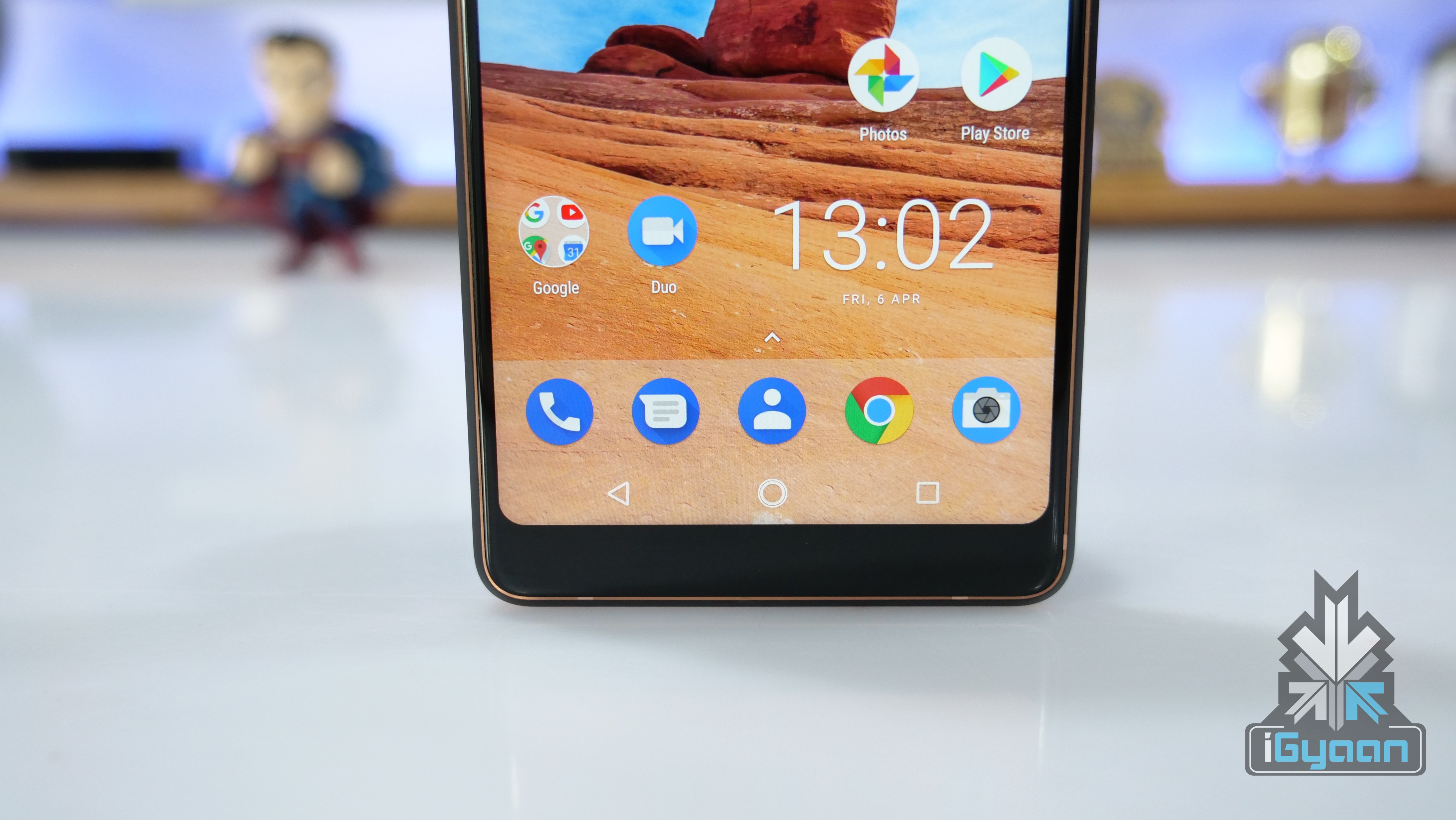
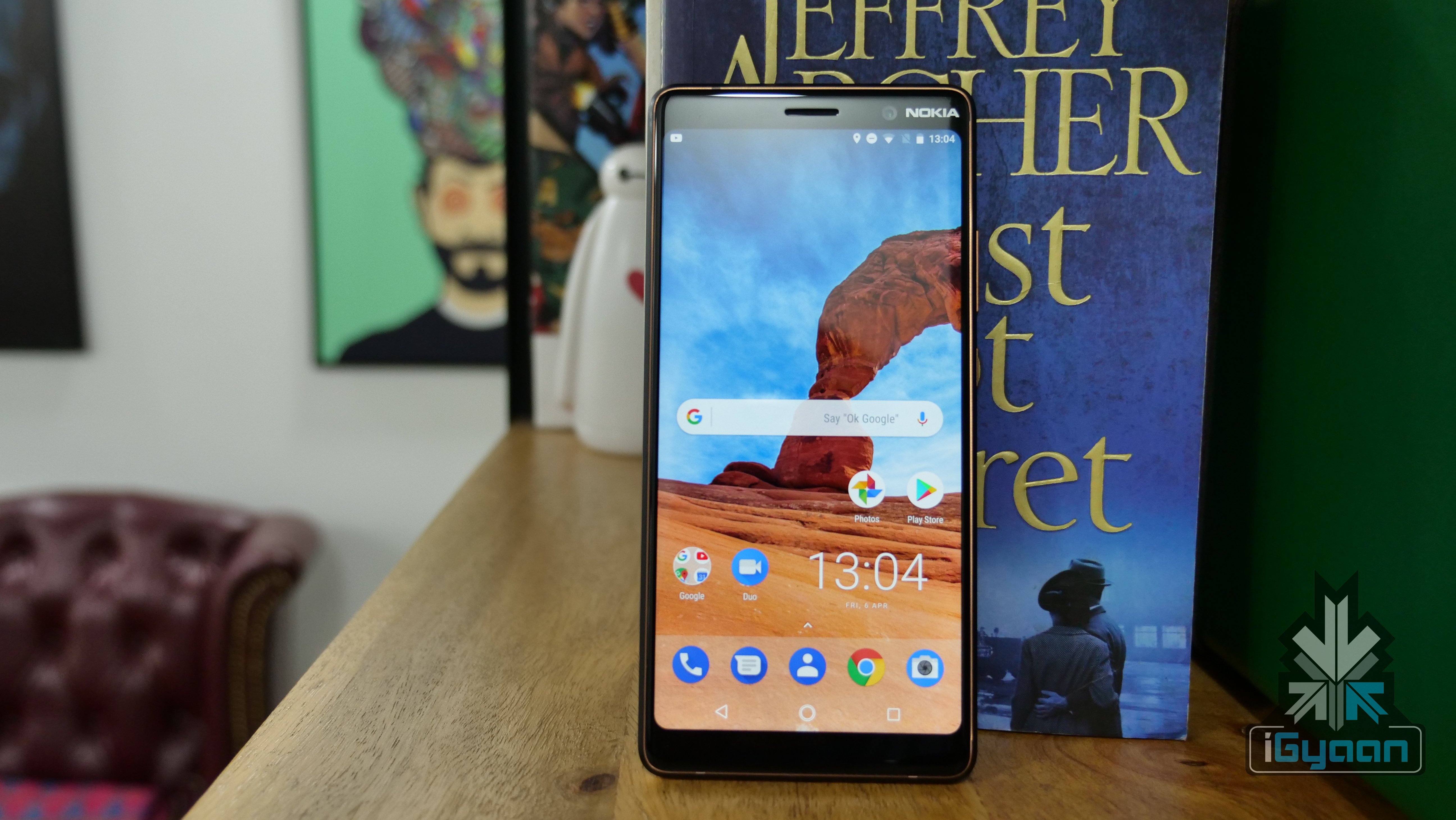
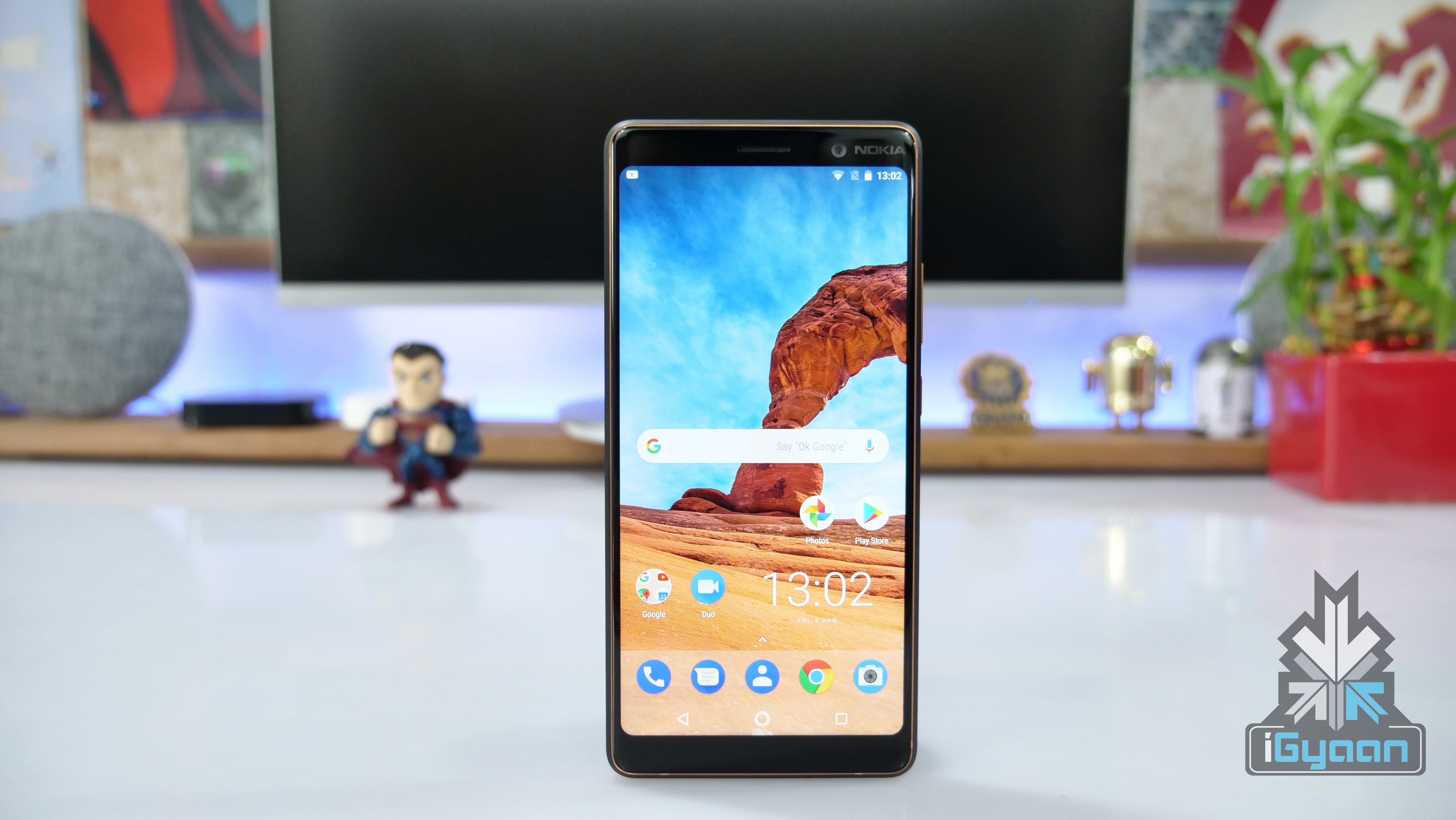
    While the 7 plus sports a taller display with thin bezels, they aren’t the thinnest by any stretch, in fact, the phone has a significant forehead and chin. The Nokia 7 Plus has a 6 inch IPS LCD display with a 2160 x 1080 px resolution. The bezels are visible on all the sides of the device but, after a few minutes of usage, your eyes and mind get used to the black space around the display. Thanks to its taller 18:9 aspect ratio the 7 Plus, even with its 6 inch display is easy to use and unless you have tiny hands, the one-handed usage should not be an issue.

    The Full HD+ IPS LCD display is bright and vibrant. It has great viewing angles and the 18:9 aspect ratio means the display can fit more content while the overall size of the smartphone has not changed drastically. The single bottom firing speaker is a let down hence, we suggest using external speakers or headphones for any sort of media consumption.

    The Nokia 7 Plus runs stock Android 8 Oreo OS and also supports the Android One program. This means the smartphone will receive timely software and security updates for at least a couple of years. Just like the previous Nokia devices, it runs stock OS which means no bloatware. However, there are a few people who prefer a custom skin like MIUI over stock OS. For them, apps like the Nova Launcher is the only way to heavily customise their UI.

    Under the hood, the Nokia 7 Plus has the Qualcomm Snapdragon 660 chipset. In fact, it is the first ever smartphone launched in India that is powered by the chipset. The 2.2 GHz octa-core processor handles day-to-day tasks extremely well. The stock OS and lack of any sort of bloatware also help its cause. The smartphone feels snappy to use and handles gaming quite well.

    The Nokia 7 Plus has a dual-camera setup on the back. The primary wide-angle sensor is a 12MP camera with an f/1.75 aperture coupled with a 13MP telephoto lens with an f/2.6 aperture. In our brief testing, we found the camera app to be a bit laggy and even while recording videos, the app stutters a bit.

    With an impressive build and stock Android out of the box, the Nokia 7 plus promises to be an exciting seller in the market. However, India being extremely price sensitive, sales might change that opinion. Stay tuned for our full review!

    [section label=”Unboxing Video”]

    Unboxing Video

  • Mid-Range Google Pixel To Launch In India Soon

    Mid-Range Google Pixel To Launch In India Soon

    Google Pixel series of smartphones are known for their unprecedented camera capabilities. However, unlike Moto or Xiaomi smartphones, the Pixel devices retail at a higher price tag. Google is now targeting markets like India, which has a huge demand for smartphones priced between Rs 10,000 to Rs 20,000. According to a report, Google is planning to launch an Indian market specific device in July-August, which includes an affordable Pixel smartphone, Pixelbook and Nest devices. Additionally, the company will launch the Pixel 3 series of smartphones by Diwali.

    If we look at the numbers, Google sold 3.9 million Pixel smartphones globally in 2017 while Apple sold 214.9 million devices. The existence of offline stores and affordable iPhone models like the iPhone SE has helped Apple to achieve these sale figures. Additionally, Google is still new to the hardware game and Apple has already established itself as a premium brand.

    Google
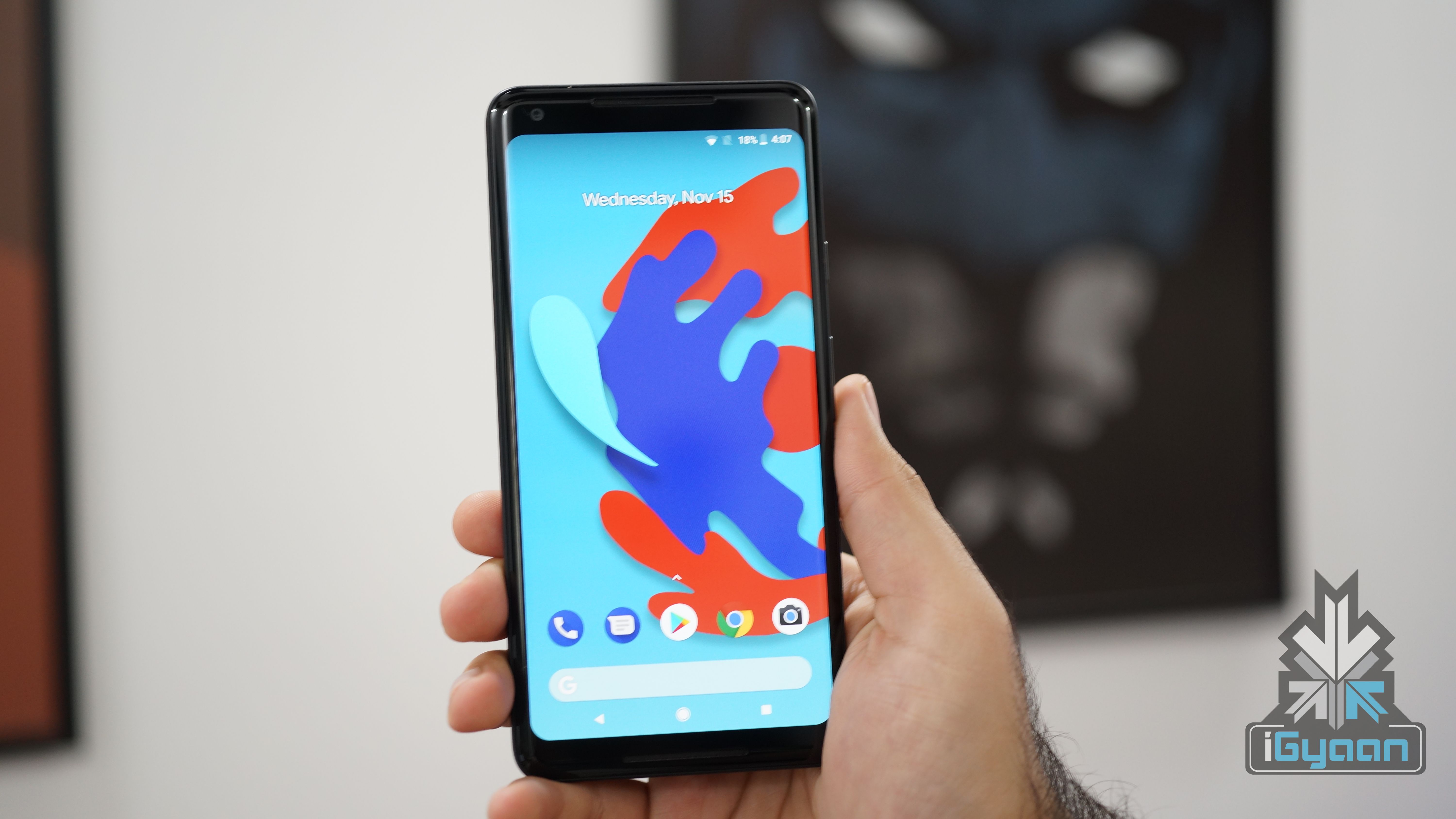
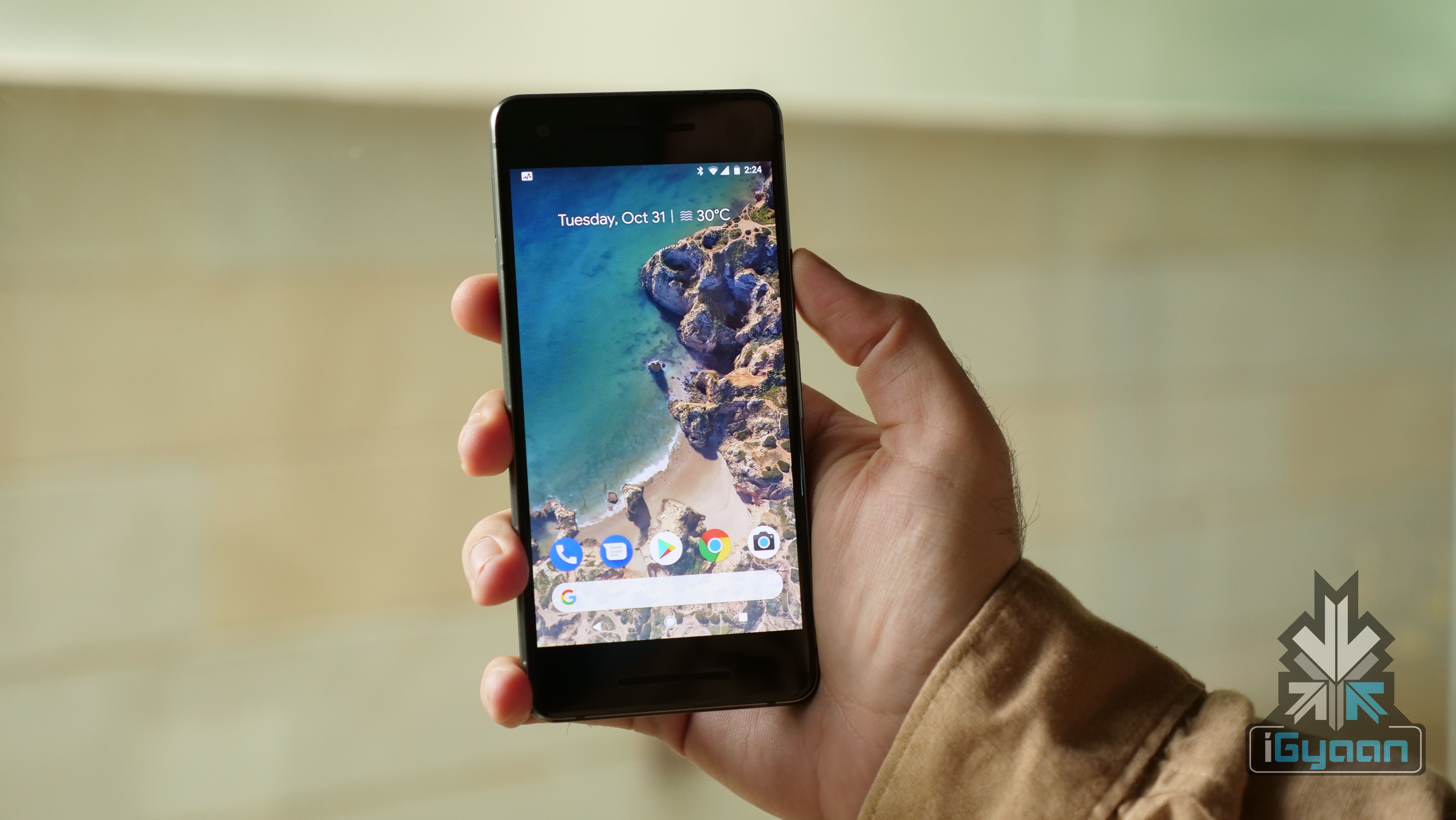
    Pixel 2
    Mid Range Google Pixel Specs

    According to a report, Google will launch the mid-range Google Pixel smartphone and a Pixelbook in India by August 2018. However, the report does not specify the pricing or specifications of these devices. Along with these, the company might also launch the Nest series of smart home accessories. The Nest series of accessories comprises a thermostat and other smart home accessories.

    Google will begin this launch by announcing the Google Home products. The company will launch the Google Home and Home Mini to take on the competition like the Amazon Echo speakers. The Home mini will retail for Rs 4,499 and the Home will retail at Rs 9,999. This time around, the company will focus on the offline market through brick and mortar stores. This means Google is most likely to set up stores in crowded places like malls and electronics stores.

  • OnePlus 6 Will Be Priced At Around Rs. 34000 And Could Launch In Late-April

    OnePlus 6 Will Be Priced At Around Rs. 34000 And Could Launch In Late-April

    Arguably one of the most anticipated smartphones of 2018, the OnePlus 6 has been in the news lately. It has garnered a lot of media attention for its iPhone X inspired design. While the company’s co-founder Carl Pei took it upon himself to justify the decision of putting a notch on the display, new information about the smartphone’s price and a launch date have surfaced.

    According to a report, the OnePlus 6 will be slightly pricier than the OnePlus 5T. In China, the 64GB base variant will be priced at 2999 Yuan which translates to Rs 34000, while the 256GB variant will be priced at 4399 Yuan (Rs 45,000 approx). The 128GB storage model will retail for 3799 Yuan (Rs 39,500 approx.). This hike in price could be due to the presence of a notch and features like wireless charging. However, if true, it is still much more affordable than other flagship devices like the Samsung Galaxy S9 and S9+. In China, the OnePlus 6 will launch by the end of April.

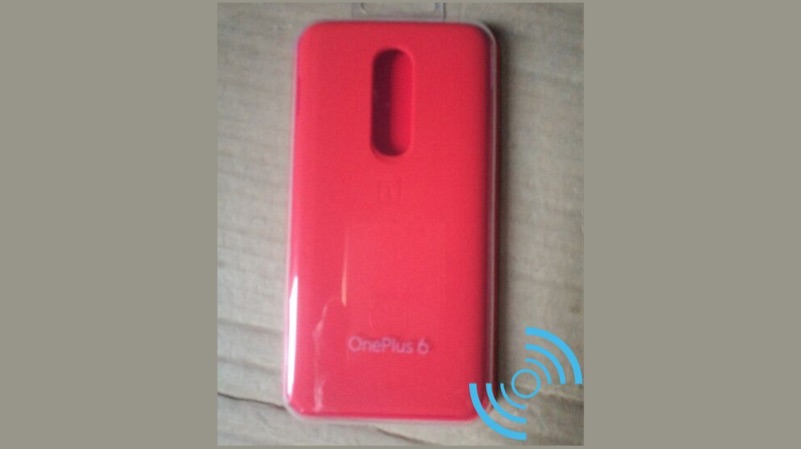
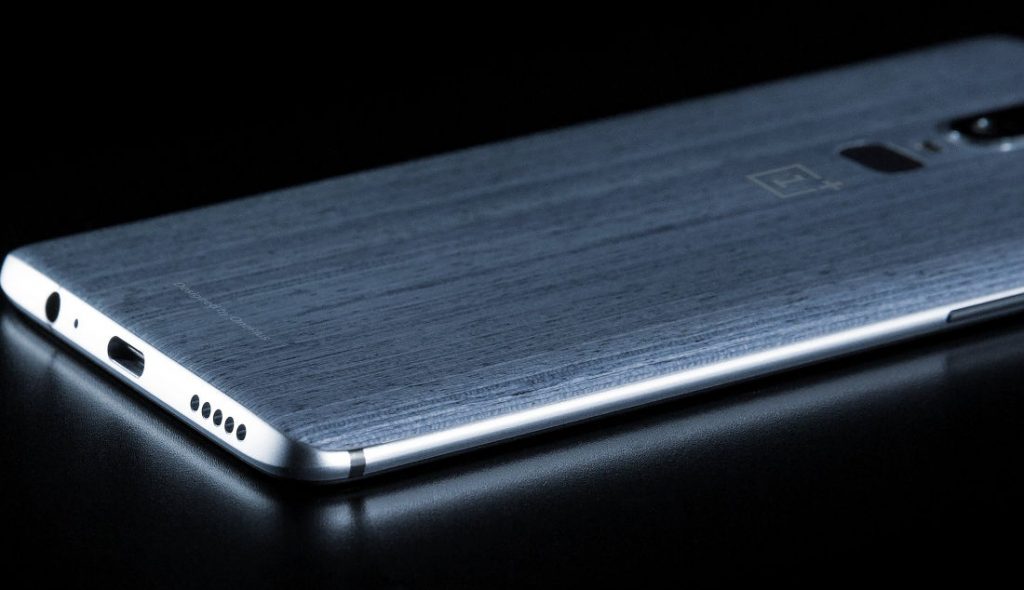
    The OnePlus 6 will not have a design similar to the OPPO R15. Carl Pei’s confirmation means the initial leaked image could be our best look at the device so far. The “official case” of the OnePlus 6 also corroborates with the design in the leaked photo. The OnePlus 6 will have a vertically-placed dual camera setup along with a rear-facing fingerprint sensor that might have an oval shape.

    OnePlus 6


  • Unboxing The Huawei P20 Pro

    Unboxing The Huawei P20 Pro

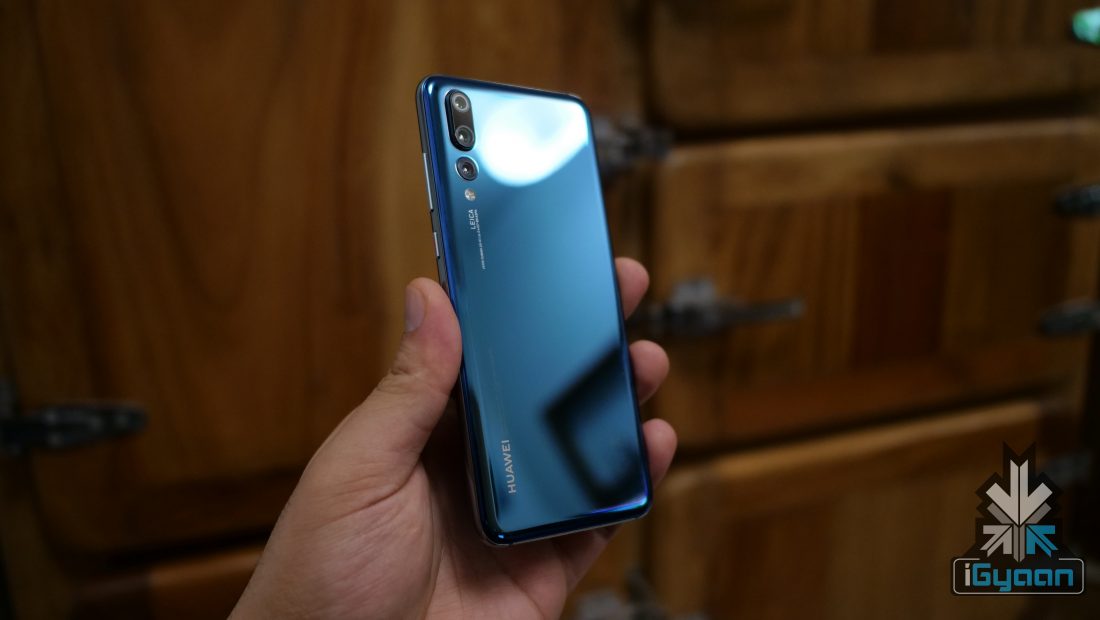
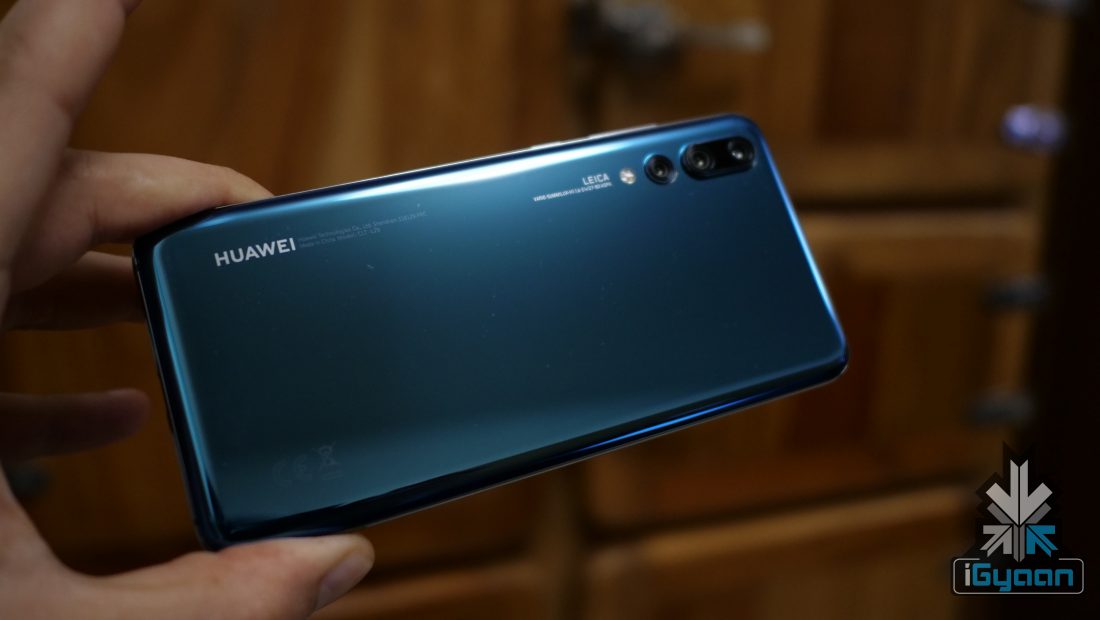
    Huawei’s P20 Pro may be a flagship for the company if you ignore their glossy limited edition Huawei Mate RS, but for a lot of others, it is a direct stab at flagship Android phones. The Huawei P20 Pro also makes a unique proposition with a triple rear camera setup which makes it unique for the flagship market too.

    [section label=”Initial Impressions”]While we had leaks aplenty the phone managed to live up to expectations with the design and feature set. The design is extremely close to that of the iPhone X. While the notch is smaller the metal frame sandwiched between the glass front and back looks extremely good.
    The company wanted to retain the fingerprint sensor on the front which means that you get a large chin. But, at least a very usable fingerprint sensor. The fingerprint sensor also allows for the navigation to be moved off the screen.

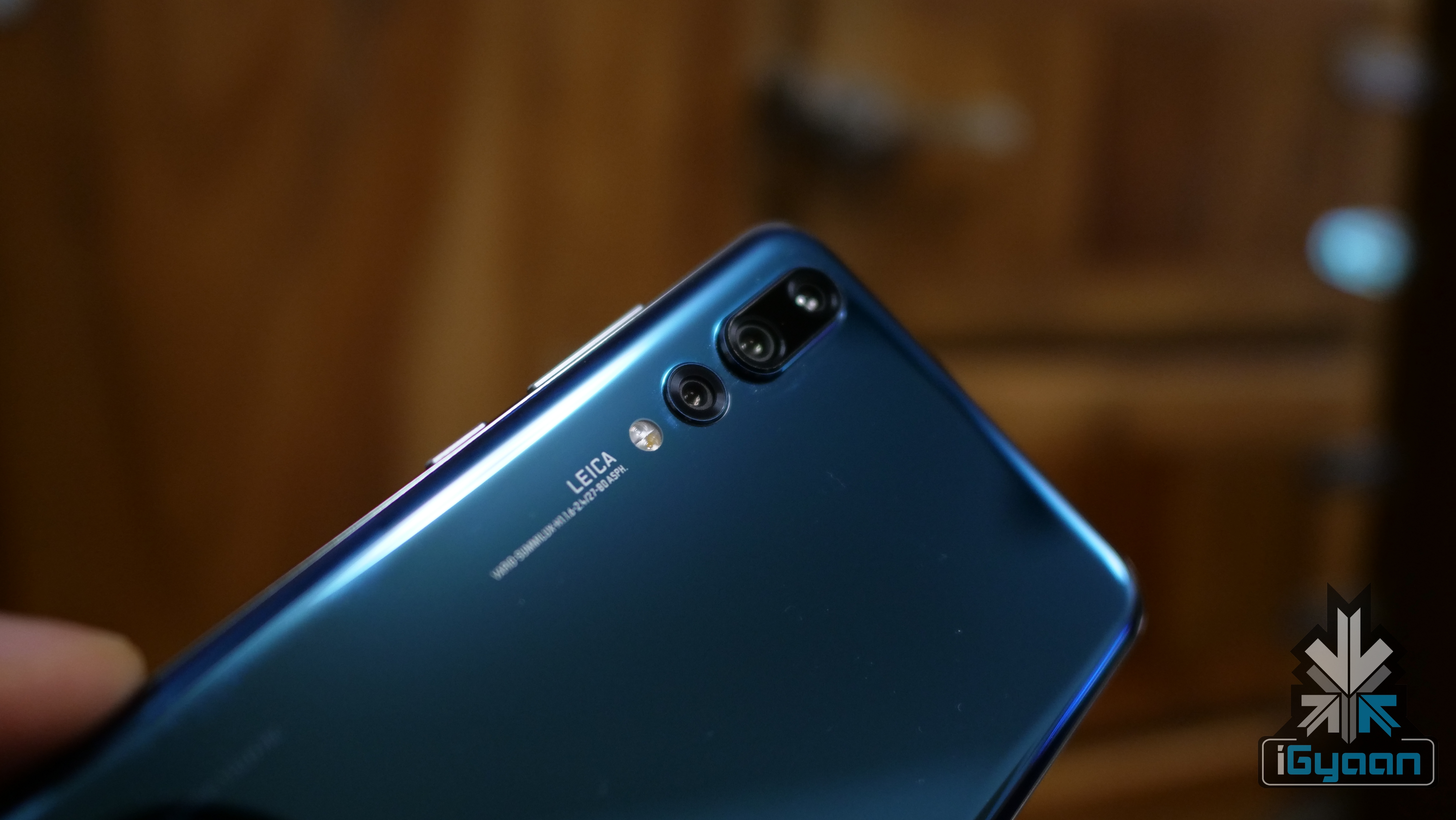
    The three cameras on the Huawei P20 Pro are, however, the most naturally noticeable feature of the phone. A massive 40 MP shooter makes for the primary camera with an f/1.8 aperture with an additional 20 MP (f/1.6) camera. The third 8 MP 3x optical zoom, telephoto lens equipped, shooter makes a good mix for excellent portraits and zoomed in shots. The camera gets a natural 3x zoom and a 5x hybrid zoom which allows for lossless zoomed in pictures. The front gets a 24 MP wide selfie camera.

    [section label=”Unboxing”]

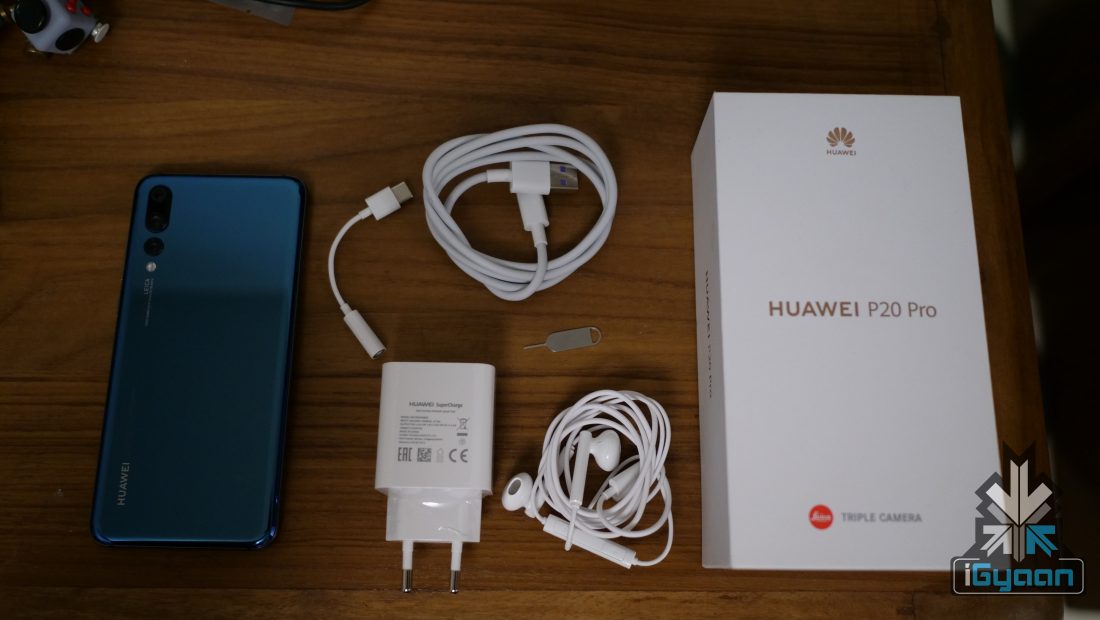
    The unboxing experience is not very special for the Huawei P20 Pro, however, you do get a complete set of accessories

    • Huawei P20 Pro
    • Documentation
    • USB Type C Earphones
    • USB C to 3.5mm Adapter
    • Sim Ejector Tool
    • SuperCharge Wall Charger
    • USB Type C Cable

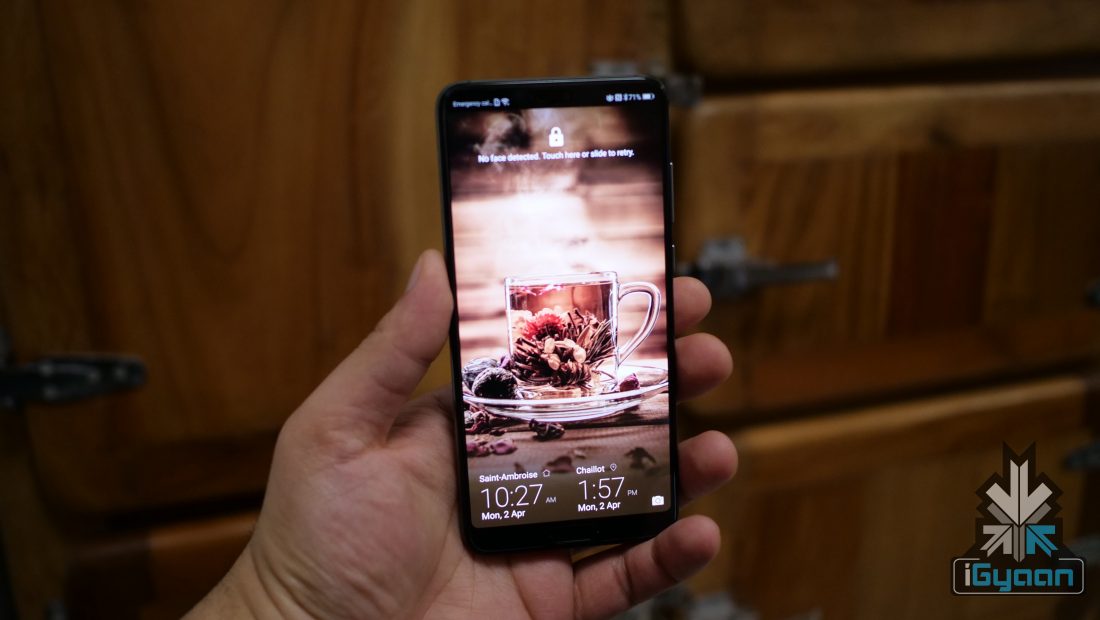
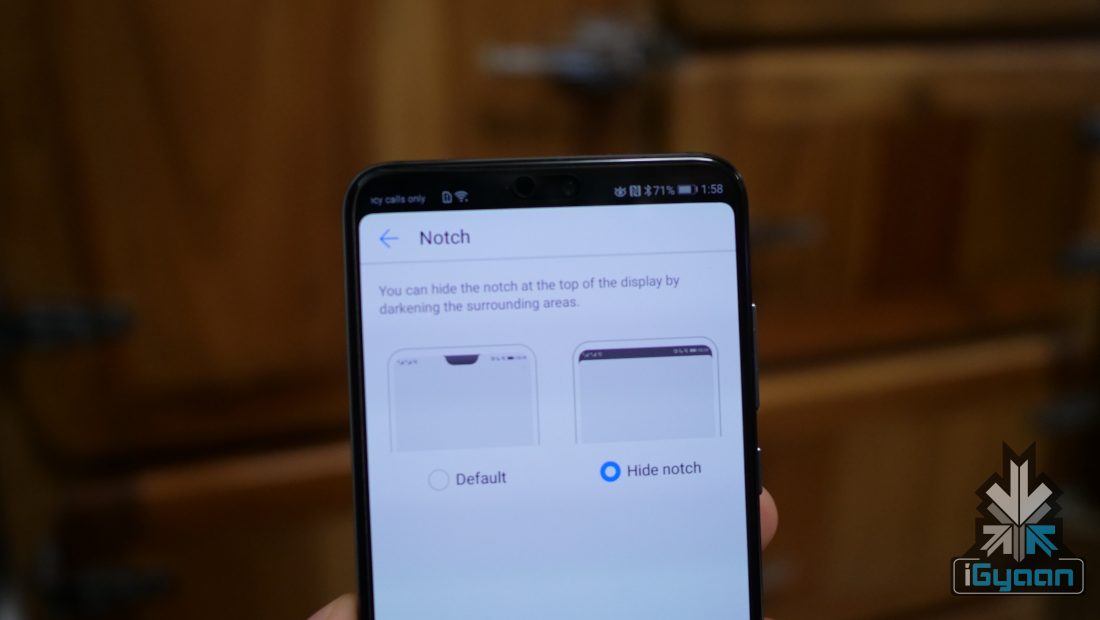
    The software experience of the phone is what makes the P20 Pro an interesting product. For starters, you get Android 8.1 out the box, with a promised update to Android 9 soon after release. The notorious notch can be hidden in software by making the status bar black, something which “no notch nazis” would like a lot.
    You can customise the OS quite a lot, from removing the navigation keys to duplication of commonly used apps. The camera app is also quite extensive with lots of shooting options. The phone also shoots and records H.265 video at 4k which is good as most phones still use dated codecs.

    The Huawei P20 Pro will come to India in April. Pricing is expected to be lower than the Euro 899 price it was launched for globally. The launch of the P20 Pro will also mark the return of the brand Huawei into India which stopped sales mid-2016.

    [section label=”Unboxing Video”]

    Huawei P20 Pro Unboxing Video

    [embedyt] https://www.youtube.com/watch?v=iODL1MBpCYE[/embedyt]

iGyaan Network
Privacy Overview

This website uses cookies so that we can provide you with the best user experience possible. Cookie information is stored in your browser and performs functions such as recognising you when you return to our website and helping our team to understand which sections of the website you find most interesting and useful.