Blog

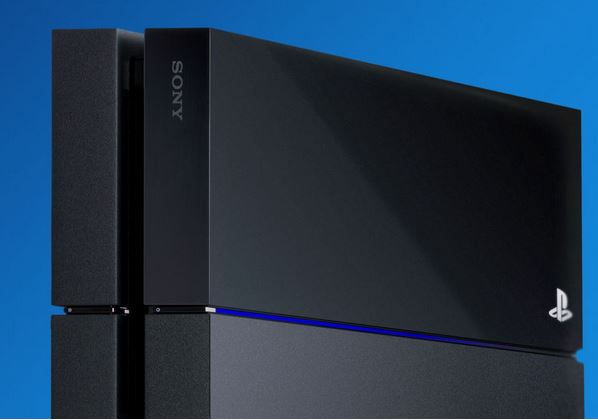
  • Sony Has Reportedly Shipped Over 90 Million PlayStation 4 Units

    Sony Has Reportedly Shipped Over 90 Million PlayStation 4 Units

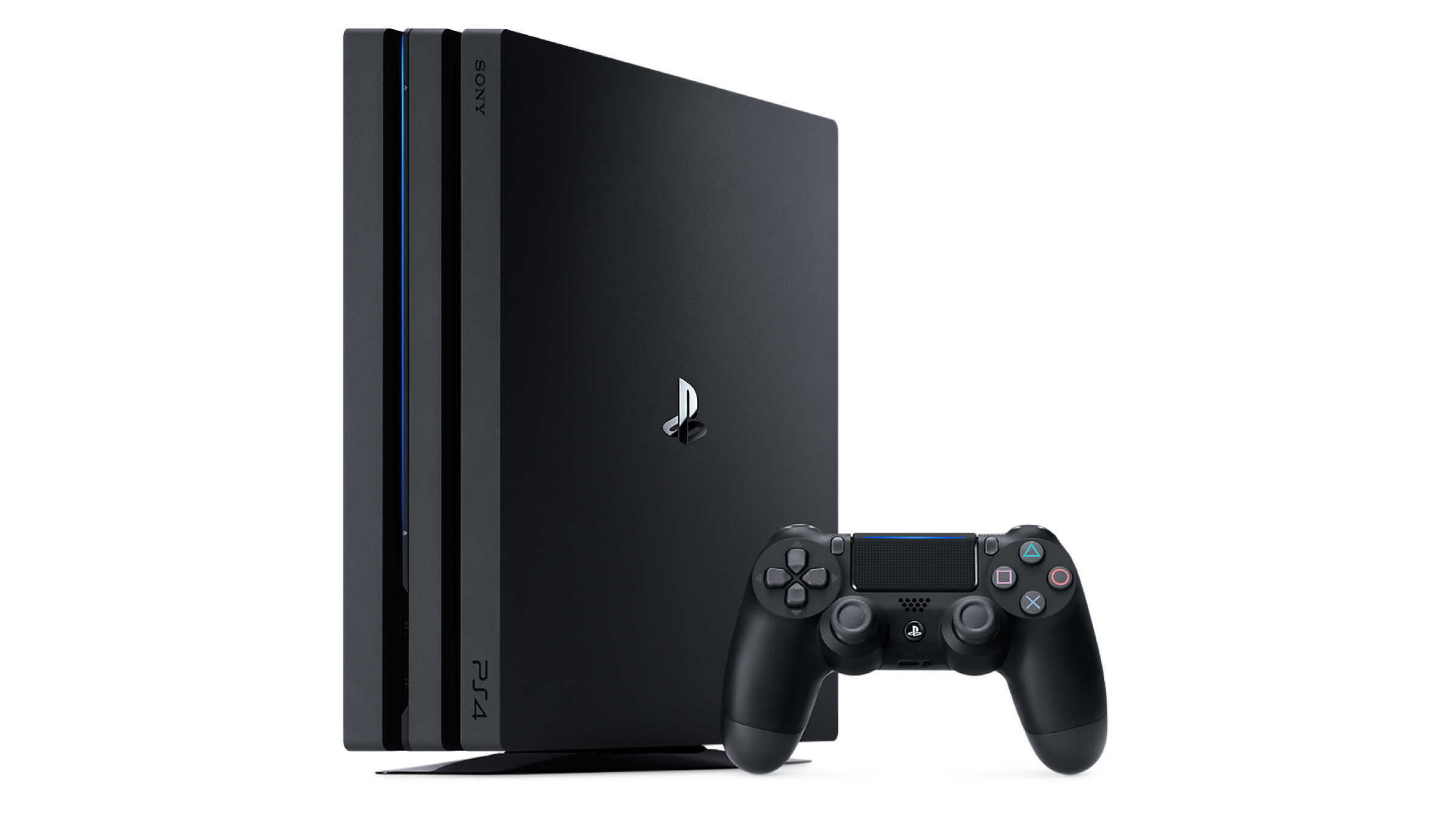
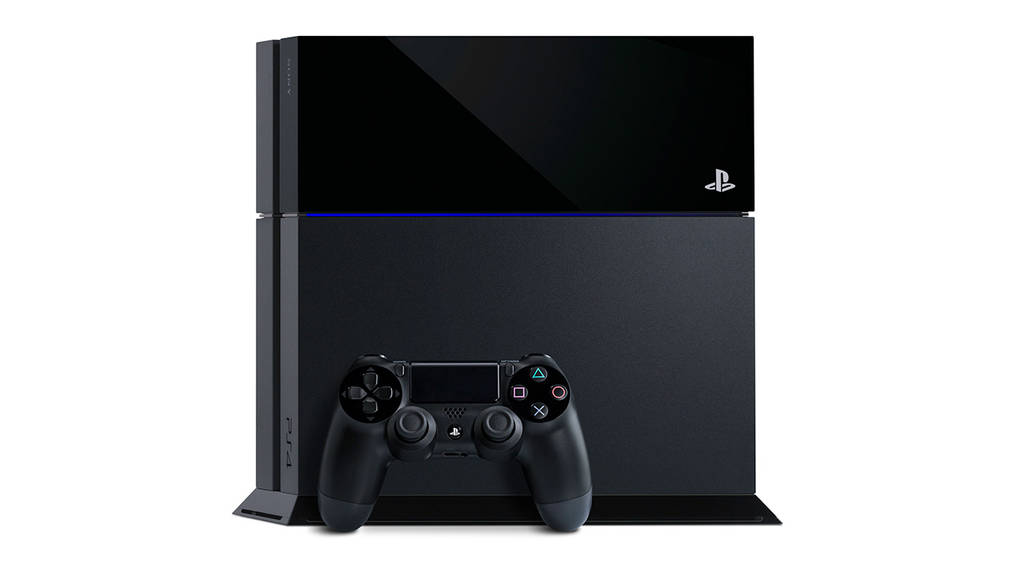
    PlayStation has not been known to release sales figures. But occasionally we do get to know details of PlayStation sales. This time around, the source is The Hunter, who serves as a senior gaming, tech and media editor for Walmart Canada. According to his statement in a popular micro-blogging website, PlayStation 4 crossed 90 Million units in sales.

    This is no easy feat since Sony had confirmed in late October, that the company has shipped over 86 million shipments worldwide. Given the holiday season where everyone gave gifts has just passed, another 4 or 5 million in sales is not surprising. However, what is disconcerting is that Sony is said to be not participating in E3 this year. The PlayStation 5 has ben long anticipated. Specially since it has been almost 5 years since the playStation 4’s launch. 

    Sony’s Statement

    In a statement by Sony, they said that PlayStation fans mean the world to them and they always want to innovate, think differently and experiment with new ways to delight gamers. As a result, they have decided not to participate in E3 in 2019. They have also said that they are exploring new and familiar ways to engage their community in 2019 and can’t wait to share their plans with the gamers. This has led to speculations suggesting that Sony might be planning their own event where they release a new PlayStation console. This kind of a stunt has previously been seen with big players like Microsoft and EA. 

    Another reason for Sony’s no-show is also believed to be the lack of game titles that are to be released in 2019 for the PS4 console. The very few games that are yet to be released include The Last of Us: Part 2, Hideo Kojima’s Death Stranding and Ghost of Tsushima. It will be exciting if Sony does release a new console in 2019 itself and not 2020. However, some speculations now suggest a 2020 release, but we will just have to wait and see what happens. 

  • AMD Ryzen 9 3800X ‘Matisse’ With 4.7 GHz Turbo Clock Listed Online

    AMD Ryzen 9 3800X ‘Matisse’ With 4.7 GHz Turbo Clock Listed Online

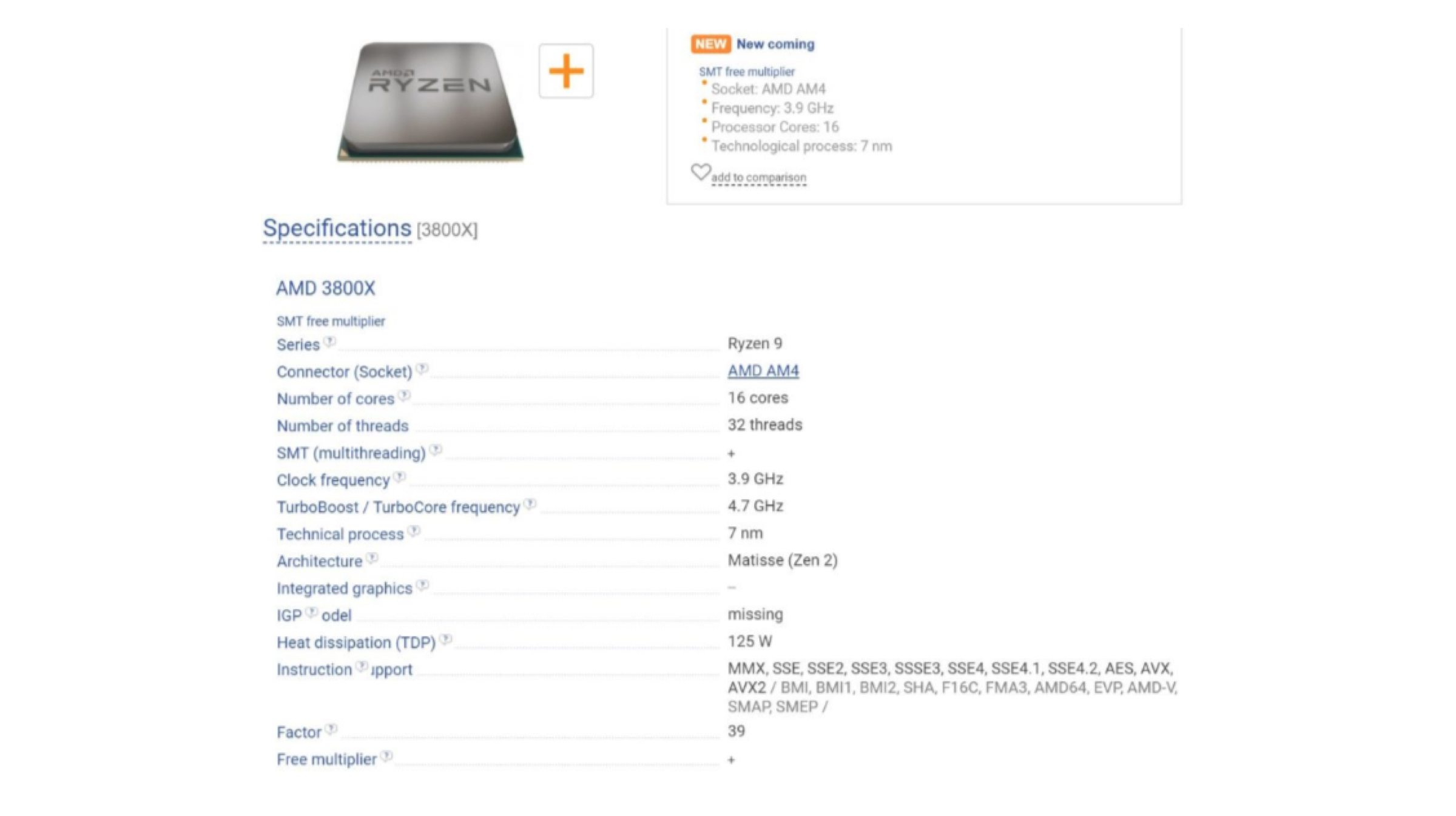
    AMD is an American company that design and markets computer processors. The CPUs offered by the company are usually overshadowed by their Intel counterparts. But in the year 2017, AMD launched the Ryzen series of processors which due to the high value for money factor has put the company in limelight. The Ryzen processors are available under three different lineups which are Ryzen 3, Ryzen 5, and Ryzen 7. Surprisingly, an all-new Ryzen 9 flagship CPU, the AMD 3800X has been listed on a Russian retailer’s website.

    AMD Ryzen 9 3800x

    The upcoming AMD Ryzen 9 3800x is the most powerful processor that the company has ever designed.  According to the leak, the 3800x CPU is manufactured using 7nm technology and is based on Matisse (Zen2) architecture. Reports in the past have claimed that AMD will showcase Zen2 architecture based chip at the CES 2019. Therefore, the Ryzen 9 might be unveiled during the tech event which is scheduled for 8-12 January. 

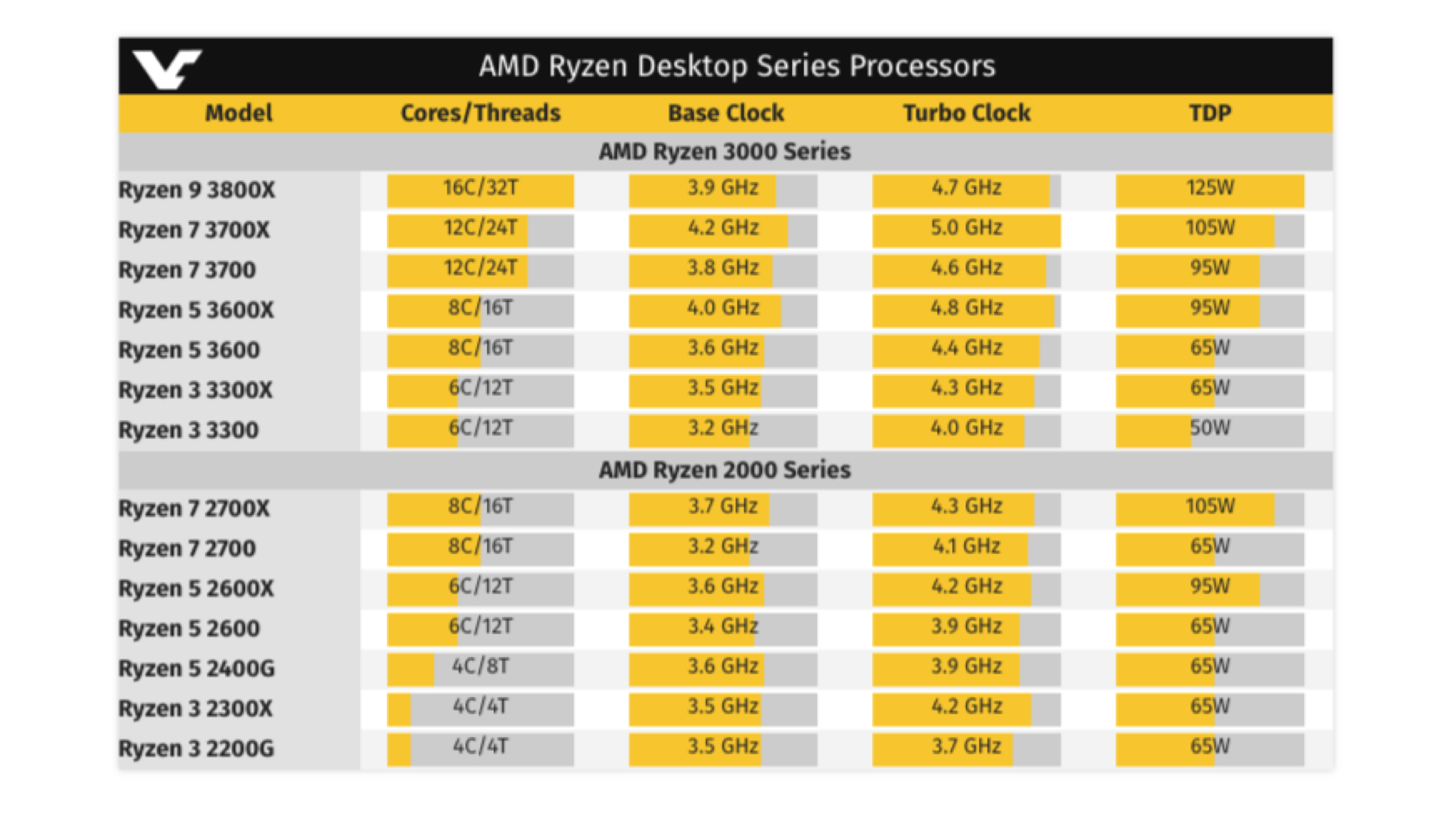
    The mighty AMD Ryzen 9 3800x CPU has 16 cores and 32 threads. It will be the world’s first computer chip to be manufactured using 7 nm FinFET technology. Most notably, the processor has a base clock speed of 3.9 GHz and a turbo clock speed of 4.7 GHz. This clock speed is 400 MHz higher than the current flagship Ryzen 7 2700X which can be clocked up to 4.3 GHz. The processor has a TDP (Thermal design power) of 125 watts which again is 20 watts higher than the current flagship.

    Ryzen 9’s Competition

    The Ryzen 9 with its 32 cores, super-high clock speed, and 125 W TDP will compete against the likes of Intel i9 processors which were launched late last year.

    Launch Date & Pricing

    Also Read: Sony Bumps Up 3D Camera Sensor Production

    Like the previous Ryzen processors, AMD is expected to aggressively price the Ryzen 9 3800X. The CPU will most likely be unveiled at the CES 2019. Along with the Ryzen 9, the company might also showcase the next-generation Ryzen 3,5 and 7 CPUs.

  • OnePlus 6 Gets OxygenOS 9.0.3 OTA Update

    OnePlus 6 Gets OxygenOS 9.0.3 OTA Update

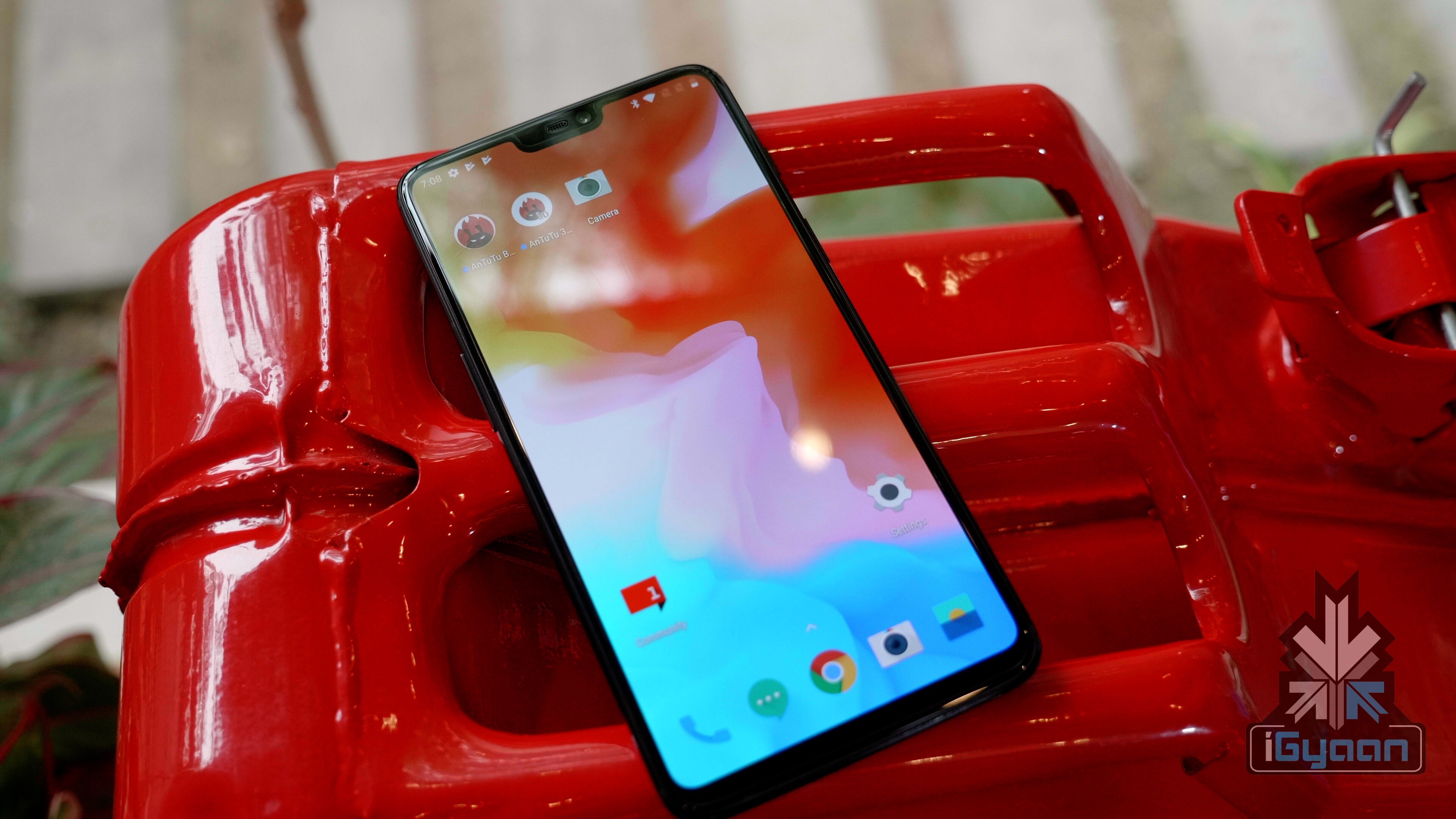
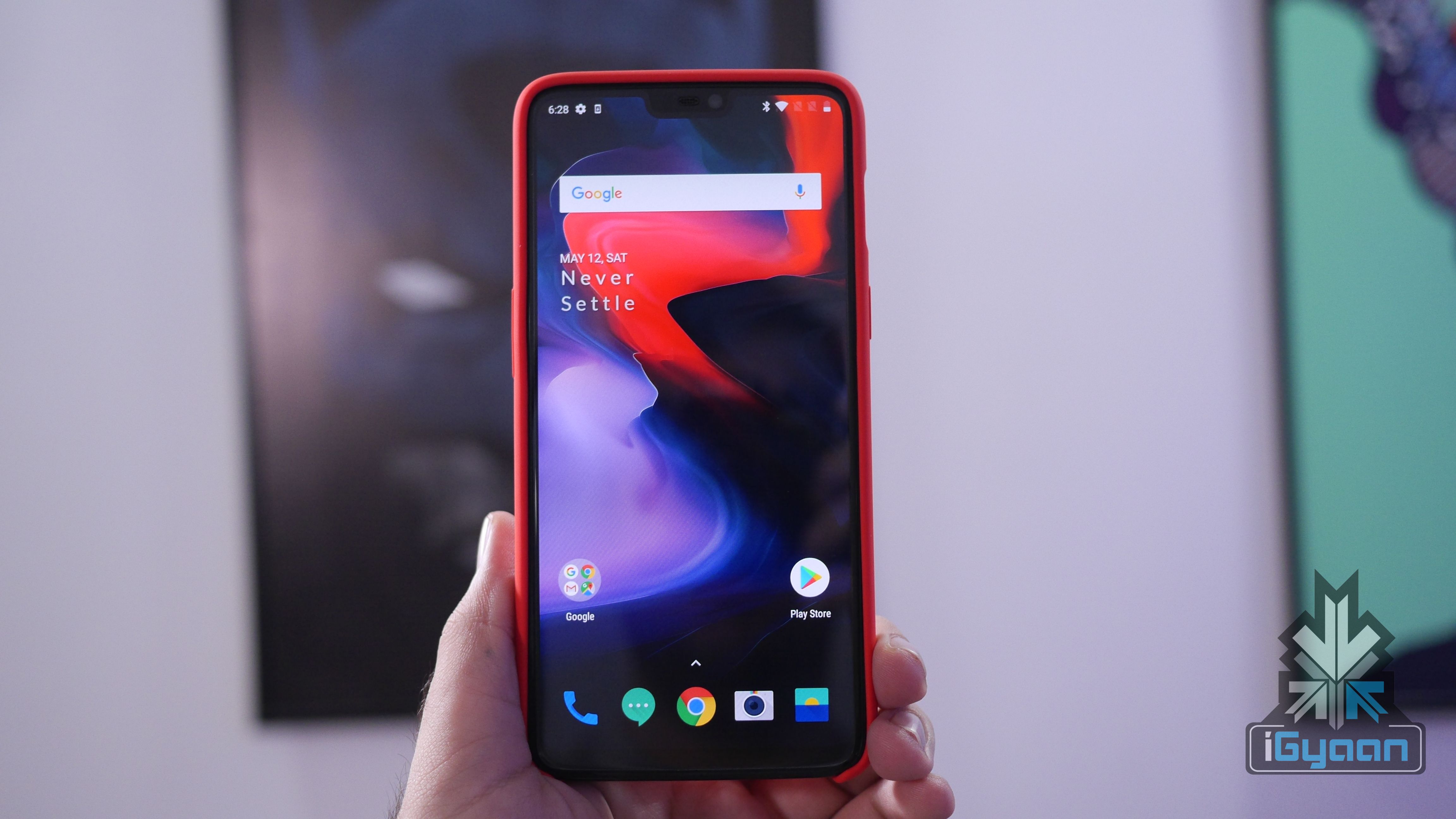
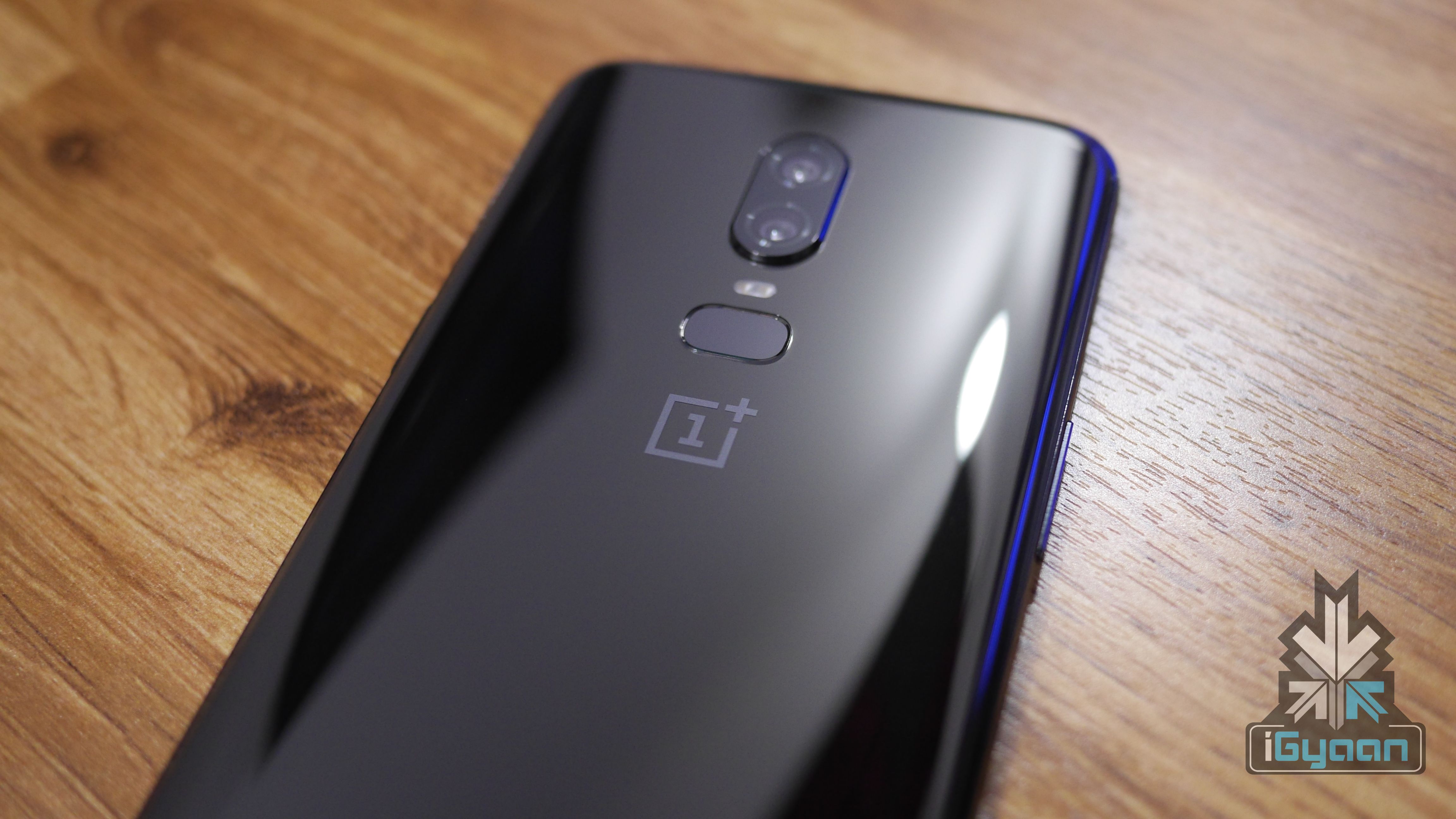
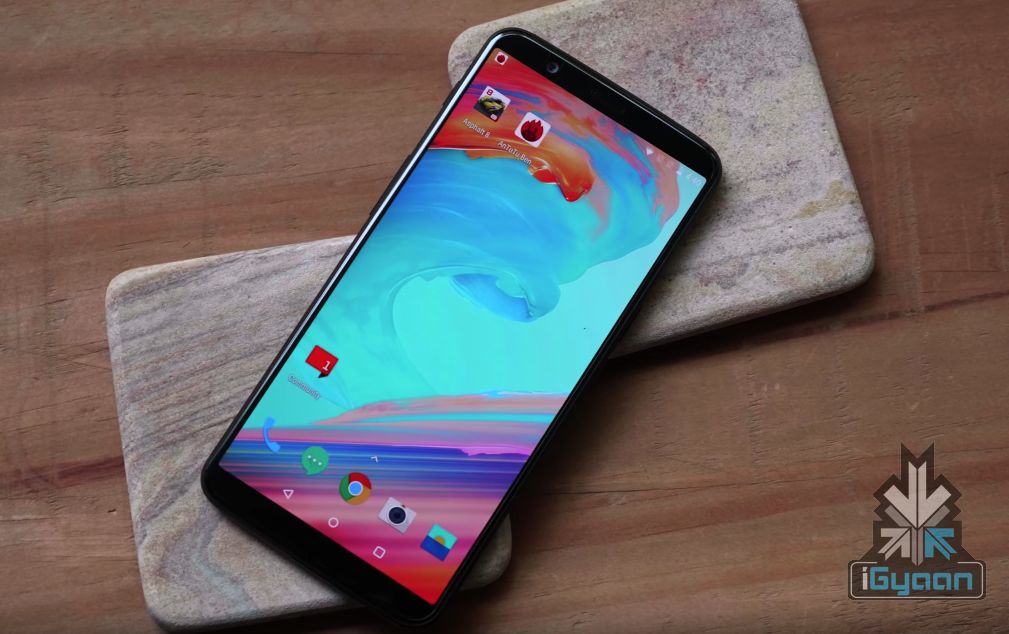
    OnePlus launched the OnePlus 6 smartphone in the year of 2018. Before the OnePlus 6T, it was the flagship model offered by the company. The OnePlus 6 was originally launched with Android 8.1 Oreo. Late last year the company rolled the OxygenOS 9 OTA update for the device. The OxygenOS 9.0.3 incremental update is now available for the smartphone which improves various existing features.  

    OxygenOS 9.0.3 Changelog

    • System- The latest update improves both Wi-Fi and Bluetooth stability for better connectivity. It adds the latest December 2018 Android security patch to the device along with some minor bug fixes.
    • Camera- The 9.0.3 update for the OnePlus 6 also improves a lot of camera features. It improves the Nightscape performance and slow-motion video capture performance. Additionally, image processing is more optimized than before.
    • Earphone and Communication- One major change that the update brings is the addition of an Audio tuner for Bluetooth earphones. This will allow the users to manually control each settting like bass, and treble. Another minor change is the VoLTE support for Boygue France network. 
    OnePlus 6 SpecificationsTop 10 Features

    Also Read: Vivo Nex Dual Screen Edition With Snapdragon 710 Spotted On TENAA

    • Display: 6.28-inch AMOLED Full HD+ 2280 × 1080 pixels, 19:9 aspect ratio 
    • Operating System: OxygenOS based On Android
    • Processor: Snapdragon 845, Octa-Core
    • RAM: 6 GB/8 GB LPDDR4x  
    • Storage: 64 GB/ 128 GB/256 GB 
    • Rear Cameras: 16 MP + 20 MP, LED Flash 
    • Selfie Camera: 16 MP 
    • Security: Face Unlock + Rear-Mounted fingerprint scanner 
    • Connectivity: 4G VoLTE, Wi-Fi 802.11 ac 2.4G + 5G, Bluetooth 5 .0 + LE, NFC, GPS, USB Type-C  
    • Battery: 3300mAh, Dash Charge Support
    • Dimensions: 155.7 x 75.4 x 7.8 mm 
    • Weight: 177 g 


  • OnePlus 5 And 5T Receive OxygenOS 9.0.1 Update

    OnePlus 5 And 5T Receive OxygenOS 9.0.1 Update

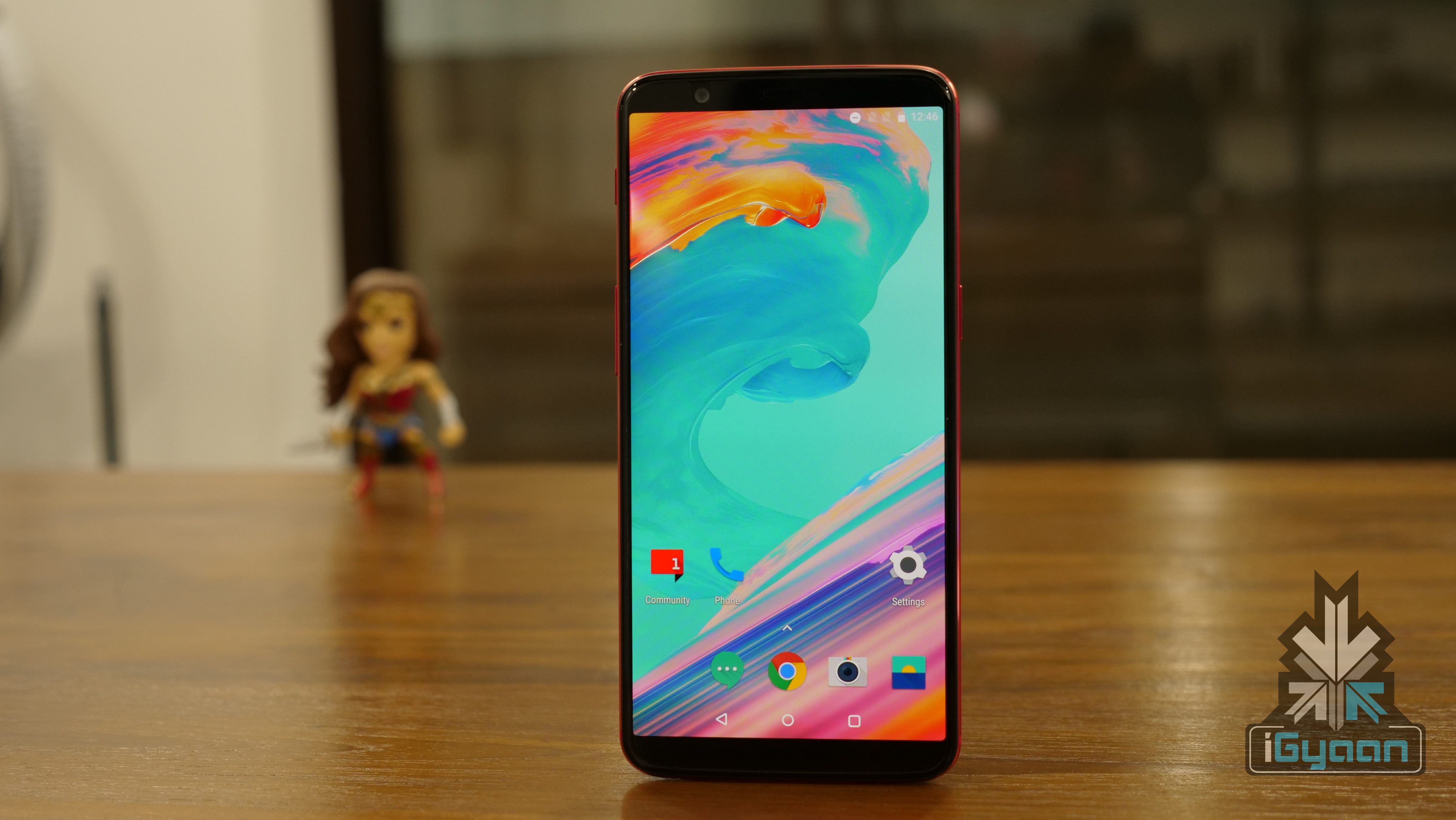
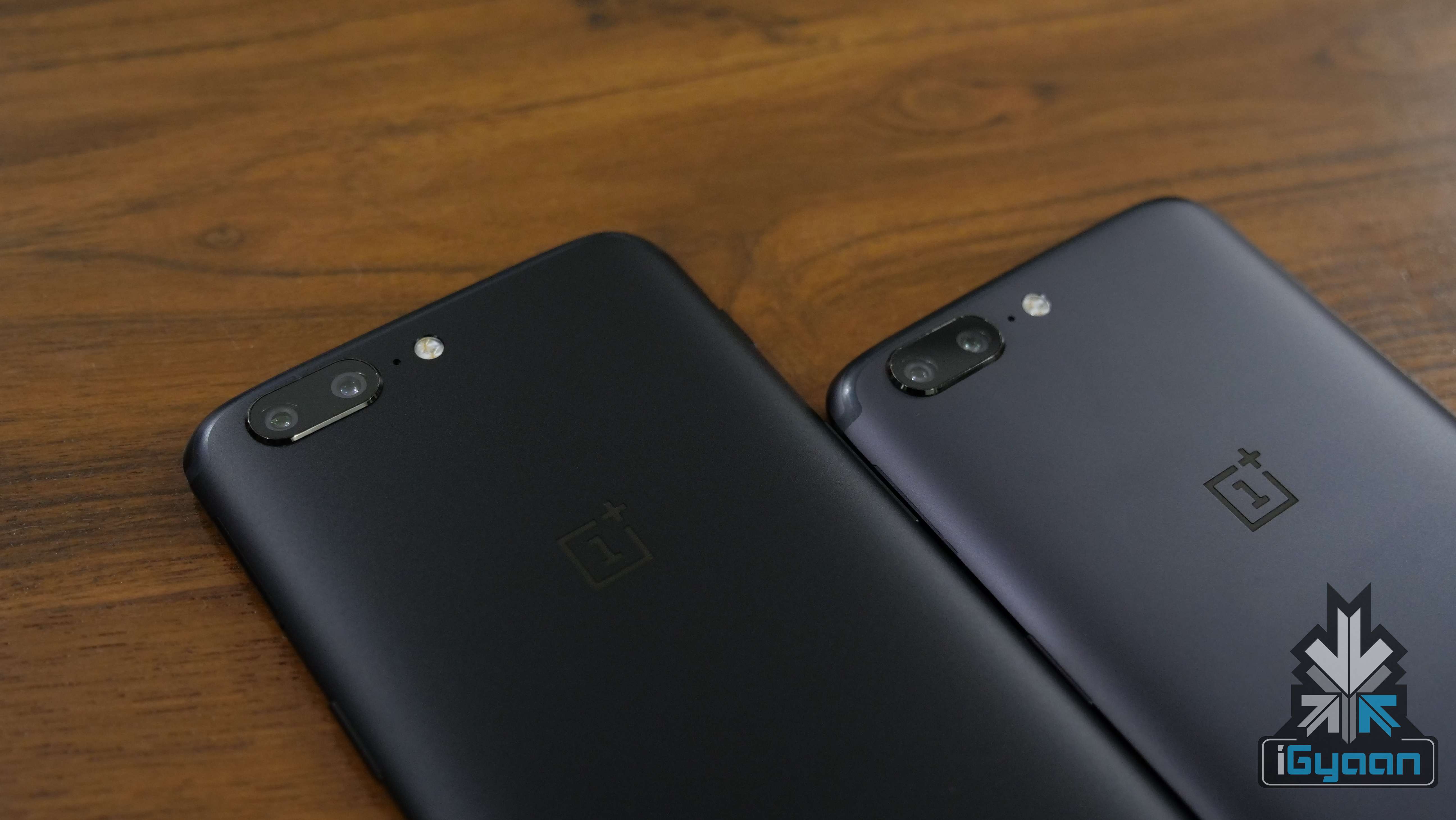
    OnePlus launched the OnePlus 5 and the OnePlus 5T smartphones in the year 2017. The smartphones were originally launched with Android 7 Nougat which later received the Android 8 Oreo update. On 25 December 2018, the company rolled out the Oxygen OS 9.0 OTA update which is based on the latest Android 9.0 Pie for both the smartphones. Although the update was a pleasant Christmas surprise for device owners, some users complained about glitches they faced after the software update. OnePlus has rolled out an Oxygen OS 9.0.1 OTA update that addresses the issues faced by the users. 

    Changes With OxygenOS 9.0.1

    The complete changelog with the latest update is as follows:

    • Improved stability for Wi-Fi connection
    • Optimized sRGB display mode
    • Optimized Reading mode
    • Fixed issue with 4G VoLTE toggle missing
    • Fixed random reboots when Screen Casting

    This update does not add any new features to the devices but is a minor update to the previously released OxygenOS 9.0.0 update. 

    OxygenOS 9.0.0 Changelog 

    The OxygenOS 9.0.0 for the OnePlus 5 and the OnePlus 5T updated the system to the Android 9.0 Pie with a brand new UI (User Interface). It added new swipe navigation gestures which are only available on the 5T. Other added features are as follows:

    New Gaming mode 3.0

    • Added text notification mode
    • Added notification for 3rd party calls

    Do Not Disturb mode

    • New Do Not Disturb (DND) mode with adjustable settings

    Camera

    • Integrated Google Lens mode
    OnePlus 5 And OnePlus 5T Specifications

    Also Read: Samsung Is Developing Smart Running Shoes With Fitness Tracking Capabilities

      OnePlus 5 OnePlus 5T
    Display 5.5 inch, AMOLED 6.01-inch, AMOLED
    Dimensions 154.2 x 74.1 x 7.3 mm  156.1 x 75 x 7.3 mm
    Weight 153 g  162 g
    Processor Snapdragon 835  Snapdragon 835 
    RAM And ROM 6 GB + 64 GB, 8 GB + 128 GB 6 GB + 64 GB, 8 GB + 128 GB
    Rear Camera 16 MP + 20 MP 16 MP + 20 MP
    Front Camera 16 MP 16 MP
    Security Front-Mounted  Fingerprint Sensor Rear-Mounted Fingerprint Sensor
    Battery 3300 mAh 3300 mAh
  • Moto G7 Leaks Out In Full Glory

    Moto G7 Leaks Out In Full Glory

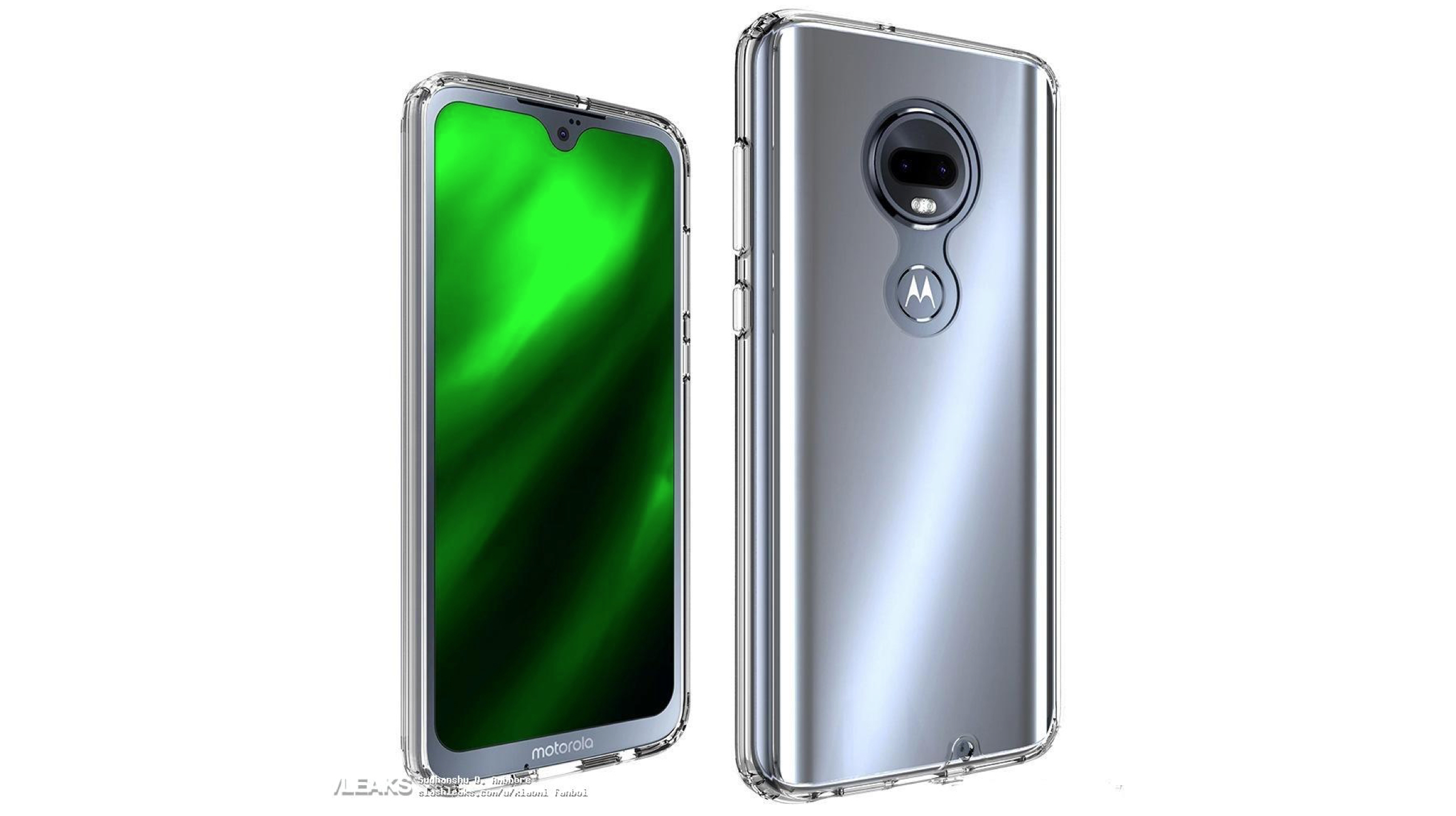
    Motorola is expected to soon launch the all-new Moto G7 series of smartphones. The Moto G7 which is the successor to the Moto G6 has leaked before its official launch. The leak reveals that the upcoming device will have an all-new front design.

    Moto G7 Design

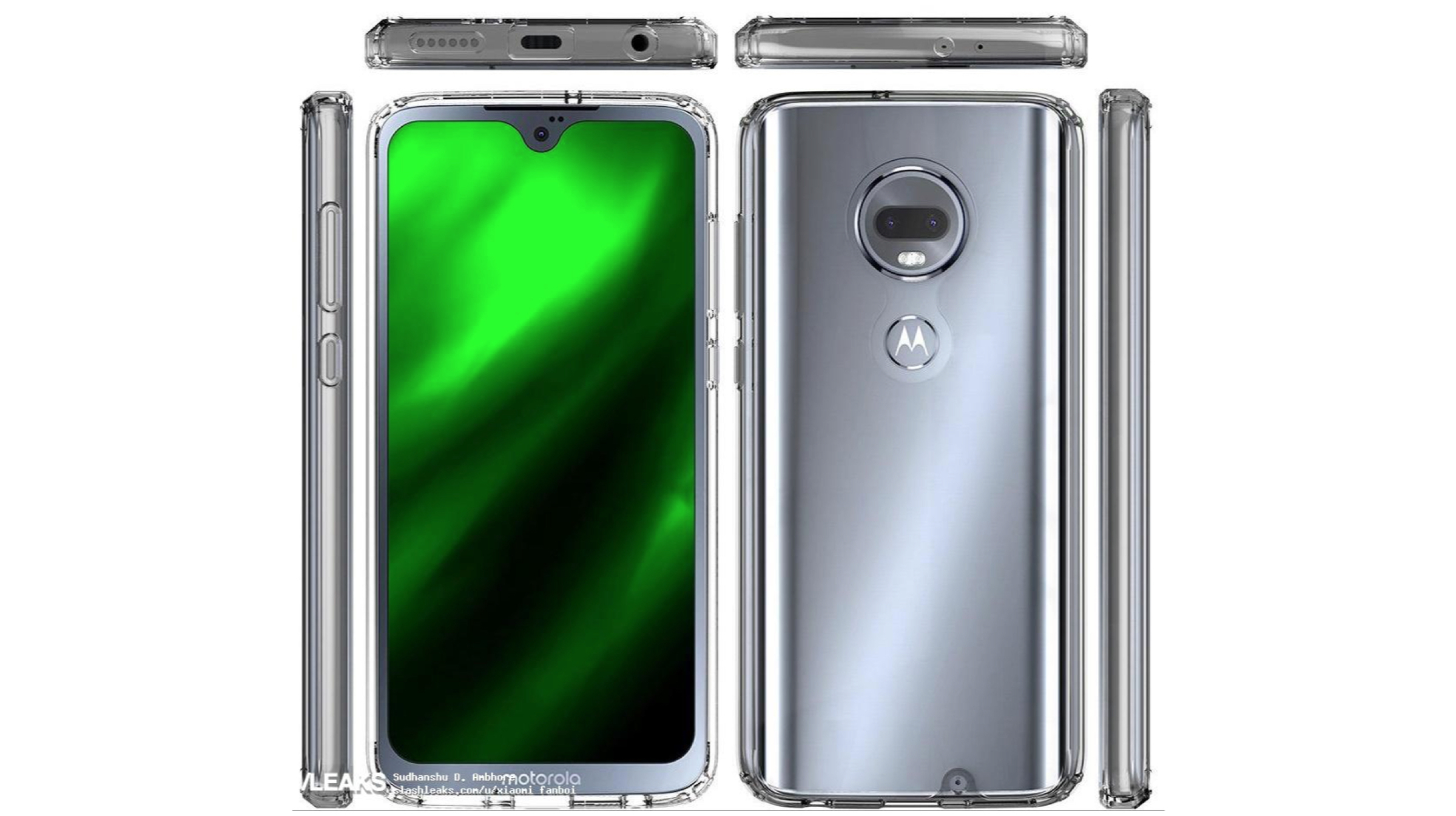
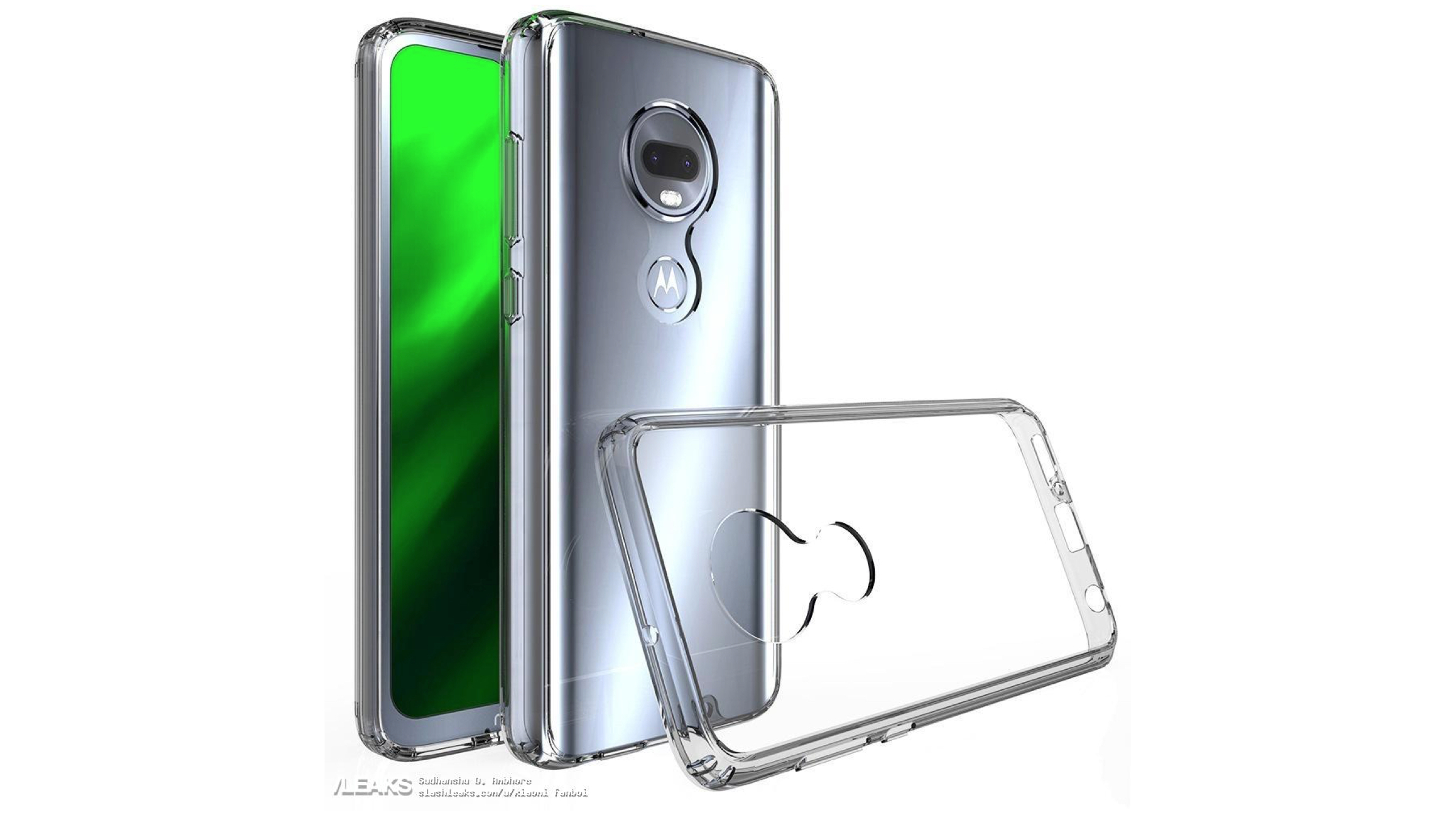
    The Moto G7 has an all-glass front and rear build like its predecessor. However, the front of the new smartphone has a small waterdrop notch that houses the front-facing selfie camera. The earpiece for listening to phone calls is built into the top bezel above the display. The chin below the display is quite chunky and it carries the Motorola branding. 

    The right side of the Moto G7 accommodates the power button and the volume rockers while the left side is free from any controls or slots. The top of the device houses the SIM card slot and a small secondary microphone pinhole. The USB Type-C port, the 3.5 mm audio jack and the loudspeaker grille are placed at the bottom of the smartphone. 

    The rear side of the Moto G7 looks very premium with a gloss silver finish. The back panel of the device harbors the fingerprint sensor, main microphone pinhole, and the dual camera set up along with an LED flash. 

    Moto G7 Specifications

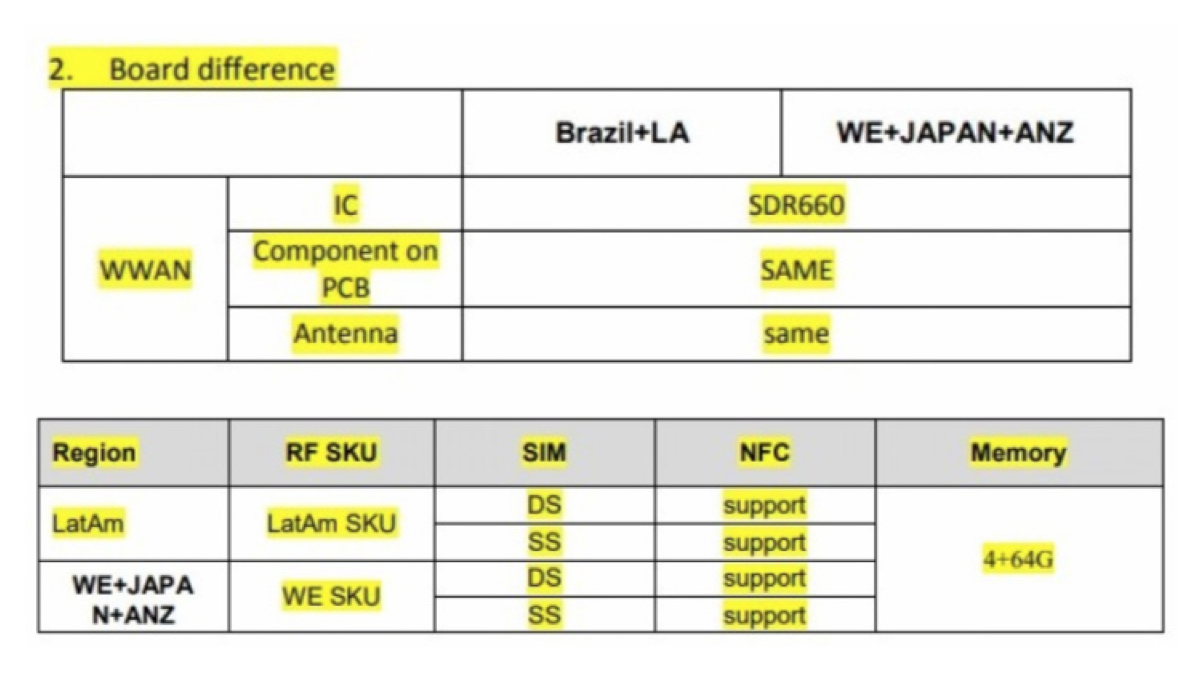
    The Moto G7 was previously spotted on FCC’s website which revealed key specifications of the handset. The smartphone features the Snapdragon 660 SoC which consists of an Octa-Core CPU and the Adreno 512 GPU. According to the FCC listing, the smartphone has support for dual SIM cards. The smartphone from the listing has 4 GB of RAM and 64 GB of ROM. However, the company is also expected to launch higher storage capacity variants of Moto G7. Other details like the resolution of the camera sensors, screen size, and the battery capacity will be made public once the company officially announces the smartphone.

    Moto G7 Launch Date

    Also Read: Samsung Is Developing A Rollable TV

    Motorola has not officially announced the launch date of the Moto G7. However, the Moto G7 along with other members of the G7 family is expected to launch in the month of April as the current Moto G6 smartphones were also unveiled in the month of April. Going by the specifications of the device it will be priced around Rs 15,000. 


  • 5G vs 4G Cost, Speed And Viability In India

    5G vs 4G Cost, Speed And Viability In India

    If a smartphone is the body, the network is it’s heart. And network connectivity is an extremely important part of our day to day lives. From quickly browsing Facebook or other social media websites, to checking facts, the weather, time in a different country to just about anything requires internet connectivity. Thus network providers have put immense importance in bringing faster internet to the consumers. The arrival of 4G was called a revolution back when it came out as the consumers understood how improved it was and what it’s benefits were compared to 3G. Now that talks about 5G have started and with countries like US and UK set to roll out 5G in 2019, let’s discuss what it would mean for a huge and still growing market like India. 

    What Is 5G?

    5G is a faster, more efficient way of using the internet. In 5G, data transmitted over wireless broadband connections could travel at rates as high as 20 Gbps with a latency of and well as offer latency of 1 ms or lower for uses that require real-time feedback. This means, it will have a better surfing speed, in layman’s terms. 

    What Are It’s Benefits Over 4G?

    The speeds of these networks depend on the frequency bands that they use. The 4G network supports frequency band speeds upto 6GHz, whereas the radio bands for 5G will be able to handle anywhere between 30GHz and 300GHz. This is a significant improvement which will make your internet surfing experience much faster. The 5G network is also interference free even if you are standing next to other wireless signals which was an issue with 4G networks since they sent radio signals in different directions. Owing to the way 5G uses wavelengths, it will also reportedly be able to service a lot more people which is reported to be approximately 1,000 devices per meter. This means even in crowded cities, using 5G will be blazing fast. 

    How Does It Affect An Average Customer?

    So how does all of these relate to customers? Should they shift to 5G? If so, then why? All a customer wants from a network are lower costs, better connectivity without hindrances and faster internet. 5G seems to satisfy all these conditions except for the cost which we will discuss later on in the article. So, when 5G rolls out, and you are satisfied with the cost per month for your plan, then go ahead and port to 5G because it is better than 4G in every other way. 

    How Much Will It Cost?

    The cost of 5G internet, like 4G will vary from country to country and will change from carrier to carrier. In India, we can estimate the price to be close to what 4G is because companies like Reliance and Vodafone will want the majority of customers to shift. India being a very price sensitive market, the prices of 5G can be expected to be very competitive. And the Network providers will recover their costs if 5G implementation only if a lot of people use it. 

    When Will It Arrive In India?

    India had caught on the the 4G trend suddenly and abruptly. Usually new networks arrive in the US and UK first. India has always been late in receiving these new technologies. Since changing networks have a lot of variables including steps taken by the government, bidding, setting up the infrastructure and others India adopts to these trends much later. The new network in India is expected to be available in India by 2022, according to TRAI which will be 3 years after many of the first world countries. Telecom minister Manoj Sinha has recently stated that India cannot afford to miss the 5G bus. This is little assurance however, of India adopting 5G before 2022. Given that today 400 million people in India have good quality internet access, the new network will definitely be a great business opportunity for the network providers. 

    Also read: Our First Taste Of 5G Might Not Even Be 5G

    Will Your Device Support 5G?

    Most high end smartphones in 2019 will ship 5G enabled. Qualcomm’s Snapdragon 855 is one of the few chipsets that support 5G at the moment. While there will be other cheaper chipsets in future but your current 4G device in all probability will not support 5G. Even if you bought the most expensive iPhone this year you will need to buy another device next year or whenever 5G arrives. So your Oneplus, Samsung or Huawei flagship that you have at the moment will not be 5G compatible. 


    It is yet to be seen when 5G is rolled out in India but early last year Airtel and Huawei successfully conducted India’s first 5G network trial under a test setup at the former’s network experience centre in Manesar, Gurgaon. Being one of the biggest as well as one of the fastest growing telecommunication markets in the world, we sure hope India doesn’t fall behind the 5G bandwagon. 

  • Apple Misses AirPower Release Window

    Apple Misses AirPower Release Window

    Apple is known for their timely product releases and the exceptional quality of the products. But it seems like Apple has been having some issues with the AirPower – A wireless charger that will reportedly charge multiple devices. In all the Apple events in 2017, the company had said that consumers can expect the AirPower to be released for purchase by 2018 itself. 


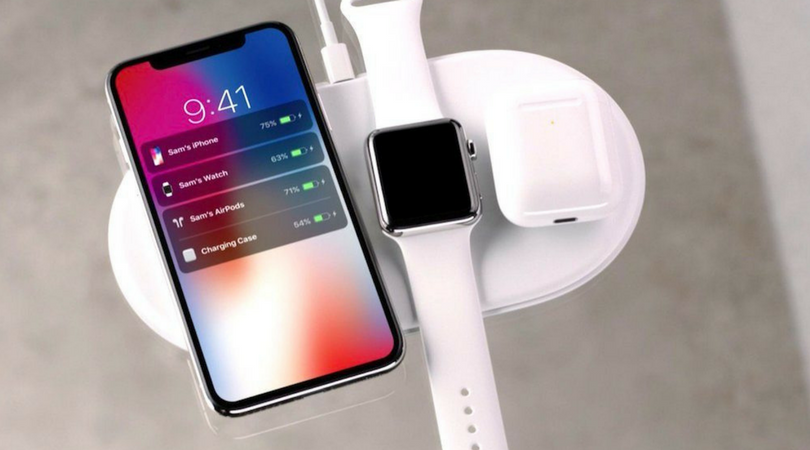
    AirPower is a wireless charging mat-like device that can charge more than one device. Most wireless chargers available in the market now are capable of charging one device at a time. The Apple wireless charger was shown to charge an Apple Watch, an iPhone and their proprietary wireless earbuds.

    What Happened?

    The AirPower device was also supposed to coordinate with all the Apple devices being charged and show percentages of charge in each device on the iPhone. The company had expressed interest to work with Qi Standards team. Th aim is to incorporate these benefits into the future of the standards. But no news about any cooperation has come up yet either. 

    Apple has also not set a price down for the AirPower charger and have not given out a statement regarding the same. It is believed that some internal development difficulties has caused this delay. It is very unlike of Apple to miss deadlines as they hold to higher standards and have set timelines for every device they make. However, it is unclear if the AirPower project has altogether been scrapped. Apple might also be making further improvements to the product itself but our guess is as good as yours.

    When Will We Know?

    Apple usually has three or four events in a year. One in March which revolves around education and creativity themes and are often known to include iPads. There is also a big event in June known as WWDC which sees mostly softwares and sometimes, although rarely, high-end hardware.

    The other two events are in September which is the most anticipated event in all year. The reason behind it is because this event usually features new iPhones and Apple Watches and one in October. The October event usually releases iPads and sometimes consumer focused Macs. We will hopefully come to know the status of the AirPower in the next Apple event in 2019, if not before. 

  • Huawei Y9 2019 Will Soon Launch In India

    Huawei Y9 2019 Will Soon Launch In India

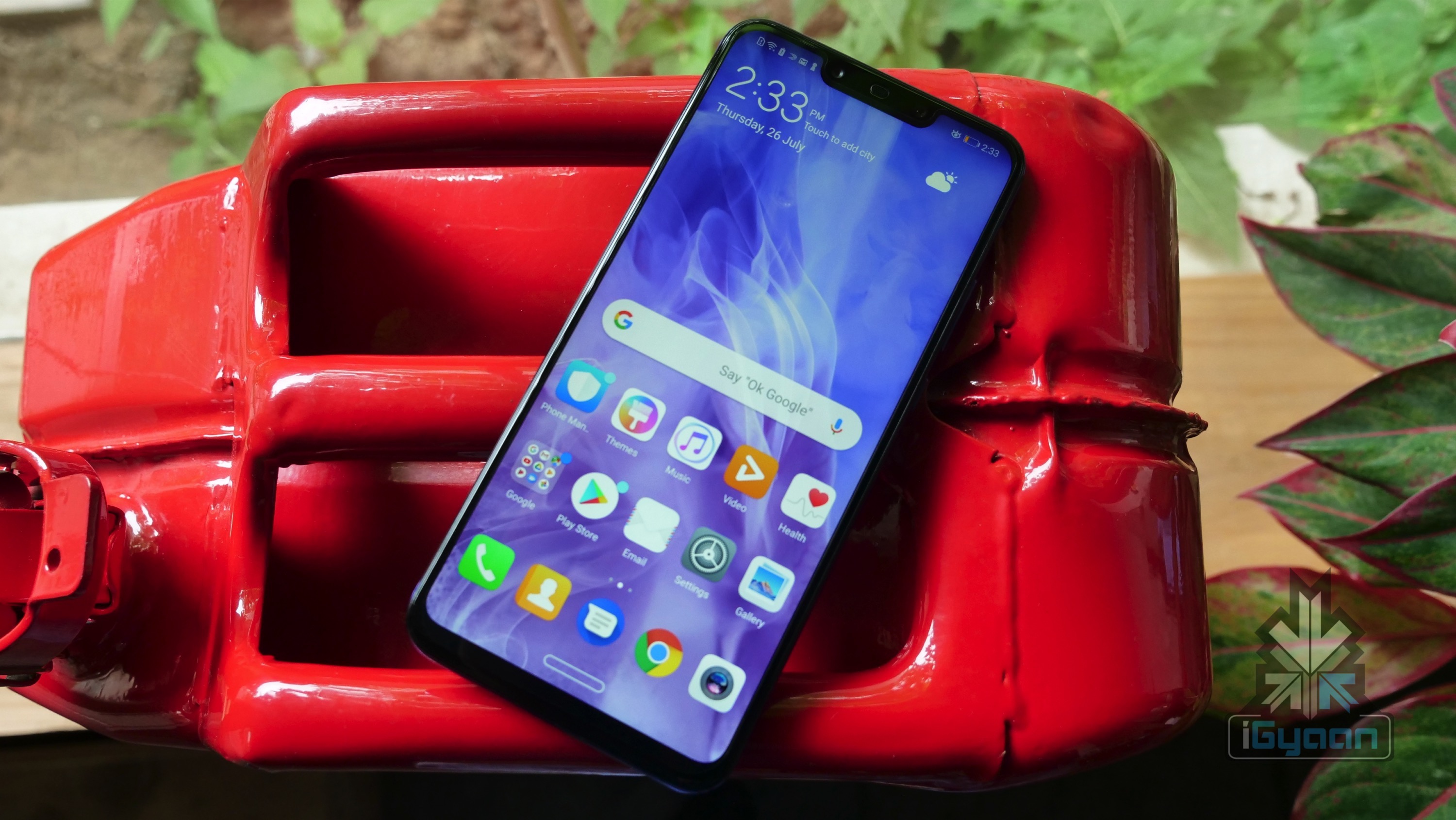
    Huawei launched the original Y9 smartphone in the Q2 of 2018. A teaser shared by the company reveals that the Y9 2019, successor to the Y9 2018 will soon launch in India. The smartphone will be exclusively available on Amazon India and the ‘notify me‘ page of the device is already online. 

    Specifications And Design


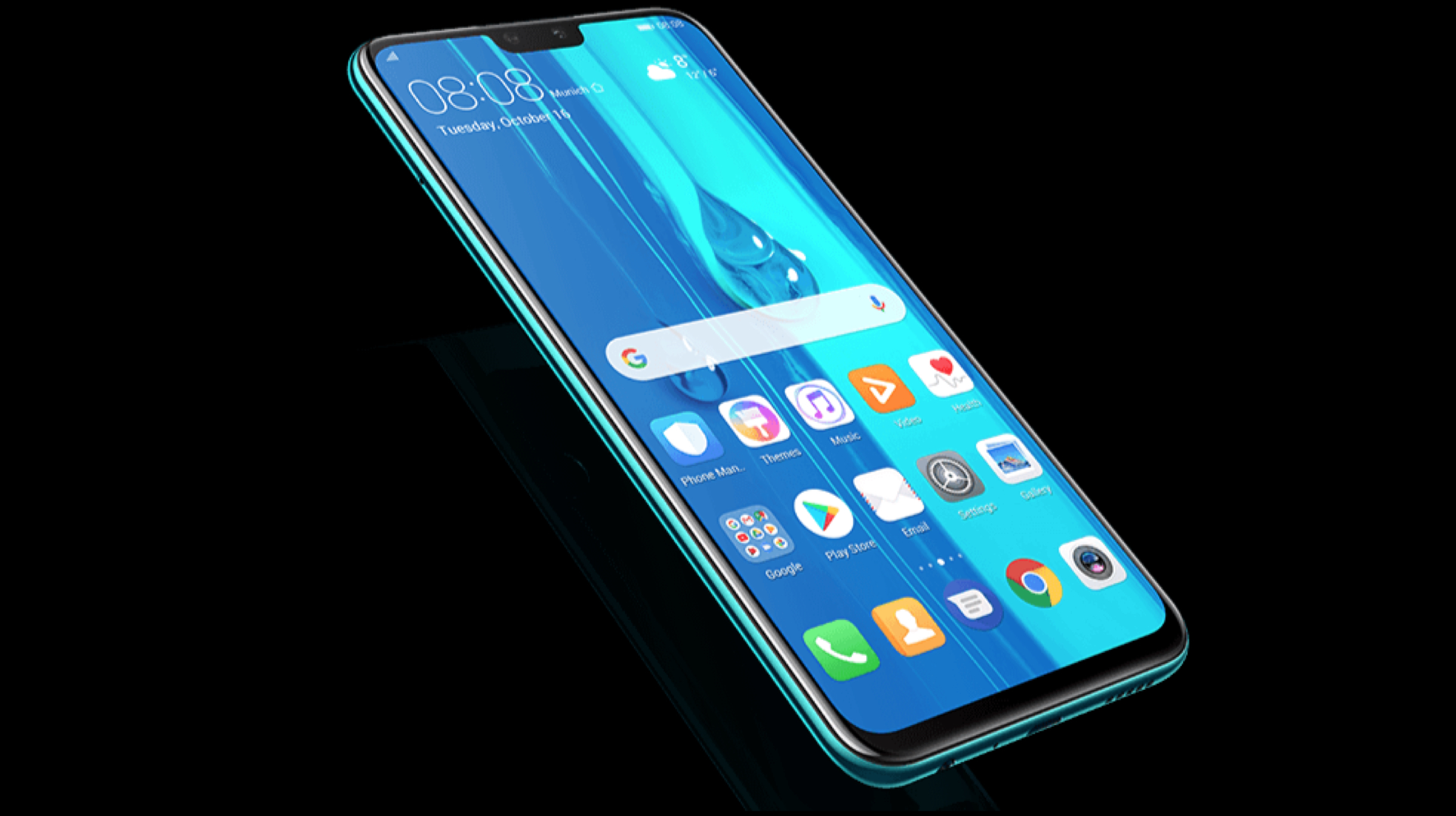
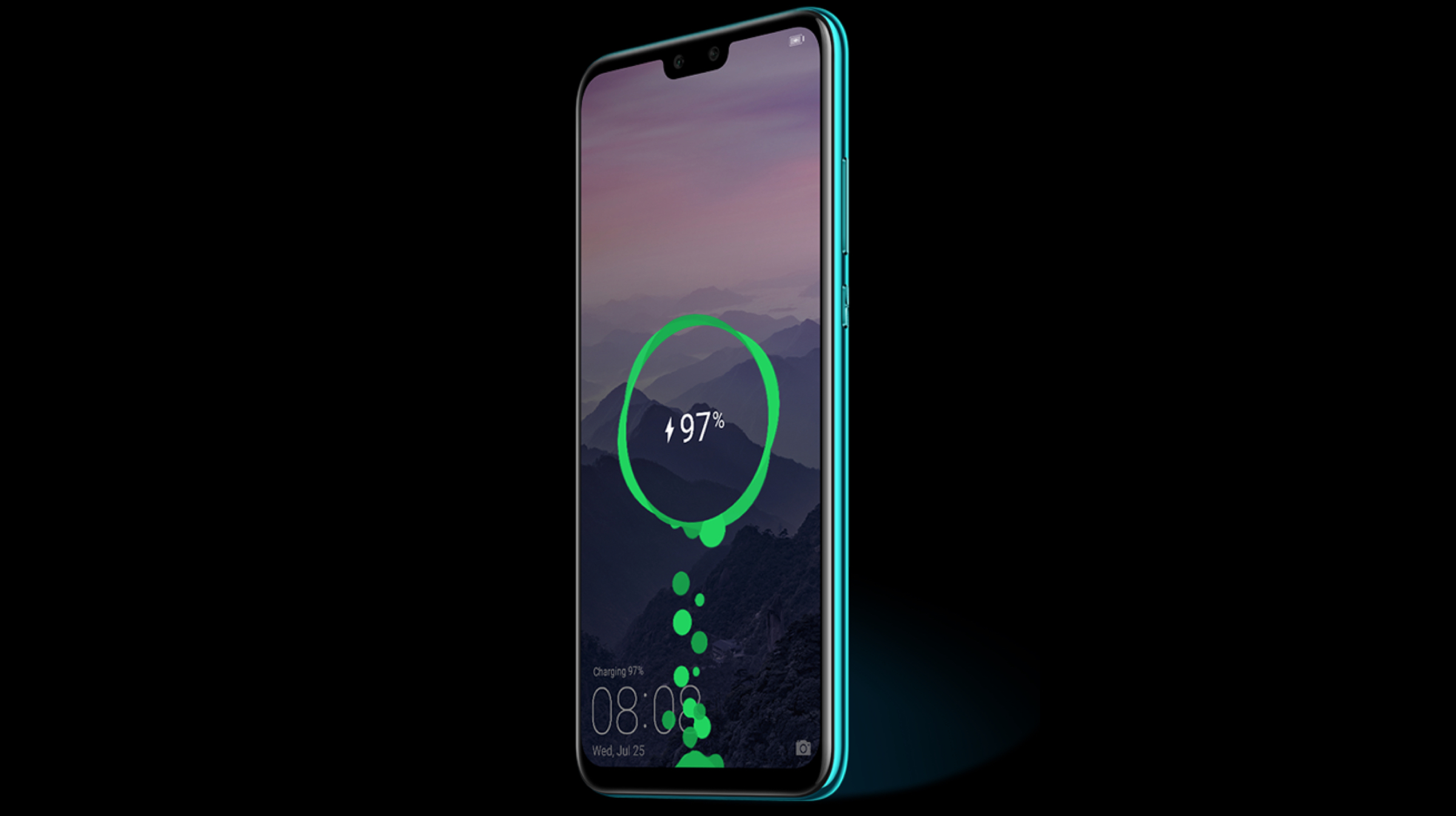
    The Huawei Y9 2019 has a modern design with a notch display. The smartphone measures 162.4 x 77.1 x 8.1 mm and weighs in at 173 grams. The front of the handset accommodates a 6.5-inch LCD display with a 19.5:9 aspect ratio. The display panel has a resolution of 2340 x 1080 px and a pixel density of 396 ppi. 

    The Huawei Y9 2019 is powered by a 4,000 mAh battery and it runs on EMUI 8.2 which is based on Android 8.1 Oreo. The smartphone features the Hisilicon 710 SoC which is manufactured using 12 nm FinFET technology. The chipset consists of an Octa-Core CPU along with the Mali-G51 MP4 GPU. In terms of storage, the smartphone is available in two different RAM + ROM configurations which are as follows:

    • 4 GB + 64 GB
    • 6 GB + 128 GB

    In addition, the Huawei Y9 2019 also supports memory expandability up to 400 GB via a microSD card. 

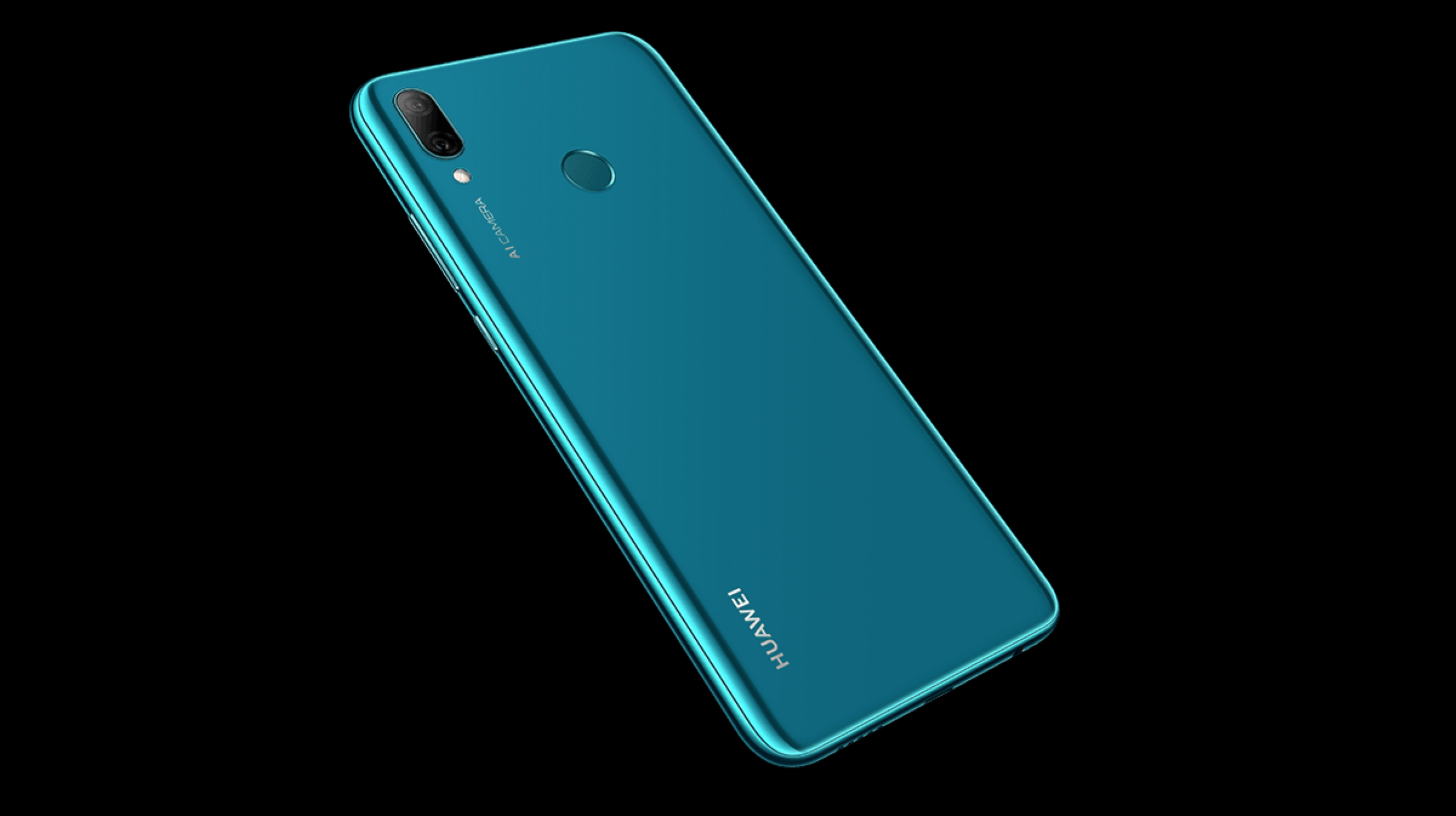
    For photography, the smartphone has dual 13 MP + 2 MP front cameras and dual 16 MP + 2 MP rear cameras. The smartphone can also capture 1080p videos at 30 fps from both the front and rear camera setup. Connectivity options on the device include 802.11 ac Wi-Fi, Bluetooth 5.0, 4G VoLTE and a bottom mounted micro USB 2.0 port.  For safely and securely unlocking the handset, it also has a rear-mounted fingerprint sensor.

    Price And Launch Date

    Also Read: Sony Bumps Up 3D Camera Sensor Production

    The Huawei Y9 2019 will be unveiled at a launch event in New Delhi which is scheduled for 7 January 2019. The official price of the smartphone will be revealed then. However, going by the specifications it will be a sub 15k smartphone. 

  • Vivo Nex Dual Screen Edition With Snapdragon 710 Spotted On TENAA

    Vivo Nex Dual Screen Edition With Snapdragon 710 Spotted On TENAA

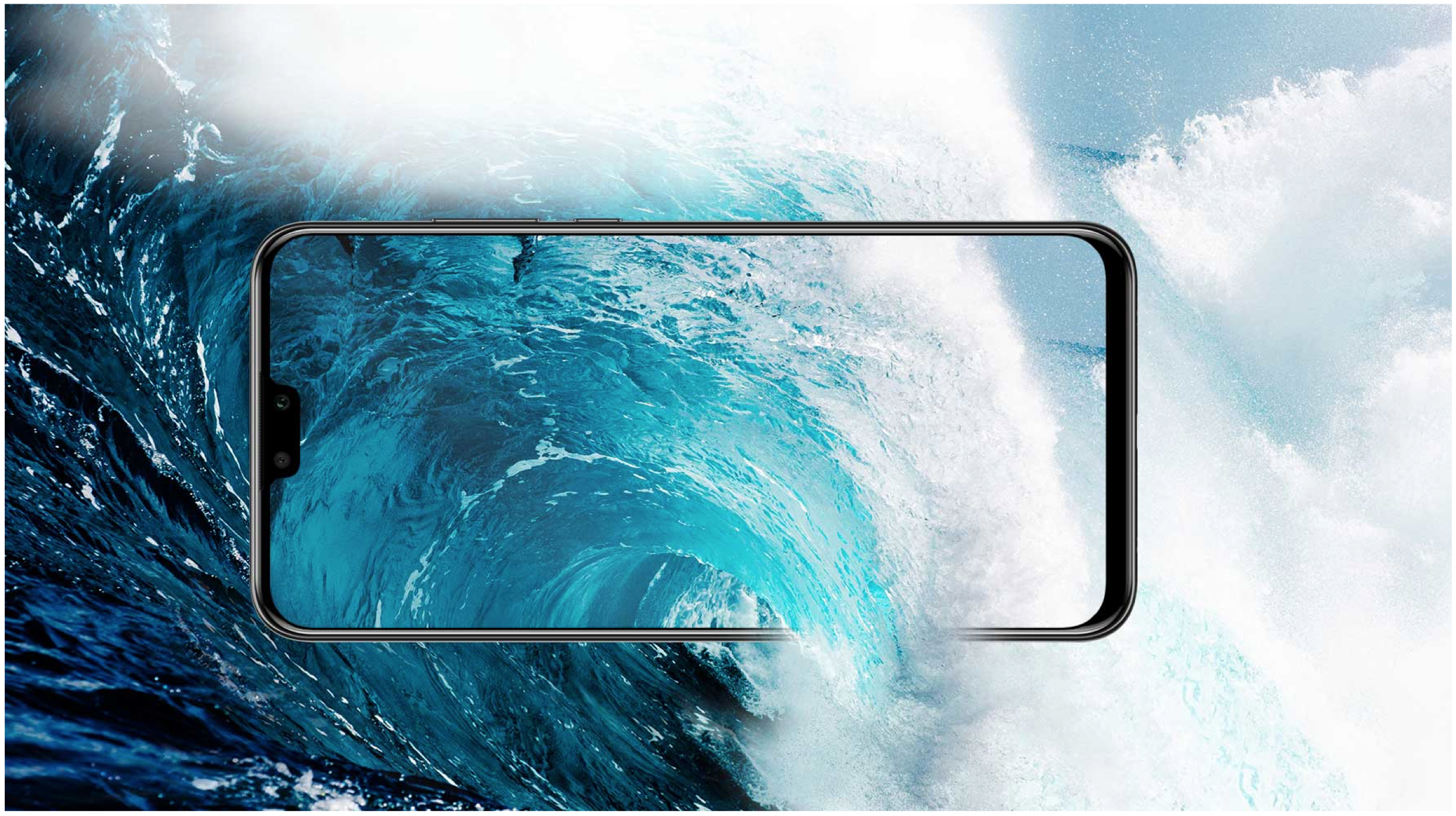
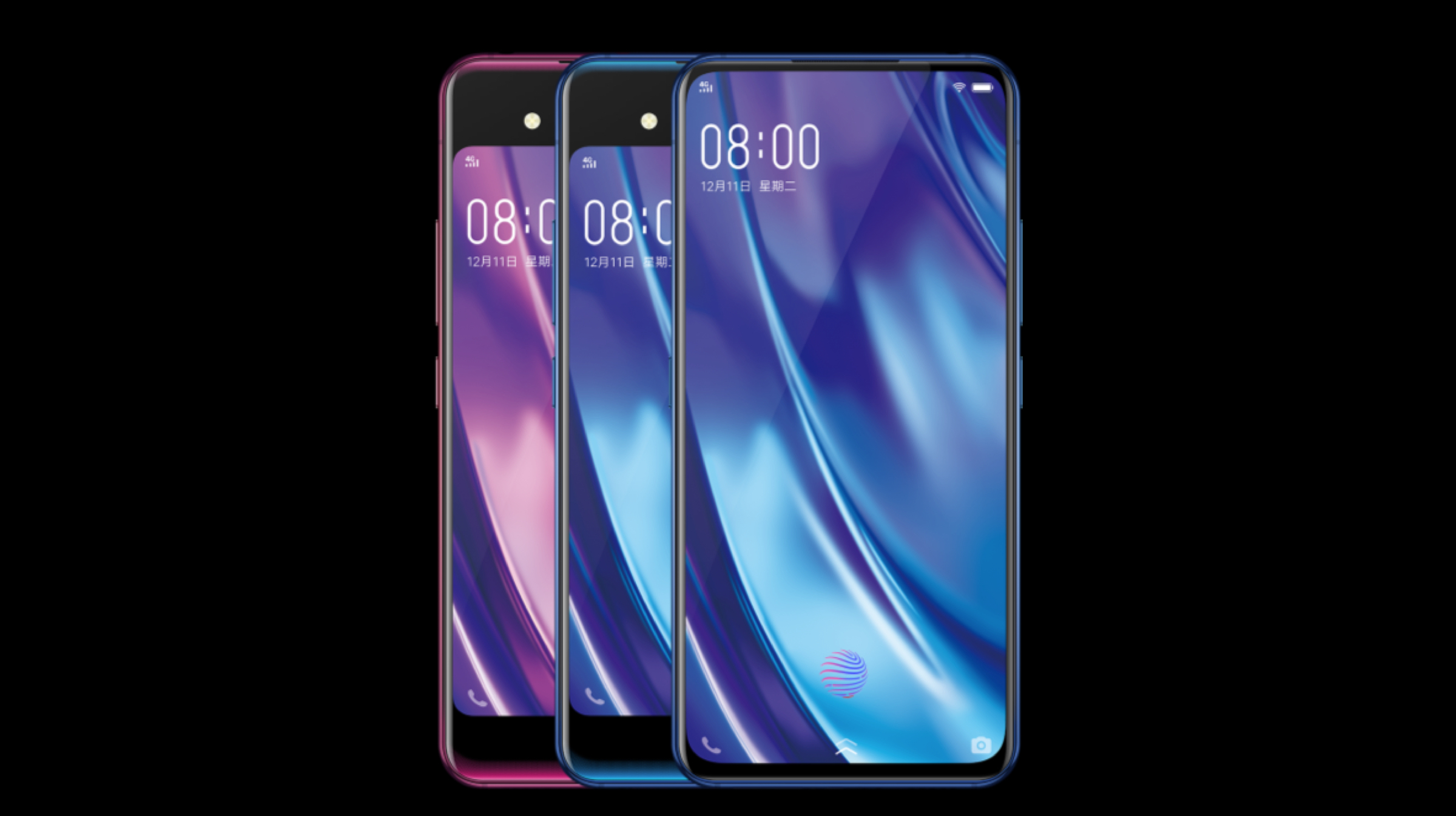
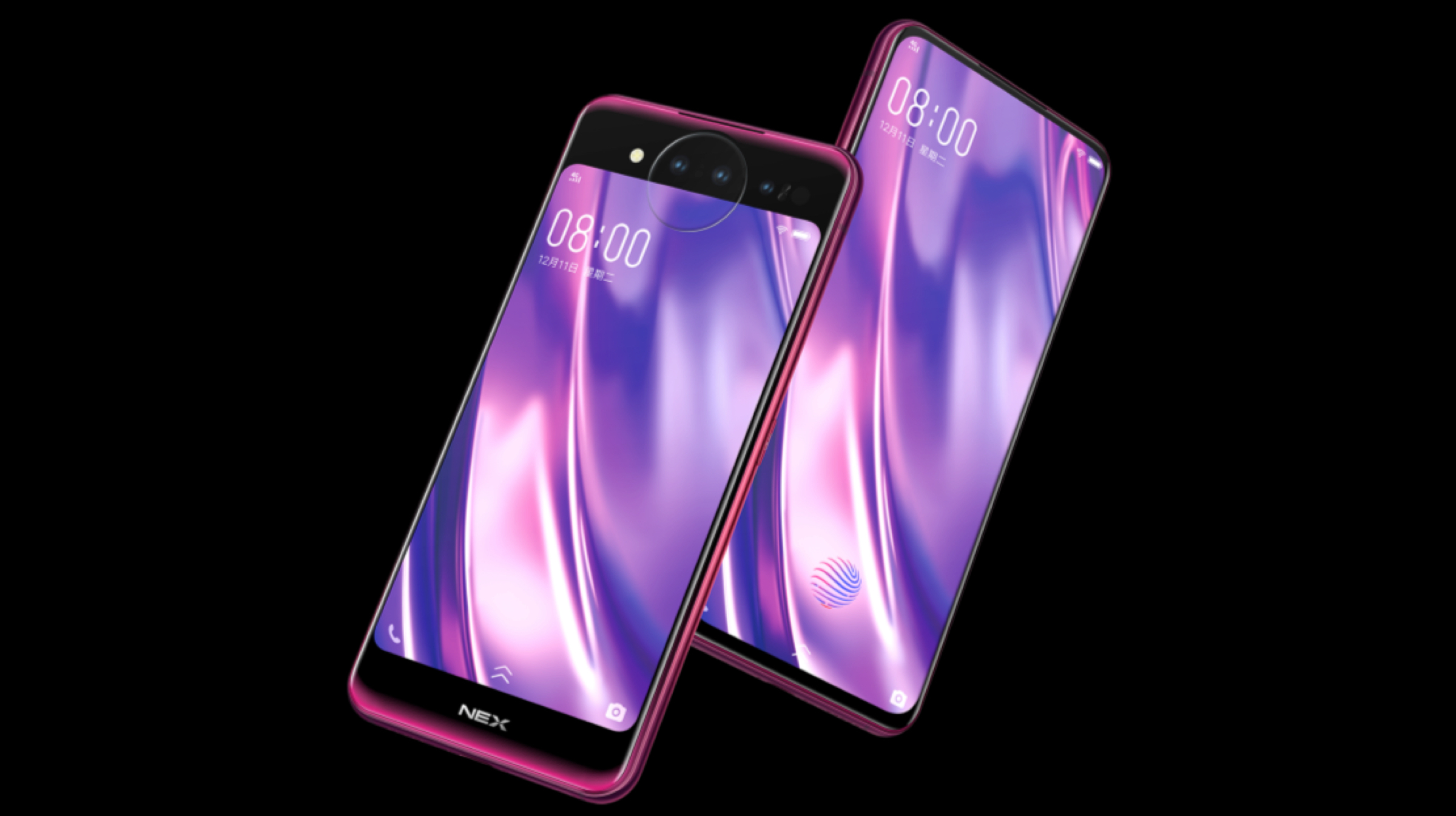
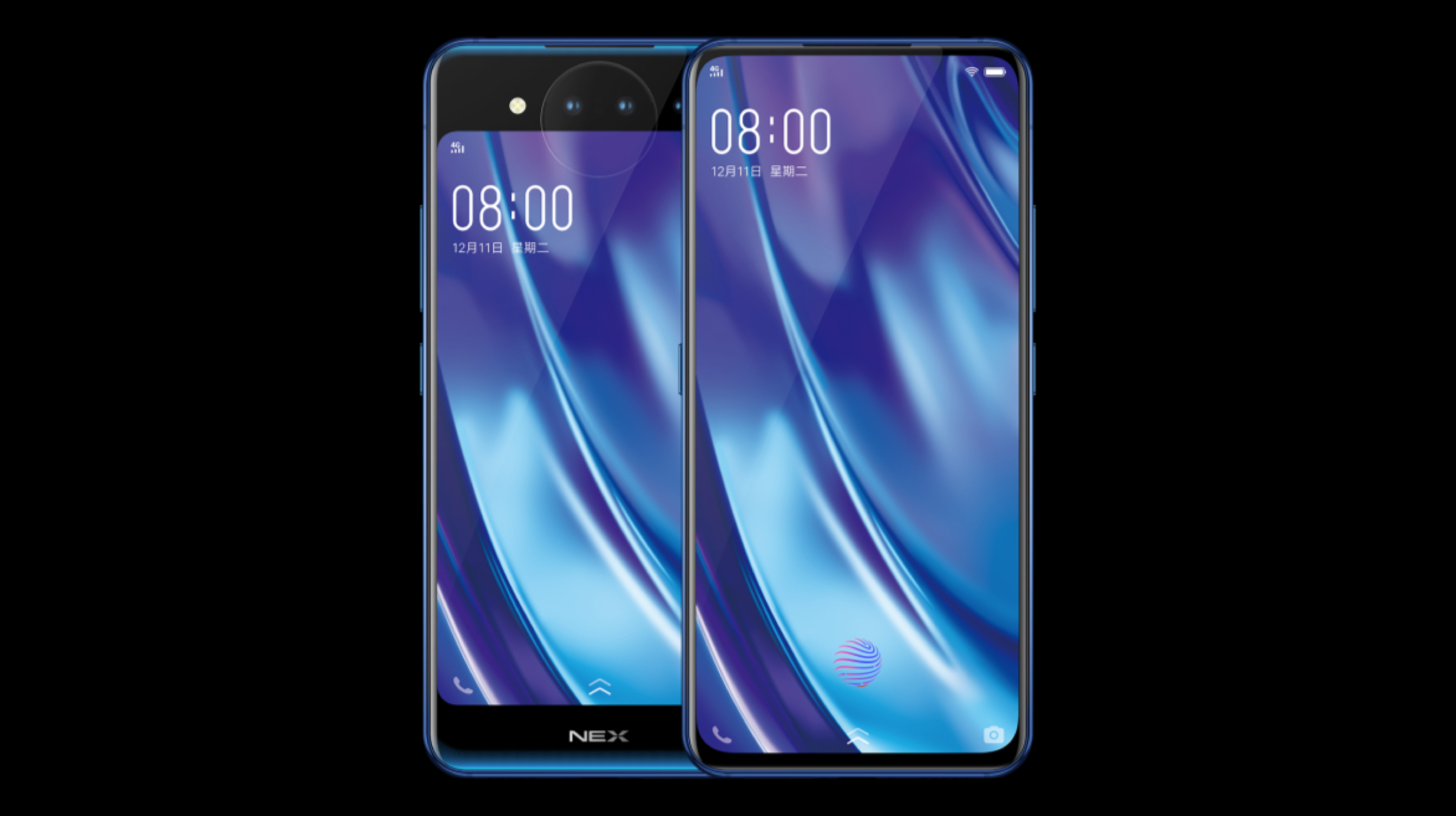
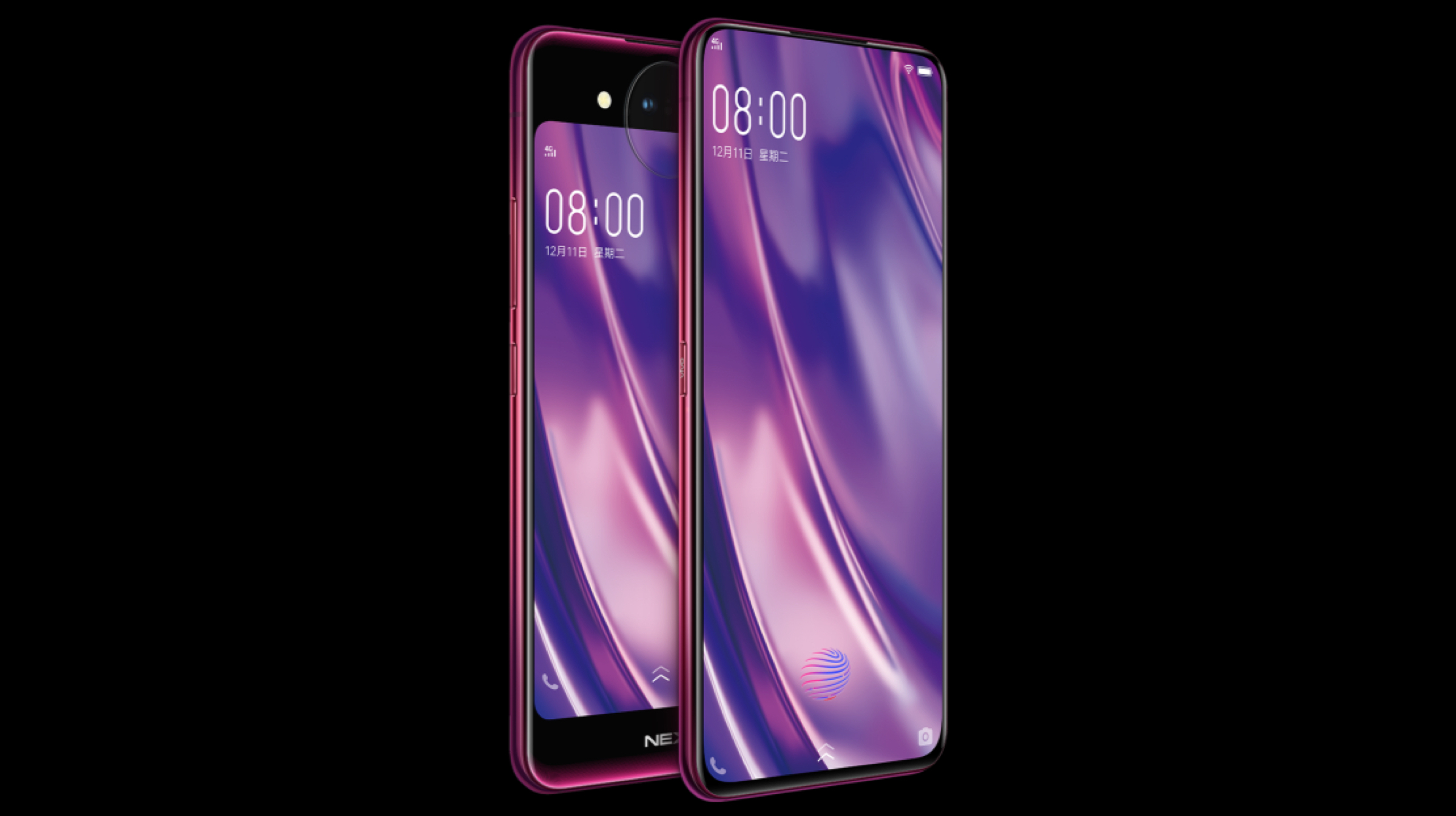
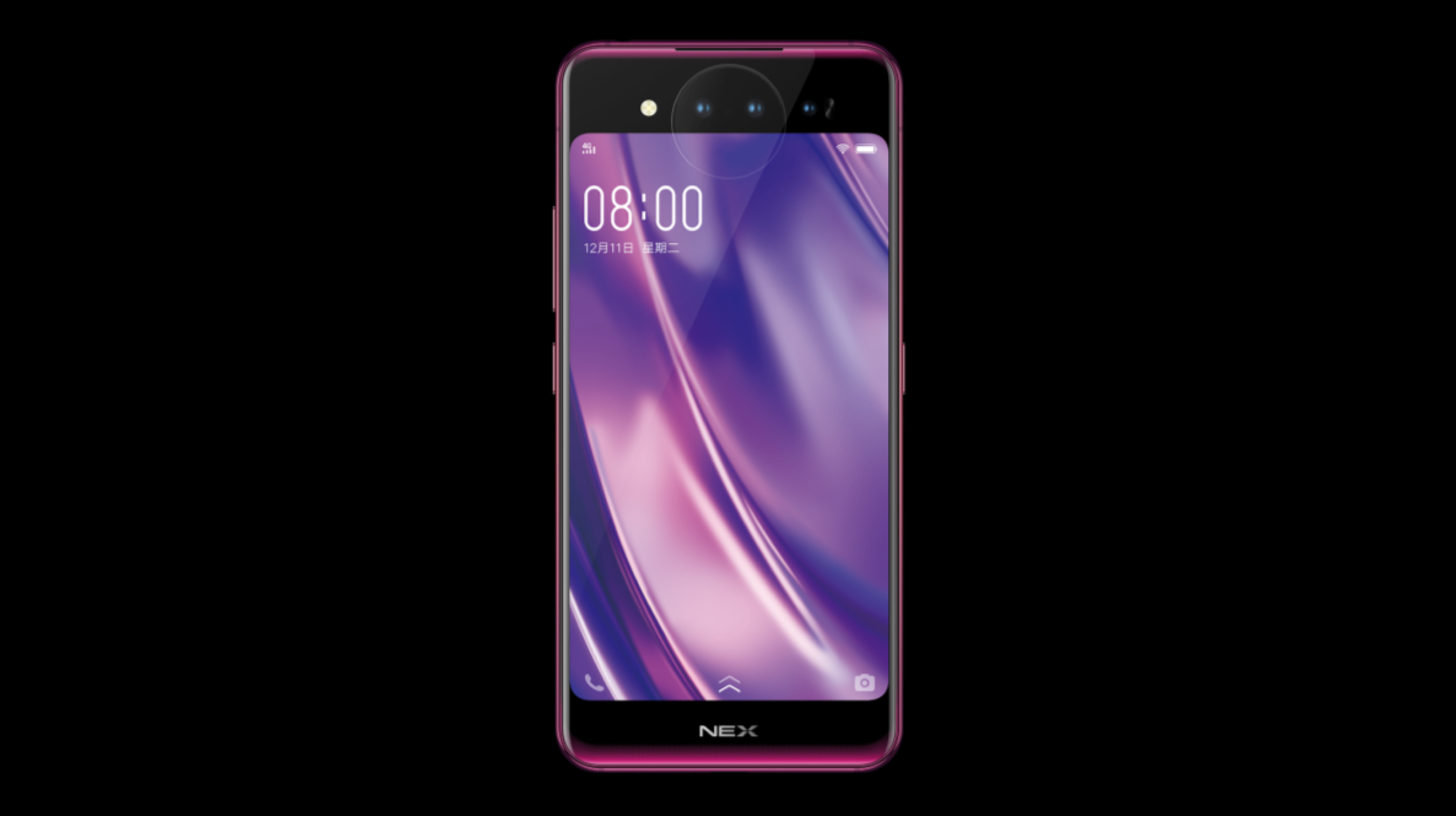
    Vivo launched the Vivo Nex smartphone with an edge-to-edge display and pop-up camera earlier this year. The smartphone due to its impressive specifications and design turned a lot of heads. After the success of the former, the company launched the Vivo Nex dual screen. A smartphone that is as revolutionary as its name. The Nex Dual features dual touchscreen display one at the front and the second at the rear. The New Dual has flagship specifications and a hefty price tag. 

    An affordable and less powerful variant of the New Dual Screen featuring the 12 nm Snapdragon 710 has been spotted on TENAA.

    Specifications

    The affordable Vivo Nex Dual Display smartphone is listed as model number V1280A on TENAA. Allegedly the device will carry the Vivo Nex A moniker. The smartphone measures 157.19×75.3×8.09 mm and tips the scale at 200 grams. The front of the device has a 6.39-inch AMOLED display with a resolution of 2340 x 1080px while the secondary rear display uses a smaller 5.49-inch OLED display with a resolution of 1920 x 1080 px. The smartphone is powered by a 3425 mAh battery and runs on the latest Android 9 Pie. 

    The Vivo Nex A has 8 GB of RAM and 128 GB of inbuilt storage. For photography, the smartphone has triple rear cameras out of which one has a resolution of 8 MP. Like the Vivo Nex S, it might have a 2 MP night vision camera and a TOF 3D camera. While there is no camera on the front, users will simply be able to flip the phone to take a selfie on using the rear camera and display. 

    In terms of connectivity, the smartphone supports 802.11 ac WI-Fi, Bluetooth 5.0, 4G VoLTE and USB Type-C port for charging and data transfer. The listing also affirms tha the Vivo Nex A has an In-display fingerprint sensor. 

    The Vivo Nex A features the Octa-Core Snapdragon 710 CPU which is clocked at a frequency of 2.2 GHz. Sadly the listing does not provide any images of the device. However, going by the dimensions and screen size it will look like the Vivo Nex S.

    Launch Date

    Also Read: Sony Bumps Up 3D Camera Sensor Production

    Vivo has not announced the launch date of the Vivo Nex A but usually, smartphones are listed on TENAA only days before ofiicial their launch. Therefore, the company is expected to launch it soon and might showcase it at CES which is scheduled for 8-12 January. 

  • Sony Bumps Up 3D Camera Sensor Production

    Sony Bumps Up 3D Camera Sensor Production

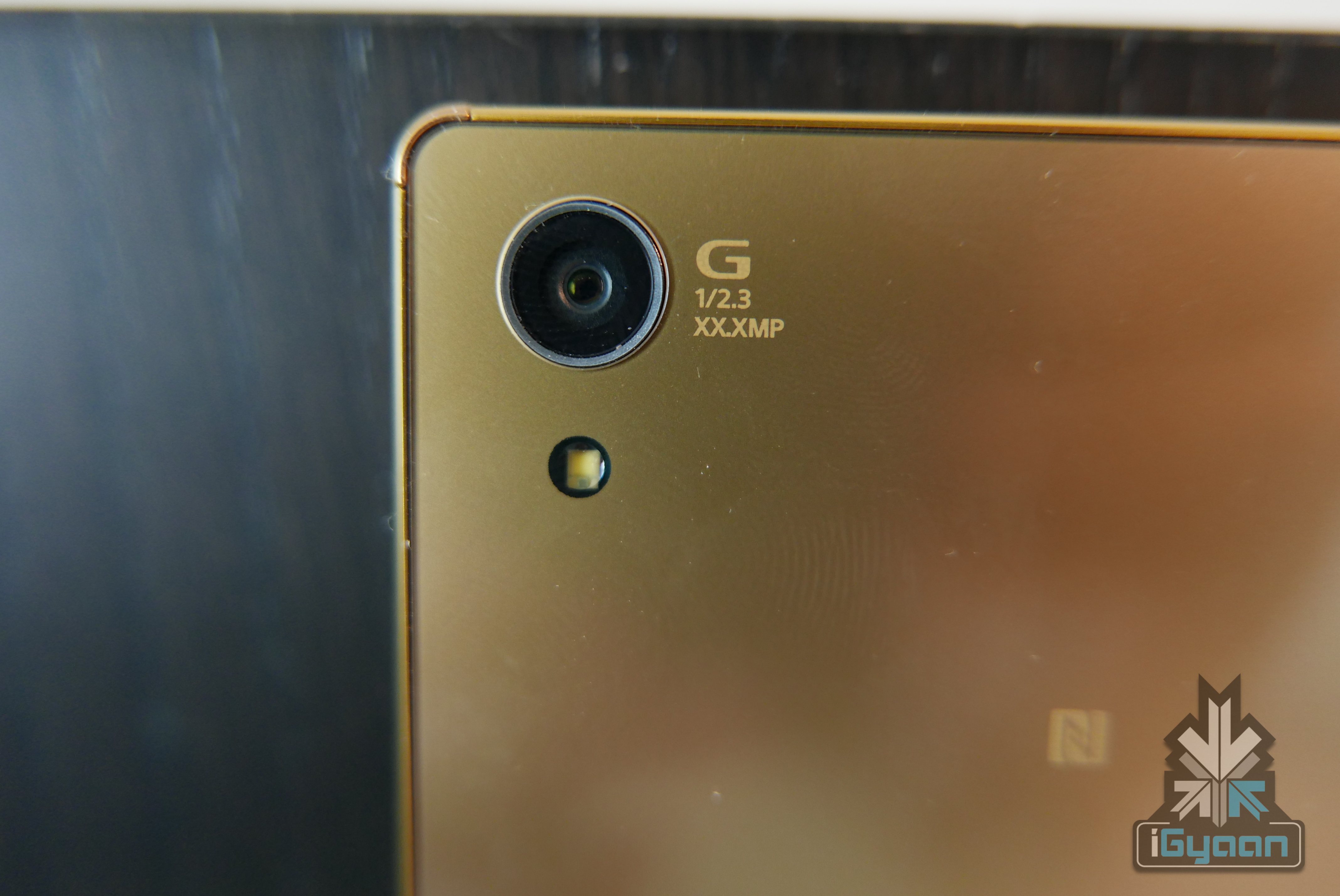
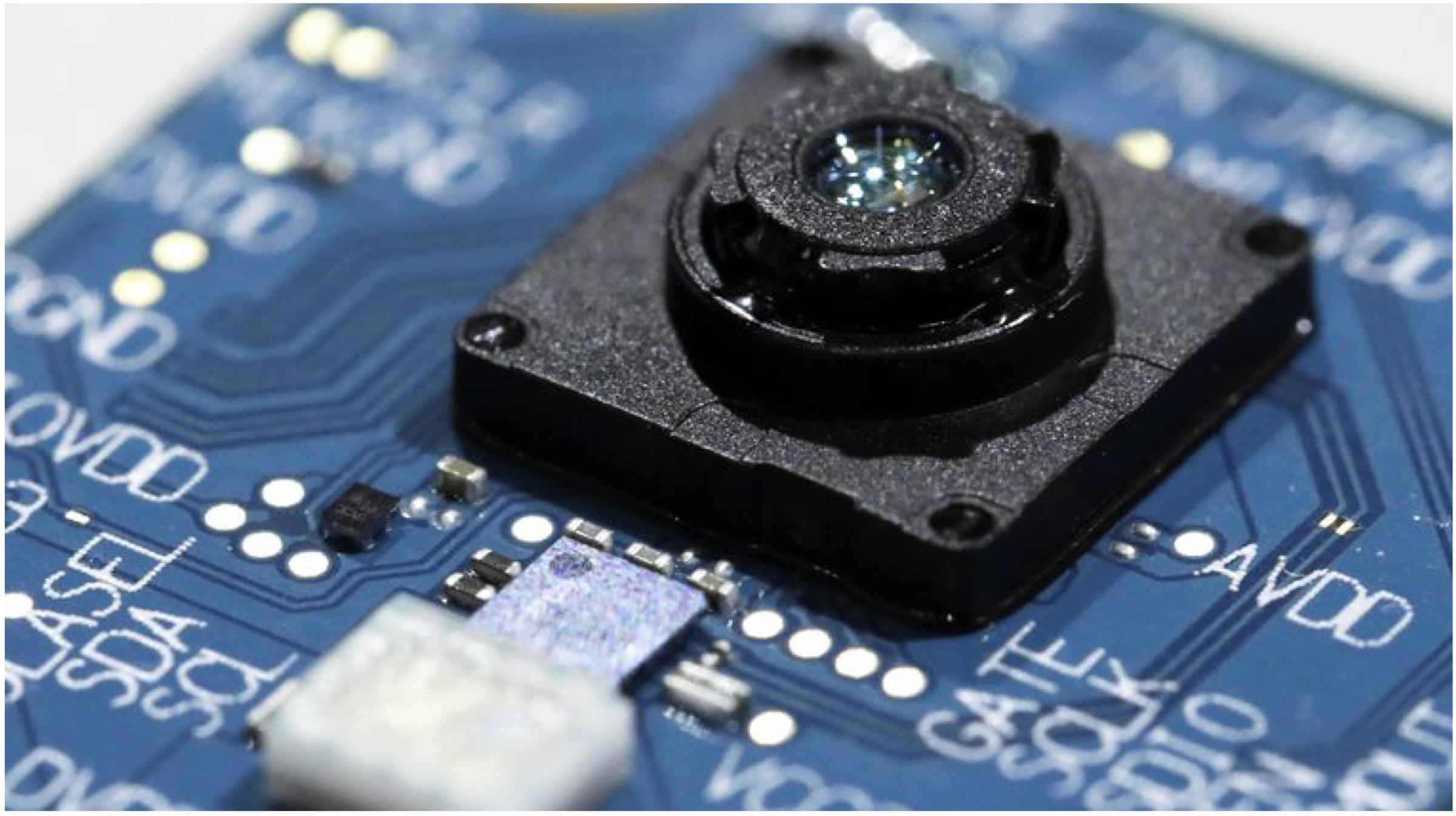
    Sony’s smartphone and consumer electronics division might be facing tough times but the company is undoubtedly the world’s biggest smartphone camera chip manufacturer. More than 50 percent of the smartphones in the market use camera sensors that are manufactured by Sony which includes Apple, Samsung and Google. A Bloomberg report suggests that Sony is now gearing up to ramp up the production of 3D camera sensors. 

    What Is A 3D Camera Sensor?

    A 3D camera is an imaging device that allows to replicate three dimesional  objects with the help of depth sensing technologies. Digital cameras with 3D sensors have been available in the market for quite some time. These cameras are bulky and hard to carry but Sony seems to be developing miniscule 3D sensors that can be embedded in to smartphones. 3D sensors on a smartphone can open a whole new world of possiblities.

    Few uses of smartphones with 3D sensors are as follows:

    • Smartphones with 3D sensors can be used to create a virtual 3D model of a user that has the potential to change the future of shopping. The users can easily scan their body parts like the face and head to virtually try on accessories like hats and spectacles.
    • 3D camera sensor featuring smartphones can also help in pushing the boundaries of mobile gaming further. Mobile game corporations can use these sensors to make a virtual 3D model of the player which can be loaded in to the game. This would help the companies to create an even immersive expereience to the users.
    Sony’s Competition And Production Bump

    Also Read: Mi TVs Get Price Cut In India

    Except for Sony, companies like Lumentum Holdings Inc. and STMicroelectronics NV also make 3D chips that are used for accurate facial recognition and clicking photographs with enhanced depth effect. However, Sony claims their technology is more accurate than the offerings of their competitors. Sony uses a method called ‘time of flight’ of TOF that sends out out invisible laser pulses and measures how long they take to bounce back. This technology is used to take precise 3D pictures of objects. According to Sony officials, the company’s sensors can even capture pictures at a distance of five meters. 

    Sony seems to be optimistic about the future of this technology and predicts this feature can boost the sinking smartphone sales. In the interview with Bloomberg, the company reported that the upcoming Huawei phone will employ 3D sensors made by Sony. Additionally, Sony revealed that the company is getting interest from Apple perhaps future iPhones will makes use of this type of sensors. To meet the high prediction of demands, Sony will kick off mass production in late summer of 2019. 

  • Car Technology That Will Wow You In 2019

    Car Technology That Will Wow You In 2019

    Technology and Automobiles have been inseparable partners since the inception of automotive technology. In 2019, these two will be further integrated to create some amazing and very useful features that will make the driving experience much smoother.

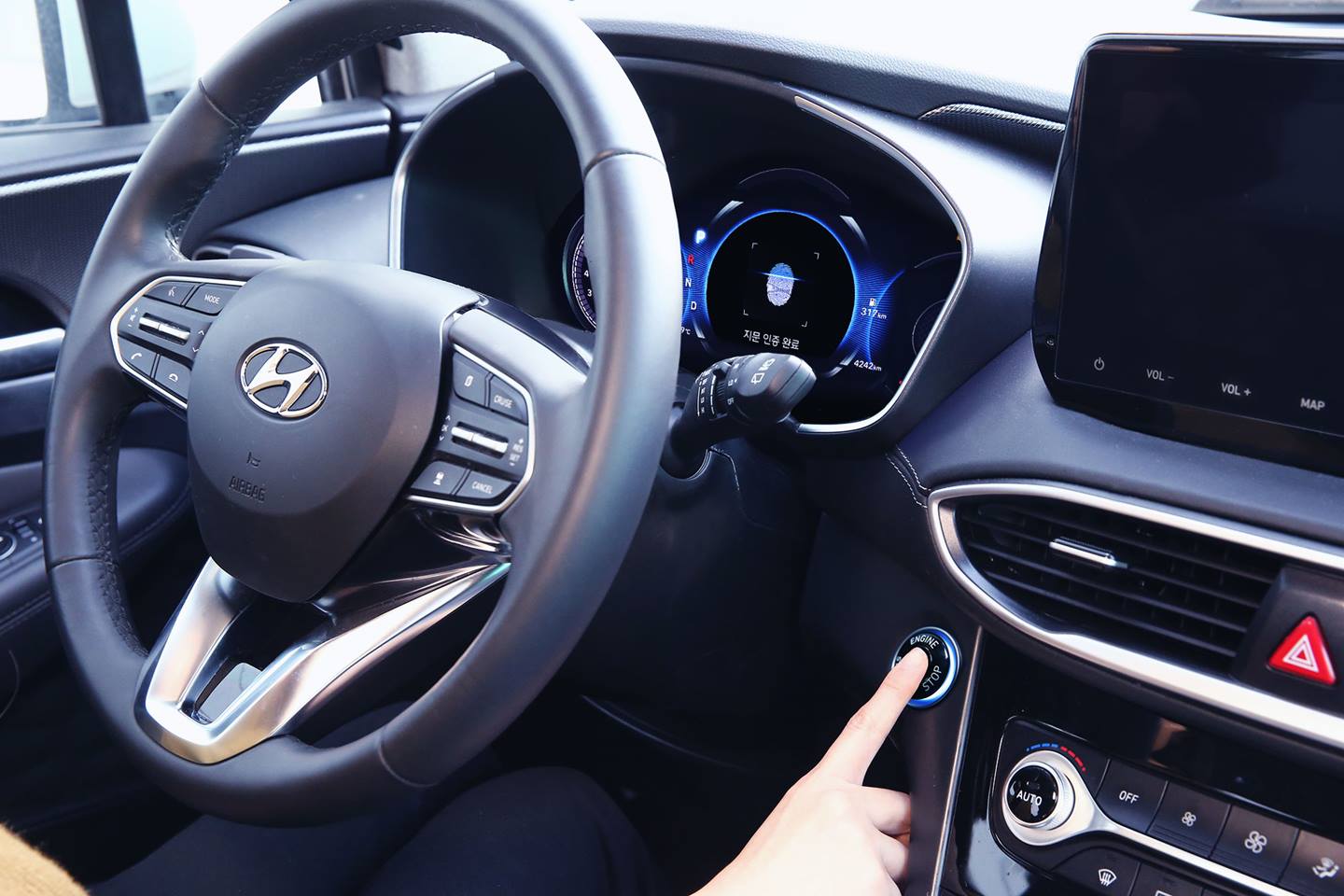
    On Steering Fingerprint Sensor

    Hyundai has announced that their SUV Santa Fe will receive a fingerprint sensor that will not only unlock their cars but also start them. There will be fingerprint scanners on the exterior door handle as well as the start button. There are immense possibilities of different use cases. A car that is driven by multiple people in a household can be configured according to the fingerprint. Everything from Air conditioner settings, music playlists to seat settings can be modified according to the user and saved in memory. It has possibilities of getting configured according to different fingerprints of different drivers. However, that is a faraway dream at the moment. Nevertheless, we would love to see some aspects of this car technology in 2019. 

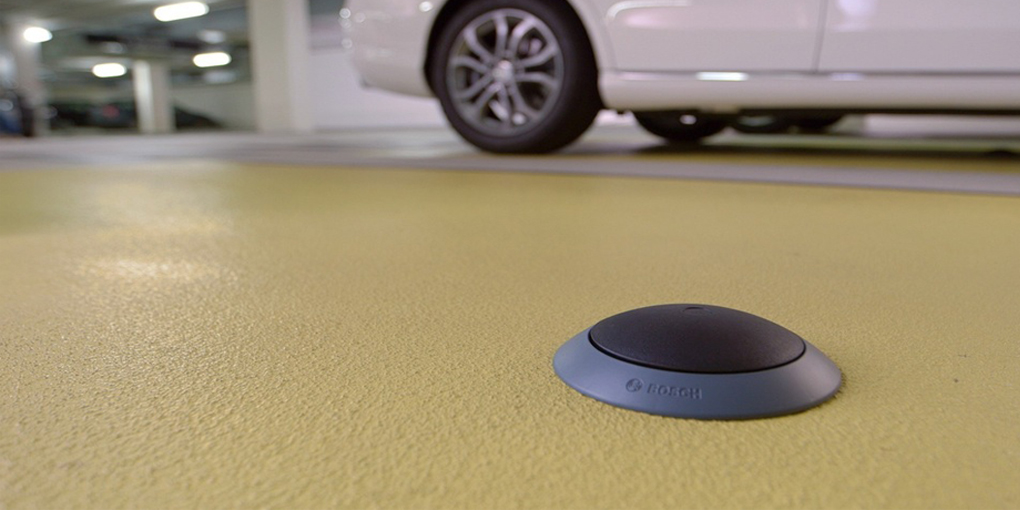
    Smarter Parking Sensors

    One of the biggest problems of driving, specially in bigger and more populated cities, is parking your car. From finding a space that would fit your car to parallel parking without scratching others’ or your own car. Parking sensors will definitely become smarter in 2019. German parts supplier Bosch recently showcased a technology that let’s your car measure spaces between cars and finds your parking spot for you as you drive along. Showcased at CES, this technology is being currently tested in Germany and later this year in LA, Miami, Boston and more American cities. 

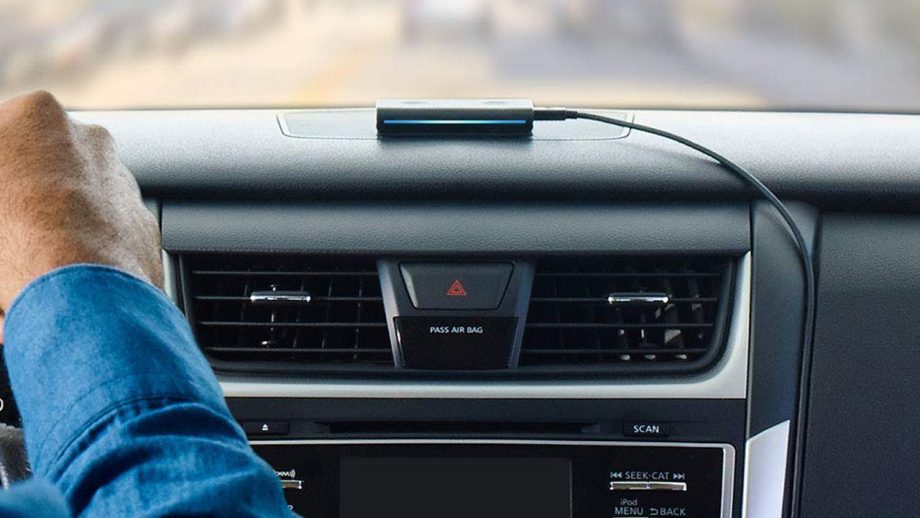
    Personal Assistants in car

    In 2018, personal assistants invaded our houses and now most of us cannot live without them. Why not have the same for our cars? Amazon Alexa is said to be soon integrated into cars where you can ask Alexa about the weather, make a call on the speakerphone, change music and more. All of this while you keep an eye on the road. Toyota is the latest manufacturer to introduce Amazon’s Alexa cloud-based voice control to some of its vehicles while many others such as Ford, BMW, and Volkswagen have already announced partnerships. This car technology will be great in terms of driver safety and will also be a handful feature for passengers as well. 

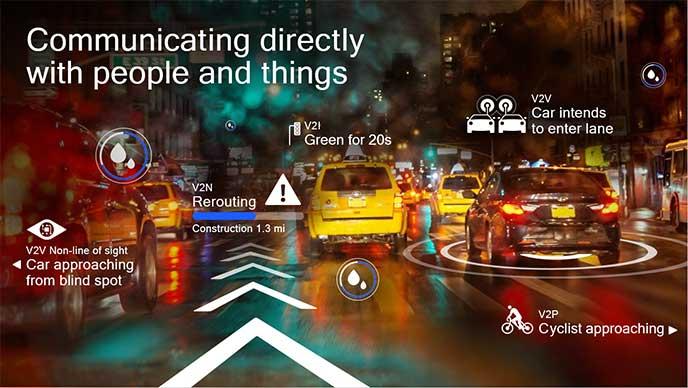
    X-Ray Vision and Enhanced HUD’s for your car

    Well, when we mean X-Ray vision, we don’t mean Batmobile-esque features that will let you see through cars. In-fact if you could see through cars you would crash more often. If anything, this feature helps you prevent crashes. Chip manufacturer Qualcomm recently revealed a concept called “Vehicle to Everything”. This will integrate a chip on every car allowing cars to communicate between one another and avoid crashes. The chip will also be able to communicate with infrastructures such as traffic lights or road signs up ahead warning the driver of incoming dangers or alert the driver in general. Trials of the tech will take place in San Diego and Detroit. 

    Smarter, faster electric cars

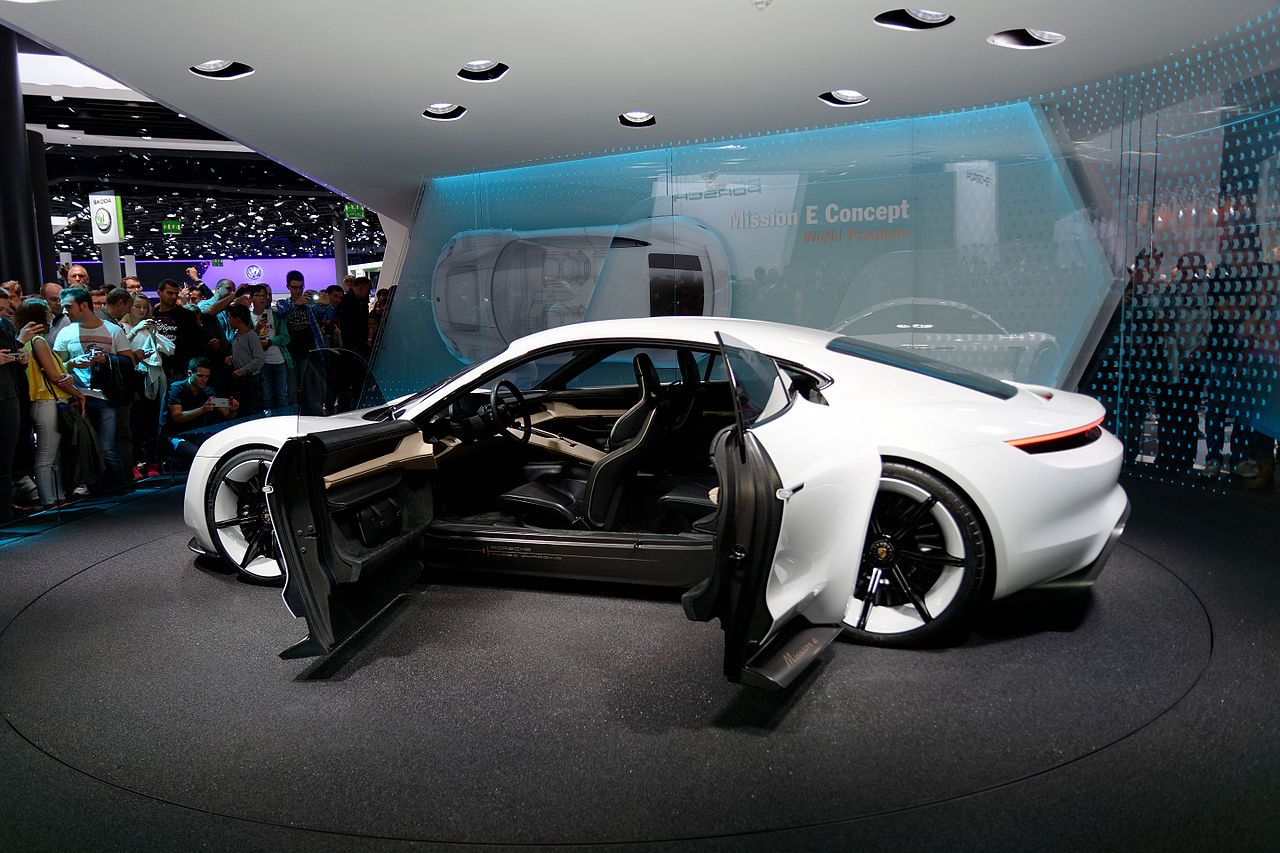
    Tesla fought the hard battle of bringing electric cars and trying to make it mainstream when the entire industry scoffed. Now the power of electric vehicles have become apparent and the technology has evolved substantially. This has led to many manufacturers including luxury car and sports car manufacturers such as Audi, Porsche, Mercedes and even BMW have joined the bandwagon. Cars such as BMW i3, Mercedes-Benz EQC, Audi e-tron and Porsche Taycan are all set to be launched in 2019. These cars and the more number of players in this category will make electric vehicles smarter, faster and better performing.

  • App Of The Day : Island : Secure Your Data And Apps

    App Of The Day : Island : Secure Your Data And Apps

    Data security is a big concern not only for governments and big corporations but the average smart device users as well. There have been several incidents of a data breach that have affected people from around the globe. Both iOS and Android operating systems are quite good at securing user data but certain apps can steal sensitive information stored on the user’s smart device. Even though Android operating system uses a sandbox environment that restricts applications from accessing unauthorised data. Some applications, however, can get a hold of user data and send it to offshore locations for malign purposes.

    Island

    Click Here To Download Island App

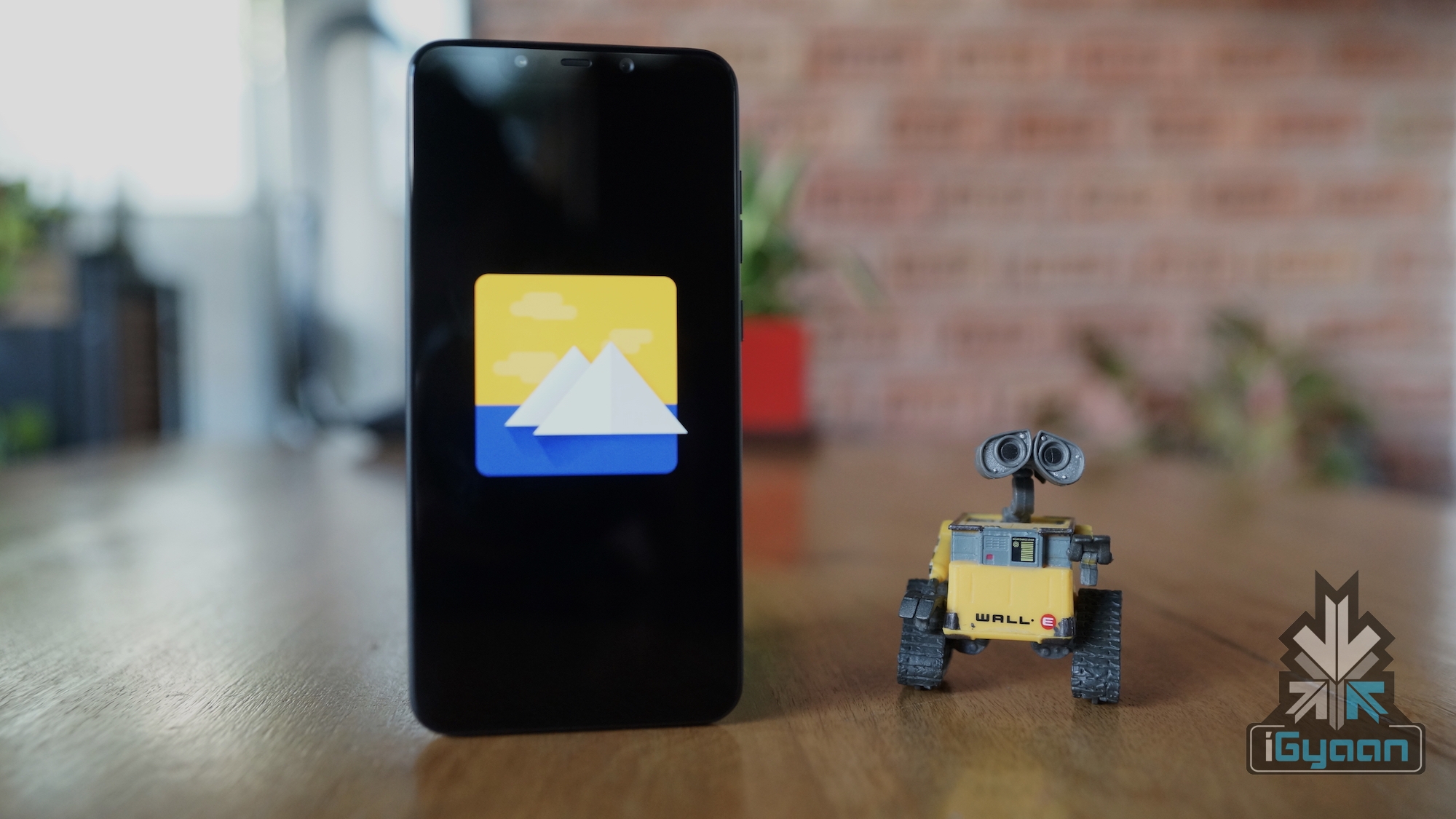
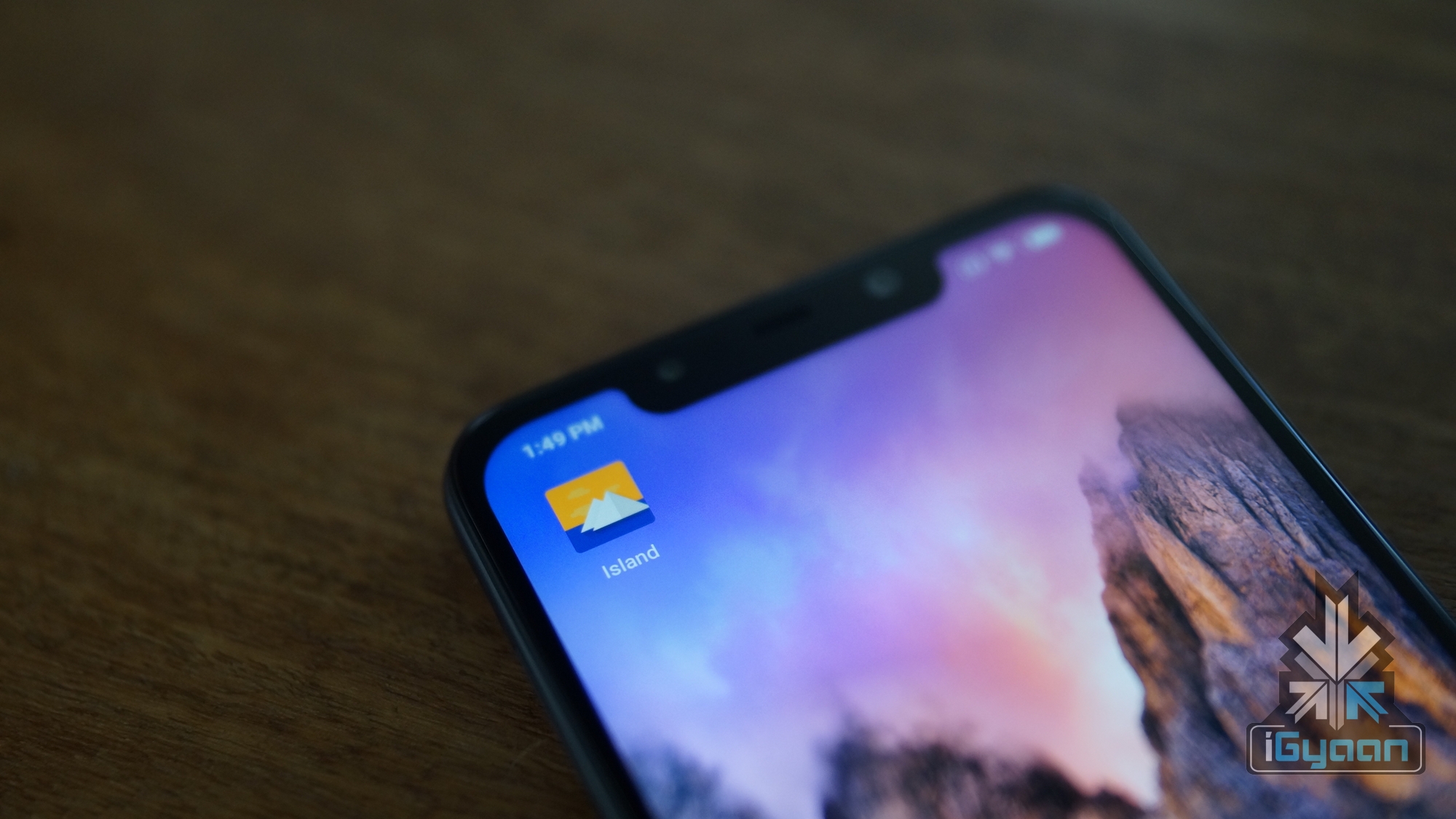
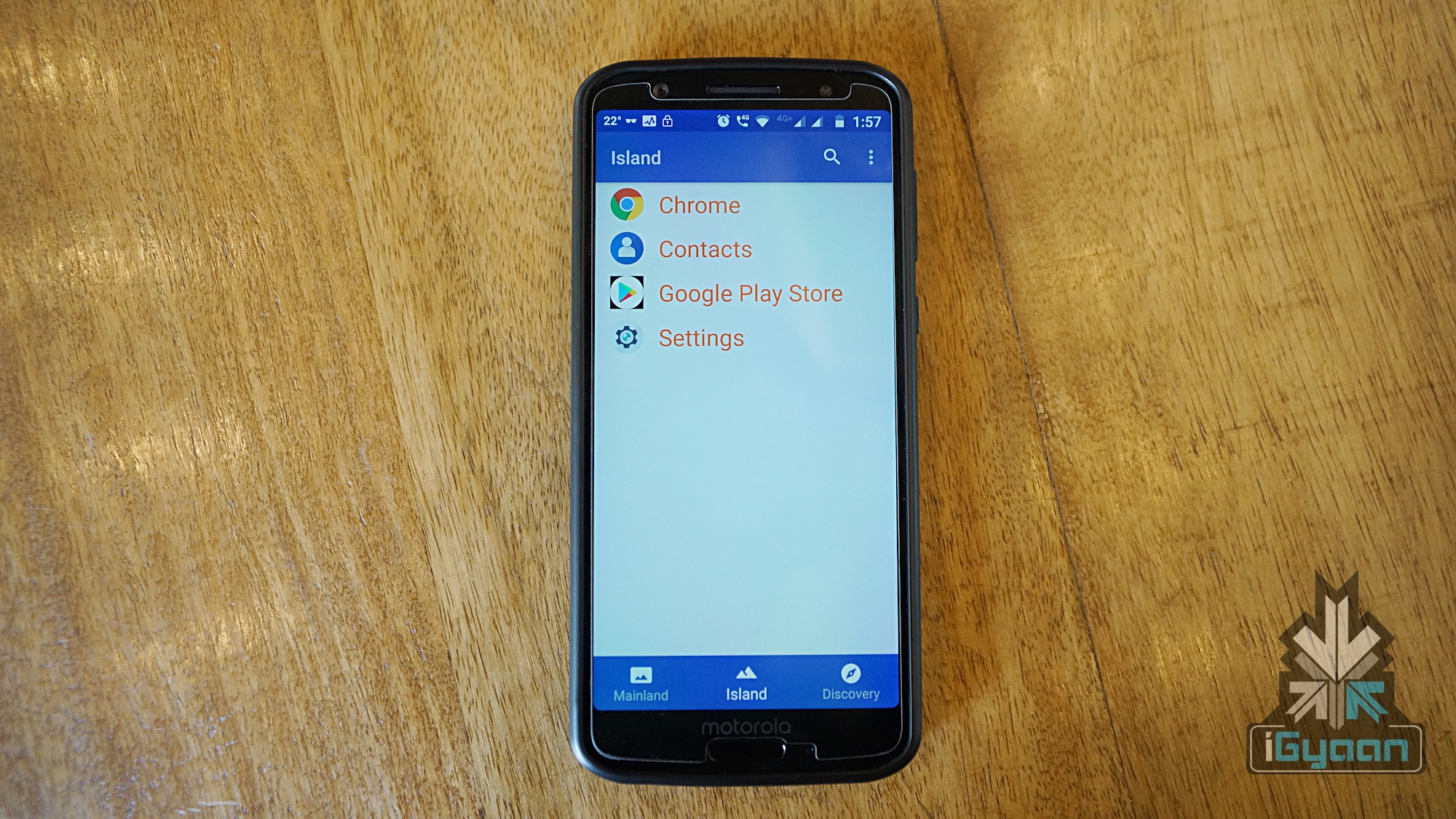
    Island is an application for the Android OS that allows users to manage data usage privileges of particular applications. The application is freely available from the Google Play store and it creates an isolated domain that the user can manage in accordance with their requirements.

    How Does It Work

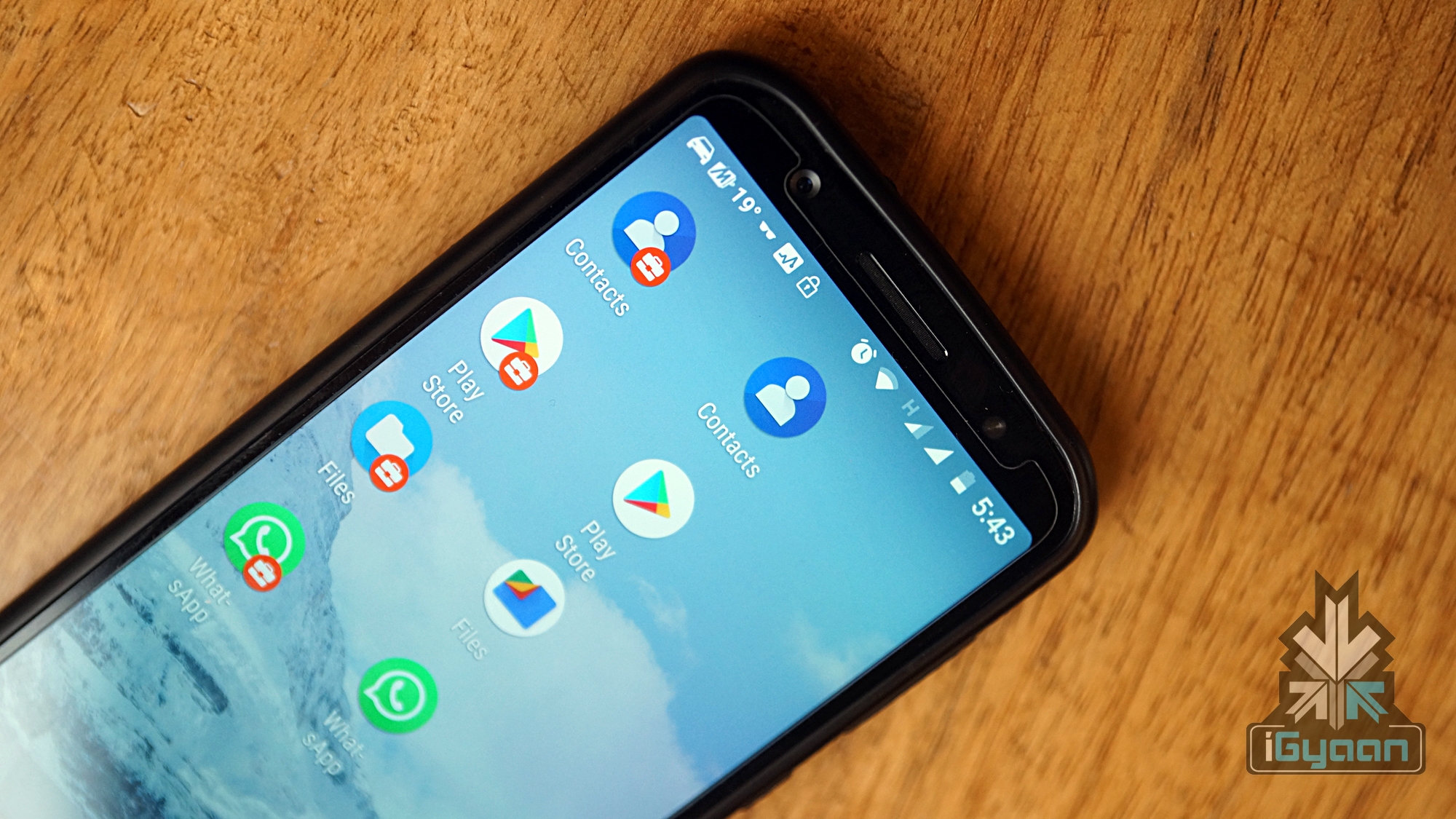
    The Island application for Android makes a clone of all the essential applications like the Play Store, file storage, and contacts. These applications reside within the same user account as the original applications however the data stored on both instances of application varies. The Island app has two tabs which are Mainland and Island. As the name suggests, the Mainland tab inhibits all the applications that are present on the device. Whereas, the Island tab only inhibit the applications that have been manually cloned by the user. The applications in the Island tab can only exchange data with other Island applications.

    The user can log into the Island Play Store with different mail id and download applications. The applications downloaded will only have access to the cloned apps that were also created by the Island app. Therefore, the user can store bogus contacts and files on the Island filesystem. This will allow the user to run potentially hazardous apps by providing them access to private user data.

    How Is It Different And Top Features

    Also Read: Samsung Galaxy A50 Will Feature A 4,000 mAh Battery And 24 MP Main Camera

    A lot of other applications like parallel space and dual space are also available on the Google Play Store. However, they do not provide the level of control that Island does. The list of top features is as follows:

    • It allows the user to manually freeze certain applications. The applications when in a frozen state will stay as is and cannot access the internet or perform any tasks in the background.
    • The bogus contact and file storage apps can trick applications to work smoothly. Other applications would not function normally if the user deprives an application from particular access rights.
    • Certain applications can be enforced to channelise data via a VPN server. Good use of this could be accessing a website from another region that is restricted in the user’s region. A lot of media corporations limit users from other regions to access their content.

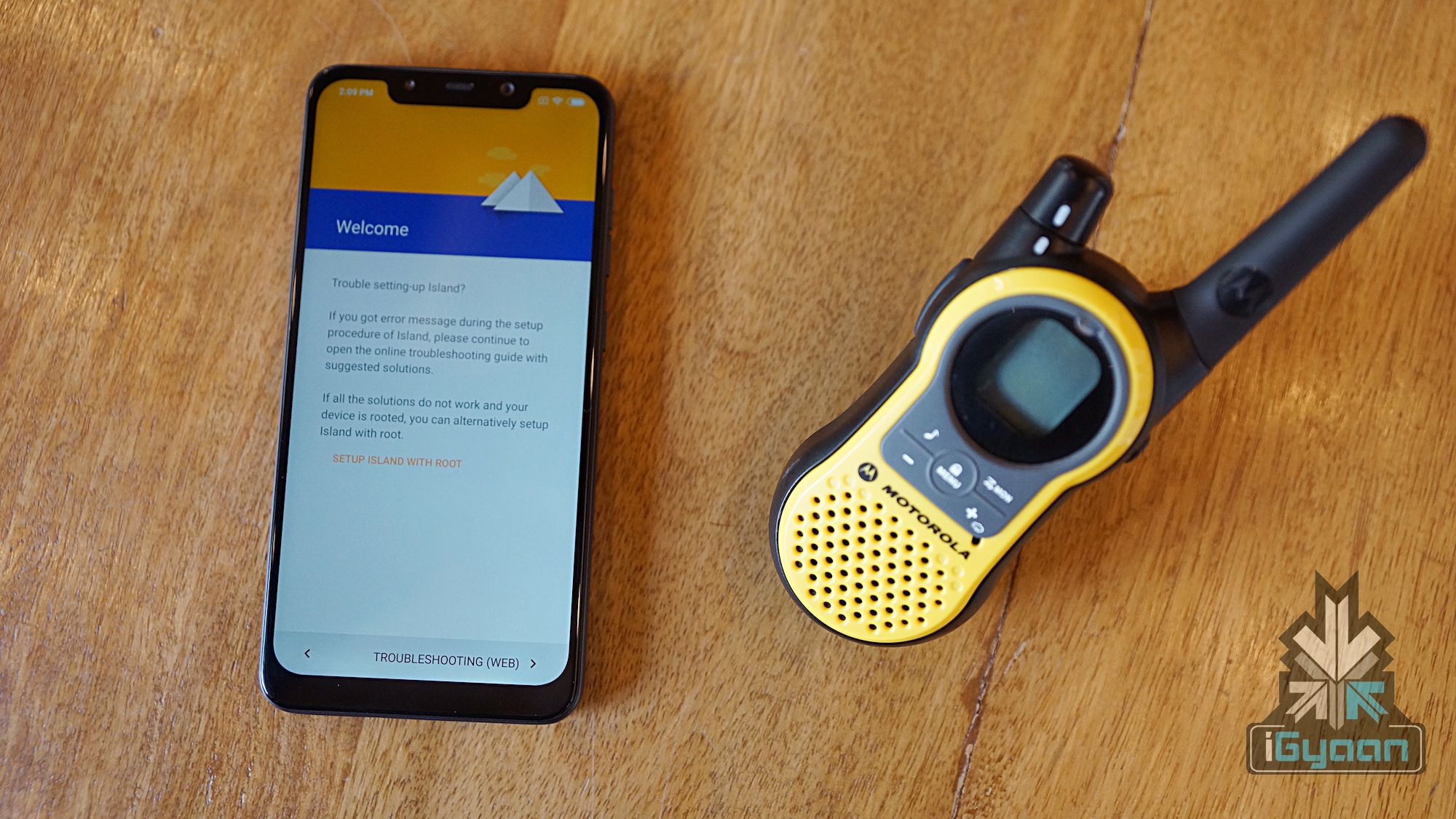
    Additionally, Island app on a rooted device provides an even higher level of control in comparison to a non-rooted device.

  • Samsung Is Developing Smart Running Shoes With Fitness Tracking Capabilities

    Samsung Is Developing Smart Running Shoes With Fitness Tracking Capabilities

    Samsung is a massive company that develops and manufactures a wide variety of products. It was one of the first companies to integrate smart health tracking sensors on modern smartphones. A leak reveals that Samsung is working on two different models of smart Running shoes.

    Samsung Smart Shoe Patents

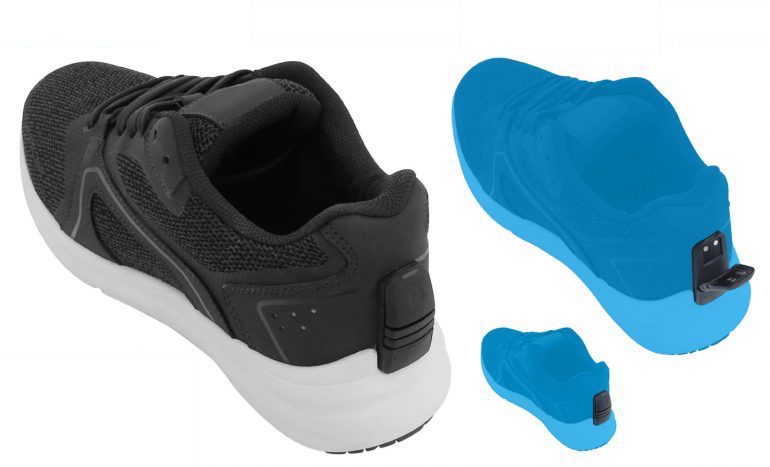
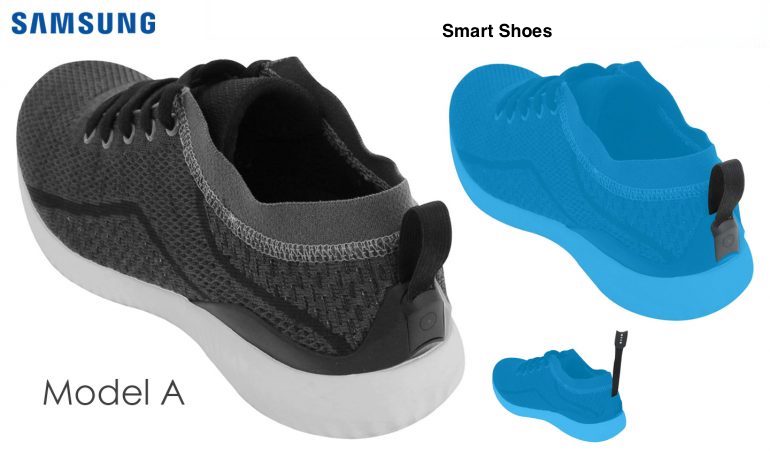
    Earlier this year, Samsung applied for two design patents for smart running shoes to KIPO (Korean Intellectual Property Office) which have now been granted. Both models of the smart shoes seem to be made out of leather and synthetic materials. The Model A smart shoe has a sleek design with an elastic style ankle area. The shoes have a pull tab at the back that can be used to toggle the smart sensor. The Model B shoe has more of conventional sports shoe design with a back-mounted smart sensor. Unlike the Model A shoe, the smart sensor on the Model B has a plastic flap which when opened reveals two metal connectors. Perhaps these metal connectors will be used to charge the battery that powers the sensor. ( See top image)

    Alas, the patent does not provide information about the functionality and features of the smart shoes. However, according to the source, these shoes will also have pressure sensors that will give users real-time feedback. In addition, Samsung can develop an ecosystem built around fitness which with the help of Artificial Intelligence can coach the user as per their custom goals.

    Launch Date

    Also Read: Press Renders Of Nokia 9 PureView Leak

    Even though Samsung has not yet commented about the launch date of the Smart running shoes, the company is expected to showcase them at the upcoming CES 2019 which is scheduled for 8-12 January.

  • Supersonic Jet, Boom, Will be The First After Concorde Was Grounded in 2003

    Supersonic Jet, Boom, Will be The First After Concorde Was Grounded in 2003

    Technology as we know it always moves forward but in one single case, humankind moved back. We are of course talking about supersonic travel. After a 30 year run, the famous (or infamous) Concorde was retired in 2003 and with that the hopes and dreams of supersonic passenger air travel was parked indefinitely. 

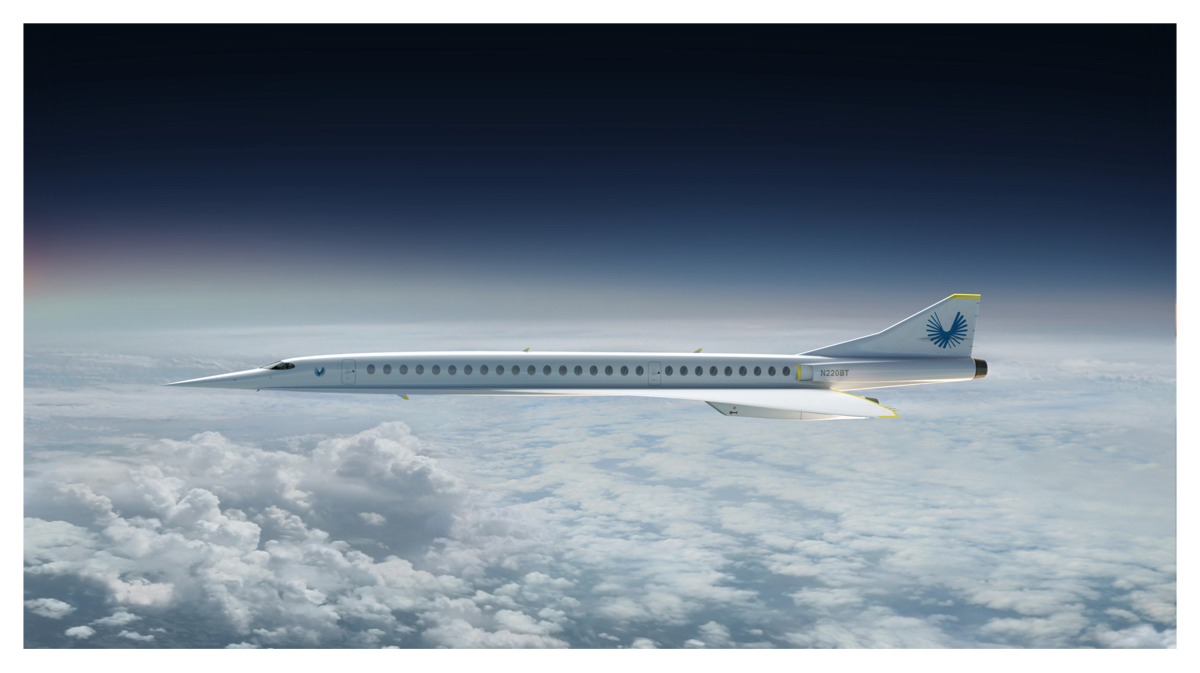
    But in the recent past, many companies have rekindled that dream and have started working on making supersonic jets that can ferry passengers at or above the speed of sound! While many companies have started to work on this, Boom Technology has shown the most promise in terms of creating a mainstream supersonic airliner, which is practical, reliable, and economic.
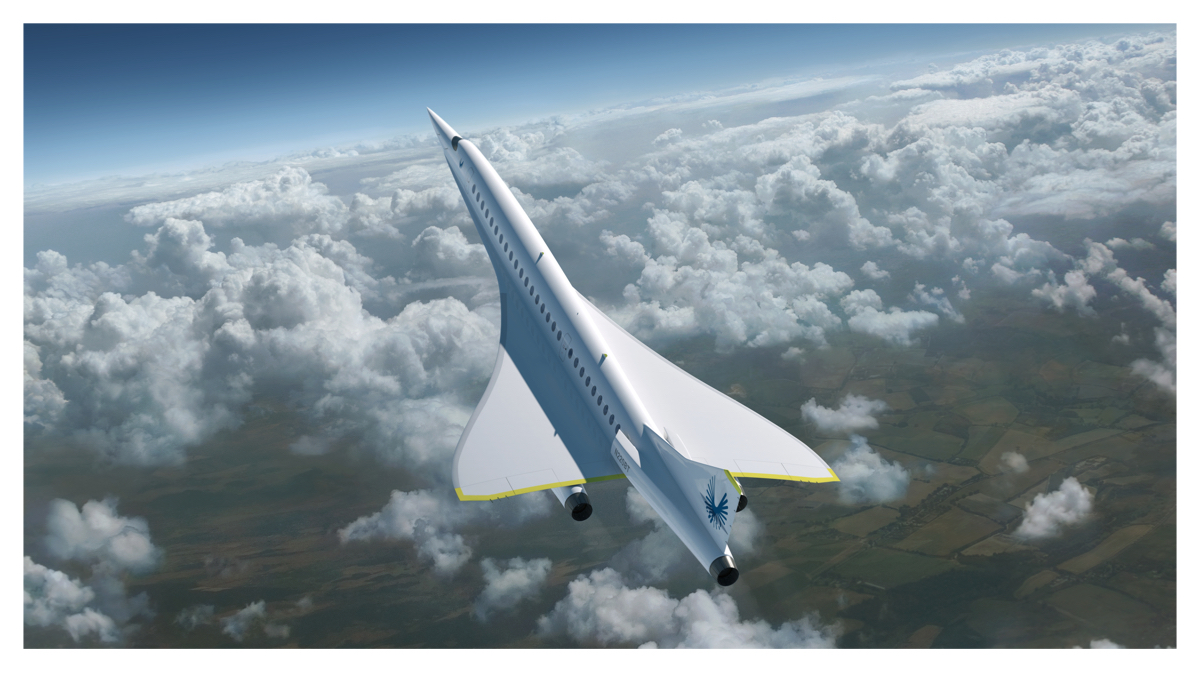
    The American startup had, with the backing of Richard Branson and Virgin, announced that they will turn the supersonic air travel into a reality again from just an engineering concept. The Boom Supersonic will fly at a speed of Mach 2.2 which is 1,300 kn or 2,300 km/h. To put things into perspective, a normal jet such as a Boeing 737 has a speed of approximately 938 km/h. 

    Why Concorde Failed 
    There were two broad reasons for Concorde’s failure, and ultimately demise. One of the main reason was the fact that supersonic travel was not economic and the second was a horrible plane crash that gave the concord a lot of bad press. There were reports of metal parts of the Concorde bending out of shape due to the high stress faced during flight, which had caused the crash.

    These aircraft were plying very frequently between routes connecting the busy cities such as London and New York.

    After the launch of Concorde, many aerospace journalists completely wrote off the Concorde as an expensive experiment. They reported that it was too small, too noisy and too expensive to operate. But there was a time when the demand was so high that British Airways hiked prices to match the higher price expectations of the passengers. Concorde was running at a profit!

    However, in April 2003, both Air France and British Airways simultaneously announced they would retire Concorde.

    So What Happened?

    Why was an Airplane which was running in profits suddenly face retirement?

    The Concorde planes which were built in the 1970’s, consumed huge amounts of fuel. These planes were becoming expensive to maintain and an overhaul was suggested. However, according to a British Airways executive, in 2003 the estimated bill was up to £40 million for an overhaul.

    The failing economy did not help either, thus having to reduce prices on business travel. It was becoming extremely hard to break even as passengers started to value their money more than time (that they save by supersonic travel). The sound of the supersonic jets were also another issue the companies couldn’t tackle. The extreme sonic boom that hurls the jet into supersonic speeds made the planes un-flyable in populated areas. 

     

    Boom has however said that it expects its supersonic boom to be “at least 30 times quieter than Concorde’s”. This has been made possible due to the advancement in technology over the years. The second major hurdle that Concorde faced which became the final nail in it’s coffin was a massive plane crash.

    The Plane Crash

    The 4590 Air France flight was an international charter flight from Paris to New York City on the Aérospatiale-BAC Concorde. The flight had 100 passengers. It crashed shortly after take-off as the plane ran over debris left by another aircraft on the runway, which blew a tyre which in turn punctured the fuel tank. The plane crashed into a nearby hotel killing all 100 passengers and nine crew along with 4 people in the hotel. This crash happened on 25 July 2000, just 3 years before the retirement of Concorde.

    After the crash, it was reported that the passenger count for supersonic travel reduced significantly. This was due to the fact that people started to consider supersonic travel unsafe. All Concordes were grounded, pending an investigation into the cause of the crash and possible remedies. Commercial service was resumed in November 2001. This came after a £17m safety improvement service but only survived for two more years after that. 

    Present And Future Of Supersonic Travel

    Cut to present, the technology has improved drastically, flight travel is safer than ever and demands are high. With companies like Boom Technologies being backed by big names such as Virgin and Japan Airlines (JAL) commercially viable supersonic flights don’t look to be too far away. The full-size Boom, which would carry up to 55 passengers is targeted for tests in 2020. It will have an all-business-class configuration. 

    The company will first build the “Baby Boom”, a prototype of the full size Boom airplane that will eventually take passengers supersonic. 
  • The Highs And Lows Of Gaming In 2018

    The Highs And Lows Of Gaming In 2018

    The year 2018 has been tumultuous for the gaming industry. From match fixing, to mass banning of players to a new gaming style becoming the hot favorite – the year has seen it all! In this article let’s discuss all the high points and low points that we have seen in the gaming industry for PC, Mobiles as well as consoles.
    PUBG Banned Over 30,000 Players

    PUBG the famous multiplayer Battle Royale game banned approximately 30,000 players from the game including 16 professional players. The players were accused of using cheat codes. The cheating techniques in question were Radar hacking. Radar hacking allows a player to know the exact location of opponents. This provides an edge to the player since he or she becomes more aware around enemies. The game also implemented a similar ban sweep back in June.

    Still No Diablo Or Half Life 3

    Diablo 4 was one of the most anticipated titles in 2018. But at BlizzCon, when the makers announced a mobile Diablo game instead of Diablo 4, the audience did not hesitate to show their displeasure. During the Q&A session, an audience member also enquired if Blizzard was playing an ‘Out of season April Fool’s Joke’ on the gamers. The company later said that they have heard the fans loud and clear and will take appropriate steps. Meanwhile, ‘Half Life 3 Confirmed’ still remain a meme and is nowhere to be seen. Valve is said to have shelved the game for good, much to the displeasure of gamers.

    Console Exclusives

    Many gamers belonging to the ‘PC Master race’ complained of console exclusives this year. Many of the biggest titles this year was released as console exclusives and came to PCs much later. Games like Red Dead Redemption 2, God of War were highly anticipated but it seems like most games these days are first released for consoles. This makes PC gamers angry as they have to wait for months. Many streamers have also complained that this affects their business since by the time they receive PC versions of the game, it has already lost a lot of audience opportunity making them lose viewers.

    Micro- transactions And Paid DLCs

    In the earlier days, if you bought a game, you would be playing the same game as anyone else. But nowadays, and specially in 2018, in-game micro- transactions, paid DLCs and even different versions of a game have made the experience bitter for a lot of people. In game micro- transactions include different skins for your character, different weapons or even different map styles in games like Dota 2. DLCs or Downloadable Content is another paid feature that many games have introduced. DLCs also include cosmetic changes or even extensive story-lines. We hope this changes in 2019 and we get a singular version for all players but in all possibilities, that wouldn’t happen.

    Epic Games Sues 14 Year Old

    Another extremely famous battle royale game banning two players. Fortnite not only banned the players from the game for cheating, but also took them to court. It has been revealed that one of the accused is only 14 years old. The game explicitly states that an underage person needs parental permission to play the game. The mother of the child has appealed to court stating that she did not give her son permission. This has caused a lot of furor as Epic games alleges that they have faced loss of profits and that the 14 year old helped create the cheat software. While Epic has had a very good year, we sure hope they resolve problems of cheating more maturely.

    CS:GO Team Cheats

    A CS: GO team disbanded after a cheating scandal that erupted during the finals of a tournament. The player accused of cheating was Nikhil ‘Forsaken’ Kumawat, from OpTic Gaming India’s team and the tournament was eXTREMESLAND Asia finals. He was found to be using aimbot. Following the dismissal, OpTic gaming released the entire roster along with Kumawat and released a statement asking for forgiveness.

    Rise Of Battle Royale

    The rise of battle royale mode was seen in 2018. This mode drops players in a map and they fight against each other, either alone or in a team, to emerge as the winner in the end. This format of the game gained ground with Playerunknown’s Battleground and later Fortnite. Several other games like Call Of Duty have also followed the path. These games are usually short in duration and require high levels of concentration. PUBG mobile has also become a trend with everyone with a decently specced phone are playing the game.

    Big Titles Released

    The gaming industry was surrounded by controversies and cheating scandals throughout the year, but there were some high points as well One of them was the fact that 2018 saw some big gaming titles being released. These include games such as Monster Hunter: World, Red Dead Redemption 2, God Of War, Spider- Man, Assassin’s Creed Odyssey, Far Cry 5 and so many more. Gamers couldn’t ask for a better year in terms of big names and big companies bringing out games in a year.

    E- sports Becomes Career Goal

    E- sports had always been considered as a passtime by ‘adults’ who thought playing games on the computer and consoles would just affect studies and would never contribute to a career opportunity. But the scenario is changing. Tournaments are shelling out millions of dollars in prize money, big brands such as Football Team PSG are sponsoring teams, SkySports and other channels are regularly featuring programs on E-sports and a lot more. It has become a phenomenon and playing E-sports is not considered to be ‘Child’s play’ anymore.

    More Viewers For Game Streams In YouTube

    YouTube used to be primarily for video content of all kinds. While some streamers shifted to Twitch, some like PewDiePie and  markiplier stayed on YouTube. It seems that YouTube has now shifted their focus on gamers a lot. With popular celebrities like Conan and even more recently Jack Black streaming games, the future for YouTube’s game streamers look quite bright.

iGyaan Network
Privacy Overview

This website uses cookies so that we can provide you with the best user experience possible. Cookie information is stored in your browser and performs functions such as recognising you when you return to our website and helping our team to understand which sections of the website you find most interesting and useful.