Blog

  • DJI Launches Mavic 2 Enterprise For Commercial Use

    DJI Launches Mavic 2 Enterprise For Commercial Use

    DJI has been innovating in the personal drones and UAV space for a long time and with the latest Mavic 2 drone, they have joined the enterprise space as well. Their new drone, the Mavic 2 Enterprise,  focusses on making drones for commercial purposes which can carry payloads. It can be used for everything from search and rescue to reconnaissance. Their advertisement for the drone shows factory workers employing the drone for equipment inspections, search and rescue to getting an expansive view of your work area.

    [embedyt] https://www.youtube.com/watch?v=Bqh1LleJg_0[/embedyt]

    There are several accessories available for the drone as well. These include an anti-collision beacon, loudspeaker and attachable spotlight. The drone has obstacle sensors that provide safety and helps a pilot manoeuvre difficult airspace with ease. It features password protection to secure data and has GPS time stamping to provide the exact location in case of a search and rescue operation. The loudspeakers enable police or the fire department to announce safety procedures or calm a situation down without having to put the task force at risk. It has an on-board storage of 24 GB which allows it to shoot for a long time. The beacon also makes the drone visible from upto three miles away.

    Also Read: DJI’s new Drone The Spark is 50% Smaller Than The Mavic

    Mavic 2 Enterprise Specifications

    The Mavic 2 Enterprise includes a 12-megapixel camera with 2X optical zoom and 3X digital zoom. It can fly for 31 minutes before it has to land. It has a top speed of 45 miles per hour. The drone is small, lightweight and extremely portable. This makes it easy for commercial purposes. The company will release more accessories in the future but for now it is limited to reconnaissance and search and rescue only. The drone costs $ 1,999 and ships with all three accessories in the box. A “Fly More Kit” is also an optional extra. This includes two batteries, a battery charging hub, a car charger, a USB connector, a soft case, and two propellers for $ 419.
  • Lenovo Z5 Pro Teaser Reveals Dedicated Safety Chip

    Lenovo Z5 Pro Teaser Reveals Dedicated Safety Chip

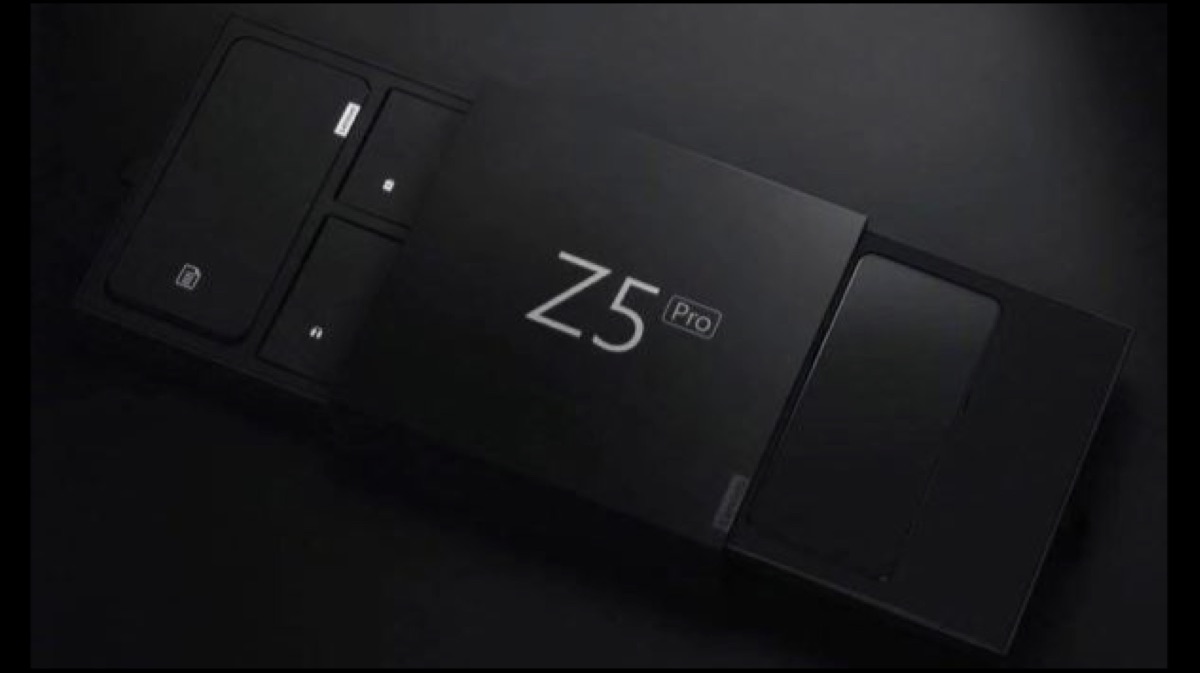
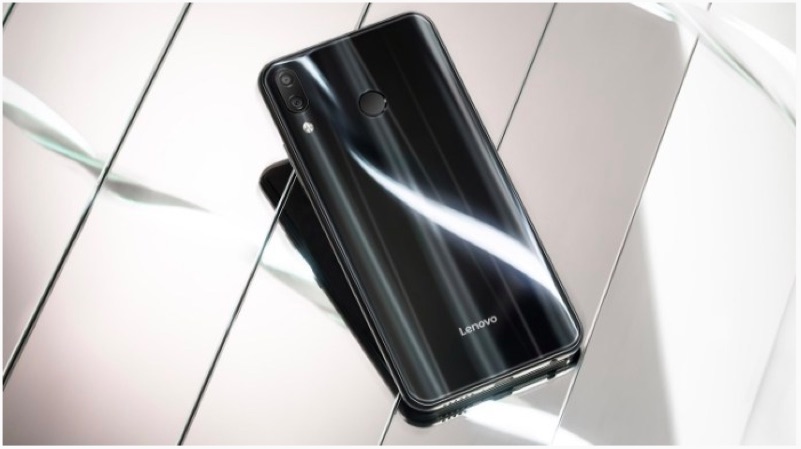
    Lenovo will launch the highly anticipated Z5 Pro on the 1st of November. The Lenovo Z5 Pro will be the successor to the previously launched Z5 and as per reports, it will be a significant update to the latter. Lenovo’s Vice President has been continuously sharing updates on Weibo which provide a good idea about the upcoming flagship. The upcoming Lenovo Z5 Pro has a similar design to the Mi Mix 3 & the upcoming Honor Magic 2.

    Sliding Cameras

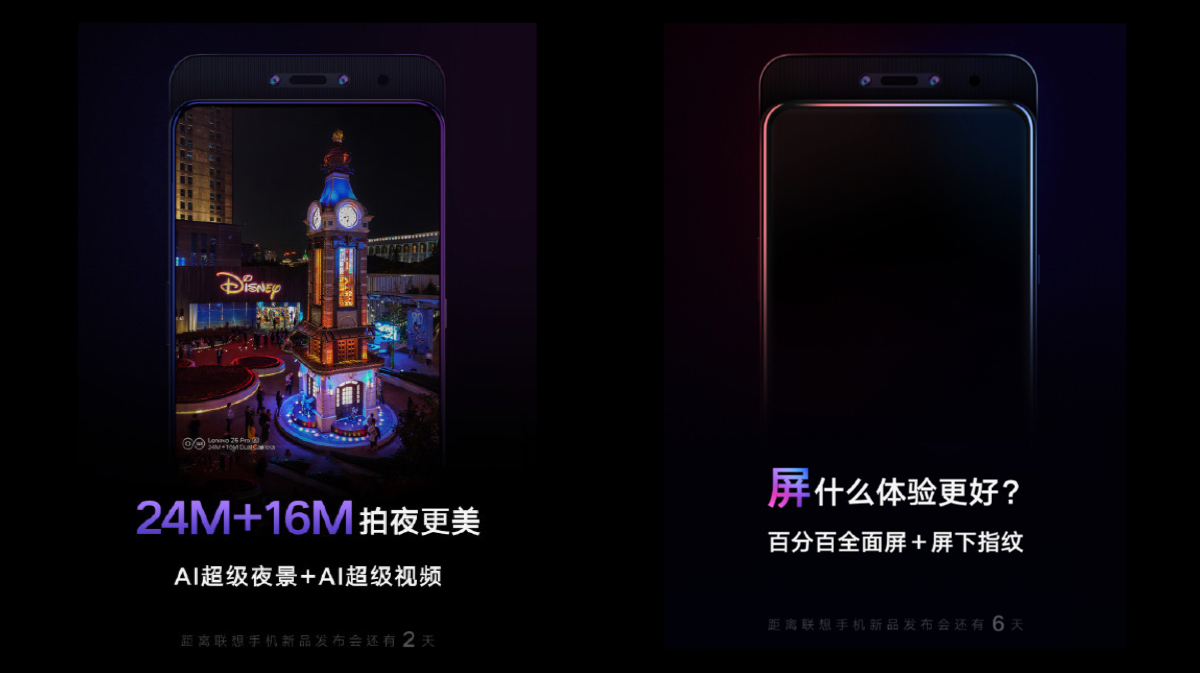
    One of the key highlights of the Lenovo Z5 Pro will be the display which the company claims is a 100 % Full View screen. The smartphone has a sliding screen which reveals the concealed dual front cameras and the speakerphone. It has dual 24 MP + 16 MP front-facing cameras which also might support facial recognition. Yet another cool feature is the fingerprint scanner which is placed under the display.

     Double Helix Slider

    The poster translated from Chinese reads that the Lenovo Z5 Pro employs six double helix springs to operate the sliding mechanism. The poster also reveals the slider has a life cycle of more than 3,00,000 slides which is similar to Xiaomi’s claims for the Mi Mix 3. Although, it is noteworthy that the Mi Mix 3 uses neodymium magnets instead of springs to operate it’s sliding mechanism.

    Hardware Level Security Chip

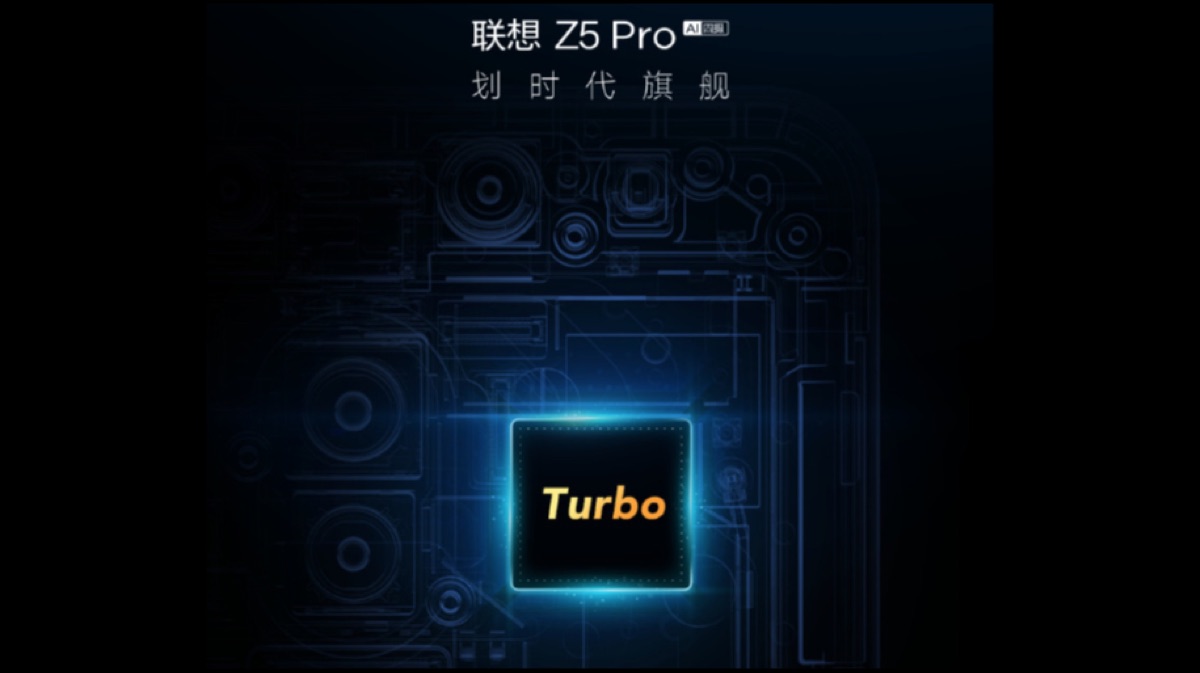
    Another teaser reveals that the Lenovo Z5 Pro has an embedded hardware-based security chip like the Google Pixel 3 XL. The hardware-based chip in the Google Pixel 3 XL adds an additional level of security to the smartphone. The chip stores sensitive information like fingerprint data and banking details and is designed to be tamper resistant. It is expected the Lenovo Z5 Pro will have a similarly conceptualised chip to secure the latest flagship.

    Dolby Atmos Sound Support

    The latest poster adds to the already feature-rich smartphone as it reveals the smartphone has Dolby Atmos Sound support. Dolby Atmos delivers a rich, immersive sound experience while watching movies and playing games making the smartphone experience even better. The text translated from Chinese also points out some noise reduction technology but, no detailed information is unavailable.

    Alleged Specifications


    The Lenovo Z5 Pro will likely have the Octa-Core Snapdragon 845 SoC with 6 GB or 8 GB of RAM. The device might have a larger than 6-inch display and 128 GB or 256 GB of internal memory. As it has become the industry standard for flagship smartphones.

    Also read: Honor To Launch Water Play 8 Tablet

    To conclude, the Lenovo Z5 looks like a powerful flagship smartphone. To get the exact details and features, we won’t have to wait for long as the device officially launches on November 1.

  • Best Gaming Monitors To Buy On Amazon

    Best Gaming Monitors To Buy On Amazon

    Diwali is right around the corner and a long holiday is upon us gamers. How does a gamer spend his or her Diwali bonus? Why not buy the monitor of your dreams? We take a look at the best monitors available on Amazon right now and list the best ones for you here.

    LG 29UM69G 29 Inch Ultrawide IPS Monitor

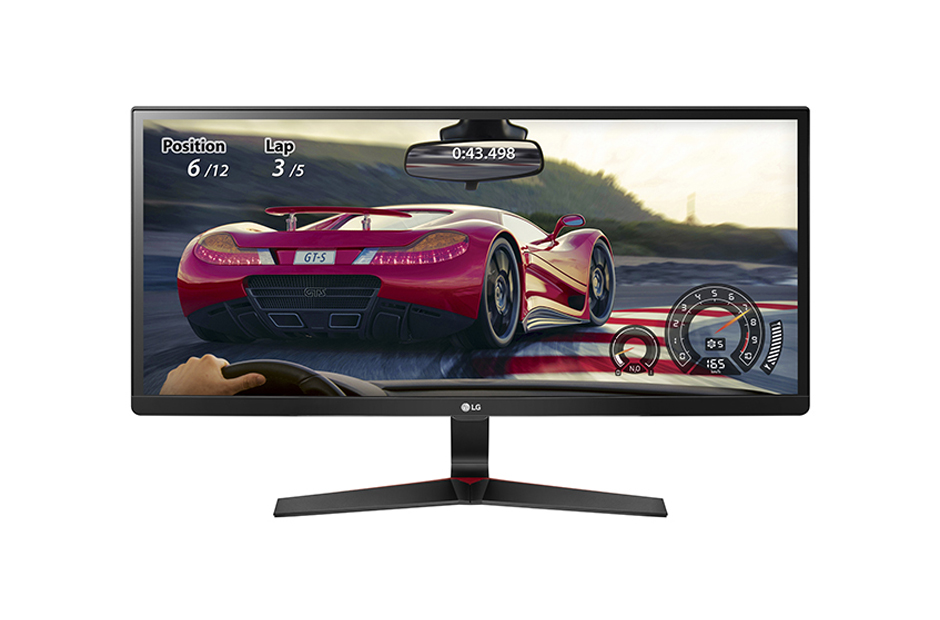
    The LG Ultrawide monitor is one of the best gaming monitors in a budget. The 21: 9 UltraWide full HD IPS Display monitor has a 2560 x 1080 px resolution and features on-screen controls with screen split 2. 0. The LG 29UM69G also has a feature known as FreeSync which reduces the tearing and stuttering which is a great feature for gamers. It also has features like Dynamic Action Sync and has three gamer modes, 2 First-Person-Shooter modes and even an RTS pre-set mode which reportedly allows a gamer to optimise and customise their gaming conditions. This LG monitor has a refresh rate of 75 Hz which is an odd value but for a price this cheap, most games will work quite decently without dropping frames on this monitor. It is priced at Rs 19,900.

    Acer Predator Z271U 27 Inch WQHD Curved 1800R

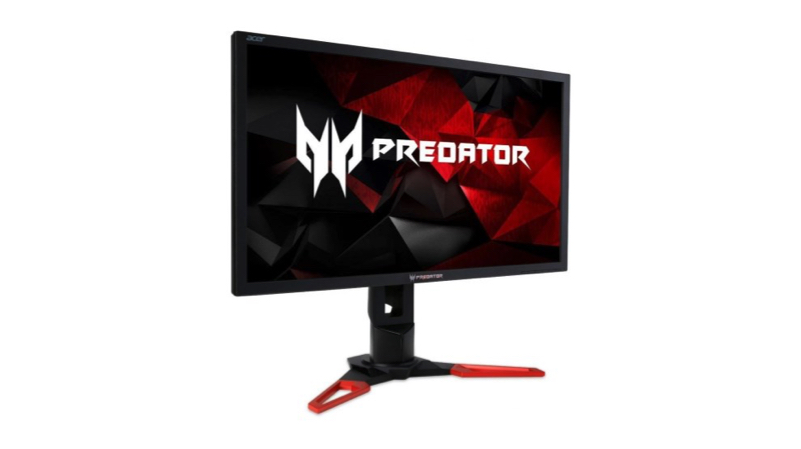
    This curved display from Acer is an amazing gaming monitor. It has a refresh rate of up to 165 Hz with a response time of 1ms. The curved display has a resolution of 2560 x 1440. It can be tilted from -5 degrees to 25 degrees and swivelled from -30 degrees to + 30 degrees. It  has 5 USB ports and weighs a hefty 8.5 Kg. The monitor might burn a hole in your pocket, priced at Rs 57,934, but the monitor is fully spec’d out and is definitely worth the money.


    BenQ Zowie 24.5 Inch 240Hz Esports Gaming Monitor

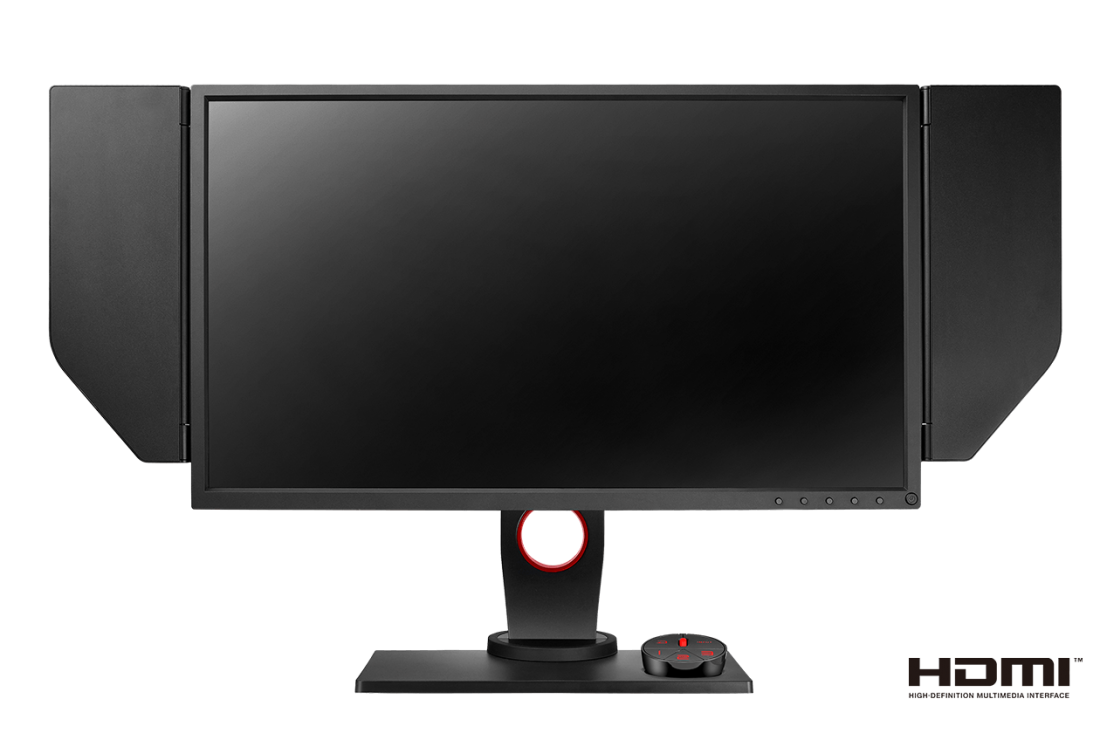
    The BenQ Zowie XL2546 has a 240Hz refresh rate with a built-in black equaliser technology. This monitor brightens dark scenes without over-exposing the bright areas and features a one-finger height adjustable stand. Dynamic Accuracy helps with vigorous movement such as spraying of bullets look more natural and helps the user to see clearly. The monitor’s recommended graphics card requirements are NVIDIA GeForce GTX 980 or better or AMD Radeon RX 480 or better. The monitor also has 20 levels of Colour Vibrance settings and an S-Switch that is designed for easy access to the monitor menu. The monitor is priced at Rs 68,505 on Amazon.

    Samsung 27 Inch (68.6 cm) Curved Bezel-less LED Monitor

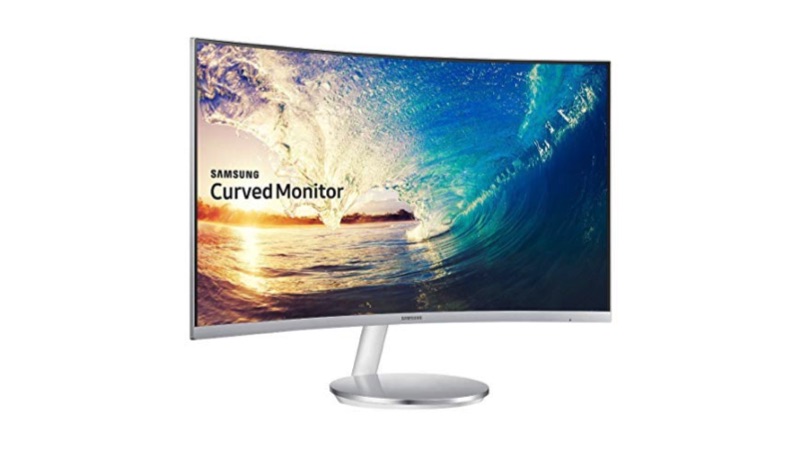
    The Samsung 27 inch curved bezel-less monitor has a 1800R curvature with a static contrast ratio of 3,000:1. The 1920 x 1080 px resolution display  has a colour support of 16.7 M and a 4ms video response time. Samsung claims that the 1800R screen matches the human eye’s natural field of view. According to the company, by dynamically syncing screen refresh rate with image frame rate, AMD FreeSync minimises stutter and ensures smooth gameplay. The screen has a 16:9 aspect ratio.

    Also ReadApple To Roll Out iOS 12.1 Update With New Emojis & Group FaceTime

    LG 27 Inch (68.58 cm) Gaming LED Monitor 27UK650

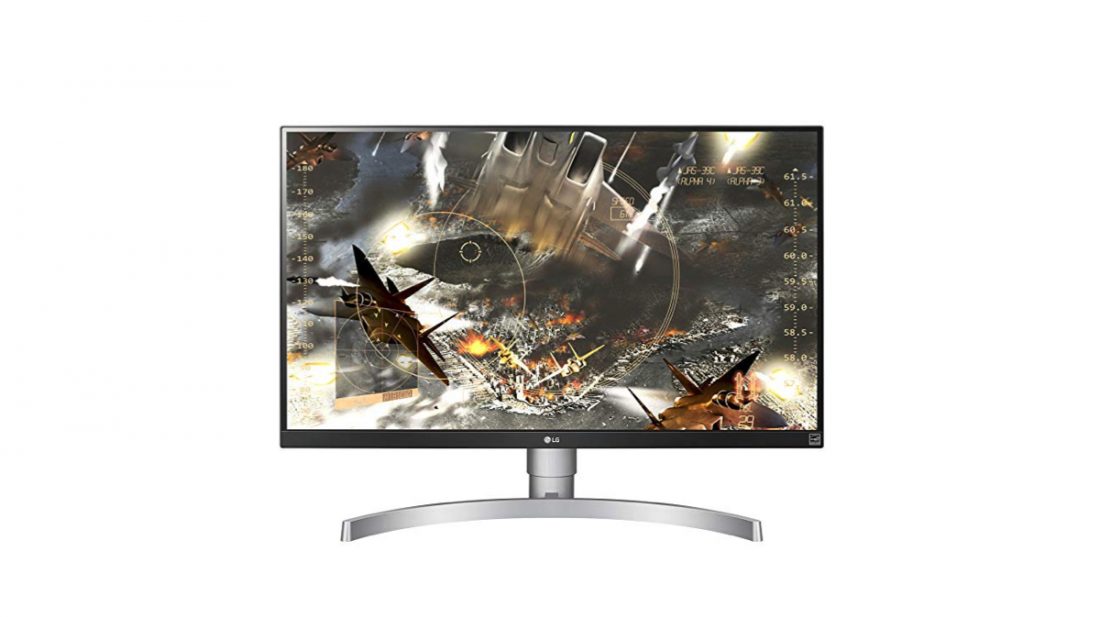
    This 27 inch (68.58 cm) 4K Ultra HD Gaming IPS Panel has a resolution of 3840 x 2160 px. The monitor has an aspect ratio of 16:9 and has a refresh rate of 60 Hz. This LG Panel has a viewing angle of 178 degree horizontal and 178 degree vertical. The LG monitor has 2 HDMI Ports, 1 Display Port, 1 Audio-Out Port, 1 Headphone Port and costs Rs 37,333 on Amazon.

  • Samsung Galaxy S10+ To Have 93.4% Screen-To-Body Ratio

    Samsung Galaxy S10+ To Have 93.4% Screen-To-Body Ratio

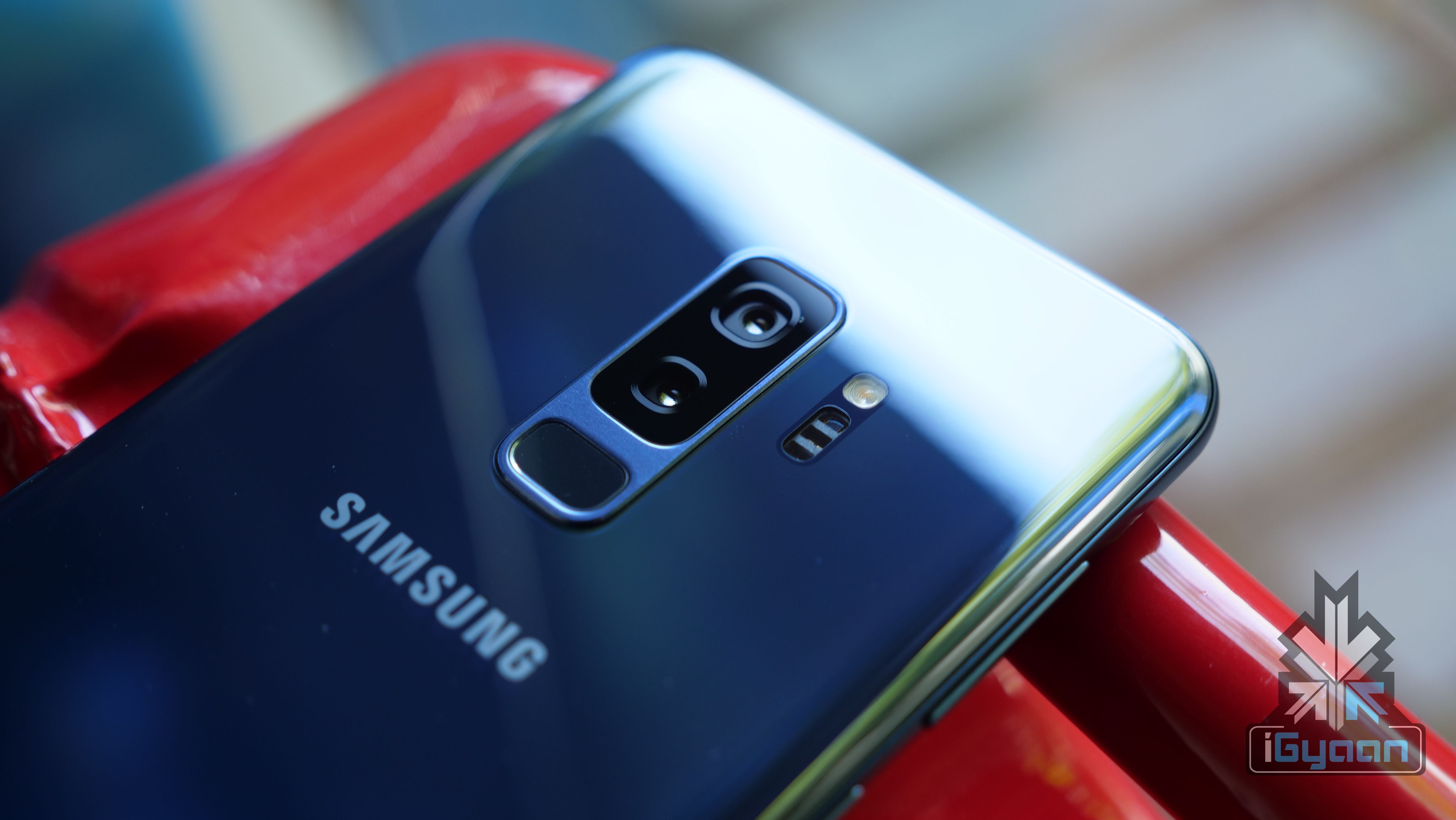
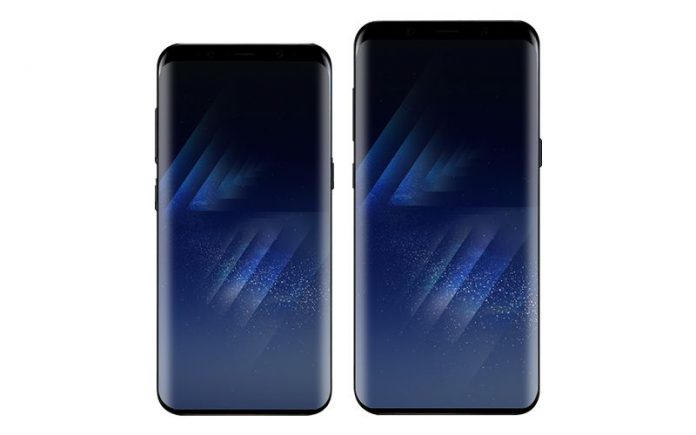
    The upcoming Samsung Galaxy S10 flagship is one of the most anticipated devices, set to launch next year. Samsung is has set its focus on a lot on innovations this time around and the numerous leaks and rumours about the device seem to hold that true. The phone might have three variants, varying screens, an in-display fingerprint sensor. Most recently, reports of a 93 % screen-to-body ratio have surfaced.

    Samsung Galaxy S10

    Such a high screen-to-body ratio can only hint at one thing, a bezel-less, notch-less display. It is well known that Samsung will not be adapting the notch, especially for their next flagship. So the obvious conclusion is that Samsung  has actually developed the in-display camera technology for its upcoming flagship. The in-display camera sensor will eliminate the need for a notch or a bezel, thus ensuring that the device can reach the said screen-top-body ratio. To put things into perspective, the Xiaomi Mi Mix 3, with its sliding camera has a 93 % screen-to-body ratio.

    The Latest In Innovation

    Samsung is said to be working on an in-display front facing camera as well. The company had introduced this concept at the 2018 Samsung OLED forum. The company had not only spoken about the in-display front camera, but also other OLED technologies such as a screen sound technology. Recently, a Samsung patent surfaced which showed a way to turn the entire display into a fingerprint sensor. This could have multiple possibilities in the future such as using any part of the display to unlock the phone. Along with using multiple fingers for authentication and not just one and also the ability for the device to constantly read your fingerprint while you sue it, for advanced security.

    Also Read: OnePlus 6T Vs Huawei Mate 20 Pro Vs Xiaomi Mi Mix 3 : Specs Comparison

    Recently, Samsung had teased the Galaxy A8s which is sad to have a camera cut-out for on its screen. While this is not exactly an in-display camera sensor, it might be the first step towards it. Samsung might be saving all of its best features for the flagship galaxy S10.

  • Apple To Roll Out iOS 12.1 Update With New Emojis & Group FaceTime

    Apple To Roll Out iOS 12.1 Update With New Emojis & Group FaceTime

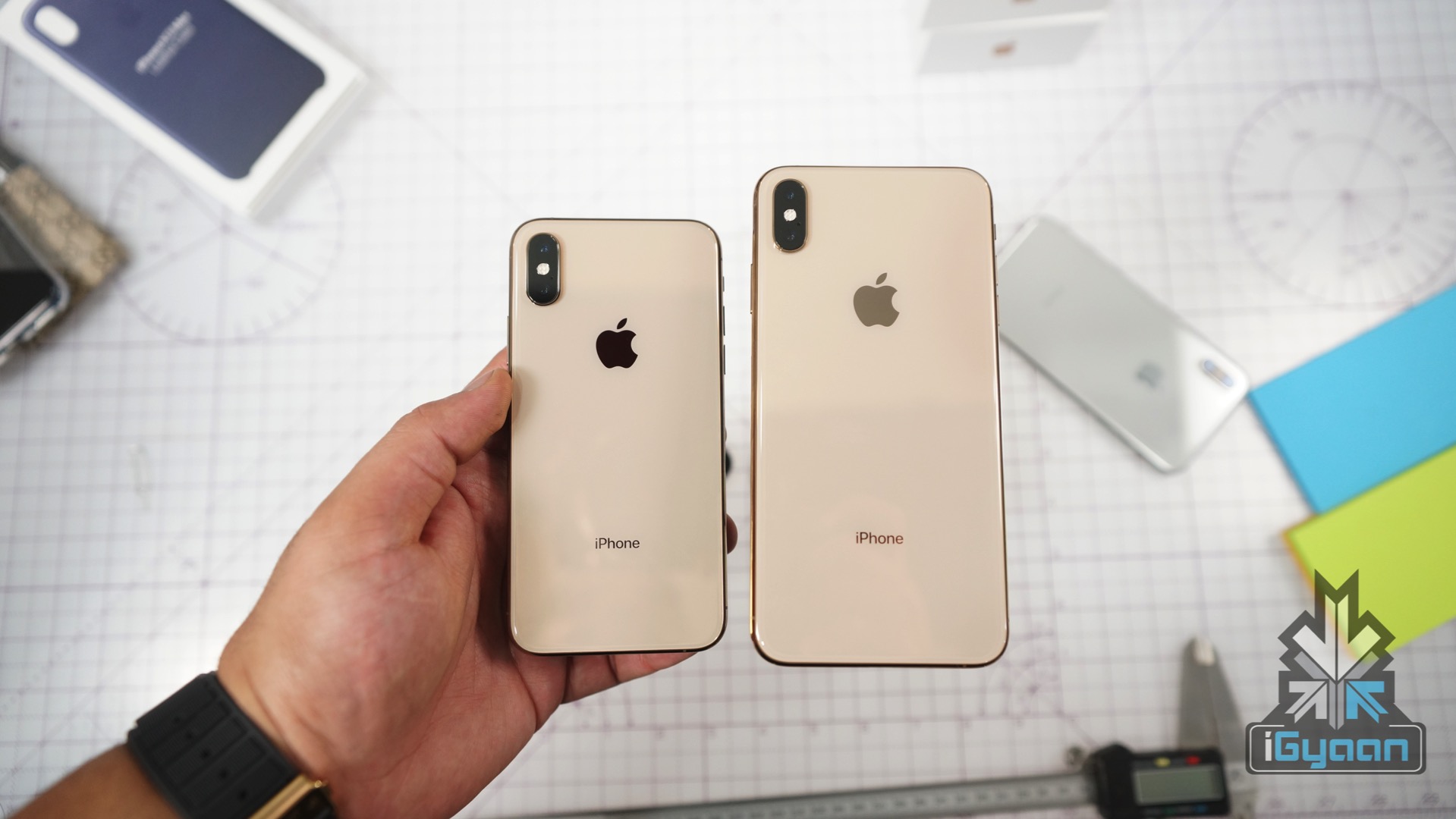
    The latest Apple iOS 12.1 for the iPhone, iPad & iPod Touch will be released today under the free software update. The update will add multiple new features to the current devices like new emojis, real-time Depth Control for portrait mode, Group FaceTime and dual SIM support. Additionally, the update might fix the ‘beauty-gate’ issue that has affected iPhone XS & iPhone XS Max’s front selfie camera.

    Dual SIM iPhone

    The Dual SIM support is new to the latest Apple iPhones which include the iPhone XS, iPhone XS MAX, and iPhone XR. The new iPhones have one physical sim card slot and an additional in-built eSIM which is programmable for the second number. This iOS update will bring support for the second SIM to other phones as well. The update also displays the currently active SIM and the network indicator in the Control Centre.

    However, the Chinese variant of iPhones doesn’t support eSIM card. Hence, the Chinese variant has a slightly different hardware to accommodate the two physical SIM cards.

    All New Emojis

    The initial release of iOS 12 added the customizable memojis and four new Animoji characters. The latest iOS 12.1 will add human-like emojis including bald people, redheads and several other characters.

    Group Facetime

    With iOS 12, Apple completely redesigned the video and audio calling app, FaceTime. The redesign adds memoji, animoji support and effects like stickers. The latest iOS 12.1 will support group video calling between up to 32 individuals. The latest FaceTime software is built with Apple’s iMessage and it allows users to leave or join the ongoing call without reconnecting.

    It is noteworthy that some devices running on the iOS 12.1 will not support group video chat due to hardware limitations. The unsupported devices include iPad mini 2, iPad mini 3, iPad Air and phones released prior to the iPhone 7. However, they do support audio group chat.

    Real-Time Depth Control Support

    The Portrait mode on the new iPhones creates a dept effect by adding a background blur to the subjects in the photo. The iPhone XR, XS, and XS Max already allow editing the amount of background blur from the photos app.

    Also read: OnePlus 6T Unboxing And Hands On Video

  • Honor To Launch WaterPlay 8 Tablet

    Honor To Launch WaterPlay 8 Tablet

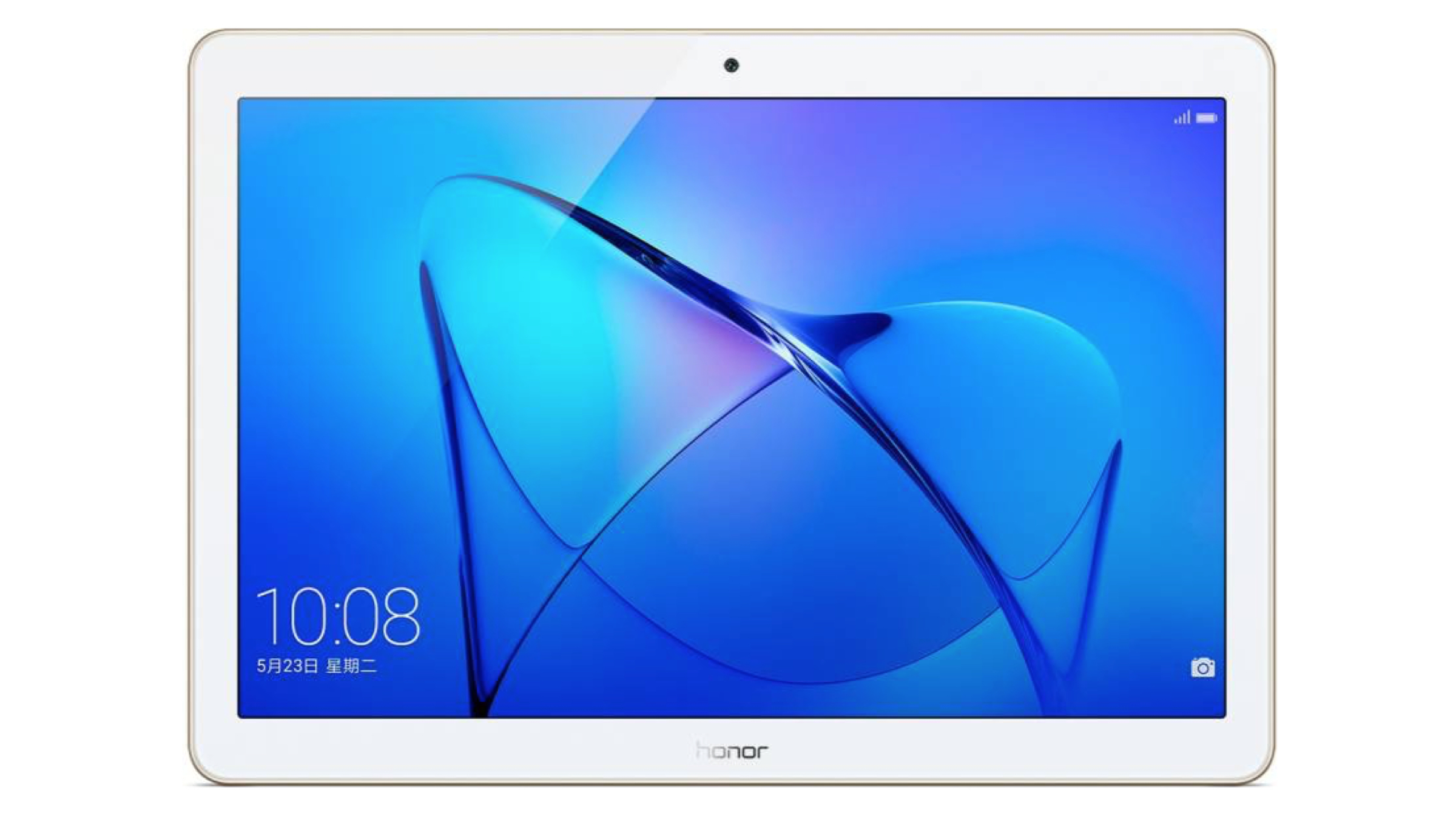
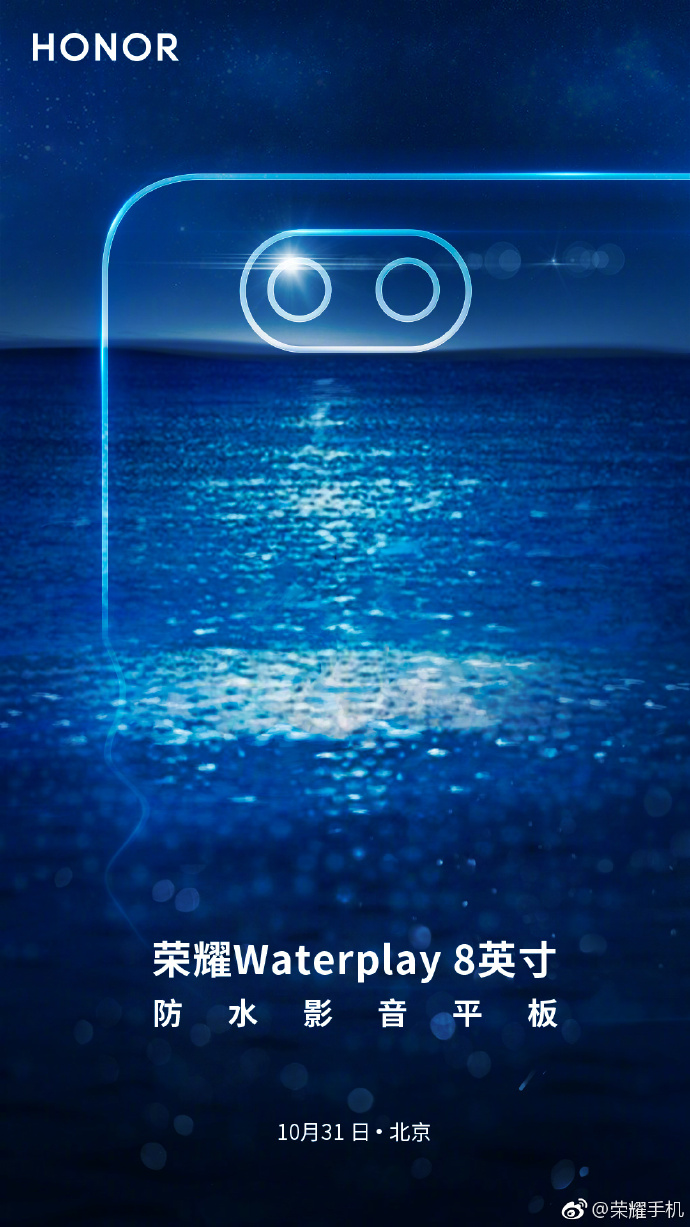
    Huawei has been launching some really attractive smartphones recently, and is undoubtedly one of the market leaders in this sphere. Rumours are rife regarding Apple’s launch of a new iPad and Huawei’s sub-brand Honor is also set to launch a new tablet on October 31. This will be a new version of their WaterPlay series, which was launched back in October last year and boasted of a 10.10-inch display with a resolution of 1200 x 1920 px and an IP67 rating. The new tablet will have an 8-inch display, according to reports.

    The Honor WaterPlay 8 will have dual rear cameras, which is quite uncommon for tablets. It is also waterproof but no other features have been revealed yet. Last year’s model featured a Kirin 659 processor and had 3 GB and 4 GB RAM variants. It was available in 32 GB and 64 GB variants. We can definitely expect a better processor and more memory. Specially since the industry standard has now become 64 or 128 GB for most manufacturers. A waterproof tablet can be great for pool parties or at the beach. This might be a great product for people who like being outdoors and enjoy the same. Honor will also launch the Honor Watch and the Honor FlyPods wireless earbuds soon.

    Also ReadOnePlus 6T Launched With In-Display Finger Print Sensor And A Tiny Notch

    Magic 2 Launch

    However the main attraction of the launch event will the the Honor Magic 2. The Magic 2 will feature a sliding mechanism and a screen-to-body ratio of 95 percent. Featuring a Kirin 980 chipset, the Magic 2 will have 8 GB of RAM and 128 GB storage. Another highlight of the Magic 2 will be the graphene battery technology that will supposedly charge a 3,000 mAh battery in 12 minutes. One of the images leaked also feature a DJI Mavic drone which may mean a possible collaboration between DJI and Honor. It will be interesting to see what other products Honor will introduce.

  • OnePlus 6T Vs Huawei Mate 20 Pro Vs Xiaomi Mi Mix 3 : Specs Comparison

    OnePlus 6T Vs Huawei Mate 20 Pro Vs Xiaomi Mi Mix 3 : Specs Comparison

    The highly anticipated OnePlus 6T has been launched at an event held by the company in New York. The device brings some upgrades including an in-display fingerprint sensor, a bigger display, a water-drop notch, a bigger battery and more. The OnePlus smartphones have been nicknamed ‘Flagship Killers’ for their unbeatable specifications at a relatively lower price.  So we compare the specifications of the latest OnePlus 6T with some of the hottest flagship devices in the market right now.

    Design & Display

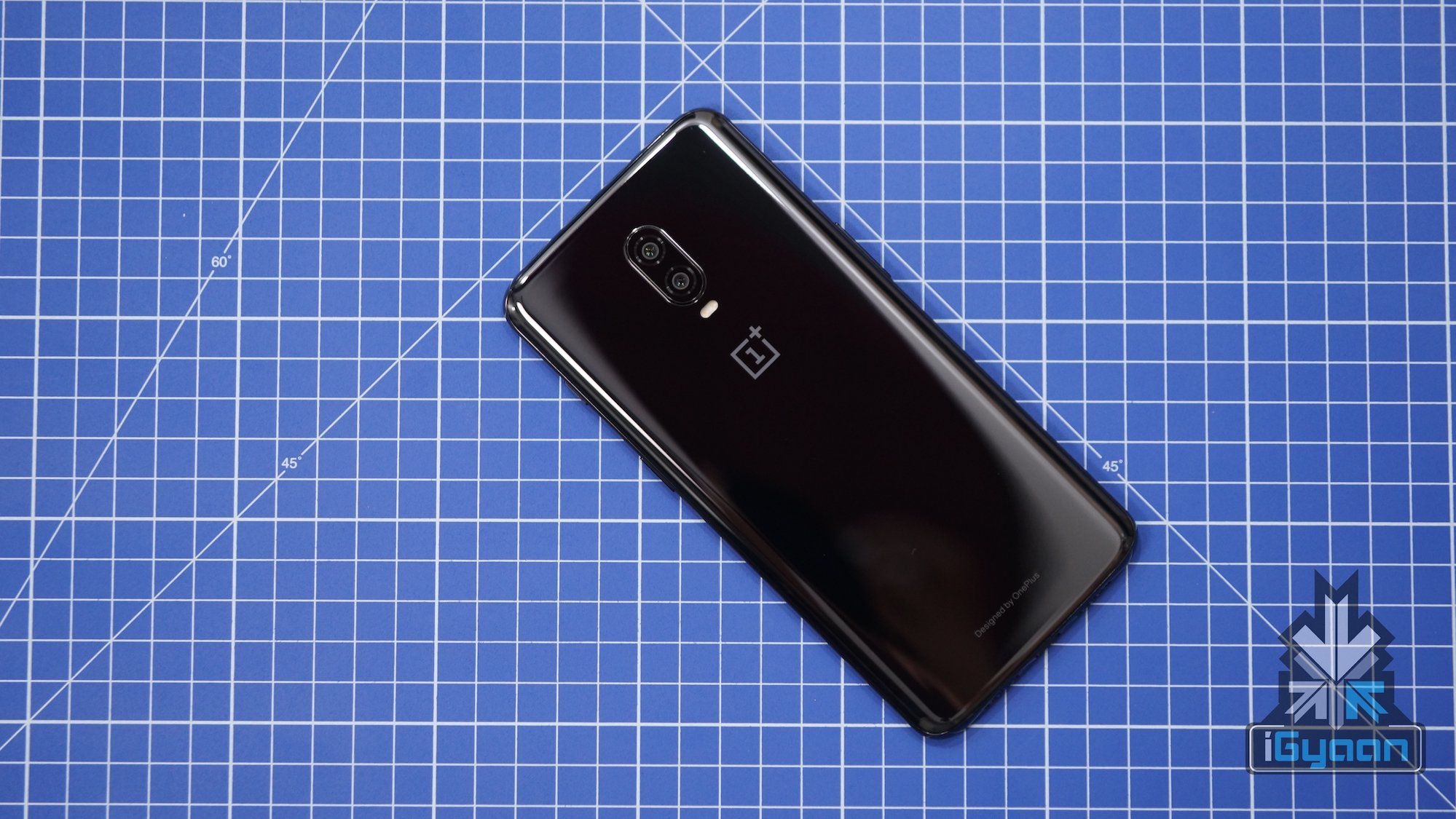
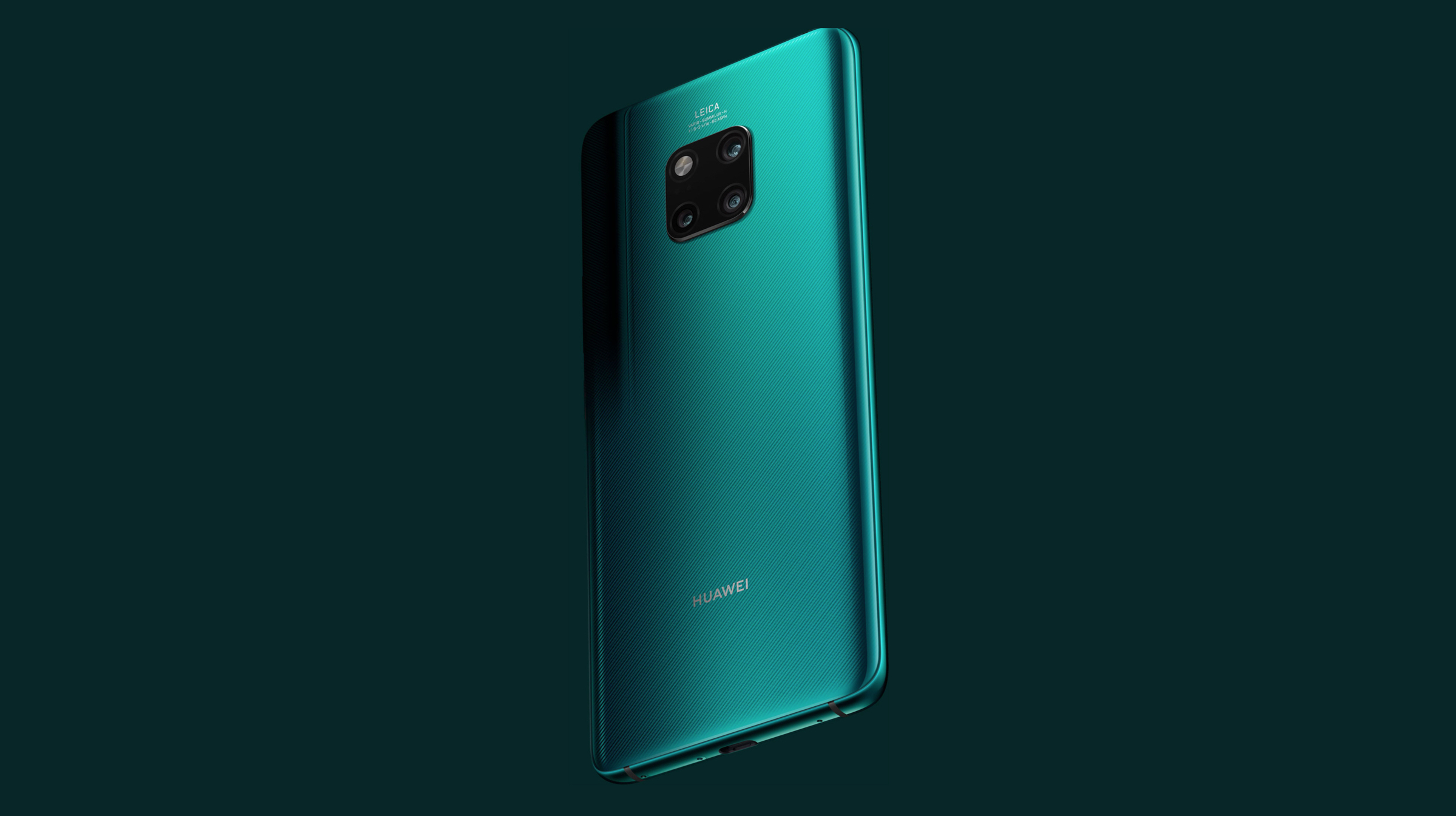
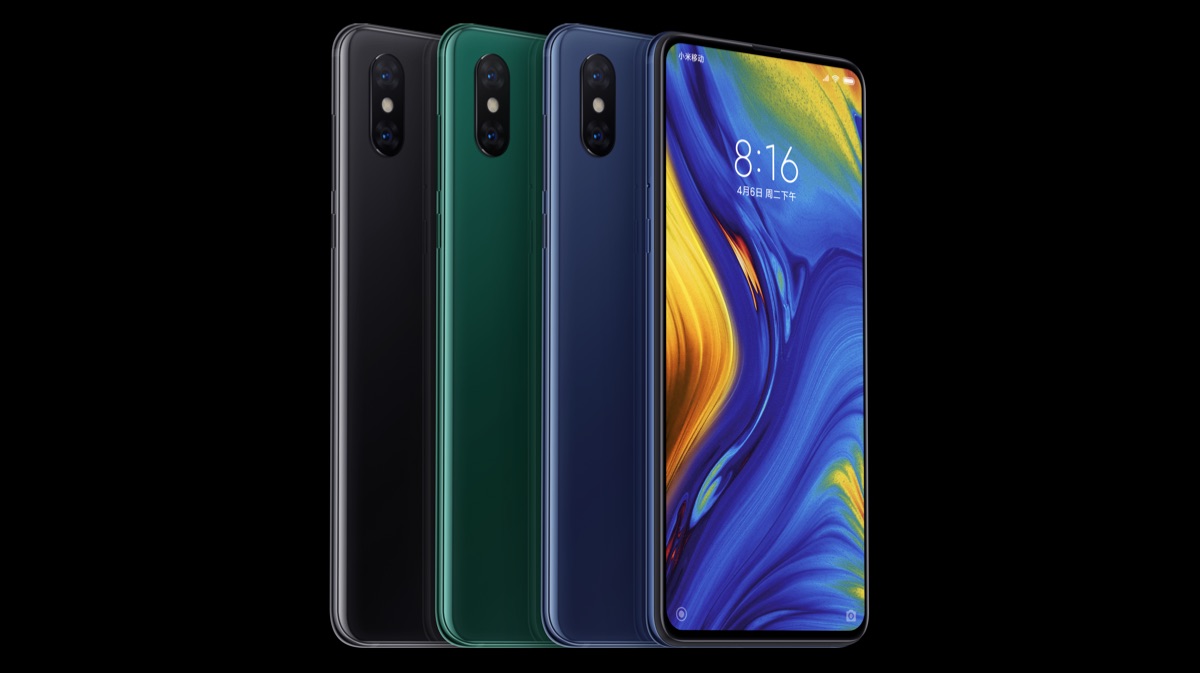
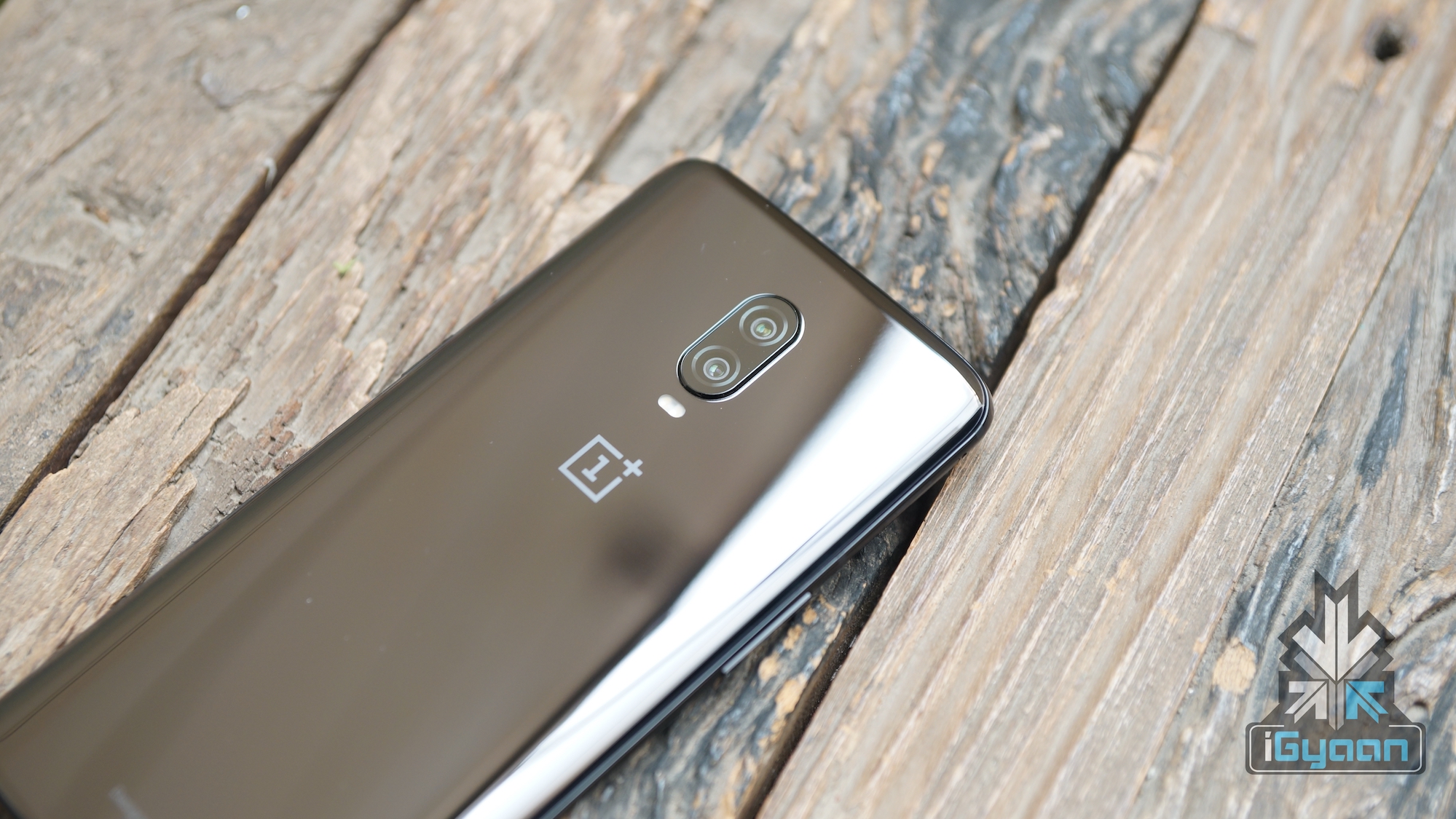
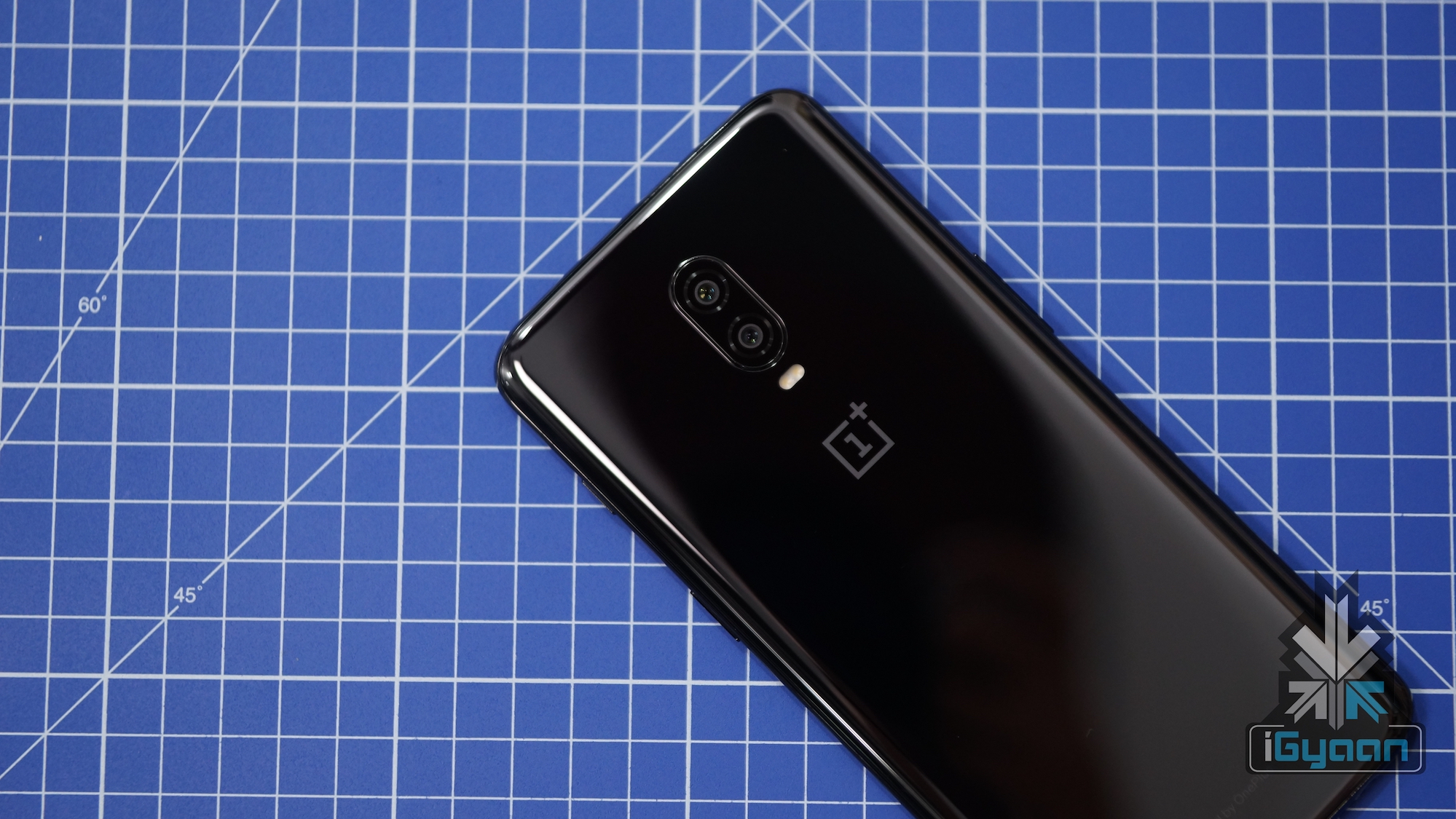
    Each of the three devices sports a unique design. The Huawei Mate 20 Pro has a triple camera setup on the back with a traditional notch on its display. The OnePlus 6T has a dual camera setup on the back with a smaller, water-drop notch on its display. The Xiaomi Mi Mix 3 on the other hand, is totally different with a dual camera setup and a ‘sliding panel’ which houses the front camera and other sensors, eliminating the need for a notch or bezel.

    All the three devices sport a glass back while the OnePlus 6T and Huawei Mate 20 Pro have an in-display fingerprint sensor.

    Processor

    The OnePlus 6T and the Xiaomi Mi Mix 3 run on the Snapdragon 845 SoC which is the flagship processor by Qualcomm. The Huawei Mate 20 Pro runs on the Hisilicon Kirin 980 chipset which is the latest offering by Huawei. The Snapdragon 845 has proven its worth and is adopted by almost all Android flagships. The Kirin 980 on the other hand is fairly new, so a comparison between the two is not possible at this time. However, it is noteworthy that the Kirin 980 is manufactured using the latest 7 nm process while the Snapdragon 845 uses the 10 nm manufacturing process.

    The Xiaomi Mi Mix 3 offers RAM options upto 10 GB when compared to the maximum of 8 GB offered by the other two devices. All the three devices boast superior gaming capabilities as well and are supported by capable GPUs.

    Camera & Battery

    The Mi Mix 3 and OnePlus 6T have dual rear cameras while the Mate 20 Pro has a Leica triple camera setup. This consists of an ultra wide, wide and a telephoto lens. The OnePlus 6T has a 16 MP front camera while the Mate 20 Pro has a 20 MP front facing camera. The Mi Mix 3 has a 24 MP + 2 MP front camera setup in its sliding panel.

    The Mate 20 Pro has a 4,200 mAh battery, which is the biggest out of the three. The OnePlus 6T has a 3,700 mAh battery and the Mi Mix 3 has a 3,200 mAh battery. The Mate 20 Pro also supports fast charging, fast wireless charging and reverse wireless charging. With this, you can charge another device with wireless charging capability using your Mate 20 Pro. The OnePlus 6T has Dash Charge for quick charging and the Mi Mix 3 has fast charging as well.

    Also Read: OnePlus 6T Unboxing And Hands On Video

    What’s More

    All the three devices have a fingerprint sensor and face unlock. While the Mi Mix 3 has a physical fingerprint sensor, the other two have it within the display. Additionally, the Mate 20 Pro has an IP68 rating for water and dust resistance.

    You can also refer to the table below to compare the specifications of the devices.

    OnePlus 6T Huawei Mate 20 Pro Xiaomi Mix 3
    Price 6 GB + 128 GB – $ 549

    Rs 40,304 (Approx)

    6 GB +128 GB – EUR 1049

    Rs 87,851 (Approx)

    6 GB + 128 GB – 3,299 CNY

    Rs 34,827 (Approx)


    Display 6.41 inch

    2340 x 1080 px

    402 ppi

    6.39 inch

    3120 x 1440 px

    538 ppi


    6.39 inch

    2340 x 1080 px
    403 ppi

    Chipset Qualcomm Snapdragon 845 Hisilicon Kirin 980 Qualcomm Snapdragon 845
    CPU Octa Core
    4 x 2.8 GHz Kryo 385 Gold
    4 x 1.7 GHz Kryo 385 Silver
    Octa Core
    2 x 2.6 GHz Cortex-A76
    2 x 1.92 GHz Cortex-A76
    4 x 1.8 GHz Cortex-A55
    Octa Core

    4 x 2.8 GHz Kryo 385 Gold

    4 x 1.7 GHz Kryo 385 Silver

    RAM 6 GB

    8 GB

    6 GB

    8 GB

    6 GB
    8 GB
    10 GB
    GPU Adreno 630 Mali G76  Adreno 630
    Primary Camera 16 MP
    f/1.7
    20 MP
    f/1.7
    40 MP
    f/1.8
    20 MP
    f/2.2
    8 MP
    f/2.4
    12 MP
    f/1.812 MP
    f/2.4
    Front Facing Camera 16 MP
    f/2.0
    24 MP
    f/2.0
    24 MP
    2 MP
    Battery  3,700 mAh 4,200 mAh 3,200 mAh
    Other Features In-Display Fingerprint Sensor
    Water-Drop Notch
    Face Unlock
    In-Display Fingerprint Sensor
    3D Face Unlock
    Wireless Charging
    Reverse Wireless Charging
    IP68
    Rear Mounted Fingerprint Sensor

    Wireless Charging

    Bezel-Less Display

    Sliding Camera


  • OnePlus 6T Unboxing And Hands On Video

    OnePlus 6T Unboxing And Hands On Video

    The OnePlus 6T, as a revision, is one of the most anticipated phones to be launched this year. The phone is the successor to the OnePlus 6 which has proven to be a tough competition for even flagship devices. The update is in the typical OnePlus fashion, but this time around, it features a lot of changes.

    [modal heading=”OnePlus 6T: What’s New ” text=”OnePlus 6T : What’s New?” variation=”btn-success”]In-Display Fingerprint Scanner 6.41 inch Display 3,700 mAh Battery Oxygen OS With Android 9.0 Pie Smart Boost 128 GB Storage Base Model [/modal]

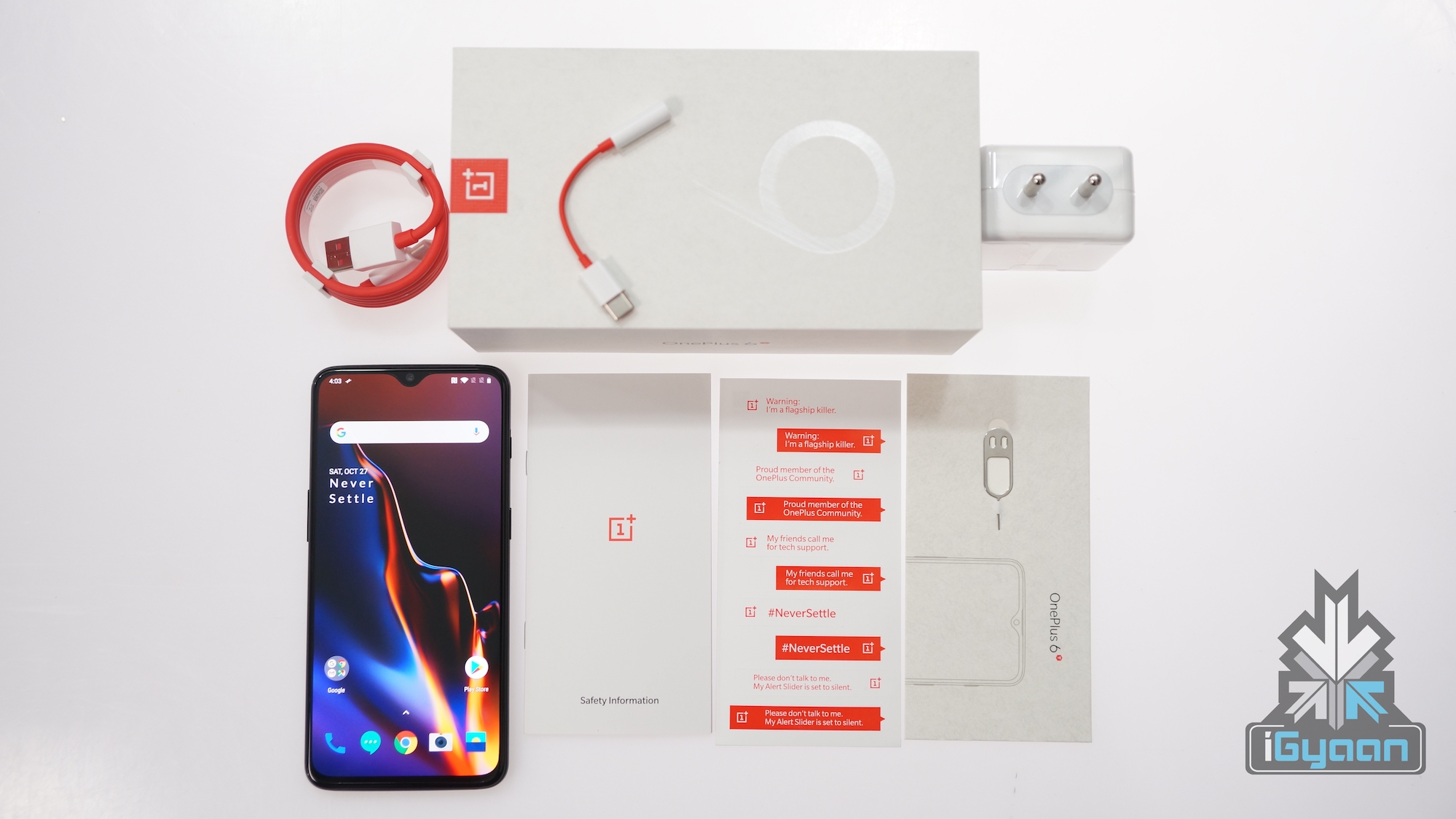
    Inside The Box

    • USB Type-C to 3.5 mm Adapter
    • Translucent Phone Case
    • Fast Charging Adapter and Type-C Cable
    • SIM Tray Ejector
    • Quick Start Guide
    • Safety Information
    What Has Changed

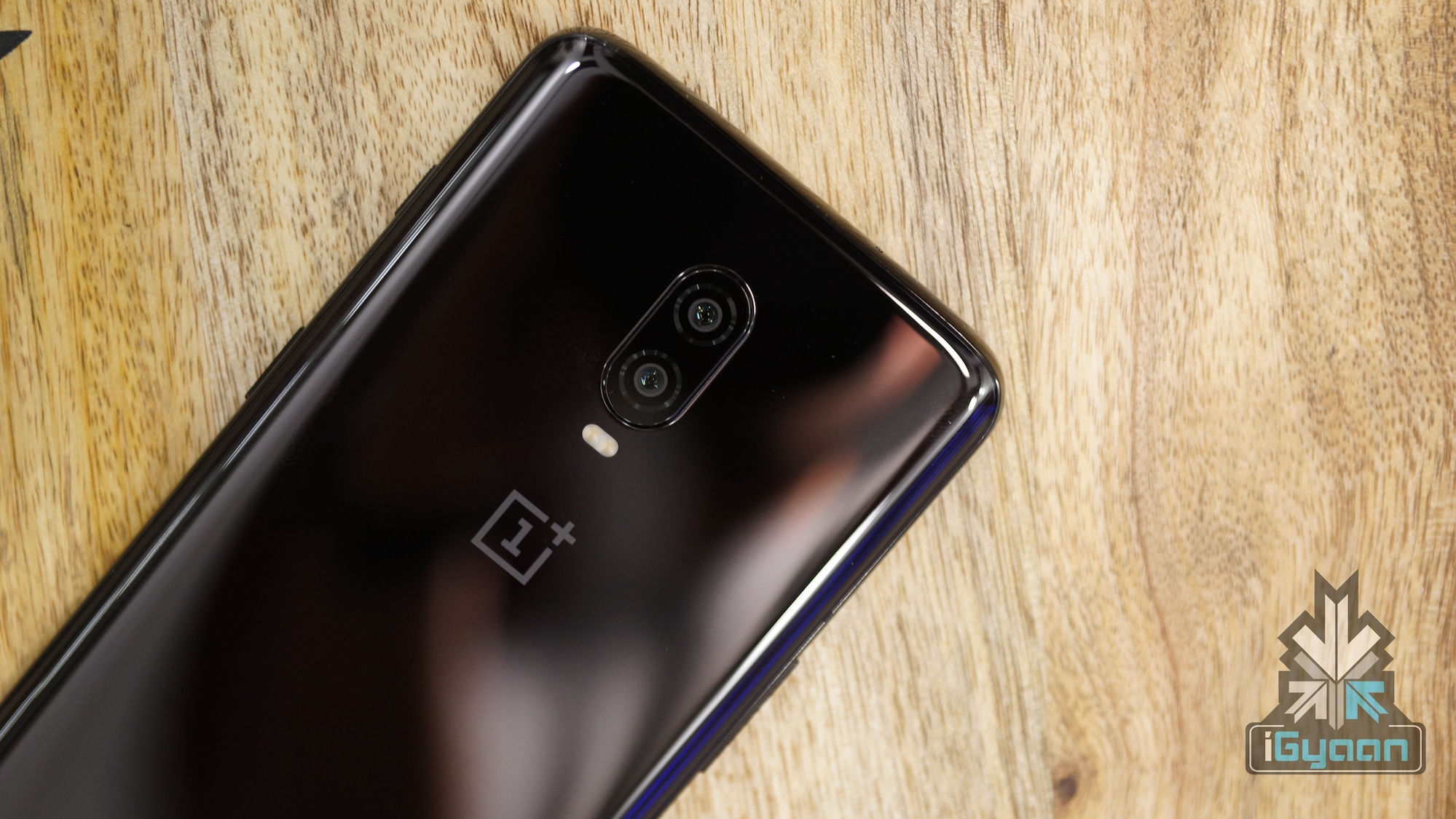
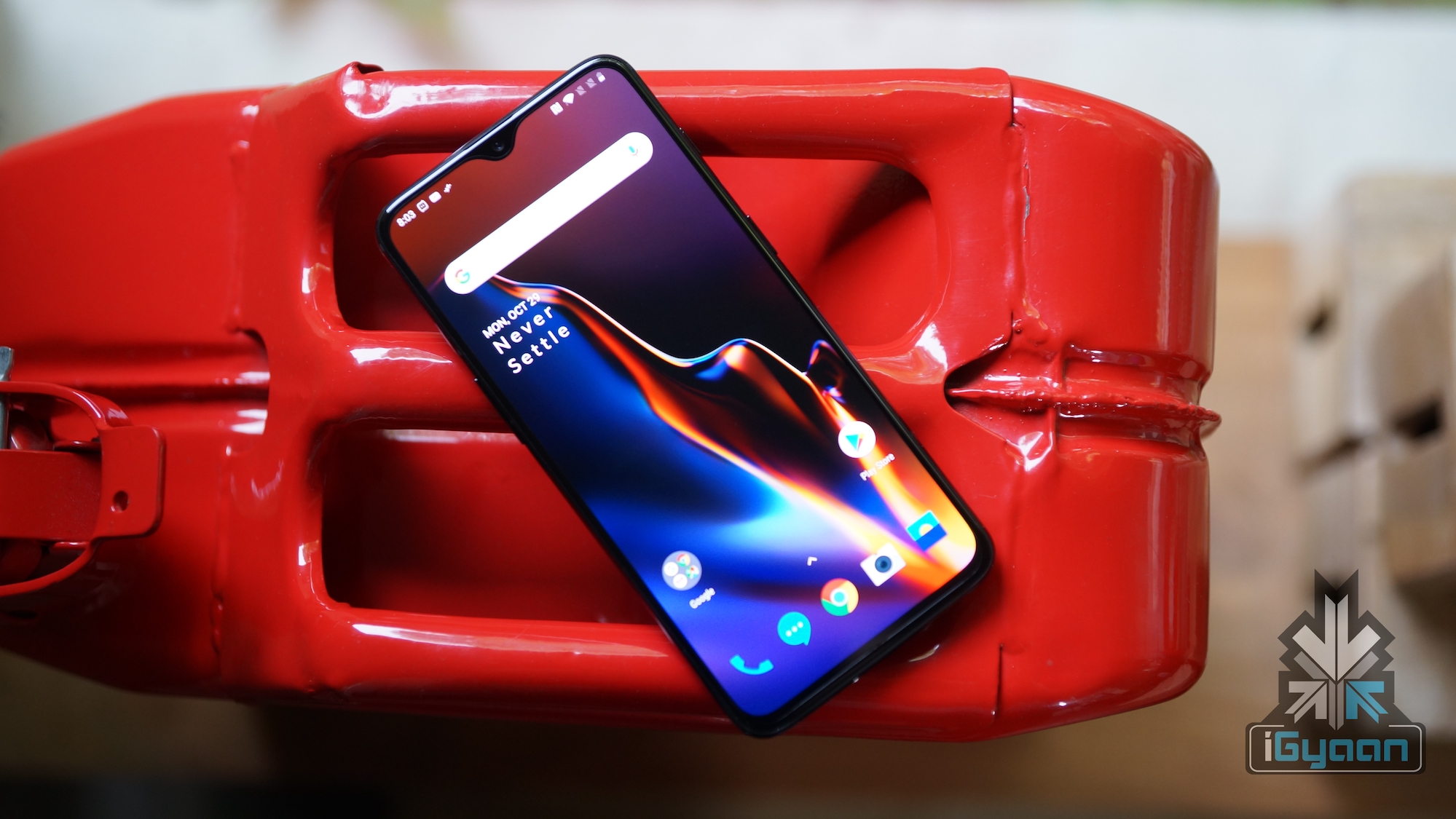
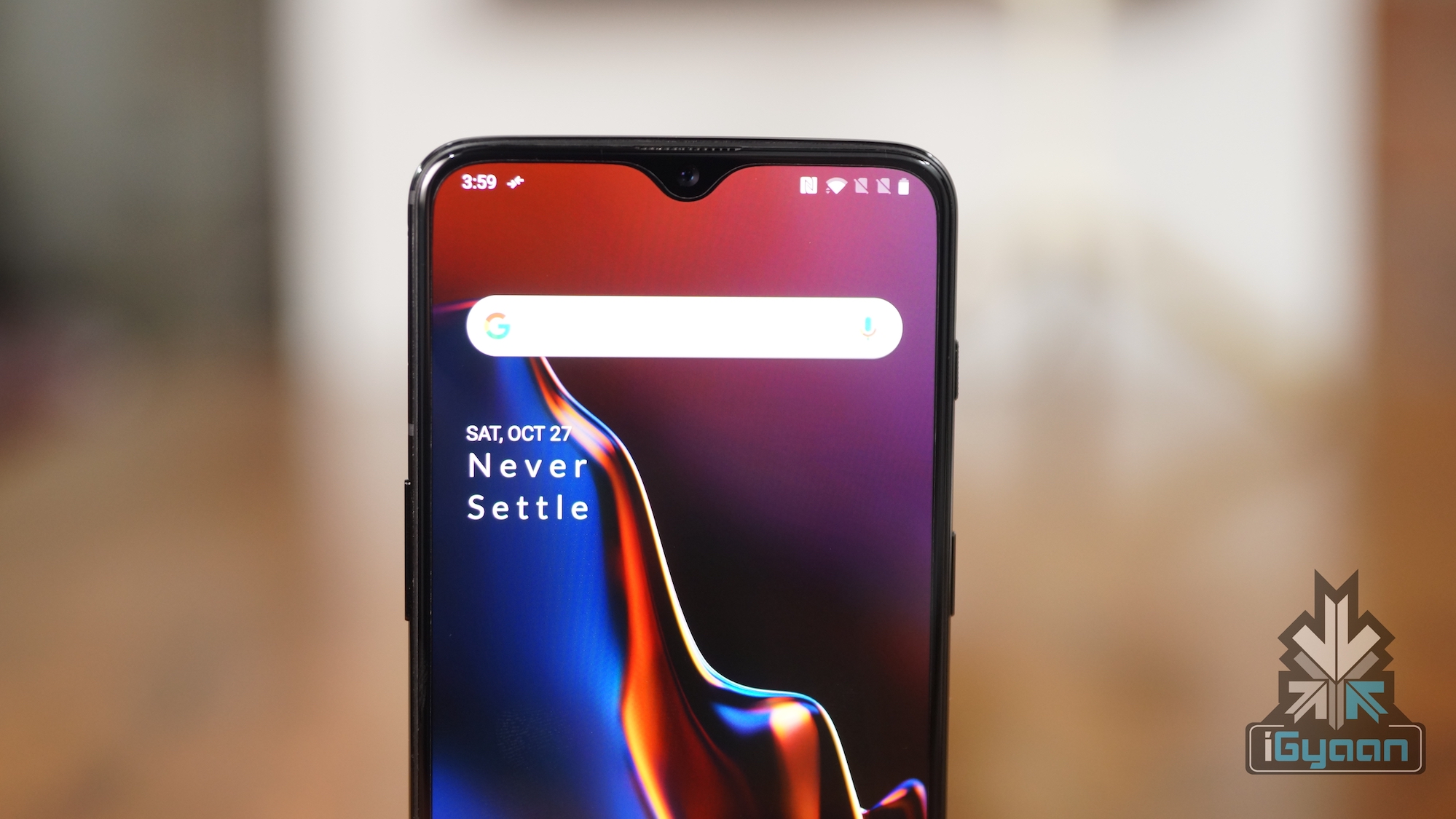
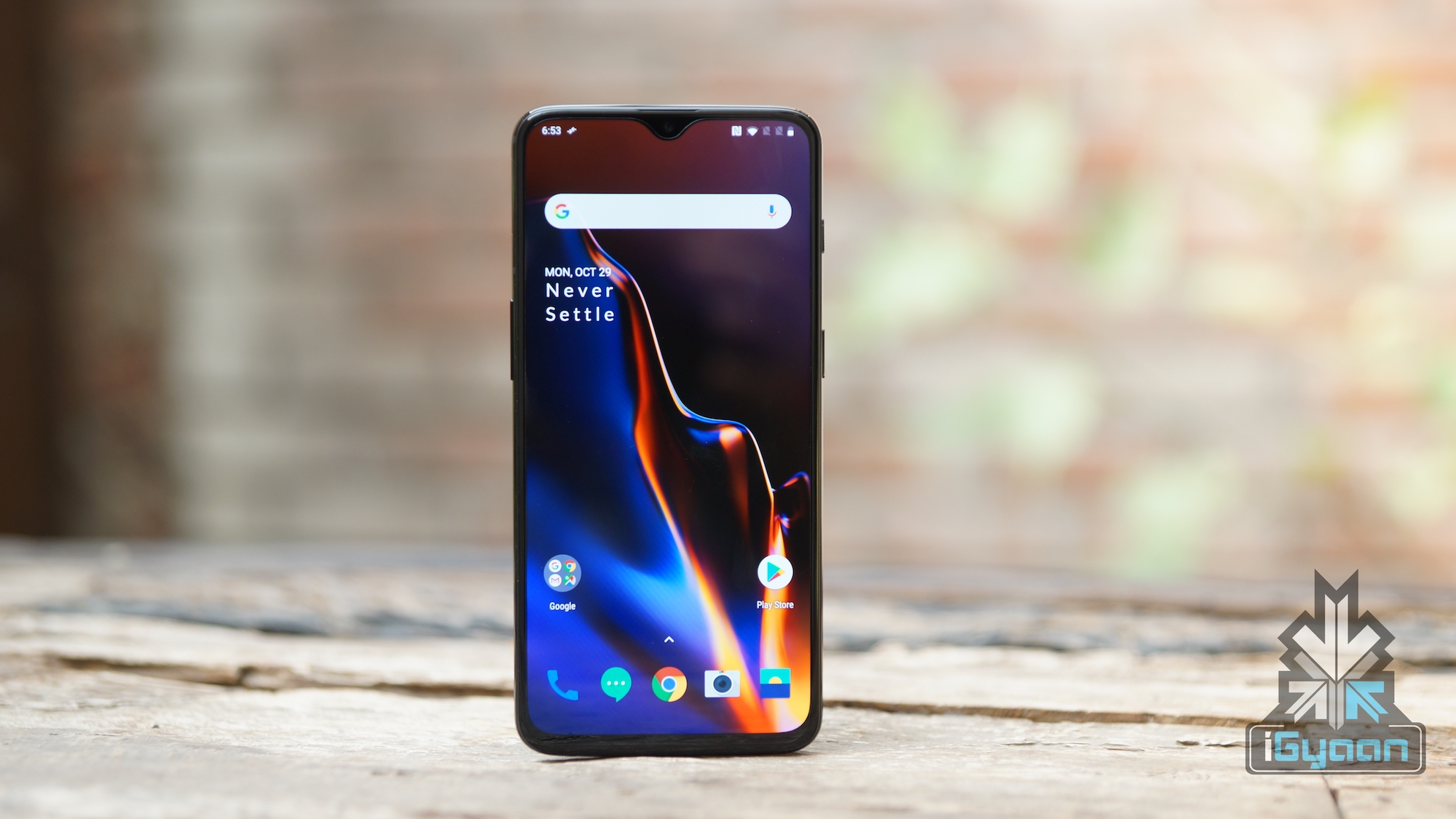
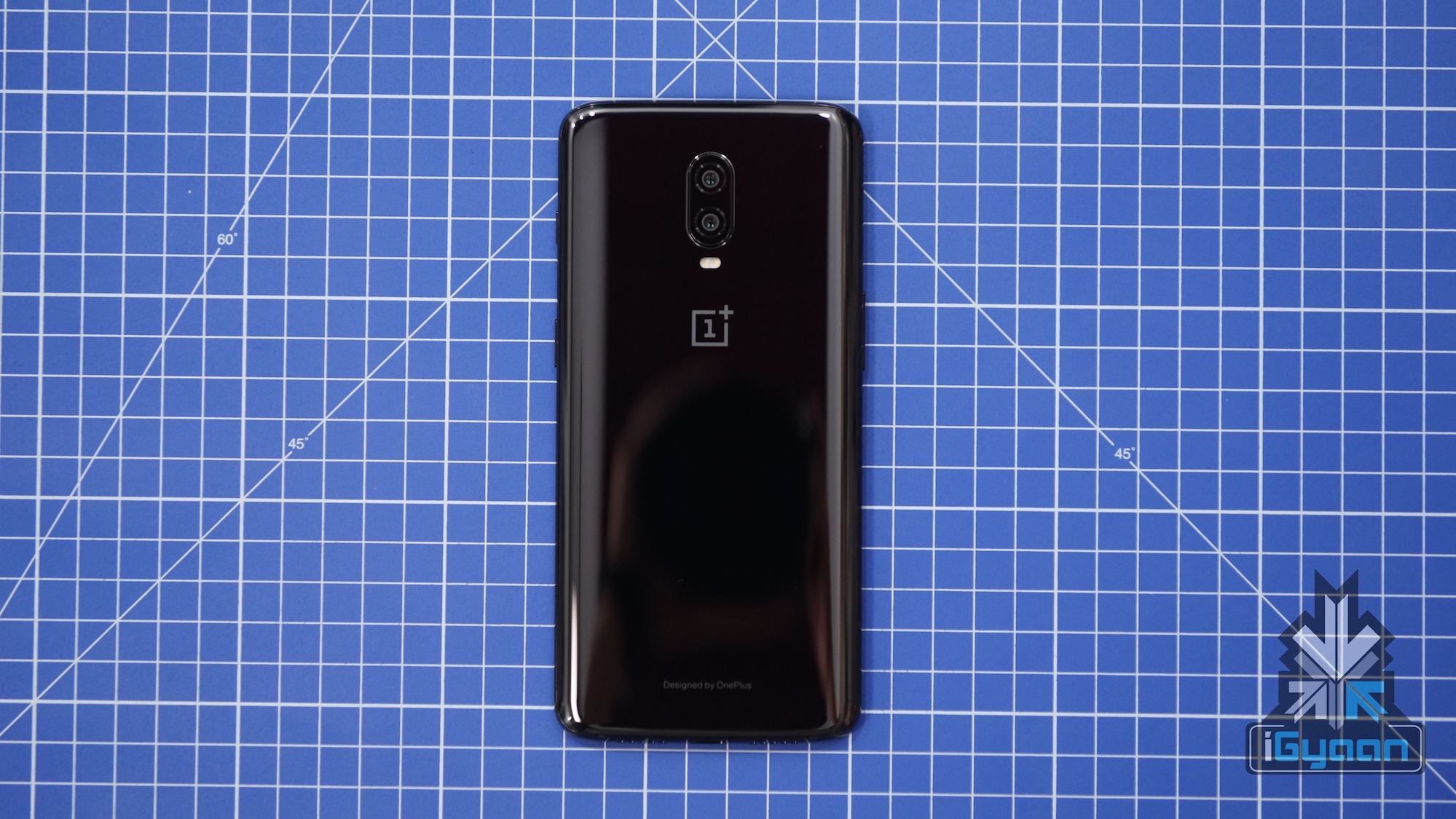
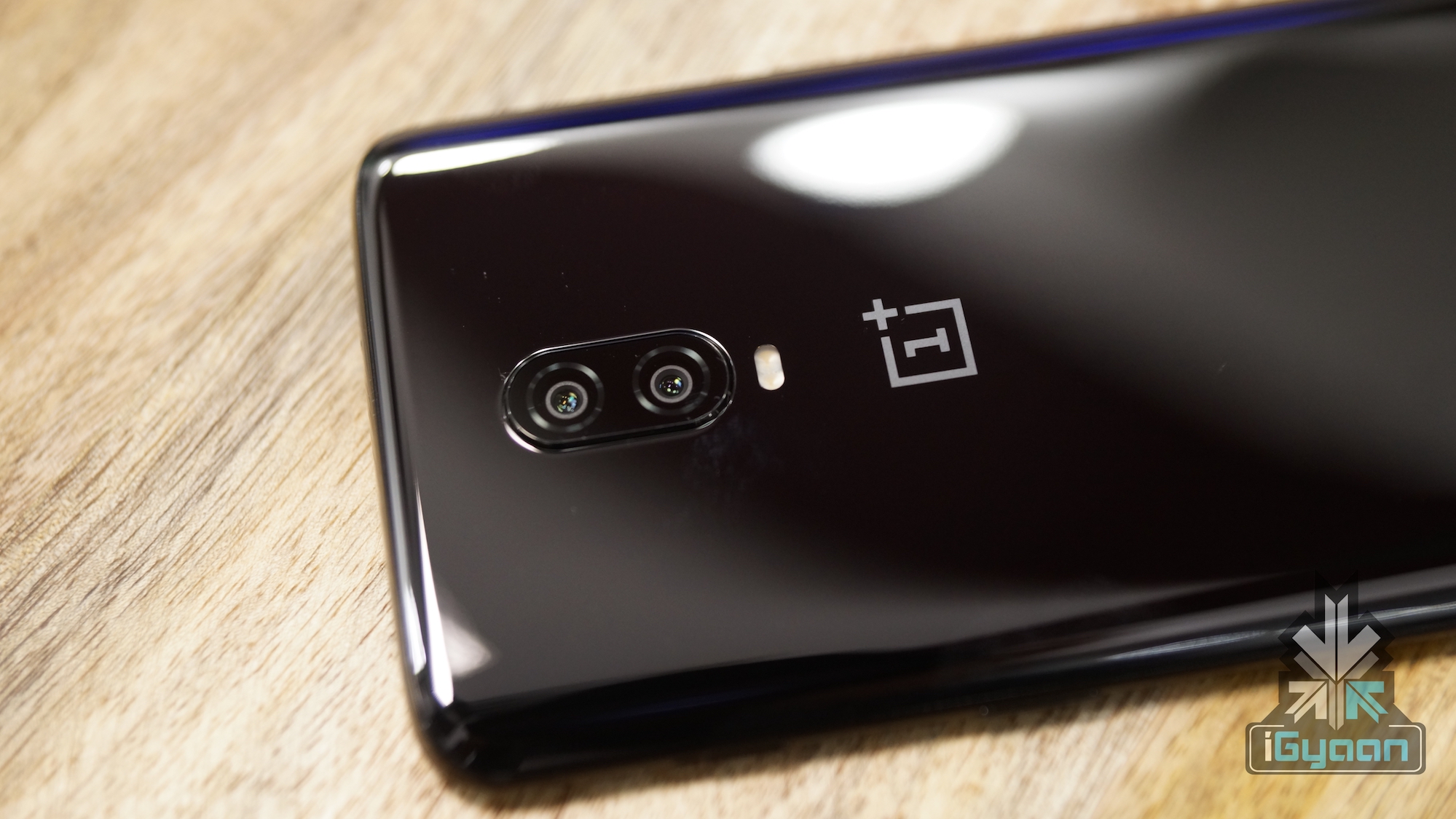
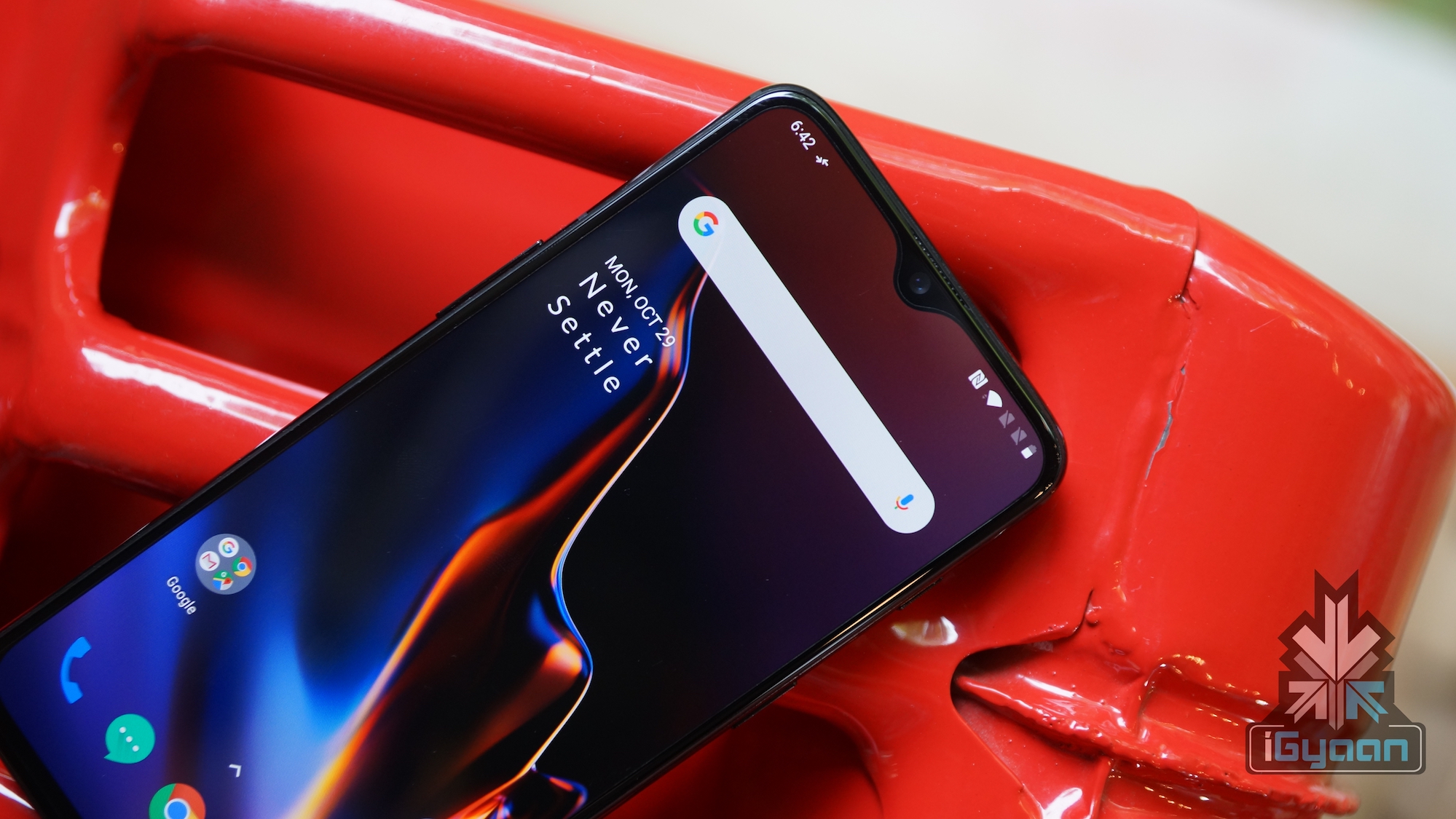
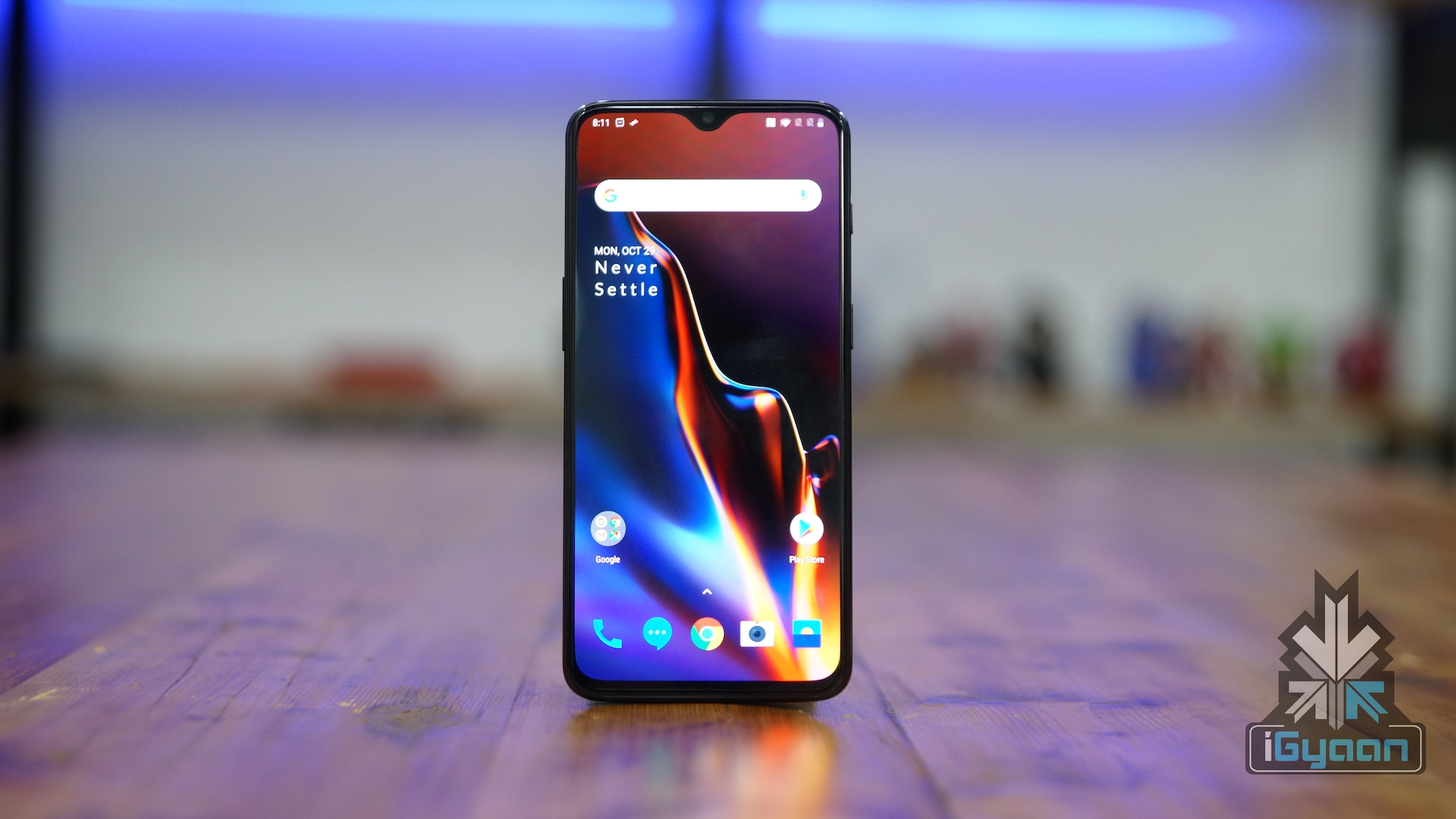
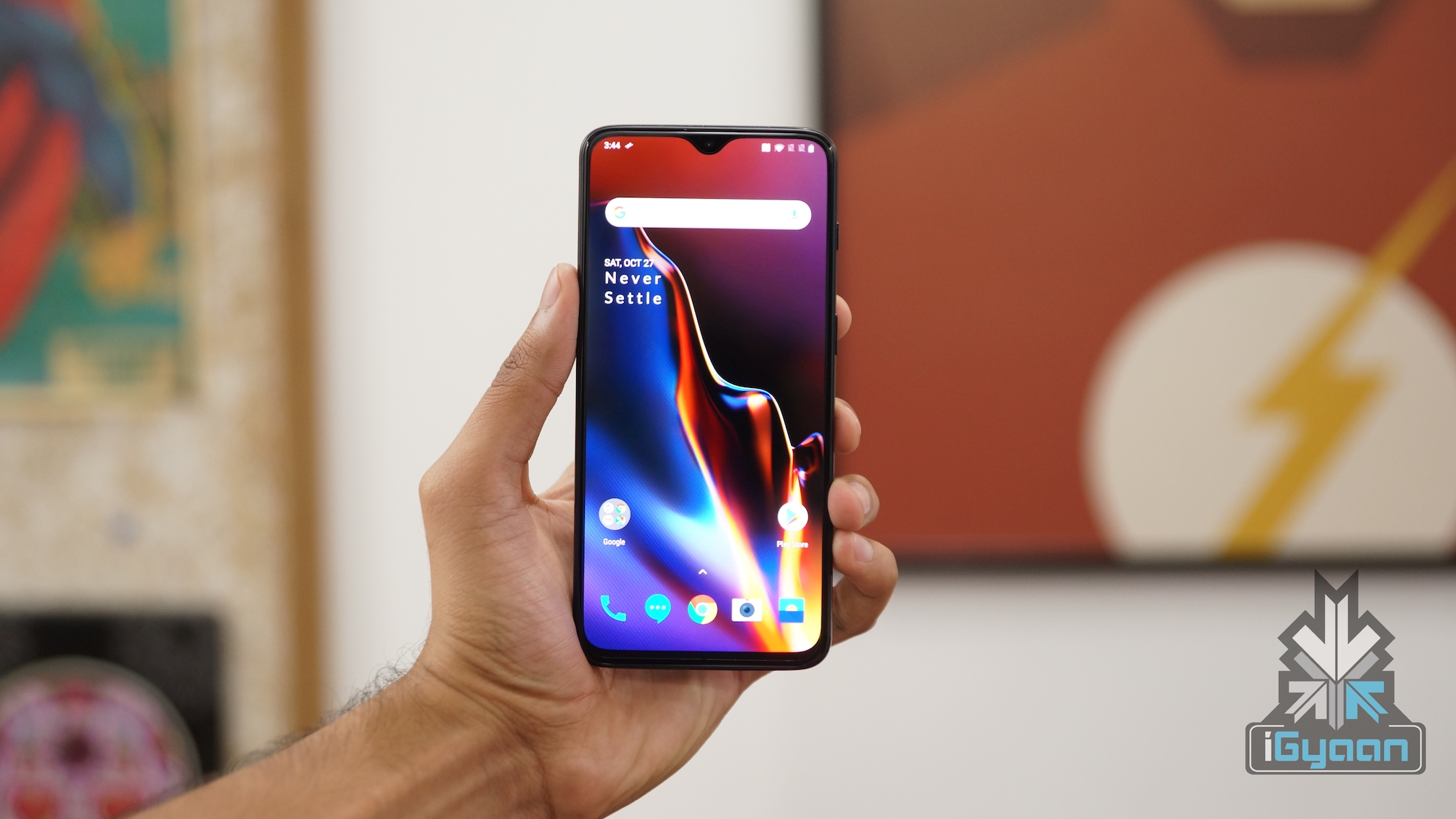
    In terms of look and feel, the OnePlus 6T  is slightly different. The phone weighs a tad bit more than the OnePlus 6 and is also a bit thicker. However, when you hold and use it, it has the same feeling with its glass finish and good build quality. The 6T has a larger, 6.41 inch display, making it a bit taller than the OnePlus 6. The display sports a much smaller water-drop notch which houses the 3-in-1 ambient, distance/RGB sensor and front-facing camera.

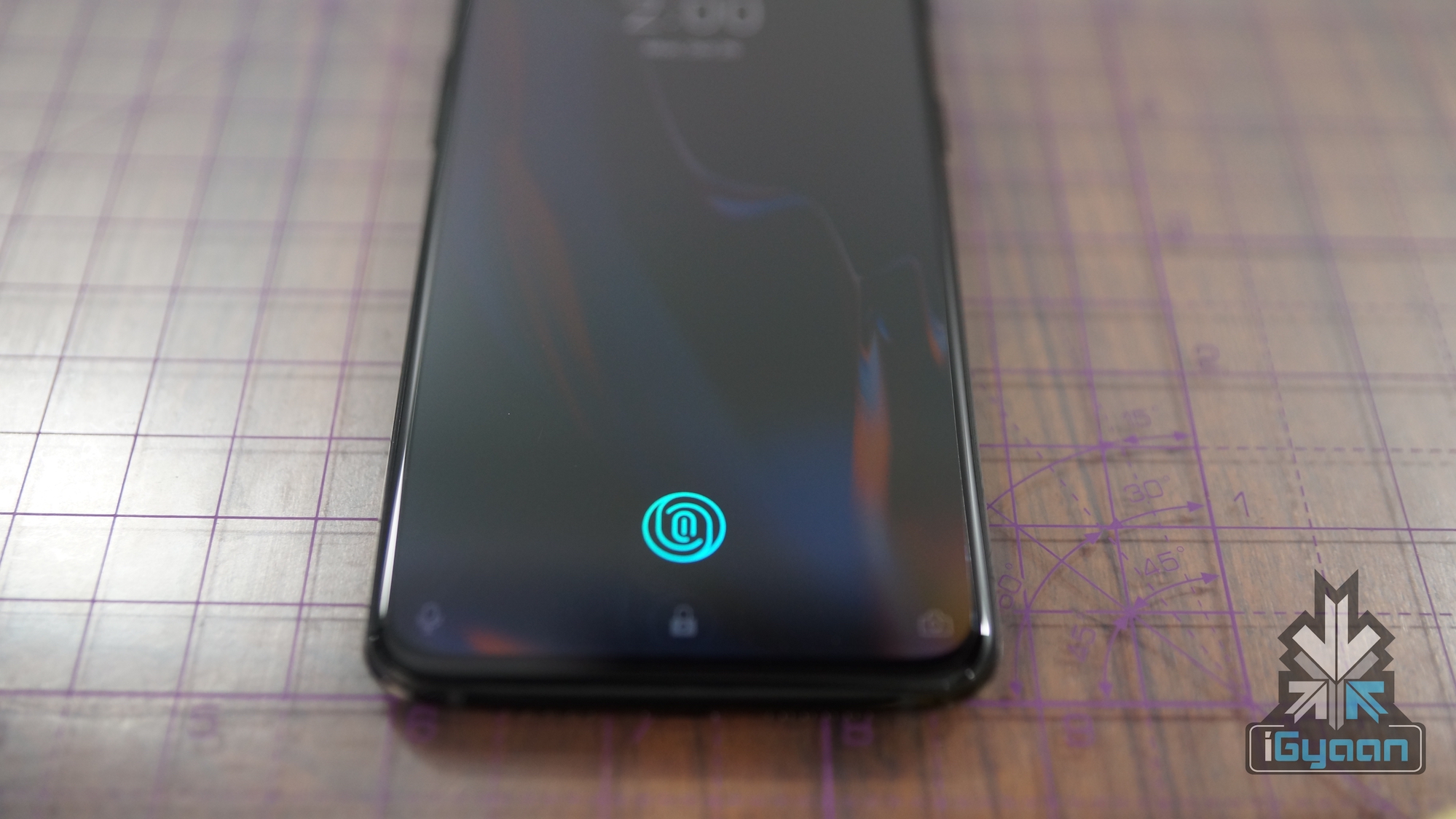
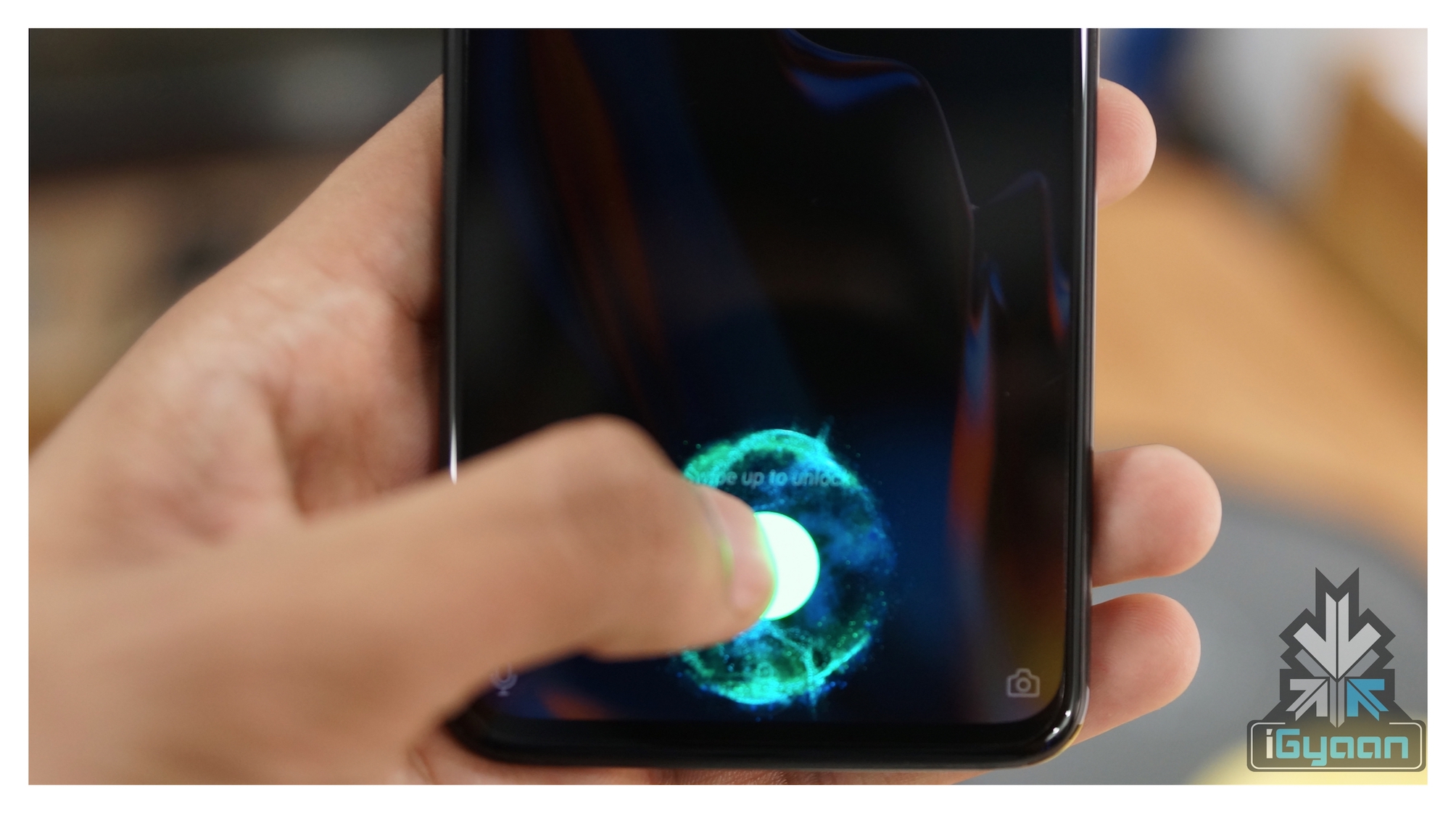
    The fingerprint sensor on the phone is now present under the display, which is one of the biggest changes brought around by the 6T. Using the sensor present on the display takes some time to get used to, but it is very responsive. One must make sure to use the entire thumb while setting up the fingerprint sensor. If you use just the tip of your thumb, the sensor might not be able to read your thumb when you use it. Although we need more time to test the fingerprint sensor completely, we are sure of the fact that it is better than other in-display sensors we have tested before. You can also continue to hold the area of the fingerprint sensor to access a quick access app drawer which is customisable, to get to your favourite apps.

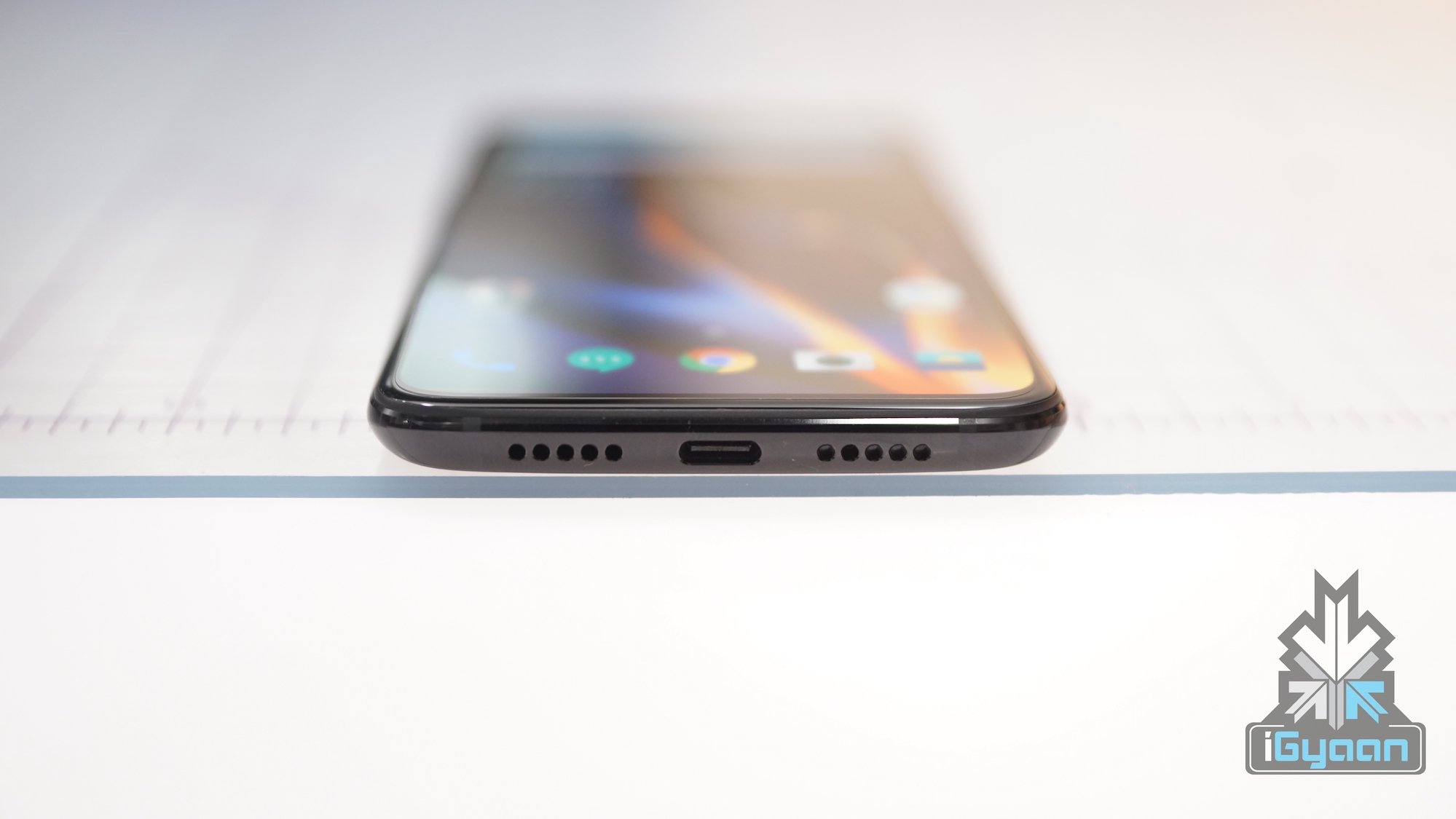
    Another big change is the lack of the 3.5 mm headphone jack. The fact that most of the companies are doing the same, and now that OnePlus has also adopted it, might hint at the fact that the headphone jack will be obsolete in some time. Another physical change is the ability to long press the power button to launch the Google Assistant. Which is similar to activating Siri on the iPhone.

    The phone has a new Smart Boost feature which improves the app cold start speed by 5 to 20 percent. Its does so by storing the data from frequently used apps in the phones RAM. Currently, the device applies it to gaming apps but the feature reach other apps with future updates.

    Under The Hood

    The internals on the OnePlus 6T are the same as the OnePlus 6. It runs on the Qualcomm Snapdragon 845 SoC with the Adreno 630 GPU. The device has 6 GB and 8 GB RAM variants. There is a slight change in terms of internal storage with the OnePlus 6T having a 128 GB base model and another 256 GB variant. Under the hood, the OnePlus 6T packs a bigger, 3,700 mAh battery.

    The OnePlus 6T has the same 16 MP + 20 MP f/1.7 dual camera setup as the OnePlus 6. The front camera is also, the same 16 MP f/2.0 sensor as before. However, the company has made software improvements which it claims have improved camera performance. The device has a new Nightscape mode which claims to offer better images in low light conditions without losing sharpness and improving the image output. The device also offers overall improvements in terms of image quality and dynamic range.

    Overall, when compared to the OnePlus 6, the one can’t really see a big difference in terms of performance.

    Price & Availability In India

    The OnePlus 6T has been launched at a starting price of $ 549, globally. The Indian launch of the device is set for the 30th of October. The 6 GB + 128 GB variant costs Rs 36,999 in India. The OnePlus 6T ships bundled with the OnePlus Type-C Bullets for free. Additionally, you can avail Rs 1000 cash back on Citi Bank cards and a Rs 2000 discount on ICICI cards.

    You can also watch our detailed video below:


  • OnePlus 6 Vs OnePlus 6T: What’s Changed

    OnePlus 6 Vs OnePlus 6T: What’s Changed

    The OnePlus 6T is the latest flagship offering from OnePlus. It has been launched at an event held by the company in New York and is the successor to the OnePlus 6. The phone is just an alphabet update and not a number update by OnePlus. This usually entails a few changes and upgrades here and there but nothing major. However, OnePlus has gone ahead and made sure that the 6T stands apart from its predecessor.

    Larger Display, Smaller Notch

    The OnePlus 6T sports a 6.41 inch AMOLED display with a water drop notch. The display has a 2340 x 1080 px resolution and a 402 ppi pixel density. The display is not only bigger, but is also a bit better. It has an 86% screen-to-body ratio, compared to the 83% on the OnePlus 6. The colour reproduction on the display seems to be more accurate and realistic. The water drop notch also offers more screen real estate on the device and looks much better as well. The Display is also protected by Gorilla Glass 6.

    Fingerprint, On The Inside

    The trend of a physical fingerprint sensors is getting a ‘bit out of touch’ as more and more manufacturers are doing away with it. The OnePlus 6T has an in-display fingerprint sensor which is a first for the company. This is the fourth generation of in-display fingerprint sensors and the best, according to the company. The sensor is very responsive, especially when compared to other in-display fingerprint setups.

    The fingerprint sensor also lights up in a bright green colour which is powered by the AMOLED display. The green light is projected on to your finger, which helps the sensor to read your fingerprint faster. Do bear in mind to ensure you place the entirety of your finger or thumb while setting up the device. This is important as if you just register the tips, the sensor might not be able to work as efficiently.

    Boosted Performance


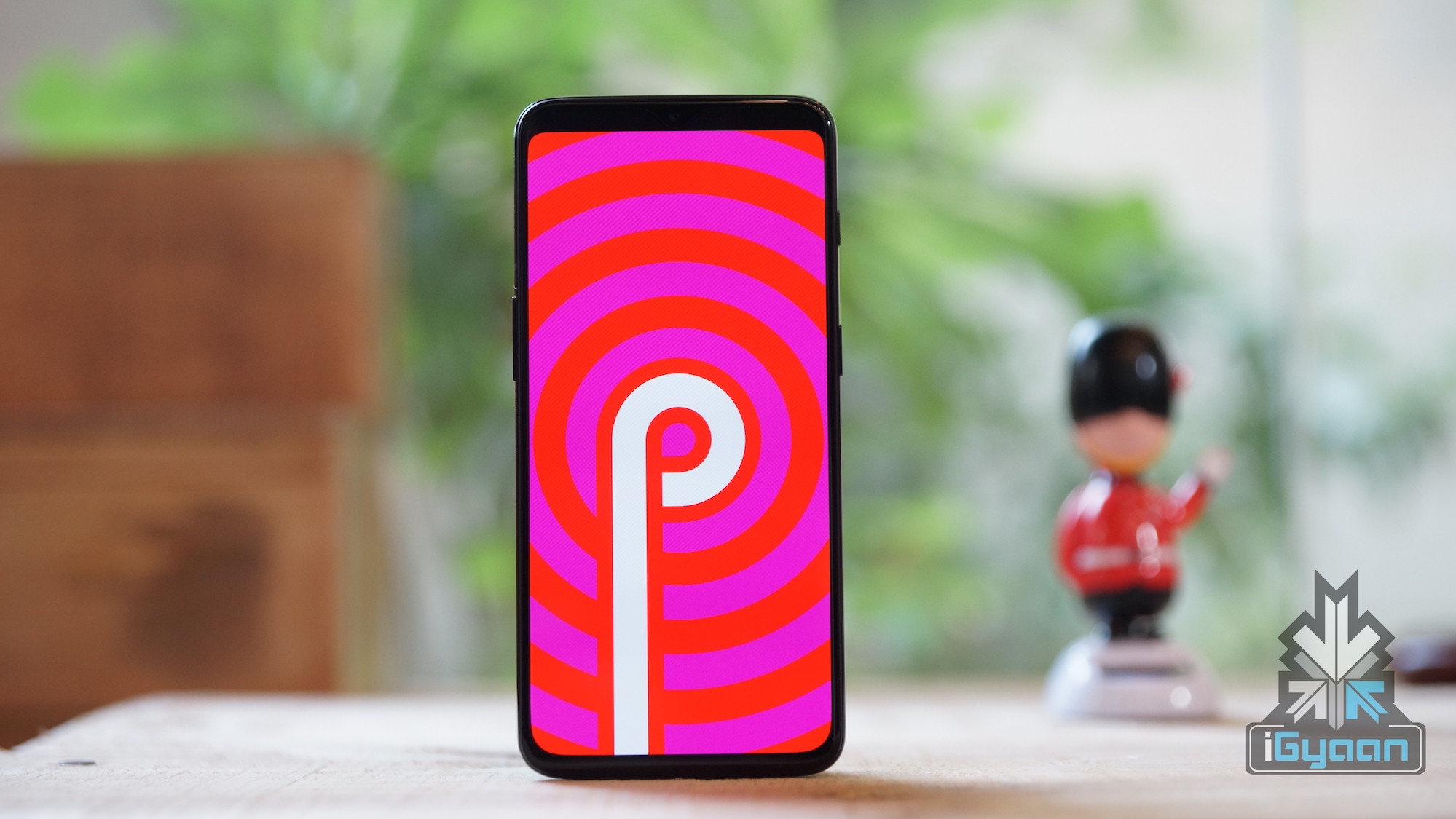
    The OnePlus 6T has a 3,700 mAh battery, larger than the 3,300 mAh battery on the OnePlus 6. Coupled with OnePlus’s proprietary Dash Charging technology, the battery will power you through the day. The 6T also has an improved version of the Oxygen OS, the best till date, according to OnePlus. The OS is based on Android 9 Pie and includes advanced gestures and a feature to activate Google Assistant by long-pressing the power button. Additionally, the smartphone also has a Smart Boost feature which claims to improve the app cold start by around 5-20 %.

    Although the hardware is the same, OnePlus has boosted the camera performance of the device with some software changes. The phone now includes sharper images and also a new Nightscape mode. The Nightscape mode increases the amount of light in the image in extremely low-light conditions while ensuring that the sharpness of the image is not lost.

    What Else?

    OnePlus has done away with the 64 GB version of the phone and now offers a 128 GB base model. The device has also bid adieu to the 3.5 mm headphone jack .

    Other than the aforementioned changes, the 6T is pretty much the same as the OnePlus 6. With some major changes and some minor, the Oneplus 6T is sure worthy of being called an update.  The device has been launched globally at a starting price of $ 549. The India launch of the OnePlus 6T is set for 30 October. The Indian price of the 6 GB + 128 GB variant is Rs 36,999. The OnePlus 6T ships bundled with the OnePlus Type-C Bullets free. Additionally, you can avail Rs 1000 cash back on Citi Bank cards and a Rs 2000 discount on ICICI cards.
    You can also watch our video below:


  • OnePlus 6T Launched With In-Display Finger Print Sensor And A Tiny Notch

    OnePlus 6T Launched With In-Display Finger Print Sensor And A Tiny Notch

    The OnePlus 6T has been launched at an event held by OnePlus in New York. The phone is the successor to the OnePlus 6 and will carry forward the title of the ‘flagship killer’. The OnePlus 6T has  features which set it apart from not only its predecessor but also other similarly priced devices. The new design has a larger display, which replaces the traditional notch with a water-drop notch, which is less invasive. The fingerprint sensor has also been moved into the display. This is the 4th generation in-dispaly fingerprint sensor and is expected to be much faster than the ones seen on the likes of the Vivo Nex. Internal specifications mostly remain the same, apart from a few distinct features.

    What’s New

    OnePlus has worked hard in the design of the 6T to make sure that they deliver something unique. Apart from changes in the display, the phone is also now better water-sealed thanks to the lack of a headphone jack. Although it does not have an official rating yet, company officials claim that it is close to an IP 67 rating which will protect it from submersion in depths upto 1 metre. The display has Corning Gorilla Glass 6 which offers a high degree of protection, but OnePlus has pre-applied a screen protector to the device to ensure more safety.

    The company has also gotten rid of the 64 GB storage variant due to lesser demand of the same. The RAM configurations of the phone remains the same as the OnePlus 6, with 6 GB and 8 GB options. Rumours about the microSD card slot in the 6T turned out to be false as the device does not have a slot for the same, but has a dual SIM card slot with 4G capability in both.

    The display is a bigger, 6.41 inch Optic AMOLED display with a 2340 x 1080 px resolution and 402 ppi pixel density. The device has a 19:5:9 aspect ratio, owing to the water-drop notch which can also be hidden by accessing settings. The phone has a greater, 86% screen-to-body ratio compared to the 83% on the OnePlus 6.

    What’s Same

    The Qualcomm Snapdragon 845 SoC is the same as seen on the OnePlus 6. Despite firing at the same speed, the phone is expected to be faster, thanks to performance and gaming improvements. It has Smart Boost which claims to improve the app cold start speed by 5-20 %.

    The 6T uses the same sensors as its predecessor for its camera. It has a 16 MP + 20 MP dual camera setup at the back. Both the cameras have an f/1.7 aperture. The 6T records 4K 2160p video at 30 or 60fps. There are improvements in the main camera which does boost its performance. These include Nightscape, which make images taken in extreme low-light better by improving the sharpness, quality and the amount of light that in the scene. The main camera also has portrait mode and continuous to get OIS. The front camera has a 16 MP sensor with an f/2.0 aperture. It can record 1080p video at 30 fps.

    The OnePlus 6T runs Oxygen OS based on Android 9 Pie with a 3,700 mAh battery. This is bigger, compared to the 3,300 mAh battery on the OnePlus 6.

    Price & Availability

    The phone has been launched globally today and will launch in India on the 30th of October. The OnePlus 6T starts at a price of $ 549 for its 6 GB RAM + 128 GB Storage variant. The Indian price for the 6 GB + 128 GB variant is Rs 36,999. The smartphone ships bundled with the OnePlus Type-C Bullets free. Additionally, you can avail Rs 1000 cash back on Citi Bank cards and a Rs 2000 discount on ICICI cards.

    You can also watch our video below:

  • Nubia Red Magic Gaming Phone To Launch Soon In India

    Nubia Red Magic Gaming Phone To Launch Soon In India

    Nubia Technology is a smartphone manufacturer based in Shenzhen, China which was first started by ZTE in 2012. But in 2017, ZTE reduced its stake in the company after which Nubia became an independent company. Previously Nubia has manufactured some cool looking smartphones in black colours with red accents. Though the company offers good smartphones they have not seen substantial growth in the Indian market. That could also be due to almost non-existent marketing and availability of the smartphones in India.

    Nubia launched a gaming niche specific Red Magic smartphone in Europe & China earlier this year. The company initially offered 10,000 units of the gaming smartphone on a Chinese vendor jd.com which got sold out in a mere 37 seconds. The gaming phone was also put on sale on the crowdfunding website, Indiegogo where it surpassed its initial goal by 240%.

    Red Magic Design

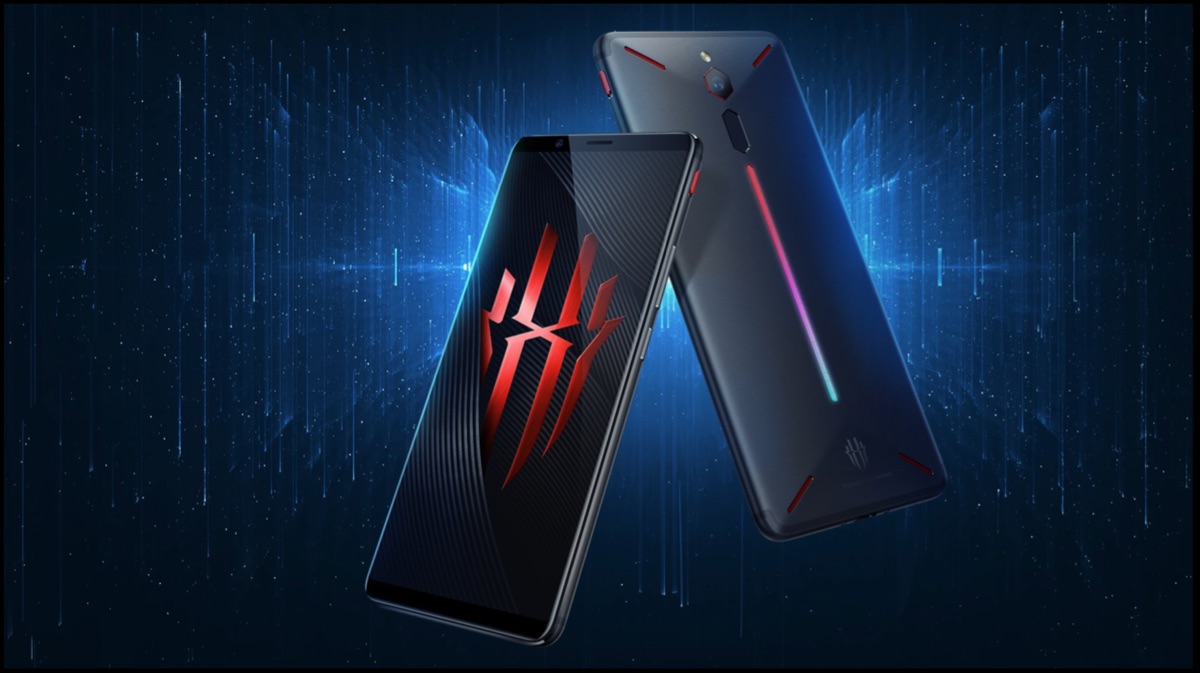
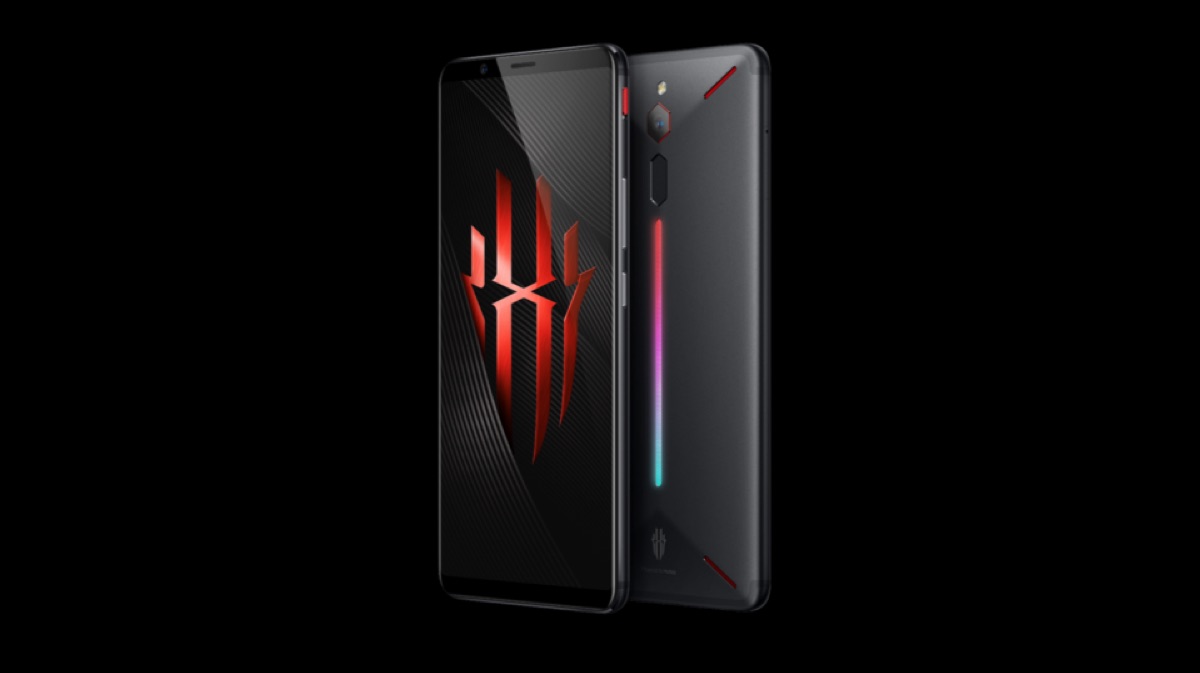
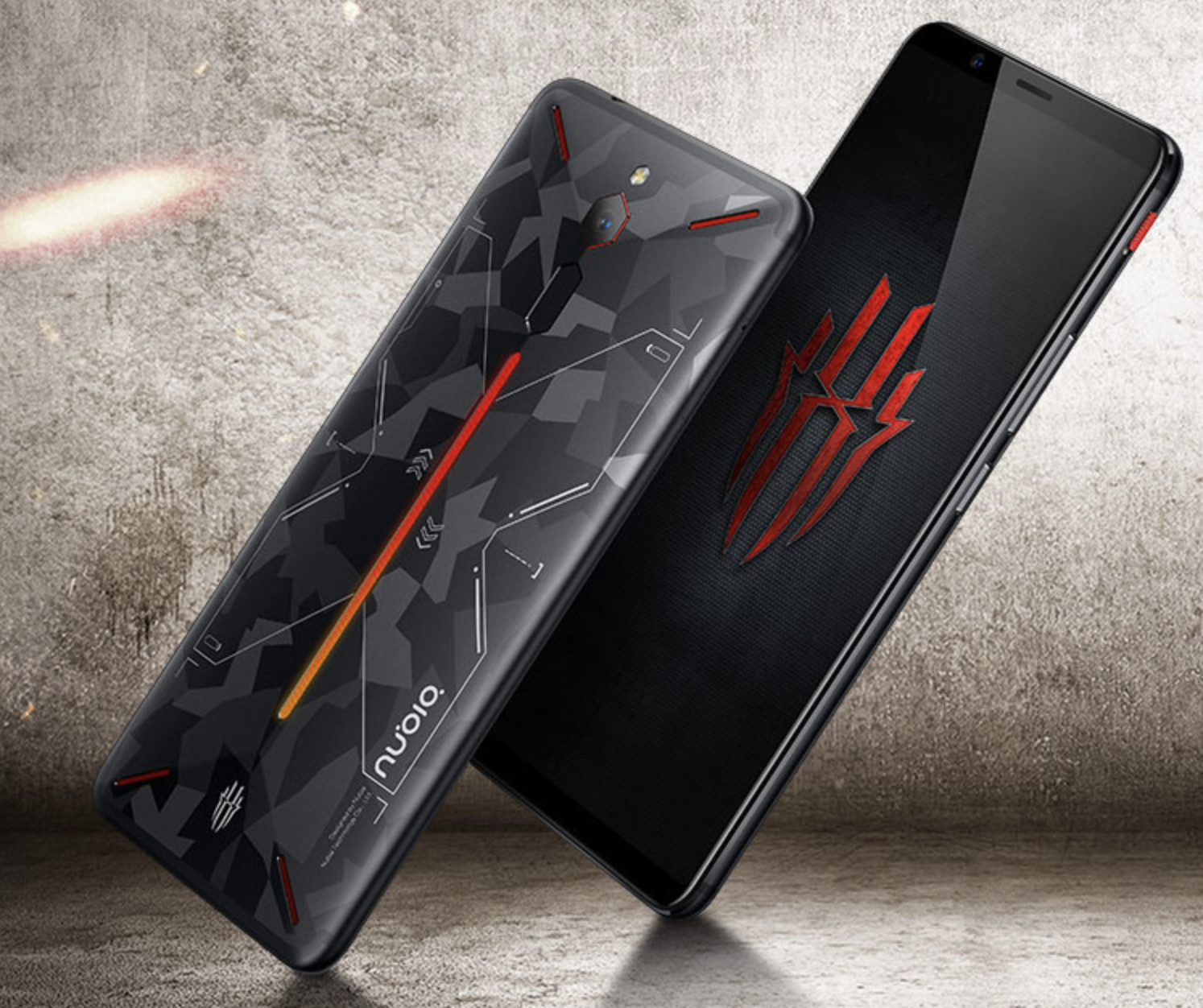
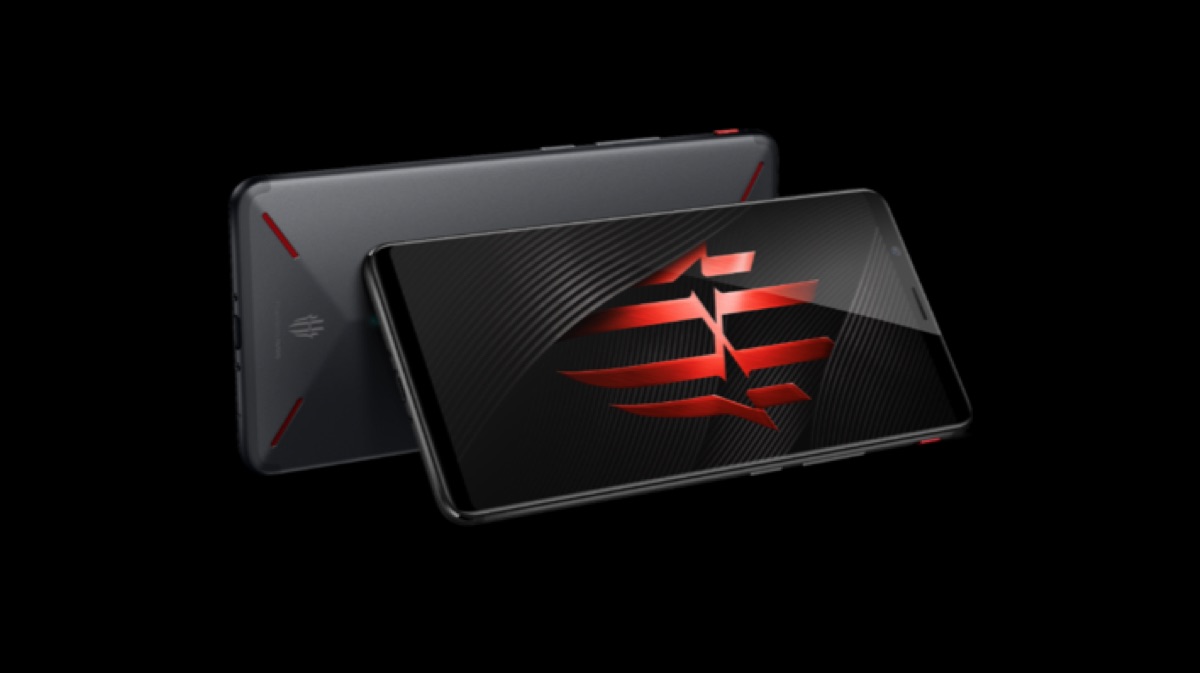
    The smartphone has a front glass and rear aluminum build which looks really good in the black and red color with an RGB led bar running across the back. The front of the glass has prominent top and bottom bezels. The front camera and speakerphone are also placed on the top bezel.

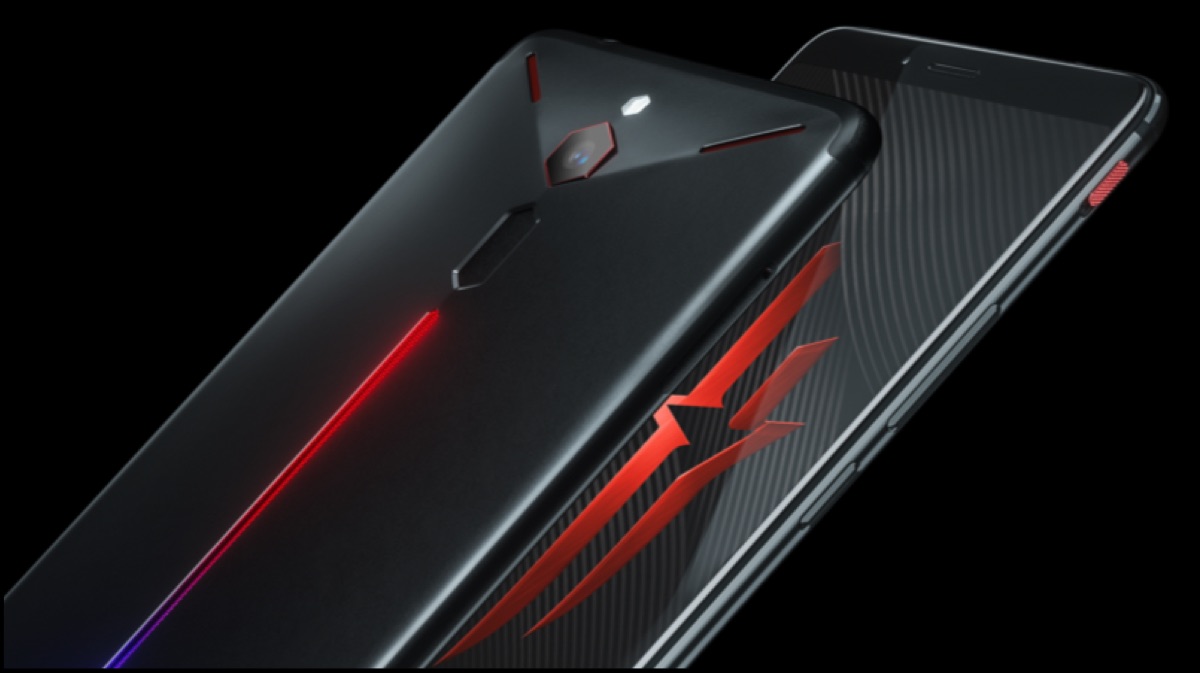
    The Red Magic has 4 red colored mesh grills on the back of the device. Out of which the top two act as exhaust holes for the multilayer cooling technology. While the bottom right mesh acts as the loudspeaker for the phone. The back of the device also houses the hexagonally shaped camera, LED flash and the fingerprint sensor. The RGB light bar is placed below the fingerprint reader and can be set to the choice of the user or changes according to the colours on the display. The company logo and branding is also engraved onto the rear aluminium panel.

    Nubia Red Magic

    The power button and the volume rockers are present on the right side of the device. Additionally, the Red Magic also has a dedicated Compete mode button that is placed over the volume rocker. The gaming button when slid up, closes the background applications and enters a dedicated gaming space for maximum gaming performance. The handset also has a 3.5 mm jack to connect to your favorite headphones and a bottom mounted  USB Type-C port for data sync and charging.

    In terms of the user interface, the Red Magic uses Nubia’s custom skin which is built on top of Android.

    Gaming Accessories

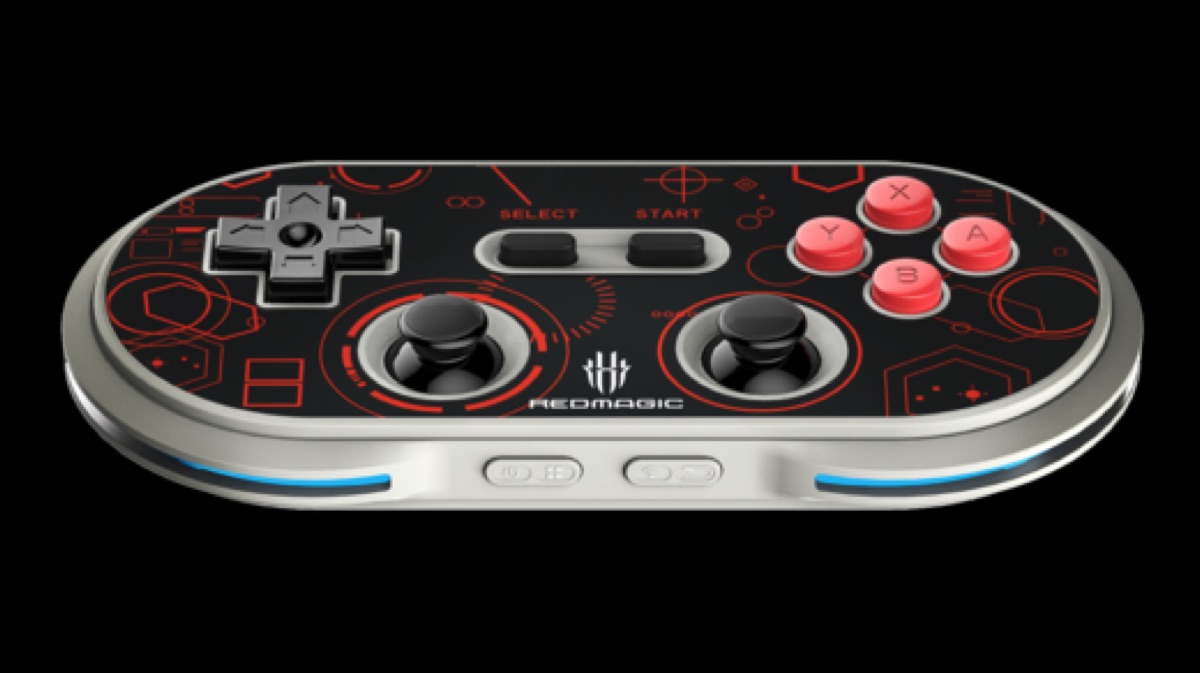
    As it is a gaming centered smartphone the company also offers some accessories which include a Bluetooth controller, extra long charging cable and protective cases. However, the accessories are sold separately.

    Red Magic Specifications
    • Display: 5.99-inch Full HD+ 2160 × 1080 pixels, 18:9 aspect ratio
    • Operating System: Android 8.1 Oreo
    • Processor: Qualcomm Snapdragon 835
    • RAM: 6 GB / 8 GB LPDDR4x
    • Storage: 64 GB / 128 GB
    • Rear Cameras: 24 MP, LED Flash
    • Selfie Camera: 8 MP
    • Security: Rear fingerprint scanner
    • Connectivity: Dual 4G VoLTE, Wi-Fi 802.11 ac 2.4G + 5G, Bluetooth 5 .0 + LE, GPS, USB Type-C , 3.5 mm audio jack
    • Battery: 3800 mAh
    • Dimensions: 158.1 × 74.9 × 6.8 mm
    • Weight: 185 grams
    Price & Availability

    The smartphone has a price tag of CNY 2,499 (around Rs. 26,400) for the 6 GB  / 64 GB variant and CNY 2,999 (about Rs. 31,600) for the 8 GB / 128 GB variant in China.The price in India is reported to be under Rs 30,000 and it might be available in India soon after the festive season.

  • IIT-Madras Researchers Develop India’s First Microprocessor

    IIT-Madras Researchers Develop India’s First Microprocessor

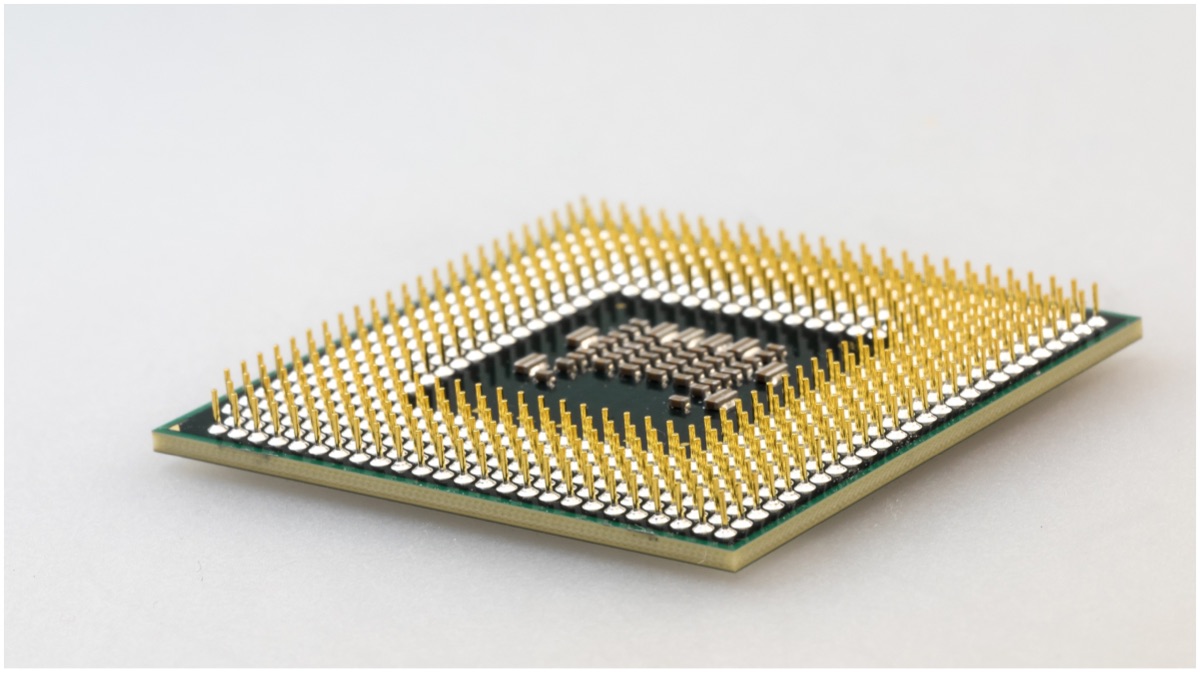
    Researchers from the Indian Institute of Technology, Madras have designed and developed India’s first indigenous microprocessor for mobile computing devices. As a result, it will help to diminish India’s reliance on foreign microprocessors.  The microprocessor is on par with International standards hence, it is fit for sectors like Defence and Communication.

    Indian Shakti!

    The chip is developed under project ‘Shakti’ and was manufactured at the Indian Space Research Organisation’s (ISRO) Semi-Conductor Laboratory (SCL) in Chandigarh. It is the first RISC V (Reduced Instruction Set Computer)  microprocessor that is fully designed and developed in India. Shakti microprocessors are built on an open and free programming language ISA which stands for Instruction Set Architecture. The RISC-V ISA  provides hardware and software freedom for future developments, due to its open source nature.

    India’s Latest Computing Achievement

    Most noteworthy, the Indian chips eliminate the risks of backdoors or trojan infested hardware which is significant as these will be used in sectors by defence and government agencies where security is a major concern.

    Kamakoti Veezhinathan, who is the lead researcher at RISE (Reconfigurable Intelligent Systems Engineering ) laboratory states that the Digital India movement will be hugely benefited by this feat as many applications require task-specific processor cores.

    The clock speeds of Shakti processors are designed to suit various electric devices like consumer electronic devices, networking systems, and embedded low power wireless systems. Project Shakti is financed by the Ministry of Electronics and Information Technology, Government of India.

    IIT Madras officials said that this homegrown microprocessor is a major step towards computing self-sufficiency in the future. The Shakti processors use Bluespec open-source High-Level Synthesis (HLS) language.

    Also readXiaomi Announces Android Pie Update Schedule

    Even more, the first batch of 300 chips was manufactured in July 2018 at Intel’s facility at Oregon, US. The processor is called the RICE CREEK and it was successfully able to boot the Linux operating system. Above all, the latest chips are manufactured in India.

  • Apple Accused Of Unpaid Chip Royalties By Qualcomm

    Apple Accused Of Unpaid Chip Royalties By Qualcomm

    Apple and Qualcomm are at it again. Apple recently had accused Qualcomm of unfair patent licensing practices and Qualcomm has in turn accused Apple of patent infringement. Qualcomm revealed the amount of unpaid royalties by Apple in a hearing. The hearing was of one of the cases in a Federal court in San Diego. Apple however, have disputes about the amount. At this moment, the companies are involved in about 100 legal proceedings around the world. Qualcomm wishes 56 patents to be dropped and wants to follow the licensing dispute between the two companies instead. According to Qualcomm, Apple has $7 billion in unpaid chip royalty payments.

    Apple’s Reply

    Apple has, in a statement, said that for many years Qualcomm has unfairly insisted on charging royalties for technologies they have nothing to do with.  The company has also accused Qualcomm stating that the more Apple innovates with unique features for phones, the more money Qualcomm collects. Apple claims that this makes it more expensive to fund these innovations. Apple has accused Qualcomm of building its business on older, legacy, standards. They claim that Qualcomm has reinforced its dominance through exclusionary tactics and excessive royalties. The smartphone giant also said that the latter insists on charging Apple at least five times more in payments. This is in comparison to all the other cellular patent licensors they have agreements with combined.

    Also readApple Demands Bloomberg To Take Down Chinese Chip Hacking Report

    A U.S. International Trade Commission administrative law judge had, in September, ruled in favour of Qualcomm, stating that Apple had infringed on a power saving patent to extend battery life in mobile devices. The judge had also said that this will not hinder Apple from selling their phones in the US. Apple also said that Qualcomm is withholding nearly $1 Billion in payments from Apple as ‘retaliation for responding truthfully to law enforcement agencies investigating them’.

  • Xiaomi Announces Android Pie Update Schedule

    Xiaomi Announces Android Pie Update Schedule

    Xiaomi has become one of the biggest smartphone companies not only due to good hardware but also because of the long-term software support they offer. Except for the Android One devices they are usually one of the first companies to push the latest Android updates to their smartphones.

    Android vs iOS adoption

    Android Pie Android 9 Google

    Android definitely trumps iPhone in terms of device shipments but it is nowhere near Apple’s iOS adoption rate. The latest iOS 12 already runs on more than 50% of the supported devices whereas the latest Android 9.o Pie merely runs on 0.1% of Android devices.

    Talking about Android adoption rate, Android Nougat has the highest market share at 29.3%.  Followed by Marshmallow at 21.6% while Android Oreo is at number three with 19.2 % share. Xiaomi being a global smartphone seller does have an effect on the Android adoption rate. The following list provides information about when their smartphones will get the latest updates.

    Android Update Timeline


    Xiaomi Mi A1

    According to Xiaomi’s list, the Redmi 5, Redmi 5A, Redmi Note 5 Pro & the Redmi A1 will get the Android Oreo update in December 2018. Additionally, the company has provided a list of smartphones already running on Oreo.

    These are the smartphones have already received the Android Oreo update:

    • Mi 5, Mi 5s, Mi 5s Plus
    • Mi 6
    • Mi 8 SE, Mi 8 Youth Edition, Mi 8 screen fingerprint version
    • Mi MIX, Mi MIX 2
    • Mi Note 2, Mi Note 3

    The Mi MIX 2s, Mi8 & Mi 8 Explorer Edition have already received the Android 9.0 Pie update while the devices that will receive Android 9.0 Pie in December are as follows:

    Xiaomi Mi 6
    • Mi 8 fingerprint edition
    • Mi 8 SE
    • Max 3

    Also Read: Asus Zenfone 6 Leak Shows In-Display Camera

    To conclude, the flagship devices are receiving the latest Android 9.0 Pie and whereas with the mid-range & budget devices users will have to be content with the Android Oreo which was released on 21 August 2017.

  • Asus Zenfone 6 Leak Shows In-Display Camera

    Asus Zenfone 6 Leak Shows In-Display Camera

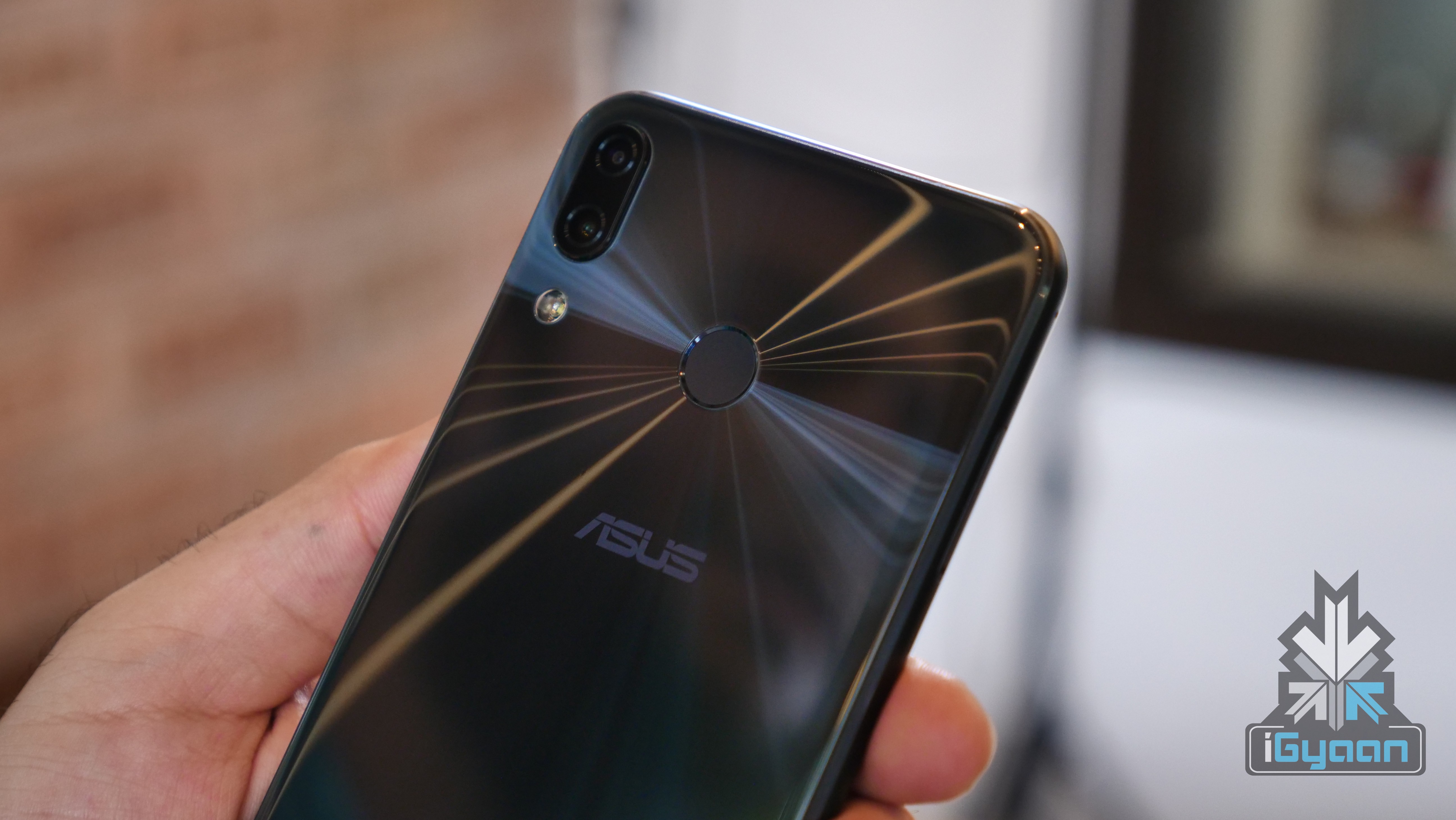
    The Asus Zenfone 5Z was launched in India earlier this year and got a pretty good reception. The Zenfone Max Pro M1 was also an instant hit with its massive battery and attractive features. Latest leaks of the alleged Asus Zenfone 6 show that the company is not slowing down and plans on keeping up its streak of great smartphones.

    The Future Of Displays

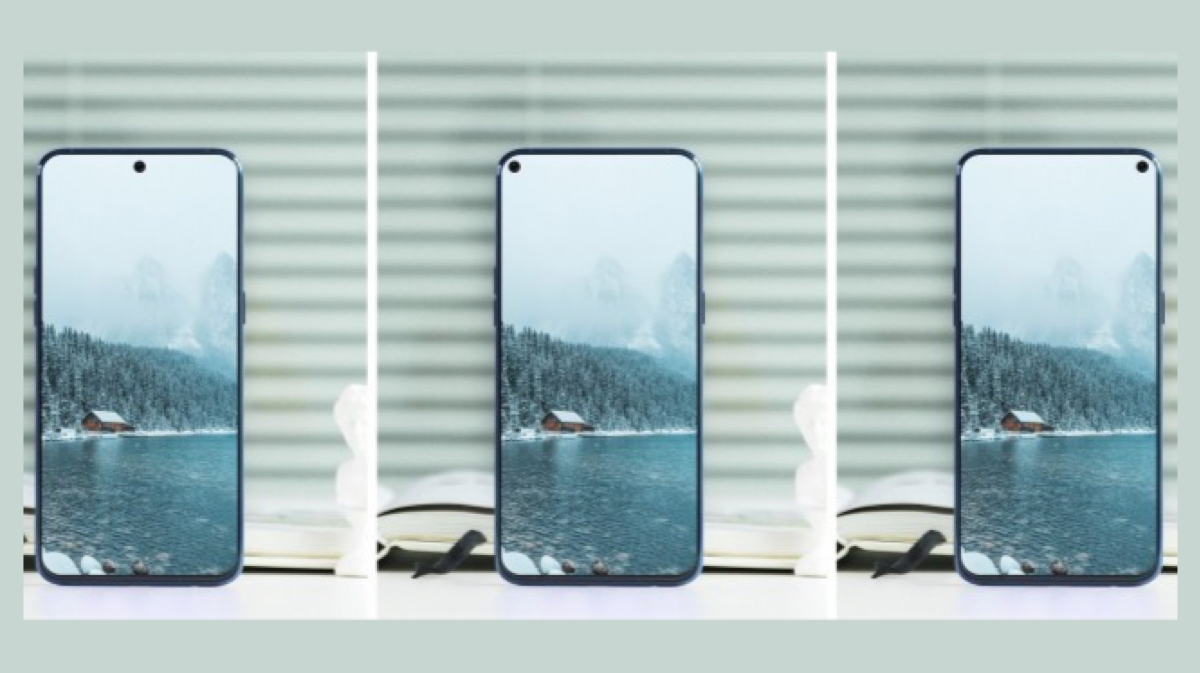
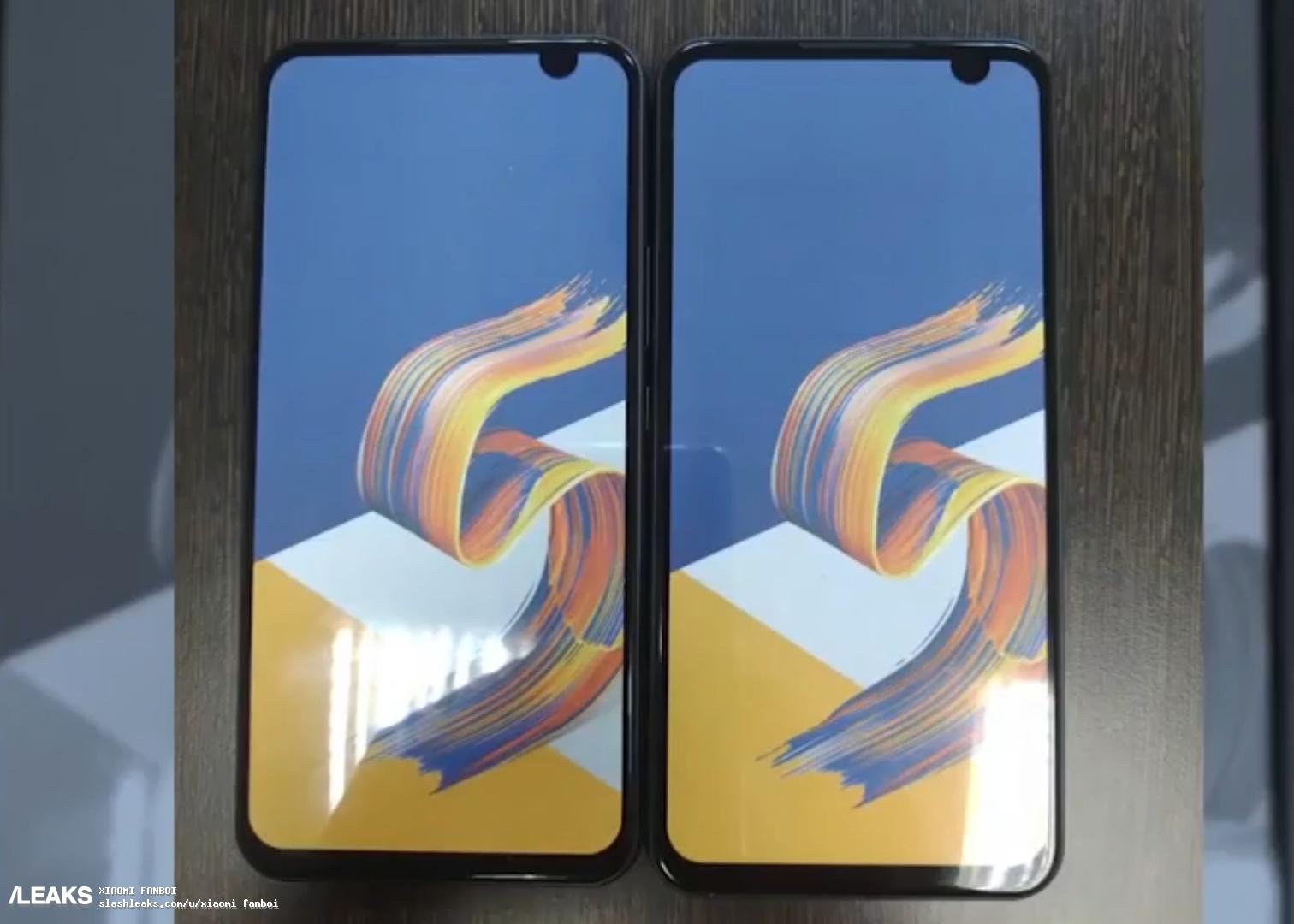
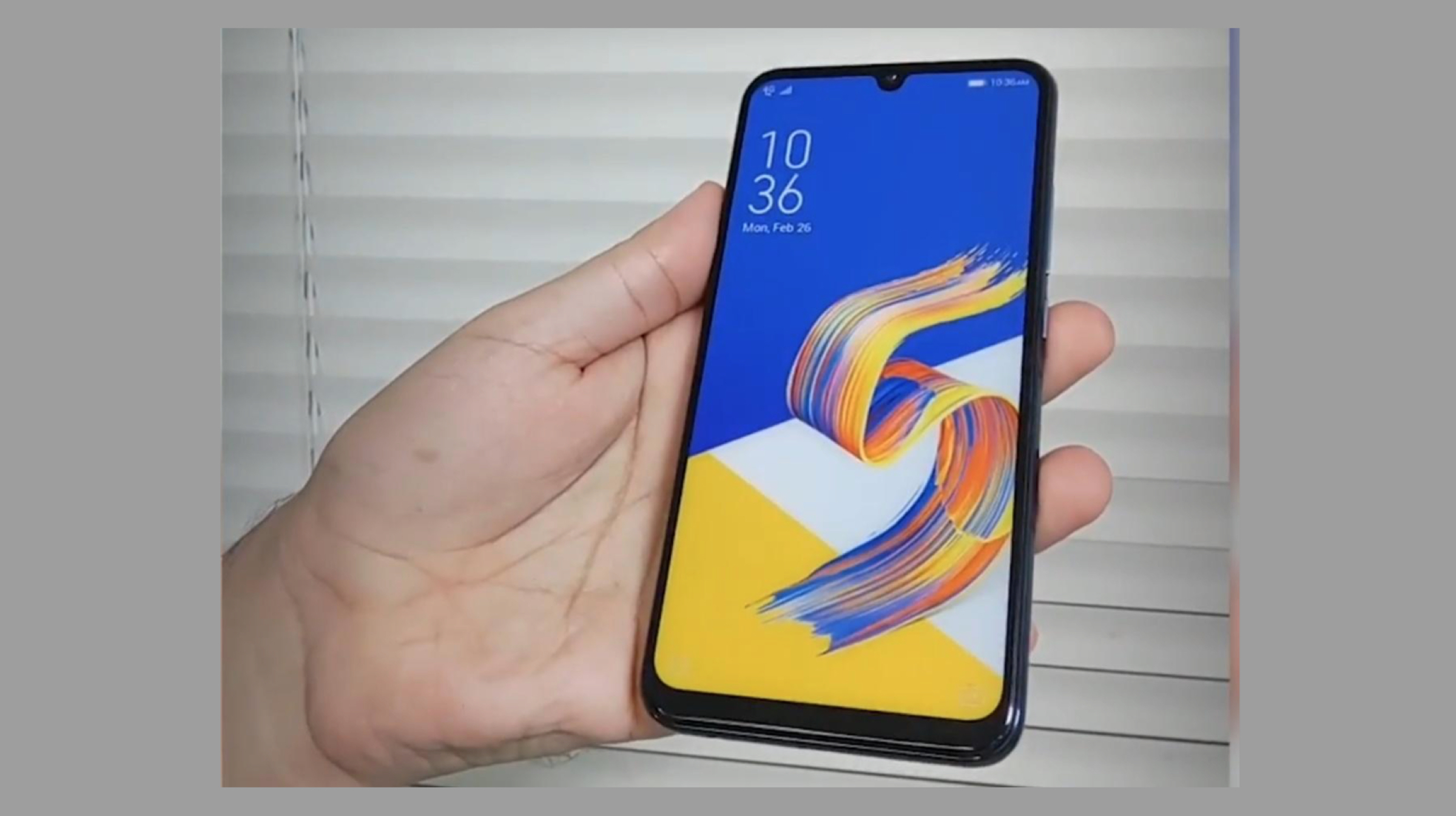
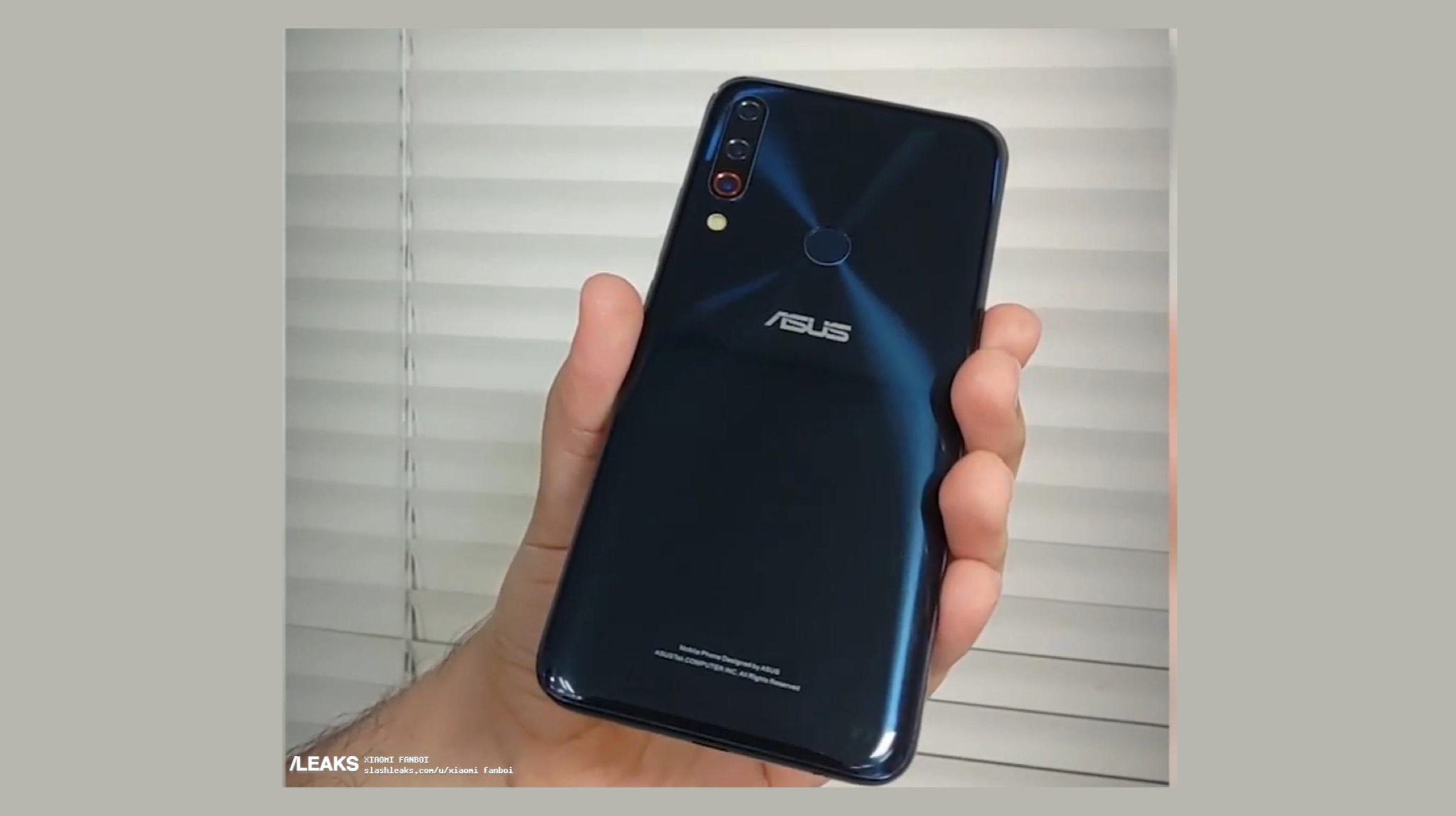
    The leaked images showcase various prototypes of the Asus Zenfone 6. All of these devices sport a glass back and a large display. However, there are various combinations, with different camera setups and unique displays. The most striking one is that of a camera cut-out, which is said to be present in the upcoming Samsung Galaxy A8s as well. Different prototypes show different positions for the camera cut-out. It is placed on the left and right sides, as well as the in the middle of the display. The camera cut-out seems to be the next big step towards a bezel-less display. This might eliminate the need of having a sliding camera mechanism as seen on the Xiaomi Mi Mix 3.

    The next prototype however, showcases the Asus Zenfone 6 with a tiny water-drop notch, which houses the front camera sensor. This is not all, the prototypes also showcase two different variants for the camera setup. One of the prototypes has a triple main camera setup while the other has a more common, dual camera setup.

    While the camera cut-out on a display sure does look better and will take up lesser space, the placement is still an issue. If the company will place it on the sides rather than in the centre, the entire symmetry of the display could be lost. The notch on any phone is specially designed to ensure that the icons on each side of the notch are balanced equally and displayed in an aesthetic manner.

    Also ReadUnboxing The Asus Zenfone 5Z

    However, it is important to note that these are just prototypes of the devices. The retail unit might not be similar. But, we do hope that Asus brings some great changes to its next big smartphone.

iGyaan Network
Privacy Overview

This website uses cookies so that we can provide you with the best user experience possible. Cookie information is stored in your browser and performs functions such as recognising you when you return to our website and helping our team to understand which sections of the website you find most interesting and useful.