Blog

  • Honor Watch Magic With Heart Rate Sensor Launched

    Honor Watch Magic With Heart Rate Sensor Launched

    Honor recently held a launch event in China. The company launched a variety of products which include the Honor Magic 2 smartphone, Watch Magic, Honor Play 8 Tablet, and FlyPods wireless earphones. The Watch Magic is a digital smartwatch which also has health and fitness tracking capabilities.

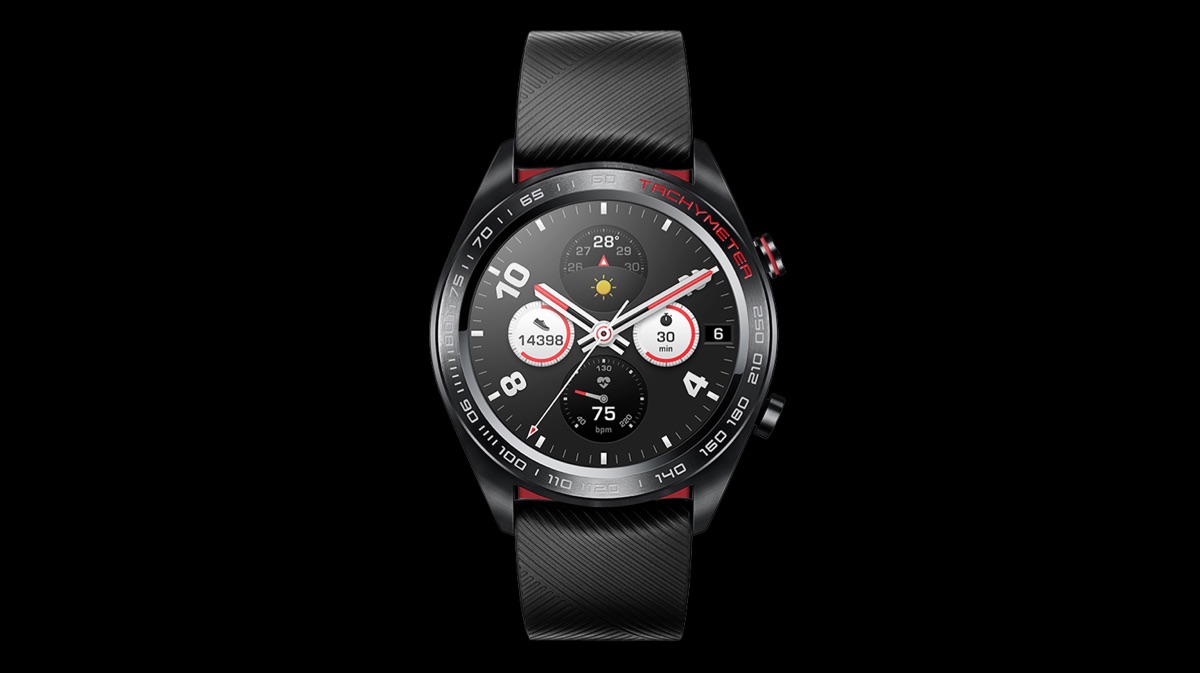
    Honor Watch Magic
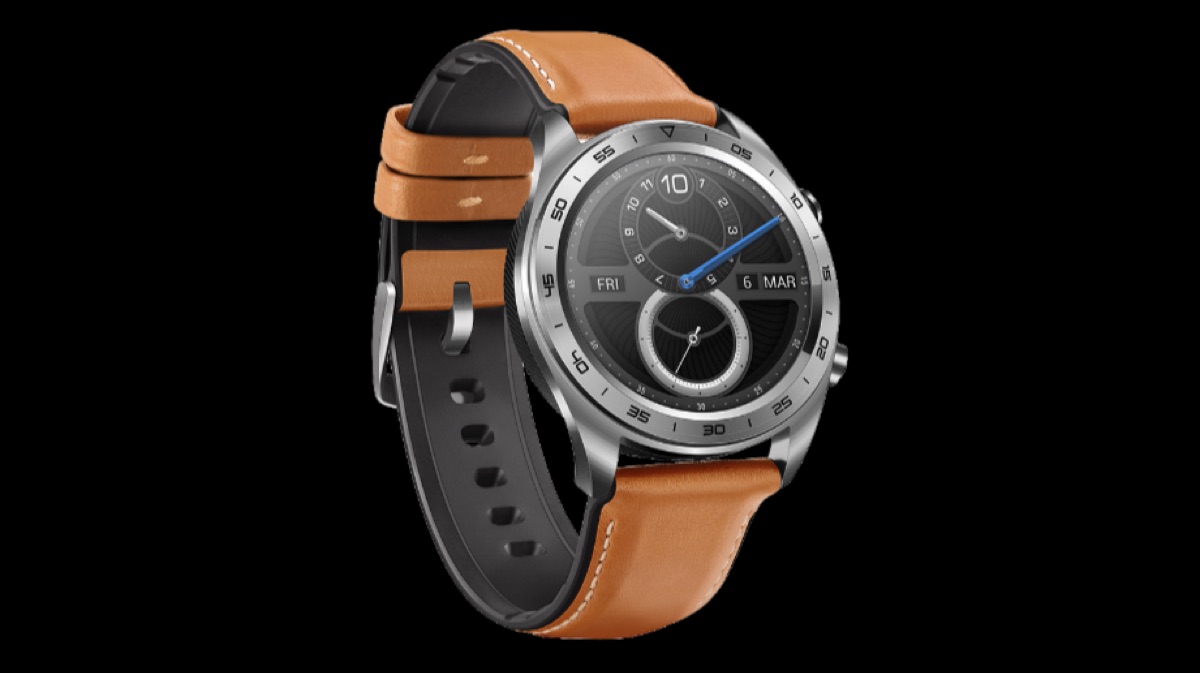
    The Honor Watch Magic has a metal & plastic build with a wrist strap that fits wrist sizes between 14-21 cm. It also has the option to easily swap straps due to its quick fit mechanism. The watch measures 42.8 × 42.8 × 9.8mm and weighs 32.5 grams. The Honor Watch Magic has a 1.2-inch circular color AMOLED screen with a resolution of 390 x 390 px and a pixel density of 326 ppi.  The smartwatch has a 178 mAh battery which can be charged via the magnetic ejector charging port. Honor claims the watch has a battery backup of up to 7 days which varies as per usage by the user. The Watch supports NFC for wireless payments and GPS for navigation. It runs on an ARM M4 CPU and has 16 MB of RAM. It also has 128 MB of ROM for storing the calculated data.
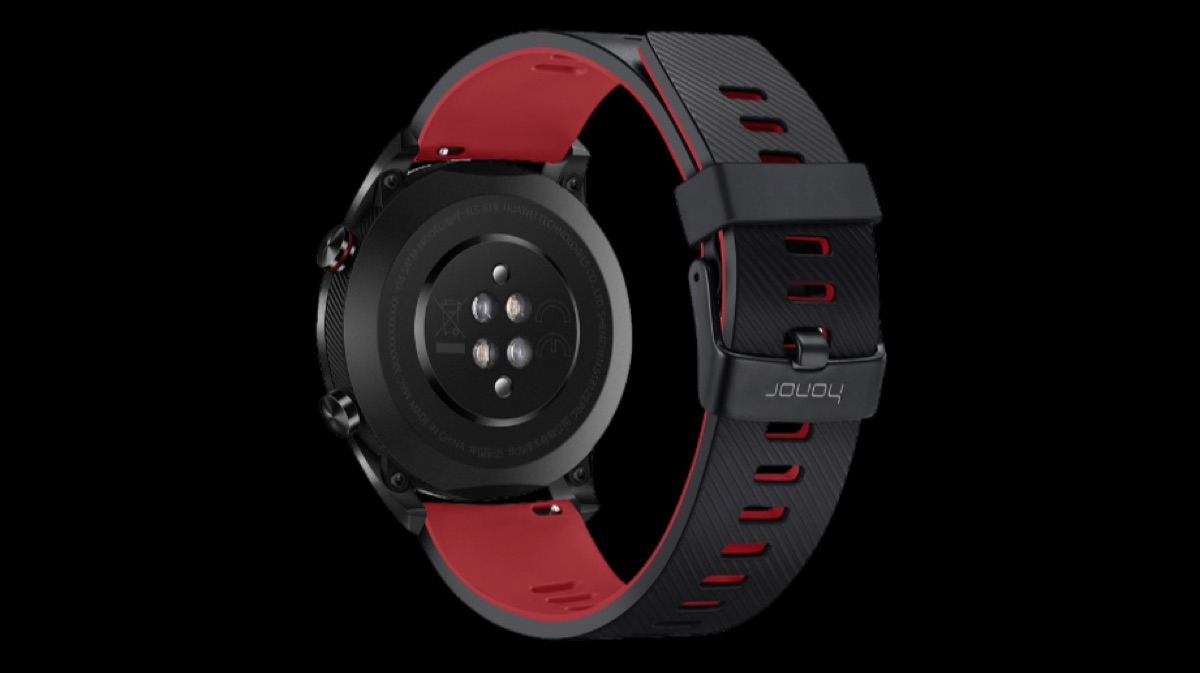
    The Honor Magic watch has an Optical heart rate sensor to accurately measure the user’s heartbeats. It also has a whole host of sensors which include an Accelerometer, Gyroscope, and an Ambient light sensor. The smartwatch can also record fitness statistics like the number of steps taken and the number of calories burnt.

    The Honor watch magic runs on Light OS like the Huawei Watch GT. The smartwatch is waterproof up to 50 meters. It uses Bluetooth 4.2 Low Energy technology to connect with compatible devices. The smartwatch is compatible with devices running iOS 9.0 and above or Android 4.4 and above.

    Price & Variants
    Also read: Honor Magic 2 with sliding cameras launched.

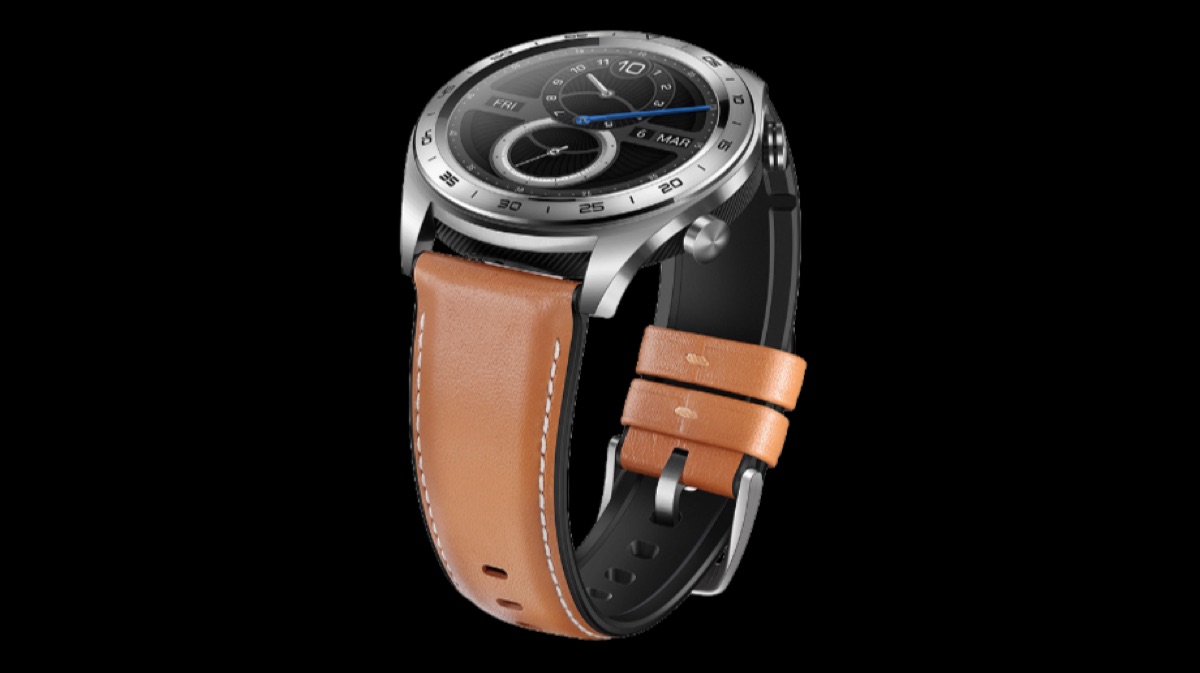
    The Honor Watch Magic is available in two different variants which are Sports and Fashion. The Fashion version is available in the Moonlight Silver colour and has a price tag of 999 ¥ (around Rs. 10,600) whereas the Sports version is available in the Lava Black colour with a price tag of 899 ¥ (around Rs. 9,500).

    The smartwatch is currently available in China but we expect Honor to soon release it in other markets as well.

  • Honor Magic 2 Launched With Sliding Cameras

    Honor Magic 2 Launched With Sliding Cameras

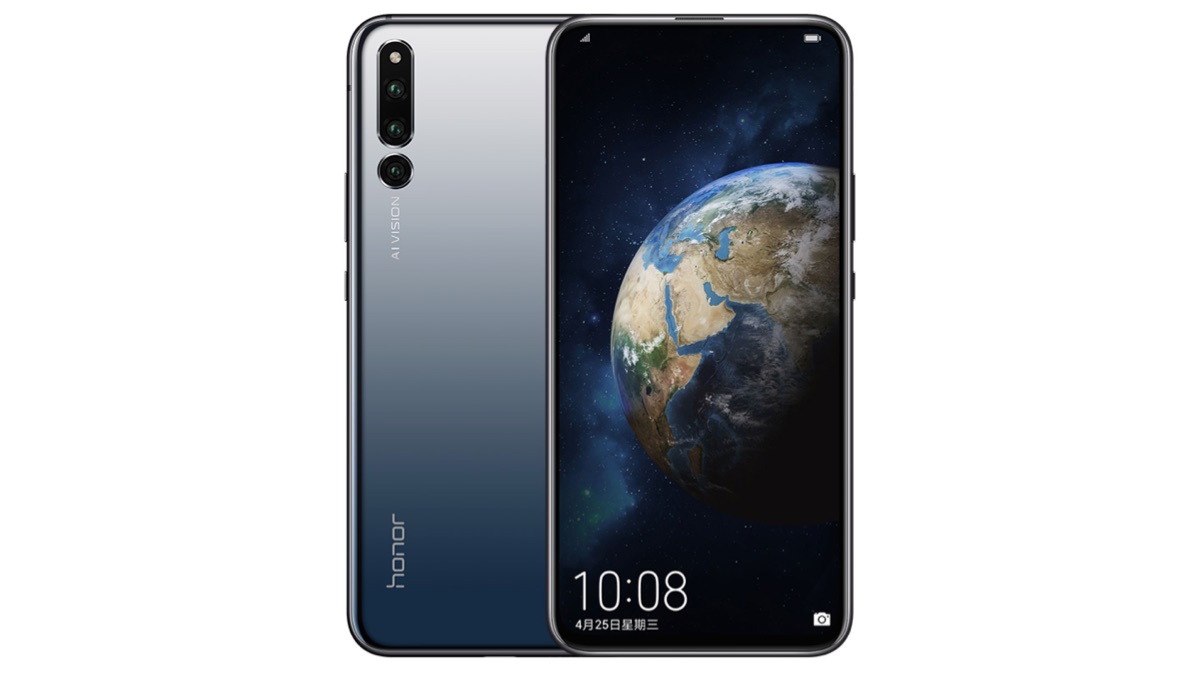
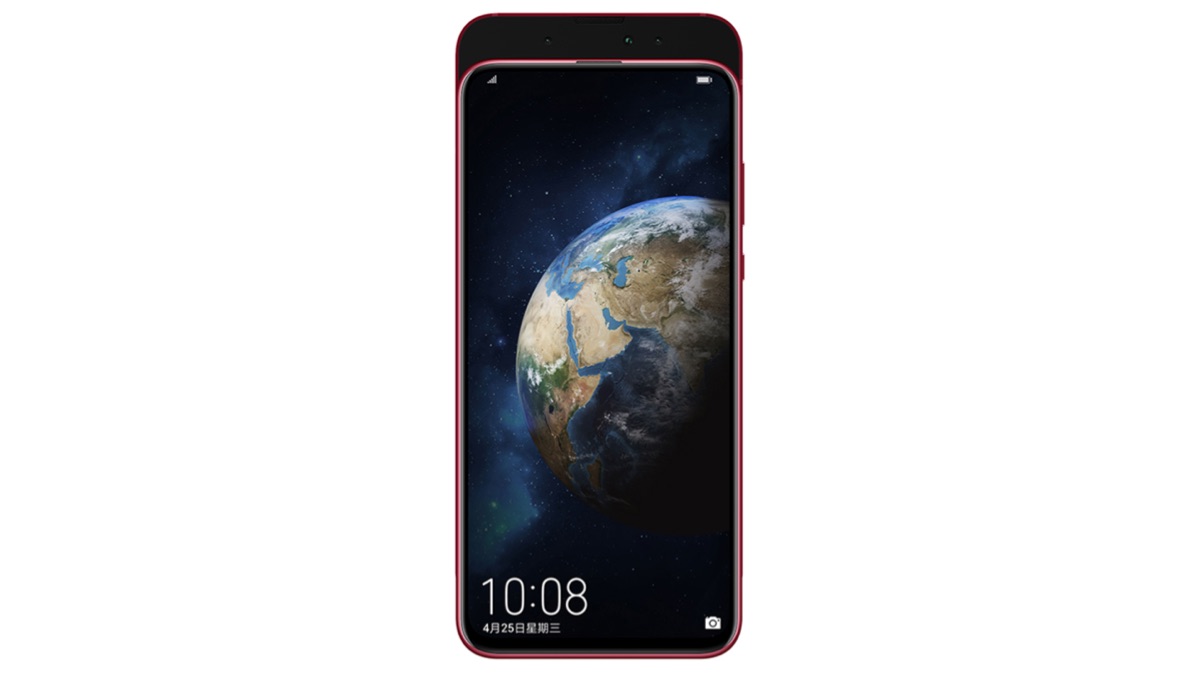
    Honor, a sub-brand of the Chinese tech giant Huawei has launched their highly awaited Honor Magic 2 smartphone in China. The Honor Magic 2 has a sliding camera mechanism that hides the triple front cameras and the sensors, making the display almost bezel-less. The sliding mechanism is similar to the recently launched 5G Mi Mix 3. The phone is feature packed with a triple rear camera setup, in-display fingerprint sensor, 3D Face Unlock and more,

    Design

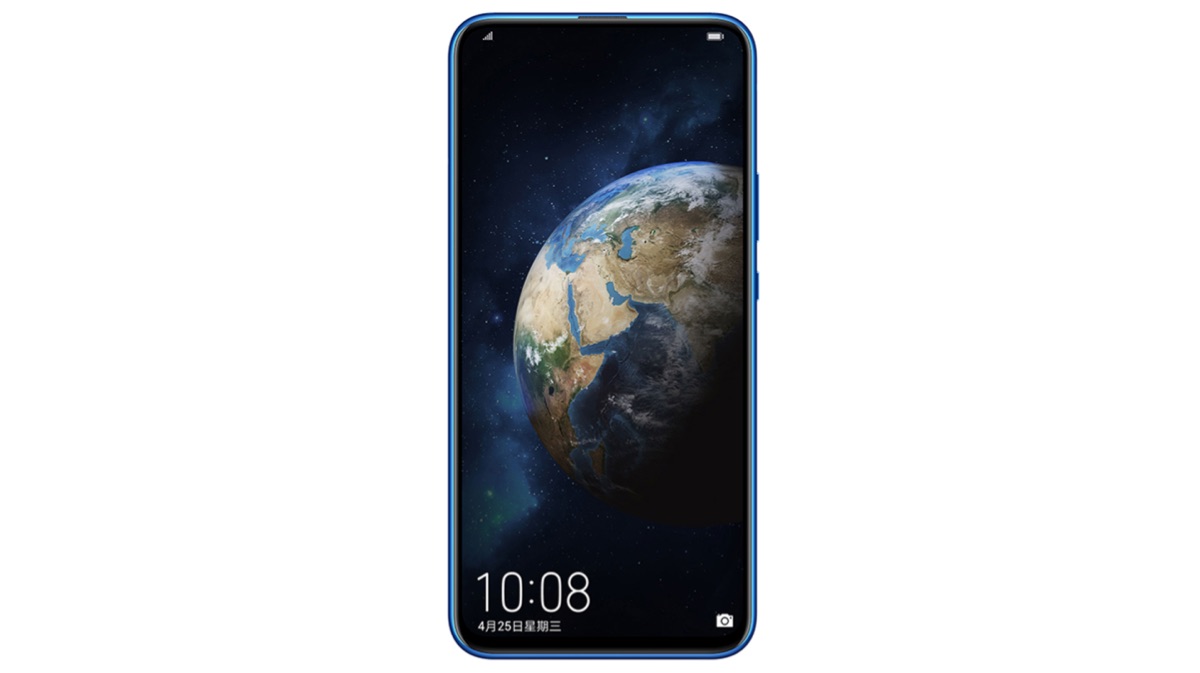
    The Honor Magic 2  measures 157.32 x 75.13 x 8.3 mm and weighs in at 206 grams. The device has a 91.5% screen-to-body ratio and the notch-less front with negligible bezels make the smartphone look remarkable. The speakerphone is integrated into the top bezel of the display. The SIM card slot is on the right while the volume rockers and power button are on the left.

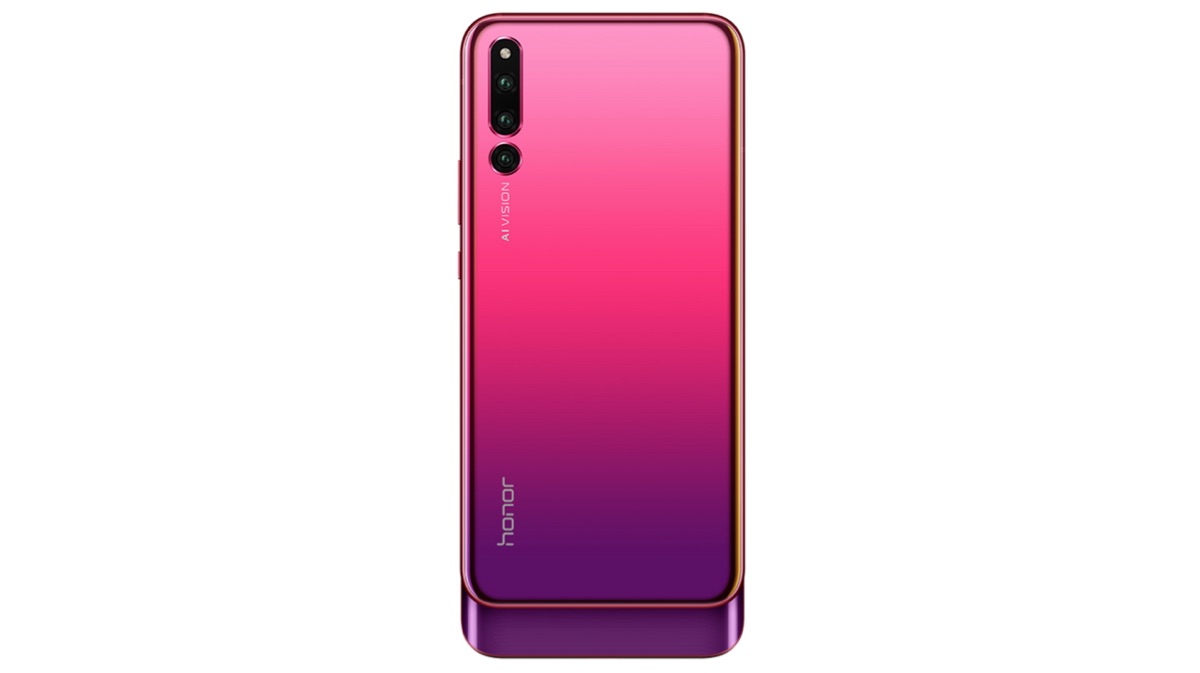
    The triple cameras along with a single LED flash are placed on the top left of the back. The Honor Magic 2’s rear camera setup is divided into two different modules, one being a tall capsule-shaped section which houses two cameras and an LED flash while another circular module for the third camera. The Company branding is placed vertically on the bottom left side of the rear. The smartphone has 3D facial recognition and an in-display fingerprint sensor for securely unlocking it.

    Specifications

    The Honor Magic 2 has a 6.39 inch FHD+ AMOLED display with a 2340 x 1080 px resolution and 19.5:9 aspect ratio. The rear camera setup has triple 16 MP f/1.8 + 24 MP f/1.8  + 16 MP f/2.2 sensors with LED flash. The Honor Magic 2 also has triple front cameras which use one 16 MP sensor and dual 2 MP sensors. The rear cameras can capture 2160p video @ 30fps while the front cameras shoot 1080p videos @ 30fps along with super slow mo video @ 480fps.

    Perfromance

    The Honor Magic 2 runs on the 2.6 GHz Octa-Core Kirin 980 CPU along with the Mali-G76 GPU. The Kirin 980 is the first 7 nm Android processor which is also present on the latest Huawei Mate 20 Series. The smartphone also has a dual NPU (Neural Processing Unit) which helps in taking better pictures with the help of AI(Artificial Intelligence). The NPU also helps in AI intensive tasks by computing solutions to complicated algorithms faster. In terms of storage, the smartphone is available in three different variants which are as follows:

    • 6 GB RAM, 128 GB ROM
    • 6 GB RAM, 256 GB ROM
    • 8 GB RAM, 256 GB ROM

    The smartphone runs on the Magic UI 2.0 based on the latest Android 9.0 Pie. For connectivity, the device has dual 4G VoLTE support, 802.11 Wi-Fi, Bluetooth 5.0 and the USB Type-C port for charging and data transfer. The smartphone also has a gravity sensor, a distance sensor, and an ambient light sensor. It also has a Virtual Assistant named Yo-Yo like Apple’s Siri and Google assistant.

    The Honor Magic 2 has a 3,500 mAh non-removable lithium-ion battery which supports fast charging. Honor also introduced their latest fast charging technology, Magic charge. It charges the handset at 40 watts, which is twice as fast as OnePlus’s Dash Charge.

    The Honor Magic 2 also has an IPX2 rating for water and dust resistance.

     Price

    The Honor Magic 2 is available in three color options which are Gradient Black, Gradient Red, and Gradient Blue. Prices of the various models are as listed:

    • 6 GB RAM, 128 GB ROM – 3,799 ¥(around Rs. 40,300/-)
    • 6 GB RAM, 256 GB ROM – 4,299 ¥(around Rs. 45,600/-)
    • 8 GB RAM, 256 GB ROM – 4,799 ¥(around Rs. 51,000/-)

    Although the smartphone is currently available only in China, Honor might soon release it in other regions.

  • Samsung Introduces Two 1/2 inch ISOCELL Image Sensors

    Samsung Introduces Two 1/2 inch ISOCELL Image Sensors

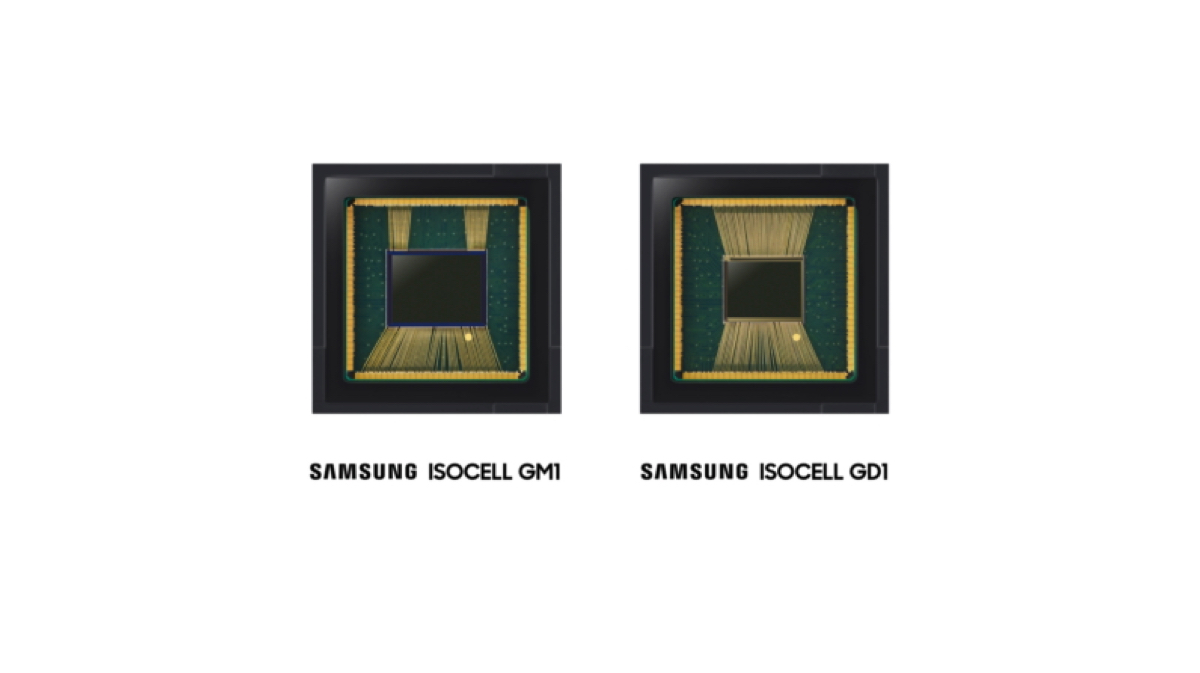
    Samsung announced two new 0.8-micrometer pixel image sensors. These include the 48 megapixel Samsung ISOCELL Bright GM1 and the 32 megapixel ISOCELL Bright GD1.  According to a senior Samsung executive, the demand for ultra-small, high-resolution image sensors are growing. As smartphones evolve to deliver new and more exciting camera experiences for users, Samsung wishes to stay in this race. This indicates that these sensors are aimed for future smartphones from the company’s table. Cameras have become an integral part of the smartphone experience. Manufacturers are aiming to innovate and research newer ways to fit as many sensors as they can into a small body. Reducing sensor size without compromising on image quality or overall camera performance seems to be on every manufacturer’s agenda.


    Features Of The Sensors

    According to Samsung, the GM1 and the GD1 sensors are based on their latest pixel isolation technology. The ISOCELL Plus supposedly optimises performance especially for smaller-dimension pixels, making them the ideal solution for today’s super-resolution cameras. This technology allows the sensor to combine four pixels and merge them to one to improve the camera output in lower lighting conditions. The company claims that the GM1 and GD1 can deliver light sensitivity equivalent to that of a 1.6 micron pixel image sensor at 12 MP and 8 MP resolution, respectively.

    Also ReadLG’s New Patent Hints At A Notch-Less Phone

    The GD1 also gets realtime HDR support. This reportedly allows for balanced exposure, richer colour and detail when filming selfie-videos or streaming live video content even in low-light or high-contrast environments. This might be a great thing for people who use their front cameras a lot. Both these sensors will go into mass production in the fourth quarter of this year. Samsung has already showed an under display camera they have been working on for their future phones. Although it seems unlikely that they will use these sensors for their new technology which is still at a very early stage. But it will be interesting to see how the sensors are used by the company.

  • Nubia X Launched With Dual Display And Dual Fingerprint Sensor

    Nubia X Launched With Dual Display And Dual Fingerprint Sensor

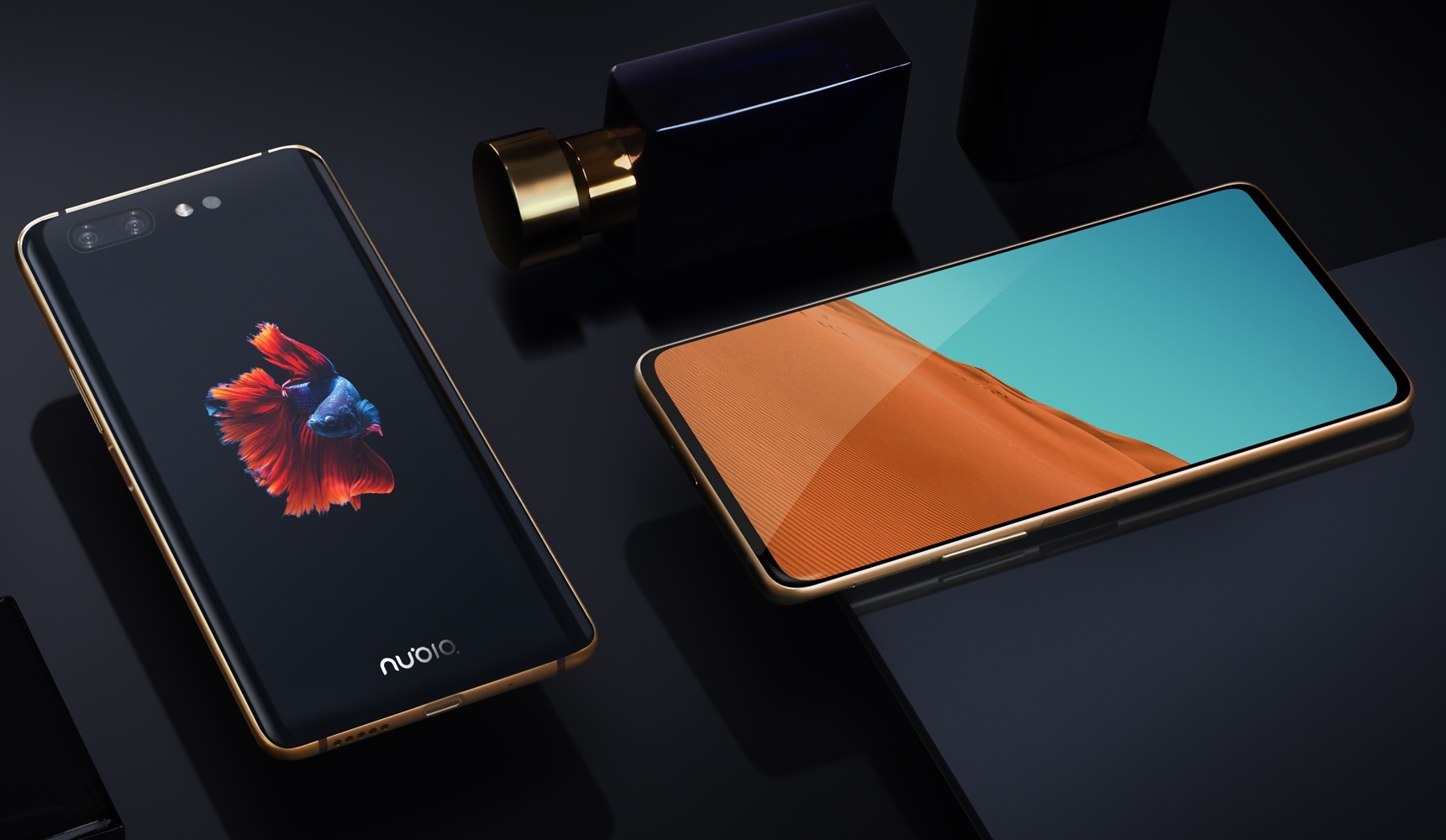
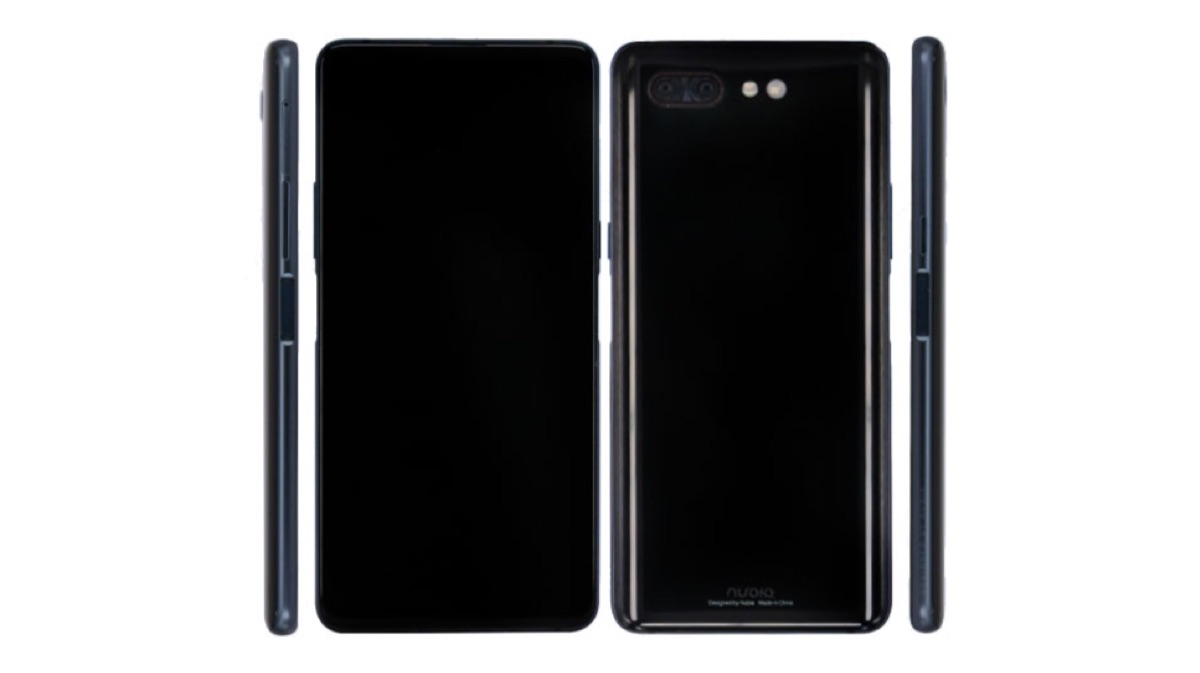
    Nubia has launched the Nubia X at an event held in China and the phone is every bit unique. The Nubia X has two displays, two fingerprint sensors and does not have a front facing camera. That’s right, the company eliminated the front-facing camera to ensure a bezel-less display. However, they do have a solution for the same. The smartphone has been launched at a price of CNY 3,299.

    Dual Display

    The Nubia X sports a 6.26 inch 2280 x 1080 px resolution primary display, on the front. The display has a 19:9 aspect ratio and is curved. Despite having a very thin forehead and chin, the device sports a 93.6% screen-to-body ratio. On the back, it has a 5.1 inch 1520 x 720 px  secondary display. The company claims that the display can be used for HD selfies, wallpapers, custom signatures, dynamic pictures and advanced controls for high quality gaming.

    As far as the lack of a front-facing camera, the Nubia makes up for it by having a display on its back as well.  This helps the user to utilise the main, dual camera setup to click ‘high quality’ selfies. The dual camera setup has 16 MP + 24 MP sensors. The device runs on the Qualcomm Snapdragon 845 SoC and has 6 GB or 8 GB of RAM along with internal storage of up to 256 GB.
    Under the hood, it packs a 3,800 mAh battery which will power the phone and the two devices comfortably, according to the company. The Nubia X does so by using technologies such as NeoPower 3.0. Additionally, it also has two fingerprint sensors, placed on either sides of the device. The dual side-mounted sensors are to increase convenience for users and allow them to access the device with either hand.

    Also Read: 5 Guidelines For Better Pictures With Your Smartphone Camera

    The Nubia X is sure as unique as it is unconventional. The questions still lingers as to whether the features are actually good enough to bring in a new level of convenience. As of now, the Nubia X has only been launched in China. It will retail at a price of CNY 3,299 for its base variant.

  • 5 Best Instant Messaging Apps Other Than WhatsApp

    5 Best Instant Messaging Apps Other Than WhatsApp

    Instant messaging is a type of technology that offers real-time message and media transmission over the internet. It dates back to the early 90’s and some of the first platforms were AOL instant messenger and Yahoo’s Ytalk. But the launch of modern smartphones has completely revolutionised instant messaging and taken it to another level. WhatsApp and Facebook messenger are the prime examples of new era of Instant messaging. However, there are multiple other IM applications and software that have their own distinctive attributes and USP’s. Here is a list of 5 such applications that are available on both Android and iOS platforms.

    1.) Hike

    Hike messenger is a free instant messaging app developed in 2012. It offers support for 10 languages and allows support for both text messaging and audio calls. One key highlight of Hike messenger is its offline chat ability that allows sending messages to users even if they don’t have an active internet connection. Some other distinctive features of Hike are a Hidden mode, 20,000 free stickers, better security and many more.

    The Hidden mode allows users to hide their chat with specific contacts that stay invisible from the main chat screen. Hike has an option to enable 128-bit encryption so hackers cannot tap into messages even if they are connected to the same Wi-Fi access point.

    Highlight- Extensive Features

    2.)Skype

    Skype was initially released in 2003 and was later taken over by Microsoft in 2011 for $ 2.9 Billion. It was one of the first pieces of software to offer video chat functionality. The mobile version of Skype offers free voice, video, and text messaging support. Talking about video calls, Skype mobile supports simultaneous calls with up to 24 contacts. Like other IM’s, it also allows sharing photos and videos with saved contacts.

    Highlight- Best Video Call Support

    3.)Discord

    Discord is a cross-platform text and voice chat app that is specifically designed for gamers. It allows creating separate channels for different topics and subjects. The user can easily see which of the team members are currently online and what game they are playing. In Discord, a user can easily send invite links to new members to join a particular group.

    Discord is a web-based instant messaging application hence, the users can log in from any device and view conversations. Unlike WhatsApp that can only function on one device at a given point of time. Additionally, users can also share their screencast with friends and participants.

    Highlight- Made For Gamers

    4.)Signal

    Signal is an instant messaging application built with security in mind. It was developed in 2013 and supports 31 international languages. It is an open source messaging app hence, it allows anyone to verify its security by auditing the code. Signal is the only private messenger to offer this level of security. It supports Group chat, text messaging, audio/video calling and private media sharing.

    Highlight- Security

    5.)Slack

    Slack is a cloud-based team collaboration instant messaging service which was founded in 2013. It allows groups, communities or teams to join via a specific invitation link or manually by the team admin. It integrates a large number of third-party services like GitHub, Google Drive, Dropbox, IBM Bluemix and many more which come handy in development environments in companies.

    Also read: Apple Updates The iPad Pro With Face ID And USB C Ports

    Slack is freemium software which means its basic functions are free to use but also offers paid features like unlimited app integration and ability to search more than 10,000 archived messages.

    Highlight- Team Collaboration


  • 5 Guidelines For Better Pictures With Your Smartphone Camera

    5 Guidelines For Better Pictures With Your Smartphone Camera

    Smartphones have improved in leaps and bounds over the past few years and so have their cameras. With cameras getting better by the day, customers are shifting to these handy devices for their photographic needs instead of lugging around a difficult to use DSLR. This means learning how to use your smartphone camera and using it to the fullest. A phone camera these days has a lot of features for customisation which can make your images better. Let’s discuss five tips that can make your images better instantly.

    Use HDR Mode

    The HDR mode is an extremely useful when it comes to phone photography. More often than not, you will find yourself shooting subjects with a strong backlight and this makes the subject dark as the camera exposes for the highlights. If you expose for the shadows then the highlights get burnt. How to do you find a solution? The phone manufacturers have long added a feature that can bring out the shadows and tone down the highlights of these images. Using the HDR mode, the phone shoots three or more images in different exposures. One with the mid-tones properly exposed, one with the highlights properly exposed and one with the shadows properly exposed. Then the phone’s algorithm joins all the three photos to create an evenly exposed image with both shadows and highlights intact.

    Set Exposure For The Highlights

    If you do not wish to use the HDR mode or do not have the HDR mode in your smartphone camera, which by the way is extremely rare, you can expose your images for the highlights. This has to be done because if you lose the highlight details, you cannot get it back in post production. But more often than not, you can get the details in the shadow areas back in post processing. You can use Snapseed to adjust shadows and highlights after shooting.

    Use Manual

    Manual mode is amazing. If you have a good understanding of photography and know how to use shutter speed, aperture and ISO then you can use the manual mode in your smartphone camera. You get a better control over the exposure of your images. Even in DSLRs, using the manual mode gives you better control. If you have enough time to frame and compose your shots, then use the manual mode.

    Manual Mode


    Use 4:3 aspect ratio

    Many might not know this, but your phone’s sensor is rectangular. Shooting in a 4:3 aspect ratio gives you the best resolution images because it uses the maximum number of pixels in your smartphone camera. Shooting in 16:9 or 19:9 mode might look pretty on a large screen device, but it reduces the megapixel count. You can test this out by shooting the same image in both aspect ratios and look at them on your computer monitor to see the difference!

    Also Read: PUBG Mobile: Tips And Tricks To Become An Ace Player
    Don’t use flash when shooting a landscape image

    Many a times, you will see people shooting images of the beach or any other wide landscape at night using the phone’s flash. The phone’s flash is hardly powerful enough to illuminate a subject just a few feet away. It is not possible to use the phone’s flash to illuminate kilometres of vista. So, it won’t make a difference even if you use a phone flash since it’s throw is extremely limited.


  • Nubia X Benchmark Confirms Key Specifications

    Nubia X Benchmark Confirms Key Specifications

    Shenzhen based Nubia Technology is about to launch their latest Nubia X smartphone. An earlier listing on TENAA revealed its specifications which are now confirmed by a Chinese benchmark app, Master Lu. According to the leak, the Nubia X will be the latest flagship phone from the company. The key highlight feature of the smartphone will be its dual display.

    Dual Display Smartphone

    https://youtu.be/p3mzYRRoV2M

    An alleged video of the upcoming Nubia X with front and back dual displays was earlier posted on Youtube. The TENAA listing also states that the device has dual displays hence, there is a possibility that this might be the real device. However, Nubia is yet to confirm the claim. The company is also yet to explain the need of two screens on a smartphone.

    Nubia X Specifications

    The Nubia X has a front 6.26 inch TFT display with 2280 x 1080 px resolution and an additional rear 5.1 inch, 1520 x 720 px resolution OLED display. The device weighs 178 grams and has 154.1×73.30×8.65 mm dimensions. The device runs on the Octa-Core Snapdragon 845 SoC and is powered by a 3,800 mAh battery which supports fast charging. In terms of storage, the Nubia X has 6 GB or 8 GB of RAM with 64 GB or 128 GB of internal storage. The TENAA listing also reveals the smartphone has a Gravity sensor, distance sensor, and an ambient sensor. Both the video, and the TENAA listing assert that the smartphone has a side mounted fingerprint sensor.

    Master Lu Scores

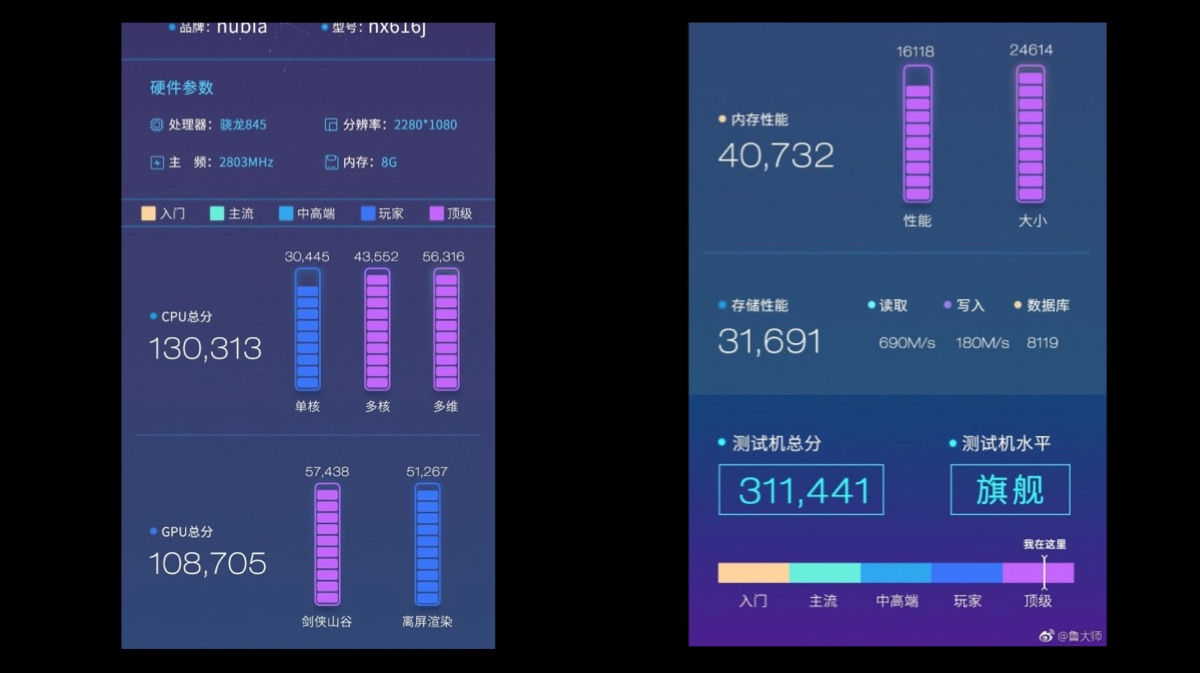
    The latest Master Lu benchmark reaffirms the previously leaked specifications of the Nubia X including the Display, RAM & Processor. It has a CPU score of a 130,313 and a GPU score of 108,705. The internal storage has a read speed of 690 Mbps and a write speed of 180 Mbps.

    Also read: Nubia Red Magic Gaming Phone To Launch Soon In India

    The Nubia X will launch later today and all the specifications and features will be made official then.


  • LG’s New Patent Hints At A Notch-Less Phone

    LG’s New Patent Hints At A Notch-Less Phone

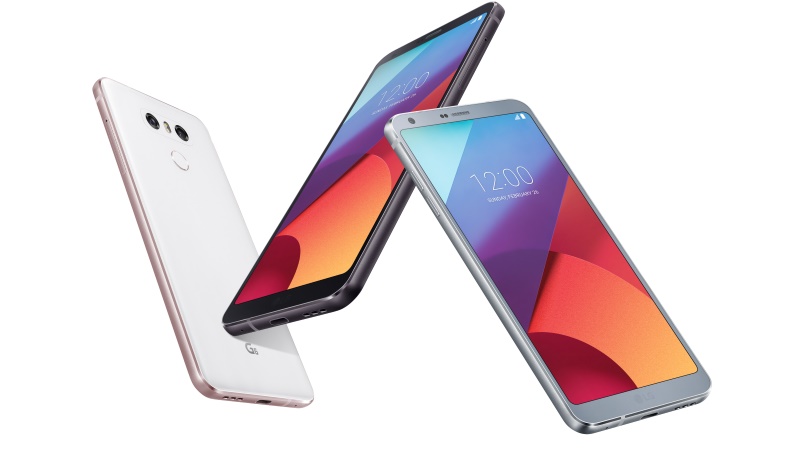
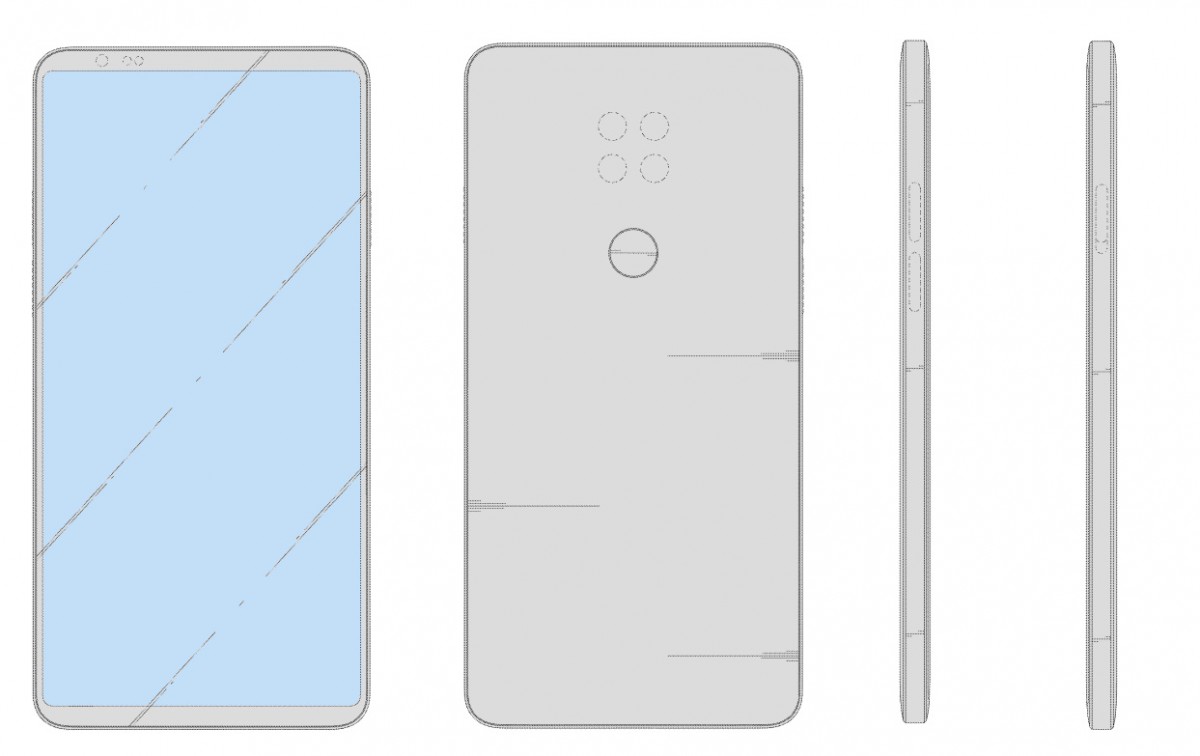
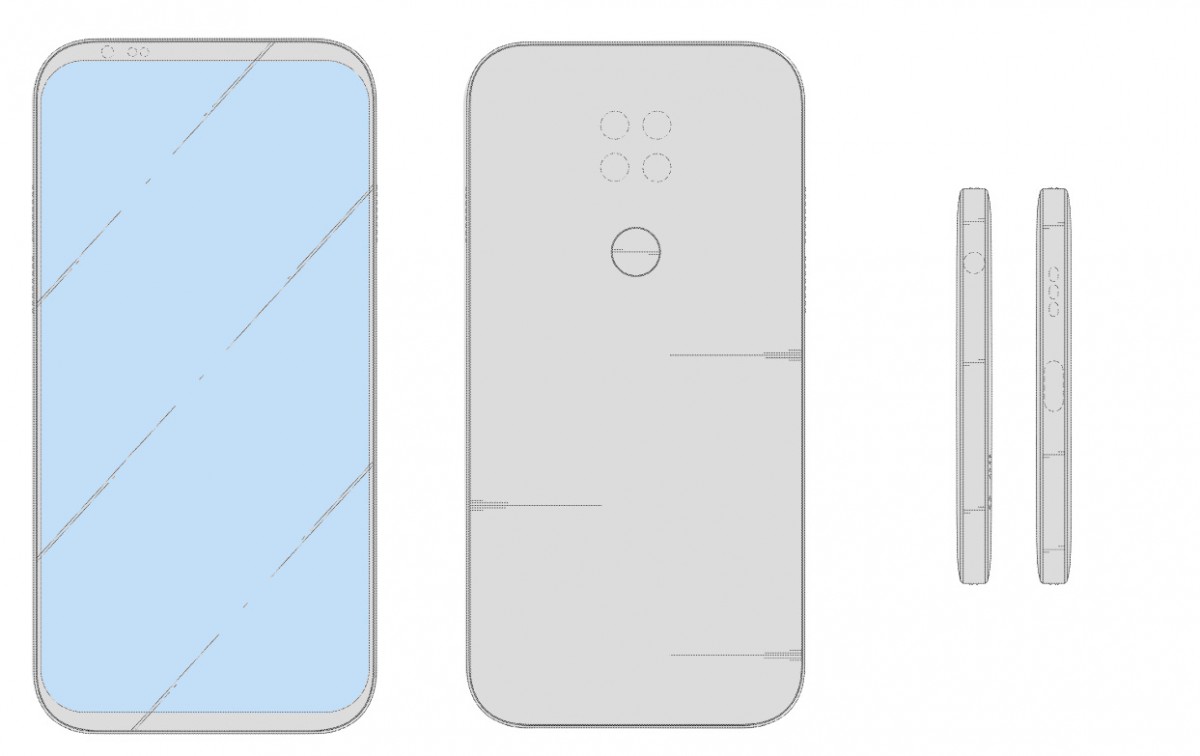
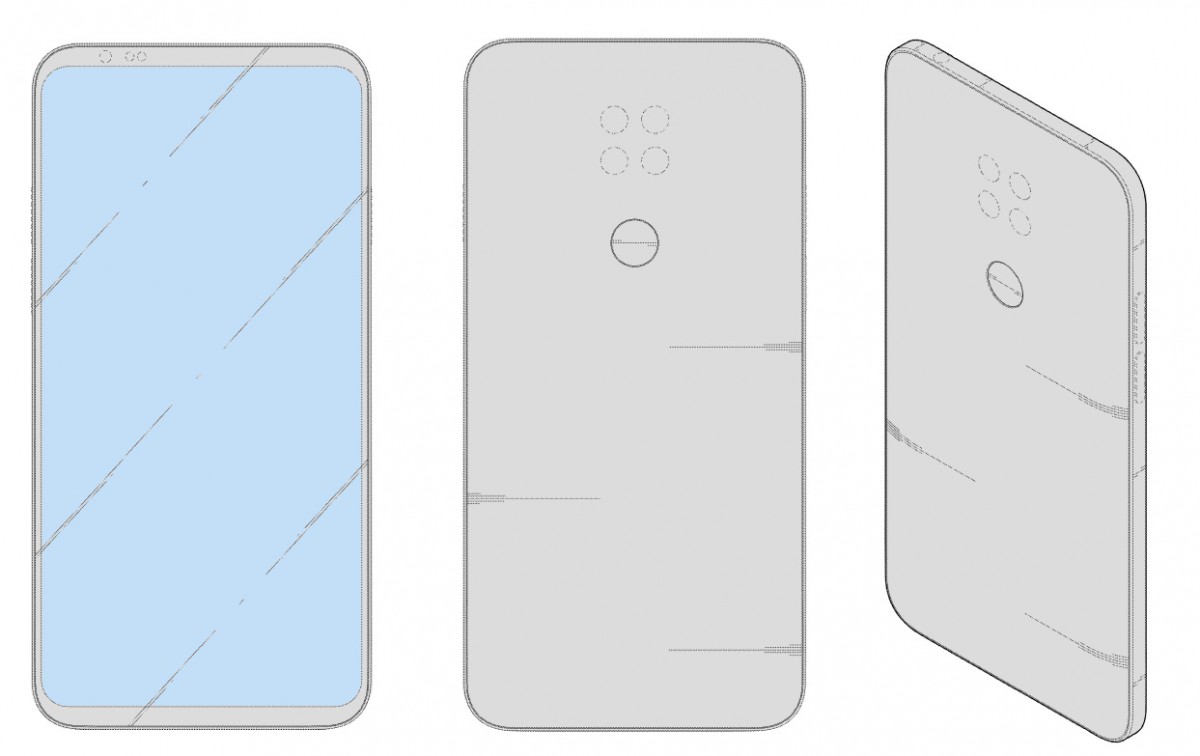
    The race to have notch-less screens is on and everyone is trying different ways to find the right mix of usability and productivity while not compromising on the looks. LG has reportedly filed patents for a new phone that may have three or four cameras on the back and a notch-less design. While there is a very thin forehead to the phone which houses the cameras just like the G6, the chin and forehead are both comparatively thinner.

    Phones Without Borders

    Mi Mix was one of the first phones to try to eliminate the bezels and Oppo and Vivo soon followed. Oppo Find X employed a sliding camera while Vivo NEX had a pop-up selfie camera. The Mi Mix 3, which saw it’s launch recently, features a sliding back which is mechanical and not electronic. With its sliding camera, the Mi Mix 3 has a 93 % screen-to-body ratio.

    Also read: Samsung Working On An In-Display Front Facing Camera

    The images show that a fingerprint sensor will still be available in the phone. It seems like LG is not quite ready to embrace the in display fingerprint just yet. Samsung on the other hand always steers clear of the whole notch saga. They have made a different identity for themselves with the curved display which they call the infinity display. It has, on several occasions, mocked Google as well as Apple for their notches and are definitely taking a different route.

    Samsung has also said that they are working on an under-display front facing camera to avoid the notch altogether. It is rumoured that the Samsung Galaxy A8s may feature the under- display camera. LG’s design patents suggest three different designs with each one having more rounded corners than the last. It will be interesting to see if LG’s old school design without the notch fares well with the customers or not!

  • OnePlus 6T Receives Oxygen OS 9.0.4 Update

    OnePlus 6T Receives Oxygen OS 9.0.4 Update

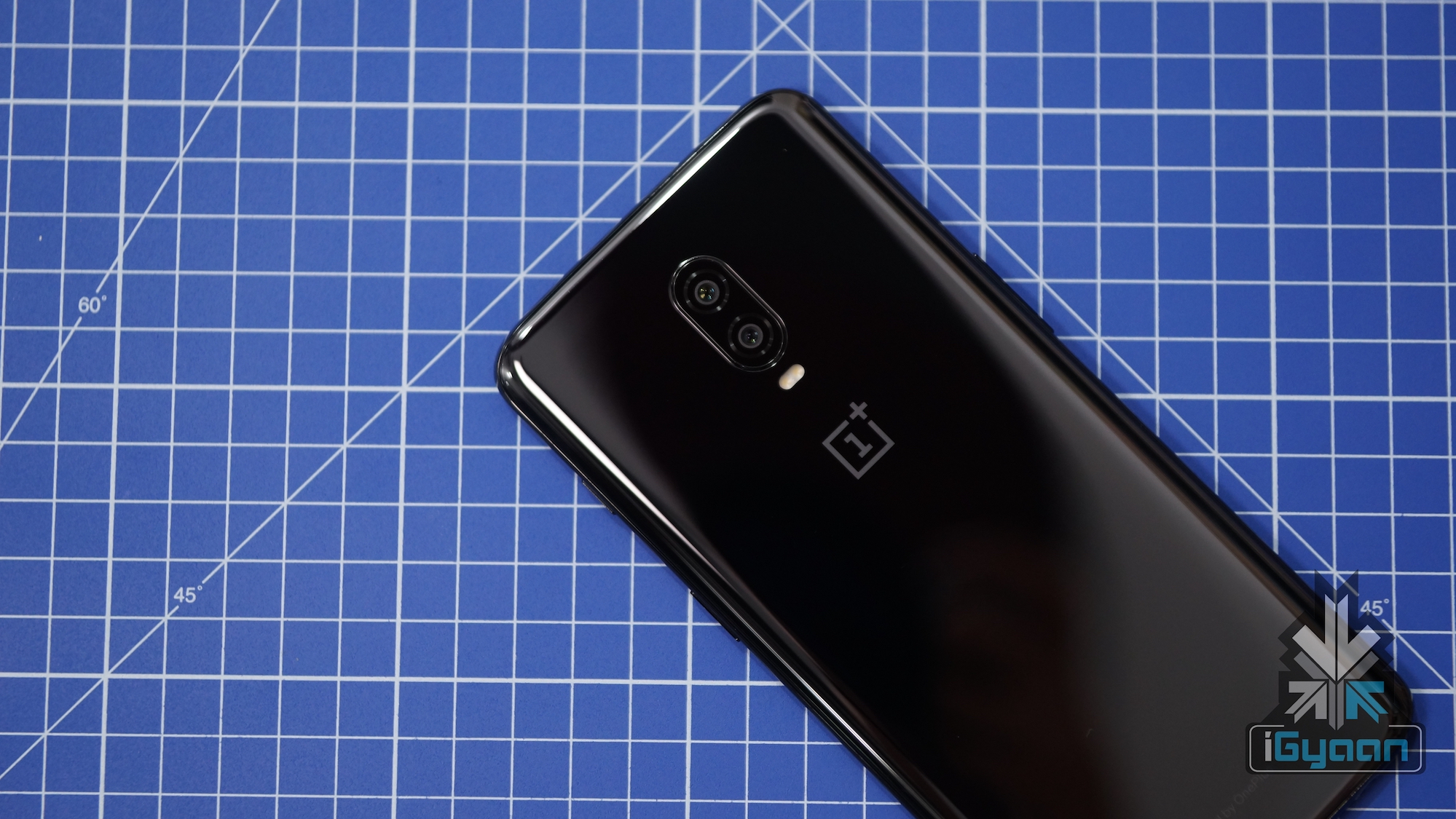
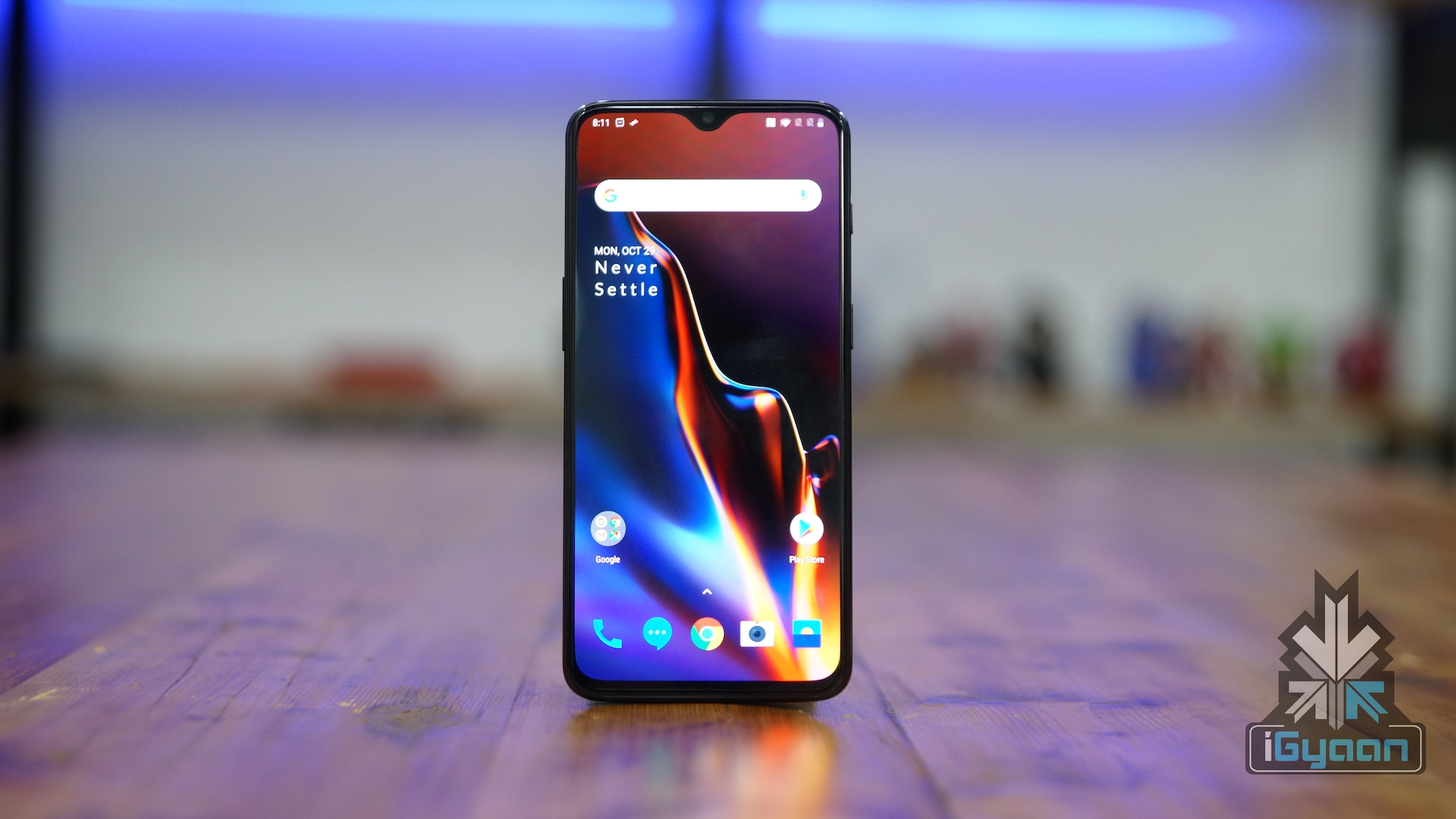
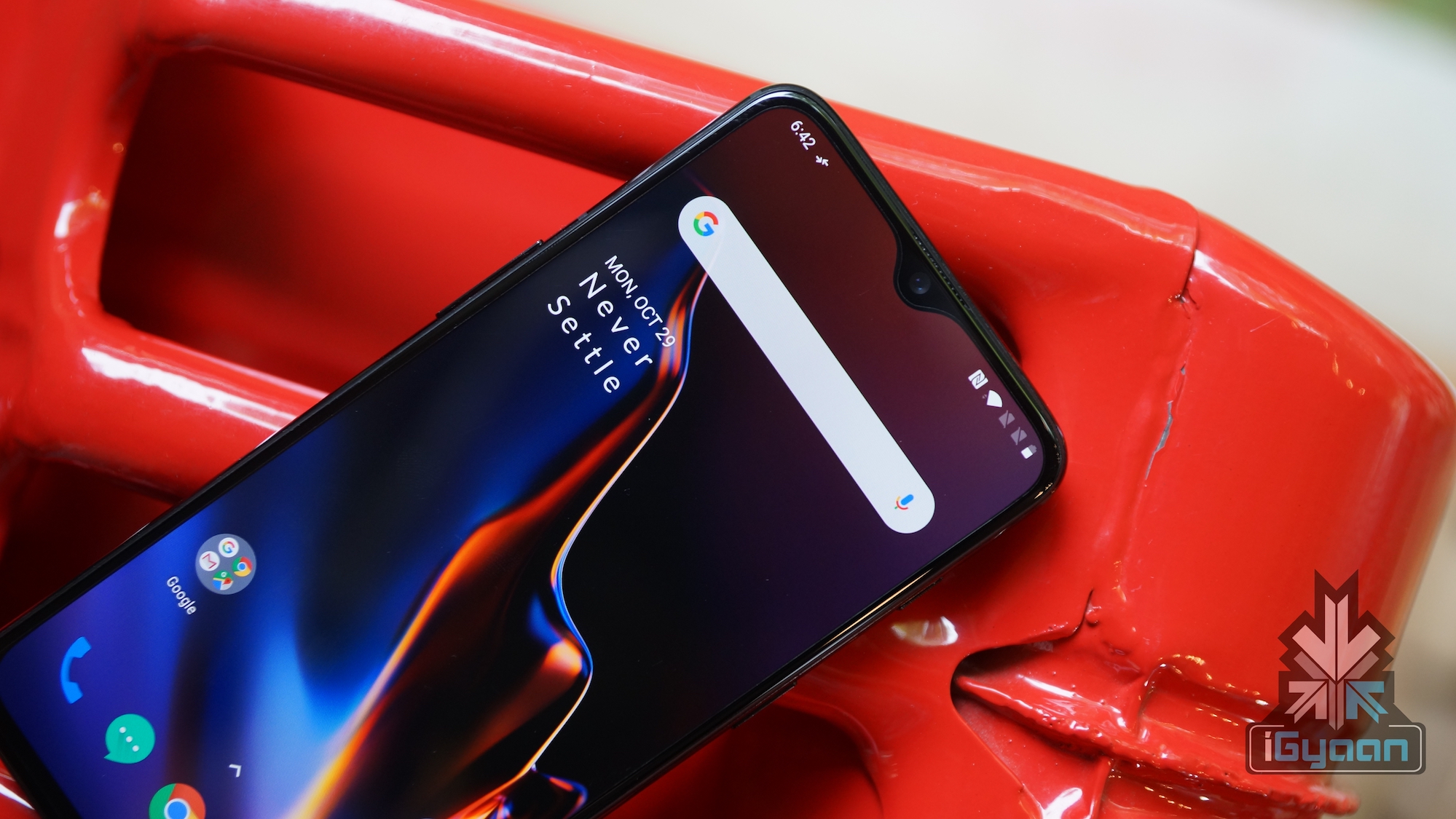
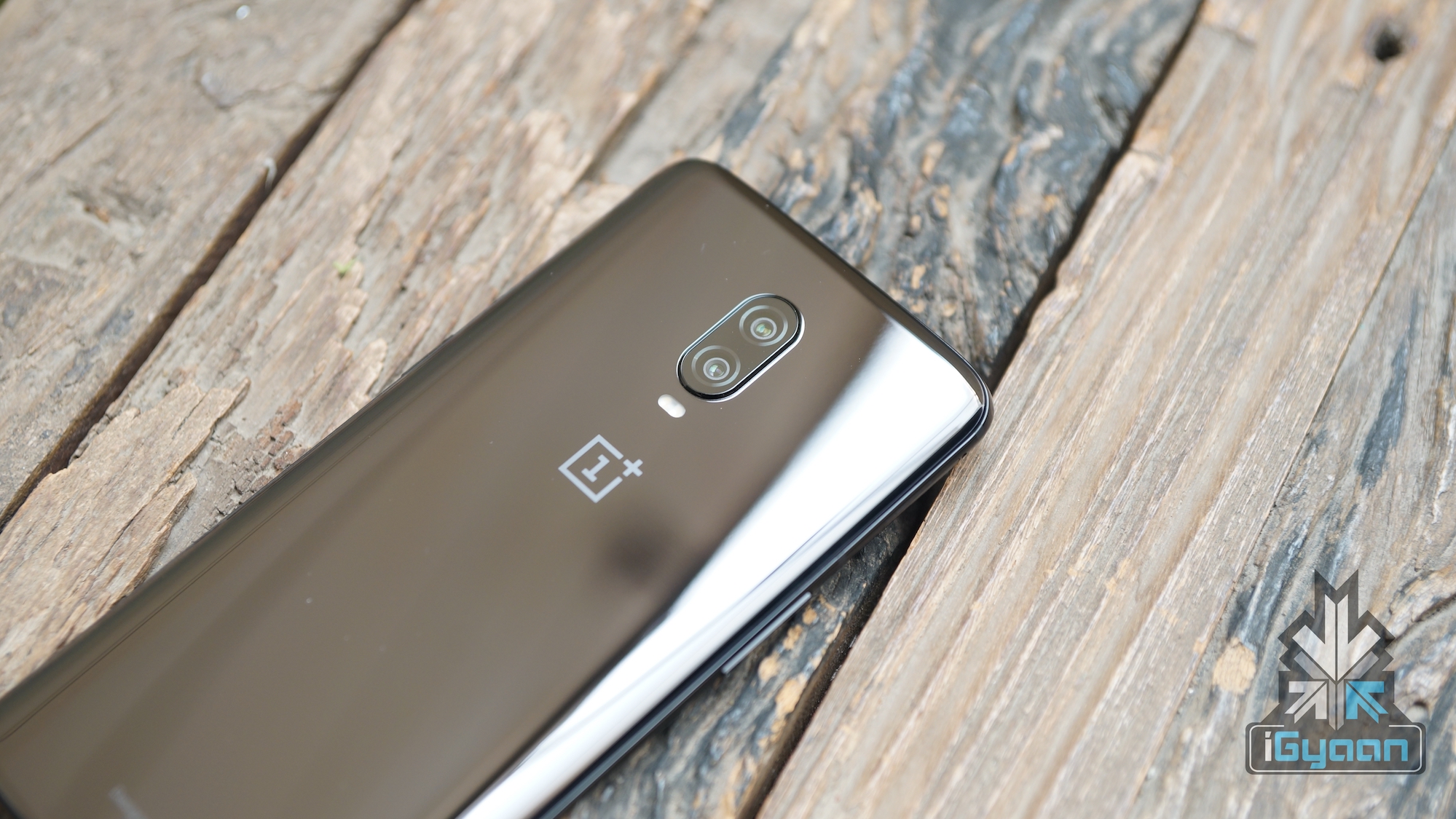
    The OnePlus 6T was launched in India on October 30th and the device is already getting updates. We are all familiar with OnePlus’s Oxygen OS which provides an almost stock Android experience, almost mirroring that of the Google Pixel. Additionally, the OnePlus 6 is also the one of the first devices to receive Android 9 Pie, second only to the Google Pixel. Therefore, it is no surprise that the Oneplus 6T has already started receiving updates.

    The Oxygen OS 9.0.4 update is rolling out to all the OnePlus 6T devices and brings in changes in the Nightscape feature and some security updates. Since the camera hardware used in the 6T is the same as the OnePlus 6, the company had to look for ways to make sure that the performance improves. The Nightscape feature on the OnePlus 6T claims to improve the lowlight performance of the camera. As of now, Nightscape does offer visible improvements, but not something that is a game-changer. The slight upgrades brought by this update might change that. It also added studio lighting to enhance pictures taken by the phone.

    The update also includes power consumption optimisations, bug fixes and improvements to the Screen Unlock feature. The update also mentions brand new navigation gestures, but we are not sure as to what that means as the OnePlus 6T had new navigation gestures out of the box.

    Also Read: OnePlus 6T Launched In India Starting At Rs 37,999

    OnePlus 6T Price & Availability

    OnePlus had also announced that the OnePlus 6 will be receiving the Nightscape and Studio Lighting update starting today. The OnePlus 6T starts at a price of Rs 37,999 in India. The 6T has a 6.41 inch AMOLED display with a water-drop notch and a fingerprint sensor built into the display. The device sports a 3,700 mAh battery. It has a dual 16 MP + 20 MP rear camera setup and runs on the Qualcomm Snapdragon 845 SoC. The device will be available on Amazon and the OnePlus website starting November 1. The device will also be available through offline retailers starting November 4.

  • Apple Launches Upgraded Mac Mini

    Apple Launches Upgraded Mac Mini

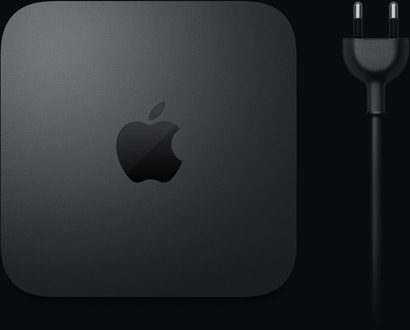
    Apple has finally brought an upgrade to its 4-year-old Mac mini. The new Mac mini is made from 100% recyclable aluminium, just like the new MacBook Air. It is available in a space grey finish. Apple claims that the new Mac mini offers 5x better performance than its predecessor with bigger and better specifications. The Mac mini starts at a price of $ 799 and goes up to $ 4,199 for its top variant.

    What’s New

    The upgraded Mac mini has Quad and 6 Core, 8th generation Intel Core Processors. This consists of a 3.63 GHz, Quad Core i3 processor and a 3.0 GHz, 6 Core i5 processor. The device has Turbo Boost up to 4.1 GHz. It has 8 GB of DDR4 RAM and has 128 GB and 256 GB SSD-only storage options. The Mac mini uses the Intel UHD Graphics 630 GPU and offers a 60% boost over the previous generation in terms of graphically-intensive tasks.

    The Mac mini has a lot of ports to ensure greater connectivity. It has a 10Gbps capable ethernet port, a full-sized HDMI 2.0 port, 2 USB 3 ports and 4 Thunderbolt 3 ports, along with a 3.5mm audio jack. Additionally, it features Wi-Fi and Bluetooth 5.0.

    The device also has the T2 security chip from Apple for added security and encrypting your data. The Mac mini also connects to a MacBook to split the load of your laptop while rendering or running intensive tasks. The device weighs in at 1.3 kg and has 19.7 cm x 3.6 cm x 19.7 cm dimensions. 

    The Mac mini will available starting November 7th, while pre-orders for the device start tomorrow. The base model of the device costs $ 799 compared to the $ 499 base model of the previous generation. No comment about the India launch or price has been made by Apple.

  • Apple Launches The New MacBook Air

    Apple Launches The New MacBook Air

    Apple has launched an upgraded version of the MacBook Air at an event held by the company in New York. The laptop has a 13.3 inch Retina display with a resolution that is four times higher than the previous model. The new MacBook Air is also slimmer and lighter. Most notably, the laptop is made from 100% recycled aluminium, and is Apple’s ‘Greenest laptop ever’.

    The new MacBook Air has a 13.3 inch display with a 2560 x 1600 px resolution. The laptop has a Retina display, making it the cheapest laptop in Apple’s lineup with a Retina display. The display also has thinner bezels, as Apple has made them 50% thinner than before. It also has 48% more colours compared to the previous generation, making the display more colourful.

    The new MacBook Air also has Touch ID built-in. You can use this to unlock the device, access locked documents, notes, system settings and more. Additionally, it features the Apple T2 security chip, to make it more secure. This stores all the data on the SSD automatically, including the Touch ID data, and encrypts it as well. Another addition made by the T2 Chip is that of Siri, who can now be accessed through the MacBook Air.
    For improved usability, the MacBook Air features the butterfly keyboard by Apple. This offers lesser travel and more key stability when compared to traditional keyboards. The keyboard has backlit keys with ambient sensors, helping you type in low-light conditions. The laptop also features a Force Touch Trackpad which performs different tasks based on the pressure applied. The new trackpad is also 20% larger, offering more room for Multi-Touch gestures.

    The MacBook Air runs on the eighth generation i5 processor by Intel and has 8 GB or 16 GB of RAM. The device has storage options of up to 1.5 GB of SSD storage. It runs on the latest macOS Mojave and claims a battery life of up to 12 hours.

    The laptop has two Thunderbolt 3 ports for connectivity and charging, along with a 3.5mm headphone jack. In terms of sound, it has 2x more bass than the previous generation, coupled with 25% more volume. Additionally, it has a three-microphone array to capture your voice and an HD camera for video calling.

    The new MacBook Air starts at a price of $ 1,199 in the US. Details about the availability and price in India are yet to be revealed.


  • OnePlus 6T Launched In India Starting At Rs 37,999

    OnePlus 6T Launched In India Starting At Rs 37,999

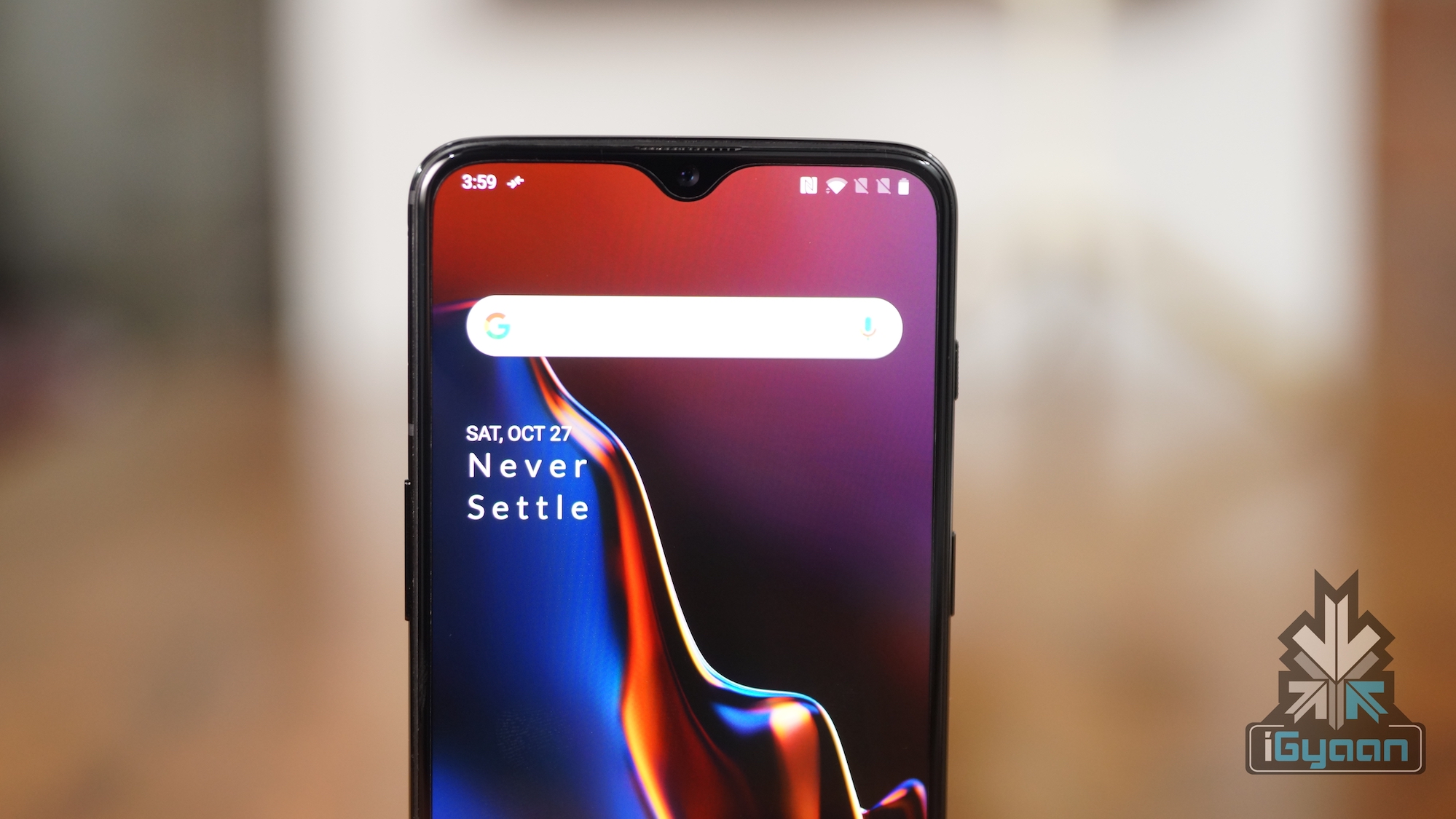
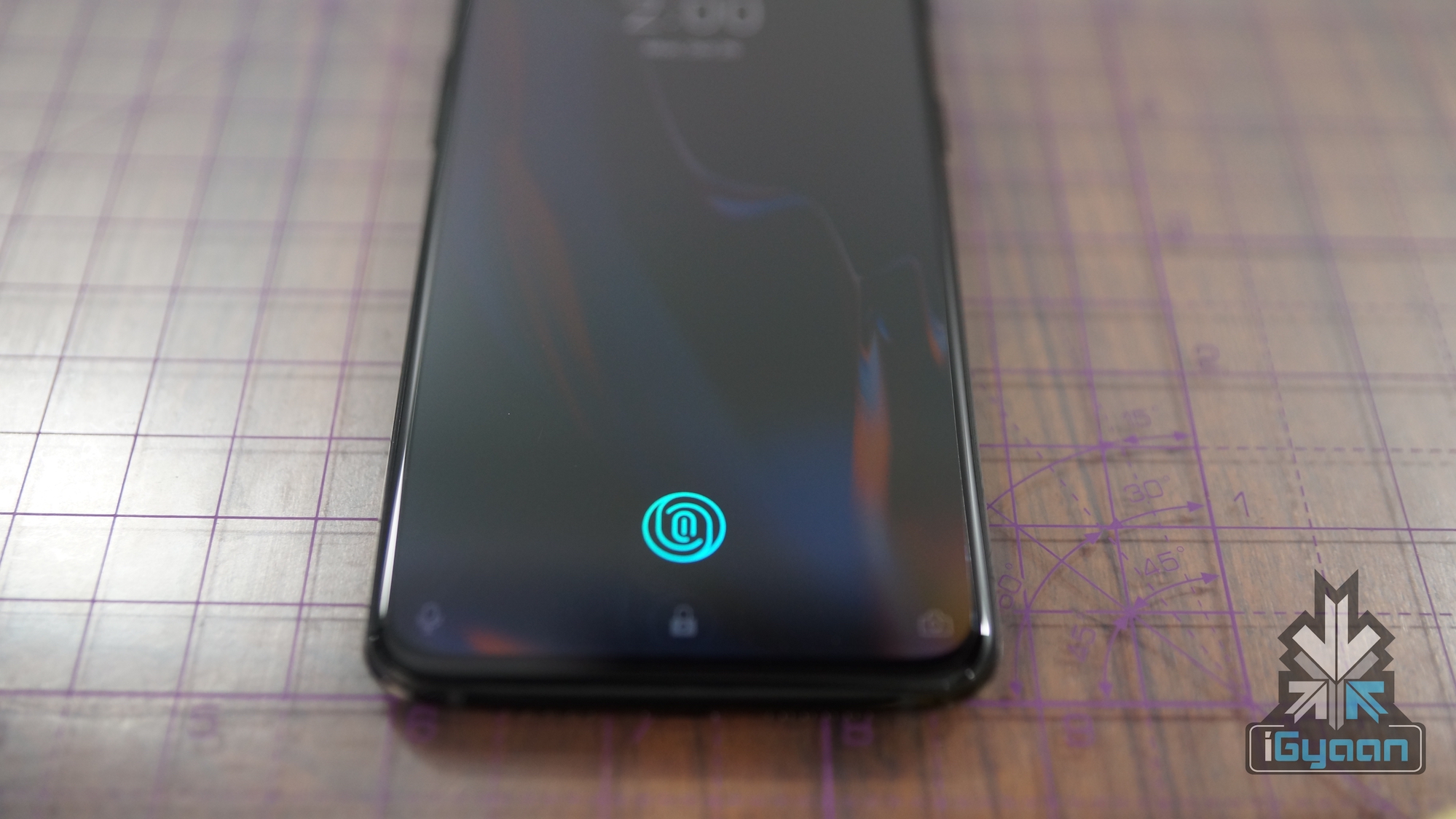
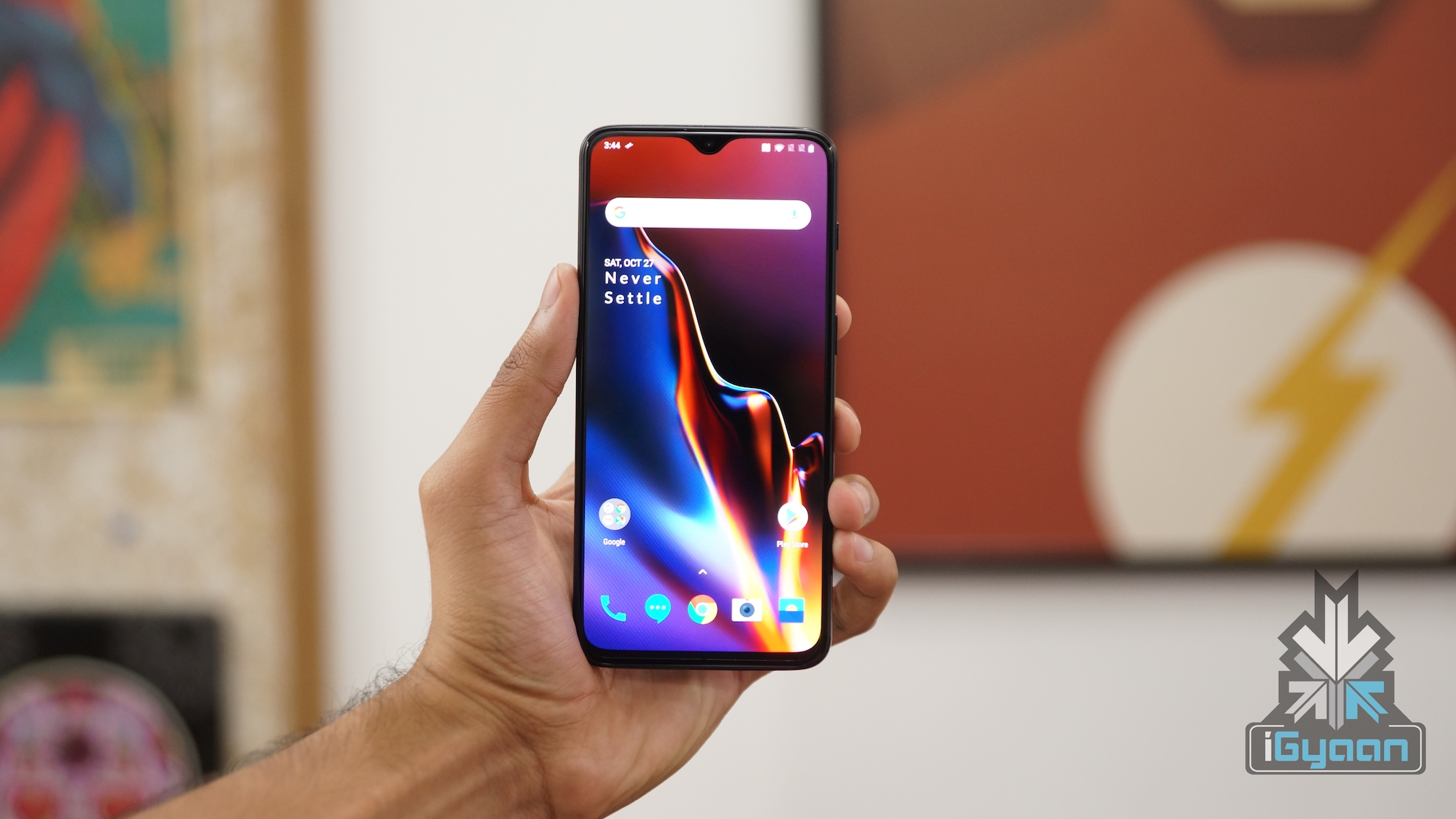
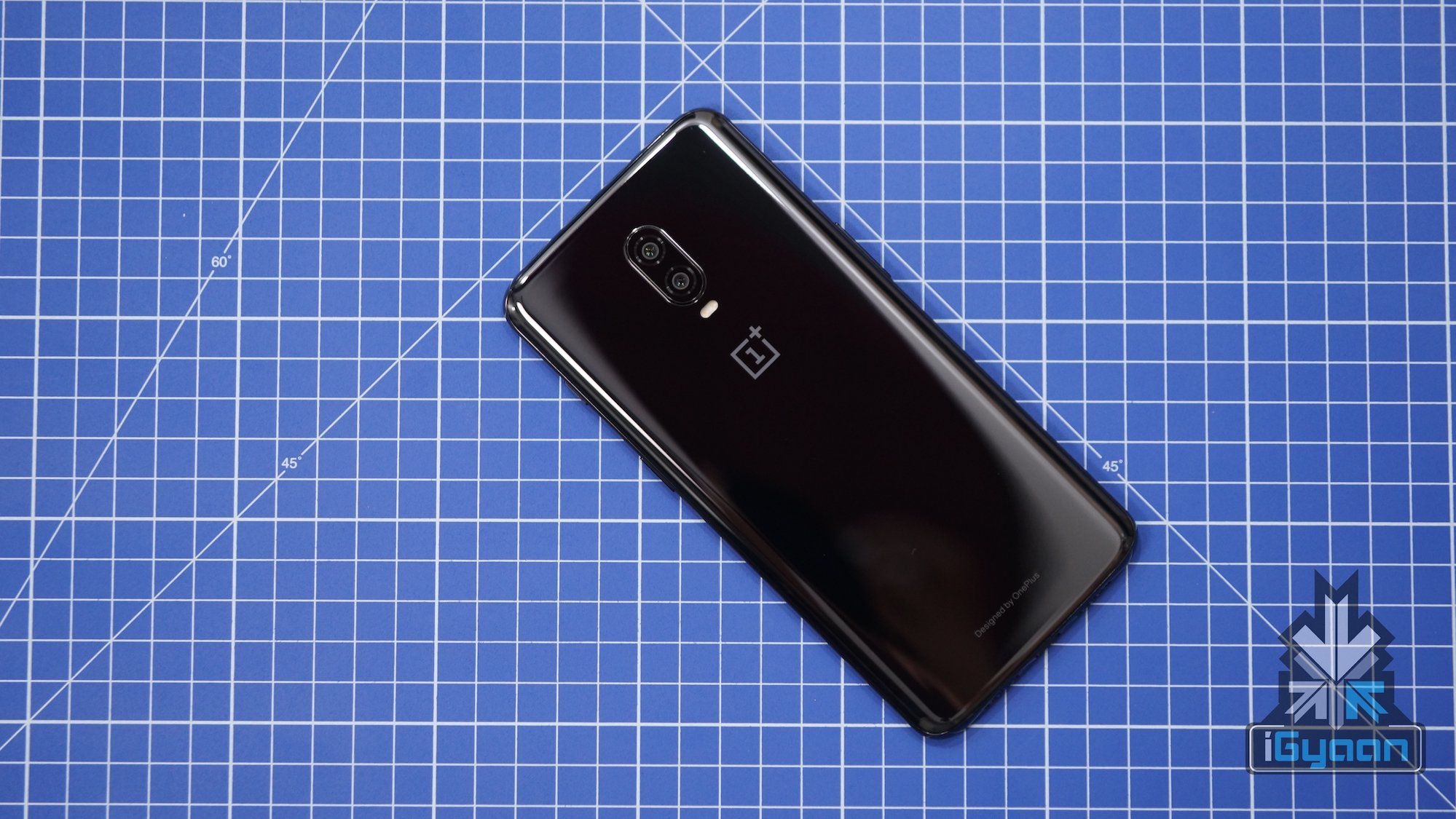
    The OnePlus 6T has been launched in India at an event held by OnePlus in New delhi. The phone is the successor to the OnePlus 6 and has a larger display, which replaces the traditional notch with a water-drop notch, which is less invasive. The fingerprint sensor has also been moved into the display.  Internal specifications mostly remain the same, apart from a few distinct features.

    The device has been  launched at a starting price of Rs 37,999 and will be available starting November 1st on Amazon and the OnePlus website .

    What’s New

    OnePlus has worked hard in the design of the 6T to make sure that they deliver something unique. Apart from changes in the display, the phone is also now better water-sealed thanks to the lack of a headphone jack. Although it does not have an official rating yet, company officials claim that it is close to an IP 67 rating which will protect it from submersion in depths upto 1 metre. The display has Corning Gorilla Glass 6 which offers a high degree of protection, but OnePlus has pre-applied a screen protector to the device to ensure more safety.

    The company has also gotten rid of the 64 GB storage variant due to lesser demand of the same. The RAM configurations of the phone remains the same as the OnePlus 6, with 6 GB and 8 GB options. Rumours about the microSD card slot in the 6T turned out to be false as the device does not have a slot for the same, but has a dual SIM card slot with 4G capability in both.

    The display is a bigger, 6.41 inch Optic AMOLED display with a 2340 x 1080 px resolution and 402 ppi pixel density. The device has a 19:5:9 aspect ratio, owing to the water-drop notch which can also be hidden by accessing settings. The phone has a greater, 86% screen-to-body ratio compared to the 83% on the OnePlus 6.

    What’s Same

    The Qualcomm Snapdragon 845 SoC is the same as seen on the OnePlus 6. Despite firing at the same speed, the phone is expected to be faster, thanks to performance and gaming improvements. It has Smart Boost which claims to improve the app cold start speed by 5-20 %.

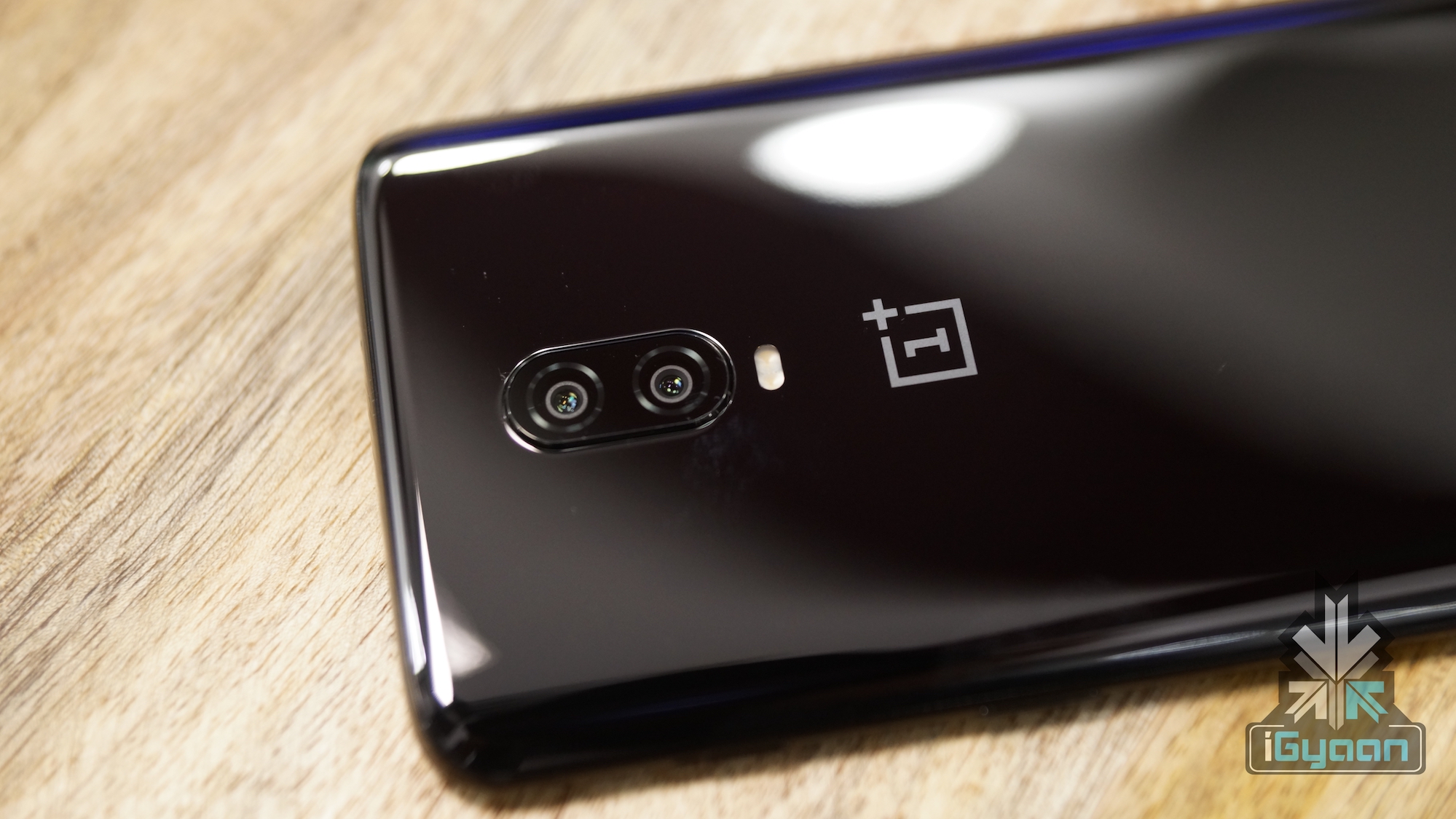
    The 6T uses the same sensors as its predecessor for its camera. It has a 16 MP + 20 MP dual camera setup at the back. Both the cameras have an f/1.7 aperture. The 6T records 4K 2160p video at 30 or 60fps. There are improvements in the main camera which does boost its performance. These include Nightscape, which make images taken in extreme low-light better by improving the sharpness, quality and the amount of light that in the scene. The main camera also has portrait mode and continuous to get OIS. The front camera has a 16 MP sensor with an f/2.0 aperture. It can record 1080p video at 30 fps.

    The OnePlus 6T runs Oxygen OS based on Android 9 Pie with a 3,700 mAh battery. This is bigger, compared to the 3,300 mAh battery on the OnePlus 6.

    Price & Availability

    The phone has been launched at a price of Rs 37,999 for its 6 GB RAM + 128 GB Storage variant. The smartphone ships bundled with the OnePlus Type-C Bullets free. Additionally, you can avail Rs 1000 cash back on Citi Bank cards and a Rs 2000 discount on ICICI cards.

    You can also watch our video below:

  • Apple Updates The iPad Pro With Face ID And USB C Ports

    Apple Updates The iPad Pro With Face ID And USB C Ports

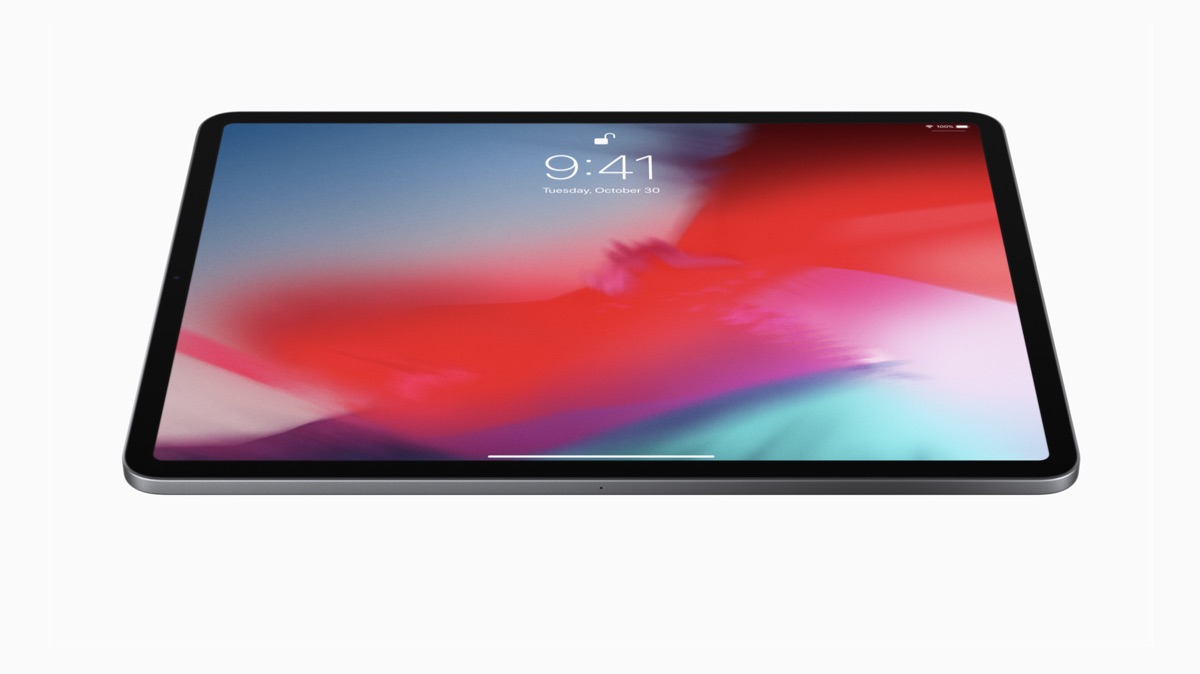
    Apple has updated the iPad Pro models and removed the Touch ID and Home Button. Apple has also replaced the lightning connectors with a more efficient USB C port  and added Face ID with a 3D depth camera. Apple claims that the company sold more iPads last year than the entire notebook lineup of all of the biggest notebook vendors.

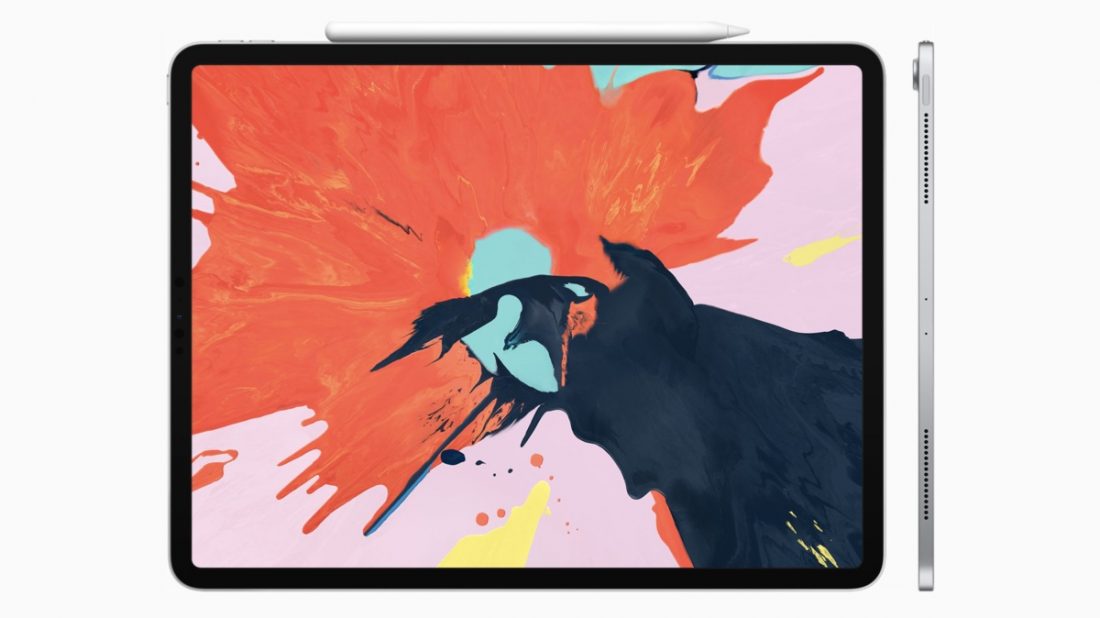
    The new iPad Pro models will be available in two sizes 11-inch and 12.9-inch. The 11 inch model has an 11 inch display that fits in the same size as the 10.5 inch iPad Pro and prices start at $799. The 12.9 inch has reduced dimensions because the screen size remains the same but Apple has considerably reduced the bezels on the iPad. The larger 12.9 inch iPad Pro will start at $999.

    Apple calls the display, same as the iPhone XR, the “Liquid Retina” display. And has reduced the bezels on all sides. The iPad Pro models become the first iPad’s without Apple’s Home Button, or Touch ID. Apple has also removed the headphone jack and now apart from the quad speakers the iPad Pro also have USB C ports.

    The Face ID is available both horizontally as well as vertically and will allow Apple to bring Animoji’s and FaceTime calls filled with emojis for iPad users. The iPad Pros get Apple’s new A12X Bionic chip with an 8-core CPU and 7-core GPU which is basically an upgraded version of what was launched with the iPhone XS, XS  Max and XR.

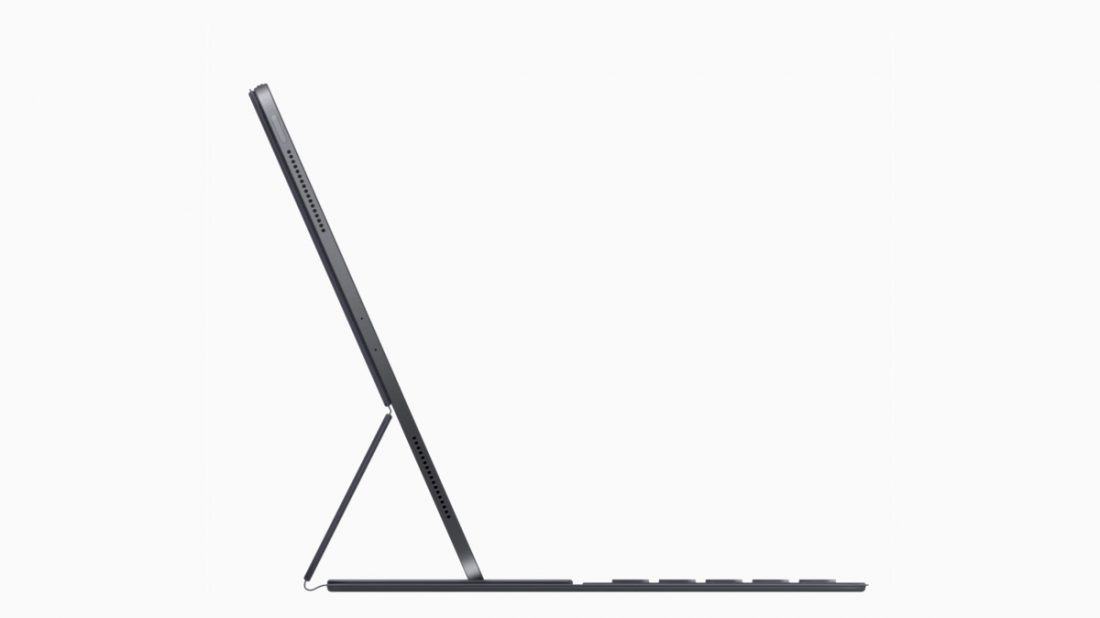
    The iPad Pro’s now offer great functionality for additional usage throughout the USB C ports for example all MacBook dongles will now work on the iPad Pro. This port will also allow external monitors to be connected to the iPad Pro. User will also be able to charge their iPhones, or any other devices through the USB C ports.

    https://www.youtube.com/watch?v=LjaKHqDbzSA


    The 12 MP main camera allows 4K 6-fps video and is the same sensor seen on the wide side on the iPhone XS, or the exact same sensor in the iPhone XR. Apple includes an 18 watt charger in the box, and users will be able to use after charger like, MacBook chargers to charge up the iPad Pro quicker.

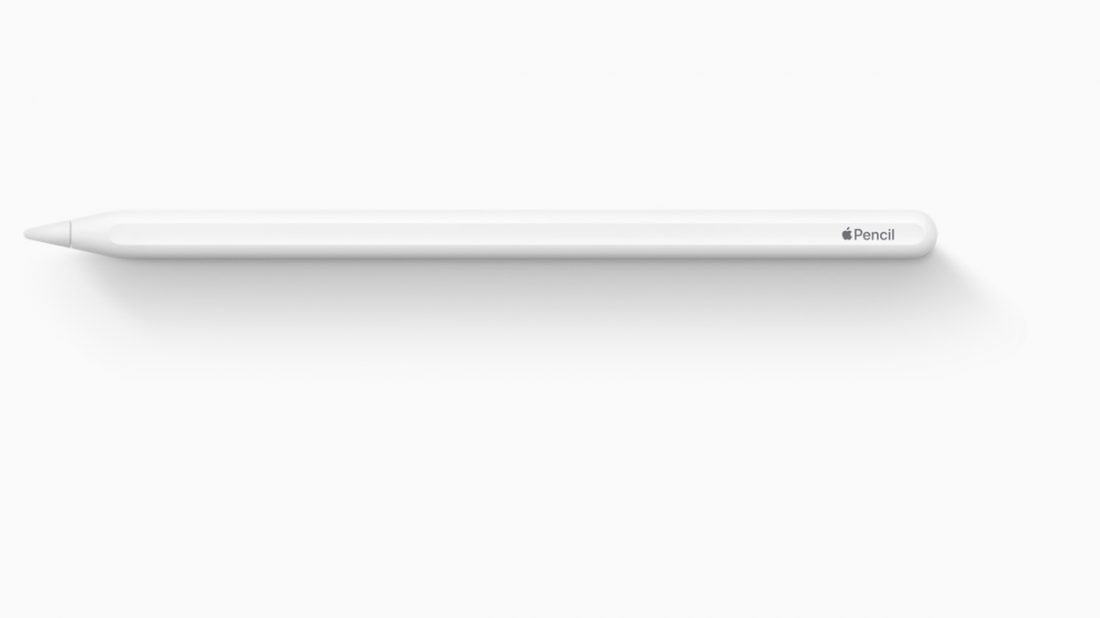
    The new Apple Pencil also is redesigned, it attaches to the iPad Pro magnetically and charges wirelessly. Tapping the screen with the pencil will wake the iPad Pro and Apple has included other gesture capabilities for the Apple Pencil.
    https://www.youtube.com/watch?v=YJ5q8Wrkbdw


  • Samsung Galaxy S10 To Have New Infinity-V Display

    Samsung Galaxy S10 To Have New Infinity-V Display

    Samsung is a leading electronic component supplier and the largest smartphone manufacturer globally. The South-Korean giant’s success dates back to the inception of the first Android smartphones. The company has been struggling to keep up its number one global position due to fierce competition from their Chinese counterparts. Ever since the launch of Galaxy S1 and Galaxy Note 1, Samsung has produced top of the line Android smartphones. And now the company is about to launch its latest Galaxy S10 smartphone.
    Samsung’s Android Dominance
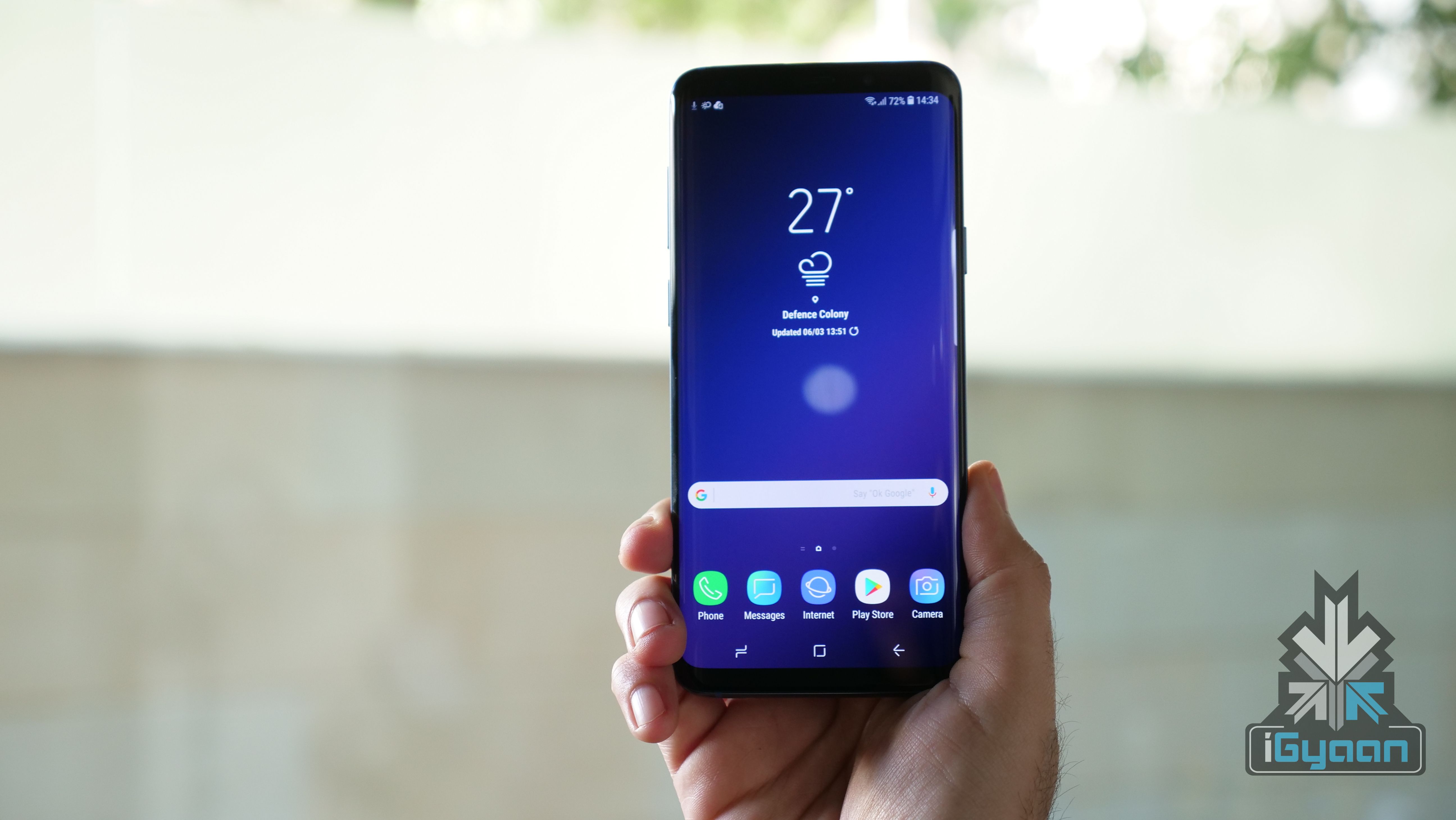
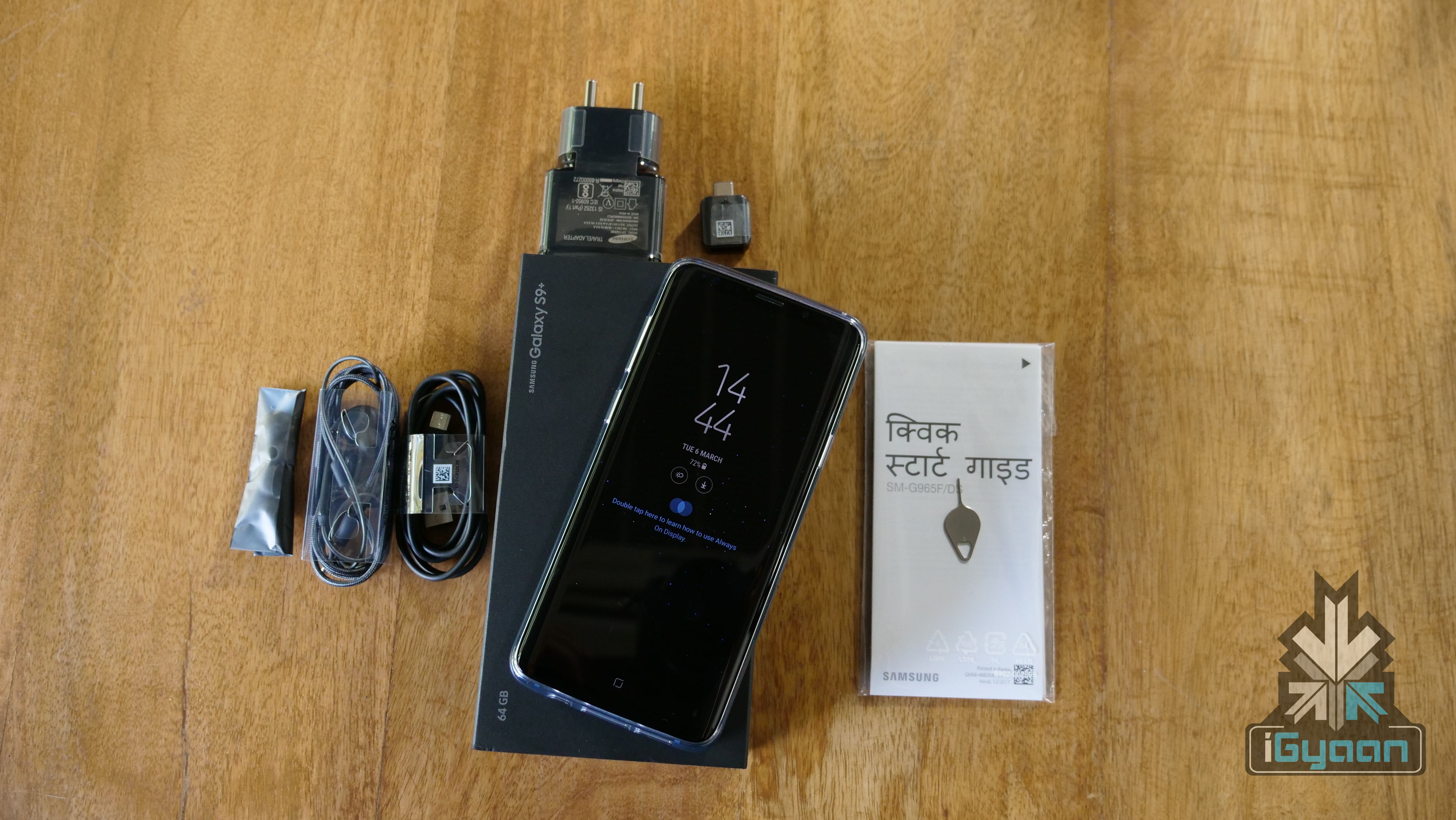
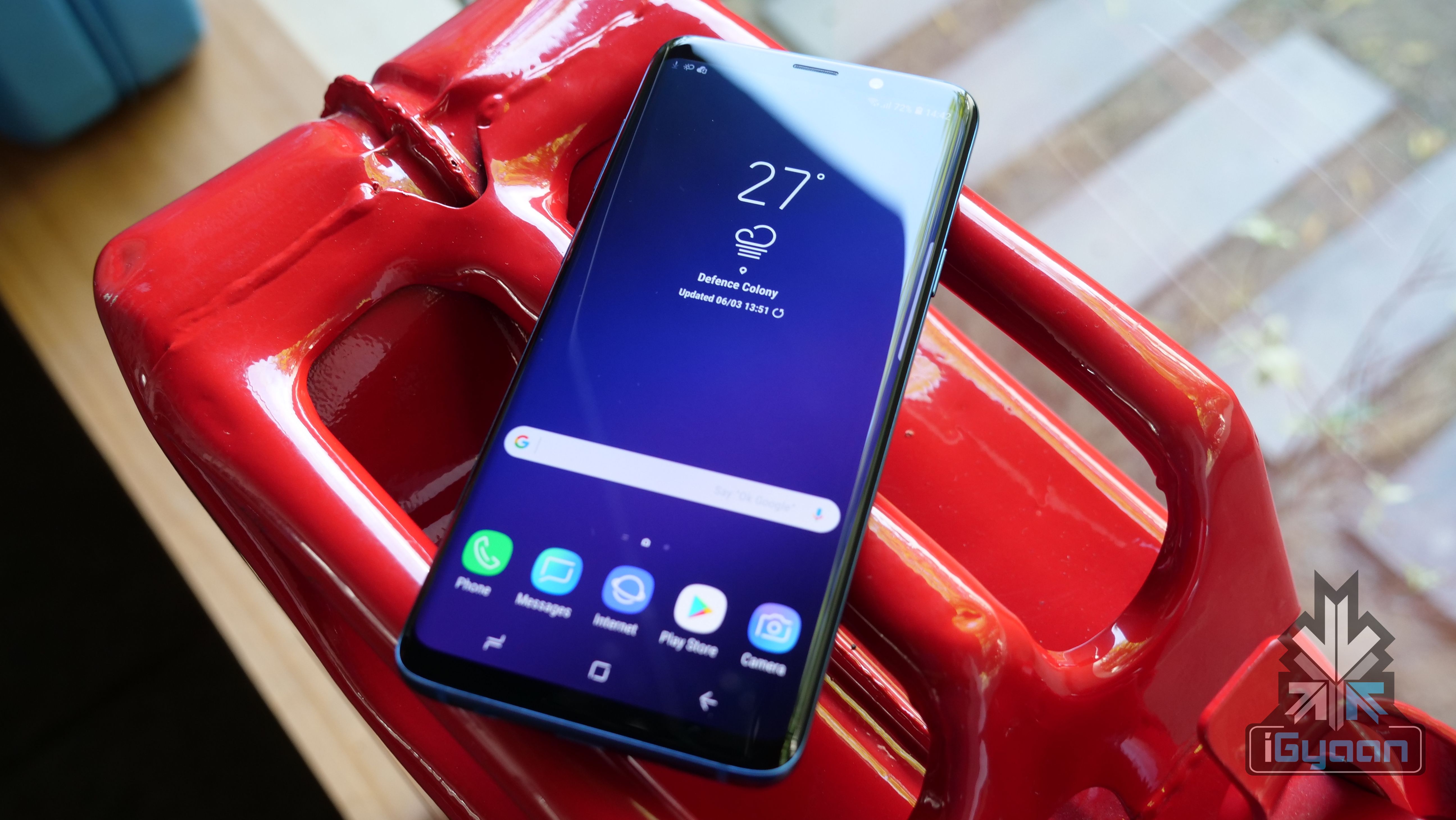
    Galaxy S9+

    In the past, Samsung smartphones have been the standalone Android competitor to Apple iPhone’s prowess. But in recent times, new companies like OnePlus, Huawei and Xiaomi have grown rapidly hampering Samsung’s sales. However, Samsung being a leading component supplier can develop new innovations to regain lost market share.

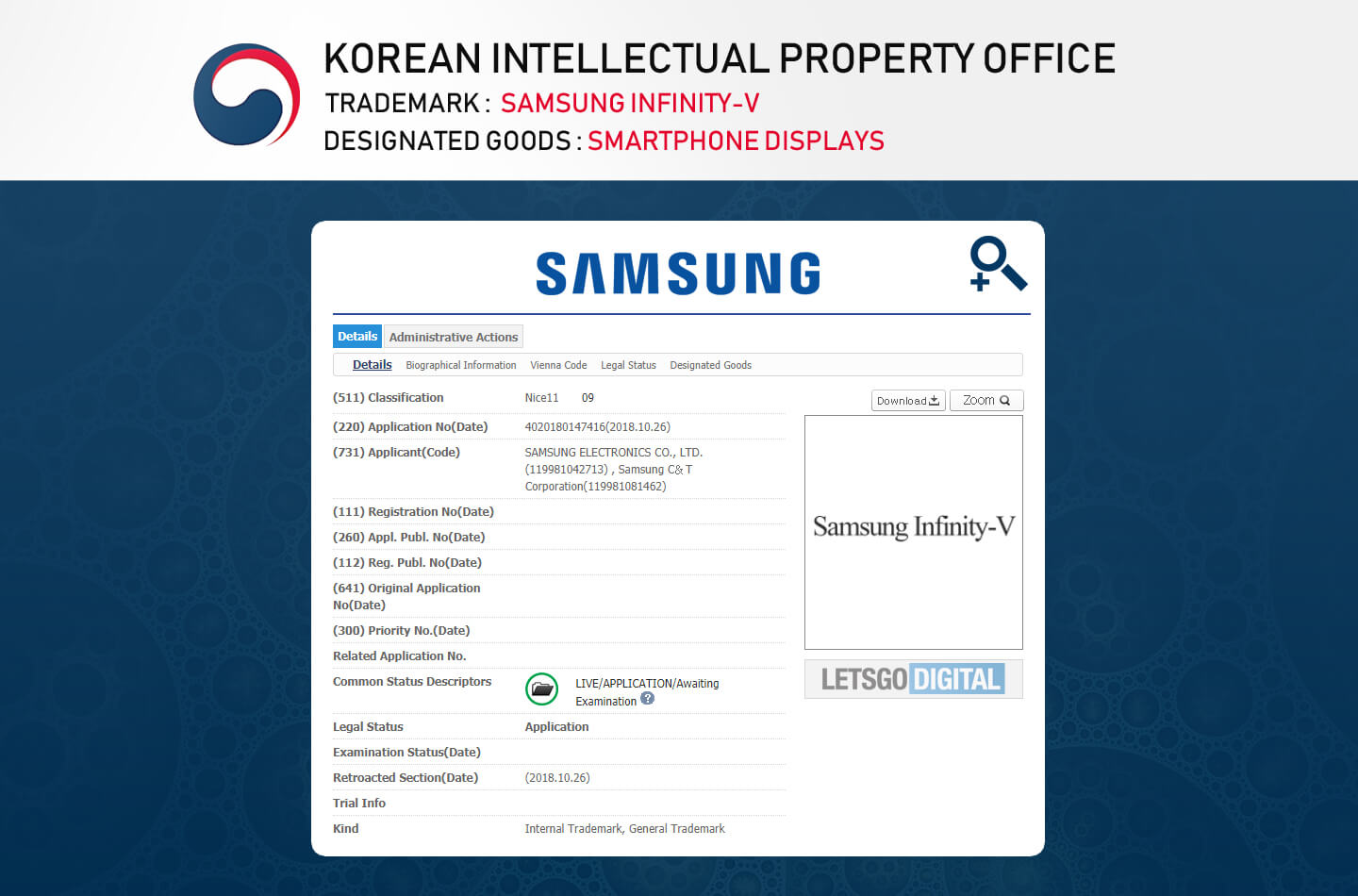
    Recently Samsung has filed a trademark with the Korean Intellectual Property Office (KIPO) for the Infinity-V display technology. The trademark is filed under category 9 which includes ‘smartphones and displays for smartphones’. This might be a new edge to edge display for the upcoming Galaxy S10.

    Galaxy S10: Infinity-V display?
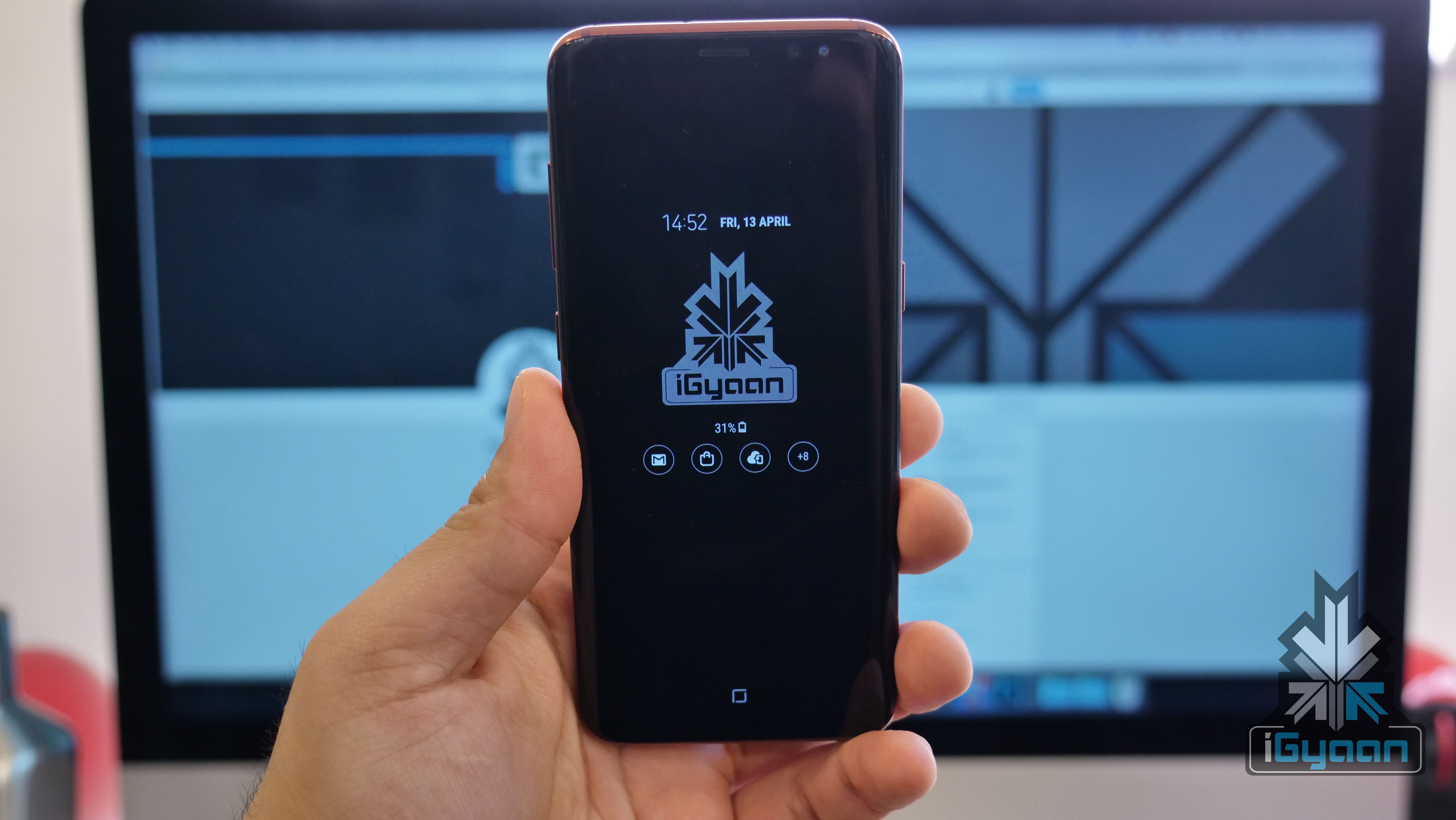
    Galaxy S8 in Burgundy Red

    The Galaxy S10 will be the successor to the Galaxy S9 which was launched earlier this year. The last Samsung flagships S9 & S8 have not performed very well in terms of sales. So, it is expected with the Galaxy S10, Samsung will pull out the big guns and fully load the upcoming smartphone with the latest technology. The trend for smartphones with slim bezels is flourishing rapidly, Samsung’s competitors have launched devices that follow the same philosophy. The recently launched OnePlus 6T and Xioami Mi Mix 3 have marginally thinner bezels compared to what Samsung’s current flagship S9 has.

    So, it is apparent to fight back and maintain traction in the industry, Samsung has to launch devices with thin or no bezels. This is where the latest trademark of the Infinity-V display is put to use.

    Finally, the Samsung Galaxy S10 is expected to launch in the first quarter of 2019. Not many specifications for the device are currently available but it will surely have better features than the Samsung Galaxy S9. For reference:-

    Galaxy S9 Tech Specs 

    Samsung Galaxy S10 and Galaxy S10+

    • Display: 5.8-inch Super AMOLED Full HD+ 2960 × 1440 pixels, 18.5:9 aspect ratio
    • Operating System: Android 8.0
    • Processor: Exynos 9810 Octa Core
    • RAM: 6GB
    • Storage: 64GB/128GB/256GB
    • Rear Cameras: 12 MP, LED Flash
    • Selfie Camera: 8 MP
    • Security: Rear fingerprint scanner
    • Connectivity: 4G VoLTE, Wi-Fi 802.11 ac 2.4G + 5G, Bluetooth 5 .0, GPS, USB Type-C
    • Battery: 3000 mAh
    • Dimensions:147.7 x 68.7 x 8.5 mm
    • Weight: 163 grams

    Also read: DJI launches Mavic 2 Enterprise For Commercial Use

  • Panasonic Announces First 8K Camera with Organic Sensor

    Panasonic Announces First 8K Camera with Organic Sensor

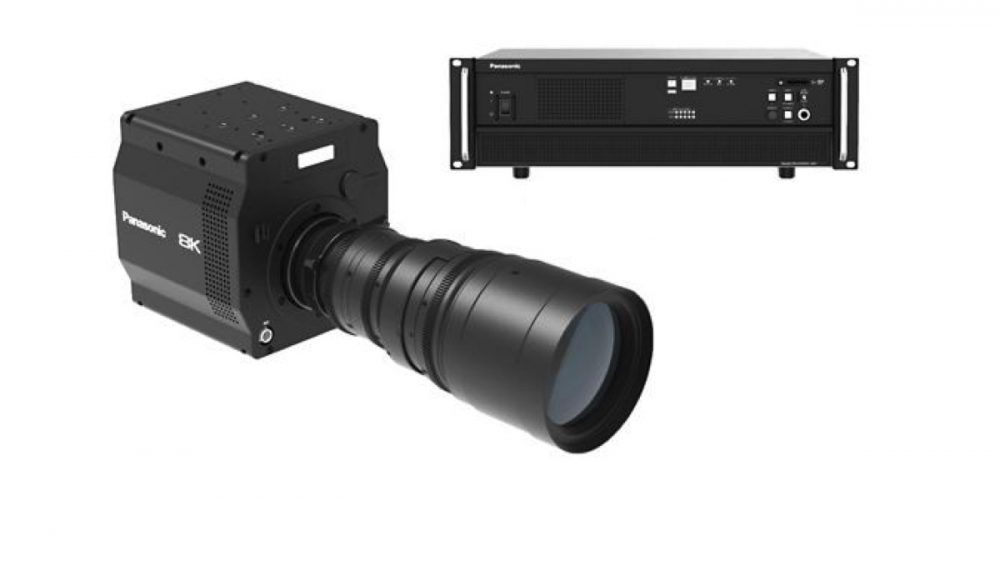
    Panasonic introduced an 8K camera in February, this year and recently an estimated date has been declared by the company for it’s launch. The 8K Multipurpose Camera AK – SHB 810 is a compact, lightweight, box – type camera that uses a PL lens mount. It features the world’s first organic sensor and arrives seven years after the technology was patented. The camera can shoot 8K / 4K / HD videos and shoots 8K at 60 fps.

    The 8K Future

    Panasonic is aiming to accommodate a wide range of applications for broadcasting and video production. The company has announced it’s future plans till 2020. They wish to continue to develop 4K / 8K devices / systems. These systems can withstand actual operation, support high image quality of broadcast production and efficiency of broadcasting services. They can also contribute to the development of the broadcasting industry. Panasonic had released another 8K Super Hi-Vision recorder, the AJ – ZS 0580 last year.

    Panasonic explains what an organic sensor is by stating that the sensor ‘realises a laminated structure in which an electric charge accumulation part is arranged in a lower layer by using an organic thin film for a photoelectric conversion part.’ The camera also boasts of other features such as prevention of skew distortion and flash band using a global shutter. This shutter simultaneously exposes all the pixels thus reducing the chance of any skew.

    Also Read: Samsung Galaxy S10+ To Have 93.4% Screen-To-Body Ratio

    They further informed that the organic sensors can change the sensitivity by controlling the voltage applied to the organic thin film. This acts as a constantly changing virtual ND filter so to speak. Panasonic has also said that the global shutter enables photographers to not worry about random flashes from creating partial bright bands in a video. The 8K multi-purpose camera will be available in the fall of 2019. 

iGyaan Network
Privacy Overview

This website uses cookies so that we can provide you with the best user experience possible. Cookie information is stored in your browser and performs functions such as recognising you when you return to our website and helping our team to understand which sections of the website you find most interesting and useful.