Blog

  • Here’s What We Know About Windows 10 So Far

    Here’s What We Know About Windows 10 So Far

    Windows is by far one of the most widely used OS in the world. It’s also known that Windows XP has been the most popular version of Windows, to the length that it took two years for Windows 8.1 to surpass XP. With Windows 10, Microsoft has taken a multi-platform approach, meaning that your Xbox, phones and other Microsoft products will run on the same OS.

    Microsoft is pulling out all the stops to make Windows 10 available worldwide. From free upgrade to new features, the company has been building up the hype for its new OS day by day. Still, existing Windows users are still confused about certain things like, whether they are eligible for free upgrade or when can they get Windows 10.

    Here’s what we know about Windows 10 so far. We hope that we are able clear your doubts.

    Am I eligible for free upgrade?

    The most frequent question riding on Windows users’ minds, to which Microsoft has changed its answer from time to time. First, it was reported that anyone who uses a copy of Windows 7 or 8.1, genuine or not, will get a free upgrade. The company changed its statement saying that the users using pirated version will not get free upgrade.
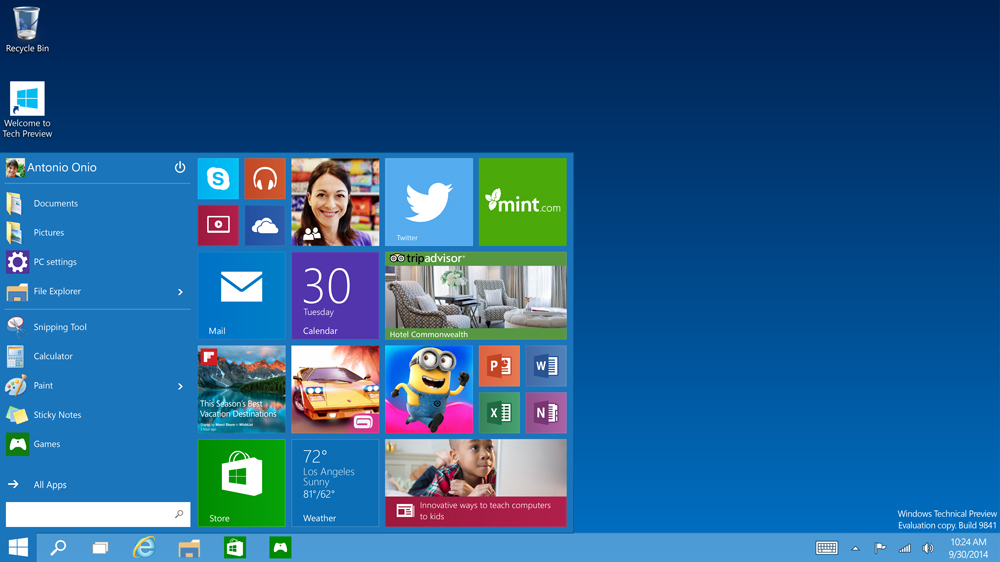
    windows_10

    If you use a genuine copy of Windows 7 or 8.1, you will get a free upgrade. You can simply click on the Windows logo on the right side of the taskbar and reserve your free upgrade.

    If you use a pirated version of Windows 7 or 8.1, you will not get a free copy of Windows 10. There is a way to get a free copy though. If you decide to install a preview version of Windows 10 as part of the ‘Windows Insider’ program, you will get a free upgrade as long as you keep receiving the pre-release updates. If you install the preview version, upgrade to the final version on July 29th and then opt-out of pre-release updates, you will not receive the free copy.

    When will I receive my free copy of Windows 10?

    If you are a regular Windows 7 or 8.1 user, and have registered for your free copy of Windows 10, you will not receive it on July 29. On that day, Microsoft will roll out the new OS to the Windows Insiders. Since the majority of the world has registered for the free upgrade, it is obvious that not all of them will receive it on the same day. That is why Microsoft will start notifying reserved systems in parts, which means you will get your free copy of Windows 10 after you have been notified post July 29.

    How do I register for my free Windows 10 upgrade?

    You will see a Windows logo on the right side of your taskbar. Click on the logo will open up a window. Click ‘Reserve your free upgrade’ and enter your Microsoft Account ID. Select the menu and choose ‘View Confirmation’. If this window appears, it means you will be notified about your free upgrade:

    windows 10

    How much space is needed for Windows 10 upgrade?

    According to Microsoft, the Windows 10 upgrade requires only 3GB of space. How much time it takes to download 3GB will depend on your Internet connection.

     Will I lose my personal data after I upgrade to Windows 10?

    Microsoft says that your files and applications will be safe. However, we recommend you to create a backup of your personal files. As far as softwares are concerned, applications like anti-virus will be uninstalled during the update while keeping its settings. If you have a current subscription, Windows will reinstall using the preserved settings.

    Now that your basic doubts have been cleared, we hope that you and us will enjoy Windows 10 when it comes on 29 July.


  • Google Nexus 6 Receives A Huge Price Cut On Flipkart

    Google Nexus 6 Receives A Huge Price Cut On Flipkart

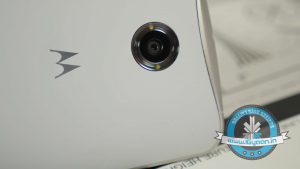
    Here is good news for Nexus 6 lovers! Google’s Nexus 6 is back on Flipkart and has received a massive price cut for its 32GB and 64GB variants. The earlier Flipkart pricing for the 32 GB and 64 GB variants of the Nexus 6 were at Rs. 44,000 and Rs. 49,000 respectively. Now, both of them received a cut of Rs 10,000, thus lowering down the price of the 32GB variant to Rs 34,999 and 64GB to Rs 39,999.

    But that is just not it. If you buy on Flipkart, you can also get an additional exchange offer that will shave off an added Rs. 5,000 on the price depending on which phone you swap with.

    The Nexus 6 boasts a 5.96-inch QHD (2560×1440p) AMOLED display. It is powered by 2.7 GHz Snapdragon 805 quad-core processor coupled with 3 GB of RAM. It runs on Android 5.0 Lollipop out of the box. The screen of the device is shielded by Corning Glass 3, which means users need not have to worry about scratches.

    On the camera front, it sports a 13MP rear and 2MP front snapper. The device gets its juice from a 3,220mAh battery, which the company claims to last for six hours on a 15-minute charge as it comes along with Motorola’s Turbo Charger. Nexus 6 offers wireless charging. It comes in two colour options in the country – midnight blue and cloud white.

    This cut makes the Nexus 6 price much more pleasing. After all, the Nexus line gained a reputation for offering high-end hardware at low prices, until the more expensive Nexus 6 came along.

    Check out the unboxing video of the Nexus 6 below:


    Specs

    Google Nexus 6

    Operating System Android 5.0 Lollipop
    Screen Size 5.96 inches
    Super AMOLED
    1440 x 2560 pixels
    RAM 3 GB
    Battery 3220 mAh
    Processor  Qualcomm Snapdragon 805
    CPU Quad-core 2.7 GHz
    GPU Adreno 420
    Front camera  2 MP
    Rear Camera 13 MP

  • The Next iPhone May Finally Drop 16GB Base Model In Favor of 32GB

    The Next iPhone May Finally Drop 16GB Base Model In Favor of 32GB

    Given the fact that Apple does not include a microSD slot for expanding memory, a 16GB iPhone can get really cranked up with just a handful of games, apps and music. Apple also has issues regarding the iOS updates, which require an immense amount of free space to install. The company is even going to drastic measures to ensure that its entry-level devices can upgrade to newer versions of iOS by removing apps before installation to reclaim disk space, and then reinstalling them after the iOS update has ended.

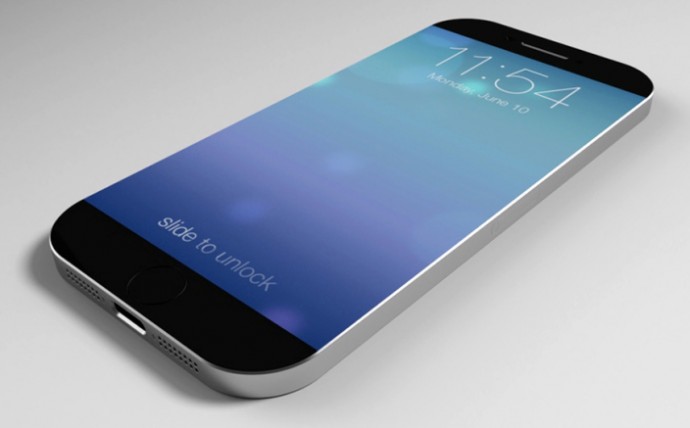
    But, with the upcoming iPhone 6S, 16GB models may soon become obsolete. We think that the next iPhone will not have a 16GB variant, but instead will go for the 32GB as a start. Interestingly, Apple removed the 32GB storage option after the 5S. Bumping the entry-level offering to 32GB would give customers a better experience.

    It is highly unlikely that Apple will be going for a significant design change for the new upcoming iPhone. Since with the iPhone 6, the company’s flagship went through a major makeover. We also read that the next iPhones will include Force Touch and a new casing to make the iPhone 6S wider, taller and stronger.

    The new model will run on iOS 9 and have an upgraded processor, as Apple announced at the WWDC this year. We saw in May that Samsung might provide chipsets and displays for Apple’s upcoming products. Ming-Chi Kuo, an Analyst at KGI Securities, says that Apple’s next iPhone 6s models will be powered by a next-gen A9 processor. There are no official confirmations from both the tech powerhouses, but if correct, we may soon see something very different from this alliance. Some sources state that the upcoming handset is expected to arrive with a 2GB RAM.

    From the battery perspective, Apple will use a next-gen battery that goes beyond the barrier of the conventional rectangular slab type and can take any shape. This battery consists of thin electrode sheets stacked on one another. This way, developers would be able to utilize the reserved cell space to embed an LTE chip.

    There is still have more than a month before we see the new iPhone. Until then, we’ll make sure to keep you updated with its (leaked) details.

  • New Delhi From the Sky

    New Delhi From the Sky

    With a lot of smartphones now showcasing their 4K video recording capabilities, we decided to evaluate the best for 4k video. After extensive testing, we chose the Motorola Moto Turbo for our video.

    The Moto Turbo has a high speed 64 GB inbuilt storage which lets you capture 4K footage non stop vs most of the other devices which have a maximum peak of 5 minutes or so and are prone to over heating.

    We took the Moto Turbo and retro fitted it on to a drone , a DIY hack of massive proportions. Before we proceed with the details further, Flying a Drone in India without permissions is punishable by law and get you jail time or large fines. Now that we have the disclaimers out of the way, We took the drone out in New Delhi and took it to the Sky.

    The Ballistic Nylon back of the Moto Turbo gave us a hope that if the phone did fall from our Zip-tie DIY hack, it would land on the back and be safe (although, that did not happen). What happened next simply blew us away. Check the video below.

    Note: The Video has been post-processed, sped up, stabilized in certain places and the night shots have been enhanced.

    Also if you liked this project, leave your feedback below and share.


    Buy the Turbo:


  • OnePlus 2 May Sport a New Metal Body, Teases OnePlus CEO Liu Zuohu

    OnePlus 2 May Sport a New Metal Body, Teases OnePlus CEO Liu Zuohu

    In three weeks, OnePlus will launch its latest flagship phone, OnePlus 2. By now, we’ve seen many rumors and confirmed specifications for OnePlus Two. Today, Liu Zuohu, CEO of OnePlus, has teased another detail about the upcoming phone.

    In a post on Weibo, the popular Chinese microblogging website, Zhouh has asked his followers to define “full metal”. While this could mean anything, the timing of this post seems to indicate another detail for OnePlus 2.

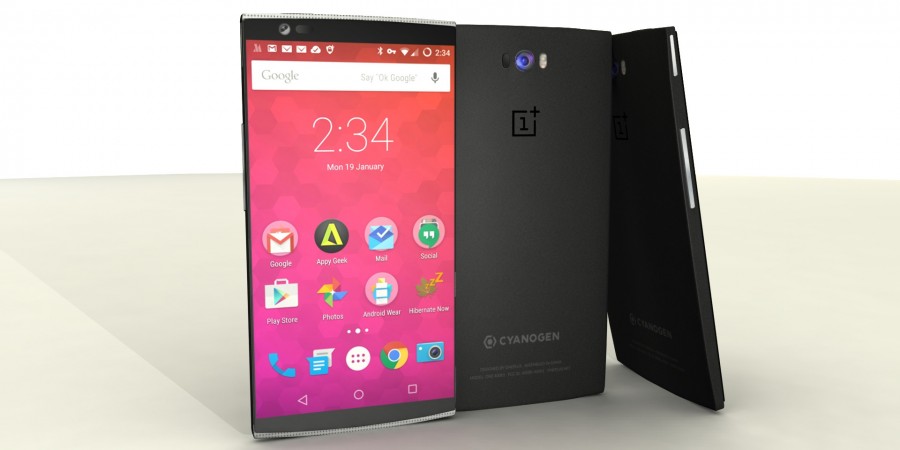
    According to a previous report, OnePlus 2 will supposedly don a metal frame, instead of a polycarbonate body the current one sports. By ditching the polycarbonate, OnePlus 2 may go for a premium look, like an iPhone. Moreover, given that the 2 will cost more than the One, it may be possible that the phone will arrive with a metal body or may be a mix of both polycarbonate and metal.

    So far we know that OnePlus 2 will run on Snapdragon 810 chipset along with 4GB RAM. The phone will sport a 5.5-inch 2K display that will improve the viewing experience of the user. The OnePlus 2 will also have a USB C-Type, the first in a flagship device by a major manufacturer. Just a few days back, the company revealed that the phone will come with a built-in fingerprint scanner.

    OnePlus will launch the 2 through a virtual reality event on July 27 at seven p.m. PDT, which means we will see the launch at 7.30 a.m. in India. The event can be viewed through a VR headset, currently available at Amazon India for free with Rs. 99 for shipping.

    Here’s our review of OnePlus One:

    Source: [tw-button size=”small” background=”” color=”” target=”_blank” link=”http://www.weibo.com/1110411735/Cp9kuykCe?from=page_1005051110411735_profile&wvr=6&mod=weibotime&type=comment”]Weibo[/tw-button]

  • Nikon Comes Out With Three Heavy Duty Lenses

    Nikon Comes Out With Three Heavy Duty Lenses

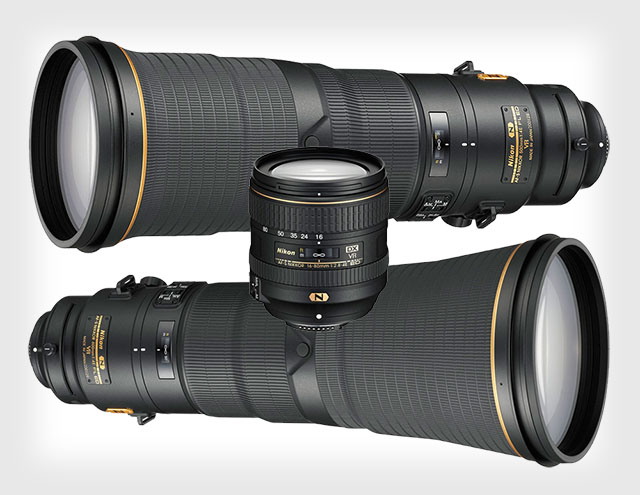
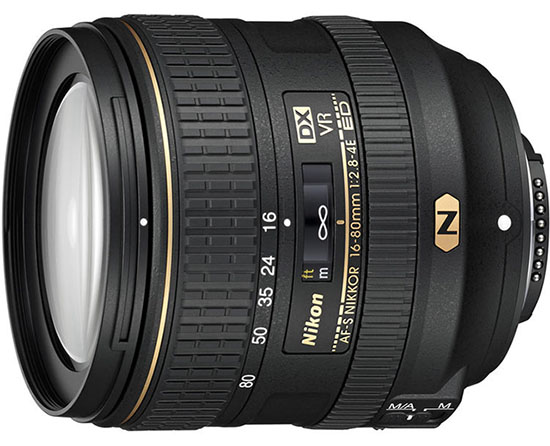
    Today, Nikon Inc. announced fast 16-80mm f/2.8-4 DX zoom, faster-focusing, lighter 500mm, 600mm f/4 lenses– a fantastic set of versatile lenses that are well suited for advanced and enthusiast photographers.

    Nikkor 16-80mm f/2.8-4E ED VR

    nikon1680mm
    Nikkor 16-80mm f/2.8-4E ED VR

    The new 16-80mm f/2.8-4E is a DX lens that offers the comparable focal range of 24-120mm in 35mm terms, so it is a flexible walk-around lens that can be used by enthusiast photographers.

    It’s the first Nikon DX lens that comes with Nano Crystal Coating for lessening ghosting and flaring. It is also the first DX lens to include an Electromagnetic Diaphragm, which electronically adjusts the lens aperture for constant exposures during a high-speed shoot.

    Its specs include a least focusing distance of 1.2 feet, 4-stop vibration reduction, fluorine coating on the front and rear elements, 17 elements in 13 groups, a 7-blade aperture, and Silent Wave Motor (SWM) technology for fast and accurate autofocusing.

    The Nikkor 16-80mm f/2.8-4 will be available starting in July 2015 with a price tag of $1,070 (Rs 70,000 approx).

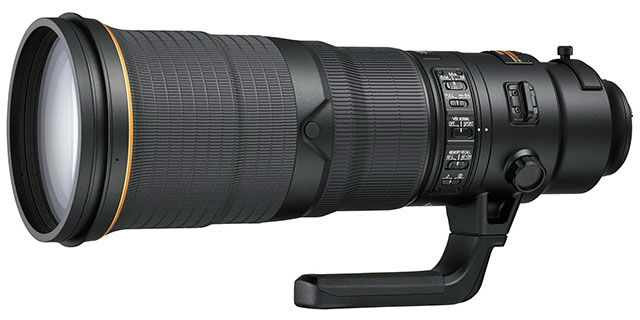
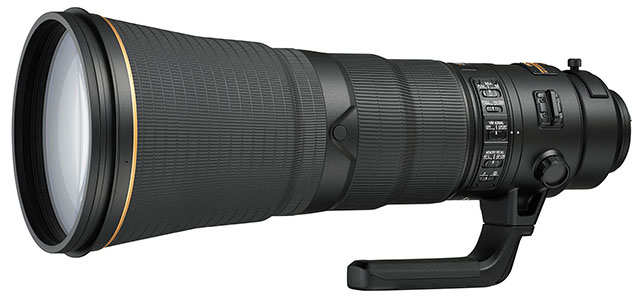
    Nikkor 500mm f/4E FL ED VR and 600mm f/4E FL ED VR

    500mm
    Nikkor 500mm f/4E FL ED VR

    The new 500mm f/4 and 600mm f/4 lenses are two FX telephoto prime lenses intended to provide high optical and focusing abilities, at the same time, weighing very less.

    Nikon says the lenses are designed for sports, action, wildlife, and press photographers.

    By the fourth quarter or final period, users will indeed enjoy the weight reduction of these lenses that allow for extended shooting, even into overtime.

    600mm
    Nikkor 600mm f/4E FL ED VR

    Both lenses highlight Nikon’s latest autofocus tracking technologies for instantly and accurately locking onto fast-moving subjects. Both lenses pack Nikon’s Electromagnetic Diaphragm for snapping consistent exposures during rapid-fire bursts.

    Weight wise, the new lenses are significantly lighter than their predecessors. The 500mm lost nearly 0.91kg, weighing 3kg instead of 3.86kg, and the 600mm shed almost 1.36kg, weighing 3.75kg  instead of 5.22kg. This weight loss is because of the new fluorite elements that Nikon has begun included in its lenses.

    Other features and specs include a magnesium alloy construction, Nano Crystal Coating, 4-stop VR image stabilization, automatic tripod detection, a SPORT VR mode for a more stable viewfinder image, weather sealing, fluorine coating,

    Although Nikon India is yet to offer word on the pricing of the lenses, it is estimated that the lenses would cost around $10,299 (Rs 6.54 lacs) and $12,999 (Rs 7.81 lacs) for the 500mm and 600mm models respectively. Hence, it is clear that this is only meant for professional photographers. The company will start selling the lenses in the country starting this month, so you won’t have to wait if you’re interested in getting them.

  • Google Teases Google Glass in an FCC Filing

    Google Teases Google Glass in an FCC Filing

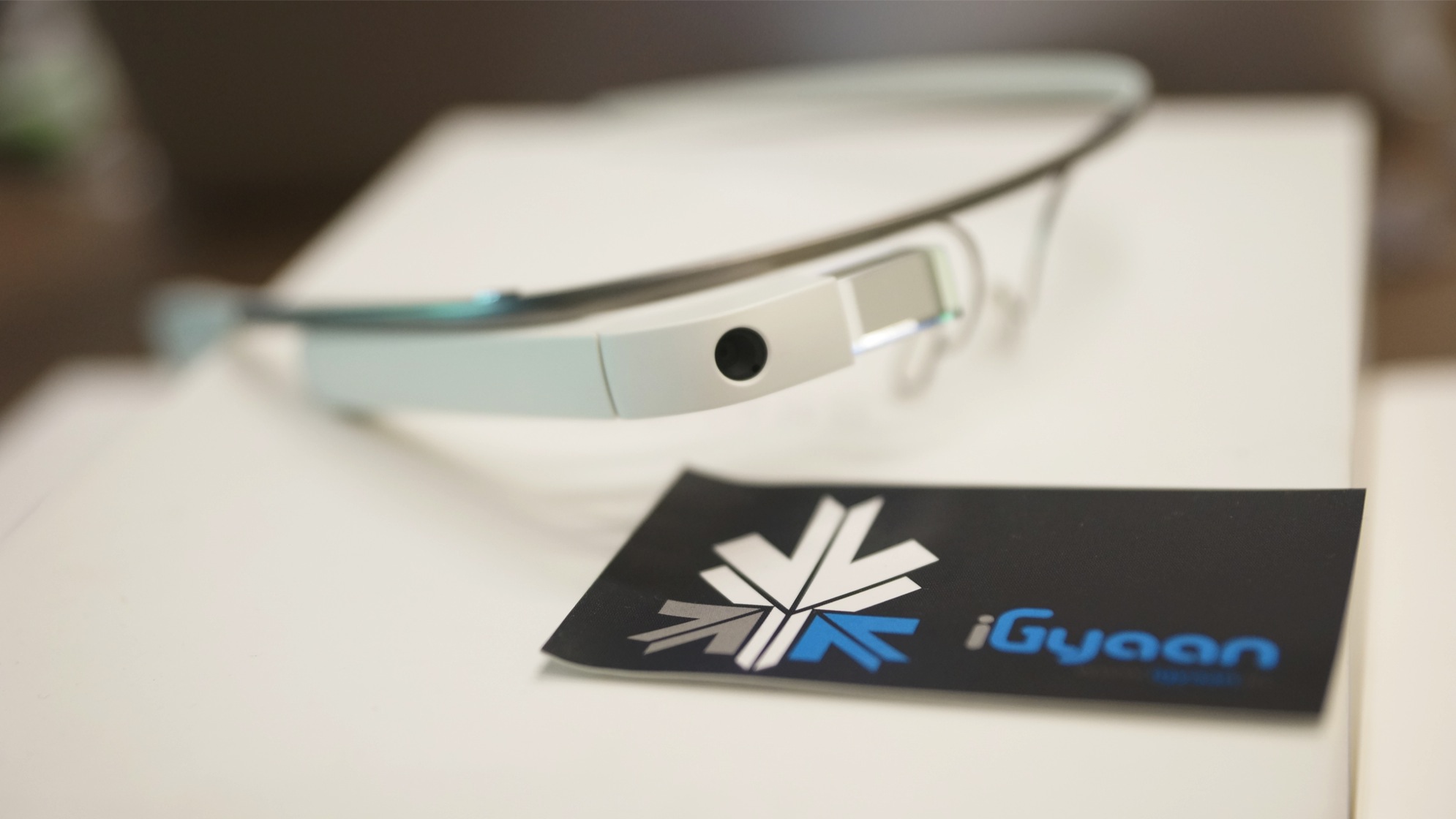
    It’s been a long time since we heard anything about Google Glass. Yes, we are talking about that spectacle containing a tiny computer, whose production was stopped by Google earlier this year. It could have been the end of it, but Google never stopped developing the project. Today, a report has came out that says Google Glass could resurface again.

    According to Droid Life, an FCC (Federal Communication Commission) filing by Google indicates that the company is working on a new version of Google Glass. Filed under the FCC ID A4R-GG1, the term ‘GG’ indicates Google Glass. Unlike most devices, which are labelled in FCC as mobile or a wearable, this one has been labelled as “BLUETOOTH & DTS/UNII a/b/g/n/ac” with model name “GG1”.

    According to the website, the device has Bluetooth LE and rechargeable, non-removable batteries that can’t be accessed…. the product comes with an AC charger and USB cable that when connected to a PC, can provide a “path for charging and data transfer.”

    For all we know, the device could be a smartphone or a tablet, but the fact that it hasn’t been labelled as a phone or wearable and Google used the initials GG, this could be the next version of Google Glass. Of course, it’s all speculation until and unless Google announces it.

    With Oculus Rift expected to make a huge entry by 2016 and Microsoft HoloLens getting attention for its innovative holographic interface, Google has the perfect opportunity to make strides in the augmented reality wearable segment.

  • Gello, Cyanogen’s Browser Will Allow Lots Of Customization Options

    Gello, Cyanogen’s Browser Will Allow Lots Of Customization Options

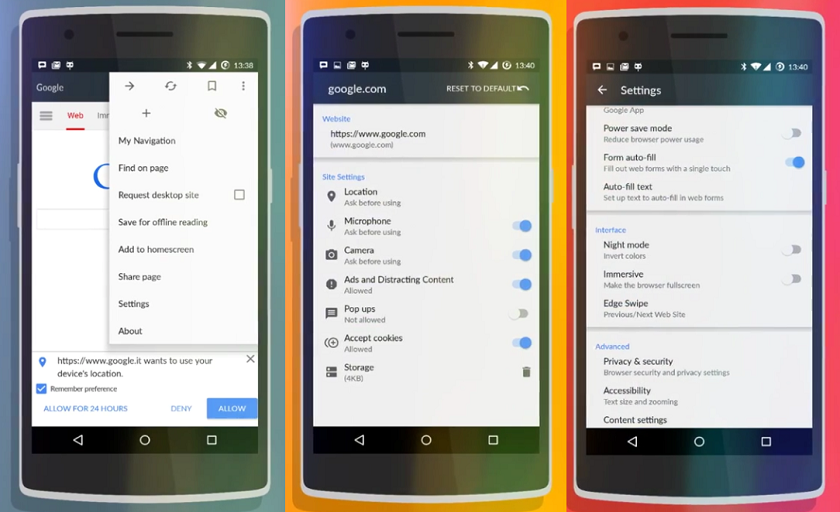
    There is no shortage of mobile Internet browsing apps. Now, here comes one more browsing app called Gello, right now, only for Android. Gello is a Chromium-based browser that is developed by Cyanogen. But what is so special about this browser? In a market already full to the edge with third party browsers, Gello’s single selling point will be tons of customization options.

    If you have been using the Chrome browser on your Android device, what you see in the video may look familiar. Apparently, CyanogenMod is using Chromium and adding its features and services.

    CyanogenMod’s Joey Rizzoli teased the new browser on Tuesday in a Google+ post and said, “Coming to a screen near you through +CyanogenMod! Will unveil more soon!!” He also shared a 14-second YouTube video showing some highlights of the upcoming browser including an extremely customised interface, save for offline browsing feature, night mode, new privacy and safety settings, and new download settings.

    https://plus.google.com/+JoeyRizzoli/posts/F8RTxMP1dqH

    The Gello browser would be directed at those who fancy AOSP instead of Google’s Android. But, it is also possible that it could be installed directly on traditional Android devices.

    If you have entry-level handsets, then Gello might not be for you. According to CM team member Joey Rizzoli, Gello will not be available on “low-end devices or devices with small system partitions”. Rizolli also cited that the team plans to bring more characteristics to Gello. Let us wait and watch!

    At the moment, We do not know the release dates of Gello. But, when the browser finally gets released, it will come with an open-source licence, which will allow everyone with enough creativity or programming skills to contribute to the project.

    Check out the video below:

    https://www.youtube.com/watch?v=BCmpb4zEFBU

  • Xolo Will Release ‘Black’ on July 10 Exclusively Through Flipkart

    Xolo Will Release ‘Black’ on July 10 Exclusively Through Flipkart

    Since its launch in 2012, XOLO has tried but never been able to achieve the level of popularity like its rivals Motorola and Xiaomi have. XOLO hopes to change that through its upcoming phone “Black”, which will be exclusively sold on Flipkart.

    According to BGR, the Xolo Black will be released on July 10 through Flipkart. Xolo is adopting the online business model considering how it has expanded fanbase for companies like Xiaomi, OnePlus, Yu and even Motorola, which was struggling until it launched Moto X, in India.

    According to reports, the Xolo Black is priced under Rs. 15,000. The phone sports dual-rear cameras, a glass rear panel at the back, supports 4G LTE, and runs on the new Hive 1.5 UI based on Android 5.1 Lollipop.

    Unlike its competitors, Xolo will not sell the phone in a flash sale. The Xolo Black will be sold in an open-sale and will follow the online-only business model. Xolo plans to launch a new handset every quarter under the Brand series. The phones will be priced between Rs 10,000 – Rs 20,000 and all of them would be 4G enabled.

    Here’s the video used by Xolo to tease the Black:

    Source : [tw-button size=”small” background=”” color=”” target=”_blank” link=”http://www.bgr.in/news/xolo-black-with-dual-camera-setup-to-launch-on-july-10-on-flipkart/”]BGR[/tw-button]

  • Apple iPhone 6S to Sport 5MP FaceTime Camera, Reveals New Leaked Documents

    Apple iPhone 6S to Sport 5MP FaceTime Camera, Reveals New Leaked Documents

    Over the past few weeks, we have discovered many rumors about the next iPhone, currently known as iPhone 6S. Just a few days back, a set of leaked images about the phone’s metal casing hit the web, which gave an idea of how iPhone 6S will look like. Today, a new set of documents has been leaked from Foxconn, Apple’s manufacturing partner, revealing new details about the upcoming iPhone.

    According to the leaks, the iPhone 6S will sport a 5 MP FaceTime camera, which is an upgrade from the 1.2 MP camera employed by the current version. If the leak is accurate, then we will be witnessing a surge in demand for high-res selfies. Moreover, the rear camera will be upgraded to 12 MP from 8 MP, with 4K video recording capability.  The phone will also be able to capture slow-motion videos at 1080p resolution, up from 720p in the current versions.

    4K video-recording is currently offered in many high-end smartphones such as Samsung Galaxy S6 and OnePlus One. However, what distinguishes Apple from its rivals is the software it employs in iPhone to convert the raw data into a finished product. That is why budget filmmakers use iPhone to make short films (and features) even when there are alternatives available in the market.

    So far, we’ve learnt that the next iPhones will include Force Touch and a new casing to make the iPhone 6S wider, taller and stronger. The new model will run on iOS 9 and have an enhanced processor. Samsung might provide chipsets and displays for Apple’s forthcoming products, and iPhone 6S will be powered by a next-gen A9 processor and come with 2GB of RAM.

    The upcoming iPhone 6s is rumored to be available in stores from 25th September this year. According to the source, pre-orders will start on 18th September, and it will go live physically on 25th September.

    Source: [tw-button size=”small” background=”” color=”” target=”_blank” link=”http://www.bgr.in/news/apple-iphone-6s-to-boast-upgraded-5-megapixel-facetime-camera-reveals-latest-foxconn-document/”]BGR[/tw-button]

  • OnePlus Cardboard VR Headset Will Be Available On Amazon For Rs 99 Only

    OnePlus Cardboard VR Headset Will Be Available On Amazon For Rs 99 Only

    Last week, OnePlus announced the OnePlus Two’s launch date, after almost a year of rumours and speculations. The company said the OnePlus Two will be revealed officially on 27th July, which was earlier speculated to be 17th April.

    oneplus-cardboard-vr-1024x520

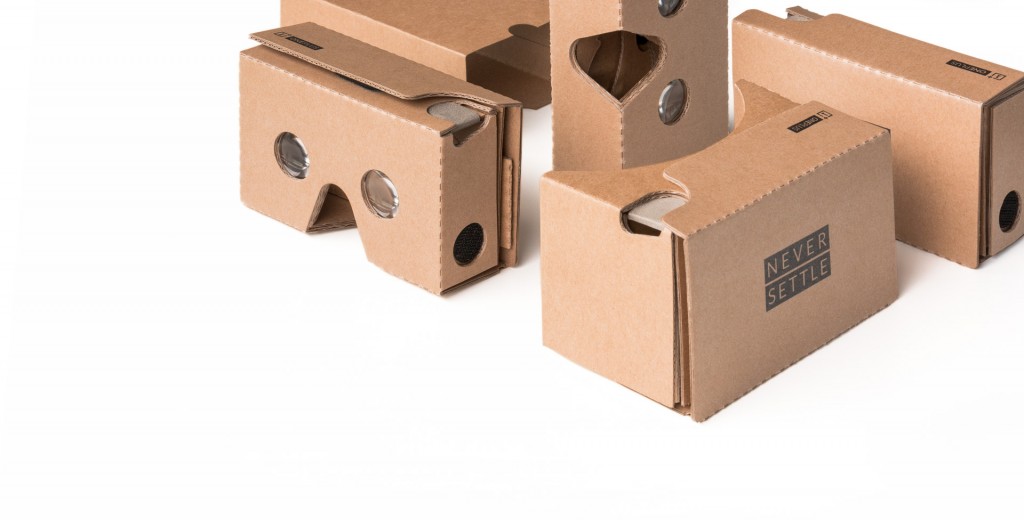
    The company also decided to launch the handset in a not-so-common way. The live streaming of the event will take place in Virtual Reality, starting at 7 pm PDT on 27th July. For this occasion, OnePlus has engineered its own ‘cardboard’ VR headgears that allow you to slip in your mobile handset inside the little box.

    This is not just a product; it’s an initiative. We aren’t making any money by offering OnePlus Cardboard. In fact, we are losing money with each one. There will come a day in which we will be able to travel the world and immerse ourselves in amazing things without ever leaving the comfort of our homes. OnePlus Cardboard exists to drive this idea forward.

    To get the OnePlus Cardboard, the description said users could sign up and participate in a contest that closes today.

    1. Sign Up & Participate

    OnePlus is giving away a plethora of headsets to our fans for free, along with shipping. To win a headset, users simply have to sign up on OnePlus Cardboard Giveaway, and the winners will be decided at random. The contest closes on July 3. Winners will be announced on OnePlus’s social media pages as well. The contest winners will be contacted by the company, post the draw.

    1. Buy it on Amazon India

    The OnePlus Cardboards will go on sale from the third week of July at a price of Rs. 99 (shipping terms will be as per standard Amazon India policy). The exact sale date on the platform will be announced on OnePlus’s social media channels soon.

    Most of the spec details will be unveiled at the launch event. Till then, as per the revelation by the company CEO Liu Zuohu, OnePlus Two will run on Snapdragon 810 chipset along with 4GB RAM. A 5.5-inch 2K display will improve the viewing experience of the user. The OnePlus Two will also have a USB C-Type, the first in a flagship device by a major manufacturer.

    oneplus-two

    The company has already announced that the price of the OnePlus 2 will be above $322 (Approx. Rs .20,485). With the launch next month, there is an enormous possibility that users will, again, be required to have an invite to purchase the phone. But this time, the company says it is prepared to meet the demands.

    Watch the video below where co-founder Carl Pei demonstrates how he is charging his MacBook with the phone’s USB Type-C charging cable.

    https://www.youtube.com/watch?v=4JPM8mSl9kc

  • HDFC Will Now Provide Banking Services Through Apple Watch

    HDFC Will Now Provide Banking Services Through Apple Watch

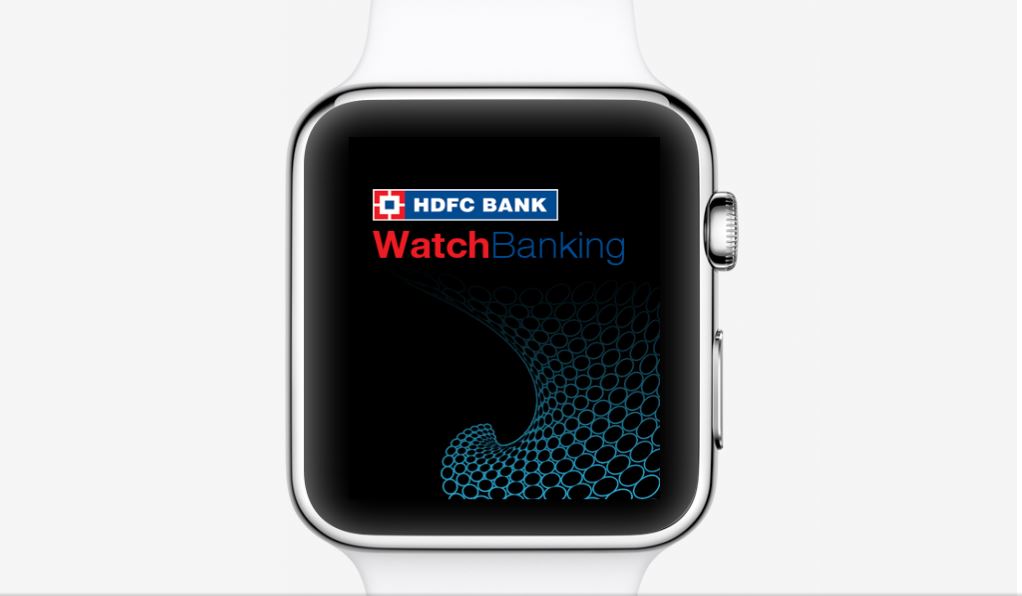
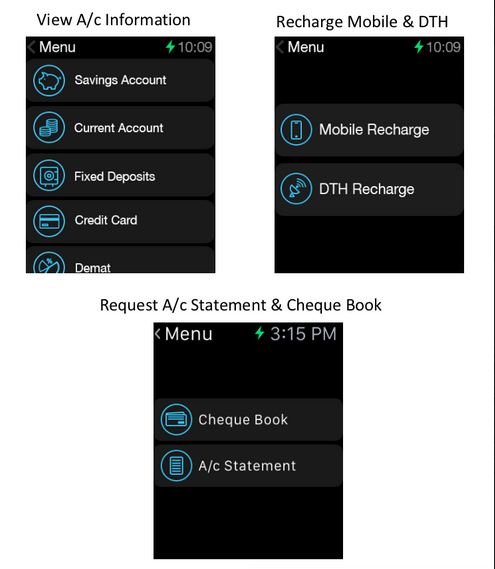
    HDFC has introduced WatchBanking, an app that allows you to carry out transactions from your Apple Watch. It’s another matter that the watch hasn’t been very popular in India, unlike its cousins iPhone and iPad. Still, it’s refreshing to see HDFC take the “better-now-than-later” approach, considering that Indian banks are known for being slow when it comes to adapting new technology.

    HDFC claims that the app has been designed by keeping the functionality of Apple Watch in mind. For now, the app allows you to carry out ten types of transactions such as Bill Payments and Recharges. It allows you to see your account information and locate nearest ATMs, just like the regular HDFC app for iOS.

    hdfc watch banking

    The bank scores extra points as customers won’t have to download a separate app for Apple Watch. They can activate WatchBanking from an upgraded version of HDFC Bank’s MobileBanking App itself. The bank assures no security flaws since the watch will act as a projection device. The data will flow from the mobile phone to the bank’s servers. Additionally, there is a watch banking PIN that the user himself will set during the one-time setup process, using his unique id and password.

    HDFC says that it aims to provide banking services through all wearable devices across all platforms, including iOS and Android.

    With WatchBanking, HDFC follows CitiBank, which recently launched its own banking app for Apple Watch. The trend will continue to follow if the market for smart wearable grows.

  • Apple Music Is Available For Rs 120 For A Single User In India

    Apple Music Is Available For Rs 120 For A Single User In India

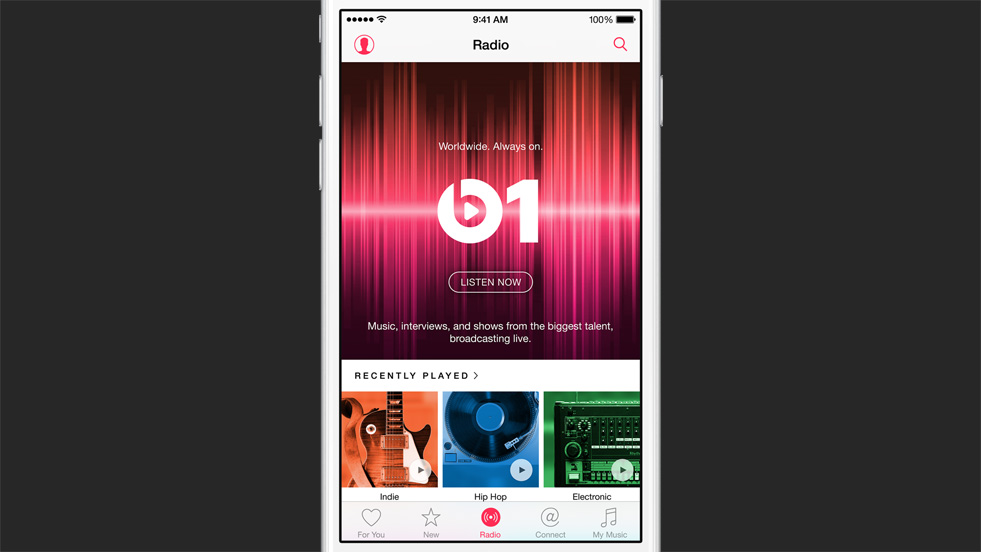
    A few days back, Apple released the much-awaited iOS 8.4, and along with It, the much talked about Apple Music. The service arrived in India along with the iOS update, along with 100 more countries. Unexpectedly, the service is available in India for very low rates, especially when you compare it to what Apple is charging in the US. The streaming service has been priced at Rs.120 per month for a single user. You can also opt for a family with maximum six member plan at a discounted subscription of Rs.190 per month. In comparison, US subscribers will have to pay $9.99 (Rs.637) per month or $14.99 (Rs 918) per month for a family account.

    Apple Music is slowly rolling out to some regions, and as promised, it is free to use for the first three months. Just enter your credit card details to sign up or if you already have your card on file in the AppStore, you’re good to go with the free trial.

    The music service is built into a redesigned variant of the Music app on iOS based on Beats Music. Apple has also revamped its iTunes Radio and expanded the service to new countries. It has added a social media angle to it, making it an interactive feature for music lovers. Only artists will have their profiles, enabling them to post media including music samples and share content from other artists. The regular users can like or comment only using their iTunes accounts.

    Apple is all set to revamp and replace its long forgotten ‘iTunes Ping’ with ‘Apple Music’. ‘iTunes Ping’ was a music social network service launched in September 2010 but had to be shut down two years later.

  • Airtel, Vodafone Launch Nationwide MNP from July 3

    Airtel, Vodafone Launch Nationwide MNP from July 3

    From Friday, you will be able to retain the same number anywhere in India, without changing your network operator. Today, mobile operators Bharti Airtel and Vodafone said that they would roll out nationwide mobile number portability (MNP) from July 3.

    Telecom operators were supposed to roll out nationwide MNP in May. However, due to the technical challenges faced by telecom operators, the deadline of May 3 was extended by two months by Department of Telecom (DoT). According to COAI, the telecom industry body, telecom operators needed 8 weeks to make some technical changes to their networks due to changes in national numbering plan (NNP), resulting in delay.

    Ajai Puri, Director, Market Operations, Bharti Airtel, said

    With our complete readiness to launch National Mobile Number Portability, we aim to empower customers enabling them to retain this identity as they move across anywhere in the country. To facilitate a seamless transition we will also allow our customers to enjoy free incoming on roaming while their number portability request is being processed.

    Now that Airtel and Vodafone have implemented full MNP, subscribers will be able to switch to the same or different network in a different state while retaining the same mobile number. Airtel promises that the porting request will take effect in 24 hours, which is fast when compared to the 8 days it usually takes.

    To make the MNP process even more smooth, Airtel customers will enjoy free incoming on roaming while their request is processed and can transfer their prepaid balance & carry forward postpaid unbilled/billed amount. The process for national MNP will be the same as intra-city MNP.

    Read about Vodafone’s latest tariff plans here.

  • Scientists in Japan Have Developed Interactive Holograms

    Scientists in Japan Have Developed Interactive Holograms

    In a not-so-distant future, you will be able to interact with holograms, Tony Stark-style. Thanks to researchers at Japan’s Digital Nature Group, a system has been developed which allows you to touch holograms composed out of lasers.

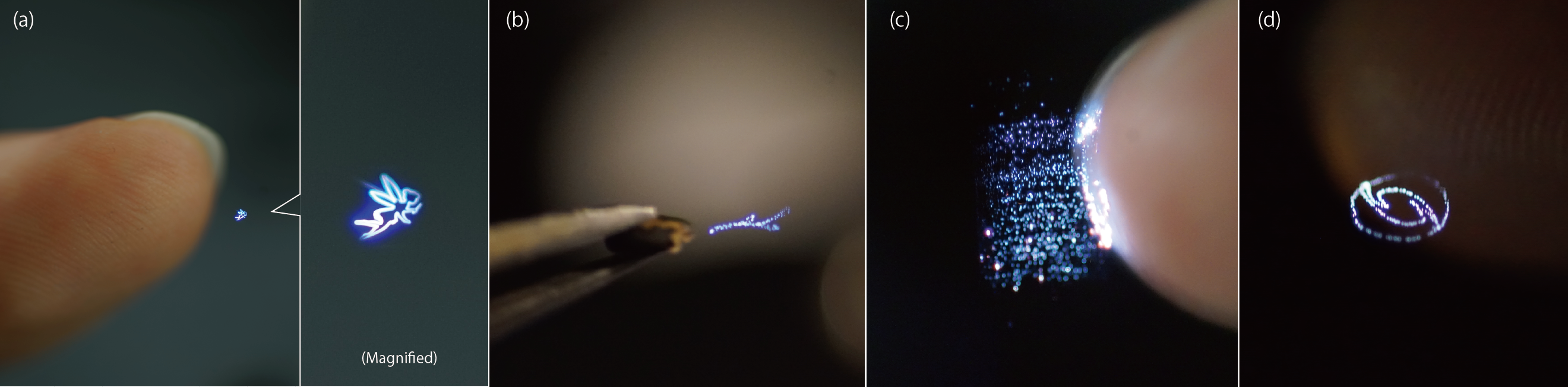
    According to the lab, they have used femtosecond lasers to develop “a method of rendering aerial and volumetric graphics”. For those unfamiliar with the concept, femtosecond lasers emit pulses for a very short duration, i.e., for one millionth of a billionth of a second. The short-duration pulses “excite” matter to create “voxels” of light, which draw 3D holograms at a resolution of “4,000 and 200,000 dots per second”.

    fig1_org

    Although lasers have been used to create 3D holograms in thin air, the fact that they are unsafe for humans is what makes this latest development exciting. Due to the faster nature of femtosecond lasers, scientists at Digital Nature Group have recognised this quality and used it to create a hologram that one can actually safely touch. As the team explains, shock waves are generated by plasma when a user touches the plasma voxels. The user feels an impulse on the finger as if the light has physical substance.

    This new technology has many daily-life applications and if applied properly, it could revolutionize virtual-reality since it is a new form of haptic interface. .

    The team will demonstrate femtosecond laser-based holograms to the public as a part of the Siggraph 2015 exhibition in August 2015.

    This video will explain you the mechanism behind the interactive hologram:

iGyaan Network
Privacy Overview

This website uses cookies so that we can provide you with the best user experience possible. Cookie information is stored in your browser and performs functions such as recognising you when you return to our website and helping our team to understand which sections of the website you find most interesting and useful.