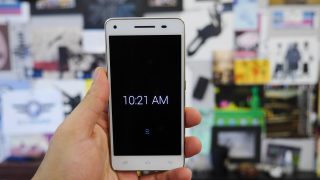
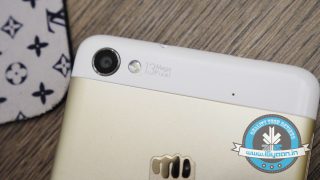
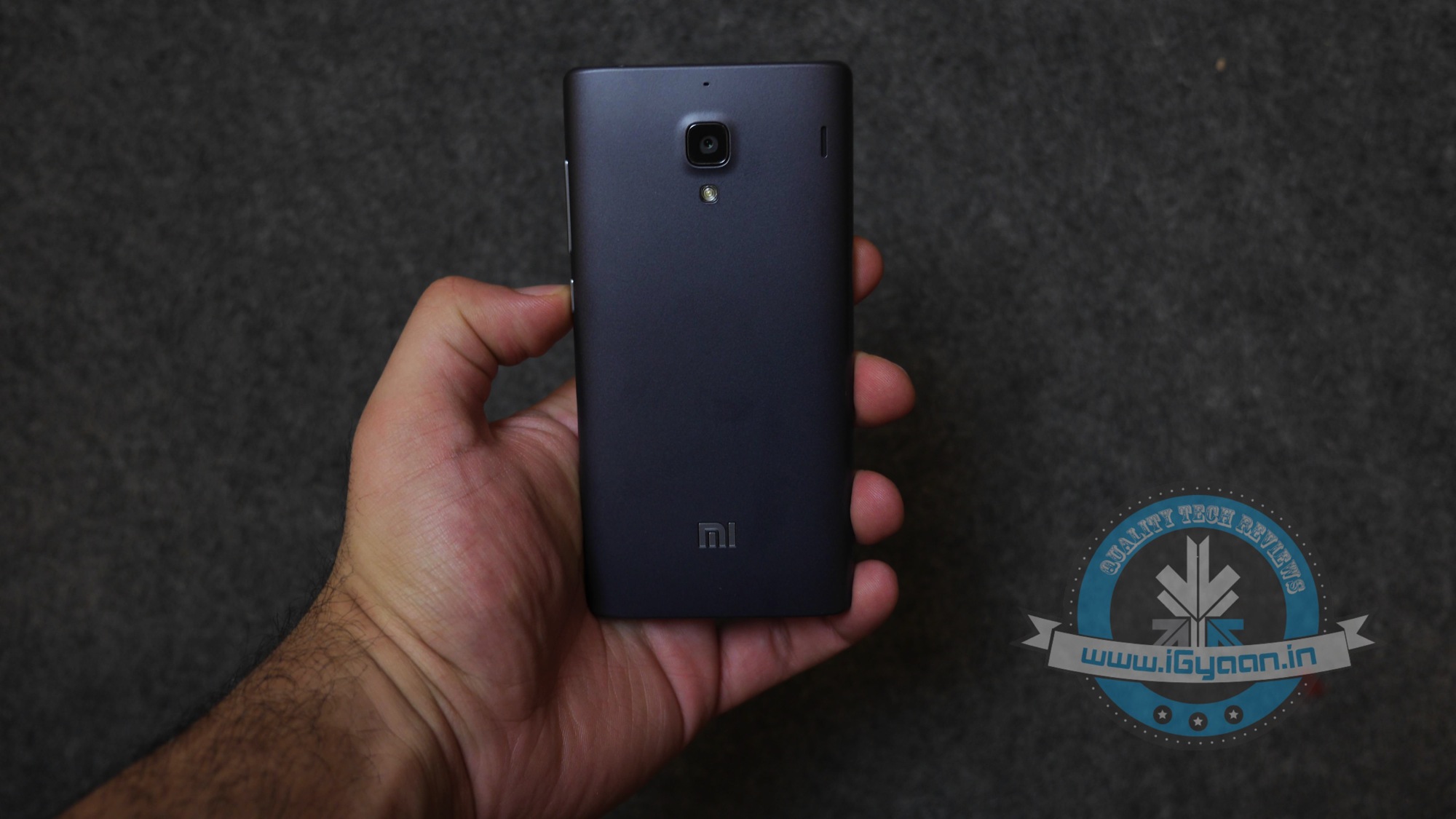
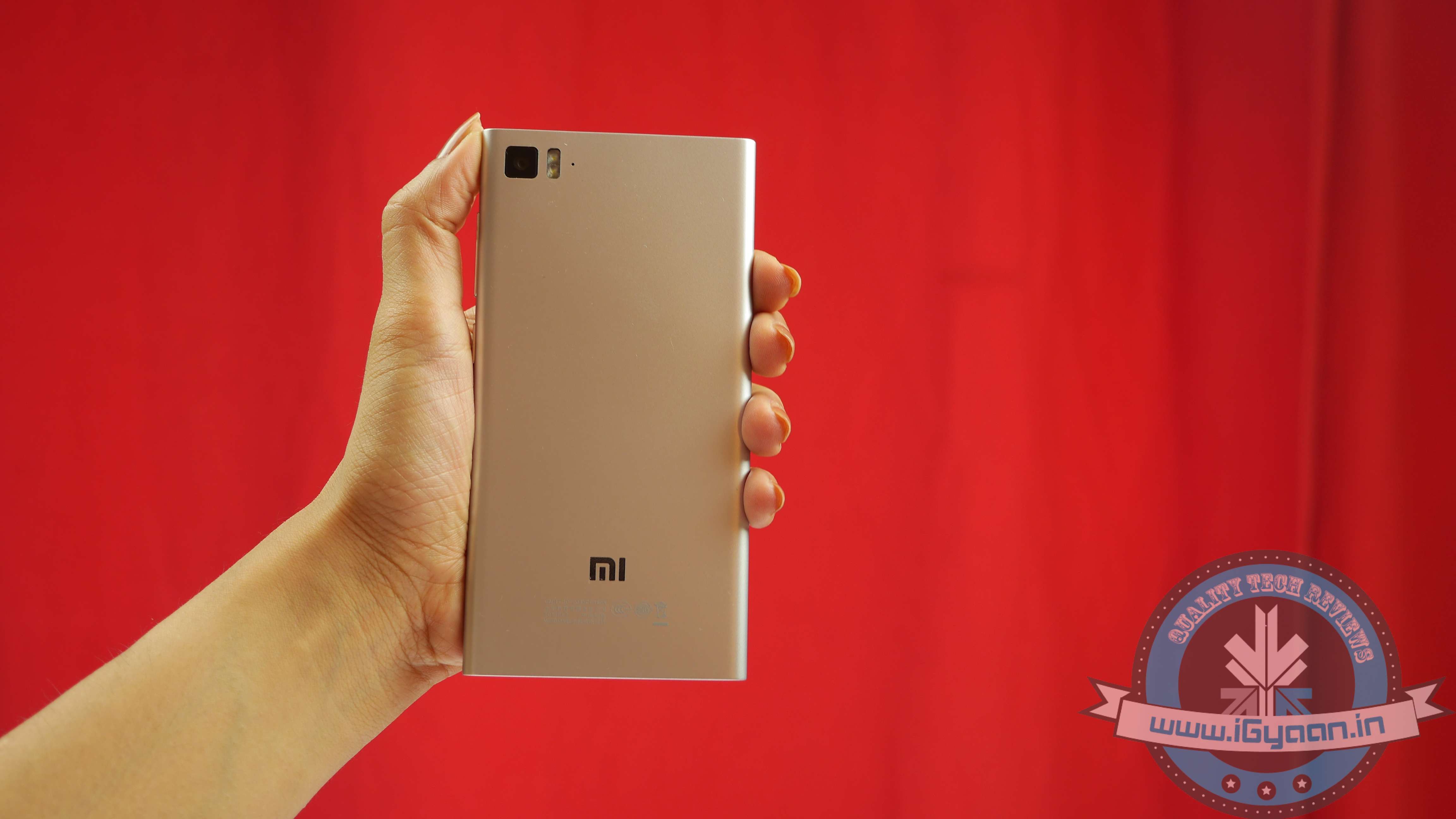
Micromax has dropped a few handsets in the past months, that have made big news. The Canvas Nitro, Canvas Gold and the A1 Android One Phone, are a few examples of products that made headlines. The Canvas 4 Plus will make headlines of its own, however, it may be the iPhone 6 plus’ bendgate that influences this one.
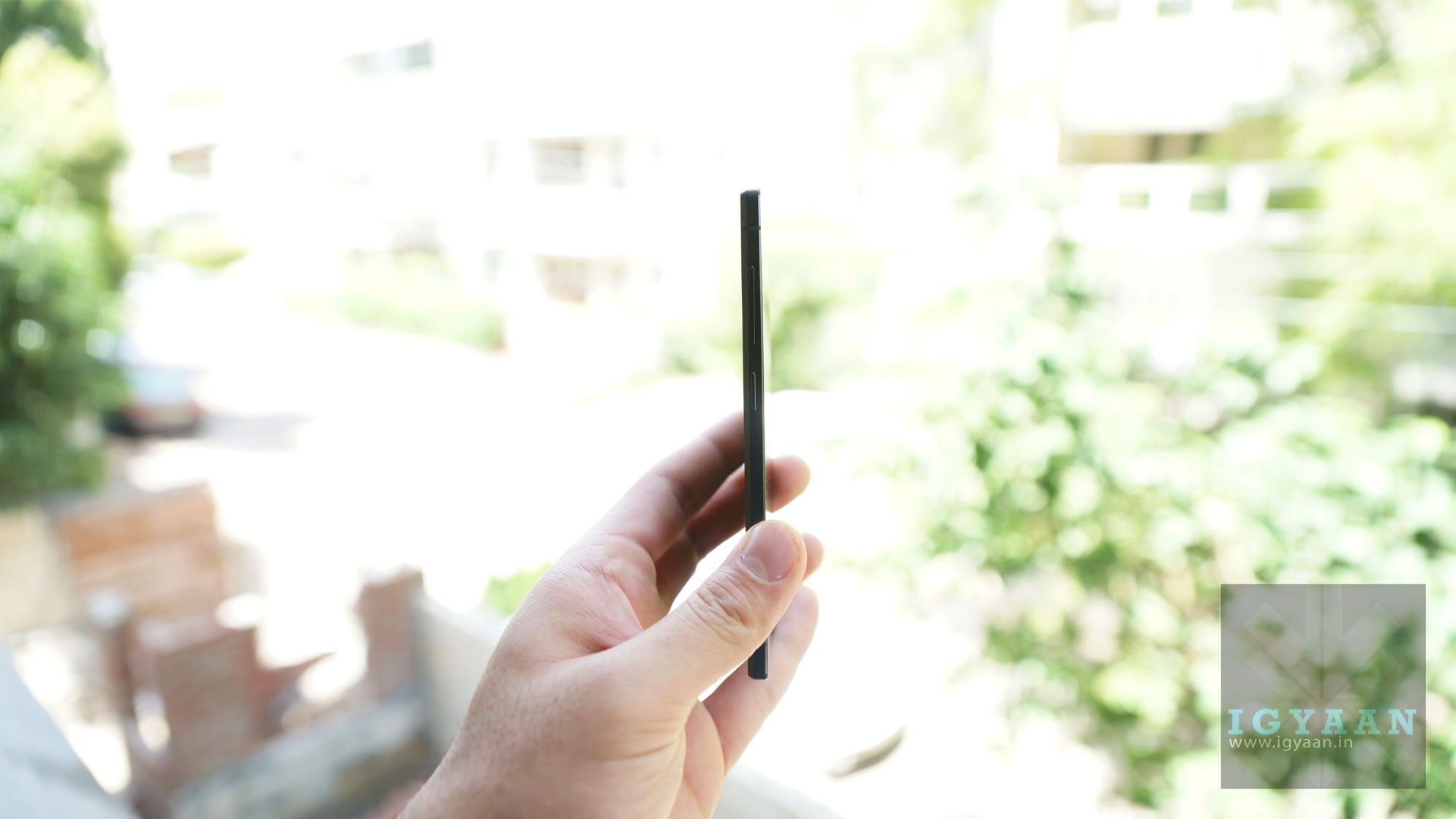
The Canvas 4 plus, is a new entrant and features a 5-inch 1280 x 720 p display along with an octa core Mediatek chipset, 1 GB of Ram and micro SD card expansion. The phone is might slim at just 7 mm thick and boy, does it bend easily.
In our unboxing of the phone, just because the phone looks so similar to an iPhone, we lightly attempted a bend test and it bent out of shape. We didn’t go all the way, as it would totally ruin the review of the phone. However, once the whole mumbo jumbo is over we might give it another go.
The phone also shows signs of warming up during basic usage and especially so during browsing the internet. The phone comes preloaded with a bunch of applications and the Quick Look blinkfeed-esque interface that takes away from the user experience and you will find yourself trying to remove them sooner than expected.
The phone other than the bending issues feels good in the hand and has metallic buttons, however the bending really makes you worry about the build and the plastic top and bottom parts come off easily at the back.
Specs
Micromax Canvas 4 plus
Gionee Elife S5.1
Gionee Elife S5.5
Huawei Ascend P6
Display
720×1280 pixels, 5.0 inches
720×1280 pixels, 4.9 inches
1080×1920 pixels, 5.0 inches
720×1280 pixels, 4.7 inches
Processor
MediaTek 1.7GHz octa-core
Qualcomm Snapdragon 400
Mediatek MT6592, Octa-core 1.7 GHz Cortex-A7
Huawei K3V2
Quad-core 1.5 GHz Cortex-A9
RAM
1 GB
1 GB
2 GB
2 GB
Storage
16 GB (expandable upto 32GB)
16 GB (non-expandable)
16 GB (non-expandable)
8 GB/16 GB
Camera
13 MP rear, 5 MP front
8 MP rear, 5 MP front
13 MP rear, 5 MP front
8 MP rear, 5 MP front
Battery
2000 mAh
2100 mAh
2300 mAh
2000 mAh
Operating system
Android 4.4.2
Android 4.3
Android OS, v4.2 (Jelly Bean), upgradable to v4.4.2 (KitKat)
Android OS, v4.2.2 (Jelly Bean), upgradable to v4.4.2 (KitKat)
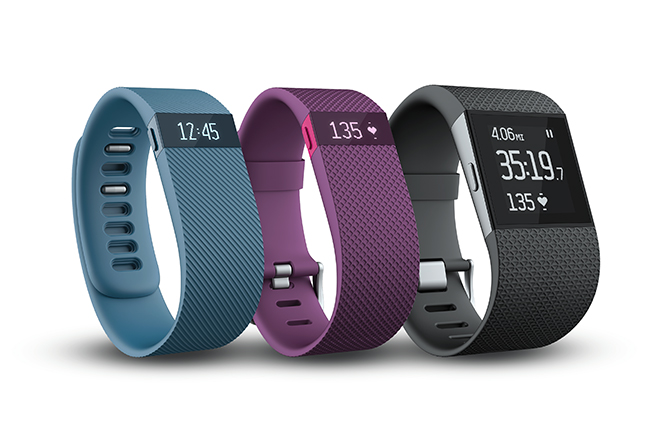
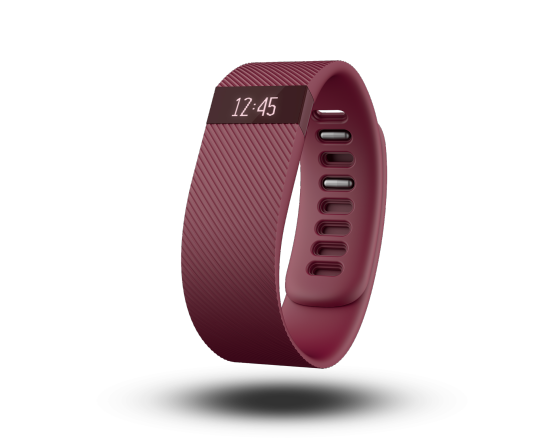
After nine months of interval, Fitbit on Monday announced three new devices for the wrist: Charge, Charge HR and Surge. Last year, the company was highly criticized for Fitbit Force as it caused skin irritation and blistered the wrists of some owners.
The devices measure activity and sleep, and when you pair them up with your smartphone, they give you an idea of how active you’ve been through the day and how well you’ve rested. The Charge is essentially a replacement of the Force and has been priced at $129.95. It encompasses the same features of the Force, including the caller-ID function.
Fitbit Charge is priced at $129.95
Also, Fitbit has finally cracked the code for automatic sleep tracking. That means no more adjusting the alarms before you sleep. The design has changed slightly since last year, and now it’s made up of a softer rubber with slightly textured surface. But for the most part, the Charge is a direct clone of the Force. It’s roughly the same size, has the same basic feature set and even the same seven day battery life.
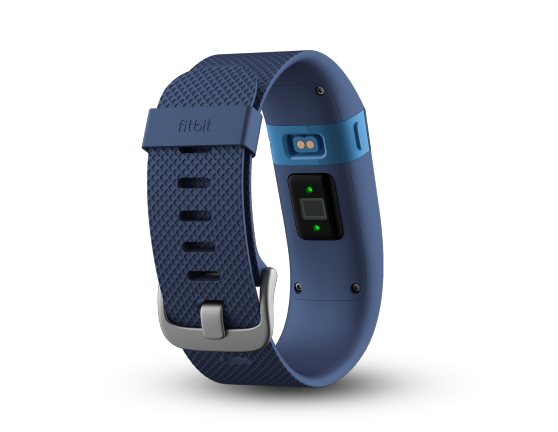
Charge HR costs $149.95and comes with a LED heart rate sensor
The Charge HR, which cost $149.95, adds an LED heart rate sensor. The company says that the sensor will work continuously whether you’re working out, working on your computer, or sleeping. Data from the heart rate sensor isn’t used to measure your sleep, though that could come in the future, which would make sleep tracking more accurate. Battery life, Fitbit says, is five days.
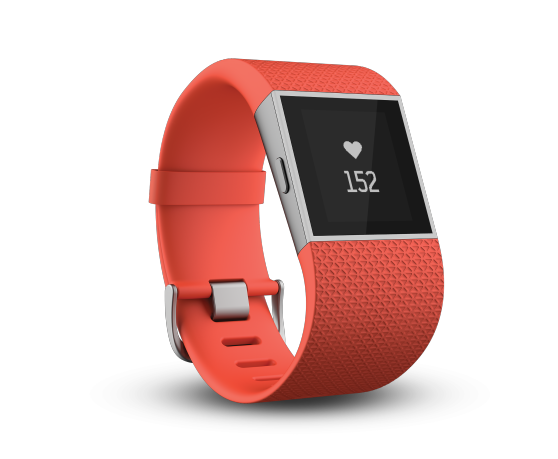
The third Fitbit offering, the Surge, is priced at $250. The company dubs it as a “super watch”, something between a fitness tracker and a full-on smartwatch. It is essentially a basic sports watch with light smartwatch capabilities. The Surge includes GPS, heart rate monitoring, bluetooth LE-based call and text notifications, and also supports different workout modes like runs, weight training, or elliptical use. It is bigger in size than the usual sports watch and claims to have seven days of battery life.
The ‘super watch’ Surge is bigger in size than usual sports watch
Fitbit has also made a few updates in its mobile app. It now includes challenges, so you can compete with other Fitbit users and get motivated. Also, the company has added some simple fitness coaching which will automatically calculate your heart rate zones and divide them into three basic areas – fat burn, cardio, and peak performance, rather than the more complex five to seven zones that elite athletes practice.
It has been four years since the Windows Phone platform was launched and Microsoft hasn’t really had the kind of success they were hoping for. Despite the neat looking UI and some nifty tricks, Windows is far from being a direct threat to Android or iOS. Windows Phone and Nokia’s Lumia range is what we are used to. Meanwhile, Samsung and HTC did try a few models nearly two years ago, though they never managed to make it work.
Since Microsoft’s decision of not charging a license fee for the new WP 8.1, manufacturers can now give Windows Phone a shot without taking the risk of spending a huge amount on resources. It’s encouraging to see regional OEMs jumping on the Windows Phone bandwagon. It’s exactly what the platform needs. As a matter of fact, we are seeing the same devices running both Android as well as Windows 8.1, as is the case with this device.
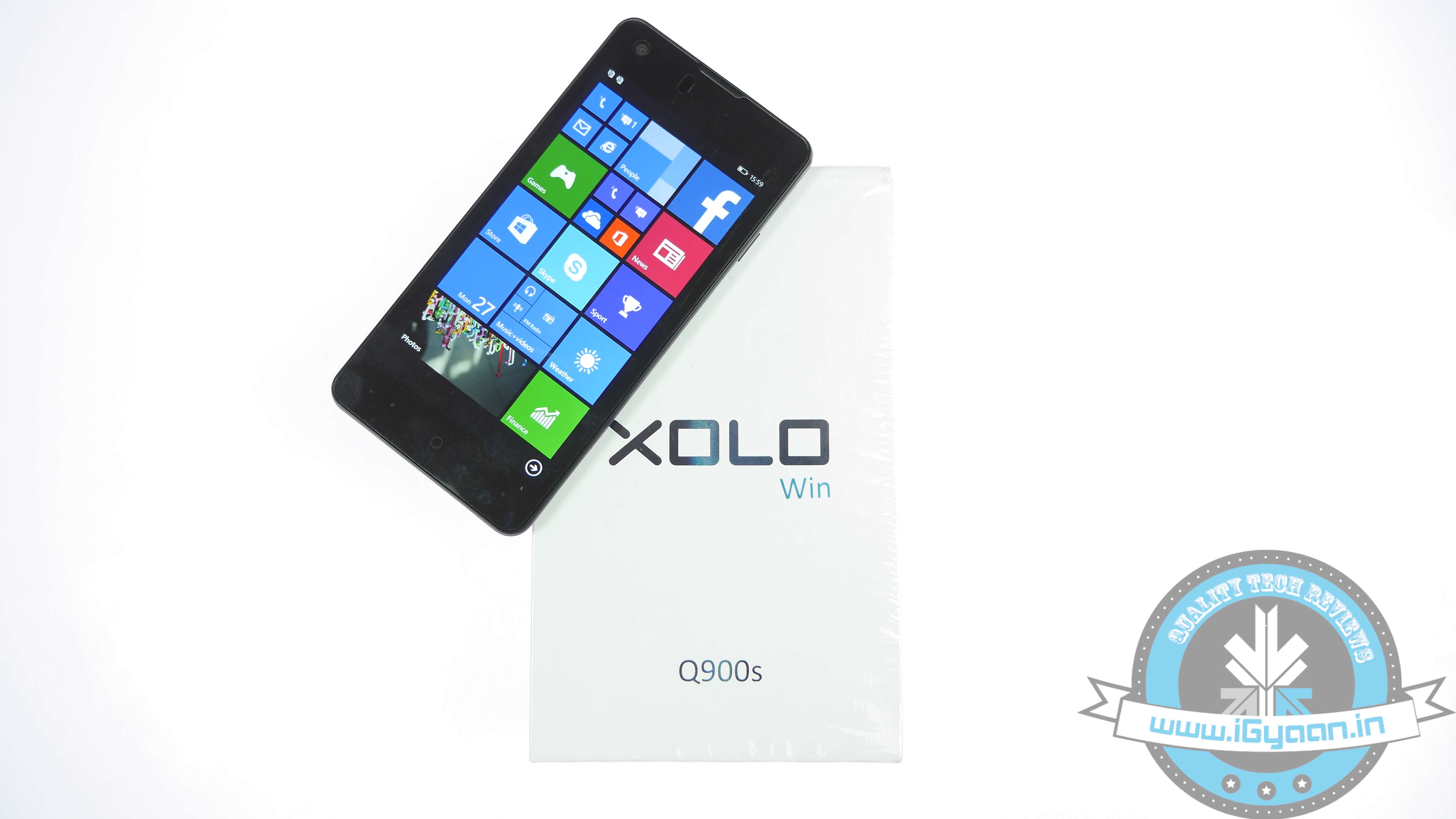
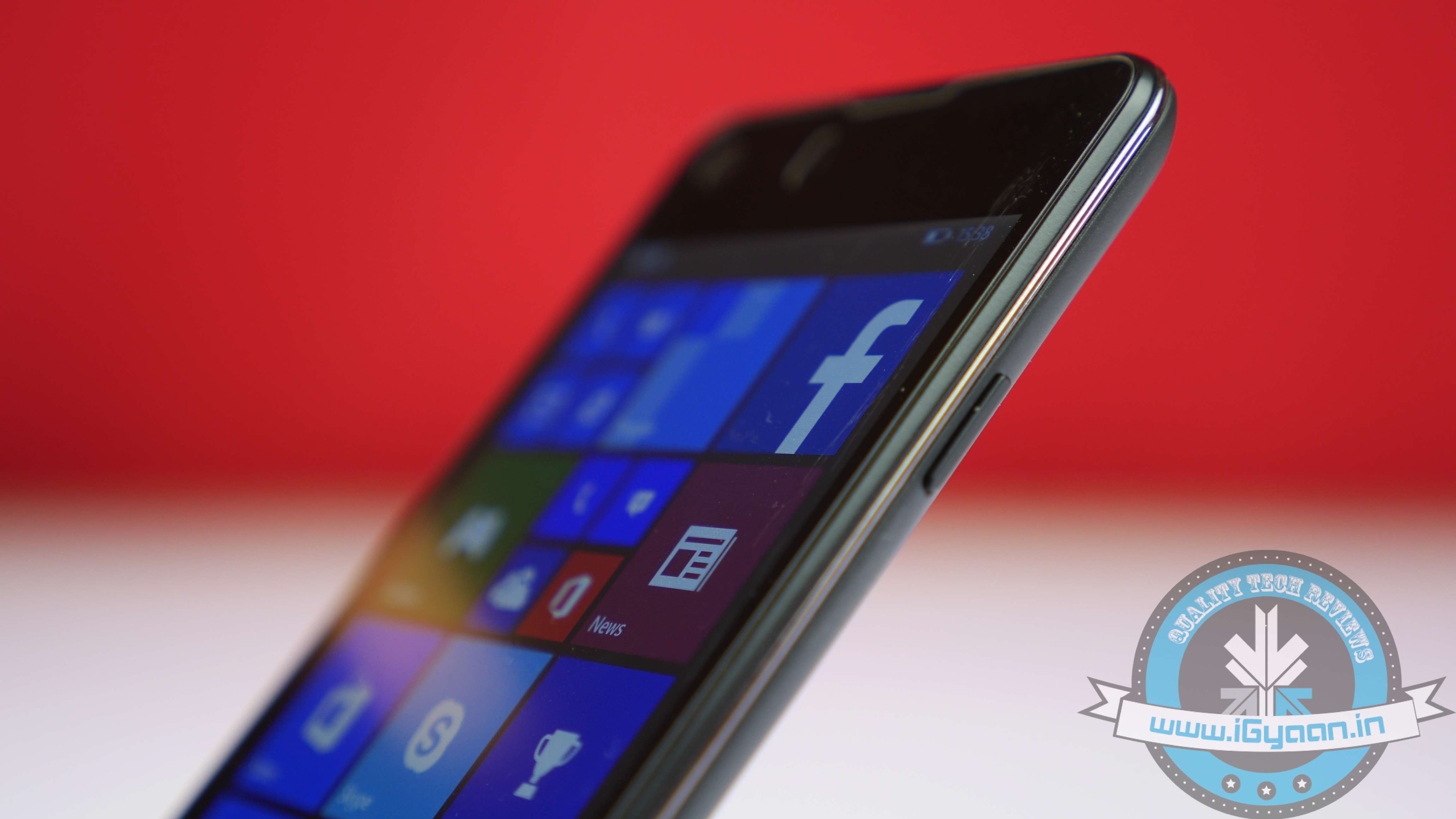
Local manufacturer XOLO has jumped onto the bandwagon. With the launch of the XOLO Win Q900s, the company is looking to place itself as an innovative and a value for money brand, across all spheres.
Overview
The XOLO Win Q900s is a variant of the Android-based XOLO Q900s. The most striking aspect of this phone is its ultra-light weight, at a mere 100 grams. It comes with a 4.7-inch HD display powered by a Qualcomm Snapdragon 200 processor. The smartphone is priced just under Rs. 10,000 and runs on Windows 8.1. It has the likes of Lumia 520, Lumia 630 as direct rivals in the overcrowded budget category of the smartphone world.
Hardware
The XOLO Win Q900s is powered by a relatively sluggish Qualcomm Snapdragon 200 SoC with four cores clocked at 1.2 GHz and Adreno 302 graphics. It has 1 GB of RAM and comes with 8 GB internal storage capacity which is expandable up to 32 GB via microSD slot.
It sports a 4.7-inch screen with a resolution of 1280×720. Optics includes an 8 MP camera on the rear and a 2 MP selfie cam. The phone has a 1800 mAh battery which is just not enough for a heavy user.
Design and Build
As already mentioned, the first thing you’ll notice about the phone is its ultra slim form factor and how deceptively light weight it is. Which means you can slip it in your pocket easily and it also fits perfectly in the hand. Not one of the toughest phones around but with a its weight, it’s certainly lighter than the lightest phones around.
Surprisingly, there is no Windows’ logo anywhere on the phone which is usually found on the Home button beneath the screen, this might be confusing to users. Also, there is no Microsoft or Windows branding seen on the device, apart from the box.
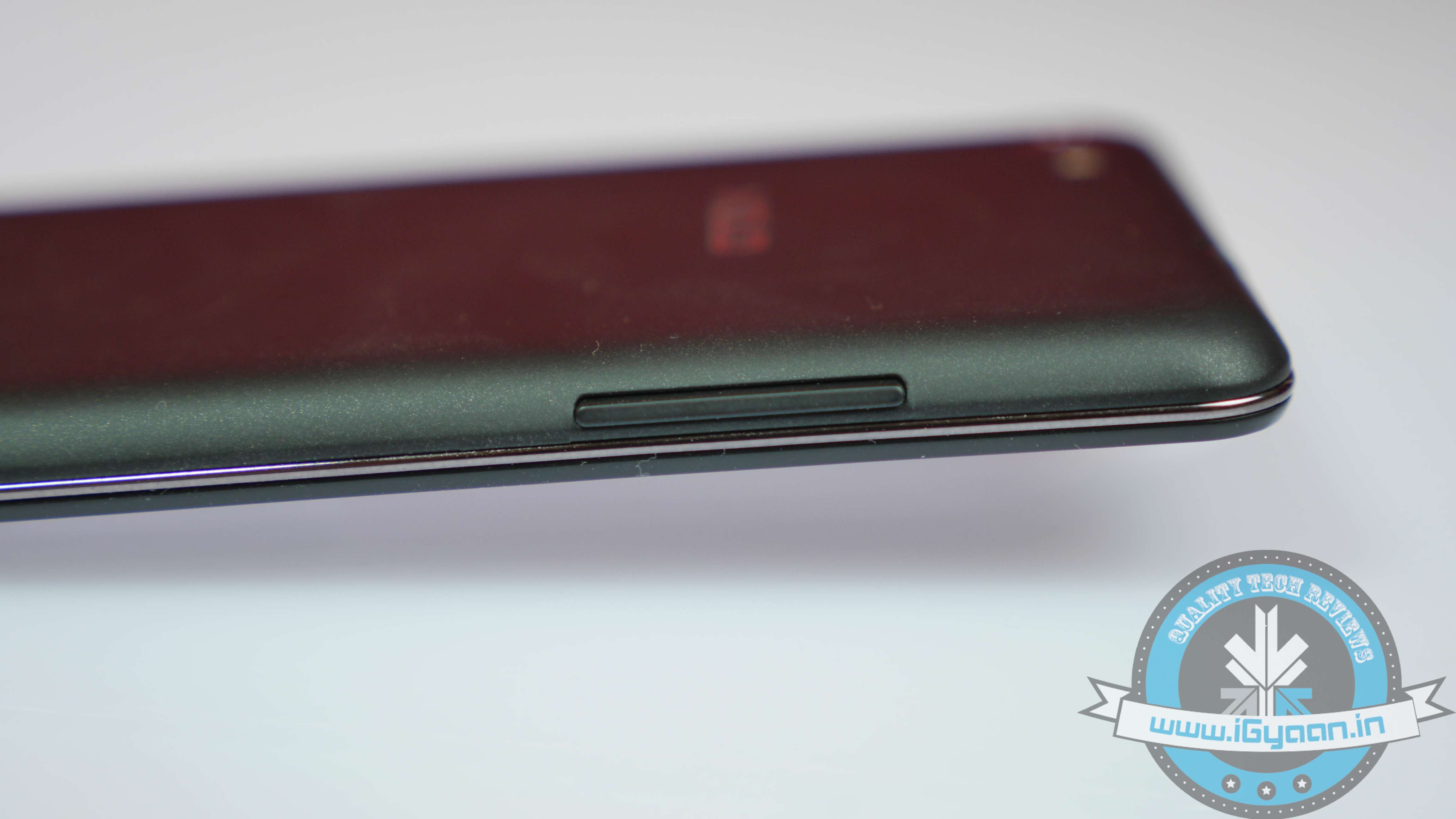
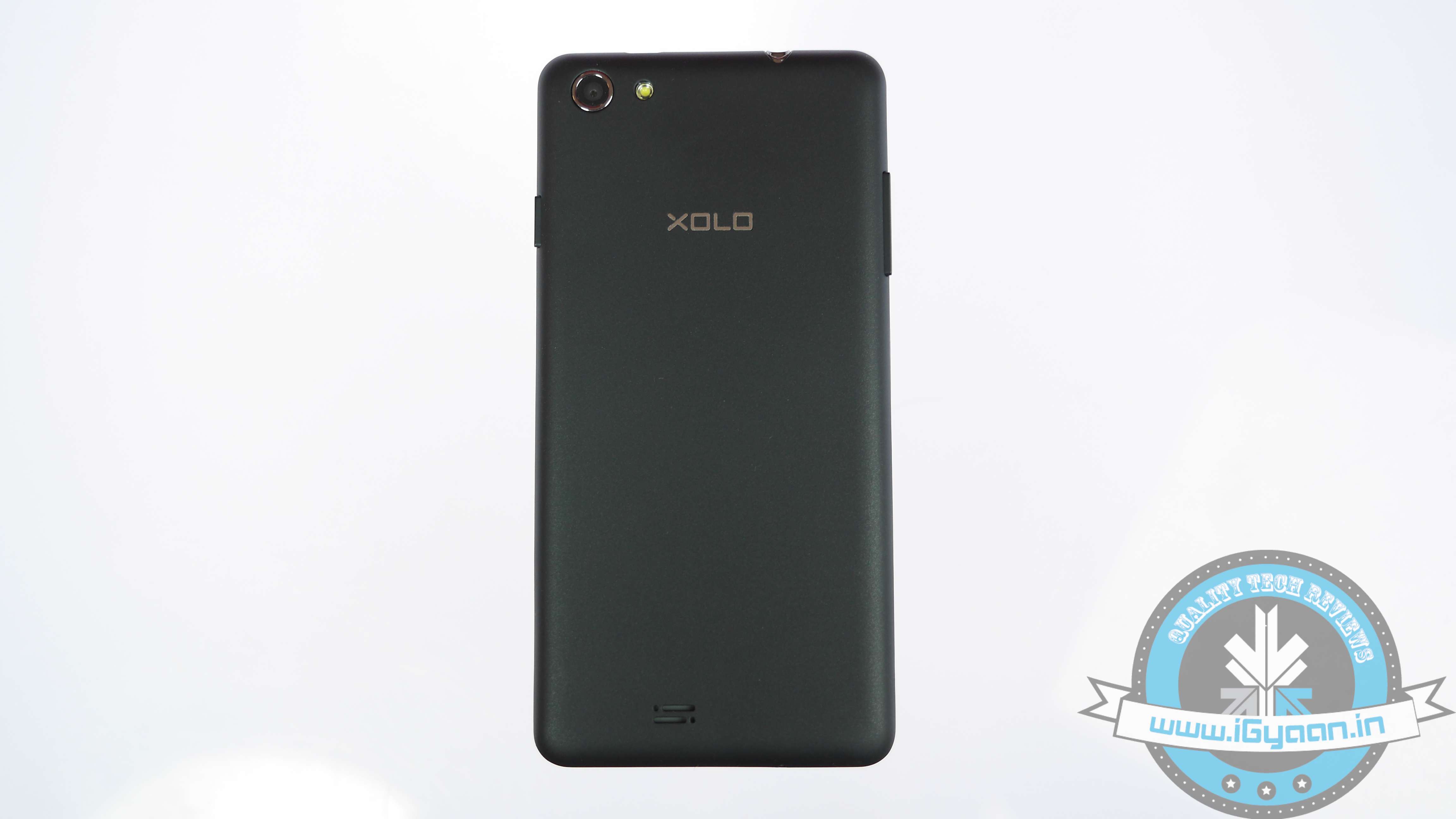
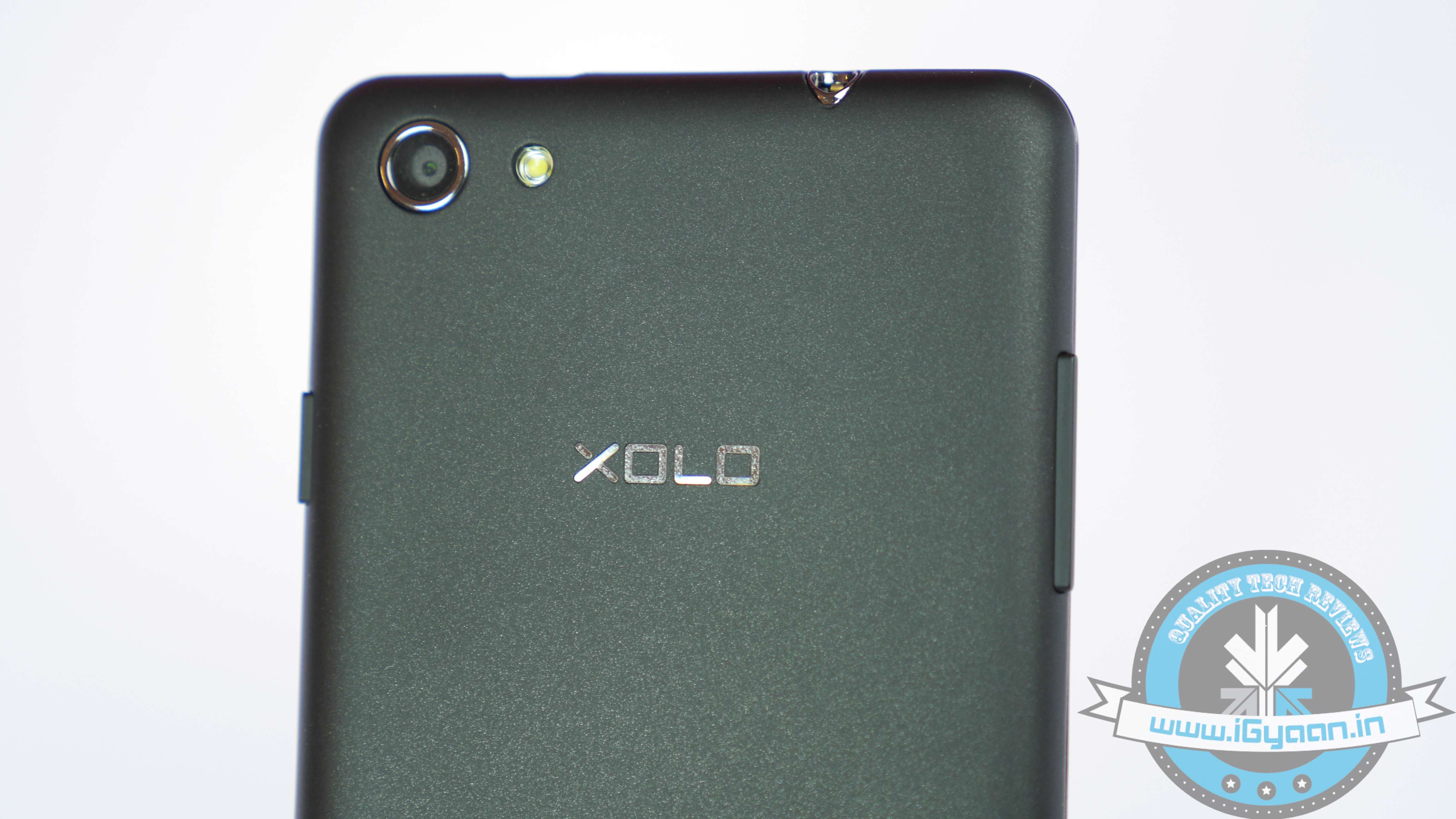
The phone has an amazingly slick design. It has a glossy black front, while the rear has a nice matte finish to it providing a better grip. The sides have a dark metallic rim that run from top to bottom. The capacitive buttons are placed very close to the bottom, with the Back button placed on the front right while the left button brings up Bing search – the exact opposite of the layout we are used to.
The main power button is placed on the right edge while the volume rockers are on the left. The back houses the primary 8 MP camera and flash, and has a removable back cover that has the two micro-SIM, microSD slots along with the removable battery.
The phone is definitely one of the better looking phones out there and feels good in the hand. This breaks the myth about domestic manufacturers coming out with ugly looking phones compared to their well established branded counterparts. It has a top notch design and will make a few heads turn.
Performance and OS
The performance of the XOLO Win Q900s is quite satisfactory. Powered by the Snapdragon 200 clocked at 1.2 GHz bundled with 1 GB of RAM, the phone does your routine tasks without any hassle. There aren’t any noticeable lags while using apps like WhatsApp, Twitter or Facebook, it can easily handle day-to-day activities with ease and fluidity.
The low weight makes surfing on the phone all the more fun. The phone managed a score of 10,870 in our Antutu Benchmark which is slightly lower than that of the Nokia Lumia 630.
The phone can run most games at ease, though one might experience stutters while playing them on the highest settings. The FPS is kind of low, but otherwise it gives a pretty good display and runs most games quite well without over-heating, considering the fact that it’s a very thin device. Though, it’s not meant for high-end gaming.
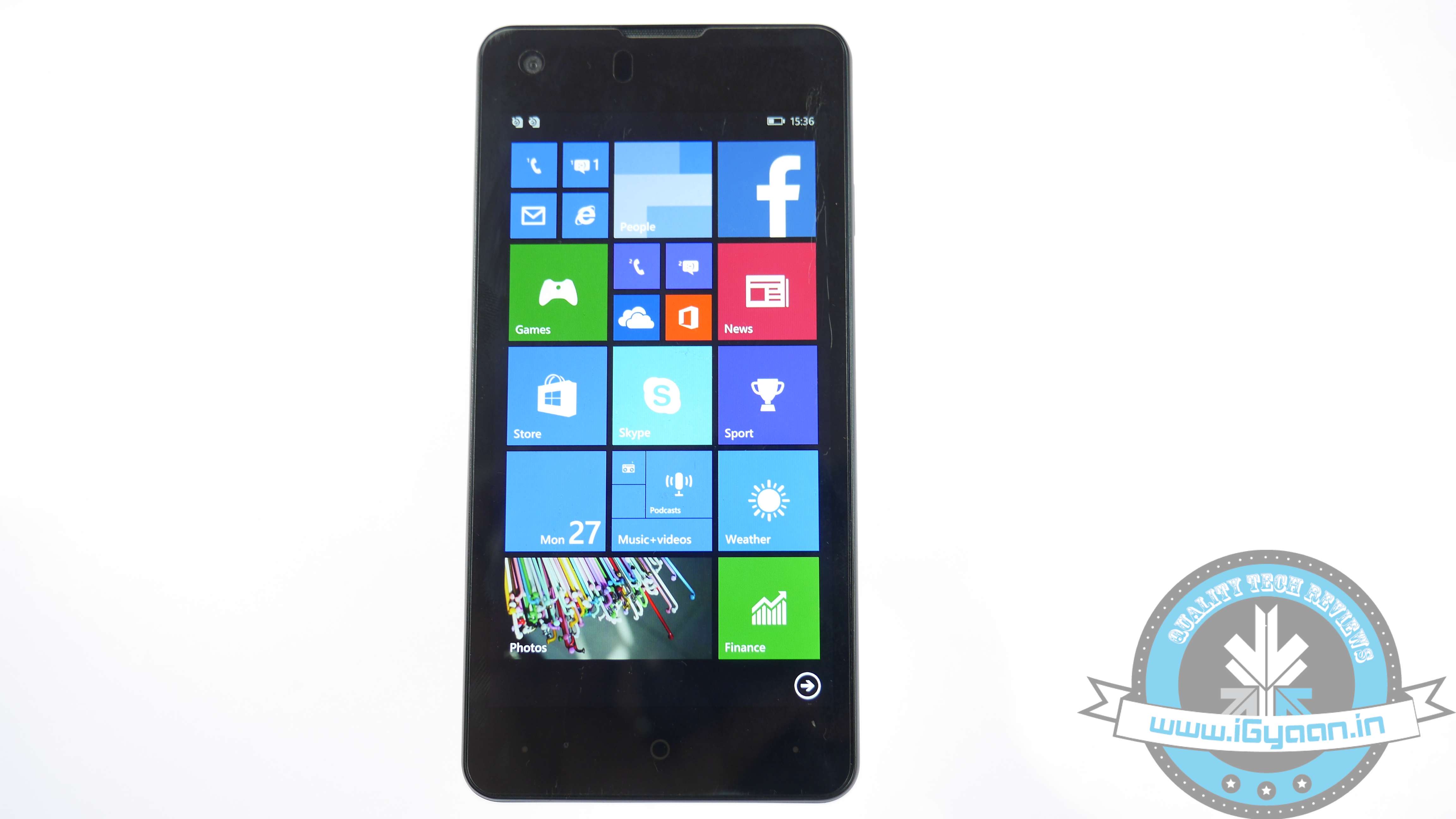
Coming to the OS, the XOLO Win Q900s comes with the latest Windows Phone 8.1. The OS has a refreshed neat look with a notification center along with the signature Live Tiles. Its Action Centre is very well laid out, making the OS fully functional. Swiping around the screen is smooth and responsive, and the new Swipe keyboard gives a good feel to it. The updated Windows 8.1 also brings a lot of customization options, almost a complete overhaul from the original Windows 8. The new Data sense and Wi-Fi sense take care of your data usage.
Not to forget Cortana, Microsoft’s answer to Google Now and Siri, is like a real-life personal assistant. The only difference is that being anthropomorphic, you can have a conversation with her and because of this, she is far better than the robotic Google Now responses. Cortana is capable of doing what Google Now does but with a quirky attitude that you would love. She gathers information about you and gives suggestions based on that. From scheduling appointments to dictating messages to opening apps, she does everything for you. Though it’s still early days for Cortana, but she is definitely fun to work with.
In the end, it would be fair to say that the overall experience of Windows 8.1 on XOLO Win Q900s is quite good. Previously frustrating loading delays have been significantly improved. With Windows 8.1, there aren’t any noticeable lags; a great keyboard, an interactive personal assistant makeup for a delightful experience.
Camera
The XOLO Win Q900s has an 8 MP rear snapper along with a 2 MP front camera. Overall, the picture quality in broad daylight is very good, renders the right colours and is quite crisp and sharp as well. Even the selfie camera on the front takes pretty decent pictures. The camera app has several display modes as well, allowing users to adjust colour hues and customise the display as per requirement.
Low light performance is just at par, as one would obviously not be expecting much from a phone at this price level. One other thing that we noticed was that the rear camera is placed on the extreme top left edge, so more often you need to make sure that you keep your fingers off the lens while taking pictures.
Meanwhile, the video quality is just at par and appears a bit grainy even in well-lit lighting conditions. One might experience jitters and lags, making the end result rather unsatisfactory.
Close up Shot (Zoom In)
Long Shot ( With HDR)
Shot in broad daylight
Close-up Shot
Daylight shot
Long Shot ( without HDR)
Display and Multimedia
The phone’s display is quite good with a 4.7-inch 720p HD IPS 332ppi display. Text appears sharp which makes for a good reading experience. The screen is bright even in outdoor conditions, and the viewing angles are pretty good. All in all, the display works just fine indoor as well as outdoor.
With a dual-core processor, the multimedia performance on the phone definitely needs some boost. It can handle daily activities at ease; while playing, videos deliver smooth frame rates and transitions, however audio sounded a bit muffled. The XOLO Win Q900s is not for games that demand a lot out of this phone, as it does not have the ingredients to cope up with those kind of games that run on high graphic settings.
Phones, Networks and Battery
The phone gives good signal strength indoors as well as outdoors, audio quality on the call is quite crisp. In terms of network connectivity, Wi-Fi signal strength is extremely poor and one needs to be very close to the router.
Coming to the battery, the phone is powered by a 1800 mAh Lithium Polymer (Li-Pol) battery, which in my opinion does not provide enough juice for a heavy user, may last only 4 hrs of heavy usage and 8 hrs of average usage. It might even stretch up to 9 hours without the Wi-Fi. It needs to be plugged in quite a bit if you’re a heavy user. In our battery test, we played a 90 minute HD video with Wi-Fi and other notifications on, and by the end of the video, the battery dropped to 67 percent.
Conclusion
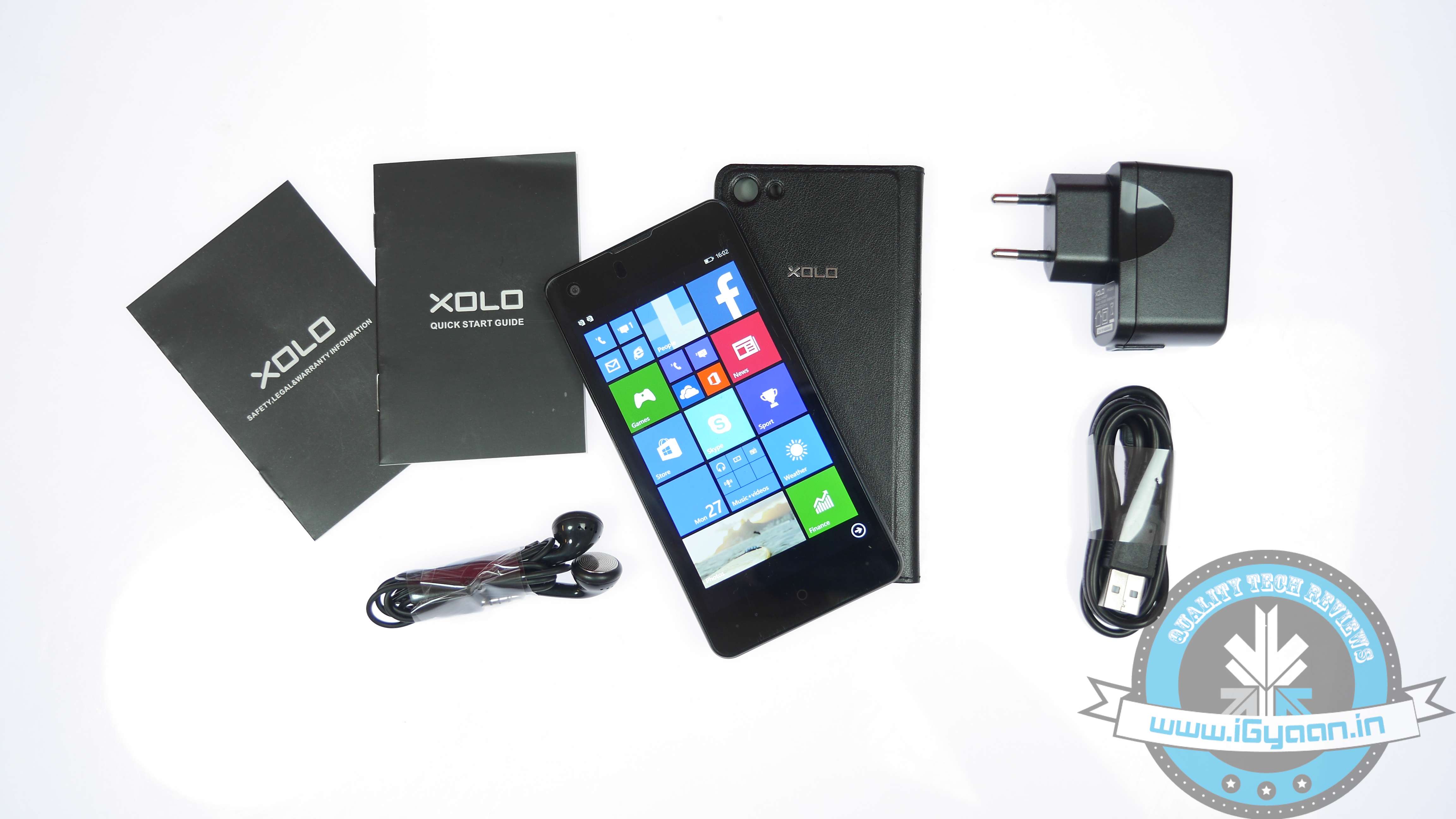
Well, the device isn’t perfect by a long way and has its own minor flaws, but in no way is it a complete bummer. It needs some fine tuning and there’s definitely a of scope for improvement. With a Snapdragon quad-core clocked at 1.2 GHz bundled with 1 GB of RAM and an 8MP camera with auto-focus along with expandable storage, the phone has all the attributes of a decent budget pick. Moreover, you get a screen guard and a flip case as a part of the total package.
The Nokia Lumia 630 is its closest rival, with a better processor and a slightly more powerful battery at 1830 mAh, but lacks in terms of memory at just 512 MB of RAM and a lower resolution at 480×854 pixels. Meanwhile, coming its Android counterparts, you have tons of options available in the given price range.
The XOLO Win Q900s, above all, is a smart choice, with average specs, decent performance, a good display, decent camera though battery backup might not be that great. If you are looking for a Windows Phone, it does all the basics fairly well along with a host of new features of Windows 8.1. A worthy competitor to the Lumia 630 and the Canvas Win W121.
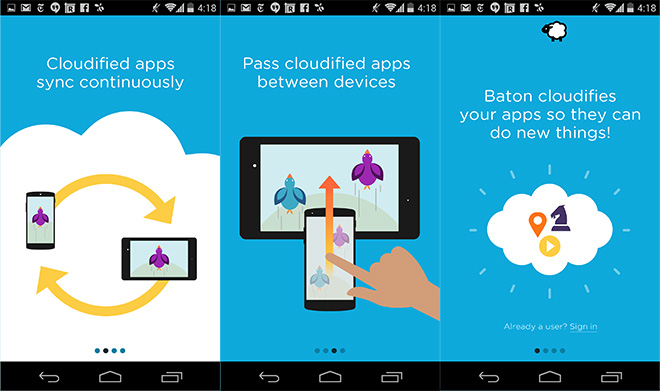
Just when we thought Apple is leading the race of technology convergence with it’s new ‘Continuity’ feature on OS X Yosemite and iOS 8.1, Nextbit, a startup formed by ex-Googlers, launched a forward-thinking cloud sync and backup service for Android called Baton.
It lets you quickly pass an app’s state from one Android device to another, which means you can continue playing on the same level in a game, editing the same document in an app or browsing the same web page right away. The only precondition being that the second device must also have Baton and the same app installed.
Nextbit Baton has three main features—sync, pass, and backup/restore. The sync feature is capable of keeping your app data in sync across all your devices. So, if you’re using a fitness app on a phone to track your stats, you can use a tablet to view all that data as it exists on the phone. This is a lot more than restoring app data which is already provided by Android (though underutilized). Nextbit constantly updates app data across all devices, but you can also disable sync on any app of your choice.
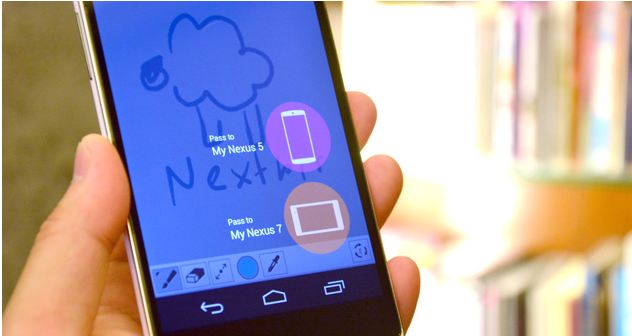
The Pass feature is probably the most impressive. A long press of the multitasking button will let you beam the current state of your app to another device and allow instant pick up where you have left off. The Nextbit backup lets you store apps and data in the cloud for easy restoration to new devices, similar to Google’s new app restore in Lollipop. All the cloud data in Nextbit is kept in Amazon’s AWS, and the data only syncs over Wi-Fi to avoid destroying your data cap or battery life.
Baton by Nextbit is available in private Beta form for users running the latest CyanogenMod version. The service will be available to public via a CyanogenMod release. It is said that Baton’s first public release will be on the “commercially distributed Cyanogen operating system” at some point this year, which means that OnePlus One users will be getting it for sure.
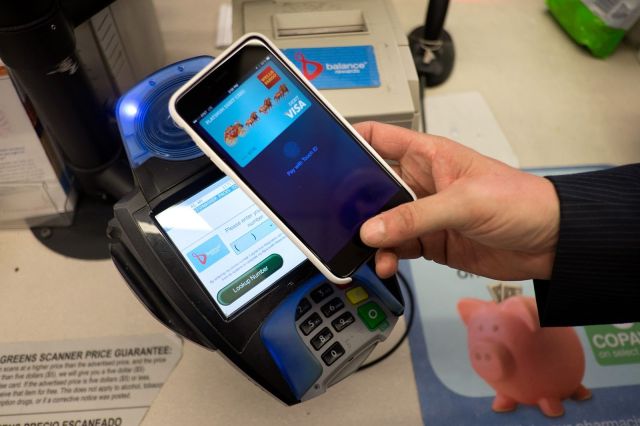
iPhone users have just started using Apple Pay to make purchases at cash registers and online stores. But the application of this NFC-based payment system is not limited to just this. According to The Information, Apple is in talks with keycard maker HID Global and Cubic to enable security features through which the NFC-equipped iPhone can be used as a pass to enter buildings and transit fare systems.
“The Apple representatives have spoken to technology providers like HID Global and Cubic, which enable secure access to buildings and transit fare systems respectively, briefed people involved in the discussions. Spokespeople for the companies declined to comment on any discussions with Apple, but executives there discussed how they could integrate their systems with the iPhone.” the report said.
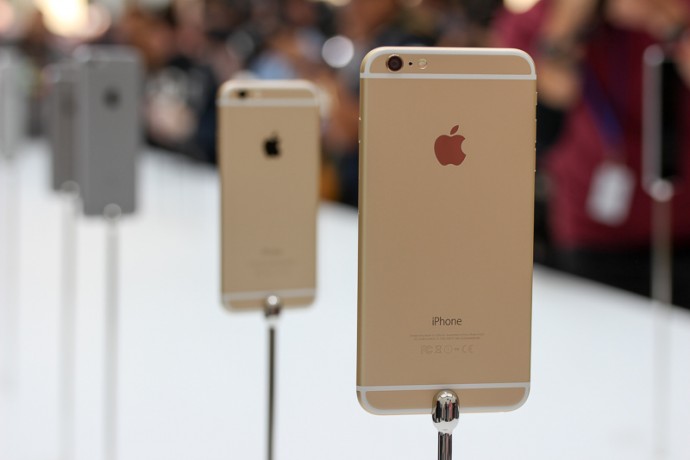
This could only mean that the iPhone 6 could soon come with the ability to unlock hotel room doors and even pay public transit fares. Back at the launch of Apple Watch, the company publicly announced a partnership with Starwood Hotels and Resorts Worldwide that would allow Apple Watch owners to unlock their hotel room doors using bluetooth. However, that specifically isn’t NFC technology, but the concept is the same.
Currently, developers are not allowed to tap into the NFC chip found in the iPhone 6 and iPhone 6 Plus. By allowing access to the NFC chip, the cards would be able to upload on the Passbook the same way credit cards are added. Users will then have to just tap on the home button at NFC-powered transit turnstiles to pay for their desired rides.
Its functions remain exclusively tied to Apple Pay, which launched with the release of iOS 8.1 last week. Apple hasn’t indicated any plans to open up NFC access in the future. However, report from The Information illustrated that Apple may selectively partner in offering NFC support. Initially, Apple also restricted Touch ID support until the launch of iOS 8, which now allows developers to offer fingerprint-based access with applications.
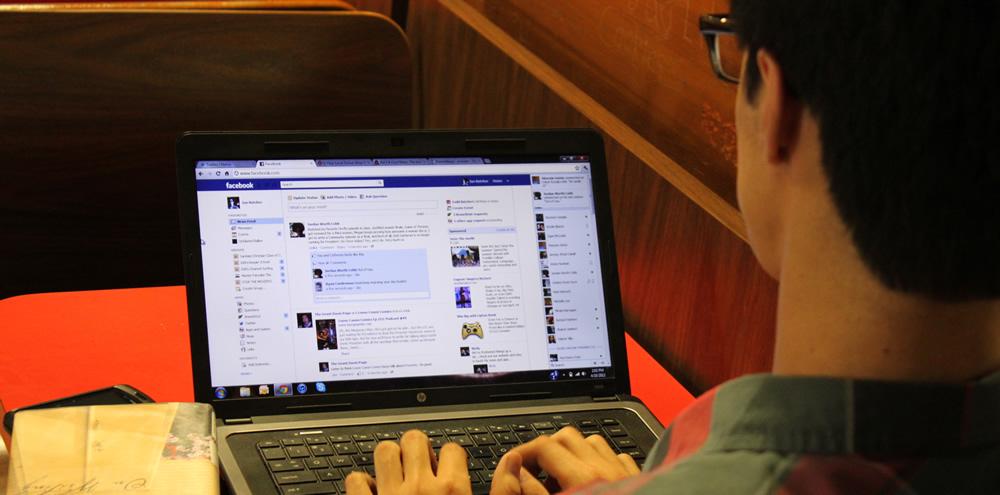
Ever wondered how Facebook gets your interest and keeps your news feed updated? It is all a result of the heavy lifting done by an algorithm written by 26-year old Greg Marra and his 16 member team. With this algorithm at helm, Facebook is fast becoming the favored news source for the public in general. Tied to Facebook now are the fortunes of the news publications. A report on The New York Times digs into show how ‘Facebook Is Changing the Way Its Users Consume Journalism’.
It is not a shocker that news publications are catching up with internet-only publication with the “listworthyness” and “You-won’t-believe-what-happens-next” genre of presentation. This is happening because they all want to please the great Facebook algorithm which is the most powerful news aggregation system in the world. Its closest competition, Twitter and Google News still lag far behind it. According to analytics company SimpleReach, Facebook is responsible for 20% traffic on news sites.
Tailored News only gives us perspectives that we agree with creates a mental bubble.
The algorithm takes a lot of factors to decide which stories it delivers in the news feeds. It seeks patterns such as interests showcased by the user and what pages are frequently visited. It also takes in consideration the device a user is on, how many comments or likes a story has received and how long readers spend on an article. This ‘tailoring’ of news has led to a weird phase in time where people decide what to read based upon how the algorithm understands their needs. This can also lead to the creation of a bubble around a person wherein he/she is limited to the things they agree with. This is what leads to the creation of conspiracy theories, says Sean Munson, an assistant professor at the University of Washington who studies the intersection of technology and behavior.
The news, even political stories are being presented in an entertainment format to engage the audience and increase ad revenue. This kills a lot of objective facts in the middle. Luckily new forces like John Oliver are emerging who are using the same method of entertainment reporting of News in an objective manner. This can be seen as a balancing act in an unsure time. Written media is still where most of the original journalism happens, and it’s sad to see it sway towards trend-worthy news stories. The television media’s 24 hour shouting quotient even dwarfs a fish market and is losing credibility for a lot of folks.
There will always be a fight between editorial and the marketing and sales division of any publication. But now the addition of the social option has put more pressure on the writer’s side to come up with stories that can attract more clicks. This may be a fad or folks might actually get used to it in the long run like they get used to new Facebook formats. What is worrying though is that the move towards social can harm an industry that is crucial for a civil society. Journalism is often called the fourth pillar of democracy which keeps a check on the other stakeholders of the society. If this pillar gets hollowed out by senseless noise and selective picking of information, it will be a terrible loss to society. Hopefully, the art of humour induced reporting of facts that matter which is perfected by people like Jon Stewart, Stephen Colbert and John Oliver will stand in defense for quality, objective reporting of news.
The Chinese company was recently troubled by an outburst concerning a national privacy issue. The Indian Air Force banned its personnel from using Xiaomi smartphones as they were considered a security threat. Now the company has planned to completely migrate the cloud servers out from Beijing and setup a local server for Indian customers.
IAF had cited a report by F-Secure which said that they found that the Redmi 1S was forwarding carrier name, phone number, IMEI (the device identifier) plus numbers from address book and text messages back to Beijing. Even after Xiaomi took proactive steps towards addressing its concern, IAF, is pressing on its officials and families to refrain from using the phones.
“Since early 2014, we have been migrating our services and corresponding data for Indian users from our Beijing data centers to Amazon AWS data centers in Singapore and USA. Parts of this migration will be completed by the end of October, and all of it will be completed by the end of 2014,” said an official release by Vice-President Hugo Barra.
“In 2015, we plan to launch a local data center in India to serve the needs of (and store data for) our Indian users. These efforts help significantly improve the performance of our services and also provide some peace of mind for users in India, ensuring that we treat their data with utmost care and the highest privacy standards.” Barra added.
The security solutions company, F-Secure, had done a test on the phones and found that they were automatically syncing the files on the cloud. Xiaomi said this was because cloud syncing was on by default on their devices. The company had released an OTA update on 10th August which would give the users the option to manually turn cloud syncing on.
Xiaomi added that F-Secure had acknowledged the efficacy of the new update. The company had also started the process of migration of the international user data out of its Beijing-based servers and started shifting it to Amazon’s AWS data centers.
If you live in India, you probably scream at your internet service at least once a week. A report on the ‘State of the Internet’ by AKAMAI has found the Indian internet lowest amongst its South Asian neighbors and also amongst its BRICS partners. A Right to Information (RTI) application filed by Vinoth Ranganathan who is also the co-founder of onlinerti.com has found something interesting about the Indian Prime Minister’s office.
The RTI revealed that the National Informatics Centre (NIC) provides a healthy internet speed of 34 Mbps. This is rather slow for the office of the head of state as Gigabit connections are available in the market. The entire country is governed by the South Block (Prime Minister’s office), and it deserves to have a high-speed connectivity. In comparison according to AKAMAI report, only 1.2% of Indian internet users have access to a speed above 10 MBps.
In the answers to the RTI, there was also a mention about the operating systems used at the PMO. Surprisingly even after severe privacy concern raised by Edward Snowden, the computers at the PMO still continue to use Window 7/8. In the response, it was also said the government was not spending any amount on the Prime Minister’s official twitter handle @PMOIndia. Though the PMO refused to answer how many computers have been hacked at the PMO in the past five years.
The present Indian government has placed technological growth at its core with the Digital India Project. It is a massive effort to construct an information super-highway across India that will aid in the development of the nation. The project will be shaped with a massive investment of 1 lakh crore. An industrial economy grows on the back of its road system and in the present knowledge economy, the speed of access to the information superhighway, i.e., the internet will decide the speed of growth. So we hope the Digital India Project stands out as a government initiative that actually stands up to the promise and the present internet speed at the PMO becomes a standard across by the end of the project.
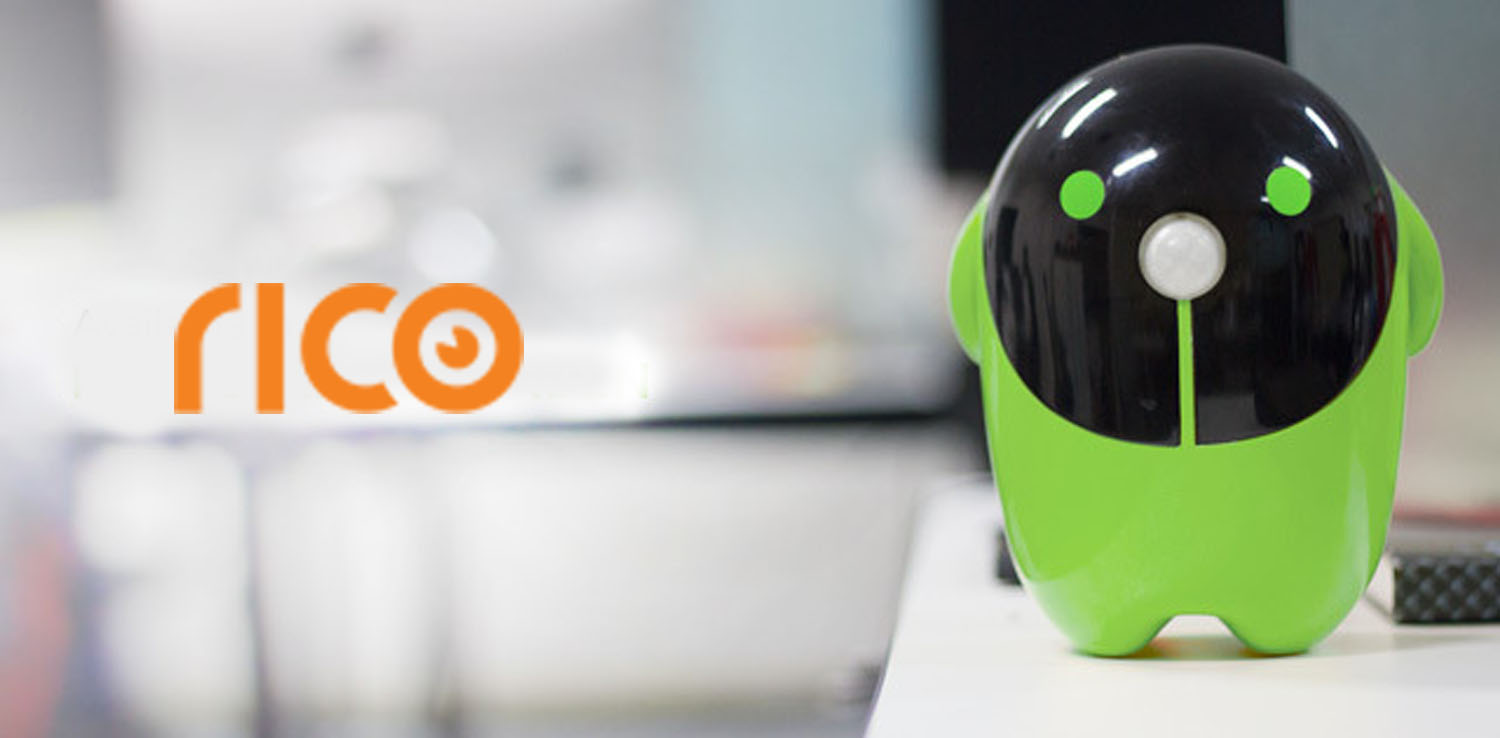
Start-ups are a great big bastion of innovation. It is there where the real world changing innovations are taking place. There are many start-up’s working the field of home automation. One such startup happens to be Mindhelix, which is known for its personal security app. It came up with an innovative solution to take care of two issues at once. First it gives a new life to your old phone and second it takes your house into the future. The solution is called Rico.
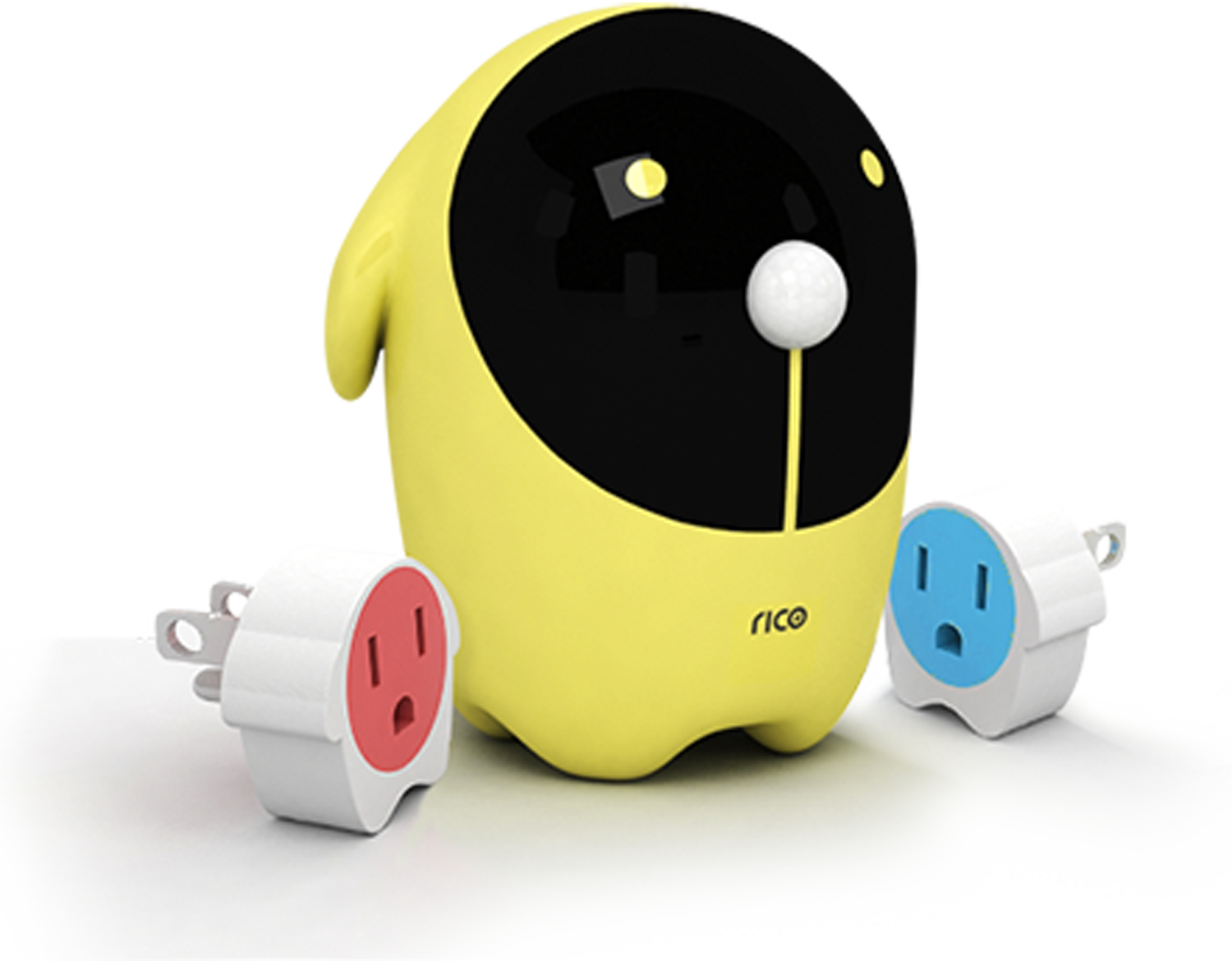
Rico is a small toy shaped, sensor-laden device that uses your old smartphone to provide advanced home automation services. It can even work without a smartphone but considering that every house has or will have a spare phone lying around, this seems a great proposition.
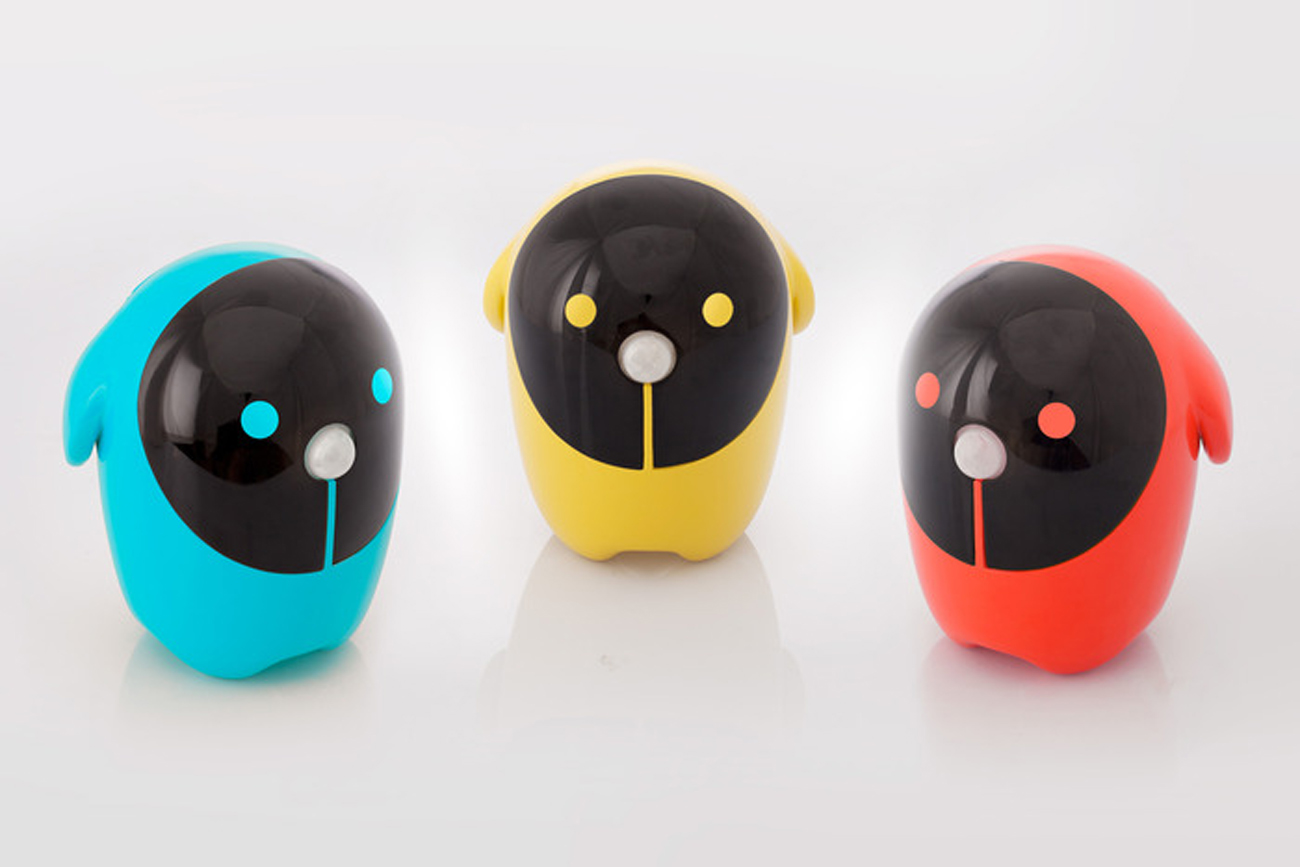
Rico is available in multiple color options.
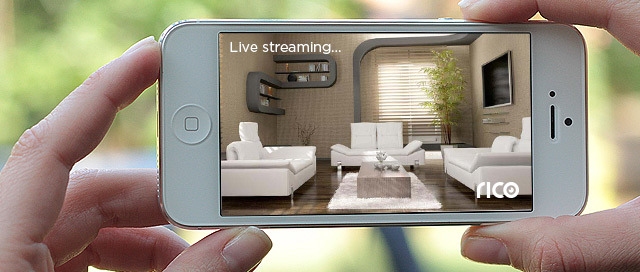
The device is capable of multiple functions on its own. It provides motion detection, temperature detection, carbon monoxide, smoke, humidity sensing along with the ability to control smart sockets. Add in a smartphone and the device becomes a home automation powerhouse which provides HD Camera for home monitoring, Wi-Fi connectivity and a more powerful processor.
The company plans to bring Smart sockets, which you can use to control your electronic devices such as refrigerator, AC’s and such. It is also a great way of getting rid of electronic wastes made by discarded phones that are still functional and end up adding toxic materials to the environment.
Rico’s Smart Sockets will let you control your electronic devices through its mobile app.
The greatest advantage of devices such as this is that it clears you of the worry of the security of your pad. The device can be controlled using a mobile app. As for the smartphone on the inside, it accepts any android devices running 2.2 and above and Apple devices with iOS 6 and above. It can take in any device up to the screen size of 5.7 inches (sorry Nexus 6).
Mindhelix’s Kickstarter page has achieved its required target of $100,000 with over 60 hours to spare. The company is expected to ship Rico to its backers by November of 2015.
It’s great to get a livestream of your house.
This seems like a great device to have in the house. The company is partnering with OEM’s in China to put the device into production. The Indian government also announced today that they want to set up a $15 billion dollar Internet of Things (IoT) market in India. If it is serious about it, the government has to encourage setting up of OEM’s in India by providing incentives to such small businesses. The Start-up village in Kochi where Rico was conceived is a fantastic example of how government-private partnership can lead to innovative solutions. This must be replicated across the country, especially in areas that are devoid of the IT boom. As we have said earlier, there is no dearth of talent in India, all that is needed is good leadership.
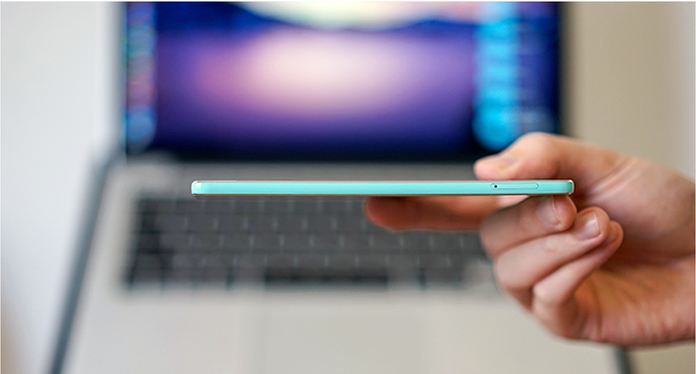
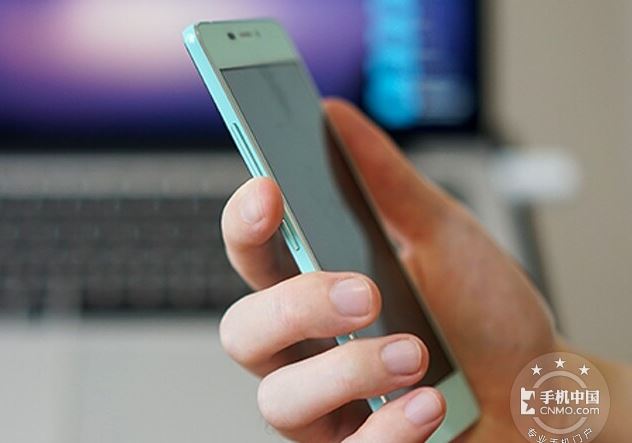
Gionee secures the badge of the world’s slimmest smartphone with its Elife S5.5 launched last year. Breaking its own record, the company has announced yet another slim phone which is skinnier than the S5.5, holding a 5.1mm thickness. The handset has been aptly named as Gionee Elife S5.1.
A source close to iGyaan has revealed that ‘the world’s slimmest smartphone’ may come to India during the third week of November. Previous leaks have cited that the new slim smartphone is produced using metal and Gorilla Glass, has curvier edges for a more comfortable grip, and may come with a flush fitting camera lens too.
According to Gionee’s Head of Design, mobile device ergonomics is an important part of consideration when designing a device. The curved edge design of Elife S5.1 ensures that the phone fits and feels comfortable in the holders’ hands. The metallic structure and durable glass will also ensure a firm grip to avoid accidental drops.
Chinese publication CNMO had leaked the unannounced Gionee Elife S5.1, showcasing the full handset. Another site, Zol.com, claims that it had a hands-on experience with the upcoming device. Based on the leaks, Gionee Elife S5.1 has a 4.8-inch HD AMOLED display and is powered with a 1.2 GHz quad-core Qualcomm Snapdragon 400 (MSM8926) processor running on 1 GB RAM.
It is also said that the device comes with the 8 MP rear camera, 5 MP front-facing camera, 16 GB inbuilt storage (non-expandable), and a 2100 mAh battery. It could also run on Android 4.3 with Gionee’s Amigo 2.0 interface on top.
Specs
Gionee Elife S5.1
Gionee Elife S5.5
Micromax Canvas 4 plus
Huawei Ascend P6
Display
720×1280 pixels, 4.9 inches
1080×1920 pixels, 5.0 inches
720×1280 pixels, 5.0 inches
720×1280 pixels, 4.7 inches
Processor
Qualcomm Snapdragon 400
Mediatek MT6592, Octa-core 1.7 GHz Cortex-A7
MediaTek 1.7GHz octa-core
Huawei K3V2
Quad-core 1.5 GHz Cortex-A9
RAM
1 GB
2 GB
1 GB
2 GB
Storage
16 GB (non-expandable)
16 GB (non-expandable)
16 GB (expandable upto 32GB)
8 GB/16 GB
Camera
8 MP rear, 5 MP front
13 MP rear, 5 MP front
13 MP rear, 5 MP front
8 MP rear, 5 MP front
Battery
2100 mAh
2300 mAh
2000 mAh
2000 mAh
Operating system
Android 4.3
Android OS, v4.2 (Jelly Bean), upgradable to v4.4.2 (KitKat)
Android 4.4.2
Android OS, v4.2.2 (Jelly Bean), upgradable to v4.4.2 (KitKat)
If you ever had to deal with the pain of parting with an electronic device, then you must know how hard it is. Laptops and desktops are especially hard to say goodbye to. You spend a lot of time trying to figure out which device to buy and then you spend countless moments with it. But some people find it so hard to bid them farewell that it leads them to create something amazing.
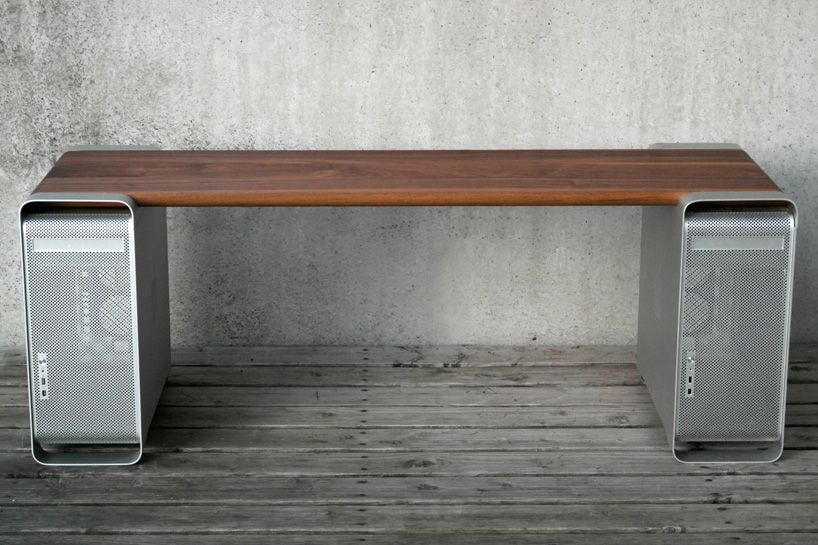
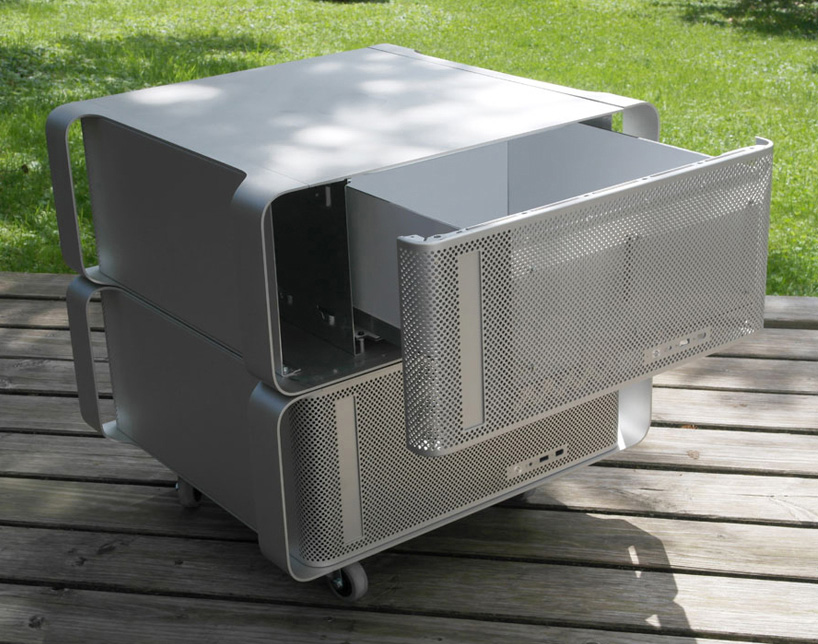
Meet Klaus Geiger who gave a second life to his Power Mac G-5. It is so cool; you might ask why hasn’t this been done before. Klaus uses two shells of the Power Mac’s and lays classy wooden slabs on them.
If you think about it, it’s a great homage to the first 64-bit architecture. It is also a great way of taking care of the exponentially growing e-wastes. With the access to technology getting cheaper and the devices getting updated at a faster rate, discarding of old technology has also increased. For a cleaner planet, it is essential that we find effective solutions to dump the e-waste. What Klaus has done is one great example of fixing the new generation trash.
Drone technology may have raised some security issues in the past, but they have come a long way from being destructive modes to actually doing good for the society. The recent example of one such application can be seen in the remote areas of Southeast Asia.
A research team in the Borneo island, Malaysia, is using a flying drone to map out the areas affected by a dangerous parasite called Plasmodium knowlesi, which carries malaria. The malaria parasite usually targets macaque monkeys, which in turn spread it to humans via mosquitoes.
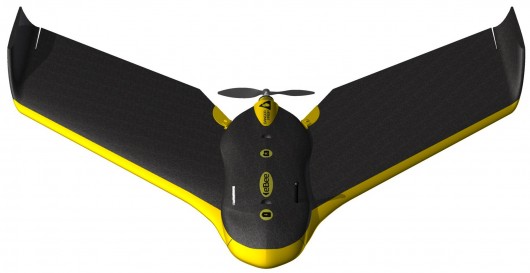
The researchers are trying to figure out the reason of a rapid increase in such malaria cases. Chris Drakeley, a professor of Infection and Immunity at the London School of Hygiene and Tropical Medicine in the United Kingdom, and one of the researchers involved in the project said that they are using a small camera-equipped drone called senseFly – an eBee to create maps and digital surface models of the land and vegetation surrounding communities where Plasmodium knowlesi has affected humans.
“What we’re doing is creating a detailed map, which we can then superimpose or overlay with human and the macaque movement,” Drakeley explained. The locals are asked to carry GPS tracking devices with them while several monkeys were fitted with GPS collars.
The aim of the project is to identify the contact point between humans and the affected monkeys. Meanwhile, the drones will help researchers figure out what these areas look like and why both species are drawn towards the particular area. “It was thought to be a relatively rare and specific kind of interaction,” Drakeley said. “But what the Malaysians we’ve worked with in the state of Sabah have described us that this actually isn’t always the case.”
Recently, there have been malaria cases which involve children and sometimes an entire family. The researchers hope to narrow down the contact between the two species and hence, provide a practical solution to avoid spreading of the disease.
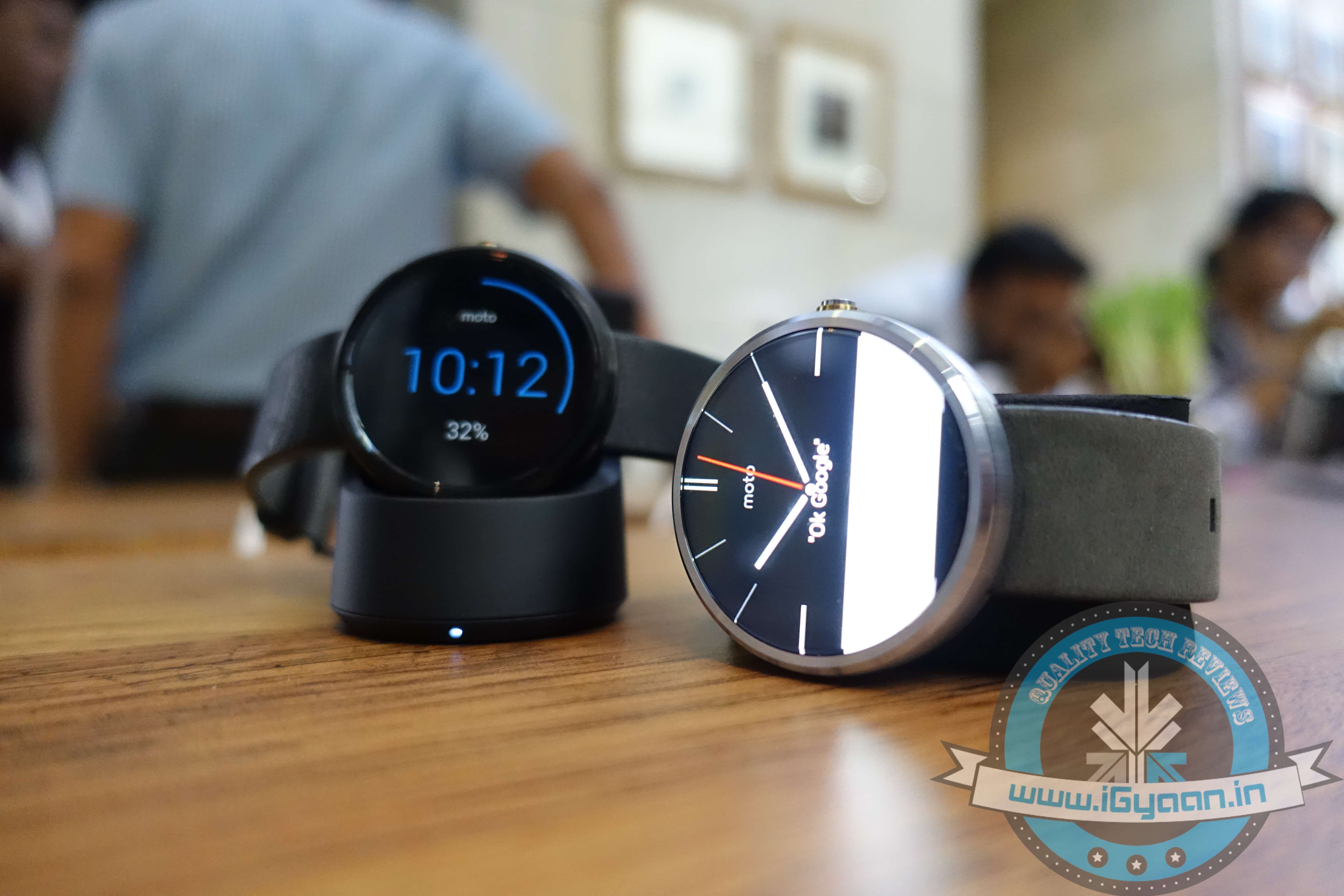
Motorola Mobility is known for its timely updates for its widely popular Moto G, Moto E and Moto X handsets. It looks like the company is continuing its update strategy with its smartwatch Moto 360 as well. Motorola has rolled out a new software update for the circular Moto 360 smartwatch. It promises better battery life and UI among some other tweaks.
The company said that the new update will automatically turn off the ambient mode and hence, will save upto 15% of the battery life. The ‘Mood Lighting’ feature will adjust the brightness of the device according to the lighting conditions for a better ambient viewing experience.
‘Ambient Screen Off’ comes as a default setting and is preferred by most users. However, ‘Ambient On’ gives you an experience that more closely models a traditional watch with a watchface that is visible without any twist and tricks on your wrist. Motorola has also tweaked the device, and now one can connect bluetooth headsets with it.
Along with this, the company has added a new gesture for better notification viewing. This new gesture allows you to see the full watchface without permanently dismissing the alert. Now, you can just touch the notification, swipe it down, and it will show you the message again when you have another high priority notification coming through. This way, you can easily navigate through the messages without them covering the entire elegant watchface.
The company’s official blogpost reads, “We will roll out the new software in phases. Look for the update notification on your watch! You will be prompted to install it. To install the update, make sure that you’re connected to your phone with an internet connection and that your watch has at least 80% battery.”
The company also mentioned that they have added some bug removal application in the update for better overall user experience.
The Internet of Things (IoT) is where the tech world is employing immense resources. It is an ecosystem in which everyday devices can converse with each other and make human lives easier. It will be the next generation technology revolution. It seems like the present Indian government recognizes the massive benefits of raising this futuristic industry. It is planning to set up a $50 billion industry by 2020.
The Internet of Things will make everyday devices which require human input into almost sentient interconnected objects. These devices will coordinate together and process the situation, and will provide solutions to human issues in an efficient manner. It will decrease human errors by using algorithmic capabilities to streamline human life. For example, your fridge will recognize that the milk will soon run out, and it will order a carton for you. There can be large scale application of this technology in the fields of medical, transportation, retail, industrial, communication and energy.
Here is a video from intel that explains some city-wide benefits of connected devices:
IoT will also bring immense safety and convenience in the daily lives of the public. The devices would still take human input. So you can imagine a thermostat in your house that recognizes that you are arriving home by tracking your GPS and will set a comfortable temperature inside. How cool does that sound?
This is a great new field that will also bring in thousands of technology jobs. So if you are in the technology field or a budding engineer, you know which area of study to concentrate on. This new industry can easily give way to the next generation of Eric Schmidt’s and Mark Zuckerberg’s.
There will be a lot of privacy concerns though, for which the government has to provide a clear privacy document that could be understood by all. In an age where data is power, it’s absolutely important to safeguard it. 2020 is six years away, and this is the right frontier to point towards.
Oppo’s much anticipated N3 and R5 are said to launch at an event in Singapore on 29th October. Previous generation R Series handsets are known for their slim and sleek design and the new R5 is said to be designed along the same lines.
Both the devices are expected to come with support of 4G LTE out of the box. If so, the new R5 will be the slimmest 4G LTE handset available in the market. The recently released teaser shows two devices behind the curtain. The two devices shown are speculated to be the Oppo N3 and R5, however has been no confirmation or any other details revealed.
Earlier, the company teased the camera module of the expected handsets. Oppo N3 features have been leaked by various enthusiastic Chinese mobile showrooms in past few months. GSM Arena had leaked some renders of what could be the Oppo N3, which showcases a cylindrical rotating camera design.
The leaked teaser doesn’t show the cylindrical rotating camera, also, it is not immediately evident if that is indeed the design of the other phone. Oppo claims that one of its designs will incorporate a lithium-aluminum alloy, whereas the other one will use stainless steel.
Chinese electronic showrooms have already started taking pre-orders of the new Oppo N3. The full-fledged advertising campaigns of the Chinese mobile stores have revealed that the new Oppo N3 will sport a 5.5-inch full HD display and a rotating 16MP camera. If this is true, then the Find 7 will still remain the only Oppo smartphone with a quad-HD display. Another detail revealed is the Chinese pricing of the N3 at 4,928 Yuan which comes to roughly Rs. 43,000.