Xiaomi launched the Poco F1 smartphone last year in India. The device was an instant success owing to its competitive, flagship specifications at a lucrative price. In a recent software update to the handset, the company has added the Game Turbo mode. This should enable better performance on the smartphone for gaming or similar resource-intensive tasks.
Game Turbo Mode On Poco F1
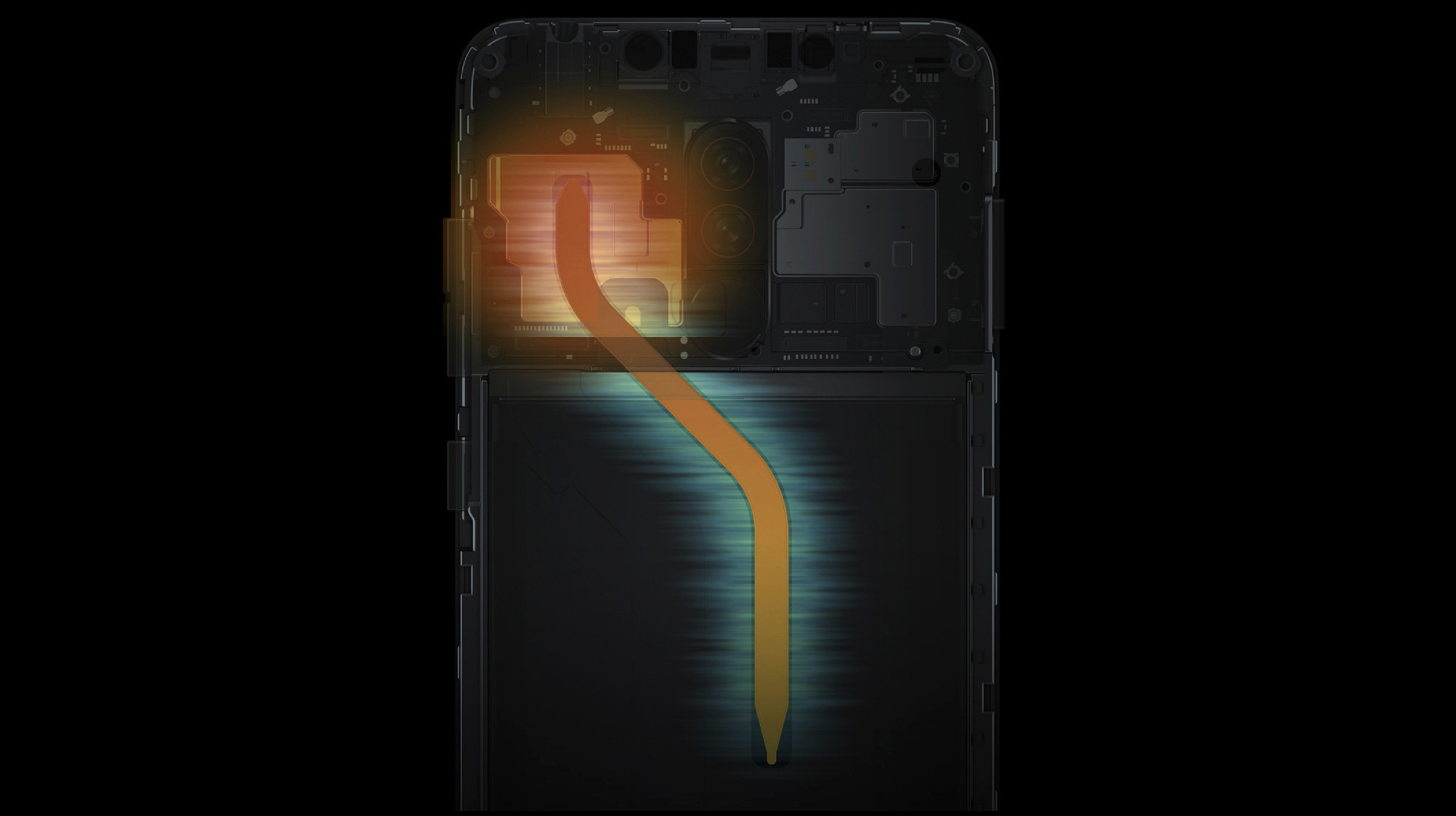
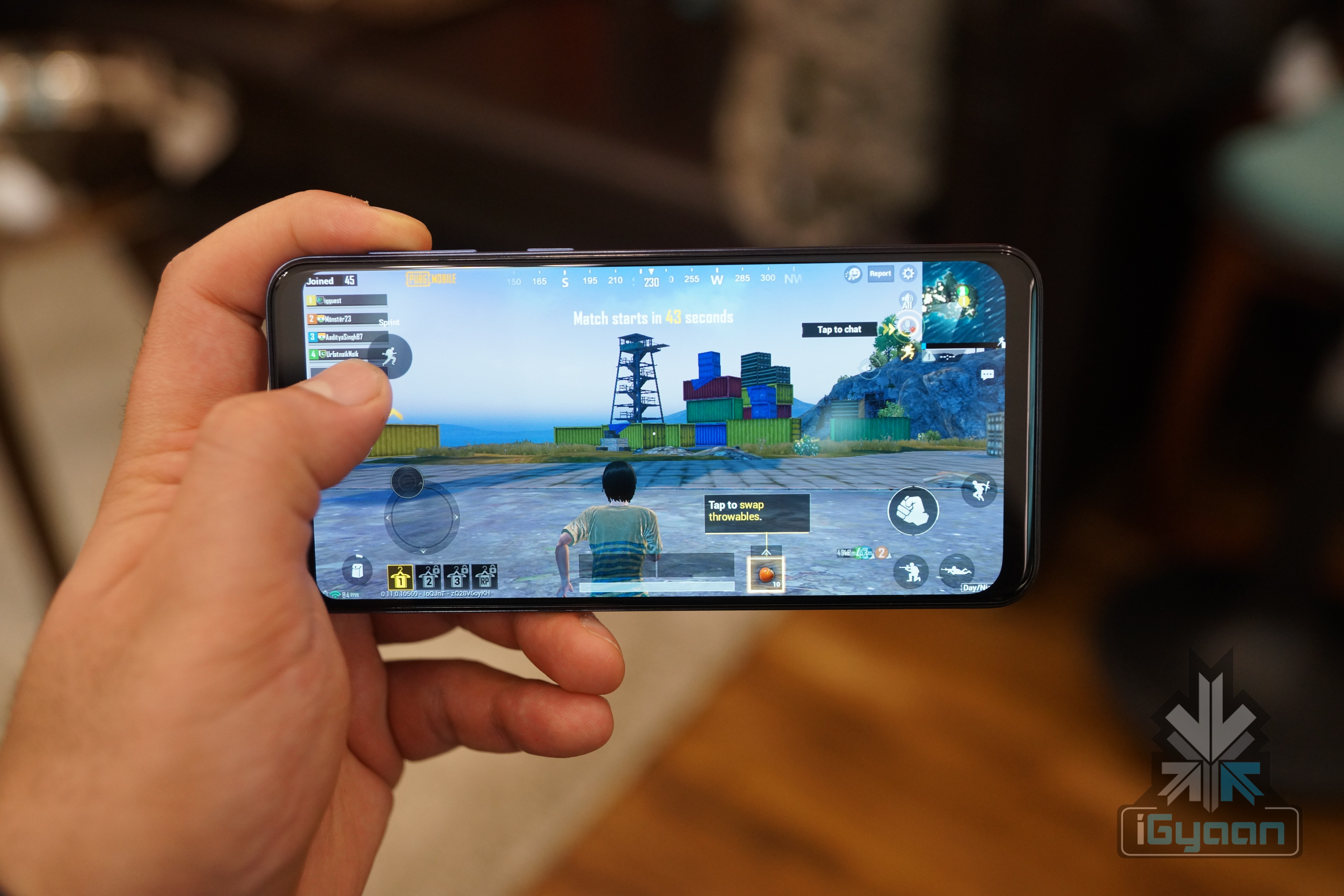
In the latest update to the MIUI 10 operating system on the Poco F1, the company has added a Game Turbo Mode for the smartphone. The feature is responsible for optimizing the CPU power and the RAM of the device according to the game running on it. The performance is also balanced according to a particular game scene. So, for example, if a game has an area that has a lot of textures and layers, which usually is graphically intensive, then the CPU and GPU load will be increased. In the case of a graphically challenged environment, the load on the performance will be reduced.
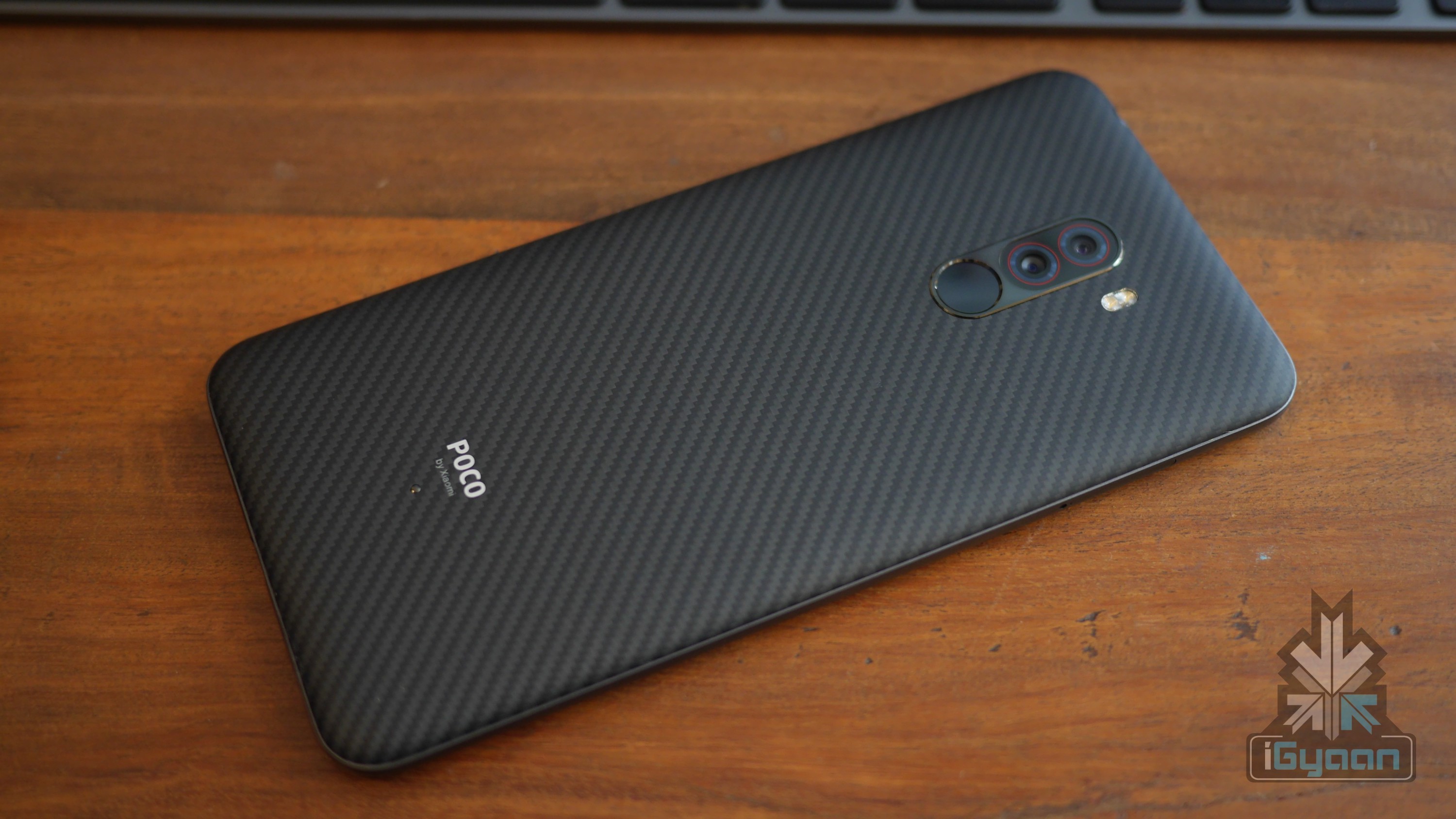
Xiaomi Poco F1
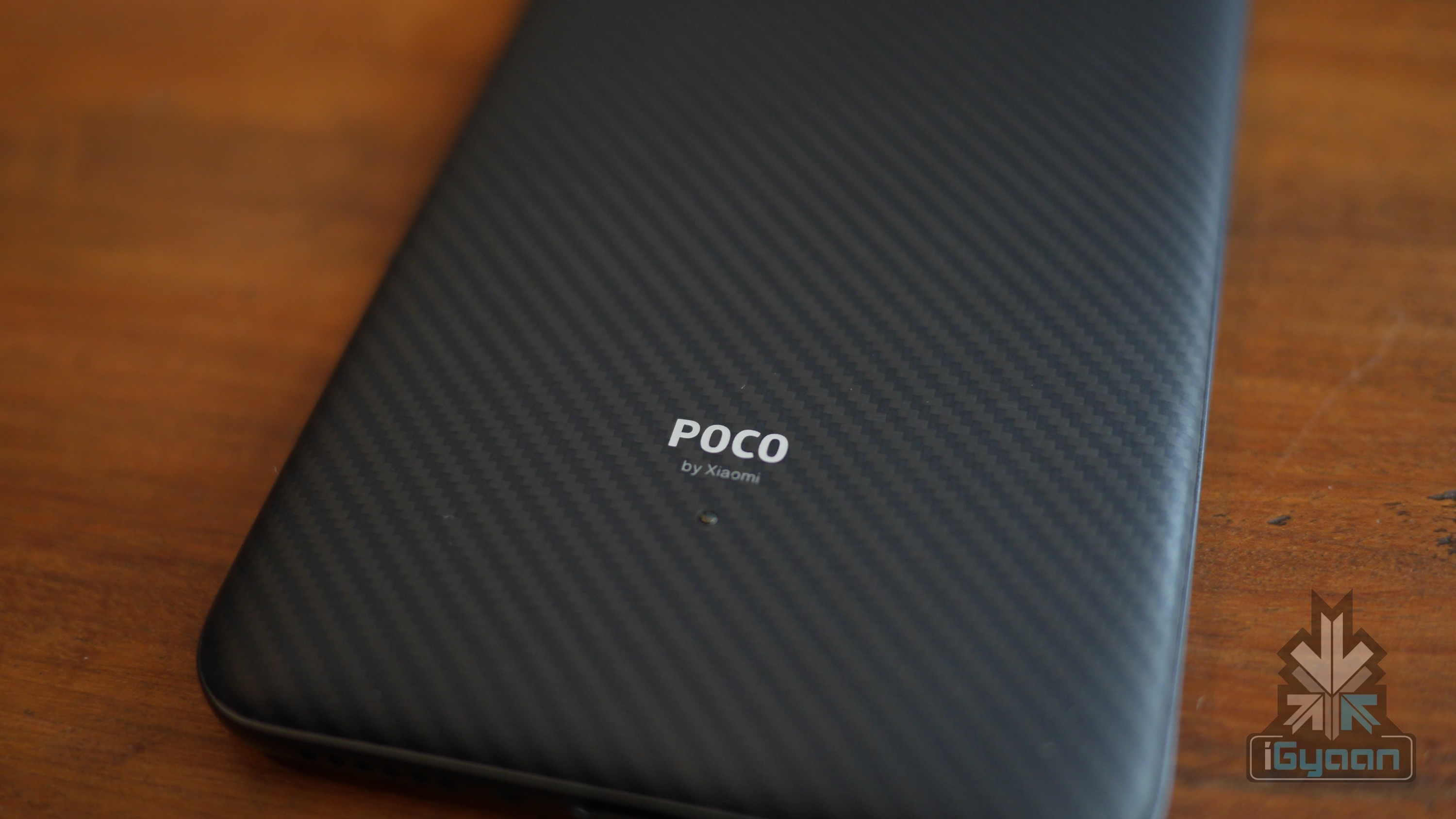
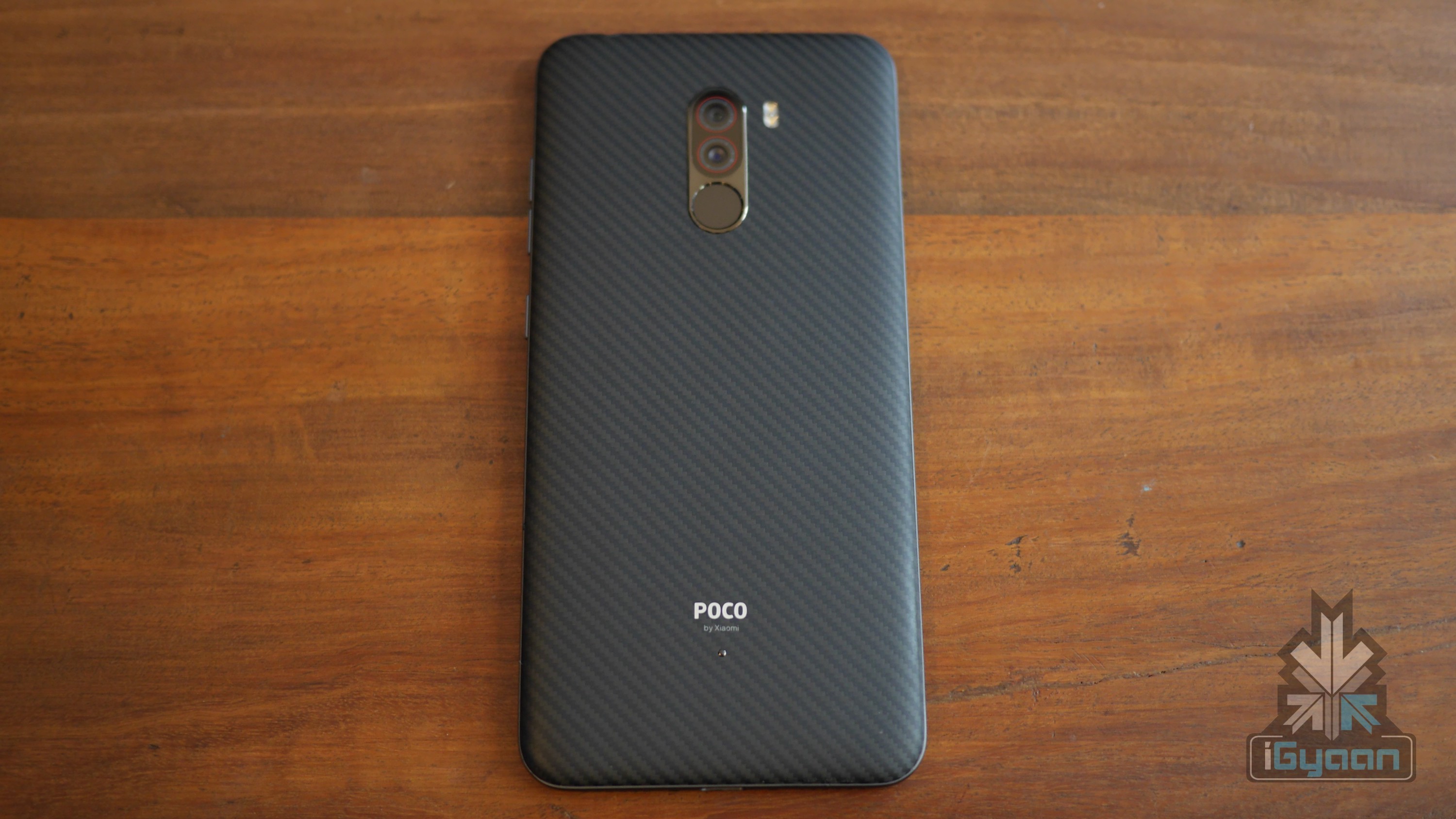
To recall, Poco F1 was launched as the most affordable smartphone in the market with the 10nm Snapdragon 845 SoC. The chipset was seen in many Android flagship devices last year and has an Octa-core CPU with Adreno 630 for graphics. The frame of the handset is made from polycarbonate. The front is dominated by a 6.18 inch IPS LCD display with a resolution of 2246 x 1080 px. There are minimal bezels on all sides, barring a significant chin and wide notch on the front. For biometrics and security, there is a rear mounted fingerprint sensor with support for face unlock technology.
The Poco F1 is powered by a 4000mAh battery with 18W fast charging support via the bottom mounted USB Type-C port. In terms of optics, the smartphone has a dual rear camera setup consisting of a 12MP sensor with f/1.9 aperture and a secondary 5MP sensor for depth effects. For selfies, there is a 20MP camera with f/2.0 aperture housed in the notch up front. For memory and storage, it is available in up to 8GB of RAM and 256GB of internal storage.
As far as pricing is concerned, Poco F1 has received a temporary price slash which makes the prices of the smartphone start from Rs 19,999 for the version with 6GB RAM and 64GB ROM. The variant with 6GB RAM and 128GB onboard storage starts at Rs. 20,999. The model with 8GB of RAM and 256GB internal storage will be available for Rs. 27,999.
2019 seems to be a great year for gaming laptops, with premium brands like Alienware and ASUS stepping on the scene with their upgraded lineup of powerful machines. Where most of the gaming laptops were Intel-based, ASUS has launched its Ryzen powered range of entry-level gaming laptops in India, which are the FX705 and FX505. Both the laptops have impressive specifications and will go up against laptops from Lenovo and MSI.
Features
The ASUS FX705 features a 17.3-inch FHD display, with a 60Hz refresh rate, AMD’s FreeSync and a resolution of 1920 x 1080 px. The laptop runs on the AMD Ryzen 5 3550H, coupled with the Radeon RX 560X GPU. In terms of storage, the FX505 has a 1 TB FireCuda SSHD and up to 512 GB of SSD. The gaming laptop supports up to 32 GB of Dual Channel SDRAM.
The ASUS FX505 is slightly toned down from the FX705. It features a smaller 15.6-inch FHD display, with a 60Hz refresh rate, AMD’s FreeSync (optional) and a resolution of 1920 x 1080 px. The laptop runs on the same AMD Ryzen 5 3550H, paired with the Radeon RX 560X GPU. The FX505 has a 1 TB FireCuda SSHD and up to 512 GB of SSD as per the user’s choice. It also supports up to 32 GB of dual-channel SDRAM.
Both the laptops have the option of choosing between an illuminated chiclet keyboard or a non-illuminated one. The FX305 and the SX505 have 2W speakers with array microphones to improve sound capturing while streaming. The laptops also have an HD 720p webcam for video calling and streaming. Noteworthy, the FX505 has a 3-cell 48 Wh battery, whereas the FX705 has a 4-cell 64 Wh battery. The gaming laptops meet military-grade MIL-STD-810G standards, which renders them tougher as compared to similarly priced laptops. Also, the FX705 weighs almost 0.4 kg more than the FX505, which weighs at 2.2 kilograms.
Both the ASUS FX505 and FX705 are available in two colour variants, Gold Steel and Red Matter. The FX505 is priced INR 59,990 onwards, whereas the specced-up FX705 is priced INR 68,990 onwards. They can be purchased via the buying links given below
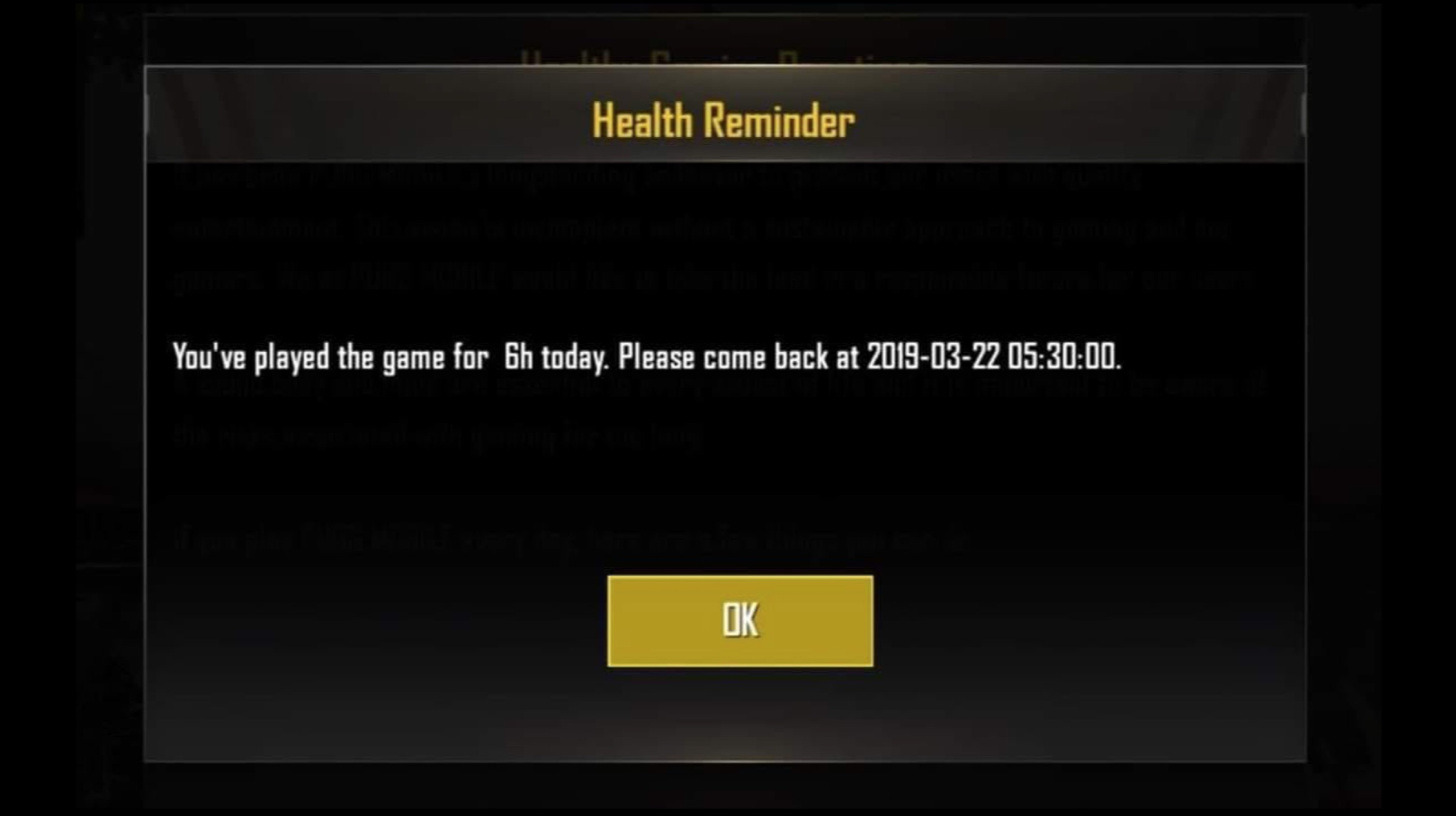
A few days ago, reports were rife that PlayerUnknown’s Battlegrounds or PUBG Mobile, an immensely popular game in India is imposing a new rule. This allowed the users to play the game for a period of six hours before being banned for the entire day. Many of the players were furious because of the decision and vented it out on various social media channels. In a tweet by the official Twitter account of PUBG Mobile India, the developers of the game have apologised, claiming the restriction was a bug, which has since been fixed, along with a few other bugs that were causing a hindrance in the gameplay.
The latest in-app update to PUBG Mobile, the official tweet claims to fix a few of the bugs that were reported in the game. The Birthday Crate, which was put in place to celebrate the one-year anniversary of the game has been changed. A bug which let misuse of the coupons to get free in-game currency has also been fixed. Because of it, the payment service is functioning again after a brief hiatus.
The biggest change and perhaps the most anticipated in PUBG Mobile is the removal of the Healthy Gameplay System error. As mentioned above, this restricted the users to play for more than six hours in a day. The official account claims the players will supposedly get to play the game without any interruptions. Despite the claimed fix, some users have reported the bug still persists. It is expected that the issue will be fixed for all users in the following days.
Interestingly, PUBG Mobile has been all over the news the past few weeks, and all for infamous reasons. A few days ago, it was reported that two cities in Gujarat have banned the game and also arrested a few people for playing it in public. Another report claimed a person died because of playing the game for 45 days. It was expected that the six-hour ban was put in place to prevent more incidents like these from happening. Now that the developers have alleged that was not the case, it should pacify most players of the game. The new fixes can be download by starting the game and downloading an in-app update.
Google Stadia was the talk of the town at the GDC 2019, where the company brought the concept of hardware-independent gaming to life. The service will enable gamers to live-stream games directly to their browser from the Google datacenters, eliminating the need for high-end hardware to run a graphics intensive game. The company also announced its Stadia controller at the event, which looks like a hybrid of the Microsoft Xbox and the Sony PS4 controller. But the major speculation surrounding the devices remains whether average Internet connections can sustain Stadia’s capability or not. If not, then what is the future of Stadia?
Connection Speeds
Earlier, Google Stadia’s Executive stated that players will have to be equipped with a 25 Mbps internet connection in order to stream games at 4K resolution and 60 fps (frames per second). The actual consumption of bandwidth is lower, but Google recommends the aforementioned speed in order to boost performance. At a lower bandwidth, players may face issues with resolution and fps while streaming the game.
The average internet speeds in India are about 6.5 Mbps, whereas the peak connection speeds average at 41.4 Mbps. A lot of users prefer mobile internet in the country, which can give high speeds but at the same time, users may face issues with packet losses and data polling, adversely affecting the “Stadia” experience. The best bet would be using a broadband connection (preferably an optical fibre connection) in order to preserve internet speeds while not losing any data packets at the same time.
Since the Stadia controller connects directly via WiFi to the datacenter where the game is running, a high peak speed connection would fare well while playing a game that requires multiple responses to be sent over the internet in a short period of time. Although users can make use of Keyboards and mice too, Google emphasized that the Stadia controller provides enhanced compatibility with the Stadia ecosystem. Gamers who want to play a specific game on their TVs can use Chromecast to stream the game. Similarly, gamers can stream the game via the Google Chrome Browser on their laptops/desktops.
Unfortunately, Google will launch Stadia in India much later than UK, Europe, US and Canada. Furthermore, Google hasn’t unveiled its pricing for the same, but it has confirmed that the customers will be notified regarding the payment plans somewhere around the month of July.
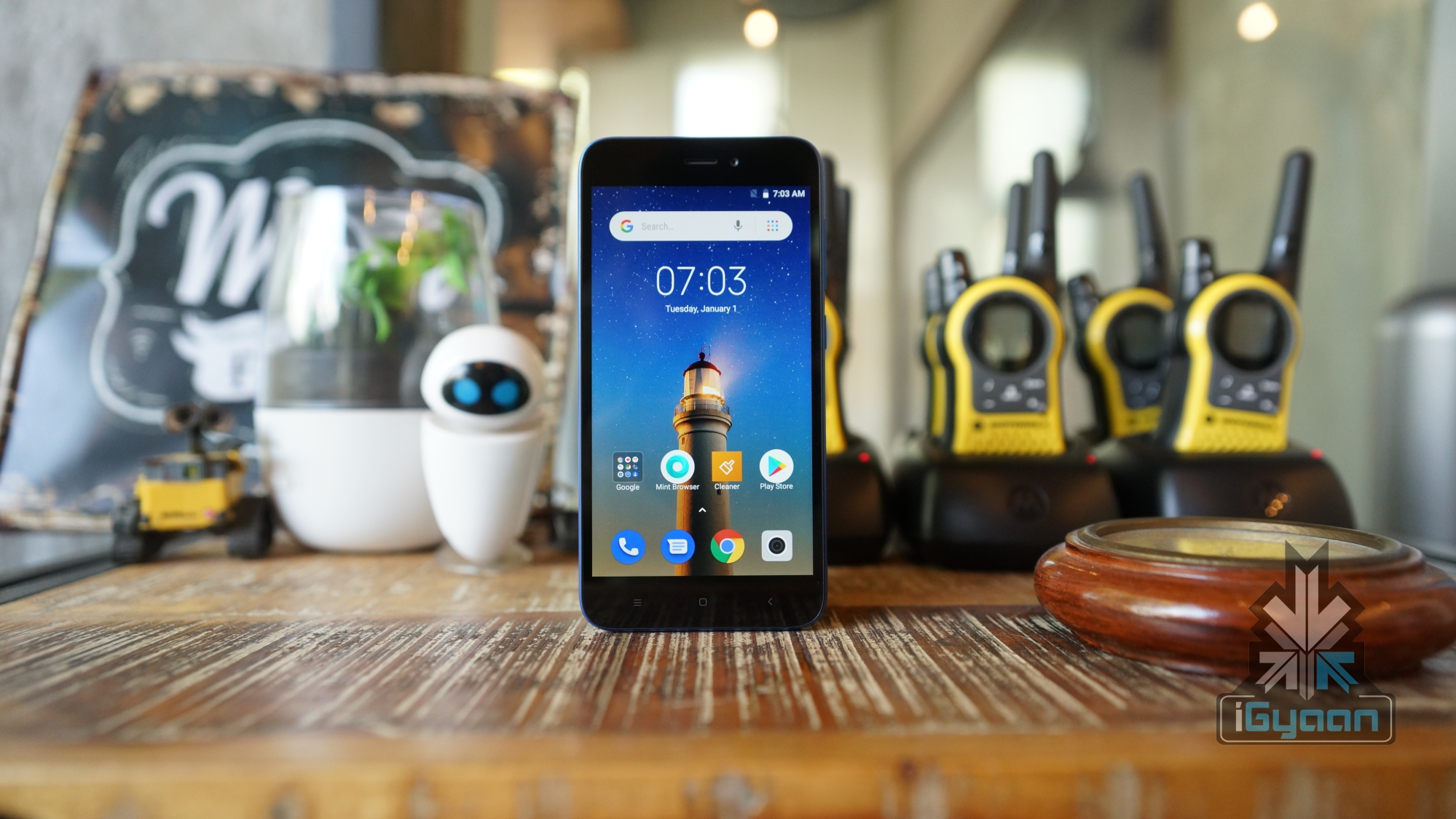
Xiaomi launched its most affordable smartphone, Redmi Go at an event in India on the 19th of March. It is the first device from the company to run on the Android Go initiative of the Android Operating System. The handsets under the program have low-end hardware so the lighter version of the OS ensures they run smoothly and last longer. The Xiaomi Redmi Go will have its first sale in the Indian market and will be available online.
The Redmi Go has been priced at Rs. 4,499 and will be available at 2 PM today on Flipkart and Xiaomi’s online store. The smartphone will be sold in flash sales and will also be available to purchase from offline retail stores soon.
Redmi Go: Specifications & Features
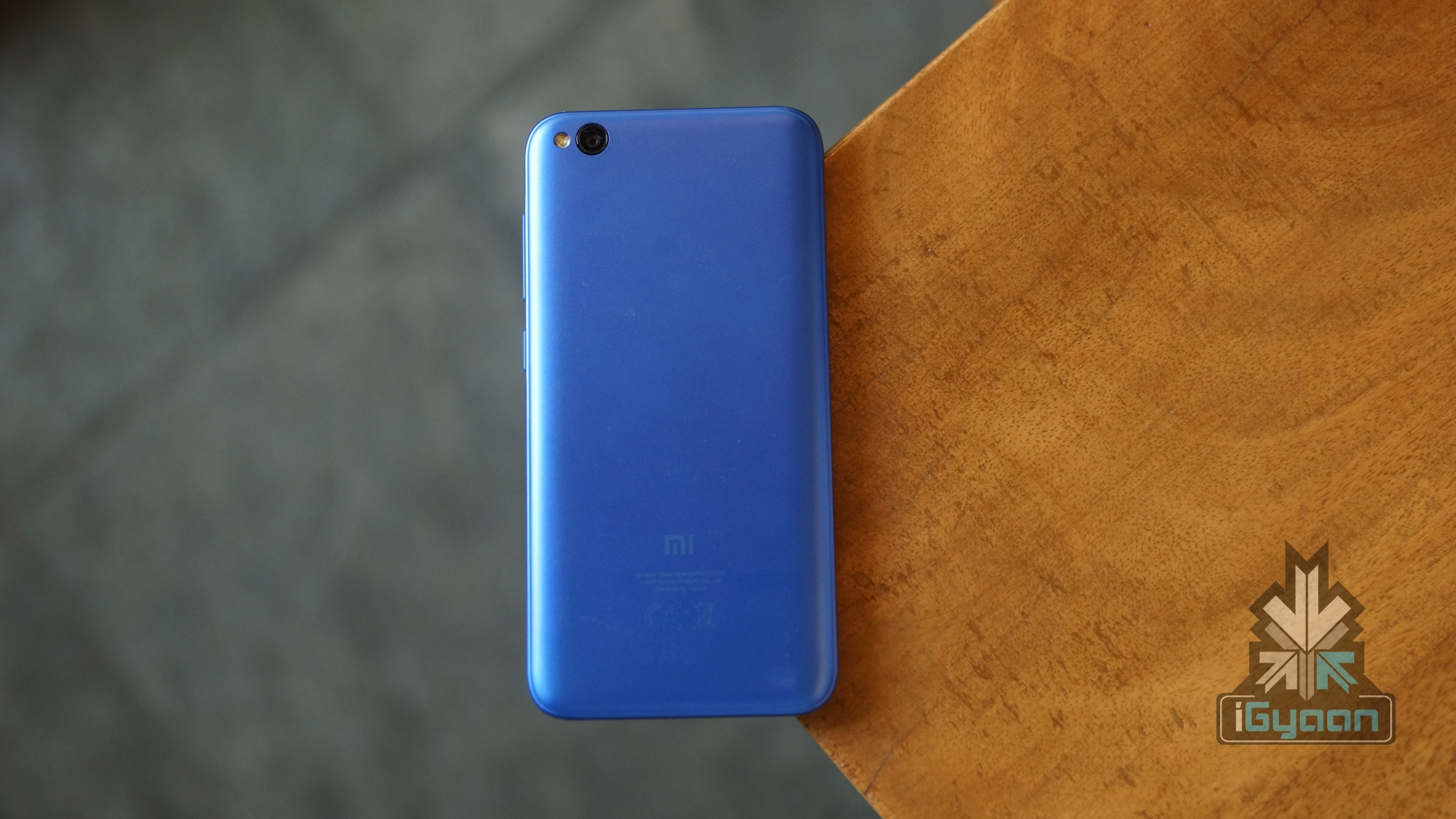
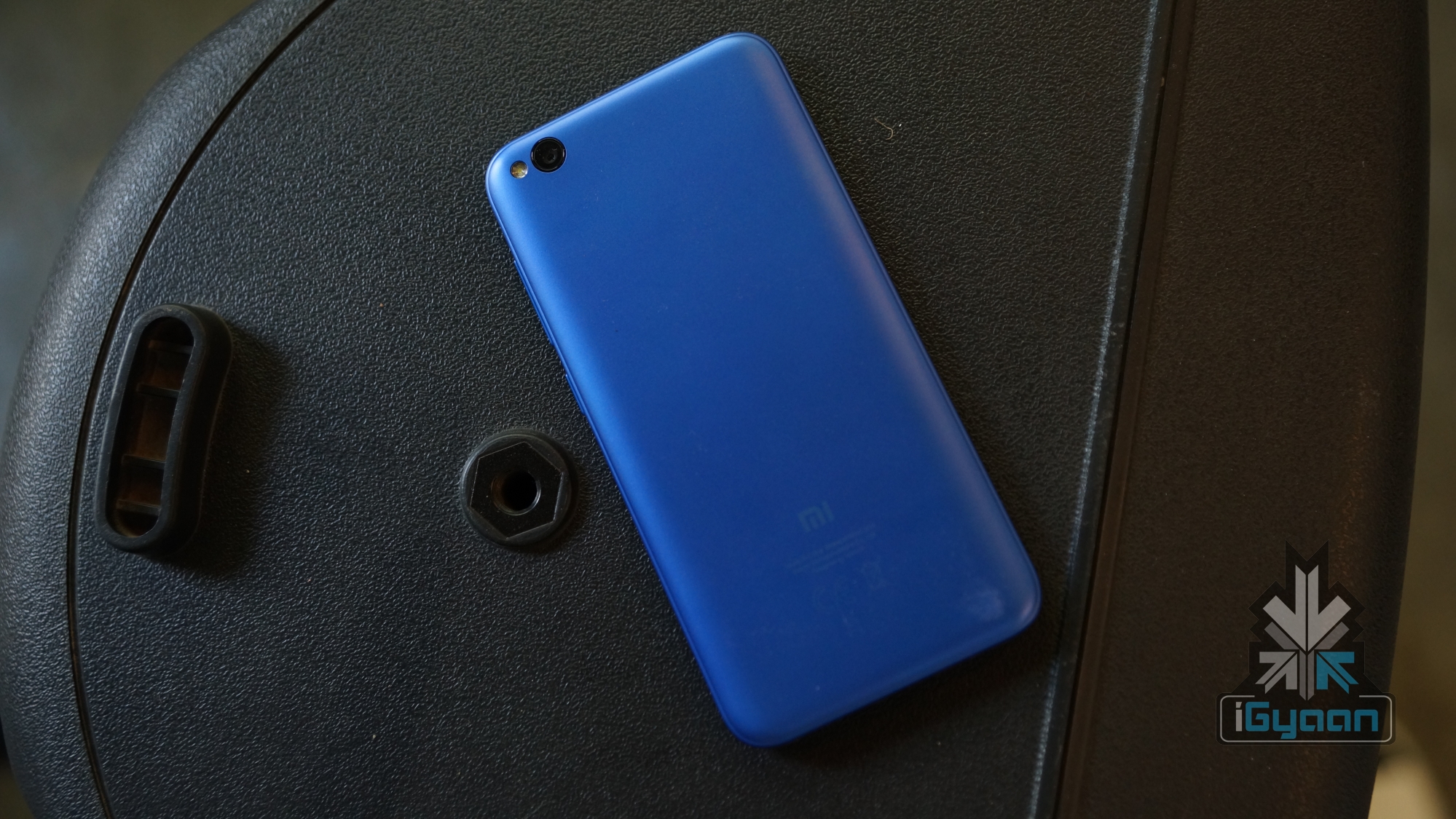
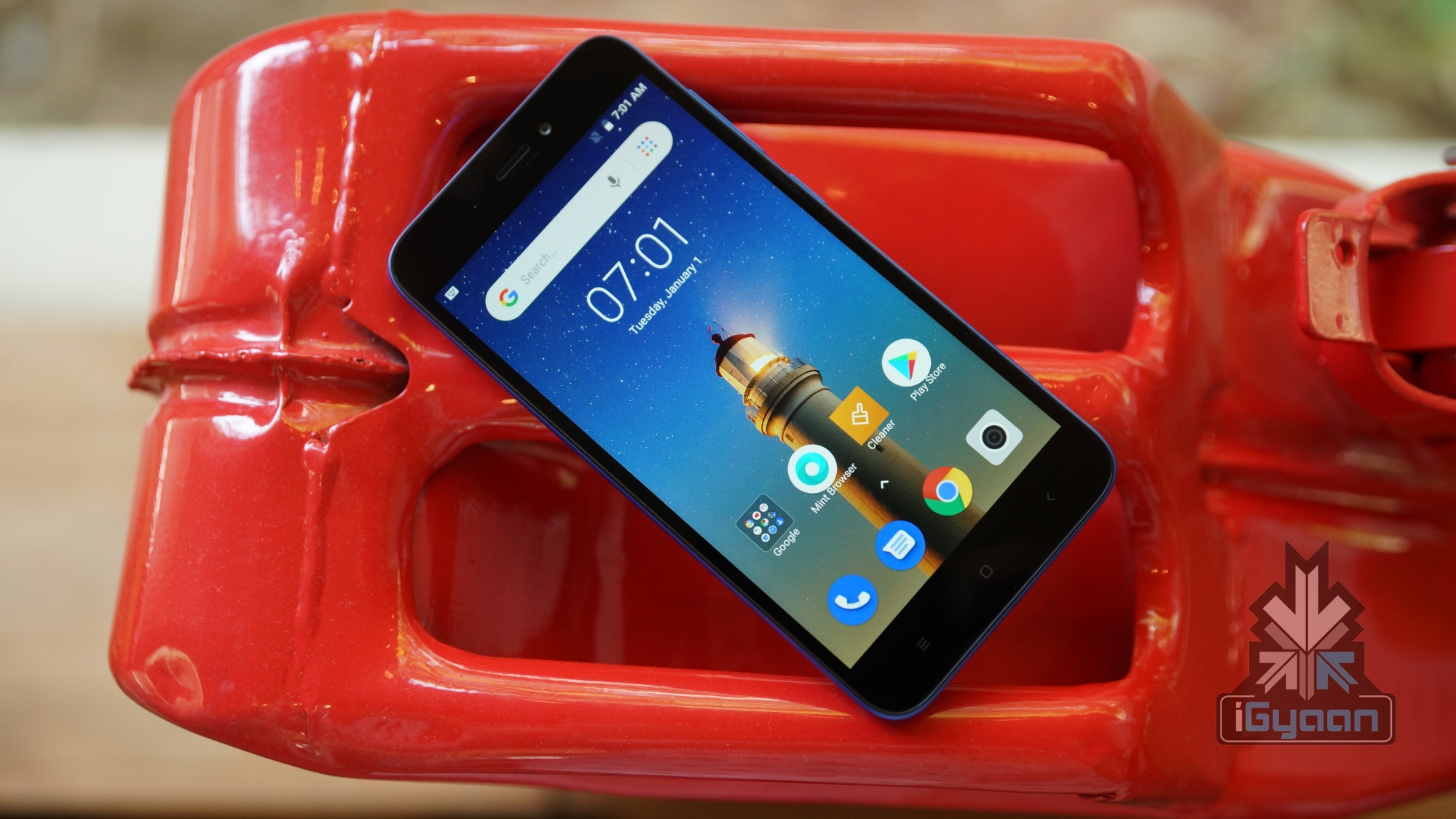
The Redmi Go, as mentioned above, is the most affordable smartphone from Xiaomi yet. The device has a similar design language to the Redmi 5A which was launched back in the year 2017. The Redmi Go has a polycarbonate body with significant bezels on the front. It has a 5 inch IPS LCD display with a resolution of 1280 x 720. The display has a pixel density of 296 ppi and a maximum brightness of 380 nits. For biometrics and security, the Redmi Go relies on standard Android security options including numerical pin and pattern lock as it lacks a physical fingerprint scanner.
Under the hood, the Redmi Go runs on the 28nm Snapdragon 425 SoC. The chipset has an Octa-core CPU and Adreno 308 GPU. In terms of optics, the smartphone has an 8MP primary camera at the back with an aperture of f/2.0. For selfies, there is a 5MP camera with an f/2.2 aperture on the front. For memory and storage, the Redmi Go has 1GB of RAM and 8GB of onboard storage.
The Redmi Go has a 3000mAh battery with 5W charging support via the bottom mounted micro-USB port. The smartphone supports dedicated microSD cards of up to 256GB in capacity and runs on the Android 8.1 Oreo Go edition. Xiaomi claims the device supports major languages spoken in the country and the Google voice assistant has native Hindi and Hinglish support.
Apple will host its much-awaited launch event at the Steve Jobs Theater, California on March 25. Rumours have been around for a long time regarding Apple’s upcoming streaming service. The anticipated streaming service will go up against other popular services including Amazon Prime, Hulu and Netflix.
About The Streaming Service
As per reports, HBO and CBS, two very popular networks have agreed to partner up with Apple’s upcoming service, whereas Hulu and Netflix have chosen to stay away from the same for obvious reasons. This means that the company will source content from other channels as well as create original content for the streaming service. Reportedly, Apple spent over US$ 2 Billion to sign up major stars like Oprah Winfrey for the event that will shortly go live.
Apple is also looping a clip on the Apple Events web page, which shows a video feed from the Steve Jobs Theater itself. The stage has some sort of screen which is displaying a variety of content, including the Apple screensaver and interestingly, an incoming call from Captain America, hinting at the fact that the company has probably signed up Chris Evans for a project. It will also come forward with a host of other shows over varied genres such as drama, comedy, science fiction and movies for children.
About The News Subscription Service
Furthermore, Apple will also unveil its News Subscription service at the event, which will aim towards unifying major premium magazine content and news subscriptions. Apple News was first spotted in an iOS 12.2 beta update, confirming the existence of an idea that relates to its launch. Reports say that the company is asking for a whopping 50 percent cut from the publishers. The subscription cost hasn’t been revealed yet, but Apple may price it somewhere around US$ 10 per month.
Users can watch the live stream from Apple on the company’s events page.The stream will go live at 10:30 pm IST (10:00 am PDT), and the company recommends its users to watch the stream on an Apple device, such as the iPhone, iPod Touch, iPad, MacBook etc.
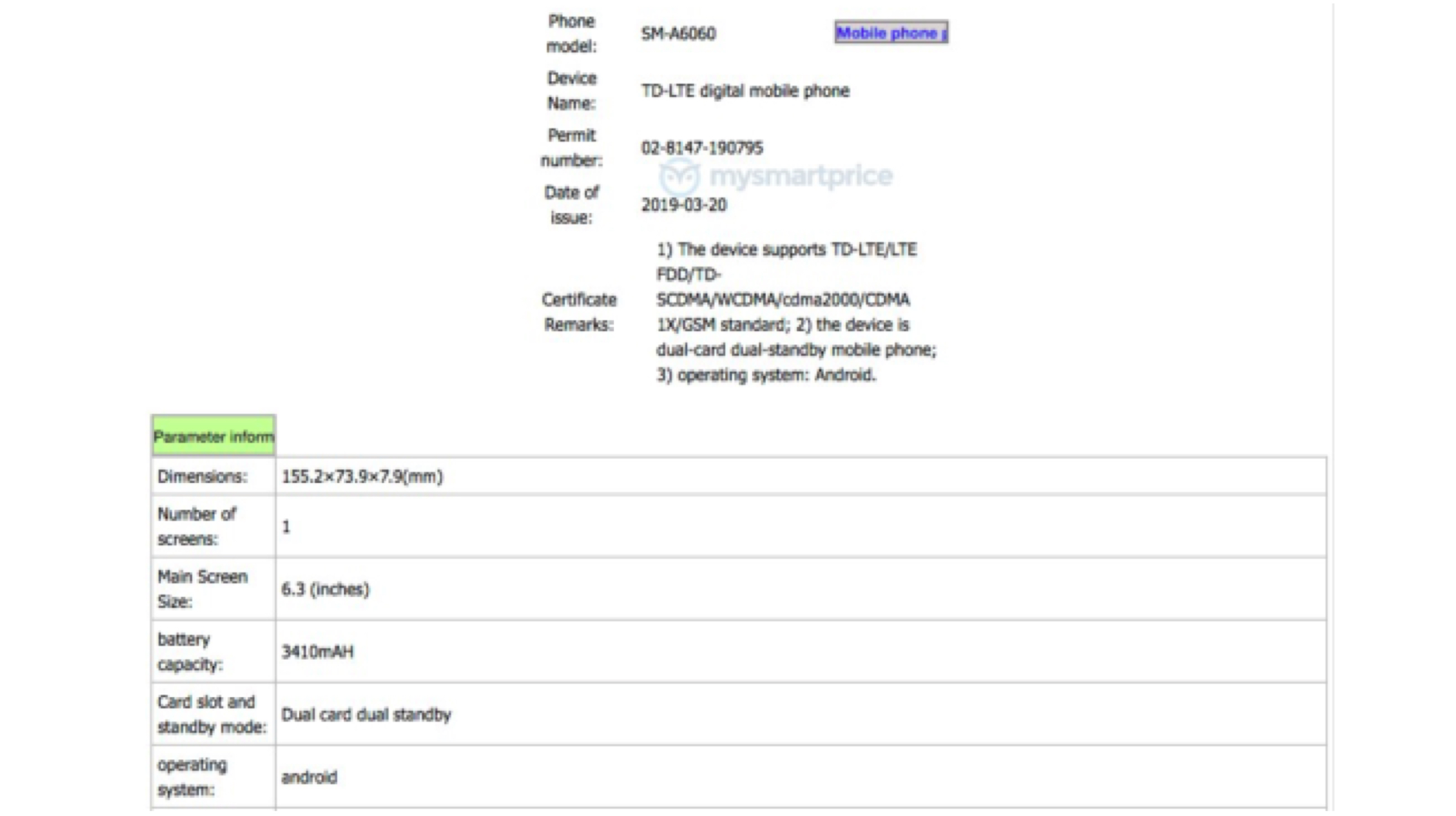
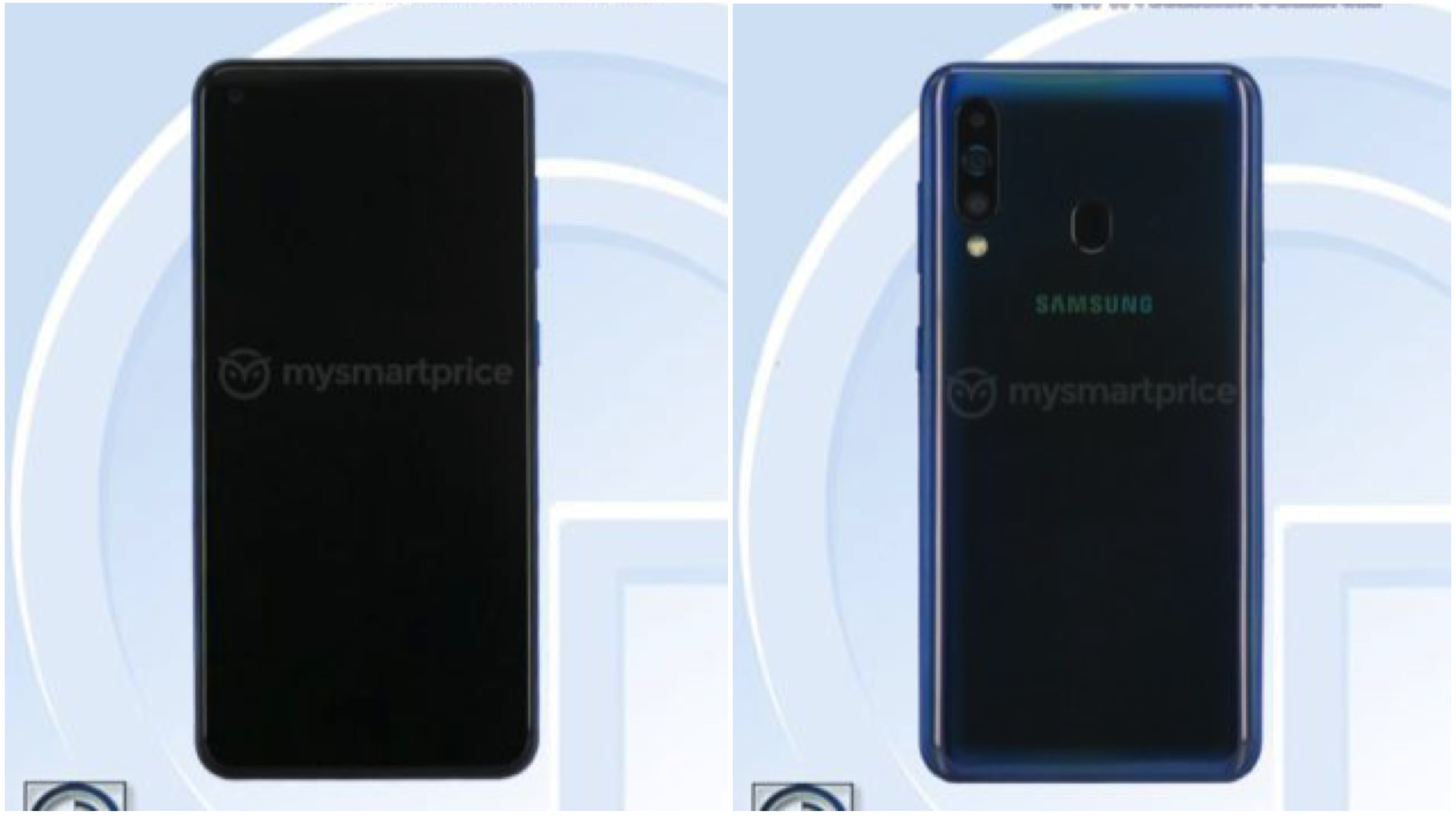
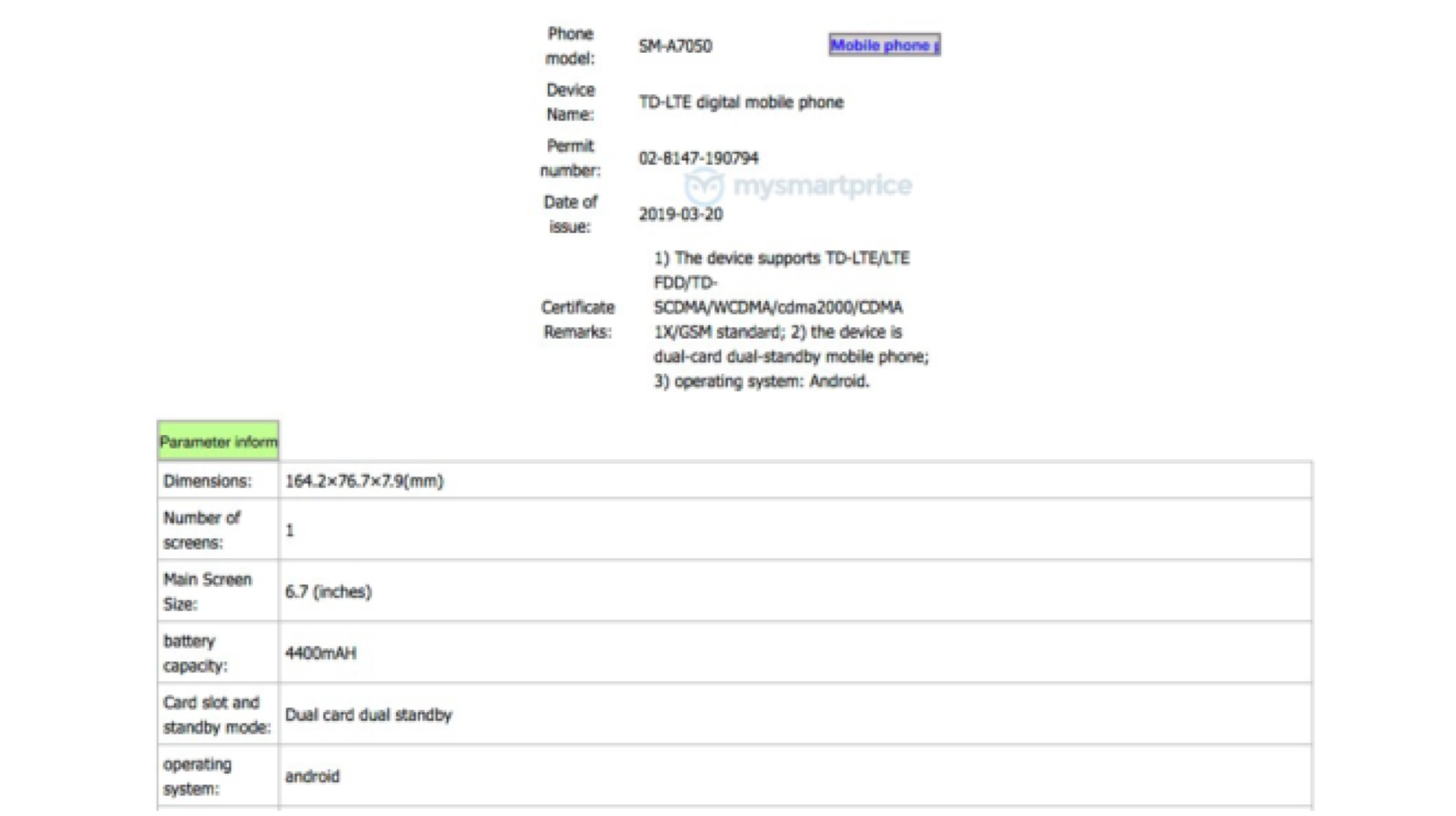
Samsung is expected to launch three new smartphones under its Galaxy A lineup on April 10. The expected smartphones include the Galaxy A90, Galaxy A60 and Galaxy A70. A fresh listing form Chinese regulatory website, TENNA reveals how the latter two devices will look like and has also unveiled their key specifications.
Galaxy A60
The upcoming Galaxy A60 will be the elder sibling to the Galaxy A50 which was launched last month. Notably, it will feature the same design language that Samsung introduced to the table with the new Galaxy A smartphones. Which means a gradient back with ‘Glasstic’ design is expected. According to the leaks, the front will be dominated by a 6.3 inch Super AMOLED display with a resolution of 2280 x 1080 px. It sports an Infinity-O display which means the screen has a punch hole camera on its top left corner like the Galaxy A8s launched last year. For biometrics and security, leaked images reveal the Galaxy A60 will have a rear-mounted fingerprint sensor and support for face unlock technology.
The Galaxy A60 is expected to run on the 11nm Snapdragon 675 SoC. The chipset has an Octa-core CPU and Adreno 612 GPU. In terms of optics, the smartphone will have a triple rear camera, details of which are unknown as of now. The front camera will be housed in the Infinity-O style punch hole display on the front. Refuting previous reports, the Galaxy A60 has been listed to be powered by a 3410mAh battery. Notably, it will have a lower capacity than the Galaxy A50 which has a 4000mAh battery.
Galaxy A70
The Galaxy A70, as the name suggests, will be the specced up sibling of the aforementioned Galaxy A60. Like other smartphones in the lineup, it will also feature the same ‘Glasstic’ gradient design on the back. The listing reveals it will have a 6.7 inch Super AMOLED display with FullHD+ resolution. Unlike its sibling, it will have an Infinity-U display which is also present in the Galaxy A50 and Galaxy A30. For biometrics and security, the device will have an in-display fingerprint sensor with support for face unlock technology.
Previous reports cited that the Galaxy A70 may also run on the Snapdragon 675 SoC like its sibling. Unfortunately, no leaks regarding the optics of the smartphone have surfaced online. But like the Galaxy A50, it may have a triple rear camera setup and a single selfie camera housed in the Infinity-U notch. The device will be powered by a massive 4400mAh battery and may support fast charging.
Both the Galaxy A60 and Galaxy A70 have been leaked to support dual sim cards with support for dual standby. Like their siblings, it is expected that the smartphones will run on the latest Samsung OneUI on top of the current Android 9 Pie. The device may be announced on the 10th of April and are reported to be priced at Rs. 24,990 for the Galaxy A60 and Rs 27,990 for the Galaxy A70.
In the latest development to the story, it has since come to light that claims made regarding the demise of a 20-year-old boy named Sagar due to playing PUBG Mobile excessively were fake. As per Dr Raj Kiran, who treated late Sagar has clarified that the deceased was suffering from a serious infection and was undergoing treatment which was not caused due to playing the mobile game.
A video shared by friends of Sagar was misinterpreted which spread like a wildfire. It was revealed that friends of the deceased wanted to cheer him up while he was in tremendous pain. His friends talked about PUBG Mobile in the short clip which was mistaken to the cause of his sickness. Subsequently, the doctor has dismissed the previously made claims and has put an end to the sham news.
Original Story
Another day, another unfortunate news associated with the wildly popular PUBG Mobile is making headlines. A youngster based out of Jagtial, Telangana has died due to health implications caused because of playing PUBG mobile for extended periods of time. The deceased boy, Sagar who was 20 years old was addicted to the mobile game since the past 45 days. Reportedly, he played the game day in an day out which due to improper posture affected his nerves. Sagar, now deceased was admitted to a hospital in Hyderabad where he underwent treatment for 5 days. Sadly even in the hospital his condition did not improve and he subsequently passed.
Similar Instances Linked To PUBG Mobile
There have been numerous unfavourable cases linked to PUBG mobile in the past that have shaken the nation. Earlier this week two youngsters residing from Maharashtra were mowed down by a train while they were playing the highly engrossing game near the railway tracks late in the night.
Another instance was of a young man from Chhindwara in Madhya Pradesh who drank acid mistaking it for water, while engaged in the PUBG mobile game.
Reaction Of Tencent, PUBG’s Developer
Although Tencent is yet to release a statement on the mishap that has taken place in the country, it had previously imposed a lockdown which prevents a user from playing the game for more than 6 hours in a day. Also, users under the age of 13 in some regions are being prompted to a digital lockdown which needs the guardian or the device owner to unlock. Furthermore, the company is also expected to take even resolute steps to curb its addiction in order to prevent a foreseen ban.
Can A Nationwide Game Ban Eradicate Its Obsession?
The question is profoundly complicated but banning the game altogether might not be the guaranteed measure to prevent such mishaps from occurring in the future. As if one game is banned completely, another might turn out to be more successful than the existing one. Therefore, users need to be reformed by educating them and making them aware of the ill effects that can be followed by digital unhygiene.
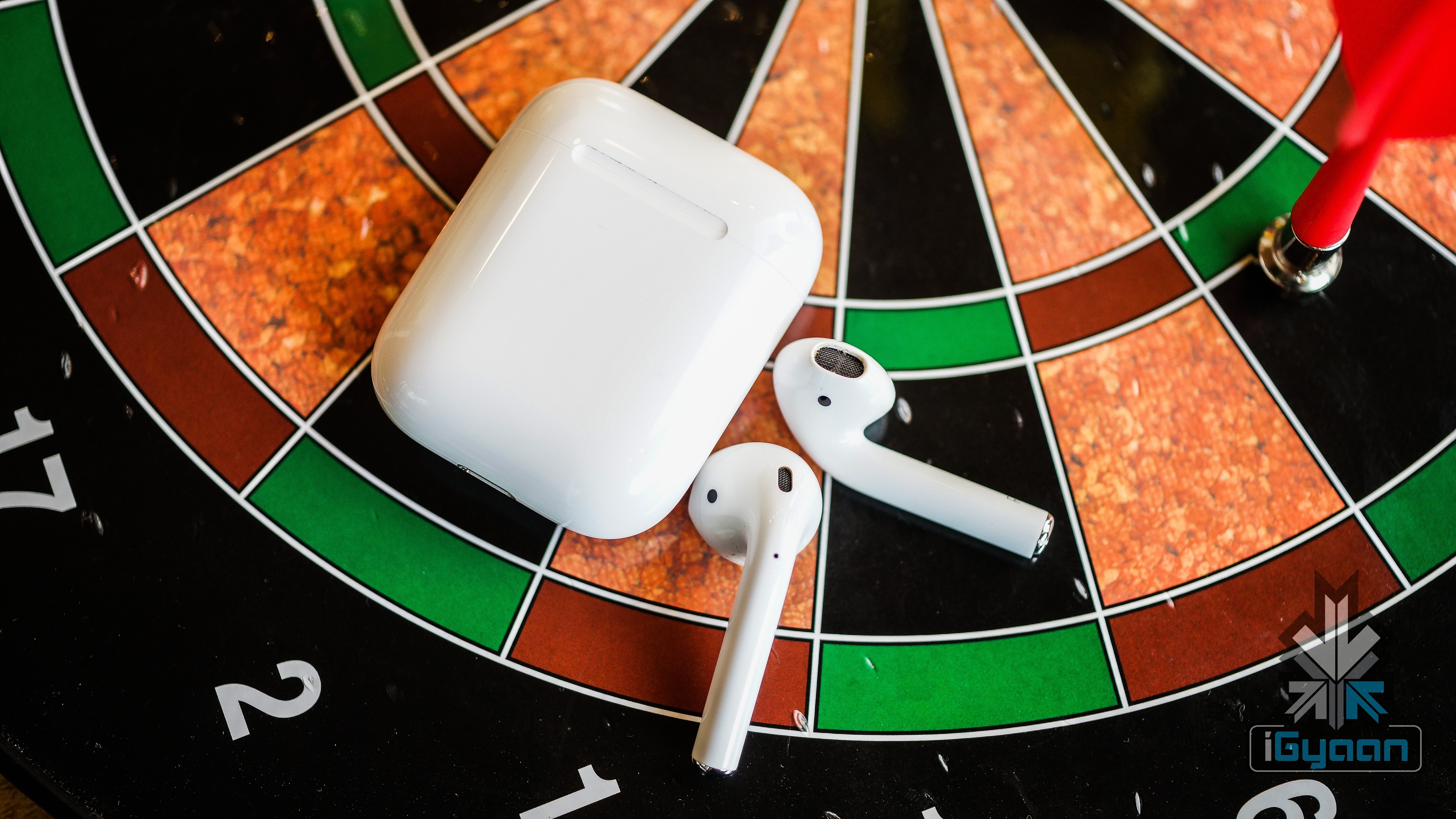
AirPods are insanely popular amongst Apple users because of seamless synchronization and mobility. Nonetheless, Apple also owns the famous audio product manufacturer, Beats, which is reportedly planning to release its competition to the newly released AirPods in April. Not only AirPods, the Beats Truly wireless earphones will go up against the Galaxy Buds and Skullcandy Push as well.
About The Truly Wireless Earbuds
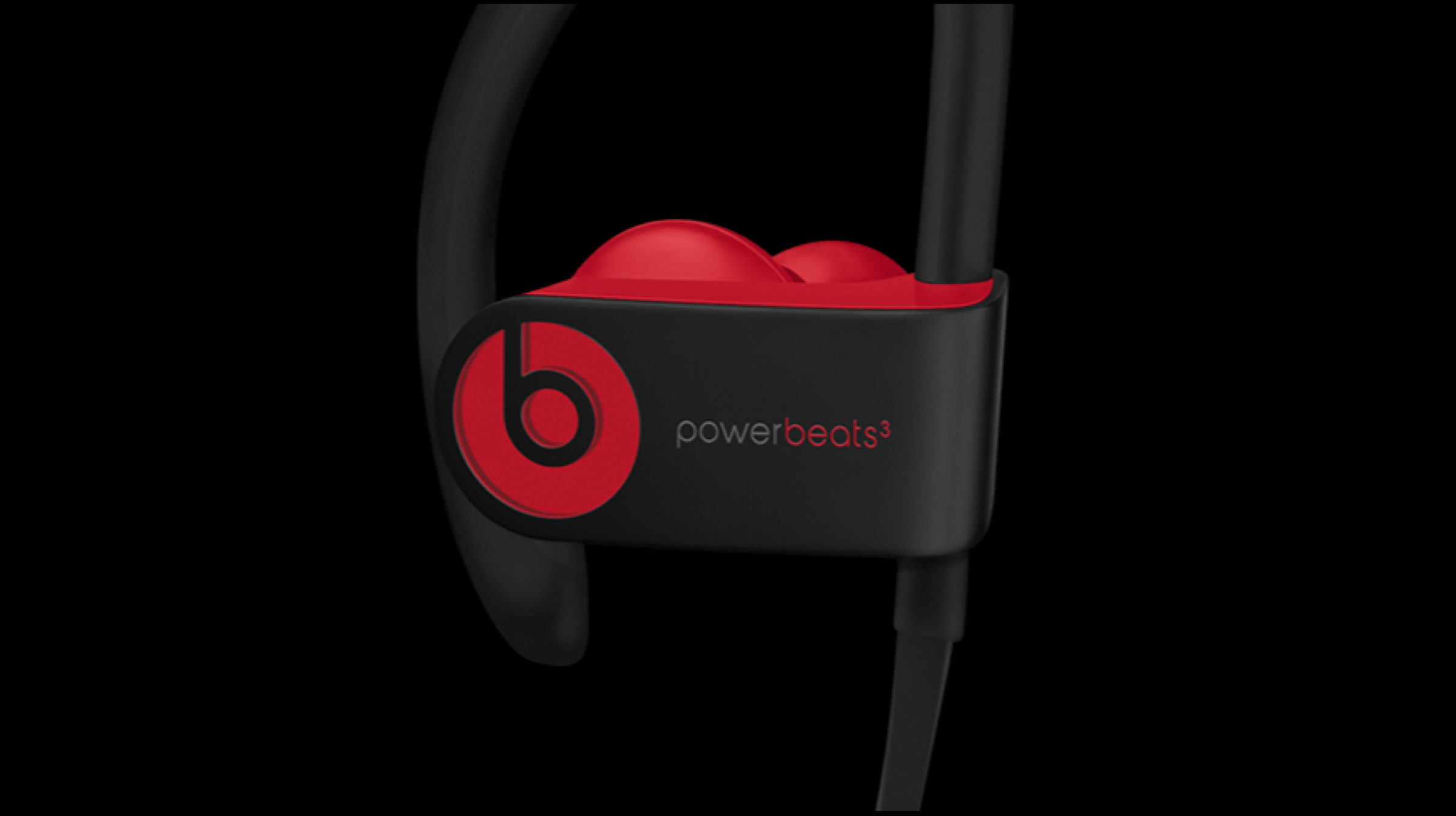
As per sources, the company will release a cord-free variant of the Beats PowerBeats wireless earbuds. Furthermore, the upcoming earbuds will incorporate Apple’s latest H1 chip, with support for “Hey Siri” enabled voice assistant, similar to the new AirPods. This looks like a similar move to when Beats launched the BeatsX headphones shortly after the launch of Apple’s first AirPods.
Although Beats is majorly known for producing good quality audio products, but since the upgrade to Beats Studio3 Wireless in 2018, the company has not added a single product to its lineup. Hopefully, the launch of the new earbuds could change the same. The new PowerBeats wireless earphones may get new features like water resistance and better sound quality.
In order to maintain compatibility with the ecosystem, Apple users will either prefer the AirPods or the Beats PowerBeats Wireless due to the presence of the Apple H1 chip in both the wearables. Since the Dr. Dre founded company is known for releasing their products with a premium price tag, the Beats PowerBeats3 Wireless may be priced somewhere around US$ 200 or more. Noteworthy, the AirPods retail at US$ 199, so the competition will be quite thick unless the Beats PowerBeats3 bring some exceptional features to the table.
As previously reported, some Nokia 7 Plus devices in Norway were found inadvertently transferring information to Chinese servers. Needless to say, concerns rose around the incident, with a lot of people unknowingly accusing the Chinese hackers of attempting to steal private data from the users. On March 23, 2019, HMD Global put forth an official statement regarding the same, which cleared some doubts surrounding the issue.
Cause Of The “Alleged Data Breach”
As per the Foxconn subsidiary, FIH mobile (the Finnish company which manufactures Nokia devices in China), the device suspected of sending data i.e. the Nokia 7 Plus did not transfer any user data to the Chinese servers. Instead, the shared information included the activation data from the device. The reason why this happened was quite clear. It was just a manufacturing error that led to this “data breach” incident.
The Finnish company had mistakenly installed the Chinese device activation client on the Nokia smartphones which were intended to retail outside China. Consequently, the activation data was being sent to vnet.cn, a Chinese server located in the China Internet Network Information Center, or CNNIC. The domain is owned by the state-run Chinese Telecom operator.
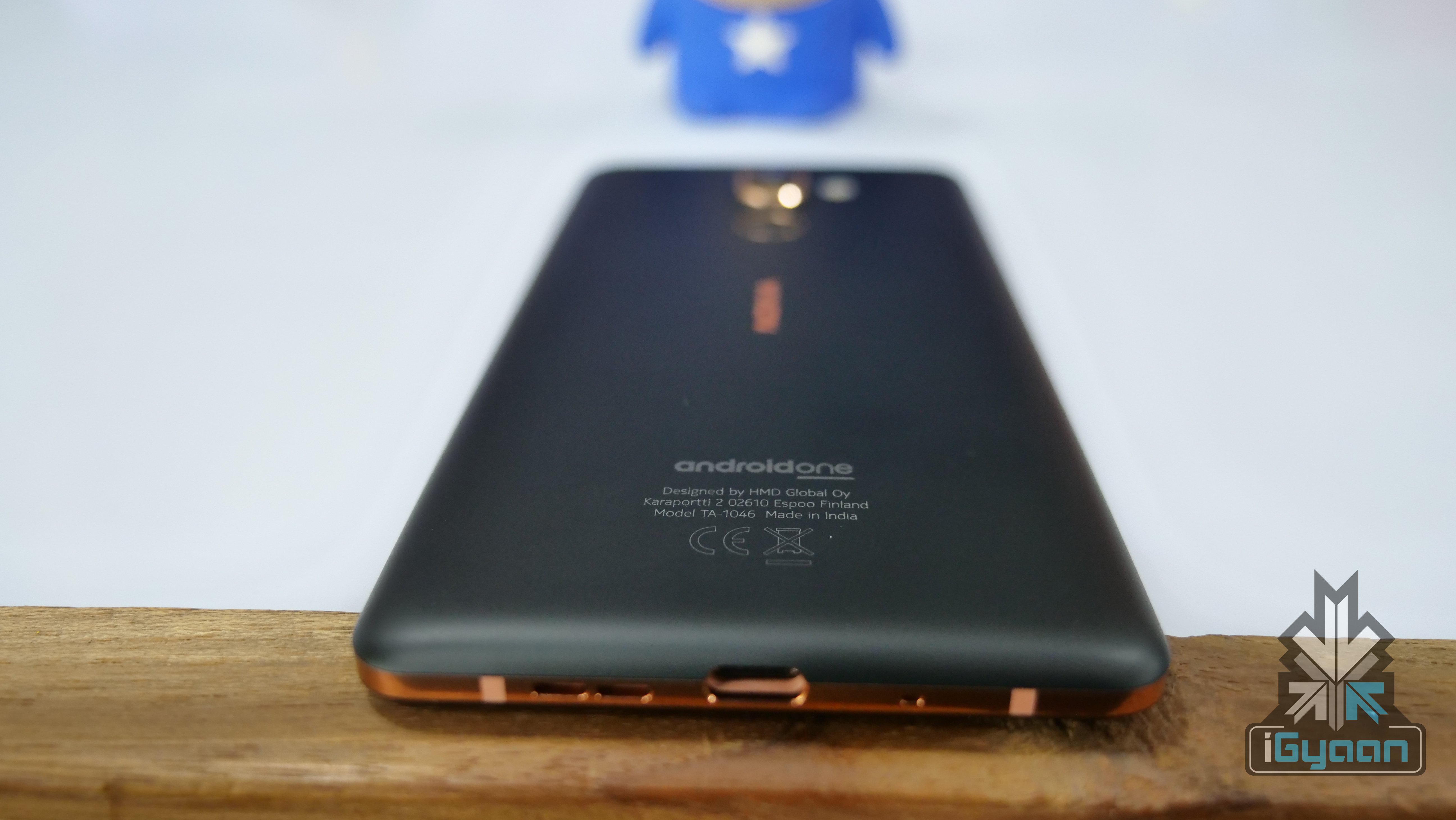
HMD Global also stated that the issue was taken care of in the month of February since most Nokia 7 Plus smartphones had been updated with the bug fix. Users can check if the fix is installed in their devices by going to Settings>System>About Phone>Build Number. The build number should be “00WW_3_39B_SP03” or “00WW_3_22C_SP05“. If the build number does not match, users may need to update their device. This can be done by going to Settings> System> Advanced>System Update>Check for Update.
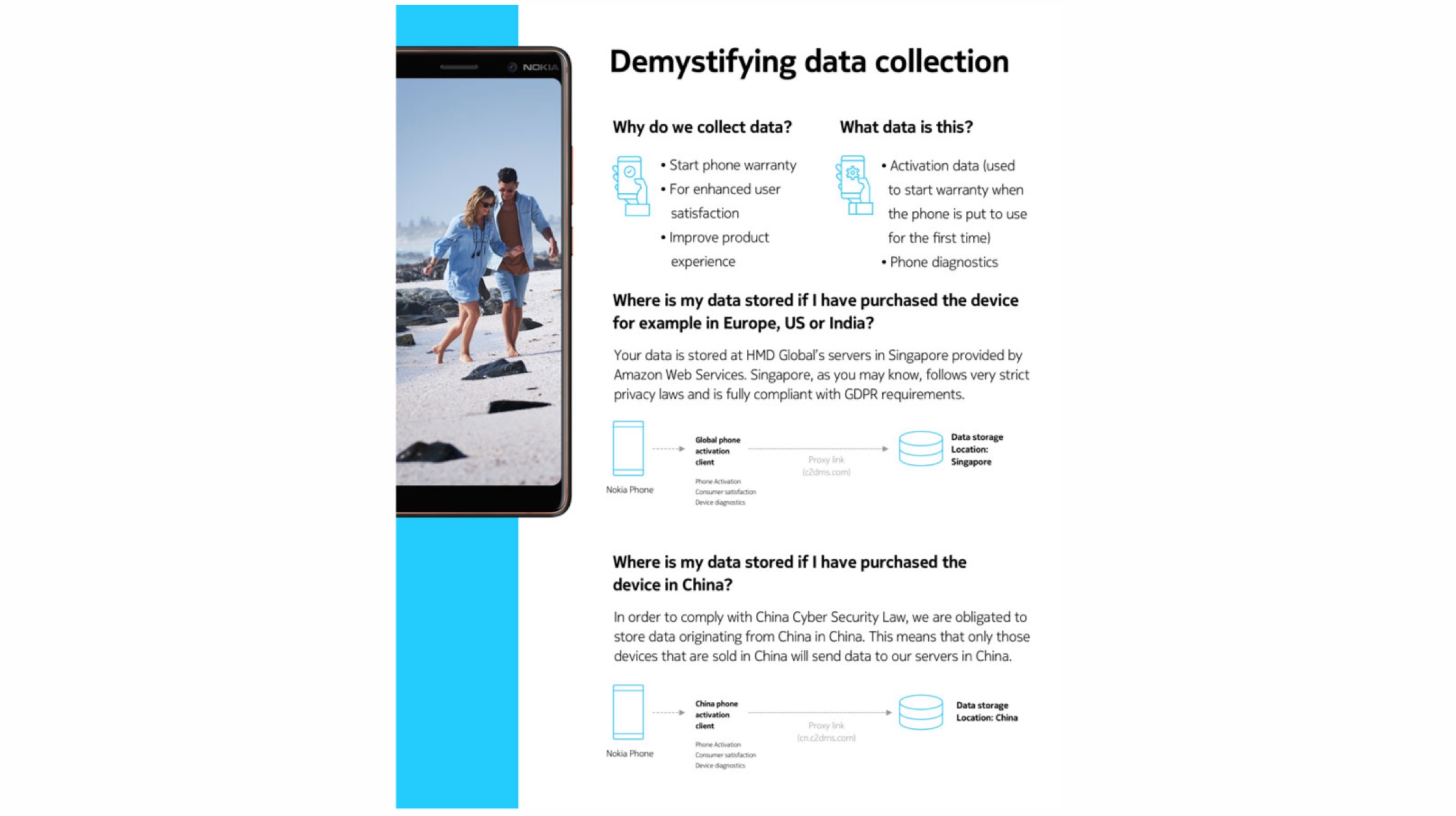
Lastly, HMD Global said that the global variants of the Nokia devices have their data stored in Singapore, which abides by very strict privacy laws (as shown in the aforementioned infographic released by the company) However, Chinese Cyber Security Laws state that the data originating in China will stay in China, so the company’s Chinese units will only send data to the Chinese servers. Moreover, the company also cleared up the doubt that Nokia devices are sharing user data with third-party servers, stating that this speculation is completely incorrect.
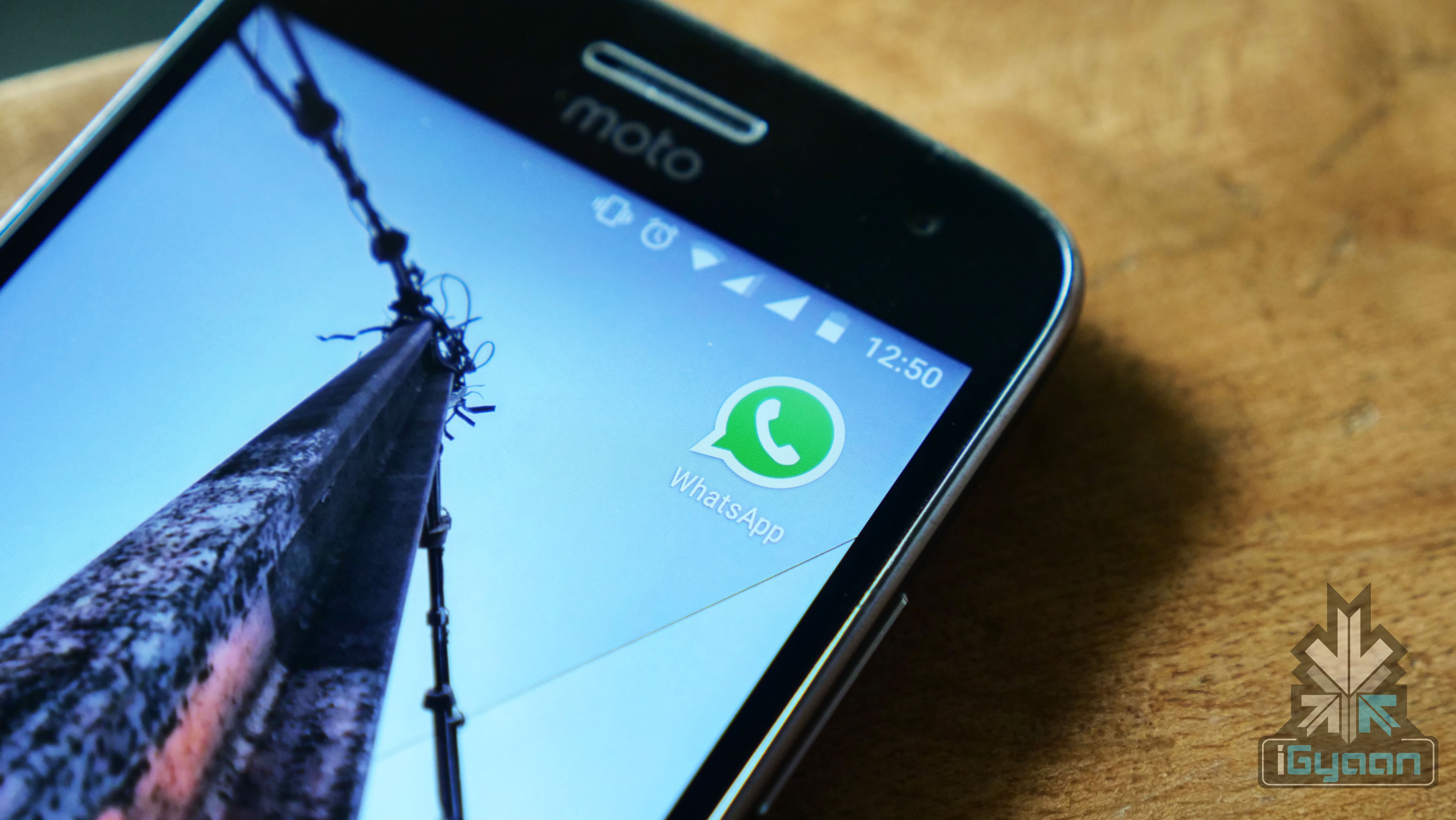
WhatsApp is constantly testing out new features to improve the user experience on the application. The app was reported to be testing out features like Reverse Image Search and in-app web browsing. As per reports, the instant messaging service is testing out a new feature which will allow users to see the number of times a particular message has been forwarded. This will help users to reduce the amount of fake news spreading across the web since the user can figure out if a message is a part of long forwarding chain or an authentically drafted message.
About The Feature
? WhatsApp beta for Android 2.19.80: what's new? Two new important features under development: Forwarding Info and Frequently Forwarded Messages!https://t.co/HGIOImvuyK
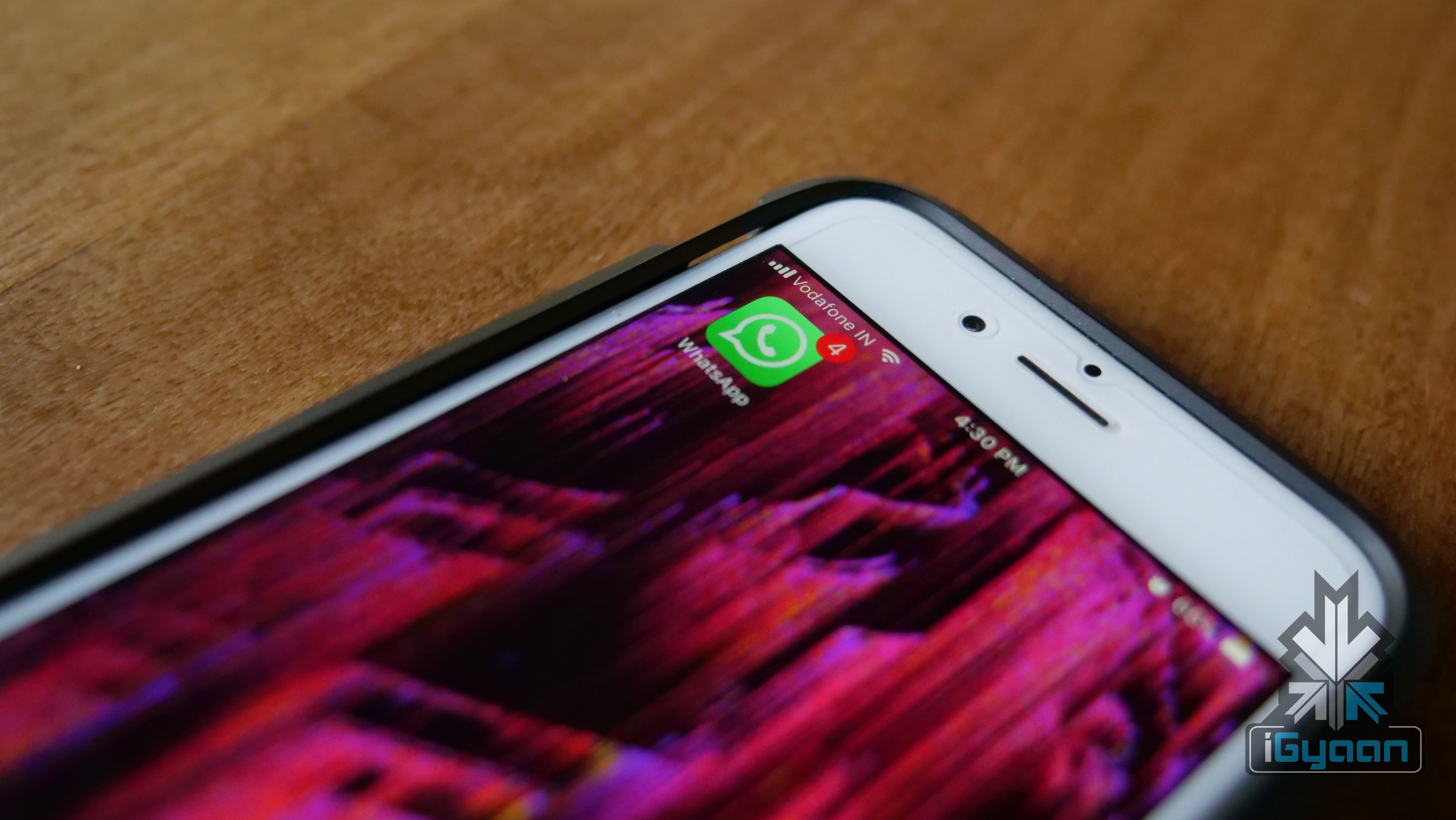
The new update being tested out will consist of two different features, called “Forwarding Info” and “Frequently Forwarded“. As the name suggests, the “Frequently Forwarded” label will be seen on top of those messages which have been forwarded more than 4 times, ensuring that fake news does not spread like wildfire via the application.
As per the source, if the message is forwarded more than 4 times in a single chain, the “Forwarding info” label will be removed from the message and will be replaced by the “Frequently Forwarded” label. This means that users will not be able to see the complete chain of forwarding in such a case. Instead, users will have to rely on their instincts to judge whether the message is legitimate or not.
Since both, the features are in a developmental phase. The feature was first spotted on WhatsApp’s beta app version 2.19.80. Noteworthy, no such feature was spotted on the iOS TestFlight program, so it’s unsure about the availability of the feature on Apple’s platform. However, the feature may be rolled out for Android devices soon enough.
Apple is a leader in several fronts of technology, especially smartphones. Various features including the fingerprint sensor and notch display either originated on an iPhone or were popularised by the company. However, there is one remarkable technology that the company has been sluggish in adapting to which is wireless charging. Apple first introduced this promising feature with the iPhone 7 and 7 Plus models in the year 2016. However, it is now aiming towards fully embracing this visionary form of technology. A fresh report shared by a reliable Japanese source, Macotokara claims that the upcoming Apple iPhone models may also get the reverse wireless charging feature.
What Is Wireless Charging and Reverse Wireless Charging?
Wireless charging is a form of cordless charging that uses electromagnetic fields to transfer energy between two compatible devices. The Nokia Lumia 820 and the Lumia 920 from the year 2012 were one of the worlds first smartphones to feature this type of conductive charging technology. With ever-evolving smartphones, this technology has become highly prevalent and is seen on most flagship devices. The technology has grown so much so that devices like the Galaxy S10 and the Mate 20 Pro even support a remarkable feature caller reverse wireless charging. As the name suggests, the aforementioned devices are capable of wirelessly charging other compatible devices via their inbuilt battery.
iPhone With Reverse Wireless Charging
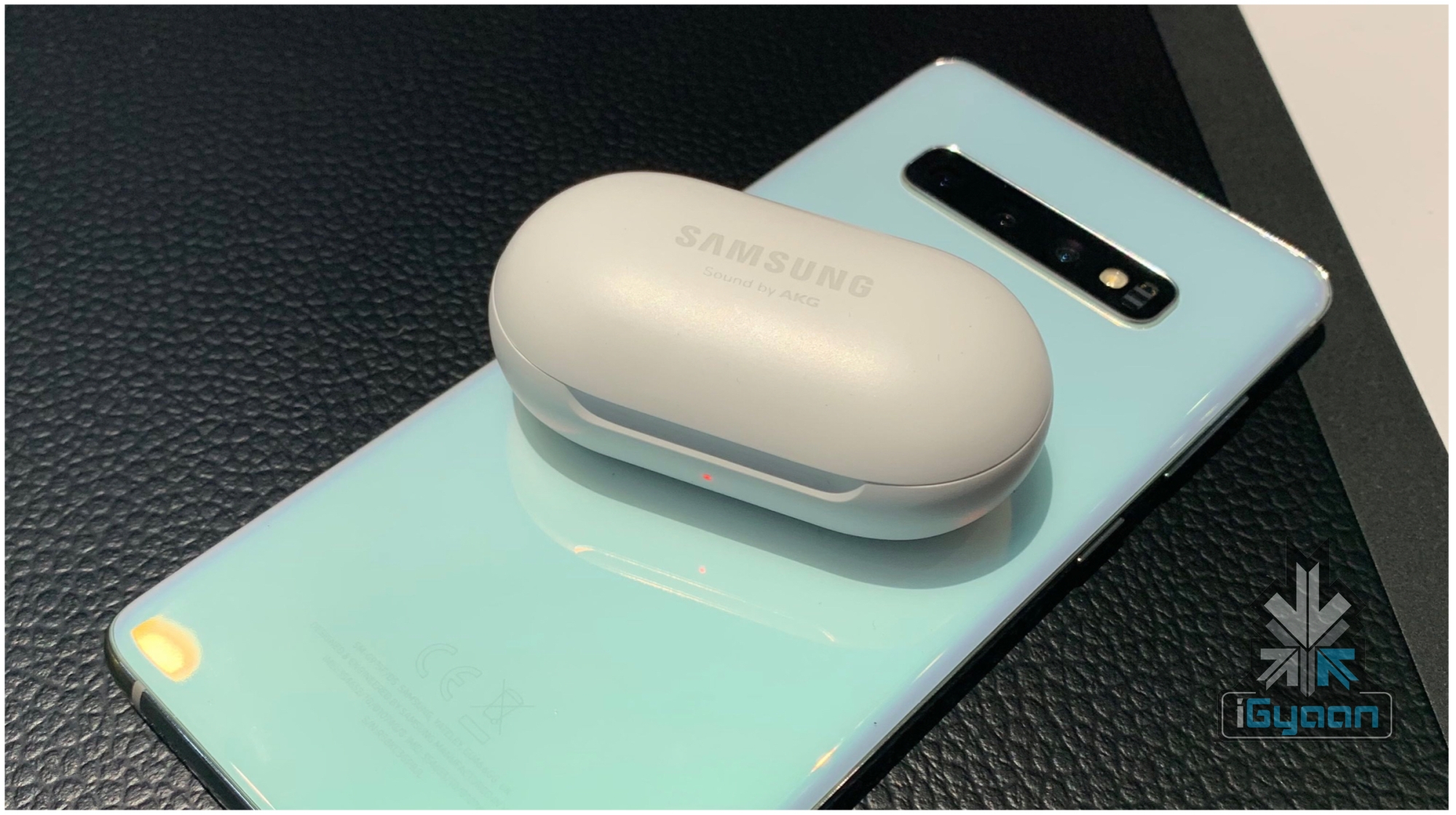
A reputed analyst at TF International Securities, Ming-Chi Kuo claims that the upcoming iPhones will support reverse wireless charging. Samsung with its latest Galaxy S10 and Galaxy Buds has demonstrated how useful this feature can be. Accordingly, the upcoming iPhone with reverse wireless charging support can be used to charge the Apple Watch Series 4 and the newly launched AirPods 2019, both of which support cordless charging.
E-commerce giant, Amazon has announced its Apple fest, where buyers can find some amazing discounts on Apple products. This is a great opportunity for those who want to upgrade to a premium smartphone or laptop and save some bucks while doing so. The devices on sale are iPhones, iPads, MacBooks and Apple accessories/wearables.
Discounts On iPhones
Users who are looking towards buying a new iPhone can avail heavy discounts while doing the same. iPhone X is one of Apple’s most popular smartphones. Features of the device include a 5.8 inch Super Retina Display, IP67 Certification, FaceID Authentication and an A11 Bionic Chip. The smartphone has a dual camera setup (12MP+12MP) with OIS. It can be purchased for a huge discount of INR 17,900, which places its starting price at INR 73,999 for the 64 GB variant. Moreover, if users choose to purchase the 256 GB variant, they can get the iPhone X at a cost of INR 84,790, which is almost INR 24,000 lower than the MRP of the device.
Those who want to purchase the ultimate flagship from Apple, the iPhone XS Max, can avail a discount of INR 5,000 on both the 64 GB and 256 GB variant, pricing them at INR 1,04,900 and INR 1,19,900 respectively. Features of the device include a 6.5 inch Super Retina Display, IP68 Certification, FaceID Authentication and an A12 Bionic Chip. The smartphone has a dual camera setup (12MP+12MP) with OIS. Users can also get a discount on the younger sibling of the aforementioned smartphone, the iPhone XS. With a smaller screen than its elder sibling (5.8 inch), it is available at an INR 5,000 discount for both 64 GB and 256 GB variants, pricing them at INR 94,900 and INR 1,09,900 respectively.
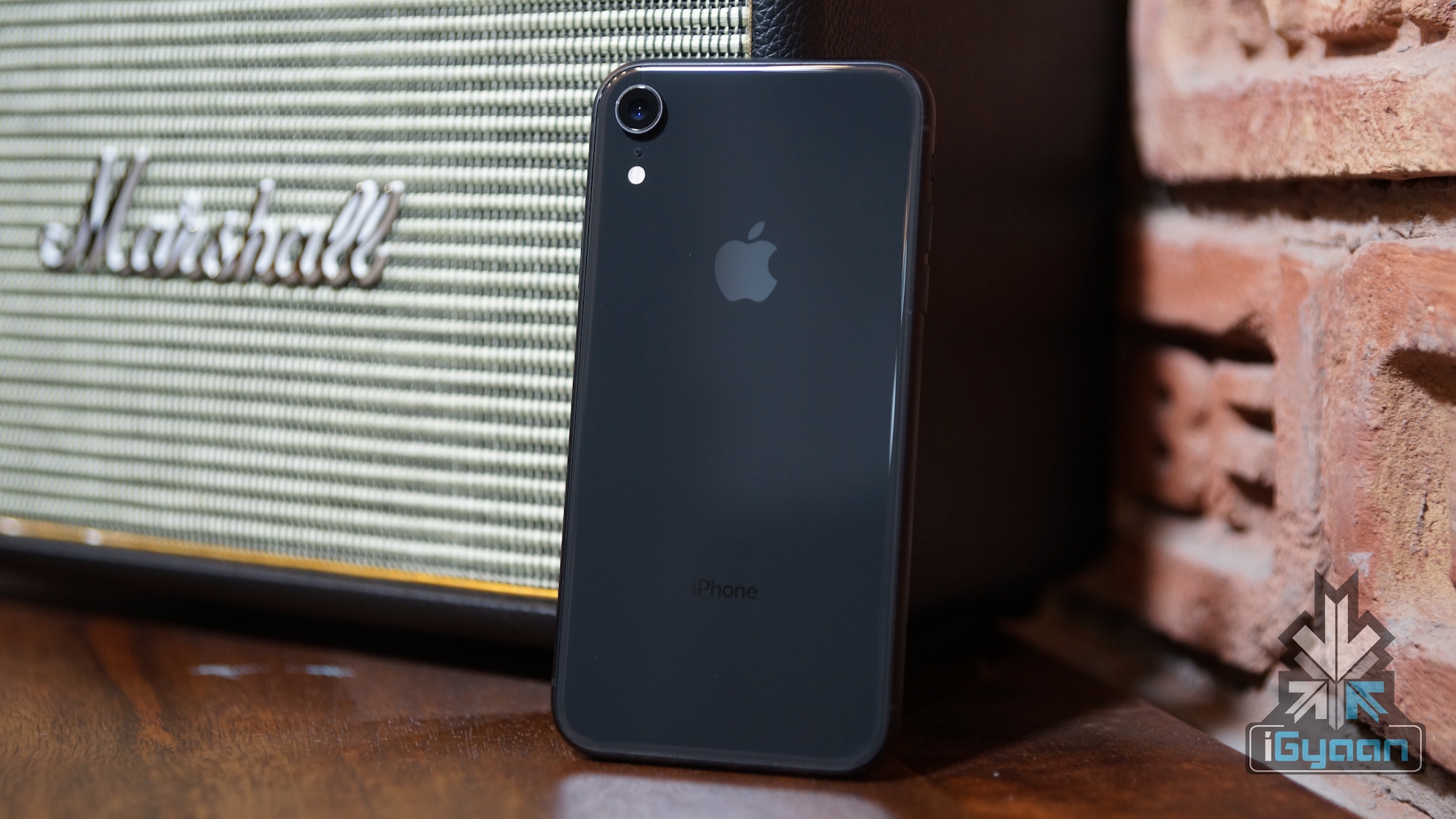
Furthermore, users can also own the Apple iPhone XR for a price of INR 67,999 onwards for the 64 GB version. The iPhone XR has a 6.1 inch Liquid Retina Display, IP67 certification, a single 12 MP camera, Face ID and the A12 Bionic chip.
The iPhone 8 Plus is also down to a price of INR 66,999 after a discount of INR 10,561 for the 64 GB model. For the 256 GB model, it has been priced at INR 78,999, which is INR 12,111 lower than its actual MRP. The device has a 5.5 inch Retina HD display and is IP67 water and dust resistant. It also has 12MP dual cameras with OIS and an A11 Bionic chip.
Users can also purchase the single-rear camera version of the device, the iPhone 8 at a price of INR 57,999 for the 64 GB variant and INR 67,999 for the 256 GB model. The phone sports a smaller 4.7 inch display with a 12 MP single rear camera and an A11 bionic chip running the device.
The iPhone 7 is experiencing a huge price cut on the 128 GB variant, with the device retailing for INR 48,999 after a discount of INR 11,000. The 32 GB variant of the same is priced at INR 37,999. The smartphone features a 4.7 inch Retina HD display. The device has IP67 resistance and a 12 MP camera. It features a A10 fusion chip and TouchID for authentication.
The last iPhone on sale is the iPhone 6s, which is retailing at INR 27,999 after a discount of INR 1,901 for the 32 GB variant. Features include a 4.7 inch Retina HD display, TouchID, 12 MP camera, and an A9 chip.
Device Model
Variant
MRP
Discounted Price
Discount
iPhone X
64GB
91,900
73,999
17,901
256GB
1,08,930
84,780
24,150
iPhone XS Max
64GB
1,09,900
1,04,900
5,000
256GB
1,24,900
1,19,900
5,000
iPhone XS
64GB
99,900
94,900
5,000
256GB
1,14,900
109,900
5,000
iPhone XR
64GB
76,900
67,999
8,901
128GB
81,900
72,999
8,901
256GB
91,900
84,999
6,901
iPhone 8 Plus
64GB
77,560
66,999
10,561
256GB
91,110
78,999
12,111
iPhone 8
64 GB
67,940
57,999
9,941
256GB
79,420
67,999
11,421
iPhone 7
32GB
39,900
37,999
1,901
128GB
59,999
48,999
11,000
iPhone 6s
32GB
29,900
27,999
1,901
Discounts On MacBooks
MacBooks are the perfect portable devices from Apple which can handle day-to-day tasks, such as video editing, content creation and much more. Apple is providing a wide variety of discounts on its range of laptops. With discounts of up to INR 33,000 on selected MacBooks, users can look towards upgrading their notebook to the powerful notebooks from Apple.
The devices on sale include the MacBook Pro (13-inch and 15-inch models) and the MacBook Air (13-inch and 15-inch models).
Apple’s iPads are the highest selling tablets in the world for a reason, and now the company is offering them at big discounts of almost up to INR 7,500. The variants on sale include the Apple iPad Pro (Wi-Fi Models Only) and the Apple iPad. Furthermore, the highly popular Apple Watch is available at a discount of INR 6,411 for the Series 3 (42 mm) variant and a discount of INR 4,381 on the Series 3 (38 mm) variant.
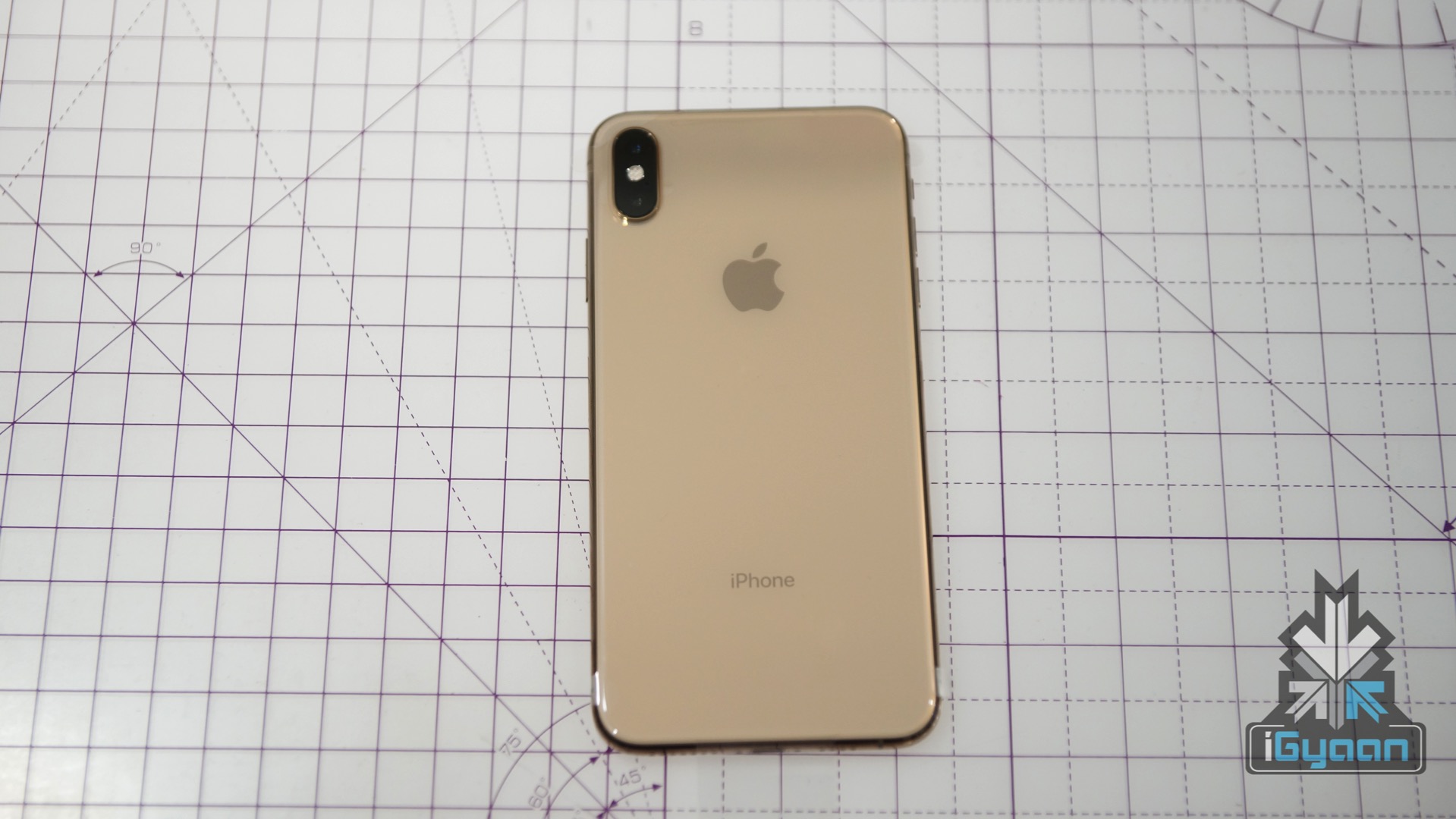
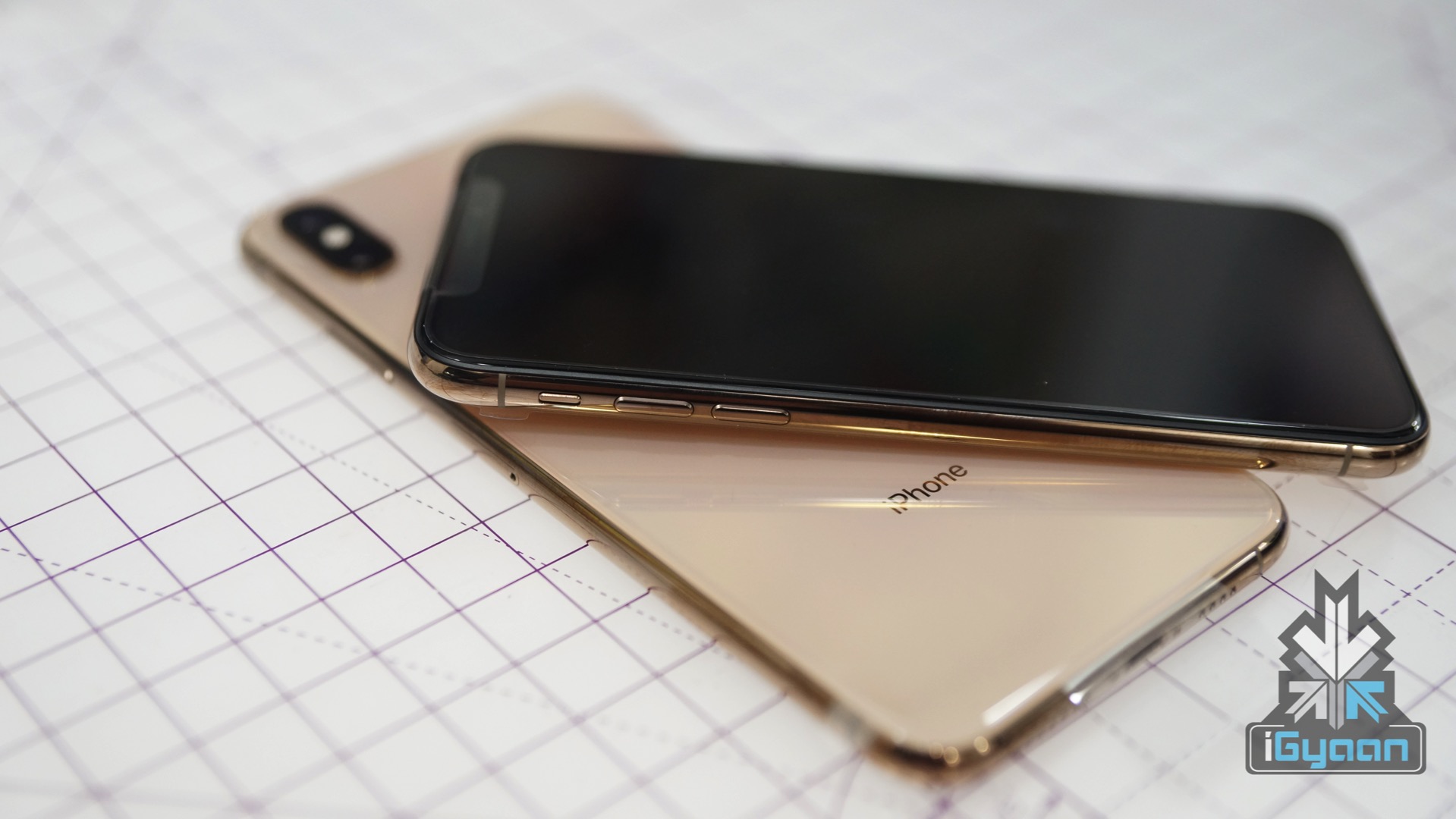
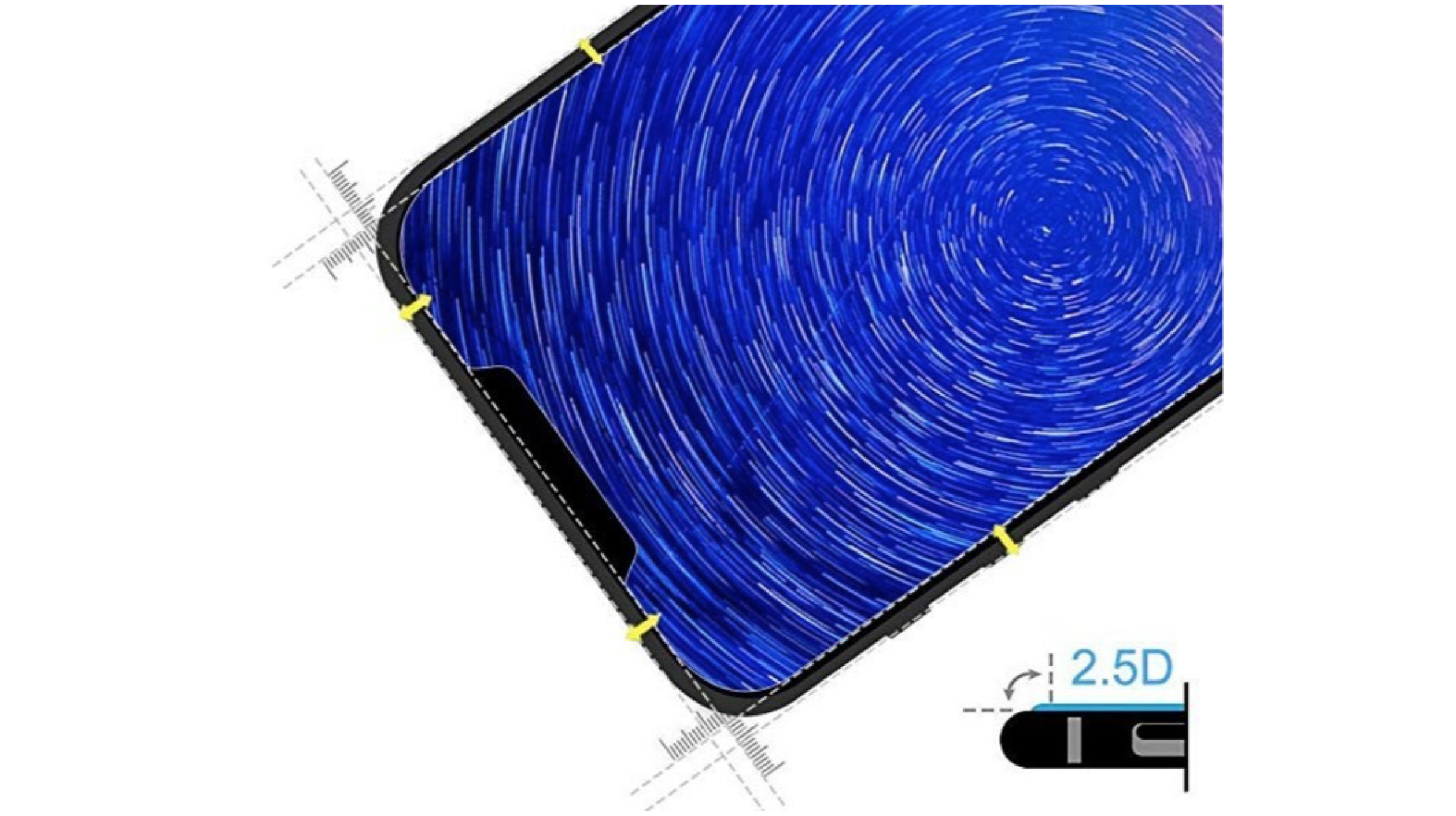
Earlier this week, Cupertino based Apple silently launched a slew of products which include the updated iMac, AirPods with wireless charging support, the iPad Mini 5th Gen and the iPad Air 10.5. The company was also expected to launch the iPod 7 during the week which has not yet happened. It is now expected to be unveiled at the upcoming Apple event on the 26th of March alongside the anticipated subscription-based news service. Days before the event, a Chinese source has made some fascinating revelations about another long awaited device from the company. Chinese website, IT home claims that Apple will also launch the budget-oriented iPhone SE 2 at the upcoming event. To support its claims, the blog has shared Amazon listings of a screen protector and case for the predicted smartphone. Pleasingly, the accessories listing of the iPhone SE 2 also reveals its design and features.
iPhone SE 2
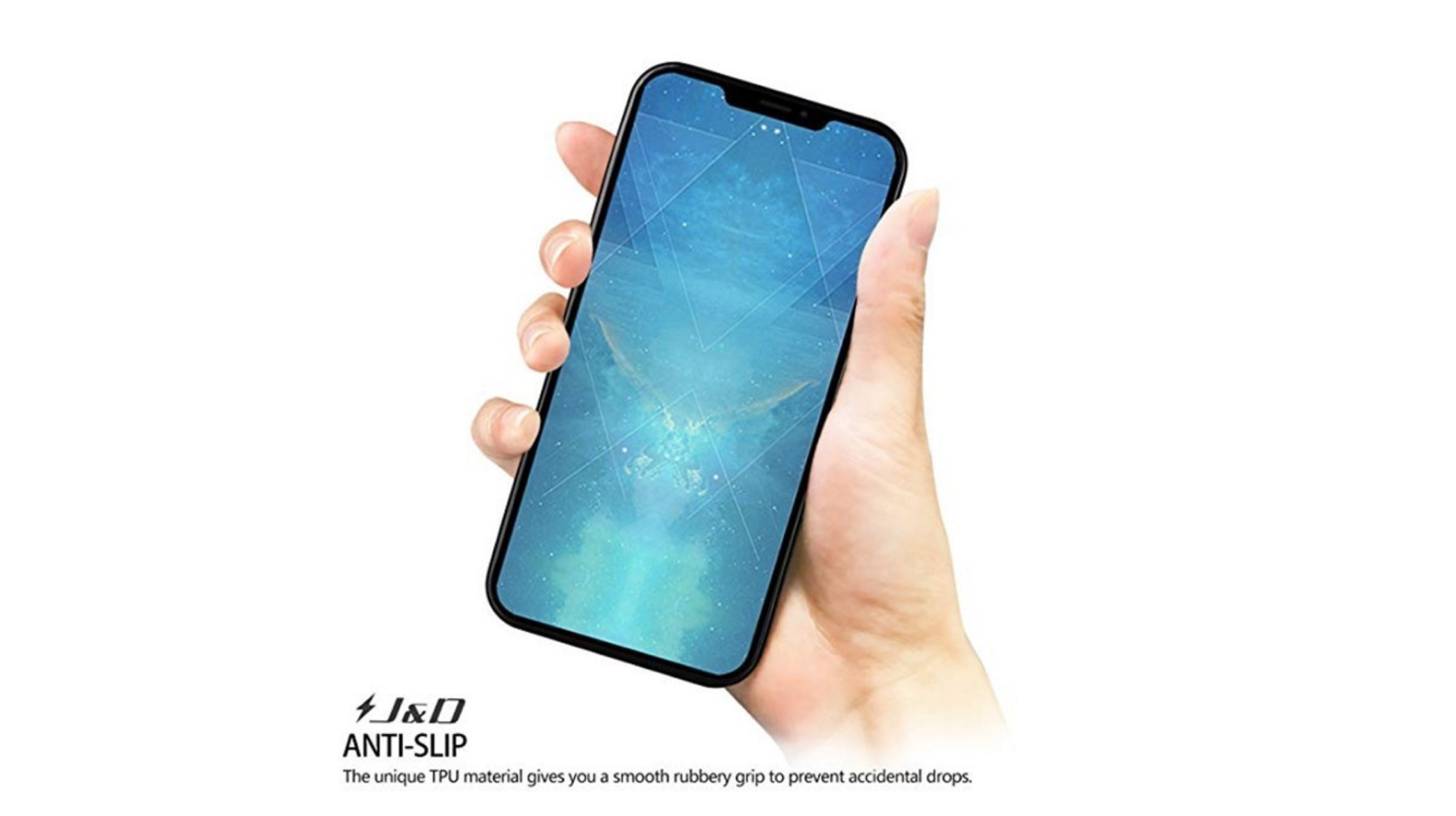
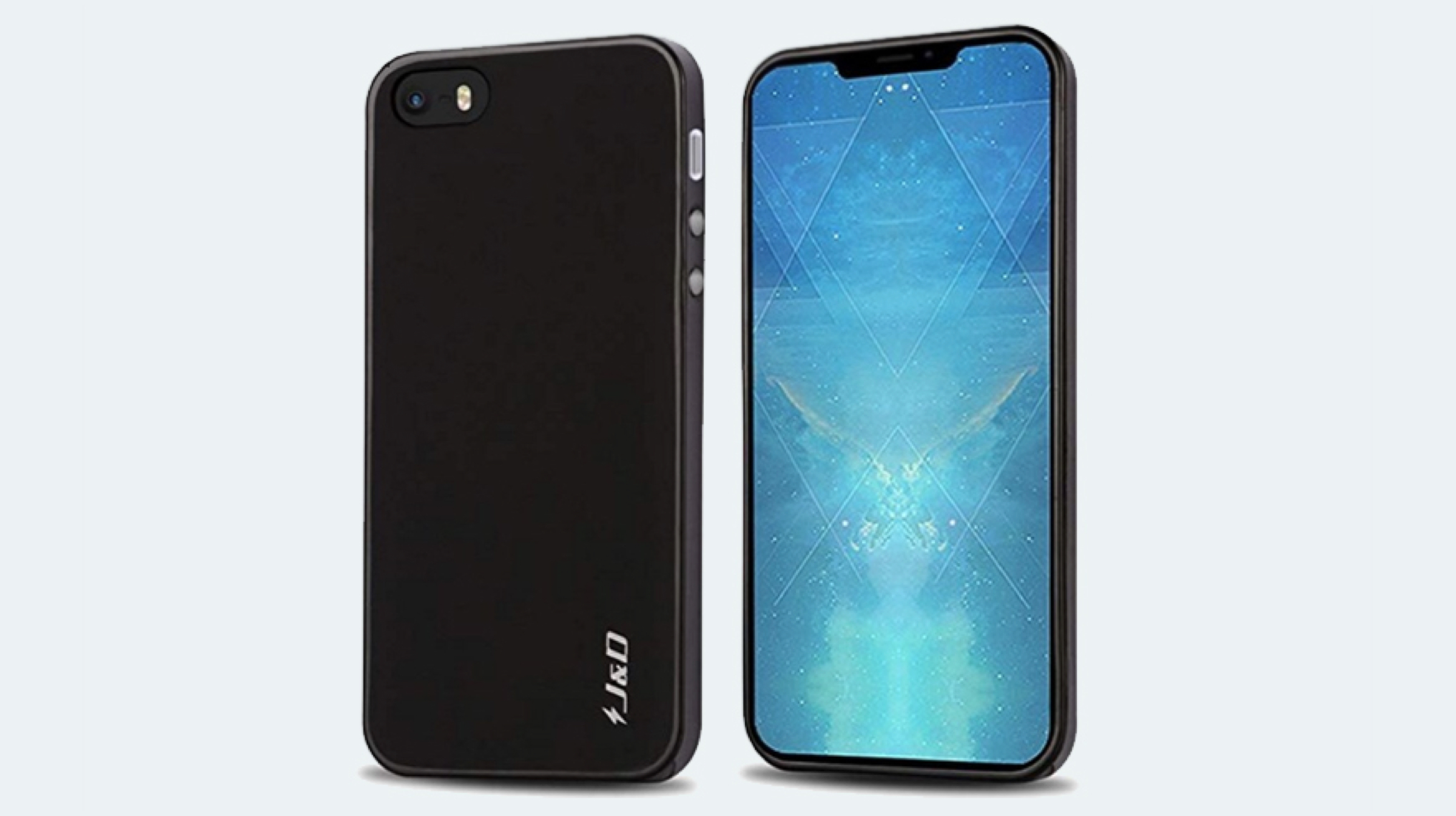
According to the leaked tempered glass listing of the iPhone SE 2, the smartphone will have a significantly different front design in comparison to its predecessor, the iPhone SE. The front of the smartphone accommodates a rounded edge display with a high screen-to-body ratio which is enclosed with negligible bezels. Notably, it also has a notch up top like the latest iPhone models. Like its predecessor, the left side of the device houses the volume rockers and the mute switch.
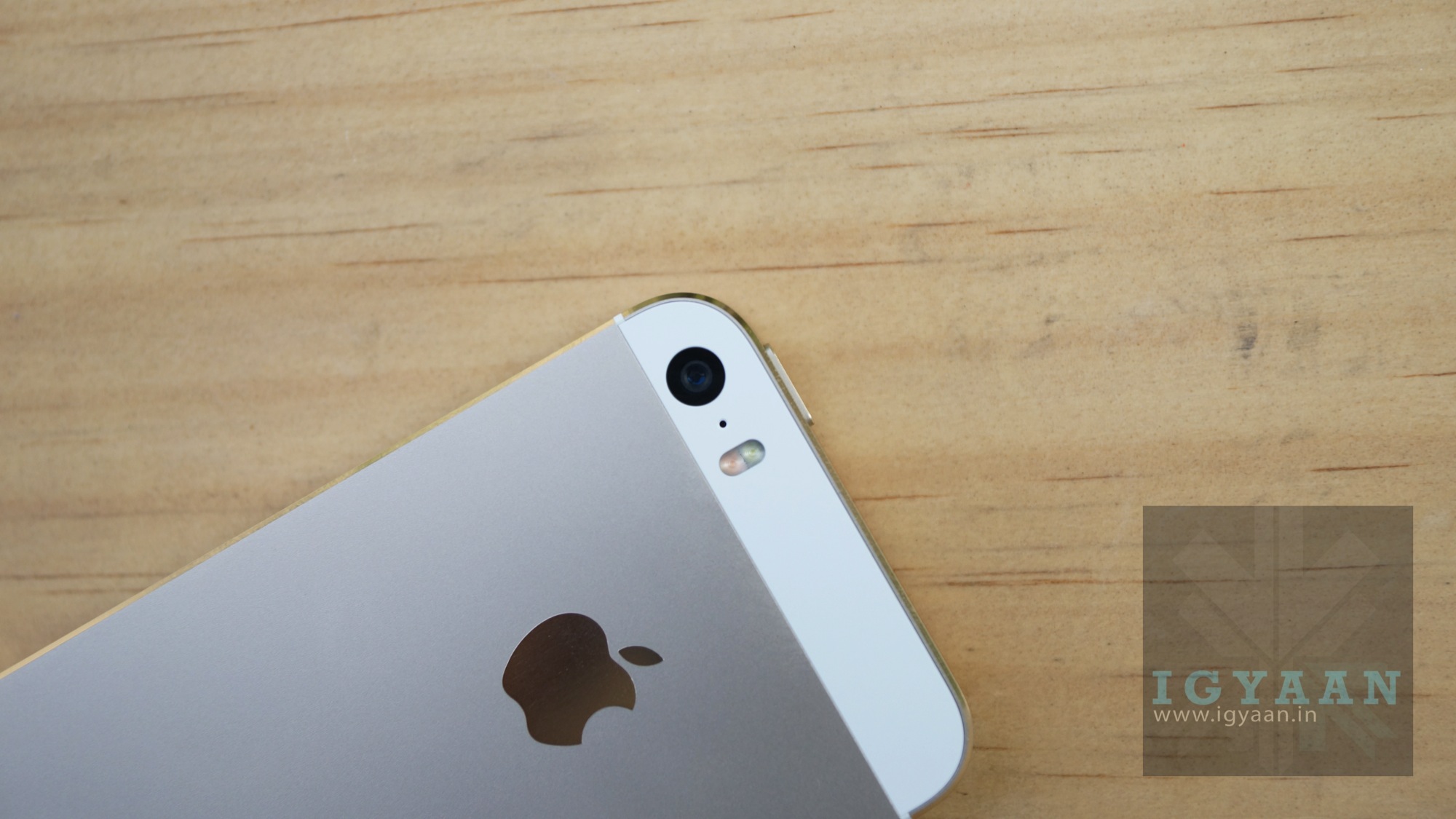
Albeit the listing does not show the bottom and top view of the iPhone SE 2, it is assumed to have the same layout as its predecessor. The top of the smartphone is expected to house the power button while the bottom is expected to house the lightning port, 3.5 mm jack and loudspeaker grille. The rear of the upcoming smartphone has a similar design as the original iPhone SE with a single camera setup placed on the top left side.
According to the source, the iPhone SE 2 will feature the A9 chipset which is also present on the iPhone 6s. Other details including the camera resolution, the screen size and the battery capacity will be publicised once the company officially launches it. Fortunately, we won’t have the wait for long as the Apple event is approaching fast.
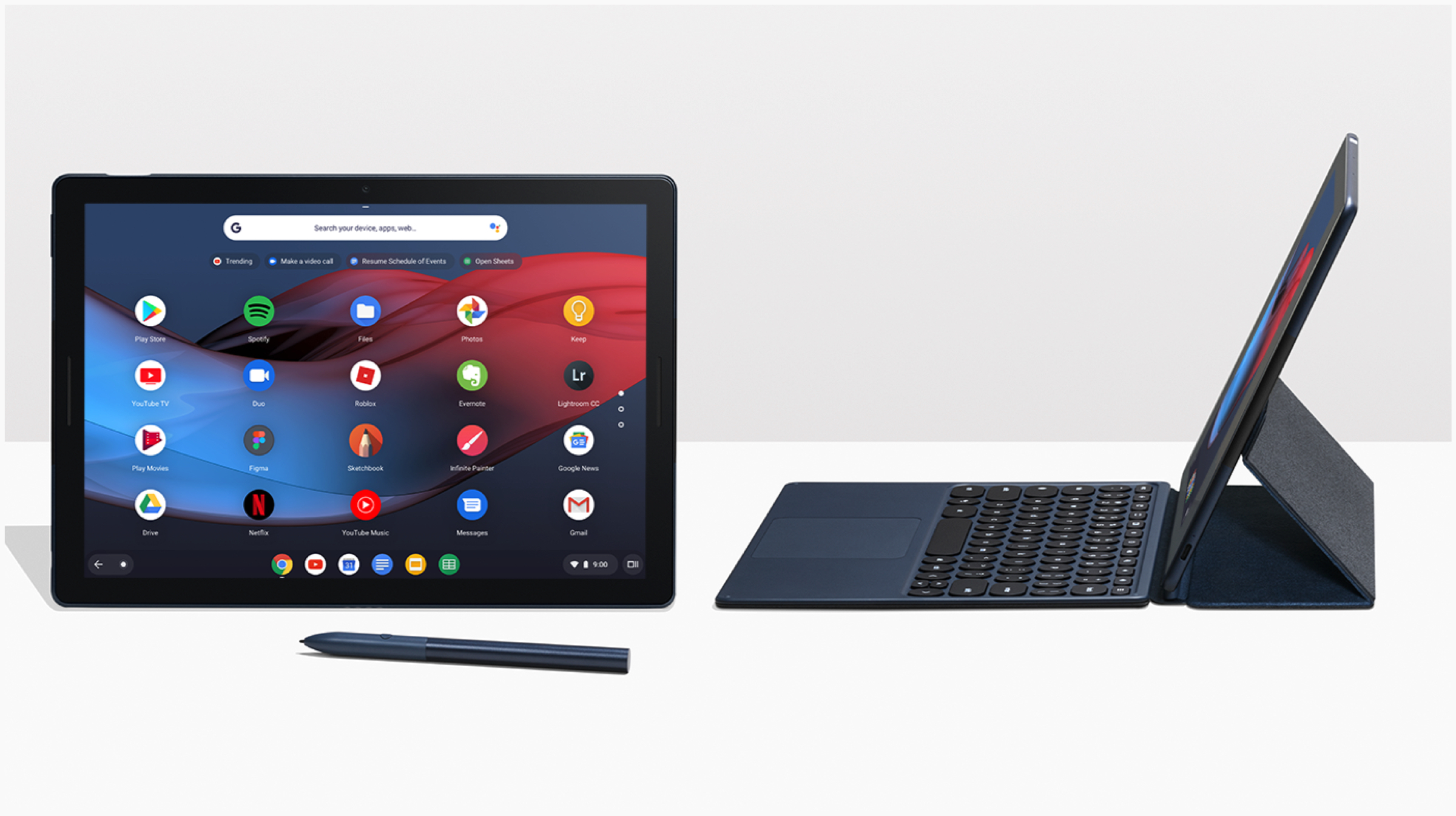
When Apple released the iPad in 2010, it toppled the industry owing to the groundbreaking design and technology the device incorporated. It is still considered as the time which led to the advent of tablets. Many Android manufacturers including Samsung and Motorola, tried to cash in on the trend at the time but failed. The market for Android tablets hasn’t really caught on since. So, what can be the reason for the tremendous success of the Apple iPad but the dismal failure of Android tablets?
History Of Tablets
Interestingly, the first tablet with touch input was neither running iOS or Android. While it is debatable, the Microsoft Tablet PC, announced in the year 2000, is considered to be the first tablet. It ran Windows XP and supported touch input. But the product failed abysmally, owing to the poor user experience and an uninspired design. The Apple iPad, released in 2010 by Steve Jobs is considered the reason tablets got popular in the first place. At the time, Android OS was relatively new and unpolished, so the success of the iPad was foreseen. However, manufacturers on the Android side tried catching up to the competition and we got the first Samsung Galaxy Tab.
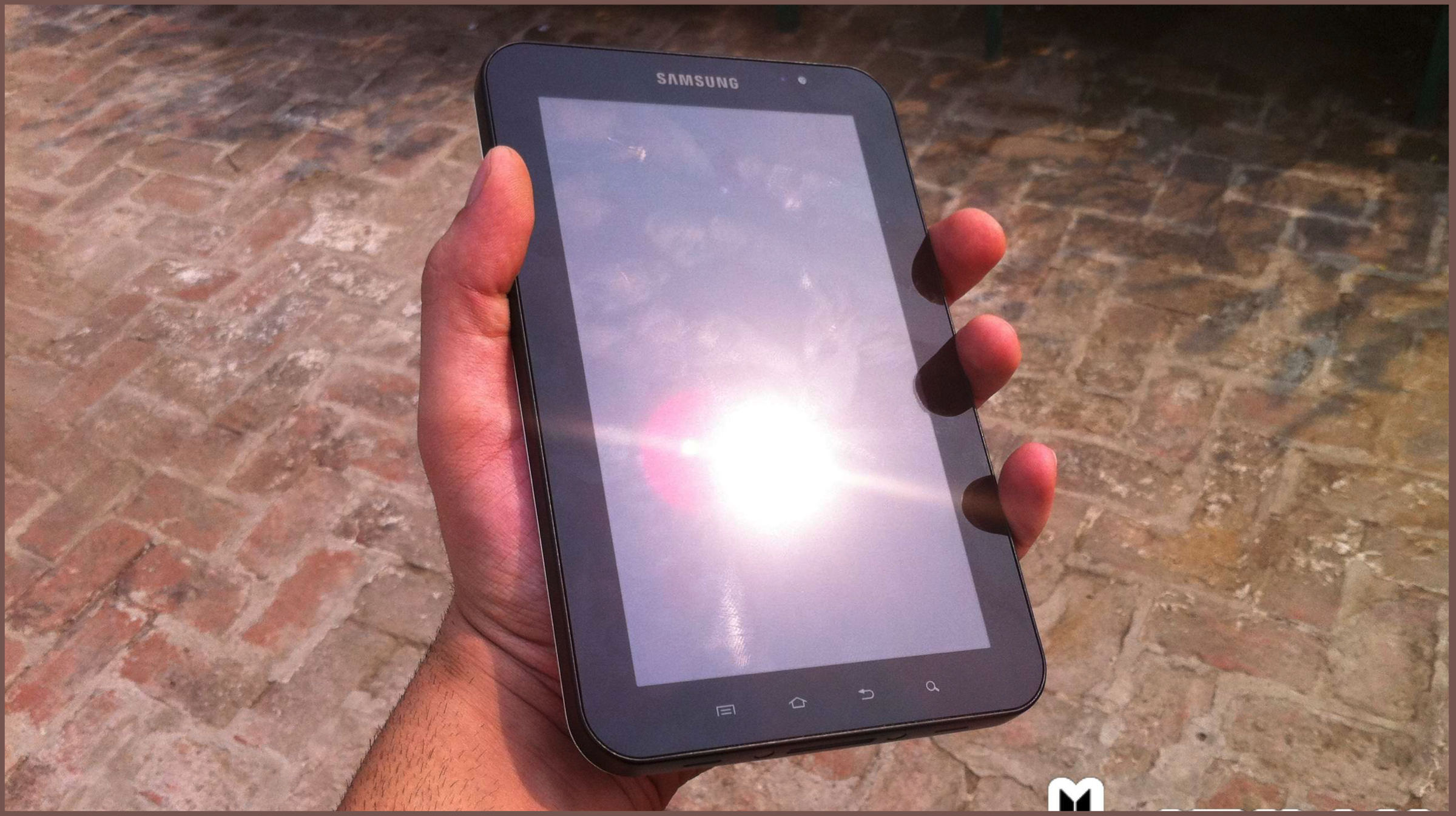
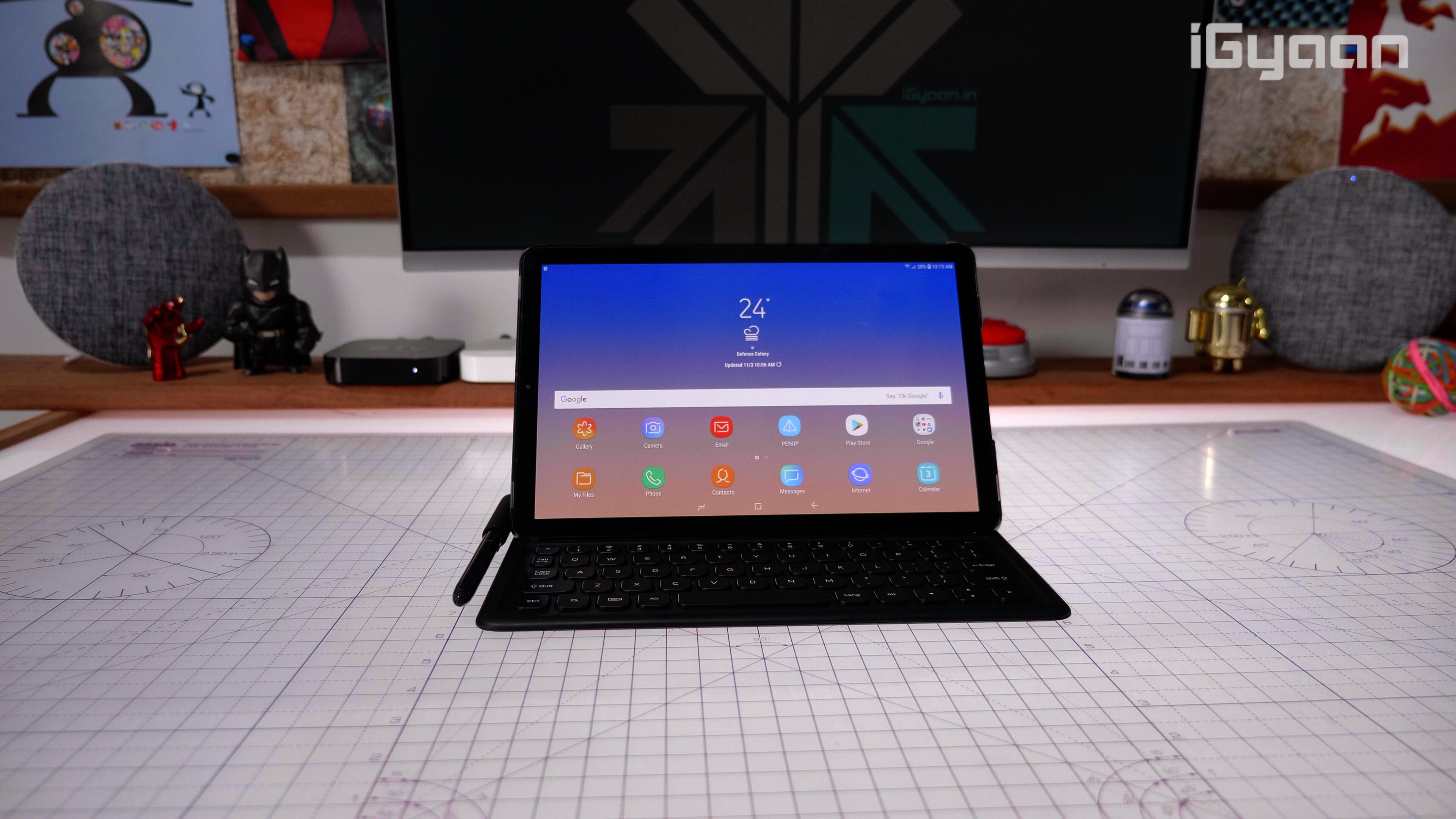
Released in 2010, the Galaxy Tab had a 7-inch display and ran the Samsung’s TouchWiz UI on top of Android 2.2 Froyo. The Operating System lacked any sort of optimization like on the iPad which resulted in an unrefined, laggy experience. Google tried to fix the optimization issues by releasing a new Operating System built around them. Called 3.0 Honeycomb, this allowed developers to build applications that could match the size of tablets and that did not feel out of place. Many manufacturers, like Motorola with its XOOM tablet, LG with its G-Slate and Acer’s Iconia Tab were all running the new OS by the year 2011.
Android Tablets: Jumping Ship
While Honeycomb was a promising OS, unlike iOS, most developers didn’t get on board to develop apps for it; due to the variety of screen sizes available, which made Honeycomb a rarity on devices because of poor app support. By the year 2011, Android 4.0 Ice Cream Sandwich was a thing, which had better compatibility with most apps, was also supported just fine on tablets.
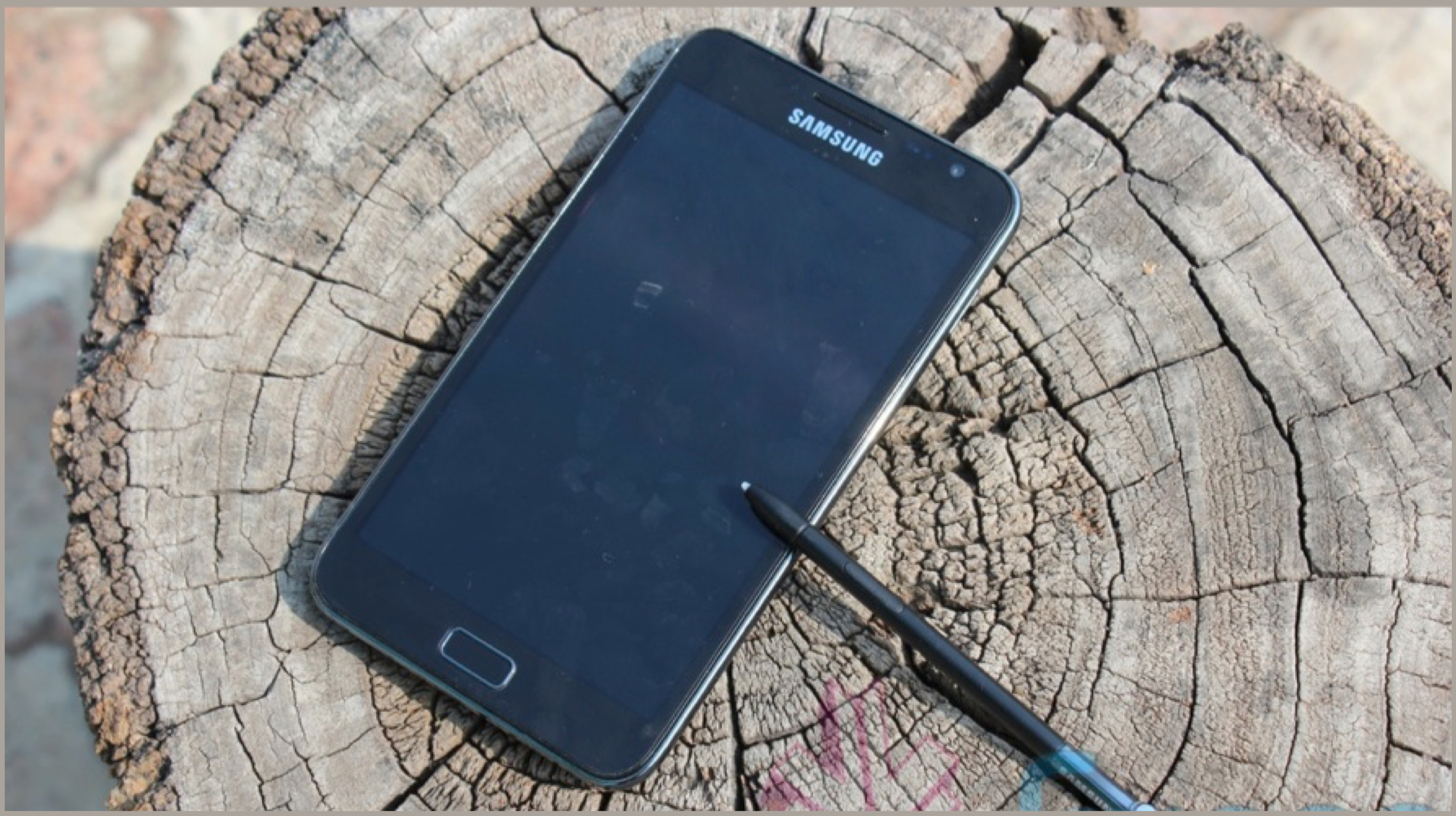
Then arrived the Samsung Galaxy Note in 2011. The smartphone featured a 5-inch display which was considered massive at the time for mobile devices. A new term, called ‘Phablet’ was coined then. It meant a device which is a combination of a smartphone and a tablet. The device wasn’t doomed with poor app support, ran a more common version of Android and was more pocketable than tablets. So to make things more confusing, tablets which were already a device between a smartphone and laptops was slowly replaced by phablets, a mix of the smartphone and tablets.
The Ultimate Doom
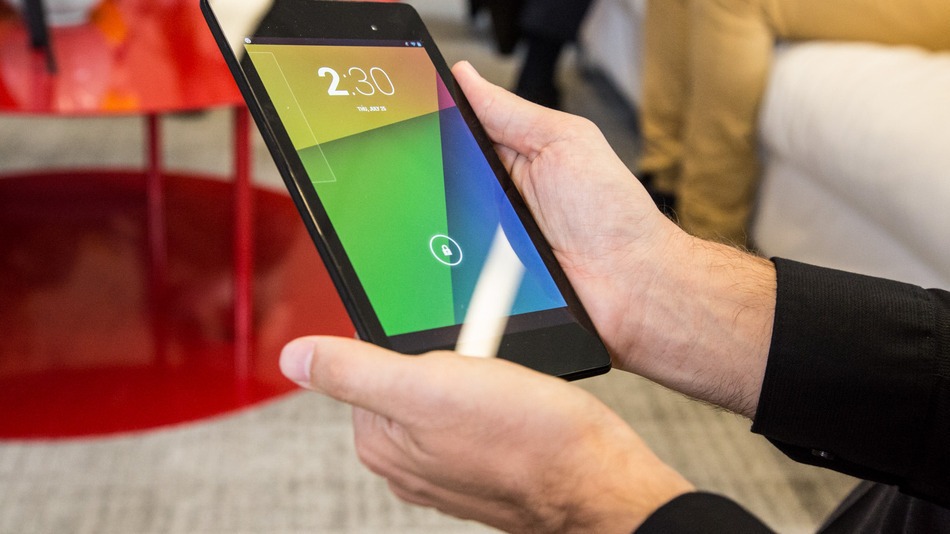
Google tried updating its Android OS along to support both smartphones and tablets. It also released the Nexus 7 and Nexus 9 Tablets in 2013 and 2014 respectively to try reviving the slowly fading market. It did work for a while, but using Android apps on tablets was still far from perfect experience. Many applications were not designed for big screens so it ended up looking like a stretched out version of its smartphone counterpart.
Smartphone makers meanwhile were more focussed on making the screen size bigger or on phablets. And by the year 2017, the race to a bezel-less future started. This led to ever-increasing screen sizes, reaching up to 6.5-inch displays on average. With the line blurring out between tablets and smartphones. Apple also understood the same and tried marketing the iPad as a media device and the iPad Pro as a replacement to a computer. The Android tablet makers, who tried mimicking the same, couldn’t make it work. This was again, due to poor software optimizations and abysmal app support. It didn’t help that they used mobile processors which weren’t powerful enough for computing.
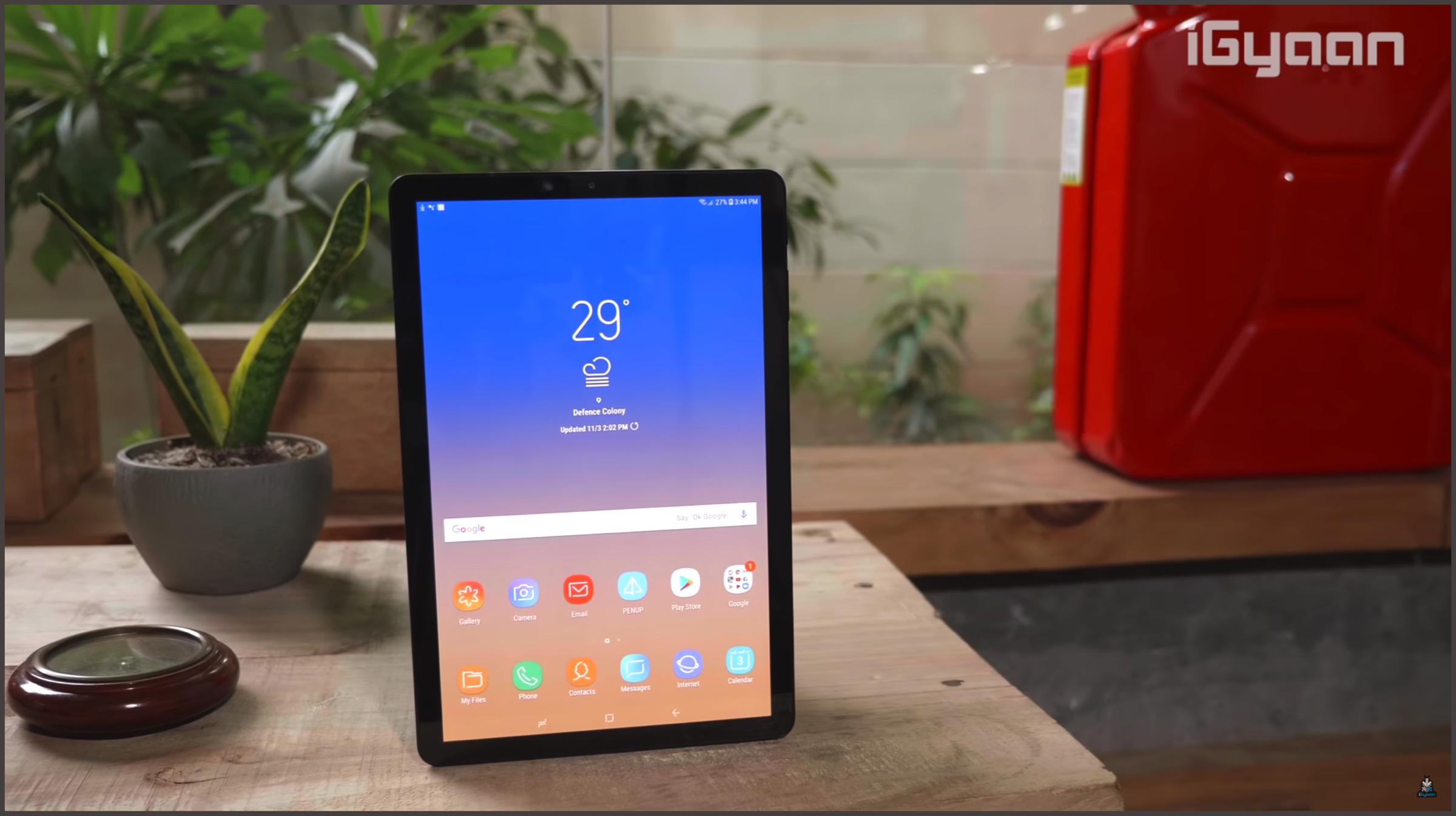
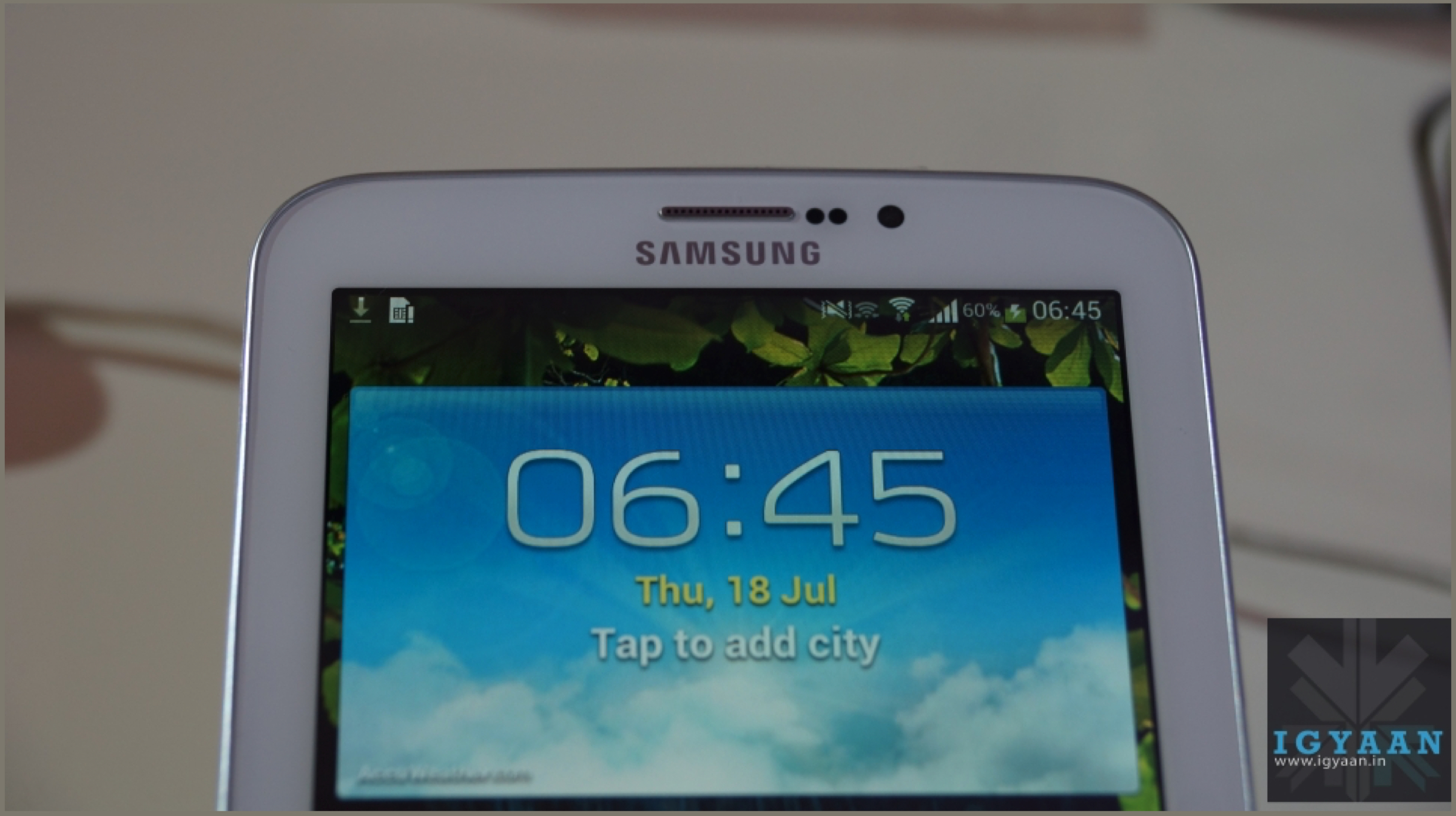
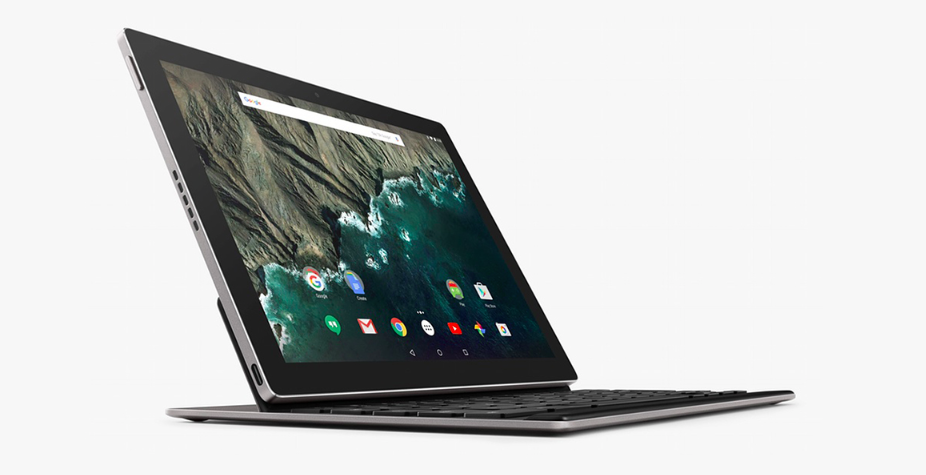
The last attempt by Google at developing an Android tablet was 2015’s Pixel C, which was cut off from receiving software support starting last year’s Android 9 Pie. This meant Google finally accepted that Android tablets wouldn’t work. They were fine as media devices, but give them anything more, and you’d be disappointed. All is not grim though, as company’s like Samsung, Huawei, Lenovo and Xiaomi still make tablets which have decent specifications and work well as a primary media consumption device.
Looking Forward
With Google accepting the fate of Android Tablets, it suggested that the era of the devices will finally meet its maker. Surprisingly, that didn’t happen as the company released the Pixel Slate last year. It ran ChromeOS, Google attempt at making a web-based operating system for PCs with humble hardware. The ChromeOS was designed in a way where Android apps can be used with ease and it offered a better software experience. While the tablet received wretched reviews for its poor software optimization, it did showcase one thing. The Pixel Slate revealed the next step for Android tablets, existing as ChromeOS devices.
There are again problems with ChromeOS. The Android application support is limited and the software can be buggy. But more often than not, it shows promise which Android tablets didn’t do. The OS is light and fast on mediocre hardware. It also gets fast software updates and has the potential to be a good computing device for a lighter workload. But to affirm the position of tablets, it needs more manufacturers onboard.
To make a tablet successful, you first need a use case for it. The iPads have theirs, non-Android tablets like the Fire tablet have things like excellent app support for Amazon’s apps and an affordable price. Android apps mainly failed because they didn’t manage to find their footing. They are larger than a smartphone, but you can’t take calls on it’s like you do on the former. They are smaller than a laptop, but you can’t do any heavy work like you can on a computer. Unless a tablet, whether it is running iOS, Android or ChromeOS cannot define its existence, it can’t survive. That is what led to the demise of Android tablets.

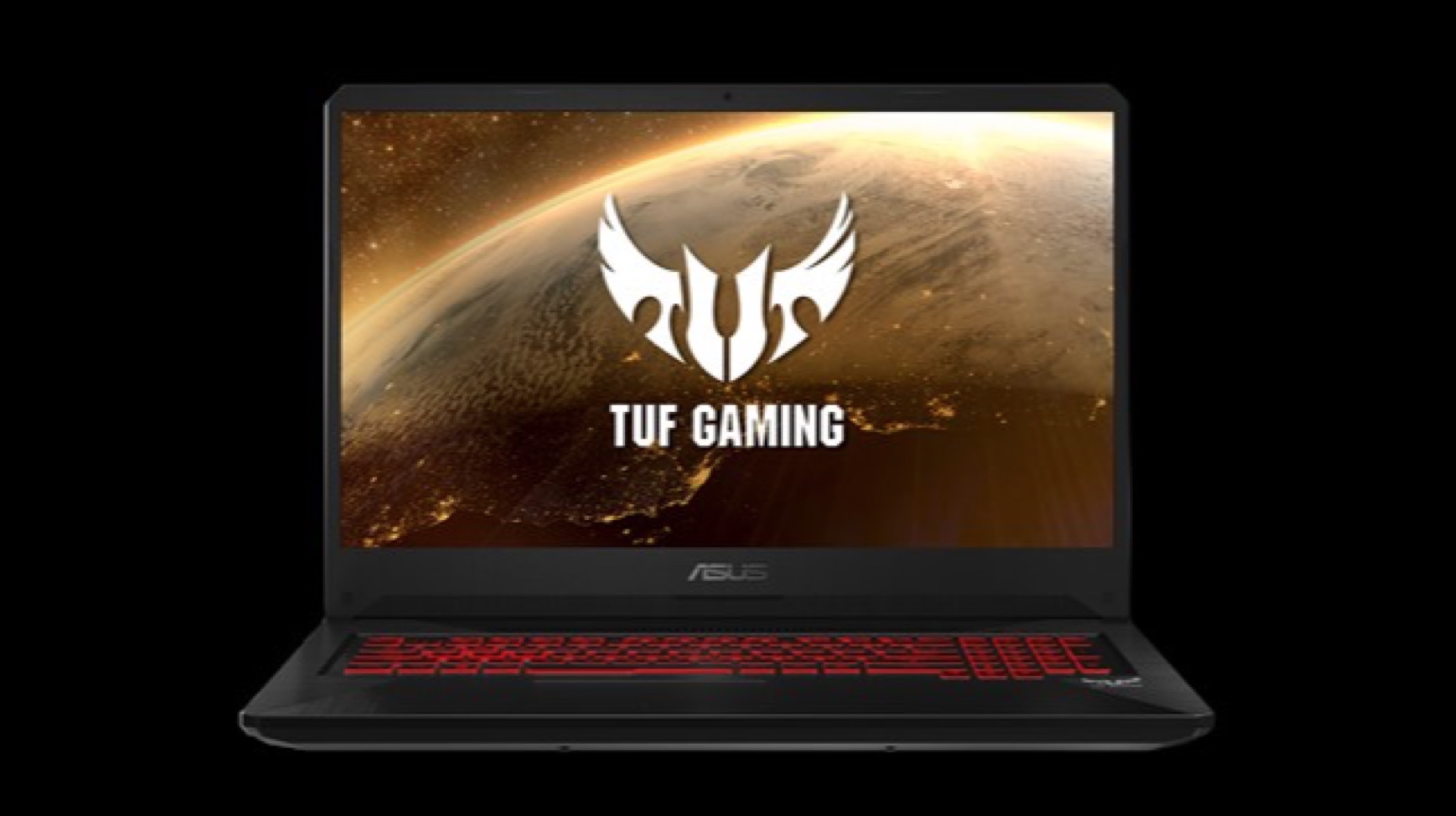 The ASUS FX705 features a 17.3-inch FHD display, with a 60Hz refresh rate, AMD’s FreeSync and a resolution of 1920 x 1080 px. The laptop runs on the AMD Ryzen 5 3550H, coupled with the Radeon RX 560X GPU. In terms of storage, the FX505 has a 1 TB FireCuda SSHD and up to 512 GB of SSD. The gaming laptop supports up to 32 GB of Dual Channel SDRAM.
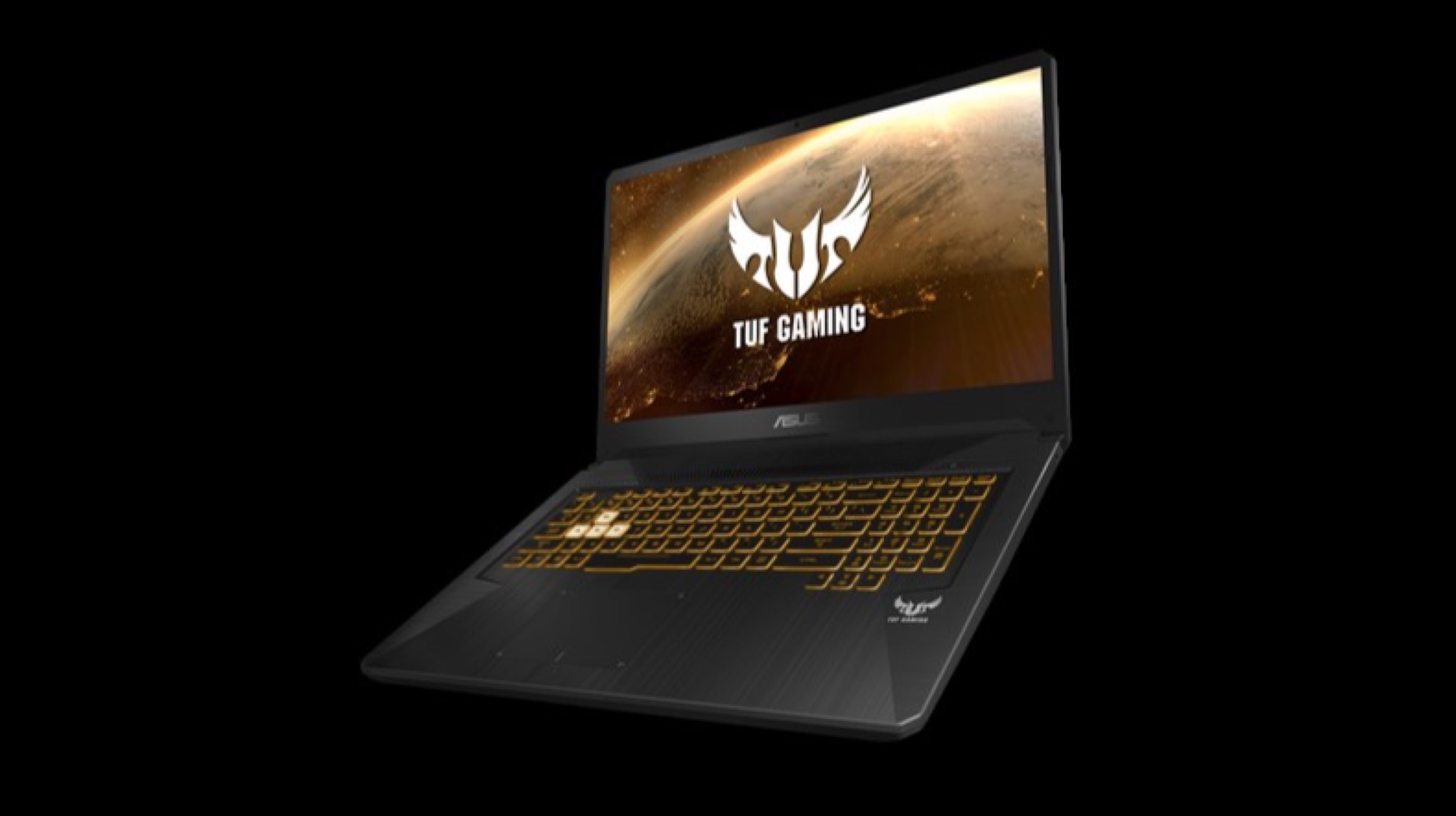 The ASUS FX505 is slightly toned down from the FX705. It features a smaller 15.6-inch FHD display, with a 60Hz refresh rate, AMD’s FreeSync (optional) and a resolution of 1920 x 1080 px. The laptop runs on the same AMD Ryzen 5 3550H, paired with the Radeon RX 560X GPU. The FX505 has a 1 TB FireCuda SSHD and up to 512 GB of SSD as per the user’s choice. It also supports up to 32 GB of dual-channel SDRAM.
 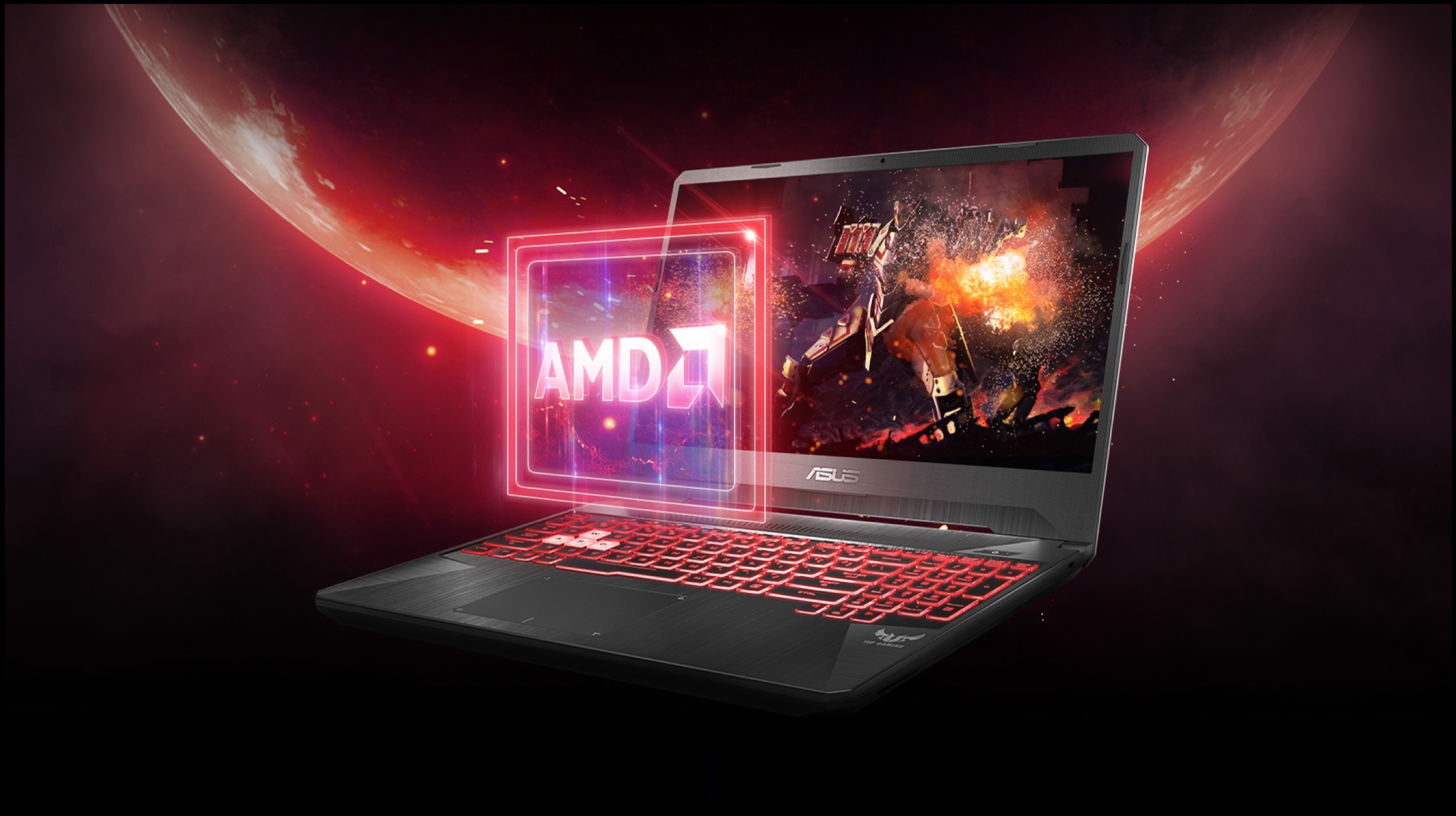 Both the laptops have the option of choosing between an illuminated chiclet keyboard or a non-illuminated one. The FX305 and the SX505 have 2W speakers with array microphones to improve sound capturing while streaming. The laptops also have an HD 720p webcam for video calling and streaming. Noteworthy, the FX505 has a 3-cell 48 Wh battery, whereas the FX705 has a 4-cell 64 Wh battery. The gaming laptops meet military-grade MIL-STD-810G standards, which renders them tougher as compared to similarly priced laptops. Also, the FX705 weighs almost 0.4 kg more than the FX505, which weighs at 2.2 kilograms.
 Also Read:

 Earlier, Google Stadia’s Executive stated that players will have to be equipped with a 25 Mbps internet connection in order to stream games at 4K resolution and 60 fps (frames per second). The actual consumption of bandwidth is lower, but Google recommends the aforementioned speed in order to boost performance. At a lower bandwidth, players may face issues with resolution and fps while streaming the game.
 The average internet speeds in India are about 6.5 Mbps, whereas the peak connection speeds average at 41.4 Mbps. A lot of users prefer mobile internet in the country, which can give high speeds but at the same time, users may face issues with packet losses and data polling, adversely affecting the “Stadia” experience. The best bet would be using a broadband connection (preferably an optical fibre connection) in order to preserve internet speeds while not losing any data packets at the same time.
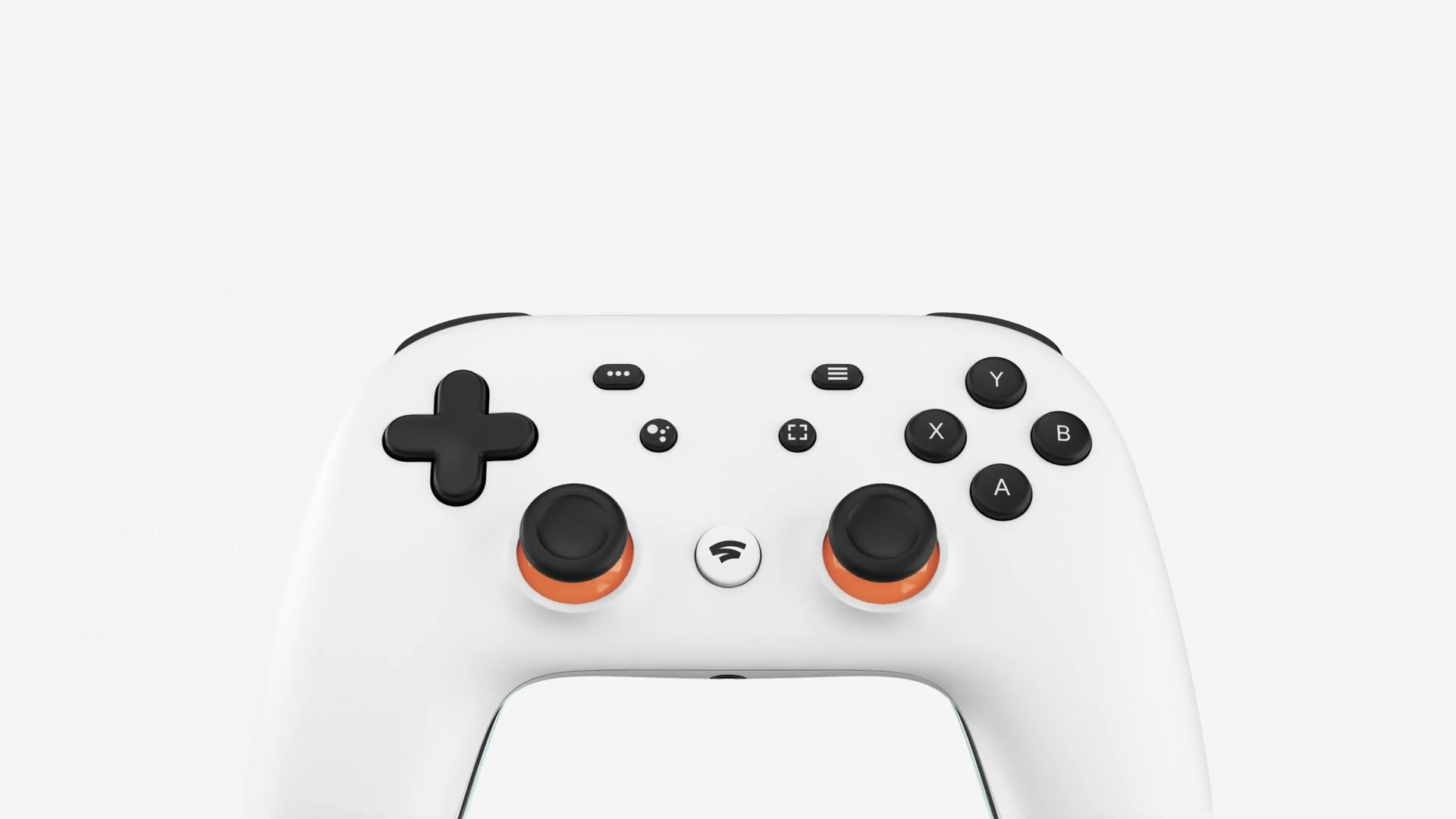 Since the Stadia controller connects directly via WiFi to the datacenter where the game is running, a high peak speed connection would fare well while playing a game that requires multiple responses to be sent over the internet in a short period of time. Although users can make use of Keyboards and mice too, Google emphasized that the Stadia controller provides enhanced compatibility with the Stadia ecosystem. Gamers who want to play a specific game on their TVs can use Chromecast to stream the game. Similarly, gamers can stream the game via the Google Chrome Browser on their laptops/desktops.

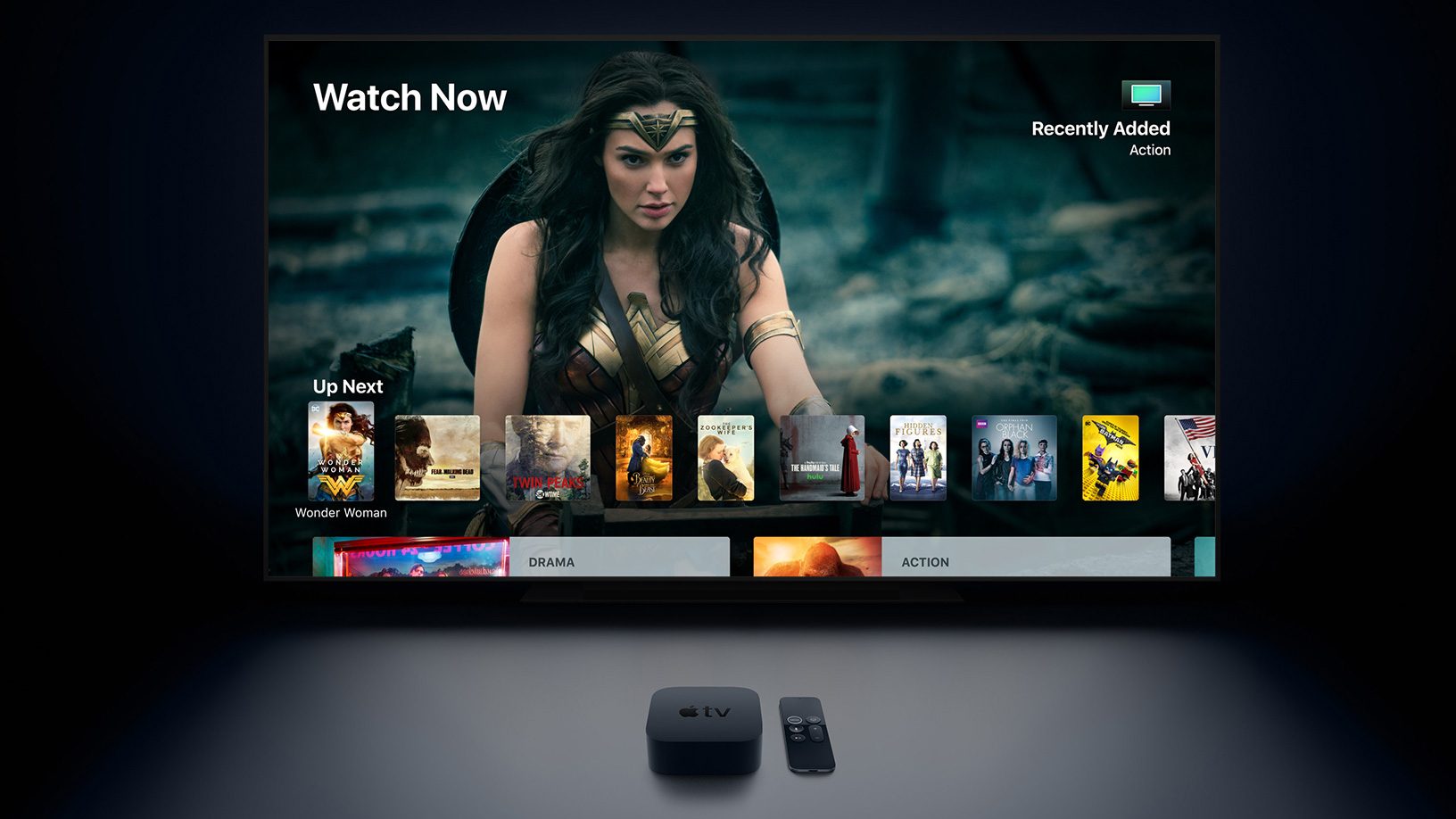 As per reports, HBO and CBS, two very popular networks have agreed to partner up with Apple’s upcoming service, whereas Hulu and Netflix have chosen to stay away from the same for obvious reasons. This means that the company will source content from other channels as well as create original content for the streaming service. Reportedly, Apple spent over US$ 2 Billion to sign up major stars like Oprah Winfrey for the event that will shortly go live.
 Apple is also looping a clip on the Apple Events web page, which shows a video feed from the Steve Jobs Theater itself. The stage has some sort of screen which is displaying a variety of content, including the Apple screensaver and interestingly, an incoming call from Captain America, hinting at the fact that the company has probably signed up Chris Evans for a project. It will also come forward with a host of other shows over varied genres such as drama, comedy, science fiction and movies for children.
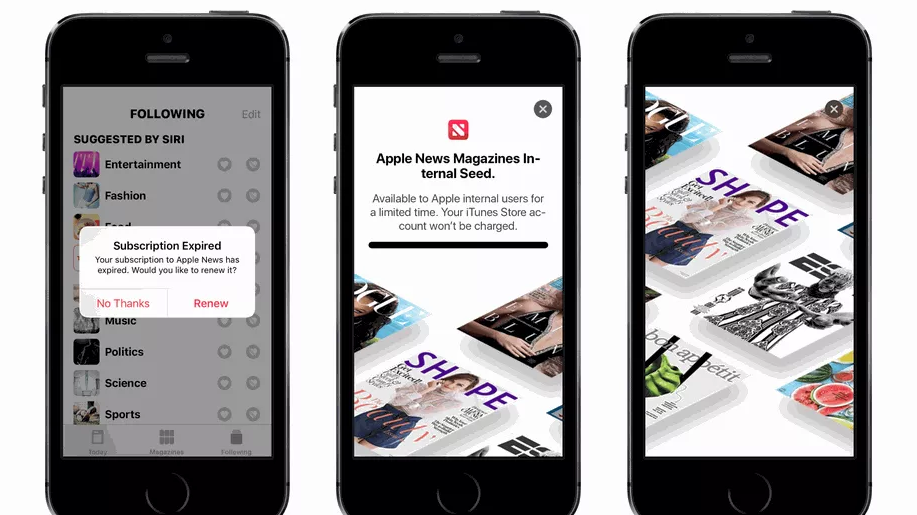 Furthermore, Apple will also unveil its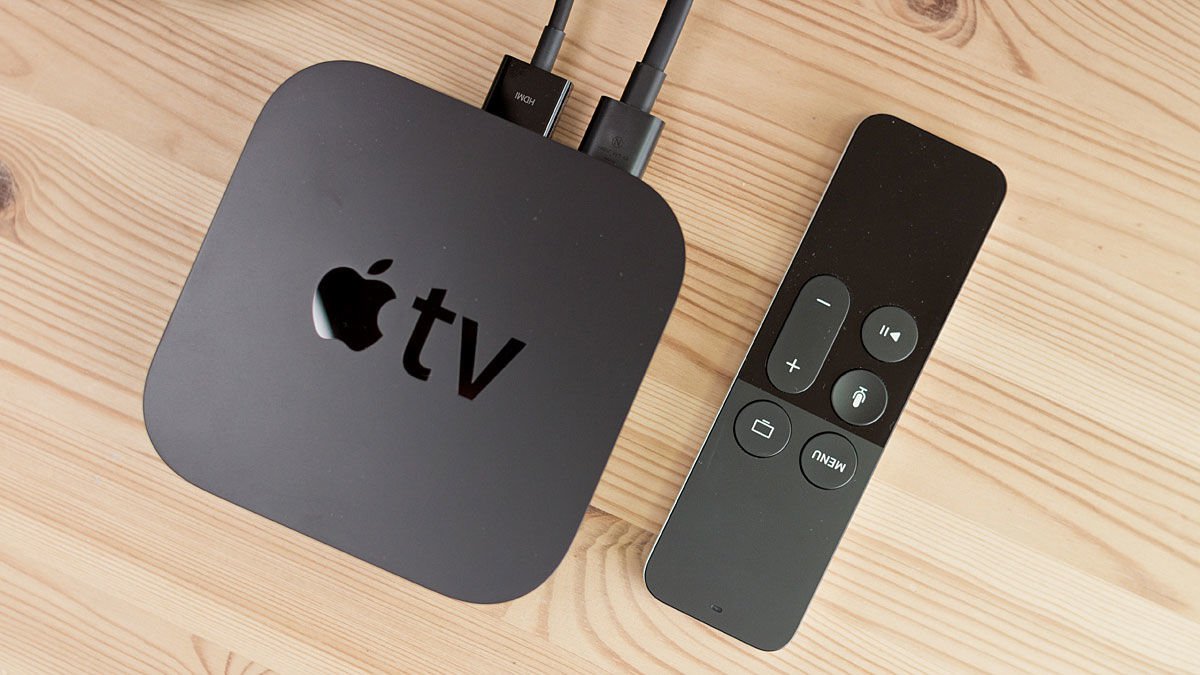




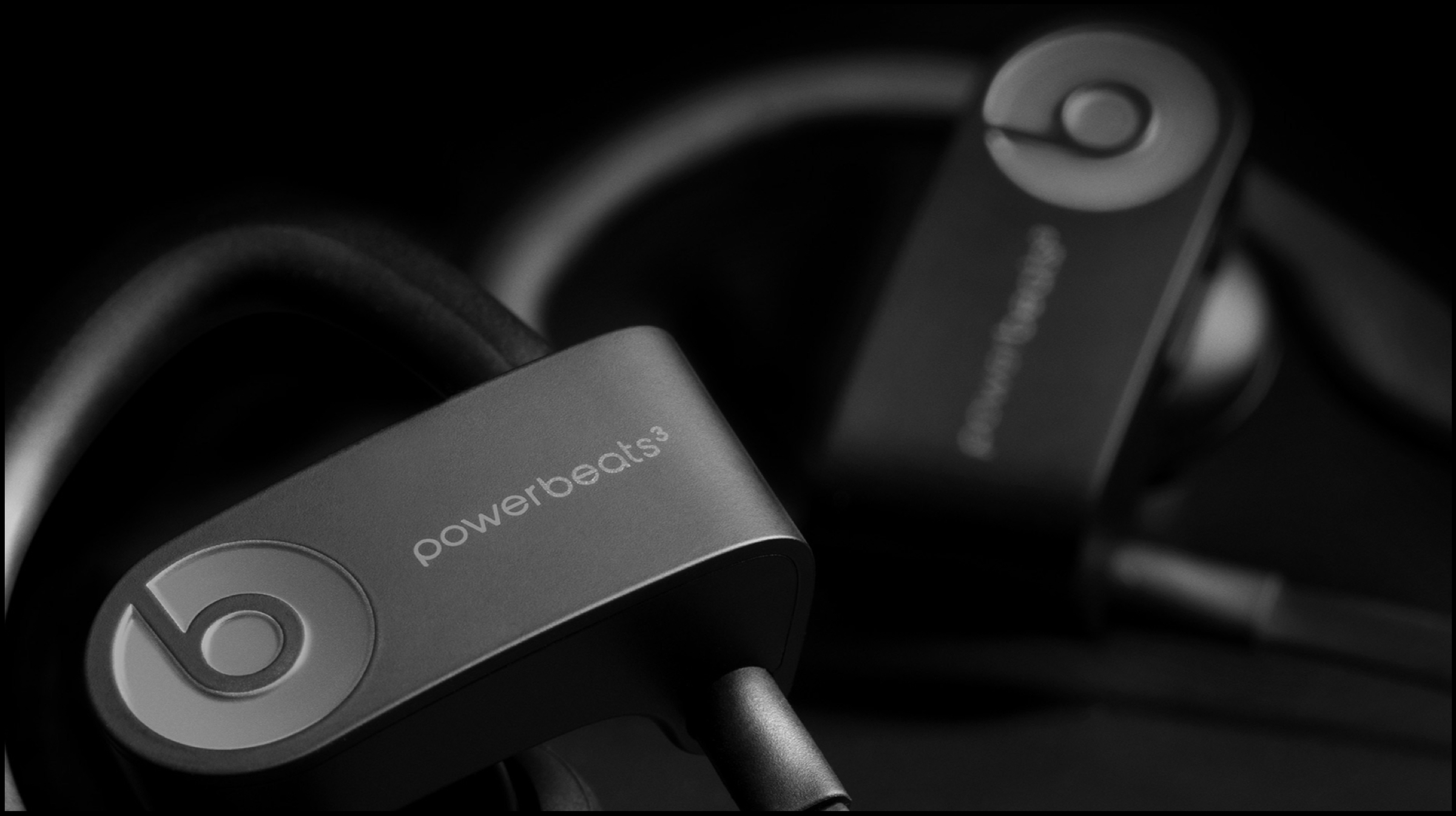
 As per sources, the company will release a cord-free variant of the Beats PowerBeats wireless earbuds. Furthermore, the upcoming earbuds will incorporate Apple’s latest H1 chip, with support for “Hey Siri” enabled voice assistant, similar to the new AirPods. This looks like a similar move to when Beats launched the BeatsX headphones shortly after the launch of Apple’s first AirPods.
 Although Beats is majorly known for producing good quality audio products, but since the upgrade to Beats Studio3 Wireless in 2018, the company has not added a single product to its lineup. Hopefully, the launch of the new earbuds could change the same. The new PowerBeats wireless earphones may get new features like water resistance and better sound quality.
 Also Read: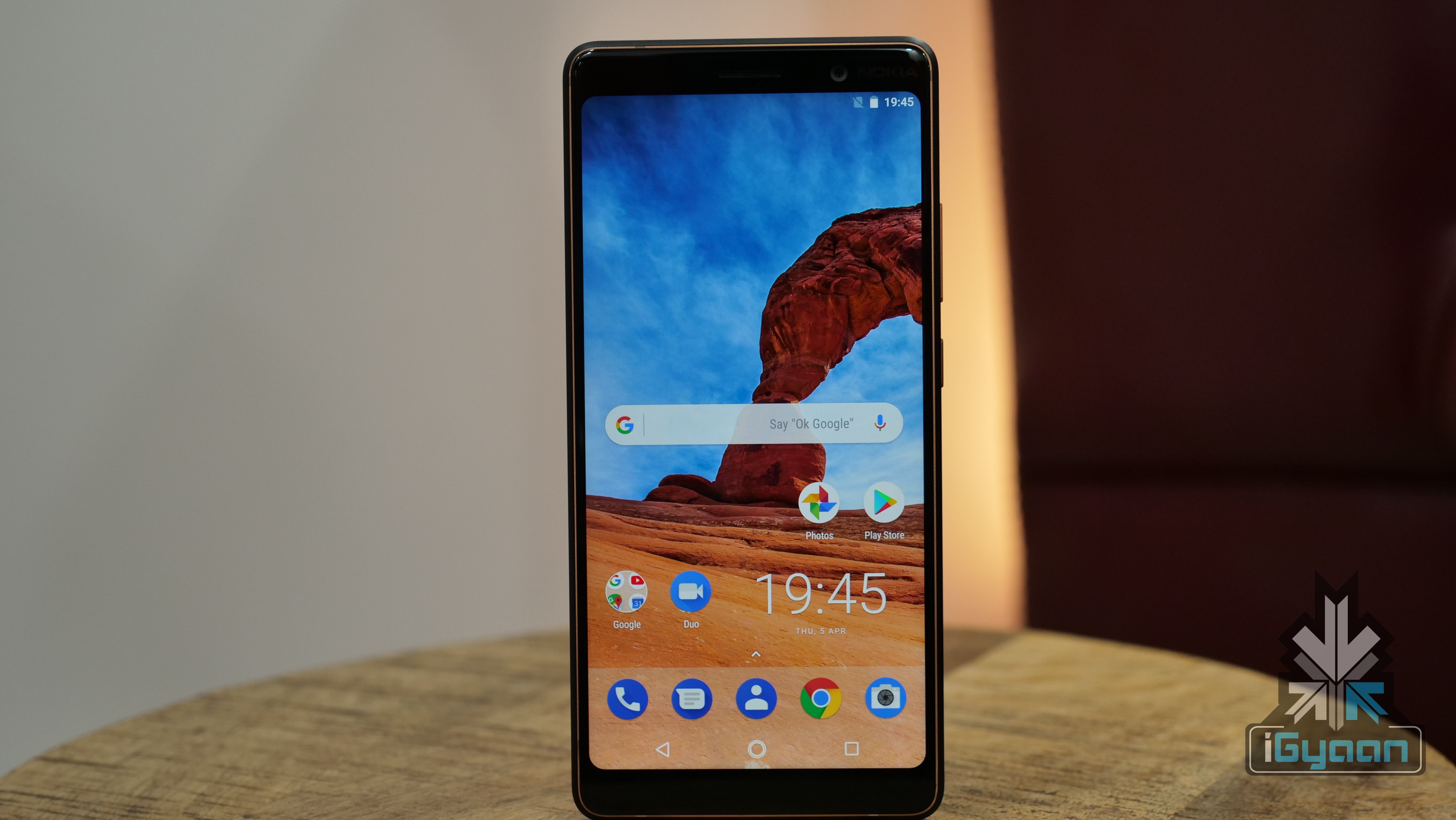
 The Finnish company had mistakenly installed the Chinese device activation client on the Nokia smartphones which were intended to retail outside China. Consequently, the activation data was being sent to vnet.cn, a Chinese server located in the China Internet Network Information Center, or CNNIC. The domain is owned by the state-run Chinese Telecom operator.
 HMD Global also stated that the issue was taken care of in the month of February since most Nokia 7 Plus smartphones had been updated with the bug fix. Users can check if the fix is installed in their devices by going to Settings>System>About Phone>Build Number. The build number should be “00WW_3_39B_SP03” or “00WW_3_22C_SP05“. If the build number does not match, users may need to update their device. This can be done by going to Settings> System> Advanced>System Update>Check for Update.
 Also Read:
 As per the source, if the message is forwarded more than 4 times in a single chain, the “Forwarding info” label will be removed from the message and will be replaced by the “Frequently Forwarded” label. This means that users will not be able to see the complete chain of forwarding in such a case. Instead, users will have to rely on their instincts to judge whether the message is legitimate or not.