Tag: AI

  • Top 5 Tech Innovations In 2018

    Top 5 Tech Innovations In 2018

    Humans have reached an era where technology is growing faster than ever. We are able to innovate and develop new technologies that were previously only considered fantasy. The year 2018 has been remarkable not only in terms of new breakthroughs but a lot of old technologies which are now consumer ready. Here is a list of five such technologies that are as revolutionary as they sound.

    In-display Fingerprint Sensor:
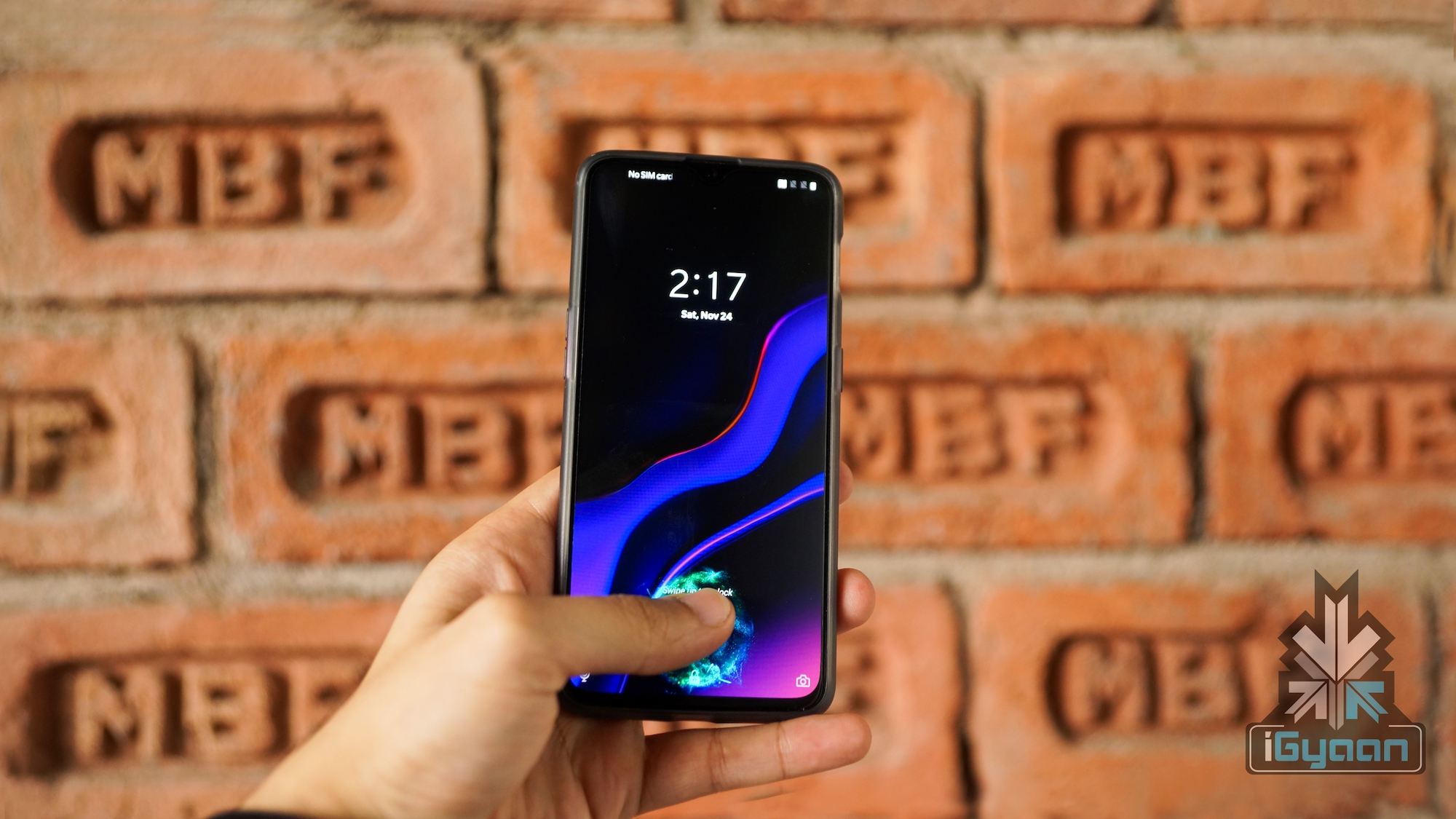
    Fingerprint recognition technology has been around since the early 70s. However, the equipment to record and verify the fingerprint was bulky and difficult to carry. But with the advancement of technology, engineers are able to shrink the size of these sensors greatly. In the past decade alone, these sensors have shrunken so much that they can now be integrated into modern day smartphones. Apple was the first company to feature this tiny engineering feat on their smartphones (iPhone 5S). Now, this technology has matured so much so that they can now be equipped under the display of a smartphone.

    Vivo was the first company to launch a smartphone (Vivo X20 Plus UD) with an in-display fingerprint sensor which was not globally available. OnePlus launched the OnePlus 6T smartphone with an in-display fingerprint sensor which is globally available. Fingerprint sensors are available in four types which are as follows:

    • Optical Scanner
    • CMOS Scanner
    • Ultrasound Scanner
    • Thermal Scanner

    The Current in-display fingerprint sensors make use of the Optical Scanner technology. These types of scanner are quite secure but cannot match the accuracy and speed of an Ultrasound Scanner. Qualcomm, an American chipmaker has readied a fingerprint scanner that uses sound waves to record and identify the ridges of a human fingerprint. This technology can match biometrics even if the user’s hands are dirty or oily as sound waves can penetrate these substances and accurately verify the correct fingerprint. The reason we don’t have a commercial phone with this technology is the high price of technology. However, future smartphones will feature this technology.

    Commercial 3D Printing
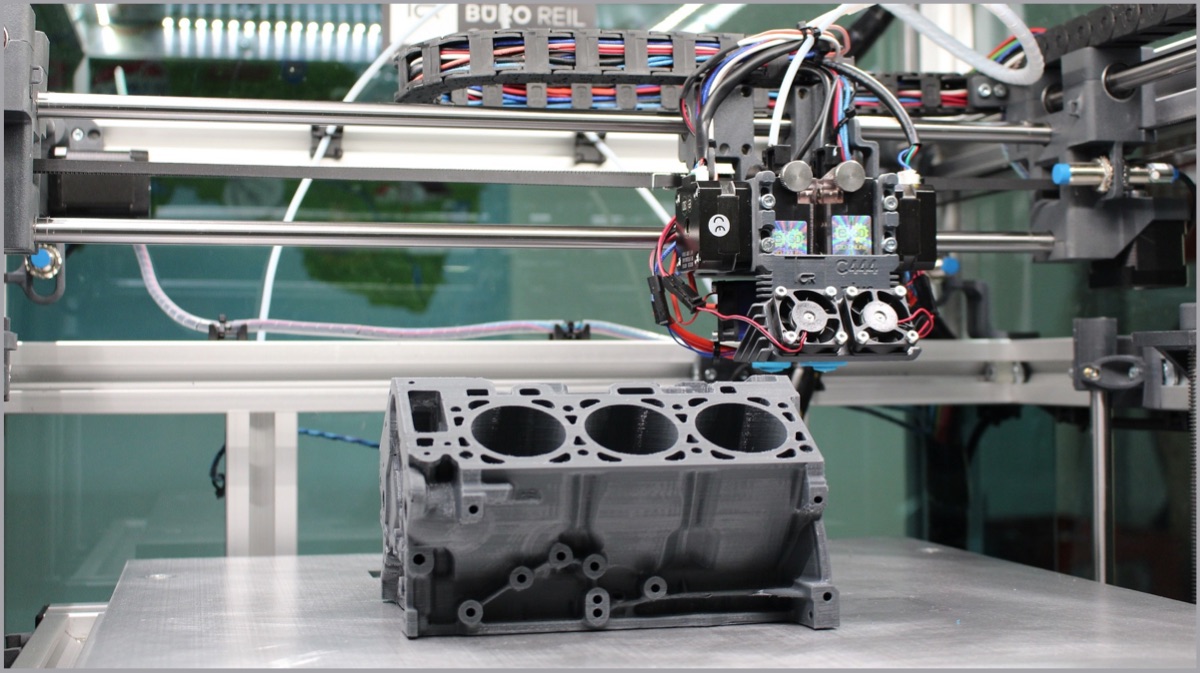
    3D Printing is a process of making a three-dimensional tangible object that works by laying multiple layers of a material in succession. The first manufacturing equipment and filaments for 3D printing were seen in the 1980s. The technology then was only limited to plastics and polymers. Over the years, scientists have experimented with various materials that can be 3D printed. A handful example of  3D printing technology includes concrete buildings, plastic parts, food, and even metal parts.

    3D Printed Shoes

    The shoemaker Adidas has collaborated with Carbon 3D inc, a 3D printer manufacturing company to launch a shoe with a 3D printed midsole. Carbon makes use of Stereolithography (SLA) which is a form of 3D printing. The printer UV projects a laser in a bath full of resin which hardens it a forms the desired shape. Till now SLA was only used to manufacture large industrial parts because of its slow speed. Carbon has now managed to control the amount of oxygen which plays a major role in forming a part. The combination of laser projection and controlled oxygen has allowed the company to create high-resolution parts rapidly.

    The Adidas AlphaEdge 4D is made to order as per the size and shape of the customer’s feet. The shoes are very lightweight and flexible which provide a lot a comfort to its wearer. Adidas claims without the use of 3D printing it is not possible to make such a midsole. As the current injection molding technology is incapable of producing such a complex shape. Most companies currently mass-produce shoes, and therefore, the customer needs to settle with existing sizes that are available in the market. But, 3D printing can reshape how shoes are made in the future. In the future, one would walk into a store and get a custom shoe made in no time. Furthermore, if the technology evolves, even more, the whole shoe including the outsole and the upper part can be 3D printed.

    Artificial Intelligence

    AI(Artificial Intelligence) is also referred to as machine intelligence. It is a concept with which the machines can make decisions themselves without much interference from humans. Artificial intelligence ranges across a wide variety of platforms like speech recognition to language translation to visual perception. AI is a branch of computer science that involves the development of computer programs which would otherwise require human intelligence. Developers intend to create algorithms that can self-learn by understanding the actual functioning of that particular field.

    AI In Smartphones

    Modern day smartphones have AI algorithms which allow for better system optimastion. The smartphones are able to analyse the usage patterns and enable or disable features which can prolong the battery backup. Additionally, smartphone cameras also have AI scene detection. The devices are able to select the best scene modes dependent on various aspects like the subject and the amount of light.

    Blade-Less Air-Flow Technology

    Dyson was founded in the year by 1991 a British inventor, James Dyson. James Dyson redesigned the induction motor and the air impeller. This redesign allows Dyson products to pump air without a visible fan blade. The exit vent is designed in such a shape that it creates a vacuum-like effect. This vacuum-like effect forces in up to 15x air than what was originally pumped by the impeller.

    Dyson Bladeless Hairdryer
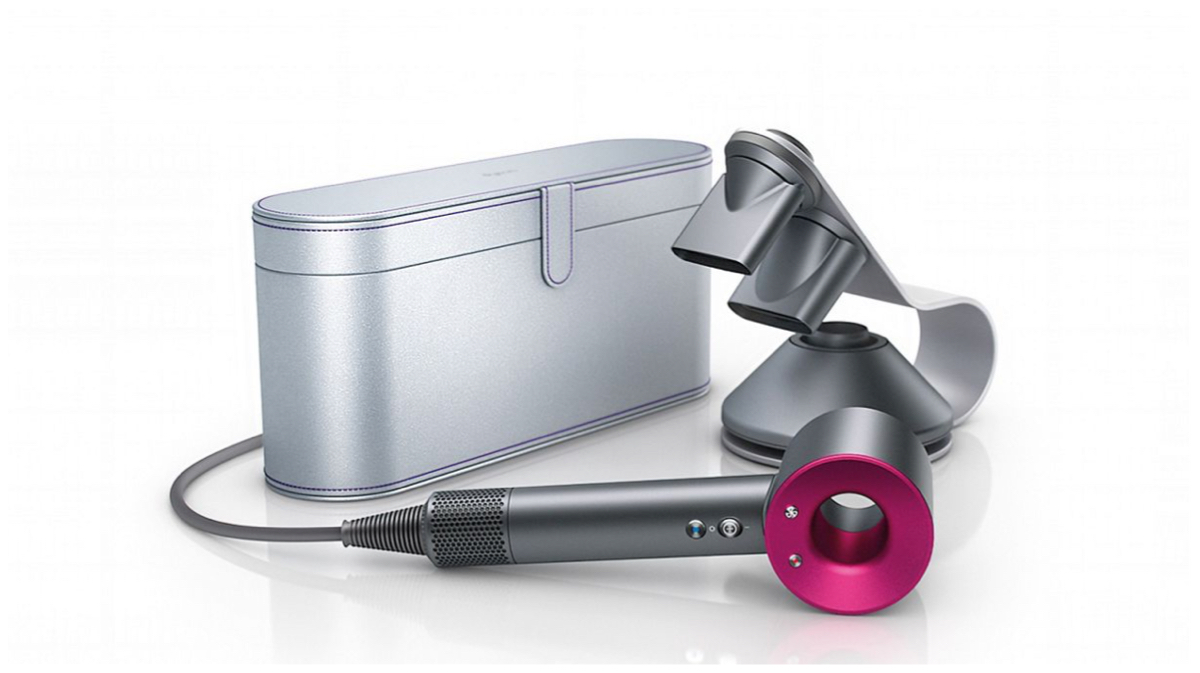
    The Dyson Supersonic bladeless hairdryer has a hollow vent that blows hot air. It has a small turbine motor in the handle which can reach speeds of up to of 1,10,000 rpm (rotations per minute). It also has a built-in temperature sensor which connects to a microprocessor. The sensor and processor duo continuously measure the air temperature and ensure that they stay under 320 Fahrenheit. As air above this temperature has a tendency to damage the hair.

    Airless Tires

    Airless tires, unlike the conventional tire, do not have an inner tube and do not use compressed air to the create cushion like effect. Rather its side walls are made in the shape of a mesh which provides the cushion required to drive comfortably on roads. It is of great use in heavy vehicles that work in non-paved terrain. As the sharp rocky surface can easily puncture a normal tire.

    Michelin Tweel

    Michelin first started developing an airless tire back in 2005. The company has dubbed their airless tire as Tweel. The word Tweel is derived from the combination of two words ‘tire’ and “wheel”. Although, the company showcased their early prototypes in 2013-2014 the commercial product was released in 2018. The current range of tires is available for devices like ATV’s (All Terrain Vehicles), Forklifts and Golf carts. The wheels are designed in such a shape that they also act as shock absorbers for heavy vehicles. The technology looks promising and if it can match the life and stability as regular tires they will make their way on to transportation vehicles and cars.
  • MediaTek Teases Upcoming Helio P90 SoC

    MediaTek Teases Upcoming Helio P90 SoC

    MediaTek is a Taiwanese company that designs chips for mobile phones and other smart devices. Last month, the company unveiled their Helio P70 chipset which is present on the latest Realme U1 smartphone. Recently the company has teased another upcoming high-end chipset called the Helio P90. It will be the most powerful chipset that the company has designed to date. The AI benchmarks of the Helio P90 are already available online and the chipset gets the number two spot in the listing.

    Official Tweet

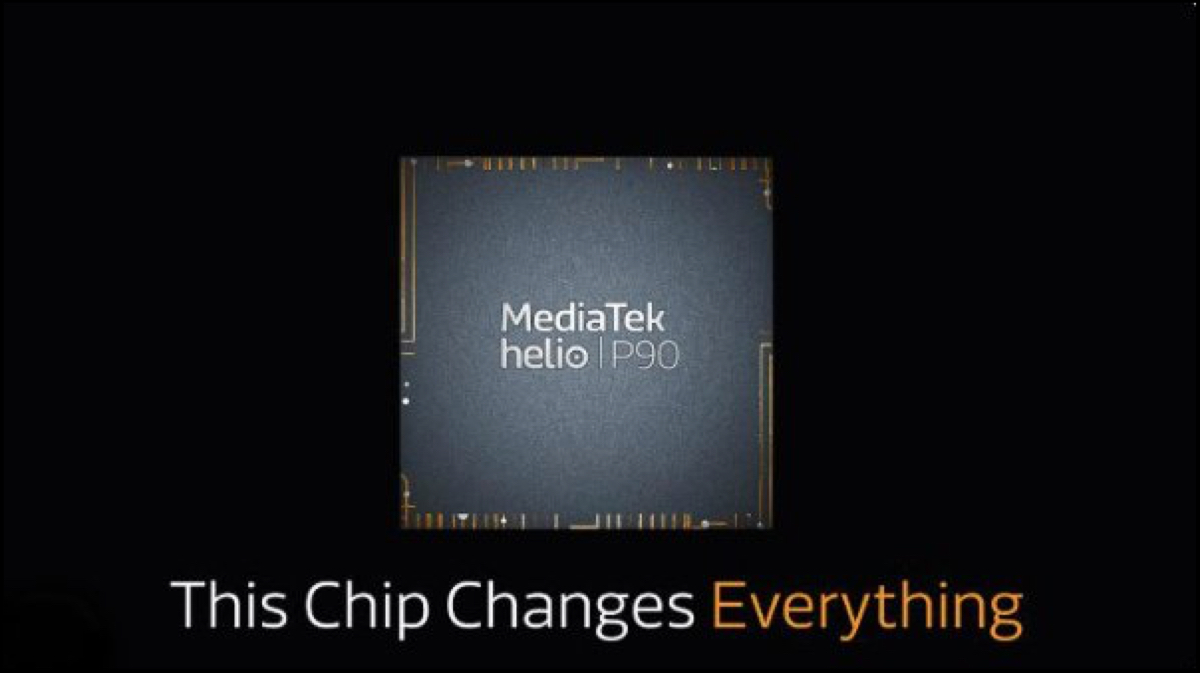
    MediaTek has shared a teaser for the upcoming Helio P90 on their official Twitter account. The tweet boasts that the upcoming chipset will be more powerful, efficient and will have Groundbreaking AI performance. It is expected to use the 7 nm FinFET manufacturing process like the Apple A12x, Huawei Kirin 980 and the upcoming Snapdragon 8150.

    AI Benchmarks

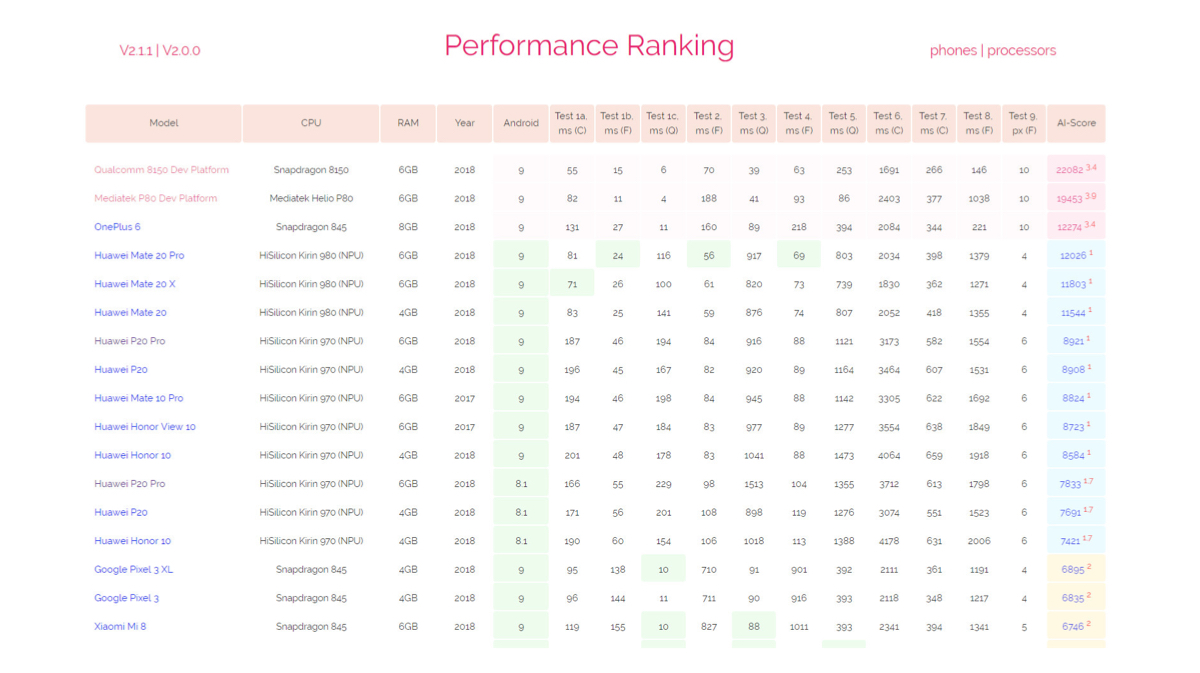
    The AI benchmarks of the Helio P90 were gathered from a developer board which had 6 GB of RAM and ran Android 9.0 Pie. According to the listing, the chipset scores 19453 points and is only second to the Snapdragon 8150 which gets 22082 points. Surprisingly, the 7 nm Huawei Kirin 980 is at number four in the listing after the Snapdragon 845 which gets the number three spot.

    What To Expect?

    The upcoming Helio P90, like other MediaTek chipsets, will have an aggressive pricing. Therefore, it is most likely to be present on devices from companies like Oppo, Realme, and Xiaomi.

    Launch Date

    Also Read: Asus ZenFone Max Pro M2 Will Have A 5000 mAh Battery

    MediaTek has not officially announced the unveiling date of the Helio P90 SoC but the tweet indicates that its launch is around the corner. It is expected to launch before the end of 2018.

  • Google Starts Rolling Out Duplex Service For Select Pixel Devices

    Google Starts Rolling Out Duplex Service For Select Pixel Devices

    Earlier this year, Google demonstrated various abilities of the Google Assistant at its developer conference. One of these, was the Duplex service. The Duplex service consists of an AI bot which calls up restaurants and salons, to book you appointments and make reservations for you. Although the idea seemed a bit far fetched at the point, the demo by Google really put everyone’s doubts to rest. And now, the service is rolling out to select Pixel devices in the US.

    What’s Duplex

    The Duplex service by Google was created in order to bridge the gap between those services which are listed online and those which are not. Google stated that more than 60 percent of businesses do not have an online booking service, which would mean that Google Assistant cannot make those appointments for you. Instead, Duplex will set up an appointment by actually calling up the service.

    The demo demonstrated by Google was both awesome and scary at the same time. With Duplex perfectly interacting with the human on the other end of the line and successfully booking an appointment, it seems like something out of a sci-fi movie. Not only does this tell us about the immense capabilities that AI has, but it also demonstrates as to how far technology can reach into our lives. 

    However, the service is not as easy to use as it sounds. First, you need to ask your Google Assistant to make a reservation for you at a specific restaurant. If you do not have a specific place in mind, you need to narrow it down by talking about the locality or cuisine you would like. It will then confirm a few more details such as the number of people, date and time and then go ahead to make the call. It will then continue to make the booking which you can view or cancel from the ‘My Reservations’ screen.

    The AI Future

    While this does sound ideal, and Google’s demo was also a bit dreamy, a video by VentureBeat shows that it is far more tedious. The service takes a good amount of time to gather information from you and you might as well make the call yourself in that much time.

    Also ReadChromecast Now Syncs With Google Home Speakers For Multi-Room Playback

    It will be interesting to see how many people actually find this useful and whether it picks up in terms of popularity. Another AI based service from Google, that of ‘call screening’ seems to be more practical than this. Call Screening lets you chose an option for the phone to ‘talk’ to someone who is calling you and presents that information on your screen. This will let you know who is calling in busy situations or help you avoid telemarketers.


  • Apple Secretly Bought Danish Visual Effects Startup

    Apple Secretly Bought Danish Visual Effects Startup

    For super secretive Apple, buying a startup is not something new. According to recent reports by a news website, Apple bought image processing software company Spektral for $30 Million. Apparently, they did not disclose the purchase which was made last year. The company is developing a software that can digitally separate a subject from it’s background.

    Also Read: ‘Apple Glass’ Could Be A Reality Soon As Apple Buys AR Centric Longmont

    Apple had introduced ‘Portrait Lighting’ last year which separates a subject and makes the background dark. There seems to be a correlation between the two but we are not entirely sure what they have planned for the future. The unique technology of Spektral is based on state-of-the-art machine learning and computer vision techniques. It can process images as well as video. The software can cut out people from a video in real time on a smartphone. It also promises to provide high quality detail.

    Spektral had created a technique called cutouts which they used in their software. The company was known by the name of CloudCutout at the time. This software negates the need for green screens and creates a mixed reality for the users. The news website also reports that the co-founder and Chief Technical Officer Toke Jansen now lists Apple as his employer. The company website suggests that the software provides a flexible trade-off between quality and computation time.

    Apple’s interest in augmented reality in the recent years has become extremely interesting. It has been pushing developers to create augmented reality apps for it’s iPhones and iPads with ARKit. Some Apple analysts have also hinted that some kind of augmented reality glasses might also be on its way. It can arrive as soon as 2020. Apple’s smart-glasses have the codename “T288”.

  • 8GB DRAM Announced By Samsung For AI-Powered Applications

    8GB DRAM Announced By Samsung For AI-Powered Applications

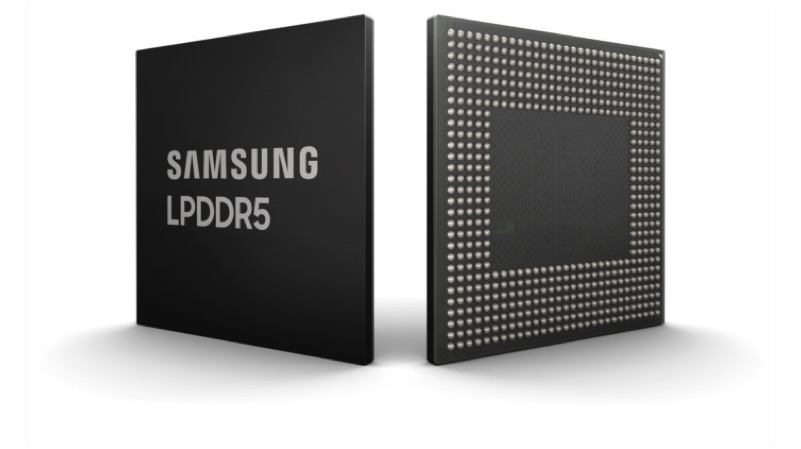
    Samsung has set a benchmark when it comes to all things computing related. From manufacturing displays to home appliances, Samsung has done it all. The latest innovation in their line up is 8GB DRAM which is essentially a Low Power type (LPDDR5). Made for smartphones, Samsung has focussed on integrating AI capabilities and 5G compatibility with this 8GB DRAM. Samsung also claims high data-rates for the LPDDR5 DRAMs. The announcement was made on Samsung’s news blog.

    Samsung 8GB DRAM
    Samsung 8GB DRAM

    The senior vice president of Memory Product Planning & Application Engineering at Samsung Electronics, Jinman Han, quoted:

    “This development of 8Gb LPDDR5 represents a major step forward for low-power mobile memory solutions.We will continue to expand our next-generation 10nm-class DRAM lineup as we accelerate the move toward greater use of premium memory across the global landscape”

    This is exciting news because a faster and better-optimized RAM module will allow smartphone manufacturers to integrate AI into their devices. And then we have 5G which Samsung claims will be compatible with the LDDPR5 8GB DRAM. Prior to this DRAM, Samsung had started mass producing the 8GB LPDDR4 DRAM back in 2014.

    Also Read: Google Sued For £3.2 Billion For Secretly Tracking Browsing Data For 4.4 Million iPhone Users

    According to claims by Samsung, the LPDDR5 will have data-rates of up to 6,400 megabits per second (Mb/s). This, compared to the current DRAM in flagship devices, is almost 1.5 times faster. Samsung further claims that you can send close to 14 full HD video files (with a total size of approximately 3.7GB each), in a mere second.

    The 8GB DRAM is also optimized to be less power hungry and work synchronously with the application processor. The LPDDR5 will achieve this optimization by lowering its voltage. Ultimately, Samsung wants to make the chip AI-friendly and better optimization will allow the DRAM to deliver better performance. The DRAM will also offer what Samsung is calling a ‘deep sleep mode’, which will essentially allow the DRAM to run on half of its usual power.

    Have something to add ? Leave a Comment Below!
  • MIT Researchers Use Reddit To Create An AI That Only Thinks About Murder

    MIT Researchers Use Reddit To Create An AI That Only Thinks About Murder

    Artificial Intelligence is one of those terms that induces a polarising reaction from different people. Some believe it’ll make our lives easier and others believe we will soon be an episode of Black Mirror thanks to AI. For tech companies, however, Artificial Intelligence is their new favourite phrase. Google, for example, probably set the world record for using the phrase “AI” the most number of times in an hour at Google I/O 2018. Ever since the Pixel 2 devices were launched, Google has not shied away from using this term in almost everything it does.

    While AI assistants like Alexa, Google Assistant do make our lives easier to a certain extent, nobody wants a psychopath AI in their lives. Anyone who has watched Altered Carbon can imagine how creepy and intrusive AI can be if we keep making advancements in the field without keeping a check on it. Researchers at Massachusetts Institute of Technology (MIT) unveiled their new creation, a disturbed AI named Norman. Yes, this AI is named after the “lovable” character from the 1960 film, Psycho. The researchers write:

    Norman is an AI that is trained to perform image captioning, a popular deep learning method of generating a textual description of an image. We trained Norman on image captions from an infamous subreddit (the name is redacted due to its graphic content) that is dedicated to document and observe the disturbing reality of death. Then, we compared Norman’s responses with a standard image captioning neural network (trained on MSCOCO dataset) on Rorschach inkblots; a test that is used to detect underlying thought disorders.

    Essentially, this AI has very disturbed responses when compared to a general AI. While the Rorschach test has its own doubters whether it is a valid way to measure a person’s psychological state, Norman’s responses don’t need a test to be labelled creepy. The image below captures the level of effect that Reddit thread had on Norman’s ability to perceive images.

    The researchers have said that the aim of the experiment was to show how easy it is to bias any AI if you train it on biased data. This experiment raises some telling points about AI and its rapid advancements. Google recently came under scrutiny after it demoed the Google Assistant fooling human beings in a telephonic conversation. Google has since conceded that when this feature rolls out, the Google Assistant will inform the person on call that they’re talking to Google Assistant.

  • AI Was Used To Make Barack Obama Deliver This Announcement

    AI Was Used To Make Barack Obama Deliver This Announcement

    When Google launched the Pixel 2 and Pixel 2 XL back in October 2017, the company talked a lot about Artificial Intelligence. Google said that the integration of AI and machine learning within a smartphone is the future and it might as well be right. Artificial Intelligence has grown leaps and bounds over the past few years and is now readily available in most smartphones in the form of a digital assistant like Siri or Alexa. Jordan Peele, the famous Oscar-winning comedian and filmmaker decided to do give us a glimpse of what advancements in AI can produce in the near future.

    In a video of Barrack Obama talking about everything from Black Panther to Donal Trump, Jordan Peele delivers a telling PSA about the future of fake news. The “fake video” was made by Peele’s production company using two tools, Adobe After Effects and the AI face-swapping tool FakeApp. Considering the technology used in this video is still in nascent stage, the authenticity of it is really hard to judge.

    Since the dawn of social media, we have been plagued with fake news. There have been multiple reports of bots spreading a certain fake news or agenda across the internet by making it go viral. While a photoshopped image or fake tweet can still be recognised by people with a keen eye or an open mind, a carefully doctored video using AI can be harder to spot. Adobe, the creator of Photoshop, is already working on an audio editing software called VoCo. It is like Photoshop, but for words, wherein users can generate new words using a speaker’s recorded voice. This can be a groundbreaking addition to the already prominent fake news industry.

    The process of making fake videos, which was a complicated job in the past, can soon become a hobby of a teenager with a computer. All of that will be possible because of the advancements in AI. As is with any form of technology, AI, if used maliciously, can create a lot of trouble especially when doctored videos can go viral in the blink of an eye.

    As Peele says in the end, we need to be more vigilante and trust news outlets when it comes to important topics. Fake news is easy to spread, but, it won’t be of any use if we are careful enough to not believe and share everything we read on the internet. While scientists work on tools to spot fake AI videos, let’s make sure that we question every provocative video on the internet and find a credible source before we hit the share button.

  • Xiaomi Mi AI Speaker Officially Launched

    Xiaomi Mi AI Speaker Officially Launched

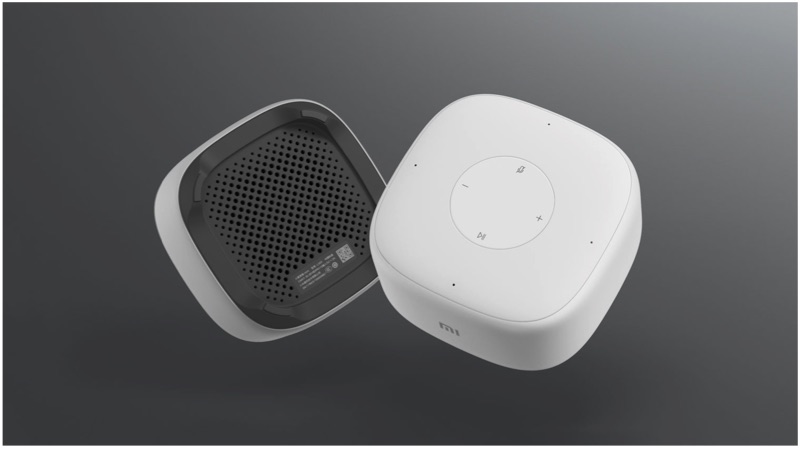
    Xiaomi has launched one of the most affordable Mi A1 Speaker in China. The accessory has been launched along with the Mi MIX 2s and the Mi Gaming Laptop. The Mi AI Speaker comes with a cubical design with rounded corners. The speaker is priced at 169 Yuan (Rs 1,699) in China. The speaker has a shiny white plastic build quality, which is acceptable for the price tag. As of now, the company has not made any announcement on the global availability.

    The mini speaker is powered by AI, which has an access to more than 35 million songs. Additionally, the speaker can also work as a smart alarm clock, with the ability to schedule a memo or a reminder. Similarly, the speaker can also voice-dictate news, information, or even you can make enquiries about upcoming and popular movies.

    Xiaomi Mi AI Speaker

    Xiaomi Mi AI Speaker Specs

    The smart speaker is powered by the Cortex -A7 Quad-core chipset with 1.2 GHz clock speed. It supports 2.4Hz Wi-Fi band, Bluetooth 4.1 and has a total of 4 microphones. Like most of the Smart speakers, the device has to be connected to a power source using a micro USB port.

    On the top, it has volume and navigation buttons surrounded by four microphones. Additionally, the device has a tiny RGB LED, which changes colour according to the task. The Xiaomi Mi A1 Speaker can work with either Android or iOS smartphone running on Android 4.4 KitKat and iOS 8.0 or the latest OS.

  • Amazon Alexa Moves One Step Closer To Human-Like Interaction With New Feature

    Amazon Alexa Moves One Step Closer To Human-Like Interaction With New Feature

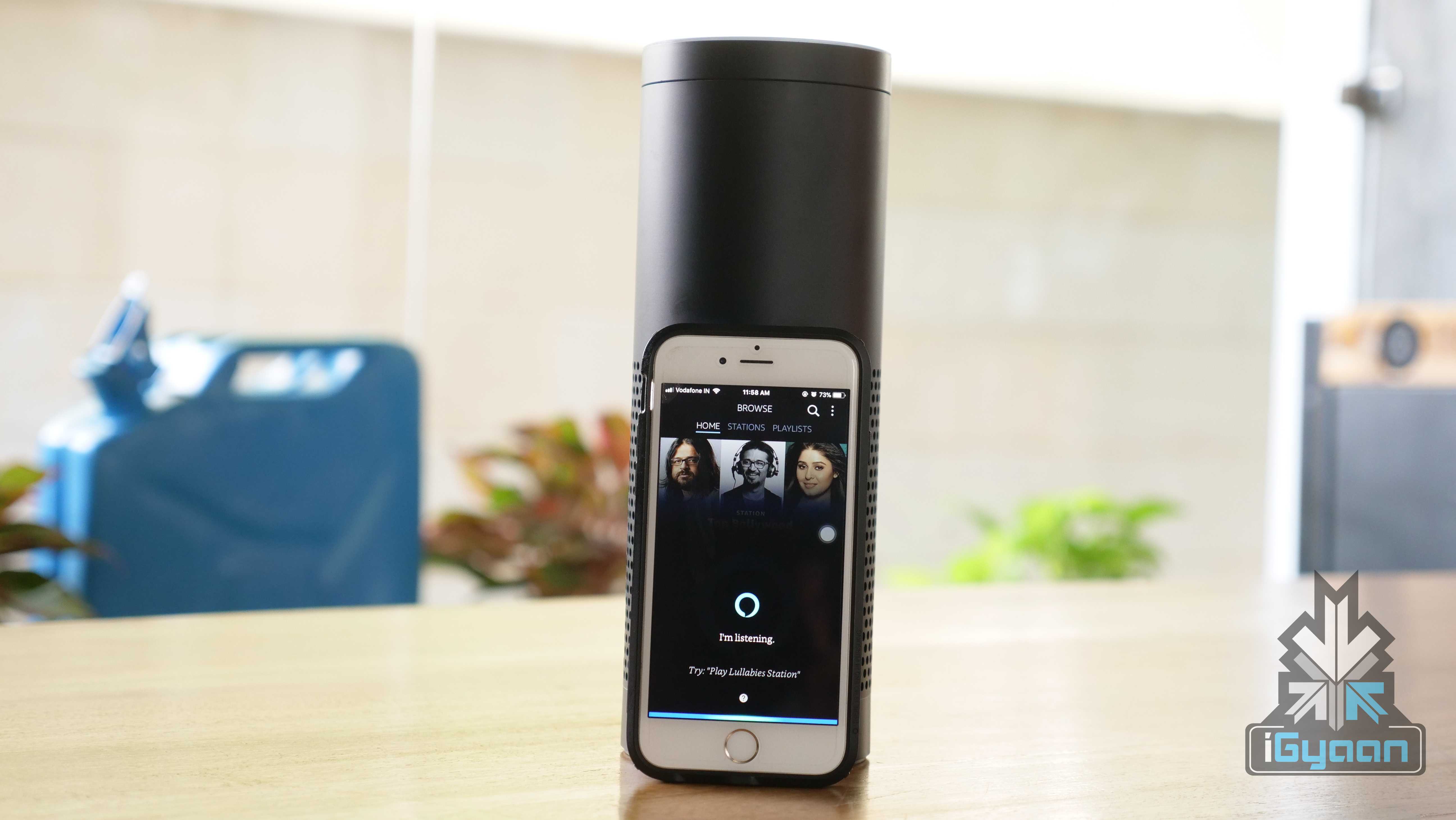
    Artificial Intelligence is great. The way it has grown over the years and especially the implementation of it with our smartphones and smart home devices is really impressive. While people joke about how AI is still very robotic and not close to being human-like, Amazon has taken the first step in fixing that. It has announced the launch of a follow-up mode for its voice assistant, Alexa.

    Alexa, now present in everything from smartphones to smart speakers, is a great tool for people with smart home devices. However, asking questions to Alexa, or pretty much any AI assistant can be very monotonous and robotic. For every time, you need to say the keyword like “Hey Alexa” or “OK Google” to make them listen to you.

    With the new mode, users can ask follow-up questions to Alexa without saying the keyword every time. Alexa will now listen for five seconds after the first response. If the Alexa-powered device is ready for a follow-up question, the blue indicator light will flash. This will be an indication for the user to ask their question. For people paranoid about their devices listening to them all the time can switch off this feature. Also, if no follow-up question is asked within the time frame, the device will restore to the sleep mode.

    Amazon has also clarified that it won’t listen to you all the time. It claims that Alexa will not respond if it isn’t “confident you’re speaking to her”.

    For example, if she detects that speech was background noise or that the intent of the speech was not clear.

    This new feature is in the right direction for AI enthusiasts. However, people like Elon Musk have been vocal about their apprehensions related to Artificial Intelligence. The new feature won’t go down well with people who don’t like AI as of now.


  • Google Lens Now Available For All Android Devices

    Google Lens Now Available For All Android Devices

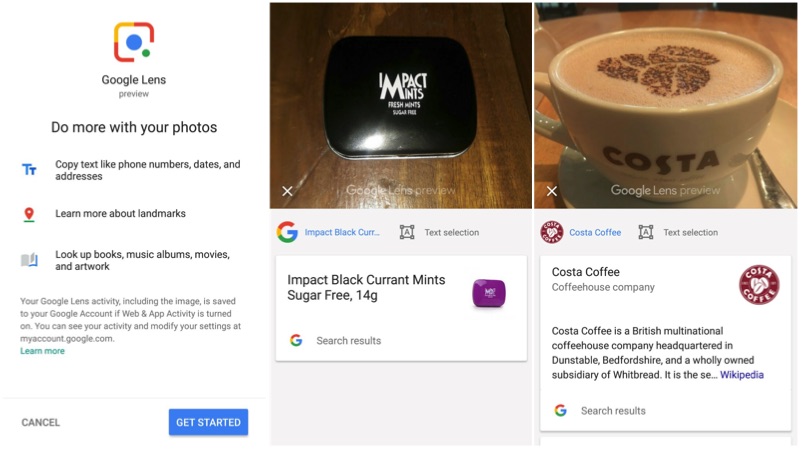
    Google introduced the Google Lens at I/O 2017. Subsequently, the Google Pixel 2 and the Pixel 2 XL became the first smartphones to feature Google Lens. Google has officially announced that the Lens feature will be available for the Android users via Photos app. Photos is a preparatory app/platform from Google, which offers unlimited cloud storage for storing standard quality photos and videos.

    The users will receive an update in the next few days, which enables them to use the Lens via Photos app. Similarly, the update in will available for iOS users in the upcoming week.

    Features of Google Lens
    • Identify the type of flower in the picture
    • Provide details regarding the show/movie in the picture
    • Providing information about a hotel/restaurant
    • Getting contact details out of a document/visiting card

    The Lens feature is restricted to English language users. However, as of now, there is no information about the rollout of the feature for the other language users.

    The users with flagship smartphones will also receive camera-based Google-lens and the Google Assistance app in the coming weeks. However, there is no exact time frame has been given from Google regarding the rollout.

    The AI-based app from Google helps to get information on the wide-range of objects or places. This AI technology is used to get information on objects, buildings and products. Similarly, the company is working on a newer algorithm to distinguish between different animals. In fact, this will help the tourists, who are in a new place and wants to get information on different places. However, Google Lens will not work on everything, at least in India.

  • Honor 7X Android 8 Oreo Beta Update Now Seeding

    Honor 7X Android 8 Oreo Beta Update Now Seeding

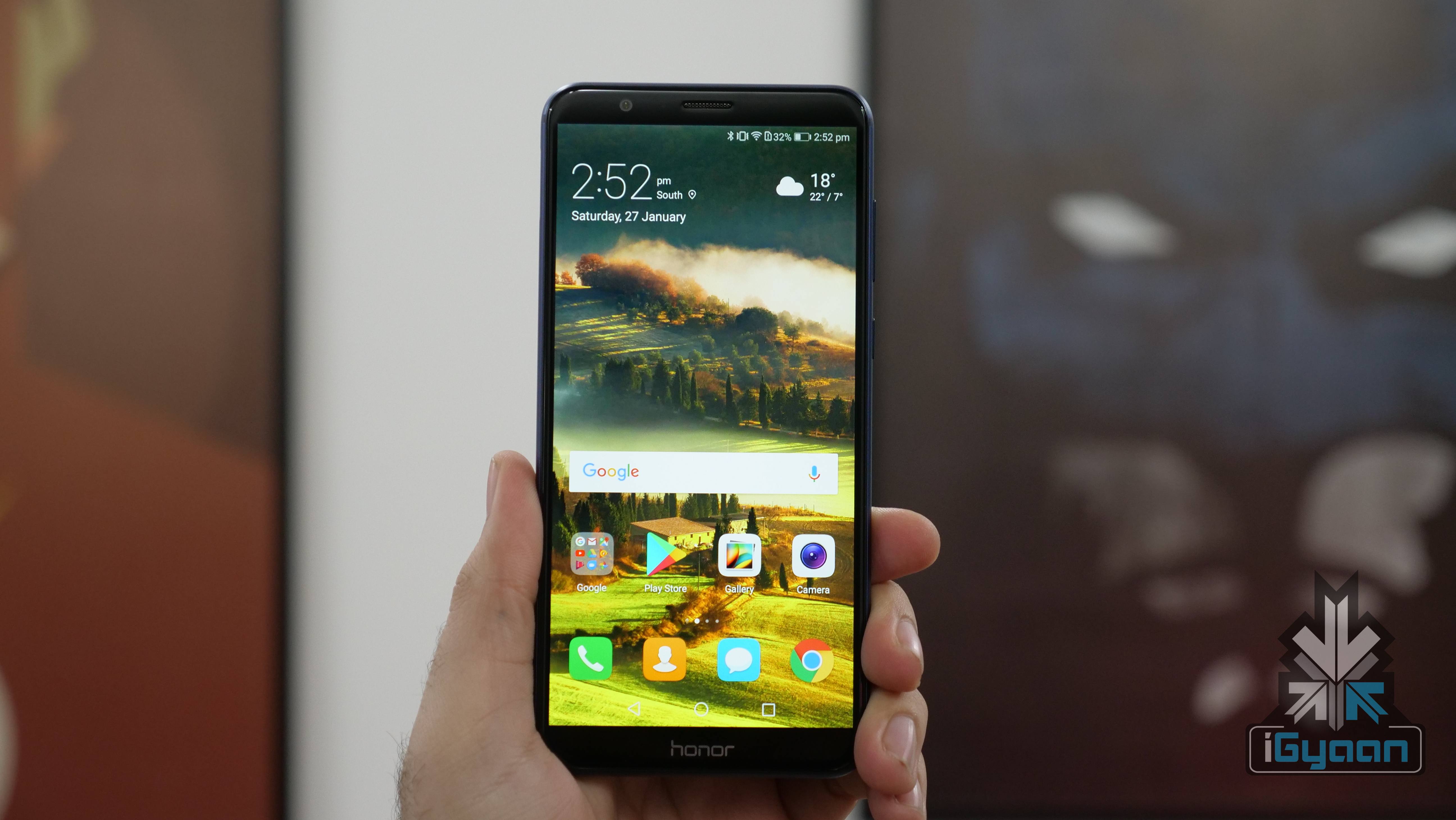
    Honor is testing the beta version of the Android 8 Oreo build on the Honor 7X. In fact, the update is already available in Italy, Spain, France and Germany. Once the beta testing completes, the update will be made available globally.

    What’s new?

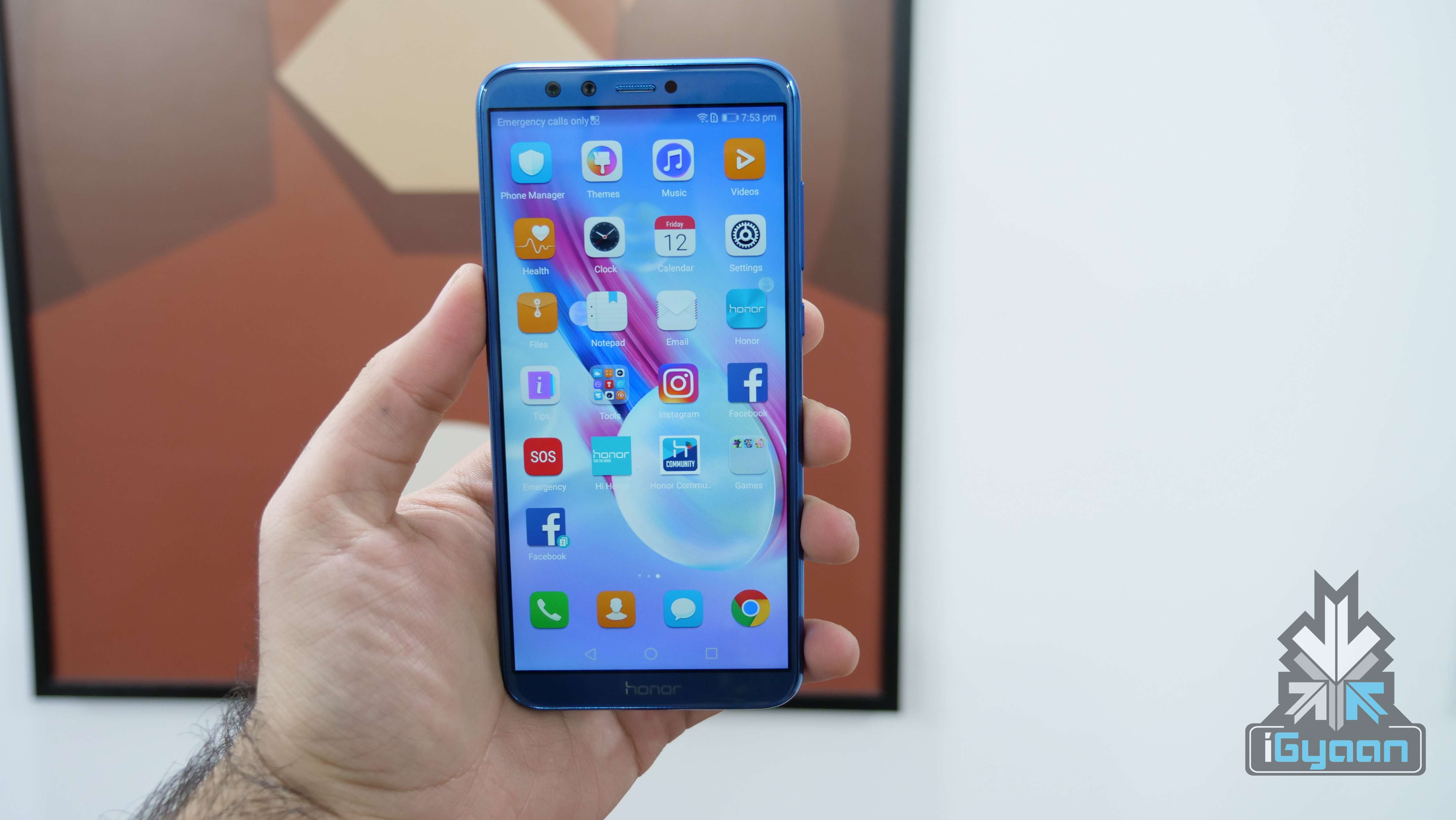
    The Android 8 Oreo update comes with custom EMUI 8 skin. With the latest update, the UI has been refined with. Similarly, the smartphone also gets the AI capabilities in the camera department.  According to reports, the final version of the update will be available by mid-2018.

    Specifications of Honor 7x

    The Honor 7X has a 5.9 inch LTPS IPS LCD display with a 2160 x 1080 px display which translates into an 18:9 aspect ratio.

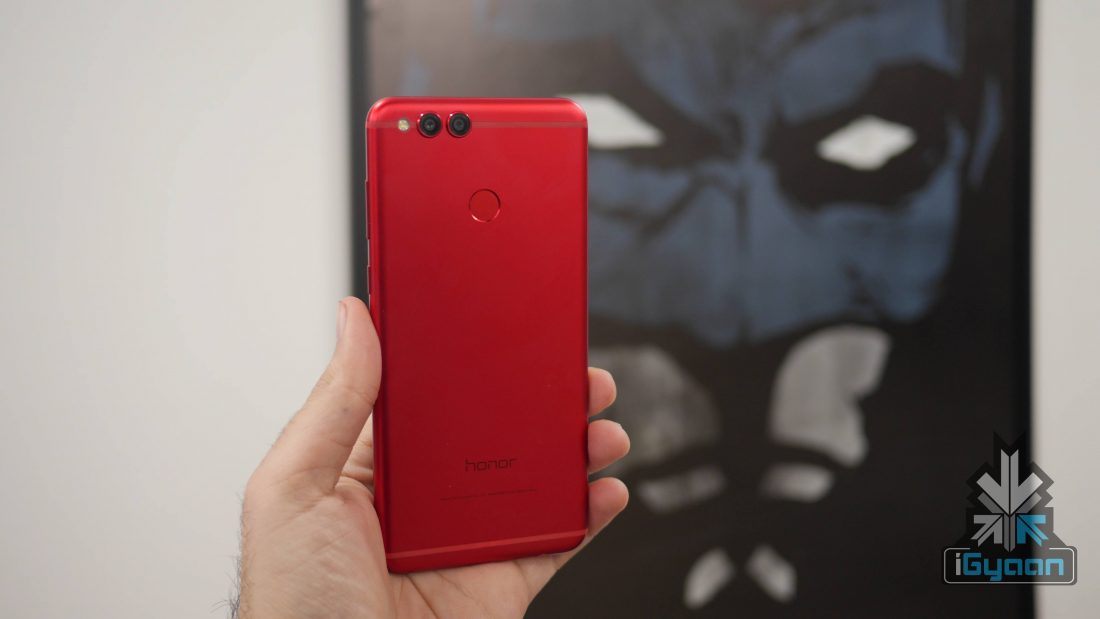
    Under the hood, the Honor 7X has the HiSilicon Kirin 659 chipset, Mali-T830 MP2 GPU, 4GB of RAM and 64GB onboard storage. The onboard storage is expandable up to 256GB via microSD card. The device is powered by a 3340 mAh battery which charges via a micro USB slot. Since the device has thin bezels, the fingerprint sensor is placed at the back of the below the dual-camera setup.

    The Honor 7X runs Android 7.0 Nougat with EMUI 6.0 on top which gives a user more options for customising their phones.

    The smartphone has a dual camera setup at the back. One of the cameras is equipped with a 16MP sensor while the other one is a 2MP depth sensor. The camera setup at the back has PDAF and records 1080P videos at 30fps. On the front is an 8MP camera which also records 1080P videos.

    Conclusion

    The Honor 7x is one of the best budget smartphones at the Rs 14,000 price mark. At this price tag, the smartphone has a great dual primary camera setup and an 8 MP front-facing camera. Similarly, the smartphone’s build quality is no bargainer as well. Finally, the Android 8 Oreo update makes this smartphone an all-rounder package.

  • Honor View10 Gets Face Unlock And Other AI Features With New Update

    Honor View10 Gets Face Unlock And Other AI Features With New Update

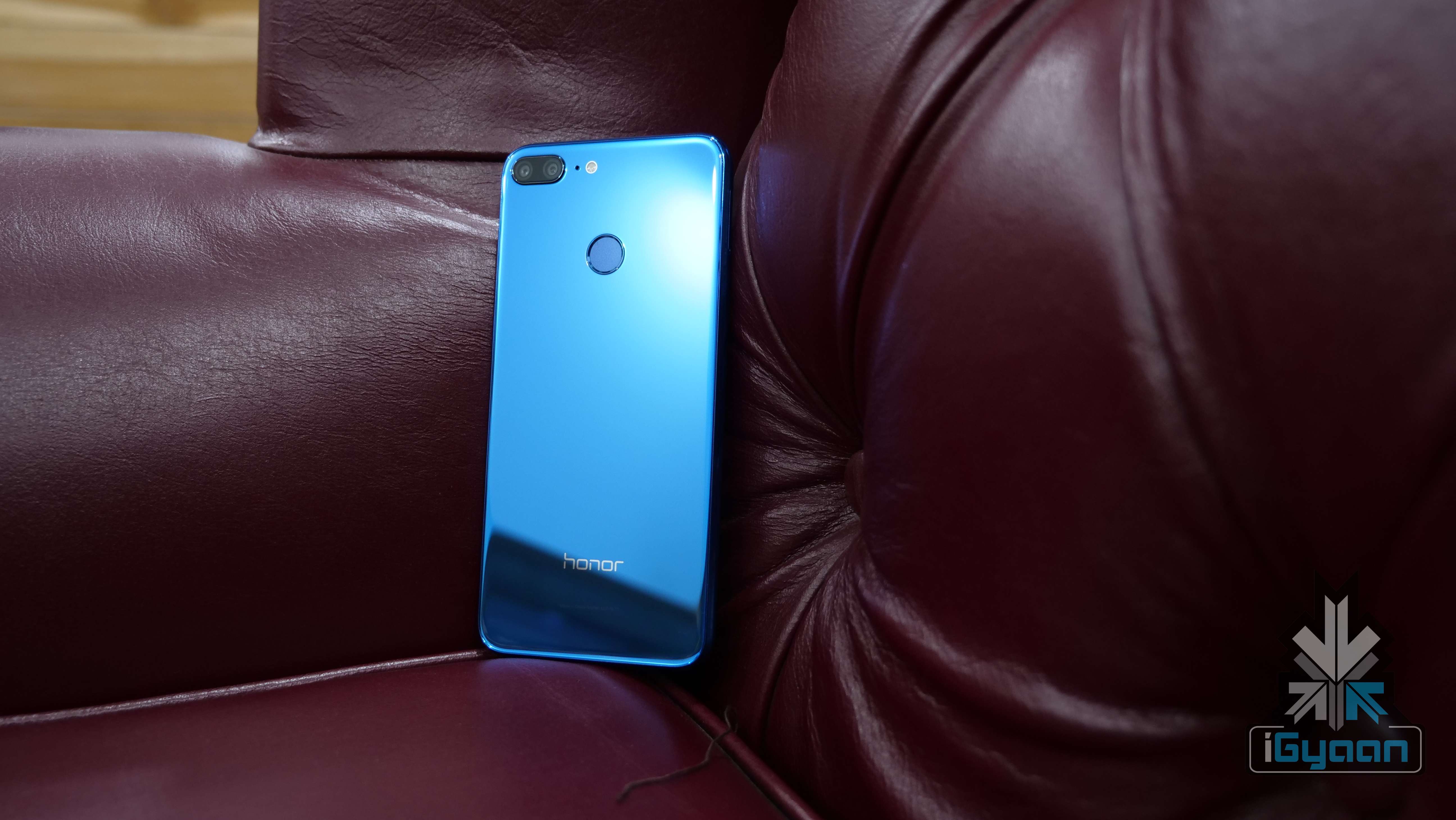
    Honor launched the Honor View10 globally on the 4th of December in London. It was subsequently announced that India will be one of the first few markets to get the device and at an impressive price of Rs. 29999, the Honor View10 went on sale from the 8th of January. The Honor View10 is the only smartphone in its price bracket that has such an emphasis on AI, something that is touted to be the future of smartphones.

    [amazon_link asins=’B077PWJQ57′ template=’ProductAd’ store=’igyaan-21′ marketplace=’IN’ link_id=’1250eed5-fcea-11e7-a20c-7507f01538b7′]

    Out of the box, the Honor View10 had facial recognition which had a few nifty implications such as notifications preview but, there was no Face Unlock. However, with the new update that Honor has started seeding for all the Honor View10 devices, the Face Unlock feature will now be active. This means that apart from the Apple iPhone X and the OnePlus 5T, the Honor View10 is also a smartphone with a proprietary facial recognition security system.

    To enable Face Unlock, a user needs to first enrol their face by accusing facial recognition feature in the settings menu. Unlike the iPhone X, a user doesn’t need to rotate their face as the phone figures out the positioning between the face and the phone and adjusts the direction accordingly.

    Apart from the impressive new Face Unlock feature, there are lots of new updates that revolve around the device’s AI capabilities. In the new update, there are features like AI motion detection in the front and rear camera, AI Zoom, Super-resolution imaging, and Smart Tips. Smart Tips features include knuckle gestures, smart assistance, wide aperture photos, and QR code scanning.

    In the front camera, there is a feature called Change Background. It does exactly what the name suggests, before clicking a picture, a user can select from a set of effects as the background. It is worth noting that this feature is only available in the front cameras for now.

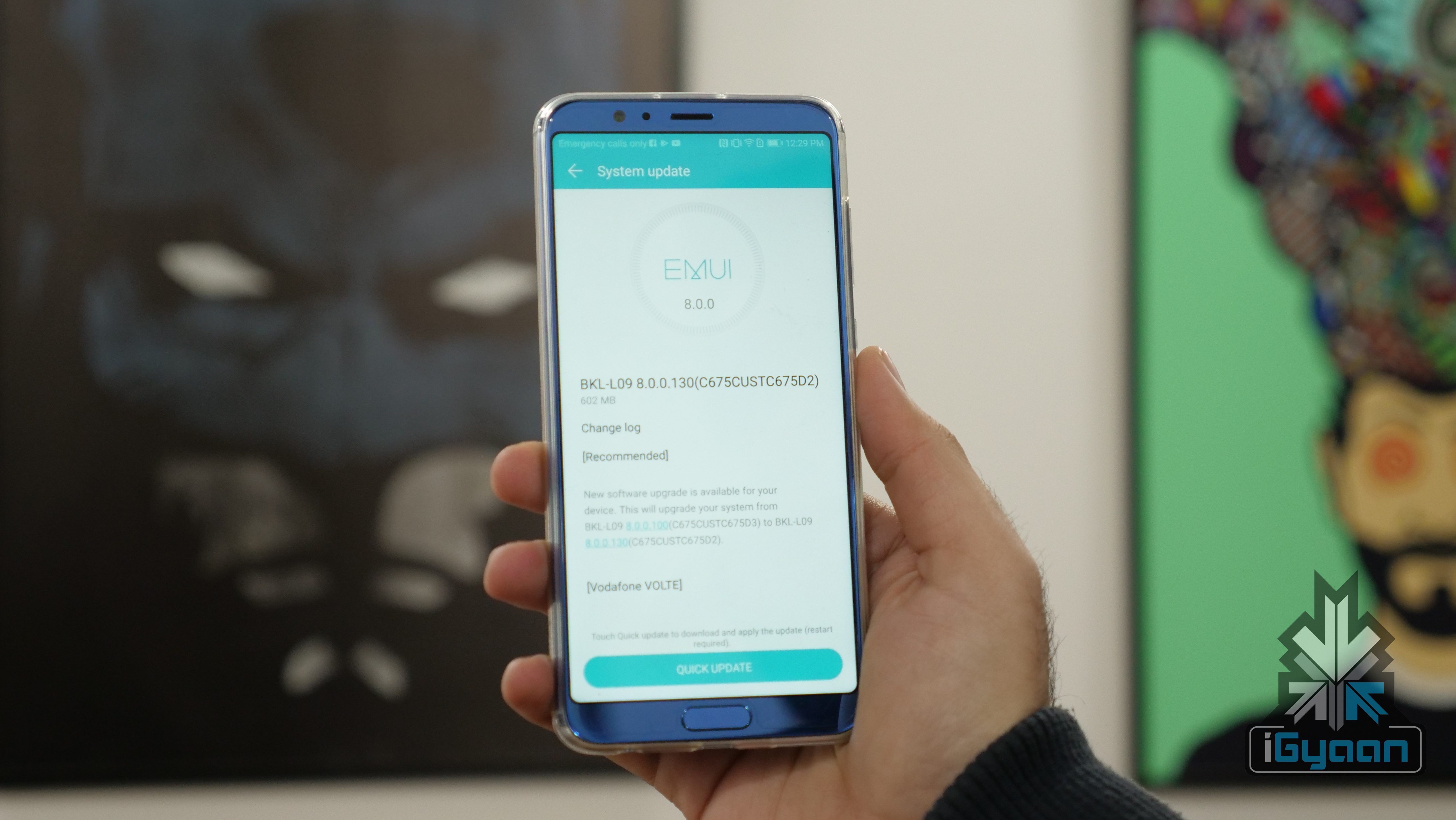
    The update has started seeding and is scheduled to reach all devices by the 24th of January. You can check for the update by going to Settings < System < System update.

  • Google Knows When A Stranger Is Looking At Your Phone

    Google Knows When A Stranger Is Looking At Your Phone

    A lot of experts are touting machine learning and AI as the 2018 flagship smartphone feature, similar to what thin bezels and tall displays was for 2017. Google has kickstarted the trend of AI with its tight integration of Google Assistant and machine learning in the Pixel 2 smartphones.

    Implementing machine learning in day-to-day seemingly trivial situations will be important. That’s where this new software from Google comes into play. If you travel in public transport a lot, you’d be aware of that annoying feeling when you know someone is staring at your phone while you are watching a video or having a private conversation.

    This new software can recognise when a stranger is staring at your phone and will quickly prompt you about it. The software was first spotted by Quartz and is called “e-screen protector”, and is currently in the research stage. It uses your front-facing camera in combination with some face- and gaze-detection algorithms to identify if anyone else is looking at your display.

    As you can see in the demo video, it reacts almost instantaneously to a stranger’s glance on your screen. It then uses a Snapchat-like rainbow filter to tag the stranger and prompt him/her that they’ve been caught. The creators of the software, Google researchers Hee Jung Ryu and Florian Schroff, say the system works in all sorts of different lighting conditions, and has a reaction time of just two milliseconds.

    Considering Google’s ambitions of making machine learning an integral part of its smartphone ecosystem, this feature might make its way to future Pixel phones when Google is confident about its performance.

  • Robot Dog Aibo Unveiled By Sony

    Robot Dog Aibo Unveiled By Sony

    After more than a decade when it was launched, Sony has announced its iconic robot pet brand with a brand new model simply called “Aibo” (model number ERS-1000).

    It uses ultra-compact actuators that allow its body to move along 22 axes, and its eyes use two OLED panels to show a range of expressions. Battery life is rated at around two hours, with a three-hour recharge time. Sony claims that:

    Aibo can form an emotional bond with members of the household while providing them with love, affection, and the joy of nurturing and raising a companion.

    Sony says Aibo’s behaviour is adaptable, with the dog seeking out owners, learning what makes them happy, and gradually growing accustomed to wider environments. It uses deep learning technology to analyse the sounds and images coming through the robot dog’s array of sensors, and uses cloud data to learn from the experiences of other Aibo units and owners. Aibo also now requires a subscription, which costs 2,980 yen a month (US $26 approx.) for a minimum of three years. This gives you Wi-Fi and LTE connectivity, cloud backup, and access to the app’s features.

    The new Aibo is available to pre-order in Japan and will go on sale on the 11th of  January, 2018; there aren’t any plans yet to release it outside of Sony’s homeland. It costs 198,000 yen (US $1,700 approx.), as well as the monthly subscription

  • AlphaGo AI Beats Lee Se-dol 3-0 to Win Google DeepMind Challenge Series

    AlphaGo AI Beats Lee Se-dol 3-0 to Win Google DeepMind Challenge Series

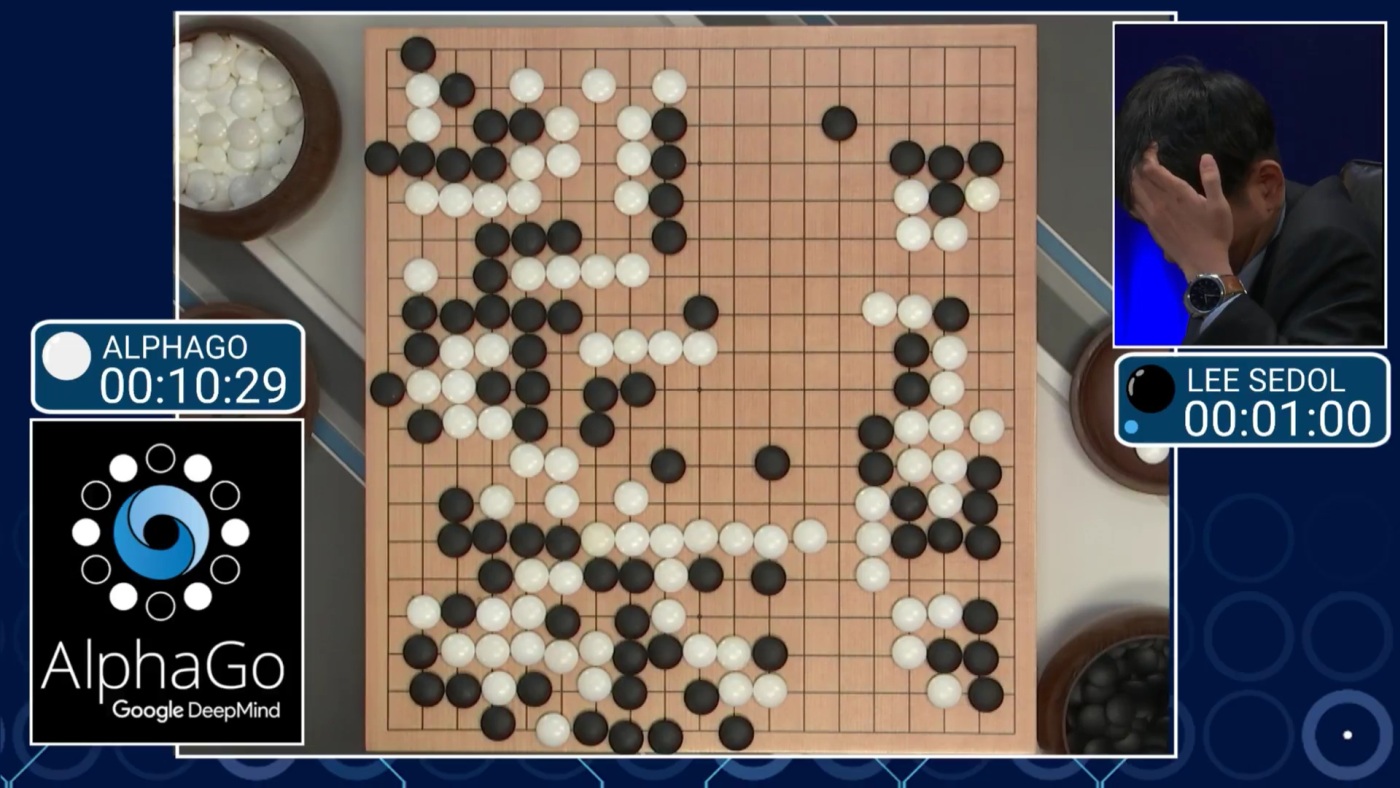
    The age old question whether Artificial Intelligence will one day take over the world has perhaps been answered. If you’ve been following the internet past few days, you will have heard that Google’s AI AlphaGo has been going one-on-one with 18-time world Go champion Lee Se-dol in a five match DeepMind Challenge Series. Today, in what is a historic victory for AI, AlphaGo beat Lee Se-dol 3-0 to clinch the series. Lee conceded the game after 176 moves.

    AlphaGo is a program that was developed by DeepMind, a British AI company acquired by Google two years ago. Go is an ancient Chinese game that has been considered one of the toughest ever for an AI to beat at a world-class level. Go has been one of the most sought after AI challenges for its simplicity and elaborate possibilities.

    AlphaGo

    Lee Se-dol’s loss to the AI three times in a row proved what many had felt unimaginable. Google has proved that AlphaGo is the next level of artificial intelligence. The third game further established the AI’s superiority. It was able to navigate tricky situations known as ko that didn’t come up in the prior two matches.

    Now that AlphaGo has beaten Lee in three games, we wait to see if Lee can manage one win in the two games still left to play. If AlphaGo bases its moves on how Lee plays, then this means that the AI has been improving in each game, which would make the next one even harder for Lee to beat.

    “I don’t know what to say and I would like to say sorry because I couldn’t show you my better results,” he said. “I think even if I go back I probably cannot defeat AlphaGo, and I think the competition was already settled in the second match.”

    He said, “Humans have psychological issues while AlphaGo does not. Nevertheless, I think I will be able to discover AlphaGo’s weak points in the fourth and fifth match.

iGyaan Network
Privacy Overview

This website uses cookies so that we can provide you with the best user experience possible. Cookie information is stored in your browser and performs functions such as recognising you when you return to our website and helping our team to understand which sections of the website you find most interesting and useful.