Tag: Android 8.1 Oreo

  • Google Has Announced The Android 9 Pie Go Edition

    Google Has Announced The Android 9 Pie Go Edition

    It was in the year 2007 when Google officially introduced the Android ecosystem to the world. Android got its name from a Latin word “Androides”, meaning, human-like robot. The term Android also shares some resemblance with the ex-CEO and founder, Andy Rubin. Android is an operating system primarily designed for devices with touchscreen. Android has evolved not only in terms of versions but also in terms of its varieties. The latest version of the Android OS is the Android 9 Pie. The recent years gave us Android One and Android Go in addition to stock Android. Google announced Android Go as a watered-down version of Android 8 (Oreo) for low-end smartphones. It seems that now the company wants to continue the Android Go series with the Android 9 Pie Go edition.

    Also Read: POCOPHONE F1 Leaked Ahead Of 22nd August India Launch
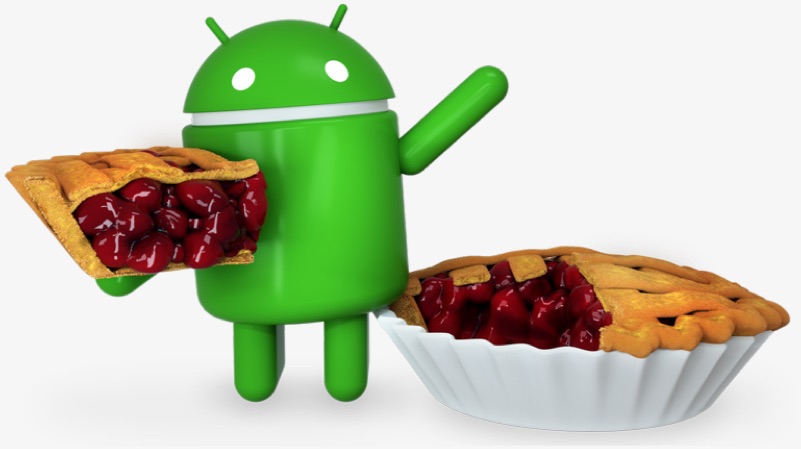
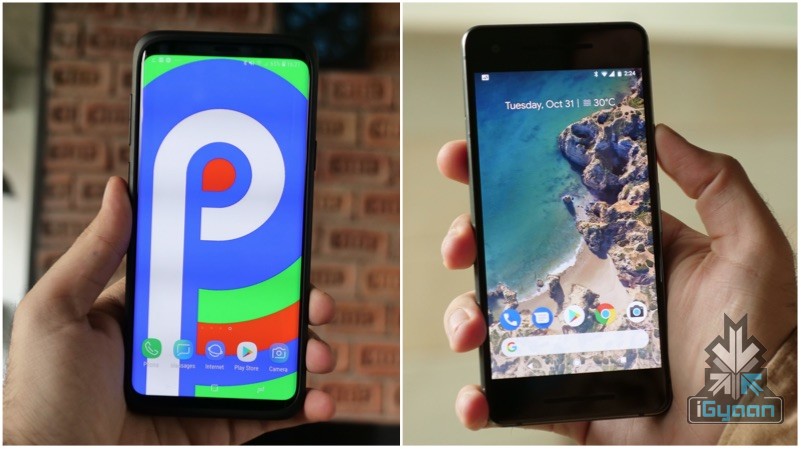
    Android Pie Android 9 Google Android 9 Pie Go Edition

    Android Go delivers the latest OS to devices with RAM as low as 512MB. Android Go is the watered-down build of the Android Oreo (8.0). This OS is built to work on low-powered devices without any jitters. With Android Go, users will find that the OS takes significantly less amount of space than even Android Nougat, which released before Oreo. The OS also offers lite versions of Google apps like YoutTube Go, Gmail Go, and Files Go. This allows it to run smoothly on smartphones with storage space as small as 8GB. The latest smartphone to launch with Android Go out of the box is the Nokia 1. In a blog post from Google, the company announced that it will also launch the Android 9 Pie Go edition as a continuation of the current series. 
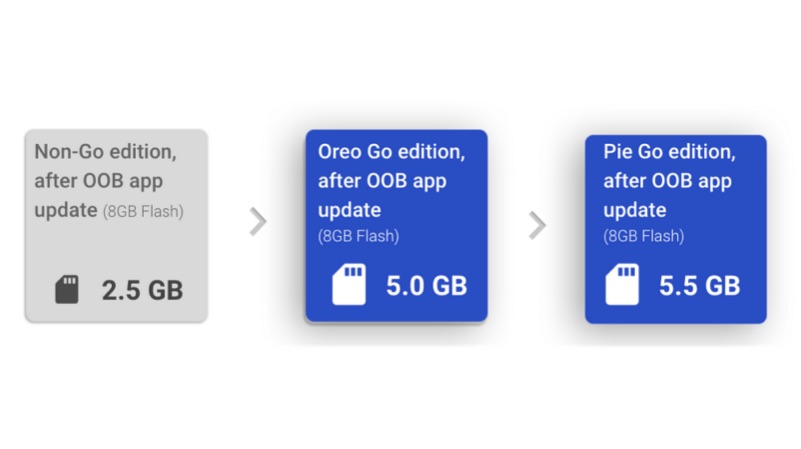
    Android 9 Pie Go EditionThe Android 9 Pie Go edition would share a lot in common with the Android Go (Oreo). However, Google claims that the Pie Go edition would take up even lesser space and provide faster device boot times for smartphones. The Android 9 Pie Go edition will also cater to the low-end devices like the Android Oreo Go edition. The company promises top-of-the-line security features and an accessible dashboard for tracking and monitoring data consumption. Companies like Nokia, Micromax, and Lava are already on the list of smartphone brands to receive Android 9 Pie Go edition.
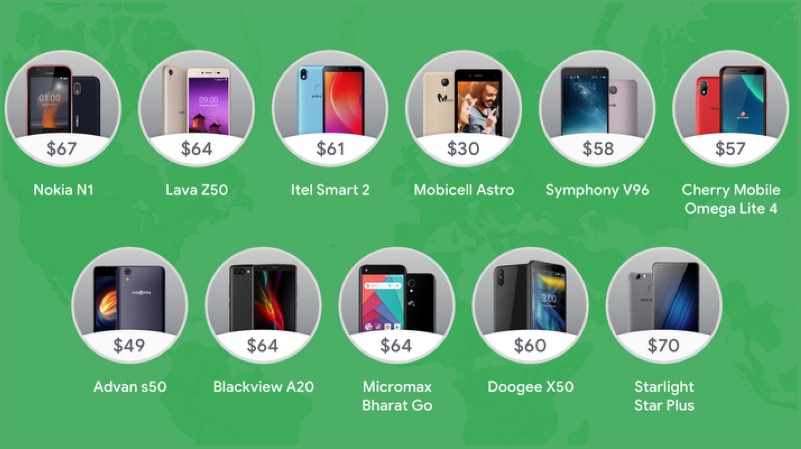
    Android 9 Pie Go Edition

    It is reassuring to see that Google wants to keep the low-end low-budget smartphones just as relevant as the flagship Android devices. With the Android 9 Pie Go edition, it will allow users on a tight budget to enjoy a fast, smooth, and the latest Android experience.

    Have something to add? Leave a Comment Below!
     

  • Xiaomi Redmi Note 5 Pro Starts Receiving Android 8.1 Oreo-Based MIUI 9.5.14 Update

    Xiaomi Redmi Note 5 Pro Starts Receiving Android 8.1 Oreo-Based MIUI 9.5.14 Update

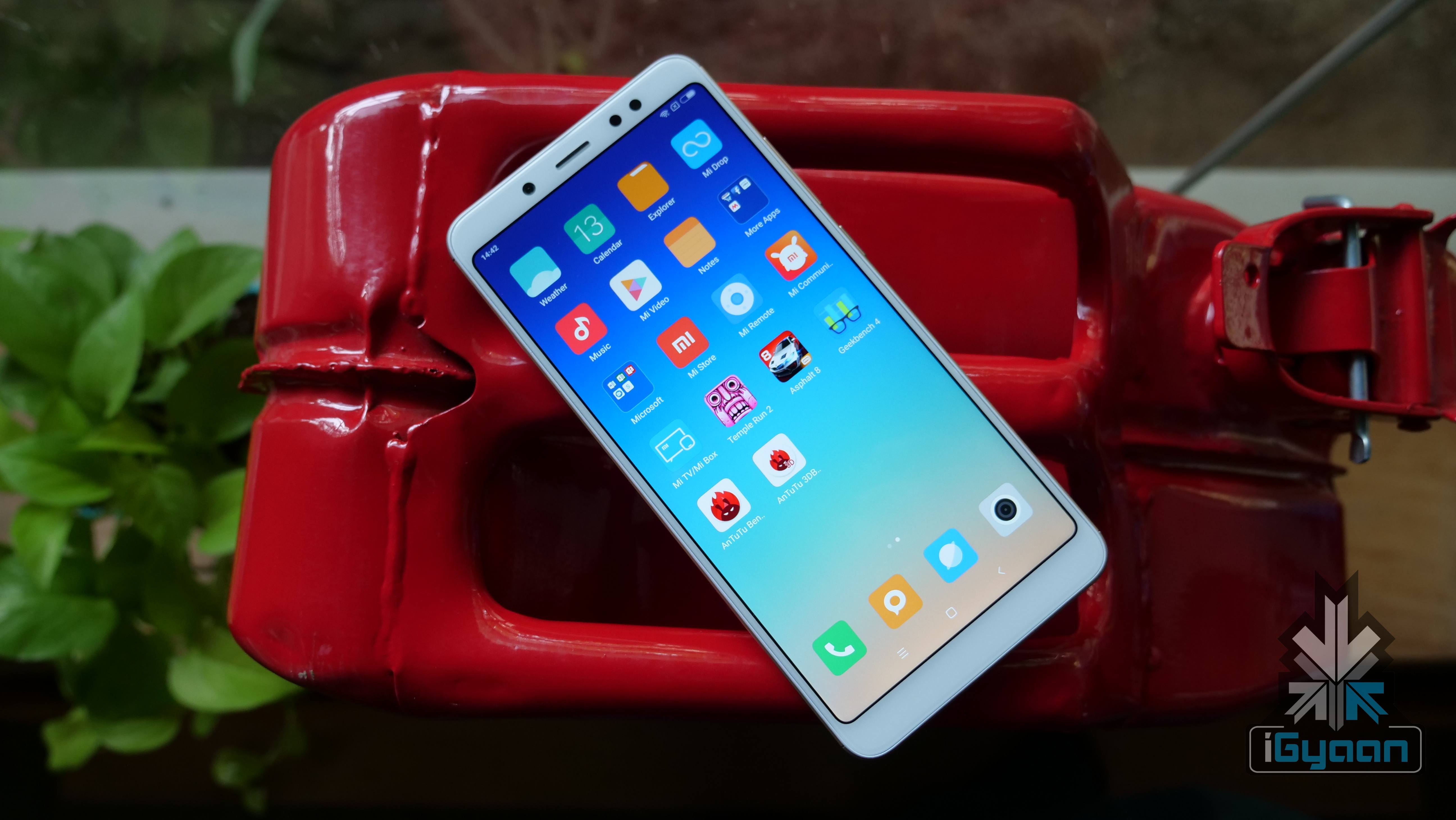
    The Xiaomi Redmi Note 5 Pro was launched in February along with the Redmi Note 5. At that time, it was the only smartphone on the market to run on the Qualcomm Snapdragon 636. Since then, the smartphone has received a host of software updates and the latest update is the biggest till date. The new update brings MIUI 9.5.14 to the Redmi Note 5 Pro which is based on Android 8 Oreo.

    While the company has made an official statement about the rollout, it is yet to publish the changelog. The most notable change with the new update is the upgrade to Android 8.1 Oreo. Xiaomi smartphones are not known for the regular Android updates. However, thanks to Project Treble, the Redmi Note 5 Pro will be one of the faster Xiaomi devices to receive software updates.

    What is Project Treble?

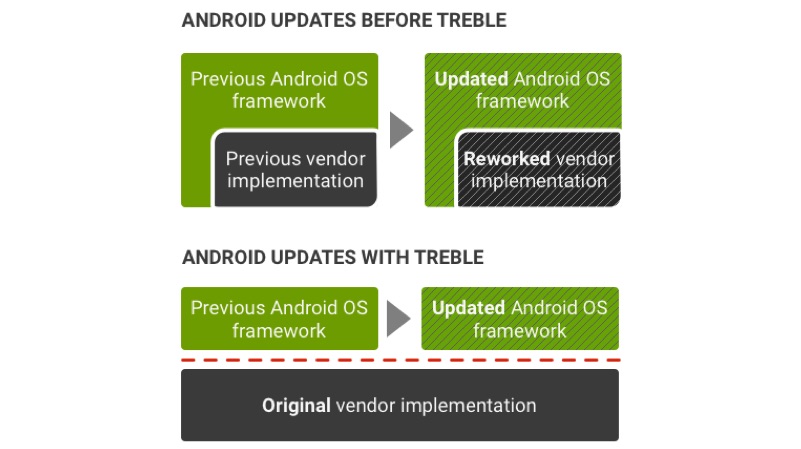
    Project Treble is a feature that is included as a part of Android 8 Oreo OS. This enables OEMs to make software updates faster and easier. A few months ago Android gained a “Vendor Interface” (VI), largely due to a new development effort from Google. The VI’s aim is to separate the “Vendor Implementation” (that is, “the device-specific, lower-level software written in large part by the silicon manufacturers”), from the Android OS framework.

    The new VI is supposed to sit between the Android OS framework and Vendor Implementation. And the new VI will be validated by a Vendor Test Suite (VTS), which is analogous to the Compatibility Test Suite (CTS) that Google has been using for API testing of apps. The VTS ensures forward-compatibility of the VI. Before, the VI needed to be reworked after every single Android OS framework update, while with Project Treble, that won’t be the case anymore.

    Xiaomi Redmi Note 5 Pro Specs
    Specifications Xiaomi Redmi Note 5 Pro
    Price Starting Rs 14999
    Display 5.99 inch
    IPS LCD
    Resolution 2160 x 1080 px
    18:9
    403 ppi
    Chipset Qualcomm Snapdragon 636
    1.8GHz
    Octa-core
    RAM 4GB
    6GB
    Storage 64GB
    Battery 4000 mAh
    Primary Camera 12MP f/2.2
    5MP f/2.0
    1.25-micron
    Primary Camera Video 1920 x 1080 px @ 30fps
    Secondary Camera 20MP Sony IMX376
    Beautify 4.0
    LED flash
    Add-Ons Fingerprint Sensor
    Face Unlock
  • 76% iOS Devices Are On iOS 11 While Only 4.1% Android Devices Are On Android 8 Oreo

    76% iOS Devices Are On iOS 11 While Only 4.1% Android Devices Are On Android 8 Oreo

    The debate of Android vs iOS might never reach a conclusion. However, there is one area where Android has to always accept defeat, and that is OS adoption rate. Thanks to so many Android OEMs and their own custom skins, new versions of Android are very slow to reach to a majority of Android devices. iPhones on the other hand, are only made by Apple, which means the adoption rate of iOS is extremely high. And new data proves just that.

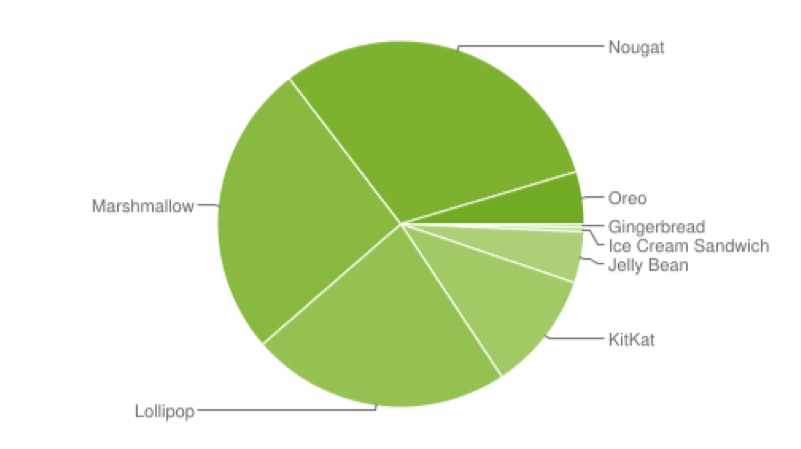
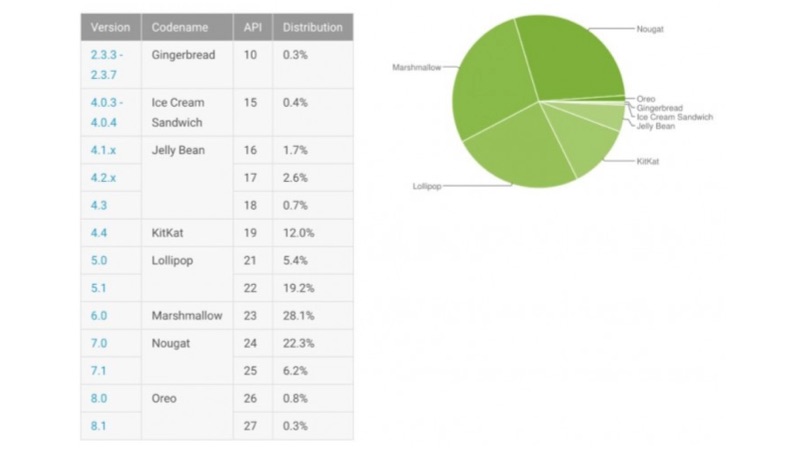
    As of April 16th, 2018, Android 8.1 Oreo, the latest version of Android is only available on 0.5% Android devices. Android 8.0 Oreo, which was launched in August 2017, is only available 4.1% of devices. Astonishingly, the most predominant Android version is Android 6 Marshmallow, with a 26% adoption rate. Android 7.0 Nougat is a close second at 23%.

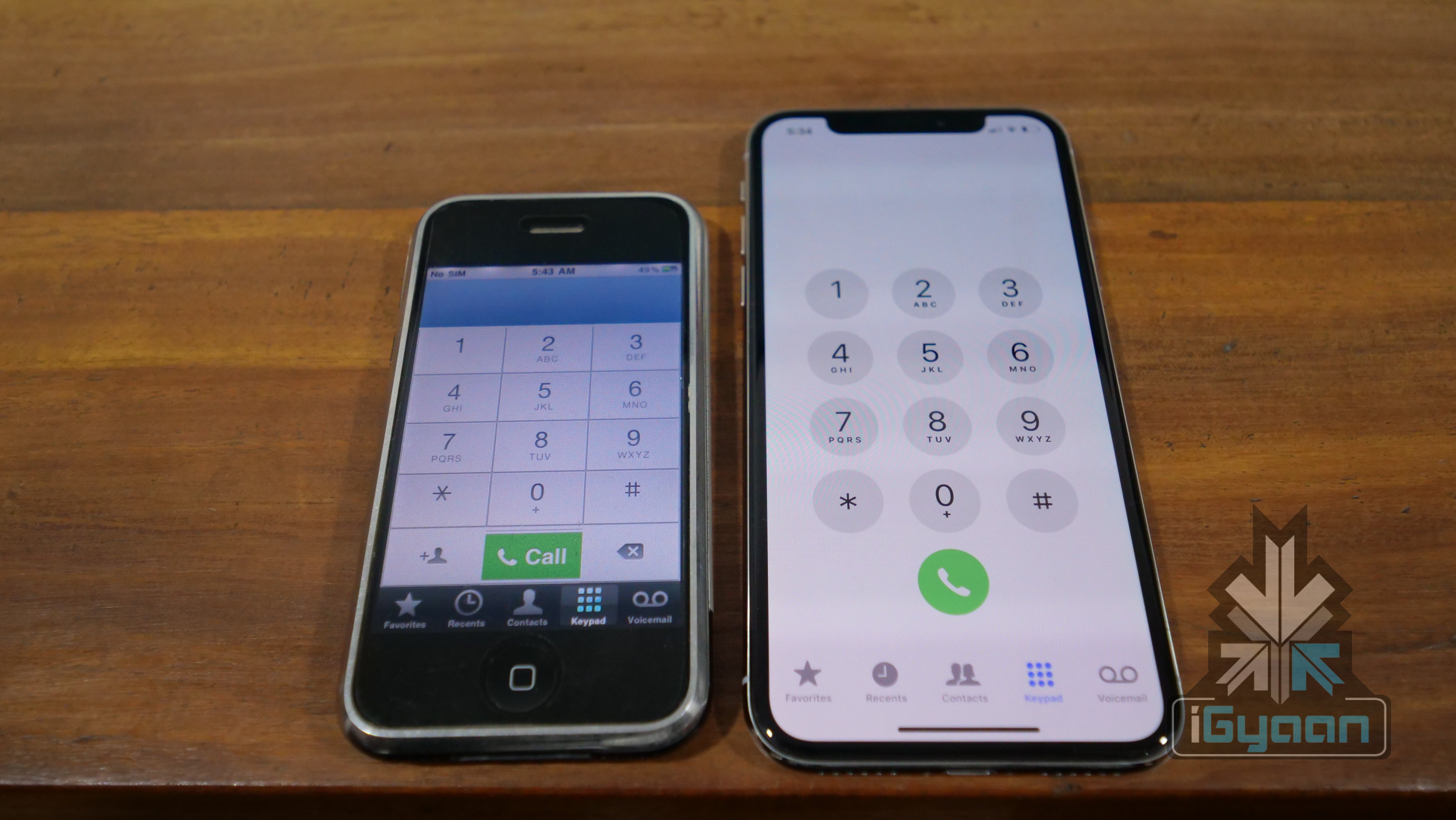
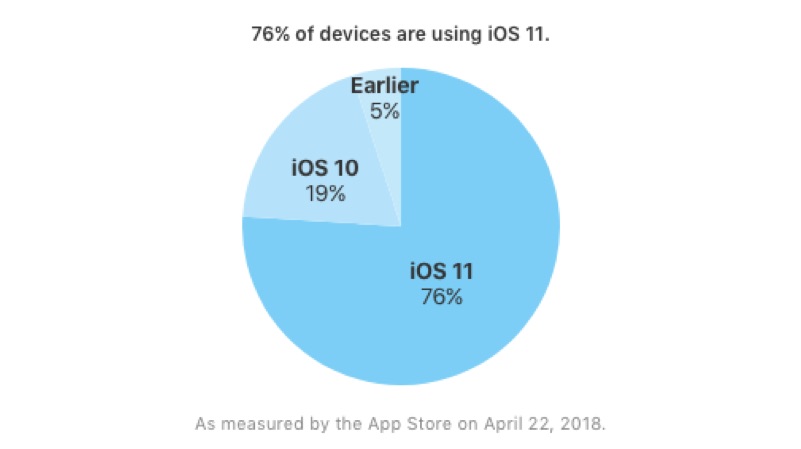
    While on the iOS side of things, as of April 22nd, 2018, iOS 11 is running on 75% of the iOS devices. It is worth noting that this also includes iPads as well since they also run iOS. Apple’s latest iOS version, iOS 11 had a rocky start to life with a lot of bugs pailing its initial phase. However, constant updates to fix various bugs has made iOS 11 a much better upgrade to iOS 10, as we noted in our iPhone X review.

    You may also like: Why Are New Android Phones Launching With Old Android OS?

    Project Treble is Google’s effort at reducing the time it takes for OEMs to receive the new OS and optimise it for its devices and then push out the update. A few months ago, Android received a new Vendor Interface, which is largely what Project Treble is about. The VI’s aim is to separate the “Vendor Implementation” (that is, “the device-specific, lower-level software written in large part by the silicon manufacturers”), from the Android OS framework.

    The new VI is supposed to sit between the Android OS framework and Vendor Implementation. And the new VI will be validated by a Vendor Test Suite (VTS), which is analogous to the Compatibility Test Suite (CTS) that Google has been using for API testing of apps. The VTS ensures forward-compatibility of the VI.

    Time will tell whether Google’s efforts will be of any fruition. Right now, however, iOS is way ahead of Android OS in the race of OS adoption.

  • Five Hidden Features of Android 8 Oreo

    Five Hidden Features of Android 8 Oreo

    Android 8 Oreo is the latest mobile operating system from Google. The new iteration introduced features like notification dot, app shortcuts, and a smart text selection. In terms of UI, the OS looks similar to Android 7 Nougat. However, there are additional features that have gone unnoticed on Android 8 Oreo.

    Here are the top five hidden features of Android 8 Oreo. However, these features are only available on smartphones that run on stock Android OS.

    Clearing phone’s storage

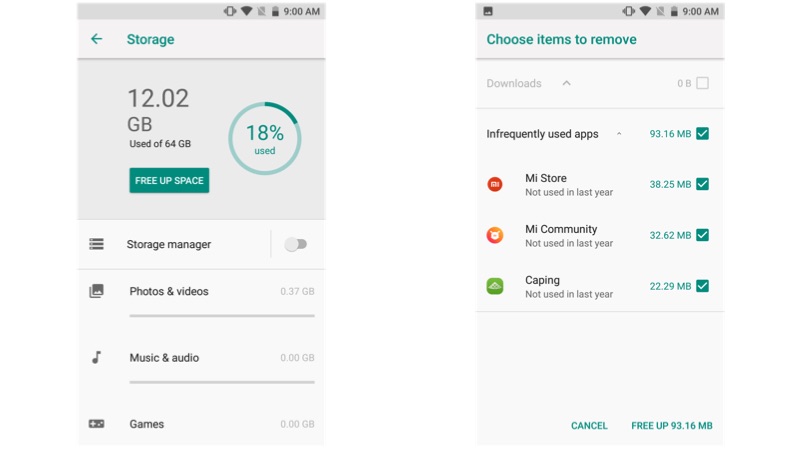
    For this task, most of us depend on an external application. Though multimedia files consume the majority of the storage space, app cache and other files consume a certain amount of space, which are not visible on a standard file manager. Go to storage in the settings option and press on the blue icon, that says free up some space. Bam, your device will remove the unwanted files to clear the storage space.

    Android 8 Oreo

    System UI tuner

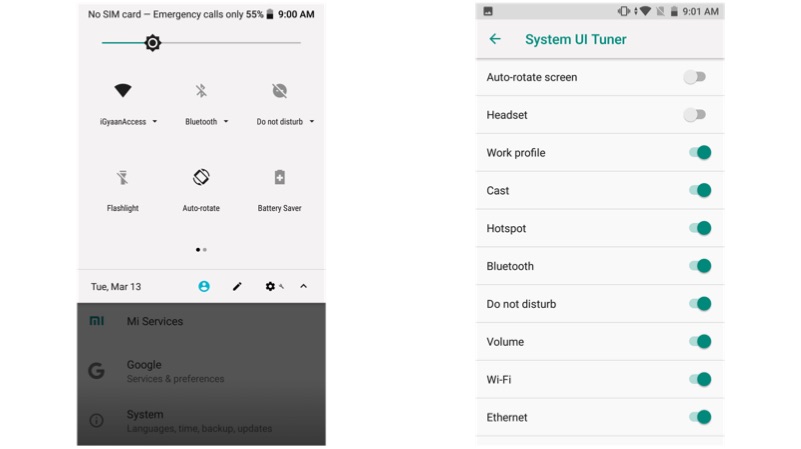
    This one is one of our favourite hidden features. In fact, this feature was originally launched in Android Marshmallow. The system UI tuner gives an additional control over the look and feel of the Android operating system. To enable system UI tuner, open your notification shade, tap and hold the gear icon until it starts vibrating. Using this feature, you can add or remove the app icons like Wi-Fi, Bluetooth, and Battery.

    Android 8 Oreo

    Turn on Wi-Fi automatically

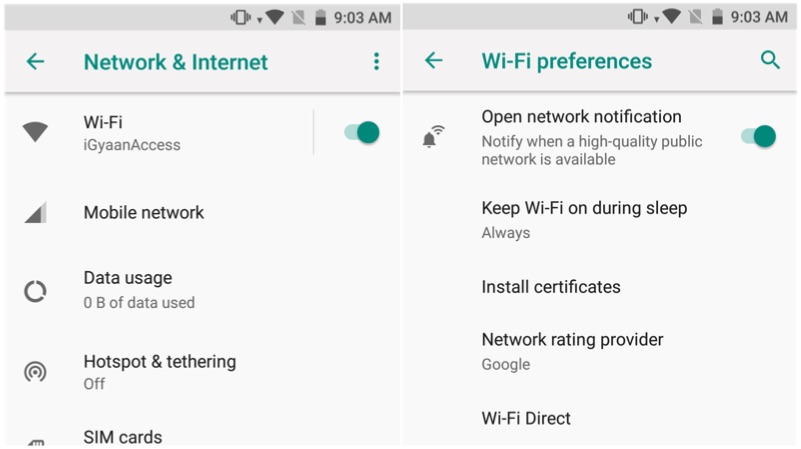
    Updating apps on a cellular network requires a lot of mobile data. Instead, make your smartphone to connect to an open Wi-Fi whenever it is available. To enable this, go to Settings, Wi-Fi, and Wi-Fi preferences and enable the first option. Similarly, enable the third option if you want to get notifications about the availability of open Wi-Fi networks.

    Android 8 Oreo


    Autofill

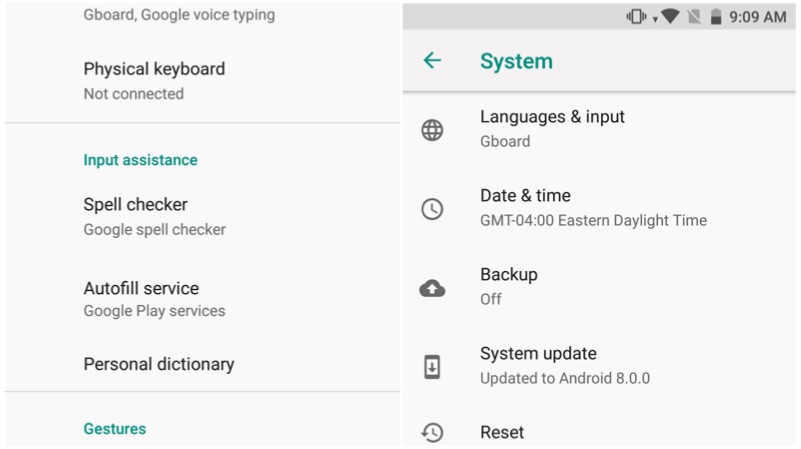
    Remembering various passwords for different applications is a cumbersome processor. However, the Android 8 Oreo has a solution for this. Go to Settings>System > Languages & input > Advanced > Autofill service and select Autofill with Google. This feature will prompt to remember your password and for the next time, it autofill the username and password on the specific application.

    Android 8 Oreo

    Snooze notifications

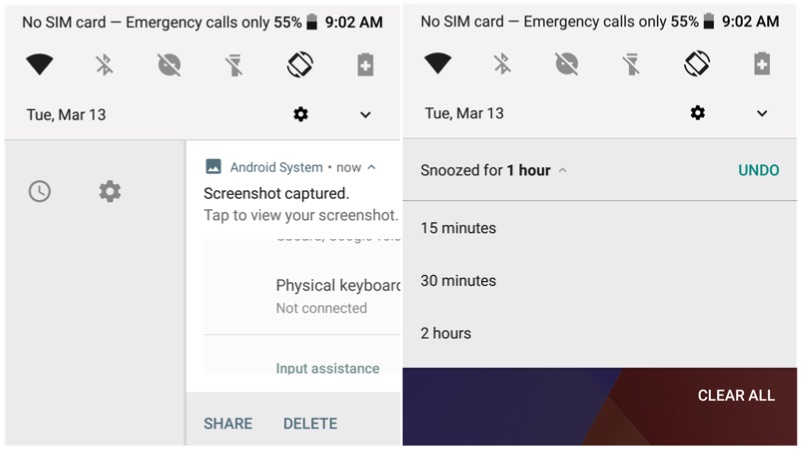
    Notifications are the best part of Android OS. However, when you are in a middle of a meeting, those notifications might just annoy you. With Android 8 Oreo you can snooze the notification for a fixed time period. Swipe from left to right and click on the time amount of time, that you want to snooze the notification. However, one can only choose between 15 minutes, 1 hours, or 2 hours of snooze time.

    Android 8 Oreo

  • Android 8.1 Oreo Now Available For OnePlus 5/5T Via Open Beta

    Android 8.1 Oreo Now Available For OnePlus 5/5T Via Open Beta

    When it comes to incremental Android OS upgrades, most of the OEM’s tend to neglect them. However, OnePlus is known for updating its smartphones with the latest OS, at least its new smartphones. The OEM has a track record of pushing incremental updates, and the company continues to do the same.

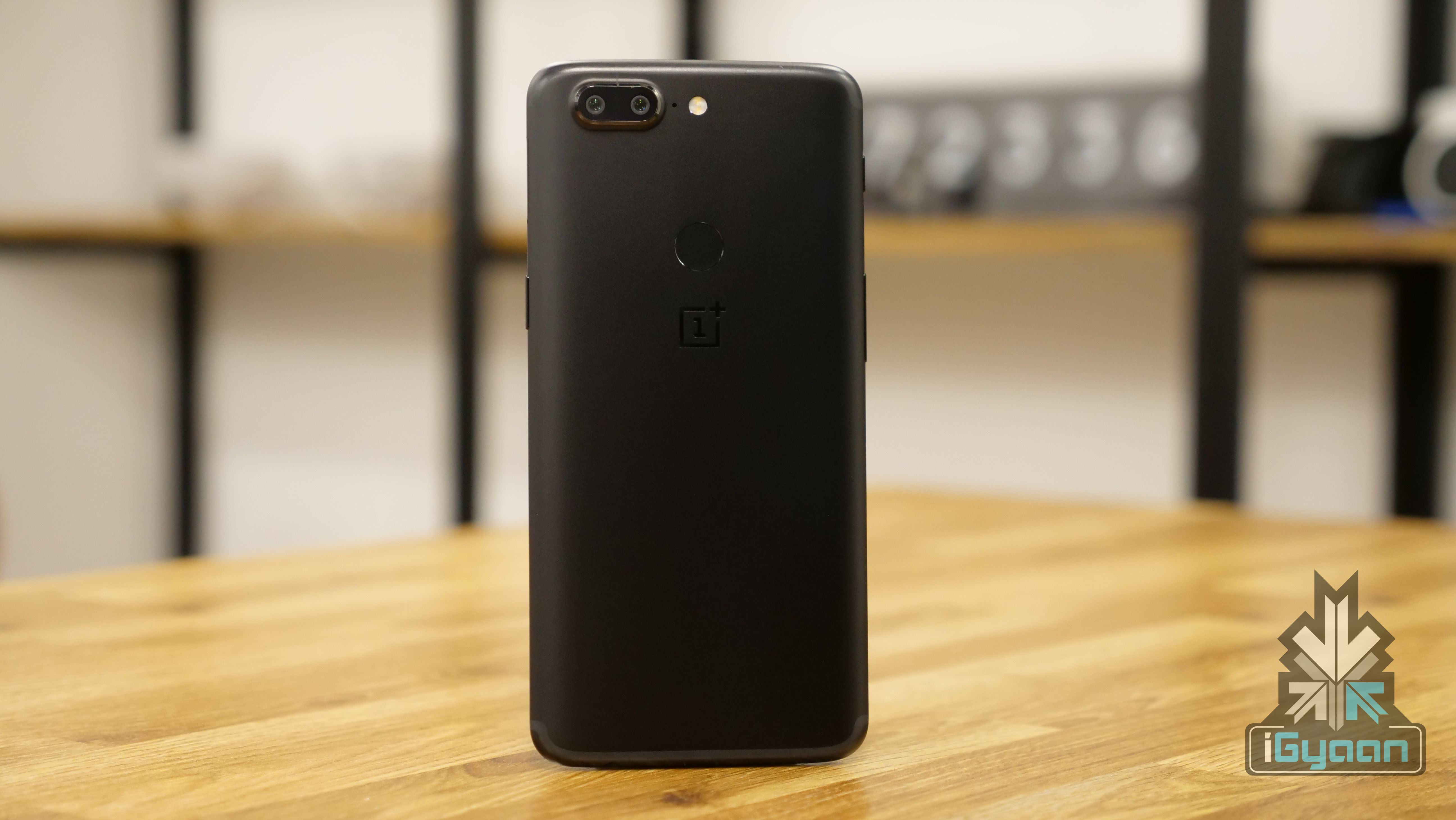
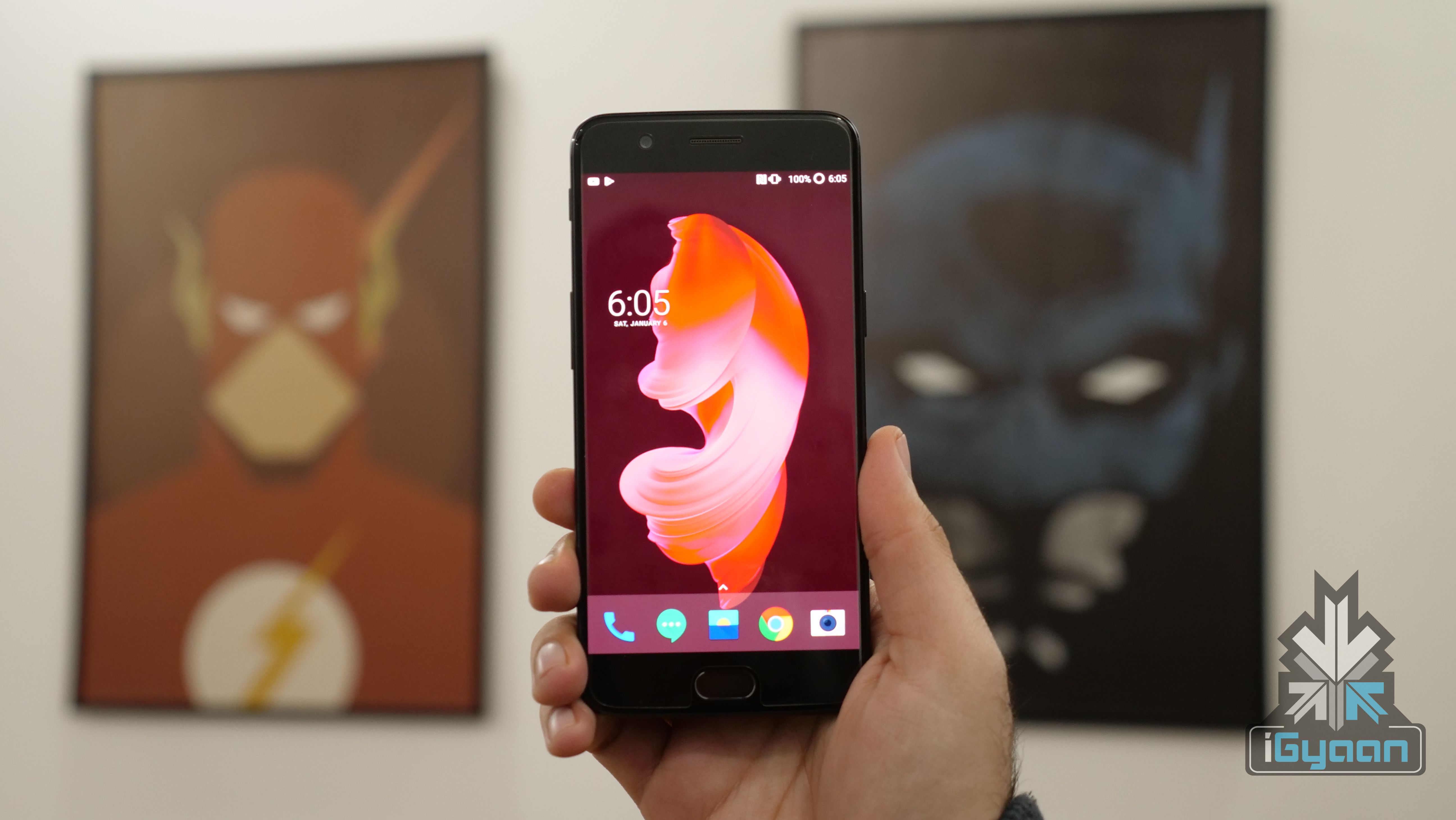
    OnePlus has released the Oxygen OS Open Beta 4 build for the OnePlus 5 and 5T based on Android 8.1 Oreo. Users can install the update by downloading the file from the OnePlus official website. The update weighs at about 1.6GB and the first time Beta testers have to manually download and flash the update. However, if you are already on a Beta build, then the device will receive an OTA update.

    Release notes

    The update adds new gesture-based auto call pickup by raising the smartphone. Similarly, the company has added more clock styles for the ambient display. The update also optimises full-screen gesture support (only for OnePlus 5T) with updating the device to latest February security patch.

    The update introduces a new feature called “Gaming Mode”, which enables immersive gaming experience including power saving and pausing adaptive brightness. The OnePlus switch feature helps to migrate application data, allowing you to switch between devices seamlessly.

  • Android P: What To Expect

    Android P: What To Expect

    With the launch of Android 8 Oreo, Google natively introduced features like notification dots and always on display. However, the upcoming Android P is expected to build upon that introduce more features:

    Five expected Features of Android P:

    Support for notch

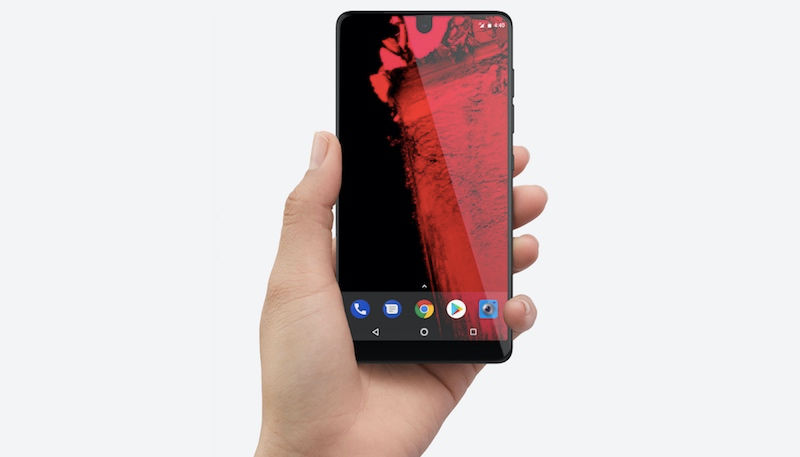
    Android P is expected to support smartphones with a notch. Though Android already have smartphones with the notch (Essential Ph-1) the inclusion of support for notch will have a major impact on the Apps and layouts. In fact, the upcoming Pixel 3 is also expected to embrace the notch.

    notch
    Essential Ph-1

    Dark mode

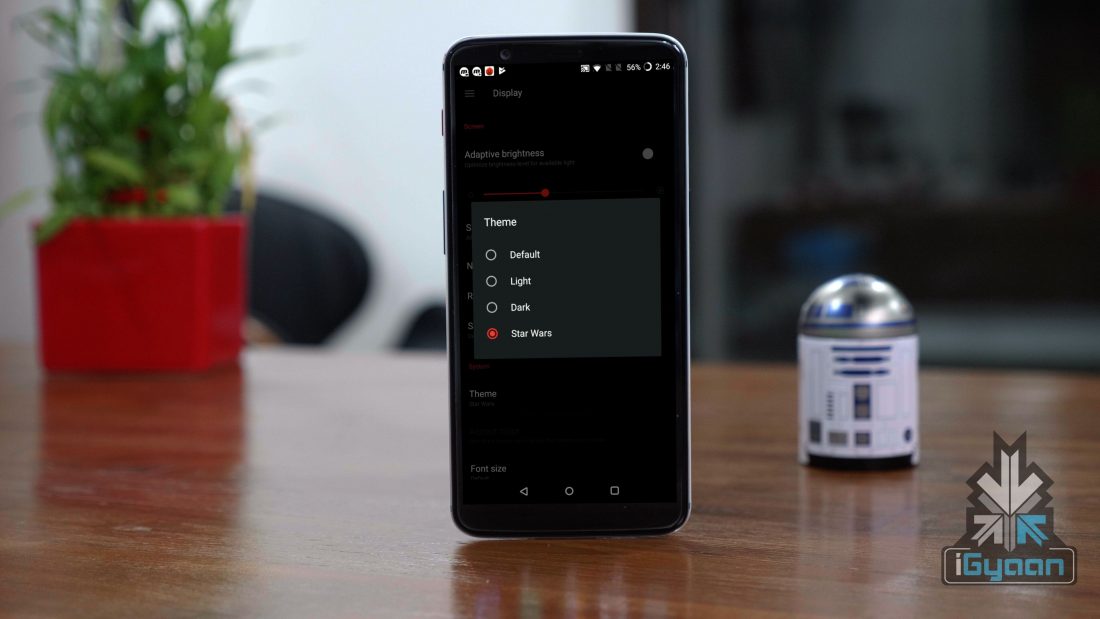
    This is probably the most anticipated feature of Android OS. In fact, few smartphone OEMs like Samsung and OnePlus does support dark mode, which has a huge impact on the battery life of the device, that too on a device with an OLED display.

    Strict privacy controls

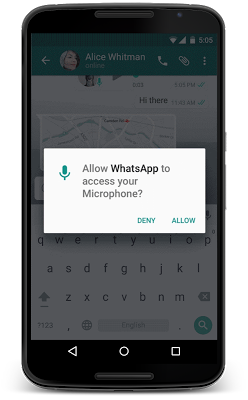
    Users security has been the biggest all-time concern for the smartphones powered by Android OS. The Android 6 Marshmallow came with the option to ask permission to use certain features of the phone. The Android P will take this to the next level with additional control over the microphone, camera, and internet accessibility. However, MIUI has this option from last four years.

    Solving the OS fragmentation issues

    Starting with the Android P with the help of Project Treble, Google will push faster OS updates to more smartphones. In fact, smartphones like the Honor View10 and the Xiaomi Redmi Note 5 Pro are expected to be the first set of smartphones to support Project Treble.

    More customisation options

    The Android P is expected to offer more customisations, compared to the earlier versions of the Android operating system. Google might release the Google Pixel launcher for the general public. As of now, the Pixel launcher is limited to a small number of smartphones. Though it is available on Google Play store, it is incompatible with most of the smartphones.

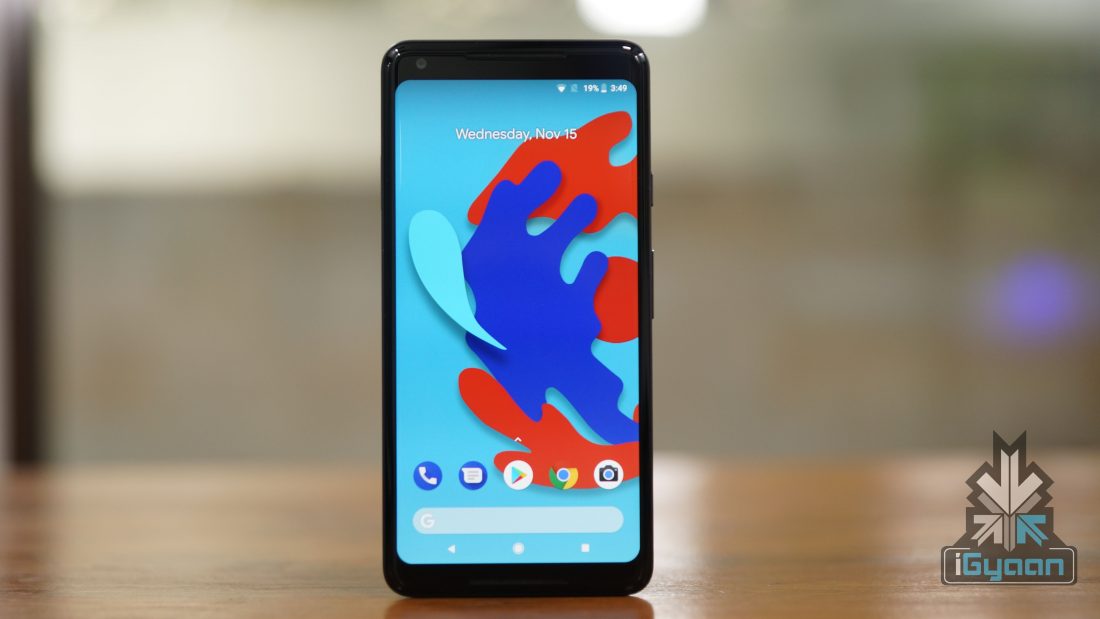
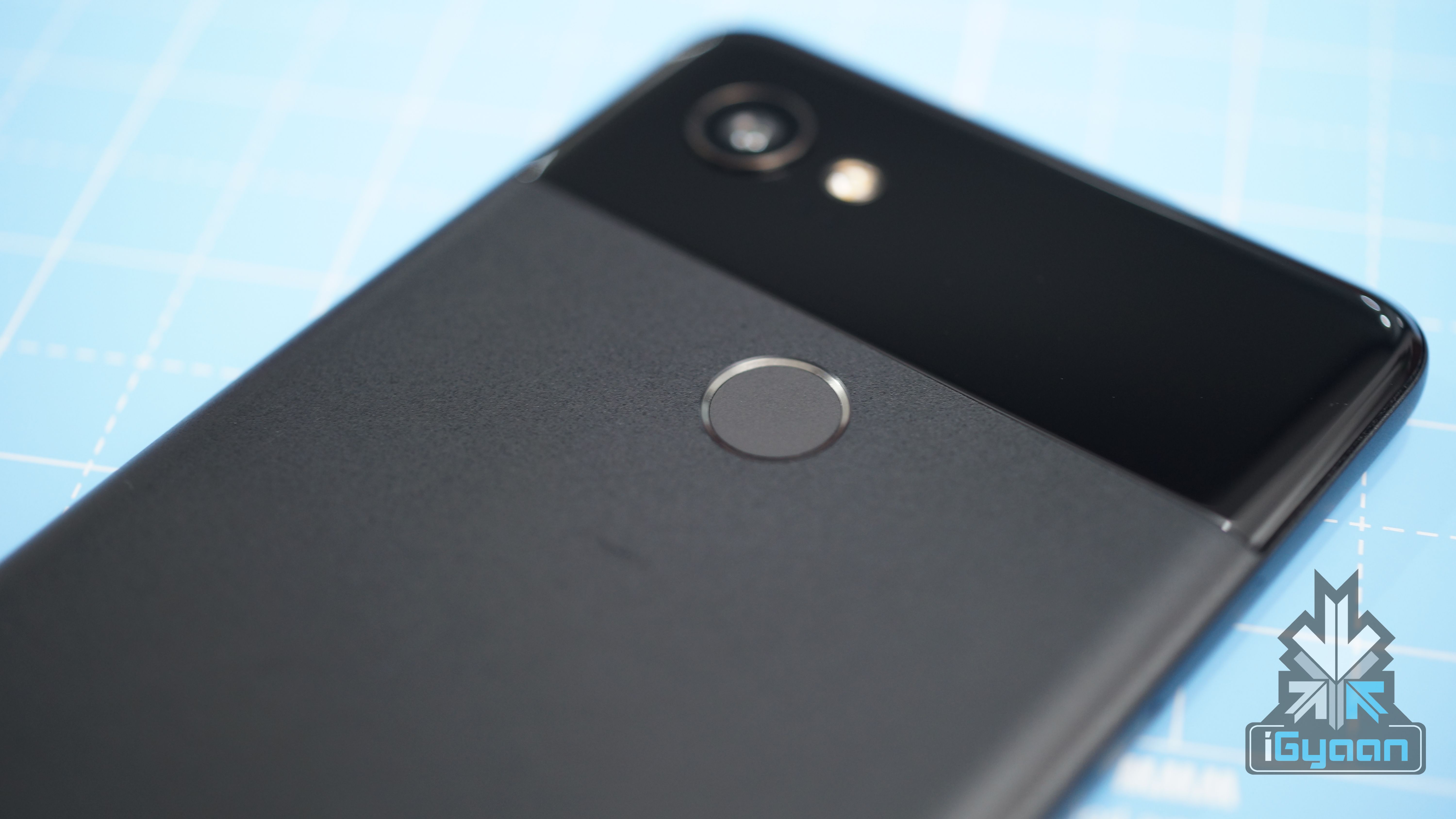
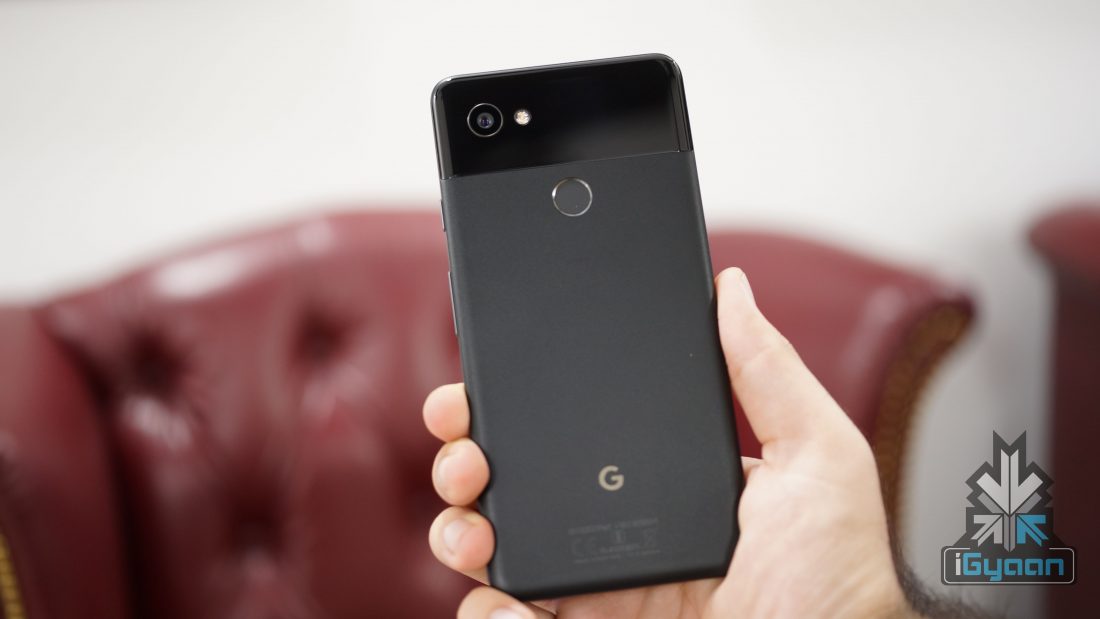
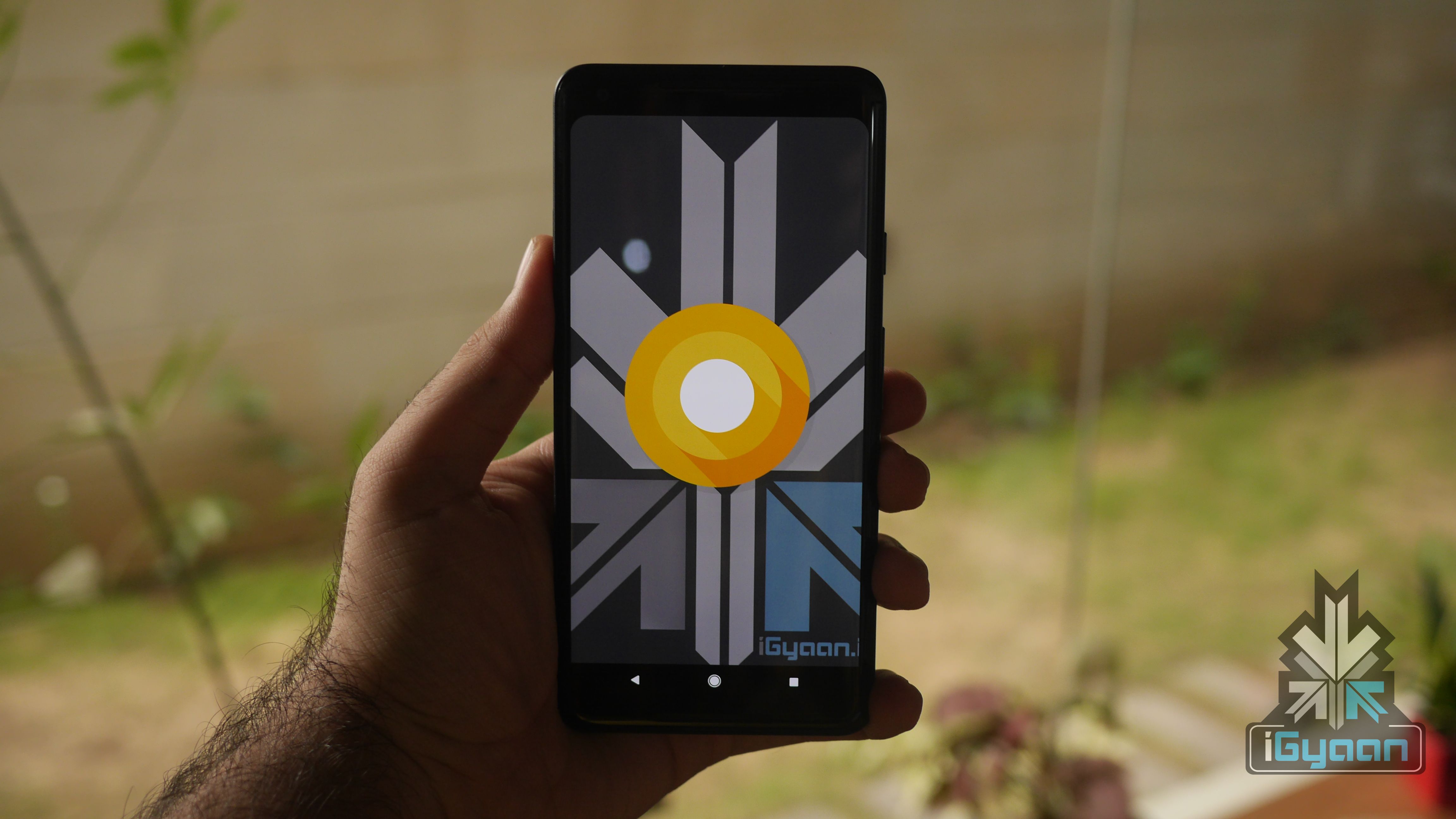
    Pixel 2 XL Runs Android 8 Oreo
  • Google Essentially Confirms The Launch Of Nokia 1

    Google Essentially Confirms The Launch Of Nokia 1

    Android Oreo Go Edition is an optimised Android 8 Oreo OS for the budget smartphone with 1GB RAM or lesser. The Android Oreo Go Edition enables the smartphone to use highly optimised apps like Google Go. In fact, one can install apps like Google Go and YouTube Go on any smartphone running Android OS. HMD Global announced that the Nokia 2 would receive Android 8.1 Oreo update based on Android Go. However, the Nokia 1 is expected to be the first Android Go smartphone to be launched at MWC 2018.

    Google has confirmed that the first Android Oreo Go Edition powered smartphone will be unveiled at MWC 2018, which will be priced under US$ 50. However, Google hasn’t specified any OEM name associated with the device. This announcement from Google hints that the Nokia 1 will indeed be launched at MWC 2018.

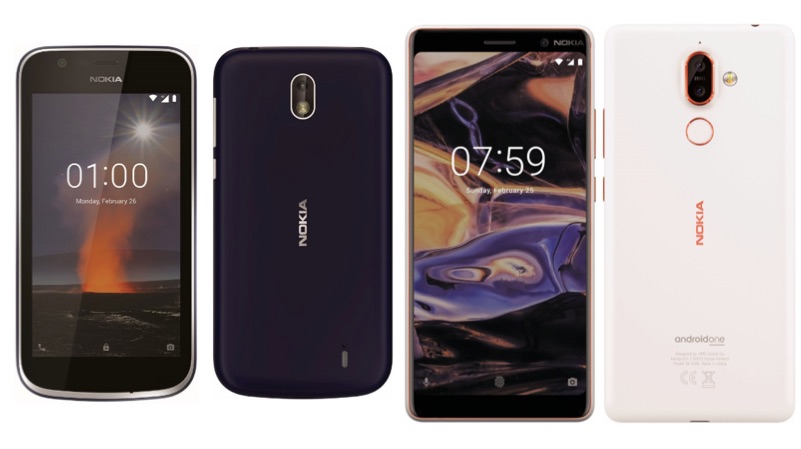
    HMD Global is expected to launch the Nokia 1, Nokia 4, Nokia 7 Plus, Nokia 8, and Nokia 9 at MWC 2018. 

    Specifications:

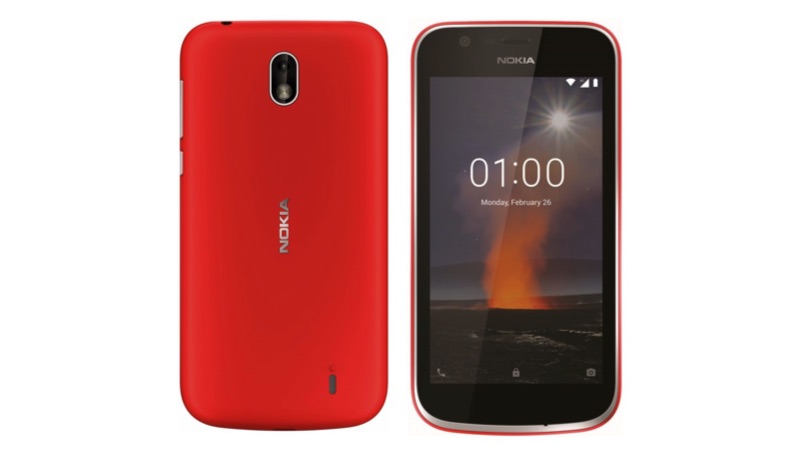
    The Nokia 1 might have a 5-inch low-resolution display, powered by an entry-level processor. The smartphone will have either 1GB or 512MB RAM with 4GB or 8GB storage with a dedicated micro SD card slot. As per the leaked render, the smartphone has a main camera and a front-facing camera, with no details on the exact specifications.

    The Nokia 1 is expected to have similar specifications like the Nokia 2. However, there will be a difference in build quality.

    Conclusion:

    The Android Oreo Go Edition smartphone will have a greater impact in the countries like India. The Nokia 1 with latest Android 8.1 Oreo could be the right smartphone for the first time smartphone buyer.

  • Nokia 8 Starts Receiving Android 8.1 Oreo Update

    Nokia 8 Starts Receiving Android 8.1 Oreo Update

    HMD Global launched the Nokia 8 in India in September 2017. At the time of the launch, the company promised an update to Android 8 Oreo soon as the device was running Android 7 Nougat out of the box.

    The company has now confirmed that the Nokia 8 has started receiving an update to Android 8.1 Oreo via OTA. Chief Product Manager at HMD Global, Hujo Sarvikas took to Twitter to share the news.

    As per the official changelog, the Android 8.1 Oreo update for the Nokia 8 includes battery saving navigation buttons, a revamped power menu, new settings menu, and Bluetooth battery percentage. Also included are various core Android features such as Neural Networks API, Autofill framework updates, and a SharedMemory API. Along with these changes, there will obviously be enhanced performance and necessary bug fixes.

    The Nokia 8 recently received a permanent price cut and is now available in India at a price of Rs. 28,999.

    Nokia 8 Specifications

    The Nokia 8 has a 5.3 inch 2560 x 1440 px display and 2.5D Corning Gorilla Glass 5 for protection.

    [amazon_link asins=’B072LNNSQQ’ template=’ProductAd’ store=’igyaan-21′ marketplace=’IN’ link_id=’a44a6421-1173-11e8-894b-43f3c8f10cbe’]

    Under the hood is the Qualcomm Snapdragon 835 chipset and a 2.45GHz octa-core processor, the Adreno 540 GPU, 4GB of RAM and 64GB of onboard storage which is expandable via microSD card. The smartphone has an aluminium unibody design and an IP54 rating for splash resistance. The fingerprint sensor is housed inside a physical home button which sits between two navigation touch capacitive buttons below the screen.

    Powering the device is a 3090mAh battery with QuickCharge 3.0 support via USB Type-C port. It runs stock Android 7.1.1 OS and the company has promised monthly security updates and yearly Android updates.

    The Nokia 8 is the first Nokia Android device to feature Carl Zeiss optics. The Nokia 8 boasts a Zeiss powered dual camera setup at the rear – a primary 13MP RGB (colour) sensor with optical image stabilisation paired with a 13MP secondary monochrome (black and white) sensor and an f/2.0 aperture. The dual-camera setup is capable of recording videos in 4K at 30 FPS and has a portrait mode for bokeh effect. On the front is a 13MP camera with an f/2.0 aperture which can also record 4K videos at 30FPS.

  • This Could Be The First Smartphone To Run Android Go

    This Could Be The First Smartphone To Run Android Go

    HMD Global recently launched the Nokia 2 in India at a price of Rs. 6999 in India. At the same time, Xiaomi launched the Redmi 5A with better specifications and similar price. HMD Global subsequently announced that the Nokia 2 will support Android Go Edition based on Android 8.1 Oreo and now it appears that the company might be launching its first-ever Android phone that will run Android Go version of Android OS.

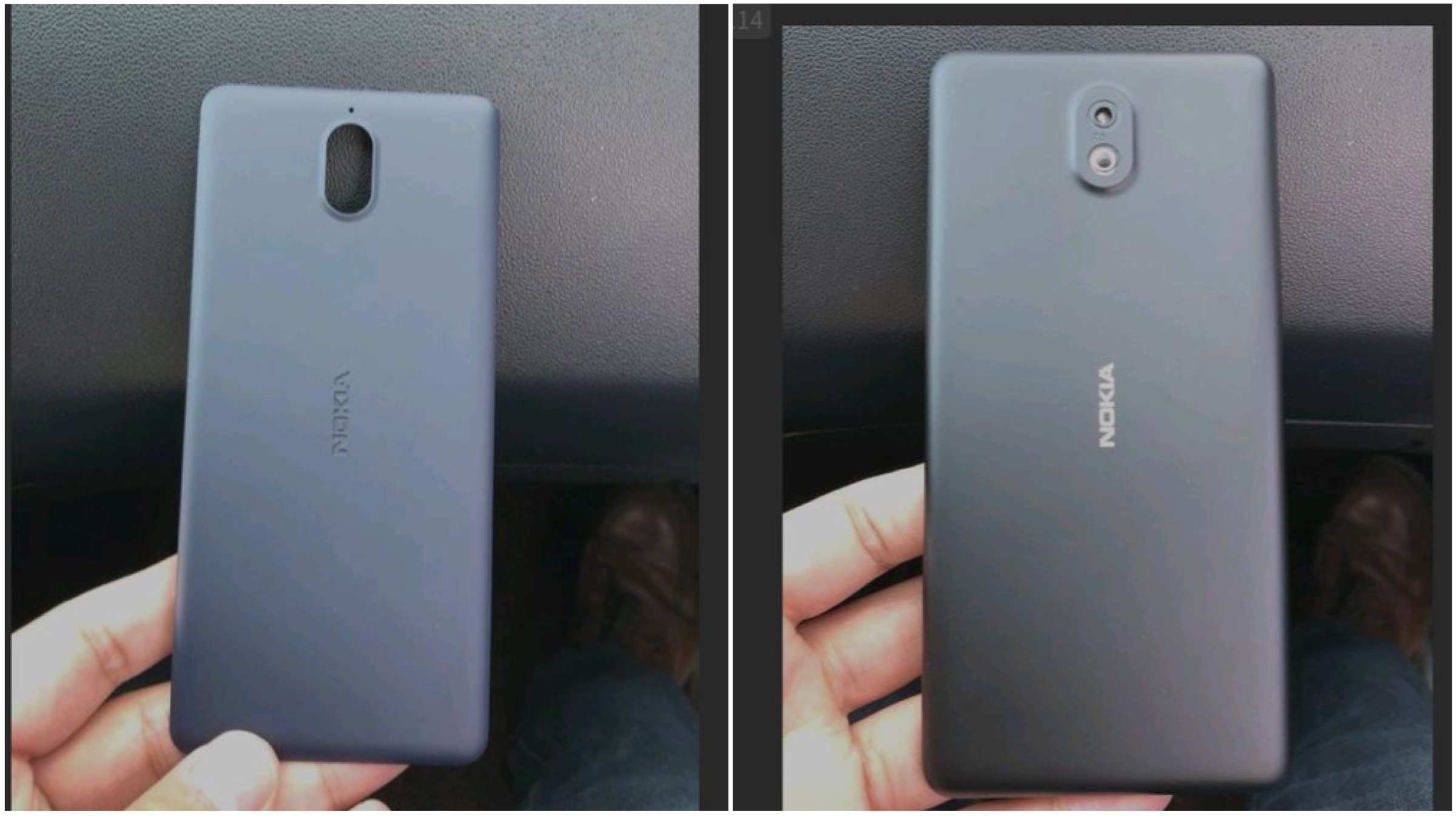
    Leaked images of what might be the Nokia 1 have surfaced on Baidu, a Chinese website. Interestingly, two different designs are revealed of the same phone which means that HMD Global might still be exploring options. But, with a launch expected at MWC, one of these could well be the final design of the smartphone.

    All of these are speculations so far, but, there have been multiple reports claiming that HMD Global is working on an Android Go-powered smartphone since it is one of the first smartphone makers to adopt the new software system developed by Google.

    Google recently announced Android 8.1 Oreo-based Android Go edition. The idea behind Android Go is to create a version of Android software which is designed to run better on phones with either 512MB or 1GB of RAM.

    Google has claimed that Android Go’s Oreo edition will be a variant of Android Oreo that a manufacturer can just set by ticking off a configuration flag. What this basically does is that it sets up the phone to use the “Go” versions of a handful of Google apps such as the main Google app, Google Assistant, Google Maps, Gmail, and others.

    HMD Global Chief Product Officer Juho Sarvikas recently took to Twitter to announce that the Nokia 2 will directly receive Android 8.1 Oreo update thanks to its Android Go integration.

    India could be one of the first few countries where the Nokia 1 will be launched, thanks to its crowded entry-level smartphone market and a huge feature phone user-base which will be able to move to a good smartphone without shelling out a lot of money.

  • Pixel 2 XL Fingerprint Issues Reported After Android 8.1 Oreo Update

    Pixel 2 XL Fingerprint Issues Reported After Android 8.1 Oreo Update

    Google launched the Pixel 2 and its bigger sibling, the Pixel 2 XL back in October. The smartphones succeeded the 2016 Pixel smartphones, which were the first ever phones “Made By Google.” While the Pixel 2 phones brought in a few changes were pointed out in the original Pixel devices such as an IP67 rating and a refined design. But, ever since the launch, the Google Pixel 2 and Pixel 2 XL have been marred by controversial issues.

    Android 8.1 Oreo stable update started rolling out a few weeks ago for the Google Pixel 2 devices and ever since then, there have been multiple instances where users have complained that the fingerprint sensor on the Google Pixel 2 XL has slowed down. It was also reported earlier this week that some Pixel owners were facing multi-touch issues after updating their phones to Android 8.1 Oreo. No new update has since been rolled out to address those issues.

    A temporary fix that some users have discovered involves turning on the phone’s always on display. In theory, this feature should not consume a lot of battery since the Pixel 2 XL has an OLED panel but, if you like saving battery to the last iota, then this fix won’t help.

    A Google representative on the support forum has confirmed that the team knows about the issue and that it will be reaching out to affected users to obtain bug reports so they can isolate the issue and fix it. Google has been prompt in acknowledging and addressing issues to its products and a new software update to fix these issues should be seeding soon.

  • Android 8.1 Oreo To Start Seeding Today

    Android 8.1 Oreo To Start Seeding Today

    Android released the developer preview of Android 8.1 Oreo on the 25th of October and has now announced that the official update will start seeding on the 5th of December. Google has kept its promise to release Android 8.1 to the public by the end of the year.

    The Android 8.1 will roll out to the Pixel 2, Pixel 2 XL, Pixel, Pixel XL, Pixel C, Nexus 6P, and Nexus 5X starting today.

    The second developer preview was released last week, which included the much-awaited developer access to the Visual Core image processing chip inside the Pixel 2 and Pixel 2 XL feature. Because of this access, camera app developers will be able to improve their apps to take full advantage of the hardware found on Google’s new smartphones.

    The update also fixes the infamous hamburger and beer emoji found on the Google keyboard app. So, if a consumer was offended by the previous emojis, then they can breathe a sigh of relief.

    With Android 8.1 Oreo out for Pixel and Nexus devices, it begs the question, where is the Android 8.0 Oreo update for other Android devices? So far, only a handful of devices from other OEMs have received an update to Android 8.0 Oreo update.

    One of the main new updates in Android 8.1 Oreo is in its back-end processing. The new feature would automatically flag apps as “inactive” and deprioritise the generation of cache files for that app. The phone will only consider an app as “inactive” if it hasn’t been recently used in the foreground and the app package isn’t being used by another app package in the background.

  • Android 8.1 Oreo Will Reduce The Size Of Inactive Apps To Manage Storage Space

    Android 8.1 Oreo Will Reduce The Size Of Inactive Apps To Manage Storage Space

    Storage space on smartphones which do not support microSD card has always been an issue. The Google Pixel from 2016 had 16GB of storage on its base model and it was a premium phone. This year, Google bumped it up to 64GB albeit, no storage expansion option. To tackle with this issue, Google will introduce a new smart feature in Android 8.1 Oreo which will reduce the size of inactive apps.

    The latest commit in Android’s AOSP framework mentions a new feature that would automatically flag apps as “inactive” and deprioritises the generation of cache files for that app. The phone will only consider an app as “inactive” if it hasn’t been recently used in the foreground and the app package isn’t being used by another app package in the background.

    These apps marked as “inactive” won’t have cache files generated for them, thus reducing storage space.

    While the feature is a welcome addition to growing smart things Android phones can do, we might have to wait a while till we see this getting implemented in more smartphones other than the Pixels and the Nexuses. As reported earlier, only 0.2% Android smartphones run Android 8.0 Oreo right now, hence seeing Android 8.1 Oreo in a wide range of phones might be some time away. Also, OEMs will have to enable their smartphones to take advantage of this feature.

iGyaan Network
Privacy Overview

This website uses cookies so that we can provide you with the best user experience possible. Cookie information is stored in your browser and performs functions such as recognising you when you return to our website and helping our team to understand which sections of the website you find most interesting and useful.