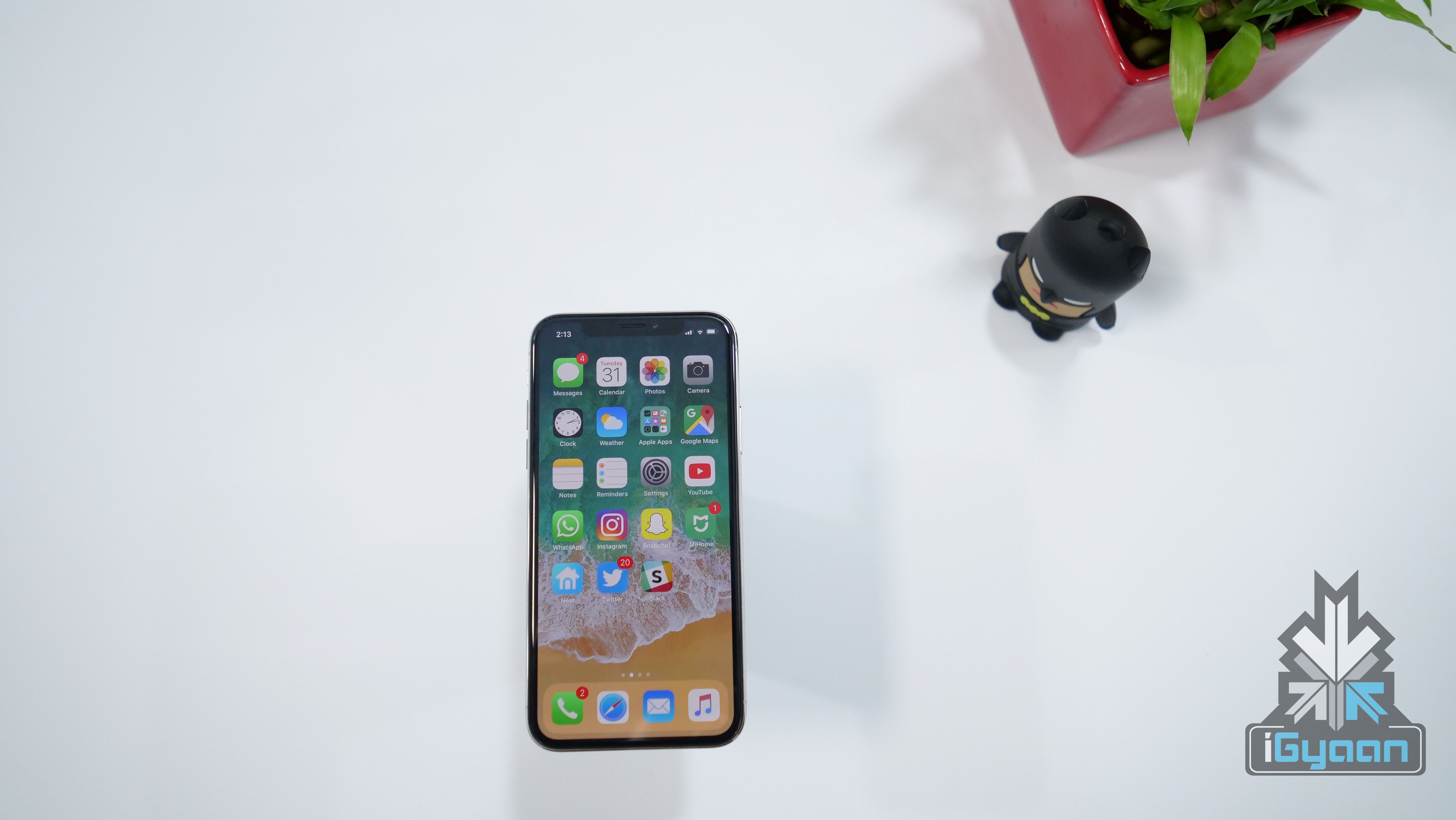
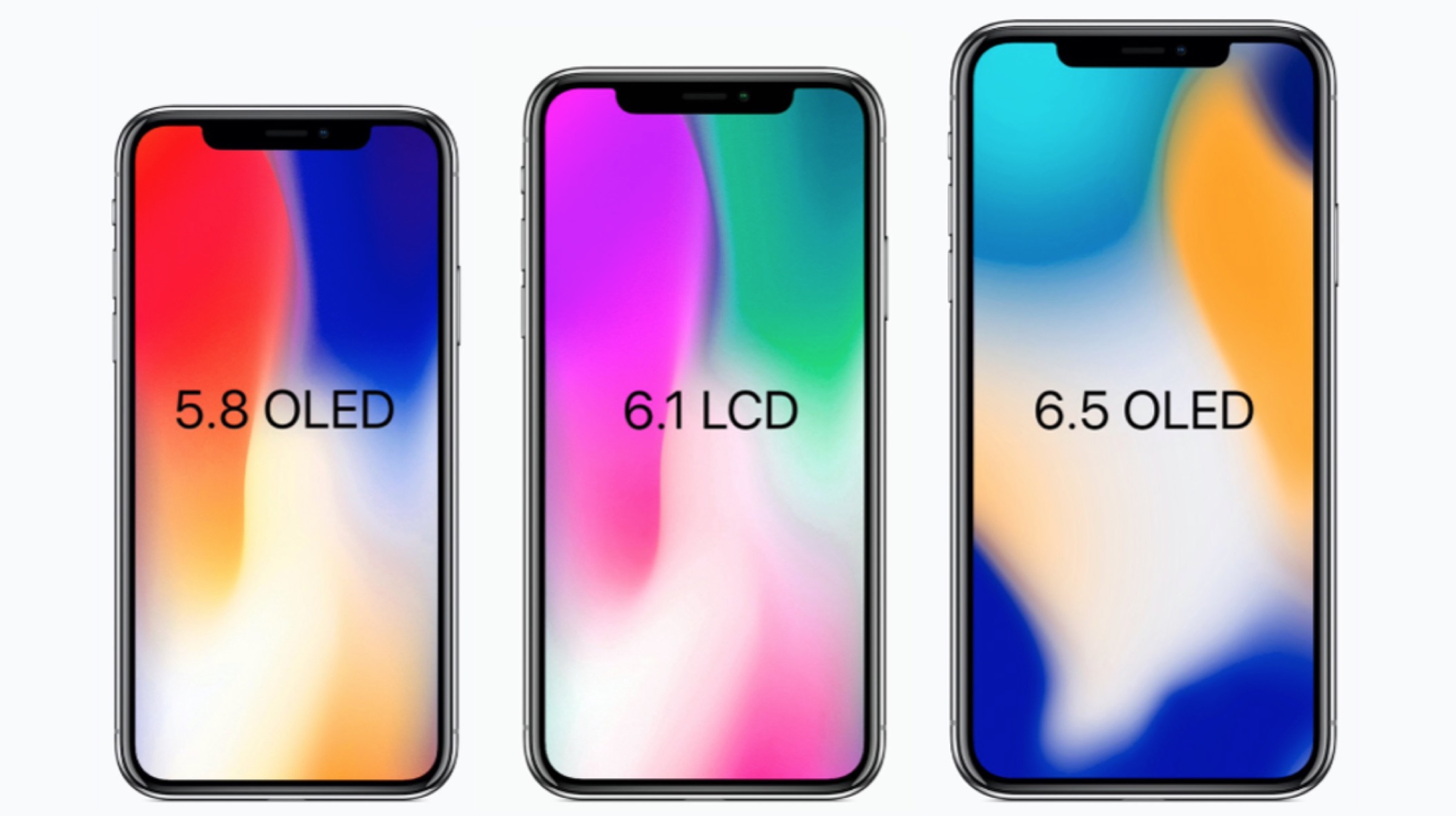
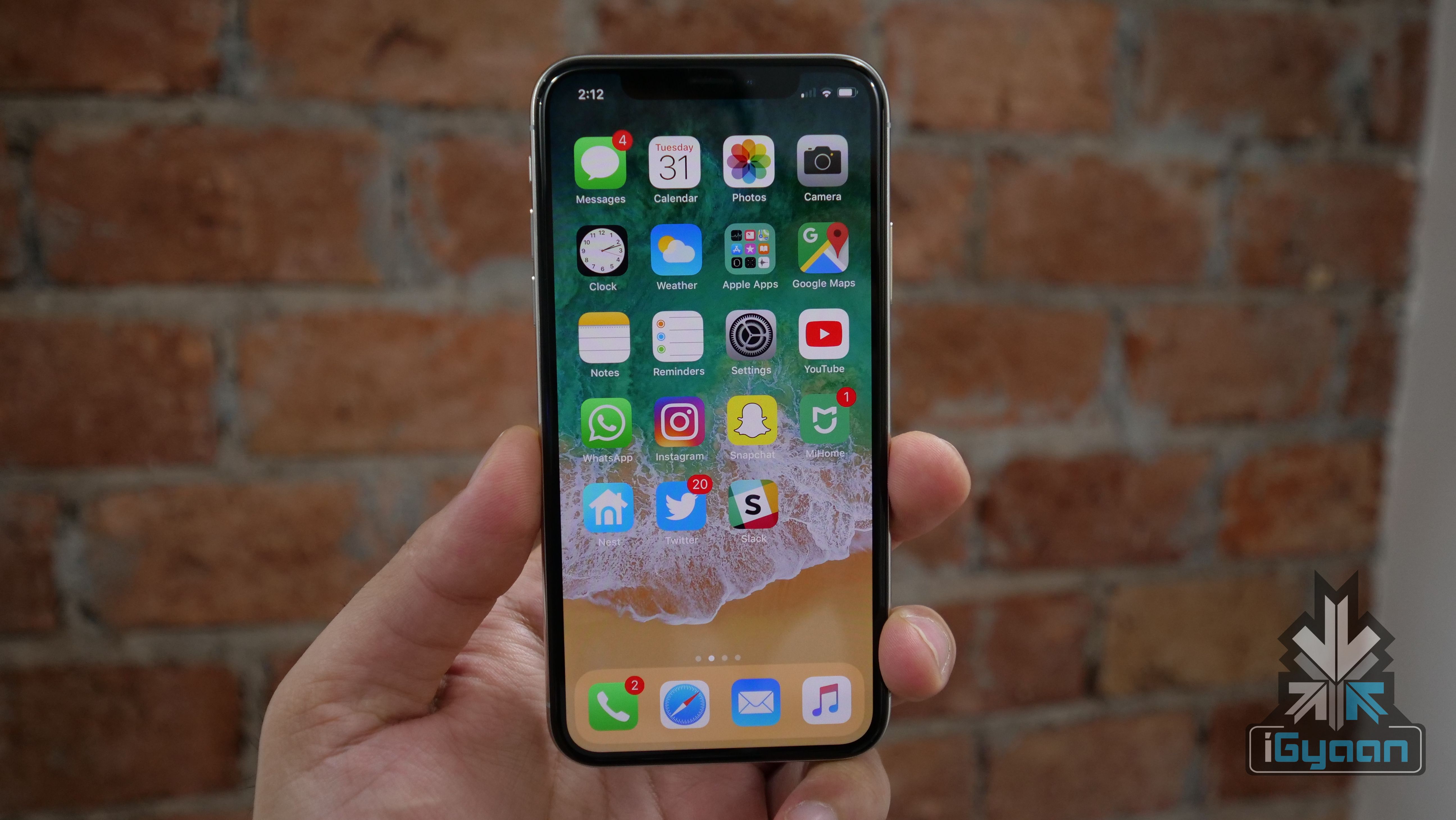
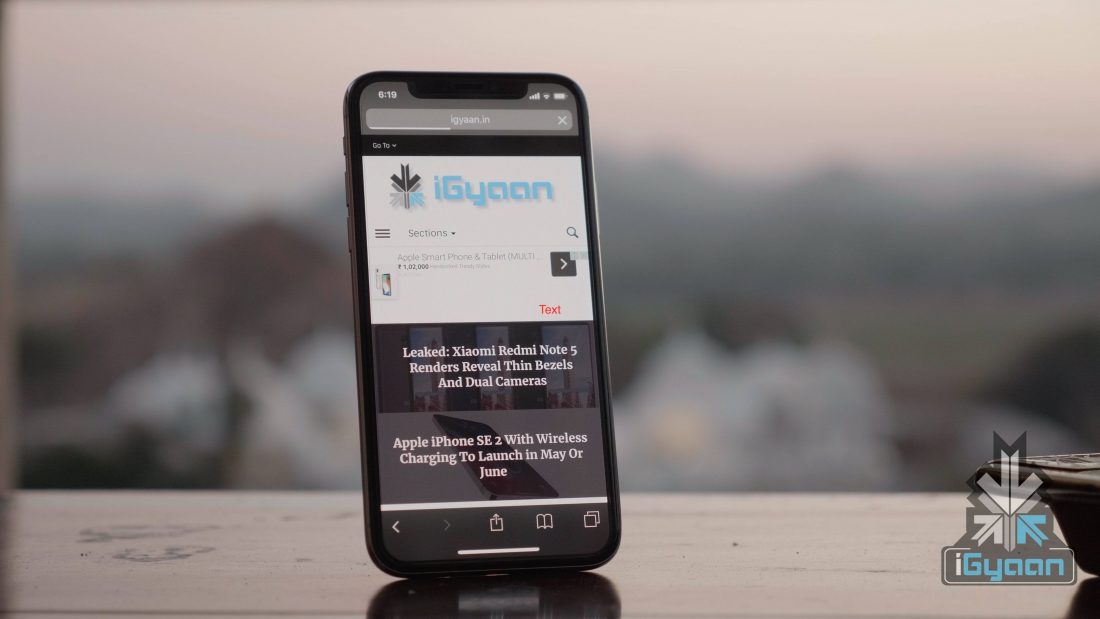
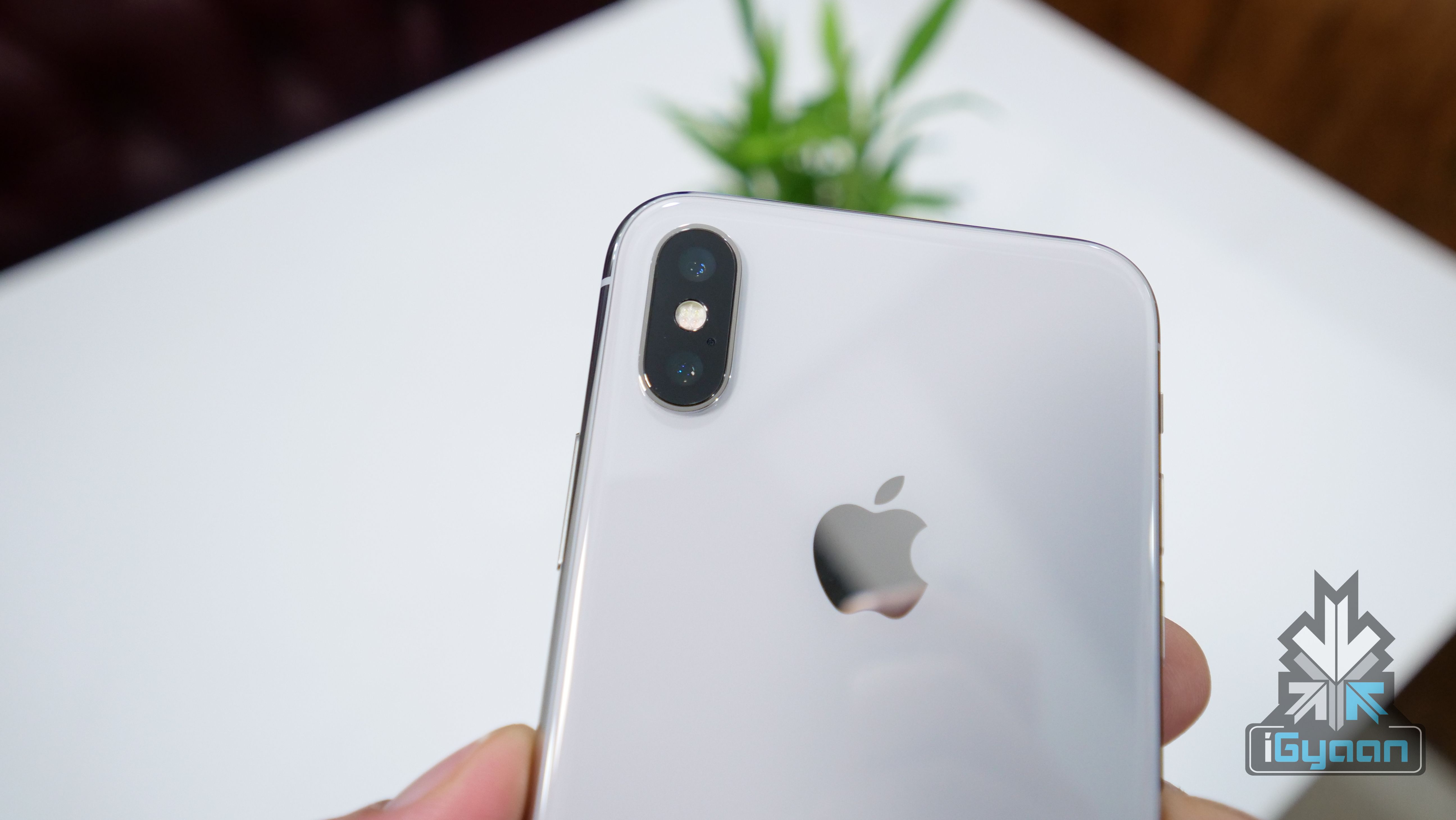
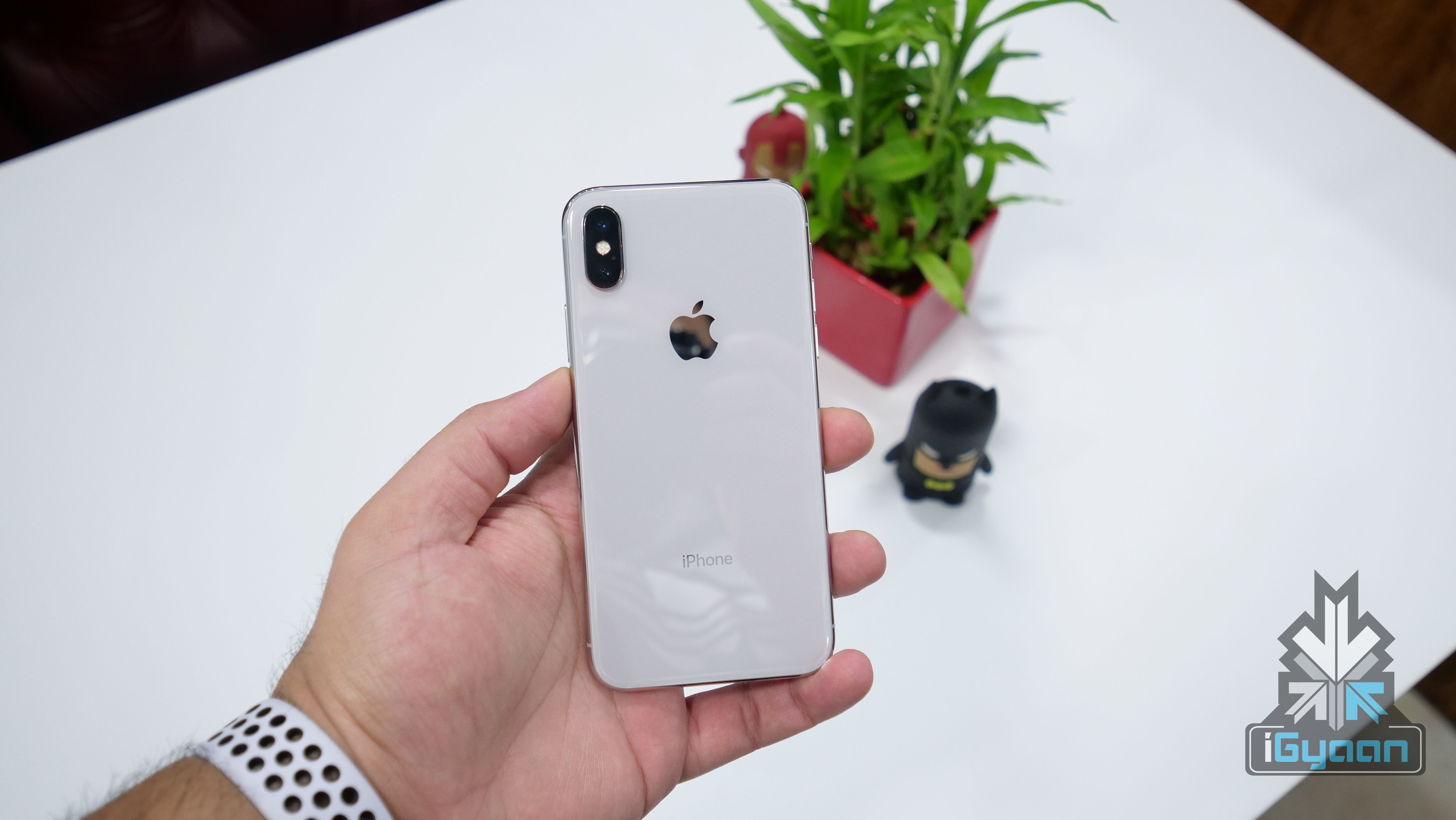
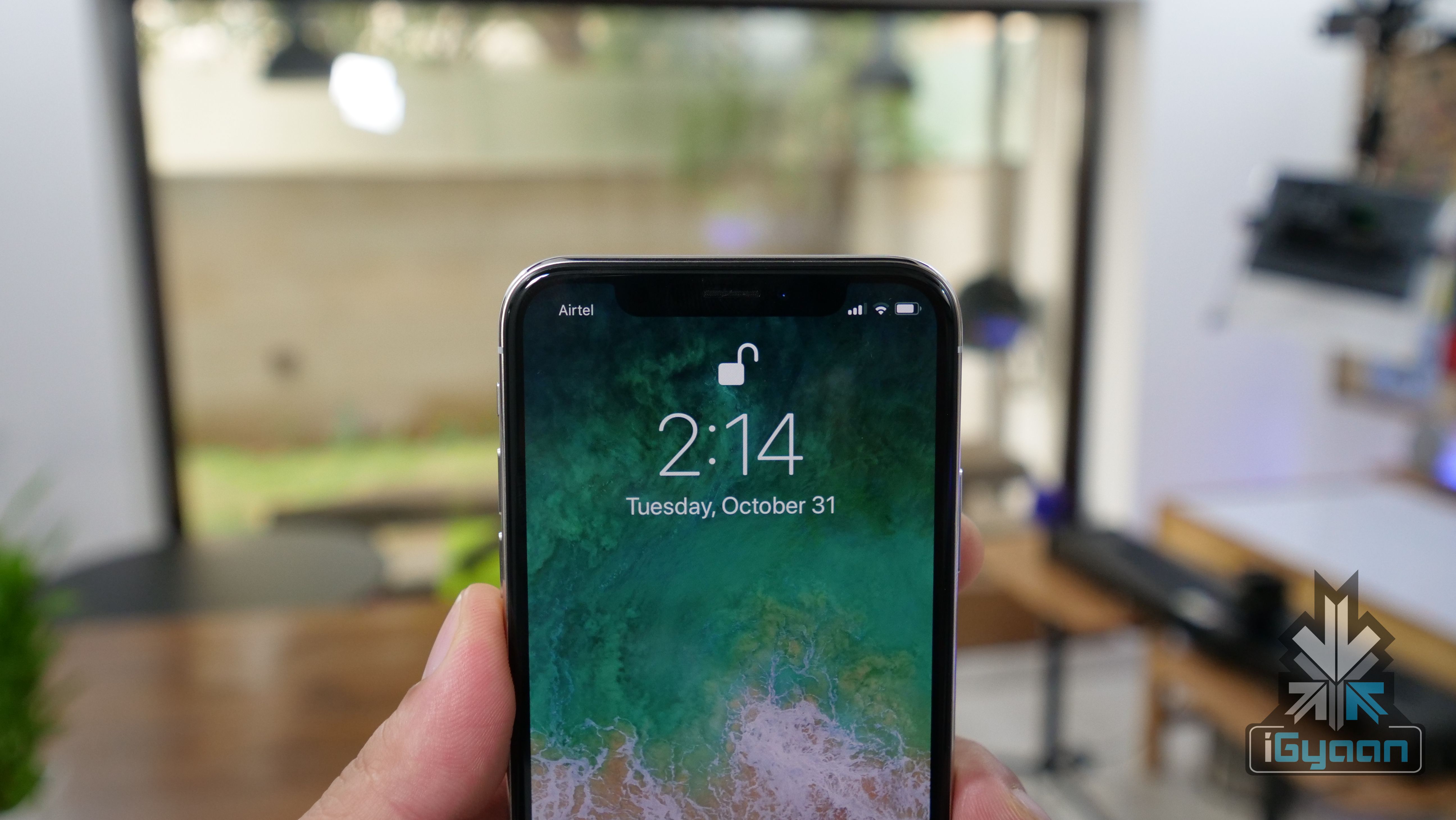
We are mid-way through the iPhone cycle and about 5 months away from the next iteration of Apple iPhones. So far, there have been a lot of conflicting reports about the 2018 iPhone lineup, especially when it comes to what all variants Apple will launch. A second generation iPhone X seems likely, along with an iPhone X Plus. There are also reports of an iPhone X like iPhone with an LCD display. Now, a new note to investors by Ming-Chi Kuo has revealed the pricing details of the upcoming iPhones in 2018.
2018 Apple iPhone lineup
Ming-Chi Kuo of KGI Securities is a trusted source for iPhones in particular and his new note has revealed a few interesting details. According to Kuo, the 2018 lineup of Apple iPhones will start at a price of US$ 550. This is about a hundred and fifty dollars cheaper than the 2017 iPhone lineup wherein the iPhone 8 retails at a price of US$ 699 for the base model. Kuo believes that the 6.1 inch LCD model of the 2018 iPhone will be launched in September and will start at a price of US$ 550. The single SIM model could retail for anything between US$ 550 and US$ 650, while the dual-SIM model would sell for between US$ 650 and US$ 750.
In his note, Ming-Chi Kuo explains that the 6.1-inch LCD iPhone could be available in two models, one with a single SIM and another with dual SIM dual standby. If true, this will be the first time ever that Apple will launch an iPhone with a dual SIM setup. He has also said that the 6.5 inch iPhone X Plus model will also have a dual-SIM variant while the 5.8 inch iPhone will only have a single SIM variant. He believes that a dual-SIM model could “help increase market share in China and commercial markets.”
Kuo has also predicted that Apple could sell between 100 million and 120 million units between Q3 2018 and Q3 2019.
2017 was a great year for smartphone enthusiasts. We saw thin bezels and tall displays become a norm and new smartphone designs like the iPhone X with a notch. However, that innovation in smartphones did not translate into desired sales as global mobile profits decreased by 1% year-on-year in Q4 of 2017. For Apple, though, it was not a gloomy year by any means. The Apple iPhone X alone generated 35% of the total mobile industry profit as Apple grew by 1% year-on-year in Q4 of 2017.
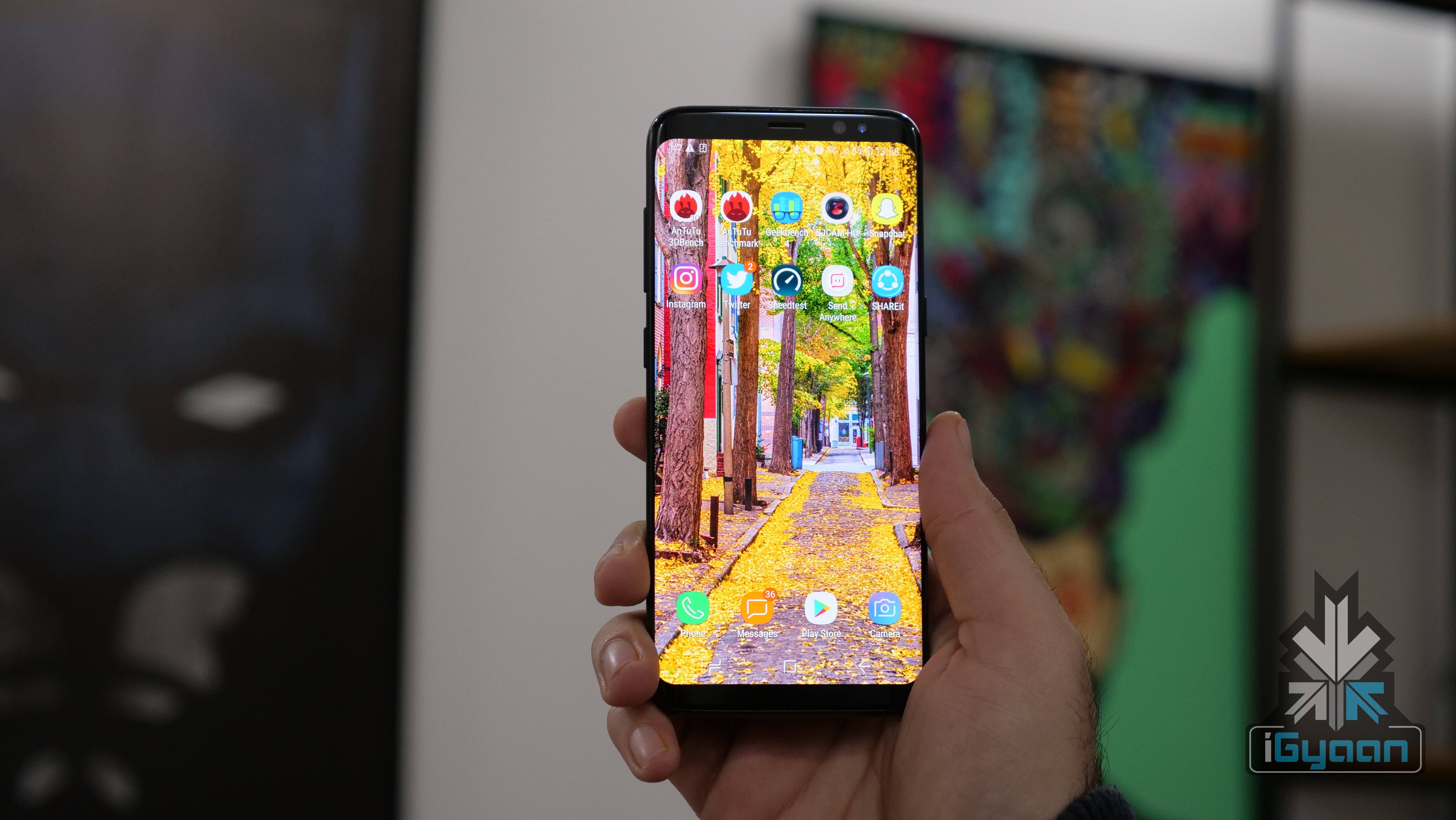
Galaxy S8
According to the latest report by Counterpoint Research, Apple remained the most profitable premium smartphone brand, capturing about 86% of the total handset market profits.
Apple grew 1 percent (YoY) even with the iPhone X being available for only two months in Q4 2017. The iPhone X alone generated 21 percent of total industry revenue and 35 percent of total industry profits during the quarter.
The share of iPhone X is likely to grow as it advances further into its life-cycle. Additionally, the longer shelf life of all iPhones ensured that Apple still has eight out of top 10 smartphones, including its three-year-old models, generating the most profits compared to current competing smartphones from other OEMs
Interestingly, the iPhone X generated 5 times more profit than the combined profits of over 600 Android smartphone makers during the fourth quarter of 2017. Thanks to a host of budget smartphones on offer by Chinese OEMs, their cumulative profits crossed US$ 1.3 billion during Q4 2017. Interestingly, the average selling price of their smartphones increased year-on-year.
These figures tell a curious tale about the iPhone X, which was heavily criticised for its price and design at the time of its launch. However, with time, the design of the iPhone X has set an industry wide trend and the price tag has not stopped it from being the most successful smartphone of 2017. Sales of the iPhone X are expected to increase further when the next generation of iPhones is launched later in 2018. The price of the iPhone X will go down and potential iPhone buyers will go for the iPhone X as the design of 2018 iPhones is expected to be similar to the iPhone X.
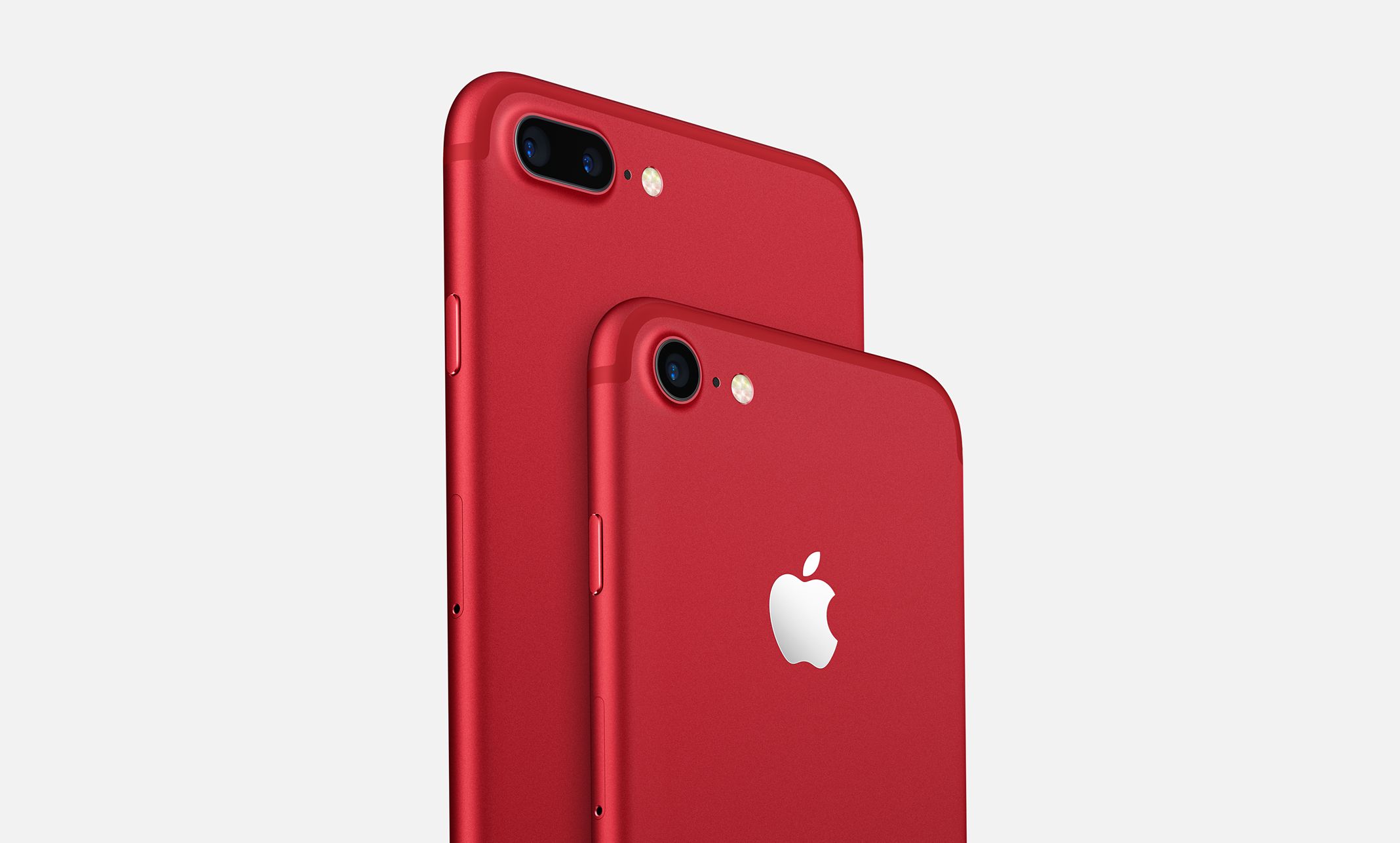
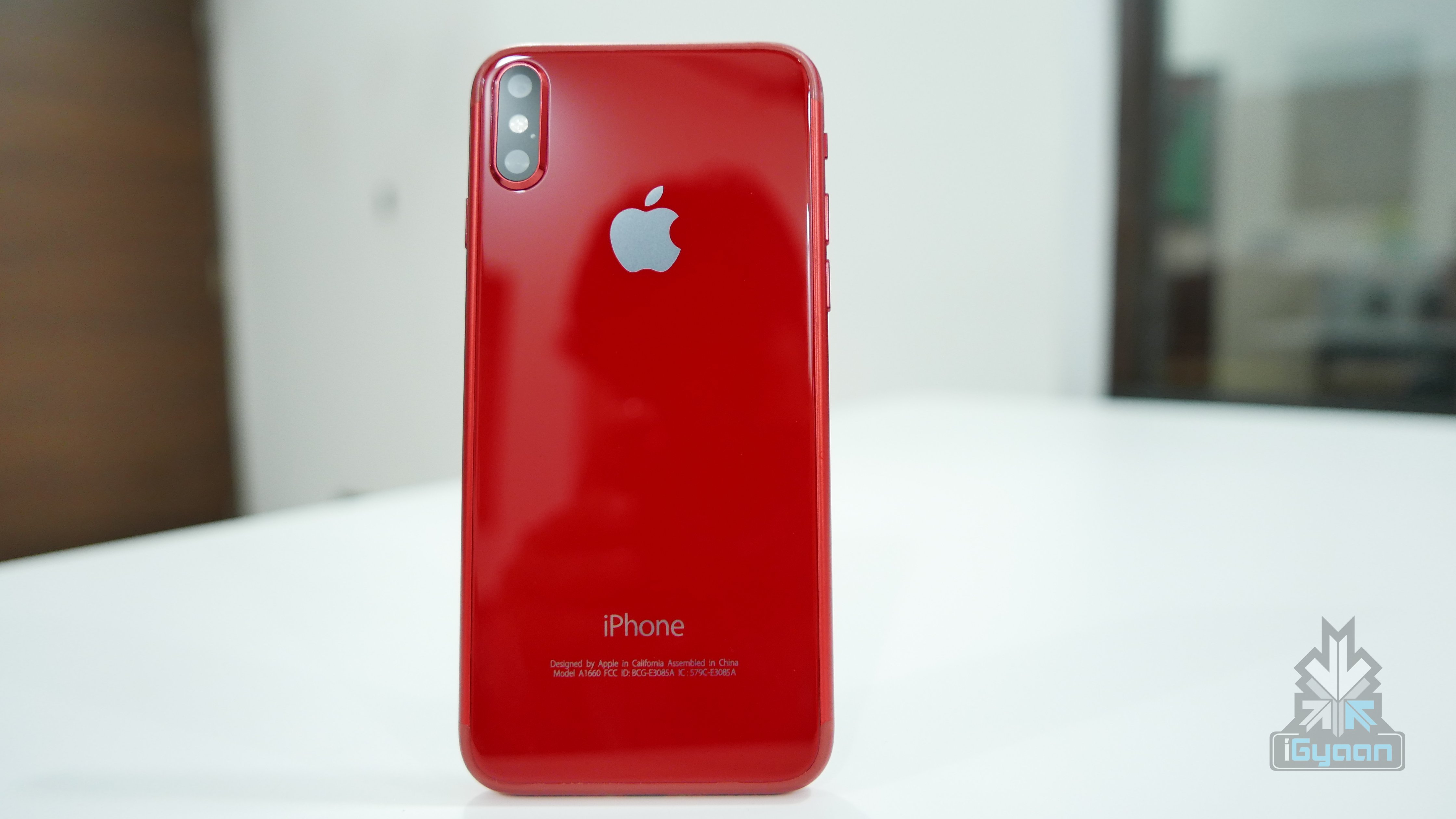
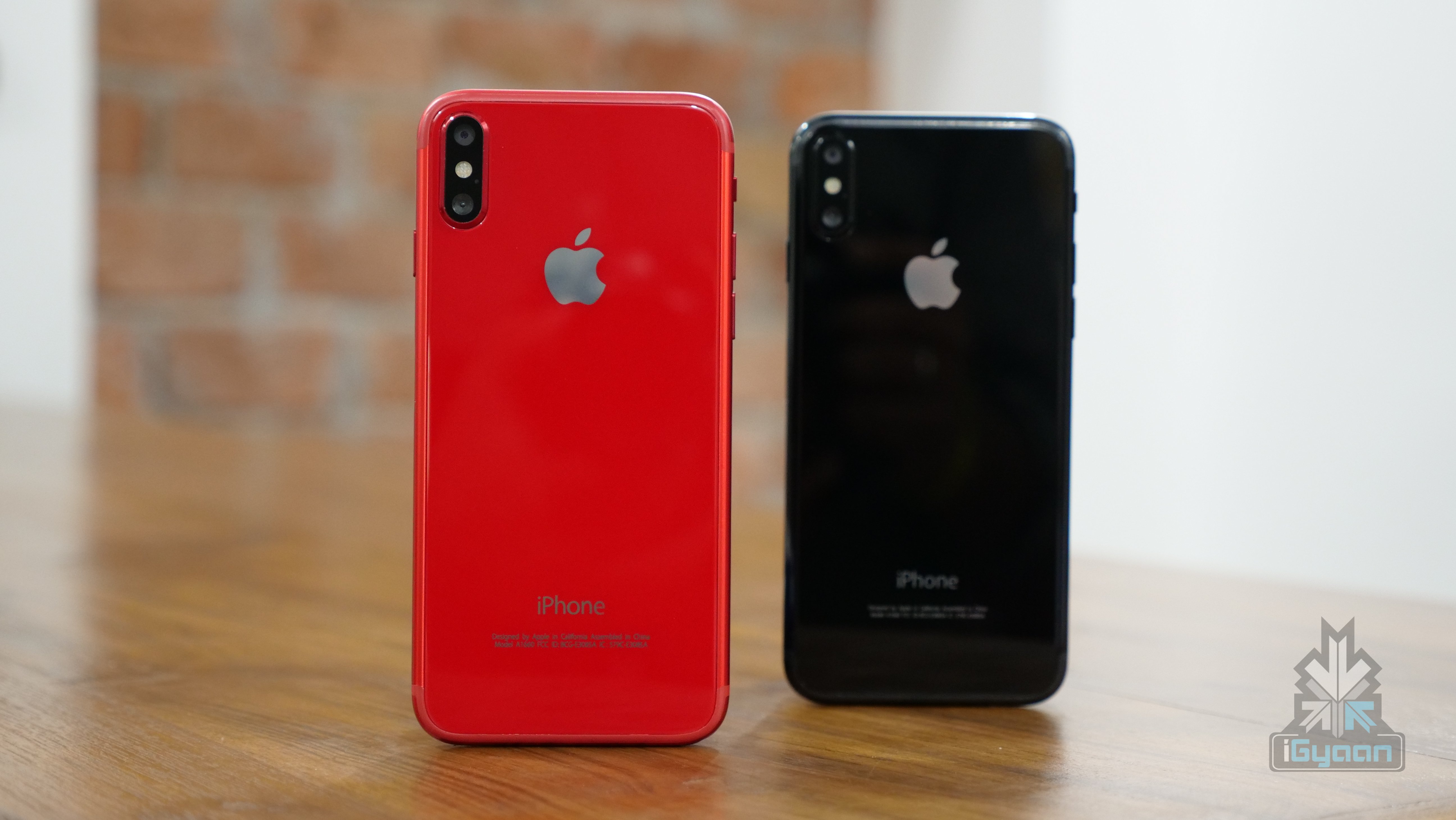
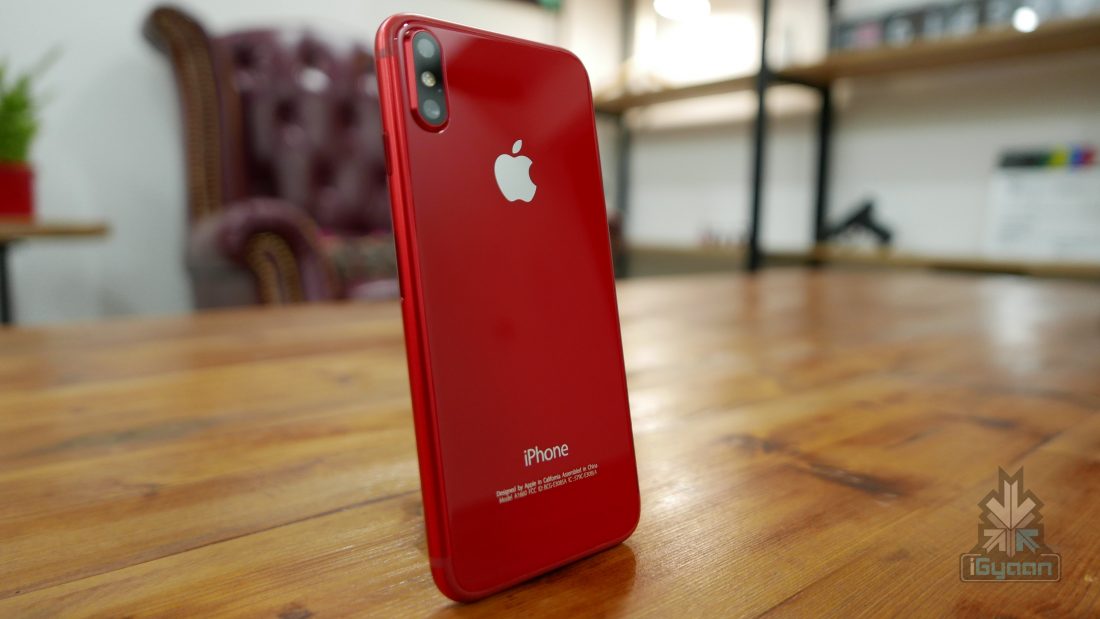
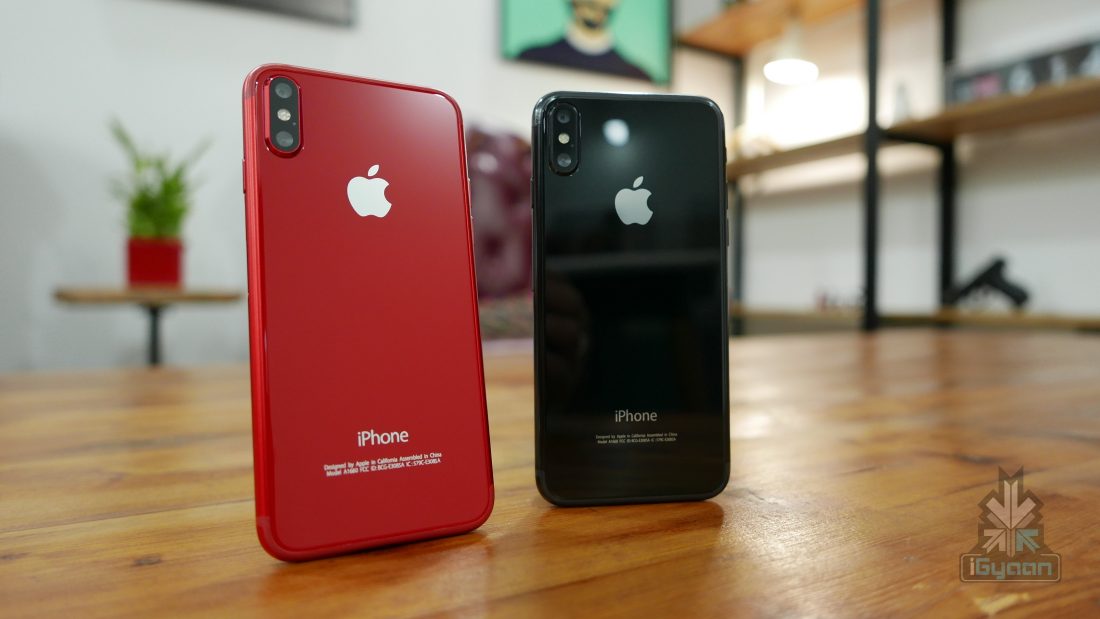
In March 2017, Apple launched the iPhone 7 and iPhone 7 Plus (Product) RED. The new colour variants kicked off another smartphone trend of OEMs launching special edition red variants of their popular devices. It now looks like that Apple will continue its Product RED series with the launch of the iPhone 8 (Product) RED.
According to a report by MacRumors, it has viewed a memo from Virgin Mobile, which says that Apple will announce the new iPhones on the 9th of April. While the memo confirms the new variants will be available for preorders, it doesn’t specify whether the iPhone X (Product) RED will be included or not.
The new colour variant launch is a part of Apple’s partnership with (RED), an advocacy group dedicated to combating HIV/AIDS in Africa. It was founded in 2006 by Bono, frontman of the iconic band, U2 and ONE Campaign activist Bobby Shriver. Over the years, Apple has launched a number of special RED iPads, iPods, cases and for the first time, in 2017, launched the iPhone 7 and iPhone 7 Plus in the special edition colour.
Just like 2017, the difference between a regular iPhone 8/8 Plus and iPhone 8 (Product) RED will just be the colour. The specifications will remain the same.
There won’t be any launch event as Apple has not publicised or sent invites to an event yet. Similarly to last year, Apple will send out a press release to announce the new colour variant. It also appears that AirPower will be a part of the announcement. AirPower was announced along with the iPhone X launch and is a wireless charger for the iPhone, Apple Watch and AirPods. Interestingly, all the mentioned devices can be charged simultaneously using the AirPower.
The priciest iPhone ever, the iPhone X was well-received all over the world. In 2018, Apple will repeat the trifecta by launching three new iPhones. The design of the iPhones will be identical to the iPhone X. This means that the iPhone SE 2 will be the only new iPhone to feature Touch ID. But, that won’t stop the company from reaching 10 million iPhone users in India.
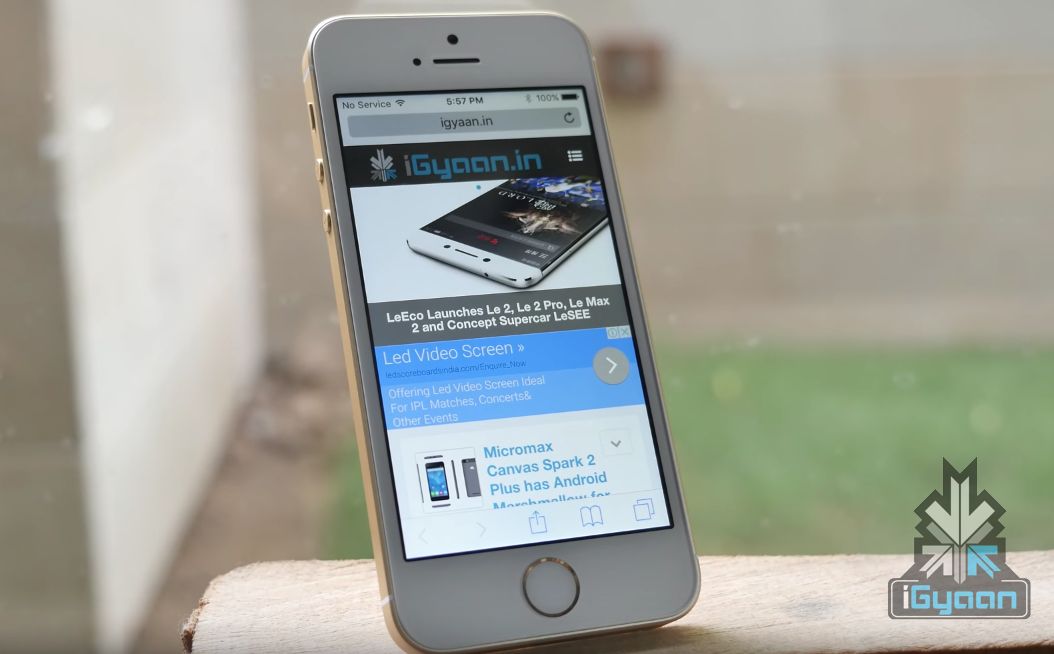
iPhone SE
In 2017, there were 8.9 million iPhone users in India. With the launch of three of new iPhones and a price drop of some famous iPhones like the iPhone 7 and 7 Plus, this number will increase a lot more. A report by CyberMedia Research claims that Apple will reach the number far quicker if it ramps up its assembly operations in India. If done so, the company will be able to reduce the price of other iPhones as well, just like it did for the iPhone SE.
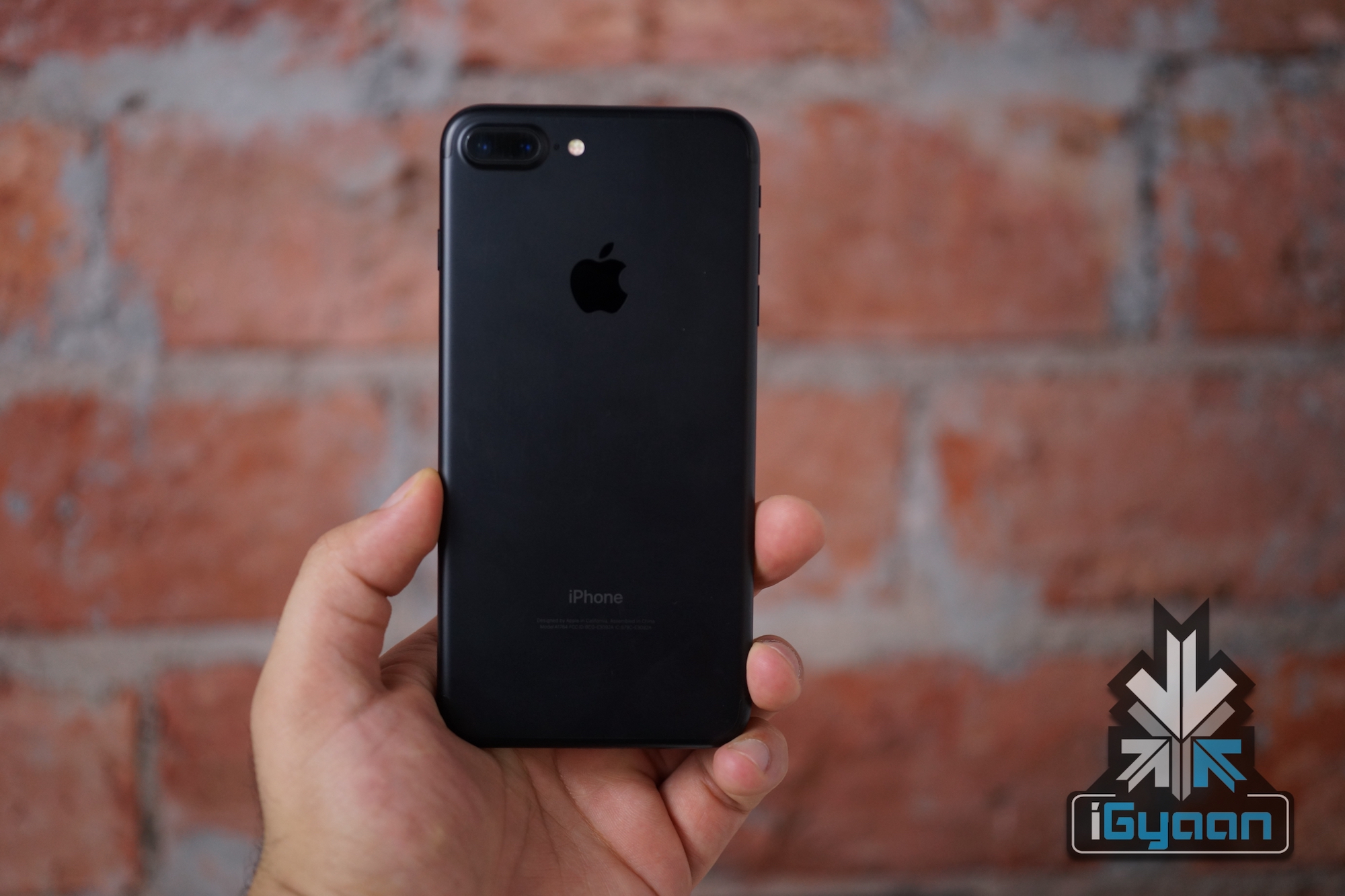
iPhone 7 Plus
CyberMedia Research analyst Faisal Kawoosa said:
It’s a remarkable accomplishment for Apple. In a price-sensitive market like India where 56% of the smartphones sold are still sub Rs 10,000.
However, just comparing pure numbers would reveal that Apple’s accomplishment pales in front of that of Xiaomi and Samsung’s. The new market leader, Xiaomi, had 28 million users by the end of 2017. Samsung, on the other hand, has crossed the 100 million-barrier. But, as the report points out, India is a very price sensitive market and Apple only sells premium smartphones here. Even its most affordable offering, the iPhone SE is double the average price of a bestselling smartphone.
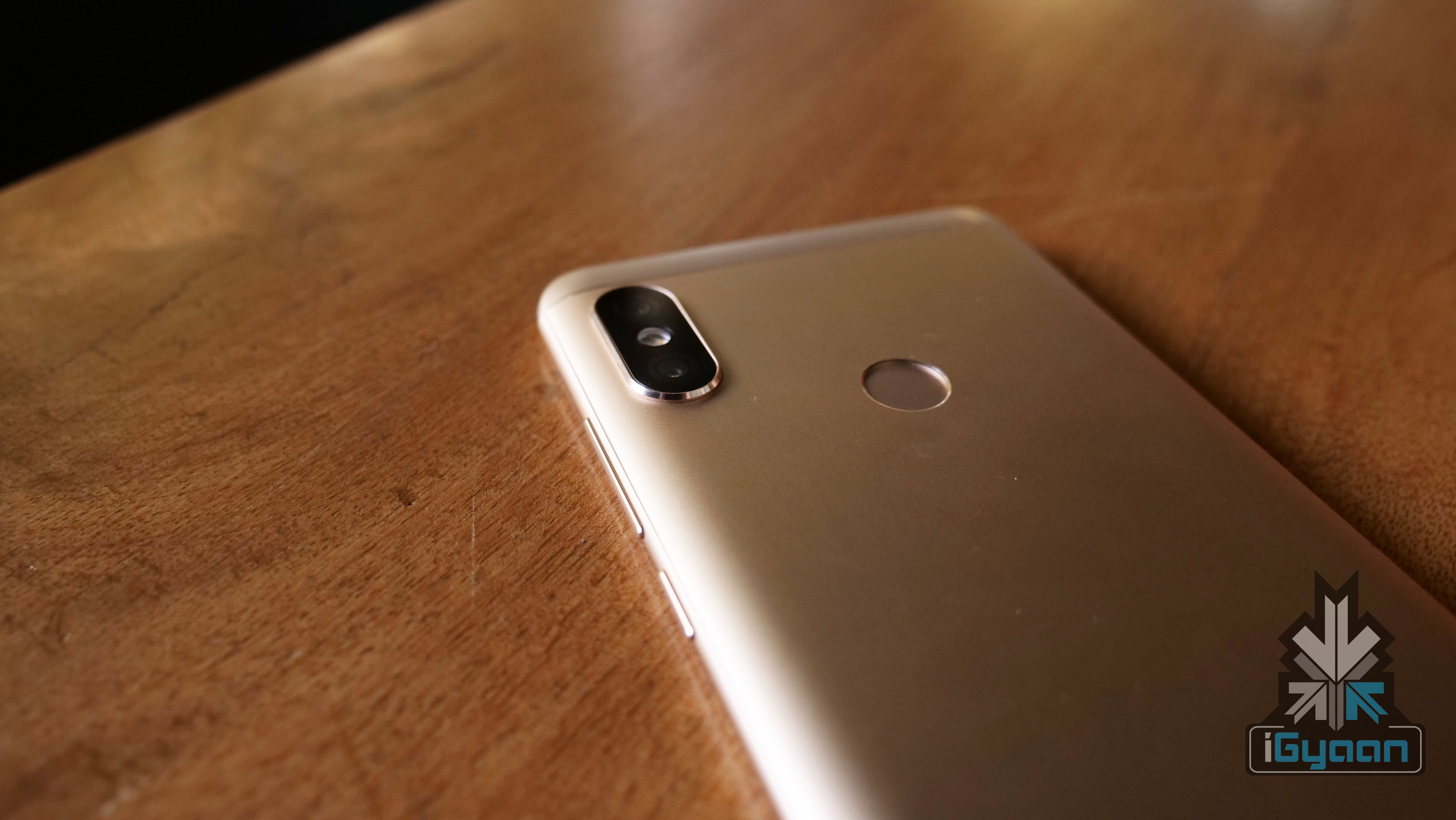
Redmi Note 5 Pro
In fact, the iPhone X recently became the bestselling premium smartphone in India. In Q4 2017, the iPhone X was the top smartphone in the premium segment, with a share of 21% of the shipments. The iPhone X was followed by the OnePlus 5T at 17% and Samsung Galaxy Note 8 at 8%.
A Telugu character is all over the internet, causing massive app-crash on iOS devices. Some users have reported, whenever they receive a message with the specific Telugu character, the app crashes and becomes unresponsive. The bug is affecting the iPhones and iPads running on iOS 11.2. However, if the iPhone/iPad runs on iOS 11.3, then your device will not be affected. So, if a user receives a text with the Telugu character on WhatsApp, iMessage, or Gmail the app goes unresponsive.
Apple has officially responded, stating that the company is working on a software update to fix the issue. So, we might expect an interim iOS update, which should patch the bug.
Apple has responded to iMore stating:
The bug has been patched on the beta version of iOS 11.3. Users will receive a software update very soon that patches the bug.
How to fix this on an affected iPhone or iPad:
If the third-party app like WhatsApp or Gmail are affected, then uninstall and re-install the app (delete the complete thread after re-installing)
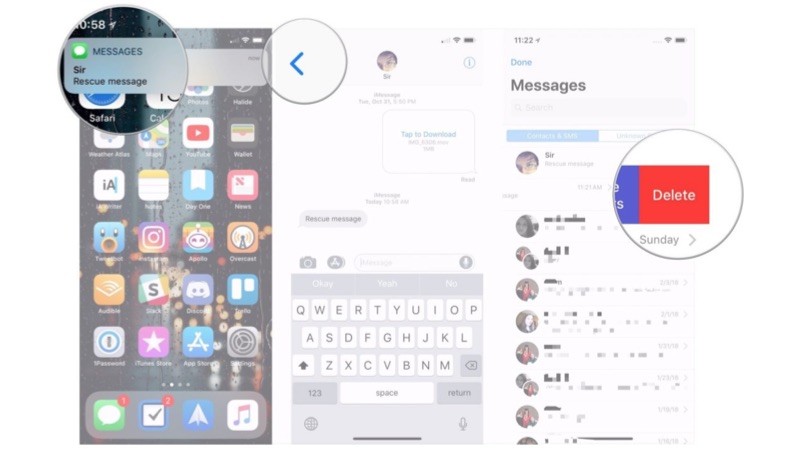
If the iMessage app is affected, then tell your other friend to send a text and open the text message from notification shade, go back to the main page and delete the complete thread.
Apple iPhones have been known to be much more expensive in India than the western market. To put things into perspective, the iPhone X was launched at a price of Rs. 89000 in India which roughly translates to about US $1400 and in the US, it is priced at US $999. That is a huge difference and, that difference will now increase even more. iGyaan reported that the Indian government will increase the import tax on electronics such as phones and that it could have an effect on the price of iPhones in India.
Apart from the iPhone SE, all iPhones from iPhone 6s and above will see a price hike in the Indian market. This isn’t good news for people with the holidays coming up and people tend to buy new phones to commemorate the new year.
From today, the iPhone X will retail at a new price of Rs 92430 for the 64GB variant and Rs 1,05,720 for the 256GB variant. After the customs hike, iPhone 6s will be priced at Rs. 41550 for the 32 GB variant which was earlier Rs. 30780 while the 128 GB variant will be available for Rs 50,660. The 32 GB and 128 GB variants of iPhone 6s Plus will now be priced at Rs 50740 and Rs 59860, respectively.
iPhone 8 Plus and iPhone 8
The iPhone 7 will be priced at Rs. 50810 for the 32GB variant, while the 128GB variant is now priced at Rs. 59910. The iPhone 7 Plus will be now be priced at Rs. 61060 for the 32 GB variant and Rs. 70180 for the 128GB variant. The iPhone 8 will be available for Rs. 66120 for the 64GB variant and Rs. 79420 for the 256GB variant. The iPhone 8 Plus is priced at Rs. 75450 for the 64GB variant and the 256GB will be available for Rs. 88750.
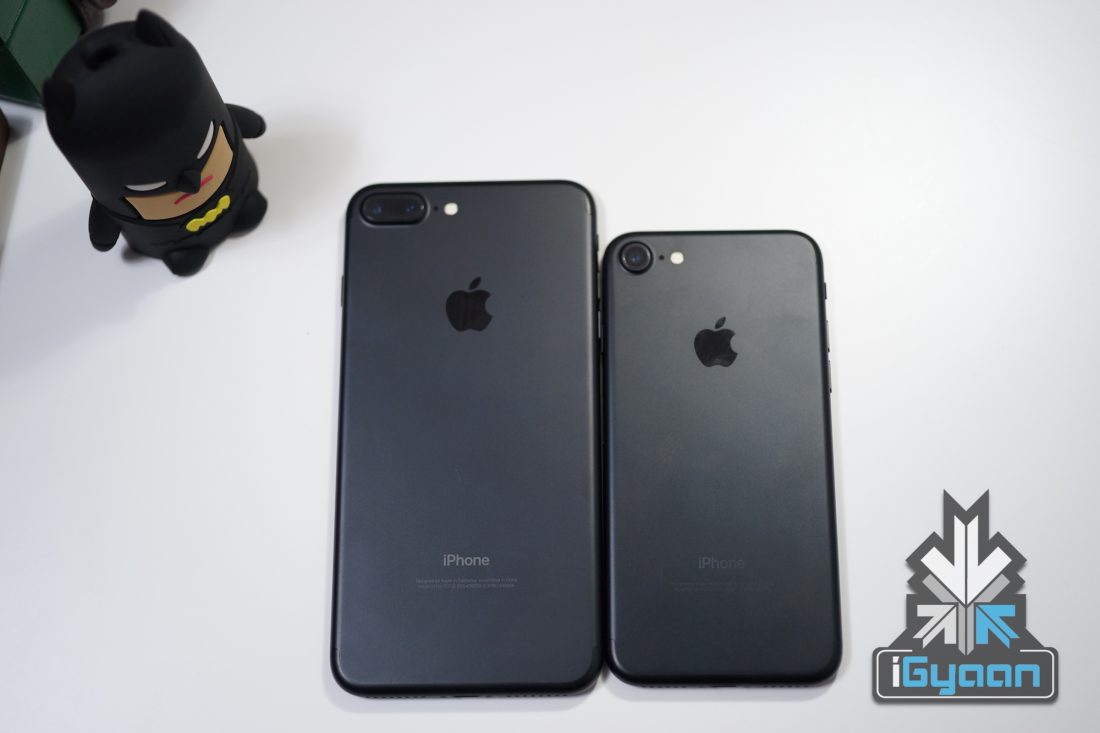
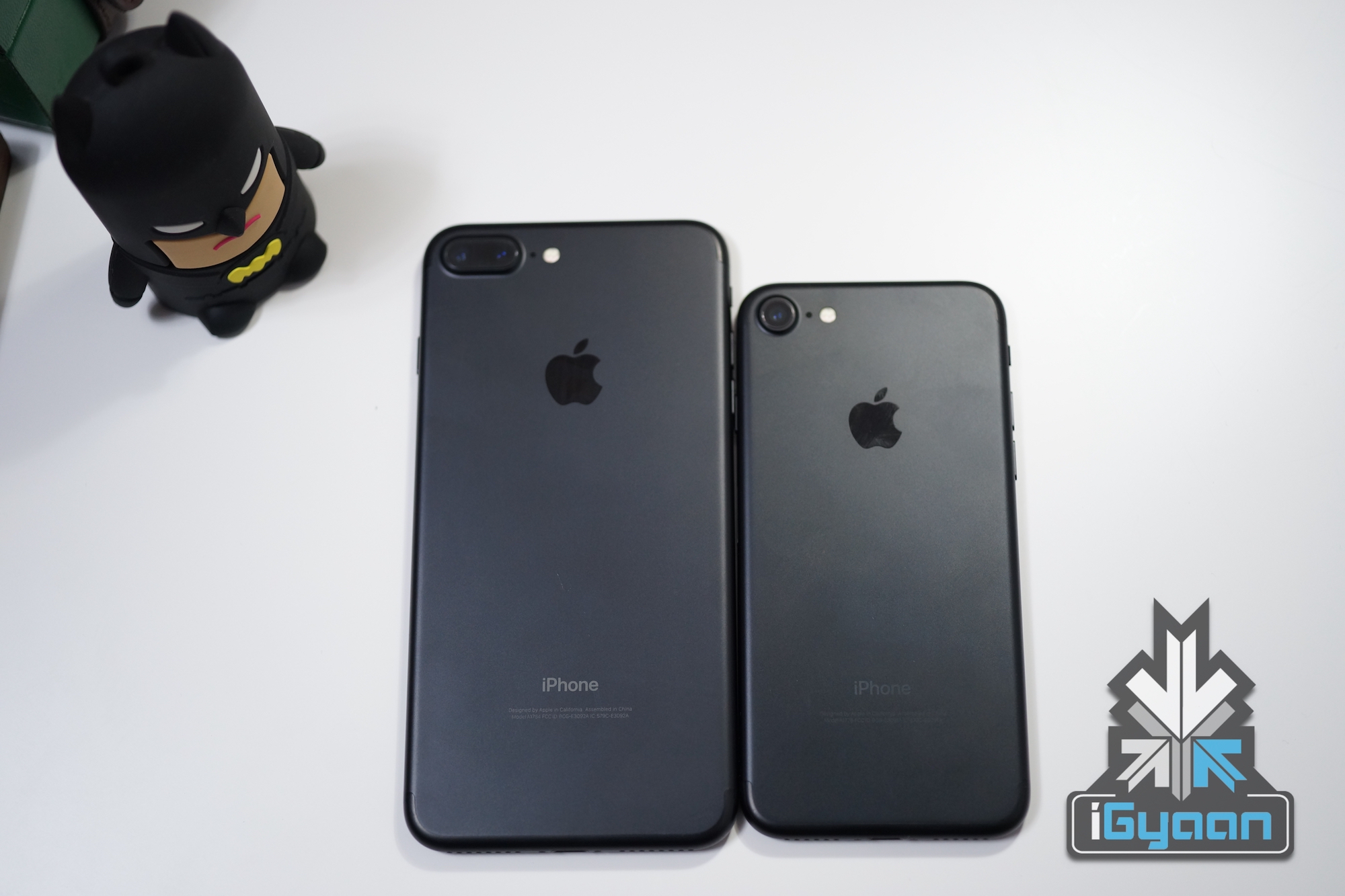
iPhone 7 Plus and iPhone 7
This has happened because the government has increased the import tax from 10% to 15% and this news comes a few days after Apple registered the slowest revenue growth in India in the past six years. With this price hike, there is a huge possibility that iPhones will face a steep competition from their own price tag, more than anything else.
In November, Ming-Chi Kuo of KGI Securities indicated that Apple would unveil a new 6.1-inch iPhone next year with the iPhone X design, but a traditional LCD display instead of OLED. A new report from Nikkei claims that the LCD iPhone will feature a metal back similar to the iPhone 7 and iPhone 7 Plus.
The 6.1-inch LCD model will likely sport a metal back [like older iPhone handsets] that will come in several colors, and that the two OLED handsets will come in two sizes: one either 6.2 or 6.3 inches long, and the other 5.8 inches.
A move back to a metal body will mean that the new iPhone might be available in a few more colour options than the iPhone 8 or iPhone X. It’s believed that it’s harder for Apple to produce additional colour options in the glass back design, hence why this year’s phones are available in fewer colour variants than last year’s.
The iPhone 7 came in five different colour options-Rose Gold, Gold, Silver, Jet Black, and Matte Black. Meanwhile, the iPhone X only comes in Silver or Space Gray and the iPhone 8 in Silver, Space Gray, and Gold.
It has barely been over 2 months since the iPhone 8 and iPhone X were launched and we already have multiple reports of what the iPhones launching in September of 2018 will look like. It is too early to call anything as of now but, we will keep you posted on all new developments.
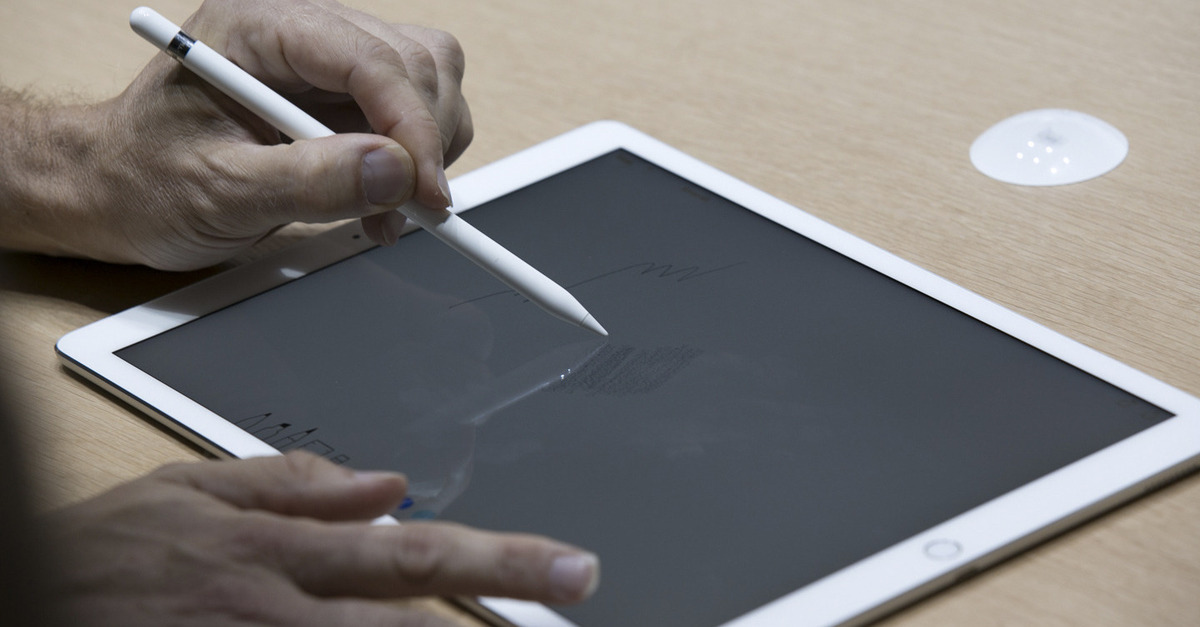
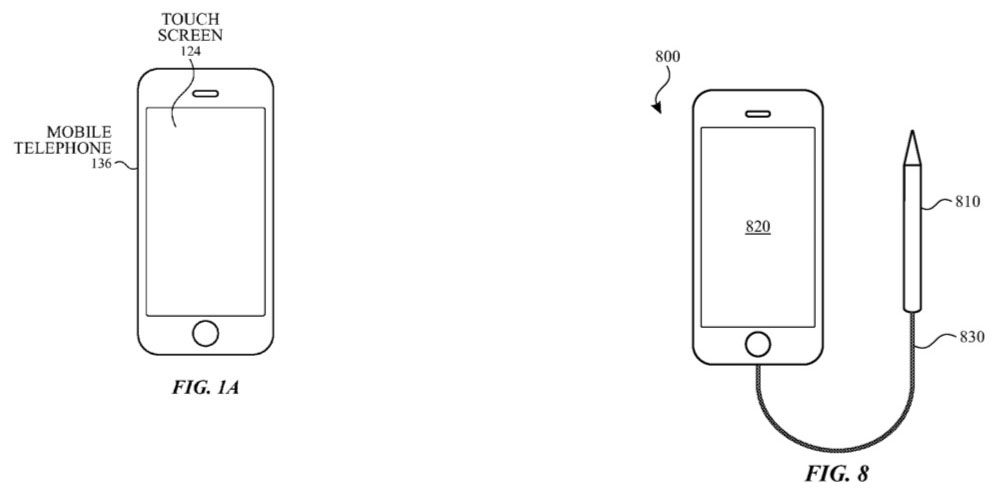
Apple Pencil support for iPhones have been highly anticipated ever since Tim Cook accidentally confirmed that its on it way. A new patent has been published which chronicles the technology behind using the pencil with a smartphone.
The touch sensing system may perform one or more coarse input device sub-scans to determine a coarse location of the input device.
The coarse location can be used to select one or more touch sensors (or sensor channels) to sample for decoding data encoded in the stimulation signals from the input device.
During one or more fine input device sub-scans, the touch sensing system can determine a fine location of the input device and decode the data from the input device sampled from the selected touch sensors (or sensor channels).
The sketches accompanying the patent resemble the iPhone even though the patent talks generically about ‘touchscreen devices’.
Some reports suggest that 2019 iPhones will even retail with a mini Apple Pencil although this seems far-fetched.
As smartphones get sleeker, many companies resort to making the battery size smaller in order to keep the phone thin. As the iPhone X launch craze fades away, a new report suggests that the 2018 iPhones will have a new power management system that will qualify as the “most advanced in the industry.”
It appears that Apple is designing its own power chips, which should be manufactured by TSMC, Apple’s go-to silicon supplier.
This new component will barely be mentioned in the keynote, or make the advertiser’s list of fancy features but, it is one component that can make the 2018 iPhone a much better prospect than its Android counterparts. The report goes on to say:
The in-house chip would be the most advanced in the industry, according to the sources, and could have processing capabilities that allow it to better monitor and control power consumption among various components.
With Apple resorting to in-house chip manufacturing, its current supplier Dialog Semiconductor will be sweating bullets. Last year, Apple accounted for 74% of Dialog Semiconductor’s revenue which means that this move by Apple will not be good news for the UK-based firm.
The repercussions of Apple moving to in-house chip-making are real. Earlier in 2017, it was reported that Apple had started developing its own graphics chips, which resulted in Imagination Technologies’ stock crashing immediately upon the revelation. It was later revealed that the company had sold itself to a private equity investment fund in the aftermath.
Lawsuits and counter lawsuits within tech companies have been going on since as far as one can imagine. But, a tech giant owing considerable amount of money to consumers could be the new talking point. British consumers who used an iPhone between June 2011 and February 2012 could receive as much as US $672 each from Google as compensation for the search giant bypassing Safari privacy settings between those dates.
Google’s backdoor method of installing cookies on iPhones despite them being blocked in Safari’s settings was discovered in 2012.
A British campaign group launched a class action lawsuit on behalf of the 5.4 million iPhone users in England and Wales affected by Google’s ‘Safari workaround.’ The lawsuit could cost Google as much as US $3.63 billion.
The campaign group, You Owe Us, has said that the British iPhone owners affected by the breach of privacy do not need to take any action at this stage to be included in the lawsuit.
We have started a representative action against Google because we believe they abused the rights of iPhone users by taking their data unlawfully.
A representative action is when a group of people affected by the same issue are represented by a single person to bring a claim. Consumers can use such an action to hold large companies to account. Representative actions need representatives, ours is Richard Lloyd.
If you were affected you will automatically be part of the claim and you do not need to take any further action. Richard Lloyd and the lawyers are taking care of the case.
The compensation amount has not been officially decided yet. The campaign group says that the amount would be decided by the court.
The iPhone has been one of my two primary devices for many years. When Apple announced the iPhone X back in September the biggest concern as a potential iPhone X user was the lack of the two main things that had been engraved in my muscle memory; the home button and the Touch ID.
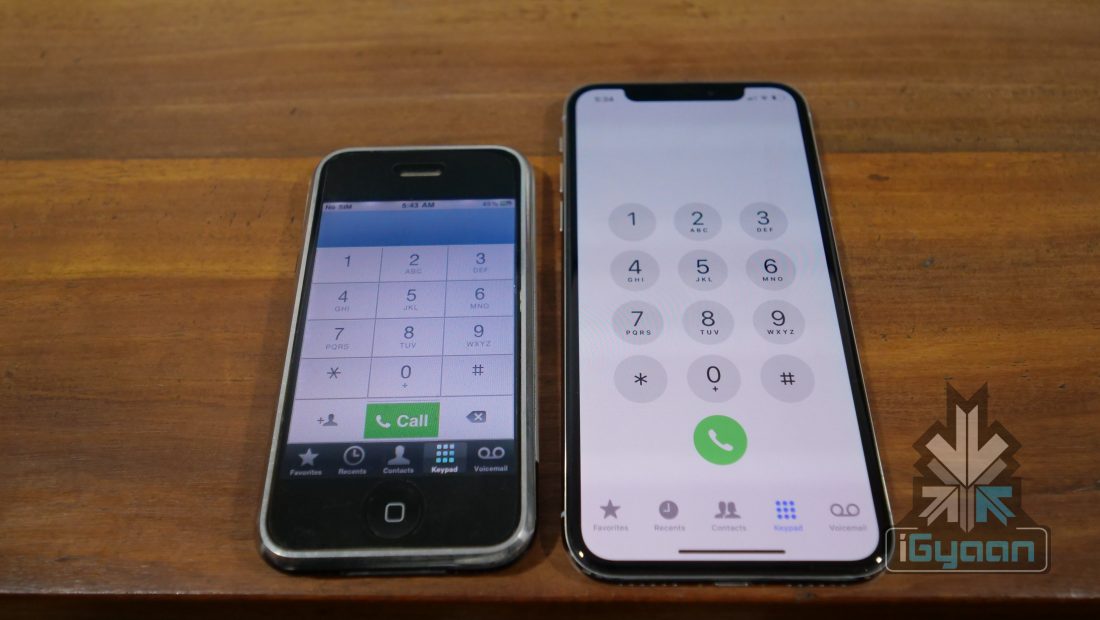
The iPhone X has a new modern edge to edge design, and with this the iPhone X also loses the home button, the most iconic iPhone feature since the launch of the first iPhone. Using an iPhone required a lot of interaction with the home button and Touch-ID sensor which was also placed in the home button since the iPhone 5s. And it was this high usage of the sensor and button , that made Apple change the fragile physical button with a press mechanism with a more long lasting pressure sensitive sensor with no physical movement. This potentially means that the home button on the iPhone 7 and iPhone 8 will last you as long as the phone is functional.
The Touch ID is also engraved into muscle memory, on an iPhone the Touch ID does a lot more than simply allow access to the phone, it allows access and security to auto-fill forms, logins for apps and passwords for the iCloud Keychain. TouchID is also fused with banking apps and security wallets to enable access. Apple Pay is one of the most common use case scenarios where the Touch ID is used frequently and it is pretty seamless as a payments system.
Being a fan of physical and tactile keys, I was already disappointed that Apple had removed the physical button with a seamless pressure sensitive glass on the iPhone 7. But, since Apple had added a Taptic Engine inside the iPhone 7 and iPhone 8 the feeling of pressing button does remain for each time you press the home button, at least when the phones are powered on.
With the iPhone X, I was pretty sure that getting used to an iPhone without Touch ID and more importantly without a home button would be rather disastrous, and time consuming. But, I couldn’t have been more wrong. The iPhone X has a natural feeling design, and even though that tiny bar at the bottom may appear to have no significance apart from being a design/visual cue, it seems to do a lot more. Only a few minutes into the usage of the iPhone X and the need of the home button seems to fade away. It also helps that apple has made the animations and the transitions very detailed and smooth. iOS 11 for the iPhone X is also designed to fully make use of the large screen real estate using the edges in different areas differently. In Apple’s words “It just works”.
Face ID on the other hand is something you will take some time with. The fact that you have to look at your phone before you unlock it means, that reaching the home screen from the lock-screen seems to take longer. Normally due to muscle memory you would place your thumb on the iPhone’s Touch ID before you even looked at the display, and would have found your phone already at the home screen by the time you glanced at the screen. This prior action would make the unlock process feel faster than the time it takes for Face ID to unlock, simply because now you have to stare at the phone while it unlocks.
Face ID is also surprisingly good, works in pitch darkness and even in bright light, in sunlight the phone does see IR interference from the sunlight and thus would require you to bring the phone closer to the face, but it works. It however is not ideal, not after how simple it was to unlock with Touch ID.
The home button, however, is something that I have happily forgotten, and only realised this when I picked up my iPhone 8 Plus and attempted to swipe up to reach the home screen. This just after spending 24 hours with the iPhone X .
Apple recently sent out invites for its September 12 event where it will announce three new iPhones and a host of upgrades to its existing products. Keeping the excitement of the new iPhones aside, products like an LTE enabled Apple Watch, 4K supported Apple TV will also be launched during the event.
Without a doubt, the most anticipated launch is that of the iPhone 8. There have been a lot of rumours and leaks about the upcoming flagship iPhone, let’s take a look at what we know about it so far
Display
The most talked-about feature of the upcoming iPhone 8 is its bezel less display. Ever since the launch of the Samsung Galaxy S8 and S8+ with the infinity display, rumours have suggested a 5.8 inch bezel-less display on the next iPhone. Apple is also said to finally be using OLED panels, and rumours suggest that the iPhone 8 will feature a curved OLED display which will pit it against the Samsung Galaxy S8 and S8+’s display. A new iOS 11 GM leak suggests that tThe display of the device may feature True Tone support like the iPad Pro.
Design
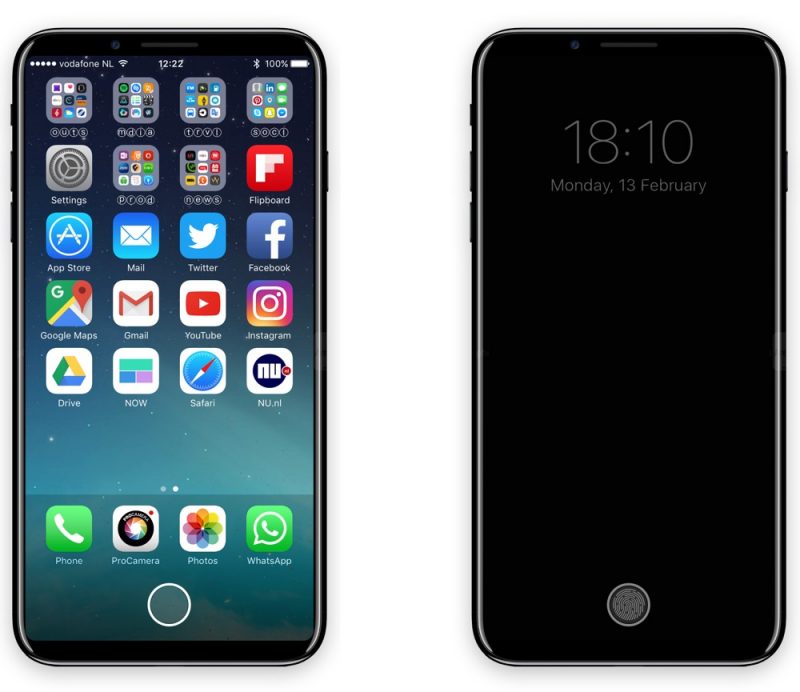
One of the most noticeable deviations for the iPhone 8 from the previous gen iPhones is going to its design. The smartphone will reportedly sport a “glass sandwich” design to support wireless charging. The phone will have a metal frame and very thin bezels with a notch on top to house the front camera, 3D sensors and other along with all the other necessary sensors. The lock button was reported to be larger this time around, mainly due to a fingerprint sensor housed in it but, these reports seem to have been deemed false. The headphone jack will still be dearly missed although, it may not seem that out of order or radical this time around.
Price
Multiple reports have confirmed that the new iPhone will break the US 1000 price barrier and cost USD 999 for the base 64GB variant. The other two variants will be the 256GB variant for USD 1099 and the 512GB variant for USD 1199. This bumped up storage is reportedly due to the phone’s 4K ay 60 FPS video taking capabilities through the front and back camera. Apple will also market the phone for AR functionalities and the apps to support that won’t be light on the storage, hence, the increased storage space makes sense. The price, on the other hand, will take a while to get used to.
Security
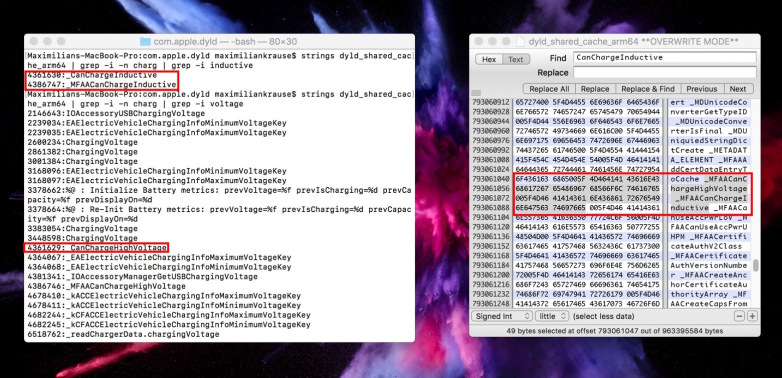
Ever since the iPhone 5S, TouchID has been a staple for all Apple mobile devices and has become the main security feature to access your Apple Account as well. According to the HomePod firmware leak, the new iPhone 8 will not feature a fingerprint sensor and instead will be replaced by a facial recognition system dubbed as ‘FaceID’. These rumours gained impedance when the 3D sensing modules of the iPhone 8 were leaked.
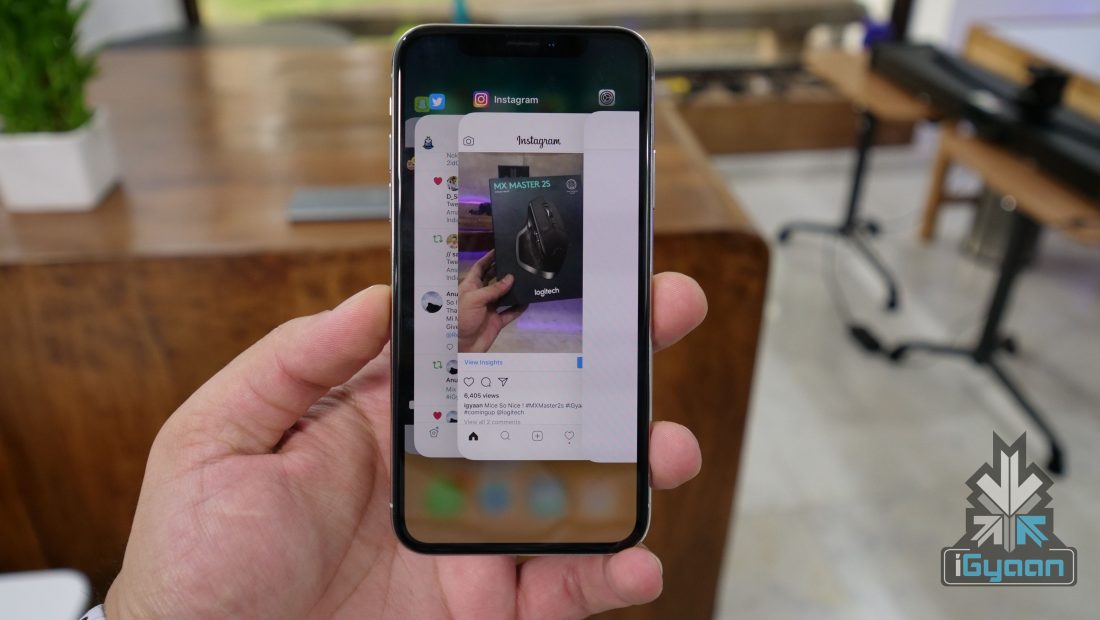
The lack of bezels forced Apple to replace the home button and after the initial reports of a virtual home button, it seems like the iPhone 8 will come without a physical or virtual home button and instead use gestures for navigation. A new iOS 11 GM leak has revealed that the iPhone 8 will have gesture support. Pulling upwards on the bar brings up the Home screen and a longer pull brings up the App Switcher.
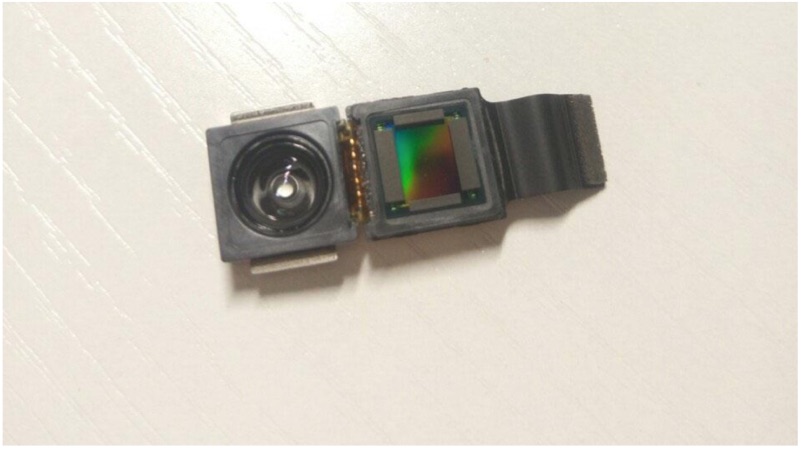
iPhone 8 3D Sensing Module
Camera
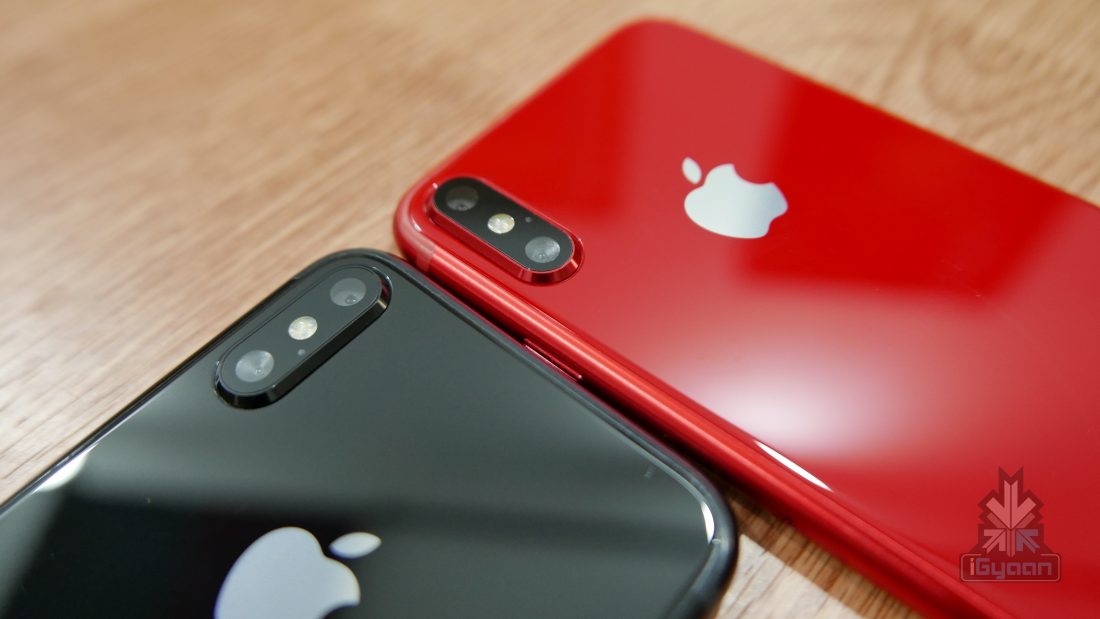
Interestingly, not a lot has been revealed about the iPhone 8’s cameras, except that this time around the dual cameras will be vertically placed. The HomePod firmware also revealed that the rear front facing cameras will record 4K videos at 60 FPS. According to Korea Economic Daily, Apple is working on facial recognition technology leveraging the cameras for “biometric” identification. Like Touch ID — but with your face instead of your thumbprint. In addition to that, a leaked patent application spills out the details of a sensor that will tell you if you’re human or not. This is Apple’s effort towards developing a rear-facing 3D laser system that would improve AR depth detection as well autofocus for photography. The phone will support Apple’s new HVEC file type, which reduces the file size by a significant amount. This makes sense because 4K videos generally have large file sizes and HVEC can reduce the size by almost 50 per cent resulting in better storage management. The same iOS 11 GM leak has revealed new video recording options
– 1080p HD at 240 fps 480 MB
– 4K at 24 fps (film style)
– 4K at 60 fps 400 MB
New Colour?
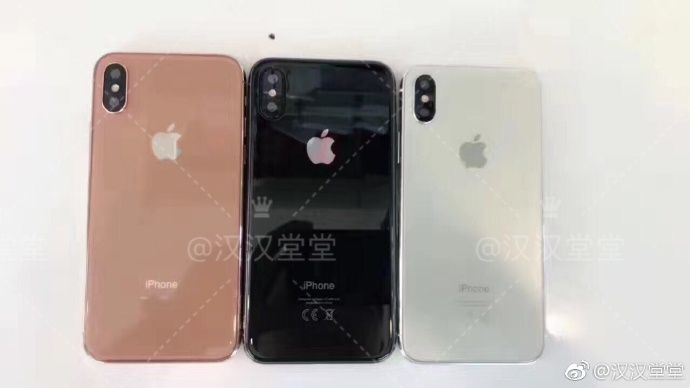
The Rose Gold colour variant on the iPhone 6S back in 2015 was a trendsetter and how. Apple led the charge in experimenting with its flagship device’s colour variants and a lot of companies followed suit. But the iPhone 7 and 7 Plus might be the last ones to sport the swanky Rose Gold colour as KGI Securities analyst Ming-Chi Kuo has said that Apple might drop the colour variant for the upcoming iPhone 8. Ming-Chi Kuo, who has been a reliable source of Apple news suggests that the new iPhone will only arrive in Black, Silver and Copper Gold. The new Copper Gold Colour may be called “Blush Gold.”
Under The Hood
Apple will introduce the new A11 Fusion chipset at the September 12 event. All the three new iPhones will have the A11 Fusion chipset which will like every chipset upgrade, be more power efficient and faster than the previous generations. The iPhone 8 will have 4GB RAM and as discussed earlier, come in three storage variants, 64GB, 256GB and 512GB. The battery
Apple A11 Geekbench4,?4600,8500 and 4300,7000?This is two different clock frequencies, and the final result may be between the two
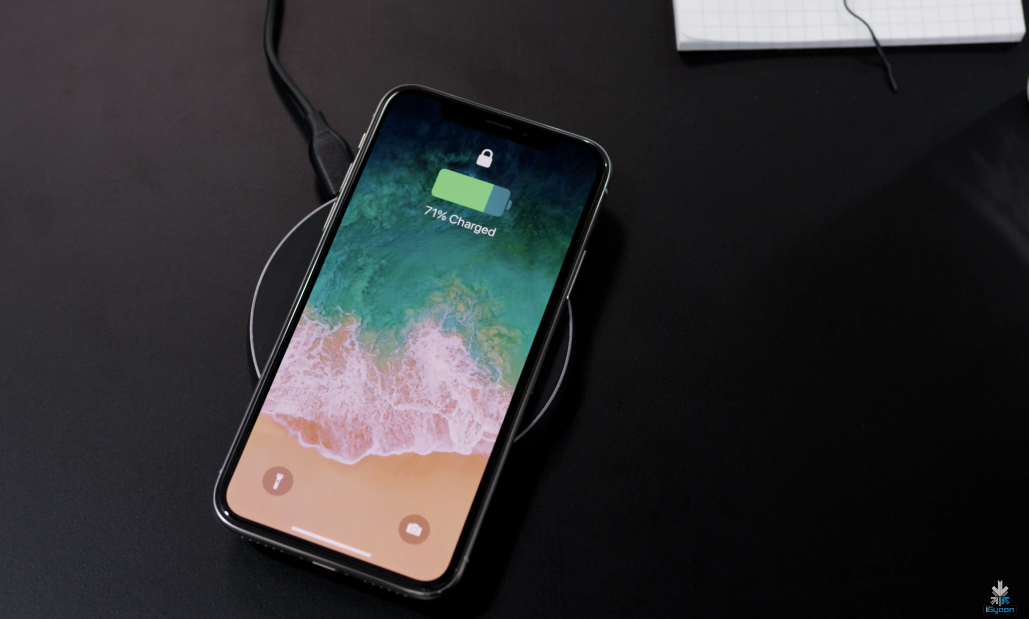
Apple’s decision to remove the headphone jack from the iPhone 7 and 7 Plus and not introduce wireless charging was heavily panned in 2016. Things in 2017 though, are looking much better for iPhone fans as new leaks suggest that the iPhone 8 will definitely feature wireless charging.
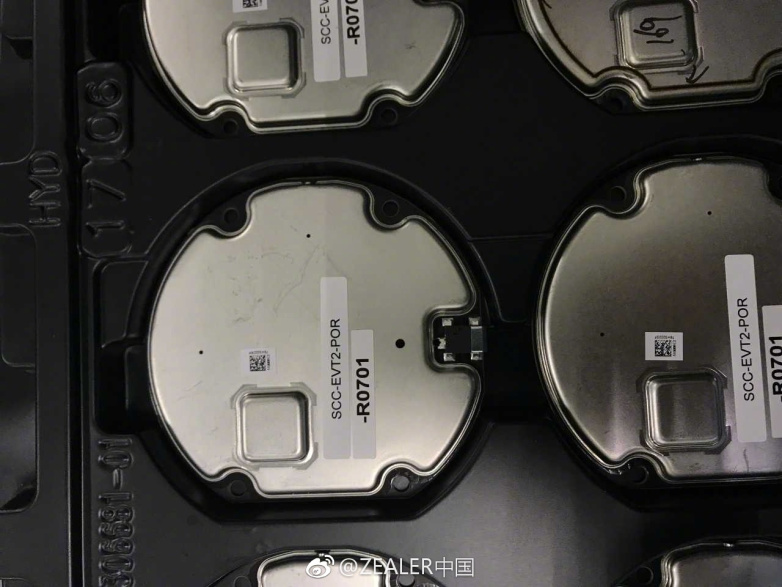
The images show the purported component that will enable wireless charging on all of Apple’s next-generation iPhones. The part will be placed on the back of the iPhone 8 and iPhone 7s, right under the rear glass shell. It has been already reported that the iPhone lineup will have a “glass sandwich” design, which means glass front and back. This news further legitimises the HomePod firmware leak which suggested that wireless charging support will be built into iOS. Having an all glass design allows manufacturers to add wireless charging capabilities even though it’s not as durable as having an all metal design.
What’s It Going To Be Called?
The new iPhone was touted as the iPhone 8 and the other two devices as the iPhone 7S and iPhone 7S Plus, going by Apple’s history. A recent report however, has revealed that the marquee device will be called the iPhone X, as it is the 10th anniversary iPhone or the iPhone Edition. The other two variants will then be named iPhone 8 and iPhone 8 Plus. The Apple invite for the event doesn’t give anything away and in fact does not even hint towards an iPhone launch, unlike a lot of other recent flagship launch invites like the Samsung Galaxy Note8 or Huawei Mate 10.
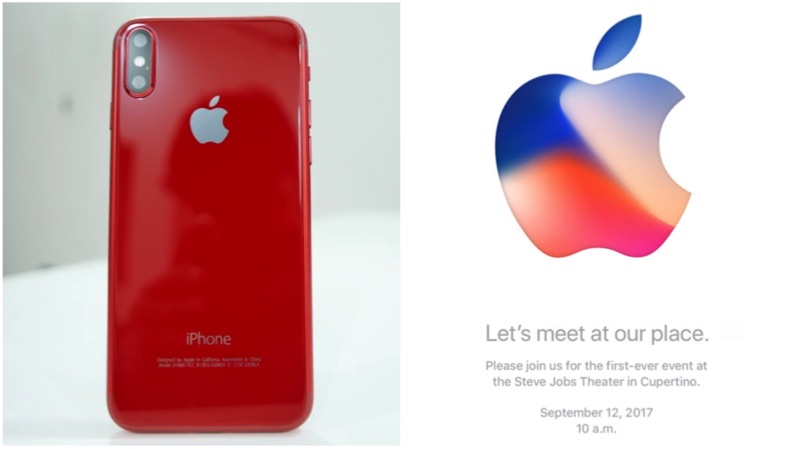
Apple made the launch of the new iPhone official with a press invite saying, “Let’s meet at our place.” The much awaited September 12 event will be held at the Steve Jobs Theatre in Cupertino. Apple is expected to launch the three new iPhones.
Until now, rumours hinted that Apple will go with the traditional naming strategy and name its new iPhones the iPhone 8, iPhone 7S and the iPhone 7S Plus. But as the launch approaches, a new report surfaced stating the latest iPhone line up might be called the iPhone 8, iPhone 8 Plus and iPhone Edition.
The iPhone maker typically upgrades its iPhones with an “s” model, but Apple seems to be making a lot of big moves and changes this year, with a redesigned iPhone and a new name for its smartphone lineup.
The ‘10th Anniversary Edition’ iPhone will reportedly have Qi wireless charging at a reduced rate which will be compatible with current Qi chargers and will be available in limited numbers. While the earlier reports had suggested that it might not be compatible with existing Qi charging mats despite being based on Qi tech.
It is also speculated that the flagship iPhone Edition willfeature a stainless steel chassiswith rear glass casing and a near bezel-free display with a top notch housing the front facing camera and facial recognition sensors. The smartphone is also reported to replace the Touch ID with facial recognition and feature AR capabilities.
Apple is also expected to launch a new Apple TV, an LTE enabled Apple Watch and new features of the iOS 11.
While, there have been reports of Apple ditching the physical home buttonin its upcoming flagship the iPhone 8, the latest rumour, claims that the iPhone 8 will be launched without a physical or digital home button. So, Apple may be completely eliminating its iconic home button.
It has further been reported that Apple’s upcoming iPhone 8 might rely on gesture controls for carrying out tasks like navigating to the home screen, opening the new multitasking App Switcher, all of which were previously done via the home button.
In addition to removal of the home button, the iPhone 8 will include a taller OLED screenwith rounded corners. The power button on the right side of the iPhone 8 is reportedly longer, for easier access and reach while holding the device in one hand. Apple has putatively opted not to hide the notch area at the top of the display.
Furthermore, the report added that the smartphone will have a stainless steel band around the device which the glass curves into. It stated that the steel band “has small antenna cuts on the corners like past iPhones to improve reception”. The previous leaks suggested that the iPhone 8 will also have facial recognition feature to make up for the loss of fingerprint scanner.
Apple is preparing to debut the redesigned OLED iPhone 8 at September 12alongside iterative updates to its current smartphone line-up, the iPhone 7s. The iPhone maker is also expected to launch the new Apple TV with 4K support and Apple Watch Series 3 with LTE capability.
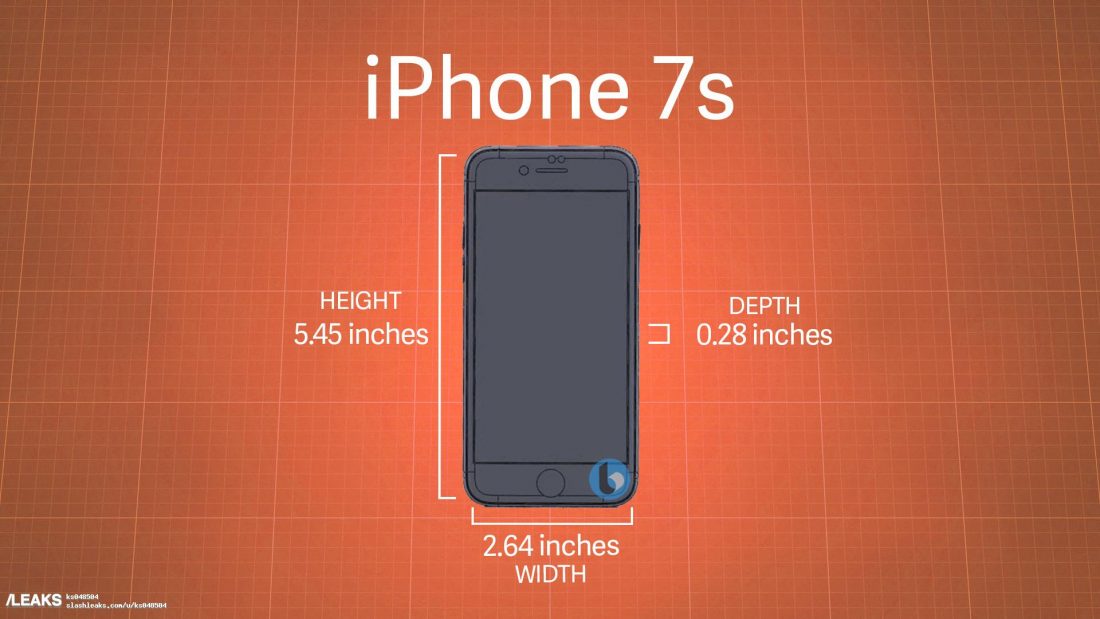
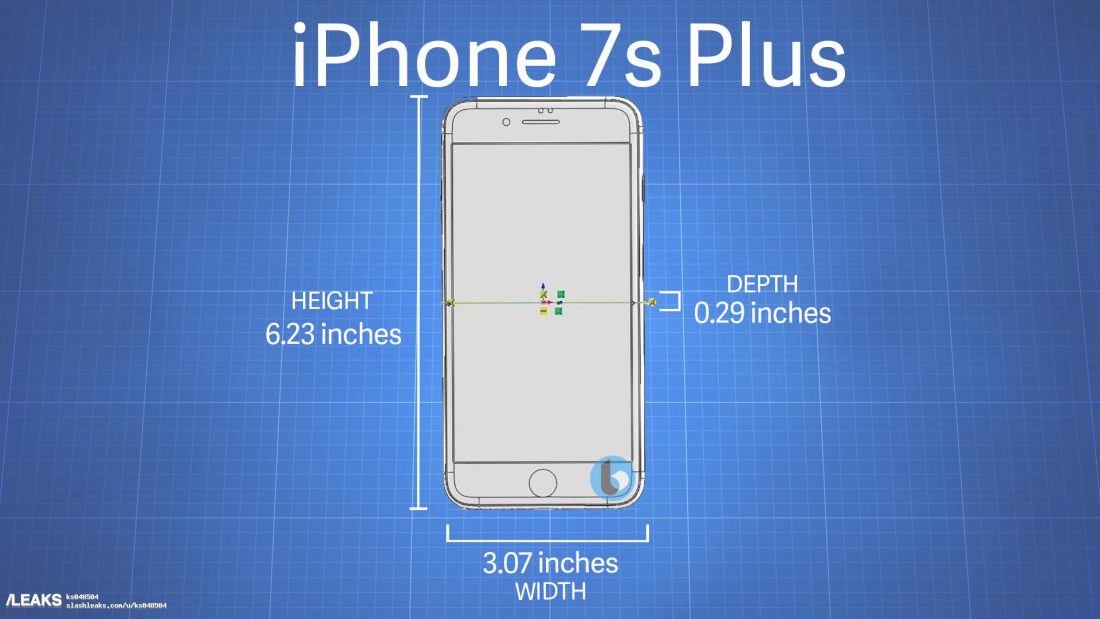
While the rumours surrounding the upcomingiPhone 8have been plenty, we have not heard a lot about the other two iPhone 7s models. While there have been some leaks of the iPhone 7s models, a new report claims that Apple might compromise on size to accommodate new features such as wireless charging into the iPhone 7s and iPhone 7s Plus, making them thicker than the iPhone 7 and iPhone 7 plus.
Rumours are that the iPhone 7s and iPhone 7s Plus will be “slightly bigger in every dimension.”, meaning that the newer iterations could be wider, taller, and thicker than the previous iPhone 7.
The dimensions of the iPhone 7s will reportedly be 138.44 mm x 67.26 mm x 7.21 mm, slightly larger that the iPhone 7’s current dimensions – 138.3 mm x 67.1 mm x 7.1 mm. The marginal size difference might go unnoticed by the users. Meanwhile, the iPhone 7s Plus’s dimensions are reported to be at 158.37 mm x 78.1 mm x 7.41 mm, whereas the size of the iPhone 7 Plus is 158.2 mm x 77.9 mm x 7.3 mm.
Both the devices have the similar haptic TouchID home button at the bottom, volume buttons on the left and the power button on the right. Much like the previous iPhone 7, the 7s and 7s Plus will have sensors placed at the top of the screen . The iPhone 7S Plus is reported to feature a dual camera setup, whereas the 7S will have a single lens camera. Apple will most likely upgrade the iPhone 7S variants with the A11 Fusion chip and increased RAM.
The iPhone s series is expected to launch in three colors: black, silver, and gold.s on 12th September. Aside from the smartphones, a new model of the Apple Watch and a 4K Apple TV are expected to be unveiled at the same event.