Last year Apple apologized to customers for purposely slowing older iPhones via a software update. Angry iPhone users accused Apple of deliberately slowing down older iPhones that would force them to upgrade to a new device. However, the company later explained it was done in an effort to prolong the battery life of ageing devices. To make peace with anguished users, Apple offered battery replacement for the affected devices at highly discounted prices.
Before the battery replacement program, it would cost US $ 79 to replace the battery on an iPhone 6 or later which was later brought down to US $ 29. A notable Apple blogger, John Gruber in a post reported that during the battery replacement program Apple swapped batteries on 11 million iPhones which are several folds compared to 1-2 million in previous years. However, Apple is yet to confirm the actual figures. The replacement program was kicked off in December 2017 and it concluded on 31 December 2018.
Also Read:Samsung S10 Launch Billboards Suggest Galaxy Fold Will Launch In February
Battery replacement on affected devices prior to the program would cost Rs 6,500 in India which later came down to only Rs 1995. This exchange program has hugely affected the revenue forecast for Apple. Analysts originally forecasted revenue of $ 91 Billion which fell sharply to $ 84 Billion for the first fiscal quarter of 2019.
Ever since the iPhone X was launched, Apple has been in the news for reasons far away from the iPhone X. A few months ago, there were murmurs on the internet that Apple slows down older iPhones after launching new iPhones. These rumours were partially true as Apple later conceded. However, the company said that the only reason it slowed down iPhones was to prolong their battery life.
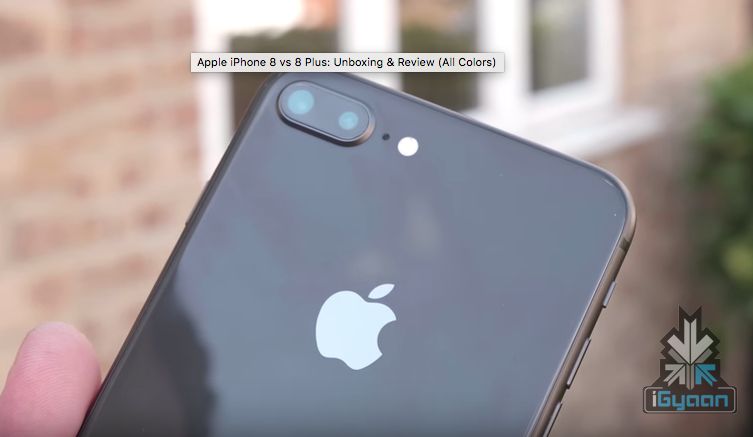
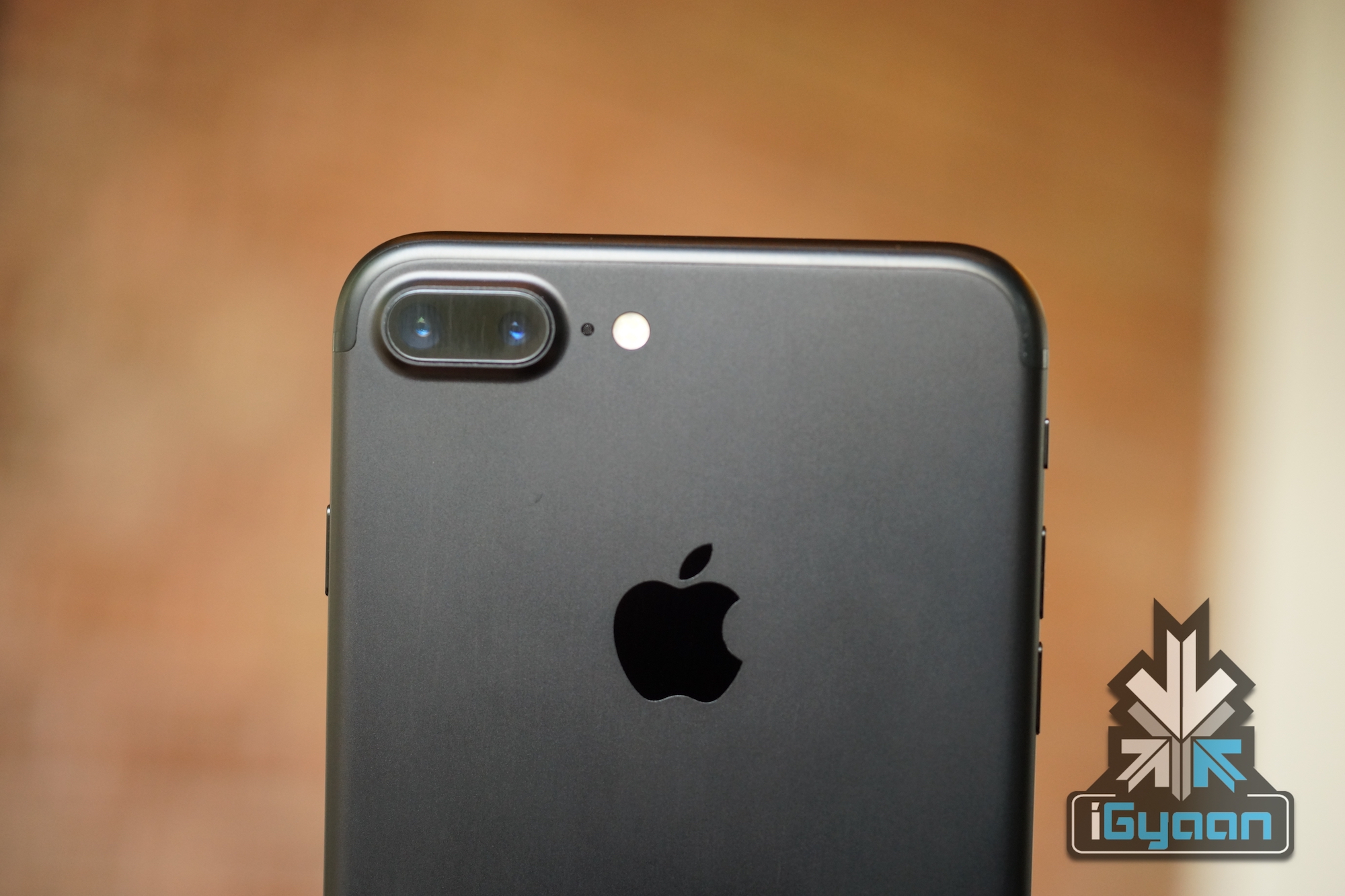
iPhone 8 Plus
Many people who bought the newly launched iPhones wondered whether their smartphones will be dealt the same fate. Apple has come out and cleared the air around the iPhone X and iPhone 8 saying that it has ‘hardware updates’ to handle ageing batteries. This was mentioned as a response to Senator John Thune, head of the Senate Committee on Commerce, Science, and Transportation.
Apple has said that the new iPhones “hardware updates that allow a more advanced performance management system.” This should come as good news for iPhone X and iPhone 8 users and future suitors of the new devices. Back in December, Apple had issued the following statement to clear the air around its actions pertaining to older iPhones slowing down with time:
Our goal is to deliver the best experience for customers, which includes overall performance and prolonging the life of their devices. Lithium-ion batteries become less capable of supplying peak current demands when in cold conditions, have a low battery charge or as they age over time, which can result in the device unexpectedly shutting down to protect its electronic components.
Last year we released a feature for iPhone 6, iPhone 6s and iPhone SE to smooth out the instantaneous peaks only when needed to prevent the device from unexpectedly shutting down during these conditions.
We’ve now extended that feature to iPhone 7 with iOS 11.2, and plan to add support for other products in the future.
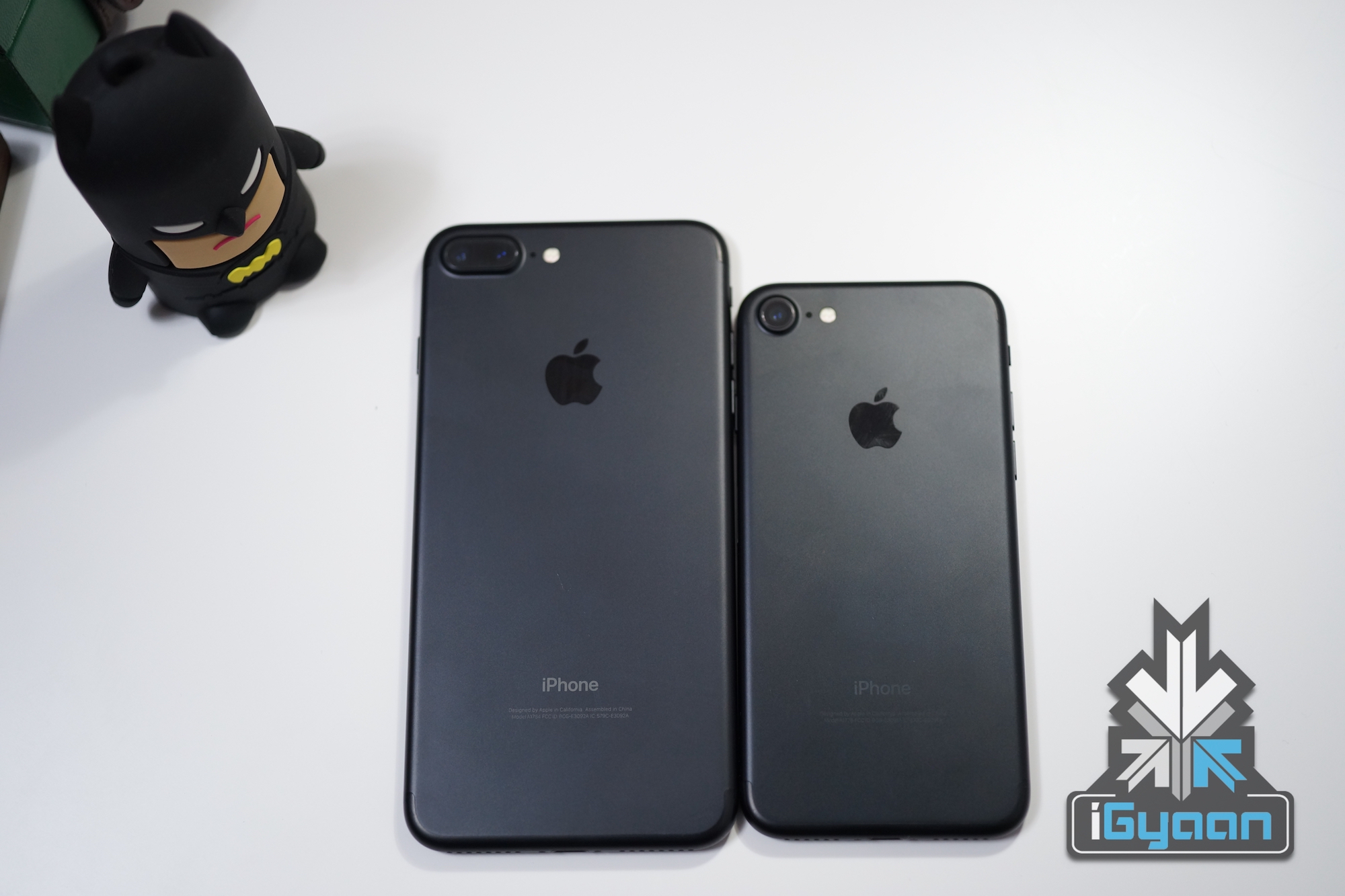
iPhone 7, iPhone 7 Plus Do Not Have The Hardware Updates
Ever since the announcement, the company has faced a backlash from consumers and has been received multiple lawsuits from consumers. To somehow curb the criticism, Apple apologised to its consumers and said that a number of changes will be made to regain the trust of its consumers.
We know that some of you feel Apple has let you down. We apologize. There’s been a lot of misunderstanding about this issue, so we would like to clarify and let you know about some changes we’re making.
Apple conceded that it would cut the price of an out-of-warranty battery replacement from US $79 (Rs. 5000 approx.) to US$29 (Rs. 1850 approx.) for an iPhone 6 or later. Also, Tim Cookconceded that Apple would soon release a feature wherein users would have the option of choosing. A user can choose whether to slow down their iPhone or let it run normally and risk shutdowns.
Back in December 2017, Apple invoked a collective ‘gasp’ around the world. Following many conspiracy theories around why older iPhones get slower, Apple came out to clear the air. It accepted that it does indeed make older iPhones slower. However, the reasons the company gave were nowhere the near the conclusions that came out of some mindboggling theories.
Apple said that with time, iPhone batteries become weak, hence, it slows down the CPU speed in order to elongate the battery life. After the backlash, Tim Cook conceded that Apple would soon release a feature wherein users would have the option of choosing. A user can choose whether to slow down their iPhone or let it run normally and risk shutdowns.
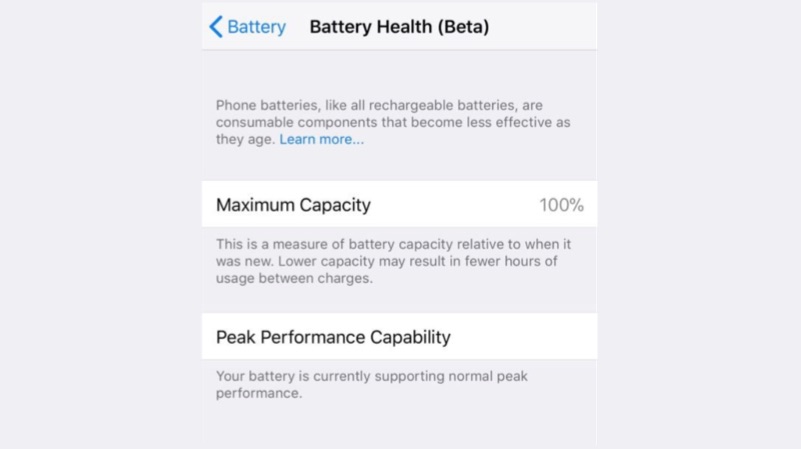
In the latest Beta build of iOS 11.3, Apple has released the feature. The new feature is contained within a new “Battery Health” menu. The page has two fields: Maximum Capacity, which shows what percentage of the original charge the battery can still hold; and Peak Performance Capacity, which tells users if their phone’s performance is being throttled due to the battery.
As of now, there aren’t any options to change anything on the menu. For context, Maximum Capacity should be at 100% for new phones, and it should fall down to around 80% after about two years of normal usage. As the battery health decreases, the option will read differently.
For example, the Peak Performance Capability will read differently once the battery has aged:
[blockquote right=”pull-right”]This iPhone has experienced an unexpected shutdown because the battery was unable to deliver the necessary peak power. Performance management has been applied to help prevent this from happening again.[/blockquote]
Ever since Apple accepted to slowing down older iPhones, consumers and national governments have reacted. Apple has been sued by multiple consumers. One such lawsuit was filed by Stefan Bogdanovich and Dakota Speas, the suit claims that Apple’s deliberate effort to throttle CPU performance on the iPhone amounts to “breach of contract.” It also notes that Apple’s behaviour lowers the resale value of existing iPhones and underhandedly coerces iPhone owners to upgrade to newer models.
The feature to disable CPU throttling is expected to make its way to iOS 11.3 stable build soon.
Apple recently admitted to slowing down iPhones intentionally in order to prolong the battery life of older iPhones. While Apple sees no harm in this, there is a section of iPhone consumers who are against the step and would like the control on their devices back. Apple CEO Tim Cook has shared that the next update to iOS 11 will allow users to disable battery performance throttling on their device.
In an interview, Tim Cook said the update will seed next month in a developer release before a wider public rollout:
We’re going to give people the visibility of the health of their battery so it’s very, very transparent. This hasn’t been done before.
He also says that the update will more clearly inform users when their iPhone is automatically reducing its performance in an effort to prevent unexpected shutdowns. To that, Cook says, “If you don’t want it, you can turn it off.” Although, he has conceded that this is not recommended and Apple stands by its decision to throttle the CPU performance.
Ever since the news broke out, Apple has taken steps to curb the backlash. Apple conceded that it would cut the price of an out-of-warranty battery replacement from US $79 (Rs. 5000 approx.) to US$29 (Rs. 1850 approx.) for an iPhone 6 or later.
For years, iPhone users claimed to notice a discernible system slowdown with some iOS updates. However, the issue came in the spotlight thanks to a widely circulated Reddit thread.
Following that, Geekbench founder John Poole did some performance testing on various iPhones running different versions of iOS. Poole found that Apple does, in fact, limit performance on older iPhone models with lower-capacity batteries in the interest of battery life and preventing unexpected shutdowns.
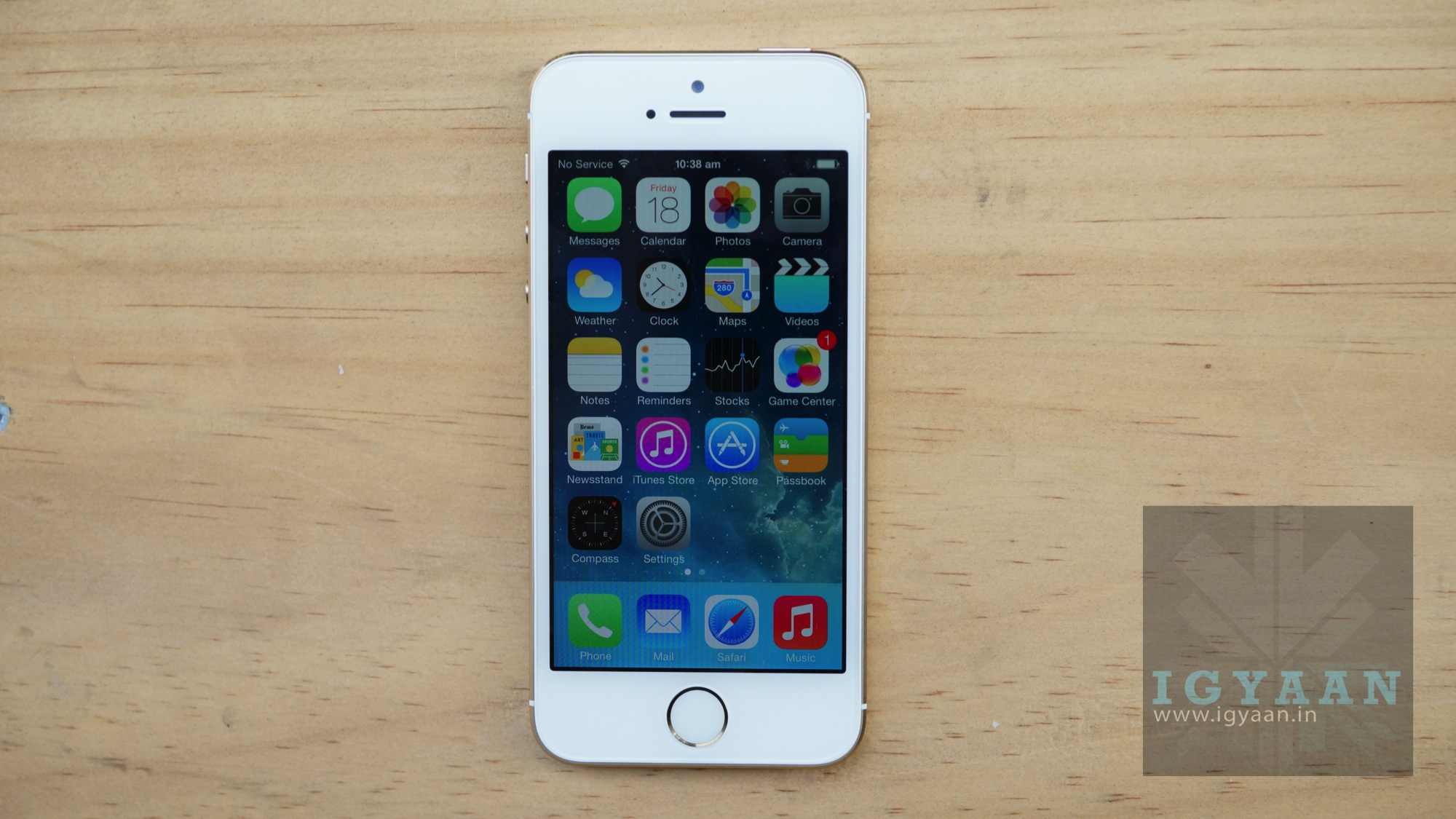
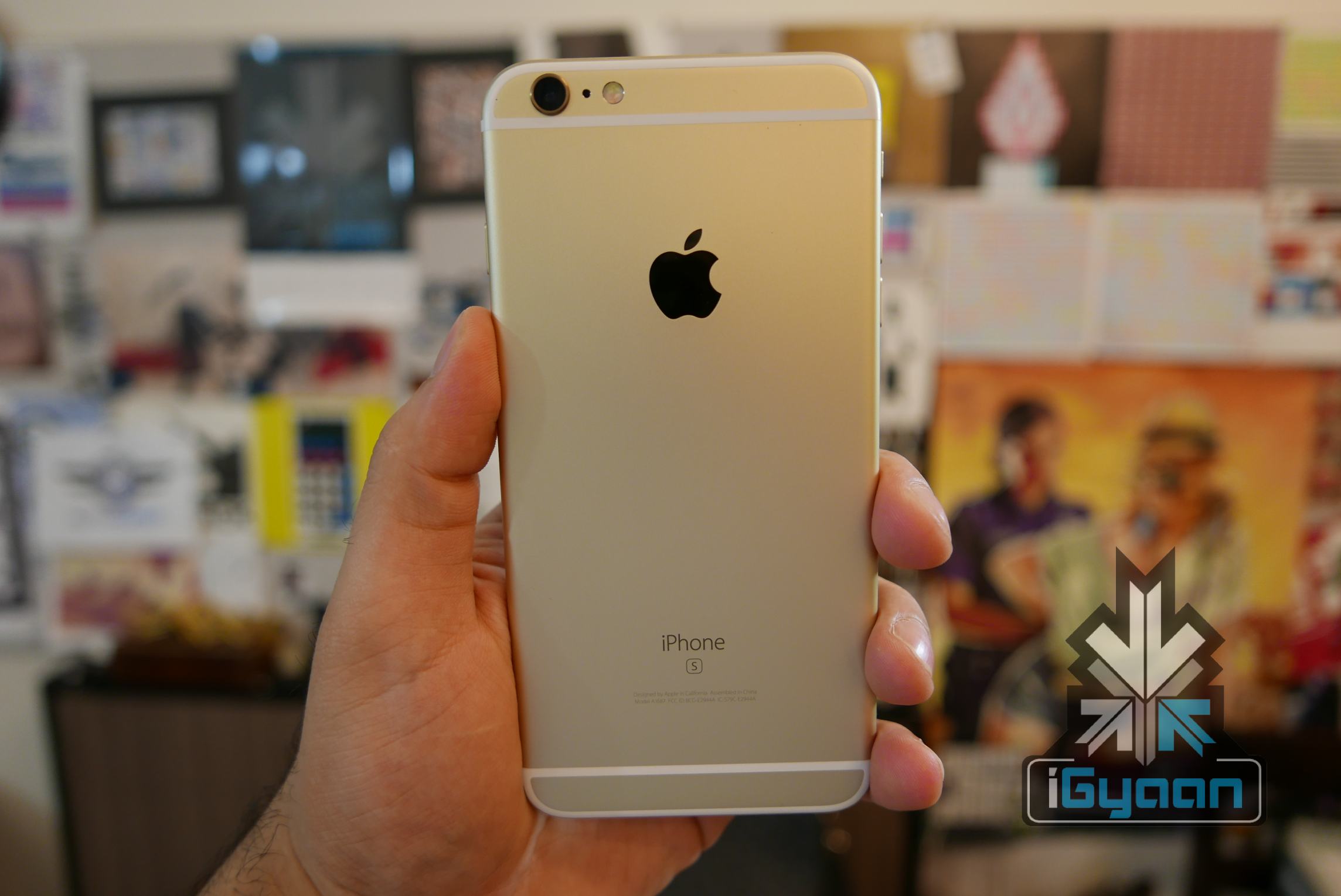
iPhone 6s
As Cook suggests, Apple is adamant that this feature is for the betterment of old iPhones. In its apology letter, the company stated:
This feature’s only intent is to prevent unexpected shutdowns so that the iPhone can still be used. Only if these variables require it, iOS will dynamically manage the maximum performance of some system components, such as the CPU and GPU in order to prevent unexpected shutdowns.
Apple currently faces multiple class action lawsuits after admitting to intentionally slowing down iPhones. One such lawsuit is filed by Stefan Bogdanovich and Dakota Speas and claims that Apple’s deliberate effort to throttle CPU performance on the iPhone amounts to “breach of contract.” It also notes that Apple’s behaviour lowers the resale value of existing iPhones and underhandedly coerces iPhone owners to upgrade to newer models.
The next iOS 11 developer beta is expected in early February, which means a public release will follow sometime in March.
Recently, it was unearthed that older iPhones were being slowed down via OTA updates by Apple. As the story broke out a few days after the iPhone X went on sale, people started questioning Apple’s ethics and speculated that Apple does this to influence consumers into buying new iPhones. After a few days of conspiracy theories doing the rounds on the internet, Apple came out and admitted to the doings.
However, the reason Apple gave was different from what people on the internet were speculating. To tackle battery ageing in a more efficient way, what Apple is doing for older iPhones is it is capping the processor power to prolong the age of the battery. This is an attempt to make people’s phone work for longer with fewer issues, not to get them to switch away from it.
So, it is fair to assume that iPads will be dealt with the same strategy of slowing down the performance in order to increase battery life. Well, it isn’t. Apple is not capping the performance of the processors found iPads.
The reason Apple went this route of slowing down iPhones was that of the battery. An ageing battery is less able to provide power quickly enough to the system that needs it. This was the main reason for random iPhone shutdowns which Apple addressed in its iOS 10.2.1 update. IN this update, the company introduced a feature to manage the instantaneous performance peaks, only when needed, to prevent an iPhone from unexpectedly shutting down.
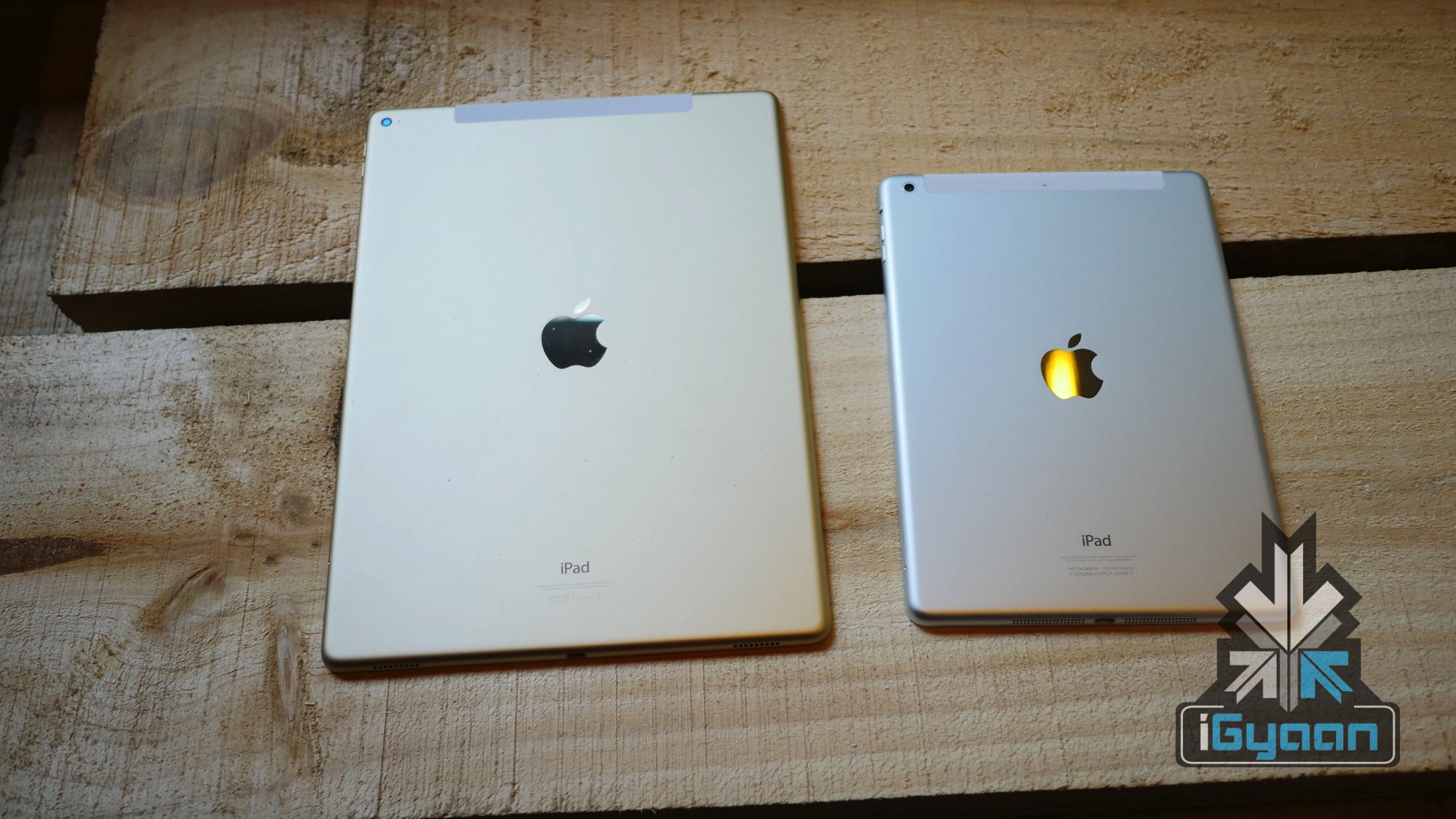
Now, the reason this wasn’t introduced to iPads is twofold. Firstly, an iPad has a much larger battery capacity than an iPhone. For example, the iPhone 6, launched in 2014 has an 1810 mAh (6.9 Wh) battery while the iPad Air 2, launched the same year has a battery capacity of 7340 mAh (27.62 Wh). This means that an iPad battery is much better equipped to handle performance peaks.
Also, the average consumer uses iPads in a very different manner when compared to an iPhone. Since it usually is a secondary media consumption device, it is charged less often, which affects how the battery will age. For now, iPads are safe and protected from the slowing down software. However, in the coming years, iPads could also receive such software updates to prolong their battery lives.
The iPhone slowdown controversy surrounding Apple doesn’t appear to be fizzling out anytime soon. Ever since Apple came out and admitted to intentionally slowing down older iPhones, the consumers have been fuming over the decision. Even though Apple changed its battery replacement policies and brought charges down to US $29 (from US $79), the company has not yet won the trust back of the majority of its consumers.
The chairman of the US Senate’s commerce committee wants Apple to clear the air surrounding its once-secret slowdown of older iPhones. Senator John Thune, a South Dakota Republican, issued his request for more information in a letter sent to Apple CEO Tim Cook. Among other things, Thune wants to know if Apple made any effort to notify its customers that its recent software updates would make several types of iPhones released before 2017 slow down when their batteries weakened.
Thune also asked whether Apple considered replacing the batteries for free, instead of the current discounted charge of US $29. In the letter, he has also asked about Apple’s future plans of handling ageing batteries and whether performance throttling will continue in older iPhones.
To tackle battery ageing in a more efficient way, what Apple does for older iPhones is it caps the processor power to prolong the age of the battery. This is a is a lithium-ion chemistry issue, not an Apple or any other OEM issue. Over time, batteries just become bad. This is an attempt to make people’s phone work for longer with fewer issues, not to get them to switch away from it.
These changes will not affect the average performance of a device, and it is not throttling; it is capping the peak demands. In doing so, it is not allowing them to be as high and spreading that work out over more cycles rather than one.
Apple recently agreed that it deliberately slows down iPhones in order to prolong the life of old batteries in iPhone 6 and later. Ever since the news broke out, there have been a lot of questions being asked about the honestly and transparency between a company and its consumers. Evidently, Android phone makers were also questioned about the same and a few of them have come out and denied slowing down their phones for any cause.
Speaking to PhoneArena, an LG representative stated they “never have never will” do such a thing, adding that the company cares what the customers think.
Samsung said in a statement:
Product quality has been and will always be Samsung Mobile’s top priority.
The spokesperson makes further explained that the battery life of Samsung phones goes through multi-layer safety measures which include software algorithms. The CPU performance is not reduced through software updates to keep the battery lifecycle longer.
Previously, HTC and Motorola had come out and cleared the air around their own products. An HTC spokesperson said that “is not something we do.” While talking to The Verge, a Motorola representative said:
We do not throttle CPU performance based on older batteries.
The aftermath of Apple’s confession has lead to a lot of consumers of both Android and iOS to doubt the intentions of its smartphone manufacturer. However, these stern statements should go a long way in clearing out any doubt the consumers had in their minds.
It is no longer a conspiracy theory doing the rounds on the internet. Apple has come forward and conceded that it does indeed make older iPhones run slower in order to prolong its battery life. While much can be said about the intentions and actions of Apple, it is fair to assume that if you have an old iPhone, you would’ve thought about the repercussions of these actions.
In a nutshell, what Apple is doing is occasionally restricting the processor of some old iPhones, specifically those that have batteries that can’t hold a proper charge. To tackle battery ageing in a more efficient way, what Apple is doing for older iPhones is it is capping the processor power to prolong the age of the battery. This is a is a lithium-ion chemistry issue, not an Apple or any other OEM issue. Over time, batteries just become bad. This is an attempt to make people’s phone work for longer with fewer issues, not to get them to switch away from it.
Here are a few steps you need to take to see if your phone has been a part of Apple’s intentions to prolong the life of the old iPhones.
Check the model of your iPhone
First and foremost, you need to confirm whether your phone is affected by this or not. The affected iPhones are the iPhone 6, iPhone 6S, iPhone SE, and the iPhone 7.
What software is your phone running
Apple introduced its software fix with iOS 10.2.1 for the iPhone 6, iPhone 6S, and iPhone SE. It introduced it with iOS 11.2 for the iPhone 7. You can check your current software build by going to Settings>General>About and look under Version.
Inspect the battery health of your iPhone
This is the main issue. The main reason Apple is capping the CPU power is to prolong the battery life of older iPhones. It is a known fact that after around a thousand charges, lithium-ion batteries stop performing properly, and cannot retain more than 50-60% of the original charge.
Download apps like Battery Life and do an inspection of the battery of your iPhone. Even though Apple hasn’t specified the parameters to judge your battery, but battery life rated as “Poor” or worse is likely to be a problem.
Do a Benchmark Test
The whole thing broke out when John Poole did some benchmark testing of his own and posted the results online. Geekbench scores for new iPhones are as follows:
iPhone 6S: 2500
iPhone 7: 3500
Anything below that (greater than a 500-point difference) means that there is a problem.
If the tests show that your iPhone has been affected, then the onus is on you to either replace the battery, buy a new phone or ride out the slow iPhone storm for as long as you can and then invest in a new phone.
Each year Apple’s revisions of their iPhone have propelled sales of their handsets. The Apple iPhone 6 and iPhone 6 Plus were the company’s best selling handsets since the launch of the original iPhone.
In 2014, Apple sold a whopping 191 Million (approx) iPhones between the two main models, the iPhone 6 and 6 Plus and one old model, the iPhone 5s. Making the iPhone the most selling phone in the world, when compared to Samsung’s total sales across hundreds of handset models, sold globally, coming to around 392 million.
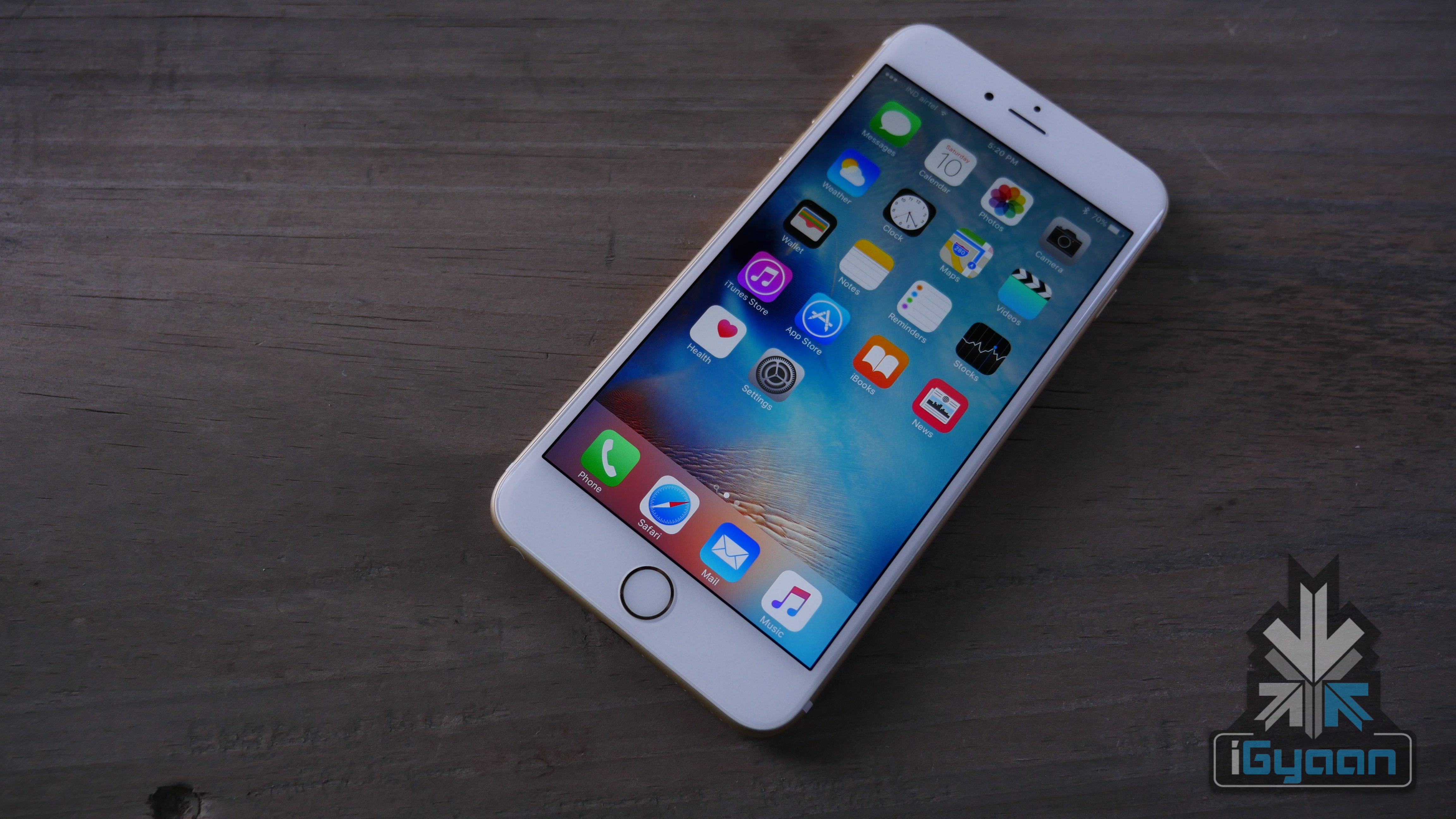
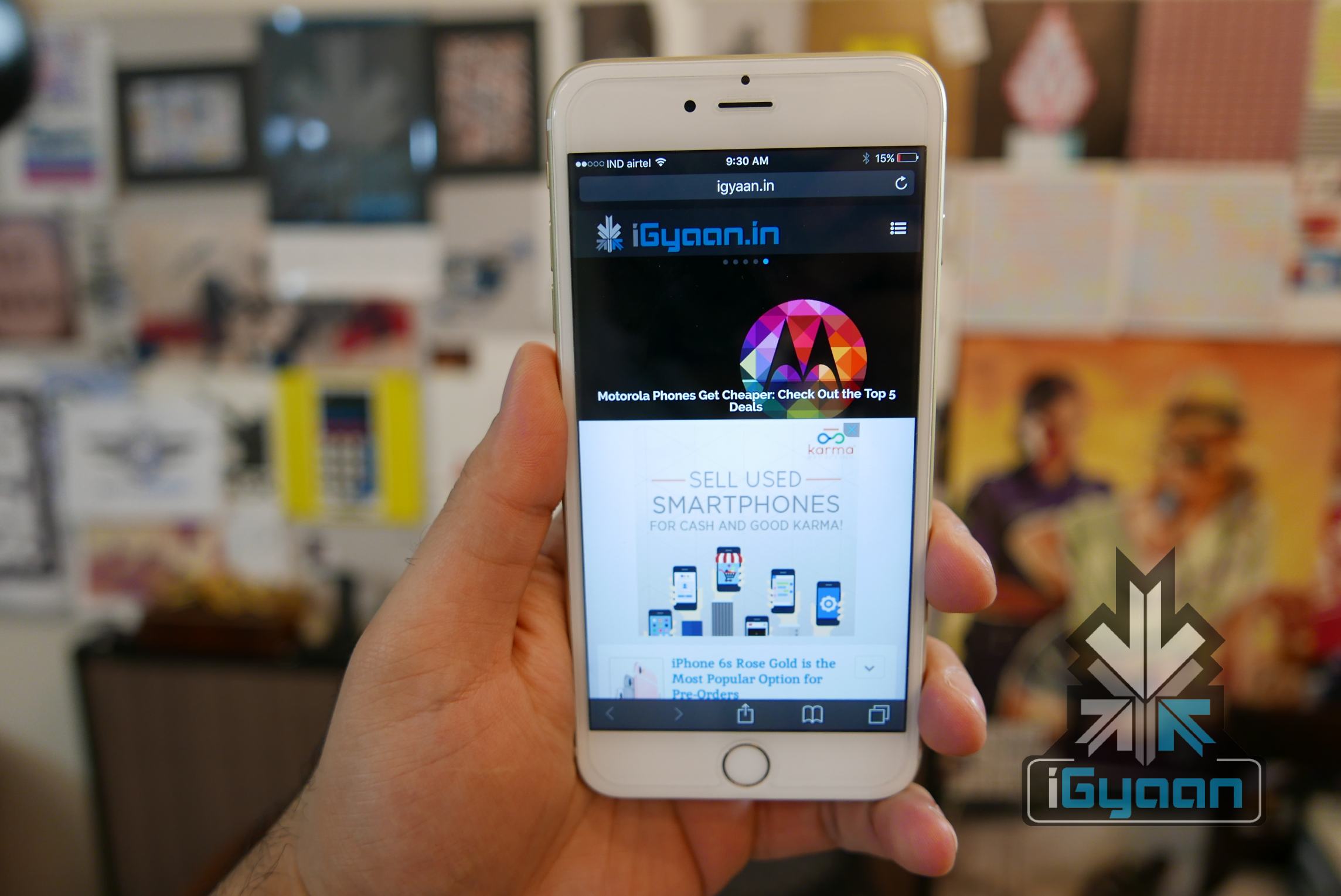
Does the iPhone 6s and 6s Plus improve what Apple was already doing with the iPhone 6 and 6 plus? Is the “s” variant a worthy upgrade? Let’s find out as we review this year’s iPhone 6s and 6s Plus.
Build Quality and Design
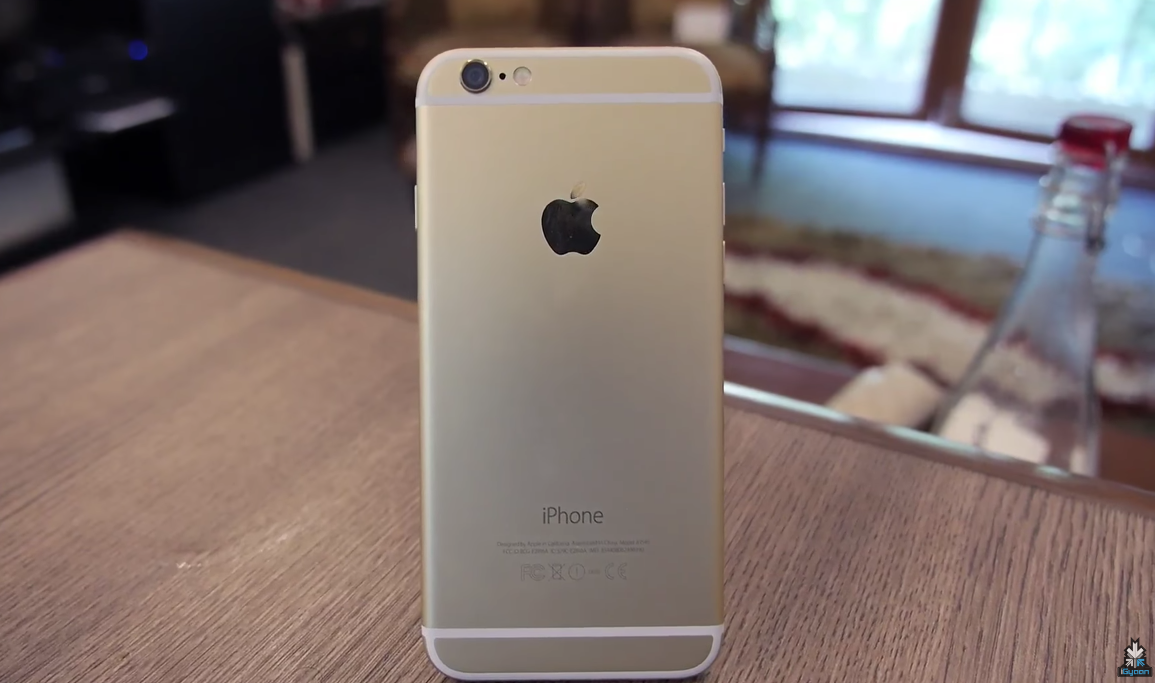
There are no points here, the design of the iPhone is not a lot different from what we saw last year, in fact, it’s a bit thicker and slightly heavier. You will also get a brand new Rose Gold colour which has attracted the fancy of many a folks. That being said, last year’s iPhone was the best selling iPhone for Apple, it was a refreshing design change from the iPhone 5s and rounded look felt more in harmony, as opposed to the square design which Apple followed for the 4-5s.
This year’s iPhone has an improved outer shell which offers resistance against the “bendgate” issue of last year’s iPhone. The new reinforced and strong series 7000 Aluminium adds strength to the outer structure. The iPhone 6s and 6s plus also come with some form of water resistance according to tests conducted by third parties. Apple downplayed the fact that the new iPhone was water resistant, in fact they don’t mention it anywhere. They coated the logic board with water resistant materials and added a rubber gasket to all parts that could potentially allow water to seep through like ports, display edge and buttons.
You could end up with your iPhone in the toilet, and still be using it a week later (hopefully after you have fully sanitized it ).
Hardware
The “s” variants of every iPhone till date have been the ones with hardware improvements. The iPhone 3Gs, 4s, 5s and now the 6s all add improved hardware and capability while keeping design changes to a minimum.
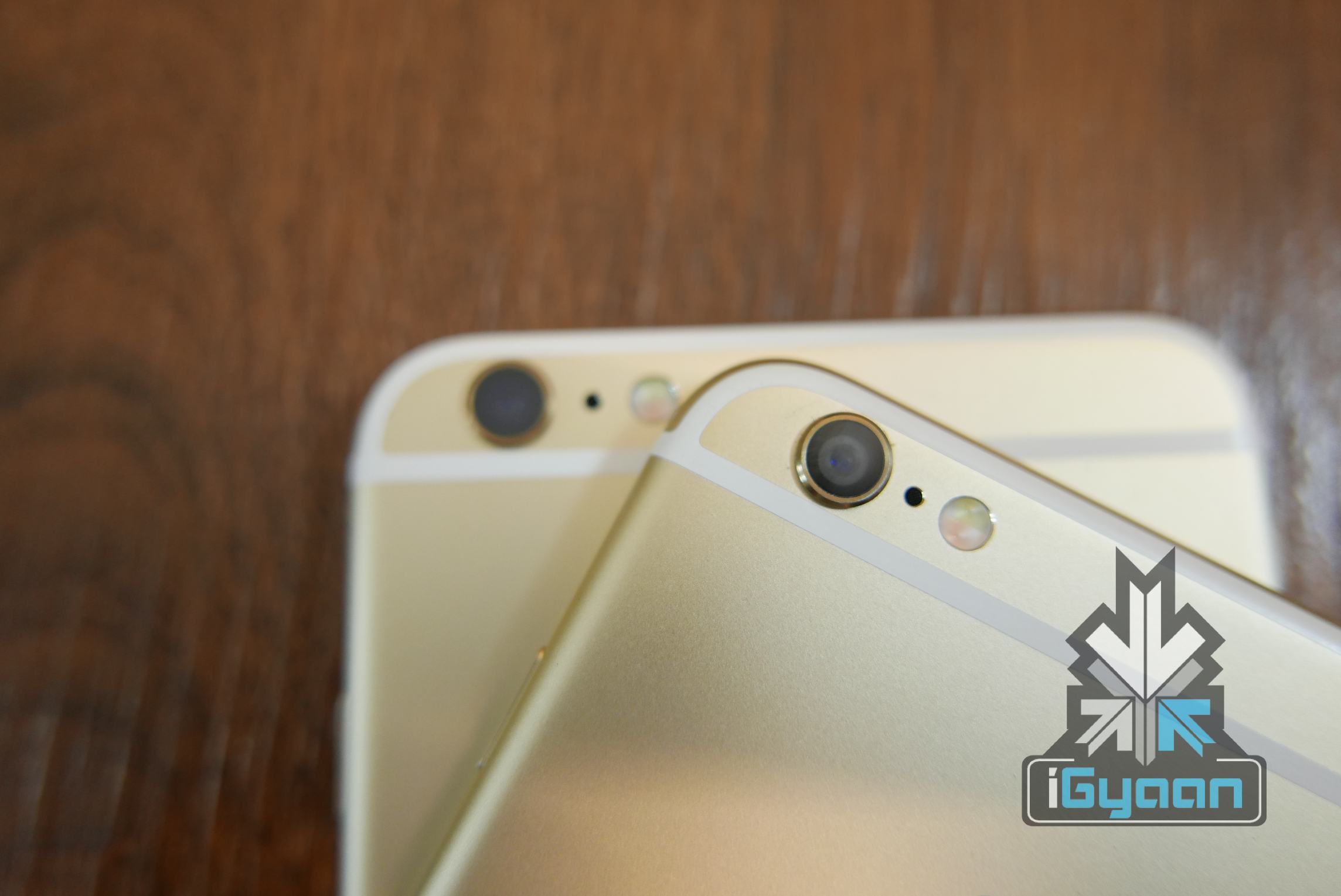
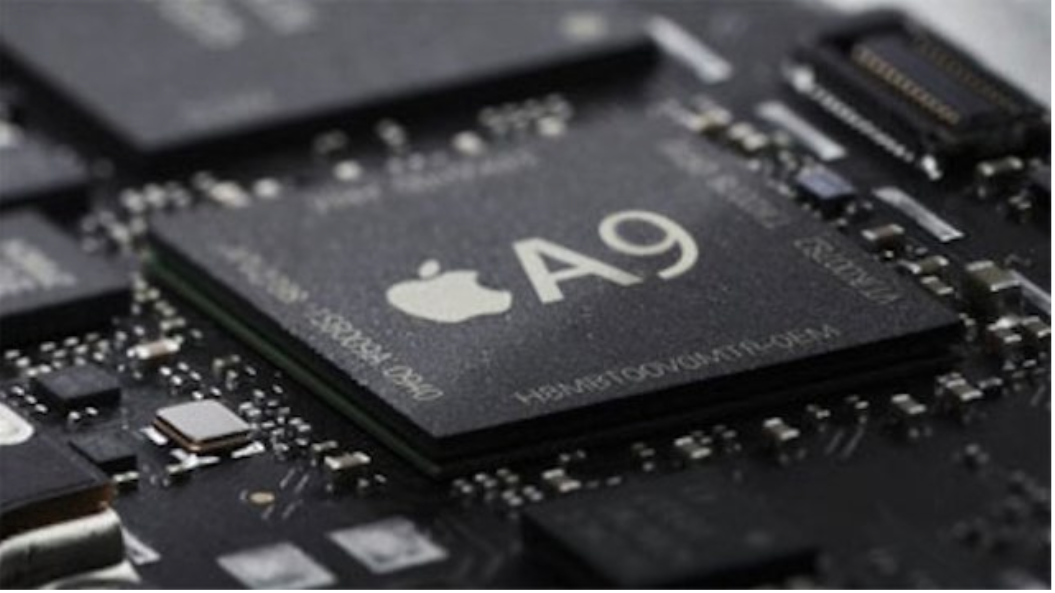
The new iPhone 6s and 6s Plus add an improved Apple A9 chip along with an M9 co-processor. Enhanced cameras both on the rear with a 12 MP shooter which now does 4k video. On the front with a 5 MP snapper, which however is still restricted to 720p.
Specifications
iPhone 6s
iPhone 6s Plus
Display
4.7-inch Retina HD display with 3D Touch, LED-backlit widescreen
5.5-inch Retina HD display with 3D Touch, LED-backlit widescreen
Resolution
1334×750-pixel resolution at 326 ppi
1920×1080-pixel resolution at 401 ppi
Processor
Embedded M9 motion coprocessor
Embedded M9 motion coprocessor
Chipset
A9 chip with 64-bit architecture
A9 chip with 64-bit architecture
RAM
2GB
2GB
CPU
Dual-core 1.84GHz
Dual-core 1.84GHz
GPU
PowerVR GT7600
PowerVR GT7600
OS
iOS 9
iOS 9
Internal Storage
16GB/64GB/128GB
16GB/64GB/128GB
Exapandibility
N/A
N/A
Rear camera
12-megapixel iSight camera with 1.22µ pixels, ƒ/2.2 aperture
12-megapixel iSight camera with 1.22µ pixels, ƒ/2.2 aperture, Optical image stabilization
Rear Camera Video
4K video recording (3840 x 2160) at 30 fps
Optical image stabilization for video, 4K video recording (3840 x 2160) at 30 fps
Front Camera
5-megapixel photos, ƒ/2.2 aperture, Retina Flash
5-megapixel photos, ƒ/2.2 aperture, Retina Flash
Front Camera Video
720p HD video recording
720p HD video recording
Weight
143 grams
192 grams
Special Features
Fingerprint sensor, 3D touch, live photo
Fingerprint sensor, 3D touch, live photo
Connectivity
23 LTE and faster Wi-Fi
23 LTE and faster Wi-Fi
Variants
Silver, Gold, Space Gray, Rose Gold
Silver, Gold, Space Gray, Rose Gold
Price
Rs. 62,000, Rs. 72,000 and Rs. 82,000 for 16GB/64GB/128GB respectively unlocked
Rs. 72,000, Rs. 82,000 and Rs. 92,000 for 16GB/64GB/128GB respectively unlocked
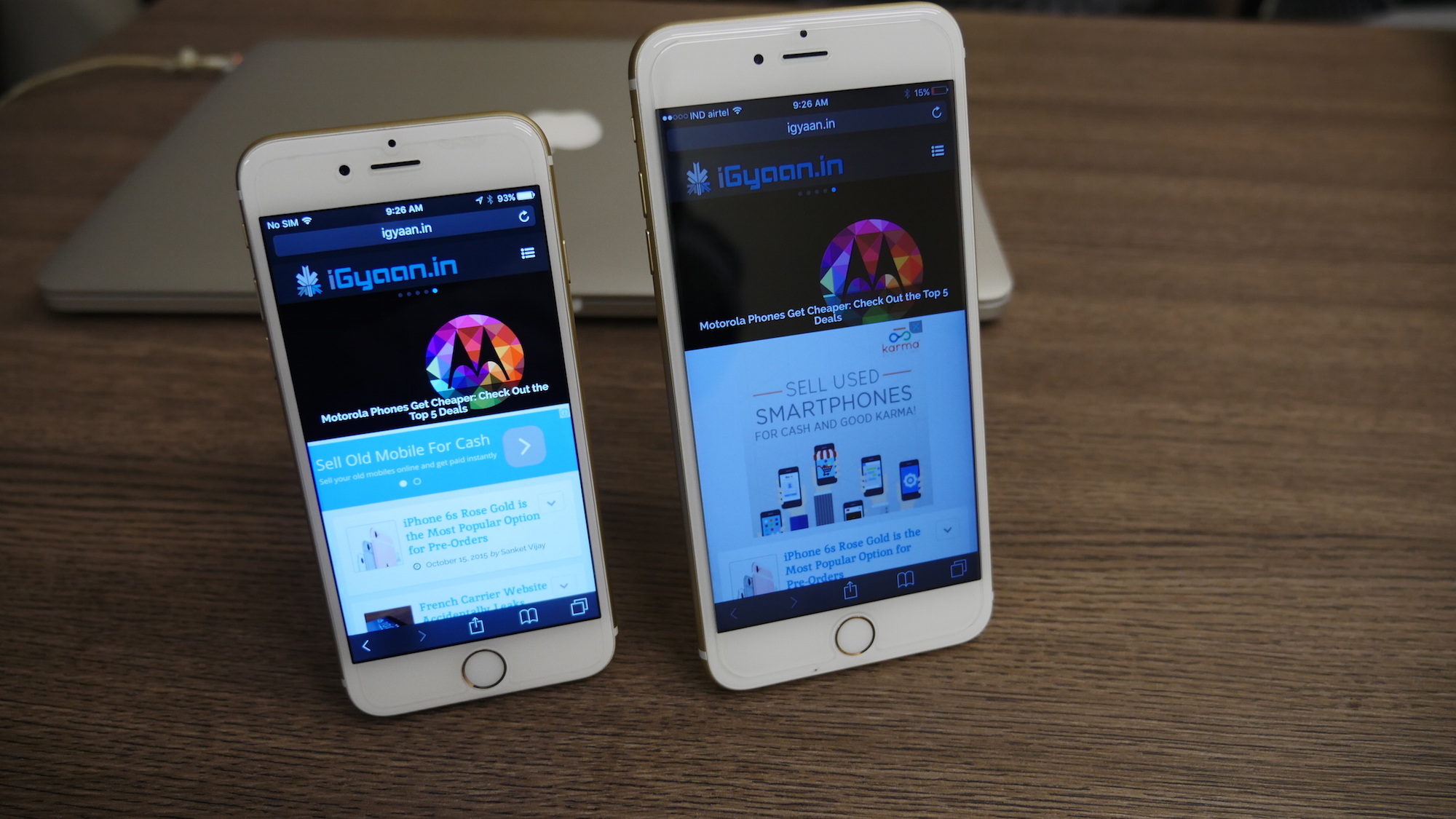
Compared to the iPhone 6s’ 1330 x 720p display , the Apple iPhone 6s Plus gets a larger display with a 1920 x 1080p resolution. It also gets a bigger battery and Optical Image Stabilisation in the rear camera. Everything else on both the devices is identical in terms of specifications.
Apple sticking to the old displays is one big let down. iPhones need higher resolution displays and this update may finally come in the iPhone 7. This time around however Apple has added 3D touch, which is a variant of their force touch trackpads for the iPhones.
3D Touch
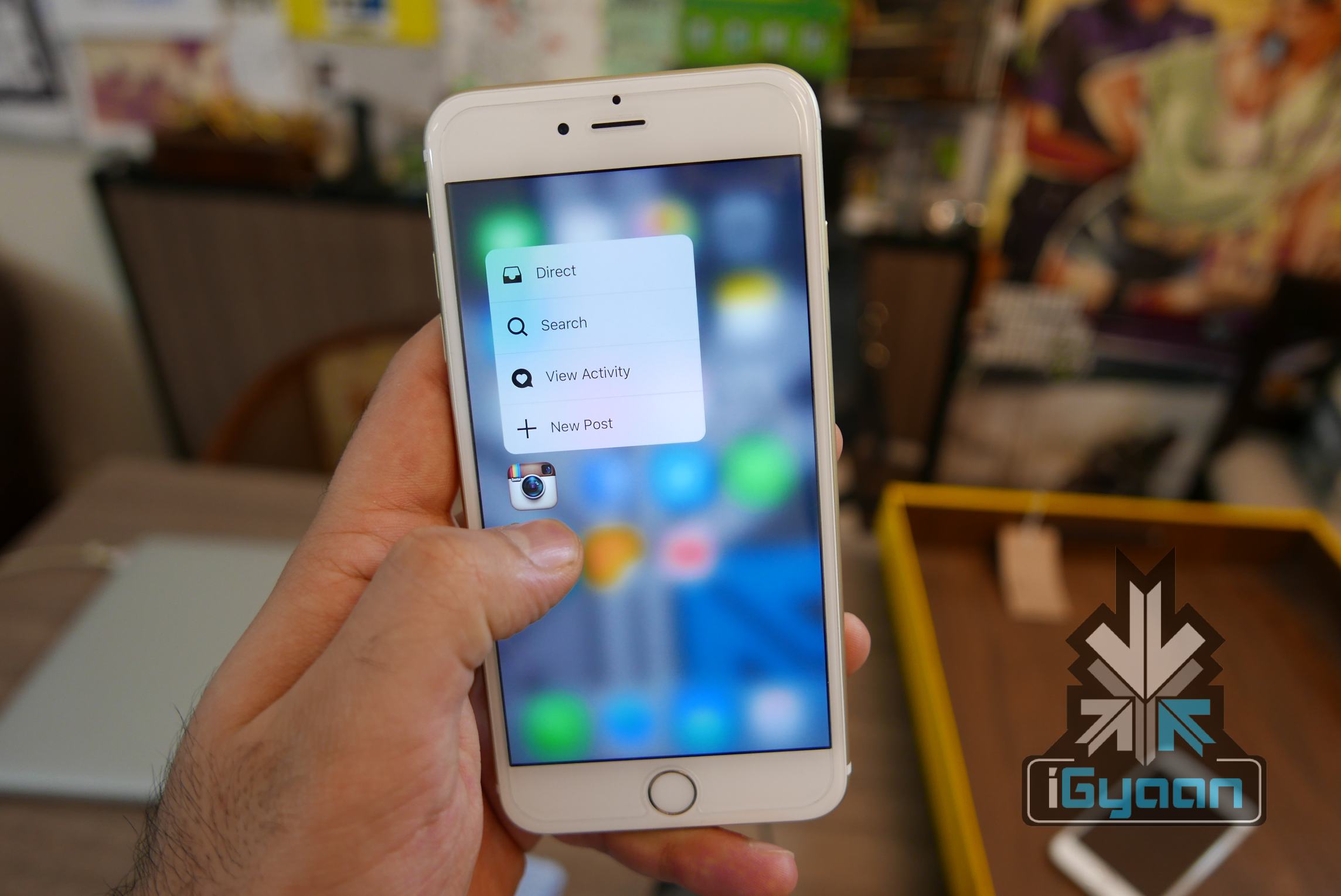
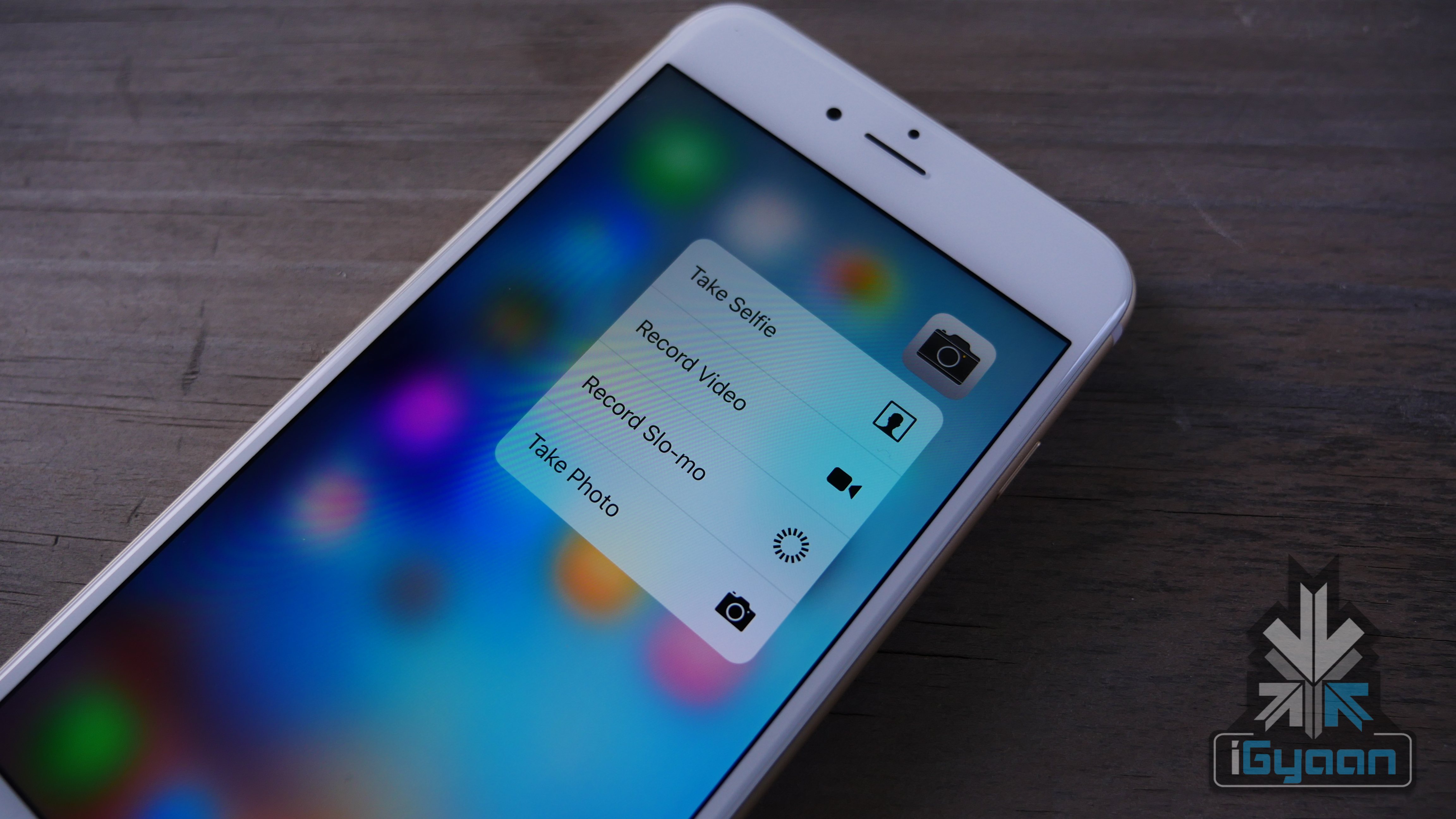
This is something that Apple showed off at the launch, but it still feels under played. The technology is pretty impressive, and even though many companies have done this prior to the iPhone 6s’ launch. Apple’s iteration is impressive, accurate and easy to use.
Unlike many devices in the past, the iPhone’s display in itself is not clickable. The display senses the force on the screen which is paired with where your finger is on the screen, this then results in the outcome you receive.
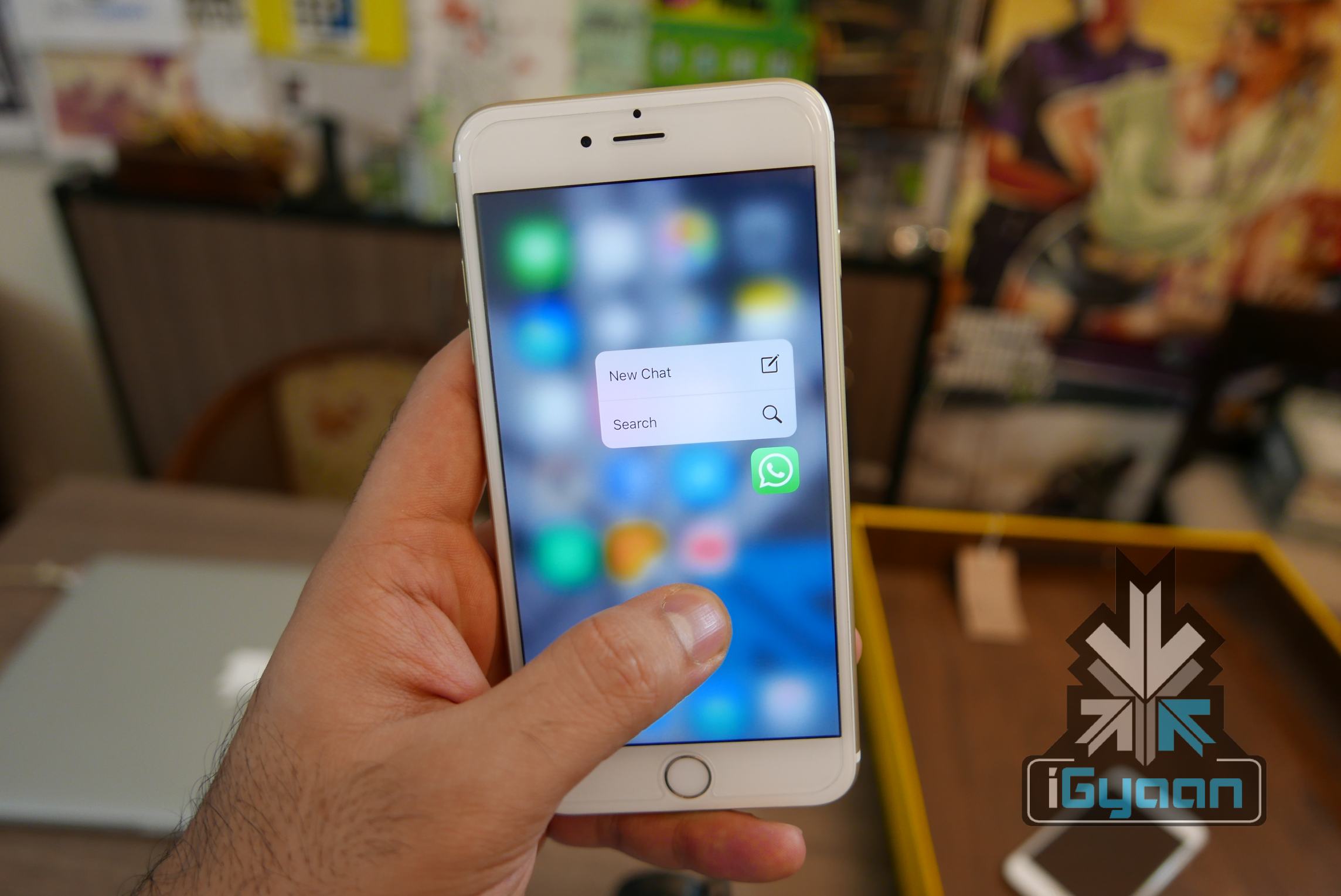
iPhone 6s
The usability of this is a little strange at first but then it gets easier and easier. The peek and pop UI of iOS 9 makes this feature infinitely fun.
Things like messages and mail become easy to read or dismiss and the animations are really impressive. When you click down on an app the background blurs out and enhances the look of your touch and the experience of using the 3D touch. iOS9 lets you set live images as wallpapers that you can preview simply by pressing down on the screen. Its quite cool, and you can relive your fun moments of the perfect picture right from your lock screen.
And with apps like WhatsApp and Instagram taking advantage of this feature, soon iOS will be a mega 3D touch playground. However, this might happen later than sooner, because most developers will take a long time to implement this feature.
A New 12 MP camera
Cameras
The new Apple iPhone 6s and 6s plus come with enhanced cameras, keeping Apple’s image processing standards intact. the new 12 MP camera at the back offers a larger resolution keeping the pixel size at 1.22µ pixels and the aperture at f2.2.
The addition of 4k Video means that the iPhones have finally caught up to rest of the world. It also means that buying a 16 GB iPhone has become more or less pointless. The 4k video is turned off by default and there is good reason, 1 Minute of 4k video will take approximately 375 MB whereas 1080p video will take as low as 130 MB.
The image quality is fantastic and lowlight images are impressive. You get exception control of exposure and focus prior to capture, so you can compose shots with ease.
The HDR images have been best on the iPhone so far and that remains the case with the iPhone 6s and 6s Plus. The OIS on the larger version iPhone 6s Plus helps people with shaky hands to capture better images and video.
The Live images are also a fun feature only when you understand that you need to keep your hand stable for longer. Else you end up with Live video loops ending with shots of your feet, or even worse, shots of your nostrils when clicking selfies. This also consumes more storage and 16 GB owners should stay away from this feature. This can easily be disabled from the camera interface.
Previous iPhone users will be happy with better resolution cameras, especially the front camera, where an overhaul was long overdue. The selfies are improved and also support the live photos feature.
Live photos are nothing new, HTC did this with ZOE and many manufacturers and apps have had this feature. However, all of them worked on the principle of capturing video and then saving a still from that. The iPhone 6s and 6s Plus, unlike the others in the past, captures a burst of high res pictures in a .MOV format along with the main image. Therefore not affecting the quality of the image, technically this is multitasking for the camera and is an innovative way to execute live images. You can also set the live images as a lock screen wallpaper and execute the 3D touch to preview them whenever. They are like your own personal Vines.
Performance
This is major improvement on the overall usage of the iPhone. The iPhone 6s and 6s Plus are both faster and snappier when compared to the iPhone 6 and 6 Plus. iOS is already pretty fast and smooth. The operation on the iPhone 6s is a lot better.
iOS 9 was designed primarily on the new iPhones hence you get a phenomenal experience. The new peek and pop UI works really well. New animations and live photos as wallpapers is an appreciated add-on. The fact that there is more RAM on the new iPhones means that games work in a better environment, loading and caching works better too. Apps that utilise this additional RAM speed up as well. The camera has a more prompt response and images are clicked and processed quicker.
Networks and Battery
The network strength is much more improved. Tested on Airtel and Vodafone in Delhi and Mumbai. on LTE Speeds upto 50 Megabits are easily available, however that is more network provider dependent. Compared to iPhone 6 and Samsung Galaxy S6, network speeds are faster and network strength is better on the new iPhone 6s and 6s Plus. During the tests we also faced lesser network drops and overall sturdier network performance. Battery life is improved over the previous Gen iPhone 6 Plus and the network improvements could be a major contributor.
The new Apple A9 chipset is also better balanced to give you an improved battery performance. While “batterygate” has been said to be insignificant, the TSMC chipset is considered an advantage.
Overall with the iPhone 6s and 6s Plus get improved battery performance and seem to charge faster that the previous get iPhones. A 5-minute charge gets you from 5% to 30% and about an hour and 15 minutes gets you a full charge on an iPhone 6s Plus using an iPad 12W charger. Between 4-5 hours of talk time 3 hours of internet and 3 hours of music playback with the screen off, the iPhone 6s ends up with 20% battery at the end of the day and the iPhone 6s Plus with about 32%. If you are using the iPhone with the screen on, a lot of you will require a frequent charge.
Process
iPhone 6s
iPhone 6s Plus
Talk Time
5 hours
6.5 Hours
Gaming / Video
4.5 Hours Non Stop
5 Hours Non Stop
Internet
8 hours
9.5 Hours
Music
12 Hours Non Stop
16 Hours Non Stop
Conclusion
The iPhone is an ever growing phenomenon, the more people use the ecosystem the more it makes sense. And while the battle between Android and Apple iPhones is one that will never see the light at the end of the tunnel. The iPhone is clearly the most popular single handset in the world and the iPhone 6s and 6s Plus improve on that with the right kind of things. The hardware running the handset sees a major bump, and the cameras are a lot better and everyone will appreciate that. Live photos work well, and for the moment seem to not be a gimmick.
Soon third party apps will allow sharing of live images and it will become a phenomenon. 4k video is better too, so is network reception and battery life. But, that’s the thing a regular user is not concerned with the use case scenario of all the above features. Sure a better battery and better cameras are good things to have. And 3D touch is great to use and a really productive and time saving feature. However, how big of an improvement is it over the iPhone 6? Not a big improvement, but logically a significant one. Most iPhone 6 owners can and should skip this version for the iPhone 7 which will bring all this features and more with a more significant design change.
But, to sum it up, the iPhone 6s and 6s plus are sturdier iPhones, with new water resistant capabilities, a stronger chassis, cameras that are superior, a new screen technology, seriously fast processing capabilities, better battery life and better network capabilities. You also have new features like live photos and peek and pop capabilities which are not only fun but functional and unique to the iPhone for the moment. You also have the [s] badge on the back of the iPhone to show off to your friend who owns an iPhone 6. Pricey sarcasm aside, the new iPhones are brand new phones and hopefully all apps will allow users to exploit the functionality of things like peek pop and 3D touch, at least before the iPhone 7 arrives. There is also the price factor, each variant of the iPhone in India is significantly pricier than last year’s iPhone.
However that has not stopped people from pre-ordering the iPhone 6s and 6s Plus before it goes on sale officially today.
We recently reported about the the difference in the battery performance of the new iPhones depending on their A9 chips. These chips are provided by two different manufacturers, Samsung and TSMC. When two iPhone 6s’ were put to use under similar conditions, it was observed that the one with the TSMC chip lasted longer, by adding two extra hours to the battery life.
What is now being touted as the ‘Batterygate’ controversy has raised questions about Apple’s newest devices. This also increases pressure on the company to maintain its position in the tech world, already having been through some turbulent waters in the recent past due to security and software issues. The difference in the performance of the two chips raised quality-related questions for Apple and made the position of the new iPhones shakier, already being panned by many for their steep price-tags.
However, Apple-haters would regret to know that ‘Batterygate’ isn’t as mired a situation as it initially seemed to be. Tests have confirmed the controversy is not too big a deal for the difference between the performance of the two chips isn’t too wide. A Samsung chip does not mean hours of battery shortage as compared to TSMC chips. Potential buyers can go ahead and not let the A9 chips be a deterrent in buying the new iPhones.