Tag: comparison

  • OnePlus 5T Vs Honor View10

    OnePlus 5T Vs Honor View10

    Ever since the OnePlus One was launched back in 2014, the Chinese smartphone maker’s devices have been considered to be the flagship killers. Year after year, the company has launched Android phones with high-end specifications at nearly half the price of devices by other tier brands. While 2017 saw a lot of flagship devices being launched under Rs. 40000 bracket, the OnePlus 5 and then the OnePlus 5T priced at Rs. 32999 for the 64GB variant remained a fan favourite.

    However, Honor has recently announced the price of its Honor View10, the Kirin 970-powered affordable flagship phone. At a price of Rs. 29,999 the Honor View10 has a high-end chipset, dual cameras, nearly bezel-less display and an emphasis on AI. All of that, and it is still cheaper than the OnePlus 5T. So, does the Honor View10 take the crown of the best affordable flagship? Let’s find out:

    Design

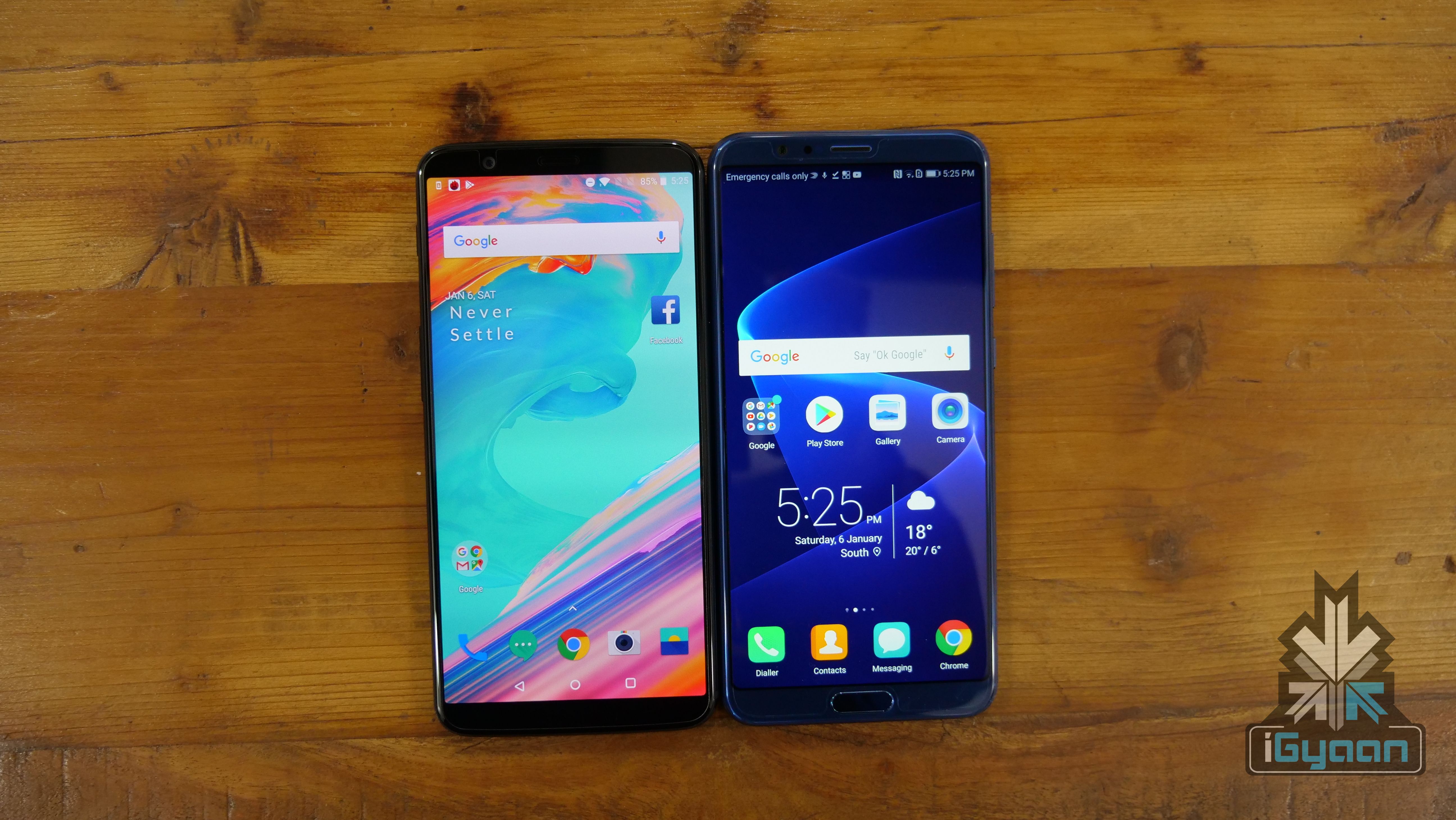
    Both the OnePlus 5T and Honor View10 share a similar design language. Both the devices sport a tall display, thin bezels and dual-cameras at the back. The dual-cameras on both the devices protrude a little which means that a case might be necessary to protect the camera glass. The OnePlus 5T and Honor View10 have matte finishes to the back which means the devices can be a bit slippery but, both the companies provide a clear case inside the box.
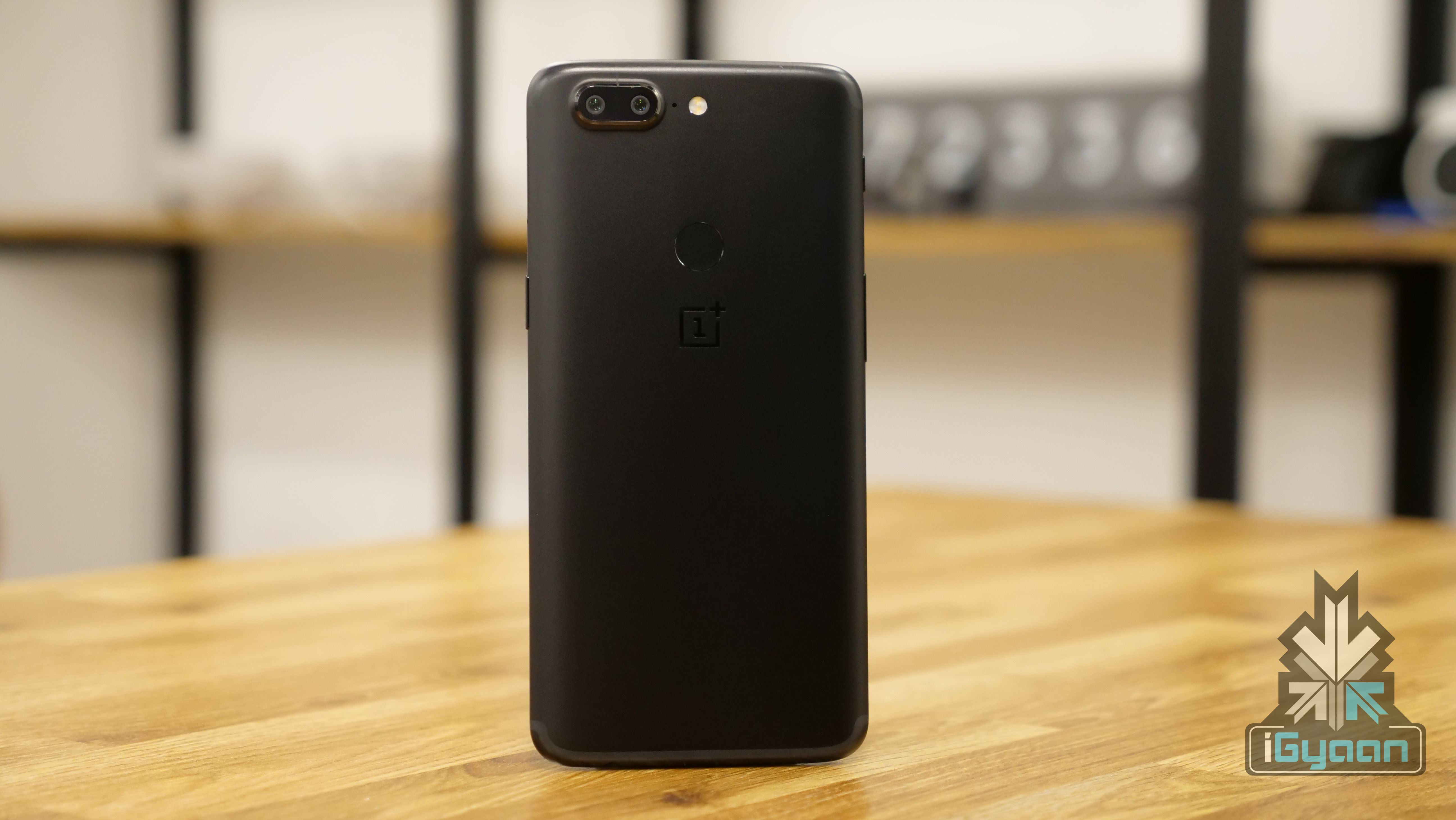
    OnePlus 5T

    Display

    The OnePlus 5T is a refreshed variant of the OnePlus 5 with a modern 18:9 aspect ratio and thin bezels. The Honor View10 also has thin bezels and a tall display and even manages to retain the front-facing fingerprint sensor, something that the OnePlus 5T had to give up for smaller bezels. Both the devices have a resolution of 2160 x 1080 px, however, while the Honor View10  has an IPS LCD panel, the OnePlus 5T has an Optic AMOLED panel.

    Software

    After photos and sound, software is the most subjective aspect of a smartphone. Just like some people prefer bass-heavy sound over a flat soundstage, some people prefer the bells and whistles of a custom skin over stock Android OS. There is no denying that the OnePlus 5T will always be ahead when it comes to software updates but, EMUI on the Honor View10 has come a long way since its inception as well. The Honor View10 has a slight advantage thanks to the NPU present in the Kirin 970 chipset. Honor has been able to add some nifty features that take full advantage of AI. For example, thanks to Honor View10’s facial recognition software, the phone only displays a preview of notifications on the lock screen only when it recognises the face, otherwise, the notifications remain hidden.

    This is just a small example of what implementation of AI does to the overall user experience. However, if you are a stock Android enthusiast then the OnePlus 5T is ideal for you.

    Performance
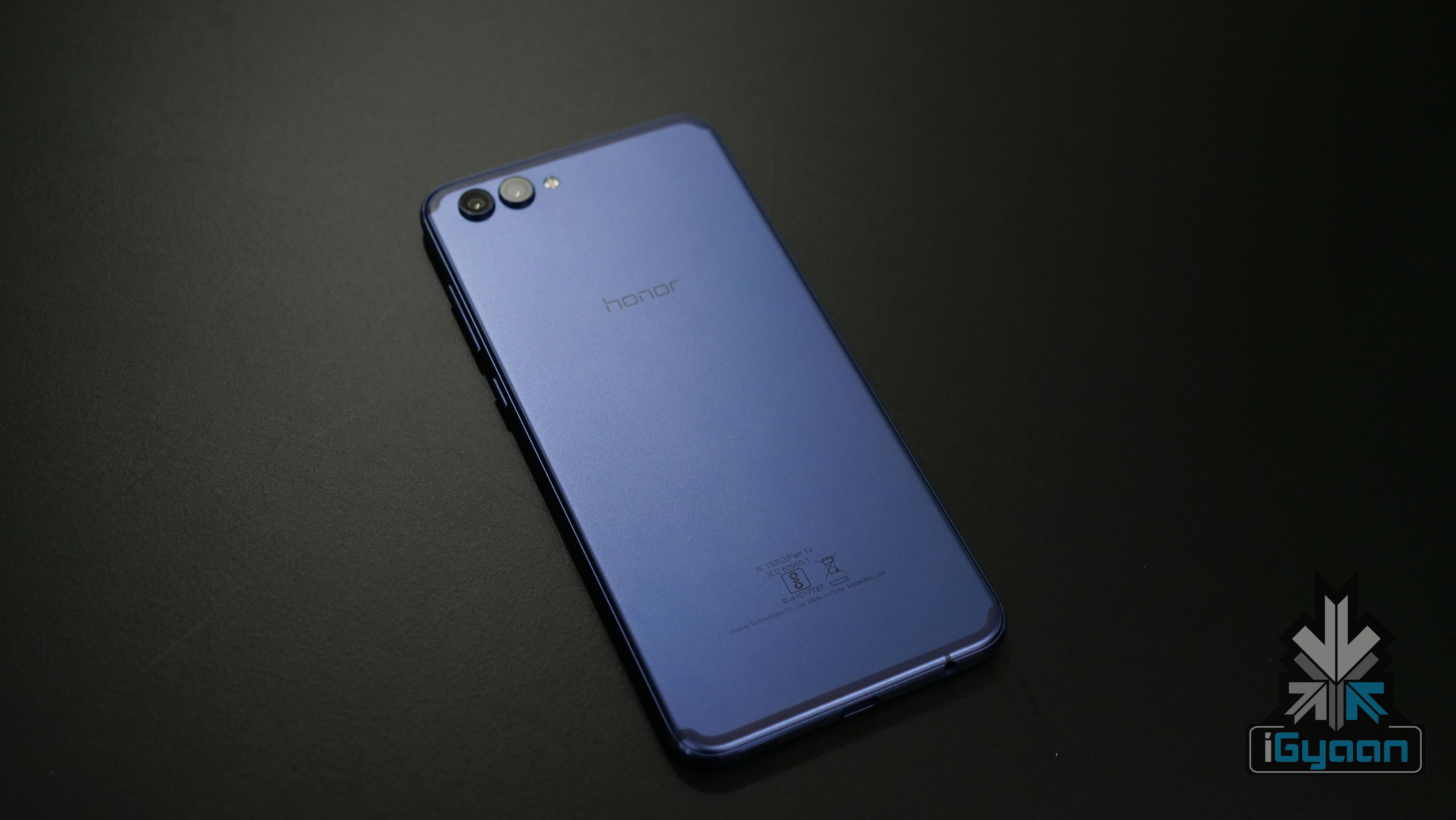
    Honor View10

    Both the devices are powered by two flagship chipsets. The OnePlus 5T has the Qualcomm Snapdragon 835 chipset, 6 or 8GB of RAM along with 64GB or 128GB of storage. The Honor View10 has the HiSilicon Kirin 970 chipset, 6GB of RAM and 128GB of onboard storage. The storage on the Honor View10 can be expanded up to 256GB via a microSD card while the OnePlus 5T doesn’t provide an option for expanding the onboard storage.

    [amazon_link asins=’B0756ZFXVB’ template=’ProductAd’ store=’igyaan-21′ marketplace=’IN’ link_id=’a6b3e755-f2e5-11e7-bb2c-494387f1c241′]

    Both the devices run day-to-day tasks with ease and even high-end gaming is buttery smooth on either device. If you want a device for heaving gaming, then neither of the phones will disappoint your gaming needs. Thanks to the tall displays on both the devices, multitasking is a joy and the snappy processors made sure both the devices held up well in extreme multitasking situations.

    Camera

    Photographs are extremely subjective, and both the devices have a dual camera setup at the back albeit, different implementations. The OnePlus 5T, unlike its predecessor, has a 16MP and 20MP setup with an f/1.7 aperture which OnePlus claims, will result in better low-light photographs. The Honor View10 has a 16MP RGB sensor and a 20MP Monochrome sensor with both having an f/1.8 aperture. Here are a few camera samples of both the devices:


    Specifications OnePlus 5T Honor View10
    Price [amazon_link asins=’B0756ZFXVB’ template=’ProductAd’ store=’igyaan-21′ marketplace=’IN’ link_id=’48299d3c-f20e-11e7-b46f-e55f80314c8c’] Starting at Rs. 32,999 [amazon_link asins=’B077PWJQ57′ template=’ProductAd’ store=’igyaan-21′ marketplace=’IN’ link_id=’c435a3b9-f42b-11e7-8c6c-2908034aa6f4′] Rs. 29,999
    Display 6-inch
    AMOLED
    5.99 inch
    IPS LCD
    Resolution 2160 x 1080 px
    401ppi
    2160 x 1080 px
    403ppi
    OS Android 7.1 Nougat Android 8.0 Oreo
    EMUI 8
    Battery 3300 mAh 3750 mAh
    Chipset Qualcomm Snapdragon 835 HiSilicon Kirin 970
    RAM 6GB/8GB 6GB
    Storage 64GB/128GB (Non-expandable) 128GB (Expandable up to 256GB)
    Primary camera 16MP f/1.7 + 20MP f/1.7 16 MP (RGB)
    20 MP (Monochrome)
    f/1.8 aperture
    Primary video 4K @ 30fps 4K @ 30fps
    Secondary camera 16MP f/2.2 13MP f/2.0
    Add-ons Fingerprint sensor
    Face Unlock
    Fingerprint sensor
    Facial Recognition
    AI

    At the end of the day, the OnePlus 5T and Honor View10 are two great phones with best in class specifications and an affordable price tag. Honor seems to have struck gold with its pricing and the real question here is whether stock Android is worth the extra money or not. If yes, then the OnePlus 5T should be your choice. But, if you are on a tight budget, the Honor View10 has a lot more to offer in terms of user experience and will cost less than the OnePlus 5T.
  • Nokia 6 (2018) Vs Mi A1 Vs Moto G5s Plus

    Nokia 6 (2018) Vs Mi A1 Vs Moto G5s Plus

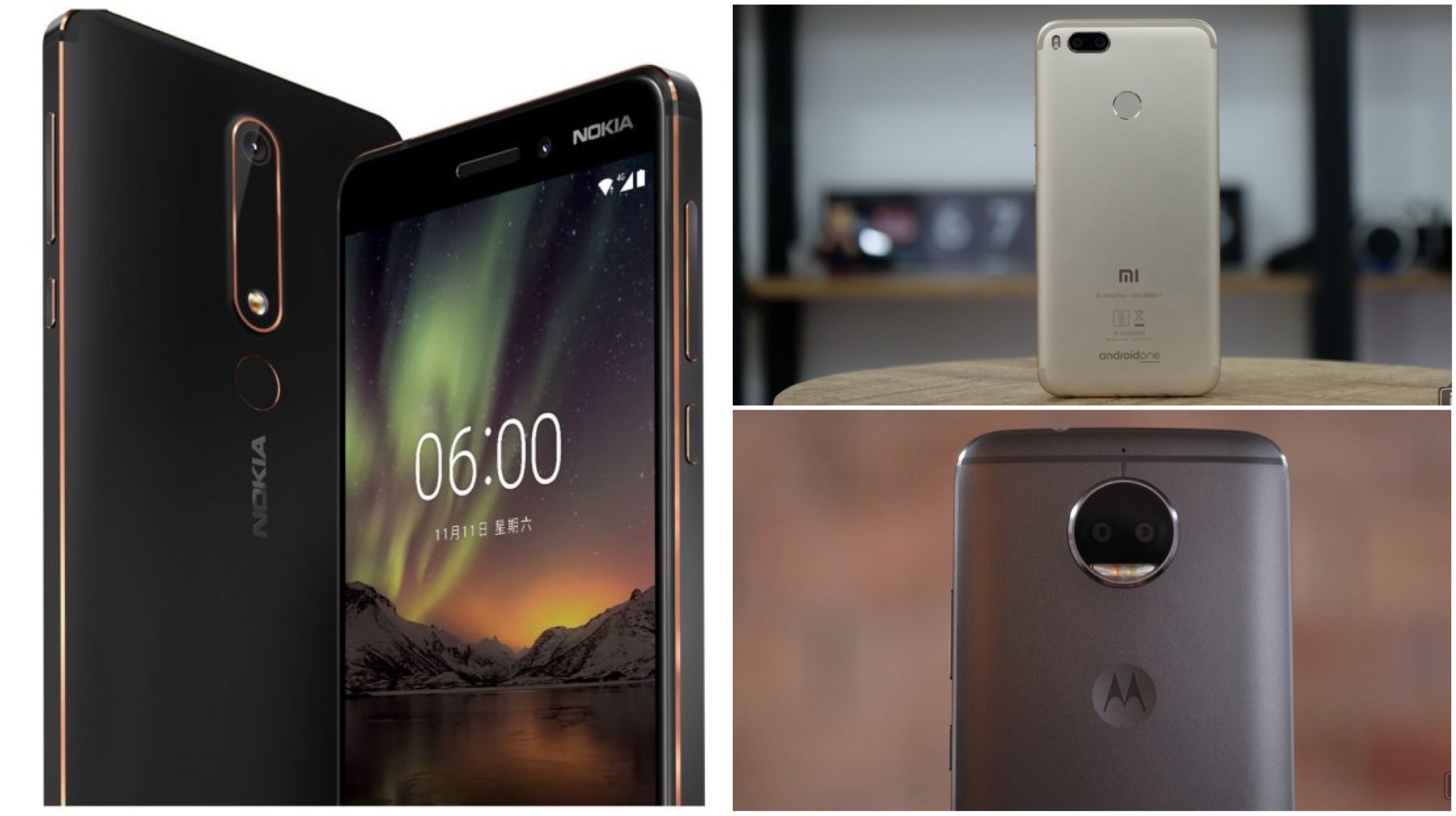
    HMD Global’s pricing strategy for its mid-range and budget smartphones in India has baffled everyone. The Nokia 6 was launched in India in early-2017 and was heavily panned for its excessive pricing. However, it appears that HMD Global has learned its lesson and will be willing to rectify such costly errors with its new budget smartphone, the Nokia 6 (2018).

    In China, the device starts at a price of CNY 1499 (Rs. 14600 approx.) and if HMD Global goes the Nokia 8 route and launches the device at Rs. 14000 or less, the Nokia 6 (2018) could be a great contender in the budget category of Android phones. In this category, the Xiaomi Mi A1 and Moto G5s Plus also offer a stock Android experience and feature metal build although, both the devices also have a dual-camera setup at the back unlike the new Nokia 6.

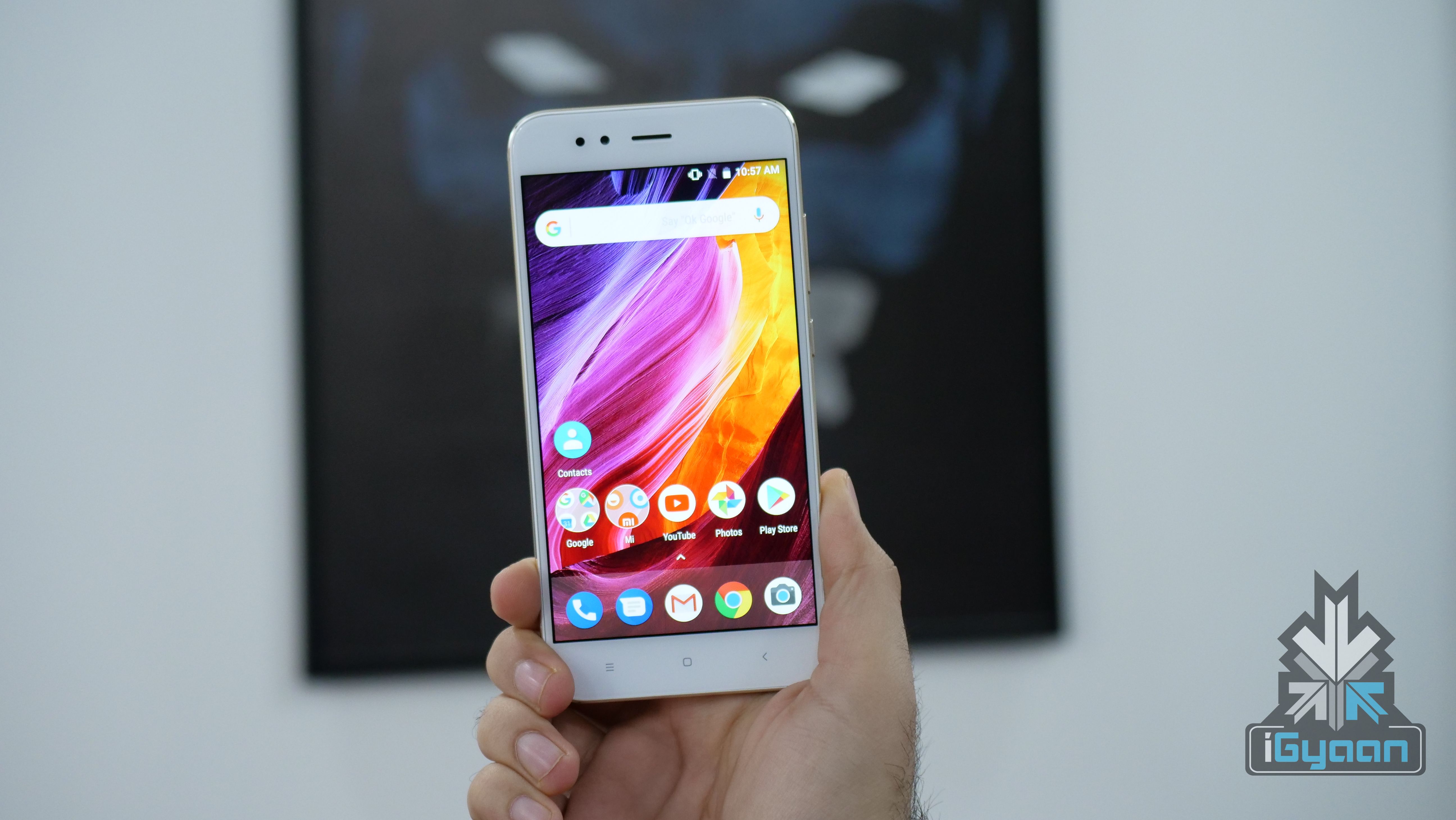
    Xiaomi Mi A1

    [amazon_link asins=’B071HWTHPH’ template=’ProductAd’ store=’igyaan-21′ marketplace=’IN’ link_id=’5de7800d-f2e3-11e7-830e-47aca632421d’]

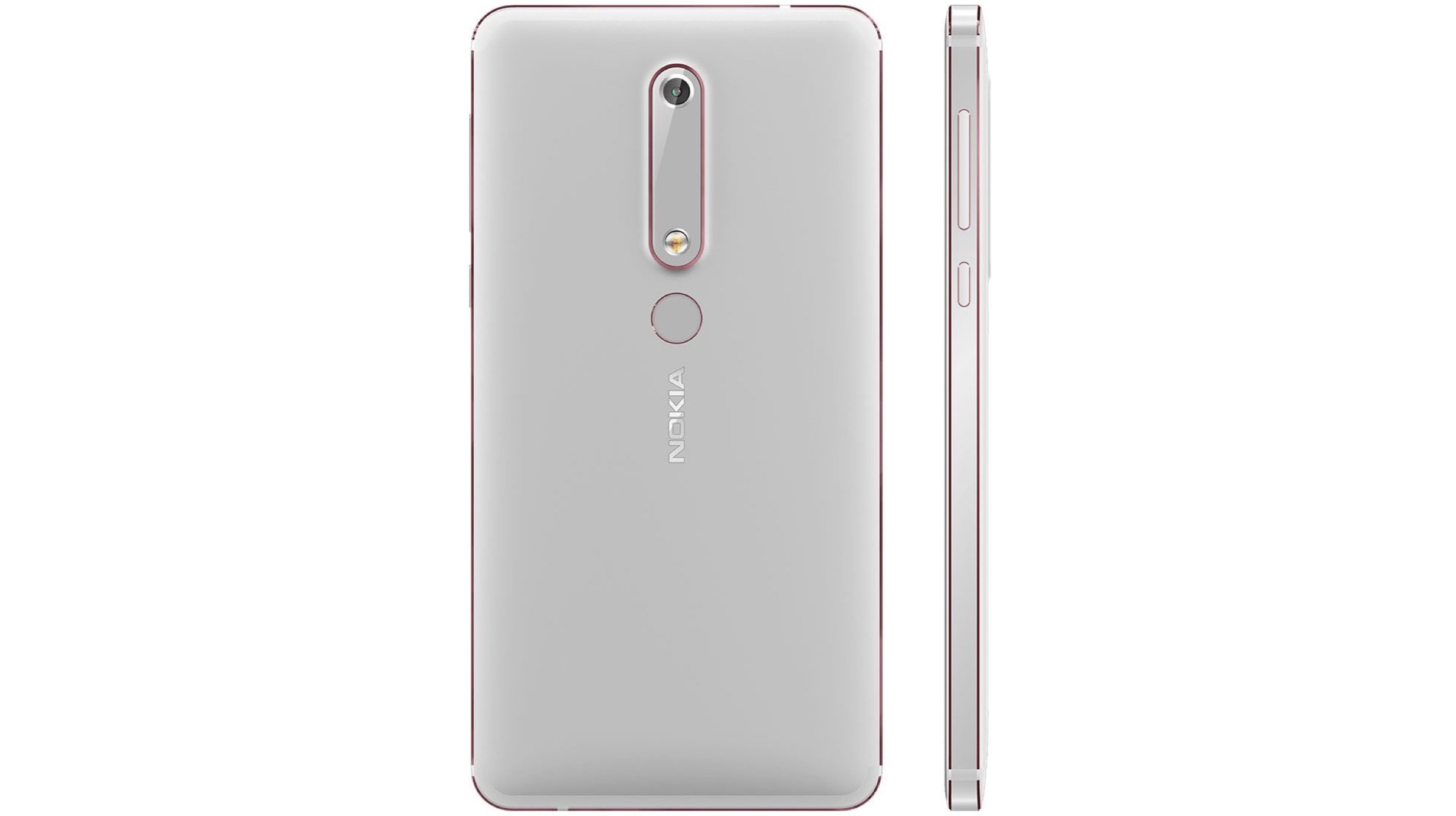
    Early images of the Nokia 6 (2018) reveal a nice design with good colour options, however, a few choices made by Nokia are questionable. Many other OEMs have resorted for a rear-facing fingerprint sensor due to the tall display and thin bezels but, the Nokia 6 (2018) maintains the 16:9 aspect ratio and the thick bezels while moving the fingerprint sensor to the back. This decision would’ve been justified had the smartphone moved to an 18:9 aspect ratio and cut down the bezels significantly.

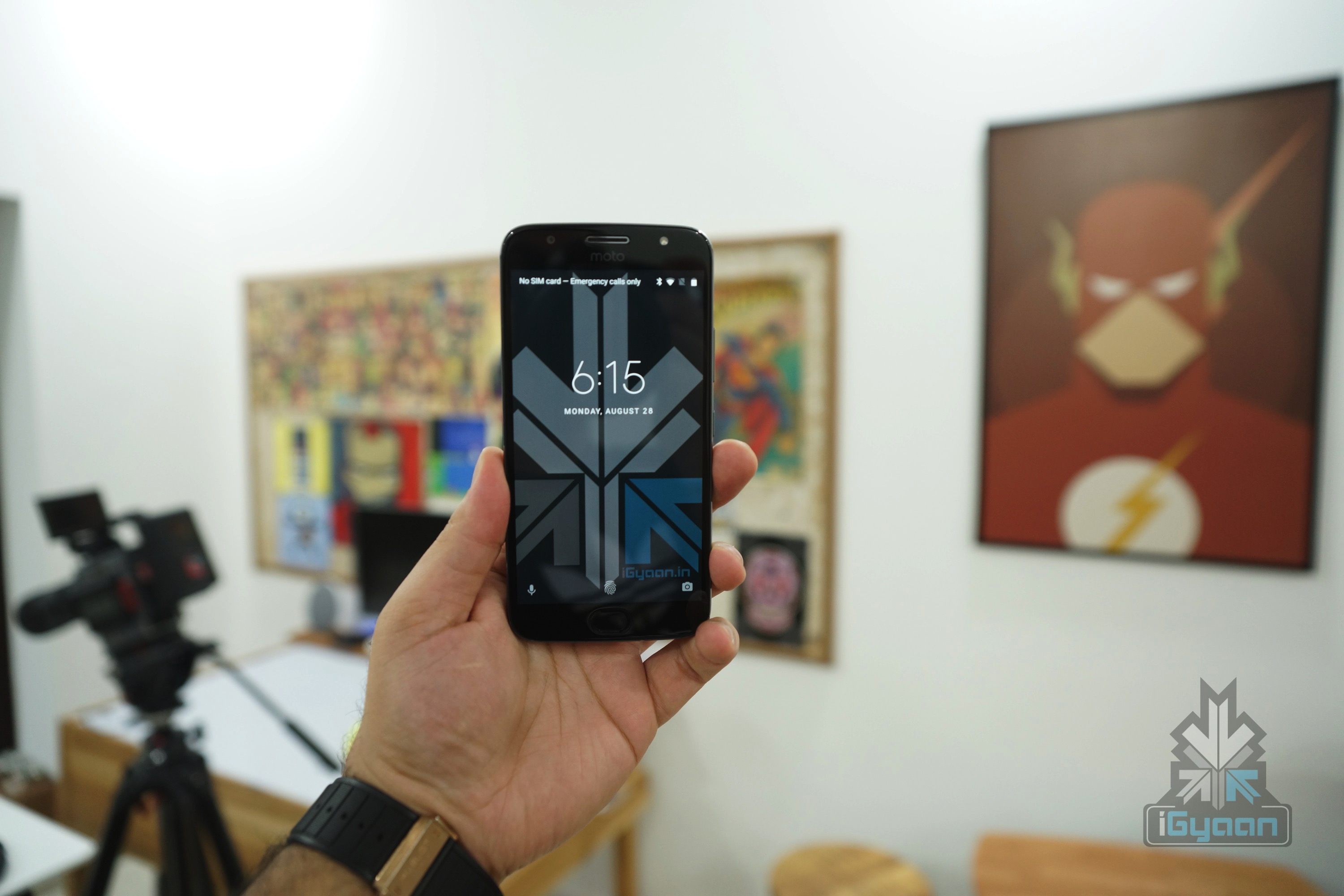
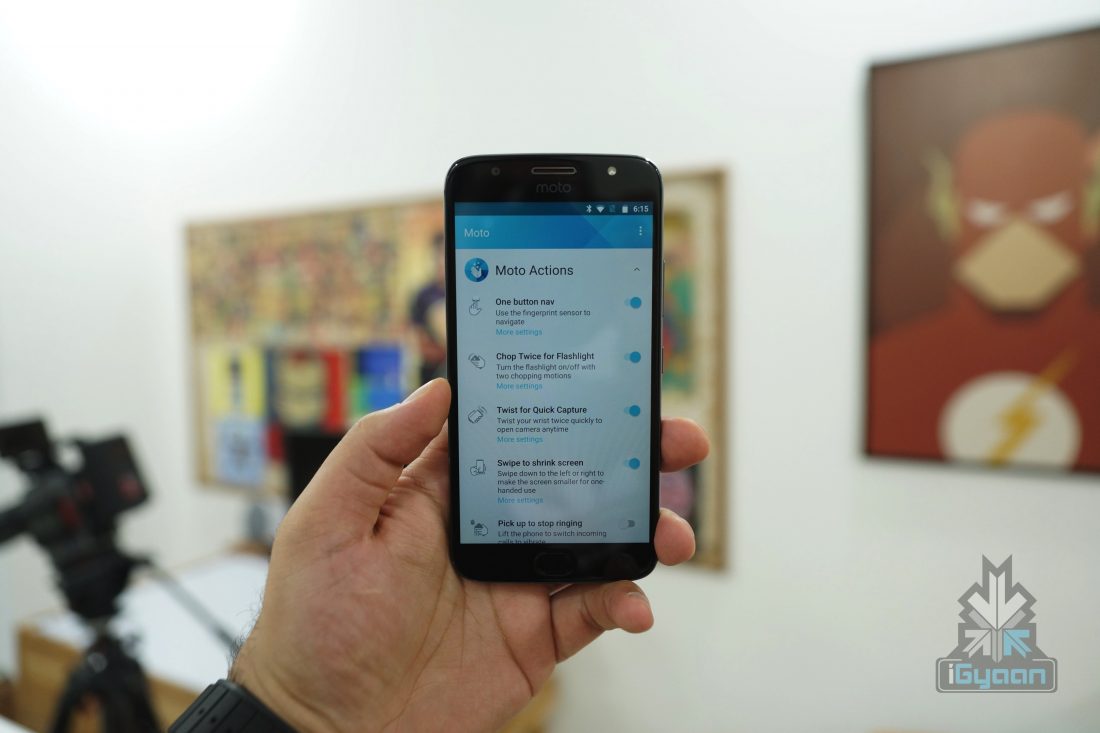
    Moto G5s Plus

    A few design tweaks aside, the Nokia 6 (2018) is a significant update over the Nokia 6 of 2017. But, will it be the new fan favourite if and when it is released in India? Let’s find out:

    Specifications Nokia 6 (2018) Xiaomi Mi A1 Moto G5s Plus
    Price Starting at CNY 1499 (Rs. 14600 approx.) Rs. 13999 Rs. 14999
    Display 5.5 inch
    IPS LCD
    5.5 inch
    LTPS IPS LCD
    5.5-inch
    IPS LCD
    Resolution 1920 x 1080 px 1920 x 1080 px 1920 x 1080 px
    Battery 3000 mAh 3080 mAh 3000 mAh
    Chipset Snapdragon 630 Snapdragon 625 Snapdragon 625
    Processor 2.2GHz
    Octa-core processor
    2.0Ghz
    Octa-core processor
    2.0 GHz
    Octa-core
    RAM 4GB 4GB 4GB
    Storage 32GB/64GB (Expandable up to 128GB) 64GB (Expandable up to 128GB) 64GB (Expandable up to 128GB)
    Primary Camera 16MP
    f/2.0
    12MP wide-angle f/2.2 + 12MP telephoto lens f/2.6 13MP + 13MP with f/2.0
    Secondary Camera 8MP
    f/2.2
    84-degree wide-angle lens
    5MP 8MP
    f/2.0
    Wide-angle lens

    The Nokia 6 (2018) has a slightly better chipset than the other two smartphones but, it also launched more than four months later. With the Xiaomi Mi A1, you get Android One which means that the Mi A1 will get future software upgrades to Android P as well.

    While companies claim that all their smartphones will get software updates for at least two years, you’ll be hard-pressed to bet on Android P update coming to the Moto G5s Plus. The Nokia 6 (2018) already runs Android 8 Oreo and hopefully, will get an update to Android P as well in early 2019.

    Let’s not forget that the Honor 7X is cheaper than both the Mi A1 and G5s Plus with equally good performing chip and cameras. A lot will depend on the price of the Nokia 6 (2018) when it launches in India.

    With so many viable options in this price category, the question that arises is whether the new Nokia 6 has enough to offer that will persuade potential buyers towards it or not. Also, will the absence of a dual-camera setup on the Nokia 6 (2018) be a deal-breaker for many suitors?

  • Honor 7X Vs Xiaomi Mi A1 – Best Smartphone Under Rs. 15000?

    Honor 7X Vs Xiaomi Mi A1 – Best Smartphone Under Rs. 15000?

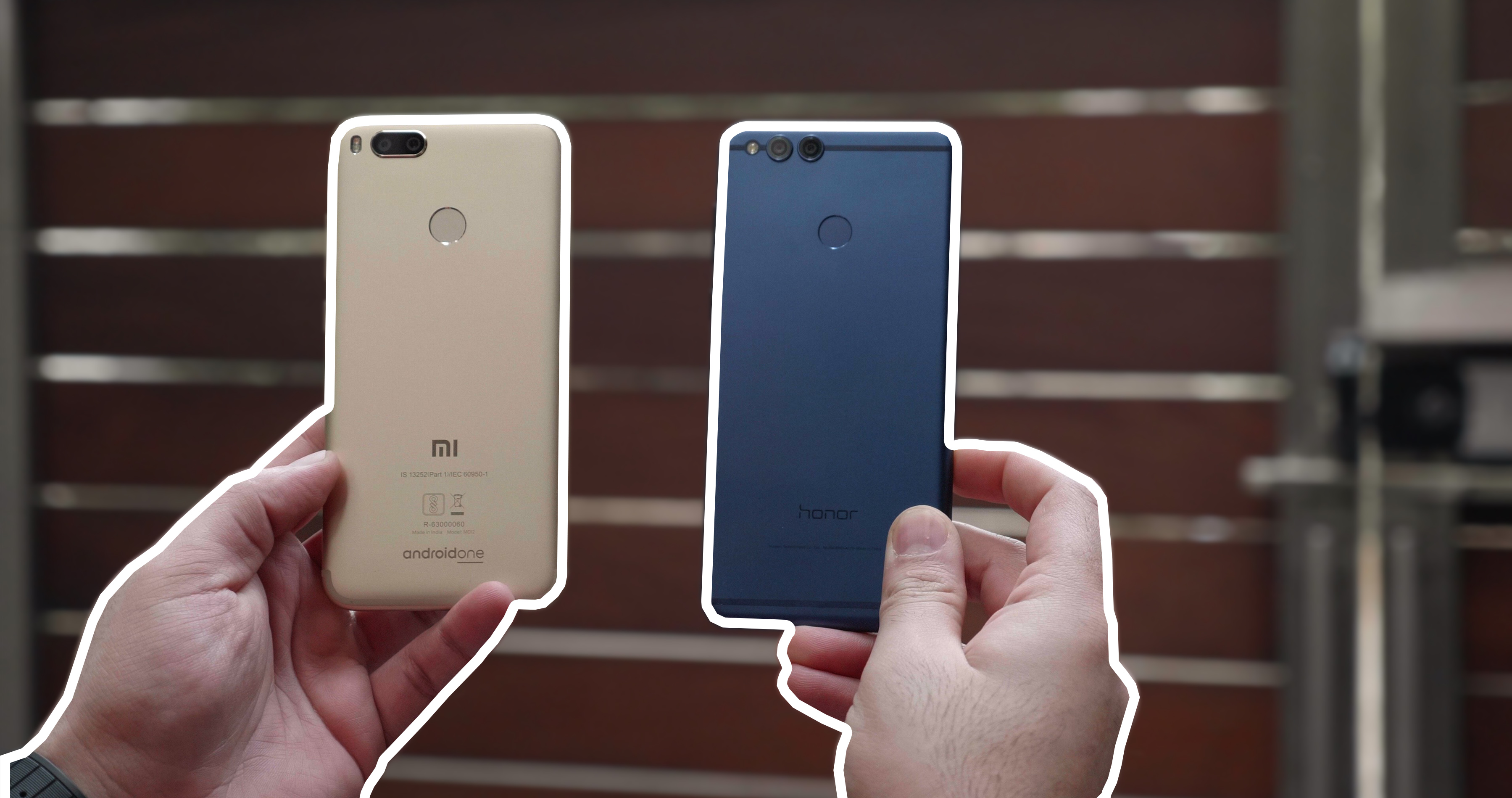
    Huawei Honor launched the Honor 7X in India at a starting price of Rs. 12999. Up until then, that price segment was dominated by the likes of the Xiaomi Mi A1 and Moto G5s Plus, both of which offered similar specifications and software experience.

    Before the Honor 7X was launched in India, the Xiaomi Mi A1 was soaring high at a price tag of Rs. 14999 which was cheaper than the Moto G5s Plus, however, a few days after the Honor 7X was launched, the price of the Mi A1 decreased. In order to keep a level playing field, Xiaomi reduced the price of the Honor 7X to Rs. 13999 and right now, it is available for Rs. 12999 on Flipkart. With the price tag no longer a factor, let’s see which phone comes out on top.

    Design

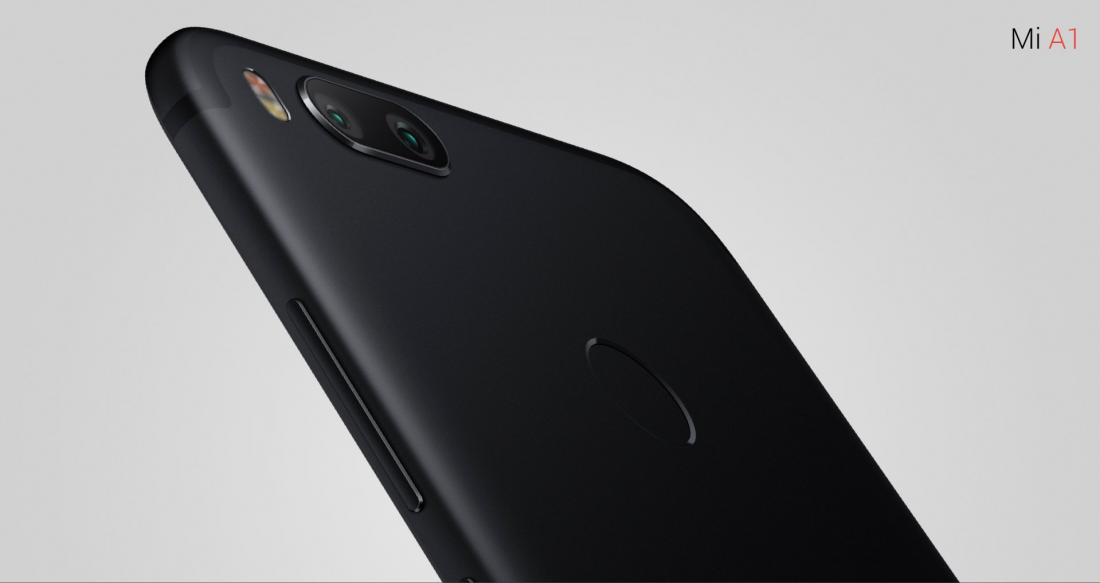
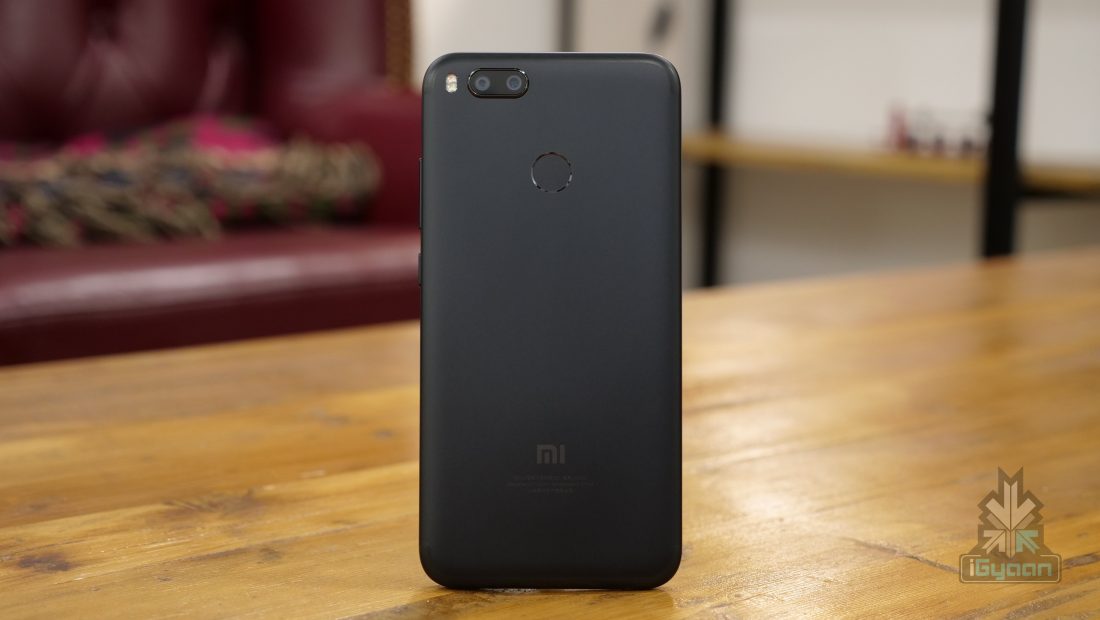
    Hands down, the Honor 7X wins in the design department. The Xiaomi Mi A1 is not a bad looking phone but, when kept next to each other, the Mi A1 looks dated. The Honor 7X has a modern design with thin bezels and even though the company could’ve used the bottom bezel to house a fingerprint sensor instead of its branding, the Honor 7X looks sleek and more pleasing to the eye than the Xiaomi Mi A1.

    Display

    The Honor 7X has a 5.93-inch LTPS IPS LCD display with a 2160 x 1080 px resolution and 407ppi. The Xiaomi Mi A1, on the other hand, has a 5.5 inch LTPS IPS LCD display with a 1920 x 1080 px resolution and 403ppi. Despite a taller display, the Honor 7X has a slightly high pixel count than the Xiaomi Mi A1. In terms of display, the Honor 7X wins the battle again thanks to its 18:9 aspect ratio which comes in handy while multi-tasking and content consumption in general. The Xiaomi Mi A1 has the 2016 standard 5.5-inch display which cannot seem to hold up against the Honor 7X.

    Software

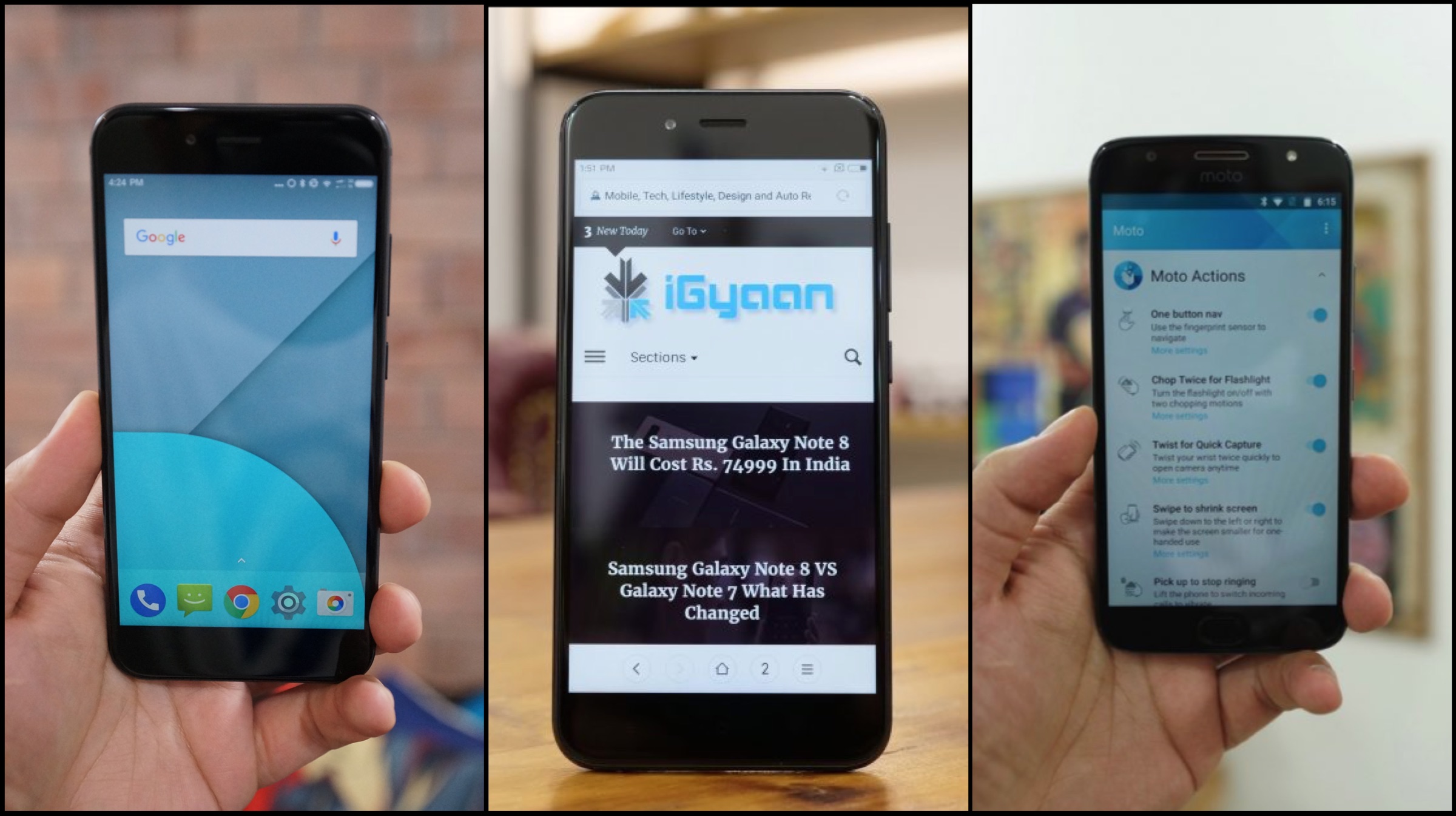
    After photos and sound, software is the most subjective aspect of a smartphone. Just like some people prefer bass-heavy sound over a flat soundstage, some people prefer the bells and whistles of a custom skin over stock Android OS. There is no denying that the Xiaomi Mi A1 will always be ahead when it comes to software updates but, EMUI on the Honor 7X has come a long way since its inception as well. Both the phones offer a different software experience for different sets of people.

    Performance

    The Xiaomi Mi A1 has the Qualcomm Snapdragon 625 chipset, 4GB of RAM and 64GB of onboard storage which can be expanded up to 128GB via microSD card. The Honor 7X is powered by the HiSilicon Kirin 659 chipset, 4GB of RAM and 32GB of storage (for the Rs. 12,999 variant) which can also be expanded up to 256GB via microSD card. Just as you would expect, bot the devices handle day-to-day tasks with ease although the 18:9 display makes normal usage much more fun on the Honor 7X. During gaming again, the display of the Honor 7X comes into play as it enhances the user experience while the Xiaomi Mi A1’s experience is adequate but, nothing to ride home about.

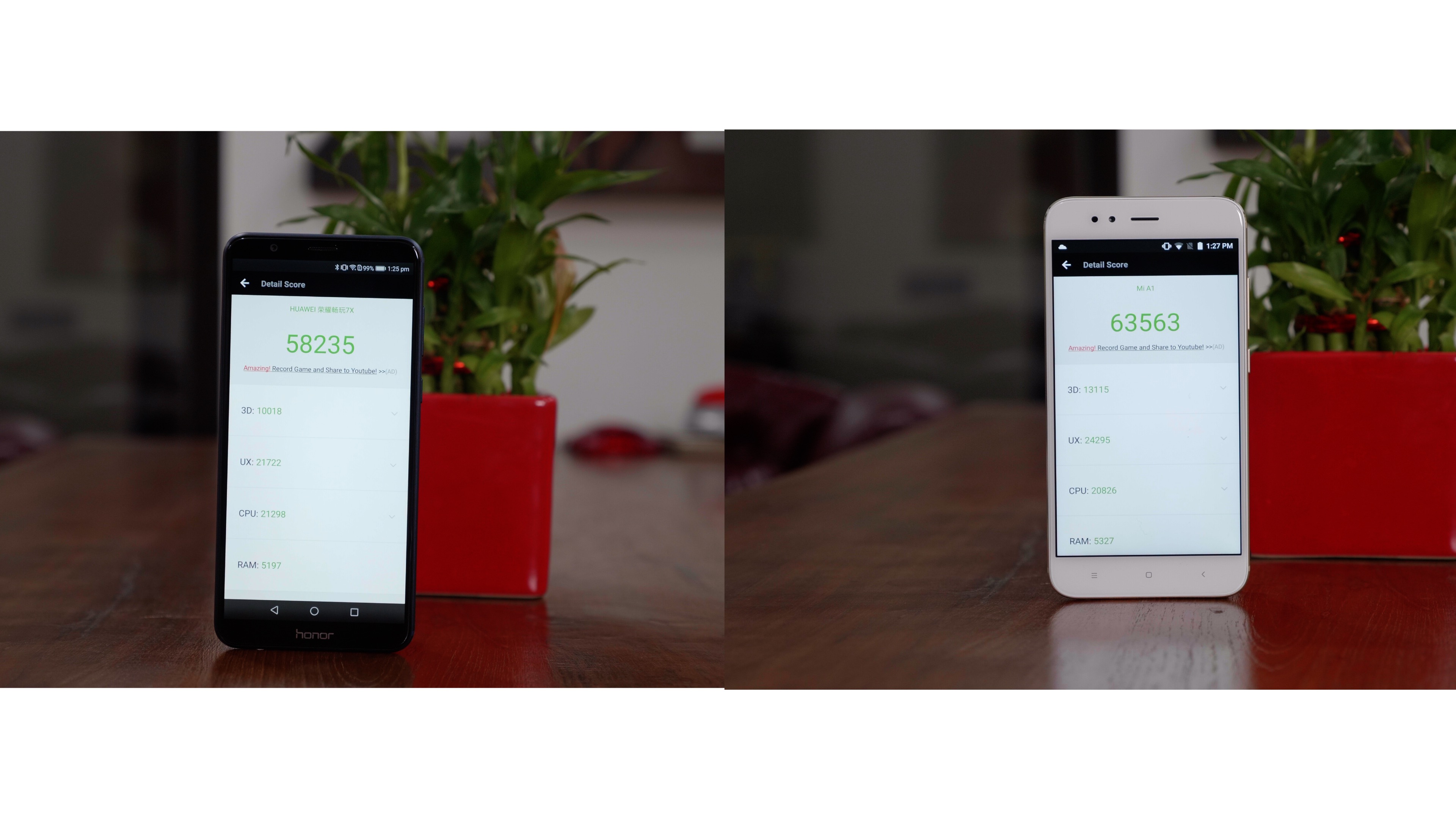
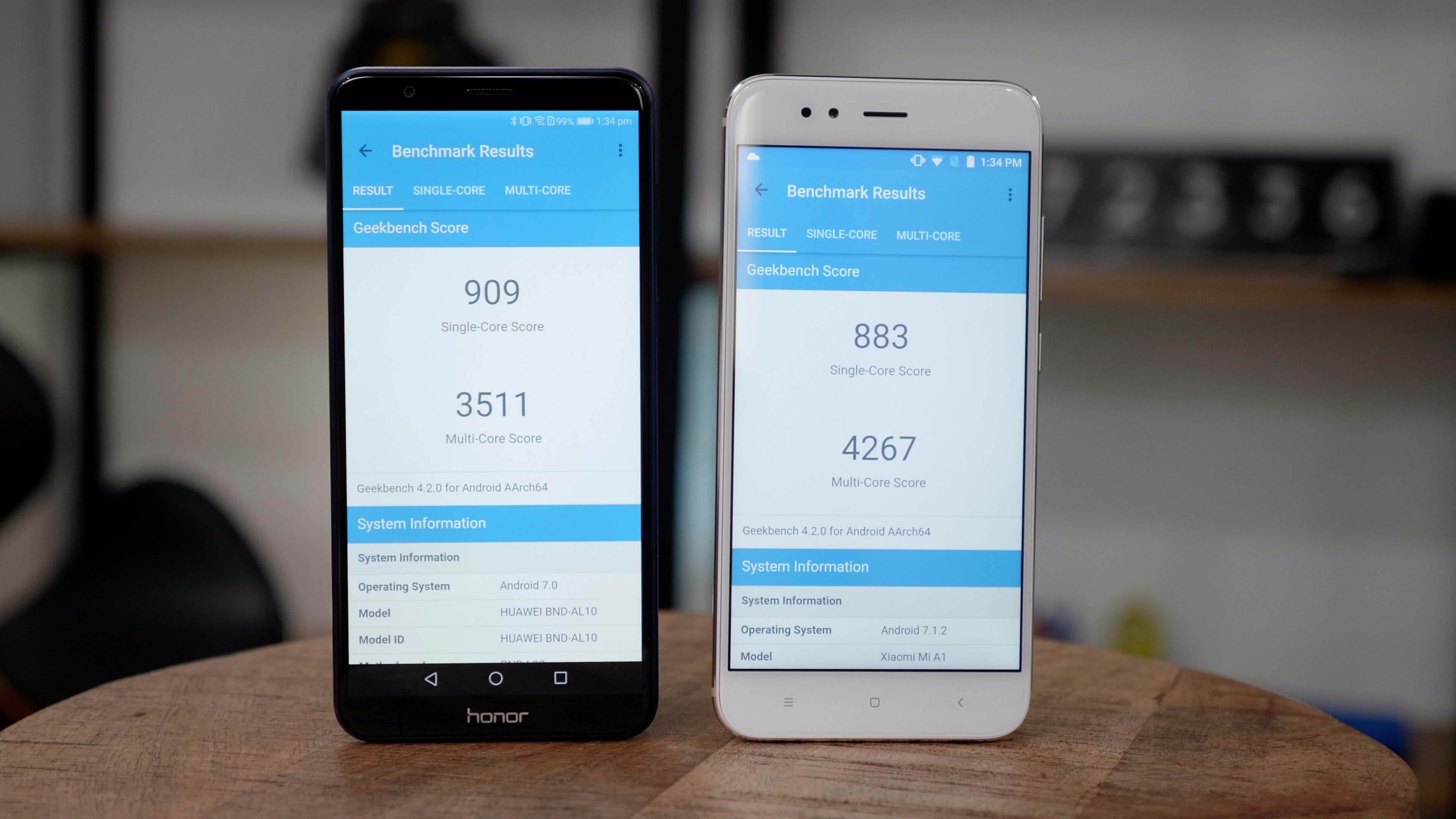
    Benchmark scores tell a similar story. In Geekbench, the Xiaomi Mi A1 scores 883 in single-core and 4267 in multi-core set. The Honor 7X on the other hand scores 909 in single-core and 3511 in multi-core tests.

    Camera

    Photos are extremely subjective and the same case is in this comparison as well. Watch our full comparison for photo samples and decide for yourself. Here are a few sample shots from both, the Xiaomi Mi A1 and Honor 7X.

    While specifications on paper might not tell the whole story, the two phones are a solid option in the price category. The Mi A1 has a dated design but stock Android OS while the Honor 7X has a modern design, thin bezels but a heavily skinned custom OS.

    Specifications Honor 7X Xiaomi Mi A1
    Price [amazon_link asins=’B0784BZ5VY’ template=’ProductAd’ store=’igyaan-21′ marketplace=’IN’ link_id=’d3211805-ec8b-11e7-b2e3-2fce9ec0930c’] Starting At Rs.12999

    Rs. 13999

    Display 5.93-inch
    LTPS IPS LCD
    5.5-inch
    LTPS IPS LCD
    Resolution 2160 X 1080 px
    407ppi
    1920 x 1080 px
    403ppi
    Battery 3340 mAh 3080 mAh
    OS Android 7.1 Nougat
    EMUI
    Android 8.0 Oreo (Beta)
    Stock Android OS
    Chipset HiSilicon Kirin 659 Qualcomm Snapdragon 625
    GPU Mali-T830 MP2 Adreno 506
    RAM 4GB 4GB
    Storage 32GB/64GB (Expandable up to 256GB) 64GB (Expandable up to 128GB)
    Primary Camera 16MP + 2MP depth sensor 12MP (f/2.2) + 12MP (f/2.6) telephoto lens
    Primary Video 1080P @ 30fps 4K @ 30fps
    Secondary Camera 8MP 5MP
    Add-ons Fingerprint Sensor
    Tall display and bezel-less design
     Fingerprint Sensor
  • Xiaomi Mi A1 Vs Xiaomi Mi 5X Vs Moto G5S Plus

    Xiaomi Mi A1 Vs Xiaomi Mi 5X Vs Moto G5S Plus

    Xiaomi launched the new Mi A1 in India on September 5 at a price of Rs 14,999 with dual cameras and stock Android OS. For the longest time, the Mi 5X was touted to be the first dual-camera phone by Xiaomi to launch in India but, instead, we got an Android One device.

    The Mi A1, at Rs 14,999 will compete with the likes of the Moto G5S Plus which also offers stock Android OS and dual-cameras. The Mi 5X and Mi A1 share the same design language, much like any 0ther Xioami Mi phone, and a dual-camera setup. The Mi A1 is the first phone from Xiaomi to feature stock Android OS and it is in association with Google’s Android One program. This means faster OS updates to Android 8.0 Oreo and Android P next year. The Mi5X, on the other hand, runs the MIUI 8 on top of Android 7.1 Nougat and going by Xiaomi’s track record, may not receive an update to Android 8.0 Oreo, atlas not for a few months. The Moto G5S Plus runs Android 7.1.1 Nougat and the company has confirmed update to Android 8.0 Oreo by the end of the year.

    Hardware wise these phones sit on a pretty similar platform, same chipset, RAM, storage, and similar display and battery size.

    Xiaomi Mi A1

    Xiaomi Mi A1

    The Xiaomi Mi A1 is priced at Rs 14,999 for the Indian market and will be available from September 12 on Flipkart, mi.com, Mi Home stores and partner retail outlets. It will be available in Black, Gold, and Rose Gold colour variants. The smartphone has a 5.5 inch 1920 x 1080 px display with Corning Gorilla Glass on top for protection and metal unibody build. Powering the device is a 3,080 mAh battery and fast charging through the Type C port. The Mi A1 runs pure Android 7.1.2 Nougat OS. The phone has the Qualcomm Snapdragon 625 chipset, 2.0GHz octa-core processor, 4GB RAM and 64GB of onboard storage which is expandable via microSD card. Handling the graphics under the hood is the Adreno 505 GPU. The pyrolytic graphite sheet will help in heat management as well, Xiaomi claims. The Xiaomi Mi A1 has an IR blaster to control appliances in your home or office. The fingerprint sensor sits at the back of the device below the camera. Xiaomi has also included a dedicated headphone amplifier for better music listening experience.

    It’s worth noting that despite the stock Android OS, Xiaomi has still introduced a few apps of its own like the Mi Camera app, since Google’s app doesn’t support dual-camera right now. Other apps like the Mi Remote and the Mi Store are also present in the Xiaomi Mi A1.

    In terms of optics, the smartphone features a 12MP dual-camera setup with 1.25-micron pixel size. Out of the two cameras at the back, the primary one is equipped with a telephoto lens and the secondary camera has a wide-angle lens. The telephoto lens allows the user to take bokeh effect shots with blurred background and a 2X optical lossless zoom. For landscape shots, Xiaomi has introduced a wide angle lens while on the front is a 5MP camera.

    Xiaomi Mi 5X

    Xiaomi Mi 5X

    You may also like – Xiaomi Mi 5X unboxing

    The Xiaomi Mi 5X was launched in China in July as a mid-ranger with dual-cameras, much like the Mi A1 for the Indian market. The smartphone from Xiaomi has a 5.5-inch 1920 x 1080 px IPS LCD display. Unlike a lot of smartphones from 2017, the Mi 5X has a considerable amount of bezels around the display. The smartphone is powered by a 3,080 mAh battery with fast charging capabilities through the USB Type C port, although, the included charger does not provide a fast charge. The Mi 5X has the Qualcomm Snapdragon 625 chipset, 2.0 GHz octa-core processor, 4GB RAM and 64GB onboard storage which is expandable via microSD card up to 128GB. The Mi 5X runs Android 7.1.1 based on MiUi 8.5.

    The phone has 12MP dual-cameras with the secondary camera equipped with a telephoto lens for 2X lossless optical zoom. The camera app has a portrait mode very similar to the one on iPhone 7 Plus with features that include a portrait mode, blurring out the background. The dual-cameras are also capable of recording 4K videos at 30 FPS and 720P videos 120 FPS. On the front is a 5MP camera that records 1080P videos at 30 FPS.

    Moto G5S Plus

    Moto G5S Plus

    You may also like – Motorola Launches The Moto G5S And Moto G5S Plus 

    The Moto G5S Plus has a 5.5 inch 1920 x 1080 px display with Corning Gorilla Glass 3 on top for protection. The device is powered by a 3,000 mAh battery with included turbo charge capabilities. The Moto G5S Plus runs Android 7.1.1 Nougat with little customisation done by the manufacturer resulting in stock Android OS experience. The smartphone has the Qualcomm 625 chipset, an octa-core processor clocked at 2.0 GHz with 4GB RAM and 64GB of onboard storage which can be expanded up to 128GB via a microSD card. The fingerprint sensor is housed inside the home button which sits below the display.

    The Moto G5S Plus features rear-mounted 13MP dual-cameras with an f/2.0 aperture. The dual camera captures Bokeh, and selective focus shots, along with other capabilities of background replacement and exposure management. On the front is a wide angle 8MP camera with a single LED flash and a panoramic mode. The rear cameras capture videos in 4K at 30 FPS and the front camera records videos in 1080P at 30 FPS.  According to Motorola, additional features such as Night Display and Quick Reply enhance the software experience. The implementation of the dual-camera setup on the Moto G5S Plus is different than that on the Mi A1 and the Mi 5X.

    Specifications Mi A1 Mi 5X Moto G5S Plus
    Price Rs 14,999 Rs 18,000 Approx Rs 15,999
    Display 5.5 inch 5.5 inch 5.5 inch
    Display Resolution 1920 x 1080 px 1920 x 1080 px 1920 x 1080 px
    Protection Corning Gorilla Glass Corning Gorilla Glass 3
    Dimensions 155.40 x 75.80 x 7.30 mm 155.40 x 75.80 x 7.30 mm 153 x 76.2 x 7.8 mm
    Weight 165 grams 165 grams 168 grams
    Chipset Qualcomm Snapdragon 625 Qualcomm Snapdragon 625 Qualcomm Snapdragon 625
    Processor 2.0GHz octa-core 2.0GHz octa-core 2.0GHz octa-core
    RAM 4GB  4GB 4GB
    Storage 64GB, expandable via microSD card up to 128GB  64GB, expandable via microSD card up to 128GB 64GB, expandable via microSD card up to 128GB
    Rear Camera 2 x 12 MP
    26mm, f/2.2
    50mm, f/2.6
    2 x 12 MP
    26mm, f/2.2
    50mm, f/2.6
     13MP dual-camera with an f/2.0 aperture
    Features Bokeh effect
    Depth of field shots
    Wide angle landscape shots
    2X lossless optical zoom
    Portrait Mode
    2 X lossless zoom
    Bokeh Effect
    Background Replacement
    Exposure Management
    Rear Camera Video 4K at 30 FPS 4K at 30 FPS  4K at 30 FPS
    Front Camera  5MP 5MP  8MP wide angle lens
    Colours  Black, Gold, and Rose Gold Black, Gold, and Rose Gold  Lunar Grey, Blush Gold
     Battery 3,080 mAh 3,080 mAh  3,000 mAh
     OS Stock Android 7.1.2 Nougat  Android 7.1 Nougat with MIUI 8.5 Stock Android 7.1.1

    The Xiaomi Mi A1 is the Mi 5X with stock Android OS and stacks up well against the Moto G5S Plus, at least on spec sheet. The Mi A1 will be a little cheaper than the Moto G5S Plus but, how the two phones compete in the real life is yet to be seen. Stay tuned on iGyaan for more coverage of the Xiaomi Mi A1 and a possible comparison!


  • From the Moto G5 Plus to The Moto G5S Plus – What Has Changed?

    From the Moto G5 Plus to The Moto G5S Plus – What Has Changed?

    Lenovo-owned Motorola just announced the Moto G5S Plus, successor to its popular mid-ranger the Moto G5 plus. Priced at Rs 15,999, the Moto G5S Plus is at par with the Moto G5 Plus which is priced at Rs 14,999.

    The Moto G5 plus, like its predecessor the Moto G4 Plus has superior camera performance especially considering its price point. Add to that, an all metal design and fast user experience thanks to Motorola’s stock-ish take on Android 7.0 made the Moto G5 Plus a success.

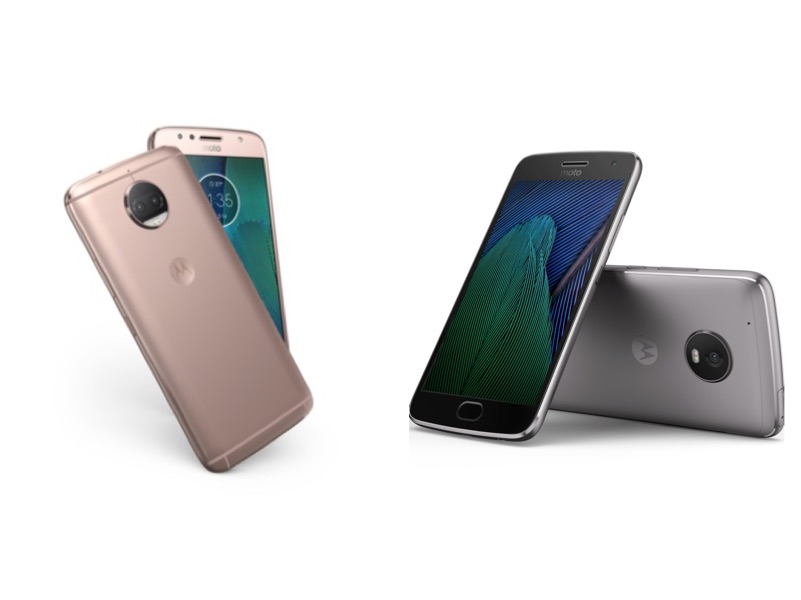
    Moto G5 Plus

    Motorola has decided not tinker with the design of the G5S Plus and it is reminiscent of the G5 Plus with the addition of antenna lines on the top and bottom of the back. The G5S Plus gets the same 1920 x 1080 px display but a bumped up display size of 5.5-inch. The fingerprint sensor sits below the display and can double up as a single-navigation button as well and the screen is protected by Corning Gorilla Glass 3. The highlight of the new device is the 13MP dual-camera setup with an f/2.0 aperture. The dual camera captures Bokeh, and selective focus shots, along with other capabilities of background replacement and exposure management.

    The G5 Plus became the phone to beat in its price segment because of superior camera performance when it was launched earlier this year and the G5S Plus will enter the market with high expectations. How does theG5S Plus stack up against the G5 Plus? Let’s find out.

     Specifications Moto G5 Plus Moto G5S plus
    Price Starting at Rs 14,999 Rs 15,999
    Display 5.2-inch IPS LCD 5.5-inch IPS LCD
    Weight 155 g 168 g
    Screen Resolution 920×1080 px 1920×1080 px
     PPI (Pixels Per Inch) 424ppi 401ppi
     Display Protection Corning Gorilla Glass 3 Corning Gorilla Glass 3
     Battery 3,000mAh 3,000mAh
     Operating System Android Nougat 7.0 Android Nougat 7.1
     Storage 16GB/32GB 32GB
     Expandability  microSD card up to 256GB microSD card up to 128 GB
     Chipset Qualcomm Snapdragon 625 Qualcomm Snapdragon 625
     RAM 3Gb 3GB
     CPU  Octa-core 2.0 GHz Cortex-A53 Octa-core 2.0 GHz Cortex-A53
     GPU Adreno 506 Adreno 506
     Primary Camera 2MP with f/1.7 13MP dual-camera with f/2.0
    Primary Camera features Good performance under low-light conditions. Bokeh, Selective focus, exposure management.
     Secondary Camera 5MP with f/2.2 8MP wide angle lens with f/2.0
     Primary Camera Video Recording 4K (3840 x 2160) at 30fps 4K (3840 x 2160) at 30fps
     Secondary Camera Video Recording 1920×1080 at 30fps 1920×1080 at 30fps

    The Moto G5S Plus will enter the budget smartphone segment which already has big players like Xiaomi and Huawei’s sub-brand, Honor. Motorola’s focus on the camera performance suggests that it has identified a  certain section that rates camera performance highly and on a budget, and the new G5S Plus’ camera performance may just decide its fate in the highly competitive price-segment.

    The spec-bump other than the camera is nothing to ride home about. Although the Moto G5S Plus will feature a dual-camera setup, the aperture is now f/2.2 which may effect low-light image quality. How the Moto G5S Plus performs in the real world is yet to be seen and a camera comparison with the G5 Plus will be an interesting one. Stay tuned on iGyaan for more updates.

  • Le Max Pro vs Xiaomi Mi 5 : Will the Real Flagship Killer Please Stand Up

    Le Max Pro vs Xiaomi Mi 5 : Will the Real Flagship Killer Please Stand Up

    Xiaomi with its announcement of the Xiaomi Mi 5 at events in Beijing and Barcelona today has come to lay claim on the title of being 2016’s biggest flagship killer. The handset which took Xiaomi two years to develop comes with mouth-watering specs at an affordable price point of RMB 1,999(Approx Rs 21,000).

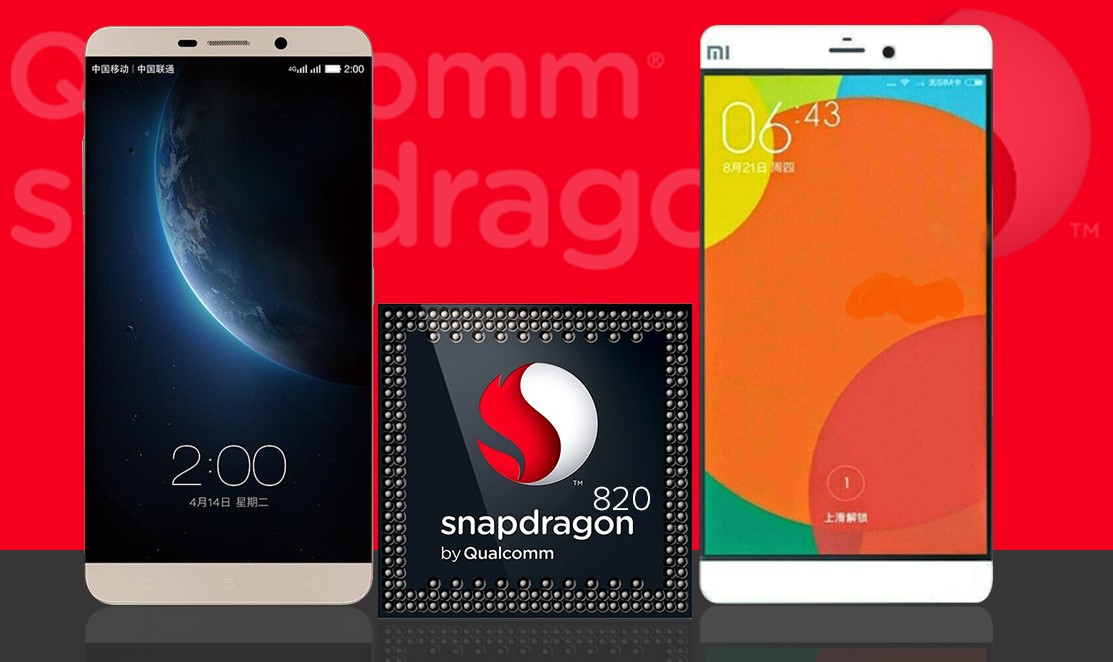
    Xiaomi with the MI 5 will look to eat up into the market share of upcoming flagships such as the LG G5 and Samsung Galaxy S7 when they finally hit Indian markets. But before it can officially take up the mantle of being this year’s best bang for buck flagship killer, it will face tough competition closer to home from the new kid on the block, Le Eco, which only yesterday announced the sale of its Le Max Pro handset for the same price in China.

    So time to find out which of these two is the real flagship slayer of 2016. Let the battle begin.

    game-snapdragon-820-xiaomi-mi-5-and-letv-le-max-pro

    What’s Under the hood?

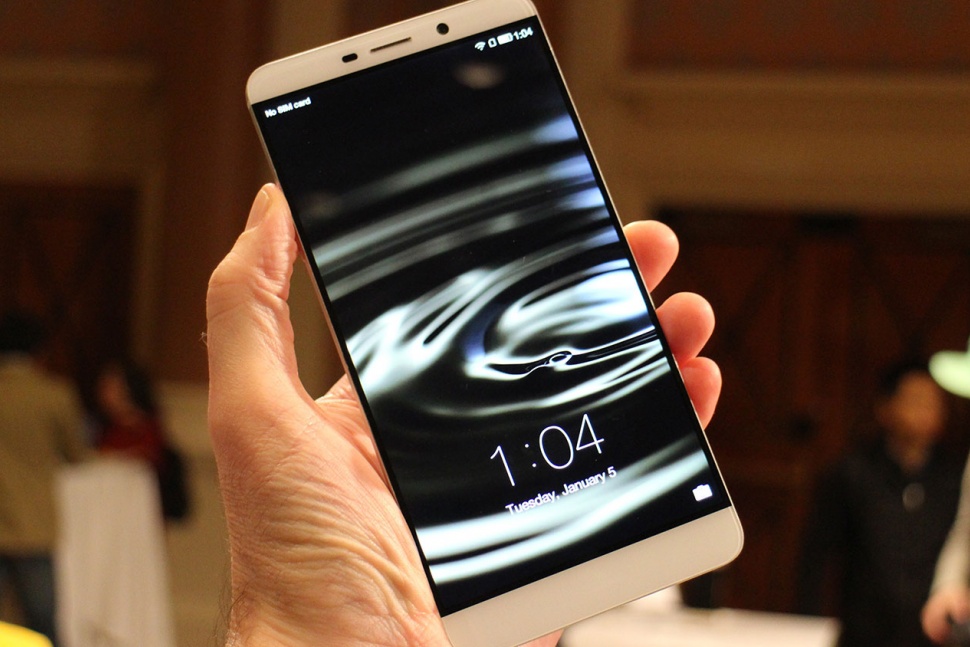
    The Le Max Pro became the world’s first Snapdragon 820 smartphone to go on sale after 1000 units were made available for purchase yesterday to customers in China, and as expected was quite quickly lapped up by the “Superfans” of the “Superphone”.

    letv-le-max-pro_9819-970x647-c


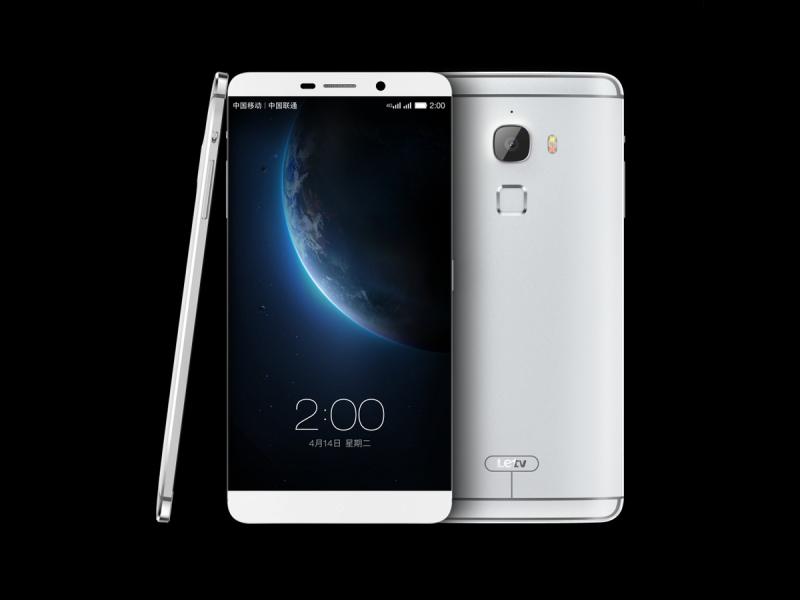
    The Le Max Pro comes to the party equipped with a pretty impressive specs. It sports a 6.33-inch display with QHD resolution which is a massive upgrade over the Xiaomi Mi 5’s 5.15-inch Full HD display, but both the phones find common ground when it comes to the Snapdragon 820 SoC that runs the show for both these devices.The Le Max Pro comes with 4GB of RAM and 64 GB of flash memory while the Mi 5 brings to the table 3GB of RAM and 32GB internal storage.

    Mi 5

    The Le Max Pro has a slight advantage when it comes to the 3,400mAh battery when compared to the 3000mAh battery pack inside Xiaomi’s offering. Both the phones can be charged through a USB Type-C port and also feature fingerprint scanners come running Android 6.0 Marshmallow with their company’s respective skins out of the box.

    Camera

    Camera’s on both the phones are pretty impressive. While Le Max has gone the traditional way and overloaded the specsheet with details about high megapixel count of the phone, Xiaomi has gone ahead and like most big names of the industry has looked towards real world performance in place for extra megapixels to brag about.

    mi5-h1

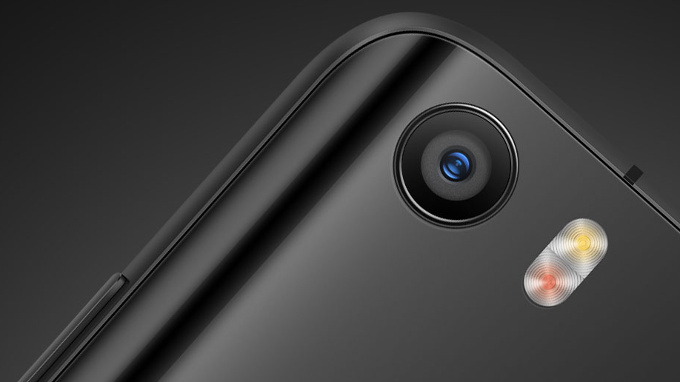
    Le Max comes with an able  a 21MP sensor for the back of the phone which is expected to take good pictures and a 4MP sensor for the front while Xiaomi has sports a 16-megapixel rear sensor that uses Sony IMX298 with important additions such as PDAF, DTI image enhancements and 4-axis OIS. The front features a 4-megapixel UltraPixel camera which is also expected to better than the Le Max Pro.

    Design

    The Le Max Pro features a bezel-less, full metal unibody design made completely out of aircraft grade aluminum which the company claims is highly durable. It also comes with the world’s first full-floating glass made by Sharp exclusively for LeEco. Because of its size, the phone feels big in the hand and one handed operation is difficult.

    the_le_max_features_akg-tuned_audio_and_a_superfast_21mp_camera

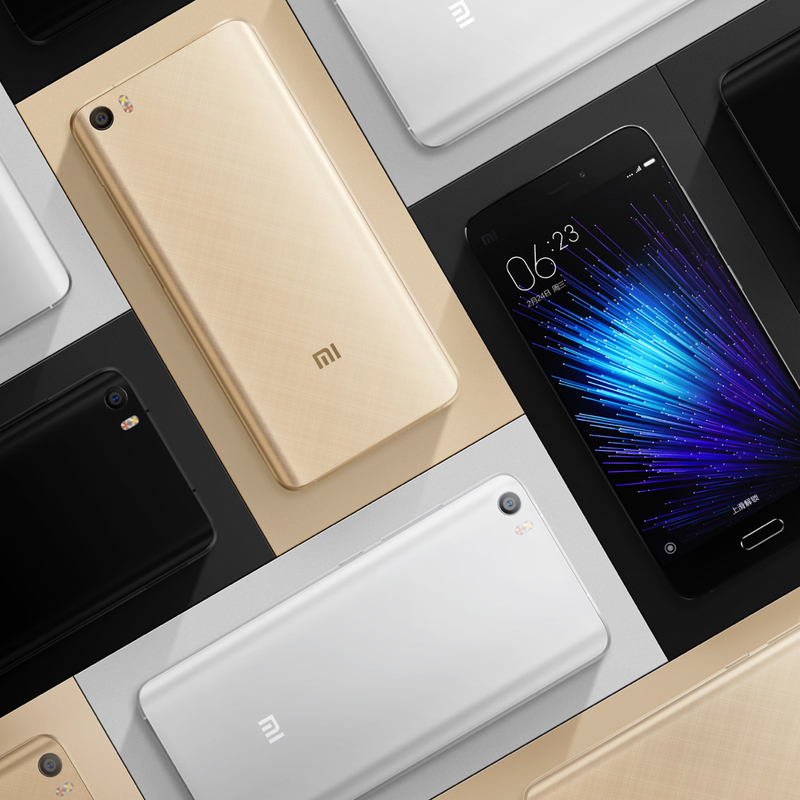
    Coming to the Mi 5, it draws inspiration from the Mi Note in terms of design. The Mi 5 introduces a home button that houses the fingerprint scanner – a first for Xiaomi. The back features a curved edge with a 3D glass body. Meanwhile, the Pro variant comes with a 3D ceramic back. The front features an almost bezel just 6.95mm thick, seamless design and more curved than the Mi Note. The curved ceramic back seamlessly joins the glass on the front.


    Specs

    Le Max Pro

    Xiaomi Mi 5

    Display 6.33-inch display with QHD  5.1.5-inch screen Full HD display
    Resolution 2560 x 1440 1920×1080
    Dimensions 167.10 x 83.50 x 8.90 69.20 x 144.55 x 7.25mm
    Processor Qualcomm Snapdragon 820 Qualcomm Snapdragon 820 Processor
    GPU Adreno 530 Adreno 530
    RAM 4GB 3GB
    Storage 64GB 32GB
    Rear Camera 21 MP Sensor  16MP Sony IMX298, PDAF, 4-axis OIS and f/2.0
    Front Camera 4 MP 4MP UltraPixel
    Expandability N/A  N/A
    Battery 3,400mAh 3000mAh battery Quick Charge 3.0
    Connectivity USB Type-C, 4G+, Wi-Fi 802.11ad, VoLTE, Wi-Fi Direct, hotspot, Bluetooth v4.1, A-GPS, GLONASS, NFC 4G+, Wi-Fi 802.11ad, VoLTE, Wi-Fi Direct, hotspot, Bluetooth v4.1, A-GPS, GLONASS, NFC,
    OS Android 6.0 Marshmallow Android 6.0 Marshmallow with MIUI 7
    Price RMB 1,999 (Rs 21000) RMB 1,999 (Rs 21,000)


  • On5 or On7: Which is a Better Buy?

    On5 or On7: Which is a Better Buy?

    Samsung’s newest mid-range ‘On’ series has been officially launched in India on the 3rd of November. The On5 and On7 are the first set of devices in this group. We have been talking about them for a while and now let’s take a look at which of the two devices is a better bet.

    Design:

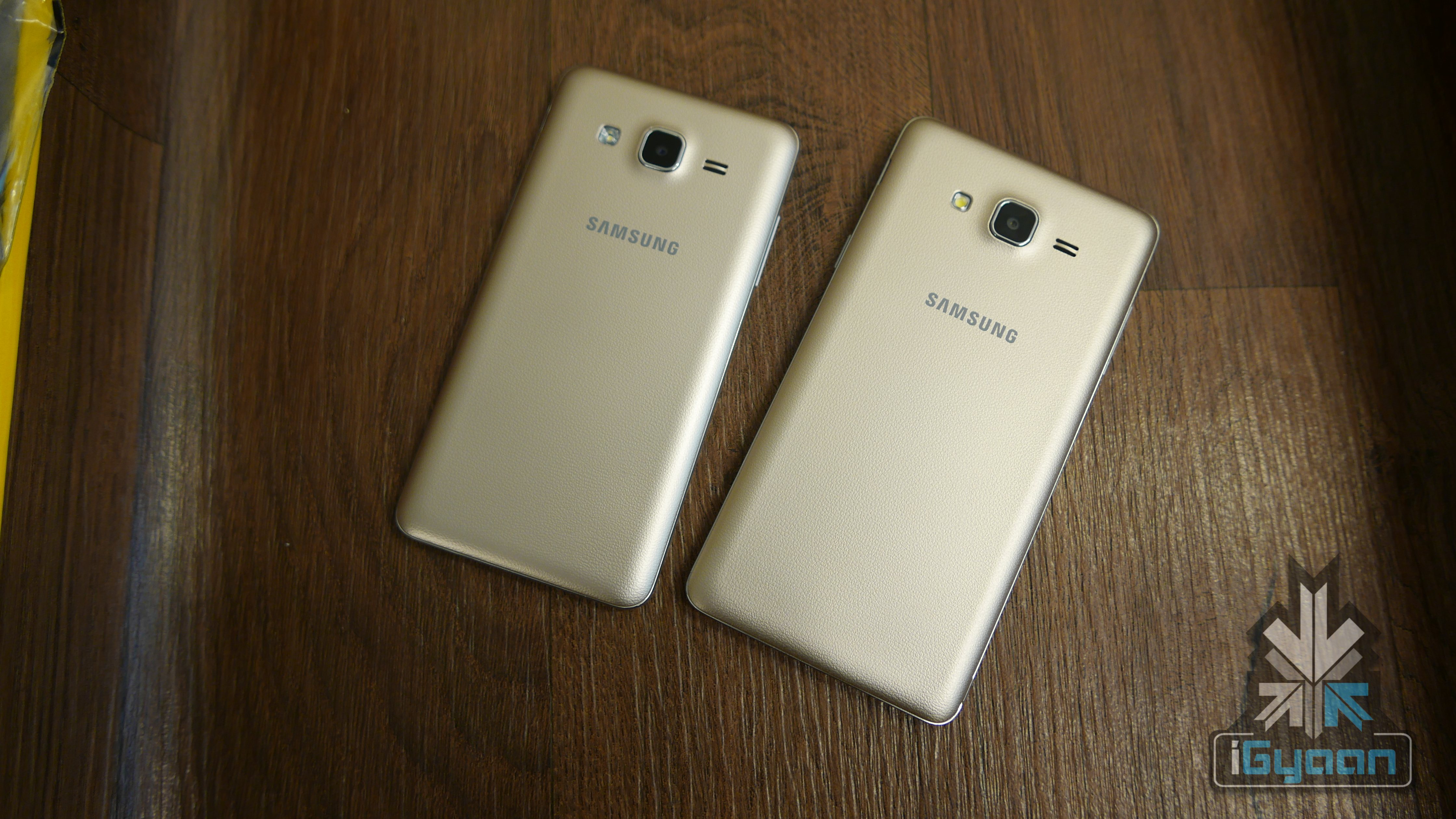
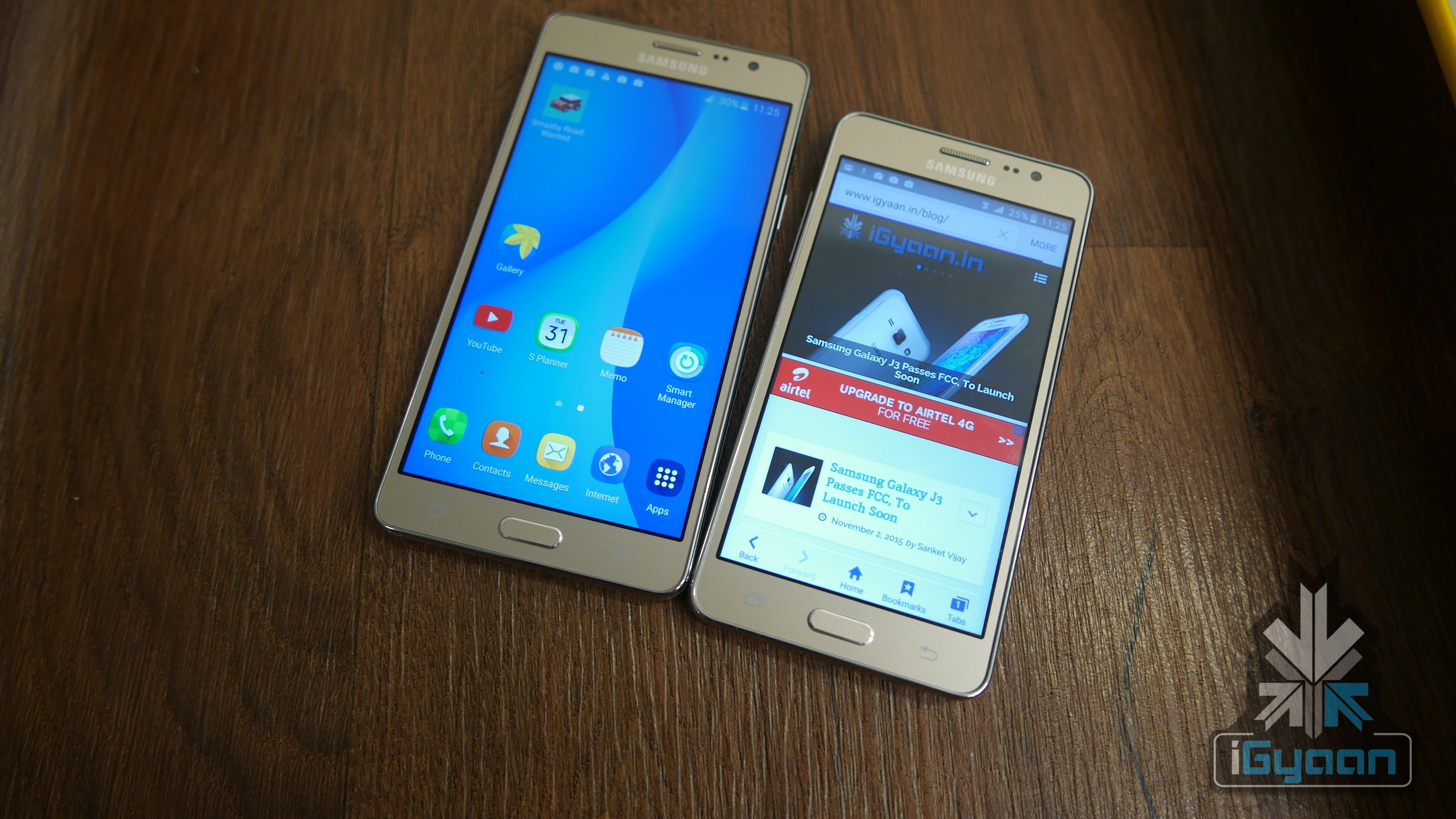
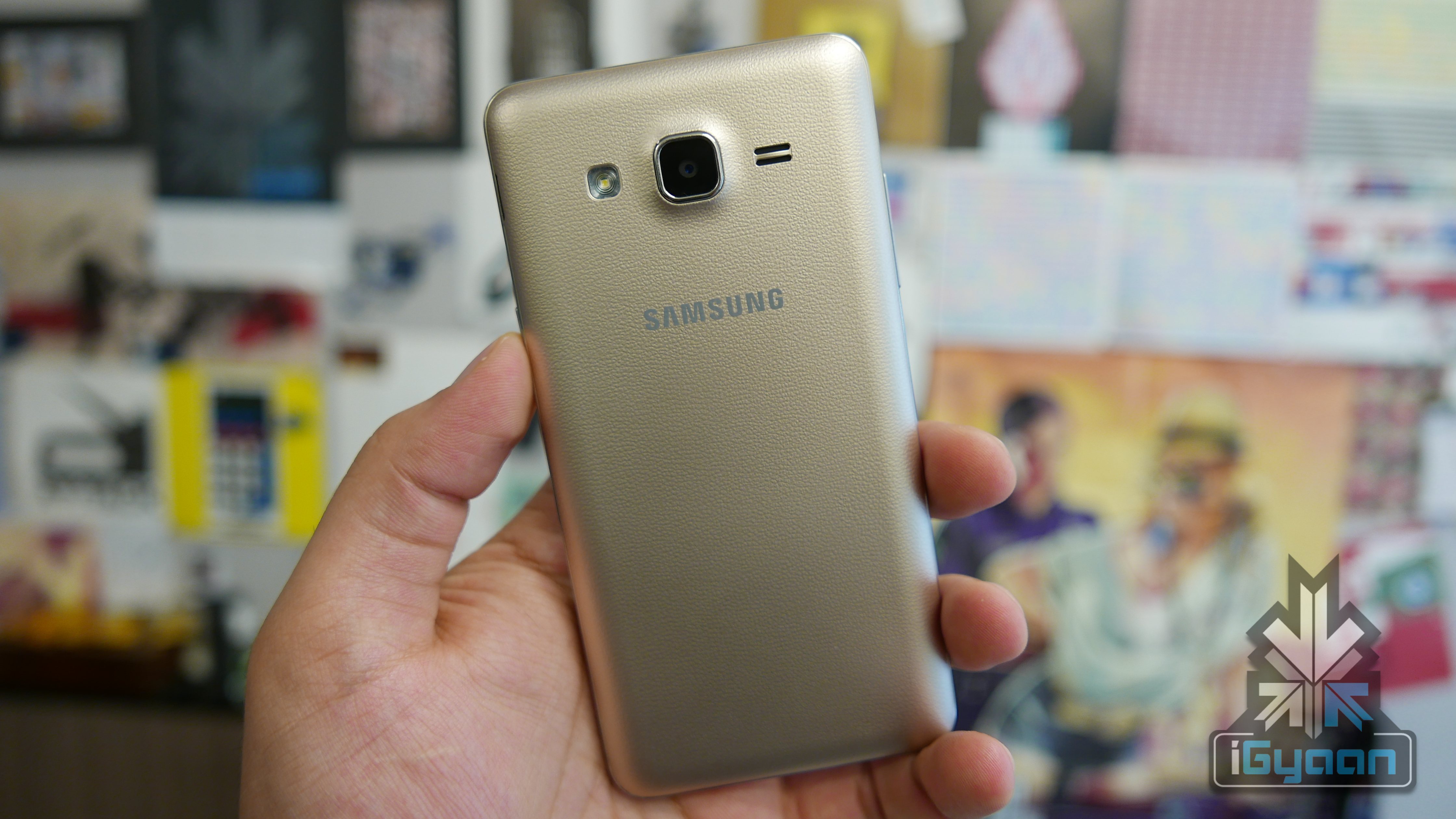
    Other than the screen size, On5 measuring a 5 inches while On7 measures a 5.5 inches, both phones are completely identical physically. Because of the screen size, On5 is easier to hold and use with one hand. On5 and On7 also have a tough, sturdy feel thanks to the metal frame of the devices.Samsung Galaxy On5 and On7 iGyaan 0

    It should be noted the two handsets differ in their design from J5, and therefore have a better, more pleasant appearance. J5 is inspired by Galaxy S5 in terms of its design which wasn’t a big success with buyers to begin with. Consequently, J5 doesn’t have design as one of its highlights. It was a smart move on Samsung’s part to ditch the S5 and J5 design for the On5 and On7.

    Camera:

    With primary cameras marked at 8 MP for On5 and 13 MP for On7, the latter definitely offers better, clearer images. However, the same thing cannot be said for the front camera. Both devices give identical results with their cameras marked at 5 MP each.

    Samsung Galaxy On5 iGyaan 7
    Samsung Galaxy On5

    Processor:

    Given that the On7 is priced higher of the two phones, one would expect the processor to be better as well. But surprisingly that’s not the case. On7 has a 1.2Ghz Quad A53 processor with a  Snapdragon 410 MSM8916 chipset, while On5 is equipped with a 1.3GHz Quad Core processor which is powered by Exynos 3475.

    Samsung Galaxy On7 iGyaan 3
    Samsung Galaxy On7

    User Interface and Display:

    The two handsets have the same specs for display that is (720×1280 pixel) TFT display. Both phones are quick to respond as well offering a smooth UI, and keeping usage of apps convenient, smooth and uncluttered.

    Samsung Galaxy On5
    Samsung Galaxy On5

    Price:

    The specs and price of the On7 is quite similar to the Galaxy J5 except for a bigger battery in the On7 at 3,000 mAh. This begs one to question why exactly Samsung felt the need to introduce a new series when it already had one that covered the price range. Samsung claims to have young consumers in mind as the target audience for the mid-range On5 (Rs.8,990) and On7 (Rs. 10,990).

    Samsung Galaxy On7
    Samsung Galaxy On7

    Meizu m2, Meizu m2 Note, Xiaomi Redmi 2 Prime, Micromax Canvas 5 and Moto G (3rd Gen) are some of the devices in the same price range On5 and On7 will face competition from in the market.

    Additional Highlights:

    The devices are touted as youth friendly and come equipped with an Ultra Data Saving mode that compresses data and saves up to 50% data charges during networking and browsing. The devices also come with MixRadio which is an Apple Music-like streaming service that lets users stream millions of songs, while offering curated music based on the user’s preference at the same time.

    Samsung Galaxy On5
    Samsung Galaxy On5

    Verdict:

    With similar specs, and a very narrow difference in their pricing, either of the two devices can be opted for. If you prefer a better main camera and a bigger screen which will definitely be easier on the eyes but harder to use with one hand, then On7 is your device.

    However, if you’re more of a selfie-oriented person, willing to let go of crisper images for a more convenient handset that is easier to use with one hand owing to its smaller screen, your answer lies in On5. You would also end up saving a few pennies with this one.Samsung Galaxy On5 and On7 iGyaan 1

    The major difference between the two phones is the 2k price gap, which is equivalent to two movie-outings perhaps? We say let go of two social engagements and get the bigger brother, On7. Let us know in the comments below if you agree and which device would you opt for.

    For a closer look, check out the specs table below.

    Specs

    Galaxy On5

    Galaxy On7

    Display 5.0-inch HD TFT 5.5-inch HD TFT
    Resolution  1280 x 720 pixels  1280 x 720 pixels
    Chipset Exynos 3475 Snapdragon 410 MSM8916
    CPU 1.3GHz Quad Core 1.2Ghz Quad A53
    GPU
    RAM 1.5GB 1.5GB
    Primary Camera 8MP(F/2.2) w/ LED Flash 13MP(F/2.1) w/ LED Flash
    Front Camera 5MP(F/2.2) 5MP(F/2.2)
    Storage 8GB 8GB
    Expandability Up to 128GB via MicroSD card slot Up to 128GB via MicroSD card slot
    Battery 2,600mAh 3,000mAh
    Connectivity Bluetooth 4.1, WiFi b/g/n, Wi-Fi Direct, GPS, Glonass Bluetooth 4.0, WiFi 802.11 b/g/n, GPS, Glonass, Beidou, NFC O (option)
    Operating System Android 5.1.1 Lollipop Android 5.1.1 Lollipop
    Price Rs. 8,990 Rs. 10,990
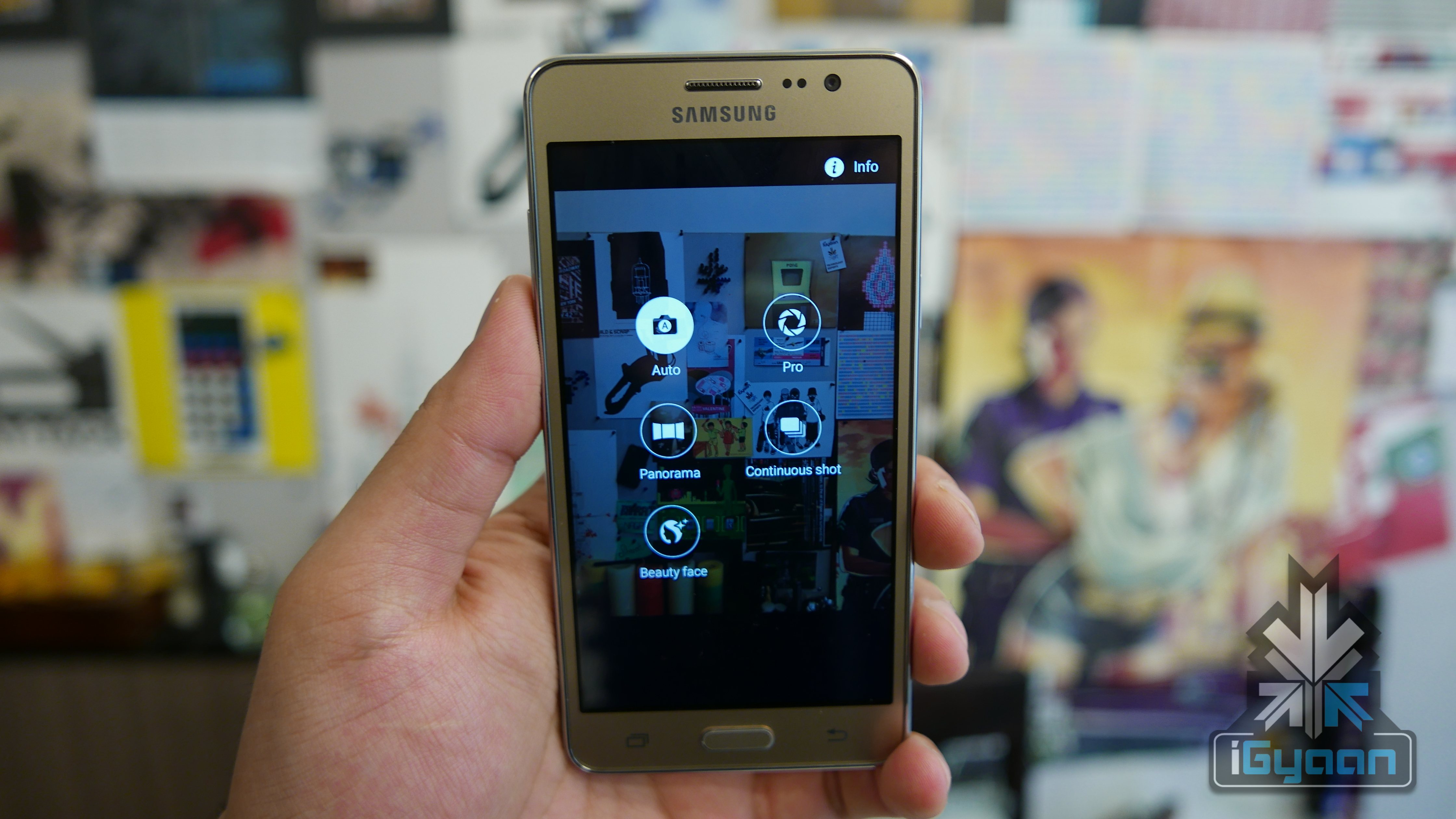
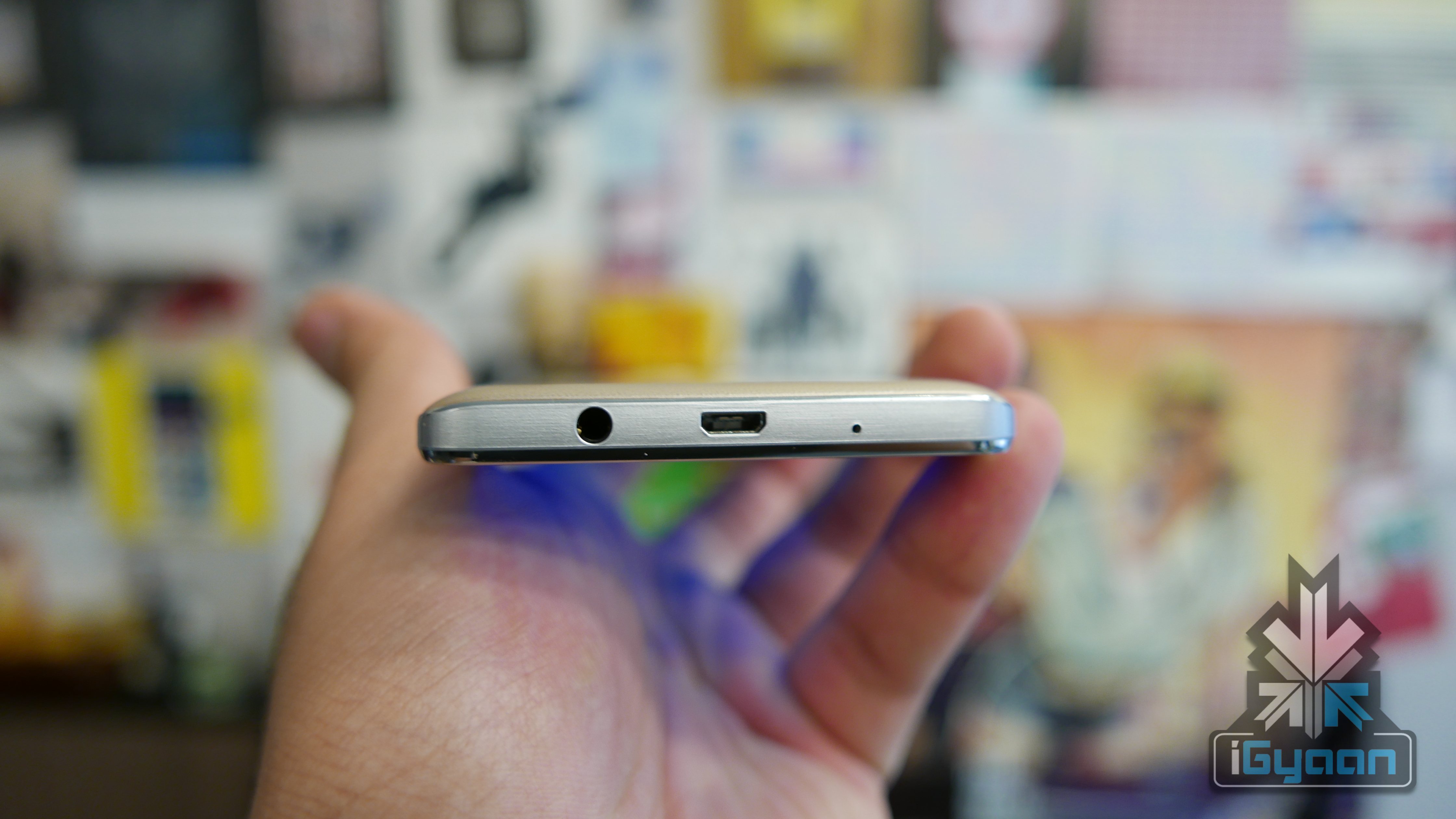
  • OnePlus 2 vs OnePlus X: Specs, Price And All Other Details

    OnePlus 2 vs OnePlus X: Specs, Price And All Other Details

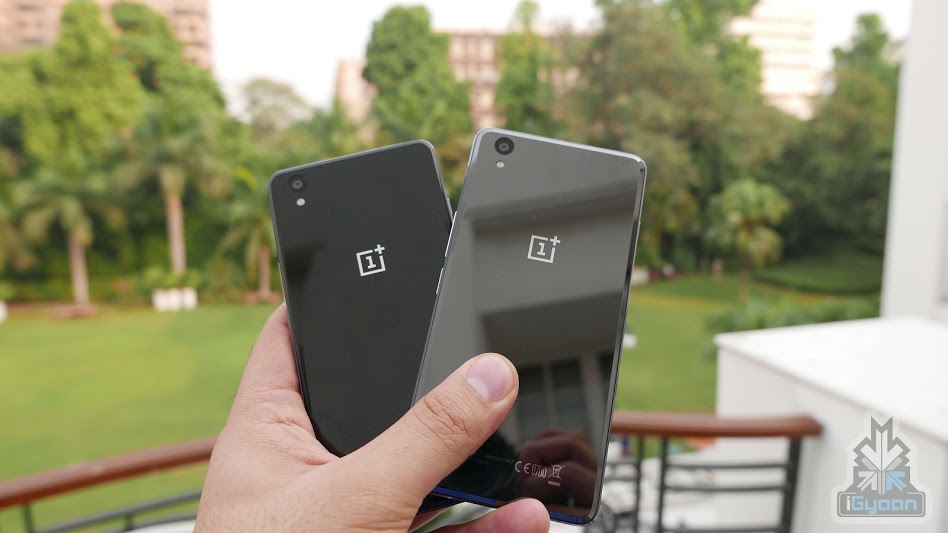
    After teasing audiences for a while on social media, OnePlus launched OnePlus X in India today. The company launched its predecessor, OnePlus 2 in July this year. OnePlus 2 had been made available for sale on an invite-only basis initially, but later it was put up for open sale as well.

    OnePlus X
    OnePlus X

    The glass ceramic limited edition variant of OnePlus X costs Rs. 22,999. The price is same as that of the 16 GB variant of OnePlus 2. However, the 16 GB variant of OnePlus 2 is priced at Rs. 22,999 which is far ahead from the Rs. 16,999 of OnePlus X onyx-back variant.

    OnePlus X has only one storage option which is 16 GB, but it’s expandable upto 128 GB with the help of a microSD slot. Find a comparison of the specs of the two OnePlus devices below and let us know which one you would be willing to stake your money on.


    OnePlus 2
    OnePlus 2

    Specs

    OnePlus X

    OnePlus 2

    Display 5 inch full HD Amoled display, Corning Gorilla Glass 3 5.5-inch, LTPS LCD capacitive touchscreen, Corning Gorilla Glass
    Resolution 1080 X 1920 Full HD, 441 PPI 1080 x 1920 pixels, 401 PPI
    Processor Qualcomm Snapdragon 801 with 2.3 GHz Quad-core CPUs Qualcomm Snapdragon 810 v2.1 octa-core processor
    GPU Adreno 330 Adreno 430
    RAM 3 GB 3/4 GB
    Storage 16 GB 16 GB/ 64 GB
    Rear Camera 13 MP ISOCELL Camera 13 MP with OIS, laser autofocus, dual-LED flash
    Front Camera 8 MP 5 MP
    Expandability 128 GB N/A
    Battery Embedded LiPo 2,525 mAh Non-removable Li-Po 3300 mAh
    Connectivity Wi-Fi 2.4 Ghz b/g/n WCN3680, Bluetooth 4.0, GPS, GLONASS and BDS. Wi-Fi 802.11 a/b/g/n/ac, Wi-Fi Direct, DLNA, hotspotBluetooth v4.1, A2DP, Micro USB, Type-C reversible connector
    OS  Oxygen OS based on Android 5.1.1 Android 5.1 Lollipop
    Price Rs. 16,999 (onyx variant) and Rs. 22,999 (limited edition glass ceramic variant) 22,999 (16 GB), Rs 24,999 (64 GB)

    In addition to the above mentioned specs, OnePlus X has dual sim, two variants -one with an onyx back, the other with a glass-ceramic back which is a limited edition variant, 11 mm drivers and is available in two colours -gold and graphite.

  • Benchmark Tests Prove Microsoft Surface Book Not Twice as Fast as Macbook Pro

    Benchmark Tests Prove Microsoft Surface Book Not Twice as Fast as Macbook Pro

    At the launch of its first laptop, Surface Book, Microsoft had claimed it to be a machine twice the speed of the 13-inch MacBook Pro. However, when benchmark tests were carried out by PCWorld and Geekbench 3, these claims were proved incorrect. In terms of CPU benchmarks, the Apple device was slightly faster than the Surface Book.microsoft surface book

    Having said that, it should also be noted that when it came to the graphic card, some models of the Surface Book are ahead of its Apple counterpart. Additionally, processing tasks that are shared with the GPU also were performed better by Microsoft laptops as compared to Macbook Pro. A reason for this could be the dedicated GPU of Surface Book as opposed to the integrated one of the 13-inch MacBook. But it is the costlier model of the Surface Book, costing around $1700 (about Rs. 1,10,000), which has a dedicated GPU. The one which costs as much as the 13-inch MacBook Pro at $1500 (about Rs. 98,000) is the base Model Surface Book which too has an integrated GPU.

    Despite tall claims by Microsoft of its device’s doubled speed, the difference showed up only in a pure graphics test. When running Tomb Raider, the Surface Book achieved 74fps against the 23.6fps of the MacBook. But, once again, this can also be achieved by a GeForce graphics card. It would be interesting to see how the Surface Book fares against the MacBook Pro 15.

  • Epic Flagship Spec Battle : LG G4 vs Samsung Galaxy S6 vs iPhone 6 Plus vs HTC One M9

    Epic Flagship Spec Battle : LG G4 vs Samsung Galaxy S6 vs iPhone 6 Plus vs HTC One M9

    LG pulled off a big show yesterday and introduced its 2015 star flagship, the LG G4. The company is betting big on the new device and claims that it offers an exceptional visual experience. So, we decided to check out how this new flagship stands up against the major flagships already available in the market. We are pitching the LG G4 against the Samsung Galaxy S6, iPhone 6 Plus and HTC One M9.

    Have a look at the difference in specs:

    Specs

    LG G4

    Samsung Galaxy S6

     iPhone 6 Plus

    HTC One M9

    Display 5.5-inch Quad HD LCD display 2560×1440 resolution 5.1-inch QuadHD Super AMOLED 1440×2560 pixels 5.5 inch Full HD 1080×1920 pixel resolution 5.5 inch HD 1080×1920 pixel resolution
    Processor Qualcomm Snapdragon 808 with X10 LTE 2.1 GHz Quad + 1.5 GHz quad Exynos 64-bit 1.4 GHz Dual-core A8 chipset 2.0 GHz Qualcomm Snapdragon 810 chipset
    RAM 3 GB 3 GB RAM 1 GB 3 GB
    Storage 32 GB 32 GB 16/32 GB 32 GB
    Expandable Upto 128GB Non-Expandable Non-Expandable 128 GB
    Main Camera 16 MP 16 MP, Optical Image Stabilization, Autofocus, LED flash 8 MP Optical Image Stabilization, Face Detection Autofocus, dual-LED 20 MP autofocus, dual-LED Flash
    Front Camera 8 MP 5MP  1.2 MP Ultra Pixel
    Battery 3,000mAh 2550mAh 2915mAh 2800mAh
    Operating System Android 5.1 Lollipop with LG UX 4.0 on top Android 5.0.2 Lollipop iOS 8 Android Lollipop

    Looking at the specs, LG G4 shows the might to take on its competition. It is one mammoth of a device in terms of the camera, display and battery life. Coming out with an additional 128GB external storage capacity is an advantage for the LG G4. We’re also hearing good things about its leather-clad design and style. However, we’d like to get our hands on the device before we make any further comparisons.

    Read about the LG G4 here, or you can compare notes of the difference between the LG G4 vs LG G3 here.

  • Nexus 9 vs iPad Mini 3: Which One Got it Right?

    Nexus 9 vs iPad Mini 3: Which One Got it Right?

    Apple has finally unveiled the new generation iPads and iMacs. The company had earlier “accidentally” released some information about the new generation products from its stable. Seems like Apple has put some real challenge for Nexus.  Both the iPad Mini 3 and the Nexus 9 are priced close to Rs. 24,000 ($400).

    Now that we have the knowledge of the juicy bits  of these devices that make them tick, we’d like to take them for a spec comparison.

    Specs

    Nexus 9

    iPad Mini Retina

    Display 8.9-inch QXGA 7.9?inch Retina display
    Processor 2.3GHz, 64-bit NVIDIA Tegra K1 Dual Denver A7 Chip
    RAM 2 GB 1 GB
    Storage 16/32GB 16/64/128 GB
    Expandable Upto
    Main Camera 8 MP 5 MP
    Front Camera 1.6 MP 1.2 MP
    Battery 6700 mAh
    Operating System Android 5.0 iOS 8.0.1

    Overall, on the spec sheet, it looks like the Nexus 9 is beating Apple’s latest offering quite easily; Google and HTC together have formed a good device. Apple’s Handoff features though will be truly appreciated by the fans, and thus the device will find many takers. The features can still be up for debate, and we’ll get you the full story once these devices are available.

  • Tablet Spec Battle: Nexus 9 vs Galaxy Tab S vs iPad Mini vs Z3 Tablet

    Tablet Spec Battle: Nexus 9 vs Galaxy Tab S vs iPad Mini vs Z3 Tablet

    Tablets have in recent past gone from an aspirational device to a second fiddle to the desktop and smartphone. With more and more phones going big screen, it seems like the tablet market is being pushed back. But that hasn’t stopped the makers from introducing new generation tablets with evolved features. Tablets are also great portable multimedia devices, and the tablet market has become more interesting this year.

    Google has unveiled its latest tablet offering, the Nexus 9, made in collaboration with HTC. The tablet flaunts some impressive features at a comparatively low price and is touted to give the other giants a run for their money. So we put it to test and see where the tablet stands out amongst the current players in the market.

    Specs

    Nexus 9

    Galaxy Tab S

    iPad Mini Retina

    Z3 Tablet Compact

    Display 8.9″ QXGA 8.4 inches WQXGA 7.9 inches  8.0 inches Full HD
    Processor 2.3GHz, 64-bit NVIDIA Tegra K1 Dual Denver 2.3 GHz, Quad-core Snapdragon 800 1.3 GHz, Dual-core Apple A7 2.5 GHz, Quad-core Snapdragon 801
    RAM 2 GB 3 GB RAM 1 GB 3 GB
    Storage 16GB & 32GB 16/32 GB 16/32/64/128 GB 16 GB
    Expandable Upto 128 GB 128 GB
    Main Camera 8 MP 8 MP 5 MP 8.1 MP
    Front Camera 1.6 MP 2.1 MP 1.2 MP 2.2 MP
    Battery 6700 mAh 4900 mAh 6470 mAh 4500 mAh
    Operating System Android 5.0 Android 4.4.2 iOS 7, upgradable to iOS 8.0.2 Android 4.4.2

    Nexus 9 surely flexes its muscle on paper as its specs are impressive. Though what really lacks is the absence of  expandable storage. With a good display and a strong processor such as this one, expandable storage would have made it more appealing. Now that Apple is ready to launch the 3rd-gen iPad Mini tonight, we’ll get to see how Apple manages to take on Google’s native tablet. The game is still on.

  • Nexus 6 vs iPhone 6 Plus vs Note 4 vs Xperia Z3 vs LG G3

    Nexus 6 vs iPhone 6 Plus vs Note 4 vs Xperia Z3 vs LG G3

    With the launch of Google’s Nexus 9, the world has seen the crème de la crème of what the smartphone industry has to offer. This year turned out to be the best year in technology. Not only did we reach the highest specifications yet but were even able to bring those specs to lower-priced devices. Now that the biggest giants have unveiled their flagship competitors, it is time to test their spec-sheet might in comparison to each other.

    This is a purely spec based battle and will not take in consideration the optimization and other software features. So let’s get ahead to check out how the innards of these legendary devices score in a face off against each other.

    Specs

    Nexus 6

    Samsung Note 4

    iPhone 6 Plus

    Sony Xperia Z3

    LG G3

    Display  5.96 inch QHD 5.7 inch QHD 5.5 inch Full HD 5.2 inch Full HD 5.5 inch QHD
    Processor  2.7GHz Quad-core Snapdragon 805  2.7GHz Quad-core Snapdragon 805 1.4 GHz Dual-core A8 chipset 2.5 GHz Quad-core Snapdragon 801 2.26 GHz Quad-core Snapdragon 801
    RAM  3 GB 3 GB 1 GB 3 GB RAM 3 GB
    Storage 32GB & 64GB 32 GB 16/64/128 GB 16/32 GB 16/32GB
    Expandable Upto  – 64 GB  – 128 GB 128 GB
    Main Camera 13MP 16 MP  8 MP 20.7 MP 13 MP sensor
    Front Camera  2MP 3.7 MP  1.2 MP 2.2 2.2MP sensor
    Battery 3220mAh Removable 3220 mAh  Non-removable 2915 mAh Non-removable 3100 mAh 3,000mAh
    Operating System  Android 5.0 Android 4.4.4 iOS 8 Android 4.4.4 Android 4.4.2
    Miscellanous Ring Flash S-Pen Reachability Water-Proof Knock Code

     With this table, one can easily see the Nexus throwing a heavy claim to the throne. Not only does it come with great specifications, it also comes with the Android Lollipop which is the most efficient Android OS yet. The phone also sports Motorola’s unique ring flash which sets it apart from the rest. For a multimedia enthusiast, the Nexus 6 makes complete sense with its front facing speakers and gigantic display. However it misses out on expandable storage and added features like timelapse and slow motion camera which irks because those features could have been easily incorporated.

    Nexus 6 faces its most toughest challenge from its own cousin. The rumored Moto X Plus will take the features from this device and add more features to the device. There is still a lot to look forward to in the future.

  • iPhone 6 Plus vs Note 4: Which Giant is Right for You?

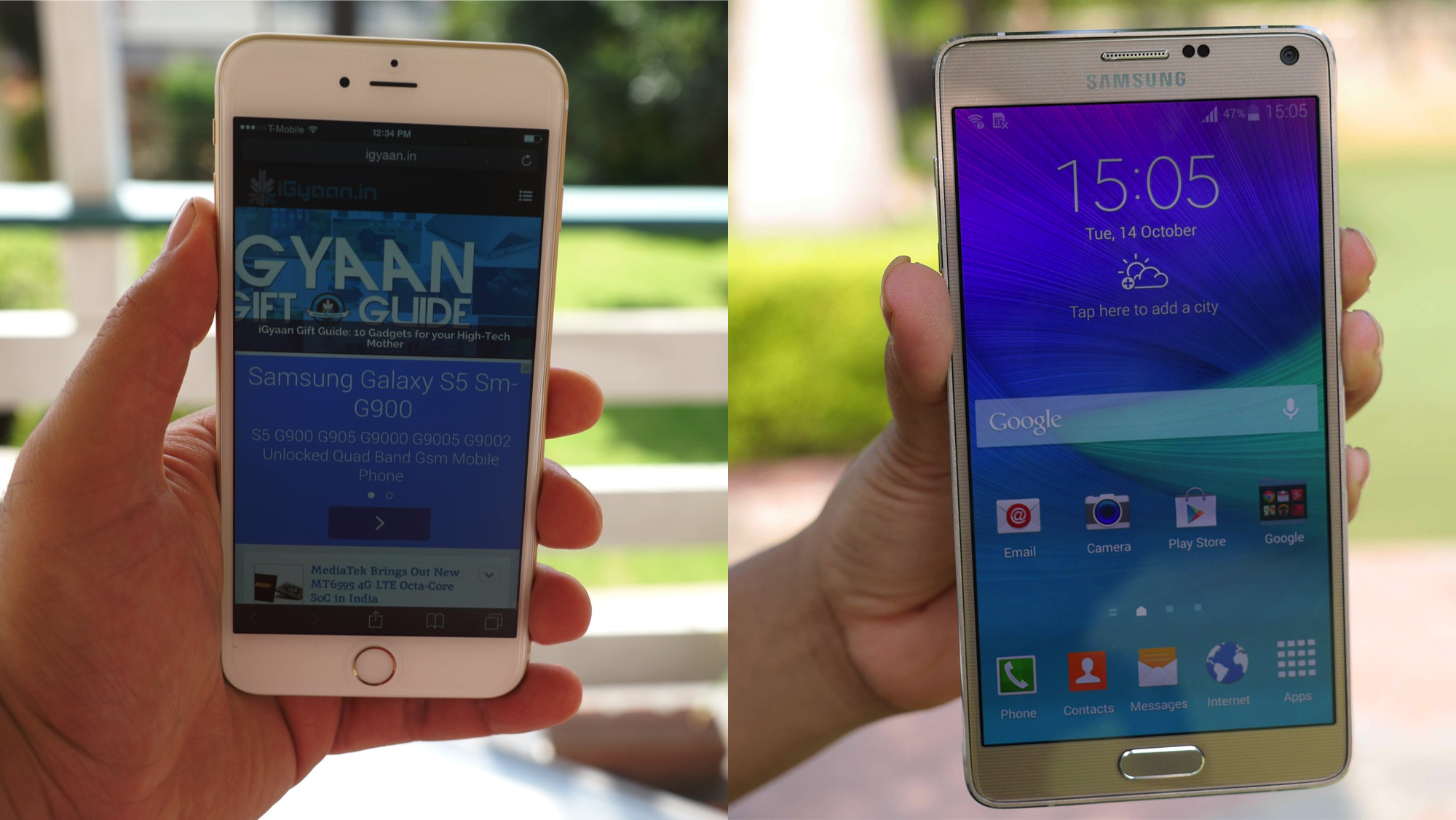
    iPhone 6 Plus vs Note 4: Which Giant is Right for You?

    The cards have been dealt, and now the markets all around the world are ready to choose between the latest offerings from the two giants of the smartphone business. Apple and Samsung will be taking on each other with their flagship offerings. Samsung’s behemoth will take on the first big screen outing from Apple’s stable. Flagship battle doesn’t get bigger than this. So without wasting a beat, let’s get into it.

    Design

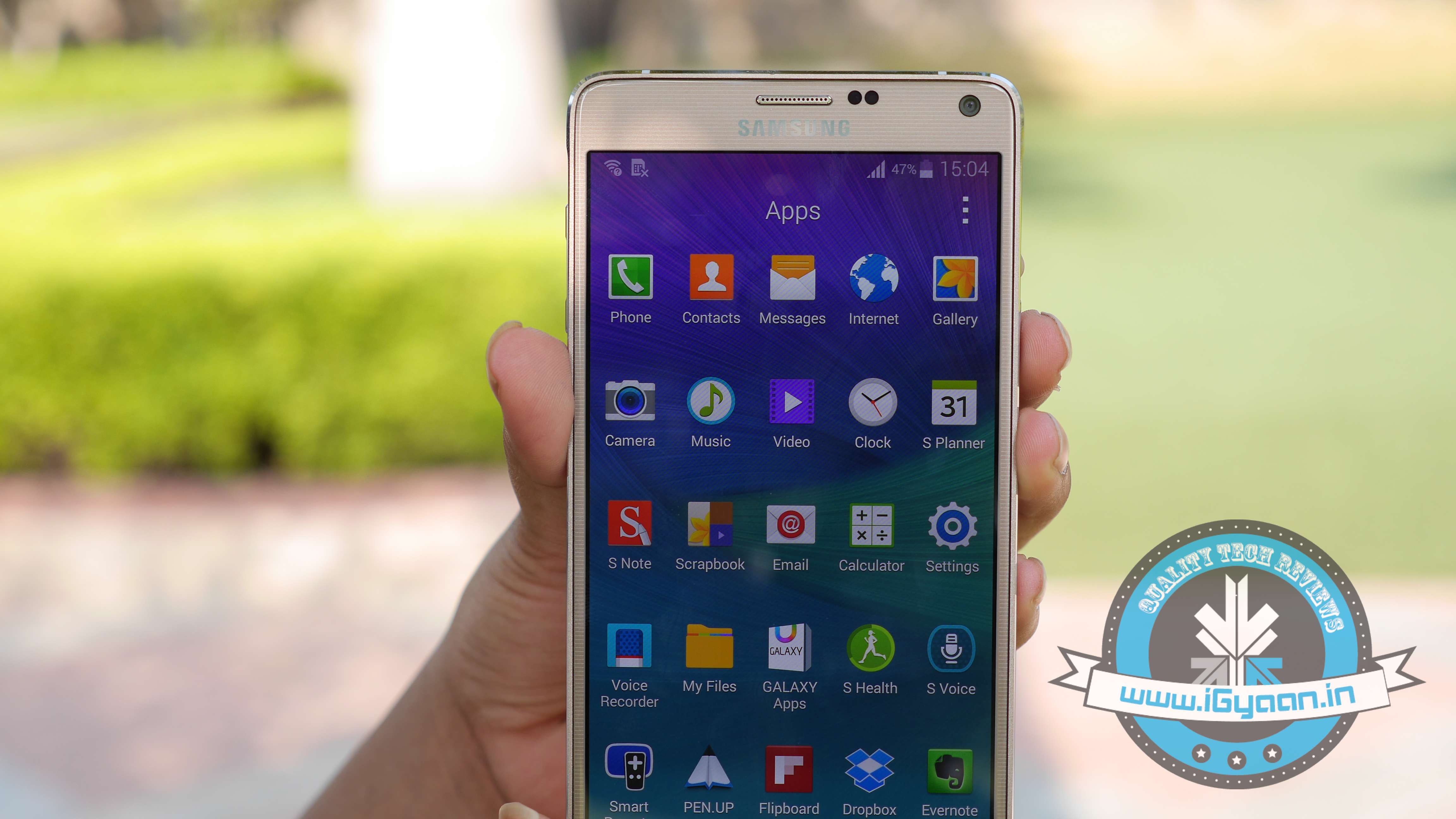
    The Galaxy Note 4 takes on the usual Samsung design patterns but with edgy design features. The phone gets a metal frame to strengthen the device. The massive display has always been the Note series’ USP. But this time they take it much further by introducing the 5.7 inch Quad HD Display with a pixel density of 515 ppi. This display is stunning, and high-quality content on it looks mesmerising. Note’s unique feature, the S-pen also gets some considerable improvement over its predecessors.

    The Note 4 Flaunts its metal frame based design and Super AMOLED Quad HD Display.
    The Note 4 Flaunts its metal frame based design and Super AMOLED Quad HD Display.

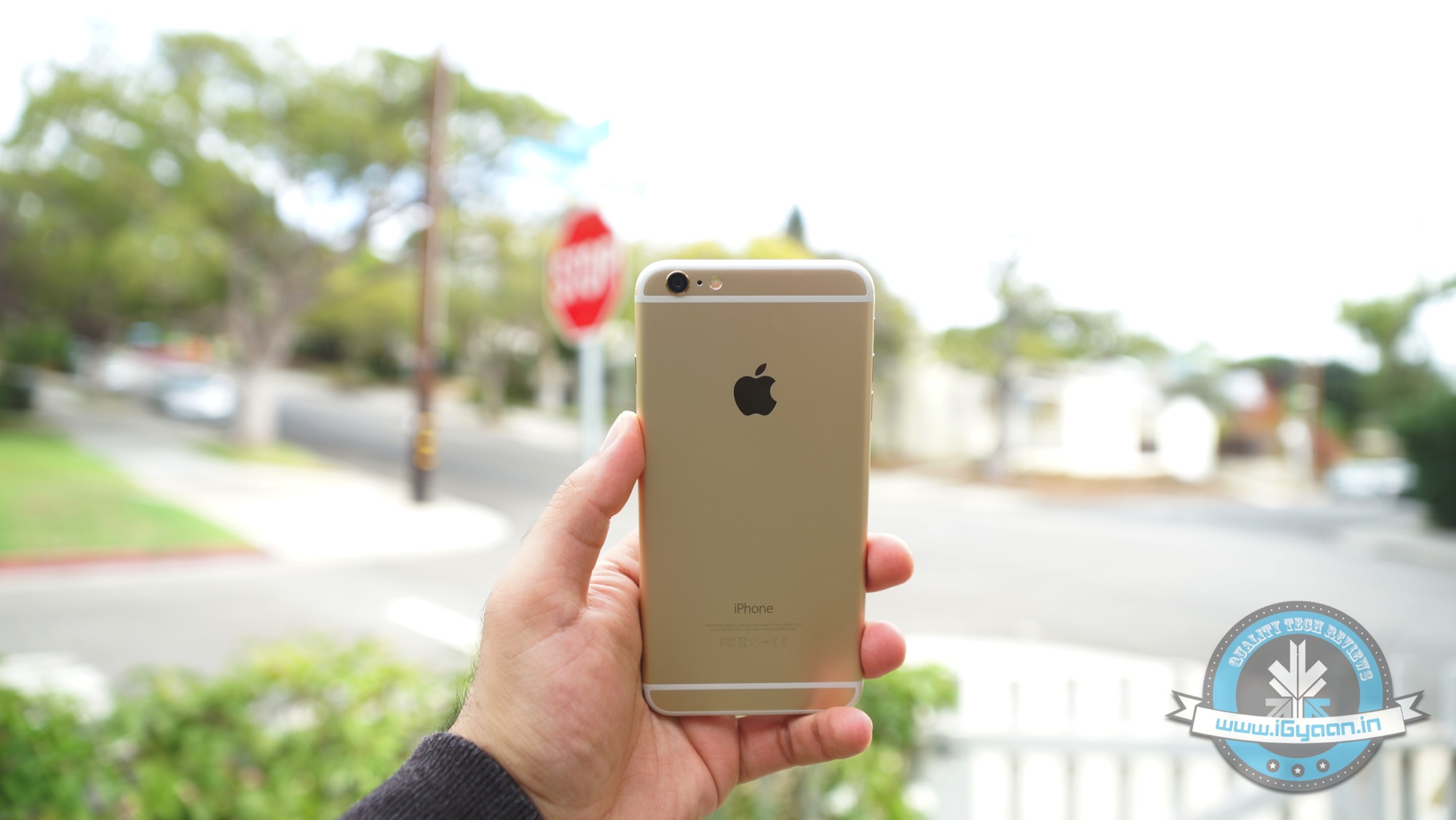
    Apple’s iPhone 6, on the other hand, comes with a 5.5 inch 1080p HD display with a pixel density of 401 ppi. The phone has an Aluminum body which was recently in the news for its bending issue.

    Hardware

    The innards on the Note 4 are top of the charts. The phone is powered by a Quad-core 2.7 GHz Snapdragon 805 processor. It comes with 3 GB of RAM. The internal storage on the device is 32 GB and has options for expandable storage up to 128 GB. Along with the massive QHD display, the Note 4 is a mobile multimedia powerhouse.

    The bigger iPhone comes with a new generation Apple A8 processor clocked at 1.4 GHz along with 1 GB. But we found that even with the seemingly low specifications the phone brings out a smooth and zippy performance. The phones come in three storage options of 16/64/128 GB.

    Camera

    The Galaxy Note 4 sports a 16 MP camera on the front with Optical Image Stabilization (OIS). On the other hand, the iPhone 6 Plus gets OIS too on its 8 MP camera. This device will be loved by selfie enthusiasts. Not only does it give a 90-degree selfie, but using its wide selfie feature you can get an even wider 120-degree selfie which is great for a “Groupfie/Weefie”.

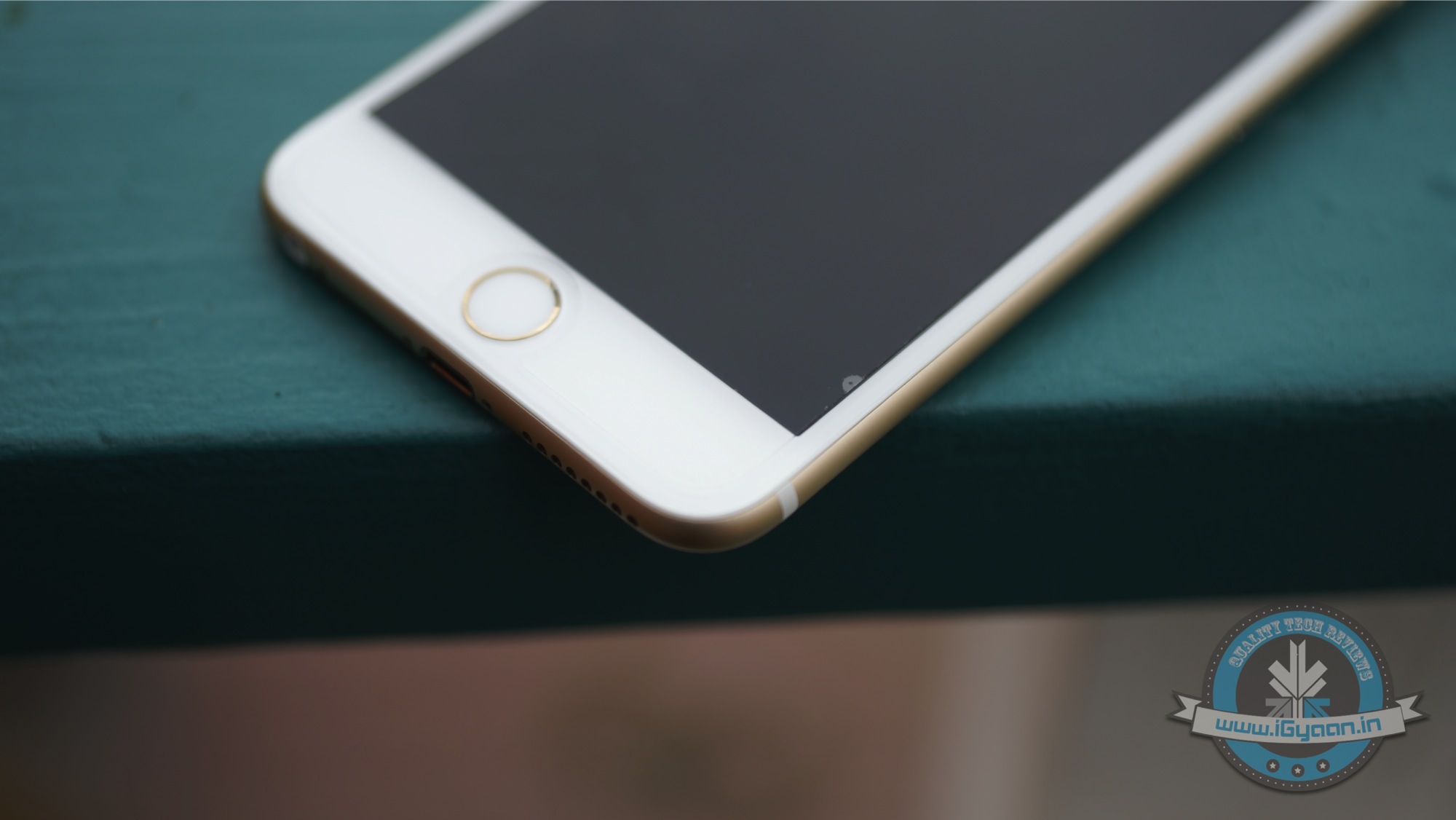
    The camera on the iPhone 6 Plus offers amazing shooting features like Time-lapse and slow motion capture.
    The camera on the iPhone 6 Plus offers amazing shooting features like Time-lapse and slow motion capture.

    iPhone’s features such as time-lapse shooting, Slow motion capture and superior burst mode give it an edge over Note 4’s bigger sensor. Using the multiple features you can almost shoot a professional looking film using the device’s camera.

    Battery

    Both companies have put focus on making these devices with mammoth screens to give more efficient battery backup. Note 4 sports a 3220 mAh battery which tries to quell the hunger of the massive QHD display. Samsung has also added some internal tweaks to make the phone more juice efficient.

    Both phones deliver a good battery backup even with their massive displays.
    Both phones deliver a good battery backup even with their massive displays.

    Samsung’s unique Ultra Power Saving mode is a standout feature for the phone. Using the feature you can use limited features on the phone and extend the life of the phone to multiple days.

    The iPhone 6 Plus comes with a slightly smaller 2915 mAh battery. The phone churns out a good battery backup over the previous outings. It provides a talk time of 6+ hours on LTE networks and 7+ hours on 3G networks, with a switch to 2G we saw upwards of 8 hours. The display consumes the maximum juice on this phone.

    Price

    Note 4 will come to the market at a price of Rs. 61,500 which like in the past may go down even further in a few weeks.

    The iPhone 6 Plus doesn’t come cheap.  The base 16 GB variant will start at Rs. 62,500 which considering the lack of expandable storage is a rough deal. If you are a multimedia enthusiast, the 64 GB and 128 GB variants are quite a hefty buy.

    Special Features

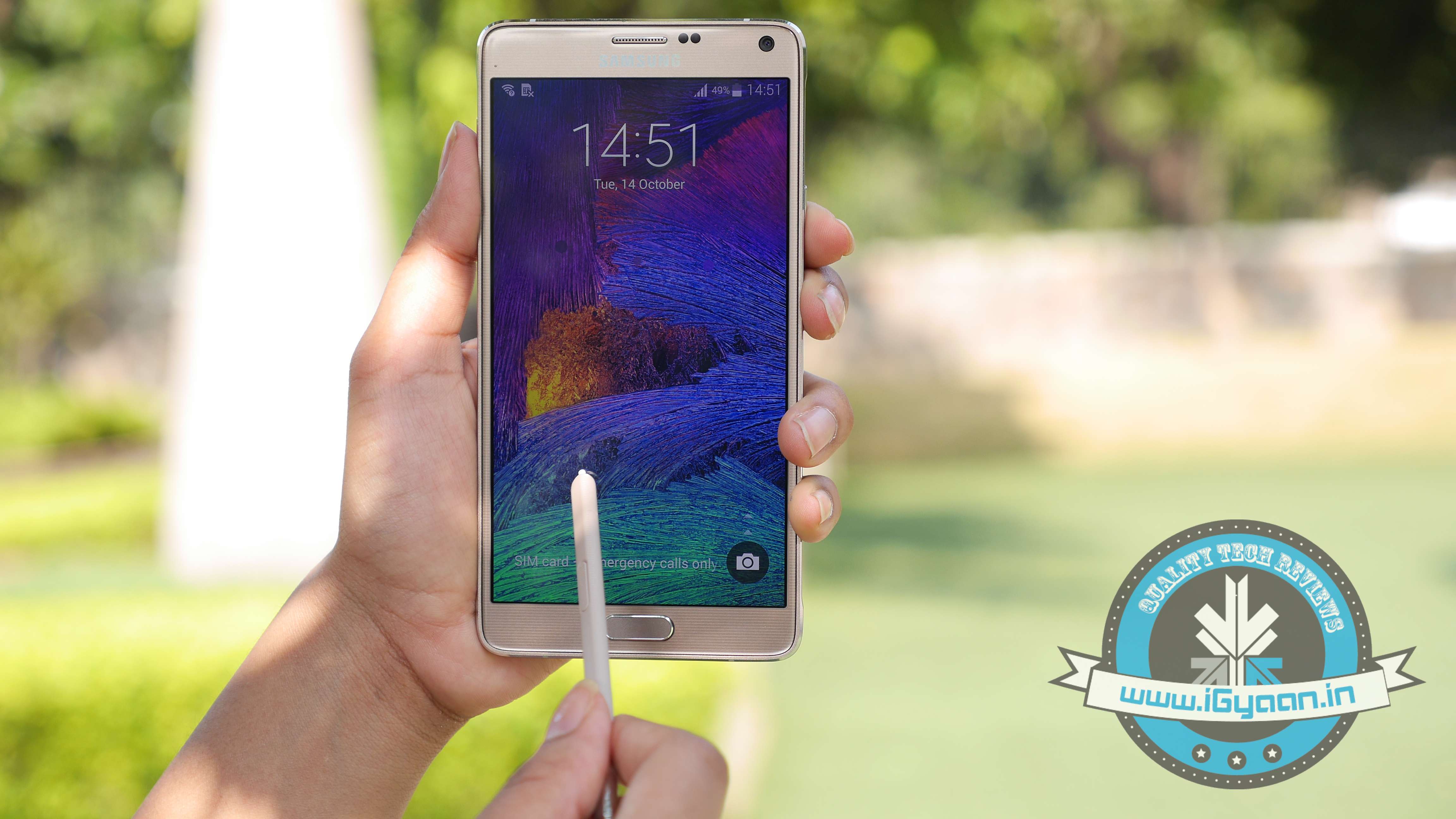
    The S-pen, of course, is the feature that sets the Note as a different smartphone species. Samsung has upgraded the feature of the pen with this outing. With better touch sensitivity and handwriting recognition, the pen will become more of a handy utility than just a gimmick. With options of using calligraphy pens, it brings a more native writing experience.

    Note 4 Stylus come with improved upgrades making it more efficient to use for everyday use.
    Note 4 Stylus come with improved upgrades making it more efficient to use for everyday use.

    Apple though is flaunting its new Apple Pay feature which works using an NFC radio and the Touch ID Sensor on the phone. The single hand mode will also make a lot easier to use the phone and will free the other hand for your tasks.  The landscape options also offer good multitasking options. The system will take some time to come to India but till then you can us the sweet camera on the device to make some great feature style home videos with cool time-lapse and slow motion.

    Conclusion

    The Diwali season will see and enthusiastic rivalry between the two tech giants. Samsung will leave no stone unturned to reach out to new consumers; Apple will have to match up to Samsung’s marketing if it wants to entice the Indian market during the peak spending period in the country. Both phones offer some unique features which cannot be compared but they seem like winners in each of their segments. Now its all up to the market to decide the real winner because only the market has the right to choose that. In the words of the Grail Knight from Indiana Jones and the Last Crusade; Choose Wisely.

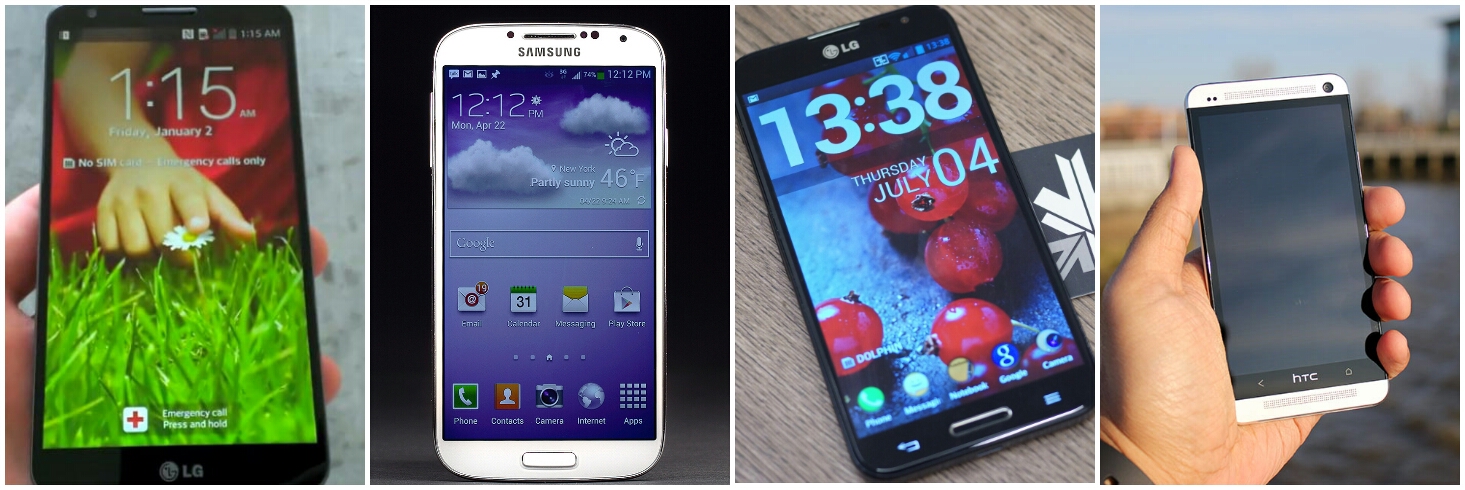
  • LG G2 vs LG Optimus G Pro vs Samsung Galaxy S4 vs HTC One | Flagships Compared

    LG G2 vs LG Optimus G Pro vs Samsung Galaxy S4 vs HTC One | Flagships Compared

    LG is in the lime light once again with its latest flagship smartphone, the G2. Powered by the mighty Snapdragon 800 chipset with four Krait 400 cores clocked at 2.3GHz, an Adreno 330 GPU and 2GB of RAM, the LG G2 simply blows the competition out of the box in terms of processing power.

    The battle of the Flagship devices is always on, today we are going to compare the latest Flagship devices available or to be available in the market which are LG G2, LG Optimus G pro, Samsung Galaxy S4 and HTC one. All these devices are of different screen sizes which are 5.2″, 5.5″, 5″ and 4.7″ respectively. All of these devices have a full HD resolution, which can give an edge to HTC one for the ppi. We think most people would not notice difference between 424 ppi of the LG G2 and 469 ppi for the HTC one.

    Let us compare all of these devices in detail below:


    Device

    LG G2

    Galaxy S4

    LG Optimus G Pro

    HTC One

    OS Android 4.2.2 Jelly Bean Android 4.2.2 Jelly Bean Android 4.1.2 Jelly Bean Android (4.2.2, 4.1.2) 
    Display 5.2″ IPS LCD 5″ Super AMOLED HD 5.5″ IPS LCD 4.7″ Super LCD 3
    Resolution 1920 x 1080  (424 ppi) 1920 x 1080 (441 ppi) 1920 x 1080 (401 ppi) 1920 x 1080 (469 ppi)
    Dimensions 135.5mm x 70.9 mm x 8.9 mm  136.66 mm x 69.8 mm x 7.9 mm 150.2 mm x 76.1 mm x 9.4 mm  137.4mm x 68.2 mm x 9.3 mm 
    Weight 143 grams  130 grams  160 grams 143 grams 
    Chipset Snapdragon 800 Exynos 5 Octa 5410/ Qualcomm CPU; varies by market. Snapdragon 600  Snapdragon 600
    Processor Quad-core 2.3 GHz   1.6 GHz Quad + 1.2 GHz Quad / 1.9GHz quad-core,(Varies) 1.7 Ghz Quad core  1.7 Ghz Quad- core
    GPU Adreno 330 PowerVR SGX 544MP3 Adreno 320  Adreno 320
    RAM 2 GB  2 GB  2 GB  2 GB 
    Storage 32 GB 16 GB  32 GB 32/64 GB
    MicrosSD card slot Yes  Yes Yes  NO 
    Primary camera 13 MP Full HD @60fps 13 MP Full HD @30fps 13 MP Full HD @30fps 4 MP Ultra pixel Full HD @30fps
    Front camera 2.1 MP 2 MP  2.1 MP 2 MP (HDR)
    Battery  3000 mAh 2600 mAh 3140 mAh 2300 mAh
    WiFi Wi-Fi 802.11 b/g/n/ac, Wi-Fi Direct, DLNA, Wi-Fi hotspot Wi-Fi 802.11 a/b/g/n,ac, DLNA, 
    Wi-Fi hotspot
    Wi-Fi 802.11 a/b/g/n,ac, dual-band, DLNA, Wi-Fi Direct,
    Wi-Fi hotspot
    Wi-Fi 802.11 a/ac/b/g/n, Wi-Fi Direct, DLNA, Wi-Fi hotspot
    Bluetooth Yes, v4.0 LE with A2DP Yes, v4.0 with A2DP, EDR Yes  Yes, v4.0 with A2DP
    Network Quad-band GSM/GPRS/EDGE
    Quad-band UMTS/HSPA
    Penta-band LTE support,
    LTE-Advanced
    GSM 850 / 900 / 1800 / 1900

    HSDPA 850 / 900 / 2100

    HSDPA 850 / 900 / 1700 / 1900 / 2100

    LTE 800 / 1800 / 2600

    GSM 850, 900, 1800, 1900 MHz
    LTE 800 MHz, 1800 MHz, 2600 MHz
    GSM 850 / 900 / 1800 / 1900

    HSDPA 850 / 900 / 1900 / 2100

    LTE (market dependent)

    NFC Yes Yes Yes Yes
    Speakers mono mono mono Stereo 
    Availability  Expected this month available available available
    Price TBA Exp. 45,000 39,500 35,000 40,000


    It’s a matter of preference, but it’s hard to compete with the big guys. LG might not beat any of these in sales. The general consumer tends to go with the popular choices like Samsung and HTC. This does not mean that the LG G2 is not  the best your money can buy. As far as India is concerned pricing may be the biggest factor. So which one would you take home ? you can leave your views in the comment section below.

iGyaan Network
Privacy Overview

This website uses cookies so that we can provide you with the best user experience possible. Cookie information is stored in your browser and performs functions such as recognising you when you return to our website and helping our team to understand which sections of the website you find most interesting and useful.