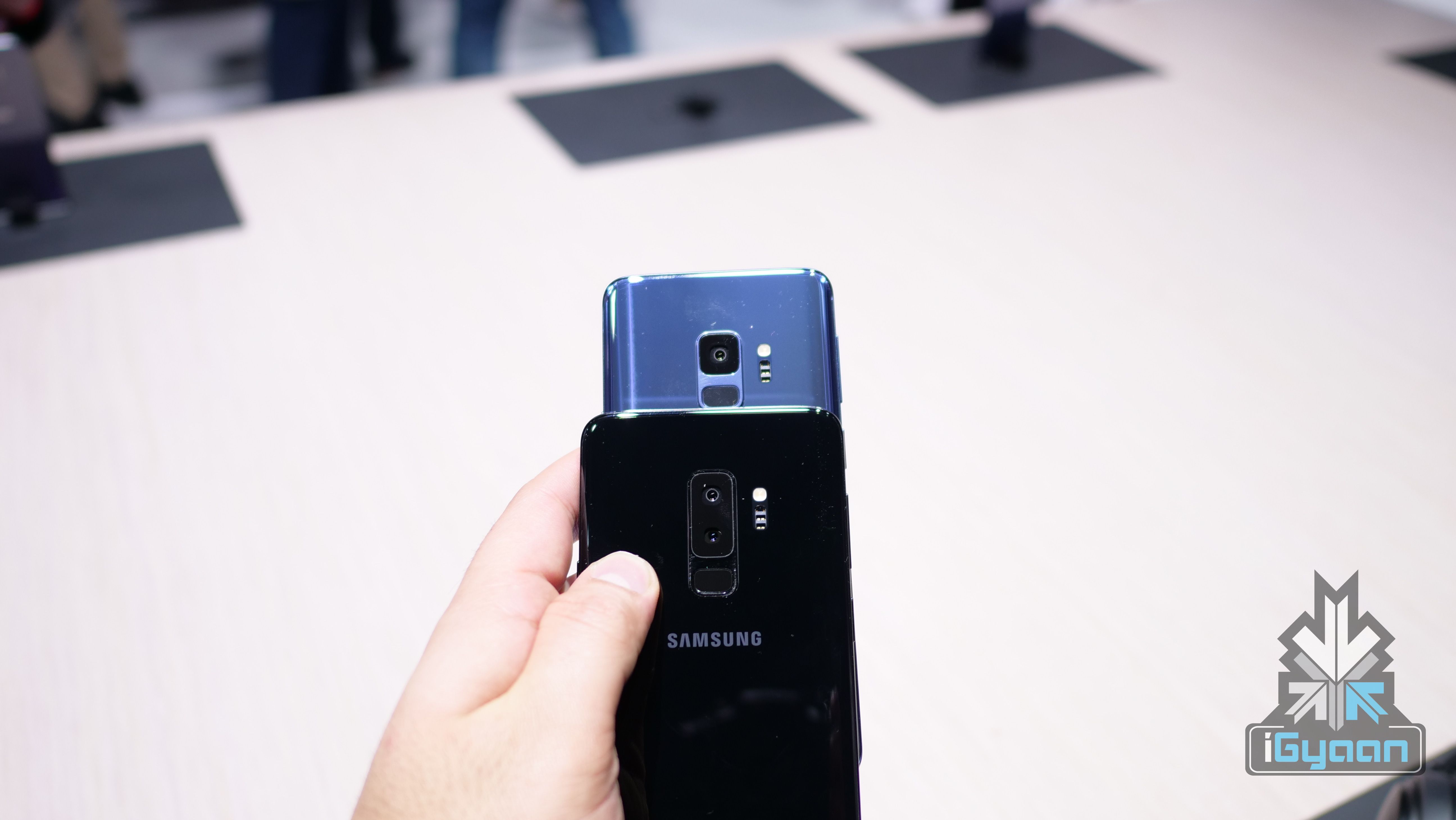
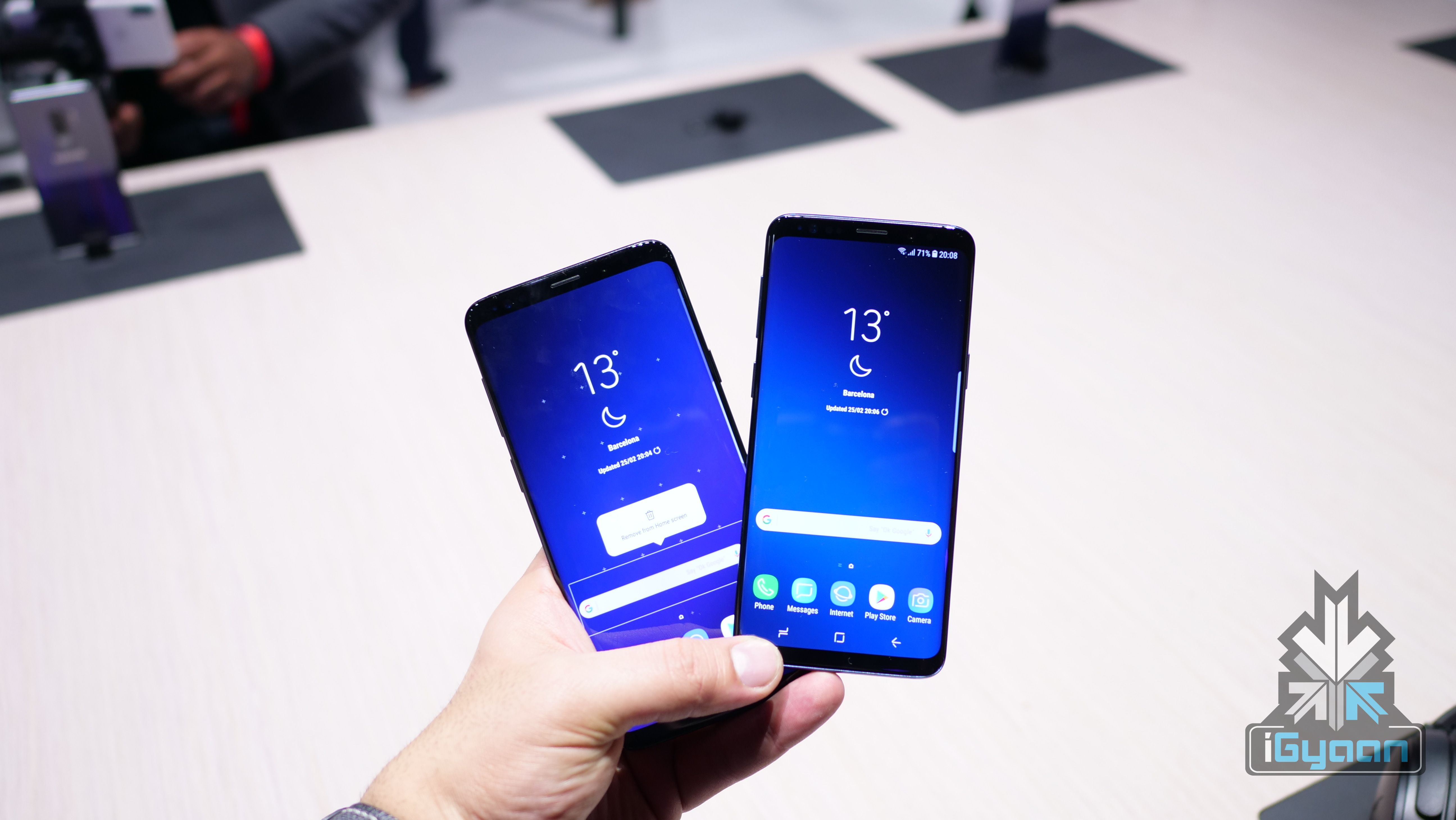
Samsung launched the Galaxy S9 and the Galaxy S9+ at MWC 2018. However, the Galaxy S9 and the Galaxy S9+ will come with two different processors. The Korean and US variant will feature Qualcomm Snapdragon 845 chipset and the rest of the market including India will feature Exynos 9810 chipset.
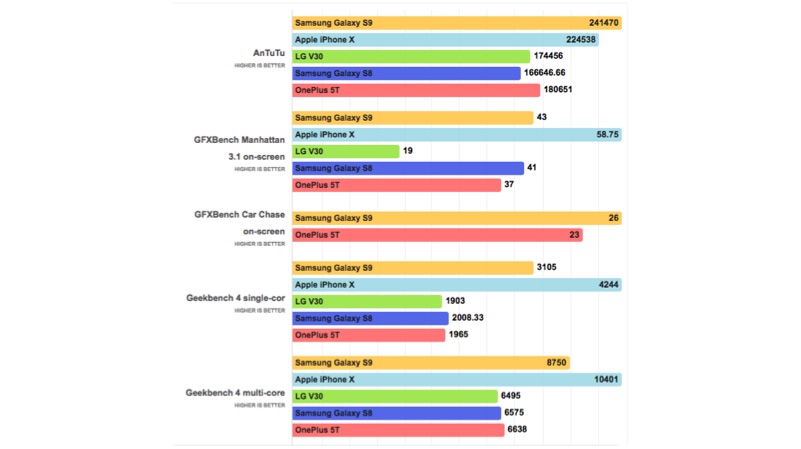
The performance difference between the variants with different chipsets will be very negligible. In fact, the Exynos powered Samsung Galaxy S9 leads show by scoring points on the synthetic benchmarks. In fact, in some platform, the smartphone outperforms the Apple iPhone X.
The Samsung Galaxy S9 and the Galaxy S9+ are already available for pre-booking. However, the company hasn’t confirmed the price.
The Exynos 9810 is a true upgrade over the Exynos 8890 and the Qualcomm Snapdragon 835. The Galaxy S9 leads the Android benchmark territory, which throws away the 2017 flagship smartphones out of the ballpark. However, the Galaxy S9 with Qualcomm Snapdragon 845 is expected to perform better than the Exynos variant.
Samsung Galaxy S9 with Exynos 9810 chipset on synthetic benchmarks:
AnTuTu
This is the most tested benchmarking platform, which is used to test a smartphone’s potential. The Samsung Galaxy S9 scores 241470 points and leads the show. In fact, the Apple iPhone X comes in at second place by scoring 224538 points, preceded by the LG V30 174456 points.
GFXBench Manhattan 3.1 on-screen
In this platform, the Samsung Galaxy S9 scores 43 points, which is more than twice of the LG V30’s 19 points. However, the Samsung Galaxy S8 comes very nearby scoring 41 points.
GFXBench Manhattan Car Chase on-screen
The Samsung Galaxy S9 powered by Exynos 9810 scores 26 points, which is greater than the OnePlus 5T’s 23 points. This benchmark does not list other smartphones scores.
Galaxy S9, Galaxy S9+
Geekbench 4 Single Core
The smartphone scores 3105 points on the single-core performance, and the LG V30 once again falls behind with 1903 points, which is similar to the points scored by OnePlus 5T and Samsung Galaxy S8.
Geekbench 4 Multicore
The Samsung Galaxy S9 scores a staggering 8750 points on this platform, whereas the OnePlus 5T scores 6638 points, which is similar to the scores of LG V30 and the Samsung Galaxy S8.
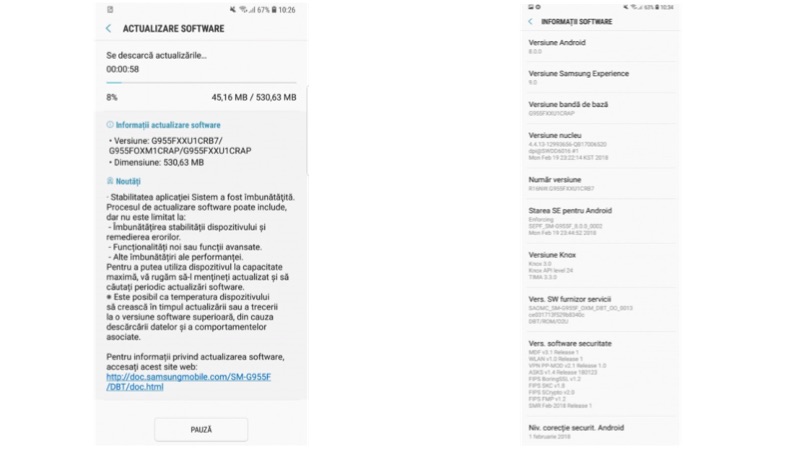
The Samsung Galaxy S8 and the Galaxy S8+ have started receiving Android 8 Oreo update for the second time. The first update was suspended for the fact that, the smartphone after update started rebooting. With the new update, the company has issued that issue.
The software update comes with software version G950FXXU1CRB7 for the Galaxy S8 and G955XXU1CRB7 for the Galaxy S8+. The update weighs at about 530MB for those who are on the first batch of Oreo update. However, originally, the update weighed at around 487MB.
Whats new in Experience 9 UI?
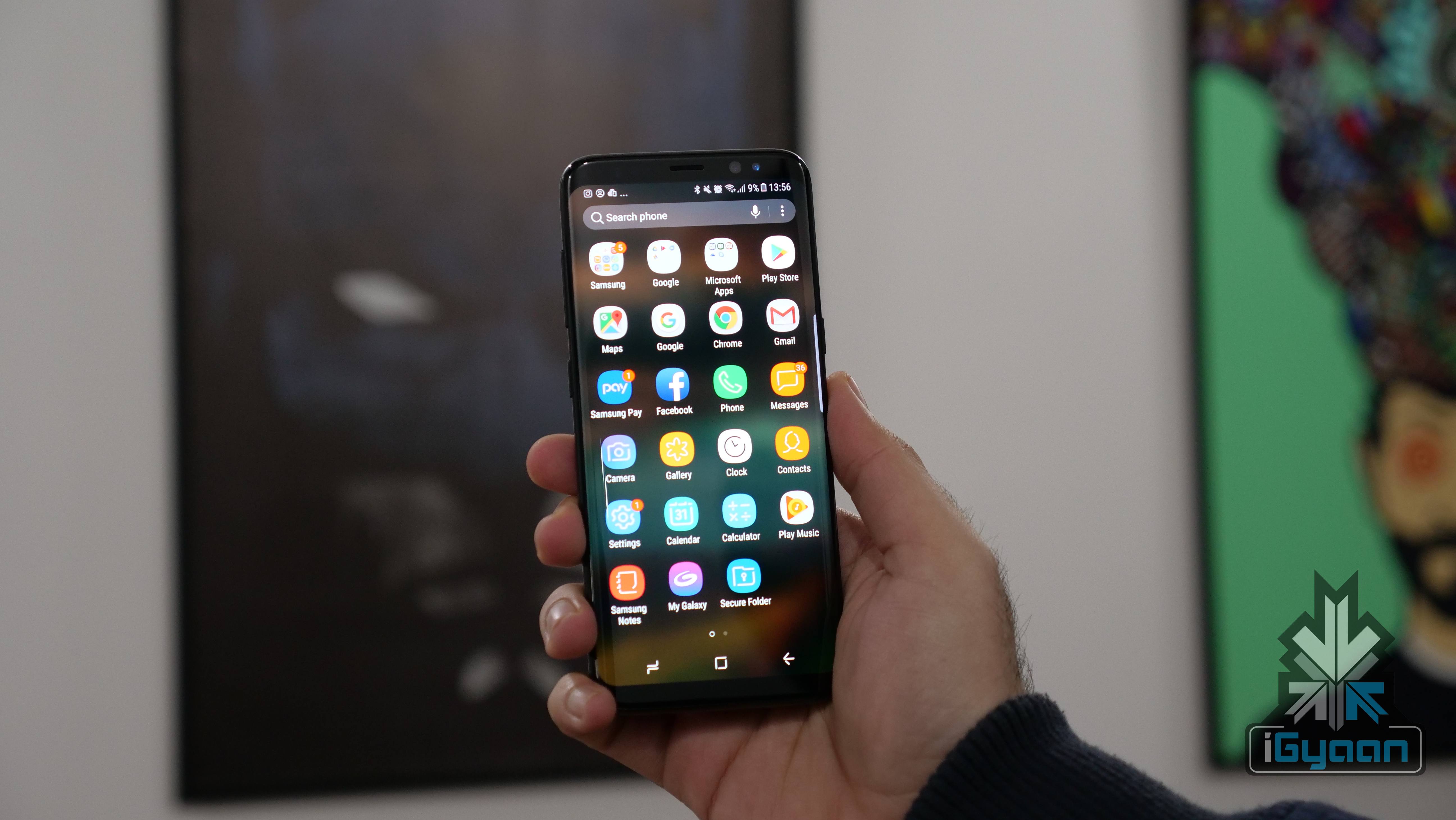
The Oreo update on the Galaxy S8 and the Galaxy S8+ comes with Samsung’s new UI called Experience UI 9.0, with a new style of home page and icons. It also updates the smartphones from Android 7 Nougat to Android 8 Oreo.
The light effect for the notifications is customisable, by taking the advantage of AMOLED screen. More customisations for the lock screen has been added, including support different clock options. However, it still misses out on the third party widget integration.
There are additional system-level modifications enables an overall smoother UI experience. With this update, the Android App shortcuts are also included in the stock launcher.
Specifications:
The Galaxy S8 and the Galaxy S8+ has a 5.8-inch and a 6.2-inch QHD+ with Gorilla Glass 5 protection. Under the hood, the smartphone was powered by either Snapdragon 835 or Exynos 8895 chipset with 4GB RAM and 64GB storage. However, the company did launch a special version of S8 with 6GB RAM and 128GB storage for the Chinese market.
These phones had a 12 MP main camera with OIS and 4K video recording capability up to 30fps. The 8 MP front-facing camera was also capable of recording video footages up to 2k resolution.
Samsung will be launching the Samsung Galaxy S9 and Galaxy S9+ at MWC 2018. With the recent leaks and renders, there is barely anything left that can surprise us. However, Flipkart has started teasing the smartphone before the launch. So, Flipkart could be the exclusive online e-commerce partner in India.
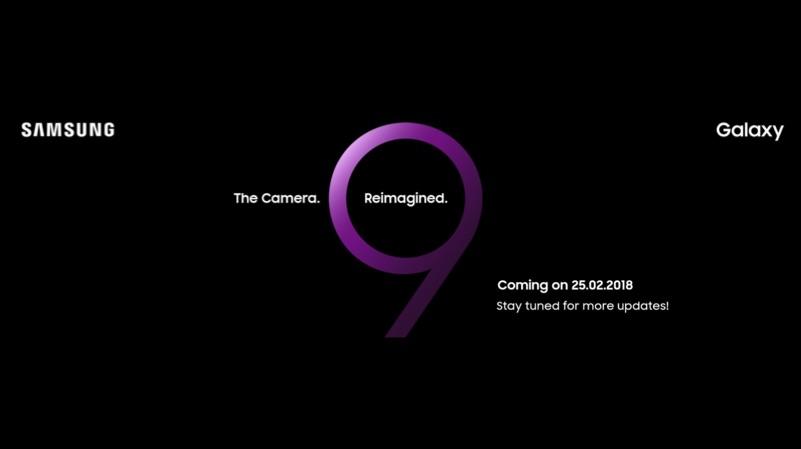
Samsung recently teased the Galaxy S9 and S9+ which emphasised a lot on the camera. This further confirmed that the new flagship devices will have a much more improved camera setup. The teaser has a big “9” accompanied by text that reads, “The. Camera. Reimagined”.
Flipkart, on of India’s biggest e-commerce websites has made the Galaxy S9 page live. This means that just like its predecessor, the Galaxy S9 and S9+ will also be Flipkart-exclusive devices. On the main page, it says “9OnFlipkart” coming on 25th February 2018. It looks like Galaxy S9 and S9+ will go on sale in India along with other major markets like the US.
Specifications:
The Samsung Galaxy S9 and the Galaxy S9+ are expected have a 5.8-inch and 6.2-inch QHD+ Super AMOLED display. Depending on the market, these phones will feature either Qualcomm Snapdragon 845 or Exynos 9810 chipset with 4GB or 6GB RAM and 64GB or 128GB storage.
In terms of camera capability, both smartphones will have a primary 12 MP shooter with the variable aperture from f/1.5 to f/2.4. However, leaks also suggest that the Galaxy S9+ might come with an additional camera with an unknown functionality. These smartphones will run on Android 8 Oreo OS with custom Experience UI on the top, along with IP68 water and dust resistance certification.
Conclusion:
It is great that the company will launch the Galaxy S9 devices in India along with other markets. However, the company will have to get the pricing spot on for its new flagship smartphones.
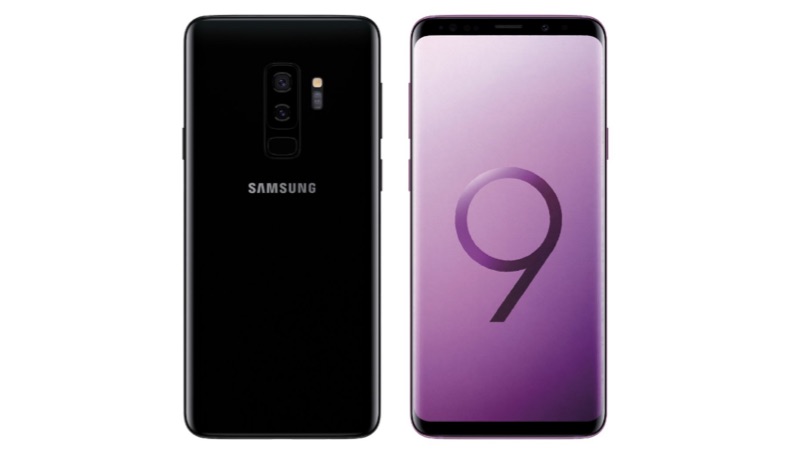
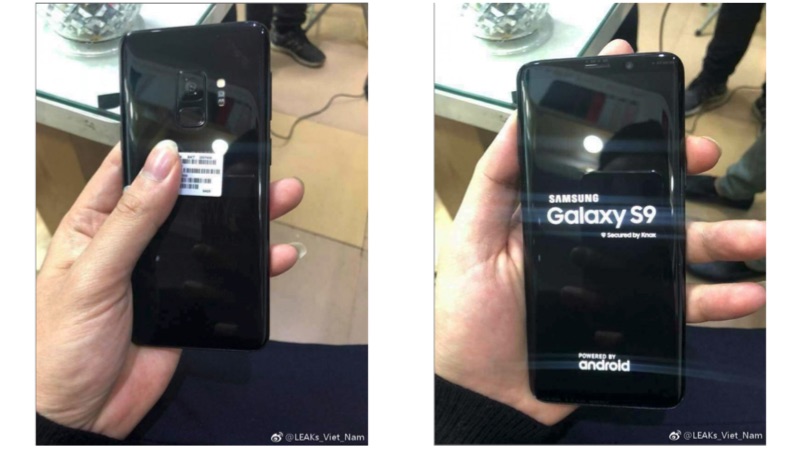
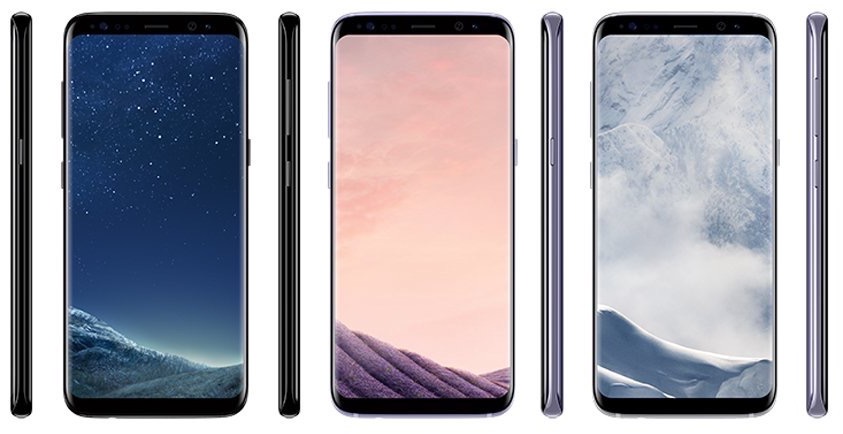
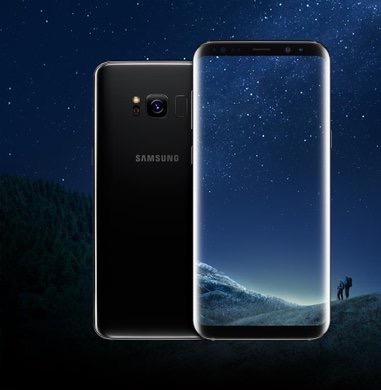
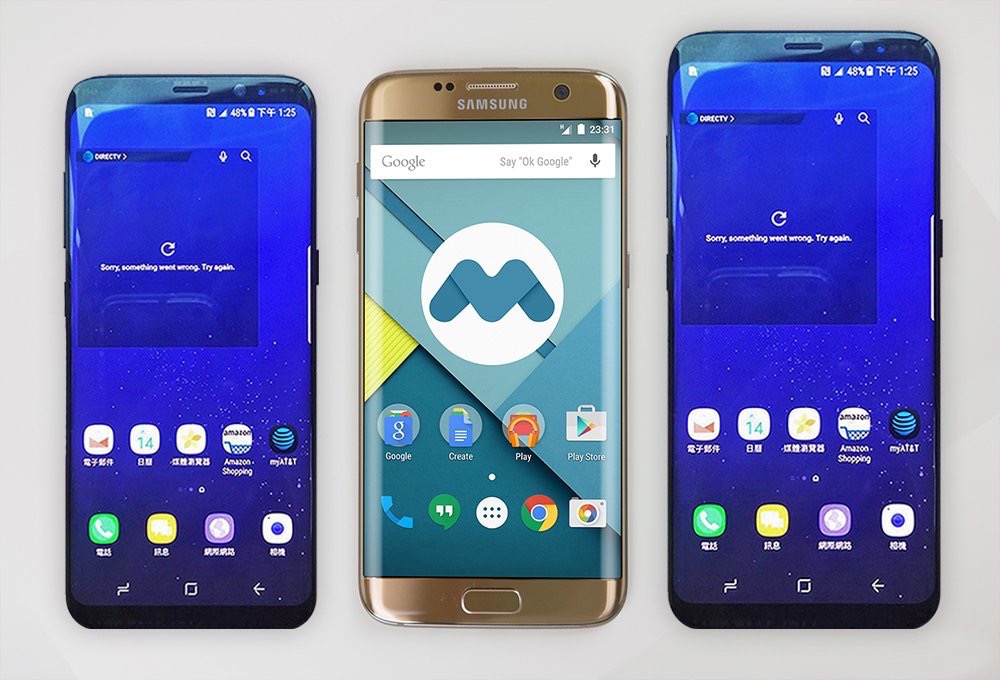
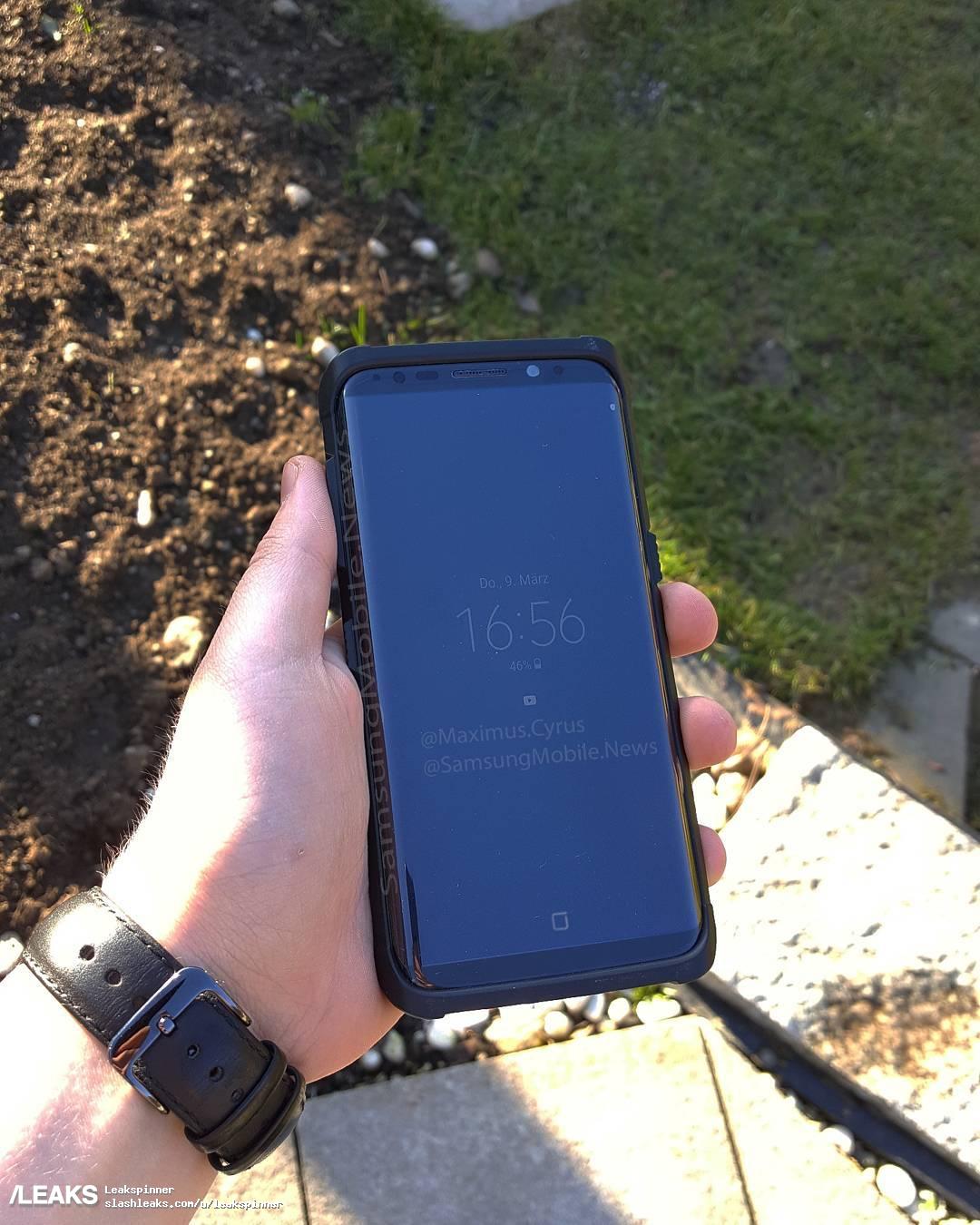
Samsung is all set to announce the Samsung Galaxy S9 and the Galaxy S9+ at MWC 2018. A lot of leaks and renders of these smartphones have been leaked online in the past few weeks. Finally, now we have a fresh batch of photos of the Galaxy S9. These pictures match with the renders from all aspects, with an additional confirmation on the infamous Bixby button. The sticker on the back panel also says that the phone comes with 64GB storage.
Credits: Weibo
Design:
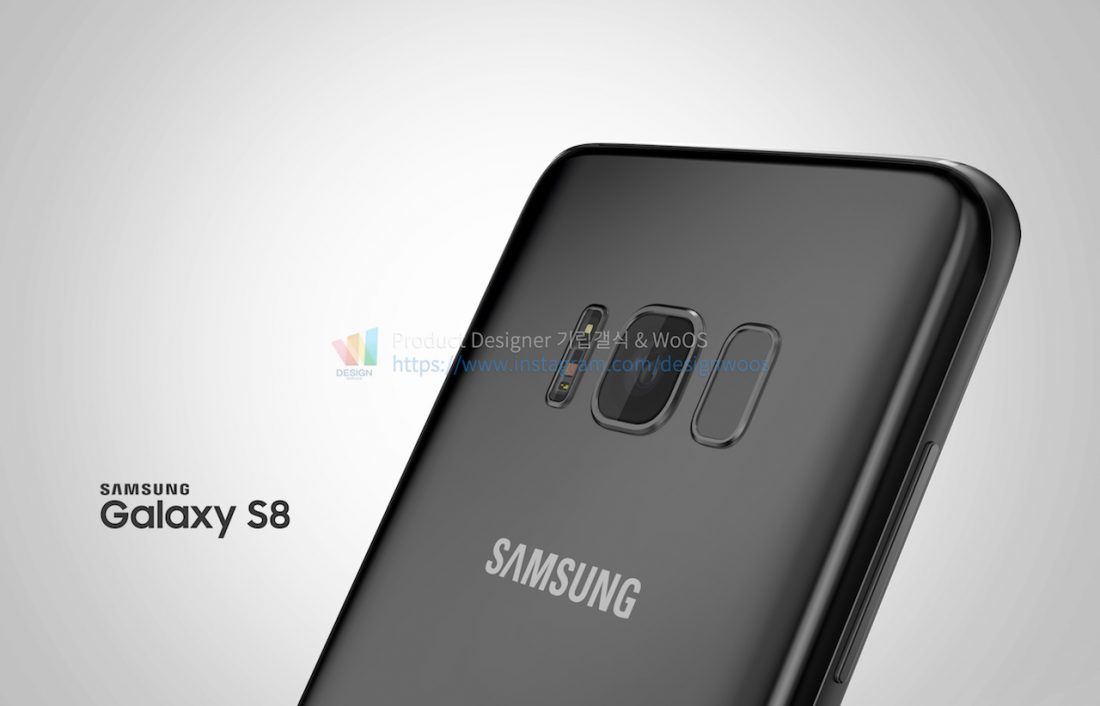
As per these images, the Samsung Galaxy S9 is almost similar to the Samsung Galaxy S8. The only difference that we could make out is the placement of the fingerprint scanner. The Galaxy S8 was criticised for the fingerprint scanner placement. However, with the Galaxy S9, the company appears to have made amends.
As per the report, we might also see narrower bezels on Galaxy S9. However, it will be very difficult to make out the difference until and unless they are kept next to each other. The Samsung Galaxy S9’s major upgrade would be in terms of the camera. As per the leaks, the Galaxy S9 is speculated to feature a 12 MP camera with a variable aperture from f/1.5 to f/2.4.
Conclusion:
The overall form factor almost remains identical to that of the Galaxy S8. However, the company has made all the necessary changes internally. A faster Qualcomm Snapdragon 845 or Exynos 9810 chipset with 4GB RAM and 64GB storage also scores impressive results on various benchmarking websites. The Galaxy S9 and S9+ are also expected to be some of the fastest Android devices on the market.
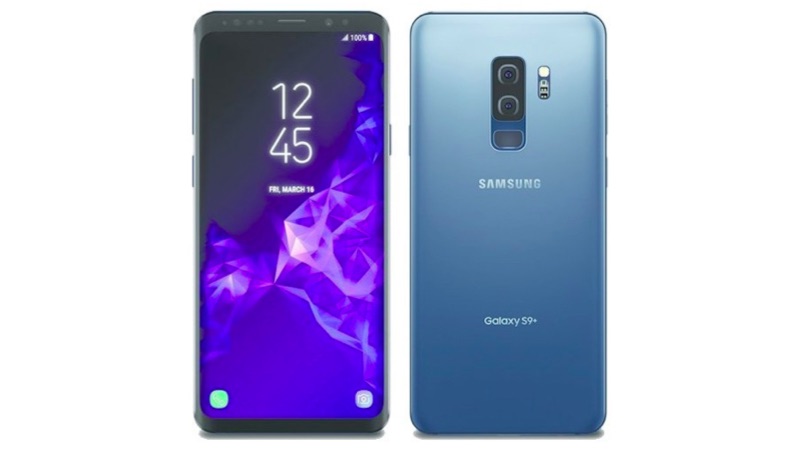
The bigger version of the Galaxy S9 is called as Galaxy S9+, which offers a slightly bigger display with a dual camera setup on the back. As expected, the Galaxy S9+ will have 6GB of RAM with a much bigger battery to cater additional pixels.
Samsung has been the number one smartphone maker in the world for a while and Apple has always been a close second. Recently, Huawei overtook Apple as the second largest smartphone maker because of the sales in Q2 of 2017. Apple is expected to take that position back and challenge Samsung once again with the launch of the iPhone 8, iPhone 8 Plus and the iPhone X. Samsung has been riding high on the success of its flagship Galaxy S8 and S8+ and the newly launched Galaxy Note8 has already received record breaking pre-orders in the United States and South Korea.
With the Samsung Galaxy S8+, iPhone 8+, iPhone X and the Galaxy Note8 competing for the best flagship of 2017, let’s see how each of them stack up against each other.
Apple iPhone X
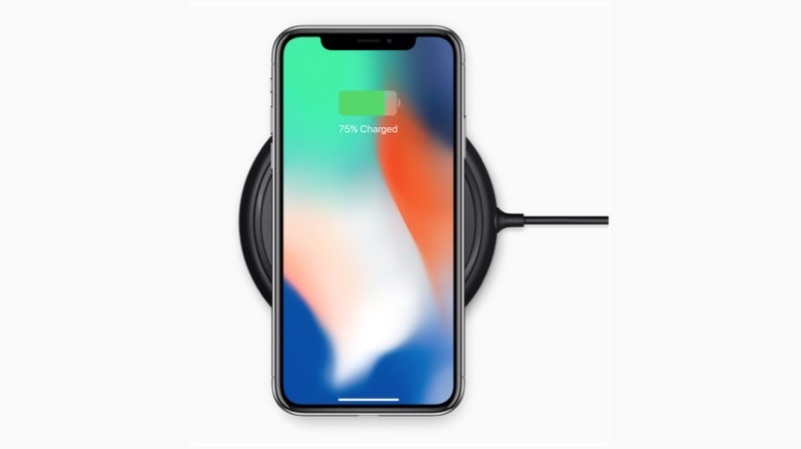
The iPhone X has a 5.8-inch 2436 x 1125 px OLED True Tone Super Retina display with minimal bezels around it. The phone runs iOS 11 and is powered by a 3,000 mAh battery which charges through the Apple signature lightning port placed at the bottom of the phone. Because of the all-glass design, the iPhone 8 also has wireless charging. Under the hood, the smartphone has the Apple A11 Bionic chipset with a neural engine, a hexacore processor, 3GB of RAM and storage options of 64GB, and 256GB. Apple has also gotten rid of TouchID and replaced it with facial recognition called FaceID which Apple claims has a security breach chances of 1 in a million.
On the optics front, the iPhone X has dual 12-megapixel rear cameras, and it’s equipped with dual optical image stabilization. The main camera is equipped with a wide angle lens and has an f/1.8 aperture while the secondary telephoto lens has an f/2.4 aperture.
Samsung Galaxy S8 and Galaxy S8+
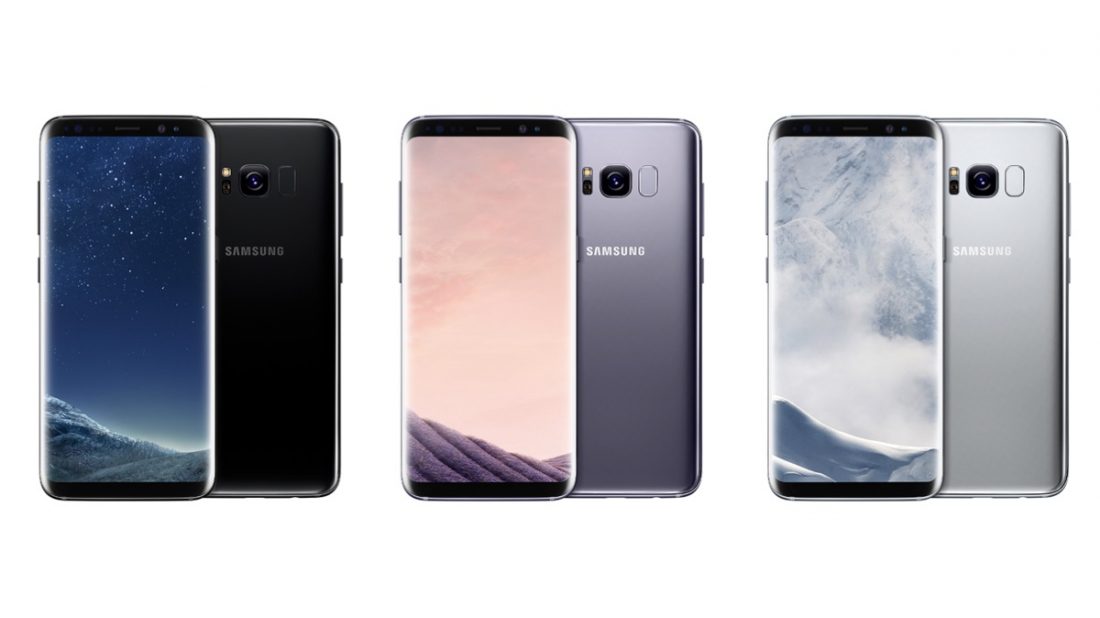
The Samsung Galaxy S8 has a 5.8” 2960×1440 px display with a 570ppi while the S8+ has a 6.2” 2960×1440 px display with a 529ppi density. Both have Samsung’s own super-AMOLED display. The Galaxy S8 is powered by a 3000 mAh battery while the Galaxy S8+ has a 3500 mAh battery. Both the smartphones run Android 7.1.1 Nougat out of the box and Samsung has confirmed an update Android 8.0 Oreo soon. Under the hood, both the smartphones have Exynos 8895 chipset, 64GB or 128GB onboard storae options which is expandable up to 256GB via microSD card. The Galaxy S8 has 4GB RAM while the Galaxy S8+ has 4GB or 6GB RAM variants.
For cameras, both phones get a main Dual Pixel 12MP OIS (F1.7), Front: 8MP AF (F1.7). While the battery on the Galaxy S8 is 3000 man, the S8plus has a 3500 mAh battery. Both support fast charging and wireless charging as well.
Apple iPhone 8 and iPhone 8 Plus
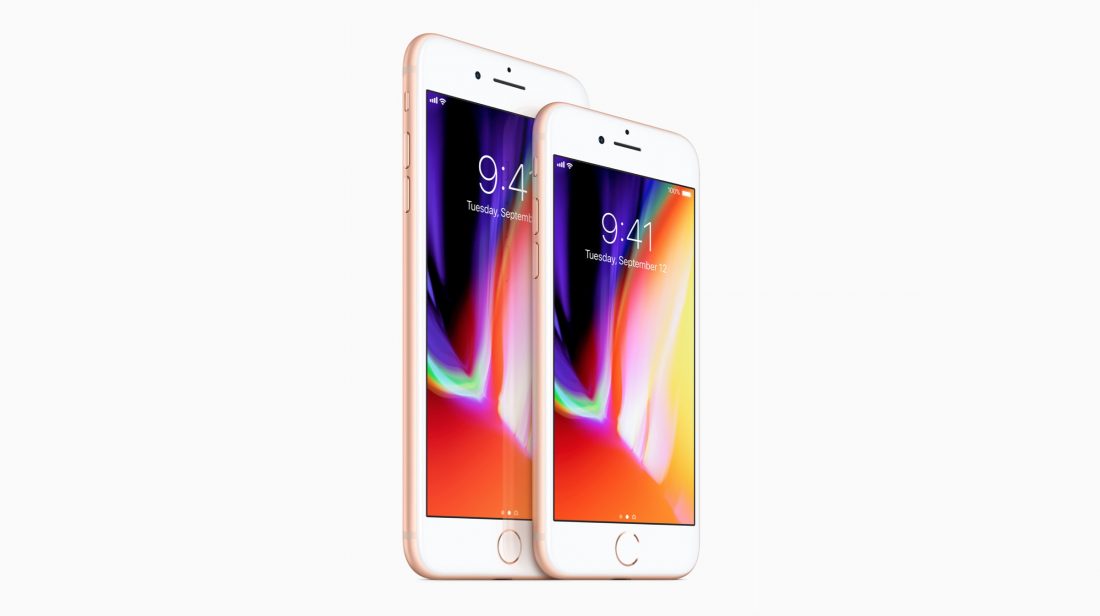
The Apple iPhone 8 has a 4.7 inch 1334 x 750 px True Tone display and the iPhone 8 Plus has a 5.5 inch 1920 x 1080 px True Tone Display. Under the hood, the iPhone 8 and iPhone 8 Plus have the A11 Bionic chipset with a hexacore processor and the new Apple GPU. Both the phones now have wireless charging capabilities. Both the phones run iOS 11 and the battery of the iPhone 8 and 8 Plus is identical to the iPhone 7 and iPhone 7 Plus respectively.
On the camera front, there’s a 12-megapixel sensor on the iPhone 8 that is larger, faster and has optical image stabilization. The iPhone 8 Plus also has new 12 MP sensors. The main camera is equipped with a wide angle lens and has an f/1.8 aperture while the secondary telephoto lens has an f/2.8 aperture. The dual cameras on the iPhone 8 Plus also have a new “Portrait Lighting” feature to adjust the lighting for portrait shots.
Samsung Galaxy Note8
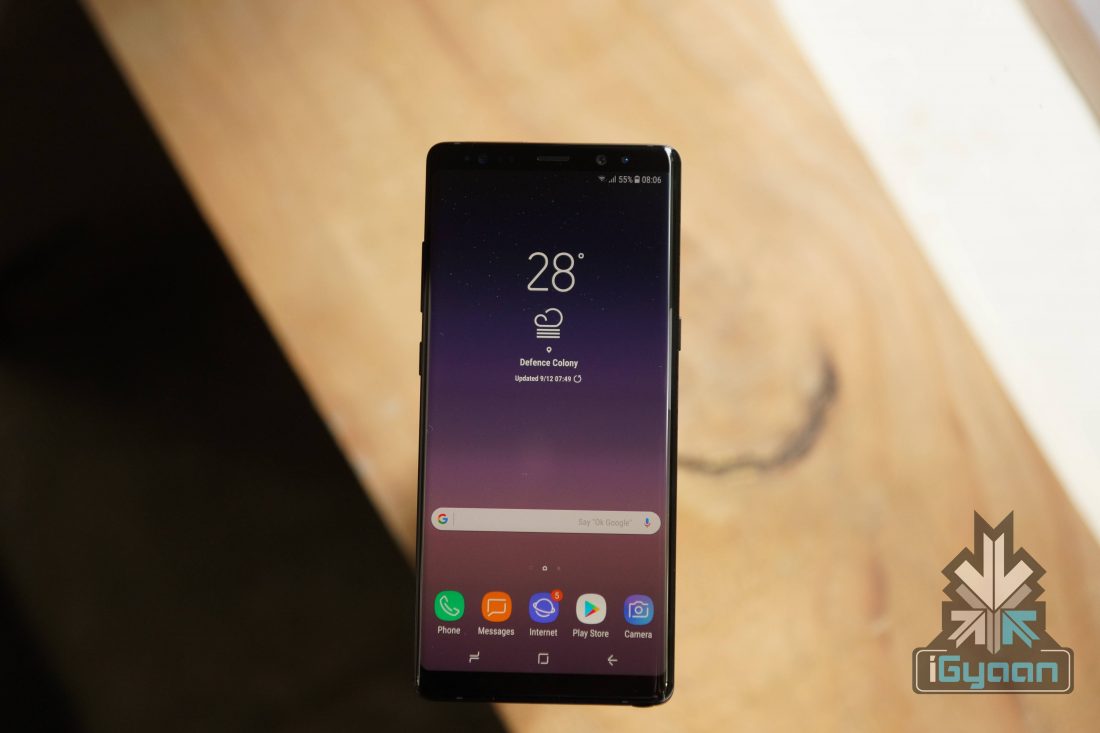
The Galaxy Note8 has a 6.3 inch 2960 x 1440 px Super AMOLED display with an 18.5:9 aspect ratio, which is the same aspect ratio found on the Galaxy S8 and S8+. Powering the device is a 3300 mAh battery which is smaller than the 3500 mAh battery found on the Galaxy Note7 with wireless charging capabilities, and runs Android Nougat 7.1.1 with Samsung’s custom skin on top. The device has the Exynos 8895 chipset, 2.3GHz Quad-Core (Custom CPU) + 1.7GHz Quad-Core (Cortex-A53) processor, 6GB of RAM and 128GB onboard storage, which is expandable up to 256GB via microSD card. The graphics are handled by the Mali-G71 MP20 GPU.
The new Note8 has a 12MP dual-camera setup, one of which has a wide lens and the other a telephoto. The telephoto lens allows a user to zoom in losslessly for an up to 2x magnification. The use of dual camera allows for the ability to blur out the background for professional looking bokeh effect shots, something that seems to be common in smartphones in 2017. The Galaxy Note8, Samsung claims, is the first smartphone to feature OIS in both the cameras at the back.
It has just been a few days to the launch of the Galaxy Note 8 and rumours of the Galaxy S9 have already hit the internet. Some of these speculations include a next-gen Qualcomm chip, a dual lens camera, and a rear mounted fingerprint sensor.
It is expected that Samsung Galaxy S9 will have a Qualcomm Snapdragon 845 chipset, making it first to use Qualcomm’s newest upcoming chipset. Whereas the previous models, Galaxy S8 and S8 Plus were equipped with the SnapDragon 835 chipset, being the first devices to use said chip.
The device will reportedly be given the model number of SM-G960 and will run the Android 8.0, as it falls under the category of devices expected to receive or come pre-installed with the newest Android update. Unlike the newly launched Galaxy Note 8, which came with a massive 6GB of RAM, the Galaxy S9 will have 4GB of RAM and 64GB of onboard storage.
The display is expected to be an edge-to-edge Infinity Display with 18.5:9 aspect ratio. As for the fingerprint reader, the reports suggest that it will be placed in a centered rectangular cutout at the back, implying that the Galaxy S9 might not have a display embedded fingerprint reader either.
However, if this rumor is to be believed, then Samsung will finally be moving the heavily criticised location of the fingerprint scanner to a much more convenient one, unlike the ones placed right next to the camera in the Galaxy S8/8+. Even though not much has been revealed on the camera front, the Galaxy S9 could end up with the same dual-camera setup on back as the one on the Galaxy Note 8.
Samsung Galaxy S8 and S8+ was launched back in April and received rave reviews for its display and camera performance. And now, a report by market research firm, suggests that Samsung has already shipped over 20 million units of the Galaxy S8/S8+ since its launch.
While we eagerly await the launch of the Galaxy Note 8, the Galaxy S8 and S8+ aren’t faring too bad in the market even after three-and-a-half months post their launch. The reported 20 million+ units shipped so far, translates to about 2,78,000 units per day, since April 21st. Compared to Samsung’s shipping volume of last year’s Galaxy S7, the company’s Mobile Division Chief, Koh Dong-Jin, says that S8 shipments have increased by approximately 15% in comparison to the S7 shipments sent out in 2016.
This news follows another report that claimed that Samsung had shipped a total of 79 million smartphone units in Q2 of 2017. This figure helped Samsung maintain its spot as the number one smartphone maker in the world. Huawei will be vying for the second spot which currently belongs to Apple. With the launch of the Galaxy Note 8 just a few days away, Samsung looks all set to solidify its top position.
Samsung Galaxy S8 and S8+ was extremely well-received for its bezel-less curved edge display and superior camera quality. It launched with top-of-the-line specifications like the Qualcomm Snapdragon 835 chipset along with 4GB RAM and 64GB internal storage. Samsung decided to go with a single 12MP camera with an f/1.7 aperture. The improved performance of Samsung’s TouchWiz UI was a welcome change which ran on top Android Nougat 7.1.
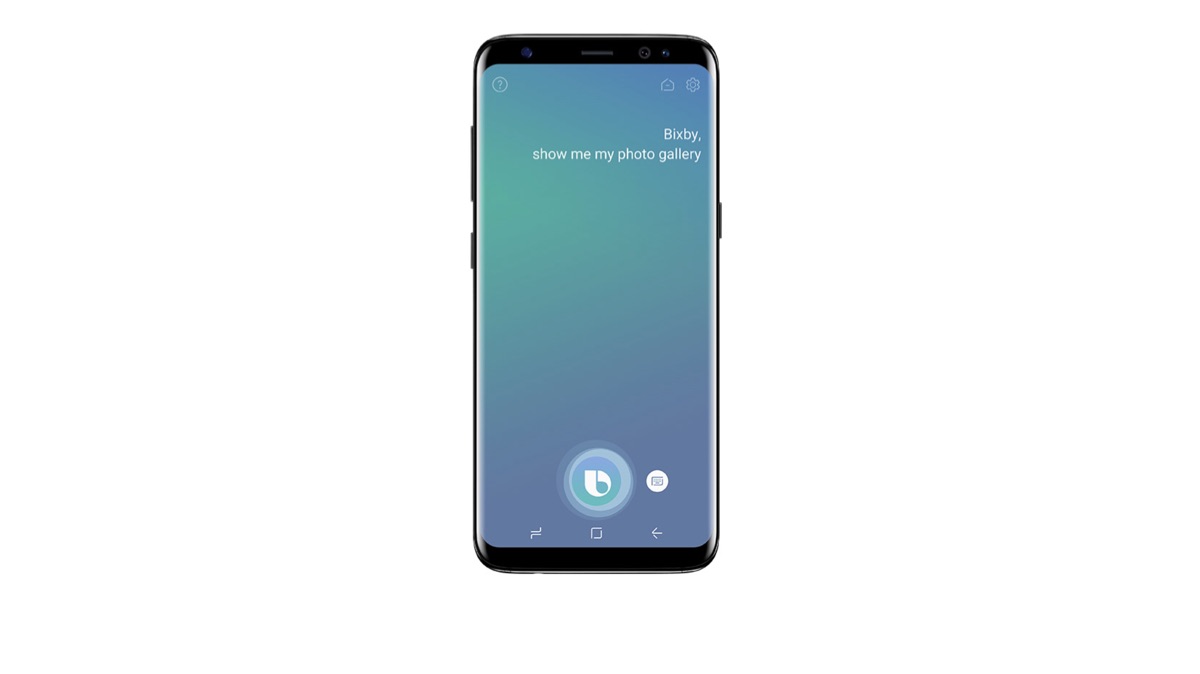
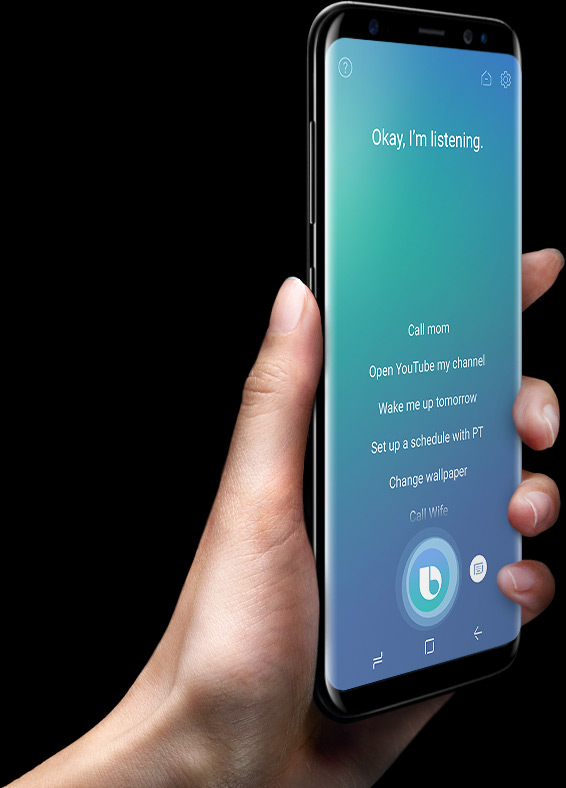
With the markets flooded with the likes of Siri, Google Assistant, Alexa etc. Samsung’s Bixby is the latest to join the mixer. The company recently announced that the voice support of its smart assistant is out in US, available to Galaxy S8 and S8+ owners. Samsung states that an opt-in Beta test in US on Bixby’s voice support which will be later available in other markets and an eventual release in India. Over 100,000 Galaxy users issued about 4 million voice commands in the early access programs. The test led to faster response time, improved understanding of phrasing the same query differently, better hands-free functionality and ability to read messages and emails aloud, provided you use its stock apps on Galaxy S8.
Similar to its competitors, Bixby can be launched with a push of a button (dedicate to Bixby) on the side of S8 or S8+ or by simply saying “Hi Bixby”. Very much like Siri, Google Assistant and the likes, Bixby can set alarms, send messages, read the news along with image recognition and barcode scanning. But what sets it aside from its contendors is the ability to access the granular phone setting and switch between different menu screens to run commands.
Samsung had earlier planned on making Bixby more aware of the user’s wants and needs, as to customize the user experience. Samsung believes that Bixby will gradually improve as it continues to recognise and learn user’s preferences and adapt accordingly. Choosing not to limit itself to smartphones, Samsung also added Bixby to its line of smart refrigerators last month though without voice support for now.
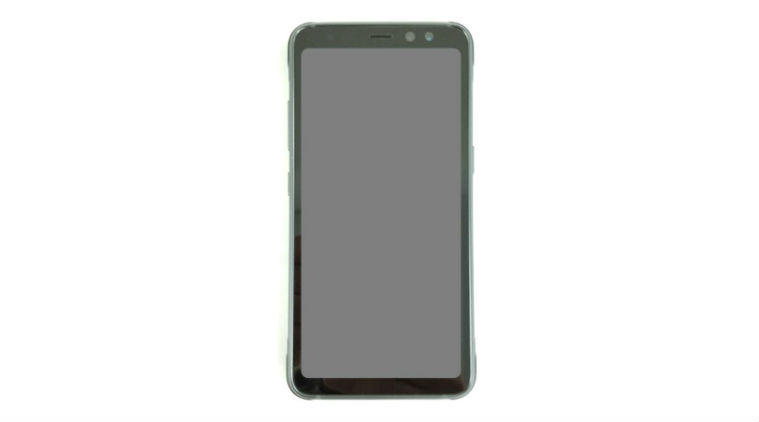
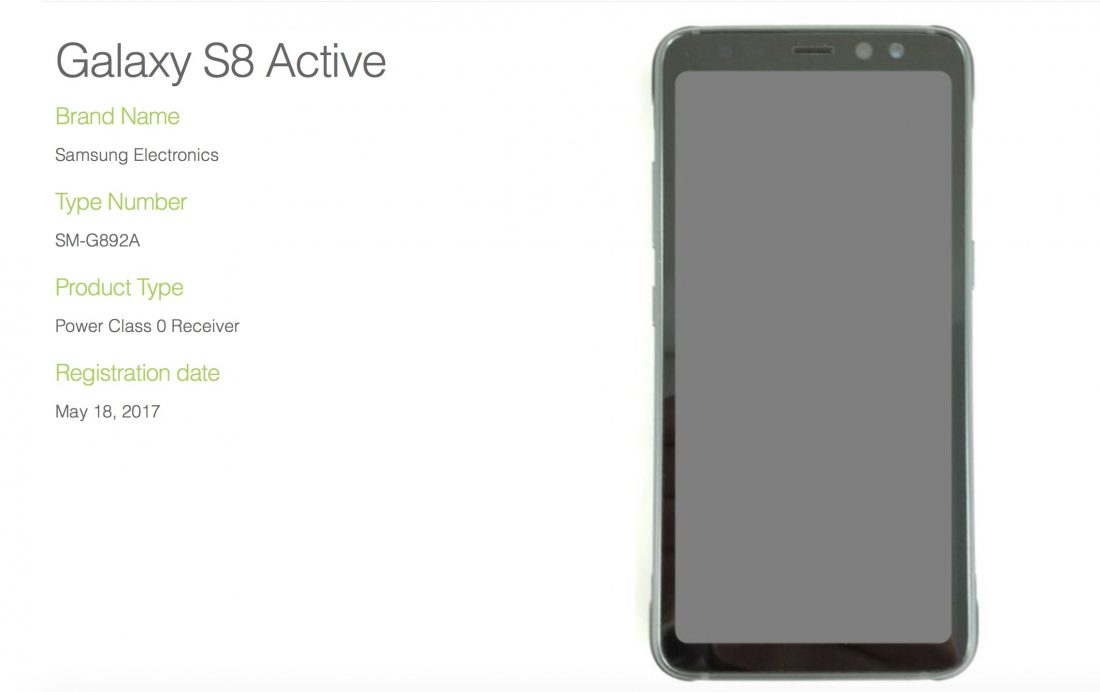
Looks like Samsung may launch a tougher and more rugged version of the Galaxy S8 after all. The Samsung Galaxy S8 Active just went up on the wireless power consortiums website.
Major appearance changes include a tough rugged back panel and a flat display with slight bezels on both sides mimicking the LG G6 in it’s design. There are still no frontal buttons on the phone and the finger print scanner appears to remain at the back if at all on the phone.
With not a lot given to go by, the phone is expected to be the Qualcomm Snapdragon 835 variant launched exclusively for At&t with a release date of second week of June.
Samsung has launched the Galaxy S8 and Galaxy S8+ in India for INR 57,900 and INR 64,900, respectively. The phone will go on sale on May 5th and will be available exclusively on Flipkart and on the Samsung Store.
The Samsung Galaxy S8 and S8+ are the company’s first major launch since the Note 7 which never made it to India. The Samsung Galaxy S8 and S8+ are pricer in India, when compared to global prices, however, if you preorder the phone here you get a free wireless charger.
Samsung had launched the Samsung Galaxy S8 and S8+ globally on March 29th, the new infinity display is one of the most interesting features of the Galaxy S8 and Galaxy S8+, but general user perception leads to the phones being that much more fragile. The Samsung Galaxy S8 and S8+ for India will belong to the “Make in India” program from Samsung.
Both the phones run a new 10 nm chipset, The S8 has an Octa core (2.3GHz Quad + 1.7GHz Quad), 64 bit chipset while the S8+ will have an Octa core (2.35GHz Quad + 1.9GHz Quad), 64 bit chipset.
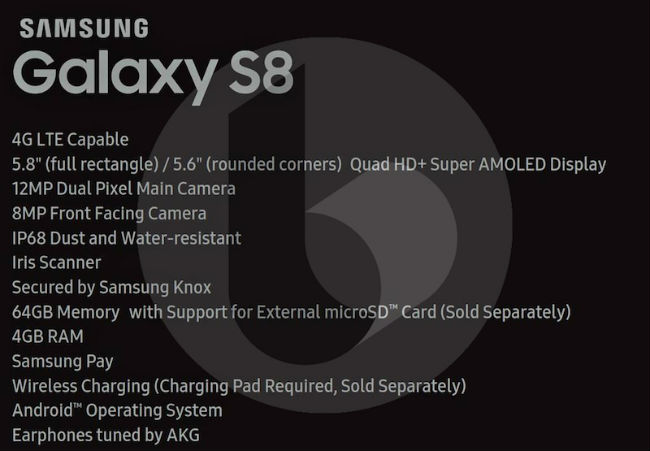
Both the Galaxy S8 and Galaxy S8+ have a 4GB RAM (LPDDR4), 64GB (UFS 2.1) storage, the Galaxy S8 has a 5.8” (146.5mm) Quad HD+ 2960×1440 px display with a 570ppi while the S8+ has a 6.2” (158.1mm) Quad HD+ 2960×1440 px display with a 529ppi density. Both have Samsung’s own super-AMOLED display.
For cameras both phones get a main Dual Pixel 12MP OIS (F1.7), Front: 8MP AF (F1.7). While the battery on the Galaxy S8 is 3000 man, the S8plus has a 3500 mAh battery. Both support fast charging and wireless charging as well.
The Galaxy S8 and S8+ has a HDR certified display, which should give the best color and contrast for video content. Both the phones have iP68 water and dust resistance.
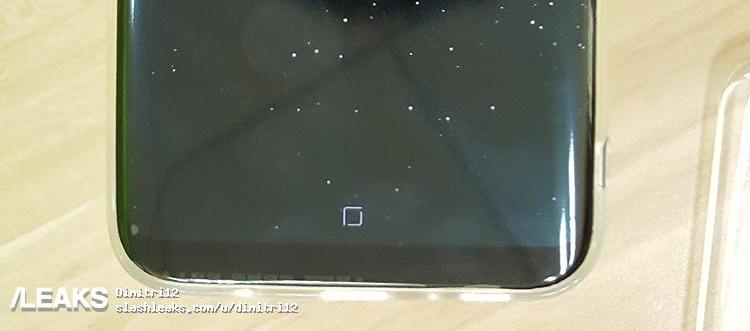
The home button sits below the display, where if you press down on the screen near the bottom it mimics the feel of the button much like Apple’s latest Touch ID haptics, but inside the main display.
Samsung has also launched Bixby, an intelligent Artificial interface. The phones have a new Bixby button that allow you to navigate through services and apps with simple voice, touch, vision and text commands. Contextual awareness capabilities enable Bixby to offer personalized help based on what it continues to learn about the user’s interests, situation and location.
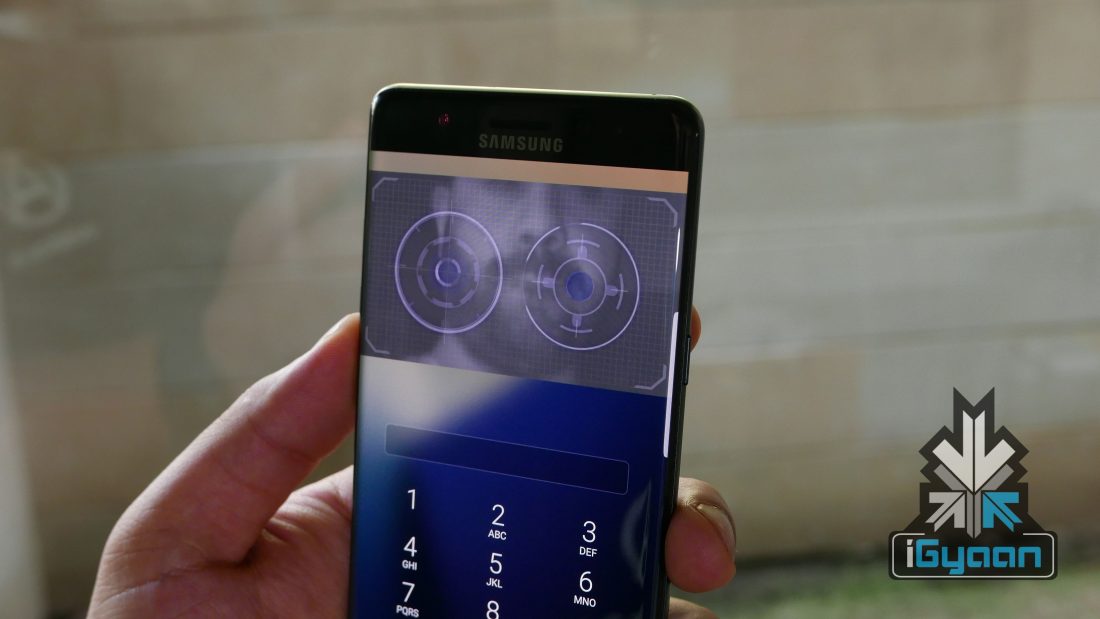
The Galaxy S8 and S8+ both have an iris scanner merged into facial recognition just like the Samsung Galaxy Note 7.
Samsung Galaxy S8 and Galaxy S8+ users will get a Double Data offer on the Jio network. On a monthly recharge of INR 309 users will enjoy 448 GB of 4G data over 8 months. With this Double Data offer Samsung Galaxy S8 users can experience a truly unconstrained Digital Life on Jio’s world-class all-IP data strong only-4G network.
Samsung has launched the Samsung Galaxy S8 and Galaxy S8 + at a global launch event. Both the phones run a new 10 nm chipset, The S8 has an Octa core (2.3GHz Quad + 1.7GHz Quad), 64 bit chipset while the S8+ will have an Octa core (2.35GHz Quad + 1.9GHz Quad), 64 bit chipset.
Both the Galaxy S8 and Galaxy S8+ have a 4GB RAM (LPDDR4), 64GB (UFS 2.1) storage, the Galaxy S8 has a 5.8” (146.5mm) Quad HD+ 2960×1440 px display with a 570ppi while the S8+ has a 6.2” (158.1mm) Quad HD+ 2960×1440 px display with a 529ppi density. Both have Samsung’s own super-AMOLED display.
For cameras both phones get a main Dual Pixel 12MP OIS (F1.7), Front: 8MP AF (F1.7). While the battery on the Galaxy S8 is 3000 man, the S8plus has a 3500 mAh battery. Both support fast charging and wireless charging as well.
The Galaxy S8 and S8+ has a HDR certified display, which should give the best color and contrast for video content. Both the phones have iP68 water and dust resistance.
The home button sits below the display, where if you press down on the screen near the bottom it mimics the feel of the button much like Apple’s latest Touch ID haptics, but inside the main display.
Samsung has also launched Bixby, an intelligent Artificial interface. The phones have a new Bixby button that allow you to navigate through services and apps with simple voice, touch, vision and text commands. Contextual awareness capabilities enable Bixby to offer personalized help based on what it continues to learn about the user’s interests, situation and location.
The Galaxy S8 and S8+ both have an iris scanner merged into facial recognition just like the Samsung Galaxy Note 7. The Galaxy S8 and S8+ also utilize the 8 point battery checks in the manufacturing process to ensure the batteries don’t blow up like the Note 7.
We have long been hearing about the upcoming Samsung Galaxy S8 in leaks and rumours, and we know that the phone is expected to launch on the 29th of March. Samsung is manufacturing the Samsung Galaxy S8 and Galaxy S8 plus around the Qualcomm Snapdragon 835 and has also placed the largest order for the chips, making them un-available to other manufacturers.
However the Samsung Galaxy S8 phones that come to India may not be running on the Qualcomm Snapdragon 835 chipset. Our source working closely with the launch of the the India variant of the Galaxy S8 and Galaxy S8 Plus claims that in India the phones will launch with Exynos Chipsets and not the Qualcomm Snapdragon 835 which will allow Samsung to present the phone at a relatively more affordable price. Samsung has done this in the past with its S and Note series phones.
The Samsung Galaxy S8 is expected to launch with a radical new design with a 21:9 aspect ratio display and an edge to edge design with two edges on either side. Samsung has already confirmed that the Galaxy S8 will have Bixby which is their virtual assistant as an answer to Siri and Google Assistant.
Samsung may also not be able to keep up with the demand of the Galaxy S8, due to a difficult manufacturing process and low supply of the Snapdragon chips and curved AMOLED display required for the phones. The Indian variant of the Samsung Galaxy S8 and Galaxy S8 plus will offer dual sim capability and storage expansion via a hybrid slot. The Indian launch will attract offers from telecom partners like Airtel for free data for upto one year.
Samsung also recently launched Samsung Pay in India, which will be a big selling point for the Samsung Galaxy S8 when it goes on sale in April. Samsung is expected to hold the launch of the Galaxy S8 and Galaxy S8 plus early April for the Indian market with the Smartphone going on sale towards the end of the month. While the Galaxy S8 is Europe is expected for 799€ , the phone will sell in India starting Rs. 59,990.
Samsung may be hard at work readying their next big smartphone/s but the world can hardly wait. These are possibly the most leaked Samsung smartphones till date, and whether one agrees or not, Samsung has some serious flagships getting ready to face the world. If leaks have told us anything, the Samsung Galaxy S8 and the Galaxy S8+, will both have impressive displays, cameras and internal hardware. Let’s quickly do a roundup of everything we know so far.
Two Phones
It is known that Samsung is launching two phones, the Samsung Galaxy S8 and the Samsung Galaxy S8+. While the Galaxy S8 will have a 5.8 inch display with a QuadHD+ resolution, the larger Samsung Galaxy S8+ will have a 6.2 inch display with the same resolution. Apart from the difference in sizes and battery the two phones may not offer up any additional differences.
Design
Samsung has taken a new approach towards design this year, while the aesthetic of the Samsung Galaxy S8 and the Galaxy S8+ will remain identical to the edge variant of the Samsung Galaxy S7 edge, the phones will be dominated by the display. Samsung has had to remove the physical button from the front of the phones, which also means that the fingerprint sensor will be removed from the ideal front location to a rear location next to the camera module. Samsung will most likely retain the IP68 aspect of the Galaxy S7 on the Galaxy S8 and S8 plus, which was one of the biggest reasons for Samsung’s success with the Galaxy S7.
Display
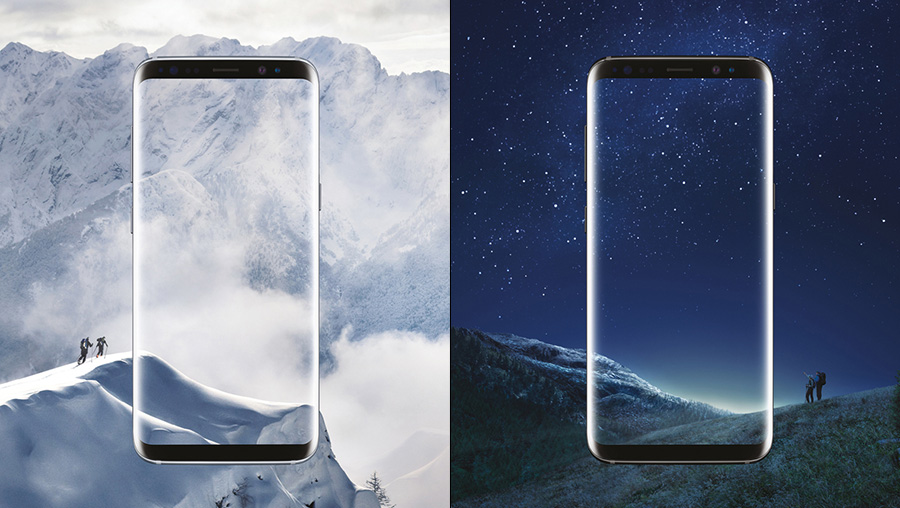
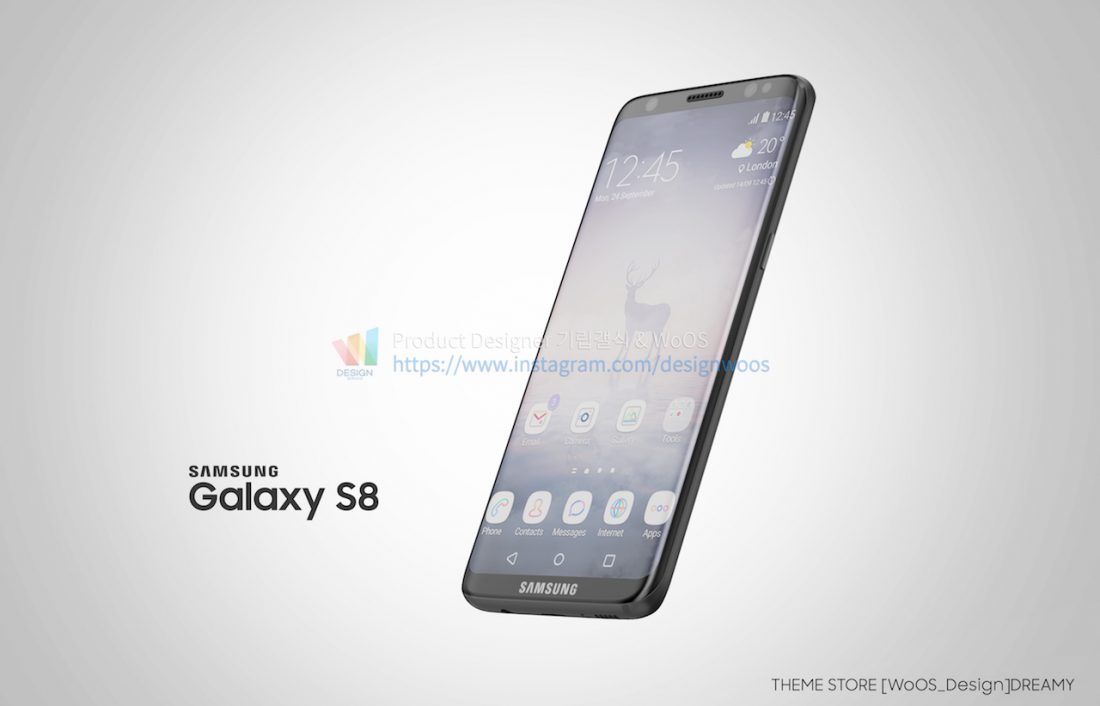
The Samsung Galaxy S8 and Galaxy S8+ will both have curved edge displays, with a QuadHD+ resolution. However, the screen to body ratio on the new phones will be more than 85%, letting the display rule the front of the phone, eliminating unnecessary bezels and including from the top and bottom of the phone.
We also know from leaks that the Galaxy S8 and the Galaxy S8 plus will have curved corners of the display. We have already seen this with the LG G6, where the company claims the rounded edges make the display survive better in cases of drops and prevents it from cracking at the corner.
Samsung is also said to be working on a 3D Touch type of technology that will allow the user to press down on the display to mimic the home button or open contextual menus. The displays of the upcoming Samsung Galaxy S8 and the Galaxy S8 Plus are also expected to support S-Pen input, so the Galaxy Note fans don’t have to wait for the company to launch the Galaxy Note 8.
Cameras
Looks like there is no special magic trick this time around. While Samsung had one of the best cameras on smartphones in 2016, the company may not make big changes to the cameras on the Galaxy S8 and Galaxy S8 plus . Both the phones will be fitted with 12 MP sensor equipped main cameras with a Dual Pixel technology and the ability to shoot 4k video.
Hardware
Despite the fact that Samsung has an impressive chipset, the Exynos 9, which is capable of heavy multitasking and shooting 4k video at upto 120 fps while supporting a 4k display. Samsung may just save all that power for the Note 8 and since the South Korean tech giant has placed the largest order of the Qualcomm Snapdragon 835 chipset, it is highly unlikely that Samsung will have an Exynos variant going out to market. There are also no leaks or reports that suggest otherwise.
Samsung will also stick to 4GB of RAM and not jump the gun with 6 GB which at this moment seems like overkill by all standards, despite the fact the OnePlus 3/3t have it, there is not much use for it in real world applications.
Battery Safety and Charging
Samsung has learned a lot from the Galaxy Note 7 battery failures, and even though the company just shrugged off the cause and problem of the batteries in the Note 7 devices. Samsung has designed a new 8-point program to ensure battery safety. What Samsung will also do is a leave space around the batteries themselves allowing for certain expansions, which would print a battery puncture, that may be caused by hitting some other component inside the phones.
The Qualcomm Snapdragon 835 Chipsets support the latest Quick Charge 4 which is capable of offering 5 hours of usage in just 5 minutes of charge. Samsung may not leverage this feature for their upcoming Galaxy S8 and Galaxy S8 plus as rapid charging degrades the battery, and Samsung cannot afford another battery fiasco. Samsung may stick to adaptive fast charge offered by Galaxy S7 which is more in like with Quick Charge 3.0 standards.
The Galaxy S8 and S8+ will also support wireless charging with the Qi standard, and wireless fast charge using Samsung proprietary charging pads.
Virtual Home and Bixby
Since Samsung will remove the physical home button from the upcoming Samsung Galaxy S8 and S8+, a virtual home button will take palace on the front around the center of the bottom portion of the display. If the phones do support a 3D Touch type interface, the virtual button could simply be a placeholder for the press point to go back to home.
Samsung is also working on a new virtual assistant called Bixby, said to launch with the Galaxy S8 and Galaxy S8 plus. Leaks have also shown off an additional physical button on the sides of the phones, which remains different from the power and volume button. This is possibly a direct launch button for the Bixby assistant. However the Samsung Galaxy S8 and Galaxy S8+ will support the Google Assistant out of the box, which would cause confusion as to which assistant you should use on your phone.
USB C, Headphone Jack and Iris Scans
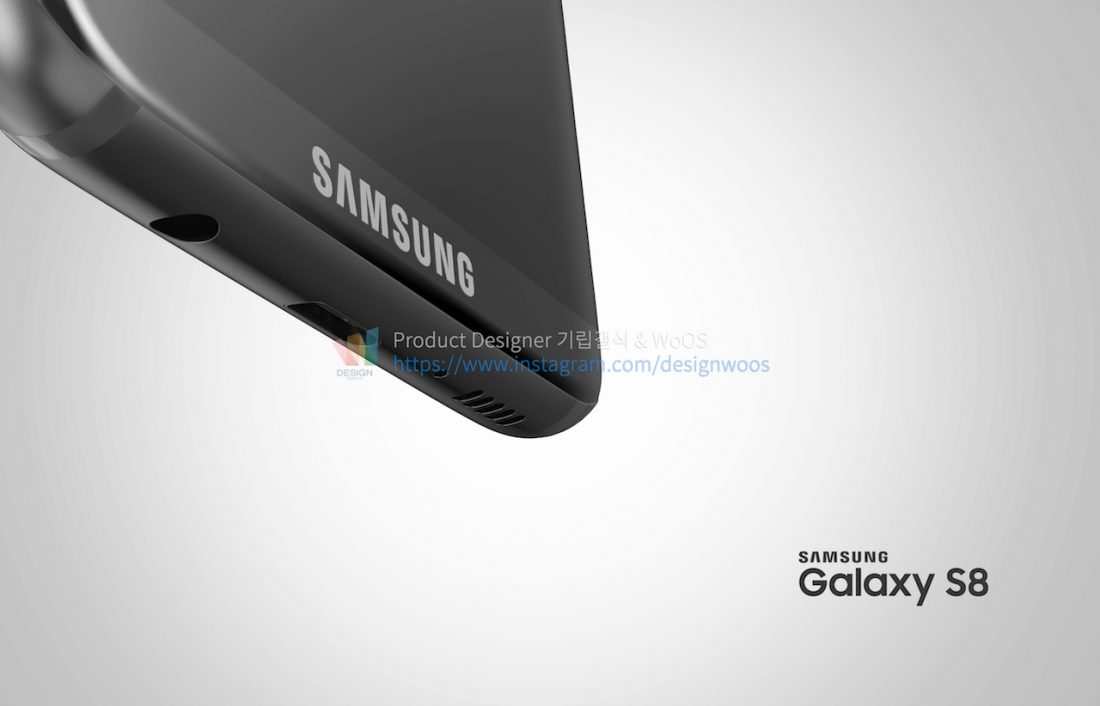
The Samsung Galaxy S8 and the Galaxy S8+ will have a USB C port of charging and syncing and will also retain the 3.5 mm headphone jack. Samsung may not be ready yet to explore removing the audio port as a large audience of it’s buyers may not be ready for the switch. Leaks also suggest that the audio will be tuned by AKG, and there is a high possibility that the Galaxy S8 and Galaxy S8+ with come bundled with AKG earphones as well.
Samsung will also retain the Iris Scanner seen in the Galaxy Note 7 as a new security standard in the Galaxy S8 and Galaxy S8+. meaning users will be able to lock certain files, folders and apps, along with their phones with a simple retinal scan.
Operating System
The Samsung Galaxy S8 and Galaxy S8+ will most likely launch with Android 7.1 along with Samsung’s own layer of Touch Wiz type interface which will allow for things like Briefing to sit on the left of the home screen. This will also allow for Samsung Knox security, S-Pay and the whole array of Samsung Apps to work with the phone. Samsung has cleaned up the UI in the past and the Galaxy S8 is expected to launch with a slight redesign to the look making it cleaner and more minimal.
Launch Date
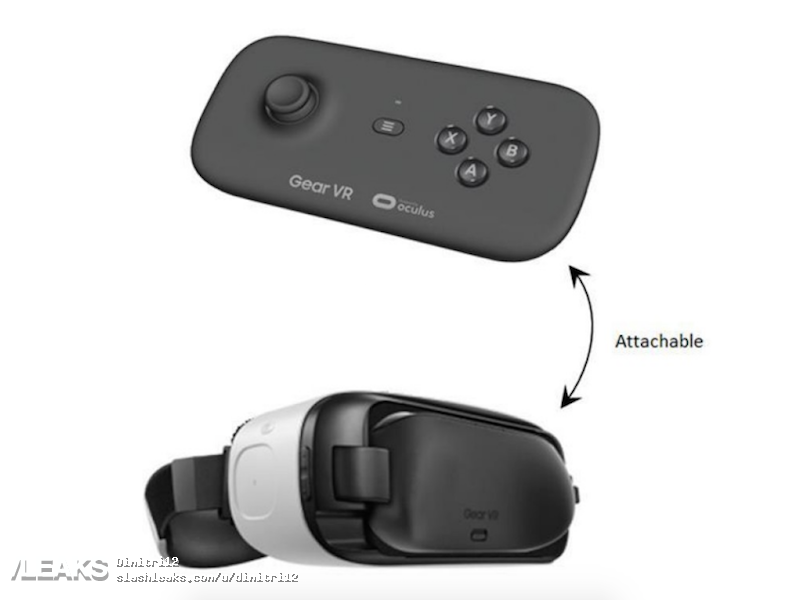
Samsung has confirmed that it is holding a launch event on the 29th of March in New York city, it is traditionally where Samsung launches the Galaxy S series phones. Samsung may also however launch other products at its event, like the improved Gear VR headset designed to work with the new smartphones, which does come with a new controller and a new design.
In markets like India Samsung will hold launches as early as second week of April, to launch and announce the phones.
Networks and SIM cards
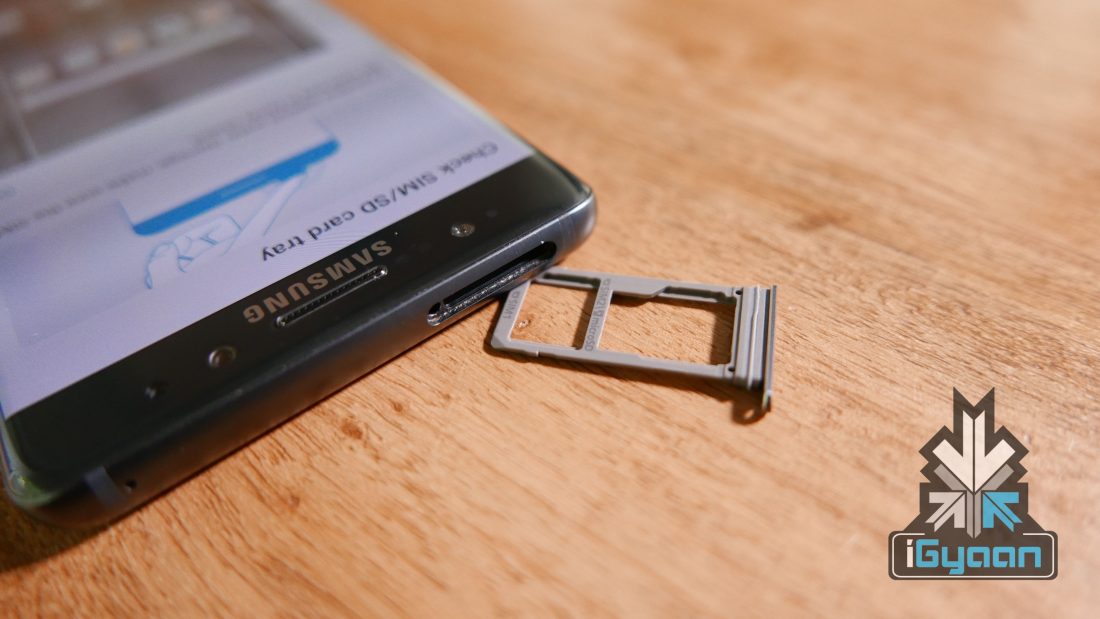
Samsung will retail two models of Both the Galaxy S8 and Galaxy S8+, for markets like US and Canada Samsung will sell a single SIM card variant with a second slot for micro SD card expansion of the storage. The second variant will allow for two SIM cards on a hybrid setup, i.e. it will either accept two SIM cards or one SIM card and one microSD card.
Availability and Price
Initially Samsung was supposed to start selling the Galaxy S8 and Galaxy S8 plus mid April, the date has now been shifted to April 29th and may further be shifted to early may. Reports indicate that Samsung wants to run additional tests before launching this phone to prevent any Galaxy Note 7 type failures.
Pricing pundits are pricing the Galaxy S8 starting € 799 ( approx Rs. 56000 ) and Galaxy S8+ at € 899 ( approx Rs. 63000) as a starting price for the 64 GB variant, Samsung may also launch 128 GB variants of the Galaxy S8 and Galaxy S8+ which will be priced higher by €100.
In India the Galaxy S8 is expected to start at Rs, 59,990 for the Galaxy S8 and both the Galaxy S8 and Galaxy S8+ are expected to go on sale early May.
Samsung has made a lot of official announcements for the launch of the Galaxy S8 and possibly the S8 Plus, the phones that will mark a comeback after a 6 month lull for the company. The phones are expected to launch on March 29th, and if leaks are anything to go by the phones are going to be pretty impressive.
— Samsung Mobile India (@SamsungMobileIN) March 1, 2017
Samsung is working on a design that will stretch the display on both sides making the screen to body ratio of the phone pretty impressive, and near the 90% mark. The Samsung Galaxy S8 and S8 plus will also have the latest Snapdragon 835 along with 4 GB of RAM and 64 Gb of onboard storage with microSD expandability.
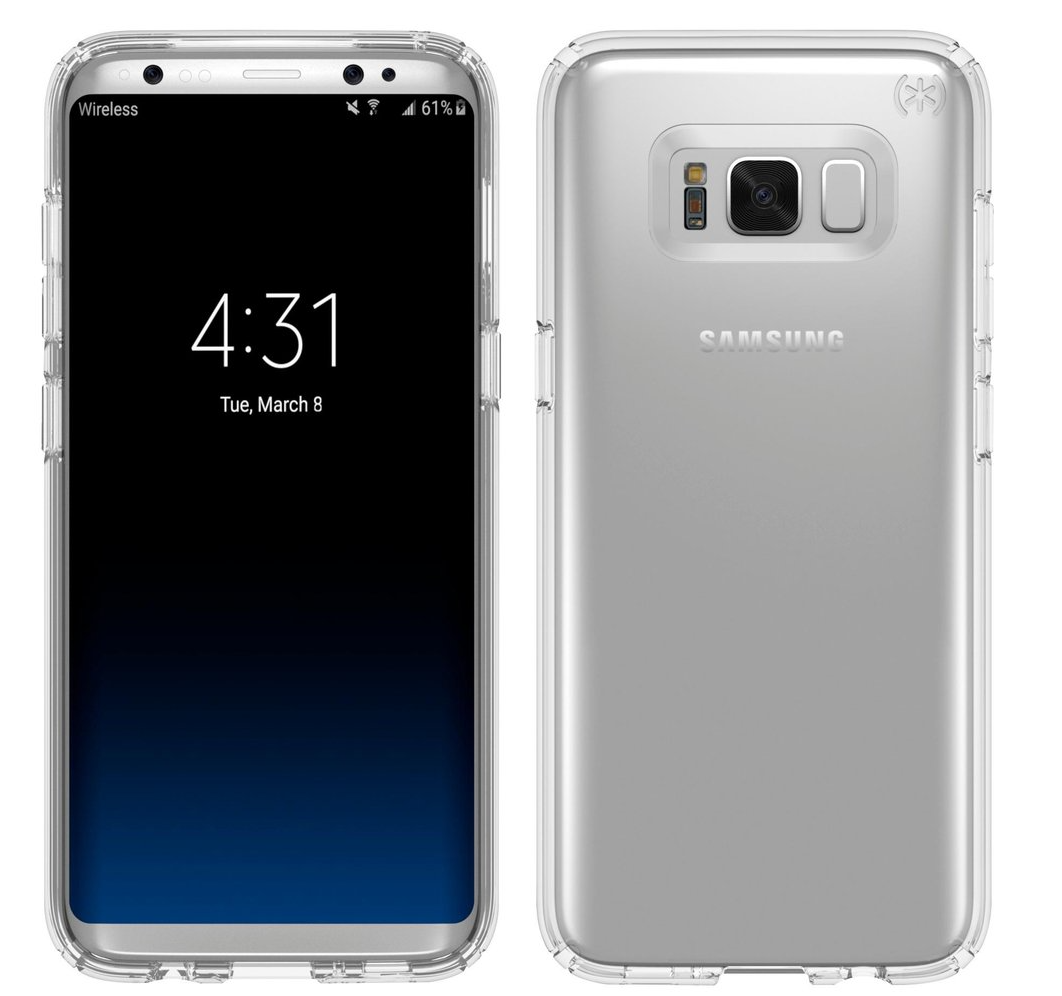
The company may not launch the S8 with dual cameras, and keep that feature an exclusive for the Galaxy S8 Plus. A new image leaked by evleaks points to what is possibly the best look yet at the new Galaxy S8 . If we merge Samsung’s teasers with the image tweeted by evleaks, the similarities are uncanny. Check out the merged image below.
The Samsung Galaxy S8 will be an important phone not only for Samsung fans, but also for Samsung. The company has had a bad half year, with the Note 7 blowout, barely in the rear view mirror for the South Korean company, the word looks on to the S8 and S8+’s arrival.
According to new reports Samsung will launch the phone on March 29 and the Samsung Galaxy S8 along with supposedly the larger Samsung Galaxy S8+ will go on sale on April 21st in certain parts of the world including the US market, UK and UAE. The Indian counterpart is expected to arrive early may according to our Samsung sources.
Samsung has put in motion a large marketing plan and their largest push promo budget yet, to make the Galaxy S8 a success. In India, the company will finally look for Brand Ambassadors for the flagship phone, signing on celebrities that target the youth.
The news report from a Korean publication suggests that Samsung will have ample supplies of the phone to have sales steady by May – June 2017. The company has reportedly invested large sums of capital in battery design and management making the phone safe, which will be explicitly demonstrated during their global launch. Samsung’s new phones have also raked in the largest order of Snapdragon 835 chips from Qualcomm limiting supplies for other brands like LG and HTC.
Samsung is expected to launch the Galaxy S8 and Galaxy S8+ with different screen sizes – 5.7-inches and 6.2-inches respectively. The phones may feature their new Assistant Bixby and 6GB of RAM as standard. The S8 and S8 plus will also be available with upto 256 GB of storage and microSD expandability like the S7 edge, along with IP68 or better water resistance. Wireless charging and new wireless charging accessories are also expected.
A new leak has also shown off the New Gear VR from Samsung which comes with a remote controller built into the body. The Gear VR is expected to be priced at US $ 199 in India retailing for Rs. 14999.
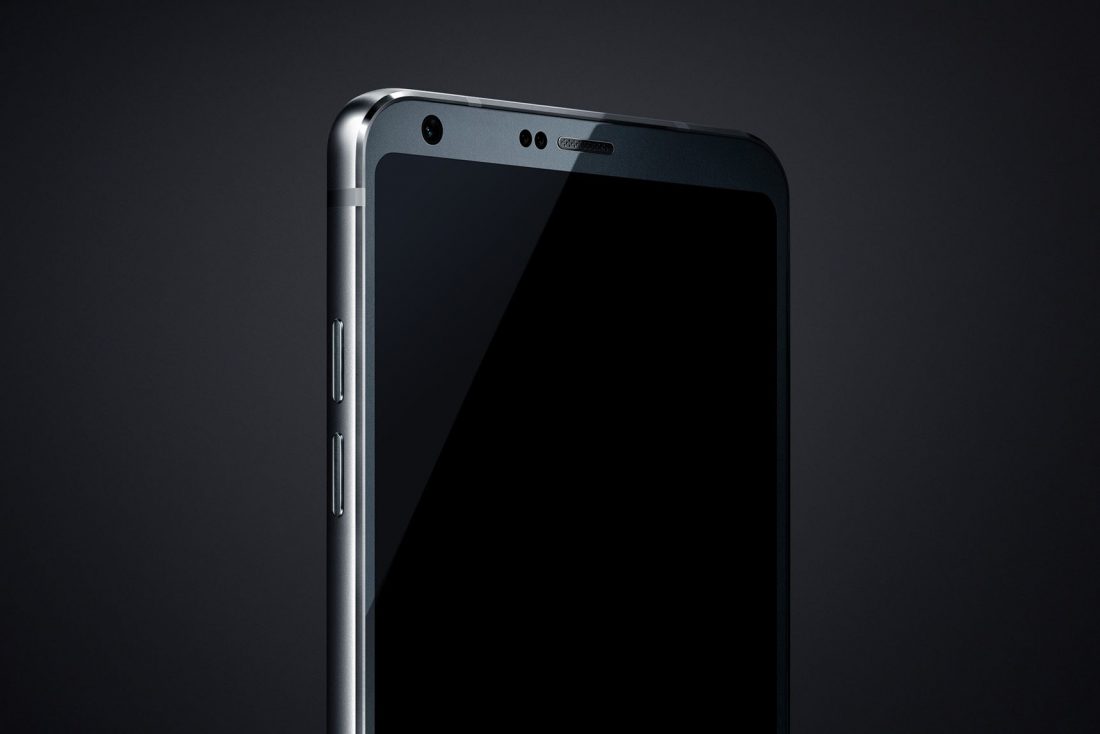
LG will try to one up the Samsung Galaxy S8 by launching the LG G6 as early as 26th Feb at MWC in Barcelona with the phone hitting the markets by 10 March. The company has already teased some features of the LG G6 including an all new design, QuadDAC support FullVision display and the LG UX 6.0 running Android 7.1.
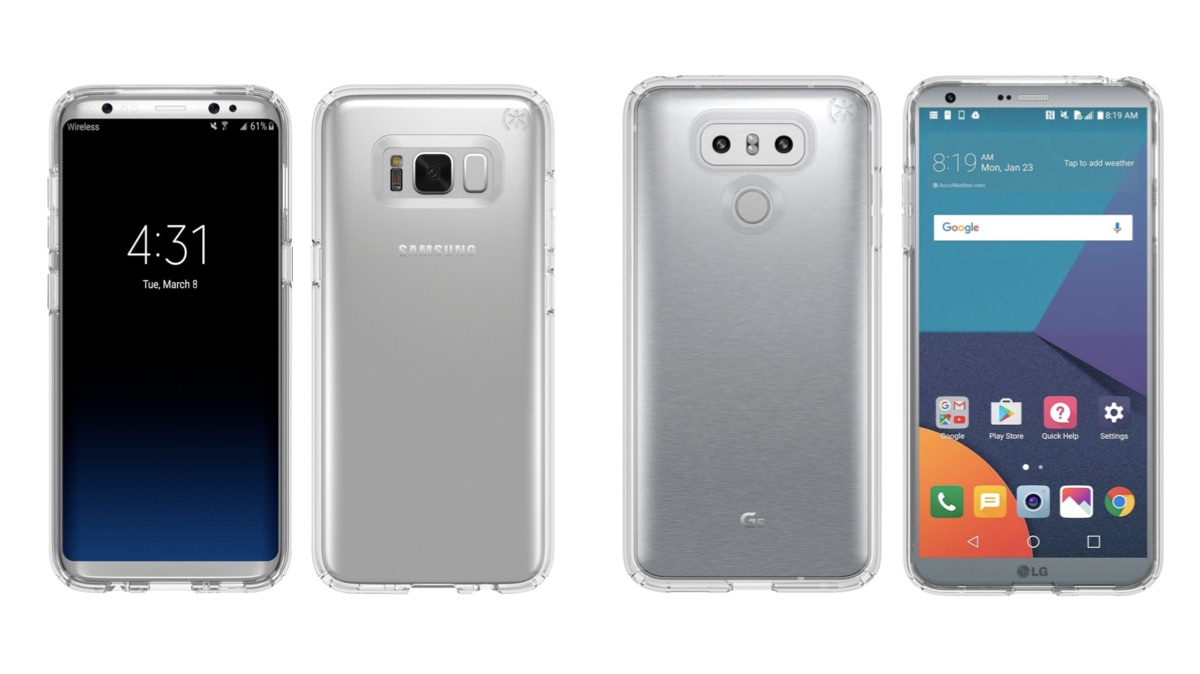
Tipster Evan Blass also recently leaked the image shown above, which are from case manufacturer Speck showing both the LG G6 and Samsung Galaxy S8 in their full render glory.