Tag: google glass

  • This Is What The Apple AR Glasses Might Look Like

    This Is What The Apple AR Glasses Might Look Like

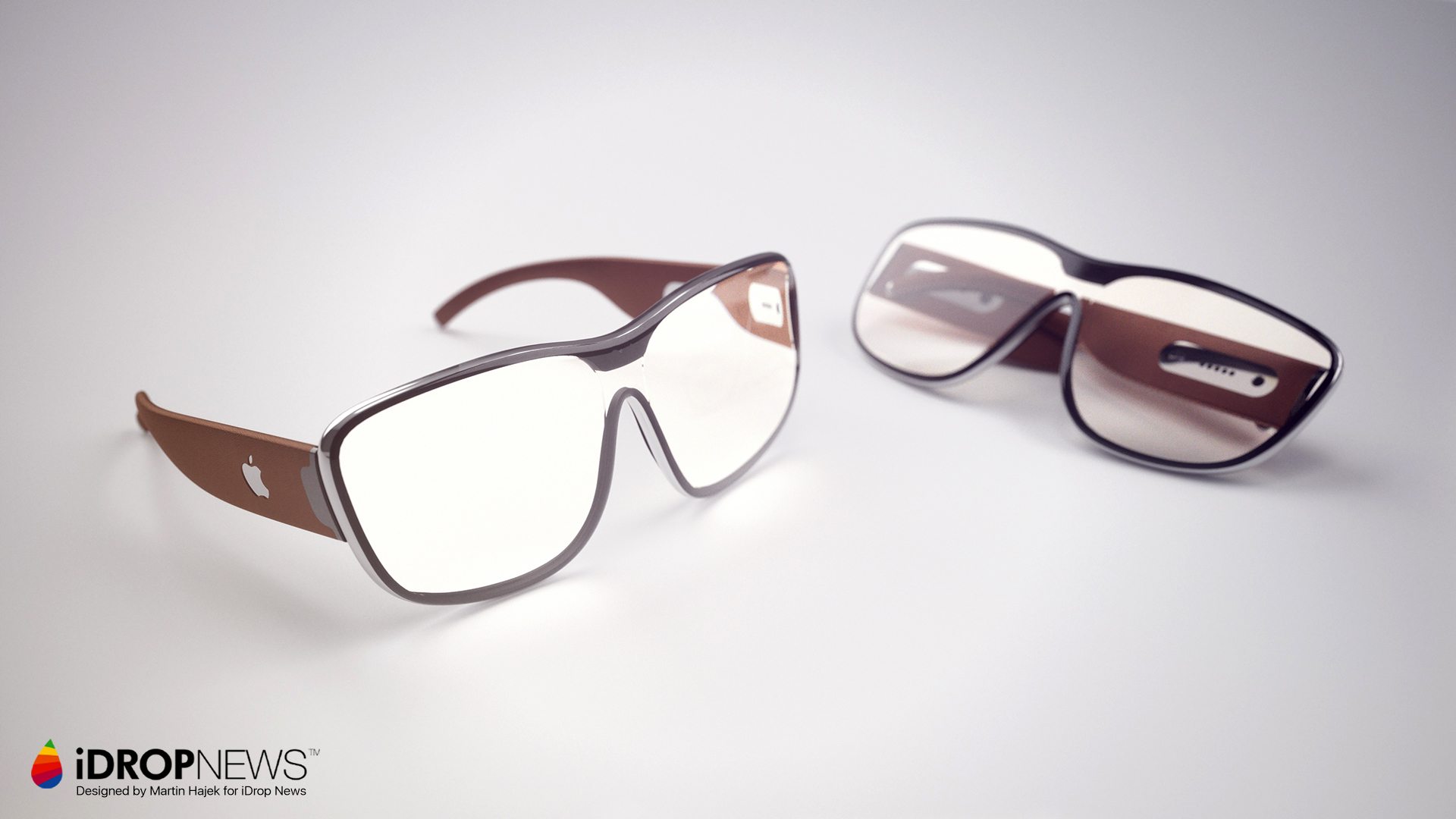
    A Dutch-based designer has come up with a concept render for the Apple AR Glasses. The concept images are very realistic, which showcases the aesthetics and the function of the glass. Unlike the Google Glass, Apple AR Glasses looks like regular sunglasses with Apple logo on both sides of the frame.

    Google was the first company to release a pair smart glasses. However, owing to its unusual appearance and intrusive features, it failed to take off. Intel recently came up with a concept called Vaunt, which uses retinal projection technology to project an image directly on your eyeball. One of the main features of the Vaunt is how simple they look. Unlike the Google Glass, it will be hard to notice these smart glasses in a crowd. Also, they aren’t as intrusive either, since there are no cameras to secretly record footage.
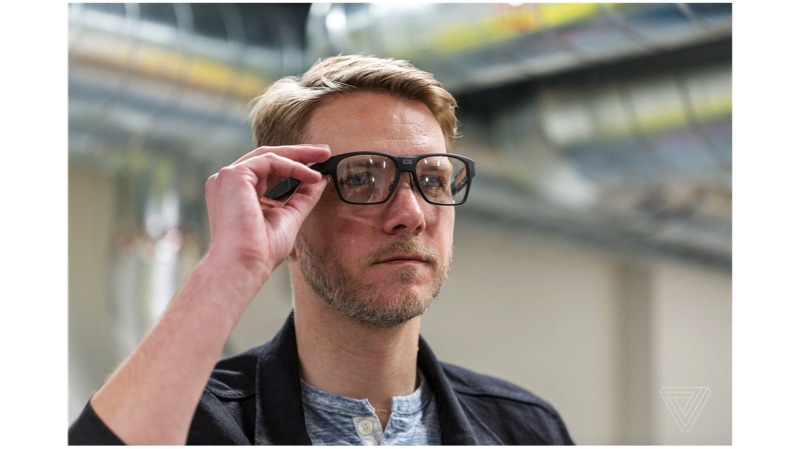
    Intel’s new smart Vaunt Glasses. Image courtesy: Verge

    Even Snapchat came with Spectacles, which comes with a dedicated camera to record videos. The Snapchat Spectacles also have a glowing LED ring, which notifies that the user is recording a video.

    If Apple does launch the Apple AR Glasses, it has to be minimalistic. The glasses cannot have an in your face design, like the Google Glass. The renders reveal that the Apple AR Glasses will look close to regular spectacles. If the design is anywhere near the final product, the Apple AR Glasses could be a success.
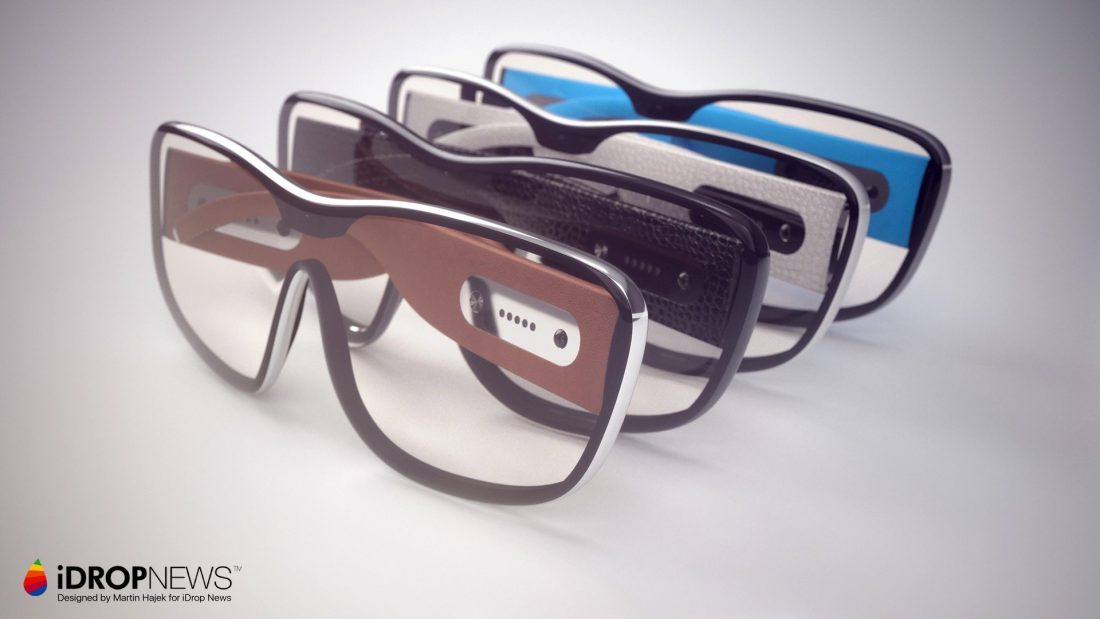
    Features of Apple AR Glasses:

    According to Martin, the Apple AR Glasses uses a micro-projected to project the images on the lens. So, the Apple AR Glasses user will be able to see real-world information and the smart information from glass simultaneously.

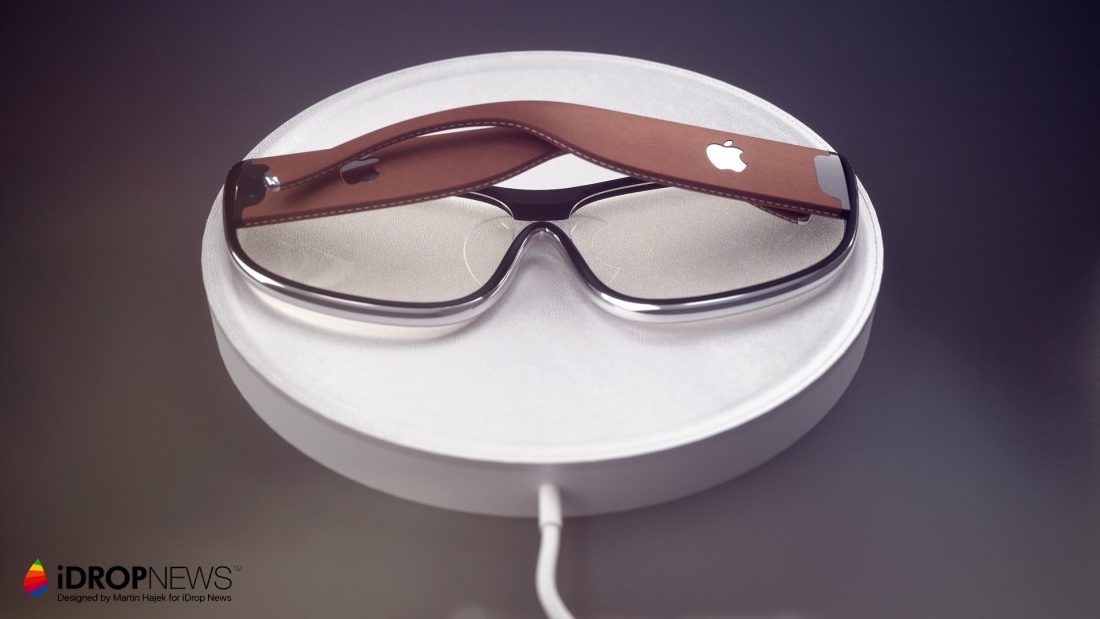
    These glasses will be based on Augmented reality, rather than the virtual reality. With the help of smart glasses, the user will be able to check phones battery percentage, network reception and notifications with a blink of an eye. Like Apple Watch, the Apple AR Glasseses are expected to support wireless charging using Qi-wireless compatibility.

    The glass frame is expected to feature sensors like camera, GPS, and light sensor. There will be complete Siri integration with all the functionality. The Glasses are also expected to feature dual speakers, which can transfer the sound to the user directly.

    These Glasses will be powered by Apple’s rOS, which will be based on iOS, with a battery efficient chipset. The rOS stands for reality operating system, focused on AR capabilities.
    GBH Insights analyst said:

    While this has been a late entrant from an AR/VR perspective, we believe Apple AR Glasses will be the next step in the wearable category for Apple.

    Conclusion:

    So far, there have only been rumours about this. Some reports claim that the Apple AR Glasses might start shipping as early as 2020.
  • Google Resurrects Google Glass

    Google Resurrects Google Glass

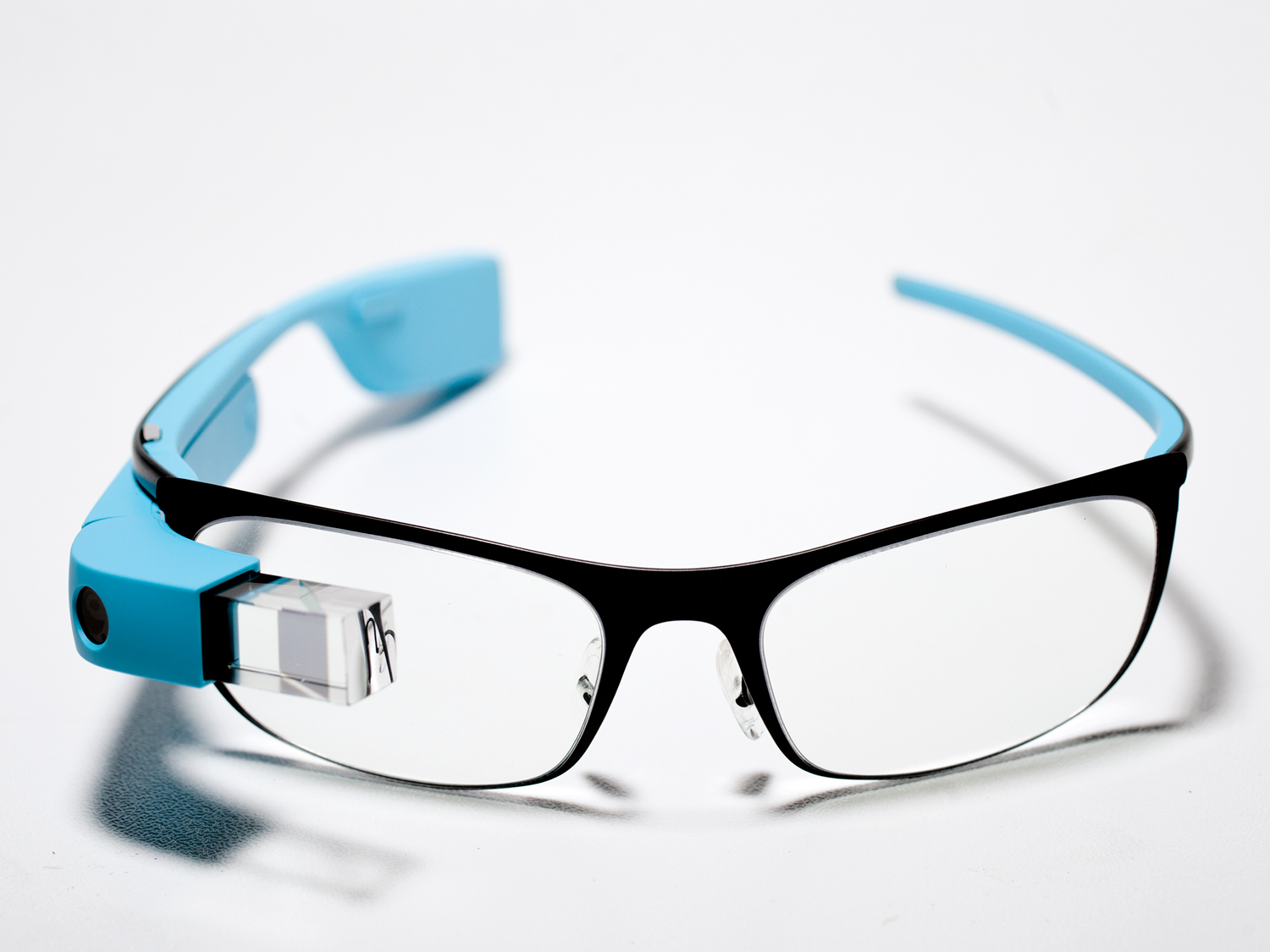
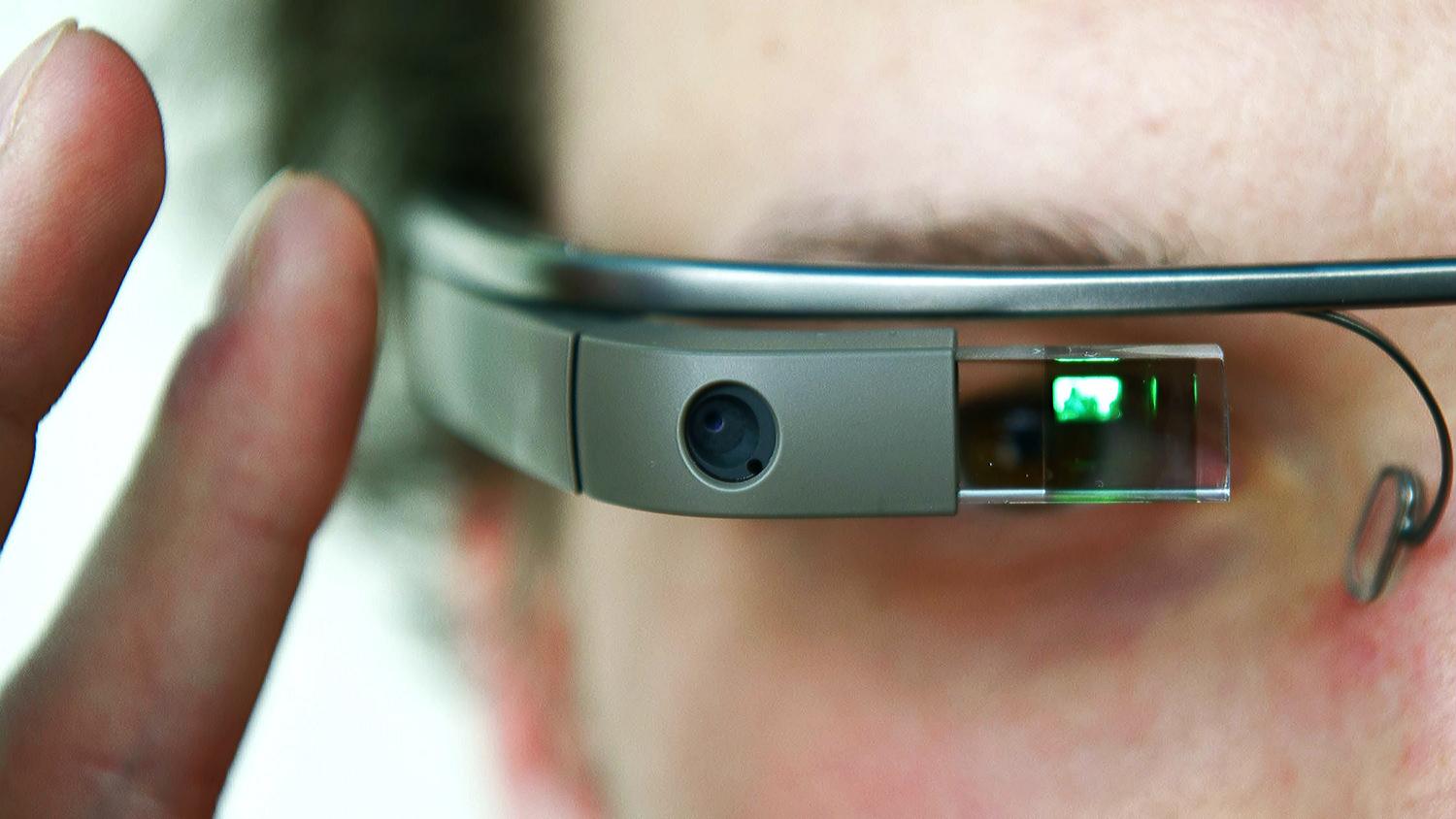
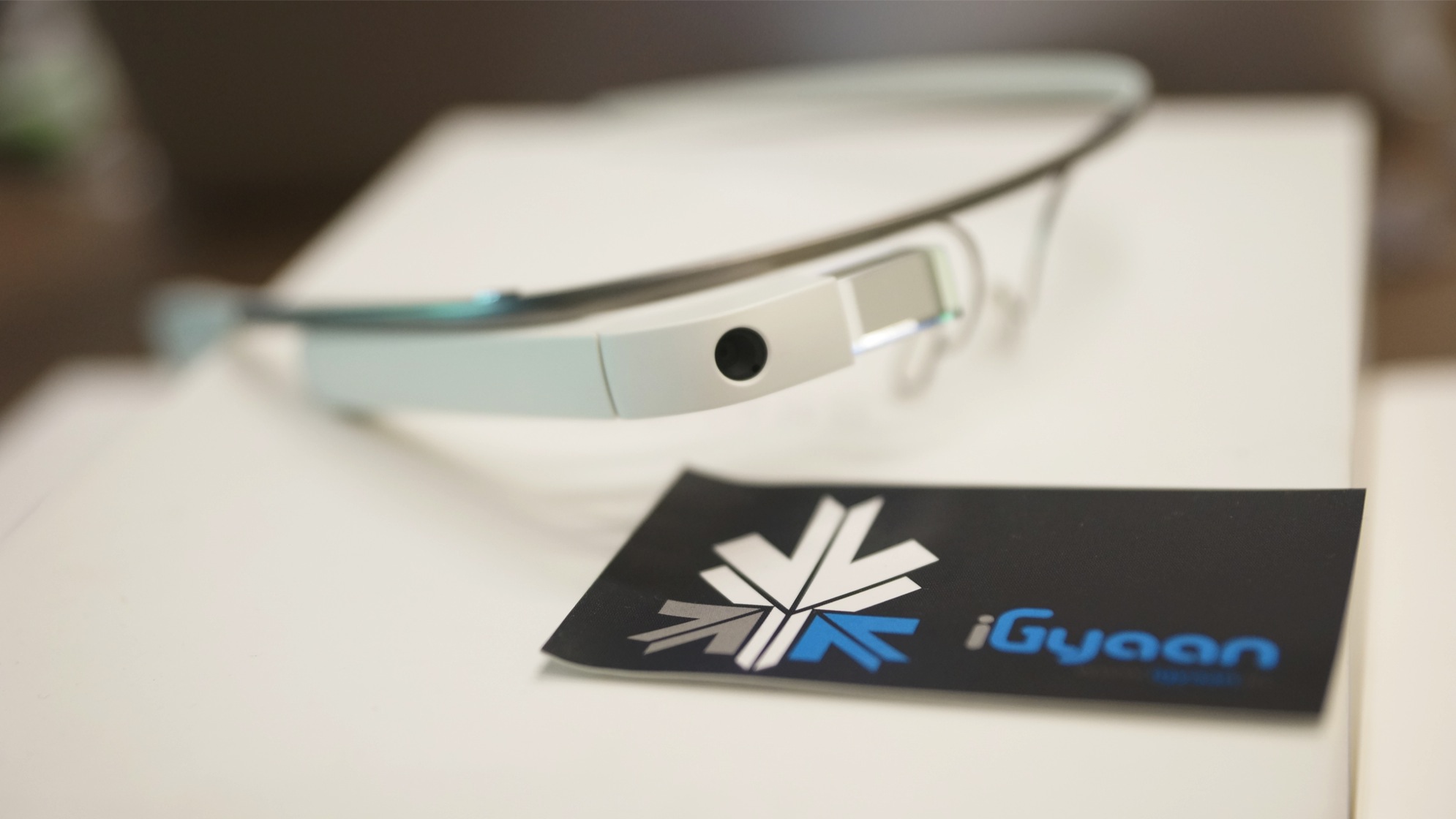
    The original Google Glass was designed to log everyday life events, answer random search queries etc. The Glass designers expected people to live their lives in tandem with a wraparound frame and a tiny computer screen hovering over their eye. The glory of the consumer version of Google Glass was expected to take the streets by storm. But this glory was short lived as the initial users faced many problems with the Glass, delivering less than it promised and was further criticised for privacy violation. After three years of efforts to keep the product afloat, Google’s parent company, Alphabet and its sister company, the “moonshot factory” decided to shut down the operation. Later, few reports surfaced indicating that Alphabet had a small team working on a new version of Google Glass – Glass 2.0, for workplace. Google launched the Google Glass Enterprise Edition, officially resurecting the wearable as a workplace tool.

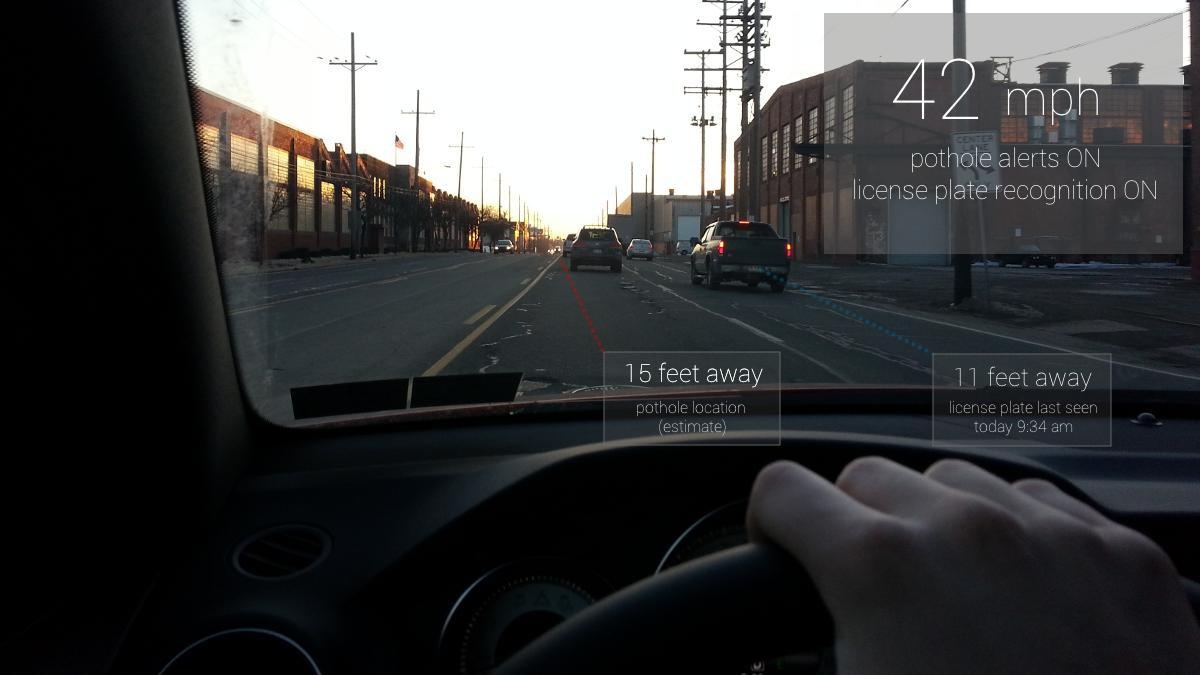
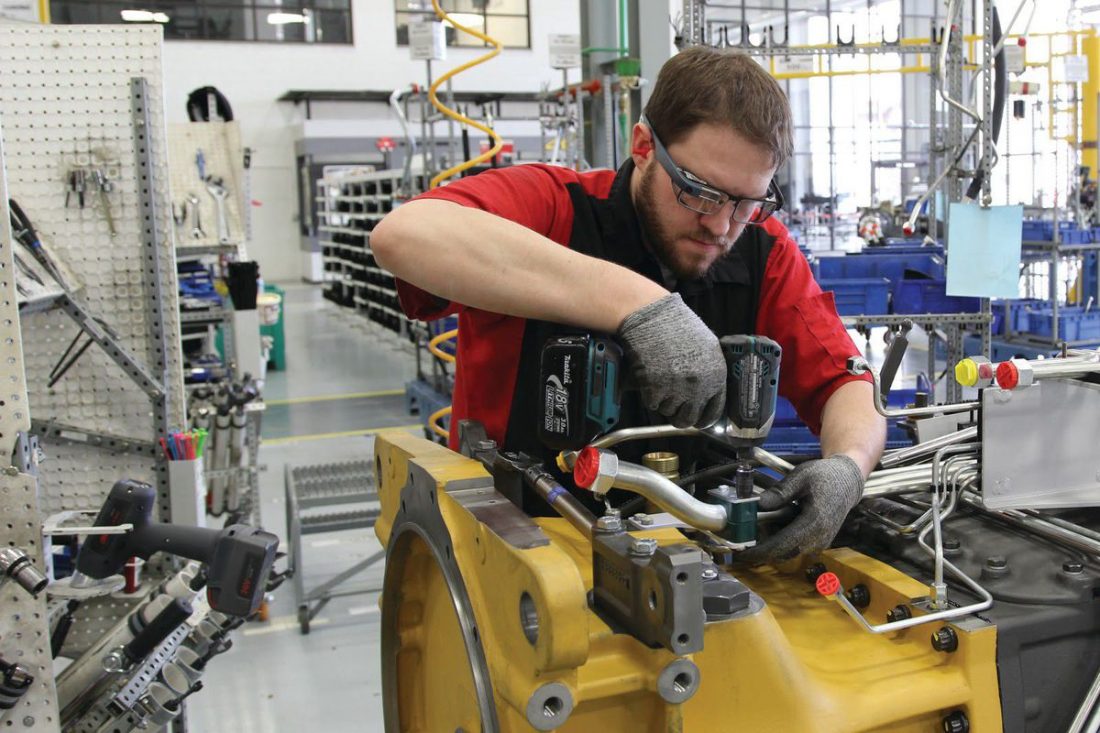
    Workers will wear the headset to get hands-free guidance on tasks while keeping their eyes on their work. As to how the wearable works, the Glass 2.0 is not very different from its earlier prototype. The Glass places the information or messages in the wearer’s field of view. Built to support both regular frames and safety glasses, workers can activate their company specific softwares with command “OK, Glass, proceed.” The new Enterprise Edition Glass can be connected with other devices and has more processing power, extended battery life, faster Wi-Fi and a superior 8MP camera(an upgrade from earlier 5MP model). The major difference between the original Glass and the enterprise version is the new red LED light that turns on when recording video(Google’s way of addressing privacy concerns) and a detachable ” Glass Pod ” that can be reattached to Glass-compatible frames, which can also include things like safety goggles and prescription glasses.

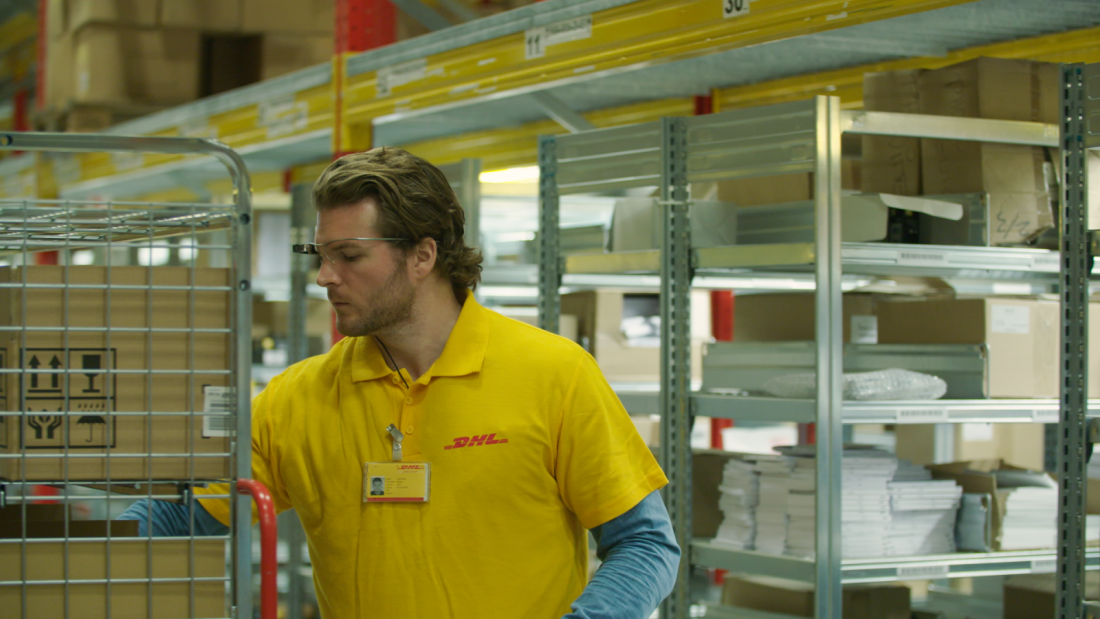
    Now that the Glass 2.0 has been officially introduced as a workwear tool, Boeing, GE, DHL, and Volkswagen have started testing the headset in hopes of expanding their pilot programs into full-fledged adoption. The glass has also been reported to increase the efficiency of mechanics by 8-12%, with the help of  custom software designed by Upskill.

    A pilot project with doctors has also led to some interesting help tools art their disposal.Using Glass with Augmedix, doctors at Sutter Health estimate that they have reduced the amount of time they spend on electronic health record keeping.

    Glass has brought the joys of medicine back to my doctors. – Dr. Albert Chan, Sutter Health

    Though off to a strong start, the company is facing competion with already existing smart-glasses upstarts like Vuzix, ODG, and Epson. While its still too early to speculate the success of Alphabet’s workplace-focused Google Glass Enterprise Edition, it is sill enough to offer the Google Glass a second shot in the smart-glass world.


  • Google Glass Patent Hints at Possible New Design

    Google Glass Patent Hints at Possible New Design

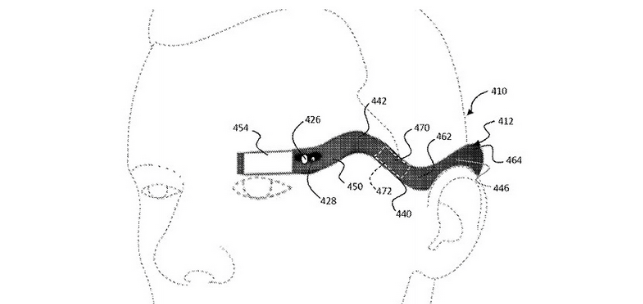
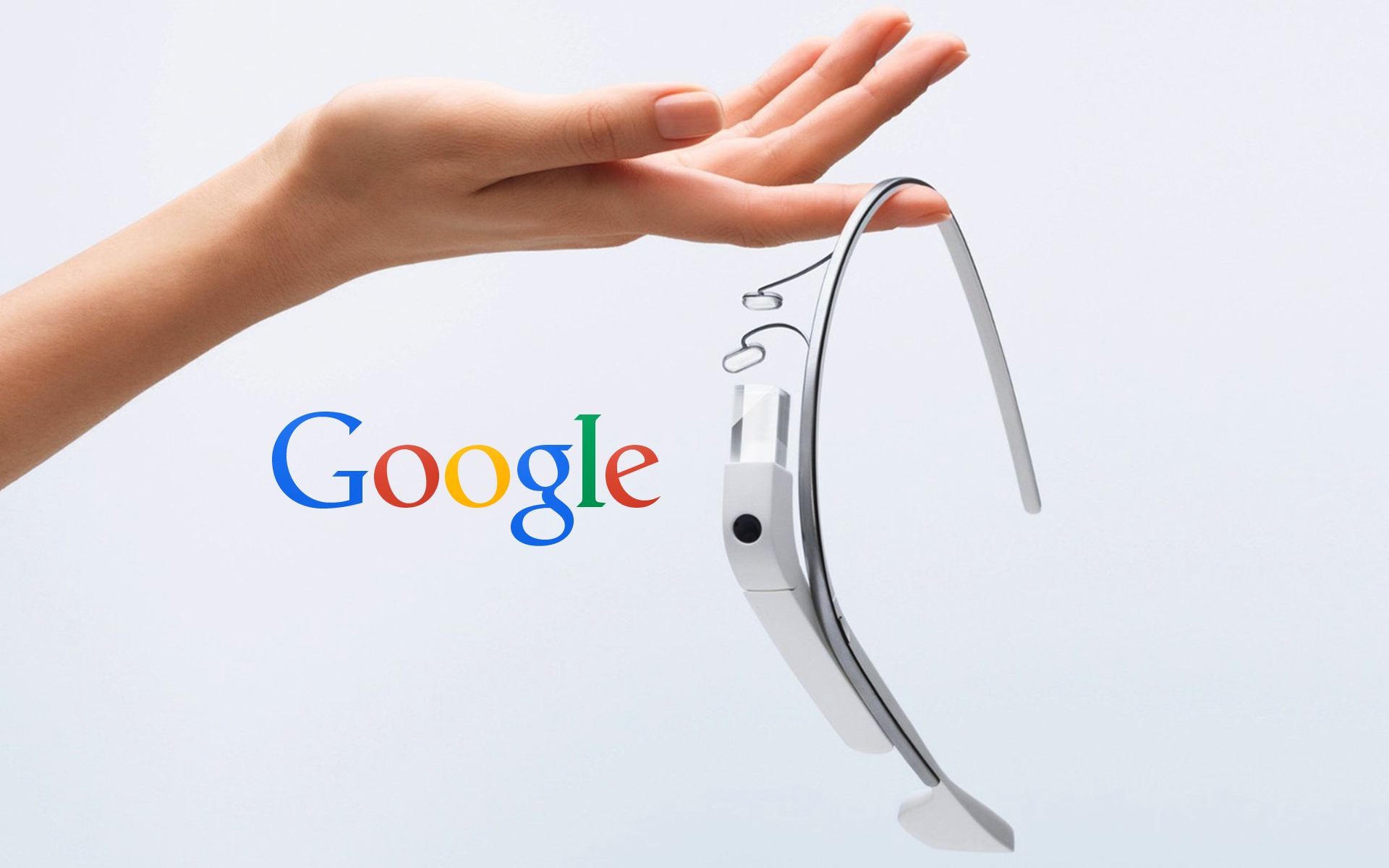
    In September 2012, before the Google Glass became the creepy privacy invader that it is seen as today, Google filed a patent for a design unlike what the original Google Glass looked like. This new design depends on the user balancing the wearable on the side of their head rather than having it rest on the nose. The Glass is designed in a snake-like flexible headband that will sit on only one side of the user’s face. This patent was finally awarded to Google on November 24 2015.

    The device can be configured to fit around the user’s face keeping the display above one eye. Whether the display is limited to one eye or not is uncertain, though the use of a prism could allow videos to be seen in both eyes. The original Google Glass, as you may know by now, was criticised for privacy invasion and was banned in bars, movie theatres and some restaurants.

    Google Glass Patent

    Since the failure of the fist Glass, Google has been working on a second prototype that will look to make the Glass a lot less creepy. The patent could just bring the second version of the Google Glass to fruition, though nothing has been confirmed as of now. Google has been keeping the details of the Glass closely guarded.

  • Google’s Next Glass Will Not Have Glass

    Google’s Next Glass Will Not Have Glass

    The team of Google Glass, now called Project Aura, is reportedly working on three new prototypes of wearable technology. One of them happens to be a gadget which relies entirely on audio. It is unclear at this point how it will be different from any other pair of headphones or a Bluetooth earpiece. However, it is highly likely to be part of the Project’s work on hands-free computing.Google Glass Prescriptions

    Started in June as the successor to the Google Glass division, Project Aura was initially part of Google X “moonshots” lab. It’s now headed by Tony Fadell, the Nest Labs CEO, along with the reputed designer, Ivy Ross.

    When Amazon laid off a bunch of its engineers, many of whom were audio experts, Google gave them refuge. Now they seem to be working on developing the audio-focused gadget for Google.google-glass-macro

    At the same time, Project Aura won’t get rid of screens altogether. The company is working on two other devices other than this audio-only gadget. The other two gizmos are likely to have screens and are reportedly meant for businesses that require head-mounted display. Let’s see how this Project and its goals pan out. We’ll update you as soon as we have more information.

  • Google Patents Right To Create Hologram Glasses

    Google Patents Right To Create Hologram Glasses

    As 90s kids, we’ve all watched spy or super-hero movies that have entranced us, despite knowing that it was unreal. Along with that we knew that all the cool gadgets they used were unreal too. But, today there’s really very little that the world of tech and science can’t create.

    Keeping that in mind, recent reports have suggested, that Google has published a patent application “for using holograms in a head mounted display like Google Glass, which could create augmented reality experiences that superimpose computer-generated imagery (CGI) over the real world.”

    Google Glass 1

    Now, go back to those cool spy movies and cartoons, where the spy would click a button on the side of his spectacles and out of them would appear holograms of maps, mission plans, and other things that a spy needs. Fast forward to a couple of years later, and normal non-spy human beings will be using spyware-type gadgets for daily use. So, soon, you’ll be able to play a video game in virtual reality, or project a map right through your glasses instead of looking at your cellphone GPS for it.

    But, here’s the catch, if one is going to use holograms to create a sense of virtual reality then it’s not enough to just copy-paste the image, the ‘projected content’ should also be able to interact and react with the real-world. Here’s what the patent says :

    “With augmented reality the viewer’s image of the world is augmented with an overlaying CGI, also referred to as a heads-up display.”

    Google perhaps expects that this new feature could be very useful for aerospace apps, wherein pilots would not have to take their eyes off the flight path in order to look at other vital information. The head mounted display feature might also have a number of practical and leisure applications soon, such as video games, transportation, and telecommunications. However, as of now, we’ll just have to wait and see what Google creates, while keeping in mind the aspects of cost, size, weight and field of view.

  • Google Glass Makes a Comeback With Updated Features

    Google Glass Makes a Comeback With Updated Features

    As reports previously suggest, Google Glass is making a comeback with a new pair of spectacles. The latest news, is that Google Glass 2 is actually being tested quietly in various workplaces. Reports also say, that the new version is already being used in “industries such as health care, manufacturing and energy.”

    Google Glass Prescriptions

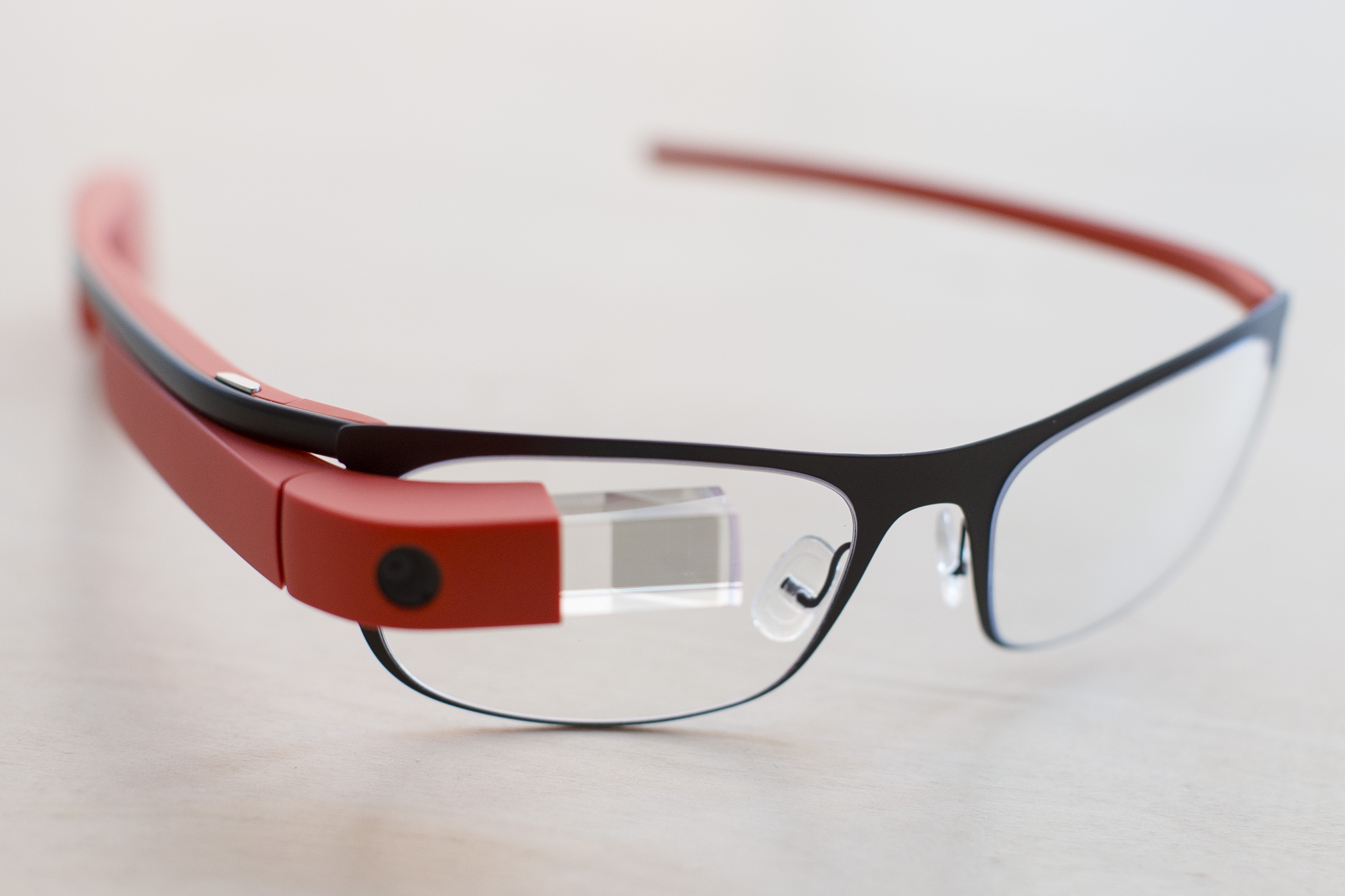
    Sources from the Wall Street Journal suggest that the device features “a button-and-hinge system to attach it to different glasses”, instead of it being a full pair of spectacles. Therefore, Google is re-imagining their design to eliminate the previous hang ups of its device, such as style. In the process, we should perhaps soon get a ‘tech wear’ gadget that isn’t ugly or odd looking.

    However, the above mentioned design seems to be created as a work tool, although reports suggest, that Google is also looking to make a new consumer version, eventually.

    The Google Glass 2 is also reported to come with a better Intel processor, and a longer battery life that will be supported by a magnetically-attached, external battery pack. These improvements have been made due to common complaints about the Google Glass and its technological progress.

    The new version is also said to feature a “longer, thinner” display, which can be “moved vertically as well as horizontally,” and will be better proofed against any damage and water.

    However, it is yet to be seen whether the Google Glass 2 will surpass the Google Glass in its functionality, practicality and design. Do you think the Google Glass will work this time around? Let us know.

    Source: [tw-button size=”medium” background=”#07ABE2″ color=”” target=”_blank” link=”http://www.wsj.com/article_email/google-quietly-distributes-new-version-of-glass-aimed-at-workplaces-1438283319-lMyQjAxMTI1MDMzMDczNjA3Wj”]Wall Street Journal[/tw-button]

    [tw-button size=”medium” background=”#07ABE2″ color=”” target=”_blank” link=”http://9to5google.com/2015/07/13/google-distribute-glass-enterprise-edition-exclusively-through-glass-for-work-partners/#more-112234″]9to5google.com[/tw-button]

  • Edit: Will ‘Tech Wear’ Work?

    Edit: Will ‘Tech Wear’ Work?

    ‘Tech Wear’ is a relatively new concept that perhaps began with the introduction and launch of the Google Glass on April 4, 2012. There was a huge frenzy about the Google Glass and the things it promised its wearer – such as direct visual access to friends, schedules and Internet. But Google Glass did not work. Why? What makes products like Google Glass, the Neptune Pine, the Pebble, fitness trackers and other technological wearables not popular enough to cater to the taste of the general public?

    Google Glass
    Credit: Frazer Harrison/Getty Images for Mercedes-Benz

    Firstly, these are luxury products. They cater to the needs of the general public but make themselves available to only a certain strata of society. For example, the Apple Watch is created in order to make interaction simpler and intimate. One doesn’t have to constantly be on their phones in order to check the time, reply to emails, take calls, respond to text messages etc, instead all these activities can be completed by a few glances and voice notes. Here is the catch, you have to have an iPhone (or any product by Apple) too so that all the information from your device can get synced to this new iWatch.

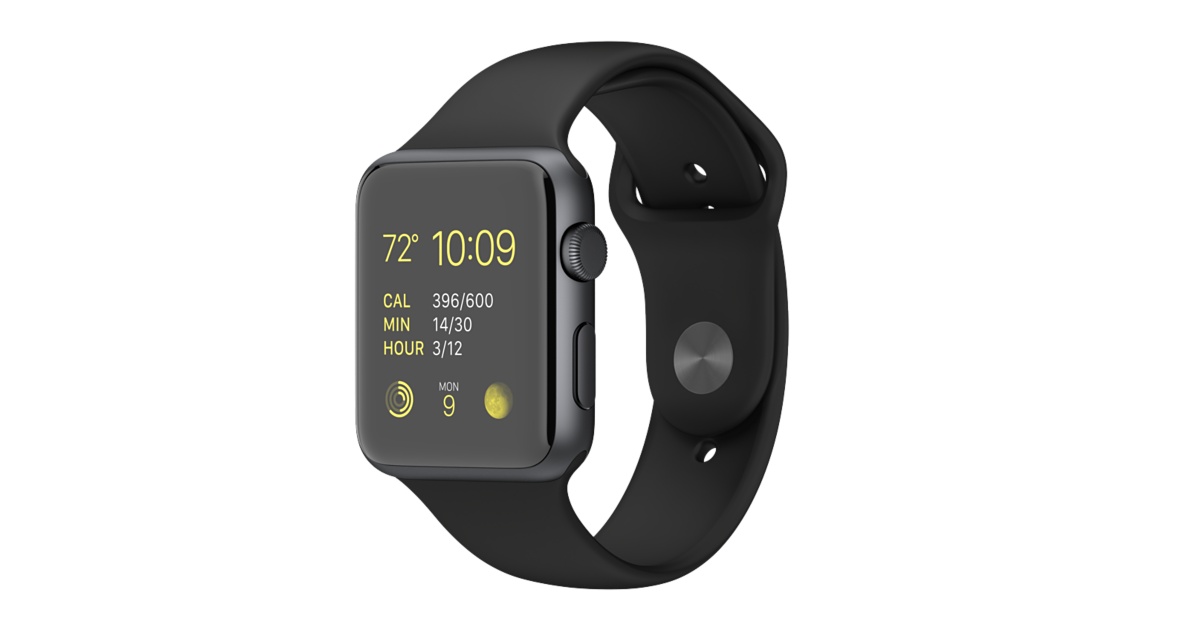
    Apple watch Sports Edition

    To get an idea of the approximate amount of money we might have to spend to buy an iWatch and support it, let us look at its INR value. The Apple Watch Sport Edition: Expected price tag in India for 38mm case model is Rs. 25000 and for the 42mm case model is Rs. 30000, plus the other Apple product to support it, for example an iPhone 6 (Silver 16GB) which is Rs.42,920 (on Ebay). The total amount would be Rs. 67,920. The prices differ in different countries and the accessibility of the product also differs, but to the average Indian, an iPhone update makes no serious change to his lifestyle.

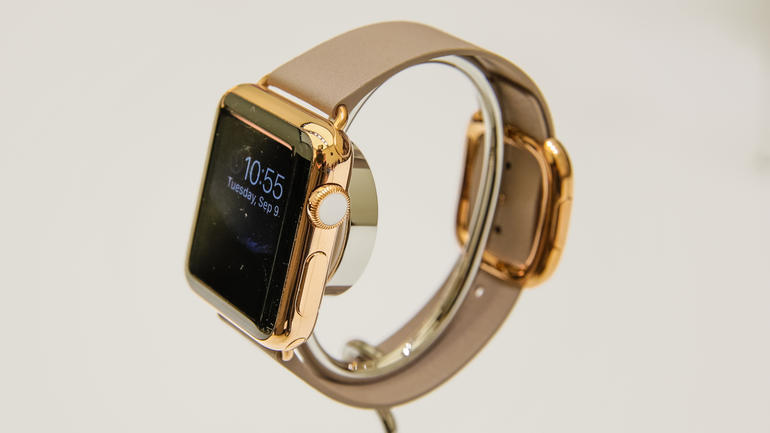
    Apple watch Gold

    Secondly, even with a large portion of the world being able to afford tech wear, they are still looked at sceptically or cautiously by investors. Why? What makes a product stable in the market? The necessity of a product. Although, further research shows a changing trend in the demands of the consumers. Fashion experts say that most of these products look ugly, in fact, the New York Times even tagged them as ‘ugly tech’ instead of ‘wearable tech’.

    The consumer’s taste is now much more sophisticated than it used to be, he/she is not going to wear anything on his wrist that looks like a mini Kindle. And this is where Apple comes in with its slick and fashionably created Apple Watch. The ‘iWatch’ comes in various belts, both leather and metal, and is styled in a way that is appealing to all. Perhaps following suit are smaller fashion-focused tech companies, with a handful of partnerships between tech companies and big-name fashion brands.

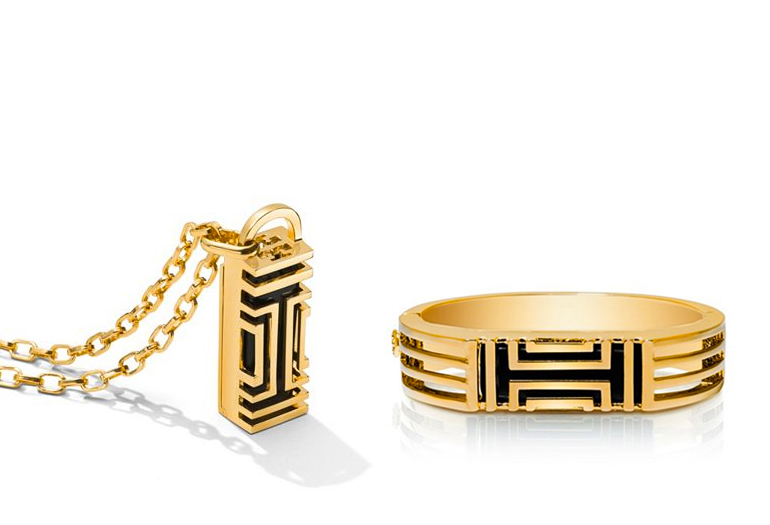
    FitBit Tory Burch

    So far, the investors and critics were skeptic of these wearable products, but now with the coming of the fashionable and efficient iWatch, their predictions have changed. Gene Munster, managing director and senior research analyst at Piper Jaffray, predicted a 3 million dollars’ worth Apple Watch sale on 9to5mac.com, and thinks that 2017 will be the device’s ‘breakout’ year.  What changed?

    The reviews for the Apple Watch have been somewhat stable; most of the critics encourage the use of this wearable technology that is more compact, fashionable, efficient, modern, and advanced in its settings and features. For example, the product description states that the custom-designed chip at the heart of the Apple Watch is encapsulated in the resin to protect the electronics from the elements, impact and wear. Configuring an entire computer system on a single chip is an industry first; settings like these and many others make the Apple Watch user friendly. Although despite this commendable attempt by Apple, critics still suggest that there is room for improvement as far as speed, efficiency and battery life are concerned but that these are problems that can be rectified by perhaps an iWatch 2.

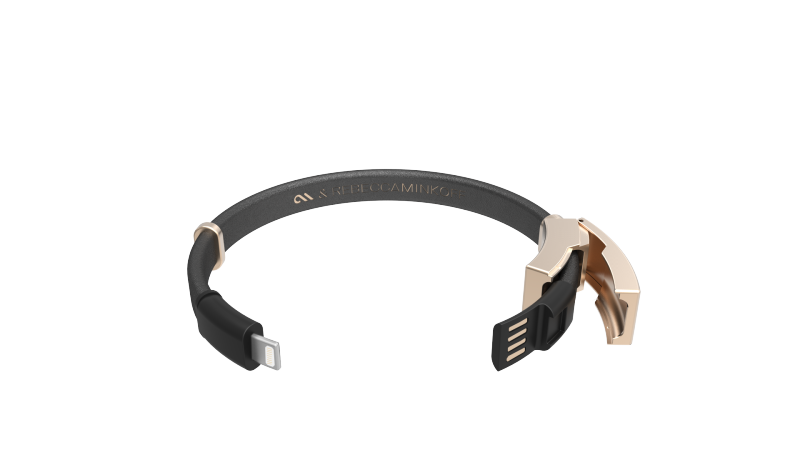
    Case-Mate tech bracelet

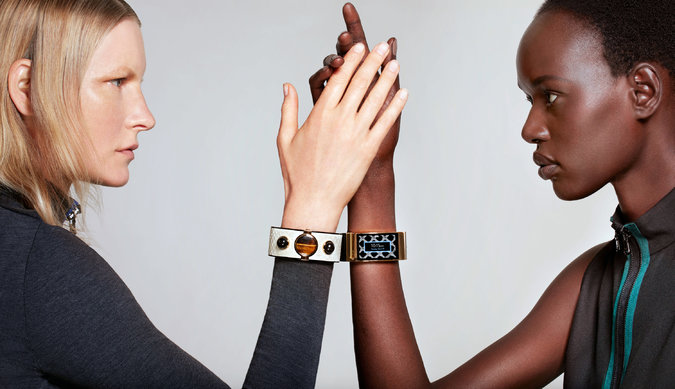
    Similarly, The New York Times states that earlier this year Fitbit announced a partnership with the designer Tory Burch to make fitness trackers stuffed inside a hinged bracelet and pendant necklace. Google Glass has partnered with DVF and Luxoticca to make the geeky specs, stylish. Rebecca Minkoff and Case-Mate announced a new line of techie jewellery, including a gold bracelet that pairs with a smartphone. Intel has also partnered with Barney’s New York and Open Ceremony to create a bracelet with a curved sapphire screen and built-in wireless radios called the MICA (My Intelligent Communication Accessory.)

    MICA bracelet
    Image source: New York Times 

    As far as reviews are to be trusted, they give us a realistic take on the new influx of wearable technology and its appeal. What has changed therefore, is the taste of the consumer and now that modern technology is being able to steadily cater to it, wearable technology might actually carve a stable niche for itself in the years to come.

  • Google Teases Google Glass in an FCC Filing

    Google Teases Google Glass in an FCC Filing

    It’s been a long time since we heard anything about Google Glass. Yes, we are talking about that spectacle containing a tiny computer, whose production was stopped by Google earlier this year. It could have been the end of it, but Google never stopped developing the project. Today, a report has came out that says Google Glass could resurface again.

    According to Droid Life, an FCC (Federal Communication Commission) filing by Google indicates that the company is working on a new version of Google Glass. Filed under the FCC ID A4R-GG1, the term ‘GG’ indicates Google Glass. Unlike most devices, which are labelled in FCC as mobile or a wearable, this one has been labelled as “BLUETOOTH & DTS/UNII a/b/g/n/ac” with model name “GG1”.

    According to the website, the device has Bluetooth LE and rechargeable, non-removable batteries that can’t be accessed…. the product comes with an AC charger and USB cable that when connected to a PC, can provide a “path for charging and data transfer.”

    For all we know, the device could be a smartphone or a tablet, but the fact that it hasn’t been labelled as a phone or wearable and Google used the initials GG, this could be the next version of Google Glass. Of course, it’s all speculation until and unless Google announces it.

    With Oculus Rift expected to make a huge entry by 2016 and Microsoft HoloLens getting attention for its innovative holographic interface, Google has the perfect opportunity to make strides in the augmented reality wearable segment.

  • Google is Reportedly Working on a Mysterious Battery Project

    Google has joined forces to develop a more productive battery technology for its line of consumer devices and other hardware projects. The search behemoth reportedly has a small team of researchers who are working on future batteries and is devising measures to advance present batteries for better outcomes.

    The report by Wall Street Journal suggests that the team working on future battery technology is headed by Apple’s former battery expert Dr. Ramesh Bhardwaj. The four-member team is a part of Google X research lab, a facility dedicated to making major technological advancements like Project Loon and driver-less cars. Meanwhile, the battery research wing is working on enhancing lithium-ion and the advanced solid-state batteries for a range of consumer products like Google Glass and the contact lens that helps measure glucose level in blood.

    Google is not a confined body limiting to consumer manufacturing electronics and offers its services to various industries like transportation, robotics, healthcare, and communications. Being in the hardware business, Google needs efficient batteries that can power their devices for a longer span of time.

    Google Glass is being used to research the behaviour of passengers to offer them more convinence in the future.

    Dr. Bhardwaj disclosed ideas in a February presentation of a new-age battery technology that can be equipped to wearables, and smartphones and can also be implanted in the human body. The internet supreme requires such a revolutionary technology that can give new life to its projects that got overshadowed because of shorter battery life, e.g. Google Glass.

    The report said that other research teams are working in conjunction with the Chicago-based technology firm that can bring more potent batteries for four bigger projects including Project Loon. The internet-broadcasting plan to beam Internet down the earth is presently using traditional batteries and has to suffer high-temperature issues. The latest innovation is likely to resolve the current complexities along with being cost effective.

    Several companies are coming with battery prototypes that can charge mobile devices within half a minute, but there is no certainty if they will be inexpensive if produced in large numbers. If the report turns out to be true and Google succeeds in developing a super slim battery for flexible displays, it will be a landmark of the threshold of a new era. The batteries will make room for a new line of products that will be more compact and powerful.

  • Google Glass Finds New Userbase in the Airport Industry

    Google Glass Finds New Userbase in the Airport Industry

    Google Glass is one spectacular device which failed to find an audience. The Glass had received unprecedented hype and was almost touted to replace all our other devices. But the technology felt victim to the “Bluedouche” legacy as people with the glasses were seen as intrusive. Maybe the Glass was too nerdy and ahead of its time to find a mass appeal. But Google seems to have found a new arena where its futuristic eyewear can find utility and that arena is the airport.

    Virgin Atlantic, one the major names in aviation had begun using the device mainly for its gate attendants. Now Amsterdam’s Schipol Airport is providing the Google Glass to its staff and security professionals. Airport staff can coordinate with ease and share the information using the device.

    Google Glass is being used to research the behaviour of passengers to offer them more convinence in the future.
    Google Glass is being used to research the behavior of passengers to offer them more convenience in the future.

    The airport is also put an initiative on trial to assist the passengers by providing them the Google Glass. The camera records what the passengers are looking at and records their voices too. The data is recorded for research purposes. The research will try to find out ways to make the travel more comfortable by providing the right information to them.

    Airports have previously absorbed technology that didn’t find enough takers in the market. One shining example is the Segway, which was supposed to replace all other forms of travel, but was rejected by the market. It became a great tool for security personals who get to move around quickly in the massive airport terminals. Google Glass seems to be getting its second life in the airport too and being a good piece of technology it might just find a way back to the consumers. Google is also working on “Glass for Work” initiative with which its exploring utilities to promote the device in the enterprise environment. The Glass is clearly not dead yet.

  • Google Glass to Get An Independent Division Headed by Nest’s Tony Fadell

    Between the frenzy of latest flagships and CES launches, Google Glass has been missing the action for quite sometime now. But not anymore, because Google is shaking its wearable up with some major changes.

    The Google Glass team announced in a post to its Google+ page, that Glass is “graduating from Google[X] labs,” presumably still marching toward a “real” consumer launch. The Explorer program will come to an end on January 19th which is just three days away.

    According to the post, the research project will move to own division. This new standalone Google Glass group will be led by Ivy Ross, who will report to Tony Fadell, the head of Nest Labs, Inc. The development process for the head worn wearables has been a bit slower than some might have expected when it comes to available glassware(apps for glass)but it was strong nonetheless and it seemed to give off a promising future.

    Google Glass

    Google Explorer Program has spanned years and seen plenty of awesome, annoying, and controversial moments as Glass has looked for a place in the hearts and minds of tech consumers. Many tech enthusiasts believe it has a place in the broader wearable ecosystem including fashion, medicines, navigation, research etc.

    Google is also discontinuing consumer sales of the current Explorer Edition of Google Glass, beginning January 19. Google Glass will still be sold to approved developers and companies for both use and further development of the Glass ecosystem. This points again to the new version of Google Glass that will be arriving in 2015, though it is still unknown when it will arrive and whether it will be powered by an Intel Chip or not.

  • Revisiting 2014: Top Technology Failures of Last Year

    Revisiting 2014: Top Technology Failures of Last Year

    The world of technology saw many ups and down last year. It was predominantly a good year for the tech industry, but there were some visible failures as well. While the sales of smartphones reached new altitudes, the biggest name of mobile telephony, Nokia departed from the mobile phone business. Several high-level security breaches questioned the safety of online storage. As 2014 comes to a close, we decided to list the gleaming failures of the tech industry.

    1. Sony Pictures:

    North Korea had taken serious offense against the movie and threatened merciless retaliation.

    Never before has a movie been called an ‘act of war’, and you wouldn’t have guessed that it would be a Seth Rogen movie. The film led to one of the biggest ever cyber-attacks on a major movie studio. Sony Pictures was brought down and humiliated by a group called the Guardians of Peace or #GOP. They claimed to have stolen more than 100 Terabytes of data from the studio. The hackers soon began unveiling details from the Sony data, that was embarrassing not just to the studio, but also to some big names from the entertainment industry including Angelina Jolie, Leonardo DiCaprio, and Adam Sandler. The hack is also the reason of heavy diplomatic tussle between the USA and North Korea.

    2. iCloud Hack:

    Jennifer Lawrence
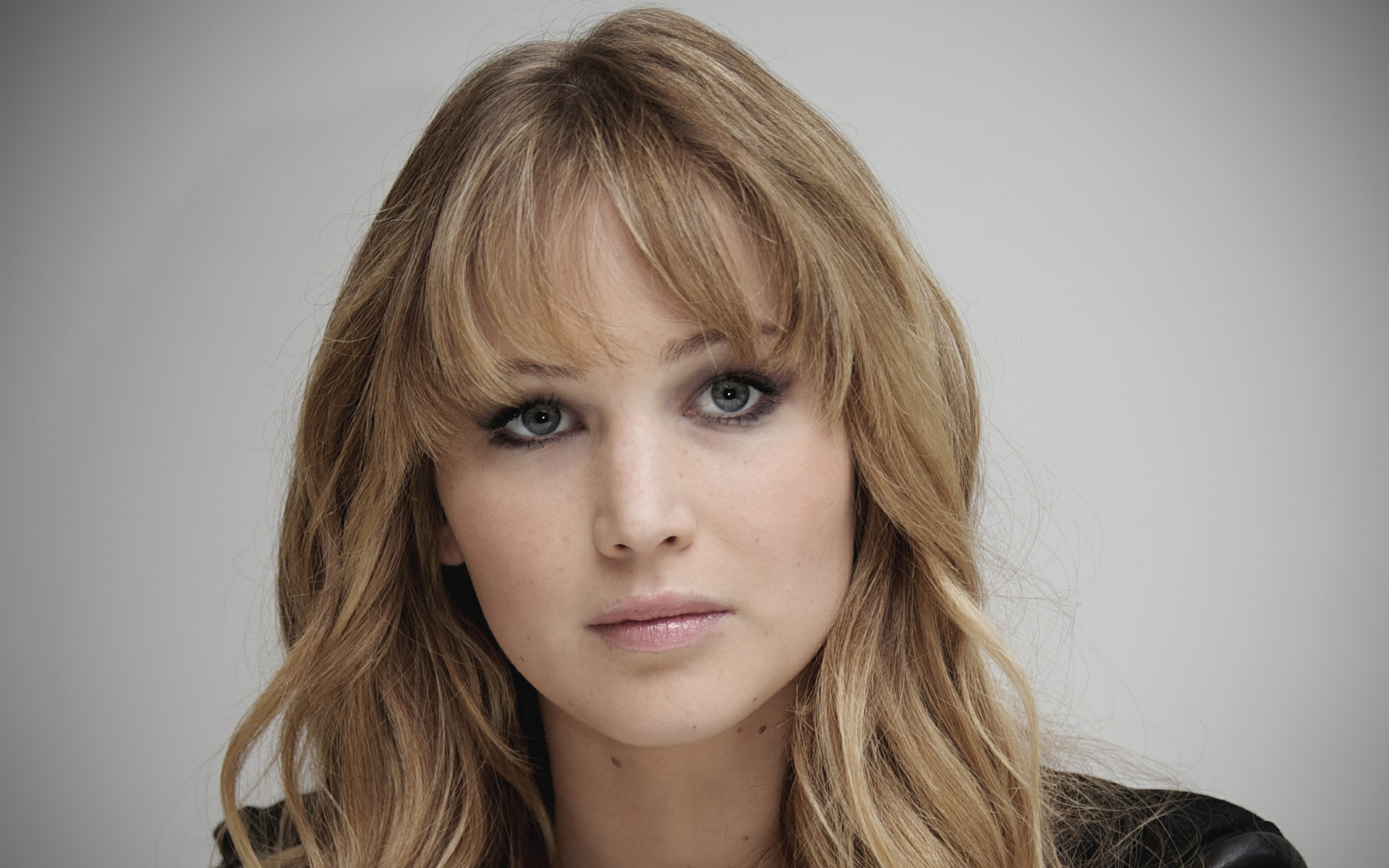
    Another major cyber breach took place at Apple’s trusted iCloud storage. Thousands of private and intimate photos of celebrities were leaked online. This caused quite a furor around the world and put Apple in an awkward spot. Apple later confirmed that the hackers responsible for the leak had obtained the images using a “very targeted attack” on account information, such as passwords, rather than any specific security vulnerability in the iCloud service itself.

    3. Uber:

    uber-taxi
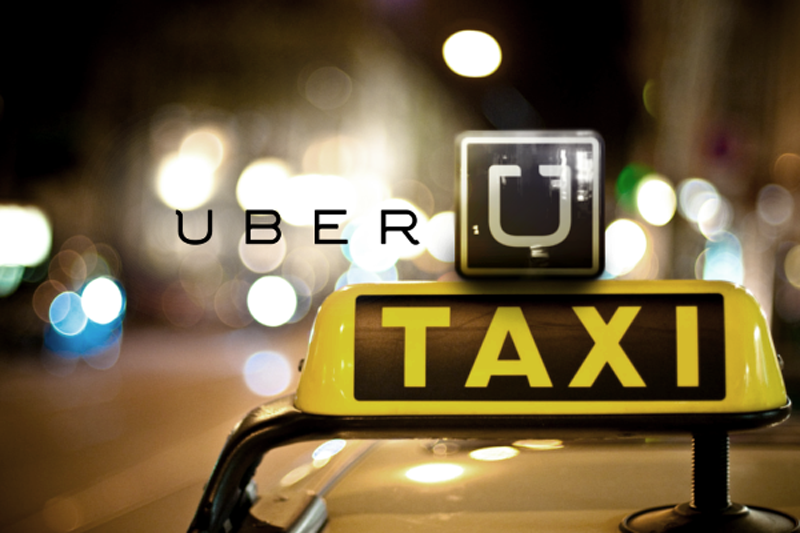
    The app based cab service had to face one PR disaster after another. There were multiple complaints of its driver harassing the passengers or sexually assaulting them. A highly publicized rape case in India led the company to temporarily cease its operations in many parts of the country. There were also revelations that Uber was spying on journalists who were being critical of the company. Uber also tried to take down its competition by ordering about 6000 rides and then canceling them. Even the drivers reported that they were exploited by the company. Guess for its new year resolution, Uber’s only resolution should be: Don’t be evil.

    4. Malaysian Airlines MH 370:

    MH 370

    On 8th March 2014, Malaysian Airlines flight MH370 disappeared – vanished, leaving behind many questions and limited answers. No one would have thought that in the age of satellites and modern communication equipments, a plane can just disappear from the radar screens. The disappearance also led to several conspiracy theories. The last signal from the aircraft was broadcasted when it was over South China sea. There was a massive multinational effort to locate the lost plane, but it yielded no results. The search was the largest and most expensive in aviation history. There was also added bad news for Malaysian Airlines whose other plane, MH 17 was shot down pro-Russian separatists in Ukraine using surface to air missiles.

    5. Apple iPhone 6 Plus:

    BEndgate
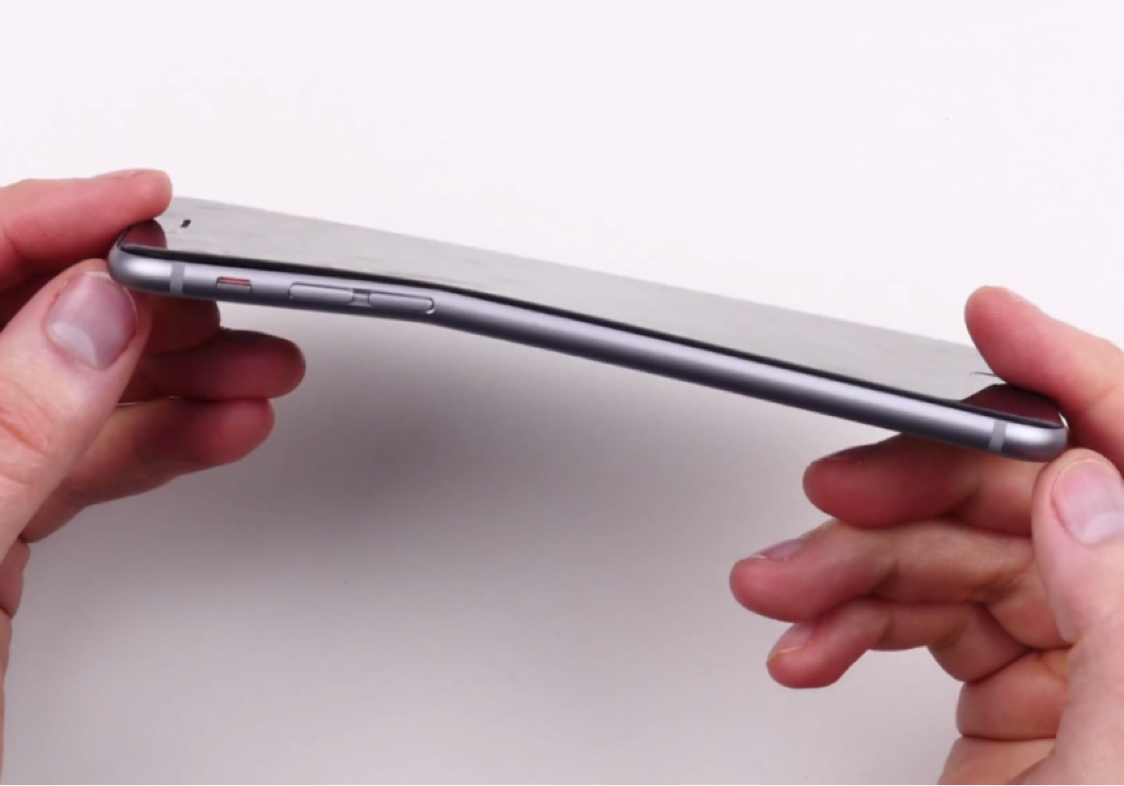
    After months of speculations and ever present hysteria around it, the iPhone 6 and 6 Plus were launched with much fanfare albeit with a faulty livestream. The bigger variant, the iPhone 6 Plus soon became the butt of all jokes following reports of its bendability. Users found that the new device was easy to bend, and it quickly started trending on social media with the tag “#Bendgate”. There is an easy fix for the issue, and that is to use the phone with a protective case.

    6. Amazon Fire Phone:

    amazon fire phone

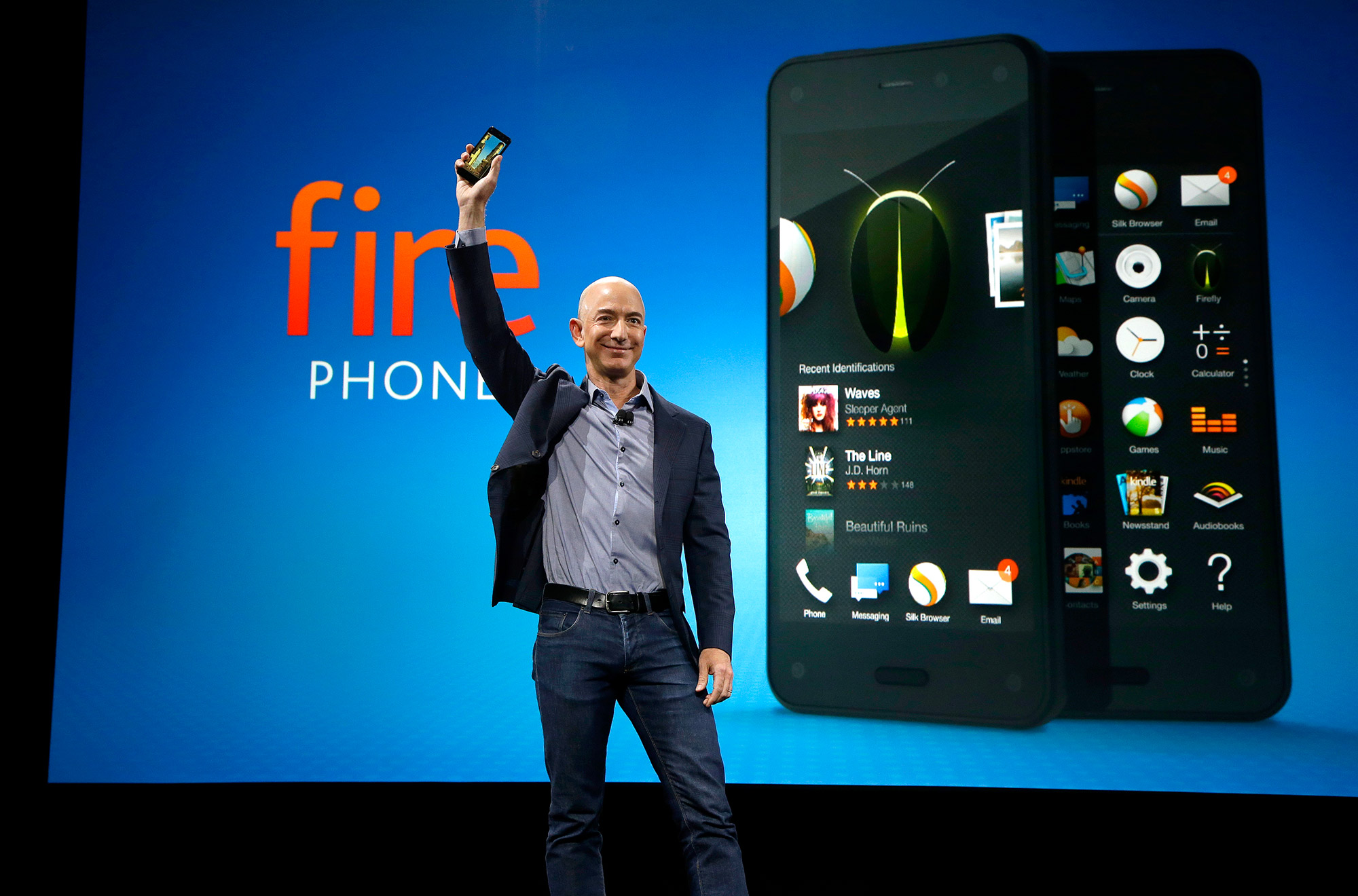
    Amazon really hyped its phone. There was a lot of buzz before the launch of the device, but it failed to capture commercial appeal. The device had some features like 3D display that could have been its defining element but turned out to be gimmicky. That coupled with below average battery performance, and low app availability led to low sales and forced the company to slash prices rapidly. Some reviewers even called it more of a prototype than a real device. Amazon has now begun working on the Amazon Fire Phone 2, which is expected to come out in 2016.

    7. BlackBerry:

    Classic Blackberry

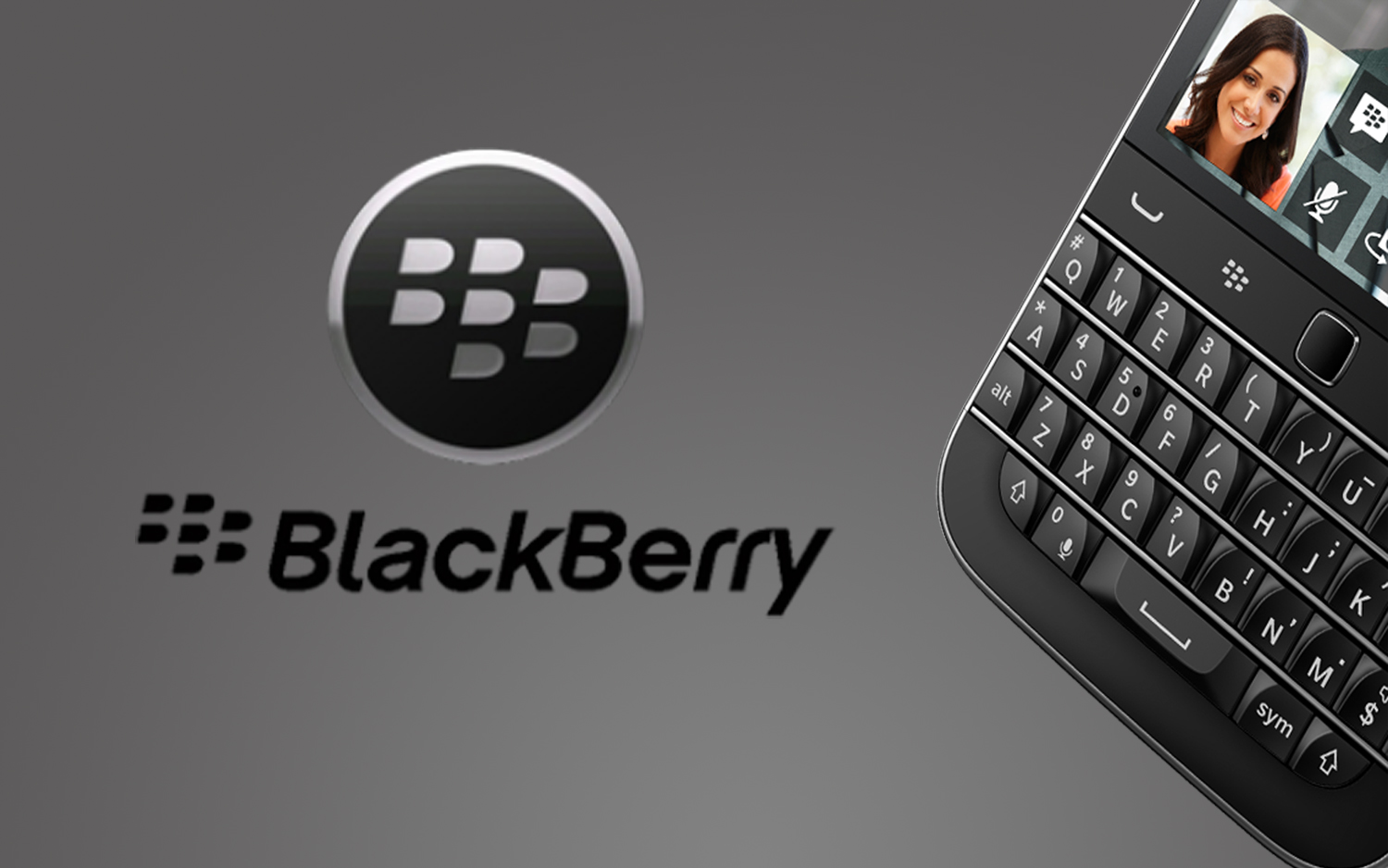
    The company that was identified as one of the pioneers of the smartphone market has rapidly lost market share ever since the advent of the iPhone and Android ecosystems. Seeing that it was not going to carve out a place for itself in the brutal touch screen device market, the company decided to go back to its roots. The first device in this new attempt by the company was the Passport. Though the company tried to bring innovations into the device like a keyboard that also acts as a touchpad and a square display, it hasn’t managed to entice a lot of folks. This ultra wide device cannot be used with one hand and takes its own sweet time to focus while taking photos. The second device from the company called the Classic, might help bring back the experience that BlackBerry users were used to and get the company out of these times of peril.

    8. Sony:

    sony

    The year 2014 wasn’t really kind to this consumer electronics giant. The company lost a massive amount of money, in terms of billions. Its smartphone market share constantly kept falling along with its other electronics. The end of the year brought it a massive torment when its Hollywood studio got hacked by the North Korean hackers. The only saving grace for the company was its PlayStation business which saw an upward trajectory this year. All these misfortunes caused the company to introspect and set a goal of returning back to profitability.

    9. Microsoft Kinect 2.0:

    Kinect

    Seems like consumers are not ready for motion capture or spending extra for a hands-free gaming experience. Microsoft bet big money on the Kinect 2.0 and brought it in the market with improved functionalities. Microsoft was selling Kinect with the Xbox One. Sales were slow, and so Microsoft decided to unbundle the Kinect and sold Xbox One without it and cut $100 off the price. The result: Microsoft’s console easily beat Sony’s PlayStation in holiday sales. Though it is not the end of the Kinect as of yet. As the motion-based games and technology gets better, more folks will get comfortable to give the boot to the good old controllers and get on the Kinect bandwagon. It’s just a matter of time.

  • Google Glass to Make a Comeback in 2015 With Intel Chips

    Google Glass to Make a Comeback in 2015 With Intel Chips

    A new report by The Wall Street Journal has revealed that 2015 will see the launch a new version Google Glass which will be powered by an Intel Chip and will offer longer battery life than the present Explorer Edition. Intel has joined hands with Google as a part of their strategy to push their market in the wearable segment.

    Google Glass has already gone through some minor changes since its launch, one to add compatibility with prescription lenses and another to double the RAM; however, entirely new chipset could mean some serious changes. The Intel chips will replace a processor from Texas Instruments Inc. included in the first version of the Google Glass.

    According to the WSJ, Intel plans to promote the Glass to hospital networks and manufacturers. Google launched the web-connected eyewear in 2012, but it carried a hefty price and was regarded as something that only nerds would wear. Limited battery life and an impractical four-figure price tag worked against the Glass’ widespread adoption up until now. With a more modern processor and a refreshed design, it might see consumer interest rekindled.

    google glass

    Intel chips are mostly used in personal computers and servers in data centres, but the company has targeted the tablet and wearable markets for new power-efficient versions of its x86-based processors. It competes with rivals such as ARM and Texas Instruments. At CES 2014, it showed off smart earbuds that can measure a runner’s heart rate. In March, Intel purchased the high-end health tracker maker Basis Science. The chip maker’s XMM6321 3G cellular radio was incorporated into MICA, a fashion bracelet that was unveiled in September.

    Google has been pushing Glass as a workplace-computing device. Recently, through a program called Glass at Work, Google is working with software developers including Augmedix and APX Labs to encourage use of Glass in industries such as health care, construction and manufacturing where employees work with their hands but need information.

  • According to Survey, India Has Second Highest Number of Google Glass Owners Globally

    According to Survey, India Has Second Highest Number of Google Glass Owners Globally

    According to a recently conducted research, India has the second highest number of Google Glass owners at six percent, South Korea being the number one with eight per cent. Google Glass is a type of wearable technology with an optical head-mounted display (OHMD). It displays information in a smartphone-like hands-free format.

    That’s not all. India is also said to have emerged as one of the most tech-savvy nation with 95 per cent of Indians find smartphones critically important, while 75 percent use their smartphone or tablet for online bookings, according to a survey by Expedia.

    google-glass-macro

    “The findings clearly suggest an increasing dependency on the mobile platform. Ninety five per cent Indian respondents feel that their smartphone is very or of critical importance to their daily life,” said Vikram Malhi, MD, Asia, Expedia . Further adding that Indians lead in app booking and data roaming plans globally.

    And that’s not it, the survey also revealed that India has the highest number of smartwatch owners globally, with 18 per cent owning and using the device. It was also reported that 85 percent of Indians own a laptop, ranking fourth in the world after Denmark (89 per cent), Austria (86 per cent) and Norway (86 per cent).

  • SHORE : New App for Google Glass That Can Recognize Human Emotions

    SHORE : New App for Google Glass That Can Recognize Human Emotions

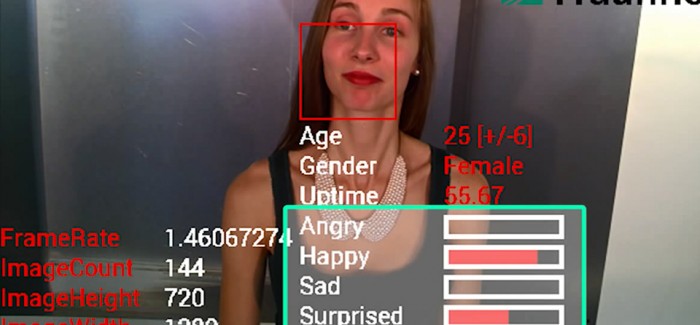
    Well, Google Glass has been a topic of debate since it release and the new app called SHORE may fire that up again. SHORE is an app that runs a software which detects human emotions in real time. This exceptional technology can be used for the aid of people with various disabilities.

    The Sophisticated High-speed Object Recognition app (SHORE), uses the camera of the Google Glass to analyze the facial expressions of people and guess their feelings. The app was developed by researchers at the Fraunhofer Institute for Integrated Circuits in Germany.

    In addition to the person’s emotions, the app is also able to estimate the subject’s age and gender. The app, however, cannot determine the identity of the person. It guesses emotions through calculations that are based on the structures of the human face. It then uses learning algorithms and a database of more than 10,000 human faces to finish the calculation.

    Google-Glass-Shore-app-700x325

    The research team says that this type of technology can open several possibilities for further exploration. For example, the technology can help differently abled people, those suffering from autism to understand facial expressions. The results calculated by the app can be superimposed on the display using augmented reality techniques.

    In an attempt to sidestep any privacy concerns surrounding the app, the developers have promised not send any images or data to cloud storage. Since Google Glass application is not commercially available, it will be some time before regular folks can get our hands on a pair and test SHORE.

iGyaan Network
Privacy Overview

This website uses cookies so that we can provide you with the best user experience possible. Cookie information is stored in your browser and performs functions such as recognising you when you return to our website and helping our team to understand which sections of the website you find most interesting and useful.