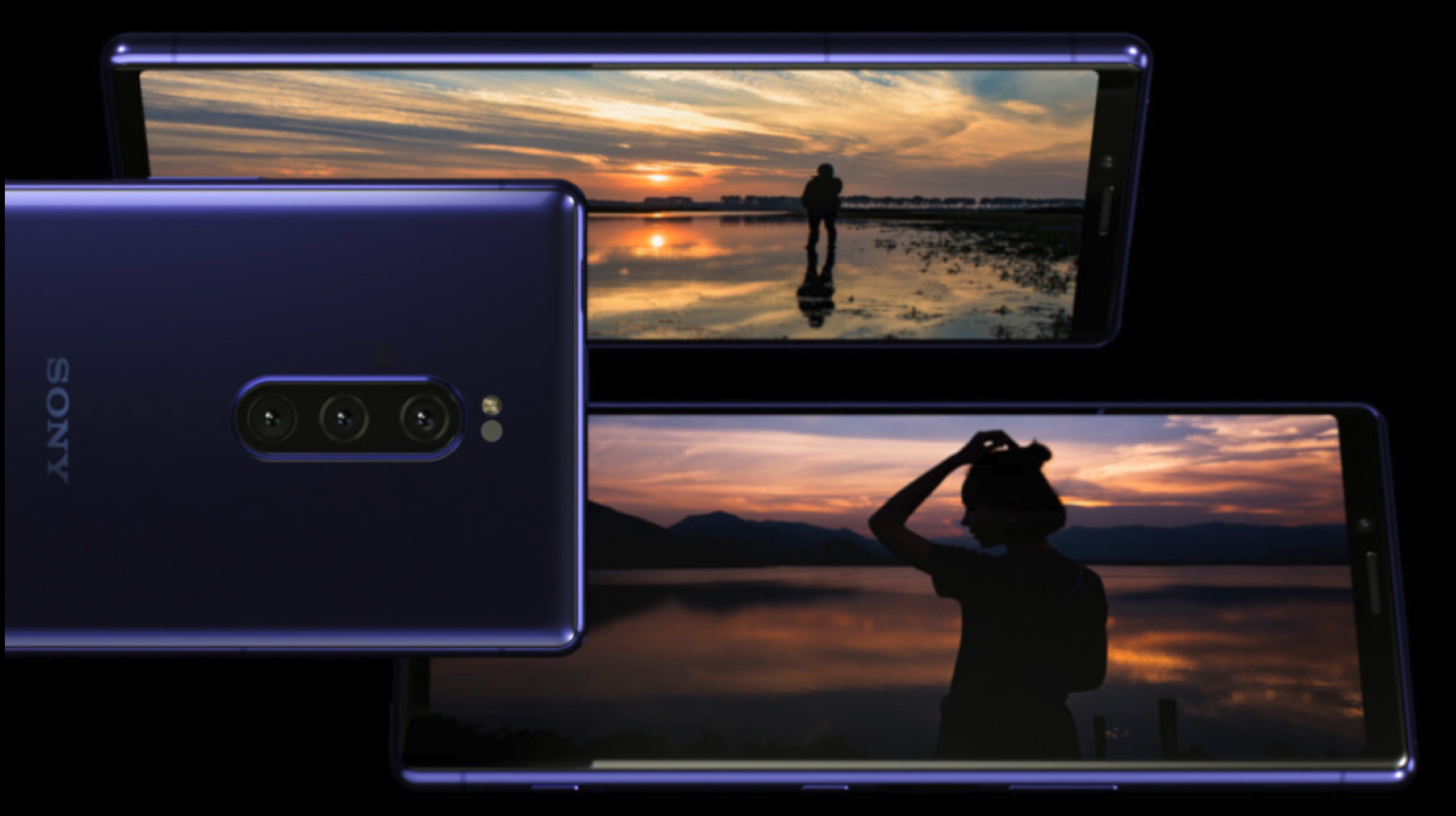
Sony has been striving hard to find its foothold in the smartphone business lately. Once a really popular brand among technology enthusiasts, the past few years have seen the company release some forgettable products. In a bid to change that, Sony has launched its newest flagship Xperia 1 at the Mobile World Congress (MWC) in Barcelona. The smartphone has been launched alongside Sony’s mid-range offerings, namely the Xperia 10, Xperia 10 Plus and the Xperia L3.
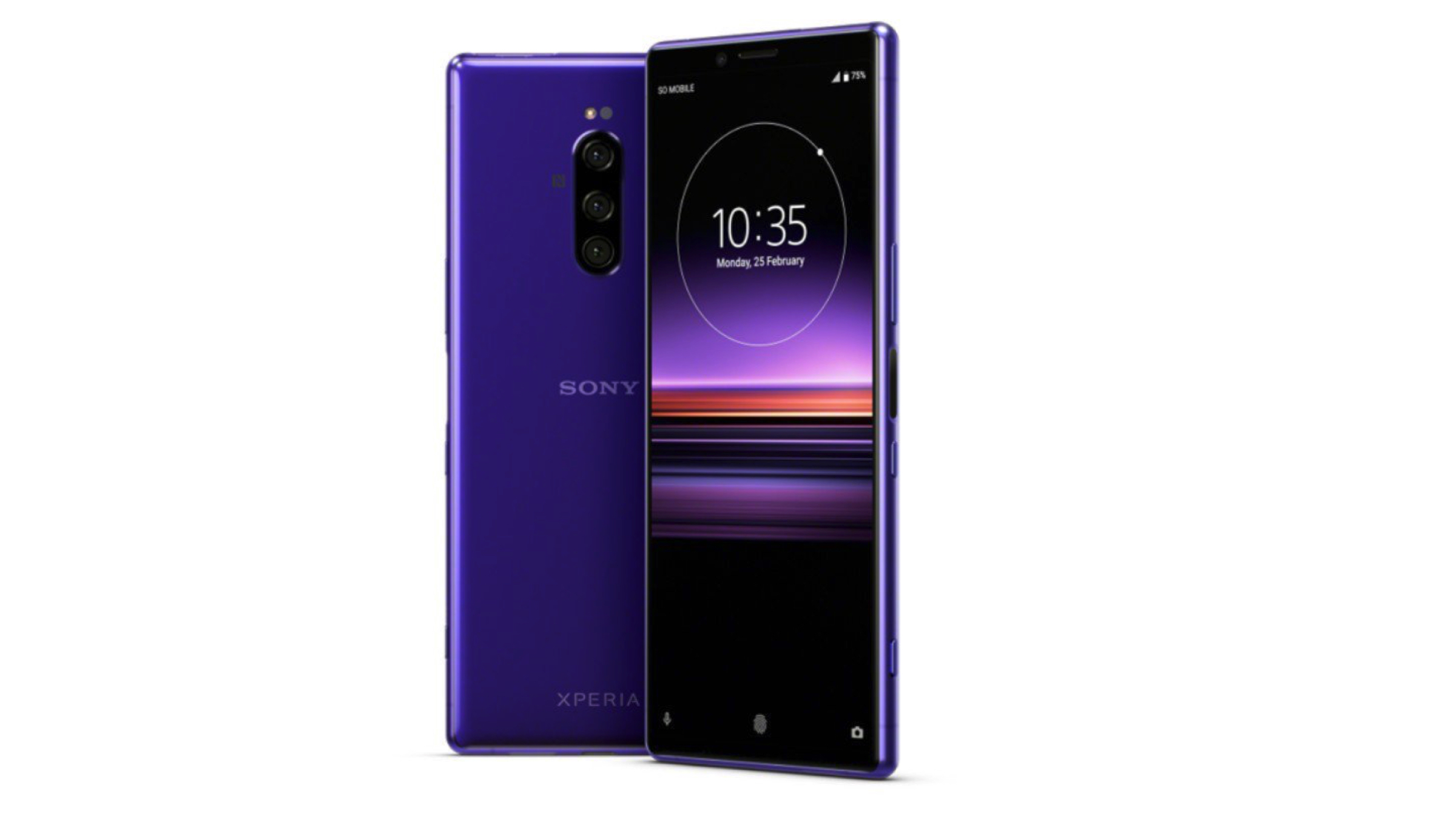
Sony Xperia 1: Build & Features
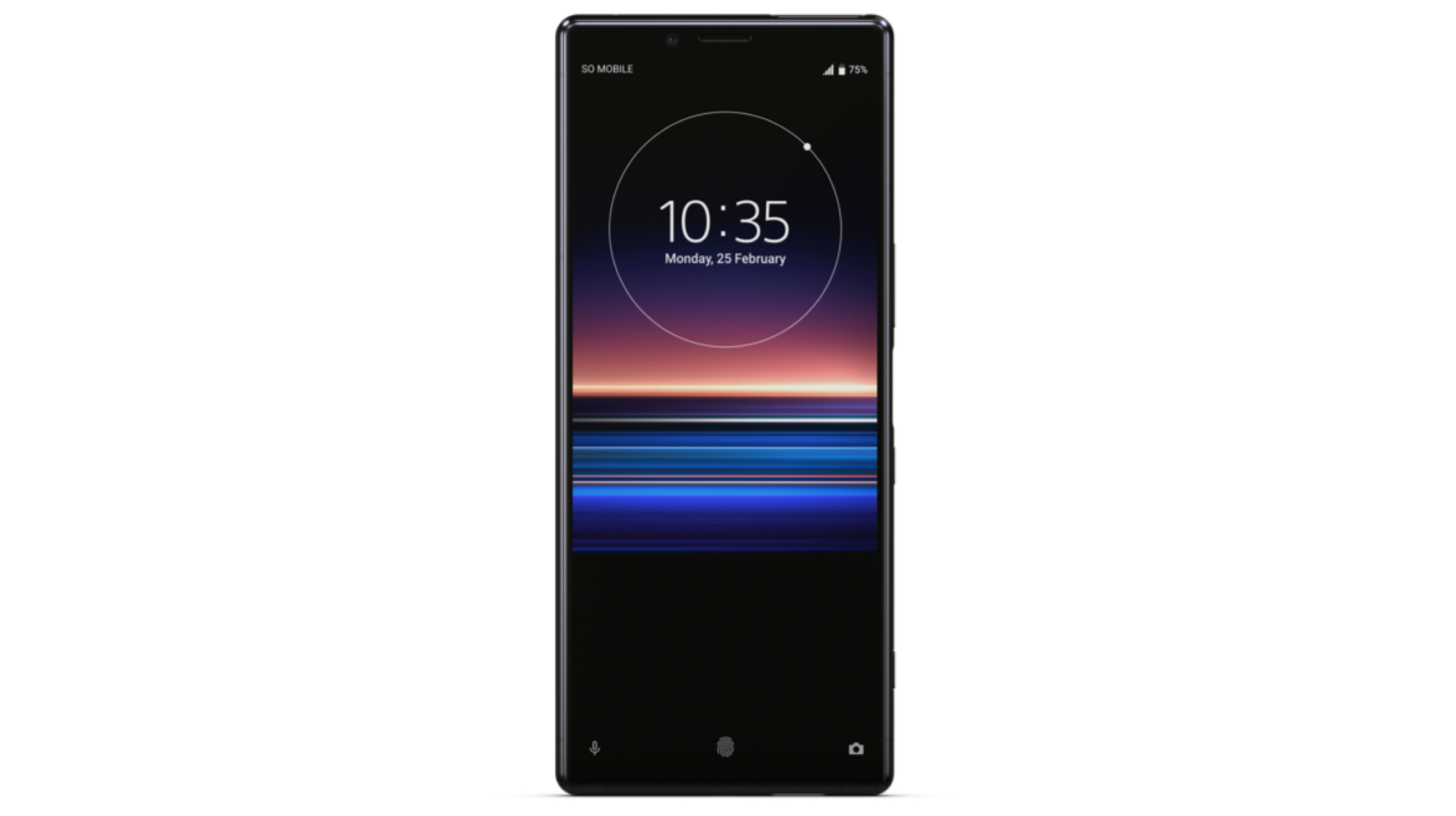
The Sony Xperia 1 is the latest flagship from the Japanese electronics brand and will succeed the Xperia XZ3. The device measures 167 x 72 x 8.2mm and weighs 180g. It has a glass sandwich design with minimal bezels on the front. The right side of the device has a power button, a separate fingerprint sensor, volume rockers and the camera shortcut button. The top side of the smartphone houses the SIM card + MicroSD card tray while the bottom of the device is occupied by the USB Type-C port and a loudspeaker grille. It has a 6.5 inch OLED display with a resolution of 3840 x 1644 px. It has a tall aspect ratio of 21:9 which the company calls a ‘CinemaWide’ display.
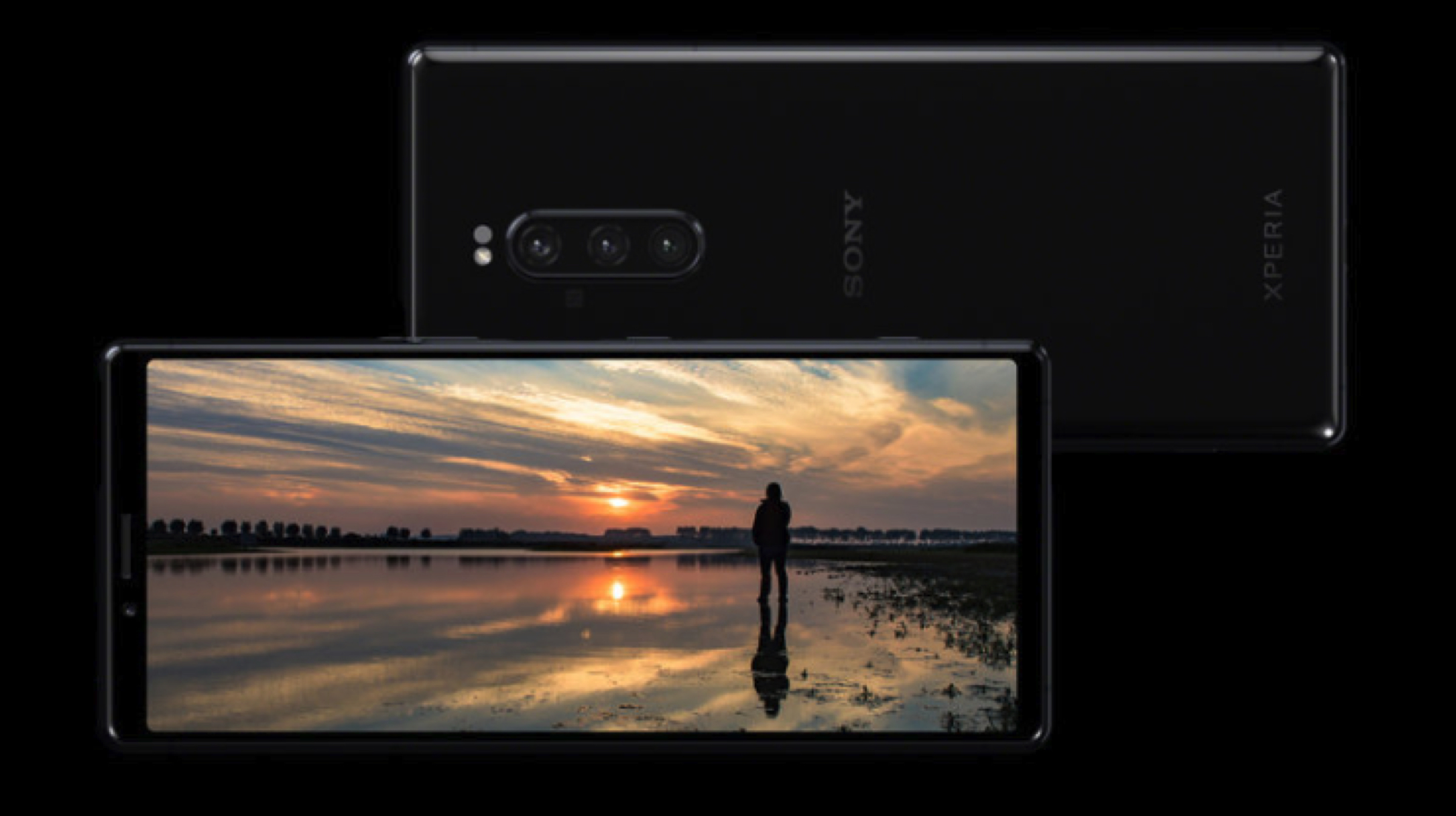
In terms of optics, the rear of the Xperia 1 houses the triple rear camera setup consisting of a 12MP f/1.6 sensor; combined with a 12MP f/2.4 ultra-wide sensor; and a 12MP f/2.4 telephoto sensor. For selfies, it has an 8MP f/2.0 camera on the front. Under the hood, the device runs on the Qualcomm Snapdragon 855 SoC which is manufactured using 7nm fabrication process. The chipset has an Octa-core CPU and Adreno 640 GPU. For memory and storage, the smartphone has 6GB of RAM and 128GB of internal storage. The handset is IP68 certified for water and dust resistance, features stereo speakers and has Dolby Atmos for better audio output.
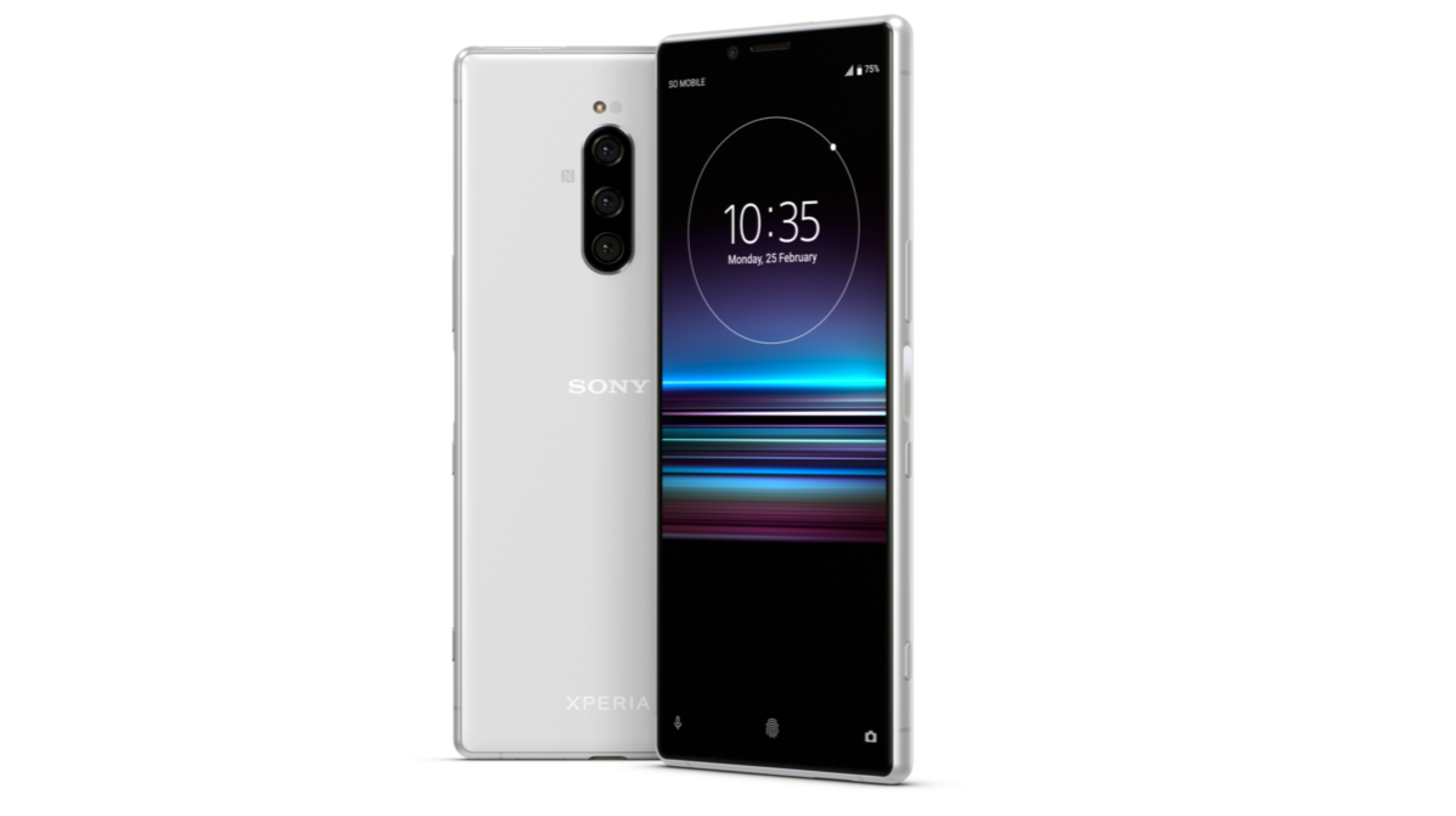
The Sony Xperia 1 is powered by a 3330mAh battery with support for USB Power Delivery (PD) fast charging. It has the company’s proprietary Battery Care technology which charges the device slowly overnight to avoid battery deterioration in the future. The smartphone will run on the latest Android 9 Pie and will be available in the following four colours:
- Black
- Purple
- Grey
- White
Sony Xperia 1: Price & Availability
Also read: LG Announces The G8 ThinQ At The MWC 2019
The Sony Xperia 1 is expected to be available starting in the month of May. Unfortunately, the company has not disclosed the price of the smartphone, but it is expected to retail at US $1099 (around Rs 78,000).
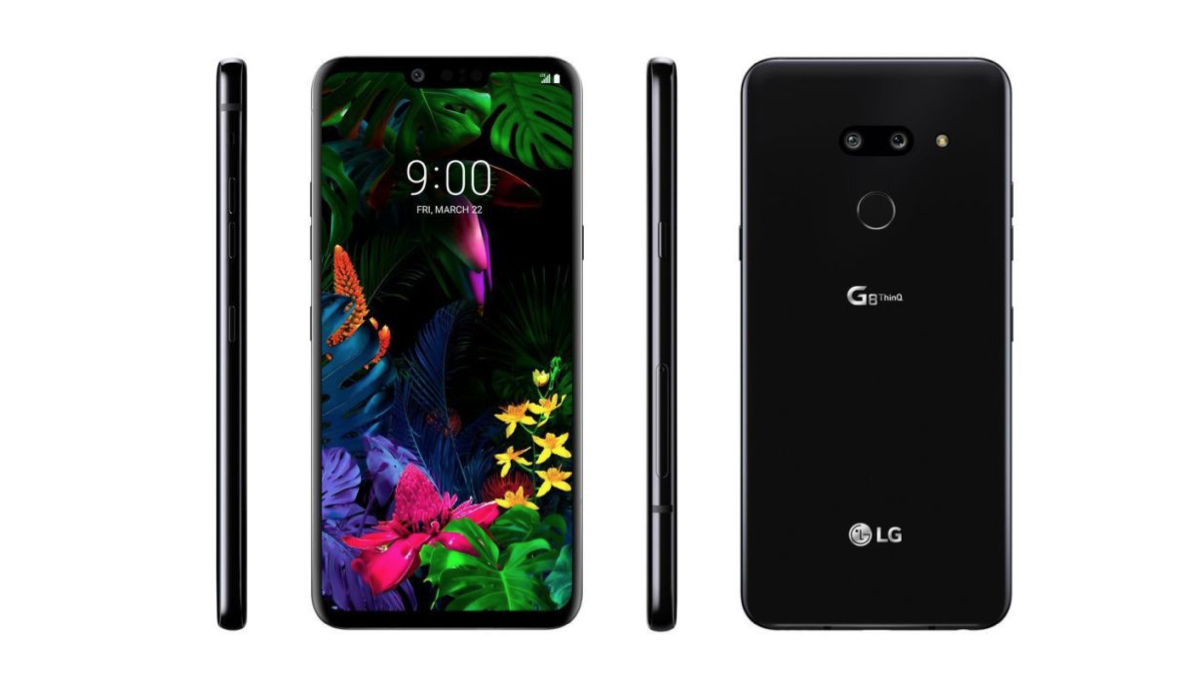
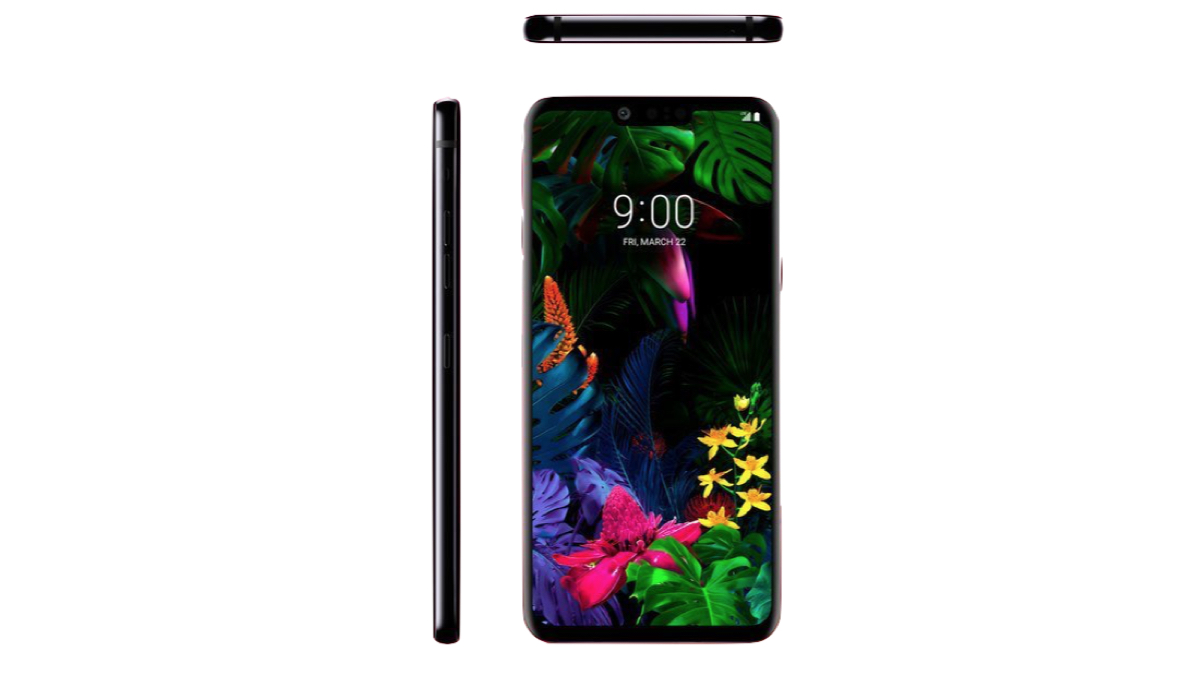 The G8 ThinQ stands out owing to its glass-sandwich design built around a metal frame. Glass panels adorn both the front and the back of the device, which are protected by Gorilla Glass on both the sides. Interestingly, the rear of the device has Gorilla Glass 6, while the display is covered by Gorilla Glass 5. The bezels are thin, but not thin enough, giving the G8 an 83.5 percent screen-to-body ratio.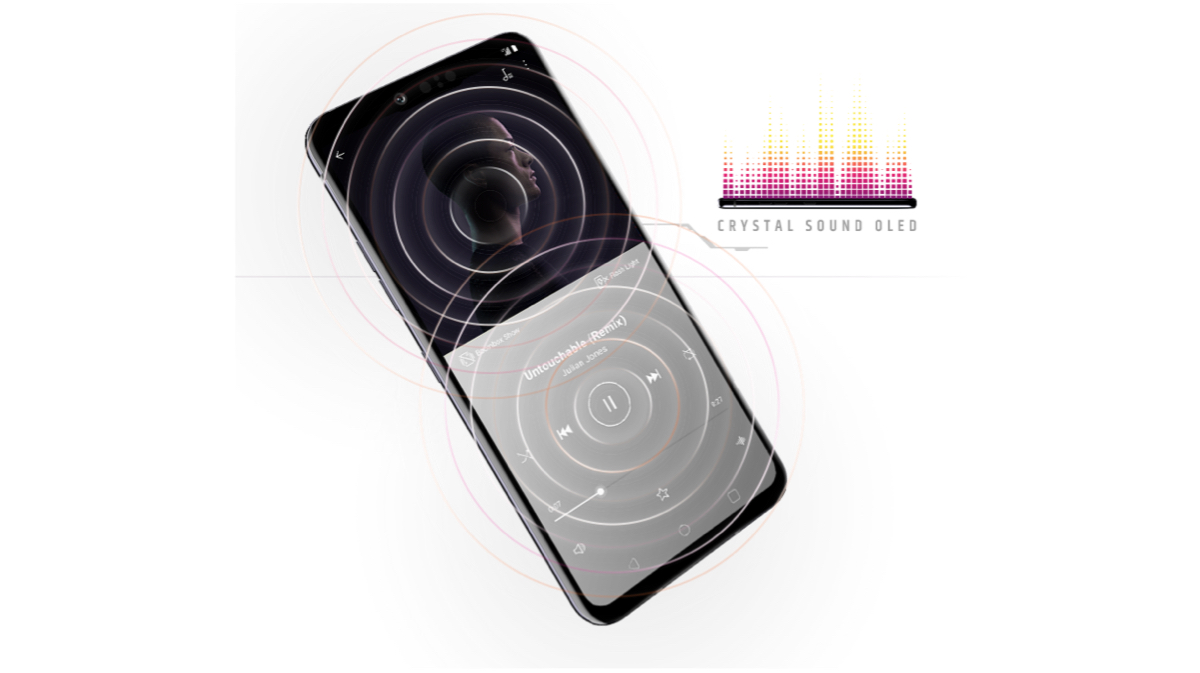
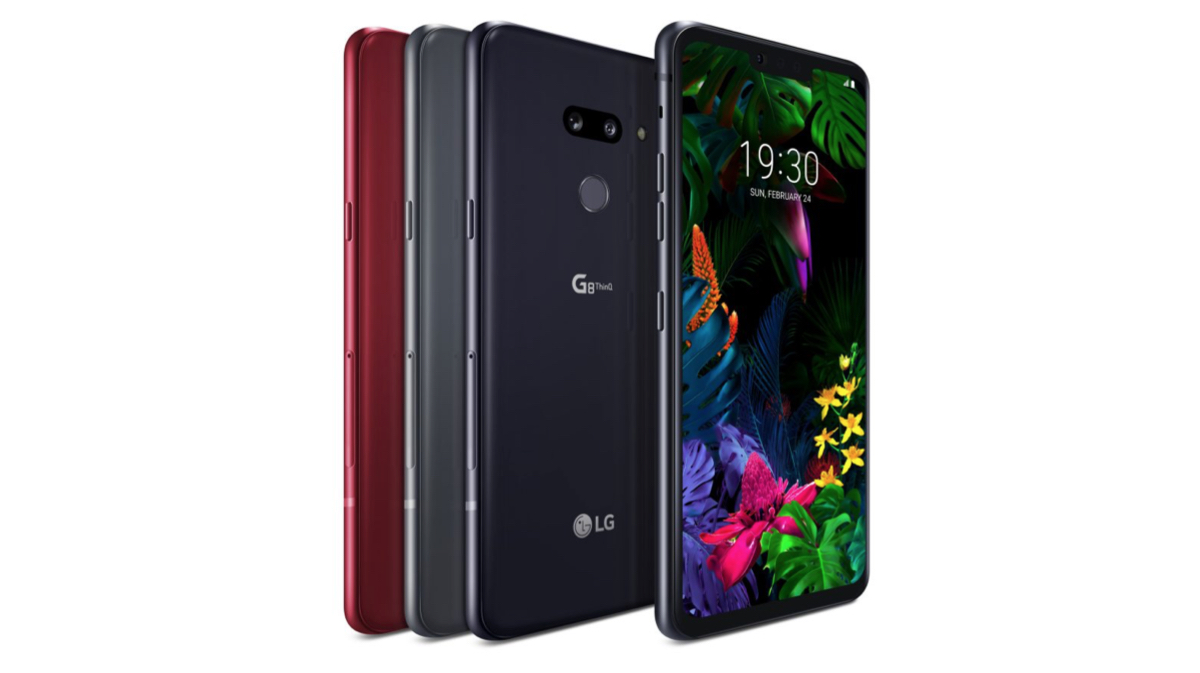 The G8 ThinQ runs on a 7nm Snapdragon 855 chipset, which comprises of an octa-core processor (1×2.84 GHz Kryo 485, 3×2.42 GHz Kryo 485 and 4×8 GHz Kryo 485) and the Adreno 640 GPU. In terms of memory, the smartphone packs 6 GB of RAM and 128 GB internal storage, which can be further expanded using the microSD slot with support for up to 2TB microSD cards. It will run Android 9 Pie out-of-the-box.
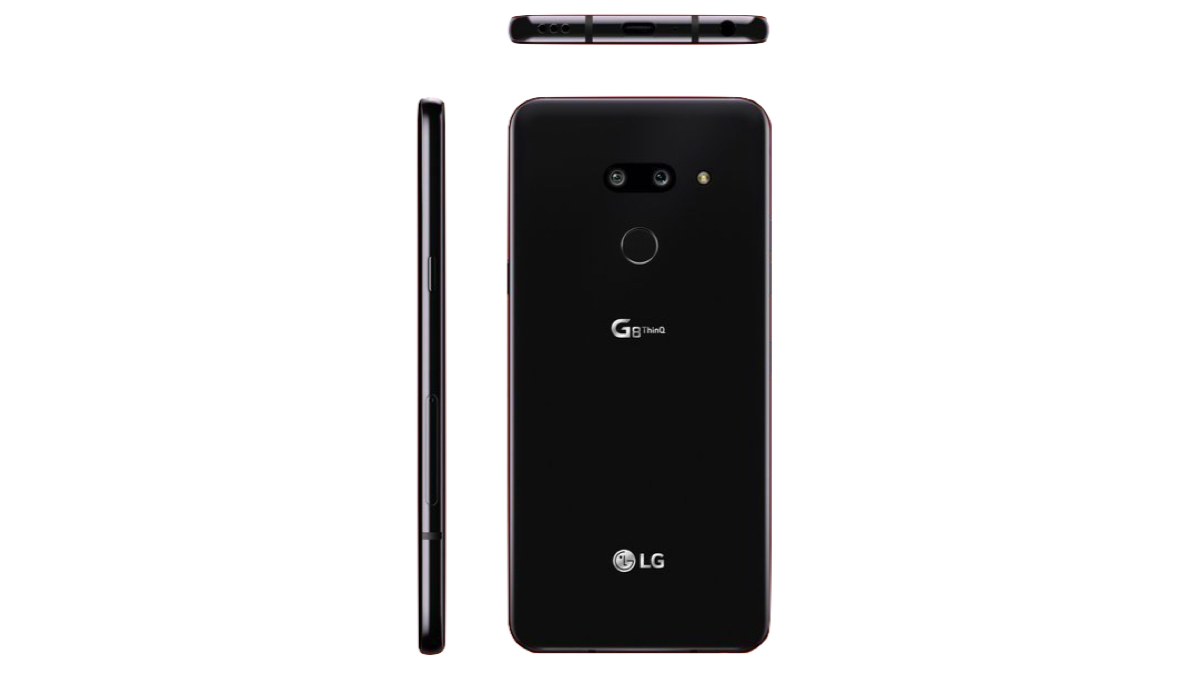 The triple camera module on the back panel of the LG G8 ThinQ is almost identical to the
 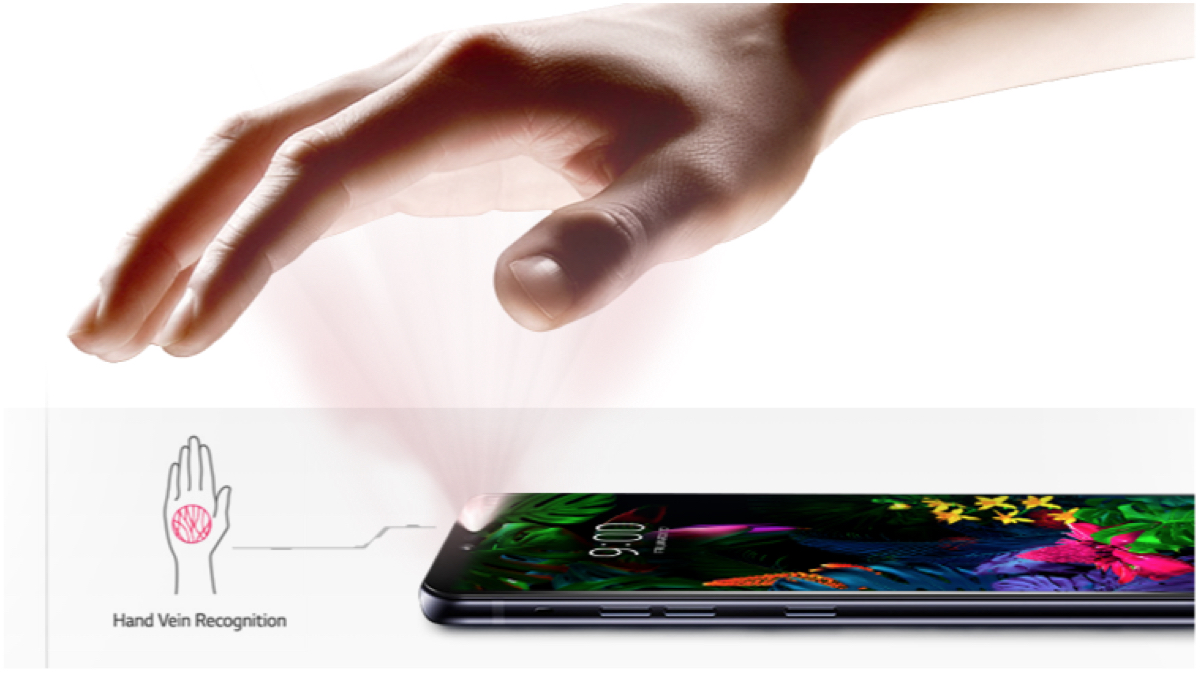 The device has a 3.5 mm headphone jack, which lies next to the USB Type C port and a ‘grille’ at the bottom of the device. One of the highlighting aspects of the LG G8 ThinQ is the resonating panel that can produce sound. Known as the CSO (Crystal Sound OLED), LG claims that the panel act as stereo speakers and adds an acoustic touch to the sound quality. Moreover, the CSO also acts as an earpiece for receiving phone calls, so users can literally listen to any part of the screen while conversing. The beforementioned ‘grille’ may be a part of the resonating chamber beneath the screen which is used to redirect audio. 32-bit Hi-Fi Quad DAC is integrated with in addition to DTS:X 3D Surround Sound for headphones. The device packs a 3,500 mAh battery which supports Quick Charge 3.0. It is also IP68 dust and water resistant and meets 14 MIL-STD 810G standards, which means that it can survive drops of over 8 feet without taking any damage.
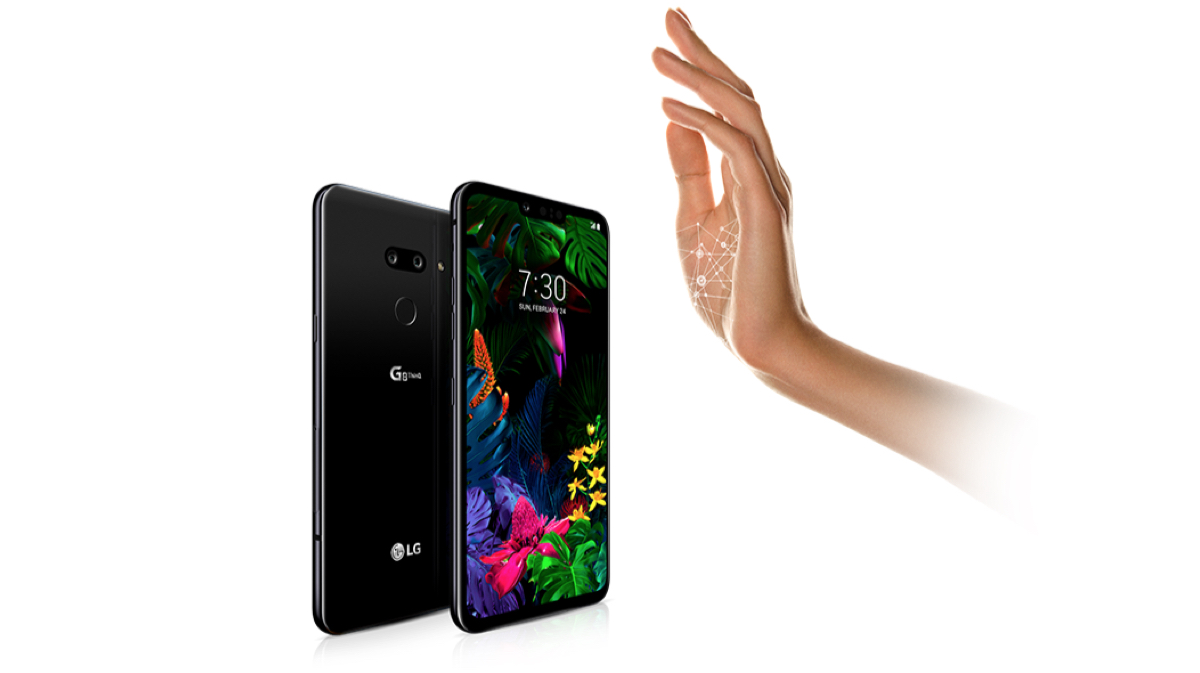 The LG G8 ThinQ has support for Portrait Video Recording in the front camera. It is really intriguing to see how the device will record videos with the bokeh effect. Also, as mentioned previously, the handset has a front facing 3D ToF sensor. Positioning it at the front ensures more functionality from the sensor. Also called the ‘Z Camera’, it claims to be more precise than a dot projector and faster than Apple’s current ‘Face ID’ technology. Also, the ToF sensor can capture an accurate image of a user’s palm – complete with wrinkles and the blood flowing through the veins. Since every person has unique wrinkles and veins, placing the hand in front of the sensor will instantly unlock the smartphone. It can also be used for hand gestures to control various apps in the device. It is still unclear how practical can this be, but sure, it’s an example of ‘useful innovation’ by LG.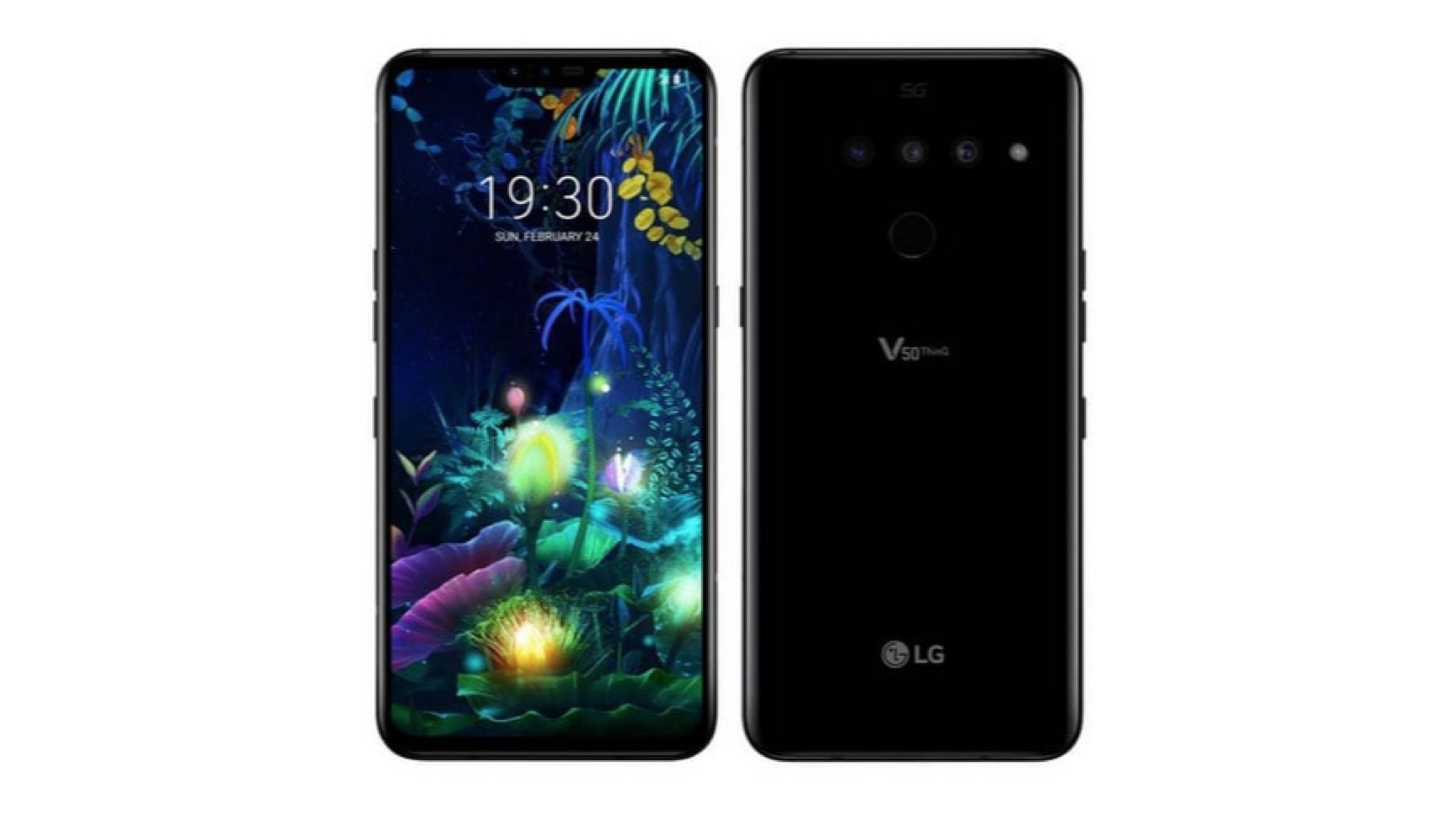
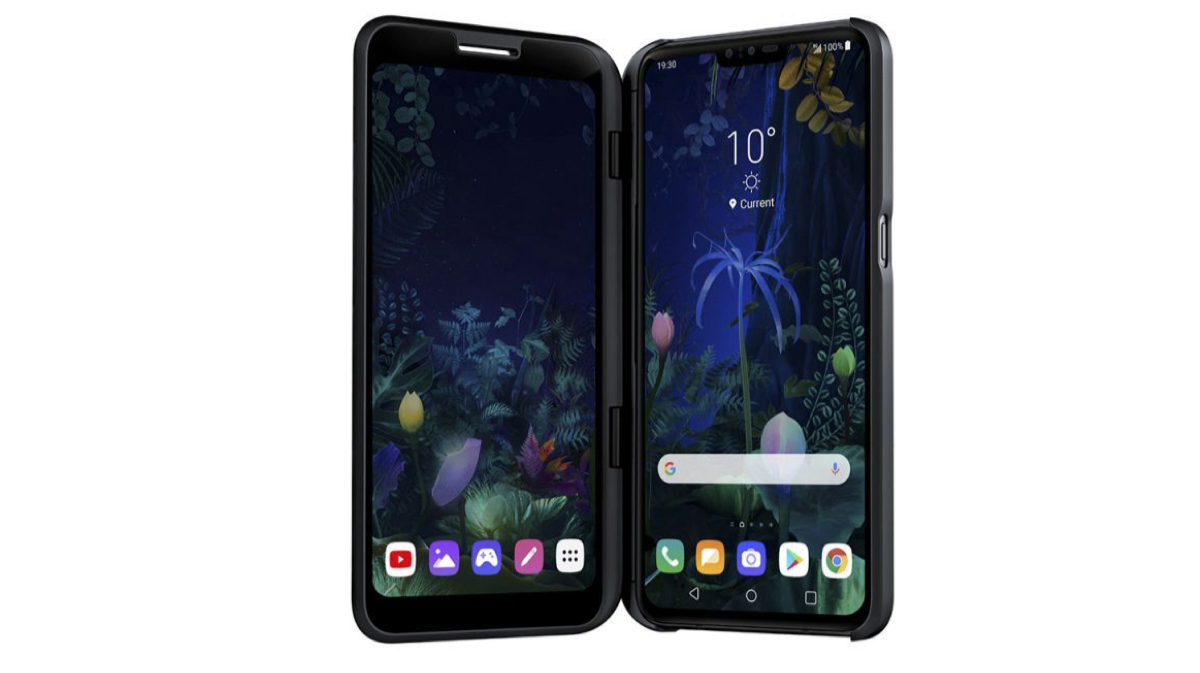
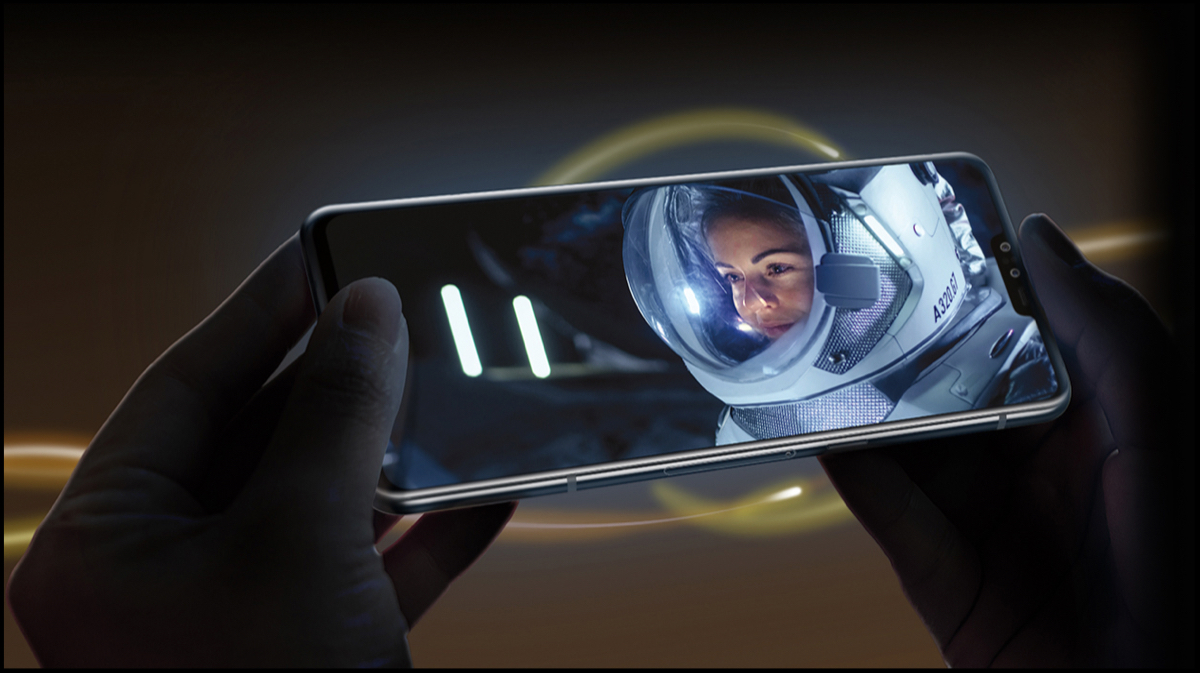 The V50 ThinQ is a dual glass smartphone with a glass-sandwich design, which gives the smartphone an elegant look. The device sports a 6.4 inch OLED screen with a resolution of 3120 x 1440 px and an aspect ratio of 19.5:9. The display panel has a pixel density of 537 ppi, and supports HDR 10. It has a similar notch to the
 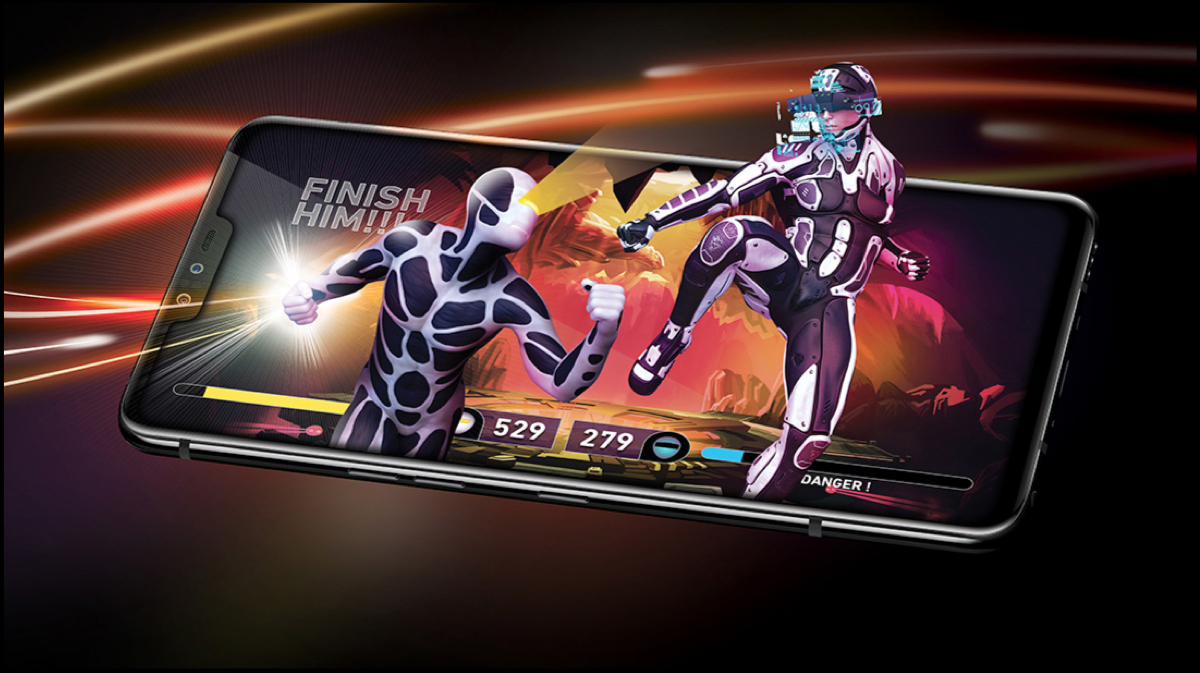 The LG V50 ThinQ runs on the 7nm Snapdragon 855 chipset, which consists of an octa-core processor (1×2.84 GHz Kryo 485, 3×2.42 GHz Kryo 485 and 4×8 GHz Kryo 485) and the Adreno 640 GPU. The device also features Qualcomm’s 5G modem. In addition, the V50 has an advanced cooling system to keep the temperature of the device under check. It runs on Android 9 Pie out of the box, with a layer of LG UX on top. The device has 6GB of RAM and 128GB of internal storage, which can be further expanded via the microSD slot.
 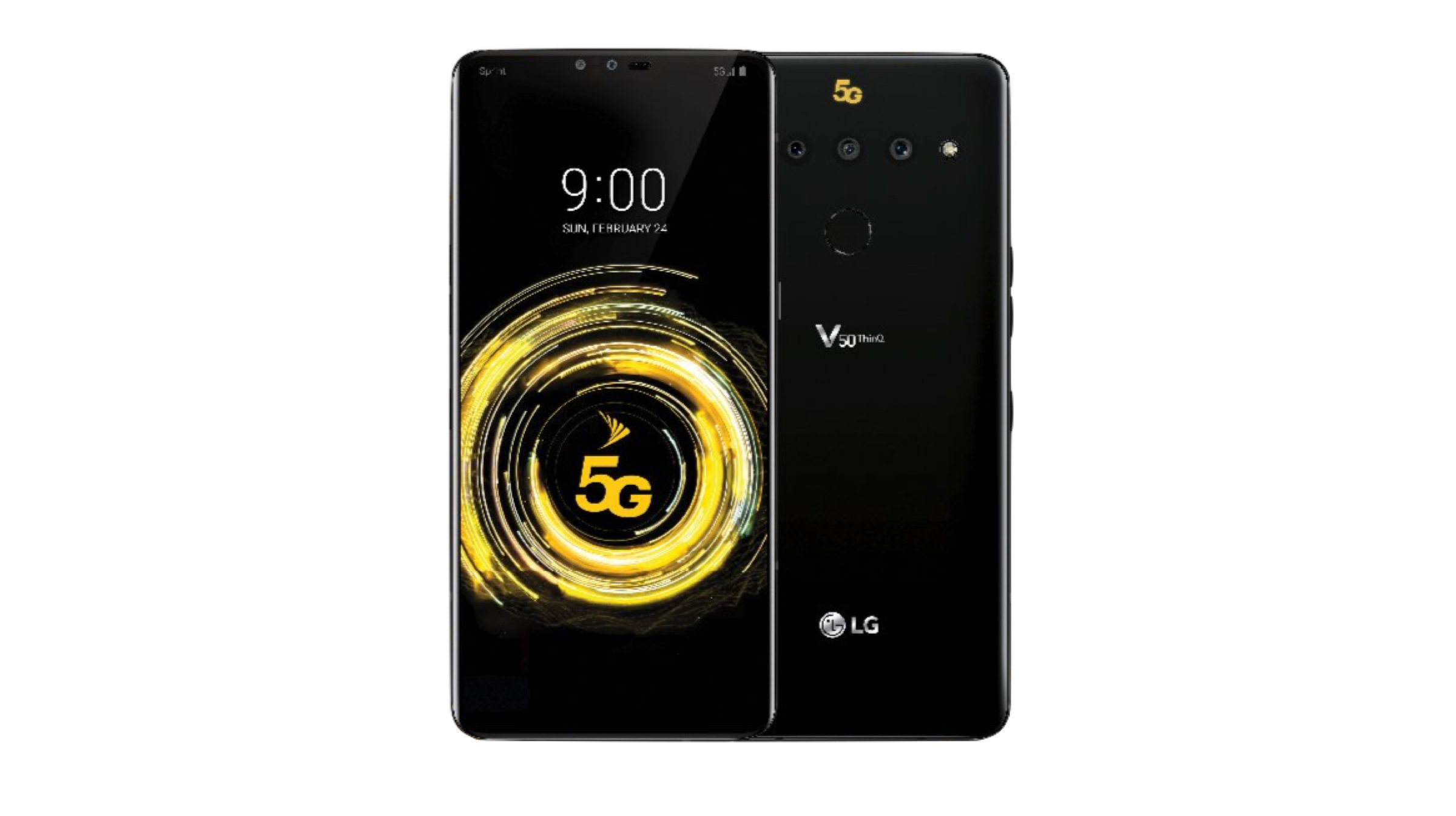 The V50 ThinQ features a triple rear camera setup, which comprises of a 12MP (f/1.5) camera sensor, a 12MP (f/2.4) telephoto sensor and a 16MP ultra-wide-angle snapper. The camera also supports Optical Image Stabilization (OIS) for taking high quality blur free images. In addition, the smartphone sports a dual front camera module which is housed in the notch along with the earpiece. The selfie camera setup consists of an 8MP (f/1.9) standard sensor and a 5MP (f/2.2) wide-angle camera.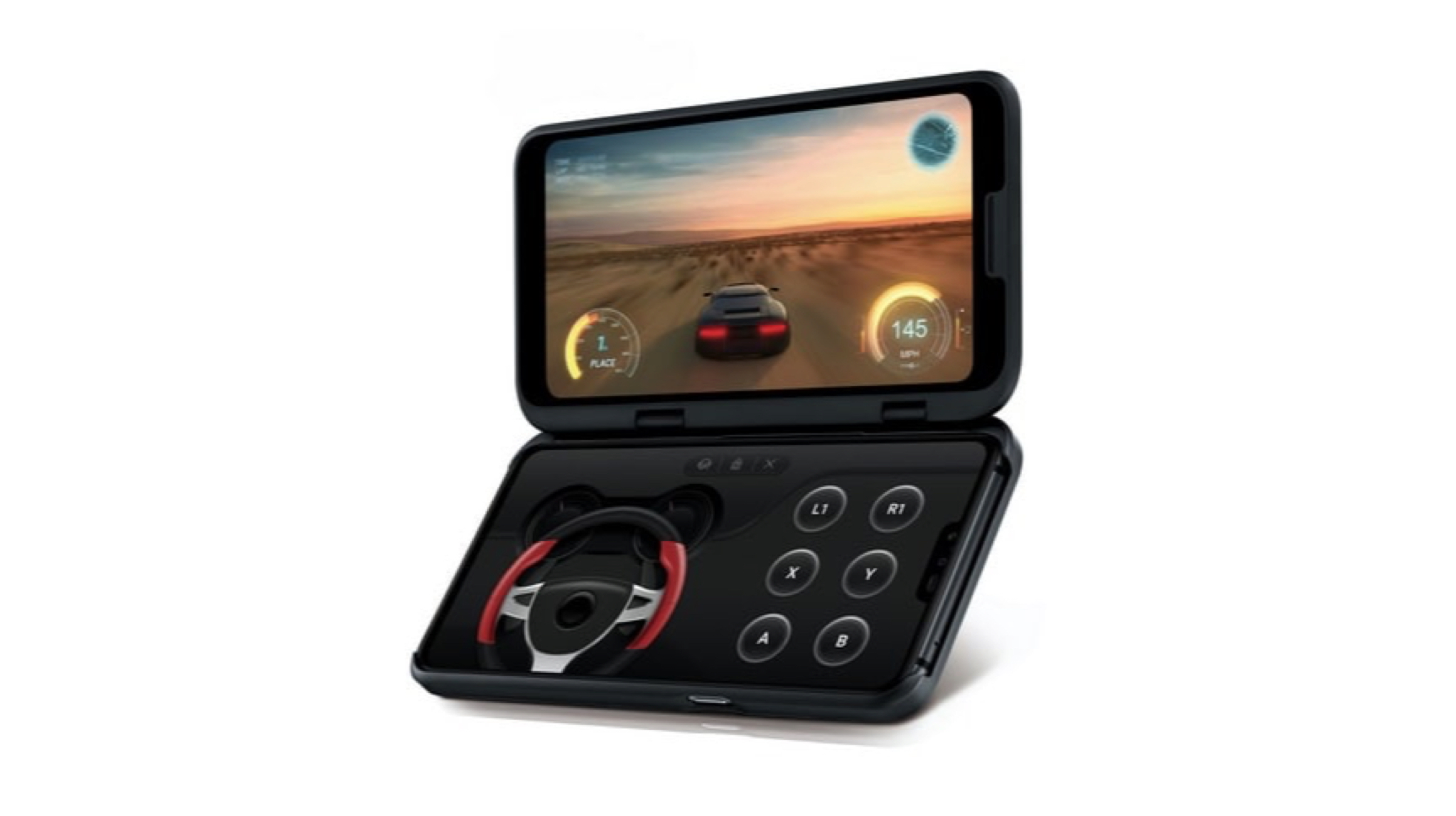


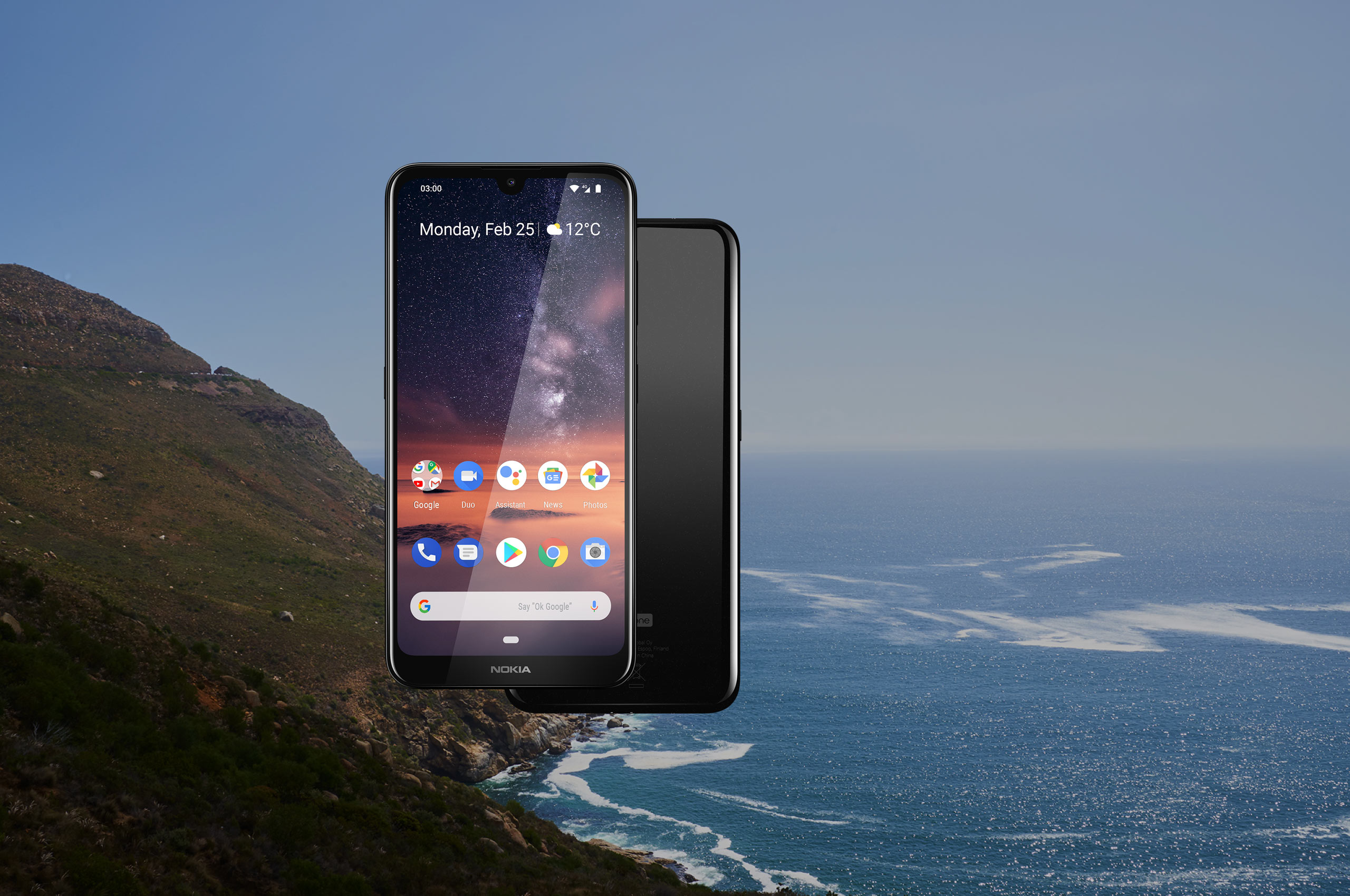


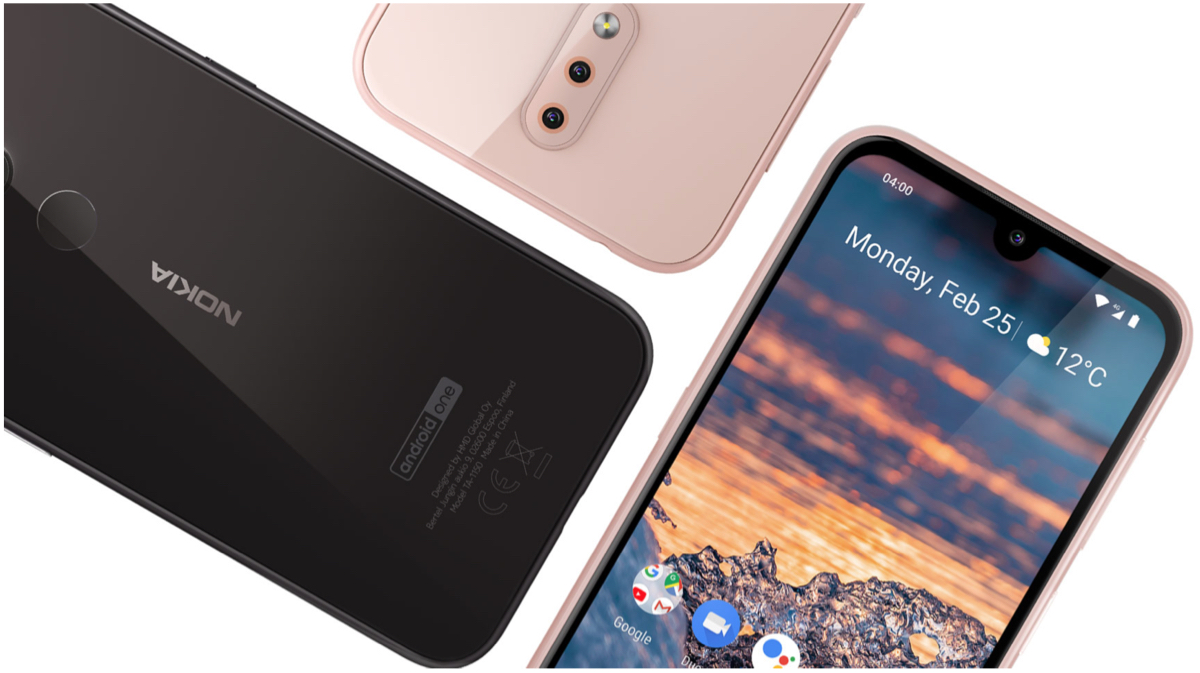

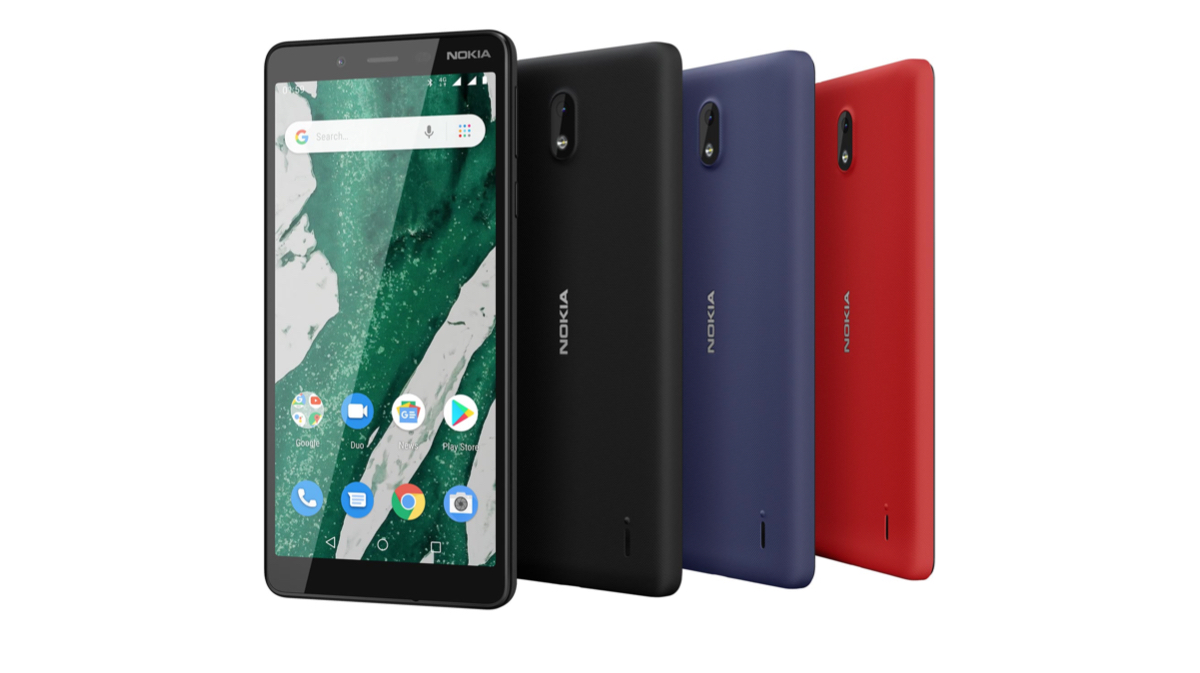
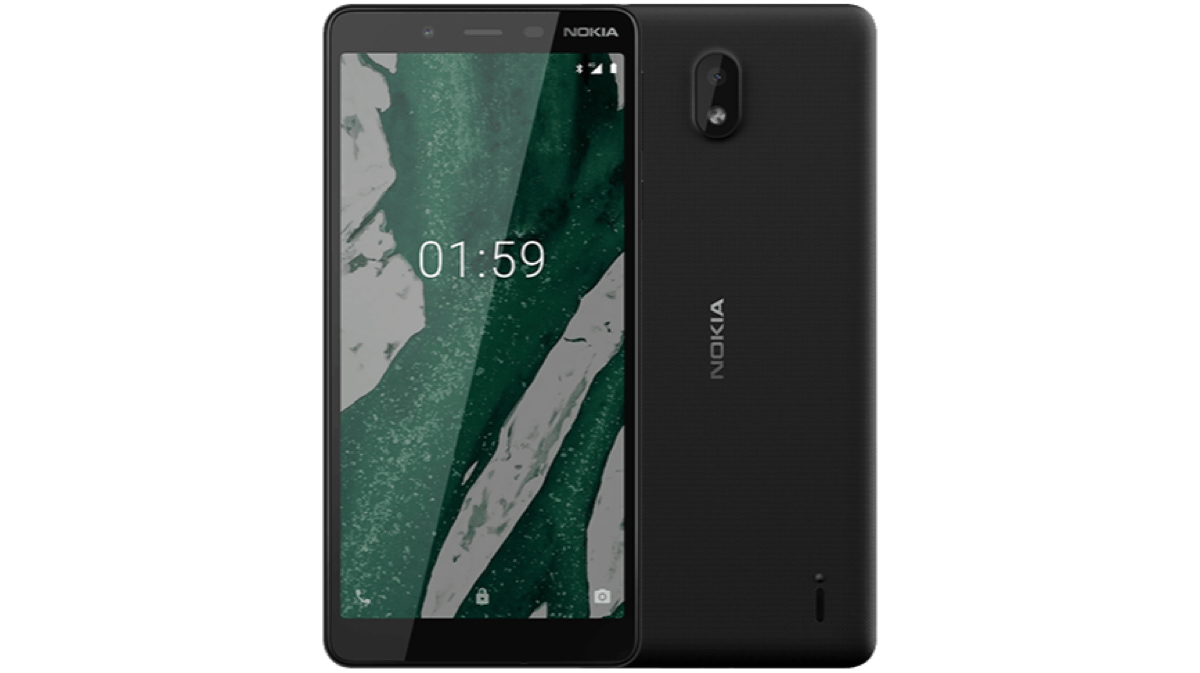

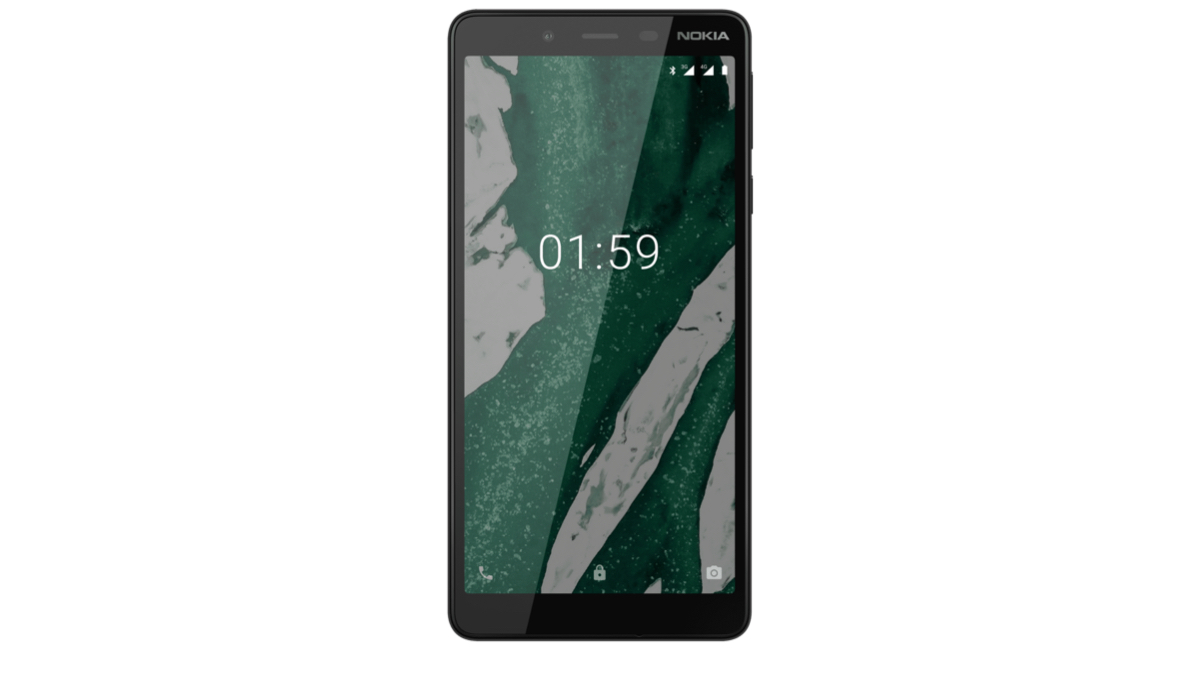
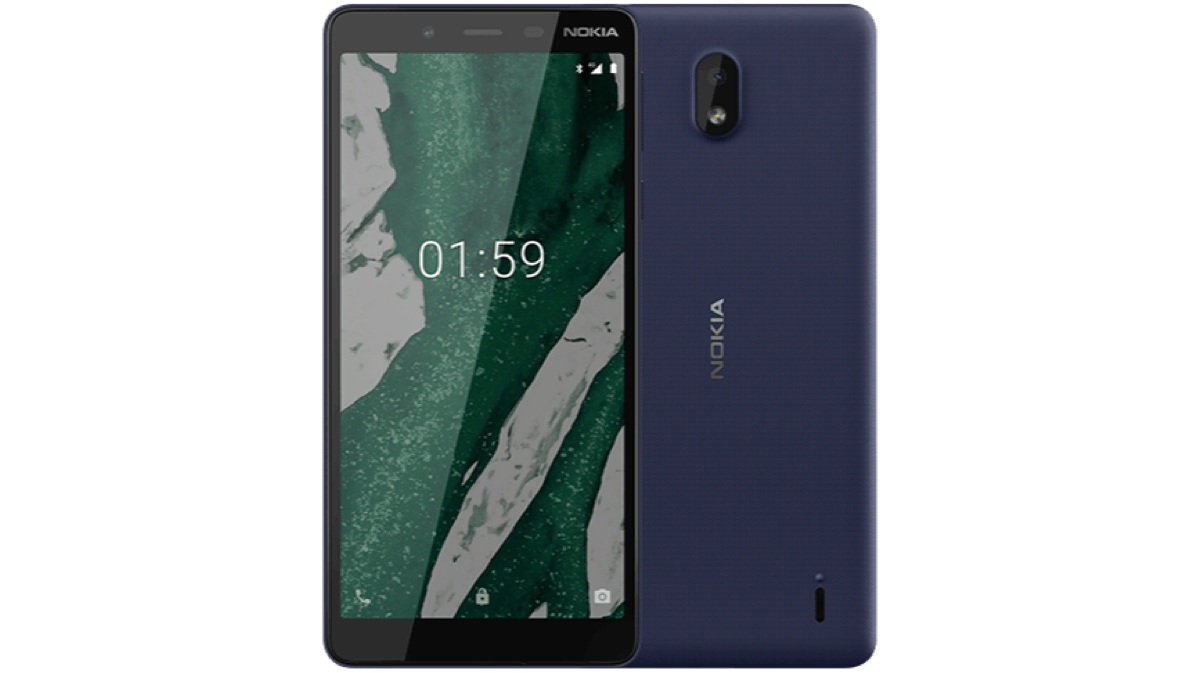
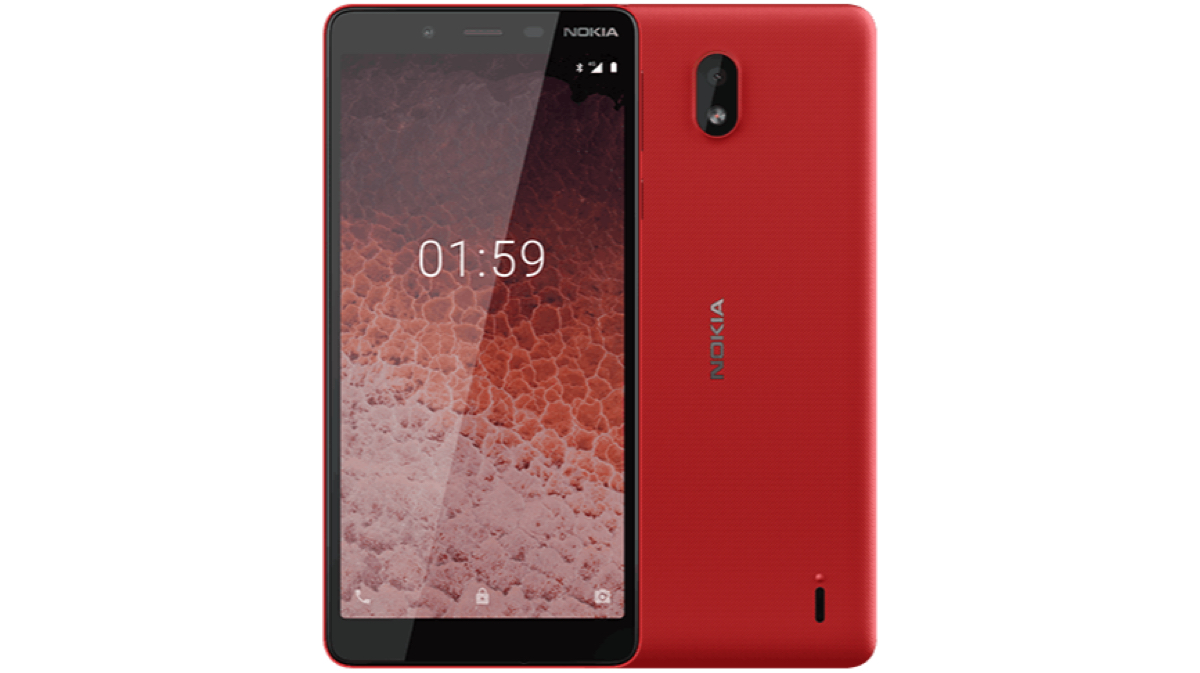
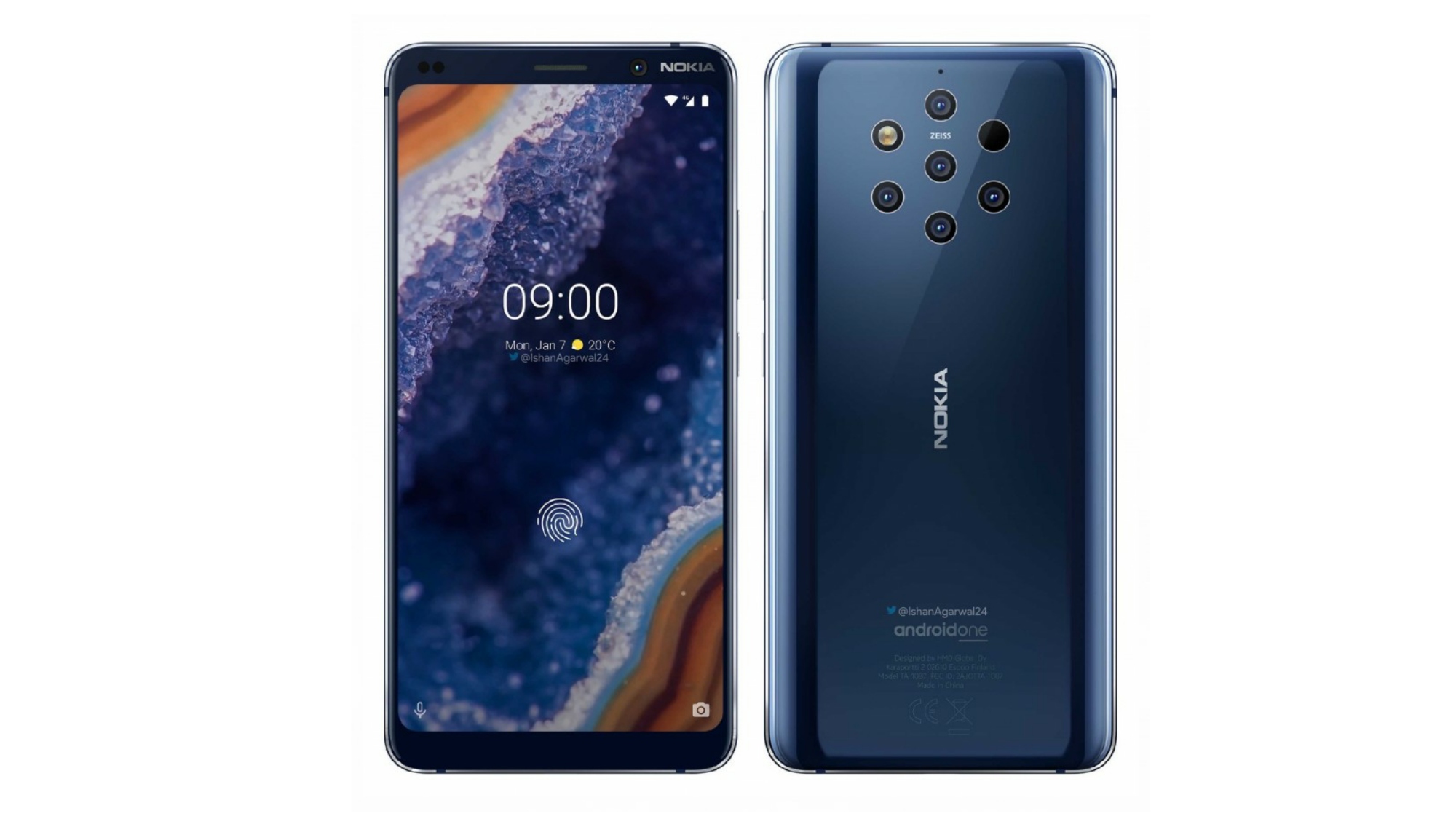
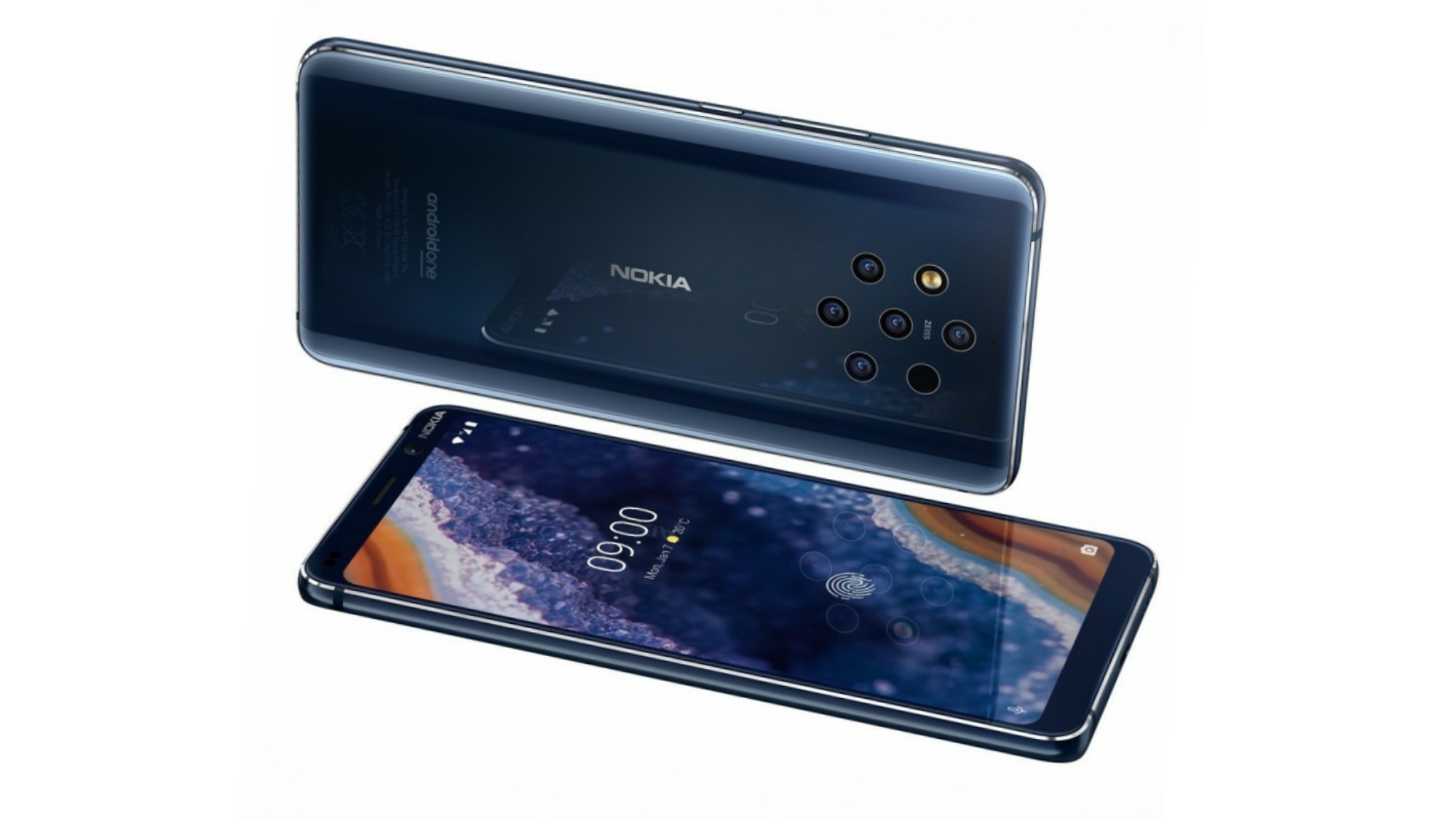
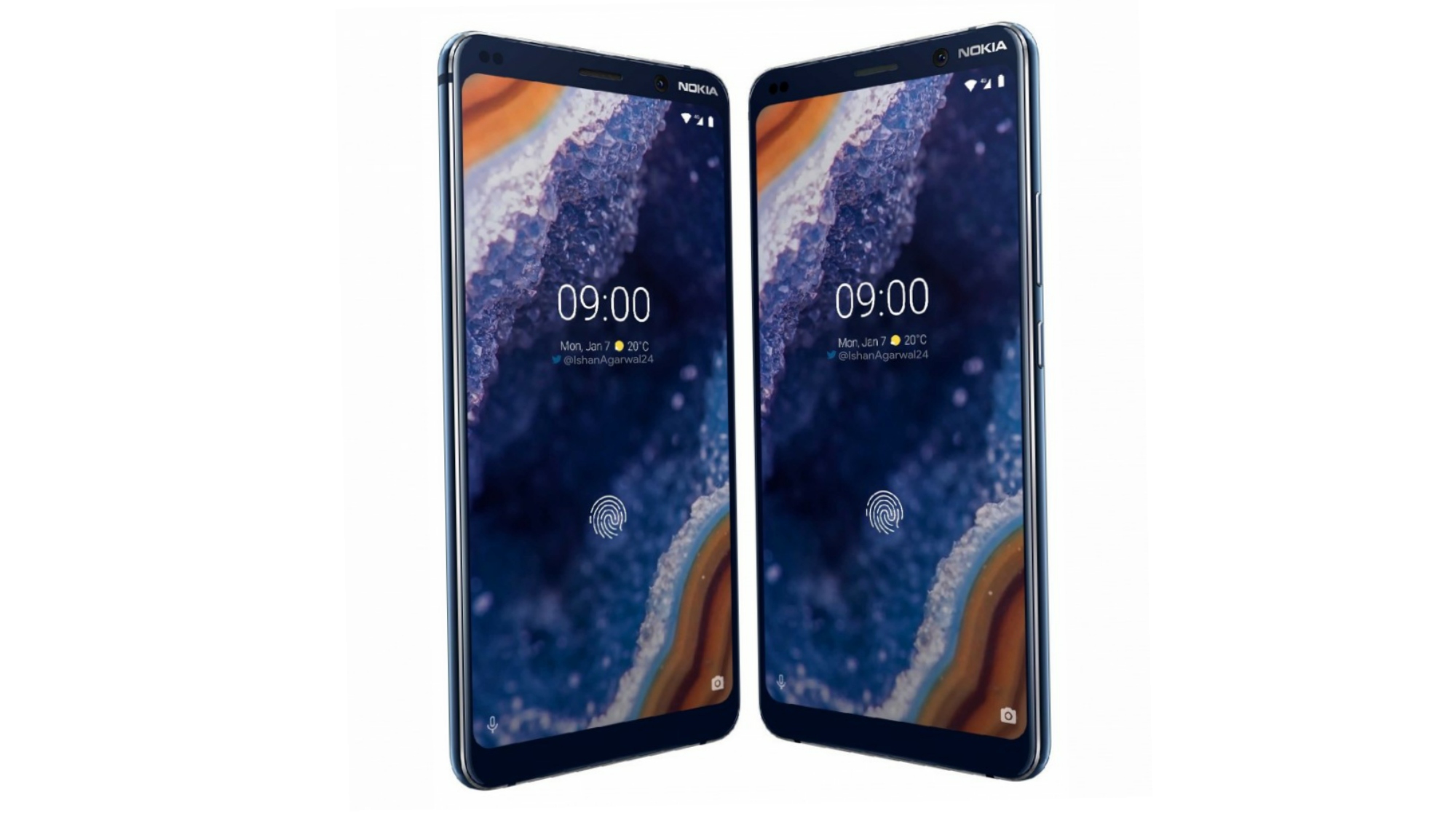
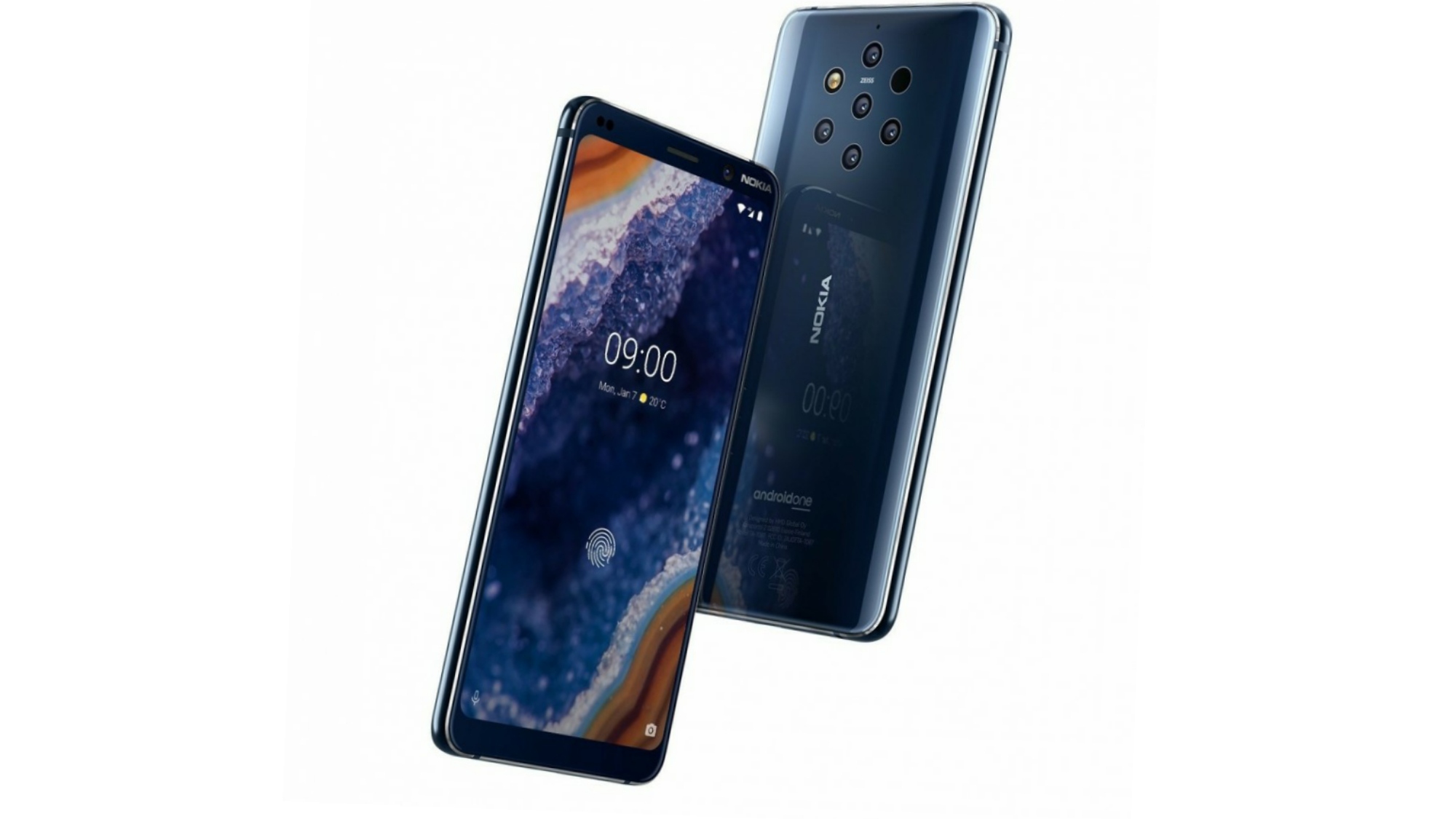
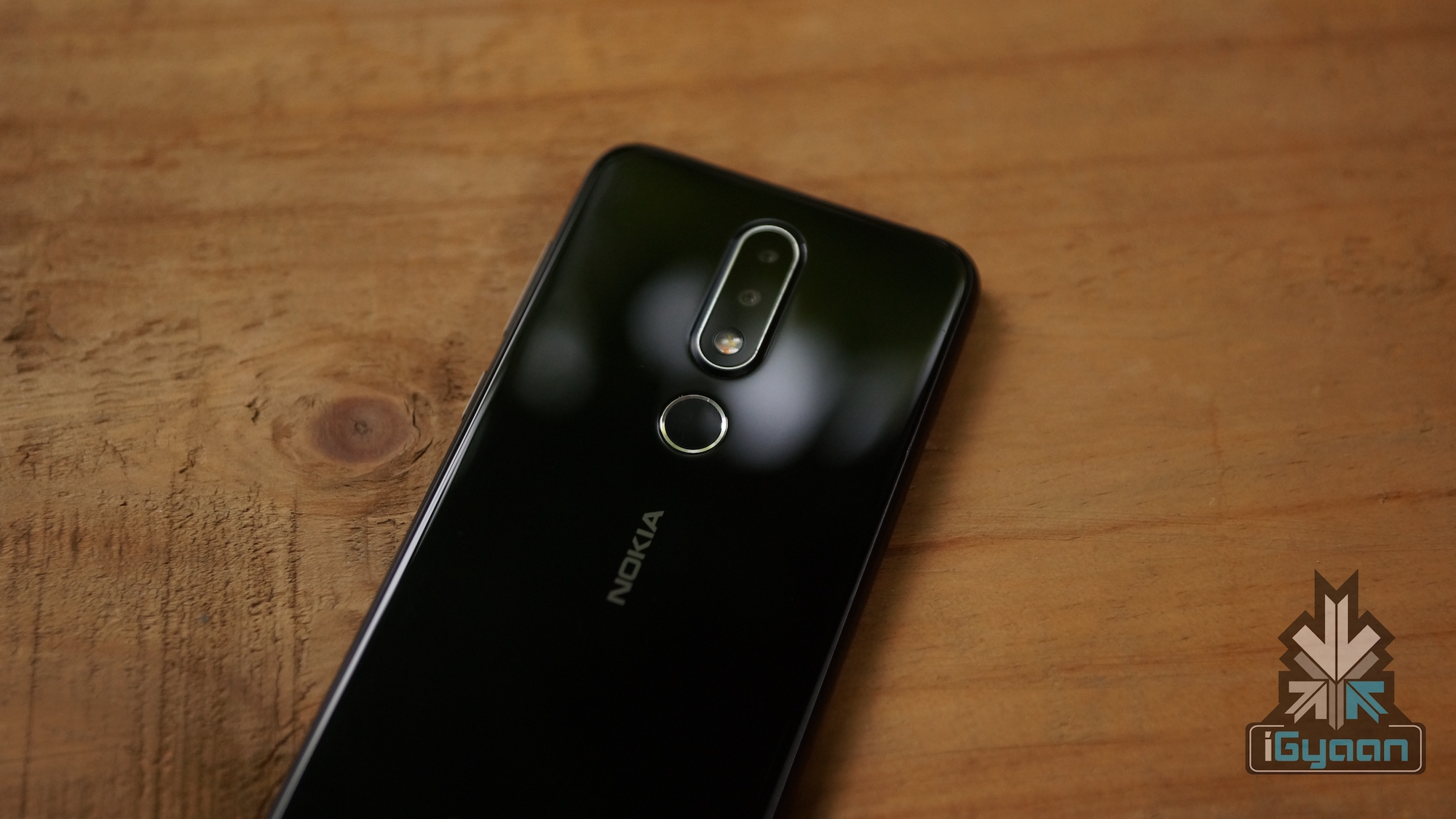
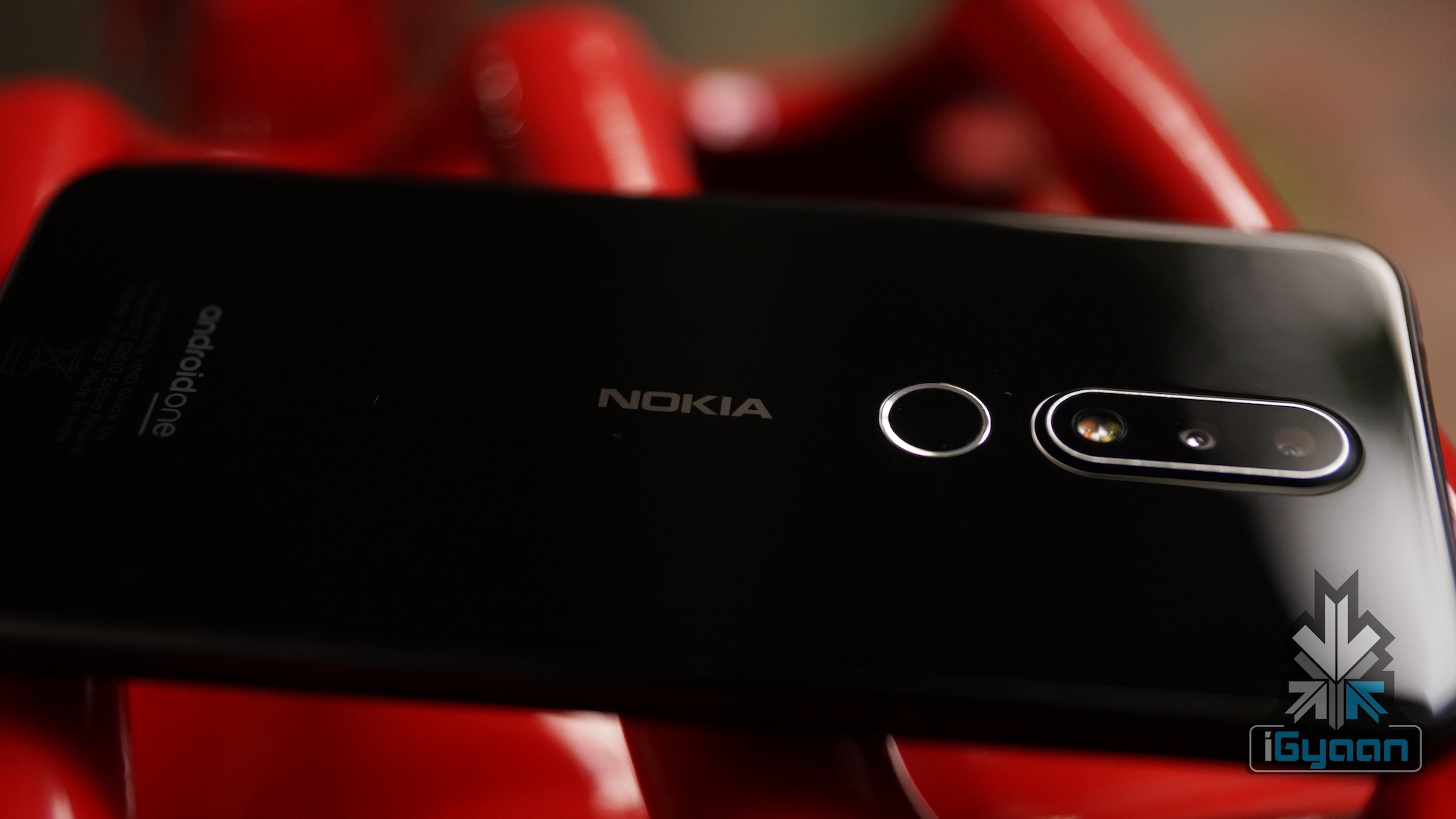 The Nokia 6.1 Plus has an aluminium frame and is fitted with front and back glass panels. The device is equipped with Corning Gorilla Glass 3 for protection against scratches and impacts. The smartphone sports a 5.8 inch IPS LCD display. The screen has a resolution of 2280 x 1080 px and 19:9 aspect ratio. The volume rockers and the power/lock button are present on the right side of the smartphone.
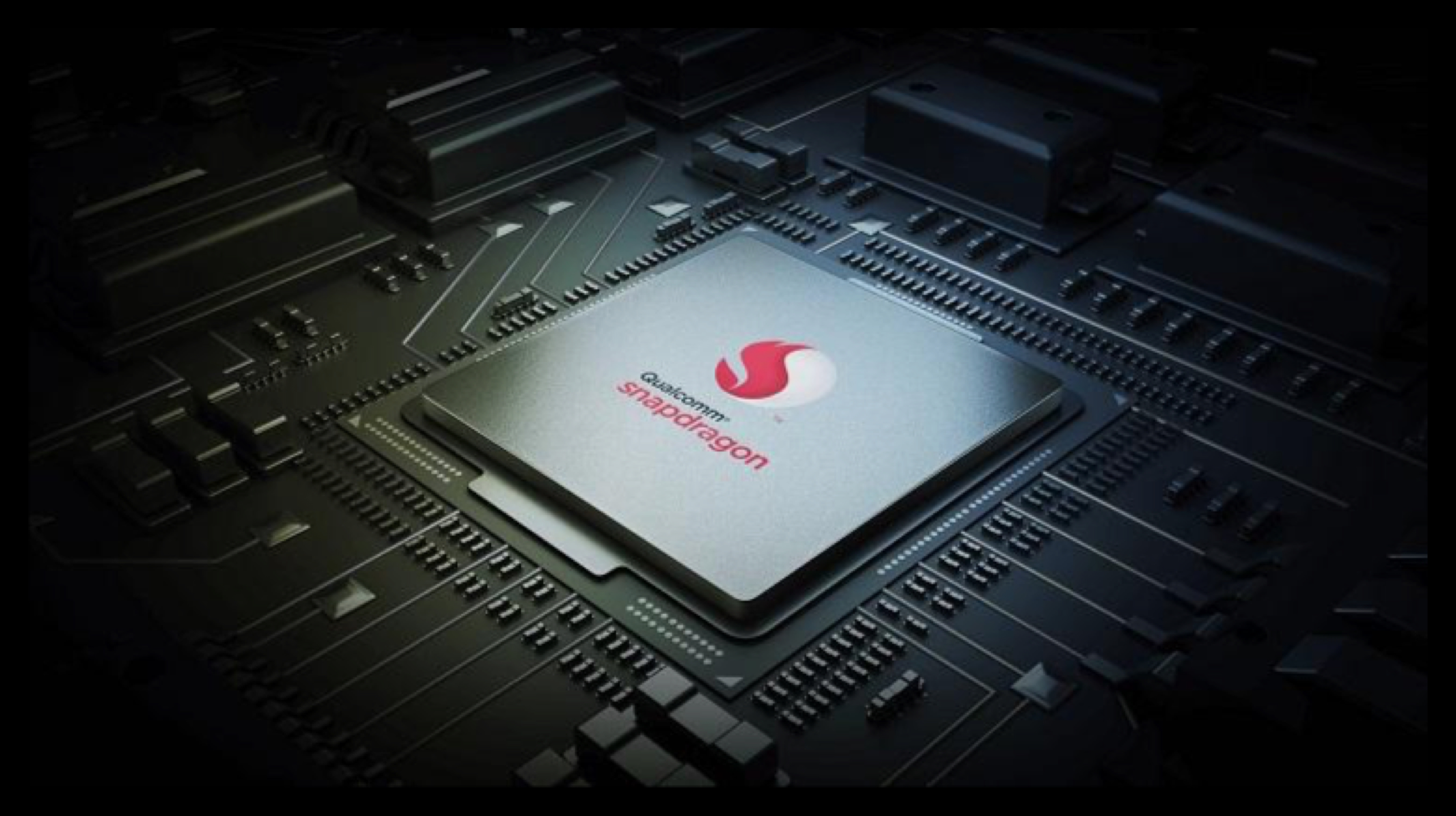 The Nokia 6.1 Plus runs on the Qualcomm Snapdragon 636 chipset which consists of an octa-core 1.8 GHz Kryo 260 CPU paired with the Adreno 509 GPU. The device has Android 8.1 (Oreo) out-of-the-box and will be upgradable to Android 9 (Pie) in the future.
 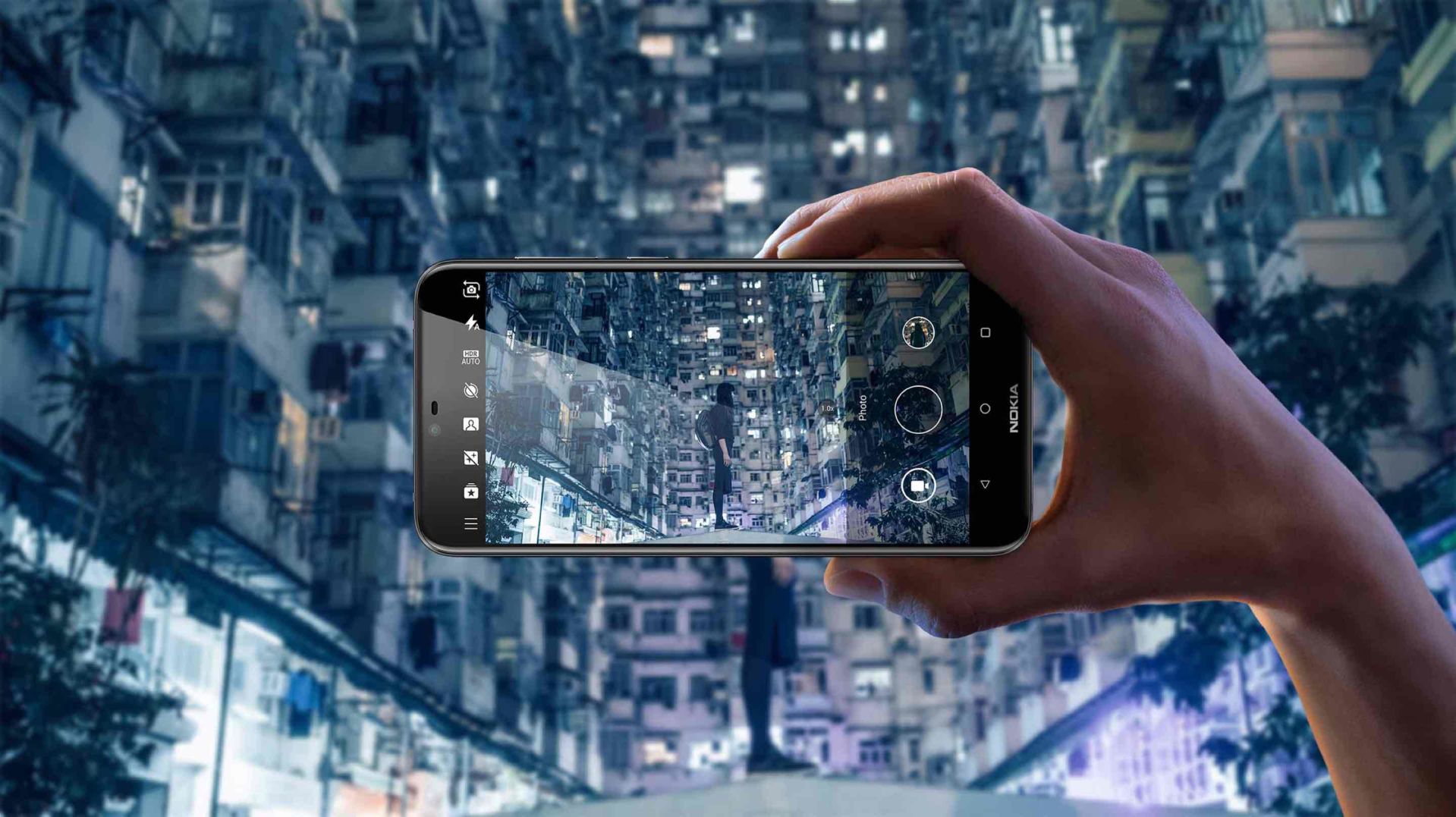 The smartphone is powered by a 3,060 mAh battery which supports 18W fast charging via the bottom mounted USB Type-C connector. In terms of biometric security, it has a rear mounted fingerprint sensor. The newer version which is launched in India has 6GB RAM and 64GB internal storage. The device also supports expandable memory up to 400GB via a microSD card. It will be available in Black and Blue colour options.
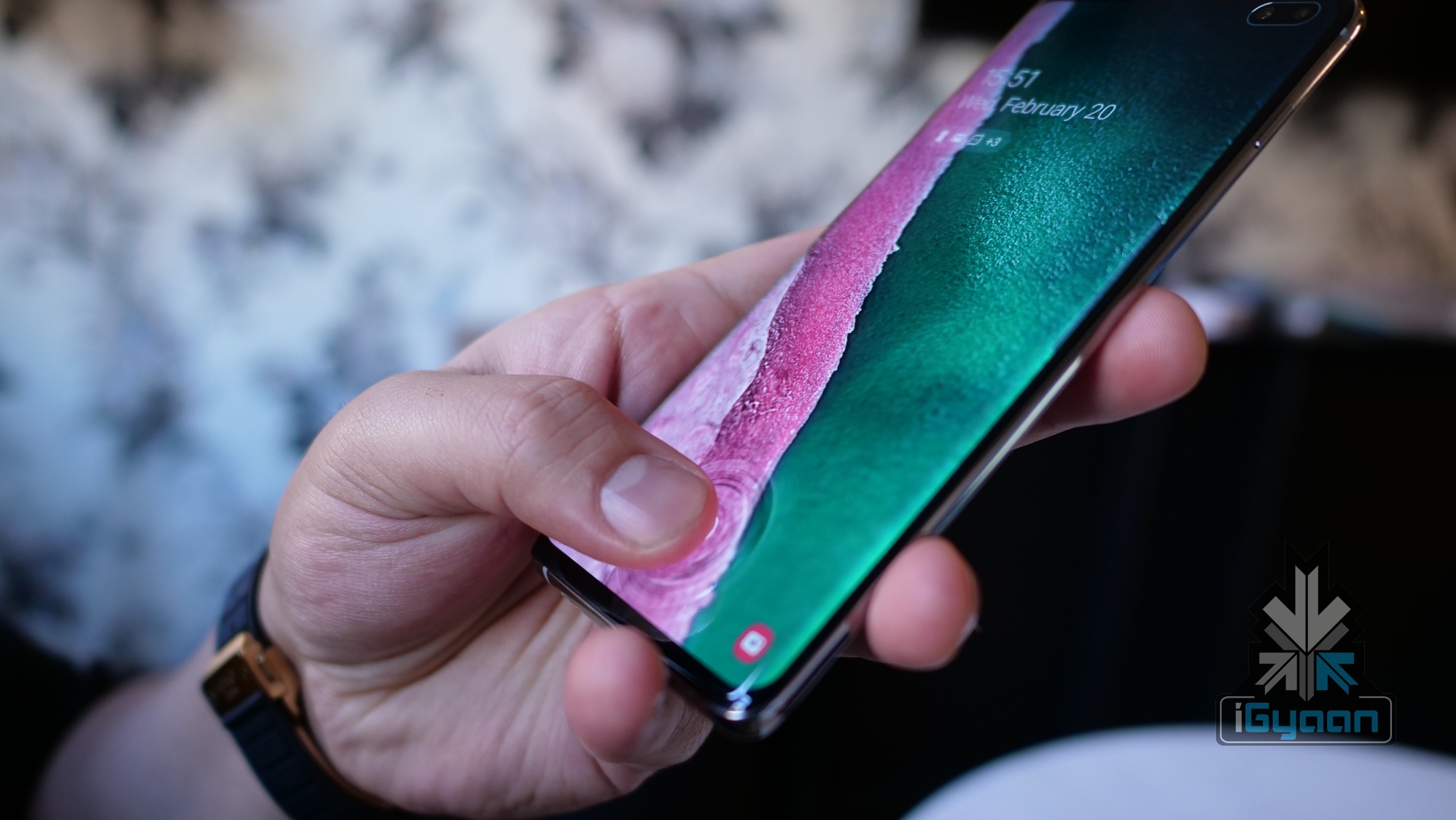
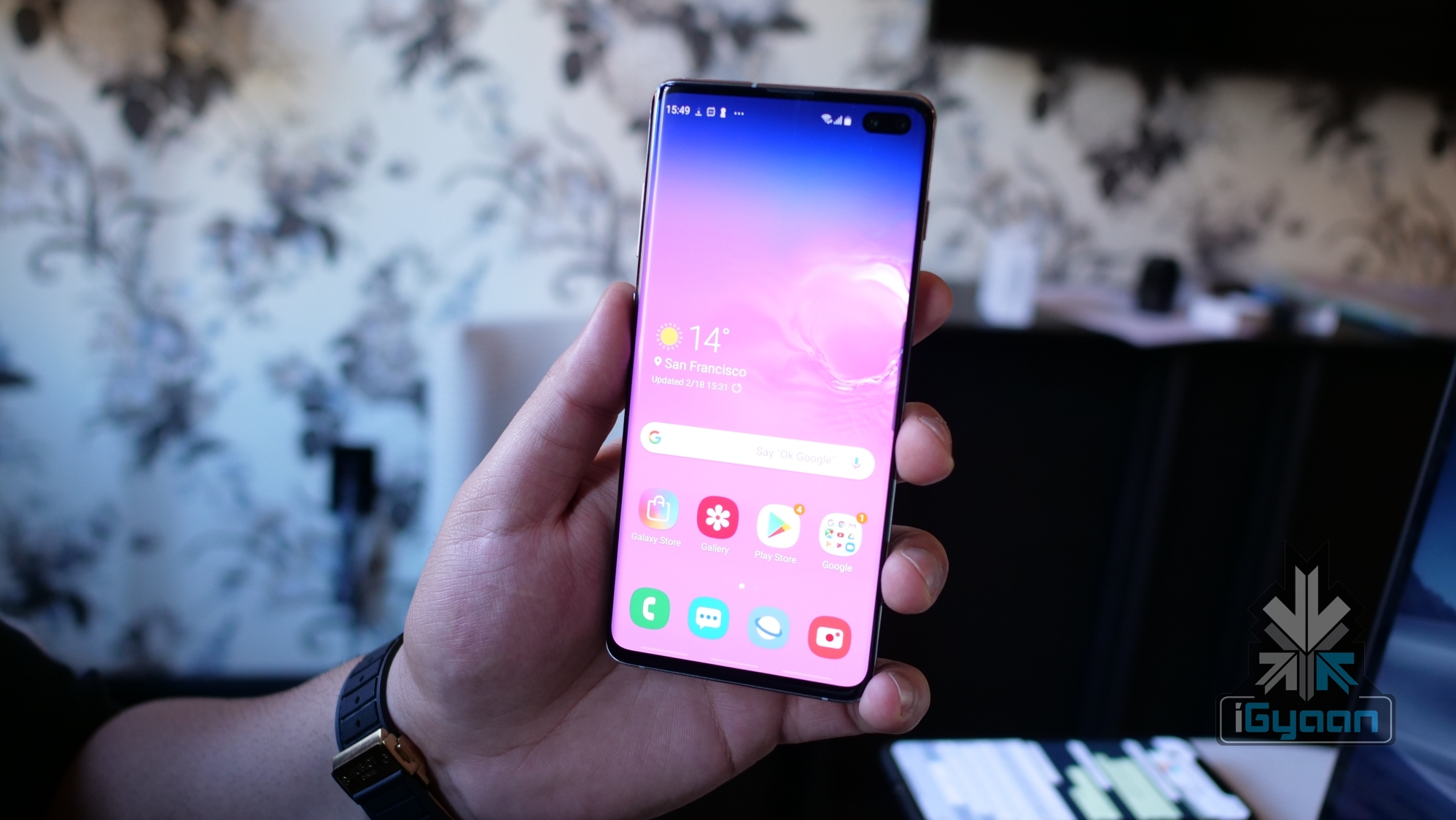 The Galaxy S10 5G measures 162.6 x 77.1 x 7.94mm and weighs 198g. The design of the smartphone is reminiscent of the Galaxy S10+ with Gorilla Glass 6 on the front and Gorilla Glass 5 on the back. The display sports an Infinity-O, 6.7-inch Dynamic AMOLED panel with a resolution of 3040 x 1440 px. It has a pixel density of 505PPI and a 19:9 aspect ratio. Like its siblings the Galaxy S10 and Galaxy S10+, it features an ultrasonic in-display fingerprint scanner and has IP68 certification for water and dust resistance.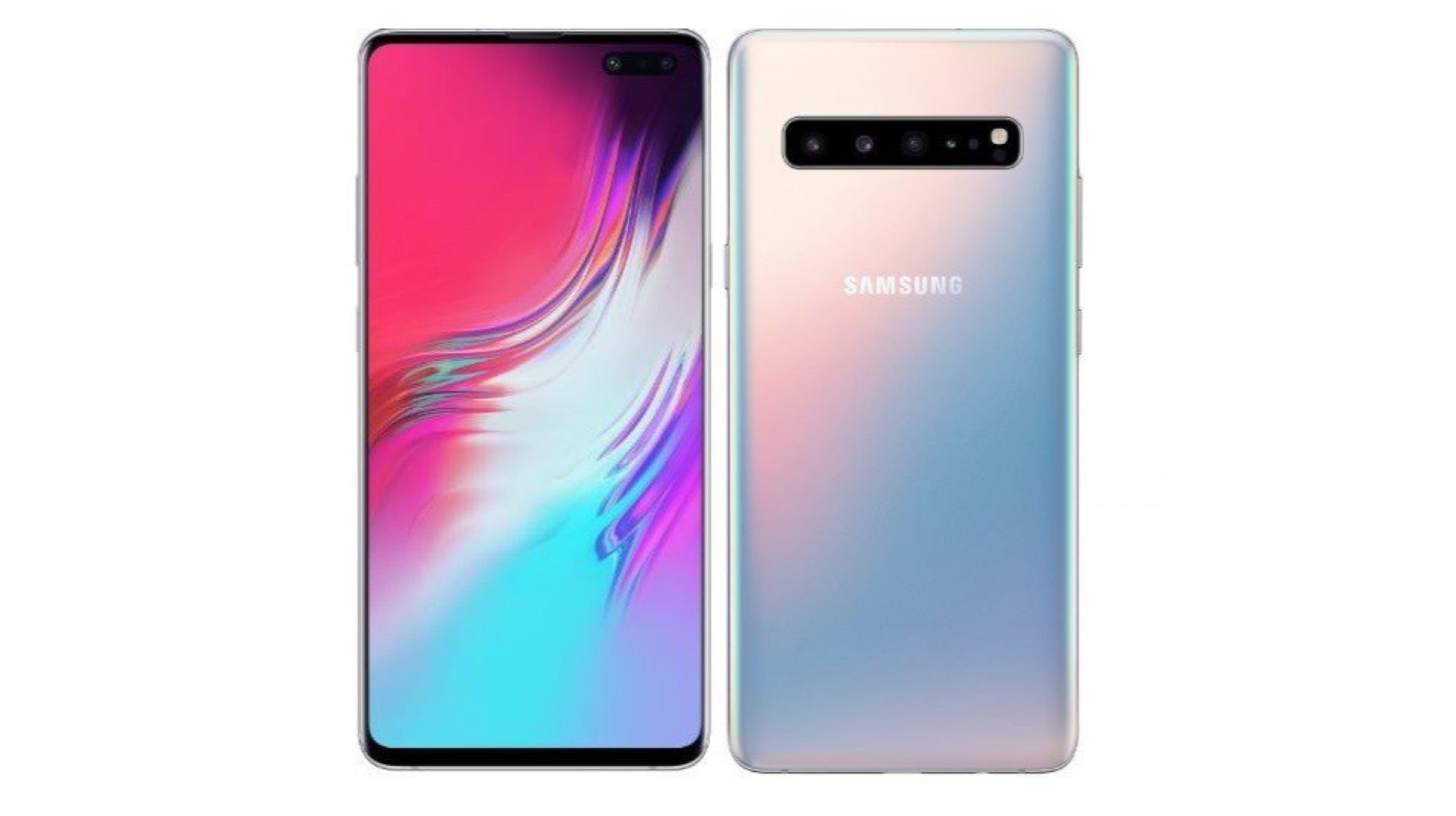
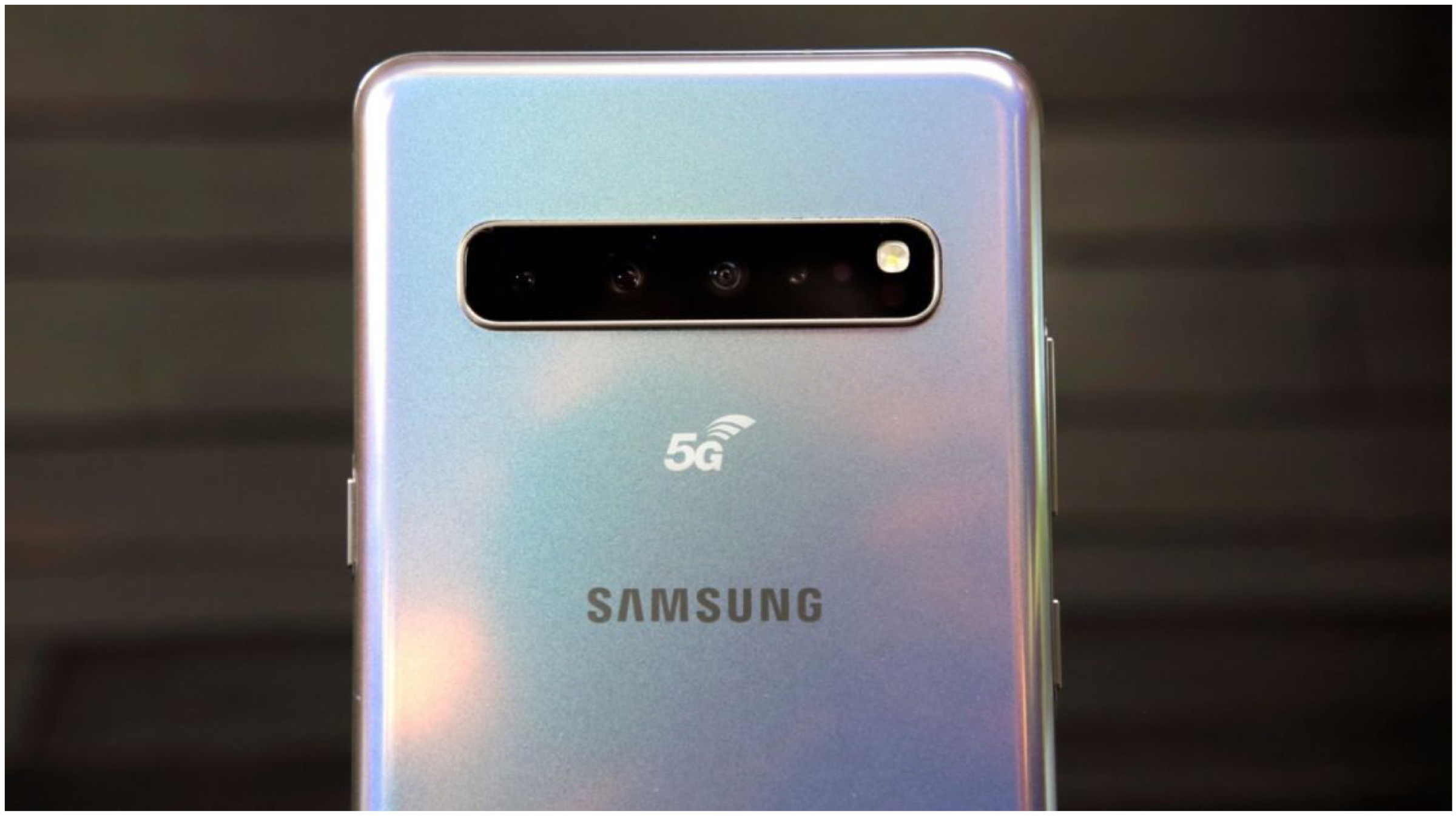 The Galaxy S10 5G runs on the latest Qualcomm Snapdragon 855 SoC which is manufactured using 7nm fabrication process. It has an Octa-core CPU and Adreno 640 GPU. The device features the Qualcomm X50 modem for 5G support. In terms of storage, it features 8GB of RAM and 256GB of onboard storage. There is no support for memory expansion via MicroSD.
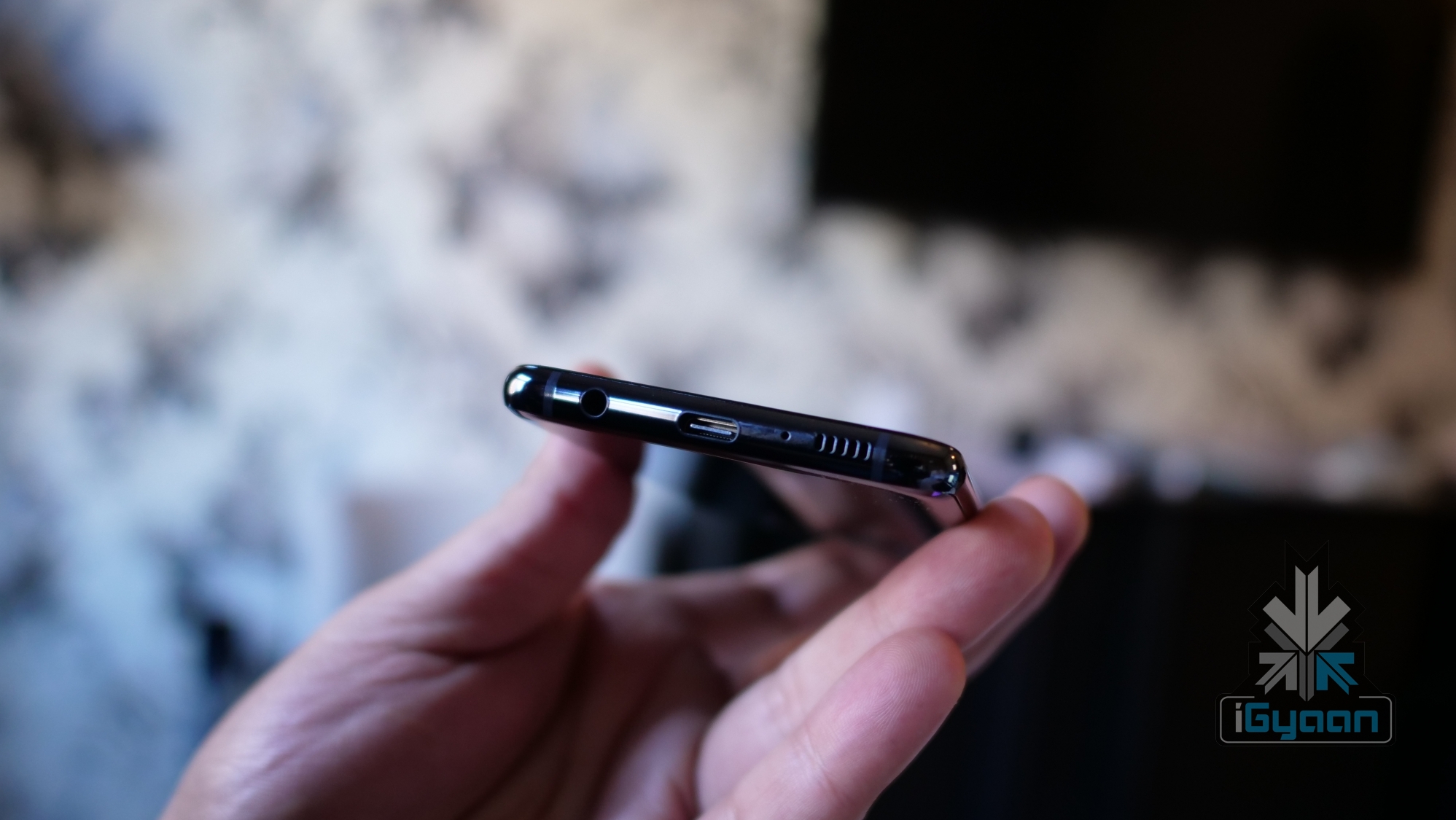
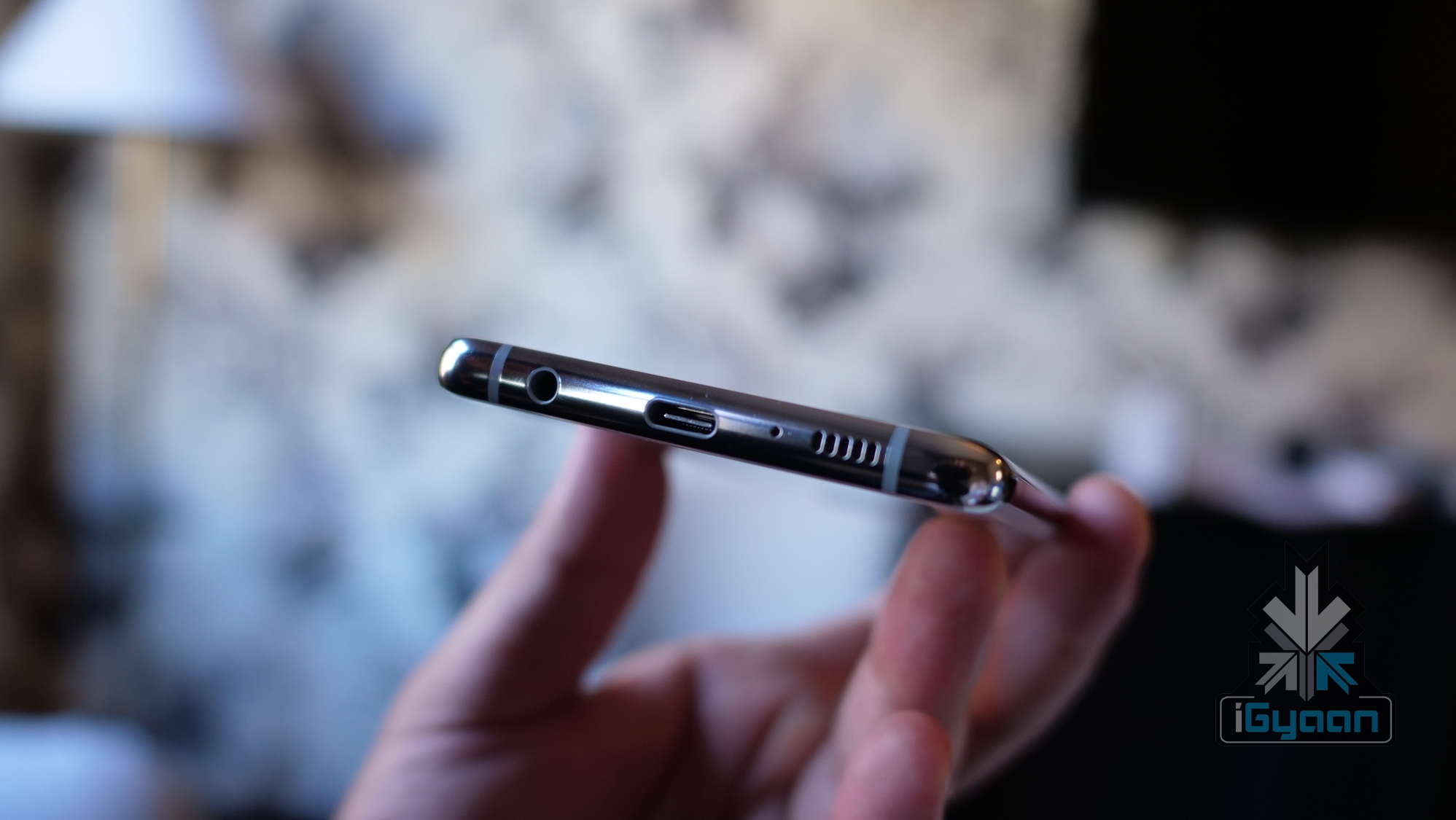 The Galaxy S10 5G is powered by a 4,500mAh battery, larger than the 4100mAh present on the Galaxy S10+. The device supports 25W fast charging via the bottom mounted USB Type-C Port. Noteworthy, the premium smartphone also supports wireless charging. Like its siblings, it also has a reverse wireless charging feature.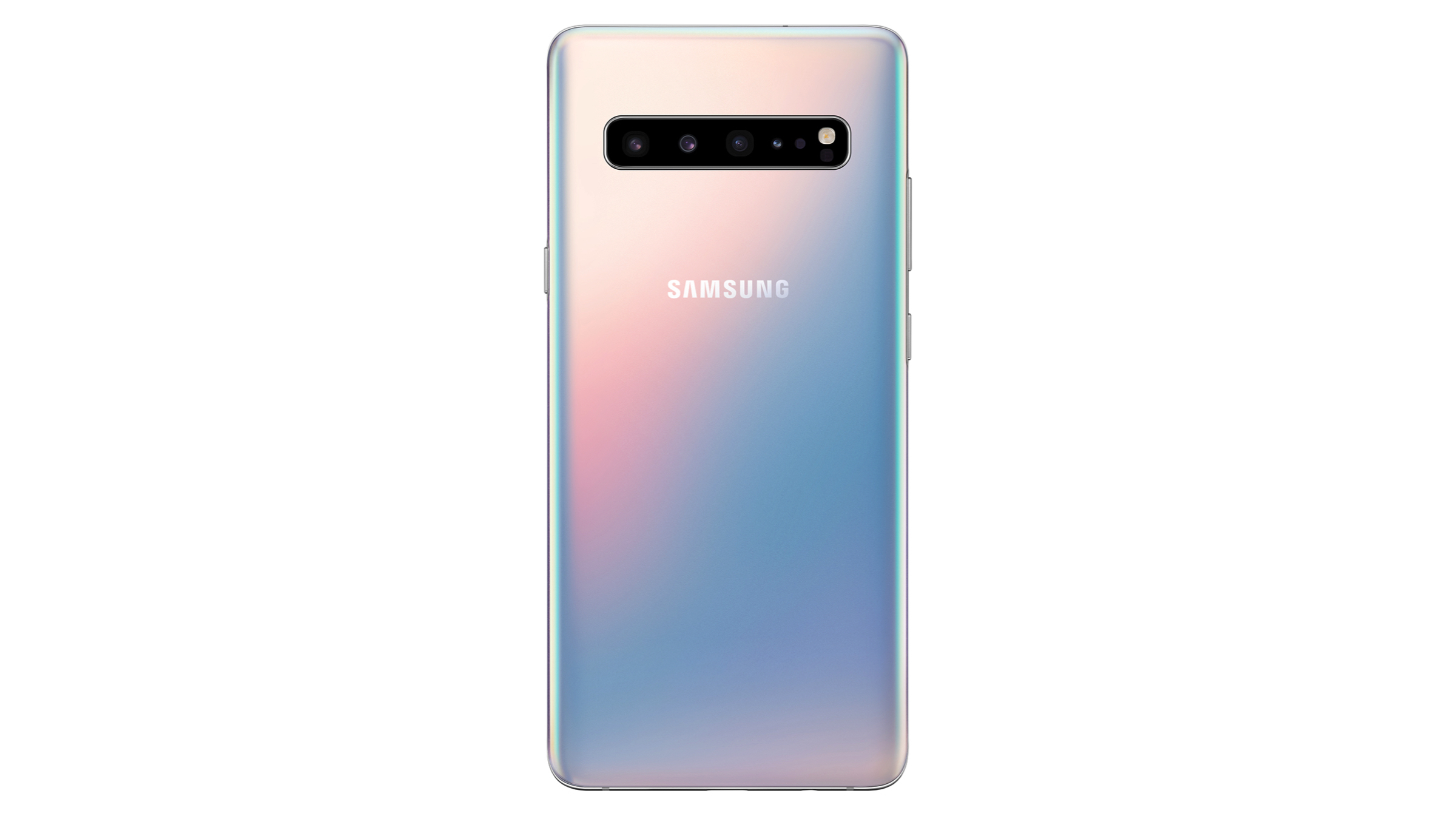
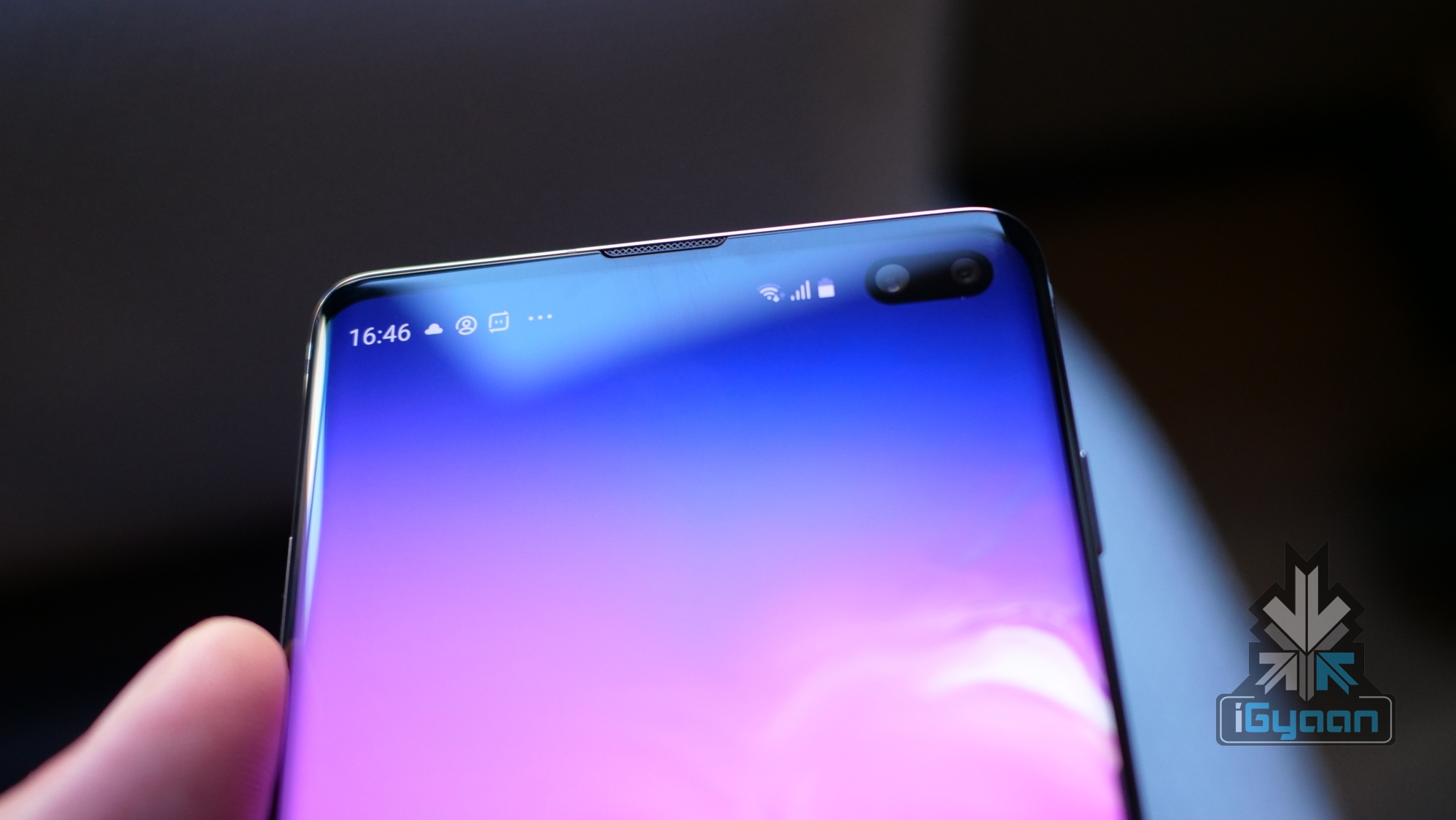 The Samsung Galaxy S10+ is the most feature-rich smartphone in the new Galaxy S10 lineup. It features a 6.4 inch Dynamic AMOLED Infinity-O display. It has an edge-to-edge HDR+ display that tapers towards the sides. The display panel has a resolution of 3040 x 1440 px and pixel density of 522 ppi. To safegurd it against scartches and drops, the front and back of the device is protected with Corning Gorilla Glass. The US/China variant of the Galaxy S10+ runs on the Qualcomm Snapdragon 855. On the other hand, the EMEA variant of the device runs on Samsung’s own Exynos 9820 chipset.
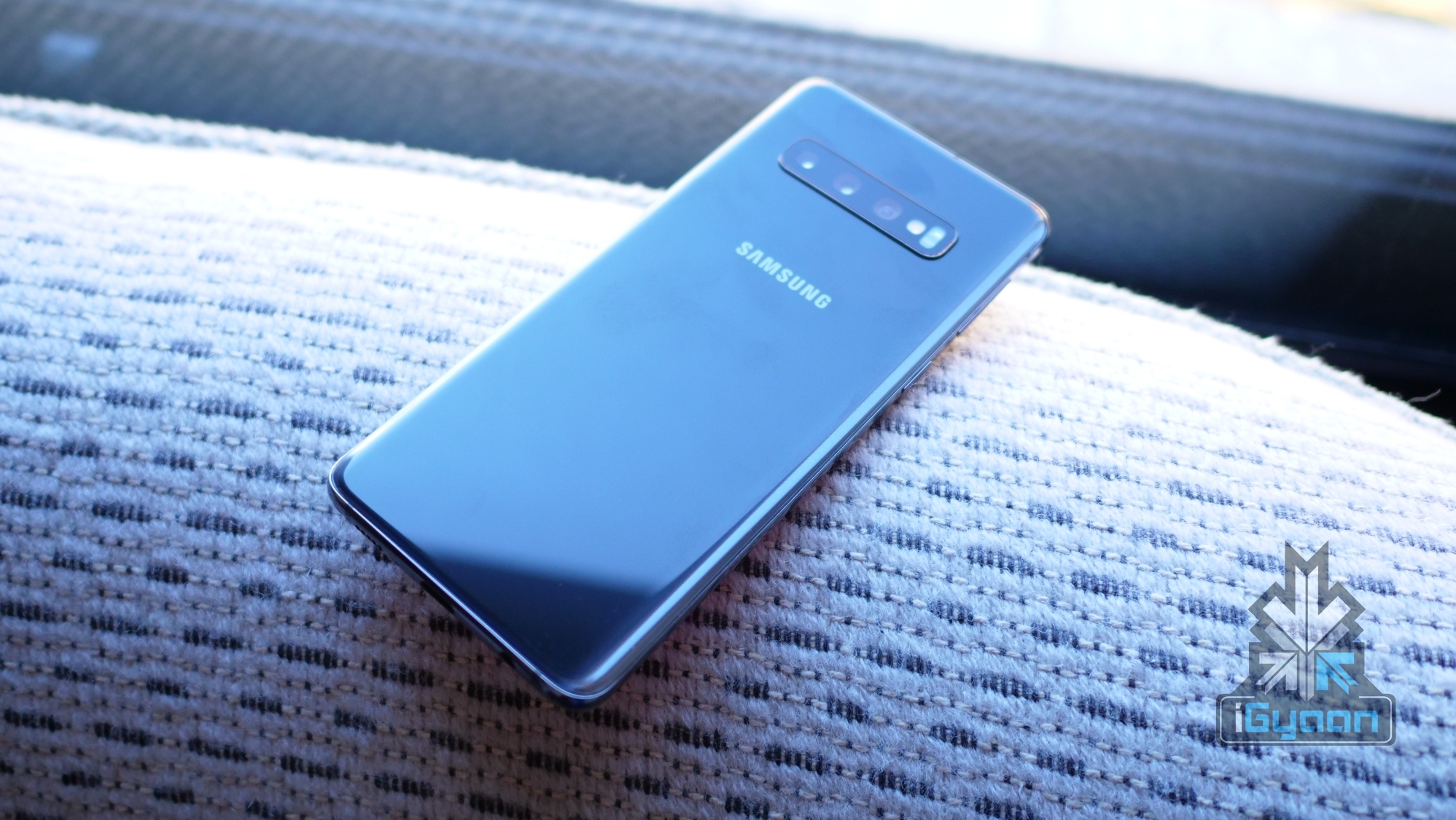 The Samsung Galaxy S10+ sports a triple rear camera camera setup which consists of a 12MP (f/1.5- f/2.4) primary sensor, 12MP (f/2.4) telephoto sensor and a third 16 MP (f/2.2) ultra-wide sensor. The smartphone also has a dual front camera module, which is a combination of a 10MP (f/1.9) sensor and an 8MP (f/2.2) sensor housed in the punch-hole display. The Galaxy S10+ boasts of the world’s first ultrasonic in-display fingerprint scanner in addition to 3D face recognition technology.
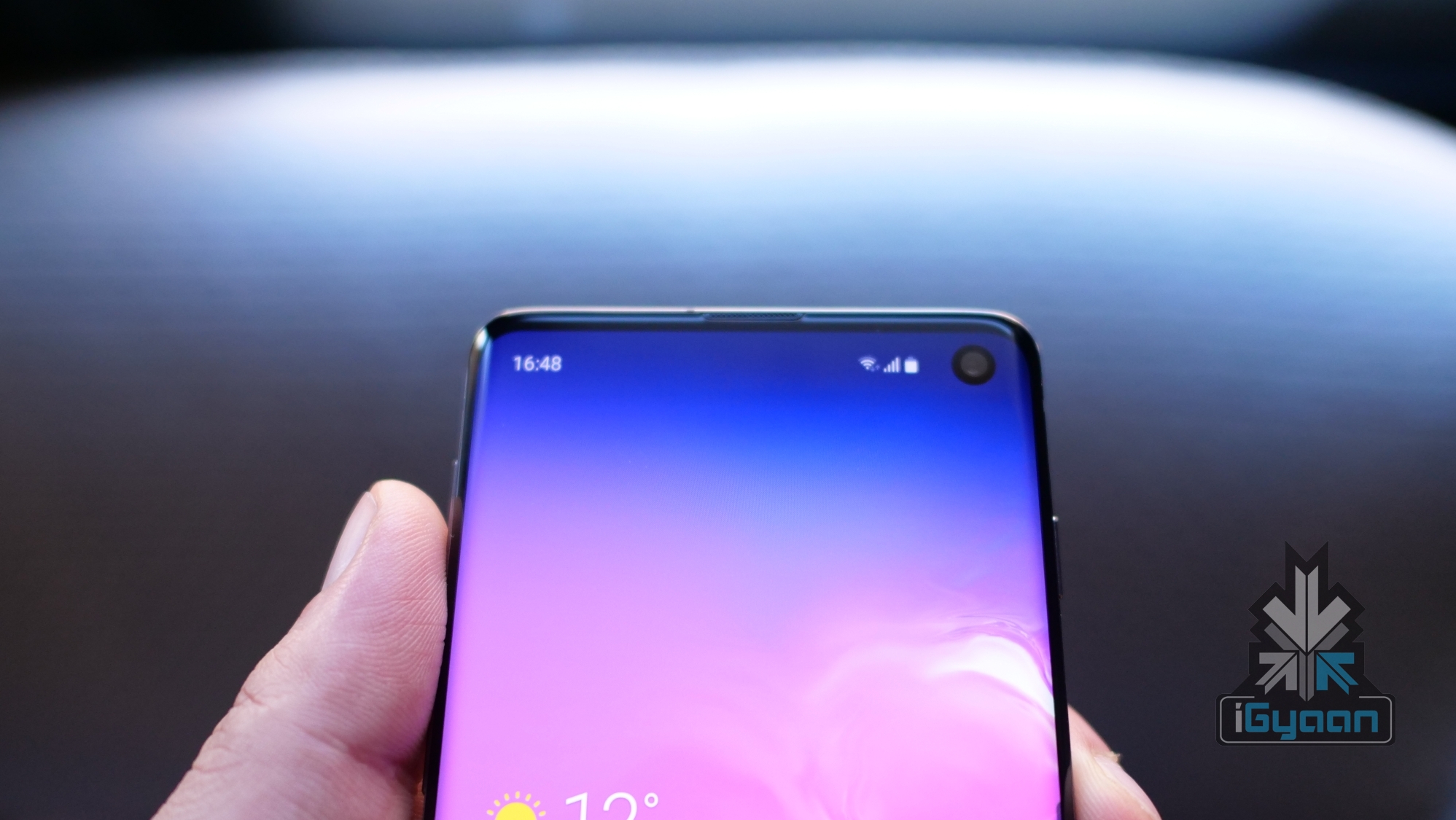
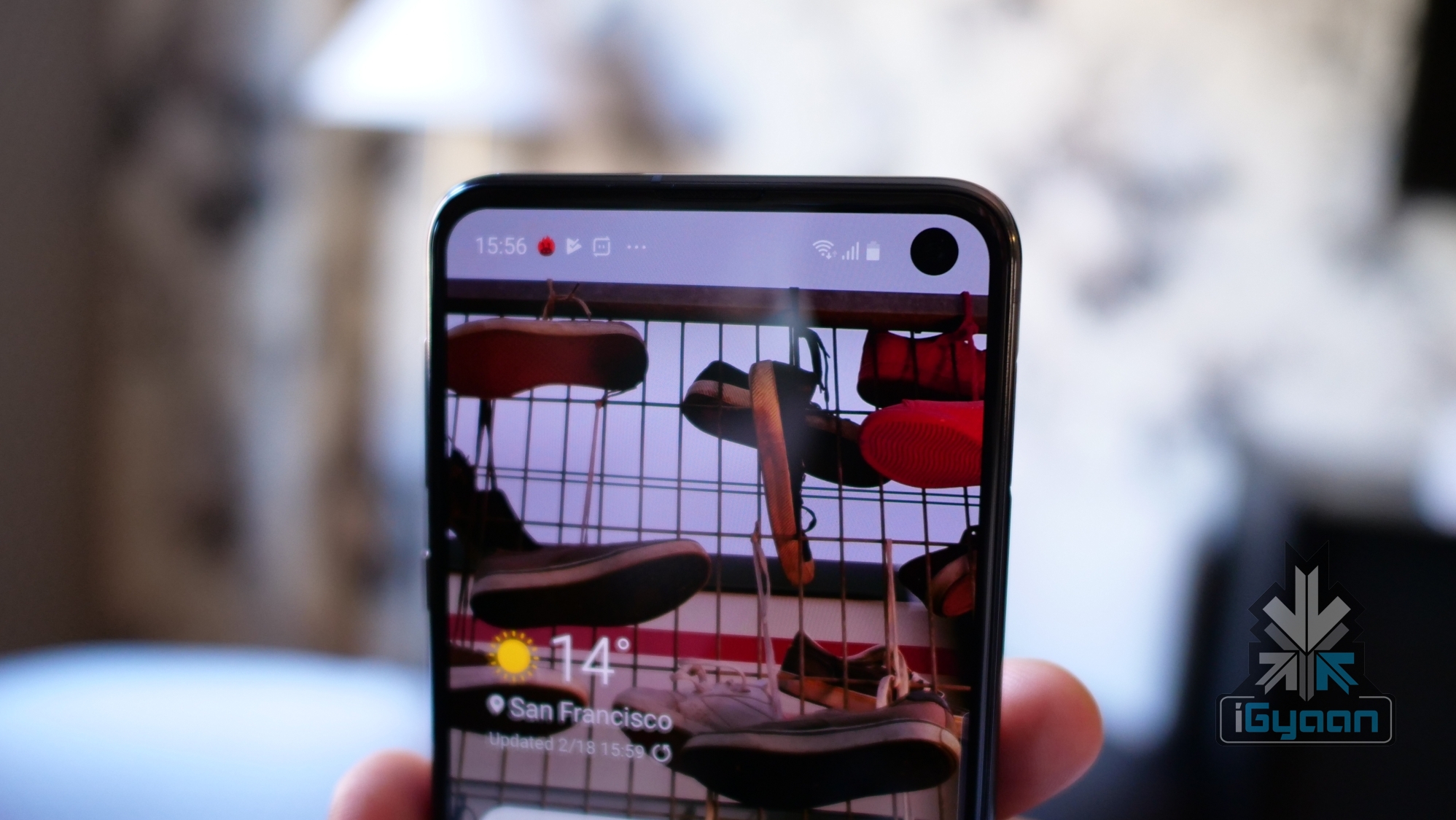
 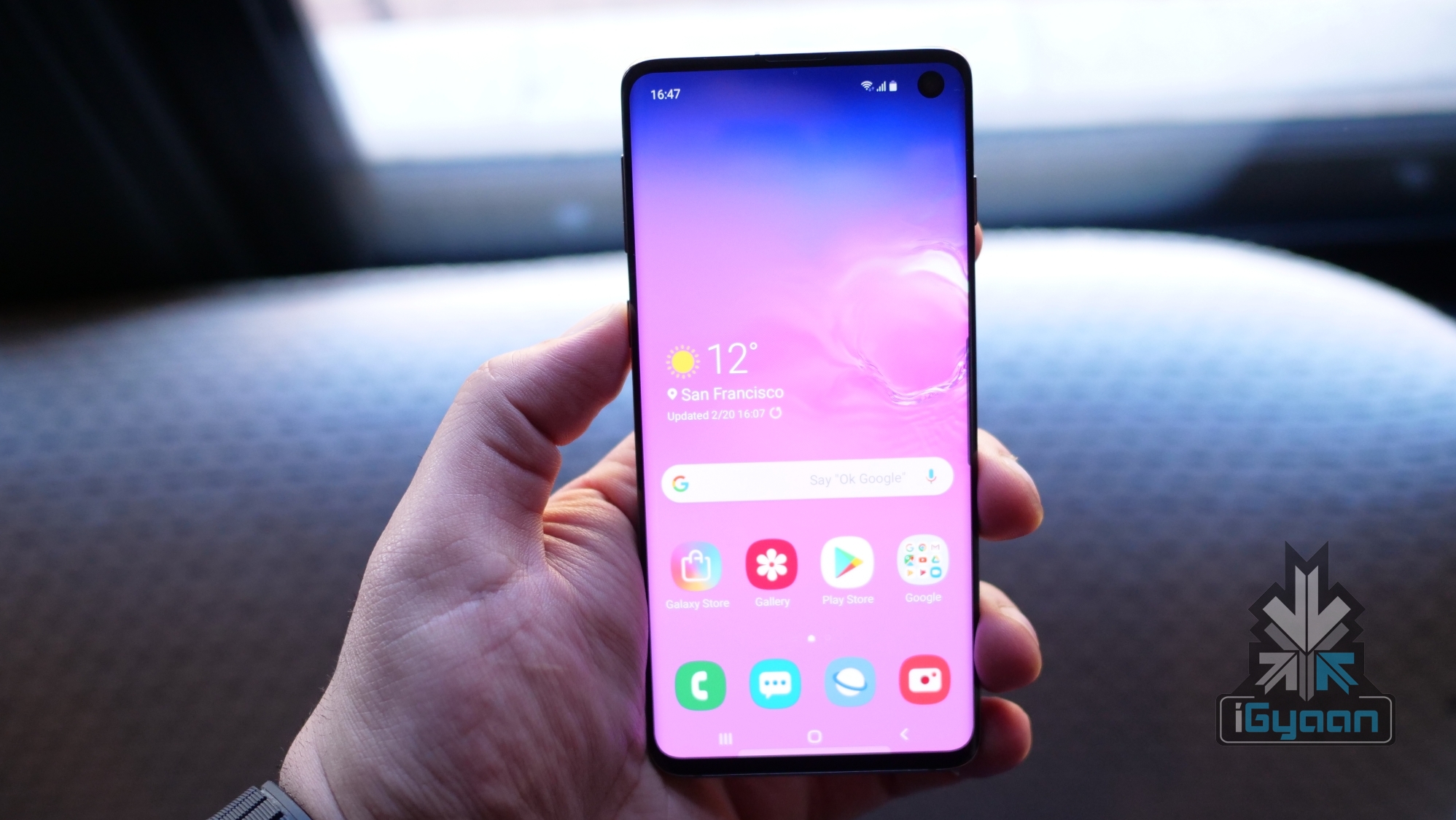 The Samsung Galaxy S10 has a 6.1 inch Dynamic AMOLED, Quad HD+ screen. The Infinity-O display has a resolution of 3040 x 1440 px and a pixel density of 550ppi. The device is protected from scratches and impacts on both sides by Corning Gorilla Glass. Like the Galaxy S10+, the S10 is offered in two different chipset options, Snapdragon 855 and Exynos 9820 which is dependent on the region.
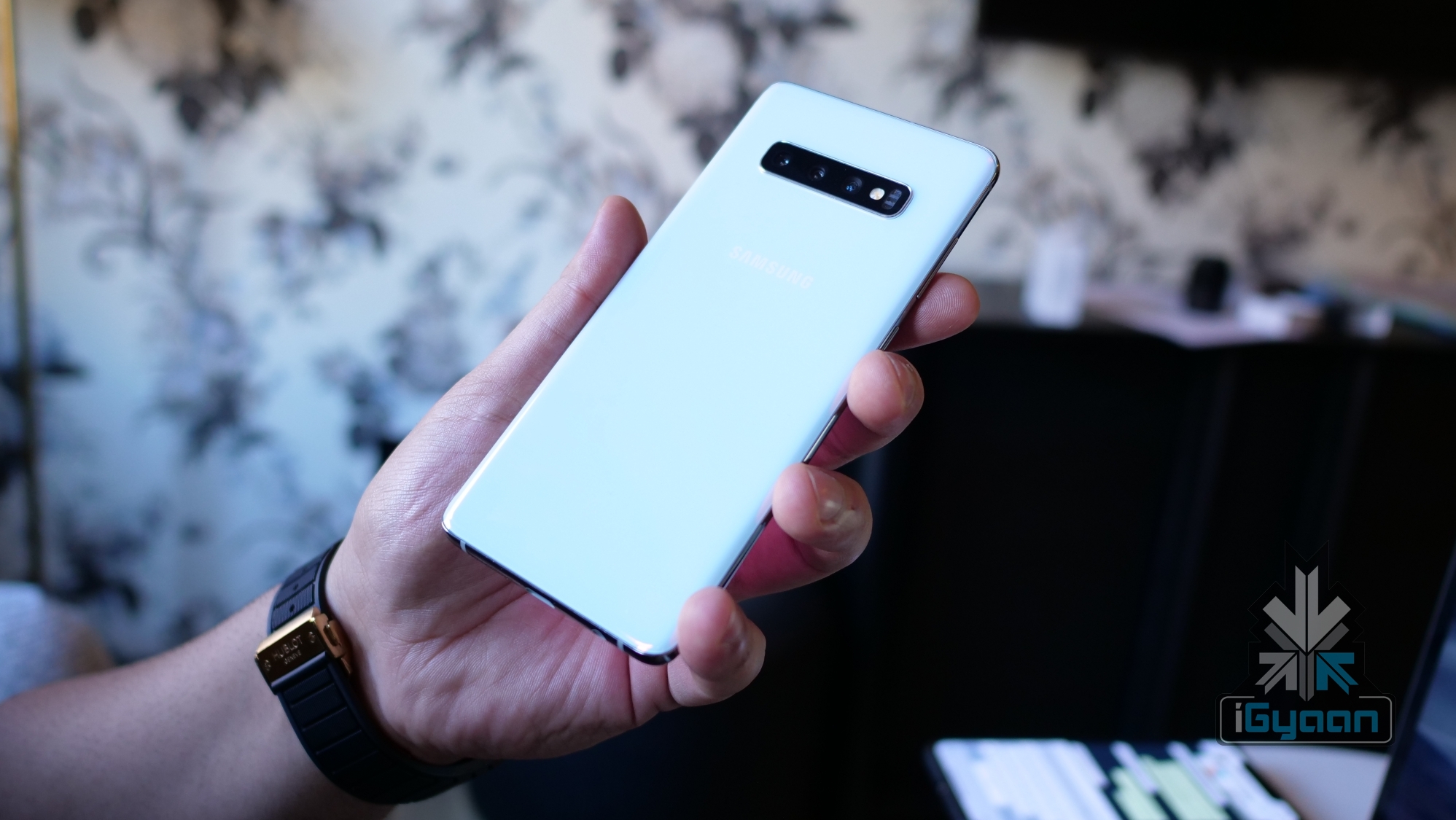 The Samsung Galaxy S10 has a similar triple camera setup to the Galaxy S10+. The device has a 12MP+12 MP+16 MP camera configuration with a single 10MP (f/1.9) selfie shooter housed in the punch-hole display. Also similar to the Galaxy S10+, it has an ultrasonic in-display fingerprint scanner and 3D face scanning technology.
  The Samsung Galaxy S10 is available in two storage configurations, a 6GB+128GB version, and an 8GB+512GB variant. It is available in four colour options which include Prism Black, Prism White, Prism Blue, and Prism Green.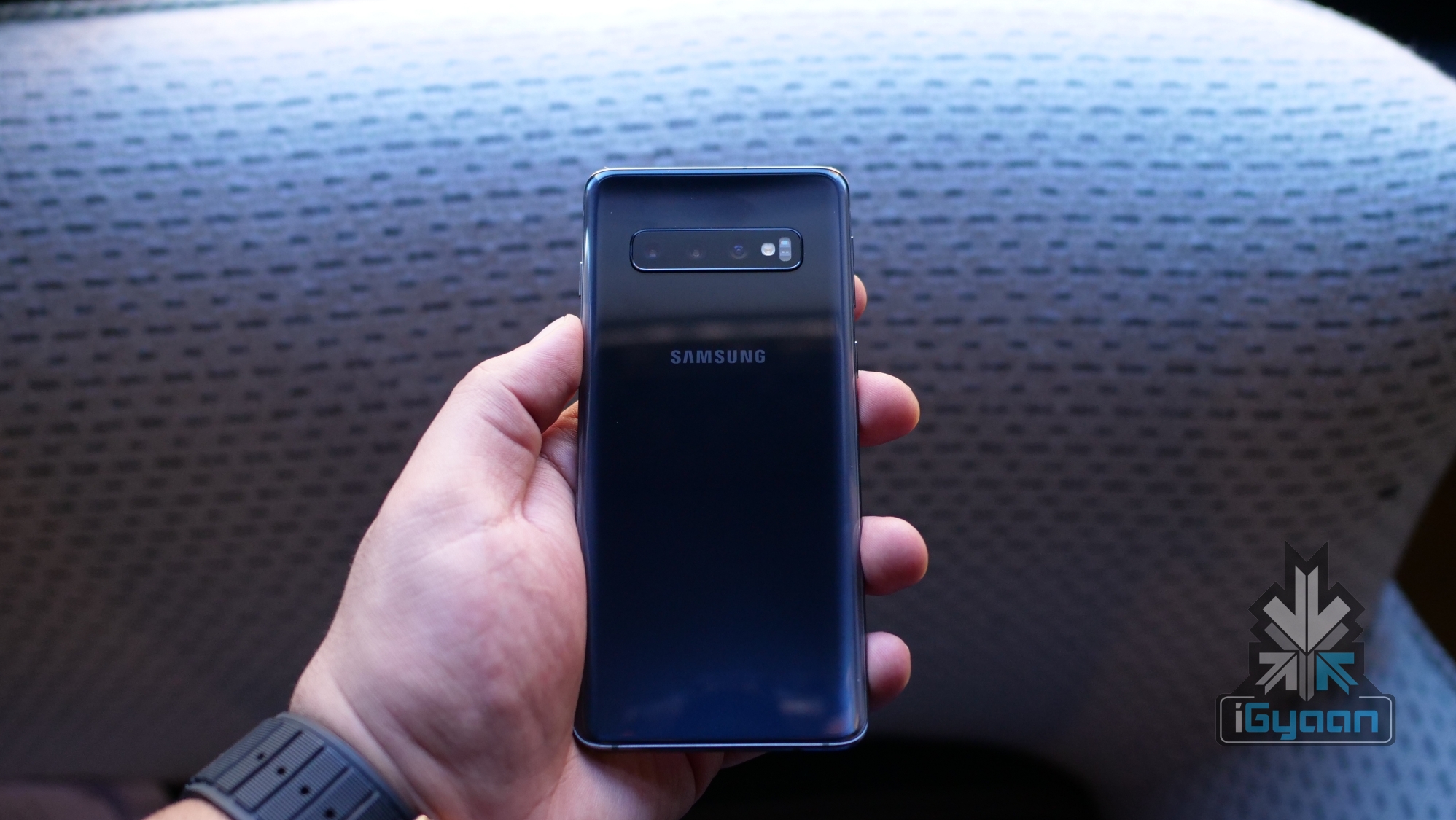
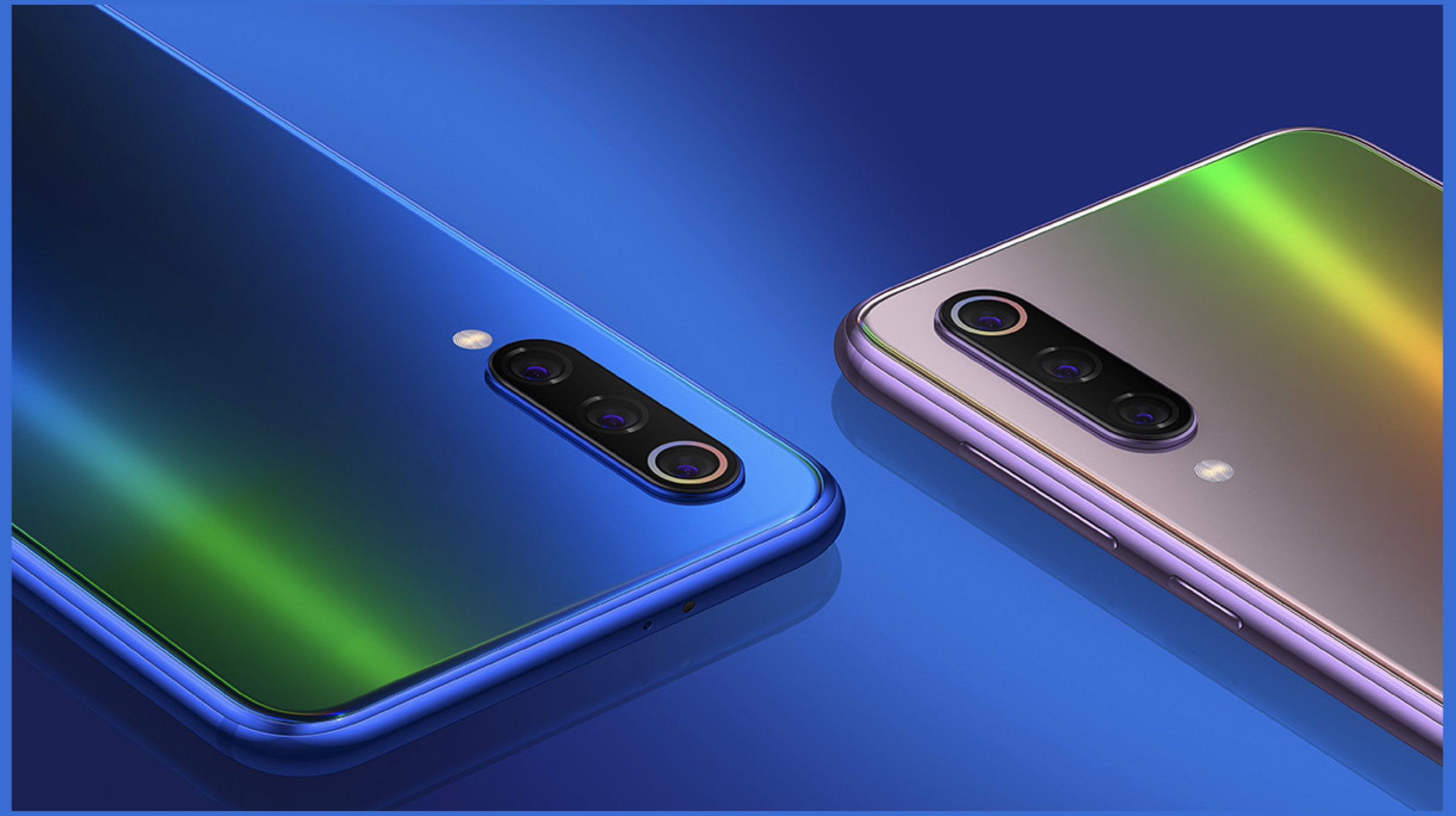
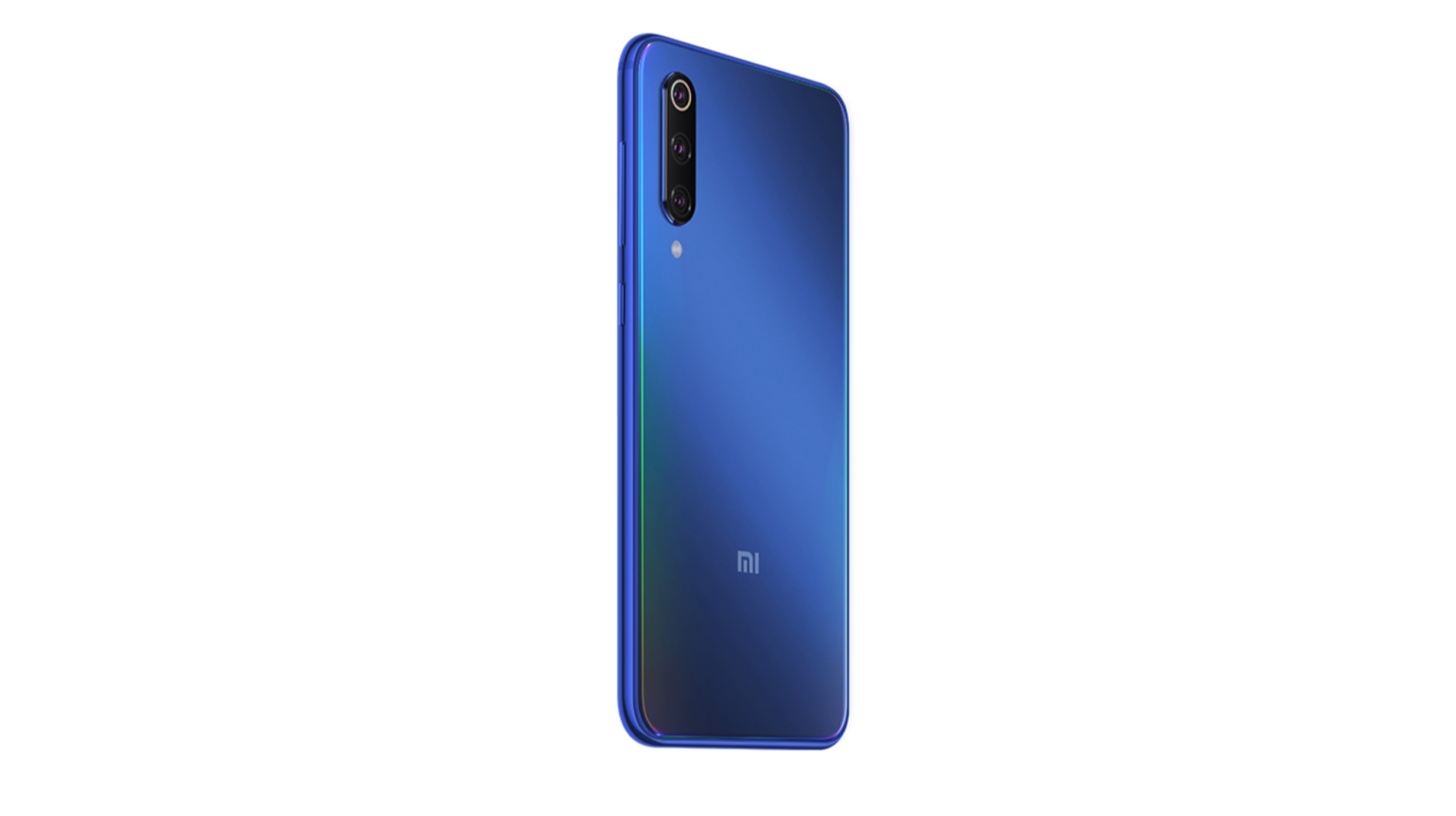
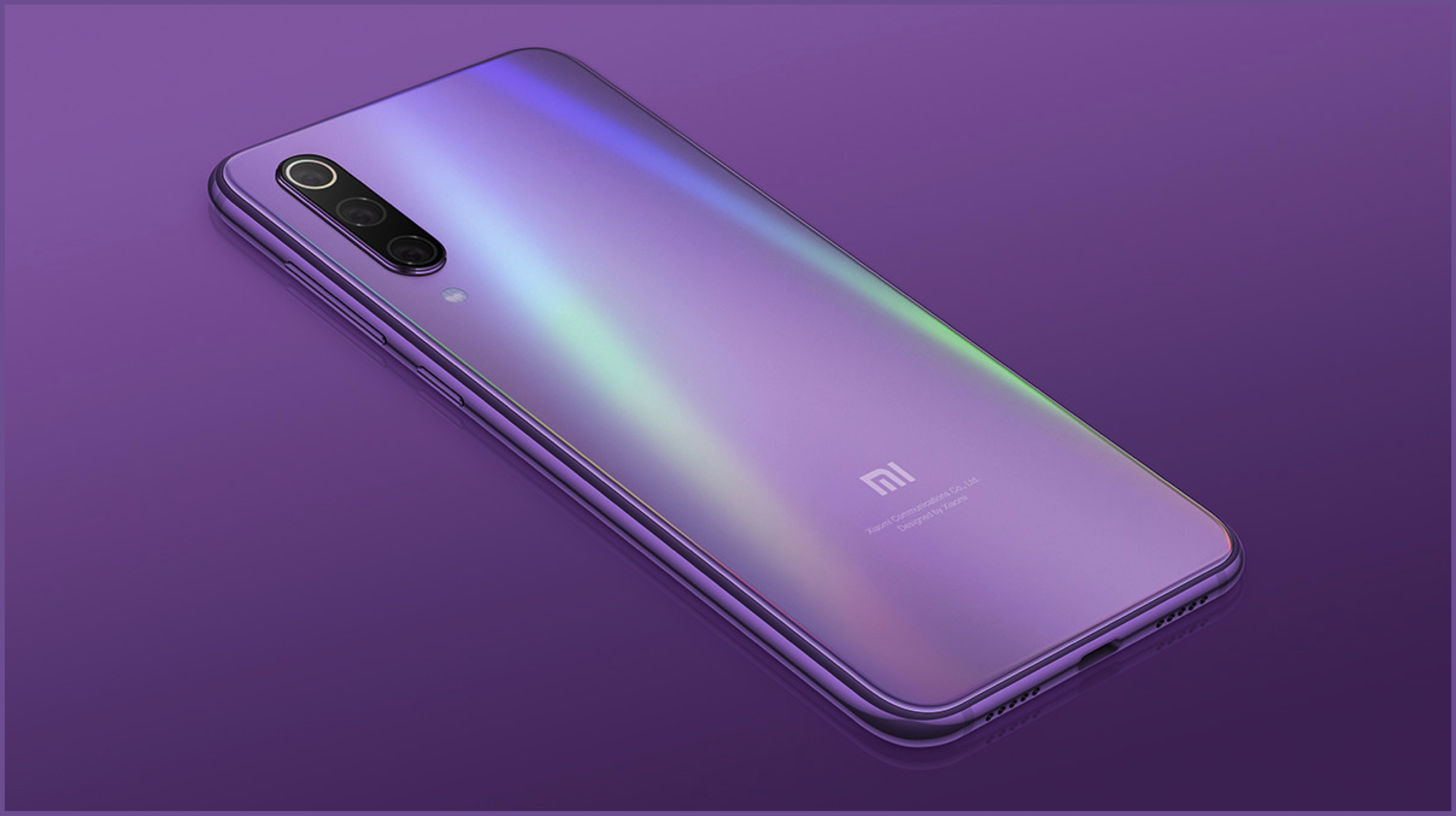
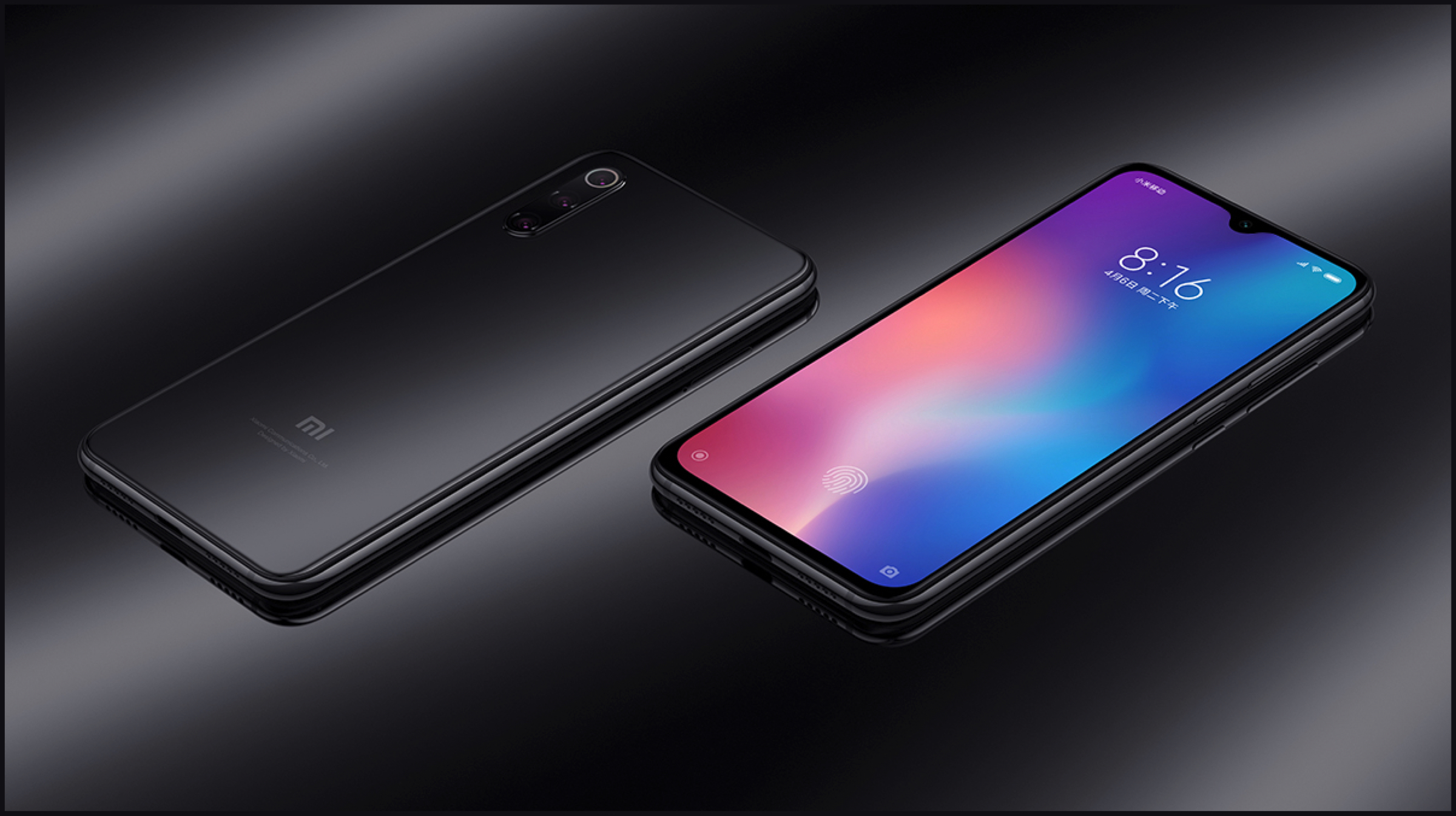
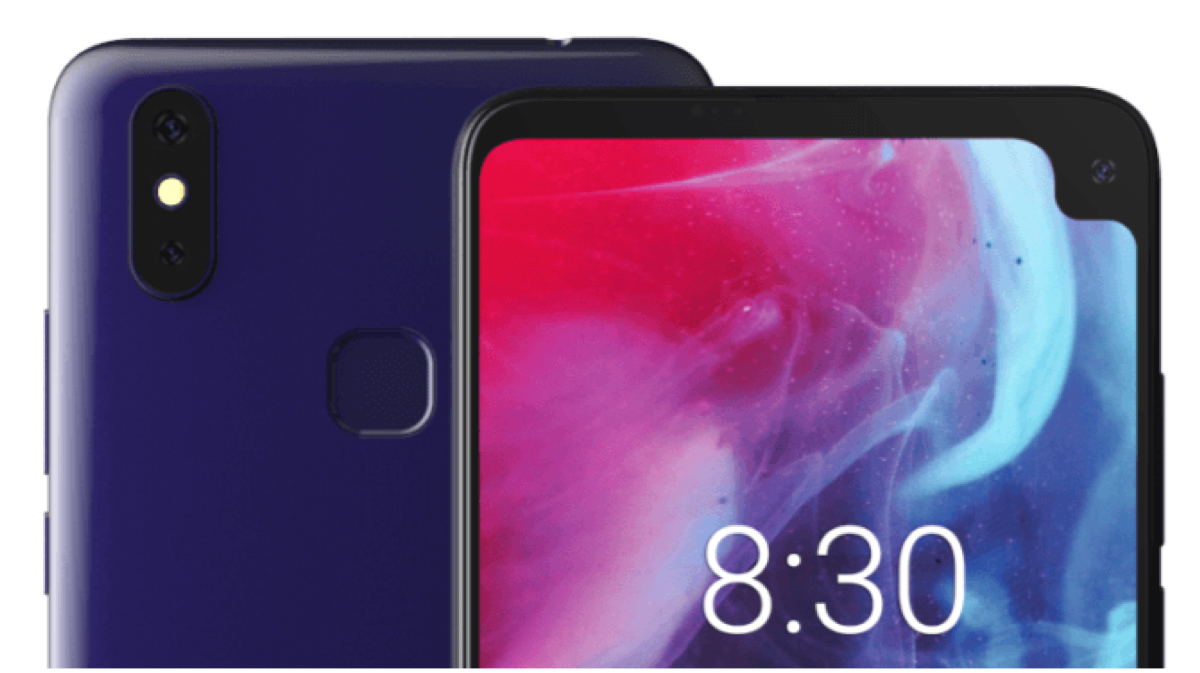
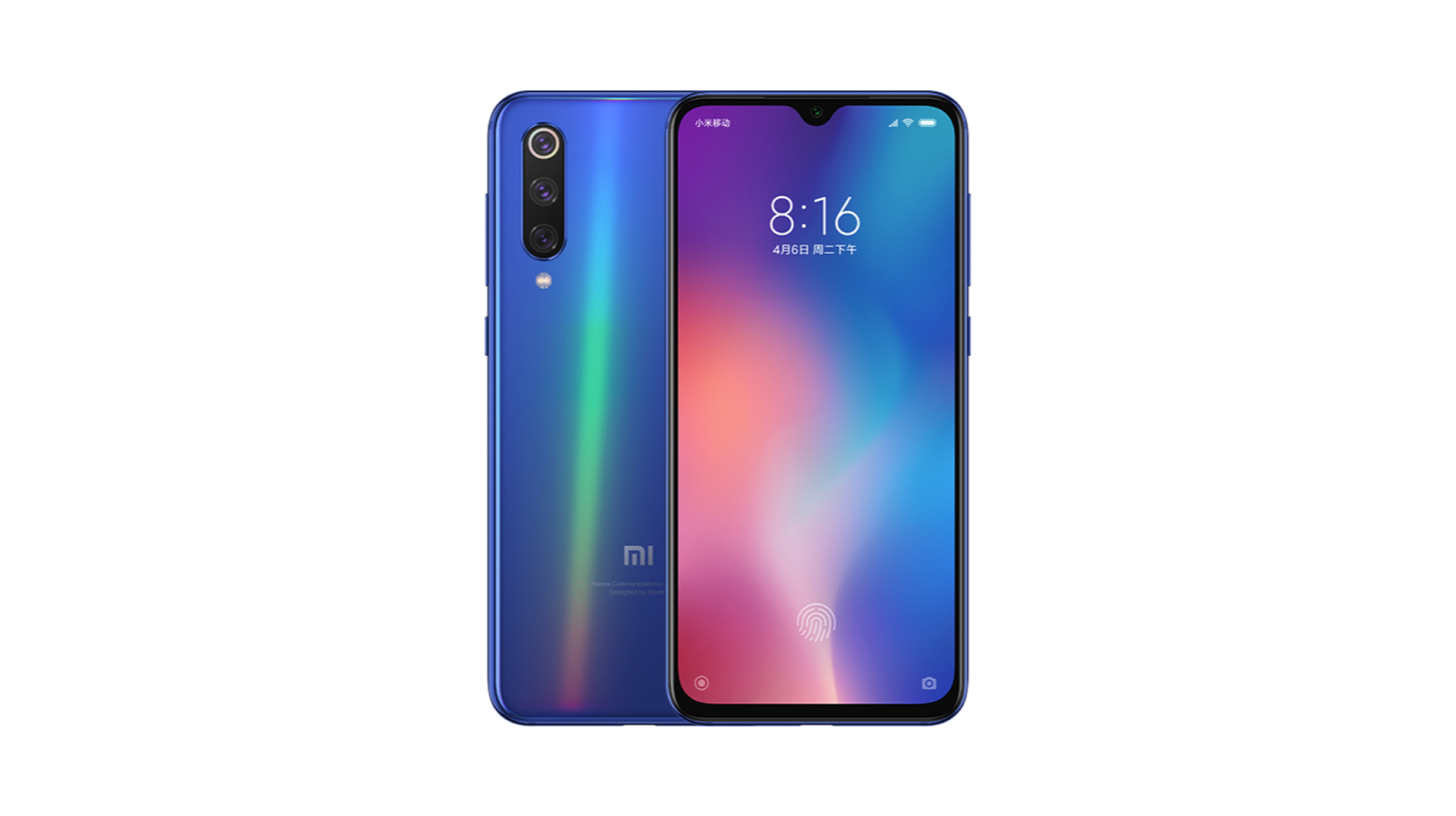 Xiaomi has launched the Mi 9 SE in three colour variants namely Lavender Violet, Ocean Blue, and Piano Black. The smartphone has been priced at CNY 1,999 (around Rs 21,000) for the base model and CNY 2,299 (around Rs 24,000) for the version with 128GB internal storage. Unfortunately, the company has not provided any information about its India launch.