Tag: launch

  • Redmi K20 & K20 Pro Launched

    Redmi K20 & K20 Pro Launched

    After much hype and speculations, Xiaomi’s subsidiary Redmi has launched its latest smartphones, the Redmi K20 and the Redmi K20 Pro. While the former is a mid-range offering, the latter is a flagship-grade device from the company, featuring top tier specifications at a competitive price. The handsets have been launched in China alongside the company’s first laptop called RedmiBook 14. Furthermore, the pricing of the Redmi 7A budget smartphone which was announced a few days ago has also been revealed at the event.

    Specifications
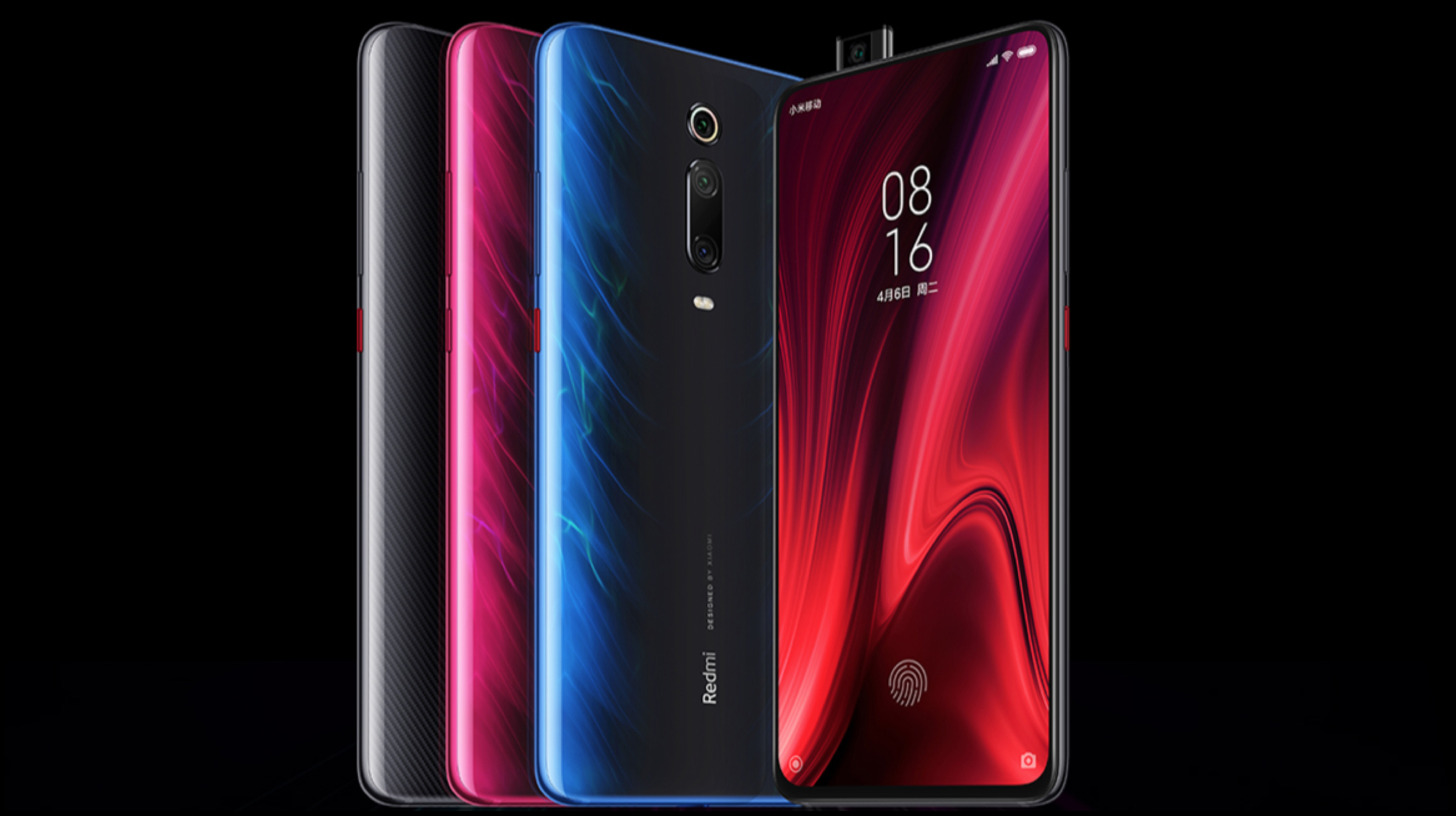
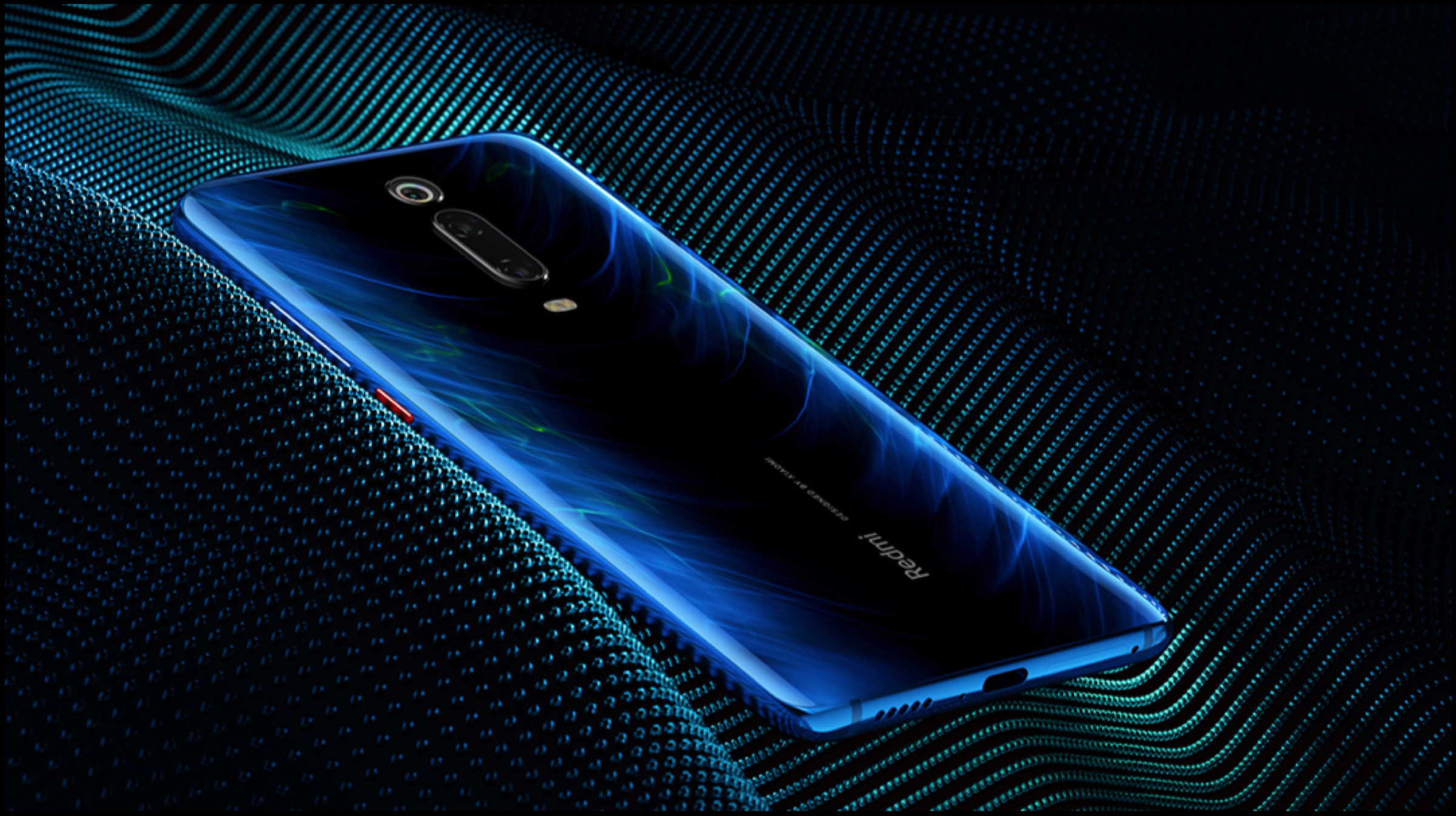
    As mentioned above, the Redmi K20 and the K20 Pro are the latest smartphones from the company. The devices have a glass design on the front and back with a metal chassis for reinforcement. They have an attractive gradient coloured design on the back. The handsets have a 6.39 inch AMOLED display with a resolution of 2340 x 1080 px. To maximise the screen real estate, they both have a pop-up mechanism on top to house the front-facing camera. For biometric security and unlocking the smartphones, the Redmi K20 series has an in display fingerprint scanner along with support for face unlock technology.
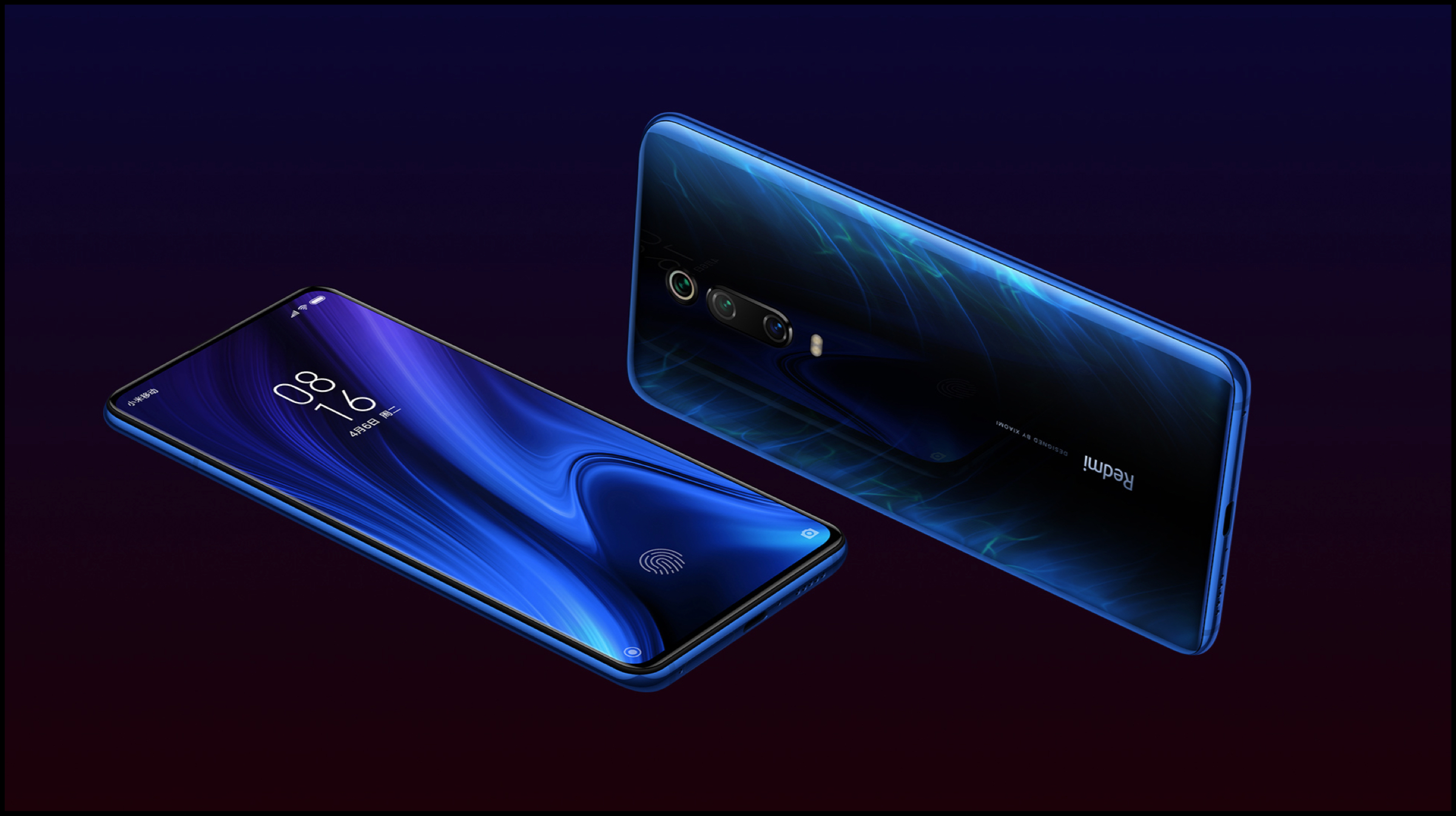
    Under the hood, the Redmi K20 is kitted with the 8nm Snapdragon 730 SoC. The chipset is comprised of an Octa-core CPU and the Adreno 618 GPU. The more premium Redmi K20 Pro runs on the flagship grade 7nm Snapdragon 855 SoC which has an Octa-core CPU and the Adreno 640 GPU. In terms of optics, both smartphones have a triple rear camera setup consisting of an f/1.75 aperture equipped 48MP sensor, an f/2.4 aperture equipped 13MP ultra wide angle sensor; and a tertiary f/2.4 aperture equipped 8MP telephoto sensor. For selfies, an f/2.0 aperture equipped 32MP sensor is housed in the pop-up mechanism on top of the handsets.
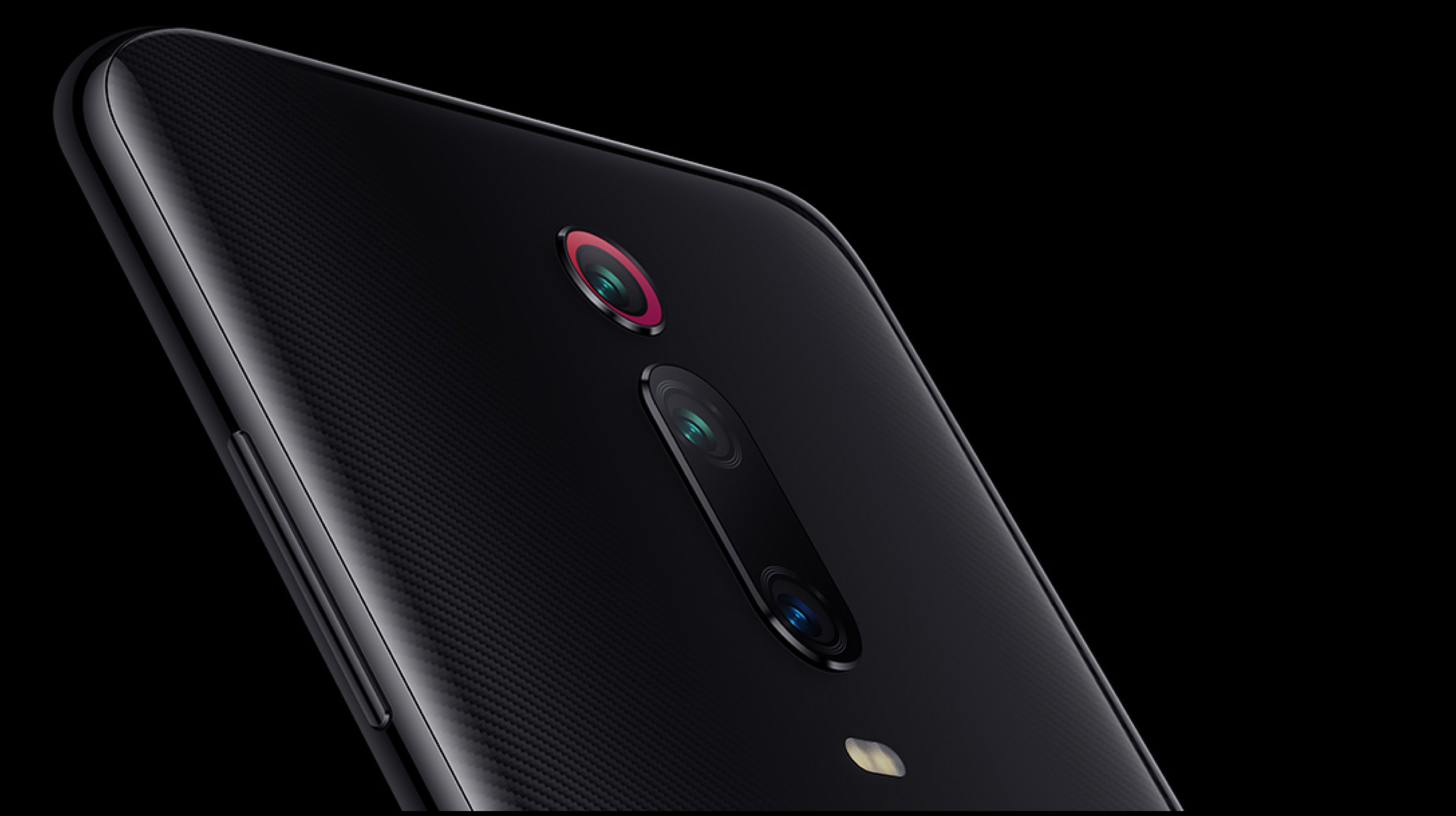
    Both the Redmi K20 and the K20 Pro are powered by a 4,000 mAh battery. However, the former supports 18 W fast charging while the latter supports 27 W fast charging. Both devices run on  MIUI 10 which is based on top of the latest Android 9 Pie. The smartphone will be available in three colour variants namely, Blue, Red and Black.

    Pricing & Availability

    Also Read: Unreleased Moto Z4 Accidentally Sold On Amazon, Buyer Posts Video On YouTube

    The pricing of the Redmi K20 and K20 Pro corresponding to the different storage variants is listed below.

    Storage Redmi K20 Price Redmi K20 Pro Price
    6GB RAM + 64GB ROM CNY 1999 (INR 20,200) CNY 2499 (INR 25,200)
    6GB RAM + 128GB ROM CNY 2099 (INR 21,200) CNY 2599 (INR 26,200)
    8GB RAM + 128GB ROM   CNY 2799 (INR 28,200)
    8GB RAM + 256GB ROM   CNY 2999 (INR 30,300)

    The price of the two variants of the previously announced Redmi 7A is as follows:

    • 2 GB + 16 GB: CNY 549 (INR Rs 5,500)
    • 2 GB + 32 GB: CNY 599 (INR Rs 6,000)
  • Asus Launches A Couple Of Laptops And Gaming Accessories At Computex 2019

    Asus Launches A Couple Of Laptops And Gaming Accessories At Computex 2019

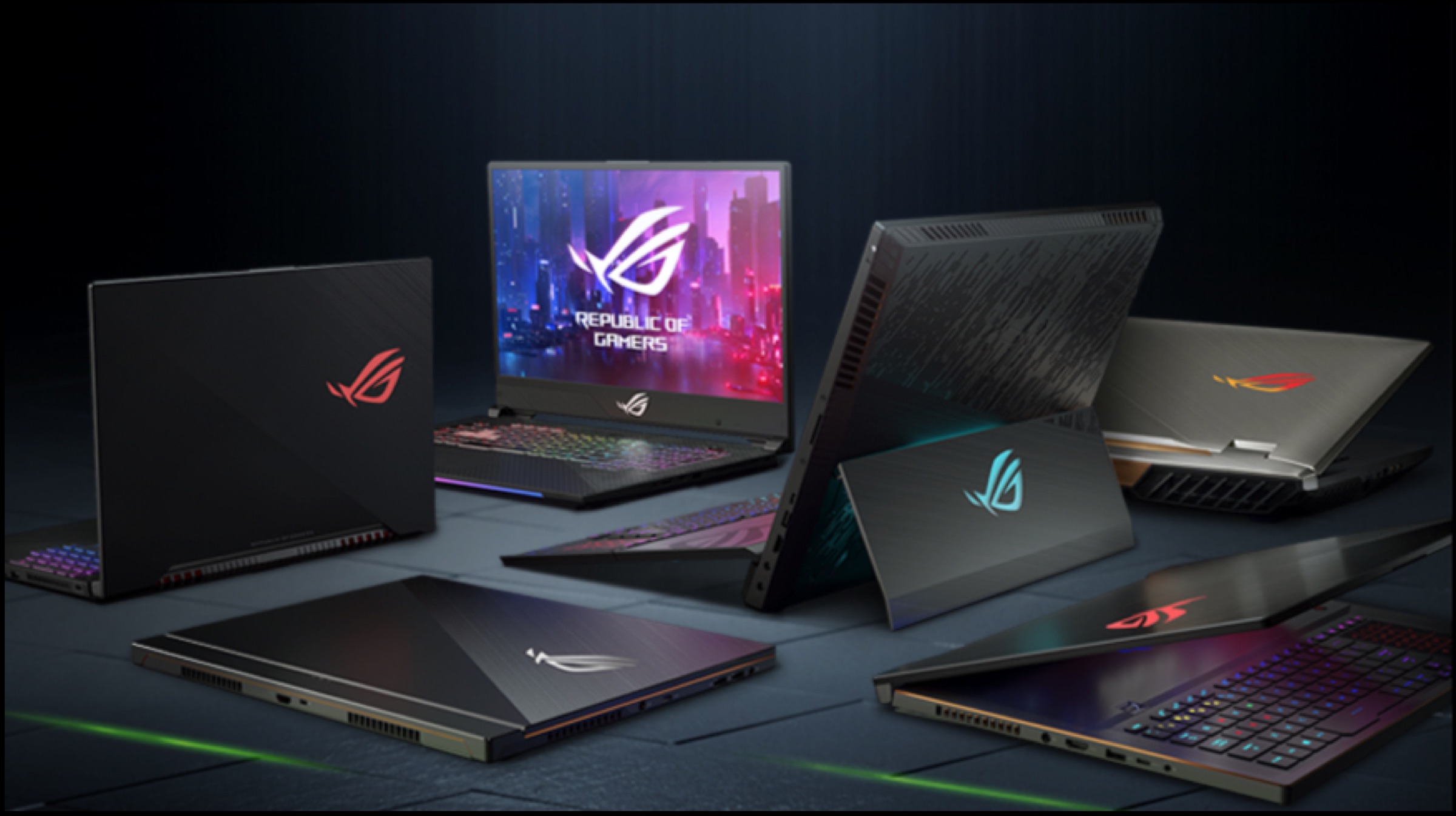
    Computex 2019 is at its full swing and Taiwanese electronics manufacturer, Asus has unveiled a wide variety of products at the event which includes laptops and gaming accessories. One notable device that Asus has unveiled is the Asus ZenBook Pro Duo laptop which features dual displays. Other products launched by the company are as follows:

    ROG Strix XG17 Portable Gaming Monitor

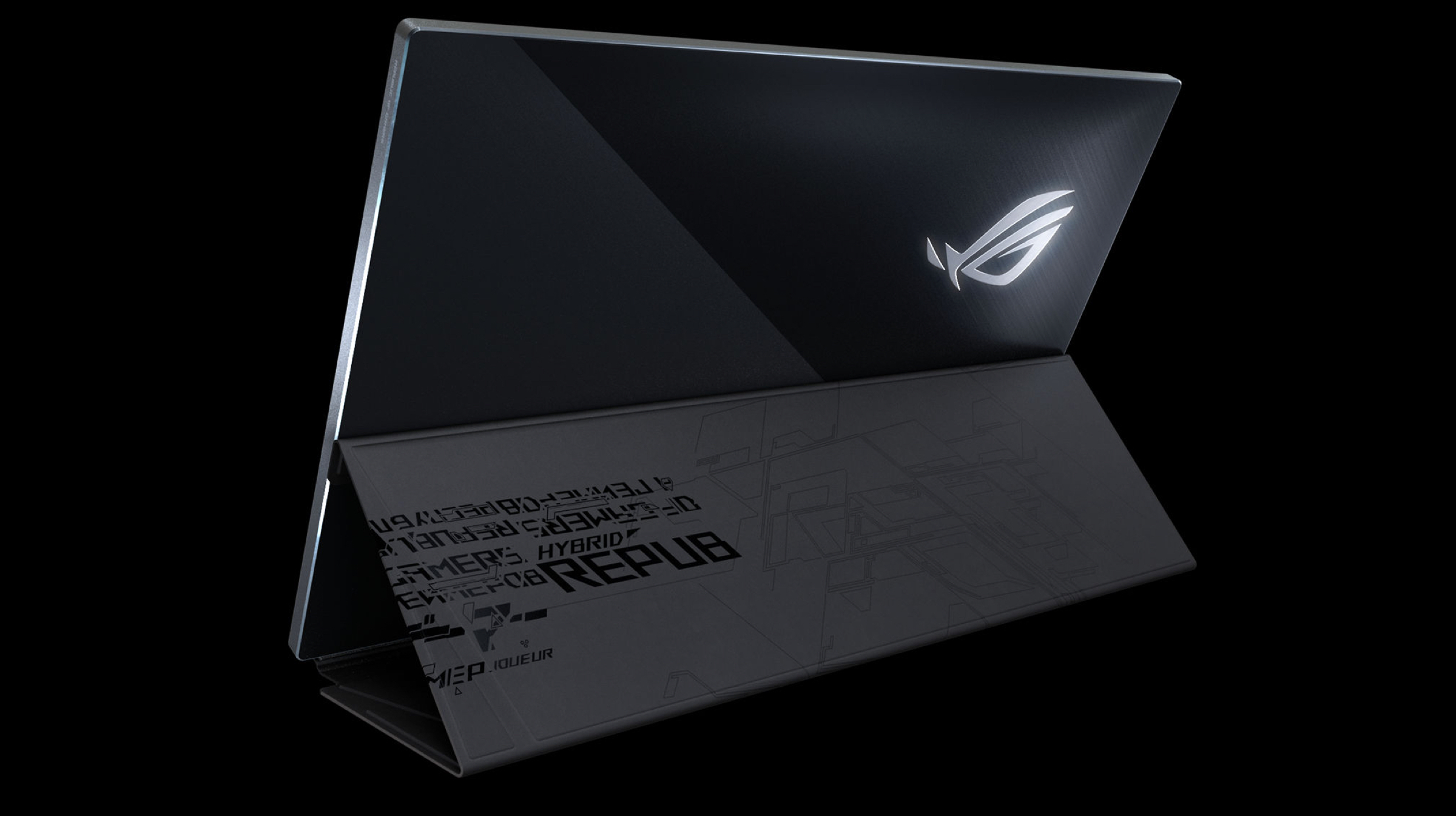
    As the name suggests, the ROG Strix XG17 is a portable gaming monitor with an inbuilt battery. The device features a 17.3 inch display with Full HD resolution. Noteworthy the display panel has a refresh rate of 240 Hz which provides for an ultra smooth gaming experience. The Asus ROG Strix XG17 supports Adaptive sync technology which eliminates choppy frame rates and screen tearing.  It supports video input via the built in Micro HDMI port and the USB Type C port. The display can be used for playing games from mobiles, computers and consoles like Nintendo Switch. The aforementioned inbuilt battery is claimed to provide a battery backup of three hours. To keep the display of the Asus ROG Strix XG17 secure against scratches, it features a flip style cover which also doubles up as a stand.

    Asus ZenBook 13/14/15

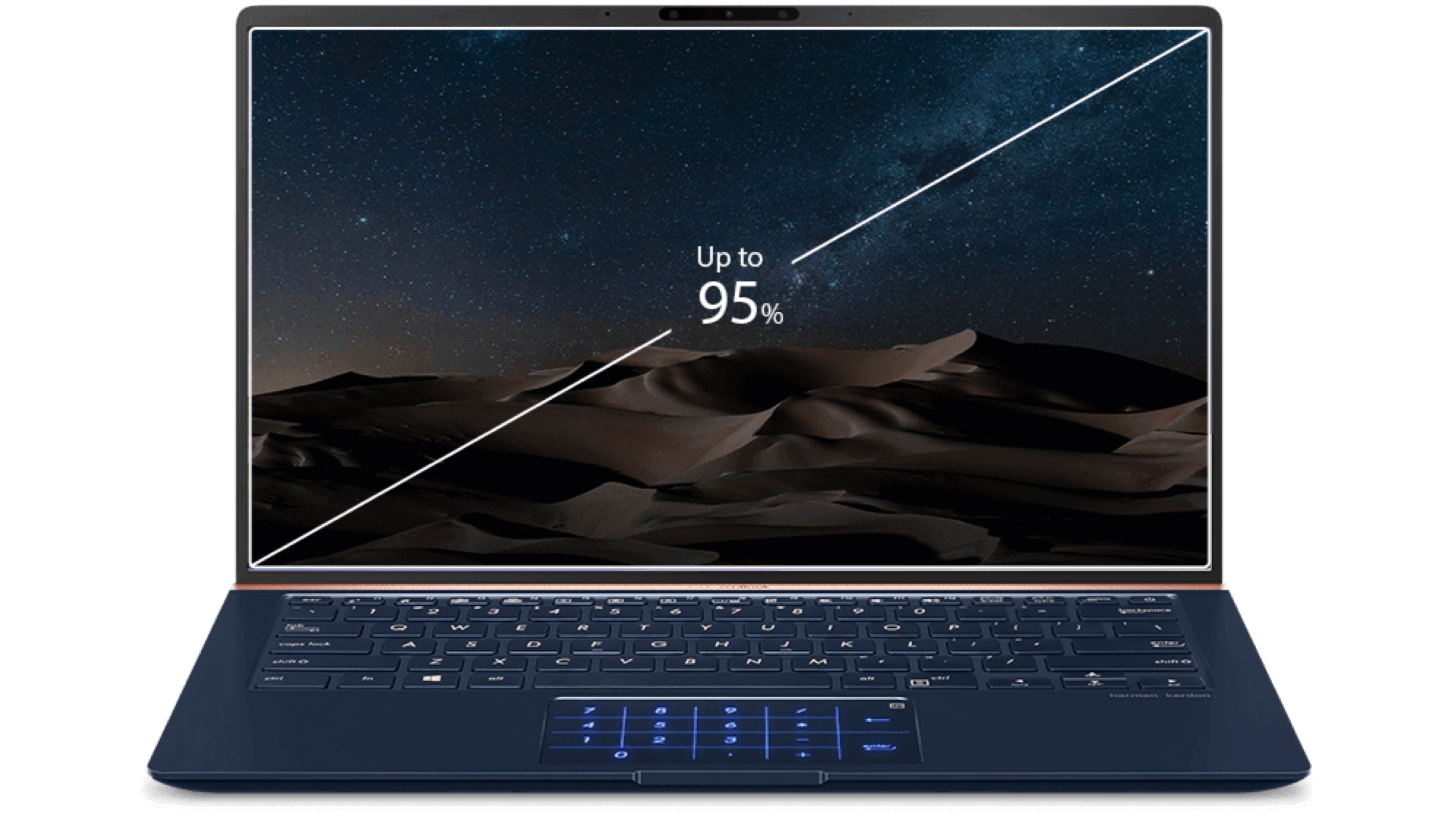
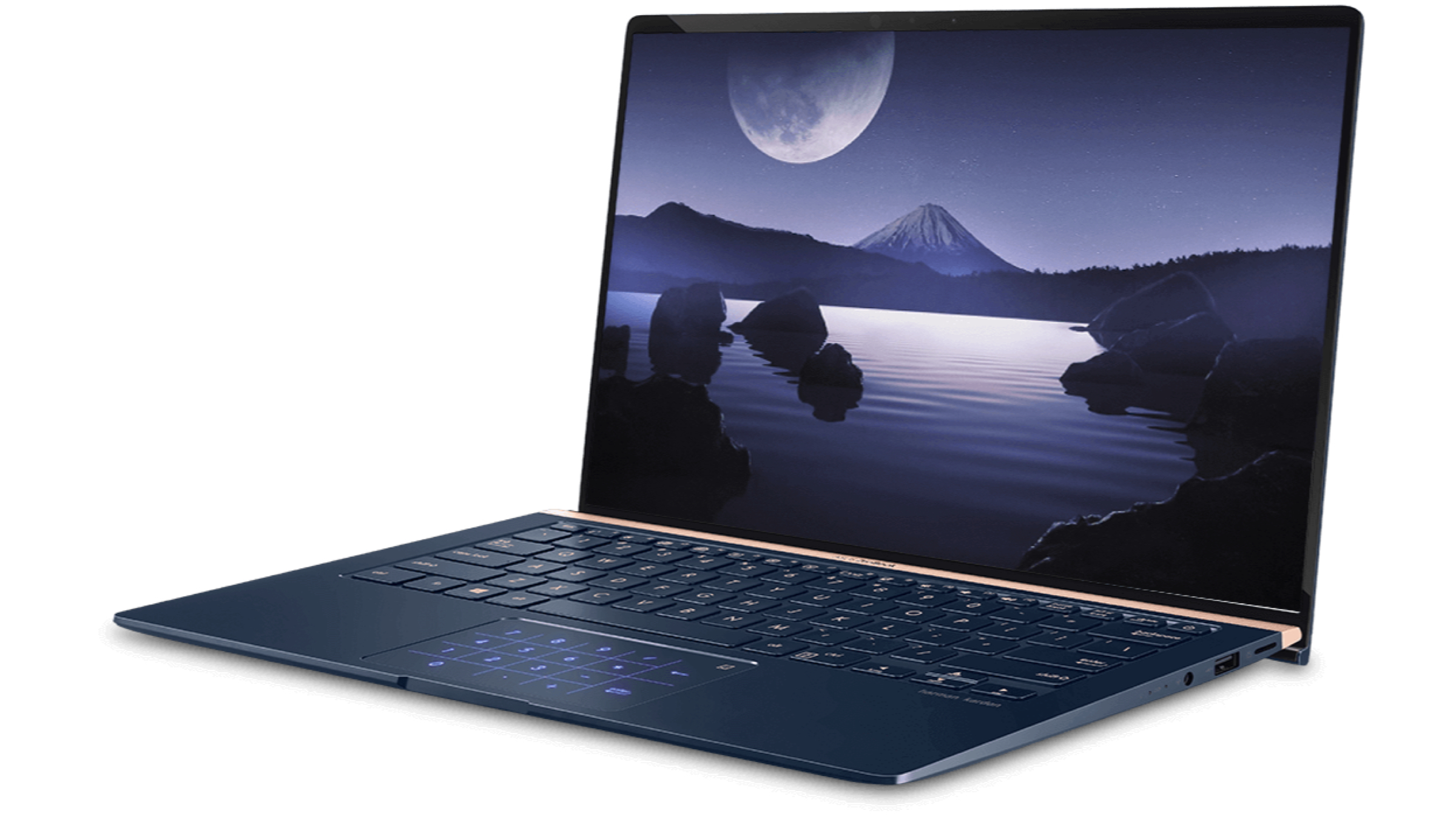
    Asus has updated the ZenBook lineup of laptops for the year 2019 with latest innards while retaining the established name. The screen size of the three laptop models corroborates with the suffix in their name. The device is available in three different screen size options which include 13 inch, 14 inch and 15 inch. One key highlighting features of the ZenBook trio is the trackpad which doubles up as a secondary 5.65 inch display. The said display which is similar to one present on modern smartphones can be enabled or disabled by pressing the F6 key. The notable features this display can be used for include playing music, watching videos or play games like candy crush.

    Talking about the specifications, the Asus ZenBook trio can be configured with Intel Core i7 CPUs along with Nvidia GTX 1650 Max Q GPU. In terms of memory and storage, the laptops support upto 1 TB of SSD storage and 8 GB of RAM. Input/Output ports on the three laptops are as follows:


    • 1 x USB 3.1 Gen 2 Type-C (up to 10Gbps)
    • 1 x USB 3.1 Gen 2 Type-A (up to 10Gbps)
    • 1 x USB 2.0
    • 1 x Standard HDMI
    • 1 x MicroSD card reader
    • 1 x Audio combo jack
    • 1 x DC-in
    Asus ROG Theta Gaming Headsets

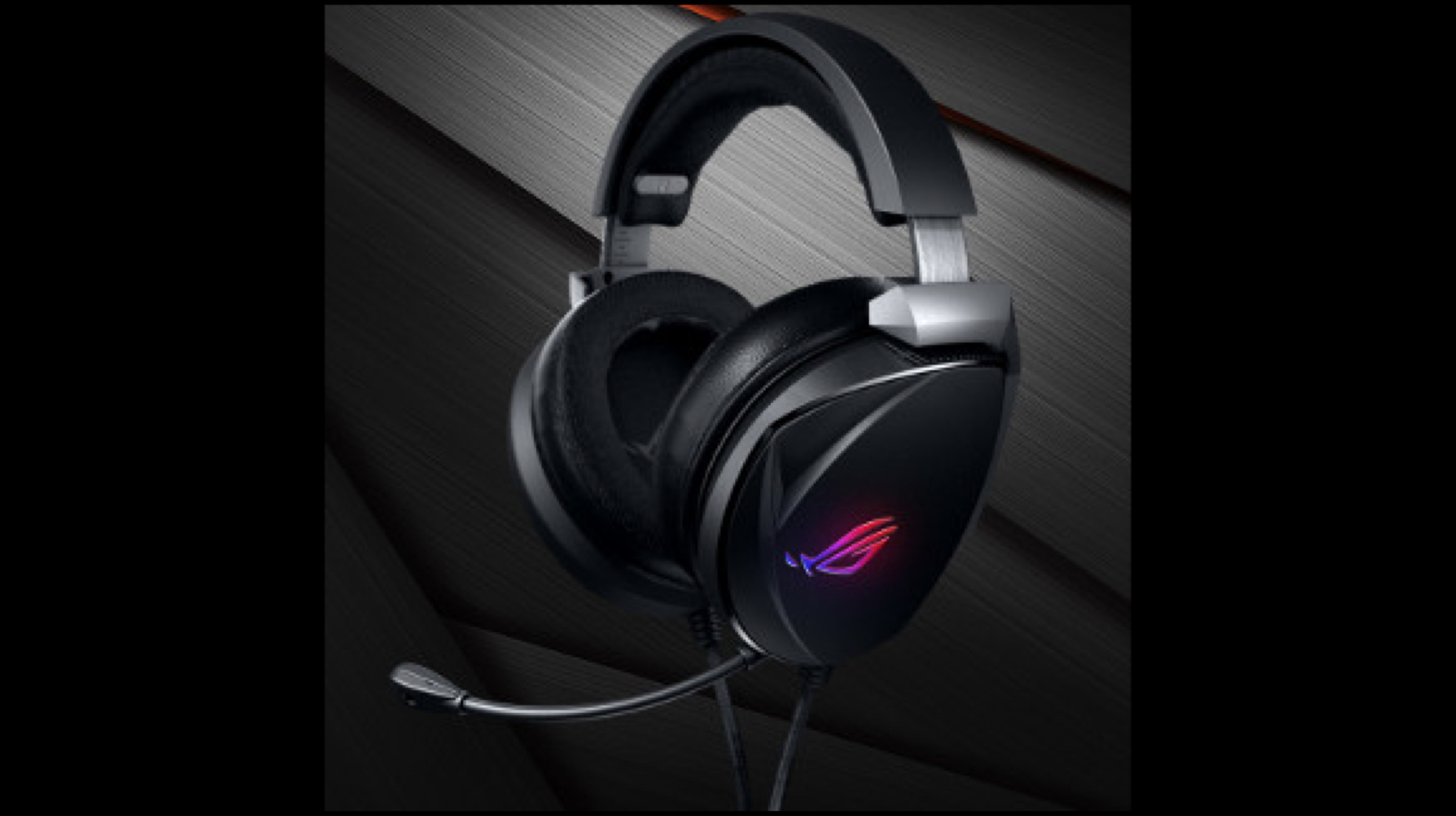
    The company has unveiled two new pairs of flagship gaming headphones under the Theta sub brand which include the ROG Theta and ROG Theta Electret. The former has 8 Essence drivers with the largest being 30 mm in size. The headphone produces 7.1 surround sound output and supports AI powered noise cancelling microphones. On the other hand, the ROG Theta Electret is a pair of Analogue headphones with an impedance of 32 ohms and silver plated copper cables. 

    Asus VivoBooks

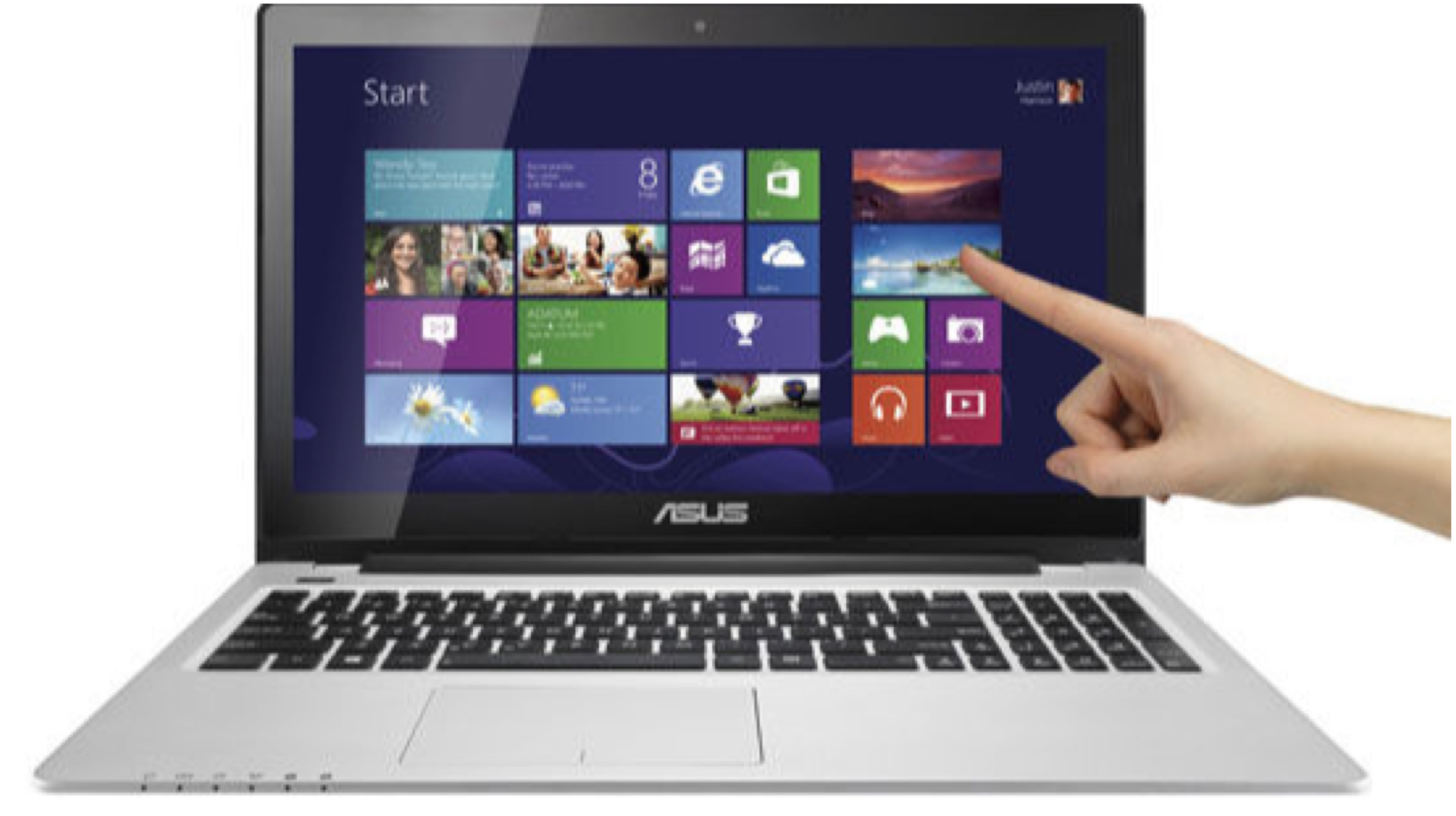
    In addition to the ZenBook Pro Duo laptops and ZenBook laptops, Asus also unveiled updated VivoBooks. Like the ZenBooks, the new VivoBooks also have a ScreenPad 2.0 secondary display. Notably, the VivoBooks are economical than the ZenBooks, however, they still pack worthy features. They can be kitted with upto Intel Core i7 processors and Nvidia MX 250 GPU. The laptops feature Harman Kardon speakers that are claimed to have impressive sound output. They also have an ErgoLift hinge which raises the laptop from the surface for better airflow resulting in cooler temperatures while running heavy tasks.

    Also Read: OnePlus 7 Pro Nebula Blue Edition To Go On Sale For The First Time In India

    Pricing and availability of the newly launched products are yet to be announced which will be made available in the near future. 


  • Asus ZenBook Pro Duo With A Secondary ScreenPad Takes MacBook’s Touch Bar A Step Further

    Asus ZenBook Pro Duo With A Secondary ScreenPad Takes MacBook’s Touch Bar A Step Further

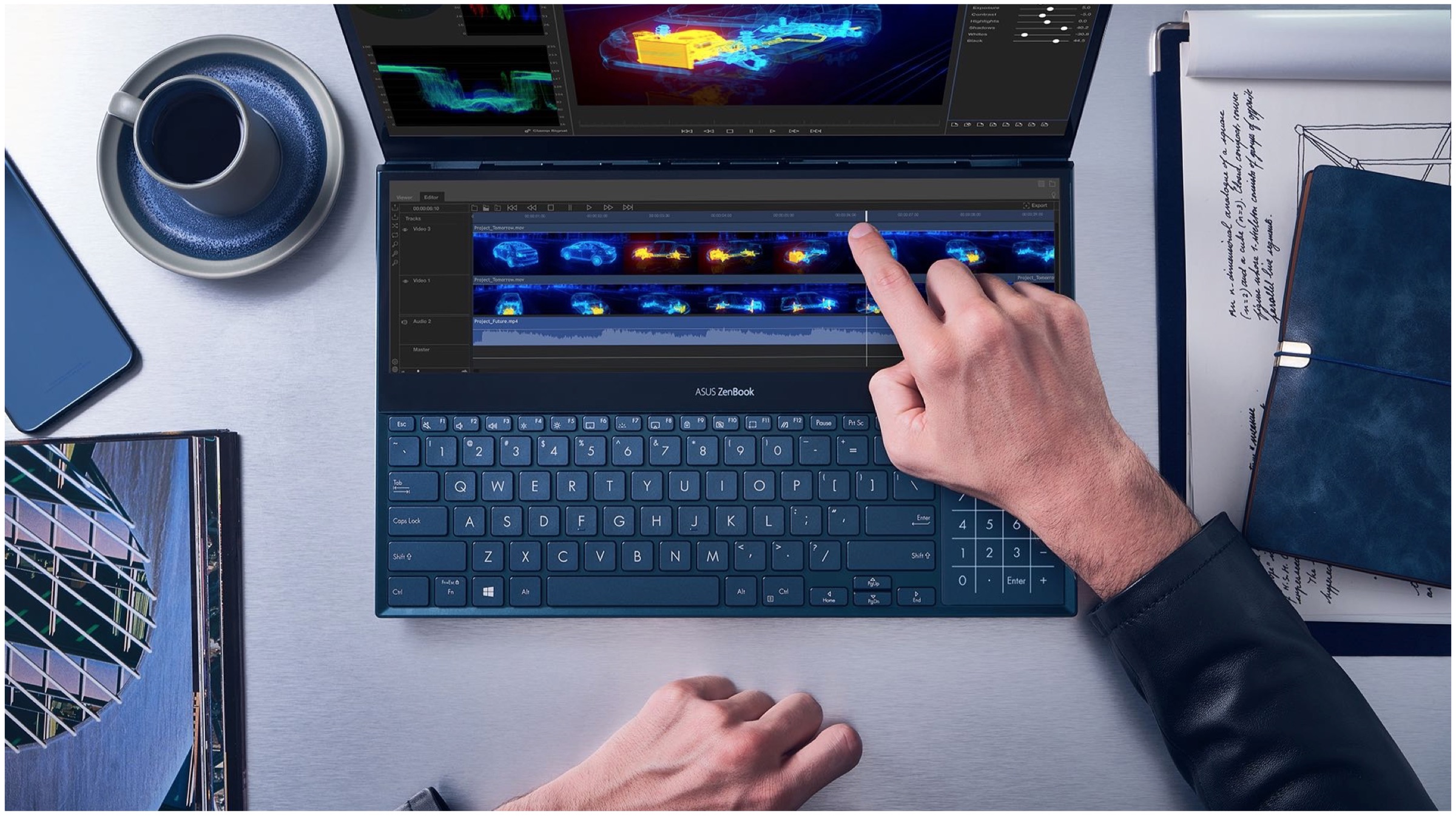
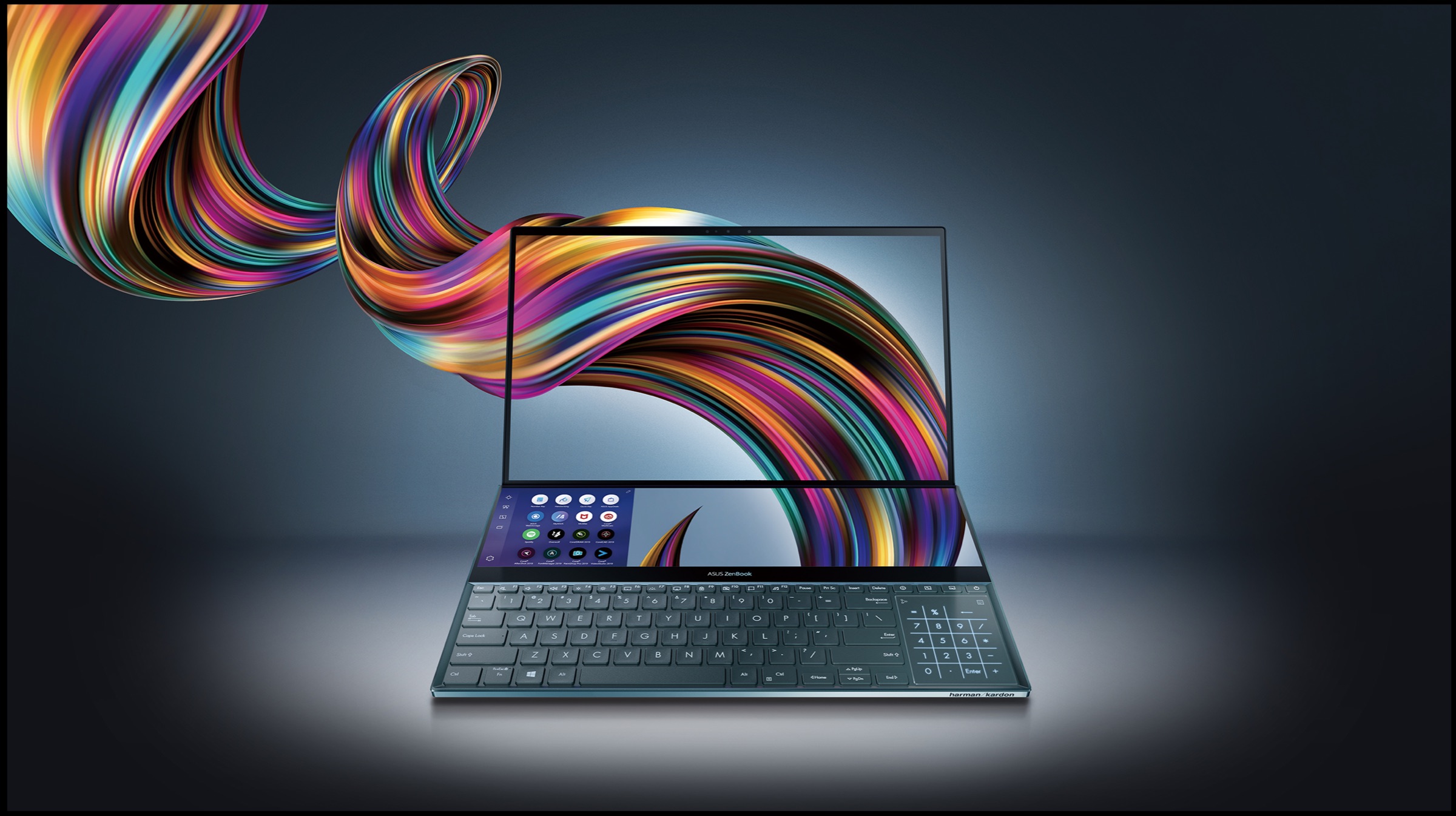
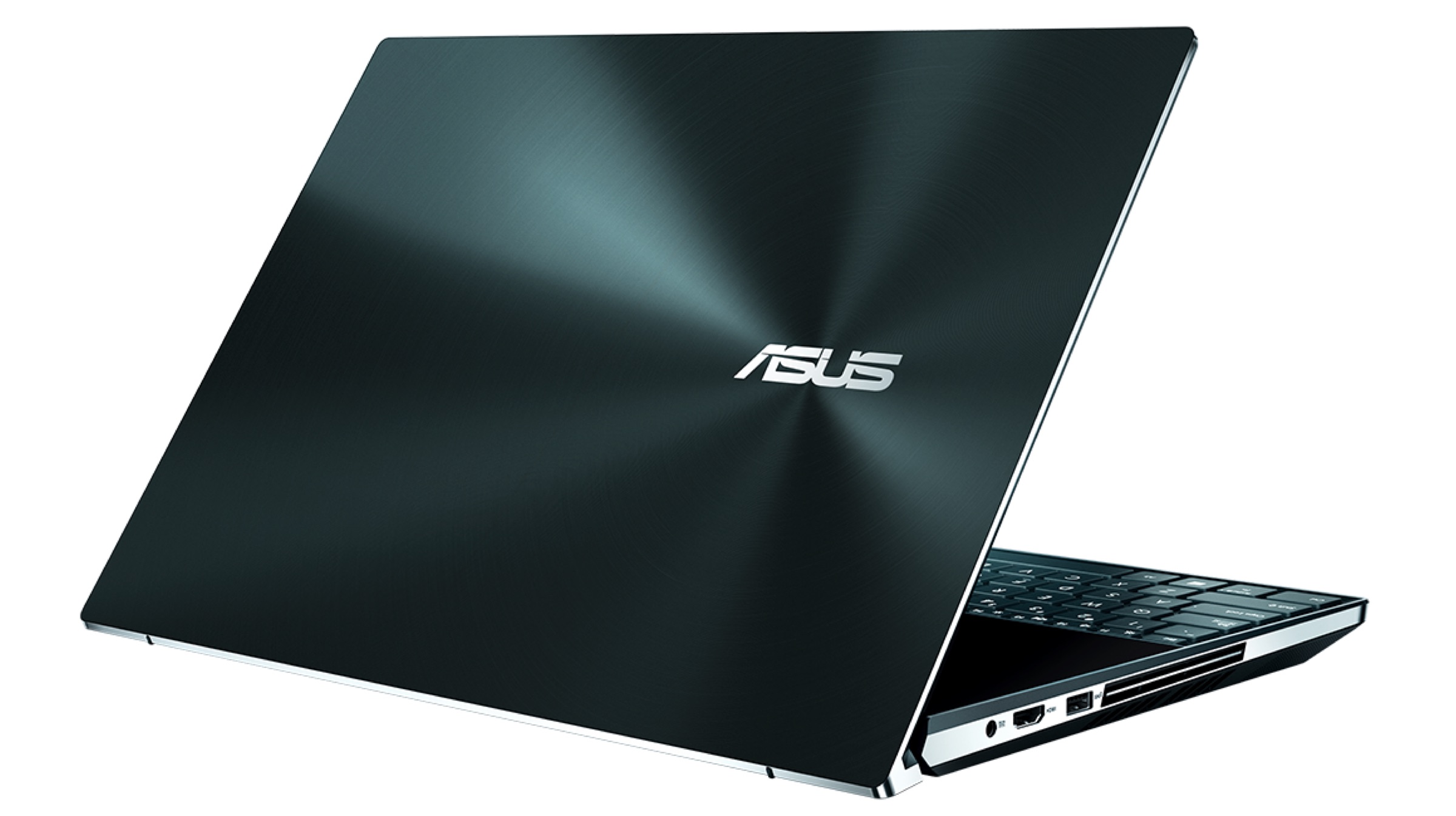
    Taiwan based electronics manufacturer, Asus has unveiled yet another innovative lineup of laptops at the Computex 2019. The said event is held in Taipei, Taiwan and it is one of the world’s biggest PC convention. Taking the Touch Bar from Apple’s MacBooks a step further, Asus unveiled the ZenBook Pro Duo which features dual displays.

    Asus ZenBook Pro Duo Specs & Design

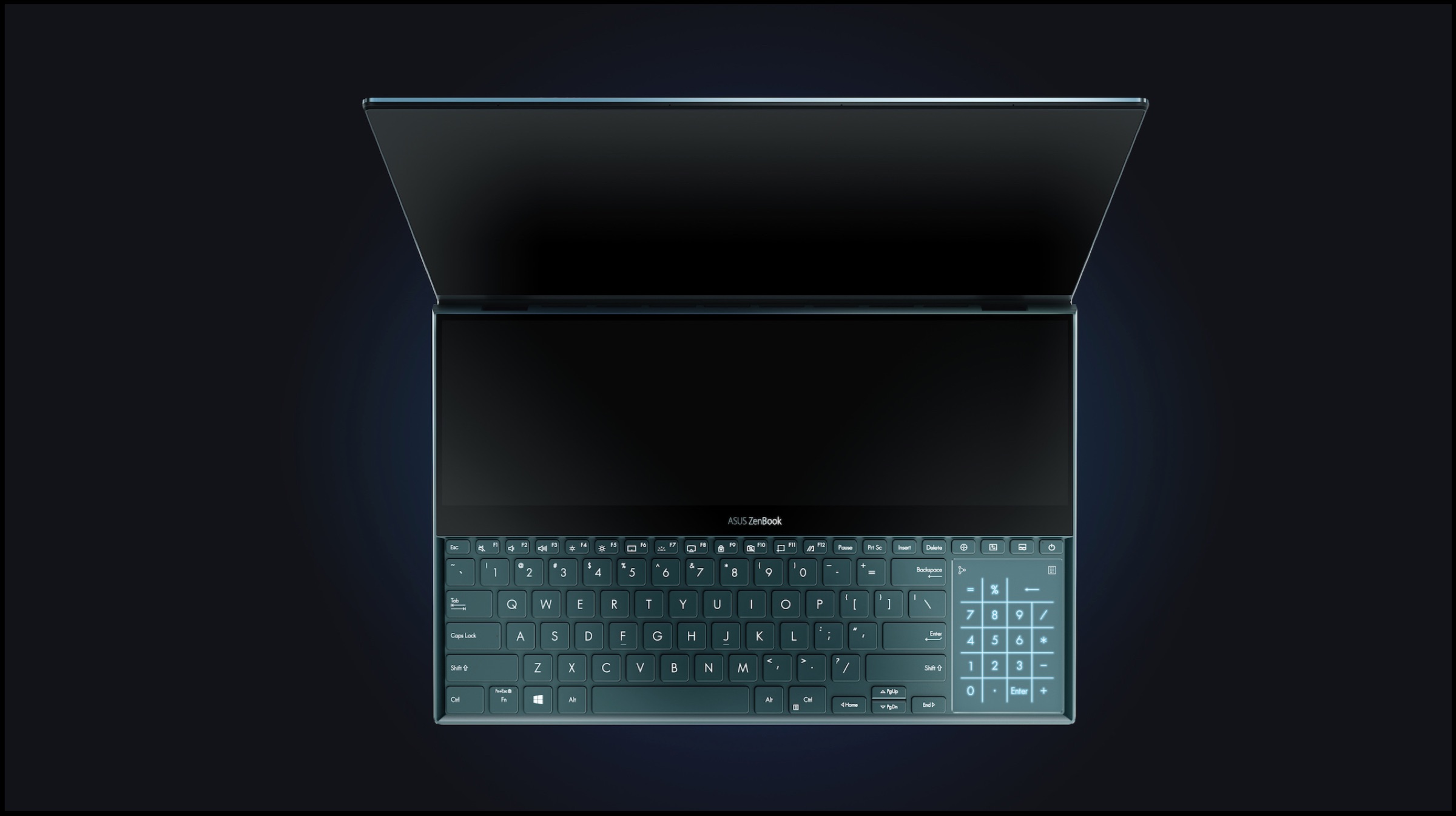
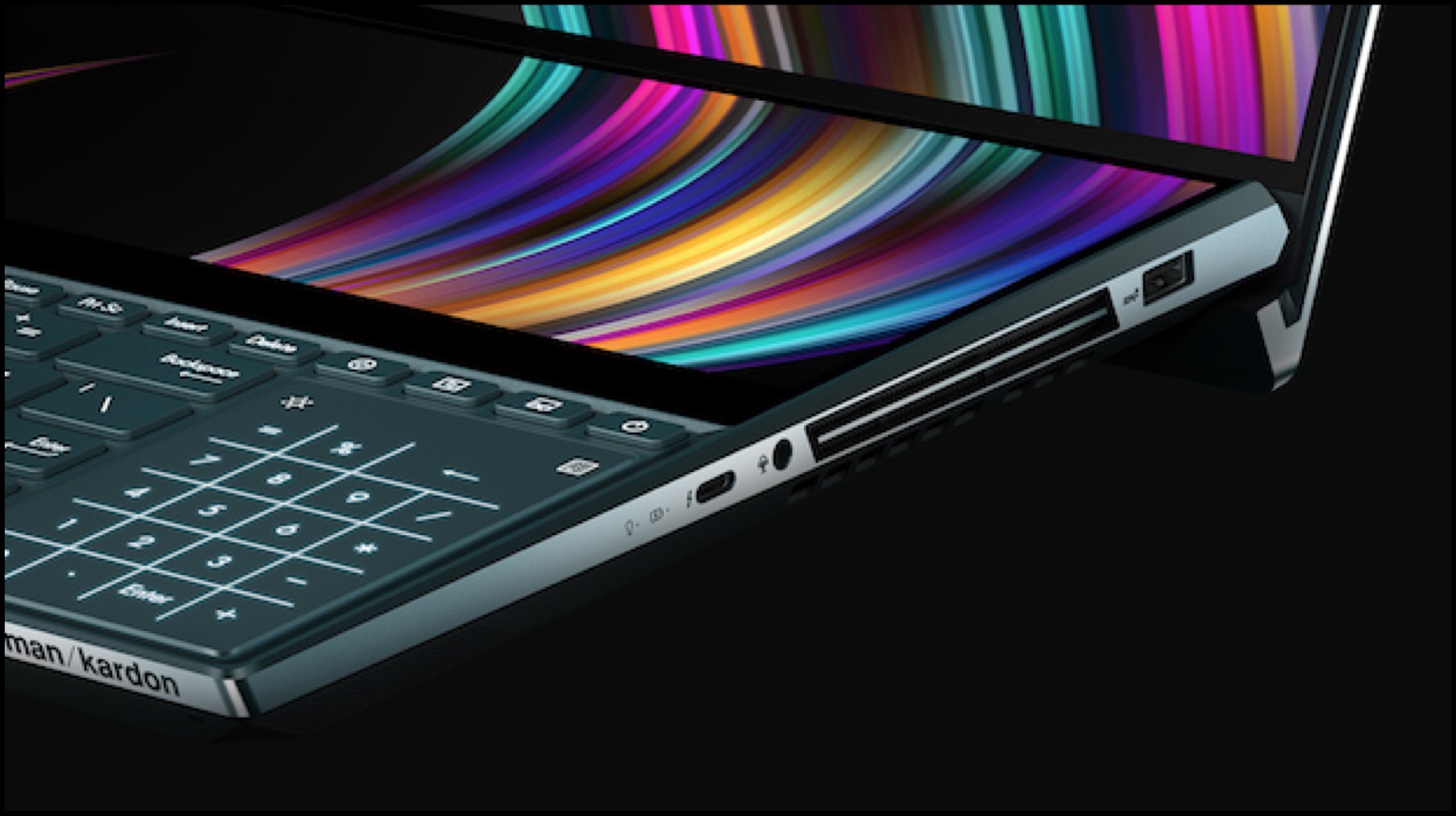
    As previously mentioned the Asus ZenBook Pro Duo has a distinctive design accrediting to two display. Out of the two displays, one is the primary screen while the second display is placed above the keyboard. The company has unveiled two models of the laptop which carry the following model numbers:

    • UX581
    • UX481

    The key differences between the two models are disparate CPU, GPU and screen size. The Asus ZenBook Pro Duo UX581 features a 15.6 inch touch screen main display along with the 14 inch ScreenPad Plus (secondary display). On the other hand, the more affordable Asus ZenBook Pro Duo UX481 has a 14 inch main display along with 12.6 inch ScreenPad Plus display. Notably, the beefed up UX581 features 4K display while the UX481 has a display with FHD resolution.

    In terms of processor, the Asus ZenBook UX581 is offered with two options a) i9-9980HK and b) i7-9750H. While the UX481 is offered only with the i7 option. The former features the Nvidia RTX 2060 GPU 6 GB of DDR6 RAM while the latter features Nvidia MX250 with 2 GB of RAM. The UX581 can be kitted with upto 32 GB of DD4 2666 MHz RAM while the former supports 2133 MHz DDR3 RAM upto 16GB.

    Both the Asus ZenBook Pro Duo laptops can be configured with similar storage options which include 1 TB PCIE x4 SSD or 512GB / 256GB PCIe x2 SSD. The primary difference between the two storage options is dissimilar read and write speeds. The x4 SSD are upto twice as fast as the x2 variant. Features including connectivity, webcam and I/O port are identical on two variants of the Asus ZenBook. They support Wi-Fi 6 and Bluetooth 5 along with an IR webcam with Windows Hello Support. I/O ports on the two laptops are as follows:

    • 1 x Thunderbolt
    • 3x USB-C
    • 2 x USB 3.1 Gen 2 Type-A
    • 1 x Standard HDMI
    • 1 x Audio combo jack
    • 1 x DC-in

    Notably, the economical Asus ZenBook Pro Duo UX481 also has a Micro SD card slot. The former is powered by a 70 Wh battery while the UX581 is powered by a 71 Wh battery. 

    Talking about the ScreenPad it is mainly targetted towards content creators who can use the secondary display to control or monitor additional controls in certain apps. One example of the ScreenPad would controlling additional features in video editing programs.  

    Also Read: Lenovo’s Project Limitless Features a 5G Laptop Running On Snapdragon 8cx CPU Processor

    All in all, the newly launched Asus ZenBook Pro Duo ultrabooks laptop seem highly innovative. However, the price of the two devices is yet to be unveiled which can be expected in the near future. 

  • Black Shark 2 Launched In India, Features Snapdragon 855 And Up To 12GB RAM

    Black Shark 2 Launched In India, Features Snapdragon 855 And Up To 12GB RAM

    Chinese smartphone manufacturer Xiaomi has launched the highly-anticipated Black Shark 2 gaming smartphone in India. The device was earlier introduced in China in the month of March 2019. Noteworthy, it features Ludicrous Mode that incorporates Xiaomi’s Liquid Cooling 3.0 technology. The company claims that it uses liquid-cooled plates and tubes that enable a temperature drop of up to 14°C in the device while gaming. 

    Xiaomi Black Shark 2 Specifications And Features

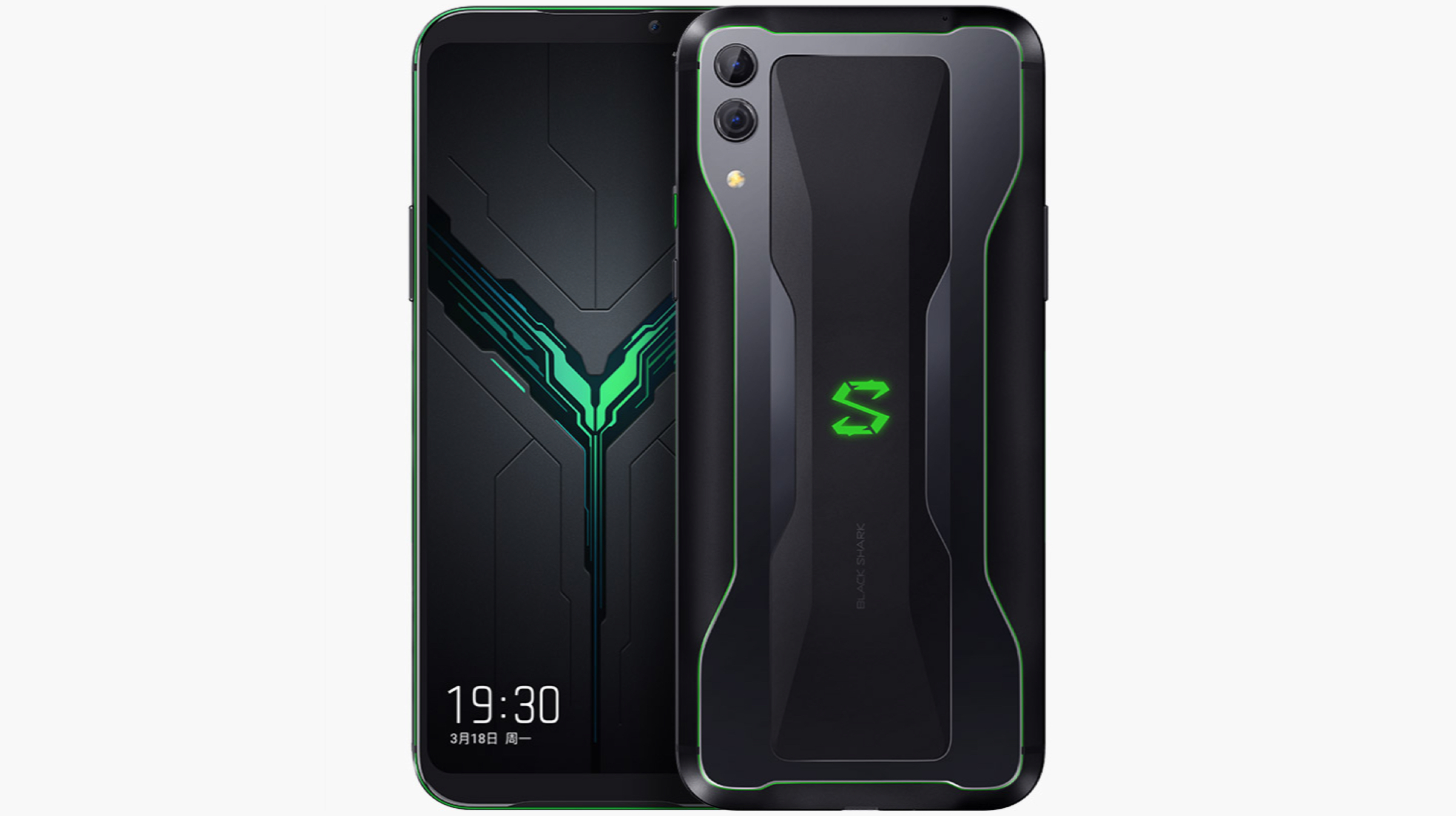
    Xiaomi Black Shark 2 Front

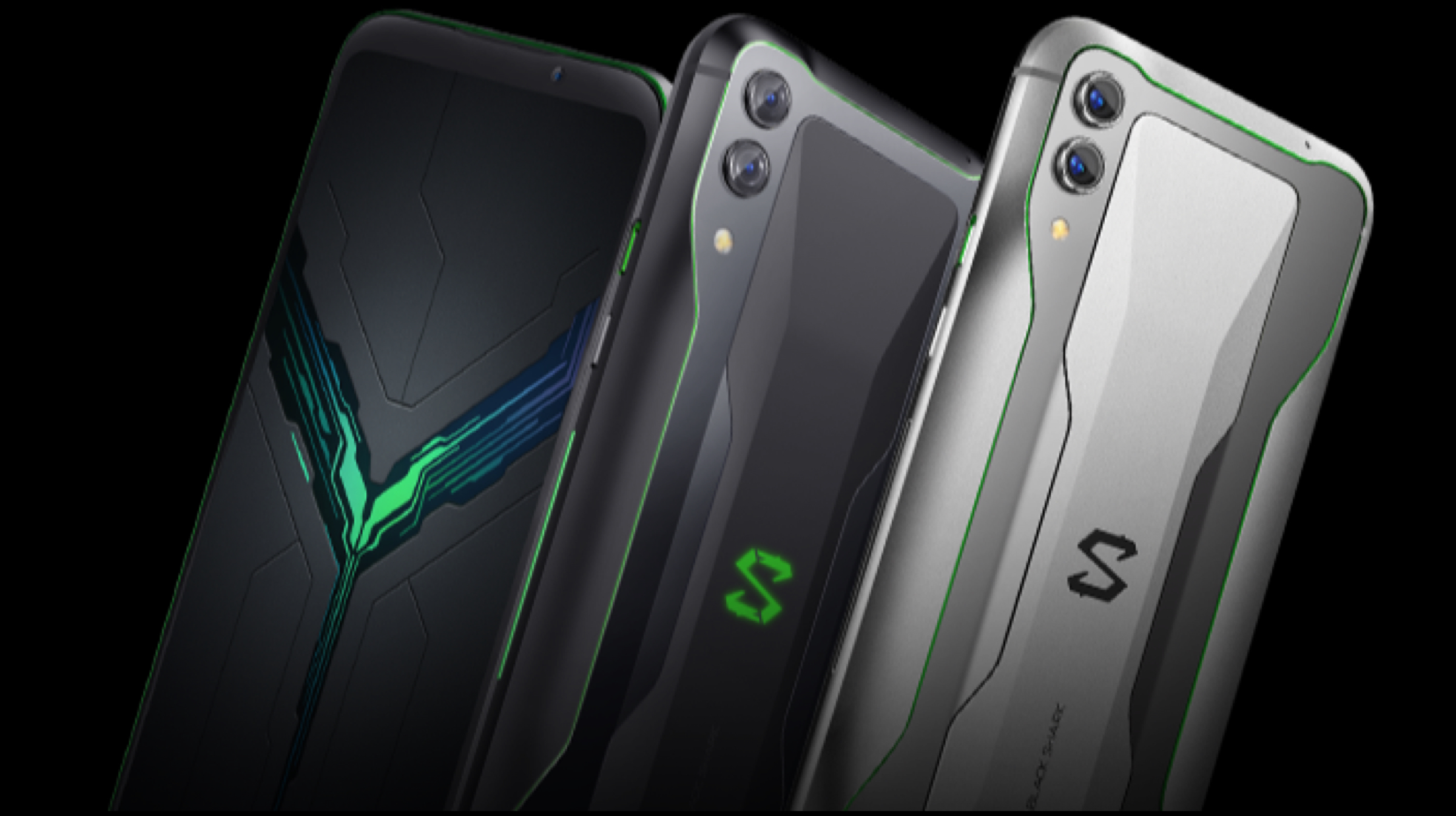
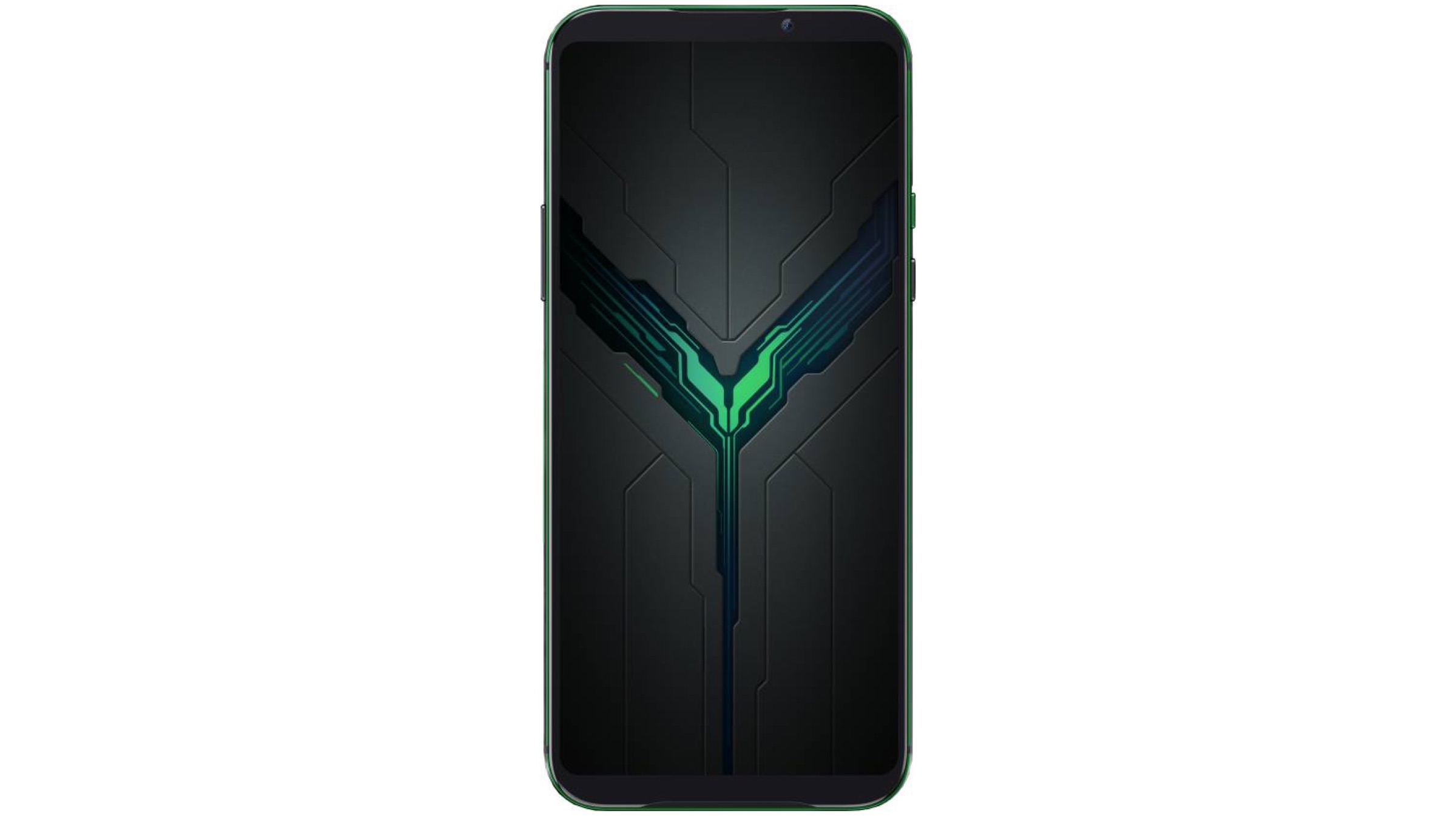
    The Xiaomi Black Shark 2 has a modern design with a distinctive yet appealing design on the rear and a large display on the front. The smartphone measures 163.61 x 75.01 x 8.77 mm and weighs in at 205 grams. It sports a 6.39 inch AMOLED display which is surrounded by narrow bezels on all sides, giving it an elegant look. The display panel has a resolution of 2340 x 1080 px and a pixel density of 403 ppi. The display panel can reach brightness levels of upto 430 nits and has an aspect ratio of 19.5:9.

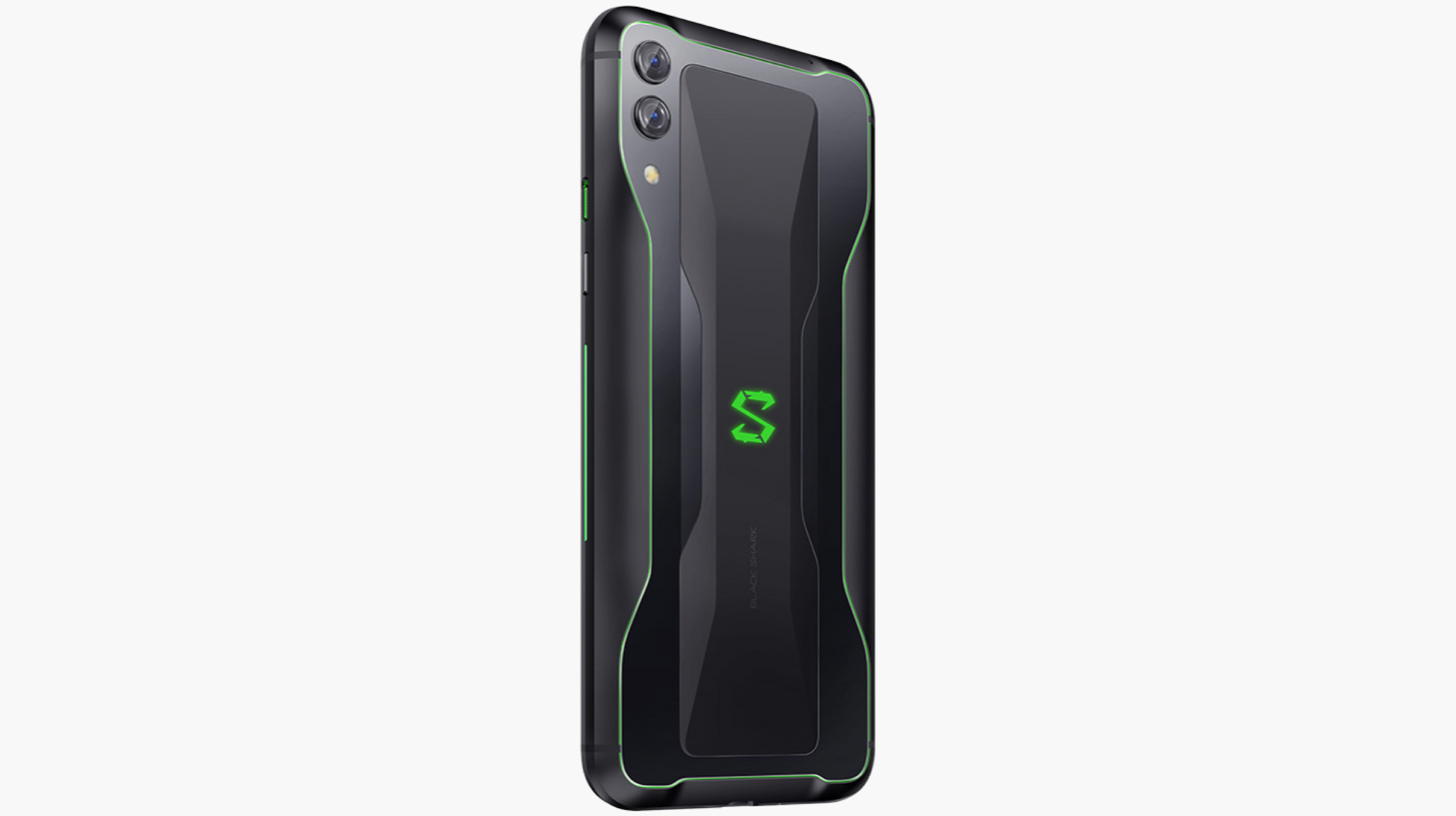
    Xiaomi Black Shark 2 Front And BackAnother feature of the smartphone is the pressure sensitive controls incorporated in the AMOLED display, that can be programmed for gaming. For biometric security, it also features an in display fingerprint sensor. Talking further about the design of the Xiaomi Black Shark 2, its right side accommodates the power button and a “shark” slider which when toggled turns on gaming mode for optimized performance while the left side houses the volume rockers. The bottom of the device accommodates the USB Type-C port. To keep the temperature of the device under check during game-intensive sessions, it also has a vapour cooling chamber and liquid cooling 3.0 technology, which has been discussed previously.
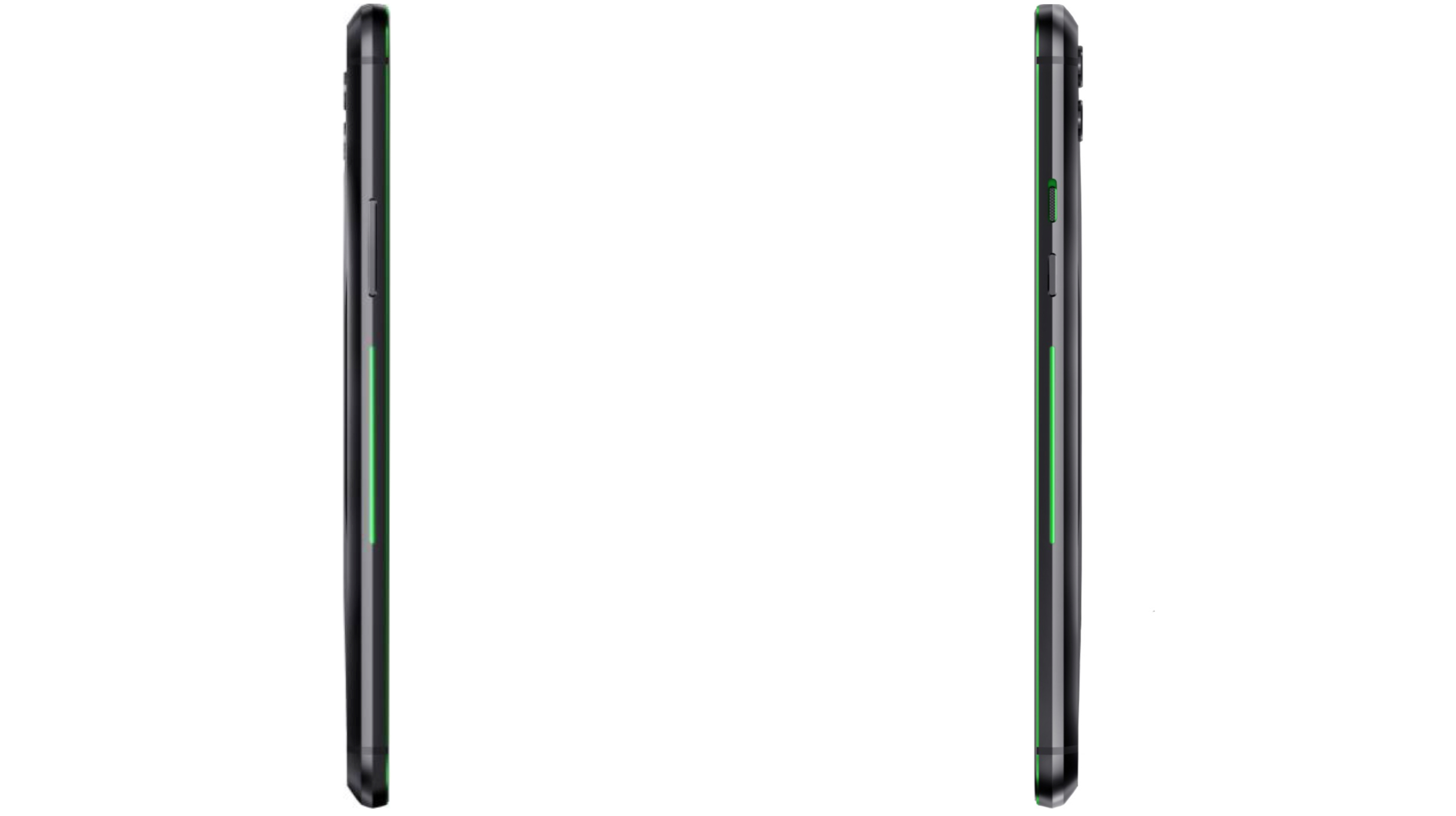
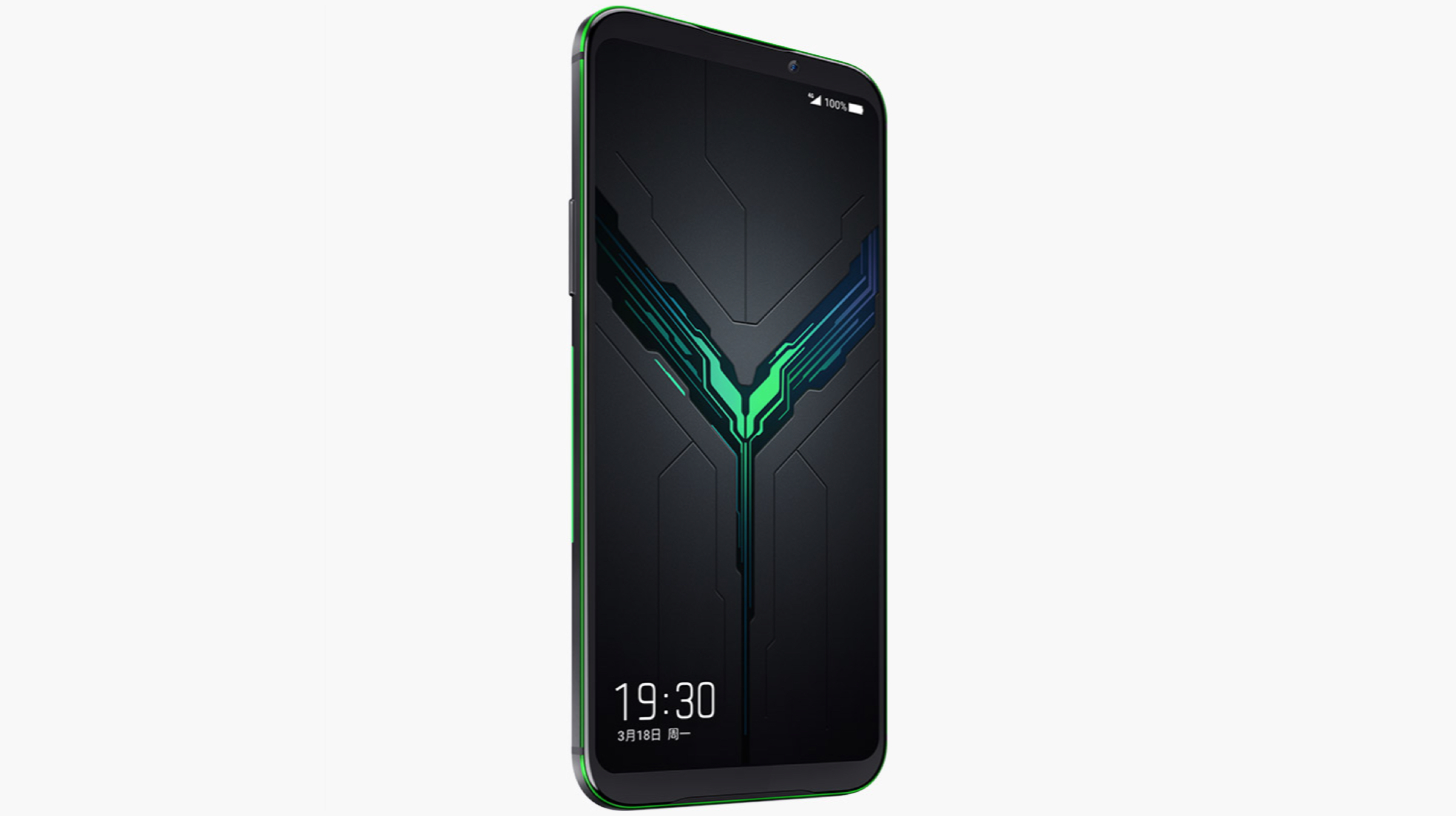

    As mentioned before, the rear of the Xiaomi Black Shark 2 has a unique design with green coloured decals that run along the sides of the smartphone. The rear panel also harbours the RGB Black Shark logo and the dual camera setup. The dual camera setup consists of a 48 MP Samsung GM1 (f/1.75) sensor, 12 MP (f/2.2) telephoto sensor and an LED Flash which can also capture 2160p videos at 30 fps. It also has a 20 MP (f/2.0) front-facing selfie camera which is placed in the bezel above the display. The front camera can also capture 1080p videos at 30 fps. 

    Xiaomi Black Shark 2 FrontUnder the hood, the Black Shark 2 runs on the Snapdragon 855 SoC which consists of an octa-Core Kryo 485 CPU with the Adreno 640 GPU. The smartphone is powered by a  4,000 mAh battery which supports fast charging upto 27 W. The company claims that 30 minutes of gaming is possible with just 5 minutes of charging. The device runs on Android 9.0 (Pie) out of the box. Connectivity options on the Black Shark 2 include 802.11 ac Wi-Fi, Bluetooth 5.0, Dual 4G VoLTE and GPS. 
    Xiaomi Black Shark 2 Availability And Price

    Xiaomi Black Shark 2 Back

    Also Read: NVIDIA Works With Bethesda For Ray Tracing Support on Wolfenstein And Quake II

    The Black Shark 2 is available in two colour variants which includes Frozen Silver and Shadow Black. The prices for different variants of the smartphone are listed below:

    • 6 GB + 128 GB – INR 39,999
    • 12 GB + 256 GB – INR 49,999

    Both the aforementioned variants are listed on popular e-commerce website Flipkart, and will be purchasable June 4 onwards. 

    Click Here To Buy The Xiaomi Black Shark 2 (6GB+128GB) 

    Click Here To Buy The Xiaomi Black Shark 2 (12GB+256GB)

  • Xiaomi Launches A Makeup Mirror That Also Works A Power Bank

    Xiaomi Launches A Makeup Mirror That Also Works A Power Bank

    Chinese technology company Xiaomi has added yet another power bank to its lineup, but it is not a conventional product. Reportedly, the device can charge your phone and can be used as a helpful makeup mirror at the same time. Noteworthy, the product is not directly manufactured by Xiaomi, rather, one of its ecological chains has manufactured the product. The Chinese company has previously released lifestyle products in the past, such as the Himo T1, the Mi Home Security Camera and the Mi Fitness Band.

    Xiaomi Power Bank Makeup MirrorThe gadget released by the company has a portable factor. It measures 85x76x17mm and can easily be housed in a lady’s handbag. A 3000 mAh (5V/1A) battery is present inside the Xiaomi device, which can be used to charge the smartphone in case of emergencies. However, considering the low battery capacity of the same, the power bank can charge not more than one smartphone in one go. 

    Also Read: Intel Announces Octa Core i9-9900KS CPU With All Cores Clocked At 5.0 GHz

    In terms of features, the Xiaomi makeup mirror is surrounded by 12-high brightness LED lights that can be used to simulate a naturally lit environment. Moreover, users can adjust the brightness of the LEDs as per their convenience. The makeup mirror also has a 2x magnifying glass design, so that the image is distortion free. The mirror-cum-powerbank can be turned on by simply pressing the power button for a duration of 1 second. However, when the battery falls to 10 percent, the LEDs will turn off automatically. Xiaomi’s makeup mirror-cum-power bank is priced at a 129 CNY, which roughly translates to INR 1299. 

  • Xiaomi Redmi Go 16 GB ROM Variant Launched In India

    Xiaomi Redmi Go 16 GB ROM Variant Launched In India

    In the month of March, Xiaomi launched a budget oriented smartphone in India called the Redmi Go. The device is mainly targeted towards users who are switching from feature phones and are getting in the Android ecosystem for the first time. The smartphone was originally launched with 1 GB of RAM and 8 GB of ROM. Taking demand for higher storage into consideration the company has launched another variant with 1 GB of RAM and 16 GB of ROM. The newly launched device costs Rs 300 more than the originally launched variant and is priced at Rs 4,799. Except for the bumped up price, all features and specifications of the newly launched variant of Redmi Go are as is.

    Redmi Go Specifications & Design

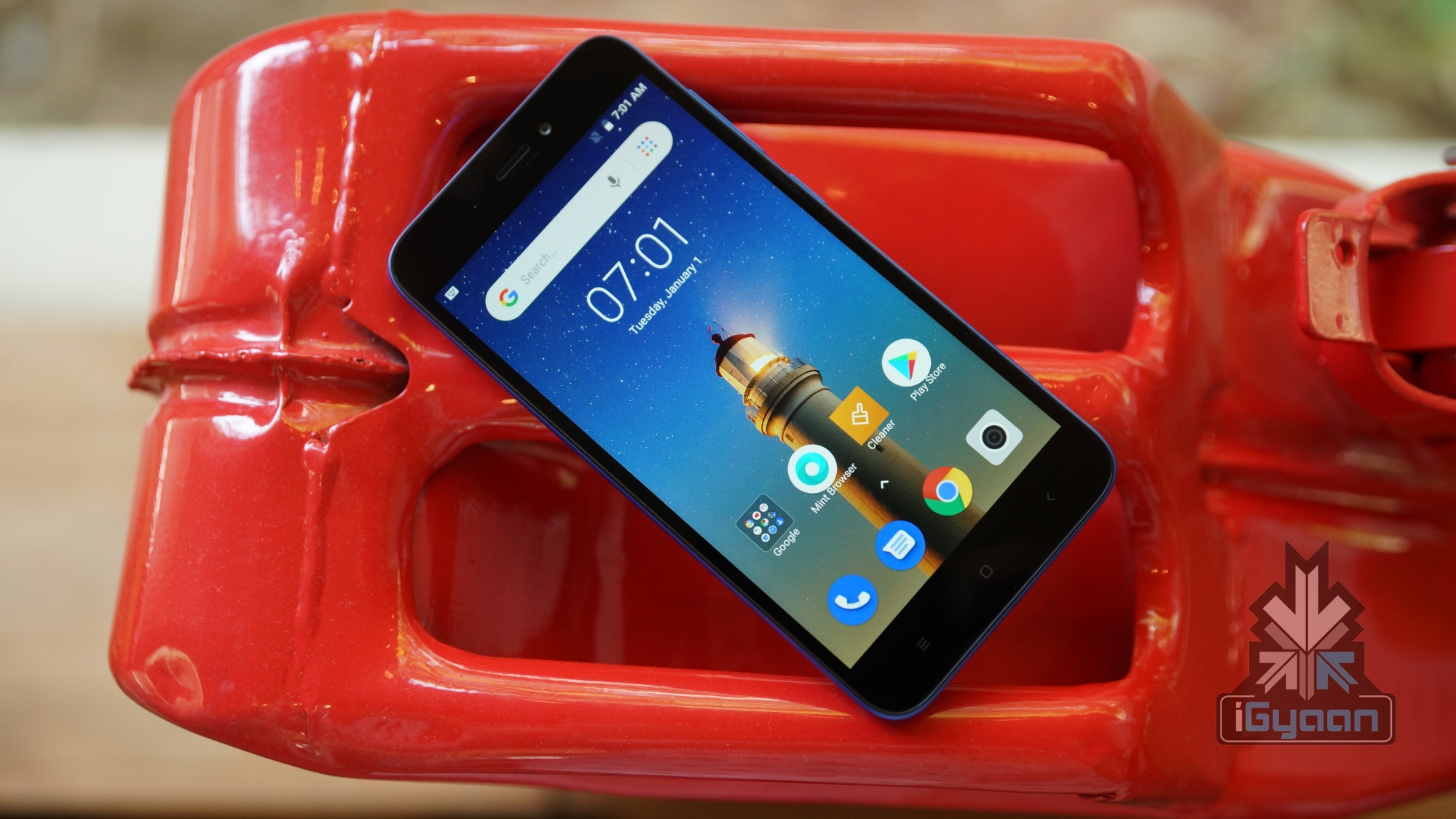
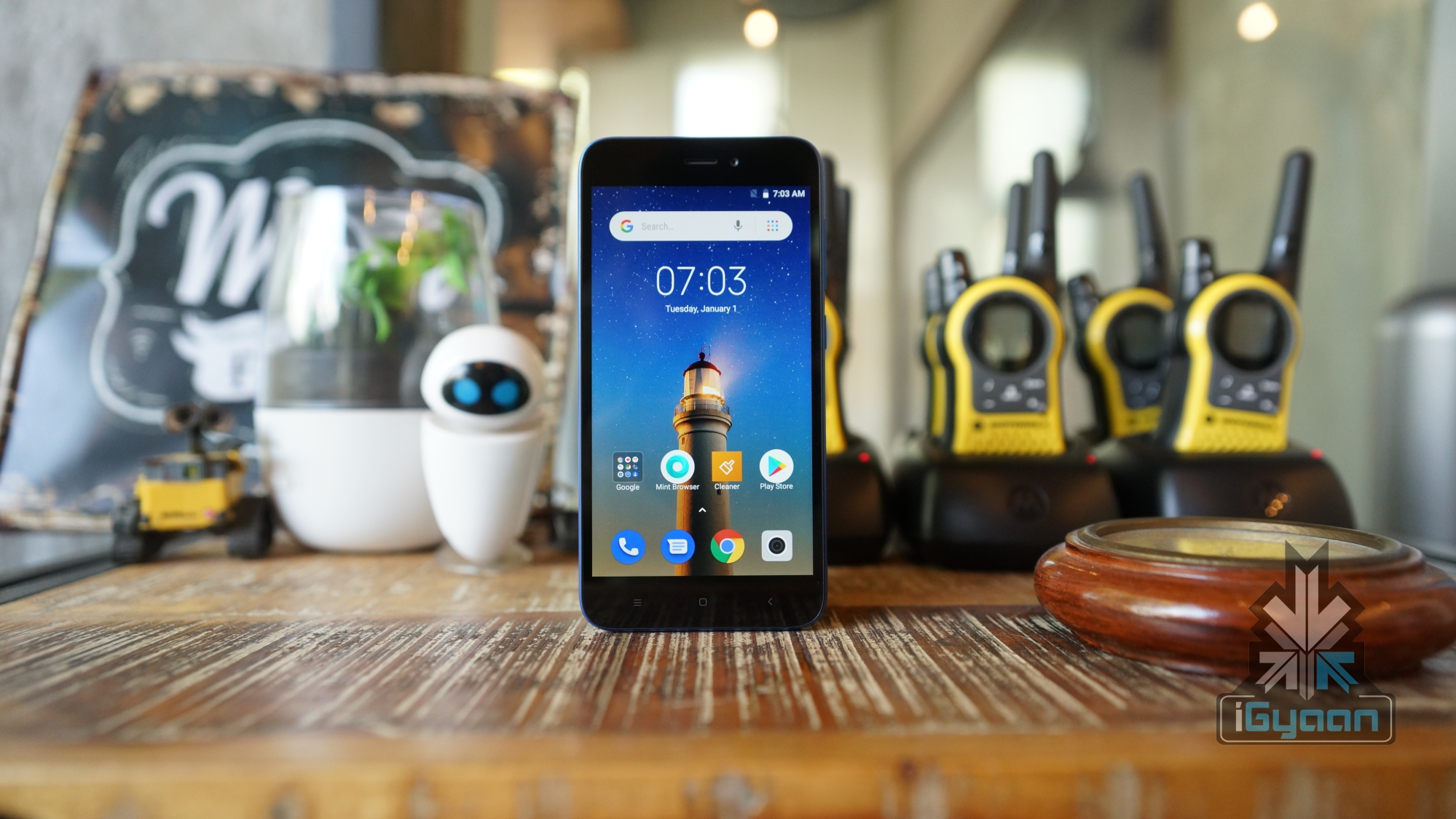
    Redmi Go Front

    The Redmi Go has a polycarbonate body with chunky bezels on the top and bottom. The handset measures 40.4 x 70.1 x 8.35mm and weighs in at 137g. It sports a 5 inch LCD display on the front with a resolution of 1280 x 720 px. The display panel has a pixel density of 296 ppi and maximum brightness of 380 nits. 

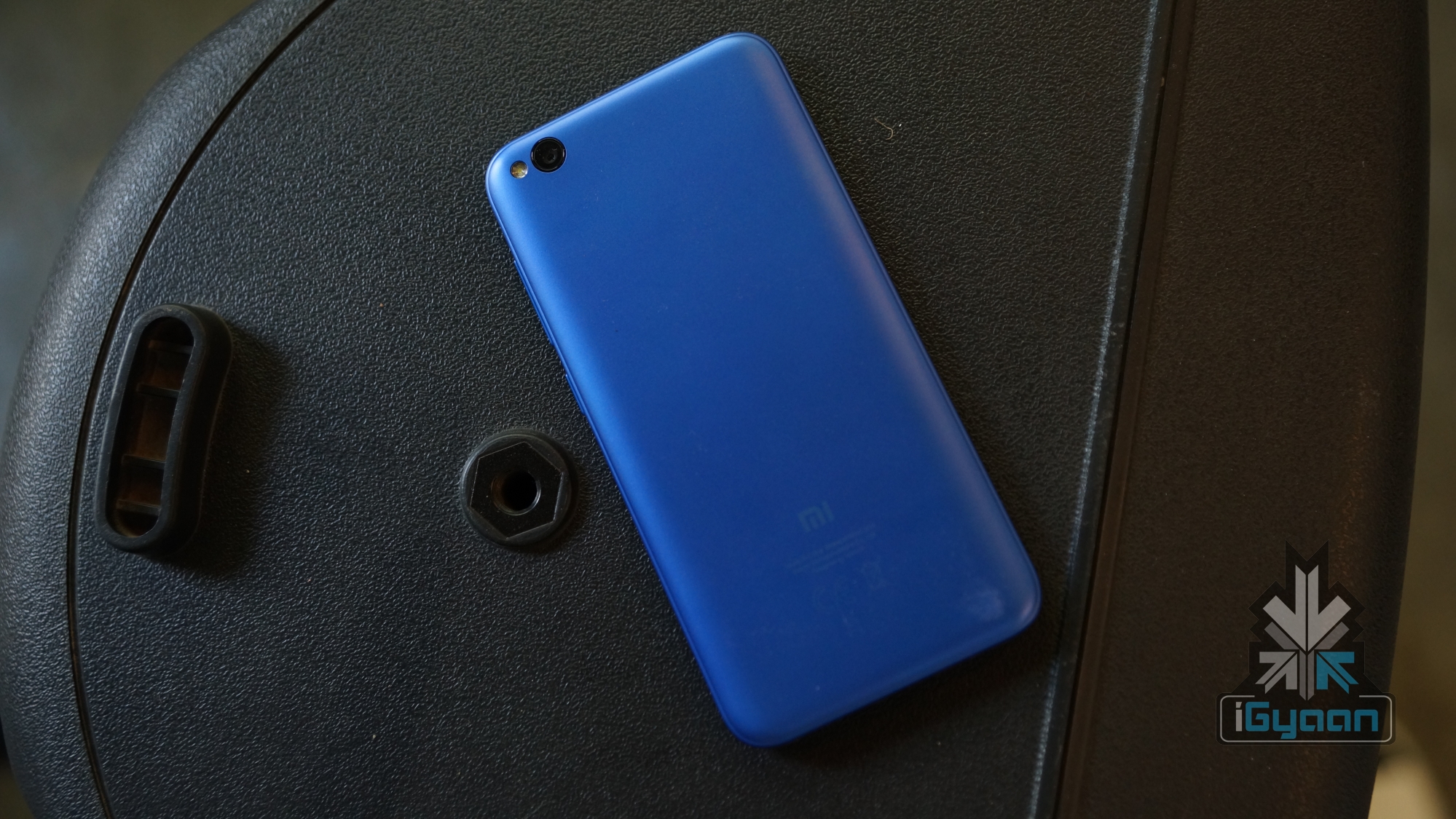
    Redmi Go Rear

    Under the hood, the Redmi Go features the Snapdragon 425 SoC which is manufactured using the 28nm fabrication process. The chipset is comprised of a Quad-core CPU and the Adreno 308 GPU. For photography, the smartphone has an 8MP primary camera at the rear with an aperture of f/2.0. For selfies, it has a 5MP camera with an f/2.2 aperture on the front.


    Also Read: AMD Reveals 3rd Gen Ryzen CPUs And 7nm Radeon RX5000 GPU

    The Redmi Go is powered by a 3000mAh battery that supports 5W charging. The handset runs on Android 8.1 Oreo Go edition out of the box. It also has a dedicated microSD support for memory expansion up to 256GB. One Notable feature of the Redmi Go is support for more than 20 regional languages and Google voice Assistant in Hindi.

  • Intel Announces Octa Core i9-9900KS CPU With All Cores Clocked At 5.0 GHz

    Intel Announces Octa Core i9-9900KS CPU With All Cores Clocked At 5.0 GHz

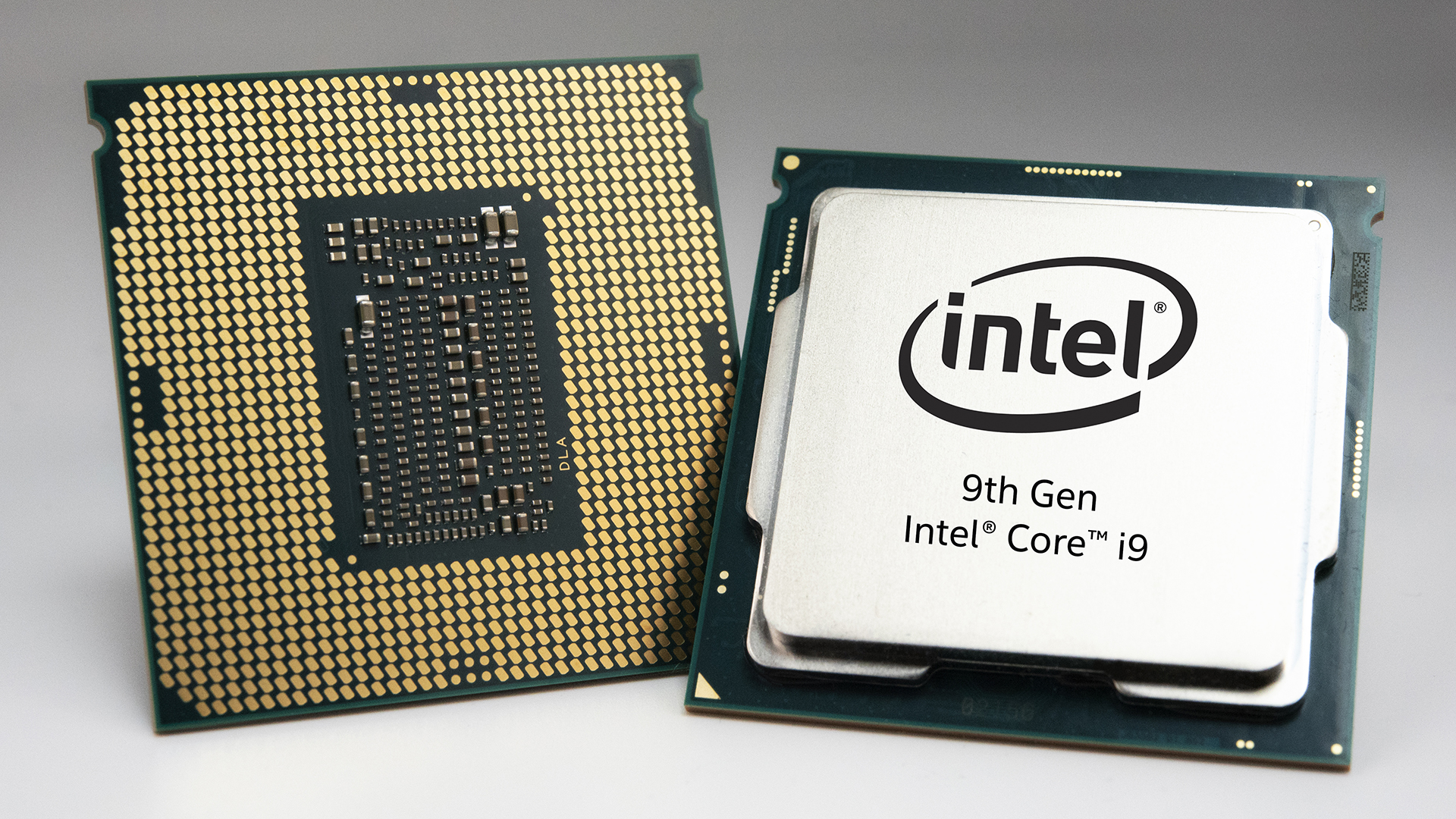
    Intel is looking to strengthen its position in the CPU market. The company unveiled its 5GHz laptop processors in the month of April 2019, which have already been incorporated by brands like ASUS, Dell, HP and Razer. In 2018, the American chip manufacturer showcased a CPU which had all its cores clocked at 5.0 GHz. The aforementioned processor, which is the Core i9-9900KS, is all set for release in the upcoming weeks and will be the first of its kind. 

    The new Intel Core i9-9900KS features a total of 8 cores, all of which will run at a clock speed of 5.0 GHz during single-core workloads as well as multi-core workloads. As per reports, the company showcased a demo of a 28-core Intel Xeon CPU in the year 2018, but the clock speed of the same was way lower than the 9900KS. Noteworthy, the core i9-9900KS is selectively binned so that each core utilizes the maximum clock speed i.e. 5.0 GHz.
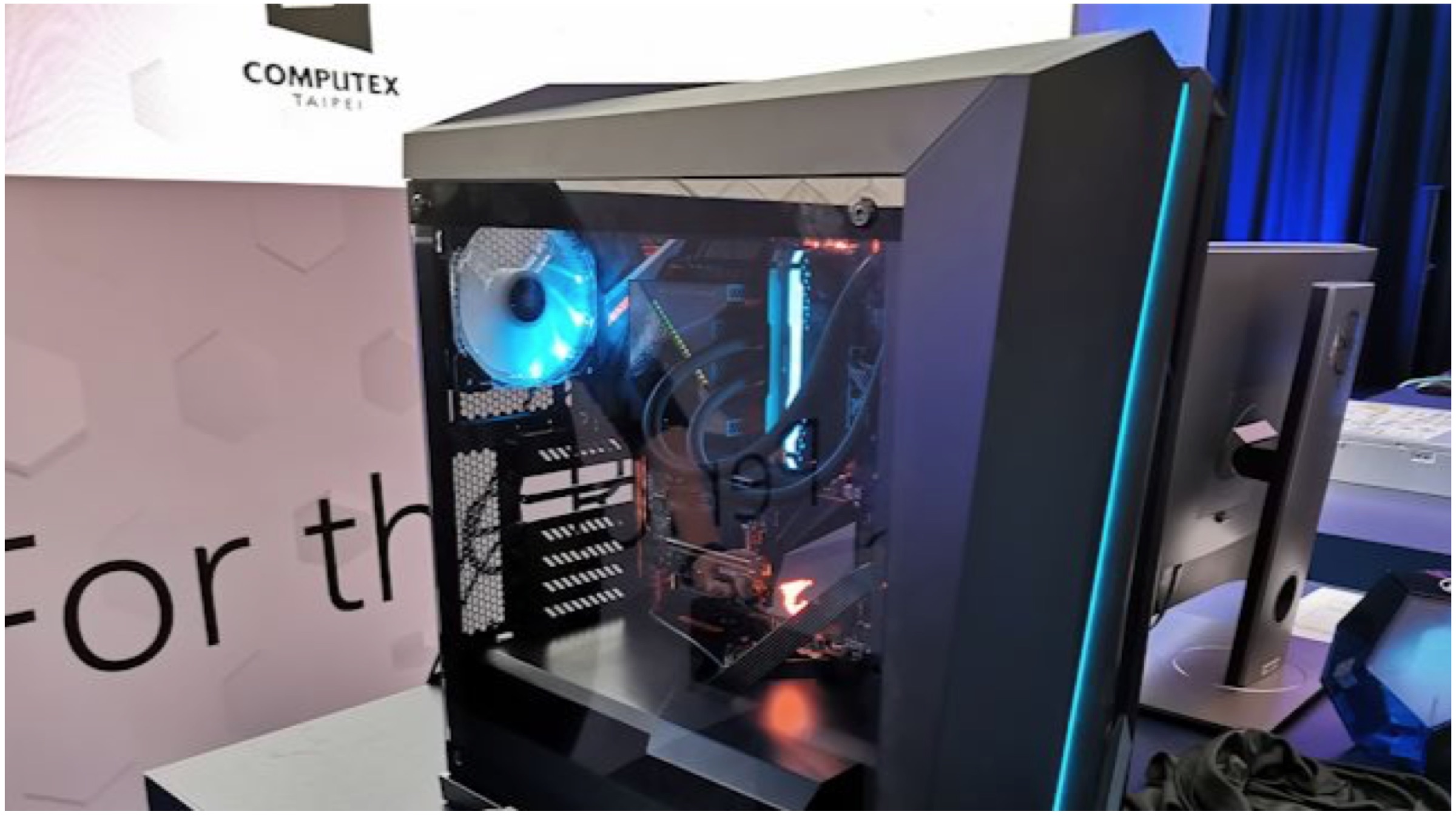
    Reports further state that the current motherboards supporting Intel’s core i9-9900K processors will be able to accommodate the newly launched i9-9900KS as well. However, a minor firmware update will be pushed out to the motherboards by their respective manufacturers so as to enable support for the core i9-9900KS. Furthermore, it was also stated that the new CPU will feature a similar integrated GPU chip to the i9-9900K processor.  

    Intel i9-9900KSAlso Read: Microsoft And Sony Join Hands For Cloud Gaming Service

    The TDP (Thermal Design Power) of the CPU is unknown as of now, alongside the unrevealed details regarding the pricing and the launch date. However, as per sources, Intel may have stepped up the TDP of the i9-9900KS a notch, since the base frequency of the processor exhibits a 10 percent increase over the i9-9900K CPU. More details regarding the same are expected to be unveiled in the upcoming Computex Event, which kicks off on May 28 in Taiwan. 

  • Xiaomi Redmi 7A Announced With Snapdragon 439 SoC

    Xiaomi Redmi 7A Announced With Snapdragon 439 SoC

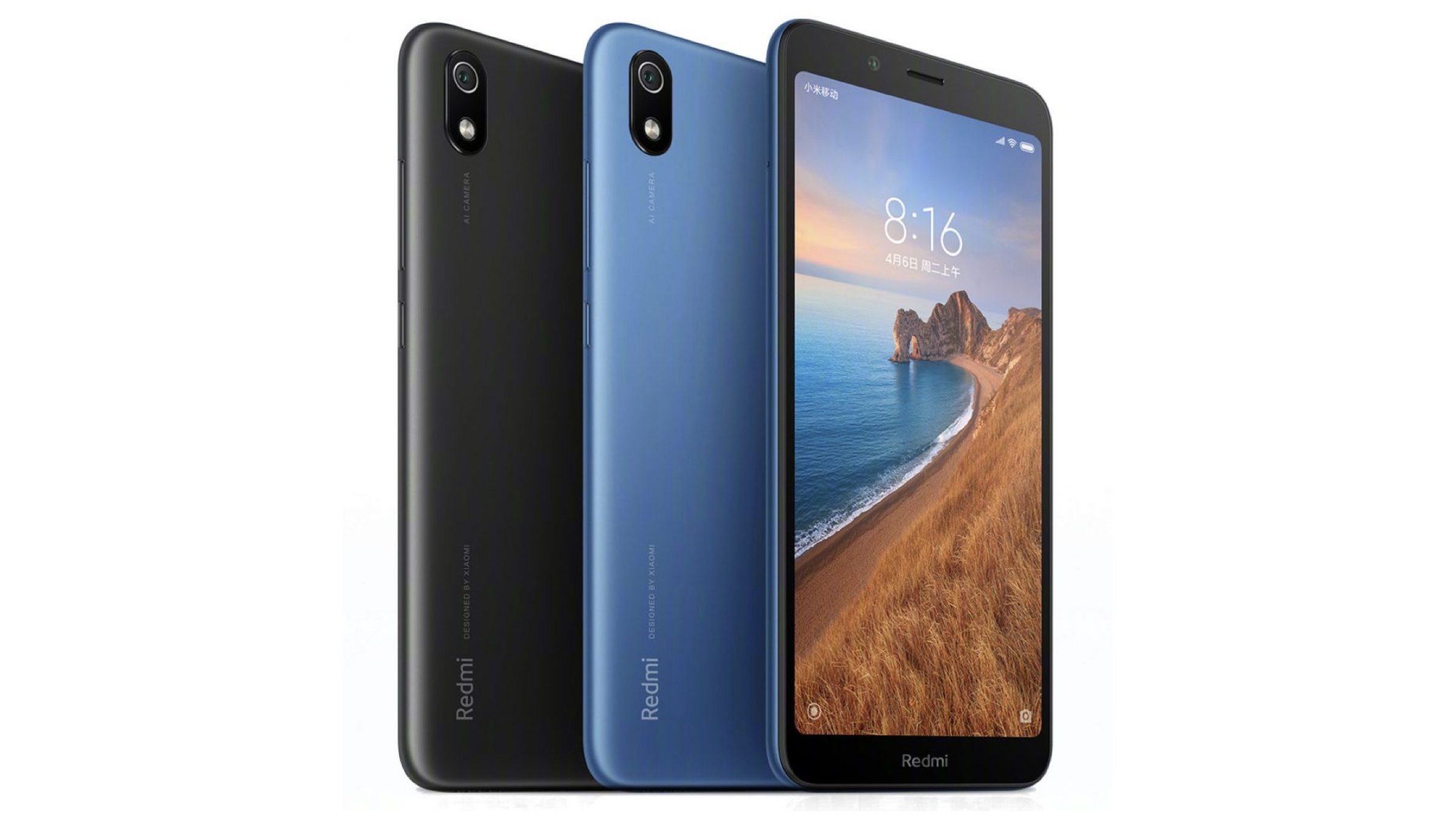
    Redmi, a subsidiary of Chinese smartphone maker Xiaomi has announced its latest budget smartphone in its home country on the 24th of May. Called the Redmi 7A, the device is the successor to the Redmi 6A launched last year. Notably, the latest handset was leaked a few days ago on certification website TENNA and boasts of competitive specifications at a lucrative price.

    Redmi 7A

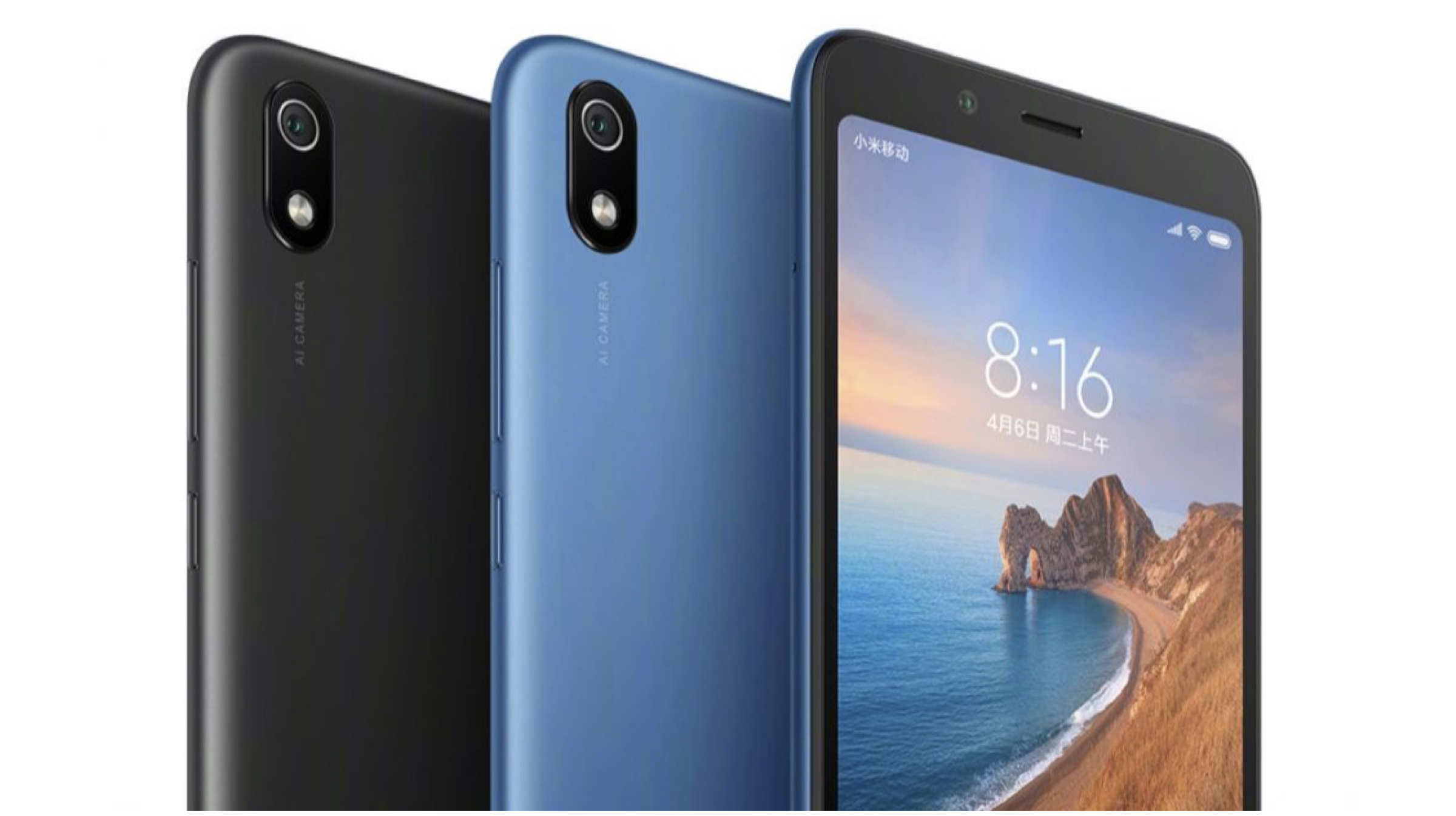
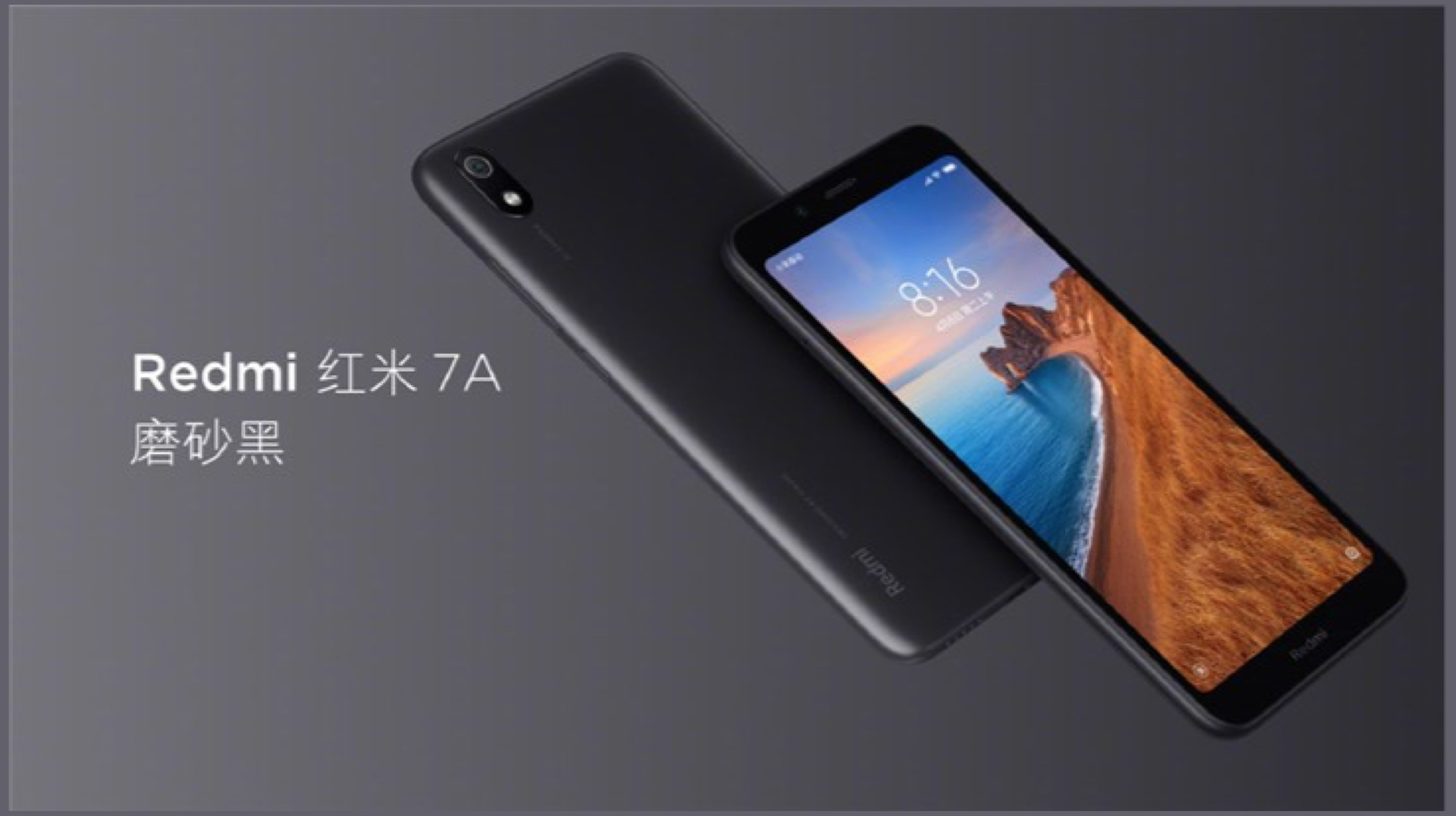
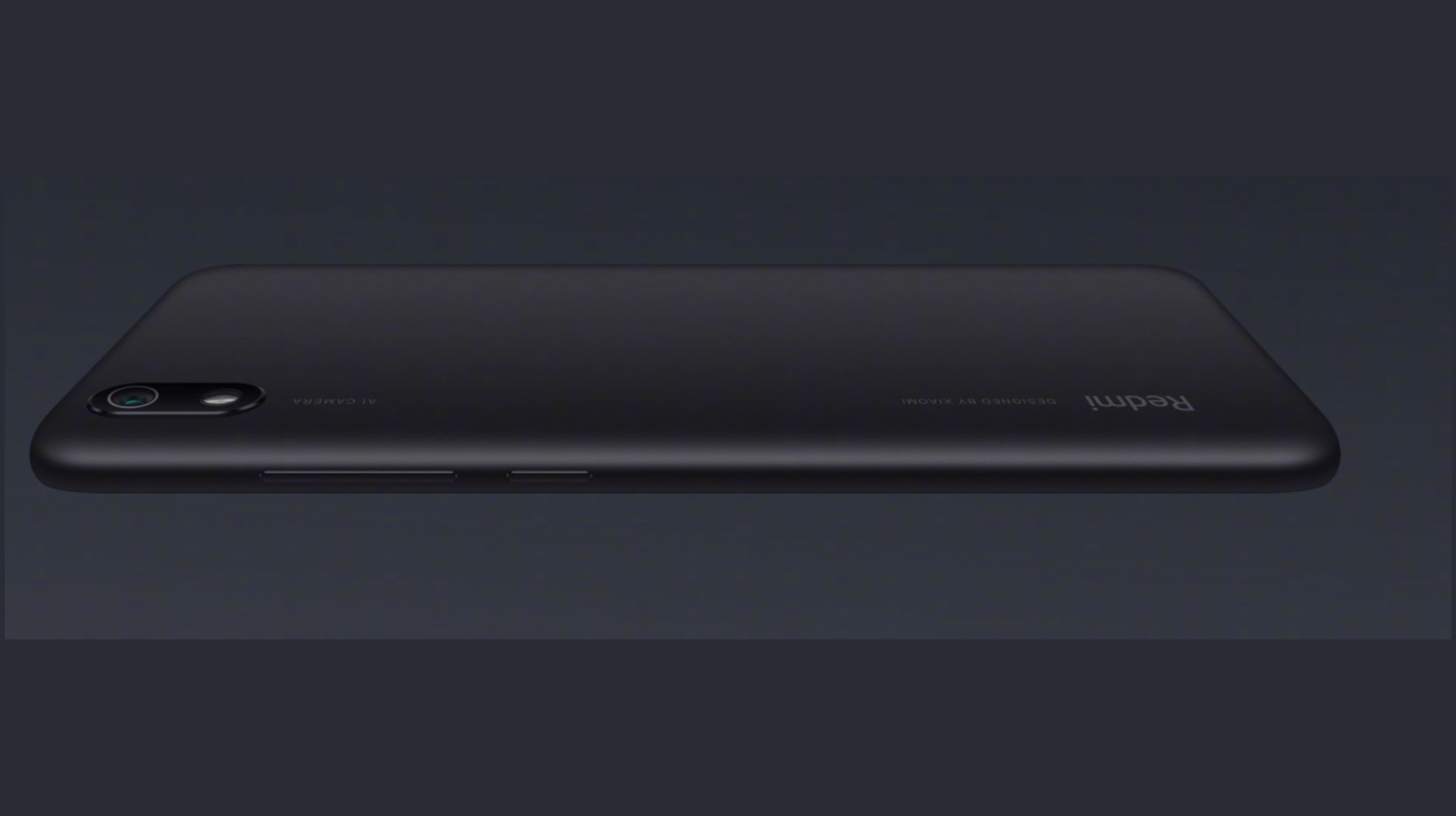
    As mentioned previously, the Redmi 7A is the latest budget offering from the company. It measures 146.30 × 70.41 × 9.55mm, weighs 150g and has a polycarbonate construction with a similar design to its predecessor. It has a 5.45 inch LCD display with a resolution of 1440 x 720 px and an aspect ratio of 18:9. There are significant bezels on the top and bottom of the device with the company branding at the chin. As it is a budget device, it lacks any form of biometric security like a fingerprint scanner; and users will have to rely on conventional unlocking methods such as numerical pins, patterns and passwords to access the smartphone

    The Redmi 7 runs on the 12nm Snapdragon 439 SoC which is also seen in the Nokia 4.2 (Review). The chipset is comprised of an Octa-core CPU and the Adreno 505 GPU. In terms of optics, the smartphone has a single 13MP rear camera with LED flash. For selfies, a 5MP front-facing camera is also present on the handset. For memory and storage, the handset will be available in the following variants.

    • 2GB RAM and 16GB ROM
    • 3GB RAM and 32GB ROM

    Redmi 7A

    The Redmi 7A will be powered by a 4000 mAh battery with support for 10W wired charging. Furthermore, the handset has a triple card slot which supports two SIM cards; and a separate microSD card of up to 256GB in capacity. It has a hydrophobic P2i coating which should make it resistant to a degree of liquid splashes. The device runs on MIUI 10 on top of the current Android 9 Pie.

    Pricing & Availability

    Redmi 7A

    Also read: Samsung Galaxy M Series To Receive Android 9 Pie Based OneUI Update Next Month

    While Xiaomi has officially announced the Redmi 7A in China, the pricing of the smartphone will be revealed on the 28th of May. Unfortunately, the company has not provided any information on when it will launch in India but it is expected to be introduced soon at a starting price of Rs. 5,999.

  • Fujifilm GFX100 Mirrorless Camera With A 102 MP Sensor Launched

    Fujifilm GFX100 Mirrorless Camera With A 102 MP Sensor Launched

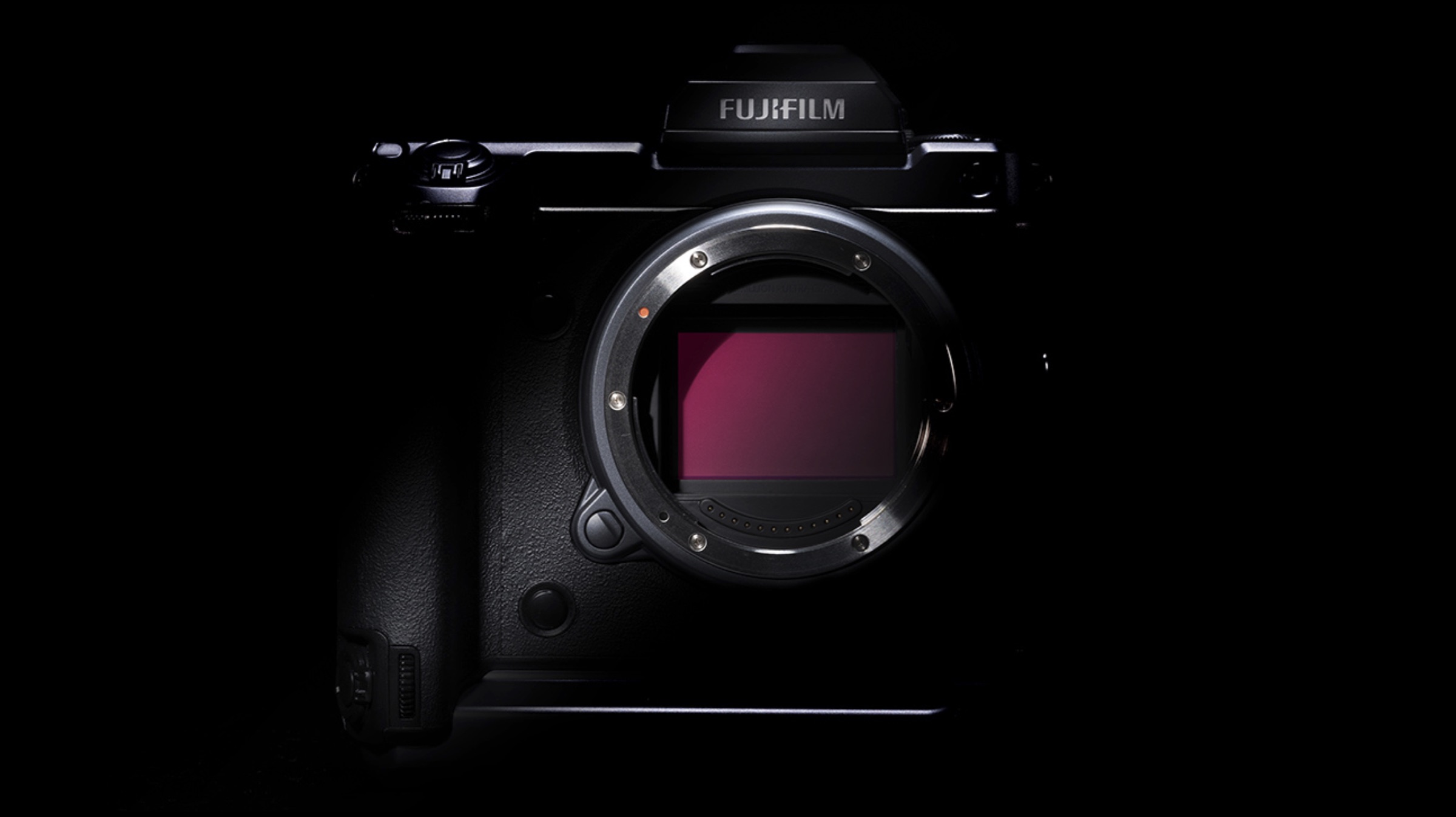
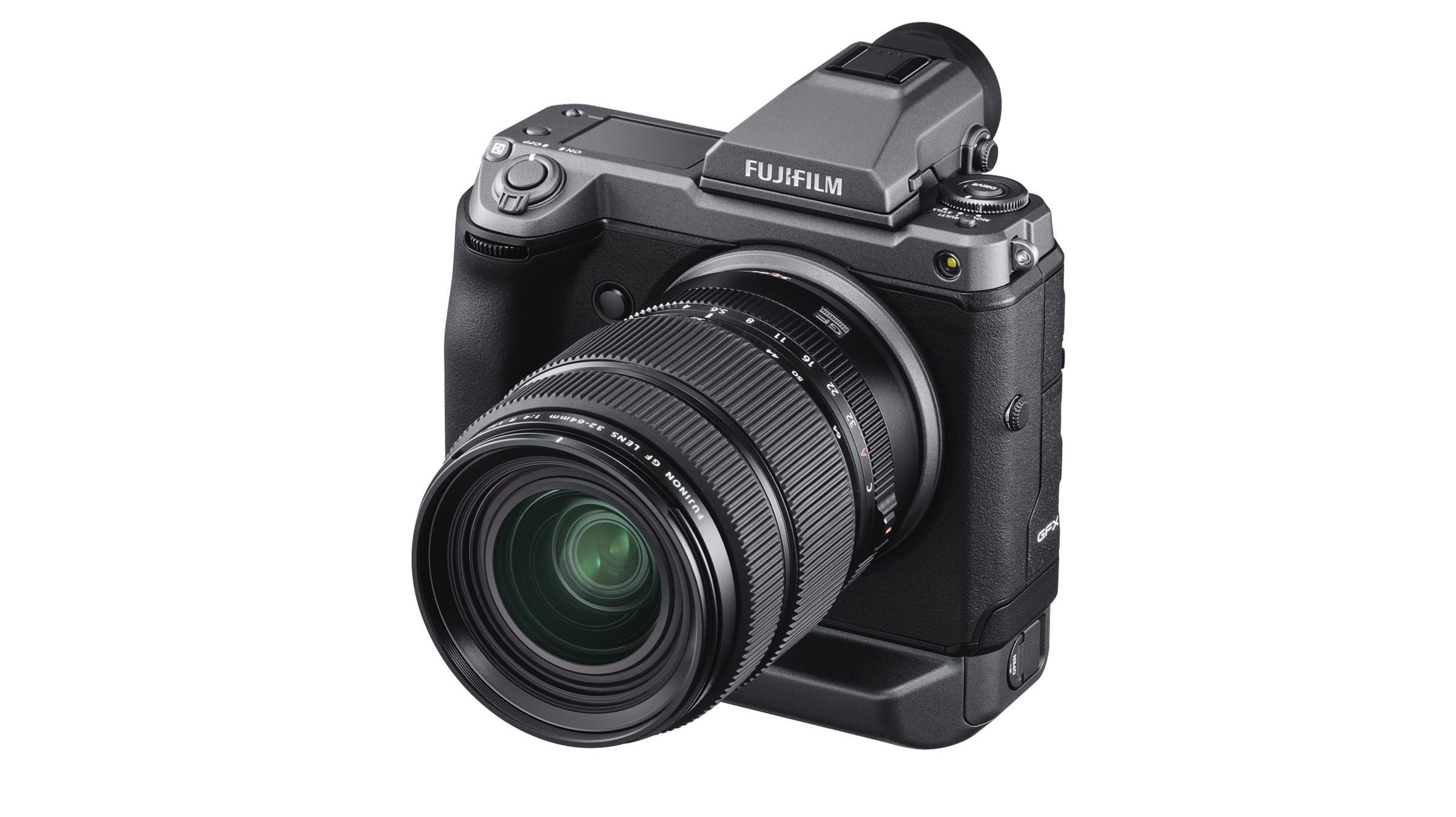
    Japanese imaging and photography giant Fujifilm has announced its latest mirrorless camera. Called the GFX100, it features a whopping 102 MP resolution sensor and is the first camera in a world to feature such a high-resolution sensor. While it was in development for quite a while now, the company has finally announced in a press release that it is ready to go on sale soon.

    Fujifilm GFX100

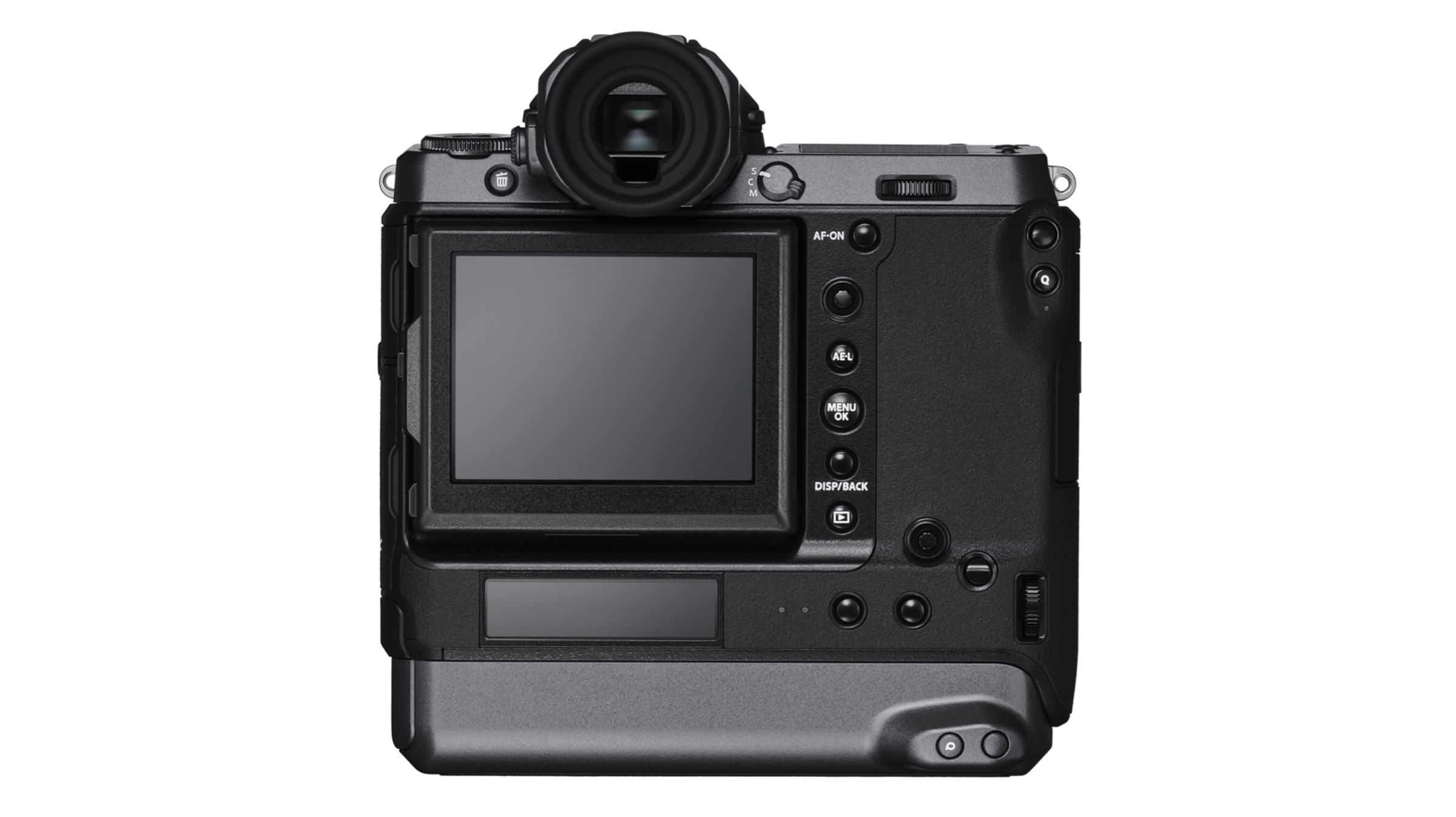
    As mentioned previously, the Fujifilm GFX100 is the world’s first commercially available mirrorless camera to feature a 102 MP sensor. In terms of design, it has magnesium allow body which the company claims is robust and weather sealed. It weighs 1400g including the two batteries, memory card and the electronic viewfinder; and has an equivalent form factor to that of a regular DSLR camera with a 35mm full-frame sensor. It has a tilting rear touch LCD display which measures 3.2 inches. There is also a 2.05-inch sub monitor which can display necessary information like exposure and shot controls. The focal plane shutter on the top of the camera has inbuilt springs that are claimed to reduce shutter shock which generally results in blurry images.

    Fujifilm GFX100


    Also read: US Researchers Produce Fuel By The Process Of Artificial Photosynthesis

    The Fujifilm GFX100 is capable of capturing detailed, 16-bit RAW and 16-bit TIFF images with available filters like Velvia, Eterna Cinema and Monochrome. It also has a new “Smooth Skin Effect” which saves time for post-processing by flattening the portrait shots. The camera can capture 4k videos at 30fps and features five-axis image stabilisation for smoother handheld footage. In terms of battery, it can accommodate two GFX series batteries; which extend the number of frames captured per charge to 800 when rear LCD is in use. In terms of pricing and availability, the Fujifilm GFX100 will go on sale starting the 27th of June; and will cost a hefty US$ 10,000 (Rs. 6,97,000) for potential buyers.

  • Lenovo Z6 Youth Edition Launched In China

    Lenovo Z6 Youth Edition Launched In China

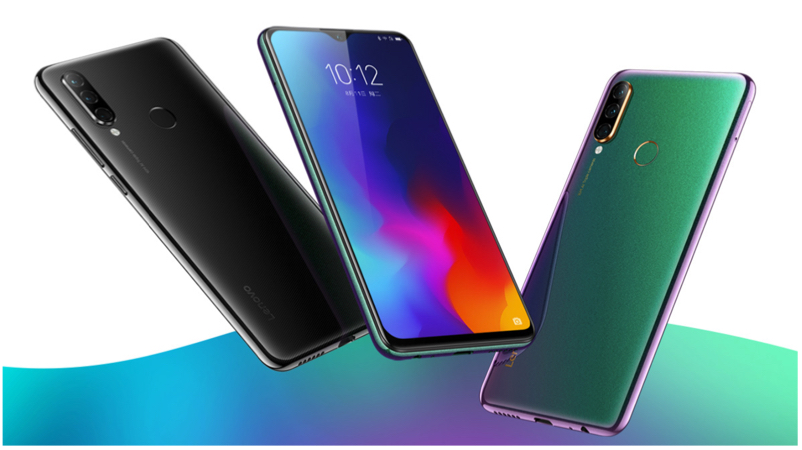
    Lenovo launched its latest flagship smartphone, the Z6 Pro last month in China. Now, the company is expanding the Z6 lineup by launching the Z6 Youth Edition on the 22nd of May. It is a mid-range device and the lite variant of the flagship Z6 Pro with watered down specifications and a more affordable price tag.

    Lenovo Z6 Youth Edition

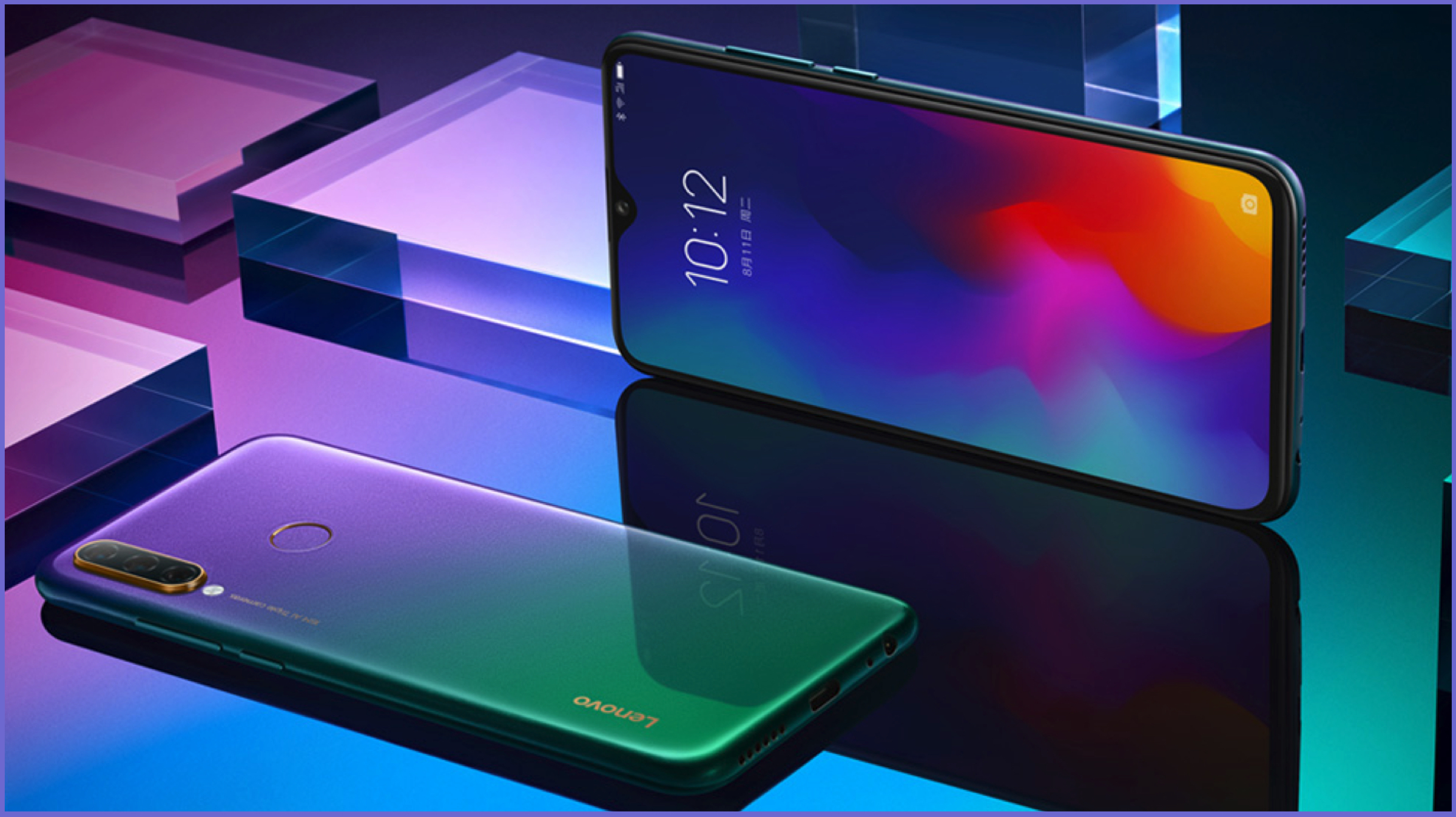
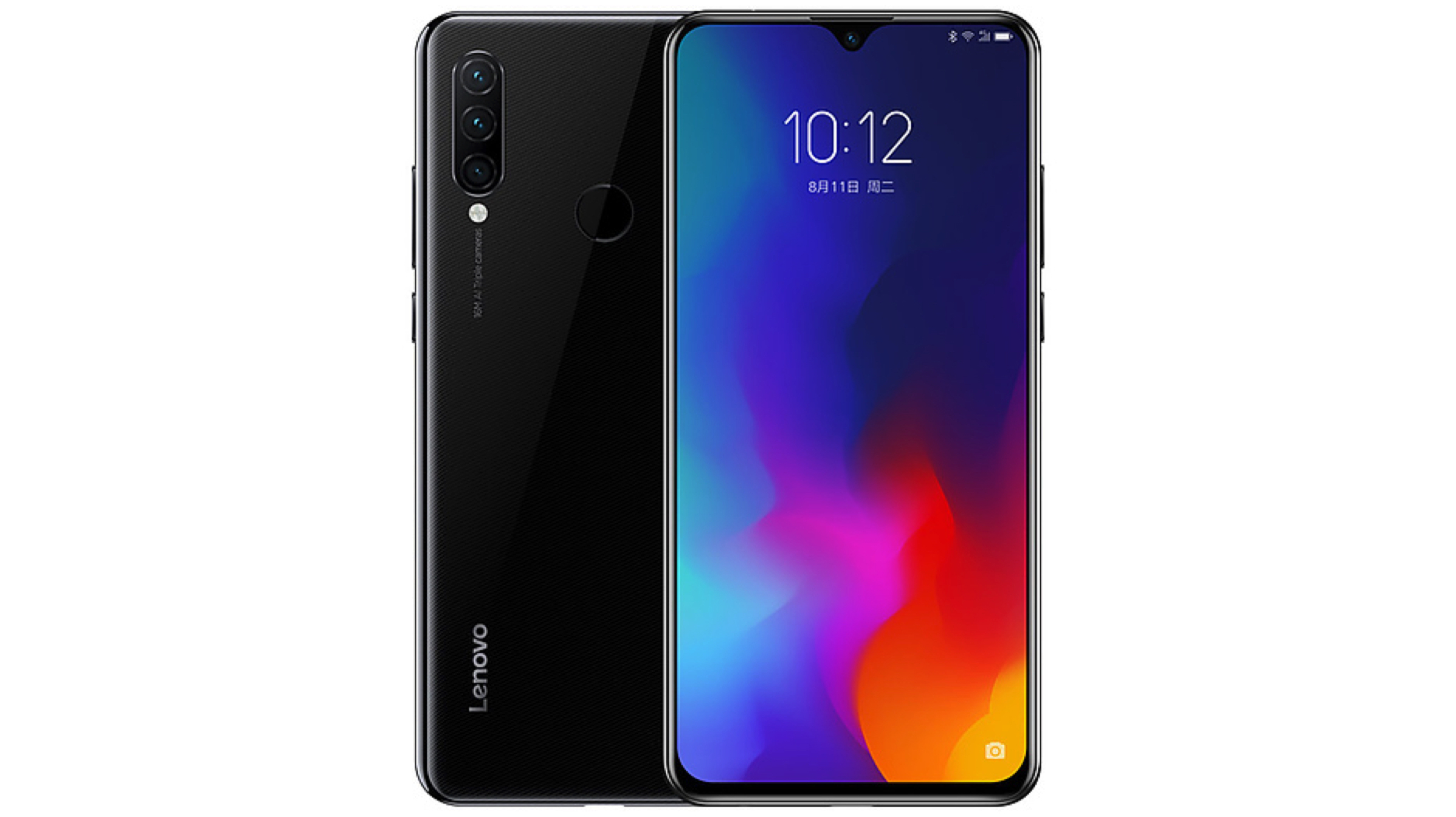
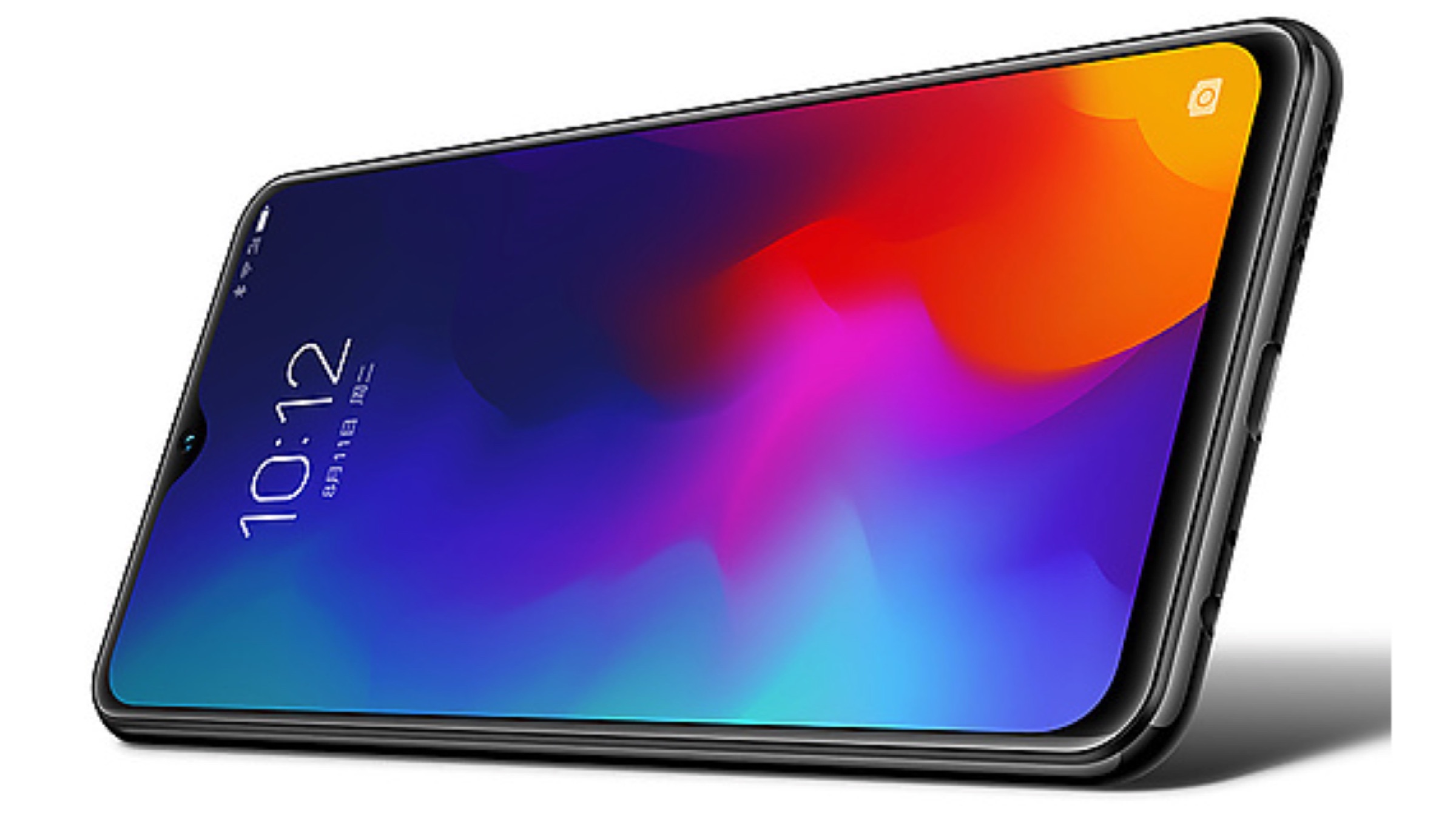
    The Z6 Youth Edition by Lenovo is the latest mid-range smartphone from the company. It features a glass design on the front and back with a gradient finish on the rear. The device has a 6.3-inch display with a resolution of 2340 x 1080 px. To maximise the screen real estate, it uses a waterdrop notch to house the front-facing camera on top of the display. For biometric security and rapidly unlocking the handset, it has a rear mounted fingerprint scanner and supports face unlock technology.

    Lenovo Z6 Youth Edition

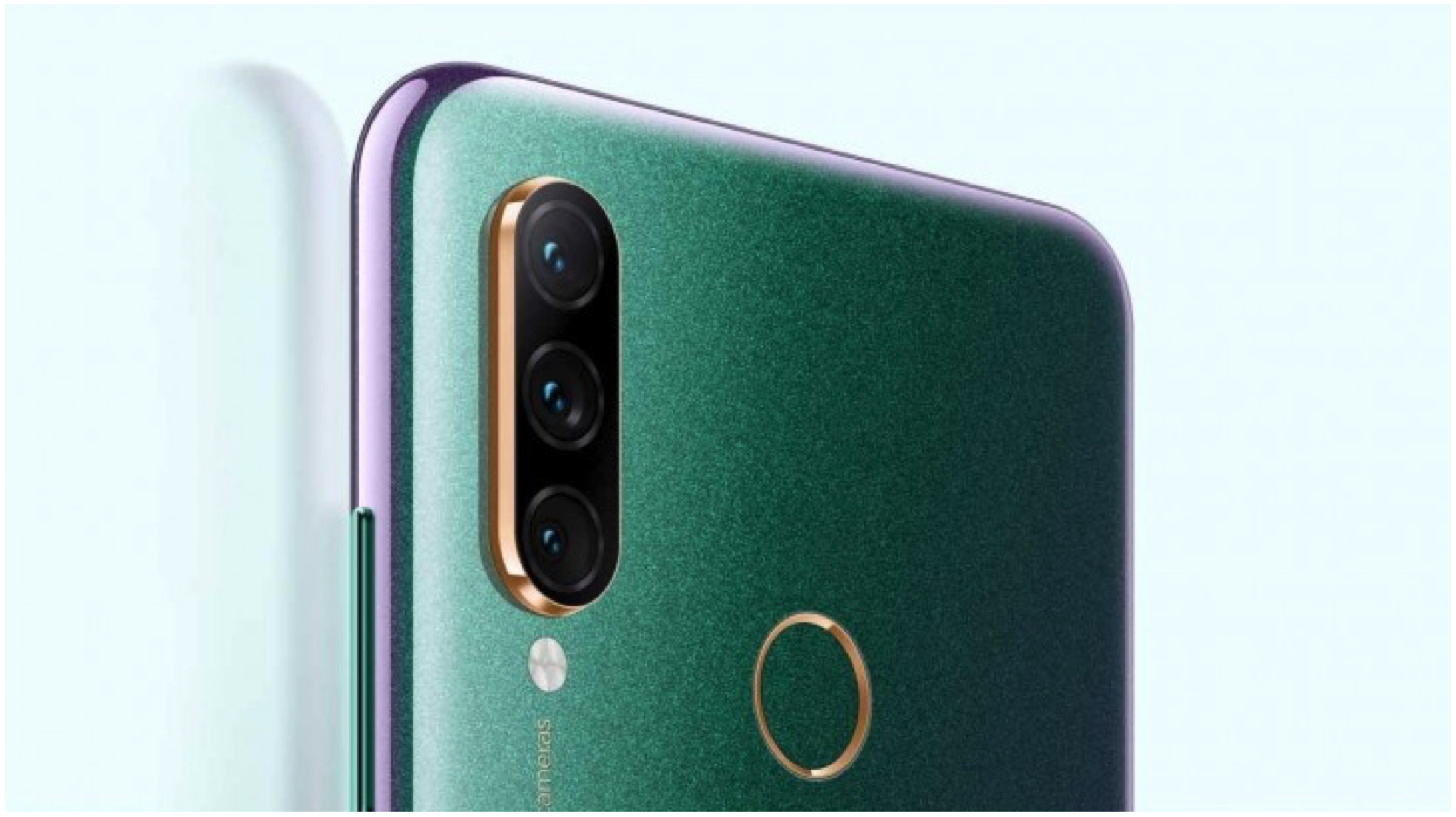
    Under the hood, the Lenovo Z6 Youth Edition is kitted with the 10nm Snapdragon 710 SoC. The chipset comprises of an Octa-core CPU and the Adreno 616 GPU. In terms of optics, the smartphone has a vertically aligned triple rear camera setup which consists of a 16MP sensor; combined with an 8MP sensor and a tertiary 5MP sensor. For selfies, the device has a 16MP sensor housed in the waterdrop notch on top of the display. The handset will be available in the following memory and storage variants.

    • 4GB RAM and 64GB ROM
    • 6GB RAM and 64GB ROM
    • 6GB RAM and 128GB ROM

    The Lenovo Z6 Youth Edition is powered by a 4050 mAh battery with support for 15W fast charging. It runs on the company’s latest ZUI  on top of current Android 9 Pie. The smartphone has been launched in two colour variants, namely Knight Black and Magic Stardust.

    Pricing & Availability

    Lenovo Z6 Youth Edition

    Also read: Valve Releases Steam Chat Application For iOS And Android Platforms

    The Lenovo Z6 Youth Edition has been launched for the price of CNY 1099 (Rs. 11,100) for the variant with 4GB of RAM and 64GB of internal storage. The version with 6GB of RAM and 64GB of onboard memory has been priced at CNY 1399 (Rs. 14,100), while the 6GB RAM and 128GB Internal storage variant will cost CNY 1699 (Rs. 17,200). It will be available to purchase starting the 22nd of May from Lenovo China’s website and select retailers across the country. Unfortunately, the company has not provided any information when the device will be available in India.

  • Valve Releases Steam Chat Application For iOS And Android Platforms

    Valve Releases Steam Chat Application For iOS And Android Platforms

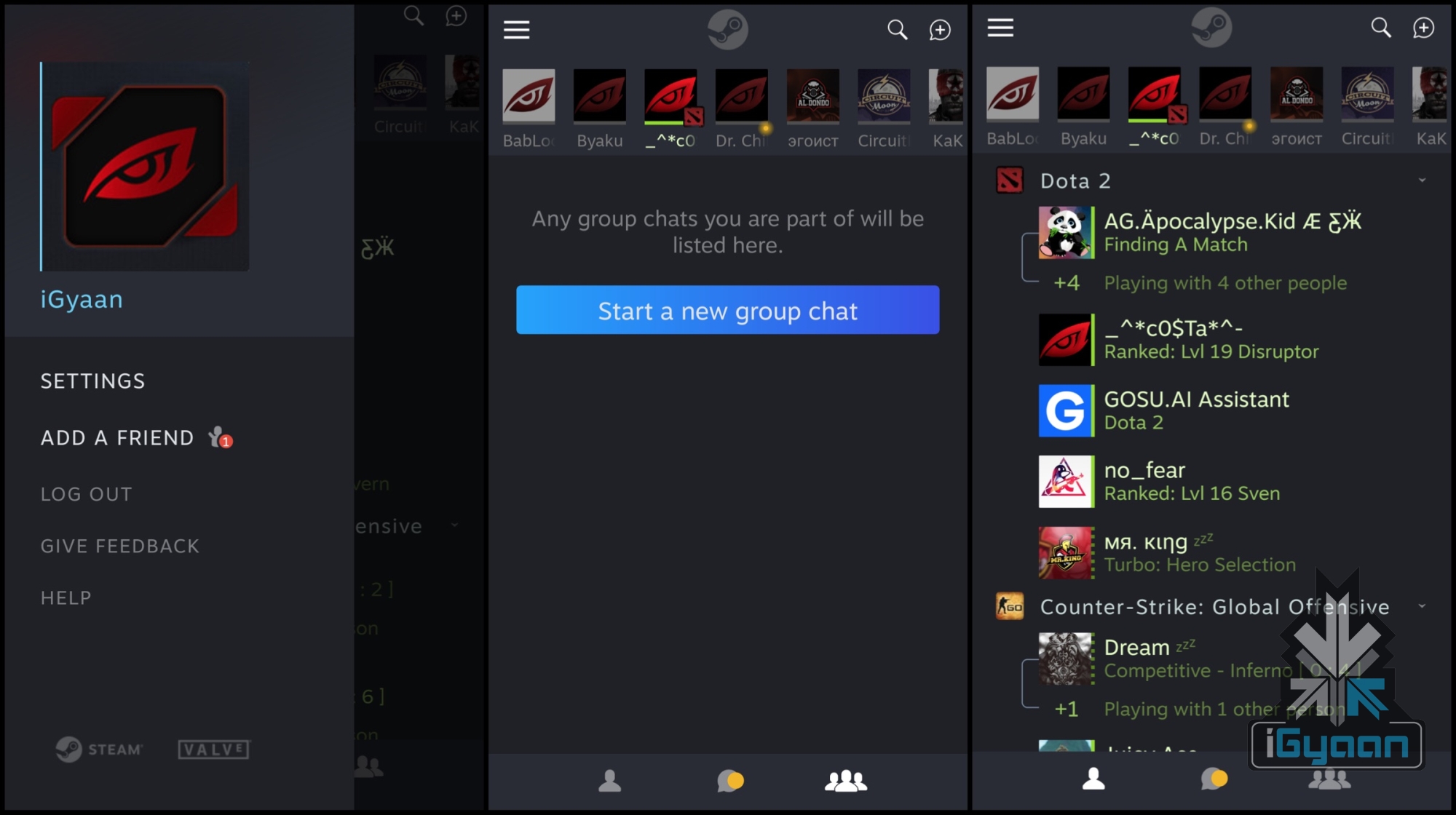
    Valve a video game developer, digital distributor and publisher launched the Steam Gaming Platform in the year 2003. Since then, it has been the largest digital platform for game titles such as Counter Strike: Global Offensive and DOTA 2. The company has freshly released Steam Chat for iOS and Android, officially making it the counterpart of its Desktop variant.

    Steam Chat: Features

    Valve Steam ChatThe mobile version of Steam chat retains many features that the desktop application offers. Notably, the desktop application had a major overhaul in its design and functionality in the year 2018. Steam Chat does include the same Group chat functionality along with the smartphone tweaks like customizable notifications. As of now, the application does not support voice chat functionality. However, the developer states the feature will soon make its way to the application with future updates. 

    The mobile version of Steam chat has been released after Steam Link for iOS was launched. The said application allows users to beam Steam games from their desktop PC to their iPhones, iPads, or even the Apple TV. Noteworthy, the feature was almost skipped over by Apple entirely in 2018.

    Not something that’ll whisk away Gamers from their adored Discord Voice Chat App, but a Steam Chat is an interesting take on the same formula of

    • Friend’s List: Users can see their friends’ activity, for instance, which game are they playing.
    • Invite Links: Steam Users can add new friends with an Invite Link.
    • Group Chats: Users can have their eSports teams together under a special group.
    • Streamlined Interface: The Steam Chat app provides an overall smoother experience than the past iterations by Valve via its Steam App on the mobile platform.

    Also Read: Apple Updates MacBook Pro With Eight Core Processors

    Essentially, all the features in the newly released Steam chat application are a take on Discord’s tried and a test set of features which made it a huge success. For those who do not know, Discord is one of the most popular VOIP application primarily used by developers and gamers. With the advent of Steam Chat and Steam Link on both Mobile platforms, Steam Guard (authentication method) should soon follow suit with one touch verifications/Login and even QR codes for increased security.

  • Apple Updates MacBook Pro With Eight Core Processors

    Apple Updates MacBook Pro With Eight Core Processors

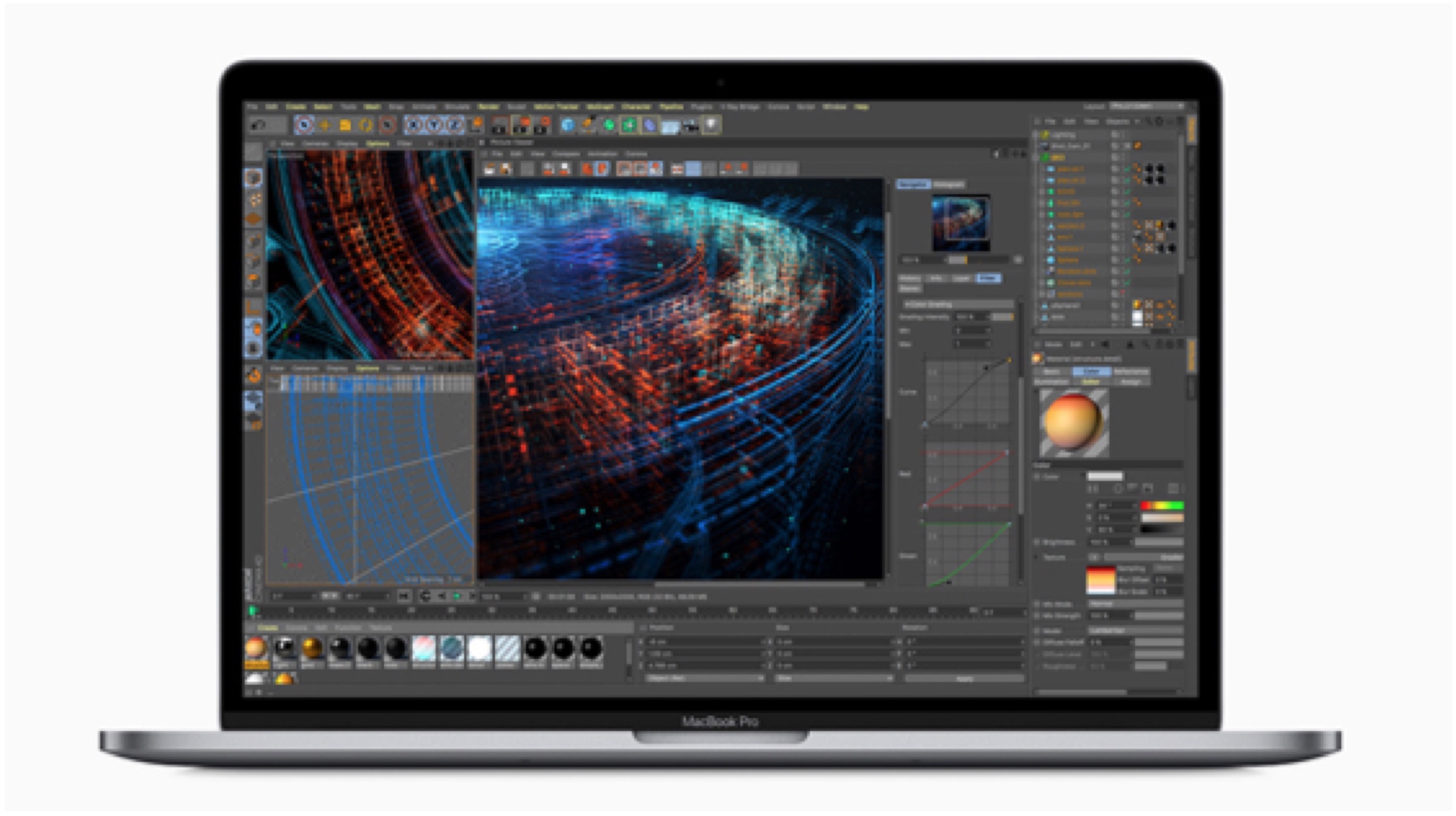
    American Technology company, Apple has added yet another set of updates to its lineup of the MacBook Pro. The new upgrades are aimed towards a significant boost in performance that MacBooks already offer. The company has revamped the MacBook Pro with the 8th- and 9th-generation Intel Core processors and introduced Octa-core processors for the first time. Additionally, a host of other features have also been added.

    Apple MacBook Pro: Features And Specifications

    Apple MacBook Pro The company claims that the new MacBooks deliver 40 percent more performance than the last generation hexa-core MacBooks and almost twice the performance of quad-core CPU equipped MacBooks. The 6-core and 8-core Intel Processors present in the 15-inch MacBook Pro can provide speeds of up to 5.0 GHz. On the other hand, the smaller 13-inch version with a quad-core CPU supports Turbo Boost upto 4.7 GHz. Content creators, researchers and music producers can experience huge productivity boost accrediting to the aforementioned CPU upgrades, the company says.
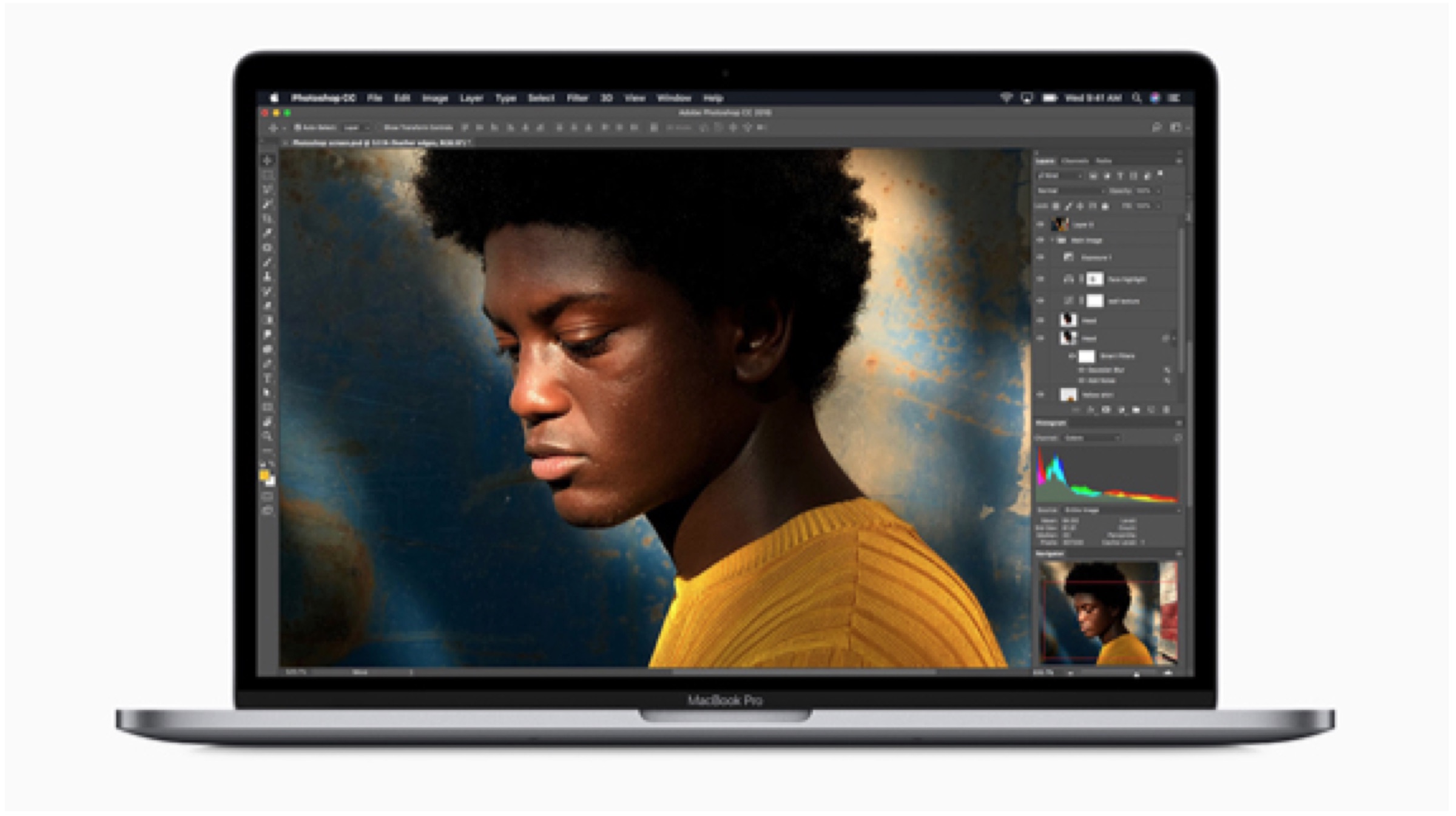
    Apple MacBook ProIn terms of display, the new Apple notebooks have an upgraded Retina display with 500 nits of brightness. They also have support for the P3 wide colour gamut and True Tone technology. Regarding audio, the MacBook Pro has stereo speakers with wide-stereo sound. Other features include Touch ID, the TouchBar and a large Force Touch Trackpad.
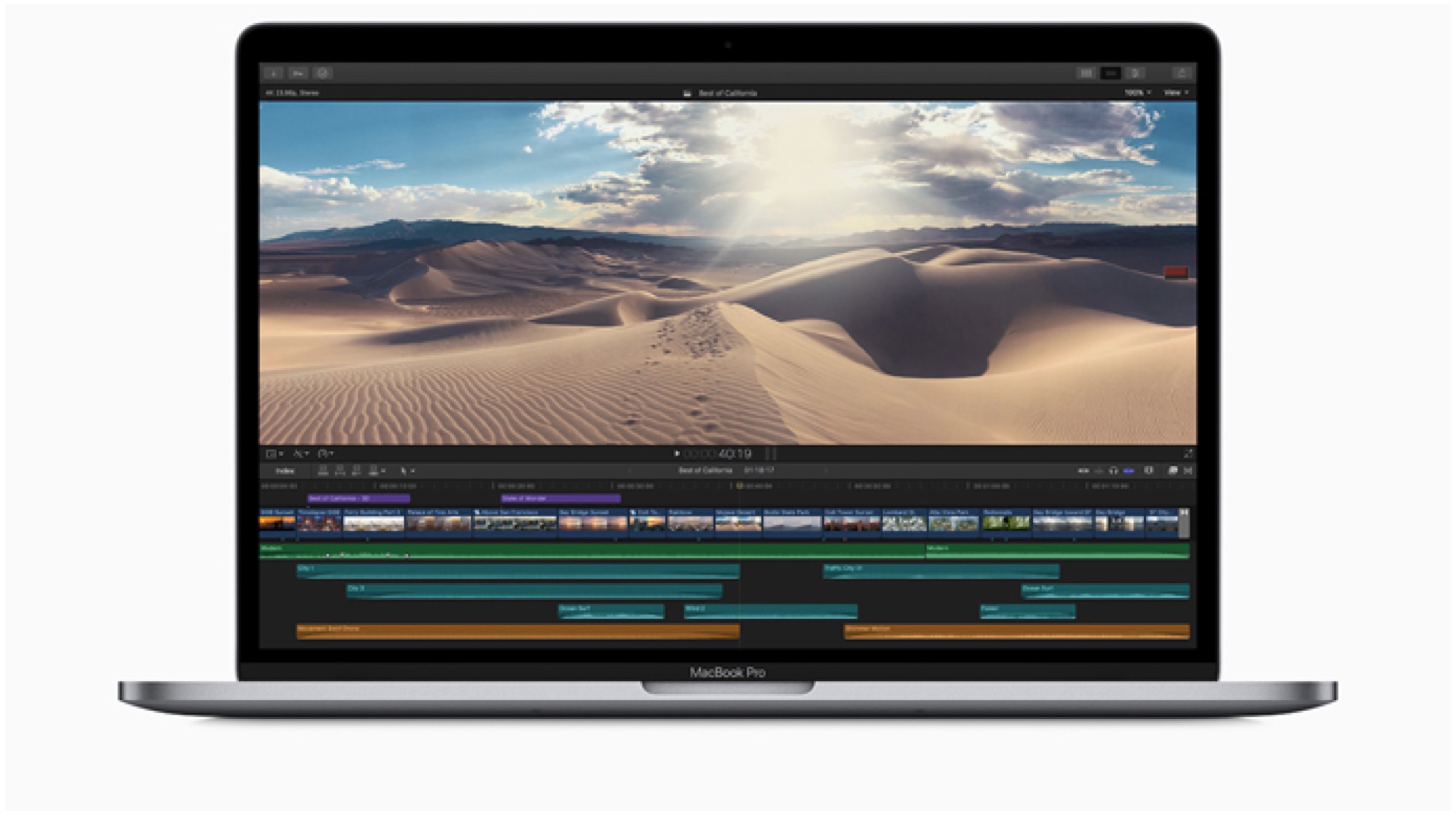
    Apple MacBook Pro The MacBook Pro packs the Apple T2 security chip and a total number of 3 Thunderbolt 3 ports that can be used for fast data transfer, plugging in 4 external GPUs and connecting two 5K resolution displays. The T2 security chip is an encrypted safehouse that stores sensitive user data like TouchID information. In terms of the operating system, the updated MacBooks run on the latest version of macOS Mojave, which now features Dark Mode and a variety of upgrades to optimize usage.
    Price And Availability

    Also Read: Honor 20 & Honor 20 Pro With Punch Hole Display Launched

    The new MacBook Pro 13-inch and 15-inch variants with the touchbar start at a price of INR 159,900 and INR 199,900 respectively. They will be purchasable via Apple Authorised Resellers across the country. 

  • Honor 20 & Honor 20 Pro With Punch Hole Display Launched

    Honor 20 & Honor 20 Pro With Punch Hole Display Launched

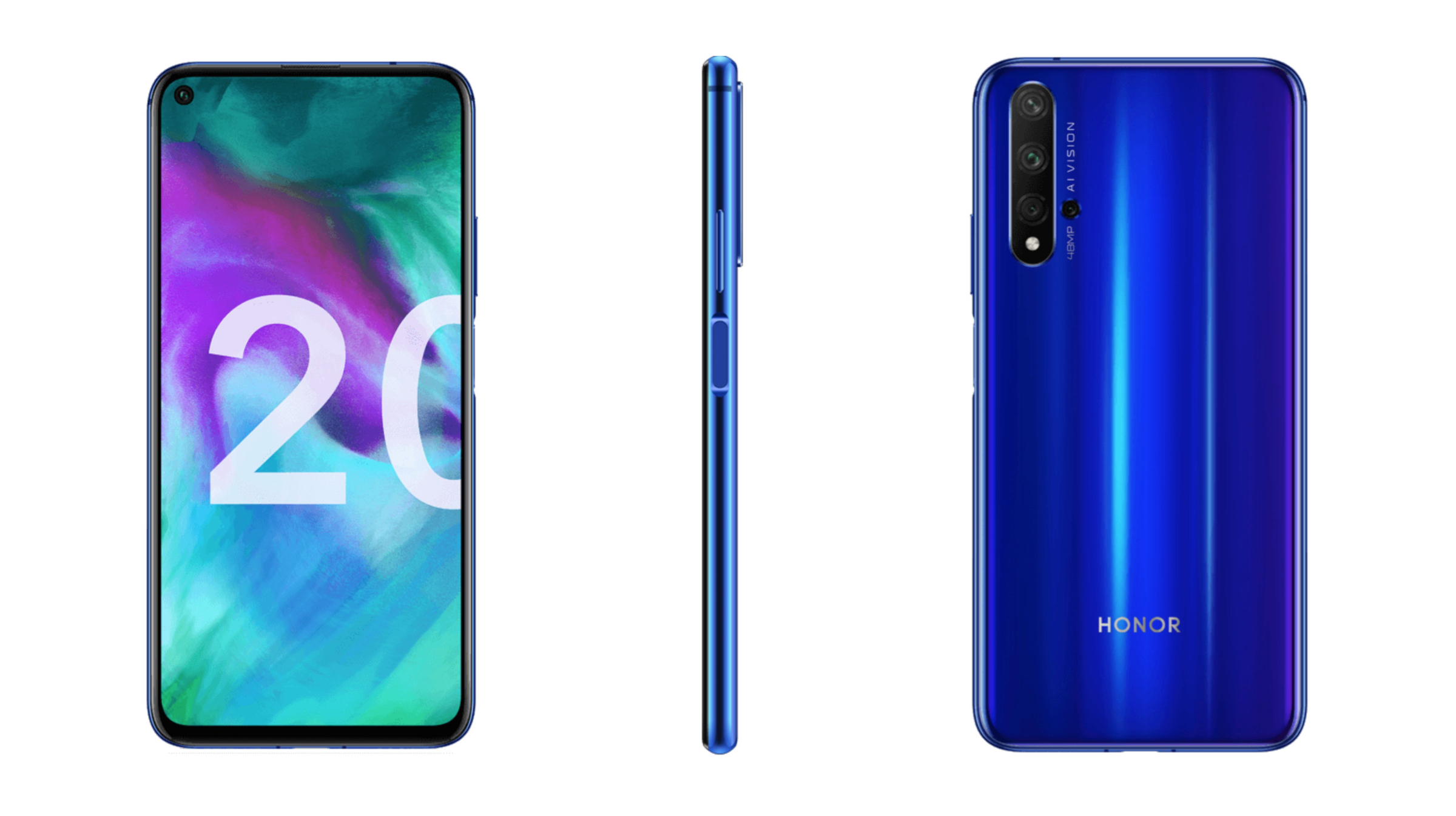
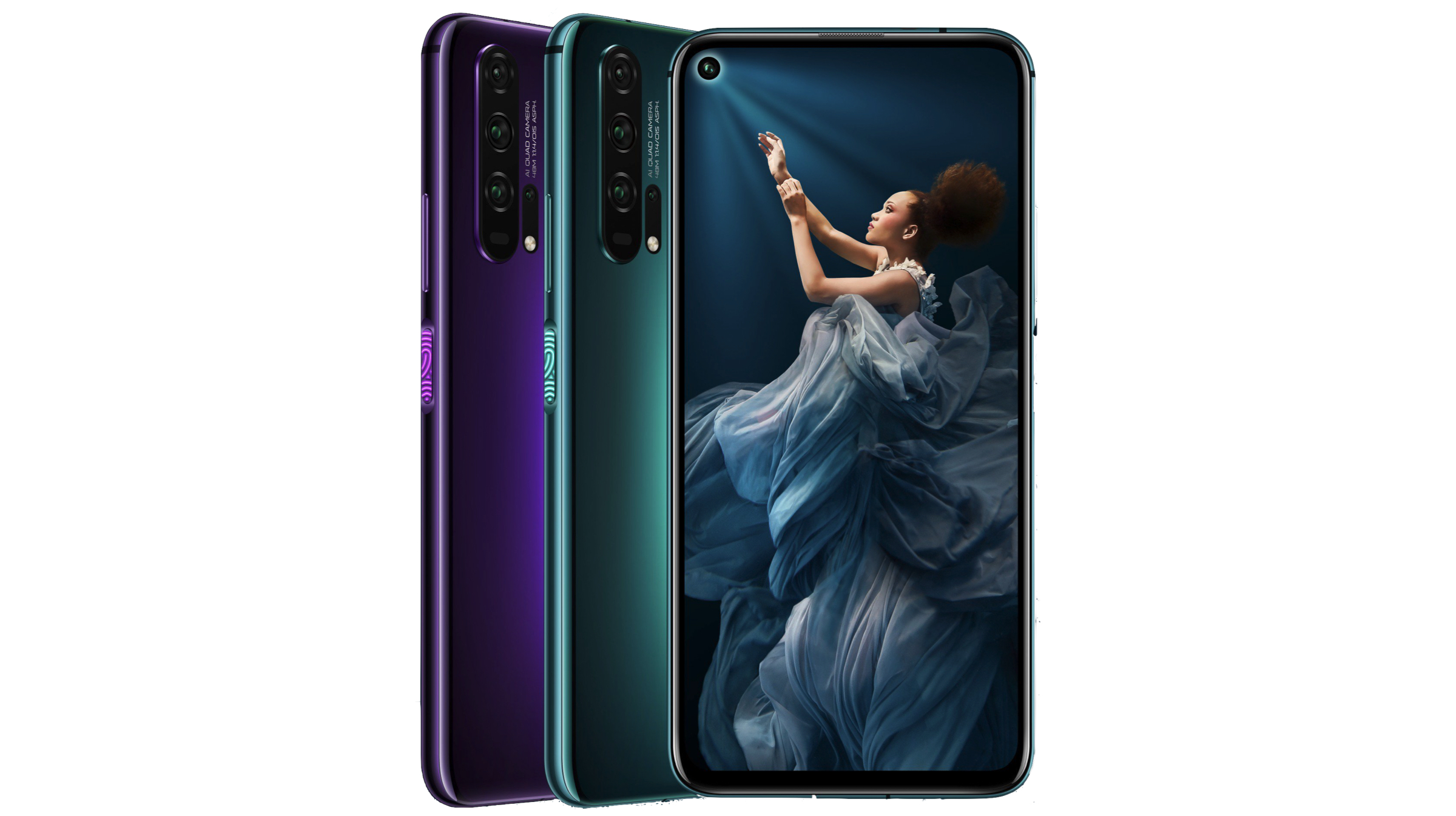
    In an event held in London, Huawei’s sub brand, Honor has launched its latest smartphones, the Honor 20 and the Honor 20 Pro. The newly launched devices are flagship grade handsets that have a focus on photography. Both smartphones have a similar design and have a lot of heterogeneous specifications including the chipset, front camera, display and connectivity options.

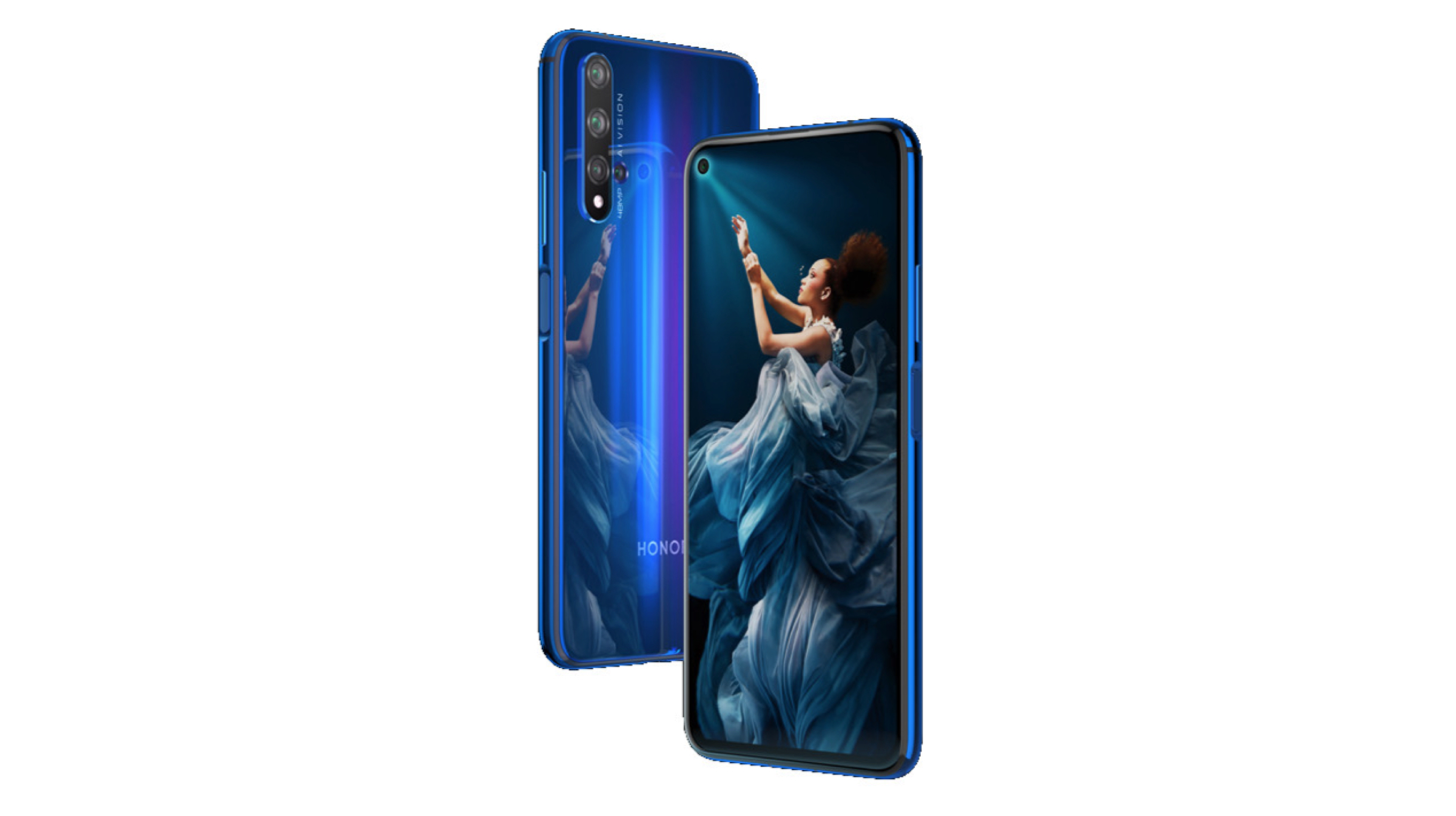
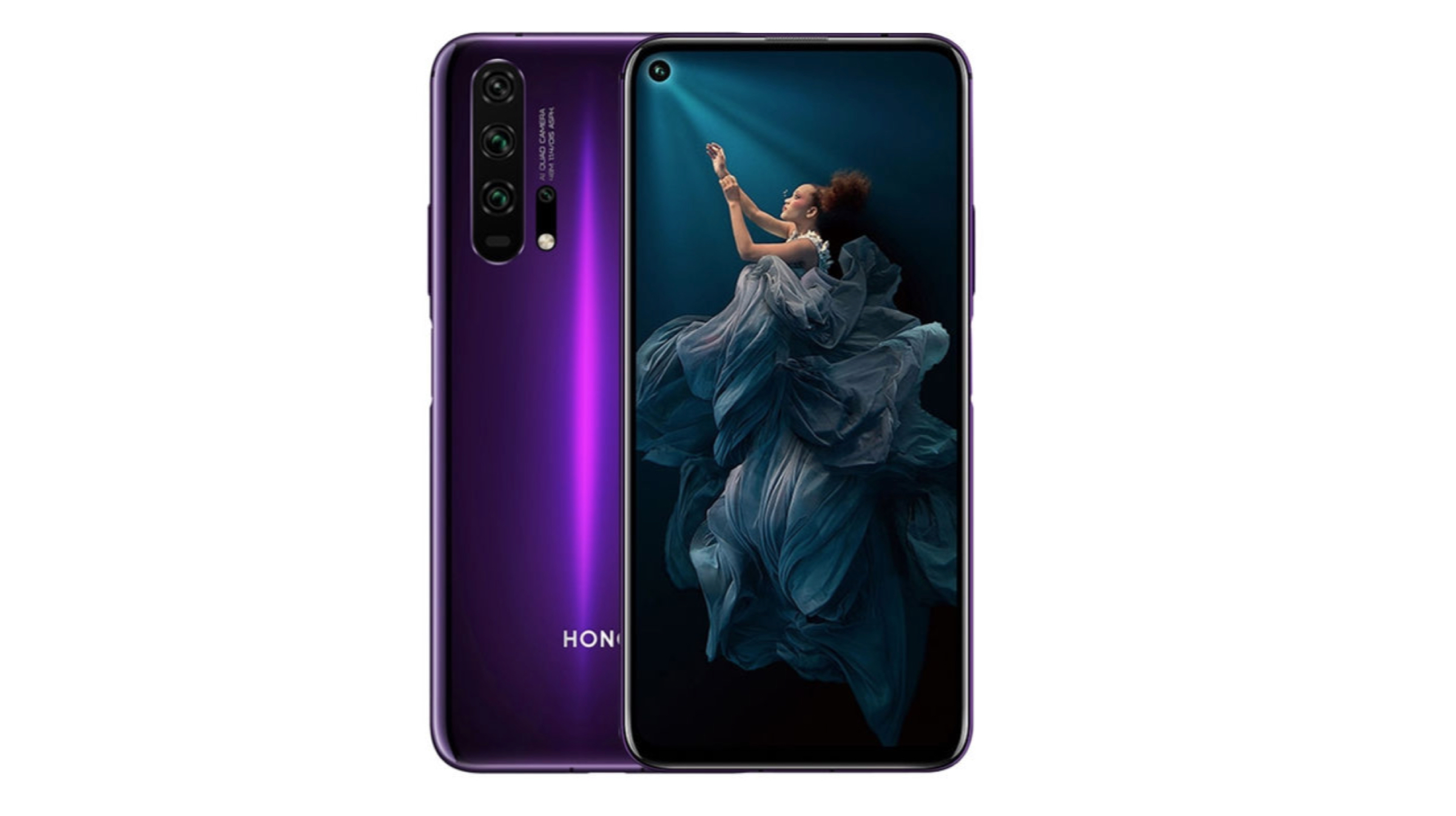
    Honor 20 and Honor 20 Pro Design

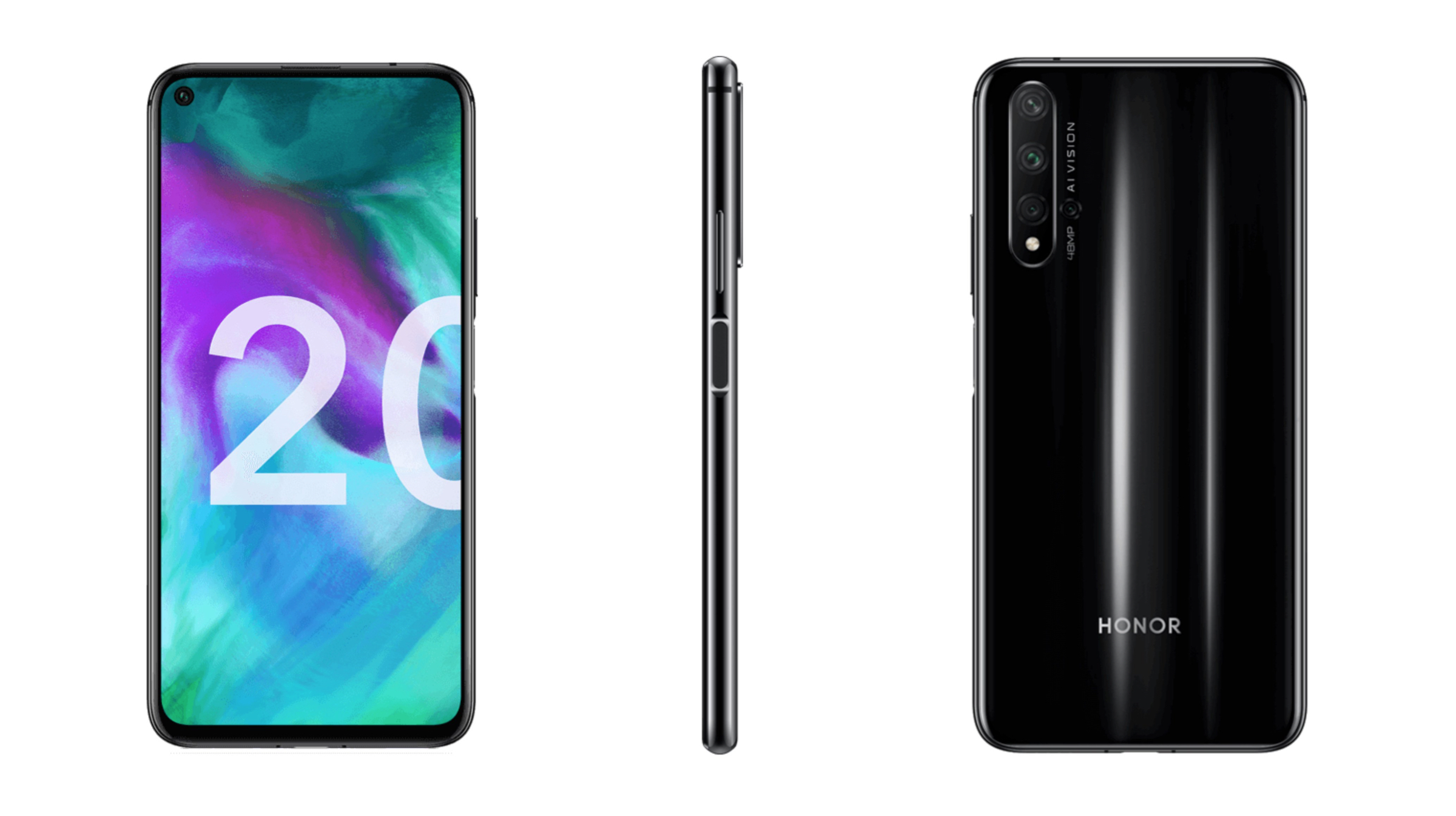
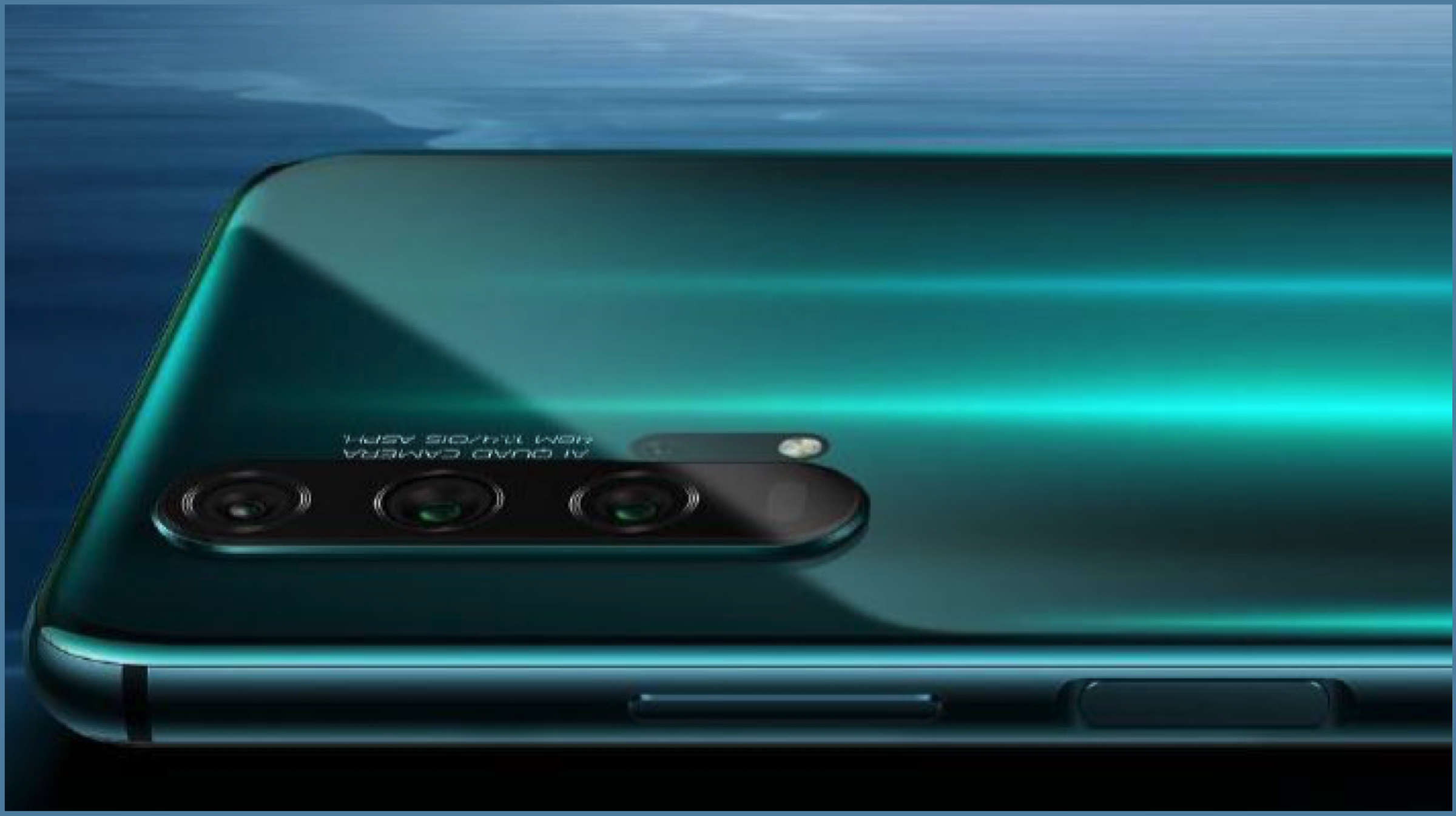
    Both the Honor 20 and the Honor 20 Pro have an elegant design owing to the large screen display on the front. The display on both smartphones has a punch hole which houses the front facing selfie camera. The rear of the smartphones is made out of glass which harbours the company branding and the quad rear camera setup which is aligned in a vertical arrangement.Honor 20 Pro Front and Back

    The right side of both devices is occupied by the volume rocker and the power button which also doubles up as the fingerprint scanner. The bottom of the devices houses the USB Type C port which is flanked by the loudspeaker and the charging grille on either side. 

    Honor 20 and Honor 20 Pro Specifications

    Both the Honor 20 and the Honor 20 Pro feature a 6.26 inch LCD display. The smartphone duo has a 32 MP resolution front facing camera which is housed in the punch hole in the display. Under the hood, they pack the Kirin 980 SoC which is also present on the previously launched Honor View 20 and the Huawei P30. The chipset consists of an Octa Core CPU and the Mali G76 GPU. 

    In terms of battery, the Honor 20 is powered by a 3750 mAh battery whereas the Honor 20 Pro is powered by a 4,000 mAh. Both devices also support 22.5 W fast charging. Connectivity options on the two smartphones include 802.11 a/b/g/n Wi-Fi, Bluetooth 5.0, GPS, Dual 4G VoLTE and the bottom mounted USB Type C port. Both handsets also have a whole host of sensors which include an accelerometer, proximity sensor, gyroscope and a compass.

    The key highlight the Honor 20 and the Honor 20 Pro is the rear facing quad camera setup. Both smartphones have a 48 MP Sony IMX586 sensor, 16 MP wide angle sensor and 2 MP macro sensor. The fourth sensor on the Honor 20 is a 2 MP depth sensor whereas the Honor 20 Pro has an 8MP telephoto lens. The devices can also capture 2160p videos @ 60 fps from the rear camera setup.

    Honor 20 and Honor 20 Price, Colours and Storage Variants
    Honor 20 Pro Rear

    Also Read: AirPods For Rs. 899! Top Tech Under Rs. 1000: Gadgets and Accessories

    The Honor 20 Pro is available in two colour options which include Phantom Blue and Phantom Black. On the other hand, Honor 20 is available in three colour options which include Blue, Black and White. The devices are offered in a single storage variant for which the price is as follows:

    • Honor 20 (6 GB + 128 GB)- €499 (Rs 38,800 approx)
    • Honor 20 Pro (8GB + 256 GB)- €599 (Rs 46,600 approx)
  • Nokia 3.2 With 6.26 Inch Display and 4000 mAh Battery Launched in India

    Nokia 3.2 With 6.26 Inch Display and 4000 mAh Battery Launched in India

    After launching the Nokia 4.2 earlier this month in India, HMD Global has launched its younger sibling the Nokia 3.2 in the country. The smartphone was originally unveiled at MWC 2019 which was held in Barcelona, Spain in the month of February. Staple to Nokia phones, it has a robust build quality and is targeted towards the budget segment. 

    Nokia 3.2 Looks and Features

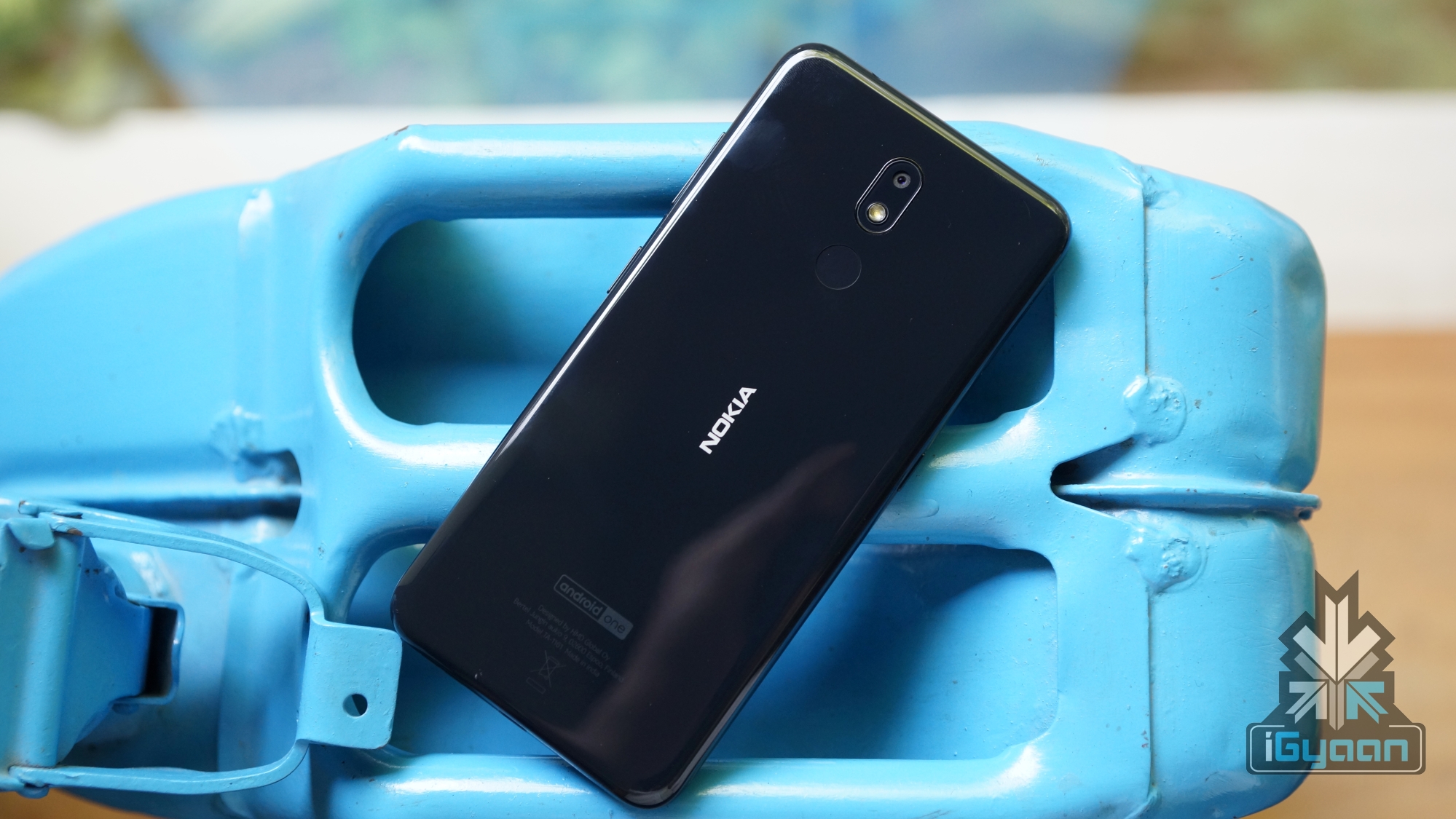
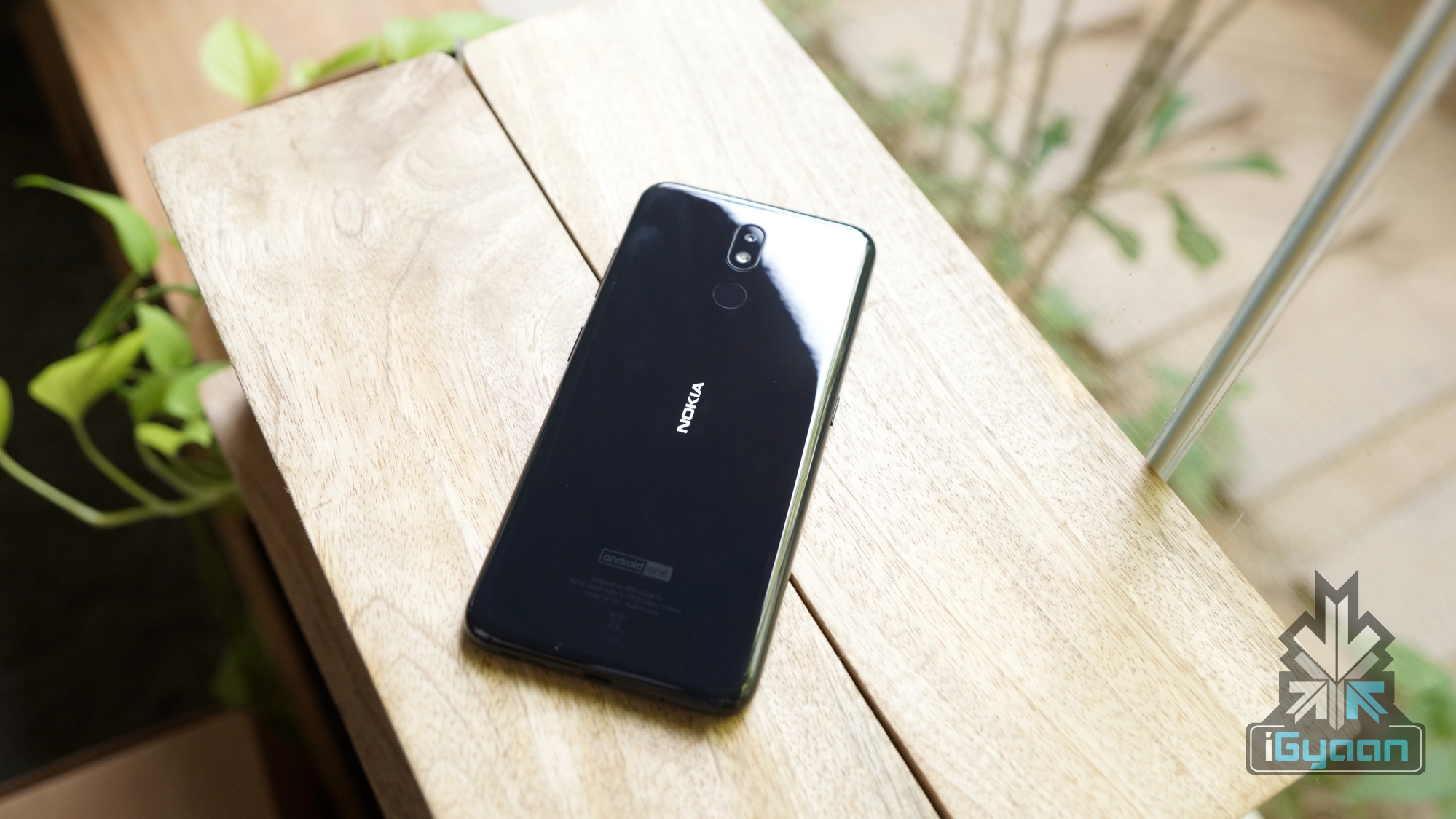
    The Nokia 3.2 has a contemporary design with a high screen to body ratio display on the front that features a waterdrop notch up top. The rear glass panel of the smartphone accommodates the company branding, the Android One certification, the fingerprint sensor and the single camera setup. The Android One certification assures the smartphone will receive the latest Android OS updates for at least two years.

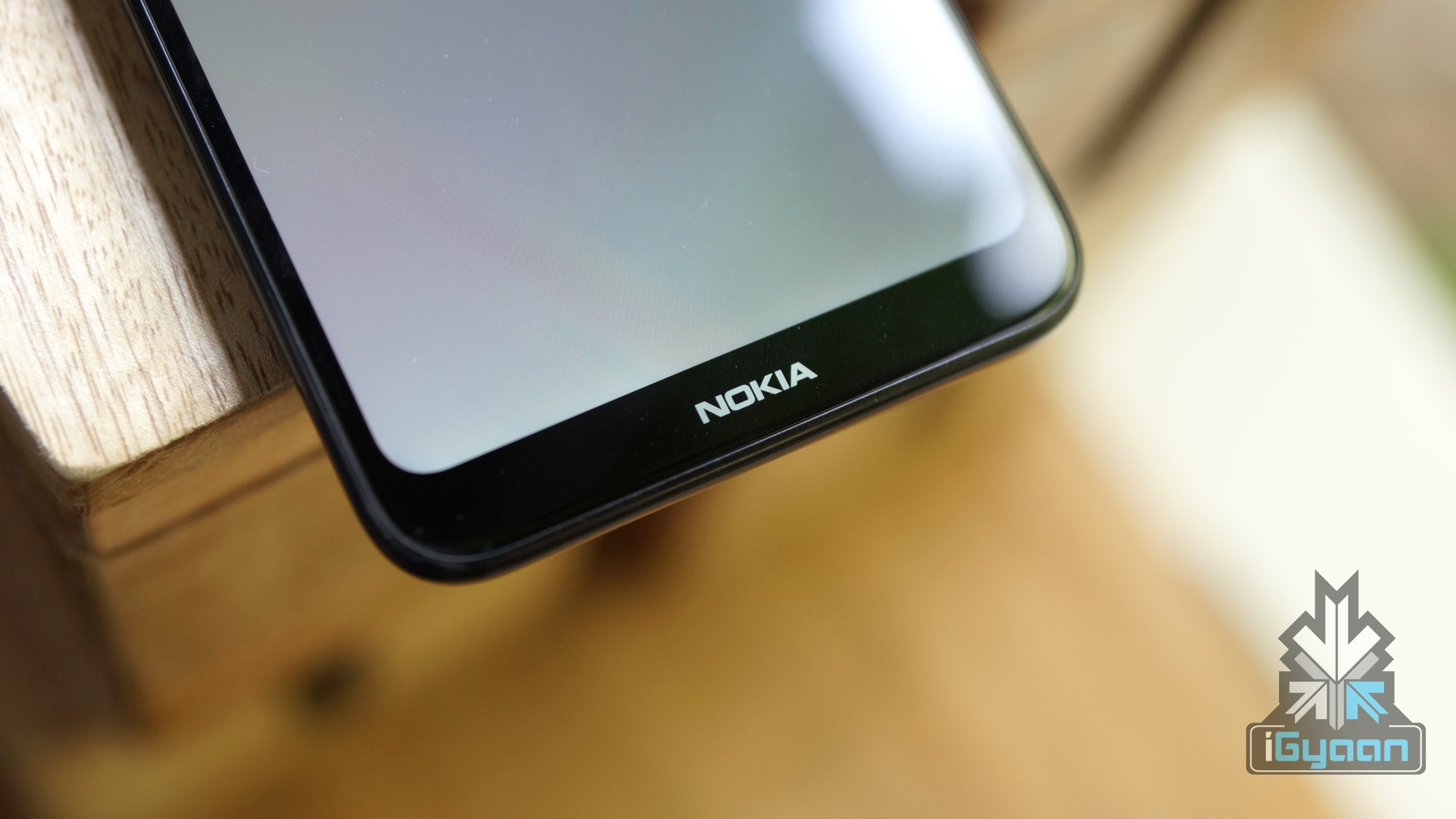
    On the front of the Nokia 3.2 sits a 6.26 inch display which is surrounded with thin bezels on all sides. The display panel has an HD resolution of 1520 x 720 px and a pixel density of 269 ppi. The handset is kitted with the Snapdragon 429 SoC which is comprised of an Quad Core CPU and the Adreno 504 GPU. One highlighting feature of the device is it’s dedicated Google assistant button which is mounted on the left side. Like the Nokia 4.2, the power button on the new device also doubles up as the notification LED.

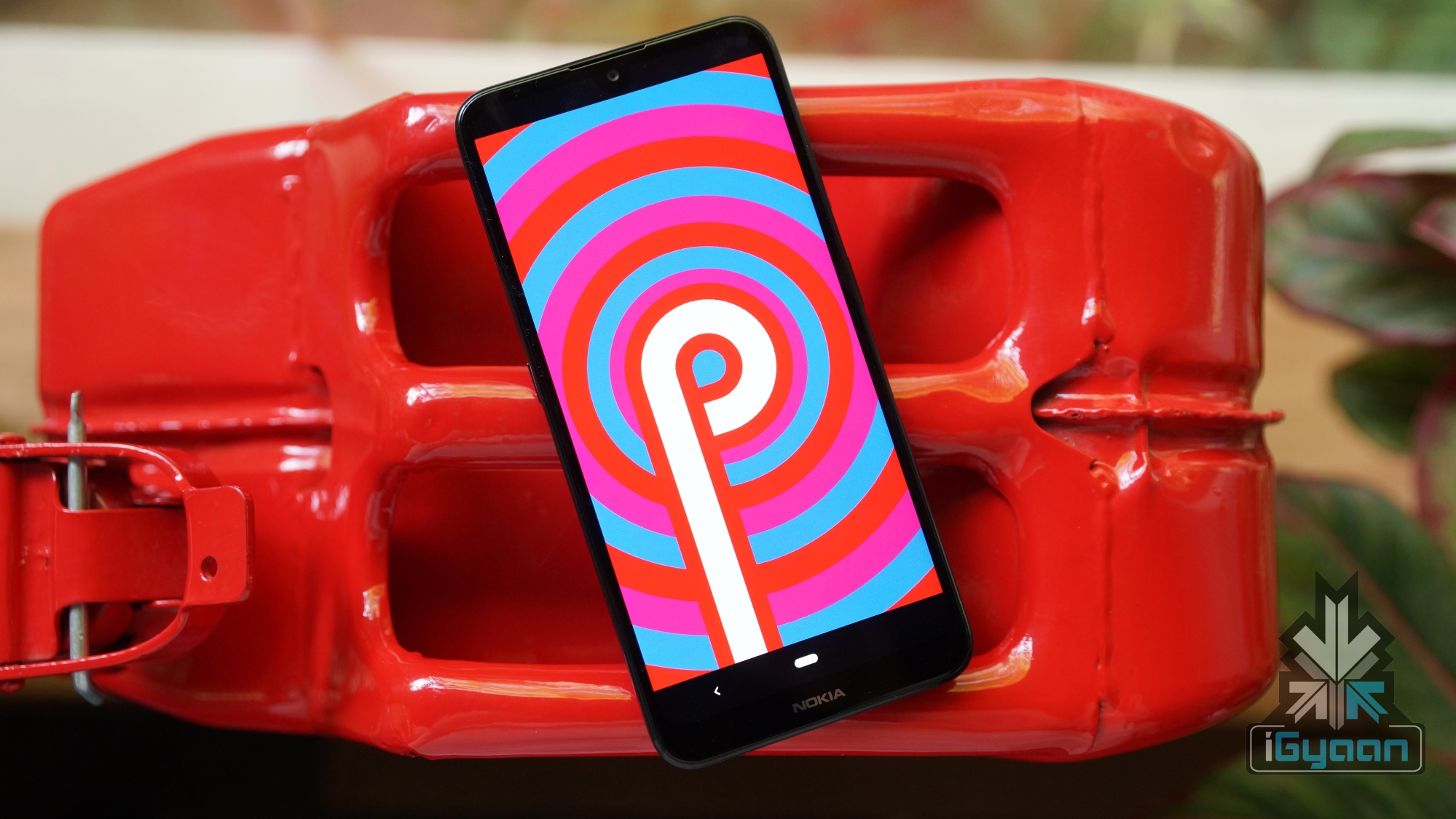
    The Nokia 3.2 runs on the latest Android 9 Pie stock OS. It is powered by a large 4,000 mAh battery which supports 10 watt fast charging. In terms of connectivity, the device offers 802.11 Wi-Fi a/b/g/n, 4G VoLTE, Bluetooth 4.2, 3.5 mm audio jack and the bottom mounted Micro USB 2.0 port. Talking about the optics, the Nokia 4.2 has a 13 MP rear facing camera and 5 MP selfie camera.

    Nokia 3.2 Price, Colour and Storage Options

    Also Read: Flagship Grade Redmi K20 Confirmed To Have A 4,000 mAh Battery

    The Nokia 3.2 is offered in two colour options which include Black and Steel. The device will be available for purchase via both online and offline platforms starting from the 23rd of May. It is offered in two storage variants for which the price is as follows:

    • 2 GB + 16 GB- Rs 8,990
    • 3 GB + 32 GB- Rs 10,790

    In addition to the inbuilt storage, it also supports memory expansion upto 400 GB via a microSD card. 

  • Google Glass Enterprise Edition 2 Announced

    Google Glass Enterprise Edition 2 Announced

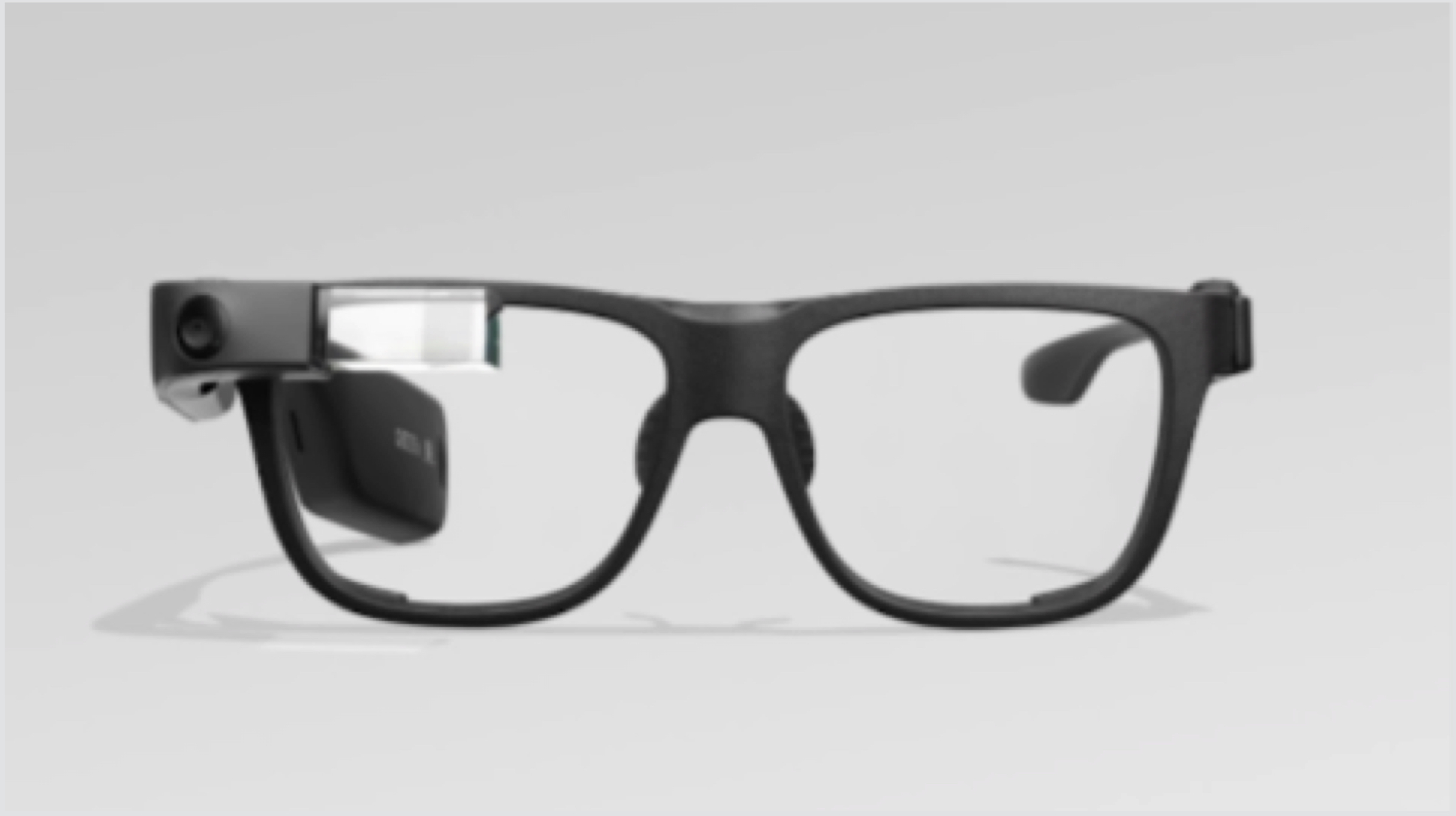
    American technology giant Google has announced the Glass Enterprise Edition 2 in a blog post. The smart wearable was announced on the 20th of May and is the successor to the original Glass Enterprise Edition launched in the year 2017. The product focusses towards workers in certain industries that assemble intricate products and boasts of improving efficiency and precision in areas where it is required the most. It is touted as a considerable upgrade over its predecessor with improvements in performance, camera and usability.

    Google Glass 2 Enterprise Edition


    The Glass Enterprise Edition 2 doesn’t stray away from its predecessor’s design. It features a spectacle-like frame, hence the name and a heads up display with a camera on the front. The wearable runs on the Qualcomm Snapdragon XR1 platform. It is claimed to feature a significantly powerful CPU over the original Glass. The chipset also has a new Artificial Intelligence (AI) engine, which enables power savings, better performance and support for advanced machine learning. The Glass Enterprise Edition 2 also boasts of improved camera performance and quality, which will reportedly help in shooting first-person video streaming. A USB Type-C port is present on the frame for charging, which also supports fast top-ups.

    Also read: Honor 20 Pro Leaks Online In White Colour Variant, Showcases Quad Rear Cameras

    When the first Google Glass was released, it was marketed as a commercial Augmented Reality (AR) headset. But due to complaints regarding the privacy of the users, it was later reinvented for surgeons, factory workers and people working in enterprises. The company has claimed in its blog post that many enterprises have had a profitable outcome since they started using the Glass Enterprise Edition. And the second generation will only see the number going upwards. The Glass Enterprise Edition 2 has been launched at a price of US$ 999 (Rs. 69,700) and will not be available commercially.

iGyaan Network
Privacy Overview

This website uses cookies so that we can provide you with the best user experience possible. Cookie information is stored in your browser and performs functions such as recognising you when you return to our website and helping our team to understand which sections of the website you find most interesting and useful.