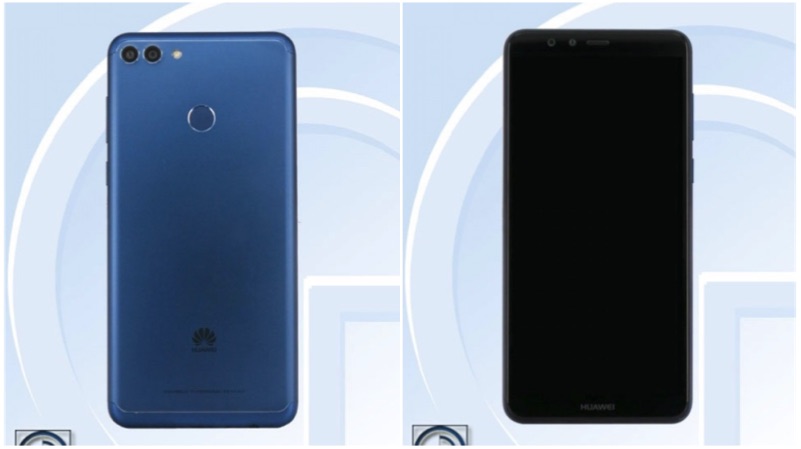
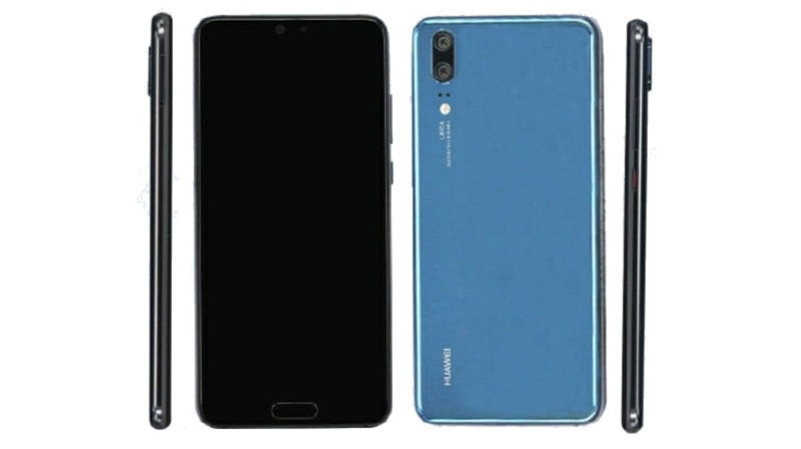
A new Huawei smartphone has been listed in TENAA with the model number FLA-AL00. Considering the specifications, the smartphone is expected to be the Nova 3, which will succeed the Nova 2. The company might launch this smartphone along with the Huawei P20 Lite at MWC 2018. However, the marquee launch event is scheduled for the 27th of March in Paris.
The same smartphone is listed with three different model numbers. The FLA-AL00 comes with 3GB RAM and 32GB storage, whereas the FLA-AL10 and the FLA-AL20 have different SIM card availability. However, there is no exact information on the other two models.
Huawei P20 Lite Expected MWC 2018
Design:
The possible Huawei Nova 3 has a full metal unibody design with a rear-facing fingerprint scanner. In fact, the design is similar to the Honor 7x, with a taller 18:9 aspect ratio display.
Specifications:
The Huawei Nova 3 has a 5.93-inch 2160 x 1080p IPS LCD display, protected by 2.5D curved glass. Under the hood, the smartphone is powered by the HiSilicon Kirin 659 Oct-core processor with 3GB RAM and 32GB storage.
The device has a dual primary camera setup with 13 MP + 2 MP sensors and a dual front-facing camera setup with 16 MP + 2 MP sensors. In both setups, the primary sensor is an RGB lens and the secondary 2 MP lens helps to capture depth details for the bokeh effect.
The phone will run on Android 8 Oreo with custom EMUI skin on the top with a 3900 mAh Li-ion battery. Finally, the smartphone will be available in three colours including Gold, Black, and Blue.
Conclusion:
The only difference between the Huawei Nova 2 and the Huawei Nova 3 is the display. The Huawei Nova 2 had a 5-inch display and the Nova 3 comes with 5.93-inch display. In fact, the Huawei Nova 2 and the Nova 3 are powered by the same Kirin 659 chipset.
Ever since the turn of the year, there have been plenty of rumours about the iPhone SE 2. While early rumours claimed that there will be a radical change in the design language of the ‘SE’ series, lately, the leaks have been a bit subdued. A few reports claimed that Apple won’t launch the iPhone SE 2, however, it will launch the iPhone X SE with an LCD panel.
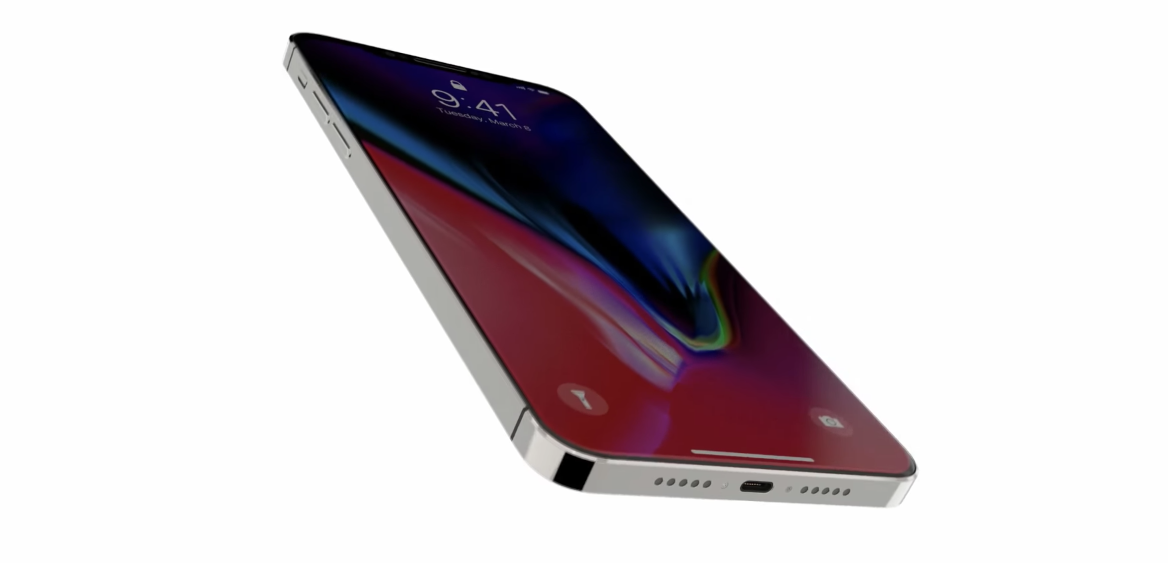
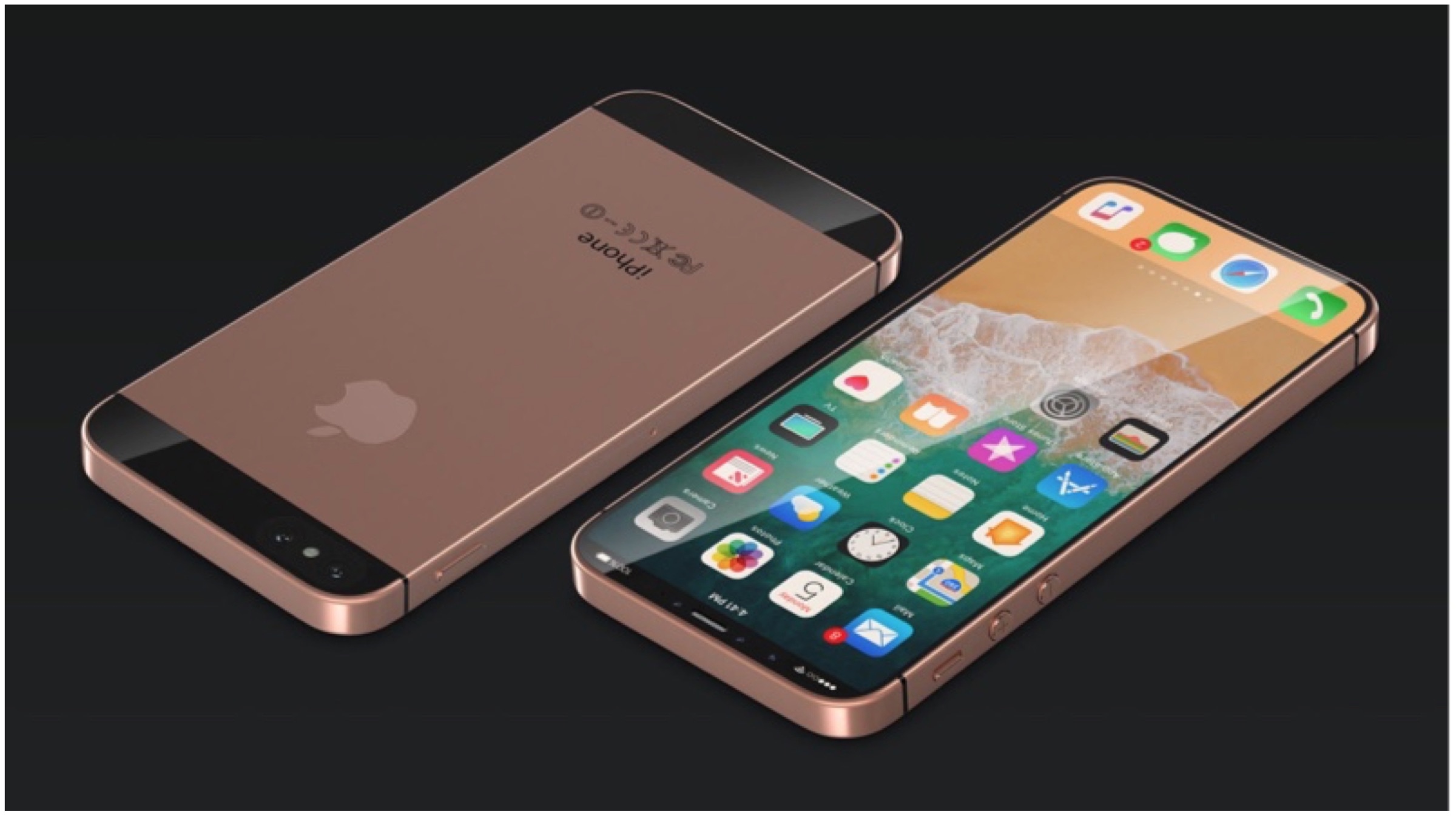
A new report from China claims that Apple will take to stage at WWDC 2018 and launch the iPhone SE 2. The iPhone SE 2 won’t feature a new design and won’t look anything like the iPhone X. It will have a design similar to the iPhone SE with flat sides, top and bottom bezels and Touch ID.
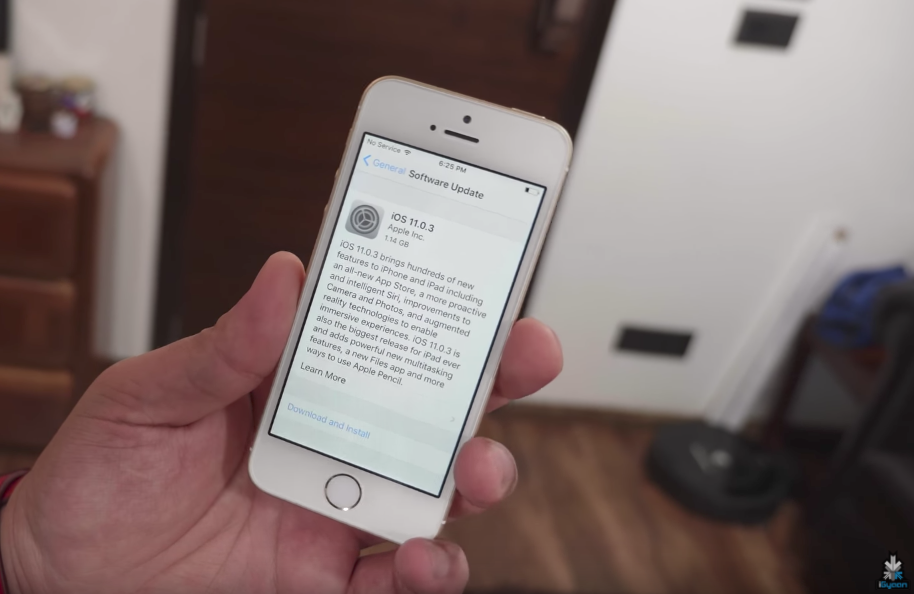
iPhone SE
However, it will feature a larger 4.2 inch display which seems a bit off. The main purpose of the iPhone SE was to cater to the consumers that prefer small form factor along with flagship-like specifications. If Apple does include a 4.2 inch display, it is likely to reduce the size of the bezels to maintain the overall size of the phone. The screen resolution will remain the same as the iPhone SE. However, the report claims that Apple will concentrate on under the hood improvements.
The iPhone SE 2 will be powered by the A10 Fusion chipset. This is the same chipset that powered by the Apple iPad Pro as well. The smartphone is expected to have 2GB RAM and the base variant will now have 32GB of storage. This could change as well since Apple has bumped up the base storage for its new iPhones. We could see the iPhone SE 2 launch with a minimum 64GB onboard storage.
iPhone SE 2 Concept Via: Concept Creator
The sketchy bit about the report is its prediction of the launch date. Apple has not launched an iPhone at WWDC since the iPhone 4 in 2010. However, going by the past record, the iPhone SE 2 could be unveiled at a media event in March.
Conclusion
While the iPhone SE 2 and these leaked specifications seem close to the truth, it cannot be confirmed yet. The source doesn’t have a great track record hence, it raises some suspicion. While the iPhone SE 2 launch seems to be happening sooner rather than later, a launch at WWDC seems unlikely.
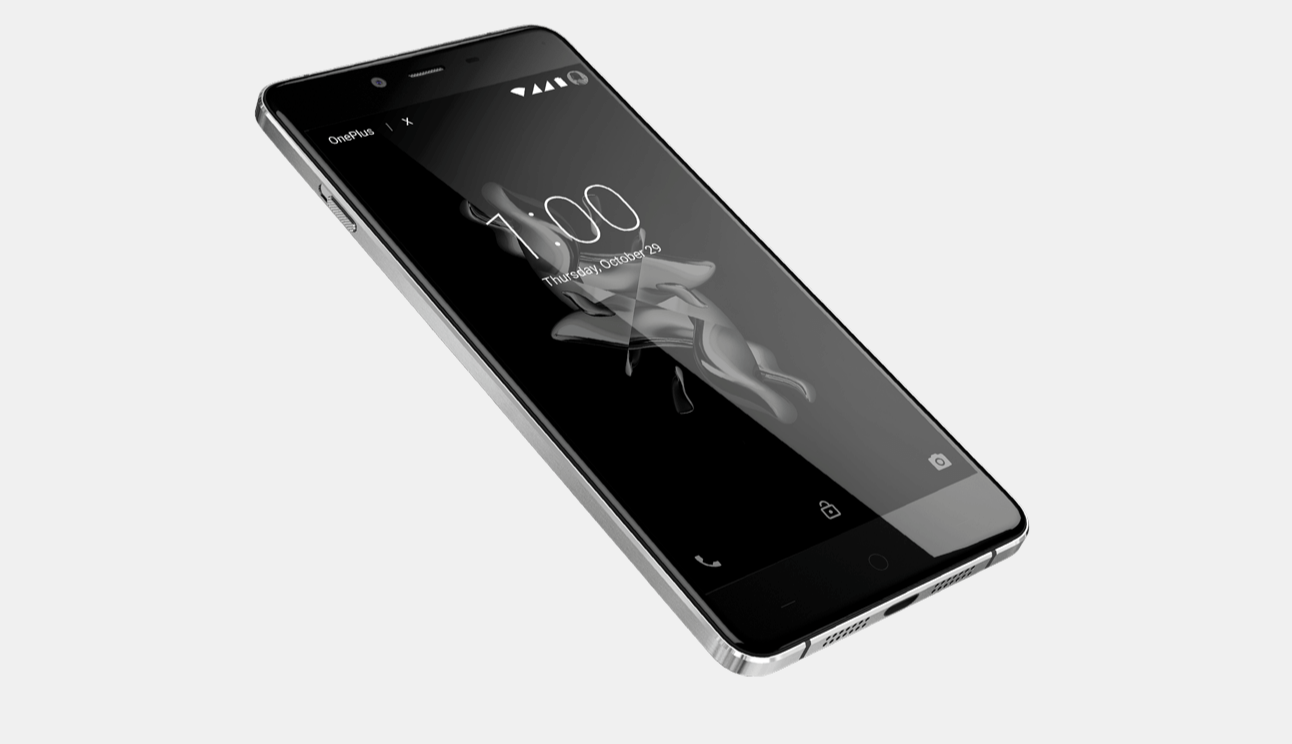
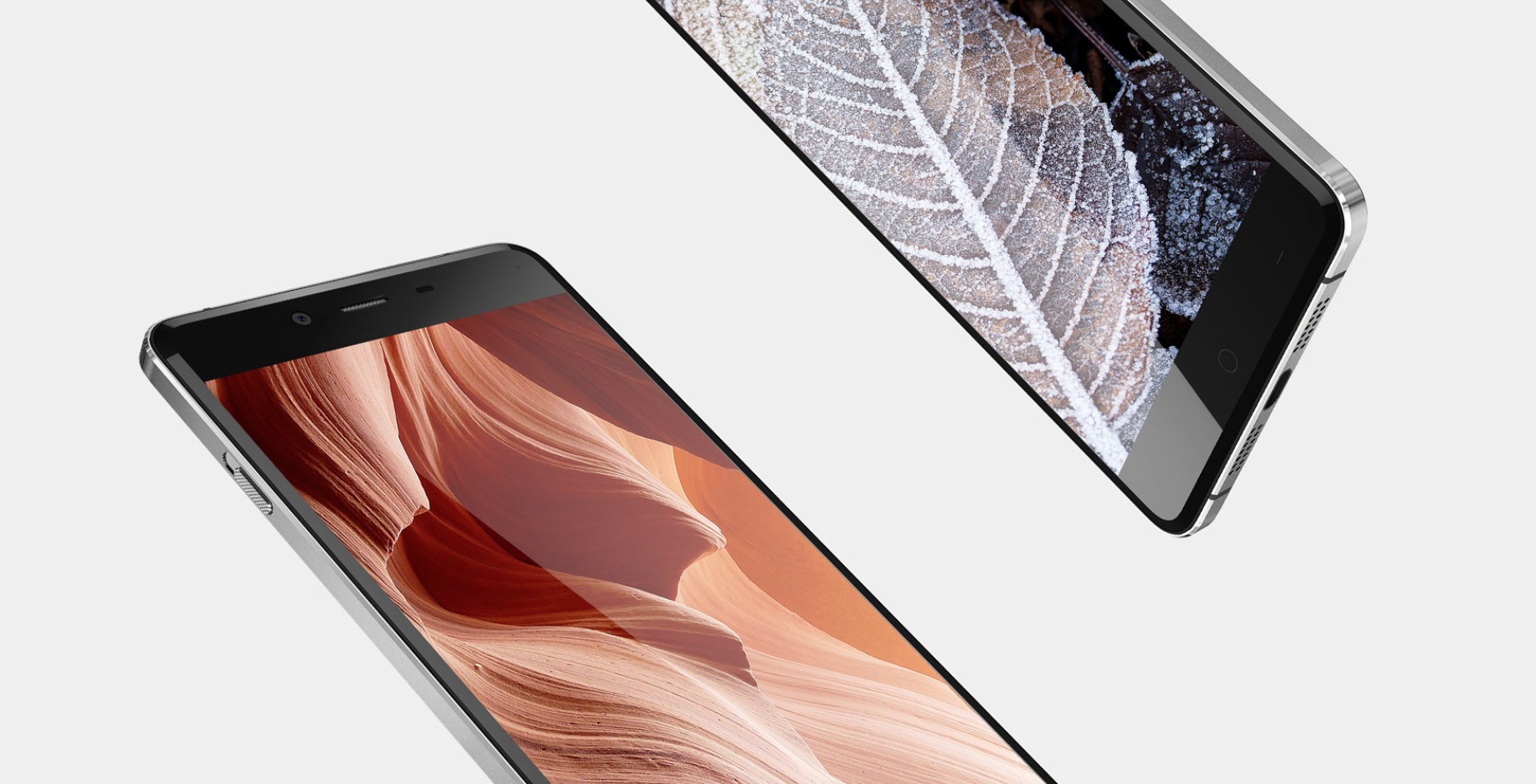
OnePlus has been known to refresh its smartphone lineup rather swiftly. It launched the OnePlus 3T a few months after the launch of the OnePlus 3 and followed the same strategy with the OnePlus 5 and 5T. One smartphone that has not seen a successor yet is the OnePlus. The OnePlus X was OnePlus’ ultra-affordable device that was launched in September 2015. Even though it had a premium build and good enough specifications, the device failed to make an impact in the market.
A new rumour claimed that the company was working on a successor to the OnePlus X, the OnePlus X2. While the information that was leaked appeared plausible, the company has come out and said that there will be OnePlus X2.
While this pretty much confirms that the OnePlus X2 was barely a thing of someone’s imagination, it could be a good device if it were true. According to the rumour, the OnePlus X2 would have reverted to the 5.5 inch display with a 1920 x 1080 px resolution.
It goes on to claim that due to the surplus of Snapdragon 835 chipsets, the company will use these chipsets for the OnePlus X2. Although that could have been the case, OnePlus recently announced its best ever year by revenue. This means that the company sold a lot of OnePlus 5 and OnePlus 5T which were powered by the Qualcomm Snapdragon 835.
The price of the smartphone was predicted to be in the region of US$ 250 (Rs. 16,000 approx.). At such a price with the Snapdragon 835 chipset and a build quality similar to the predecessor, this device would have been a mid-range killer.
Xiaomi is expected to make a few announcements at the upcoming MWC 2018. Apart from smartphones, the company could also announce the new Surge S2 chipset as well. That chipset is rumoured to power the Xiaomi Mi 6X. However, the marquee announcement was expected to be that of the Xiaomi Mi 7. That fell off the rails a bit and it appears that the Mi Mix 2S could be launched before the Mi 7.
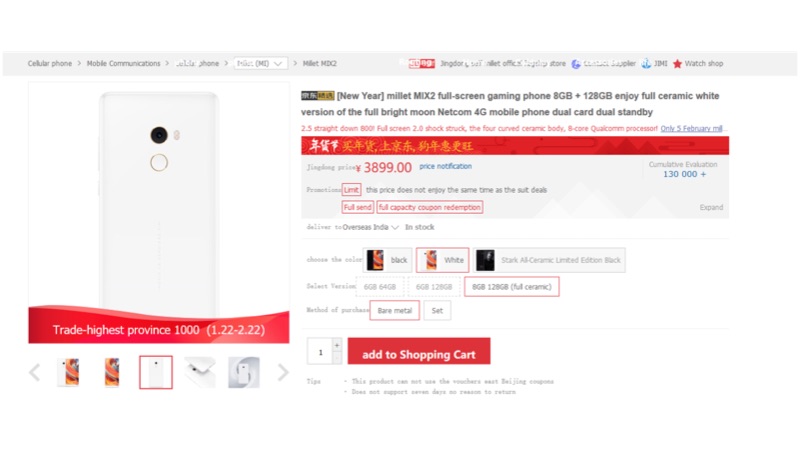
The Mi Mix 2S launch seems more imminent now after the Mi Mix 2 has received a price cut of CNY 800 in China. The Ceramic variant of the Mi MIX 2 is now available at a price of CNY 3899 instead of its regular price of CNY 4699. This could be a possible hint at the launch of the Mi Mix 2S and that the device will be launched in 8GB RAm variant only.
There are rumours that the Mi Mix 2S will be launched before MWC 2018 and will be the first device to be powered by the Snapdragon 845.
Xiaomi Mi Mix 2S
So far, there has barely been any chatter about a possible Mi Mix 2 refresh. The Mi Mix 2 was launched back in September and Xiaomi doesn’t really launch new variants of flagship devices like OnePlus does. So, a possible Mi Mix 2s launch seems improbable. However, that hasn’t stopped people to post renders of the phone.
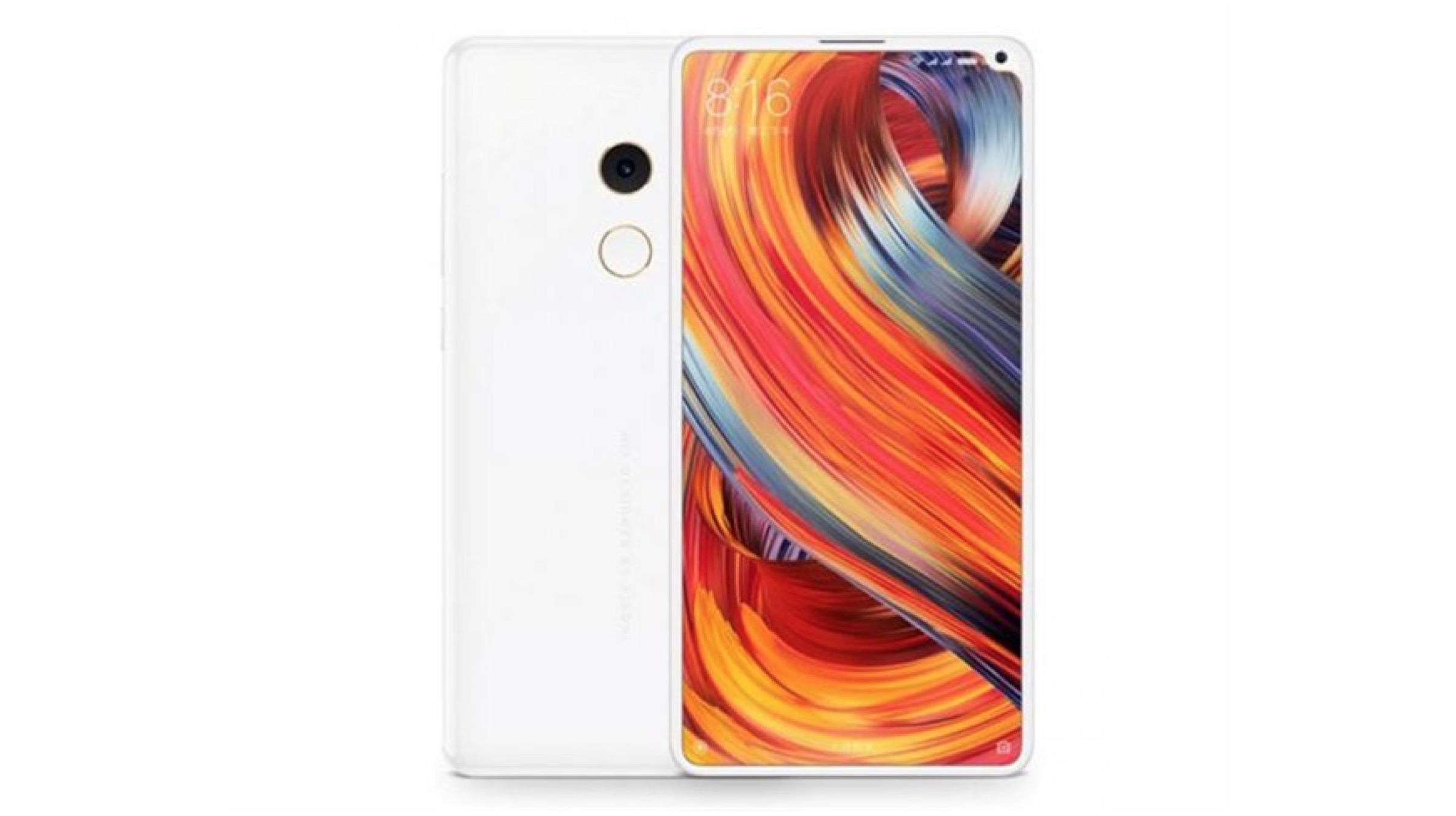
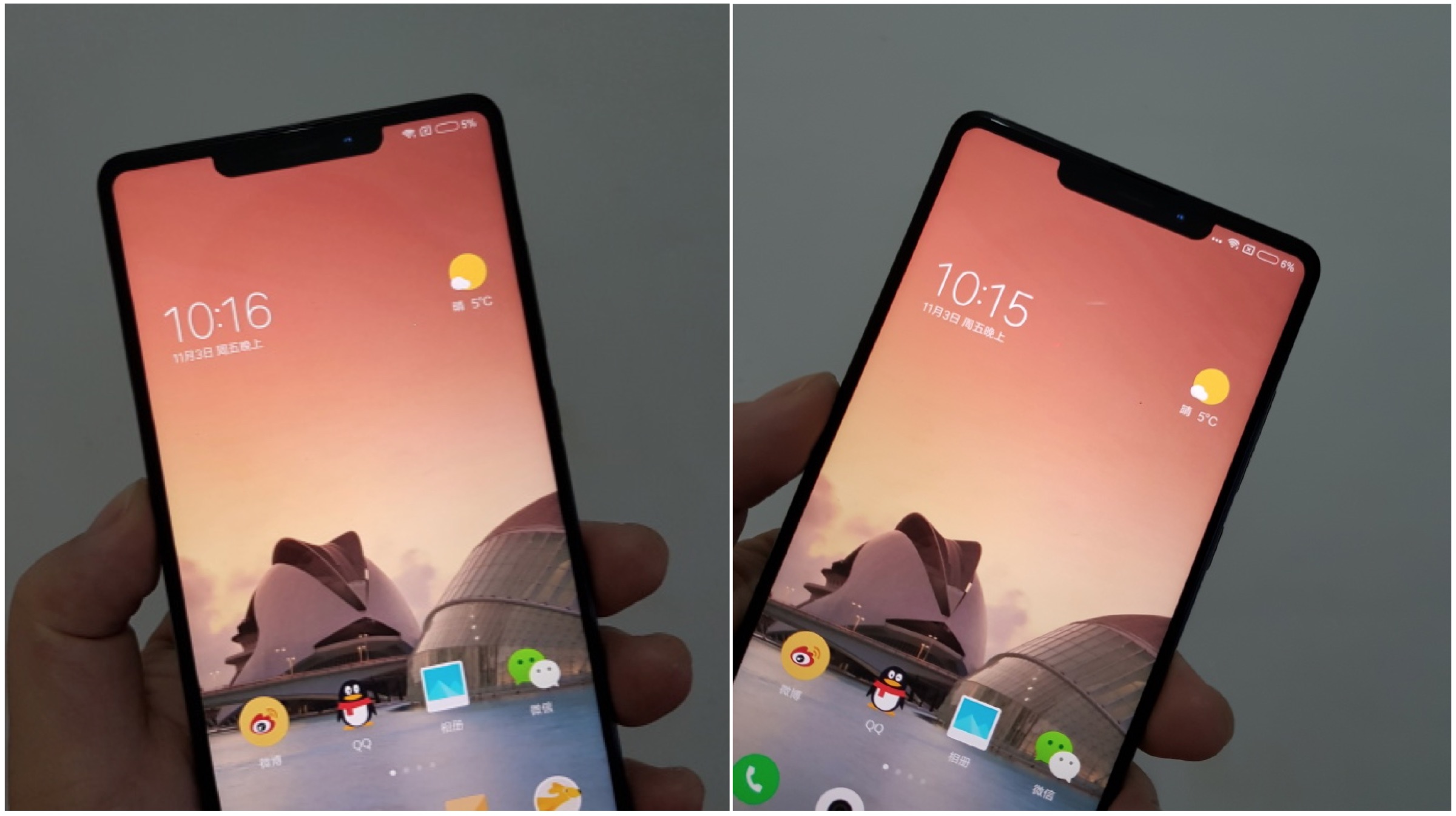
An earlier render of the Mi Mix 2s showing a notch on the display looked a photoshopped iPhone X photo. Recently though, a new render has emerged which reveals a design worthy of a new variant.
Mi Mix 2s Early Renders
The image shows evenly trimmed bezels all around the display. The Mi Mix 2 had a small chin which housed the front-facing camera. The front facing camera here is placed in the top right corner. It is fitted awkwardly which results in a weird notch on the top right corner. Although this looks like a design prototype that would’ve been buried in the back burner, the design does look like new and different.
We could see the launch the Mi Mix 2S happening in the coming weeks especially since MWC will begin on the 26th of February.
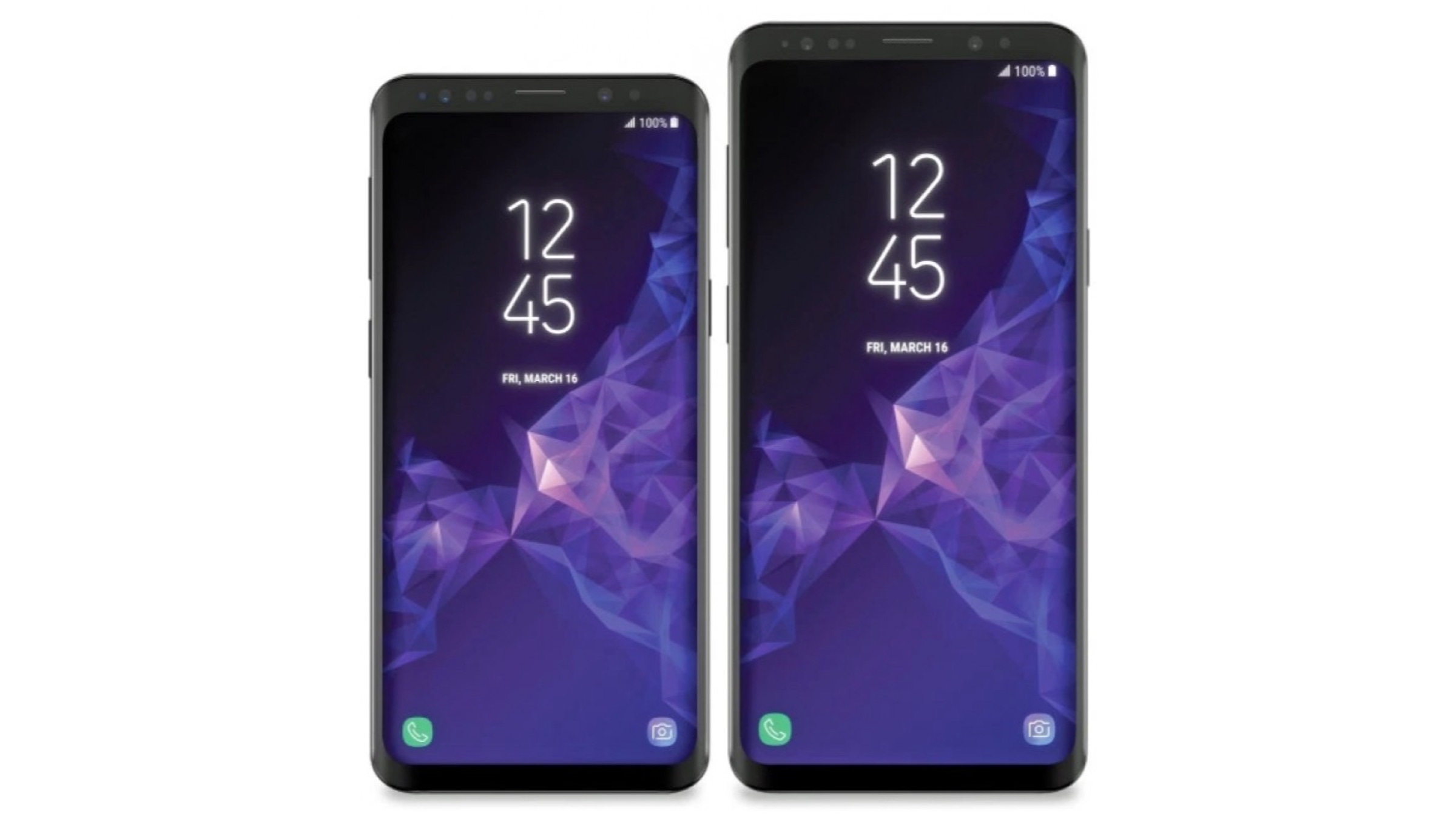
Updated: A report claims that the Samsung Galaxy S9+ and its smaller sibling will have the ability to make 3D emoticons using the front-facing camera, similar to Apple’s Animojis. This does seem plausible as Samsung is expected to have an advanced facial recognition system as well. Also, both the devices will have dual speakers, one at the top and one at the bottom of the phone.
Samsung will launch the Galaxy S9 and Galaxy S9+ on the 25th of February in Barcelona. Two of the most anticipated flagship devices of 2018 are expected to go on sale in the first week of March. Samsung is expected to announce the release schedule as well as the first batch of countries that will receive the two devices.
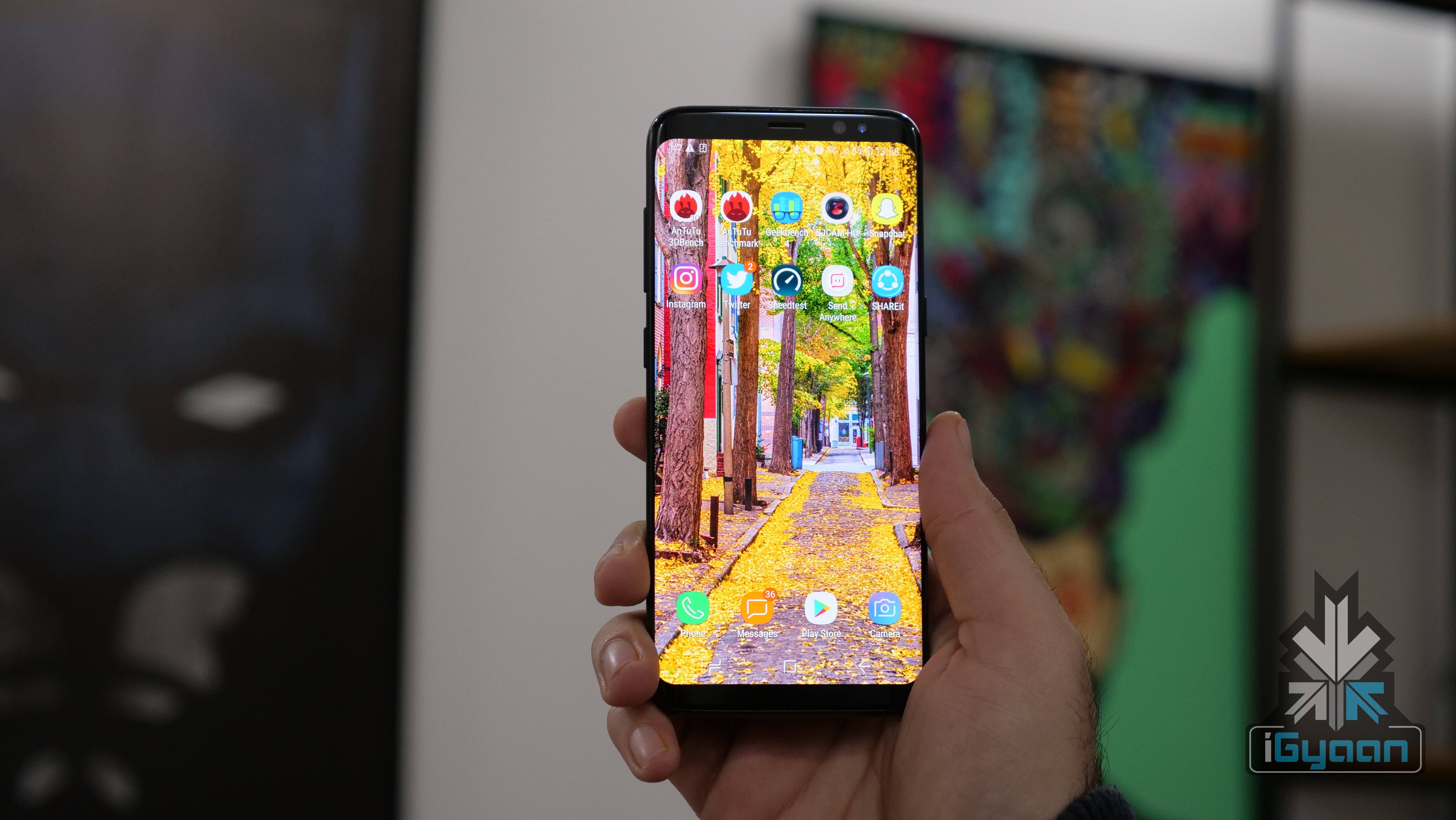
The Samsung Galaxy S8 and S8+ became extremely popular for their infinity display, sleek design and terrific camera performance. Even though the camera was not much of an upgrade over the Galaxy S7, it was enough to be one of the best in class in early-2017. The quad HD resolution coupled with Samsung’s Super AMOLED panel meant that even today, the Galaxy S8 has one of the best smartphone displays on the market.
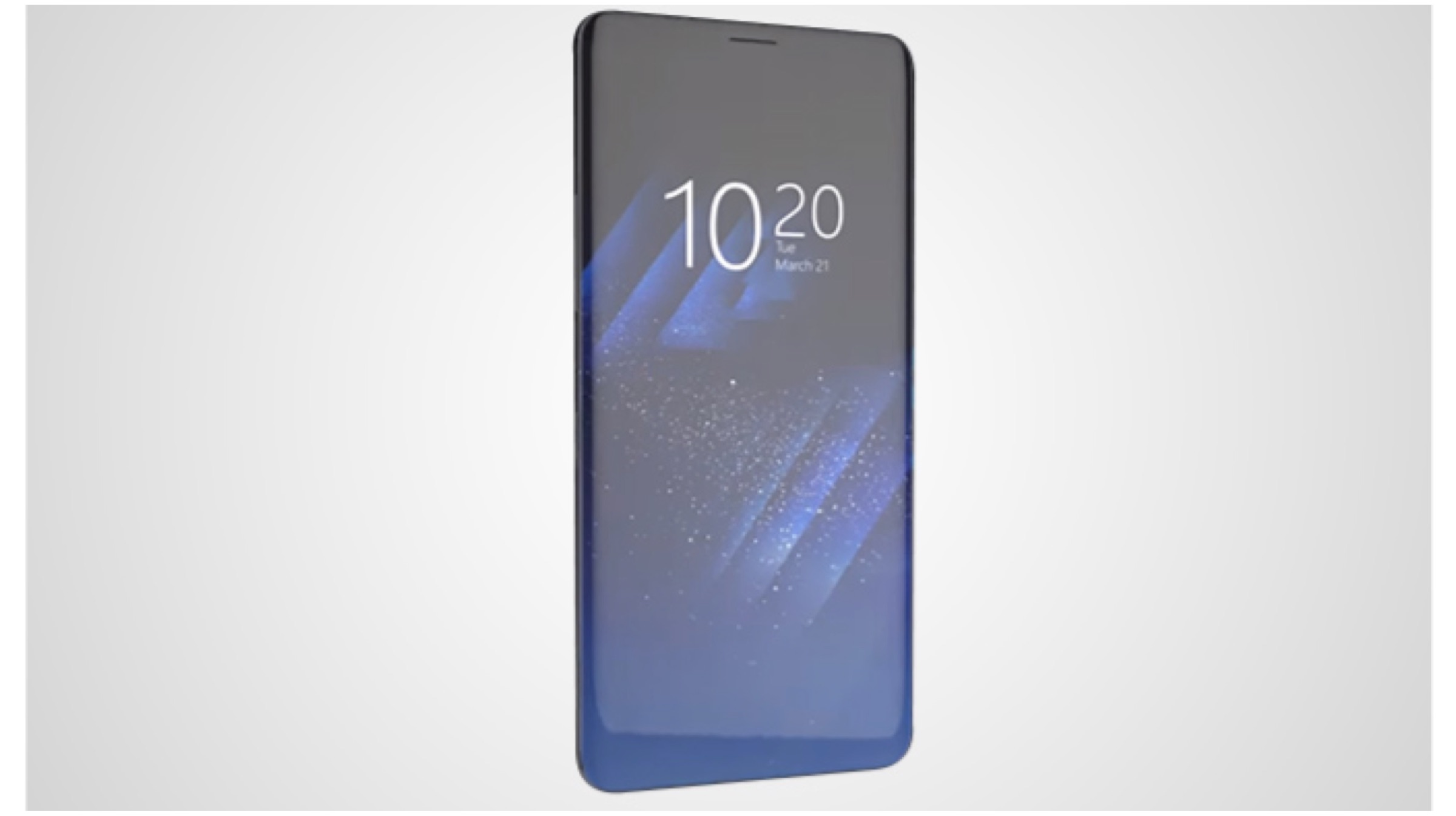
Early Galaxy S9 Concept
A similar level of superiority is expected from the Galaxy S9 and its bigger sibling. This time around, even though it looks like the design won’t see much of a change, the camera department is expected to see a vast upgrade. With enough leaks out on the internet so far, here’s what we know about the 2018 flagship devices from Samsung so far:
Price
Surprisingly, one of the least talked about aspect of the Galaxy S9 and S9+ has been the price. With the price of flagship smartphones touching new heights in 2017, this year doesn’t seem to be any different. However, if the latest reports from South Korea are anything to go by, Samsung could nail the pricing of the Galaxy S9 and S9+.
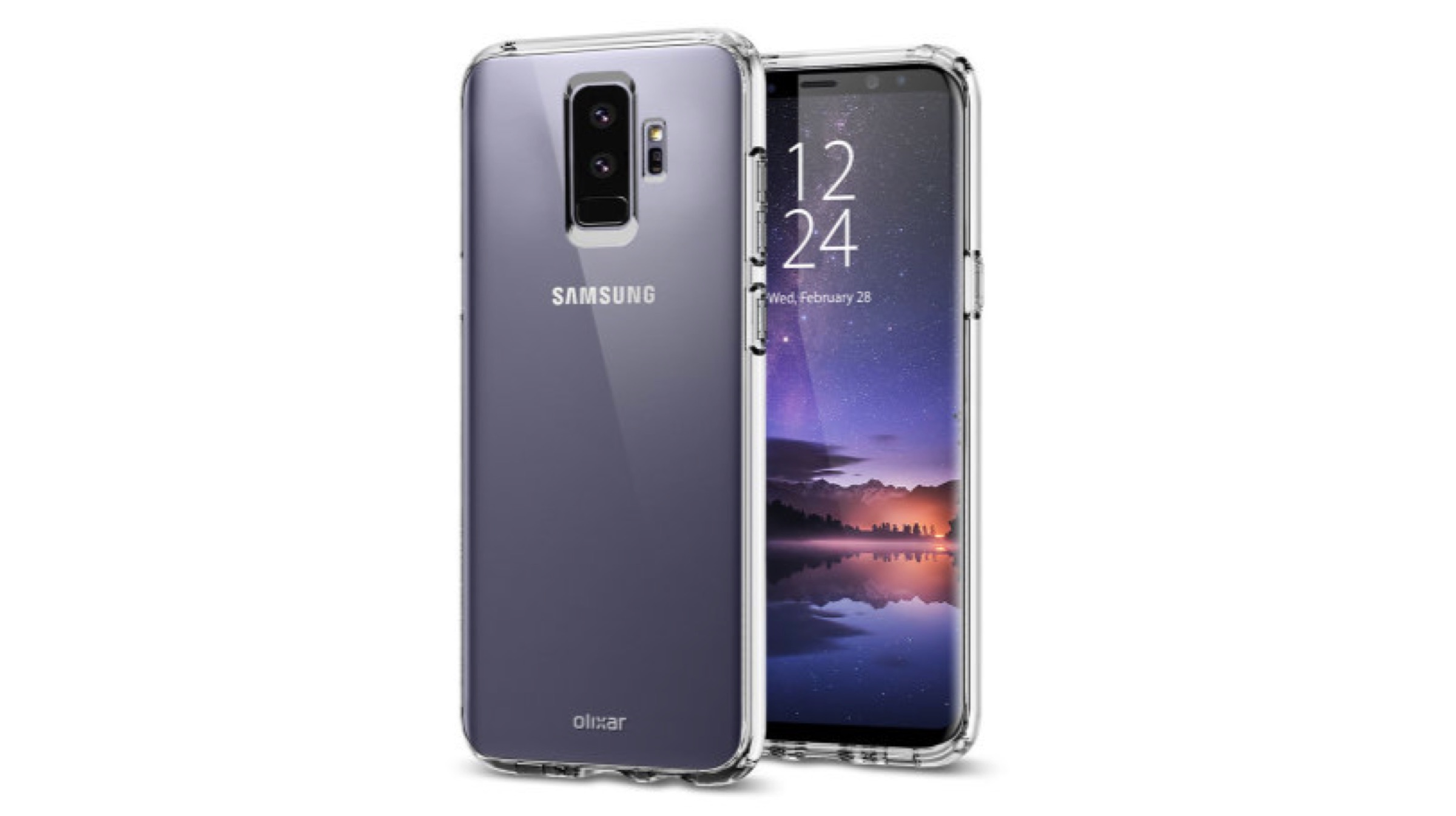
Press Renders
In South Korea, Samsung’s native market, the Galaxy S9 will cost KRW950,000, while the S9+ will be KRW990,000. This amounts to about US$ 883 for the S9 and US$ 920 for the Galaxy S9+. It is worth noting that Samsung always prices its smartphones higher in South Korea.
This means that the company will launch the two phones at a price similar or same as that of their predecessors. For context, the Galaxy S8 was priced at KRW935,000 (around $875) in South Korea. Its global price was US$ 720.
Design
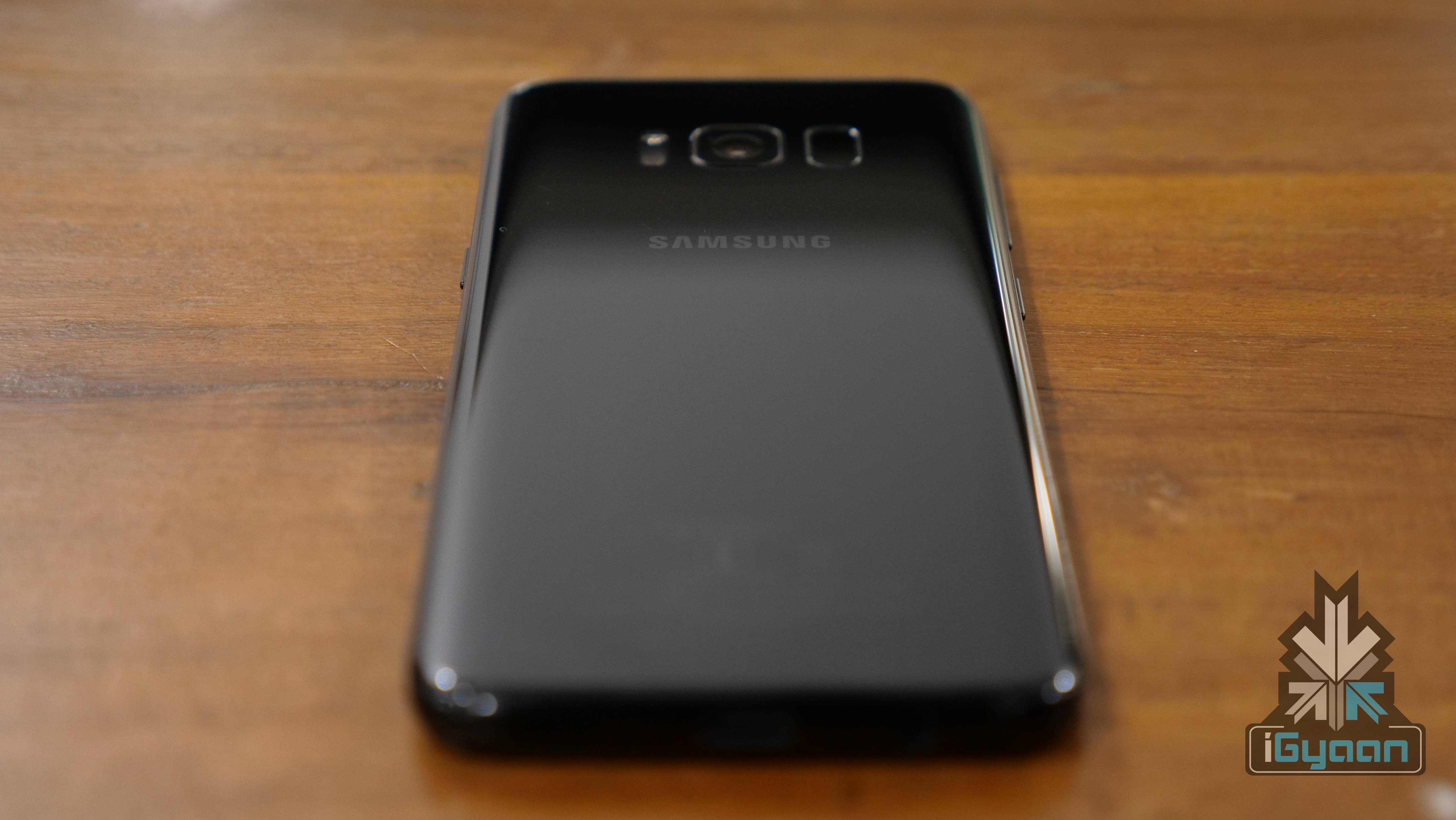
Even a year later, the Galaxy S8 and S8+ are still two of the best-looking smartphones in the market right now. All the renders and leaks have suggested that Samsung will retain the design for the upcoming Galaxy S9 and S9+. This should not be disappointing, owing to the superior design of the 2017 flagship phones. The new smartphones will have a glass back with an aluminium frame.
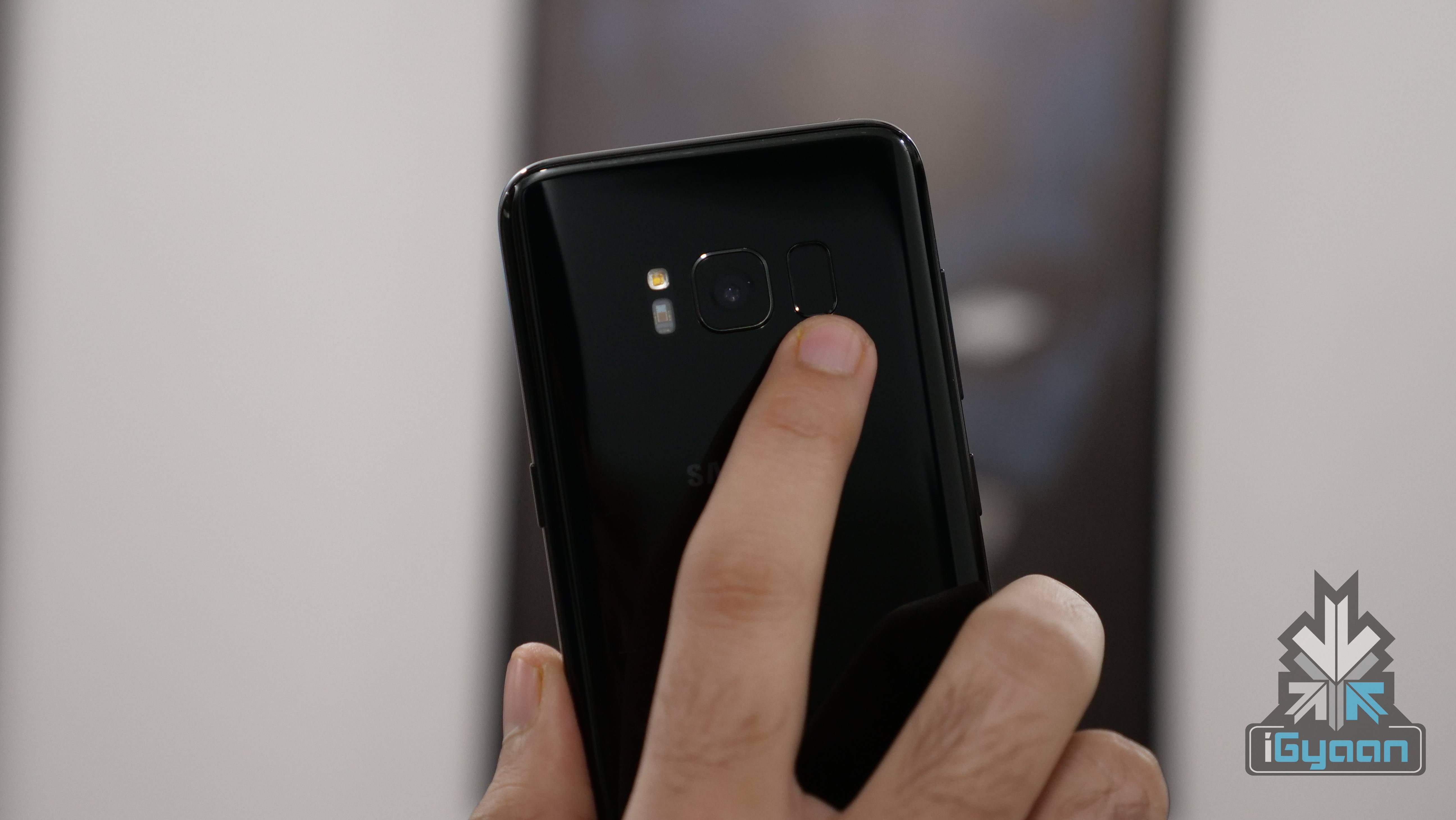
Fingerprint sensor placement on the Galaxy S8
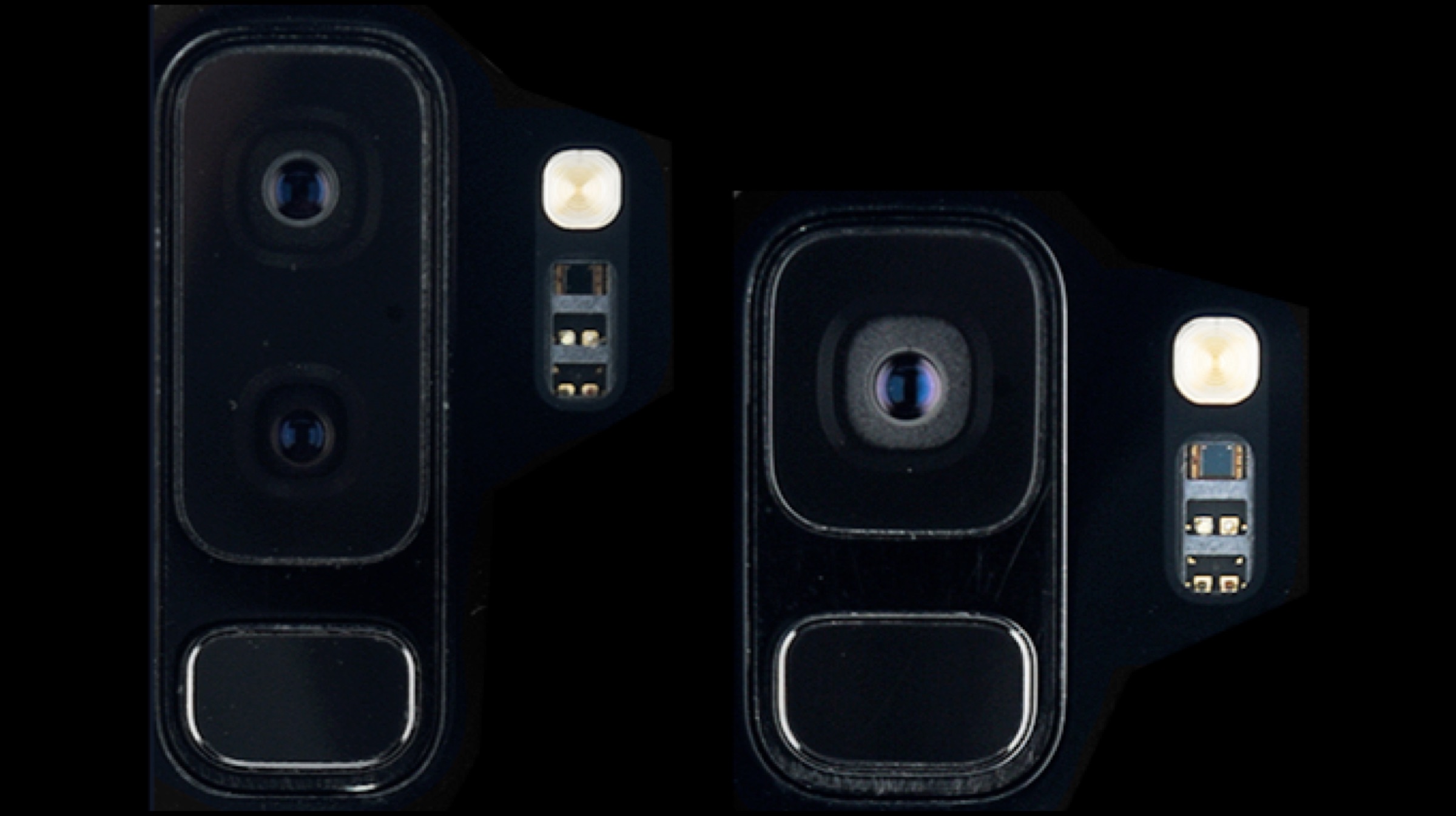
The top and bottom bezels will be slightly smaller while the edge-to-edge infinity display will be present as well. The fingerprint sensor will now be placed below the camera module, a much better position than the one on the Galaxy S8 and the Galaxy Note8. Interestingly enough, Samsung will also retain the Bixby button on the left-hand side.
Display
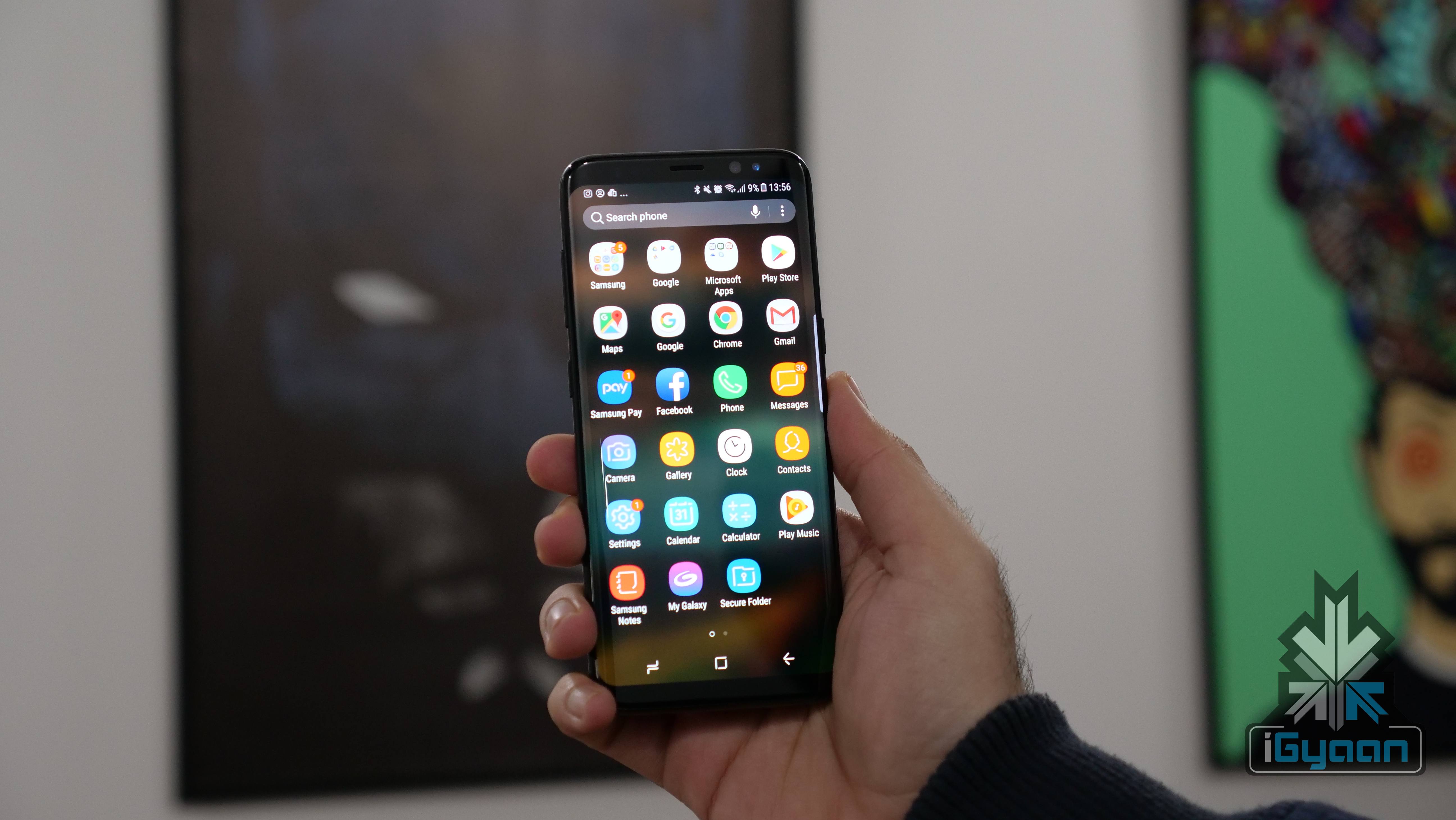
As mentioned before, the Galaxy S8 and S8+ had two of the best displays of 2017 and it won’t be different with the S9 and S9+. Unlike the majority of “bezel-less” smartphones of 2017, the Galaxy S8 devices had an 18.5:9 aspect ratio and the Galaxy S9 and S9+ are expected to retain that. The Galaxy S9 is expected to have a 5.8 inch Super AMOLED display with a 2960 x 1440 px resolution. The Galaxy S9+ might have a 6.2 inch Super AMOLED display with a 2960 x 1440 px resolution.
Galaxy S8
On top of the display will be Corning Gorilla Glass 5 for protection. The same glass will also be used on the back.
What’s Under The Hood?
The Samsung Galaxy S9 and S9+ will run on the latest Qualcomm Snapdragon 845 chipset in the US and South Korea. As is with other Galaxy devices, rest of the markets will receive the Exynos 9810 chipset running Galaxy S9 and S9+.
According to a leak, Galaxy S9 will be offered in two options, 4GB RAM/64GB storage and 4GB RAM/128GB storage. The bigger sibling of the two, the Samsung Galaxy S9+ will be available in 6GB RAM/64GB storage, 6GB RAM/128GB storage and 6GB RAM/256GB models in major markets across the world. The same tipster also claims that Samsung will launch a special edition Samsung Galaxy S9+ with 512GB of storage.
Unless Xiaomi beats Samsung to it, the Galaxy S9 and S9+ will be the first smartphones ever to run on the Snapdragon 845 chipset.
Camera
The camera department is expected to see the most noticeable upgrade this time. Unlike what happened in 2017, the Galaxy S9 and S9+ are expected to have much more superior cameras than their predecessors. In a recent leak of the retail box of the Galaxy S9, it was revealed that it would have a 12MP camera with an f/1.5 aperture. Interestingly, the camera would support a variable aperture.
Galaxy S9+, S9 rear components layout
Taking a route Apple has tread so far, the ‘Plus’ model of the new flagship will have a dual-camera setup. In order to justify a higher price tag, Samsung Galaxy S9+ will now offer something substantial that the regular S9 doesn’t.
OS
The Samsung Galaxy S9 and S9+ are expected to run Android 8 Oreo out of the box. While so many OEMs have already rolled out Android 8 Oreo update for their existing flagship phones, Samsung’s Galaxy S8 and Note8still run Android 7.1 Nougat. This will change once the Galaxy S9 phones are launched.
Experience UI
As is with every other Samsung smartphone, the Galaxy S9 and S9+ will have the Experience UI on top. Samsung’s Experience UI has come a long way since its inception and is miles ahead of the TouchWiz UI. As every custom skin does, Experience UI has a divided opinion as well. But, you can always use a launcher if you want a stock OS look.
Bells And Whistles
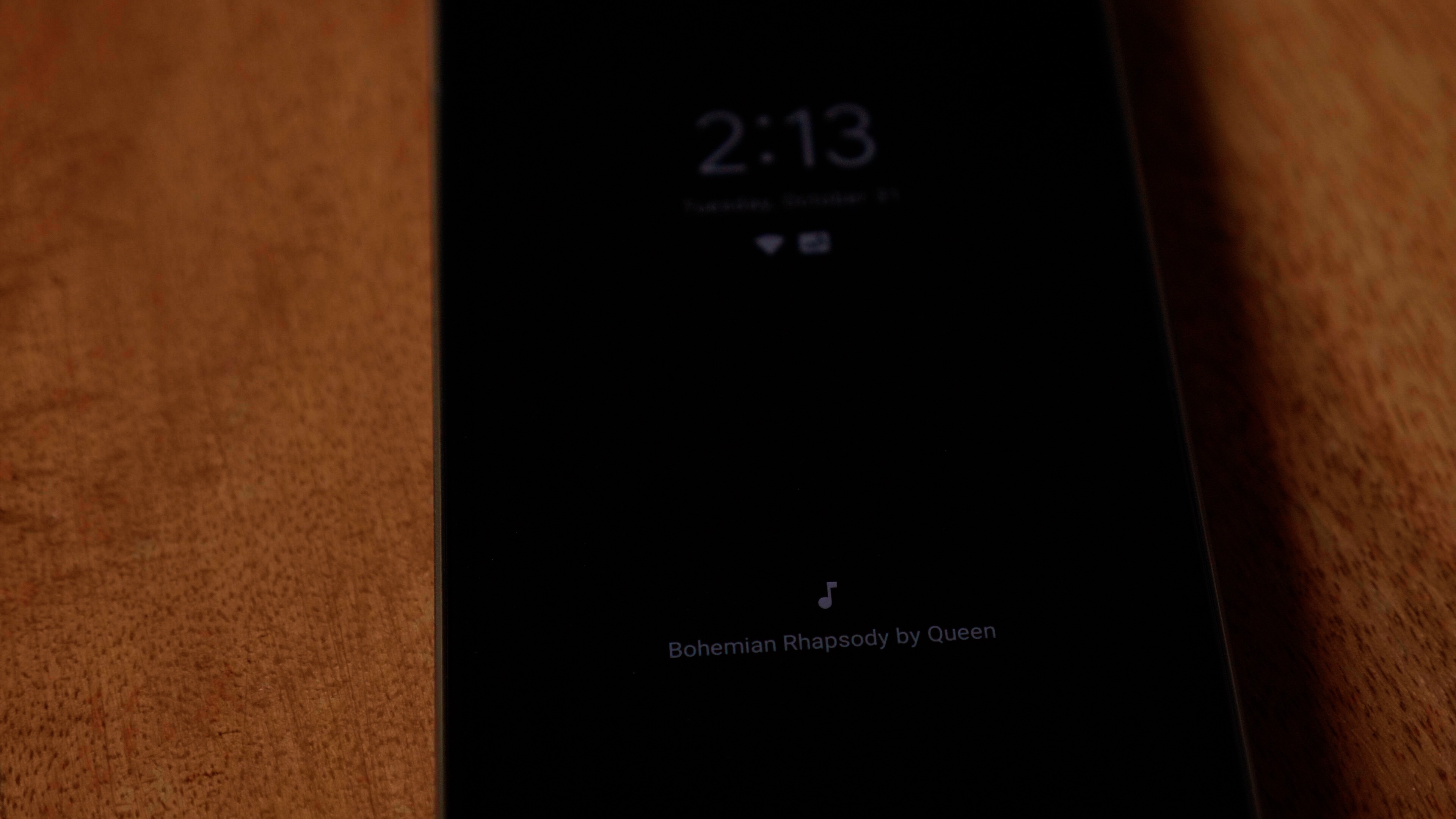
The Essential Ph-1 was probably the most stock Android phone when it was launched. No whimsical features of any sort, just pure stock Android OS. Even Google’s own Pixel 2 and Pixel 2 XL had features like Active Edge and Now Playing that came in handy at times. The Samsung Galaxy S9 and Galaxy S9+ will be nowhere near to what the Essential Ph-1 was.
Pixel 2 Now Playing
A recent leak suggested that the upcoming flagship devices will have a ‘Smart Scan’ feature. This will basically combine iris and face scanning for a more accurate authentication system. However, since this will use Samsung’s API, the Smart Scan won’t be utilised for activites like banking. Face ID on the iPhone X has replaced Touch ID which means it is used for storing sensitive data and even banking.
Smart Scan
The smartphones will also have an IP68 rating for water and dust resistance. Thanks to a glass back, wireless charging will again be a feature on the new devices.
Conclusion
On the 25th of February, the Samsung Galaxy S9 and Galaxy S9+ will be launched. As two of the most high-profile smartphones of early-2018, a lot will be riding on the success of the devices for Samsung. Even though the design is similar to their predecessors, it, by no means, a bad decision. If the renders turn out to be true, the Galaxy S9 and S9+ will again be two great looking devices with top-notch specifications.
With the Galaxy S9 sporting a single camera and the Galaxy S9+ with a dual-camera setup, consumers might be drawn towards the bigger sibling. It will be interesting to see how big of a difference the camera performances will make.
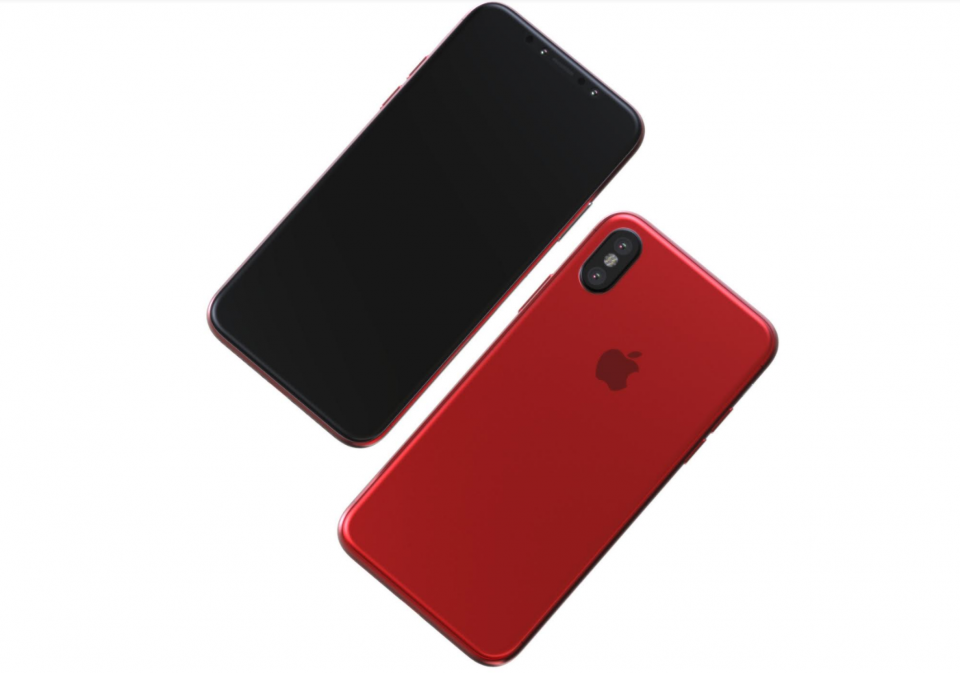
2017 saw the launch of three iPhones at the annual launch event in September. Apple introduced the iPhone 8 and iPhone 8 Plus that were, more or less, incremental upgrades over their predecessors. The iPhone X was launched alongside and was deemed as the true successor to the original iPhone that was launched in 2007. The iPhone X represented the future of iPhones in terms of design and a few key hardware features.
Immediately after the launch of the iPhone X, it was reported that Apple would launch three iPhones in 2018 with a design similar to the iPhone X. One of these three iPhones was reported to be the “affordable” iPhone with an LCD display as the other two would have an OLED panel. This iPhone with the LCD display is expected to be launched at around US $700, which means it would replace the iPhone 8 from 2017 in the price category.
While these were predictions from researchers so far, a new rumour claims to know more than just the screen size of this upcoming iPhone. It claims that the screen panel to be used on the iPhone is JDI’s Full Active panel which was launched in June 2017. This comes with 18:9 aspect ratio, thin bezels and a 2160 x 1080 px resolution. Nowadays, this configuration has become a pre-requisite for mid-range devices as well.
This means that this iPhone will be less wide than the other two iPhones. The iPhone X has a 19.5:9 aspect ratio while JDI’s Full Active display has an 18:9 aspect ratio. Apple will most probably retain the iPhone X’s configuration for the other two iPhones that will launch in 2018.
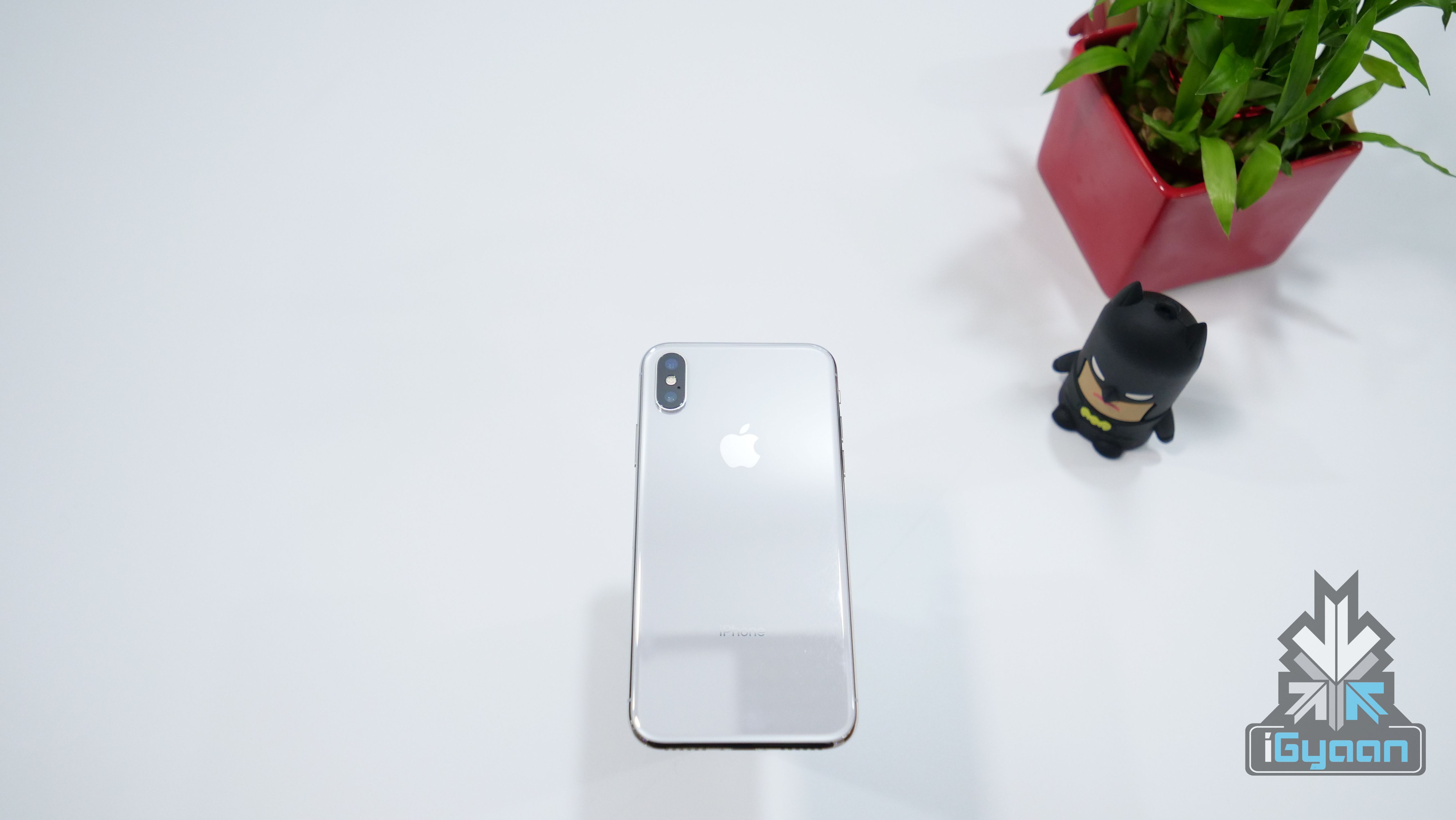
According to Ming-Chi Kuo, using LCD panels instead of OLED is a design compromise that will allow the company to sell the iPhone at a price similar to the iPhone 8. Also, this iPhone will swap stainless steel frame with an aluminium frame, there will be no 3D Touch, and just like the iPhone 8, it will have a single camera on the back.
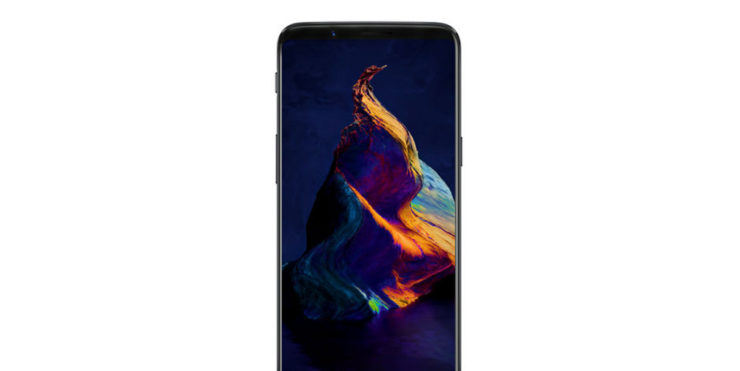
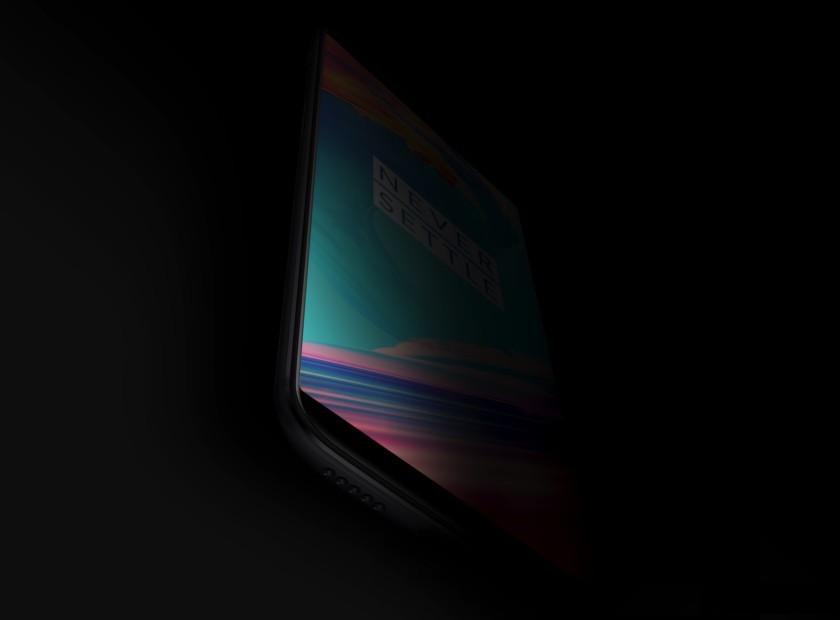
A new leaked image has revealed that the OnePlus 6 could have a mirror finish on the back and an iPhone X-like notch on top. More details will follow, as we move closer to the launch.
OnePlus is a new Chinese smartphone company that burst on to the scene in 2014. In the era of a clear divide between budget and premium smartphones, the OnePlus One was a breath of fresh air. It provided flagship phone-like specifications with very little compromises at almost half the price of top premium smartphones at that point.
OnePlus One
The company followed up the OnePlus One with the OnePlus Two and even launched the OnePlus X, an even more inexpensive device with a glass build. However, they weren’t received too well by the consumers and in 2016, the company launched the OnePlus 3 and a few months later, the OnePlus 3T. While many OnePlus 3 owners were disappointed with the launch of a better phone just a few months later, the difference between the 3 and 3T was just in the chipset.
The OnePlus 5 was launched in June of 2017, and the company received some flak from consumers for considerably increasing the price of the OnePlus 5. While it was still much cheaper than other flagship devices, the price when compared to its predecessors was a bit too much for the consumers. The company stuck with its release policy and in November of 2017, launched the OnePlus 5T. The OnePlus 5T had a much better design than the OnePlus 5 and according to the company, improved dual-camera setup as well.
OnePlus 5
The next in line for the company is the OnePlus 6. While there is no confirmation or even a hint from OnePlus on what the devices will be called, the company’s naming policy dictates that it would be the OnePlus 6 indeed. So, what can we expect from the OnePlus 6 in 2018? Let’s find out:
Price
After the launch of the OnePlus 5, the company faced a mini-backlash from consumers for its inflated price. However, the performance of the smartphone and then the OnePlus 5T’s modern design took away the spotlight from its price. The OnePlus 6 could be priced a bit higher especially if the company introduces radically new features in the smartphone. With the history of OnePlus device’s performance, the OnePlus 6 will have no problem justifying its price tag.
Display
6-inch displays are what 5.5-inch displays were in 2016. With thinner bezels and 18:9 aspect ratio becoming the norm, a lot of smartphones will stick to the 6-inch screen size, and the OnePlus 6 could do the same with the Optic AMOLED display. Ever since the OnePlus One was launched, the company has maintained its stance over the Full HD resolution. The OnePlus 6 could continue having the same 2160 x 1080 px resolution.
OnePlus 5T
In-Display Fingerprint Sensor?
Vivo, along with Synaptics, recently announced the first-ever smartphone with an in-display fingerprint sensor. Ever since that announcement, there have been rumours of more smartphone makers launching devices with a similar technology, called Clear ID. There was a recent report that claimed that the OnePlus 6 will have an in-display fingerprint sensor and launch in March 2018. While Pete Lau has confirmed the OnePlus 6 will launch in June, it could be possible that OnePlus introduces an in-display fingerprint sensor in its latest flagship device.
However, it won’t be surprising if the OnePlus 6T is introduced in late-November with an in-display fingerprint sensor.
Under The Hood
Pete Lau also confirmed that the OnePlus 6 be powered by the Snapdragon 845 chipset since it is the latest flagship chip available. Similar to the OnePlus 5 and 5T, the OnePlus 6 will also have 6GB or 8GB of RAM along with 64GB or 128GB of onboard storage. There will be no option for expanding the onboard storage via a microSD card. With AI expected to be huge in 2018 smartphones, it will be interesting to see OnePlus’s approach towards this particular feature.
OnePlus 5T
Face Unlock will, in all probability, be present in the OnePlus 6 and be better than the one found on the OnePlus 5T.
Camera
The OnePlus 5 and the 5T had two different implementations of the dual-camera setup. For the OnePlus 5T, the company focussed on low-light photography and relied on software to create bokeh effect images. The OnePlus 6 will also have a dual-camera setup and after what Google did with one camera on its Pixel devices, smartphone makers will be inspired to make better performing camera smartphones.
Conclusion
While the OnePlus 6 might come with a slightly heftier price tag than its predecessor, it will be another exciting offering from a young smartphone maker. If the OnePlus 6 does come with an in-display fingerprint sensor, it could be the most exciting mid-year smartphone launch and have an advantage over the likes of the Samsung Galaxy S9 and LG G7.
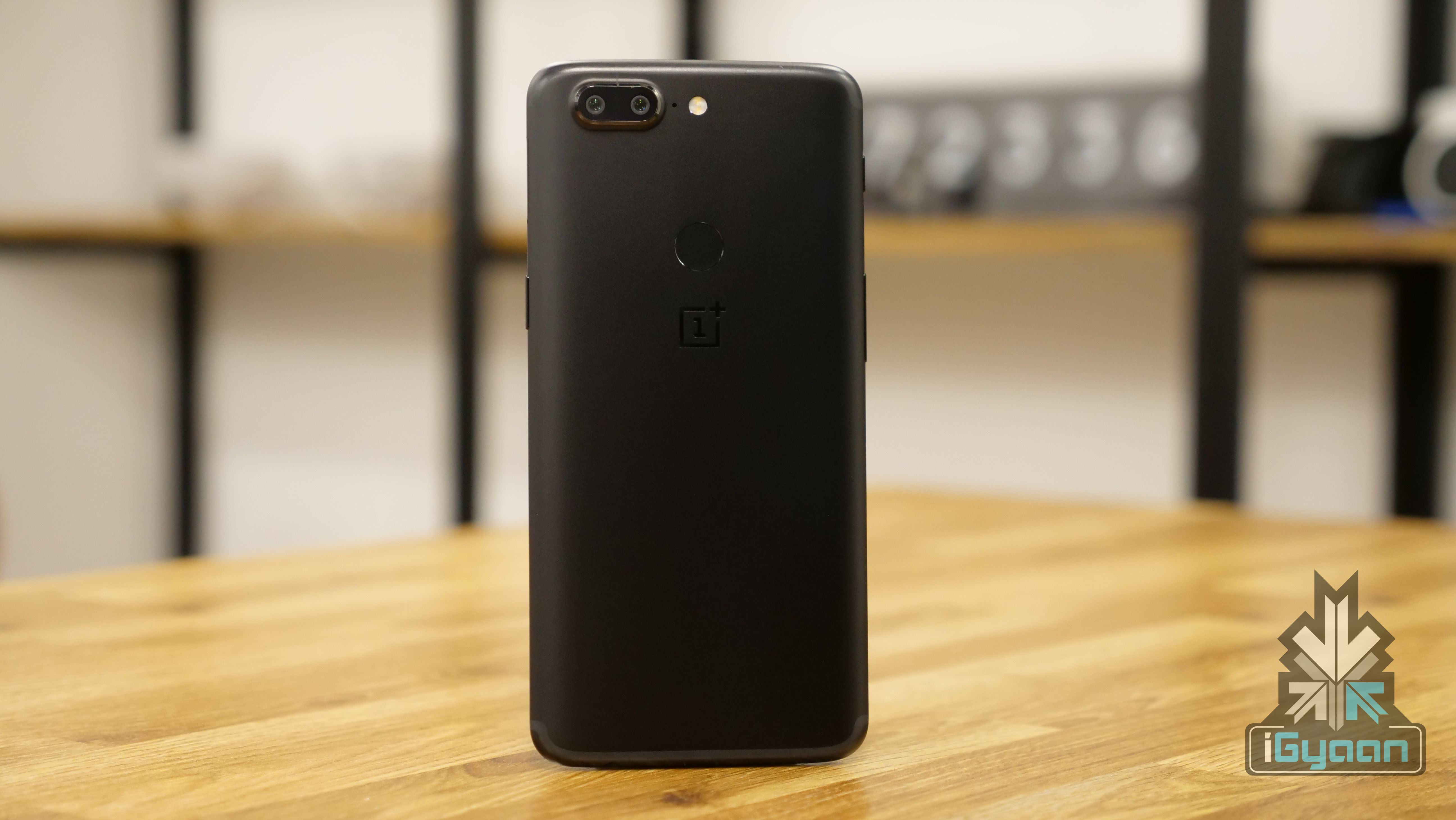
The OnePlus 5T was recently launched in November and since then, there have been three variants of the device launched in different part of the world. The OnePlus 6 widely expected to be launched in the second quarter of 2018 and the company’s CEO, Pete Lau has just confirmed that.
In an interview with CNET, Pete conceded that the company has no other option but to use the Snapdragon 835 chipset for its upcoming device in the second quarter of 2018. While he did not confirm the name of the smartphone, logic dictates that the company will name it OnePlus 6.
He also said that there is no confirmation of a second device (OnePlus 6T) that could be launched in late-2018. However, the company’s recent launch activity certainly hints toward a refreshed version of its mid-year flagship. Perhaps, the OnePlus 6T could have an in-display fingerprint sensor as by the time the 6T launches, the Samsung Galaxy Note 8 would’ve implemented the technology as it is expected to be launched in August.
OnePlus smartphones are known to have the latest and greatest specifications at a much more affordable price and that is what the OnePlus 6 is expected to deliver as well. Moreover, there have been a few reports that suggest that the OnePlus 6 will have a few exciting features such as Face ID-like technology and even an under display fingerprint sensor.
While the chances of an in-display fingerprint sensor may seem thin, OnePlus has made its stance clear on facial recognition technology. The OnePlus 5T has one of the fastest facial recognition technology but, it isn’t secure enough for bank transactions, unlike Face ID. The company could implement better hardware and make its Face Unlock much more secure than it already is.
As far as features and specifications are concerned, these are all mere speculations. More leaks and renders will be leaked as we move closer to the launch of the OnePlus 6 in June of 2018.
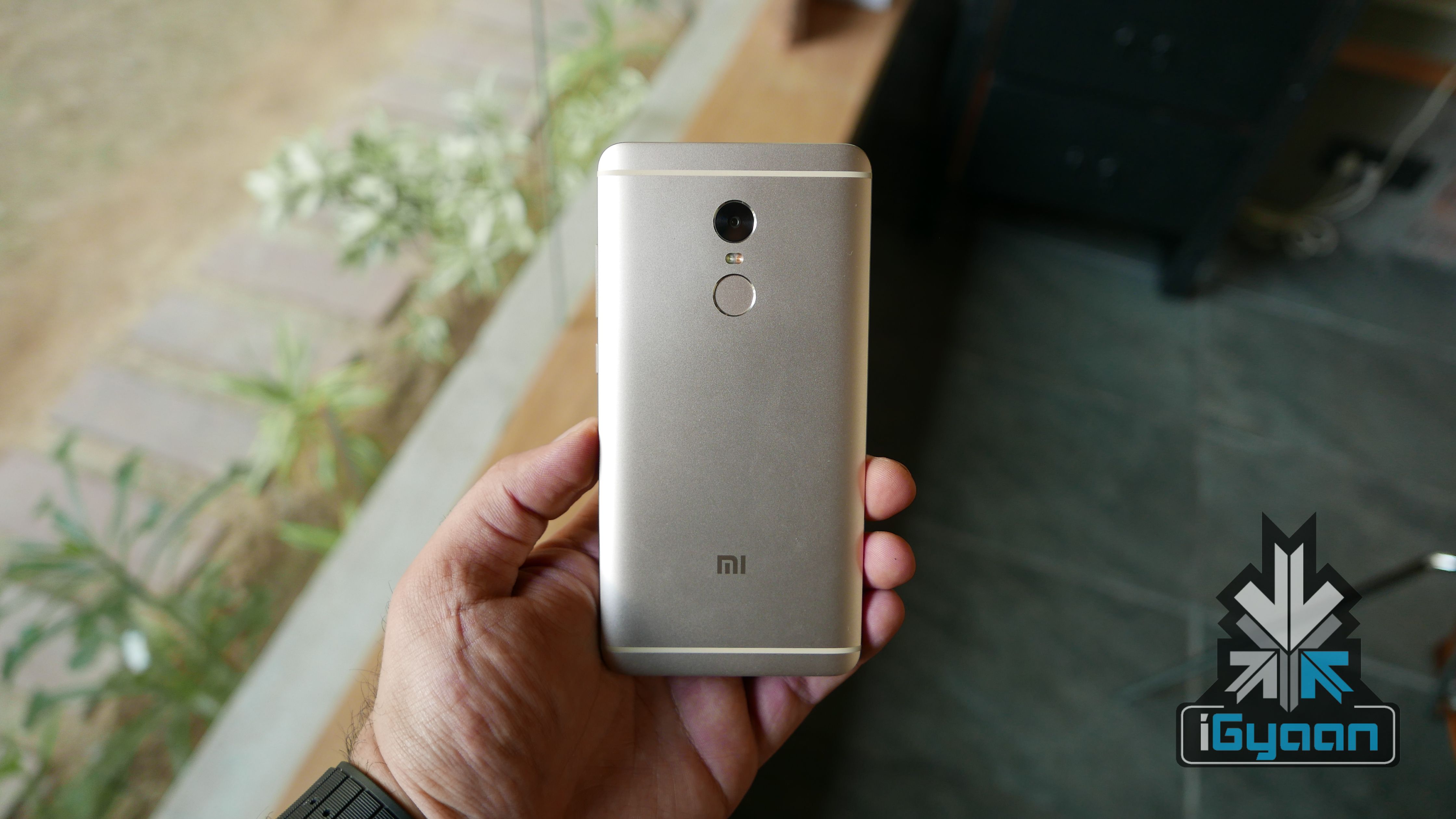
Ever since Xiaomi launched the Redmi 5 and Redmi 5 Plus, there have been reports claiming that the Redmi 5 Plus will be launched in India as the Redmi Note 5. These rumours came about through a revelation on the MIUI forums in China and from the same source, it has been seemingly confirmed that the Redmi Note 5 will indeed be launched and it might be the most inexpensive Redmi Note yet.
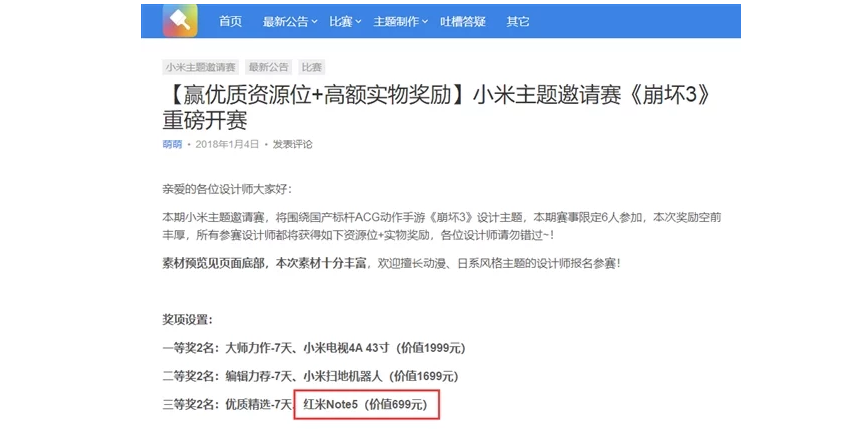
A report claims that the Redmi Note 5 was mentioned among the list of prizes for a contest that the company is hosting on its China MIUI forum. In the forum post, the smartphone has been priced 699 Yuan which roughly translates to about Rs. 6800. However, this could very well be a typo as the company might have intended to write ‘Redmi Note 5A’ which is priced at 699 Yuan in China.
Even if the device is priced a bit higher, Redmi Note 5 enthusiasts will be happy to know that the device in works and is expected to be launched in the coming months in China. Subsequently, India is expected to be one of the first global markets to receive the Redmi Note 5 thanks to the popularity of the Redmi Note 4.
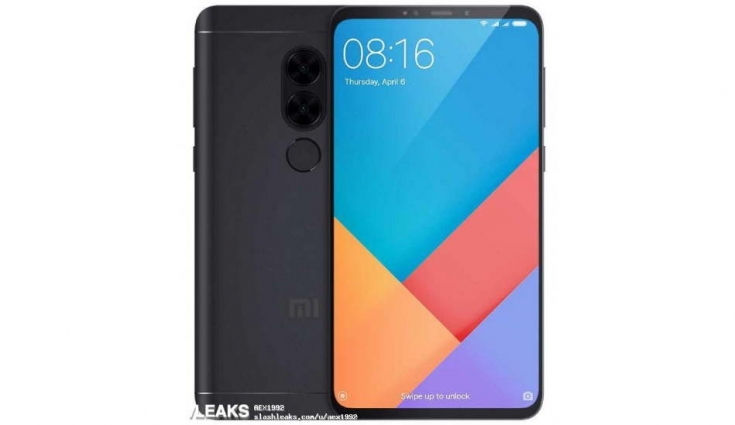
Recently, a new render of the Redmi Note 5 was leaked which looks a bit ambitious. However, there is no denying that the Redmi Note 5 with this design might become a fan favourite as soon as it launches.
The bezels around the display are thinner than the ones found on the Redmi 5 Plus and at its price point, could have the best screen-to-body ratio. The smartphone is expected to be launched at a price similar to the Redmi Note 4 which continues to be a popular Xiaomi phone in markets like India.
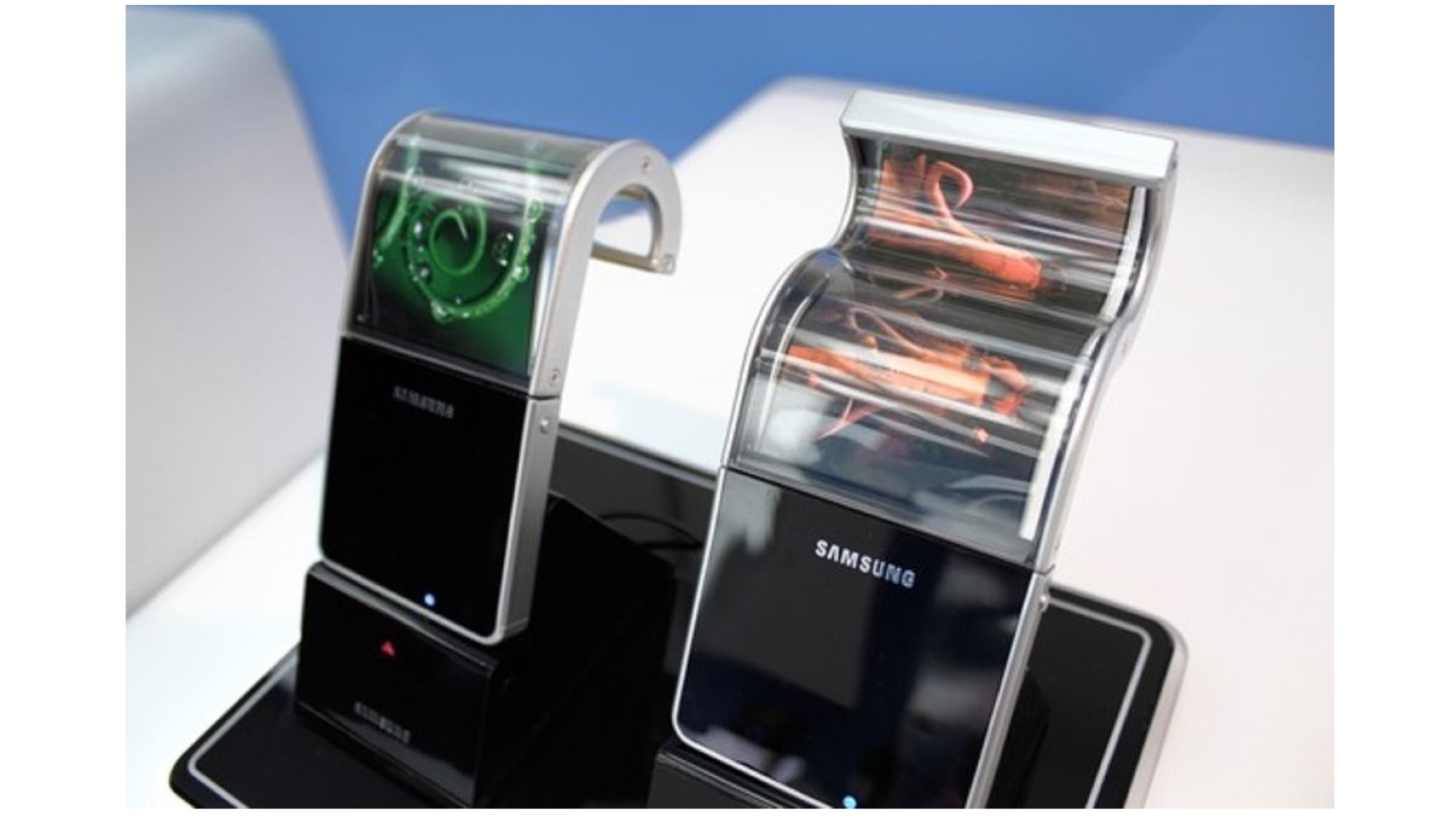
For months now, there have been rumours that Samsung will be launching a foldable smartphone in 2018. Till now, a lot of the information was gathered through Samsung patents but, a new report has claimed that Samsung will launch a 7.3-inch foldable smartphone in December of 2018.
The report was published earlier today, which provided a few interesting details about the upcoming foldable smartphone. According to the report, the phone would feature a 7.3-inch, flexible OLED display (built by Samsung Display) which would fold open like a book. The report further speculates that Samsung may even be showing off display prototypes for industry partners behind closed doors at CES in Las Vegas, USA.
Currently, Samsung’s engineers are tasked with ensuring that the display leaves no trace of having been folded once it is opened into a flat position. The price of the devices is expected to be “ultra-premium.” Samsung is not a stranger to exorbitantly priced smartphones as its ‘W’ flip smartphones are priced higher than usual smartphones in South Korea.
December sounds a bit too far since there are rumours of other OEMs like LG and Lenovo are also working on smartphones with a flexible display. However, it is fair to assume that a foldable phone from Samsung will definitely grab the headlines, regardless of the time its launched at.
Samsung has been known to experiment with smartphone displays in the past and has become a pioneer in curved displays with its Galaxy S7 Edge, S8 and the Galaxy Note series.
A report from the South Korea Herald suggested that the production of the Galaxy X would be on 100,000 orders, making it an extremely limited edition device. If this happens, the Galaxy X would be the most difficult Galaxy phone to get your hands on. Irrespective of the timeline of the foldable smartphone, it is expected to stir up the smartphone industry while more OEMs follow suit and launch their own iterations of a foldable Android phone.
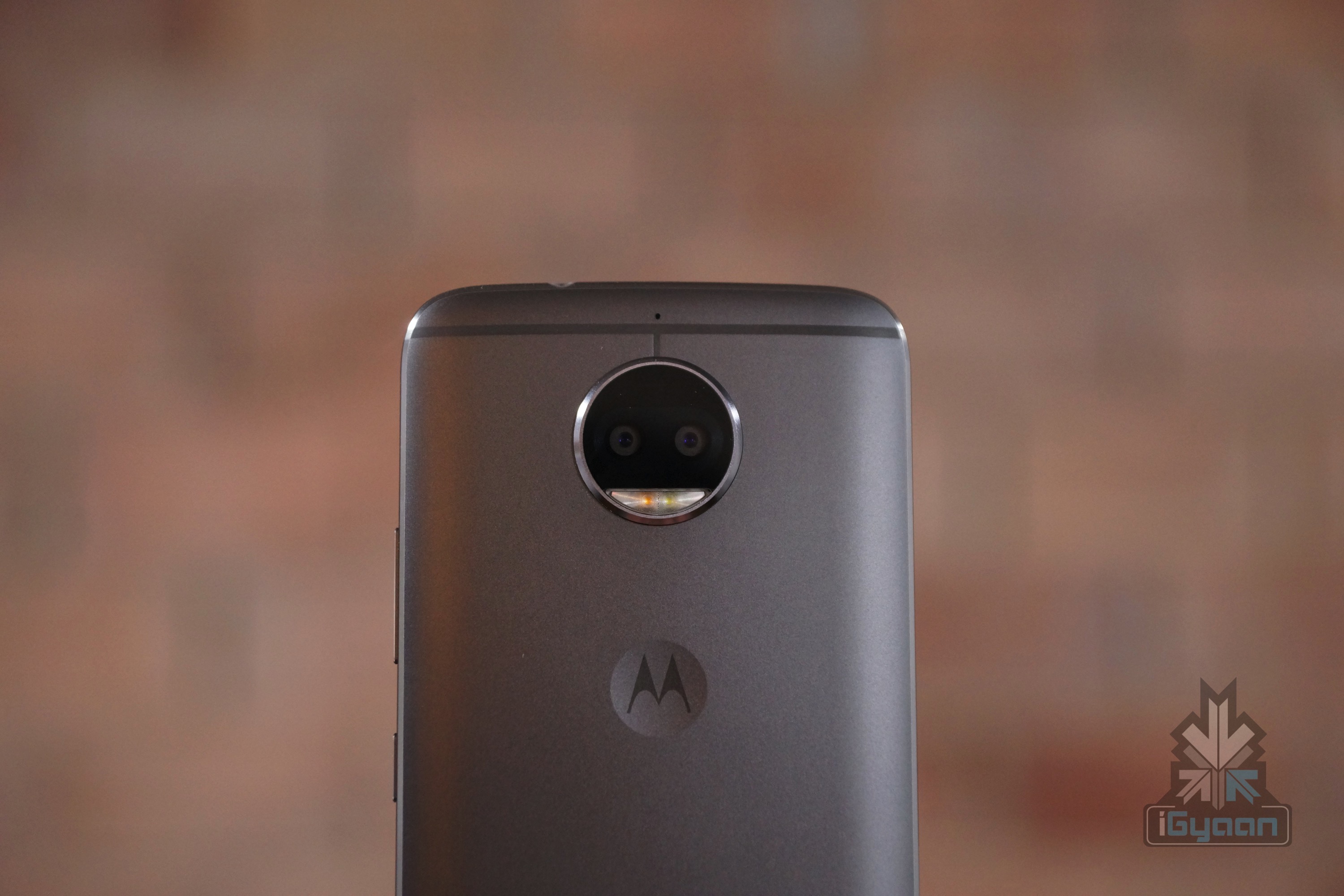
In March of 2017, Motorola launched two promising smartphones that entered the Indian market’s ever-growing sub-15K category. The Moto G5 and G5 Plus both received praise from critics and consumers alike for their build quality, software, and camera performance. The Moto G5 Plus especially was hailed as the best camera smartphone in that price bracket. Almost a year after its launch, the Moto G5 Plus’ camera holds up well against a lot of its competitors.
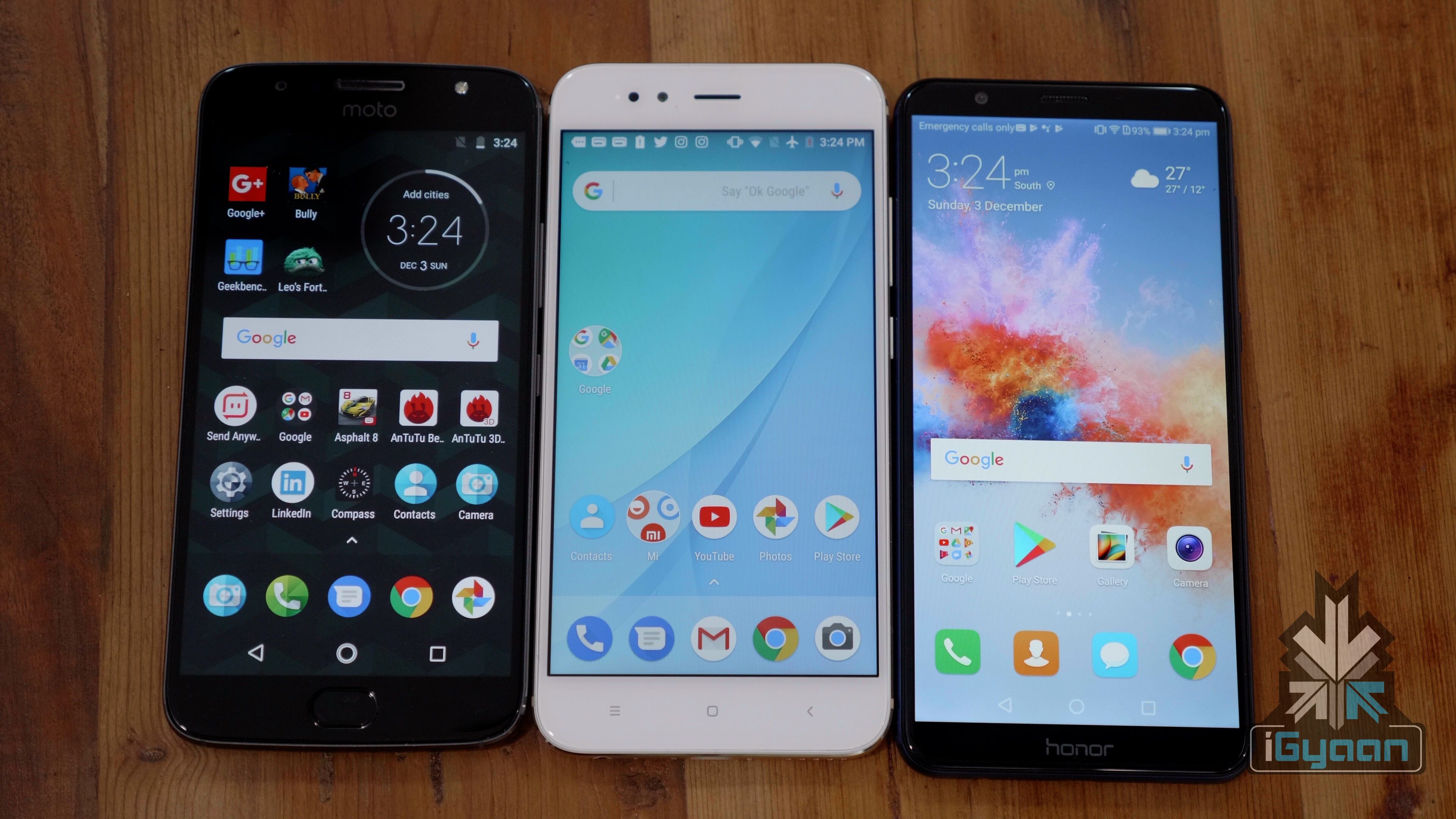
As we approach March of 2018, there is anticipation about the Moto G6 and Moto G6 Plus which will possibly be launched in March this year. Ever since the launch of the Moto G5 and G5 Plus, the budget smartphone category has seen the entrance of a lot of smartphones that brought flagship features to this price bracket. Devices like the Moto G5s Plus and Xiaomi Mi A1 had dual-camera setup at the back while the likes of LG Q6 and Honor 7X had a nearly bezel-less design.
Moto G5s Plus
The Moto G6 Plus might be a mix of both these elements as Motorola would want to start off 2018 with powerful devices. So, what can we expect from the Moto G6 and Moto G6 Play of 2018? Let’s find out:
Price
Every brand knows that India is an extremely price-sensitive market and a difference of thousand bucks can sway consumers from one phone to another. With that in mind, Motorola might launch the Moto G6 and G6 Plus with a bit more competitive price tag of about Rs. 13999 for the G6 Plus and Rs. 11999 for the Moto G6. A price of Rs. 13999 with stock OS and thin bezels would make the Moto G6 Plus an instant hit especially when compared to the Xiaomi Mi A1 which has a dated design and the Honor 7X which as EMUI which a lot of people don’t prefer.
The ‘G’ series is what brought Motorola back in the smartphone game after a few hit and misses. The original Moto G released at an extremely affordable price and unlike a lot of smartphones at that point in time, did not skim out on design and hardware features. Hence, over the years, the Moto G series has seen a gradual design shift from plastic builds to now solid aluminium builds in the G5 and the G5s smartphones.
The Moto G6 and G6s Plus, however, need to have a design overhaul to compete with modern day mid-range devices like the Honor 7X. The Moto G6 Plus, at least, could have an 18:9 display with thin bezels. Motorola could retain the 16:9 aspect ratio on its slightly cheaper model, the Moto G6. But, historically, Motorola has maintained the same design language for its regular and Plus model. The company is expected to maintain the same metal build and hopefully retain the iconic Moto dimple.
Moto G5s Vs Xiaomi Mi A1 Vs Honor 7X
Display
If Motorola does go the 18:9 aspect ratio route, the Moto G6 Plus could have a display size close 6 inches, similar to the Honor 7X. The Moto G6 could maintain the 5.2-inch display size while both the devices are expected to have a FullHD resolution.
Hardware
The Moto G5s has the Qualcomm Snapdragon 430 and G5s Plus was powered by the Qualcomm Snapdragon 625 chipset. An incremental upgrade in terms of hardware is expected in the upcoming Moto G6 and G6 Plus. Qualcomm is expected to launch three mid-range chipsets in the coming weeks, the Snapdragon 670, 640 and 460. Motorola could use the 460 and 640 in its upcoming Moto G6 and G6 Plus or, it could decide to use the existing Snapdragon 630 for the G6 Play. The RAM of the devices is also expected to receive a bump while the storage options will more or less remain the same.
Moto G5s Plus
OS
One of the USPs of Moto smartphones has been the software experience. Apart from adding a few of its tweaks, Motorola brings out close to stock Android OS on all its phones. The Moto G6 and G6 Plus won’t be any different and unlike a few OEMs who are still launching devices running Android 7 Nougat, Motorola will, in all likelihood introduce Android 8.0 Oreo in the two smartphones.
The Moto G5 Plus and Moto G5s Plus both had marquee camera performances and the same can be expected from the Moto G6 Plus. Motorola would want to launch a modern-day mid-ranger and that means a dual-camera setup at the back. The Moto G6 could continue to have a lower price tag and subsequently, a single camera setup as well. For the Moto G6 Plus, Motorola is expected to retain the same 13MP dual-camera setup but, this time around might offer a wider aperture like f/1.8 or f/1.9.
Conclusion
Motorola G series of smartphones have been a great entrant in the budget segment and the Moto G6 and G6 Plus are expected to take the lineup a notch further. With more smartphones launching in a similar price bracket, the Moto G6 and G6 Plus would need to have a refreshed modern design and performance to compete with the likes of the Honor 7X.
Samsung Galaxy S9 and S9+ have long been rumoured to be unveiled at CES 2018 in late-January of 2018. All these rumours might amount to nothing as Samsung has said that unveiling the new flagship phones at CES seems ‘unlikely’. This also means that instead of the Galaxy S9 and S9+, the South Korean tech giant might unveil its foldable Galaxy X at CES.
That leaves two separate occasions for the Galaxy S9 and S9+ might be unveiled. It could either be in February during the Mobile World Congress (like the Galaxy S5, S6, and S7) or at a dedicated event in March, like the Galaxy S8 and S8+.
There have been multiple reports chronicling the specifications and new features of the Galaxy S9 and Galaxy S9 Plus.
The display size of both the phones will be identical to their 2017 counterparts with the Galaxy S9 sporting a 5.8-inch Super AMOLED display while the Galaxy S9+ will have a 6.2-inch display. The bezels will be thinner than the previous generation devices with the infamous curved edges and “Infinity Display.” It is also reported that the Galaxy S9 series will have a 90% screen-to-body ratio.
Unlike 2017, where there were barely any differentiating factors between the Galaxy S8 and Galaxy S8+, Samsung is planning something different for 2018. It appears that the Galaxy S9 will have a single camera at the back while the Galaxy S9+ will have a dual camera setup at the back.
Samsung is developing a new software to make facial recognition on the Galaxy S9 faster than the Galaxy S8. However, Samsung is planning to introduce a host of software tweaks to reduce the delay in recognising the face and scanning the iris of users. Contrary to popular belief and some reports, the Galaxy S9 and S9+ will not have a screen-embedded fingerprint sensor.
Recently, the Snapdragon 845 chipset was unveiled and the Galaxy S9 series will be the first of the many smartphones which will be powered by the new flagship chipset.
As far as pricing is concerned, it won’t be a surprise if the Galaxy S9+ surpasses the Galaxy Note8 price and touch the thousand dollar mark, similar to the iPhone X. The Samsung Galaxy S9 is expected to be priced similarly to the Galaxy S8+.
Up until a few weeks ago, the OnePlus 5T seemed like a mythical entity created by someone with a Twitter handle. A series of hoaxes were followed by some believable leaks and then finally, OnePlus confirmed that the device is real. The OnePlus 5T, just the OnePlus 3T was to OnePlus 3, will be an incremental upgrade over the OnePlus 5. So, people who have recently bought the OnePlus 5 should not feel disappointed and for people waiting to upgrade to a new phone, the 5T makes more sense than the OnePlus 5.
Pete Lau blogged about what the pricing technique will be for the OnePlus 5T. He did not explicitly say that the OnePlus 5T will be more expensive than the OnePlus 5t but, mentioned the fact that components used to make a smartphone have become pricier and that OnePlus users will appreciate what’s coming. This means that there will be a shift in pricing again for the OnePlus 5T. It is worth noting that OnePlus received flak from consumers for significantly increasing the price of the OnePlus 5. In India, the OnePlus 5T’s base variant might be priced around the Rs 40,000 mark.
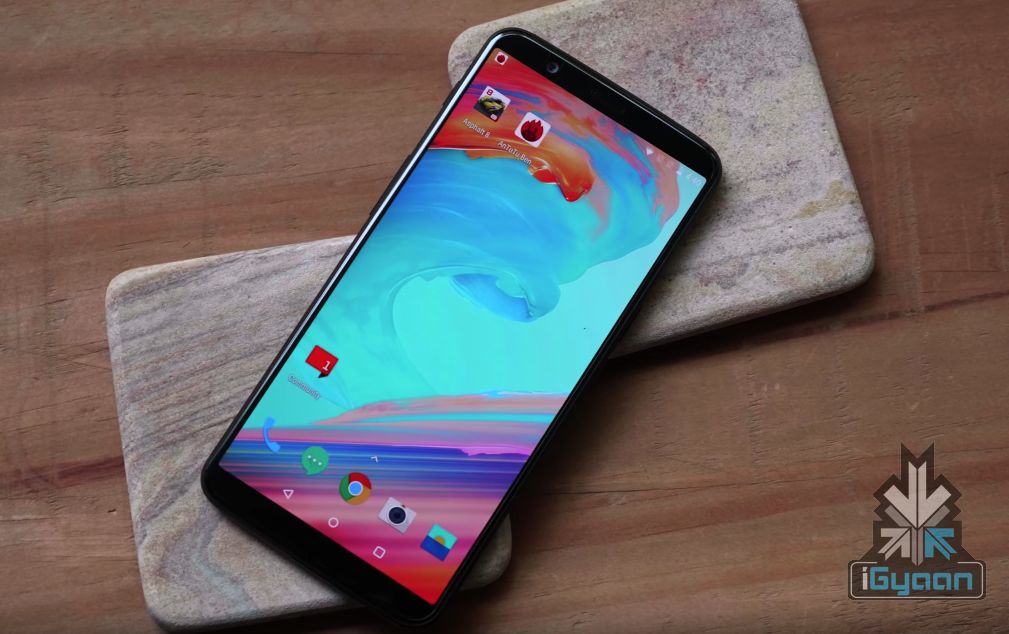
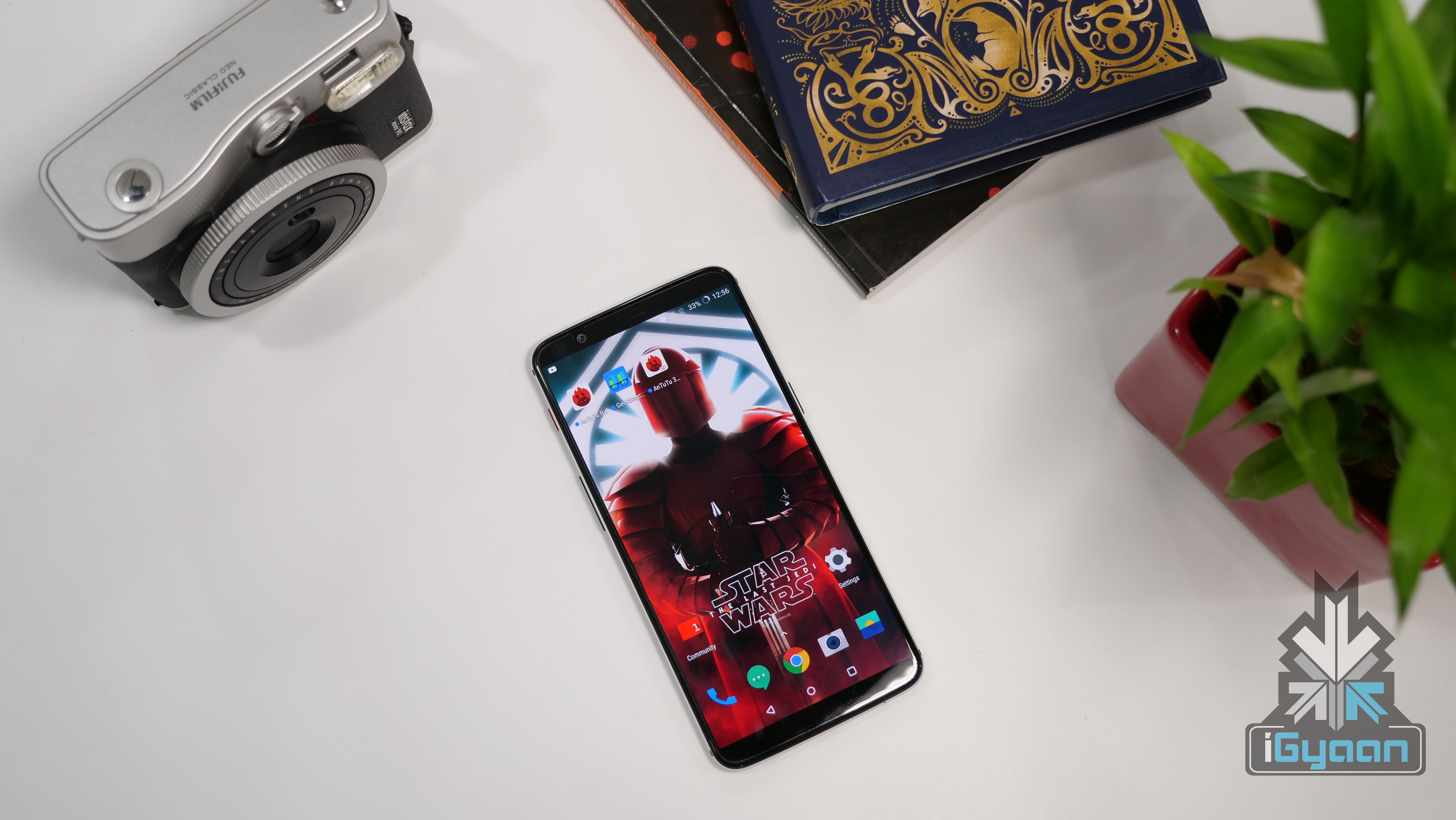
The OnePlus 5T will have a 6-inch AMOLED display with a 2160 x 1080 px resolution. This means that the OnePlus 5T will have tall display and thinner bezels compared to the OnePlus 5.
Under the hood, there will be no difference between the OnePlus 5T and its predecessor. The OnePlus 5T will have the Qualcomm Snapdragon 835 chipset, 2.4GHz octa-core processor, 6GB RAM/64GB storage, and 8GB RAM/128GB storage. Similar to the previous OnePlus phones, there will be no option of expanding the storage. The device is powered by a 3500 mAh battery which is slightly bigger than the one found on the OnePlus 5. As usual, the OnePlus 5T also has dash charge which OnePlus claims is better than wireless charging.
The OnePlus 5T will run Android 7.1.1 Nougat out of the box with Oxygen OS on top which is close to stock Android OS. OnePlus has announced that the OnePlus 5, 3T and 3 will get Android 8.0 Oreo update hence, the OnePlus 5T will also get that software update soon.
Another change from the OnePlus 5 will be in the camera department.The OnePlus 5T will drop the secondary telephoto lens and focus on low-light photography. The dual camera setup will consist of a 16MP sensor with an f/1.7 aperture and a 20MP sensor with the same f/1.7 aperture and field of view (ie no telephoto lens).
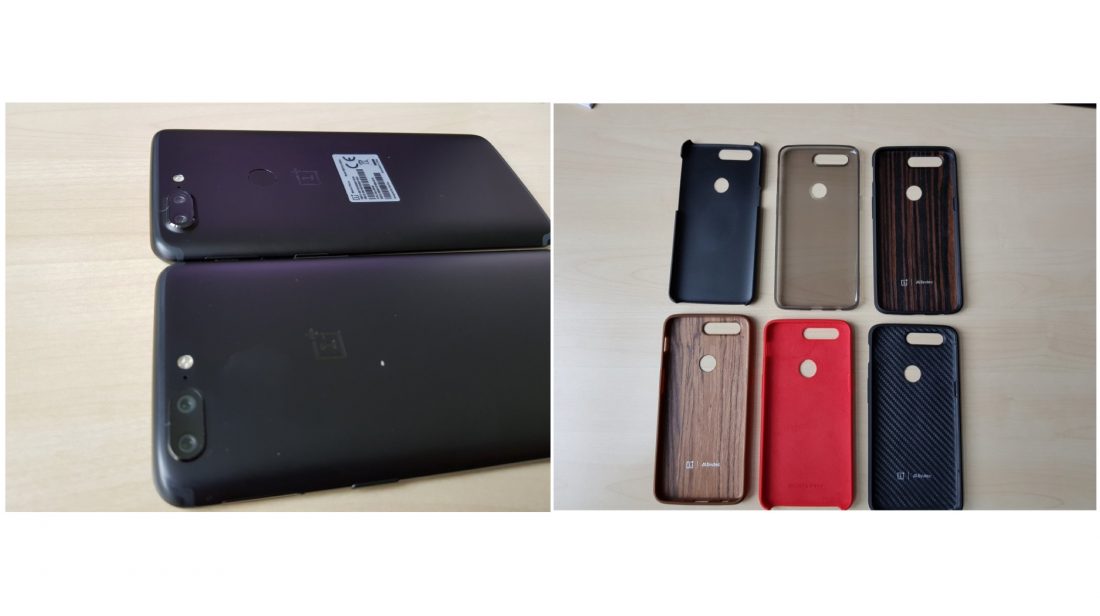
OnePlus 5 And The OnePlus 5T and OnePlus 5T cases.
The OnePlus 5T will be an Amazon exclusive in India and the first flash sale will be held on the 21st of November.
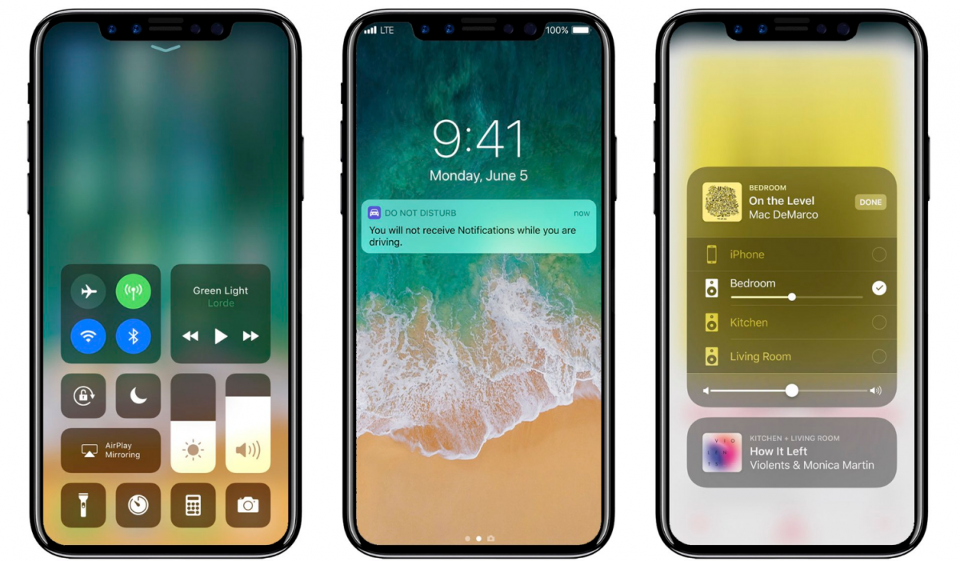
Rumours surrounding the iPhone 8 refuse to fizzle out as we approach the launch of Apple’s next gen iPhone. A few days ago, Apple’s HomePod firmware was leaked, which seemingly confirmed the front design of the iPhone 8 along with features such as face recognition, virtual home button and AR support.
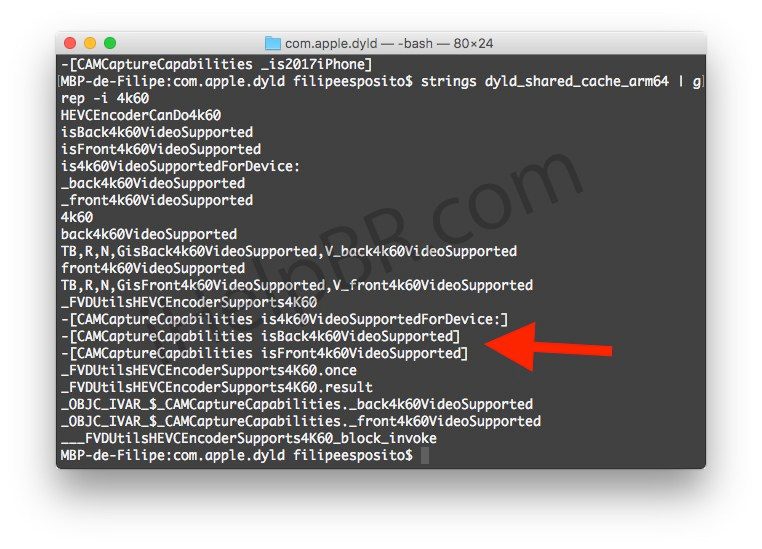
A Portuguese news site iHelp has unearthed that the iPhone 8 will record 3840 x 2160 px 4K videos at 60 FPS with both the rear and front camera. The code, visible in the screenshot mentions a device that supports 4K video at 60 FPS. Interestingly, there’s also a mention of “front4k60” and “back4k60”, suggesting that the iPhone 8 will indeed feature the high-resolution video recording with both the cameras.
Currently, the iPhone 7 and 7 Plus support 4K video recording at 30 FPS with the rear camera while the front camera caps out at 1080P at 30 FPS. The introduction of 4K videos at 60 FPS puts the impetus on the rumours of the next iPhone will have augmented reality capabilities. The jump to 60 FPS will increase depth recognition of the rear camera resulting in better AR experience.
The Apple HomePod firmware also suggests that the 4K video from the front and rear cameras will support Apple’s new HVEC file type, which reduces the file size by a significant amount. This makes sense because 4K videos generally have large file sizes and HVEC can reduce the size by almost 50 per cent resulting in better storage management. More study of the firmware suggests features like tap to wake, a new “smartcam” mode and support for FaceID.
From what we’ve gathered so far, the iPhone 8 may have the following key specifications-
Launch- September
Price- $1,200 (Rs. 77,000 approx.)
Display- 5.8-inch OLED display
Chipset- A11 chip
OS- iOS 11
RAM- 3GB
Storage- 128GB/256GB
Camera- Vertically-placed dual camera setup
Video Recording- 3840 x 2160 px 4K video at 60 FPS with front and rear camera
Face recognition for unlocking the iPhone 8, called the ‘FaceID’
TouchID- integrated in the lock button
These rumours are more reliable than others since they stem out of an actual Apple firmware leak, but nothing is set in stone until Apple unveils the new iPhone 8 come September.
Smartphone releases are preceded with numerous leaks and reports. A host of smartphones are scheduled to launch in the coming months and iGyaan brings you the top rumours from the world of smartphones for the month of July.
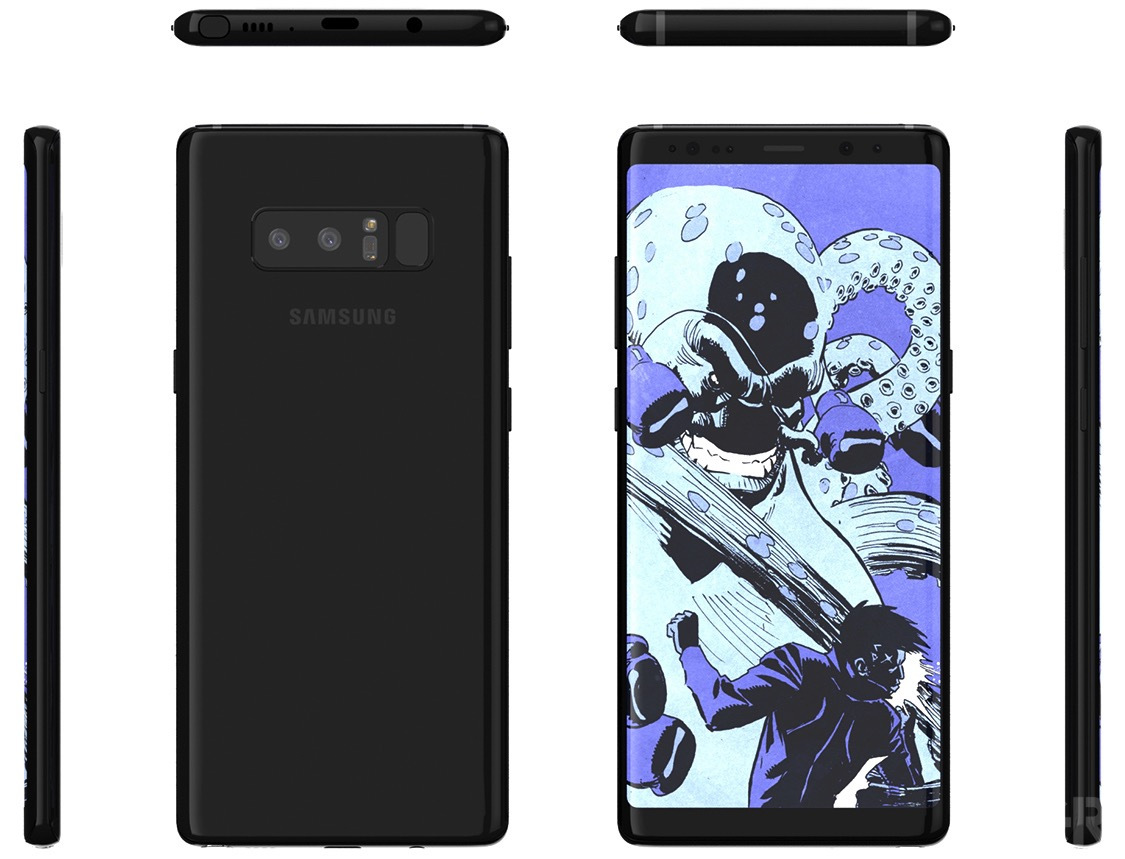
Samsung Galaxy Note 8
The Galaxy Note 7 was extremely well-received and the Galaxy Note 8 has been hyped up to exceed its predecessor. And edge-to-edge Super AMOLED display will feature for the first time in the Note series along with improved S-Pen functionalities. Key specifications of the Samsung Galaxy Note 8 are-
Launch- August 23
Price – $1100 (approximately INR 71,000
Display- 6.3-inch Super AMOLED
Battery- 3,300 mAh battery
Chipset- Qualcomm Snapdragon 835
OS- Android Nougat 7.1.1
RAM- 6GB
Storage- 64GB/128 GB
Camera- 12-megapixel dual camera
Improved S-Pen functionalities
Iris Scanner and Fingerprint sensor
Apple iPhone 8
The most-anticipated phone of 2017, the Apple iPhone 8 featuring a reportedly bezel-less display will launch in September just like its predecessors. The Apple iPhone 8 is expected to launch alongside the iPhone 7s and 7s Plus. Key specifications of the Apple iPhone 8 are-
Launch- September
Price- $1,200 (Rs. 77,000 approx.)
Display- 5.8-inch OLED display
Chipset- A11 chip 3GB
OS- iOS 11
RAM- 3GB
Storage- 32GB/128GB/256GB
Camera- Vertically-placed dual camera setup
Face recognition for locking/unlocking called ‘FaceID’
TouchID- Housed in the lock button
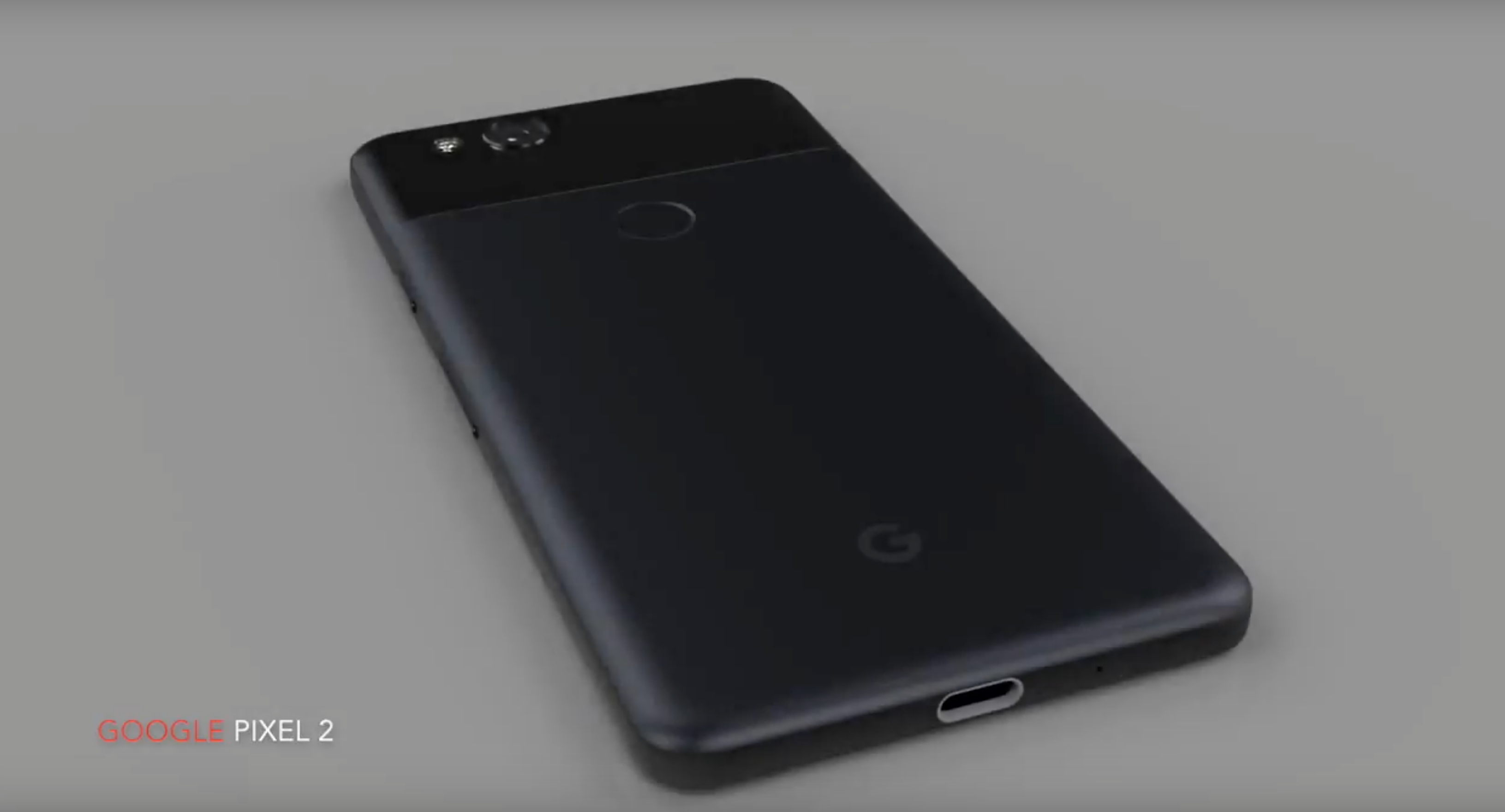
Google Pixel XL 2
The Google Pixel 2 and Pixel XL 2 will succeed the highly rated Google Pixel and Pixel XL from 2016. Just like last year, the Google Pixel 2 and Pixel XL 2 will launch in or around October. The Google Pixel 2and Pixel XL 2 will be made by LG instead of HTC from last year. Key specifications of the Google Pixel XL 2 are-
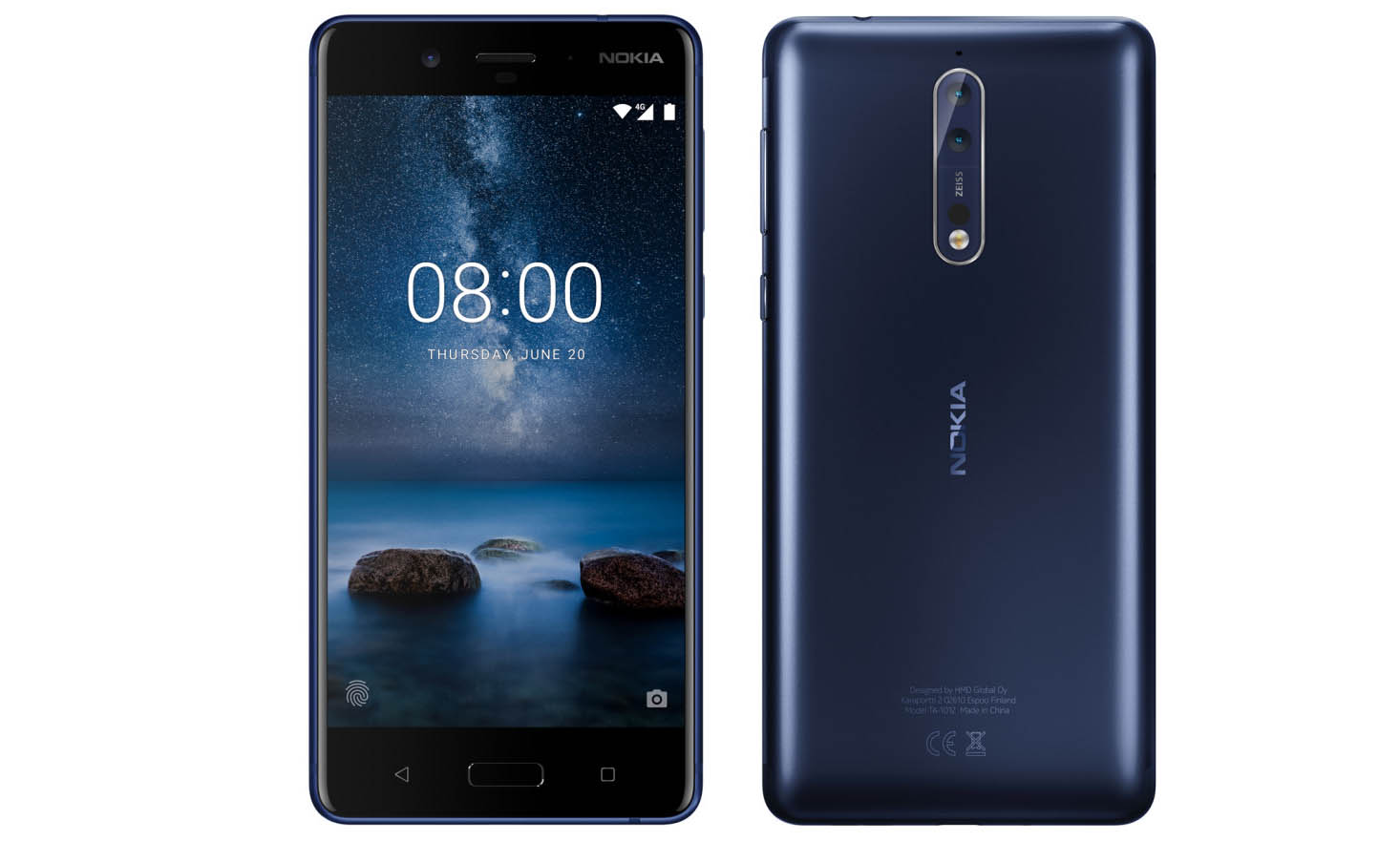
HMD Global will launch the Nokia 8 on August 16th. and will be the first Android flagship under the Nokia brand. Rumoured specifications of the Nokia 8 are-
Launch- August 16
Price – $675 (INR 44,000 approximately)
Display- 5.3-inch (2560 x 1440) IPS LCD
Battery- 3,800 mAh battery
OS- Android Nougat 7.1.1
Chipset- Qualcomm Snapdragon 835
RAM- 4GB/6GB
Storage- 64GB
Camera- 13-megapixel dual camera with Carl Zeiss optics
Fingerprint sensor
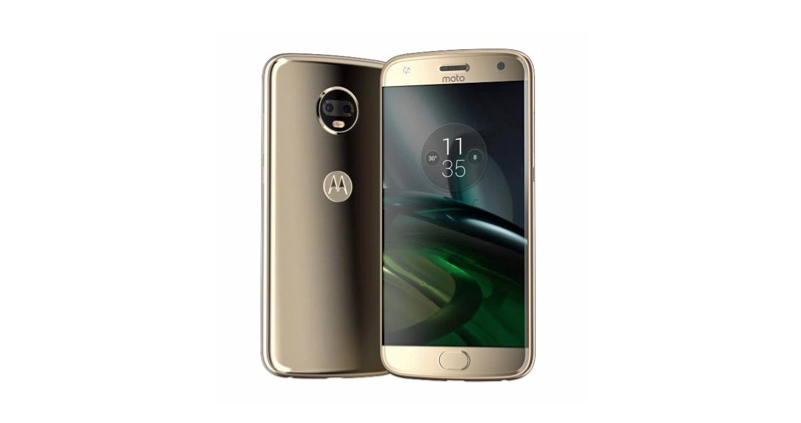
Moto X4
Lenovo-owned Motorola’s next device in the ‘X’ series, the Moto X4 was expected to launch with Moto Z2 Force but that was not the case, unfortunately. Key specifications of the Moto X4 are-
Launch- Q4 of 2017
Price- Rs 26,500
Display- 5-inch full HD
Battery- 3,800 mAh battery
OS- Android 7.1.1
Chipset- Qualcomm Snapdragon 630
RAM-3GB/4GB
Storage- 32GB (Expandable up to 256GB)
Camera- Rear- 12-megapixel dual camera
Front- 16-megapixel