Xiaomi may soon be following Motorola in putting a 200-megapixel camera in an upcoming smart phone, as it seems that the former is working in the tech too. Reports claim that there is another phone that will launch with a 200-megapixel sensor. Said phone will also feature a 120Hz display, 5,000 mAh battery, and a Snapdragon 8+ Gen 1 chipset.
While the leak didn’t name the brand, some speculate that it is a Xiaomi phone. More specifically, the Redmi K50S Pro or the Xiaomi 12T Pro. Both may end up being the same phone, just different names for different regions.
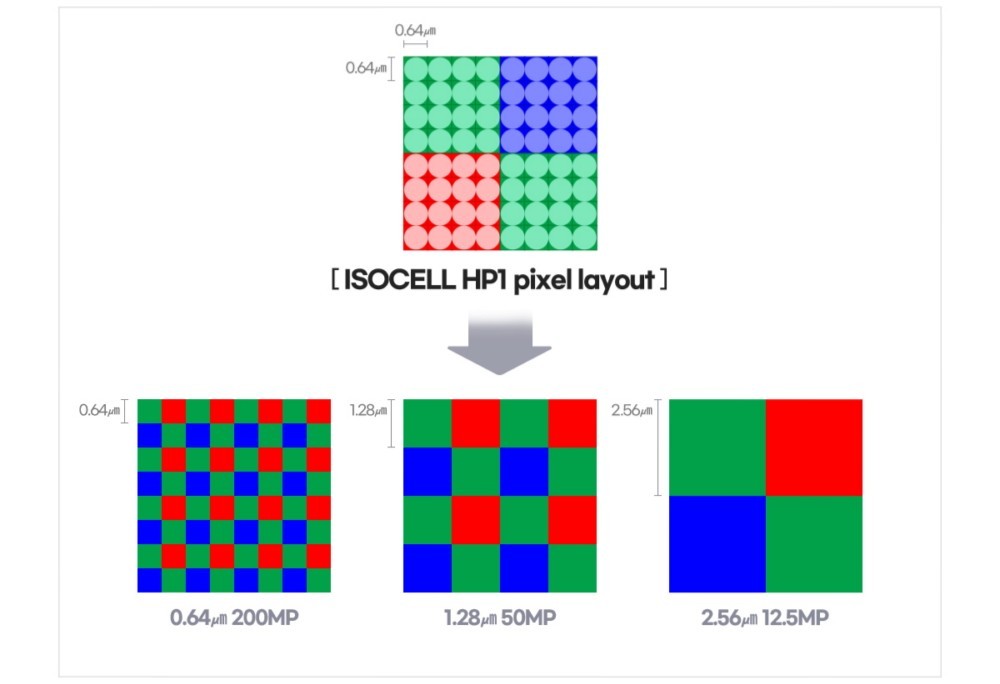
The sensor is going to be from Samsung, either their ISOCELL HP1 or ISOCELL HP3. Both are 200 megapixels, with the difference being the pixel size and optical format – 1/1.22” and 0.64µm and 1/1.4” and 0.56µm, respectively (before 4-in-1 binning).
Motorola is using the larger HP1 sensor, recently posting a camera sample of it. The sample shows what the sensor can do with its 4-in-1 pixel binning enabled, which is still a 50-megapixel picture.
It’s not quite clear which sensor Xiaomi will go for. However, given the flagship spec 8+ Gen 1 chipset, The HP1 makes more sense.
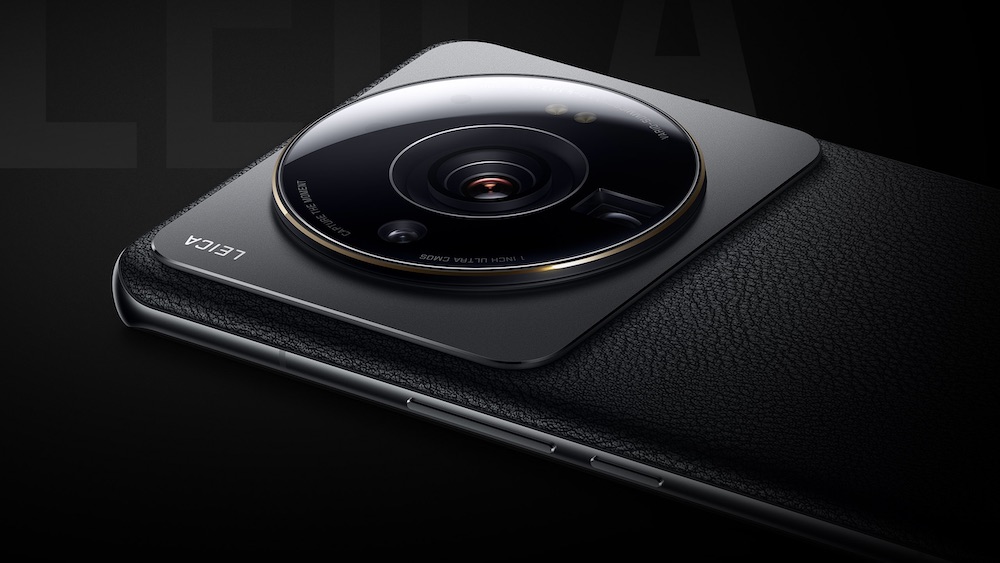
Xiaomi 12S Ultra
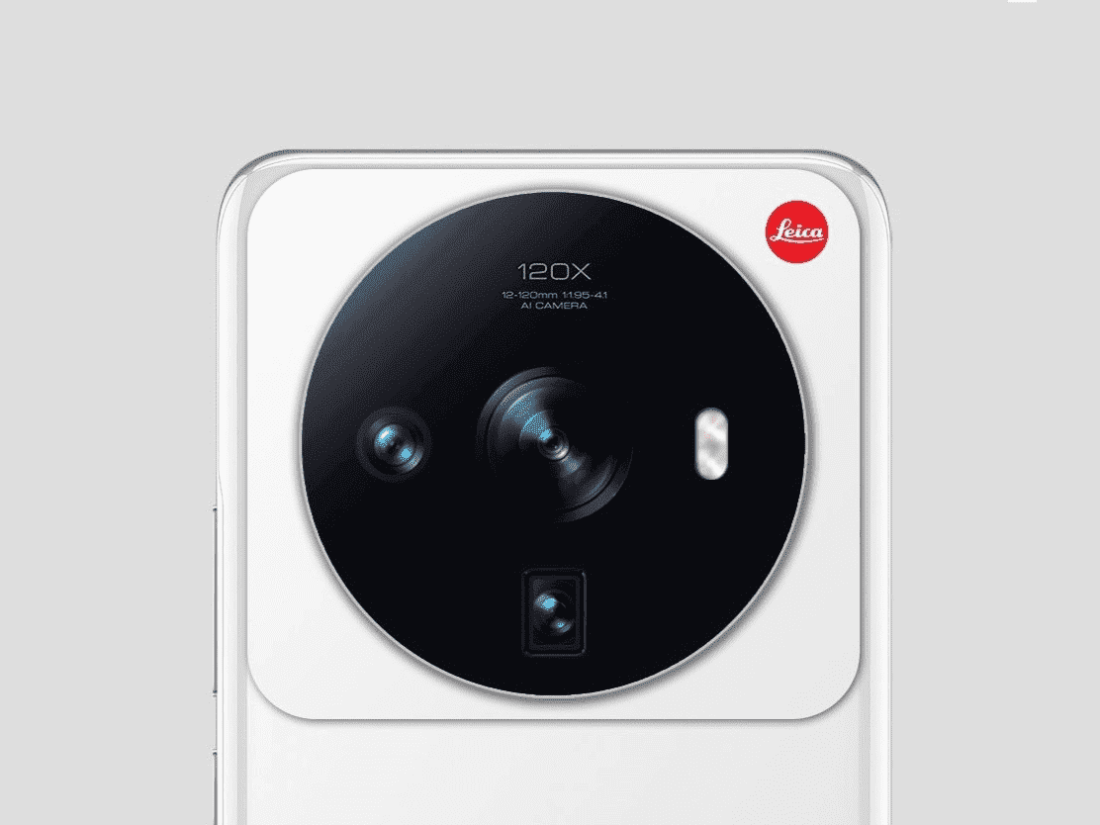
Xiaomi’s latest flagship, the recently launched 12S Ultra, currently features a 50-megapixel main camera. Compared to this, the HP1 sensor sounds better on paper. It will be interesting to see how the sensor will perform in real world testing. The Xiaomi 12S Ultra features an ultra-wide and telephoto lens, which are both 48-megapixel. The telephoto camera has a periscope lens, giving it up to 120x zoom capabilities. Furthermore, will the current partnership between Xiaomi and Leica continue for the upcoming device? We will have to wait and watch to find out.
A 200-megapixel ultra premium smartphone sounds quite exciting. But, as smartphone prices creep further upwards, how many people will actually buy one? A 200-megapixel flagship is not going to be cheap. Let us know your thoughts below.
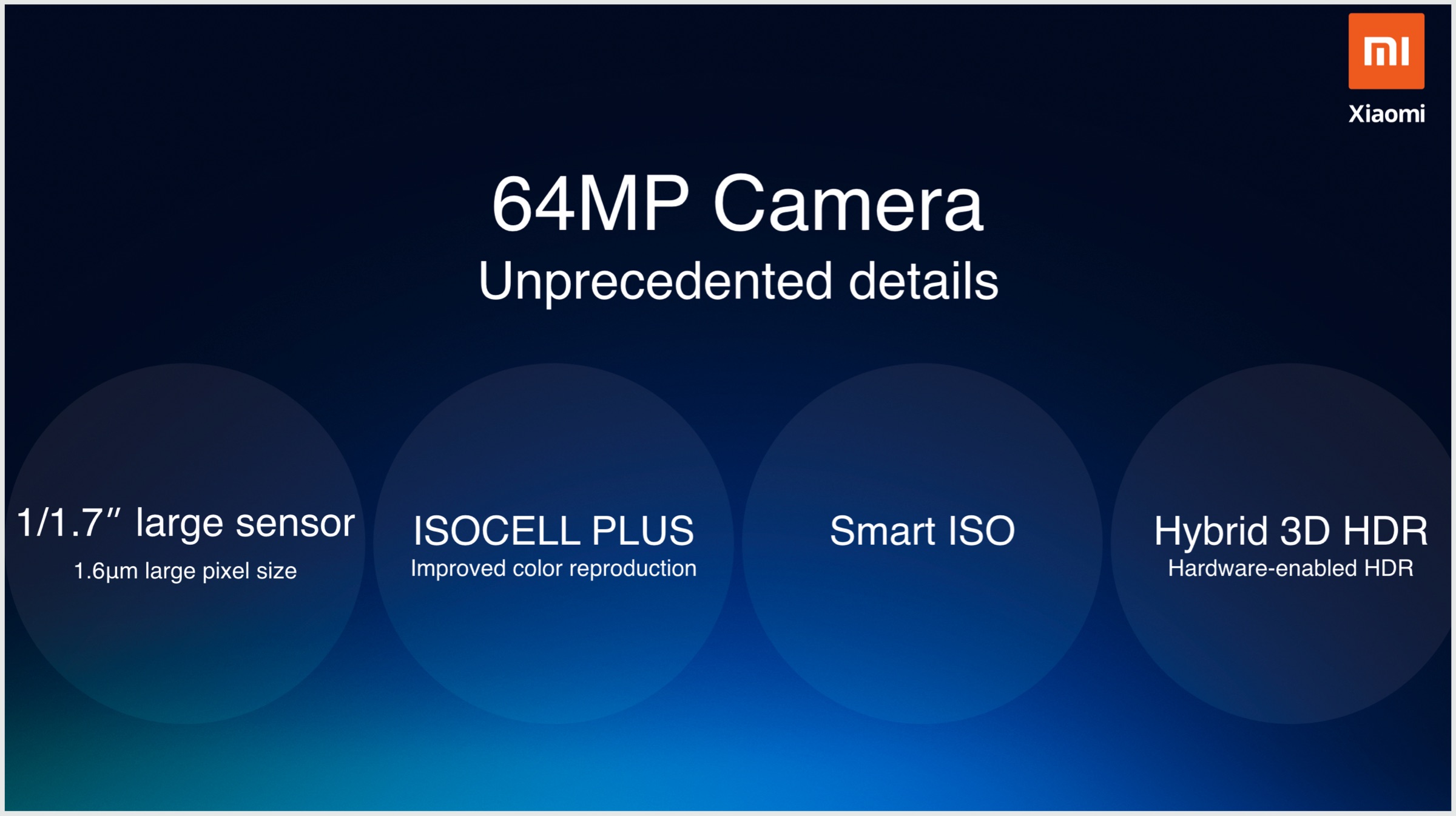
We have previously covered a report regarding Xiaomi working on an upcoming smartphone with a 64MP primary sensor. The company had thereon also proclaimed that it would schedule an event to address the new technology. The date was set for today (7th of August 2019) and took place just a day prior to Realme’s announcement for a similar technology.
We had previously speculated that the upcoming Xioami smartphone will feature the Samsung GW1 Sensor and that assumption has turned into a reality.
Unfortunately, Xiaomi is yet to announce the name of the smartphone or which series it will be a part of. Disparte to what was previously alleged, the handset will launch in the Q4 of 2019 which is still distant. Xiaomi’s President took to stage to announced the 64MP imaging technology to further push the industry standards similar to Realme’s first announcement.
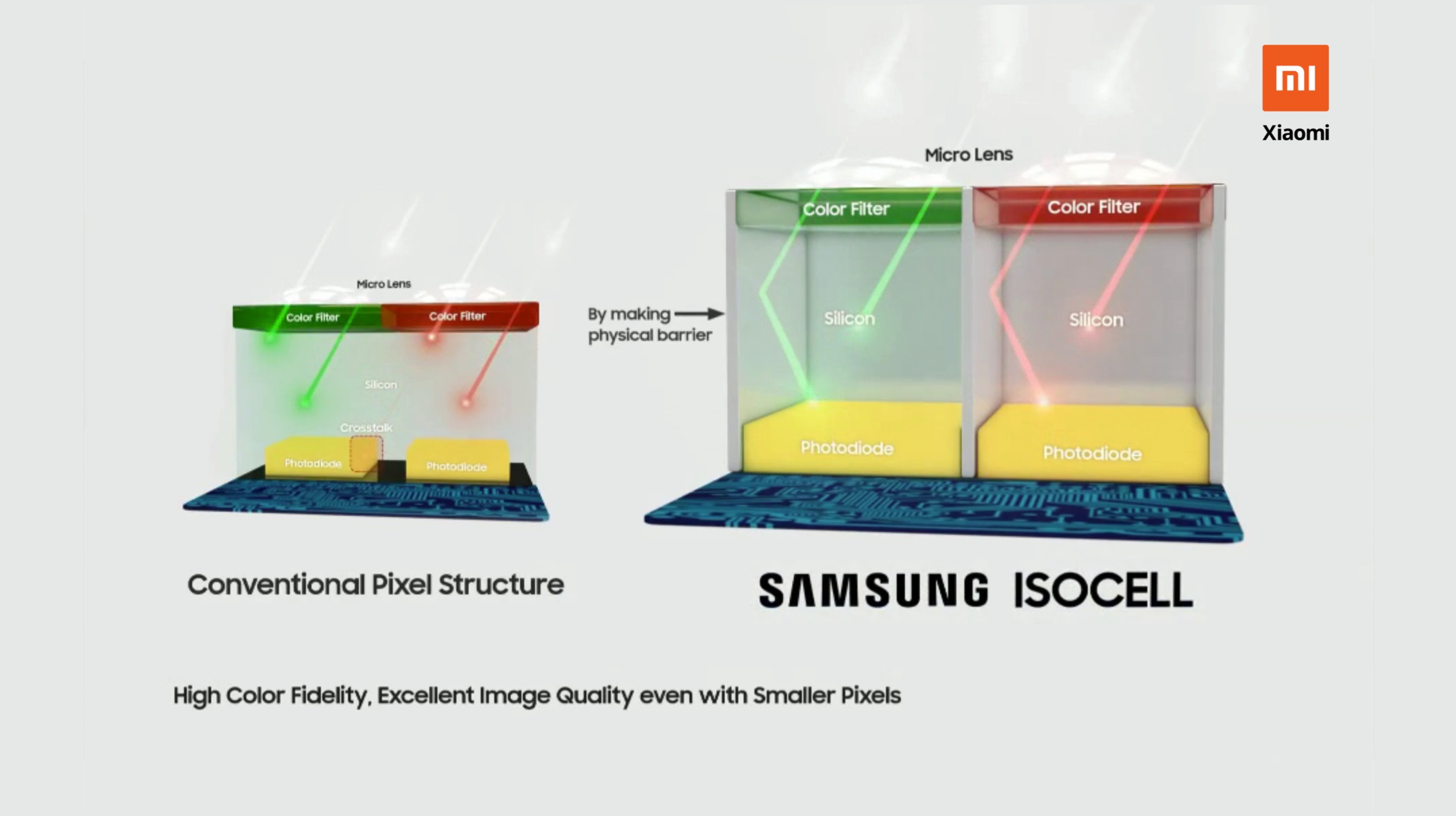
The upcoming Xiaomi smartphone features Samsung Electronics’ GW1 sensors which utilize ISOCELL Plus technology. The imaging technology is used to create pixel to pixel barrier to reduce light interference between individual pixels. In other word words, the sensor can bar light from being reflected off a pixel to another which may reduce colour reproduction or quality.
The GW1 also features smart ISO supported by Dual Conversion Gain technology. It adjusts its ISO sensitivity based on ambient light intensity automatically. This allows the technology to use low ISO in bright scenarios or high ISO in dim lighting to achieve the best image possible.
Samsung’s GW1 outputs 64MP photos that carry a resolution of 9248 X 6936 pixels. Additionally, the sensor features real-time hardware support for high dynamic range (HDR) of up to 100 decibels as well. In comparison, a conventional image sensor has a dynamic range of 60 decibels. This translates to an overall better colour capturing capabilities. Hence, we can assume that Xiaomi’s upcoming smartphone might just be one of the best photography centric devices that the company has ever offered.
Xiaomi is known to tease its phones ahead of their launch. They have been in the headlines for most of their major releases, be it for the Poco phone or the Mi Mix 3. Their phone teasers create a certain hype regarding the price, specifications and unique features. For the Poco phone it was the Snapdragon 845 at a very low price, for the Mi Mix 3 it was the full screen display and slider design and so on.
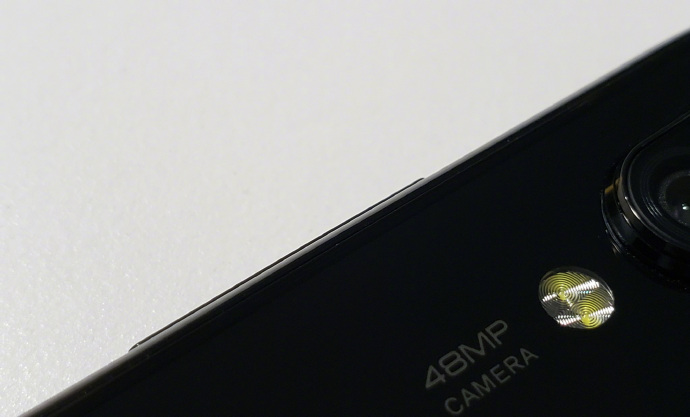
Now it seems that the company’s President has teased a phone that has a remarkably high megapixel count. The image shared on a popular Chinese social networking website, only shows a part of the screen. The camera placement area of the screen can be seen of a phone that has “48 MEGAPIXEL CAMERA” written beside the flash. A part of the lens can also be seen in the image.
What The Image Reveals
The camera placement seems to be a vertical one, with the flash underneath it. From the image, we can also see that the phone has a glass back, and what appears to be the volume keys on the top (of the inverted phone image). According to the post, the company will launch the phone in January 2019. The Nokia Lumia 1020, released in 2013 had a whopping 41 MP camera. Even though the camera was much ahead of it’s time, the camera alone unfortunately could not save the Lumia brand at the time.
The phone, according to speculation, suggests that the phone may have the Sony IMX586 48-megapixel sensor. It can also sport the Samsung ISOCELL Bright GM1 48-megapixel sensor. Xiaomi is also supposed to be launching a 5G successor to the Mi Mix 3. There is a slight chance that the new 48 MP camera phone can be the Xiaomi Mi 9. The phone may also feature the new Snapdragon 855 chipset that is also supposedly being launched first by OnePlus.
E-commerce giants, Flipkart and Amazon have once again announced their shopping festivals. This might be the perfect opportunity for those who want to upgrade to a new smartphone and save some cash while doing the same. Here is a list of all Xiaomi smartphones that will be offered with huge discounts:
Poco F1
The flagship killer Poco F1 has a 6.18-inch screen with a pixel density of 403 ppi. It packs a large 4,000 mAh battery and features the Octa-core Snapdragon 845 SoC. For photography, it gets a 20 MP front camera and dual 12 MP + 5 MP rear cameras. For added security, it also has a rear mounted fingerprint scanner. It is available in three variants for which the price are as follows:
6 GB + 64 GB – Rs 20,999
6 GB + 128 GB – Rs 23,999
8 GB + 256 GB – Rs 29,999
During the sale, it will be available at a discount of 1,000, 2,000 and 3,000 for the respective variants. After discount the respective variants will be available at Rs 19,999, Rs 21,999 and Rs 25,999.
This is one of the most successful smartphones that Xiaomi has ever made, and probably the first device that brought dual cameras to the mid-range phones. It has a 5.99 inch Full HD display and is powered by the Octa-Core Snapdragon 636 SoC. It is available in two storage variants which are 4 GB + 64 GB and 6 GB + 64 GB. Talking about the cameras, it has 12 MP + 5 MP dual rear cameras and a 20 MP selfie camera. The two variants of the phone usually sell for Rs 13,999 and Rs 15,999, but during the sale they will be available at a discount of 1,000 and will sell at a special price of Rs. 12,999 and Rs 14,999.
It is the latest addition to the Redmi Note family. The smartphone has 6.26-inch screen with a pixel density of 403 ppi. It packs a large 4,000 mAh battery and features the Octa-core Snapdragon 636 SoC. For photography, it gets dual 20 MP + 2 MP front cameras and dual 12 MP + 5 MP rear cameras. For added security it also has a rear mounted fingerprint scanner. Today the smartphone will go on its third flash sale and the price for its different variants are as follows:
This smartphone has a 5.45 inch IPS LCD display and is powered by the Helio P22 Octa-Core processor. The device has a 12 MP + 5 MP dual rear camera and a 5 MP front camera. It has a battery of 3,000 mAh and a fingerprint scanner for securely unlocking the device. It has a price tag of Rs. 9,499/- for the 3 GB RAM / 64 GB ROM variant. During the sale, it will receive a temporary discount of Rs 500. It will sell for Rs 8,499 after discount.
The Amazon exclusive Xiaomi Y2 sells for Rs 9,999 and Rs 11,999 for its two variants. But during the sale it will be available at a discount of Rs 1000. After discount, the two variants will be available at a price of Rs 8,999 and Rs 10,999.The smartphone has a 5.99 inch display and runs on a Snapdragon 625 processor. It has 12 MP + 5 MP dual rear cameras and a 16 MP selfie camera. It is available in two storage variants which are 3 GB + 32 GB and 4 GB + 64 GB.
Mi A2
The Xiaomi Mi A2 has a 5.99-inch display with an 18:9 aspect ratio and 1080 x 2160 full HD+ resolution. The phone has a pixel density of 403 pixels per inch. The phone sports the Qualcomm Snapdragon 660 Octa-Core processor and Adreno 512 GPU. For photography, it has dual 12 MP + 20 MP rear cameras with autofocus, LED flash, HDR, geo-tagging, 2x optical zoom, touch focus, face detection, and panorama. The smartphone offers a host of connectivity options including GPS, USB 2.0 Type C, Wi-Fi, Bluetooth 5.0, and Infrared port. The smartphone has a 20 MP front camera for clicking selfies. The phone has a rear-mounted fingerprint sensor, compass sensor, accelerometer, gyroscope and proximity sensor. It is available in two storage variants which are 4 GB + 64 GB and 6 GB + 128 GB.
The two variants of the phone usually sell for Rs 15,999 and Rs 18,999 but during the sale they will be available at a discount of 1,000 and 2,000 respectively. After discount they will sell at a special price of Rs. 14,999 and Rs 16,999.
Redmi 6 Pro
The Redmi 6 Pro runs on the Qualcomm Snapdragon 625, a 2.0 GHz processor with 14nm architecture. It has a 4000mAH battery. Sporting a 5.84 inch FHD+ display with a 2280 x 1080 resolution. It runs on stock Android, with Oreo 8.1 out of the box. It has a 12 MP + 5 MP dual rear camera with portrait mode PDAF, HDR and LED flash. Along with a 5 MP front camera with portrait mode. It has a proximity sensor, e-compass, gyroscope, accelerometer and an IR blaster. It is available in two storage variants which are 3 GB + 32 GB and 4 GB + 64 GB.
The two variants of the phone usually sell for Rs 10,999 and Rs 12,999 but during the sale they will be available at a discount of 1,000 and will sell at a special price of Rs. 9,999 and Rs 11,999.
Redmi 6A
Xiaomi’s cheapest offering, the Redmi 6A has a 5.45 inch LCD display with a 295 ppi pixel density. It runs on the Quad-Core Mediatek Helio A22 chipset and is powered by a 3,000 mAh battery. The phone has a 13 MP, f/2.2 aperture equipped rear camera and a 5 MP front camera. The device is available in two variants: 2/3 GB of RAM paired with 16/32 GB ROM which is expandable up to 256 GB via a microSD card.
The two variants of the phone usually sell for Rs 6,599 and Rs 7,499 but during the sale they will be available at a discount of 600 and 500 respectively. After discount, they will sell at a special price of Rs. 5,999 and Rs 6,999.
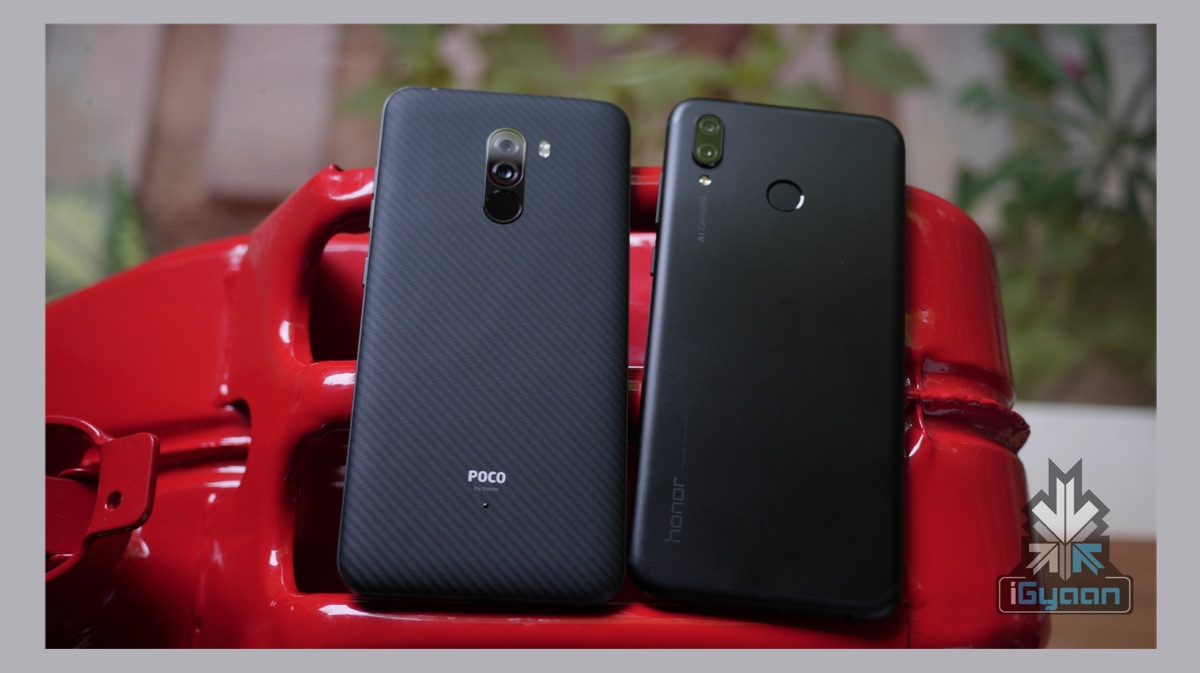
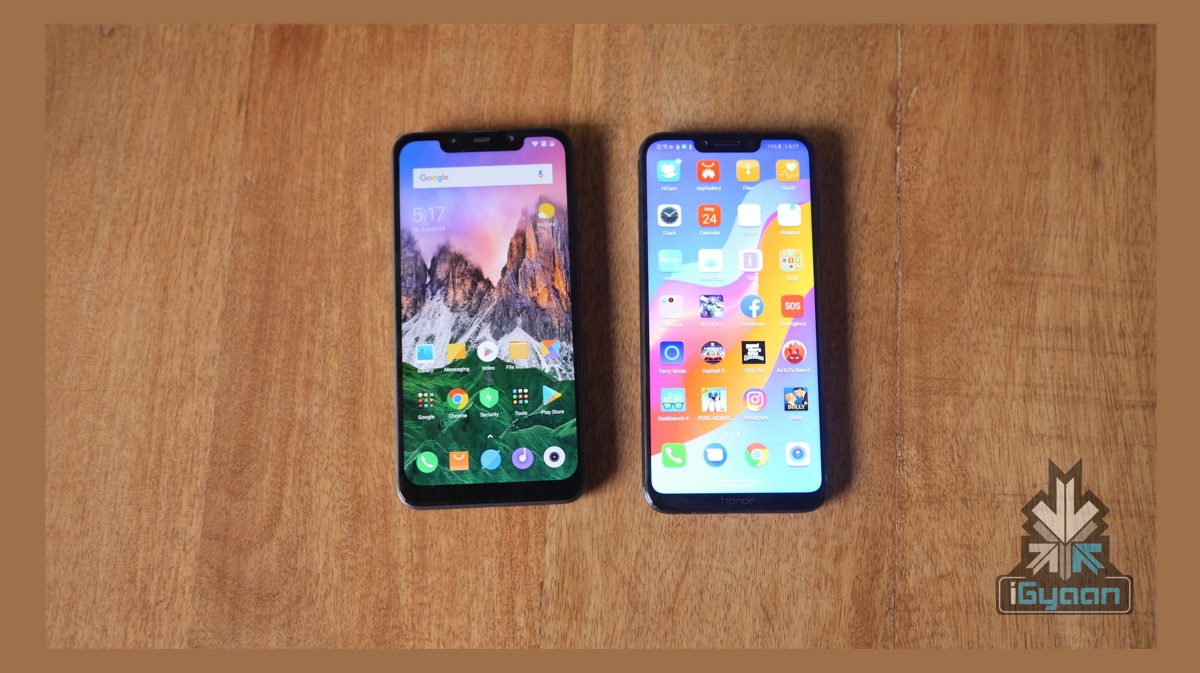
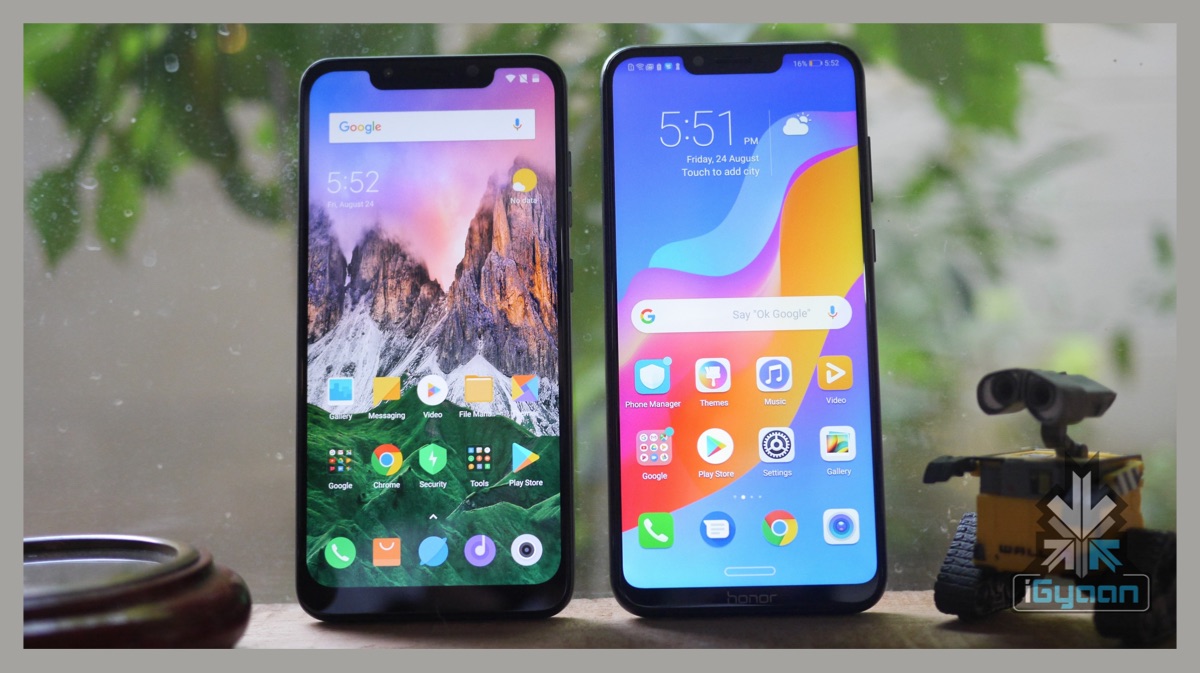
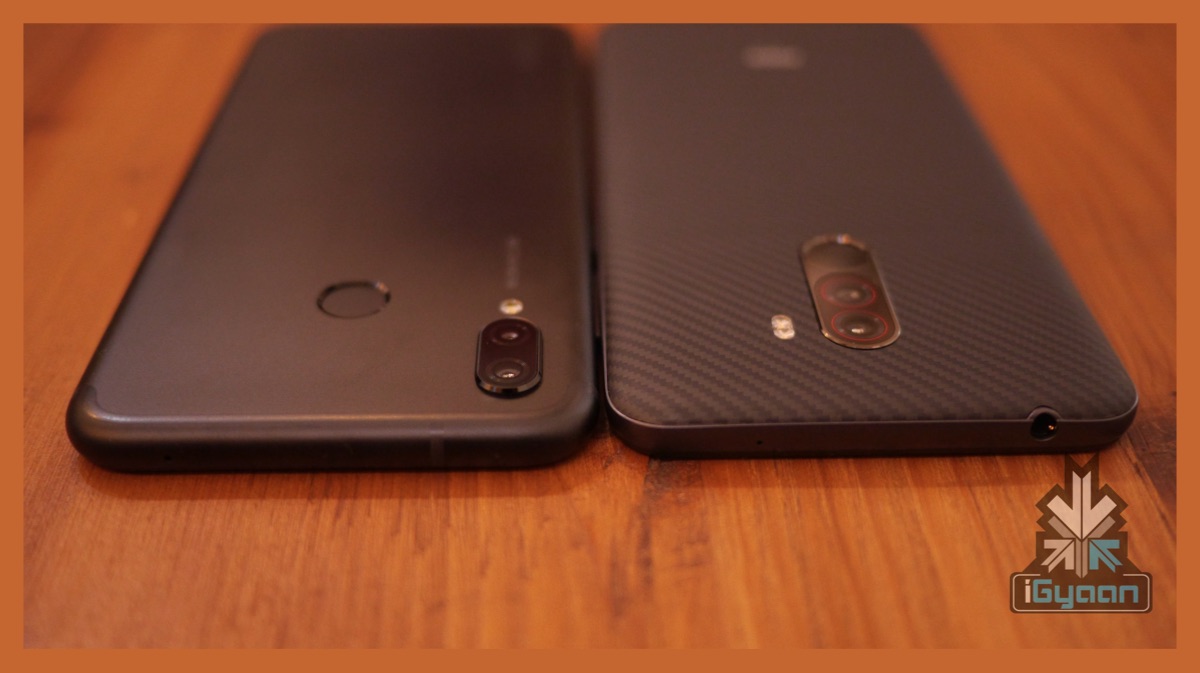
The Honor Play exploded into the market when it was released. The high performance device, set a benchmark for flagship killers and gives tough competition to higher-end devices. Everyone had come to terms with the fact that nothing could beat the Honor play when boom, the Poco F1 raced into the public sphere. The only phone to offer the Snapdragon 845 in this price range, it’s not just speed that sets the Poco F1 apart.
While the pricing of the base model of the Poco F1 is directly competitive with that of the Honor Play, the two devices do have many differences. The Poco F1 offers its 6GB/64GB variant at a highly lucrative price of Rs 20,999. Sitting just a little away from this is the 4GB/64GB Honor Play. The 6GB/128GB and the 8GB/256Gb variants of the Poco F1 cost Rs 23,999 and Rs 28,999 respectively.
The Honor Play has a 6.3-inch Full HD display, complete with thin bezels on the side and a notch on the top. With a resolution of 2340×1080 pixels and a 19:9 aspect ratio, the Honor Play provides an immersive visual experience at 409 ppi. Not lagging behind, the Poco F1 gives a similar performance with its 6.18-inch, Full HD display. At 2246×1080 pixels, it gives us a density of 403 ppi.
Processor:
This is where Poco F1 really hits the sweet spot. With Qualcomm’s flagship Snapdragon 845 chipset and the Adreno 630 GPU, the specs speak for themselves. Also adding to this is the fact that it is liquid cooled, which Poco claims will ensure that the Processor gives out peak performance always. Honor also brings on the heat with its Kirin 970 chipset coupled with its GPU Turbo technology, which has been promised will change gaming experiences for everyone.
RAM & Storage:
Another segment in which the Poco F1 surges forward with its higher specifications, what really adds to this is the expandable storage. With a memory card, the Poco F1’s storage can reach more than half a TB in its top model, providing more power for the user. The Honor Play has upto 256GB of expandable memory, giving you all the space you need.
While both the devices have AI enabled cameras which provide extensive scene detection and other smart features, they do differ fundamentally. The Poco F1 has with a 12MP and 5MP sensor for its rear camera with an aperture of f/1.9 and f/2.0 respectively. the Honor play at the same time only offers a 16MP and 2MP sensor with an aperture of f/2.2 and f/2.4 respectively. It can be seen that the Honor Play does not really bring flagship specs when it comes to the camera. The AI technology however, helps it overcome this hurdle. Another cool feature that we’re looking forward to is the special scene detection for India in the Poco F1 which shows that they went that extra mile.
Both the devices house their front-facing cameras in the notch. They are similarly equipped with AI and an improved portrait mode. The Poco F1 has a 20MP, f/2.0 sensor while the Honor Play carries a 16MP, f/2.2 sensor.
Battery:
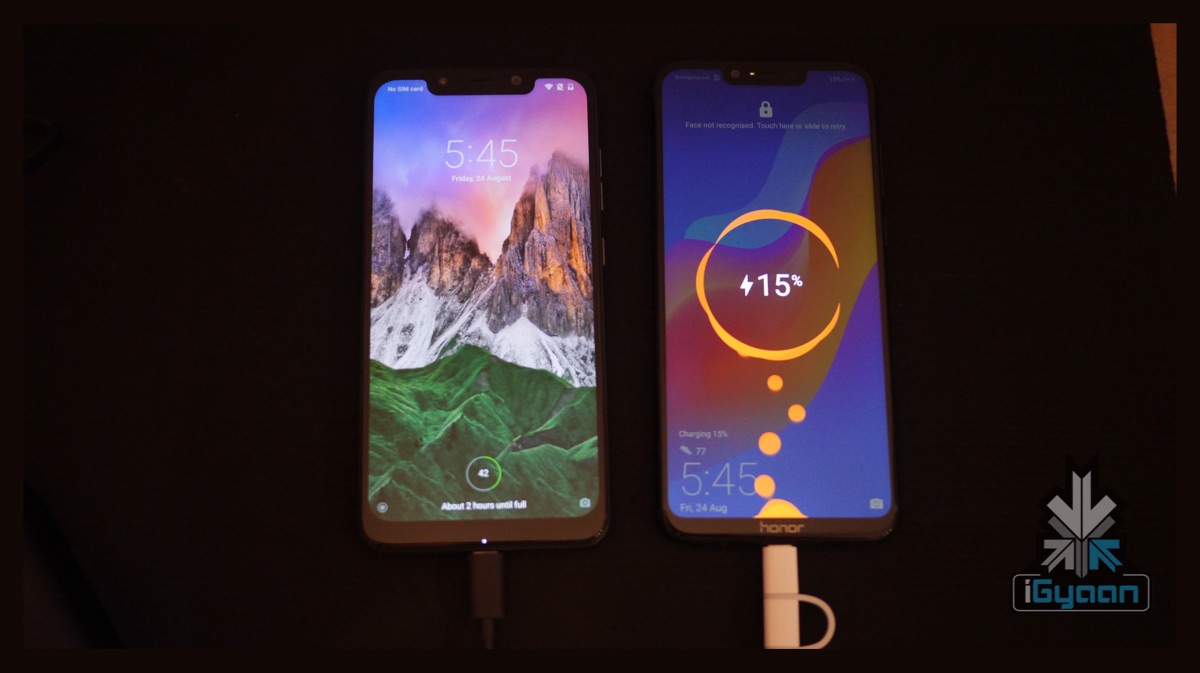
Neither of the phones come with flagship features like wireless charging but they do pack a punch. The Poco F1 packs a massive 4000 mAh battery and Quick charge 3.0. The Honor Play carries a 3750 mAh battery along with the Huawei Super charge 3.0. Each of the devices claim advanced AI and curated operating systems will ensure that battery life is further optimised.
Is The Hunt Over?
While the two smartphones bring an unbelievable amount of flagship features to us for great prices, will they really make their mark? As both the phones are sold in flash sales conducted from time to time, the impact they make on the audience may not be that concrete. Although it creates a buzz and ensures that anxious buyers are always lined up to buy the devices, companies like OnePlus are in the lead in this segment due to the availability of their phones in the market. Let’s wait and watch as to how these new entrants change the Indian Market.
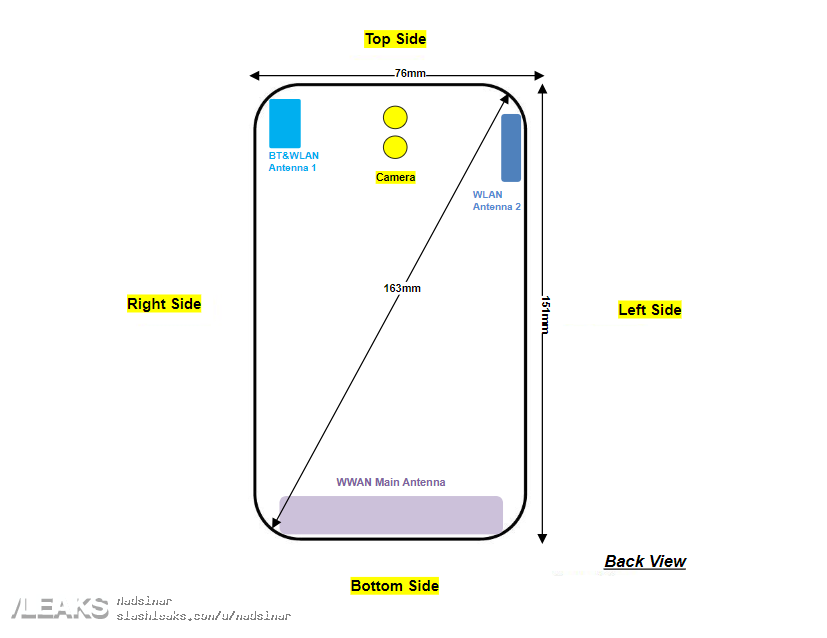
Xiaomi is ready to unveil yet another smartphone globally and the rumor is, that the launch will be for India first. Xiaomi is currently one of the leading smartphone brands in India, this new flagship, according to the leaks, is code-named Beryllium. This phone is expected to have the Qualcomm Snapdragon 845 SoC, making it the third phone from the Chinese manufacturer to feature this chipset. The FCC filing of a similar device reveals that Xiaomi may call this the “Xiaomi Pocophone”.
Xiaomi is known for using code-names for its devices, for instance, the Xiaomi Mix 2s was code-named “Polaris” and the Mi 8 launched on 5th June in China, was code-named “dipper”.
Since Xiaomi has kept the device under wraps, not much is known about it but, the speculations suggest that the smartphone may have a notch display. Not unlike the current smartphone trend. The notch would give the phone at least an 18:9 aspect ratio. The specifications of this Xiaomi device were extracted from the firmware files of the MIUI Global ROM. There is a high likelihood, however, that the specifications may vary when the device is officially launched. Regardless, the following are the alleged specifications of Beryllium as found on a post on XDA Developers.
After the launch of a flagship under the Black Shark name, the Chinese manufacturer has trademarked yet another brand by the name “POCOPHONE”. This could mean that Beryllium may launch under this brand name.
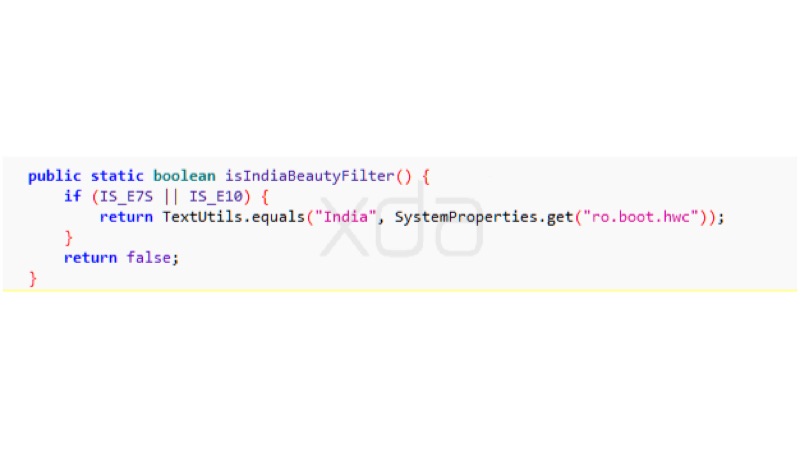
For the Indian customers looking forward to a new flagship from Xiaomi, there is another piece of information which was extracted from the firmware code which may be found only in the Indian variant of the device. The following is a snippet which shows the same. This code checks certain build properties and would return a true value only if it is “India”.
Most of the information about the smartphone is speculated and there has been no official word from the company about its global or even Indian release date for that matter. But we will be keeping an eye out for any further details for the device so stay tuned.
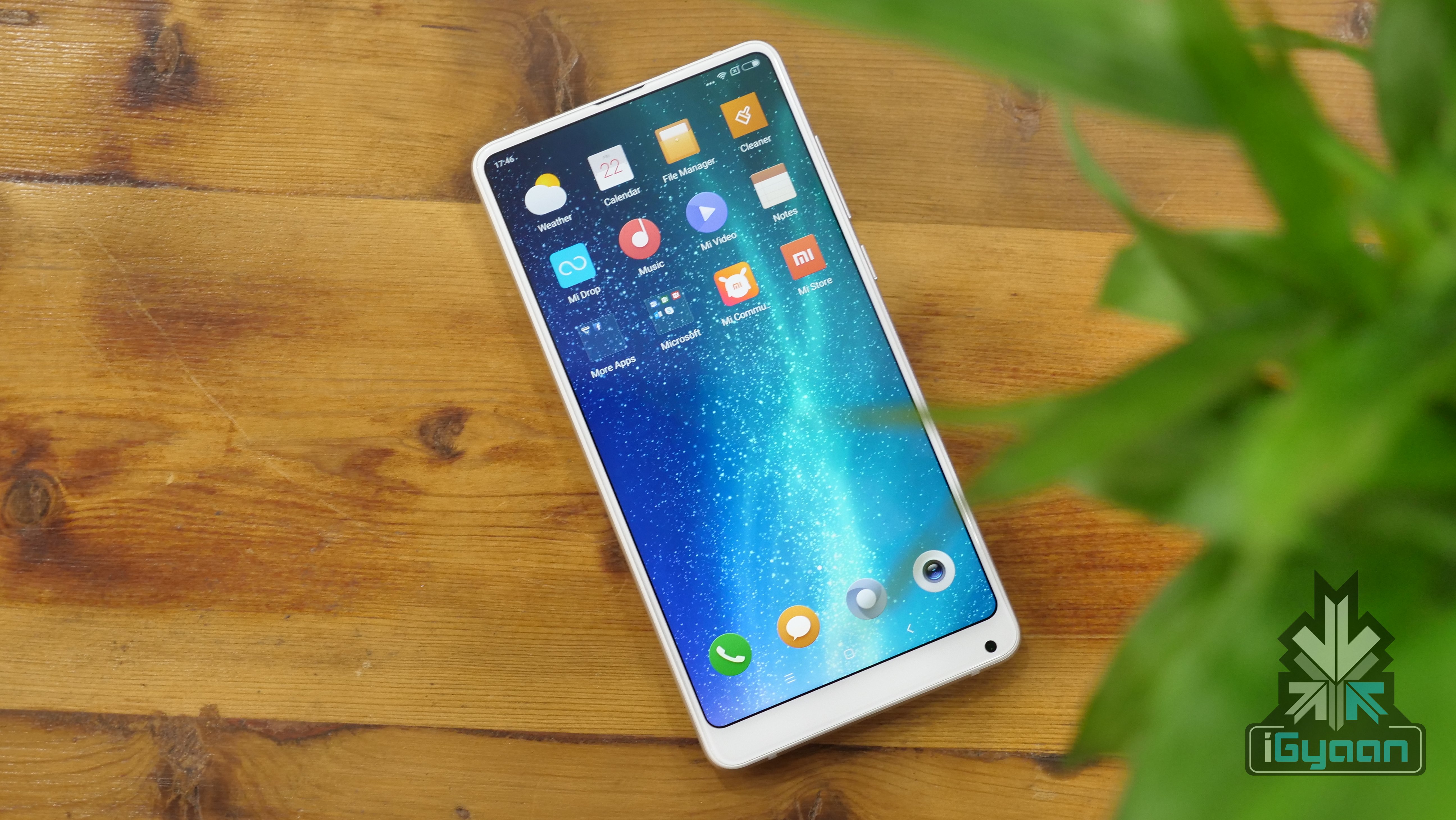
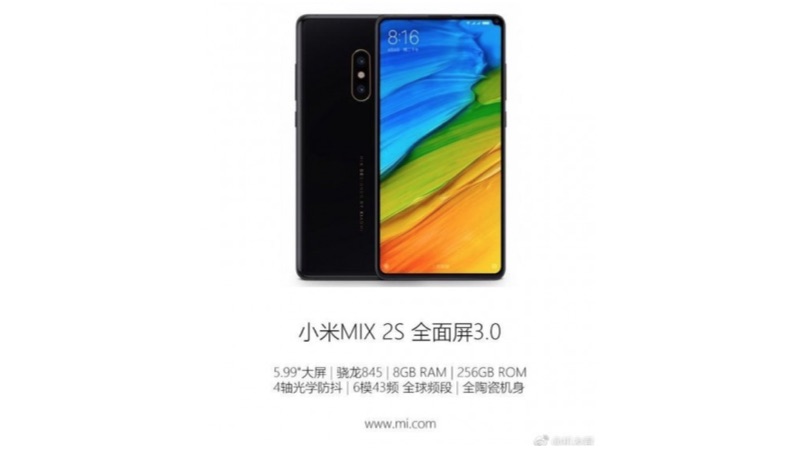
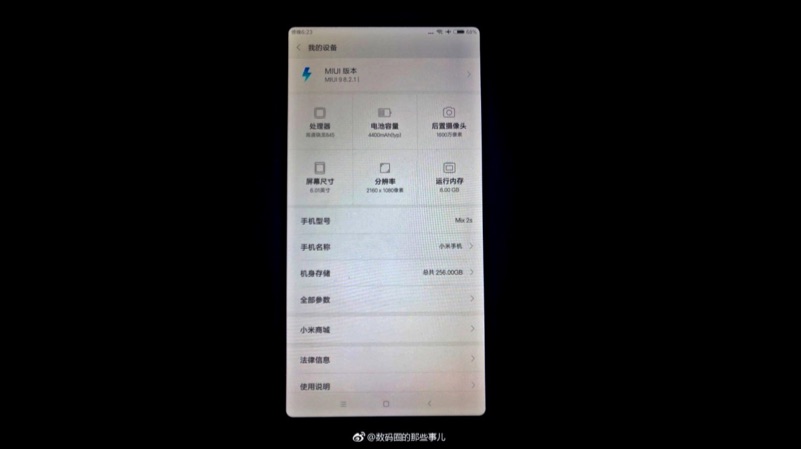
Xiaomi has officially confirmed that the Xiaomi Mi Mix 2s will be unveiled in China on the 27th of March. A new live image of the smartphone has surfaced online, which sheds some light on the specifications of the Xiaomi Mi Mix 2s. In fact, the leaked image doesn’t say anything new, but it re-assures the already available information.
The Xiaomi Mi Mix 2s might be the third smartphone after the Galaxy S9 and Xperia Xz2 to launch with the Qualcomm Snapdragon 845 chipset. The specifications of the device are in-line with the other flagship smartphones of 2018.
Specifications:
The Xiaomi Mi Mix 2s has a 6.01-inch 2160 x 1080px IPS LCD display with a corner notch. The main difference between the original Xiaomi Mi Mix 2 and the Xiaomi Mi Mix 2s is the placement of the front-facing camera. The Xiaomi Mi Mix 2 didn’t have a notch. However, the front-facing camera was placed on an unusual bottom right corner. Similarly, the Xiaomi Mi Mix 2s’s camera is on the top right corner, which is an ideal place.
Under the hood, the smartphone is powered by Qualcomm Snapdragon 845 processor with 8GB RAM and 256GB storage. Like the original version, we might not see a dedicated micro SD card slot or a 3.5 mm headphone jack. The device has a dual camera setup with a 16 MP primary sensor. However, there isn’t much information on the secondary sensor.
The smartphone will run on Android 8 Oreo OS with custom MIUI skin on the top. The Xiaomi Mi Mix 2s has a massive 4400 mAh battery with possible support for Quick charge 4.0.
Conclusion:
One thing remains unclear about the smartphone despite the leaked image. The live image misses out on the tiny notch, that we have seen on the previously leaked press renders. Considering the specifications, the Mi Mix 2s looks like a great prospect especially with Xiaomi’s pricing strategy in mind.
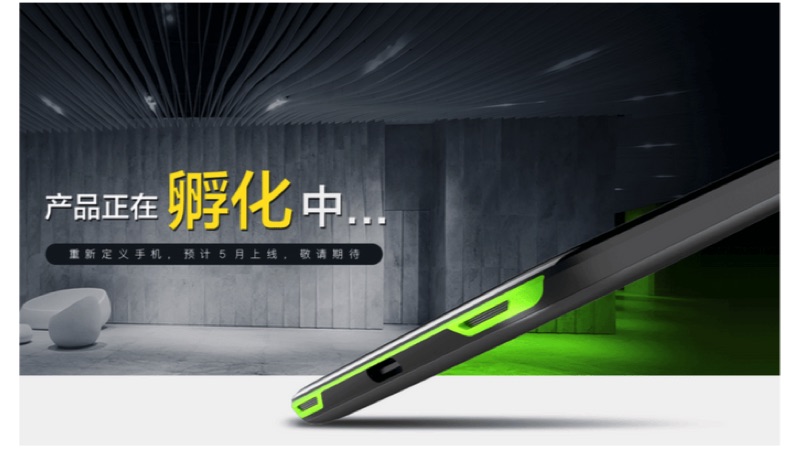
A lot of smartphone makers are working on gaming-centric smartphones. A few months ago, he Razer Phone was launched, and there are rumours of Asus working on one as well. The latest entrant into the gaming-centric smartphones segment appears to Xiaomi. As per a leak, the company might launch a gaming-centric smartphone called BlackShark.
Xiaomi is known for budget and affordable flagship smartphones. However, it will be interesting to see if the company will retain the pricing strategy for this device as well.
The teaser image from the website doesn’t say much, but, it indicates the dual stereo speakers at the bottom with a USB type C port. In fact, the design of the phone does not look anything similar to any of the Xiaomi smartphones. The company might have gone for a complete redesign of its new device.
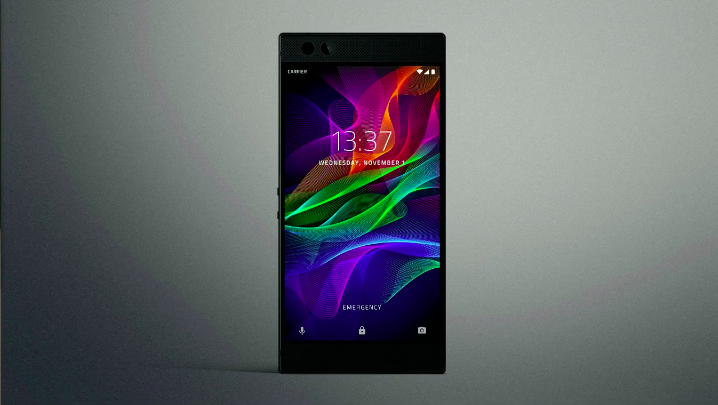
Razer Phone
The features of Xiaomi BlackShark are expected to match with the features of the Razer Phone, which offered top of the line specifications with gaming-centric features like the dual stereo speaker, 120Hz refresh rate, and the Snapdragon 835.
Specifications of Xiaomi BlackShark:
The Xiaomi BlackShark is expected to have a 6 inch display with 2160 x 1080p resolution. Under the hood, the smartphone will be powered by Snapdragon 845 chipset with 8 GB RAM and 32 GB storage. However, the company is expected to Xiaomi BlackShark with either 64GB or 128GB storage.
The BlackShark might offer a full metal unibody design with dual stereo speakers at the bottom. Out of the box, the smartphone will run on Android 8.0 Oreo. However, it might feature either MIUI or stock Android. As this is a gaming smartphone, it comes with one of a kind aviation class cooling system with additional tweaks. The smartphone scores an impressive 270680 points on Antutu, in fact, it is more than that of the Galaxy S9’s 265267 points.
Mi Mix 2
Conclusion:
Going by the company’s pricing strategy, the Xiaomi BlackShark should be priced competitively. However, the company might not launch this smartphone at MWC 2018, instead, it might have a separate launch event in China sometime later in 2018. Therefore, if true, the Mi BlackShark will surely give the Razer Phone and Razer Phone 2 a run for its money.
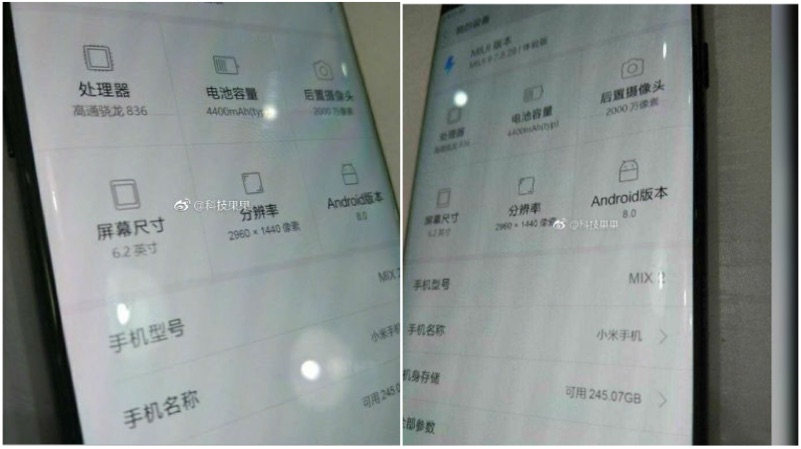
Xiaomi has already announced that the Mi Mix 2 will be officially launched on September 11. However, two new images have leaked, and they reveal a few key specifications of the upcoming smartphone.
The images are of the ‘About Phone’ section of the settings menu of the supposed Mi Mix 2. The images reveal that the Mi Mix 2 will have the yet-to-be announced Qualcomm Snapdragon 836 chipset under the hood. The chipset has featured in quite a few rumours lately. The images also show that the Mi Mix 2 will run Android 8.0 Oreo with Xiaomi’s custom skin MIUI 9 on top of it. The smartphone will have 256GB onboard storage and a 6.2 inch 2960 x 1440 px display.
If the Mi Mix 2 does launch with the Qualcomm Snapdragon 836 chipset, it will beat the Google Pixel 2 lineup to be the first smartphone to be powered by this chip. In terms of the optics, the screenshot lists a 20MP rear-facing camera which can be assumed as the primary camera as the Mi Mix 2 is dubbed to feature a dual-camera setup at the back. Other rumours about the phone suggest a 3,400 mAh battery and 6GB of RAM.
As always, these leaks are to be taken with a pinch of scepticism as the MIUI 9 based on Android 8.0 Oreo is not out yet. Also, Qualcomm has not announced the Snapdragon 836 chipset and with the launch less than 10 days away, it seems highly unlikely that Xiaomi Mi Mix 2 will have the chipset.
It’s worth noting that Xiaomi will launch the Mi Mix 2 a day prior to the launch of Apple iPhone 8 and feels confident that it won’t be overshadowed by the mighty iPhone.
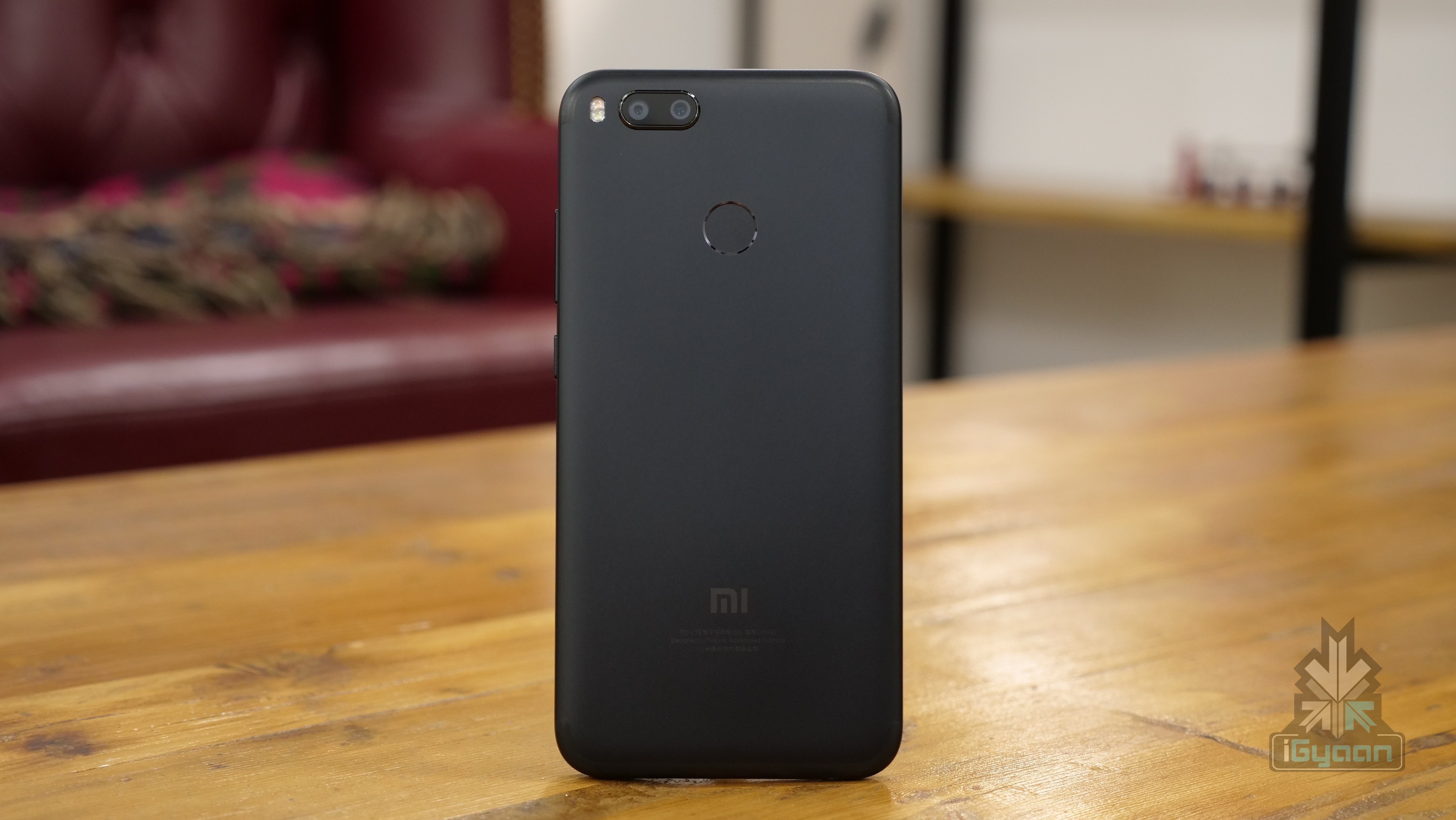
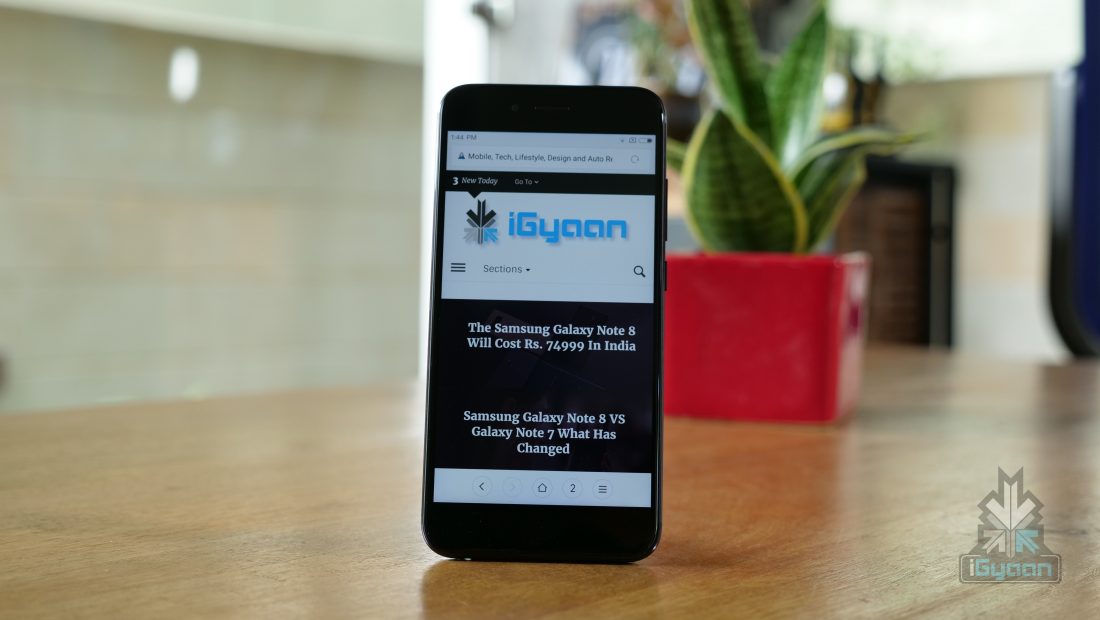
The Xiaomi Mi 5x was launched in the China market last month, the phone is a mid ranger with a dual camera setup. While Xiaomi is planning to launch it in other markets, there is no clarity on when and if the phone will ever make it to India. This new phone from Xiaomi has a 5.5-inch 1920 x 1080 px IPS LCD display. Unlike a lot of smartphones from 2017, the Mi 5X has a considerable amount of bezels around the display. The smartphone is powered by a 3,080 mAh battery with fast charging capabilities through the USB Type C port, although, the included charger does not provide a fast charge. The Mi 5X has the Qualcomm Snapdragon 625 chipset, 2.0 GHz octa-core processor, 4GB RAM and 64GB onboard storage which is expandable via microSD card up to 128GB. The Mi 5X runs Android 7.1.1 based on MiUi 8.5, this is a China edition ROM. However one can install Google Apps.
The phone is available in Black, Gold and Rose Gold colour variants You Can Buy it here. Inside the Box we get:
Xiaomi Mi 5X
Sim ejector tool
Documentation
2A wall charger
USB Type C cable
The phone has an all-metal build and features a dual-camera setup at the back along with a fingerprint sensor. The phone has 12MP dual-cameras with the secondary camera equipped with a telephoto lens for 2X lossless optical zoom. The camera app has a portrait mode very similar to the one on iPhone 7 Plus with features that include a portrait mode, blurring out the background. The dual-cameras are also capable of recording 4K videos at 30 FPS and 720P videos 120 FPS. On the front is a 5MP camera that records 1080P videos at 30 FPS.
Watch the unboxing video below, and stay tuned for our full review. Check Best Price
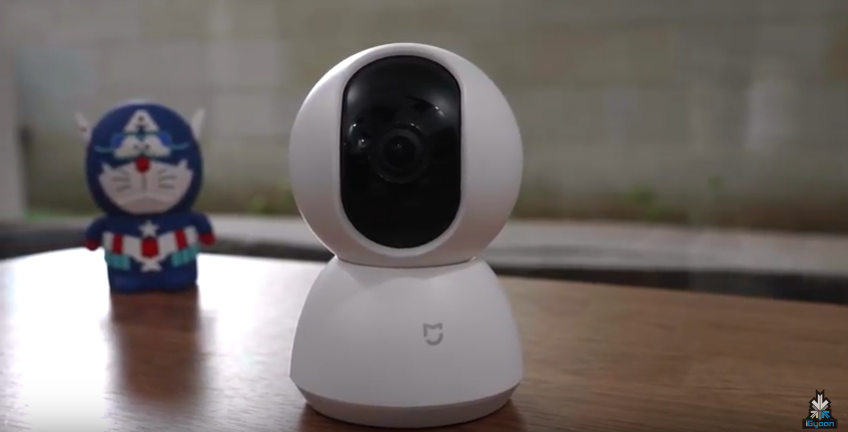
Xiaomi has a lot of cool tech to showcase in its smart products lineup. The Xiaomi Mi 360 Wireless Camera is another top offering from the Chinese manufacturer at an affordable price. This security camera looks after your house/office while you take a much-deserved nap.
The Mi Wireless Camera is available in two variants, one that captures footage in 720P and one in 1080P. Priced at USD 37 and USD 78 respectively, the device has everything you need in a security camera. To set it up, you need to download mi home app on your smartphone and scan the QR code to connect. Once connected, it will start streaming will start to stream footage directly to the app on your smartphone. As the camera is tied to your mi account you can securely view live video from anywhere in the world provided the camera is connected to Wi-Fi
The size of the camera is compact and it is lightweight. You can mount the camera on a wall or place it anywhere in your home or office. At USD 37 and USD 78, it is an extremely competitive alternative to a lot of expensive pan-and-tilt security cameras. Speaking of pan-and-tilt, the Mi Wireless Camera has a 360 pan along auto-follow mode which is enabled because of motion sensors.
The Mi 360 Wireless Camera ships worldwide for free and the customs may vary from area to area if you plan on buying one.
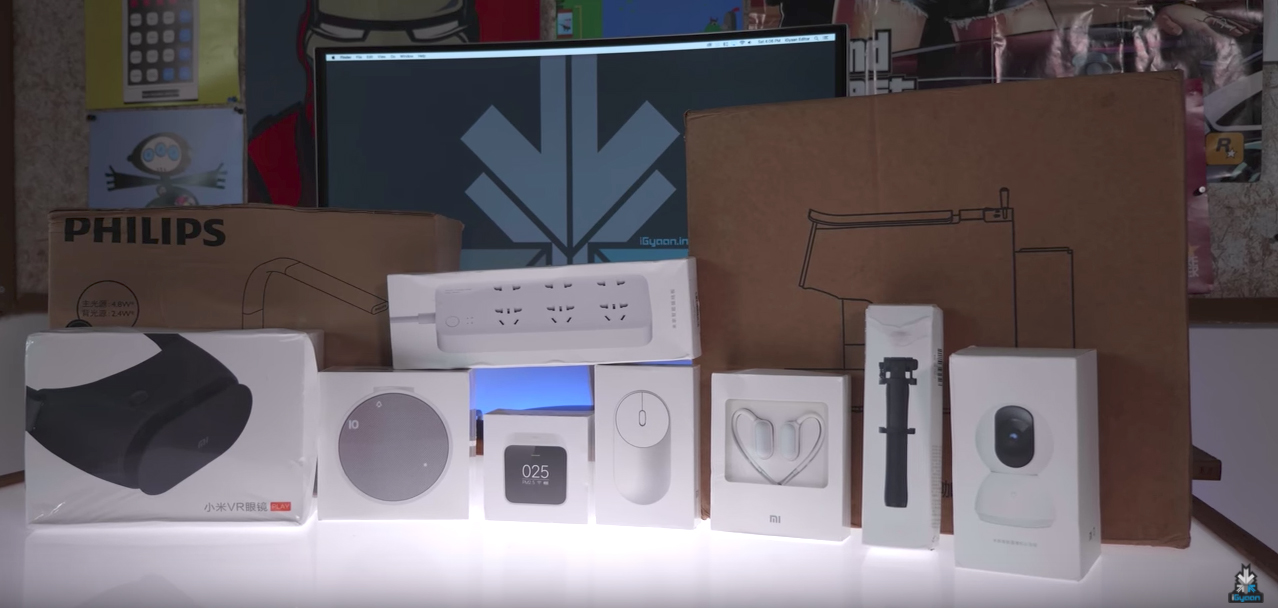
Xiaomi Inc. has fast become a brand that has more than just smartphones in its arsenal. With a host of home products and accessories available in India, it has built up quite a fanbase here in India. But as with a lot of Xiaomi smartphones, there is a host of other Xiaomi products that aren’t available outside the Chinese market. so, let’s take a look at Top10 Xiaomi products that are only available in China.
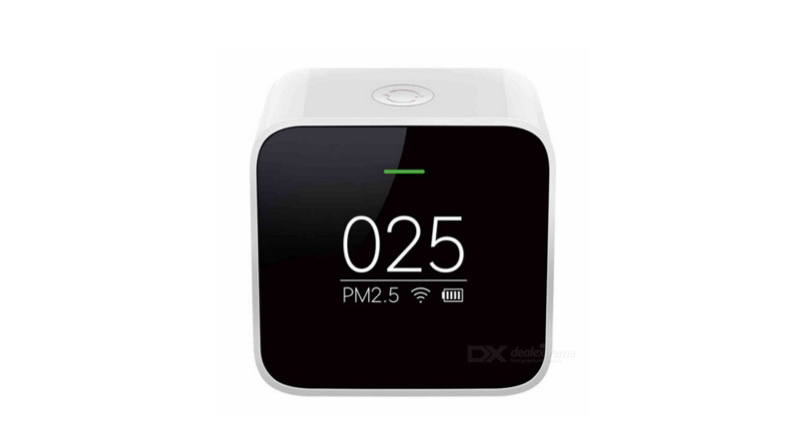
1. Xiaomi Smart Air Quality Monitor PM2.5 Detector
The rise and rise of pollution in this world has left us all huffing and puffing for fresh air. The Smart Air Quality Monitor is your reality check at every step, telling you the quality of the air you’re breathing at that very moment. It links up with the Xiaomi Air Purifier, and with its small form-factor, it’s a must-have Xiaomi product especially if you live in a metropolitan city with tons of cars emitting harmful toxins right in your face!
2. Xiaomi Wireless Bluetooth 4.1 Music Sport Earbuds
In an era of wireless earbuds, the Xiaomi Wireless Bluetooth 4.1 Music Sport Earbuds is exactly what you need. They’re portable, comfortable and have an IPX4 rating, which means that you can sweat it out in the gym while listening to your favourite jam and not worry about ruining these earbuds!
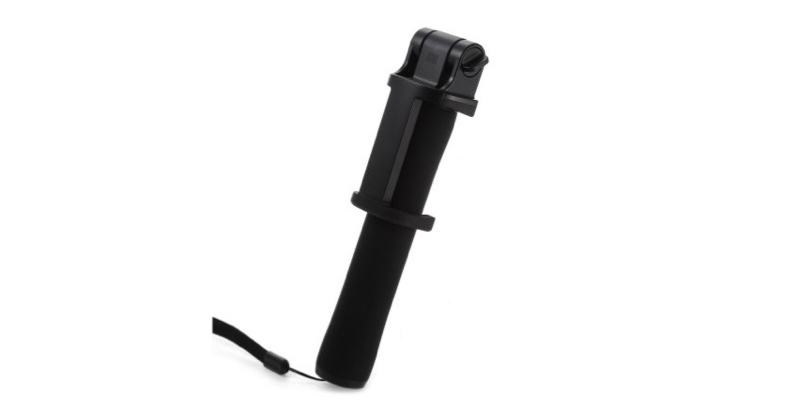
Let’s admit it, we all buy the fancy phones nowadays in pursuit of that perfect club selfie with your friends. The pleasure of getting that group selfie with all your friends in it just makes the day a little better, doesn’t it? The Xiaomi Selfie Stick is the perfect companion when it comes to taking those tedious group selfies ensuring all your friends are in the frame!
This is a power strip you would need at your home. It’s the new-age power strip that does more than just charging your appliances. It connects to an app which enables you to timely switch it off to avoid over-charging and electricity consumption. It also lets you measure the electricity it has consumed. Genius, isn’t it?
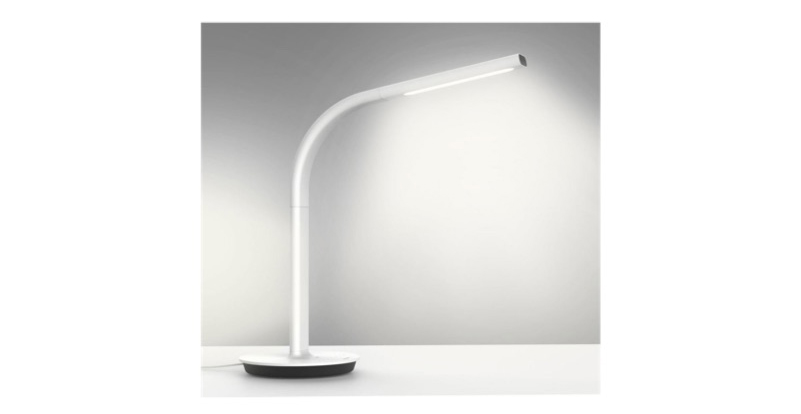
The strain caused to your eyes while working in a setting where the lighting is either too bright or too dim is something we’ve all experienced. In this era of smart lighting, Xiaomi has come up with a smart lamp in collaboration with Philips and it’s an instant winner. Take good care of your eyes and don’t let this lamp go out of stock!
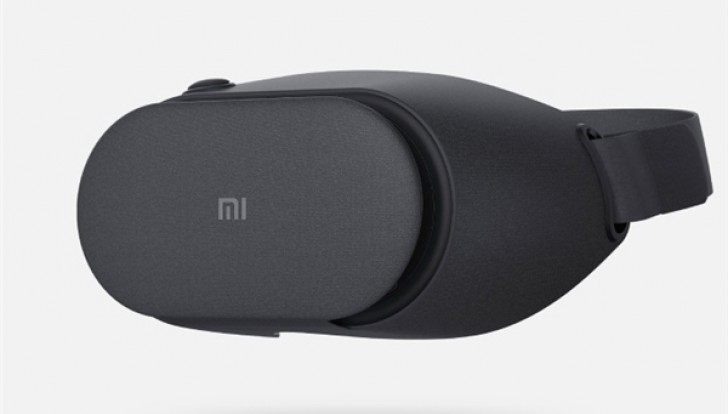
A modern-day smartphone needs to be VR compatible to gain any kind of traction, such is the sudden emergence of Virtual Reality in our lives. The Xiaomi VR headset is a budget offering which has a full set of functionalities and it won’t disappoint!
This smart wireless camera will help you get some much deserved sound sleep. Install this surveillance camera and get night-vision footage of up to 9 meters away. The rotatable design of the IP camera makes it capable of monitoring wider range in the horizontal and vertical direction.
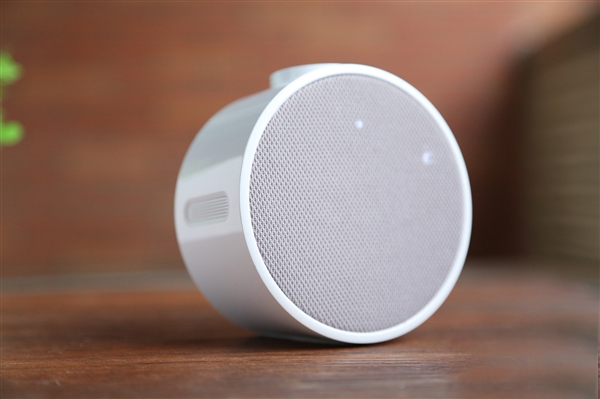
This can be a potential gift during parties because it looks cool and the function is even better! It wakes you up to soothing music and even helps you sleep at night! The smart alarm clock speaker has a simple one-key use so it is super simple to use!
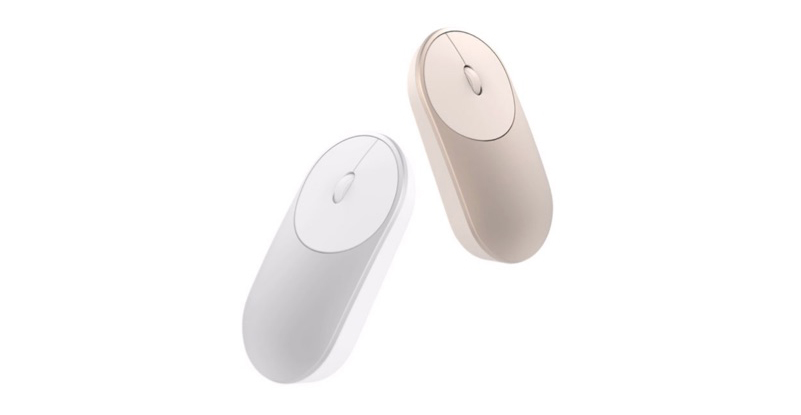
This little mouse is your perfect travel companion. If you hate using your laptop’s trackpad and carrying a chunky wired mouse is even more annoying, then Xiaomi Portable Mouse is tailor-made for you. It requires 2 AAA batteries to run and compatibility won’t be an issue.
Who doesn’t love a good cup of coffee in the morning? The next offering by Xiaomi is for all you coffee lovers out there. Brew your favourite cup of coffee right at home with this easy-to-use espresso coffee machine and you’ll never have to stand in those annoying lines at coffee shops!
MIUI has long been one of the most polarising custom Android skins. It has garnered quite a fan base across the board but also has its fair share of cynics, and you can’t disregard either. For long, MIUI has been a highly customisable but also slow and unstable skin that a lot of people love to hate. Even Xiaomi’s latest flagship Mi 6 with all the high end specs was found to be a little slow in certain areas. To deal with all that, Xiaomi has launched MIUI 9 with new features. It is worth noting that MIUI 9 will for the time being just be available in China, and the release date for other markets has not yet been announced.
Faster App Launching Speed
One of the main criticisms of MIUI has been its sluggish nature and the slow speed of general usage even in the flagship devices. Keeping that in mind, Xiaomi has promised much faster app launching speeds and navigation between multiple apps will be snappier as well. Performance enhancements are always welcome and this looks to be a step in the right direction for the Chinese giant.
Under The Hood Updates
Xiaomi has also introduced MIUI 9 with a few features that run in the background for example application prioritisation. This basically means that apps in the foreground will use up more power, but that has been on Android for a while. It also has better cache management, a new file system and a bunch of other tweaks to make the user experience crisper and snappier.
The ‘Smart’ Features
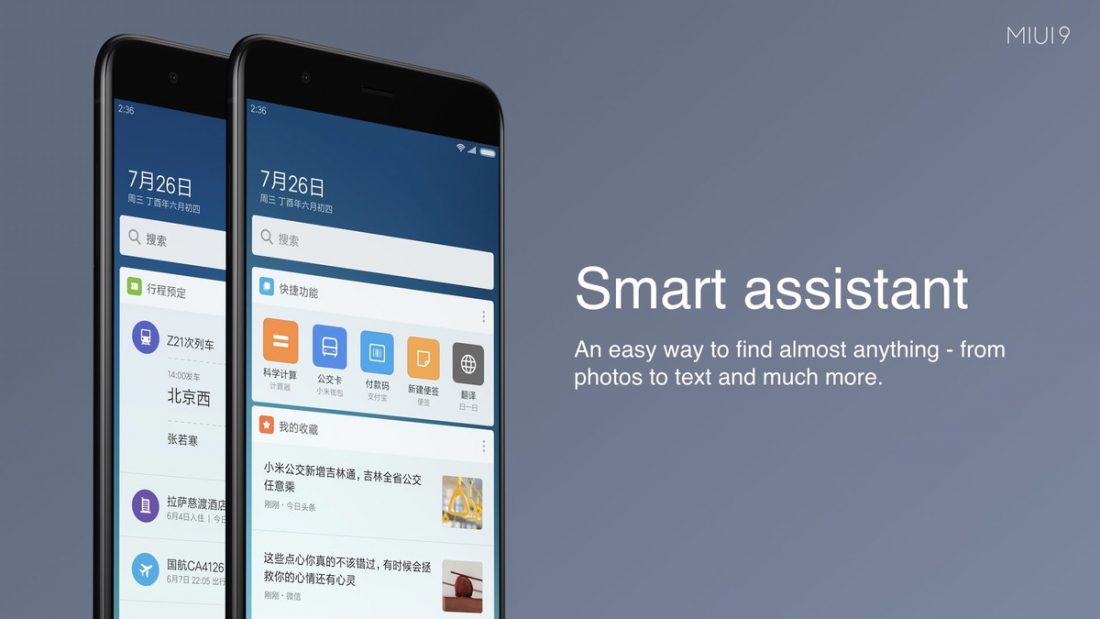
Xiaomi has also launched its Smart Assistant to compete with the likes of Google Assistant, Siri, Alexa and even Bixby. The voice assistant will be available in China only for the time being as localisation of the software may take time. Image search allows you to search your image talliers by image context keywords, so if you a looking for pictures with dogs that you have clicked you will be able to do that. The Smart App Launcher is a feature that makes a lot of sense as well. It basically means that you can open up a relevant app on the basis of the content on your current app. For example, if a friend sends you a restaurant’s name, you can open up Zomato to look up the restaurant.
Split-screen Is here, Finally.
The split-screen feature was one of the major upgrades in Android Nougat and a plethora of phones from mid-rangers to flagships have embraced this handy little feature. Xiaomi, on the other hand, has launched it just now with MIUI 9 and it’s a welcome update.
Xiaomi will begin to roll out the MIUI developer beta 9 from August 11 to the Xiaomi Mi6, with more phones will follow suit in the coming months. There is no clarity as to when Xiaomi will launch MIUI 9 in the global market.
Last year was all bout smartphone fires and about the infamous Samsung Galaxy Note 7 which was LIT (pun intended)! Long story short, lots of Note 7 handsets started randomly catching fire and Samsung recalled all the units and hence, the ‘Note 7 bursting into flames’ jokes came into being. In a rather bizarre news, a Xiaomi Redmi Note 4 was caught on tape bursting into flames in a shop in Bengaluru.
As the shopkeeper was trying to insert a Sim card in the phone, it caught fire after an explosion and burned the handset’s entire body. In the video, you can see that the phone isn’t connected to any charger or an accessory and quite astonishingly burst into flames while the retailer was handling the phone. A lot of similar cases are a result of overheating due to charging, so this is a rather rare case and quite bizarre.
Image via TechCase
In a yet another Firegate incident, the Xiaomi Redmi Note 4 bursting into flames seems like an isolated incident and although it is scary, no one in the incident got hurt. After Samsung Galaxy Note 7, this news comes in as a shock as we expect all the smartphone makers to be on top of their stop-the-phone-from-catching-fire game. We will reiterate that this is an isolated incident and doesn’t necessarily indicate and serious or inherent problem in the Xiaomi Redmi Note 4.
Late on Monday, Xiaomi released a statement which indicates that it believes the video is of an unrelated incident. Here’s Xiaomi India’s statement on the incident:
At Xiaomi, customer safety is of utmost importance to us. We investigated the Redmi Note 4 in the images, and concluded that it was a case of damage due to a faulty third-party charger used by the customer. Nonetheless we worked with the Poorvika store where the unit was bought, and replaced the customer’s damaged unit with a brand new Redmi Note 4. However, after a thorough investigation, we cannot validate the source of this video, as it has no relation to this case, and was not from the Poorvika store. In fact, it is unclear if this separate and unrelated incident depicted in the video involved a Xiaomi device.
Note- It appears that the video is fake and iGyaan has received the following statement from Xiaomi
At Xiaomi, customer safety is of utmost importance to us.
Recently, a video has been shared across a few news publications claiming that a Redmi Note 4 unit experienced an explosive scenario. We would like to state that this video has no relation to the concerned Redmi Note 4.
After an internal investigation, we found that the only recent incident of a burnt Redmi Note 4 stemmed from a Bangalore based customer – Arjun. He had purchased a Redmi Note 4 from a Poorvika store in Bangalore on 1st June 2017. His phone was damaged at his home on 17th July 2017, following which he took the phone to the aforementioned Poorvika store on the same day.
As soon as we were alerted to this incident, we took the device back. After a thorough technical investigation, we found out that the damage was caused due to a faulty third-party charger used by the customer. In addition, there were signs of physical damage on the phone as well.
We advise our customers to only use Xiaomi authorized chargers and accessories.
Regarding the video being circulated, we would like to clarify the following points:
(1) The video was attained from a random WhatsApp group, and has nothing to do with this recent Redmi Note 4 case.
(2) In fact, there is no evidence in the video to suggest that the device is a Redmi Note 4 or any other Xiaomi phone.
(3) The video is not from the aforementioned Poorvika store, or any other Poorvika store. On further investigation, we found that the CCTV video was from a retailer in Anamangad, Kerala. Xiaomi India only started selling devices at 3G and Fone 4 stores a few weeks ago in Kerala.
(4) The CCTV video was recorded on a different date, not 1st June (when Arjun bought the phone) or 17th July (when his phone got damaged).
(5) The customer in the video is not Arjun. He has confirmed to Xiaomi that the people in the video does not include or represent him or any of his relatives.
It is unfortunate that a member of the technology blogging fraternity used a video of an unrelated incident attained from a WhatsApp group, and merged it with the above-mentioned case involving Arjun, without doing any investigation. We find this behaviour very irresponsible and disturbing. We are currently evaluating legal action against this publication.
To all our Mi Fans, we would like to re-emphasize that safety is of utmost importance to us! All of our devices go through stringent quality tests to ensure that you get the best quality. We will once again encourage everyone to only use Xiaomi authorized chargers and accessories.
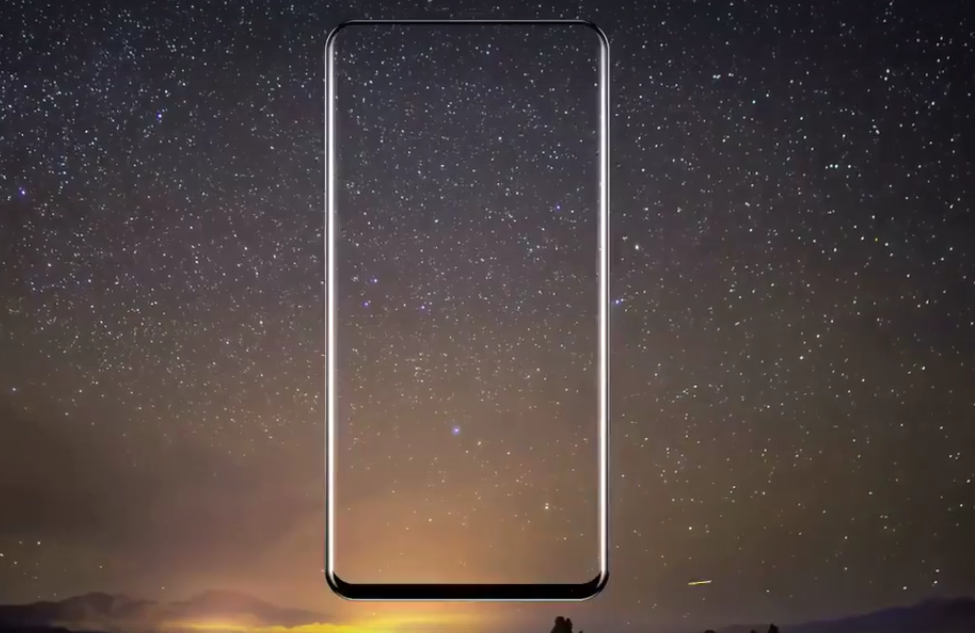
The Mi Mix may not have been a popular smartphone for Xiaomi, but it helped the company prove itself in the market place by launching the first phone with an all display front. The Mi Mix 2 has been talked about from as early as January , but some real specifications have started to appear.
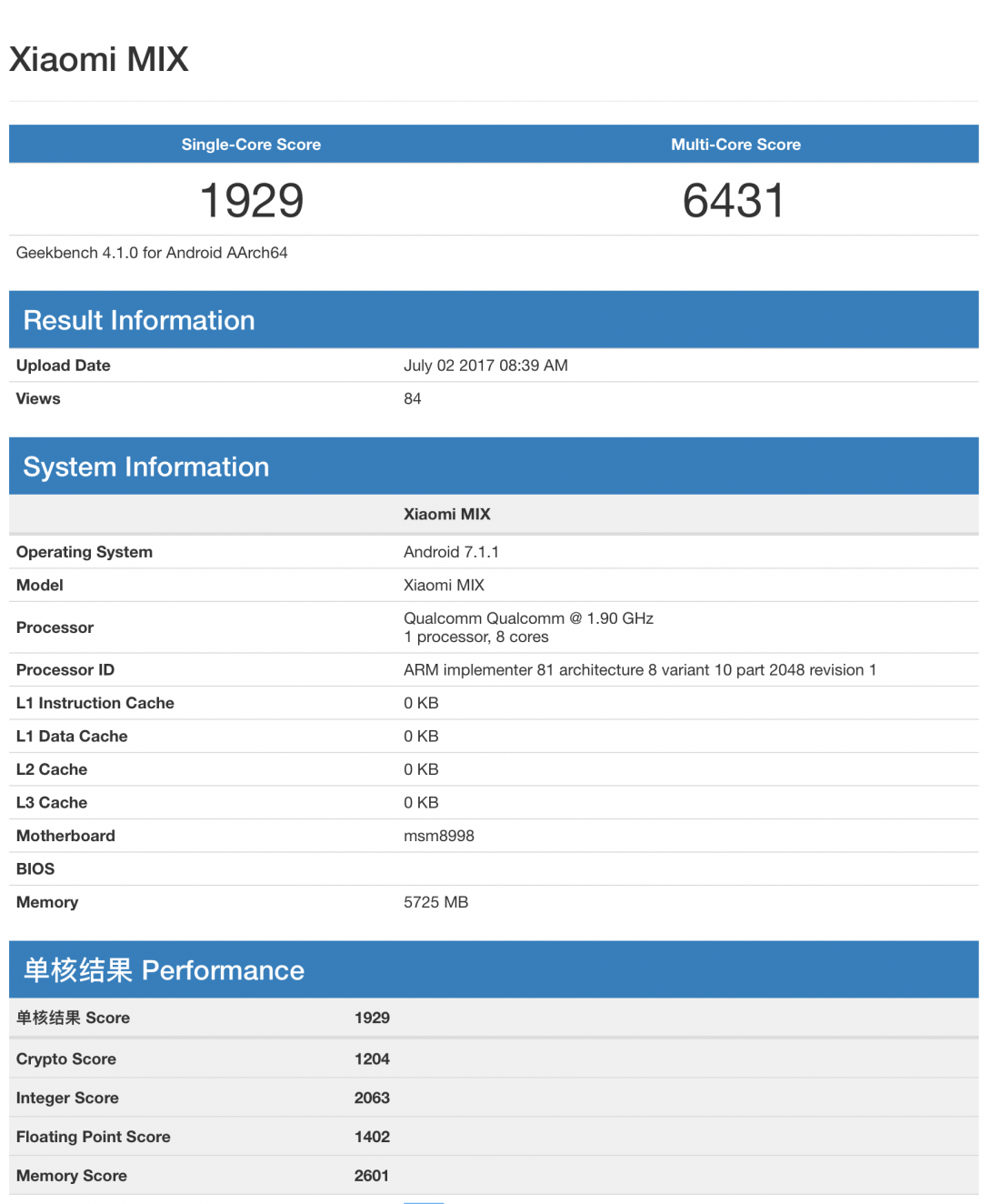
Philip Starck, the designer of the original Mix will also be responsible for designing the Mix 2. But more importantly the phone will have a larger screen to body ratio and will replace the iPhone 8 as the phone with the largest screen to body ratio. The phone has recently shown itself on benchmark results of Geekbench here showing off an Octa core 1.9 GHz msm8998 which is the Snapdragon 835. Interestingly the phone also appears to have a 6 GB of RAM as seen on the benchmark results. As for the benchmarks themselves the phone scores a whopping 6431 in the multi-core benchmark, which is impressive.
The Mi Mix 2 is expected to launch with a 6.4 inch curved AMOLED display with a QHD resolution along with a fingerprint embedded in the display. The Mi Mix 2 is also expected to show a 93% screen to body ratio with an 18:9 aspect.
The Mix 2 is also expected with a dual camera setup similar to that seen on the Xiaomi Mi 6, with OIS and depth effects.